EP3601532B1 - Neues verfahren zur gewinnung von lymphoidvorläufern - Google Patents
Neues verfahren zur gewinnung von lymphoidvorläufern Download PDFInfo
- Publication number
- EP3601532B1 EP3601532B1 EP18715564.3A EP18715564A EP3601532B1 EP 3601532 B1 EP3601532 B1 EP 3601532B1 EP 18715564 A EP18715564 A EP 18715564A EP 3601532 B1 EP3601532 B1 EP 3601532B1
- Authority
- EP
- European Patent Office
- Prior art keywords
- cells
- cxcr4
- mice
- cell
- cxcl12
- Prior art date
- Legal status (The legal status is an assumption and is not a legal conclusion. Google has not performed a legal analysis and makes no representation as to the accuracy of the status listed.)
- Active
Links
Images

Classifications
-
- C—CHEMISTRY; METALLURGY
- C12—BIOCHEMISTRY; BEER; SPIRITS; WINE; VINEGAR; MICROBIOLOGY; ENZYMOLOGY; MUTATION OR GENETIC ENGINEERING
- C12N—MICROORGANISMS OR ENZYMES; COMPOSITIONS THEREOF; PROPAGATING, PRESERVING, OR MAINTAINING MICROORGANISMS; MUTATION OR GENETIC ENGINEERING; CULTURE MEDIA
- C12N5/00—Undifferentiated human, animal or plant cells, e.g. cell lines; Tissues; Cultivation or maintenance thereof; Culture media therefor
- C12N5/0018—Culture media for cell or tissue culture
-
- C—CHEMISTRY; METALLURGY
- C12—BIOCHEMISTRY; BEER; SPIRITS; WINE; VINEGAR; MICROBIOLOGY; ENZYMOLOGY; MUTATION OR GENETIC ENGINEERING
- C12N—MICROORGANISMS OR ENZYMES; COMPOSITIONS THEREOF; PROPAGATING, PRESERVING, OR MAINTAINING MICROORGANISMS; MUTATION OR GENETIC ENGINEERING; CULTURE MEDIA
- C12N5/00—Undifferentiated human, animal or plant cells, e.g. cell lines; Tissues; Cultivation or maintenance thereof; Culture media therefor
- C12N5/06—Animal cells or tissues; Human cells or tissues
- C12N5/0602—Vertebrate cells
- C12N5/0634—Cells from the blood or the immune system
- C12N5/0635—B lymphocytes
-
- C—CHEMISTRY; METALLURGY
- C12—BIOCHEMISTRY; BEER; SPIRITS; WINE; VINEGAR; MICROBIOLOGY; ENZYMOLOGY; MUTATION OR GENETIC ENGINEERING
- C12N—MICROORGANISMS OR ENZYMES; COMPOSITIONS THEREOF; PROPAGATING, PRESERVING, OR MAINTAINING MICROORGANISMS; MUTATION OR GENETIC ENGINEERING; CULTURE MEDIA
- C12N5/00—Undifferentiated human, animal or plant cells, e.g. cell lines; Tissues; Cultivation or maintenance thereof; Culture media therefor
- C12N5/06—Animal cells or tissues; Human cells or tissues
- C12N5/0602—Vertebrate cells
- C12N5/0634—Cells from the blood or the immune system
- C12N5/0636—T lymphocytes
-
- C—CHEMISTRY; METALLURGY
- C12—BIOCHEMISTRY; BEER; SPIRITS; WINE; VINEGAR; MICROBIOLOGY; ENZYMOLOGY; MUTATION OR GENETIC ENGINEERING
- C12N—MICROORGANISMS OR ENZYMES; COMPOSITIONS THEREOF; PROPAGATING, PRESERVING, OR MAINTAINING MICROORGANISMS; MUTATION OR GENETIC ENGINEERING; CULTURE MEDIA
- C12N5/00—Undifferentiated human, animal or plant cells, e.g. cell lines; Tissues; Cultivation or maintenance thereof; Culture media therefor
- C12N5/06—Animal cells or tissues; Human cells or tissues
- C12N5/0602—Vertebrate cells
- C12N5/0634—Cells from the blood or the immune system
- C12N5/0647—Haematopoietic stem cells; Uncommitted or multipotent progenitors
-
- C—CHEMISTRY; METALLURGY
- C12—BIOCHEMISTRY; BEER; SPIRITS; WINE; VINEGAR; MICROBIOLOGY; ENZYMOLOGY; MUTATION OR GENETIC ENGINEERING
- C12N—MICROORGANISMS OR ENZYMES; COMPOSITIONS THEREOF; PROPAGATING, PRESERVING, OR MAINTAINING MICROORGANISMS; MUTATION OR GENETIC ENGINEERING; CULTURE MEDIA
- C12N2501/00—Active agents used in cell culture processes, e.g. differentation
- C12N2501/20—Cytokines; Chemokines
- C12N2501/21—Chemokines, e.g. MIP-1, MIP-2, RANTES, MCP, PF-4
-
- C—CHEMISTRY; METALLURGY
- C12—BIOCHEMISTRY; BEER; SPIRITS; WINE; VINEGAR; MICROBIOLOGY; ENZYMOLOGY; MUTATION OR GENETIC ENGINEERING
- C12N—MICROORGANISMS OR ENZYMES; COMPOSITIONS THEREOF; PROPAGATING, PRESERVING, OR MAINTAINING MICROORGANISMS; MUTATION OR GENETIC ENGINEERING; CULTURE MEDIA
- C12N2501/00—Active agents used in cell culture processes, e.g. differentation
- C12N2501/20—Cytokines; Chemokines
- C12N2501/23—Interleukins [IL]
- C12N2501/2303—Interleukin-3 (IL-3)
-
- C—CHEMISTRY; METALLURGY
- C12—BIOCHEMISTRY; BEER; SPIRITS; WINE; VINEGAR; MICROBIOLOGY; ENZYMOLOGY; MUTATION OR GENETIC ENGINEERING
- C12N—MICROORGANISMS OR ENZYMES; COMPOSITIONS THEREOF; PROPAGATING, PRESERVING, OR MAINTAINING MICROORGANISMS; MUTATION OR GENETIC ENGINEERING; CULTURE MEDIA
- C12N2501/00—Active agents used in cell culture processes, e.g. differentation
- C12N2501/20—Cytokines; Chemokines
- C12N2501/23—Interleukins [IL]
- C12N2501/2306—Interleukin-6 (IL-6)
-
- C—CHEMISTRY; METALLURGY
- C12—BIOCHEMISTRY; BEER; SPIRITS; WINE; VINEGAR; MICROBIOLOGY; ENZYMOLOGY; MUTATION OR GENETIC ENGINEERING
- C12N—MICROORGANISMS OR ENZYMES; COMPOSITIONS THEREOF; PROPAGATING, PRESERVING, OR MAINTAINING MICROORGANISMS; MUTATION OR GENETIC ENGINEERING; CULTURE MEDIA
- C12N2501/00—Active agents used in cell culture processes, e.g. differentation
- C12N2501/20—Cytokines; Chemokines
- C12N2501/23—Interleukins [IL]
- C12N2501/2307—Interleukin-7 (IL-7)
-
- C—CHEMISTRY; METALLURGY
- C12—BIOCHEMISTRY; BEER; SPIRITS; WINE; VINEGAR; MICROBIOLOGY; ENZYMOLOGY; MUTATION OR GENETIC ENGINEERING
- C12N—MICROORGANISMS OR ENZYMES; COMPOSITIONS THEREOF; PROPAGATING, PRESERVING, OR MAINTAINING MICROORGANISMS; MUTATION OR GENETIC ENGINEERING; CULTURE MEDIA
- C12N2501/00—Active agents used in cell culture processes, e.g. differentation
- C12N2501/20—Cytokines; Chemokines
- C12N2501/26—Flt-3 ligand (CD135L, flk-2 ligand)
-
- C—CHEMISTRY; METALLURGY
- C12—BIOCHEMISTRY; BEER; SPIRITS; WINE; VINEGAR; MICROBIOLOGY; ENZYMOLOGY; MUTATION OR GENETIC ENGINEERING
- C12N—MICROORGANISMS OR ENZYMES; COMPOSITIONS THEREOF; PROPAGATING, PRESERVING, OR MAINTAINING MICROORGANISMS; MUTATION OR GENETIC ENGINEERING; CULTURE MEDIA
- C12N2506/00—Differentiation of animal cells from one lineage to another; Differentiation of pluripotent cells
- C12N2506/11—Differentiation of animal cells from one lineage to another; Differentiation of pluripotent cells from blood or immune system cells
Definitions
- the disclosure relates to an in vitro method for preparing lymphoid progenitors, said method comprising the step of culturing hematopoietic stem and progenitor cells (HSPCs) in an appropriate culture medium comprising an effective amount of a cocktail of cytokine selected in the group consisting in SCF, IL-3, IL-6, IL-7 and Flt-3L and an effective amount of the chemokine CXCL12.
- HSPCs hematopoietic stem and progenitor cells
- CXCR4 is a broadly expressed G-protein-coupled receptor whose activation by its natural ligand, the CXC ⁇ -chemokine Stromal cell-derived factor-1 (SDF-1/CXCL12), is essential for organogenesis and critically involved in fetal B-cell lymphopoiesis and bone marrow (BM) myelopoiesis (Ma et al., 1998; Nagasawa et al., 1998, 1996).
- SDF-1/CXCL12 CXC ⁇ -chemokine Stromal cell-derived factor-1
- CXCR4 mediates the engraftment, retention and multilineage differentiation of hematopoietic stem and progenitor cells (HSPCs) in various CXCL12-expressing niches in the BM by regulating their migration, survival and quiescence (Karpova and Bonig, 2015; Peled et al., 1999; Foudi et al., 2006; Nie et al., 2008; Cordeiro Gomes et al., 2016).
- HSPCs hematopoietic stem and progenitor cells
- This signaling axis is also involved at different stages in the production and distribution of B-, T-, and myeloid cells in lymphoid organs (LO) and peripheral blood (Nagasawa et al., 1996; Scimone et al., 2004; Eash et al., 2010; Onai et al., 2000; Kawabata et al., 1999).
- CXCR4 desensitization and endocytosis in regulating its signaling pathways and activities has grown substantially.
- ⁇ -arrestins Upon CXCL12 exposure, ⁇ -arrestins are recruited to the carboxyl-terminal tail (C-tail) domain of the receptor, precluding further G-protein activation (i.e. desensitization) and leading to receptor internalization.
- CXCR4 internalization is associated with HSPCs entry into the circulation (Christopher et al., 2009).
- mice displayed in vitro lymphocytes with enhanced migration to Cxcl12 and phenocopied severe lymphopenia.
- the inventors took advantage of their original and relevant knock-in mouse model and the access to blood samples from five WS patients to investigate the impact of CXCR4 desensitization on BM and extra-medullary (i.e. splenic) hematopoiesis and hematopoietic stem and progenitor cell (HSPC) recirculation. They developed, for the first time, an original in vitro system permitting to selectively expand HSPCs to obtain lymphoid progenitors by using an original cocktail of cytokines.
- HSPC hematopoiesis and hematopoietic stem and progenitor cell
- the present invention relates to an in vitro method for preparing lymphoid progenitors, said method comprising the step of culturing HSPCs in an appropriate culture medium comprising an effective amount of a cocktail of cytokine selected in the group consisting in SCF, IL-3, IL-6, IL-7 and Flt-3L and an effective amount of the chemokine CXCL12.
- a cocktail of cytokine selected in the group consisting in SCF, IL-3, IL-6, IL-7 and Flt-3L
- the invention is defined by the claims.
- the disclosure relates to an in vitro method for preparing lymphoid progenitors, said method comprising the step of culturing hematopoietic stem and progenitor cells (HSPCs) in an appropriate culture medium comprising an effective amount of a cocktail of cytokines selected in the group consisting in SCF, IL-3, IL-6, IL-7 and Flt-3.
- HSPCs hematopoietic stem and progenitor cells
- the disclosure relates to an in vitro method for preparing lymphoid progenitors, said method comprising the step of culturing hematopoietic stem and progenitor cells (HSPCs) in an appropriate culture medium comprising an effective amount of a cocktail of cytokines consisting in SCF, IL-3, IL-6, IL-7 and Flt-3.
- the culture medium comprises the 5 cytokines SCF, IL-3, IL-6, IL-7 and Flt-3.
- the lymphoid progenitors may be MLP (Immature Multi-Lymphoid Progenitors) for the human lineage or LMPP (Lymphoid-Primed Multipotential Progenitors) for the mouse lineage.
- MLP Implant Multi-Lymphoid Progenitors
- LMPP Lymphoid-Primed Multipotential Progenitors
- the disclosure also relates to an in vitro method for preparing MLP or LMPP, said method comprising the step of culturing HSPCs in an appropriate culture medium comprising an effective amount of a cocktail of cytokines consisting in SCF, IL-3, IL-6, IL-7 and Flt-3.
- HSPCs for "Haematopoietic Stem and Progenitor Cells” has its general meaning in the art.
- HSC Human Stem Cells
- progenitors are Lin -
- CD34 + and HSCs are Lin - , CD34 + , CD38 - , CD45RA - , CD90 + , CD49f + .
- HSPC denotes LSK SLAM, MPP, LMPP, CLP, ProB, ETP and myeloid progenitors (CMP, GMP et MEP).
- LSK SLAM for "Signaling Lymphocyte Activation Molecule” are Lin - c-Kit + Sca-1 + (LSK) CD48 - CD150 + .
- HSPCs are the stem cells and progenitors that give rise to all the other blood cells through the process of haematopoiesis. They are derived from mesoderm and located in the red BM, which is contained in the core of most bones (see Doulatov et al., 2012).
- the disclosure also relates to an in vitro method for preparing lymphoid progenitors, said method comprising the step of culturing HSCs in an appropriate culture medium comprising an effective amount of a cocktail of cytokines selected in the group consisting in SCF, IL-3, IL-6, IL-7 and Flt-3.
- the disclosure relates to an in vitro method for preparing lymphoid progenitors, said method comprising the step of culturing HSCs in an appropriate culture medium comprising an effective amount of a cocktail of cytokines consisting in SCF, IL-3, IL-6, IL-7 and Flt-3.
- MLP for "Immature Multi-Lymphoid Progenitors” has its general meaning in the art. This term is used for human lineage. MLP characterized as CD34 + , CD45RA + , CD10 + and CD7 - denotes cells derived from MPP and which give the lymphoid lineage (T-cells, B-cells and Natural Killer (NK) cells) (see Doulatov et al., 2012).
- NK Natural Killer
- LMPP Lymphoid Primed Multipotent Progenitor
- LSK CD34 + Flt3 high denotes cells derived from MPP and which give the lymphoid lineage (like CLP) and thus T-cells, B-cells and Natural Killer (NK) cells (see Doulatov et al., 2012).
- MPP2 for “Multipotent Progenitor 2” has its general meaning in the art. This term is used for mouse lineage. MPP2 characterized as LSK CD48 + CD150 + Flt3 - denotes cells derived from HSC and which display a megakaryocyte/erythroid (MegE)-biased differentiation potential (see Pietras et al., 2015).
- MPP2 characterized as LSK CD48 + CD150 + Flt3 - denotes cells derived from HSC and which display a megakaryocyte/erythroid (MegE)-biased differentiation potential (see Pietras et al., 2015).
- MegE megakaryocyte/erythroid
- MPP3 for “Multipotent Progenitor 3” has its general meaning in the art. This term is used for mouse lineage. MPP3 characterized as LSK CD48 + CD150 - Flt3 - denotes cells derived from HSC and which display a granulocyte/macrophage (GM)-biased differentiation potential (see Pietras et al., 2015).
- GM granulocyte/macrophage
- MPP4 for "Multipotent Progenitor 4" has its general meaning in the art. This term is used for mouse lineage. MPP4 characterized as LSK CD48 +/- CD150 - Flt3 + denotes cells derived from HSC and which display a lymphoid-biased differentiation potential (see Pietras et al., 2015). Note that this population overlaps with another lymphoid-biased progenitor definition based on reporter gene combinations and different surface markers, the LMPP population (see Doulatov et al., 2012). According to the disclosure and according to some nomenclatures (see Pietras et al., 2015 for example), LMPP and MPP4 could correspond to the same population of cells.
- SCF Stem Cell Factor
- SCF Stem Cell Factor
- mSCF hematopoietic growth factor and ligand for the KIT tyrosine kinase receptor, which exerts its activity in the early stages of haematopoiesis. SCF stimulates the proliferation of myeloid and erythroid in BM cultures.
- mSCF mouse SCF
- hSCF human SCF
- IL-3 for "Interleukin-3” has its general meaning in the art.
- IL-3 denotes a protein that can improve the body's natural response to disease as part of the immune system.
- IL-3 stimulates the differentiation of HSPCs into myeloid progenitor cells or, with the addition of IL-7, into lymphoid progenitor cells.
- mIL3 mouse IL-3) or hIL3 (human IL-3) can be used in the method of the disclosure.
- IL-6 for "Interleukin-6” has its general meaning in the art. IL-6 is secreted by T cells and macrophages to stimulate immune response. IL-6 is an important mediator of fever and of the acute phase response. It is capable of crossing the blood-brain barrier and initiating synthesis of PGE2 in the hypothalamus, thereby changing the body's temperature set-point. According to the disclosure, mIL6 (mouse IL-6) or hIl6 (human IL-6) can be used in the method of the disclosure.
- IL-7 for "Interleukin-7” has its general meaning in the art.
- IL-7 is a haematopoietic growth factor secreted by stromal cells in the BM and thymus. It is also produced by keratinocytes, dendritic cells, hepatocytes, neurons, and epithelial cells but is not produced by normal lymphocytes.
- IL-7 stimulates the differentiation of HSPCs into lymphoid progenitor cells.
- mIL7 mouse IL7
- hIl7 human IL-7
- FLT3 denotes a cytokine receptor, which belongs to the receptor tyrosine kinase class III. It is expressed on the surface of many HPCs. Signaling of FLT3 is important for the normal development of HSPCs.
- mFLT3 mouse FLT3
- hFLT3 human FLT3
- ligand of FLT3 is used for the method of the disclosure.
- cytokine FLT3 denotes the ligand of the FTL3 receptor (FLT-3L).
- the disclosure also relates to an in vitro method for preparing lymphoid progenitors, said method comprising the step of culturing HSCs in an appropriate culture medium comprising an effective amount of a cocktail of cytokines selected in the group consisting in SCF, IL-3, IL-6, IL-7 and Flt-3L.
- the disclosure also relates to an in vitro method for preparing lymphoid progenitors, said method comprising the step of culturing HSCs in an appropriate culture medium comprising an effective amount of a cocktail of cytokines consisting in SCF, IL-3, IL-6, IL-7 and Flt-3L.
- FLT-3L for "Fms-like tyrosine kinase 3 ligand” has its general meaning in the art.
- FLT-3L denotes a cytokine which combined with other cytokines can stimulate the proliferation and differentiation of various blood cell progenitors.
- the disclosure also relates to an in vitro method for preparing lymphoid progenitors, said method comprising the step of culturing HSPCs in an appropriate culture medium comprising an effective amount of a cocktail of cytokines selected in the group consisting in mSCF, mIL-3, hIL-6, mIL-7 and hFlt-3.
- the disclosure also relates to an in vitro method for preparing lymphoid progenitors, said method comprising the step of culturing HSPCs in an appropriate culture medium comprising an effective amount of a cocktail of cytokines consisting in mSCF, mIL-3, hIL-6, mIL-7 and hFlt-3.
- a step of isolating lymphoid progenitors is added at the end of the methods described above.
- the culture medium also comprises an effective amount of the chemokine CXCL12.
- CXCL12 for "C-X-C motif chemokine 12” has its general meaning in the art.
- CXCL12 or Stromal cell derived factor-1 (SDF-1) is strongly chemotactic for lymphocytes. During embryogenesis it directs the migration of haematopoietic cells from foetal liver to BM and the formation of large blood vessels.
- the disclosure relates to an in vitro method for preparing lymphoid progenitors, said method comprising the step of culturing HSPCs in an appropriate culture medium comprising an effective amount of a cocktail of cytokines consisting in SCF, IL-3, IL-6, IL-7, Flt-3 and CXCL12.
- the culture medium comprises the 6 cytokines SCF, IL-3, IL-6, IL-7, Flt-3 and CXCL12.
- FLt-3 used corresponds to the Flt-3L (ligand of Flt-3).
- the culture medium may comprises or not a feeder.
- the culture medium does not comprise a feeder.
- feeders has its general meaning in the art.
- Feeders denote cells used in co-culture techniques, which support the growth of the other cells in the culture.
- Feeder cells provide auxiliary substances including attachment substrates, nutrients, or other factors that are needed for growth in culture.
- feeders are fibroblasts, mouse embryonic fibroblasts (MEFs) or stromal cell lines (e.g., ST2, MS5, PA6, OP9 or OP9-DL1).
- the feeder cells are adherent cells and are cultured in appropriate culture system such as plates or dishes, so that the feeder cells form a layer.
- Culture conditions may vary, but standard tissue culture conditions form the basis of the co-culture.
- cells are incubated in 5% C02 incubators at 37°C in a culture medium.
- HSCs are differentiated at first in MPPs and then in lymphoid progenitors (see Doulatov et al., 2012).
- the LMPPs are, in a next step, differentiated in CLPs (see Doulatov et al., 2012).
- the MPP4 are, in a next step, differentiated in CLPs (see Pietras et al., 2015).
- MPP Multipotent Progenitor
- LSKCD48 - CD150 - for mouse lineage
- LSKCD48 - CD150 - constitute a biological cell that, like a stem cell, has the capacity to differentiate into all blood cells, but is already more specific than a stem cell and is pushed to differentiate into its "target” cell.
- the most important difference between stem cells and progenitor cells is the self-renewal ability that have stem cells and not progenitor cells (see Doulatov et al., 2012). Note that according to some nomenclatures, this population could overlap with another hematopoietic stem cell definition based on reporter gene combinations and different surface markers, the short-term HSC population (see Pietras et al., 2015).
- CLP for "Common Lymphoid Progenitor” has its general meaning in the art and is used for mouse lineage.
- CLP defined as Lin - c-Kit low Sca-1 low CD127 + Flt3 + are committed lymphoid progenitor cells, and give rise to T-lineage cells, B-lineage cells and NK cells.
- culture medium refers to a chemical composition that supports the growth and/or differentiation of a cell, suitably of a mammalian cell.
- Typical culture media include suitable nutrients (e.g. sugars, amino acids, proteins, and the like) to support the growth and/or differentiation of a cell.
- Media for the culture of mammalian cells are well known to those of skill in the art and comprise Medium 199, Eagle's Basal Medium (BME), Eagle's Minimum Essential Medium (MEM), alpha modification MEM (MEM), Minimum Essential Medium with Non-Essential Amino Acids (MEM/NEAA), Dulbecco's Modification of Eagle's Medium (DMEM), McCoy's 5 A, Rosewell Park Memorial Institute (RPMI) 1640, modified McCoy's 5 A, Ham's F10 and F 12, CMRL 1066 and CMRL 1969, Fisher's medium, Glasgow Minimum Essential Medium (GMEM), Iscove's Modified Dulbecco's Medium (IMDM), Leibovitz's L-15 Medium, McCoy's 5A medium, S-MEM, NCTC-109, NCTC-135, Waymouth's MB 752/1 medium, Williams' Medium E, and the like.
- BME Eagle's Basal Medium
- MEM Eagle's Minimum Essential Medium
- MEM
- the culture medium comprises between 5% to 20% of Fetal Bovine Serum (FBS), more particularly between 8 % to 12%.
- FBS Fetal Bovine Serum
- the culture medium comprises between 0.2% to 5% of penicillin more particularly between 0.5 % to 2%.
- the culture medium comprises between 1 to 100 ng/ml of the cytokines of the disclosure (SCF, IL-3, IL-6, IL-7 and Flt3), more particularly between 5 and 70 ng/ml.
- the concentration of the cytokines of the disclosure may be 5, 10 or 50 ng/ml.
- HSPCs are cultured in DMEM medium supplemented with 10% FBS, 1% penicillin as well as the cytokines described above (SCF, IL-3, IL-6, IL-7 and Flt3) at 5, 10 or 50 ng/mL and 1 to 1000 ng/ml for CXCL12. Cytokines were added to the feeder-free medium at the start of the experiment only. Cells were harvested at different times to analyze HSPC differentiation by flow cytometry.
- the duration of the culturing step is in the range of about 2 to 14 days, more particularly about 4 to 7 days.
- the duration of the culturing step is 4, 5, 6 or 7 days.
- the method of thedisclosure involves culturing HSPCs that have been isolated, or partially purified, from cord blood.
- HSCs may be isolated from cord blood using any of the methods well known to persons skilled in the art.
- One preferred method involves the isolation of HSC from the fraction(s) of centrifuged cord blood, which remain following removal of erythrocytes, by magnetic bead-based methods such as the magnetically activated cell sorting (MACS) protocol described in the MicroBead Kit from Miltenyi Biotec (Miltenyi Biotec GmbH, Cologne, Germany (2006 )).
- MCS magnetically activated cell sorting
- the population of HSCs was previously expanded in an appropriate culture medium before being cultured in the presence of the culture medium.
- expanded refers to growing cells in culture to achieve a larger homogenous population of the cells.
- the method of the disclosure is particularly suitable for the preparation of large amounts of lymphoid progenitors which can be subsequently used e.g. for research or therapeutics applications.
- the lymphoid progenitors obtained by the method of the disclosure may be used in a patient with a WS.
- the disclosure also relates to a population of lymphoid progenitors obtained by the method of the disclosure for use in the treatment of a patient suffering of a WS.
- WHIM Syndrome has its general meaning in the art and denotes a rare congenital immunodeficiency disorder characterized by chronic noncyclic neutropenia and lymphopenia.
- the disclosure also relates to a population of lymphoid progenitors obtained by the method of the disclosure for use to treat some myelodysplastic syndromes, for optimizing cell-based therapy or in BM graft context.
- FIGURES are a diagrammatic representation of FIGURES.
- P1, P2, P3, P4 and P5 had a leukocyte count of 0.76 ⁇ 10 9 /L, 1.07 ⁇ 10 9 /L, 0.93 ⁇ 10 9 /L, 0.85 ⁇ 10 9 /L and 2.6 ⁇ 10 9 /L respectively.
- Four of them had autosomal dominant mutations in CXCR4 (P1: c.1000C>T, p.Arg334*; P2 and P3: c.1013dup, p.Ser339Ilefs*5; and P4: c.1013C>G, p.Ser338*).
- mAbs anti-human CD7 (clone M-T701, mouse IgG1), CD10 (clone HI10A, mouse IgG1), CD34 (clone 581, mouse IgG1), CD38 (clone HIT2, mouse IgG1) and CD45RA (clone HI100, mouse IgG2b). Abs were conjugated to Brilliant Violet (BV) 421, BV 605, FITC, APC and AF700, and were purchased from BD Biosciences. Corresponding isotype- and species-matched Abs were used as negative controls.
- BV Brilliant Violet
- red blood cells were lyzed with OptiLyse C ® buffer (Beckman Coulter) for 15 min at room temperature in the dark. Cells were analyzed on an LSR II Fortessa flow cytometer (BD Biosciences). For functional analyses, blood cells (300 ⁇ L) were plated, after erythrocyte lysis with Ammonium-Chloride-Potassium (ACK) buffer, in 35-mm tissue culture dishes into growth factor supplemented methylcellulose medium (StemCell Technologies). After 2 weeks of incubation at 37°C in 5% CO 2 , CFU-Cs were enumerated under an inverted microscope.
- OptiLyse C ® buffer Beckman Coulter
- ACK Ammonium-Chloride-Potassium
- Cxcr4 + / 1013 (+/1013) mice were generated by a knock-in strategy and bred as described (Balabanian et al., 2012).
- Cxcr4 1013 / 1013 (1013/1013) mice were obtained by crossing heterozygous +/1013 mice.
- WT mice were used as control. All mice were littermates and age-matched (8-12- or 56-weeks old, referred as young or middle-aged respectively).
- Adult Boy/J (CD45.1), WT, +/1013 and 1013/1013 (C57Bl/6J background, CD45.2) mice were bred in our animal facility under 12-hours light/dark cycle, specific pathogen-free conditions and feed ad libidum. All experiments were performed in accordance with the European Union guide for the care and use of laboratory animals and has been reviewed and approved by an appropriate institutional review committee (C2EA-26, Animal Care and Use Committee, Villejuif, France).
- BM cells were extracted by centrifugation from intact femurs and tibia, while spleens and thymus were gently mashed on a 70- ⁇ m nylon strainer to generate a single cell suspension.
- Cell collection was performed in PBS FCS 2% and filtered through a 70- ⁇ m nylon strainer. All cell numbers were standardized as total count per 2 legs, spleen or thymus unless specified.
- the peripheral blood was collected by cardiac puncture. Red blood cell lysis was performed using ACK buffer before staining.
- BM transplantation experiments 1.5x10 6 total BM cells from young CD45.2 + WT, +/1013 or 1013/1013 mice were injected into lethally irradiated young CD45.1 + WT recipient mice (two rounds of 5.5 Gy separated by 3 h). Chimerism was analyzed 16 weeks after reconstitution. Total BM from these mice was then transplanted into a second set of lethally irradiated young CD45.1 + WT recipient mice (secondary transplantation).
- 1.5x10 6 total BM cells from CD45.1 + WT mice were injected into lethally irradiated CD45.2 + WT, +/1013 or 1013/1013 recipient mice.
- BM cells or splenocytes (1x10 5 ) and blood cells (100 ⁇ L) after erythrocyte lysis were plated in duplicate in 35-mm tissue culture dishes in growth factor supplemented methylcellulose medium. After 1 week of incubation at 37°C in 5% CO 2 , mix of CFU-Cs were enumerated under an inverted microscope.
- 1x10 5 Lin - cells were added to the upper chambers of a 24-well plate with 5 ⁇ m pore-size Transwell inserts (Millipore) containing or not different concentrations of Cxcl12 (R&D Systems) in lower chambers.
- Migrated cells were enumerated by CFU-Cs Mix assay after 4 hr of incubation at 37°C, 5% CO 2 and referred to input BM CFU-Cs to obtain a migration percentage.
- Cxcr4 internalization assay was performed as previously described (Balabanian et al., 2012) with some minor modifications. Briefly, 1 ⁇ 10 7 BM cells were incubated at 37°C for 45 min with the indicated concentrations of Cxcl12 or Ccl2 (R&D Systems). The reaction was stopped by adding ice-cold RMPI and brief centrifugation at 4°C.
- Cxcr4 membrane expression was determined by flow cytometry using the additional markers CD3, CD45R, Gr-1, CD11b, Ter119 and CD41 antigens. Background fluorescence was evaluated using the corresponding PE-conjugated immunoglobulin-isotype control Ab. Cxcr4 expression in stimulated cells was calculated as follows: (Cxcr4 geometric MFI of treated cells/Cxcr4 geometric MFI of unstimulated cells) ⁇ 100; 100% correspond to receptor expression at the surface of cells incubated in medium alone.
- LSK SLAM or MPP cells were seeded at 450 cells into a 96-well tissue culture plate in DMEM medium supplemented with 10% FBS, 1% penicillin, and the following cytokines (5, 10 or 50 ng/mL): SCF, IL-3, IL-6, IL-7, and Flt3.
- cytokines 5, 10 or 50 ng/mL
- SCF serum-derived cytokines
- IL-3 IL-6
- IL-7 Flt3
- Flt3 Flt3
- Cells were cultured at 37 °C in a humidified atmosphere containing 5% CO2, and were harvested at the indicated intervals to analyze by flow cytometry differentiation and proliferation status (Ki-67 staining) of HSPCs.
- BM Lin - cells from WT and mutant mice were permeabilized and fixed according to the manufacturer's instructions with the FOXP3 permeabilization kit (Foxp3/Transcription Factor Staining Buffer Set), and then labelled with Ki-67 Ab (clone B56, mouse IgG1, BD Biosciences) and DAPI before flow cytometric analysis.
- Ki-67 Ab clone B56, mouse IgG1, BD Biosciences
- DAPI flow cytometric analysis.
- mice were injected intraperitoneally with 180 ⁇ g BrdU (Sigma) and maintained on water containing 800 ⁇ g/ml BrdU and 1% glucose during 12 days.
- the BrdU pulse was followed by a 3-weeks chase period to detect by flow cytometry LRC activity by combining surface staining to define ST-HSCs with intracellular staining using the BrdU-FITC labeling kit following the manufacturer's instructions (BD Biosciences).
- Cyclin D3 was detected by flow cytometry in fixed and permeabilized BM cells using a Cycline D3 mAb (clone 1/Cyclin D3, mouse IgG2b, BD Biosciences) followed by a secondary rat anti-mouse IgG2b PE-conjugated Ab (R&D Systems) (Galloway et al., 2016).
- Apoptosis was measured using the Active Caspase-3-FITC apoptosis detection kit or the Annexin V Apoptosis Detection Kit I (BD Biosciences) followed by DAPI staining according to the manufacturer's instructions as described (Balabanian et al., 2012; Biajoux et al., 2016).
- Abs were conjugated to Biotin, BV 650, FITC, PE, APC, AF700, PE-Cyanin (Cy) 5, PE-Cy-Cy7, efluor 450, AF 647, APC-eFluor 780, peridinin chlorophyllprotein PerCP-Cy5,5 or pacific blue and purchased from BD Biosciences, eBioscience, Biolegend or Sony.
- the lineage Ab cocktail included anti-CD3, anti-CD45R, anti-CD11b, anti-TER119, anti-CD41 and anti-Gr-1 mAbs. Secondary labeling was performed with a Streptavidin-pacific orange from Life Technologies.
- Sections were washed twice with PBS 1X and incubated with the appropriate secondary Ab (Invitrogen): anti-rabbit and/or anti-goat conjugated to AlexaFluor (AF) 594 or AF 488 for 30 min and 1 hr respectively at room temperature together with DAPI for nuclear staining. Mounting was done using Permafluor mounting medium (Thermo Scientific). Slides were scanned using a NanoZoomer Digital Pathology system 40 ⁇ objective lens with numerical aperture 0.75 (Hamamatsu Photonic).
- Spleens were harvested and cell suspensions were filtered through a 70- ⁇ m nylon strainer and centrifuged at 1,500 rpm for 5 min. The supernatants were collected and analyzed using a standardized ELISA for murine Cxcl12 (Quantikine R&D Systems).
- Amplification of cDNAs was performed by quantitative RT-PCR reactions on a real-time PCR instrument (7500, Life Technologies-Applied Biosystems) with the TaqMan Universal PCR Master Mix (Applied Biosystems) using the following primers (Applied Biosystems): Ccnd1 (Mm00432359_m1), Ccnd2 (Mm00438070_m1), Ccnd3 (Mm01612362_m1) and ⁇ -actin (Mm01205647_g1).
- ⁇ -actin was used as the reference standard for normalization and relative quantification of fold-differences in mRNA expression was determined by the comparative delta-delta-ct (2 - ⁇ ⁇ CT ) method. Fold changes were calculated by setting the mean values obtained from WT cells as one.
- BM reconstitution experiments were performed (data not shown). BM cells from WT, +/1013 or 1013/1013 CD45.2 + mice were transplanted into lethally irradiated WT CD45.1 + recipients. Four months after reconstitution, there were significantly lower numbers of T and B cells in the blood of Cxcr4 1013 -beaiing BM-chimeric mice compared to WT chimeras (data not shown).
- the pool of Cxcr4 1013 -bearing lymphoid-committed progenitors is reduced in the BM
- HSCs generate mature leukocytes via a succession of increasingly committed downstream progenitor cells (Doulatov et al., 2012).
- LMPP lymphoid-primed multipotent
- CLP common lymphoid
- Lin - c-Kit low Sca-1 low Flt3 + CD127 + progenitors in the BM of WT and mutant mice progenitors in the BM of WT and mutant mice (data not shown) (Ding and Morrison, 2013).
- LMPP lymphoid-primed multipotent
- CLP common lymphoid
- BM chimeras were used to demonstrate that this decrease in lymphoid progenitors observed in Cxcr4 1013 -bearing mice involved a cell-intrinsic defect (data not shown). This decline was not associated with changes in apoptosis of lymphoid progenitors (data not shown).
- MPP multipotent progenitor
- MPPs defined as LSK Flt3 + CD34 + were also decreased in the BM of mutant mice (not shown).
- BM chimeras highlighted that this reduction in MPP numbers involved a cell-autonomous defect (data not shown).
- CMPs, GMPs and MEPs were normal in the BM of mutant mice, these data suggested that the pool of Cxcr4 1013 -bearing MPPs is myeloid-biased, being profoundly depleted in lymphoid potential but still containing myeloid potential. Supporting this assumption, we observed increased frequency of myeloid-biased CD150 high LSK CD34 - cells in the BM of 1013/1013 mice (data not shown, Young et al., 2016).
- LSK CD48 - CD150 + (Signaling Lymphocyte Activation Molecule or SLAM) HSCs that encompass LSK Flt3 - CD34 - CD48 - CD150 + (Long Term or LT) and LSK Flt3 - CD34 + CD48 - CD150 + (Short Term or ST) subsets precede MPPs in the haematopoietic differentiation tree (data not shown).
- SLAM Signal Lymphocyte Activation Molecule or SLAM
- Cxcr4 1013 - bearing HSPCs exhibit impaired lymphoid capacity associated with a myeloid-bias, which together evoke an aging-induced shift in HSC composition (Young et al., 2016).
- middle-aged (56-weeks old) WT mice displayed increased number of LT-HSCs (data not shown).
- Numbers of LSK SLAM were higher in the BM of mutant mice than in that of WT mice, proportional to Cxcr4 1013 allele dose. This was observed in both LT- and ST-HSC populations (data not shown).
- Splenic EMH is associated with increased detection of Cxcl12 in Cxcr4 1013 -bearing mice
- HSCs During splenic EMH, HSCs predominantly localize around sinusoids in the red pulp, where Cxcl12 is expressed by sinusoidal endothelial cells in humans and a subset of perivascular stromal cells in mice (Miwa et al., 2013; Inra et al., 2015). Notably, EMH induction in mice was found to expand stromal cells by promoting their proliferation (Inra et al., 2015). Thus, we examined the Cxcl12 status in the spleen of adult Cxcr4 1013 -bearing mice, where enhanced EMH develops under steady-state conditions.
- Cxcl12 staining was significantly stronger in mutants than in WT spleens in a Cxcr4 1013 allele dose-dependent manner (data not shown). Consistent with previous reports (Inra et al., 2015; Miwa et al., 2013; Wang et al., 2015), Cxcl12 was primarily detected in the red pulp, although some white pulp central arterioles also stained positive. Tcf21-positive perivascular stromal cells were markedly expanded in the spleens of mutant mice and further identified as a source of Cxcl12 in the red pulp (data not shown). Thus, increased Cxcl12 in the spleen of Cxcr4 1013 -bearing mice was observed in the setting of an abnormal expansion of Tcf21 + stromal cells during EMH.
- HSCs Purified LSK SLAM
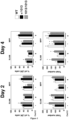
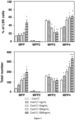
- MPPs were seeded at 450 cells into a 96-well tissue culture plate in DMEM medium supplemented with 10% FBS, 1% penicillin, and the following cytokines: mouse SCF (50 ng/mL), mouse IL-3 (10 ng/mL), human IL-6 (10 ng/mL), mouse IL-7 (5 ng/mL), and human Flt3 (5 ng/mL). 100 ng/mL CXCL12 was added or not at the start of the culture. Cells were cultured at 37 °C in a humidified atmosphere containing 5% CO2, and were harvested at the indicated intervals to analyze HSPCs by flow cytometry.
- Cxcr4 1013 -bearing ST-HSCs which precede MPPs in the haematopoietic differentiation tree, are more quiescent and this could contribute, at least in part, to the in vivo reduction in MPPs and committed downstream lymphoid progenitors (i.e. LMPPs and CLPs).
- LMPPs and CLPs committed downstream lymphoid progenitors
- a feeder-free media including the presence of required cytokines (mSCF, mIL-3, hIL-6, mIL-7 and hFlt3) in which similar numbers of sorted LSK SLAM from the BM of WT and mutant mice were cultured for up to 7 days.
- cytokines mSCF, mIL-3, hIL-6, mIL-7 and hFlt3
- Purified MPPs were seeded at 450 cells into a 96-well tissue culture plate in DMEM medium supplemented with 10% FBS, 1% penicillin, and the following cytokines: mouse SCF (50 ng/mL), mouse IL-3 (10 ng/mL), human IL-6 (10 ng/mL), mouse IL-7 (5 ng/mL), and human Flt3 (5 ng/mL).
- mouse SCF 50 ng/mL
- mouse IL-3 10 ng/mL
- human IL-6 10 ng/mL
- mouse IL-7 5 ng/mL
- Flt3 human Flt3
- CLPs and common myeloid progenitors are generated from phenotypically and functionally distinct subpopulations of lineage-biased MPPs, i.e. MPP2 and MPP3 are reported as distinct myeloid-biased MPP subsets that operate together with lymphoid-primed MPP4 to control blood leukocyte production.
- MPP2 and MPP3 are reported as distinct myeloid-biased MPP subsets that operate together with lymphoid-primed MPP4 to control blood leukocyte production.
Landscapes
- Health & Medical Sciences (AREA)
- Engineering & Computer Science (AREA)
- Life Sciences & Earth Sciences (AREA)
- Biomedical Technology (AREA)
- Biotechnology (AREA)
- Genetics & Genomics (AREA)
- Wood Science & Technology (AREA)
- Organic Chemistry (AREA)
- Chemical & Material Sciences (AREA)
- Bioinformatics & Cheminformatics (AREA)
- Zoology (AREA)
- Immunology (AREA)
- Hematology (AREA)
- Microbiology (AREA)
- Cell Biology (AREA)
- Biochemistry (AREA)
- General Engineering & Computer Science (AREA)
- General Health & Medical Sciences (AREA)
- Developmental Biology & Embryology (AREA)
- Micro-Organisms Or Cultivation Processes Thereof (AREA)
Claims (4)
- In-vitro-Verfahren zum Herstellen lymphatischer Vorläufer, wobei das Verfahren den Schritt des Kultivierens hämatopoetischer Stammzellen (HSCs) oder multipotenter Vorläuferzellen (MPPs) in einem angemessenen Kulturmedium umfasst, das eine wirksame Menge der fünf Zytokine SCF, IL-3, IL-6, IL-7, Flt-3L und eine wirksame Menge des Chemokins CXCL12 umfasst.
- In-vitro-Verfahren nach Anspruch 1, wobei das Kulturmedium einen Feeder umfasst.
- In-vitro-Verfahren nach Anspruch 1, wobei das Kulturmedium keinen Feeder umfasst.
- In-vitro-Verfahren nach Ansprüchen 1 bis 3, wobei die Dauer des Kultivierungsschritts im Bereich von etwa 2 bis 14 Tagen liegt.
Applications Claiming Priority (2)
| Application Number | Priority Date | Filing Date | Title |
|---|---|---|---|
| EP17305344 | 2017-03-27 | ||
| PCT/EP2018/057580 WO2018177971A1 (en) | 2017-03-27 | 2018-03-26 | New method to obtain lymphoid progenitors |
Publications (2)
| Publication Number | Publication Date |
|---|---|
| EP3601532A1 EP3601532A1 (de) | 2020-02-05 |
| EP3601532B1 true EP3601532B1 (de) | 2025-04-23 |
Family
ID=58549101
Family Applications (1)
| Application Number | Title | Priority Date | Filing Date |
|---|---|---|---|
| EP18715564.3A Active EP3601532B1 (de) | 2017-03-27 | 2018-03-26 | Neues verfahren zur gewinnung von lymphoidvorläufern |
Country Status (3)
| Country | Link |
|---|---|
| US (1) | US12129487B2 (de) |
| EP (1) | EP3601532B1 (de) |
| WO (1) | WO2018177971A1 (de) |
Families Citing this family (3)
| Publication number | Priority date | Publication date | Assignee | Title |
|---|---|---|---|---|
| CN117413052A (zh) * | 2021-04-30 | 2024-01-16 | 加拿大干细胞技术公司 | 用于分化和扩增b谱系细胞的组合物和方法 |
| CN114324126B (zh) * | 2022-01-07 | 2024-03-19 | 南京鼓楼医院 | 一种改变早期b细胞分化的方法 |
| WO2025125560A1 (en) * | 2023-12-15 | 2025-06-19 | Institut National de la Santé et de la Recherche Médicale | Methods for generating myeloid cells |
Family Cites Families (13)
| Publication number | Priority date | Publication date | Assignee | Title |
|---|---|---|---|---|
| WO2002059285A1 (en) * | 2000-10-27 | 2002-08-01 | Fred Hutchinson Cancer Research Center | Methods for immortalizing cells |
| US7700090B2 (en) * | 2002-02-13 | 2010-04-20 | Anthrogenesis Corporation | Co-culture of placental stem cells and stem cells from a second source |
| WO2007014373A2 (en) * | 2005-07-29 | 2007-02-01 | Stem Cell Innovations | Novel cells, compositions, and methods |
| KR20180099915A (ko) * | 2010-07-13 | 2018-09-05 | 안트로제네시스 코포레이션 | 천연 킬러 세포의 생성 방법 |
| US20130136722A1 (en) * | 2011-11-11 | 2013-05-30 | The Board Of Trustees Of The University Of Illinois | Methods of Ex Vivo Expansion of Blood Progenitor Cells, and Generation of Composite Grafts |
| CA2881792C (en) * | 2012-08-13 | 2024-02-27 | Anthrogenesis Corporation | Natural killer cells and uses thereof |
| AU2014342020C1 (en) * | 2013-10-31 | 2019-09-05 | Fred Hutchinson Cancer Research Center | Modified hematopoietic stem/progenitor and non-T effector cells, and uses thereof |
| JP2016537337A (ja) * | 2013-11-13 | 2016-12-01 | コーネル ユニヴァーシティ | 生後の造血内皮細胞ならびにそれらの単離および使用 |
| EP3240551A4 (de) * | 2014-12-31 | 2018-08-08 | Anthrogenesis Corporation | Verfahren zur behandlung von hämatologischen erkrankungen, soliden tumoren oder infektionskrankheiten unter verwendung natürlicher killerzellen |
| WO2016123100A1 (en) | 2015-01-26 | 2016-08-04 | Fate Therapeutics, Inc. | Methods and compositions for inducing hematopoietic cell differentiation |
| US11285190B2 (en) * | 2015-04-20 | 2022-03-29 | The Board Of Regents Of The University Of Texas System | CLEC11a is a bone growth agent |
| US20200392533A1 (en) * | 2017-04-11 | 2020-12-17 | President And Fellows Of Harvard College | In vivo gene editing of blood progenitors |
| US11426389B2 (en) * | 2017-07-28 | 2022-08-30 | Duke University | Compositions and methods for promoting hematopoietic stem cell regeneration |
-
2018
- 2018-03-26 WO PCT/EP2018/057580 patent/WO2018177971A1/en not_active Ceased
- 2018-03-26 US US16/498,803 patent/US12129487B2/en active Active
- 2018-03-26 EP EP18715564.3A patent/EP3601532B1/de active Active
Also Published As
| Publication number | Publication date |
|---|---|
| EP3601532A1 (de) | 2020-02-05 |
| US20200048610A1 (en) | 2020-02-13 |
| US12129487B2 (en) | 2024-10-29 |
| WO2018177971A1 (en) | 2018-10-04 |
Similar Documents
| Publication | Publication Date | Title |
|---|---|---|
| Freitas et al. | Lymphoid differentiation of hematopoietic stem cells requires efficient Cxcr4 desensitization | |
| Luis et al. | Wnt3a deficiency irreversibly impairs hematopoietic stem cell self-renewal and leads to defects in progenitor cell differentiation | |
| Hur et al. | CD82/KAI1 maintains the dormancy of long-term hematopoietic stem cells through interaction with DARC-expressing macrophages | |
| Fiedler et al. | Neutrophil development and function critically depend on Bruton tyrosine kinase in a mouse model of X-linked agammaglobulinemia | |
| Auffray et al. | CX3CR1+ CD115+ CD135+ common macrophage/DC precursors and the role of CX3CR1 in their response to inflammation | |
| Swann et al. | IL-33 promotes anemia during chronic inflammation by inhibiting differentiation of erythroid progenitors | |
| Scheeren et al. | Thymic stromal lymphopoietin induces early human B‐cell proliferation and differentiation | |
| Mazzon et al. | The critical role of agrin in the hematopoietic stem cell niche | |
| Jung et al. | Annexin-2 is a regulator of stromal cell-derived factor–1/CXCL12 function in the hematopoietic stem cell endosteal niche | |
| US12129487B2 (en) | Method to obtain lymphoid progenitors | |
| Farahbakhshian et al. | Angiopoietin-like protein 3 promotes preservation of stemness during ex vivo expansion of murine hematopoietic stem cells | |
| WO2014132032A1 (en) | Culture of leukemia initiating cells | |
| Frelin et al. | Grb2 regulates the proliferation of hematopoietic stem and progenitors cells | |
| Rosu-Myles et al. | Loss of the tumor suppressor p15Ink4b enhances myeloid progenitor formation from common myeloid progenitors | |
| Miyauchi et al. | Fetal liver stromal cells support blast growth in transient abnormal myelopoiesis in Down syndrome through GM‐CSF | |
| Xu et al. | Loss of the Rho GTPase activating protein p190-B enhances hematopoietic stem cell engraftment potential | |
| EP1707625A1 (de) | Verfahren zur herstellung hämatopoetischer stammzellen oder gefässendothel-vorläuferzellen | |
| Eaves et al. | Anatomy and physiology of hematopoiesis | |
| Pronk et al. | Deciphering developmental stages of adult myelopoiesis | |
| Zibara et al. | Acellular bone marrow extracts significantly enhance engraftment levels of human hematopoietic stem cells in mouse xeno-transplantation models | |
| Tanimura et al. | The anti-apoptotic gene Anamorsin is essential for both autonomous and extrinsic regulation of murine fetal liver hematopoiesis | |
| Rodems et al. | Temporal Single Cell Analysis of Leukemia Microenvironment Identifies Taurine-Taurine Transporter Axis as a Key Regulator of Myeloid Leukemia | |
| Alzahrani | Exploring the role of Zeb1 in the haematopoietic system | |
| Alotaibi | Exploring the role of Apolipoprotein E in normal and malignant Haematopoiesis | |
| MacAldaz | Identification and characterization of primitive fetal hematopoietic cells |
Legal Events
| Date | Code | Title | Description |
|---|---|---|---|
| STAA | Information on the status of an ep patent application or granted ep patent |
Free format text: STATUS: UNKNOWN |
|
| STAA | Information on the status of an ep patent application or granted ep patent |
Free format text: STATUS: THE INTERNATIONAL PUBLICATION HAS BEEN MADE |
|
| PUAI | Public reference made under article 153(3) epc to a published international application that has entered the european phase |
Free format text: ORIGINAL CODE: 0009012 |
|
| STAA | Information on the status of an ep patent application or granted ep patent |
Free format text: STATUS: REQUEST FOR EXAMINATION WAS MADE |
|
| 17P | Request for examination filed |
Effective date: 20190927 |
|
| AK | Designated contracting states |
Kind code of ref document: A1 Designated state(s): AL AT BE BG CH CY CZ DE DK EE ES FI FR GB GR HR HU IE IS IT LI LT LU LV MC MK MT NL NO PL PT RO RS SE SI SK SM TR |
|
| AX | Request for extension of the european patent |
Extension state: BA ME |
|
| DAV | Request for validation of the european patent (deleted) | ||
| DAX | Request for extension of the european patent (deleted) | ||
| STAA | Information on the status of an ep patent application or granted ep patent |
Free format text: STATUS: EXAMINATION IS IN PROGRESS |
|
| 17Q | First examination report despatched |
Effective date: 20210412 |
|
| GRAP | Despatch of communication of intention to grant a patent |
Free format text: ORIGINAL CODE: EPIDOSNIGR1 |
|
| STAA | Information on the status of an ep patent application or granted ep patent |
Free format text: STATUS: GRANT OF PATENT IS INTENDED |
|
| INTG | Intention to grant announced |
Effective date: 20241112 |
|
| GRAS | Grant fee paid |
Free format text: ORIGINAL CODE: EPIDOSNIGR3 |
|
| GRAA | (expected) grant |
Free format text: ORIGINAL CODE: 0009210 |
|
| STAA | Information on the status of an ep patent application or granted ep patent |
Free format text: STATUS: THE PATENT HAS BEEN GRANTED |
|
| AK | Designated contracting states |
Kind code of ref document: B1 Designated state(s): AL AT BE BG CH CY CZ DE DK EE ES FI FR GB GR HR HU IE IS IT LI LT LU LV MC MK MT NL NO PL PT RO RS SE SI SK SM TR |
|
| REG | Reference to a national code |
Ref country code: GB Ref legal event code: FG4D |
|
| REG | Reference to a national code |
Ref country code: CH Ref legal event code: EP |
|
| REG | Reference to a national code |
Ref country code: DE Ref legal event code: R096 Ref document number: 602018081285 Country of ref document: DE |
|
| REG | Reference to a national code |
Ref country code: IE Ref legal event code: FG4D |
|
| REG | Reference to a national code |
Ref country code: NL Ref legal event code: MP Effective date: 20250423 |
|
| PG25 | Lapsed in a contracting state [announced via postgrant information from national office to epo] |
Ref country code: NL Free format text: LAPSE BECAUSE OF FAILURE TO SUBMIT A TRANSLATION OF THE DESCRIPTION OR TO PAY THE FEE WITHIN THE PRESCRIBED TIME-LIMIT Effective date: 20250423 |
|
| REG | Reference to a national code |
Ref country code: AT Ref legal event code: MK05 Ref document number: 1787794 Country of ref document: AT Kind code of ref document: T Effective date: 20250423 |
|
| PG25 | Lapsed in a contracting state [announced via postgrant information from national office to epo] |
Ref country code: PT Free format text: LAPSE BECAUSE OF FAILURE TO SUBMIT A TRANSLATION OF THE DESCRIPTION OR TO PAY THE FEE WITHIN THE PRESCRIBED TIME-LIMIT Effective date: 20250825 Ref country code: FI Free format text: LAPSE BECAUSE OF FAILURE TO SUBMIT A TRANSLATION OF THE DESCRIPTION OR TO PAY THE FEE WITHIN THE PRESCRIBED TIME-LIMIT Effective date: 20250423 Ref country code: ES Free format text: LAPSE BECAUSE OF FAILURE TO SUBMIT A TRANSLATION OF THE DESCRIPTION OR TO PAY THE FEE WITHIN THE PRESCRIBED TIME-LIMIT Effective date: 20250423 |
|
| REG | Reference to a national code |
Ref country code: LT Ref legal event code: MG9D |
|
| PG25 | Lapsed in a contracting state [announced via postgrant information from national office to epo] |
Ref country code: NO Free format text: LAPSE BECAUSE OF FAILURE TO SUBMIT A TRANSLATION OF THE DESCRIPTION OR TO PAY THE FEE WITHIN THE PRESCRIBED TIME-LIMIT Effective date: 20250723 Ref country code: GR Free format text: LAPSE BECAUSE OF FAILURE TO SUBMIT A TRANSLATION OF THE DESCRIPTION OR TO PAY THE FEE WITHIN THE PRESCRIBED TIME-LIMIT Effective date: 20250724 |
|
| PG25 | Lapsed in a contracting state [announced via postgrant information from national office to epo] |
Ref country code: PL Free format text: LAPSE BECAUSE OF FAILURE TO SUBMIT A TRANSLATION OF THE DESCRIPTION OR TO PAY THE FEE WITHIN THE PRESCRIBED TIME-LIMIT Effective date: 20250423 |
|
| PG25 | Lapsed in a contracting state [announced via postgrant information from national office to epo] |
Ref country code: BG Free format text: LAPSE BECAUSE OF FAILURE TO SUBMIT A TRANSLATION OF THE DESCRIPTION OR TO PAY THE FEE WITHIN THE PRESCRIBED TIME-LIMIT Effective date: 20250423 |
|
| PG25 | Lapsed in a contracting state [announced via postgrant information from national office to epo] |
Ref country code: HR Free format text: LAPSE BECAUSE OF FAILURE TO SUBMIT A TRANSLATION OF THE DESCRIPTION OR TO PAY THE FEE WITHIN THE PRESCRIBED TIME-LIMIT Effective date: 20250423 |
|
| PG25 | Lapsed in a contracting state [announced via postgrant information from national office to epo] |
Ref country code: AT Free format text: LAPSE BECAUSE OF FAILURE TO SUBMIT A TRANSLATION OF THE DESCRIPTION OR TO PAY THE FEE WITHIN THE PRESCRIBED TIME-LIMIT Effective date: 20250423 |
|
| PG25 | Lapsed in a contracting state [announced via postgrant information from national office to epo] |
Ref country code: RS Free format text: LAPSE BECAUSE OF FAILURE TO SUBMIT A TRANSLATION OF THE DESCRIPTION OR TO PAY THE FEE WITHIN THE PRESCRIBED TIME-LIMIT Effective date: 20250723 |
|
| PG25 | Lapsed in a contracting state [announced via postgrant information from national office to epo] |
Ref country code: IS Free format text: LAPSE BECAUSE OF FAILURE TO SUBMIT A TRANSLATION OF THE DESCRIPTION OR TO PAY THE FEE WITHIN THE PRESCRIBED TIME-LIMIT Effective date: 20250823 |
|
| PG25 | Lapsed in a contracting state [announced via postgrant information from national office to epo] |
Ref country code: LV Free format text: LAPSE BECAUSE OF FAILURE TO SUBMIT A TRANSLATION OF THE DESCRIPTION OR TO PAY THE FEE WITHIN THE PRESCRIBED TIME-LIMIT Effective date: 20250423 |
|
| PG25 | Lapsed in a contracting state [announced via postgrant information from national office to epo] |
Ref country code: DK Free format text: LAPSE BECAUSE OF FAILURE TO SUBMIT A TRANSLATION OF THE DESCRIPTION OR TO PAY THE FEE WITHIN THE PRESCRIBED TIME-LIMIT Effective date: 20250423 Ref country code: SM Free format text: LAPSE BECAUSE OF FAILURE TO SUBMIT A TRANSLATION OF THE DESCRIPTION OR TO PAY THE FEE WITHIN THE PRESCRIBED TIME-LIMIT Effective date: 20250423 |
|
| PG25 | Lapsed in a contracting state [announced via postgrant information from national office to epo] |
Ref country code: CZ Free format text: LAPSE BECAUSE OF FAILURE TO SUBMIT A TRANSLATION OF THE DESCRIPTION OR TO PAY THE FEE WITHIN THE PRESCRIBED TIME-LIMIT Effective date: 20250423 |
|
| PG25 | Lapsed in a contracting state [announced via postgrant information from national office to epo] |
Ref country code: EE Free format text: LAPSE BECAUSE OF FAILURE TO SUBMIT A TRANSLATION OF THE DESCRIPTION OR TO PAY THE FEE WITHIN THE PRESCRIBED TIME-LIMIT Effective date: 20250423 |
|
| REG | Reference to a national code |
Ref country code: DE Ref legal event code: R097 Ref document number: 602018081285 Country of ref document: DE |
|
| PG25 | Lapsed in a contracting state [announced via postgrant information from national office to epo] |
Ref country code: RO Free format text: LAPSE BECAUSE OF FAILURE TO SUBMIT A TRANSLATION OF THE DESCRIPTION OR TO PAY THE FEE WITHIN THE PRESCRIBED TIME-LIMIT Effective date: 20250423 Ref country code: SK Free format text: LAPSE BECAUSE OF FAILURE TO SUBMIT A TRANSLATION OF THE DESCRIPTION OR TO PAY THE FEE WITHIN THE PRESCRIBED TIME-LIMIT Effective date: 20250423 |
|
| PG25 | Lapsed in a contracting state [announced via postgrant information from national office to epo] |
Ref country code: IT Free format text: LAPSE BECAUSE OF FAILURE TO SUBMIT A TRANSLATION OF THE DESCRIPTION OR TO PAY THE FEE WITHIN THE PRESCRIBED TIME-LIMIT Effective date: 20250423 |
|
| PLBE | No opposition filed within time limit |
Free format text: ORIGINAL CODE: 0009261 |
|
| STAA | Information on the status of an ep patent application or granted ep patent |
Free format text: STATUS: NO OPPOSITION FILED WITHIN TIME LIMIT |
|
| REG | Reference to a national code |
Ref country code: CH Ref legal event code: L10 Free format text: ST27 STATUS EVENT CODE: U-0-0-L10-L00 (AS PROVIDED BY THE NATIONAL OFFICE) Effective date: 20260304 |
|
| 26N | No opposition filed |
Effective date: 20260126 |