EP3597798A1 - Method for the adhesion of particles to an inert substrate - Google Patents
Method for the adhesion of particles to an inert substrate Download PDFInfo
- Publication number
- EP3597798A1 EP3597798A1 EP18724930.5A EP18724930A EP3597798A1 EP 3597798 A1 EP3597798 A1 EP 3597798A1 EP 18724930 A EP18724930 A EP 18724930A EP 3597798 A1 EP3597798 A1 EP 3597798A1
- Authority
- EP
- European Patent Office
- Prior art keywords
- particles
- adhesive fibers
- carried out
- hydrodynamic
- derivatives
- Prior art date
- Legal status (The legal status is an assumption and is not a legal conclusion. Google has not performed a legal analysis and makes no representation as to the accuracy of the status listed.)
- Pending
Links
Images



Classifications
-
- D—TEXTILES; PAPER
- D01—NATURAL OR MAN-MADE THREADS OR FIBRES; SPINNING
- D01D—MECHANICAL METHODS OR APPARATUS IN THE MANUFACTURE OF ARTIFICIAL FILAMENTS, THREADS, FIBRES, BRISTLES OR RIBBONS
- D01D5/00—Formation of filaments, threads, or the like
- D01D5/0007—Electro-spinning
- D01D5/0061—Electro-spinning characterised by the electro-spinning apparatus
- D01D5/0076—Electro-spinning characterised by the electro-spinning apparatus characterised by the collecting device, e.g. drum, wheel, endless belt, plate or grid
- D01D5/0084—Coating by electro-spinning, i.e. the electro-spun fibres are not removed from the collecting device but remain integral with it, e.g. coating of prostheses
-
- B—PERFORMING OPERATIONS; TRANSPORTING
- B05—SPRAYING OR ATOMISING IN GENERAL; APPLYING FLUENT MATERIALS TO SURFACES, IN GENERAL
- B05D—PROCESSES FOR APPLYING FLUENT MATERIALS TO SURFACES, IN GENERAL
- B05D1/00—Processes for applying liquids or other fluent materials
- B05D1/02—Processes for applying liquids or other fluent materials performed by spraying
- B05D1/04—Processes for applying liquids or other fluent materials performed by spraying involving the use of an electrostatic field
- B05D1/06—Applying particulate materials
-
- B—PERFORMING OPERATIONS; TRANSPORTING
- B05—SPRAYING OR ATOMISING IN GENERAL; APPLYING FLUENT MATERIALS TO SURFACES, IN GENERAL
- B05D—PROCESSES FOR APPLYING FLUENT MATERIALS TO SURFACES, IN GENERAL
- B05D7/00—Processes, other than flocking, specially adapted for applying liquids or other fluent materials to particular surfaces or for applying particular liquids or other fluent materials
- B05D7/02—Processes, other than flocking, specially adapted for applying liquids or other fluent materials to particular surfaces or for applying particular liquids or other fluent materials to macromolecular substances, e.g. rubber
- B05D7/04—Processes, other than flocking, specially adapted for applying liquids or other fluent materials to particular surfaces or for applying particular liquids or other fluent materials to macromolecular substances, e.g. rubber to surfaces of films or sheets
-
- B—PERFORMING OPERATIONS; TRANSPORTING
- B32—LAYERED PRODUCTS
- B32B—LAYERED PRODUCTS, i.e. PRODUCTS BUILT-UP OF STRATA OF FLAT OR NON-FLAT, e.g. CELLULAR OR HONEYCOMB, FORM
- B32B27/00—Layered products comprising a layer of synthetic resin
- B32B27/02—Layered products comprising a layer of synthetic resin in the form of fibres or filaments
-
- B—PERFORMING OPERATIONS; TRANSPORTING
- B32—LAYERED PRODUCTS
- B32B—LAYERED PRODUCTS, i.e. PRODUCTS BUILT-UP OF STRATA OF FLAT OR NON-FLAT, e.g. CELLULAR OR HONEYCOMB, FORM
- B32B27/00—Layered products comprising a layer of synthetic resin
- B32B27/06—Layered products comprising a layer of synthetic resin as the main or only constituent of a layer, which is next to another layer of the same or of a different material
- B32B27/08—Layered products comprising a layer of synthetic resin as the main or only constituent of a layer, which is next to another layer of the same or of a different material of synthetic resin
-
- B—PERFORMING OPERATIONS; TRANSPORTING
- B32—LAYERED PRODUCTS
- B32B—LAYERED PRODUCTS, i.e. PRODUCTS BUILT-UP OF STRATA OF FLAT OR NON-FLAT, e.g. CELLULAR OR HONEYCOMB, FORM
- B32B27/00—Layered products comprising a layer of synthetic resin
- B32B27/12—Layered products comprising a layer of synthetic resin next to a fibrous or filamentary layer
-
- B—PERFORMING OPERATIONS; TRANSPORTING
- B32—LAYERED PRODUCTS
- B32B—LAYERED PRODUCTS, i.e. PRODUCTS BUILT-UP OF STRATA OF FLAT OR NON-FLAT, e.g. CELLULAR OR HONEYCOMB, FORM
- B32B37/00—Methods or apparatus for laminating, e.g. by curing or by ultrasonic bonding
-
- B—PERFORMING OPERATIONS; TRANSPORTING
- B32—LAYERED PRODUCTS
- B32B—LAYERED PRODUCTS, i.e. PRODUCTS BUILT-UP OF STRATA OF FLAT OR NON-FLAT, e.g. CELLULAR OR HONEYCOMB, FORM
- B32B5/00—Layered products characterised by the non- homogeneity or physical structure, i.e. comprising a fibrous, filamentary, particulate or foam layer; Layered products characterised by having a layer differing constitutionally or physically in different parts
- B32B5/02—Layered products characterised by the non- homogeneity or physical structure, i.e. comprising a fibrous, filamentary, particulate or foam layer; Layered products characterised by having a layer differing constitutionally or physically in different parts characterised by structural features of a fibrous or filamentary layer
- B32B5/022—Non-woven fabric
-
- C—CHEMISTRY; METALLURGY
- C08—ORGANIC MACROMOLECULAR COMPOUNDS; THEIR PREPARATION OR CHEMICAL WORKING-UP; COMPOSITIONS BASED THEREON
- C08K—Use of inorganic or non-macromolecular organic substances as compounding ingredients
- C08K3/00—Use of inorganic substances as compounding ingredients
- C08K3/02—Elements
- C08K3/08—Metals
-
- C—CHEMISTRY; METALLURGY
- C08—ORGANIC MACROMOLECULAR COMPOUNDS; THEIR PREPARATION OR CHEMICAL WORKING-UP; COMPOSITIONS BASED THEREON
- C08K—Use of inorganic or non-macromolecular organic substances as compounding ingredients
- C08K3/00—Use of inorganic substances as compounding ingredients
- C08K3/18—Oxygen-containing compounds, e.g. metal carbonyls
- C08K3/20—Oxides; Hydroxides
- C08K3/22—Oxides; Hydroxides of metals
-
- C—CHEMISTRY; METALLURGY
- C08—ORGANIC MACROMOLECULAR COMPOUNDS; THEIR PREPARATION OR CHEMICAL WORKING-UP; COMPOSITIONS BASED THEREON
- C08K—Use of inorganic or non-macromolecular organic substances as compounding ingredients
- C08K3/00—Use of inorganic substances as compounding ingredients
- C08K3/34—Silicon-containing compounds
- C08K3/36—Silica
-
- D—TEXTILES; PAPER
- D01—NATURAL OR MAN-MADE THREADS OR FIBRES; SPINNING
- D01D—MECHANICAL METHODS OR APPARATUS IN THE MANUFACTURE OF ARTIFICIAL FILAMENTS, THREADS, FIBRES, BRISTLES OR RIBBONS
- D01D5/00—Formation of filaments, threads, or the like
- D01D5/08—Melt spinning methods
- D01D5/098—Melt spinning methods with simultaneous stretching
- D01D5/0985—Melt spinning methods with simultaneous stretching by means of a flowing gas (e.g. melt-blowing)
-
- D—TEXTILES; PAPER
- D04—BRAIDING; LACE-MAKING; KNITTING; TRIMMINGS; NON-WOVEN FABRICS
- D04H—MAKING TEXTILE FABRICS, e.g. FROM FIBRES OR FILAMENTARY MATERIAL; FABRICS MADE BY SUCH PROCESSES OR APPARATUS, e.g. FELTS, NON-WOVEN FABRICS; COTTON-WOOL; WADDING ; NON-WOVEN FABRICS FROM STAPLE FIBRES, FILAMENTS OR YARNS, BONDED WITH AT LEAST ONE WEB-LIKE MATERIAL DURING THEIR CONSOLIDATION
- D04H1/00—Non-woven fabrics formed wholly or mainly of staple fibres or like relatively short fibres
- D04H1/70—Non-woven fabrics formed wholly or mainly of staple fibres or like relatively short fibres characterised by the method of forming fleeces or layers, e.g. reorientation of fibres
- D04H1/72—Non-woven fabrics formed wholly or mainly of staple fibres or like relatively short fibres characterised by the method of forming fleeces or layers, e.g. reorientation of fibres the fibres being randomly arranged
- D04H1/728—Non-woven fabrics formed wholly or mainly of staple fibres or like relatively short fibres characterised by the method of forming fleeces or layers, e.g. reorientation of fibres the fibres being randomly arranged by electro-spinning
-
- D—TEXTILES; PAPER
- D06—TREATMENT OF TEXTILES OR THE LIKE; LAUNDERING; FLEXIBLE MATERIALS NOT OTHERWISE PROVIDED FOR
- D06M—TREATMENT, NOT PROVIDED FOR ELSEWHERE IN CLASS D06, OF FIBRES, THREADS, YARNS, FABRICS, FEATHERS OR FIBROUS GOODS MADE FROM SUCH MATERIALS
- D06M23/00—Treatment of fibres, threads, yarns, fabrics or fibrous goods made from such materials, characterised by the process
- D06M23/08—Processes in which the treating agent is applied in powder or granular form
-
- B—PERFORMING OPERATIONS; TRANSPORTING
- B05—SPRAYING OR ATOMISING IN GENERAL; APPLYING FLUENT MATERIALS TO SURFACES, IN GENERAL
- B05D—PROCESSES FOR APPLYING FLUENT MATERIALS TO SURFACES, IN GENERAL
- B05D2425/00—Indexing scheme corresponding to the position of each layer within a multilayer coating relative to the surface
- B05D2425/01—Indexing scheme corresponding to the position of each layer within a multilayer coating relative to the surface top layer/ last layer, i.e. first layer from the top surface
-
- B—PERFORMING OPERATIONS; TRANSPORTING
- B05—SPRAYING OR ATOMISING IN GENERAL; APPLYING FLUENT MATERIALS TO SURFACES, IN GENERAL
- B05D—PROCESSES FOR APPLYING FLUENT MATERIALS TO SURFACES, IN GENERAL
- B05D5/00—Processes for applying liquids or other fluent materials to surfaces to obtain special surface effects, finishes or structures
-
- B—PERFORMING OPERATIONS; TRANSPORTING
- B82—NANOTECHNOLOGY
- B82Y—SPECIFIC USES OR APPLICATIONS OF NANOSTRUCTURES; MEASUREMENT OR ANALYSIS OF NANOSTRUCTURES; MANUFACTURE OR TREATMENT OF NANOSTRUCTURES
- B82Y30/00—Nanotechnology for materials or surface science, e.g. nanocomposites
-
- B—PERFORMING OPERATIONS; TRANSPORTING
- B82—NANOTECHNOLOGY
- B82Y—SPECIFIC USES OR APPLICATIONS OF NANOSTRUCTURES; MEASUREMENT OR ANALYSIS OF NANOSTRUCTURES; MANUFACTURE OR TREATMENT OF NANOSTRUCTURES
- B82Y40/00—Manufacture or treatment of nanostructures
Definitions
- the present invention relates to a method for adhering particles with exceptional functional properties, such as hydrophobia, to an inert substrate.
- the present invention falls within the area of nanotechnology, specifically in the sector where it is necessary to modify the surface properties of a material or substance, such as the food, pharmaceutical, biomedical or energy sector.
- nano and microparticles with exceptional functional properties, such as, for example, superhydrophobicity, superhydrophilicity, superoleophobicity, catalytic properties, self-cleaning properties, self-repairable properties, etc.
- the deposition of nanoparticles on macroscopic surfaces is a necessary step to transmit said exceptional functional properties derived from the nanometric size of the particles to large surfaces.
- the adhesion of nanoparticles to surfaces mainly depends on the properties thereof, which may or may not offer different adhesive forces (chemical, electrostatic, Van der Waals, diffusive). There are costly techniques such as vacuum deposition, nanoimprinting, or multiple surface treatments that are mainly used with conventional substrates.
- hydrophobic coatings are one of the most used strategies to prevent the deterioration of the materials under very humid conditions.
- Materials with hydrophobic properties offer significant advantages, such as: they prevent the corrosion and staining of the surfaces (i.e. they are self-cleaning), they increase barrier properties against water vapor and they prevent the attack of microorganisms, among others.
- hydrophobic coatings there are different alternatives for generating hydrophobic coatings, including chemical modification and coating with plasma, among others ( Rahmawan, Y., Xu, L., & Yang, S. Journal of Materials Chemistry A, doi: 10.1039/C2TA00288D, 2013 ).
- the deposition of nanoparticles with hydrophobic properties on any type of substrate has created important advantages in this field due to the fact that the materials on the nanoscale have a greater surface to volume ratio.
- the adhesion between the hydrophobic nanoparticles and the surface is insufficient.
- the present invention relates to a method for adhering particles with exceptional functional properties to an inert substrate.
- the present invention is of special interest in various sectors, for example,
- a layer of adhesive fibers is used to join the inert substrate to particles that have exceptional functional properties, and a thermal treatment is then carried out which improves the adhesion of the particles deposited on said fibers, keeping the exceptional functional properties of the particles intact.
- the present invention relates to a method for adhering particles to an inert substrate (hereinafter, "the method of the invention") characterized in that it comprises the following steps:
- an inert substrate is understood as a plastic, metal, ceramic or glass substrate with little or no capacity to adhere particles.
- the substrate will be a thermoplastic, thermostable or elastomer plastic or a biopolymer.
- the inert substrate is selected from the list comprising polyolefins, polyesters, polyamides, polimides, polyketones, polyisocyanates, polysulphones, styrenic plastics, phenolic resins, amide resins, urea resins, melamine resins, polyester resins, epoxide resins, polycarbonates, polyvinylpyrrolidones, epoxy resins, polyacrylates, rubbers, polyurethanes, silicones, aramides, polybutadiene, polyisoprenes, polyacrylonitriles, polyvinylidene fluoride (PVDF), polyvinyl acetate (PVA), polyvinyl alcohol (PVOH), ethylene vinyl alcohol (EVOH) copolymer, ethylene-vinyl-alcohol (EVO), polyvinyl chloride (PVC), polyvinylidene chloride (PVDC) and a combination thereof.
- PVDF polyvinylidene fluoride
- the substrate is a biopolymer selected from among proteins, polysaccharides, lipids, polyesters and a combination thereof.
- adhesive fibers is understood in the present invention as the fibers that serve as an adhesive between the particles and the inert substrate.
- the adhesive fibers of step (a) are made up of any plastic whose melting temperature is typically lower than the softening temperature of the substrate.
- the adhesive fibers of the step (a) are comprised of
- the biopolymers are selected from among peptides and natural or synthetic proteins obtained chemically or by genetic modification of microorganisms or plants and natural elements; synthetic polysaccharides obtained chemically or by genetic modification of microorganisms or plants; polypeptides, nucleic acids and synthetic nucleic acid polymers obtained chemically or by genetic modification of microorganisms or plants; biodegradable polyesters such as polylactic acid, polylactic-glycolic acid, adipic acid and derivatives thereof, and polyhydroxyalkanoates, polyhydroxybutyrate and its copolymers with valerate; and biomedical materials, such as hydroxyapatites, of the group of synthetic and natural (plant or animal) polysaccharides, such as cellulose and derivatives; carrageenans and derivatives; alginates, dextran, gum arabic and chitosan or any of the natural and synthetic derivatives thereof; and corn proteins (zein); gluten derivatives, such as gluten or the gliadin and glutenin fractions thereof; ge
- At least one additive that is selected from among plasticizers, emulsifiers, anti-flocculants, surfactants, process improvers, anti-static agents, cross-linking agents, foaming agents or any of the combinations thereof is added during the deposition of step (a).
- This additive can also be any additive used in the industry of the polymers known in the state of the art without size restrictions, in other words, including nano additives; and said additives can be used to provide better final properties to the final product or facilitate the processing thereof.
- the adhesive fibers of step (a) preferably have a diameter smaller than 5 ⁇ m.
- step (a) of the method of the invention relates to the deposition of adhesive fibers on an inert substrate.
- the deposit obtained after step (a) preferably has a thickness between 10 nm and 100 ⁇ m.
- the adhesive fibers are deposited by means of an electro-hydrodynamic or aero-hydrodynamic process or a combination of both.
- the solvents used in these deposition methods will be those that dissolve the polymer or adhering substance, which can be organic as well as polar, including water, ethanol, isopropanol, chloroform, dimethylformamide, acetone, acetic acid, TFA, etc.
- Step (a) of the method of the invention relates to the deposition of adhesive fibers on an inert substrate; this is preferably carried out by means of an electro-hydrodynamic process with electrospinning.
- Electrospinning is one of the most widely used methods for manufacturing meshes with micro- or nanometric fibers and with a high surface to volume ratio. This technique also enables obtaining fibers with high roughness on the surface and thick films by means of thermal and mechanical post-treatment.
- the electrospinning process consists of applying an electric field to a liquid droplet, generally a polymer solution.
- the electric force applied generates disturbances on the droplet, forming a geometric shape technically known as the "Taylor cone".
- the electric field exceeds a critical value, a liquid stream or jet that moves toward a collector with an opposite charge is produced. Along the path of the stream, the solvent is evaporated, thus resulting in the formation of ultra-fine fibers.
- step (a) the method is carried out by means of an aero-hydrodynamic process by means of blow spinning.
- the method of the invention further comprises an optional step (b) for thermally treating the deposit obtained (a) at a temperature lower than the melting or degradation temperature of the adhesive fibers for a period of time between 0.1 s and 1 h.
- step (b) is not optional, meaning that the method of the invention is characterized in that it comprises the followings steps:
- step (d) is preferably carried out by using a heating press even though this treatment is not exclusively limited to this technique, but rather any technique that can transmit heat in a controlled way.
- step (b) is carried out by applying pressure between 0.1 bar and 100 bar, preferably below 30 bar.
- the method of the invention further comprises a step (c) for homogeneously distributing particles of a size between 0.001 nm and 100 ⁇ m on the adhesive fibers obtained in step (a) or (b) by means of deposition.
- the particles of step (c) have exceptional functional properties, such as hydrophobic, hydrophilic, oleophobic, oleophilic, amphiphobic, amphiphilic also called amphipathic, self-cleaning, antioxidant, antimicrobial, self-curing, UV-light absorbent or flame retardant properties, or serve as a barrier towards gases and vapors.
- exceptional functional properties such as hydrophobic, hydrophilic, oleophobic, oleophilic, amphiphobic, amphiphilic also called amphipathic, self-cleaning, antioxidant, antimicrobial, self-curing, UV-light absorbent or flame retardant properties, or serve as a barrier towards gases and vapors.
- Hydrophobicity is defined as the property that the surface of some materials has to repel water. This property not only depends on the chemical composition of the surface, but also on the roughness thereof.
- the most commonly used parameter to measure hydrophobicity is the contact angle, defined as the angle that a liquid forms with respect to the surface of a solid substrate. When the contact angle is greater than 90°, it is said that the material is hydrophobic, while when this parameter is greater than 150°C, it is said that the material is superhydrophobic.
- the particles of step (c) are selected from among cellulose nanocrystals, cellulose microfibers, kenaf nanofibers, keratin nanofibers, nanoclays, carbon nanotubes, carbon nanofibers, carbon nanosheets, metal oxides, metal hydroxides, nanosilica, silicon nanodioxide, metal nanoparticles, titanium nanodioxide with or without organic modification and a combination thereof.
- the particles are selected from among nanosilica, silicon nanodioxide, titanium nanodioxide with or without organic modification and a combination thereof.
- Silicon dioxide is obtained without limitation mainly by means of the extraction and purification of quartz.
- This product is suitable for many purposes; meanwhile for other purposes, chemical processing is necessary in order to make a product purer or, in another more suitable way, to make it more reactive or a fine-grained, for example.
- Pyrogenic silica sometimes called fumed silica, is a very fine form of silicon dioxide in the shape of colloidal particles. It is prepared by burning SiCl 4 in a flame of hydrocarbons rich in oxygen in order to produce a SiO 2 "fume".
- the precipitated silica also known as amorphous silica or silica gel, is produced by the acidification of sodium silicate solutions.
- the gelatinous precipitate is first washed and then dehydrated in order to produce colorless microporous silica.
- fine sheets of silica spontaneously grow in silicon wafers by means of thermal oxidation.
- This route provides a layer that is very close to the surface (approximately 1 nm or 10 ⁇ ) of the so-called native oxides.
- Very high temperatures and alternative environments are used to make well-controlled layers of silicon dioxide grow on the silicon, for example, at temperatures between 600°C and 1200°C, using the so-called wet or dry oxidation with O 2 .
- silicate esters the most well-known being tetraethyl orthosilicate (TEOS).
- TEOS tetraethyl orthosilicate
- the dioxide is obtained by simply heating TEOS to 680°C - 730°C.
- silicon dioxide results from many methods.
- the combustion of silane leads to silicon dioxide. This reaction is analogous to the combustion of methane.
- the particles of step (c) are selected from among polytetrafluoroethylene (PTFE) and polystyrene.
- Another preferred embodiment of the method of the present invention relates to when the particles of step (c) are selected from among hydroxyapatites and phosphates of organic salts, optionally modified preferably with quaternary ammonium salts and/or organosilanes.
- the particles can be interspersed or modified with modifiers in order to ensure their compatibility with other materials. Therefore, they can be modified with quaternary ammonium salts and organosilanes, preferably substances allowed for the application, for example in the case of application in containers, which are allowed to come in contact with food (in other words, they are included in the lists of monomers and other starting substances authorized by law for their use in the manufacture of plastic materials and objects that are going to come in contact with foods, such as, but not limited to, hexadecyltrimethylammonium bromide, polyethylene glycol esters with aliphatic monocarboxylic acids (C6-C22) and ammonium and sodium sulphates thereof, perfluorooctanoic acid and ammonium salt thereof, N-methacryloyloxyethyl-N,N-dimethyl-N-carboxymethylammonium chloride, and bis(2-hydroxyethyl)-2-hydroxypropyl-3-(dodecyl
- metal salt particles such as silver, copper, iron, nickel, and other particles or nanoparticles with microbial and oxygen absorbing properties
- metal oxides such as titanium oxide and zinc
- non-metal oxides such as chemically modified silicon oxides
- plastics such as fluoropolymers (PTFA) or polystyrene, and/or combinations of the above.
- Step (c) of the method of the invention is carried out by means of any technique for depositing the particles, preferably by means of electro-hydrodynamic deposition, aero-hydrodynamic deposition or a combination of both techniques.
- step (c) is carried out by means of electro-spraying, blow-spraying or gravimetric dusting.
- the blow-spraying technique is even more preferably selected from among pneumatic, piezo-electric or ultrasonic nebulization.
- step (d) relates to the thermal treatment of the deposit obtained in step (c) at a temperature lower than the melting or degradation temperature of the adhesive fibers used in step (a) for a period of time between 0.1 s and 1 h.
- step (d) is carried out by applying pressure between 0.1 bar and 100 bar, more preferably below 30 bar.
- step (d) is carried out by means of a heating press, a calender, an oven or an ultraviolet (UV) or infrared (IR) lamp.
- a heating press a calender, an oven or an ultraviolet (UV) or infrared (IR) lamp.
- UV ultraviolet
- IR infrared
- Fig. 1 shows the diagram of the method of the invention.
- Example 1 Deposition of polylactic acid (PLA) nanofibers obtained by means of electrospinning on polyethylene terephthalate (PET).
- PLA polylactic acid
- a solution of PLA at 15% by weight was prepared in a mixture of dimethylformamide (DMF) and acetone (1:1). Said mixture was electrospun on a PET sheet under the following conditions:
- the sheets coated with the nanofibers were placed between two plates at 50°C for 3 s to promote adhesion between the sheets.
- the PET films coated with PLA nanofibers showed contact angles of around 120°, characteristic of hydrophobic surfaces (See Fig. 2 ). It is observed that the porous morphology created during electrospinning favors hydrophobicity.
- Example 2 Deposition of modified silicon oxide nanoparticles (HDK H18 by Wacker) on the deposit obtained in Example 1.
- PET films coated with PLA nanofibers were manufactured by using the method indicated in Example 1.
- a suspension of organo-modified silicon oxide particles (HDK H18 by Wacker) (1 % w/v in DMF) was deposited on these samples under the following conditions:
- the coated PET films showed contact angles of around 130°, characteristic of hydrophobic surfaces (See Fig. 3 ). It is observed that the addition of the layer of organo-modified SiO 2 nanoparticles on the polymer layer improves the hydrophobic properties of the surface.
- PCL polycaprolactone
- PE polyethylene
- PE films coated with PCL nanofibers were manufactured by using the method indicated in Example 1.
- Example 4 Deposition of organo-modified silicon oxide nanoparticles on the deposit obtained in Example 3 and subsequent thermal treatment.
- Example 5 Deposition of micronized polytetrafluoroethylene (PTFE) powder on the deposit obtained in Example 4 and subsequent thermal treatment.
- PTFE micronized polytetrafluoroethylene
- PE films coated with PCL nanofibers were manufactured by using the method indicated in Example 1.
- a micronized PTFE powder was deposited on these samples, followed by a thermal treatment at 50°C for 3 minutes.
- the coated PE films showed contact angles greater than 160°, characteristic of superhydrophobic surfaces (See Fig. 5 ). It is observed that the addition of the layer of PTFE microparticles on the polymer layer improves the hydrophobic properties of the surface.
- Example 6 Deposition of polycaprolactone (PCL) nanofibers obtained by means of electrospinning on polyethylene (PE) and subsequent thermal treatment.
- PCL polycaprolactone
- PE films coated with PCL nanofibers were manufactured by using the method indicated in Example 1.
- Example 7 Deposition of micronized PTFE powder on the deposit obtained in Example 6 and subsequent thermal treatment.
- a micronized PTFE powder was deposited on these samples, followed by a thermal treatment at 50°C for 3 minutes.
- the coated PE films showed contact angles with the water close to 160°, characteristic of superhydrophobic surfaces, and contact angles with oils close to 70° (See Fig. 6 ), characteristic of hydrophobic surfaces.
- This methodology enables amphiphobic or amphiphilic, also called amphipathic, films to be created according to that which is described.
- Example 8 Deposition of SiO 2 and SiO 2 /TiO 2 nanoparticles on the deposit obtained in Example 1 and subsequent thermal treatment.
- Table 1 shows the effect of temperature and time on the final contact angle. It is observed how the thermal treatment improves the adhesion of the nanoparticles, keeping some properties intact, such as hydrophobicity. Table 1. Effect of temperature and time on the contact angle of a water droplet. Sample Temperature (°C) Time (s) Contact angle (°) A 50 3 122 B 60 90 C 60 3 134 D 60 114 E 70 3 133 F 60 nd
- FIG. 8 shows different films treated according to the different conditions defined in Table 1, covering printed letters on a paper. At first glance, it is observed how the different post-treatment conditions affect the the transparency of the film.
Landscapes
- Engineering & Computer Science (AREA)
- Chemical & Material Sciences (AREA)
- Textile Engineering (AREA)
- Mechanical Engineering (AREA)
- Health & Medical Sciences (AREA)
- Chemical Kinetics & Catalysis (AREA)
- Medicinal Chemistry (AREA)
- Polymers & Plastics (AREA)
- Organic Chemistry (AREA)
- Nanotechnology (AREA)
- Wood Science & Technology (AREA)
- Life Sciences & Earth Sciences (AREA)
- General Physics & Mathematics (AREA)
- Crystallography & Structural Chemistry (AREA)
- Condensed Matter Physics & Semiconductors (AREA)
- Physics & Mathematics (AREA)
- Materials Engineering (AREA)
- Composite Materials (AREA)
- Manufacturing & Machinery (AREA)
- Laminated Bodies (AREA)
- Chemical Or Physical Treatment Of Fibers (AREA)
- Treatments For Attaching Organic Compounds To Fibrous Goods (AREA)
- Spinning Methods And Devices For Manufacturing Artificial Fibers (AREA)
- Coating Of Shaped Articles Made Of Macromolecular Substances (AREA)
Abstract
Description
- The present invention relates to a method for adhering particles with exceptional functional properties, such as hydrophobia, to an inert substrate.
- The present invention falls within the area of nanotechnology, specifically in the sector where it is necessary to modify the surface properties of a material or substance, such as the food, pharmaceutical, biomedical or energy sector.
- The development of nanoscience in recent decades has allowed for the development of nano and microparticles with exceptional functional properties, such as, for example, superhydrophobicity, superhydrophilicity, superoleophobicity, catalytic properties, self-cleaning properties, self-repairable properties, etc.
- The deposition of nanoparticles on macroscopic surfaces is a necessary step to transmit said exceptional functional properties derived from the nanometric size of the particles to large surfaces. The adhesion of nanoparticles to surfaces mainly depends on the properties thereof, which may or may not offer different adhesive forces (chemical, electrostatic, Van der Waals, diffusive). There are costly techniques such as vacuum deposition, nanoimprinting, or multiple surface treatments that are mainly used with conventional substrates.
- The adhesion of nanoparticles to plastic surfaces has the drawback that these nanoparticles are easily deformed, have low temperature resistance and have little adherence to inorganic particles, such as most nanoparticles. Furthermore, deposition on plastic materials is usually complicated due to the fact that these materials are usually chemically inert and do not have anchoring cores that allow for adhesion.
- The adhesion of nanoparticles to inert plastics can be favored by means of corona treatment which activates the plastic surface, thus allowing for better adhesion, but which is generally insufficient since the nanoparticle has a very small contact surface. Mizoshita and Tanaka [ACS Appl. Mater. Interfaces 2016, 8, 31330-31338] propose an alternative method based applying an alcoholic solution of nanoparticles on the plastic surface, followed by a treatment in a reactive atmosphere of chloroform; this reactive atmosphere increases the adhesion of the nanoparticles to the plastic substrate. However, the difficulty of scaling due to the use of the reactive atmosphere is evident.
- For example, the use of hydrophobic coatings is one of the most used strategies to prevent the deterioration of the materials under very humid conditions. Materials with hydrophobic properties offer significant advantages, such as: they prevent the corrosion and staining of the surfaces (i.e. they are self-cleaning), they increase barrier properties against water vapor and they prevent the attack of microorganisms, among others.
- There are different alternatives for generating hydrophobic coatings, including chemical modification and coating with plasma, among others (Rahmawan, Y., Xu, L., & Yang, S. Journal of Materials Chemistry A, doi: 10.1039/C2TA00288D, 2013). In particular, the deposition of nanoparticles with hydrophobic properties on any type of substrate has created important advantages in this field due to the fact that the materials on the nanoscale have a greater surface to volume ratio. However, the adhesion between the hydrophobic nanoparticles and the surface is insufficient.
- Therefore, it is necessary to develop new methods for improving the adhesion properties between the particles with, for example, hydrophobic properties, and the substrate.
- The present invention relates to a method for adhering particles with exceptional functional properties to an inert substrate. The present invention is of special interest in various sectors, for example,
- in the food sector, where there is interest in highly slippery, hydrophobic, oleophobic, amphiphobic, amphiphilic also called amphipathic, superhydrophobic, superoleophobic, superamphiphobic, and superamphilic also called superamphipathic properties, or surfaces with an antioxidant and/or antimicrobial capacity;
- in the pharmaceutical or biomedical sector, where there is interest in antimicrobial surfaces; and
- in the energy sector, where there is interest in transparent, self-cleaning and/or non-reflecting surfaces.
- In the present invention, a layer of adhesive fibers is used to join the inert substrate to particles that have exceptional functional properties, and a thermal treatment is then carried out which improves the adhesion of the particles deposited on said fibers, keeping the exceptional functional properties of the particles intact.
- In the particular case of the invention, when plastic or biopolymer substrates are used, it has been observed that the system obtained with the method of the present invention is more transparent after the thermal treatment, keeping the intrinsic properties of the particles with excellent functional properties that are deposited on an inert substrate unaltered.
- Therefore, in a first aspect, the present invention relates to a method for adhering particles to an inert substrate (hereinafter, "the method of the invention") characterized in that it comprises the following steps:
- a) deposit adhesive fibers on an inert substrate by means of an electro-hydrodynamic or aero-hydrodynamic process or a combination of both processes;
- b) optionally, thermally treat the deposit obtained in (a) at a temperature lower than the melting or degradation temperature of the adhesive fibers for a period of time between 0.1 s and 1 h;
- c) homogeneously distribute particles of a size between 0.001 nm and 100 µm on the adhesive fibers obtained in step (a) or (b) by means of deposition; and
- d) thermally treat the deposit obtained (c) at a temperature lower than the melting or degradation temperature of the adhesive fibers for a period of time between 0.1 s and 1 h.
- In the present invention, "an inert substrate" is understood as a plastic, metal, ceramic or glass substrate with little or no capacity to adhere particles.
- In a preferred embodiment, the substrate will be a thermoplastic, thermostable or elastomer plastic or a biopolymer.
- Preferably, the inert substrate is selected from the list comprising polyolefins, polyesters, polyamides, polimides, polyketones, polyisocyanates, polysulphones, styrenic plastics, phenolic resins, amide resins, urea resins, melamine resins, polyester resins, epoxide resins, polycarbonates, polyvinylpyrrolidones, epoxy resins, polyacrylates, rubbers, polyurethanes, silicones, aramides, polybutadiene, polyisoprenes, polyacrylonitriles, polyvinylidene fluoride (PVDF), polyvinyl acetate (PVA), polyvinyl alcohol (PVOH), ethylene vinyl alcohol (EVOH) copolymer, ethylene-vinyl-alcohol (EVO), polyvinyl chloride (PVC), polyvinylidene chloride (PVDC) and a combination thereof.
- Preferably, the substrate is a biopolymer selected from among proteins, polysaccharides, lipids, polyesters and a combination thereof.
- The term "adhesive fibers" is understood in the present invention as the fibers that serve as an adhesive between the particles and the inert substrate.
- In the method of the present invention, the adhesive fibers of step (a) are made up of any plastic whose melting temperature is typically lower than the softening temperature of the substrate.
- Preferably, the adhesive fibers of the step (a) are comprised of
- polycaprolactone;
- polyamides, ethylene vinyl alcohol (EVOH) copolymers and derivatives thereof;
- or biopolymers.
- Preferably, the biopolymers are selected from among peptides and natural or synthetic proteins obtained chemically or by genetic modification of microorganisms or plants and natural elements; synthetic polysaccharides obtained chemically or by genetic modification of microorganisms or plants; polypeptides, nucleic acids and synthetic nucleic acid polymers obtained chemically or by genetic modification of microorganisms or plants; biodegradable polyesters such as polylactic acid, polylactic-glycolic acid, adipic acid and derivatives thereof, and polyhydroxyalkanoates, polyhydroxybutyrate and its copolymers with valerate; and biomedical materials, such as hydroxyapatites, of the group of synthetic and natural (plant or animal) polysaccharides, such as cellulose and derivatives; carrageenans and derivatives; alginates, dextran, gum arabic and chitosan or any of the natural and synthetic derivatives thereof; and corn proteins (zein); gluten derivatives, such as gluten or the gliadin and glutenin fractions thereof; gelatin, casein and soy proteins and derivatives thereof; as well as natural or synthetic peptides preferably of the elastin type obtained chemically or by genetic modification of microorganisms or plants and mixtures thereof. More preferably, the biopolymers are biodegradable polyesters.
- In another preferred embodiment of the method of the present invention, in addition to the polymers described in the previous paragraph, at least one additive that is selected from among plasticizers, emulsifiers, anti-flocculants, surfactants, process improvers, anti-static agents, cross-linking agents, foaming agents or any of the combinations thereof is added during the deposition of step (a). This additive can also be any additive used in the industry of the polymers known in the state of the art without size restrictions, in other words, including nano additives; and said additives can be used to provide better final properties to the final product or facilitate the processing thereof.
- In the method of the present invention, the adhesive fibers of step (a) preferably have a diameter smaller than 5 µm.
- As mentioned above, step (a) of the method of the invention relates to the deposition of adhesive fibers on an inert substrate. In a preferred embodiment, the deposit obtained after step (a) preferably has a thickness between 10 nm and 100 µm.
- In step (a), the adhesive fibers are deposited by means of an electro-hydrodynamic or aero-hydrodynamic process or a combination of both. The solvents used in these deposition methods will be those that dissolve the polymer or adhering substance, which can be organic as well as polar, including water, ethanol, isopropanol, chloroform, dimethylformamide, acetone, acetic acid, TFA, etc.
- Step (a) of the method of the invention relates to the deposition of adhesive fibers on an inert substrate; this is preferably carried out by means of an electro-hydrodynamic process with electrospinning.
- Electrospinning is one of the most widely used methods for manufacturing meshes with micro- or nanometric fibers and with a high surface to volume ratio. This technique also enables obtaining fibers with high roughness on the surface and thick films by means of thermal and mechanical post-treatment. The electrospinning process consists of applying an electric field to a liquid droplet, generally a polymer solution. The electric force applied generates disturbances on the droplet, forming a geometric shape technically known as the "Taylor cone". When the electric field exceeds a critical value, a liquid stream or jet that moves toward a collector with an opposite charge is produced. Along the path of the stream, the solvent is evaporated, thus resulting in the formation of ultra-fine fibers.
- In another preferred embodiment of step (a), the method is carried out by means of an aero-hydrodynamic process by means of blow spinning.
- The method of the invention further comprises an optional step (b) for thermally treating the deposit obtained (a) at a temperature lower than the melting or degradation temperature of the adhesive fibers for a period of time between 0.1 s and 1 h.
- In a preferred embodiment, step (b) is not optional, meaning that the method of the invention is characterized in that it comprises the followings steps:
- a) deposit adhesive fibers on an inert substrate by means of an electro-hydrodynamic or aero-hydrodynamic process or a combination of both processes;
- b) thermally treat the deposit obtained in (a) at a temperature lower than the melting or degradation temperature of the adhesive fibers for a period of time between 0.1 s and 1 h;
- c) homogeneously distribute particles of a size between 0.001 nm and 100 µm on the adhesive fibers obtained in step (a) or (b) by means of deposition; and
- d) thermally treat the deposit obtained (c) at a temperature lower than the melting or degradation temperature of the adhesive fibers for a period of time between 0.1 s and 1 h.
- The thermal treatment of step (d) is preferably carried out by using a heating press even though this treatment is not exclusively limited to this technique, but rather any technique that can transmit heat in a controlled way.
- In another preferred embodiment of the present invention, step (b) is carried out by applying pressure between 0.1 bar and 100 bar, preferably below 30 bar.
- The method of the invention further comprises a step (c) for homogeneously distributing particles of a size between 0.001 nm and 100 µm on the adhesive fibers obtained in step (a) or (b) by means of deposition.
- Preferably, the particles of step (c) have exceptional functional properties, such as hydrophobic, hydrophilic, oleophobic, oleophilic, amphiphobic, amphiphilic also called amphipathic, self-cleaning, antioxidant, antimicrobial, self-curing, UV-light absorbent or flame retardant properties, or serve as a barrier towards gases and vapors.
- One application of great interest for the method of the present patent is the manufacture of hydrophobic surfaces. Hydrophobicity is defined as the property that the surface of some materials has to repel water. This property not only depends on the chemical composition of the surface, but also on the roughness thereof. The most commonly used parameter to measure hydrophobicity is the contact angle, defined as the angle that a liquid forms with respect to the surface of a solid substrate. When the contact angle is greater than 90°, it is said that the material is hydrophobic, while when this parameter is greater than 150°C, it is said that the material is superhydrophobic.
- In a preferred embodiment of the method of the present invention, the particles of step (c) are selected from among cellulose nanocrystals, cellulose microfibers, kenaf nanofibers, keratin nanofibers, nanoclays, carbon nanotubes, carbon nanofibers, carbon nanosheets, metal oxides, metal hydroxides, nanosilica, silicon nanodioxide, metal nanoparticles, titanium nanodioxide with or without organic modification and a combination thereof. Preferably, the particles are selected from among nanosilica, silicon nanodioxide, titanium nanodioxide with or without organic modification and a combination thereof.
- Silicon dioxide is obtained without limitation mainly by means of the extraction and purification of quartz. This product is suitable for many purposes; meanwhile for other purposes, chemical processing is necessary in order to make a product purer or, in another more suitable way, to make it more reactive or a fine-grained, for example.
- Pyrogenic silica, sometimes called fumed silica, is a very fine form of silicon dioxide in the shape of colloidal particles. It is prepared by burning SiCl4 in a flame of hydrocarbons rich in oxygen in order to produce a SiO2 "fume".
- The precipitated silica, also known as amorphous silica or silica gel, is produced by the acidification of sodium silicate solutions. The gelatinous precipitate is first washed and then dehydrated in order to produce colorless microporous silica.
- Alternatively, fine sheets of silica spontaneously grow in silicon wafers by means of thermal oxidation. This route provides a layer that is very close to the surface (approximately 1 nm or 10 Å) of the so-called native oxides. Very high temperatures and alternative environments are used to make well-controlled layers of silicon dioxide grow on the silicon, for example, at temperatures between 600°C and 1200°C, using the so-called wet or dry oxidation with O2.
- Many routes to silicon dioxide begin with silicate esters, the most well-known being tetraethyl orthosilicate (TEOS). The dioxide is obtained by simply heating TEOS to 680°C - 730°C. By being highly stable, silicon dioxide results from many methods. Conceptually simple but with little practical value, the combustion of silane leads to silicon dioxide. This reaction is analogous to the combustion of methane.
- In another preferred embodiment of the method of the present invention, the particles of step (c) are selected from among polytetrafluoroethylene (PTFE) and polystyrene.
- Another preferred embodiment of the method of the present invention relates to when the particles of step (c) are selected from among hydroxyapatites and phosphates of organic salts, optionally modified preferably with quaternary ammonium salts and/or organosilanes.
- The particles can be interspersed or modified with modifiers in order to ensure their compatibility with other materials. Therefore, they can be modified with quaternary ammonium salts and organosilanes, preferably substances allowed for the application, for example in the case of application in containers, which are allowed to come in contact with food (in other words, they are included in the lists of monomers and other starting substances authorized by law for their use in the manufacture of plastic materials and objects that are going to come in contact with foods, such as, but not limited to, hexadecyltrimethylammonium bromide, polyethylene glycol esters with aliphatic monocarboxylic acids (C6-C22) and ammonium and sodium sulphates thereof, perfluorooctanoic acid and ammonium salt thereof, N-methacryloyloxyethyl-N,N-dimethyl-N-carboxymethylammonium chloride, and bis(2-hydroxyethyl)-2-hydroxypropyl-3-(dodecyloxy)methylammonium chloride. Chitosan and derivatives thereof and/or combinations of the above can also be used. More preferably, quaternary ammonium salts such as hexadecyltrimethylammonium bromide and organosilanes will be used.
- They can also be modified with metal salt particles, such as silver, copper, iron, nickel, and other particles or nanoparticles with microbial and oxygen absorbing properties, metal oxides, such as titanium oxide and zinc, non-metal oxides, such as chemically modified silicon oxides, and plastics, such as fluoropolymers (PTFA) or polystyrene, and/or combinations of the above.
- Step (c) of the method of the invention is carried out by means of any technique for depositing the particles, preferably by means of electro-hydrodynamic deposition, aero-hydrodynamic deposition or a combination of both techniques. Alternatively, step (c) is carried out by means of electro-spraying, blow-spraying or gravimetric dusting. The blow-spraying technique is even more preferably selected from among pneumatic, piezo-electric or ultrasonic nebulization.
- The final step of the method of the invention, step (d), relates to the thermal treatment of the deposit obtained in step (c) at a temperature lower than the melting or degradation temperature of the adhesive fibers used in step (a) for a period of time between 0.1 s and 1 h. Preferably, step (d) is carried out by applying pressure between 0.1 bar and 100 bar, more preferably below 30 bar.
- In another preferred embodiment of the method of the present invention, step (d) is carried out by means of a heating press, a calender, an oven or an ultraviolet (UV) or infrared (IR) lamp.
- Throughout the description and in the claims, the word "comprises" and its variants are not intended to exclude other technical characteristics, additives, components or steps. For those skilled in the art, other objects, advantages and characteristics of the invention may be deduced from both the description and the practical use of the invention. The following examples and drawings are provided by way of illustration, and are not meant to limit the present invention.
-
-
Figure 1 shows a diagram of the process of the present invention. -
Figure 2 shows images of the measurement of the contact angle of the PET films coated with PLA nanofibers. -
Figure 3 shows images of the measurement of the contact angle of the PET films coated with a layer of PLA nanofibers and another layer of organo-modified nanoparticles of SiO2. -
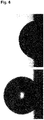
Figure 4 shows images of the measurement of the contact angle of the PE films coated with a layer of PCL nanofibers and another layer of organo-modified nanoparticles of SiO2. -
Figure 5 shows images of the measurement of the contact angle of the PE films coated with a layer of PCL nanofibers and another layer of PTFE nanoparticles. -
Figure 6 shows images of the measurement of the contact angle with water (left) and olive oil (right) of the PE films coated with a layer of PCL nanofibers and another layer of PTFE nanoparticles. -
Figure 7 shows images of the contact angle with water on the PET/PLA-NF/SiO2 NPs and PET/PLA+TiO2/SiO2 NPs surfaces before (left column) and after (right column) the thermal treatment at 150°C for 3 s. -
Figure 8 shows images of PET films: (A) PET without film; (B) PET/PLA processed at 50°C for 3 s; (C) PET/PLA processed at 50°C for 60 s; (D) PET/PLA processed at 60°C for 3 s; (E) PET/PLA processed at 60°C for 60 s and (F) PET/PLA processed at 70°C for 3 s. - The invention is illustrated below by means of assays carried out by the inventors which reveal the effectiveness of the product of the invention.
-
Fig. 1 shows the diagram of the method of the invention. - Example 1. Deposition of polylactic acid (PLA) nanofibers obtained by means of electrospinning on polyethylene terephthalate (PET).
- A solution of PLA at 15% by weight was prepared in a mixture of dimethylformamide (DMF) and acetone (1:1). Said mixture was electrospun on a PET sheet under the following conditions:
- electrical voltage: 17 kV,
- rate of injection: 1 mL/h
- and distance to the collector: 15 cm.
- The sheets coated with the nanofibers were placed between two plates at 50°C for 3 s to promote adhesion between the sheets.
- The PET films coated with PLA nanofibers showed contact angles of around 120°, characteristic of hydrophobic surfaces (See
Fig. 2 ). It is observed that the porous morphology created during electrospinning favors hydrophobicity. - Example 2. Deposition of modified silicon oxide nanoparticles (HDK H18 by Wacker) on the deposit obtained in Example 1.
- PET films coated with PLA nanofibers were manufactured by using the method indicated in Example 1. A suspension of organo-modified silicon oxide particles (HDK H18 by Wacker) (1 % w/v in DMF) was deposited on these samples under the following conditions:
- electrical voltage: 10 kV,
- rate of injection: 0.3 mL/h and
- distance to the collector: 15 cm.
- The coated PET films showed contact angles of around 130°, characteristic of hydrophobic surfaces (See
Fig. 3 ). It is observed that the addition of the layer of organo-modified SiO2 nanoparticles on the polymer layer improves the hydrophobic properties of the surface. - Example 3. Deposition of polycaprolactone (PCL) nanofibers obtained by means of electrospinning on polyethylene (PE).
- PE films coated with PCL nanofibers were manufactured by using the method indicated in Example 1.
- Example 4. Deposition of organo-modified silicon oxide nanoparticles on the deposit obtained in Example 3 and subsequent thermal treatment.
- A suspension of organo-modified silicon oxide particles (HDK H18 by Wacker) (1 % w/v in butanol) was deposited on these samples under the following conditions:
- electrical voltage: 10 kV,
- rate of injection: 1 mL/h and
- distance to the collector: 15 cm.
- Next, a thermal treatment was carried out at 50°C for 3 minutes. The coated PE films showed contact angles of around 160°, characteristic of superhydrophobic surfaces (See
Fig. 4 ). It is observed that the addition of the layer of organo-modified SiO2 nanoparticles (HDK H18 by Wacker) on the polymer layer improves the hydrophobic properties of the surface. - Example 5. Deposition of micronized polytetrafluoroethylene (PTFE) powder on the deposit obtained in Example 4 and subsequent thermal treatment.
- PE films coated with PCL nanofibers were manufactured by using the method indicated in Example 1.
- A micronized PTFE powder was deposited on these samples, followed by a thermal treatment at 50°C for 3 minutes. The coated PE films showed contact angles greater than 160°, characteristic of superhydrophobic surfaces (See
Fig. 5 ). It is observed that the addition of the layer of PTFE microparticles on the polymer layer improves the hydrophobic properties of the surface. - Example 6. Deposition of polycaprolactone (PCL) nanofibers obtained by means of electrospinning on polyethylene (PE) and subsequent thermal treatment.
- PE films coated with PCL nanofibers were manufactured by using the method indicated in Example 1.
- Next, a thermal pre-treatment was applied at 50°C for 1 minute with the aim of generating a flat film and favoring the oleophobic nature of the film.
- Example 7. Deposition of micronized PTFE powder on the deposit obtained in Example 6 and subsequent thermal treatment.
- A micronized PTFE powder was deposited on these samples, followed by a thermal treatment at 50°C for 3 minutes.
- The coated PE films showed contact angles with the water close to 160°, characteristic of superhydrophobic surfaces, and contact angles with oils close to 70° (See
Fig. 6 ), characteristic of hydrophobic surfaces. This methodology enables amphiphobic or amphiphilic, also called amphipathic, films to be created according to that which is described. - Example 8. Deposition of SiO2 and SiO2/TiO2 nanoparticles on the deposit obtained in Example 1 and subsequent thermal treatment.
- Two PET sheets coated in PLA were manufactured according to Example 1. SiO2 and SiO2/TiO2 nanoparticles were deposited, respectively. Thermal post-treatment was applied to these sheets at a temperature of 150°C for 3 s with the aim of transforming the morphology of PLA nanofibers into a flat film with few hydrophobic properties.
Fig. 7 (right column) shows how the contact angle is reduced drastically after treatment at a high temperature. - Table 1 shows the effect of temperature and time on the final contact angle. It is observed how the thermal treatment improves the adhesion of the nanoparticles, keeping some properties intact, such as hydrophobicity.
Table 1. Effect of temperature and time on the contact angle of a water droplet. Sample Temperature (°C) Time (s) Contact angle (°) A 50 3 122 B 60 90 C 60 3 134 D 60 114 E 70 3 133 F 60 nd - Another property of the film that is kept intact is transparency.
Fig. 8 shows different films treated according to the different conditions defined in Table 1, covering printed letters on a paper. At first glance, it is observed how the different post-treatment conditions affect the the transparency of the film.
Claims (25)
- A method for adhering particles to an inert substrate, characterized in that it comprises the following steps:a) deposit adhesive fibers on an inert substrate by means of an electro-hydrodynamic or aero-hydrodynamic process or a combination of both processes;b) optionally, thermally treat the deposit obtained in (a) at a temperature lower than the melting or degradation temperature of the adhesive fibers for a period of time between 0.1 s and 1 h;c) homogeneously distribute particles of a size between 0.001 nm and 100 µm on the adhesive fibers obtained in step (a) or (b) by means of deposition; andd) thermally treat the deposit obtained in (c) at a temperature lower than the melting or degradation temperature of the adhesive fibers for a period of time between 0.1 s and 1 h.
- The method according to claim 1, characterized in that it comprises the following steps:a) deposit adhesive fibers on an inert substrate by means of an electro-hydrodynamic or aero-hydrodynamic process or a combination of both processes;b) thermally treat the deposit obtained in (a) at a temperature lower than the melting or degradation temperature of the adhesive fibers for a period of time between 0.1 s and 1 h;c) homogeneously distribute particles of a size between 0.001 nm and 100 µm on the adhesive fibers obtained in step (a) or (b) by means of deposition; andd) thermally treat the deposit obtained in (c) at a temperature lower than the melting or degradation temperature of the adhesive fibers used in step (a) for a period of time between 0.1 s and 1 h.
- The method according to any of claims 1 or 2, characterized in that the inert subsrtate is a thermoplastic, thermostable or elastomer plastic or a biopolymer.
- The method according claim 3, characterized in that the inert substrate is selected from the list comprising polyolefins, polyesters, polyamides, polimides, polyketones, polyisocyanates, polysulphones, styrenic plastics, phenolic resins, amide resins, urea resins, melamine resins, polyester resins, epoxide resins, polycarbonates, polyvinylpyrrolidones, epoxy resins, polyacrylates, rubbers, polyurethanes, silicones, aramides, polybutadiene, polyisoprenes, polyacrylonitriles, polyvinylidene fluoride, polyvinyl acetate, polyvinyl alcohol, ethylene vinyl alcohol copolymer, ethylene-vinyl-alcohol, polyvinyl chloride, polyvinylidene chloride and a combination thereof.
- The method according to claim 3, wherein the substrate is a biopolymer selected from among proteins, polysaccharides, lipids, polyesters and a combination thereof.
- The method according to any of claims 1 to 5, characterized in that the adhesive fibers of step (a) are comprised of• polycaprolactone;• polyamides, ethylene vinyl alcohol (EVOH) copolymers and derivatives thereof;• or biopolymers.
- The method according to claim 6, characterized in that the biopolymers are selected from among peptides and natural or synthetic proteins obtained chemically or by genetic modification of microorganisms or plants and natural elements; synthetic polysaccharides obtained chemically or by genetic modification of microorganisms or plants; polypeptides, nucleic acids and synthetic nucleic acid polymers obtained chemically or by genetic modification of microorganisms or plants; biodegradable polyesters such as polylactic acid, polylactic-glycolic acid, adipic acid and derivatives thereof, and polyhydroxyalkanoates, polyhydroxybutyrate and its copolymers with valerate; and biomedical materials, such as hydroxyapatites, of the group of synthetic and natural (plant or animal) polysaccharides, such as cellulose and derivatives; carrageenans and derivatives; alginates, dextran, gum arabic and chitosan or any of the natural and synthetic derivatives thereof; and corn proteins (zein); gluten derivatives, such as gluten or the gliadin and glutenin fractions thereof;
gelatin, casein and soy proteins and derivatives thereof; as well as natural or synthetic peptides preferably of the elastin type obtained chemically or by genetic modification of microorganisms or plants and mixtures thereof. - The method according to claim 7, characterized in that the biopolymers are biodegradable polyesters.
- The method according to any of claims 1 to 8, characterized in that the adhesive fibers of step (a) have a diameter smaller than 5 µm.
- The method according to any of claims 1 to 9, characterized in that the deposit obtained after step (a) has a thickness between 10 nm and 100 µm.
- The method according to any of claims 1 to 10, characterized in that step (a) is carried out by means of an electro-hydrodynamic process with electrospinning.
- The method according to any of claims 1 to 10, characterized in that step (a) is carried out by means of an aero-hydrodynamic process with blow spinning.
- The method according to any of claims 1 to 12, characterized in that step (b) is carried out by applying pressure between 0.1 bar and 100 bar.
- The method according to claim 13, wherein step (b) is carried out by applying pressure below 30 bar.
- The method according to any of claims 1 to 14, characterized in that the particles of step (c) have hydrophobic, hydrophilic, oleophobic, oleophilic, amphiphobic, amphiphilic or amphipathic, self-cleaning, antioxidant, antimicrobial, self-curing, UV light absorbent or flame retardant properties, or serve as a barrier towards gases and vapors.
- The method according to any of claims 1 to 15, characterized in that the particles of step (c) are selected from among cellulose nanocrystals, cellulose microfibers, kenaf nanofibers, keratin nanofibers, nanoclays, carbon nanotubes, carbon nanofibers, carbon nanosheets, metal oxides, metal hydroxides, nanosilica, silicon nanodioxide, metal nanoparticles, titanium nanodioxide with or without organic modification and a combination thereof.
- The method according to claim 16, characterized in that the particles of step (c) are selected from among nanosilica, silicon nanodioxide, titanium nanodioxide with or without organic modification and a combination thereof.
- The method according to any of claims 1 to 15, characterized in that the particles of step (c) are selected from among polytetrafluoroethylene and polystyrene.
- The method according to any of claims 1 to 15, characterized in that the particles of step (c) are selected from among hydroxyapatites and phosphates of organic salts, optionally modified with quaternary ammonium salts and/or organosilanes.
- The method according to any of claims 1 to 19, characterized in that step (c) is carried out by means of electro-hydrodynamic deposition, aero-hydrodynamic deposition or a combination of both techniques.
- The method according to any of claims 1 to 19, characterized in that step (c) is carried out by means of electro-spraying, blow-spraying or gravimetric dusting.
- The method according to claim 21, characterized in that the blow-spraying technique is selected from among pneumatic, piezo-electric or ultrasonic nebulization.
- The method according to any of claims 1 to 22, characterized in that step (d) is carried out by applying pressure between 0.1 bar and 100 bar.
- The method according to claim 23, characterized in that step (d) is carried out by applying pressure below 30 bar.
- The method according to any of claims 1 to 24, wherein step (d) is carried out by means of a heated press, a calender, an oven or an ultraviolet or infrared lamp.
Applications Claiming Priority (2)
| Application Number | Priority Date | Filing Date | Title |
|---|---|---|---|
| ES201730327A ES2681746B1 (en) | 2017-03-13 | 2017-03-13 | PROCEDURE FOR ADHESION OF PARTICLES ON AN INERT SUBSTRATE |
| PCT/ES2018/070125 WO2018167341A1 (en) | 2017-03-13 | 2018-02-21 | Method for the adhesion of particles to an inert substrate |
Publications (1)
| Publication Number | Publication Date |
|---|---|
| EP3597798A1 true EP3597798A1 (en) | 2020-01-22 |
Family
ID=62167367
Family Applications (1)
| Application Number | Title | Priority Date | Filing Date |
|---|---|---|---|
| EP18724930.5A Pending EP3597798A1 (en) | 2017-03-13 | 2018-02-21 | Method for the adhesion of particles to an inert substrate |
Country Status (5)
| Country | Link |
|---|---|
| US (1) | US20200032422A1 (en) |
| EP (1) | EP3597798A1 (en) |
| JP (1) | JP2020510141A (en) |
| ES (1) | ES2681746B1 (en) |
| WO (1) | WO2018167341A1 (en) |
Families Citing this family (10)
| Publication number | Priority date | Publication date | Assignee | Title |
|---|---|---|---|---|
| US11240918B2 (en) * | 2018-08-28 | 2022-02-01 | Research And Business Foundation Sungkyunkwan University | Method for flip-chip bonding using anisotropic adhesive polymer |
| CN111908842A (en) * | 2020-07-31 | 2020-11-10 | 航天特种材料及工艺技术研究所 | Nano heat-insulating material and preparation method thereof |
| CN116348209A (en) * | 2020-11-11 | 2023-06-27 | 三菱电机株式会社 | Water-repellent structure, method for producing water-repellent structure, and method for restoring water-repellency |
| US11613630B2 (en) * | 2020-12-03 | 2023-03-28 | Iowa State University Research Foundation | Solid dry-type lubricant |
| CN115386970A (en) * | 2022-08-02 | 2022-11-25 | 绍兴柯桥大元化纤有限公司 | Polyester high stretch yarn and preparation method thereof |
| CN115109550B (en) * | 2022-08-29 | 2022-10-28 | 中国林业科学研究院木材工业研究所 | Antibacterial and antiviral polymer resin composition and adhesive film paper using same |
| CN116199931B (en) * | 2023-03-10 | 2023-12-29 | 湖北大学 | Nanofiber composite aerogel and preparation method and application thereof |
| CN117086569B (en) * | 2023-08-30 | 2025-10-03 | 江苏大学 | A method for preparing super-hydrophobic surface by ultrasonic rolling nanoparticles |
| CN118791848B (en) * | 2024-07-31 | 2024-12-27 | 安徽中旗塑业有限公司 | High-temperature-resistant flame-retardant PET plastic particle and preparation method thereof |
| CN119980720B (en) * | 2025-03-18 | 2025-11-25 | 智泉汇创仿生科技(威海)有限公司 | Bionic cloth |
Family Cites Families (3)
| Publication number | Priority date | Publication date | Assignee | Title |
|---|---|---|---|---|
| US7981509B2 (en) * | 2006-02-13 | 2011-07-19 | Donaldson Company, Inc. | Polymer blend, polymer solution composition and fibers spun from the polymer blend and filtration applications thereof |
| US20110192789A1 (en) * | 2008-09-02 | 2011-08-11 | Drexel University | Metal or metal oxide deposited fibrous materials |
| JP6054640B2 (en) * | 2012-05-30 | 2016-12-27 | 国立大学法人信州大学 | Separator manufacturing method, separator manufacturing apparatus, and separator |
-
2017
- 2017-03-13 ES ES201730327A patent/ES2681746B1/en active Active
-
2018
- 2018-02-21 JP JP2019571794A patent/JP2020510141A/en active Pending
- 2018-02-21 WO PCT/ES2018/070125 patent/WO2018167341A1/en not_active Ceased
- 2018-02-21 US US16/493,854 patent/US20200032422A1/en not_active Abandoned
- 2018-02-21 EP EP18724930.5A patent/EP3597798A1/en active Pending
Non-Patent Citations (1)
| Title |
|---|
| NORIHIRO MIZOSHITA ET AL: "Versatile Antireflection Coating for Plastics: Partial Embedding of Mesoporous Silica Nanoparticles onto Substrate Surface", APPLIED MATERIALS & INTERFACES, vol. 8, no. 45, 1 November 2016 (2016-11-01), US, pages 31330 - 31338, XP055490289, ISSN: 1944-8244, DOI: 10.1021/acsami.6b10624 * |
Also Published As
| Publication number | Publication date |
|---|---|
| ES2681746A1 (en) | 2018-09-14 |
| WO2018167341A1 (en) | 2018-09-20 |
| JP2020510141A (en) | 2020-04-02 |
| ES2681746B1 (en) | 2019-08-12 |
| US20200032422A1 (en) | 2020-01-30 |
Similar Documents
| Publication | Publication Date | Title |
|---|---|---|
| US20200032422A1 (en) | Method for the adhesion of particles to an inert substrate | |
| Shigrekar et al. | A review on recent progress and techniques used for fabricating superhydrophobic coatings derived from biobased materials | |
| Bang et al. | Biodegradable poly (lactic acid)-based hybrid coating materials for food packaging films with gas barrier properties | |
| Podsiadlo et al. | Counterintuitive effect of molecular strength and role of molecular rigidity on mechanical properties of layer-by-layer assembled nanocomposites | |
| CN112739722B (en) | Nanocellulose and its production method | |
| Ma et al. | A facile spraying method for fabricating superhydrophobic leather coating | |
| CN102408578A (en) | Preparation method for super hydrophobic biodegradable compound film and product thereof | |
| CN102002319B (en) | High-temperature-resistant superhydrophobic surface and preparation method thereof | |
| Vengatesan et al. | Nanoparticle‐and nanofiber‐based polymer nanocomposites: an overview | |
| CN104212059B (en) | A kind of biodegradable master batch and the biodegradable BOPP film containing the biodegradable master batch | |
| KR101122253B1 (en) | The manufacturing method of superhydrophilic and superhydrophobic silica coating layer | |
| KR20180071601A (en) | Packaging film coated with zinc oxide nanoparticles and preparation method thereof | |
| Yang et al. | Biodegradable layered double hydroxide/polymer films for efficient oxygen and water vapor barriers | |
| CN101861352A (en) | method | |
| CN108560314A (en) | A kind of nano-cellulose based super hydrophobic coating and preparation method thereof | |
| CN104745019B (en) | A kind of preparation method of automatically cleaning characteristic nano silicon/titania modified PVDF super-hydrophobic composite films | |
| CN107614436B (en) | Zinc oxide-containing composite particles, ultraviolet shielding composition, and cosmetic | |
| CN106133078A (en) | Photocatalyst coating liquid and use its photocatalyst film | |
| Tripathi et al. | Synthesis of green nanocomposite material for engineering application | |
| Caner et al. | Effects of types and concentrations of modified Cloisite Clays on properties of chitosan nanocomposites for food packaging | |
| He et al. | Advances in cellulose hydrophobicity improvement | |
| Kausar | Nanomaterials for design and fabrication of superhydrophobic polymer coating | |
| TW201603050A (en) | Conductive laminate, method for producing conductive laminate, touch panel and touch switch | |
| CN105088538B (en) | A kind of preparation method of hydrophobin coating | |
| ES2401616B1 (en) | PROCEDURE FOR OBTAINING A MULTI-PATH FILM WITH HIGH BARRIER |
Legal Events
| Date | Code | Title | Description |
|---|---|---|---|
| STAA | Information on the status of an ep patent application or granted ep patent |
Free format text: STATUS: UNKNOWN |
|
| STAA | Information on the status of an ep patent application or granted ep patent |
Free format text: STATUS: THE INTERNATIONAL PUBLICATION HAS BEEN MADE |
|
| PUAI | Public reference made under article 153(3) epc to a published international application that has entered the european phase |
Free format text: ORIGINAL CODE: 0009012 |
|
| STAA | Information on the status of an ep patent application or granted ep patent |
Free format text: STATUS: REQUEST FOR EXAMINATION WAS MADE |
|
| 17P | Request for examination filed |
Effective date: 20191007 |
|
| AK | Designated contracting states |
Kind code of ref document: A1 Designated state(s): AL AT BE BG CH CY CZ DE DK EE ES FI FR GB GR HR HU IE IS IT LI LT LU LV MC MK MT NL NO PL PT RO RS SE SI SK SM TR |
|
| AX | Request for extension of the european patent |
Extension state: BA ME |
|
| DAV | Request for validation of the european patent (deleted) | ||
| DAX | Request for extension of the european patent (deleted) | ||
| STAA | Information on the status of an ep patent application or granted ep patent |
Free format text: STATUS: EXAMINATION IS IN PROGRESS |
|
| 17Q | First examination report despatched |
Effective date: 20230118 |
|
| REG | Reference to a national code |
Ref country code: DE Ref legal event code: R079 Free format text: PREVIOUS MAIN CLASS: D01D0005000000 Ipc: B05D0005000000 |
|
| GRAP | Despatch of communication of intention to grant a patent |
Free format text: ORIGINAL CODE: EPIDOSNIGR1 |
|
| STAA | Information on the status of an ep patent application or granted ep patent |
Free format text: STATUS: GRANT OF PATENT IS INTENDED |
|
| RIC1 | Information provided on ipc code assigned before grant |
Ipc: B05D 5/00 20060101AFI20260129BHEP Ipc: B82Y 40/00 20110101ALI20260129BHEP Ipc: D01D 5/00 20060101ALI20260129BHEP Ipc: D01D 5/098 20060101ALI20260129BHEP Ipc: D06M 23/08 20060101ALI20260129BHEP Ipc: B32B 27/12 20060101ALI20260129BHEP Ipc: B32B 5/02 20060101ALI20260129BHEP |
|
| INTG | Intention to grant announced |
Effective date: 20260216 |