EP3583947B1 - Streptococcus pneumoniae capsular polysaccharides and conjugates thereof - Google Patents
Streptococcus pneumoniae capsular polysaccharides and conjugates thereof Download PDFInfo
- Publication number
- EP3583947B1 EP3583947B1 EP19179577.2A EP19179577A EP3583947B1 EP 3583947 B1 EP3583947 B1 EP 3583947B1 EP 19179577 A EP19179577 A EP 19179577A EP 3583947 B1 EP3583947 B1 EP 3583947B1
- Authority
- EP
- European Patent Office
- Prior art keywords
- serotype
- polysaccharide
- capsular polysaccharide
- immunogenic
- conjugate
- Prior art date
- Legal status (The legal status is an assumption and is not a legal conclusion. Google has not performed a legal analysis and makes no representation as to the accuracy of the status listed.)
- Active
Links
Images
Classifications
-
- A—HUMAN NECESSITIES
- A61—MEDICAL OR VETERINARY SCIENCE; HYGIENE
- A61K—PREPARATIONS FOR MEDICAL, DENTAL OR TOILETRY PURPOSES
- A61K31/00—Medicinal preparations containing organic active ingredients
- A61K31/70—Carbohydrates; Sugars; Derivatives thereof
- A61K31/715—Polysaccharides, i.e. having more than five saccharide radicals attached to each other by glycosidic linkages; Derivatives thereof, e.g. ethers, esters
-
- A—HUMAN NECESSITIES
- A61—MEDICAL OR VETERINARY SCIENCE; HYGIENE
- A61K—PREPARATIONS FOR MEDICAL, DENTAL OR TOILETRY PURPOSES
- A61K39/00—Medicinal preparations containing antigens or antibodies
- A61K39/02—Bacterial antigens
- A61K39/09—Lactobacillales, e.g. aerococcus, enterococcus, lactobacillus, lactococcus, streptococcus
-
- A—HUMAN NECESSITIES
- A61—MEDICAL OR VETERINARY SCIENCE; HYGIENE
- A61K—PREPARATIONS FOR MEDICAL, DENTAL OR TOILETRY PURPOSES
- A61K39/00—Medicinal preparations containing antigens or antibodies
- A61K39/02—Bacterial antigens
- A61K39/09—Lactobacillales, e.g. aerococcus, enterococcus, lactobacillus, lactococcus, streptococcus
- A61K39/092—Streptococcus
-
- A—HUMAN NECESSITIES
- A61—MEDICAL OR VETERINARY SCIENCE; HYGIENE
- A61K—PREPARATIONS FOR MEDICAL, DENTAL OR TOILETRY PURPOSES
- A61K39/00—Medicinal preparations containing antigens or antibodies
- A61K39/385—Haptens or antigens, bound to carriers
-
- A—HUMAN NECESSITIES
- A61—MEDICAL OR VETERINARY SCIENCE; HYGIENE
- A61K—PREPARATIONS FOR MEDICAL, DENTAL OR TOILETRY PURPOSES
- A61K39/00—Medicinal preparations containing antigens or antibodies
- A61K39/39—Medicinal preparations containing antigens or antibodies characterised by the immunostimulating additives, e.g. chemical adjuvants
-
- A—HUMAN NECESSITIES
- A61—MEDICAL OR VETERINARY SCIENCE; HYGIENE
- A61P—SPECIFIC THERAPEUTIC ACTIVITY OF CHEMICAL COMPOUNDS OR MEDICINAL PREPARATIONS
- A61P11/00—Drugs for disorders of the respiratory system
-
- A—HUMAN NECESSITIES
- A61—MEDICAL OR VETERINARY SCIENCE; HYGIENE
- A61P—SPECIFIC THERAPEUTIC ACTIVITY OF CHEMICAL COMPOUNDS OR MEDICINAL PREPARATIONS
- A61P31/00—Antiinfectives, i.e. antibiotics, antiseptics, chemotherapeutics
- A61P31/04—Antibacterial agents
-
- C—CHEMISTRY; METALLURGY
- C08—ORGANIC MACROMOLECULAR COMPOUNDS; THEIR PREPARATION OR CHEMICAL WORKING-UP; COMPOSITIONS BASED THEREON
- C08B—POLYSACCHARIDES; DERIVATIVES THEREOF
- C08B37/00—Preparation of polysaccharides not provided for in groups C08B1/00 - C08B35/00; Derivatives thereof
- C08B37/0003—General processes for their isolation or fractionation, e.g. purification or extraction from biomass
-
- C—CHEMISTRY; METALLURGY
- C12—BIOCHEMISTRY; BEER; SPIRITS; WINE; VINEGAR; MICROBIOLOGY; ENZYMOLOGY; MUTATION OR GENETIC ENGINEERING
- C12P—FERMENTATION OR ENZYME-USING PROCESSES TO SYNTHESISE A DESIRED CHEMICAL COMPOUND OR COMPOSITION OR TO SEPARATE OPTICAL ISOMERS FROM A RACEMIC MIXTURE
- C12P19/00—Preparation of compounds containing saccharide radicals
- C12P19/04—Polysaccharides, i.e. compounds containing more than five saccharide radicals attached to each other by glycosidic bonds
-
- A—HUMAN NECESSITIES
- A61—MEDICAL OR VETERINARY SCIENCE; HYGIENE
- A61K—PREPARATIONS FOR MEDICAL, DENTAL OR TOILETRY PURPOSES
- A61K39/00—Medicinal preparations containing antigens or antibodies
- A61K2039/545—Medicinal preparations containing antigens or antibodies characterised by the dose, timing or administration schedule
-
- A—HUMAN NECESSITIES
- A61—MEDICAL OR VETERINARY SCIENCE; HYGIENE
- A61K—PREPARATIONS FOR MEDICAL, DENTAL OR TOILETRY PURPOSES
- A61K39/00—Medicinal preparations containing antigens or antibodies
- A61K2039/555—Medicinal preparations containing antigens or antibodies characterised by a specific combination antigen/adjuvant
- A61K2039/55505—Inorganic adjuvants
-
- A—HUMAN NECESSITIES
- A61—MEDICAL OR VETERINARY SCIENCE; HYGIENE
- A61K—PREPARATIONS FOR MEDICAL, DENTAL OR TOILETRY PURPOSES
- A61K39/00—Medicinal preparations containing antigens or antibodies
- A61K2039/57—Medicinal preparations containing antigens or antibodies characterised by the type of response, e.g. Th1, Th2
- A61K2039/575—Medicinal preparations containing antigens or antibodies characterised by the type of response, e.g. Th1, Th2 humoral response
-
- A—HUMAN NECESSITIES
- A61—MEDICAL OR VETERINARY SCIENCE; HYGIENE
- A61K—PREPARATIONS FOR MEDICAL, DENTAL OR TOILETRY PURPOSES
- A61K39/00—Medicinal preparations containing antigens or antibodies
- A61K2039/60—Medicinal preparations containing antigens or antibodies characteristics by the carrier linked to the antigen
- A61K2039/6031—Proteins
- A61K2039/6037—Bacterial toxins, e.g. diphteria toxoid [DT], tetanus toxoid [TT]
-
- A—HUMAN NECESSITIES
- A61—MEDICAL OR VETERINARY SCIENCE; HYGIENE
- A61K—PREPARATIONS FOR MEDICAL, DENTAL OR TOILETRY PURPOSES
- A61K39/00—Medicinal preparations containing antigens or antibodies
- A61K2039/60—Medicinal preparations containing antigens or antibodies characteristics by the carrier linked to the antigen
- A61K2039/6031—Proteins
- A61K2039/6068—Other bacterial proteins, e.g. OMP
-
- A—HUMAN NECESSITIES
- A61—MEDICAL OR VETERINARY SCIENCE; HYGIENE
- A61K—PREPARATIONS FOR MEDICAL, DENTAL OR TOILETRY PURPOSES
- A61K39/00—Medicinal preparations containing antigens or antibodies
- A61K2039/70—Multivalent vaccine
Definitions
- the invention relates to immunogenic composition
- immunogenic composition comprising immunogenic conjugates comprising Streptococcus pneumoniae serotype 15B capsular polysaccharide covalently linked to a carrier protein for use in a method of preventing infection with serotype 15C Streptococcus pneumoniae.
- Streptococcus pneumoniae are Gram-positive, lancet shaped cocci that are usually seen in pairs (diplococci), but also in short chains or as single cells. They grow readily on blood agar plates with glistening colonies and display alpha hemolysis unless grown anaerobically where they show beta hemolysis.
- the cells of most pneumococcal serotypes have a capsule which is a polysaccharide coating surrounding each cell. This capsule is a determinant of virulence in humans, as it interferes with phagocytosis by preventing antibodies from attaching to the bacterial cells.
- pneumococcal capsular serotypes identified, with the 23 most common serotypes accounting for approximately 90% of invasive disease worldwide.
- the pneumococcal polysaccharide coat can confer a reasonable degree of immunity to Streptococcus pneumoniae in individuals with developed or unimpaired immune systems, but the capsular polysaccharide conjugated to a suitable carrier protein allows for an immune response in infants and elderly who are also at most risk for pneumococcal infections.
- the present invention relates to an immunogenic composition
- an immunogenic composition comprising an immunogenic conjugate comprising an isolated Streptococcus pneumoniae serotype 15B capsular polysaccharide covalently linked to a carrier protein wherein said conjugate comprises at least 0.6 mM acetate per mM of said serotype 15B capsular polysaccharide, for use in a method of preventing infection with serotype 15C Streptococcus pneumoniae, the method comprising administering to a subject an immunogenic amount of said immunogenic composition.
- the "molecular weight" of a polysaccharide or of a polysaccharide-carrier protein conjugate refers to molecular weight calculated by size exclusion chromatography (SEC) combined with multiangle laser light scattering detector (MALLS).
- free polysaccharide means a serotype 15B capsular polysaccharide that is not covalently conjugated to the carrier protein, but is nevertheless present in the serotype 15B capsular polysaccharide-carrier protein conjugate composition.
- the free polysaccharide may be non-covalently associated with (i.e., non-covalently bound to, adsorbed to, or entrapped in or with) the polysaccharide-carrier protein conjugate.
- the percentage of free polysaccharide is measured after the final purification of the serotype 15B capsular polysaccharide-carrier protein conjugate. Preferably it is measured within 4 weeks after the final purification. It is expressed as a percentage of the total polysaccharide in the sample.
- serotype 15B polysaccharide or "serotype 15B capsular polysaccharide” refers to a Streptococcus pneumoniae serotype 15B capsular polysaccharide.
- serotype 15B glycoconjugate or "serotype 15B conjugate” refers to an isolated serotype 15B polysaccharide covalently conjugated to a carrier protein.
- degree of oxidation refers to the number of sugar repeat units per aldehyde group generated when the isolated polysaccharide is activated with an oxidizing agent.
- degree of oxidation of a polysaccharide can be determined using routine methods known to the man skilled in the art.
- the term “subject” refers to a mammal, including a human, or to a bird, fish, reptile, amphibian or any other animal.
- the term “subject” also includes household pets or research animals. Non-limiting examples of household pets and research animals include: dogs, cats, pigs, rabbits, rats, mice, gerbils, hamsters, guinea pigs, ferrets, monkeys, birds, snakes, lizards, fish, turtles, and frogs.
- the term “subject” also includes livestock animals.
- Non-limiting examples of livestock animals include: alpaca, bison, camel, cattle, deer, pigs, horses, llamas, mules, donkeys, sheep, goats, rabbits, reindeer, yak, chickens, geese, and turkeys.
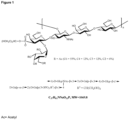
- the polysaccharide repeating unit of serotype 15B consists of a branched trisaccharide backbone (one N-acetylglucosamine (Glc p NAc), one galactopyranose (Gal p ) and one glucopyranose (Glc p )) with an ⁇ Gal p - ⁇ Gal p disaccharide branch linked to the C4 hydroxyl group of Glc p NAc.
- the phosphoglycerol is linked to the C3 hydroxyl group of the ⁇ Gal p residue in the disaccharide branch.
- Serotype 15B capsular polysaccharide is O-acetylated and the total amount of O-acetylation is approximately 0.8 to 0.9 O-acetyl groups per polysaccharide repeating unit (see for example C. Jones et Al, Carbohydrate Research, 340 (2005) 403-409 ).
- Capsular polysaccharide from serotype 15C serotype has the identical backbone structure as serotype 15B but lacks the O-acetylation.
- the isolated serotype 15B polysaccharide can be obtained by a process comprising the steps of:
- Serotype 15B polysaccharides can be obtained directly from bacteria using isolation procedures known to one of ordinary skill in the art (see for example methods disclosed U.S. Patent App. Pub. Nos. 20060228380 , 20060228381 , 20070184071 , 20070184072 , 20070231340 , and 20080102498 or WO2008118752 ). In addition, they can be produced using synthetic protocols.
- Serotype 15B Streptococcus pneumoniae strains may be obtained from established culture collections (such as for example ATCC deposit strain No ATCC10354 or strain available from the Streptococcal Reference Laboratory of the Center for disease control and prevention, Atlanta, GA)) or clinical specimens.
- the bacterial cells are preferably grown in a soy based medium. Following fermentation of bacterial cells that produce Streptococcus pneumoniae serotype 15B capsular polysaccharides, the bacterial cells are lysed to produce a cell lysate.
- the bacterial cells may be lysed using any lytic agent.
- a "lytic agent” is any agent that aids in cell wall breakdown and release of autolysin which causes cellular lysis including, for example, detergents.
- detergent refers to any anionic or cationic detergent capable of inducing lysis of bacterial cells. Representative examples of such detergents for use within the methods of the present invention include deoxycholate sodium (DOC), N-lauroyl sarcosine, chenodeoxycholic acid sodium, and saponins.
- the lytic agent used for lysing bacterial cells is DOC.
- DOC is the sodium salt of the bile acid deoxycholic acid, which is commonly derived from biological sources such as cows or oxen.
- DOC activates the LytA protein, which is an autolysin that is involved in cell wall growth and division in Streptococcus pneumoniae.
- the LytA protein has choline binding domains in its C-terminal portion, and mutations of the lytA gene are known to produce LytA mutants that are resistant to lysis with DOC.
- the lytic agent used for lysing bacterial cells is a non-animal derived lytic agent.
- Non-animal derived lytic agents for use within the methods of the disclosure include agents from non-animal sources with modes of action similar to that of DOC (i. e., that affect LytA function and result in lysis of Streptococcus pneumoniae cells).
- Such non-animal derived lytic agents include, but are not limited to, analogs of DOC, surfactants, detergents, and structural analogs of choline.
- the non-animal derived lytic agent is selected from the group consisting of decanesulfonic acid, tert-octylphenoxy poly(oxyethylene)ethanols (e.g.
- the non-animal derived lytic agent is N-lauroyl sarcosine.
- the lytic agent is N-lauroyl sarcosine sodium.
- the serotype 15B polysaccharide may then be isolated from the cell lysate using purification techniques known in the art, including the use of centrifugation, depth filtration, precipitation, ultra-filtration, treatment with activate carbon, diafiltration and/or column chromatography (See, for example, U.S. Patent App. Pub. Nos. 20060228380 , 20060228381 , 20070184071 , 20070184072 , 20070231340 , and 20080102498 or WO2008118752 ).
- the purified serotype 15B capsular polysaccharide can then be used for the preparation of immunogenic conjugates.
- sizing of the polysaccharide to a lower molecular weight (MW) range is performed prior to the conjugation to a carrier protein.
- MW molecular weight
- the size of the purified serotype 15B polysaccharide is reduced while preserving critical features of the structure of the polysaccharide such as for example the presence of O-acetyl groups.
- the size of the purified serotype 15B polysaccharide is reduced by mechanical homogenization.
- the size of the purified serotype 15B polysaccharide is reduced by high pressure homogenization.
- High pressure homogenization achieves high shear rates by pumping the process stream through a flow path with sufficiently small dimensions.
- the shear rate is increased by using a larger applied homogenization pressure and exposure time can be increased by recirculating the feed stream through the homogenizer.
- the high pressure homogenization process is particularly appropriate for reducing the size of the purified serotype 15B polysaccharide while preserving the structural features of the polysaccharide such as the presence of O-acetyl groups.
- the isolated serotype 15B capsular polysaccharide obtained by purification of serotype 15B polysaccharide from the Streptococcus pneumoniae lysate and optionally sizing of the purified polysaccharide can be characterized by different parameters including for example the molecular weight, the mM of glycerol per mM of said serotype 15B capsular polysaccharide or the mM of acetate per mM of said serotype 15B capsular polysaccharide.
- the degree of O-acetylation of the polysaccharide can be determined by any method known in the art, for example, by proton NMR (see for example Lemercinier and Jones (1996) Carbohydrate Research 296; 83-96 , Jones and Lemercinier (2002) J. Pharmaceutical and Biomedical Analysis 30; 1233-1247 , WO 05/033148 or WO00/56357 ). Another commonly used method is described in Hestrin (1949) J. Biol. Chem. 180; 249-261 . Preferably, the presence of O-acetyl groups is determined by ion-HPLC analysis.
- the presence of O-acetyl in a purified, isolated or activated serotype 15B capsular polysaccharide or in a serotype 15B polysaccharide-carrier protein conjugate is expressed as the number of mM of acetate per mM of said polysaccharide or as the number of O-acetyl group per polysaccharide repeating unit.
- the presence of glycerol phosphate side chains can be determined by measurement of glycerol using high performance anion exchange chromatography with pulsed amperometric detection (HPAEC-PAD) after its release by treatment of the polysaccharide with hydrofluoric acid (HF).
- HPAEC-PAD pulsed amperometric detection
- HF hydrofluoric acid
- the isolated serotype 15B capsular polysaccharide can also be produced synthetically using methods known to the man skilled in the art.
- the isolated serotype 15B capsular polysaccharide has a molecular weight between 5 and 500kDa, 50 and 500 kDa, 50 and 450kDa, 100 and 400kDa, 100 and 350 kDa. In a preferred instance, the isolated serotype 15B capsular polysaccharide has a molecular weight between 100 and 350kDa. In a preferred instance, the isolated serotype 15B capsular polysaccharide has a molecular weight between 100 and 300kDa. In a preferred instance, the isolated serotype 15B capsular polysaccharide has a molecular weight between 150 and 300kDa.
- the isolated serotype 15B capsular polysaccharide comprises at least 0.6 mM acetate per mM of said serotype 15B capsular polysaccharide. In a preferred instance, the isolated serotype 15B capsular polysaccharide comprises at least 0.7 mM acetate per mM of said serotype 15B capsular polysaccharide. In a preferred instance, the presence of O-acetyl groups is determined by ion-HPLC analysis.
- the isolated serotype 15B capsular polysaccharide comprises at least 0.1, 0.2, 0.3, 0.4, 0.5, 0.6, 0.7 or 0.8 mM glycerol per mM of said serotype 15B capsular polysaccharide. In a preferred instance, the isolated serotype 15B capsular polysaccharide comprises at least 0.5, 0.6 or 0.7 mM glycerol per mM of said serotype 15B capsular polysaccharide. In a preferred instance, the isolated serotype 15B capsular polysaccharide comprises at least 0.6 mM glycerol per mM of said serotype 15B capsular polysaccharide. In a preferred instance, the isolated serotype 15B capsular polysaccharide comprises at least 0.7 mM glycerol per mM of said serotype 15B capsular polysaccharide.
- the isolated serotype 15B capsular polysaccharide has a molecular weight between 100 and 350 kDa, preferably 150 and 350kDa, and comprises at least 0.6 mM acetate per mM of said serotype 15B capsular polysaccharide.
- the isolated serotype 15B capsular polysaccharide has a molecular weight between 100 and 350 kDa, preferably 150 and 350kDa, and comprises at least 0.6 mM glycerol per mM of said serotype 15B capsular polysaccharide.
- the isolated serotype 15B capsular polysaccharide comprises at least 0.6 mM acetate per mM of said serotype 15B capsular polysaccharide and at least 0.6 mM glycerol per mM of said serotype 15B capsular polysaccharide.
- the isolated serotype 15B capsular polysaccharide has a molecular weight between 100 and 350 kDa, preferably 150 and 350kDa, and comprises at least 0.6 mM acetate per mM of said serotype 15B capsular polysaccharide and at least 0.6 mM glycerol per mM of said serotype 15B capsular polysaccharide.
- Serotype 15B capsular polysaccharide-carrier protein conjugate
- the isolated serotype 15B capsular polysaccharide may be conjugated to a carrier protein to obtain an immunogenic conjugate.
- the isolated polysaccharide can be conjugated to the carrier protein by methods known to the skilled person (See, for example, U.S. Patent App. Pub. Nos. 20060228380 , 20070184071 , 20070184072 , 20070231340 or WO2011/100151 ).
- the polysaccharide may be activated with 1-cyano-4-dimethylamino pyridinium tetrafluoroborate (CDAP) to form a cyanate ester.
- CDAP 1-cyano-4-dimethylamino pyridinium tetrafluoroborate
- the activated polysaccharide may be coupled directly or via a spacer (linker) group to an amino group on the carrier protein.
- the spacer could be cystamine or cysteamine to give a thiolated polysaccharide which could be coupled to the carrier via a thioether linkage obtained after reaction with a maleimide-activated carrier protein (for example using GMBS) or a haloacetylated carrier protein (for example using iodoacetimide or N-succinimidyl bromoacetate or SlAB, or SIA, or SBAP).
- the cyanate ester (optionally made by CDAP chemistry) is coupled with hexane diamine or adipic acid dihydrazide (ADH) and the amino-derivatised saccharide is conjugated to the carrier protein using carbodiimide (e.g. EDAC or EDC) chemistry via a carboxyl group on the protein carrier.
- carbodiimide e.g. EDAC or EDC
- Conjugation may involve a carbonyl linker which may be formed by reaction of a free hydroxyl group of the saccharide with CDI (See Bethell et al., 1979,1. Biol. Chern. 254:2572-4 ; Hearn et al., 1981, J. Chromatogr.218:509-18 ) followed by reaction with a protein to form a carbamate linkage.
- CDI See Bethell et al., 1979,1. Biol. Chern. 254:2572-4 ; Hearn et al., 1981, J. Chromatogr.218:509-18
- This may involve reduction of the anomeric terminus to a primary hydroxyl group, optional protection/deprotection of the primary hydroxyl group, reaction of the primary hydroxyl group with CDI to form a CDI carbamate intermediate and coupling the CDI carbamate intermediate with an amino group on a protein.
- the isolated serotype 15B capsular polysaccharide is conjugated to the carrier protein by reductive amination.
- Reductive amination involves activation of the polysaccharide by oxidation and conjugation of the activated polysaccharide to a protein carrier by reduction.
- An activated serotype 15B capsular polysaccharide is obtained by reacting an isolated serotype 15B capsular polysaccharide with an oxidizing agent.
- said activated serotype 15B capsular polysaccharide can be obtained by a process comprising the following steps:
- the concentration of isolated serotype 15B capsular polysaccharide which is reacted with an oxidizing agent is between 0.1 and 10 mg/mL, 0.5 and 5 mg/mL, 1 and 3 mg/mL, or about 2 mg/mL.
- the oxidizing agent is periodate.
- the periodate oxidises vicinal hydroxyl groups to form carbonyl or aldehyde groups and causes cleavage of a C-C bond.
- the term 'periodate' includes both periodate and periodic acid. This term also includes both metaperiodate (IO 4 - ) and orthoperiodate (IO 6 5- ).
- the term 'periodate' also includes the various salts of periodate including sodium periodate and potassium periodate.
- the oxidizing agent is sodium periodate.
- the periodate used for the oxidation of serotype 15B capsular polysaccharide is metaperiodate.
- the periodate used for the oxidation of serotype 15B capsular polysaccharide is sodium metaperiodate.
- the polysaccharide is reacted with 0.01 to 10, 0.05 to 5, 0.1 to 1, 0.5 to 1, 0.7 to 0.8, 0.05 to 0.5, 0.1 to 0.3 molar equivalent of oxidizing agent. In a preferred instance, the polysaccharide is reacted with about 0.1, 0.15, 0.2, 0.25, 0.3, 0.35, 0.4, 0.45, 0.5, 0.55, 0.6, 0.65, 0.7, 0.75, 0.8, 0.85, 0.9, 0.95 molar equivalent of oxidizing agent. In a preferred instance, the polysaccharide is reacted with about 0.15 molar equivalent of oxidizing agent.
- the polysaccharide is reacted with about 0.25 molar equivalent of oxidizing agent. In a preferred instance, the polysaccharide is reacted with about 0.5 molar equivalent of oxidizing agent. In a preferred instance, the polysaccharide is reacted with about 0.6 molar equivalent of oxidizing agent. In a preferred instance, the polysaccharide is reacted with about 0.7 molar equivalent of oxidizing agent.
- the duration of the reaction is between 1 and 50, 10 and 30, 15 and 20, 15 and 17 hours or about 16 hours.
- the temperature of the reaction is maintained between 15 and 45°C, 15 and 30°C, 20 and 25°C. In a preferred instance, the temperature of the reaction is maintained at about 23°C.
- the oxidation reaction is carried out in a buffer selected from sodium phosphate, potassium phosphate, 2-(N-morpholino)ethanesulfonic acid (MES) or Bis-Tris.
- a buffer selected from sodium phosphate, potassium phosphate, 2-(N-morpholino)ethanesulfonic acid (MES) or Bis-Tris.
- the buffer is potassium phosphate.
- the buffer has a concentration of between 1 and 500 mM, 1 and 300mM, 50 and 200mM. In a preferred instance the buffer has a concentration of about 100mM.
- the oxidation reaction is carried out at a pH between 4 and 8, 5 and 7, 5.5 and 6.5. In a preferred instance, the pH is about 6.
- the activated serotype 15B capsular polysaccharide is obtained by reacting 0.5 to 5 mg/mL of isolated serotype 15B capsular polysaccharide with 0.2 to 0.3 molar equivalent of periodate at a temperature between 20 and 25°C.
- the activated serotype 15B capsular polysaccharide is purified.
- the activated serotype 15B capsular polysaccharide is purified according to methods known to the man skilled in the art such as gel permeation chromatography (GPC), dialysis or ultrafiltration/diafiltration.
- GPC gel permeation chromatography
- dialysis dialysis
- ultrafiltration/diafiltration ultrafiltration/diafiltration.
- the activated capsular polysaccharide is purified by concentration and diafiltration using an ultrafiltration device.
- the degree of oxidation of the activated serotype 15B capsular polysaccharide is between 2 and 20, 2 and 15, 2 and 10, 2 and 5, 5 and 20, 5 and 15, 5 and 10, 10 and 20, 10 and 15, 15 and 20. In a preferred instance the degree of oxidation of the activated serotype 15B capsular polysaccharide is between 2 and 10, 4 and 8, 4 and 6, 6 and 8, 6 and 12, 8 and 12, 9 and 11, 10 and 16, 12 and 16, 14 and 18, 16 and 20, 16 and 18, or 18 and 20.
- the activated serotype 15B capsular polysaccharide has a molecular weight between 5 and 500kDa, 50 and 500 kDa, 50 and 450kDa, 100 and 400kDa, 100 and 350 kDa. In a preferred instance, the activated serotype 15B capsular polysaccharide has a molecular weight between 100 and 350kDa. In a preferred instance, the activated serotype 15B capsular polysaccharide has a molecular weight between 100 and 300kDa. In a preferred instance, the activated serotype 15B capsular polysaccharide has a molecular weight between 150 and 300kDa. In a preferred instance, the activated serotype 15B capsular polysaccharide has a molecular weight between 100 and 250kDa.
- the activated serotype 15B capsular polysaccharide comprises at least 0.6 mM acetate per mM of said serotype 15B capsular polysaccharide. In a preferred instance, the activated serotype 15B capsular polysaccharide comprises at least 0.7 mM acetate per mM of said serotype 15B capsular polysaccharide. In a preferred instance, the presence of O-acetyl groups is determined by ion-HPLC analysis.
- the activated serotype 15B capsular polysaccharide comprises at least 0.1, 0.2, 0.3, 0.4, 0.5, 0.6, 0.7 or 0.8 mM glycerol per mM of said serotype 15B capsular polysaccharide. In a preferred instance, the activated serotype 15B capsular polysaccharide comprises at least 0.5, 0.6 or 0.7 mM glycerol per mM of said serotype 15B capsular polysaccharide. In a preferred instance, the activated serotype 15B capsular polysaccharide comprises at least 0.6 mM glycerol per mM of said serotype 15B capsular polysaccharide. In a preferred instance, the activated serotype 15B capsular polysaccharide comprises at least 0.7 mM glycerol per mM of said serotype 15B capsular polysaccharide.
- the activated serotype 15B capsular polysaccharide has a molecular weight between 100 and 250 kDa and comprises at least 0.6 mM acetate per mM of said serotype 15B capsular polysaccharide.
- the activated serotype 15B capsular polysaccharide has a molecular weight between 100 and 250 kDa and comprises at least 0.6 mM glycerol per mM of said serotype 15B capsular polysaccharide.
- the activated serotype 15B capsular polysaccharide comprises at least 0.6 mM acetate per mM of said serotype 15B capsular polysaccharide and at least 0.6 mM glycerol per mM of said serotype 15B capsular polysaccharide.
- the activated serotype 15B capsular polysaccharide has a molecular weight between 100 and 250 kDa and comprises at least 0.6 mM acetate per mM of said serotype 15B capsular polysaccharide and at least 0.6 mM glycerol per mM of said serotype 15B capsular polysaccharide.
- the activated serotype 15B capsular polysaccharide is lyophilized, optionally in the presence of cryoprotectant/lyoprotectant.
- said cryoprotectant/lyoprotectant is a saccharide.
- the saccharide is selected from sucrose, trehalose, raffinose, stachyose, melezitose, dextran, mannitol, lactitol and palatinit.
- the saccharide is sucrose.
- the lyophilized activated capsular polysaccharide can then be compounded with a solution comprising the carrier protein.
- the activated serotype 15B capsular polysaccharide is compounded with the carrier protein and lyophilized optionally in the presence of cryoprotectant/lyoprotectant.
- said cryoprotectant/lyoprotectant is a saccharide.
- the saccharide is selected from sucrose, trehalose, raffinose, stachyose, melezitose, dextran, mannitol, lactitol and palatinit.
- the saccharide is sucrose.
- the co-lyophilized polysaccharide and carrier protein can then be resuspended in solution and reacted with a reducing agent.
- the activated serotype 15B capsular polysaccharide can be conjugated to a carrier protein by a process comprising the step of:
- step (a) and step (b) are carried out in DMSO.
- step (a) comprises dissolving lyophilized serotype 15B capsular polysaccharide in a solution comprising a carrier protein and DMSO. In a preferred instance, step (a) comprises dissolving co-lyophilized serotype 15B capsular polysaccharide and carrier protein in DMSO.
- steps (a) and (b) are carried out in aqueous solution
- steps (a) and (b) are carried out in a buffer, preferably selected from PBS, MES, HEPES, Bis-tris, ADA, PIPES.
- MOPSO, BES, MOPS, DIPSO, MOBS, HEPPSO, POPSO, TEA, EPPS, Bicine or HEPB at a pH between 6.0 and 8.5, 7 and 8 or 7 and 7.5.
- the buffer is PBS.
- the pH is about 7.3.
- the concentration of activated serotype 15B capsular polysaccharide in step (b) is between 0.1 and 10 mg/mL, 0.5 and 5 mg/mL, 0.5 and 2 mg/mL. In a preferred instance, the concentration of activated serotype 15B capsular polysaccharide in step (b) is about 0.1, 0.2, 0.3, 0.4, 0.5, 0.6, 0.7, 0.8, 0.9, 1, 1.1, 1.2, 1.3, 1.4, 1.5, 1.6, 1.7, 1.8, 1.9, 2, 2.1, 2.2, 2.3, 2.4, 2.5, 2.6, 2.7, 2.8, 2.9 or 3 mg/mL.
- the initial input ratio (weight by weight) of activated serotype 15B capsular polysaccharide to carrier protein is between 5:1 and 0.1:1, 2:1 and 0.1:1, 2:1 and 1:1, 1.5:1 and 1:1, 0.1:1 and 1:1, 0.3:1 and 1:1, 0.6:1 and 1:1.
- the initial input ratio of activated serotype 15B capsular polysaccharide to carrier protein is about 0.6:1 to 1.5:1, preferably 0.6:1 to 1:1.
- Such initial input ratio is particularly suitable to obtain low levels of free polysaccharide in the immunogenic conjugate.
- the initial input ratio of activated serotype 15B capsular polysaccharide to carrier protein is about 0.4:1, 0.5:1, 0.6:1, 0.7:1, 0.8:1, 0.9:1, 1:1, 1.1:1, 1.2:1, 1.3:1, 1.4:1, 1.5:1, 1.6:1, 1.7:1, 1.8:1, 1.9:1 or 2:1.
- the reducing agent is sodium cyanoborohydride, sodium triacetoxyborohydride, sodium or zinc borohydride in the presence of Bronsted or Lewis acids, amine boranes such as pyridine borane, 2-Picoline Borane, 2,6-diborane-methanol, dimethylamine-borane, t-BuMe i PrN-BH 3 , benzylamine-BH 3 or 5-ethyl-2-methylpyridine borane (PEMB).
- the reducing agent is sodium cyanoborohydride.
- the reducing agent is sodium 2-Picoline Borane.
- the quantity of reducing agent used in step (b) is between about 0.1 and 10 molar equivalents, 0.5 and 5 molar equivalents, 1 and 2 molar equivalents. In a preferred instance, the quantity of reducing agent used in step (b) is about 1, 1.1, 1.2, 1.3, 1.4, 1.5, 1.6, 1.7, 1.8, 1.9 or 2 molar equivalents.
- the duration of step (b) is between 1 and 60 hours, 10 and 50 hours, 40 and 50 hours; 42 and 46 hours. In a preferred instance, the duration of step (b) is about 44 hours.
- the temperature of the reaction in step (b) is maintained between 10 and 40°C, 15 and 30°C or 20 and 26°C. In a preferred instance, the temperature of the reaction in step (b) is maintained at about 23°C.
- the process for the preparation of an immunogenic conjugate comprising Streptococcus pneumoniae serotype 15B capsular polysaccharide covalently linked to a carrier protein further comprises a step (step (c)) of capping unreacted aldehyde (quenching) by addition of NaBH 4 .
- the quantity of NaBH 4 used in step (c) is between 0.1 and 10 molar equivalents, 0.5 and 5 molar equivalent 1 and 3 molar equivalents. In a preferred instance, the quantity of NaBH 4 used in step (c) is about 2 molar equivalents.
- the duration of step (c) is between 0.1 and 10 hours, 0.5 and 5 hours, 2 and 4 hours. In a preferred instance, the duration of step (c) is about 3 hours.
- the temperature of the reaction in step (c) is maintained between 15 and 45°C, 15 and 30°C or 20 and 26°C. In a preferred instance, the temperature of the reaction in step (c) is maintained at about 23°C.
- the yield of the conjugation step (step b) is greater than 50%, 55%, 60%, 65%, 70%, 75%, 80%, 85% or 90%. In a preferred instance the yield of the conjugation step (step b) is greater than 60%. In a preferred instance the yield of the conjugation step (step b) is greater than 70%.
- the yield is the amount of serotype 15B polysaccharide in the conjugate x100 / amount of activated polysaccharide used in the conjugation step.
- the process for the preparation of an immunogenic conjugate comprising Streptococcus pneumoniae serotype 15B capsular polysaccharide covalently linked to a carrier protein comprises the steps of:
- the yield of the conjugation step (step g) of the above process is greater than 50%, 55%, 60%, 65%, 70%, 75%, 80%, 85% or 90%. In a preferred instance the yield of the conjugation step (step g) is greater than 60%. In a preferred instance the yield of the conjugation step (step g) is greater than 70%. The yield is the amount of serotype 15B polysaccharide in the conjugate ⁇ 100) / amount of activated polysaccharide used in the conjugation step.
- the polysaccharide-protein conjugate can be purified (enriched with respect to the amount of polysaccharide-protein conjugate) by a variety of techniques known to the skilled person. These techniques include dialysis, concentration/diafiltration operations, tangential flow filtration, precipitation/elution, column chromatography (DEAE or hydrophobic interaction chromatography), and depth filtration.
- the carrier protein is non-toxic and non-reactogenic and obtainable in sufficient amount and purity.
- Carrier proteins should be amenable to standard conjugation procedures.
- the activated serotype 15B capsular polysaccharide is conjugated to a carrier protein which is selected in the group consisiting of: DT (Diphtheria toxin), TT (tetanus toxid) or fragment C of TT, CRM 197 (a nontoxic but antigenically identical variant of diphtheria toxin) other DT point mutants, such as CRM 176, CRM228, CRM 45 ( Uchida et al J. Biol. Chem.
- PD Hemophilus influenza protein D - see, e.g., EP 0 594 610 B ), or immunologically functional equivalents thereof, synthetic peptides ( EP0378881 , EP0427347 ), heat shock proteins ( WO 93/17712 , WO 94/03208 ), pertussis proteins ( WO 98/58668 , EP0471 177 ), cytokines, lymphokines, growth factors or hormones ( WO10 91/01146 ), artificial proteins comprising multiple human CD4+ T cell epitopes from various pathogen derived antigens ( Falugi et al (2001 ) Eur J Immunol 31 ; 3816-3824 ) such as N19 protein ( Baraldoi et al (2004) Infect Immun 72; 4884-7 ) pneumococcal surface protein PspA ( WO 02/091998 ), iron uptake proteins ( WO 01/72337 ), toxin A or B of C
- the activated serotype 15B capsular polysaccharide is conjugated to DT (Diphtheria toxoid).
- the activated serotype 15B capsular polysaccharide is conjugated to TT (tetanus toxid).
- the activated serotype 15B capsular polysaccharide is conjugated to fragment C of TT.
- the activated serotype 15B capsular polysaccharide is conjugated to PD (Haemophilus influenza protein D - see, e.g., EP 0 594 610 B ).
- the activated serotype 15B capsular polysaccharide of the invention is conjugated to CRM 197 protein.
- the CRM 197 protein is a nontoxic form of diphtheria toxin but is immunologically indistinguishable from the diphtheria toxin.
- CRM 197 is produced by C. diphtheriae infected by the nontoxigenic phage ⁇ 197 tox- created by nitrosoguanidine mutagenesis of the toxigenic corynephage beta ( Uchida, T. et al. 1971, Nature New Biology 233:8-11 ).
- CRM 197 is purified through ultrafiltration, ammonium sulfate precipitation, and ionexchange chromatography.
- the CRM 197 protein has the same molecular weight as the diphtheria toxin but differs therefrom by a single base change (guanine to adenine) in the structural gene. This single base change causes an amino acid substitution glutamic acid for glycine) in the mature protein and eliminates the toxic properties of diphtheria toxin.
- the CRM 197 protein is a safe and effective T-cell dependent carrier for saccharides. Further details about CRM 197 and production thereof can be found e.g. in US 5,614,382 .
- the disclosure relates to an immunogenic conjugate comprising Streptococcus pneumoniae serotype 15B capsular polysaccharide covalently linked to a carrier protein. In an instance, the disclosure relates to an immunogenic conjugate comprising Streptococcus pneumoniae serotype 15B capsular polysaccharide covalently linked to a carrier protein by reductive amination. In an instance, the disclosure relates to an immunogenic conjugate comprising Streptococcus pneumoniae serotype 15B capsular polysaccharide covalently linked to a carrier protein by reductive amination in DMSO. In a preferred embodiment, the carrier protein is CRM 197 .
- the polysaccharide is an isolated serotype 15B capsular polysaccharide as defined herein. In a preferred embodiment, the polysaccharide is an isolated serotype 15B capsular polysaccharide as defined herein which has been sized by high pressure homogenization.
- the immunogenic conjugate comprises less than about 50, 45, 40, 35, 30, 25, 20 or 15% of free serotype 15B capsular polysaccharide compared to the total amount of serotype 15B capsular polysaccharide. In a preferred embodiment the immunogenic conjugate comprises less than about 25% of free serotype 15B capsular polysaccharide compared to the total amount of serotype 15B capsular polysaccharide. In a preferred embodiment the immunogenic conjugate comprises less than about 20% of free serotype 15B capsular polysaccharide compared to the total amount of serotype 15B capsular polysaccharide. In a preferred embodiment the immunogenic conjugate comprises less than about 15% of free serotype 15B capsular polysaccharide compared to the total amount of serotype 15B capsular polysaccharide.
- the immunogenic conjugate has a molecular weight between 3000 and 20000kDa; 5000 and 10000kDa; 5000 and 20000kDa; 8000 and 20000kDa; 8000 and 16000 KDa; or 10000 and 16000 KDa.
- the molecular weight of the immunogenic conjugate is measured by SEC-MALLS.
- the ratio (weight by weight) of serotype 15B capsular polysaccharide to carrier protein in the conjugate is between 0.5 and 3. In a preferred embodiment, the ratio of serotype 15B capsular polysaccharide to carrier protein in the conjugate is between 0.4 and 2, 0.5 and 2, 0.5 and 1.5, 0.5 and 1, 1 and 1.5, 1 and 2. In a preferred embodiment, the ratio of serotype 15B capsular polysaccharide to carrier protein in the conjugate is between 0.7 and 0.9.
- Size exclusion chromatography media (CL-4B) can be used to determine the relative molecular size distribution of the conjugate.
- At least 20% of the immunogenic conjugate has a Kd below or equal to 0.3 in a CL-4B column. In a preferred embodiment, at least 30% of the immunogenic conjugate has a Kd below or equal to 0.3 in a CL-4B column. In a preferred embodiment, at least 40% of the immunogenic conjugate has a Kd below or equal to 0.3 in a CL-4B column. In a preferred embodiment, at least 40%, 45%, 50%, 55%, 60%, 65%, 70%, 75%, 80%, or 85% of the immunogenic conjugate has a Kd below or equal to 0.3 in a CL-4B column.
- At least 60% of the immunogenic conjugate has a Kd below or equal to 0.3 in a CL-4B column. In a preferred embodiment, at least 70% of the immunogenic conjugate has a Kd below or equal to 0.3 in a CL-4B column.
- between 40% and 90% of the serotype 15B immunogenic conjugate has a Kd below or equal to 0.3 in a CL-4B column. In a preferred embodiment, between 50% and 90% of the serotype 15B immunogenic conjugate has a Kd below or equal to 0.3 in a CL-4B column. In a preferred embodiment, between 65% and 80% of the serotype 15B immunogenic conjugate has a Kd below or equal to 0.3 in a CL-4B column.
- the immunogenic conjugate comprises at least 0.6 mM acetate per mM serotype 15B capsular polysaccharide. In a preferred embodiment, the immunogenic conjugate comprises at least 0.7 mM acetate per mM serotype 15B capsular polysaccharide. In a preferred embodiment, the presence of O-acetyl groups is determined by ion-HPLC analysis.
- the ratio of mM acetate per mM serotype 15B capsular polysaccharide in the immunogenic conjugate to mM acetate per mM serotype 15B capsular polysaccharide in the isolated polysaccharide is at least 0.7. In a preferred embodiment, the ratio of mM acetate per mM serotype 15B capsular polysaccharide in the immunogenic conjugate to mM acetate per mM serotype 15B capsular polysaccharide in the isolated polysaccharide is at least 0.9. In a preferred embodiment, the presence of O-acetyl groups is determined by ion-HPLC analysis.
- the ratio of mM acetate per mM serotype 15B capsular polysaccharide in the immunogenic conjugate to mM acetate per mM serotype 15B capsular polysaccharide in the activated polysaccharide is at least 0.6, 0.65, 0.7, 0.75, 0.8, 0.85, 0.9, or 0.95. In a preferred embodiment, the ratio of mM acetate per mM serotype 15B capsular polysaccharide in the immunogenic conjugate to mM acetate per mM serotype 15B capsular polysaccharide in the activated polysaccharide is at least 0.7.
- the ratio of mM acetate per mM serotype 15B capsular polysaccharide in the immunogenic conjugate to mM acetate per mM serotype 15B capsular polysaccharide in the activated polysaccharide is at least 0.9.
- the presence of O-acetyl groups is determined by ion-HPLC analysis.
- the immunogenic conjugate comprises at least 0.1, 0.2, 0.3, 0.4, 0.5, 0.6, 0.7 or 0.8 mM glycerol per mM serotype 15B capsular polysaccharide. In a preferred embodiment, the immunogenic conjugate comprises at least 0.5, 0.6 or 0.7 mM glycerol per mM serotype 15B capsular polysaccharide. In a preferred embodiment, the immunogenic conjugate comprises at least 0.6 mM glycerol per mM serotype 15B capsular polysaccharide. In a preferred embodiment, the immunogenic conjugate comprises at least 0.7 mM glycerol per mM serotype 15B capsular polysaccharide.
- the degree of conjugation is the number of lysine residues in the carrier protein that are conjugated to serotype 15B capsular polysaccharide.
- the evidence for lysine modification of the carrier protein, due to covalent linkages to the polysaccharides, is obtained by amino acid analysis using routine methods known to those of skill in the art. Conjugation results in a reduction in the number of lysine residues recovered, compared to the CRM 197 protein starting material used to generate the conjugate materials.
- the degree of conjugation of the immunogenic conjugate is between 2 and 15, 2 and 13, 2 and 10, 2 and 8, 2 and 6, 2 and 5, 2 and 4, 3 and 15, 3 and 13, 3 and 10, 3 and 8, 3 and 6, 3 and 5, 3 and 4, 5 and 15, 5 an 10, 8 and 15, 8 and 12, 10 and 15 or 10 and 12. In a preferred embodiment, the degree of conjugation of the immunogenic conjugate is between 2 and 5.
- immunogenic composition relates to any pharmaceutical composition containing an antigen, e.g., a microorganism or a component thereof, which composition can be used to elicit an immune response in a subject.
- immunogenic means an ability of an antigen (or an epitope of the antigen), such as a bacterial capsular polysaccharide, or an immunogenic conjugate or immunogenic composition comprising an antigen, to elicit an immune response in a host such as a mammal, either humorally or cellularly mediated, or both.
- the disclosure relate to an immunogenic composition
- an immunogenic composition comprising an immunogenic serotype 15B capsular polysaccharide-carrier protein conjugate disclosed herein.
- the immunogenic composition disclosed herein when administered to a subject, induces the formation of antibodies capable of binding to serotype 15B Streptococcus pneumonia. In an embodiment, the immunogenic composition disclosed herein, when administered to a subject, induces the formation of antibodies capable of binding to serotype 15B Streptococcus pneumonia as measured by a standard ELISA assay.
- the immunogenic composition disclosed herein when administered to a subject, induces the formation of antibodies capable of binding to serotype 15B and 15A and/or 15C Streptococcus pneumonia. In an embodiment, the immunogenic composition disclosed herein, when administered to a subject, induces the formation of antibodies capable of binding to serotype 15B and 15A and/or 15C Streptococcus pneumonia as measured by a standard ELISA assay.
- the immunogenic composition disclosed herein when administered to a subject, induces the formation of antibodies capable of binding to serotype 15B and 15C Streptococcus pneumonia. In an embodiment, the immunogenic composition disclosed herein, when administered to a subject, induces the formation of antibodies capable of binding to serotype 15B and 15C Streptococcus pneumonia as measured by a standard ELISA assay.
- ELISA Enzyme-linked Immunosorbent Assay
- said ELISA assay is the standardized (WHO) ELISA assay as defined by the WHO in the 'Training manual for Enzyme linked immunosorbent assay for the quantitation of Streptococcus pneumoniae serotype specific IgG (Pn PS ELISA).' (accessible at http://www.vaccine.uab.edu/ELISA%20protocol.pdf ; accessed on March 31 st , 2014).
- the ELISA measures type specific IgG anti-S. pneumoniae capsular polysaccharide (PS) antibodies present in human serum.
- PS capsular polysaccharide
- the immunogenic composition for use of the invention is able to elicit IgG antibodies in human which are capable of binding S. pneumoniae serotypes 15B polysaccharide at a concentration of at least 0.05, 0.1, 0.2, 0.3, 0.35, 0.4 or 0.5 ⁇ g/ml as determined by ELISA assay.
- the immunogenic composition for use of the invention is able to elicit IgG antibodies in human which are capable of binding S. pneumoniae serotypes 15C polysaccharide at a concentration of at least 0.05, 0.1, 0.2, 0.3, 0.35, 0.4 or 0.5 ⁇ g/ml as determined by ELISA assay.
- the immunogenic composition for use of the invention is able to elicit IgG antibodies in human which are capable of binding S. pneumoniae serotypes 15B and 15C polysaccharide at a concentration of at least 0.05, 0.1, 0.2, 0.3, 0.35, 0.4 or 0.5 ⁇ g/ml as determined by ELISA assay.
- the immunogenic composition for use of the invention when administered to a subject, induces the formation of antibodies capable of killing serotype 15B Streptococcus pneumonia in an opsonophagocytosis assay (OPA) as disclosed herein.
- OPA opsonophagocytosis assay
- the immunogenic composition for use of the invention when tested in an OPA assay as disclosed herein, has an OPA titer greater than the OPA titer obtained with an unconjugated native Streptococcus pneumonia serotype 15B capsular polysaccharide.
- the immunogenic composition for use of the invention when administered to a subject, induces the formation of antibodies capable of killing serotype 15C Streptococcus pneumonia in an opsonophagocytosis assay as disclosed herein.
- the immunogenic composition for use of the invention when tested in an OPA assay as disclosed herein, has an OPA titer greater than the OPA titer obtained with an unconjugated native Streptococcus pneumonia serotype 15C capsular polysaccharide.
- the immunogenic composition for use of the invention when administered to a subject, induces the formation of antibodies capable of killing serotype 15B and 15C and/or 15A Streptococcus pneumonia in an opsonophagocytosis assay as disclosed herein.
- the immunogenic composition for use of the invention when administered to a subject, induces the formation of antibodies capable of killing serotype 15B and 15C.
- the pneumococcal opsonophagocytic assay (OPA), which measures killing of S. pneumoniae cells by phagocytic effector cells in the presence of functional antibody and complement, is considered to be an important surrogate for evaluating the effectiveness of pneumococcal vaccines.
- Opsonophagocytic assay can be conducted by incubating together a mixture of Streptococcus pneumoniae cells, a heat inactivated human serum to be tested, differentiated HL-60 cells (phagocytes) and an exogenous complement source (e.g. baby rabbit complement). Opsonophagocytosis proceeds during incubation and bacterial cells that are coated with antibody and complement are killed upon opsonophagocytosis. Colony forming units (cfu) of surviving bacteria that escape from opsonophagocytosis are determined by plating the assay mixture.
- the OPA titer is defined as the reciprocal dilution that results in a 50% reduction in bacterial count over control wells without test serum. The OPA titer is interpolated from the two dilutions that encompass this 50% killing cut-off.
- An endpoint titer of 1:8 or greater is considered a positive result in these killing type OPA.
- the immunogenic composition for use of the invention is able to elicit a titer of at least 1:8 against S. pneumoniae serotype 15B in at least 50% of the subjects as determined by opsonophagocytic killing assay (OPA).
- the immunogenic composition for use of the invention is able to elicit a titer of at least 1:8 against S. pneumoniae serotype 15B in at least 60%; 70%, 80%, 90%, or at least 93% of the subjects as determined by opsonophagocytic killing assay (OPA).
- the immunogenic composition for use of the invention is able to elicit a titer of at least 1:8 against S. pneumoniae serotype 15C in at least 50% of the subjects as determined by opsonophagocytic killing assay (OPA).
- the immunogenic composition for use of the invention is able to elicit a titer of at least 1:8 against S. pneumoniae serotype 15C in at least 60%; 70%, 80%, 90%, or at least 95% of the subjects as determined by opsonophagocytic killing assay (OPA).
- the immunogenic conjugates of the disclosure can be formulated with a physiologically acceptable vehicle to prepare the composition.
- a physiologically acceptable vehicle examples include, but are not limited to, water, buffered saline, polyols (e.g., glycerol, propylene glycol, liquid polyethylene glycol) and dextrose solutions.
- the immunogenic composition for use of the invention may comprise at least one additional antigen.
- the immunogenic composition for use of the invention may comprises at least one additional Streptococcus pneumoniae capsular polysaccharide.
- the immunogenic composition for use of the invention may comprise at least one additional Streptococcus pneumoniae capsular polysaccharide conjugated to a carrier protein.
- said carrier protein is CRM 197 .
- the immunogenic composition for use of the invention comprises one or more adjuvants.
- an "adjuvant” is a substance that serves to enhance the immunogenicity of an immunogenic composition for use of this invention.
- adjuvants are often given to boost the immune response and are well known to the skilled artisan.
- Suitable adjuvants to enhance effectiveness of the composition include, but are not limited to:
- Muramyl peptides include, but are not limited to, N-acetyl-muramyl-L-threonyl-D-isoglutamine (thr-MDP), N-acetyl-norm u ramyl-L-alan i ne-2-(1'-2'-d ipal m itoyl-sn-g lycero-3-hydroxyphosphoryloxy)-ethylamine (MTP-PE), etc.
- thr-MDP N-acetyl-muramyl-L-threonyl-D-isoglutamine
- MTP-PE N-acetyl-norm u ramyl-L-alan i ne-2-(1'-2'-d ipal m itoyl-sn-g lycero-3-hydroxyphosphoryloxy)-ethylamine
- the immunogenic compositions for use of the invention comprise a CpG Oligonucleotide as adjuvant.
- a CpG oligonucleotide as used herein refers to an immunostimulatory CpG oligodeoxynucleotide (CpG ODN), and accordingly these terms are used interchangeably unless otherwise indicated.
- Immunostimulatory CpG oligodeoxynucleotides contain one or more immunostimulatory CpG motifs that are unmethylated cytosine-guanine dinucleotides, optionally within certain preferred base contexts. The methylation status of the CpG immunostimulatory motif generally refers to the cytosine residue in the dinucleotide.
- An immunostimulatory oligonucleotide containing at least one unmethylated CpG dinucleotide is an oligonucleotide which contains a 5' unmethylated cytosine linked by a phosphate bond to a 3' guanine, and which activates the immune system through binding to Toll-like receptor 9 (TLR-9).
- TLR-9 Toll-like receptor 9
- the immunostimulatory oligonucleotide may contain one or more methylated CpG dinucleotides, which will activate the immune system through TLR9 but not as strongly as if the CpG motif(s) was/were unmethylated.
- CpG immunostimulatory oligonucleotides may comprise one or more palindromes that in turn may encompass the CpG dinucleotide.
- CpG oligonucleotides have been described in a number of issued patents, published patent applications, and other publications, including U.S. Patent Nos. 6,194,388 ; 6,207,646 ; 6,214,806 ; 6,218,371 ; 6,239,116 ; and 6,339,068 .
- the immunogenic compositions for use of the invention comprise any of the CpG Oligonucleotide described at pages 3 lines 22 to page 12 line 36 of WO2010/125480 .
- CpG immunostimulatory oligonucleotides Different classes of CpG immunostimulatory oligonucleotides have been identified. These are referred to as A, B, C and P class, and are described in greater detail at pages 3 lines 22 to page 12 line 36 of WO2010/125480 .
- the immunogenic compositions for use of the invention comprise an A class CpG Oligonucleotide.
- the "A class" CpG oligonucleotide for use in the present invention has the following nucleic acid sequence: 5' GGGGACGACGTCGTGGGGGGG 3' (SEQ ID NO: 1).
- A-Class oligonucleotides include: 5' G*G*G_G_A_C_G_A_C_G_T_C_G_T_G_G*G*G*G*G*G*G 3' (SEQ ID NO: 2) ; wherein * refers to a phosphorothioate bond and _ refers to a phosphodiester bond.
- the immunogenic compositions for use of the invention comprise a B class CpG Oligonucleotide.
- the CpG oligonucleotide for use in the present invention is a B class CpG oligonucleotide represented by at least the formula: 5' X 1 X 2 CGX 3 X 4 3', wherein X1, X2, X3, and X4 are nucleotides.
- X 2 is adenine, guanine, or thymine.
- X 3 is cytosine, adenine, or thymine.
- the B class CpG oligonucleotide sequences for use in the present invention are those broadly described above in US patents Ps 6,194,388 , 6,207,646 , 6,214,806 , 6,218,371 , 6,239,116 and 6,339,068 .
- Exemplary sequences include but are not limited to those disclosed in these latter applications and patents.
- the "B class" CpG oligonucleotide for use in the present invention has the following nucleic acid sequence:
- all of the linkages may be all phosphorothioate bonds.
- one or more of the linkages may be phosphodiester, preferably between the "C" and the "G" of the CpG motif making a semi-soft CpG oligonucleotide.
- an ethyl-uridine or a halogen may substitute for the 5' T; examples of halogen substitutions include but are not limited to bromo-uridine or iodo-uridine substitutions.
- B-Class oligonucleotides include:
- the immunogenic compositions for use of the invention comprise a C class CpG Oligonucleotide.
- the "C class" CpG oligonucleotides for use in the present invention has the following nucleic acid sequence:
- all of the linkages may be all phosphorothioate bonds.
- one or more of the linkages may be phosphodiester, preferably between the "C” and the "G” of the CpG motif making a semi-soft CpG oligonucleotide.
- C-Class oligonucleotides include:
- an ethyl-uridine or a halogen may substitute for the 5' T; examples of halogen substitutions include but are not limited to bromo-uridine or iodo-uridine substitutions.
- the immunogenic compositions for use of the invention comprise a P class CpG Oligonucleotide.
- the CpG oligonucleotide for use in the present invention is a P class CpG oligonucleotide containing a 5' TLR activation domain and at least two palindromic regions, one palindromic region being a 5' palindromic region of at least 6 nucleotides in length and connected to a 3' palindromic region of at least 8 nucleotides in length either directly or through a spacer, wherein the oligonucleotide includes at least one YpR dinucleotide.
- said oligoonucleotide is not T*C_G*T*C_G*A*C_G*T*T*C_G*G*C*G*C_G*C*G*C*G (SEQ ID NO: 27).
- the P class CpG oligonucleotide includes at least one unmethylated CpG dinucleotide.
- the TLR activation domain is TCG, TTCG, TTTCG, TYpR, TTYpR, TTTYpR, UCG, UUCG, UUUCG, TTT, or TTTT.
- the TLR activation domain is within the 5' palindromic region.
- the TLR activation domain is immediately 5' to the 5' palindromic region.
- the "P class" CpG oligonucleotides for use in the present invention has the following nucleic acid sequence: 5' TCGTCGACGATCGGCGCGCGCCG 3' (SEQ ID NO: 39).
- all of the linkages may be all phosphorothioate bonds.
- one or more of the linkages may be phosphodiester, preferably between the "C" and the "G" of the CpG motif making a semi-soft CpG oligonucleotide.
- an ethyl-uridine or a halogen may substitute for the 5' T; examples of halogen substitutions include but are not limited to bromo-uridine or iodo-uridine substitutions.
- P-Class oligonucleotides include: 5' T*C_G*T*C_G*A*C_G*A*T*C_G*G*C*G*C*G*C*G 3' (SEQ ID NO: 40) wherein * refers to a phosphorothioate bond and _ refers to a phosphodiester bond.
- the oligonucleotide includes at least one phosphorothioate linkage. In another embodiment all internucleotide linkages of the oligonucleotide are phosphorothioate linkages. In another embodiment the oligonucleotide includes at least one phosphodiester-like linkage. In another embodiment the phosphodiester-like linkage is a phosphodiester linkage. In another embodiment a lipophilic group is conjugated to the oligonucleotide. In one embodiment the lipophilic group is cholesterol.
- all the internucleotide linkage of the CpG oligonucleotides disclosed herein are phosphodiester bonds ("soft" oligonucleotides, as described in the PCT application WO2007/026190 ).
- CpG oligonucleotides for use in the present invention are rendered resistant to degradation (e.g., are stabilized).
- a "stabilized oligonucleotide" refers to an oligonucleotide that is relatively resistant to in vivo degradation (e.g. via an exo- or endo-nuclease). Nucleic acid stabilization can be accomplished via backbone modifications. Oligonucleotides having phosphorothioate linkages provide maximal activity and protect the oligonucleotide from degradation by intracellular exo- and endonucleases.
- the immunostimulatory oligonucleotides may have a chimeric backbone, which have combinations of phosphodiester and phosphorothioate linkages.
- a chimeric backbone refers to a partially stabilized backbone, wherein at least one internucleotide linkage is phosphodiester or phosphodiester-like, and wherein at least one other internucleotide linkage is a stabilized internucleotide linkage, wherein the at least one phosphodiester or phosphodiester-like linkage and the at least one stabilized linkage are different.
- the phosphodiester linkage is preferentially located within the CpG motif such molecules are called "semi-soft" as described in the PCT application WO2007/026190 .
- the size of the CpG oligonucleotide (i.e., the number of nucleotide residues along the length of the oligonucleotide) also may contribute to the stimulatory activity of the oligonucleotide.
- CpG oligonucleotide of the invention preferably have a minimum length of 6 nucleotide residues. Oligonucleotides of any size greater than 6 nucleotides (even many kb long) are capable of inducing an immune response if sufficient immunostimulatory motifs are present, because larger oligonucleotides are degraded inside cells.
- the CpG oligonucleotides are 6 to 100 nucleotides long, preferentially 8 to 30 nucleotides long.
- nucleic acids and oligonucleotides of the invention are not plasmids or expression vectors.
- the CpG oligonucleotides disclosed herein comprise substitutions or modifications, such as in the bases and/or sugars as described at paragraph 134 to 147 of WO2007/026190 .
- the CpG oligonucleotide for use in the present invention is chemically modified.
- Examples of chemical modifications are known to the skilled person and are described, for example in Uhlmann E. et al. (1990), Chem. Rev. 90:543, S. Agrawal, Ed., Humana Press, Totowa, USA 1993 ; Crooke, S.T. et al. (1996) Annu. Rev. Pharmacol. Toxicol. 36:107-129 ; and Hunziker J. et al., (1995), Mod. Synth. Methods 7:331-417 .
- An oligonucleotide for use in the present invention may have one or more modifications, wherein each modification is located at a particular phosphodiester internucleoside bridge and/or at a particular ⁇ -D-ribose unit and/or at a particular natural nucleoside base position in comparison to an oligonucleotide of the same sequence which is composed of natural DNA or RNA.
- CpG-containing nucleic acids might be simply mixed with immunogenic carriers according to methods known to those skilled in the art (see, e.g. WO03/024480 ).
- the immunogenic composition for use of the invention comprises from 2 ⁇ g to 100mg of CpG oligonucleotide, preferably from 0.1mg to 50 mg CpG oligonucleotide, preferably from 0.2mg to 10 mg CpG oligonucleotide, preferably from 0.3 mg to 5 mg CpG oligonucleotide, even preferably from 0.5 to 2 mg CpG oligonucleotide, even preferably from 0.75 to 1.5 mg CpG oligonucleotide.
- the immunogenic composition for use of the invention comprises approximately 1mg CpG oligonucleotide.
- the adjuvant is an aluminum-based adjuvant selected from the group consisting of aluminum phosphate, aluminum sulfate and aluminum hydroxide.
- the immunogenic compositions described herein comprise the adjuvant aluminum phosphate.
- the immunogenic compositions for use of the invention further comprise at least one of a buffer, a cryoprotectant, a salt, a divalent cation, a non-ionic detergent, an inhibitor of free radical oxidation, a diluent or a carrier.
- the immunogenic composition for use of the invention optionally can comprise one or more physiologically acceptable buffers selected from, but not limited to Tris (trimethamine), phosphate, acetate, borate, citrate, glycine, histidine and succinate.
- the formulation is buffered to within a pH range of about 5.0 to about 7.0, preferably from about 5.5 to about 6.5.
- the immunogenic composition for use of the invention optionally can comprise one or more non-ionic surfactants, including but not limited to polyoxyethylene sorbitan fatty acid esters, Polysorbate-80 (Tween 80), Polysorbate-60 (Tween 60), Polysorbate-40 (Tween 40) and Polysorbate-20 (Tween 20), polyoxyethylene alkyl ethers, including but not limited to Brij 58, Brij 35, as well as others such as Triton X-100; Triton X- 114, NP40, Span 85 and the Pluronic series of non-ionic surfactants (e. g. , Pluronic 121).
- non-ionic surfactants including but not limited to polyoxyethylene sorbitan fatty acid esters, Polysorbate-80 (Tween 80), Polysorbate-60 (Tween 60), Polysorbate-40 (Tween 40) and Polysorbate-20 (Tween 20), polyoxyethylene alkyl ethers, including but not limited to Brij 58,
- the immunogenic composition for use of the invention comprises Polysorbate-80 or Polysorbate-40, preferably Polysorbate-80.
- the immunogenic composition comprises Polysorbate-80 at a concentration from about 0.001% to about 2% (with up to about 0.25% being preferred) or Polysorbate-40 at a concentration from about 0.001% to 1% (with up to about 0.5% being preferred).
- references to methods of treatment in the subsequent paragraphs of this description are to be interpreted as references to the compounds, pharmaceutical compositions and medicaments of the present invention for use in a method for treatment of the human (or animal) body by therapy (or for diagnosis).
- the present disclosure also includes methods of use for immunogenic compositions described herein.
- one embodiment of the disclosure provides a method of inducing an immune response against Streptococcus pneumoniae, comprising administering to a subject an immunogenic amount of any of the immunogenic compositions described herein.
- One embodiment of the disclosure provides a method of protecting a subject against an infection with Streptococcus pneumoniae, or a method of preventing infection with Streptococcus pneumoniae, or a method of reducing the severity of or delaying the onset of at least one symptom associated with an infection caused by Streptococcus pneumoniae, the methods comprising administering to a subject an immunogenic amount of any of the immunogenic compositions described herein.
- One embodiment of the disclosure provides a method of protecting a subject against an infection with serotype 15B Streptococcus pneumoniae, or a method of preventing infection with serotype 15B Streptococcus pneumoniae, or a method of reducing the severity of or delaying the onset of at least one symptom associated with an infection caused by serotype 15B Streptococcus pneumoniae, the methods comprising administering to a subject an immunogenic amount of any of the immunogenic compositions described herein.
- One embodiment of the disclosure provides a method of protecting a subject against an infection with serotype 15C Streptococcus pneumoniae, or a method of preventing infection with serotype 15C Streptococcus pneumoniae, or a method of reducing the severity of or delaying the onset of at least one symptom associated with an infection caused by serotype 15C Streptococcus pneumoniae, the methods comprising administering to a subject an immunogenic amount of any of the immunogenic compositions described herein.
- One embodiment of the disclosure provides a method of protecting a subject against an infection with serotype 15A Streptococcus pneumoniae, or a method of preventing infection with serotype 15A Streptococcus pneumoniae, or a method of reducing the severity of or delaying the onset of at least one symptom associated with an infection caused by serotype 15A Streptococcus pneumoniae, the methods comprising administering to a subject an immunogenic amount of any of the immunogenic compositions described herein.
- One embodiment of the disclosure provides a method of treating or preventing a Streptococcus pneumoniae infection, disease or condition associated with serotype 15A, 15B and/or 15C (preferably 15B and/or 15C, more preferably 15B) Streptococcus pneumoniae in a subject, the method comprising the step of administering a therapeutically or prophylactically effective amount of an immunogenic composition described herein to the subject.
- Another embodiment provides a method of treating or preventing a Streptococcus pneumoniae infection, disease or condition associated with a serotype 15A, 15B and/or 15C (preferably 15B and/or 15C, more preferably 15B) Streptococcus pneumoniae in a subject, the method comprising generating a polyclonal or monoclonal antibody preparation from the immunogenic composition described herein, and using said antibody preparation to confer passive immunity to the subject.
- the disclosure relates to the use of the immunogenic conjugate or immunogenic composition disclosed herein for the manufacture of a medicament for protecting a subject against an infection with Streptococcus pneumoniae, and/or preventing infection with Streptococcus pneumoniae, and/or reducing the severity of or delaying the onset of at least one symptom associated with an infection caused by Streptococcus pneumoniae, and/or protecting a subject against an infection with serotype 15A, 15B and/or 15C (preferably 15B and/or 15C, more preferably 15B) Streptococcus pneumoniae and/or preventing infection with serotype 15A, 15B and/or 15C (preferably 15B and/or 15C, more preferably 15B) Streptococcus pneumoniae, and/or reducing the severity of or delaying the onset of at least one symptom associated with an infection caused by serotype 15A, 15B and/or 15C (preferably 15B and/or 15C, more preferably 15B) Streptococcus pneumoniae, and
- the disclosure relates to the use of the immunogenic conjugate or immunogenic composition disclosed herein for protecting a subject against an infection with Streptococcus pneumoniae, and/or preventing infection with Streptococcus pneumoniae, and/or reducing the severity of or delaying the onset of at least one symptom associated with an infection caused by Streptococcus pneumoniae, and/or protecting a subject against an infection with serotype 15A, 15B and/or 15C (preferably 15B and/or 15C, more preferably 15B) Streptococcus pneumoniae and/or preventing infection with serotype 15A, 15B and/or 15C (preferably 15B and/or 15C, more preferably 15B) Streptococcus pneumoniae, and/or reducing the severity of or delaying the onset of at least one symptom associated with an infection caused by serotype 15A, 15B and/or 15C (preferably 15B and/or 15C, more preferably 15B) Streptococcus pneumoniae.
- an “immune response" to an immunogenic composition is the development in a subject of a humoral and/or a cell-mediated immune response to molecules present in the immunogenic composition or vaccine composition of interest.
- a “humoral immune response” is an antibody-mediated immune response and involves the induction and generation of antibodies that recognize and bind with some affinity for the antigen in the immunogenic composition or vaccine of the disclosure, while a “cell-mediated immune response” is one mediated by T-cells and/or other white blood cells.
- a “cell-mediated immune response” is elicited by the presentation of antigenic epitopes in association with Class I or Class II molecules of the major histocompatibility complex (MHC), CD1 or other non-classical MHC-like molecules.
- MHC major histocompatibility complex
- CTLs cytotoxic T lymphocyte cells
- CTLs have specificity for peptide antigens that are presented in association with proteins encoded by classical or non-classical MHCs and expressed on the surfaces of cells. CTLs help induce and promote the intracellular destruction of intracellular microbes, or the lysis of cells infected with such microbes.
- helper T-cells act to help stimulate the function, and focus the activity of, nonspecific effector cells against cells displaying peptide or other antigens in association with classical or non-classical MHC molecules on their surface.
- a “cell-mediated immune response” also refers to the production of cytokines, chemokines and other such molecules produced by activated T-cells and/or other white blood cells, including those derived from CD4+ and CD8+ T-cells.
- the ability of a particular antigen or composition to stimulate a cell-mediated immunological response may be determined by a number of assays, such as by lymphoproliferation (lymphocyte activation) assays, CTL cytotoxic cell assays, by assaying for T-lymphocytes specific for the antigen in a sensitized subject, or by measurement of cytokine production by T cells in response to re-stimulation with antigen.
- assays are well known in the art. See, e.g., Erickson et al. (1993) J. Immunol. 151:4189-4199 ; and Doe et al. (1994) Eur. J. Immunol. 24:2369-2376 .
- treatment means any one or more of the following: (i) the prevention of infection or re-infection, as in a traditional vaccine, (ii) the reduction in the severity of, or, in the elimination of symptoms, and (iii) the substantial or complete elimination of the pathogen or disorder in question.
- treatment may be effected prophylactically (prior to infection) or therapeutically (following infection).
- prophylactic treatment is the preferred mode.
- compositions and methods that treat, including prophylactically and/or therapeutically immunize, a host animal against a serotype 15A, 15B and/or 15C (preferably 15B and/or 15C, more preferably 15B) Streptococcus pneumoniae infection.
- the methods of the present disclosure are useful for conferring prophylactic and/or therapeutic immunity to a subject.
- the methods of the present disclosure can also be practiced on subjects for biomedical research applications.
- an “immunogenic amount”, and “immunologically effective amount,” both of which are used interchangeably herein, refers to the amount of antigen or immunogenic composition sufficient to elicit an immune response, either a cellular (T-cell) or humoral (B-cell or antibody) response, or both, as measured by standard assays known to one skilled in the art.
- said subject is a human.
- said subject is a newborn (i.e. under three months of age), an infant (from 3 months to one year of age) or a toddler (i.e. from one year to four years of age).
- the immunogenic compositions disclosed herein are for use as a vaccine.
- the subject to be vaccinated may be less than 1 year of age.
- the subject to be vaccinated can be about 1, 2, 3, 4, 5, 6, 7, 8, 9, 10, 11 or 12 months of age.
- the subject to be vaccinated is about 2, 4 or 6 months of age.
- the subject to be vaccinated is less than 2 years of age.
- the subject to be vaccinated can be about 12-15 months of age.
- a second, third or fourth dose may be given (see regimen section).
- the subject to be vaccinated is a human adult 50 years of age or older, more preferably a human adult 55 years of age or older. In an embodiment, the subject to be vaccinated is a human adult 65 years of age or older, 70 years of age or older, 75 years of age or older or 80 years of age or older.
- the subject to be vaccinated is an immunocompromised individual, in particular a human.
- An immunocompromised individual is generally defined as a person who exhibits an attenuated or reduced ability to mount a normal humoral or cellular defense to challenge by infectious agents.
- the immunocompromised subject to be vaccinated suffers from a disease or condition that impairs the immune system and results in an antibody response that is insufficient to protect against or treat pneumococcal disease.
- said disease is a primary immunodeficiency disorder.
- said primary immunodeficiency disorder is selected from the group consisting of: combined T- and B-cell immunodeficiencies, antibody deficiencies, well-defined syndromes, immune dysregulation diseases, phagocyte disorders, innate immunity deficiencies, autoinflammatory disorders, and complement deficiencies.
- said primary immunodeficiency disorder is selected from the one disclosed on page 24 line 11 to page 25 line 19 of the PCT application WO2010/125480 .
- the immunocompromised subject to be vaccinated suffers from a disease selected from the groups consisting of: HIV-infection, acquired immunodeficiency syndrome (AIDS), cancer, chronic heart or lung disorders, congestive heart failure, diabetes mellitus, chronic liver disease, alcoholism, cirrhosis, spinal fluid leaks, cardiomyopathy, chronic bronchitis, emphysema, Chronic obstructive pulmonary disease (COPD), spleen dysfunction (such as sickle cell disease), lack of spleen function (asplenia), blood malignancy, leukemia, multiple myeloma, Hodgkin's disease, lymphoma, kidney failure, nephrotic syndrome and asthma.
- AIDS acquired immunodeficiency syndrome
- the immunocompromised subject to be vaccinated suffers from malnutrition.
- the immunocompromised subject to be vaccinated is taking a drug or treatment that lowers the body's resistance to infection.
- said drug is selected from the one disclosed on page 26 line 33 to page 26 line 40 of the PCT application WO2010/125480 .
- the immunocompromised subject to be vaccinated is a smoker.
- the immunocompromised subject to be vaccinated has a white blood cell count (leukocyte count) below 5 ⁇ 10 9 cells per liter, or below 4 ⁇ 10 9 cells per liter, or below 3 ⁇ 10 9 cells per liter, or below 2 ⁇ 10 9 cells per liter, or below 1 ⁇ 10 9 cells per liter, or below 0.5 ⁇ 10 9 cells per liter, or below 0.3 ⁇ 10 9 cells per liter, or below 0.1 ⁇ 10 9 cells per liter.
- a white blood cell count leukocyte count
- White blood cell count The number of white blood cells (WBCs) in the blood.
- the WBC is usually measured as part of the CBC (complete blood count).
- White blood cells are the infection-fighting cells in the blood and are distinct from the red (oxygen-carrying) blood cells known as erythrocytes.
- the normal range for the white blood cell count is usually between 4,300 and 10,800 cells per cubic millimeter of blood. This can also be referred to as the leukocyte count and can be expressed in international units as 4.3 - 10.8 ⁇ 10 9 cells per liter.
- the immunocompromised subject to be vaccinated suffers from neutropenia.
- the immunocompromised subject to be vaccinated has a neutrophil count below 2 ⁇ 10 9 cells per liter, or below 1 ⁇ 10 9 cells per liter, or below 0.5 ⁇ 10 9 cells per liter, or below 0.1 ⁇ 10 9 cells per liter, or below 0.05 ⁇ 10 9 cells per liter.
- a low white blood cell count or "neutropenia” is a condition characterized by abnormally low levels of neutrophils in the circulating blood. Neutrophils are a specific kind of white blood cell that help prevent and fight infections. The most common reason that cancer patients experience neutropenia is as a side effect of chemotherapy. Chemotherapy-induced neutropenia increases a patient's risk of infection and disrupts cancer treatment.
- the immunocompromised subject to be vaccinated has a CD4+ cell count below 500/mm 3 , or CD4+ cell count below 300/mm 3 , or CD4+ cell count below 200/mm 3 , CD4+ cell count below 100/mm 3 , CD4+ cell count below 75/mm 3 , or CD4+ cell count below 50/mm 3 .
- CD4 cell tests are normally reported as the number of cells in mm 3 . Normal CD4 counts are between 500 and 1600, and CD8 counts are between 375 and 1100. CD4 counts drop dramatically in people with HIV.
- any of the immunocompromised subject disclosed herein is a human male or a human female.
- the amount of a conjugate in a composition is generally calculated based on total polysaccharide, conjugated and non-conjugated for that conjugate. For example, a conjugate with 20% free polysaccharide will have about 80 ⁇ g of conjugated polysaccharide and about 20 ⁇ g of non-conjugated polysaccharide in a 100 ⁇ g polysaccharide dose. The protein contribution to the conjugate is usually not considered when calculating the dose of a conjugate.
- each dose will comprise 0.1 to 100 ⁇ g of polysaccharide, particularly 0.1 to 10 ⁇ g, and more particularly 1 to 10 ⁇ g and more particularly 1 to 5 ⁇ g.
- each dose will comprise about 1.1, 2, 2.2, 3, 3.3, 4, 4.4 ⁇ g of polysaccharide.
- Optimal amounts of components for a particular immunogenic composition or vaccine can be ascertained by standard studies involving observation of appropriate immune responses in subjects. Following an initial vaccination, subjects can receive one or several booster immunizations adequately spaced.
- an antigen as an immunogen can be measured either by proliferation assays, by cytolytic assays, such as chromium release assays to measure the ability of a T-cell to lyse its specific target cell, or by measuring the levels of B-cell activity by measuring the levels of circulating antibodies specific for the antigen in serum.
- An immune response may also be detected by measuring the serum levels of antigen specific antibody induced following administration of the antigen, and more specifically, by measuring the ability of the antibodies so induced to enhance the opsonophagocytic ability of particular white blood cells, as described herein.
- the level of protection of the immune response may be measured by challenging the immunized host with the antigen that has been administered.
- the level of protection induced by the immunogenic amount of the antigen is measured by detecting the percent survival or the percent mortality after challenge of the animals with the bacterial cells.
- the amount of protection may be measured by measuring at least one symptom associated with the bacterial infection, e.g., a fever associated with the infection.
- the amount of each of the antigens in the multi-antigen or multi-component vaccine or immunogenic compositions will vary with respect to each of the other components and can be determined by methods known to the skilled artisan. Such methods would include procedures for measuring immunogenicity and/ or in vivo efficacy.
- Serotype 15B capsular polysaccharides can be obtained directly from bacteria using isolation procedures known to one of ordinary skill in the art (see for example methods disclosed U.S. Patent App. Pub. Nos. 20060228380 , 20060228381 , 20070184071 , 20070184072 , 20070231340 , and 20080102498 or WO2008118752 ).
- the serotype 15B Streptococcus pneumonia were grown in a seed bottle and then transferred to a seed fermentor. Once the targeted optical density was reached, the cells were transferred to a production fermentor. The fermentation was broth was inactivated by the addition of N-lauroyl sarcosine and purified by ultrafiltration and diafiltration.
- the purified Streptococcus pneumoniae serotype 15B polysaccharide was then sized by high pressure homogenization using a PANDA 2K homogenizer ® (GEA Niro Soavi) to produce the isolated Streptococcus pneumoniae serotype 15B polysaccharide.
- the isolated Streptococcus pneumoniae serotype 15B capsular polysaccharide obtained by the above process comprises at least 0.6 mM acetate per mM of serotype 15B capsular polysaccharide and has a molecular weight between 50kDa and 500kDa, preferably 150 to 350kDa.
- Polysaccharide oxidation was carried out in 100 mM potassium phosphate buffer (pH 6.0 ⁇ 0.2) by sequential addition of calculated amount of 500 mM potassium phosphate buffer (pH 6.0) and WFI to give final polysaccharide concentration of 2.0 g/L. If required, the reaction pH was adjusted to pH 6.0, approximately. After pH adjustment, the reaction temperature was adjusted to 23 ⁇ 2 °C. Oxidation was initiated by the addition of approximately 0.25 molar equivalents of sodium periodate. The oxidation reaction was performed at 23 ⁇ 2 °C during 16 hrs, approximately.
- the purified activated polysaccharide was then stored at 5 ⁇ 3°C.
- the purified activated saccharide was characterized inter alia by (i) saccharide concentration by colorimetric assay; (ii) aldehyde concentration by colorimetric assay; (iii) Degree of Oxidation (iv) Molecular Weight by SEC-MALLS and (v) presence of O-acetyl and glycerol.
- SEC-MALLS is used for the determination of the molecular weight of polysaccharides and polysaccharide-protein conjugates.
- SEC is used to separate the polysaccharides by hydrodynamic volume.
- Refractive index (RI) and multi-angle laser light scattering (MALLS) detectors are used for the determination of the molecular weight. When light interacts with matter, it scatters and the amount of scattered light is related to the concentration, the square of the dn/dc (the specific refractive index increments), and the molar mass of the matter. The molecular weight measurement is calculated based on the readings from the scattered light signal from the MALLS detector and the concentration signal from the RI detector.
- the moles of sugar repeat unit is determined by various colorimetric methods, example by using Anthrone method.
- Anthrone mthod the polysaccharide is first broken down to monosaccharides by the action of sulfuric acid and heat.
- the Anthrone reagent reacts with the hexoses to form a yellow-green colored complex whose absorbance is read spectrophotometrically at 625nm. Within the range of the assay, the absorbance is directly proportional to the amount of hexose present.
- the moles of aldehyde also is determined simultaneously, using MBTH colorimetric method.
- the MBTH assay involves the formation of an azine compound by reacting aldehyde groups (from a given sample) with a 3-methyl-2-benzothiazolone hydrazone (MBTH assay reagent). The excess 3-methyl-2-benzothiazolone hydrazone oxidizes to form a reactive cation. The reactive cation and the azine react to form a blue chromophore. The formed chromophore is then read spectroscopically at 650 nm.
- the activated Streptococcus pneumoniae serotype 15B capsular polysaccharide obtained by the above process comprises at least 0.6 mM acetate per mM of serotype 15B capsular polysaccharide and has a molecular weight between 50kDa and 500kDa, preferably 100 to 250kDa.
- the conjugation process consists of the following steps:
- the activated polysaccharide was compounded with sucrose to a ratio of 25 grams of sucrose per gram of activated polysaccharide.
- the bottle of compounded mixture was then lyophilized.
- bottles containing lyophilized activated polysaccharide were stored at -20 ⁇ 5°C.
- Calculated amount of CRM 197 protein was shell-frozen and lyophilized separately. Lyophilized CRM 197 was stored at -20 ⁇ 5°C.
- Lyophilized activated polysaccharide was reconstituted in anhydrous dimethyl sulfoxide (DMSO). Upon complete dissolution of polysaccharide, an equal amount of anhydrous DMSO was added to lyophilized CRM 197 for reconstitution.
- DMSO dimethyl sulfoxide
- Reconstituted activated polysaccharide was combined with reconstituted CRM 197 in the reaction vessel (input ratio: 0.8:1), followed by mixing thoroughly to obtain a clear solution before initiating the conjugation with sodium cyanoborohydride.
- the final polysaccharide concentration in reaction solution is approximately 1 g/L.
- Conjugation was initiated by adding 1.0 - 1.5 MEq of sodium cyanoborohydride to the reaction mixture and was incubated at 23 ⁇ 2 °C for 40-48 hrs.
- Conjugation reaction was terminated by adding 2 MEq of sodium borohydride (NaBH 4 ) to cap unreacted aldehydes. This capping reaction continued at 23 ⁇ 2°C for 3 ⁇ 1 hrs.
- the conjugate solution was diluted 1:10 with chilled 5 mM succinate-0.9% saline (pH 6.0) in preparation for purification by tangential flow filtration using 100-300K MWCO membranes.
- the diluted conjugate solution was passed through a 5 ⁇ m filter and diafiltration was performed using 5 mM succinate-0.9% saline (pH 6.0) as the medium. After the diafiltration was completed, the conjugate retentate was transferred through a 0.22 ⁇ m filter.
- the conjugate was diluted further with 5 mM succinate / 0.9% saline (pH 6), to a target saccharide concentration of approximately 0.5 mg/mL.
- Final 0.22 ⁇ m filtration step was completed to obtain the immunogenic conjugate.
- the conjugate obtained by the above process comprises at least 0.6 mM acetate per mM of serotype 15B capsular polysaccharide, has a molecular weight between 3000 and 20000kDa and has a degree of conjugation between 2 and 6.
- Conjugate 1 was prepared by the process disclosed in example 1. Conjugates 2 and 3 were prepared by a similar process using different amount of oxidizing agent. Conjugate 4 was prepared by a similar process except that the purified serotype 15B capsular polysaccharide was not sized and was activated to a lower DO (higher oxidation level) and the conjugation was performed in aqueous medium. Conjugate 5 was prepared by a similar process except that the purified serotype 15B capsular polysaccharide was sized by chemical hydrolysis and the conjugation was performed in aqueous medium. Conjugates 6 and 7 were prepared by a similar process except that the purified serotype 15B capsular polysaccharide was not sized.
- the percentage of free polysaccharide is measured by a procedure utilizing aluminium hydroxide gel to bind protein and covalently bound saccharide for removal by centrifugation. Samples are mixed with phosphate buffered aluminium hydroxide gel and centrifuged. Bound saccharide is pelleted with the gel and free saccharide remains in the supernatant. The resulting supernatant and controls samples are quantitated by appropriate colorimetric assays to determine the percentage of free saccharide and to confirm sufficient removal of protein and recovery of saccharide.
- the polysaccharide-protein sample is first hydrolyzed into its individual components as free amino acids, using 6N hydrochloric acid (HCl) hydrolysis under vacuum and heat (160° C for 15 minutes). After hydrolysis, the samples are analyzed using Amino Acid Analyzer. The individual amino acids are separated through ion exchange chromatography using a step gradient of sodium citrate buffer with temperature and flow rate changes. After separation, the amount of each amino acid residual is quantitatively determined using a postcolumn ninhydrin coupling detection system. In this system, the ninhydrin is mixed with the column eluate in the postcolumn reactor system and the mixture passed into the photometer.
- HCl hydrochloric acid
- the reaction of ninhydrin with eluated amino acids yields a purple compound that absorbs maximally at 570 nm.
- This absorbance is a linear response (function) of the amount of ⁇ -amino groups present and this reaction provides quantitative colorimetric assay for all organic compounds with ⁇ -amino groups.
- imino acids such as proline and hydroxylproline, which do not have free amino group
- a bright yellow compound is generated and monitored at 440 nm.
- the peak areas for each amino acid are calculated using both 570 and 440 nm wavelength outputs.
- the yield is calculated as follows: (amount of polysaccharide in the conjugate x100) / amount of activated polysaccharide.
- Conjugates (4 and 5) generated using in aqueous medium demonstrated significant loss in O-acetyl levels.
- Conjugates generated in DMSO solvent, using native polysaccharide without MW sizing (6 and 7) did not demonstrate loss in O-acetyl levels.
- the conjugate yields were very poor in addition to poor filterability characteristics.
- Conjugates generated in DMSO using polysaccharides that were sized by high pressure homogenization (1, 2 and 3) had high yield and better filterability characteristics with significant preservation of O-acetyl levels. These conjugates also had very low levels of free polysaccharides.
- the immunogenicity of the conjugates of the invention can be assessed using the opsonophagocytic assay (OPA) described below.
- OPA opsonophagocytic assay
- mice Groups of 30 6-7 week old female Swiss Webster mice were immunized with 0.001 ⁇ g, 0.01 ⁇ g, or 0.1 ⁇ g of test conjugates via the subcutaneous route on week 0. The mice were boosted with the same dose of conjugate on week 3 and then bled at week 4. Serotype-specific OPAs were performed on week 4 sera samples.
- OPAs are used to measure functional antibodies in murine sera specific for S. pneumoniae serotype 15B.
- Test serum is set up in assay reactions that measure the ability of capsular polysaccharide specific immunoglobulin to opsonize bacteria, trigger complement deposition, thereby facilitating phagocytosis and killing of bacteria by phagocytes.
- the OPA titer is defined as the reciprocal dilution that results in a 50% reduction in bacterial count over control wells without test serum. The OPA titer is interpolated from the two dilutions that encompass this 50% killing cut-off.
- Test serum was serially diluted 2.5-fold and added to microtiter assay plates. Live serotype 15B target bacteria were added to the wells and the plates were shaken at 37°C for 30 minutes. Differentiated HL-60 cells (phagocytes) and baby rabbit serum (3- to 4-week old, Pel-Freez ® , 6.25% final concentration) were added to the wells, and the plates were shaken at 37°C for 45 minutes.
- conjugates 1 and 2 The immunogenicity of conjugates 1 and 2 has been tested according to the above mentioned assay.
- One additional conjugate and an unconjugated native S. pneumoniae serotype 15B capsular polysaccharide (unconjugated PS) were also tested in the same assay:
- Conjugate 9 was prepared by conjugation of native (i.e not sized) serotype 15B capsular polysaccharide to CRM 197 by reductive amination in aqueous solution.
- conjugates 1 and 2 when administered to mice, generate antibodies capable of opsonizing serotype 15B S. pneumoniae, triggering complement deposition, thereby facilitating phagocytosis and killing of bacteria by phagocytes.
- conjugates 1 and 2 when administered to mice, generate antibodies capable of opsonizing serotype 15B S. pneumoniae, triggering complement deposition, thereby facilitating phagocytosis and killing of bacteria by phagocytes.
- conjugates 1 and 2 when administered to mice, generate antibodies capable of opsonizing serotype 15B S. pneumoniae, triggering complement deposition, thereby facilitating phagocytosis and killing of bacteria by phagocytes.
- conjugate 9 which has not been sized.
- Pneumococcal serogroup 15 includes four structurally-related serotypes: 15A, 15B, 15C, and 15F.
- Serotypes 15B and 15C are undistinguishable by genetic typing techniques and have similar capsular polysaccharide (PS) composition, except that the 15B-PS is the O-acetylated variant of 15C-PS.
- PS capsular polysaccharide
- PCV16v is a 16-valent conjugates composition comprising glycoconjugates from S. pneumoniae serotypes 1, 3, 4, 5, 6A, 6B, 7F, 9V, 14, 15B, 18C, 19A, 19F, 22F, 23F and 33F (16vPnC) all individualy conjugated to CRM 197 .
- PCV20v is a 20 valent conjugates composition comprising glycoconjugates from S. pneumoniae serotypes 1, 3, 4, 5, 6A, 6B, 7F, 8, 9V, 10A, 11A, 12F, 14, 15B, 18C, 19A, 19F, 22F, 23F and 33F (20vPnC) all individualy conjugated to CRM 197 .
- Table 1 The composition is a 20 valent conjugates composition comprising glycoconjugates from S. pneumoniae serotypes 1, 3, 4, 5, 6A, 6B, 7F, 8, 9V, 10A, 11A, 12F, 14, 15B, 18C, 19A, 19F, 22F, 23F and 33F (20vPnC) all individualy conjugated to CRM 197 .
- Table 1 The composition comprising glycoconjugates from S. pneumoniae serotypes 1, 3, 4, 5, 6A, 6B, 7F, 8, 9V, 10A, 11A, 12F, 14, 15B, 18C, 19A, 19F, 22F, 23F
Landscapes
- Health & Medical Sciences (AREA)
- Life Sciences & Earth Sciences (AREA)
- Chemical & Material Sciences (AREA)
- General Health & Medical Sciences (AREA)
- Medicinal Chemistry (AREA)
- Veterinary Medicine (AREA)
- Pharmacology & Pharmacy (AREA)
- Animal Behavior & Ethology (AREA)
- Public Health (AREA)
- Microbiology (AREA)
- Epidemiology (AREA)
- Organic Chemistry (AREA)
- Immunology (AREA)
- Mycology (AREA)
- Chemical Kinetics & Catalysis (AREA)
- General Chemical & Material Sciences (AREA)
- Engineering & Computer Science (AREA)
- Nuclear Medicine, Radiotherapy & Molecular Imaging (AREA)
- Bioinformatics & Cheminformatics (AREA)
- Wood Science & Technology (AREA)
- Biochemistry (AREA)
- Zoology (AREA)
- Molecular Biology (AREA)
- Pulmonology (AREA)
- Communicable Diseases (AREA)
- Oncology (AREA)
- Sustainable Development (AREA)
- Genetics & Genomics (AREA)
- General Engineering & Computer Science (AREA)
- Materials Engineering (AREA)
- Biotechnology (AREA)
- Polymers & Plastics (AREA)
- Medicines Containing Antibodies Or Antigens For Use As Internal Diagnostic Agents (AREA)
- Peptides Or Proteins (AREA)
- Medicinal Preparation (AREA)
- Preparation Of Compounds By Using Micro-Organisms (AREA)
- Medicines That Contain Protein Lipid Enzymes And Other Medicines (AREA)
Description
- The invention relates to immunogenic composition comprising immunogenic conjugates comprising Streptococcus pneumoniae serotype 15B capsular polysaccharide covalently linked to a carrier protein for use in a method of preventing infection with serotype 15C Streptococcus pneumoniae.
- Streptococcus pneumoniae are Gram-positive, lancet shaped cocci that are usually seen in pairs (diplococci), but also in short chains or as single cells. They grow readily on blood agar plates with glistening colonies and display alpha hemolysis unless grown anaerobically where they show beta hemolysis. The cells of most pneumococcal serotypes have a capsule which is a polysaccharide coating surrounding each cell. This capsule is a determinant of virulence in humans, as it interferes with phagocytosis by preventing antibodies from attaching to the bacterial cells. Currently there are more than 90 known pneumococcal capsular serotypes identified, with the 23 most common serotypes accounting for approximately 90% of invasive disease worldwide. As a vaccine, the pneumococcal polysaccharide coat can confer a reasonable degree of immunity to Streptococcus pneumoniae in individuals with developed or unimpaired immune systems, but the capsular polysaccharide conjugated to a suitable carrier protein allows for an immune response in infants and elderly who are also at most risk for pneumococcal infections.
- Since the introduction of the first 7-valent pneumococcal conjugate vaccine (PCV7 or Prevnar) in 2000, invasive disease from those seven serotypes (4, 6B, 9V, 14, 18C, 19F, and 23F) has nearly disappeared. The addition of serotypes 1, 3, 5, 6A, 7F and 19A in Prevnar 13 further decreased the numbers of invasive pneumococcal disease.
- However, the incidence of invasive pneumococcal diseases caused by non-vaccine serotypes such as Streptococcus pneumoniae serotypes 15A, 15B and 15C has recently increased (see for example Beall B. et al, Journal of Clinical Microbiology. 44(3):999-1017, 2006, or Jacobs et Al, Clin Infect Dis. (2008) 47 (11): 1388-1395). None of the currently marketed pneumococcal vaccine provides an appropriate protection against serotype 15B Streptococcus pneumoniae in human and in particular in children less than 2 years old.
- G. Rajam et al. (Clinical and Vaccine Immunology, 2007, vol. 14, no. 9, pages 1223-1227) discloses that the functional antibodies to serotype 15B are specific to the O-acetylated 15B-polysaccharide and that they have low cross-reactivity with serotype 15C.
- E Saeland et al. (The Journal of Infectious Diseases, 2001, vol. 183, pages 253-260) discloses that passive immunization with serum samples obtained from infants vaccinated with an octavalent polysaccharide protein conjugate vaccine (comprising a 6B conjugate), PncT, protected mice against bacteremia and/or lung infection caused by intranasal challenge with serotypes 6B and 6A.
- Therefore, there is a need for immunogenic compositions that can be used to induce an immune response against serotype 15B Streptococcus pneumoniae. It would also be an additional benefit if such immunogenic composition could be used to protect subjects against serotype 15C and/or 15A Streptococcus pneumoniae.
- The present invention relates to an immunogenic composition comprising an immunogenic conjugate comprising an isolated Streptococcus pneumoniae serotype 15B capsular polysaccharide covalently linked to a carrier protein wherein said conjugate comprises at least 0.6 mM acetate per mM of said serotype 15B capsular polysaccharide, for use in a method of preventing infection with serotype 15C Streptococcus pneumoniae, the method comprising administering to a subject an immunogenic amount of said immunogenic composition.
-
Figure 1 - Structure of Pneumococcal Capsular polysaccharide Serotype 15B Repeat Unit - The present invention may be understood more readily by reference to the following detailed description of the preferred embodiments of the invention and the Examples included herein. Unless defined otherwise, all technical and scientific terms used herein have the same meaning as commonly understood by one of ordinary skill in the art to which the invention pertains. Although any methods and materials similar or equivalent to those described herein can be used in the practice or testing of the present invention, certain preferred methods and materials are described herein. In describing the embodiments and claiming the invention, certain terminology will be used in accordance with the definitions set out below.
- As used herein, the "molecular weight" of a polysaccharide or of a polysaccharide-carrier protein conjugate refers to molecular weight calculated by size exclusion chromatography (SEC) combined with multiangle laser light scattering detector (MALLS).
- As used herein, the term "free polysaccharide" means a serotype 15B capsular polysaccharide that is not covalently conjugated to the carrier protein, but is nevertheless present in the serotype 15B capsular polysaccharide-carrier protein conjugate composition. The free polysaccharide may be non-covalently associated with (i.e., non-covalently bound to, adsorbed to, or entrapped in or with) the polysaccharide-carrier protein conjugate.
- The percentage of free polysaccharide is measured after the final purification of the serotype 15B capsular polysaccharide-carrier protein conjugate. Preferably it is measured within 4 weeks after the final purification. It is expressed as a percentage of the total polysaccharide in the sample.
- As used herein, the term "serotype 15B polysaccharide" or "serotype 15B capsular polysaccharide" refers to a Streptococcus pneumoniae serotype 15B capsular polysaccharide.
- As used herein, the term "serotype 15B glycoconjugate" or "serotype 15B conjugate" refers to an isolated serotype 15B polysaccharide covalently conjugated to a carrier protein.
- As used herein, the term "degree of oxidation" (DO) refers to the number of sugar repeat units per aldehyde group generated when the isolated polysaccharide is activated with an oxidizing agent. The degree of oxidation of a polysaccharide can be determined using routine methods known to the man skilled in the art.
- As used herein, the term "subject" refers to a mammal, including a human, or to a bird, fish, reptile, amphibian or any other animal. The term "subject" also includes household pets or research animals. Non-limiting examples of household pets and research animals include: dogs, cats, pigs, rabbits, rats, mice, gerbils, hamsters, guinea pigs, ferrets, monkeys, birds, snakes, lizards, fish, turtles, and frogs. The term "subject" also includes livestock animals. Non-limiting examples of livestock animals include: alpaca, bison, camel, cattle, deer, pigs, horses, llamas, mules, donkeys, sheep, goats, rabbits, reindeer, yak, chickens, geese, and turkeys.
- As shown in
figure 1 , the polysaccharide repeating unit of serotype 15B consists of a branched trisaccharide backbone (one N-acetylglucosamine (Glc p NAc), one galactopyranose (Gal p ) and one glucopyranose (Glc p )) with an αGal p -βGal p disaccharide branch linked to the C4 hydroxyl group of Glc p NAc. The phosphoglycerol is linked to the C3 hydroxyl group of the βGal p residue in the disaccharide branch. Serotype 15B capsular polysaccharide is O-acetylated and the total amount of O-acetylation is approximately 0.8 to 0.9 O-acetyl groups per polysaccharide repeating unit (see for example C. Jones et Al, Carbohydrate Research, 340 (2005) 403-409). Capsular polysaccharide from serotype 15C serotype has the identical backbone structure as serotype 15B but lacks the O-acetylation. - The isolated serotype 15B polysaccharide can be obtained by a process comprising the steps of:
- (a) preparing a fermentation culture of serotype 15B Streptococcus pneumonia bacterial cells;
- (b) lysing the bacterial cells in said fermentation culture;
- (c) purifying serotype 15B polysaccharide from the fermentation culture; and,
- (d) sizing the purified serotype 15B polysaccharide by high pressure homogenization.
- Serotype 15B polysaccharides can be obtained directly from bacteria using isolation procedures known to one of ordinary skill in the art (see for example methods disclosed
U.S. Patent App. Pub. Nos. 20060228380 ,20060228381 ,20070184071 ,20070184072 ,20070231340 , and20080102498 orWO2008118752 ). In addition, they can be produced using synthetic protocols. - Serotype 15B Streptococcus pneumoniae strains may be obtained from established culture collections (such as for example ATCC deposit strain No ATCC10354 or strain available from the Streptococcal Reference Laboratory of the Center for disease control and prevention, Atlanta, GA)) or clinical specimens.
- The bacterial cells are preferably grown in a soy based medium. Following fermentation of bacterial cells that produce Streptococcus pneumoniae serotype 15B capsular polysaccharides, the bacterial cells are lysed to produce a cell lysate. The bacterial cells may be lysed using any lytic agent. A "lytic agent" is any agent that aids in cell wall breakdown and release of autolysin which causes cellular lysis including, for example, detergents. As used herein, the term "detergent" refers to any anionic or cationic detergent capable of inducing lysis of bacterial cells. Representative examples of such detergents for use within the methods of the present invention include deoxycholate sodium (DOC), N-lauroyl sarcosine, chenodeoxycholic acid sodium, and saponins.
- In one instance, the lytic agent used for lysing bacterial cells is DOC. DOC is the sodium salt of the bile acid deoxycholic acid, which is commonly derived from biological sources such as cows or oxen. DOC activates the LytA protein, which is an autolysin that is involved in cell wall growth and division in Streptococcus pneumoniae. The LytA protein has choline binding domains in its C-terminal portion, and mutations of the lytA gene are known to produce LytA mutants that are resistant to lysis with DOC.
- In one instance, the lytic agent used for lysing bacterial cells is a non-animal derived lytic agent. Non-animal derived lytic agents for use within the methods of the disclosure include agents from non-animal sources with modes of action similar to that of DOC (i. e., that affect LytA function and result in lysis of Streptococcus pneumoniae cells). Such non-animal derived lytic agents include, but are not limited to, analogs of DOC, surfactants, detergents, and structural analogs of choline. In one instance, the non-animal derived lytic agent is selected from the group consisting of decanesulfonic acid, tert-octylphenoxy poly(oxyethylene)ethanols (e.g. Igepal® CA-630, CAS #: 9002-93-1, available from Sigma Aldrich, St. Louis, MO), octylphenol ethylene oxide condensates (e.g. Triton® X-100, available from Sigma Aldrich, St. Louis, MO), N-lauroyl sarcosine, N-lauroyl sarcosine sodium, lauryl iminodipropionate, sodium dodecyl sulfate, chenodeoxycholate, hyodeoxycholate, glycodeoxycholate, taurodeoxycholate, taurochenodeoxycholate, and cholate. In another embodiment, the non-animal derived lytic agent is N-lauroyl sarcosine. In another embodiment, the lytic agent is N-lauroyl sarcosine sodium.
- The serotype 15B polysaccharide may then be isolated from the cell lysate using purification techniques known in the art, including the use of centrifugation, depth filtration, precipitation, ultra-filtration, treatment with activate carbon, diafiltration and/or column chromatography (See, for example,
U.S. Patent App. Pub. Nos. 20060228380 ,20060228381 ,20070184071 ,20070184072 ,20070231340 , and20080102498 orWO2008118752 ). The purified serotype 15B capsular polysaccharide can then be used for the preparation of immunogenic conjugates. - Preferably, in order to generate conjugates with advantageous filterability characteristics and/or yields, sizing of the polysaccharide to a lower molecular weight (MW) range is performed prior to the conjugation to a carrier protein. Advantageously, the size of the purified serotype 15B polysaccharide is reduced while preserving critical features of the structure of the polysaccharide such as for example the presence of O-acetyl groups. Preferably, the size of the purified serotype 15B polysaccharide is reduced by mechanical homogenization.
- In a preferred instance, the size of the purified serotype 15B polysaccharide is reduced by high pressure homogenization. High pressure homogenization achieves high shear rates by pumping the process stream through a flow path with sufficiently small dimensions. The shear rate is increased by using a larger applied homogenization pressure and exposure time can be increased by recirculating the feed stream through the homogenizer.
- The high pressure homogenization process is particularly appropriate for reducing the size of the purified serotype 15B polysaccharide while preserving the structural features of the polysaccharide such as the presence of O-acetyl groups.
- The isolated serotype 15B capsular polysaccharide obtained by purification of serotype 15B polysaccharide from the Streptococcus pneumoniae lysate and optionally sizing of the purified polysaccharide can be characterized by different parameters including for example the molecular weight, the mM of glycerol per mM of said serotype 15B capsular polysaccharide or the mM of acetate per mM of said serotype 15B capsular polysaccharide.
- The degree of O-acetylation of the polysaccharide can be determined by any method known in the art, for example, by proton NMR (see for example Lemercinier and Jones (1996) Carbohydrate Research 296; 83-96, Jones and Lemercinier (2002) J. Pharmaceutical and Biomedical Analysis 30; 1233-1247,
WO 05/033148 WO00/56357 - The presence of O-acetyl in a purified, isolated or activated serotype 15B capsular polysaccharide or in a serotype 15B polysaccharide-carrier protein conjugate is expressed as the number of mM of acetate per mM of said polysaccharide or as the number of O-acetyl group per polysaccharide repeating unit.
- The presence of glycerol phosphate side chains can be determined by measurement of glycerol using high performance anion exchange chromatography with pulsed amperometric detection (HPAEC-PAD) after its release by treatment of the polysaccharide with hydrofluoric acid (HF). The presence of glycerol in a purified, isolated or activated serotype 15B polysaccharide or in a serotype 15B polysaccharide-carrier protein conjugate is expressed as the number of mM of glycerol per mM of serotype 15B polysaccharide.
- The isolated serotype 15B capsular polysaccharide can also be produced synthetically using methods known to the man skilled in the art.
- In a preferred instance, the isolated serotype 15B capsular polysaccharide has a molecular weight between 5 and 500kDa, 50 and 500 kDa, 50 and 450kDa, 100 and 400kDa, 100 and 350 kDa. In a preferred instance, the isolated serotype 15B capsular polysaccharide has a molecular weight between 100 and 350kDa. In a preferred instance, the isolated serotype 15B capsular polysaccharide has a molecular weight between 100 and 300kDa. In a preferred instance, the isolated serotype 15B capsular polysaccharide has a molecular weight between 150 and 300kDa.
- In a preferred instance, the isolated serotype 15B capsular polysaccharide comprises at least 0.6 mM acetate per mM of said serotype 15B capsular polysaccharide. In a preferred instance, the isolated serotype 15B capsular polysaccharide comprises at least 0.7 mM acetate per mM of said serotype 15B capsular polysaccharide. In a preferred instance, the presence of O-acetyl groups is determined by ion-HPLC analysis.
- In a preferred instance, the isolated serotype 15B capsular polysaccharide comprises at least 0.1, 0.2, 0.3, 0.4, 0.5, 0.6, 0.7 or 0.8 mM glycerol per mM of said serotype 15B capsular polysaccharide. In a preferred instance, the isolated serotype 15B capsular polysaccharide comprises at least 0.5, 0.6 or 0.7 mM glycerol per mM of said serotype 15B capsular polysaccharide. In a preferred instance, the isolated serotype 15B capsular polysaccharide comprises at least 0.6 mM glycerol per mM of said serotype 15B capsular polysaccharide. In a preferred instance, the isolated serotype 15B capsular polysaccharide comprises at least 0.7 mM glycerol per mM of said serotype 15B capsular polysaccharide.
- In a preferred instance, the isolated serotype 15B capsular polysaccharide has a molecular weight between 100 and 350 kDa, preferably 150 and 350kDa, and comprises at least 0.6 mM acetate per mM of said serotype 15B capsular polysaccharide.
- In a preferred instance, the isolated serotype 15B capsular polysaccharide has a molecular weight between 100 and 350 kDa, preferably 150 and 350kDa, and comprises at least 0.6 mM glycerol per mM of said serotype 15B capsular polysaccharide.
- In a preferred instance, the isolated serotype 15B capsular polysaccharide comprises at least 0.6 mM acetate per mM of said serotype 15B capsular polysaccharide and at least 0.6 mM glycerol per mM of said serotype 15B capsular polysaccharide.
- In a preferred instance, the isolated serotype 15B capsular polysaccharide has a molecular weight between 100 and 350 kDa, preferably 150 and 350kDa, and comprises at least 0.6 mM acetate per mM of said serotype 15B capsular polysaccharide and at least 0.6 mM glycerol per mM of said serotype 15B capsular polysaccharide.
- The isolated serotype 15B capsular polysaccharide may be conjugated to a carrier protein to obtain an immunogenic conjugate. The isolated polysaccharide can be conjugated to the carrier protein by methods known to the skilled person (See, for example,
U.S. Patent App. Pub. Nos. 20060228380 ,20070184071 ,20070184072 ,20070231340 orWO2011/100151 ). - In an embodiment, the polysaccharide may be activated with 1-cyano-4-dimethylamino pyridinium tetrafluoroborate (CDAP) to form a cyanate ester. The activated polysaccharide may be coupled directly or via a spacer (linker) group to an amino group on the carrier protein. For example, the spacer could be cystamine or cysteamine to give a thiolated polysaccharide which could be coupled to the carrier via a thioether linkage obtained after reaction with a maleimide-activated carrier protein (for example using GMBS) or a haloacetylated carrier protein (for example using iodoacetimide or N-succinimidyl bromoacetate or SlAB, or SIA, or SBAP). Preferably, the cyanate ester (optionally made by CDAP chemistry) is coupled with hexane diamine or adipic acid dihydrazide (ADH) and the amino-derivatised saccharide is conjugated to the carrier protein using carbodiimide (e.g. EDAC or EDC) chemistry via a carboxyl group on the protein carrier. Such conjugates are described for example in
WO93/15760 WO 95/08348 WO 96129094 - Other suitable techniques use carbodiimides, hydrazides, active esters, norborane, p-nitrobenzoic acid, N-hydroxysuccinimide, S--NHS, EDC, TSTU. Many are described in International Patent Application Publication No.
WO 98/42721 - In a preferred embodiment, the isolated serotype 15B capsular polysaccharide is conjugated to the carrier protein by reductive amination. Reductive amination involves activation of the polysaccharide by oxidation and conjugation of the activated polysaccharide to a protein carrier by reduction.
- An activated serotype 15B capsular polysaccharide is obtained by reacting an isolated serotype 15B capsular polysaccharide with an oxidizing agent. For example, said activated serotype 15B capsular polysaccharide can be obtained by a process comprising the following steps:
- (a) preparing a fermentation culture of serotype 15B Streptococcus pneumonia bacterial cells;
- (b) lysing the bacterial cells in said fermentation culture;
- (c) purifying serotype 15B polysaccharide from the fermentation culture;
- (d) sizing the purified serotype 15B polysaccharide by high pressure homogenization.
- (e) reacting the sized serotype 15B polysaccharide with an oxidizing agent.
- In a preferred instance, the concentration of isolated serotype 15B capsular polysaccharide which is reacted with an oxidizing agent is between 0.1 and 10 mg/mL, 0.5 and 5 mg/mL, 1 and 3 mg/mL, or about 2 mg/mL.
- In a preferred instance, the oxidizing agent is periodate. The periodate oxidises vicinal hydroxyl groups to form carbonyl or aldehyde groups and causes cleavage of a C-C bond.
- The term 'periodate' includes both periodate and periodic acid. This term also includes both metaperiodate (IO4 -) and orthoperiodate (IO6 5-). The term 'periodate' also includes the various salts of periodate including sodium periodate and potassium periodate. In a preferred instance, the oxidizing agent is sodium periodate. In a preferred instance the periodate used for the oxidation of serotype 15B capsular polysaccharide is metaperiodate. In a preferred instance the periodate used for the oxidation of serotype 15B capsular polysaccharide is sodium metaperiodate.
- In a preferred instance, the polysaccharide is reacted with 0.01 to 10, 0.05 to 5, 0.1 to 1, 0.5 to 1, 0.7 to 0.8, 0.05 to 0.5, 0.1 to 0.3 molar equivalent of oxidizing agent. In a preferred instance, the polysaccharide is reacted with about 0.1, 0.15, 0.2, 0.25, 0.3, 0.35, 0.4, 0.45, 0.5, 0.55, 0.6, 0.65, 0.7, 0.75, 0.8, 0.85, 0.9, 0.95 molar equivalent of oxidizing agent. In a preferred instance, the polysaccharide is reacted with about 0.15 molar equivalent of oxidizing agent. In a preferred instance, the polysaccharide is reacted with about 0.25 molar equivalent of oxidizing agent. In a preferred instance, the polysaccharide is reacted with about 0.5 molar equivalent of oxidizing agent. In a preferred instance, the polysaccharide is reacted with about 0.6 molar equivalent of oxidizing agent. In a preferred instance, the polysaccharide is reacted with about 0.7 molar equivalent of oxidizing agent.
- In a preferred instance, the duration of the reaction is between 1 and 50, 10 and 30, 15 and 20, 15 and 17 hours or about 16 hours.
- In a preferred instance, the temperature of the reaction is maintained between 15 and 45°C, 15 and 30°C, 20 and 25°C. In a preferred instance, the temperature of the reaction is maintained at about 23°C.
- In a preferred instance, the oxidation reaction is carried out in a buffer selected from sodium phosphate, potassium phosphate, 2-(N-morpholino)ethanesulfonic acid (MES) or Bis-Tris. In a preferred instance, the buffer is potassium phosphate.
- In a preferred instance, the buffer has a concentration of between 1 and 500 mM, 1 and 300mM, 50 and 200mM. In a preferred instance the buffer has a concentration of about 100mM.
- In a preferred instance, the oxidation reaction is carried out at a pH between 4 and 8, 5 and 7, 5.5 and 6.5. In a preferred instance, the pH is about 6.
- In preferred instance, the activated serotype 15B capsular polysaccharide is obtained by reacting 0.5 to 5 mg/mL of isolated serotype 15B capsular polysaccharide with 0.2 to 0.3 molar equivalent of periodate at a temperature between 20 and 25°C.
- In a preferred instance, the activated serotype 15B capsular polysaccharide is purified. The activated serotype 15B capsular polysaccharide is purified according to methods known to the man skilled in the art such as gel permeation chromatography (GPC), dialysis or ultrafiltration/diafiltration. For example, the activated capsular polysaccharide is purified by concentration and diafiltration using an ultrafiltration device.
- In a preferred instance, the degree of oxidation of the activated serotype 15B capsular polysaccharide is between 2 and 20, 2 and 15, 2 and 10, 2 and 5, 5 and 20, 5 and 15, 5 and 10, 10 and 20, 10 and 15, 15 and 20. In a preferred instance the degree of oxidation of the activated serotype 15B capsular polysaccharide is between 2 and 10, 4 and 8, 4 and 6, 6 and 8, 6 and 12, 8 and 12, 9 and 11, 10 and 16, 12 and 16, 14 and 18, 16 and 20, 16 and 18, or 18 and 20.
- In a preferred instance, the activated serotype 15B capsular polysaccharide has a molecular weight between 5 and 500kDa, 50 and 500 kDa, 50 and 450kDa, 100 and 400kDa, 100 and 350 kDa. In a preferred instance, the activated serotype 15B capsular polysaccharide has a molecular weight between 100 and 350kDa. In a preferred instance, the activated serotype 15B capsular polysaccharide has a molecular weight between 100 and 300kDa. In a preferred instance, the activated serotype 15B capsular polysaccharide has a molecular weight between 150 and 300kDa. In a preferred instance, the activated serotype 15B capsular polysaccharide has a molecular weight between 100 and 250kDa.
- In a preferred instance, the activated serotype 15B capsular polysaccharide comprises at least 0.6 mM acetate per mM of said serotype 15B capsular polysaccharide. In a preferred instance, the activated serotype 15B capsular polysaccharide comprises at least 0.7 mM acetate per mM of said serotype 15B capsular polysaccharide. In a preferred instance, the presence of O-acetyl groups is determined by ion-HPLC analysis.
- In a preferred instance, the activated serotype 15B capsular polysaccharide comprises at least 0.1, 0.2, 0.3, 0.4, 0.5, 0.6, 0.7 or 0.8 mM glycerol per mM of said serotype 15B capsular polysaccharide. In a preferred instance, the activated serotype 15B capsular polysaccharide comprises at least 0.5, 0.6 or 0.7 mM glycerol per mM of said serotype 15B capsular polysaccharide. In a preferred instance, the activated serotype 15B capsular polysaccharide comprises at least 0.6 mM glycerol per mM of said serotype 15B capsular polysaccharide. In a preferred instance, the activated serotype 15B capsular polysaccharide comprises at least 0.7 mM glycerol per mM of said serotype 15B capsular polysaccharide.
- In a preferred instance, the activated serotype 15B capsular polysaccharide has a molecular weight between 100 and 250 kDa and comprises at least 0.6 mM acetate per mM of said serotype 15B capsular polysaccharide.
- In a preferred instance, the activated serotype 15B capsular polysaccharide has a molecular weight between 100 and 250 kDa and comprises at least 0.6 mM glycerol per mM of said serotype 15B capsular polysaccharide.
- In a preferred instance, the activated serotype 15B capsular polysaccharide comprises at least 0.6 mM acetate per mM of said serotype 15B capsular polysaccharide and at least 0.6 mM glycerol per mM of said serotype 15B capsular polysaccharide.
- In a preferred instance, the activated serotype 15B capsular polysaccharide has a molecular weight between 100 and 250 kDa and comprises at least 0.6 mM acetate per mM of said serotype 15B capsular polysaccharide and at least 0.6 mM glycerol per mM of said serotype 15B capsular polysaccharide.
- In an instance, the activated serotype 15B capsular polysaccharide is lyophilized, optionally in the presence of cryoprotectant/lyoprotectant. In an instance, said cryoprotectant/lyoprotectant is a saccharide. In a preferred instance, the saccharide is selected from sucrose, trehalose, raffinose, stachyose, melezitose, dextran, mannitol, lactitol and palatinit. In a preferred instance, the saccharide is sucrose. The lyophilized activated capsular polysaccharide can then be compounded with a solution comprising the carrier protein.
- In another instance, the activated serotype 15B capsular polysaccharide is compounded with the carrier protein and lyophilized optionally in the presence of cryoprotectant/lyoprotectant. In an instance, said cryoprotectant/lyoprotectant is a saccharide. In a preferred instance, the saccharide is selected from sucrose, trehalose, raffinose, stachyose, melezitose, dextran, mannitol, lactitol and palatinit. In a preferred instance, the saccharide is sucrose. The co-lyophilized polysaccharide and carrier protein can then be resuspended in solution and reacted with a reducing agent.
- The activated serotype 15B capsular polysaccharide can be conjugated to a carrier protein by a process comprising the step of:
- (a) compounding the activated serotype 15B capsular polysaccharide with a carrier protein, and,
- (b) reacting the compounded activated serotype 15B capsular polysaccharide and carrier protein with a reducing agent to form a serotype 15B capsular polysaccharide-carrier protein conjugate.
- The conjugation of activated serotype 15B capsular polysaccharide with a protein carrier by reductive amination in dimethylsulfoxide (DMSO) is suitable to preserve the O-acetyl content of the polysaccharide as compared for example to reductive amination in aqueous solution where the level of O-acetylation of the polysaccharide is significantly reduced. In a preferred embodiment, step (a) and step (b) are carried out in DMSO.
- In a preferred instance, step (a) comprises dissolving lyophilized serotype 15B capsular polysaccharide in a solution comprising a carrier protein and DMSO. In a preferred instance, step (a) comprises dissolving co-lyophilized serotype 15B capsular polysaccharide and carrier protein in DMSO.
- When steps (a) and (b) are carried out in aqueous solution, steps (a) and (b) are carried out in a buffer, preferably selected from PBS, MES, HEPES, Bis-tris, ADA, PIPES. MOPSO, BES, MOPS, DIPSO, MOBS, HEPPSO, POPSO, TEA, EPPS, Bicine or HEPB, at a pH between 6.0 and 8.5, 7 and 8 or 7 and 7.5. In a preferred instance the buffer is PBS. In a preferred instance the pH is about 7.3.
- In a preferred instance, the concentration of activated serotype 15B capsular polysaccharide in step (b) is between 0.1 and 10 mg/mL, 0.5 and 5 mg/mL, 0.5 and 2 mg/mL. In a preferred instance, the concentration of activated serotype 15B capsular polysaccharide in step (b) is about 0.1, 0.2, 0.3, 0.4, 0.5, 0.6, 0.7, 0.8, 0.9, 1, 1.1, 1.2, 1.3, 1.4, 1.5, 1.6, 1.7, 1.8, 1.9, 2, 2.1, 2.2, 2.3, 2.4, 2.5, 2.6, 2.7, 2.8, 2.9 or 3 mg/mL.
- In a preferred instance the initial input ratio (weight by weight) of activated serotype 15B capsular polysaccharide to carrier protein is between 5:1 and 0.1:1, 2:1 and 0.1:1, 2:1 and 1:1, 1.5:1 and 1:1, 0.1:1 and 1:1, 0.3:1 and 1:1, 0.6:1 and 1:1.
- In a preferred instance the initial input ratio of activated serotype 15B capsular polysaccharide to carrier protein is about 0.6:1 to 1.5:1, preferably 0.6:1 to 1:1. Such initial input ratio is particularly suitable to obtain low levels of free polysaccharide in the immunogenic conjugate.
- In a preferred instance the initial input ratio of activated serotype 15B capsular polysaccharide to carrier protein is about 0.4:1, 0.5:1, 0.6:1, 0.7:1, 0.8:1, 0.9:1, 1:1, 1.1:1, 1.2:1, 1.3:1, 1.4:1, 1.5:1, 1.6:1, 1.7:1, 1.8:1, 1.9:1 or 2:1.
- In an instance, the reducing agent is sodium cyanoborohydride, sodium triacetoxyborohydride, sodium or zinc borohydride in the presence of Bronsted or Lewis acids, amine boranes such as pyridine borane, 2-Picoline Borane, 2,6-diborane-methanol, dimethylamine-borane, t-BuMeiPrN-BH3, benzylamine-BH3 or 5-ethyl-2-methylpyridine borane (PEMB). In a preferred instance, the reducing agent is sodium cyanoborohydride. In a preferred instance, the reducing agent is sodium 2-Picoline Borane.
- In a preferred instance, the quantity of reducing agent used in step (b) is between about 0.1 and 10 molar equivalents, 0.5 and 5 molar equivalents, 1 and 2 molar equivalents. In a preferred instance, the quantity of reducing agent used in step (b) is about 1, 1.1, 1.2, 1.3, 1.4, 1.5, 1.6, 1.7, 1.8, 1.9 or 2 molar equivalents.
- In a preferred instance, the duration of step (b) is between 1 and 60 hours, 10 and 50 hours, 40 and 50 hours; 42 and 46 hours. In a preferred instance, the duration of step (b) is about 44 hours.
- In a preferred instance, the temperature of the reaction in step (b) is maintained between 10 and 40°C, 15 and 30°C or 20 and 26°C. In a preferred instance, the temperature of the reaction in step (b) is maintained at about 23°C.
- In a preferred instance, the process for the preparation of an immunogenic conjugate comprising Streptococcus pneumoniae serotype 15B capsular polysaccharide covalently linked to a carrier protein further comprises a step (step (c)) of capping unreacted aldehyde (quenching) by addition of NaBH4.
- In a preferred instance, the quantity of NaBH4 used in step (c) is between 0.1 and 10 molar equivalents, 0.5 and 5 molar equivalent 1 and 3 molar equivalents. In a preferred instance, the quantity of NaBH4 used in step (c) is about 2 molar equivalents.
- In a preferred instance, the duration of step (c) is between 0.1 and 10 hours, 0.5 and 5 hours, 2 and 4 hours. In a preferred instance, the duration of step (c) is about 3 hours.
- In a preferred instance, the temperature of the reaction in step (c) is maintained between 15 and 45°C, 15 and 30°C or 20 and 26°C. In a preferred instance, the temperature of the reaction in step (c) is maintained at about 23°C.
- In a preferred instance the yield of the conjugation step (step b) is greater than 50%, 55%, 60%, 65%, 70%, 75%, 80%, 85% or 90%. In a preferred instance the yield of the conjugation step (step b) is greater than 60%. In a preferred instance the yield of the conjugation step (step b) is greater than 70%. The yield is the amount of serotype 15B polysaccharide in the conjugate x100 / amount of activated polysaccharide used in the conjugation step.
- In a preferred instance, the process for the preparation of an immunogenic conjugate comprising Streptococcus pneumoniae serotype 15B capsular polysaccharide covalently linked to a carrier protein comprises the steps of:
- (a) preparing a fermentation culture of serotype 15B Streptococcus pneumonia bacterial cells;
- (b) lysing the bacterial cells in said fermentation culture;
- (c) purifying serotype 15B polysaccharide from the fermentation culture;
- (d) sizing the purified serotype 15B polysaccharide by high pressure homogenization;
- (e) reacting the sized serotype 15B polysaccharide with an oxidizing agent;
- (f) compounding the activated serotype 15B polysaccharide with a carrier protein, and,
- (g) reacting the compounded activated serotype 15B polysaccharide and carrier protein with a reducing agent to form a serotype 15B polysaccharide-carrier protein conjugate; and,
- (h) capping unreacted aldehyde (quenching) by addition of NaBH4.
- In a preferred instance the yield of the conjugation step (step g) of the above process is greater than 50%, 55%, 60%, 65%, 70%, 75%, 80%, 85% or 90%. In a preferred instance the yield of the conjugation step (step g) is greater than 60%. In a preferred instance the yield of the conjugation step (step g) is greater than 70%. The yield is the amount of serotype 15B polysaccharide in the conjugate ×100) / amount of activated polysaccharide used in the conjugation step.
- After conjugation of the serotype 15B capsular polysaccharide to the carrier protein, the polysaccharide-protein conjugate can be purified (enriched with respect to the amount of polysaccharide-protein conjugate) by a variety of techniques known to the skilled person. These techniques include dialysis, concentration/diafiltration operations, tangential flow filtration, precipitation/elution, column chromatography (DEAE or hydrophobic interaction chromatography), and depth filtration.
- In a preferred embodiment the carrier protein is non-toxic and non-reactogenic and obtainable in sufficient amount and purity. Carrier proteins should be amenable to standard conjugation procedures.
- In a preferred instance, the activated serotype 15B capsular polysaccharide is conjugated to a carrier protein which is selected in the group consisiting of: DT (Diphtheria toxin), TT (tetanus toxid) or fragment C of TT, CRM197 (a nontoxic but antigenically identical variant of diphtheria toxin) other DT point mutants, such as CRM 176, CRM228, CRM 45 (Uchida et al J. Biol. Chem. 218; 3838-3844, 1973); CRM 9, CRM102, CRM 103 and CRM107 and other mutations described by Nicholls and Youle in Genetically Engineered Toxins, Ed: Frankel, Maecel Dekker Inc, 1992; deletion or mutation of Glu-148 to Asp, Gln or Ser and/or Ala 158 to Gly and other mutations disclosed in
US 4709017 orUS 4950740 ; mutation of at least one or more residues Lys 516, Lys 526, Phe 530 and/or Lys 534 and other mutations disclosed inUS 5917017 orUS 6455673 ; or fragment disclosed inUS 5843711 , pneumococcal pneumolysin (Kuo et al (1995) Infect Immun 63; 2706-13) including ply detoxified in some fashion for example dPLY-GMBS (WO 04081515 PCT/EP2005/010258 WO 00/37105 WO 00/39299 WO 01/98334 WO 03/54007 WO2009/000826 ), OMPC (meningococcal outer membrane protein - usually extracted from N.meningitidis serogroup B -EP0372501 ), PorB (from N. meningitidis), PD (Haemophilus influenza protein D - see, e.g.,EP 0 594 610 B ), or immunologically functional equivalents thereof, synthetic peptides (EP0378881 ,EP0427347 ), heat shock proteins (WO 93/17712 WO 94/03208 WO 98/58668 EP0471 177 ), cytokines, lymphokines, growth factors or hormones (WO10 91/01146 WO 02/091998 WO 01/72337 WO 00/61761 EP 0 594 610 B ). - In a preferred instance, the activated serotype 15B capsular polysaccharide of the invention is conjugated to CRM197 protein. The CRM197 protein is a nontoxic form of diphtheria toxin but is immunologically indistinguishable from the diphtheria toxin. CRM197 is produced by C. diphtheriae infected by the nontoxigenic phage β197tox- created by nitrosoguanidine mutagenesis of the toxigenic corynephage beta (Uchida, T. et al. 1971, Nature New Biology 233:8-11). CRM197 is purified through ultrafiltration, ammonium sulfate precipitation, and ionexchange chromatography. The CRM197 protein has the same molecular weight as the diphtheria toxin but differs therefrom by a single base change (guanine to adenine) in the structural gene. This single base change causes an amino acid substitution glutamic acid for glycine) in the mature protein and eliminates the toxic properties of diphtheria toxin. The CRM197 protein is a safe and effective T-cell dependent carrier for saccharides. Further details about CRM197 and production thereof can be found e.g. in
US 5,614,382 . - In an instance, the disclosure relates to an immunogenic conjugate comprising Streptococcus pneumoniae serotype 15B capsular polysaccharide covalently linked to a carrier protein. In an instance, the disclosure relates to an immunogenic conjugate comprising Streptococcus pneumoniae serotype 15B capsular polysaccharide covalently linked to a carrier protein by reductive amination. In an instance, the disclosure relates to an immunogenic conjugate comprising Streptococcus pneumoniae serotype 15B capsular polysaccharide covalently linked to a carrier protein by reductive amination in DMSO. In a preferred embodiment, the carrier protein is CRM197. In a preferred embodiment, the polysaccharide is an isolated serotype 15B capsular polysaccharide as defined herein. In a preferred embodiment, the polysaccharide is an isolated serotype 15B capsular polysaccharide as defined herein which has been sized by high pressure homogenization.
- In a preferred embodiment, the immunogenic conjugate comprises less than about 50, 45, 40, 35, 30, 25, 20 or 15% of free serotype 15B capsular polysaccharide compared to the total amount of serotype 15B capsular polysaccharide. In a preferred embodiment the immunogenic conjugate comprises less than about 25% of free serotype 15B capsular polysaccharide compared to the total amount of serotype 15B capsular polysaccharide. In a preferred embodiment the immunogenic conjugate comprises less than about 20% of free serotype 15B capsular polysaccharide compared to the total amount of serotype 15B capsular polysaccharide. In a preferred embodiment the immunogenic conjugate comprises less than about 15% of free serotype 15B capsular polysaccharide compared to the total amount of serotype 15B capsular polysaccharide.
- In a preferred embodiment, the immunogenic conjugate has a molecular weight between 3000 and 20000kDa; 5000 and 10000kDa; 5000 and 20000kDa; 8000 and 20000kDa; 8000 and 16000 KDa; or 10000 and 16000 KDa. The molecular weight of the immunogenic conjugate is measured by SEC-MALLS.
- In a preferred embodiment, the ratio (weight by weight) of serotype 15B capsular polysaccharide to carrier protein in the conjugate is between 0.5 and 3. In a preferred embodiment, the ratio of serotype 15B capsular polysaccharide to carrier protein in the conjugate is between 0.4 and 2, 0.5 and 2, 0.5 and 1.5, 0.5 and 1, 1 and 1.5, 1 and 2. In a preferred embodiment, the ratio of serotype 15B capsular polysaccharide to carrier protein in the conjugate is between 0.7 and 0.9.
- Size exclusion chromatography media (CL-4B) can be used to determine the relative molecular size distribution of the conjugate. Size Exclusion Chromatography (SEC) is used in gravity fed columns to profile the molecular size distribution of conjugates. Large molecules excluded from the pores in the media elute more quickly than small molecules. Fraction collectors are used to collect the column eluate. The fractions are tested colorimetrically by saccharide assay. For the determination of Kd, columns are calibrated to establish the fraction at which molecules are fully excluded (V0), (Kd=0), and the fraction representing the maximum retention (Vi), (Kd=1). The fraction at which a specified sample attribute is reached (Ve), is related to Kd by the expression, Kd = (Ve - V0)/ (Vi - V0).
- In a preferred embodiment, at least 20% of the immunogenic conjugate has a Kd below or equal to 0.3 in a CL-4B column. In a preferred embodiment, at least 30% of the immunogenic conjugate has a Kd below or equal to 0.3 in a CL-4B column. In a preferred embodiment, at least 40% of the immunogenic conjugate has a Kd below or equal to 0.3 in a CL-4B column. In a preferred embodiment, at least 40%, 45%, 50%, 55%, 60%, 65%, 70%, 75%, 80%, or 85% of the immunogenic conjugate has a Kd below or equal to 0.3 in a CL-4B column. In a preferred embodiment, at least 60% of the immunogenic conjugate has a Kd below or equal to 0.3 in a CL-4B column. In a preferred embodiment, at least 70% of the immunogenic conjugate has a Kd below or equal to 0.3 in a CL-4B column.
- In a preferred embodiment, between 40% and 90% of the serotype 15B immunogenic conjugate has a Kd below or equal to 0.3 in a CL-4B column. In a preferred embodiment, between 50% and 90% of the serotype 15B immunogenic conjugate has a Kd below or equal to 0.3 in a CL-4B column. In a preferred embodiment, between 65% and 80% of the serotype 15B immunogenic conjugate has a Kd below or equal to 0.3 in a CL-4B column.
- The immunogenic conjugate comprises at least 0.6 mM acetate per mM serotype 15B capsular polysaccharide. In a preferred embodiment, the immunogenic conjugate comprises at least 0.7 mM acetate per mM serotype 15B capsular polysaccharide. In a preferred embodiment, the presence of O-acetyl groups is determined by ion-HPLC analysis.
- In a preferred embodiment, the ratio of mM acetate per mM serotype 15B capsular polysaccharide in the immunogenic conjugate to mM acetate per mM serotype 15B capsular polysaccharide in the isolated polysaccharide is at least 0.7. In a preferred embodiment, the ratio of mM acetate per mM serotype 15B capsular polysaccharide in the immunogenic conjugate to mM acetate per mM serotype 15B capsular polysaccharide in the isolated polysaccharide is at least 0.9. In a preferred embodiment, the presence of O-acetyl groups is determined by ion-HPLC analysis.
- In a preferred embodiment, the ratio of mM acetate per mM serotype 15B capsular polysaccharide in the immunogenic conjugate to mM acetate per mM serotype 15B capsular polysaccharide in the activated polysaccharide is at least 0.6, 0.65, 0.7, 0.75, 0.8, 0.85, 0.9, or 0.95. In a preferred embodiment, the ratio of mM acetate per mM serotype 15B capsular polysaccharide in the immunogenic conjugate to mM acetate per mM serotype 15B capsular polysaccharide in the activated polysaccharide is at least 0.7. In a preferred embodiment, the ratio of mM acetate per mM serotype 15B capsular polysaccharide in the immunogenic conjugate to mM acetate per mM serotype 15B capsular polysaccharide in the activated polysaccharide is at least 0.9. In a preferred embodiment, the presence of O-acetyl groups is determined by ion-HPLC analysis.
- In a preferred embodiment, the immunogenic conjugate comprises at least 0.1, 0.2, 0.3, 0.4, 0.5, 0.6, 0.7 or 0.8 mM glycerol per mM serotype 15B capsular polysaccharide. In a preferred embodiment, the immunogenic conjugate comprises at least 0.5, 0.6 or 0.7 mM glycerol per mM serotype 15B capsular polysaccharide. In a preferred embodiment, the immunogenic conjugate comprises at least 0.6 mM glycerol per mM serotype 15B capsular polysaccharide. In a preferred embodiment, the immunogenic conjugate comprises at least 0.7 mM glycerol per mM serotype 15B capsular polysaccharide.
- The degree of conjugation is the number of lysine residues in the carrier protein that are conjugated to serotype 15B capsular polysaccharide. The evidence for lysine modification of the carrier protein, due to covalent linkages to the polysaccharides, is obtained by amino acid analysis using routine methods known to those of skill in the art. Conjugation results in a reduction in the number of lysine residues recovered, compared to the CRM197 protein starting material used to generate the conjugate materials.
- In a preferred embodiment, the degree of conjugation of the immunogenic conjugate is between 2 and 15, 2 and 13, 2 and 10, 2 and 8, 2 and 6, 2 and 5, 2 and 4, 3 and 15, 3 and 13, 3 and 10, 3 and 8, 3 and 6, 3 and 5, 3 and 4, 5 and 15, 5 an 10, 8 and 15, 8 and 12, 10 and 15 or 10 and 12. In a preferred embodiment, the degree of conjugation of the immunogenic conjugate is between 2 and 5.
- The term "immunogenic composition" relates to any pharmaceutical composition containing an antigen, e.g., a microorganism or a component thereof, which composition can be used to elicit an immune response in a subject.
- As used herein, "immunogenic" means an ability of an antigen (or an epitope of the antigen), such as a bacterial capsular polysaccharide, or an immunogenic conjugate or immunogenic composition comprising an antigen, to elicit an immune response in a host such as a mammal, either humorally or cellularly mediated, or both.
- In an embodiment, the disclosure relate to an immunogenic composition comprising an immunogenic serotype 15B capsular polysaccharide-carrier protein conjugate disclosed herein.
- In an embodiment, the immunogenic composition disclosed herein, when administered to a subject, induces the formation of antibodies capable of binding to serotype 15B Streptococcus pneumonia. In an embodiment, the immunogenic composition disclosed herein, when administered to a subject, induces the formation of antibodies capable of binding to serotype 15B Streptococcus pneumonia as measured by a standard ELISA assay.
- In an embodiment, the immunogenic composition disclosed herein, when administered to a subject, induces the formation of antibodies capable of binding to serotype 15B and 15A and/or 15C Streptococcus pneumonia. In an embodiment, the immunogenic composition disclosed herein, when administered to a subject, induces the formation of antibodies capable of binding to serotype 15B and 15A and/or 15C Streptococcus pneumonia as measured by a standard ELISA assay.
- In an embodiment, the immunogenic composition disclosed herein, when administered to a subject, induces the formation of antibodies capable of binding to serotype 15B and 15C Streptococcus pneumonia. In an embodiment, the immunogenic composition disclosed herein, when administered to a subject, induces the formation of antibodies capable of binding to serotype 15B and 15C Streptococcus pneumonia as measured by a standard ELISA assay.
- In the ELISA (Enzyme-linked Immunosorbent Assay) method, antibodies from the sera of vaccinated subjects are incubated with polysaccharides which have been adsorbed to a solid support. The bound antibodies are detected using enzyme-conjugated secondary detection antibodies.
- In an embodiment said ELISA assay is the standardized (WHO) ELISA assay as defined by the WHO in the 'Training manual for Enzyme linked immunosorbent assay for the quantitation of Streptococcus pneumoniae serotype specific IgG (Pn PS ELISA).' (accessible at http://www.vaccine.uab.edu/ELISA%20protocol.pdf ; accessed on March 31st, 2014).
- The ELISA measures type specific IgG anti-S. pneumoniae capsular polysaccharide (PS) antibodies present in human serum. When dilutions of human sera are added to type-specific capsular PS-coated microtiter plates, antibodies specific for that capsular PS bind to the microtiter plates. The antibodies bound to the plates are detected using a goat anti-human IgG alkaline phosphatase-labeled antibody followed by a p-nitrophenyl phosphate substrate. The optical density of the colored end product is proportional to the amount of anticapsular PS antibody present in the serum.
- In an embodiment, the immunogenic composition for use of the invention is able to elicit IgG antibodies in human which are capable of binding S. pneumoniae serotypes 15B polysaccharide at a concentration of at least 0.05, 0.1, 0.2, 0.3, 0.35, 0.4 or 0.5 µg/ml as determined by ELISA assay.
- In an embodiment, the immunogenic composition for use of the invention is able to elicit IgG antibodies in human which are capable of binding S. pneumoniae serotypes 15C polysaccharide at a concentration of at least 0.05, 0.1, 0.2, 0.3, 0.35, 0.4 or 0.5 µg/ml as determined by ELISA assay.
- In an embodiment, the immunogenic composition for use of the invention is able to elicit IgG antibodies in human which are capable of binding S. pneumoniae serotypes 15B and 15C polysaccharide at a concentration of at least 0.05, 0.1, 0.2, 0.3, 0.35, 0.4 or 0.5 µg/ml as determined by ELISA assay.
- In an embodiment, the immunogenic composition for use of the invention, when administered to a subject, induces the formation of antibodies capable of killing serotype 15B Streptococcus pneumonia in an opsonophagocytosis assay (OPA) as disclosed herein. In an embodiment, the immunogenic composition for use of the invention, when tested in an OPA assay as disclosed herein, has an OPA titer greater than the OPA titer obtained with an unconjugated native Streptococcus pneumonia serotype 15B capsular polysaccharide.
- In an embodiment, the immunogenic composition for use of the invention, when administered to a subject, induces the formation of antibodies capable of killing serotype 15C Streptococcus pneumonia in an opsonophagocytosis assay as disclosed herein. In an embodiment, the immunogenic composition for use of the invention, when tested in an OPA assay as disclosed herein, has an OPA titer greater than the OPA titer obtained with an unconjugated native Streptococcus pneumonia serotype 15C capsular polysaccharide.
- In an embodiment, the immunogenic composition for use of the invention, when administered to a subject, induces the formation of antibodies capable of killing serotype 15B and 15C and/or 15A Streptococcus pneumonia in an opsonophagocytosis assay as disclosed herein.
- In an embodiment, the immunogenic composition for use of the invention, when administered to a subject, induces the formation of antibodies capable of killing serotype 15B and 15C.
- The pneumococcal opsonophagocytic assay (OPA), which measures killing of S. pneumoniae cells by phagocytic effector cells in the presence of functional antibody and complement, is considered to be an important surrogate for evaluating the effectiveness of pneumococcal vaccines.
- Opsonophagocytic assay (OPA) can be conducted by incubating together a mixture of Streptococcus pneumoniae cells, a heat inactivated human serum to be tested, differentiated HL-60 cells (phagocytes) and an exogenous complement source (e.g. baby rabbit complement). Opsonophagocytosis proceeds during incubation and bacterial cells that are coated with antibody and complement are killed upon opsonophagocytosis. Colony forming units (cfu) of surviving bacteria that escape from opsonophagocytosis are determined by plating the assay mixture. The OPA titer is defined as the reciprocal dilution that results in a 50% reduction in bacterial count over control wells without test serum. The OPA titer is interpolated from the two dilutions that encompass this 50% killing cut-off.
- An endpoint titer of 1:8 or greater is considered a positive result in these killing type OPA.
- In an embodiment, the immunogenic composition for use of the invention is able to elicit a titer of at least 1:8 against S. pneumoniae serotype 15B in at least 50% of the subjects as determined by opsonophagocytic killing assay (OPA). In an embodiment, the immunogenic composition for use of the invention is able to elicit a titer of at least 1:8 against S. pneumoniae serotype 15B in at least 60%; 70%, 80%, 90%, or at least 93% of the subjects as determined by opsonophagocytic killing assay (OPA).
- In an embodiment, the immunogenic composition for use of the invention is able to elicit a titer of at least 1:8 against S. pneumoniae serotype 15C in at least 50% of the subjects as determined by opsonophagocytic killing assay (OPA). In an embodiment, the immunogenic composition for use of the invention is able to elicit a titer of at least 1:8 against S. pneumoniae serotype 15C in at least 60%; 70%, 80%, 90%, or at least 95% of the subjects as determined by opsonophagocytic killing assay (OPA).
- Formulation of the immunogenic composition for use of the present invention can be accomplished using art-recognized methods. For instance, the immunogenic conjugates of the disclosure can be formulated with a physiologically acceptable vehicle to prepare the composition. Examples of such vehicles include, but are not limited to, water, buffered saline, polyols (e.g., glycerol, propylene glycol, liquid polyethylene glycol) and dextrose solutions.
- In a preferred embodiment, the immunogenic composition for use of the invention may comprise at least one additional antigen. In a preferred embodiments, the immunogenic composition for use of the invention may comprises at least one additional Streptococcus pneumoniae capsular polysaccharide.
- In a preferred embodiment, the immunogenic composition for use of the invention may comprise at least one additional Streptococcus pneumoniae capsular polysaccharide conjugated to a carrier protein. In a preferred embodiment, said carrier protein is CRM197.
- In certain embodiments, the immunogenic composition for use of the invention comprises one or more adjuvants. As defined herein, an "adjuvant" is a substance that serves to enhance the immunogenicity of an immunogenic composition for use of this invention. Thus, adjuvants are often given to boost the immune response and are well known to the skilled artisan. Suitable adjuvants to enhance effectiveness of the composition include, but are not limited to:
- (1) aluminum salts (alum), such as aluminum hydroxide, aluminum phosphate, aluminum sulfate, etc.;
- (2) oil-in-water emulsion formulations (with or without other specific immunostimulating agents such as muramyl peptides (defined below) or bacterial cell wall components), such as, for example,
- (a) MF59 (
PCT Pub. No. WO 90/14837 - (b) SAF, containing 10% Squalene, 0.4% Tween 80, 5% pluronic-blocked polymer L121, and thr-MDP (see below) either microfluidized into a submicron emulsion or vortexed to generate a larger particle size emulsion, and
- (c) Ribi™ adjuvant system (RAS), (Corixa, Hamilton, MT) containing 2% Squalene, 0.2% Tween 80, and one or more bacterial cell wall components from the group consisting of 3-0-deaylated monophosphorylipid A (MPL™) described in
U.S. Patent No. 4,912,094 (Corixa) , trehalose dimycolate (TDM), and cell wall skeleton (CWS), preferably MPL + CWS (Detox™);
- (a) MF59 (
- (3) saponin adjuvants, such as Quil A or STIMULON™ QS-21 (Antigenics, Framingham, MA) (
U.S. Patent No. 5,057,540 ) may be used or particles generated therefrom such as ISCOMs (immunostimulating complexes); - (4) bacteriallipopolysaccharides, synthetic lipid A analogs such as aminoalkyl glucosamine phosphate compounds (AGP), or derivatives or analogs thereof, which are available from Corixa, and which are described in
U.S. Patent No.6, 113,918 ; one such AGP is 2-[(R)-3-Tetradecanoyloxytetradecanoylamino]ethyl 2-Deoxy-4-Ophosphono-3-O-[(R)-3-tetradecanoyloxytetradecanoyl]-2-[(R)-3tetradecanoyloxytetradecanoylamino]-b-D-glucopyranoside, which is also know as 529 (formerly known as RC529), which is formulated as an aqueous form or as a stable emulsion, synthetic polynucleotides such as oligonucleotides containing CpG motif(s) (U.S. Patent No. 6,207,646 ); - (5) cytokines, such as interleukins (e.g., IL-1, IL-2, IL-4, IL-5, IL-6, IL-7, IL-12, IL-15, IL-18, etc.), interferons (e.g., gamma interferon), granulocyte macrophage colony stimulating factor (GM-CSF), macrophage colony stimulating factor (M-CSF), tumor necrosis factor (TNF), costimulatory molecules 87-1 and 87-2, etc.;
- (6) detoxified mutants of a bacterial ADP-ribosylating toxin such as a cholera toxin (CT) either in a wild-type or mutant form, for example, where the glutamic acid at amino acid position 29 is replaced by another amino acid, preferably a histidine, in accordance with published international patent application number
WO 00/18434 WO 02/098368 WO 02/098369 WO 93/13302 WO 92/19265 - (7) other substances that act as immunostimulating agents to enhance the effectiveness of the composition.
- Muramyl peptides include, but are not limited to, N-acetyl-muramyl-L-threonyl-D-isoglutamine (thr-MDP), N-acetyl-norm u ramyl-L-alan i ne-2-(1'-2'-d ipal m itoyl-sn-g lycero-3-hydroxyphosphoryloxy)-ethylamine (MTP-PE), etc.
- In an embodiment of the present invention, the immunogenic compositions for use of the invention comprise a CpG Oligonucleotide as adjuvant. A CpG oligonucleotide as used herein refers to an immunostimulatory CpG oligodeoxynucleotide (CpG ODN), and accordingly these terms are used interchangeably unless otherwise indicated. Immunostimulatory CpG oligodeoxynucleotides contain one or more immunostimulatory CpG motifs that are unmethylated cytosine-guanine dinucleotides, optionally within certain preferred base contexts. The methylation status of the CpG immunostimulatory motif generally refers to the cytosine residue in the dinucleotide. An immunostimulatory oligonucleotide containing at least one unmethylated CpG dinucleotide is an oligonucleotide which contains a 5' unmethylated cytosine linked by a phosphate bond to a 3' guanine, and which activates the immune system through binding to Toll-like receptor 9 (TLR-9). In another embodiment the immunostimulatory oligonucleotide may contain one or more methylated CpG dinucleotides, which will activate the immune system through TLR9 but not as strongly as if the CpG motif(s) was/were unmethylated. CpG immunostimulatory oligonucleotides may comprise one or more palindromes that in turn may encompass the CpG dinucleotide. CpG oligonucleotides have been described in a number of issued patents, published patent applications, and other publications, including
U.S. Patent Nos. 6,194,388 ;6,207,646 ;6,214,806 ;6,218,371 ;6,239,116 ; and6,339,068 . - In an embodiment of the present invention, the immunogenic compositions for use of the invention comprise any of the CpG Oligonucleotide described at pages 3 lines 22 to
page 12 line 36 ofWO2010/125480 . - Different classes of CpG immunostimulatory oligonucleotides have been identified. These are referred to as A, B, C and P class, and are described in greater detail at pages 3 lines 22 to
page 12 line 36 ofWO2010/125480 . - In an embodiment of the present invention, the immunogenic compositions for use of the invention comprise an A class CpG Oligonucleotide. Preferably, the "A class" CpG oligonucleotide for use in the present invention has the following nucleic acid sequence: 5' GGGGACGACGTCGTGGGGGGG 3' (SEQ ID NO: 1). Some non-limiting examples of A-Class oligonucleotides include: 5' G*G*G_G_A_C_G_A_C_G_T_C_G_T_G_G*G*G*G*G*G 3' (SEQ ID NO: 2) ; wherein * refers to a phosphorothioate bond and _ refers to a phosphodiester bond.
- In an embodiment of the present invention, the immunogenic compositions for use of the invention comprise a B class CpG Oligonucleotide. In one embodiment, the CpG oligonucleotide for use in the present invention is a B class CpG oligonucleotide represented by at least the formula:
5' X1X2CGX3X4 3', wherein X1, X2, X3, and X4 are nucleotides. In one embodiment, X2 is adenine, guanine, or thymine. In another embodiment, X3 is cytosine, adenine, or thymine. The B class CpG oligonucleotide sequences for use in the present invention are those broadly described above inUS patents Ps 6,194,388 ,6,207,646 ,6,214,806 ,6,218,371 ,6,239,116 and6,339,068 . Exemplary sequences include but are not limited to those disclosed in these latter applications and patents. - In an embodiment, the "B class" CpG oligonucleotide for use in the present invention has the following nucleic acid sequence:
- 5' TCGTCGTTTTTCGGTGCTTTT 3' (SEQ ID NO: 3), or
- 5' TCGTCGTTTTTCGGTCGTTTT 3' (SEQ ID NO: 4), or
- 5' TCGTCGTTTTGTCGTTTTGTCGTT 3' (SEQ ID NO: 5), or
- 5' TCGTCGTTTCGTCGTTTTGTCGTT 3' (SEQ ID NO: 6), or
- 5' TCGTCGTTTTGTCGTTTTTTTCGA 3' (SEQ ID NO: 7).
- In any of these sequences, all of the linkages may be all phosphorothioate bonds. In another embodiment, in any of these sequences, one or more of the linkages may be phosphodiester, preferably between the "C" and the "G" of the CpG motif making a semi-soft CpG oligonucleotide. In any of these sequences, an ethyl-uridine or a halogen may substitute for the 5' T; examples of halogen substitutions include but are not limited to bromo-uridine or iodo-uridine substitutions.
- Some non-limiting examples of B-Class oligonucleotides include:
- 5' T*C*G*T*C*G*T*T*T*T*T*C*G*G*T*G*C*T*T*T*T 3' (SEQ ID NO: 8), or
- 5' T*C*G*T*C*G*T*T*T*T*T*C*G*G*T*C*G*T*T*T*T 3' (SEQ ID NO: 9), or
- 5' T*C*G*T*C*G*T*T*T*T*G*T*C*G*T*T*T*T*G*T*C*G*T*T 3' (SEQ ID NO: 10), or
- 5' T*C*G*T*C*G*T*T*T*C*G*T*C*G*T*T*T*T*G*T*C*G*T*T 3' (SEQ ID NO: 11), or
- 5' T*C*G*T*C*G*T*T*T*T*G*T*C*G*T*T*T*T*T*T*T*C*G*A 3' (SEQ ID NO: 12). wherein * refers to a phosphorothioate bond.
- In an embodiment of the present invention, the immunogenic compositions for use of the invention comprise a C class CpG Oligonucleotide. In an embodiment, the "C class" CpG oligonucleotides for use in the present invention has the following nucleic acid sequence:
- 5' TCGCGTCGTTCGGCGCGCGCCG 3' (SEQ ID NO: 13), or
- 5' TCGTCGACGTTCGGCGCGCGCCG 3' (SEQ ID NO: 14), or
- 5' TCGGACGTTCGGCGCGCGCCG 3' (SEQ ID NO: 15), or
- 5' TCGGACGTTCGGCGCGCCG 3' (SEQ ID NO: 16), or
- 5' TCGCGTCGTTCGGCGCGCCG 3' (SEQ ID NO: 17), or
- 5' TCGACGTTCGGCGCGCGCCG 3' (SEQ ID NO: 18), or
- 5' TCGACGTTCGGCGCGCCG 3' (SEQ ID NO: 19), or
- 5' TCGCGTCGTTCGGCGCCG 3' (SEQ ID NO: 20), or
- 5' TCGCGACGTTCGGCGCGCGCCG 3' (SEQ ID NO: 21), or
- 5' TCGTCGTTTTCGGCGCGCGCCG 3' (SEQ ID NO: 22), or
- 5' TCGTCGTTTTCGGCGGCCGCCG 3' (SEQ ID NO: 23), or
- 5' TCGTCGTTTTACGGCGCCGTGCCG 3' (SEQ ID NO: 24), or
- 5' TCGTCGTTTTCGGCGCGCGCCGT 3' (SEQ ID NO: 25).
- In any of these sequences, all of the linkages may be all phosphorothioate bonds. In another embodiment, in any of these sequences, one or more of the linkages may be phosphodiester, preferably between the "C" and the "G" of the CpG motif making a semi-soft CpG oligonucleotide.
- Some non-limiting examples of C-Class oligonucleotides include:
- 5' T*C_G*C_G*T*C_G*T*T*C_G*G*C*G*C_G*C*G*C*C*G 3' (SEQ ID NO: 26), or
- 5' T*C_G*T*C_G*A*C_G*T*T*C_G*G*C*G*C_G*C*G*C*C*G 3' (SEQ ID NO: 27), or
- 5' T*C_G*G*A*C_G*T*T*C_G*G*C*G*C_G*C*G*C*C*G 3' (SEQ ID NO: 28), or
- 5' T*C_G*G*A*C_G*T*T*C_G*G*C*G*C*G*C*C*G 3' (SEQ ID NO: 29), or
- 5' T*C_G*C_G*T*C_G*T*T*C_G*G*C*G*C*G*C*C*G 3' (SEQ ID NO: 30), or
- 5' T*C_G*A*C_G*T*T*C_G*G*C*G*C_G*C*G*C*C*G 3' (SEQ ID NO: 31), or
- 5' T*C_G*A*C_G*T*T*C_G*G*C*G*C*G*C*C*G 3' (SEQ ID NO: 32), or
- 5' T*C_G*C_G*T*C_G*T*T*C_G*G*C*G*C*C*G 3' (SEQ ID NO: 33), or
- 5' T*C_G*C_G*A*C_G*T*T*C_G*G*C*G*C_G*C*G*C*C*G 3' (SEQ ID NO: 34), or
- 5' T*C*G*T*C*G*T*T*T*T*C*G*G*C*G*C*G*C*G*C*C*G 3' (SEQ ID NO: 35), or
- 5' T*C*G*T*C*G*T*T*T*T*C*G*G*C*G*G*C*C*G*C*C*G 3' (SEQ ID NO: 36), or
- 5' T*C*G*T*C_G*T*T*T*T*A*C_G*G*C*G*C*C_G*T*G*C*C*G 3' (SEQ ID NO: 37), or
- 5' T*C_G*T*C*G*T*T*T*T*C*G*G*C*G*C*G*C*G*C*C*G*T 3' (SEQ ID NO: 38)
- In any of these sequences, an ethyl-uridine or a halogen may substitute for the 5' T; examples of halogen substitutions include but are not limited to bromo-uridine or iodo-uridine substitutions.
- In an embodiment of the present invention, the immunogenic compositions for use of the invention comprise a P class CpG Oligonucleotide. In an embodiment, the CpG oligonucleotide for use in the present invention is a P class CpG oligonucleotide containing a 5' TLR activation domain and at least two palindromic regions, one palindromic region being a 5' palindromic region of at least 6 nucleotides in length and connected to a 3' palindromic region of at least 8 nucleotides in length either directly or through a spacer, wherein the oligonucleotide includes at least one YpR dinucleotide. In an embodiment, said oligoonucleotide is not T*C_G*T*C_G*A*C_G*T*T*C_G*G*C*G*C_G*C*G*C*C*G (SEQ ID NO: 27). In one embodiment the P class CpG oligonucleotide includes at least one unmethylated CpG dinucleotide. In another embodiment the TLR activation domain is TCG, TTCG, TTTCG, TYpR, TTYpR, TTTYpR, UCG, UUCG, UUUCG, TTT, or TTTT. In yet another embodiment the TLR activation domain is within the 5' palindromic region. In another embodiment the TLR activation domain is immediately 5' to the 5' palindromic region.
- In an embodiment, the "P class" CpG oligonucleotides for use in the present invention has the following nucleic acid sequence: 5' TCGTCGACGATCGGCGCGCGCCG 3' (SEQ ID NO: 39).
- In said sequences, all of the linkages may be all phosphorothioate bonds. In another embodiment, one or more of the linkages may be phosphodiester, preferably between the "C" and the "G" of the CpG motif making a semi-soft CpG oligonucleotide. In any of these sequences, an ethyl-uridine or a halogen may substitute for the 5' T; examples of halogen substitutions include but are not limited to bromo-uridine or iodo-uridine substitutions.
- A non-limiting example of P-Class oligonucleotides include:
5' T*C_G*T*C_G*A*C_G*A*T*C_G*G*C*G*C_G*C*G*C*C*G 3' (SEQ ID NO: 40) wherein * refers to a phosphorothioate bond and _ refers to a phosphodiester bond. - In one embodiment the oligonucleotide includes at least one phosphorothioate linkage. In another embodiment all internucleotide linkages of the oligonucleotide are phosphorothioate linkages. In another embodiment the oligonucleotide includes at least one phosphodiester-like linkage. In another embodiment the phosphodiester-like linkage is a phosphodiester linkage. In another embodiment a lipophilic group is conjugated to the oligonucleotide. In one embodiment the lipophilic group is cholesterol.
- In an embodiment, all the internucleotide linkage of the CpG oligonucleotides disclosed herein are phosphodiester bonds ("soft" oligonucleotides, as described in the
PCT application WO2007/026190 ). In another embodiment, CpG oligonucleotides for use in the present invention are rendered resistant to degradation (e.g., are stabilized). A "stabilized oligonucleotide " refers to an oligonucleotide that is relatively resistant to in vivo degradation (e.g. via an exo- or endo-nuclease). Nucleic acid stabilization can be accomplished via backbone modifications. Oligonucleotides having phosphorothioate linkages provide maximal activity and protect the oligonucleotide from degradation by intracellular exo- and endonucleases. - The immunostimulatory oligonucleotides may have a chimeric backbone, which have combinations of phosphodiester and phosphorothioate linkages. For purposes of the instant invention, a chimeric backbone refers to a partially stabilized backbone, wherein at least one internucleotide linkage is phosphodiester or phosphodiester-like, and wherein at least one other internucleotide linkage is a stabilized internucleotide linkage, wherein the at least one phosphodiester or phosphodiester-like linkage and the at least one stabilized linkage are different. When the phosphodiester linkage is preferentially located within the CpG motif such molecules are called "semi-soft" as described in the
PCT application WO2007/026190 . - The size of the CpG oligonucleotide (i.e., the number of nucleotide residues along the length of the oligonucleotide) also may contribute to the stimulatory activity of the oligonucleotide. For facilitating uptake into cells, CpG oligonucleotide of the invention preferably have a minimum length of 6 nucleotide residues. Oligonucleotides of any size greater than 6 nucleotides (even many kb long) are capable of inducing an immune response if sufficient immunostimulatory motifs are present, because larger oligonucleotides are degraded inside cells. In certain embodiments, the CpG oligonucleotides are 6 to 100 nucleotides long, preferentially 8 to 30 nucleotides long. In important embodiments, nucleic acids and oligonucleotides of the invention are not plasmids or expression vectors.
- In an embodiment, the CpG oligonucleotides disclosed herein comprise substitutions or modifications, such as in the bases and/or sugars as described at paragraph 134 to 147 of
WO2007/026190 . - In an embodiment, the CpG oligonucleotide for use in the present invention is chemically modified. Examples of chemical modifications are known to the skilled person and are described, for example in Uhlmann E. et al. (1990), Chem. Rev. 90:543, S. Agrawal, Ed., Humana Press, Totowa, USA 1993; Crooke, S.T. et al. (1996) Annu. Rev. Pharmacol. Toxicol. 36:107-129; and Hunziker J. et al., (1995), Mod. Synth. Methods 7:331-417. An oligonucleotide for use in the present invention may have one or more modifications, wherein each modification is located at a particular phosphodiester internucleoside bridge and/or at a particular β-D-ribose unit and/or at a particular natural nucleoside base position in comparison to an oligonucleotide of the same sequence which is composed of natural DNA or RNA.
- In some embodiments, CpG-containing nucleic acids might be simply mixed with immunogenic carriers according to methods known to those skilled in the art (see, e.g.
WO03/024480 - In a particular embodiment of the present invention, the immunogenic composition for use of the invention comprises from 2µg to 100mg of CpG oligonucleotide, preferably from 0.1mg to 50 mg CpG oligonucleotide, preferably from 0.2mg to 10 mg CpG oligonucleotide, preferably from 0.3 mg to 5 mg CpG oligonucleotide, even preferably from 0.5 to 2 mg CpG oligonucleotide, even preferably from 0.75 to 1.5 mg CpG oligonucleotide. In a preferred embodiment, the immunogenic composition for use of the invention comprises approximately 1mg CpG oligonucleotide.
- In a preferred embodiment, the adjuvant is an aluminum-based adjuvant selected from the group consisting of aluminum phosphate, aluminum sulfate and aluminum hydroxide. In one embodiment, the immunogenic compositions described herein comprise the adjuvant aluminum phosphate.
- In a preferred embodiment, the immunogenic compositions for use of the invention further comprise at least one of a buffer, a cryoprotectant, a salt, a divalent cation, a non-ionic detergent, an inhibitor of free radical oxidation, a diluent or a carrier.
- The immunogenic composition for use of the invention optionally can comprise one or more physiologically acceptable buffers selected from, but not limited to Tris (trimethamine), phosphate, acetate, borate, citrate, glycine, histidine and succinate. In certain embodiments, the formulation is buffered to within a pH range of about 5.0 to about 7.0, preferably from about 5.5 to about 6.5.
- The immunogenic composition for use of the invention optionally can comprise one or more non-ionic surfactants, including but not limited to polyoxyethylene sorbitan fatty acid esters, Polysorbate-80 (Tween 80), Polysorbate-60 (Tween 60), Polysorbate-40 (Tween 40) and Polysorbate-20 (Tween 20), polyoxyethylene alkyl ethers, including but not limited to Brij 58, Brij 35, as well as others such as Triton X-100; Triton X- 114, NP40, Span 85 and the Pluronic series of non-ionic surfactants (e. g. , Pluronic 121). In a preferred embodiment, the immunogenic composition for use of the invention comprises Polysorbate-80 or Polysorbate-40, preferably Polysorbate-80. In a preferred embodiment, the immunogenic composition comprises Polysorbate-80 at a concentration from about 0.001% to about 2% (with up to about 0.25% being preferred) or Polysorbate-40 at a concentration from about 0.001% to 1% (with up to about 0.5% being preferred).
- The references to methods of treatment in the subsequent paragraphs of this description are to be interpreted as references to the compounds, pharmaceutical compositions and medicaments of the present invention for use in a method for treatment of the human (or animal) body by therapy (or for diagnosis).
- The present disclosure also includes methods of use for immunogenic compositions described herein. For example, one embodiment of the disclosure provides a method of inducing an immune response against Streptococcus pneumoniae, comprising administering to a subject an immunogenic amount of any of the immunogenic compositions described herein.
- One embodiment of the disclosure provides a method of protecting a subject against an infection with Streptococcus pneumoniae, or a method of preventing infection with Streptococcus pneumoniae, or a method of reducing the severity of or delaying the onset of at least one symptom associated with an infection caused by Streptococcus pneumoniae, the methods comprising administering to a subject an immunogenic amount of any of the immunogenic compositions described herein.
- One embodiment of the disclosure provides a method of protecting a subject against an infection with serotype 15B Streptococcus pneumoniae, or a method of preventing infection with serotype 15B Streptococcus pneumoniae, or a method of reducing the severity of or delaying the onset of at least one symptom associated with an infection caused by serotype 15B Streptococcus pneumoniae, the methods comprising administering to a subject an immunogenic amount of any of the immunogenic compositions described herein.
- One embodiment of the disclosure provides a method of protecting a subject against an infection with serotype 15C Streptococcus pneumoniae, or a method of preventing infection with serotype 15C Streptococcus pneumoniae, or a method of reducing the severity of or delaying the onset of at least one symptom associated with an infection caused by serotype 15C Streptococcus pneumoniae, the methods comprising administering to a subject an immunogenic amount of any of the immunogenic compositions described herein.
- One embodiment of the disclosure provides a method of protecting a subject against an infection with serotype 15A Streptococcus pneumoniae, or a method of preventing infection with serotype 15A Streptococcus pneumoniae, or a method of reducing the severity of or delaying the onset of at least one symptom associated with an infection caused by serotype 15A Streptococcus pneumoniae, the methods comprising administering to a subject an immunogenic amount of any of the immunogenic compositions described herein.
- One embodiment of the disclosure provides a method of treating or preventing a Streptococcus pneumoniae infection, disease or condition associated with serotype 15A, 15B and/or 15C (preferably 15B and/or 15C, more preferably 15B) Streptococcus pneumoniae in a subject, the method comprising the step of administering a therapeutically or prophylactically effective amount of an immunogenic composition described herein to the subject. Another embodiment provides a method of treating or preventing a Streptococcus pneumoniae infection, disease or condition associated with a serotype 15A, 15B and/or 15C (preferably 15B and/or 15C, more preferably 15B) Streptococcus pneumoniae in a subject, the method comprising generating a polyclonal or monoclonal antibody preparation from the immunogenic composition described herein, and using said antibody preparation to confer passive immunity to the subject.
- In one embodiment, the disclosure relates to the use of the immunogenic conjugate or immunogenic composition disclosed herein for the manufacture of a medicament for protecting a subject against an infection with Streptococcus pneumoniae, and/or preventing infection with Streptococcus pneumoniae, and/or reducing the severity of or delaying the onset of at least one symptom associated with an infection caused by Streptococcus pneumoniae, and/or protecting a subject against an infection with serotype 15A, 15B and/or 15C (preferably 15B and/or 15C, more preferably 15B) Streptococcus pneumoniae and/or preventing infection with serotype 15A, 15B and/or 15C (preferably 15B and/or 15C, more preferably 15B) Streptococcus pneumoniae, and/or reducing the severity of or delaying the onset of at least one symptom associated with an infection caused by serotype 15A, 15B and/or 15C (preferably 15B and/or 15C, more preferably 15B) Streptococcus pneumoniae.
- In one embodiment, the disclosure relates to the use of the immunogenic conjugate or immunogenic composition disclosed herein for protecting a subject against an infection with Streptococcus pneumoniae, and/or preventing infection with Streptococcus pneumoniae, and/or reducing the severity of or delaying the onset of at least one symptom associated with an infection caused by Streptococcus pneumoniae, and/or protecting a subject against an infection with serotype 15A, 15B and/or 15C (preferably 15B and/or 15C, more preferably 15B) Streptococcus pneumoniae and/or preventing infection with serotype 15A, 15B and/or 15C (preferably 15B and/or 15C, more preferably 15B) Streptococcus pneumoniae, and/or reducing the severity of or delaying the onset of at least one symptom associated with an infection caused by serotype 15A, 15B and/or 15C (preferably 15B and/or 15C, more preferably 15B) Streptococcus pneumoniae.
- An "immune response" to an immunogenic composition is the development in a subject of a humoral and/or a cell-mediated immune response to molecules present in the immunogenic composition or vaccine composition of interest. For purposes of the present disclosure, a "humoral immune response" is an antibody-mediated immune response and involves the induction and generation of antibodies that recognize and bind with some affinity for the antigen in the immunogenic composition or vaccine of the disclosure, while a "cell-mediated immune response" is one mediated by T-cells and/or other white blood cells. A "cell-mediated immune response" is elicited by the presentation of antigenic epitopes in association with Class I or Class II molecules of the major histocompatibility complex (MHC), CD1 or other non-classical MHC-like molecules. This activates antigen-specific CD4+ T helper cells or CD8+ cytotoxic T lymphocyte cells ("CTLs"). CTLs have specificity for peptide antigens that are presented in association with proteins encoded by classical or non-classical MHCs and expressed on the surfaces of cells. CTLs help induce and promote the intracellular destruction of intracellular microbes, or the lysis of cells infected with such microbes. Another aspect of cellular immunity involves an antigen-specific response by helper T-cells. Helper T-cells act to help stimulate the function, and focus the activity of, nonspecific effector cells against cells displaying peptide or other antigens in association with classical or non-classical MHC molecules on their surface. A "cell-mediated immune response" also refers to the production of cytokines, chemokines and other such molecules produced by activated T-cells and/or other white blood cells, including those derived from CD4+ and CD8+ T-cells. The ability of a particular antigen or composition to stimulate a cell-mediated immunological response may be determined by a number of assays, such as by lymphoproliferation (lymphocyte activation) assays, CTL cytotoxic cell assays, by assaying for T-lymphocytes specific for the antigen in a sensitized subject, or by measurement of cytokine production by T cells in response to re-stimulation with antigen. Such assays are well known in the art. See, e.g., Erickson et al. (1993) J. Immunol. 151:4189-4199; and Doe et al. (1994) Eur. J. Immunol. 24:2369-2376.
- As used herein, "treatment" (including variations thereof, e.g., "treat" or "treated") means any one or more of the following: (i) the prevention of infection or re-infection, as in a traditional vaccine, (ii) the reduction in the severity of, or, in the elimination of symptoms, and (iii) the substantial or complete elimination of the pathogen or disorder in question. Hence, treatment may be effected prophylactically (prior to infection) or therapeutically (following infection). In the present disclosure, prophylactic treatment is the preferred mode. According to a particular embodiment of the present disclosure, compositions and methods are provided that treat, including prophylactically and/or therapeutically immunize, a host animal against a serotype 15A, 15B and/or 15C (preferably 15B and/or 15C, more preferably 15B) Streptococcus pneumoniae infection. The methods of the present disclosure are useful for conferring prophylactic and/or therapeutic immunity to a subject. The methods of the present disclosure can also be practiced on subjects for biomedical research applications.
- An "immunogenic amount", and "immunologically effective amount," both of which are used interchangeably herein, refers to the amount of antigen or immunogenic composition sufficient to elicit an immune response, either a cellular (T-cell) or humoral (B-cell or antibody) response, or both, as measured by standard assays known to one skilled in the art.
- In a preferred embodiment, said subject is a human. In a most preferred embodiment, said subject is a newborn (i.e. under three months of age), an infant (from 3 months to one year of age) or a toddler (i.e. from one year to four years of age).
- In an embodiment, the immunogenic compositions disclosed herein are for use as a vaccine.
- In such embodiment, the subject to be vaccinated may be less than 1 year of age. For example, the subject to be vaccinated can be about 1, 2, 3, 4, 5, 6, 7, 8, 9, 10, 11 or 12 months of age. In an embodiment, the subject to be vaccinated is about 2, 4 or 6 months of age. In another embodiment, the subject to be vaccinated is less than 2 years of age. For example the subject to be vaccinated can be about 12-15 months of age. In some cases, as little as one dose of the immunogenic composition according to the invention is needed, but under some circumstances, a second, third or fourth dose may be given (see regimen section).
- In an embodiment of the present invention, the subject to be vaccinated is a human adult 50 years of age or older, more preferably a
human adult 55 years of age or older. In an embodiment, the subject to be vaccinated is a human adult 65 years of age or older, 70 years of age or older, 75 years of age or older or 80 years of age or older. - In an embodiment the subject to be vaccinated is an immunocompromised individual, in particular a human. An immunocompromised individual is generally defined as a person who exhibits an attenuated or reduced ability to mount a normal humoral or cellular defense to challenge by infectious agents.
- In an embodiment of the present invention, the immunocompromised subject to be vaccinated suffers from a disease or condition that impairs the immune system and results in an antibody response that is insufficient to protect against or treat pneumococcal disease.
- In an embodiment, said disease is a primary immunodeficiency disorder. Preferably, said primary immunodeficiency disorder is selected from the group consisting of: combined T- and B-cell immunodeficiencies, antibody deficiencies, well-defined syndromes, immune dysregulation diseases, phagocyte disorders, innate immunity deficiencies, autoinflammatory disorders, and complement deficiencies. In an embodiment, said primary immunodeficiency disorder is selected from the one disclosed on page 24 line 11 to page 25 line 19 of the
PCT application WO2010/125480 . - In a particular embodiment of the present invention, the immunocompromised subject to be vaccinated suffers from a disease selected from the groups consisting of: HIV-infection, acquired immunodeficiency syndrome (AIDS), cancer, chronic heart or lung disorders, congestive heart failure, diabetes mellitus, chronic liver disease, alcoholism, cirrhosis, spinal fluid leaks, cardiomyopathy, chronic bronchitis, emphysema, Chronic obstructive pulmonary disease (COPD), spleen dysfunction (such as sickle cell disease), lack of spleen function (asplenia), blood malignancy, leukemia, multiple myeloma, Hodgkin's disease, lymphoma, kidney failure, nephrotic syndrome and asthma.
- In an embodiment of the present invention, the immunocompromised subject to be vaccinated suffers from malnutrition.
- In a particular embodiment of the present invention, the immunocompromised subject to be vaccinated is taking a drug or treatment that lowers the body's resistance to infection. In an embodiment, said drug is selected from the one disclosed on page 26 line 33 to page 26 line 40 of the
PCT application WO2010/125480 . - In a particular embodiment of the present invention, the immunocompromised subject to be vaccinated is a smoker.
- In a particular embodiment of the present invention, the immunocompromised subject to be vaccinated has a white blood cell count (leukocyte count) below 5 × 10⁹ cells per liter, or below 4 × 10⁹ cells per liter, or below 3 × 10⁹ cells per liter, or below 2 × 10⁹ cells per liter, or below 1 × 10⁹ cells per liter, or below 0.5 × 10⁹ cells per liter, or below 0.3 × 10⁹ cells per liter, or below 0.1 × 10⁹ cells per liter.
- White blood cell count (leukocyte count): The number of white blood cells (WBCs) in the blood. The WBC is usually measured as part of the CBC (complete blood count). White blood cells are the infection-fighting cells in the blood and are distinct from the red (oxygen-carrying) blood cells known as erythrocytes. There are different types of white blood cells, including neutrophils (polymorphonuclear leukocytes; PMNs), band cells (slightly immature neutrophils), T-type lymphocytes (T cells), B-type lymphocytes (B cells), monocytes, eosinophils, and basophils. All the types of white blood cells are reflected in the white blood cell count. The normal range for the white blood cell count is usually between 4,300 and 10,800 cells per cubic millimeter of blood. This can also be referred to as the leukocyte count and can be expressed in international units as 4.3 - 10.8 × 10⁹ cells per liter.
- In a particular embodiment of the present invention, the immunocompromised subject to be vaccinated suffers from neutropenia. In a particular embodiment of the present invention, the immunocompromised subject to be vaccinated has a neutrophil count below 2 × 10⁹ cells per liter, or below 1 × 10⁹ cells per liter, or below 0.5 × 10⁹ cells per liter, or below 0.1 × 10⁹ cells per liter, or below 0.05 × 10⁹ cells per liter.
- A low white blood cell count or "neutropenia" is a condition characterized by abnormally low levels of neutrophils in the circulating blood. Neutrophils are a specific kind of white blood cell that help prevent and fight infections. The most common reason that cancer patients experience neutropenia is as a side effect of chemotherapy. Chemotherapy-induced neutropenia increases a patient's risk of infection and disrupts cancer treatment.
- In a particular embodiment of the present invention, the immunocompromised subject to be vaccinated has a CD4+ cell count below 500/mm3, or CD4+ cell count below 300/mm3, or CD4+ cell count below 200/mm3, CD4+ cell count below 100/mm3, CD4+ cell count below 75/mm3, or CD4+ cell count below 50/mm3.
- CD4 cell tests are normally reported as the number of cells in mm3. Normal CD4 counts are between 500 and 1600, and CD8 counts are between 375 and 1100. CD4 counts drop dramatically in people with HIV.
- In an embodiment of the invention, any of the immunocompromised subject disclosed herein is a human male or a human female.
- The amount of a conjugate in a composition is generally calculated based on total polysaccharide, conjugated and non-conjugated for that conjugate. For example, a conjugate with 20% free polysaccharide will have about 80 µg of conjugated polysaccharide and about 20 µg of non-conjugated polysaccharide in a 100 µg polysaccharide dose. The protein contribution to the conjugate is usually not considered when calculating the dose of a conjugate. Generally, each dose will comprise 0.1 to 100 µg of polysaccharide, particularly 0.1 to 10 µg, and more particularly 1 to 10 µg and more particularly 1 to 5 µg. Preferably each dose will comprise about 1.1, 2, 2.2, 3, 3.3, 4, 4.4 µg of polysaccharide.
- Optimal amounts of components for a particular immunogenic composition or vaccine can be ascertained by standard studies involving observation of appropriate immune responses in subjects. Following an initial vaccination, subjects can receive one or several booster immunizations adequately spaced.
- The effectiveness of an antigen as an immunogen, can be measured either by proliferation assays, by cytolytic assays, such as chromium release assays to measure the ability of a T-cell to lyse its specific target cell, or by measuring the levels of B-cell activity by measuring the levels of circulating antibodies specific for the antigen in serum. An immune response may also be detected by measuring the serum levels of antigen specific antibody induced following administration of the antigen, and more specifically, by measuring the ability of the antibodies so induced to enhance the opsonophagocytic ability of particular white blood cells, as described herein. The level of protection of the immune response may be measured by challenging the immunized host with the antigen that has been administered. For example, if the antigen to which an immune response is desired is a bacterium, the level of protection induced by the immunogenic amount of the antigen is measured by detecting the percent survival or the percent mortality after challenge of the animals with the bacterial cells. In one embodiment, the amount of protection may be measured by measuring at least one symptom associated with the bacterial infection, e.g., a fever associated with the infection. The amount of each of the antigens in the multi-antigen or multi-component vaccine or immunogenic compositions will vary with respect to each of the other components and can be determined by methods known to the skilled artisan. Such methods would include procedures for measuring immunogenicity and/ or in vivo efficacy.
- Serotype 15B capsular polysaccharides can be obtained directly from bacteria using isolation procedures known to one of ordinary skill in the art (see for example methods disclosed
U.S. Patent App. Pub. Nos. 20060228380 ,20060228381 ,20070184071 ,20070184072 ,20070231340 , and20080102498 orWO2008118752 ). The serotype 15B Streptococcus pneumonia were grown in a seed bottle and then transferred to a seed fermentor. Once the targeted optical density was reached, the cells were transferred to a production fermentor. The fermentation was broth was inactivated by the addition of N-lauroyl sarcosine and purified by ultrafiltration and diafiltration. - The purified Streptococcus pneumoniae serotype 15B polysaccharide was then sized by high pressure homogenization using a PANDA 2K homogenizer ® (GEA Niro Soavi) to produce the isolated Streptococcus pneumoniae serotype 15B polysaccharide.
- Preferably, the isolated Streptococcus pneumoniae serotype 15B capsular polysaccharide obtained by the above process comprises at least 0.6 mM acetate per mM of serotype 15B capsular polysaccharide and has a molecular weight between 50kDa and 500kDa, preferably 150 to 350kDa.
- Polysaccharide oxidation was carried out in 100 mM potassium phosphate buffer (pH 6.0 ± 0.2) by sequential addition of calculated amount of 500 mM potassium phosphate buffer (pH 6.0) and WFI to give final polysaccharide concentration of 2.0 g/L. If required, the reaction pH was adjusted to pH 6.0, approximately. After pH adjustment, the reaction temperature was adjusted to 23 ± 2 °C. Oxidation was initiated by the addition of approximately 0.25 molar equivalents of sodium periodate. The oxidation reaction was performed at 23 ± 2 °C during 16 hrs, approximately.
- Concentration and diafiltration of the activated polysaccharide was carried out using 10K MWCO ultrafiltration cassettes. Diafiltration was performed against 20-fold diavolumes of WFI. The purified activated polysaccharide was then stored at 5 ± 3°C. The purified activated saccharide was characterized inter alia by (i) saccharide concentration by colorimetric assay; (ii) aldehyde concentration by colorimetric assay; (iii) Degree of Oxidation (iv) Molecular Weight by SEC-MALLS and (v) presence of O-acetyl and glycerol.
- SEC-MALLS is used for the determination of the molecular weight of polysaccharides and polysaccharide-protein conjugates. SEC is used to separate the polysaccharides by hydrodynamic volume. Refractive index (RI) and multi-angle laser light scattering (MALLS) detectors are used for the determination of the molecular weight. When light interacts with matter, it scatters and the amount of scattered light is related to the concentration, the square of the dn/dc (the specific refractive index increments), and the molar mass of the matter. The molecular weight measurement is calculated based on the readings from the scattered light signal from the MALLS detector and the concentration signal from the RI detector.
- The degree of oxidation (DO = moles of sugar repeat unit / moles of aldehyde) of the activated polysaccharide was determined as follows:
The moles of sugar repeat unit is determined by various colorimetric methods, example by using Anthrone method. By the Anthrone mthod, the polysaccharide is first broken down to monosaccharides by the action of sulfuric acid and heat. The Anthrone reagent reacts with the hexoses to form a yellow-green colored complex whose absorbance is read spectrophotometrically at 625nm. Within the range of the assay, the absorbance is directly proportional to the amount of hexose present. - The moles of aldehyde also is determined simultaneously, using MBTH colorimetric method. The MBTH assay involves the formation of an azine compound by reacting aldehyde groups (from a given sample) with a 3-methyl-2-benzothiazolone hydrazone (MBTH assay reagent). The excess 3-methyl-2-benzothiazolone hydrazone oxidizes to form a reactive cation. The reactive cation and the azine react to form a blue chromophore. The formed chromophore is then read spectroscopically at 650 nm.
- Preferably, the activated Streptococcus pneumoniae serotype 15B capsular polysaccharide obtained by the above process comprises at least 0.6 mM acetate per mM of serotype 15B capsular polysaccharide and has a molecular weight between 50kDa and 500kDa, preferably 100 to 250kDa.
- The conjugation process consists of the following steps:
- a) Compounding with sucrose excipient and lyophilization
- b) Reconstitution of the lyophilized activated polysaccharide and CRM197
- c) Conjugation of activated polysaccharide to CRM197 and capping
- d) Purification of the conjugate
- The activated polysaccharide was compounded with sucrose to a ratio of 25 grams of sucrose per gram of activated polysaccharide. The bottle of compounded mixture was then lyophilized. Following lyophilization, bottles containing lyophilized activated polysaccharide were stored at -20 ± 5°C. Calculated amount of CRM197 protein was shell-frozen and lyophilized separately. Lyophilized CRM197 was stored at -20 ± 5°C.
- Lyophilized activated polysaccharide was reconstituted in anhydrous dimethyl sulfoxide (DMSO). Upon complete dissolution of polysaccharide, an equal amount of anhydrous DMSO was added to lyophilized CRM197 for reconstitution.
- Reconstituted activated polysaccharide was combined with reconstituted CRM197 in the reaction vessel (input ratio: 0.8:1), followed by mixing thoroughly to obtain a clear solution before initiating the conjugation with sodium cyanoborohydride. The final polysaccharide concentration in reaction solution is approximately 1 g/L. Conjugation was initiated by adding 1.0 - 1.5 MEq of sodium cyanoborohydride to the reaction mixture and was incubated at 23 ± 2 °C for 40-48 hrs. Conjugation reaction was terminated by adding 2 MEq of sodium borohydride (NaBH4) to cap unreacted aldehydes. This capping reaction continued at 23 ± 2°C for 3 ± 1 hrs.
- The conjugate solution was diluted 1:10 with chilled 5 mM succinate-0.9% saline (pH 6.0) in preparation for purification by tangential flow filtration using 100-300K MWCO membranes. The diluted conjugate solution was passed through a 5 µm filter and diafiltration was performed using 5 mM succinate-0.9% saline (pH 6.0) as the medium. After the diafiltration was completed, the conjugate retentate was transferred through a 0.22µm filter.
- The conjugate was diluted further with 5 mM succinate / 0.9% saline (pH 6), to a target saccharide concentration of approximately 0.5 mg/mL. Final 0.22µm filtration step was completed to obtain the immunogenic conjugate.
- Preferably, the conjugate obtained by the above process comprises at least 0.6 mM acetate per mM of serotype 15B capsular polysaccharide, has a molecular weight between 3000 and 20000kDa and has a degree of conjugation between 2 and 6.
- Conjugate 1 was prepared by the process disclosed in example 1. Conjugates 2 and 3 were prepared by a similar process using different amount of oxidizing agent. Conjugate 4 was prepared by a similar process except that the purified serotype 15B capsular polysaccharide was not sized and was activated to a lower DO (higher oxidation level) and the conjugation was performed in aqueous medium. Conjugate 5 was prepared by a similar process except that the purified serotype 15B capsular polysaccharide was sized by chemical hydrolysis and the conjugation was performed in aqueous medium.
Conjugates 6 and 7 were prepared by a similar process except that the purified serotype 15B capsular polysaccharide was not sized. The obtained conjugates were characterized and the results are summarized in Table 1.Table 1: Streptococcus pneumoniae serotype 15B capsular polysaccharide-CRM197 conjugates Conjugate 1 2 3 4 5 6 7 Polysaccharide Sized Sized Sized Native Hydrolyzed Native Native O-Acetylation; Polysaccharide (µmol acetate/µmol poly) 0.69 0.69 0.69 1.01 0.66 0.76 NA Solvent medium DMSO DMSO DMSO Aqueous Aqueous DMSO DMSO Activated Polysaccharide DO 11.4 5.8 9.7 4.8 8.8 5 12 Activated Polysaccharide MW 196KDa 218KDa 235KDa 435 KDa 270KDa 431KDa 460KDa Yield (%) 87.2 64 63.7 96.2 78.8 24.2 26.2 Saccharide Protein Ratio 0.68 0.65 0.71 1.22 1.29 0.9 1.5 Free Saccharide (%) < 5 < 5 6.1 18.1 14.2 8.8 18 Conjugate MW, SEC-MALLS 6190KDa 7090KDa 7937KDa 1766KDa 1029KDa 6293KDa 4466KDa O-Acetylation, Conjugate (µmol acetate/µmol poly) 0.68 0.7 0.68 0.61 0.44 0.85 NA < 0.3 Kd (%), SEC NA 73 NA NA 62 NA NA Degree of Conj (AAA); Modified Lys 3.7 3.9 4.1 NA 3.4 NA NA % O-Acetyl Retained in Conjugate 99% 100% 99.5% 60% 67% 100% NA - The percentage of free polysaccharide is measured by a procedure utilizing aluminium hydroxide gel to bind protein and covalently bound saccharide for removal by centrifugation. Samples are mixed with phosphate buffered aluminium hydroxide gel and centrifuged. Bound saccharide is pelleted with the gel and free saccharide remains in the supernatant. The resulting supernatant and controls samples are quantitated by appropriate colorimetric assays to determine the percentage of free saccharide and to confirm sufficient removal of protein and recovery of saccharide.
- For the Amino Acid analysis the polysaccharide-protein sample is first hydrolyzed into its individual components as free amino acids, using 6N hydrochloric acid (HCl) hydrolysis under vacuum and heat (160° C for 15 minutes). After hydrolysis, the samples are analyzed using Amino Acid Analyzer. The individual amino acids are separated through ion exchange chromatography using a step gradient of sodium citrate buffer with temperature and flow rate changes. After separation, the amount of each amino acid residual is quantitatively determined using a postcolumn ninhydrin coupling detection system. In this system, the ninhydrin is mixed with the column eluate in the postcolumn reactor system and the mixture passed into the photometer. The reaction of ninhydrin with eluated amino acids yields a purple compound that absorbs maximally at 570 nm. This absorbance is a linear response (function) of the amount of α-amino groups present and this reaction provides quantitative colorimetric assay for all organic compounds with α-amino groups. In the reaction with imino acids such as proline and hydroxylproline, which do not have free amino group, a bright yellow compound is generated and monitored at 440 nm. The peak areas for each amino acid are calculated using both 570 and 440 nm wavelength outputs.
- The yield is calculated as follows: (amount of polysaccharide in the conjugate x100) / amount of activated polysaccharide.
- Conjugates (4 and 5) generated using in aqueous medium demonstrated significant loss in O-acetyl levels. Conjugates generated in DMSO solvent, using native polysaccharide without MW sizing (6 and 7) did not demonstrate loss in O-acetyl levels. However, the conjugate yields were very poor in addition to poor filterability characteristics. Conjugates generated in DMSO using polysaccharides that were sized by high pressure homogenization (1, 2 and 3) had high yield and better filterability characteristics with significant preservation of O-acetyl levels. These conjugates also had very low levels of free polysaccharides.
- The immunogenicity of the conjugates of the invention can be assessed using the opsonophagocytic assay (OPA) described below.
- Groups of 30 6-7 week old female Swiss Webster mice were immunized with 0.001 µg, 0.01 µg, or 0.1 µg of test conjugates via the subcutaneous route on week 0. The mice were boosted with the same dose of conjugate on week 3 and then bled at week 4. Serotype-specific OPAs were performed on week 4 sera samples.
- OPAs are used to measure functional antibodies in murine sera specific for S. pneumoniae serotype 15B. Test serum is set up in assay reactions that measure the ability of capsular polysaccharide specific immunoglobulin to opsonize bacteria, trigger complement deposition, thereby facilitating phagocytosis and killing of bacteria by phagocytes. The OPA titer is defined as the reciprocal dilution that results in a 50% reduction in bacterial count over control wells without test serum. The OPA titer is interpolated from the two dilutions that encompass this 50% killing cut-off.
- OPA procedures were based on methods described in Hu et al., Clin Diagn Lab Immunol 2005;12(February (2)):287-95 with the following modifications. Test serum was serially diluted 2.5-fold and added to microtiter assay plates. Live serotype 15B target bacteria were added to the wells and the plates were shaken at 37°C for 30 minutes. Differentiated HL-60 cells (phagocytes) and baby rabbit serum (3- to 4-week old, Pel-Freez®, 6.25% final concentration) were added to the wells, and the plates were shaken at 37°C for 45 minutes. To terminate the reaction, 80 µL of 0.9% NaCl was added to all wells, mixed, and a 10µL aliquot were transferred to the wells of MultiScreen HTS HV filter plates (Millipore®) containing 200 µL of water. Liquid was filtered through the plates under vacuum, and 150 µL of HySoy medium was added to each well and filtered through. The filter plates were then incubated at 37°C, 5% CO2 overnight and were then fixed with Destain Solution (Bio-Rad). The plates were then stained with Coomassie Blue and destained once. Colonies were imaged and enumerated on a Cellular Technology Limited (CTL) ImmunoSpot Analyzer®. Raw colony counts were used to plot kill curves and calculate OPA titers.
- The immunogenicity of conjugates 1 and 2 has been tested according to the above mentioned assay. One additional conjugate and an unconjugated native S. pneumoniae serotype 15B capsular polysaccharide (unconjugated PS) were also tested in the same assay:
Conjugate 9 was prepared by conjugation of native (i.e not sized) serotype 15B capsular polysaccharide to CRM197 by reductive amination in aqueous solution. - The results are shown in table 2.
Table 2: OPA Titers of Animal Testing OPA GMT (Geometric Mean antibody Titer) (95% CI) 0.001 µg 0.01 µg 0.1 µg Conjugate 1 485 (413, 569) 804 (565, 1145) 1563 (1048, 2330) Conjugate 2 556 (438, 707) 871 (609, 1247) 1672 (1054, 2651) Conjugate 9 395 (329, 475) 856 (627, 1168) 1802 (1108, 2930) Unconjugated PS - - 698 (466, 1045) - As shown in the above table, conjugates 1 and 2, when administered to mice, generate antibodies capable of opsonizing serotype 15B S. pneumoniae, triggering complement deposition, thereby facilitating phagocytosis and killing of bacteria by phagocytes. In addition, despite their lower molecular weight, they also exhibited similar level of immunogenicity as compared to conjugate 9 which has not been sized.
- Pneumococcal serogroup 15 includes four structurally-related serotypes: 15A, 15B, 15C, and 15F. Serotypes 15B and 15C are undistinguishable by genetic typing techniques and have similar capsular polysaccharide (PS) composition, except that the 15B-PS is the O-acetylated variant of 15C-PS. To understand whether anti-capsular PS antibodies for serotype 15B are functionally cross-reacting with serotype 15C, 10 rabbits were immunized with PCV16v and PCV20v vaccines both containing an immunogenic conjugate comprising Streptococcus pneumoniae serotype 15B capsular polysaccharide covalently linked to CRM197 as disclosed herein as part of their formulation. Sera from pre- and post-vaccination were tested in OPA assays against serotypes 15B and 15C target pneumococcal strains.
- Of the 10 rabbits from each group, 100% had OPA response to serotype 15B following immunization with a serotype 15B conjugate. Of these same samples, 100% had OPA response to serotype 15C as well (Table 1 and Table 2). Low OPA titers were observed in prevaccination sera in 15C OPA. However, over 10-fold GMT OPA titer increase with post vaccination sera compared to pre vaccination demonstrated that the immunogenic conjugates of the invention induces the formation of antibodies capable of killing serotype 15B and 15C Streptococcus pneumonia in an OPA.
- PCV16v is a 16-valent conjugates composition comprising glycoconjugates from S. pneumoniae serotypes 1, 3, 4, 5, 6A, 6B, 7F, 9V, 14, 15B, 18C, 19A, 19F, 22F, 23F and 33F (16vPnC) all individualy conjugated to CRM197.
- PCV20v is a 20 valent conjugates composition comprising glycoconjugates from S. pneumoniae serotypes 1, 3, 4, 5, 6A, 6B, 7F, 8, 9V, 10A, 11A, 12F, 14, 15B, 18C, 19A, 19F, 22F, 23F and 33F (20vPnC) all individualy conjugated to CRM197.
Table 1. OPA Titers Against serotypes 15B and 15C strains in Rabbit Sera Pre and Post vaccination with PCV16v 15B OPA 15C OPA Animal wk0 wk4 wk0 wk4 1 4 4129 50 2524 2 4 1645 182 472 3 4 1131 126 818 4 4 3199 50 1189 5 4 2664 36 727 6 4 4589 68 2492 7 11 3601 169 1137 8 4 1838 165 672 9 4 1334 98 528 10 4 1108 204 2425 GMT 4 2222 98 1075 Table 2. OPA Titers Against serotypes 15B and 15C strains in Rabbit Sera Pre and Post vaccination with PCV20v Animal 15B OPA 15C OPA wk0 wk4 wk0 wk4 1 4 3784 indeterminable* 2353 2 4 862 480 938 3 4 3056 69 1497 4 4 1948 indeterminable* 1316 5 4 2360 4 4665 6 4 1594 indeterminable* 1835 7 4 4943 172 4085 8 4 2419 117 1458 9 4 1245 indeterminable* 527 10 4 616 indeterminable* 545 GMT 4 1917 77 1515 * Titer cannot be determined due to bad killing curves
Claims (11)
- An immunogenic composition comprising an immunogenic conjugate comprising an isolated Streptococcus pneumoniae serotype 15B capsular polysaccharide covalently linked to a carrier protein wherein said conjugate comprises at least 0.6 mM acetate per mM of said serotype 15B capsular polysaccharide, for use in a method of preventing infection with serotype 15C Streptococcus pneumoniae, the method comprising administering to a subject an immunogenic amount of said immunogenic composition.
- The immunogenic composition for use according to claim 1 wherein said serotype 15B capsular polysaccharide has a molecular weight between 100kDa and 350kDa.
- The immunogenic composition for use according to any one of claims 1-2 wherein said conjugate comprises at least 0.6 mM glycerol per mM of said serotype 15B capsular polysaccharide.
- The immunogenic composition for use according to any one of claims 1-3 where said carrier protein is CRM197.
- The immunogenic composition for use according to any one of claims 1-4 where the immunogenic conjugate comprises less than 40, 35, 30, 25, 20 or 15% of free serotype 15B capsular polysaccharide compared to the total amount of serotype 15B capsular polysaccharide.
- The immunogenic composition for use according to any one of claims 1 to 5 where the immunogenic conjugate has a molecular weight between 10000 and 16000 KDa.
- The immunogenic composition for use according to any one of claims 1 to 6 where the ratio (weight by weight) of serotype 15B capsular polysaccharide to carrier protein in the conjugate is between 0.7 and 0.9.
- The immunogenic composition for use according to any one of claims 1 to 7 wherein the degree of conjugation is between: 2 and 15; 2 and 13; 2 and 10; 2 and 8; 2 and 6; 2 and 5; 2 and 4; 3 and 15; 3 and 13; 3 and 10; 3 and 8; 3 and 6; 3 and 5; 3 and 4; 5 and 15; 5 and 10; 8 and 15; 8 and 12; 10 and 15; or 10 and 12.
- The immunogenic composition for use according to any one of claims 1-8 further comprising at least one additional antigen.
- The immunogenic composition for use according to claim 9 further comprising an adjuvant.
- The immunogenic composition for use according to claim 10 where the adjuvant is aluminium phosphate.
Priority Applications (3)
| Application Number | Priority Date | Filing Date | Title |
|---|---|---|---|
| SI201531977T SI3583947T1 (en) | 2014-01-21 | 2015-01-15 | Streptococcus pneumoniae capsular polysaccharides and conjugates thereof |
| HRP20231504TT HRP20231504T1 (en) | 2014-01-21 | 2015-01-15 | Streptococcus pneumoniae capsular polysaccharides and conjugates thereof |
| EP23195316.7A EP4286000A3 (en) | 2014-01-21 | 2015-01-15 | Streptococcus pneumoniae capsular polysaccharides and conjugates thereof |
Applications Claiming Priority (3)
| Application Number | Priority Date | Filing Date | Title |
|---|---|---|---|
| US201461929561P | 2014-01-21 | 2014-01-21 | |
| EP15708581.2A EP3096786B1 (en) | 2014-01-21 | 2015-01-15 | Streptococcus pneumoniae capsular polysaccharides and conjugates thereof |
| PCT/IB2015/050316 WO2015110942A2 (en) | 2014-01-21 | 2015-01-15 | Streptococcus pneumoniae capsular polysaccharides and conjugates thereof |
Related Parent Applications (2)
| Application Number | Title | Priority Date | Filing Date |
|---|---|---|---|
| EP15708581.2A Division-Into EP3096786B1 (en) | 2014-01-21 | 2015-01-15 | Streptococcus pneumoniae capsular polysaccharides and conjugates thereof |
| EP15708581.2A Division EP3096786B1 (en) | 2014-01-21 | 2015-01-15 | Streptococcus pneumoniae capsular polysaccharides and conjugates thereof |
Related Child Applications (2)
| Application Number | Title | Priority Date | Filing Date |
|---|---|---|---|
| EP23195316.7A Division EP4286000A3 (en) | 2014-01-21 | 2015-01-15 | Streptococcus pneumoniae capsular polysaccharides and conjugates thereof |
| EP23195316.7A Division-Into EP4286000A3 (en) | 2014-01-21 | 2015-01-15 | Streptococcus pneumoniae capsular polysaccharides and conjugates thereof |
Publications (2)
| Publication Number | Publication Date |
|---|---|
| EP3583947A1 EP3583947A1 (en) | 2019-12-25 |
| EP3583947B1 true EP3583947B1 (en) | 2023-10-11 |
Family
ID=52630421
Family Applications (3)
| Application Number | Title | Priority Date | Filing Date |
|---|---|---|---|
| EP15708581.2A Active EP3096786B1 (en) | 2014-01-21 | 2015-01-15 | Streptococcus pneumoniae capsular polysaccharides and conjugates thereof |
| EP19179577.2A Active EP3583947B1 (en) | 2014-01-21 | 2015-01-15 | Streptococcus pneumoniae capsular polysaccharides and conjugates thereof |
| EP23195316.7A Pending EP4286000A3 (en) | 2014-01-21 | 2015-01-15 | Streptococcus pneumoniae capsular polysaccharides and conjugates thereof |
Family Applications Before (1)
| Application Number | Title | Priority Date | Filing Date |
|---|---|---|---|
| EP15708581.2A Active EP3096786B1 (en) | 2014-01-21 | 2015-01-15 | Streptococcus pneumoniae capsular polysaccharides and conjugates thereof |
Family Applications After (1)
| Application Number | Title | Priority Date | Filing Date |
|---|---|---|---|
| EP23195316.7A Pending EP4286000A3 (en) | 2014-01-21 | 2015-01-15 | Streptococcus pneumoniae capsular polysaccharides and conjugates thereof |
Country Status (22)
| Country | Link |
|---|---|
| US (3) | US20160324949A1 (en) |
| EP (3) | EP3096786B1 (en) |
| JP (3) | JP6585624B2 (en) |
| KR (4) | KR102619514B1 (en) |
| CN (3) | CN120131934A (en) |
| AU (3) | AU2015208822B2 (en) |
| BR (2) | BR122023022294A2 (en) |
| CA (1) | CA2937190A1 (en) |
| DK (2) | DK3096786T3 (en) |
| ES (2) | ES2883571T3 (en) |
| FI (1) | FI3583947T3 (en) |
| FR (1) | FR22C1041I2 (en) |
| HK (1) | HK1232133A1 (en) |
| HR (2) | HRP20231504T1 (en) |
| HU (2) | HUE064837T2 (en) |
| IL (2) | IL311385A (en) |
| MX (2) | MX386692B (en) |
| PL (2) | PL3096786T3 (en) |
| PT (2) | PT3096786T (en) |
| RU (2) | RU2743793C1 (en) |
| SI (2) | SI3583947T1 (en) |
| WO (1) | WO2015110942A2 (en) |
Families Citing this family (39)
| Publication number | Priority date | Publication date | Assignee | Title |
|---|---|---|---|---|
| BR112016015835B1 (en) * | 2014-01-21 | 2023-12-26 | Pfizer Inc | PROCESS FOR PREPARING CONJUGATES COMPRISING CAPSULAR POLYSACCHARIDES OF STREPTOCOCCUS PNEUMONIAE |
| US11160855B2 (en) | 2014-01-21 | 2021-11-02 | Pfizer Inc. | Immunogenic compositions comprising conjugated capsular saccharide antigens and uses thereof |
| MY182282A (en) * | 2015-05-04 | 2021-01-18 | Pfizer | Group b streptococcus polysaccharide-protein conjugates, methods for producing conjugates, immunogenic compositions comprising conjugates, and uses thereof |
| KR102225282B1 (en) * | 2015-07-21 | 2021-03-10 | 화이자 인코포레이티드 | Immunogenic composition comprising conjugated capsular saccharide antigen, kit comprising same, and use thereof |
| CA3031799A1 (en) | 2016-08-05 | 2018-02-08 | Sanofi Pasteur, Inc. | Multivalent pneumococcal polysaccharide-protein conjugate composition |
| CA3031797A1 (en) | 2016-08-05 | 2018-02-08 | Sanofi Pasteur, Inc. | Multivalent pneumococcal polysaccharide-protein conjugate composition |
| WO2018119142A1 (en) | 2016-12-21 | 2018-06-28 | Amgen Inc. | Anti-tnf alpha antibody formulations |
| WO2018124959A2 (en) | 2016-12-28 | 2018-07-05 | Henriques Normark Birgitta | Microparticles from streptococcus pneumoniae as vaccine antigens |
| CN110366428B (en) | 2016-12-30 | 2024-05-17 | Vaxcyte公司 | Polypeptide-antigen conjugates with unnatural amino acids |
| US11951165B2 (en) | 2016-12-30 | 2024-04-09 | Vaxcyte, Inc. | Conjugated vaccine carrier proteins |
| BR112019014833A2 (en) | 2017-01-20 | 2020-04-14 | Pfizer | immunogenic compositions for use in pneumococcal vaccines |
| EP4656208A3 (en) | 2017-01-31 | 2026-03-04 | Merck Sharp & Dohme LLC | Methods for making polysaccharide-protein conjugates |
| CA3052621A1 (en) | 2017-02-03 | 2018-08-09 | Schadeck, Eva Barbara | Haemophilus influenzae saccharide-carrier conjugate compositions and uses thereof |
| JP7680185B2 (en) * | 2017-02-24 | 2025-05-20 | メルク・シャープ・アンド・ドーム・エルエルシー | Enhanced immunogenicity of Streptococcus pneumoniae polysaccharide-protein conjugates |
| WO2018222741A1 (en) * | 2017-05-31 | 2018-12-06 | Oklahoma Medical Research Foundation | Bispecific antibodies for the treatment of streptococcus pneumonia |
| WO2018227177A1 (en) | 2017-06-10 | 2018-12-13 | Inventprise, Llc | Multivalent conjugate vaccines with bivalent or multivalent conjugate polysaccharides that provide improved immunogenicity and avidity |
| US10729763B2 (en) | 2017-06-10 | 2020-08-04 | Inventprise, Llc | Mixtures of polysaccharide-protein pegylated compounds |
| WO2019043245A1 (en) * | 2017-09-04 | 2019-03-07 | London School Of Hygiene And Tropical Medicine | Microbial cells expressing streptococcal serotypes |
| MX394768B (en) | 2017-09-07 | 2025-03-21 | Merck Sharp & Dohme Llc | PNEUMOCOCCAL POLYSACCHARIDES AND THEIR USE IN IMMUNOGENIC POLYSACCHARIDE PROTEIN CONJUGATES. |
| MX394767B (en) | 2017-09-07 | 2025-03-24 | Merck Sharp & Dohme Llc | PNEUMOCOCCAL POLYSACCHARIDES AND THEIR USE IN IMMUNOGENIC POLYSACCHARIDE CONJUGATES WITH CARRIER PROTEIN. |
| WO2019070994A1 (en) | 2017-10-04 | 2019-04-11 | Liffey Biotech Limited | Saccharide-polypeptide conjugate compositions and methods of use thereof |
| ES3058336T3 (en) * | 2017-12-06 | 2026-03-10 | Merck Sharp & Dohme Llc | Compositions comprising polysaccharide-protein conjugates of Streptococcus pneumoniae and methods of use thereof |
| EP3749357A4 (en) | 2018-02-05 | 2022-04-20 | Sanofi Pasteur, Inc. | COMPOSITION OF MULTIVALENT POLYSACCHARIDE-PNEUMOCOCCAL PROTEIN CONJUGATES |
| BR112020014978A2 (en) | 2018-02-05 | 2020-12-22 | Sanofi Pasteur, Inc. | COMPOSITION OF MULTIVALENT PNEUMOCOCCAL POLYSACARIDE-PROTEIN CONJUGATE |
| US11951162B2 (en) | 2018-04-18 | 2024-04-09 | Sk Bioscience Co., Ltd. | Streptococcus pneumoniae capsular polysaccharides and immunogenic conjugate thereof |
| US12144855B2 (en) | 2018-04-30 | 2024-11-19 | Merck Sharp & Dohme Llc | Methods for producing streptococcus pneumoniae capsular polysaccharide carrier protein conjugates from lyospheres |
| EP3788143B1 (en) | 2018-04-30 | 2023-06-28 | Merck Sharp & Dohme LLC | Methods for providing a homogenous solution of lyophilized mutant diptheria toxin in dimethylsulfoxide |
| EP3787673A4 (en) * | 2018-04-30 | 2022-04-27 | Merck Sharp & Dohme Corp. | METHOD FOR PREPARING STREPTOCOCCUS PNEUMONIAE POLYSACCHARIDE CARRIER PROTEIN CAPSULAR CONJUGATES |
| DK3817775T3 (en) * | 2018-07-04 | 2024-09-16 | Vaxcyte Inc | Improvements in immunogenic conjugates |
| MX2021003358A (en) * | 2018-09-23 | 2021-05-27 | Biological E Ltd | Purified capsular polysaccharides of streptococcus pneumoniae. |
| CR20210333A (en) | 2018-12-19 | 2021-08-18 | Merck Sharp & Dohme | COMPOSITIONS INCLUDING STREPTOCOCCUS PNEUMONIAE POLYSACCHARIDE CONJUGATES WITH PROTEIN AND THEIR USE METHODS |
| JP7239509B6 (en) | 2019-02-22 | 2023-03-28 | ファイザー・インク | Method for purifying bacterial polysaccharides |
| MY207971A (en) * | 2019-07-18 | 2025-03-31 | Celltrion Inc | Immunogenic composition comprising multivalent streptococcus pneumoniae polysaccharide-protein conjugates |
| PH12022550110A1 (en) * | 2019-07-31 | 2022-12-12 | Sk Bioscience Co Ltd | Multivalent pneumococcal polysaccharide-protein conjugate compositions and methods of using the same |
| CN113493790A (en) | 2020-04-01 | 2021-10-12 | 南京华普生物技术股份有限公司 | CpG ODN with immunoregulation function and application thereof |
| US12497640B2 (en) * | 2020-05-14 | 2025-12-16 | Serum Institute Of India Private Limited | Methods for simultaneous fragmentation and purification of bacterial polysaccharides |
| WO2022035816A1 (en) | 2020-08-10 | 2022-02-17 | Inventprise, Llc | Multivalent pneumococcal glycoconjugate vaccines containing emerging serotype 24f |
| CA3200602A1 (en) | 2020-11-04 | 2022-05-12 | Pfizer Inc. | Immunogenic compositions for use in pneumococcal vaccines |
| CN113607939B (en) * | 2021-08-05 | 2024-10-22 | 艾美探索者生命科学研发有限公司 | Method for determining the adsorption rate of various types of pneumococcal polysaccharide conjugate vaccines |
Citations (1)
| Publication number | Priority date | Publication date | Assignee | Title |
|---|---|---|---|---|
| WO2014118201A1 (en) | 2013-01-31 | 2014-08-07 | Biosynth S.R.L. | Multivalent glycoconjugate vaccines |
Family Cites Families (73)
| Publication number | Priority date | Publication date | Assignee | Title |
|---|---|---|---|---|
| US4686102A (en) * | 1984-04-12 | 1987-08-11 | American Cyanamid Company | Multivalent pneumococcal vaccine and preparation thereof |
| US4709017A (en) | 1985-06-07 | 1987-11-24 | President And Fellows Of Harvard College | Modified toxic vaccines |
| US4950740A (en) | 1987-03-17 | 1990-08-21 | Cetus Corporation | Recombinant diphtheria vaccines |
| US5057540A (en) | 1987-05-29 | 1991-10-15 | Cambridge Biotech Corporation | Saponin adjuvant |
| US4912094B1 (en) | 1988-06-29 | 1994-02-15 | Ribi Immunochem Research Inc. | Modified lipopolysaccharides and process of preparation |
| DE3841091A1 (en) | 1988-12-07 | 1990-06-13 | Behringwerke Ag | SYNTHETIC ANTIGENS, METHOD FOR THEIR PRODUCTION AND THEIR USE |
| CA2006700A1 (en) | 1989-01-17 | 1990-07-17 | Antonello Pessi | Synthetic peptides and their use as universal carriers for the preparation of immunogenic conjugates suitable for the development of synthetic vaccines |
| CA2017507C (en) | 1989-05-25 | 1996-11-12 | Gary Van Nest | Adjuvant formulation comprising a submicron oil droplet emulsion |
| KR920703114A (en) | 1989-07-14 | 1992-12-17 | 원본미기재 | Cytokines and Hormone Carriers for Conjugate Vaccines |
| IT1237764B (en) | 1989-11-10 | 1993-06-17 | Eniricerche Spa | SYNTHETIC PEPTIDES USEFUL AS UNIVERSAL CARRIERS FOR THE PREPARATION OF IMMUNOGENIC CONJUGATES AND THEIR USE FOR THE DEVELOPMENT OF SYNTHETIC VACCINES. |
| SE466259B (en) | 1990-05-31 | 1992-01-20 | Arne Forsgren | PROTEIN D - AN IGD BINDING PROTEIN FROM HAEMOPHILUS INFLUENZAE, AND THE USE OF THIS FOR ANALYSIS, VACCINES AND PURPOSE |
| ATE128628T1 (en) | 1990-08-13 | 1995-10-15 | American Cyanamid Co | FIBER HEMAGGLUTININ FROM BORDETELLA PERTUSSIS AS A CARRIER FOR CONJUGATE VACCINE. |
| US5153312A (en) * | 1990-09-28 | 1992-10-06 | American Cyanamid Company | Oligosaccharide conjugate vaccines |
| CA2059692C (en) * | 1991-01-28 | 2004-11-16 | Peter J. Kniskern | Pneumoccoccal polysaccharide conjugate vaccine |
| CA2059693C (en) * | 1991-01-28 | 2003-08-19 | Peter J. Kniskern | Polysaccharide antigens from streptococcus pneumoniae |
| IL101715A (en) | 1991-05-02 | 2005-06-19 | Amgen Inc | Recombinant dna-derived cholera toxin subunit analogs |
| WO1993013302A1 (en) | 1991-12-23 | 1993-07-08 | Michael Zoche | Engine with oil separator |
| ES2204900T3 (en) | 1992-02-11 | 2004-05-01 | Henry M. Jackson Foundation For The Advancement Of Military Medicine | DOUBLE VECTOR IMMUINOGEN STRUCTURE. |
| IT1262896B (en) | 1992-03-06 | 1996-07-22 | CONJUGATE COMPOUNDS FORMED FROM HEAT SHOCK PROTEIN (HSP) AND OLIGO-POLY-SACCHARIDES, THEIR USE FOR THE PRODUCTION OF VACCINES. | |
| CA2135052A1 (en) | 1992-05-06 | 1993-11-11 | R. John Collier | Diphtheria toxin receptor-binding region |
| IL102687A (en) | 1992-07-30 | 1997-06-10 | Yeda Res & Dev | Conjugates of poorly immunogenic antigens and synthetic pepide carriers and vaccines comprising them |
| ATE280235T1 (en) | 1993-03-05 | 2004-11-15 | Wyeth Corp | PLASMID FOR PRODUCING CRM PROTEIN AND DIPHTHERIA TOXIN |
| WO1995008348A1 (en) | 1993-09-22 | 1995-03-30 | Henry M. Jackson Foundation For The Advancement Of Military Medicine | Method of activating soluble carbohydrate using novel cyanylating reagents for the production of immunogenic constructs |
| US5917017A (en) | 1994-06-08 | 1999-06-29 | President And Fellows Of Harvard College | Diphtheria toxin vaccines bearing a mutated R domain |
| US6455673B1 (en) | 1994-06-08 | 2002-09-24 | President And Fellows Of Harvard College | Multi-mutant diphtheria toxin vaccines |
| EP1167379A3 (en) | 1994-07-15 | 2004-09-08 | University Of Iowa Research Foundation | Immunomodulatory oligonucleotides |
| US6207646B1 (en) | 1994-07-15 | 2001-03-27 | University Of Iowa Research Foundation | Immunostimulatory nucleic acid molecules |
| US6239116B1 (en) | 1994-07-15 | 2001-05-29 | University Of Iowa Research Foundation | Immunostimulatory nucleic acid molecules |
| NZ304715A (en) | 1995-03-22 | 1999-07-29 | Jackson H M Found Military Med | Production of immunogenic constructs using organic cyanylating reagents to activate carbohydrates and then coupling the carbohydrate to a protein, peptide or hapten |
| US5714354A (en) * | 1995-06-06 | 1998-02-03 | American Home Products Corporation | Alcohol-free pneumococcal polysaccharide purification process |
| WO1998037919A1 (en) | 1997-02-28 | 1998-09-03 | University Of Iowa Research Foundation | USE OF NUCLEIC ACIDS CONTAINING UNMETHYLATED CpG DINUCLEOTIDE IN THE TREATMENT OF LPS-ASSOCIATED DISORDERS |
| US6299881B1 (en) | 1997-03-24 | 2001-10-09 | Henry M. Jackson Foundation For The Advancement Of Military Medicine | Uronium salts for activating hydroxyls, carboxyls, and polysaccharides, and conjugate vaccines, immunogens, and other useful immunological reagents produced using uronium salts |
| US6113918A (en) | 1997-05-08 | 2000-09-05 | Ribi Immunochem Research, Inc. | Aminoalkyl glucosamine phosphate compounds and their use as adjuvants and immunoeffectors |
| EP1003531B1 (en) | 1997-05-20 | 2007-08-22 | Ottawa Health Research Institute | Processes for preparing nucleic acid constructs |
| GB9713156D0 (en) | 1997-06-20 | 1997-08-27 | Microbiological Res Authority | Vaccines |
| AU760549B2 (en) | 1998-04-03 | 2003-05-15 | University Of Iowa Research Foundation, The | Methods and products for stimulating the immune system using immunotherapeutic oligonucleotides and cytokines |
| PT1117435E (en) | 1998-09-30 | 2008-02-21 | Us Gov Univ Health Sciences | Mutant cholera holotoxin as an adjuvant |
| EP1140157B1 (en) | 1998-12-21 | 2009-02-18 | MedImmune, Inc. | Streptococcus pneumoniae proteins and immunogenic fragments for vaccines |
| KR100802198B1 (en) | 1998-12-23 | 2008-02-11 | 샤이어 바이오켐 인코포레이티드 | Novel Streptococcus Antigens |
| US6936258B1 (en) | 1999-03-19 | 2005-08-30 | Nabi Biopharmaceuticals | Staphylococcus antigen and vaccine |
| JP2002541808A (en) | 1999-04-09 | 2002-12-10 | テクラブ, インコーポレイテッド | Recombinant toxin A protein carrier for polysaccharide conjugate vaccine |
| GB0007432D0 (en) | 2000-03-27 | 2000-05-17 | Microbiological Res Authority | Proteins for use as carriers in conjugate vaccines |
| CA2413450C (en) | 2000-06-20 | 2014-02-18 | Shire Biochem Inc. | Streptococcus antigens |
| WO2002091998A2 (en) | 2001-05-11 | 2002-11-21 | Aventis Pasteur, Inc. | Novel meningitis conjugate vaccine |
| US7332174B2 (en) | 2001-06-07 | 2008-02-19 | Wyeth Holdings Corporation | Mutant forms of cholera holotoxin as an adjuvant |
| AU2002346249B2 (en) | 2001-06-07 | 2007-03-15 | The Regents Of The University Of Colorado | Mutant Forms of Cholera Holotoxin as an Adjuvant |
| CA2492823A1 (en) | 2001-09-14 | 2003-03-27 | Cytos Biotechnology Ag | In vivo activation of antigen presenting cells for enhancement of immune responses induced by virus like particles |
| EP1456231A2 (en) | 2001-12-20 | 2004-09-15 | Shire Biochem Inc. | Streptococcus antigens |
| RU2340627C2 (en) | 2003-03-13 | 2008-12-10 | ГлаксоСмитКлайн Байолоджикалз с.а. | Method of purifying bacterial cytolysin |
| GB0323103D0 (en) | 2003-10-02 | 2003-11-05 | Chiron Srl | De-acetylated saccharides |
| US20060287263A1 (en) | 2004-07-18 | 2006-12-21 | Csl Limited | Methods and compositions for inducing antigen-specific immune responses |
| CN101155833B (en) | 2005-04-08 | 2011-04-20 | 惠氏公司 | Separation of contaminants from streptococcus pneumoniae polysaccharide by ph manipulation |
| US7709001B2 (en) | 2005-04-08 | 2010-05-04 | Wyeth Llc | Multivalent pneumococcal polysaccharide-protein conjugate composition |
| EP3311836A1 (en) | 2005-04-08 | 2018-04-25 | Wyeth LLC | Multivalent pneumococcal polysaccharide-protein conjugate composition |
| US7955605B2 (en) | 2005-04-08 | 2011-06-07 | Wyeth Llc | Multivalent pneumococcal polysaccharide-protein conjugate composition |
| US20070184072A1 (en) | 2005-04-08 | 2007-08-09 | Wyeth | Multivalent pneumococcal polysaccharide-protein conjugate composition |
| KR101515078B1 (en) * | 2005-12-22 | 2015-04-24 | 글락소스미스클라인 바이오로지칼즈 에스.에이. | Vaccines |
| DK2074221T3 (en) | 2006-10-10 | 2010-09-06 | Wyeth Llc | Improved methods for separating Streptococcus pneumoniae type 3 polysaccharides |
| CN101663327B (en) * | 2007-03-23 | 2014-05-07 | 惠氏公司 | Shortened purification process for the production of capsularstreptococcus pneumoniae polysaccharides |
| CA2692069C (en) * | 2007-06-20 | 2016-10-18 | Baxter Healthcare S.A. | Modified polysaccharides for conjugate vaccines |
| CA2690708A1 (en) | 2007-06-26 | 2008-12-31 | Glaxosmithkline Biologicals S.A. | Vaccine |
| US20120052088A1 (en) | 2009-04-30 | 2012-03-01 | Coley Pharmaceutical Group, Inc. | Pneumococcal vaccine and uses thereof |
| SG10201406432RA (en) * | 2009-06-22 | 2014-11-27 | Wyeth Llc | Compositions and methods for preparing staphylococcus aureus serotype 5 and 8 capsular polysaccharide conjugate immunogenic compositions |
| TW201136603A (en) | 2010-02-09 | 2011-11-01 | Merck Sharp & Amp Dohme Corp | 15-valent pneumococcal polysaccharide-protein conjugate vaccine composition |
| GB201003922D0 (en) * | 2010-03-09 | 2010-04-21 | Glaxosmithkline Biolog Sa | Conjugation process |
| CA2819366A1 (en) * | 2010-12-10 | 2012-06-14 | Merck Sharp & Dohme Corp. | Novel formulations which mitigate agitation-induced aggregation of immunogenic compositions |
| GB201103836D0 (en) * | 2011-03-07 | 2011-04-20 | Glaxosmithkline Biolog Sa | Conjugation process |
| CN103747798B (en) * | 2011-05-18 | 2018-10-26 | 马特里瓦克斯公司 | Include the protein matrix vaccines composition of polycation |
| KR102057217B1 (en) * | 2012-06-20 | 2020-01-22 | 에스케이바이오사이언스 주식회사 | Multivalent pneumococcal polysaccharide-protein conjugate composition |
| DK2885007T3 (en) * | 2012-08-16 | 2018-12-03 | Pfizer | Methods for glycoconjugation and compositions |
| JP6502262B2 (en) * | 2012-12-20 | 2019-04-17 | ファイザー・インク | Sugar conjugation method |
| CN110859957B (en) * | 2014-01-21 | 2024-04-12 | 辉瑞公司 | Immunogenic compositions comprising conjugated capsular saccharide antigens and uses thereof |
| KR102225282B1 (en) * | 2015-07-21 | 2021-03-10 | 화이자 인코포레이티드 | Immunogenic composition comprising conjugated capsular saccharide antigen, kit comprising same, and use thereof |
-
2015
- 2015-01-15 PL PL15708581T patent/PL3096786T3/en unknown
- 2015-01-15 MX MX2020001138A patent/MX386692B/en unknown
- 2015-01-15 PT PT157085812T patent/PT3096786T/en unknown
- 2015-01-15 PT PT191795772T patent/PT3583947T/en unknown
- 2015-01-15 KR KR1020227039818A patent/KR102619514B1/en active Active
- 2015-01-15 HU HUE19179577A patent/HUE064837T2/en unknown
- 2015-01-15 IL IL311385A patent/IL311385A/en unknown
- 2015-01-15 HR HRP20231504TT patent/HRP20231504T1/en unknown
- 2015-01-15 KR KR1020197034425A patent/KR102229568B1/en active Active
- 2015-01-15 SI SI201531977T patent/SI3583947T1/en unknown
- 2015-01-15 BR BR122023022294-6A patent/BR122023022294A2/en not_active IP Right Cessation
- 2015-01-15 PL PL19179577.2T patent/PL3583947T3/en unknown
- 2015-01-15 BR BR112016016580-2A patent/BR112016016580B1/en active IP Right Grant
- 2015-01-15 DK DK15708581.2T patent/DK3096786T3/en active
- 2015-01-15 JP JP2016564448A patent/JP6585624B2/en active Active
- 2015-01-15 CA CA2937190A patent/CA2937190A1/en active Pending
- 2015-01-15 EP EP15708581.2A patent/EP3096786B1/en active Active
- 2015-01-15 KR KR1020167022420A patent/KR102049825B1/en active Active
- 2015-01-15 US US15/110,902 patent/US20160324949A1/en not_active Abandoned
- 2015-01-15 RU RU2019114121A patent/RU2743793C1/en active
- 2015-01-15 FI FIEP19179577.2T patent/FI3583947T3/en active
- 2015-01-15 EP EP19179577.2A patent/EP3583947B1/en active Active
- 2015-01-15 CN CN202510323143.4A patent/CN120131934A/en active Pending
- 2015-01-15 KR KR1020217007584A patent/KR20210032013A/en not_active Ceased
- 2015-01-15 ES ES15708581T patent/ES2883571T3/en active Active
- 2015-01-15 ES ES19179577T patent/ES2965616T3/en active Active
- 2015-01-15 SI SI201531683T patent/SI3096786T1/en unknown
- 2015-01-15 MX MX2016009469A patent/MX371453B/en active IP Right Grant
- 2015-01-15 IL IL246738A patent/IL246738B2/en unknown
- 2015-01-15 HU HUE15708581A patent/HUE055553T2/en unknown
- 2015-01-15 DK DK19179577.2T patent/DK3583947T3/en active
- 2015-01-15 RU RU2016127123A patent/RU2688831C2/en active
- 2015-01-15 CN CN202011016155.6A patent/CN112336854B/en active Active
- 2015-01-15 HK HK17105722.5A patent/HK1232133A1/en unknown
- 2015-01-15 EP EP23195316.7A patent/EP4286000A3/en active Pending
- 2015-01-15 AU AU2015208822A patent/AU2015208822B2/en active Active
- 2015-01-15 HR HRP20211288TT patent/HRP20211288T1/en unknown
- 2015-01-15 WO PCT/IB2015/050316 patent/WO2015110942A2/en not_active Ceased
- 2015-01-15 CN CN201580005248.XA patent/CN106413747A/en active Pending
-
2018
- 2018-10-22 US US16/166,708 patent/US20190070283A1/en not_active Abandoned
-
2019
- 2019-06-25 JP JP2019117289A patent/JP2019172701A/en active Pending
-
2020
- 2020-07-06 AU AU2020204508A patent/AU2020204508B2/en active Active
- 2020-12-17 US US17/125,555 patent/US20210121555A1/en active Pending
-
2021
- 2021-04-05 JP JP2021063880A patent/JP7216137B2/en active Active
-
2022
- 2022-07-28 FR FR22C1041C patent/FR22C1041I2/en active Active
-
2023
- 2023-03-14 AU AU2023201579A patent/AU2023201579B2/en active Active
Patent Citations (1)
| Publication number | Priority date | Publication date | Assignee | Title |
|---|---|---|---|---|
| WO2014118201A1 (en) | 2013-01-31 | 2014-08-07 | Biosynth S.R.L. | Multivalent glycoconjugate vaccines |
Also Published As
Similar Documents
| Publication | Publication Date | Title |
|---|---|---|
| AU2023201579B2 (en) | Streptococcus pneumoniae capsular polysaccharides and conjugates thereof | |
| US12343389B2 (en) | Streptococcus pneumoniae capsular polysaccharides and conjugates thereof | |
| HK40042634A (en) | Streptococcus pneumoniae capsular polysaccharides and conjugates thereof | |
| BR122020000199B1 (en) | VACCINE COMPRISING CONJUGATED STREPTOCOCCUS PNEUMONIAE CAPSULAR POLYSACCHARIDES |
Legal Events
| Date | Code | Title | Description |
|---|---|---|---|
| REG | Reference to a national code |
Ref country code: HR Ref legal event code: TUEP Ref document number: P20231504T Country of ref document: HR |
|
| PUAI | Public reference made under article 153(3) epc to a published international application that has entered the european phase |
Free format text: ORIGINAL CODE: 0009012 |
|
| STAA | Information on the status of an ep patent application or granted ep patent |
Free format text: STATUS: THE APPLICATION HAS BEEN PUBLISHED |
|
| AC | Divisional application: reference to earlier application |
Ref document number: 3096786 Country of ref document: EP Kind code of ref document: P |
|
| AK | Designated contracting states |
Kind code of ref document: A1 Designated state(s): AL AT BE BG CH CY CZ DE DK EE ES FI FR GB GR HR HU IE IS IT LI LT LU LV MC MK MT NL NO PL PT RO RS SE SI SK SM TR |
|
| STAA | Information on the status of an ep patent application or granted ep patent |
Free format text: STATUS: REQUEST FOR EXAMINATION WAS MADE |
|
| 17P | Request for examination filed |
Effective date: 20200625 |
|
| RBV | Designated contracting states (corrected) |
Designated state(s): AL AT BE BG CH CY CZ DE DK EE ES FI FR GB GR HR HU IE IS IT LI LT LU LV MC MK MT NL NO PL PT RO RS SE SI SK SM TR |
|
| STAA | Information on the status of an ep patent application or granted ep patent |
Free format text: STATUS: EXAMINATION IS IN PROGRESS |
|
| 17Q | First examination report despatched |
Effective date: 20230220 |
|
| RAP3 | Party data changed (applicant data changed or rights of an application transferred) |
Owner name: PFIZER INC. |
|
| GRAP | Despatch of communication of intention to grant a patent |
Free format text: ORIGINAL CODE: EPIDOSNIGR1 |
|
| STAA | Information on the status of an ep patent application or granted ep patent |
Free format text: STATUS: GRANT OF PATENT IS INTENDED |
|
| P01 | Opt-out of the competence of the unified patent court (upc) registered |
Effective date: 20230418 |
|
| INTG | Intention to grant announced |
Effective date: 20230605 |
|
| GRAS | Grant fee paid |
Free format text: ORIGINAL CODE: EPIDOSNIGR3 |
|
| GRAA | (expected) grant |
Free format text: ORIGINAL CODE: 0009210 |
|
| STAA | Information on the status of an ep patent application or granted ep patent |
Free format text: STATUS: THE PATENT HAS BEEN GRANTED |
|
| AC | Divisional application: reference to earlier application |
Ref document number: 3096786 Country of ref document: EP Kind code of ref document: P |
|
| AK | Designated contracting states |
Kind code of ref document: B1 Designated state(s): AL AT BE BG CH CY CZ DE DK EE ES FI FR GB GR HR HU IE IS IT LI LT LU LV MC MK MT NL NO PL PT RO RS SE SI SK SM TR |
|
| REG | Reference to a national code |
Ref country code: GB Ref legal event code: FG4D |
|
| REG | Reference to a national code |
Ref country code: FI Ref legal event code: FGE |
|
| REG | Reference to a national code |
Ref country code: CH Ref legal event code: EP |
|
| REG | Reference to a national code |
Ref country code: NL Ref legal event code: FP |
|
| REG | Reference to a national code |
Ref country code: DE Ref legal event code: R096 Ref document number: 602015086105 Country of ref document: DE |
|
| REG | Reference to a national code |
Ref country code: DK Ref legal event code: T3 Effective date: 20231101 |
|
| REG | Reference to a national code |
Ref country code: IE Ref legal event code: FG4D |
|
| REG | Reference to a national code |
Ref country code: PT Ref legal event code: SC4A Ref document number: 3583947 Country of ref document: PT Date of ref document: 20231214 Kind code of ref document: T Free format text: AVAILABILITY OF NATIONAL TRANSLATION Effective date: 20231207 |
|
| REG | Reference to a national code |
Ref country code: SE Ref legal event code: TRGR |
|
| REG | Reference to a national code |
Ref country code: GR Ref legal event code: EP Ref document number: 20230402433 Country of ref document: GR Effective date: 20240110 |
|
| REG | Reference to a national code |
Ref country code: LT Ref legal event code: MG9D |
|
| REG | Reference to a national code |
Ref country code: SK Ref legal event code: T3 Ref document number: E 43093 Country of ref document: SK |
|
| REG | Reference to a national code |
Ref country code: HR Ref legal event code: ODRP Ref document number: P20231504T Country of ref document: HR Payment date: 20231123 Year of fee payment: 10 |
|
| REG | Reference to a national code |
Ref country code: HR Ref legal event code: T1PR Ref document number: P20231504 Country of ref document: HR |
|
| PG25 | Lapsed in a contracting state [announced via postgrant information from national office to epo] |
Ref country code: IS Free format text: LAPSE BECAUSE OF FAILURE TO SUBMIT A TRANSLATION OF THE DESCRIPTION OR TO PAY THE FEE WITHIN THE PRESCRIBED TIME-LIMIT Effective date: 20240211 |
|
| PG25 | Lapsed in a contracting state [announced via postgrant information from national office to epo] |
Ref country code: LT Free format text: LAPSE BECAUSE OF FAILURE TO SUBMIT A TRANSLATION OF THE DESCRIPTION OR TO PAY THE FEE WITHIN THE PRESCRIBED TIME-LIMIT Effective date: 20231011 |
|
| REG | Reference to a national code |
Ref country code: ES Ref legal event code: FG2A Ref document number: 2965616 Country of ref document: ES Kind code of ref document: T3 Effective date: 20240416 |
|
| PG25 | Lapsed in a contracting state [announced via postgrant information from national office to epo] |
Ref country code: LT Free format text: LAPSE BECAUSE OF FAILURE TO SUBMIT A TRANSLATION OF THE DESCRIPTION OR TO PAY THE FEE WITHIN THE PRESCRIBED TIME-LIMIT Effective date: 20231011 Ref country code: IS Free format text: LAPSE BECAUSE OF FAILURE TO SUBMIT A TRANSLATION OF THE DESCRIPTION OR TO PAY THE FEE WITHIN THE PRESCRIBED TIME-LIMIT Effective date: 20240211 |
|
| REG | Reference to a national code |
Ref country code: HU Ref legal event code: AG4A Ref document number: E064837 Country of ref document: HU |
|
| PG25 | Lapsed in a contracting state [announced via postgrant information from national office to epo] |
Ref country code: RS Free format text: LAPSE BECAUSE OF FAILURE TO SUBMIT A TRANSLATION OF THE DESCRIPTION OR TO PAY THE FEE WITHIN THE PRESCRIBED TIME-LIMIT Effective date: 20231011 Ref country code: NO Free format text: LAPSE BECAUSE OF FAILURE TO SUBMIT A TRANSLATION OF THE DESCRIPTION OR TO PAY THE FEE WITHIN THE PRESCRIBED TIME-LIMIT Effective date: 20240111 Ref country code: LV Free format text: LAPSE BECAUSE OF FAILURE TO SUBMIT A TRANSLATION OF THE DESCRIPTION OR TO PAY THE FEE WITHIN THE PRESCRIBED TIME-LIMIT Effective date: 20231011 |
|
| REG | Reference to a national code |
Ref country code: DE Ref legal event code: R026 Ref document number: 602015086105 Country of ref document: DE |
|
| PLBI | Opposition filed |
Free format text: ORIGINAL CODE: 0009260 |
|
| PLAB | Opposition data, opponent's data or that of the opponent's representative modified |
Free format text: ORIGINAL CODE: 0009299OPPO |
|
| PLBI | Opposition filed |
Free format text: ORIGINAL CODE: 0009260 |
|
| PLAX | Notice of opposition and request to file observation + time limit sent |
Free format text: ORIGINAL CODE: EPIDOSNOBS2 |
|
| PG25 | Lapsed in a contracting state [announced via postgrant information from national office to epo] |
Ref country code: SM Free format text: LAPSE BECAUSE OF FAILURE TO SUBMIT A TRANSLATION OF THE DESCRIPTION OR TO PAY THE FEE WITHIN THE PRESCRIBED TIME-LIMIT Effective date: 20231011 Ref country code: EE Free format text: LAPSE BECAUSE OF FAILURE TO SUBMIT A TRANSLATION OF THE DESCRIPTION OR TO PAY THE FEE WITHIN THE PRESCRIBED TIME-LIMIT Effective date: 20231011 |
|
| 26 | Opposition filed |
Opponent name: SANOFI PASTEUR INC. Effective date: 20240711 |
|
| 26 | Opposition filed |
Opponent name: SK BIOSCIENCE CO., LTD. Effective date: 20240711 |
|
| R26 | Opposition filed (corrected) |
Opponent name: SANOFI PASTEUR INC. Effective date: 20240711 |
|
| PG25 | Lapsed in a contracting state [announced via postgrant information from national office to epo] |
Ref country code: MC Free format text: LAPSE BECAUSE OF FAILURE TO SUBMIT A TRANSLATION OF THE DESCRIPTION OR TO PAY THE FEE WITHIN THE PRESCRIBED TIME-LIMIT Effective date: 20231011 |
|
| PG25 | Lapsed in a contracting state [announced via postgrant information from national office to epo] |
Ref country code: MC Free format text: LAPSE BECAUSE OF FAILURE TO SUBMIT A TRANSLATION OF THE DESCRIPTION OR TO PAY THE FEE WITHIN THE PRESCRIBED TIME-LIMIT Effective date: 20231011 |
|
| PLAF | Information modified related to communication of a notice of opposition and request to file observations + time limit |
Free format text: ORIGINAL CODE: EPIDOSCOBS2 |
|
| PLBB | Reply of patent proprietor to notice(s) of opposition received |
Free format text: ORIGINAL CODE: EPIDOSNOBS3 |
|
| REG | Reference to a national code |
Ref country code: HR Ref legal event code: ODRP Ref document number: P20231504 Country of ref document: HR Payment date: 20241230 Year of fee payment: 11 |
|
| PG25 | Lapsed in a contracting state [announced via postgrant information from national office to epo] |
Ref country code: CY Free format text: LAPSE BECAUSE OF FAILURE TO SUBMIT A TRANSLATION OF THE DESCRIPTION OR TO PAY THE FEE WITHIN THE PRESCRIBED TIME-LIMIT; INVALID AB INITIO Effective date: 20150115 |
|
| PGFP | Annual fee paid to national office [announced via postgrant information from national office to epo] |
Ref country code: GB Payment date: 20251211 Year of fee payment: 12 |
|
| PGFP | Annual fee paid to national office [announced via postgrant information from national office to epo] |
Ref country code: FI Payment date: 20251230 Year of fee payment: 12 |
|
| PGFP | Annual fee paid to national office [announced via postgrant information from national office to epo] |
Ref country code: LU Payment date: 20251218 Year of fee payment: 12 Ref country code: HR Payment date: 20251217 Year of fee payment: 12 Ref country code: NL Payment date: 20251219 Year of fee payment: 12 Ref country code: FR Payment date: 20251216 Year of fee payment: 12 |
|
| PGFP | Annual fee paid to national office [announced via postgrant information from national office to epo] |
Ref country code: GR Payment date: 20251230 Year of fee payment: 12 Ref country code: BE Payment date: 20251218 Year of fee payment: 12 |
|
| REG | Reference to a national code |
Ref country code: HR Ref legal event code: ODRP Ref document number: P20231504 Country of ref document: HR Payment date: 20251217 Year of fee payment: 12 |
|
| PGFP | Annual fee paid to national office [announced via postgrant information from national office to epo] |
Ref country code: IE Payment date: 20251216 Year of fee payment: 12 Ref country code: CZ Payment date: 20251218 Year of fee payment: 12 |
|
| PGFP | Annual fee paid to national office [announced via postgrant information from national office to epo] |
Ref country code: PL Payment date: 20251218 Year of fee payment: 12 |
|
| PGFP | Annual fee paid to national office [announced via postgrant information from national office to epo] |
Ref country code: BG Payment date: 20251219 Year of fee payment: 12 |
|
| PGFP | Annual fee paid to national office [announced via postgrant information from national office to epo] |
Ref country code: SK Payment date: 20251216 Year of fee payment: 12 Ref country code: RO Payment date: 20251230 Year of fee payment: 12 |
|
| PGFP | Annual fee paid to national office [announced via postgrant information from national office to epo] |
Ref country code: SI Payment date: 20251218 Year of fee payment: 12 |
|
| REG | Reference to a national code |
Ref country code: CH Ref legal event code: U11 Free format text: ST27 STATUS EVENT CODE: U-0-0-U10-U11 (AS PROVIDED BY THE NATIONAL OFFICE) Effective date: 20260201 |
|
| PGFP | Annual fee paid to national office [announced via postgrant information from national office to epo] |
Ref country code: HU Payment date: 20260113 Year of fee payment: 12 |
|
| PLCK | Communication despatched that opposition was rejected |
Free format text: ORIGINAL CODE: EPIDOSNREJ1 |
|
| PGFP | Annual fee paid to national office [announced via postgrant information from national office to epo] |
Ref country code: SE Payment date: 20260109 Year of fee payment: 12 |
|
| PGFP | Annual fee paid to national office [announced via postgrant information from national office to epo] |
Ref country code: ES Payment date: 20260205 Year of fee payment: 12 |
|
| PGFP | Annual fee paid to national office [announced via postgrant information from national office to epo] |
Ref country code: DK Payment date: 20260102 Year of fee payment: 12 Ref country code: DE Payment date: 20251222 Year of fee payment: 12 |
|
| PGFP | Annual fee paid to national office [announced via postgrant information from national office to epo] |
Ref country code: AT Payment date: 20251230 Year of fee payment: 12 |
|
| PGFP | Annual fee paid to national office [announced via postgrant information from national office to epo] |
Ref country code: IT Payment date: 20260112 Year of fee payment: 12 |
|
| PGFP | Annual fee paid to national office [announced via postgrant information from national office to epo] |
Ref country code: TR Payment date: 20260113 Year of fee payment: 12 |
|
| PGFP | Annual fee paid to national office [announced via postgrant information from national office to epo] |
Ref country code: CH Payment date: 20260201 Year of fee payment: 12 Ref country code: PT Payment date: 20251230 Year of fee payment: 12 |