EP3583943A1 - Pharmaceutical composition - Google Patents
Pharmaceutical composition Download PDFInfo
- Publication number
- EP3583943A1 EP3583943A1 EP18755023.1A EP18755023A EP3583943A1 EP 3583943 A1 EP3583943 A1 EP 3583943A1 EP 18755023 A EP18755023 A EP 18755023A EP 3583943 A1 EP3583943 A1 EP 3583943A1
- Authority
- EP
- European Patent Office
- Prior art keywords
- pharmaceutical composition
- composition according
- granulation method
- mixing
- compound
- Prior art date
- Legal status (The legal status is an assumption and is not a legal conclusion. Google has not performed a legal analysis and makes no representation as to the accuracy of the status listed.)
- Granted
Links
Images


Classifications
-
- A—HUMAN NECESSITIES
- A61—MEDICAL OR VETERINARY SCIENCE; HYGIENE
- A61P—SPECIFIC THERAPEUTIC ACTIVITY OF CHEMICAL COMPOUNDS OR MEDICINAL PREPARATIONS
- A61P35/00—Antineoplastic agents
-
- A—HUMAN NECESSITIES
- A61—MEDICAL OR VETERINARY SCIENCE; HYGIENE
- A61K—PREPARATIONS FOR MEDICAL, DENTAL OR TOILETRY PURPOSES
- A61K9/00—Medicinal preparations characterised by special physical form
- A61K9/20—Pills, tablets, discs, rods
- A61K9/2004—Excipients; Inactive ingredients
- A61K9/2022—Organic macromolecular compounds
- A61K9/205—Polysaccharides, e.g. alginate, gums; Cyclodextrin
-
- A—HUMAN NECESSITIES
- A61—MEDICAL OR VETERINARY SCIENCE; HYGIENE
- A61K—PREPARATIONS FOR MEDICAL, DENTAL OR TOILETRY PURPOSES
- A61K9/00—Medicinal preparations characterised by special physical form
- A61K9/14—Particulate form, e.g. powders, Processes for size reducing of pure drugs or the resulting products, Pure drug nanoparticles
- A61K9/16—Agglomerates; Granulates; Microbeadlets ; Microspheres; Pellets; Solid products obtained by spray drying, spray freeze drying, spray congealing,(multiple) emulsion solvent evaporation or extraction
- A61K9/1605—Excipients; Inactive ingredients
- A61K9/1629—Organic macromolecular compounds
- A61K9/1652—Polysaccharides, e.g. alginate, cellulose derivatives; Cyclodextrin
-
- A—HUMAN NECESSITIES
- A61—MEDICAL OR VETERINARY SCIENCE; HYGIENE
- A61K—PREPARATIONS FOR MEDICAL, DENTAL OR TOILETRY PURPOSES
- A61K31/00—Medicinal preparations containing organic active ingredients
- A61K31/33—Heterocyclic compounds
- A61K31/395—Heterocyclic compounds having nitrogen as a ring hetero atom, e.g. guanethidine or rifamycins
- A61K31/435—Heterocyclic compounds having nitrogen as a ring hetero atom, e.g. guanethidine or rifamycins having six-membered rings with one nitrogen as the only ring hetero atom
- A61K31/47—Quinolines; Isoquinolines
-
- A—HUMAN NECESSITIES
- A61—MEDICAL OR VETERINARY SCIENCE; HYGIENE
- A61K—PREPARATIONS FOR MEDICAL, DENTAL OR TOILETRY PURPOSES
- A61K47/00—Medicinal preparations characterised by the non-active ingredients used, e.g. carriers or inert additives; Targeting or modifying agents chemically bound to the active ingredient
- A61K47/30—Macromolecular organic or inorganic compounds, e.g. inorganic polyphosphates
- A61K47/36—Polysaccharides; Derivatives thereof, e.g. gums, starch, alginate, dextrin, hyaluronic acid, chitosan, inulin, agar or pectin
- A61K47/38—Cellulose; Derivatives thereof
-
- A—HUMAN NECESSITIES
- A61—MEDICAL OR VETERINARY SCIENCE; HYGIENE
- A61K—PREPARATIONS FOR MEDICAL, DENTAL OR TOILETRY PURPOSES
- A61K47/00—Medicinal preparations characterised by the non-active ingredients used, e.g. carriers or inert additives; Targeting or modifying agents chemically bound to the active ingredient
- A61K47/30—Macromolecular organic or inorganic compounds, e.g. inorganic polyphosphates
- A61K47/36—Polysaccharides; Derivatives thereof, e.g. gums, starch, alginate, dextrin, hyaluronic acid, chitosan, inulin, agar or pectin
- A61K47/40—Cyclodextrins; Derivatives thereof
-
- A—HUMAN NECESSITIES
- A61—MEDICAL OR VETERINARY SCIENCE; HYGIENE
- A61K—PREPARATIONS FOR MEDICAL, DENTAL OR TOILETRY PURPOSES
- A61K9/00—Medicinal preparations characterised by special physical form
- A61K9/14—Particulate form, e.g. powders, Processes for size reducing of pure drugs or the resulting products, Pure drug nanoparticles
- A61K9/16—Agglomerates; Granulates; Microbeadlets ; Microspheres; Pellets; Solid products obtained by spray drying, spray freeze drying, spray congealing,(multiple) emulsion solvent evaporation or extraction
- A61K9/1605—Excipients; Inactive ingredients
- A61K9/1611—Inorganic compounds
-
- A—HUMAN NECESSITIES
- A61—MEDICAL OR VETERINARY SCIENCE; HYGIENE
- A61K—PREPARATIONS FOR MEDICAL, DENTAL OR TOILETRY PURPOSES
- A61K9/00—Medicinal preparations characterised by special physical form
- A61K9/14—Particulate form, e.g. powders, Processes for size reducing of pure drugs or the resulting products, Pure drug nanoparticles
- A61K9/16—Agglomerates; Granulates; Microbeadlets ; Microspheres; Pellets; Solid products obtained by spray drying, spray freeze drying, spray congealing,(multiple) emulsion solvent evaporation or extraction
- A61K9/1682—Processes
- A61K9/1694—Processes resulting in granules or microspheres of the matrix type containing more than 5% of excipient
-
- A—HUMAN NECESSITIES
- A61—MEDICAL OR VETERINARY SCIENCE; HYGIENE
- A61K—PREPARATIONS FOR MEDICAL, DENTAL OR TOILETRY PURPOSES
- A61K9/00—Medicinal preparations characterised by special physical form
- A61K9/20—Pills, tablets, discs, rods
- A61K9/2004—Excipients; Inactive ingredients
- A61K9/2009—Inorganic compounds
-
- A—HUMAN NECESSITIES
- A61—MEDICAL OR VETERINARY SCIENCE; HYGIENE
- A61K—PREPARATIONS FOR MEDICAL, DENTAL OR TOILETRY PURPOSES
- A61K9/00—Medicinal preparations characterised by special physical form
- A61K9/20—Pills, tablets, discs, rods
- A61K9/2004—Excipients; Inactive ingredients
- A61K9/2013—Organic compounds, e.g. phospholipids, fats
-
- A—HUMAN NECESSITIES
- A61—MEDICAL OR VETERINARY SCIENCE; HYGIENE
- A61K—PREPARATIONS FOR MEDICAL, DENTAL OR TOILETRY PURPOSES
- A61K9/00—Medicinal preparations characterised by special physical form
- A61K9/20—Pills, tablets, discs, rods
- A61K9/2004—Excipients; Inactive ingredients
- A61K9/2013—Organic compounds, e.g. phospholipids, fats
- A61K9/2018—Sugars, or sugar alcohols, e.g. lactose, mannitol; Derivatives thereof, e.g. polysorbates
-
- A—HUMAN NECESSITIES
- A61—MEDICAL OR VETERINARY SCIENCE; HYGIENE
- A61K—PREPARATIONS FOR MEDICAL, DENTAL OR TOILETRY PURPOSES
- A61K9/00—Medicinal preparations characterised by special physical form
- A61K9/20—Pills, tablets, discs, rods
- A61K9/2004—Excipients; Inactive ingredients
- A61K9/2022—Organic macromolecular compounds
- A61K9/2027—Organic macromolecular compounds obtained by reactions only involving carbon-to-carbon unsaturated bonds, e.g. polyvinyl pyrrolidone, poly(meth)acrylates
-
- A—HUMAN NECESSITIES
- A61—MEDICAL OR VETERINARY SCIENCE; HYGIENE
- A61K—PREPARATIONS FOR MEDICAL, DENTAL OR TOILETRY PURPOSES
- A61K9/00—Medicinal preparations characterised by special physical form
- A61K9/20—Pills, tablets, discs, rods
- A61K9/2004—Excipients; Inactive ingredients
- A61K9/2022—Organic macromolecular compounds
- A61K9/205—Polysaccharides, e.g. alginate, gums; Cyclodextrin
- A61K9/2054—Cellulose; Cellulose derivatives, e.g. hydroxypropyl methylcellulose
-
- A—HUMAN NECESSITIES
- A61—MEDICAL OR VETERINARY SCIENCE; HYGIENE
- A61K—PREPARATIONS FOR MEDICAL, DENTAL OR TOILETRY PURPOSES
- A61K9/00—Medicinal preparations characterised by special physical form
- A61K9/20—Pills, tablets, discs, rods
- A61K9/2004—Excipients; Inactive ingredients
- A61K9/2022—Organic macromolecular compounds
- A61K9/205—Polysaccharides, e.g. alginate, gums; Cyclodextrin
- A61K9/2059—Starch, including chemically or physically modified derivatives; Amylose; Amylopectin; Dextrin
-
- A—HUMAN NECESSITIES
- A61—MEDICAL OR VETERINARY SCIENCE; HYGIENE
- A61P—SPECIFIC THERAPEUTIC ACTIVITY OF CHEMICAL COMPOUNDS OR MEDICINAL PREPARATIONS
- A61P19/00—Drugs for skeletal disorders
- A61P19/08—Drugs for skeletal disorders for bone diseases, e.g. rachitism, Paget's disease
- A61P19/10—Drugs for skeletal disorders for bone diseases, e.g. rachitism, Paget's disease for osteoporosis
-
- A—HUMAN NECESSITIES
- A61—MEDICAL OR VETERINARY SCIENCE; HYGIENE
- A61K—PREPARATIONS FOR MEDICAL, DENTAL OR TOILETRY PURPOSES
- A61K31/00—Medicinal preparations containing organic active ingredients
- A61K31/04—Nitro compounds
Definitions
- the present invention relates to a pharmaceutical composition containing 4-(2-fluoro-4-(3-(2-phenylacetyl)thioureido)phenoxy)-7-methoxy-N-methylquinoline-6-carboxamide or a pharmaceutically acceptable salt thereof and hydroxypropyl- ⁇ -cyclodextrin, particularly a pharmaceutical composition for oral administration.
- Cyclodextrins and derivatives thereof are widely generally known as an excipient for improving the solubility of a hydrophobic compound in water. However, most of them are liquid formulations in which the whole or a part of a hydrophobic compound is included inside a cyclodextrin. Therefore, a solid formulation in which a cyclodextrin or a derivative thereof is physically added to improve the solubility is not well known.
- compound 1 4-(2-fluoro-4-(3-(2-phenylacetyl)thioureido)phenoxy)-7-methoxy-N-methylquinoline-6-carboxamide (hereinafter, also referred to as "compound 1”) has been reported (PTL 1 and 2, and NPL 1 and 2). It has also been reported that the compound 1 is useful as a therapeutic agent for osteoporosis (PTL 3). Further, mesylates of the compound 1 and crystals thereof have also been reported (PTL 4).
- the present invention provides a pharmaceutical composition which has excellent stability, disintegratability, and absorbability, is easily prepared, and contains the compound 1 or a pharmaceutically acceptable salt thereof.
- hydroxypropyl- ⁇ -cyclodextrin HP- ⁇ -CD
- a pharmaceutical composition which has excellent stability, has excellent stability, disintegratability, and absorbability, and is easily prepared can be obtained, and thus completed the present invention.
- the present invention relates to the following [1] to [35].
- the present invention also relates to the following aspects.
- a pharmaceutical composition which has excellent stability, disintegratability, and absorbability, is easily prepared, and contains the compound 1 or a pharmaceutically acceptable salt thereof and a cyclodextrin derivative can be provided.
- An active ingredient of the pharmaceutical composition of the present invention is the compound 1.
- the compound 1 is 4-(2-fluoro-4-(3-(2-phenylacetyl)thioureido)phenoxy)-7-methoxy-N-methylquinoline-6-carboxamide and the structure thereof is shown below.
- salts such as acid addition salts are exemplified, and preferred is a mesylate salt, and more preferred is mono mesylate.
- the compound 1 or a pharmaceutically acceptable salt thereof may be a solvate (for example, a hydrate or the like) or a non-solvate, and in the present invention, both are included in "the compound 1 or a pharmaceutically acceptable salt thereof'.
- the compound 1 or a pharmaceutically acceptable salt thereof can be produced by a method described in, for example, PTL 1 or 4.
- the compound 1 or a pharmaceutically acceptable salt thereof to be used in the present invention is contained in an amount of preferably 67 mass% or less, more preferably from 5 to 40 mass%, further more preferably from 10 to 20 mass% with respect to the total pharmaceutical composition.
- cyclodextrin derivative not only ⁇ -cyclodextrin ( ⁇ -CD), ⁇ -cyclodextrin ( ⁇ -CD), and ⁇ -cyclodextrin ( ⁇ -CD), but also hydroxypropyl- ⁇ -cyclodextrin (HP- ⁇ -CD), sulfobutylether- ⁇ -cyclodextrin (SBE- ⁇ -CD), and the like are included.
- the cyclodextrin derivative of the present invention is hydroxypropyl- ⁇ -cyclodextrin.
- the amount of hydroxypropyl- ⁇ -cyclodextrin to be used in the present invention may be any as long as the absorbability of the compound 1 or a pharmaceutically acceptable salt thereof to be used in the present invention is improved, and the toxicity of hydroxypropyl- ⁇ -cyclodextrin is not appeared.
- the amount of hydroxypropyl- ⁇ -cyclodextrin to be used in the present invention is preferably 30 mass% or more, more preferably from 60 to 95 mass%, further more preferably from 76 to 85 mass% with respect to the total pharmaceutical composition.
- the amount of hydroxypropyl- ⁇ -cyclodextrin to be used in the present invention is preferably from 0.1 to 5.5 parts by mass, more preferably from 4.0 to 5.0 parts by mass with respect to 1 part by mass of the compound 1 or a pharmaceutically acceptable salt thereof.
- composition of the present invention a composition in which the compound 1 or a pharmaceutically acceptable salt thereof and hydroxypropyl- ⁇ -cyclodextrin do not form a clathrate or partially form a clathrate is exemplified. That is, it can be confirmed by a powder X-ray diffraction spectrum, solid NMR, IR, etc. that in the pharmaceutical composition of the present invention, one in which the compound 1 or a pharmaceutically acceptable salt thereof and hydroxypropyl-p-cyclodextrin do not form a clathrate is present.
- an error of a peak at a diffraction angle 2 ⁇ in a powder X-ray diffraction spectrum in the present invention is about ⁇ 0.2°. This is an error caused by an apparatus used in measurement, preparation of a sample, a data analysis method, or the like. Therefore, when a crystal is subjected to XRD measurement in the present invention, an error of ⁇ 0.2° of the obtained diffraction angle 2 ⁇ is taken into consideration.
- an error of a peak at a chemical shift (ppm) in a solid 13 C-NMR chart is about ⁇ 1.0 ppm
- an error of a peak at an absorption band (cm -1 ) in an infrared absorption spectrum is about ⁇ 2 cm -1 .
- the pharmaceutical composition of the present invention has characteristic peaks at at least 5 or more diffraction angles (2 ⁇ 0.2°) selected from 6.5, 7.8, 9.6, 12.4, 18.8, 21.2, 23.0, 24.5, and 26.0 (°) in powder X-ray diffraction, preferably has characteristic peaks at diffraction angles (2 ⁇ 0.2°) of 6.5, 7.8, 9.6, 12.4, 18.8, 21.2, 23.0, 24.5, and 26.0 (°).
- the pharmaceutical composition of the present invention preferably has characteristic peaks at chemical shift values [ ⁇ (ppm)] of 162.6, 130.4, 103.1, 82.7, 73.3, 41.9, and 19.9 in a solid 13 C-NMR chart.
- the pharmaceutical composition of the present invention preferably has characteristic peaks at at least 5 or more absorption bands selected from 1663, 1352, 1225, 1156, 1032, 720, and 553 (cm -1 ) in an infrared absorption spectrum, more preferably has characteristic peaks at absorption bands of 1663, 1352, 1225, 1156, 1032, 720, and 553 (cm -1 ).
- the pharmaceutical composition of the present invention can be produced by physical mixing.
- the physical mixing refers to a production method that does not include a step in which the compound 1 or a pharmaceutically acceptable salt thereof is converted into a solution state when the pharmaceutical composition is produced.
- mixing to form a uniform composition by applying an appropriate operation to two or more types of solids containing the compound 1 or a pharmaceutically acceptable salt thereof, a granulation that is performed when the compound 1 or a pharmaceutically acceptable salt thereof is in a solid state, and the like are exemplified.
- Examples of a granulation method that can be used when the pharmaceutical composition of the present invention is produced include a dry granulation method and a wet granulation method.
- Specific examples of the dry granulation method include a crushing granulation method.
- examples of the wet granulation method include a fluidized bed granulation method, a rolling bed granulation method, an extrusion granulation method, and a high shear granulation method, and preferred is a fluidized bed granulation method.
- a solvent can be added as needed.
- water, ethanol, a water-ethanol mixed solution, and the like are exemplified, and preferred is water.
- the pharmaceutical composition of the present invention may be used as it is or after it is dried.
- a fluidizer or the like can be further added.
- the fluidizer include silicic acid derivatives such as light anhydrous silicic acid, calcium silicate, magnesium aluminometasilicate, talc, aluminum silicate, and hydrated silicon dioxide, and preferred is light anhydrous silicic acid.
- a binder can be added.
- a cellulose derivative starch, povidone, or polyvinyl alcohol can be exemplified.
- the cellulose derivative include hydroxypropyl cellulose, hypromellose, and methylcellulose, and preferred is hydroxypropyl cellulose.
- the amount of the fluidizer to be used in the present invention is generally 10 mass% or less, preferably from 0.1 to 2 mass%, more preferably from 0.2 to 1 mass% with respect to the total pharmaceutical composition.
- Examples of the pharmaceutical composition of the present invention include a tablet, a granule, a powder, and a fine granule, and preferred is a tablet or a granule.
- a powdery granular material that is rapidly dissolved in the oral cavity and can be taken without water is included.
- a tablet can be adopted.
- the tablet can also be produced using commonly known excipients, and it is also possible to prepare a tablet from the above-mentioned granule using commonly known methods.
- a generally used shape such as a cylindrical shape, a disk shape, a lenticular shape, or a rod-like shape can be adopted.
- the size of the tablet is not particularly limited as long as a human can orally take it, however, the maximum diameter (diameter) is preferably 15 mm or less, more preferably 10 mm or less. Further, in consideration of absorbability and administration to children, etc., the maximum diameter is further more preferably 5 mm or less.
- a tablet having a cylindrical shape with a maximum diameter of 4 mm or less is preferred.
- the lower limit of the maximum diameter of the tablet is not particularly limited, but is generally 2 mm or more from the viewpoint of handling.
- the weight of the compound 1 per tablet is 10 mg or less from the viewpoint of the size and the absorbability of the tablet.
- the ratio of the thickness to the diameter of the cylindrical shape is typically from 60 to 140% as an example, preferably from 80 to 120%.
- excipients may be blended as needed.
- the excipients are not particularly limited as long as it is generally used in drug products in the pharmaceutical field, and for example, a fluidizer, a diluent, a binder, a disintegrant, a lubricant, a coating agent, a colorant, a flavor, a taste masking agent, and the like can be exemplified, however, it is not limited thereto.
- a target cancer is not particularly limited, however, examples thereof include head and neck cancer, gastrointestinal cancer [for example, esophageal cancer, gastric cancer, gastrointestinal stromal tumors, duodenal cancer, liver cancer, biliary tract cancer (for example, gallbladder and bile duct cancer, etc.), pancreatic cancer, small intestine cancer, large bowel cancer (for example, colorectal cancer, colon cancer, rectal cancer, etc.), etc.], lung cancer, breast cancer, ovarian cancer, uterine cancer (for example, cervical cancer, endometrial cancer, etc.), kidney cancer, bladder cancer, prostate cancer, urothelial cancer, bone and soft tissue sarcoma, blood cancer (for example, B cell lymphoma, chronic lymphocytic leukemia, peripheral T-cell lymphoma, myelodysplastic syndrome, acute mye
- Powder X-ray diffraction was performed by lightly crushing an appropriate amount of a test specimen in an agate mortar according to need and then performing measurement according to the following test conditions.
- the handling of the apparatus including data processing was performed according to the method and procedure designated for each apparatus.
- IR measurement was performed using FT-730 (HORIBA, Ltd.) by the KBr method.
- HP- ⁇ -CD (0.5925 g) was dissolved in a diluted McIlvaine buffer at pH 3.0 (50 mL), followed by heating to 37°C, whereby a test solution was obtained.
- a test solution was obtained by heating a diluted McIlvaine buffer at pH 3.0 (50 mL) to 37°C.
- test solution was obtained in the same manner as in Formulation Example 1 using ⁇ -CD (0.5925 g) in place of HP- ⁇ -CD (0.5925 g).
- test solution was obtained in the same manner as in Formulation Example 1 using SBE- ⁇ -CD (0.5925 g) in place of HP- ⁇ -CD (0.5925 g).
- the concentration of the compound 1 in the test solution was measured after 30, 60, 120, and 240 minutes from the start of the test using liquid chromatography (HPLC) under the following conditions.
- test solution was obtained in the same manner as in Formulation Example 1 using HP- ⁇ -CD (0.0593 g) in place of HP- ⁇ -CD (0.5925 g).
- test solution was obtained in the same manner as in Formulation Example 1 using HP- ⁇ -CD (0.1185 g) in place of HP- ⁇ -CD (0.5925 g).
- test solution was obtained in the same manner as in Formulation Example 1 using HP- ⁇ -CD (0.3555 g) in place of HP- ⁇ -CD (0.5925 g).
- a physically mixed product (26.6 g, PM product) of a mesylate salt of the compound 1 was obtained by mixing the mesylate salt of the compound 1 (5.0 g) and HP- ⁇ -CD (22.8 g) in a mortar.
- Fig. 1 The results of powder X-ray diffraction spectrum (XRD) measurement of the mesylate salt of the compound 1 are shown in Fig. 1
- Fig. 2 the results of XRD measurement of HP- ⁇ -CD are shown in Fig. 2
- Fig. 3 the results of XRD measurement of the physically mixed product of the mesylate salt of the compound 1 and HP- ⁇ -CD obtained in Formulation Example 5 are shown in Fig. 3
- Fig. 4 The results of powder X-ray diffraction spectrum (XRD) measurement of the mesylate salt of the compound 1 are shown in Fig. 1
- Fig. 2 the results of XRD measurement of HP- ⁇ -CD are shown in Fig. 2
- Fig. 3 the results of XRD measurement of the physically mixed product of the mesylate salt of the compound 1 and HP- ⁇ -CD obtained in Formulation Example 5 are shown in Fig. 3
- Fig. 4 the results of XRD measurement of a spray-dried product of the me
- IR infrared absorption spectrum
- the product has characteristic peaks at absorption bands (cm -1 ) of 1663, 1352, 1225, 1156, 1032, 720, and 553 derived from the mesylate salt of the compound 1.
- a mesylate salt of the compound 1 (5.0 g) and HP- ⁇ -CD (22.8 g) were dissolved in a mixed solution of water (100.0 g), ethanol (250.0 g) and dichloromethane (150.0 g), followed by spray drying by a spray dryer (GB22, manufactured by Yamato Scientific Co., Ltd.), whereby a spray-dried product (19.2 g, SD product) of the mesylate salt of the compound 1 was obtained.
- Granulation was performed using a high shear granulator (FM-VG-25, manufactured by Powrex Corporation) while adding a 14% povidone solution (466 g) to a mesylate salt of the compound 1 (1564.2 g), D-mannitol (1188 g), and sodium starch glycolate (33 g), whereby a wet powder was obtained.
- the wet powder was dried using a fluidized bed granulator (NFLO-5, manufactured by Freund Corporation), and then mixed using a mixer (CV-20, manufactured by Tokuju Corporation) with sodium starch glycolate (158.4 g) and magnesium stearate (26.4 g), whereby granules for tableting were obtained.
- the granules for tableting were compressed into tablets using a tableting machine (VELG 0512SW2MZ, manufactured by Kikusui Seisakusho Ltd.), and thereafter, a coating solution obtained by adding hypromellose (64.8 g), macrogol 6000 (8.1 g), titanium oxide (8.1 g), and yellow ferric oxide (0.081 g) was sprayed thereon using a coating machine (DRC-300, manufactured by Powrex Corporation), whereby coated tablets were obtained.
- a tableting machine VelG 0512SW2MZ, manufactured by Kikusui Seisakusho Ltd.
- Granulation was performed using a fluidized bed granulator (FL-LABO (special), manufactured by Freund Corporation) while spraying a 5% hydroxypropyl cellulose solution (1000 g) onto a mesylate salt of the compound 1 (296.3 g), HP- ⁇ -CD (1350 g), and light anhydrous silicic acid (8.8 g), whereby a granulated material was obtained.
- FL-LABO special
- Magnesium stearate (10 g) was added to the granulated material and mixed in a polyethylene bag, whereby granules were obtained.
- compositions of Formulation Example 5 and Formulation Example 6 are shown in Table 10.
- Table 10 (unit: parts by mass)
- Formulation Example 5 Mesylate salt of Compound 1 1.0 1.0 HP- ⁇ -CD 4.6 4.6 Light anhydrous silicic acid - 0.03 Hydroxypropyl cellulose - 0.17 Magnesium stearate - 0.03
- each formulation was administered to animals under the following conditions, and the absorbability was evaluated.
- Granulation was performed using a fluidized bed granulator (NFLO-5, manufactured by Freund Corporation) while spraying a 5% hydroxypropyl cellulose solution (3000 g) onto a mesylate salt of the compound 1 (888.8 g), HP- ⁇ -CD (4050 g), and light anhydrous silicic acid (26.3 g), whereby a granulated material was obtained.
- Two batches of the granulated material were mixed using a mixer (CV-20, manufactured by Tokuju Corporation) with magnesium stearate (60 g), whereby granules were obtained.
- Granulation was performed using a fluidized bed granulator (NFLO-5, manufactured by Freund Corporation) while spraying a 5% hydroxypropyl cellulose solution (3000 g) onto a mesylate salt of the compound 1 (888.8 g), HP- ⁇ -CD (4050 g), and light anhydrous silicic acid (26.3 g), whereby a granulated material was obtained.
- NFLO-5 fluidized bed granulator
- the granules were compressed into tablets with a diameter of 4 mm using a tableting machine (VELG 0512SW2MZ, manufactured by Kikusui Seisakusho Ltd.), and thereafter, a coating solution obtained by adding water (480.0 g), hypromellose (32.0 g), macrogol 6000 (4.0 g), titanium oxide (4.0 g), and yellow ferric oxide (0.2 g) was sprayed thereon using a coating machine (HC-FZ-LABO, manufactured by Freund Corporation), whereby coated tablets of the tablets with a diameter of 4 mm were obtained.
- a tableting machine VelG 0512SW2MZ, manufactured by Kikusui Seisakusho Ltd.
- a coating solution obtained by adding water (480.0 g), hypromellose (32.0 g), macrogol 6000 (4.0 g), titanium oxide (4.0 g), and yellow ferric oxide (0.2 g) was sprayed thereon using a coating machine (HC-FZ-LABO, manufactured by Freund Corporation), whereby
- a portion (292.1 g) of the granules obtained in Formulation Example 7 were compressed into tablets with a diameter of 3.5 mm using a tableting machine (VELG 0512SW2MZ, manufactured by Kikusui Seisakusho Ltd.), and thereafter, a coating solution obtained by adding water (540.0 g), hypromellose (48.0 g), macrogol 6000 (6.0 g), titanium oxide (6.0 g), and yellow ferric oxide (0.3 g) was sprayed thereon using a coating machine (HC-FZ-LABO, manufactured by Freund Corporation), whereby coated tablets of the tablets with a diameter of 3.5 mm were obtained.
- a tableting machine VelG 0512SW2MZ, manufactured by Kikusui Seisakusho Ltd.
- Formulation Examples 7 to 9 are shown in Table 12.
- Table 12 (unit: parts by mass)
- Formulation Example 7 Formulation Example 8
- Formulation Example 9 Mesylate salt of Compound 1 1.0 1.0 1.0 1.0 HP- ⁇ -CD 4.6 4.6 4.6
- Light anhydrous silicic acid 0.030 0.030 0.030 Hydroxypropyl cellulose 0.17 0.17 0.17
- each formulation was administered to animals under the following conditions, and the absorbability was evaluated.
- the tablets containing the mesylate salt of the compound 1 and HP- ⁇ -CD show absorbability comparable to the granules thereof without being affected by the intragastric pH.
Landscapes
- Health & Medical Sciences (AREA)
- Chemical & Material Sciences (AREA)
- Life Sciences & Earth Sciences (AREA)
- Medicinal Chemistry (AREA)
- Pharmacology & Pharmacy (AREA)
- Animal Behavior & Ethology (AREA)
- General Health & Medical Sciences (AREA)
- Public Health (AREA)
- Veterinary Medicine (AREA)
- Epidemiology (AREA)
- Engineering & Computer Science (AREA)
- Bioinformatics & Cheminformatics (AREA)
- Inorganic Chemistry (AREA)
- Chemical Kinetics & Catalysis (AREA)
- General Chemical & Material Sciences (AREA)
- Nuclear Medicine, Radiotherapy & Molecular Imaging (AREA)
- Organic Chemistry (AREA)
- Physical Education & Sports Medicine (AREA)
- Biophysics (AREA)
- Molecular Biology (AREA)
- Orthopedic Medicine & Surgery (AREA)
- Rheumatology (AREA)
- Pharmaceuticals Containing Other Organic And Inorganic Compounds (AREA)
- Medicinal Preparation (AREA)
Abstract
Description
- The present invention relates to a pharmaceutical composition containing 4-(2-fluoro-4-(3-(2-phenylacetyl)thioureido)phenoxy)-7-methoxy-N-methylquinoline-6-carboxamide or a pharmaceutically acceptable salt thereof and hydroxypropyl-β-cyclodextrin, particularly a pharmaceutical composition for oral administration.
- Cyclodextrins and derivatives thereof are widely generally known as an excipient for improving the solubility of a hydrophobic compound in water. However, most of them are liquid formulations in which the whole or a part of a hydrophobic compound is included inside a cyclodextrin. Therefore, a solid formulation in which a cyclodextrin or a derivative thereof is physically added to improve the solubility is not well known.
- At present, as a compound having excellent c-Met/VEGFR2 inhibitory activity and showing antitumor activity, 4-(2-fluoro-4-(3-(2-phenylacetyl)thioureido)phenoxy)-7-methoxy-N-methylquinoline-6-carboxamide (hereinafter, also referred to as "
compound 1") has been reported (PTL 1 and 2, andNPL 1 and 2). It has also been reported that thecompound 1 is useful as a therapeutic agent for osteoporosis (PTL 3). Further, mesylates of thecompound 1 and crystals thereof have also been reported (PTL 4). - However, these reports contain no mention of a pharmaceutical composition containing the
compound 1 or a pharmaceutically acceptable salt thereof and a cyclodextrin or a derivative thereof. -
- PTL 1:
WO 2009/125597 - PTL2:
WO 2013/100014 - PTL 3:
WO 2015/046484 - PTL 4:
WO 2016/175305 -
- NPL 1: Molecular Cancer Therapeutics; 12(12); pp. 2685-96, 2013
- NPL 2: European Journal of Cancer; 48(6); p. 94; 2012
- The present invention provides a pharmaceutical composition which has excellent stability, disintegratability, and absorbability, is easily prepared, and contains the
compound 1 or a pharmaceutically acceptable salt thereof. - In view of this, the present inventor found that by adding hydroxypropyl-β-cyclodextrin (HP-β-CD) to the
compound 1 or a pharmaceutically acceptable salt thereof, a pharmaceutical composition which has excellent stability, has excellent stability, disintegratability, and absorbability, and is easily prepared can be obtained, and thus completed the present invention. - That is, the present invention relates to the following [1] to [35].
- [1] A pharmaceutical composition, containing 4-(2-fluoro-4-(3-(2-phenylacetyl)thioureido)phenoxy)-7-methoxy-N-methylquinoline-6-carboxamide or a pharmaceutically acceptable salt thereof and hydroxypropyl-β-cyclodextrin.
- [2] The pharmaceutical composition according to [1], wherein the composition includes peaks at at least 5 or more diffraction angles 2θ (±0.2°) selected from 6.5, 7.8, 9.6, 12.4, 18.8, 21.2, 23.0, 24.5, and 26.0 (°) in powder X-ray structure diffraction.
- [3] The pharmaceutical composition according to [1] or [2], wherein the composition includes peaks at diffraction angles 2θ (±0.2°) of 6.5, 7.8, 9.6, 12.4, 18.8, 21.2, 23.0, 24.5, and 26.0 (°) in powder X-ray structure diffraction.
- [4] The pharmaceutical composition according to any one of [1] to [3], wherein the composition includes peaks at chemical shift values [δ (ppm)] of 162.6, 130.4, 103.1, 82.7, 73.3, 41.9, and 19.9 in solid 13C-NMR.
- [5] The pharmaceutical composition according to any one of [1] to [4], wherein the composition includes peaks at at least 5 or more absorption bands selected from 1663, 1352, 1225, 1156, 1032, 720, and 553 (cm-1) in an infrared absorption spectrum.
- [6] The pharmaceutical composition according to any one of [1] to [5], wherein hydroxypropyl-β-cyclodextrin is contained at 0.1 to 5.5 parts by mass with respect to 1 part by mass of 4-(2-fluoro-4-(3-(2-phenylacetyl)thioureido)phenoxy)-7-methoxy-N-methylquinoline-6-carboxamide or a pharmaceutically acceptable salt thereof.
- [7] The pharmaceutical composition according to any one of [1] to [6], further containing a silicic acid derivative.
- [8] The pharmaceutical composition according to any one of [1] to [7], further containing a cellulose derivative.
- [9] The pharmaceutical composition according to any one of [1] to [8], wherein the pharmaceutical composition is a tablet or a granule.
- [10] The pharmaceutical composition according to any one of [1] to [9], wherein the pharmaceutical composition is for oral administration.
- [11] The pharmaceutical composition according to any one of [1] to [10], wherein the pharmaceutical composition is a tablet.
- [12] The pharmaceutical composition according to any one of [1] to [10], wherein the pharmaceutical composition is a tablet having a maximum diameter of 5 mm or less.
- [13] A pharmaceutical composition, containing 4-(2-fluoro-4-(3-(2-phenylacetyl)thioureido)phenoxy)-7-methoxy-N-methylquinoline-6-carboxamide or a pharmaceutically acceptable salt thereof and hydroxypropyl-β-cyclodextrin, the pharmaceutical composition produced by physical mixing.
- [14] The pharmaceutical composition according to [13], wherein the physical mixing is a production method that does not include a step in which 4-(2-fluoro-4-(3-(2-phenylacetyl)thioureido)phenoxy)-7-methoxy-N-methylquinoline-6-carboxamide or a pharmaceutically acceptable salt thereof is converted into a solution state when the pharmaceutical composition is produced.
- [15] The pharmaceutical composition according to [13] or [14], wherein the physical mixing is mixing or granulation.
- [16] The pharmaceutical composition according to any one of [13] to [15], wherein the physical mixing is mixing, a dry granulation method, or a wet granulation method.
- [17] The pharmaceutical composition according to any one of [13] to [16], wherein the physical mixing is mixing, a crushing granulation method, a fluidized bed granulation method, a rolling bed granulation method, an extrusion granulation method, or a high shear granulation method.
- [18] The pharmaceutical composition according to any one of [13] to [17], wherein the physical mixing is a fluidized bed granulation method.
- [19] The pharmaceutical composition according to any one of [13] to [18], wherein the composition includes peaks at at least 5 or more diffraction angles 2θ (±0.2°) selected from 6.5, 7.8, 9.6, 12.4, 18.8, 21.2, 23.0, 24.5, and 26.0 (°) in powder X-ray structure diffraction.
- [20] The pharmaceutical composition according to any one of [13] to [19], wherein the composition includes peaks at diffraction angles 2θ (±0.2°) of 6.5, 7.8, 9.6, 12.4, 18.8, 21.2, 23.0, 24.5, and 26.0 (°) in powder X-ray structure diffraction.
- [21] The pharmaceutical composition according to any one of [13] to [20], wherein the composition includes peaks at chemical shift values [δ (ppm)] of 162.6, 130.4, 103.1, 82.7, 73.3, 41.9, and 19.9 in solid 13C-NMR.
- [22] The pharmaceutical composition according to any one of [13] to [21], wherein the composition includes peaks at at least 5 or more absorption bands selected from 1663, 1352, 1225, 1156, 1032, 720, and 553 (cm-1) in an infrared absorption spectrum.
- [23] The pharmaceutical composition according to any one of [13] to [22], wherein hydroxypropyl-β-cyclodextrin is contained at 0.1 to 5.5 parts by mass with respect to 1 part by mass of 4-(2-fluoro-4-(3-(2-phenylacetyl)thioureido)phenoxy)-7-methoxy-N-methylquinoline-6-carboxamide or a pharmaceutically acceptable salt thereof.
- [24] The pharmaceutical composition according to any one of [13] to [23], further containing a silicic acid derivative.
- [25] The pharmaceutical composition according to any one of [13] to [24], further containing a cellulose derivative.
- [26] The pharmaceutical composition according to any one of [13] to [25], wherein the pharmaceutical composition is a granule.
- [27] The pharmaceutical composition according to any one of [13] to [26], wherein the pharmaceutical composition is for oral administration.
- [28] The pharmaceutical composition according to any one of [13] to [27], wherein the pharmaceutical composition is a tablet.
- [29] The pharmaceutical composition according to any one of [13] to [28], wherein the pharmaceutical composition is a tablet having a maximum diameter of 5 mm or less.
- [30] A method for producing a pharmaceutical composition, obtainable by performing physical mixing of 4-(2-fluoro-4-(3-(2-phenylacetyl)thioureido)phenoxy)-7-methoxy-N-methylquinoline-6-carboxamide or a pharmaceutically acceptable salt thereof and hydroxypropyl-β-cyclodextrin.
- [31] The production method according to [30], wherein the physical mixing is a production method that does not include a step in which 4-(2-fluoro-4-(3-(2-phenylacetyl)thioureido)phenoxy)-7-methoxy-N-methylquinoline-6-carboxamide or a pharmaceutically acceptable salt thereof is converted into a solution state when the pharmaceutical composition is produced.
- [32] The production method according to [30] or [31], wherein the physical mixing is mixing or granulation.
- [33] The production method according to any one of [30] to [32], wherein the physical mixing is mixing, a dry granulation method, or a wet granulation method.
- [34] The production method according to any one of [30] to [33], wherein the physical mixing is mixing, a crushing granulation method, a fluidized bed granulation method, a rolling bed granulation method, an extrusion granulation method, or a high shear granulation method.
- [35] The production method according to any one of [30] to [34], wherein the physical mixing is a fluidized bed granulation method.
- The present invention also relates to the following aspects.
- A pharmaceutical composition for preventing and/or treating a tumor, containing 4-(2-fluoro-4-(3-(2-phenylacetyl)thioureido)phenoxy)-7-methoxy-N-methylquinoline-6-carboxamide or a pharmaceutically acceptable salt thereof and hydroxypropyl-β-cyclodextrin.
- An antitumor agent, containing 4-(2-fluoro-4-(3-(2-phenylacetyl)thioureido)phenoxy)-7-methoxy-N-methylquinoline-6-carboxamide or a pharmaceutically acceptable salt thereof and hydroxypropyl-β-cyclodextrin.
- Use of 4-(2-fluoro-4-(3-(2-phenylacetyl)thioureido)phenoxy)-7-methoxy-N-methylquinoline-6-carboxamide or a pharmaceutically acceptable salt thereof and hydroxypropyl-β-cyclodextrin for producing an antitumor agent.
- A method for preventing and/or treating a tumor, including a step of administering a pharmaceutical composition containing 4-(2-fluoro-4-(3-(2-phenylacetyl)thioureido)phenoxy)-7-methoxy-N-methylquinoline-6-carboxamide or a pharmaceutically acceptable salt thereof and hydroxypropyl-β-cyclodextrin to a subject in an effective amount for the treatment and/or prevention.
- Use of a pharmaceutical composition containing 4-(2-fluoro-4-(3-(2-phenylacetyl)thioureido)phenoxy)-7-methoxy-N-methylquinoline-6-carboxamide or a pharmaceutically acceptable salt thereof and hydroxypropyl-p-cyclodextrin for preventing and/or treating a tumor.
- A pharmaceutical composition for inhibiting c-Met and/or VEGFR2, containing 4-(2-fluoro-4-(3-(2-phenylacetyl)thioureido)phenoxy)-7-methoxy-N-methylquinoline-6-carboxamide or a pharmaceutically acceptable salt thereof and hydroxypropyl-β-cyclodextrin.
- An inhibitor for c-Met and/or VEGFR2, containing 4-(2-fluoro-4-(3-(2-phenylacetyl)thioureido)phenoxy)-7-methoxy-N-methylquinoline-6-carboxamide or a pharmaceutically acceptable salt thereof and hydroxypropyl-β-cyclodextrin.
- Use of 4-(2-fluoro-4-(3-(2-phenylacetyl)thioureido)phenoxy)-7-methoxy-N-methylquinoline-6-carboxamide or a pharmaceutically acceptable salt thereof and hydroxypropyl-β-cyclodextrin for producing an inhibitor for c-Met and/or VEGFR2.
- Use of a pharmaceutical composition containing 4-(2-fluoro-4-(3-(2-phenylacetyl)thioureido)phenoxy)-7-methoxy-N-methylquinoline-6-carboxamide or a pharmaceutically acceptable salt thereof and hydroxypropyl-β-cyclodextrin for inhibiting c-Met and/or VEGFR2.
- In these aspects, the above-mentioned features of the invention of this application can be included.
- According to the present invention, a pharmaceutical composition which has excellent stability, disintegratability, and absorbability, is easily prepared, and contains the
compound 1 or a pharmaceutically acceptable salt thereof and a cyclodextrin derivative can be provided. -
- [
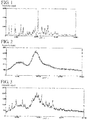
Fig. 1] Fig. 1 shows the results of powder X-ray diffraction spectrum (XRD) measurement of a mesylate salt of thecompound 1. - [
Fig. 2] Fig. 2 shows the results of XRD measurement of HP-β-CD. - [
Fig. 3] Fig. 3 shows the results of XRD measurement of a physically mixed product of a mesylate salt of thecompound 1 and HP-β-CD. - [
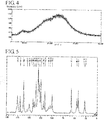
Fig. 4] Fig. 4 shows the results of XRD measurement of a spray-dried product of a mesylate salt of thecompound 1 and HP-β-CD. - [
Fig. 5] Fig. 5 shows the results of solid proton nuclear magnetic resonance (13C-NMR) measurement of a mesylate salt of thecompound 1. - [
Fig. 6] Fig. 6 shows the results of 13C-NMR measurement of HP-β-CD. - [
Fig. 7] Fig. 7 shows the results of 13C-NMR measurement of a physically mixed product of a mesylate salt of thecompound 1 and HP-β-CD. - [
Fig. 8] Fig. 8 shows the results of infrared absorption spectrum (IR) measurement of a mesylate salt of thecompound 1. - [
Fig. 9] Fig. 9 shows the results of IR measurement of HP-β-CD. - [
Fig. 10] Fig. 10 shows the results of IR measurement of a physically mixed product of a mesylate salt of thecompound 1 and HP-β-CD. - [
Fig. 11] Fig. 11 shows the results of IR measurement in the fingerprint regions of a mesylate salt of thecompound 1, HP-β-CD, and a physically mixed product of the mesylate salt of thecompound 1 and HP-β-CD in this order from the top. - An active ingredient of the pharmaceutical composition of the present invention is the
compound 1. Thecompound 1 is 4-(2-fluoro-4-(3-(2-phenylacetyl)thioureido)phenoxy)-7-methoxy-N-methylquinoline-6-carboxamide and the structure thereof is shown below.

- As the pharmaceutically acceptable salt of the
compound 1 to be used in the present invention, salts such as acid addition salts are exemplified, and preferred is a mesylate salt, and more preferred is mono mesylate. - The
compound 1 or a pharmaceutically acceptable salt thereof may be a solvate (for example, a hydrate or the like) or a non-solvate, and in the present invention, both are included in "thecompound 1 or a pharmaceutically acceptable salt thereof'. Thecompound 1 or a pharmaceutically acceptable salt thereof can be produced by a method described in, for example,PTL 1 or 4. - The
compound 1 or a pharmaceutically acceptable salt thereof to be used in the present invention is contained in an amount of preferably 67 mass% or less, more preferably from 5 to 40 mass%, further more preferably from 10 to 20 mass% with respect to the total pharmaceutical composition. - In the cyclodextrin derivative, not only α-cyclodextrin (α-CD), β-cyclodextrin (β-CD), and γ-cyclodextrin (γ-CD), but also hydroxypropyl-β-cyclodextrin (HP-β-CD), sulfobutylether-β-cyclodextrin (SBE-β-CD), and the like are included. However, from the viewpoint of dissolubility, stability, absorbability, etc., the cyclodextrin derivative of the present invention is hydroxypropyl-β-cyclodextrin. The amount of hydroxypropyl-β-cyclodextrin to be used in the present invention may be any as long as the absorbability of the
compound 1 or a pharmaceutically acceptable salt thereof to be used in the present invention is improved, and the toxicity of hydroxypropyl-β-cyclodextrin is not appeared. - The amount of hydroxypropyl-β-cyclodextrin to be used in the present invention is preferably 30 mass% or more, more preferably from 60 to 95 mass%, further more preferably from 76 to 85 mass% with respect to the total pharmaceutical composition.
- The amount of hydroxypropyl-β-cyclodextrin to be used in the present invention is preferably from 0.1 to 5.5 parts by mass, more preferably from 4.0 to 5.0 parts by mass with respect to 1 part by mass of the
compound 1 or a pharmaceutically acceptable salt thereof. - As the pharmaceutical composition of the present invention, a composition in which the
compound 1 or a pharmaceutically acceptable salt thereof and hydroxypropyl-β-cyclodextrin do not form a clathrate or partially form a clathrate is exemplified. That is, it can be confirmed by a powder X-ray diffraction spectrum, solid NMR, IR, etc. that in the pharmaceutical composition of the present invention, one in which thecompound 1 or a pharmaceutically acceptable salt thereof and hydroxypropyl-p-cyclodextrin do not form a clathrate is present. - In addition, an error of a peak at a diffraction angle 2θ in a powder X-ray diffraction spectrum in the present invention is about ±0.2°. This is an error caused by an apparatus used in measurement, preparation of a sample, a data analysis method, or the like. Therefore, when a crystal is subjected to XRD measurement in the present invention, an error of ±0.2° of the obtained diffraction angle 2θ is taken into consideration. Further, for the same reason, in the present invention, an error of a peak at a chemical shift (ppm) in a solid 13C-NMR chart is about ±1.0 ppm, and an error of a peak at an absorption band (cm-1) in an infrared absorption spectrum is about ±2 cm-1.
- The pharmaceutical composition of the present invention has characteristic peaks at at least 5 or more diffraction angles (2θ±0.2°) selected from 6.5, 7.8, 9.6, 12.4, 18.8, 21.2, 23.0, 24.5, and 26.0 (°) in powder X-ray diffraction, preferably has characteristic peaks at diffraction angles (2θ±0.2°) of 6.5, 7.8, 9.6, 12.4, 18.8, 21.2, 23.0, 24.5, and 26.0 (°).
- The pharmaceutical composition of the present invention preferably has characteristic peaks at chemical shift values [δ (ppm)] of 162.6, 130.4, 103.1, 82.7, 73.3, 41.9, and 19.9 in a solid 13C-NMR chart.
- The pharmaceutical composition of the present invention preferably has characteristic peaks at at least 5 or more absorption bands selected from 1663, 1352, 1225, 1156, 1032, 720, and 553 (cm-1) in an infrared absorption spectrum, more preferably has characteristic peaks at absorption bands of 1663, 1352, 1225, 1156, 1032, 720, and 553 (cm-1).
- The pharmaceutical composition of the present invention can be produced by physical mixing. The physical mixing refers to a production method that does not include a step in which the
compound 1 or a pharmaceutically acceptable salt thereof is converted into a solution state when the pharmaceutical composition is produced. As the physical mixing, mixing to form a uniform composition by applying an appropriate operation to two or more types of solids containing thecompound 1 or a pharmaceutically acceptable salt thereof, a granulation that is performed when thecompound 1 or a pharmaceutically acceptable salt thereof is in a solid state, and the like are exemplified. - Examples of a granulation method that can be used when the pharmaceutical composition of the present invention is produced include a dry granulation method and a wet granulation method. Specific examples of the dry granulation method include a crushing granulation method. Further, examples of the wet granulation method include a fluidized bed granulation method, a rolling bed granulation method, an extrusion granulation method, and a high shear granulation method, and preferred is a fluidized bed granulation method.
- In the physical mixing, a solvent can be added as needed. As the type of the solvent, water, ethanol, a water-ethanol mixed solution, and the like are exemplified, and preferred is water. When such a solvent is used in the physical mixing, the pharmaceutical composition of the present invention may be used as it is or after it is dried.
- In the physical mixing, a fluidizer or the like can be further added. Examples of the fluidizer include silicic acid derivatives such as light anhydrous silicic acid, calcium silicate, magnesium aluminometasilicate, talc, aluminum silicate, and hydrated silicon dioxide, and preferred is light anhydrous silicic acid.
- In the physical mixing, a binder can be added. As the binder, a cellulose derivative, starch, povidone, or polyvinyl alcohol can be exemplified. Examples of the cellulose derivative include hydroxypropyl cellulose, hypromellose, and methylcellulose, and preferred is hydroxypropyl cellulose.
- Here, the amount of the fluidizer to be used in the present invention is generally 10 mass% or less, preferably from 0.1 to 2 mass%, more preferably from 0.2 to 1 mass% with respect to the total pharmaceutical composition.
- Examples of the pharmaceutical composition of the present invention include a tablet, a granule, a powder, and a fine granule, and preferred is a tablet or a granule. In the tablet, the granule, the powder, and the fine granule, a powdery granular material that is rapidly dissolved in the oral cavity and can be taken without water is included.
- Further, as the pharmaceutical composition of the present invention, a tablet can be adopted. The tablet can also be produced using commonly known excipients, and it is also possible to prepare a tablet from the above-mentioned granule using commonly known methods. As the shape of the tablet, a generally used shape such as a cylindrical shape, a disk shape, a lenticular shape, or a rod-like shape can be adopted. The size of the tablet is not particularly limited as long as a human can orally take it, however, the maximum diameter (diameter) is preferably 15 mm or less, more preferably 10 mm or less. Further, in consideration of absorbability and administration to children, etc., the maximum diameter is further more preferably 5 mm or less. Further, in consideration of the absorbability and the ease of adjustment of the pharmaceutical composition of the present invention, a tablet having a cylindrical shape with a maximum diameter of 4 mm or less is preferred. The lower limit of the maximum diameter of the tablet is not particularly limited, but is generally 2 mm or more from the viewpoint of handling.
- Further, when a tablet having a cylindrical shape with a diameter of 5 mm or less is adopted as the pharmaceutical composition of the present invention, the weight of the
compound 1 per tablet is 10 mg or less from the viewpoint of the size and the absorbability of the tablet. After preparation of the tablet, an operation of packing a plurality of tablets in one package is sometimes generated. In that case, if there is a large difference in the diameter and the thickness of the cylindrical shape, it takes time when adjusting the packing amount by a counting plate with holes, and during the process, a few tablets may enter the hole of the counting plate or no tablet may enter the hole, and therefore, excess or shortage of the packing amount may occur. Therefore, in the case of the tablet having a cylindrical shape with a diameter of 5 mm or less, the ratio of the thickness to the diameter of the cylindrical shape is typically from 60 to 140% as an example, preferably from 80 to 120%. - Further, in the pharmaceutical composition of the present invention, other than the
compound 1 or a pharmaceutically acceptable salt thereof and hydroxypropyl-p-cyclodextrin, other excipients may be blended as needed. The excipients are not particularly limited as long as it is generally used in drug products in the pharmaceutical field, and for example, a fluidizer, a diluent, a binder, a disintegrant, a lubricant, a coating agent, a colorant, a flavor, a taste masking agent, and the like can be exemplified, however, it is not limited thereto. - The pharmaceutical composition of the present invention is useful as an antitumor agent because the
compound 1 has excellent c-Met inhibitory activity and VEGFR2 inhibitory activity. A target cancer is not particularly limited, however, examples thereof include head and neck cancer, gastrointestinal cancer [for example, esophageal cancer, gastric cancer, gastrointestinal stromal tumors, duodenal cancer, liver cancer, biliary tract cancer (for example, gallbladder and bile duct cancer, etc.), pancreatic cancer, small intestine cancer, large bowel cancer (for example, colorectal cancer, colon cancer, rectal cancer, etc.), etc.], lung cancer, breast cancer, ovarian cancer, uterine cancer (for example, cervical cancer, endometrial cancer, etc.), kidney cancer, bladder cancer, prostate cancer, urothelial cancer, bone and soft tissue sarcoma, blood cancer (for example, B cell lymphoma, chronic lymphocytic leukemia, peripheral T-cell lymphoma, myelodysplastic syndrome, acute myelogenous leukemia, acute lymphocytic leukemia, etc.), multiple myeloma, skin cancer, and mesothelioma. - Hereinafter, the present invention will be further specifically described with reference to Examples, however, the invention is not limited thereto. Although the invention is sufficiently described by Examples, it is to be understood that various changes and modifications can be made by a person skilled in the art. Therefore, such changes or modifications are included in the invention unless they depart from the scope of the invention.
- As various types of reagents used in Examples, commercially available products were used unless otherwise indicated.
- Powder X-ray diffraction was performed by lightly crushing an appropriate amount of a test specimen in an agate mortar according to need and then performing measurement according to the following test conditions.
-
- Apparatus: RINT-2100 Ultima/PC (manufactured by Rigaku Corporation)
- Target: CuKα
- Scanning range: 5.0 to 40.0°
- Sampling width: 0.02°
- Scanning speed: 2°/min
- The handling of the apparatus including data processing was performed according to the method and procedure designated for each apparatus.
- 13C-NMR measurement was performed by CMX-300 Infinity (75.188829 MHz, manufactured by Chemagnetic, Inc.) using tetramethylsilane as an internal reference in the case where tetramethylsilane was contained in a deuterated solvent, and using an NMR solvent as an internal reference in the other cases. In each 13C-NMR chart obtained, all the δ values were expressed in ppm.
- IR measurement was performed using FT-730 (HORIBA, Ltd.) by the KBr method.
- HP-β-CD (0.5925 g) was dissolved in a diluted McIlvaine buffer at pH 3.0 (50 mL), followed by heating to 37°C, whereby a test solution was obtained.
- A test solution was obtained by heating a diluted McIlvaine buffer at pH 3.0 (50 mL) to 37°C.
- A test solution was obtained in the same manner as in Formulation Example 1 using γ-CD (0.5925 g) in place of HP-β-CD (0.5925 g).
- A test solution was obtained in the same manner as in Formulation Example 1 using SBE-β-CD (0.5925 g) in place of HP-β-CD (0.5925 g).
- With respect to Formulation Example 1, Comparative Example 1, and Comparative Example 2, the solubility of the
compound 1 over time was measured. To each of the test solutions, a mesylate salt of the compound 1 (0.1185 g) was added, followed by stirring at 37°C using a magnetic stirrer. The compositions of Formulation Example 1, Comparative Example 1, Comparative Example 2, and Comparative Example 3 are shown in Table 1.[Table 1] (unit: parts by mass) Formulation Example 1 Comparative Example 1 Comparative Example 2 Comparative Example 3 Mesylate salt of Compound 11.0 1.0 1.0 1.0 HP-β-CD 5.0 - - - γ-CD - - 5.0 - SBE-β-CD - - - 5.0 - The concentration of the
compound 1 in the test solution was measured after 30, 60, 120, and 240 minutes from the start of the test using liquid chromatography (HPLC) under the following conditions. -
- Apparatus: Alliance 2690 (manufactured by Waters, Inc.)
- Mobile phase A: 10 mM Na2HPO4 aqueous solution (pH 6.5)
- Mobile phase B: acetonitrile
- Gradient: mobile phase A/mobile phase B = 6/4 (v/v)
- Column: L-column 2 ODS, 100 mm × 3.0 mm, i.d.: 3 µm
- Measurement wavelength: 240 nm
- The handling of the apparatus including data processing was performed according to the method and procedure designated for each apparatus. The results are shown in Table 2.
[Table 2] After 30 min µg/mL After 60 min µg/mL After 120 min µg/mL After 240 min µg/mL Formulation Example 1 269.18 231.32 240.58 220.64 Comparative Example 1 17.65 15.89 14.61 11.29 Comparative Example 2 107.58 129.08 114.78 98.46 - As shown in Table 2, it was found that when the same amount of a cyclodextrin derivative is present, HP-β-CD shows a higher solubility than γ-CD. On the other hand, in the case of SBE-β-CD, the error of the concentration of the
compound 1 at each measurement time is large, and it is difficult to predict the absorbability thereof when it is administered to a human, and therefore, it was found that SBE-β-CD is not suitable for formulation with thecompound 1. - A test solution was obtained in the same manner as in Formulation Example 1 using HP-β-CD (0.0593 g) in place of HP-β-CD (0.5925 g).
- A test solution was obtained in the same manner as in Formulation Example 1 using HP-β-CD (0.1185 g) in place of HP-β-CD (0.5925 g).
- A test solution was obtained in the same manner as in Formulation Example 1 using HP-β-CD (0.3555 g) in place of HP-β-CD (0.5925 g).
- With respect to Formulation Examples 1 to 4, the solubility of the
compound 1 over time was measured in the same manner as in the Test Example 1. To each of the test solutions, a mesylate salt of the compound 1 (0.1185 g) was added, followed by stirring at 37°C using a magnetic stirrer. The compositions of Formulation Examples 1 to 4 are shown in Table 3.[Table 3] (unit: parts by mass) Formulation Example 1 Formulation Example 2 Formulation Example 3 Formulation Example 4 Mesylate salt of Compound 11.0 1.0 1.0 1.0 HP-β-CD 5.0 0.5 1.0 3.0 - The concentration of the
compound 1 in the test solution was measured after 30, 60, 120, and 240 minutes from the start of the test using liquid chromatography (HPLC) under the same conditions. The results are shown in Table 4.[Table 4] After 30 min µg/mL After 60 min µg/mL After 120 min µg/mL After 240 min µg/mL Formulation Example 1 269.18 231.32 240.58 220.64 Formulation Example 2 39.04 30.94 35.96 30.24 Formulation Example 3 59.56 61.58 54.60 50.36 Formulation Example 4 137.36 139.50 157.22 140.02 - As shown in Table 4, it was found that the solubility of the mesylate salt of the
compound 1 is improved in the presence of HP-β-CD, and it shows a higher solubility as HP-β-CD is present in a larger amount. - A physically mixed product (26.6 g, PM product) of a mesylate salt of the
compound 1 was obtained by mixing the mesylate salt of the compound 1 (5.0 g) and HP-β-CD (22.8 g) in a mortar. - The results of powder X-ray diffraction spectrum (XRD) measurement of the mesylate salt of the
compound 1 are shown inFig. 1 , the results of XRD measurement of HP-β-CD are shown inFig. 2 , the results of XRD measurement of the physically mixed product of the mesylate salt of thecompound 1 and HP-β-CD obtained in Formulation Example 5 are shown inFig. 3 , and the XRD measurement of a spray-dried product of the mesylate salt of thecompound 1 and HP-β-CD obtained in Comparative Example 4 described below are shown inFig. 4 . - Based on these, it was found that in the XRD measurement of the physically mixed product of the mesylate salt of the
compound 1 and HP-β-CD, the product has characteristic peaks at diffraction angles (2θ±0.2°) of 6.5, 7.8, 9.6, 12.4, 18.8, 21.2, 23.0, 24.5, and 26.0 (°) derived from the mesylate salt of thecompound 1. - The results of solid proton nuclear magnetic resonance (13C-NMR) measurement of the mesylate salt of the
compound 1 are shown inFig. 5 , the results of 13C-NMR measurement of HP-β-CD are shown inFig. 6 , and the results of 13C-NMR measurement of the physically mixed product of the mesylate salt of thecompound 1 and HP-β-CD obtained in Formulation Example 5 are shown inFig. 7 . - Based on these, it was found that in the solid proton nuclear magnetic resonance (13C-NMR) measurement of the physically mixed product of the mesylate salt of the
compound 1 and HP-β-CD, the product has characteristic peaks at chemical shift values [δ (ppm)] of 162.6, 130.4, 103.1, 82.7, 73.3, 41.9, and 19.9 derived from the mesylate salt of thecompound 1. - The results of infrared absorption spectrum (IR) measurement of the mesylate salt of the
compound 1 are shown inFig. 8 , the results of IR measurement of HP-β-CD are shown inFig. 9 , and the results of IR measurement of the physically mixed product of the mesylate salt of thecompound 1 and HP-β-CD obtained in Formulation Example 5 are shown inFig. 10 . Further, IR measurement in the fingerprint regions thereof is shown inFig. 11 . - Based on these, it was found that in the infrared absorption spectrum measurement of the physically mixed product of the mesylate salt of the
compound 1 and HP-β-CD, the product has characteristic peaks at absorption bands (cm-1) of 1663, 1352, 1225, 1156, 1032, 720, and 553 derived from the mesylate salt of thecompound 1. - A mesylate salt of the compound 1 (5.0 g) and HP-β-CD (22.8 g) were dissolved in a mixed solution of water (100.0 g), ethanol (250.0 g) and dichloromethane (150.0 g), followed by spray drying by a spray dryer (GB22, manufactured by Yamato Scientific Co., Ltd.), whereby a spray-dried product (19.2 g, SD product) of the mesylate salt of the
compound 1 was obtained. - The compositions and the preparation methods of Formulation Example 5 and Comparative Example 4 are shown in Table 5.
[Table 5] (unit: parts by mass) Formulation Example 5 Comparative Example 4 Mesylate salt of Compound 11.0 1.0 HP-β-CD 4.6 4.6 Preparation method PM product SD product - With respect to Formulation Example 5 and Comparative Example 4, a change in the total amount of the related substances of the
compound 1 in each formulation over time was evaluated. Each formulation was wrapped with a polyethylene/cellophane laminated film and then enclosed in an aluminum bag with a desiccant and an deoxygenating agent, and the concentration of thecompound 1 in the formulations stored at 5, 25, and 40°C for 1 month and the formulations stored at 60°C for 1 week was measured using liquid chromatography (HPLC) under the following conditions. -
- Apparatus: Alliance 2690 (manufactured by Waters, Inc.)
- Mobile phase A: 10 mM Na2HPO4 aqueous solution (pH 6.5)
- Mobile phase B: acetonitrile
- Gradient: shown in Table 6
- Column: L-column 2 ODS, 150 mm × 4.6 mm, i.d.: 5 µm
- Measurement wavelength: 220 nm
- The handling of the apparatus including data processing was performed according to the method and procedure designated for each apparatus. The results are shown in Table 7.
[Table 7] 0 value 5° C 1month 25° C 1month 40° C 1 month60° C 1 weekFormulation Example 5 0.25 0.37 0.39 0.38 0.30 Comparative Example 4 1.27 1.45 2.10 3.15 3.18 - As shown in Table 7, it was found that the physically mixed product of the mesylate salt of the
compound 1 and HP-β-CD has excellent stability as compared with the spray-dried product. - Granulation was performed using a high shear granulator (FM-VG-25, manufactured by Powrex Corporation) while adding a 14% povidone solution (466 g) to a mesylate salt of the compound 1 (1564.2 g), D-mannitol (1188 g), and sodium starch glycolate (33 g), whereby a wet powder was obtained. The wet powder was dried using a fluidized bed granulator (NFLO-5, manufactured by Freund Corporation), and then mixed using a mixer (CV-20, manufactured by Tokuju Corporation) with sodium starch glycolate (158.4 g) and magnesium stearate (26.4 g), whereby granules for tableting were obtained. The granules for tableting were compressed into tablets using a tableting machine (VELG 0512SW2MZ, manufactured by Kikusui Seisakusho Ltd.), and thereafter, a coating solution obtained by adding hypromellose (64.8 g), macrogol 6000 (8.1 g), titanium oxide (8.1 g), and yellow ferric oxide (0.081 g) was sprayed thereon using a coating machine (DRC-300, manufactured by Powrex Corporation), whereby coated tablets were obtained.
- The compositions and the preparation methods of Formulation Example 5, Comparative Example 4, and Comparative Example 5 are shown in Table 8.
[Table 8] (unit: parts by mass) Formulation Example 5 Comparative Example 4 Comparative Example 5 Mesylate salt of Compound 11.0 1.0 1.0 HP-β-CD 4.6 4.6 - D-mannitol - - 0.76 Sodium starch glycolate - - 0.12 Povidone - - 0.04 Magnesium stearate - - 0.02 Hypromellose - - 0.04 Preparation method PM product SD product PM product - With respect to Formulation Example 5, Comparative Example 4, and Comparative Example 5, each formulation was administered to animals under the following conditions, and the absorbability was evaluated.
-
- Animals used: beagle dogs (3 male animals, Kitayama Labes Co., Ltd.)
- Feeding Conditions: fasting for 20 hours from the previous day
- Dose: 100 mg/body (in terms of the compound 1)
- Administration method: administered with 50 mL water
- Pretreatment: Pentagastrin was intramuscularly administered (10 µg/0.1 mL/kg) 30 minutes before administering the formulation and thereafter administered twice at an interval of 45 minutes. An atropine sulfate intravenous injection was intravenously administered (20 µg/0.04 mL/kg) 30 minutes before administering the formulation.
- The results are shown in Table 9.
[Table 9] AUC ng·hr/mL Formulation Example 5 6842 Comparative Example 4 5789 Comparative Example 5 1666 - As shown in Table 9, it was found that the absorption of the mesylate salt of the
compound 1 is improved by the addition of HP-β-CD, and the physically mixed product of the mesylate salt of thecompound 1 and HP-β-CD shows absorbability comparable to the spray-dried product. - Granulation was performed using a fluidized bed granulator (FL-LABO (special), manufactured by Freund Corporation) while spraying a 5% hydroxypropyl cellulose solution (1000 g) onto a mesylate salt of the compound 1 (296.3 g), HP-β-CD (1350 g), and light anhydrous silicic acid (8.8 g), whereby a granulated material was obtained. Magnesium stearate (10 g) was added to the granulated material and mixed in a polyethylene bag, whereby granules were obtained.
- The compositions of Formulation Example 5 and Formulation Example 6 are shown in Table 10.
[Table 10] (unit: parts by mass) Formulation Example 5 Formulation Example 6 Mesylate salt of Compound 11.0 1.0 HP-β-CD 4.6 4.6 Light anhydrous silicic acid - 0.03 Hydroxypropyl cellulose - 0.17 Magnesium stearate - 0.03 - With respect to Formulation Example 5 and Formulation Example 6, each formulation was administered to animals under the following conditions, and the absorbability was evaluated.
-
- Animals used: beagle dogs (3 male animals, Kitayama Labes Co., Ltd.)
- Feeding Conditions: fasting for 20 hours from the previous day
- Dose: 400 mg/body (in terms of the compound 1)
- Administration method: administered with 50 mL water
- Pretreatment: Pentagastrin was intramuscularly administered (10 µg/0.1 mL/kg) 30 minutes before administering the formulation and thereafter administered twice at an interval of 45 minutes. An atropine sulfate intravenous injection was intravenously administered (20 µg/0.04 mL/kg) 30 minutes before administering the formulation.
- The results are shown in Table 11.
[Table 11] AUC ng·hr/mL Formulation Example 5 11258 Formulation Example 6 12810 - As shown in Table 11, it was found that the granules obtained by granulating the mesylate salt of the
compound 1 and HP-β-CD show absorbability comparable to the physically mixed product thereof. - Granulation was performed using a fluidized bed granulator (NFLO-5, manufactured by Freund Corporation) while spraying a 5% hydroxypropyl cellulose solution (3000 g) onto a mesylate salt of the compound 1 (888.8 g), HP-β-CD (4050 g), and light anhydrous silicic acid (26.3 g), whereby a granulated material was obtained. Two batches of the granulated material were mixed using a mixer (CV-20, manufactured by Tokuju Corporation) with magnesium stearate (60 g), whereby granules were obtained.
- Granulation was performed using a fluidized bed granulator (NFLO-5, manufactured by Freund Corporation) while spraying a 5% hydroxypropyl cellulose solution (3000 g) onto a mesylate salt of the compound 1 (888.8 g), HP-β-CD (4050 g), and light anhydrous silicic acid (26.3 g), whereby a granulated material was obtained. Magnesium stearate (2.16 g) was added to a portion (396.4 g) of the granulated material and mixed in a polyethylene bag, whereby granules were obtained. The granules were compressed into tablets with a diameter of 4 mm using a tableting machine (VELG 0512SW2MZ, manufactured by Kikusui Seisakusho Ltd.), and thereafter, a coating solution obtained by adding water (480.0 g), hypromellose (32.0 g), macrogol 6000 (4.0 g), titanium oxide (4.0 g), and yellow ferric oxide (0.2 g) was sprayed thereon using a coating machine (HC-FZ-LABO, manufactured by Freund Corporation), whereby coated tablets of the tablets with a diameter of 4 mm were obtained.
- A portion (292.1 g) of the granules obtained in Formulation Example 7 were compressed into tablets with a diameter of 3.5 mm using a tableting machine (VELG 0512SW2MZ, manufactured by Kikusui Seisakusho Ltd.), and thereafter, a coating solution obtained by adding water (540.0 g), hypromellose (48.0 g), macrogol 6000 (6.0 g), titanium oxide (6.0 g), and yellow ferric oxide (0.3 g) was sprayed thereon using a coating machine (HC-FZ-LABO, manufactured by Freund Corporation), whereby coated tablets of the tablets with a diameter of 3.5 mm were obtained.
- The compositions and dosage forms of Formulation Examples 7 to 9 are shown in Table 12.
[Table 12] (unit: parts by mass) Formulation Example 7 Formulation Example 8 Formulation Example 9 Mesylate salt of Compound 11.0 1.0 1.0 HP-β-CD 4.6 4.6 4.6 Light anhydrous silicic acid 0.030 0.030 0.030 Hydroxypropyl cellulose 0.17 0.17 0.17 Magnesium stearate 0.034 0.031 0.031 Hypromellose - 0.14 0.14 Macrogol 6000 - 0.017 0.017 Titanium oxide - 0.017 0.017 Yellow ferric oxide - 0.00084 0.00084 Dosage form Granule Tablet with diameter of 4 mm Tablet with diameter of 3.5 mm - With respect to these, each formulation was administered to animals under the following conditions, and the absorbability was evaluated.
-
- Animals used: beagle dogs (6 male animals, Kitayama Labes Co., Ltd.)
- Feeding Conditions: fasting for 20 hours from the previous day
- Dose: 200 mg/body (in terms of the compound 1)
- Administration method: administered with 50 mL water
- Pretreatment: An atropine sulfate intravenous injection was intravenously administered (20 µg/0.04 mL/kg) 30 minutes before administering the formulation. When the test was performed at a low intragastric pH, pentagastrin was intramuscularly administered (10 µg/0.1 mL/kg) 30 minutes before administering the formulation and thereafter administered twice at an interval of 45 minutes, and when the test was performed at a high intragastric pH, omeprazole was intravenously administered (1 mg/0.25 mL/kg) 30 minutes before administering the formulation and 60 minutes thereafter once.
- As a result, it was found that the tablets containing the mesylate salt of the
compound 1 and HP-β-CD show absorbability comparable to the granules thereof without being affected by the intragastric pH. - While the present invention has been described in detail with reference to specific embodiments, it will be apparent to a person skilled in the art that various changes and modifications can be made without departing from the spirit and scope of the invention. This application is based on Japanese Patent Application filed on February 15, 2017 (Patent Application No.
2017-026203
| Time (min) | Mobile phase A (%) | Mobile phase B (%) |
| 0 | 64 | 36 |
| 1 | 64 | 36 |
| 11 | 55 | 45 |
| 16 | 52 | 48 |
| 20 | 37 | 63 |
| 30 | 37 | 63 |
| 31 | 64 | 36 |
| 40 | 64 | 36 |
Claims (35)
- A pharmaceutical composition, comprising:4-(2-fluoro-4-(3-(2-phenylacetyl)thioureido)phenoxy)-7-methoxy-N-methylquinoline-6-carboxamide or a pharmaceutically acceptable salt thereof; andhydroxypropyl-β-cyclodextrin.
- The pharmaceutical composition according to claim 1,
wherein the composition includes peaks at at least 5 or more diffraction angles 2θ (±0.2°) selected from 6.5, 7.8, 9.6, 12.4, 18.8, 21.2, 23.0, 24.5, and 26.0 (°) in powder X-ray structure diffraction. - The pharmaceutical composition according to claim 1 or 2,
wherein the composition includes peaks at diffraction angles 2θ (±0.2°) of 6.5, 7.8, 9.6, 12.4, 18.8, 21.2, 23.0, 24.5, and 26.0 (°) in powder X-ray structure diffraction. - The pharmaceutical composition according to any one of claims 1 to 3,
wherein the composition includes peaks at chemical shift values [δ (ppm)] of 162.6, 130.4, 103.1, 82.7, 73.3, 41.9, and 19.9 in solid 13C-NMR. - The pharmaceutical composition according to any one of claims 1 to 4,
wherein the composition includes peaks at at least 5 or more absorption bands selected from 1663, 1352, 1225, 1156, 1032, 720, and 553 (cm-1) in an infrared absorption spectrum. - The pharmaceutical composition according to any one of claims 1 to 5,
wherein hydroxypropyl-β-cyclodextrin is contained at 0.1 to 5.5 parts by mass with respect to 1 part by mass of 4-(2-fluoro-4-(3-(2-phenylacetyl)thioureido)phenoxy)-7-methoxy-N-methylquinoline-6-carboxamide or a pharmaceutically acceptable salt thereof. - The pharmaceutical composition according to any one of claims 1 to 6, further comprising:
a silicic acid derivative. - The pharmaceutical composition according to any one of claims 1 to 7, further comprising:
a cellulose derivative. - The pharmaceutical composition according to any one of claims 1 to 8,
wherein the pharmaceutical composition is a tablet or a granule. - The pharmaceutical composition according to any one of claims 1 to 9,
wherein the pharmaceutical composition is for oral administration. - The pharmaceutical composition according to any one of claims 1 to 10,
wherein the pharmaceutical composition is a tablet. - The pharmaceutical composition according to any one of claims 1 to 10,
wherein the pharmaceutical composition is a tablet having a maximum diameter of 5 mm or less. - A pharmaceutical composition, comprising:4-(2-fluoro-4-(3-(2-phenylacetyl)thioureido)phenoxy)-7-methoxy-N-methylquinoline-6-carboxamide or a pharmaceutically acceptable salt thereof; andhydroxypropyl-β-cyclodextrin,the pharmaceutical composition produced by physical mixing.
- The pharmaceutical composition according to claim 13,
wherein the physical mixing is a production method that does not include a step in which 4-(2-fluoro-4-(3-(2-phenylacetyl)thioureido)phenoxy)-7-methoxy-N-methylquinoline-6-carboxamide or a pharmaceutically acceptable salt thereof is converted into a solution state when the pharmaceutical composition is produced. - The pharmaceutical composition according to claim 13 or 14,
wherein the physical mixing is mixing or granulation. - The pharmaceutical composition according to any one of claims 13 to 15,
wherein the physical mixing is mixing, a dry granulation method, or a wet granulation method. - The pharmaceutical composition according to any one of claims 13 to 16,
wherein the physical mixing is mixing, a crushing granulation method, a fluidized bed granulation method, a rolling bed granulation method, an extrusion granulation method, or a high shear granulation method. - The pharmaceutical composition according to any one of claims 13 to 17,
wherein the physical mixing is a fluidized bed granulation method. - The pharmaceutical composition according to any one of claims 13 to 18,
wherein the composition includes peaks at at least 5 or more diffraction angles 2θ (±0.2°) selected from 6.5, 7.8, 9.6, 12.4, 18.8, 21.2, 23.0, 24.5, and 26.0 (°) in powder X-ray structure diffraction. - The pharmaceutical composition according to any one of claims 13 to 19,
wherein the composition includes peaks at diffraction angles 2θ (±0.2°) of 6.5, 7.8, 9.6, 12.4, 18.8, 21.2, 23.0, 24.5, and 26.0 (°) in powder X-ray structure diffraction. - The pharmaceutical composition according to any one of claims 13 to 20,
wherein the composition includes peaks at chemical shift values [δ (ppm)] of 162.6, 130.4, 103.1, 82.7, 73.3, 41.9, and 19.9 in solid 13C-NMR. - The pharmaceutical composition according to any one of claims 13 to 21,
wherein the composition includes peaks at at least 5 or more absorption bands selected from 1663, 1352, 1225, 1156, 1032, 720, and 553 (cm-1) in an infrared absorption spectrum. - The pharmaceutical composition according to any one of claims 13 to 22,
wherein hydroxypropyl-β-cyclodextrin is contained at 0.1 to 5.5 parts by mass with respect to 1 part by mass of a mesylate salt of 4-(2-fluoro-4-(3-(2-phenylacetyl)thioureido)phenoxy)-7-methoxy-N-methylquinoline-6-carboxamide. - The pharmaceutical composition according to any one of claims 13 to 23, further comprising:
a silicic acid derivative. - The pharmaceutical composition according to any one of claims 13 to 24, further comprising:
a cellulose derivative. - The pharmaceutical composition according to any one of claims 13 to 25,
wherein the pharmaceutical composition is a granule. - The pharmaceutical composition according to any one of claims 13 to 26,
wherein the pharmaceutical composition is for oral administration. - The pharmaceutical composition according to any one of claims 13 to 27,
wherein the pharmaceutical composition is a tablet. - The pharmaceutical composition according to any one of claims 13 to 28,
wherein the pharmaceutical composition is a tablet having a maximum diameter of 5 mm or less. - A method for producing a pharmaceutical composition, obtainable by performing physical mixing of 4-(2-fluoro-4-(3-(2-phenylacetyl)thioureido)phenoxy)-7-methoxy-N-methylquinoline-6-carboxamide or a pharmaceutically acceptable salt thereof and hydroxypropyl-β-cyclodextrin.
- The production method according to claim 30,
wherein the physical mixing is a production method that does not include a step in which 4-(2-fluoro-4-(3-(2-phenylacetyl)thioureido)phenoxy)-7-methoxy-N-methylquinoline-6-carboxamide or a pharmaceutically acceptable salt thereof is converted into a solution state when the pharmaceutical composition is produced. - The production method according to claim 30 or 31,
wherein the physical mixing is mixing or granulation. - The production method according to any one of claims 30 to 32,
wherein the physical mixing is mixing, a dry granulation method, or a wet granulation method. - The production method according to any one of claims 30 to 33,
wherein the physical mixing is mixing, a crushing granulation method, a fluidized bed granulation method, a rolling bed granulation method, an extrusion granulation method, or a high shear granulation method. - The production method according to any one of claims 30 to 34,
wherein the physical mixing is a fluidized bed granulation method.
Applications Claiming Priority (2)
| Application Number | Priority Date | Filing Date | Title |
|---|---|---|---|
| JP2017026203 | 2017-02-15 | ||
| PCT/JP2018/005140 WO2018151177A1 (en) | 2017-02-15 | 2018-02-14 | Pharmaceutical composition |
Publications (3)
| Publication Number | Publication Date |
|---|---|
| EP3583943A1 true EP3583943A1 (en) | 2019-12-25 |
| EP3583943A4 EP3583943A4 (en) | 2020-12-30 |
| EP3583943B1 EP3583943B1 (en) | 2024-09-18 |
Family
ID=63169269
Family Applications (1)
| Application Number | Title | Priority Date | Filing Date |
|---|---|---|---|
| EP18755023.1A Active EP3583943B1 (en) | 2017-02-15 | 2018-02-14 | Pharmaceutical composition |
Country Status (20)
| Country | Link |
|---|---|
| US (2) | US11110062B2 (en) |
| EP (1) | EP3583943B1 (en) |
| JP (1) | JP6771594B2 (en) |
| KR (2) | KR102323255B1 (en) |
| CN (2) | CN110312511B (en) |
| AU (1) | AU2018222163C1 (en) |
| CA (1) | CA3053739C (en) |
| DK (1) | DK3583943T3 (en) |
| ES (1) | ES2991062T3 (en) |
| FI (1) | FI3583943T3 (en) |
| HU (1) | HUE068810T2 (en) |
| MA (1) | MA47516A (en) |
| MX (2) | MX2021007061A (en) |
| MY (1) | MY194278A (en) |
| PH (1) | PH12019501873A1 (en) |
| PL (1) | PL3583943T3 (en) |
| PT (1) | PT3583943T (en) |
| SG (1) | SG11201907433TA (en) |
| TW (1) | TWI702951B (en) |
| WO (1) | WO2018151177A1 (en) |
Families Citing this family (6)
| Publication number | Priority date | Publication date | Assignee | Title |
|---|---|---|---|---|
| MX2021007061A (en) | 2017-02-15 | 2022-10-07 | Taiho Pharmaceutical Co Ltd | Pharmaceutical composition. |
| WO2019049956A1 (en) * | 2017-09-08 | 2019-03-14 | 大鵬薬品工業株式会社 | Antitumor agent and antitumor effect potentiator |
| KR20210060465A (en) | 2018-09-18 | 2021-05-26 | 다이호야쿠힌고교 가부시키가이샤 | Combination therapy of acylthiourea compound and abiraterone |
| TWI872203B (en) * | 2020-02-14 | 2025-02-11 | 日商大鵬藥品工業股份有限公司 | Method for producing acylthiourea compound |
| EP4181306A4 (en) | 2021-03-12 | 2025-01-22 | LG Energy Solution, Ltd. | Bus bar assembly, battery pack comprising bus bar assembly, and vehicle comprising battery pack |
| US20230114887A1 (en) | 2021-10-12 | 2023-04-13 | Lg Energy Solution, Ltd. | Battery pack and vehicle including the same |
Family Cites Families (45)
| Publication number | Priority date | Publication date | Assignee | Title |
|---|---|---|---|---|
| US5254541A (en) * | 1991-11-15 | 1993-10-19 | Merck Frosst Canada, Inc. | (Quinolin-2-ylmethoxy)indole/cyclodextrin complex |
| CN1154070A (en) * | 1994-05-27 | 1997-07-09 | 荷兰发马克有限公司 | Pharmaceutical composition |
| US7135466B2 (en) | 1999-12-24 | 2006-11-14 | Kirin Beer Kabushiki Kaisha | Quinoline and quinazoline derivatives and drugs containing the same |
| EP1415987B1 (en) | 2000-10-20 | 2007-02-28 | Eisai R&D Management Co., Ltd. | Nitrogenous aromatic ring compounds as anti cancer agents |
| CA2454538A1 (en) | 2001-06-22 | 2003-01-03 | Kirin Beer Kabushiki Kaisha | Quinoline derivatives and quinazoline derivatives capable of inhibiting autophosphorylation of hepatocyte growth factor receptors, and pharmaceutical composition comprising the same |
| SE520606C2 (en) | 2001-06-26 | 2003-07-29 | Flir Systems Ab | Method for providing a mirror surface, as well as a mirror with such a mirror surface |
| JP2003238592A (en) | 2001-12-13 | 2003-08-27 | Japan Tobacco Inc | Medicine for regenerating tissue and blood vessel, and method therefor |
| CN1448053A (en) * | 2003-04-22 | 2003-10-15 | 西安敬业生物药物科技有限公司 | Thiophanate methyl inclusion complex pesticide preparation |
| CA2744997A1 (en) | 2003-09-26 | 2005-04-07 | Exelixis, Inc. | C-met modulators and method of use |
| EP1719762B1 (en) | 2004-02-27 | 2012-06-27 | Eisai R&D Management Co., Ltd. | Novel pyridine derivative and pyrimidine derivative (1) |
| WO2005105044A1 (en) * | 2004-04-30 | 2005-11-10 | Ranbaxy Laboratories Limited | Process for making inclusion complex of sulfonylureas having improved aqueous solubility |
| WO2005121125A1 (en) | 2004-06-09 | 2005-12-22 | Pfizer Inc. | Ether-linked heteroaryl compounds |
| US20050288290A1 (en) | 2004-06-28 | 2005-12-29 | Borzilleri Robert M | Fused heterocyclic kinase inhibitors |
| CN100448053C (en) * | 2004-08-31 | 2008-12-31 | 清华大学 | Organic electroluminescent device containing shielding mask support and its preparation method |
| AU2006229343A1 (en) | 2005-03-28 | 2006-10-05 | Kirin Pharma Kabushiki Kaisha | Thienopyridine derivative, or quinoline derivative, or quinazoline derivative, having c-Met autophosphorylation inhibiting potency |
| JP2008537748A (en) | 2005-04-06 | 2008-09-25 | エクセリクシス、インコーポレイテッド | c-Met Modulator and Method of Use |
| CA2630884A1 (en) | 2005-11-30 | 2007-06-07 | Vertex Pharmaceuticals Incorporated | Inhibitors of c-met and uses thereof |
| JP2011500778A (en) | 2007-10-25 | 2011-01-06 | アストラゼネカ・アクチエボラーグ | Pyridine and pyrazine derivatives-083 |
| CN101491240A (en) * | 2008-01-25 | 2009-07-29 | 国家农产品保鲜工程技术研究中心(天津) | Method for increasing natamycin action efficiency |
| US20100324087A1 (en) | 2008-01-29 | 2010-12-23 | Eisai R&D Management Co., Ltd. | Combined use of angiogenesis inhibitor and taxane |
| MX2010009669A (en) | 2008-03-06 | 2010-09-22 | Genentech Inc | Combination therapy with c-met and egfr antagonists. |
| RU2503664C2 (en) | 2008-04-10 | 2014-01-10 | Тайхо Фармасьютикал Ко., Лтд. | Acyl thiourea derivative or salt thereof and use thereof |
| UY31800A (en) | 2008-05-05 | 2009-11-10 | Smithkline Beckman Corp | CANCER TREATMENT METHOD USING A CMET AND AXL INHIBITOR AND AN ERBB INHIBITOR |
| AU2009246263B2 (en) | 2008-05-14 | 2014-08-21 | Amgen Inc. | Combinations VEGF(R) inhibitors and hepatocyte growth factor (c-Met) inhibitors for the treatment of cancer |
| UY32049A (en) | 2008-08-14 | 2010-03-26 | Takeda Pharmaceutical | CMET INHIBITORS |
| UA102709C2 (en) * | 2008-11-15 | 2013-08-12 | Ріб-Екс Фармасьютікалз, Інк. | ANTI-MICROBIAL COMPOSITION |
| WO2010093789A2 (en) | 2009-02-12 | 2010-08-19 | Arqule, Inc. | Combinational compositions and methods for treatment of cancer |
| CN101926808A (en) * | 2009-06-25 | 2010-12-29 | 积华药业有限公司 | Glucosamine Preparations |
| JP5714030B2 (en) | 2010-02-03 | 2015-05-07 | インサイト コーポレーションIncyte Corporation | Imidazo [1,2-b] [1,2,4] triazines as C-Met inhibitors |
| EP3450432A1 (en) | 2010-05-17 | 2019-03-06 | Incozen Therapeutics Pvt. Ltd. | Novel 3,5-disubstitued-3h-imidazo[4,5-b]pyridine and 3,5- disubstitued - 3h-[1,2,3]triazolo[4,5-b] pyridine compounds as modulators of protein kinases |
| CN102274189A (en) * | 2011-07-21 | 2011-12-14 | 瑞普(天津)生物药业有限公司 | Decoquinate-containing suspension formula and preparation method thereof |
| TW201322979A (en) * | 2011-10-18 | 2013-06-16 | 拉夸里亞創藥股份有限公司 | Pharmaceutical composition |
| TWI594986B (en) | 2011-12-28 | 2017-08-11 | Taiho Pharmaceutical Co Ltd | Antineoplastic agent effect enhancer |
| RU2494470C1 (en) | 2012-04-04 | 2013-09-27 | Общество с ограниченной ответственностью "Саентифик Фьючер Менеджмент" (ООО "Саентифик Фьючер Менеджмент") | Method of treating pulmonary fibrosis |
| DK3021832T3 (en) | 2013-07-19 | 2021-05-25 | Boehringer Ingelheim Vetmedica Gmbh | PRESERVED ETHERIFIED CYCLODEXTRINE DERIVATIVES CONTAINING LIQUID AQUATIC PHARMACEUTICAL COMPOSITION |
| US9149471B2 (en) | 2013-09-30 | 2015-10-06 | National University Corporation Tokyo University Of Agriculture And Technology | Therapeutic agent for osteoporosis |
| EP3114144A1 (en) | 2014-03-05 | 2017-01-11 | Bristol-Myers Squibb Company | Treatment of renal cancer using a combination of an anti-pd-1 antibody and another anti-cancer agent |
| EP3226869A4 (en) | 2014-12-03 | 2018-07-18 | Auckland UniServices, Ltd. | Kinase inhibitor prodrug for the treatment of cancer |
| WO2016140717A1 (en) | 2015-03-04 | 2016-09-09 | Merck Sharp & Dohme Corp. | Combination of a pd-1 antagonist and a vegfr/fgfr/ret tyrosine kinase inhibitor for treating cancer |
| JP2016196411A (en) | 2015-03-04 | 2016-11-24 | エーザイ・アール・アンド・ディー・マネジメント株式会社 | Tumor treatment |
| DK3290405T3 (en) * | 2015-04-30 | 2021-03-22 | Taiho Pharmaceutical Co Ltd | ACYLTHIOUREA MESYLIC ACID SALT, CRYSTAL THEREOF AND MANUFACTURING METHODS |
| SG10201912684TA (en) | 2015-06-25 | 2020-03-30 | Taiho Pharmaceutical Co Ltd | Therapeutic agent for fibrosis |
| JP6804832B2 (en) | 2015-07-21 | 2020-12-23 | 東芝ライフスタイル株式会社 | refrigerator |
| CN106551911A (en) * | 2015-09-21 | 2017-04-05 | 天津市汉康医药生物技术有限公司 | A kind of stable pleasure is cut down for Buddhist nun's pharmaceutical composition and preparation method thereof |
| MX2021007061A (en) | 2017-02-15 | 2022-10-07 | Taiho Pharmaceutical Co Ltd | Pharmaceutical composition. |
-
2018
- 2018-02-14 MX MX2021007061A patent/MX2021007061A/en unknown
- 2018-02-14 PT PT187550231T patent/PT3583943T/en unknown
- 2018-02-14 EP EP18755023.1A patent/EP3583943B1/en active Active
- 2018-02-14 DK DK18755023.1T patent/DK3583943T3/en active
- 2018-02-14 MA MA047516A patent/MA47516A/en unknown
- 2018-02-14 WO PCT/JP2018/005140 patent/WO2018151177A1/en not_active Ceased
- 2018-02-14 PL PL18755023.1T patent/PL3583943T3/en unknown
- 2018-02-14 MX MX2019009717A patent/MX383728B/en unknown
- 2018-02-14 TW TW107105612A patent/TWI702951B/en active
- 2018-02-14 MY MYPI2019004652A patent/MY194278A/en unknown
- 2018-02-14 AU AU2018222163A patent/AU2018222163C1/en active Active
- 2018-02-14 HU HUE18755023A patent/HUE068810T2/en unknown
- 2018-02-14 CA CA3053739A patent/CA3053739C/en active Active
- 2018-02-14 JP JP2018568583A patent/JP6771594B2/en active Active
- 2018-02-14 CN CN201880012000.XA patent/CN110312511B/en active Active
- 2018-02-14 ES ES18755023T patent/ES2991062T3/en active Active
- 2018-02-14 SG SG11201907433TA patent/SG11201907433TA/en unknown
- 2018-02-14 KR KR1020197023592A patent/KR102323255B1/en active Active
- 2018-02-14 US US16/485,971 patent/US11110062B2/en active Active
- 2018-02-14 KR KR1020217035697A patent/KR20210135354A/en not_active Ceased
- 2018-02-14 FI FIEP18755023.1T patent/FI3583943T3/en active
- 2018-02-14 CN CN202311298292.7A patent/CN117137915A/en active Pending
-
2019
- 2019-08-13 PH PH12019501873A patent/PH12019501873A1/en unknown
-
2021
- 2021-06-15 US US17/347,989 patent/US12144892B2/en active Active
Also Published As
Similar Documents
| Publication | Publication Date | Title |
|---|---|---|
| US12144892B2 (en) | Pharmaceutical composition | |
| KR101359327B1 (en) | Use of polyols to obtain stable polymorphous forms of rifaximin | |
| EP3318259B1 (en) | Stable pharmaceutical composition for oral administration | |
| US20240390331A1 (en) | Oral bendamustine formulations | |
| RU2772939C2 (en) | Pharmaceutical composition | |
| JP2021080191A (en) | Pharmaceutical tablets containing nilotinib as active ingredient and production method thereof | |
| EP3875090A1 (en) | Granule containing anti-tumor agent | |
| HK40014596A (en) | Pharmaceutical composition | |
| KR20150102852A (en) | Solid dispersion composition with increased stability comprising amorphous solifenacin or pharmaceutically acceptable salts thereof | |
| HK40106821A (en) | Pharmaceutical composition | |
| JP2022151564A (en) | Tablet containing vildagliptin and metformin as medicinal component | |
| BR112019016764B1 (en) | PHARMACEUTICAL COMPOSITION CONTAINING 4-(2-FLUORO-4-(3-(2-PHENYLACETYL)THIOUREHYDE)PHENOXY)-7-METHOXY-NMETHYLQUINOLINE-6-CARBOXAMIDE OR A PHARMACEUTICALLY ACCEPTABLE SALT THEREOF AND A CYCLODEXTRIN DERIVATIVE, AND ITS METHOD OF PRODUCTION | |
| HK40014596B (en) | Pharmaceutical composition | |
| TW202034914A (en) | Oral bendamustine formulations |
Legal Events
| Date | Code | Title | Description |
|---|---|---|---|
| STAA | Information on the status of an ep patent application or granted ep patent |
Free format text: STATUS: THE INTERNATIONAL PUBLICATION HAS BEEN MADE |
|
| PUAI | Public reference made under article 153(3) epc to a published international application that has entered the european phase |
Free format text: ORIGINAL CODE: 0009012 |
|
| STAA | Information on the status of an ep patent application or granted ep patent |
Free format text: STATUS: REQUEST FOR EXAMINATION WAS MADE |
|
| 17P | Request for examination filed |
Effective date: 20190814 |
|
| AK | Designated contracting states |
Kind code of ref document: A1 Designated state(s): AL AT BE BG CH CY CZ DE DK EE ES FI FR GB GR HR HU IE IS IT LI LT LU LV MC MK MT NL NO PL PT RO RS SE SI SK SM TR |
|
| AX | Request for extension of the european patent |
Extension state: BA ME |
|
| RAV | Requested validation state of the european patent: fee paid |
Extension state: MA Effective date: 20190814 Extension state: MD Effective date: 20190814 |
|
| A4 | Supplementary search report drawn up and despatched |
Effective date: 20201126 |
|
| RIC1 | Information provided on ipc code assigned before grant |
Ipc: A61K 31/47 20060101AFI20201120BHEP Ipc: A61P 35/00 20060101ALI20201120BHEP Ipc: A61K 9/20 20060101ALI20201120BHEP Ipc: A61K 47/38 20060101ALI20201120BHEP Ipc: A61K 47/40 20060101ALI20201120BHEP Ipc: A61K 47/04 20060101ALI20201120BHEP |
|
| GRAP | Despatch of communication of intention to grant a patent |
Free format text: ORIGINAL CODE: EPIDOSNIGR1 |
|
| STAA | Information on the status of an ep patent application or granted ep patent |
Free format text: STATUS: GRANT OF PATENT IS INTENDED |
|
| RIC1 | Information provided on ipc code assigned before grant |
Ipc: A61K 9/20 20060101ALI20210205BHEP Ipc: A61K 47/38 20060101ALI20210205BHEP Ipc: A61K 31/47 20060101AFI20210205BHEP Ipc: A61K 47/04 20060101ALI20210205BHEP Ipc: A61P 35/00 20060101ALI20210205BHEP Ipc: A61K 47/40 20060101ALI20210205BHEP |
|
| INTG | Intention to grant announced |
Effective date: 20210305 |
|
| RIN1 | Information on inventor provided before grant (corrected) |
Inventor name: OKADA SHINJI |
|
| GRAJ | Information related to disapproval of communication of intention to grant by the applicant or resumption of examination proceedings by the epo deleted |
Free format text: ORIGINAL CODE: EPIDOSDIGR1 |
|
| STAA | Information on the status of an ep patent application or granted ep patent |
Free format text: STATUS: REQUEST FOR EXAMINATION WAS MADE |
|
| STAA | Information on the status of an ep patent application or granted ep patent |
Free format text: STATUS: EXAMINATION IS IN PROGRESS |
|
| 17Q | First examination report despatched |
Effective date: 20210701 |
|
| INTC | Intention to grant announced (deleted) | ||
| GRAP | Despatch of communication of intention to grant a patent |
Free format text: ORIGINAL CODE: EPIDOSNIGR1 |
|
| STAA | Information on the status of an ep patent application or granted ep patent |
Free format text: STATUS: GRANT OF PATENT IS INTENDED |
|
| INTG | Intention to grant announced |
Effective date: 20240411 |
|
| GRAS | Grant fee paid |
Free format text: ORIGINAL CODE: EPIDOSNIGR3 |
|
| GRAA | (expected) grant |
Free format text: ORIGINAL CODE: 0009210 |
|
| STAA | Information on the status of an ep patent application or granted ep patent |
Free format text: STATUS: THE PATENT HAS BEEN GRANTED |
|
| AK | Designated contracting states |
Kind code of ref document: B1 Designated state(s): AL AT BE BG CH CY CZ DE DK EE ES FI FR GB GR HR HU IE IS IT LI LT LU LV MC MK MT NL NO PL PT RO RS SE SI SK SM TR |
|
| REG | Reference to a national code |
Ref country code: GB Ref legal event code: FG4D |
|
| REG | Reference to a national code |
Ref country code: CH Ref legal event code: EP |
|
| REG | Reference to a national code |
Ref country code: IE Ref legal event code: FG4D |
|
| REG | Reference to a national code |
Ref country code: DE Ref legal event code: R096 Ref document number: 602018074503 Country of ref document: DE |
|
| REG | Reference to a national code |
Ref country code: DK Ref legal event code: T3 Effective date: 20241007 |
|
| REG | Reference to a national code |
Ref country code: PT Ref legal event code: SC4A Ref document number: 3583943 Country of ref document: PT Date of ref document: 20241015 Kind code of ref document: T Free format text: AVAILABILITY OF NATIONAL TRANSLATION Effective date: 20241009 Ref country code: SE Ref legal event code: TRGR |
|
| REG | Reference to a national code |
Ref country code: NL Ref legal event code: FP |
|
| REG | Reference to a national code |
Ref country code: FI Ref legal event code: FGE |
|
| REG | Reference to a national code |
Ref country code: GR Ref legal event code: EP Ref document number: 20240402412 Country of ref document: GR Effective date: 20241111 |
|
| REG | Reference to a national code |
Ref country code: ES Ref legal event code: FG2A Ref document number: 2991062 Country of ref document: ES Kind code of ref document: T3 Effective date: 20241202 |
|
| REG | Reference to a national code |
Ref country code: LT Ref legal event code: MG9D |
|
| PG25 | Lapsed in a contracting state [announced via postgrant information from national office to epo] |
Ref country code: BG Free format text: LAPSE BECAUSE OF FAILURE TO SUBMIT A TRANSLATION OF THE DESCRIPTION OR TO PAY THE FEE WITHIN THE PRESCRIBED TIME-LIMIT Effective date: 20240918 |
|
| PG25 | Lapsed in a contracting state [announced via postgrant information from national office to epo] |
Ref country code: LV Free format text: LAPSE BECAUSE OF FAILURE TO SUBMIT A TRANSLATION OF THE DESCRIPTION OR TO PAY THE FEE WITHIN THE PRESCRIBED TIME-LIMIT Effective date: 20240918 |
|
| PG25 | Lapsed in a contracting state [announced via postgrant information from national office to epo] |
Ref country code: HR Free format text: LAPSE BECAUSE OF FAILURE TO SUBMIT A TRANSLATION OF THE DESCRIPTION OR TO PAY THE FEE WITHIN THE PRESCRIBED TIME-LIMIT Effective date: 20240918 |
|
| PG25 | Lapsed in a contracting state [announced via postgrant information from national office to epo] |
Ref country code: RS Free format text: LAPSE BECAUSE OF FAILURE TO SUBMIT A TRANSLATION OF THE DESCRIPTION OR TO PAY THE FEE WITHIN THE PRESCRIBED TIME-LIMIT Effective date: 20241218 |
|
| REG | Reference to a national code |
Ref country code: HU Ref legal event code: AG4A Ref document number: E068810 Country of ref document: HU |
|
| PG25 | Lapsed in a contracting state [announced via postgrant information from national office to epo] |
Ref country code: RS Free format text: LAPSE BECAUSE OF FAILURE TO SUBMIT A TRANSLATION OF THE DESCRIPTION OR TO PAY THE FEE WITHIN THE PRESCRIBED TIME-LIMIT Effective date: 20241218 Ref country code: LV Free format text: LAPSE BECAUSE OF FAILURE TO SUBMIT A TRANSLATION OF THE DESCRIPTION OR TO PAY THE FEE WITHIN THE PRESCRIBED TIME-LIMIT Effective date: 20240918 Ref country code: HR Free format text: LAPSE BECAUSE OF FAILURE TO SUBMIT A TRANSLATION OF THE DESCRIPTION OR TO PAY THE FEE WITHIN THE PRESCRIBED TIME-LIMIT Effective date: 20240918 Ref country code: BG Free format text: LAPSE BECAUSE OF FAILURE TO SUBMIT A TRANSLATION OF THE DESCRIPTION OR TO PAY THE FEE WITHIN THE PRESCRIBED TIME-LIMIT Effective date: 20240918 |
|
| PG25 | Lapsed in a contracting state [announced via postgrant information from national office to epo] |
Ref country code: IS Free format text: LAPSE BECAUSE OF FAILURE TO SUBMIT A TRANSLATION OF THE DESCRIPTION OR TO PAY THE FEE WITHIN THE PRESCRIBED TIME-LIMIT Effective date: 20250118 |
|
| PG25 | Lapsed in a contracting state [announced via postgrant information from national office to epo] |
Ref country code: SM Free format text: LAPSE BECAUSE OF FAILURE TO SUBMIT A TRANSLATION OF THE DESCRIPTION OR TO PAY THE FEE WITHIN THE PRESCRIBED TIME-LIMIT Effective date: 20240918 |
|
| PG25 | Lapsed in a contracting state [announced via postgrant information from national office to epo] |
Ref country code: EE Free format text: LAPSE BECAUSE OF FAILURE TO SUBMIT A TRANSLATION OF THE DESCRIPTION OR TO PAY THE FEE WITHIN THE PRESCRIBED TIME-LIMIT Effective date: 20240918 |
|
| PG25 | Lapsed in a contracting state [announced via postgrant information from national office to epo] |
Ref country code: SK Free format text: LAPSE BECAUSE OF FAILURE TO SUBMIT A TRANSLATION OF THE DESCRIPTION OR TO PAY THE FEE WITHIN THE PRESCRIBED TIME-LIMIT Effective date: 20240918 |
|
| VS25 | Lapsed in a validation state [announced via postgrant information from nat. office to epo] |
Ref country code: MD Free format text: LAPSE BECAUSE OF FAILURE TO SUBMIT A TRANSLATION OF THE DESCRIPTION OR TO PAY THE FEE WITHIN THE PRESCRIBED TIME-LIMIT Effective date: 20240918 |
|
| REG | Reference to a national code |
Ref country code: DE Ref legal event code: R097 Ref document number: 602018074503 Country of ref document: DE |
|
| PLBE | No opposition filed within time limit |
Free format text: ORIGINAL CODE: 0009261 |
|
| STAA | Information on the status of an ep patent application or granted ep patent |
Free format text: STATUS: NO OPPOSITION FILED WITHIN TIME LIMIT |
|
| 26N | No opposition filed |
Effective date: 20250619 |
|
| PG25 | Lapsed in a contracting state [announced via postgrant information from national office to epo] |
Ref country code: MC Free format text: LAPSE BECAUSE OF FAILURE TO SUBMIT A TRANSLATION OF THE DESCRIPTION OR TO PAY THE FEE WITHIN THE PRESCRIBED TIME-LIMIT Effective date: 20240918 |
|
| PG25 | Lapsed in a contracting state [announced via postgrant information from national office to epo] |
Ref country code: LU Free format text: LAPSE BECAUSE OF NON-PAYMENT OF DUE FEES Effective date: 20250214 |
|
| REG | Reference to a national code |
Ref country code: AT Ref legal event code: UEP Ref document number: 1724116 Country of ref document: AT Kind code of ref document: T Effective date: 20240918 |
|
| PGFP | Annual fee paid to national office [announced via postgrant information from national office to epo] |
Ref country code: FR Payment date: 20251231 Year of fee payment: 9 |
|
| PGFP | Annual fee paid to national office [announced via postgrant information from national office to epo] |
Ref country code: PL Payment date: 20251230 Year of fee payment: 9 |
|
| PGFP | Annual fee paid to national office [announced via postgrant information from national office to epo] |
Ref country code: NL Payment date: 20260106 Year of fee payment: 9 |
|
| REG | Reference to a national code |
Ref country code: CH Ref legal event code: U11 Free format text: ST27 STATUS EVENT CODE: U-0-0-U10-U11 (AS PROVIDED BY THE NATIONAL OFFICE) Effective date: 20260301 |
|
| PGFP | Annual fee paid to national office [announced via postgrant information from national office to epo] |
Ref country code: HU Payment date: 20260130 Year of fee payment: 9 |
|
| PGFP | Annual fee paid to national office [announced via postgrant information from national office to epo] |
Ref country code: SE Payment date: 20251230 Year of fee payment: 9 |
|
| PGFP | Annual fee paid to national office [announced via postgrant information from national office to epo] |
Ref country code: GB Payment date: 20260106 Year of fee payment: 9 |
|
| PGFP | Annual fee paid to national office [announced via postgrant information from national office to epo] |
Ref country code: ES Payment date: 20260304 Year of fee payment: 9 |
|
| PGFP | Annual fee paid to national office [announced via postgrant information from national office to epo] |
Ref country code: DE Payment date: 20251230 Year of fee payment: 9 Ref country code: NO Payment date: 20260211 Year of fee payment: 9 Ref country code: DK Payment date: 20260213 Year of fee payment: 9 Ref country code: IE Payment date: 20260102 Year of fee payment: 9 |
|
| PGFP | Annual fee paid to national office [announced via postgrant information from national office to epo] |
Ref country code: AT Payment date: 20260127 Year of fee payment: 9 |
|
| PGFP | Annual fee paid to national office [announced via postgrant information from national office to epo] |
Ref country code: BE Payment date: 20260105 Year of fee payment: 9 Ref country code: RO Payment date: 20260127 Year of fee payment: 9 Ref country code: FI Payment date: 20260213 Year of fee payment: 9 Ref country code: IT Payment date: 20260122 Year of fee payment: 9 |
|
| VS25 | Lapsed in a validation state [announced via postgrant information from nat. office to epo] |
Ref country code: MA Free format text: LAPSE BECAUSE OF FAILURE TO SUBMIT A TRANSLATION OF THE DESCRIPTION OR TO PAY THE FEE WITHIN THE PRESCRIBED TIME-LIMIT; INVALID AB INITIO Effective date: 20180214 |
|
| PGFP | Annual fee paid to national office [announced via postgrant information from national office to epo] |
Ref country code: TR Payment date: 20260211 Year of fee payment: 9 |
|
| PGFP | Annual fee paid to national office [announced via postgrant information from national office to epo] |
Ref country code: CH Payment date: 20260301 Year of fee payment: 9 Ref country code: PT Payment date: 20260211 Year of fee payment: 9 Ref country code: CZ Payment date: 20260130 Year of fee payment: 9 |
|
| PGFP | Annual fee paid to national office [announced via postgrant information from national office to epo] |
Ref country code: GR Payment date: 20260114 Year of fee payment: 9 |