EP3579187B1 - Gesichtsverfolgungserfahren, vorrichtung, speichermedium und elektronische vorrichtung - Google Patents
Gesichtsverfolgungserfahren, vorrichtung, speichermedium und elektronische vorrichtung Download PDFInfo
- Publication number
- EP3579187B1 EP3579187B1 EP18747939.9A EP18747939A EP3579187B1 EP 3579187 B1 EP3579187 B1 EP 3579187B1 EP 18747939 A EP18747939 A EP 18747939A EP 3579187 B1 EP3579187 B1 EP 3579187B1
- Authority
- EP
- European Patent Office
- Prior art keywords
- image
- facial
- current frame
- information
- adjustment
- Prior art date
- Legal status (The legal status is an assumption and is not a legal conclusion. Google has not performed a legal analysis and makes no representation as to the accuracy of the status listed.)
- Active
Links
Images


Classifications
-
- G—PHYSICS
- G06—COMPUTING OR CALCULATING; COUNTING
- G06V—IMAGE OR VIDEO RECOGNITION OR UNDERSTANDING
- G06V40/00—Recognition of biometric, human-related or animal-related patterns in image or video data
- G06V40/10—Human or animal bodies, e.g. vehicle occupants or pedestrians; Body parts, e.g. hands
- G06V40/16—Human faces, e.g. facial parts, sketches or expressions
- G06V40/174—Facial expression recognition
- G06V40/175—Static expression
-
- G—PHYSICS
- G06—COMPUTING OR CALCULATING; COUNTING
- G06V—IMAGE OR VIDEO RECOGNITION OR UNDERSTANDING
- G06V40/00—Recognition of biometric, human-related or animal-related patterns in image or video data
- G06V40/10—Human or animal bodies, e.g. vehicle occupants or pedestrians; Body parts, e.g. hands
- G06V40/16—Human faces, e.g. facial parts, sketches or expressions
- G06V40/161—Detection; Localisation; Normalisation
- G06V40/167—Detection; Localisation; Normalisation using comparisons between temporally consecutive images
-
- G—PHYSICS
- G06—COMPUTING OR CALCULATING; COUNTING
- G06T—IMAGE DATA PROCESSING OR GENERATION, IN GENERAL
- G06T7/00—Image analysis
- G06T7/20—Analysis of motion
- G06T7/246—Analysis of motion using feature-based methods, e.g. the tracking of corners or segments
-
- G—PHYSICS
- G06—COMPUTING OR CALCULATING; COUNTING
- G06T—IMAGE DATA PROCESSING OR GENERATION, IN GENERAL
- G06T7/00—Image analysis
- G06T7/20—Analysis of motion
- G06T7/246—Analysis of motion using feature-based methods, e.g. the tracking of corners or segments
- G06T7/248—Analysis of motion using feature-based methods, e.g. the tracking of corners or segments involving reference images or patches
-
- G—PHYSICS
- G06—COMPUTING OR CALCULATING; COUNTING
- G06T—IMAGE DATA PROCESSING OR GENERATION, IN GENERAL
- G06T7/00—Image analysis
- G06T7/20—Analysis of motion
- G06T7/254—Analysis of motion involving subtraction of images
-
- G—PHYSICS
- G06—COMPUTING OR CALCULATING; COUNTING
- G06V—IMAGE OR VIDEO RECOGNITION OR UNDERSTANDING
- G06V40/00—Recognition of biometric, human-related or animal-related patterns in image or video data
- G06V40/10—Human or animal bodies, e.g. vehicle occupants or pedestrians; Body parts, e.g. hands
- G06V40/16—Human faces, e.g. facial parts, sketches or expressions
- G06V40/161—Detection; Localisation; Normalisation
- G06V40/165—Detection; Localisation; Normalisation using facial parts and geometric relationships
-
- G—PHYSICS
- G06—COMPUTING OR CALCULATING; COUNTING
- G06T—IMAGE DATA PROCESSING OR GENERATION, IN GENERAL
- G06T2207/00—Indexing scheme for image analysis or image enhancement
- G06T2207/10—Image acquisition modality
- G06T2207/10016—Video; Image sequence
-
- G—PHYSICS
- G06—COMPUTING OR CALCULATING; COUNTING
- G06T—IMAGE DATA PROCESSING OR GENERATION, IN GENERAL
- G06T2207/00—Indexing scheme for image analysis or image enhancement
- G06T2207/30—Subject of image; Context of image processing
- G06T2207/30196—Human being; Person
- G06T2207/30201—Face
Definitions
- Embodiments of the present disclosure relate to the field of information processing, and specifically, to a facial tracking method and apparatus, a storage medium, and an electronic device.
- a facial registration algorithm is an important processing step of facial recognition.
- Information about a location of each key point in a facial picture can be determined by using the facial registration algorithm. Based on the information about the locations of the key points, more intelligent functions can be achieved in applications such as automatic image retouch and automatic facial beautification.
- action information of a user for example, whether eyes of the user are closed and whether a mouth is opened, can be accurately determined, which greatly facilitates applications such as living body detection and detection of fatigue driving.
- CN 105 608 710 A describes non-rigid face detection and tracking positioning in which a model similar to an active appearance model (AAM) adopts a parametric sampling shape to form an object shape model; a PCA method is adopted to construct a motion model of control points for describing a shape; and a group of parameters is utilized to control the position change of the shape control points, so that the shape described by the shape control points can be approximated to the shape of a current object.
- AAM active appearance model
- US 2005/074148 A1 describes a face tracking method in which a deformable model is used to estimate positions of four points representing facial elements in a digital image.
- US 2014/270374 A1 describes fitting a deformable 3D face model to an image or video containing a face for face tracking.
- US 2012/321134 A1 describes predicting a 2D position of a key point of a human face in a current frame image output through an image collector based on 2D and 3D characteristics of the human face in a frame image obtained through a face fitter.
- the face fitter obtains the 2D and 3D characteristics by fitting a predetermined 2D model and 3D model of the human face based on the 2D position of the key point predicted by the predictor.
- the fitter sets the key point predicted by the predictor to an initial value.
- US 2016/275339 A1 describes tracking facial features in images by detecting facial landmarks in images.
- Embodiments of the present disclosure provide a facial tracking method and apparatus, a storage medium, and an electronic device, to at least resolve a technical problem that it is difficult to ensure both high accuracy and low complexity by using an existing facial registration point tracking algorithm.
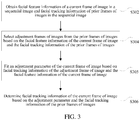
- a facial tracking method includes: obtaining facial feature information of a current frame of image in a sequential image and facial tracking information of prior frames of images in the sequential image, the prior frames of images being frames of images located previous to the current frame of image in the sequential image, the facial feature information recording information of facial feature points in the current frame of image, and the facial tracking information being used for recording facial tracking results of the prior frames of images; selecting adjustment frames of images from the prior frames of images based on the facial feature information of the current frame of image and the facial tracking information of the prior frames of images; fitting an adjustment parameter of the current frame of image based on facial tracking information of the adjustment frame of image and the facial feature information of the current frame of image; and determining facial tracking information of the current frame of image based on the adjustment parameter and the facial tracking information of the prior frames of images.
- a facial tracking apparatus includes: a first obtaining unit, configured to obtain facial feature information of a current frame of image in a sequential image and facial tracking information of prior frames of images in the sequential image, the prior frames of images being frames of images located previous to the current frame of image in the sequential image, the facial feature information recording information of facial feature points in the current frame of image, and the facial tracking information being used for recording facial tracking results of the prior frames of images; a first selection module, configured to select adjustment frames of images from the prior frames of images based on the facial feature information of the current frame of image and the facial tracking information of the prior frames of images; a fitting module, configured to fit an adjustment parameter of the current frame of image based on facial tracking information of the adjustment frame of image and the facial feature information of the current frame of image; and a second determining unit, configured to determine facial tracking information of the current frame of image based on the adjustment parameter and the facial tracking information of the prior frames of images.
- the adjustment frame of image is selected from the prior frames of images based on the facial feature information of the current frame of image and the facial tracking information of the prior frames of images.
- the adjustment parameter used for reducing an error of the facial tracking information of the current frame of image is determined based on information about the adjustment frame of image.
- the facial tracking information of the current frame of image can be accurately determined by using the adjustment parameter.
- the adjustment parameter is determined based on information about the prior frames of images rather than information about subsequent frames of image, so that no delay is generated, and real-time performance can be ensured.
- no complex anti-jitter rule needs to be configured, and therefore a manner of obtaining tracking information is simple.
- the accurate facial tracking information can be determined without annotating massive training samples, thereby resolving the problem that it is difficult to ensure both high accuracy and low complexity by using a facial registration point tracking algorithm in the existing technology, and ensuring high accuracy of the facial tracking information in a simple processing manner.
- a facial key point can refer to a location that is indicative of a semantic feature on a face, and a facial key point may also be referred to as a feature point.
- a plurality of facial key points in a plurality of facial areas may be pre-defined in the embodiments of this application.
- each facial area may correspond to a plurality of facial key points, and information about each facial key point may be recorded by using location information of the facial key point in an image.
- a facial area may be divided into a lower-jaw profile, a left eyebrow, a right eyebrow, a left eye, a right eye, a nose, and a mouth. 90 facial key points may be defined.
- the first to the seventh facial key points that are defined are located in an area of the left eyebrow
- the eighth to the sixteenth facial key points that are defined are located in an area of the right eyebrow
- the seventeenth to the twenty-fourth facial key points that are defined are located in an area of the left eye
- the twenty-fifth to the thirty-second facial key points that are defined are located in an area of the right eye
- the thirty-third to the forty-fifth facial key points that are defined are located in an area of the nose
- the forty-sixth to the sixty-seventh facial key points that are defined are located in an area of the mouth
- the sixty-eighth to the ninetieth facial key points that are defined are located in an area of the lower-jaw profile.
- the facial areas may alternatively be divided into left and right pupils, the tip of a nose, and left and right corners of a mouth.
- a division manner of the facial areas is not specifically limited in this application.
- a facial registration algorithm can refer to an image preprocessing method, and mainly useful in a facial recognition, and mainly useful to obtain a facial key point from a facial image.
- the changes such as a scale, rotation, and translation of the facial image can be removed.
- Accuracy of a registration point refers to proximity degree of a facial registration result to a real value of the registration point.
- Stability of the registration point is a jitter degree between registration results obtained from neighboring frames in a facial video.
- the facial tracking method may be applied to a hardware environment including a server 102 and a terminal 104 as shown in FIG. 2 .
- the server 102 is connected to the terminal 104 through a network.
- the network includes, but is not limited to, a wide area network, a metropolitan area network, or a local area network.
- the terminal 104 is not limited to a PC, a mobile phone, a tablet computer, and the like.
- the facial tracking method in this embodiment of the present disclosure may be performed by the server 102, or may be performed by the terminal 104, or may be performed by both the server 102 and the terminal 104.
- the facial tracking method may alternatively be performed by a client installed in the terminal 104.
- a frame can refer to an image whose field is not divided.
- the sequential image may be a plurality of images consecutive in terms of time.
- An image in the sequential image is a frame of image, and the sequential image generally includes a plurality of frames.
- a frame of image located previous to a current frame of image in the sequential image is a proir frame of image, and a frame of image located subsequent to the current frame of image in the sequential image is a subsequent frame of image.
- a frame of image having a playing time earlier than that of a K th frame of image is a prior frame of the K th frame of image
- a frame having a playing time later than that of the K th frame is a subsequent frame of the K th frame of image.
- a playing order or a presentation order of the prior frame of the K th frame is earlier than that of the K th frame
- a playing order or a presentation order of the subsequent frame of the K th frame is later than that of the K th frame of image.
- the sequential image may be a video.
- the frame is the same as the frame of image.
- the server may obtain a sequential image (for example, a video) requested to be recognized, to analyze the sequential image frame by frame. Specifically, the server performs facial registration processing on a current frame of image to obtain facial registration information (that is, facial feature information). Optionally, the server performs the facial registration processing on the current frame of image by using a facial registration algorithm, to obtain a coordinate vector of a plurality of pre-defined facial key points (namely, facial feature points), for example, a point A (x1, y1). If B points are defined, the obtained facial registration information includes a 2B-dimensional vector and is used as the facial feature information.
- a sequential image for example, a video
- facial registration information that is, facial feature information
- the server performs the facial registration processing on the current frame of image by using a facial registration algorithm, to obtain a coordinate vector of a plurality of pre-defined facial key points (namely, facial feature points), for example, a point A (x1, y1). If B points are defined, the obtained facial registration information includes a 2B-dimensional
- the server obtains facial tracking information of prior frames of images.
- the facial tracking information is used for recording a tracking result finally determined by using an embodiment of the facial tracking method in this application.
- FIG. 3 is a flowchart of an optional facial tracking method according to an embodiment of the present disclosure. As shown in FIG. 2 , the method may include the following steps:
- the accurate facial tracking information can be determined without annotating massive training samples, thereby resolving a problem that it is difficult to ensure both high accuracy and low complexity by using a facial registration point tracking algorithm in the existing technology, and ensuring high accuracy of the facial tracking information in a simplified processing manner.
- the server obtains the facial tracking information of the prior frames of images located previous to the current frame of image in the sequential image.
- the facial tracking information is used for recording the facial tracking results of the prior frames of images, and the facial tracking results are facial tracking results of the prior frames of images that are determined based on the facial tracking method in this embodiment of this application.
- the sequential image may include a plurality of images consecutive in terms of time.
- a frame of image located previous to the current frame of image in the sequential image is a prior frame of image
- a frame of image located subsequent to the current frame of image in the sequential image is a subsequent frame of image.
- a playing order or a presentation order of a prior frame of image of a K th frame of image is earlier than that of the K th frame
- a playing order or a presentation order of a subsequent frame of image of the K th frame of image is later than that of the K th frame of image.
- the sequential image may be a video.
- step S304 after the facial feature information of the current frame of image and the facial tracking information of the prior frames of images are obtained, the adjustment parameter of the current frame of image is determined based on the obtained facial feature information of the current frame of image and the obtained facial tracking information of the prior frames of images.
- the adjustment frames of image are selected from the prior frames of images based on the facial feature information of the current frame and the facial tracking information of the prior frames of images.
- the selection of adjustment frames from the prior frames of images based on the facial feature information of the current frame of image and the facial tracking information of the prior frames of images may include: selecting, from the prior frames, an adjustment frame of image that is relatively close to a location of the feature point in the current frame of image.
- the K th frame of image has K-1 prior frames of images.
- the adjustment frames of image are selected from a subset of the K-1 prior frames of images, for example, M frames of images, in the K-1 frames of images.
- the M frames of images may be M frames of images whose distance to the current frame of image is minimum in terms of time.
- the sequential image includes Y frames of images, and the Y frames of images are respectively the first frame, the second frame, ..., the (K-M) th frame, ..., the (K-1) th frame, the K th frame, ..., and the Y th frame.
- the adjustment frame of image is selected from the (K-M) th frame to the (K-1) th frame.
- a distance between each of the M prior frames of images and the current frame of image may be determined based on facial tracking information of the M prior frames of images and the facial feature information of the current frame of image, and N adjustment frames of images having shortest distances to the current frame of image are selected from the M prior frames of images.
- the calculated distance is a Euclidean distance.
- the facial tracking information and the facial feature information record corresponding information by using vectors. A Euclidean distance between facial tracking information of each frame and the facial feature information is calculated, and N frames having the shortest Euclidean distances are obtained among the M prior frames of images to obtain the N adjustment frames of images.
- the calculated Euclidean distances are sorted to obtain a distance sequence.
- the Euclidean distances may be sorted based on values. If the Euclidean distances are sorted in descending order based on the values, frames of images corresponding to the last N distances in the distance sequence may be selected. If the Euclidean distances are sorted in ascending order based on the values, frames of images corresponding to the first N distances in the distance sequence may be selected.
- the calculated Euclidean distances are sequentially compared in pairs to obtain N values corresponding to smallest distance values, and frames of images corresponding to the N values are determined as the adjustment frames of images.
- processing manners of finally determining the adjustment frames of images through sorting or comparison in pairs are merely used as examples.
- a selection manner is not specifically limited to those examples.
- the N adjustment frames of images having the shortest distances to the current frame are selected from the prior frames of images.
- a change of facial locations in two frames causes an error. Therefore, in the embodiment, the N adjustment frames of images having the shortest distances to the current frame (where to be specific, a smaller distance to the facial location in the current frame of image indicates a smaller system error) are selected.
- the adjustment parameter of the current frame of image is determined by using the selected the adjustment frames of images, so that the adjustment parameter can be accurately determined.
- the fitting in the foregoing embodiment means that if several discrete function values of a function is already known, several undetermined coefficients in the function are adjusted, so that a difference between the function and a known point set is minimum.
- the fitting of an adjustment parameter of the current frame of image based on facial tracking information of the adjustment frame of image and the facial feature information of the current frame of image includes at least one of the following:
- An error between a registration point derived from two frames of images and a location of a real feature point is classified into a system error and a random error.
- the adjustment parameter determined according to this embodiment can be used for reducing the system error and/or the random error.
- the system error is an error caused by a change of facial locations in the two frames.
- the difference between the facial tracking information of the current frame of image and the facial feature information of the current frame of image is minimally fitted to control the system error.
- the random error is an error caused by the facial registration algorithm.
- a quadratic sum of the adjustment parameter for example, an optimization coefficient
- the adjustment parameter for example, an optimization coefficient
- the fitting may be effectively implemented by using a ridge regression algorithm, so that calculation accuracy and stability can be improved, and operation complexity can be reduced.
- the fitting of the adjustment parameter of the current frame of image based on facial tracking information of the adjustment frame of image and the facial feature information of the current frame of image includes: fitting regression coefficients of the current frame of image by using a pre-determined function L ( q 1 , ⁇ , q N ).
- the adjustment parameter includes the regression coefficient.
- the determined regression coefficient may cause a value of L ( q 1 , ⁇ , q N ) to be minimum.
- the location of the registration point of the current frame is fitted by using the ridge regression algorithm and the locations of the registration points of the N previous frames, to eliminate the system error as much as possible.
- the quadratic sum of the coefficient is minimally fitted on the premise of controlling the fitting error, to eliminate the random error as much as possible, so that the regression coefficient can be simply and quickly determined.
- the determining facial tracking information of the current frame of image based on the adjustment parameter and the facial tracking information of the prior frames of images may include: adjusting facial tracking information of each of the prior frames of images by using the adjustment parameter; and accumulating the facial tracking information of each prior frame of image to obtain the facial tracking information Q k of the current frame of image.
- the fitting an adjustment parameter of the current frame of image based on facial tracking information of the adjustment frame of image and the facial feature information of the current frame of image may include the following steps shown in FIG. 4 :
- the average value not affecting the adjustment parameter is determined before the adjustment parameter is determined, and the average value is subtracted from each of the facial tracking information of each adjustment frame of image and the facial feature information of the current frame of image.
- the adjustment parameter of the current frame of image is fitted by using the processed facial tracking information of the adjustment frame of image and the processed facial feature information of the current frame of image.
- the average value not affecting the adjustment parameter is not involved in calculation, and only information that may affect the adjustment parameter is fitted. In other words, information having no impact is not involved in the fitting operation. For one thing, a calculation amount can be decreased. For another thing, accuracy of a fitting result can be improved.
- first preset parameter and the second preset parameter may be constants, or may be preset based on characteristics of the sequential image.
- the first preset parameter S and the second preset parameter ⁇ may be preset before the adjustment parameter of the current frame of image is fitted by using the facial tracking information of the adjustment frame of image and the facial feature information of the current frame of image.
- a coordinate scale of the feature points in the facial feature information of the current frame of image is obtained, and the first preset parameter S is set based on the coordinate scale of the feature points.
- the setting the first preset parameter S based on the coordinate scale of the feature points includes: selecting a larger coordinate scale from a horizontal coordinate scale and a vertical coordinate scale of the feature points; and determining that the square of the selected coordinate scale having the larger value is the first preset parameter S.
- the coordinate scale may be a spatial range used for measuring the horizontal coordinate and the vertical coordinate of the feature points.
- the scale may be a counting unit on a coordinate axis, and a horizontal coordinate scale and a vertical coordinate scale in a same coordinate system may be the same or may be different.
- the coordinate scale having a larger value may be selected from the two coordinate scales, and the first preset parameter is determined based on the coordinate scale whose value is larger.
- the square of the coordinate scale whose value is larger may be used as the first preset parameter.
- an integer multiple of the square of the coordinate scale whose value is larger may be used as the first preset parameter S.
- the setting a value of the second preset parameter ⁇ at least based on a change degree of recorded content in the sequential image may include: increasing the value of the second preset parameter ⁇ based on a default value if the change degree of the recorded content in the sequential image is greater than a first pre-determined threshold, to set the value of the second preset parameter ⁇ ; or decreasing the value of the second preset parameter ⁇ based on the default value if the change degree of the recorded content in the sequential image is less than a second pre-determined threshold, to set the value of the second preset parameter ⁇ .
- the change degree of the recorded content in the sequential image is pre-determined.
- the change degree may indicate change severity of the recorded content in the sequential image. If the change is severe, the change degree is high. If the change is gentle, the change degree is low.
- the change degree may be quantized. If the change degree of the recorded content in the sequential image is greater than the first pre-determined threshold, the default value of the second preset parameter ⁇ is increased to set the value of the second preset parameter ⁇ . If the change degree of the recorded content in the sequential image is less than the second pre-determined value, the default value is decreased to set the value of the second preset parameter ⁇ .
- the value of the second preset parameter ⁇ is set based on accuracy of the facial registration algorithm. If the accuracy of the facial registration algorithm is greater than first pre-determined accuracy, the default value of the second preset parameter ⁇ is decreased. If the accuracy of the facial registration algorithm is less than second pre-determined accuracy, the default value of the second preset parameter ⁇ is increased.
- ⁇ is relatively small. Otherwise, if the accuracy of the facial registration algorithm is lower, ⁇ can be relatively large.
- an initial value of ⁇ may be set to 1, and ⁇ is adjusted to an appropriate value according to the foregoing principle based on expression of the facial registration algorithm on the sequential image (for example, a video).
- the first preset interval, the second preset interval, and the third preset interval are consecutive intervals. Endpoints of the three preset intervals may be adjusted based on accuracy and stability of a facial tracking algorithm. Optionally, a left endpoint of the first preset interval is the smallest or largest value in six interval endpoints.
- the determining facial tracking information of the current frame of image based on the adjustment parameter and the facial tracking information of the prior frames of images may include: determining the facial tracking information Q k of the current frame of image by using the following formula.
- results (to be specific, the foregoing facial feature information), denoted as, Pi, ..., and P K , of facial registration points of the first frame to the K th frame are already obtained, and results (to be specific, the foregoing facial tracking information), denoted as, Q 1 , ..., and Q k-1 , of the tracked facial registration points of the first frame to the (K-1) th frame are already known.
- results to be specific, the foregoing facial feature information
- results to be specific, the foregoing facial tracking information
- Q 1 , ..., and Q k-1 of the tracked facial registration points of the first frame to the (K-1) th frame are already known.
- all Pi and Qi may be 180-dimensional vectors (where each feature point includes two vectors: a horizontal vector and a vertical vector), including horizontal coordinates and vertical coordinates of 90 key points.
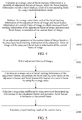
- Step S501 Select adjustment frames of images.
- Step S502 Calculate an average value of facial tracking information of the adjustment frames, and process the facial tracking information of the adjustment frames and the facial feature information of the current frame by using the average value.
- the average value C of C 1 , ..., and C N are calculated, C is subtracted from each of C 1 , ..., C N , and P k , and calculation results are respectively denoted as C' 1 , .., C' N , and P' k .
- Step S503 Calculate a regression coefficient by using processed facial tracking information of the adjustment frames and processed facial feature information of the current frame.
- S is a value directly proportional to the square of a scale (to be specific, the coordinate scale in the foregoing embodiment) of P k .
- the square of the larger one of a horizontal coordinate span (to be specific, the horizontal coordinate scale in the foregoing embodiment) and a vertical coordinate span (to be specific, the vertical coordinate scale in the foregoing embodiment) of Pk is used as a value of S, and ⁇ may be a set parameter.
- a selection principle of ⁇ is as follows: The parameter mainly controls weights of the system error and random error in the to-be-optimized problem. If a video change is severe, the system error is relatively large, and the former one in the to-be-optimized problems is more important. Therefore, ⁇ should be relatively small. Otherwise, if a video change is gentle, ⁇ should be relatively large. On the other hand, if accuracy of a facial registration algorithm is relatively high, the random error is relatively small, and the former one in the to-be-optimized problems is more important. Therefore, ⁇ is relatively small. Otherwise, if accuracy of a facial registration algorithm is relatively low, ⁇ should be relatively large. In an actual application, an initial value of ⁇ may be set to 1, and ⁇ is adjusted to an appropriate value according to the foregoing principle based on actual expression of the algorithm on the video.
- the regression coefficients can be solved simply and quickly by using the foregoing ridge regression algorithm.
- Step S504 Calculate a facial tracking result of the current frame.
- the facial registration point in the video is tracked by using a ridge regression method, to satisfy requirements on stability, accuracy, and high-speed real-time calculation.
- results Pi and Qi of the registration points of the current frame may be classified into a plurality of groups. Each group is independently tracked by selecting different ⁇ based on a corresponding characteristics of the respective frames, and obtained results are combined into an integral tracking result.
- the setting a value of the second preset parameter ⁇ at least based on a change degree of recorded content in the sequential image includes: classifying the facial tracking information of the adjustment frame of image and the facial feature information of the current frame of image into a plurality of groups of information; and setting a value of the second preset parameter ⁇ of each group of information based on the change degree of the recorded content in the sequential image. Values of the second preset parameter that correspond to at least two groups of information are different.
- each group of information includes the facial feature information of the current frame and facial tracking information of some adjustment frames of images.
- grouping is performed based on the change degree of the recorded content in the sequential image.
- grouping is performed based on the Euclidean distance between the facial tracking information of the adjustment frame of image and the facial feature information of the current frame of image.
- the second preset parameter ⁇ set for different groups may be different, and the grouping may be performed based on the change degree of the recorded content in the sequential image.
- the grouping is performed based on a turning point of change severity of the recorded content in the sequential image.
- the grouping is performed based on the Euclidean distance between the facial tracking information of the adjustment frame of image and the facial feature information of the current frame of image.
- a distance interval is preset, and adjustment frames corresponding to Euclidean distances belonging to a same preset distance interval are classified into one group.
- each group of information includes some facial feature information of the current frame and some facial tracking information of each adjustment frame of image.
- information of each frame is classified based on facial areas obtained through pre-division. For example, if an area of a face is pre-divided into five areas, the facial tracking information of the adjustment frame of image and the facial feature information of the current frame of image may be classified into five groups of information, and each group of information corresponds to an area.
- the facial tracking result of the current frame can be more accurately determined.
- the technical solutions of the present disclosure may essentially be presented in the form of a software product.
- the computer software product is stored in a storage medium (for example, a ROM/RAM, a magnetic disk, or an optical disc) including several instructions to enable a terminal device (which may be a mobile phone, a computer, a server, a network device, or the like) to perform the methods described in the embodiments of the present disclosure.
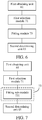
- the fitting module includes: a first fitting sub-module 731 shown in FIG. 7 , configured to determine, based on the facial tracking information of the adjustment frame of image and the facial feature information of the current frame of image, an adjustment parameter causing an error between the facial tracking information of the current frame of image and the facial feature information to be minimum; and a second fitting sub-module, configured to determine, based on the facial tracking information of the adjustment frame of image and the facial feature information of the current frame of image, an adjustment parameter whose quadratic sum is minimum.
- the apparatus further includes a second obtaining unit, configured to obtain a coordinate scale of the feature points in the facial feature information of the current frame of image before the adjustment parameter of the current frame of image is fitted based on the facial tracking information of the adjustment frame of image and the facial feature information of the current frame of image; and a first setting unit, configured to set the first preset parameter S based on the coordinate scale of the feature points.
- a second obtaining unit configured to obtain a coordinate scale of the feature points in the facial feature information of the current frame of image before the adjustment parameter of the current frame of image is fitted based on the facial tracking information of the adjustment frame of image and the facial feature information of the current frame of image
- a first setting unit configured to set the first preset parameter S based on the coordinate scale of the feature points.
- the first setting unit includes: a second selection module, configured to select a coordinate scale whose value is larger from a horizontal coordinate scale and a vertical coordinate scale of the feature point; and a first determining module, configured to determine that the square of the selected coordinate scale whose value is larger is the first preset parameter S.
- the apparatus further includes a second setting unit, configured to set a value of the second preset parameter ⁇ at least based on a change degree of recorded content in the sequential image before the adjustment parameter of the current frame of image is fitted based on the facial tracking information of the adjustment frame of image and the facial feature information of the current frame of image.
- a second setting unit configured to set a value of the second preset parameter ⁇ at least based on a change degree of recorded content in the sequential image before the adjustment parameter of the current frame of image is fitted based on the facial tracking information of the adjustment frame of image and the facial feature information of the current frame of image.
- the second setting unit includes: a grouping module, configured to classify the facial tracking information of the adjustment frame of image and the facial feature information of the current frame of image into a plurality of groups of information; and a first setting module, configured to set a value of the second preset parameter ⁇ of each group of information based on the change degree of the recorded content in the sequential image. Values of the second preset parameter that correspond to at least two groups of information are different.
- the fitting module includes a fourth fitting sub-module, configured to fit an adjustment parameter of each group of information.
- the second determining unit includes a second determining module, configured to determine group tracking information corresponding to each group of information, and integrate the group tracking information corresponding to each group to obtain the facial tracking information of the current frame.
- the fitting module includes: a first calculation sub-module, configured to calculate an average value of facial tracking information of a plurality of adjustment frames of images, where the facial tracking information records a facial tracking result of a corresponding frame by using a multidimensional vector; a second calculation sub-module, configured to subtract the average value from each of the facial tracking information of the adjustment frame of image and the facial feature information of the current frame of image, to obtain processed facial tracking information of the adjustment frame of image and processed facial feature information of the current frame of image; and a fifth fitting sub-module, configured to fit the adjustment parameter of the current frame of image based on the processed facial tracking information of the adjustment frame of image and the processed facial feature information of the current frame of image.
- a first calculation sub-module configured to calculate an average value of facial tracking information of a plurality of adjustment frames of images, where the facial tracking information records a facial tracking result of a corresponding frame by using a multidimensional vector
- a second calculation sub-module configured to subtract the average value from each of the facial tracking information of the adjustment
- the first selection module includes: a first obtaining sub-module, configured to obtain, from the prior frames of images, M prior frames of images whose time is closest to that of the current frame of image; a first determining sub-module, configured to determine a distance between each of the M prior frames of images and the current frame of image based on facial tracking information of the M prior frames of images and the facial feature information of the current frame of image; and a selection sub-module, configured to select, from the M prior frames of images, N adjustment frames of images whose distance to the current frame of image is minimum.
- the second determining unit includes: an adjustment module, configured to adjust facial tracking information of each of the prior frames of images by using the adjustment parameter; and an accumulation module, configured to accumulate the facial tracking information of each prior frame of image to obtain the facial tracking information of the current frame of image.
- the second determining unit includes a third determining module, configured to determine the facial tracking information Q k of the current frame of image by using the following formula.
- the adjustment parameter used for decreasing the error of the facial tracking information of the current frame of image is determined based on the facial feature information of the current frame of image and the facial tracking information of the prior frames of images, and the facial tracking information of the current frame of image can be accurately determined by using the adjustment parameter.
- the adjustment parameter is determined based on information about the prior frames of images rather than information about subsequent frames of image, so that no delay is generated, and real-time performance can be ensured.
- no complex anti-jitter rule needs to be configured, and therefore a manner of obtaining tracking information is simple.
- the accurate facial tracking information can be determined without annotating massive training samples, thereby resolving a problem that it is difficult to ensure both high accuracy and low complexity by using a facial registration point tracking algorithm in the existing technology, and ensuring high accuracy of the facial tracking information in a simple processing manner.
- the foregoing modules may run in the hardware environment shown in FIG. 2 , and may be implemented by using software or by using hardware.
- the hardware environment includes a network environment.
- an electronic device configured to implement the foregoing facial tracking method is further provided.
- FIG. 8 is a structural block diagram of an electronic device according to an embodiment of the present disclosure.
- the electronic device may include: one or more (where only one is shown) processors 201, a memory 203, and a transmission apparatus 205.
- the electronic device may further include an input/output device 207.
- the memory 203 may be configured to store software programs and modules, for example, program instructions/modules corresponding to the facial tracking method and apparatus in the embodiments of the present disclosure.
- the processor 201 is configured to run the software programs and modules stored in the memory 203, to perform various functional applications and data processing, to be specific, implement the foregoing facial tracking method.
- the memory 203 may include a high-speed random memory, and may further include a non-volatile memory such as one or more magnetic storage apparatuses, a flash, or another non-volatile solid-state memory.
- the memory 203 may further include memories remotely disposed relative to the processor 201, and these remote memories may be connected to a terminal through a network. Instances of the network include, but are not limited to, the Internet, an intranet, a local area network, a mobile communications network, and a combination thereof.
- the transmission apparatus 205 is configured to receive or send data through a network, and may further be used for data transmission between the processor and the memory. Specific instances of the foregoing network may include a wired network and a wireless network.
- the transmission apparatus 205 includes a network interface controller (NIC).
- the NIC may be connected to another network device and a router by using a network cable, so as to communicate with the Internet or the local network.
- the transmission apparatus 205 is a radio frequency (RF) module, and is configured to wirelessly communicate with the Internet.
- RF radio frequency
- the memory 203 is configured to store an application program.
- the processor 201 may be configured to invoke, by using the transmission apparatus 205, the application program stored in the memory 203, to perform the following steps: obtaining facial feature information of a current frame of image in a sequential image and facial tracking information of prior frames of images in the sequential image, the prior frames of images being frames of images located previous to the current frame of image in the sequential image, the facial feature information recording information about facial feature points in the current frame of image, and the facial tracking information being used for recording facial tracking results of the prior frames of images; selecting adjustment frames of images from the prior frames of images based on the facial feature information of the current frame of image and the facial tracking information of the prior frames of images; fitting an adjustment parameter of the current frame of image based on facial tracking information of the adjustment frames of images and the facial feature information of the current frame of image; and determining facial tracking information of the current frame of image based on the adjustment parameter and the facial tracking information of the prior frames of images.
- the processor 201 is further configured to perform at least one of the following steps: determining, based on the facial tracking information of the adjustment frames of images and the facial feature information of the current frame of image, an adjustment parameter causing an error between the facial tracking information of the current frame of image and the facial feature information to be minimum; and determining, based on the facial tracking information of the adjustment frame of image and the facial feature information of the current frame of image, an adjustment parameter whose quadratic sum is minimum, to fit the adjustment parameter of the current frame of image based on the facial tracking information of the adjustment frame of image and the facial feature information of the current frame of image.
- the processor 201 is further configured to perform the following steps: fitting regression coefficients of the current frame of image by using a pre-determined function L ( q 1 , ⁇ , q N ), to fit the adjustment parameter of the current frame of image based on the facial tracking information of the adjustment frames of images and the facial feature information of the current frame of image.
- the processor 201 is further configured to perform the following steps: before the fitting an adjustment parameter of the current frame of image based on facial tracking information of the adjustment frame of image and the facial feature information of the current frame of image, obtaining a coordinate scale of the feature points in the facial feature information of the current frame of image; and setting the first preset parameter S based on the coordinate scale of the feature point.
- the processor 201 is further configured to perform the following steps: before the fitting an adjustment parameter of the current frame of image based on facial tracking information of the adjustment frame of image and the facial feature information of the current frame of image, setting a value of the second preset parameter ⁇ at least based on a change degree of recorded content in the sequential image.
- the processor 201 is further configured to perform the following steps: classifying the facial tracking information of the adjustment frame of image and the facial feature information of the current frame of image into a plurality of groups of information; and setting a value of the second preset parameter ⁇ of each group of information based on the change degree of the recorded content in the sequential image, where values of the second preset parameter that correspond to at least two groups of information are different, to set the value of the second preset parameter ⁇ at least based on the change degree of the recorded content in the sequential image; fitting an adjustment parameter of each group of information, to fit the adjustment parameter of the current frame of image based on the facial tracking information of the adjustment frame of image and the facial feature information of the current frame of image; and determining group tracking information corresponding to each group of information, and integrating the group tracking information corresponding to each group to obtain the facial tracking information of the current frame, to determine the facial tracking information of the current frame of image.
- the processor 201 is further configured to perform the following steps: calculating an average value of facial tracking information of a plurality of adjustment frames of images, where the facial tracking information records a facial tracking result of a corresponding frame by using a multidimensional vector; subtracting the average value from each of the facial tracking information of the adjustment frame of image and the facial feature information of the current frame of image, to obtain processed facial tracking information of the adjustment frame of image and processed facial feature information of the current frame of image; and fitting the adjustment parameter of the current frame of image based on the processed facial tracking information of the adjustment frame of image and the processed facial feature information of the current frame of image, to fit the adjustment parameter of the current frame of image based on the facial tracking information of the adjustment frame of image and the facial feature information of the current frame of image.
- the processor 201 is further configured to perform the following steps: obtaining, from the prior frames of images, M prior frames of images whose time is closest to that of the current frame of image; determining a distance between each of the M prior frames of images and the current frame of image based on facial tracking information of the M prior frames of images and the facial feature information of the current frame of image; and selecting, from the M prior frames of images, N adjustment frames of images whose distance to the current frame of image is minimum, to select the adjustment frame of image from the prior frames of images based on the facial feature information of the current frame of image and the facial tracking information of the prior frames of images.
- the processor 201 is further configured to perform the following steps: adjusting facial tracking information of each of the prior frames of images by using the adjustment parameter; and accumulating the facial tracking information of each prior frame of image to obtain the facial tracking information of the current frame of image, to determine the facial tracking information of the current frame of image based on the adjustment parameter and the facial tracking information of the prior frame of image.
- the processor 201 is further configured to perform the following steps: determining the facial tracking information Q k of the current frame of image by using the following formula, to determine the facial tracking information of the current frame of image based on the adjustment parameter and the facial tracking information of the prior frames of images.
- the adjustment parameter used for decreasing the error of the facial tracking information of the current frame of image is determined based on the facial feature information of the current frame of image and the facial tracking information of the prior frames of images, and the facial tracking information of the current frame of image can be accurately determined by using the adjustment parameter.
- the adjustment parameter is determined based on information about the prior frames of images rather than information about subsequent frames of image, so that no delay is generated, and real-time performance can be ensured.
- no complex anti-jitter rule needs to be configured, and therefore a manner of obtaining tracking information is simple.
- the accurate facial tracking information can be determined without annotating massive training samples, thereby resolving a problem that it is difficult to ensure both high accuracy and low complexity by using a facial registration point tracking algorithm in the existing technology, and ensuring high accuracy of the facial tracking information in a simple processing manner.
- the electronic device may be a terminal device such as a smartphone (such as an Android mobile phone or an iOS mobile phone), a tablet computer, a palmtop computer, a mobile Internet device (MID), or a PAD.
- a terminal device such as a smartphone (such as an Android mobile phone or an iOS mobile phone), a tablet computer, a palmtop computer, a mobile Internet device (MID), or a PAD.
- FIG. 8 does not limit the structure of the foregoing electronic device.
- the electronic device may further include more or less components (such as a network interface and a display apparatus) than those shown in FIG. 8 , or have configuration different from that shown in FIG. 8 .
- the program may be stored in a computer-readable storage medium.
- the storage medium may include a flash disk, a read-only memory (ROM), a random access memory (RAM), a magnetic disk, an optical disc, and the like.
- the storage medium may be located in at least one of a plurality of network devices in a network shown in the foregoing embodiment.
- the storage medium is configured to store program code used for performing the following steps:
- a processor 201 may be configured to invoke, by using a transmission apparatus 205, an application program stored in a memory 203, to perform the following steps: obtaining facial feature information of a current frame of image in a sequential image and facial tracking information of prior frames of images in the sequential image, the prior frames of images being frames of images located previous to the current frame of image in the sequential image, the facial feature information recording information about facial feature points in the current frame of image, and the facial tracking information being used for recording facial tracking results of the prior frames of images; selecting adjustment frames of images from the prior frames of images based on the facial feature information of the current frame of image and the facial tracking information of the prior frames of images; fitting an adjustment parameter of the current frame of image based on facial tracking information of the adjustment frames of images and the facial feature information of the current frame of image; and determining facial tracking information of the current frame of image based on the adjustment parameter and the facial tracking information of the prior frames of images.
- the storage medium is configured to store program code used for performing the following steps: selecting the adjustment frame of image from the prior frames of images based on the facial feature information of the current frame of image and the facial tracking information of the prior frames of images; and fitting the adjustment parameter of the current frame of image based on the facial tracking information of the adjustment frame of image and the facial feature information of the current frame of image, to determine the adjustment parameter of the current frame of image based on the facial feature information of the current frame of image and the facial tracking information of the prior frames of images.
- the storage medium may include, but is not limited to, various media such as a USB flash drive, a ROM, a RAM, a removable hard disk, a magnetic disk, and an optical disc that can store the program code.
- various media such as a USB flash drive, a ROM, a RAM, a removable hard disk, a magnetic disk, and an optical disc that can store the program code.
- the integrated unit in the foregoing embodiments When the integrated unit in the foregoing embodiments is implemented in the form of a software function unit and sold or used as an independent product, the integrated unit may be stored in the foregoing computer-readable storage medium. Based on such an understanding, the technical solutions of the present disclosure, or the part contributing to the existing technology, or all or some of the technical solutions may essentially be presented in the form of a software product.
- the computer software product is stored in the storage medium, and includes several instructions for instructing one or more computer devices (which may be a personal computer, a server, a network device, or the like) to perform all or some of the steps of the methods described in the embodiments of the present disclosure.
- the disclosed client may be implemented in other manners.
- the apparatus embodiments described above are merely exemplary.
- the division of the units is merely the division of logic functions, and may use other division manners during actual implementation.
- a plurality of units or components may be combined, or may be integrated into another system, or some features may be omitted or not performed.
- the coupling, or direct coupling, or communication connection between the displayed or discussed components may be the indirect coupling or communication connection by means of some interfaces, units, or modules, and may be electrical or of other forms.
- the units described as separate parts may or may not be physically separate, and parts displayed as units may or may not be physical units, may be located in one position, or may be distributed on a plurality of network units. Some or all of the units may be selected according to actual requirements to achieve the objectives of the solutions of the embodiments.
- functional units in the embodiments of the present disclosure may be integrated into one processing unit, or each of the units may exist alone physically, or two or more units are integrated into one unit.
- the integrated unit may be implemented in the form of hardware, or may be implemented in the form of a software functional unit.
Landscapes
- Engineering & Computer Science (AREA)
- Physics & Mathematics (AREA)
- Theoretical Computer Science (AREA)
- Multimedia (AREA)
- General Physics & Mathematics (AREA)
- Health & Medical Sciences (AREA)
- Oral & Maxillofacial Surgery (AREA)
- General Health & Medical Sciences (AREA)
- Human Computer Interaction (AREA)
- Computer Vision & Pattern Recognition (AREA)
- Geometry (AREA)
- Image Analysis (AREA)
- Studio Devices (AREA)
- Image Processing (AREA)
Claims (15)
- Computer-implementierte Gesichtsverfolgungsmethode, umfassen:Erlangen von Gesichtsmerkmalsinformation eines aktuellen Einzelbildes in einem sequentiellen Bild und Gesichtsverfolgungsinformation früherer Einzelbilder in dem sequentiellen Bild, wobei die früheren Einzelbilder Einzelbilder von Bildern sind, die sich vor dem aktuellen Einzelbild in dem sequentiellen Bild befinden, wobei die Gesichtsmerkmalsinformation Information von Gesichtsmerkmalspunkten in dem aktuellen Einzelbild aufzeichnen und die Gesichtsverfolgungsinformation zur Aufzeichnung von Gesichtsverfolgungsergebnissen der früheren Einzelbilder verwendet wird (S302);Auswählen von Anpassungsbildern aus den vorherigen Bildern auf der Grundlage der Gesichtsmerkmalsinformation des aktuellen Bildes und der Gesichtsverfolgungsinformation der vorherigen Bilder (S304);Anpassen eines Anpassungsparameters des aktuellen Einzelbilds auf der Grundlage der Gesichtsverfolgungsinformation des Anpassungsbildes und der Gesichtsmerkmalsinformation des aktuellen Einzelbilds (S305); undBestimmen der Gesichtsverfolgungsinformation des aktuellen Einzelbilds auf der Grundlage des Anpassungsparameters und der Gesichtsverfolgungsinformation der vorherigen Einzelbilder (S306).
- Verfahren nach Anspruch 1, wobei das Anpassen eines Anpassungsparameters des aktuellen Einzelbilds auf der Grundlage von Gesichtsverfolgungsinformation des Anpassungsbilds und der Gesichtsmerkmalsinformation des aktuellen Einzelbilds mindestens eines der folgenden umfasst:Bestimmen eines Anpassungsparameters auf der Grundlage der Gesichtsverfolgungsinformation der Anpassungsbilder und der Gesichtsmerkmalsinformation des aktuellen Einzelbilds in einer Weise, die bewirkt, dass ein Fehler zwischen den Gesichtsverfolgungsinformation des aktuellen Einzelbilds und den Gesichtsmerkmalsinformation minimal ist; undBestimmen eines Anpassungsparameters auf der Grundlage der Gesichtsverfolgungsinformation des Anpassungsbildes und der Gesichtsmerkmalsinformation des aktuellen Einzelbilds in einer Weise, die verursacht, dass eine quadratische Summe minimal ist.
- Verfahren nach Anspruch 1, wobei das Anpassen eines Anpassungsparameters des aktuellen Einzelbilds auf der Grundlage von Gesichtsverfolgungsinformation des Anpassungsbilds und der Gesichtsmerkmalsinformation des aktuellen Einzelbilds umfasst:
Anpassen von Regressionskoeffizienten des aktuellen Einzelbilds unter Verwendung einer vorbestimmten Funktion L(q1, ... , qN), wobei der Anpassungsparameter den Regressionskoeffizienten umfasst; und
- Verfahren nach Anspruch 3, wobei das Verfahren vor der Anpassung eines Anpassungsparameter des aktuellen Einzelbilds auf der Grundlage von Gesichtsverfolgungsinformation des Anpassungsbilds und der Gesichtsmerkmalsinformation des aktuellen Einzelbilds umfasst:Erlangen einer Koordinatenskala des Merkmalspunkts in der Gesichtsmerkmalsinformation des aktuellen Einzelbilds; undEinstellen des ersten voreingestellten Parameters S auf der Grundlage der Koordinatenskala des Merkmalspunkts.
- Verfahren nach Anspruch 4, wobei das Einstellen des ersten voreingestellten Parameters S auf der Grundlage der Koordinatenskala des Merkmalspunkts umfasst:Auswählen einer größeren Koordinatenskala aus einer horizontalen Koordinatenskala und einer vertikalen Koordinatenskala des Merkmalspunkts; undBestimmen, dass das Quadrat der gewählten Koordinatenskala mit dem größeren Wert der erste voreingestellte Parameter S ist.
- Verfahren nach Anspruch 3, wobei das Verfahren vor der Anpassung eines Anpassungsparameters des aktuellen Einzelbilds auf der Grundlage von Gesichtsverfolgungsinformation des Anpassungsbilds und der Gesichtsmerkmalsinformation des aktuellen Einzelbilds umfasst:
Einstellen eines Wertes des zweiten voreingestellten Parameters λ zumindest auf der Grundlage eines Änderungsgrades des aufgezeichneten Inhalts im sequentiellen Bild. - Verfahren nach Anspruch 6, bei dem die Einstellung eines Wertes des zweiten voreingestellten Parameters λ zumindest auf der Grundlage eines Änderungsgrades des aufgezeichneten Inhalts in dem sequentiellen Bild umfasst:Erhöhen des Wertes des zweiten voreingestellten Parameters λ basierend auf einem Standardwert, wenn der Änderungsgrad des aufgezeichneten Inhalts im sequentiellen Bild größer als ein erster vorbestimmter Schwellenwert ist, um den Wert des zweiten voreingestellten Parameters λ einzustellen; oderVerringern des Wertes des zweiten voreingestellten Parameters λ basierend auf dem Standardwert, wenn der Änderungsgrad des aufgezeichneten Inhalts im sequentiellen Bild weniger als ein zweiter vorbestimmter Schwellenwert beträgt, um den Wert des zweiten voreingestellten Parameters λ einzustellen.
- Verfahren nach Anspruch 6, wobei
das Einstellen eines Wertes des zweiten voreingestellten Parameters λ mindestens auf der Grundlage eines Änderungsgrades des aufgezeichneten Inhalts in dem sequentiellen Bild umfasst: Klassifizieren der Gesichtsverfolgungsinformation des Anpassungsbilds und der Gesichtsmerkmalsinformation des aktuellen Einzelbilds in eine Vielzahl von Informationsgruppen; und Einstellen eines Wertes des zweiten voreingestellten Parameters λ jeder Informationsgruppe auf der Grundlage des Änderungsgrades des aufgezeichneten Inhalts in dem sequentiellen Bild, wobei Werte des zweiten voreingestellten Parameters, die mindestens zwei Informationsgruppen entsprechen, unterschiedlich sind;
das Anpassen eines Anpassungsparameters des aktuellen Einzelbilds auf der Grundlage von Gesichtsverfolgungsinformation des Anpassungsbilds und der Gesichtsmerkmalsinformation des aktuellen Einzelbilds umfasst: Anpassen eines Anpassungsparameters jeder Gruppe von Information; und
das Bestimmen der Gesichtsverfolgungsinformation des aktuellen Einzelbilds umfasst: Bestimmen der Gruppenverfolgungsinformation, die jeder Gruppe von Information entspricht, und Integrieren der Gruppenverfolgungsinformation, die jeder Gruppe entspricht, um die Gesichtsverfolgungsinformation des aktuellen Bildes zu erhalten. - Verfahren nach einem der Ansprüche 1 bis 8, wobei die Anpassung eines Anpassungsparameters des aktuellen Einzelbilds auf der Grundlage von Gesichtsverfolgungsinformation des Anpassungsbilds und der Gesichtsmerkmalsinformation des aktuellen Einzelbilds umfasst:Berechnen eines Durchschnittswertes der Gesichtsverfolgungsinformation einer Vielzahl von Anpassungsbildern, wobei die Gesichtsverfolgungsinformation ein Gesichtsverfolgungsergebnis eines entsprechenden Bildes unter Verwendung eines mehrdimensionalen Vektors (S401) aufzeichnet;Subtrahieren des Mittelwertes von jeder der Gesichtsverfolgungsinformation des Anpassungsbildes und der Gesichtsmerkmalsinformation des aktuellen Einzelbilds, um verarbeitete Gesichtsverfolgungsinformation des Anpassungsbildes und verarbeitete Gesichtsmerkmalsinformation des aktuellen Einzelbilds zu erhalten (S403); undAnpassen des Anpassungsparameters des aktuellen Einzelbilds auf der Grundlage der verarbeiteten Gesichtsverfolgungsinformation des Anpassungsbilds und der verarbeiteten Gesichtsmerkmalsinformation des aktuellen Einzelbilds (S405).
- Verfahren nach Anspruch 9, wobei die Bestimmung der Gesichtsverfolgungsinformation des aktuellen Einzelbilds basierend auf dem Anpassungsparameter und der Gesichtsverfolgungsinformation der vorherigen Einzelbilder umfasst:
Bestimmen der Gesichtsverfolgungsinformation Qk des aktuellen Einzelbilds unter Verwendung der folgenden Formel, wobei die Formel lautet
C den Durchschnittswert repräsentiert. - Verfahren nach Anspruch 1, wobei das Auswählen eines Anpassungsbildes aus den vorhergehenden Einzelbildern auf der Grundlage der Gesichtsmerkmalsinformation des aktuellen Einzelbilds und der Gesichtsverfolgungsinformation der vorhergehenden Einzelbilder umfasst:Erlangen aus den vorherigen Einzelbildern von M vorherigen Einzelbildern, deren Zeit am nächsten an der des aktuellen Einzelbildes liegt;Bestimmen eines Abstands zwischen jedem der M früheren Einzelbilder und dem aktuellen Einzelbild auf der Grundlage der Gesichtsverfolgungsinformation der M früheren Einzelbilder und der Gesichtsmerkmalsinformation des aktuellen Einzelbilds; undAuswählen von N Anpassungsbildern von Bildern mit kürzesten Abständen zum aktuellen Einzelbild aus den M vorherigen Einzelbildern.
- Verfahren nach Anspruch 1, wobei die bestimmende Gesichtsverfolgungsinformation des aktuellen Einzelbilds auf der Grundlage des Anpassungsparameters und der Gesichtsverfolgungsinformation des vorherigen Einzelbilds umfasst:Anpassen der Gesichtsverfolgungsinformation von jedem der vorherigen Einzelbilder durch Verwendung des Anpassungsparameters; undAkkumulieren der Gesichtsverfolgungsinformation jedes vorherigen Einzelbilds, um die Gesichtsverfolgungsinformation des aktuellen Einzelbilds zu erhalten.
- Gesichtsverfolgungsvorrichtung mit einem Prozessor und einem Speicher, wobei der Prozessor so konfiguriert ist, dass er in dem Speicher gespeicherte Befehle ausführt, um das Verfahren wie in einem der Ansprüche 1-12 beansprucht zu implementieren.
- Computerlesbares Speichermedium mit Befehlen, die, wenn sie von einem Computer ausgeführt werden, den Computer veranlassen, das Verfahren gemäß einem der Ansprüche 1 bis 12 auszuführen.
- Elektronische Vorrichtung mit einem Speicher und einem Prozessor, wobei der Speicher ein Computerprogramm speichert und der Prozessor so konfiguriert ist, dass er das Verfahren gemäß einem der Ansprüche 1 bis 12 unter Verwendung des Computerprogramms durchführt.
Applications Claiming Priority (2)
| Application Number | Priority Date | Filing Date | Title |
|---|---|---|---|
| CN201710068185.3A CN106875422B (zh) | 2017-02-06 | 2017-02-06 | 人脸跟踪方法和装置 |
| PCT/CN2018/074953 WO2018141252A1 (zh) | 2017-02-06 | 2018-02-01 | 人脸跟踪方法、装置、存储介质以及电子装置 |
Publications (3)
| Publication Number | Publication Date |
|---|---|
| EP3579187A1 EP3579187A1 (de) | 2019-12-11 |
| EP3579187A4 EP3579187A4 (de) | 2020-02-12 |
| EP3579187B1 true EP3579187B1 (de) | 2021-03-31 |
Family
ID=59166014
Family Applications (1)
| Application Number | Title | Priority Date | Filing Date |
|---|---|---|---|
| EP18747939.9A Active EP3579187B1 (de) | 2017-02-06 | 2018-02-01 | Gesichtsverfolgungserfahren, vorrichtung, speichermedium und elektronische vorrichtung |
Country Status (4)
| Country | Link |
|---|---|
| US (1) | US10909356B2 (de) |
| EP (1) | EP3579187B1 (de) |
| CN (1) | CN106875422B (de) |
| WO (1) | WO2018141252A1 (de) |
Families Citing this family (16)
| Publication number | Priority date | Publication date | Assignee | Title |
|---|---|---|---|---|
| CN106875422B (zh) | 2017-02-06 | 2022-02-25 | 腾讯科技(上海)有限公司 | 人脸跟踪方法和装置 |
| CN108304758B (zh) * | 2017-06-21 | 2020-08-25 | 腾讯科技(深圳)有限公司 | 人脸特征点跟踪方法及装置 |
| CN107622252B (zh) * | 2017-09-29 | 2022-02-22 | 百度在线网络技术(北京)有限公司 | 信息生成方法和装置 |
| CN108053424B (zh) * | 2017-12-15 | 2020-06-16 | 深圳云天励飞技术有限公司 | 目标跟踪方法、装置、电子设备及存储介质 |
| CN108171134A (zh) * | 2017-12-20 | 2018-06-15 | 中车工业研究院有限公司 | 一种操作动作辨识方法及装置 |
| CN108280843A (zh) * | 2018-01-24 | 2018-07-13 | 新华智云科技有限公司 | 一种视频目标检测跟踪方法及设备 |
| CN108509940B (zh) * | 2018-04-20 | 2019-11-05 | 北京达佳互联信息技术有限公司 | 人脸图像跟踪方法、装置、计算机设备及存储介质 |
| CN110674331A (zh) * | 2018-06-15 | 2020-01-10 | 华为技术有限公司 | 信息处理方法、相关设备及计算机存储介质 |
| CN109359575B (zh) * | 2018-09-30 | 2022-05-10 | 腾讯科技(深圳)有限公司 | 人脸检测方法、业务处理方法、装置、终端及介质 |
| CN109711332B (zh) * | 2018-12-26 | 2021-03-26 | 浙江捷尚视觉科技股份有限公司 | 一种基于回归算法的人脸跟踪方法及应用 |
| CN110544272B (zh) * | 2019-09-06 | 2023-08-04 | 腾讯科技(深圳)有限公司 | 脸部跟踪方法、装置、计算机设备及存储介质 |
| CN110826534B (zh) * | 2019-11-30 | 2022-04-05 | 杭州小影创新科技股份有限公司 | 一种基于局部主成分分析的人脸关键点检测方法及系统 |
| US11687778B2 (en) | 2020-01-06 | 2023-06-27 | The Research Foundation For The State University Of New York | Fakecatcher: detection of synthetic portrait videos using biological signals |
| CN111462083B (zh) * | 2020-03-31 | 2023-05-02 | 北京东软医疗设备有限公司 | 图像处理方法、装置、电子设备及存储介质 |
| CN112329740B (zh) * | 2020-12-02 | 2021-10-26 | 广州博冠信息科技有限公司 | 图像处理方法、装置、存储介质和电子设备 |
| CN113011271A (zh) * | 2021-02-23 | 2021-06-22 | 北京嘀嘀无限科技发展有限公司 | 生成和处理图像的方法、装置、设备、介质和程序产品 |
Family Cites Families (36)
| Publication number | Priority date | Publication date | Assignee | Title |
|---|---|---|---|---|
| AU2002951473A0 (en) * | 2002-09-18 | 2002-10-03 | Canon Kabushiki Kaisha | Method for tracking facial features in video sequence |
| US7492924B2 (en) * | 2003-07-18 | 2009-02-17 | Intel Corporation | Face tracking |
| IL157098A (en) * | 2003-07-24 | 2009-07-20 | Rafael Advanced Defense Sys | Spectral tracking of a target |
| FR2879391A1 (fr) * | 2004-12-14 | 2006-06-16 | St Microelectronics Sa | Procede, dispositif et systeme de traitement d'images par estimation de mouvement |
| JP4618058B2 (ja) * | 2005-09-01 | 2011-01-26 | 株式会社日立製作所 | 背景画像生成方法とその装置及び画像監視システム |
| US20080260212A1 (en) * | 2007-01-12 | 2008-10-23 | Moskal Michael D | System for indicating deceit and verity |
| US8934545B2 (en) * | 2009-02-13 | 2015-01-13 | Yahoo! Inc. | Extraction of video fingerprints and identification of multimedia using video fingerprinting |
| IL197996A (en) * | 2009-04-05 | 2014-07-31 | Rafael Advanced Defense Sys | A method for locating people |
| JP5388910B2 (ja) * | 2010-03-10 | 2014-01-15 | パナソニック株式会社 | 画像揺れ補正装置および画像揺れ補正方法 |
| US8539394B2 (en) * | 2011-03-02 | 2013-09-17 | Carl Zeiss Sms Ltd. | Method and apparatus for minimizing overlay errors in lithography |
| US20120321134A1 (en) * | 2011-06-15 | 2012-12-20 | Samsung Electornics Co., Ltd | Face tracking method and device |
| JP2015111746A (ja) * | 2012-04-09 | 2015-06-18 | ソニー株式会社 | 画像処理装置、画像処理方法、プログラム |
| US9262671B2 (en) * | 2013-03-15 | 2016-02-16 | Nito Inc. | Systems, methods, and software for detecting an object in an image |
| CN109711304B (zh) * | 2013-05-21 | 2022-06-14 | 深圳市腾讯计算机系统有限公司 | 一种人脸特征点定位方法及装置 |
| WO2014205768A1 (zh) * | 2013-06-28 | 2014-12-31 | 中国科学院自动化研究所 | 基于增量主成分分析的特征与模型互匹配人脸跟踪方法 |
| EP3036714B1 (de) * | 2013-08-23 | 2019-12-04 | Harman International Industries, Incorporated | Erkennung von unstrukturiertem strassenrand |
| US9317954B2 (en) * | 2013-09-23 | 2016-04-19 | Lucasfilm Entertainment Company Ltd. | Real-time performance capture with on-the-fly correctives |
| DE102013015826B4 (de) * | 2013-09-24 | 2016-05-12 | Dräger Safety AG & Co. KGaA | Vorrichtung zur Messung des Rauschzustands einer Testperson |
| US9928405B2 (en) * | 2014-01-13 | 2018-03-27 | Carnegie Mellon University | System and method for detecting and tracking facial features in images |
| US9836831B1 (en) * | 2014-07-30 | 2017-12-05 | Google Inc. | Simulating long-exposure images |
| AU2014280958B2 (en) * | 2014-12-24 | 2017-08-31 | Canon Kabushiki Kaisha | Registration across frame boundaries in AO-SLO capture |
| US10719717B2 (en) * | 2015-03-23 | 2020-07-21 | Micro Focus Llc | Scan face of video feed |
| US9697599B2 (en) * | 2015-06-17 | 2017-07-04 | Xerox Corporation | Determining a respiratory pattern from a video of a subject |
| CN105469056A (zh) * | 2015-11-26 | 2016-04-06 | 小米科技有限责任公司 | 人脸图像处理方法及装置 |
| JP6577852B2 (ja) * | 2015-12-03 | 2019-09-18 | キヤノン株式会社 | 動きベクトル検出装置およびその制御方法 |
| CN105512627B (zh) * | 2015-12-03 | 2019-04-12 | 腾讯科技(深圳)有限公司 | 一种关键点的定位方法及终端 |
| CN105608710B (zh) * | 2015-12-14 | 2018-10-19 | 四川长虹电器股份有限公司 | 一种非刚性人脸检测和追踪定位方法 |
| US10096132B2 (en) * | 2016-01-27 | 2018-10-09 | Samsung Electronics Co., Ltd. | Method and apparatus for positioning feature point |
| CN105760826B (zh) * | 2016-02-03 | 2020-11-13 | 歌尔股份有限公司 | 一种人脸跟踪方法、装置和智能终端 |
| CN105787448A (zh) * | 2016-02-28 | 2016-07-20 | 南京信息工程大学 | 基于时空级联形状回归的人脸形状跟踪方法 |
| CN106204649B (zh) * | 2016-07-05 | 2019-06-28 | 西安电子科技大学 | 一种基于tld算法的目标跟踪方法 |
| CN106204658A (zh) * | 2016-07-21 | 2016-12-07 | 北京邮电大学 | 运动图像跟踪方法及装置 |
| CN106254836A (zh) * | 2016-09-19 | 2016-12-21 | 南京航空航天大学 | 无人机红外图像目标跟踪系统及方法 |
| US10332312B2 (en) * | 2016-12-25 | 2019-06-25 | Facebook, Inc. | Shape prediction model compression for face alignment |
| CN106875422B (zh) * | 2017-02-06 | 2022-02-25 | 腾讯科技(上海)有限公司 | 人脸跟踪方法和装置 |
| US10769415B1 (en) * | 2017-09-09 | 2020-09-08 | Apple Inc. | Detection of identity changes during facial recognition enrollment process |
-
2017
- 2017-02-06 CN CN201710068185.3A patent/CN106875422B/zh active Active
-
2018
- 2018-02-01 EP EP18747939.9A patent/EP3579187B1/de active Active
- 2018-02-01 WO PCT/CN2018/074953 patent/WO2018141252A1/zh not_active Ceased
-
2019
- 2019-03-18 US US16/356,924 patent/US10909356B2/en active Active
Non-Patent Citations (1)
| Title |
|---|
| None * |
Also Published As
| Publication number | Publication date |
|---|---|
| EP3579187A4 (de) | 2020-02-12 |
| US10909356B2 (en) | 2021-02-02 |
| EP3579187A1 (de) | 2019-12-11 |
| CN106875422A (zh) | 2017-06-20 |
| US20190251337A1 (en) | 2019-08-15 |
| WO2018141252A1 (zh) | 2018-08-09 |
| CN106875422B (zh) | 2022-02-25 |
Similar Documents
| Publication | Publication Date | Title |
|---|---|---|
| US10909356B2 (en) | Facial tracking method and apparatus, storage medium, and electronic device | |
| JP7500689B2 (ja) | 制御されていない照明条件の画像中の肌色を識別する技術 | |
| CN109800807B (zh) | 分类网络的训练方法及分类方法和装置、电子设备 | |
| JP6871416B2 (ja) | 顔画像品質を決定する方法および装置、電子機器ならびにコンピュータ記憶媒体 | |
| US10929945B2 (en) | Image capture devices featuring intelligent use of lightweight hardware-generated statistics | |
| CN109657615B (zh) | 一种目标检测的训练方法、装置及终端设备 | |
| US20170161591A1 (en) | System and method for deep-learning based object tracking | |
| CN117581275A (zh) | 眼睛注视分类 | |
| WO2021026944A1 (zh) | 基于粒子群和神经网络的工业无线流媒体自适应传输方法 | |
| US11887331B2 (en) | Information processing apparatus, control method, and non-transitory storage medium | |
| KR20220059194A (ko) | 대상 객체에 적응적인 객체 추적 방법 및 장치 | |
| US20160275339A1 (en) | System and Method for Detecting and Tracking Facial Features In Images | |
| WO2021143667A1 (zh) | 人脸表情分析方法和系统及人脸表情满意度分析方法和系统 | |
| CN104049760B (zh) | 一种人机交互命令的获取方法及系统 | |
| US10210424B2 (en) | Method and system for preprocessing images | |
| EP3757878B1 (de) | Kopfhaltungsschätzung | |
| CN103443804A (zh) | 面部标志检测方法 | |
| CN117854156B (zh) | 一种特征提取模型的训练方法和相关装置 | |
| WO2020244160A1 (zh) | 终端设备控制方法、装置、计算机设备及可读存储介质 | |
| JP6287827B2 (ja) | 情報処理装置、情報処理方法、及びプログラム | |
| CN120896677A (zh) | 一种自适应通道压缩的通信分割学习系统及其方法、介质 | |
| US20220309704A1 (en) | Image processing apparatus, image processing method and recording medium | |
| KR100601989B1 (ko) | 3차원 형상 생성 장치와 방법 및 컴퓨터 프로그램을저장한 컴퓨터로 읽을 수 있는 기록매체 | |
| CN112053384A (zh) | 基于边界框回归模型的目标跟踪方法 | |
| CN117132869A (zh) | 视线偏差估算模型的训练、视线偏差值的校正方法及装置 |
Legal Events
| Date | Code | Title | Description |
|---|---|---|---|
| STAA | Information on the status of an ep patent application or granted ep patent |
Free format text: STATUS: THE INTERNATIONAL PUBLICATION HAS BEEN MADE |
|
| PUAI | Public reference made under article 153(3) epc to a published international application that has entered the european phase |
Free format text: ORIGINAL CODE: 0009012 |
|
| STAA | Information on the status of an ep patent application or granted ep patent |
Free format text: STATUS: REQUEST FOR EXAMINATION WAS MADE |
|
| 17P | Request for examination filed |
Effective date: 20190528 |
|
| AK | Designated contracting states |
Kind code of ref document: A1 Designated state(s): AL AT BE BG CH CY CZ DE DK EE ES FI FR GB GR HR HU IE IS IT LI LT LU LV MC MK MT NL NO PL PT RO RS SE SI SK SM TR |
|
| AX | Request for extension of the european patent |
Extension state: BA ME |
|
| A4 | Supplementary search report drawn up and despatched |
Effective date: 20200113 |
|
| RIC1 | Information provided on ipc code assigned before grant |
Ipc: G06T 7/246 20170101AFI20200107BHEP Ipc: G06K 9/00 20060101ALI20200107BHEP |
|
| DAV | Request for validation of the european patent (deleted) | ||
| DAX | Request for extension of the european patent (deleted) | ||
| GRAP | Despatch of communication of intention to grant a patent |
Free format text: ORIGINAL CODE: EPIDOSNIGR1 |
|
| STAA | Information on the status of an ep patent application or granted ep patent |
Free format text: STATUS: GRANT OF PATENT IS INTENDED |
|
| INTG | Intention to grant announced |
Effective date: 20201117 |
|
| GRAS | Grant fee paid |
Free format text: ORIGINAL CODE: EPIDOSNIGR3 |
|
| GRAA | (expected) grant |
Free format text: ORIGINAL CODE: 0009210 |
|
| STAA | Information on the status of an ep patent application or granted ep patent |
Free format text: STATUS: THE PATENT HAS BEEN GRANTED |
|
| AK | Designated contracting states |
Kind code of ref document: B1 Designated state(s): AL AT BE BG CH CY CZ DE DK EE ES FI FR GB GR HR HU IE IS IT LI LT LU LV MC MK MT NL NO PL PT RO RS SE SI SK SM TR |
|
| REG | Reference to a national code |
Ref country code: GB Ref legal event code: FG4D Ref country code: CH Ref legal event code: EP |
|
| REG | Reference to a national code |
Ref country code: DE Ref legal event code: R096 Ref document number: 602018014852 Country of ref document: DE Ref country code: AT Ref legal event code: REF Ref document number: 1377796 Country of ref document: AT Kind code of ref document: T Effective date: 20210415 |
|
| REG | Reference to a national code |
Ref country code: NL Ref legal event code: FP Ref country code: IE Ref legal event code: FG4D |
|
| REG | Reference to a national code |
Ref country code: LT Ref legal event code: MG9D |
|
| PG25 | Lapsed in a contracting state [announced via postgrant information from national office to epo] |
Ref country code: FI Free format text: LAPSE BECAUSE OF FAILURE TO SUBMIT A TRANSLATION OF THE DESCRIPTION OR TO PAY THE FEE WITHIN THE PRESCRIBED TIME-LIMIT Effective date: 20210331 Ref country code: HR Free format text: LAPSE BECAUSE OF FAILURE TO SUBMIT A TRANSLATION OF THE DESCRIPTION OR TO PAY THE FEE WITHIN THE PRESCRIBED TIME-LIMIT Effective date: 20210331 Ref country code: BG Free format text: LAPSE BECAUSE OF FAILURE TO SUBMIT A TRANSLATION OF THE DESCRIPTION OR TO PAY THE FEE WITHIN THE PRESCRIBED TIME-LIMIT Effective date: 20210630 Ref country code: NO Free format text: LAPSE BECAUSE OF FAILURE TO SUBMIT A TRANSLATION OF THE DESCRIPTION OR TO PAY THE FEE WITHIN THE PRESCRIBED TIME-LIMIT Effective date: 20210630 |
|
| PG25 | Lapsed in a contracting state [announced via postgrant information from national office to epo] |
Ref country code: RS Free format text: LAPSE BECAUSE OF FAILURE TO SUBMIT A TRANSLATION OF THE DESCRIPTION OR TO PAY THE FEE WITHIN THE PRESCRIBED TIME-LIMIT Effective date: 20210331 Ref country code: LV Free format text: LAPSE BECAUSE OF FAILURE TO SUBMIT A TRANSLATION OF THE DESCRIPTION OR TO PAY THE FEE WITHIN THE PRESCRIBED TIME-LIMIT Effective date: 20210331 Ref country code: SE Free format text: LAPSE BECAUSE OF FAILURE TO SUBMIT A TRANSLATION OF THE DESCRIPTION OR TO PAY THE FEE WITHIN THE PRESCRIBED TIME-LIMIT Effective date: 20210331 |
|
| REG | Reference to a national code |
Ref country code: AT Ref legal event code: MK05 Ref document number: 1377796 Country of ref document: AT Kind code of ref document: T Effective date: 20210331 |
|
| PG25 | Lapsed in a contracting state [announced via postgrant information from national office to epo] |
Ref country code: SM Free format text: LAPSE BECAUSE OF FAILURE TO SUBMIT A TRANSLATION OF THE DESCRIPTION OR TO PAY THE FEE WITHIN THE PRESCRIBED TIME-LIMIT Effective date: 20210331 Ref country code: AT Free format text: LAPSE BECAUSE OF FAILURE TO SUBMIT A TRANSLATION OF THE DESCRIPTION OR TO PAY THE FEE WITHIN THE PRESCRIBED TIME-LIMIT Effective date: 20210331 Ref country code: CZ Free format text: LAPSE BECAUSE OF FAILURE TO SUBMIT A TRANSLATION OF THE DESCRIPTION OR TO PAY THE FEE WITHIN THE PRESCRIBED TIME-LIMIT Effective date: 20210331 Ref country code: EE Free format text: LAPSE BECAUSE OF FAILURE TO SUBMIT A TRANSLATION OF THE DESCRIPTION OR TO PAY THE FEE WITHIN THE PRESCRIBED TIME-LIMIT Effective date: 20210331 Ref country code: LT Free format text: LAPSE BECAUSE OF FAILURE TO SUBMIT A TRANSLATION OF THE DESCRIPTION OR TO PAY THE FEE WITHIN THE PRESCRIBED TIME-LIMIT Effective date: 20210331 |
|
| PG25 | Lapsed in a contracting state [announced via postgrant information from national office to epo] |
Ref country code: IS Free format text: LAPSE BECAUSE OF FAILURE TO SUBMIT A TRANSLATION OF THE DESCRIPTION OR TO PAY THE FEE WITHIN THE PRESCRIBED TIME-LIMIT Effective date: 20210731 Ref country code: PL Free format text: LAPSE BECAUSE OF FAILURE TO SUBMIT A TRANSLATION OF THE DESCRIPTION OR TO PAY THE FEE WITHIN THE PRESCRIBED TIME-LIMIT Effective date: 20210331 Ref country code: RO Free format text: LAPSE BECAUSE OF FAILURE TO SUBMIT A TRANSLATION OF THE DESCRIPTION OR TO PAY THE FEE WITHIN THE PRESCRIBED TIME-LIMIT Effective date: 20210331 Ref country code: PT Free format text: LAPSE BECAUSE OF FAILURE TO SUBMIT A TRANSLATION OF THE DESCRIPTION OR TO PAY THE FEE WITHIN THE PRESCRIBED TIME-LIMIT Effective date: 20210802 Ref country code: SK Free format text: LAPSE BECAUSE OF FAILURE TO SUBMIT A TRANSLATION OF THE DESCRIPTION OR TO PAY THE FEE WITHIN THE PRESCRIBED TIME-LIMIT Effective date: 20210331 |
|
| REG | Reference to a national code |
Ref country code: DE Ref legal event code: R097 Ref document number: 602018014852 Country of ref document: DE |
|
| PG25 | Lapsed in a contracting state [announced via postgrant information from national office to epo] |
Ref country code: ES Free format text: LAPSE BECAUSE OF FAILURE TO SUBMIT A TRANSLATION OF THE DESCRIPTION OR TO PAY THE FEE WITHIN THE PRESCRIBED TIME-LIMIT Effective date: 20210331 Ref country code: DK Free format text: LAPSE BECAUSE OF FAILURE TO SUBMIT A TRANSLATION OF THE DESCRIPTION OR TO PAY THE FEE WITHIN THE PRESCRIBED TIME-LIMIT Effective date: 20210331 Ref country code: AL Free format text: LAPSE BECAUSE OF FAILURE TO SUBMIT A TRANSLATION OF THE DESCRIPTION OR TO PAY THE FEE WITHIN THE PRESCRIBED TIME-LIMIT Effective date: 20210331 |
|
| PLBE | No opposition filed within time limit |
Free format text: ORIGINAL CODE: 0009261 |
|
| STAA | Information on the status of an ep patent application or granted ep patent |
Free format text: STATUS: NO OPPOSITION FILED WITHIN TIME LIMIT |
|
| 26N | No opposition filed |
Effective date: 20220104 |
|
| PG25 | Lapsed in a contracting state [announced via postgrant information from national office to epo] |
Ref country code: IS Free format text: LAPSE BECAUSE OF FAILURE TO SUBMIT A TRANSLATION OF THE DESCRIPTION OR TO PAY THE FEE WITHIN THE PRESCRIBED TIME-LIMIT Effective date: 20210731 |
|
| PG25 | Lapsed in a contracting state [announced via postgrant information from national office to epo] |
Ref country code: IT Free format text: LAPSE BECAUSE OF FAILURE TO SUBMIT A TRANSLATION OF THE DESCRIPTION OR TO PAY THE FEE WITHIN THE PRESCRIBED TIME-LIMIT Effective date: 20210331 |
|
| PG25 | Lapsed in a contracting state [announced via postgrant information from national office to epo] |
Ref country code: MC Free format text: LAPSE BECAUSE OF FAILURE TO SUBMIT A TRANSLATION OF THE DESCRIPTION OR TO PAY THE FEE WITHIN THE PRESCRIBED TIME-LIMIT Effective date: 20210331 |
|
| REG | Reference to a national code |
Ref country code: CH Ref legal event code: PL |
|
| REG | Reference to a national code |
Ref country code: BE Ref legal event code: MM Effective date: 20220228 |
|
| PG25 | Lapsed in a contracting state [announced via postgrant information from national office to epo] |
Ref country code: LU Free format text: LAPSE BECAUSE OF NON-PAYMENT OF DUE FEES Effective date: 20220201 |
|
| PG25 | Lapsed in a contracting state [announced via postgrant information from national office to epo] |
Ref country code: LI Free format text: LAPSE BECAUSE OF NON-PAYMENT OF DUE FEES Effective date: 20220228 Ref country code: CH Free format text: LAPSE BECAUSE OF NON-PAYMENT OF DUE FEES Effective date: 20220228 |
|
| PG25 | Lapsed in a contracting state [announced via postgrant information from national office to epo] |
Ref country code: BE Free format text: LAPSE BECAUSE OF NON-PAYMENT OF DUE FEES Effective date: 20220228 |
|
| PG25 | Lapsed in a contracting state [announced via postgrant information from national office to epo] |
Ref country code: MK Free format text: LAPSE BECAUSE OF FAILURE TO SUBMIT A TRANSLATION OF THE DESCRIPTION OR TO PAY THE FEE WITHIN THE PRESCRIBED TIME-LIMIT Effective date: 20210331 Ref country code: CY Free format text: LAPSE BECAUSE OF FAILURE TO SUBMIT A TRANSLATION OF THE DESCRIPTION OR TO PAY THE FEE WITHIN THE PRESCRIBED TIME-LIMIT Effective date: 20210331 |
|
| PG25 | Lapsed in a contracting state [announced via postgrant information from national office to epo] |
Ref country code: HU Free format text: LAPSE BECAUSE OF FAILURE TO SUBMIT A TRANSLATION OF THE DESCRIPTION OR TO PAY THE FEE WITHIN THE PRESCRIBED TIME-LIMIT; INVALID AB INITIO Effective date: 20180201 |
|
| PG25 | Lapsed in a contracting state [announced via postgrant information from national office to epo] |
Ref country code: TR Free format text: LAPSE BECAUSE OF FAILURE TO SUBMIT A TRANSLATION OF THE DESCRIPTION OR TO PAY THE FEE WITHIN THE PRESCRIBED TIME-LIMIT Effective date: 20210331 |
|
| PG25 | Lapsed in a contracting state [announced via postgrant information from national office to epo] |
Ref country code: MT Free format text: LAPSE BECAUSE OF FAILURE TO SUBMIT A TRANSLATION OF THE DESCRIPTION OR TO PAY THE FEE WITHIN THE PRESCRIBED TIME-LIMIT Effective date: 20210331 |
|
| PG25 | Lapsed in a contracting state [announced via postgrant information from national office to epo] |
Ref country code: GR Free format text: LAPSE BECAUSE OF NON-PAYMENT OF DUE FEES Effective date: 20210331 |
|
| PG25 | Lapsed in a contracting state [announced via postgrant information from national office to epo] |
Ref country code: GR Free format text: LAPSE BECAUSE OF NON-PAYMENT OF DUE FEES Effective date: 20210331 |
|
| PGFP | Annual fee paid to national office [announced via postgrant information from national office to epo] |
Ref country code: NL Payment date: 20260218 Year of fee payment: 9 |
|
| PGFP | Annual fee paid to national office [announced via postgrant information from national office to epo] |
Ref country code: GB Payment date: 20260219 Year of fee payment: 9 |
|
| PGFP | Annual fee paid to national office [announced via postgrant information from national office to epo] |
Ref country code: DE Payment date: 20260217 Year of fee payment: 9 Ref country code: IE Payment date: 20260218 Year of fee payment: 9 |
|
| PGFP | Annual fee paid to national office [announced via postgrant information from national office to epo] |
Ref country code: FR Payment date: 20260219 Year of fee payment: 9 |