EP3578652B1 - Ribonucleic acid purification - Google Patents
Ribonucleic acid purification Download PDFInfo
- Publication number
- EP3578652B1 EP3578652B1 EP18208038.2A EP18208038A EP3578652B1 EP 3578652 B1 EP3578652 B1 EP 3578652B1 EP 18208038 A EP18208038 A EP 18208038A EP 3578652 B1 EP3578652 B1 EP 3578652B1
- Authority
- EP
- European Patent Office
- Prior art keywords
- resin
- aspects
- rna transcript
- rna
- poly
- Prior art date
- Legal status (The legal status is an assumption and is not a legal conclusion. Google has not performed a legal analysis and makes no representation as to the accuracy of the status listed.)
- Revoked
Links
Images







Classifications
-
- C—CHEMISTRY; METALLURGY
- C07—ORGANIC CHEMISTRY
- C07H—SUGARS; DERIVATIVES THEREOF; NUCLEOSIDES; NUCLEOTIDES; NUCLEIC ACIDS
- C07H21/00—Compounds containing two or more mononucleotide units having separate phosphate or polyphosphate groups linked by saccharide radicals of nucleoside groups, e.g. nucleic acids
- C07H21/02—Compounds containing two or more mononucleotide units having separate phosphate or polyphosphate groups linked by saccharide radicals of nucleoside groups, e.g. nucleic acids with ribosyl as saccharide radical
-
- C—CHEMISTRY; METALLURGY
- C12—BIOCHEMISTRY; BEER; SPIRITS; WINE; VINEGAR; MICROBIOLOGY; ENZYMOLOGY; MUTATION OR GENETIC ENGINEERING
- C12Q—MEASURING OR TESTING PROCESSES INVOLVING ENZYMES, NUCLEIC ACIDS OR MICROORGANISMS; COMPOSITIONS OR TEST PAPERS THEREFOR; PROCESSES OF PREPARING SUCH COMPOSITIONS; CONDITION-RESPONSIVE CONTROL IN MICROBIOLOGICAL OR ENZYMOLOGICAL PROCESSES
- C12Q1/00—Measuring or testing processes involving enzymes, nucleic acids or microorganisms; Compositions therefor; Processes of preparing such compositions
- C12Q1/68—Measuring or testing processes involving enzymes, nucleic acids or microorganisms; Compositions therefor; Processes of preparing such compositions involving nucleic acids
- C12Q1/6806—Preparing nucleic acids for analysis, e.g. for polymerase chain reaction [PCR] assay
-
- C—CHEMISTRY; METALLURGY
- C07—ORGANIC CHEMISTRY
- C07H—SUGARS; DERIVATIVES THEREOF; NUCLEOSIDES; NUCLEOTIDES; NUCLEIC ACIDS
- C07H1/00—Processes for the preparation of sugar derivatives
- C07H1/06—Separation; Purification
-
- C—CHEMISTRY; METALLURGY
- C08—ORGANIC MACROMOLECULAR COMPOUNDS; THEIR PREPARATION OR CHEMICAL WORKING-UP; COMPOSITIONS BASED THEREON
- C08B—POLYSACCHARIDES; DERIVATIVES THEREOF
- C08B37/00—Preparation of polysaccharides not provided for in groups C08B1/00 - C08B35/00; Derivatives thereof
- C08B37/0006—Homoglycans, i.e. polysaccharides having a main chain consisting of one single sugar, e.g. colominic acid
- C08B37/0036—Galactans; Derivatives thereof
- C08B37/0039—Agar; Agarose, i.e. D-galactose, 3,6-anhydro-D-galactose, methylated, sulfated, e.g. from the red algae Gelidium and Gracilaria; Agaropectin; Derivatives thereof, e.g. Sepharose, i.e. crosslinked agarose
-
- C—CHEMISTRY; METALLURGY
- C12—BIOCHEMISTRY; BEER; SPIRITS; WINE; VINEGAR; MICROBIOLOGY; ENZYMOLOGY; MUTATION OR GENETIC ENGINEERING
- C12N—MICROORGANISMS OR ENZYMES; COMPOSITIONS THEREOF; PROPAGATING, PRESERVING, OR MAINTAINING MICROORGANISMS; MUTATION OR GENETIC ENGINEERING; CULTURE MEDIA
- C12N15/00—Mutation or genetic engineering; DNA or RNA concerning genetic engineering, vectors, e.g. plasmids, or their isolation, preparation or purification; Use of hosts therefor
- C12N15/09—Recombinant DNA-technology
- C12N15/10—Processes for the isolation, preparation or purification of DNA or RNA
- C12N15/1003—Extracting or separating nucleic acids from biological samples, e.g. pure separation or isolation methods; Conditions, buffers or apparatuses therefor
- C12N15/1006—Extracting or separating nucleic acids from biological samples, e.g. pure separation or isolation methods; Conditions, buffers or apparatuses therefor by means of a solid support carrier, e.g. particles, polymers
Definitions
- oligo dT resins typically contain less than 30 thymidine (2'deoxy) residues and some commercial resin suppliers utilize a distribution of dT chain lengths, not of a discreet length.
- Commercially-available oligo dT resins are predominantly kit-based and are typically utilized for small scale ( ⁇ 1mg) mRNA isolations on a bench top from crude cell/tissue extracts or blood.
- Commercially-available matrices typically consist of cellulose, latex particles, and magnetic beads containing dT ligands. These options are not generally viable for large scale chromatographic processes for cGMP manufacture of therapeutic mRNAs.
- cellulose resin produces significant quantities of leached ligand, contains significant amounts of fine particulates, and has poor flow properties; making it less than ideal for column chromatography.
- cellulose based media has been found to yield eluted PolyA containing RNA with substantial endotoxin contamination as well as considerable enzyme and DNA template carryover and contamination.
- RNA produced using this commercially-available cellulose resin must generally be coupled with additional separation procedures to ensure RNA is of acceptable quality for pre-clinical studies and therapeutic use. Endotoxin contamination is detrimental to patient safety and therefore a process that introduces endotoxin into a drug substance is generally not viable for use in patients.
- RNA transcripts were subjected to oligo(dT) cellulose chromatography.
- RNA transcript comprising a polyA tail
- the method comprising: a) contacting (i) a first obtained sample comprising the RNA transcript, wherein the first sample comprises at least 5%, 10%, 20%, 30%, 40%, 50%, 60%, 70%, 80%, 90%, 91%, 92%, 93%, 94%, 95%, 96%, 97%, 98%, or 99% RNA transcript and at least 5%, 10%, 20%, 30%, 40%, 50%, 60%, 70%, 80%, 90%, 91%, 92%, 93%, 94%, 95%, 96%, 97%, 98%, or 99% impurities, and wherein the percentage of RNA transcript and the percentage of impurities are the inverse of each other, with (ii) a surface linked to a polythymidine that is twenty thymidines in length under conditions such that the RNA transcript binds to the surface, wherein the polythymidine is linked to the surface via a secondary amine linker obtainable by
- the method further comprises washing the surface with a solution after step a). In some aspects, the method further comprises preheating the first sample before step a). In some aspects, one or more steps are performed using a batch process.
- the sample comprises DNA and the sample has not been subjected to DNase treatment.
- the one or more impurities comprise an RNA that does not comprise a polyA tail, a deoxyribonucleic acid (DNA), a carbohydrate, a toxin, a polypeptide, and/or a nucleotide.
- the DNA is plasmid DNA.
- the DNA is polymerase chain reaction (PCR) product DNA.
- the DNA comprises non-amplified DNA template.
- the toxin is lipopolysaccharide (LPS).
- the toxin is an endotoxin.
- the surface is a resin. In some aspects, the surface comprises sepharose. In some aspects, the surface comprises agarose.
- the contacting step is performed at a temperature of 65°C. In some aspects, the contacting step is performed at a rate of 100 cm/h.
- the RNA transcript and polyT bind one another via non-covalent bonding.
- the first sample comprises a salt solution. In some aspects, the first sample comprises a sodium chloride solution.
- the washing step comprises applying one or more solutions comprising a salt.
- the salt is NaCl or KCl.
- the washing step comprises applying a first salt buffer and a second salt buffer, wherein the first salt buffer has a higher salt concentration than the second salt buffer, and wherein the first salt buffer is applied before the second salt buffer.
- first salt buffer comprises 0.5M NaCl, 10mM Tris, and 1mM EDTA, and has a pH of 7.4.
- the second salt buffer comprises 0.1M NaCl, 10mM Tris, and 1mM EDTA, and has a pH of 7.4.
- the first salt buffer is applied to the surface at a temperature of 65°C or 25°C.
- the first salt buffer is applied to the surface twice, wherein the first application is at a first temperature of 65°C, and wherein the second application is at a second temperature of 25°C. In some aspects, the second salt buffer is applied to the surface at a temperature of 25°C.
- the elution step is performed with an elution buffer.
- the elution buffer is salt-free.
- the elution buffer comprises 10mM Tris and 1mM EDTA, and has a pH of 7.4.
- the elution step is performed at a temperature of 65°C.
- the RNA transcript is the product of in vitro transcription using a non-amplified DNA template. In some aspects, the RNA transcript is 100 to 10,000 nucleotides in length.
- the method is repeated 2, 3, 4, 5, 6, 7, 8, 9, 10, 15, 20, 25, 30, 35, 40, 45, 50, or greater than 50 times with the same surface (or any integer between each of the indicated numeric values).
- the surface comprises a polymer.
- the polymer is a crosslinked, beaded-form of a polysaccharide polymer material extracted from seaweed.
- the polymer comprises agarose.
- the polymer comprises sepharose.
- the linker comprises 5'-hexylamine.
- polyT comprises one or more modifications.
- the modification comprises a 2'-O-methyl modification, a 2'-fluoro modification, or a locked nucleic acid (LNA) modification.
- the surface is a resin.
- the resin has a pore size of 300 to 8000 Angstroms or 1000 to 4000 Angstroms.
- Polynucleotide is interchangeable with nucleic acid, and includes any compound and/or substance that comprise a polymer of nucleotides.
- RNA transcripts and DNA templates are polynucleotides.
- Exemplary polynucleotides include, but are not limited to, ribonucleic acids (RNAs), deoxyribonucleic acids (DNAs), threose nucleic acids (TNAs), glycol nucleic acids (GNAs), peptide nucleic acids (PNAs), locked nucleic acids (LNAs, including LNA having a ⁇ - D-ribo configuration, ⁇ -LNA having an ⁇ -L-ribo configuration (a diastereomer of LNA), 2'-amino-LNA having a 2'-amino functionalization, and 2'-amino- ⁇ -LNA having a 2'-amino functionalization) or hybrids thereof.
- RNAs ribonucleic acids
- DNAs deoxyribonucleic acids
- TAAs threose nucleic acids
- GNAs glycol nucleic acids
- PNAs peptide nucleic acids
- LNAs locked nucleic acids
- RNA transcript refers to a ribonucleic acid produced by an in vitro transcription reaction using a DNA template and an RNA polymerase. As described in more detail below, an RNA transcript typically includes the coding sequence for a gene of interest and a poly A tail. RNA transcript includes an mRNA. The RNA transcript can include modifications, e.g., modified nucleotides. As used herein, the term RNA transcript includes and is interchangeable with mRNA, modified mRNA "mmRNA” or modified mRNA, and primary construct. Modified RNA, e.g., RNA transcripts, e.g., mRNA, are disclosed in U.S. patent application no. 13/791,922, "MODIFIED POLYNUCLEOTIDES FOR THE PRODUCTION OF BIOLOGICS AND PROTEINS ASSOCIATED WITH HUMAN DISEASE,” filed March 9, 2013 (published as US 2013/0259924 A1 ).
- Gene of interest refers to a polynucleotide which encodes a polypeptide or protein of interest.
- the gene of interest refers to a deoxyribonucleic acid, e.g., a gene of interest in a DNA template which can be transcribed to an RNA transcript, or a ribonucleic acid, e.g., a gene of interest in an RNA transcript which can be translated to produce the encoded polypeptide of interest in vitro, in vivo, in situ or ex vivo.
- a polypeptide of interest includes but is not limited to, biologics, antibodies, vaccines, therapeutic proteins or peptides, etc.
- DNA template refers to a polynucleotide template for RNA polymerase.
- a DNA template includes the sequence for a gene of interest operably linked to a RNA polymerase promoter sequence.
- operably linked refers to a functional connection between two or more molecules, constructs, transcripts, entities, moieties or the like.
- a gene of interest operably linked to an RNA polymerase promoter allows transcription of the gene of interest.
- Poly A tail refers to a chain of adenine nucleotides. The term can refer to poly A tail that is to be added to an RNA transcript, or can refer to the poly A tail that already exists at the 3' end of an RNA transcript. As described in more detail below, a poly A tail is typically 5-300 nucleotides in length.
- in vitro refers to events that occur in an artificial environment, e.g., in a test tube or reaction vessel, in cell culture, in a Petri dish, etc., rather than within an organism (e.g., animal, plant, or microbe).
- poly T oligonucleotide or “poly T” or “poly T” refers to a nucleic acid comprising a plurality of thymidines, including, but not limited to, a thymidine deoxyribonucleic acid (DNA); or a mixed ribonucleotide-deoxyribonucleotide, i.e., the poly T oligonucleotide can include ribose or deoxyribose sugars or a mixture of both. Included are analogs thereof. Double and single stranded forms of the poly T oligonucleotides are provided.
- the poly T oligonucleotide can include other 5-carbon or 6-carbon sugars, such as, for example, arabinose, xylose, glucose, galactose, or deoxy derivatives thereof or other mixtures of sugars.
- one or more bases of poly T can be modified.
- poly T can be modified to increase stability of poly T.
- poly T can be modified to increase chemical stability of poly T.
- poly T can be modified to increase pH stability of poly T.
- poly T can be modified to increase thermal stability of poly T.
- the poly T oligonucleotide and/or an oligonucleotide sequence complementary to the poly T oligonucleotide can comprise a 3'-oligonucleotide modification, a 5'-oligonucleotide modification, a phosphorothioate, an LNA, a PNA, a morpholino, other alternative backbones, or combinations or derivatives thereof.
- Suitable poly T oligonucleotides can be composed of naturally occurring nucleoside thymidine, modified nucleosides, substituted nucleosides or unsubstituted nucleosides, or combinations thereof.
- the nucleosides can also be unnatural nucleosides.
- the nucleosides can be joined by naturally occurring phosphodiester linkages or modified linkages.
- the nucleosides can also be joined by phosphorothioate linkages or methylphosphonate linkages.
- poly T can be modified with one or more modifications such as: Locked Nucleic Acid (LNA), Peptide Nucleic Acid (PNA), Additional 2' modified RNAs, Carbohydrates or derivatives thereof, or any combination of any of the above chemistries.
- LNA Locked Nucleic Acid
- PNA Peptide Nucleic Acid
- Additional 2' modified RNAs Carbohydrates or derivatives thereof, or any combination of any of the above chemistries.
- the backbone of poly T can include phosphate, phoshorothioate, phosphorodithioate, and/or phosphonoacetate.
- poly T can include pyrimidine derivatives such as thymidine analogs and/or heterocycle modifications.
- poly T can include purine derivaties or analogs such as those that help maintain hydrogen bonding patterns with adenosine.
- the poly T is attached to a linker at the 5' end of poly T.
- a linker can be at the 3' end of a poly T.
- a linker can be located internally within a poly T.
- Internal linkers can include spacer derivatives with or without modifications or nucleoside derivatives with or without modifications. Linkers are described in more detail herein.
- poly T can be attached to a spacer. Spacers are described in more detail herein.
- Methods of the invention use a surface linked to poly T.
- the term "surface” refers to a part of a support structure (e.g., a substrate) that is accessible to contact with one or more reagents, poly T oligonucleotides, etc.
- the shape, form, materials, and modifications of the surface can be selected from a range of options depending on the application.
- the surface is sepharose.
- the surface is agarose.
- the surface can be substantially flat or planar. Alternatively, the surface can be rounded or contoured. Exemplary contours that can be included on a surface are wells, depressions, pillars, ridges, channels or the like.
- Exemplary materials that can be used as a surface include, but are not limited to acrylics, carbon (e.g., graphite, carbon-fiber), cellulose (e.g., cellulose acetate), ceramics, controlled-pore glass, cross-linked polysaccharides (e.g., agarose or SEPHAROSE TM ), gels, glass (e.g., modified or functionalized glass), gold (e.g., atomically smooth Au(111)), graphite, inorganic glasses, inorganic polymers, latex, metal oxides (e.g., SiO2, TiO2, stainless steel), metalloids, metals (e.g., atomically smooth Au(111)), mica, molybdenum sulfides, nanomaterials (e.g., highly oriented pyrolitic graphite (HOPG) nanosheets), nitrocellulose, NYLON TM .
- acrylics e.g., carbon-fiber
- cellulose e.g., cellulose acetate
- optical fiber bundles organic polymers, paper, plastics, polacryloylmorpholide, poly(4-methylbutene), polyethylene terephthalate), poly(vinyl butyrate), polybutylene, polydimethylsiloxane (PDMS), polyethylene, polyformaldehyde, polymethacrylate, polypropylene, polysaccharides, polystyrene, polyurethanes, polyvinylidene difluoride (PVDF), quartz, rayon, resins, rubbers, semiconductor material, silica, silicon (e.g., surface-oxidized silicon), sulfide, and TEFLON TM .
- a single material or mixture of several different materials can form a surface useful in the invention.
- a surface comprises a polymer.
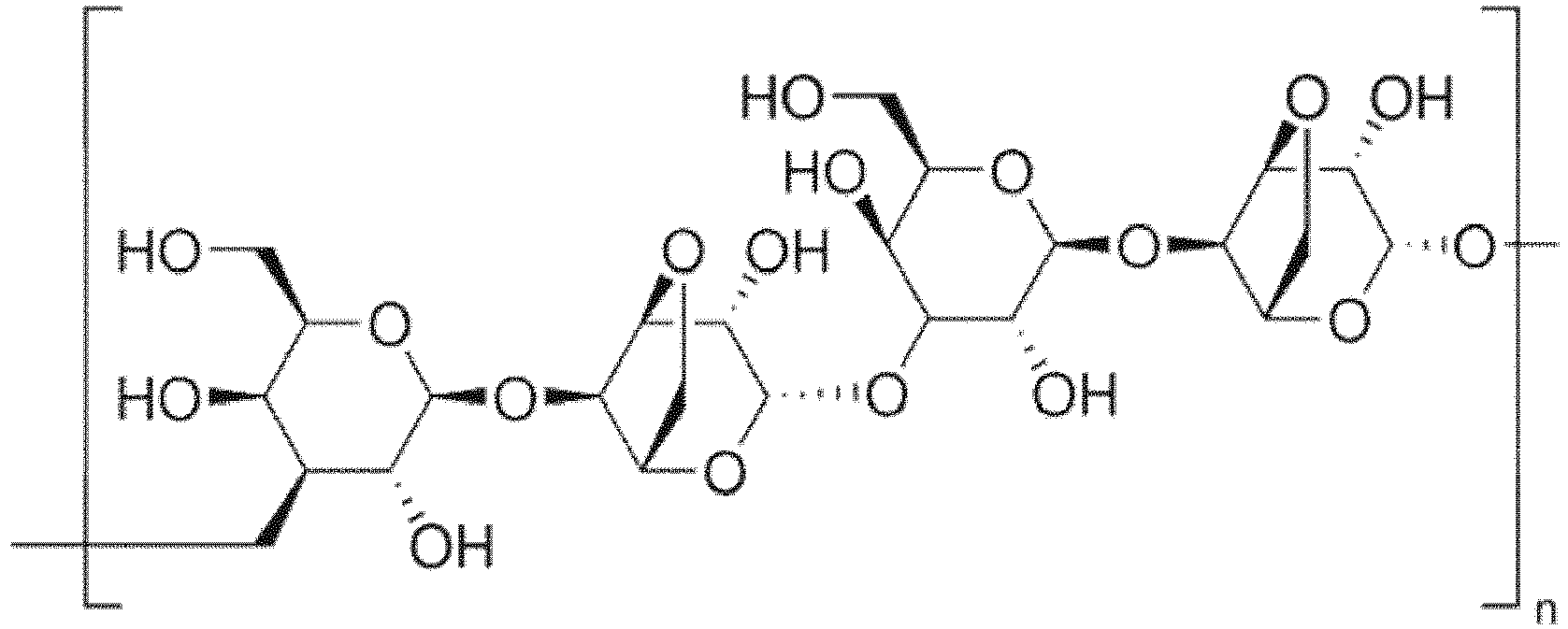
- a surface comprises Sepharose TM .
- n is any positive integer:
- a surface comprises agarose.
- n is a positive integer:
- a surface comprises a Polystyrene based polymer.
- a Polystyrene divinyl benzene copolymer synthesis schematic is shown below:
- a surface comprises an Acrylic based polymer.
- Poly (methylmethacrylate) is an example shown below, wherein n is any positive integer:
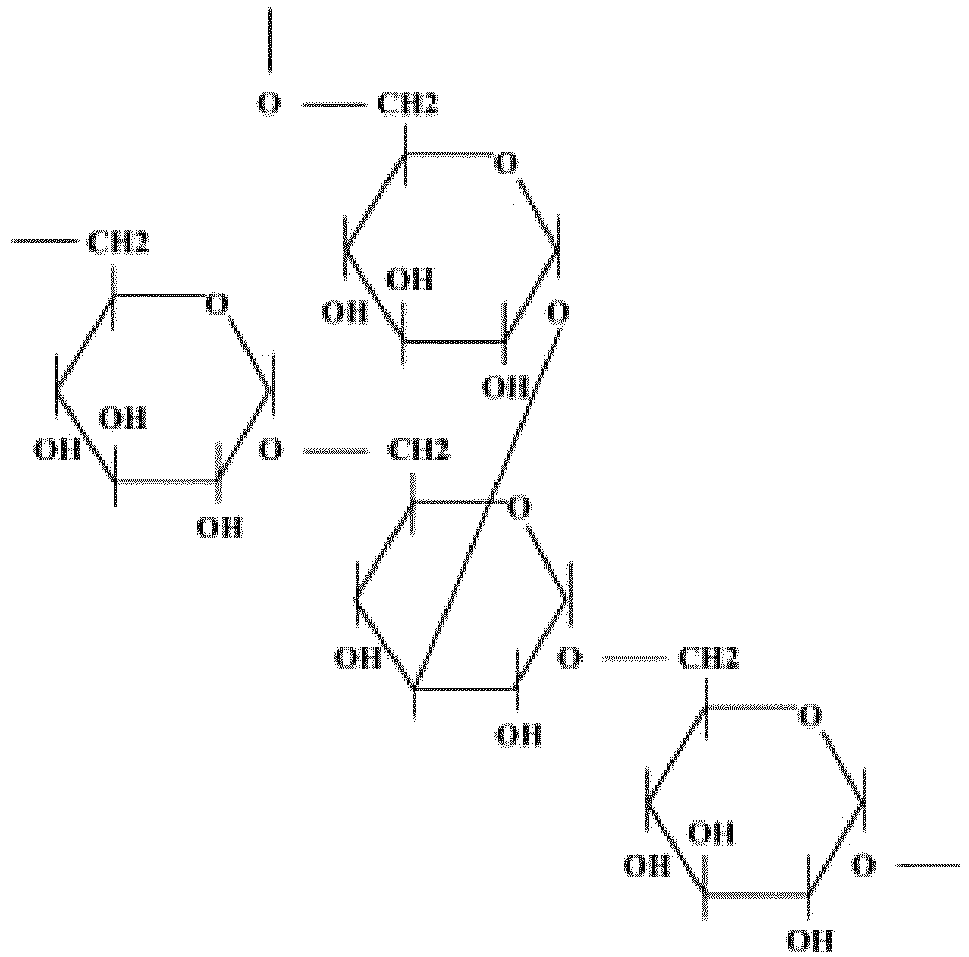
- a surface comprises a Dextran based polymer.
- a Dextran example is shown below:
- a surface comprises silica.
- An example is shown below:
- a surface comprises a polyacrylamide.
- An example cross-linked to N-N-methylenebisacrylamide is shown below:
- a surface comprises tentacle based phases, e.g., methacrylate based.
- Suitable surfaces comprise materials including but not limited to borosilicate glass, agarose, sepharose, magnetic beads, polystyrene, polyacrylamide, membranes, silica, semiconductor materials, silicon, organic polymers, ceramic, glass, metal, plastic polycarbonate, polycarbonate, polyethylene, polyethyleneglycol terephthalate, polymethylmethacrylate, polypropylene, polyvinylacetate, polyvinylchloride, polyvinylpyrrolidinone, and soda-lime glass.
- the surface is modified to contain channels, patterns, layers, or other configurations (e.g., a patterned surface).
- the surface can be in the form of a bead, box, column, cylinder, disc, dish (e.g., glass dish, PETRI dish), fiber, film, filter, microtiter plate (e.g., 96-well microtiter plate), multi-bladed stick, net, pellet, plate, ring, rod, roll, sheet, slide, stick, tray, tube, or vial.
- the surface can be a singular discrete body (e.g., a single tube, a single bead), any number of a plurality of surface bodies (e.g., a rack of 10 tubes, several beads), or combinations thereof (e.g., a tray comprises a plurality of microtiter plates, a column filled with beads, a microtiter plate filed with beads).
- a surface can include a membrane based resin matrix.
- a surface can include a resin such as a porous resin or a non-porous resin.
- porous resins can include: Additional Agarose based resins (e.g., Cyanogen bromide activated sepharose (GE); WorkBeads TM 40 ACT and WorkBeads 40/10000 ACT (Bioworks)), Methacrylate: (Tosoh 650M derivatives etc.), Polystyrene Divinylbenzene (Life Tech Poros media/ GE Source media), Fractogel, Polyacrylamide, Silica, Controlled pore glass, Dextran derivatives, Acrylamide derivatives, and/or Additional polymers; or any combination thereof.
- Additional Agarose based resins e.g., Cyanogen bromide activated sepharose (GE); WorkBeads TM 40 ACT and WorkBeads 40/10000 ACT (Bioworks)
- Methacrylate (Tosoh
- a surface can include one or more pores.
- pore sizes can be from 300 to 8,000 Angstroms, e.g., 500 to 4,000 Angstroms in size.
- a surface can include one or more particles.
- particle sizes are 5um-500um, 20um-300um, and 50um-200um.
- particle size can be 50, 60, 70, 80, 90, 100, 110, 120, 130, 140, 150, 160, 170, 180, 190, or 200um.
- Poly T can be immobilized, coated on, bound to, stuck, adhered, or attached to any of the forms of surfaces described herein (e.g., bead, box, column, cylinder, disc, dish (e.g., glass dish, PETR1 dish), fiber, film, filter, microtiter plate (e.g., 96-well microtiter plate), multi-bladed stick, net, pellet, plate, ring, rod, roll, sheet, slide, stick, tray, tube, or vial).
- any of the forms of surfaces described herein e.g., bead, box, column, cylinder, disc, dish (e.g., glass dish, PETR1 dish), fiber, film, filter, microtiter plate (e.g., 96-well microtiter plate), multi-bladed stick, net, pellet, plate, ring, rod, roll, sheet, slide, stick, tray, tube, or vial).
- the surface can be modified to contain chemically modified sites that can be used to covalently attach poly T to discrete sites or locations on the surface.
- Chemically modified sites in this context includes, but is not limited to, the addition of a pattern of chemical functional groups that can be used to covalently attach poly T, which generally also contain corresponding reactive functional groups.
- a surface is linked to poly T.
- the binding capacity of the linked surface can be, e.g., >1mg/mL, >5 mg/mL, >10mg/mL, >20 mg/mL, >30 mg/mL, or >40 mg/mL.
- linker can refer to a connection between two molecules or entities, for example, the connection between poly T and a spacer or the connection between poly T and a surface (e.g., a 5' hexylamine linker).
- a linker can be formed by the formation of a covalent bond or a non-covalent bond.
- a “linker” can refer to either the two or more groups present prior to contact between the groups (e.g. linker precursor groups); or the new group(s) or bond(s) formed after contact between the two or more groups (e.g., linker group(s)). See “Surface synthesis” section for examples of linkers (e.g., first group, second group, bond) and various reaction schemes.
- linkers can optionally be included at a variety of positions within or on poly T and/or a surface. Suitable linkers include alkyl and aryl groups, including heteroalkyl and heteroaryl, and substituted derivatives of these. In some instances, linkers can be amino acid based and/or contain amide linkages.
- a surface can include a spacer in addition to a linker.
- Spacers can include atoms such as carbon or molecules, e.g., carbohydrates, nucleic acids such as DNA or RNA, and/or amino acids; or combinations or analogs thereof.
- spacers can range from about 5 to about 200 atoms or from about 15 to about 50 atoms.
- spacers can be 5, 6, 7, 8, 9, 10, 11, 12, 13, 14, 15, 16, 17, 18, 19, 20, 21, 22, 23, 24, 25, 26, 27, 28, 29, 30, 31, 32, 33, 34, 35, 36, 37, 38, 39, 40, 41, 42, 43, 44, 45 ,46 ,47, 48, 49, or 50 atoms in length.
- the method can further includes washing the surface with a solution after the contacting step. In some aspects, the method can further include preheating the first sample before the contacting step. In some aspects, preheating can be at a temperature of 25, 35, 45, 55, 65, 70, 75, 80, 85, or 90°C.
- one or more steps of the method are performed using a batch process. In some aspects, one or more steps of the method are performed using a column. In some aspects, the column can be heated and/or jacketed.
- the first sample comprises DNA and the sample has not been subjected to DNase treatment.
- the one or more impurities comprise an RNA that does not comprise a polyA tail, a deoxyribonucleic acid (DNA), a carbohydrate, a toxin, a polypeptide, and/or a nucleotide.
- the DNA is plasmid DNA.
- the DNA is polymerase chain reaction (PCR) product DNA.
- the DNA comprises non-amplified DNA template.
- the toxin is lipopolysaccharide (LPS).
- the toxin is an endotoxin.
- the surface is a resin. In some aspects, the surface comprises sepharose and/or agarose.
- the contacting step is performed at a temperature of 65°C. In some aspects, the contacting step is performed at 4 to 90C. In some aspects, the contacting step is performed at 20 to 70C. In some aspects, the contacting step is performed at 4, 25, 35, 45, 55, 65, 70, 75, 80, 85, or 90C.
- the contacting step is performed at a rate of 100 cm/h. In some aspects, the contacting step is performed at a rate of 5 to 7000 cm/h, e.g., 50 to 500 cm/h. In some aspects, the contacting step can be performed in a recirculation mode.
- the contacting step is performed using a batch process.
- the RNA transcript and polyT bind one another via non-covalent bonding.
- the solution comprising the RNA transcript comprises salt during the contacting step with the surface. Salts are described herein.
- the first sample comprises a salt solution.
- the salt concentration is 0.1 - 5M, 0.3-2.5M, or 0.5- 1M.
- the salt is a sodium salt, e.g., NaCl.
- the salt is potassium salt, lithium salt, magnesium salt, calcium salt, and/or ammonium salt.
- the first sample comprises a sodium chloride solution.
- the method can further includes washing the surface with a solution after the contacting step.
- the washing step comprises applying one or more solutions comprising a salt.
- the salt is NaCl or KCl.
- the salt is NaCl.
- the salt can be sodium salts, potassium salts, magnesium salts, lithium salts, calcium salts, manganese salts, cesium salts, ammonium salts, and/or alkylammonium salts.
- the salt can be NaCl, KCl, MgCl2, Ca2+, MnCl2, and/or LiCl.
- the washing step comprises applying a first salt buffer and a second salt buffer, wherein the first salt buffer has a higher salt concentration than the second salt buffer, and wherein the first salt buffer is applied before the second salt buffer.
- the first salt buffer comprises 0.5M NaCl, 10mM Tris, and 1mM EDTA, and has a pH of 7.4.
- the pH can be 4 to 9, e.g., 6 to 8.
- the second salt buffer comprises 0.1M NaCl, 10mM Tris, and 1mM EDTA, and has a pH of 7.4.
- the pH can be 4 to 9, e.g., 6 to 8.
- the first salt buffer is applied to the surface at a temperature of 65°C or 25°C. In some aspects, the temperature can be 4 to 85C. In some aspects, the first salt buffer is applied to the surface twice, wherein the first application is at a first temperature of 65°C, and wherein the second application is at a second temperature of 25°C. In some aspects, the second salt buffer is applied to the surface at a temperature of 25°C. In some aspects, the temperature can be 4 to 85C.
- the elution step is performed with an elution buffer.
- the elution buffer is salt-free.
- the elution buffer comprises 10mM Tris and 1mM EDTA, and has a pH of 7.4.
- the elution buffer comprises water.
- the elution buffer comprises a low ionic strength un-buffered salt solution.
- the elution buffer comprises a low ionic strength buffered salt solution.
- buffers examples include buffers that can be used in one or more elution buffers, first salt buffers, second salt buffers, and solutions used during the contacting step.
- Table A Buffer pKa 25°C pH range ACES 6.78 6.1-7.5 acetate 4.76 3.6-5.6 ADA 6.59 6.0-7.2 AMP (2-amino-2-methyl-1-propanol) 9.69 8.7-10.4 AMPD (2-amino-2-methyl-1,3-propanediol) 8.80 7.8-9.7 AMPSO 9.00 8.3-9.7 BES 7.09 6.4-7.8 BICINE 8.26 7.6-9.0 bis-tris 6.46 5.8-7.2 BIS-TRIS propane 6.80, 9.00 6.3-9.5 borate 9.23, 12.74, 13.80 8.5-10.2 cacodylate 6.27 5.0-7.4 carbonate (pK1) 6.35 6.0-8.0 carbonate (pK2) 10.33 9.5-11.1 CHES 9.50
- the elution step is performed at a temperature of 65°C. In some aspects, the elution step is performed at a temperature of 4 to 95C. In some aspects, the elution step is performed at a temperature of 25 to 80C. In some aspects, the elution step is performed at a temperature of 45 to 70C.
- the RNA transcript is the product of in vitro transcription using a non-amplified DNA template. In some aspects, the RNA transcript is 100 to 10,000 nucleotides in length. In some aspects, the RNA transcript is 500 to 4000 nucleotides in length. In some aspects, the RNA transcript is 800 to 3000 nucleotides in length.
- a method for making a surface for use in the present invention may include obtaining a surface attached to a first group; and contacting the surface with a polyT attached to a second group, wherein the first group and the second group are reactive with one another upon contact.
- the first group is an epoxide and the second group is an amino group.
- the amino group is located at the 5' end of polyT.
- the first group and the second group react to form a bond.
- the bond is a secondary amine bond.
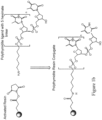
- Figure 1a shows a schematic of poly T/U conjugation to NHS-activated Sepharose resin.
- Figure 1b shows a reaction used to synthesize a poly T/U resin conjugate with a 5'-hexylamine linker via a stable amide linkage (n can be any positive integer, e.g., 49 or 19).
- Figure 2 shows the general resin synthesis process overview.
- the amount of resin to be made was then determined and the amount of ligand (UV weight) needed to conjugate to resin was calculated.
- a 100mM sodium bicarbonate (NaHCO 3 ) solution was prepared with a pH of 8-8.5.
- the total amount of dT ligand needed was dissolved (calculated as above and using conversion factor dry weight: UV weight conversion obtained as above) in 100mM NaHCO 3 at a concentration of 15mg/mL.
- volume of DMSO equivalent to 2x volume of poly dT in 100mM NaHCO3 solution was added to the 15mg/mL polydT in 100mM NaHCO3 (e.g., Add 30mL DMSO to 15mL of 15mg/mL poly dT in 100mM NaHCO3).
- Final effective coupling solution was 5mg/mL polythymidine ligand in 2:1 v/v DMSO:100mM NaHCO 3 . UV quantitation on dT solution was then performed.
- the slurry concentration of NHS Sepharose 4FF Resin in isopropanol (IPA) was the determined: Slurry %: Volume of Resin (mL)/ Total solution (mL).
- Slurry % Volume of Resin (mL)/ Total solution (mL).
- the resin/IPA mix was then shaken until the slurry was completely homogenous and no resin was deposited at the bottom of the container. In a tube, the homogenous slurry was added and centrifuged at 4000RPM for 5 min.
- the volume of settled resin was recorded after centrifugation and the % slurry calculated. Resin was measured out into appropriate centrifuge compatible, DMSO resistant RXN vessels. A volume of DMSO was added to resin/IPA slurry equivalent to achieve 50% total slurry. Note that in lieu of DMSO, 1mM HCl can also be substituted to wash resin prior to conjugation.
- the resin was centrifuged at 4000RPM for 5 min and all IPA/DMSO solution was removed. All bulk solution was the poured off and then the remaining residual was poured out.
- the polythymidine conjugation reaction 5mg/mL polythymidine in 2:1 DMSO: 100mM NaHCO 3 prepared above was added to resin at a load of 2mg dT/mL of resin as described above.
- the reaction mixture was re-slurried until completely homogeneous.
- the mixture was allowed to react at ambient temperature (20-25°C) for 2 hours while continuously mixing on an orbital shaker/ wave system rocking tray or equivalent.
- the mixture was centrifuged at 4000RPM for 10 min and then the reaction mixture was poured off. UV quantitation was then performed on the post conjugation reaction mixture and a mass balance was performed to calculate % dT remaining and effectively % dT coupled to the resin.
- a volume of 100mM Tris HCl pH 8 equivalent to the resin volume was added to each tube. Re-slurried the entire mixture until completely homogeneous. The mixture was allowed to react at ambient temperature (20-25°C) for 2 hours while continuously mixing on an orbital shaker/ wave system rocking tray or equivalent. The mixture was then centrifuged at 4000RPM for 10 min. All bulk solution then poured off.
- a volume of 100mM sodium acetate pH 5.5 equivalent to the resin volume was added to each tube. Re-slurried the entire mixture until completely homogeneous. The homogeneous mixture was then allowed to stand for 2 minutes, then centrifuged at 4000RPM for 5 min and poured off all bulk solution.
- a volume of 20% ethanol solution equivalent to 0.75X the resin volume was added to each tube. Re-slurried the entire mixture until completely homogeneous. All resin was pooled and mixed for 2 minutes by vigorously shaking. Resin is stored in 20% ethanol at 4°C, as needed.
- Quality control can be performed to ensure that the functionalization of the resin was successful and to determine the binding capacity for the prepared resin lot.
- the procedure is generally outlined below.
- This protocol was to selectively purify polyadenylated mRNA using oligo dT (polythymidine) affinity chromatography resin at small scale using a solid phase extraction vacuum manifold. Short mRNA transcripts, abort sequences, and protein were typically removed as mRNA containing poly A tail is captured on the resin and the aforementioned impurities flow through and do not bind to the resin.
- oligo dT polythymidine
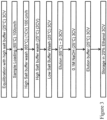
- Figure 3 shows a general overview of the process used to purify polyadenylated RNA.
- oligo dT resin The amount of oligo dT resin to use for purification was determined and the column was packed.
- the elution buffer was placed at 65°C until immediately prior to product elution.
- mRNA was then prepared to be loaded on dT resin by adding 5X sample buffer to mRNA sample(s) and preheating the mRNA containing solution to 65°C and heating at 65°C for 15 min in an oven or for 10 min in a water bath.
- the resin was then equilibrated with high salt buffer in one or more columns. If using Sigma resin slurry solid resin in high salt buffer: Add 2-3 column volumes of high salt buffer to the columns and drain liquid in column. Repeat 2x. If using Applicant's dT Sepharose resin slurried in 20% EtOH: Add 2-3 column volumes of high salt buffer to the columns and drain liquid in column. Repeat 2x.
- 65°C preheated mRNA solution was added to the resin column, reslurried in mRNA/ sample buffer solution and placed at 65°C for 15 min in an oven or for 10 min in a water bath with periodic shaking.
- the mRNA/resin solution was placed at ambient temperature (20-25°C) for 30 minutes while shaking continuously and keeping the resin as a slurry.
- the liquid in column was drained into a clean centrifuge tube.
- a volume of high salt buffer equal to 2-3 resin volumes was added to wash the unbound material off of the resin and repeated once.
- a volume of low salt buffer equal to 2-3 resin volumes was added to wash the unbound material off of the resin and repeated twice.
- the mRNA full length product (FLP) was eluted using 2-3 resin volumes of 65°C elution buffer; ensuring a slow flow rate to maximize contact time of 65°C elution buffer with resin and repeated with 1-2 resin volumes of elution buffer.
- UV quantitation was performed on mRNA in the elution fraction and flowthrough/wash fraction to calculate recovery/yield.
- Bioanalyzer gel analysis was performed on elution fraction (mRNA FLP containing fraction) to ensure electropherogram contains a single discreet peak at the appropriate size with no lower molecular weight impurities.
- the mRNA can be diafiltered into water using a UF/TFF step.
- the mRNA can be diafiltered into water via UF spin filters or TFF prior to lyophilization. All salts are generally removed prior to formulating mRNA into a desired buffer/matrix.
- Example 1 Sepharose resin preparation and quality control.
- Ligand The ligand utilized was a 20-mer polythymidine (2'deoxy) oligonucleotide containing a 5' hexylamine linker. The ligand was synthesized using standard solid phase synthesis methods, was chromatographically purified, and lyophilized prior to use.
- the 20mer polythymidine ligand (890 mg) was dissolved in a 100mM sodium bicarbonate solution (pH ⁇ 8.5) at ⁇ 15mg/mL.
- Dimethylsulfoxide (DMSO) was added to the ligand containing solution to achieve a final concentration of 5mg/mL in 67/33 (v/v%) DMSO/100mM NaHCO 3 .
- Activated resin (425mL) was centrifuged at 500 x g to remove the Isopropanol, reslurried, washed twice, each time with 1 resin volume equivalent 1mM HCl for 5 minutes, the resin was centrifuged and HCl was poured off.
- the reaction was centrifuged at 500 x g and the coupling solution was poured off and quantified by UV absorbance at 260nm to assess coupling efficiency. It was determined that 99% of starting material had bound to the resin.
- the resin was treated with 425mL of 100mM Tris HCl pH 8; the mixture was re-slurried and was allowed to react at 25°C for 4 hours under constant shaking using an orbital shaker to maintain consistent slurry and to prevent resin settling. The reaction was centrifuged at 500 x g and the solution was poured off.
- the resin was re-slurried and washed with 425mL of 100mM sodium acetate solution pH 5 for 5 minutes. The mixture was centrifuged at 500 x g and the solution was poured off.
- the resin was re-slurried and washed with 425mL of 100mM Tris HCl solution pH 8 for 5 minutes. The mixture was centrifuged at 500 x g and the solution was poured off.
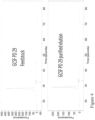
- RNA of acceptable quality was observed via chip based electrophoresis using a Biorad Experion Bioanalyzer system. The gel electropherogram can be seen in Figure 4 .
- Example 2 dT column leaching analysis.
- RNA and DNA were digested to individual nucleotides and abundances of each individual nucleotide (from DNA and RNA) were assayed and quantified using tandem mass spectrometry.
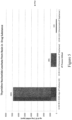
- Figure 5 denotes comparative leaching data of polythymidine ligand from mRNA lots purified using commercially available poly dT resin (GE cellulose) with mRNA lots purified using Applicant's dT resin.
- Lot 12-04-90-C-B represents GCSF encoded chemically modified mRNA purified using commercially available poly dT resin; this lot generated 6881 ppm leachate.
- Lot 12-04-114-C represents GCSF encoded chemically modified mRNA purified using Applicant's 20mer dT sepharose; this lot generated 895 ppm leachate
- Lot 12-04-122-C represents GCSF encoded chemically modified mRNA purified using Applicant's 20mer dT sepharose.; this lot generated 115 ppm leachate.
- Example 3 Resin re-use analysis.
- the resins (Sigma cellulose or Applicant's dT resin) were packed into SPE columns and the purifications were performed on a solid phase extraction vacuum manifold (Biotage). 1 gram of "Sigma dT Cellulose 1" (Sigma part # 03131-1G) was packed in a 5mL column. 150mg of "Sigma dT Cellulose 2" (Part # 75349-5G) was packed in a 5mL column. 1mL of 20mer Applicant's dT Sepharose was packed in a 5mL column. Binding capacity experiments utilized GCSF PD 29 mRNA (encoding for GCSF and containing a 140A tail) as a feedstock and was loaded in excess onto each resin. The elutions were quantified by UV absorbance at 260nm.
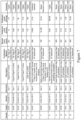
- Figure 6 shows a comparison of resin binding capacity between Applicant's poly dT resin and commercially available dT resin upon re-use (4 iterations/resin); (resin binding capacity vs. # of uses).
- Iteration 1 is the first bar; iteration 2 is the second bar; iteration 3 is the third bar; and iteration 4 is the fourth bar (note that iteration 4 was not performed using the Sigma resin). The iterations were performed sequentially.
- Endotoxin Levels in mRNA batches following purification using various poly dT resins was analyzed. Endotoxin measurements were performed using a LAL-based assay Endosafe ® -PTS TM instrument (Charles River Labs).
- Sample 5 (highly contaminated with endotoxin >46 EU/mg) was further purified using a column packed with Applicant's dT resin; After one round of purification (Sample 6) endotoxin was cleared significantly to 2.19 EU/mg; After a second round of purification with Applicant's oligo dT resin, endotoxin levels were reduced below the limit of quantitaion, ⁇ 0.12 EU/mg (Sample 7).
- the transcription reaction was diafiltered into water using 100kDa MWCO Amicon filters (EMD Millipore).
- the mRNA was subsequently purified on an AKTA Avant 150 (GE Healthcare) chromatography system using 100mL of Applicant's 20mer dT Sepharose resin packed in a 5cm id x 5.1cm glass column.
- the column was equilibrated using 0.5M NaCl 10mM Tris HCl 1mM EDTA pH 7.4.
- the RNA was preheated to 65°C prior to loading using an inline mobile phase heater (Timberline Instruments), was loaded at 100cm/h, in the aforementioned buffer. After loading, 2CV of high salt buffer was charged over the column, followed by 2CV of 0.1M NaCl 10mM Tris HCl pH 7.4 to wash off weakly bound species.
- the polyadenylated RNA was eluted at 65°C into 10mM Tris HCl 1mM EDTA pH 7.4.
- the flowthrough fraction and elution fraction were dia-filtered into water and concentrated using 100kDa MWCO Amicon spin filters (EMD Millipore).
- EMD Millipore Amicon spin filters
- the eluted material was quantified and the RNA quality was assessed via chip based electrophoresis using a Biorad Experion Bioanalyzer system.
- the transcription reaction was diafiltered into water using 100kDa MWCO Amicon filters (EMD Millipore). 2 mg of mRNA was subsequently purified on a solid phase extraction vacuum manifold (Biotage) using 3mL of Applicant's 20mer dT Sepharose resin packed in a 10 mL SPE column.
- the column was equilibrated using 0.5M NaCl 10mM Tris HCl 1mM EDTA pH 7.4.
- the RNA was preheated to 65°C prior to loading using a water bath and was loaded in the aforementioned buffer. After loading, 2CV of high salt buffer was charged over the column, followed by 2CV of 0.1M NaCl 10mM Tris HCl pH 7.4 to wash off weakly bound species.
- the polyadenylated RNA was eluted at 65°C into 10mM Tris HCl 1mM EDTA pH 7.4 using pre-heated buffer.
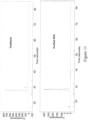
- the flowthrough fraction and elution fraction were diafiltered into water and concentrated using 100kDa MWCO Amicon spin filters (EMD Millipore). The eluted material was quantified and the RNA quality was assessed via chip based electrophoresis using a Biorad Experion Bioanalyzer system ( Figure 11 ).
- RNA post in vitro transcription was purified at large scale. The lot was broken into 4 purification runs. All four runs were performed sequentially.
- the RNA was purified using a 100mL column (3.5 cm id x 10.4cm) packed with 20mer dT sepharose on a Biorad Duoflow FPLC system. The column was equilibrated using 0.5M NaCl 10mM Tris HCl 1mM EDTA pH 7.4. The RNA was preheated to 65°C prior to loading using an inline mobile phase heater (Timberline Instruments), was loaded at 100cm/h, in the aforementioned buffer.
- RNA quality was assessed via chip-based electrophoresis using a Biorad Experion Bioanalyzer system.
- Example 8 20-mer vs. 50-mer polythymidine ligand length comparison analysis.
- Both ligands were synthesized using solid phase synthetic methods, HPLC purified, and lyophilized. All dT sepharose resin preps (4) were synthesized in parallel using the same methodology at 5mL scale (resin). To assess maximum binding capacity, the resins were saturated with the ligand. 35 mg of each ligand (for each 7mg ligand/mL resin prep) was dissolved in in a 100mM sodium bicarbonate solution (pH ⁇ 8.5) at ⁇ 15mg/mL. 75 mg of each ligand (for each 15mg ligand/mL resin prep) was dissolved in in a 100mM sodium bicarbonate solution (pH ⁇ 8.5) at ⁇ 15mg/mL. Dimethylsulfoxide (DMSO) was added to the ligand containing solution to achieve final concentration of 5mg/mL in 67/33 (v/v%) DMSO/100mM NaHCO 3 .
- DMSO dimethylsulfoxide
- Activated resin (5mL) was centrifuged at 4000rpm to remove the Isopropanol, reslurried, washed twice, each time with 1 resin volume equivalent 1mM HCl for 5 minutes, the resin was centrifuged and HCl was poured off.
- the resins were treated with 5mL of 100mM Tris HCl pH 8; the mixture was re-slurried and was allowed to react at 25°C for 4 hours under constant shaking using an orbital shaker to maintain consistent slurry and to prevent resin settling. The reaction was centrifuged at 4000rpm and the solution was poured off.
- the resin was re-slurried and washed with 5mL of 100mM sodium acetate solution pH 5 for 5 minutes. The mixture was centrifuged at 4000rpm and the solution was poured off.
- the resin was re-slurried and washed with 425mL of 100mM Tris HCl solution pH 8 for 5 minutes. The mixture was centrifuged at 4000rpm and the solution was poured off.
- Binding capacities were determined for the four preps and can be seen in Figure 16 .
- An excess of poly A (140) containing RNA, GCSF PD 29 was loaded onto 2mL of each resin; The resins were packed into 5mL SPE columns and the purifications were performed in parallel on a solid phase extraction vacuum manifold (Biotage). Both 20mer and 50mer polythymidine Sepharose preps could bind poly A containing RNA. 20mer dT produced higher binding capacities.
Landscapes
- Chemical & Material Sciences (AREA)
- Life Sciences & Earth Sciences (AREA)
- Health & Medical Sciences (AREA)
- Organic Chemistry (AREA)
- Engineering & Computer Science (AREA)
- Genetics & Genomics (AREA)
- Molecular Biology (AREA)
- Biochemistry (AREA)
- Biotechnology (AREA)
- Zoology (AREA)
- Wood Science & Technology (AREA)
- General Health & Medical Sciences (AREA)
- Bioinformatics & Cheminformatics (AREA)
- Biomedical Technology (AREA)
- General Engineering & Computer Science (AREA)
- Analytical Chemistry (AREA)
- Proteomics, Peptides & Aminoacids (AREA)
- Physics & Mathematics (AREA)
- Biophysics (AREA)
- Microbiology (AREA)
- Chemical Kinetics & Catalysis (AREA)
- Immunology (AREA)
- Plant Pathology (AREA)
- Crystallography & Structural Chemistry (AREA)
- Materials Engineering (AREA)
- Medicinal Chemistry (AREA)
- Polymers & Plastics (AREA)
- Measuring Or Testing Involving Enzymes Or Micro-Organisms (AREA)
- Apparatus Associated With Microorganisms And Enzymes (AREA)
- Saccharide Compounds (AREA)
- Preparation Of Compounds By Using Micro-Organisms (AREA)
Description
- Commercially-available resins having polythymidine oligonucleotide ligands typically contain less than 30 thymidine (2'deoxy) residues and some commercial resin suppliers utilize a distribution of dT chain lengths, not of a discreet length. Commercially-available oligo dT resins are predominantly kit-based and are typically utilized for small scale (<1mg) mRNA isolations on a bench top from crude cell/tissue extracts or blood. Commercially-available matrices typically consist of cellulose, latex particles, and magnetic beads containing dT ligands. These options are not generally viable for large scale chromatographic processes for cGMP manufacture of therapeutic mRNAs. In particular, cellulose resin produces significant quantities of leached ligand, contains significant amounts of fine particulates, and has poor flow properties; making it less than ideal for column chromatography. In terms of RNA quality and purity, commercially-available, cellulose based media has been found to yield eluted PolyA containing RNA with substantial endotoxin contamination as well as considerable enzyme and DNA template carryover and contamination. RNA produced using this commercially-available cellulose resin must generally be coupled with additional separation procedures to ensure RNA is of acceptable quality for pre-clinical studies and therapeutic use. Endotoxin contamination is detrimental to patient safety and therefore a process that introduces endotoxin into a drug substance is generally not viable for use in patients.
- Mészáros & Morton, 1996. Biotechniques. 20(3):413-9 states that RNA was precipitated with 2.5 vol of ethanol and used to saturate paramagnetic beads coupled to oligo(dT).
- Sasaki et al., 1994. Nucleic Acids Res. 22(6):987-92 states that RNA transcripts were subjected to oligo(dT) cellulose chromatography.
- Kuribayashi-Ohta et al., 1993. Biochim Biophys Acta. 1156(2):204-12 aims to apply oligo(dT)30-latex to rapidly purify poly(A)+ mRNA.
- Disclosed herein is a method for purifying an RNA transcript comprising a polyA tail, the method comprising: a) contacting (i) a first obtained sample comprising the RNA transcript, wherein the first sample comprises at least 5%, 10%, 20%, 30%, 40%, 50%, 60%, 70%, 80%, 90%, 91%, 92%, 93%, 94%, 95%, 96%, 97%, 98%, or 99% RNA transcript and at least 5%, 10%, 20%, 30%, 40%, 50%, 60%, 70%, 80%, 90%, 91%, 92%, 93%, 94%, 95%, 96%, 97%, 98%, or 99% impurities, and wherein the percentage of RNA transcript and the percentage of impurities are the inverse of each other, with (ii) a surface linked to a polythymidine that is twenty thymidines in length under conditions such that the RNA transcript binds to the surface, wherein the polythymidine is linked to the surface via a secondary amine linker obtainable by contacting a surface attached to an epoxide with a polythymidine attached to an amino group, wherein the amino group is located at the 5' end of the polythymidine; b) eluting the RNA transcript from the surface; and c) collecting the RNA transcript in a second sample, wherein the second sample comprises at least 5%, 10%, 20%, 30%, 40%, 50%, 60%, 70%, 80%, 90%, 91%, 92%, 93%, 94%, 95%, 96%, 97%, 98%, or 99% RNA transcript and no more than less than 1%, 1%, 2%, 3%, 4%, 5%, 10%, 20%, 30%, 40%, 50%, 60%, 70%, 80%, 90%, 91%, 92%, 93%, 94%, 95%, 96%, 97%, 98%, or 99% impurities, and wherein the percentage of RNA transcript and the percentage of impurities are the inverse of each other.
- In some aspects, the method further comprises washing the surface with a solution after step a). In some aspects, the method further comprises preheating the first sample before step a). In some aspects, one or more steps are performed using a batch process.
- In some aspects, the sample comprises DNA and the sample has not been subjected to DNase treatment. In some aspects, the one or more impurities comprise an RNA that does not comprise a polyA tail, a deoxyribonucleic acid (DNA), a carbohydrate, a toxin, a polypeptide, and/or a nucleotide. In some aspects, the DNA is plasmid DNA. In some aspects, the DNA is polymerase chain reaction (PCR) product DNA. In some aspects, the DNA comprises non-amplified DNA template. In some aspects, the toxin is lipopolysaccharide (LPS). In some aspects, the toxin is an endotoxin.
- In some aspects, the surface is a resin. In some aspects, the surface comprises sepharose. In some aspects, the surface comprises agarose.
- In some aspects, the contacting step is performed at a temperature of 65°C. In some aspects, the contacting step is performed at a rate of 100 cm/h.
- In some aspects, the RNA transcript and polyT bind one another via non-covalent bonding. In some aspects, the first sample comprises a salt solution. In some aspects, the first sample comprises a sodium chloride solution.
- In some aspects, the washing step comprises applying one or more solutions comprising a salt. In some aspects, the salt is NaCl or KCl.
- In some aspects, the washing step comprises applying a first salt buffer and a second salt buffer, wherein the first salt buffer has a higher salt concentration than the second salt buffer, and wherein the first salt buffer is applied before the second salt buffer. In some aspects, first salt buffer comprises 0.5M NaCl, 10mM Tris, and 1mM EDTA, and has a pH of 7.4. In some aspects, the second salt buffer comprises 0.1M NaCl, 10mM Tris, and 1mM EDTA, and has a pH of 7.4. In some aspects, the first salt buffer is applied to the surface at a temperature of 65°C or 25°C. In some aspects, the first salt buffer is applied to the surface twice, wherein the first application is at a first temperature of 65°C, and wherein the second application is at a second temperature of 25°C. In some aspects, the second salt buffer is applied to the surface at a temperature of 25°C.
- In some aspects, the elution step is performed with an elution buffer. In some aspects, the elution buffer is salt-free. In some aspects, the elution buffer comprises 10mM Tris and 1mM EDTA, and has a pH of 7.4. In some aspects, the elution step is performed at a temperature of 65°C.
- In some aspects, the RNA transcript is the product of in vitro transcription using a non-amplified DNA template. In some aspects, the RNA transcript is 100 to 10,000 nucleotides in length.
- In some aspects, the method is repeated 2, 3, 4, 5, 6, 7, 8, 9, 10, 15, 20, 25, 30, 35, 40, 45, 50, or greater than 50 times with the same surface (or any integer between each of the indicated numeric values).
- In some aspects, the surface comprises a polymer.
- In some aspects, the polymer is a crosslinked, beaded-form of a polysaccharide polymer material extracted from seaweed. In some aspects, the polymer comprises agarose. In some aspects, the polymer comprises sepharose.
- In some aspects, the linker comprises 5'-hexylamine.
- In some aspects, polyT comprises one or more modifications. In some aspects, the modification comprises a 2'-O-methyl modification, a 2'-fluoro modification, or a locked nucleic acid (LNA) modification.
- In some aspects, the surface is a resin. In some aspects, the resin has a pore size of 300 to 8000 Angstroms or 1000 to 4000 Angstroms.
-
-
Figure 1a shows a schematic of poly T/U conjugation to NHS-activated Sepharose resin, where R is poly T/U.Figure 1b shows a reaction used to synthesize a poly T/U resin conjugate with a 5'-hexylamine linker connected via a stable amide linkage (n can be any positive integer, e.g., 49 or 19). -
Figure 2 shows the general resin synthesis process overview. -
Figure 3 shows a general overview of the process used to purify polyadenylated RNA. -
Figure 4 shows gel electropherograms of binding assessment for 20mer dT Sepharose resin. -
Figure 5 shows poly dT column leaching analysis (LC-MS/MS based). -
Figure 6 shows a comparison of resin binding capacity between Applicant's poly dT resin and commercially-available dT resin upon reuse; (resin binding capacity vs. # of uses). -
Figure 7 shows endotoxin Levels in mRNA batches following purification using various poly dT resins. -
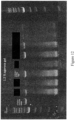
Figure 8 shows a 1.2% Agarose gel used to assess plasmid DNA removal in lot 12-04-111-I. -
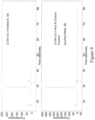
Figure 9 shows Bioanalyzer electropherograms used to assess mRNA quality after dT sepharose purifications. -
Figure 10 shows a preparative UV Chromatogram from dT Sepharose Purification of 12-04-111-I. -
Figure 11 shows an RNA Quality Assessment of 12-04-101-I by Bioanalyzer chip based electrophoresis. -
Figure 12 shows a 1.2% agarose gel of 12-04-101-I Crude IVT Feedstock pre dT. -
Figure 13 shows a 1.2% agarose gel of 12-04-101-I Post dT Purification. -
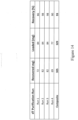
Figure 14 shows yield data of 4 consecutive large scale purifications of lot 12-04-79-I. -
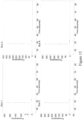
Figure 15 shows mRNA quality assessment data of 4 consecutive large scale purifications of lot 12-04-79-I via Bioanalyzer chip-based electrophoresis. -
Figure 16 shows a comparison of 20mer and 50mer polythymidine Sepharose resin. - Terms used in the claims and specification are defined as set forth below unless otherwise specified.
- Polynucleotide. The term "polynucleotide" is interchangeable with nucleic acid, and includes any compound and/or substance that comprise a polymer of nucleotides. RNA transcripts and DNA templates are polynucleotides. Exemplary polynucleotides include, but are not limited to, ribonucleic acids (RNAs), deoxyribonucleic acids (DNAs), threose nucleic acids (TNAs), glycol nucleic acids (GNAs), peptide nucleic acids (PNAs), locked nucleic acids (LNAs, including LNA having a β- D-ribo configuration, α-LNA having an α-L-ribo configuration (a diastereomer of LNA), 2'-amino-LNA having a 2'-amino functionalization, and 2'-amino- α-LNA having a 2'-amino functionalization) or hybrids thereof.
- RNA transcript. As used herein, an "RNA transcript" refers to a ribonucleic acid produced by an in vitro transcription reaction using a DNA template and an RNA polymerase. As described in more detail below, an RNA transcript typically includes the coding sequence for a gene of interest and a poly A tail. RNA transcript includes an mRNA. The RNA transcript can include modifications, e.g., modified nucleotides. As used herein, the term RNA transcript includes and is interchangeable with mRNA, modified mRNA "mmRNA" or modified mRNA, and primary construct. Modified RNA, e.g., RNA transcripts, e.g., mRNA, are disclosed in
U.S. patent application no. 13/791,922, "MODIFIED POLYNUCLEOTIDES FOR THE PRODUCTION OF BIOLOGICS AND PROTEINS ASSOCIATED WITH HUMAN DISEASE," filed March 9, 2013 US 2013/0259924 A1 ). - Gene of interest. As used herein, "gene of interest" refers to a polynucleotide which encodes a polypeptide or protein of interest. Depending on the context, the gene of interest refers to a deoxyribonucleic acid, e.g., a gene of interest in a DNA template which can be transcribed to an RNA transcript, or a ribonucleic acid, e.g., a gene of interest in an RNA transcript which can be translated to produce the encoded polypeptide of interest in vitro, in vivo, in situ or ex vivo. As described in more detail below, a polypeptide of interest includes but is not limited to, biologics, antibodies, vaccines, therapeutic proteins or peptides, etc.
- DNA template. As used herein, a DNA template refers to a polynucleotide template for RNA polymerase. Typically a DNA template includes the sequence for a gene of interest operably linked to a RNA polymerase promoter sequence.
- Operably linked: As used herein, the phrase "operably linked" refers to a functional connection between two or more molecules, constructs, transcripts, entities, moieties or the like. For example, a gene of interest operably linked to an RNA polymerase promoter allows transcription of the gene of interest.
- Poly A tail. As used herein, "poly A tail" refers to a chain of adenine nucleotides. The term can refer to poly A tail that is to be added to an RNA transcript, or can refer to the poly A tail that already exists at the 3' end of an RNA transcript. As described in more detail below, a poly A tail is typically 5-300 nucleotides in length.
- In vitro: As used herein, the term "in vitro" refers to events that occur in an artificial environment, e.g., in a test tube or reaction vessel, in cell culture, in a Petri dish, etc., rather than within an organism (e.g., animal, plant, or microbe).
- It must be noted that, as used in the specification and the appended claims, the singular forms "a," "an" and "the" include plural referents unless the context clearly dictates otherwise.
- Described herein are surfaces linked to poly T oligonucleotides. The term "poly T oligonucleotide" or "poly T" or "poly T" refers to a nucleic acid comprising a plurality of thymidines, including, but not limited to, a thymidine deoxyribonucleic acid (DNA); or a mixed ribonucleotide-deoxyribonucleotide, i.e., the poly T oligonucleotide can include ribose or deoxyribose sugars or a mixture of both. Included are analogs thereof. Double and single stranded forms of the poly T oligonucleotides are provided.
- The poly T oligonucleotide can include other 5-carbon or 6-carbon sugars, such as, for example, arabinose, xylose, glucose, galactose, or deoxy derivatives thereof or other mixtures of sugars.
- In one aspect, one or more bases of poly T can be modified. In some aspects, poly T can be modified to increase stability of poly T. In some aspects, poly T can be modified to increase chemical stability of poly T. In some aspects, poly T can be modified to increase pH stability of poly T. In some aspects, poly T can be modified to increase thermal stability of poly T.
- In certain embodiments, the poly T oligonucleotide and/or an oligonucleotide sequence complementary to the poly T oligonucleotide can comprise a 3'-oligonucleotide modification, a 5'-oligonucleotide modification, a phosphorothioate, an LNA, a PNA, a morpholino, other alternative backbones, or combinations or derivatives thereof. Suitable poly T oligonucleotides can be composed of naturally occurring nucleoside thymidine, modified nucleosides, substituted nucleosides or unsubstituted nucleosides, or combinations thereof. The nucleosides can also be unnatural nucleosides. The nucleosides can be joined by naturally occurring phosphodiester linkages or modified linkages. The nucleosides can also be joined by phosphorothioate linkages or methylphosphonate linkages.
- In some aspects, poly T can be modified with one or more modifications such as: Locked Nucleic Acid (LNA), Peptide Nucleic Acid (PNA), Additional 2' modified RNAs, Carbohydrates or derivatives thereof, or any combination of any of the above chemistries.
- In some aspects, the backbone of poly T can include phosphate, phoshorothioate, phosphorodithioate, and/or phosphonoacetate.
- In some aspects, poly T can include pyrimidine derivatives such as thymidine analogs and/or heterocycle modifications. In some aspects, poly T can include purine derivaties or analogs such as those that help maintain hydrogen bonding patterns with adenosine.
- The poly T is attached to a linker at the 5' end of poly T. A linker can be at the 3' end of a poly T. A linker can be located internally within a poly T. Internal linkers can include spacer derivatives with or without modifications or nucleoside derivatives with or without modifications. Linkers are described in more detail herein.
- In some aspects, poly T can be attached to a spacer. Spacers are described in more detail herein.
- Methods of the invention use a surface linked to poly T. As used herein, the term "surface" refers to a part of a support structure (e.g., a substrate) that is accessible to contact with one or more reagents, poly T oligonucleotides, etc. The shape, form, materials, and modifications of the surface can be selected from a range of options depending on the application. In one embodiment, the surface is sepharose. In one embodiment, the surface is agarose.
- The surface can be substantially flat or planar. Alternatively, the surface can be rounded or contoured. Exemplary contours that can be included on a surface are wells, depressions, pillars, ridges, channels or the like.
- Exemplary materials that can be used as a surface include, but are not limited to acrylics, carbon (e.g., graphite, carbon-fiber), cellulose (e.g., cellulose acetate), ceramics, controlled-pore glass, cross-linked polysaccharides (e.g., agarose or SEPHAROSE™), gels, glass (e.g., modified or functionalized glass), gold (e.g., atomically smooth Au(111)), graphite, inorganic glasses, inorganic polymers, latex, metal oxides (e.g., SiO2, TiO2, stainless steel), metalloids, metals (e.g., atomically smooth Au(111)), mica, molybdenum sulfides, nanomaterials (e.g., highly oriented pyrolitic graphite (HOPG) nanosheets), nitrocellulose, NYLON™. optical fiber bundles, organic polymers, paper, plastics, polacryloylmorpholide, poly(4-methylbutene), polyethylene terephthalate), poly(vinyl butyrate), polybutylene, polydimethylsiloxane (PDMS), polyethylene, polyformaldehyde, polymethacrylate, polypropylene, polysaccharides, polystyrene, polyurethanes, polyvinylidene difluoride (PVDF), quartz, rayon, resins, rubbers, semiconductor material, silica, silicon (e.g., surface-oxidized silicon), sulfide, and TEFLON™. A single material or mixture of several different materials can form a surface useful in the invention.
- In some aspects, a surface comprises a polymer.
- In some aspects, a surface comprises Sepharose™. An example is shown below, where n is any positive integer:
- In some aspects, a surface comprises agarose. An example is shown below, where n is a positive integer:

- Structure of agarose: D-galactose and 3,6-anhydro-α-L-galactopyranose repeating Unit.
- In some aspects, a surface comprises a Polystyrene based polymer. A Polystyrene divinyl benzene copolymer synthesis schematic is shown below:

- In some aspects, a surface comprises an Acrylic based polymer. Poly (methylmethacrylate) is an example shown below, wherein n is any positive integer:

- In some aspects, a surface comprises a Dextran based polymer. A Dextran example is shown below:
- In some aspects, a surface comprises silica. An example is shown below:

- In some aspects, a surface comprises a polyacrylamide. An example cross-linked to N-N-methylenebisacrylamide is shown below:

- In some aspects, a surface comprises tentacle based phases, e.g., methacrylate based.
- A number of surfaces known in the art are suitable for use with the methods of the invention. Suitable surfaces comprise materials including but not limited to borosilicate glass, agarose, sepharose, magnetic beads, polystyrene, polyacrylamide, membranes, silica, semiconductor materials, silicon, organic polymers, ceramic, glass, metal, plastic polycarbonate, polycarbonate, polyethylene, polyethyleneglycol terephthalate, polymethylmethacrylate, polypropylene, polyvinylacetate, polyvinylchloride, polyvinylpyrrolidinone, and soda-lime glass.
- In one embodiment, the surface is modified to contain channels, patterns, layers, or other configurations (e.g., a patterned surface). The surface can be in the form of a bead, box, column, cylinder, disc, dish (e.g., glass dish, PETRI dish), fiber, film, filter, microtiter plate (e.g., 96-well microtiter plate), multi-bladed stick, net, pellet, plate, ring, rod, roll, sheet, slide, stick, tray, tube, or vial. The surface can be a singular discrete body (e.g., a single tube, a single bead), any number of a plurality of surface bodies (e.g., a rack of 10 tubes, several beads), or combinations thereof (e.g., a tray comprises a plurality of microtiter plates, a column filled with beads, a microtiter plate filed with beads).
- In some aspects, a surface can include a membrane based resin matrix. In some aspects, a surface can include a resin such as a porous resin or a non-porous resin. Examples of porous resins can include: Additional Agarose based resins (e.g., Cyanogen bromide activated sepharose (GE);
WorkBeads ™ 40 ACT andWorkBeads 40/10000 ACT (Bioworks)), Methacrylate: (Tosoh 650M derivatives etc.), Polystyrene Divinylbenzene (Life Tech Poros media/ GE Source media), Fractogel, Polyacrylamide, Silica, Controlled pore glass, Dextran derivatives, Acrylamide derivatives, and/or Additional polymers; or any combination thereof. - In some aspects, a surface can include one or more pores. In some aspects, pore sizes can be from 300 to 8,000 Angstroms, e.g., 500 to 4,000 Angstroms in size.
- In some aspects, a surface can include one or more particles. Examples of particle sizes are 5um-500um, 20um-300um, and 50um-200um. In some aspects, particle size can be 50, 60, 70, 80, 90, 100, 110, 120, 130, 140, 150, 160, 170, 180, 190, or 200um.
- Poly T can be immobilized, coated on, bound to, stuck, adhered, or attached to any of the forms of surfaces described herein (e.g., bead, box, column, cylinder, disc, dish (e.g., glass dish, PETR1 dish), fiber, film, filter, microtiter plate (e.g., 96-well microtiter plate), multi-bladed stick, net, pellet, plate, ring, rod, roll, sheet, slide, stick, tray, tube, or vial).
- The surface can be modified to contain chemically modified sites that can be used to covalently attach poly T to discrete sites or locations on the surface. "Chemically modified sites" in this context includes, but is not limited to, the addition of a pattern of chemical functional groups that can be used to covalently attach poly T, which generally also contain corresponding reactive functional groups.
- In some aspects, a surface is linked to poly T. In some aspects, the binding capacity of the linked surface can be, e.g., >1mg/mL, >5 mg/mL, >10mg/mL, >20 mg/mL, >30 mg/mL, or >40 mg/mL.
- The term "linker" can refer to a connection between two molecules or entities, for example, the connection between poly T and a spacer or the connection between poly T and a surface (e.g., a 5' hexylamine linker). A linker can be formed by the formation of a covalent bond or a non-covalent bond.
- A "linker" can refer to either the two or more groups present prior to contact between the groups (e.g. linker precursor groups); or the new group(s) or bond(s) formed after contact between the two or more groups (e.g., linker group(s)). See "Surface synthesis" section for examples of linkers (e.g., first group, second group, bond) and various reaction schemes.
- In some embodiments, linkers can optionally be included at a variety of positions within or on poly T and/or a surface. Suitable linkers include alkyl and aryl groups, including heteroalkyl and heteroaryl, and substituted derivatives of these. In some instances, linkers can be amino acid based and/or contain amide linkages.
- A surface can include a spacer in addition to a linker. Spacers can include atoms such as carbon or molecules, e.g., carbohydrates, nucleic acids such as DNA or RNA, and/or amino acids; or combinations or analogs thereof. In some aspects, spacers can range from about 5 to about 200 atoms or from about 15 to about 50 atoms. In some aspects, spacers can be 5, 6, 7, 8, 9, 10, 11, 12, 13, 14, 15, 16, 17, 18, 19, 20, 21, 22, 23, 24, 25, 26, 27, 28, 29, 30, 31, 32, 33, 34, 35, 36, 37, 38, 39, 40, 41, 42, 43, 44, 45 ,46 ,47, 48, 49, or 50 atoms in length.
- Also disclosed herein are methods according to the appended claims.
- In some aspects, the method can further includes washing the surface with a solution after the contacting step. In some aspects, the method can further include preheating the first sample before the contacting step. In some aspects, preheating can be at a temperature of 25, 35, 45, 55, 65, 70, 75, 80, 85, or 90°C.
- In some aspects, one or more steps of the method are performed using a batch process. In some aspects, one or more steps of the method are performed using a column. In some aspects, the column can be heated and/or jacketed.
- In some aspects, the first sample comprises DNA and the sample has not been subjected to DNase treatment. In some aspects, the one or more impurities comprise an RNA that does not comprise a polyA tail, a deoxyribonucleic acid (DNA), a carbohydrate, a toxin, a polypeptide, and/or a nucleotide. In some aspects, the DNA is plasmid DNA. In some aspects, the DNA is polymerase chain reaction (PCR) product DNA. In some aspects, the DNA comprises non-amplified DNA template. In some aspects, the toxin is lipopolysaccharide (LPS). In some aspects, the toxin is an endotoxin.
- In some aspects, the surface is a resin. In some aspects, the surface comprises sepharose and/or agarose.
- In some aspects, the contacting step is performed at a temperature of 65°C. In some aspects, the contacting step is performed at 4 to 90C. In some aspects, the contacting step is performed at 20 to 70C. In some aspects, the contacting step is performed at 4, 25, 35, 45, 55, 65, 70, 75, 80, 85, or 90C.
- In some aspects, the contacting step is performed at a rate of 100 cm/h. In some aspects, the contacting step is performed at a rate of 5 to 7000 cm/h, e.g., 50 to 500 cm/h. In some aspects, the contacting step can be performed in a recirculation mode.
- In some aspects, the contacting step is performed using a batch process.
- In some aspects, the RNA transcript and polyT bind one another via non-covalent bonding. In some aspects, the solution comprising the RNA transcript comprises salt during the contacting step with the surface. Salts are described herein.
- In some aspects, the first sample comprises a salt solution. In some aspects, the salt concentration is 0.1 - 5M, 0.3-2.5M, or 0.5- 1M. In some aspects, the salt is a sodium salt, e.g., NaCl. In some aspects, the salt is potassium salt, lithium salt, magnesium salt, calcium salt, and/or ammonium salt. In some aspects, the first sample comprises a sodium chloride solution.
- In some aspects, the method can further includes washing the surface with a solution after the contacting step.
- In some aspects, the washing step comprises applying one or more solutions comprising a salt. In some aspects, the salt is NaCl or KCl. In some aspects, the salt is NaCl. In some aspects, the salt can be sodium salts, potassium salts, magnesium salts, lithium salts, calcium salts, manganese salts, cesium salts, ammonium salts, and/or alkylammonium salts. In some aspects, the salt can be NaCl, KCl, MgCl2, Ca2+, MnCl2, and/or LiCl.
- In some aspects, the washing step comprises applying a first salt buffer and a second salt buffer, wherein the first salt buffer has a higher salt concentration than the second salt buffer, and wherein the first salt buffer is applied before the second salt buffer. In some aspects, the first salt buffer comprises 0.5M NaCl, 10mM Tris, and 1mM EDTA, and has a pH of 7.4. In some aspects, the pH can be 4 to 9, e.g., 6 to 8. In some aspects, the second salt buffer comprises 0.1M NaCl, 10mM Tris, and 1mM EDTA, and has a pH of 7.4. In some aspects, the pH can be 4 to 9, e.g., 6 to 8. In some aspects, the first salt buffer is applied to the surface at a temperature of 65°C or 25°C. In some aspects, the temperature can be 4 to 85C. In some aspects, the first salt buffer is applied to the surface twice, wherein the first application is at a first temperature of 65°C, and wherein the second application is at a second temperature of 25°C. In some aspects, the second salt buffer is applied to the surface at a temperature of 25°C. In some aspects, the temperature can be 4 to 85C.
- In some aspects, the elution step is performed with an elution buffer. In some aspects, the elution buffer is salt-free. In some aspects, the elution buffer comprises 10mM Tris and 1mM EDTA, and has a pH of 7.4. In some aspects, the elution buffer comprises water. In some aspects, the elution buffer comprises a low ionic strength un-buffered salt solution. In some aspects, the elution buffer comprises a low ionic strength buffered salt solution.
- Examples of buffers that can be used are shown below in Table A. For example the buffers shown in Table A can be used in one or more elution buffers, first salt buffers, second salt buffers, and solutions used during the contacting step.
Table A Buffer pKa 25°C pH range ACES 6.78 6.1-7.5 acetate 4.76 3.6-5.6 ADA 6.59 6.0-7.2 AMP (2-amino-2-methyl-1-propanol) 9.69 8.7-10.4 AMPD (2-amino-2-methyl-1,3-propanediol) 8.80 7.8-9.7 AMPSO 9.00 8.3-9.7 BES 7.09 6.4-7.8 BICINE 8.26 7.6-9.0 bis-tris 6.46 5.8-7.2 BIS-TRIS propane 6.80, 9.00 6.3-9.5 borate 9.23, 12.74, 13.80 8.5-10.2 cacodylate 6.27 5.0-7.4 carbonate (pK1) 6.35 6.0-8.0 carbonate (pK2) 10.33 9.5-11.1 CHES 9.50 8.6-10.0 citrate (pK1) 3.13 2.2-6.5 citrate (pK2) 4.76 3.0-6.2 citrate (pK3) 6.40 5.5-7.2 DIPSO 7.52 7.0-8.2 EPPS, HEPPS 8.00 7.6-8.6 ethanolamine 9.50 6.0-12.0 formate 3.75 3.0-4.5 glycine (pK1) 2.35 2.2-3.6 glycine (pK2) 9.78 8.8-10.6 glycylglycine (pK1) 3.14 2.5-3.8 glycylglycine (pK2) 8.25 7.5-8.9 HEPBS 8.30 7.6-9.0 HEPES 7.48 6.8-8.2 HEPPSO 7.85 7.1-8.5 histidine 1.70, 6.04, 9.09 5.5-7.4 hydrazine 8.10 7.5-10.0 imidazole 6.95 6.2-7.8 malate (pK1) 3.40 2.7-4.2 malate (pK2) 5.13 4.0-6.0 maleate (pK1) 1.97 1.2-2.6 maleate (pK2) 6.24 5.5-7.2 MES 6.10 5.5-6.7 MOBS 7.60 6.9-8.3 MOPS 7.14 6.5-7.9 MOPSO 6.87 6.2-7.6 phosphate (pK1) 2.15 1.7-2.9 phosphate (pK2) 7.20 5.8-8.0 phosphate (pK3) 12.33 piperazine (pK1) 5.33 5.0-6.0 piperazine (pK2) 9.73 9.5-9.8 piperidine 11.12 10.5-12.0 PIPES 6.76 6.1-7.5 POPSO 7.78 7.2-8.5 propionate 4.87 3.8-5.6 pyridine 5.23 4.9-5.9 pyrophosphate 0.91, 2.10, 6.70, 9.32 7.0-9.0 succinate (pK1) 4.21 3.2-5.2 succinate (pK2) 5.64 5.5-6.5 TABS 8.90 8.2-9.6 TAPS 8.40 7.7-9.1 TAPSO 7.61 7.0-8.2 taurine (AES) 9.06 8.4-9.6 TES 7.40 6.8-8.2 Tricine 8.05 7.4-8.8 triethanolamine (TEA) 7.76 7.0-8.3 Trizma (tris) 8.06 7.5-9.0 - In some aspects, the elution step is performed at a temperature of 65°C. In some aspects, the elution step is performed at a temperature of 4 to 95C. In some aspects, the elution step is performed at a temperature of 25 to 80C. In some aspects, the elution step is performed at a temperature of 45 to 70C.
- In some aspects, the RNA transcript is the product of in vitro transcription using a non-amplified DNA template. In some aspects, the RNA transcript is 100 to 10,000 nucleotides in length. In some aspects, the RNA transcript is 500 to 4000 nucleotides in length. In some aspects, the RNA transcript is 800 to 3000 nucleotides in length.
- A method for making a surface for use in the present invention may include obtaining a surface attached to a first group; and contacting the surface with a polyT attached to a second group, wherein the first group and the second group are reactive with one another upon contact.
- In the present invention, the first group is an epoxide and the second group is an amino group. The amino group is located at the 5' end of polyT.
- The first group and the second group react to form a bond. The bond is a secondary amine bond.
- Secondary amine (epoxide + amine). For example:
- i. Amine + epoxide

- Efforts have been made to ensure accuracy with respect to numbers used (e.g., amounts, temperatures, etc.), but some experimental error and deviation should, of course, be allowed for.
- The practice of the present invention will employ, unless otherwise indicated, conventional methods of protein chemistry, biochemistry, recombinant DNA techniques and pharmacology, within the skill of the art. Such techniques are explained fully in the literature. See, e.g., T.E. Creighton, Proteins: Structures and Molecular Properties (W.H. Freeman and Company, 1993); A.L. Lehninger, Biochemistry (Worth Publishers, Inc., current addition); Sambrook, et al., Molecular Cloning: A Laboratory Manual (2nd Edition, 1989); Methods In Enzymology (S. Colowick and N. Kaplan eds., Academic Press, Inc.); Remington's Pharmaceutical Sciences, 18th Edition (Easton, Pennsylvania: Mack Publishing Company, 1990); Carey and Sundberg Advanced Organic Chemistry 3rd Ed. (Plenum Press) Vols A and B(1992).
- The purpose of this protocol was to synthesize Oligo dT sepharose resin for use as a medium for affinity based chromatographic purification of polyadenylated mRNA. Bulk NHS activated
Sepharose 4 FF was functionalized with a 20mer polythymidine oligonucleotide containing a 5'-hexylamine linker via a stable amide linkage. -
Figure 1a shows a schematic of poly T/U conjugation to NHS-activated Sepharose resin.Figure 1b shows a reaction used to synthesize a poly T/U resin conjugate with a 5'-hexylamine linker via a stable amide linkage (n can be any positive integer, e.g., 49 or 19).Figure 2 shows the general resin synthesis process overview. -
Material Vendor Part # NHS-Activated Sepharose 4 FF ResinGE Healthcare 20mer Polythymidine oligonucleotide with 5' hexylamine linker (HPLC Purified/desalted/lyophilized) Seq: 5'NH2-(C6)-dT-dT- dT- dT- dT- dT-dT- dT- dT- dT- dT- dT- dT- dT- dT- dT-dT-dT-dT-dT-3' OligoFactory Stock Solutions Dimethylsulfoxide (DMSO) Molecular Biology Grade Sigma Aldrich D8418-500ML Sodium Bicarbonate (NaHCO3), powder, Molecular Biology Grade Sigma Aldrich S5761-500G 0.1M Hydrochloric Acid Sigma Aldrich 84434-500ML 1M Tris HCl pH 8.0 Invitrogen 15568025 3M Sodium Actetate (NaOAc) pH 5.5 Ambion AM9740 Ethanol, Molecular Biology Grade Fisher DNase/RNase free water MilliQ or Equivalent Prepared Solutions 1mM Hydrochloric Acid 100mM Tris HCl pH 8100mM Sodium Acetate pH 5.5 20% v/v Ethanol 100mM NaHCO3 2:1 v/v DMSO: 100mM NaHCO3 - The dry weight to UV weight of dT ligand was obtained. Poly thymidine lyophilized powder was weighed out and dissolved in water (0.5mg/mL); and then mixed by vortexing. The UV concentration of solution was then obtained on plate reader assuming 1 AU = 800ug/mL (RNA). The dry weight to UV weight conversion was then calculated.
- The amount of resin to be made was then determined and the amount of ligand (UV weight) needed to conjugate to resin was calculated. A 100mM sodium bicarbonate (NaHCO3) solution was prepared with a pH of 8-8.5.
- The total amount of dT ligand needed was dissolved (calculated as above and using conversion factor dry weight: UV weight conversion obtained as above) in 100mM NaHCO3 at a concentration of 15mg/mL.
- Volume of DMSO equivalent to 2x volume of poly dT in 100mM NaHCO3 solution was added to the 15mg/mL polydT in 100mM NaHCO3 (e.g., Add 30mL DMSO to 15mL of 15mg/mL poly dT in 100mM NaHCO3). Final effective coupling solution was 5mg/mL polythymidine ligand in 2:1 v/v DMSO:100mM NaHCO3. UV quantitation on dT solution was then performed.
- The slurry concentration of NHS Sepharose 4FF Resin in isopropanol (IPA) was the determined: Slurry %: Volume of Resin (mL)/ Total solution (mL). The resin/IPA mix was then shaken until the slurry was completely homogenous and no resin was deposited at the bottom of the container. In a tube, the homogenous slurry was added and centrifuged at 4000RPM for 5 min.
- The volume of settled resin was recorded after centrifugation and the % slurry calculated. Resin was measured out into appropriate centrifuge compatible, DMSO resistant RXN vessels. A volume of DMSO was added to resin/IPA slurry equivalent to achieve 50% total slurry. Note that in lieu of DMSO, 1mM HCl can also be substituted to wash resin prior to conjugation.
- The resin was centrifuged at 4000RPM for 5 min and all IPA/DMSO solution was removed. All bulk solution was the poured off and then the remaining residual was poured out.
- A volume of DMSO equivalent to the resin volume was added to the settled resin and re-slurried. Resin was centrifuged at 4000RPM for 5 min and poured off all IPA/DMSO solution as above. This step was then repeated.
- The polythymidine conjugation reaction: 5mg/mL polythymidine in 2:1 DMSO: 100mM NaHCO3 prepared above was added to resin at a load of 2mg dT/mL of resin as described above. The reaction mixture was re-slurried until completely homogeneous. The mixture was allowed to react at ambient temperature (20-25°C) for 2 hours while continuously mixing on an orbital shaker/ wave system rocking tray or equivalent. The mixture was centrifuged at 4000RPM for 10 min and then the reaction mixture was poured off. UV quantitation was then performed on the post conjugation reaction mixture and a mass balance was performed to calculate % dT remaining and effectively % dT coupled to the resin.
- A volume of 100mM
Tris HCl pH 8 equivalent to the resin volume was added to each tube. Re-slurried the entire mixture until completely homogeneous. The mixture was allowed to react at ambient temperature (20-25°C) for 2 hours while continuously mixing on an orbital shaker/ wave system rocking tray or equivalent. The mixture was then centrifuged at 4000RPM for 10 min. All bulk solution then poured off. - A volume of 100mM sodium acetate pH 5.5 equivalent to the resin volume was added to each tube. Re-slurried the entire mixture until completely homogeneous. The homogeneous mixture was then allowed to stand for 2 minutes, then centrifuged at 4000RPM for 5 min and poured off all bulk solution.
- A volume of 100mM Tris HCl pH8 equivalent to the resin volume was then added to each tube. Re-slurried the entire mixture until completely homogeneous. The homogeneous mixture was allowed to stand for 2 minutes, then centrifuged at 4000RPM for 5 min and poured off all bulk solution.
- Where applicable, a volume of 20% ethanol solution equivalent to 0.75X the resin volume was added to each tube. Re-slurried the entire mixture until completely homogeneous. All resin was pooled and mixed for 2 minutes by vigorously shaking. Resin is stored in 20% ethanol at 4°C, as needed.
- Quality control can be performed to ensure that the functionalization of the resin was successful and to determine the binding capacity for the prepared resin lot. The procedure is generally outlined below.
- The purpose of this protocol was to selectively purify polyadenylated mRNA using oligo dT (polythymidine) affinity chromatography resin at small scale using a solid phase extraction vacuum manifold. Short mRNA transcripts, abort sequences, and protein were typically removed as mRNA containing poly A tail is captured on the resin and the aforementioned impurities flow through and do not bind to the resin.
-
Figure 3 shows a general overview of the process used to purify polyadenylated RNA. -
Material Vendor (where applicable) Part # 5M Sodium chloride (Bioultra) Sigma DNase/RNase free water Teknova or equivalent 10X Tris EDTA (TE) Buffer (100mM Tris HCl 10mM EDTA pH 7.4) High Salt Equilibration/Wash Buffer (0.5M NaCl, 10mM Tris HCl, 1mM EDTA pH 7.4) 5X Sample Buffer (2.5M NaCl, 50mM Tris HCl 5mM EDTA, pH 7.4) Low Salt Wash Buffer (0.1M NaCl, 10mM Tris HCl, 1mM EDTA pH 7.4) Elution Buffer (10mM Tris HCl, 1mM EDTA pH 7.4) Oligo dT Cellulose Sigma 20mer Oligo dT Sepharose Solid phase extraction columns/ Spin columns Biotage/Invitrogen DNase/RNase-free water Teknova or equivalent W3350 or equivalent DNase/RNase/pyrogen free certified 200 µL PCR tubes/PCR plates/2.0 mL microfuge tube/15mL conical tube/50mL conical tube Ethanol (molecular biology grade) Fisher or equivalent 0.2um filter Millipore or equivalent - The amount of oligo dT resin to use for purification was determined and the column was packed. The elution buffer was placed at 65°C until immediately prior to product elution. mRNA was then prepared to be loaded on dT resin by adding 5X sample buffer to mRNA sample(s) and preheating the mRNA containing solution to 65°C and heating at 65°C for 15 min in an oven or for 10 min in a water bath.
- The resin was then equilibrated with high salt buffer in one or more columns. If using Sigma resin slurry solid resin in high salt buffer: Add 2-3 column volumes of high salt buffer to the columns and drain liquid in column. Repeat 2x. If using Applicant's dT Sepharose resin slurried in 20% EtOH: Add 2-3 column volumes of high salt buffer to the columns and drain liquid in column. Repeat 2x.
- 65°C preheated mRNA solution was added to the resin column, reslurried in mRNA/ sample buffer solution and placed at 65°C for 15 min in an oven or for 10 min in a water bath with periodic shaking. The mRNA/resin solution was placed at ambient temperature (20-25°C) for 30 minutes while shaking continuously and keeping the resin as a slurry. The liquid in column was drained into a clean centrifuge tube. A volume of high salt buffer equal to 2-3 resin volumes was added to wash the unbound material off of the resin and repeated once. A volume of low salt buffer equal to 2-3 resin volumes was added to wash the unbound material off of the resin and repeated twice. The mRNA full length product (FLP) was eluted using 2-3 resin volumes of 65°C elution buffer; ensuring a slow flow rate to maximize contact time of 65°C elution buffer with resin and repeated with 1-2 resin volumes of elution buffer.
- UV quantitation was performed on mRNA in the elution fraction and flowthrough/wash fraction to calculate recovery/yield. Bioanalyzer gel analysis was performed on elution fraction (mRNA FLP containing fraction) to ensure electropherogram contains a single discreet peak at the appropriate size with no lower molecular weight impurities.
- The mRNA can be diafiltered into water using a UF/TFF step. The mRNA can be diafiltered into water via UF spin filters or TFF prior to lyophilization. All salts are generally removed prior to formulating mRNA into a desired buffer/matrix.
- Activated Resin: NHS activated Sepharose FF.
- Ligand: The ligand utilized was a 20-mer polythymidine (2'deoxy) oligonucleotide containing a 5' hexylamine linker. The ligand was synthesized using standard solid phase synthesis methods, was chromatographically purified, and lyophilized prior to use.
- The 20mer polythymidine ligand (890 mg) was dissolved in a 100mM sodium bicarbonate solution (pH~8.5) at ~15mg/mL. Dimethylsulfoxide (DMSO) was added to the ligand containing solution to achieve a final concentration of 5mg/mL in 67/33 (v/v%) DMSO/100mM NaHCO3.
- Activated resin (425mL) was centrifuged at 500 x g to remove the Isopropanol, reslurried, washed twice, each time with 1 resin volume equivalent 1mM HCl for 5 minutes, the resin was centrifuged and HCl was poured off.
- Upon complete removal of HCl, all polythymidine oligo solution (5mg/mL in 67/33 (v/v%) DMSO/100mM NaHCO3 was added to the resin and re-slurried; the coupling reaction was performed at 25°C for 4 hours under constant shaking using an orbital shaker to maintain consistent slurry and to prevent resin settling.
- The reaction was centrifuged at 500 x g and the coupling solution was poured off and quantified by UV absorbance at 260nm to assess coupling efficiency. It was determined that 99% of starting material had bound to the resin.
- To block any remaining unconjugated sites on the resin, the resin was treated with 425mL of 100mM
Tris HCl pH 8; the mixture was re-slurried and was allowed to react at 25°C for 4 hours under constant shaking using an orbital shaker to maintain consistent slurry and to prevent resin settling. The reaction was centrifuged at 500 x g and the solution was poured off. - The resin was re-slurried and washed with 425mL of 100mM sodium
acetate solution pH 5 for 5 minutes. The mixture was centrifuged at 500 x g and the solution was poured off. - The resin was re-slurried and washed with 425mL of 100mM Tris
HCl solution pH 8 for 5 minutes. The mixture was centrifuged at 500 x g and the solution was poured off. - A 20%/80% water/ethanol (v/v%) solution was added to the resin to achieve a 55% slurry; The resin was re-slurried a final time and was stored at 4°C. This resin is typically referred to as Applicant's dT resin or similar terminology.
- For additional quality control (QC), the binding capacity of the resin and the resin's ability to capture poly A containing RNA was tested with an excess of GCSF encoded mRNA lot: "
GCSF PD 29" loaded onto a 2.5mL column packed with the synthesized lot of resin. Binding capacity was determined to be 1.4mg RNA/mL resin by UV absorbance measurement at 260 nm. RNA of acceptable quality was observed via chip based electrophoresis using a Biorad Experion Bioanalyzer system. The gel electropherogram can be seen inFigure 4 . - Quantitation of total residual thymidine was performed using LC-MS/MS analysis. Purified and capped mRNA was subjected to a nuclease P1 digestion followed by treatment with bovine alkaline phosphatase (BAP). RNA and DNA were digested to individual nucleotides and abundances of each individual nucleotide (from DNA and RNA) were assayed and quantified using tandem mass spectrometry.
-
Figure 5 denotes comparative leaching data of polythymidine ligand from mRNA lots purified using commercially available poly dT resin (GE cellulose) with mRNA lots purified using Applicant's dT resin. Lot 12-04-90-C-B represents GCSF encoded chemically modified mRNA purified using commercially available poly dT resin; this lot generated 6881 ppm leachate. Lot 12-04-114-C represents GCSF encoded chemically modified mRNA purified using Applicant's 20mer dT sepharose; this lot generated 895 ppm leachate Lot 12-04-122-C represents GCSF encoded chemically modified mRNA purified using Applicant's 20mer dT sepharose.; this lot generated 115 ppm leachate. - This demonstrates that dT ligand leaching generated per mg RNA from Applicant's dT resin was significantly less than commercially-available dT resin.
- The resins (Sigma cellulose or Applicant's dT resin) were packed into SPE columns and the purifications were performed on a solid phase extraction vacuum manifold (Biotage). 1 gram of "
Sigma dT Cellulose 1" (Sigma part # 03131-1G) was packed in a 5mL column. 150mg of "Sigma dT Cellulose 2" (Part # 75349-5G) was packed in a 5mL column. 1mL of 20mer Applicant's dT Sepharose was packed in a 5mL column. Binding capacity experiments utilizedGCSF PD 29 mRNA (encoding for GCSF and containing a 140A tail) as a feedstock and was loaded in excess onto each resin. The elutions were quantified by UV absorbance at 260nm. -
Figure 6 shows a comparison of resin binding capacity between Applicant's poly dT resin and commercially available dT resin upon re-use (4 iterations/resin); (resin binding capacity vs. # of uses). Left to right in each experimental group:Iteration 1 is the first bar;iteration 2 is the second bar;iteration 3 is the third bar; anditeration 4 is the fourth bar (note thatiteration 4 was not performed using the Sigma resin). The iterations were performed sequentially. - Diminishing binding capacity was seen as # of runs increase for Sigma's commercially available resin; in contrast Applicant's dT sephaorse resin does not exhibit a substantially reduced capacity.
- Endotoxin Levels in mRNA batches following purification using various poly dT resins was analyzed. Endotoxin measurements were performed using a LAL-based assay Endosafe®-PTS™ instrument (Charles River Labs).
- As seen in
Figure 7 , a large abundance of endotoxin was present post dT purification using commercially available GE resin (samples 1-5). Applicant's dT resin actively clears endotoxin (samples 9-12). - Sample 5 (highly contaminated with endotoxin >46 EU/mg) was further purified using a column packed with Applicant's dT resin; After one round of purification (Sample 6) endotoxin was cleared significantly to 2.19 EU/mg; After a second round of purification with Applicant's oligo dT resin, endotoxin levels were reduced below the limit of quantitaion, <0.12 EU/mg (Sample 7).
- From this data set it is apparent that eluted material using commercially available dT resin contains RNA highly contaminated with endotoxin. Applicant's dT resin was able to actively remove endotoxin from samples highly contaminated with endotoxin.
- A 65 mg batch of chemically modified GCSF encoded mRNA, Lot 12-04-111-I (922 bases), was transcribed with T7 RNA polymerase (12,740 units) using 1.46mg of a 3781 base pair linearized plasmid template containing a T7 promoter and a 141 base poly A:T tract for 4 hours at 37°C. The transcription reaction was diafiltered into water using 100kDa MWCO Amicon filters (EMD Millipore). The mRNA was subsequently purified on an AKTA Avant 150 (GE Healthcare) chromatography system using 100mL of Applicant's 20mer dT Sepharose resin packed in a 5cm id x 5.1cm glass column. The column was equilibrated using 0.5M NaCl 10mM Tris HCl 1mM EDTA pH 7.4. The RNA was preheated to 65°C prior to loading using an inline mobile phase heater (Timberline Instruments), was loaded at 100cm/h, in the aforementioned buffer. After loading, 2CV of high salt buffer was charged over the column, followed by 2CV of 0.1M NaCl 10mM Tris HCl pH 7.4 to wash off weakly bound species. The polyadenylated RNA was eluted at 65°C into 10mM Tris HCl 1mM EDTA pH 7.4. The flowthrough fraction and elution fraction were dia-filtered into water and concentrated using 100kDa MWCO Amicon spin filters (EMD Millipore). The eluted material was quantified and the RNA quality was assessed via chip based electrophoresis using a Biorad Experion Bioanalyzer system.
- By UV quantitation at 260 nm, 92% of total OD260 loaded was recovered. DNA removal was assessed using a 1.2% agarose precast SybrSafe gel (Life Technologies). As seen in
Figure 8 , removal of plasmid DNA template was observed in the flowthrough fraction. The elution fraction containing purified mRNA shows no detectable plasmid DNA band. The published limit of detection on this gel is 0.5ng/band. No DNA was detected upon loading 6ug of RNA (elution), which denotes levels of DNA present in the RNA sample are less than 83 PPM. mRNA quality pre and post dT purification can be seen referring to the gel electropherogram inFigure 9 . The preparative UV chromatogram from the dT purification of 12-04-111-I can be seen inFigure 10 . - From this experiment, it is evident that
Applicants 20 mer dT Sepharose resin facilitated the removal of plasmid DNA template from the RNA transcript. - A 5 mg batch of chemically modified GCSF encoded mRNA, Lot 12-04-101-I (922 bases), was transcribed with T7 RNA polymerase (7,000 units) using 250 ug of a 3781 base pair linearized plasmid template containing a T7 promoter and a 141 base poly A:T tract for 4 hours at 37°C. This was a relatively high load of DNA in the transcription reaction. The transcription reaction was diafiltered into water using 100kDa MWCO Amicon filters (EMD Millipore). 2 mg of mRNA was subsequently purified on a solid phase extraction vacuum manifold (Biotage) using 3mL of Applicant's 20mer dT Sepharose resin packed in a 10 mL SPE column. The column was equilibrated using 0.5M NaCl 10mM Tris HCl 1mM EDTA pH 7.4. The RNA was preheated to 65°C prior to loading using a water bath and was loaded in the aforementioned buffer. After loading, 2CV of high salt buffer was charged over the column, followed by 2CV of 0.1M NaCl 10mM Tris HCl pH 7.4 to wash off weakly bound species. The polyadenylated RNA was eluted at 65°C into 10mM Tris HCl 1mM EDTA pH 7.4 using pre-heated buffer. The flowthrough fraction and elution fraction were diafiltered into water and concentrated using 100kDa MWCO Amicon spin filters (EMD Millipore). The eluted material was quantified and the RNA quality was assessed via chip based electrophoresis using a Biorad Experion Bioanalyzer system (
Figure 11 ). - By UV quantitation at 260 nm, 91% of total OD260 loaded was recovered. DNA removal was assessed using a 1.2% agarose precast SybrSafe gel (Life Technologies). As seen in
Figure 12 andFigure 13 , removal of plasmid DNA template was observed in the flowthrough fraction. The elution fraction containing purified mRNA showed no detectable plasmid DNA band. The published limit of detection on this gel is 0.5ng/band. No DNA was detected upon loading 1.5ug of RNA (elution), which denotes levels of DNA present in the RNA sample are less than 333 PPM. - From this experiment, it is evident that
Applicants 20 mer dT Sepharose resin facilitated the removal of plasmid DNA template from the RNA transcript. - Lot 12-04-79-I mRNA post in vitro transcription was purified at large scale. The lot was broken into 4 purification runs. All four runs were performed sequentially. The RNA was purified using a 100mL column (3.5 cm id x 10.4cm) packed with 20mer dT sepharose on a Biorad Duoflow FPLC system. The column was equilibrated using 0.5M NaCl 10mM Tris HCl 1mM EDTA pH 7.4. The RNA was preheated to 65°C prior to loading using an inline mobile phase heater (Timberline Instruments), was loaded at 100cm/h, in the aforementioned buffer. After loading, 2CV of high salt buffer was charged over the column, followed by 2CV of 0.1M NaCl 10mM Tris HCl pH 7.4 to wash off weakly bound species. The polyadenylated RNA was eluted at 65°C into 10mM Tris HCl 1mM EDTA pH 7.4. The eluted material was quantified and the RNA quality was assessed via chip-based electrophoresis using a Biorad Experion Bioanalyzer system.
- By UV quantitation at 260 nm, yield can be seen in
Figure 14 . RNA quality can be seen in the Bioanalyzer gel electropherograms ofFigure 15 . Yield and purity were both consistent across four consecutive runs demonstrating resin robustness. - To compare polythymidine ligand lengths, 4 lots of resin were synthesized. Two were synthesized using a 20mer polythymidine (2' deoxy) oligonucleotide containing a 5' hexylamine linker and was conjugated to NHS activated
Sepharose 4 FF resin. The other two were synthesized using a 50mer polythymidine (2' deoxy) oligonucleotide containing a 5' hexylamine linker and was conjugated to NHS activatedSepharose 4 FF resin. Two different ligand loadings were used for each ligand length, 7mg ligand/mL resin and 15mg ligand/mL resin. Both ligands were synthesized using solid phase synthetic methods, HPLC purified, and lyophilized. All dT sepharose resin preps (4) were synthesized in parallel using the same methodology at 5mL scale (resin). To assess maximum binding capacity, the resins were saturated with the ligand. 35 mg of each ligand (for each 7mg ligand/mL resin prep) was dissolved in in a 100mM sodium bicarbonate solution (pH~8.5) at ~15mg/mL. 75 mg of each ligand (for each 15mg ligand/mL resin prep) was dissolved in in a 100mM sodium bicarbonate solution (pH~8.5) at ~15mg/mL. Dimethylsulfoxide (DMSO) was added to the ligand containing solution to achieve final concentration of 5mg/mL in 67/33 (v/v%) DMSO/100mM NaHCO3. - Activated resin (5mL) was centrifuged at 4000rpm to remove the Isopropanol, reslurried, washed twice, each time with 1 resin volume equivalent 1mM HCl for 5 minutes, the resin was centrifuged and HCl was poured off.
- Upon complete removal of HCl, all polythymidine oligo solution (5mg/mL in 67/33 (v/v%) DMSO/100mM NaHCO3 was added to each respective resin prep and reslurried; the coupling reactions were performed at 25°C for 4 hours under constant shaking using an orbital shaker to maintain consistent slurry and to prevent resin settling.
- The reactions were centrifuged at 4000rpm and the coupling solution was poured off and quantified by UV absorbance at 260nm to assess coupling efficiency. All four preparations, the two loads for the 20mer and the two loads for the 50mer resin conjugates were confirmed to be saturated. See
Figure 16 . - To block any remaining unconjugated sites on the resins, the resins were treated with 5mL of 100mM
Tris HCl pH 8; the mixture was re-slurried and was allowed to react at 25°C for 4 hours under constant shaking using an orbital shaker to maintain consistent slurry and to prevent resin settling. The reaction was centrifuged at 4000rpm and the solution was poured off. - The resin was re-slurried and washed with 5mL of 100mM sodium
acetate solution pH 5 for 5 minutes. The mixture was centrifuged at 4000rpm and the solution was poured off. - The resin was re-slurried and washed with 425mL of 100mM Tris
HCl solution pH 8 for 5 minutes. The mixture was centrifuged at 4000rpm and the solution was poured off. - A 20%/80% water/ethanol (v/v%) solution was added to the resin; The resin was re-slurried a final time and was stored at 4°C.
- Binding capacities were determined for the four preps and can be seen in
Figure 16 . An excess of poly A (140) containing RNA,GCSF PD 29 was loaded onto 2mL of each resin; The resins were packed into 5mL SPE columns and the purifications were performed in parallel on a solid phase extraction vacuum manifold (Biotage). Both 20mer and 50mer polythymidine Sepharose preps could bind poly A containing RNA. 20mer dT produced higher binding capacities.
Claims (12)
- A method for purifying a ribonucleic acid (RNA) transcript comprising a polyA tail, the method comprising:a) contacting:(i) a first obtained sample comprising the RNA transcript, wherein the first sample comprises at least 5%, 10%, 20%, 30%, 40%, 50%, 60%, 70%, 80%, 90%, 91%, 92%, 93%, 94%, 95%, 96%, 97%, 98%, or 99% RNA transcript and at least 5%, 10%, 20%, 30%, 40%, 50%, 60%, 70%, 80%, 90%, 91%, 92%, 93%, 94%, 95%, 96%, 97%, 98%, or 99% impurities, and wherein the percentage of RNA transcript and the percentage of impurities are the inverse of each other,
with(ii) a surface linked to a polythymidine that is twenty thymidines in length under conditions such that the RNA transcript binds to the surface, wherein the polythymidine is linked to the surface via a secondary amine linker obtainable by contacting a surface attached to an epoxide with a polythymidine attached to an amino group, wherein the amino group is located at the 5' end of the polythymidine;b) eluting the RNA transcript from the surface; andc) collecting the RNA transcript in a second sample, wherein the second sample comprises at least 5%, 10%, 20%, 30%, 40%, 50%, 60%, 70%, 80%, 90%, 91%, 92%, 93%, 94%, 95%, 96%, 97%, 98%, or 99% RNA transcript and no more than less than 1%, 1%, 2%, 3%, 4%, 5%, 10%, 20%, 30%, 40%, 50%, 60%, 70%, 80%, 90%, 91%, 92%, 93%, 94%, 95%, 96%, 97%, 98%, or 99% impurities, and wherein the percentage of RNA transcript and the percentage of impurities are the inverse of each other. - The method of claim 1, further comprising washing the surface with a solution after step a), and/or preheating the first sample before step a).
- The method of claim 1 or 2, wherein one or more steps are performed using a batch process and/or the sample comprises deoxyribonucleic acid (DNA) and the sample has not been subjected to DNase treatment.
- The method of any one of claims 1 to 3, wherein the one or more impurities comprise an RNA that does not comprise a polyA tail, DNA, a carbohydrate, a toxin, a polypeptide, and/or a nucleotide.
- The method of any one of claims 1 to 4, wherein the surface is a resin.
- The method of any one of claims 1 to 5, wherein the contacting step is performed at a temperature of 65°C.
- The method of any one of claims 1 to 6, wherein the contacting step is performed at a rate of 100 cm/h.
- The method of any one of claims 1 to 7, wherein the RNA transcript and polythymidine bind one another via non-covalent bonding.
- The method of any one of claims 1 to 8, wherein the first sample comprises a salt solution.
- The method of any one of claims 1 to 9, wherein the elution step is performed at a temperature of 65°C.
- The method of any one of claims 1 to 10, wherein the RNA transcript is the product of in vitro transcription using a non-amplified DNA template.
- The method of any one of claims 1 to 11, wherein the RNA transcript is 100 to 10,000 nucleotides in length.
Priority Applications (1)
| Application Number | Priority Date | Filing Date | Title |
|---|---|---|---|
| EP23184763.3A EP4279610A3 (en) | 2013-03-15 | 2014-03-13 | Ribonucleic acid purification |
Applications Claiming Priority (3)
| Application Number | Priority Date | Filing Date | Title |
|---|---|---|---|
| US201361794842P | 2013-03-15 | 2013-03-15 | |
| PCT/US2014/026842 WO2014152031A1 (en) | 2013-03-15 | 2014-03-13 | Ribonucleic acid purification |
| EP14770466.2A EP2971161B1 (en) | 2013-03-15 | 2014-03-13 | Ribonucleic acid purification |
Related Parent Applications (1)
| Application Number | Title | Priority Date | Filing Date |
|---|---|---|---|
| EP14770466.2A Division EP2971161B1 (en) | 2013-03-15 | 2014-03-13 | Ribonucleic acid purification |
Related Child Applications (1)
| Application Number | Title | Priority Date | Filing Date |
|---|---|---|---|
| EP23184763.3A Division EP4279610A3 (en) | 2013-03-15 | 2014-03-13 | Ribonucleic acid purification |
Publications (2)
| Publication Number | Publication Date |
|---|---|
| EP3578652A1 EP3578652A1 (en) | 2019-12-11 |
| EP3578652B1 true EP3578652B1 (en) | 2023-07-12 |
Family
ID=51581101
Family Applications (3)
| Application Number | Title | Priority Date | Filing Date |
|---|---|---|---|
| EP14770466.2A Active EP2971161B1 (en) | 2013-03-15 | 2014-03-13 | Ribonucleic acid purification |
| EP23184763.3A Withdrawn EP4279610A3 (en) | 2013-03-15 | 2014-03-13 | Ribonucleic acid purification |
| EP18208038.2A Revoked EP3578652B1 (en) | 2013-03-15 | 2014-03-13 | Ribonucleic acid purification |
Family Applications Before (2)
| Application Number | Title | Priority Date | Filing Date |
|---|---|---|---|
| EP14770466.2A Active EP2971161B1 (en) | 2013-03-15 | 2014-03-13 | Ribonucleic acid purification |
| EP23184763.3A Withdrawn EP4279610A3 (en) | 2013-03-15 | 2014-03-13 | Ribonucleic acid purification |
Country Status (3)
| Country | Link |
|---|---|
| US (2) | US11377470B2 (en) |
| EP (3) | EP2971161B1 (en) |
| WO (1) | WO2014152031A1 (en) |
Families Citing this family (158)
| Publication number | Priority date | Publication date | Assignee | Title |
|---|---|---|---|---|
| DE10347710B4 (en) | 2003-10-14 | 2006-03-30 | Johannes-Gutenberg-Universität Mainz | Recombinant vaccines and their use |
| DE102005046490A1 (en) | 2005-09-28 | 2007-03-29 | Johannes-Gutenberg-Universität Mainz | New nucleic acid molecule comprising promoter, a transcriptable nucleic acid sequence, a first and second nucleic acid sequence for producing modified RNA with transcriptional stability and translational efficiency |
| PL3338765T3 (en) | 2009-12-01 | 2019-06-28 | Translate Bio, Inc. | Steroid derivative for the delivery of mrna in human genetic diseases |
| CA2807552A1 (en) | 2010-08-06 | 2012-02-09 | Moderna Therapeutics, Inc. | Engineered nucleic acids and methods of use thereof |
| ES3005233T3 (en) | 2010-10-01 | 2025-03-14 | Modernatx Inc | Modified nucleosides, nucleotides, and nucleic acids, and uses thereof |
| US8853377B2 (en) | 2010-11-30 | 2014-10-07 | Shire Human Genetic Therapies, Inc. | mRNA for use in treatment of human genetic diseases |
| JP2014511687A (en) | 2011-03-31 | 2014-05-19 | モデルナ セラピューティクス インコーポレイテッド | Engineered nucleic acid delivery and formulation |
| PL3892295T3 (en) | 2011-05-24 | 2023-07-24 | BioNTech SE | Individualized vaccines for cancer |
| PT2717893T (en) | 2011-06-08 | 2019-08-20 | Translate Bio Inc | Lipid nanoparticle compositions and methods for mrna delivery |
| JP2015501844A (en) | 2011-12-16 | 2015-01-19 | モデルナ セラピューティクス インコーポレイテッドModerna Therapeutics,Inc. | Modified nucleosides, nucleotides and nucleic acid compositions |
| WO2013143555A1 (en) | 2012-03-26 | 2013-10-03 | Biontech Ag | Rna formulation for immunotherapy |
| WO2013151663A1 (en) | 2012-04-02 | 2013-10-10 | modeRNA Therapeutics | Modified polynucleotides for the production of membrane proteins |
| US9283287B2 (en) | 2012-04-02 | 2016-03-15 | Moderna Therapeutics, Inc. | Modified polynucleotides for the production of nuclear proteins |
| US9572897B2 (en) | 2012-04-02 | 2017-02-21 | Modernatx, Inc. | Modified polynucleotides for the production of cytoplasmic and cytoskeletal proteins |
| US9254311B2 (en) | 2012-04-02 | 2016-02-09 | Moderna Therapeutics, Inc. | Modified polynucleotides for the production of proteins |
| WO2013185067A1 (en) | 2012-06-08 | 2013-12-12 | Shire Human Genetic Therapies, Inc. | Nuclease resistant polynucleotides and uses thereof |
| WO2013185069A1 (en) | 2012-06-08 | 2013-12-12 | Shire Human Genetic Therapies, Inc. | Pulmonary delivery of mrna to non-lung target cells |
| WO2014028429A2 (en) | 2012-08-14 | 2014-02-20 | Moderna Therapeutics, Inc. | Enzymes and polymerases for the synthesis of rna |
| ES2921623T3 (en) | 2012-11-26 | 2022-08-30 | Modernatx Inc | terminally modified RNA |
| EP2925348B1 (en) | 2012-11-28 | 2019-03-06 | BioNTech RNA Pharmaceuticals GmbH | Individualized vaccines for cancer |
| US20160024181A1 (en) | 2013-03-13 | 2016-01-28 | Moderna Therapeutics, Inc. | Long-lived polynucleotide molecules |
| EP2968586B1 (en) | 2013-03-14 | 2018-07-25 | Translate Bio, Inc. | Cftr mrna compositions and related methods and uses |
| ES2882110T3 (en) | 2013-03-14 | 2021-12-01 | Translate Bio Inc | Methods and Compositions for Delivering mRNA-Encoded Antibodies |
| ES2981185T3 (en) | 2013-03-14 | 2024-10-07 | Translate Bio Inc | Methods for purifying messenger RNA |
| US10258698B2 (en) | 2013-03-14 | 2019-04-16 | Modernatx, Inc. | Formulation and delivery of modified nucleoside, nucleotide, and nucleic acid compositions |
| EP2983804A4 (en) | 2013-03-15 | 2017-03-01 | Moderna Therapeutics, Inc. | Ion exchange purification of mrna |
| EP4614148A3 (en) | 2013-03-15 | 2025-12-17 | Translate Bio, Inc. | Synergistic enhancement of the delivery of nucleic acids via blended formulations |
| EP2971161B1 (en) | 2013-03-15 | 2018-12-26 | ModernaTX, Inc. | Ribonucleic acid purification |
| EP2971033B8 (en) | 2013-03-15 | 2019-07-10 | ModernaTX, Inc. | Manufacturing methods for production of rna transcripts |
| US10077439B2 (en) | 2013-03-15 | 2018-09-18 | Modernatx, Inc. | Removal of DNA fragments in mRNA production process |
| WO2014180490A1 (en) | 2013-05-10 | 2014-11-13 | Biontech Ag | Predicting immunogenicity of t cell epitopes |
| HUE056760T2 (en) | 2013-07-11 | 2022-03-28 | Modernatx Inc | Compositions comprising synthetic polynucleotides encoding crispr related proteins and synthetic sgrnas and methods of use |
| WO2015048744A2 (en) | 2013-09-30 | 2015-04-02 | Moderna Therapeutics, Inc. | Polynucleotides encoding immune modulating polypeptides |
| WO2015051169A2 (en) | 2013-10-02 | 2015-04-09 | Moderna Therapeutics, Inc. | Polynucleotide molecules and uses thereof |
| CA2928040A1 (en) | 2013-10-22 | 2015-04-30 | Shire Human Genetic Therapies, Inc. | Cns delivery of mrna and uses thereof |
| WO2015061467A1 (en) | 2013-10-22 | 2015-04-30 | Shire Human Genetic Therapies, Inc. | Lipid formulations for delivery of messenger rna |
| MX2016005239A (en) | 2013-10-22 | 2016-08-12 | Shire Human Genetic Therapies | TREATMENT WITH MESSENGER RIBONUCLEIC ACID FOR PHENYLKETONURIA. |
| US11224642B2 (en) | 2013-10-22 | 2022-01-18 | Translate Bio, Inc. | MRNA therapy for argininosuccinate synthetase deficiency |
| DK3134131T3 (en) | 2014-04-23 | 2022-02-07 | Modernatx Inc | Nucleic acid vaccines |
| JP6571679B2 (en) | 2014-04-25 | 2019-09-04 | トランスレイト バイオ, インコーポレイテッド | Method for purifying messenger RNA |
| US10022455B2 (en) | 2014-05-30 | 2018-07-17 | Translate Bio, Inc. | Biodegradable lipids for delivery of nucleic acids |
| WO2015196128A2 (en) | 2014-06-19 | 2015-12-23 | Moderna Therapeutics, Inc. | Alternative nucleic acid molecules and uses thereof |
| CA2952824C (en) | 2014-06-24 | 2023-02-21 | Shire Human Genetic Therapies, Inc. | Stereochemically enriched compositions for delivery of nucleic acids |
| CA2953265C (en) | 2014-07-02 | 2023-09-26 | Shire Human Genetic Therapies, Inc. | Encapsulation of messenger rna |
| CA2955238A1 (en) | 2014-07-16 | 2016-01-21 | Moderna Therapeutics, Inc. | Circular polynucleotides |
| WO2016014846A1 (en) | 2014-07-23 | 2016-01-28 | Moderna Therapeutics, Inc. | Modified polynucleotides for the production of intrabodies |
| WO2016045732A1 (en) | 2014-09-25 | 2016-03-31 | Biontech Rna Pharmaceuticals Gmbh | Stable formulations of lipids and liposomes |
| MA56412A (en) | 2014-12-05 | 2022-05-04 | Translate Bio Inc | MESSENGER RNA THERAPY FOR THE TREATMENT OF JOINT DISEASES |
| WO2016128060A1 (en) | 2015-02-12 | 2016-08-18 | Biontech Ag | Predicting t cell epitopes useful for vaccination |
| WO2016149508A1 (en) | 2015-03-19 | 2016-09-22 | Shire Human Genetic Therapies, Inc. | Mrna therapy for pompe disease |
| DK3294885T3 (en) | 2015-05-08 | 2020-08-10 | Curevac Real Estate Gmbh | METHOD OF PREPARING RNA |
| PL4108769T3 (en) | 2015-05-29 | 2024-02-05 | CureVac Manufacturing GmbH | A method for producing and purifying rna, comprising at least one step of tangential flow filtration |
| US11364292B2 (en) | 2015-07-21 | 2022-06-21 | Modernatx, Inc. | CHIKV RNA vaccines |
| MA42502A (en) | 2015-07-21 | 2018-05-30 | Modernatx Inc | VACCINES AGAINST INFECTIOUS DISEASE |
| WO2017020026A1 (en) | 2015-07-30 | 2017-02-02 | Modernatx, Inc. | Concatemeric peptide epitopes rnas |
| US11564893B2 (en) | 2015-08-17 | 2023-01-31 | Modernatx, Inc. | Methods for preparing particles and related compositions |
| WO2017049286A1 (en) | 2015-09-17 | 2017-03-23 | Moderna Therapeutics, Inc. | Polynucleotides containing a morpholino linker |
| SI3350333T1 (en) | 2015-09-17 | 2022-04-29 | ModernaTX,Inc. | Polynucleotides containing a stabilizing tail region |
| EP3359670B2 (en) | 2015-10-05 | 2024-02-14 | ModernaTX, Inc. | Methods for therapeutic administration of messenger ribonucleic acid drugs |
| WO2017059902A1 (en) | 2015-10-07 | 2017-04-13 | Biontech Rna Pharmaceuticals Gmbh | 3' utr sequences for stabilization of rna |
| CN108473969B9 (en) | 2015-10-14 | 2024-08-23 | 川斯勒佰尔公司 | Modification of RNA-associated enzymes for enhanced production |
| AU2016342048B2 (en) | 2015-10-22 | 2022-09-08 | Modernatx, Inc. | Broad spectrum influenza virus vaccine |
| CN108430456B (en) | 2015-10-22 | 2022-01-18 | 摩登纳特斯有限公司 | Cancer vaccine |
| EP3365009A4 (en) | 2015-10-22 | 2019-07-03 | ModernaTX, Inc. | VACCINE AGAINST HERPES SIMPLEX VIRUS |
| TN2018000154A1 (en) | 2015-10-22 | 2019-10-04 | Modernatx Inc | Respiratory syncytial virus vaccine |
| WO2017070601A1 (en) | 2015-10-22 | 2017-04-27 | Modernatx, Inc. | Nucleic acid vaccines for varicella zoster virus (vzv) |
| EP3364981A4 (en) | 2015-10-22 | 2019-08-07 | ModernaTX, Inc. | VACCINE AGAINST THE CYTOMEGALOVIRUS HUMAN |
| EP3364950A4 (en) | 2015-10-22 | 2019-10-23 | ModernaTX, Inc. | VACCINES AGAINST TROPICAL DISEASES |
| MD3718565T2 (en) | 2015-10-22 | 2022-09-30 | Modernatx Inc | Respiratory virus vaccines |
| CA3007955A1 (en) | 2015-12-10 | 2017-06-15 | Modernatx, Inc. | Lipid nanoparticles for delivery of therapeutic agents |
| KR102369898B1 (en) | 2016-04-08 | 2022-03-03 | 트랜슬레이트 바이오 인코포레이티드 | Multimeric Encoding Nucleic Acids and Uses Thereof |
| US12128113B2 (en) | 2016-05-18 | 2024-10-29 | Modernatx, Inc. | Polynucleotides encoding JAGGED1 for the treatment of Alagille syndrome |
| US20170342211A1 (en) * | 2016-05-31 | 2017-11-30 | Robert Bosch Gmbh | Azlactone functionalized substrates for conjugation of biomolecules |
| CN109312313A (en) | 2016-06-13 | 2019-02-05 | 川斯勒佰尔公司 | Messenger RNA therapy for the treatment of ornithine transcarbamylase deficiency |
| US12385034B2 (en) | 2016-06-24 | 2025-08-12 | Modernatx, Inc. | Methods and apparatus for filtration |
| JP2019520829A (en) | 2016-07-07 | 2019-07-25 | ルビウス セラピューティクス, インコーポレイテッド | Compositions and methods related to therapeutic cell lines expressing foreign RNA |
| WO2018041921A1 (en) | 2016-08-31 | 2018-03-08 | Curevac Ag | Mixing device for the production of a liquid nucleic acid composition |
| JP6983455B2 (en) | 2016-09-14 | 2021-12-17 | モデルナティーエックス, インコーポレイテッド | High-purity RNA composition and methods for its preparation |
| AU2017345766A1 (en) | 2016-10-21 | 2019-05-16 | Modernatx, Inc. | Human cytomegalovirus vaccine |
| CN110167587A (en) | 2016-11-11 | 2019-08-23 | 摩登纳特斯有限公司 | Influenza vaccines |
| WO2018096179A1 (en) * | 2016-11-28 | 2018-05-31 | Curevac Ag | Method for purifying rna |
| EP3551193A4 (en) | 2016-12-08 | 2020-08-19 | Modernatx, Inc. | NUCLEIC ACID VACCINES AGAINST RESPIRATORY VIRUS |
| EP3555289A1 (en) | 2016-12-13 | 2019-10-23 | ModernaTX, Inc. | Rna affinity purification |
| US20200032274A1 (en) | 2017-02-01 | 2020-01-30 | Moderna TX, Inc. | Polynucleotide secondary structure |
| AU2018224326B2 (en) | 2017-02-27 | 2024-01-04 | Translate Bio, Inc. | Novel codon-optimized CFTR mRNA |
| US11752206B2 (en) | 2017-03-15 | 2023-09-12 | Modernatx, Inc. | Herpes simplex virus vaccine |
| WO2018170270A1 (en) | 2017-03-15 | 2018-09-20 | Modernatx, Inc. | Varicella zoster virus (vzv) vaccine |
| MA47787A (en) | 2017-03-15 | 2020-01-22 | Modernatx Inc | RESPIRATORY SYNCYTIAL VIRUS VACCINE |
| WO2018170245A1 (en) | 2017-03-15 | 2018-09-20 | Modernatx, Inc. | Broad spectrum influenza virus vaccine |
| WO2018170347A1 (en) | 2017-03-17 | 2018-09-20 | Modernatx, Inc. | Zoonotic disease rna vaccines |
| WO2018187590A1 (en) | 2017-04-05 | 2018-10-11 | Modernatx, Inc. | Reduction or elimination of immune responses to non-intravenous, e.g., subcutaneously administered therapeutic proteins |
| MX2019013752A (en) | 2017-05-16 | 2020-07-20 | Translate Bio Inc | Treatment of cystic fibrosis by delivery of codon-optimized mrna encoding cftr. |
| US12297489B2 (en) | 2017-05-17 | 2025-05-13 | CureVac Manufacturing GmbH | Method for determining at least one quality parameter of an RNA sample |
| WO2018224166A1 (en) | 2017-06-09 | 2018-12-13 | Biontech Rna Pharmaceuticals Gmbh | Methods for predicting the usefulness of disease specific amino acid modifications for immunotherapy |
| WO2018232357A1 (en) | 2017-06-15 | 2018-12-20 | Modernatx, Inc. | Rna formulations |
| US10034951B1 (en) | 2017-06-21 | 2018-07-31 | New England Biolabs, Inc. | Use of thermostable RNA polymerases to produce RNAs having reduced immunogenicity |
| WO2019036685A1 (en) | 2017-08-18 | 2019-02-21 | Modernatx, Inc. | Methods for hplc analysis |
| WO2019036683A1 (en) | 2017-08-18 | 2019-02-21 | Modernatx, Inc. | Analytical hplc methods |
| CN111212905A (en) | 2017-08-18 | 2020-05-29 | 摩登纳特斯有限公司 | RNA polymerase variants |
| WO2019046809A1 (en) | 2017-08-31 | 2019-03-07 | Modernatx, Inc. | Methods of making lipid nanoparticles |
| US10653767B2 (en) | 2017-09-14 | 2020-05-19 | Modernatx, Inc. | Zika virus MRNA vaccines |
| US11167043B2 (en) | 2017-12-20 | 2021-11-09 | Translate Bio, Inc. | Composition and methods for treatment of ornithine transcarbamylase deficiency |
| WO2019148101A1 (en) | 2018-01-29 | 2019-08-01 | Modernatx, Inc. | Rsv rna vaccines |
| WO2020002598A1 (en) | 2018-06-28 | 2020-01-02 | Curevac Ag | Bioreactor for rna in vitro transcription |
| CN118421617A (en) | 2018-08-24 | 2024-08-02 | 川斯勒佰尔公司 | Method for purifying messenger RNA |
| AU2019345067A1 (en) | 2018-09-19 | 2021-04-08 | Modernatx, Inc. | High-purity peg lipids and uses thereof |
| US12151029B2 (en) | 2018-09-19 | 2024-11-26 | Modernatx, Inc. | PEG lipids and uses thereof |
| WO2020061457A1 (en) | 2018-09-20 | 2020-03-26 | Modernatx, Inc. | Preparation of lipid nanoparticles and methods of administration thereof |
| EP3883592A1 (en) | 2018-11-21 | 2021-09-29 | Translate Bio, Inc. | Treatment of cystic fibrosis by delivery of nebulized mrna encoding cftr |
| JP2022521094A (en) | 2019-02-20 | 2022-04-05 | モデルナティエックス インコーポレイテッド | RNA polymerase variant for co-transcription capping |
| US11851694B1 (en) | 2019-02-20 | 2023-12-26 | Modernatx, Inc. | High fidelity in vitro transcription |
| CN113874502A (en) | 2019-03-11 | 2021-12-31 | 摩登纳特斯有限公司 | Fed-batch in vitro transcription method |
| WO2020190750A1 (en) | 2019-03-15 | 2020-09-24 | Modernatx, Inc. | Hiv rna vaccines |
| CN114269918A (en) * | 2019-08-14 | 2022-04-01 | 摩登纳特斯有限公司 | Method for purifying downstream products of in vitro transcription |
| WO2021055609A1 (en) | 2019-09-20 | 2021-03-25 | Translate Bio, Inc. | Mrna encoding engineered cftr |
| CN113521269A (en) | 2020-04-22 | 2021-10-22 | 生物技术Rna制药有限公司 | Coronavirus vaccine |
| US11406703B2 (en) | 2020-08-25 | 2022-08-09 | Modernatx, Inc. | Human cytomegalovirus vaccine |
| US20240246056A1 (en) | 2020-09-01 | 2024-07-25 | CureVac RNA Printer GmbH | Manufacturing device for a pharmaceutical product |
| WO2022109171A1 (en) * | 2020-11-18 | 2022-05-27 | Modernatx, Inc. | Ribonucleic acid purification |
| JP7641487B2 (en) | 2020-11-27 | 2025-03-07 | キュアバック マニュファクチャリング ゲーエムベーハー | Device for preparing DNA products by capillary polymerase chain reaction - Patents.com |
| WO2022150717A1 (en) | 2021-01-11 | 2022-07-14 | Modernatx, Inc. | Seasonal rna influenza virus vaccines |
| US20220226465A1 (en) | 2021-01-18 | 2022-07-21 | ConserV Bioscience | Coronavirus Immunogenic Compositions, Methods and Uses Thereof |
| EP4087938A2 (en) | 2021-01-27 | 2022-11-16 | CureVac AG | Method of reducing the immunostimulatory properties of in vitro transcribed rna |
| WO2022240960A1 (en) * | 2021-05-14 | 2022-11-17 | Crispr Therapeutics Ag | Mrna large scale synthesis and purification |
| US20220363937A1 (en) | 2021-05-14 | 2022-11-17 | Armstrong World Industries, Inc. | Stabilization of antimicrobial coatings |
| WO2022266389A1 (en) * | 2021-06-17 | 2022-12-22 | Modernatx, Inc. | Alternative rna purification strategies |
| EP4419081A1 (en) | 2021-10-22 | 2024-08-28 | Sail Biomedicines, Inc. | Mrna vaccine composition |
| KR20240107356A (en) | 2021-11-23 | 2024-07-09 | 세일 바이오메디슨스, 인크. | Bacteria-derived lipid compositions and uses thereof |
| US12186387B2 (en) | 2021-11-29 | 2025-01-07 | BioNTech SE | Coronavirus vaccine |
| EP4444345A2 (en) | 2021-12-08 | 2024-10-16 | ModernaTX, Inc. | Herpes simplex virus mrna vaccines |
| WO2023122080A1 (en) | 2021-12-20 | 2023-06-29 | Senda Biosciences, Inc. | Compositions comprising mrna and lipid reconstructed plant messenger packs |
| US12529047B1 (en) | 2021-12-21 | 2026-01-20 | Modernatx, Inc. | mRNA quantification methods |
| WO2023161350A1 (en) | 2022-02-24 | 2023-08-31 | Io Biotech Aps | Nucleotide delivery of cancer therapy |
| WO2024002985A1 (en) | 2022-06-26 | 2024-01-04 | BioNTech SE | Coronavirus vaccine |
| US12129460B2 (en) | 2022-07-29 | 2024-10-29 | Sanofi | Methods for ethanol-free mRNA purification |
| WO2024102434A1 (en) | 2022-11-10 | 2024-05-16 | Senda Biosciences, Inc. | Rna compositions comprising lipid nanoparticles or lipid reconstructed natural messenger packs |
| KR20250153793A (en) | 2023-01-27 | 2025-10-27 | 세일 바이오메디슨스, 인크. | Modified lipid composition and use thereof |
| EP4658306A1 (en) | 2023-01-30 | 2025-12-10 | ModernaTX, Inc. | Epstein-barr virus mrna vaccines |
| WO2024215721A1 (en) | 2023-04-10 | 2024-10-17 | Modernatx, Inc. | Lyme disease vaccines |
| WO2024220752A2 (en) | 2023-04-19 | 2024-10-24 | Sail Biomedicines, Inc. | Rna therapeutic compositions |
| WO2024220712A2 (en) | 2023-04-19 | 2024-10-24 | Sail Biomedicines, Inc. | Vaccine compositions |
| EP4698150A1 (en) | 2023-04-19 | 2026-02-25 | Sail Biomedicines, Inc. | Delivery of polynucleotides from lipid nanoparticles comprising rna and ionizable lipids |
| CN121772943A (en) | 2023-05-16 | 2026-03-31 | 旗舰实验室114公司 | Methods and compositions for modulating methylation of a target gene |
| WO2024238723A1 (en) | 2023-05-16 | 2024-11-21 | Omega Therapeutics, Inc. | Methods and compositions for modulating pcsk9 expression |
| WO2024263826A1 (en) | 2023-06-22 | 2024-12-26 | Modernatx, Inc. | Sars-cov-2 t cell vaccines |
| WO2025019352A2 (en) | 2023-07-14 | 2025-01-23 | Modernatx, Inc. | Mers-cov mrna vaccines |
| WO2025019742A1 (en) | 2023-07-19 | 2025-01-23 | Omega Therapeutics, Inc. | Methods and compositions for modulating ctnnb1 expression |
| CN121620589A (en) | 2023-08-01 | 2026-03-06 | 法国居里学院 | Nanoparticles comprising a nucleic acid sequence encoding cyclic GMP-AMP synthase |
| WO2025059215A1 (en) | 2023-09-12 | 2025-03-20 | Aadigen, Llc | Methods and compositions for treating or preventing cancer |
| WO2025163146A1 (en) * | 2024-01-31 | 2025-08-07 | Sanofi | Methods for ethanol-free mrna purification |
| WO2025171182A1 (en) | 2024-02-08 | 2025-08-14 | Iovance Biotherapeutics, Inc. | Treatment of cancer patients with tumor infiltrating lymphocyte therapies in combination with cancer vaccine |
| WO2025193642A1 (en) * | 2024-03-12 | 2025-09-18 | Nutcracker Therapeutics, Inc. | Rna purification methods |
| WO2025194138A1 (en) | 2024-03-14 | 2025-09-18 | Tessera Therapeutics, Inc. | St1cas9 compositions and methods for modulating a genome |
| WO2025202371A1 (en) | 2024-03-27 | 2025-10-02 | Cytiva Bioprocess R&D Ab | Preparation of circular rna |
| WO2025226656A1 (en) | 2024-04-23 | 2025-10-30 | Modernatx, Inc. | Hepatitis b virus mrna vaccines |
| WO2025235563A1 (en) | 2024-05-07 | 2025-11-13 | Omega Therapeutics, Inc. | Epigenetic modulation for upregulation of genes |
| WO2026036000A1 (en) | 2024-08-08 | 2026-02-12 | Invaio Sciences, Inc. | Nature-derived lipid particles for use in agriculture |
| WO2026080379A1 (en) | 2024-10-07 | 2026-04-16 | Modernatx, Inc. | Lyme disease mrna vaccines |
Citations (1)
| Publication number | Priority date | Publication date | Assignee | Title |
|---|---|---|---|---|
| WO1990006045A2 (en) | 1988-11-21 | 1990-06-14 | Dynal As | Nucleic acid probes |
Family Cites Families (248)
| Publication number | Priority date | Publication date | Assignee | Title |
|---|---|---|---|---|
| NO155316C (en) | 1982-04-23 | 1987-03-11 | Sintef | PROCEDURE FOR MAKING MAGNETIC POLYMER PARTICLES. |
| US4870015A (en) | 1982-12-03 | 1989-09-26 | Lubrizol Genetics, Inc. | Method and composition for producing lectin in microorganisms |
| US5759802A (en) | 1988-10-26 | 1998-06-02 | Tonen Corporation | Production of human serum alubumin A |
| US5512439A (en) | 1988-11-21 | 1996-04-30 | Dynal As | Oligonucleotide-linked magnetic particles and uses thereof |
| US5591722A (en) | 1989-09-15 | 1997-01-07 | Southern Research Institute | 2'-deoxy-4'-thioribonucleosides and their antiviral activity |
| ES2118066T3 (en) | 1989-10-05 | 1998-09-16 | Optein Inc | SYNTHESIS AND ISOLATION, EXEMPTED FROM CELLS, FROM NEW GENES AND POLYPEPTIDES. |
| CA2028849A1 (en) | 1990-03-08 | 1991-09-09 | Michinao Mizugaki | Monoclonal antibodies, assay method, reagent kit, sarching method and drug missiles using them |
| US5637459A (en) | 1990-06-11 | 1997-06-10 | Nexstar Pharmaceuticals, Inc. | Systematic evolution of ligands by exponential enrichment: chimeric selex |
| US5489677A (en) | 1990-07-27 | 1996-02-06 | Isis Pharmaceuticals, Inc. | Oligonucleoside linkages containing adjacent oxygen and nitrogen atoms |
| US5426180A (en) | 1991-03-27 | 1995-06-20 | Research Corporation Technologies, Inc. | Methods of making single-stranded circular oligonucleotides |
| US5437976A (en) * | 1991-08-08 | 1995-08-01 | Arizona Board Of Regents, The University Of Arizona | Multi-domain DNA ligands bound to a solid matrix for protein and nucleic acid affinity chromatography and processing of solid-phase DNA |
| KR940703846A (en) | 1991-12-24 | 1994-12-12 | 비. 린네 파샬 | GAPED 2 'MODIFED OLIGONUCLEOTIDES |
| FR2687679B1 (en) | 1992-02-05 | 1994-10-28 | Centre Nat Rech Scient | OLIGOTHIONUCLEOTIDES. |
| US6391542B1 (en) | 1992-09-10 | 2002-05-21 | Isis Pharmaceuticals, Inc. | Compositions and methods for treatment of Hepatitis C virus-associated diseases |
| US5641400A (en) | 1994-10-19 | 1997-06-24 | Hewlett-Packard Company | Use of temperature control devices in miniaturized planar column devices and miniaturized total analysis systems |
| FR2733762B1 (en) | 1995-05-02 | 1997-08-01 | Genset Sa | METHOD FOR THE SPECIFIC COUPLING OF THE HAIR OF THE 5 'END OF A RNAM FRAGMENT AND PREPARATION OF RNAM AND COMPLETE DNA |
| AU6698196A (en) | 1995-08-15 | 1997-03-12 | Universite Libre De Bruxelles | Liposomes preparation method and plant |
| US5808039A (en) | 1995-10-18 | 1998-09-15 | Beckman Instruments, Inc. | 2'-OMe CAC phosphoramidite and methods for preparation and use thereof |
| US5871697A (en) | 1995-10-24 | 1999-02-16 | Curagen Corporation | Method and apparatus for identifying, classifying, or quantifying DNA sequences in a sample without sequencing |
| US6022737A (en) | 1995-11-02 | 2000-02-08 | Amgen Inc. | Formulations for non-viral in vivo transfection in the lungs |
| US5789578A (en) | 1996-01-11 | 1998-08-04 | Massey University | Methods for the preparation of resins with ligands attached thereto through a linking group comprising sulfide, sulfoxide or sulfone functionality |
| US7291463B2 (en) | 1996-01-23 | 2007-11-06 | Affymetrix, Inc. | Nucleic acid labeling compounds |
| US6613508B1 (en) | 1996-01-23 | 2003-09-02 | Qiagen Genomics, Inc. | Methods and compositions for analyzing nucleic acid molecules utilizing sizing techniques |
| US6011148A (en) | 1996-08-01 | 2000-01-04 | Megabios Corporation | Methods for purifying nucleic acids |
| US6475388B1 (en) | 1996-11-13 | 2002-11-05 | Transgenomic, Inc. | Method and system for RNA analysis by matched ion polynucleotide chromatography |
| GB2324370B (en) | 1997-04-14 | 1999-03-03 | Stuart Harbron | Detection of hybrid double-stranded DNA with antibody after enzyme degradation of excess single-standed DNA |
| US6177559B1 (en) | 1998-04-24 | 2001-01-23 | Transgenomic, Inc. | Process for separation of polynucleotide fragments |
| US5989911A (en) | 1997-05-09 | 1999-11-23 | University Of Massachusetts | Site-specific synthesis of pseudouridine in RNA |
| WO1999022009A1 (en) | 1997-10-24 | 1999-05-06 | Megabios Corporation | Methods for preparing polynucleotide transfection complexes |
| US6111096A (en) | 1997-10-31 | 2000-08-29 | Bbi Bioseq, Inc. | Nucleic acid isolation and purification |
| US5955310A (en) | 1998-02-26 | 1999-09-21 | Novo Nordisk Biotech, Inc. | Methods for producing a polypeptide in a bacillus cell |
| US6248268B1 (en) | 1998-11-16 | 2001-06-19 | Xc Corporation | Process of making microparticles of a thermally-gelled polysaccharide |
| WO2000044914A1 (en) | 1999-01-28 | 2000-08-03 | Medical College Of Georgia Research Institute, Inc. | Composition and method for in vivo and in vitro attenuation of gene expression using double stranded rna |
| US8410248B2 (en) | 1999-03-12 | 2013-04-02 | Human Genome Sciences Inc. | HWBAO62 polypeptides |
| US6270970B1 (en) | 1999-05-14 | 2001-08-07 | Promega Corporation | Mixed-bed solid phase and its use in the isolation of nucleic acids |
| DE69943068D1 (en) | 1999-09-09 | 2011-02-03 | Curevac Gmbh | Transfer of mRNA using polycationic compounds |
| AU767646B2 (en) | 1999-09-10 | 2003-11-20 | Geron Corporation | Oligonucleotide N3'-P5' thiophosphoramidates: their synthesis and use |
| US6511832B1 (en) | 1999-10-06 | 2003-01-28 | Texas A&M University System | In vitro synthesis of capped and polyadenylated mRNAs using baculovirus RNA polymerase |
| CA2325169A1 (en) | 1999-12-03 | 2001-06-03 | Ndsu Research Foundation | Somatostatins and method |
| CA2395811A1 (en) | 2000-01-31 | 2001-08-02 | Human Genome Sciences, Inc. | Nucleic acids, proteins, and antibodies |
| US20020081597A1 (en) | 2000-03-31 | 2002-06-27 | Genentech, Inc. | Compositions and methods for detecting and quantifying gene expression |
| EP1274837A2 (en) | 2000-04-21 | 2003-01-15 | TRANSGENOMIC, Inc. | Apparatus and method for separating and purifying polynucleotides |
| GB0013658D0 (en) | 2000-06-05 | 2000-07-26 | Dynal Asa | Nucleic acid isolation |
| US6521411B2 (en) | 2000-09-28 | 2003-02-18 | Transgenomic, Inc. | Method and system for the preparation of cDNA |
| CN100495030C (en) | 2000-09-30 | 2009-06-03 | 清华大学 | Multi-force operator and use thereof |
| AU2002236524A1 (en) | 2000-11-28 | 2002-06-11 | Rosetta Inpharmatics, Inc. | In vitro transcription method for rna amplification |
| US20020130430A1 (en) | 2000-12-29 | 2002-09-19 | Castor Trevor Percival | Methods for making polymer microspheres/nanospheres and encapsulating therapeutic proteins and other products |
| US20040142433A1 (en) | 2001-02-02 | 2004-07-22 | Padgett Hal S. | Polynucleotide sequence variants |
| US7211654B2 (en) | 2001-03-14 | 2007-05-01 | Regents Of The University Of Michigan | Linkers and co-coupling agents for optimization of oligonucleotide synthesis and purification on solid supports |
| EP1383556B9 (en) | 2001-04-21 | 2008-03-19 | Curevac GmbH | INJECTION DEVICE FOR ADMINISTERING mRNA |
| US6812341B1 (en) * | 2001-05-11 | 2004-11-02 | Ambion, Inc. | High efficiency mRNA isolation methods and compositions |
| US20030170891A1 (en) | 2001-06-06 | 2003-09-11 | Mcswiggen James A. | RNA interference mediated inhibition of epidermal growth factor receptor gene expression using short interfering nucleic acid (siNA) |
| EP1903054A3 (en) | 2001-06-05 | 2008-07-23 | CureVac GmbH | Pharmaceutical compound containing a stabilised mRNA which is optimised for translation in its coded areas |
| US7235358B2 (en) | 2001-06-08 | 2007-06-26 | Expression Diagnostics, Inc. | Methods and compositions for diagnosing and monitoring transplant rejection |
| WO2003016553A2 (en) | 2001-08-20 | 2003-02-27 | Genentech, Inc. | Gpcr-like retinoic acid-induced gene 1 protein and nucleic acid |
| US20040142325A1 (en) | 2001-09-14 | 2004-07-22 | Liat Mintz | Methods and systems for annotating biomolecular sequences |
| CA2460819A1 (en) | 2001-09-18 | 2003-03-27 | Affinium Pharmaceuticals, Inc. | Methods and apparatuses for purification |
| CA2464626A1 (en) | 2001-11-05 | 2003-05-15 | Janssen Pharmaceutica N.V. | Method for the in vitro synthesis of short double stranded rnas |
| AU2002351077A1 (en) | 2001-11-05 | 2003-05-19 | Exiqon A/S | Oligonucleotides modified with novel alpha-l-rna analogues |
| US20040076978A1 (en) | 2001-11-14 | 2004-04-22 | Catherine Verfaillie | Method to identify genes associated with chronic myelogenous leukemia |
| WO2003051881A1 (en) | 2001-12-17 | 2003-06-26 | Ribapharm Inc. | Substituted purine nucleoside libraries and compounds by solid-phase combinatorial strategies |
| DE10162480A1 (en) | 2001-12-19 | 2003-08-07 | Ingmar Hoerr | The application of mRNA for use as a therapeutic agent against tumor diseases |
| EP1487999B1 (en) | 2002-03-15 | 2006-12-27 | Epigenomics AG | Discovery and diagnostic methods using 5-methylcytosine dna glycosylase |
| US20050053942A1 (en) * | 2002-06-24 | 2005-03-10 | Sakari Kauppinen | Methods and systems for detection and isolation of a nucleotide sequence |
| AU2003264041A1 (en) | 2002-08-09 | 2004-02-25 | California Institute Of Technology | Method and compositions relating to 5'-chimeric ribonucleic acids |
| US7700758B2 (en) | 2002-08-12 | 2010-04-20 | New England Biolabs, Inc. | Methods and compositions relating to gene silencing |
| KR100521309B1 (en) | 2002-08-31 | 2005-10-14 | 씨제이 주식회사 | Glycosylated Human Granulocyte Colony Stimulating Factor(G-CSF) |
| US20060121441A1 (en) | 2002-09-24 | 2006-06-08 | Micha Spira | Methods of determining the effect of an agent on diploid cells and/or on the pattern of expression of polypeptides expressed therewith |
| WO2004039962A2 (en) | 2002-10-30 | 2004-05-13 | Pointilliste, Inc. | Methods for producing polypeptide-tagged collections and capture systems containing the tagged polypeptides |
| AU2004206820B2 (en) | 2003-01-16 | 2010-06-10 | Idera Pharmaceuticals, Inc. | Modulation of immunostimulatory properties of oligonucleotide-based compounds by utilizing modified immunostimulatory dinucleotides |
| JP4732896B2 (en) | 2003-03-20 | 2011-07-27 | 恵一 福田 | Combined use of G-CSF and angiogenic factors |
| US20040224425A1 (en) | 2003-05-08 | 2004-11-11 | Gjerde Douglas T. | Biomolecule open channel solid phase extraction systems and methods |
| US8158354B2 (en) | 2003-05-13 | 2012-04-17 | Ibis Biosciences, Inc. | Methods for rapid purification of nucleic acids for subsequent analysis by mass spectrometry by solution capture |
| JP2006527642A (en) | 2003-06-17 | 2006-12-07 | セントカー・インコーポレーテツド | Method and apparatus for filtration of recombinant proteins in bioreactors |
| AU2004275876B2 (en) | 2003-09-25 | 2011-03-31 | Coley Pharmaceutical Gmbh | Nucleic acid-lipophilic conjugates |
| US8075780B2 (en) | 2003-11-24 | 2011-12-13 | Millipore Corporation | Purification and concentration of synthetic biological molecules |
| JP5838017B2 (en) | 2003-12-03 | 2015-12-24 | コーダ セラピューティクス, インコーポレイテッド | Antisense compounds targeted against connexins and methods of use thereof |
| EP1694692B1 (en) | 2003-12-16 | 2010-04-28 | QIAGEN North American Holdings, Inc. | Formulations and methods for denaturing proteins |
| US9790539B2 (en) | 2004-06-30 | 2017-10-17 | Russell Biotech, Inc. | Methods and reagents for improved selection of biological molecules |
| CA2512353A1 (en) | 2004-07-16 | 2006-01-16 | Stemcell Technologies Inc. | Automated pipette machine |
| DE102004035227A1 (en) | 2004-07-21 | 2006-02-16 | Curevac Gmbh | mRNA mixture for vaccination against tumor diseases |
| JP5192234B2 (en) | 2004-08-10 | 2013-05-08 | アルナイラム ファーマシューティカルズ, インコーポレイテッド | Chemically modified oligonucleotide |
| EP1789094B1 (en) | 2004-08-13 | 2014-12-10 | MARSHALL, Barry J. | Bacterial delivery system |
| US7485423B2 (en) | 2004-11-11 | 2009-02-03 | Modular Genetics, Inc. | Ladder assembly and system for generating diversity |
| FR2880345A1 (en) | 2004-12-30 | 2006-07-07 | Adisseo Ireland Ltd | SYNTHESIS AND APPLICATIONS OF 2-OXO-4-METHYLTHIOBUTYRIC ACID, ITS SUCH AND ITS DERIVATIVES |
| US20060257935A1 (en) | 2005-04-26 | 2006-11-16 | Ajinomoto Co., Inc. | Hematopoietic factor production promoter |
| US7955864B2 (en) | 2005-08-22 | 2011-06-07 | Life Technologies Corporation | Device and method for making discrete volumes of a first fluid in contact with a second fluid, which are immiscible with each other |
| HUE043492T2 (en) | 2005-08-23 | 2019-08-28 | Univ Pennsylvania | RNAs and methods for their use containing modified nucleosides |
| US9012219B2 (en) | 2005-08-23 | 2015-04-21 | The Trustees Of The University Of Pennsylvania | RNA preparations comprising purified modified RNA for reprogramming cells |
| US20120021042A1 (en) | 2005-09-15 | 2012-01-26 | Steffen Panzner | Efficient Method For Loading Amphoteric Liposomes With Nucleic Acid Active Substances |
| US9157066B2 (en) | 2005-12-13 | 2015-10-13 | The Trustees Of The University Of Pennsylvania | Transcriptome transfer produces cellular phenotype conversion |
| CA2638906A1 (en) | 2006-01-26 | 2007-08-16 | University Of Massachusetts | Rna interference agents for therapeutic use |
| WO2007092538A2 (en) | 2006-02-07 | 2007-08-16 | President And Fellows Of Harvard College | Methods for making nucleotide probes for sequencing and synthesis |
| WO2007120863A2 (en) | 2006-04-14 | 2007-10-25 | Epicentre Technologies | Kits and methods for generating 5' capped rna |
| US20080153078A1 (en) | 2006-06-15 | 2008-06-26 | Braman Jeffrey C | System for isolating biomolecules from a sample |
| US8163535B2 (en) | 2006-06-26 | 2012-04-24 | Blood Cell Storage, Inc. | Devices and processes for nucleic acid extraction |
| EP1882739A1 (en) | 2006-06-30 | 2008-01-30 | Qiagen GmbH | Nucleic acid extraction method |
| DE602007013559D1 (en) | 2006-07-07 | 2011-05-12 | Univ Aarhus | NANOTEILES FOR THE DISTRIBUTION OF NUCLEIC ACID |
| WO2008016473A2 (en) | 2006-07-28 | 2008-02-07 | Applera Corporation | Dinucleotide mrna cap analogs |
| SI2056845T1 (en) | 2006-08-08 | 2018-02-28 | Rheinische Friedrich-Wilhelms-Universitaet Bonn | Structure and use of 5' phosphate oligonucleotides |
| GB2445441B (en) | 2006-09-26 | 2010-06-30 | Ge Healthcare Bio Sciences | Nucleic acid purification method |
| GB2445442A (en) | 2006-09-26 | 2008-07-09 | Ge Healthcare Bio Sciences | Nucleic acid purification using anion exchange |
| WO2008045505A2 (en) | 2006-10-10 | 2008-04-17 | Xenomics, Inc. | Compositions, methods and kits for isolating nucleic acids from body fluids using anion exchange media |
| DE102006051516A1 (en) | 2006-10-31 | 2008-05-08 | Curevac Gmbh | (Base) modified RNA to increase the expression of a protein |
| DE102006061015A1 (en) | 2006-12-22 | 2008-06-26 | Curevac Gmbh | Process for the purification of RNA on a preparative scale by HPLC |
| DE102007001370A1 (en) | 2007-01-09 | 2008-07-10 | Curevac Gmbh | RNA-encoded antibodies |
| GB0706243D0 (en) | 2007-03-30 | 2007-05-09 | Univ Southampton | Modified nucleic acids |
| US7682789B2 (en) | 2007-05-04 | 2010-03-23 | Ventana Medical Systems, Inc. | Method for quantifying biomolecules conjugated to a nanoparticle |
| US20080311140A1 (en) | 2007-05-29 | 2008-12-18 | Baylor College Of Medicine | Antigen specific immunosuppression by dendritic cell therapy |
| JP2010531142A (en) | 2007-06-22 | 2010-09-24 | サークル バイオロジクス、 エルエルシー. | Liquid concentrator, autologous concentrated body fluid, and methods of use thereof |
| WO2009016431A1 (en) | 2007-08-01 | 2009-02-05 | Digilab, Inc. | Sample preparation method and apparatus |
| WO2009030254A1 (en) | 2007-09-04 | 2009-03-12 | Curevac Gmbh | Complexes of rna and cationic peptides for transfection and for immunostimulation |
| EP3156414B1 (en) | 2007-09-26 | 2019-12-04 | Intrexon Corporation | Synthetic 5'utrs, expression vectors, and methods for increasing transgene expression |
| KR101198354B1 (en) | 2007-10-17 | 2013-03-14 | 주식회사 삼양바이오팜 | Ldl-like cationic nanoparticles for deliverying nucleic acid gene, method for preparing thereof and method for deliverying nucleic acid gene using the same |
| WO2009058911A2 (en) | 2007-10-31 | 2009-05-07 | Applied Biosystems Inc. | Preparation and isolation of 5' capped mrna |
| US20090270278A1 (en) | 2007-11-06 | 2009-10-29 | Ambergen, Inc. | Methods and compounds for making arrays |
| EP2848688A1 (en) | 2007-12-10 | 2015-03-18 | Alnylam Pharmaceuticals, Inc. | Compositions and methods for inhibiting expression of factor VII gene |
| CN101932707B (en) | 2008-01-31 | 2013-08-21 | 库瑞瓦格有限责任公司 | Nucleic acids of formula (I) (NuGlXmGnNv)a and derivatives thereof as immunostimulants/adjuvants |
| WO2009142822A2 (en) | 2008-03-26 | 2009-11-26 | Alnylam Pharmaceuticals, Inc. | 2-f modified rna interference agents |
| NZ588583A (en) | 2008-04-15 | 2012-08-31 | Protiva Biotherapeutics Inc | Novel lipid formulations for nucleic acid delivery |
| WO2009127230A1 (en) | 2008-04-16 | 2009-10-22 | Curevac Gmbh | MODIFIED (m)RNA FOR SUPPRESSING OR AVOIDING AN IMMUNOSTIMULATORY RESPONSE AND IMMUNOSUPPRESSIVE COMPOSITION |
| US8207298B2 (en) | 2008-05-01 | 2012-06-26 | Archemix Corp. | Methods of separating biopolymer conjugated molecules from unconjugated molecules |
| US20110177054A1 (en) | 2008-06-06 | 2011-07-21 | Derrick Gibbings | Use of endo-lysosomal system and secreted vesicles (exosome-like) in treatments and diagnostics based on small rna and experimental study of small rna |
| PL215513B1 (en) | 2008-06-06 | 2013-12-31 | Univ Warszawski | New borane phosphate analogs of dinucleotides, their application, RNA particle, method of obtaining RNA and method of obtaining peptides or protein |
| BRPI0916355B8 (en) | 2008-07-24 | 2022-12-13 | Meiji Seika Kaisha | Recombinant vector comprising an isolated polynucleotide, and method of producing a pyripyropene precursor at |
| US20110111044A1 (en) | 2008-07-31 | 2011-05-12 | Enzon Pharmaceuticals, Inc. | Nanoparticle compositions for nucleic acids delivery system |
| WO2010017510A1 (en) | 2008-08-07 | 2010-02-11 | University Of Southern California | A system for synergistic expression of multiple small functional rna elements |
| JP5492207B2 (en) | 2008-08-27 | 2014-05-14 | ライフ テクノロジーズ コーポレーション | Biological sample processing apparatus and processing method |
| US20120009222A1 (en) | 2008-10-27 | 2012-01-12 | Massachusetts Institute Of Technology | Modulation of the immune response |
| MX2011004859A (en) | 2008-11-07 | 2011-08-03 | Massachusetts Inst Technology | Aminoalcohol lipidoids and uses thereof. |
| EP4241767B1 (en) | 2008-11-10 | 2024-10-23 | Arbutus Biopharma Corporation | Novel lipids and compositions for the delivery of therapeutics |
| US8367330B2 (en) | 2008-12-22 | 2013-02-05 | Quest Diagnostics Investments Incorporated | Methods for detecting TCR-gamma gene rearrangement |
| CA2756520C (en) | 2009-03-24 | 2017-07-11 | Council Of Scientific & Industrial Research | Process for the preparation of agarose polymer from seaweed extractive |
| EP2417147A4 (en) | 2009-04-09 | 2013-05-29 | California Inst Of Techn | MULTIPLEXED SITES FOR THE SYNTHESIS OF POLYMERS |
| EP3165606A1 (en) | 2009-05-01 | 2017-05-10 | Ophthotech Corporation | Methods for treating or preventing ophthalmological diseases |
| TR201811076T4 (en) | 2009-06-10 | 2018-08-27 | Arbutus Biopharma Corp | Improved lipid formulation. |
| US8765370B2 (en) | 2009-06-11 | 2014-07-01 | Scinopharm Taiwan, Ltd | Inhibition-based high-throughput screen strategy for cell clones |
| EP2451485B1 (en) | 2009-07-07 | 2016-03-02 | The Research Foundation Of State University Of New York | Lipidic compositions for induction of immune tolerance |
| EP3165234B1 (en) | 2009-07-31 | 2019-04-03 | ethris GmbH | Rna with a combination of unmodified and modified nucleotides for protein expression |
| US8598327B2 (en) | 2009-08-18 | 2013-12-03 | Baxter International Inc. | Aptamers to tissue factor pathway inhibitor and their use as bleeding disorder therapeutics |
| GB2473814B (en) | 2009-09-16 | 2014-06-11 | Spheritech Ltd | Hollow particulate support |
| US9574977B2 (en) | 2013-02-26 | 2017-02-21 | Innova Prep | Liquid to liquid biological particle concentrator with disposable fluid path |
| CN107028886A (en) | 2009-11-04 | 2017-08-11 | 不列颠哥伦比亚大学 | Lipid particle and related methods containing nucleic acid |
| PL3338765T3 (en) | 2009-12-01 | 2019-06-28 | Translate Bio, Inc. | Steroid derivative for the delivery of mrna in human genetic diseases |
| KR101878502B1 (en) | 2009-12-07 | 2018-07-13 | 더 트러스티스 오브 더 유니버시티 오브 펜실바니아 | Rna preparations comprising purified modified rna for reprogramming cells |
| JP2011130725A (en) | 2009-12-25 | 2011-07-07 | Contig I:Kk | Lna oligonucleotide and cosmetic containing the same |
| EP2539449B9 (en) | 2010-02-26 | 2018-09-05 | Qiagen GmbH | Process for parallel isolation and/or purification of rna and dna |
| US20110218170A1 (en) | 2010-03-02 | 2011-09-08 | Southern Research Institute | Use of 2'-deoxy-4'-thiocytidine and its analogues as dna hypomethylating anticancer agents |
| WO2011119711A1 (en) | 2010-03-23 | 2011-09-29 | Arcxis Biotechnologies Inc. | Automated cellular material preparation |
| CA2832672A1 (en) | 2010-04-16 | 2011-10-20 | Nuevolution A/S | Bi-functional complexes and methods for making and using such complexes |
| EP2377938A1 (en) | 2010-04-16 | 2011-10-19 | Eukarys | Capping-prone RNA polymerase enzymes and their applications |
| EP3072961A1 (en) | 2010-04-16 | 2016-09-28 | Children's Medical Center Corporation | Sustained polypeptide expression from synthetic, modified rnas and uses thereof |
| US20130260460A1 (en) | 2010-04-22 | 2013-10-03 | Isis Pharmaceuticals Inc | Conformationally restricted dinucleotide monomers and oligonucleotides |
| CA2807552A1 (en) | 2010-08-06 | 2012-02-09 | Moderna Therapeutics, Inc. | Engineered nucleic acids and methods of use thereof |
| ES3005233T3 (en) | 2010-10-01 | 2025-03-14 | Modernatx Inc | Modified nucleosides, nucleotides, and nucleic acids, and uses thereof |
| US8898864B1 (en) | 2010-10-08 | 2014-12-02 | David Porter | Integrated rockably released leverage snap fastening system |
| JP2014506873A (en) | 2010-12-10 | 2014-03-20 | トンプソン トレイシー | Composition for separation method |
| JP2014511687A (en) | 2011-03-31 | 2014-05-19 | モデルナ セラピューティクス インコーポレイテッド | Engineered nucleic acid delivery and formulation |
| US9284343B2 (en) | 2011-04-04 | 2016-03-15 | The United States Of America, As Represented By The Secretary, Department Of Health And Human Services | 2′-O-aminooxymethyl nucleoside derivatives for use in the synthesis and modification of nucleosides, nucleotides and oligonucleotides |
| US8691750B2 (en) | 2011-05-17 | 2014-04-08 | Axolabs Gmbh | Lipids and compositions for intracellular delivery of biologically active compounds |
| CN103687957A (en) | 2011-05-17 | 2014-03-26 | 现代治疗公司 | Engineered nucleic acids and methods for their use in non-human vertebrates |
| WO2012164565A1 (en) | 2011-06-01 | 2012-12-06 | Yeda Research And Development Co. Ltd. | Compositions and methods for downregulating prokaryotic genes |
| US8846883B2 (en) | 2011-08-16 | 2014-09-30 | University Of Southhampton | Oligonucleotide ligation |
| WO2013036296A1 (en) | 2011-09-06 | 2013-03-14 | Selecta Biosciences, Inc. | Compositions and methods for producing antigen-specific induced tolerogenic dendritic cells with synthetic nanocarriers |
| US20130066063A1 (en) | 2011-09-09 | 2013-03-14 | John Cooke Hodges | Bicyclo[6.1.0]non-4-yne regents for chemical modification of oligonucleotides |
| US9464124B2 (en) | 2011-09-12 | 2016-10-11 | Moderna Therapeutics, Inc. | Engineered nucleic acids and methods of use thereof |
| WO2013039857A1 (en) | 2011-09-12 | 2013-03-21 | modeRNA Therapeutics | Engineered nucleic acids and methods of use thereof |
| WO2013039861A2 (en) | 2011-09-12 | 2013-03-21 | modeRNA Therapeutics | Engineered nucleic acids and methods of use thereof |
| EP2763701B1 (en) | 2011-10-03 | 2018-12-19 | Moderna Therapeutics, Inc. | Modified nucleosides, nucleotides, and nucleic acids, and uses thereof |
| ES2721325T3 (en) | 2011-11-04 | 2019-07-31 | Nitto Denko Corp | Method for sterile production of lipid-nucleic acid particles |
| US9579338B2 (en) | 2011-11-04 | 2017-02-28 | Nitto Denko Corporation | Method of producing lipid nanoparticles for drug delivery |
| EP2791362B1 (en) | 2011-12-12 | 2019-07-03 | The Trustees Of The University Of Pennsylvania | Proteins comprising mrsa pbp2a and fragments thereof, nucleic acids encoding the same, and compositions and their use to prevent and treat mrsa infections |
| EP2791159A4 (en) | 2011-12-14 | 2015-10-14 | Moderna Therapeutics Inc | MODIFIED NUCLEIC ACIDS, AND SHORT-TERM CARE USES THEREOF |
| WO2013130161A1 (en) | 2011-12-14 | 2013-09-06 | modeRNA Therapeutics | Methods of responding to a biothreat |
| WO2013090897A1 (en) | 2011-12-15 | 2013-06-20 | The Trustees Of The University Of Pennsylvania | Using adaptive immunity to detect drug resistance |
| JP2015501844A (en) | 2011-12-16 | 2015-01-19 | モデルナ セラピューティクス インコーポレイテッドModerna Therapeutics,Inc. | Modified nucleosides, nucleotides and nucleic acid compositions |
| CN104968354A (en) | 2011-12-21 | 2015-10-07 | 现代治疗公司 | Methods of increasing the viability or longevity of an organ or organ explant |
| WO2013101690A1 (en) | 2011-12-29 | 2013-07-04 | modeRNA Therapeutics | Modified mrnas encoding cell-penetrating polypeptides |
| WO2013103659A1 (en) | 2012-01-04 | 2013-07-11 | Board Of Supervisors Of Louisiana State University And Agricultural And Mechanical College | Stabilizing rna by incorporating chain-terminating nucleosides at the 3'-terminus |
| WO2013106496A1 (en) | 2012-01-10 | 2013-07-18 | modeRNA Therapeutics | Methods and compositions for targeting agents into and across the blood-brain barrier |
| WO2013113326A1 (en) | 2012-01-31 | 2013-08-08 | Curevac Gmbh | Pharmaceutical composition comprising a polymeric carrier cargo complex and at least one protein or peptide antigen |
| WO2013113325A1 (en) | 2012-01-31 | 2013-08-08 | Curevac Gmbh | Negatively charged nucleic acid comprising complexes for immunostimulation |
| CN103325662B (en) | 2012-03-21 | 2016-03-30 | 清华大学 | The preparation method of semi-conductive single-walled carbon nanotubes |
| US9254311B2 (en) | 2012-04-02 | 2016-02-09 | Moderna Therapeutics, Inc. | Modified polynucleotides for the production of proteins |
| WO2013151663A1 (en) | 2012-04-02 | 2013-10-10 | modeRNA Therapeutics | Modified polynucleotides for the production of membrane proteins |
| US20150050354A1 (en) | 2012-04-02 | 2015-02-19 | Moderna Therapeutics, Inc. | Modified polynucleotides for the treatment of otic diseases and conditions |
| CN108949772A (en) | 2012-04-02 | 2018-12-07 | 现代泰克斯公司 | For generating the modification polynucleotides of biological agent relevant to human diseases and protein |
| EP2647426A1 (en) | 2012-04-03 | 2013-10-09 | Max-Planck-Gesellschaft zur Förderung der Wissenschaften e.V. | Replication of distributed nucleic acid molecules with preservation of their relative distribution through hybridization-based binding |
| US20150150996A1 (en) | 2012-06-06 | 2015-06-04 | Northwestern University | Compositions and methods for antigen-specific tolerance |
| WO2013185069A1 (en) | 2012-06-08 | 2013-12-12 | Shire Human Genetic Therapies, Inc. | Pulmonary delivery of mrna to non-lung target cells |
| WO2014028429A2 (en) | 2012-08-14 | 2014-02-20 | Moderna Therapeutics, Inc. | Enzymes and polymerases for the synthesis of rna |
| PL3260558T3 (en) | 2012-11-02 | 2020-08-10 | Life Technologies Corporation | NEW COMPOSITIONS AND WAYS TO IMPROVE PCR SPECIFICATIONS |
| ES2921623T3 (en) | 2012-11-26 | 2022-08-30 | Modernatx Inc | terminally modified RNA |
| IL239317B (en) | 2012-12-12 | 2022-07-01 | Broad Inst Inc | Delivery, engineering and optimization of systems, methods and compositions for sequence manipulation and therapeutic applications |
| EP2931319B1 (en) | 2012-12-13 | 2019-08-21 | ModernaTX, Inc. | Modified nucleic acid molecules and uses thereof |
| US20150315541A1 (en) | 2012-12-13 | 2015-11-05 | Moderna Therapeutics, Inc. | Modified polynucleotides for altering cell phenotype |
| JP2016504050A (en) | 2013-01-17 | 2016-02-12 | モデルナ セラピューティクス インコーポレイテッドModerna Therapeutics,Inc. | Signal sensor polynucleotide for modification of cell phenotype |
| US20160022840A1 (en) | 2013-03-09 | 2016-01-28 | Moderna Therapeutics, Inc. | Heterologous untranslated regions for mrna |
| US10258698B2 (en) | 2013-03-14 | 2019-04-16 | Modernatx, Inc. | Formulation and delivery of modified nucleoside, nucleotide, and nucleic acid compositions |
| ES2647832T3 (en) | 2013-03-14 | 2017-12-26 | Translate Bio, Inc. | Ribonucleic acids with 4-thio modified nucleotides and related procedures |
| US20160032316A1 (en) | 2013-03-14 | 2016-02-04 | The Trustees Of The University Of Pennsylvania | Purification and Purity Assessment of RNA Molecules Synthesized with Modified Nucleosides |
| ES2680595T3 (en) | 2013-03-14 | 2018-09-10 | Translate Bio, Inc. | Quantitative evaluation for efficacy of messenger RNA to cover |
| WO2014160284A1 (en) | 2013-03-14 | 2014-10-02 | The Trustees Of The University Of Pennsylvania | Compositions and methods for treatment of stroke |
| EA201591286A1 (en) | 2013-03-14 | 2016-02-29 | Шир Хьюман Дженетик Терапис, Инк. | QUANTITATIVE ESTIMATION OF CEP EFFICIENCY OF MATRIX RNA |
| EP2983804A4 (en) | 2013-03-15 | 2017-03-01 | Moderna Therapeutics, Inc. | Ion exchange purification of mrna |
| EP2971033B8 (en) | 2013-03-15 | 2019-07-10 | ModernaTX, Inc. | Manufacturing methods for production of rna transcripts |
| WO2014144835A1 (en) | 2013-03-15 | 2014-09-18 | NVS Technologies, Inc. | Analytical instrument systems |
| US8980864B2 (en) | 2013-03-15 | 2015-03-17 | Moderna Therapeutics, Inc. | Compositions and methods of altering cholesterol levels |
| WO2014144711A1 (en) | 2013-03-15 | 2014-09-18 | Moderna Therapeutics, Inc. | Analysis of mrna heterogeneity and stability |
| WO2014144039A1 (en) | 2013-03-15 | 2014-09-18 | Moderna Therapeutics, Inc. | Characterization of mrna molecules |
| EP2971161B1 (en) | 2013-03-15 | 2018-12-26 | ModernaTX, Inc. | Ribonucleic acid purification |
| US10077439B2 (en) | 2013-03-15 | 2018-09-18 | Modernatx, Inc. | Removal of DNA fragments in mRNA production process |
| US11155572B2 (en) | 2013-03-15 | 2021-10-26 | Glaxosmithkline Biologicals Sa | RNA purification methods |
| HUE056760T2 (en) | 2013-07-11 | 2022-03-28 | Modernatx Inc | Compositions comprising synthetic polynucleotides encoding crispr related proteins and synthetic sgrnas and methods of use |
| US20150050738A1 (en) | 2013-08-16 | 2015-02-19 | Rana Therapeutics, Inc. | Compositions and methods for modulating rna |
| US20160194625A1 (en) | 2013-09-03 | 2016-07-07 | Moderna Therapeutics, Inc. | Chimeric polynucleotides |
| WO2015034925A1 (en) | 2013-09-03 | 2015-03-12 | Moderna Therapeutics, Inc. | Circular polynucleotides |
| US9925277B2 (en) | 2013-09-13 | 2018-03-27 | Modernatx, Inc. | Polynucleotide compositions containing amino acids |
| GB201317301D0 (en) | 2013-09-30 | 2013-11-13 | Linnarsson Sten | Method for capturing and encoding nucleic acid from a plurality of single cells |
| WO2015048744A2 (en) | 2013-09-30 | 2015-04-02 | Moderna Therapeutics, Inc. | Polynucleotides encoding immune modulating polypeptides |
| WO2015051173A2 (en) | 2013-10-02 | 2015-04-09 | Moderna Therapeutics, Inc | Polynucleotide molecules and uses thereof |
| WO2015051169A2 (en) | 2013-10-02 | 2015-04-09 | Moderna Therapeutics, Inc. | Polynucleotide molecules and uses thereof |
| KR20160067219A (en) | 2013-10-03 | 2016-06-13 | 모더나 세라퓨틱스, 인코포레이티드 | Polynucleotides encoding low density lipoprotein receptor |
| US20160243221A1 (en) | 2013-10-18 | 2016-08-25 | Moderna Therapeutics, Inc. | Compositions and methods for tolerizing cellular systems |
| WO2015070413A1 (en) | 2013-11-14 | 2015-05-21 | 深圳智慧能源技术有限公司 | Ceramic thermal shielding piece and heat-resistant structure |
| WO2015085318A2 (en) | 2013-12-06 | 2015-06-11 | Moderna Therapeutics, Inc. | Targeted adaptive vaccines |
| US20150167017A1 (en) | 2013-12-13 | 2015-06-18 | Moderna Therapeutics, Inc. | Alternative nucleic acid molecules and uses thereof |
| TWI656887B (en) | 2013-12-24 | 2019-04-21 | 國邑藥品科技股份有限公司 | Liposomal suspension and its preparation method and application |
| CN111304231A (en) | 2013-12-30 | 2020-06-19 | 库瑞瓦格股份公司 | artificial nucleic acid molecules |
| AU2014375404C1 (en) | 2013-12-30 | 2020-11-19 | CureVac Manufacturing GmbH | Methods for RNA analysis |
| EP3092250A4 (en) | 2014-01-08 | 2017-05-24 | Moderna Therapeutics, Inc. | Polynucleotides for the in vivo production of antibodies |
| DK3134131T3 (en) | 2014-04-23 | 2022-02-07 | Modernatx Inc | Nucleic acid vaccines |
| GB201408841D0 (en) | 2014-05-19 | 2014-07-02 | Univ Southampton | Nucleic acid processing |
| CA3159833A1 (en) | 2014-05-21 | 2015-11-26 | Unchained Labs | Systems and methods for exchange of buffer solutions |
| WO2015196128A2 (en) | 2014-06-19 | 2015-12-23 | Moderna Therapeutics, Inc. | Alternative nucleic acid molecules and uses thereof |
| WO2015196118A1 (en) | 2014-06-19 | 2015-12-23 | Moderna Therapeutics, Inc. | Alternative nucleic acid molecules and uses thereof |
| WO2015196130A2 (en) | 2014-06-19 | 2015-12-23 | Moderna Therapeutics, Inc. | Alternative nucleic acid molecules and uses thereof |
| CA2955238A1 (en) | 2014-07-16 | 2016-01-21 | Moderna Therapeutics, Inc. | Circular polynucleotides |
| EP3169693B1 (en) | 2014-07-16 | 2022-03-09 | ModernaTX, Inc. | Chimeric polynucleotides |
| EP3169309B1 (en) | 2014-07-16 | 2023-05-10 | Novartis AG | Method of encapsulating a nucleic acid in a lipid nanoparticle host |
| EP2992958A1 (en) | 2014-09-03 | 2016-03-09 | STAT-Diagnostica D Innovation SL | Nucleic acid purification cartridge |
| US20170348415A1 (en) | 2014-09-03 | 2017-12-07 | Moderna Therapeutics, Inc. | Tolerogenic compositions and methods |
| WO2016077125A1 (en) | 2014-11-10 | 2016-05-19 | Moderna Therapeutics, Inc. | Alternative nucleic acid molecules containing reduced uracil content and uses thereof |
| WO2016118724A1 (en) | 2015-01-21 | 2016-07-28 | Moderna Therapeutics, Inc. | Lipid nanoparticle compositions |
| EP3247398A4 (en) | 2015-01-23 | 2018-09-26 | Moderna Therapeutics, Inc. | Lipid nanoparticle compositions |
| DK3294885T3 (en) | 2015-05-08 | 2020-08-10 | Curevac Real Estate Gmbh | METHOD OF PREPARING RNA |
| CN105087552B (en) | 2015-09-23 | 2018-08-17 | 河南中标检测服务有限公司 | A method of extraction animal tissue nucleic acid |
| EP3364981A4 (en) | 2015-10-22 | 2019-08-07 | ModernaTX, Inc. | VACCINE AGAINST THE CYTOMEGALOVIRUS HUMAN |
-
2014
- 2014-03-13 EP EP14770466.2A patent/EP2971161B1/en active Active
- 2014-03-13 EP EP23184763.3A patent/EP4279610A3/en not_active Withdrawn
- 2014-03-13 US US14/776,864 patent/US11377470B2/en active Active
- 2014-03-13 WO PCT/US2014/026842 patent/WO2014152031A1/en not_active Ceased
- 2014-03-13 EP EP18208038.2A patent/EP3578652B1/en not_active Revoked
-
2022
- 2022-06-30 US US17/854,187 patent/US11845772B2/en active Active
Patent Citations (1)
| Publication number | Priority date | Publication date | Assignee | Title |
|---|---|---|---|---|
| WO1990006045A2 (en) | 1988-11-21 | 1990-06-14 | Dynal As | Nucleic acid probes |
Non-Patent Citations (13)
| Title |
|---|
| "Methods Mol. Biol", vol. 2, 1 January 1984, article ROBERT J. SLATER: "The Purification of Poly(A)- Containing RNA by Affinity Chromatography", pages: 117 - 120, XP001314843 |
| ANONYMOUS: "Overview of Affinity Purification", THERMO FISCHER, 1 January 2016 (2016-01-01), pages 1 - 7, XP093219051 |
| ANONYMOUS: "Product Description of Oligo (dT)-Cellulose columns.", MOLECULAR RESEARCH CENTER, 1 January 2000 (2000-01-01), pages 1 - 2, XP093219053, Retrieved from the Internet <URL:https://search.cosmobio.co.jp/cosmo_search_p/search_gate2/docs/MOR_/OT125.20020418.pdf> |
| BANGS LABORATORIES, INC.: "BioMag® Oligo dT(20), Nuclease-free", PRODUCT DATA SHEET 529, 7 March 2013 (2013-03-07), XP093185912 |
| BERENSMEIER SONJA: "Magnetic particles for the separation and purification of nucleic acids.", APPLIED MICROBIOLOGY AND BIOTECHNOLOGY, SPRINGER BERLIN HEIDELBERG, BERLIN/HEIDELBERG, vol. 73, no. 3, 1 December 2006 (2006-12-01), Berlin/Heidelberg, pages 495 - 504, XP002440338, ISSN: 0175-7598, DOI: 10.1007/s00253-006-0675-0 |
| BIO-RAD LABORATORIES, INC.: "Profinity™ Epoxide Resin ", INSTRUCTION MANUAL, 1 January 2005 (2005-01-01), pages 12pp, XP093185921 |
| CLONTECH LABORATORIES, INC.: "UniLink™ AminoModifier", USER MANUAL, 6 May 2003 (2003-05-06), pages 1 - 11, XP093185928 |
| DEVOR ERIC J, BEHLKE MARK A: "Strategies for Attaching Oligonucleotides to Solid Supports", IDT® PAPER, 1 January 2008 (2008-01-01), pages 1 - 24, XP093185926 |
| HERMANSON GREG T., MALLIA A. KRISHNA, SMITH PAUL K.: "Immobilized Affinity Ligand Techniques", 1 January 1992, ACADEMIC PRESS, INC., pages: 85 - 87, 255, 256, 268 - 270, XP093185910 |
| J.P. CLOAREC ET AL.: "Immobilization of homooligonucleotide probe layers onto Si/SiO2 substrates: characterization by electrochemical impedance measurements and radiobelling", BIOSENSORS & BIOELECTRONICS, vol. 17, 2002, XP002295901, DOI: 10.1016/S0956-5663(01)00282-2 |
| JACOBSEN N, ET AL.: "DIRECT ISOLATION OF POLY(A)+ RNA FROM 4 M GUANIDINE THIOCYANATE-LYSED CELL EXTRACTS USING LOCKED NUCLEIC ACID-OLIG(T) CAPTURE", NUCLEIC ACIDS RESEARCH, OXFORD UNIVERSITY PRESS, GB, vol. 32, no. 07, 1 January 2004 (2004-01-01), GB , pages E64/01 - E64/10, XP008049672, ISSN: 0305-1048, DOI: 10.1093/nar/gnh056 |
| JEFFREY B. WHEATLEY ET AL.: "Salt-induced immobilization of affinity ligands onto epoxide-activated supports", JOURNAL OF CHROMATOGRAPHY A, vol. 849, 1999, XP004173674, DOI: 10.1016/S0021-9673(99)00484-7 |
| POLYSCIENCES, INC.: "BioMag® SelectaPure mRNA Purification System", TECHNICAL DATA SHEET 569, 25 March 2011 (2011-03-25), pages 1 - 5, XP093185914 |
Also Published As
| Publication number | Publication date |
|---|---|
| US11845772B2 (en) | 2023-12-19 |
| EP2971161B1 (en) | 2018-12-26 |
| US20230203086A1 (en) | 2023-06-29 |
| EP4279610A2 (en) | 2023-11-22 |
| US11377470B2 (en) | 2022-07-05 |
| EP3578652A1 (en) | 2019-12-11 |
| US20160024140A1 (en) | 2016-01-28 |
| EP2971161A4 (en) | 2016-10-26 |
| EP4279610A3 (en) | 2024-01-03 |
| WO2014152031A1 (en) | 2014-09-25 |
| EP2971161A1 (en) | 2016-01-20 |
Similar Documents
| Publication | Publication Date | Title |
|---|---|---|
| US11845772B2 (en) | Ribonucleic acid purification | |
| WO2019036683A1 (en) | Analytical hplc methods | |
| WO2014152030A1 (en) | Removal of dna fragments in mrna production process | |
| JP2004521881A (en) | Nucleic acid separation | |
| JP7532342B2 (en) | Purification methods for guanine-rich oligonucleotides | |
| CN1643145A (en) | Purification method of oligonucleotide and its analog | |
| KR100502116B1 (en) | Purification of Pharmaceutical Plasmid DNA | |
| KR20230137327A (en) | Purification of poly A-tagged product | |
| US20020102563A1 (en) | Apparatus and method for separating and purifying polynucleotides | |
| Yu et al. | New hydroxyapatite monolithic column for DNA extraction and its application in the purification of Bacillus subtilis crude lysate | |
| Thayer et al. | [7] High-resolution nucleic acid separations by high-performance liquid chromatography | |
| EP1274837A2 (en) | Apparatus and method for separating and purifying polynucleotides | |
| KR20140033006A (en) | Liquid phase separation of plasmid dna isoforms and topoisomers | |
| HK40018842B (en) | Ribonucleic acid purification | |
| HK40018842A (en) | Ribonucleic acid purification | |
| US20070275920A1 (en) | Method for Chromatographic Separation of a Nucleic Acid Mixture | |
| US20240025935A1 (en) | Ribonucleic acid purification | |
| US20090047734A1 (en) | Method of separation of deoxyribonucleic acids | |
| WO2025149349A1 (en) | Method for separating nucleic acid molecules | |
| JP4764966B2 (en) | Method for isolating messenger RNA | |
| US20050136458A1 (en) | Method for nucleic acid preparation | |
| Schneider et al. | Recent Advances in DNA Separations: Plasmid Purification, Rapid Electrophoresis, and Affinity-Based Recovery | |
| TW202615654A (en) | Method for purifying recombinant plasmid dna | |
| WO2025202371A1 (en) | Preparation of circular rna | |
| KR20250080300A (en) | Purification method for synthetic nucleic acid |
Legal Events
| Date | Code | Title | Description |
|---|---|---|---|
| PUAI | Public reference made under article 153(3) epc to a published international application that has entered the european phase |
Free format text: ORIGINAL CODE: 0009012 |
|
| STAA | Information on the status of an ep patent application or granted ep patent |
Free format text: STATUS: THE APPLICATION HAS BEEN PUBLISHED |
|
| AC | Divisional application: reference to earlier application |
Ref document number: 2971161 Country of ref document: EP Kind code of ref document: P |
|
| AK | Designated contracting states |
Kind code of ref document: A1 Designated state(s): AL AT BE BG CH CY CZ DE DK EE ES FI FR GB GR HR HU IE IS IT LI LT LU LV MC MK MT NL NO PL PT RO RS SE SI SK SM TR |
|
| STAA | Information on the status of an ep patent application or granted ep patent |
Free format text: STATUS: REQUEST FOR EXAMINATION WAS MADE |
|
| STAA | Information on the status of an ep patent application or granted ep patent |
Free format text: STATUS: EXAMINATION IS IN PROGRESS |
|
| 17P | Request for examination filed |
Effective date: 20200602 |
|
| RBV | Designated contracting states (corrected) |
Designated state(s): AL AT BE BG CH CY CZ DE DK EE ES FI FR GB GR HR HU IE IS IT LI LT LU LV MC MK MT NL NO PL PT RO RS SE SI SK SM TR |
|
| 17Q | First examination report despatched |
Effective date: 20200707 |
|
| REG | Reference to a national code |
Ref country code: HK Ref legal event code: DE Ref document number: 40018842 Country of ref document: HK |
|
| TPAC | Observations filed by third parties |
Free format text: ORIGINAL CODE: EPIDOSNTIPA |
|
| TPAC | Observations filed by third parties |
Free format text: ORIGINAL CODE: EPIDOSNTIPA |
|
| RAP3 | Party data changed (applicant data changed or rights of an application transferred) |
Owner name: MODERNATX, INC. |
|
| GRAP | Despatch of communication of intention to grant a patent |
Free format text: ORIGINAL CODE: EPIDOSNIGR1 |
|
| STAA | Information on the status of an ep patent application or granted ep patent |
Free format text: STATUS: GRANT OF PATENT IS INTENDED |
|
| RIC1 | Information provided on ipc code assigned before grant |
Ipc: C12Q 1/6806 20180101ALI20220909BHEP Ipc: C12Q 1/68 20180101ALI20220909BHEP Ipc: C12N 15/10 20060101AFI20220909BHEP |
|
| INTG | Intention to grant announced |
Effective date: 20221017 |
|
| GRAS | Grant fee paid |
Free format text: ORIGINAL CODE: EPIDOSNIGR3 |
|
| GRAA | (expected) grant |
Free format text: ORIGINAL CODE: 0009210 |
|
| STAA | Information on the status of an ep patent application or granted ep patent |
Free format text: STATUS: THE PATENT HAS BEEN GRANTED |
|
| P01 | Opt-out of the competence of the unified patent court (upc) registered |
Effective date: 20230418 |
|
| AC | Divisional application: reference to earlier application |
Ref document number: 2971161 Country of ref document: EP Kind code of ref document: P |
|
| AK | Designated contracting states |
Kind code of ref document: B1 Designated state(s): AL AT BE BG CH CY CZ DE DK EE ES FI FR GB GR HR HU IE IS IT LI LT LU LV MC MK MT NL NO PL PT RO RS SE SI SK SM TR |
|
| REG | Reference to a national code |
Ref country code: CH Ref legal event code: EP |
|
| REG | Reference to a national code |
Ref country code: DE Ref legal event code: R096 Ref document number: 602014087645 Country of ref document: DE |
|
| REG | Reference to a national code |
Ref country code: IE Ref legal event code: FG4D |
|
| REG | Reference to a national code |
Ref country code: LT Ref legal event code: MG9D |
|
| REG | Reference to a national code |
Ref country code: NL Ref legal event code: MP Effective date: 20230712 |
|
| REG | Reference to a national code |
Ref country code: AT Ref legal event code: MK05 Ref document number: 1587165 Country of ref document: AT Kind code of ref document: T Effective date: 20230712 |
|
| PG25 | Lapsed in a contracting state [announced via postgrant information from national office to epo] |
Ref country code: NL Free format text: LAPSE BECAUSE OF FAILURE TO SUBMIT A TRANSLATION OF THE DESCRIPTION OR TO PAY THE FEE WITHIN THE PRESCRIBED TIME-LIMIT Effective date: 20230712 |
|
| PG25 | Lapsed in a contracting state [announced via postgrant information from national office to epo] |
Ref country code: GR Free format text: LAPSE BECAUSE OF FAILURE TO SUBMIT A TRANSLATION OF THE DESCRIPTION OR TO PAY THE FEE WITHIN THE PRESCRIBED TIME-LIMIT Effective date: 20231013 |
|
| PG25 | Lapsed in a contracting state [announced via postgrant information from national office to epo] |
Ref country code: ES Free format text: LAPSE BECAUSE OF FAILURE TO SUBMIT A TRANSLATION OF THE DESCRIPTION OR TO PAY THE FEE WITHIN THE PRESCRIBED TIME-LIMIT Effective date: 20230712 |
|
| PG25 | Lapsed in a contracting state [announced via postgrant information from national office to epo] |
Ref country code: IS Free format text: LAPSE BECAUSE OF FAILURE TO SUBMIT A TRANSLATION OF THE DESCRIPTION OR TO PAY THE FEE WITHIN THE PRESCRIBED TIME-LIMIT Effective date: 20231112 |
|
| PG25 | Lapsed in a contracting state [announced via postgrant information from national office to epo] |
Ref country code: SE Free format text: LAPSE BECAUSE OF FAILURE TO SUBMIT A TRANSLATION OF THE DESCRIPTION OR TO PAY THE FEE WITHIN THE PRESCRIBED TIME-LIMIT Effective date: 20230712 Ref country code: RS Free format text: LAPSE BECAUSE OF FAILURE TO SUBMIT A TRANSLATION OF THE DESCRIPTION OR TO PAY THE FEE WITHIN THE PRESCRIBED TIME-LIMIT Effective date: 20230712 Ref country code: PT Free format text: LAPSE BECAUSE OF FAILURE TO SUBMIT A TRANSLATION OF THE DESCRIPTION OR TO PAY THE FEE WITHIN THE PRESCRIBED TIME-LIMIT Effective date: 20231113 Ref country code: NO Free format text: LAPSE BECAUSE OF FAILURE TO SUBMIT A TRANSLATION OF THE DESCRIPTION OR TO PAY THE FEE WITHIN THE PRESCRIBED TIME-LIMIT Effective date: 20231012 Ref country code: LV Free format text: LAPSE BECAUSE OF FAILURE TO SUBMIT A TRANSLATION OF THE DESCRIPTION OR TO PAY THE FEE WITHIN THE PRESCRIBED TIME-LIMIT Effective date: 20230712 Ref country code: LT Free format text: LAPSE BECAUSE OF FAILURE TO SUBMIT A TRANSLATION OF THE DESCRIPTION OR TO PAY THE FEE WITHIN THE PRESCRIBED TIME-LIMIT Effective date: 20230712 Ref country code: IS Free format text: LAPSE BECAUSE OF FAILURE TO SUBMIT A TRANSLATION OF THE DESCRIPTION OR TO PAY THE FEE WITHIN THE PRESCRIBED TIME-LIMIT Effective date: 20231112 Ref country code: HR Free format text: LAPSE BECAUSE OF FAILURE TO SUBMIT A TRANSLATION OF THE DESCRIPTION OR TO PAY THE FEE WITHIN THE PRESCRIBED TIME-LIMIT Effective date: 20230712 Ref country code: GR Free format text: LAPSE BECAUSE OF FAILURE TO SUBMIT A TRANSLATION OF THE DESCRIPTION OR TO PAY THE FEE WITHIN THE PRESCRIBED TIME-LIMIT Effective date: 20231013 Ref country code: FI Free format text: LAPSE BECAUSE OF FAILURE TO SUBMIT A TRANSLATION OF THE DESCRIPTION OR TO PAY THE FEE WITHIN THE PRESCRIBED TIME-LIMIT Effective date: 20230712 Ref country code: ES Free format text: LAPSE BECAUSE OF FAILURE TO SUBMIT A TRANSLATION OF THE DESCRIPTION OR TO PAY THE FEE WITHIN THE PRESCRIBED TIME-LIMIT Effective date: 20230712 Ref country code: AT Free format text: LAPSE BECAUSE OF FAILURE TO SUBMIT A TRANSLATION OF THE DESCRIPTION OR TO PAY THE FEE WITHIN THE PRESCRIBED TIME-LIMIT Effective date: 20230712 |
|
| PG25 | Lapsed in a contracting state [announced via postgrant information from national office to epo] |
Ref country code: PL Free format text: LAPSE BECAUSE OF FAILURE TO SUBMIT A TRANSLATION OF THE DESCRIPTION OR TO PAY THE FEE WITHIN THE PRESCRIBED TIME-LIMIT Effective date: 20230712 |
|
| REG | Reference to a national code |
Ref country code: DE Ref legal event code: R026 Ref document number: 602014087645 Country of ref document: DE |
|
| PLBI | Opposition filed |
Free format text: ORIGINAL CODE: 0009260 |
|
| PLAB | Opposition data, opponent's data or that of the opponent's representative modified |
Free format text: ORIGINAL CODE: 0009299OPPO |
|
| PLAX | Notice of opposition and request to file observation + time limit sent |
Free format text: ORIGINAL CODE: EPIDOSNOBS2 |
|
| PG25 | Lapsed in a contracting state [announced via postgrant information from national office to epo] |
Ref country code: SM Free format text: LAPSE BECAUSE OF FAILURE TO SUBMIT A TRANSLATION OF THE DESCRIPTION OR TO PAY THE FEE WITHIN THE PRESCRIBED TIME-LIMIT Effective date: 20230712 Ref country code: RO Free format text: LAPSE BECAUSE OF FAILURE TO SUBMIT A TRANSLATION OF THE DESCRIPTION OR TO PAY THE FEE WITHIN THE PRESCRIBED TIME-LIMIT Effective date: 20230712 Ref country code: EE Free format text: LAPSE BECAUSE OF FAILURE TO SUBMIT A TRANSLATION OF THE DESCRIPTION OR TO PAY THE FEE WITHIN THE PRESCRIBED TIME-LIMIT Effective date: 20230712 Ref country code: DK Free format text: LAPSE BECAUSE OF FAILURE TO SUBMIT A TRANSLATION OF THE DESCRIPTION OR TO PAY THE FEE WITHIN THE PRESCRIBED TIME-LIMIT Effective date: 20230712 Ref country code: CZ Free format text: LAPSE BECAUSE OF FAILURE TO SUBMIT A TRANSLATION OF THE DESCRIPTION OR TO PAY THE FEE WITHIN THE PRESCRIBED TIME-LIMIT Effective date: 20230712 Ref country code: SK Free format text: LAPSE BECAUSE OF FAILURE TO SUBMIT A TRANSLATION OF THE DESCRIPTION OR TO PAY THE FEE WITHIN THE PRESCRIBED TIME-LIMIT Effective date: 20230712 |
|
| REG | Reference to a national code |
Ref country code: CH Ref legal event code: PK Free format text: DIE PUBLIKATION VOM 17.04.2024 WURDE AM 24.04.2024 IRRTUEMLICHERWEISE ERNEUT PUBLIZIERT. LA PUBLICATION DU 17.04.2024 A ETE REPUBLIEE PAR ERREUR LE 24.04.2024. LA PUBBLICAZIONE DEL 17.04.2024 E STATA ERRONEAMENTE RIPUBBLICATA IL 24.04.2024. |
|
| 26 | Opposition filed |
Opponent name: CYTIVA SWEDEN AB Effective date: 20240411 |
|
| R26 | Opposition filed (corrected) |
Opponent name: CYTIVA SWEDEN AB Effective date: 20240411 |
|
| PG25 | Lapsed in a contracting state [announced via postgrant information from national office to epo] |
Ref country code: IT Free format text: LAPSE BECAUSE OF FAILURE TO SUBMIT A TRANSLATION OF THE DESCRIPTION OR TO PAY THE FEE WITHIN THE PRESCRIBED TIME-LIMIT Effective date: 20230712 |
|
| RAP4 | Party data changed (patent owner data changed or rights of a patent transferred) |
Owner name: MODERNATX, INC. |
|
| PGFP | Annual fee paid to national office [announced via postgrant information from national office to epo] |
Ref country code: CH Payment date: 20240401 Year of fee payment: 11 |
|
| PG25 | Lapsed in a contracting state [announced via postgrant information from national office to epo] |
Ref country code: SI Free format text: LAPSE BECAUSE OF FAILURE TO SUBMIT A TRANSLATION OF THE DESCRIPTION OR TO PAY THE FEE WITHIN THE PRESCRIBED TIME-LIMIT Effective date: 20230712 |
|
| PLBB | Reply of patent proprietor to notice(s) of opposition received |
Free format text: ORIGINAL CODE: EPIDOSNOBS3 |
|
| PG25 | Lapsed in a contracting state [announced via postgrant information from national office to epo] |
Ref country code: BG Free format text: LAPSE BECAUSE OF FAILURE TO SUBMIT A TRANSLATION OF THE DESCRIPTION OR TO PAY THE FEE WITHIN THE PRESCRIBED TIME-LIMIT Effective date: 20230712 |
|
| PG25 | Lapsed in a contracting state [announced via postgrant information from national office to epo] |
Ref country code: LU Free format text: LAPSE BECAUSE OF NON-PAYMENT OF DUE FEES Effective date: 20240313 |
|
| PG25 | Lapsed in a contracting state [announced via postgrant information from national office to epo] |
Ref country code: MC Free format text: LAPSE BECAUSE OF FAILURE TO SUBMIT A TRANSLATION OF THE DESCRIPTION OR TO PAY THE FEE WITHIN THE PRESCRIBED TIME-LIMIT Effective date: 20230712 |
|
| PG25 | Lapsed in a contracting state [announced via postgrant information from national office to epo] |
Ref country code: MC Free format text: LAPSE BECAUSE OF FAILURE TO SUBMIT A TRANSLATION OF THE DESCRIPTION OR TO PAY THE FEE WITHIN THE PRESCRIBED TIME-LIMIT Effective date: 20230712 Ref country code: LU Free format text: LAPSE BECAUSE OF NON-PAYMENT OF DUE FEES Effective date: 20240313 Ref country code: BG Free format text: LAPSE BECAUSE OF FAILURE TO SUBMIT A TRANSLATION OF THE DESCRIPTION OR TO PAY THE FEE WITHIN THE PRESCRIBED TIME-LIMIT Effective date: 20230712 |
|
| REG | Reference to a national code |
Ref country code: BE Ref legal event code: MM Effective date: 20240331 |
|
| PG25 | Lapsed in a contracting state [announced via postgrant information from national office to epo] |
Ref country code: BE Free format text: LAPSE BECAUSE OF NON-PAYMENT OF DUE FEES Effective date: 20240331 |
|
| PGFP | Annual fee paid to national office [announced via postgrant information from national office to epo] |
Ref country code: FR Payment date: 20241231 Year of fee payment: 12 |
|
| PG25 | Lapsed in a contracting state [announced via postgrant information from national office to epo] |
Ref country code: IE Free format text: LAPSE BECAUSE OF NON-PAYMENT OF DUE FEES Effective date: 20240313 |
|
| PG25 | Lapsed in a contracting state [announced via postgrant information from national office to epo] |
Ref country code: IE Free format text: LAPSE BECAUSE OF NON-PAYMENT OF DUE FEES Effective date: 20240313 Ref country code: BE Free format text: LAPSE BECAUSE OF NON-PAYMENT OF DUE FEES Effective date: 20240331 |
|
| PGFP | Annual fee paid to national office [announced via postgrant information from national office to epo] |
Ref country code: DE Payment date: 20241231 Year of fee payment: 12 |
|
| PGFP | Annual fee paid to national office [announced via postgrant information from national office to epo] |
Ref country code: GB Payment date: 20250102 Year of fee payment: 12 |
|
| RDAF | Communication despatched that patent is revoked |
Free format text: ORIGINAL CODE: EPIDOSNREV1 |
|
| REG | Reference to a national code |
Ref country code: DE Ref legal event code: R064 Ref document number: 602014087645 Country of ref document: DE Ref country code: DE Ref legal event code: R103 Ref document number: 602014087645 Country of ref document: DE |
|
| PG25 | Lapsed in a contracting state [announced via postgrant information from national office to epo] |
Ref country code: CY Free format text: LAPSE BECAUSE OF FAILURE TO SUBMIT A TRANSLATION OF THE DESCRIPTION OR TO PAY THE FEE WITHIN THE PRESCRIBED TIME-LIMIT; INVALID AB INITIO Effective date: 20140313 |
|
| PG25 | Lapsed in a contracting state [announced via postgrant information from national office to epo] |
Ref country code: HU Free format text: LAPSE BECAUSE OF FAILURE TO SUBMIT A TRANSLATION OF THE DESCRIPTION OR TO PAY THE FEE WITHIN THE PRESCRIBED TIME-LIMIT; INVALID AB INITIO Effective date: 20140313 |
|
| REG | Reference to a national code |
Ref country code: CH Ref legal event code: H13 Free format text: ST27 STATUS EVENT CODE: U-0-0-H10-H13 (AS PROVIDED BY THE NATIONAL OFFICE) Effective date: 20251023 |
|
| RDAG | Patent revoked |
Free format text: ORIGINAL CODE: 0009271 |
|
| STAA | Information on the status of an ep patent application or granted ep patent |
Free format text: STATUS: PATENT REVOKED |
|
| REG | Reference to a national code |
Ref country code: CH Ref legal event code: N12 Free format text: ST27 STATUS EVENT CODE: U-0-0-N10-N12 (AS PROVIDED BY THE NATIONAL OFFICE) Effective date: 20251029 |
|
| 27W | Patent revoked |
Effective date: 20250717 |
|
| GBPR | Gb: patent revoked under art. 102 of the ep convention designating the uk as contracting state |
Effective date: 20250717 |
|
| PG25 | Lapsed in a contracting state [announced via postgrant information from national office to epo] |
Ref country code: TR Free format text: LAPSE BECAUSE OF FAILURE TO SUBMIT A TRANSLATION OF THE DESCRIPTION OR TO PAY THE FEE WITHIN THE PRESCRIBED TIME-LIMIT Effective date: 20230712 |
|
| PG25 | Lapsed in a contracting state [announced via postgrant information from national office to epo] |
Ref country code: CH Free format text: LAPSE BECAUSE OF NON-PAYMENT OF DUE FEES Effective date: 20250331 |