EP3577108B1 - N1-(4-(5-(cyclopropylmethyl)-1-methyl-1h-pyrazol-4-yl)pyridin-2-yl)cyclohexane-1,4-diamine derivatives and related compounds as ck1 and/or irak1 inhibitors for treating cancer - Google Patents
N1-(4-(5-(cyclopropylmethyl)-1-methyl-1h-pyrazol-4-yl)pyridin-2-yl)cyclohexane-1,4-diamine derivatives and related compounds as ck1 and/or irak1 inhibitors for treating cancer Download PDFInfo
- Publication number
- EP3577108B1 EP3577108B1 EP18705024.0A EP18705024A EP3577108B1 EP 3577108 B1 EP3577108 B1 EP 3577108B1 EP 18705024 A EP18705024 A EP 18705024A EP 3577108 B1 EP3577108 B1 EP 3577108B1
- Authority
- EP
- European Patent Office
- Prior art keywords
- branched
- straight
- compound
- alkyl
- halide
- Prior art date
- Legal status (The legal status is an assumption and is not a legal conclusion. Google has not performed a legal analysis and makes no representation as to the accuracy of the status listed.)
- Active
Links
- 0 *C(CC1)(CCC1(*)N(*)*)Nc1ncnc(-c2c(*)[n](*)nc2*)c1 Chemical compound *C(CC1)(CCC1(*)N(*)*)Nc1ncnc(-c2c(*)[n](*)nc2*)c1 0.000 description 9
- ADYKLIAMXRDPTM-UHFFFAOYSA-N C[n]1ncc(-c2cccc(NC(CC3)CCC3N)n2)c1CC1CC1 Chemical compound C[n]1ncc(-c2cccc(NC(CC3)CCC3N)n2)c1CC1CC1 ADYKLIAMXRDPTM-UHFFFAOYSA-N 0.000 description 1
- HWYFULSSUAIHNF-UHFFFAOYSA-N C[n]1ncc(-c2ncnc(NC(CC3)CCC3N)c2)c1CC1CC1 Chemical compound C[n]1ncc(-c2ncnc(NC(CC3)CCC3N)c2)c1CC1CC1 HWYFULSSUAIHNF-UHFFFAOYSA-N 0.000 description 1
- UQFQONCQIQEYPJ-UHFFFAOYSA-N C[n]1nccc1 Chemical compound C[n]1nccc1 UQFQONCQIQEYPJ-UHFFFAOYSA-N 0.000 description 1
- XCZQMKWJELGCOP-UHFFFAOYSA-N C[n]1nccc1C(C1CC1)O Chemical compound C[n]1nccc1C(C1CC1)O XCZQMKWJELGCOP-UHFFFAOYSA-N 0.000 description 1
- FCCVHUWFASVXOO-UHFFFAOYSA-N Cc1c(CC2CC2)[n](C)nc1 Chemical compound Cc1c(CC2CC2)[n](C)nc1 FCCVHUWFASVXOO-UHFFFAOYSA-N 0.000 description 1
Images
Classifications
-
- C—CHEMISTRY; METALLURGY
- C07—ORGANIC CHEMISTRY
- C07D—HETEROCYCLIC COMPOUNDS
- C07D403/00—Heterocyclic compounds containing two or more hetero rings, having nitrogen atoms as the only ring hetero atoms, not provided for by group C07D401/00
- C07D403/02—Heterocyclic compounds containing two or more hetero rings, having nitrogen atoms as the only ring hetero atoms, not provided for by group C07D401/00 containing two hetero rings
- C07D403/04—Heterocyclic compounds containing two or more hetero rings, having nitrogen atoms as the only ring hetero atoms, not provided for by group C07D401/00 containing two hetero rings directly linked by a ring-member-to-ring-member bond
-
- A—HUMAN NECESSITIES
- A61—MEDICAL OR VETERINARY SCIENCE; HYGIENE
- A61K—PREPARATIONS FOR MEDICAL, DENTAL OR TOILETRY PURPOSES
- A61K31/00—Medicinal preparations containing organic active ingredients
- A61K31/33—Heterocyclic compounds
- A61K31/395—Heterocyclic compounds having nitrogen as a ring hetero atom, e.g. guanethidine or rifamycins
- A61K31/41—Heterocyclic compounds having nitrogen as a ring hetero atom, e.g. guanethidine or rifamycins having five-membered rings with two or more ring hetero atoms, at least one of which being nitrogen, e.g. tetrazole
- A61K31/415—1,2-Diazoles
- A61K31/4155—1,2-Diazoles non condensed and containing further heterocyclic rings
-
- A—HUMAN NECESSITIES
- A61—MEDICAL OR VETERINARY SCIENCE; HYGIENE
- A61K—PREPARATIONS FOR MEDICAL, DENTAL OR TOILETRY PURPOSES
- A61K31/00—Medicinal preparations containing organic active ingredients
- A61K31/33—Heterocyclic compounds
- A61K31/395—Heterocyclic compounds having nitrogen as a ring hetero atom, e.g. guanethidine or rifamycins
- A61K31/41—Heterocyclic compounds having nitrogen as a ring hetero atom, e.g. guanethidine or rifamycins having five-membered rings with two or more ring hetero atoms, at least one of which being nitrogen, e.g. tetrazole
- A61K31/425—Thiazoles
- A61K31/427—Thiazoles not condensed and containing further heterocyclic rings
-
- A—HUMAN NECESSITIES
- A61—MEDICAL OR VETERINARY SCIENCE; HYGIENE
- A61K—PREPARATIONS FOR MEDICAL, DENTAL OR TOILETRY PURPOSES
- A61K31/00—Medicinal preparations containing organic active ingredients
- A61K31/33—Heterocyclic compounds
- A61K31/395—Heterocyclic compounds having nitrogen as a ring hetero atom, e.g. guanethidine or rifamycins
- A61K31/435—Heterocyclic compounds having nitrogen as a ring hetero atom, e.g. guanethidine or rifamycins having six-membered rings with one nitrogen as the only ring hetero atom
- A61K31/44—Non condensed pyridines; Hydrogenated derivatives thereof
- A61K31/4427—Non condensed pyridines; Hydrogenated derivatives thereof containing further heterocyclic ring systems
- A61K31/4439—Non condensed pyridines; Hydrogenated derivatives thereof containing further heterocyclic ring systems containing a five-membered ring with nitrogen as a ring hetero atom, e.g. omeprazole
-
- A—HUMAN NECESSITIES
- A61—MEDICAL OR VETERINARY SCIENCE; HYGIENE
- A61K—PREPARATIONS FOR MEDICAL, DENTAL OR TOILETRY PURPOSES
- A61K31/00—Medicinal preparations containing organic active ingredients
- A61K31/33—Heterocyclic compounds
- A61K31/395—Heterocyclic compounds having nitrogen as a ring hetero atom, e.g. guanethidine or rifamycins
- A61K31/495—Heterocyclic compounds having nitrogen as a ring hetero atom, e.g. guanethidine or rifamycins having six-membered rings with two or more nitrogen atoms as the only ring heteroatoms, e.g. piperazine or tetrazines
- A61K31/505—Pyrimidines; Hydrogenated pyrimidines, e.g. trimethoprim
- A61K31/506—Pyrimidines; Hydrogenated pyrimidines, e.g. trimethoprim not condensed and containing further heterocyclic rings
-
- A—HUMAN NECESSITIES
- A61—MEDICAL OR VETERINARY SCIENCE; HYGIENE
- A61P—SPECIFIC THERAPEUTIC ACTIVITY OF CHEMICAL COMPOUNDS OR MEDICINAL PREPARATIONS
- A61P35/00—Antineoplastic agents
-
- A—HUMAN NECESSITIES
- A61—MEDICAL OR VETERINARY SCIENCE; HYGIENE
- A61P—SPECIFIC THERAPEUTIC ACTIVITY OF CHEMICAL COMPOUNDS OR MEDICINAL PREPARATIONS
- A61P35/00—Antineoplastic agents
- A61P35/02—Antineoplastic agents specific for leukemia
-
- A—HUMAN NECESSITIES
- A61—MEDICAL OR VETERINARY SCIENCE; HYGIENE
- A61P—SPECIFIC THERAPEUTIC ACTIVITY OF CHEMICAL COMPOUNDS OR MEDICINAL PREPARATIONS
- A61P37/00—Drugs for immunological or allergic disorders
-
- A—HUMAN NECESSITIES
- A61—MEDICAL OR VETERINARY SCIENCE; HYGIENE
- A61P—SPECIFIC THERAPEUTIC ACTIVITY OF CHEMICAL COMPOUNDS OR MEDICINAL PREPARATIONS
- A61P43/00—Drugs for specific purposes, not provided for in groups A61P1/00-A61P41/00
-
- C—CHEMISTRY; METALLURGY
- C07—ORGANIC CHEMISTRY
- C07D—HETEROCYCLIC COMPOUNDS
- C07D401/00—Heterocyclic compounds containing two or more hetero rings, having nitrogen atoms as the only ring hetero atoms, at least one ring being a six-membered ring with only one nitrogen atom
- C07D401/02—Heterocyclic compounds containing two or more hetero rings, having nitrogen atoms as the only ring hetero atoms, at least one ring being a six-membered ring with only one nitrogen atom containing two hetero rings
- C07D401/04—Heterocyclic compounds containing two or more hetero rings, having nitrogen atoms as the only ring hetero atoms, at least one ring being a six-membered ring with only one nitrogen atom containing two hetero rings directly linked by a ring-member-to-ring-member bond
-
- C—CHEMISTRY; METALLURGY
- C07—ORGANIC CHEMISTRY
- C07D—HETEROCYCLIC COMPOUNDS
- C07D403/00—Heterocyclic compounds containing two or more hetero rings, having nitrogen atoms as the only ring hetero atoms, not provided for by group C07D401/00
- C07D403/14—Heterocyclic compounds containing two or more hetero rings, having nitrogen atoms as the only ring hetero atoms, not provided for by group C07D401/00 containing three or more hetero rings
-
- C—CHEMISTRY; METALLURGY
- C07—ORGANIC CHEMISTRY
- C07D—HETEROCYCLIC COMPOUNDS
- C07D417/00—Heterocyclic compounds containing two or more hetero rings, at least one ring having nitrogen and sulfur atoms as the only ring hetero atoms, not provided for by group C07D415/00
- C07D417/02—Heterocyclic compounds containing two or more hetero rings, at least one ring having nitrogen and sulfur atoms as the only ring hetero atoms, not provided for by group C07D415/00 containing two hetero rings
- C07D417/04—Heterocyclic compounds containing two or more hetero rings, at least one ring having nitrogen and sulfur atoms as the only ring hetero atoms, not provided for by group C07D415/00 containing two hetero rings directly linked by a ring-member-to-ring-member bond
Definitions
- the present invention provides pyrazole derivatives and uses thereof in methods of treating malignant disease and disorders.
- the casein kinase 1 family (CK1 or CKI) are serine/threonine kinases with six members (isoforms) in humans: ⁇ , ⁇ 1, ⁇ 2, ⁇ 3, ⁇ and ⁇ . They differ in length and sequence of the N-terminal (9-76 amino acids) and especially the C-terminal (24-200 amino acids) non-catalytic domain ( Schittek and Sinnberg, Mol. Cancer 2014, 13:231 ).
- CK1 ⁇ and CK1 ⁇ are 98% identical in their kinase domain and 53% identical in their C-terminal regulatory domain ( Fish et al., J. Biol. Chem. 1995, 270:14875-14883 ). Whereas, there is some redundancy with respect to CK1 substrate phosphorylation, most CK1 isoforms have distinct biological roles. The wide range of CK1 substrates shows that the CK1 family members are involved in multiple cellular processes, from regulation of membrane trafficking, cytokinesis, vesicular transport, ribosome biogenesis, DNA repair, signal transduction pathways, apoptosis and in the circadian rhythm ( Knippschild et al., Cell. Signal.
- CK1 ⁇ plays a role in the mitotic spindle formation during cell division and in DNA repair mechanisms and participates in RNA metabolism ( Knippschild et al., Cell Signal 2005, 17:675-689 ). It contributes to the activation of mTOR via sustained degradation of the endogenous mTOR inhibitor DEPTOR ( Duan et al., Mol. Cell 2011, 44:317-324 ).
- CK1 ⁇ has a major role in regulation of the Wnt/ ⁇ -catenin signaling pathway.
- the inventors of this application have shown that CK1 ⁇ is a key component of the ⁇ -catenin destruction complex.
- CK1 ⁇ phosphorylates ⁇ -catenin at serine residue S45, which is necessary for the priming phosphorylation of another kinase, GSK3 ( Amit et al., Genes Dev. 2002, 16:1066-1076 ).
- ⁇ -catenin phosphorylation by GSK3 at residues T41, S37 and S33 generates an ubiquitination degron, recruiting the E3 SCF- ⁇ -TrCP, leading to the ubiquitination and degradation of ⁇ -catenin ( Clevers and Nusse, Cell 2012, 149:1192-1205 ).
- the inventors have further shown that inducible ablation of CK1 ⁇ in the mouse gut epithelium triggers a massive epithelial Wnt response, which surprisingly did not alter intestinal homeostasis, with only little enhanced proliferation and no tumorigenesis ( Elyada et al., Nature 2011, 470:409-413 ).
- CK1 ⁇ ablation causes several tumor-suppressor pathways, among which are DNA damage response (DDR), cellular senescence and p53 pathway activation ( Elyada et al., Nature 2011, 470:409-413 ; Pribluda et al., Cancer Cell 2013, 24:1-5 ).
- DDR DNA damage response
- p53 pathway activation Elyada et al., Nature 2011, 470:409-413 ; Pribluda et al., Cancer Cell 2013, 24:1-5 .
- CK1 ⁇ ablation results in the induction of a new type of an inflammatory response, denoted parainflammation, which is confined to the epithelium, with no common signs of inflammatory response (inflammatory cell infiltration, calor, rubor, tumor, and dolor) ( Pribluda et al., Cancer Cell 2013, 24:1-5 ; Lasry and Ben-Neriah, Trends Immunol. 2015, 36:217-228 ).
- CK1 ⁇ is a major regulator of p53
- the inventors have also found that the combined ablation of CK1 ⁇ and CK1 ⁇ in the gut epithelium also results in p53 activation, which may synergize with CK1 ⁇ -induced p53 activation.
- IRAK1 was identified as a therapeutic target for MDS, and certain subsets of AML and triple negative breast cancer ( Rhyasen et al., Cancer Cell 2013, 24:90-104 ; Rhyasen et al., Exp. Hematol. 2013, 41:1005-7 ; Wee et al., Nat. Commun. 2015, 6:8746 ).
- IRAK1 mRNA is over-expressed in ⁇ 20-30% of MDS patients and the IRAK1 protein is dramatically over-expressed and is hyperactivated in a majority of MDS marrow sample examined.
- IRAK1 is a serine/threonine kinase that mediates signals elicited from Toll-like receptor (TLR) and Interleukin-1 Receptor (IL1R). Following receptor activation, IRAK1 becomes phosphorylated which then leads to recruitment of TRAF6, resulting in TRAF6 activation of NF- ⁇ B and JNK pathways.
- TLR Toll-like receptor
- IL1R Interleukin-1 Receptor
- IRAK1/4 Inhibitor Small molecule inhibitors targeting IRAK1 (IRAK1/4 Inhibitor, Amgen Inc.) have been originally developed for autoimmune and inflammatory diseases. Given that IRAK1 is hyperactivated (i.e., phosphorylated) in MDS but not normal marrow cells, Starczynowski and colleagues showed that IRAK-Inhibitor treatment (IRAK1/4, Amgen) and the knockdown of IRAK1 resulted in dramatic impairment of MDS cell proliferation, progenitor function, and viability in vitro and in vivo.
- IRAK1/4 Inhibitor Amgen Inc.
- TNBC triple negative breast cancer cells
- IRAK1 overexpression confers triple negative breast cancer cells
- Paclitaxel treatment of TNBC cells induces strong IRAK1 phosphorylation, an increase in inflammatory cytokine expression, enrichment of cancer stem cells and acquired resistance to paclitaxel treatment.
- Pharmacologic inhibition of IRAKI was able to reverse paclitaxel resistance by triggering massive apoptosis.
- IRAK1 was also found to be a DEK transcriptional target and is essential for head and neck cancer cell survival ( Adams et al., Oncotarget. 2015, 22; 6:43395-43407 ) and also as potential target in the treatment of inflammatory- and immune-related disorders ( Bahia et al., Cell. Signal. 2015, 27:1039-55 ).
- IRAK1 an important upstream regulator of the NF-kB pathway, which plays an important role in hematological malignancies.
- the present invention provides a compound having Formula (I), or a stereoisomer or salt thereof: wherein:
- the present invention provides a compound having Formula (I), or a stereoisomer or salt thereof: wherein:
- R 1 and R 2 are each independently selected from H, and straight or branched C 1 ⁇ C 8 alkyl optionally substituted by at least one of halide, C 5 ⁇ C 15 aryl, C 3 ⁇ C 7 heteroaryl, hydroxyl, ester, ether, and amide.
- R 1 and R 2 are each independently selected from H, and straight or branched C 1 ⁇ C 5 alkoxy optionally substituted by at least one of halide, hydroxyl, ester, and amide.
- R 1 and R 2 are each independently selected from H, and C 1 ⁇ C 5 acyl optionally substituted by at least one of halide, hydroxyl, ester, ether, and amide.
- R 1 and R 2 are each independently selected from H and C 5 ⁇ C 15 aryl optionally substituted by at least one of halide, hydroxyl, ester, ether, and amide.
- R 4 is H. In other embodiments, R 3 and R 4 are H.
- R 5 is halide. In some embodiments, R 5 is NH 2 . In some embodiments, R 5 is OH.
- R 8 is selected from H, Cl, and straight or branched C 1 ⁇ C 4 alkyl. In other embodiments, R 8 is H.
- At least one of R 1 and R 2 is H.
- R 6 selected from straight or branched C 1 ⁇ C 8 alkyl, C 5 ⁇ C 10 cycloalkyl, and saturated or unsaturated 4-6 membered heterocyclyl
- R 7 is selected from straight or branched C 1 ⁇ C 8 alkyl, substituted by at least one of C 3 ⁇ C 7 cycloalkyl, 4-6 membered heterocyclyl, C 5 ⁇ C 15 aryl, C 3 ⁇ C 7 heteroaryl, halide, hydroxyl, and C 1 ⁇ C 5 alkyl halide.
- R 6 is selected from straight or branched C 1 ⁇ C 8 alkyl, C 5 ⁇ C 10 cycloalkyl, and 4-6 membered saturated heterocyclyl.
- R 7 is straight or branched C 1 ⁇ C 8 alkyl substituted by at least one of C 3 ⁇ C 7 cycloalkyl and hydroxyl.
- R 6 is selected from straight or branched C 1 ⁇ C 8 alkyl, and saturated, unsaturated, or aromatic 4-6 membered heterocyclyl, each optionally substituted by at least one of straight or branched C 1 ⁇ C 8 alkyl, C 3 ⁇ C 7 cycloalkyl, halide, hydroxyl, and CF 3 .
- R 7 is straight or branched C 1 ⁇ C 8 alkyl substituted by at least one C 3 ⁇ C 7 cycloalkyl.
- R 1 and R 2 together with the nitrogen atom they are connected to form a 4-7 membered saturated ring.
- R 1 and R 2 together with the nitrogen atom they are connected to form a 4-7 membered saturated ring including at least one of N and O.
- R 1 and R 2 together with the nitrogen atom they are connected to form a 4-7 membered aromatic ring optionally including at least one of N and O.
- R 3 and R 4 are H.
- n is 1.
- the ring it relates to is a six membered heteroaromatic ring.
- n is 0.
- the ring it relates to is a five membered heteroaromatic ring.
- X will be directly connected to the carbon atom on one side and to W on the other side.
- one of W, X, Y and Z is N. In further embodiments, two of W, X, Y and Z is N. In other embodiments, two of W, X, Y and Z are independently selected from NH, N, and S. In some embodiments, X is selected from CH, CR 5 , and CRsc. In some embodiments, W is N, Z is N, and X is CRsc.
- a compound of the invention is selected from the following, wherein R 1 ⁇ R 8 are as defined herein above: and
- a compound of the invention is selected from the following:
- straight or branched C 1 ⁇ C 8 alkyl should be understood to encompass a hydrocarbon saturated chain, which can be straight or branched, comprising 1, 2, 3, 4, 5, 6, 7, or 8 carbon atoms.
- straight or branched C 2 ⁇ C 8 alkenyl or "straight or branched C 2 ⁇ C 5 alkenyl” should be understood to encompass a hydrocarbon chain having at least one double bond between any two adjacent carbon atoms in the chain, which can be straight or branched, comprising 2, 3, 4, 5, 6, 7, or 8 carbon atoms or 2, 3, 4, 5 carbon atoms, respectively.
- straight or branched C 2 ⁇ C 8 alkynyl should be understood to encompass a hydrocarbon chain having at least one triple bond between any two adjacent carbon atoms in the chain, which can be straight or branched, comprising 2, 3, 4, 5, 6, 7, or 8 carbon atoms.
- straight or branched C 1 ⁇ C 5 alkoxy should be understood to encompass an ⁇ OR 9 moiety wherein R 9 is straight or branched C 1 ⁇ C 5 alkyl.
- halide should be understood to encompass any halogen radical selected from -F, -Br, -Cl, and -I.
- C 1 ⁇ C 5 alkyl halide should be understood to encompass any straight or branched alkyl chain having between 1 to 5 carbon atoms being substituted by at least one halogen radical selected from -F, -Br, -Cl, and -I, at any point one the straight or branched chain.
- alkyl halide includes one halogen; in other embodiments, alkyl halide includes two halogen atoms (the same or different); in other embodiments, alkyl halide includes three halogen atoms (the same or different).
- hydroxyl should be understood to encompass -OH.
- ether should be understood to encompass any of ⁇ R 13 OR 14 ' or ⁇ OR 15 ', wherein R 13 is selected from straight or branched C 1 ⁇ C 8 alkylene, and R 14 ' and R 15 ' are each independently selected from straight or branched C 1 ⁇ C 8 alkyl.
- C 5 ⁇ C 15 aryl should be understood to encompass any single or fused aromatic ring system comprising 5 to 7 carbon atoms. Examples include, but are not limited to, phenyl, pentalenyl, naphatalenyl, and anthracenyl.
- C 3 ⁇ C 7 heteroaryl should be understood to encompass any single or fused aromatic ring system comprising 5 to 7 carbon atoms and at least one heteroatom selected from N, O, and S.
- Examples include, but are not limited to, furanyl, benzofuranyl, isobenzofuranyl, pyrrolynyl, indolynyl, isoindolinyl, thiophenyl, banzothiophenyl, banzo[c]thiophenyl, imidazolyl, benzimidazolyl, purinyl, pyrazolyl, indazolyl, oxazolyl, benzoxazolyl, isoxazolyl, benzisoxazolyl, thiasolyl, benzothiazolyl, pyridinyl, auinolinyl, isoquinolinyl, pyromodinyl, quinzolinyl, pyridazinyl, and cinnolin
- R 1 and R 2 together with the nitrogen atom they are connected to form a 4-7 membered saturated, unsaturated, or aromatic ring
- Said ring can be saturated, i.e. , having all sigma bonds, unsaturated, i.e. , having at least one double or at least one triple bond or any combinations thereof or aromatic, i.e. , a ring system that possess aromatic character, cyclically conjugated molecular ring system with a stability (due to delocalization) significantly greater than that of a hypothetical localized structure ( e . g ., Kekulé structure).
- said ring can be selected from piperidinyl, pyrrolidinyl, and azetidinyl.
- R 1 or R 2 together with R 3 and the carbon and nitrogen atom they are connected to form a 4-7 membered saturated, unsaturated or aromatic ring
- This ring forms a spiro bi-ring system with the cyclohexyl ring in the backbone of compound of formula I.
- Said ring can be saturated, i.e. , having all sigma bonds, or unsaturated, i.e. , having at least one double or at least one triple bond or any combinations thereof.
- the ring is an aromatic ring.
- C 5 ⁇ C 10 cycloalkyl or the term “C 3 ⁇ C 7 cycloalkyl” should be understood to encompass a saturated ( i.e. , the ring containing only sigma bonds between its members) hydrocarbon ring that comprises 5, 6, 7, 8, 9, or 10 carbon atoms or 3, 4, 5, 6, or 7 carbon atoms, respectively.
- saturated, unsaturated or aromatic 4 ⁇ 6 membered heterocyclyl should be understood to encompass a saturated (i.e. , the ring containing only sigma bonds between its members), unsaturated or aromatic (i.e. , the ring containing at least one double bond or at least one triple bond or any combinations thereof) ring containing 4, 5, or 6 members at least one of which is a heteroatom selected from N, O, S, and P.
- the compounds described herein may contain one or more chiral center, or may otherwise be capable of existing as two enantiomers or several diastereomers. Accordingly, the compounds of this invention include also mixtures of enantiomers as well as purified enantiomers or enantiomerically enriched mixtures. The compounds of this invention include also mixtures of diastereomers, as well as purified diastereomers or diastereomerically enriched mixtures.
- the invention also includes any salt of a compound of formula (I), wherein the salt is a pharmaceutically acceptable salt, wherein a compound of the invention has a net charge (either positive or negative) and at least one counter ion (having a counter negative or positive charge) is added thereto to form said salt.
- pharmaceutically acceptable salt(s) as used herein means those salts of compounds of the invention that are safe and effective for pharmaceutical use in mammals and that possess the desired biological activity.
- Pharmaceutically acceptable salts include salts of acidic or basic groups present in compounds of the invention.
- Pharmaceutically acceptable acid addition salts include, but are not limited to, hydrochloride, hydrobromide, hydroiodide, nitrate, sulfate, bisulfate, phosphate, acid phosphate, isonicotinate, acetate, lactate, salicylate, citrate, tartrate, pantothenate, bitartrate, ascorbate, succinate, maleate, gentisinate, fumarate, gluconate, glucaronate, saccharate, formate, benzoate, glutamate, methanesulfonate, ethanesulfonate, benzensulfonate, p- toluenesulfonate and pamoate ( i.e.
- Suitable base salts include, but are not limited to, aluminum, calcium, lithium, magnesium, potassium, sodium, zinc, and diethanolamine salts.
- the compound is a hydrochloride salt. In other embodiments, the compound is a monohydrochloride salt. In other embodiments, is a dihydrochloride salt.
- the invention further provides a composition comprising at least one compound as defined in any one of the embodiments herein above.
- the present invention also relates to pharmaceutical compositions comprising a compound of the subject invention in admixture with pharmaceutically acceptable auxiliaries, and optionally other therapeutic agents.
- the auxiliaries must be "acceptable” in the sense of being compatible with the other ingredients of the composition and not deleterious to the recipients thereof.
- compositions include those suitable for oral, rectal, nasal, topical (including transdermal, buccal and sublingual), vaginal or parenteral (including subcutaneous, intramuscular, intravenous and intradermal) administration or administration via an implant.
- the compositions may be prepared by any method well known in the art of pharmacy.
- auxiliary agent(s) also named accessory ingredient(s) include those conventional in the art, such as carriers, fillers, binders, diluents, disintegrants, lubricants, colorants, flavouring agents, anti-oxidants, and wetting agents.
- compositions suitable for oral administration may be presented as discrete dosage units such as pills, tablets, dragees or capsules, or as a powder or granules, or as a solution or suspension.
- the active ingredient may also be presented as a bolus or paste.
- the compositions can further be processed into a suppository or enema for rectal administration.
- the invention further includes a pharmaceutical composition, as hereinbefore described, in combination with packaging material, including instructions for the use of the composition for a use as hereinbefore described.
- compositions include aqueous and non-aqueous sterile injection.
- the compositions may be presented in unit-dose or multi-dose containers, for example sealed vials and ampoules, and may be stored in a freeze-dried (lyophilised) condition requiring only the addition of sterile liquid carrier, for example water, prior to use.
- sterile liquid carrier for example water
- transdermal administration e.g. , gels, patches or sprays can be contemplated.
- Compositions or formulations suitable for pulmonary administration e.g. by nasal inhalation include fine dusts or mists which may be generated by means of metered dose pressurized aerosols, nebulisers or insufflators.
- the exact dose and regimen of administration of the composition will necessarily be dependent upon the therapeutic or nutritional effect to be achieved and may vary with the particular formula, the route of administration, and the age and condition of the individual subject to whom the composition is to be administered.
- treatment means the management and care of a patient for the purpose of combating a disease, disorder or condition.
- the term is intended to include the delaying of the progression of the disease, disorder or condition, the alleviation or relief of symptoms and complications, and/or the cure or elimination of the disease, disorder or condition.
- the patient to be treated is preferably a mammal, in particular a human being.
- the therapeutically effective amount for each active compound can vary with factors including but not limited to the activity of the compound used, stability of the active compound in the patient's body, the severity of the conditions to be alleviated, the total weight of the patient treated, the route of administration, the ease of absorption, distribution, and excretion of the active compound by the body, the age and sensitivity of the patient to be treated, and the like, as will be apparent to a skilled artisan.
- the amount of administration can be adjusted as the various factors change over time.
- the active compounds can be incorporated into a formulation that includes pharmaceutically acceptable carriers such as binders (e . g ., gelatin, cellulose, gum tragacanth), excipients (e.g. , starch, lactose), lubricants (e.g. , magnesium stearate, silicon dioxide), disintegrating agents (e . g ., alginate, Primogel, and corn starch), and sweetening or flavoring agents ( e . g ., glucose, sucrose, saccharin, methyl salicylate, and peppermint).
- the formulation can be orally delivered in the form of enclosed gelatin capsules or compressed tablets.
- Capsules and tablets can be prepared in any conventional techniques.
- the capsules and tablets can also be coated with various coatings known in the art to modify the flavors, tastes, colors, and shapes of the capsules and tablets.
- liquid carriers such as fatty oil can also be included in capsules.
- Suitable oral formulations can also be in the form of suspension, syrup, chewing gum, wafer, elixir, and the like. If desired, conventional agents for modifying flavors, tastes, colors, and shapes of the special forms can also be included.
- the active compounds can be dissolved in an acceptable lipophilic vegetable oil vehicle such as olive oil, corn oil and safflower oil.
- the active compounds can also be administered parenterally in the form of solution or suspension, or in lyophilized form capable of conversion into a solution or suspension form before use.
- diluents or pharmaceutically acceptable carriers such as sterile water and physiological saline buffer can be used.
- Other conventional solvents, pH buffers, stabilizers, anti-bacteria agents, surfactants, and antioxidants can all be included.
- useful components include sodium chloride, acetates, citrates or phosphates buffers, glycerin, dextrose, fixed oils, methyl parabens, polyethylene glycol, propylene glycol, sodium bisulfate, benzyl alcohol, ascorbic acid, and the like.
- the parenteral formulations can be stored in any conventional containers such as vials and ampoules.
- Topical administration examples include nasal, bucal, mucosal, rectal, or vaginal applications.
- the active compounds can be formulated into lotions, creams, ointments, gels, powders, pastes, sprays, suspensions, drops and aerosols.
- one or more thickening agents, humectants, and stabilizing agents can be included in the formulations. Examples of such agents include, but are not limited to, polyethylene glycol, sorbitol, xanthan gum, petrolatum, beeswax, or mineral oil, lanolin, squalene, and the like.
- a special form of topical administration is delivery by a transdermal patch. Methods for preparing transdermal patches are disclosed, e.g. , in Brown, et al., Ann. Rev. Med. 1988, 39:221-229 .
- Subcutaneous implantation for sustained release of the active compounds may also be a suitable route of administration. This entails surgical procedures for implanting an active compound in any suitable formulation into a subcutaneous space, e.g. , beneath the anterior abdominal wall. See , e.g. , Wilson et al., J. Clin. Psych. 1984, 45:242-247 .
- Hydrogels can be used as a carrier for the sustained release of the active compounds. Hydrogels are generally known in the art. They are typically made by crosslinking high molecular weight biocompatible polymers into a network, which swells in water to form a gel like material. In some instances, hydrogels are biodegradable or biosorbable.
- hydrogels made of polyethylene glycols, collagen, or poly(glycolic-co-L-lactic acid) may be useful. See , e.g. , Phillips et al., J. Pharmaceut. Sci. 1984, 73:1718-1720 .
- the invention further provides a compound as defined in any one of the embodiments herein above for use in therapy.
- the invention further provides a compound as defined in any one of the embodiments herein above for use as a medicament.
- the invention provides a compound as defined in any one of the embodiments herein above, for use in the inhibition of and least one of Casein kinase I (CKI) and Interleukin-1 receptor-associated kinase 1 (IRAK1).
- CKI Casein kinase I
- IRAK1 Interleukin-1 receptor-associated kinase 1
- the invention provides a compound as defined in any one of the embodiments herein above, for use in the inhibition of Casein kinase I (CKI).
- CKI Casein kinase I
- the invention provides a compound as defined in any one of the embodiments herein above, for use in the inhibition of Interleukin-1 receptor-associated kinase 1 (IRAK1).
- IRAK1 Interleukin-1 receptor-associated kinase 1
- the invention provides a compound as defined in any one of the embodiments herein above, for use in inducing anti-tumor response.
- said anti-tumor response comprises cancer immunotherapy response.
- the invention provides a compound as defined in any one of the embodiments herein above, for use in the treatment of a condition, symptom or disease associated with a malignant condition.
- said malignant condition is cancer.
- malignant condition is selected from hematological malignancies, multiple myeloma, myelodysplastic syndrome (MDS), acute myeloid leukemia (AML), melanoma, ER-negative breast cancer, diffuse large B cell lymphoma (DLBCL), chronic myelogenous leukemia (CML), chronic lymphocytic leukemia (CLL), and head and neck cancer.
- MDS myeloma
- AML acute myeloid leukemia
- melanoma ER-negative breast cancer
- DLBCL diffuse large B cell lymphoma
- CML chronic myelogenous leukemia
- CLL chronic lymphocytic leukemia
- said cancer has WT p53.
- the invention provides a compound as defined in any one of the embodiments herein above, for use in the treatment of cancer having WT p53, wherein said WT p53 is a biomarker for the said compound efficacy.
- said cancer is selected from Multiple myeloma, leukemia, malignant melanoma, breast cancer, prostate cancer, colorectal cancer and any combinations thereof.
- the invention further provides a compound as defined in any one of the embodiments herein above, for use in the induction of cancer immunotherapy response.
- the invention provides a compound as defined in any one of the embodiments herein above, for use in the treatment of an inflammatory and immune related disorder including a condition, symptom or disease associated therewith.
- Casein kinase I should be understood to encompass a protein kinases family that are serine/threonine-selective enzymes that function as regulators of signal transduction pathways in most eukaryotic cell types. CK1 isoforms are involved in Wnt signaling, circadian rhythms, nucleo-cytoplasmic shuttling of transcription factors, DNA repair, p53 activation and DNA transcription.
- Interleukin-1 receptor-associated kinase 1 should be understood to encompass an enzyme encoded by the IRAK1 gene which was found to be an important upstream regulator of the NF-kB pathway involved in disease pathways of hematological malignancies, such as multiple myeloma, MDS, leukemia and lymphoma, breast cancer, head and neck cancer, inflammatory and immune related disorders and others.
- induced anti-tumor response should be understood to encompass any qualitative or quantitative chemotherapy of cancerous tumors.
- cancer immunotherapy response should be understood to encompass any qualitative or quantitative cancer immunotherapy induction of the subject's own immune system to fight the cancerous cells.
- immunotherapies can be categorized as active, passive or hybrid (active and passive), and are designed to exploit the fact that cancer cells often have molecules on their surface that can be detected by the immune system of a subject, known as tumour-associated antigens (TAAs); they are often proteins or other macromolecules ( e . g ., carbohydrates).
- TAAs tumour-associated antigens
- Passive immunotherapies enhance existing anti-tumor responses.
- inflammatory and immune related disorders it should be understood to relate to any type of disorder (including conditions, symptoms and diseases associated therewith) that are treatable with Interleukin-1 receptor associated kinase inhibitors.
- IRAK1 is an indispensable element of IL-Rs and TLR pathways that can regulate the abnormal levels of cytokines, and therefore can be employed to manage immune- and inflammation-related disorders such as for example rheumatoid arthritis, inflammatory bowel disease, psoriasis, gout, asthma and cancer ( Bahia et al., Cell. Signal. 2015, 27:1039-55 ).
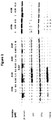
- Fig. 1 shows the dose-response analysis in RKO cells.
- RKO cells were incubated for 16 hours at 37 °C with indicated concentrations of the compounds, or with the vehicle (DMSO) alone (-) and analyzed by Western Blot. Shown are Western Blot signals of ⁇ -catenin and p53 stabilization and phosphorylation of H2AX ( ⁇ H2AX), a marker of DNA damage.
- a compound of Formula I' or an enantiomer, a mixture of enantiomers, a mixture of two or more diastereomers, a tautomer, a mixture of two or more tautomers, or an isotopic variant thereof; or a pharmaceutically acceptable salt, solvate, or hydrate thereof; wherein:
- the compound is a compound of Formula II: or an enantiomer, a mixture of enantiomers, a mixture of two or more diastereomers, a tautomer, a mixture of two or more tautomers, or an isotopic variant thereof; or a pharmaceutically acceptable salt, solvate, or hydrate thereof.
- the compound has Formula VIII: or an enantiomer, a mixture of enantiomers, a mixture of two or more diastereomers, a tautomer, a mixture of two or more tautomers, or an isotopic variant thereof; or a pharmaceutically acceptable salt, solvate, or hydrate thereof.
- the compound has Formula IX: or an enantiomer, a mixture of enantiomers, a mixture of two or more diastereomers, a tautomer, a mixture of two or more tautomers, or an isotopic variant thereof; or a pharmaceutically acceptable salt, solvate, or hydrate thereof.
- the compound has Formula X: or an enantiomer, a mixture of enantiomers, a mixture of two or more diastereomers, a tautomer, a mixture of two or more tautomers, or an isotopic variant thereof; or a pharmaceutically acceptable salt, solvate, or hydrate thereof.
- the compound has Formula XI: or an enantiomer, a mixture of enantiomers, a mixture of two or more diastereomers, a tautomer, a mixture of two or more tautomers, or an isotopic variant thereof; or a pharmaceutically acceptable salt, solvate, or hydrate thereof.
- the compound has Formula XII: or an enantiomer, a mixture of enantiomers, a mixture of two or more diastereomers, a tautomer, a mixture of two or more tautomers, or an isotopic variant thereof; or a pharmaceutically acceptable salt, solvate, or hydrate thereof.
- the compound has the following general Formula XIII: or an enantiomer, a mixture of enantiomers, a mixture of two or more diastereomers, a tautomer, a mixture of two or more tautomers, or an isotopic variant thereof; or a pharmaceutically acceptable salt, solvate, or hydrate thereof.
- the compound has Formula XIV: or an enantiomer, a mixture of enantiomers, a mixture of two or more diastereomers, a tautomer, a mixture of two or more tautomers, or an isotopic variant thereof; or a pharmaceutically acceptable salt, solvate, or hydrate thereof.
- the compound has Formula XV: or an enantiomer, a mixture of enantiomers, a mixture of two or more diastereomers, a tautomer, a mixture of two or more tautomers, or an isotopic variant thereof; or a pharmaceutically acceptable salt, solvate, or hydrate thereof.
- the compound has Formula XVI: or an enantiomer, a mixture of enantiomers, a mixture of two or more diastereomers, a tautomer, a mixture of two or more tautomers, or an isotopic variant thereof; or a pharmaceutically acceptable salt, solvate, or hydrate thereof.
- the compound has Formula XVIII: or an enantiomer, a mixture of enantiomers, a mixture of two or more diastereomers, a tautomer, a mixture of two or more tautomers, or an isotopic variant thereof; or a pharmaceutically acceptable salt, solvate, or hydrate thereof.
- the compound has Formula XVIII: or an enantiomer, a mixture of enantiomers, a mixture of two or more diastereomers, a tautomer, a mixture of two or more tautomers, or an isotopic variant thereof; or a pharmaceutically acceptable salt, solvate, or hydrate thereof.
- the compound has Formula XIX: or an enantiomer, a mixture of enantiomers, a mixture of two or more diastereomers, a tautomer, a mixture of two or more tautomers, or an isotopic variant thereof; or a pharmaceutically acceptable salt, solvate, or hydrate thereof.
- the compound has Formula XX: or an enantiomer, a mixture of enantiomers, a mixture of two or more diastereomers, a tautomer, a mixture of two or more tautomers, or an isotopic variant thereof; or a pharmaceutically acceptable salt, solvate, or hydrate thereof.
- the compound has Formula XXI: or an enantiomer, a mixture of enantiomers, a mixture of two or more diastereomers, a tautomer, a mixture of two or more tautomers, or an isotopic variant thereof; or a pharmaceutically acceptable salt, solvate, or hydrate thereof.
- the compound has Formula XXII: or an enantiomer, a mixture of enantiomers, a mixture of two or more diastereomers, a tautomer, a mixture of two or more tautomers, or an isotopic variant thereof; or a pharmaceutically acceptable salt, solvate, or hydrate thereof.
- Y is CRsa or N. In other embodiments, Y is CRsa. In further embodiments, R 5a is H, deuterium, or halo. In other embodiments, R 5a is H, deuterium, fluoro, or chloro. In other embodiments, Y is N. In other embodiments, W is CRsa. In other embodiments, R 5a is H or deuterium. In other embodiments, W is N. In other embodiments, X is CRsa. In other embodiments, R 5a is H, deuterium, or amino. In other embodiments, X is N. In other embodiments, Z is CRsa. In other embodiments, R 5a is H or deuterium.
- Z is N.
- Y is a bond.
- W is CRsa.
- R 5a is H or deuterium.
- W is NR 5b .
- R 5b is H or deuterium.
- W is N.
- W is O.
- W is S.
- X is CRsa.
- R 5a is H or deuterium.
- X is NR 5b .
- R 5b is H or deuterium.
- X is N.
- X is O.
- X is S.
- Z is CRsa. In some embodiments, Z is NR 5b . In some embodiments, Z is N. In some embodiments, Z is O. In some embodiments, Z is S. In other embodiments, R 1 is H, deuterium, C 1 ⁇ C 8 alkyl optionally substituted with one or more substituents Q, ⁇ C(O)R 1a , or ⁇ C(O)OR 1a . In other embodiments, R 1 is H. In other embodiments, R 2 is H, deuterium, C 1 ⁇ C 8 alkyl optionally substituted with one or more substituents Q, - C(O)R 1a , or ⁇ C(O)OR 1a . In other embodiments, R 2 is H.
- R 3 is H.
- R 4 is H.
- R 6 is H, deuterium, C 1 ⁇ C 8 alkyl, C 5 ⁇ C 10 cycloalkyl, or heterocyclyl; wherein the alkyl, cycloalkyl, heterocyclyl are each independently and optionally substituted with one or more substitutes Q.
- R 6 is C 1 ⁇ C 8 alkyl, C 5 ⁇ C 10 cycloalkyl, or 4-6 membered heterocyclyl; each of which is independently and optionally substituted with one or more substitutes Q.
- R 6 is C 1 ⁇ C 8 alkyl, optionally substituted with one or more substitutes Q.
- R 6 is methyl.
- R 7 is (i) H or deuterium; or (ii) C 1 ⁇ C 8 alkyl, C 3 ⁇ C 7 cycloalkyl, C 3 ⁇ C 7 cycloalkyl-Ci-Cs alkyl, C 6 ⁇ C 15 aryl, heteroaryl, or heterocyclyl, each of which is independently and optionally substituted with one or more substitutes Q.
- R 7 is C 1 ⁇ C 8 alkyl optionally substituted with one or more substitutes Q.
- R 7 is C 1 ⁇ C 8 alkyl substituted with one or more of C 3 ⁇ C 7 cycloalkyl, C 6 ⁇ C 15 aryl, heteroaryl, and heterocyclyl. In other embodiments, R 7 is C 3 ⁇ C 7 cycloalkyl-C 1 -C 8 alkyl. In other embodiments, R 7 is cyclopropylmethyl. In other embodiments, R 8 is H.
- a compound is selected from: and tautomers, mixtures of two or more tautomers, and isotopic variants thereof; and pharmaceutically acceptable salts, solvates, and hydrates thereof.
- Step 1 Cyclopropyl(1-methyl-1H-pyrazol-5-yl)methanol (1-2): To a solution of compound N-methylpyrazole (1-1, 8.00 g, 97.44 mmol, 1.00 eq) in THF (160 mL) was added drop-wise n-BuLi (2.5 M, 46.77 mL, 1.20 eq) at -78 °C. After 1 h at -78 °C, a solution of cyclopropanecarbaldehyde (8.20 g, 116.93 mmol, 1.20 eq) in THF (80 mL) was added drop-wise.
- Step 3 4-Bromo-5-(cyclopropylmethyl)-1-methyl-1H-pyrazole ( 1-4 ): To a solution of compound 1-3 (2.10 g, 15.42 mmol, 1.00 eq) in DCM (21 mL) was added NBS (3.02 g, 16.96 mmol, 1.10 eq) at 0 °C. The mixture was stirred at 20 °C for 2 h, concentrated and purified by column chromatography (SiO 2 ) to give compound 1-4 (3.00 g, 13.95 mmol, 90.5% yield) as a yellow oil.
- Step 4 5-(Cyclopropylmethyl)-1-methyl-4-(4,4,5,5-tetramethyl-1,3,2-dioxaborolan-2-yl)-1H-pyrazole ( 1 ): To a solution of compound 1-4 (3.00 g, 13.95 mmol, 1.00 eq) in THF (60 mL) was added n-BuLi (2 M, 10.46 mL, 1.50 eq) drop-wise at -78 °C. After 30 min, a solution of 2-isopropoxy-4,4,5,5-tetramethyl-1,3,2-dioxaborolane (5.19 g, 27.90 mmol, 2.00 eq) in THF (6 mL) was added.
- Step 1 2,5-Dichloro-4-(5-(cyclopropylmethyl)-1-methyl-1H-pyrazol-4-yl)pyridine (104-2): To a mixture of 2,5-dichloro-4-iodopyridine ( 104-1 , 523.13 mg, 1.91 mmol, 1.00 eq) and compound 1 (500.8 mg, 1.91 mmol, 1.0 eq) in DME (10 mL) were added Na 2 CO 3 (2M, 2.87 mL, 3.00 eq ) and Bis(di- tert -butyl(4-dimethylaminophenyl)phosphine)dichloro palladium (II) (67.62 mg, 95.50 ⁇ mol, 67.62 ⁇ L, 0.05 eq).
- Step 2 (1r,4r)-N1-(5-Chloro-4-(5-(cyclopropylmethyl)-1-methyl-1H-pyrazol-4-yl)pyridin-2-yl)cyclohexane-1,4-diamine ( A104 ): To a mixture of 104-2 (180.00 mg, 637.91 ⁇ mol, 1.00 e q ) and (1r,4r)-cyclohexane-1,4-diamine (145.69 mg, 1.28 mmol, 2.00 eq) in dioxane (2.70 mL) was added t -BuONa (2M, 956.87 ⁇ L, 3.00 eq) and Bis(di- tert -butyl(4-dimethylaminophenyl)phosphine)dichloropalladium(II) (32.69 mg, 63.79 ⁇ mol, 0.10 eq).
- Step 1 2-Chloro-6-(5-(cyclopropylmethyl)-1-methyl-1H-pyrazol-4-yl)pyridine (105-2): To a solution of 2, 6-dichloropyridine (562 mg, 3.81 mmol, 1.00 eq) and compound 1 (1.00 g, 3.81 mmol, 1.0 eq) in DME (20 mL) was added Na 2 CO 3 (2M, 5.72 mL, 3.00 eq) and Bis(di- tert -butyl(4-dimethylaminophenyl)phosphine)dichloropalladium (II) (134.89 mg, 190.5 umol, 134.89 uL, 0.05 eq).
- Step 2 (1r,4r)-N1-(6-(-5-(Cyclopropylmethyl)-1-methyl-1H-pyrazol-4-yl)pyridin-2-yl)cyclohexane-1,4-diamine ( A10 5): To a solution of 105-2 (400.00 mg, 1.61 mmol, 1.00 eq) and (1r,4r)-cyclohexane-1,4-diamine (275.77 mg, 2.42 mmol, 1.50 eq) in dioxane (8 mL) was added t -BuONa (2M, 2.42 mL, 3.00 eq) and Bis(di- tert -butyl(4-dimethylaminophenyl)phosphine)dichloropalladium (II) (82.50 mg, 161.00 ⁇ mol, 0.10 eq).
- Step 1 4-Chloro-6-(5-(cyclopropylmethyl)-1-methyl-1H-pyrazol-4-yl)pyrimidine ( 106-2 ): To a solution of 4, 6-dichloropyrimidine (284.5 mg, 1.91 mmol, 1.00 eq ) and compound 1 (500.0 mg, 1.91 mmol, 1.00 eq) in dioxane (10 mL) was added Na 2 CO 3 (2 M, 5.73 mL, 6.00 eq) and Pd(PPh 3 ) 4 (110.4 mg, 95.5 umol, 0.05 eq).
- Step 2 (1r,4r)-N1-(6-(5-(Cyclopropylmethyl)-1-methyl-1H-pyrazol-4-yl)pyrimidin-4-yl)cyclohexane-1,4-diamine ( A106 ): To a solution of compound 106-2 (180.0 mg, 723.73 ⁇ mol, 1.00 eq) in BuOH (1.8 mL) were added (1r,4r)-cyclohexane-1,4-diamine (165.3 mg, 1.45 mmol, 2.00 eq) and DIEA (374.1 mg, 505.59 ⁇ L, 4.00 eq). The mixture was stirred at 120 °C for 16 h, cooled to room temperature, and filtered.
- Step 1 4-Chloro-6-(5-(cyclopropylmethyl)-1-methyl-1H-pyrazol-4-yl)pyrimidin-2-amine ( 107-2 ): To a solution of 4,6-dichloropyrimidin-2-amine (313.22 mg, 1.91 mmol, 1.00 eq) and compound 1 (500.00 mg, 1.91 mmol, 1.00 eq) in dioxane (1.0 mL) was added Na 2 CO 3 (2M, 5.73 mL, 6.00 eq) and Pd(PPh 3 ) 4 (110.36 mg, 95.50 ⁇ mol, 0.05 eq).
- Step 2 N4-((1r,4r)-4-Aminocyclohexyl)-6-(5-(cyclopropylmethyl)-1-methyl-1H-pyrazol-4-yl)pyrimidine-2,4-diamine ( A107 ): To a solution of compound 5-2 (180.0 mg, 682.52 ⁇ mol, 1.00 eq) in BuOH (1.8 mL) were added (1r,4r)-cyclohexane-1,4-diamine (155.87 mg, 1.37 mmol, 2.00 eq) and DIEA (352.84 mg, 476.80 ⁇ L, 4.00 eq).
- Step 1 4-Chloro-6-(5-(cyclopropylmethyl)-1-methyl-1 H -pyrazol-4-yl)-2-(methylthio)pyrimidine ( 11 ): To a solution of compound 1 (1.00 g, 3.81 mmol, 1.0 eq) in dioxane (20 mL) was added compound 10 (743 mg, 3.81 mmol, 1.0 eq ) , Pd(dppf)Cl 2 (139.39 mg, 190 ⁇ mol, 0.05 eq), and Na 2 CO 3 (2M, 3.81 mL, 2.0 eq) under nitrogen. The resulting mixture was stirred at 100 °C for 16 hrs under nitrogen.
- Step 2 4-(5-(Cyclopropylmethyl)-1-methyl-1 H -pyrazol-4-yl)-6-((4-methoxybenzyl)oxy)-2-(methylthio)pyrimidine ( 12 ): To a solution of PMB-OH (327 mg, 2.36 mmol, 294 ⁇ L, 1.2 eq) in DMF (6 mL) was added NaH (102 mg, 2.56 mmol, 60% purity, 1.3 eq) at 0 °C. After stirred for 1 hr, compound 11 (580 mg, 1.97 mmol, 1.0 eq) in THF (1.50 mL) was added drop-wise at 0 °C.
- Step 3 4-(5-(Cyclopropylmethyl)-1-methyl-1 H -pyrazol-4-yl)-6-((4-methoxybenzyl)oxy)-2-(methylsulfonyl)pyrimidine ( 13 ): To a solution of compound 12 (130 mg, 328 ⁇ mol, 1.0 eq) in DCM (2.6 mL) was added m -CPBA (177 mg, 820 ⁇ mol, 80% purity, 2.5 eq) at 0 °C. The mixture was stirred at 15 °C for 2 hrs. The mixture was diluted with water (10 mL) and extracted with DCM (10 mL x 2). The organic layers were washed with aq. NaHCO 3 (10 mL).
- Step 5 2-(((1 r ,4 r )-4-Aminocyclohexyl)amino)-6-(5-(cyclopropylmethyl)-1-methyl-1 H -pyrazol-4-yl)pyrimidin-4-ol (A108) :
- the mixture of compound 14 (100 mg, 216 ⁇ mol, 1.0 eq) in TFA (2 mL) was stirred at 15 °C for 2 hrs.
- the mixture was concentrated and purified by prep-HPLC to give compound A108 (20 mg, 57 ⁇ mol, 26% yield, 98% purity).
- Step 1 Tert -butyl ( tert -butoxycarbonyl)-(5-bromothiazol-2-yl)carbamate ( 110-2 ): To a solution of tert -butyl (5-bromothiazol-2-yl)carbamate (0.5 g, 1.79 mmol, 1.0 eq) in THF (20 mL) was added di- tert -butyl dicarbonate (0.39 g, 1.79 mmol, 1.0 eq) and DMAP (0.1 g, 0.9 mmol 0.5 eq).
- Step 2 N,N -Bis( tert -butoxycarbonyl)- 5-(5-(cyclopropylmethyl)-1-methyl-1H-pyrazol-4-yl)thiazol-2-amine ( 110-3 ): To a solution of compound 110-2 (100 mg, 0.26 mmol, 1.0 eq) in toluene (10 mL) was added compound 1 (69 mg, 0.26 mmol, 1.0 eq) and K 2 CO 3 (109 mg, 0.79 mmol, 3.0 eq) under N 2 , followed by addition of Pd(PPh 3 ) 4 (3.5 mg, 2.64 ⁇ mmol, 0.01 eq) under N 2 .
- Step 3 5-(5-(Cyclopropylmethyl)-1-methyl-1 H -pyrazol-4-yl)thiazol-2-amine (110-4) : A mixture of compound 110-3 and HCl is stirred at room temperature for 1 hr and then concentrated to give compound 110-4 .
- Step 4 Te rt-butyl (4-((5-(5-(cyclopropylmethyl)-1-methyl-1 H -pyrazol-4-yl)thiazol-2-yl)amino)cyclohexyl)carbamate (110-5): To a mixture of compound 110-4 (1.0 eq) and tert- butyl (4-oxocyclohexyl)carbamate (1.0 eq) in DCM are added AcOH (1.0 eq) and NaBH(OAc) 3 (2.0 eq). The resulting mixture is stirred at 20 °C for 2 hrs, and then quenched with H 2 O and worked up to give compound 110-5 .
- Step 5 N 1 -(5-(5-(Cyclopropylmethyl)-1-methyl-1 H -pyrazol-4-yl)thiazol-2-yl)cyclohexane-1,4-diamine ( 110-6 ): To a solution of compound 108-5 (1.0 eq) in DCM is added TFA at 0 °C. The resulting mixture is stirred at 20 °C for 1 hr and then worked up to give compound 110-6 , which is further purified with HPLC to give compound A11 0.
- RKO colorectal cells were incubated with serial dilutions of each of the compounds (at a concentration range of 0.167-1.5 ⁇ M or 0.11-1 ⁇ M in DMSO) for 16 hours at 37 °C.
- Cells were washed with PBS and cell pellets were incubated with ice cold protein lysis buffer containing protease inhibitor cocktail (1/200; Calbiochem) and phosphatase inhibitors (20 mM p-nitrophenyl phosphate (PNPP), 20 mM ⁇ -glycerophosphate and 300 nM okadaic acid).
- Western blot (WB) analysis was performed by means of standard techniques.
- Blots were incubated with antibodies detecting ⁇ -catenin (1/2,500; BD Transduction), p53 (DO-1&1801 hybridoma mix; dilution of 1:20 of supernatants from each), CKI ⁇ (C-19; 1/1,000; Santa Cruz Biotechnology) and phospho-histone H2AX (S139; 1/1,000; Millipore). Secondary antibodies were HRP-linked goat anti-mouse, goat anti-rabbit and rabbit anti-goat antibodies (all 1/10,000; Jackson). Blots were developed using ECL (GE Healthcare).
Landscapes
- Chemical & Material Sciences (AREA)
- Organic Chemistry (AREA)
- Health & Medical Sciences (AREA)
- General Health & Medical Sciences (AREA)
- Veterinary Medicine (AREA)
- Medicinal Chemistry (AREA)
- Public Health (AREA)
- Pharmacology & Pharmacy (AREA)
- Life Sciences & Earth Sciences (AREA)
- Animal Behavior & Ethology (AREA)
- Chemical Kinetics & Catalysis (AREA)
- Nuclear Medicine, Radiotherapy & Molecular Imaging (AREA)
- General Chemical & Material Sciences (AREA)
- Epidemiology (AREA)
- Engineering & Computer Science (AREA)
- Bioinformatics & Cheminformatics (AREA)
- Immunology (AREA)
- Hematology (AREA)
- Oncology (AREA)
- Pharmaceuticals Containing Other Organic And Inorganic Compounds (AREA)
- Plural Heterocyclic Compounds (AREA)
- Acyclic And Carbocyclic Compounds In Medicinal Compositions (AREA)
Applications Claiming Priority (2)
| Application Number | Priority Date | Filing Date | Title |
|---|---|---|---|
| US201762453192P | 2017-02-01 | 2017-02-01 | |
| PCT/IL2018/050100 WO2018142393A1 (en) | 2017-02-01 | 2018-01-30 | N1 -(4-(5-(cyclopropylmethyl)-1 -methyl-1 h-pyrazol-4-yl)pyridin-2-yl)cyclohexane-1,4-diamine derivatives and related compounds as ck1 and/or iraki inhibitors for treating cancer |
Publications (2)
| Publication Number | Publication Date |
|---|---|
| EP3577108A1 EP3577108A1 (en) | 2019-12-11 |
| EP3577108B1 true EP3577108B1 (en) | 2021-10-20 |
Family
ID=61198874
Family Applications (1)
| Application Number | Title | Priority Date | Filing Date |
|---|---|---|---|
| EP18705024.0A Active EP3577108B1 (en) | 2017-02-01 | 2018-01-30 | N1-(4-(5-(cyclopropylmethyl)-1-methyl-1h-pyrazol-4-yl)pyridin-2-yl)cyclohexane-1,4-diamine derivatives and related compounds as ck1 and/or irak1 inhibitors for treating cancer |
Country Status (15)
| Country | Link |
|---|---|
| US (2) | US11072599B2 (enExample) |
| EP (1) | EP3577108B1 (enExample) |
| JP (1) | JP7142646B2 (enExample) |
| KR (1) | KR20190115017A (enExample) |
| CN (1) | CN110475771B (enExample) |
| AU (1) | AU2018215809B2 (enExample) |
| CA (1) | CA3052247A1 (enExample) |
| ES (1) | ES2902885T3 (enExample) |
| IL (1) | IL268128B2 (enExample) |
| MX (1) | MX394556B (enExample) |
| NZ (1) | NZ755447A (enExample) |
| RU (1) | RU2761457C2 (enExample) |
| SG (1) | SG11201906681PA (enExample) |
| TW (1) | TW201837027A (enExample) |
| WO (1) | WO2018142393A1 (enExample) |
Families Citing this family (5)
| Publication number | Priority date | Publication date | Assignee | Title |
|---|---|---|---|---|
| RS62728B1 (sr) * | 2015-08-04 | 2022-01-31 | Yissum Res Dev Co Of Hebrew Univ Jerusalem Ltd | Derivat pirazol pirimidina i njegove upotrebe |
| KR20200130287A (ko) * | 2018-02-08 | 2020-11-18 | 이슘 리서치 디벨롭먼트 컴퍼니 오브 더 히브루 유니버시티 오브 예루살렘 엘티디. | 헤테로아릴 화합물, 이의 약학 조성물 및 이의 치료적 용도 |
| CN114127058B (zh) * | 2019-07-04 | 2024-06-25 | 深圳国顺康医药科技有限公司 | 一种杂环化合物、其药物组合物及用途 |
| KR20230069169A (ko) * | 2020-09-17 | 2023-05-18 | 얀센 파마슈티카 엔.브이. | 카제인 키나제 1 델타 조절제 |
| WO2022232259A1 (en) * | 2021-04-28 | 2022-11-03 | Cornell University | Soluble adenylyl cyclase (sac) inhibitors and uses thereof |
Family Cites Families (9)
| Publication number | Priority date | Publication date | Assignee | Title |
|---|---|---|---|---|
| WO2007129195A2 (en) | 2006-05-04 | 2007-11-15 | Pfizer Products Inc. | 4-pyrimidine-5-amino-pyrazole compounds |
| JP5985473B2 (ja) | 2010-07-13 | 2016-09-06 | エフ.ホフマン−ラ ロシュ アーゲーF. Hoffmann−La Roche Aktiengesellschaft | IRAK4モジュレーターとしてのピラゾロ[1,5a]ピリミジン及びチエノ[3,2b]ピリミジン誘導体 |
| EP2651405A2 (en) | 2010-12-14 | 2013-10-23 | Electrophoretics Limited | Casein kinase 1 (ck1 ) inhibitors |
| BR112014010563B1 (pt) | 2011-11-04 | 2021-01-12 | Jasco Pharmaceuticals, LLC | compostos inibidores da aminopirimidina quinase |
| EP3049086A4 (en) | 2013-09-27 | 2017-02-22 | Nimbus Iris, Inc. | Irak inhibitors and uses thereof |
| AU2014337044A1 (en) * | 2013-10-18 | 2016-05-05 | Dana-Farber Cancer Institute, Inc. | Polycyclic inhibitors of cyclin-dependent kinase 7 (CDK7) |
| LT3221306T (lt) * | 2014-11-20 | 2020-03-10 | Merck Patent Gmbh | Heteroarilo junginiai, kaip irak inhibitoriai ir jų panaudojimas |
| WO2016149756A1 (en) * | 2015-03-23 | 2016-09-29 | The University Of Melbourne | Treatment of respiratory diseases |
| RS62728B1 (sr) | 2015-08-04 | 2022-01-31 | Yissum Res Dev Co Of Hebrew Univ Jerusalem Ltd | Derivat pirazol pirimidina i njegove upotrebe |
-
2018
- 2018-01-30 WO PCT/IL2018/050100 patent/WO2018142393A1/en not_active Ceased
- 2018-01-30 RU RU2019127038A patent/RU2761457C2/ru active
- 2018-01-30 AU AU2018215809A patent/AU2018215809B2/en not_active Ceased
- 2018-01-30 IL IL268128A patent/IL268128B2/en unknown
- 2018-01-30 JP JP2019561389A patent/JP7142646B2/ja not_active Expired - Fee Related
- 2018-01-30 NZ NZ755447A patent/NZ755447A/en unknown
- 2018-01-30 US US16/482,199 patent/US11072599B2/en active Active
- 2018-01-30 MX MX2019009083A patent/MX394556B/es unknown
- 2018-01-30 EP EP18705024.0A patent/EP3577108B1/en active Active
- 2018-01-30 ES ES18705024T patent/ES2902885T3/es active Active
- 2018-01-30 CN CN201880022829.8A patent/CN110475771B/zh not_active Expired - Fee Related
- 2018-01-30 KR KR1020197025024A patent/KR20190115017A/ko not_active Ceased
- 2018-01-30 TW TW107103255A patent/TW201837027A/zh unknown
- 2018-01-30 CA CA3052247A patent/CA3052247A1/en active Pending
- 2018-01-30 SG SG11201906681PA patent/SG11201906681PA/en unknown
-
2021
- 2021-07-26 US US17/384,922 patent/US11999721B2/en active Active
Non-Patent Citations (1)
| Title |
|---|
| None * |
Also Published As
| Publication number | Publication date |
|---|---|
| US20220017493A1 (en) | 2022-01-20 |
| EP3577108A1 (en) | 2019-12-11 |
| IL268128A (en) | 2019-09-26 |
| US20200354340A1 (en) | 2020-11-12 |
| JP7142646B2 (ja) | 2022-09-27 |
| US11072599B2 (en) | 2021-07-27 |
| RU2019127038A3 (enExample) | 2021-03-17 |
| CN110475771A (zh) | 2019-11-19 |
| US11999721B2 (en) | 2024-06-04 |
| AU2018215809B2 (en) | 2021-12-23 |
| MX394556B (es) | 2025-03-24 |
| WO2018142393A1 (en) | 2018-08-09 |
| NZ755447A (en) | 2023-05-26 |
| AU2018215809A1 (en) | 2019-08-15 |
| IL268128B (en) | 2022-11-01 |
| TW201837027A (zh) | 2018-10-16 |
| CN110475771B (zh) | 2022-09-02 |
| ES2902885T3 (es) | 2022-03-30 |
| MX2019009083A (es) | 2019-09-10 |
| RU2761457C2 (ru) | 2021-12-08 |
| IL268128B2 (en) | 2023-03-01 |
| SG11201906681PA (en) | 2019-08-27 |
| JP2020505468A (ja) | 2020-02-20 |
| RU2019127038A (ru) | 2021-03-02 |
| ES2902885T8 (es) | 2022-04-06 |
| KR20190115017A (ko) | 2019-10-10 |
| CA3052247A1 (en) | 2018-08-09 |
Similar Documents
| Publication | Publication Date | Title |
|---|---|---|
| US12514859B2 (en) | Pyrazole pyrimidine derivative and uses thereof | |
| US11999721B2 (en) | Pyrazole compounds and uses thereof | |
| KR101828187B1 (ko) | 신규 축합 피리미딘 화합물 또는 그 염 | |
| CN101679429A (zh) | 5-氨基吡唑-3-基-3h-咪唑并[4,5-b]吡啶衍生物及其治疗癌的用途 | |
| CN115443276A (zh) | 吡啶并嘧啶酮衍生物及其作为芳烃受体调节剂的应用 | |
| CN108191837A (zh) | PI3Kα/mTOR双激酶抑制剂及其药物组合物和应用 | |
| CN110317173B (zh) | 用作fgfr不可逆抑制剂的酰胺基吡唑类化合物 | |
| HK40019133B (en) | N1-(4-(5-(cyclopropylmethyl)-1-methyl-1h-pyrazol-4-yl)pyridin-2-yl)cyclohexane-1,4-diamine derivatives and related compounds as ck1 and/or iraki inhibitors for treating cancer | |
| HK1256535B (en) | Pyrazole pyrimidine derivative and uses thereof | |
| CN109942562A (zh) | 含芳基结构的五元杂环联三嗪类化合物及其制备方法和应用 | |
| NZ739511B2 (en) | Pyrazole pyrimidine derivative and uses thereof | |
| HK1141800A (en) | 5-aminopyrazol-3-yl-3h-imidazo [4,5-b] pyridine derivatives and their use for the treatment of cancer |
Legal Events
| Date | Code | Title | Description |
|---|---|---|---|
| STAA | Information on the status of an ep patent application or granted ep patent |
Free format text: STATUS: UNKNOWN |
|
| STAA | Information on the status of an ep patent application or granted ep patent |
Free format text: STATUS: THE INTERNATIONAL PUBLICATION HAS BEEN MADE |
|
| PUAI | Public reference made under article 153(3) epc to a published international application that has entered the european phase |
Free format text: ORIGINAL CODE: 0009012 |
|
| STAA | Information on the status of an ep patent application or granted ep patent |
Free format text: STATUS: REQUEST FOR EXAMINATION WAS MADE |
|
| 17P | Request for examination filed |
Effective date: 20190717 |
|
| AK | Designated contracting states |
Kind code of ref document: A1 Designated state(s): AL AT BE BG CH CY CZ DE DK EE ES FI FR GB GR HR HU IE IS IT LI LT LU LV MC MK MT NL NO PL PT RO RS SE SI SK SM TR |
|
| AX | Request for extension of the european patent |
Extension state: BA ME |
|
| RIN1 | Information on inventor provided before grant (corrected) |
Inventor name: SNIR-ALKALAY, IRIT Inventor name: BEN-NERIAH, YINON Inventor name: VACCA, JOSEPH Inventor name: LI, DANSU Inventor name: VENKATAC-IALAM, AVANTHIKA |
|
| RAP1 | Party data changed (applicant data changed or rights of an application transferred) |
Owner name: YISSUM RESEARCH DEVELOPMENT COMPANY OF THE HEBREW |
|
| RIN1 | Information on inventor provided before grant (corrected) |
Inventor name: VENKATAC-IALAM, AVANTHIKA Inventor name: BEN-NERIAH, YINON Inventor name: SNIR-ALKALAY, IRIT Inventor name: VACCA, JOSEPH Inventor name: LI, DANSU |
|
| DAV | Request for validation of the european patent (deleted) | ||
| DAX | Request for extension of the european patent (deleted) | ||
| STAA | Information on the status of an ep patent application or granted ep patent |
Free format text: STATUS: EXAMINATION IS IN PROGRESS |
|
| 17Q | First examination report despatched |
Effective date: 20200902 |
|
| REG | Reference to a national code |
Ref country code: HK Ref legal event code: DE Ref document number: 40019133 Country of ref document: HK |
|
| RIC1 | Information provided on ipc code assigned before grant |
Ipc: A61P 43/00 20060101ALI20210330BHEP Ipc: A61P 37/00 20060101ALI20210330BHEP Ipc: A61P 35/02 20060101ALI20210330BHEP Ipc: A61P 35/00 20060101ALI20210330BHEP Ipc: A61K 31/427 20060101ALI20210330BHEP Ipc: A61K 31/4155 20060101ALI20210330BHEP Ipc: A61K 31/506 20060101ALI20210330BHEP Ipc: A61K 31/4439 20060101ALI20210330BHEP Ipc: C07D 417/04 20060101ALI20210330BHEP Ipc: C07D 403/04 20060101ALI20210330BHEP Ipc: C07D 401/04 20060101AFI20210330BHEP |
|
| GRAP | Despatch of communication of intention to grant a patent |
Free format text: ORIGINAL CODE: EPIDOSNIGR1 |
|
| STAA | Information on the status of an ep patent application or granted ep patent |
Free format text: STATUS: GRANT OF PATENT IS INTENDED |
|
| INTG | Intention to grant announced |
Effective date: 20210514 |
|
| GRAS | Grant fee paid |
Free format text: ORIGINAL CODE: EPIDOSNIGR3 |
|
| GRAA | (expected) grant |
Free format text: ORIGINAL CODE: 0009210 |
|
| STAA | Information on the status of an ep patent application or granted ep patent |
Free format text: STATUS: THE PATENT HAS BEEN GRANTED |
|
| AK | Designated contracting states |
Kind code of ref document: B1 Designated state(s): AL AT BE BG CH CY CZ DE DK EE ES FI FR GB GR HR HU IE IS IT LI LT LU LV MC MK MT NL NO PL PT RO RS SE SI SK SM TR |
|
| REG | Reference to a national code |
Ref country code: GB Ref legal event code: FG4D |
|
| REG | Reference to a national code |
Ref country code: CH Ref legal event code: EP |
|
| REG | Reference to a national code |
Ref country code: IE Ref legal event code: FG4D |
|
| REG | Reference to a national code |
Ref country code: DE Ref legal event code: R096 Ref document number: 602018025275 Country of ref document: DE |
|
| REG | Reference to a national code |
Ref country code: AT Ref legal event code: REF Ref document number: 1439854 Country of ref document: AT Kind code of ref document: T Effective date: 20211115 |
|
| REG | Reference to a national code |
Ref country code: LT Ref legal event code: MG9D |
|
| REG | Reference to a national code |
Ref country code: NL Ref legal event code: MP Effective date: 20211020 |
|
| REG | Reference to a national code |
Ref country code: AT Ref legal event code: MK05 Ref document number: 1439854 Country of ref document: AT Kind code of ref document: T Effective date: 20211020 |
|
| REG | Reference to a national code |
Ref country code: ES Ref legal event code: FG2A Ref document number: 2902885 Country of ref document: ES Kind code of ref document: T3 Effective date: 20220330 |
|
| PG25 | Lapsed in a contracting state [announced via postgrant information from national office to epo] |
Ref country code: RS Free format text: LAPSE BECAUSE OF FAILURE TO SUBMIT A TRANSLATION OF THE DESCRIPTION OR TO PAY THE FEE WITHIN THE PRESCRIBED TIME-LIMIT Effective date: 20211020 Ref country code: LT Free format text: LAPSE BECAUSE OF FAILURE TO SUBMIT A TRANSLATION OF THE DESCRIPTION OR TO PAY THE FEE WITHIN THE PRESCRIBED TIME-LIMIT Effective date: 20211020 Ref country code: FI Free format text: LAPSE BECAUSE OF FAILURE TO SUBMIT A TRANSLATION OF THE DESCRIPTION OR TO PAY THE FEE WITHIN THE PRESCRIBED TIME-LIMIT Effective date: 20211020 Ref country code: BG Free format text: LAPSE BECAUSE OF FAILURE TO SUBMIT A TRANSLATION OF THE DESCRIPTION OR TO PAY THE FEE WITHIN THE PRESCRIBED TIME-LIMIT Effective date: 20220120 Ref country code: AT Free format text: LAPSE BECAUSE OF FAILURE TO SUBMIT A TRANSLATION OF THE DESCRIPTION OR TO PAY THE FEE WITHIN THE PRESCRIBED TIME-LIMIT Effective date: 20211020 |
|
| PG25 | Lapsed in a contracting state [announced via postgrant information from national office to epo] |
Ref country code: IS Free format text: LAPSE BECAUSE OF FAILURE TO SUBMIT A TRANSLATION OF THE DESCRIPTION OR TO PAY THE FEE WITHIN THE PRESCRIBED TIME-LIMIT Effective date: 20220220 Ref country code: SE Free format text: LAPSE BECAUSE OF FAILURE TO SUBMIT A TRANSLATION OF THE DESCRIPTION OR TO PAY THE FEE WITHIN THE PRESCRIBED TIME-LIMIT Effective date: 20211020 Ref country code: PT Free format text: LAPSE BECAUSE OF FAILURE TO SUBMIT A TRANSLATION OF THE DESCRIPTION OR TO PAY THE FEE WITHIN THE PRESCRIBED TIME-LIMIT Effective date: 20220221 Ref country code: PL Free format text: LAPSE BECAUSE OF FAILURE TO SUBMIT A TRANSLATION OF THE DESCRIPTION OR TO PAY THE FEE WITHIN THE PRESCRIBED TIME-LIMIT Effective date: 20211020 Ref country code: NO Free format text: LAPSE BECAUSE OF FAILURE TO SUBMIT A TRANSLATION OF THE DESCRIPTION OR TO PAY THE FEE WITHIN THE PRESCRIBED TIME-LIMIT Effective date: 20220120 Ref country code: NL Free format text: LAPSE BECAUSE OF FAILURE TO SUBMIT A TRANSLATION OF THE DESCRIPTION OR TO PAY THE FEE WITHIN THE PRESCRIBED TIME-LIMIT Effective date: 20211020 Ref country code: LV Free format text: LAPSE BECAUSE OF FAILURE TO SUBMIT A TRANSLATION OF THE DESCRIPTION OR TO PAY THE FEE WITHIN THE PRESCRIBED TIME-LIMIT Effective date: 20211020 Ref country code: HR Free format text: LAPSE BECAUSE OF FAILURE TO SUBMIT A TRANSLATION OF THE DESCRIPTION OR TO PAY THE FEE WITHIN THE PRESCRIBED TIME-LIMIT Effective date: 20211020 Ref country code: GR Free format text: LAPSE BECAUSE OF FAILURE TO SUBMIT A TRANSLATION OF THE DESCRIPTION OR TO PAY THE FEE WITHIN THE PRESCRIBED TIME-LIMIT Effective date: 20220121 |
|
| REG | Reference to a national code |
Ref country code: DE Ref legal event code: R097 Ref document number: 602018025275 Country of ref document: DE |
|
| PG25 | Lapsed in a contracting state [announced via postgrant information from national office to epo] |
Ref country code: SM Free format text: LAPSE BECAUSE OF FAILURE TO SUBMIT A TRANSLATION OF THE DESCRIPTION OR TO PAY THE FEE WITHIN THE PRESCRIBED TIME-LIMIT Effective date: 20211020 Ref country code: SK Free format text: LAPSE BECAUSE OF FAILURE TO SUBMIT A TRANSLATION OF THE DESCRIPTION OR TO PAY THE FEE WITHIN THE PRESCRIBED TIME-LIMIT Effective date: 20211020 Ref country code: RO Free format text: LAPSE BECAUSE OF FAILURE TO SUBMIT A TRANSLATION OF THE DESCRIPTION OR TO PAY THE FEE WITHIN THE PRESCRIBED TIME-LIMIT Effective date: 20211020 Ref country code: EE Free format text: LAPSE BECAUSE OF FAILURE TO SUBMIT A TRANSLATION OF THE DESCRIPTION OR TO PAY THE FEE WITHIN THE PRESCRIBED TIME-LIMIT Effective date: 20211020 Ref country code: DK Free format text: LAPSE BECAUSE OF FAILURE TO SUBMIT A TRANSLATION OF THE DESCRIPTION OR TO PAY THE FEE WITHIN THE PRESCRIBED TIME-LIMIT Effective date: 20211020 Ref country code: CZ Free format text: LAPSE BECAUSE OF FAILURE TO SUBMIT A TRANSLATION OF THE DESCRIPTION OR TO PAY THE FEE WITHIN THE PRESCRIBED TIME-LIMIT Effective date: 20211020 |
|
| PLBE | No opposition filed within time limit |
Free format text: ORIGINAL CODE: 0009261 |
|
| STAA | Information on the status of an ep patent application or granted ep patent |
Free format text: STATUS: NO OPPOSITION FILED WITHIN TIME LIMIT |
|
| PG25 | Lapsed in a contracting state [announced via postgrant information from national office to epo] |
Ref country code: MC Free format text: LAPSE BECAUSE OF FAILURE TO SUBMIT A TRANSLATION OF THE DESCRIPTION OR TO PAY THE FEE WITHIN THE PRESCRIBED TIME-LIMIT Effective date: 20211020 |
|
| 26N | No opposition filed |
Effective date: 20220721 |
|
| REG | Reference to a national code |
Ref country code: BE Ref legal event code: MM Effective date: 20220131 |
|
| PG25 | Lapsed in a contracting state [announced via postgrant information from national office to epo] |
Ref country code: AL Free format text: LAPSE BECAUSE OF FAILURE TO SUBMIT A TRANSLATION OF THE DESCRIPTION OR TO PAY THE FEE WITHIN THE PRESCRIBED TIME-LIMIT Effective date: 20211020 Ref country code: LU Free format text: LAPSE BECAUSE OF NON-PAYMENT OF DUE FEES Effective date: 20220130 |
|
| PG25 | Lapsed in a contracting state [announced via postgrant information from national office to epo] |
Ref country code: SI Free format text: LAPSE BECAUSE OF FAILURE TO SUBMIT A TRANSLATION OF THE DESCRIPTION OR TO PAY THE FEE WITHIN THE PRESCRIBED TIME-LIMIT Effective date: 20211020 Ref country code: BE Free format text: LAPSE BECAUSE OF NON-PAYMENT OF DUE FEES Effective date: 20220131 |
|
| PG25 | Lapsed in a contracting state [announced via postgrant information from national office to epo] |
Ref country code: IE Free format text: LAPSE BECAUSE OF NON-PAYMENT OF DUE FEES Effective date: 20220130 |
|
| PGFP | Annual fee paid to national office [announced via postgrant information from national office to epo] |
Ref country code: GB Payment date: 20221208 Year of fee payment: 6 Ref country code: FR Payment date: 20221207 Year of fee payment: 6 |
|
| PGFP | Annual fee paid to national office [announced via postgrant information from national office to epo] |
Ref country code: ES Payment date: 20230210 Year of fee payment: 6 Ref country code: CH Payment date: 20230201 Year of fee payment: 6 |
|
| PGFP | Annual fee paid to national office [announced via postgrant information from national office to epo] |
Ref country code: IT Payment date: 20221117 Year of fee payment: 6 Ref country code: DE Payment date: 20221208 Year of fee payment: 6 |
|
| PG25 | Lapsed in a contracting state [announced via postgrant information from national office to epo] |
Ref country code: MK Free format text: LAPSE BECAUSE OF FAILURE TO SUBMIT A TRANSLATION OF THE DESCRIPTION OR TO PAY THE FEE WITHIN THE PRESCRIBED TIME-LIMIT Effective date: 20211020 Ref country code: CY Free format text: LAPSE BECAUSE OF FAILURE TO SUBMIT A TRANSLATION OF THE DESCRIPTION OR TO PAY THE FEE WITHIN THE PRESCRIBED TIME-LIMIT Effective date: 20211020 |
|
| PG25 | Lapsed in a contracting state [announced via postgrant information from national office to epo] |
Ref country code: HU Free format text: LAPSE BECAUSE OF FAILURE TO SUBMIT A TRANSLATION OF THE DESCRIPTION OR TO PAY THE FEE WITHIN THE PRESCRIBED TIME-LIMIT; INVALID AB INITIO Effective date: 20180130 |
|
| REG | Reference to a national code |
Ref country code: DE Ref legal event code: R119 Ref document number: 602018025275 Country of ref document: DE |
|
| REG | Reference to a national code |
Ref country code: CH Ref legal event code: PL |
|
| GBPC | Gb: european patent ceased through non-payment of renewal fee |
Effective date: 20240130 |
|
| PG25 | Lapsed in a contracting state [announced via postgrant information from national office to epo] |
Ref country code: MT Free format text: LAPSE BECAUSE OF FAILURE TO SUBMIT A TRANSLATION OF THE DESCRIPTION OR TO PAY THE FEE WITHIN THE PRESCRIBED TIME-LIMIT Effective date: 20211020 |
|
| PG25 | Lapsed in a contracting state [announced via postgrant information from national office to epo] |
Ref country code: DE Free format text: LAPSE BECAUSE OF NON-PAYMENT OF DUE FEES Effective date: 20240801 |
|
| PG25 | Lapsed in a contracting state [announced via postgrant information from national office to epo] |
Ref country code: GB Free format text: LAPSE BECAUSE OF NON-PAYMENT OF DUE FEES Effective date: 20240130 |
|
| PG25 | Lapsed in a contracting state [announced via postgrant information from national office to epo] |
Ref country code: FR Free format text: LAPSE BECAUSE OF NON-PAYMENT OF DUE FEES Effective date: 20240131 |
|
| PG25 | Lapsed in a contracting state [announced via postgrant information from national office to epo] |
Ref country code: CH Free format text: LAPSE BECAUSE OF NON-PAYMENT OF DUE FEES Effective date: 20240131 |
|
| PG25 | Lapsed in a contracting state [announced via postgrant information from national office to epo] |
Ref country code: GB Free format text: LAPSE BECAUSE OF NON-PAYMENT OF DUE FEES Effective date: 20240130 Ref country code: FR Free format text: LAPSE BECAUSE OF NON-PAYMENT OF DUE FEES Effective date: 20240131 Ref country code: DE Free format text: LAPSE BECAUSE OF NON-PAYMENT OF DUE FEES Effective date: 20240801 Ref country code: CH Free format text: LAPSE BECAUSE OF NON-PAYMENT OF DUE FEES Effective date: 20240131 |
|
| PG25 | Lapsed in a contracting state [announced via postgrant information from national office to epo] |
Ref country code: IT Free format text: LAPSE BECAUSE OF NON-PAYMENT OF DUE FEES Effective date: 20240130 |
|
| PG25 | Lapsed in a contracting state [announced via postgrant information from national office to epo] |
Ref country code: ES Free format text: LAPSE BECAUSE OF NON-PAYMENT OF DUE FEES Effective date: 20240131 |
|
| PG25 | Lapsed in a contracting state [announced via postgrant information from national office to epo] |
Ref country code: TR Free format text: LAPSE BECAUSE OF FAILURE TO SUBMIT A TRANSLATION OF THE DESCRIPTION OR TO PAY THE FEE WITHIN THE PRESCRIBED TIME-LIMIT Effective date: 20211020 |