EP3576328B1 - Datenübertragungsverfahren und -vorrichtung - Google Patents
Datenübertragungsverfahren und -vorrichtung Download PDFInfo
- Publication number
- EP3576328B1 EP3576328B1 EP18772614.6A EP18772614A EP3576328B1 EP 3576328 B1 EP3576328 B1 EP 3576328B1 EP 18772614 A EP18772614 A EP 18772614A EP 3576328 B1 EP3576328 B1 EP 3576328B1
- Authority
- EP
- European Patent Office
- Prior art keywords
- transport block
- terminal device
- bsr
- data
- coded
- Prior art date
- Legal status (The legal status is an assumption and is not a legal conclusion. Google has not performed a legal analysis and makes no representation as to the accuracy of the status listed.)
- Active
Links
Images

Classifications
-
- H—ELECTRICITY
- H04—ELECTRIC COMMUNICATION TECHNIQUE
- H04L—TRANSMISSION OF DIGITAL INFORMATION, e.g. TELEGRAPHIC COMMUNICATION
- H04L1/00—Arrangements for detecting or preventing errors in the information received
- H04L1/12—Arrangements for detecting or preventing errors in the information received by using return channel
- H04L1/16—Arrangements for detecting or preventing errors in the information received by using return channel in which the return channel carries supervisory signals, e.g. repetition request signals
- H04L1/18—Automatic repetition systems, e.g. Van Duuren systems
- H04L1/1812—Hybrid protocols; Hybrid automatic repeat request [HARQ]
-
- H—ELECTRICITY
- H04—ELECTRIC COMMUNICATION TECHNIQUE
- H04L—TRANSMISSION OF DIGITAL INFORMATION, e.g. TELEGRAPHIC COMMUNICATION
- H04L1/00—Arrangements for detecting or preventing errors in the information received
- H04L1/0001—Systems modifying transmission characteristics according to link quality, e.g. power backoff
- H04L1/0023—Systems modifying transmission characteristics according to link quality, e.g. power backoff characterised by the signalling
- H04L1/0032—Without explicit signalling
-
- H—ELECTRICITY
- H04—ELECTRIC COMMUNICATION TECHNIQUE
- H04W—WIRELESS COMMUNICATION NETWORKS
- H04W72/00—Local resource management
- H04W72/04—Wireless resource allocation
- H04W72/044—Wireless resource allocation based on the type of the allocated resource
- H04W72/0466—Wireless resource allocation based on the type of the allocated resource the resource being a scrambling code
-
- H—ELECTRICITY
- H04—ELECTRIC COMMUNICATION TECHNIQUE
- H04L—TRANSMISSION OF DIGITAL INFORMATION, e.g. TELEGRAPHIC COMMUNICATION
- H04L1/00—Arrangements for detecting or preventing errors in the information received
- H04L1/0001—Systems modifying transmission characteristics according to link quality, e.g. power backoff
- H04L1/0002—Systems modifying transmission characteristics according to link quality, e.g. power backoff by adapting the transmission rate
- H04L1/0003—Systems modifying transmission characteristics according to link quality, e.g. power backoff by adapting the transmission rate by switching between different modulation schemes
- H04L1/0005—Systems modifying transmission characteristics according to link quality, e.g. power backoff by adapting the transmission rate by switching between different modulation schemes applied to payload information
-
- H—ELECTRICITY
- H04—ELECTRIC COMMUNICATION TECHNIQUE
- H04L—TRANSMISSION OF DIGITAL INFORMATION, e.g. TELEGRAPHIC COMMUNICATION
- H04L1/00—Arrangements for detecting or preventing errors in the information received
- H04L1/0001—Systems modifying transmission characteristics according to link quality, e.g. power backoff
- H04L1/0023—Systems modifying transmission characteristics according to link quality, e.g. power backoff characterised by the signalling
- H04L1/0027—Scheduling of signalling, e.g. occurrence thereof
-
- H—ELECTRICITY
- H04—ELECTRIC COMMUNICATION TECHNIQUE
- H04L—TRANSMISSION OF DIGITAL INFORMATION, e.g. TELEGRAPHIC COMMUNICATION
- H04L1/00—Arrangements for detecting or preventing errors in the information received
- H04L1/004—Arrangements for detecting or preventing errors in the information received by using forward error control
- H04L1/0056—Systems characterized by the type of code used
- H04L1/0057—Block codes
- H04L1/0058—Block-coded modulation
-
- H—ELECTRICITY
- H04—ELECTRIC COMMUNICATION TECHNIQUE
- H04W—WIRELESS COMMUNICATION NETWORKS
- H04W28/00—Network traffic management; Network resource management
- H04W28/02—Traffic management, e.g. flow control or congestion control
- H04W28/0278—Traffic management, e.g. flow control or congestion control using buffer status reports
-
- H—ELECTRICITY
- H04—ELECTRIC COMMUNICATION TECHNIQUE
- H04W—WIRELESS COMMUNICATION NETWORKS
- H04W72/00—Local resource management
- H04W72/04—Wireless resource allocation
- H04W72/044—Wireless resource allocation based on the type of the allocated resource
- H04W72/0446—Resources in time domain, e.g. slots or frames
-
- H—ELECTRICITY
- H04—ELECTRIC COMMUNICATION TECHNIQUE
- H04L—TRANSMISSION OF DIGITAL INFORMATION, e.g. TELEGRAPHIC COMMUNICATION
- H04L1/00—Arrangements for detecting or preventing errors in the information received
- H04L1/12—Arrangements for detecting or preventing errors in the information received by using return channel
- H04L1/16—Arrangements for detecting or preventing errors in the information received by using return channel in which the return channel carries supervisory signals, e.g. repetition request signals
- H04L1/18—Automatic repetition systems, e.g. Van Duuren systems
-
- H—ELECTRICITY
- H04—ELECTRIC COMMUNICATION TECHNIQUE
- H04W—WIRELESS COMMUNICATION NETWORKS
- H04W72/00—Local resource management
- H04W72/20—Control channels or signalling for resource management
- H04W72/21—Control channels or signalling for resource management in the uplink direction of a wireless link, i.e. towards the network
Definitions
- This application relates to the communications field, and more specifically, to a data transmission method and apparatus in the communications field.
- all user equipments (UE) establishing a connection to a network device share an air interface resource, in other words, the network device shares an air interface resource in each transmission time interval (TTI).
- TTI transmission time interval
- the network device dynamically allocates a transmission resource to UE of the network device in each TTI based on information such as a data amount of the UE, so as to increase channel utilization.
- the UE reports a buffered data amount of the UE to the network device by sending a buffer status report (buffer status report, BSR), to provide reference for the uplink scheduling by the network device.
- BSR buffer status report
- the network device allocates an uplink transmission resource to the UE based on a current available resource, and BSRs and other information of all UEs.
- the UE reports the BSR to a network device by using a media access control (MAC) control element (CE).
- MAC media access control
- CE media access control control element
- PDU MAC protocol data unit
- TB transport block
- the transport block is coded to obtain a coded transport block
- the coded transport block is sent to the network device.
- the network device needs to decode the coded transport block to learn whether the MAC protocol data unit sent by the UE carries the BSR, and allocates an uplink resource to the UE based on the BSR.
- the present invention provides embodiments of a data transmission method and apparatus according to the appended claims, so that a network device can learn whether a terminal device sends a BSR, thereby reducing a communication delay. Subsequently described embodiments of this application are to be considered embodiments of the present invention only if they are indicated to be claimed embodiments of this application.
- FIG. 1 shows a wireless communications system 100 to which an embodiment of this application is applied.
- the wireless communications system 100 may include at least one network device, and FIG. 1 shows a network device 110.
- the network device 110 may provide communication coverage for a specific geographical area, and may communicate with a terminal device in the coverage area.
- the network device 110 may be a base transceiver station (BTS) in a GSM system or a CDMA system, may be a NodeB (NB) in a WCDMA system, may be an evolved NodeB (eNB or eNodeB) in an LTE system, or may be a radio controller in a cloud radio access network ( CRAN).
- BTS base transceiver station
- NB NodeB
- eNB evolved NodeB
- CRAN cloud radio access network
- the network device may be a relay station, an access point, a vehicle-mounted device, a wearable device, a network-side device in a future 5G network, a network device in a future evolved public land mobile network (PLMN), or the like.
- PLMN public land mobile network
- the wireless communications system 100 further includes a plurality of terminal devices in a coverage area of the network device 110, and FIG. 1 shows a terminal device 120 and a terminal device 130.
- FIG. 1 shows one network device and two terminal devices as an example.
- the wireless communications system 100 may include a plurality of network devices, and a coverage area of each network device may include another quantity of terminal devices. This is not limited in this embodiment of this application.
- the wireless communications system 100 may further include another network entity such as a network controller or a mobility management entity. This is not limited in this embodiment of this application.
- a terminal device may be mobile or fixed.
- the first terminal device 120 and the second terminal device 130 may be an access terminal, user equipment (UE), a subscriber unit, a subscriber station, a mobile station, a mobile console, a remote station, a remote terminal, a mobile device, a user terminal, a terminal, a wireless communications device, a user agent, a user apparatus, or the like.
- UE user equipment
- the access terminal may be a cellular phone, a cordless phone, a session initiation protocol (SIP) phone, a wireless local loop (WLL) station, a personal digital assistant (PDA), a handheld device having a wireless communication function, a computing device, another processing device connected to a wireless modem, a vehicle-mounted device, a wearable device, a terminal device in a future 5G network, a terminal device in a future evolved PLMN, or the like.
- SIP session initiation protocol
- WLL wireless local loop
- PDA personal digital assistant
- a TTI represents a time interval of one-time data transmission, and is also a minimum scheduling period.
- a data block transmitted by a communications device in one TTI is referred to as a transport block (TB), and a code block (CB) may be obtained by modulating and coding the transport block in the TTI.
- TB transport block
- CB code block
- a terminal device sends a resource request to a network device, and the resource request may be a dedicated scheduling request or a random access preamble sequence.
- the network device allocates a time-frequency resource to the terminal device, and sends an uplink scheduling instruction to the terminal device.
- the terminal device uses the first data as a transport block, modulates and codes the transport block to obtain a coded transport block, and sends the coded transport block by using the time-frequency resource allocated by the network device.
- the terminal device uses the first data and a BSR as a transport block, modulates and codes the transport block to obtain a coded transport block, and sends the coded transport block to the network device by using the time-frequency resource allocated by the network device.
- the BSR indicates a data amount of the to-be-transmitted data in the buffer of the terminal device.
- the network device needs to decode the data packet to learn whether the BSR is reported.
- the network device allocates a time-frequency resource to the to-be-transmitted data in the buffer based on the BSR, and sends an uplink scheduling instruction for the to-be-transmitted data to the terminal device. If the BSR is not sent, the network device decodes the coded transport block to obtain the first data.
- the network device needs to decode the received coded transport block to learn whether the terminal device reports the BSR. Consequently, a communication delay is relatively high.
- the network device can directly learn whether the terminal device sends a BSR, so as to reduce a communication delay.
- a prior-art BSR reporting method is applicable only to a scenario of initially transmitting the first data. If second data arrives at the terminal device (for example, the second data is data of an ultra-reliable and low latency communications (URLLC) service) when the first data is retransmitted, according to the existing BSR reporting method, a BSR of the second data in the buffer that newly arrives cannot be reported in a process of retransmitting the first data. Therefore, a request for scheduling the second data can be made only after the first data is transmitted. Consequently, a communication delay is relatively high.
- URLLC ultra-reliable and low latency communications
- the terminal device can report a BSR to the network device when the terminal device retransmits data, so as to reduce a communication delay.
- the terminal device may have a network function
- the network device may have a terminal function
- the data transmission method in the embodiments of this application may be applied to communication between any two communications devices (for example, between two terminal devices, between two network devices, or between a terminal device and a network device) in the wireless communications system shown in FIG. 1 .
- the embodiments of this application are not limited thereto.
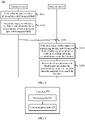
- FIG. 2 is a schematic flowchart of a data transmission method 200 according to a claimed embodiment of this application. The method 200 may be applied to the wireless communications system shown in FIG. 1 .
- a terminal device codes a first transport block to obtain a first coded transport block, where the first transport block includes first data.
- the terminal device codes indication information to obtain coded indication information, where the indication information is used to indicate whether the terminal device sends a first buffer status report BSR when the terminal device sends the first data, and the first BSR indicates a data amount of to-be-transmitted data currently buffered in a buffer of the terminal device.
- the terminal device sends the first coded transport block and the coded indication information to the network device, and correspondingly, the network device receives the first coded transport block and the coded indication information that are sent by the terminal device.
- the network device decodes the coded indication information to obtain the indication information.
- the network device processes the first coded transport block based on the indication information.
- the terminal device may separately code the first transport block and the indication information to obtain the first coded transport block and the coded indication information, and send the first coded transport block and the coded indication information to the network device.
- the first transport block includes the first data
- the indication information is used to indicate whether the terminal device sends the first BSR when the terminal device sends the first data.
- the network device receives the first coded transport block and the coded indication information, decodes the coded indication to obtain the indication information, and processes the first coded transport block based on the indication information.
- the terminal device reports the first BSR to the network device.
- the first BSR is used to indicate an amount of data that is in the buffer of the terminal device other than the first data and that remains to be sent, namely, the data amount of the to-be-transmitted data buffered in the buffer, so that after receiving the first BSR, the network device allocates a time-frequency resource to the terminal device based on the data amount reported by using the first BSR.
- the terminal device sends a resource request to the network device, and the resource request may be a dedicated scheduling request (SR) or a random access preamble sequence (physical random access channel, PRACH).
- the network device allocates a time-frequency resource to the user equipment, and sends an uplink scheduling request to the terminal device.
- the terminal device sends the first coded transport block and the coded indication information to the network device by using a pre-allocated time-frequency resource.
- the indication information and the first data are carried in different transport blocks and are separately coded. Therefore, the network device only needs to decode the indication information to learn whether the terminal device sends the first BSR when the terminal device sends the first data, so as to reduce a communication delay.
- the terminal device may code a second transport block to obtain a second coded transport block, and send the second coded transport block to the network device.
- the second transport block includes the first data.
- the first data may be retransmitted data.
- the terminal device may determine, based on a retransmission mechanism of the terminal device, to retransmit the first data, or the terminal device may retransmit the first data based on an indication of the network device. This is not limited in this embodiment of this application.
- the terminal device when the terminal device sends the second coded transport block, it may be understood that the terminal device initially transmits the first data, and when the terminal device sends the second coded transport block, it may be understood that the terminal device retransmits the first data.
- the first transport block and the second transport block include at least the same first data.
- the second transport block further includes a second BSR. If the indication information is used to indicate that the terminal device sends the first BSR when the terminal device sends the first data, in other words, when the terminal device retransmits the first data, the data amount in the buffer of the terminal device increases, the terminal device needs to immediately report the data amount of the to-be-transmitted data currently buffered in the buffer.
- the indication information is further used to indicate that the second BSR is updated with the first BSR.
- the terminal device may determine, based on quality of service (QoS) of the to-be-transmitted data in the buffer, whether a BSR in the buffer needs to be immediately reported. For example, for a data service for which a delay needs to be lower than 0.5 ms or a service for which a delay needs to be lower than n ms, the terminal device immediately reports a buffer status.
- QoS quality of service
- the network device can jointly decode the first coded transport block and the second coded transport block based on the indication information. If the indication information is used to indicate that the terminal device sends the first BSR when the terminal device sends the first data, the network device separately decodes the first coded transport block and the second coded transport block, so as to avoid a case in which the network device does not learn that the first coded transport block carries the first BSR, and jointly decodes the first coded transport block and the second coded transport block, and consequently a decoding failure is caused.
- the terminal device may use the indication information as control information, and send the indication information by using a control channel.
- the indication information and the first transport block are coded by using a same modulation and coding scheme (MCS) or different modulation and coding schemes.
- MCS modulation and coding scheme
- the terminal device and the network device may agree on an MCS for the first transport block and the indication information by using a protocol, or the network device may indicate an MCS to the terminal device by using higher layer signaling. This is not limited in this embodiment of this application.
- the terminal device further needs to send the first BSR to the network device.
- the network device may jointly decode the first coded transport block and the second coded transport block based on the indication information, to obtain the first data.
- the network device may separately decode the first coded transport block and the second coded transport block based on the indication information.
- the terminal device sends the first coded transport block to the network device, and the first coded transport block includes the first BSR.
- the terminal device of a comparative example may send a third coded transport block to the network device, and the third coded transport block includes the first BSR.
- the terminal device of a comparative example may send the first BSR to the network device by using a control channel. This is not limited in this embodiment of this application.
- the terminal device may use the first BSR as control information, and send the first BSR by using a control channel.
- the terminal device may add the first BSR to a MAC CE of the first data, or may add the first BSR to the first N bits or the last N bits of a data packet payload of the first data. This is not limited in this embodiment of this application.
- the terminal device may transmit, by using a third transport block, the first BSR that is used as data. This is not limited in this embodiment of this application.
- the terminal device and the network device may make an agreement in advance: If the terminal device sends only the first BSR, a coded transport block first received by the network device carries the first data, and a coded transport block second received by the network device carries the first BSR; or a coded transport block second received by the network device carries the first BSR; or a coded transport block first received by the network device carries the first BSR, and a coded transport block second received by the network device carries the first data.
- the terminal device and the network device may determine, based on a timestamp, a time sequence of receiving the two coded transport blocks. This is not limited in this embodiment of this application.
- the second terminal device may assign a same sequence number to the first coded transport block carrying the first data and the third coded transport block carrying the first BSR, and the network device determines, based on the same sequence number of the first coded transport block and the third coded transport block, that the first coded transport block and the third coded transport block are transmitted in a same round.
- the terminal device may send the first coded transport block and the coded indication information by using a time-frequency resource pre-allocated by the network device.
- the terminal device may add a part of the first data to the third transport block together with the first BSR, and the first transport block and the third transport block jointly occupy a time-frequency resource indicated by an uplink scheduling grant or reserved in a grant-free manner.
- the uplink scheduling grant indicates that 10 physical resource blocks (PRB) are allocated for current uplink transmission, and an MCS level 5 is used.
- the terminal device sends two coded transport blocks.
- a first coded transport block includes first data for which five PRBs are used, and an MCS level 8 is used.
- a second coded transport block includes a first BSR for which five PRBs are used, and an MCS level 1 is used.
- the network device first detects the first BSR, determines that the remaining uplink resources are five PRBs, and determine, with reference to a corresponding transport block size used during scheduling performed based on the uplink scheduling grant, an MCS level used for the first data, so as to detect the first data.
- the first BSR sent by the terminal device affects allocation of a time-frequency resource by the network device to the terminal device. Therefore, when the terminal device codes the first BSR, reliability of the first BSR needs to be ensured.
- the first transport block and the third transport block may be coded by using different modulation and coding schemes MCSs, to be specific, the third transport block may be coded by using an MCS different from an MCS for the first transport block that is indicated by an uplink scheduling grant or predefined in a grant-free manner.
- an MCS for the first transport block and the third transport block may be agreed on by using a protocol, configured by the network device by using a higher layer, or independently selected by the terminal device.
- the terminal device independently performs the selection, the network device needs to blindly detect an MCS used for a BSR.
- the first transport block may be coded by using the predefined LDPC code, and the third transport block may be coded by using a polar code. This is not limited in this embodiment of this application.
- LDPC low-density parity-check code
- a difference between an MCS coding level of the first transport block and an MCS coding level of the third transport block may be agreed on by using a protocol, configured by the network device by using a higher layer, or independently selected by the terminal device.
- the terminal device independently performs the selection, the network device needs to blindly detect an MCS level used for the first BSR.
- the first transport block may use the MCS level m, and the third transport block may use an MCS level n, where n ⁇ m, so as to ensure that the first BSR has 1%, 0.1%, or higher reliability.
- the first transport block and the third transport block may be coded by using a same modulation and coding scheme MCS, to be specific, both the first transport block and the third transport block may be coded by using a first MCS indicated by an uplink scheduling grant or predefined in a grant-free manner.
- MCS modulation and coding scheme
- the first coded transport block and the third coded transport block may be sent by using different transmit power, to be specific, the third coded transport block may be sent by using transmit power different from transmit power indicated by uplink scheduling grant or predefined in a grant-free manner.
- a difference between transmit power of the first coded transport block and transmit power of the third coded transport block may be agreed on by using a protocol, configured by the network device by using a higher layer, or independently selected by the terminal device.
- the terminal device independently performs the selection, if a relatively low modulation scheme such as BPSK or QPSK is used for the BSR, the network device does not need to learn of transmit power of the third transport block, but may directly detect the first BSR. If a relatively high modulation scheme such as 16QAM or a higher scheme is used for the first BSR, the network device needs to blindly detect the first BSR.
- the first transport block may use transmit power q, where p ⁇ q, so as to ensure that the first BSR has reliability of 1%, 0.1%, or higher.
- first coded transport block, the coded indication information, and the third coded transport block in this embodiment of this application may be simultaneously sent, or may be successively sent at a transmit interval less than a preset time threshold. This is not limited in this embodiment of this application.
- the network device processes the first coded transport block based on the indication information. Specifically, the network device may independently decode the first coded transport block based on the indication information, to obtain the first data and the first BSR.
- the network device may further receive the third coded transport block sent by the terminal device, and the third coded transport block includes the first BSR.
- the network device decodes the third coded transport block to obtain the first BSR.
- both the first coded transport block and the second coded transport block include the first data
- the second coded transport block further includes a second BSR
- the network device updates the second BSR with the first BSR after obtaining the first BSR, and allocates the time-frequency resource to the terminal device based on the first BSR.
- the network device may decode the coded indication information to learn whether the terminal device sends the first BSR when the terminal device sends the first data. Further, when the indication information is used to indicate that the first BSR is sent, the network device may decode the third coded transport block to obtain the first BSR (or the second BSR is updated with the first BSR), so as to allocate the time-frequency resource to the terminal device based on the first BSR, thereby reducing a communication delay.
- the terminal device may send the indication information to the network device, or the terminal device may determine, based on whether to send the first BSR, a manner of transmitting the first coded transport block, and send the first coded transport block to the network device based on the manner of transmitting the first coded transport block, to implicitly send the indication information to the network device.
- the indication information is used to indicate whether the terminal device sends the first BSR when the terminal device sends the first data.
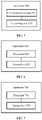
- FIG. 3 is a schematic flowchart of another data transmission method 300 according to a comparative embodiment of this application.
- the method 300 may be applied to the wireless communications system shown in FIG. 1 .
- a terminal device codes a first transport block to obtain a first coded transport block, where the first transport block includes first data.
- the terminal device determines, based on whether a first buffer status report BSR is sent when the first data is sent, a manner of transmitting the first coded transport block, where the first BSR indicates a data amount of to-be-transmitted data currently buffered in a buffer of the terminal device.
- the terminal device sends the first coded transport block to the network device based on the transmission manner, and correspondingly, the network device receives the first coded transport block sent by the terminal device.
- the network device determines, based on the manner of transmitting the first coded transport block, whether the terminal device sends the first buffer status report BSR when the terminal device sends the first data, where the first BSR indicates the data amount of the to-be-transmitted data currently buffered in the buffer of the terminal device.
- the network device processes the first coded transport block based on whether the terminal device sends the first BSR when the terminal device sends the first data.
- whether the terminal device sends the first BSR when the terminal device sends the first data is corresponding to different transmission manners used by the terminal device to transmit the first coded data block.
- the terminal device may determine, based on whether the first buffer status report BSR is sent when the first data is sent, a time-frequency resource used for the first coded transport block and/or a pilot sequence used for the first coded transport block. This is not limited in this embodiment of this application.
- the terminal device may determine, based on whether the first BSR is sent when the first data is sent, the time-frequency resource used for the first coded transport block.
- the terminal device may determine, based on whether the first BSR is sent when the first data is sent, the pilot sequence used for the first coded transport block.
- the network device may determine, based on the time-frequency resource used for the first coded transport block and/or the pilot sequence used for the first coded transport block, whether the terminal device sends the first BSR when the terminal device sends the first data. This is not limited in this embodiment of this application.
- that the network device determines, based on the manner of transmitting the first coded transport block, whether the terminal device sends the first buffer status report BSR when the terminal device sends the first data includes: The network device determines, based on a time-frequency resource used for the first coded transport block, whether the terminal device sends the first BSR when the terminal device sends the first data.
- that the network device determines, based on the manner of transmitting the first coded transport block, whether the terminal device sends the first buffer status report BSR when the terminal device sends the first data includes: The network device determines, based on a pilot sequence used for the first coded transport block, whether the terminal device sends the first BSR when the terminal device sends the first data.
- the terminal device may send the first coded transport block to the network device in one or more of the p resource pools. If the terminal device determines to send the first BSR, the terminal device may send the first coded transport block to the network device in one or more of the q resource pools.
- the network device may determine that the terminal device sends the first BSR when the terminal device sends the first coded transport block. If the network device receives, in one or more of the q resource pools, the first coded transport block sent by the terminal device, the network device may determine that the terminal device does not send the first BSR when the terminal device sends the first coded transport block.
- an uplink reference signal used by the terminal device to send the first coded transport block may be a ZC sequence, and a root sequence of the ZC sequence is determined based on an identifier of the terminal device.
- a cyclic shift item a is corresponding to whether the first coded transport block includes buffer information, and a specific value of a may be agreed on by using a protocol, or configured by the network device for the terminal device by using higher layer signaling.
- the network device and the terminal device may pre-agree on a value of a used when the terminal device sends the first BSR and a value of a used when the terminal device does not send the first BSR.
- a used when the terminal device sends the first coded transport block is equal to k, it indicates that the terminal device sends the first BSR. If a used when the terminal device sends the first coded transport block is equal to 1, it indicates that the terminal device does not send the first BSR, where k is not equal to 1.
- the network device determines that the terminal device sends the first data when the terminal device sends the first data. If the network device receives the first coded transport block, and determines that a used when the uplink reference signal for the first coded transport block is sent is equal to 1, the network device determines that the terminal device does not send the first data when the terminal device sends the first data.
- the uplink reference signal includes two parts, in other words, an entire sequence is divided into two segments having a same length. Therefore, if the terminal device uses a pilot sequence in which a first segment of the sequence and a second segment of the sequence are the same, it indicates that the terminal device sends the first BSR. If the terminal device uses a pilot sequence in which a first segment of the sequence and a second segment of the sequence are different, it indicates that the terminal device does not send the first BSR.
- the network device determines, by using a detected pilot sequence, whether the first coded transport block includes the first BSR.
- a phase shift value between the first segment of the sequence and the second segment of the sequence may be agreed on by using a protocol, or configured by the network device for the terminal device by using higher layer signaling.
- the terminal device may determine, based on whether the first BSR is sent when the first data is sent, the manner of transmitting the first coded transport block, and send the first coded transport block to the network device based on the transmission manner, so that the indication information can be implicitly sent to the network device without occupying the time-frequency resource allocated by the network device to the terminal device, thereby saving network resources.
- FIG. 4 shows a data transmission apparatus 400 according to a claimed embodiment of this application.
- the apparatus 400 includes:
- the processing unit is further configured to: before coding the first transport block to obtain the first coded transport block, process a second transport block to obtain a second coded transport block, where the second transport block includes the first data and a second BSR, and the second BSR indicates a data amount of to-be-transmitted data in the buffer when the terminal device sends the second coded transport block; and send the second coded transport block to the network device.
- the indication information is used to indicate that the terminal device sends the first BSR when the terminal device sends the first data, and the second BSR is updated with the first BSR.
- the indication information is used to indicate that the terminal device sends the first BSR when the terminal device sends the first data; the processing unit is further configured to code a third transport block to obtain a third coded transport block, where the third transport block includes the first BSR; and the communications unit is further configured to send the third coded transport block to the network device.
- the first transport block and the third transport block are coded by using different modulation and coding schemes.
- the communications unit is specifically configured to send the first coded transport block and the coded indication information to the network device on a time-frequency resource pre-allocated by the network device.
- the first transport block further includes the first BSR.
- the apparatus 400 may be specifically the terminal device in the foregoing method embodiment.
- the apparatus 400 may be configured to perform the procedures and/or steps that are corresponding to the terminal device in the foregoing method embodiment. To avoid repetition, details are not described herein again.
- the apparatus 400 herein may be embodied in a form of a function unit.
- the term "unit” herein may be an application-specific integrated circuit (ASIC), an electronic circuit, a processor (for example, a shared processor, a dedicated processor, or a group processor) and a memory that are configured to execute one or more software or firmware programs, a combined logic circuit, and/or another appropriate component supporting the described function.
- ASIC application-specific integrated circuit
- processor for example, a shared processor, a dedicated processor, or a group processor
- memory that are configured to execute one or more software or firmware programs, a combined logic circuit, and/or another appropriate component supporting the described function.
- FIG. 5 shows a data transmission apparatus 500 according to a comparative embodiment of this application.
- the apparatus 500 includes:
- the communications unit is further configured to: before the network device receives the first coded transport block and the coded indication information that are sent by the terminal device, receive a second coded transport block sent by the terminal device, where the second coded transport block includes the first data and a second BSR, and the second BSR indicates a data amount of to-be-transmitted data in the buffer when the terminal device sends the second coded transport block.
- the indication information is used to indicate that the terminal device sends the first BSR when the terminal device sends the first data and that the second BSR is updated with the first BSR; and the processing unit is further configured to update the second BSR with the first BSR.
- the indication information is used to indicate that the terminal device sends the first BSR when the terminal device sends the first data; the communications unit is further configured to receive a third coded transport block sent by the terminal device; and the processing unit is further configured to decode the third coded transport block to obtain the first BSR.
- the first coded transport block and the third coded transport block are separately decoded.
- the communications unit is specifically configured to receive the third coded transport block on a time-frequency resource pre-allocated to the terminal device.
- the indication information is used to indicate that the terminal device sends the first BSR when the terminal device sends the first data; and the processing unit is specifically configured to separately decode the first coded transport block and the second coded transport block based on the indication information.
- the indication information is used to indicate that the terminal device does not send the first BSR when the terminal device sends the first data; and the processing unit is specifically configured to jointly decode the first coded transport block and the second coded transport block based on the indication information.
- the apparatus 500 may be specifically the network device in the foregoing method embodiment.
- the apparatus 500 may be configured to perform the procedures and/or steps that are corresponding to the network device in the foregoing method embodiment. To avoid repetition, details are not described herein again.
- the apparatus 500 herein may be embodied in a form of a function unit.
- the term "unit” herein may be an application-specific integrated circuit (ASIC), an electronic circuit, a processor (for example, a shared processor, a dedicated processor, or a group processor) and a memory that are configured to execute one or more software or firmware programs, a combined logic circuit, and/or another appropriate component supporting the described function.
- ASIC application-specific integrated circuit
- processor for example, a shared processor, a dedicated processor, or a group processor
- memory that are configured to execute one or more software or firmware programs, a combined logic circuit, and/or another appropriate component supporting the described function.
- FIG. 6 is a schematic block diagram of a data transmission apparatus 600 according to a further comparative embodiment of this application. As shown in FIG. 6 , the apparatus 600 includes a processor 610 and a transceiver 620.
- the processor 610 is configured to: code a first transport block to obtain a first coded transport block, where the first transport block includes first data; code indication information to obtain coded indication information, where the indication information is used to indicate whether the terminal device sends a first buffer status report BSR when the terminal device sends the first data, and the first BSR indicates a information is used to indicate whether the terminal device sends a first buffer status report BSR when the terminal device sends the first data, and the first BSR indicates a data amount of to-be-transmitted data currently buffered in a buffer of the terminal device.
- the transceiver 620 is configured to send the first coded transport block and the coded indication information to a network device.
- the apparatus 600 may further include a memory.
- the memory may include a read-only memory and a random access memory, and provide an instruction and data to the processor.
- a part of the memory may further include a non-volatile random access memory.
- the memory may further store information about a device type.
- the processor 610 may be configured to execute the instruction stored in the memory, and when the processor executes the instruction, the processor may perform the steps corresponding to the terminal device in the foregoing method embodiment.
- the processor may be a central processing unit (CPU), or the processor may be another general-purpose processor, a digital signal processor (DSP), an application-specific integrated circuit ASIC, a field programmable gate array (FPGA) or another programmable logic device, a discrete gate or a transistor logic device, a discrete hardware component, or the like.
- the general-purpose processor may be a microprocessor, the processor may be any conventional processor, or the like.
- FIG. 7 is a schematic block diagram of an information transmission apparatus 700 according to an embodiment of this application. As shown in FIG. 7 , the apparatus 700 includes a processor 710 and a transceiver 720.
- the transceiver 720 is configured to receive a first coded transport block and coded indication information that are sent by a terminal device, where the first coded transport block includes first data.
- the processor 710 is configured to: decode the coded indication information to obtain indication information, where the indication information is used to indicate whether the terminal device sends a first buffer status report BSR when the terminal device sends the first data, and the first BSR indicates a data amount of to-be-transmitted data currently buffered in a buffer of the terminal device; and process the first coded transport block based on the indication information.
- the apparatus 700 may further include a memory.
- the memory may include a read-only memory and a random access memory, and provide an instruction and data to the processor.
- a part of the memory may further include a non-volatile random access memory.
- the memory may further store information about a device type.
- the processor 710 may be configured to execute the instruction stored in the memory, and when the processor executes the instruction, the processor may perform the steps corresponding to the network device in the foregoing method embodiment.
- the processor may be a central processing unit (CPU), or the processor may be another general-purpose processor, a digital signal processor (DSP), an application-specific integrated circuit (ASIC), a field programmable gate array (FPGA) or another programmable logic device, a discrete gate or a transistor logic device, a discrete hardware component, or the like.
- the general-purpose processor may be a microprocessor, the processor may be any conventional processor, or the like.
- steps in the foregoing methods can be implemented by using an integrated logic circuit of hardware in the processor, or by using instructions in a form of software.
- the steps of the methods disclosed with reference to the embodiments of this application may be directly performed by a hardware processor, or may be performed by using a combination of a hardware module and a software module in the processor.
- the software module may be located in a mature storage medium in the art, such as a random access memory, a flash memory, a read-only memory, a programmable read-only memory, an electrically erasable programmable memory, or a register.
- the storage medium is located in the memory, and the processor executes the instruction in the memory and completes the steps in the foregoing methods in combination with the hardware of the processor. To avoid repetition, details are not described herein again.
- sequence numbers of the foregoing processes do not mean execution sequences in the various embodiments of this application.
- the execution sequences of the processes should be determined according to functions and internal logic of the processes, and should not be construed as any limitation on the implementation processes of the embodiments of this application.
- the disclosed system, apparatus, and method may be implemented in other manners.
- the described apparatus embodiment is merely an example.
- the unit division is merely logical function division and may be other division in actual implementation.
- a plurality of units or components may be combined or integrated into another system, or some features may be ignored or not performed.
- the displayed or discussed mutual couplings or direct couplings or communication connections may be implemented by using some interfaces.
- the indirect couplings or communication connections between the apparatuses or units may be implemented in electronic, mechanical, or other forms.
- the units described as separate parts may or may not be physically separate, and parts displayed as units may or may not be physical units, may be located in one position, or may be distributed on a plurality of network units. Some or all of the units may be selected based on actual requirements to achieve the objectives of the solutions of the embodiments.
- All or some of the foregoing embodiments may be implemented by using of software, hardware, firmware, or any combination thereof.
- the embodiments may be implemented completely or partially in a form of a computer program product.
- the computer program product includes one or more computer instructions.
- the computer program instructions When the computer program instructions are loaded and executed on a computer, the procedures or functions according to the embodiments of this application are all or partially generated.
- the computer may be a general-purpose computer, a dedicated computer, a computer network, or other programmable apparatuses.
- the computer instructions may be stored in a computer-readable storage medium or may be transmitted from a computer-readable storage medium to another computer-readable storage medium.
- the computer instructions may be transmitted from a website, computer, server, or data center to another website, computer, server, or data center in a wired (for example, a coaxial cable, an optical fiber, or a digital subscriber line (DSL)) or wireless (for example, infrared, radio, or microwave) manner.
- the computer-readable storage medium may be any usable medium accessible by a computer, or a data storage device, such as a server or a data center, integrating one or more usable media.
- the usable medium may be a magnetic medium (for example, a floppy disk, a hard disk, or a magnetic tape), an optical medium (for example, a digital video disc ( DVD), a semiconductor medium (for example, a solid state disk (SSD)), or the like.
- a magnetic medium for example, a floppy disk, a hard disk, or a magnetic tape
- an optical medium for example, a digital video disc ( DVD)
- a semiconductor medium for example, a solid state disk (SSD)
Landscapes
- Engineering & Computer Science (AREA)
- Computer Networks & Wireless Communication (AREA)
- Signal Processing (AREA)
- Quality & Reliability (AREA)
- Mobile Radio Communication Systems (AREA)
Claims (5)
- Datenübertragungsverfahren, umfassend:Codieren (S210) und Modulieren, durch ein Endgerät, eines ersten Transportblocks zum Erhalten eines ersten codierten Transportblocks für die Übertragung in einem Übertragungszeitintervall, das eine minimale Planungsperiode ist, wobei der erste Transportblock erste Daten und einen "Buffer Status Report", BSR, umfasst, der eine Datenmenge von zu übertragenden Daten anzeigt, die derzeit in einem Puffer des Endgeräts gepuffert sind;Senden (S230), durch das Endgerät, des ersten codierten Transportblocks an eine Netzvorrichtung;gekennzeichnet durchseparates Codieren (S220) und Modulieren, durch das Endgerät, von Anzeigeinformationen zum Erhalten eines anderen codierten Transportblocks, der die Anzeigeinformationen umfasst, wobei die Anzeigeinformationen verwendet werden, um anzuzeigen, dass das Endgerät den "Buffer Status Report", BSR, sendet, wenn das Endgerät den ersten codierten Transportblock sendet; undSenden (S230), durch das Endgerät, des anderen codierten Transportblocks, der die Anzeigeinformationen umfasst, an die Netzvorrichtung.
- Verfahren nach Anspruch 1, wobei die Anzeigeinformationen verwendet werden, um anzuzeigen, dass das Endgerät den ersten BSR sendet, wenn das Endgerät die ersten Daten sendet, und das Verfahren ferner umfasst:Codieren und Modulieren, durch das Endgerät, eines dritten Transportblocks zum Erhalten eines dritten codierten Transportblocks, wobei der dritte Transportblock auch den ersten BSR umfasst; undSenden, durch das Endgerät, des dritten codierten Transportblocks an die Netzvorrichtung;
- Verfahren nach Anspruch 2, wobei der erste Transportblock und der dritte Transportblock unter Verwendung unterschiedlicher Modulations- und Codierungsverfahren codiert werden.
- Verfahren nach Anspruch 2 oder 3, wobei das Senden, durch das Endgerät, des ersten codierten Transportblocks und des anderen codierten Transportblocks, der die Anzeigeinformationen umfasst, an eine Netzvorrichtung umfasst:
Senden, durch das Endgerät, des ersten codierten Transportblocks und des anderen codierten Transportblocks, der die Informationen umfasst, an die Netzvorrichtung auf einer von der Netzvorrichtung vorab zugewiesenen Zeit-Frequenz-Ressource. - Datenübertragungsvorrichtung (400), umfassend:eine Verarbeitungseinheit (410), die für folgende Vorgänge ausgelegt ist: Codieren und Modulieren eines ersten Transportblocks in einem Übertragungszeitintervall, das eine minimale Planungsperiode ist, zum Erhalten eines ersten codierten Transportblocks, wobei der erste Transportblock erste Daten und einen "Buffer Status Report", BSR, umfasst, der eine Datenmenge von zu übertragenden Daten anzeigt, die derzeit in einem Puffer des Endgeräts gepuffert sind; undeine Kommunikationseinheit (420), die dafür ausgelegt ist, den codierten Transportblock, der von der Verarbeitungseinheit erhalten wird, an eine Netzvorrichtung zu senden;dadurch gekennzeichnet, dassdie Verarbeitungseinheit (410) ferner für folgende Vorgänge ausgelegt ist: separates Codieren und Modulieren von Anzeigeinformationen zum Erhalten eines anderen codierten Transportblocks, der die Anzeigeinformationen umfasst, wobei die Anzeigeinformationen verwendet werden, um anzuzeigen, dass das Endgerät den ersten "Buffer Status Report", BSR, sendet, wenn das Endgerät den ersten codierten Transportblock sendet; unddie Kommunikationseinheit (420) ferner dafür ausgelegt ist, den anderen codierten Transportblock, der die von der Verarbeitungseinheit erhaltenen Anzeigeinformationen umfasst, an die Netzvorrichtung zu senden.
Applications Claiming Priority (2)
| Application Number | Priority Date | Filing Date | Title |
|---|---|---|---|
| CN201710184044.8A CN108631918B (zh) | 2017-03-24 | 2017-03-24 | 数据传输的方法和装置 |
| PCT/CN2018/080047 WO2018171676A1 (zh) | 2017-03-24 | 2018-03-22 | 数据传输的方法和装置 |
Publications (3)
| Publication Number | Publication Date |
|---|---|
| EP3576328A1 EP3576328A1 (de) | 2019-12-04 |
| EP3576328A4 EP3576328A4 (de) | 2020-02-26 |
| EP3576328B1 true EP3576328B1 (de) | 2022-12-07 |
Family
ID=63584915
Family Applications (1)
| Application Number | Title | Priority Date | Filing Date |
|---|---|---|---|
| EP18772614.6A Active EP3576328B1 (de) | 2017-03-24 | 2018-03-22 | Datenübertragungsverfahren und -vorrichtung |
Country Status (4)
| Country | Link |
|---|---|
| US (1) | US11140684B2 (de) |
| EP (1) | EP3576328B1 (de) |
| CN (1) | CN108631918B (de) |
| WO (1) | WO2018171676A1 (de) |
Families Citing this family (6)
| Publication number | Priority date | Publication date | Assignee | Title |
|---|---|---|---|---|
| CN113676736B (zh) | 2020-05-13 | 2024-05-07 | 华为技术有限公司 | 数据帧的传输方法和通信装置 |
| CN113709867B (zh) * | 2020-05-21 | 2025-02-28 | 展讯半导体(南京)有限公司 | 数据传输方法、装置及设备 |
| US12323861B2 (en) * | 2022-03-09 | 2025-06-03 | Qualcomm Incorporated | RSU initiated inter-RSU handover |
| CN114996205B (zh) * | 2022-07-21 | 2022-12-06 | 之江实验室 | 辅助3d架构近存计算系统的片内数据调度控制器及方法 |
| CN120692593A (zh) * | 2022-12-28 | 2025-09-23 | 上海移远通信技术股份有限公司 | 传输bsr的方法及装置 |
| CN121397638A (zh) * | 2023-06-30 | 2026-01-23 | 上海移远通信技术股份有限公司 | 传输bsr的方法、终端设备和网络设备 |
Family Cites Families (23)
| Publication number | Priority date | Publication date | Assignee | Title |
|---|---|---|---|---|
| US8331878B2 (en) * | 2006-10-02 | 2012-12-11 | Koninklijke Philips Electronics N.V. | Efficient CQI signaling MIMO systems with variable numbers of beams |
| US20110194641A1 (en) * | 2007-09-14 | 2011-08-11 | Wei Ming Lim | Method for Encoding a Bit Sequence and Encoding Circuit |
| US9215731B2 (en) * | 2007-12-19 | 2015-12-15 | Qualcomm Incorporated | Method and apparatus for transfer of a message on a common control channel for random access in a wireless communication network |
| KR101456004B1 (ko) * | 2008-02-05 | 2014-11-03 | 엘지전자 주식회사 | 전송 및 재전송에 적합한 데이터 패킷의 크기를 결정하는 방법 |
| CN101971688B (zh) * | 2008-03-20 | 2014-03-05 | 爱立信电话股份有限公司 | 上行链路测量报告的调度 |
| WO2009136830A1 (en) * | 2008-05-07 | 2009-11-12 | Telefonaktiebolaget L M Ericsson (Publ) | Discontinuous reception (drx) timer triggered with the transmission of a buffer status report (bsr) |
| CN102067531A (zh) * | 2008-06-23 | 2011-05-18 | 皇家飞利浦电子股份有限公司 | 用于在网络中通信的方法和相关的无线电站 |
| CN102724705B (zh) * | 2009-12-25 | 2015-04-29 | 华为技术有限公司 | 一种报告缓存数据量的方法及装置 |
| JP5875581B2 (ja) * | 2010-06-21 | 2016-03-02 | アルカテル−ルーセント | 効率的スケジューリングを支援するためのbsr情報の送達のための方法およびデバイス |
| JP4923161B1 (ja) * | 2010-09-29 | 2012-04-25 | シャープ株式会社 | 移動通信システム、移動局装置、基地局装置、通信方法および集積回路 |
| US9526091B2 (en) * | 2012-03-16 | 2016-12-20 | Intel Corporation | Method and apparatus for coordination of self-optimization functions in a wireless network |
| CN106888481B (zh) | 2012-10-25 | 2020-03-31 | 华为技术有限公司 | 缓存状态报告发送与接收方法、用户设备和基站 |
| CN103945553B (zh) * | 2013-01-18 | 2017-12-12 | 上海贝尔股份有限公司 | 基于载波聚合实现控制平面和用户平面分离的方法 |
| CN103974338B (zh) * | 2013-02-01 | 2019-02-26 | 华为技术有限公司 | 数据传输的方法、用户设备及基站 |
| EP3064015B1 (de) * | 2013-11-01 | 2019-12-11 | Telefonaktiebolaget LM Ericsson (publ) | Funkbasisstation, drahtloses endgerät, darin durchgeführte verfahren, computerprogramm und computerlesbares speichermedium |
| CN105282850A (zh) * | 2014-07-17 | 2016-01-27 | 普天信息技术有限公司 | 缓存状态报告的上报方法 |
| CN112134671B (zh) * | 2015-01-28 | 2023-12-29 | 交互数字专利控股公司 | 无线发射/接收单元(wtru)、其执行的方法和设备 |
| US20160227574A1 (en) * | 2015-02-02 | 2016-08-04 | Qualcomm Incorporated | Opportunistic utilization and mitigation of unused uplink grants in wireless communications |
| CN105188150B (zh) * | 2015-08-12 | 2019-06-18 | 中国电子科技集团公司第七研究所 | 降低lte上行数据传输延时的方法和系统 |
| US10321477B2 (en) * | 2015-09-07 | 2019-06-11 | Electronics And Telecommunications Research Institute | Method and apparatus for requesting uplink persistent scheduling in mobile communication system |
| EP3391553A1 (de) * | 2015-12-14 | 2018-10-24 | Nokia Solutions and Networks Oy | Datenwiederübertragung |
| CN109155935A (zh) * | 2016-05-06 | 2019-01-04 | 株式会社Ntt都科摩 | 用户终端以及无线通信方法 |
| MX2019008680A (es) * | 2017-01-23 | 2019-09-18 | Guangdong Oppo Mobile Telecommunications Corp Ltd | Metodo de comunicacion por radio, dispositivo terminal y dispositivo de red. |
-
2017
- 2017-03-24 CN CN201710184044.8A patent/CN108631918B/zh active Active
-
2018
- 2018-03-22 WO PCT/CN2018/080047 patent/WO2018171676A1/zh not_active Ceased
- 2018-03-22 EP EP18772614.6A patent/EP3576328B1/de active Active
-
2019
- 2019-09-20 US US16/577,586 patent/US11140684B2/en active Active
Also Published As
| Publication number | Publication date |
|---|---|
| CN108631918B (zh) | 2021-02-26 |
| US20200015233A1 (en) | 2020-01-09 |
| US11140684B2 (en) | 2021-10-05 |
| CN108631918A (zh) | 2018-10-09 |
| EP3576328A1 (de) | 2019-12-04 |
| EP3576328A4 (de) | 2020-02-26 |
| WO2018171676A1 (zh) | 2018-09-27 |
Similar Documents
| Publication | Publication Date | Title |
|---|---|---|
| US11483850B2 (en) | Uplink information transmission method and apparatus | |
| US10834737B2 (en) | Wireless communication method and apparatus | |
| EP3468277B1 (de) | Verfahren und vorrichtung zur bestimmung einer transportblockgrösse | |
| EP3576328B1 (de) | Datenübertragungsverfahren und -vorrichtung | |
| CN110169000B (zh) | 用于上行链路超高可靠低延迟通信的信令、过程、用户设备和基站 | |
| US11190324B2 (en) | Multiplexing uplink control channel signalling | |
| US20190319762A1 (en) | Grant-Free Transmission Method, Terminal, and Network Device | |
| EP3846571B1 (de) | Kommunikationsverfahren und -vorrichtung | |
| CN105519222B (zh) | 数据传输方法和设备 | |
| CN110891315B (zh) | 通信方法、装置及计算机存储介质 | |
| CN111491393B (zh) | 随机接入方法、终端设备以及网络设备 | |
| US10333653B2 (en) | Communications device and methods | |
| US10965408B2 (en) | Method, network device, and terminal device for transmitting information | |
| US20210297188A1 (en) | Data transmission method and communication apparatus | |
| CN111917528A (zh) | 传输数据的方法、设备和通信系统 | |
| US11121847B2 (en) | Communication method and communications device | |
| CN115190621A (zh) | 上行控制信息传输方法及相关装置 | |
| CN109150416B (zh) | 数据传输方法和装置 | |
| CN110637431B (zh) | 发送/接收控制信息的方法、无线设备、网络节点和介质 | |
| WO2020074069A1 (en) | Enhanced scheduling request transmissions in wireless networks | |
| CN114389767A (zh) | 信息传输方法及装置 | |
| JP2020521363A (ja) | アップリンク制御情報の伝送方法、装置及びシステム | |
| WO2019153250A1 (zh) | 传输信息的方法和终端设备 | |
| RU2789381C1 (ru) | Способ и устройство связи | |
| WO2019001517A1 (zh) | 一种重复传输的方法和终端设备 |
Legal Events
| Date | Code | Title | Description |
|---|---|---|---|
| STAA | Information on the status of an ep patent application or granted ep patent |
Free format text: STATUS: THE INTERNATIONAL PUBLICATION HAS BEEN MADE |
|
| PUAI | Public reference made under article 153(3) epc to a published international application that has entered the european phase |
Free format text: ORIGINAL CODE: 0009012 |
|
| STAA | Information on the status of an ep patent application or granted ep patent |
Free format text: STATUS: REQUEST FOR EXAMINATION WAS MADE |
|
| 17P | Request for examination filed |
Effective date: 20190828 |
|
| AK | Designated contracting states |
Kind code of ref document: A1 Designated state(s): AL AT BE BG CH CY CZ DE DK EE ES FI FR GB GR HR HU IE IS IT LI LT LU LV MC MK MT NL NO PL PT RO RS SE SI SK SM TR |
|
| AX | Request for extension of the european patent |
Extension state: BA ME |
|
| A4 | Supplementary search report drawn up and despatched |
Effective date: 20200127 |
|
| RIC1 | Information provided on ipc code assigned before grant |
Ipc: H04W 72/00 20090101ALN20200121BHEP Ipc: H04L 1/00 20060101AFI20200121BHEP Ipc: H04L 5/00 20060101ALN20200121BHEP |
|
| DAV | Request for validation of the european patent (deleted) | ||
| DAX | Request for extension of the european patent (deleted) | ||
| STAA | Information on the status of an ep patent application or granted ep patent |
Free format text: STATUS: EXAMINATION IS IN PROGRESS |
|
| 17Q | First examination report despatched |
Effective date: 20210331 |
|
| RIC1 | Information provided on ipc code assigned before grant |
Ipc: H04W 72/00 20090101ALN20220404BHEP Ipc: H04L 5/00 20060101ALN20220404BHEP Ipc: H04L 1/00 20060101AFI20220404BHEP |
|
| RIC1 | Information provided on ipc code assigned before grant |
Ipc: H04W 72/00 20090101ALN20220426BHEP Ipc: H04L 5/00 20060101ALN20220426BHEP Ipc: H04L 1/00 20060101AFI20220426BHEP |
|
| GRAP | Despatch of communication of intention to grant a patent |
Free format text: ORIGINAL CODE: EPIDOSNIGR1 |
|
| STAA | Information on the status of an ep patent application or granted ep patent |
Free format text: STATUS: GRANT OF PATENT IS INTENDED |
|
| INTG | Intention to grant announced |
Effective date: 20220628 |
|
| RIC1 | Information provided on ipc code assigned before grant |
Ipc: H04W 72/00 20090101ALN20220617BHEP Ipc: H04L 5/00 20060101ALN20220617BHEP Ipc: H04L 1/00 20060101AFI20220617BHEP |
|
| GRAS | Grant fee paid |
Free format text: ORIGINAL CODE: EPIDOSNIGR3 |
|
| GRAA | (expected) grant |
Free format text: ORIGINAL CODE: 0009210 |
|
| STAA | Information on the status of an ep patent application or granted ep patent |
Free format text: STATUS: THE PATENT HAS BEEN GRANTED |
|
| AK | Designated contracting states |
Kind code of ref document: B1 Designated state(s): AL AT BE BG CH CY CZ DE DK EE ES FI FR GB GR HR HU IE IS IT LI LT LU LV MC MK MT NL NO PL PT RO RS SE SI SK SM TR |
|
| REG | Reference to a national code |
Ref country code: GB Ref legal event code: FG4D |
|
| REG | Reference to a national code |
Ref country code: CH Ref legal event code: EP Ref country code: AT Ref legal event code: REF Ref document number: 1536932 Country of ref document: AT Kind code of ref document: T Effective date: 20221215 |
|
| REG | Reference to a national code |
Ref country code: DE Ref legal event code: R096 Ref document number: 602018043997 Country of ref document: DE |
|
| REG | Reference to a national code |
Ref country code: IE Ref legal event code: FG4D |
|
| REG | Reference to a national code |
Ref country code: LT Ref legal event code: MG9D |
|
| REG | Reference to a national code |
Ref country code: NL Ref legal event code: MP Effective date: 20221207 |
|
| PG25 | Lapsed in a contracting state [announced via postgrant information from national office to epo] |
Ref country code: SE Free format text: LAPSE BECAUSE OF FAILURE TO SUBMIT A TRANSLATION OF THE DESCRIPTION OR TO PAY THE FEE WITHIN THE PRESCRIBED TIME-LIMIT Effective date: 20221207 Ref country code: NO Free format text: LAPSE BECAUSE OF FAILURE TO SUBMIT A TRANSLATION OF THE DESCRIPTION OR TO PAY THE FEE WITHIN THE PRESCRIBED TIME-LIMIT Effective date: 20230307 Ref country code: LT Free format text: LAPSE BECAUSE OF FAILURE TO SUBMIT A TRANSLATION OF THE DESCRIPTION OR TO PAY THE FEE WITHIN THE PRESCRIBED TIME-LIMIT Effective date: 20221207 Ref country code: FI Free format text: LAPSE BECAUSE OF FAILURE TO SUBMIT A TRANSLATION OF THE DESCRIPTION OR TO PAY THE FEE WITHIN THE PRESCRIBED TIME-LIMIT Effective date: 20221207 Ref country code: ES Free format text: LAPSE BECAUSE OF FAILURE TO SUBMIT A TRANSLATION OF THE DESCRIPTION OR TO PAY THE FEE WITHIN THE PRESCRIBED TIME-LIMIT Effective date: 20221207 |
|
| REG | Reference to a national code |
Ref country code: AT Ref legal event code: MK05 Ref document number: 1536932 Country of ref document: AT Kind code of ref document: T Effective date: 20221207 |
|
| PG25 | Lapsed in a contracting state [announced via postgrant information from national office to epo] |
Ref country code: RS Free format text: LAPSE BECAUSE OF FAILURE TO SUBMIT A TRANSLATION OF THE DESCRIPTION OR TO PAY THE FEE WITHIN THE PRESCRIBED TIME-LIMIT Effective date: 20221207 Ref country code: PL Free format text: LAPSE BECAUSE OF FAILURE TO SUBMIT A TRANSLATION OF THE DESCRIPTION OR TO PAY THE FEE WITHIN THE PRESCRIBED TIME-LIMIT Effective date: 20221207 Ref country code: LV Free format text: LAPSE BECAUSE OF FAILURE TO SUBMIT A TRANSLATION OF THE DESCRIPTION OR TO PAY THE FEE WITHIN THE PRESCRIBED TIME-LIMIT Effective date: 20221207 Ref country code: HR Free format text: LAPSE BECAUSE OF FAILURE TO SUBMIT A TRANSLATION OF THE DESCRIPTION OR TO PAY THE FEE WITHIN THE PRESCRIBED TIME-LIMIT Effective date: 20221207 Ref country code: GR Free format text: LAPSE BECAUSE OF FAILURE TO SUBMIT A TRANSLATION OF THE DESCRIPTION OR TO PAY THE FEE WITHIN THE PRESCRIBED TIME-LIMIT Effective date: 20230308 |
|
| PG25 | Lapsed in a contracting state [announced via postgrant information from national office to epo] |
Ref country code: NL Free format text: LAPSE BECAUSE OF FAILURE TO SUBMIT A TRANSLATION OF THE DESCRIPTION OR TO PAY THE FEE WITHIN THE PRESCRIBED TIME-LIMIT Effective date: 20221207 |
|
| PG25 | Lapsed in a contracting state [announced via postgrant information from national office to epo] |
Ref country code: SM Free format text: LAPSE BECAUSE OF FAILURE TO SUBMIT A TRANSLATION OF THE DESCRIPTION OR TO PAY THE FEE WITHIN THE PRESCRIBED TIME-LIMIT Effective date: 20221207 Ref country code: RO Free format text: LAPSE BECAUSE OF FAILURE TO SUBMIT A TRANSLATION OF THE DESCRIPTION OR TO PAY THE FEE WITHIN THE PRESCRIBED TIME-LIMIT Effective date: 20221207 Ref country code: PT Free format text: LAPSE BECAUSE OF FAILURE TO SUBMIT A TRANSLATION OF THE DESCRIPTION OR TO PAY THE FEE WITHIN THE PRESCRIBED TIME-LIMIT Effective date: 20230410 Ref country code: EE Free format text: LAPSE BECAUSE OF FAILURE TO SUBMIT A TRANSLATION OF THE DESCRIPTION OR TO PAY THE FEE WITHIN THE PRESCRIBED TIME-LIMIT Effective date: 20221207 Ref country code: CZ Free format text: LAPSE BECAUSE OF FAILURE TO SUBMIT A TRANSLATION OF THE DESCRIPTION OR TO PAY THE FEE WITHIN THE PRESCRIBED TIME-LIMIT Effective date: 20221207 Ref country code: AT Free format text: LAPSE BECAUSE OF FAILURE TO SUBMIT A TRANSLATION OF THE DESCRIPTION OR TO PAY THE FEE WITHIN THE PRESCRIBED TIME-LIMIT Effective date: 20221207 |
|
| PG25 | Lapsed in a contracting state [announced via postgrant information from national office to epo] |
Ref country code: SK Free format text: LAPSE BECAUSE OF FAILURE TO SUBMIT A TRANSLATION OF THE DESCRIPTION OR TO PAY THE FEE WITHIN THE PRESCRIBED TIME-LIMIT Effective date: 20221207 Ref country code: IS Free format text: LAPSE BECAUSE OF FAILURE TO SUBMIT A TRANSLATION OF THE DESCRIPTION OR TO PAY THE FEE WITHIN THE PRESCRIBED TIME-LIMIT Effective date: 20230407 Ref country code: AL Free format text: LAPSE BECAUSE OF FAILURE TO SUBMIT A TRANSLATION OF THE DESCRIPTION OR TO PAY THE FEE WITHIN THE PRESCRIBED TIME-LIMIT Effective date: 20221207 |
|
| REG | Reference to a national code |
Ref country code: DE Ref legal event code: R097 Ref document number: 602018043997 Country of ref document: DE |
|
| PLBE | No opposition filed within time limit |
Free format text: ORIGINAL CODE: 0009261 |
|
| STAA | Information on the status of an ep patent application or granted ep patent |
Free format text: STATUS: NO OPPOSITION FILED WITHIN TIME LIMIT |
|
| PG25 | Lapsed in a contracting state [announced via postgrant information from national office to epo] |
Ref country code: MC Free format text: LAPSE BECAUSE OF FAILURE TO SUBMIT A TRANSLATION OF THE DESCRIPTION OR TO PAY THE FEE WITHIN THE PRESCRIBED TIME-LIMIT Effective date: 20221207 Ref country code: DK Free format text: LAPSE BECAUSE OF FAILURE TO SUBMIT A TRANSLATION OF THE DESCRIPTION OR TO PAY THE FEE WITHIN THE PRESCRIBED TIME-LIMIT Effective date: 20221207 |
|
| REG | Reference to a national code |
Ref country code: CH Ref legal event code: PL |
|
| 26N | No opposition filed |
Effective date: 20230908 |
|
| GBPC | Gb: european patent ceased through non-payment of renewal fee |
Effective date: 20230322 |
|
| PG25 | Lapsed in a contracting state [announced via postgrant information from national office to epo] |
Ref country code: SI Free format text: LAPSE BECAUSE OF FAILURE TO SUBMIT A TRANSLATION OF THE DESCRIPTION OR TO PAY THE FEE WITHIN THE PRESCRIBED TIME-LIMIT Effective date: 20221207 |
|
| REG | Reference to a national code |
Ref country code: BE Ref legal event code: MM Effective date: 20230331 |
|
| PG25 | Lapsed in a contracting state [announced via postgrant information from national office to epo] |
Ref country code: LU Free format text: LAPSE BECAUSE OF NON-PAYMENT OF DUE FEES Effective date: 20230322 |
|
| REG | Reference to a national code |
Ref country code: IE Ref legal event code: MM4A |
|
| PG25 | Lapsed in a contracting state [announced via postgrant information from national office to epo] |
Ref country code: GB Free format text: LAPSE BECAUSE OF NON-PAYMENT OF DUE FEES Effective date: 20230322 |
|
| PG25 | Lapsed in a contracting state [announced via postgrant information from national office to epo] |
Ref country code: LI Free format text: LAPSE BECAUSE OF NON-PAYMENT OF DUE FEES Effective date: 20230331 Ref country code: IE Free format text: LAPSE BECAUSE OF NON-PAYMENT OF DUE FEES Effective date: 20230322 Ref country code: GB Free format text: LAPSE BECAUSE OF NON-PAYMENT OF DUE FEES Effective date: 20230322 Ref country code: FR Free format text: LAPSE BECAUSE OF NON-PAYMENT OF DUE FEES Effective date: 20230331 Ref country code: CH Free format text: LAPSE BECAUSE OF NON-PAYMENT OF DUE FEES Effective date: 20230331 |
|
| PG25 | Lapsed in a contracting state [announced via postgrant information from national office to epo] |
Ref country code: BE Free format text: LAPSE BECAUSE OF NON-PAYMENT OF DUE FEES Effective date: 20230331 |
|
| PG25 | Lapsed in a contracting state [announced via postgrant information from national office to epo] |
Ref country code: IT Free format text: LAPSE BECAUSE OF FAILURE TO SUBMIT A TRANSLATION OF THE DESCRIPTION OR TO PAY THE FEE WITHIN THE PRESCRIBED TIME-LIMIT Effective date: 20221207 |
|
| PG25 | Lapsed in a contracting state [announced via postgrant information from national office to epo] |
Ref country code: BG Free format text: LAPSE BECAUSE OF FAILURE TO SUBMIT A TRANSLATION OF THE DESCRIPTION OR TO PAY THE FEE WITHIN THE PRESCRIBED TIME-LIMIT Effective date: 20221207 |
|
| PG25 | Lapsed in a contracting state [announced via postgrant information from national office to epo] |
Ref country code: BG Free format text: LAPSE BECAUSE OF FAILURE TO SUBMIT A TRANSLATION OF THE DESCRIPTION OR TO PAY THE FEE WITHIN THE PRESCRIBED TIME-LIMIT Effective date: 20221207 |
|
| PGFP | Annual fee paid to national office [announced via postgrant information from national office to epo] |
Ref country code: DE Payment date: 20250204 Year of fee payment: 8 |
|
| PG25 | Lapsed in a contracting state [announced via postgrant information from national office to epo] |
Ref country code: CY Free format text: LAPSE BECAUSE OF FAILURE TO SUBMIT A TRANSLATION OF THE DESCRIPTION OR TO PAY THE FEE WITHIN THE PRESCRIBED TIME-LIMIT; INVALID AB INITIO Effective date: 20180322 |
|
| PG25 | Lapsed in a contracting state [announced via postgrant information from national office to epo] |
Ref country code: HU Free format text: LAPSE BECAUSE OF FAILURE TO SUBMIT A TRANSLATION OF THE DESCRIPTION OR TO PAY THE FEE WITHIN THE PRESCRIBED TIME-LIMIT; INVALID AB INITIO Effective date: 20180322 |
|
| PG25 | Lapsed in a contracting state [announced via postgrant information from national office to epo] |
Ref country code: TR Free format text: LAPSE BECAUSE OF FAILURE TO SUBMIT A TRANSLATION OF THE DESCRIPTION OR TO PAY THE FEE WITHIN THE PRESCRIBED TIME-LIMIT Effective date: 20221207 |