EP3569250A1 - Prophylactic and therapeutic drug for nonalcoholic fatty liver disease - Google Patents
Prophylactic and therapeutic drug for nonalcoholic fatty liver disease Download PDFInfo
- Publication number
- EP3569250A1 EP3569250A1 EP18738999.4A EP18738999A EP3569250A1 EP 3569250 A1 EP3569250 A1 EP 3569250A1 EP 18738999 A EP18738999 A EP 18738999A EP 3569250 A1 EP3569250 A1 EP 3569250A1
- Authority
- EP
- European Patent Office
- Prior art keywords
- liver disease
- prophylactic
- therapeutic agent
- fatty liver
- nonalcoholic fatty
- Prior art date
- Legal status (The legal status is an assumption and is not a legal conclusion. Google has not performed a legal analysis and makes no representation as to the accuracy of the status listed.)
- Granted
Links
Images

Classifications
-
- A—HUMAN NECESSITIES
- A61—MEDICAL OR VETERINARY SCIENCE; HYGIENE
- A61K—PREPARATIONS FOR MEDICAL, DENTAL OR TOILETRY PURPOSES
- A61K31/00—Medicinal preparations containing organic active ingredients
- A61K31/70—Carbohydrates; Sugars; Derivatives thereof
-
- A—HUMAN NECESSITIES
- A61—MEDICAL OR VETERINARY SCIENCE; HYGIENE
- A61K—PREPARATIONS FOR MEDICAL, DENTAL OR TOILETRY PURPOSES
- A61K31/00—Medicinal preparations containing organic active ingredients
- A61K31/33—Heterocyclic compounds
- A61K31/395—Heterocyclic compounds having nitrogen as a ring hetero atom, e.g. guanethidine or rifamycins
- A61K31/41—Heterocyclic compounds having nitrogen as a ring hetero atom, e.g. guanethidine or rifamycins having five-membered rings with two or more ring hetero atoms, at least one of which being nitrogen, e.g. tetrazole
- A61K31/42—Oxazoles
- A61K31/423—Oxazoles condensed with carbocyclic rings
-
- A—HUMAN NECESSITIES
- A61—MEDICAL OR VETERINARY SCIENCE; HYGIENE
- A61K—PREPARATIONS FOR MEDICAL, DENTAL OR TOILETRY PURPOSES
- A61K31/00—Medicinal preparations containing organic active ingredients
- A61K31/33—Heterocyclic compounds
- A61K31/335—Heterocyclic compounds having oxygen as the only ring hetero atom, e.g. fungichromin
- A61K31/35—Heterocyclic compounds having oxygen as the only ring hetero atom, e.g. fungichromin having six-membered rings with one oxygen as the only ring hetero atom
- A61K31/351—Heterocyclic compounds having oxygen as the only ring hetero atom, e.g. fungichromin having six-membered rings with one oxygen as the only ring hetero atom not condensed with another ring
-
- A—HUMAN NECESSITIES
- A61—MEDICAL OR VETERINARY SCIENCE; HYGIENE
- A61K—PREPARATIONS FOR MEDICAL, DENTAL OR TOILETRY PURPOSES
- A61K31/00—Medicinal preparations containing organic active ingredients
- A61K31/33—Heterocyclic compounds
- A61K31/38—Heterocyclic compounds having sulfur as a ring hetero atom
- A61K31/381—Heterocyclic compounds having sulfur as a ring hetero atom having five-membered rings
-
- A—HUMAN NECESSITIES
- A61—MEDICAL OR VETERINARY SCIENCE; HYGIENE
- A61K—PREPARATIONS FOR MEDICAL, DENTAL OR TOILETRY PURPOSES
- A61K31/00—Medicinal preparations containing organic active ingredients
- A61K31/33—Heterocyclic compounds
- A61K31/38—Heterocyclic compounds having sulfur as a ring hetero atom
- A61K31/382—Heterocyclic compounds having sulfur as a ring hetero atom having six-membered rings, e.g. thioxanthenes
-
- A—HUMAN NECESSITIES
- A61—MEDICAL OR VETERINARY SCIENCE; HYGIENE
- A61K—PREPARATIONS FOR MEDICAL, DENTAL OR TOILETRY PURPOSES
- A61K31/00—Medicinal preparations containing organic active ingredients
- A61K31/70—Carbohydrates; Sugars; Derivatives thereof
- A61K31/7042—Compounds having saccharide radicals and heterocyclic rings
-
- A—HUMAN NECESSITIES
- A61—MEDICAL OR VETERINARY SCIENCE; HYGIENE
- A61K—PREPARATIONS FOR MEDICAL, DENTAL OR TOILETRY PURPOSES
- A61K31/00—Medicinal preparations containing organic active ingredients
- A61K31/70—Carbohydrates; Sugars; Derivatives thereof
- A61K31/7042—Compounds having saccharide radicals and heterocyclic rings
- A61K31/7052—Compounds having saccharide radicals and heterocyclic rings having nitrogen as a ring hetero atom, e.g. nucleosides, nucleotides
- A61K31/7056—Compounds having saccharide radicals and heterocyclic rings having nitrogen as a ring hetero atom, e.g. nucleosides, nucleotides containing five-membered rings with nitrogen as a ring hetero atom
-
- A—HUMAN NECESSITIES
- A61—MEDICAL OR VETERINARY SCIENCE; HYGIENE
- A61K—PREPARATIONS FOR MEDICAL, DENTAL OR TOILETRY PURPOSES
- A61K45/00—Medicinal preparations containing active ingredients not provided for in groups A61K31/00 - A61K41/00
- A61K45/06—Mixtures of active ingredients without chemical characterisation, e.g. antiphlogistics and cardiaca
-
- A—HUMAN NECESSITIES
- A61—MEDICAL OR VETERINARY SCIENCE; HYGIENE
- A61P—SPECIFIC THERAPEUTIC ACTIVITY OF CHEMICAL COMPOUNDS OR MEDICINAL PREPARATIONS
- A61P1/00—Drugs for disorders of the alimentary tract or the digestive system
- A61P1/16—Drugs for disorders of the alimentary tract or the digestive system for liver or gallbladder disorders, e.g. hepatoprotective agents, cholagogues, litholytics
-
- A—HUMAN NECESSITIES
- A61—MEDICAL OR VETERINARY SCIENCE; HYGIENE
- A61P—SPECIFIC THERAPEUTIC ACTIVITY OF CHEMICAL COMPOUNDS OR MEDICINAL PREPARATIONS
- A61P35/00—Antineoplastic agents
-
- A—HUMAN NECESSITIES
- A61—MEDICAL OR VETERINARY SCIENCE; HYGIENE
- A61P—SPECIFIC THERAPEUTIC ACTIVITY OF CHEMICAL COMPOUNDS OR MEDICINAL PREPARATIONS
- A61P43/00—Drugs for specific purposes, not provided for in groups A61P1/00-A61P41/00
-
- A—HUMAN NECESSITIES
- A61—MEDICAL OR VETERINARY SCIENCE; HYGIENE
- A61K—PREPARATIONS FOR MEDICAL, DENTAL OR TOILETRY PURPOSES
- A61K2300/00—Mixtures or combinations of active ingredients, wherein at least one active ingredient is fully defined in groups A61K31/00 - A61K41/00
-
- A—HUMAN NECESSITIES
- A61—MEDICAL OR VETERINARY SCIENCE; HYGIENE
- A61K—PREPARATIONS FOR MEDICAL, DENTAL OR TOILETRY PURPOSES
- A61K31/00—Medicinal preparations containing organic active ingredients
- A61K31/70—Carbohydrates; Sugars; Derivatives thereof
- A61K31/7028—Compounds having saccharide radicals attached to non-saccharide compounds by glycosidic linkages
- A61K31/7034—Compounds having saccharide radicals attached to non-saccharide compounds by glycosidic linkages attached to a carbocyclic compound, e.g. phloridzin
-
- A—HUMAN NECESSITIES
- A61—MEDICAL OR VETERINARY SCIENCE; HYGIENE
- A61K—PREPARATIONS FOR MEDICAL, DENTAL OR TOILETRY PURPOSES
- A61K31/00—Medicinal preparations containing organic active ingredients
- A61K31/70—Carbohydrates; Sugars; Derivatives thereof
- A61K31/7042—Compounds having saccharide radicals and heterocyclic rings
- A61K31/7048—Compounds having saccharide radicals and heterocyclic rings having oxygen as a ring hetero atom, e.g. leucoglucosan, hesperidin, erythromycin, nystatin, digitoxin or digoxin
Definitions
- the present invention relates to a prophylactic and/or therapeutic agent for nonalcoholic fatty liver disease.
- Nonalcoholic fatty liver disease is a fatty liver disorder not associated with alcoholic hepatitis or viral hepatitis.
- NAFLD is estimated to affect about 30% of the general population.
- NAFLD is a generic term for a range of conditions from simple steatosis to nonalcoholic steatohepatitis (NASH).
- Simple steatosis is accumulation of fat in hepatocytes and has a relatively good prognosis.
- NASH includes both a fatty liver and liver inflammation and may lead to a relatively severe condition such as fibrosis of liver tissue, liver cirrhosis or hepatocellular carcinoma.
- Non-Patent Documents 1, 2 and 3 The treatment for viral hepatitis such as hepatitis C has made rapid progress recently and therefore the number of patients with liver cancer caused by virus is expected to decrease in the future. In contrast, the number of patients with liver cancer based on NASH is expected to increase (Non-Patent Documents 1, 2 and 3).
- NAFLD is considered to develop by a widely known mechanism of "two hit theory” in which NAFLD progresses from the stage of accumulation of fat in hepatocytes to the stage of liver inflammation/fibrosis (Non-Patent Document 4). Furthermore, “multiple-parallel hit theory” has been proposed recently, in which various factors are involved in progression of NAFLD in parallel (Non-Patent Document 5).
- key factors are hepatocyte ballooning, Mallory-Denk body and fibrosis.
- the NAFLD/NASH Clinical Practice Guideline of the Japanese Society of Gastroenterology defines the pathological diagnostic criterion for NASH as "NAFLD having hepatocyte ballooning degeneration with inflammation in addition to macrovesicular fatty change".
- NAFLD non-Patent Documents 3 and 6
- Hepatocyte enlargement and ballooning degeneration are pathological findings that indicate fat accumulation causes degeneration of the cytoskeleton. These findings are key diagnosis criteria for NASH.
- Drugs for the treatment target insulin resistance, lipid metabolism disorder, hypertension or oxidative stress.
- Drugs used for insulin resistance include insulin sensitizing drug such as thiazolidine-based derivatives (pioglitazone, rosiglitazone, etc.) that are ligands for a nuclear receptor PPAR ⁇ involved in enhancement of insulin sensitivity, or biguanide-based drugs (metformin etc.).
- Drugs used for lipid metabolism disorders include fibrate-based drugs (fenofibrate, bezafibrate, etc.) that are PPAR ⁇ agonists, statin-based preparations or intestinal cholesterol reabsorption inhibitors (ezetimibe etc.).
- Drugs used for hypertension include angiotensin II type 1 receptor antagonists (ARBs) (Non-Patent Documents 1 and 3).
- drugs used as an antioxidant include vitamin E.
- An appropriate regimen for a patient may be selected depending on underlying disease from these drug treatments. However, any drug treatment requires further examination. Unfortunately, NAFLD has no currently available established drug treatment.
- Patent Document 7 discloses that (R)-2-[3-[[N-(benzoxazol-2-yl)-N-3-(4-methoxyphenoxy)propyl]aminomethyl]phenoxy]butyric acid or a salt thereof, or a solvate thereof has a selective PPAR ⁇ activating effect, and Patent Document 2 discloses that the compound is useful for prevention and treatment of nonalcoholic fatty liver disease.
- Non-Patent Document 8 sodium glucose cotransporter 2 (SGLT2) inhibitors
- SGLT2 sodium glucose cotransporter 2
- An object of the present invention is to provide a pharmaceutical composition and/or a combination of drugs that have preventing and/or improving effect on enlargement of lipid droplets in hepatocytes and/or ballooning of hepatocytes and therefore are capable of preventing and/or treating NAFLD and NASH.
- NASH-HCC mouse model a combination of (R)-2-[3-[[N-(benzoxazol-2-yl)-N-3-(4-methoxyphenoxy)propyl]aminomethyl]phenoxy]butyric acid (hereinafter, also referred to as Compound 1) that is a PPAR ⁇ agonist with an SGLT2 inhibitor, which is disclosed in Expert Opin. Investig.
- Drugs (2013) 22(4): 463-486 etc. exerts strong effects to reduce the size of lipid droplet in hepatocyte and/or to suppress ballooning of hepatocyte, and as a result, to prevent and/or treat NAFLD and NASH.
- the present invention has been accomplished on the basis of these findings.
- the present invention relates to a composition, kit or the like, characterized by a combination of a PPAR ⁇ agonist with an SGLT2 inhibitor. More specifically, the present invention relates to the following items [1] to [52].
- the therapeutic agent, medicament, pharmaceutical composition, treating method, use or combination of the present invention can suppress enlargement of lipid droplets in hepatocytes and/or ballooning of hepatocytes in a patient with nonalcoholic fatty liver disease (NAFLD) or nonalcoholic steatohepatitis (NASH). Accordingly, the present invention can provide new prevention and/or treatment of NAFLD and NASH. In particular, the present invention can provide prevention and/or treatment of highly severe NASH.
- NAFLD nonalcoholic fatty liver disease
- NASH nonalcoholic steatohepatitis
- PPAR ⁇ agonist means a generic term of compounds activating a PPAR ⁇ -type receptor.
- PPAR ⁇ -type receptor is a type of peroxisome proliferator-activated receptors (PPAR) which are one kind of nuclear receptors.
- PPAR ⁇ -type receptor involves in fat oxidation.
- fibrates such as fenofibrate, clofibrate, bezafibrate, clinofibrate, ciprofibrate, etofibrate and gemfibrozil, and WY-14643 (pirinixic acid), GW-7647 (2-(4-(2-(1-(1-cyclohexane butyl)-3-cyclohexylureido)ethyl)phenylthio)-2-methylpropionate), and pemafibrate.
- SGLT2 inhibitor means a generic term of compounds having an inhibitory effect on a sodium glucose cotransporter 2 (SGLT2) involved in glucose reabsorption in the kidney.
- SGLT2 sodium glucose cotransporter 2
- dapagliflozin canagliflozin, ipragliflozin (ASP1941), empagliflozin (BI 10773), luseogliflozin (TS-071), tofogliflozin (CSG452), ertugliflozin (PF-04971729), sotagliflozin (LX-4211), bexagliflozin (EGT-1442) and remogliflozin (KGT-1681).
- SGLT2 inhibitor means a generic term of compounds having an inhibitory effect on a sodium glucose cotransporter 2 (SGLT2) involved in glucose reabsorption in the kidney.
- dapagliflozin canagliflozin
- ipragliflozin i
- Ipragliflozin is a common name for a compound (1S)-1,5-anhydro-1-C- ⁇ 3-[(1-benzothiophen-2-yl)methyl]-4-fluorophenyl ⁇ -D-glucitol.
- Ipragliflozin can be used, for example, as ipragliflozin L-proline (1:1).
- Tofogliflozin is a common name for a compound (1S,3'R,4'S,5'S,6'R)-6-[(4-ethylphenyl)methyl]-6'-(hydroxymethyl)-3',4',5',6'-tetrahydro-3H-spiro[2-benzofuran-1,2'-pyran]-3',4',5'-triol.
- Tofogliflozin can be used, for example, as tofogliflozin monohydrate.
- Ipragliflozin can be produced, for example, according to the method described in WO 2004/080990 or according to any publicly known method described in documents.
- Tofogliflozin can be produced, for example, according to the method described in WO 2006/080421 or according to any publicly known method described in documents.
- the liver disease includes fatty liver, hepatitis, NAFLD, NASH, liver cirrhosis and liver cancer such as hepatocellular carcinoma.
- the “salt” of the present invention is not particularly limited as long as it is pharmaceutically acceptable. It includes alkali metal salts such as sodium salt and potassium salt; alkaline earth metal salts such as calcium salt and magnesium salt; inorganic base salts such as ammonium salt; organic base salts such as trialkylamine salt; mineral acid salts such as hydrochloride salt and sulfate salt; and organic acid salts such as acetate salt.
- alkali metal salts such as sodium salt and potassium salt
- alkaline earth metal salts such as calcium salt and magnesium salt
- inorganic base salts such as ammonium salt
- organic base salts such as trialkylamine salt
- mineral acid salts such as hydrochloride salt and sulfate salt
- organic acid salts such as acetate salt.
- the "solvate” of the present invention includes a hydrate and alcoholate (such as ethanolate).
- a combination drug is a pharmaceutical product including two or more active ingredients in a single dosage form.
- an example of the combination drug may be a tablet including the PPAR ⁇ agonist and the SGLT2 inhibitor in an effective amount.
- kits are a set of two or more pharmaceutical products. Each of the pharmaceutical products may be taken or administered simultaneously or separately at intervals.
- an example of the kit may be a combination of a pharmaceutical product containing an effective amount of the PPAR ⁇ agonist with a pharmaceutical product containing an effective amount of the SGLT2 inhibitor.
- NASH is characterized by hepatocyte ballooning in addition to enlargement of lipid droplets in hepatocytes (see Non-Patent Documents 3 and 6).
- the combined use of Compound 1 with ipragliflozin significantly inhibited ballooning of hepatocytes in a NASH-HCC mouse that is a model animal for NASH.
- the combined use of Compound 1 with tofogliflozin significantly inhibited ballooning of hepatocytes in a NASH-HCC mouse and inhibited enlargement of lipid droplets in the hepatocytes.
- the combined use of the PPAR ⁇ agonist with the SGLT2 inhibitor of the present invention is useful as a prophylactic and/or therapeutic agent for NASH in mammals including humans.
- the therapeutic agent, medicament and the like obtained by combining the PPAR ⁇ agonist with the SGLT2 inhibitor of the present invention can be used alone or in combination with other pharmaceutically acceptable carriers to prepare a dosage form such as tablets, capsules, granules, powders, lotions, ointments, injections or suppositories. These preparations can be produced according to a known method.
- the therapeutic agents, medicaments and the like obtained by combining the PPAR ⁇ agonist with the SGLT2 inhibitor of the present invention are administered orally or parenterally.
- Those skilled in the art can appropriately set the dose depending on the body weight, age, sex, symptom and the like of a patient.
- the daily dose may range from 0.01 to 1000 mg, preferably from 0.01 to 10 mg, more preferably from 0.05 to 5 mg, and it is administered preferably in 1 to 3 divided doses.
- the daily dose may range from 0.1 to 1000 mg, preferably from 1 to 200 mg.
- tofogliflozin is used as the SGLT2 inhibitor
- the daily dose may range from 0.1 to 500 mg, preferably from 1 to 100 mg. In either case, the daily dose is administered in 1 to 3 divided doses.
- a NASH-HCC mouse is a model animal that develops liver cirrhosis from fatty liver via NASH when it is fed with a high fat diet, and subsequently develops hepatocellular carcinoma (Non-Patent Document 9).
- the effect of compound 1 combined with tofogliflozin was examined using the NASH-HCC mouse model.
- Compound 1 was prepared according to the method described in the Patent Document 1. Tofogliflozin monohydrate (Chugai Pharmaceutical Co., Ltd.) was used as a concrete example of tofogliflozin.
- NASH-HCC mice were prepared with reference to Non-Patent Document 9, and were used for this experiment. Specifically, male C57BL/6J mice were subcutaneously administered 200 ⁇ g of streptozotocin on the second day after birth. The mice were fed ad libitum with a high-fat diet (HFD-32, Clea Japan, Inc.) for 2 weeks starting from 4-week-old. The mice were separated into four groups as described in below 2) and were administered drugs from 6-week-old to 9-week-old as described in below 3). Daily food consumption of the mice in each group were measured while the drugs were administered so that the mice of all groups were fed with the same amount of food as those for the control group.
- HFD-32 high-fat diet
- the mice were separated immediately before starting drug administration (at 6-week-old). There was no difference in the mean of body weight between the groups.
- the control group was administered 3% gum arabic aqueous solution.
- Compound 1 and/or tofogliflozin was dissolved in 3% gum arabic aqueous solution, and was administered to the group administered Compound 1, the group administered tofogliflozin or the group administered in their combination, respectively.
- the mice of each group were orally administered the solution in 5 mL/kg body weight once a day. The administration period was for 3 weeks starting from 6-week-old as described above.
- the liver of each mouse was excised under anesthesia and was fixed with 10% neutral buffered formalin solution to prepare hematoxylin-eosin stained specimens.
- the lipid droplet size in hepatocyte was analyzed by image analysis software Image J. The area of 6000 to 10,000 lipid droplets was measured in each specimen. The median of the lipid droplet area was calculated for each mouse and then the median and quartile were calculated for each group based on the median for each mouse in the group. These data were expressed in a box-and-whisker plot ( FIG. 1 ).
- Statistical processing was performed using statistical software EZR, which extends the functions of R and R commander.
- the software is distributed free of charge on the website of Jichi Medical University Saitama Medical Center ( Bone Marrow Transplantation (2013) 48, 452-458 ).
- Non-Patent Document 9 The effect of Compound 1 combined with ipragliflozin was examined in NASH-HCC mice.
- Compound 1 was prepared according to the method described in the Patent Document 1.
- Ipragliflozin (Shanghai Haoyuan Chamexpress Co., Ltd., Shanghai, China) was used as a concrete example of ipragliflozin.
- NASH-HCC mice were prepared in the same manner as in 1) of Example 1, and were used for this experiment.
- the control group was administered 3% gum arabic aqueous solution.
- Compound 1 and/or ipragliflozin was dissolved in 3% gum arabic aqueous solution, and was administered to the group administered Compound 1, the group administered ipragliflozin or the group administered in their combination, respectively.
- the mice of each group were orally administered the solution in 5 mL/kg body weight once a day. The administration period was for 3 weeks starting from 6-week-old.
- a combined use of Compound 1 with an SGLT2 inhibitor such as tofogliflozin or ipragliflozin of the present invention provides a remarkable effect to reduce lipid droplet size in hepatocytes and to suppressballooning of hepatocytes in the NASH mouse model.
- Reduction of lipid droplet size in hepatocytes and suppression of ballooning of hepatocytes correspond to improvement of the condition of NAFLD and NASH, which in turn leads to prevention of liver cirrhosis and hepatocellular carcinoma that are terminal diseases of NAFLD and NASH.
- the present invention Since a combination of a PPAR ⁇ agonist and an SGLT2 inhibitor exhibits a prophylactic and/or therapeutic effect on NAFLD and NASH, the present invention has industrial applicability.
Landscapes
- Health & Medical Sciences (AREA)
- Life Sciences & Earth Sciences (AREA)
- Veterinary Medicine (AREA)
- Chemical & Material Sciences (AREA)
- Medicinal Chemistry (AREA)
- Pharmacology & Pharmacy (AREA)
- Animal Behavior & Ethology (AREA)
- General Health & Medical Sciences (AREA)
- Public Health (AREA)
- Epidemiology (AREA)
- Chemical Kinetics & Catalysis (AREA)
- General Chemical & Material Sciences (AREA)
- Nuclear Medicine, Radiotherapy & Molecular Imaging (AREA)
- Organic Chemistry (AREA)
- Molecular Biology (AREA)
- Engineering & Computer Science (AREA)
- Bioinformatics & Cheminformatics (AREA)
- Gastroenterology & Hepatology (AREA)
- Pharmaceuticals Containing Other Organic And Inorganic Compounds (AREA)
- Medicines That Contain Protein Lipid Enzymes And Other Medicines (AREA)
- Medicines Containing Material From Animals Or Micro-Organisms (AREA)
Abstract
Description
- The present invention relates to a prophylactic and/or therapeutic agent for nonalcoholic fatty liver disease.
- Nonalcoholic fatty liver disease (NAFLD) is a fatty liver disorder not associated with alcoholic hepatitis or viral hepatitis. NAFLD is estimated to affect about 30% of the general population. NAFLD is a generic term for a range of conditions from simple steatosis to nonalcoholic steatohepatitis (NASH). Simple steatosis is accumulation of fat in hepatocytes and has a relatively good prognosis. NASH includes both a fatty liver and liver inflammation and may lead to a relatively severe condition such as fibrosis of liver tissue, liver cirrhosis or hepatocellular carcinoma. The treatment for viral hepatitis such as hepatitis C has made rapid progress recently and therefore the number of patients with liver cancer caused by virus is expected to decrease in the future. In contrast, the number of patients with liver cancer based on NASH is expected to increase (
Non-Patent Documents 1, 2 and 3). - NAFLD is considered to develop by a widely known mechanism of "two hit theory" in which NAFLD progresses from the stage of accumulation of fat in hepatocytes to the stage of liver inflammation/fibrosis (Non-Patent Document 4). Furthermore, "multiple-parallel hit theory" has been proposed recently, in which various factors are involved in progression of NAFLD in parallel (Non-Patent Document 5). In diagnosis of NASH, key factors are hepatocyte ballooning, Mallory-Denk body and fibrosis. The NAFLD/NASH Clinical Practice Guideline of the Japanese Society of Gastroenterology defines the pathological diagnostic criterion for NASH as "NAFLD having hepatocyte ballooning degeneration with inflammation in addition to macrovesicular fatty change".
- Matteoni et al. classified NAFLD patients into four stages based on the pathological findings in light of their prognosis, and defined Types 3 and 4 as NASH (Non-Patent Documents 3 and 6). Hepatocyte enlargement and ballooning degeneration are pathological findings that indicate fat accumulation causes degeneration of the cytoskeleton. These findings are key diagnosis criteria for NASH.
- Treatment for NAFLD bases principally on care about obesity, diabetes, dyslipidemia and hypertension through improvement of lifestyle such as diet therapy and exercise therapy. In addition to improvement of lifestyle, drug treatments are performed in clinical practice. Drugs for the treatment target insulin resistance, lipid metabolism disorder, hypertension or oxidative stress. Drugs used for insulin resistance include insulin sensitizing drug such as thiazolidine-based derivatives (pioglitazone, rosiglitazone, etc.) that are ligands for a nuclear receptor PPARγ involved in enhancement of insulin sensitivity, or biguanide-based drugs (metformin etc.). Drugs used for lipid metabolism disorders include fibrate-based drugs (fenofibrate, bezafibrate, etc.) that are PPARα agonists, statin-based preparations or intestinal cholesterol reabsorption inhibitors (ezetimibe etc.). Drugs used for hypertension include angiotensin II
type 1 receptor antagonists (ARBs) (Non-PatentDocuments 1 and 3). - In addition, for oxidative stress, drugs used as an antioxidant include vitamin E.
- An appropriate regimen for a patient may be selected depending on underlying disease from these drug treatments. However, any drug treatment requires further examination. Unfortunately, NAFLD has no currently available established drug treatment.
- Regarding fibrate-based drugs, fenofibrate is reported to be investigated for the effect on NAFLD in clinical trials (Non-Patent Document 7). In addition,
Patent Document 1 discloses that (R)-2-[3-[[N-(benzoxazol-2-yl)-N-3-(4-methoxyphenoxy)propyl]aminomethyl]phenoxy]butyric acid or a salt thereof, or a solvate thereof has a selective PPARα activating effect, and Patent Document 2 discloses that the compound is useful for prevention and treatment of nonalcoholic fatty liver disease. Meanwhile, as for sodium glucose cotransporter 2 (SGLT2) inhibitors, remogurifurojin has been performed clinical investigation and is reported to have curative effect on NASH (Non-Patent Document 8). Along with a worldwide increase in patients with metabolic syndrome, the number of NASH patients is also predicted to increase. Since NASH is thought to be a cause of nonviral hepatocellular carcinoma, which is a major factor for cancer-related death (Non-Patent Document 9), more effective treatment is desired to be established. -
- Patent Document 1:
WO 2005/023777 - Patent Document 2:
WO 2015/005365 -
- Non-Patent Document 1: Chalasani N. et al. Hepatology, 55, 2005-23 (2012)
- Non-Patent Document 2: Musso G. et al. Nat. Rev. Drug Discov. 15 (4), 249-74 (2016.1)
- Non-Patent Document 3: NAFLD/NASH Clinical Practice Guideline, 2014 of the Japanese Society of Gastroenterology
- Non-Patent Document 4: Day CP. et al, Gastroenterology, 114 (4), 842-5 (1998)
- Non-Patent Document 5: Tilg H. et al. Hepatology, 52, 1836-46 (2010)
- Non-Patent Document 6: Matteoni CA. et al. Gastroenterology, 116, 1413-9 (1999)
- Non-Patent Document 7: Fernandez-Miranda C. et al. Dig. Liver Dis., 40, 200-5 (2008)
- Non-Patent Document 8: Wilkison W. et al. Abstract O047. International Liver Congress; April 22-26, 2015
- Non-Patent Document 9: Fujii M. et al. Med. Mol. Morphol, 46, 141-52 (2013)
- An object of the present invention is to provide a pharmaceutical composition and/or a combination of drugs that have preventing and/or improving effect on enlargement of lipid droplets in hepatocytes and/or ballooning of hepatocytes and therefore are capable of preventing and/or treating NAFLD and NASH.
- In view of the above-mentioned problems, in order to find a mean useful for prevention and/or treatment of nonalcoholic fatty liver disease (NAFLD), in particular, severe nonalcoholic steatohepatitis (NASH), the present inventors have conducted intensive studies using a NASH-HCC mouse model. They have found that a combination of (R)-2-[3-[[N-(benzoxazol-2-yl)-N-3-(4-methoxyphenoxy)propyl]aminomethyl]phenoxy]butyric acid (hereinafter, also referred to as Compound 1) that is a PPARα agonist with an SGLT2 inhibitor, which is disclosed in Expert Opin. Investig. Drugs (2013) 22(4): 463-486 etc., exerts strong effects to reduce the size of lipid droplet in hepatocyte and/or to suppress ballooning of hepatocyte, and as a result, to prevent and/or treat NAFLD and NASH. The present invention has been accomplished on the basis of these findings.
- In other words, the present invention relates to a composition, kit or the like, characterized by a combination of a PPARα agonist with an SGLT2 inhibitor. More specifically, the present invention relates to the following items [1] to [52].
- [1] A prophylactic and/or therapeutic agent for liver disease, including a combination of a PPARα agonist with an SGLT2 inhibitor.
- [2] The prophylactic and/or therapeutic agent according to the item [1], wherein the liver disease comprises nonalcoholic fatty liver disease.
- [3] The prophylactic and/or therapeutic agent according to the item [2], wherein the nonalcoholic fatty liver disease comprises nonalcoholic steatohepatitis.
- [4] The prophylactic and/or therapeutic agent according to the item [2], having an effect to suppress hepatocyte ballooning in a subject with nonalcoholic fatty liver disease.
- [5] The prophylactic and/or therapeutic agent according to the item [1], wherein the liver disease comprises liver cirrhosis or hepatocellular carcinoma.
- [6] The prophylactic and/or therapeutic agent according to any of the items [1] to [5], wherein the PPARα agonist is (R)-2-[3-[[N-(benzoxazol-2-yl)-N-3-(4-methoxyphenoxy)propyl]aminomethyl]phenoxy]butyric acid or a salt thereof, or a solvate thereof.
- [7] The prophylactic and/or therapeutic agent according to any of the items [1] to [6], wherein the SGLT2 inhibitor is selected from dapagliflozin, canagliflozin, ipragliflozin, empagliflozin, luseogliflozin, tofogliflozin, ertugliflozin, sotagliflozin, bexagliflozin or remogliflozin.
- [8] The prophylactic and/or therapeutic agent according to any of the items [1] to [7], being a combination drug.
- [9] The prophylactic and/or therapeutic agent according to any of the items [1] to [7], being a kit.
- [10] A medicament for use in prevention and/or treatment of liver disease, including a combination of a PPARα agonist with an SGLT2 inhibitor.
- [11] The medicament according to the item [10], wherein the liver disease comprises nonalcoholic fatty liver disease.
- [12] The medicament according to the item [11], wherein the nonalcoholic fatty liver disease comprises nonalcoholic steatohepatitis.
- [13] The medicament according to the item [11], having an effect to suppress hepatocyte ballooning in a subject with nonalcoholic fatty liver disease.
- [14] The medicament according to the item [10], wherein the liver disease comprises liver cirrhosis or hepatocellular carcinoma.
- [15] The medicament according to any of the items [10] to [14], wherein the PPARα agonist is (R)-2-[3-[[N-(benzoxazol-2-yl)-N-3-(4-methoxyphenoxy)propyl]aminomethyl]phenoxy]butyric acid or a salt thereof, or a solvate thereof.
- [16] The medicament according to any of the items [10] to [15], wherein the SGLT2 inhibitor is selected from dapagliflozin, canagliflozin, ipragliflozin, empagliflozin, luseogliflozin, tofogliflozin, ertugliflozin, sotagliflozin, bexagliflozin or remogliflozin.
- [17] The medicament according to any of the items [10] to [16], being a combination drug.
- [18] The medicament according to any of the items [10] to [16], being a kit.
- [19] A pharmaceutical composition for preventing and/or treating liver disease, including a PPARα agonist, an SGLT2 inhibitor and a pharmaceutically acceptable carrier.
- [20] The pharmaceutical composition according to the item [19], wherein the liver disease comprises nonalcoholic fatty liver disease.
- [21] The pharmaceutical composition according to the item [20], wherein the nonalcoholic fatty liver disease comprises nonalcoholic steatohepatitis.
- [22] The pharmaceutical composition according to the item [20], having an effect to suppress hepatocyte ballooning in a subject with nonalcoholic fatty liver disease.
- [23] The pharmaceutical composition according to the item [19], wherein the liver disease comprises liver cirrhosis or hepatocellular carcinoma.
- [24] The pharmaceutical composition according to any of the items [19] to [23], wherein the PPARα agonist is (R)-2-[3-[[N-(benzoxazol-2-yl)-N-3-(4-methoxyphenoxy)propyl]aminomethyl]phenoxy]butyric acid or a salt thereof, or a solvate thereof.
- [25] The pharmaceutical composition according to any of the items [19] to [24], wherein the SGLT2 inhibitor is selected from dapagliflozin, canagliflozin, ipragliflozin, empagliflozin, luseogliflozin, tofogliflozin, ertugliflozin, sotagliflozin, bexagliflozin or remogliflozin.
- [26] A method for preventing and/or treating liver disease, including the process of administering to a subject in need of treatment an effective amount of a PPARα agonist and the process of administering to the subject an effective amount of an SGLT2 inhibitor.
- [27] The preventing and/or treating method according to the item [26], wherein the liver disease comprises nonalcoholic fatty liver disease.
- [28] The preventing and/or treating method according to the item [27], wherein the nonalcoholic fatty liver disease comprises nonalcoholic steatohepatitis.
- [29] The preventing and/or treating method according to the item [27], for suppressing ballooning of hepatocytes in the subject with nonalcoholic fatty liver disease.
- [30] The preventing and/or treating method according to the item [26], wherein the liver disease comprises liver cirrhosis or hepatocellular carcinoma.
- [31] The preventing and/or treating method according to any of the items [26] to [30], wherein the PPARα agonist is (R)-2-[3-[[N-(benzoxazol-2-yl)-N-3-(4-methoxyphenoxy)propyl]aminomethyl]phenoxy]butyric acid or a salt thereof, or a solvate thereof.
- [32] The preventing and/or treating method according to any of the items [26] to [31], wherein the SGLT2 inhibitor is selected from dapagliflozin, canagliflozin, ipragliflozin, empagliflozin, luseogliflozin, tofogliflozin, ertugliflozin, sotagliflozin, bexagliflozin or remogliflozin.
- [33] The preventing and/or treating method according to any of the items [26] to [32], wherein the PPARα agonist and the SGLT2 inhibitor are simultaneously administered.
- [34] The preventing and/or treating method according to any of the items [26] to [32], wherein the PPARα agonist and the SGLT2 inhibitor are separately administered at intervals.
- [35] Use of a PPARα agonist and an SGLT2 inhibitor for manufacture of a prophylactic and/or therapeutic agent for liver disease.
- [36] The use according to the item [35], wherein the liver disease comprises nonalcoholic fatty liver disease.
- [37] The use according to the item [36], wherein the nonalcoholic fatty liver disease comprises nonalcoholic steatohepatitis.
- [38] The use according to the item [36], wherein the agent has an effect to suppress hepatocyte ballooning in a subject with nonalcoholic fatty liver disease.
- [39] The use according to the item [35], wherein the liver disease comprises liver cirrhosis or hepatocellular carcinoma.
- [40] The use according to any of the items [35] to [39], wherein the PPARα agonist is (R)-2-[3-[[N-(benzoxazol-2-yl)-N-3-(4-methoxyphenoxy)propyl]aminomethyl]phenoxy]butyric acid or a salt thereof, or a solvate thereof.
- [41] The use according to any of the items [35] to [40], wherein the SGLT2 inhibitor is selected from dapagliflozin, canagliflozin, ipragliflozin, empagliflozin, luseogliflozin, tofogliflozin, ertugliflozin, sotagliflozin, bexagliflozin or remogliflozin.
- [42] The use according to any of the items [35] to [41], wherein the agent is a combination drug.
- [43] The use according to any of the items [35] to [41], wherein the agent is a kit.
- [44] A combination of a PPARα agonist with an SGLT2 inhibitor for preventing and/or treating liver disease.
- [45] The combination according to the item [44], wherein the liver disease comprises nonalcoholic fatty liver disease.
- [46] The combination according to the item [45], wherein the nonalcoholic fatty liver disease comprises nonalcoholic steatohepatitis.
- [47] The combination according to the item [45], having an effect to suppress hepatocyte ballooning in a subject with nonalcoholic fatty liver disease.
- [48] The combination according to the item [44], wherein the liver disease comprises liver cirrhosis or hepatocellular carcinoma.
- [49] The combination according to any of the items [44] to [48], wherein the PPARα agonist is (R)-2-[3-[[N-(benzoxazol-2-yl)-N-3-(4-methoxyphenoxy)propyl]aminomethyl]phenoxy]butyric acid or a salt thereof, or a solvate thereof.
- [50] The combination according to any of the items [44] to [49], wherein the SGLT2 inhibitor is selected from dapagliflozin, canagliflozin, ipragliflozin, empagliflozin, luseogliflozin, tofogliflozin, ertugliflozin, sotagliflozin, bexagliflozin or remogliflozin.
- [51] The combination according to any of the items [44] to [50], being a combination drug.
- [52] The combination according to any of the items [44] to [50], being a kit.
- The therapeutic agent, medicament, pharmaceutical composition, treating method, use or combination of the present invention can suppress enlargement of lipid droplets in hepatocytes and/or ballooning of hepatocytes in a patient with nonalcoholic fatty liver disease (NAFLD) or nonalcoholic steatohepatitis (NASH). Accordingly, the present invention can provide new prevention and/or treatment of NAFLD and NASH. In particular, the present invention can provide prevention and/or treatment of highly severe NASH.
-
-
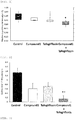
FIG. 1 shows the lipid droplet size (µm2) in hepatocytes when Compound 1 (0.1 mg/kg), tofogliflozin (10 mg/kg) or a combination of Compound 1 (0.1 mg/kg) and tofogliflozin (10 mg/kg) of the present invention is administered. -
FIG. 2 shows ballooning of hepatocytes when Compound 1 (0.1 mg/kg), tofogliflozin (10 mg/kg) or a combination of Compound 1 (0.1 mg/kg) and tofogliflozin (10 mg/kg) of the present invention is administered. -
FIG. 3 shows ballooning of hepatocytes when Compound 1 (0.1 mg/kg), ipragliflozin (3 mg/kg) or a combination of Compound 1 (0.1 mg/kg) and ipragliflozin (3 mg/kg) of the present invention is administered. - In the present invention, PPARα agonist means a generic term of compounds activating a PPARα-type receptor. PPARα-type receptor is a type of peroxisome proliferator-activated receptors (PPAR) which are one kind of nuclear receptors. PPARα-type receptor involves in fat oxidation. Specifically included are fibrates such as fenofibrate, clofibrate, bezafibrate, clinofibrate, ciprofibrate, etofibrate and gemfibrozil, and WY-14643 (pirinixic acid), GW-7647 (2-(4-(2-(1-(1-cyclohexane butyl)-3-cyclohexylureido)ethyl)phenylthio)-2-methylpropionate), and pemafibrate. (R)-2-[3-[[N-(benzoxazol-2-yl)-N-3-(4-methoxyphenoxy)propyl]aminomethyl]phenoxy]butyric acid (Compound 1), which is also known as the common name pemafibrate, is used in the present invention. It can be produced, for example, according to the method described in
WO 2005/023777 or according to any publicly known method described in documents. - In the present invention, SGLT2 inhibitor means a generic term of compounds having an inhibitory effect on a sodium glucose cotransporter 2 (SGLT2) involved in glucose reabsorption in the kidney. Specifically included are dapagliflozin, canagliflozin, ipragliflozin (ASP1941), empagliflozin (BI 10773), luseogliflozin (TS-071), tofogliflozin (CSG452), ertugliflozin (PF-04971729), sotagliflozin (LX-4211), bexagliflozin (EGT-1442) and remogliflozin (KGT-1681). Each of these compounds may be used as a pharmaceutically acceptable salt and/or solvate as appropriate, but the present invention includes all of them.
- Ipragliflozin is a common name for a compound (1S)-1,5-anhydro-1-C-{3-[(1-benzothiophen-2-yl)methyl]-4-fluorophenyl}-D-glucitol. Ipragliflozin can be used, for example, as ipragliflozin L-proline (1:1).
- Tofogliflozin is a common name for a compound (1S,3'R,4'S,5'S,6'R)-6-[(4-ethylphenyl)methyl]-6'-(hydroxymethyl)-3',4',5',6'-tetrahydro-3H-spiro[2-benzofuran-1,2'-pyran]-3',4',5'-triol. Tofogliflozin can be used, for example, as tofogliflozin monohydrate.
- Ipragliflozin can be produced, for example, according to the method described in
WO 2004/080990 or according to any publicly known method described in documents. - Tofogliflozin can be produced, for example, according to the method described in
WO 2006/080421 or according to any publicly known method described in documents. - In the present invention, the liver disease includes fatty liver, hepatitis, NAFLD, NASH, liver cirrhosis and liver cancer such as hepatocellular carcinoma.
- The "salt" of the present invention is not particularly limited as long as it is pharmaceutically acceptable. It includes alkali metal salts such as sodium salt and potassium salt; alkaline earth metal salts such as calcium salt and magnesium salt; inorganic base salts such as ammonium salt; organic base salts such as trialkylamine salt; mineral acid salts such as hydrochloride salt and sulfate salt; and organic acid salts such as acetate salt.
- The "solvate" of the present invention includes a hydrate and alcoholate (such as ethanolate).
- A combination drug is a pharmaceutical product including two or more active ingredients in a single dosage form. In the present invention, an example of the combination drug may be a tablet including the PPARα agonist and the SGLT2 inhibitor in an effective amount.
- A kit is a set of two or more pharmaceutical products. Each of the pharmaceutical products may be taken or administered simultaneously or separately at intervals. In the present invention, an example of the kit may be a combination of a pharmaceutical product containing an effective amount of the PPARα agonist with a pharmaceutical product containing an effective amount of the SGLT2 inhibitor.
- NASH is characterized by hepatocyte ballooning in addition to enlargement of lipid droplets in hepatocytes (see Non-Patent Documents 3 and 6). As described in the Examples below, the combined use of
Compound 1 with ipragliflozin significantly inhibited ballooning of hepatocytes in a NASH-HCC mouse that is a model animal for NASH. In addition, the combined use ofCompound 1 with tofogliflozin significantly inhibited ballooning of hepatocytes in a NASH-HCC mouse and inhibited enlargement of lipid droplets in the hepatocytes. Accordingly, the combined use of the PPARα agonist with the SGLT2 inhibitor of the present invention is useful as a prophylactic and/or therapeutic agent for NASH in mammals including humans. - The therapeutic agent, medicament and the like obtained by combining the PPARα agonist with the SGLT2 inhibitor of the present invention can be used alone or in combination with other pharmaceutically acceptable carriers to prepare a dosage form such as tablets, capsules, granules, powders, lotions, ointments, injections or suppositories. These preparations can be produced according to a known method.
- The therapeutic agents, medicaments and the like obtained by combining the PPARα agonist with the SGLT2 inhibitor of the present invention are administered orally or parenterally. Those skilled in the art can appropriately set the dose depending on the body weight, age, sex, symptom and the like of a patient. When
Compound 1 as a PPARα agonist is administered to an adult, the daily dose may range from 0.01 to 1000 mg, preferably from 0.01 to 10 mg, more preferably from 0.05 to 5 mg, and it is administered preferably in 1 to 3 divided doses. When ipragliflozin is used as an SGLT2 inhibitor, the daily dose may range from 0.1 to 1000 mg, preferably from 1 to 200 mg. When tofogliflozin is used as the SGLT2 inhibitor, the daily dose may range from 0.1 to 500 mg, preferably from 1 to 100 mg. In either case, the daily dose is administered in 1 to 3 divided doses. - Hereinafter, the present invention is described more specifically with reference to Examples, but the present invention is not limited to the Examples at all.
- A NASH-HCC mouse is a model animal that develops liver cirrhosis from fatty liver via NASH when it is fed with a high fat diet, and subsequently develops hepatocellular carcinoma (Non-Patent Document 9). The effect of
compound 1 combined with tofogliflozin was examined using the NASH-HCC mouse model. - In this examination,
Compound 1 was prepared according to the method described in thePatent Document 1. Tofogliflozin monohydrate (Chugai Pharmaceutical Co., Ltd.) was used as a concrete example of tofogliflozin. - NASH-HCC mice were prepared with reference to Non-Patent Document 9, and were used for this experiment. Specifically, male C57BL/6J mice were subcutaneously administered 200 µg of streptozotocin on the second day after birth. The mice were fed ad libitum with a high-fat diet (HFD-32, Clea Japan, Inc.) for 2 weeks starting from 4-week-old. The mice were separated into four groups as described in below 2) and were administered drugs from 6-week-old to 9-week-old as described in below 3). Daily food consumption of the mice in each group were measured while the drugs were administered so that the mice of all groups were fed with the same amount of food as those for the control group.
- NASH-HCC mice were separated into four groups which included a control group, a group administered 0.1 mg/kg of
Compound 1, a group administered 10 mg/kg of tofogliflozin and a group administered in their combination (0.1 mg/kg ofCompound 1 and 10 mg/kg of tofogliflozin) (n = 5 to 7). The mice were separated immediately before starting drug administration (at 6-week-old). There was no difference in the mean of body weight between the groups. - The control group was administered 3% gum arabic aqueous solution.
Compound 1 and/or tofogliflozin was dissolved in 3% gum arabic aqueous solution, and was administered to the group administeredCompound 1, the group administered tofogliflozin or the group administered in their combination, respectively. The mice of each group were orally administered the solution in 5 mL/kg body weight once a day. The administration period was for 3 weeks starting from 6-week-old as described above. - After the administration period, the liver of each mouse was excised under anesthesia and was fixed with 10% neutral buffered formalin solution to prepare hematoxylin-eosin stained specimens. Using the specimens, the lipid droplet size in hepatocyte was analyzed by image analysis software Image J. The area of 6000 to 10,000 lipid droplets was measured in each specimen. The median of the lipid droplet area was calculated for each mouse and then the median and quartile were calculated for each group based on the median for each mouse in the group. These data were expressed in a box-and-whisker plot (
FIG. 1 ). - Ballooning of hepatocytes in each mouse was scored under blind conditions according to the following criteria (Kleiner et al., Hepatology 41, 1313-21, 2005).
- No balloon cells: 0
- Balloon cell is rare (Few balloon cells): 1
- Many Balloon cells or prominent (Ballooning): 2 Then, the mean value of the scores (ballooning score) was calculated in each group and the values were shown (
FIG. 2 ). - Statistical processing was performed using statistical software EZR, which extends the functions of R and R commander. The software is distributed free of charge on the website of Jichi Medical University Saitama Medical Center (Bone Marrow Transplantation (2013) 48, 452-458). The Steel test (N = 5 to 7) was performed using EZR, the drug administration group was labeled with the mark * in figures when the group had the significant difference at p < 0.05 with respect to the control group, and labeled with the mark ** when the group had the significant difference at p < 0.01.
- As shown in
FIG. 1 , the median of lipid droplet size was 1.17 (µm2) in the control group, 1.00 (µm2) in the group administered 0.1 mg/kg ofCompound 1 and 1.00 (µm2) in the group administered 10 mg/kg of tofogliflozin. Although there was a tendency of the size of lipid droplets in hepatocytes to decrease, there was no statistically significant difference. In contrast with the single administration groups, the median of lipid droplet size was 0.89 (µm2) in their combination use group, and a significant decrease (p = 0.037) was observed with respect to the control group. - In addition, as shown in
FIG. 2 , the ballooning score was 1.33 in the control group, 0.60 in the group administered 0.1 mg/kg ofCompound 1 and 0.71 in the group administered 10 mg/kg of tofogliflozin. Although there was a tendency of ballooning of hepatocytes to be suppressed, there was no statistically significant difference. In contrast with the single administration groups, the ballooning score was 0.14 in their combination use group, and a marked suppression (p = 0.0089) of ballooning of hepatocytes was observed with respect to the control group. - The effect of
Compound 1 combined with ipragliflozin was examined in NASH-HCC mice (Non-Patent Document 9). - In this examination,
Compound 1 was prepared according to the method described in thePatent Document 1. Ipragliflozin (Shanghai Haoyuan Chamexpress Co., Ltd., Shanghai, China) was used as a concrete example of ipragliflozin. - NASH-HCC mice were prepared in the same manner as in 1) of Example 1, and were used for this experiment.
- NASH-HCC mice were separated into four groups which included a control group, a group administrated 0.1 mg/kg of
Compound 1, a group administrated 3 mg/kg of ipragliflozin and a group administrated in their combination (0.1 mg/kg ofCompound 1 and 3 mg/kg of ipragliflozin) (n = 8). The mice were separated immediately before starting drug administration (at 6-week-old). There was no difference in the mean of body weight between the groups. - The control group was administered 3% gum arabic aqueous solution.
Compound 1 and/or ipragliflozin was dissolved in 3% gum arabic aqueous solution, and was administered to the group administeredCompound 1, the group administered ipragliflozin or the group administered in their combination, respectively. The mice of each group were orally administered the solution in 5 mL/kg body weight once a day. The administration period was for 3 weeks starting from 6-week-old. - Observation and examination was carried out in the same manner as in 4) of Example 1.
- As shown in
FIG. 3 , the ballooning score was 1.50 in the control group, 1.35 in the group administrated 0.1 mg/kg ofCompound 1 and 0.88 in the group administrated 3 mg/kg of ipragliflozin. Although there was a tendency of ballooning of hepatocytes to be suppressed, there was no statistically significant difference. In contrast with the single administration group, the ballooning score was 0.38 in their combined use group, and a marked suppression (p = 0.009) of ballooning of hepatocytes was observed with respect to the control group. - As is evident from the above results, a combined use of
Compound 1 with an SGLT2 inhibitor such as tofogliflozin or ipragliflozin of the present invention provides a remarkable effect to reduce lipid droplet size in hepatocytes and to suppressballooning of hepatocytes in the NASH mouse model. Reduction of lipid droplet size in hepatocytes and suppression of ballooning of hepatocytes correspond to improvement of the condition of NAFLD and NASH, which in turn leads to prevention of liver cirrhosis and hepatocellular carcinoma that are terminal diseases of NAFLD and NASH. - Since a combination of a PPARα agonist and an SGLT2 inhibitor exhibits a prophylactic and/or therapeutic effect on NAFLD and NASH, the present invention has industrial applicability.
Claims (9)
- A prophylactic and/or therapeutic agent for liver disease, comprising a combination of a PPARα agonist with an SGLT2 inhibitor.
- The prophylactic and/or therapeutic agent according to claim 1, wherein the liver disease comprises nonalcoholic fatty liver disease.
- The prophylactic and/or therapeutic agent according to claim 2, wherein the nonalcoholic fatty liver disease comprises nonalcoholic steatohepatitis.
- The prophylactic and/or therapeutic agent according to claim 2, having an effect to suppress hepatocyte ballooning in a subject with nonalcoholic fatty liver disease.
- The prophylactic and/or therapeutic agent according to claim 1, wherein the liver disease comprises liver cirrhosis or hepatocellular carcinoma.
- The prophylactic and/or therapeutic agent according to any one of claims 1 to 5, wherein the PPARα agonist is (R)-2-[3-[[N-(benzoxazol-2-yl)-N-3-(4-methoxyphenoxy)propyl]aminomethyl]phenoxy]butyric acid or a salt thereof, or a solvate thereof.
- The prophylactic and/or therapeutic agent according to any one of claims 1 to 6, wherein the SGLT2 inhibitor is selected from the group consisting of dapagliflozin, canagliflozin, ipragliflozin, empagliflozin, luseogliflozin, tofogliflozin, ertugliflozin, sotagliflozin, bexagliflozin and remogliflozin.
- The prophylactic and/or therapeutic agent according to any one of claims 1 to 7, being a combination drug.
- The prophylactic and/or therapeutic agent according to any one of claims 1 to 7, being a kit.
Priority Applications (1)
| Application Number | Priority Date | Filing Date | Title |
|---|---|---|---|
| RS20250536A RS66854B1 (en) | 2017-01-11 | 2018-01-11 | Pemafibrate in combination with a sglt2 inhibitor for the prophylactic or therapeutic treatment of liver diseases nonalcoholic fatty liver disease |
Applications Claiming Priority (2)
| Application Number | Priority Date | Filing Date | Title |
|---|---|---|---|
| JP2017002731 | 2017-01-11 | ||
| PCT/JP2018/000398 WO2018131626A1 (en) | 2017-01-11 | 2018-01-11 | Prophylactic and therapeutic drug for nonalcoholic fatty liver disease |
Publications (4)
| Publication Number | Publication Date |
|---|---|
| EP3569250A1 true EP3569250A1 (en) | 2019-11-20 |
| EP3569250A4 EP3569250A4 (en) | 2020-11-04 |
| EP3569250B1 EP3569250B1 (en) | 2025-04-30 |
| EP3569250C0 EP3569250C0 (en) | 2025-04-30 |
Family
ID=62840012
Family Applications (1)
| Application Number | Title | Priority Date | Filing Date |
|---|---|---|---|
| EP18738999.4A Active EP3569250B1 (en) | 2017-01-11 | 2018-01-11 | Pemafibrate in combination with a sglt2 inhibitor for the prophylactic or therapeutic treatment of liver diseases nonalcoholic fatty liver disease |
Country Status (13)
| Country | Link |
|---|---|
| US (3) | US20200022960A1 (en) |
| EP (1) | EP3569250B1 (en) |
| JP (3) | JP7202892B2 (en) |
| KR (1) | KR102487075B1 (en) |
| CN (1) | CN110167595A (en) |
| AU (1) | AU2018206907B2 (en) |
| CA (1) | CA3047716A1 (en) |
| ES (1) | ES3026786T3 (en) |
| HU (1) | HUE071625T2 (en) |
| MX (2) | MX2019008317A (en) |
| PL (1) | PL3569250T3 (en) |
| RS (1) | RS66854B1 (en) |
| WO (1) | WO2018131626A1 (en) |
Families Citing this family (6)
| Publication number | Priority date | Publication date | Assignee | Title |
|---|---|---|---|---|
| HK1249847A1 (en) | 2015-03-09 | 2018-11-16 | Intekrin Therapeutics, Inc. | Methods for the treatment of nonalcoholic fatty liver disease and/or lipodystrophy |
| KR20200036808A (en) | 2017-04-03 | 2020-04-07 | 코히러스 바이오사이언시스, 인크. | PPARγ agonist for the treatment of advanced nuclear paralysis |
| MX2021008010A (en) * | 2018-12-31 | 2021-10-13 | Coherus Biosciences Inc | Compositions and methods to treat non-alcoholic fatty liver diseases (nafld). |
| WO2020205027A1 (en) * | 2019-04-02 | 2020-10-08 | Christos Mantzoros | Compositions and methods to treat non-alcoholic fatty liver diseases (nafld) |
| TW202135811A (en) * | 2019-12-20 | 2021-10-01 | 瑞士商諾華公司 | Combination treatment of liver diseases using integrin inhibitors |
| US20240277745A1 (en) * | 2021-05-27 | 2024-08-22 | Kowa Company, Ltd | Pemafibrate and/or tofogliflozin for use in treating liver disease |
Family Cites Families (8)
| Publication number | Priority date | Publication date | Assignee | Title |
|---|---|---|---|---|
| CN1802366B (en) | 2003-03-14 | 2010-12-22 | 安斯泰来制药有限公司 | C-glycoside derivatives and their salts |
| KR100515360B1 (en) | 2003-09-02 | 2005-09-15 | 삼성에스디아이 주식회사 | Plasma display panel and Driving method thereof |
| BRPI0413991B8 (en) | 2003-09-03 | 2021-05-25 | Kowa Co | ppar activator compound and pharmaceutical composition containing the same |
| EP1782828B1 (en) | 2004-07-21 | 2016-06-29 | Kissei Pharmaceutical Co., Ltd. | Progression inhibitor for disease attributed to abnormal accumulation of liver fat |
| TW200637869A (en) | 2005-01-28 | 2006-11-01 | Chugai Pharmaceutical Co Ltd | The spiroketal derivatives and the use as therapeutical agent for diabetes of the same |
| KR20150005365A (en) | 2013-07-05 | 2015-01-14 | 에스케이하이닉스 주식회사 | Priod signal generation circuit |
| TWI696462B (en) | 2013-07-10 | 2020-06-21 | 日商興和股份有限公司 | The therapeutic agent for nonalcoholic fatty liver disease |
| JP2017528499A (en) | 2014-09-25 | 2017-09-28 | アストラゼネカ・アクチエボラーグAstrazeneca Aktiebolag | Combination drug of omega-3 fatty acid and SGLT-2 inhibitor for treating liver diseases |
-
2018
- 2018-01-11 JP JP2018561398A patent/JP7202892B2/en active Active
- 2018-01-11 CA CA3047716A patent/CA3047716A1/en active Pending
- 2018-01-11 US US16/477,416 patent/US20200022960A1/en not_active Abandoned
- 2018-01-11 EP EP18738999.4A patent/EP3569250B1/en active Active
- 2018-01-11 AU AU2018206907A patent/AU2018206907B2/en active Active
- 2018-01-11 ES ES18738999T patent/ES3026786T3/en active Active
- 2018-01-11 RS RS20250536A patent/RS66854B1/en unknown
- 2018-01-11 PL PL18738999.4T patent/PL3569250T3/en unknown
- 2018-01-11 WO PCT/JP2018/000398 patent/WO2018131626A1/en not_active Ceased
- 2018-01-11 KR KR1020197020278A patent/KR102487075B1/en active Active
- 2018-01-11 CN CN201880006488.5A patent/CN110167595A/en active Pending
- 2018-01-11 MX MX2019008317A patent/MX2019008317A/en unknown
- 2018-01-11 HU HUE18738999A patent/HUE071625T2/en unknown
-
2019
- 2019-07-10 MX MX2022015500A patent/MX2022015500A/en unknown
-
2021
- 2021-11-01 US US17/515,945 patent/US12042483B2/en active Active
-
2022
- 2022-12-26 JP JP2022207784A patent/JP2023024728A/en active Pending
-
2024
- 2024-06-12 US US18/741,528 patent/US20240325356A1/en active Pending
- 2024-09-30 JP JP2024169790A patent/JP2024177232A/en active Pending
Also Published As
| Publication number | Publication date |
|---|---|
| HUE071625T2 (en) | 2025-09-28 |
| US20200022960A1 (en) | 2020-01-23 |
| US20220054459A1 (en) | 2022-02-24 |
| ES3026786T3 (en) | 2025-06-12 |
| EP3569250A4 (en) | 2020-11-04 |
| JP2023024728A (en) | 2023-02-16 |
| JP2024177232A (en) | 2024-12-19 |
| EP3569250B1 (en) | 2025-04-30 |
| RU2019123735A (en) | 2021-02-12 |
| RU2019123735A3 (en) | 2021-03-26 |
| KR102487075B1 (en) | 2023-01-09 |
| AU2018206907A1 (en) | 2019-07-11 |
| PL3569250T3 (en) | 2025-06-23 |
| BR112019013539A2 (en) | 2020-01-07 |
| US12042483B2 (en) | 2024-07-23 |
| AU2018206907B2 (en) | 2023-11-02 |
| KR20190104542A (en) | 2019-09-10 |
| EP3569250C0 (en) | 2025-04-30 |
| RS66854B1 (en) | 2025-06-30 |
| MX2019008317A (en) | 2019-09-19 |
| JPWO2018131626A1 (en) | 2019-11-07 |
| US20240325356A1 (en) | 2024-10-03 |
| WO2018131626A1 (en) | 2018-07-19 |
| CA3047716A1 (en) | 2018-07-19 |
| CN110167595A (en) | 2019-08-23 |
| JP7202892B2 (en) | 2023-01-12 |
| MX2022015500A (en) | 2023-01-24 |
Similar Documents
| Publication | Publication Date | Title |
|---|---|---|
| US12042483B2 (en) | Prophylactic and therapeutic drug for nonalcoholic fatty liver disease | |
| KR102034703B1 (en) | Drug for treatment of nonalcoholic fatty liver disease | |
| US10583129B2 (en) | Use of EP4 receptor antagonists for the treatment of NASH-associated liver cancer | |
| EP3644983B1 (en) | Compositions and methods of treating or preventing fibrotic lung diseases | |
| UA125744C2 (en) | Pharmaceutical compositions for combination therapy | |
| HK1251162A1 (en) | Use of ep4 receptor antagonists for the treatment of nash-associated liver cancer | |
| US10959974B2 (en) | Ingenol compounds and use thereof in anti-HIV latency treatment | |
| RU2820552C2 (en) | Preventive and therapeutic drug for non-alcoholic fatty liver disease | |
| TW201618776A (en) | A treating agent for dyslipidemia | |
| BR112019013539B1 (en) | PROPHYLACTIC AND/OR THERAPEUTIC AGENT FOR LIVER DISEASE | |
| BR122024019165A2 (en) | PROPHYLACTIC AND/OR THERAPEUTIC AGENT FOR LIVER DISEASE, AND USE OF A PPARalpha AGONIST AND A SGLT2 INHIBITOR | |
| JP2024042690A (en) | Preventive and/or therapeutic drug for non-alcoholic fatty liver disease | |
| HK40013523A (en) | Prophylactic and therapeutic drug for nonalcoholic fatty liver disease | |
| CN120241725A (en) | Application of a combined pharmaceutical composition in the preparation of a drug for treating transformed follicular lymphoma | |
| CN119770493A (en) | A combined pharmaceutical composition for improving or treating acute myeloid leukemia and its application | |
| CN119770495A (en) | Combined medicine composition for improving or treating follicular lymphoma and application thereof | |
| US20180280319A1 (en) | Compounds and compositions for treatment of breast cancer |
Legal Events
| Date | Code | Title | Description |
|---|---|---|---|
| STAA | Information on the status of an ep patent application or granted ep patent |
Free format text: STATUS: THE INTERNATIONAL PUBLICATION HAS BEEN MADE |
|
| PUAI | Public reference made under article 153(3) epc to a published international application that has entered the european phase |
Free format text: ORIGINAL CODE: 0009012 |
|
| STAA | Information on the status of an ep patent application or granted ep patent |
Free format text: STATUS: REQUEST FOR EXAMINATION WAS MADE |
|
| 17P | Request for examination filed |
Effective date: 20190730 |
|
| AK | Designated contracting states |
Kind code of ref document: A1 Designated state(s): AL AT BE BG CH CY CZ DE DK EE ES FI FR GB GR HR HU IE IS IT LI LT LU LV MC MK MT NL NO PL PT RO RS SE SI SK SM TR |
|
| AX | Request for extension of the european patent |
Extension state: BA ME |
|
| DAV | Request for validation of the european patent (deleted) | ||
| DAX | Request for extension of the european patent (deleted) | ||
| A4 | Supplementary search report drawn up and despatched |
Effective date: 20201002 |
|
| RIC1 | Information provided on ipc code assigned before grant |
Ipc: A61K 45/06 20060101AFI20200928BHEP Ipc: A61K 31/7042 20060101ALI20200928BHEP Ipc: A61P 35/00 20060101ALI20200928BHEP Ipc: A61K 31/423 20060101ALI20200928BHEP Ipc: A61K 31/381 20060101ALI20200928BHEP Ipc: A61K 31/7056 20060101ALI20200928BHEP Ipc: A61K 31/351 20060101ALI20200928BHEP Ipc: A61K 31/382 20060101ALI20200928BHEP Ipc: A61K 31/7048 20060101ALI20200928BHEP Ipc: A61K 31/70 20060101ALI20200928BHEP Ipc: A61P 1/16 20060101ALI20200928BHEP Ipc: A61P 43/00 20060101ALI20200928BHEP |
|
| STAA | Information on the status of an ep patent application or granted ep patent |
Free format text: STATUS: EXAMINATION IS IN PROGRESS |
|
| 17Q | First examination report despatched |
Effective date: 20220708 |
|
| REG | Reference to a national code |
Ref country code: DE Ref legal event code: R079 Free format text: PREVIOUS MAIN CLASS: A61K0045060000 Ipc: A61K0031351000 Ref country code: DE Ref legal event code: R079 Ref document number: 602018081507 Country of ref document: DE Free format text: PREVIOUS MAIN CLASS: A61K0045060000 Ipc: A61K0031351000 |
|
| GRAP | Despatch of communication of intention to grant a patent |
Free format text: ORIGINAL CODE: EPIDOSNIGR1 |
|
| STAA | Information on the status of an ep patent application or granted ep patent |
Free format text: STATUS: GRANT OF PATENT IS INTENDED |
|
| RIC1 | Information provided on ipc code assigned before grant |
Ipc: A61K 31/7056 20060101ALI20240612BHEP Ipc: A61K 31/7042 20060101ALI20240612BHEP Ipc: A61K 31/70 20060101ALI20240612BHEP Ipc: A61K 31/382 20060101ALI20240612BHEP Ipc: A61P 43/00 20060101ALI20240612BHEP Ipc: A61P 35/00 20060101ALI20240612BHEP Ipc: A61P 1/16 20060101ALI20240612BHEP Ipc: A61K 31/7048 20060101ALI20240612BHEP Ipc: A61K 31/423 20060101ALI20240612BHEP Ipc: A61K 45/06 20060101ALI20240612BHEP Ipc: A61K 31/381 20060101ALI20240612BHEP Ipc: A61K 31/351 20060101AFI20240612BHEP |
|
| INTG | Intention to grant announced |
Effective date: 20240626 |
|
| GRAS | Grant fee paid |
Free format text: ORIGINAL CODE: EPIDOSNIGR3 |
|
| GRAJ | Information related to disapproval of communication of intention to grant by the applicant or resumption of examination proceedings by the epo deleted |
Free format text: ORIGINAL CODE: EPIDOSDIGR1 |
|
| GRAL | Information related to payment of fee for publishing/printing deleted |
Free format text: ORIGINAL CODE: EPIDOSDIGR3 |
|
| STAA | Information on the status of an ep patent application or granted ep patent |
Free format text: STATUS: EXAMINATION IS IN PROGRESS |
|
| GRAP | Despatch of communication of intention to grant a patent |
Free format text: ORIGINAL CODE: EPIDOSNIGR1 |
|
| STAA | Information on the status of an ep patent application or granted ep patent |
Free format text: STATUS: GRANT OF PATENT IS INTENDED |
|
| INTC | Intention to grant announced (deleted) | ||
| INTG | Intention to grant announced |
Effective date: 20241129 |
|
| GRAA | (expected) grant |
Free format text: ORIGINAL CODE: 0009210 |
|
| STAA | Information on the status of an ep patent application or granted ep patent |
Free format text: STATUS: THE PATENT HAS BEEN GRANTED |
|
| AK | Designated contracting states |
Kind code of ref document: B1 Designated state(s): AL AT BE BG CH CY CZ DE DK EE ES FI FR GB GR HR HU IE IS IT LI LT LU LV MC MK MT NL NO PL PT RO RS SE SI SK SM TR |
|
| REG | Reference to a national code |
Ref country code: CH Ref legal event code: EP Ref country code: GB Ref legal event code: FG4D |
|
| REG | Reference to a national code |
Ref country code: IE Ref legal event code: FG4D |
|
| REG | Reference to a national code |
Ref country code: DE Ref legal event code: R096 Ref document number: 602018081507 Country of ref document: DE |
|
| REG | Reference to a national code |
Ref country code: ES Ref legal event code: FG2A Ref document number: 3026786 Country of ref document: ES Kind code of ref document: T3 Effective date: 20250612 |
|
| U01 | Request for unitary effect filed |
Effective date: 20250521 |
|
| U07 | Unitary effect registered |
Designated state(s): AT BE BG DE DK EE FI FR IT LT LU LV MT NL PT RO SE SI Effective date: 20250528 |
|
| REG | Reference to a national code |
Ref country code: SK Ref legal event code: T3 Ref document number: E 46533 Country of ref document: SK |
|
| REG | Reference to a national code |
Ref country code: GR Ref legal event code: EP Ref document number: 20250401064 Country of ref document: GR Effective date: 20250613 |
|
| REG | Reference to a national code |
Ref country code: HU Ref legal event code: AG4A Ref document number: E071625 Country of ref document: HU |
|
| PG25 | Lapsed in a contracting state [announced via postgrant information from national office to epo] |
Ref country code: HR Free format text: LAPSE BECAUSE OF FAILURE TO SUBMIT A TRANSLATION OF THE DESCRIPTION OR TO PAY THE FEE WITHIN THE PRESCRIBED TIME-LIMIT Effective date: 20250430 |
|
| PG25 | Lapsed in a contracting state [announced via postgrant information from national office to epo] |
Ref country code: IS Free format text: LAPSE BECAUSE OF FAILURE TO SUBMIT A TRANSLATION OF THE DESCRIPTION OR TO PAY THE FEE WITHIN THE PRESCRIBED TIME-LIMIT Effective date: 20250830 |
|
| PGFP | Annual fee paid to national office [announced via postgrant information from national office to epo] |
Ref country code: GB Payment date: 20251127 Year of fee payment: 9 |
|
| PG25 | Lapsed in a contracting state [announced via postgrant information from national office to epo] |
Ref country code: SM Free format text: LAPSE BECAUSE OF FAILURE TO SUBMIT A TRANSLATION OF THE DESCRIPTION OR TO PAY THE FEE WITHIN THE PRESCRIBED TIME-LIMIT Effective date: 20250430 |
|
| U20 | Renewal fee for the european patent with unitary effect paid |
Year of fee payment: 9 Effective date: 20251205 |
|
| PGFP | Annual fee paid to national office [announced via postgrant information from national office to epo] |
Ref country code: GR Payment date: 20251210 Year of fee payment: 9 |
|
| PGFP | Annual fee paid to national office [announced via postgrant information from national office to epo] |
Ref country code: IE Payment date: 20251209 Year of fee payment: 9 Ref country code: CZ Payment date: 20251219 Year of fee payment: 9 |
|
| PGFP | Annual fee paid to national office [announced via postgrant information from national office to epo] |
Ref country code: PL Payment date: 20251212 Year of fee payment: 9 |
|
| PGFP | Annual fee paid to national office [announced via postgrant information from national office to epo] |
Ref country code: SK Payment date: 20251212 Year of fee payment: 9 |
|
| PGFP | Annual fee paid to national office [announced via postgrant information from national office to epo] |
Ref country code: RS Payment date: 20251219 Year of fee payment: 9 |
|
| REG | Reference to a national code |
Ref country code: CH Ref legal event code: U11 Free format text: ST27 STATUS EVENT CODE: U-0-0-U10-U11 (AS PROVIDED BY THE NATIONAL OFFICE) Effective date: 20260201 |
|
| PGFP | Annual fee paid to national office [announced via postgrant information from national office to epo] |
Ref country code: HU Payment date: 20260112 Year of fee payment: 9 |
|
| PLBE | No opposition filed within time limit |
Free format text: ORIGINAL CODE: 0009261 |
|
| STAA | Information on the status of an ep patent application or granted ep patent |
Free format text: STATUS: NO OPPOSITION FILED WITHIN TIME LIMIT |
|
| REG | Reference to a national code |
Ref country code: CH Ref legal event code: L10 Free format text: ST27 STATUS EVENT CODE: U-0-0-L10-L00 (AS PROVIDED BY THE NATIONAL OFFICE) Effective date: 20260311 |
|
| 26N | No opposition filed |
Effective date: 20260202 |
|
| PGFP | Annual fee paid to national office [announced via postgrant information from national office to epo] |
Ref country code: MC Payment date: 20260105 Year of fee payment: 9 Ref country code: ES Payment date: 20260203 Year of fee payment: 9 |
|
| PGFP | Annual fee paid to national office [announced via postgrant information from national office to epo] |
Ref country code: NO Payment date: 20260109 Year of fee payment: 9 |
|
| PGFP | Annual fee paid to national office [announced via postgrant information from national office to epo] |
Ref country code: TR Payment date: 20260109 Year of fee payment: 9 |
|
| PGFP | Annual fee paid to national office [announced via postgrant information from national office to epo] |
Ref country code: CH Payment date: 20260201 Year of fee payment: 9 |