EP3562174A1 - Mobile device detection apparatus and mobile device detection method - Google Patents
Mobile device detection apparatus and mobile device detection method Download PDFInfo
- Publication number
- EP3562174A1 EP3562174A1 EP17883077.4A EP17883077A EP3562174A1 EP 3562174 A1 EP3562174 A1 EP 3562174A1 EP 17883077 A EP17883077 A EP 17883077A EP 3562174 A1 EP3562174 A1 EP 3562174A1
- Authority
- EP
- European Patent Office
- Prior art keywords
- mobile device
- authentication
- antennas
- signal
- request signal
- Prior art date
- Legal status (The legal status is an assumption and is not a legal conclusion. Google has not performed a legal analysis and makes no representation as to the accuracy of the status listed.)
- Withdrawn
Links
Images



Classifications
-
- B—PERFORMING OPERATIONS; TRANSPORTING
- B60—VEHICLES IN GENERAL
- B60R—VEHICLES, VEHICLE FITTINGS, OR VEHICLE PARTS, NOT OTHERWISE PROVIDED FOR
- B60R25/00—Fittings or systems for preventing or indicating unauthorised use or theft of vehicles
- B60R25/20—Means to switch the anti-theft system on or off
- B60R25/24—Means to switch the anti-theft system on or off using electronic identifiers containing a code not memorised by the user
-
- B—PERFORMING OPERATIONS; TRANSPORTING
- B60—VEHICLES IN GENERAL
- B60R—VEHICLES, VEHICLE FITTINGS, OR VEHICLE PARTS, NOT OTHERWISE PROVIDED FOR
- B60R25/00—Fittings or systems for preventing or indicating unauthorised use or theft of vehicles
- B60R25/20—Means to switch the anti-theft system on or off
- B60R25/24—Means to switch the anti-theft system on or off using electronic identifiers containing a code not memorised by the user
- B60R25/245—Means to switch the anti-theft system on or off using electronic identifiers containing a code not memorised by the user where the antenna reception area plays a role
-
- E—FIXED CONSTRUCTIONS
- E05—LOCKS; KEYS; WINDOW OR DOOR FITTINGS; SAFES
- E05B—LOCKS; ACCESSORIES THEREFOR; HANDCUFFS
- E05B49/00—Electric permutation locks; Circuits therefor ; Mechanical aspects of electronic locks; Mechanical keys therefor
-
- H—ELECTRICITY
- H04—ELECTRIC COMMUNICATION TECHNIQUE
- H04B—TRANSMISSION
- H04B1/00—Details of transmission systems, not covered by a single one of groups H04B3/00 - H04B13/00; Details of transmission systems not characterised by the medium used for transmission
- H04B1/59—Responders; Transponders
-
- H—ELECTRICITY
- H04—ELECTRIC COMMUNICATION TECHNIQUE
- H04W—WIRELESS COMMUNICATION NETWORKS
- H04W4/00—Services specially adapted for wireless communication networks; Facilities therefor
- H04W4/02—Services making use of location information
- H04W4/023—Services making use of location information using mutual or relative location information between multiple location based services [LBS] targets or of distance thresholds
-
- H—ELECTRICITY
- H04—ELECTRIC COMMUNICATION TECHNIQUE
- H04W—WIRELESS COMMUNICATION NETWORKS
- H04W4/00—Services specially adapted for wireless communication networks; Facilities therefor
- H04W4/30—Services specially adapted for particular environments, situations or purposes
- H04W4/40—Services specially adapted for particular environments, situations or purposes for vehicles, e.g. vehicle-to-pedestrians [V2P]
-
- H—ELECTRICITY
- H04—ELECTRIC COMMUNICATION TECHNIQUE
- H04W—WIRELESS COMMUNICATION NETWORKS
- H04W84/00—Network topologies
- H04W84/02—Hierarchically pre-organised networks, e.g. paging networks, cellular networks, WLAN [Wireless Local Area Network] or WLL [Wireless Local Loop]
- H04W84/10—Small scale networks; Flat hierarchical networks
-
- E—FIXED CONSTRUCTIONS
- E05—LOCKS; KEYS; WINDOW OR DOOR FITTINGS; SAFES
- E05B—LOCKS; ACCESSORIES THEREFOR; HANDCUFFS
- E05B81/00—Power-actuated vehicle locks
- E05B81/54—Electrical circuits
- E05B81/64—Monitoring or sensing, e.g. by using switches or sensors
-
- H—ELECTRICITY
- H04—ELECTRIC COMMUNICATION TECHNIQUE
- H04W—WIRELESS COMMUNICATION NETWORKS
- H04W4/00—Services specially adapted for wireless communication networks; Facilities therefor
- H04W4/02—Services making use of location information
- H04W4/029—Location-based management or tracking services
-
- H—ELECTRICITY
- H04—ELECTRIC COMMUNICATION TECHNIQUE
- H04W—WIRELESS COMMUNICATION NETWORKS
- H04W8/00—Network data management
- H04W8/005—Discovery of network devices, e.g. terminals
Definitions
- the existence position of the mobile device has only to be detected using the plurality of antennas after the response signal from the mobile device is received.
- a power consumption of a passive entry system can be restricted.
- the authentication antenna 10a is built in a door on a driver's seat side
- the authentication antenna 10b is built in a door on a rear seat on the driver's seat side
- the authentication antenna 10c is built in a trunk lid
- the authentication antenna 10d is built in a door on a rear seat on a front passenger seat side
- the authentication antenna 10e is built in the door on the driver's seat side.
- Those authentication antennas 10a to 10e transmit radio waves toward a vehicle exterior and receive the radio waves from the vehicle exterior.
- a distance over which the authentication antennas 10a to 10e can transmit the radio waves is set to a relatively short distance, typically about 1.5 meters.
- FIG. 3 shows a rough internal structure of the mobile device authentication device 100 according to the present embodiment.
- the mobile device authentication device 100 includes a request signal transmission unit 101, a response signal reception unit 102, an existence detection unit 103, a position detection unit 104, a signal transmission unit 105, a signal reception unit 106, and an authentication execution unit 107.
- those "units" are abstract concepts in which an inside of the mobile device authentication device 100 is classified for convenience by focusing on the functions provided in the mobile device authentication device 100 for detecting the position of the mobile device 20 and further authenticating the mobile device 20. Therefore, the mobile device authentication device 100 is not physically divided into those "units".
- Those "units" can be realized as a computer program executed by a CPU, can be realized as an electronic circuit including an LSI and a memory, or can be realized by combining those components together.
- the mobile device authentication device 100 is mainly configured by a microcomputer including a CPU, a ROM, a RAM, and the like, and therefore, the "units” described above are mainly realized by a computer program executed by the CPU.
- FIG. 4 is a flowchart of a mobile device authentication process to be executed by the mobile device authentication device 100 according to the present embodiment.
- the request signal is transmitted from the detection antenna 11 (S100).
- the distance over which the detection antenna 11 can transmit the radio waves is set to be sufficiently longer (typically about 30 to 50 meters) than the distance over which the authentication antennas 10a to 10e can transmit the radio waves.
- the request signal is a signal for requesting the mobile device 20 to transmit a reply signal.
- FIG. 6 shows a state in which the mobile device authentication device 100 according to the present embodiment transmits the request signal from the detection antenna 11 while transmitting the reply request signals in order from the authentication antennas 10a to 10e.
- the request signal is transmitted from the detection antenna 11 at predetermined transmission time intervals, and the response signal to the request signal is received.
- the mobile device authentication device 100 transmits the reply request signals in order from the authentication antennas 10a to 10e.
Landscapes
- Engineering & Computer Science (AREA)
- Computer Networks & Wireless Communication (AREA)
- Signal Processing (AREA)
- Mechanical Engineering (AREA)
- Databases & Information Systems (AREA)
- Lock And Its Accessories (AREA)
- Mobile Radio Communication Systems (AREA)
Abstract
Description
- This application is based on Japanese Patent Application No.
2016-246127 filed on December 20, 2016 - The present disclosure relates to a mobile device detection apparatus and a mobile device detection method, which are applied to a vehicle equipped with a plurality of antennas, for detecting an existence of a mobile device that exists in a range communicable with the vehicle.
- In conventional vehicles, a technique called a passive entry system in which a door of the vehicle is automatically unlocked to enter the vehicle when a user of the vehicle approaches the vehicle with carrying a key has been widely used. This technique is realized as follows. First, an antenna is mounted on a plurality of doors of the vehicle (including a rear door in the case of a vehicle having the rear door), and radio waves are transmitted from the respective antennas toward a periphery of the vehicle. In addition, a function of transmitting and receiving a radio wave is also installed in the key carried by the user, and a response signal is returned when the radio wave from the vehicle is received. In this way, on the vehicle side, it can be recognized from which direction the user approaches based on which antenna receives the response signal. Thereafter, whether or not the key is a regular key is authenticated by a communication with the key of the user using the antenna that has received the response signal, and when it is determined through the authentication that the key carried by the user is the regular key, the door of the vehicle is unlocked. As a result, the user carrying the regular key can open the door and enter the vehicle without performing an unlocking operation by using the key (for example, Patent Literature 1). As described above, since the function of transmitting and receiving the radio wave is installed in the key used in the passive entry system, the key used in the passive entry system is usually referred to as a "mobile device".
- In such a passive entry system, an intensity of the radio wave transmitted from the vehicle is set so that a range in which the radio wave reaches is limited to a periphery of the vehicle, for example, in a range of about 1.5 meters from the vehicle. This is because, for example, if the radio wave reaches a distance of 30 meters from the vehicle, the door of the vehicle is unlocked by the user who carries the mobile device when the user passes within a range of 30 meters from the vehicle while not knowing, which is undesirable from the viewpoint of security.
- In addition, because the intensity of the radio wave from the vehicle is set to such intensity, a frequency at which the vehicle transmits the radio wave to the surroundings is set to a relatively high frequency. The reason will be described below. For example, if it is assumed that the user carrying the mobile device approaches the vehicle to intend to get into the vehicle, the vehicle side cannot recognize the mobile device unless the user approaches the periphery of the vehicle (for example, 1.5 meters from the vehicle). Therefore, in consideration of a time required to unlock the door after checking whether or not the mobile device is a regular mobile device, if the vehicle side does not recognize a fact that the user approaches the periphery of the vehicle as soon as possible, the unlocking of the door will not occur in time to cause the user to wait for unlocking. Therefore, the vehicle side transmits the radio wave at a relatively high frequency (for example, about once per second. When multiple antennas are mounted, the radio wave is transmitted once per second for each antenna) so that the vehicle side can immediately recognize approaching the periphery of the vehicle.
- Naturally, the vehicle side does not know when and from which direction the user carrying the mobile device approaches the vehicle. Therefore, under the conventional circumstances, in the vehicle equipped with the passive entry system, the radio waves are continuously transmitted from the multiple antennas at a relatively high frequency until the user gets into a vehicle interior with carrying the mobile device.
- Patent Literature 1:
JP 2013-185376 A - However, in the passive entry system described above, since there is a need to continuously transmit the radio waves from the plurality of antennas mounted on the vehicle at a relatively high frequency, there is an issue that a power consumption increases.
- It is an object of the present disclosure to provide a mobile device detection apparatus and a mobile device detection method capable of reducing a power consumption of a passive entry system.
- A mobile device detection apparatus according to an aspect of the present disclosure is mounted on a vehicle equipped with a plurality of antennas and detects an existence position of a mobile device that exists within a range communicable with the vehicle. The mobile device detection apparatus includes an existence detection unit that transmits a request signal for requesting a response to the mobile device from a predetermined antenna among the plurality of antennas and receives a response signal returned from the mobile device to detect an existence of the mobile device, and a position detection unit that transmits a reply request signal for requesting a reply signal to the mobile device when the existence of the mobile device is detected, and receives the reply signal from the mobile device using the plurality of antennas to detect the existence position of the mobile device.
- A mobile device detection method according to another aspect of the present disclosure is applied to a vehicle equipped with a plurality of antennas for detecting an existence position of a mobile device that exists within a range communicable with the vehicle, and includes transmitting a request signal for requesting a response to the mobile device from a predetermined antenna among the plurality of antennas, receiving a response signal returned from the mobile device to detect an existence of the mobile device, transmitting a reply request signal for requesting a reply signal to the mobile device upon detecting the existence of the mobile device, and receiving the reply signal from the mobile device using the plurality of antennas to detect the existence position of the mobile device.
- According to the above-described mobile device detection apparatus and the above-described mobile device detection method, the existence position of the mobile device has only to be detected using the plurality of antennas after the response signal from the mobile device is received. Thus, a power consumption of a passive entry system can be restricted.
- The above and other objects, features and advantages of the present disclosure will become more apparent from the following detailed description made with reference to the accompanying drawings. In the drawings:
-
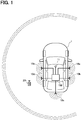
FIG. 1 is an illustrative diagram showing a rough structure of a vehicle equipped with a mobile device authentication device according to the present embodiment, -
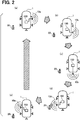
FIG. 2 is an illustrative diagram showing a method of detecting a position of a mobile device by a general mobile device authentication device, -
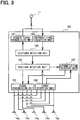
FIG. 3 is a block diagram showing an internal structure of a mobile device authentication device according to the present embodiment, -
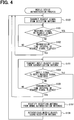
FIG. 4 is a flowchart of a mobile device authentication process to be executed by the mobile device authentication device according to the present embodiment, -
FIG. 5 is an illustrative diagram showing a state in which the mobile device authentication device detects an existence of the mobile device according to the present embodiment, -
FIG. 6 is an illustrative diagram showing a state in which the mobile device authentication device according to the present embodiment detects a position of the mobile device, -
FIG. 7A is an illustrative diagram showing a reason why a power consumption is reduced in the mobile device authentication device according to the present embodiment, -
FIG. 7B is an illustrative diagram showing the power consumption in a mobile device authentication device according to the prior art, -
FIG. 8 is an illustrative diagram showing a rough configuration of a vehicle equipped with a mobile device authentication device according to a first modification, -
FIG. 9 is an illustrative diagram showing a state in which the mobile device authentication device according to the first modification detects an existence of the mobile device, and -
FIG. 10 is a flowchart of a mobile device authentication process to be executed by a mobile device authentication device according to a second modification. - Hereinafter, embodiments will be described in order to clarify the contents of the present disclosure described above.
-
FIG. 1 shows a rough structure of avehicle 1 provided with a mobiledevice authentication device 100 according to the present embodiment. As shown in the figure, thevehicle 1 includes a mobiledevice authentication device 100 for authenticating amobile device 20 that exists in a periphery of thevehicle 1,authentication antennas 10a to 10e used for authenticating themobile device 20, and adetection antenna 11 for detecting an existence of themobile device 20, and theauthentication antennas 10a to 10e and thedetection antenna 11 are connected to the mobiledevice authentication device 100. Since the mobiledevice authentication device 100 according to the present embodiment detects a position where themobile device 20 exists before authenticating themobile device 20 that exists in the periphery of the vehicle, the mobiledevice authentication device 100 according to the present embodiment corresponds to a "mobile device detection apparatus" in the present disclosure. - Among the five
authentication antennas 10a to 10e, theauthentication antenna 10a is built in a door on a driver's seat side, and theauthentication antenna 10b is built in a door on a rear seat on the driver's seat side. Theauthentication antenna 10c is built in a trunk lid, theauthentication antenna 10d is built in a door on a rear seat on a front passenger seat side, and theauthentication antenna 10e is built in the door on the driver's seat side. Thoseauthentication antennas 10a to 10e transmit radio waves toward a vehicle exterior and receive the radio waves from the vehicle exterior. In this example, a distance over which theauthentication antennas 10a to 10e can transmit the radio waves is set to a relatively short distance, typically about 1.5 meters. The reason is because since theauthentication antennas 10a to 10e are used for authentication of themobile device 20, if themobile device 20 too far from thevehicle 1 is authenticated and the door of thevehicle 1 is unlocked, a security problem occurs. InFIG. 1 , concentric circular arcs indicated by broken lines around theauthentication antennas 10a to 10e represent radio waves transmitted from theauthentication antennas 10a to 10e. - The
authentication antennas 10a to 10e according to the present embodiment use radio waves of a relatively long wavelength called an LF wave when transmitting the radio waves, and use radio waves of a relatively short wavelength called an RF wave when receiving the radio waves. Therefore, strictly speaking, the antenna for transmission and the antenna for reception are separate from each other, but inFIG. 1 , the antenna for transmission and the antenna for reception are displayed as one antenna for the purpose of avoiding complication of illustration. - The
detection antenna 11 is mounted in the vehicle interior of thevehicle 1, and can transmit and receive the radio waves to and from the outside of thevehicle 1 with the use of radio waves having a wavelength shorter than that of theauthentication antennas 10a to 10e. A distance over which thedetection antenna 11 can transmit the radio waves is set to be sufficiently longer (typically about 30 to 50 meters) than a distance over which theauthentication antennas 10a to 10e can transmit the radio waves. InFIG. 1 , large concentric circular arcs indicated by a dash-dot line around thevehicle 1 represents the radio waves transmitted from thedetection antenna 11. - The mobile
device authentication device 100 authenticates themobile device 20 by transmitting and receiving the radio waves to and from themobile device 20 with the use of theauthentication antennas 10a to 10e. However, as described above, since the distance over which theauthentication antennas 10a to 10e can transmit the radio waves is set to a relatively short distance, themobile device 20 cannot be authenticated by using any of theauthentication antennas 10a to 10e. The antenna which can be used for the authentication is limited to the antenna which is located at a distance at which the transmitted radio waves reach themobile device 20. Therefore, the mobiledevice authentication device 100 identifies an antenna that can be used for authentication of themobile device 20 by the following method. -
FIG. 2 illustrates a state in which the mobiledevice authentication device 100 according to the present embodiment identifies the antenna that can be used for authentication of themobile device 20. In the illustrated example, it is assumed that themobile device 20 exists behind a left side of thevehicle 1. In identifying an antenna that can be used for authentication, a signal for requesting a reply to the mobile device 20 (hereinafter referred to as a reply request signal) is transmitted from theauthentication antennas 10a to 10e in order. In an example shown inFIG. 2 , first, the reply request signal is transmitted from theauthentication antenna 10a built in the door on the driver's seat side (refer to (a) inFIG. 2 ). Concentric circular arcs indicated by broken lines in (a) inFIG. 2 represent a state in which theauthentication antenna 10a transmits the reply request signal. Next to theauthentication antenna 10a, the signal is transmitted from theauthentication antenna 10b built in the door of the rear seat on the driver's seat side (refer to (b) inFIG. 2 ). Next to theauthentication antenna 10b, the signal is transmitted from theauthentication antenna 10c built in the trunk lid (refer to (c) inFIG. 2 ). Next, the signal is transmitted from theauthentication antenna 10d built in the door of the rear seat on the front passenger seat side (refer to (d) inFIG. 2 ), and finally, the reply request signal is transmitted from theauthentication antenna 10e built in the door on the front passenger seat side (refer to (e) inFIG. 2 ). After the reply request signal has been transmitted from theauthentication antenna 10e, the reply request signals are transmitted again in order from theauthentication antenna 10a on the driver's seat side, theauthentication antenna 10b, theauthentication antenna 10c, theauthentication antenna 10d, and theauthentication antenna 10e. - As described above, since the distance over which the radio waves transmitted from the
authentication antennas 10a to 10e reach is set to be a relatively short distance, even if the reply request signal is transmitted from theauthentication antennas 10a to 10c or theauthentication antenna 10e, the radio waves do not reach themobile device 20 that exists at the left rear of thevehicle 1. Therefore, a reply (hereinafter referred to as a reply signal) from themobile device 20 does not return in response to the reply request signal transmitted from those antennas. On the other hand, as shown in (d) inFIG. 2 , since the reply request signal transmitted from theauthentication antenna 10d reaches themobile device 20, theauthentication antenna 10d can receive the reply signal from themobile device 20. As described above, when the reply request signals are transmitted in order from theauthentication antennas 10a to 10e and the reply signal is returned from themobile device 20, it is considered that themobile device 20 exists within the range in which the radio waves of the antenna reaches. Therefore, an antenna that receives the reply signal (hereinafter referred to as a reception antenna) among theauthentication antennas 10a to 10e is selected as an antenna that can be used for authentication of themobile device 20. - Naturally, any of the
authentication antennas 10a to 10e may not receive a reply signal from themobile device 20. In such a case, it is considered that themobile device 20 does not exist at least within the range in which the radio waves reach, but there is a possibility that themobile device 20 exists immediately outside the range. Therefore, even when the reply signal from themobile device 20 is not received, the reply request signal is transmitted again from theauthentication antennas 10a to 10e in order. In this manner, if the reply request signals are transmitted in order from theauthentication antennas 10a to 10e, the reply signal can be received by any one of the antennas, and therefore themobile device 20 can be authenticated by using the reception antenna. - However, in such a method, there is a need to constantly transmit the reply request signal from the
authentication antennas 10a to 10e, and the power consumption for that purpose also increases. Therefore, in order to reduce the power consumption, in addition to theauthentication antennas 10a to 10e, thedetection antenna 11 is also connected to the mobiledevice authentication device 100 according to the present embodiment. Further, the distance over which thedetection antenna 11 can transmit and receive the radio waves is set to be sufficiently longer than the distance over which theauthentication antennas 10a to 10e can transmit and receive the radio waves. This makes it possible to greatly reduce the power consumption of the mobiledevice authentication device 100, as will be described in detail below. -
FIG. 3 shows a rough internal structure of the mobiledevice authentication device 100 according to the present embodiment. As shown inFIG. 3 , the mobiledevice authentication device 100 according to the present embodiment includes a requestsignal transmission unit 101, a responsesignal reception unit 102, anexistence detection unit 103, aposition detection unit 104, asignal transmission unit 105, asignal reception unit 106, and anauthentication execution unit 107. It should be noted that those "units" are abstract concepts in which an inside of the mobiledevice authentication device 100 is classified for convenience by focusing on the functions provided in the mobiledevice authentication device 100 for detecting the position of themobile device 20 and further authenticating themobile device 20. Therefore, the mobiledevice authentication device 100 is not physically divided into those "units". Those "units" can be realized as a computer program executed by a CPU, can be realized as an electronic circuit including an LSI and a memory, or can be realized by combining those components together. In the present embodiment, the mobiledevice authentication device 100 is mainly configured by a microcomputer including a CPU, a ROM, a RAM, and the like, and therefore, the "units" described above are mainly realized by a computer program executed by the CPU. - The request
signal transmission unit 101 is connected to thedetection antenna 11, and transmits a request signal from thedetection antenna 11. In this example, the request signal is a signal for requesting themobile device 20 to return a response signal. The intensity of the radio waves transmitted by thedetection antenna 11 is set to such an intensity that the radio waves reach a sufficiently long distance (typically about 30 to 50 meters) as compared with theauthentication antennas 10a to 10e. The responsesignal reception unit 102 is also connected to thedetection antenna 11. If themobile device 20 exists within the range in which the radio waves from thedetection antenna 11 reaches, themobile device 20 returns a response signal in response to the request signal, so that the response signal can be received by the responsesignal reception unit 102 through thedetection antenna 11. When the responsesignal reception unit 102 receives the response signal from themobile device 20, the responsesignal receiving unit 102 outputs information on that fact to theexistence detection unit 103. - The
existence detection unit 103 instructs the requestsignal transmission unit 101 to transmit the request signal at a fixed cycle, and when the responsesignal reception unit 102 receives the response signal, theexistence detection unit 103 acquires information on that fact from the responsesignal receiving unit 102. Therefore, theexistence detection unit 103 can immediately detect the existence of themobile device 20 when themobile device 20 enters the range in which the radio waves from thedetection antenna 11 reach. However, what can be detected by theexistence detection unit 103 is that themobile device 20 exists within the range in which the radio waves from thedetection antenna 11 reach, and theexistence detection unit 103 cannot detect the position in which themobile device 20 exists within the range. Accordingly, upon detection of the existence of themobile device 20, theexistence detection unit 103 outputs information indicating that themobile device 20 has been detected to theposition detection unit 104. - Upon receiving the information indicating that the
mobile device 20 has been detected, theposition detection unit 104 controls thesignal transmission unit 105 to sequentially transmit the reply request signal from theauthentication antennas 10a to 10e. In other words, thesignal transmission unit 105 is connected to theauthentication antennas 10a to 10e, and transmits the reply request signal with the use of the antenna designated by theposition detection unit 104. Therefore, theposition detection unit 104 first designates theauthentication antenna 10a to transmit a reply request signal from theauthentication antenna 10a, and then designates theauthentication antenna 10b to transmit the reply request signal. Next, theposition detection unit 104 designates theauthentication antenna 10c, then designates anauthentication antenna 10d, and finally, designates theauthentication antenna 10e to transmit the reply request signal. With the above configuration, as described above with reference toFIG. 2 , the reply request signal can be transmitted from theauthentication antennas 10a to 10e in order. - The
authentication antennas 10a to 10e are also connected to thesignal reception unit 106. Therefore, when themobile device 20 receives the reply request signal and transmits the reply signal, the reply signal can be received by any of theauthentication antennas 10a to 10e. When thesignal reception unit 106 receives the reply signal, thesignal receiving unit 106 immediately outputs information on that fact to theposition detection unit 104. - As described above, the
position detection unit 104 transmits the reply request signal in order from theauthentication antennas 10a to 10e, and identifies the antenna receiving the reply signal from themobile device 20 as the reception antenna. Further, as described above, since the distance over which the radio waves of theauthentication antennas 10a to 10e reach is set to a relatively short distance (typically, about 1.5 meters), identification of the reception antenna means that the position at which themobile device 20 exists is also roughly identified in practice. Upon identifying the reception antenna in this manner, theposition detection unit 104 outputs the identified reception antenna to theauthentication execution unit 107. - The
authentication execution unit 107 starts authentication of themobile device 20 with the use of the reception antenna designated by theposition detection unit 104. In other words, theauthentication execution unit 107 is connected to theauthentication antennas 10a to 10e through thesignal transmission unit 105 and thesignal reception unit 106. Therefore, theauthentication execution unit 107 designates a reception antenna from among theauthentication antennas 10a to 10e, and causes thesignal transmission unit 105 to transmit a challenge signal for authentication. When the reception antenna receives the response signal returned from themobile device 20 in response to the challenge signal, theauthentication execution unit 107 starts the authentication of themobile device 20 after having received the response signal from thesignal reception unit 106. As a result, when the authentication is passed, the door of thevehicle 1 is unlocked with the use of an actuator (not shown). - As described above, the mobile
device authentication device 100 according to the present embodiment searches for the existence of themobile device 20 using thedetection antenna 11, and upon detecting the existence of themobile device 20, the mobiledevice authentication device 100 identifies the reception antenna from among theauthentication antennas 10a to 10e, to thereby detect the position of themobile device 20. Hereinafter, the contents of specific processing performed in the mobiledevice authentication device 100 according to the present embodiment will be described. -
FIG. 4 is a flowchart of a mobile device authentication process to be executed by the mobiledevice authentication device 100 according to the present embodiment. As shown in the figure, when the mobile device authentication process is started, first, the request signal is transmitted from the detection antenna 11 (S100). As described above, the distance over which thedetection antenna 11 can transmit the radio waves is set to be sufficiently longer (typically about 30 to 50 meters) than the distance over which theauthentication antennas 10a to 10e can transmit the radio waves. The request signal is a signal for requesting themobile device 20 to transmit a reply signal. - Then, it is determined whether a response signal from the
mobile device 20 to the transmitted request signal has been received by the detection antenna 11 (S101). In the present embodiment, the transmission of the request signal and the reception of the response signal are performed by thesame detection antenna 11, but the transmission of the request signal and the reception of the response signal may be performed with the use of different antennas. When the response signal to the request signal has not been received (NO at S101), it is considered that themobile device 20 does not exist within a range in which the radio waves from thedetection antenna 11 reach. Therefore, it is determined whether or not an elapsed time from the transmission of the request signal from thedetection antenna 11 has reached an transmission time interval of the request signal (S102). - As a result, if the elapsed time has not reached the transmission time interval of the request signal (NO at S102), there is no need to transmit a next request signal, and therefore it is determined whether or not a response signal to the previously transmitted request signal has been received (S101). When the response signal has not been received (NO at S101), it is determined again whether or not the transmission time interval of the request signal has elapsed (S102). If it is determined that the transmission time interval of the request signal has elapsed while repeating such determination (YES at S102), the process returns to S100, and after transmitting the request signal from the
detection antenna 11, it is determined whether or not a response signal to the request signal has been received (S101). - As described above, also in the mobile device authentication process according to the present embodiment, the request signal is transmitted from the
detection antenna 11 at predetermined time intervals. However, as described above with reference toFIG. 1 , a time interval at which thedetection antenna 11 transmits the request signal is set to be sufficiently longer (for example, 5 to 10 seconds) than a time interval at which theauthentication antennas 10a to 10e transmit the reply request signal, from the viewpoint of a fact that the radio waves from thedetection antenna 11 arrive farther than the radio waves transmitted from theauthentication antennas 10a to 10e. When themobile device 20 enters the range in which the request signal arrives while the request signal is repeatedly transmitted from thedetection antenna 11 in this manner, the response signal from themobile device 20 is received. -
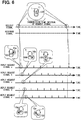
FIG. 5 illustrates a state in which the mobiledevice authentication device 100 according to the present embodiment receives the response signal while transmitting the request signal from thedetection antenna 11 at predetermined time intervals. An upper part of the figure shows a state in which the request signal is transmitted from thedetection antenna 11, and a lower part of the figure shows a state in which the response signal to the request signal is received. As shown in the upper part of the figure, the request signal is transmitted at regular time intervals, but in many cases, the response signal to the request signal cannot be received. However, as shown in the lower part of the figure, when themobile device 20 exists within an arrival range of the request signal shown by a broken line, the response signal from themobile device 20 is received. - As described above, it is determined whether or not the response signal to the request signal has been received (S101 in
FIG. 4 ), and when the response signal has been received (YES at S101), it can be considered that themobile device 20 exists within the arrival range of the request signal. However, since the radio waves from thedetection antenna 11 arrive far enough as compared with the radio waves of theauthentication antennas 10a to 10e, it is only detected that themobile device 20 exists somewhere within the arrival range of the request signal. - Therefore, in order to detect the position where the
mobile device 20 exists, a reply request signal is transmitted from theauthentication antennas 10a to 10e (S103), and it is determined whether or not the reply signal responsive to the reply request signal has been received (S104). In other words, as described above with reference toFIG. 2 , it is determined whether or not the reply signal from themobile device 20 is received while the reply request signal is sequentially transmitted from the fiveauthentication antennas 10a to 10e. Needless to say, the fiveauthentication antennas 10a to 10e may independently transmit and receive the radio waves, and the reply request signals may be simultaneously transmitted from the fiveauthentication antennas 10a to 10e, and whether or not the reply signals are received may be determined simultaneously in parallel by therespective authentication antennas 10a to 10e. - Then, the reply request signals are transmitted from all five
authentication antennas 10a to 10e (S103), and when it is determined whether or not the reply signal has been received by each of theauthentication antennas 10a to 10e (S104), it is determined whether or not a time interval for transmitting the request signal from the detection antenna 11 (that is, a transmission time interval of the request signal) has elapsed (S105). As a result, when the transmission time interval of the request signal has not elapsed (NO at S105), the process returns to S103, and the reply request signals are transmitted again from theauthentication antennas 10a to 10e (S 103), and it is determined whether or not the reply signal responsive to the reply request signal has been received (S104). On the other hand, when the transmission time interval of the request signal has elapsed (YES at S105), the process returns to the beginning of the process, and the request signal is transmitted from the detection antenna 11 (S100). -
FIG. 6 shows a state in which the mobiledevice authentication device 100 according to the present embodiment transmits the request signal from thedetection antenna 11 while transmitting the reply request signals in order from theauthentication antennas 10a to 10e. In the upper part of the figure, the request signal is transmitted from thedetection antenna 11 at predetermined transmission time intervals, and the response signal to the request signal is received. As described above with reference toFIG. 4 , when the mobiledevice authentication device 100 receives the response signal, the mobiledevice authentication device 100 transmits the reply request signals in order from theauthentication antennas 10a to 10e. - In the lower part of the figure, a state in which the reply request signal is transmitted in order from the
authentication antennas 10a to 10e is shown. In other words, first, a reply request signal a is transmitted from theauthentication antenna 10a, then a reply request signal b is transmitted from theauthentication antenna 10b, then a reply request signal c is transmitted from theauthentication antenna 10c, then a reply request signal d is transmitted from theauthentication antenna 10d, and finally, a reply request signal e is transmitted from theauthentication antenna 10e (refer to S103 inFIG. 4 ). Whenever the reply request signals a to e are transmitted, it is determined whether or not a reply signal from themobile device 20 has been received (S104). - In this way, the reply request signal is transmitted in order from the
authentication antennas 10a to 10e (S103), and when the reply signal responsive to the reply request signal has not been received (NO at S104), it is determined whether or not the transmission time interval of the request signal has elapsed (S105). - In an example shown in
FIG. 6 , the transmission time interval of the request signal has not yet elapsed at the time when the response signal to the request signal has been received and a first round of the reply request signals a to e (indicated with circles in the figure) has been transmitted. Therefore, in S105 ofFIG. 4 , it is determined as "NO", and the transmission of a second round of reply request signals a to e is started (S103 ofFIG. 4 ). As shown inFIG. 6 , since the transmission time interval of the request signal has not elapsed even at the time point when the transmission of the second round of the reply request signals a to e has been finished, a third round of the reply request signals a to e is transmitted. - In this manner, while the reply request signals a to e are sequentially transmitted from the
authentication antennas 10a to 10e, the transmission time interval of the request signal elapses, and it is determined as "YES" in S105 ofFIG. 4 . Then, the mobiledevice authentication device 100 according to the present embodiment transmits the request signal from the detection antenna 11 (S100), and when the response signal from themobile device 20 responsive to the request signal has been received (YES at S101), the reply request signals a to e are transmitted in order from theauthentication antennas 10a to 10e again (S103). - As described above, the mobile
device authentication device 100 according to the present embodiment continues to transmit the reply request signals a to e in order from theauthentication antennas 10a to 10e while receiving the response signal from themobile device 20 in response to the request signal from thedetection antenna 11. While repeating such a procedure, themobile device 20 approaches thevehicle 1 and receives the reply request signal transmitted from any of theauthentication antennas 10a to 10e, and then transmits the reply signal (refer toFIG. 2 ). Then, the reply signal is received by any of theauthentication antennas 10a to 10e, and "YES" is determined in S104 ofFIG. 4 . As described above, since the mobiledevice authentication device 100 transmits the reply request signal in order from theauthentication antennas 10a to 10e, which of theauthentication antennas 10a to 10e is the reception antenna receiving the reply signal can be identified according to the timing of receiving the reply signal (S107). As described above, since the distance that the radio waves of theauthentication antennas 10a to 10e reach is set to a relatively short distance (typically, about 1.5 meters), identification of the reception antenna virtually identifies the existence position of themobile device 20. - After the reception antenna has been identified in this manner, the
mobile device 20 is authenticated with the use of the identified reception antenna (S108). As a method of authenticating themobile device 20, a general method can be used. In other words, a challenge signal for authentication is transmitted with the use of the antenna identified as the reception antenna among theauthentication antennas 10a to 10e. When the response signal to the challenge signal is returned from themobile device 20, a response signal is received and analyzed to authenticate whether or not themobile device 20 is a regularmobile device 20. After themobile device 20 has been authenticated in this manner (S108), the process returns to the beginning of the process, and after the request signal has been transmitted from the detection antenna 11 (S100), the series of processes described above is repeated. - Since the mobile
device authentication device 100 and the mobile device detection method according to the present embodiment perform the mobile device authentication process as described above in order to authenticate themobile device 20, the power consumption of the mobiledevice authentication device 100 can be greatly reduced. -
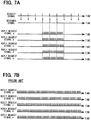
FIGS. 7A and 7B show a mechanism by which the mobiledevice authentication device 100 drastically reduces the power consumption according to the present embodiment. As shown inFIG. 7A , the mobiledevice authentication device 100 according to the present embodiment transmits a request signal from thedetection antenna 11 at predetermined time intervals, and when a response signal to the request signal is received, the mobiledevice authentication device 100 transmits the reply request signals a to e from theauthentication antennas 10a to 10e in order (refer toFIG. 6 ). However, while the response signal to the request signal is not received, there is no need to transmit the reply request signals a to e from theauthentication antennas 10a to 10e. In addition, when a period in which the response signal to the request signal is received is compared with a period in which the response signal is not received, the period in which the response signal is not received is usually longer. Therefore, the reply request signal is not transmitted while the response signal to the request signal is not received, thereby being capable of greatly reducing the power required for transmitting the reply request signal. -
FIG. 7B shows, as a reference, a state in which the conventional mobile device authentication device continues to transmit the reply request signals a to e from theauthentication antennas 10a to 10e. In comparison betweenFIGS. 7A and 7B , it can be immediately understood that the power required to transmit the reply request signal can be greatly reduced by not transmitting the reply request signal while the response signal to the request signal is not received. - It is needless to say that the mobile
device authentication device 100 according to the present embodiment also needs to continue to transmit the request signal to be transmitted from thedetection antenna 11 at predetermined time intervals. However, as described above, the radio waves transmitted from theauthentication antennas 10a to 10e are used for authentication of themobile device 20, whereas the radio waves transmitted from thedetection antenna 11 are used for detecting the existence of themobile device 20, and are not used for authentication. For that reason, the distance that the radio waves from thedetection antenna 11 reach can be set to be sufficiently longer than the distance that the radio waves from theauthentication antennas 10a to 10e reach. As a result, the time interval at which the request signal is transmitted from thedetection antenna 11 can be set to be sufficiently longer than the time interval at which the reply request signal is transmitted from theauthentication antennas 10a to 10e. - For that reason, the frequency of transmitting the request signal from the
detection antenna 11 can be set to be smaller than the frequency of transmitting the reply request signal from theauthentication antennas 10a to 10e, so that the power consumption of the mobiledevice authentication device 100 can be reduced from this viewpoint as well. In addition, the radio waves in a band around 2 GHz can be used as the radio waves transmitted from thedetection antenna 11, and a technique of making it possible to transmit and receive the radio waves in the band with less power than in the past has been put into practical use. Therefore, with the application of the technique, the power consumption of the mobiledevice authentication device 100 can be further reduced. - There are several modifications of the mobile
device authentication device 100 according to the present embodiment described above. Hereinafter, those modifications will be briefly described focusing on differences from the present embodiment. - In the present embodiment described above, the existence position of the
mobile device 20 is detected based on whether or not the reply request signal is transmitted from theauthentication antennas 10a to 10e having a short radio wave arrival distance and the reply signal is received from themobile device 20. However, the existence position of themobile device 20 may be detected based on the signal strength at the time of receiving the reply signal instead of whether or not the reply signal from themobile device 20 is received. Hereinafter, a mobiledevice authentication device 150 according to a first modification will be described. -
FIG. 8 shows a rough structure of avehicle 1 including the mobiledevice authentication device 150 according to the first modification. As shown in the figure, in thevehicle 1 provided with the mobiledevice authentication device 150 according to the first modification, instead of theauthentication antennas 10a to 10e having a shorter radio wave arrival distance than that of thedetection antenna 11,authentication antennas 12a to 12e having a longer radio wave arrival distance like thedetection antenna 11 are mounted. The mobiledevice authentication device 150 according to the first modification is connected with theauthentication antennas 12a to 12e instead of theauthentication antennas 10a to 10e. Similar to the mobiledevice authentication device 100 according to the embodiment described above, the mobiledevice authentication device 150 according to the first modification can also detect an existence position of amobile device 20 by transmitting reply request signals from theauthentication antennas 12a to 12e in order. -
FIG. 9 shows a state in which the mobiledevice authentication device 150 detects the existence position of themobile device 20 according to the first modification. Also in the example shown inFIG. 9 , it is assumed that themobile device 20 exists behind a left side of thevehicle 1. Also in the case of the first modification, the reply request signals are sequentially transmitted from theauthentication antennas 12a to 12e. Theauthentication antennas 12a to 12e according to the first modification are set to have a sufficiently long distance over which radio waves arrive, as compared with theauthentication antennas 10a to 10e according to the present embodiment described above. For that reason, in many cases, if the reply request signal transmitted from any of theauthentication antennas 12a to 12e reaches themobile device 20, the reply request signals from theother authentication antennas 12a to 12e also reach themobile device 20. - Therefore, as shown in (a) in
FIG. 9 , first, the reply request signal is transmitted from theauthentication antenna 12a, and a signal strength of the reply signal returned from themobile device 20 is detected. In general, since the intensity of the radio waves transmitted from the antenna become smaller as a distance from the antenna increases, a rough distance from themobile device 20 can be obtained by detecting the signal strength of the reply signal. - Subsequently, as shown in (b) in
FIG. 9 , the reply request signal is also transmitted from theauthentication antenna 12b, and the signal strength of the reply signal from themobile device 20 is detected. Then, a rough distance from themobile device 20 to theauthentication antenna 12b is acquired based on the signal strength detected by theauthentication antenna 12b. Similarly, each of theother 12e acquires a rough distance from theauthentication antennas 12cmobile device 20 by transmitting the reply request signal in turn and detecting the signal strength of the reply signal from themobile device 20. - In this way, once the rough distance from the
mobile device 20 is obtained for all of theauthentication antennas 12a to 12e, the existence position of themobile device 20, which is considered to be the most reliable, is determined on the basis of those distances. When the determined existence position is a position close to the vehicle 1 (for example, a position within 1.5 meters from the vehicle 1) to the extent that themobile device 20 needs to be authenticated, themobile device 20 is authenticated by selecting an antenna close to themobile device 20 from theauthentication antennas 12a to 12e and communicating with themobile device 20 with the use of the selected antenna. - Even in the case of the mobile
device authentication device 150 according to the first modification, the request signal is transmitted from thedetection antenna 11 at a predetermined time interval, similarly to the mobiledevice authentication device 100 according to the present embodiment described above. Then, when the response signal to the request signal is received, the existence position of themobile device 20 is detected by transmitting the reply request signal from theauthentication antennas 12a to 12e as described with reference toFIG. 9 . With the above configuration, there is no need to transmit the reply request signal from theauthentication antennas 12a to 12e while the response signal to the request signal is not received. For that reason, for the same reason as in the present embodiment described above, the power required for transmitting the reply request signal can be greatly reduced. - Also in the case of the first modification, a time interval for transmitting the request signal from the
detection antenna 11 can be set to be longer than a time interval for transmitting the reply request signal from each of theauthentication antennas 12a to 12e. The reason will be described below. - First, it is assumed that the position where authentication of the
mobile device 20 is necessary is, for example, a position within 1.5 meters from thevehicle 1. In that case, if it is assumed that the existence position of themobile device 20 detected with the use of theauthentication antennas 12a to 12e is a position of 2.5 meters from thevehicle 1, themobile device 20 may move to a position requiring authentication within 1 second. Therefore, theauthentication antennas 12a to 12e need to transmit the reply request signal at a certain short time interval. - On the other hand, since the
detection antenna 11 can detect themobile device 20 which exists sufficiently far, the time interval at which thedetection antenna 11 transmits the request signal can be set to be longer than the time interval at which theauthentication antennas 12a to 12e transmit the reply request signal. For that reason, also in the mobiledevice authentication device 150 according to the first modification, the power consumption of the mobiledevice authentication device 150 can be reduced for the same reason as in the present embodiment described above. - Further, according to the first modification described above, the reply request signals are sequentially transmitted from the
authentication antennas 12a to 12e and the antenna that transmits the reply request signal receives the reply signal from themobile device 20. - Alternatively, the reply request signal may be transmitted from any one of the
authentication antennas 12a to 12e or thedetection antenna 11, and theauthentication antennas 12a to 12e may simultaneously receive the reply signal responsive to the reply request signal. -
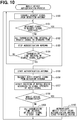
FIG. 10 shows a flowchart of a mobile device authentication process to be executed by a mobiledevice authentication device 150 according to a second modification. As shown in the figure, also in the case of the second modification, when the mobile device authentication process is started, first, a request signal is transmitted from the detection antenna 11 (S150). Then, it is determined whether a response signal to the transmitted request signal has been received by the detection antenna 11 (S151). In this example, it is assumed that the request signal is transmitted with the use of thedetection antenna 11 and the response signal is received with the use of thedetection antenna 11, but any of theauthentication antennas 12a to 12e may be used instead of thedetection antenna 11. - When the response signal to the request signal is not received (NO at S151), it is considered that the
mobile device 20 does not exist within a range in which the radio waves from thedetection antenna 11 arrive, and therefore, a transmission time interval of the request signal is set to a standard time (S152). In this example, in the second modification, as transmission time intervals of the request signal, two types of a standard time interval and a shorter time interval than the standard are set. As will be described later in detail, when amobile device 20 exists within a range in which the radio waves from thedetection antenna 11 arrive (that is, when a response signal to the request signal is received), the transmission time interval of the request signal is set to a short time. Therefore, when the response signal to the request signal is not received (NO at S151), the standard time is set in preparation for the case where the transmission time interval of the request signal is set to a short time. - The operation of the
authentication antennas 12a to 12e is stopped (S153). In other words, since theauthentication antennas 12a to 12e are used for detecting the existence position of themobile device 20 when themobile device 20 exists within a range in which the radio waves from thedetection antenna 11 reach (therefore, when the response signal to the request signal is received), it is considered that theauthentication antennas 12a to 12e are not used when the response signal is not received (NO at S151). Therefore, in order to reduce the power consumption of the mobiledevice authentication device 150, the operation of theauthentication antennas 12a to 12e is stopped. - It is determined whether or not the elapsed time from the transmission of the request signal from the
detection antenna 11 has reached the transmission time interval of the request signal (S154). As a result, when the elapsed time has not reached the transmission time interval of the request signal (NO at S154), it is determined whether or not the response signal to the request signal has been received (S151). When the transmission time interval of the request signal has elapsed (YES at S154), the process returns to S150, and after transmitting the request signal from thedetection antenna 11 again, it is determined whether or not the response signal to the request signal has been received (S151). - If the response signal to the request signal is received while repeating the above processing (YES at S151), it is considered that the
mobile device 20 exists within a arrival range of the request signal, and therefore, theauthentication antennas 12a to 12e are activated in order to detect the existence position of the mobile device 20 (S155). Then, the reply request signal is transmitted from the detection antenna 11 (S156). Then, since the reply signal responsive to the reply request signal is returned from themobile device 20, the signal strength of the reply signal is detected with the use of the activatedauthentication antennas 12a to 12e. The existence position of themobile device 20 is detected based on the signal strength detected by theauthentication antennas 12a to 12e in the same manner as in the first modification described above (S157). - At this time, the
detection antenna 11 may also detect the signal strength of the reply signal. With the above processing, since the distance to themobile device 20 is required for a larger number of antennas, a detection accuracy of the existence position of themobile device 20 can be improved. - When the existence position of the
mobile device 20 is detected in this manner, it is determined whether or not themobile device 20 is authenticated (S158). Similar to the first modification described above, it is determined whether or not the detected existence position of themobile device 20 is within a predetermined distance (for example, 1.5 meters) from thevehicle 1, and if the detected existence position is within the predetermined distance, it is determined that themobile device 20 is to be authenticated (YES at S158). In this case (YES at S158), themobile device 20 is authenticated by selecting the antenna close to themobile device 20 from theauthentication antennas 12a to 12e and communicating with themobile device 20 with the use of the antenna (S160). - On the other hand, when it is determined that the
mobile device 20 is not to be authenticated (NO at S158), a transmission time interval of the request signal is set to a time shorter than the standard (for example, 1 second) (S159). In other words, when it is determined that themobile device 20 is not to be authenticated (NO at S158), it is considered that themobile device 20 exists in the periphery of thevehicle 1, but is not so close to thevehicle 1 as to require authentication. Therefore, when themobile device 20 approaches thevehicle 1, the time interval for transmitting the request signal is set to the short time so that the approach to thevehicle 1 can be immediately detected to start authentication. - When the transmission time interval of the request signal is set to the short time (S159), the process returns to the beginning of the process, and after the request signal is transmitted from the detection antenna 11 (S150), the series of processes described above is repeated.
- In the case of the second modification described above, while the response signal to the request signal is not received, the operation of the
authentication antennas 12a to 12e is stopped, and when the response signal is received, theauthentication antennas 12a to 12e may be activated, so that the power consumption of the mobiledevice authentication device 150 can be reduced. In addition, while the response signal to the request signal is not received, the transmission time interval of the request signal can be set to be longer than an interval during which the response signal is received. This makes it possible to reduce the power required for transmission of the request signal. - Although the disclosure has been described in accordance with the embodiments, it is understood that the present disclosure is not limited to the above embodiments or structures. The present disclosure encompasses various modifications and variations within the scope of equivalents. In addition, various combinations and configurations, as well as other combinations and configurations that include only one element, more, or less, fall within the scope and spirit of the present disclosure.
Claims (6)
- A mobile device detection apparatus to be mounted on a vehicle (1) equipped with a plurality of antennas (10a, 10b, 10c, 10d, 10e, 11, 12a, 12b, 12c, 12d, 12e), for detecting an existence position of a mobile device (20) that exists within a range communicable with the vehicle, the mobile device detection apparatus comprising:an existence detection unit (103) that transmits a request signal for requesting a response to the mobile device from a predetermined antenna among the plurality of antennas and receiving a response signal returned from the mobile device to detect the existence of the mobile device; anda position detection unit (104) that transmits a reply request signal for requesting a reply signal to the mobile device when the existence of the mobile device is detected, and receives the reply signal from the mobile device using the plurality of antennas to detect the existence position of the mobile device.
- The mobile device detection apparatus according to claim 1, whereinthe position detection unit detects the existence position of the mobile device by identifying a reception antenna that has received the reply signal from among the plurality of antennas, andthe existence detection unit detects the existence of the mobile device by transmitting the request signal in a range wider than a range in which the position detection unit detects the existence position of the mobile device.
- The mobile device detection apparatus according to claim 2, wherein
the position detection unit transmits the reply request signal from the plurality of antennas at timings different from one another, and identifies the reception antenna based on a timing at which the reply signal from the mobile device is received. - The mobile device detection apparatus according to claim 1, whereinthe existence detection unit detects whether the mobile device exists based on the existence or absence of the response signal to the request signal, andthe position detection unit detects the existence position of the mobile device based on a signal strength of the reply signal received by the plurality of antennas.
- The mobile device detection apparatus according to claim 4, wherein
the position detection unit is activated when the existence of the mobile device is detected by the existence detection unit. - A mobile device detection method applied to a vehicle equipped with a plurality of antennas (10a, 10b, 10c, 10d, 10e, 11, 12a, 12b, 12c, 12d, 12e), for detecting an existence position of a mobile device (20) that exists within a range communicable with the vehicle, the mobile device detection method comprising:transmitting (S100, S150) a request signal for requesting a response to the mobile device from a predetermined antenna among the plurality of antennas;receiving (S101, S151) a response signal returned from the mobile device to detect an existence of the mobile device;transmitting (S103, S156) a reply request signal for requesting a reply signal to the mobile device upon detecting the existence of the mobile device; andreceiving (S104, S105, S107, S157) the reply signal from the mobile device using the plurality of antennas to detect the existence position of the mobile device.
Applications Claiming Priority (2)
| Application Number | Priority Date | Filing Date | Title |
|---|---|---|---|
| JP2016246127A JP2018101871A (en) | 2016-12-20 | 2016-12-20 | Portable device detector, portable device detection method |
| PCT/JP2017/038660 WO2018116626A1 (en) | 2016-12-20 | 2017-10-26 | Mobile device detection apparatus and mobile device detection method |
Publications (2)
| Publication Number | Publication Date |
|---|---|
| EP3562174A1 true EP3562174A1 (en) | 2019-10-30 |
| EP3562174A4 EP3562174A4 (en) | 2020-01-22 |
Family
ID=62626255
Family Applications (1)
| Application Number | Title | Priority Date | Filing Date |
|---|---|---|---|
| EP17883077.4A Withdrawn EP3562174A4 (en) | 2016-12-20 | 2017-10-26 | DEVICE FOR DETECTING MOBILE DEVICES AND METHOD FOR DETECTING MOBILE DEVICES |
Country Status (4)
| Country | Link |
|---|---|
| US (1) | US10730480B2 (en) |
| EP (1) | EP3562174A4 (en) |
| JP (1) | JP2018101871A (en) |
| WO (1) | WO2018116626A1 (en) |
Families Citing this family (3)
| Publication number | Priority date | Publication date | Assignee | Title |
|---|---|---|---|---|
| DE102017201308B4 (en) * | 2017-01-27 | 2020-07-02 | Continental Automotive Gmbh | Method for verifying a predetermined maximum spatial distance of a radio key with respect to a motor vehicle and control device, motor vehicle and radio key |
| JP2021075859A (en) * | 2019-11-06 | 2021-05-20 | 株式会社デンソー | Vehicle system |
| DE102021002073A1 (en) * | 2021-04-20 | 2022-10-20 | Mercedes-Benz Group AG | Device and method for authenticating a person's authorization to use a vehicle |
Family Cites Families (13)
| Publication number | Priority date | Publication date | Assignee | Title |
|---|---|---|---|---|
| JP3533966B2 (en) * | 1998-06-18 | 2004-06-07 | トヨタ自動車株式会社 | Vehicle control system |
| JP3944089B2 (en) | 2003-01-31 | 2007-07-11 | 株式会社東芝 | Authentication processing system, terminal authentication device, authentication processing method, and authentication processing program |
| US8077011B2 (en) | 2006-02-24 | 2011-12-13 | Denso International America, Inc. | Apparatus for automatically initiating sequence of vehicle functions |
| US8427276B2 (en) * | 2006-02-24 | 2013-04-23 | Denso International America, Inc. | Apparatus for automatically initiating sequence of vehicle functions |
| JP2008190457A (en) * | 2007-02-06 | 2008-08-21 | Auto Network Gijutsu Kenkyusho:Kk | Remote starter for vehicle |
| JP5575167B2 (en) | 2012-03-08 | 2014-08-20 | オムロンオートモーティブエレクトロニクス株式会社 | Communication system, communication method, and portable device |
| JP6212973B2 (en) * | 2013-06-19 | 2017-10-18 | 株式会社デンソー | Portable device search device, portable device search method, portable device search program |
| JP2015116975A (en) * | 2013-12-19 | 2015-06-25 | 株式会社東海理化電機製作所 | Electronic key system |
| CN107109860B (en) * | 2014-07-25 | 2019-04-23 | 株式会社自动网络技术研究所 | In-vehicle communication system and in-vehicle equipment |
| JP6372688B2 (en) | 2014-07-28 | 2018-08-15 | 株式会社デンソー | Vehicle communication system |
| JP6374806B2 (en) | 2015-02-27 | 2018-08-15 | 株式会社ホンダアクセス | Vehicle door opening / closing control device |
| US20160251890A1 (en) | 2015-02-27 | 2016-09-01 | Honda Access Corp. | Door opening-closing control apparatus of vehicle |
| JP6490879B2 (en) * | 2016-12-06 | 2019-03-27 | パナソニック インテレクチュアル プロパティ コーポレーション オブ アメリカPanasonic Intellectual Property Corporation of America | Information processing apparatus and information processing method |
-
2016
- 2016-12-20 JP JP2016246127A patent/JP2018101871A/en active Pending
-
2017
- 2017-10-26 WO PCT/JP2017/038660 patent/WO2018116626A1/en not_active Ceased
- 2017-10-26 EP EP17883077.4A patent/EP3562174A4/en not_active Withdrawn
-
2019
- 2019-05-31 US US16/427,727 patent/US10730480B2/en active Active
Also Published As
| Publication number | Publication date |
|---|---|
| US20190283710A1 (en) | 2019-09-19 |
| EP3562174A4 (en) | 2020-01-22 |
| US10730480B2 (en) | 2020-08-04 |
| WO2018116626A1 (en) | 2018-06-28 |
| JP2018101871A (en) | 2018-06-28 |
Similar Documents
| Publication | Publication Date | Title |
|---|---|---|
| US11214232B2 (en) | Methods and systems for providing Bluetooth-based passive entry and passive start (PEPS) for a vehicle | |
| US11351962B2 (en) | Electronic key system | |
| US9805532B2 (en) | Vehicle wireless communication system, vehicle control device, and portable machine | |
| US10604112B2 (en) | Control system and mobile device | |
| US20120139691A1 (en) | System for preventing establishment of unauthorized communication | |
| US20130054095A1 (en) | Position detection system and position determination method | |
| US20140045531A1 (en) | Portable-device position determination system, portable-device position determination method, and portable-device position determination apparatus | |
| US9384610B2 (en) | On-board apparatus control system | |
| WO2015107609A1 (en) | Control system | |
| US8847730B2 (en) | Vehicular keyless entry system and portable device therefor | |
| US20190329732A1 (en) | Method for Safeguarding Access | |
| US10730480B2 (en) | Mobile device detection apparatus and mobile device detection method | |
| CN113661684B (en) | Illegal communication prevention system and illegal communication prevention method | |
| CN110710117A (en) | Portable device and control method for portable device | |
| US11678184B2 (en) | Communication apparatus and communication method | |
| JP2018534540A (en) | Method and apparatus for locating a portable radio unit | |
| US11760307B2 (en) | Authentication device, vehicle, authentication method, and storage medium storing an authentication program | |
| KR101049666B1 (en) | User identification card system and smart key detection method | |
| US10527707B2 (en) | In-vehicle communication device and communication method | |
| US20170297532A1 (en) | Smart key system | |
| JP6507042B2 (en) | Communication fraud establishment prevention system | |
| US20250091549A1 (en) | Method for activating a vehicle function, and associated activation device | |
| CN120363866A (en) | Multi-key searching and authenticating method and device and vehicle | |
| JP2008069565A (en) | Keyless device for vehicle |
Legal Events
| Date | Code | Title | Description |
|---|---|---|---|
| STAA | Information on the status of an ep patent application or granted ep patent |
Free format text: STATUS: THE INTERNATIONAL PUBLICATION HAS BEEN MADE |
|
| PUAI | Public reference made under article 153(3) epc to a published international application that has entered the european phase |
Free format text: ORIGINAL CODE: 0009012 |
|
| STAA | Information on the status of an ep patent application or granted ep patent |
Free format text: STATUS: REQUEST FOR EXAMINATION WAS MADE |
|
| 17P | Request for examination filed |
Effective date: 20190617 |
|
| AK | Designated contracting states |
Kind code of ref document: A1 Designated state(s): AL AT BE BG CH CY CZ DE DK EE ES FI FR GB GR HR HU IE IS IT LI LT LU LV MC MK MT NL NO PL PT RO RS SE SI SK SM TR |
|
| AX | Request for extension of the european patent |
Extension state: BA ME |
|
| STAA | Information on the status of an ep patent application or granted ep patent |
Free format text: STATUS: EXAMINATION IS IN PROGRESS |
|
| A4 | Supplementary search report drawn up and despatched |
Effective date: 20191220 |
|
| RIC1 | Information provided on ipc code assigned before grant |
Ipc: H04W 4/02 20180101AFI20191216BHEP |
|
| 17Q | First examination report despatched |
Effective date: 20200113 |
|
| DAV | Request for validation of the european patent (deleted) | ||
| DAX | Request for extension of the european patent (deleted) | ||
| STAA | Information on the status of an ep patent application or granted ep patent |
Free format text: STATUS: THE APPLICATION IS DEEMED TO BE WITHDRAWN |
|
| 18D | Application deemed to be withdrawn |
Effective date: 20210217 |