EP3553180A1 - Method for constructing single cell sequencing library and use thereof - Google Patents
Method for constructing single cell sequencing library and use thereof Download PDFInfo
- Publication number
- EP3553180A1 EP3553180A1 EP16923153.7A EP16923153A EP3553180A1 EP 3553180 A1 EP3553180 A1 EP 3553180A1 EP 16923153 A EP16923153 A EP 16923153A EP 3553180 A1 EP3553180 A1 EP 3553180A1
- Authority
- EP
- European Patent Office
- Prior art keywords
- cell
- amplification
- library
- lysis
- chromatin
- Prior art date
- Legal status (The legal status is an assumption and is not a legal conclusion. Google has not performed a legal analysis and makes no representation as to the accuracy of the status listed.)
- Granted
Links
Images

Classifications
-
- C—CHEMISTRY; METALLURGY
- C12—BIOCHEMISTRY; BEER; SPIRITS; WINE; VINEGAR; MICROBIOLOGY; ENZYMOLOGY; MUTATION OR GENETIC ENGINEERING
- C12Q—MEASURING OR TESTING PROCESSES INVOLVING ENZYMES, NUCLEIC ACIDS OR MICROORGANISMS; COMPOSITIONS OR TEST PAPERS THEREFOR; PROCESSES OF PREPARING SUCH COMPOSITIONS; CONDITION-RESPONSIVE CONTROL IN MICROBIOLOGICAL OR ENZYMOLOGICAL PROCESSES
- C12Q1/00—Measuring or testing processes involving enzymes, nucleic acids or microorganisms; Compositions therefor; Processes of preparing such compositions
- C12Q1/68—Measuring or testing processes involving enzymes, nucleic acids or microorganisms; Compositions therefor; Processes of preparing such compositions involving nucleic acids
- C12Q1/6806—Preparing nucleic acids for analysis, e.g. for polymerase chain reaction [PCR] assay
-
- C—CHEMISTRY; METALLURGY
- C12—BIOCHEMISTRY; BEER; SPIRITS; WINE; VINEGAR; MICROBIOLOGY; ENZYMOLOGY; MUTATION OR GENETIC ENGINEERING
- C12N—MICROORGANISMS OR ENZYMES; COMPOSITIONS THEREOF; PROPAGATING, PRESERVING, OR MAINTAINING MICROORGANISMS; MUTATION OR GENETIC ENGINEERING; CULTURE MEDIA
- C12N15/00—Mutation or genetic engineering; DNA or RNA concerning genetic engineering, vectors, e.g. plasmids, or their isolation, preparation or purification; Use of hosts therefor
- C12N15/09—Recombinant DNA-technology
- C12N15/10—Processes for the isolation, preparation or purification of DNA or RNA
- C12N15/1034—Isolating an individual clone by screening libraries
- C12N15/1068—Template (nucleic acid) mediated chemical library synthesis, e.g. chemical and enzymatical DNA-templated organic molecule synthesis, libraries prepared by non ribosomal polypeptide synthesis [NRPS], DNA/RNA-polymerase mediated polypeptide synthesis
-
- C—CHEMISTRY; METALLURGY
- C12—BIOCHEMISTRY; BEER; SPIRITS; WINE; VINEGAR; MICROBIOLOGY; ENZYMOLOGY; MUTATION OR GENETIC ENGINEERING
- C12N—MICROORGANISMS OR ENZYMES; COMPOSITIONS THEREOF; PROPAGATING, PRESERVING, OR MAINTAINING MICROORGANISMS; MUTATION OR GENETIC ENGINEERING; CULTURE MEDIA
- C12N15/00—Mutation or genetic engineering; DNA or RNA concerning genetic engineering, vectors, e.g. plasmids, or their isolation, preparation or purification; Use of hosts therefor
- C12N15/09—Recombinant DNA-technology
- C12N15/10—Processes for the isolation, preparation or purification of DNA or RNA
- C12N15/1096—Processes for the isolation, preparation or purification of DNA or RNA cDNA Synthesis; Subtracted cDNA library construction, e.g. RT, RT-PCR
-
- C—CHEMISTRY; METALLURGY
- C12—BIOCHEMISTRY; BEER; SPIRITS; WINE; VINEGAR; MICROBIOLOGY; ENZYMOLOGY; MUTATION OR GENETIC ENGINEERING
- C12Q—MEASURING OR TESTING PROCESSES INVOLVING ENZYMES, NUCLEIC ACIDS OR MICROORGANISMS; COMPOSITIONS OR TEST PAPERS THEREFOR; PROCESSES OF PREPARING SUCH COMPOSITIONS; CONDITION-RESPONSIVE CONTROL IN MICROBIOLOGICAL OR ENZYMOLOGICAL PROCESSES
- C12Q1/00—Measuring or testing processes involving enzymes, nucleic acids or microorganisms; Compositions therefor; Processes of preparing such compositions
- C12Q1/68—Measuring or testing processes involving enzymes, nucleic acids or microorganisms; Compositions therefor; Processes of preparing such compositions involving nucleic acids
-
- C—CHEMISTRY; METALLURGY
- C40—COMBINATORIAL TECHNOLOGY
- C40B—COMBINATORIAL CHEMISTRY; LIBRARIES, e.g. CHEMICAL LIBRARIES
- C40B50/00—Methods of creating libraries, e.g. combinatorial synthesis
- C40B50/06—Biochemical methods, e.g. using enzymes or whole viable microorganisms
Definitions
- the present invention relates to the field of high-throughput sequencing, and in particular to a method for constructing a single-cell sequencing library, a sequencing method based on Single-Cell Multi-Omics Sequencing (SCMOS), and application thereof.
- SCMOS Single-Cell Multi-Omics Sequencing
- Single-cell sequencing technology is one of the most interesting sequencing technologies in recent years.
- the currently published single-cell sequencing technologies include single-cell DNA and DNA methylation sequencing, single-cell RNA sequencing, and single-cell chromatin accessibility sequencing.
- Fuchou Tang et al. reported a single-cell RNA sequencing technology, comprising: full lysis of a single cell by a strong lysis buffer, followed by reverse transcription and PCR amplification of the RNA containing a polyadenosine tail, and final library construction and sequencing based on a specific sequencing platform.
- Buenrostro et al. reported a single-cell chromatin accessibility sequencing technology, comprising: reduction of a micro liter-scale reaction system for 50,000 cells into a nanoliter-scale reaction system for a single cell in proportion by using microfluidic chip technology; insertion of sequencing adaptors in the open chromatin regions by lysing the single cell and treating the single cell chromatin with Tn5 transposase, followed by amplification of the whole open chromatin regions by PCR amplification, and library construction and sequencing.
- the main problems in single-cell multi-omics sequencing process lie in that the total amount of target substances (such as DNA, RNA, chromatin) in a single cell is very small, and it is very easy to cause losses of the substances during the operations in different dimensions, leading directly to problems such as failure in multi-omics library construction, or low detection sensitivity, serious loss in omics information, high technical noise, high operation error rate, poor repeatability, etc.
- target substances such as DNA, RNA, chromatin
- Macaulay et al. (Nature Methods 12, 519-522 (2015 )) reported a parallel sequencing of single-cell DNA and RNA, comprising: lysing a cell with a strong lysis buffer, and then capturing the mRNA containing a polyA by using magnetic beads, and after the separation, performing whole genome amplification for the DNA in the remaining liquid for constructing a whole genomic DNA library, and constructing a cDNA library with the RNA.
- the assay for transposase-accessible chromatin (ATAC-seq) for a single cell is carried out in a nanoliter-scale reaction system in a microfluidic chip, which is not conducive to the efficient separation of chromatin and RNA, and it is therefore not possible to construct libraries for chromatin accessibility and transcriptome information in a single cell simultaneously.
- the present invention provides a method for constructing a single-cell sequencing library, a sequencing method based on Single-Cell Multi-Omics Sequencing (SCMOS), and application thereof.
- SCMOS Single-Cell Multi-Omics Sequencing
- the traditional single-cell chromatin accessibility technology is fully modified and optimized in the present invention, so that not only the single-cell chromatin accessibility library construction can be performed efficiently in a micro liter-scale reaction system, but also the chromatin and RNA can be efficiently separated, thereby achieving a simultaneous library construction for chromatin accessibility and RNA, and fully capturing omics information on the chromatin state and gene expression.
- the method "Single-Cell Multi-Omics Sequencing" provided in the present invention comprises: segmenting the nucleus and cytoplasm of a single cell, then constructing a chromatin accessibility library with the nucleus, and at the same time, constructing a transcriptome library with the total cytoplasm, for high-throughput sequencing and bioinformatics analysis.
- the present invention provides a method for constructing a single-cell sequencing library that can simultaneously construct chromatin accessibility and transcriptome libraries for a single cell, which comprises the steps of:
- a single lysis system used for the first lysis of the single cell in step a) comprises: Single-cell suspension ⁇ 0.5 ⁇ l; NP-40 0.1-0.3%, preferably 0.2%; Tris-HCl, pH7.5 8-12 mM, preferably 10 mM; NaCl 8-12 mM, preferably 10 mM; RNase inhibitor 1-2 U/ ⁇ l, preferably 1.5 U; with the balance being water.
- NP-40 has a final concentration of 0.1-0.3%, including any discrete value between 0.1% and 0.3%, such as 0.12%, 0.14%, 0.16%, 0.18%, 0.2%, 0.22%, 0.24%, 0.26%, 0.28%, etc.
- Tris-HCl, pH7.5 has a final concentration of 8-12 mM, including any discrete value between 8 and 12 mM, such as 8.5 mM, 9 mM, 9.5 mM, 10 mM, 10.5 mM, 11 mM, 11.5 mM, etc.
- NaCl has a final concentration of 8-12 mM, including any discrete value between 8 and 12 mM, such as 8.5 mM, 9 mM, 9.5 mM, 10 mM, 10.5 mM, 11 mM, 11.5 mM, etc.
- the RNase inhibitor has a final concentration of 1-2 U/ ⁇ l, including any discrete value between 1 and 2 U/ ⁇ l, such as 1.1 U/ ⁇ l, 1.2 U/ ⁇ l, 1.3 U/ ⁇ l, 1.4 U/ ⁇ l, 1.5 U/ ⁇ l, 1.6 U/ ⁇ l, 1.7 U/ ⁇ l, 1.8 U/ ⁇ l, 1.9 U/ ⁇ l, etc.
- the chromatin DNA library is constructed by digesting with Tn5 transposase or DNase.
- the construction of the chromatin DNA library with Tn5 transposase includes the steps of:
- a single fragmentation system used for fragmenting the chromatin DNA in step c1) comprises:
- the following components to terminate the fragmentation are added the following components to terminate the fragmentation: EDTA, pH 8.0, 50-70 mM, preferably 60 mM; Tris-HCl, pH8.0, 10-14 mM, preferably 12 mM; with the balance being water.
- pH 8.0 has a final concentration of 50-70 mM, including any discrete value between 50 and 70 mM, such as 52 mM, 55 mM, 58 mM, 60 mM, 63 mM, 65 mM, 68 mM, etc.
- Tris-HCl, pH 8.0 has a final concentration of 10-14 mM, including any discrete value between 10 and 14 mM, such as 10.5 mM, 11 mM, 11.5 mM, 12 mM, 12.5 mM, 13 mM, 13.5 mM, etc.
- the construction of the chromatin DNA library with Tn5 transposase further includes a second lysis of the product obtained in step c1); further preferably, the second lysis is carried out by using RLT Plus buffer;
- the first lysis uses a weak lysis buffer that lyses the cell membrane without affecting the nucleus ( i.e. , the nucleus is still intact), which facilitates to maintain chromatin integrity in the cell;
- the second lysis which is performed after the attack of Tn5 transposase, uses a strong lysis buffer that can completely lyse the nucleus, which facilitates to fully release the chromatin within the nucleus, and thereby maximize the yield of chromatin from a single cell.
- a carrier DNA is added to the system in the process of the second lysis; preferably, the carrier DNA is added in an amount of 4-6 ng/ ⁇ l the system, preferably 5 ng/ ⁇ l the system.
- the carrier DNA described above has a final concentration of 4-6 ng/ ⁇ l the system, including any discrete value between 4 and 6 ng/ ⁇ l the system, such as 4.2 ng/ ⁇ l the system, 4.4 ng/ ⁇ l the system, 4.6 ng/ ⁇ l the system, 4.8 ng/ ⁇ l the system, 5.0 ng/ ⁇ l the system, 5.2 ng/ ⁇ l the system, 5.4 ng/ ⁇ l the system, 5.6 ng/ ⁇ l the system, 5.8 ng/ ⁇ l the system, etc.
- Addition of the carrier DNA has the following advantages: since the chromatin DNA content in a single cell is very low (in a pg level), the loss rate due to purification will be high in the subsequent purification process; however, when a large amount of foreign DNA is added before DNA purification, the total amount of DNA is significantly increased, thereby significantly increasing the yield of purification; and moreover, since the carrier DNA is added after the attack of Tn5 transposase and completion of the reaction, there is no adaptor sequence in the carrier DNA, and therefore, there is no interference in the subsequent library construction.
- the construction of the chromatin DNA library with Tn5 transposase further includes the step of: purifying the product from the second lysis prior to the amplification in step c2).
- the construction of the chromatin DNA library with Tn5 transposase further includes a second amplification of the first amplification product obtained in step c2). Since the total amount of DNA in a single cell is small, the inventors present a strategy involving two amplifications. For example, in a specific embodiment, a first 8-cycle amplification is performed by using short specific primers, which can further significantly increase the total amount of DNA. On this basis, a second amplification is performed by using primers containing adaptor sequences, so that the PCR can proceed smoothly by using a large amount of template, thereby ensuring the quality of the library.
- a primer pair consisting of the nucleotide sequence 5'-TCGTCGGCAGCGTCAGATGTGTATAAGAGACAG-3' (SEQ ID NO:1) and the nucleotide sequence 5'-GTCTCGTGGGCTCGGAGATGTGTATAAGAGACAG-3' (SEQ ID NO:2) is used in the first amplification in step c2).
- a primer pair consisting of the nucleotide sequence 5'-phos- GAACGACATGGCTACGATCCGACTTTCGTCGGCAGCGTC -3' (the underlined sequence corresponds to SEQ ID NO:3) and the nucleotide sequence 5'- TGTGAGCCAAGGAGTTGTTGTCTTC (the underlined sequence corresponds to SEQ ID NO:4)-barcode sequence- GTCTCGTGGGCTCGG (the italic sequence corresponds to SEQ ID NO:5)-3' is used in the second amplification.
- a step of determining the number of amplification cycles required for the second amplification by using a real-time fluorescent quantitative PCR is further comprised between the first amplification of step c2) and the second amplification.
- it preferably includes: performing a real-time fluorescent quantitative PCR by using the first amplification product obtained in step c2) as a template and using a primer pair consisting of the nucleotide sequence 5'-TCGTCGGCAGCGTCAGATGTGTATAAGAGACAG-3' (SEQ ID NO:1) and the nucleotide sequence 5'-GTCTCGTGGGCTCGGAGATGTGTATAAGAGACAG-3' (SEQ ID NO:2), and finding the number of cycles corresponding to 1/3 of the plateau fluorescence intensity in the resulting linear amplification curve, which is the number of amplification cycles required for the second amplification.
- the construction of the chromatin DNA library with Tn5 transposase further includes the step of: amplifying the constructed chromatin DNA library after completion of the construction of the chromatin DNA library.
- the construction of the transcriptome library in step c) includes:
- both the constructions of the chromatin DNA library and the transcriptome library in step c) are carried out in a microliter-scale reaction system.
- the present invention provides a method for high-throughput sequencing of a single-cell sequencing library, which comprises the steps of: subjecting the single-cell sequencing library constructed by the method according to the first aspect to a high-throughput sequencing to obtain information on the chromatin accessibility and on the transcriptome sequence of the single cell, respectively.
- the present invention provides a method for analysis of single-cell multi-omics which comprises:
- the present invention provides use of the method for constructing a single-cell sequencing library according to the first aspect or the method for analysis of single-cell multi-omics according to the third aspect in at least one selected from the group consisting of tumor target screening, disease surveillance, and pre-implantation genetic diagnosis.
- the present invention provides a kit which comprises one or more reagent(s) used in the method according to the first aspect; preferably, the kit comprises a single-cell lysis reagent used for the first lysis, a chromatin DNA fragmentation reagent, a fragmentation terminating reagent, a lysis reagent used for the second lysis after the chromatin DNA fragmentation, and a carrier DNA; further preferably, the single cell lysis reagent used for the first lysis comprises: NP-40 0.1-0.3%, preferably 0.2%; Tris-HCl, pH7.5 8-12 mM, preferably 10 mM; NaCl 8-12 mM, preferably 10 mM; RNase inhibitor 1-2 U/ ⁇ l, preferably 1.5 U; with the balance being water.
- NP-40 has a final concentration of 0.1-0.3%, including any discrete value between 0.1% and 0.3%, such as 0.12%, 0.14%, 0.16%, 0.18%, 0.2%, 0.22%, 0.24%, 0.26%, 0.28%, etc.
- Tris-HCl, pH7.5 has a final concentration of 8-12 mM, including any discrete value between 8 and 12 mM, such as 8.5 mM, 9 mM, 9.5 mM, 10 mM, 10.5 mM, 11 mM, 11.5 mM, etc.
- NaCl has a final concentration of 8-12 mM, including any discrete value between 8 and 12 mM, such as 8.5 mM, 9 mM, 9.5 mM, 10 mM, 10.5 mM, 11 mM, 11.5 mM, etc.
- the RNase inhibitor has a final concentration of 1-2 U/ ⁇ l, including any discrete value between 1 and 2 U/ ⁇ l, such as 1.1 U/ ⁇ l, 1.2 U/ ⁇ l, 1.3 U/ ⁇ l, 1.4 U/ ⁇ l, 1.5 U/ ⁇ l, 1.6 U/ ⁇ l, 1.7 U/ ⁇ l, 1.8 U/ ⁇ l, 1.9 U/ ⁇ l, etc.
- the chromatin DNA fragmentation reagent comprises: 5 ⁇ fragmentation buffer 1.75 ⁇ ; Tn5 enzyme for fragmentation 0.05-0.09 U/ ⁇ l, preferably 0.07 U/ ⁇ l; Tris-HCl, pH7.5 14-20 mM, preferably 17.5 mM; NaCl 14-20 mM, preferably 17.5 mM; with the balance being water.
- the Tn5 enzyme for fragmentation has a final concentration of 0.05-0.09 U/ ⁇ l, including any discrete value between 0.05 and 0.09 U/ ⁇ l, such as 0.055 U/ ⁇ l, 0.06 U/ ⁇ l, 0.065 U/ ⁇ l, 0.07 U/ ⁇ l, 0.075 U/ ⁇ l, 0.08 U/ ⁇ l, 0.085 U/ ⁇ l, etc.
- Tris-HCl, pH7.5 has a final concentration of 14-20 mM, including any discrete value between 14 and 20 mM, such as 14.5 mM, 15 mM, 15.5 mM, 16 mM, 16.5 mM, 17 mM, 17.5mM, 18 mM, 18.5 mM, 19 mM, 19.5 mM, etc.
- NaCl has a final concentration of 14-20 mM, including any discrete value between 14 and 20 mM, such as 14.5 mM, 15 mM, 15.5 mM, 16 mM, 16.5 mM, 17 mM, 17.5mM, 18 mM, 18.5 mM, 19 mM, 19.5 mM, etc.
- the fragmentation terminating reagent comprises: EDTA, pH8.0 50-70 mM, preferably 60 mM; Tris-HCl, pH8.0 8-12 mM, preferably 10 mM; with the balance being water.
- EDTA pH 8.0 has a final concentration of 50-70 mM, including any discrete value between 50 and 70 mM, such as 52 mM, 55 mM, 58 mM, 60 mM, 63 mM, 65 mM, 68 mM, etc.
- Tris-HCl, pH 8.0 has a final concentration of 8-12 mM, including any discrete value between 8 and 12 mM, such as 8.5 mM, 9 mM, 9.5 mM, 10 mM, 10.5 mM, 11 mM, 11.5 mM, etc.
- the lysis reagent used for the second lysis comprises RLT Plus buffer.
- the method for constructing a single-cell sequencing library can efficiently construct a library for chromatin DNA while construct a library for RNA in the same cell, not only simultaneously obtaining the chromatin accessibility information and the gene expression information of a single cell for the first time, but also reducing the omics information loss during the sequencing process to a very low level. It facilitates the full integration and analysis of the epigenome and transcriptome data of a single cell, the mining of multiple omics information of a single cell, and the establishment of a single-cell gene expression regulatory network.
- the simultaneous library construction and sequencing method according to the present invention can function as a very useful research tool for the study of single cell gene expression regulation, and has a very good application prospect in basic research such as tumor and development, and in the development of new disease surveillance technology.
- the existing chromatin accessibility technology is carried out in a nanoliter-scale reaction system in a microfluidic chip, which cannot effectively separate chromatin and RNA; and the microfluidic chip technology is not suitable for automated nucleic acid purification operations.
- the inventors of the present invention have directly bypassed the defects of being unable to perform physical separation of liquids in the microfluidic chip, and developed a technique for studying chromatin accessibility which is performed in a micro liter-scale reaction system.
- This micro liter-scale reaction system can be operated in a single tube ( i . e ., a single reaction tube), in a single well ( i.e. , a single reaction well), or in another container that can accommodate microliter quantities of liquid.
- the method of the present invention greatly optimizes the chromatin accessibility technology, achieves the effective separation of chromatin and RNA, and has achieved notable progress over the prior art by introducing steps of two lysis, addition of a carrier DNA, a second amplification, and the like.
- the libraries constructed as above can be sequenced by using a next-generation sequencing platform which is currently mainstream (e.g., BGISEQ-500, Hiseq2000, Hiseq4000, etc .).
- the sequencing platform used in this example was BGISEQ-500.
- the post-sequencing analysis included separate filtering of single-cell accessibility and transcriptome data, data alignment, and downstream mining and analysis of personalized data.
Landscapes
- Chemical & Material Sciences (AREA)
- Life Sciences & Earth Sciences (AREA)
- Organic Chemistry (AREA)
- Health & Medical Sciences (AREA)
- Engineering & Computer Science (AREA)
- Genetics & Genomics (AREA)
- Wood Science & Technology (AREA)
- Zoology (AREA)
- Biochemistry (AREA)
- General Engineering & Computer Science (AREA)
- Biotechnology (AREA)
- Bioinformatics & Cheminformatics (AREA)
- Molecular Biology (AREA)
- Microbiology (AREA)
- Biomedical Technology (AREA)
- General Health & Medical Sciences (AREA)
- Biophysics (AREA)
- Physics & Mathematics (AREA)
- Proteomics, Peptides & Aminoacids (AREA)
- Chemical Kinetics & Catalysis (AREA)
- Analytical Chemistry (AREA)
- Bioinformatics & Computational Biology (AREA)
- Crystallography & Structural Chemistry (AREA)
- Plant Pathology (AREA)
- General Chemical & Material Sciences (AREA)
- Medicinal Chemistry (AREA)
- Immunology (AREA)
- Measuring Or Testing Involving Enzymes Or Micro-Organisms (AREA)
Abstract
Description
- The present invention relates to the field of high-throughput sequencing, and in particular to a method for constructing a single-cell sequencing library, a sequencing method based on Single-Cell Multi-Omics Sequencing (SCMOS), and application thereof.
- Single-cell sequencing technology is one of the most interesting sequencing technologies in recent years. The currently published single-cell sequencing technologies include single-cell DNA and DNA methylation sequencing, single-cell RNA sequencing, and single-cell chromatin accessibility sequencing.
- For example, Fuchou Tang et al. (Nature Methods 6, 377-382 (2009)) reported a single-cell RNA sequencing technology, comprising: full lysis of a single cell by a strong lysis buffer, followed by reverse transcription and PCR amplification of the RNA containing a polyadenosine tail, and final library construction and sequencing based on a specific sequencing platform.
- For another example, Buenrostro et al. (Nature 523, 486-490 (2015)) reported a single-cell chromatin accessibility sequencing technology, comprising: reduction of a micro liter-scale reaction system for 50,000 cells into a nanoliter-scale reaction system for a single cell in proportion by using microfluidic chip technology; insertion of sequencing adaptors in the open chromatin regions by lysing the single cell and treating the single cell chromatin with Tn5 transposase, followed by amplification of the whole open chromatin regions by PCR amplification, and library construction and sequencing.
- In addition to the sequencing at single omics level, how to adequately capture multi-omics information in a single cell is currently a challenge. The main problems in single-cell multi-omics sequencing process lie in that the total amount of target substances (such as DNA, RNA, chromatin) in a single cell is very small, and it is very easy to cause losses of the substances during the operations in different dimensions, leading directly to problems such as failure in multi-omics library construction, or low detection sensitivity, serious loss in omics information, high technical noise, high operation error rate, poor repeatability, etc.
- At present, an integrated sequencing between single-cell DNA or DNA methylation and single-cell RNA has been achieved. For example, Macaulay et al. (Nature Methods 12, 519-522 (2015)) reported a parallel sequencing of single-cell DNA and RNA, comprising: lysing a cell with a strong lysis buffer, and then capturing the mRNA containing a polyA by using magnetic beads, and after the separation, performing whole genome amplification for the DNA in the remaining liquid for constructing a whole genomic DNA library, and constructing a cDNA library with the RNA. Similarly, on this basis, Angermueller et al. (Nature Methods 13, 229-232 (2016)) developed a method for parallel sequencing of single-cell DNA methylation and RNA, which differed from the former method in that after the DNA and RNA separation, the DNA in the remaining liquid was treated with bisulfite and then a library was constructed with the treated DNA. For another example, Hou et al. (Cell Research 26: 304-319 (2016)) reported another method for parallel sequencing of single-cell DNA methylation and RNA, comprising: firstly, splitting the cell membrane with a weak lysis buffer to release the cytoplasm, with the nucleus being retained, then separating the cytoplasm for RNA library construction, and treating the nucleus with bisulfite for DNA library construction.
- However, there is no related report on the integration among other different omics of a single cell, such as a simultaneous sequencing of single-cell RNA and chromatin accessibility.
- In the prior art, the assay for transposase-accessible chromatin (ATAC-seq) for a single cell is carried out in a nanoliter-scale reaction system in a microfluidic chip, which is not conducive to the efficient separation of chromatin and RNA, and it is therefore not possible to construct libraries for chromatin accessibility and transcriptome information in a single cell simultaneously.
- In view of the deficiencies existing in the prior art, the present invention provides a method for constructing a single-cell sequencing library, a sequencing method based on Single-Cell Multi-Omics Sequencing (SCMOS), and application thereof. The traditional single-cell chromatin accessibility technology is fully modified and optimized in the present invention, so that not only the single-cell chromatin accessibility library construction can be performed efficiently in a micro liter-scale reaction system, but also the chromatin and RNA can be efficiently separated, thereby achieving a simultaneous library construction for chromatin accessibility and RNA, and fully capturing omics information on the chromatin state and gene expression.
- The method "Single-Cell Multi-Omics Sequencing" provided in the present invention comprises: segmenting the nucleus and cytoplasm of a single cell, then constructing a chromatin accessibility library with the nucleus, and at the same time, constructing a transcriptome library with the total cytoplasm, for high-throughput sequencing and bioinformatics analysis.
- In a first aspect, the present invention provides a method for constructing a single-cell sequencing library that can simultaneously construct chromatin accessibility and transcriptome libraries for a single cell, which comprises the steps of:
- a) conducting a first lysis of a single cell to obtain a first single-cell lysate;
- b) segmenting the nucleus and cytoplasm in the first single-cell lysate obtained in step a) to obtain a nucleus-containing solution and a total RNA-containing solution;
- c) constructing a chromatin DNA library with the nucleus-containing solution obtained in step b) to obtain a chromatin accessibility sequencing library of the single cell; and constructing a transcriptome library with the total RNA-containing solution obtained in step b) to obtain a transcriptome sequencing library of the single cell.
- In a preferred specific embodiment, a single lysis system used for the first lysis of the single cell in step a) comprises:
Single-cell suspension ≥0.5 µl; NP-40 0.1-0.3%, preferably 0.2%; Tris-HCl, pH7.5 8-12 mM, preferably 10 mM; NaCl 8-12 mM, preferably 10 mM; RNase inhibitor 1-2 U/µl, preferably 1.5 U; - It will be understood by one having ordinary skill in the art that in the single lysis system described above, NP-40 has a final concentration of 0.1-0.3%, including any discrete value between 0.1% and 0.3%, such as 0.12%, 0.14%, 0.16%, 0.18%, 0.2%, 0.22%, 0.24%, 0.26%, 0.28%, etc. Likewise, Tris-HCl, pH7.5 has a final concentration of 8-12 mM, including any discrete value between 8 and 12 mM, such as 8.5 mM, 9 mM, 9.5 mM, 10 mM, 10.5 mM, 11 mM, 11.5 mM, etc. NaCl has a final concentration of 8-12 mM, including any discrete value between 8 and 12 mM, such as 8.5 mM, 9 mM, 9.5 mM, 10 mM, 10.5 mM, 11 mM, 11.5 mM, etc. The RNase inhibitor has a final concentration of 1-2 U/µl, including any discrete value between 1 and 2 U/µl, such as 1.1 U/µl, 1.2 U/µl, 1.3 U/µl, 1.4 U/µl, 1.5 U/µl, 1.6 U/µl, 1.7 U/µl, 1.8 U/µl, 1.9 U/µl, etc.
- In a preferred specific embodiment, in step c), the chromatin DNA library is constructed by digesting with Tn5 transposase or DNase.
- Preferably, the construction of the chromatin DNA library with Tn5 transposase includes the steps of:
- c1) cutting the open chromatin regions with Tn5 transposase, comprising fragmenting the chromatin DNA with Tn5 transposase, followed by terminating the fragmentation; and
- c2) conducting a first amplification of the fragmented chromatin DNA.
- In a preferred embodiment, a single fragmentation system used for fragmenting the chromatin DNA in step c1) comprises:
- nucleus-containing solution; 5× fragmentation buffer, 0.2 µl/µl a reaction system; TTE Mix V5S, 0.03-0.05 µl/µl, preferably 0.04 µl/µl a reaction system; Tris-HCl, pH 7.5, 8-12 mM, preferably 10 mM; NaCl, 8-12 mM, preferably 10 mM; with the balance being water;
- It will be understood by one having ordinary skill in the art that in the single fragmentation system described above, Tris-HCl, pH7.5 has a final concentration of 8-12 mM, including any discrete value between 8 and 12 mM, such as 8.5 mM, 9 mM, 9.5 mM, 10 mM, 10.5 mM, 11 mM, 11.5 mM, etc. Likewise, NaCl has a final concentration of 8-12 mM, including any discrete value between 8 and 12 mM, such as 8.5 mM, 9 mM, 9.5 mM, 10 mM, 10.5 mM, 11 mM, 11.5 mM, etc.
- Preferably, after the fragmentation, to the single fragmentation system are added the following components to terminate the fragmentation: EDTA, pH 8.0, 50-70 mM, preferably 60 mM; Tris-HCl, pH8.0, 10-14 mM, preferably 12 mM; with the balance being water.
- It will be understood by one having ordinary skill in the art that in the above components for terminating the fragmentation, EDTA, pH 8.0 has a final concentration of 50-70 mM, including any discrete value between 50 and 70 mM, such as 52 mM, 55 mM, 58 mM, 60 mM, 63 mM, 65 mM, 68 mM, etc. Likewise, Tris-HCl, pH 8.0 has a final concentration of 10-14 mM, including any discrete value between 10 and 14 mM, such as 10.5 mM, 11 mM, 11.5 mM, 12 mM, 12.5 mM, 13 mM, 13.5 mM, etc.
- In a preferred embodiment, the construction of the chromatin DNA library with Tn5 transposase further includes a second lysis of the product obtained in step c1); further preferably, the second lysis is carried out by using RLT Plus buffer;
- In a specific preferred embodiment, the first lysis uses a weak lysis buffer that lyses the cell membrane without affecting the nucleus (i.e., the nucleus is still intact), which facilitates to maintain chromatin integrity in the cell; the second lysis, which is performed after the attack of Tn5 transposase, uses a strong lysis buffer that can completely lyse the nucleus, which facilitates to fully release the chromatin within the nucleus, and thereby maximize the yield of chromatin from a single cell.
- Further preferably, a carrier DNA is added to the system in the process of the second lysis; preferably, the carrier DNA is added in an amount of 4-6 ng/µl the system, preferably 5 ng/µl the system. It will be understood by one having ordinary skill in the art that the carrier DNA described above has a final concentration of 4-6 ng/µl the system, including any discrete value between 4 and 6 ng/µl the system, such as 4.2 ng/µl the system, 4.4 ng/µl the system, 4.6 ng/µl the system, 4.8 ng/µl the system, 5.0 ng/µl the system, 5.2 ng/µl the system, 5.4 ng/µl the system, 5.6 ng/µl the system, 5.8 ng/µl the system, etc. Addition of the carrier DNA has the following advantages: since the chromatin DNA content in a single cell is very low (in a pg level), the loss rate due to purification will be high in the subsequent purification process; however, when a large amount of foreign DNA is added before DNA purification, the total amount of DNA is significantly increased, thereby significantly increasing the yield of purification; and moreover, since the carrier DNA is added after the attack of Tn5 transposase and completion of the reaction, there is no adaptor sequence in the carrier DNA, and therefore, there is no interference in the subsequent library construction.
- In a preferred embodiment, the construction of the chromatin DNA library with Tn5 transposase further includes the step of: purifying the product from the second lysis prior to the amplification in step c2).
- In a preferred embodiment, the construction of the chromatin DNA library with Tn5 transposase further includes a second amplification of the first amplification product obtained in step c2). Since the total amount of DNA in a single cell is small, the inventors present a strategy involving two amplifications. For example, in a specific embodiment, a first 8-cycle amplification is performed by using short specific primers, which can further significantly increase the total amount of DNA. On this basis, a second amplification is performed by using primers containing adaptor sequences, so that the PCR can proceed smoothly by using a large amount of template, thereby ensuring the quality of the library.
- In a specific preferred embodiment, a primer pair consisting of the nucleotide sequence 5'-TCGTCGGCAGCGTCAGATGTGTATAAGAGACAG-3' (SEQ ID NO:1) and the nucleotide sequence 5'-GTCTCGTGGGCTCGGAGATGTGTATAAGAGACAG-3' (SEQ ID NO:2) is used in the first amplification in step c2).
- In a specific preferred embodiment, a primer pair consisting of the nucleotide sequence 5'-phos-GAACGACATGGCTACGATCCGACTTTCGTCGGCAGCGTC-3' (the underlined sequence corresponds to SEQ ID NO:3) and the nucleotide sequence 5'-TGTGAGCCAAGGAGTTGTTGTCTTC (the underlined sequence corresponds to SEQ ID NO:4)-barcode sequence-GTCTCGTGGGCTCGG(the italic sequence corresponds to SEQ ID NO:5)-3' is used in the second amplification.
- In a preferred embodiment, a step of determining the number of amplification cycles required for the second amplification by using a real-time fluorescent quantitative PCR is further comprised between the first amplification of step c2) and the second amplification. Specifically, it preferably includes: performing a real-time fluorescent quantitative PCR by using the first amplification product obtained in step c2) as a template and using a primer pair consisting of the nucleotide sequence 5'-TCGTCGGCAGCGTCAGATGTGTATAAGAGACAG-3' (SEQ ID NO:1) and the nucleotide sequence 5'-GTCTCGTGGGCTCGGAGATGTGTATAAGAGACAG-3' (SEQ ID NO:2), and finding the number of cycles corresponding to 1/3 of the plateau fluorescence intensity in the resulting linear amplification curve, which is the number of amplification cycles required for the second amplification.
- In a preferred embodiment, the construction of the chromatin DNA library with Tn5 transposase further includes the step of: amplifying the constructed chromatin DNA library after completion of the construction of the chromatin DNA library.
- In a preferred embodiment of the method for constructing a single-cell sequencing library, the construction of the transcriptome library in step c) includes:
- c1') reverse transcribing the total RNA into cDNA, and amplifying the cDNA to obtain a cDNA amplification product;
- c2') fragmenting the cDNA amplification product obtained in step c1') with Tn5 transposase, and amplifying the resulting fragmented product to obtain a transcriptome sequencing library of the single cell.
- In a preferred embodiment of the method for constructing a single-cell sequencing library, both the constructions of the chromatin DNA library and the transcriptome library in step c) are carried out in a microliter-scale reaction system.
- In a second aspect, the present invention provides a method for high-throughput sequencing of a single-cell sequencing library, which comprises the steps of:
subjecting the single-cell sequencing library constructed by the method according to the first aspect to a high-throughput sequencing to obtain information on the chromatin accessibility and on the transcriptome sequence of the single cell, respectively. - In a third aspect, the present invention provides a method for analysis of single-cell multi-omics which comprises:
- performing the method according to the second aspect; and
- performing a bioinformatics analysis on the obtained information on the chromatin accessibility and on the transcriptome sequence of the single cell.
- In a fourth aspect, the present invention provides use of the method for constructing a single-cell sequencing library according to the first aspect or the method for analysis of single-cell multi-omics according to the third aspect in at least one selected from the group consisting of tumor target screening, disease surveillance, and pre-implantation genetic diagnosis.
- In a fifth aspect, the present invention provides a kit which comprises one or more reagent(s) used in the method according to the first aspect;
preferably, the kit comprises a single-cell lysis reagent used for the first lysis, a chromatin DNA fragmentation reagent, a fragmentation terminating reagent, a lysis reagent used for the second lysis after the chromatin DNA fragmentation, and a carrier DNA;
further preferably, the single cell lysis reagent used for the first lysis comprises:NP-40 0.1-0.3%, preferably 0.2%; Tris-HCl, pH7.5 8-12 mM, preferably 10 mM; NaCl 8-12 mM, preferably 10 mM; RNase inhibitor 1-2 U/µl, preferably 1.5 U; - It will be understood by one having ordinary skill in the art that in the single-cell lysis reagent used for the first lysis described above, NP-40 has a final concentration of 0.1-0.3%, including any discrete value between 0.1% and 0.3%, such as 0.12%, 0.14%, 0.16%, 0.18%, 0.2%, 0.22%, 0.24%, 0.26%, 0.28%, etc. Likewise, Tris-HCl, pH7.5 has a final concentration of 8-12 mM, including any discrete value between 8 and 12 mM, such as 8.5 mM, 9 mM, 9.5 mM, 10 mM, 10.5 mM, 11 mM, 11.5 mM, etc. Likewise, NaCl has a final concentration of 8-12 mM, including any discrete value between 8 and 12 mM, such as 8.5 mM, 9 mM, 9.5 mM, 10 mM, 10.5 mM, 11 mM, 11.5 mM, etc. The RNase inhibitor has a final concentration of 1-2 U/µl, including any discrete value between 1 and 2 U/µl, such as 1.1 U/µl, 1.2 U/µl, 1.3 U/µl, 1.4 U/µl, 1.5 U/µl, 1.6 U/µl, 1.7 U/µl, 1.8 U/µl, 1.9 U/µl, etc.
- Further preferably, the chromatin DNA fragmentation reagent comprises:
5 × fragmentation buffer 1.75×; Tn5 enzyme for fragmentation 0.05-0.09 U/µl, preferably 0.07 U/µl; Tris-HCl, pH7.5 14-20 mM, preferably 17.5 mM; NaCl 14-20 mM, preferably 17.5 mM; - It will be understood by one having ordinary skill in the art that in the chromatin DNA fragmentation reagent described above, the Tn5 enzyme for fragmentation has a final concentration of 0.05-0.09 U/µl, including any discrete value between 0.05 and 0.09 U/µl, such as 0.055 U/µl, 0.06 U/µl, 0.065 U/µl, 0.07 U/µl, 0.075 U/µl, 0.08 U/µl, 0.085 U/µl, etc. Likewise, Tris-HCl, pH7.5 has a final concentration of 14-20 mM, including any discrete value between 14 and 20 mM, such as 14.5 mM, 15 mM, 15.5 mM, 16 mM, 16.5 mM, 17 mM, 17.5mM, 18 mM, 18.5 mM, 19 mM, 19.5 mM, etc. Likewise, NaCl has a final concentration of 14-20 mM, including any discrete value between 14 and 20 mM, such as 14.5 mM, 15 mM, 15.5 mM, 16 mM, 16.5 mM, 17 mM, 17.5mM, 18 mM, 18.5 mM, 19 mM, 19.5 mM, etc.
- Further preferably, the fragmentation terminating reagent comprises:
EDTA, pH8.0 50-70 mM, preferably 60 mM; Tris-HCl, pH8.0 8-12 mM, preferably 10 mM; - It will be understood by one having ordinary skill in the art that in the fragmentation terminating reagent described above, EDTA, pH 8.0 has a final concentration of 50-70 mM, including any discrete value between 50 and 70 mM, such as 52 mM, 55 mM, 58 mM, 60 mM, 63 mM, 65 mM, 68 mM, etc. Likewise, Tris-HCl, pH 8.0 has a final concentration of 8-12 mM, including any discrete value between 8 and 12 mM, such as 8.5 mM, 9 mM, 9.5 mM, 10 mM, 10.5 mM, 11 mM, 11.5 mM, etc.
- Further preferably, the lysis reagent used for the second lysis comprises RLT Plus buffer.
- The method for constructing a single-cell sequencing library provided by the present invention can efficiently construct a library for chromatin DNA while construct a library for RNA in the same cell, not only simultaneously obtaining the chromatin accessibility information and the gene expression information of a single cell for the first time, but also reducing the omics information loss during the sequencing process to a very low level. It facilitates the full integration and analysis of the epigenome and transcriptome data of a single cell, the mining of multiple omics information of a single cell, and the establishment of a single-cell gene expression regulatory network. The simultaneous library construction and sequencing method according to the present invention can function as a very useful research tool for the study of single cell gene expression regulation, and has a very good application prospect in basic research such as tumor and development, and in the development of new disease surveillance technology.
- In addition, it is worth noting that the existing chromatin accessibility technology is carried out in a nanoliter-scale reaction system in a microfluidic chip, which cannot effectively separate chromatin and RNA; and the microfluidic chip technology is not suitable for automated nucleic acid purification operations. The inventors of the present invention have directly bypassed the defects of being unable to perform physical separation of liquids in the microfluidic chip, and developed a technique for studying chromatin accessibility which is performed in a micro liter-scale reaction system. This micro liter-scale reaction system can be operated in a single tube (i.e., a single reaction tube), in a single well (i.e., a single reaction well), or in another container that can accommodate microliter quantities of liquid. The method of the present invention greatly optimizes the chromatin accessibility technology, achieves the effective separation of chromatin and RNA, and has achieved notable progress over the prior art by introducing steps of two lysis, addition of a carrier DNA, a second amplification, and the like.
-
-
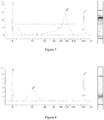
Figure 1 shows an example of determining the number of amplification cycles required for the second amplification for a chromatin DNA sample by fluorogenic quantitative PCR. -
Figure 2 shows an example of the amplification result of the fragmentation product of a chromatin DNA sample. -
Figure 3 shows an example of the amplification result of a cDNA sample. -
Figure 4 shows an example of the amplification result of the fragmentation product of a cDNA sample. - To facilitate an understanding of the present invention, the following examples are enumerated. It should be understood by those skilled in the art that these examples are only intended to facilitate the understanding of the present invention but should not be construed as any limitation of the present invention.
- In this example, a simultaneous construction method of single-cell chromatin accessibility libraries and transcriptome sequencing libraries according to the present invention was carried out by taking H9 ES cell line as an example to prepare single-cell libraries. Specific steps were as follows:
1. Preparation and lysis of a single cell - 1.1. Preparation of a single cell
The adhered H9 ES cells were digested with Accutase. 1 ml of suspension of the digested cells was taken and centrifuged at 1000 rpm for 5 min, and the cell pellet was resuspended in 1×PBS, repeating the above once. The resuspended cells were diluted to a suitable density, and a single cell (volume less than 0.5 µl) was aspirated by using a glass needle having a diameter less than 200 µm to prepare a cell sample. 100 cells were used as a positive control and PBS was used as a negative control. - 1.2. Lysis of a single cell
A single-cell lysis system was prepared according to Table 1. 6.5 µl of lysis buffer was added to each single-cell suspension sample (0.5 µl), and mixed by flicking the tube wall gently. The mixture was centrifuged for 3 s, and transferred to a thermal cycler to react at 4°C for 30 min for cell lysis. - 2.1 After the lysis, the tube was vortexed for 1 min, and centrifuged at 4°C at 1000 g for 5 min;
- 2.2 4 µl of supernatant was carefully pipetted into a new PCR tube. 3 µl of the remaining liquid was a nucleus-containing solution. The RNA was in the supernatant.
- Oligo-dT: 5'-AAGCAGTGGTATCAACGCAGAGTACT30VN-3' (the underlined sequence was SEQ ID NO: 8);
- Template-Switching Oligo (LNA): 5'-AAGCAGTGGTATCAACGCAGAGTACrGrG+G-3' (wherein the underlined sequence was SEQ ID NO: 9, the rG was an RNA base, and the +G was a locked nucleic acid (LNA) modification).
- The libraries constructed as above can be sequenced by using a next-generation sequencing platform which is currently mainstream (e.g., BGISEQ-500, Hiseq2000, Hiseq4000, etc.). The sequencing platform used in this example was BGISEQ-500. The post-sequencing analysis included separate filtering of single-cell accessibility and transcriptome data, data alignment, and downstream mining and analysis of personalized data.
- The applicant declares that methods of the present invention and use thereof have been demonstrated through the above embodiments, and however, the present invention is not limited thereto. It should be apparent to those skilled in the art that, for any improvement of the present invention, the equivalent replacement and addition of the parameters or steps involved in the methods of the present invention, and the selection of specific modes, etc., will all fall within the protection scope and the disclosure scope of the present invention.


| Reagent | Volume (µl) |
| Single-cell suspension | 0.5 |
| 10% NP-40 (Sigma, Cat. No. 18896) | 0.07 |
| 1M Tris-HCl (pH7.5) (Invitrogen) | 0.07 |
| 1M NaCl (Sigma) | 0.07 |
| RNAse inhibitor (40U/µl) (Takara, 2313A) | 0.25 |
| Nuclease-free water (Ambion AM9932) | 6.04 |
| Total | 7 |
2. Cell Nucleus/RNA separation
3. Nucleus and chromatin DNA library construction with Tn5
3.1 Cutting the open chromatin regions with Tn5
3.1.1 5× Tagament Buffer L was thawed at room temperature and mixed by turning upside down for use.
3.1.2. A Tn5-based fragmentation reaction system was prepared according to Table 2, mixed by flicking the tube wall gently, and centrifuged for 3 s.
| Reagent | Volume (µl) |
| DNA solution (the nucleus-containing solution obtained in step 2.2) | 3 |
| 5x Tagament buffer L (5x fragmentation buffer, BGE005B01) | 1.4 |
| TTE Mix V5S (Tn5 enzyme V5S, BGE005S, for fragmentation) | 0.3 |
| 1M Tris, pH7.5 (Invitrogen) | 0.07 |
| 1M NaCl (Sigma) | 0.07 |
| Nuclease-free water (Ambion) | 2.16 |
| Total | 7 |
3.1.3 The tube was transferred to a thermal cycler to react at 37°C for 30min.
3.1.4 Reagents for terminating the Tn5-based fragmentation were prepared according to Table 3, and mixed uniformly. 3.5 µl of the reagents for terminating the fragmentation were added to the fragmented product obtained as above, mixed by flicking the tube wall gently, and centrifuged for 3 s.
| Reagent | Volume (µl) |
| 0.1M EDTA, pH8.0 (Ambion) | 2.1 |
| 0.1M Tris, pH8.0 (Ambion) | 0.42 |
| Nuclease-free water (Ambion) | 0.98 |
| Total | 3.5 |
3.1.5 The tube was transferred to a thermal cycler to react at 50°C for 30min.
3.2 Second lysis and addition of a carrier DNA
3.2.1 Reagents for the second lysis were prepared according to Table 4 and mixed uniformly. To the product obtained in step 3.1.5, 6 µl of the reagents were added (with a total volume of 16.5 µl), centrifuged for 3 s, and left at room temperature for 15 min.
| Reagent | Volume (µl) |
| RLT Plus buffer (Qiagen, Cat. No. 1053393) | 3 |
| 10 ng/µl of the carrier DNA | 3 |
| Total | 6 |
In Table 4, the carrier DNA was a foreign DNA with a fragment size of between 1 kb and 10 kb and being heterologous to the genome of the cell of interest. It may be linear or circular. For example, a DNA fragment derived from bacteria satisfying the requirements, or a conventional plasmid cloning carrier can be used as a carrier DNA.
3.2.2 Sterilized ultrapure water was added to 40 µl, mixed by flicking the tube wall gently, and centrifuged for 3 s.
3.3 DNA purification
In order to avoid interference from other substances in the subsequent PCR reaction system, DNA purification was carried out in this step. Specifically, purification was carried out by using Agencourt AMPure XP magnetic beads (1.8x) and finally the DNA was dissolved in 9 µl of sterilized ultrapure water.
3.4 First DNA amplification
3.4.1 Reagents for the first amplification were prepared according to Table 5 and mixed uniformly. 11 µl of the reagents for the first amplification were added to the purified product obtained in step 3.3, mixed by flicking the tube wall gently, and centrifuged for 3 s.
| Reagent | Volume (µl) |
| High-Fidelity 2X PCR Master Mix (NEB, Cat. No. M0541L) | 10 |
| Primer B (20 µM) | 0.5 |
| Primer C (20 µM) | 0.5 |
| Total | 11 |
3.4.2 The tube was transferred to a thermal cycler to undergo the following procedure, 72°C 5 min; 98°C 1 min; 98°C 15 s, 63°C 30 s, 72°C 1 min, 8 cycles.
3.4.3 Purification was carried out by using Agencourt AMPure XP magnetic beads (1.8x), and finally the DNA was dissolved in 20 µl of sterilized ultrapure water.
3.5 Determination of the cycle numbers of PCR required for the second amplification by using real-time fluorescent quantitative PCR
3.5.1 4 µl of the purified product obtained in step 3.4.3 was transferred into a new PCR tube.
3.5.2 Reagents for the amplification were prepared according to Table 6 and mixed uniformly. 16 µl of the reagents for the amplification were added to the PCR tube containing the purified product obtained in step 3.5.1, mixed by flicking the tube wall gently, and centrifuged for 3 s.
| Reagent | Volume (µl) |
| 2x SYBR® Premix Ex Taq™ II (Takara, Cat. No. RR820W) | 10 |
| Primer B (20 µM) | 0.5 |
| Primer C (20 µM) | 0.5 |
| Fluorescent dye ROX (Takara, Cat. No. RR820W) | 0.08 |
| Nuclease-free water (Ambion) | 4.92 |
| Total | 16 |
3.5.3 The tube was transferred to a fluorescence quantitative PCR instrument to undergo the following procedure, 72°C 5 min; 98°C 30 s; 98°C 10 s, 63°C 30 s, 72°C 1 min, 40 cycles.
3.5.4 The number of cycles corresponding to 1/3 of the plateau fluorescence intensity in the linear amplification Rn/Cycle curve was the number N of cycles required for the second amplification, as shown in
3.6 The second DNA amplification
3.6.1 Reagents for the second amplification were prepared according to Table 7 and mixed uniformly. 17.1 µl of the reagents for the second amplification were added to the purified product obtained in step 3.4.3, and 0.7 µl of barcode primer N7 was further added, mixed by flicking the tube wall gently, and centrifuged for 3 s.
| Reagent | Volume (µl) |
| High-Fidelity 2X PCR Master Mix (NEB, Cat. No. M0541L) | 16.4 |
| N5 (25 µM) | 0.7 |
| Total | 17.1 |
5'-phos-GAACGACATGGCTACGATCCGACTTTCGTCGGCAGCGTC-3' (i.e. SEQ ID NO: 3);
N7 primer had the sequence of:
5'-TGTGAGCCAAGGAGTTGTTGTCTTC(i.e. SEQ ID NO: 4)-barcode sequence-GTCTCGTGGGCTCGG(i.e. SEQ ID NO: 5)-3'.
Specifically, the barcode sequence may be 5'-ATTTATGACA-3' (i.e. SEQ ID NO: 6).
3.6.2 The tube was transferred to a thermal cycler to undergo the following procedure, 72°C 5 min; 98°C 1 min; 98°C 15 s, 63°C 30 s, 72°C 1 min, N cycles (N was the number of cycles as determined in 3.5.4).
3.6.3 Purification was carried out by using Agencourt AMPure XP magnetic beads (1x), and finally the DNA was dissolved in 20 µl of sterilized ultrapure water.
3.7 Product concentrations were determined by Qubit, and library construction results were tested with Agilent 2100. The desired library should be distributed above 100 bp, as shown in
Optionally, the constructed chromatin DNA library can be amplified with the specific amplification system as shown in Table 8:
| Reagent | Volume (µl) |
| DNA solution (the solution obtained in 3.6.3) | X (20 ng) |
| 2x KAPA HiFi HotStart ReadyMix (KAPA BIOSYSTEMS, Cat. No. KK2602) | 25 |
| Primer 1 (20 µM) | 1.5 |
| Primer 2 (20 µM) | 1.5 |
| Nuclease-free water (Ambion) | 22- |
| Total | |
| 50 |
5'-phos-GAACGACATGGCTACGATCCGACTT-3' (the underlined sequence was SEQ ID NO: 7);
Primer 2 had the sequence of:
5'-TGTGAGCCAAGGAGTTGTTGTCTTC-3' (i.e. SEQ ID NO: 4).
3.8 Further, pre-processing and sequencing were performed based on a specific sequencing platform.
4. Preparation of a cDNA sample from the total RNA, fragmentation of the cDNA sample, and library construction.
4.1 Reverse transcription of the total RNA to cDNA
Names and sequences of the reference primers:
4.1.1 1 µl of oligo-dT (10 µM) and 1 µl of dNTP (10 mM) (ENZYMATICS) were added to the pipetted RNA supernatant in step 2.2, mixed by flicking the tube wall gently, and centrifuged for 3 s. The tube was transferred to a thermal cycler to react at 72°C for 3 min. After the reaction, materials were centrifuged to the bottom of the tube, and placed on ice for use.
4.1.2 A reverse transcription system was prepared according to Table 9, mixed by flicking the tube wall gently, and centrifuged for 3 s.
| Reagent | Volume (µl) |
| RNA solution (the solution obtained in step 4.1.1) | 6 |
| SuperScript II reverse transcriptase 200 U/µl (Invitrogen, Cat. No. 18064) | 0.75 |
| RNAse inhibitor 40 U/µl (Takara) | 0.375 |
| 5xSuperscript II First-Strand Buffer (Invitrogen, Cat. No. 18064) | 3 |
| 100 mM DTT (Invitrogen) | 0.75 |
| 5M Betaine (SIGMA, Cat. No. B0300-1VL) | 3 |
| 0.2M MgCl2 (MILLIPORE) | 0.45 |
| 100 µ M Template-Switching Oligo (LNA) (EXIQON,Cat. No. 500100) | 0.15 |
| Nuclease-free water (Ambion) | 0.525 |
| | 15 |
4.1.3 The tube was transferred to a thermal cycler to undergo the following procedure, 42°C 90 min; 50°C 2 min, 42°C 2 min, 10 cycles; 72°C 5 min.
4.2 cDNA amplification
Name and sequence of the reference primer
IS primer: 5'-AAGCAGTGGTATCAACGCAGAGT-3' (SEQ ID NO: 10).
4.2.1 A cDNA amplification system was prepared according to Table 10, mixed by flicking the tube wall gently, and centrifuged for 3 s.
| Reagent | Volume (µl) |
| cDNA solution (the product obtained in step 4.1.3) | 15 |
| 2x KAPA HiFi HotStart ReadyMix (KAPA BIOSYSTEMS, Cat. No. KK2602) | 14.7 |
| 10 µM IS Primer | 0.3 |
| Total | 30 |
4.2.2 The tube was transferred to a thermal cycler to undergo the following procedure, 98°C 3 min; 98°C 20 s, 67°C 20 s, 72°C 6 min, 20 cycles; 72°C 5 min.
4.2.3 cDNA purification
Purification was carried out by using Agencourt AMPure XP magnetic beads.
4.2.4 The cDNA amplification results were detected by Agilent 2100, as shown in
4.3 cDNA library construction with Tn5
4.3.1 cDNA fragmentation
4.3.1.1 5× Tagament Buffer L was thawed at room temperature and mixed by turning upside down for use.
4.3.1.2 A Tn5 fragmentation system was prepared according to Table 11. The components were mixed thoroughly by gently pipetting 20 times with a pipette, and centrifuged for 3 s.
| Reagent | Volume (µl) |
| 1ng/µl cDNA (the purified product obtained in step 4.2.3) | 2 |
| 5x Tagment Buffer L (5x fragmentation buffer, BGE005B01) | 2 |
| Tagment Enzyme Advanced Mix V5S (Tn5 enzyme V5S, BGE005S, for fragmentation) | 0.8 |
| Nuclease-free water (Ambion) | 5.2 |
| Total | 10 |
4.3.1.3 The PCR tube was incubated in a thermal cycler at 55°C for 10 min, and was taken out when the sample temperature dropped to 4 °C.
4.3.1.4 2.5 µl of 5x NT Solution was added to the product obtained in step 4.3.1.3, mixed thoroughly by gently pipetting 20 times with a pipette, and left at room temperature for 5 min.
4.3.2 Amplification of the fragmented cDNA product
Names and sequences of the reference primers:
Pimer 1, primer 2, N5 primer, and N7 primer, with the sequences as described above, were used for the amplification in this step.
4.3.2.1 A reaction system for amplifying the product of the cDNA fragmentation was prepared according to Table 12, mixed by flicking the tube wall gently, and centrifuged for 3 s.
| Reagent | Volume (µl) |
| cDNA solution (the product obtained in step 4.3.1.4) | 12.5 |
| Primer 1 (10 µM) | 1 |
| Primer 2 (10 µM) | 1 |
| Primer N5 (0.5 µM) | 1 |
| Primer N7 (0.5 µM) | 1 |
| 2x KAPA HiFi HotStart ReadyMix | 25 |
| Nuclease-free water (Ambion) | 8.5 |
| | 50 |
4.3.2.2 The tube was transferred to a thermal cycler to undergo the following procedure, 72°C 5 min; 95°C 3 min; 98°C 20 s, 60°C 15 s, 72°C 30 s, 16 cycles; 72°C 5 min.
4.3.2.3 The PCR product was selectively purified by using Agencourt AMPure XP magnetic beads.
4.3.2.4 Product concentrations were determined by Qubit, and library construction results were tested with Agilent 2100. The desired library had a main peak of between 150 and 350 bp, as shown in
5. High-throughput sequencing and data analysis
Claims (15)
- A method for constructing a single-cell sequencing library, comprising the steps of:a) conducting a first lysis of a single cell to obtain a first single-cell lysate;b) segmenting the nucleus and the cytoplasm in the first single-cell lysate obtained in step a) to obtain a nucleus-containing solution and a total RNA-containing solution;c) constructing a chromatin DNA library with the nucleus-containing solution obtained in step b) to obtain a chromatin accessibility sequencing library of the single cell; and constructing a transcriptome library with the total RNA-containing solution obtained in step b) to obtain a transcriptome sequencing library of the single cell.
- The method according to claim 1, wherein in step c), the chromatin DNA library is constructed by digesting with Tn5 transposase or DNase.
- The method according to claim 2, wherein the construction of the chromatin DNA library by using Tn5 transposase includes the steps of:c1) cutting the open chromatin regions with Tn5 transposase, comprising fragmenting the chromatin DNA with Tn5 transposase, followed by terminating the fragmentation; andc2) conducting a first amplification of the fragmented chromatin DNA.
- The method according to claim 3, wherein the construction of the chromatin DNA library by using Tn5 transposase further includes:a second lysis of the product obtained in step c1); preferably, the second lysis is carried out by using RLT Plus buffer;preferably, a carrier DNA is added to the system in the process of the second lysis; preferably, the carrier DNA is added in an amount of 4-6 ng/µl the system, preferably 5 ng/µl the system;preferably, the product of the second lysis is purified prior to step c2).
- The method according to claim 4, wherein the construction of the chromatin DNA library by using Tn5 transposase further includes:a second amplification of the first amplification product obtained in step c2);preferably, the constructed chromatin DNA library is amplified after completion of the construction of the chromatin DNA library.
- The method according to any one of claims 3-5, wherein a single fragmentation system used for fragmenting the chromatin DNA in step c1) comprises:the nucleus-containing solution; 5× fragmentation buffer, 0.2 µl/µl a reaction system; TTE Mix V5S, 0.03-0.05 µl/µl, preferably 0.04 µl/µl a reaction system; Tris-HCl, pH 7.5, 8-12 mM, preferably 10 mM; NaCl, 8-12 mM, preferably 10 mM; with the balance being water;preferably, after the fragmentation, the single fragmentation system was added the following components to terminate the fragmentation: EDTA, pH 8.0, 50-70 mM, preferably 60 mM; Tris-HCl, pH8.0, 10-14 mM, preferably 12 mM; with the balance being water.
- The method according to any one of claims 5-6, wherein a primer pair consisting of the nucleotide sequence 5'-TCGTCGGCAGCGTCAGATGTGTATAAGAGACAG-3' and the nucleotide sequence 5'-GTCTCGTGGGCTCGGAGATGTGTATAAGAGACAG-3' is used in the first amplification in step c2);
preferably, a primer pair consisting of the nucleotide sequence 5'-phos-GAACGACATGGCTACGATCCGACTTTCGTCGGCAGCGTC-3' and the nucleotide sequence 5'-TGTGAGCCAAGGAGTTGTTGTCTTC-barcode sequence-GTCTCGTGGGCTCGG-3' is used in the second amplification. - The method according to any one of claims 5-7, wherein a step of determining the number of amplification cycles required for the second amplification by using a real-time fluorescent quantitative PCR is further comprised between the first amplification of step c2) and the second amplification;
preferably, the step of determining the number of amplification cycles required for the second amplification comprises: performing a real-time fluorescent quantitative PCR by using the first amplification product obtained in step c2) as a template and using a primer pair consisting of the nucleotide sequence 5'-TCGTCGGCAGCGTCAGATGTGTATAAGAGACAG-3' and the nucleotide sequence 5'-GTCTCGTGGGCTCGGAGATGTGTATAAGAGACAG-3', and finding the number of cycles corresponding to 1/3 of the plateau fluorescence intensity in the resulting linear amplification curve, which is the number of amplification cycles required for the second amplification. - The method according to any one of claims 1-8, wherein the construction of the transcriptome library includes:c1') reverse transcribing the total RNA into cDNA, and amplifying the cDNA to obtain a cDNA amplification product;c2') fragmenting the cDNA amplification product obtained in step c1') with Tn5 transposase, and amplifying the resulting fragmented product to obtain a transcriptome sequencing library of the single cell.
- The method according to any one of claims 1-9, wherein both the constructions of the chromatin DNA library and the transcriptome library in step c) are carried out in a micro liter-scale reaction system.
- The method according to any one of claims 1-10, wherein a single lysis system used for the first lysis of the single cell in step a) comprises:
Single-cell suspension ≥0.5 µl; NP-40 0.1-0.3%, preferably 0.2%; Tris-HCl, pH7.5 8-12 mM, preferably 10 mM; NaCl 8-12 mM, preferably 10 mM; RNase inhibitor 1-2 U/µl, preferably 1.5 U; - A method for high-throughput sequencing of a single-cell sequencing library, comprising the steps of:
subjecting the single-cell sequencing library constructed by the method according to any one of claims 1-11 to a high-throughput sequencing to obtain information on the chromatin accessibility and on the transcriptome sequence of the single cell, respectively. - A method for analysis of single-cell multi-omics, comprising:performing the method according to claim 12; andperforming a bioinformatics analysis on the obtained information on the chromatin accessibility and on the transcriptome sequence of the single cell.
- Use of the method for constructing a single-cell sequencing library according to any one of claims 1 to 11 or the method for analysis of single-cell multi-omics according to claim 13 in at least one selected from the group consisting of tumor target screening, disease surveillance, and pre-implantation genetic diagnosis.
- A kit comprising one or more reagents used in the method according to any of claims 1-11;
preferably, the kit comprises a single-cell lysis reagent used for the first lysis, a chromatin DNA fragmentation reagent, a fragmentation terminating reagent, a lysis reagent used for the second lysis after the chromatin DNA fragmentation, and a carrier DNA;
further preferably, the single-cell lysis reagent used for the first lysis comprises:NP-40 0.1-0.3%, preferably 0.2%; Tris-HCl, pH7.5 8-12 mM, preferably 10 mM; NaCl 8-12 mM, preferably 10 mM; RNase inhibitor 1-2 U/µl, preferably 1.5 U;
further preferably, the chromatin DNA fragmentation reagent comprises:5× fragmentation buffer 1.75×; Tn5 enzyme for fragmentation 0.05-0.09 U/µl, preferably 0.07 U/µl; Tris-HCl, pH7.5 14-20 mM, preferably 17.5 mM; NaCl 14-20 mM, preferably 17.5 mM;
further preferably, the fragmentation terminating reagent comprises:EDTA, pH8.0 50-70 mM, preferably 60 mM; Tris-HCl, pH8.0 8-12 mM, preferably 10 mM;
further preferably, the lysis reagent used for the second lysis comprises RLT Plus buffer.
Applications Claiming Priority (1)
| Application Number | Priority Date | Filing Date | Title |
|---|---|---|---|
| PCT/CN2016/108940 WO2018103025A1 (en) | 2016-12-07 | 2016-12-07 | Method for constructing single cell sequencing library and use thereof |
Publications (3)
| Publication Number | Publication Date |
|---|---|
| EP3553180A1 true EP3553180A1 (en) | 2019-10-16 |
| EP3553180A4 EP3553180A4 (en) | 2020-08-12 |
| EP3553180B1 EP3553180B1 (en) | 2022-05-04 |
Family
ID=62490570
Family Applications (1)
| Application Number | Title | Priority Date | Filing Date |
|---|---|---|---|
| EP16923153.7A Active EP3553180B1 (en) | 2016-12-07 | 2016-12-07 | Method for constructing single cell sequencing library and use thereof |
Country Status (6)
| Country | Link |
|---|---|
| US (1) | US11434483B2 (en) |
| EP (1) | EP3553180B1 (en) |
| CN (1) | CN109996892B (en) |
| DK (1) | DK3553180T3 (en) |
| ES (1) | ES2922281T3 (en) |
| WO (1) | WO2018103025A1 (en) |
Cited By (1)
| Publication number | Priority date | Publication date | Assignee | Title |
|---|---|---|---|---|
| WO2024250155A1 (en) * | 2023-06-05 | 2024-12-12 | 清华大学 | Method for constructing single cell sequencing library |
Families Citing this family (62)
| Publication number | Priority date | Publication date | Assignee | Title |
|---|---|---|---|---|
| US10584381B2 (en) | 2012-08-14 | 2020-03-10 | 10X Genomics, Inc. | Methods and systems for processing polynucleotides |
| US11591637B2 (en) | 2012-08-14 | 2023-02-28 | 10X Genomics, Inc. | Compositions and methods for sample processing |
| US9951386B2 (en) | 2014-06-26 | 2018-04-24 | 10X Genomics, Inc. | Methods and systems for processing polynucleotides |
| US10323279B2 (en) | 2012-08-14 | 2019-06-18 | 10X Genomics, Inc. | Methods and systems for processing polynucleotides |
| JP6367196B2 (en) | 2012-08-14 | 2018-08-01 | テンエックス・ジェノミクス・インコーポレイテッド | Microcapsule composition and method |
| US10752949B2 (en) | 2012-08-14 | 2020-08-25 | 10X Genomics, Inc. | Methods and systems for processing polynucleotides |
| US9701998B2 (en) | 2012-12-14 | 2017-07-11 | 10X Genomics, Inc. | Methods and systems for processing polynucleotides |
| EP3567116A1 (en) | 2012-12-14 | 2019-11-13 | 10X Genomics, Inc. | Methods and systems for processing polynucleotides |
| US10533221B2 (en) | 2012-12-14 | 2020-01-14 | 10X Genomics, Inc. | Methods and systems for processing polynucleotides |
| KR102190198B1 (en) | 2013-02-08 | 2020-12-14 | 10엑스 제노믹스, 인크. | Polynucleotide barcode generation |
| CA2943624A1 (en) | 2014-04-10 | 2015-10-15 | 10X Genomics, Inc. | Fluidic devices, systems, and methods for encapsulating and partitioning reagents, and applications of same |
| EP4574974A3 (en) | 2014-06-26 | 2025-10-08 | 10x Genomics, Inc. | Methods of analyzing nucleic acids from individual cells or cell populations |
| US12312640B2 (en) | 2014-06-26 | 2025-05-27 | 10X Genomics, Inc. | Analysis of nucleic acid sequences |
| WO2015200869A1 (en) | 2014-06-26 | 2015-12-30 | 10X Genomics, Inc. | Analysis of nucleic acid sequences |
| CN107427808B (en) | 2015-01-12 | 2020-10-23 | 10X基因组学有限公司 | Method and system for preparing nucleic acid sequencing library and library prepared by using same |
| EP3262407B1 (en) | 2015-02-24 | 2023-08-30 | 10X Genomics, Inc. | Partition processing methods and systems |
| EP4310183B1 (en) | 2017-01-30 | 2025-07-09 | 10X Genomics, Inc. | Methods and systems for droplet-based single cell barcoding |
| US12264411B2 (en) | 2017-01-30 | 2025-04-01 | 10X Genomics, Inc. | Methods and systems for analysis |
| CN109526228B (en) | 2017-05-26 | 2022-11-25 | 10X基因组学有限公司 | Single cell analysis of transposase accessible chromatin |
| US10844372B2 (en) | 2017-05-26 | 2020-11-24 | 10X Genomics, Inc. | Single cell analysis of transposase accessible chromatin |
| WO2019084043A1 (en) | 2017-10-26 | 2019-05-02 | 10X Genomics, Inc. | Methods and systems for nuclecic acid preparation and chromatin analysis |
| CN111051523B (en) | 2017-11-15 | 2024-03-19 | 10X基因组学有限公司 | Functionalized gel beads |
| EP3710594B1 (en) * | 2017-11-16 | 2023-07-19 | The Regents of The University of Colorado, A Body Corporate | Methods to measure functional heterogeneity among single cells |
| US10829815B2 (en) | 2017-11-17 | 2020-11-10 | 10X Genomics, Inc. | Methods and systems for associating physical and genetic properties of biological particles |
| SG11202007686VA (en) | 2018-02-12 | 2020-09-29 | 10X Genomics Inc | Methods characterizing multiple analytes from individual cells or cell populations |
| WO2019195166A1 (en) | 2018-04-06 | 2019-10-10 | 10X Genomics, Inc. | Systems and methods for quality control in single cell processing |
| US11932899B2 (en) | 2018-06-07 | 2024-03-19 | 10X Genomics, Inc. | Methods and systems for characterizing nucleic acid molecules |
| WO2020009665A1 (en) * | 2018-07-06 | 2020-01-09 | Agency For Science, Technology And Research | Method for single-cell transcriptome and accessible regions sequencing |
| SG11202101164TA (en) | 2018-08-03 | 2021-03-30 | 10X Genomics Inc | Methods and systems to minimize barcode exchange |
| US12065688B2 (en) | 2018-08-20 | 2024-08-20 | 10X Genomics, Inc. | Compositions and methods for cellular processing |
| CN109023537B (en) * | 2018-09-04 | 2021-10-08 | 上海交通大学 | A technology for the construction of high-throughput sequencing library of trace DNA samples |
| CN113272443B (en) * | 2019-01-07 | 2025-01-10 | 安捷伦科技有限公司 | Compositions and methods for genomic DNA and gene expression analysis in single cells |
| US11845983B1 (en) | 2019-01-09 | 2023-12-19 | 10X Genomics, Inc. | Methods and systems for multiplexing of droplet based assays |
| US11467153B2 (en) | 2019-02-12 | 2022-10-11 | 10X Genomics, Inc. | Methods for processing nucleic acid molecules |
| EP3924505B1 (en) | 2019-02-12 | 2025-12-17 | 10X Genomics, Inc. | Methods for processing nucleic acid molecules |
| WO2020167866A1 (en) | 2019-02-12 | 2020-08-20 | 10X Genomics, Inc. | Systems and methods for transposon loading |
| EP3950956A4 (en) * | 2019-05-21 | 2022-05-04 | MGI Tech Co., Ltd. | METHOD AND SYSTEM FOR CREATING A SEQUENCE LIBRARY BASED ON METHYLATED DNA TARGET REGION AND THEIR USE |
| CN110952147B (en) * | 2019-12-18 | 2023-05-05 | 南方科技大学 | Method for constructing DNA library for single cell genome sequencing |
| EP4095256A4 (en) * | 2020-01-23 | 2023-03-15 | DGI Tech (Qing Dao) Co., Limited | DROPLET MICROFLUIDIC-BASED SINGLE CELL SEQUENCING AND APPLICATIONS |
| WO2021226917A1 (en) * | 2020-05-14 | 2021-11-18 | Singleron (Nanjing) Biotechnologies, Ltd. | Novel method of one-step whole transcriptome amplification |
| CN111575348B (en) * | 2020-05-19 | 2024-01-09 | 广州微远医疗器械有限公司 | Metagenomic libraries and library construction methods and applications |
| GB202012744D0 (en) * | 2020-08-14 | 2020-09-30 | Cambridge Entpr Ltd | Modular microfluidic methods and devices |
| CN112011596A (en) * | 2020-09-11 | 2020-12-01 | 深圳华大因源医药科技有限公司 | Method, solution and kit for simultaneously detecting multiple microbial genomes |
| CN114045332A (en) * | 2020-09-29 | 2022-02-15 | 生物岛实验室 | A single-cell epitranscriptomic sequencing approach |
| CN112280828A (en) * | 2020-10-22 | 2021-01-29 | 上海交通大学医学院 | A method for isolation of ex vivo tissue nuclei to reduce the bias of single-cell expansion |
| CN112853503B (en) * | 2021-03-24 | 2026-02-13 | 北京百迈客生物科技有限公司 | Methods for constructing full-length transcriptome libraries from single cells or trace samples for nanopore sequencing |
| CN112941636A (en) * | 2021-04-02 | 2021-06-11 | 武汉博越致和生物科技有限公司 | Library construction method suitable for simplified transcriptome sequencing and matched kit |
| CN113462748A (en) * | 2021-05-11 | 2021-10-01 | 温氏食品集团股份有限公司 | Preparation method and kit of DNA sequencing library |
| CN113249439A (en) * | 2021-05-11 | 2021-08-13 | 杭州圣庭医疗科技有限公司 | Construction method of simplified DNA methylation library and transcriptome co-sequencing library |
| CN113337590B (en) * | 2021-06-03 | 2024-07-09 | 深圳华大基因股份有限公司 | A second generation sequencing method and library construction method |
| CN116694730B (en) * | 2022-02-28 | 2025-02-14 | 南方科技大学 | A method for constructing a single-cell open chromatin and transcriptome co-sequencing library |
| CN114645074A (en) * | 2022-03-07 | 2022-06-21 | 华南农业大学 | Single bud micro RNA library building method |
| CN115851876A (en) * | 2022-07-21 | 2023-03-28 | 浙江大学绍兴研究院 | A sequencing approach to simultaneously obtain genome-wide transcriptional and protein-DNA binding information |
| CN115612720B (en) * | 2022-09-28 | 2025-03-14 | 上海欧易生物医学科技有限公司 | A plant nucleus preparation and suspension optimization method suitable for single-cell sequencing of kiwifruit root tissue |
| CN115478098B (en) * | 2022-10-10 | 2026-02-10 | 中国科学技术大学 | A method for constructing a single-cell transcriptome and chromatin accessibility dual-omics sequencing library and a sequencing method. |
| WO2024077439A1 (en) * | 2022-10-10 | 2024-04-18 | 中国科学技术大学 | Single-cell transcriptome and chromatin accessibility dual-omics sequencing library contruction method and sequencing method |
| WO2024082945A1 (en) * | 2022-10-21 | 2024-04-25 | 深圳华大生命科学研究院 | Multi-omics library construction method, detection method, and related kit |
| CN115948621A (en) * | 2023-01-18 | 2023-04-11 | 珠海舒桐医疗科技有限公司 | HPV screening method based on menstrual blood DNA |
| CN116121175A (en) * | 2023-01-19 | 2023-05-16 | 同济大学 | Separation method of cell nucleus and cytoplasm in same single cell and application |
| CN117448424A (en) * | 2023-11-29 | 2024-01-26 | 上海欧易生物医学科技有限公司 | A library construction method, kit and application suitable for whole transcriptome sequencing of single cell nuclei |
| WO2026079508A1 (en) * | 2024-10-08 | 2026-04-16 | 서울대학교산학협력단 | Method for preparing single cell multi-sample multi-body library and use thereof |
| CN120608127B (en) * | 2025-08-12 | 2025-11-28 | 北京寻因生物科技有限公司 | A method for improving chromatin DNA accessibility in cells and its application |
Family Cites Families (9)
| Publication number | Priority date | Publication date | Assignee | Title |
|---|---|---|---|---|
| JPS53122047A (en) | 1977-03-30 | 1978-10-25 | Sanden Corp | Electromagnetic clutch |
| JPS5924538U (en) | 1982-08-09 | 1984-02-15 | サンデン株式会社 | electromagnetic clutch |
| JP4174896B2 (en) | 1998-09-22 | 2008-11-05 | 株式会社デンソー | Electromagnetic clutch |
| KR20040034191A (en) | 2002-10-21 | 2004-04-28 | 한라공조주식회사 | Disc and hub assembly for electro-magnetic clutch |
| EP1486694B1 (en) | 2003-06-10 | 2009-03-18 | Halla Climate Control Corporation | Disc and hub assembly for electromagnetic clutch in a compressor |
| EP4617376A3 (en) * | 2013-05-23 | 2025-12-10 | The Board of Trustees of the Leland Stanford Junior University | Transposition into native chromatin for personal epigenomics |
| CN104561244B (en) | 2013-10-15 | 2017-03-22 | 天津大学 | Second-generation sequencing technology based microbe unicell transcriptome analysis method |
| CA3262557A1 (en) * | 2014-04-15 | 2026-03-02 | Illumina, Inc. | Modified transposases for improved insertion sequence bias and increased dna input tolerance |
| CN105463089A (en) | 2015-12-21 | 2016-04-06 | 同济大学 | Assay for transposase accessible chromatin using sequencing (ATAC-seq) method applied to zebrafish embryos |
-
2016
- 2016-12-07 US US16/466,741 patent/US11434483B2/en active Active
- 2016-12-07 EP EP16923153.7A patent/EP3553180B1/en active Active
- 2016-12-07 ES ES16923153T patent/ES2922281T3/en active Active
- 2016-12-07 DK DK16923153.7T patent/DK3553180T3/en active
- 2016-12-07 CN CN201680091050.2A patent/CN109996892B/en active Active
- 2016-12-07 WO PCT/CN2016/108940 patent/WO2018103025A1/en not_active Ceased
Cited By (1)
| Publication number | Priority date | Publication date | Assignee | Title |
|---|---|---|---|---|
| WO2024250155A1 (en) * | 2023-06-05 | 2024-12-12 | 清华大学 | Method for constructing single cell sequencing library |
Also Published As
| Publication number | Publication date |
|---|---|
| CN109996892A (en) | 2019-07-09 |
| EP3553180A4 (en) | 2020-08-12 |
| US20190338279A1 (en) | 2019-11-07 |
| WO2018103025A1 (en) | 2018-06-14 |
| ES2922281T3 (en) | 2022-09-12 |
| DK3553180T3 (en) | 2022-07-25 |
| CN109996892B (en) | 2023-08-29 |
| EP3553180B1 (en) | 2022-05-04 |
| US11434483B2 (en) | 2022-09-06 |
Similar Documents
| Publication | Publication Date | Title |
|---|---|---|
| US11434483B2 (en) | Method for constructing single cell sequencing library and use thereof | |
| EP4219743B1 (en) | Sample nucleic acid measurement test kit, reagent, and application thereof | |
| US9279121B2 (en) | Nucleic acid processing kits and devices | |
| JP7691975B2 (en) | Single cell analysis | |
| KR102313174B1 (en) | Method and device for collection and amplification of circulating nucleic acids | |
| EP3699289B1 (en) | Sample preparation for nucleic acid amplification | |
| US20150275267A1 (en) | Method and kit for preparing a target rna depleted sample | |
| CN112041459A (en) | Nucleic acid amplification method | |
| EP4159857A1 (en) | Rapid method for isolating extracellular nucleic acids | |
| CN103305499B (en) | A kind of directly amplifing reagent and application thereof | |
| EP2942394A1 (en) | New method for isolating microbial DNA | |
| EP2591102B1 (en) | Procedure for the specific isolation of total dna content of bacterial germs and a kit for this purpose | |
| US20220195515A1 (en) | Single cell full length RNA sequencing | |
| JP2016501011A (en) | Single-step nucleic acid amplification method for non-eluting samples | |
| CN116287115A (en) | A method for obtaining single-cell or single-nucleus samples, samples obtained by using the same, and applications | |
| US20260043081A1 (en) | Methods of Preparing Normalised Nucleic Acid Samples, Kits and Devices for Use in the Method | |
| CN114350768A (en) | Blood sample DNA direct amplification reagent and application thereof | |
| CN115873922A (en) | Single cell full-length transcript library construction sequencing method | |
| WO2019078909A2 (en) | Efficient screening library preparation | |
| CN112626174B (en) | Cell lysate and application thereof | |
| CN114250267A (en) | Method for constructing sequencing library of RNA (ribonucleic acid) containing modification sites | |
| WO2026071957A1 (en) | Bioanalysis process making use of nucleic acid fragmentation | |
| HK40035242B (en) | Sample preparation for nucleic acid amplification | |
| HK40035242A (en) | Sample preparation for nucleic acid amplification | |
| Jansen et al. | High-Throughput, Low Volume gDNA Extraction from Whole Blood Enabled by Covaris Adaptive Focused Acoustics®(AFA®) and AFA-TUBE™ TPX |
Legal Events
| Date | Code | Title | Description |
|---|---|---|---|
| STAA | Information on the status of an ep patent application or granted ep patent |
Free format text: STATUS: THE INTERNATIONAL PUBLICATION HAS BEEN MADE |
|
| PUAI | Public reference made under article 153(3) epc to a published international application that has entered the european phase |
Free format text: ORIGINAL CODE: 0009012 |
|
| STAA | Information on the status of an ep patent application or granted ep patent |
Free format text: STATUS: REQUEST FOR EXAMINATION WAS MADE |
|
| 17P | Request for examination filed |
Effective date: 20190705 |
|
| AK | Designated contracting states |
Kind code of ref document: A1 Designated state(s): AL AT BE BG CH CY CZ DE DK EE ES FI FR GB GR HR HU IE IS IT LI LT LU LV MC MK MT NL NO PL PT RO RS SE SI SK SM TR |
|
| AX | Request for extension of the european patent |
Extension state: BA ME |
|
| DAV | Request for validation of the european patent (deleted) | ||
| DAX | Request for extension of the european patent (deleted) | ||
| A4 | Supplementary search report drawn up and despatched |
Effective date: 20200709 |
|
| RIC1 | Information provided on ipc code assigned before grant |
Ipc: C12Q 1/6806 20180101ALI20200704BHEP Ipc: C12N 15/10 20060101ALI20200704BHEP Ipc: C12Q 1/68 20180101AFI20200704BHEP Ipc: C40B 50/06 20060101ALI20200704BHEP |
|
| STAA | Information on the status of an ep patent application or granted ep patent |
Free format text: STATUS: EXAMINATION IS IN PROGRESS |
|
| 17Q | First examination report despatched |
Effective date: 20210216 |
|
| GRAP | Despatch of communication of intention to grant a patent |
Free format text: ORIGINAL CODE: EPIDOSNIGR1 |
|
| STAA | Information on the status of an ep patent application or granted ep patent |
Free format text: STATUS: GRANT OF PATENT IS INTENDED |
|
| INTG | Intention to grant announced |
Effective date: 20210730 |
|
| GRAJ | Information related to disapproval of communication of intention to grant by the applicant or resumption of examination proceedings by the epo deleted |
Free format text: ORIGINAL CODE: EPIDOSDIGR1 |
|
| STAA | Information on the status of an ep patent application or granted ep patent |
Free format text: STATUS: EXAMINATION IS IN PROGRESS |
|
| GRAP | Despatch of communication of intention to grant a patent |
Free format text: ORIGINAL CODE: EPIDOSNIGR1 |
|
| STAA | Information on the status of an ep patent application or granted ep patent |
Free format text: STATUS: GRANT OF PATENT IS INTENDED |
|
| INTC | Intention to grant announced (deleted) | ||
| INTG | Intention to grant announced |
Effective date: 20211123 |
|
| GRAS | Grant fee paid |
Free format text: ORIGINAL CODE: EPIDOSNIGR3 |
|
| GRAA | (expected) grant |
Free format text: ORIGINAL CODE: 0009210 |
|
| STAA | Information on the status of an ep patent application or granted ep patent |
Free format text: STATUS: THE PATENT HAS BEEN GRANTED |
|
| AK | Designated contracting states |
Kind code of ref document: B1 Designated state(s): AL AT BE BG CH CY CZ DE DK EE ES FI FR GB GR HR HU IE IS IT LI LT LU LV MC MK MT NL NO PL PT RO RS SE SI SK SM TR |
|
| REG | Reference to a national code |
Ref country code: GB Ref legal event code: FG4D |
|
| REG | Reference to a national code |
Ref country code: CH Ref legal event code: EP |
|
| REG | Reference to a national code |
Ref country code: AT Ref legal event code: REF Ref document number: 1489108 Country of ref document: AT Kind code of ref document: T Effective date: 20220515 |
|
| REG | Reference to a national code |
Ref country code: DE Ref legal event code: R096 Ref document number: 602016071944 Country of ref document: DE |
|
| REG | Reference to a national code |
Ref country code: IE Ref legal event code: FG4D |
|
| REG | Reference to a national code |
Ref country code: DK Ref legal event code: T3 Effective date: 20220721 |
|
| REG | Reference to a national code |
Ref country code: NL Ref legal event code: FP |
|
| REG | Reference to a national code |
Ref country code: SE Ref legal event code: TRGR |
|
| REG | Reference to a national code |
Ref country code: LT Ref legal event code: MG9D |
|
| REG | Reference to a national code |
Ref country code: ES Ref legal event code: FG2A Ref document number: 2922281 Country of ref document: ES Kind code of ref document: T3 Effective date: 20220912 |
|
| REG | Reference to a national code |
Ref country code: AT Ref legal event code: MK05 Ref document number: 1489108 Country of ref document: AT Kind code of ref document: T Effective date: 20220504 |
|
| PG25 | Lapsed in a contracting state [announced via postgrant information from national office to epo] |
Ref country code: PT Free format text: LAPSE BECAUSE OF FAILURE TO SUBMIT A TRANSLATION OF THE DESCRIPTION OR TO PAY THE FEE WITHIN THE PRESCRIBED TIME-LIMIT Effective date: 20220905 Ref country code: NO Free format text: LAPSE BECAUSE OF FAILURE TO SUBMIT A TRANSLATION OF THE DESCRIPTION OR TO PAY THE FEE WITHIN THE PRESCRIBED TIME-LIMIT Effective date: 20220804 Ref country code: LT Free format text: LAPSE BECAUSE OF FAILURE TO SUBMIT A TRANSLATION OF THE DESCRIPTION OR TO PAY THE FEE WITHIN THE PRESCRIBED TIME-LIMIT Effective date: 20220504 Ref country code: HR Free format text: LAPSE BECAUSE OF FAILURE TO SUBMIT A TRANSLATION OF THE DESCRIPTION OR TO PAY THE FEE WITHIN THE PRESCRIBED TIME-LIMIT Effective date: 20220504 Ref country code: GR Free format text: LAPSE BECAUSE OF FAILURE TO SUBMIT A TRANSLATION OF THE DESCRIPTION OR TO PAY THE FEE WITHIN THE PRESCRIBED TIME-LIMIT Effective date: 20220805 Ref country code: FI Free format text: LAPSE BECAUSE OF FAILURE TO SUBMIT A TRANSLATION OF THE DESCRIPTION OR TO PAY THE FEE WITHIN THE PRESCRIBED TIME-LIMIT Effective date: 20220504 Ref country code: BG Free format text: LAPSE BECAUSE OF FAILURE TO SUBMIT A TRANSLATION OF THE DESCRIPTION OR TO PAY THE FEE WITHIN THE PRESCRIBED TIME-LIMIT Effective date: 20220804 Ref country code: AT Free format text: LAPSE BECAUSE OF FAILURE TO SUBMIT A TRANSLATION OF THE DESCRIPTION OR TO PAY THE FEE WITHIN THE PRESCRIBED TIME-LIMIT Effective date: 20220504 |
|
| PG25 | Lapsed in a contracting state [announced via postgrant information from national office to epo] |
Ref country code: RS Free format text: LAPSE BECAUSE OF FAILURE TO SUBMIT A TRANSLATION OF THE DESCRIPTION OR TO PAY THE FEE WITHIN THE PRESCRIBED TIME-LIMIT Effective date: 20220504 Ref country code: PL Free format text: LAPSE BECAUSE OF FAILURE TO SUBMIT A TRANSLATION OF THE DESCRIPTION OR TO PAY THE FEE WITHIN THE PRESCRIBED TIME-LIMIT Effective date: 20220504 Ref country code: LV Free format text: LAPSE BECAUSE OF FAILURE TO SUBMIT A TRANSLATION OF THE DESCRIPTION OR TO PAY THE FEE WITHIN THE PRESCRIBED TIME-LIMIT Effective date: 20220504 Ref country code: IS Free format text: LAPSE BECAUSE OF FAILURE TO SUBMIT A TRANSLATION OF THE DESCRIPTION OR TO PAY THE FEE WITHIN THE PRESCRIBED TIME-LIMIT Effective date: 20220904 |
|
| PG25 | Lapsed in a contracting state [announced via postgrant information from national office to epo] |
Ref country code: SM Free format text: LAPSE BECAUSE OF FAILURE TO SUBMIT A TRANSLATION OF THE DESCRIPTION OR TO PAY THE FEE WITHIN THE PRESCRIBED TIME-LIMIT Effective date: 20220504 Ref country code: SK Free format text: LAPSE BECAUSE OF FAILURE TO SUBMIT A TRANSLATION OF THE DESCRIPTION OR TO PAY THE FEE WITHIN THE PRESCRIBED TIME-LIMIT Effective date: 20220504 Ref country code: RO Free format text: LAPSE BECAUSE OF FAILURE TO SUBMIT A TRANSLATION OF THE DESCRIPTION OR TO PAY THE FEE WITHIN THE PRESCRIBED TIME-LIMIT Effective date: 20220504 Ref country code: EE Free format text: LAPSE BECAUSE OF FAILURE TO SUBMIT A TRANSLATION OF THE DESCRIPTION OR TO PAY THE FEE WITHIN THE PRESCRIBED TIME-LIMIT Effective date: 20220504 Ref country code: CZ Free format text: LAPSE BECAUSE OF FAILURE TO SUBMIT A TRANSLATION OF THE DESCRIPTION OR TO PAY THE FEE WITHIN THE PRESCRIBED TIME-LIMIT Effective date: 20220504 |
|
| REG | Reference to a national code |
Ref country code: DE Ref legal event code: R097 Ref document number: 602016071944 Country of ref document: DE |
|
| PLBE | No opposition filed within time limit |
Free format text: ORIGINAL CODE: 0009261 |
|
| STAA | Information on the status of an ep patent application or granted ep patent |
Free format text: STATUS: NO OPPOSITION FILED WITHIN TIME LIMIT |
|
| PG25 | Lapsed in a contracting state [announced via postgrant information from national office to epo] |
Ref country code: AL Free format text: LAPSE BECAUSE OF FAILURE TO SUBMIT A TRANSLATION OF THE DESCRIPTION OR TO PAY THE FEE WITHIN THE PRESCRIBED TIME-LIMIT Effective date: 20220504 |
|
| 26N | No opposition filed |
Effective date: 20230207 |
|
| PG25 | Lapsed in a contracting state [announced via postgrant information from national office to epo] |
Ref country code: SI Free format text: LAPSE BECAUSE OF FAILURE TO SUBMIT A TRANSLATION OF THE DESCRIPTION OR TO PAY THE FEE WITHIN THE PRESCRIBED TIME-LIMIT Effective date: 20220504 |
|
| REG | Reference to a national code |
Ref country code: BE Ref legal event code: MM Effective date: 20221231 |
|
| P01 | Opt-out of the competence of the unified patent court (upc) registered |
Effective date: 20230722 |
|
| PG25 | Lapsed in a contracting state [announced via postgrant information from national office to epo] |
Ref country code: LU Free format text: LAPSE BECAUSE OF NON-PAYMENT OF DUE FEES Effective date: 20221207 |
|
| PG25 | Lapsed in a contracting state [announced via postgrant information from national office to epo] |
Ref country code: IE Free format text: LAPSE BECAUSE OF NON-PAYMENT OF DUE FEES Effective date: 20221207 |
|
| PG25 | Lapsed in a contracting state [announced via postgrant information from national office to epo] |
Ref country code: BE Free format text: LAPSE BECAUSE OF NON-PAYMENT OF DUE FEES Effective date: 20221231 |
|
| PG25 | Lapsed in a contracting state [announced via postgrant information from national office to epo] |
Ref country code: HU Free format text: LAPSE BECAUSE OF FAILURE TO SUBMIT A TRANSLATION OF THE DESCRIPTION OR TO PAY THE FEE WITHIN THE PRESCRIBED TIME-LIMIT; INVALID AB INITIO Effective date: 20161207 |
|
| PG25 | Lapsed in a contracting state [announced via postgrant information from national office to epo] |
Ref country code: CY Free format text: LAPSE BECAUSE OF FAILURE TO SUBMIT A TRANSLATION OF THE DESCRIPTION OR TO PAY THE FEE WITHIN THE PRESCRIBED TIME-LIMIT Effective date: 20220504 |
|
| PG25 | Lapsed in a contracting state [announced via postgrant information from national office to epo] |
Ref country code: MK Free format text: LAPSE BECAUSE OF FAILURE TO SUBMIT A TRANSLATION OF THE DESCRIPTION OR TO PAY THE FEE WITHIN THE PRESCRIBED TIME-LIMIT Effective date: 20220504 |
|
| PG25 | Lapsed in a contracting state [announced via postgrant information from national office to epo] |
Ref country code: MC Free format text: LAPSE BECAUSE OF FAILURE TO SUBMIT A TRANSLATION OF THE DESCRIPTION OR TO PAY THE FEE WITHIN THE PRESCRIBED TIME-LIMIT Effective date: 20220504 |
|
| PG25 | Lapsed in a contracting state [announced via postgrant information from national office to epo] |
Ref country code: MC Free format text: LAPSE BECAUSE OF FAILURE TO SUBMIT A TRANSLATION OF THE DESCRIPTION OR TO PAY THE FEE WITHIN THE PRESCRIBED TIME-LIMIT Effective date: 20220504 |
|
| PG25 | Lapsed in a contracting state [announced via postgrant information from national office to epo] |
Ref country code: MT Free format text: LAPSE BECAUSE OF FAILURE TO SUBMIT A TRANSLATION OF THE DESCRIPTION OR TO PAY THE FEE WITHIN THE PRESCRIBED TIME-LIMIT Effective date: 20220504 |
|
| PG25 | Lapsed in a contracting state [announced via postgrant information from national office to epo] |
Ref country code: BG Free format text: LAPSE BECAUSE OF FAILURE TO SUBMIT A TRANSLATION OF THE DESCRIPTION OR TO PAY THE FEE WITHIN THE PRESCRIBED TIME-LIMIT Effective date: 20220504 |
|
| PG25 | Lapsed in a contracting state [announced via postgrant information from national office to epo] |
Ref country code: BG Free format text: LAPSE BECAUSE OF FAILURE TO SUBMIT A TRANSLATION OF THE DESCRIPTION OR TO PAY THE FEE WITHIN THE PRESCRIBED TIME-LIMIT Effective date: 20220504 |
|
| PG25 | Lapsed in a contracting state [announced via postgrant information from national office to epo] |
Ref country code: TR Free format text: LAPSE BECAUSE OF FAILURE TO SUBMIT A TRANSLATION OF THE DESCRIPTION OR TO PAY THE FEE WITHIN THE PRESCRIBED TIME-LIMIT Effective date: 20220504 |
|
| PGFP | Annual fee paid to national office [announced via postgrant information from national office to epo] |
Ref country code: NL Payment date: 20251127 Year of fee payment: 10 |
|
| REG | Reference to a national code |
Ref country code: CH Ref legal event code: U11 Free format text: ST27 STATUS EVENT CODE: U-0-0-U10-U11 (AS PROVIDED BY THE NATIONAL OFFICE) Effective date: 20260101 |
|
| PGFP | Annual fee paid to national office [announced via postgrant information from national office to epo] |
Ref country code: GB Payment date: 20251229 Year of fee payment: 10 |
|
| PGFP | Annual fee paid to national office [announced via postgrant information from national office to epo] |
Ref country code: IT Payment date: 20251210 Year of fee payment: 10 Ref country code: DK Payment date: 20251127 Year of fee payment: 10 |
|
| PGFP | Annual fee paid to national office [announced via postgrant information from national office to epo] |
Ref country code: FR Payment date: 20251230 Year of fee payment: 10 |
|
| PGFP | Annual fee paid to national office [announced via postgrant information from national office to epo] |
Ref country code: SE Payment date: 20251218 Year of fee payment: 10 |
|
| PGFP | Annual fee paid to national office [announced via postgrant information from national office to epo] |
Ref country code: ES Payment date: 20260112 Year of fee payment: 10 |
|
| PGFP | Annual fee paid to national office [announced via postgrant information from national office to epo] |
Ref country code: DE Payment date: 20251231 Year of fee payment: 10 |
|
| PGFP | Annual fee paid to national office [announced via postgrant information from national office to epo] |
Ref country code: CH Payment date: 20260101 Year of fee payment: 10 |