EP3552105B1 - Systeme und verfahren zur aufgabenplanung und verwaltung der zuteilung von computerressourcen für steuerungssystem mit geschlossenem regelkreis - Google Patents
Systeme und verfahren zur aufgabenplanung und verwaltung der zuteilung von computerressourcen für steuerungssystem mit geschlossenem regelkreis Download PDFInfo
- Publication number
- EP3552105B1 EP3552105B1 EP17877593.8A EP17877593A EP3552105B1 EP 3552105 B1 EP3552105 B1 EP 3552105B1 EP 17877593 A EP17877593 A EP 17877593A EP 3552105 B1 EP3552105 B1 EP 3552105B1
- Authority
- EP
- European Patent Office
- Prior art keywords
- tasks
- run
- execution
- time
- queues
- Prior art date
- Legal status (The legal status is an assumption and is not a legal conclusion. Google has not performed a legal analysis and makes no representation as to the accuracy of the status listed.)
- Active
Links
Images


Classifications
-
- G—PHYSICS
- G06—COMPUTING OR CALCULATING; COUNTING
- G06F—ELECTRIC DIGITAL DATA PROCESSING
- G06F9/00—Arrangements for program control, e.g. control units
- G06F9/06—Arrangements for program control, e.g. control units using stored programs, i.e. using an internal store of processing equipment to receive or retain programs
- G06F9/46—Multiprogramming arrangements
- G06F9/50—Allocation of resources, e.g. of the central processing unit [CPU]
- G06F9/5083—Techniques for rebalancing the load in a distributed system
-
- G—PHYSICS
- G06—COMPUTING OR CALCULATING; COUNTING
- G06F—ELECTRIC DIGITAL DATA PROCESSING
- G06F9/00—Arrangements for program control, e.g. control units
- G06F9/06—Arrangements for program control, e.g. control units using stored programs, i.e. using an internal store of processing equipment to receive or retain programs
- G06F9/46—Multiprogramming arrangements
- G06F9/48—Program initiating; Program switching, e.g. by interrupt
- G06F9/4806—Task transfer initiation or dispatching
- G06F9/4843—Task transfer initiation or dispatching by program, e.g. task dispatcher, supervisor, operating system
- G06F9/4881—Scheduling strategies for dispatcher, e.g. round robin, multi-level priority queues
-
- G—PHYSICS
- G06—COMPUTING OR CALCULATING; COUNTING
- G06F—ELECTRIC DIGITAL DATA PROCESSING
- G06F9/00—Arrangements for program control, e.g. control units
- G06F9/06—Arrangements for program control, e.g. control units using stored programs, i.e. using an internal store of processing equipment to receive or retain programs
- G06F9/46—Multiprogramming arrangements
- G06F9/50—Allocation of resources, e.g. of the central processing unit [CPU]
- G06F9/5005—Allocation of resources, e.g. of the central processing unit [CPU] to service a request
- G06F9/5027—Allocation of resources, e.g. of the central processing unit [CPU] to service a request the resource being a machine, e.g. CPUs, Servers, Terminals
- G06F9/505—Allocation of resources, e.g. of the central processing unit [CPU] to service a request the resource being a machine, e.g. CPUs, Servers, Terminals considering the load
-
- G—PHYSICS
- G06—COMPUTING OR CALCULATING; COUNTING
- G06F—ELECTRIC DIGITAL DATA PROCESSING
- G06F2209/00—Indexing scheme relating to G06F9/00
- G06F2209/48—Indexing scheme relating to G06F9/48
- G06F2209/483—Multiproc
Definitions
- the disclosure herein generally relate to closed loop control systems, and, more particularly, to systems and methods for scheduling tasks and managing computing resources allocation for closed loop control systems.
- OS Operating System
- OS scheduler typically, for example the LINUX Completely Fair Scheduler, uses priority of tasks and tries to be fair to them by allowing them to run for small intervals of time (time-slice) at a time and modifying subsequent time-slices for each task depending on the CPU-time consumed by a task and its priority.
- the RTST provides self-tuning of controlled interoperation among an interconnected set of distributed components (i.e., worker nodes) including, for example, home appliances, security systems, lighting, sensor networks, medical electronic devices, wearable computers, robotics, industrial controls, wireless communication systems, audio nets, distributed computers, toys, games, etc.
- the RTST acts as a centralized "planner” that is either one of the nodes or a dedicated computing device.
- a set of protocols allow applications to communicate with the nodes, and allow one or more nodes to communicate with each other.
- Self-tuning of the interoperation and scheduling of tasks to be performed at each node uses an on-line sampling driven statistical model and predefined node "behavior patterns" to predict and manage resource requirements needed by each node for completing assigned tasks.
- VMM virtual machine manager
- the VMM performs several management functions, including: configuring/assigning each virtual machine (VM) for/to a specific, single client; scheduling the time and order for completing client services via the assigned client VM; instantiating a client VM at a scheduled time and triggering the execution of services tasks required for completing the specific client services on the client VM; monitoring and recording historical information about the actual completion times of services on a client VM; and updating a scheduling order for sequential instantiating of the multiple client VMs and corresponding client services, based on one or more of (i) pre-established time preferences, (ii) priority considerations, and (iii) historical data related to actual completion times of client services at a client VM.
- a method for scheduling tasks and managing computing resource allocation comprising: obtaining simultaneously, by a controller, a plurality of tasks of a closed loop control system to be executed in parallel on a plurality of computing resources; obtaining, by the controller, from a persistent database, for each of the plurality of tasks, historical run-time statistics of each of the plurality of tasks executed in one or more previous cycles, wherein the historical run-time statistics comprise (a) an expected run-time ( ⁇ ) and (b) a standard deviation ( ⁇ ) of actual run-times in previous cycles; heuristically allocating the plurality of tasks to the plurality of computing resources based on (i) expected run-time ( ⁇ ), or (ii) the expected run-time ( ⁇ ) and the standard deviation ( ⁇ ); generating a plan of a plurality of queues of the plurality of tasks for execution
- the step of shifting at least a subset of zero or more tasks comprises shifting zero or more tasks to be executed on an allocated computing resource to the queue of another resource for execution based on (i) remaining time of tasks that are being executed on the one or more allocated computing resources and (ii) an estimated run-time ( ⁇ ) or estimated run-time ( ⁇ ) and the standard deviation ( ⁇ ) of tasks that are waiting to be dispatched in each of one or more queues for execution.
- the method further comprises updating run time statistics of the plurality of tasks based on actual runtimes measured in a current execution and storing the updated run time statistics in the persistent database.
- the one or more tasks are allocated for execution on the plurality of computing resources based on a function of the expected run-time ( ⁇ ) or (ii) the expected run-time ( ⁇ ) and the standard deviation ( ⁇ ).
- a plan is generated for execution of a plurality of queues of the plurality of tasks, by ordering the plurality of tasks allocated to each of the plurality of computing resources based on (i) the standard deviation ( ⁇ ), or (ii) the expected run-time ( ⁇ ) and the standard deviation ( ⁇ ).
- one or more tasks are released for execution on an allocated computing resource based on the generated plan.
- the relative progress of the execution of the plurality of tasks from the plurality of the queues of the plurality of the computing resource are monitored and the deviations in the progress of execution of the tasks are determined.
- a system for scheduling tasks and managing resources allocation comprising: a memory storing instructions and data, wherein data may include information pertaining to tasks execution; one or more communication interfaces; one or more hardware processors, each consisting of one or more computing resources, communicatively coupled to the memory; and a controller configured with instructions stored in the memory to: simultaneously obtain a plurality of tasks of a closed loop control system to be executed in parallel on a plurality of computing resources; obtain from a persistent database, for each of the plurality of tasks, historical run-time statistics of each of the plurality of tasks executed in one or more previous cycles, wherein the historical run-time statistics comprise (a) an expected run-time ( ⁇ ) and (b) a standard deviation ( ⁇ ) of actual run-times in previous cycles, heuristically allocate the plurality of tasks to the plurality of computing resources based on (i) expected run-time ( ⁇ ), or (ii) the expected run-time ( ⁇ ) and the standard deviation ( ⁇ ), generate a plan of a pluralit
- the step of shifting at least a subset of zero or more tasks comprising shifting zero or more tasks to be executed on an allocated computing resource to the queue of another resource for execution based on (i) remaining time of tasks that are being executed on the one or more allocated computing resources and (ii) an estimated run-time ( ⁇ ) or estimated run-time ( ⁇ ) and the standard deviation ( ⁇ ) of tasks that are waiting to be dispatched in each of one or more queues for execution.
- the system is further configured to update run time statistics of the plurality of tasks based on actual runtimes measured in a current execution and storing the updated run time statistics in the persistent database.
- the one or more tasks are allocated for execution on the plurality of computing resources based on a function of the expected run-time ( ⁇ ) or (ii) the expected run-time ( ⁇ ) and the standard deviation ( ⁇ ).
- a plan is generated for execution of a plurality of queues of the plurality of tasks, by ordering the plurality of tasks allocated to each of the plurality of computing resources based on (i) the standard deviation ( ⁇ ), or (ii) the expected run-time ( ⁇ ) and the standard deviation ( ⁇ ).
- one or more tasks are released for execution on an allocated computing resource based on the generated plan.
- the relative progress of the execution of the plurality of tasks from the plurality of the queues of the plurality of the computing resource are monitored and the deviations in the relative progress of execution of the tasks are determined.
- FIGS. 1 through 5 where similar reference characters denote corresponding features consistently throughout the figures, there are shown preferred embodiments and these embodiments are described in the context of the following exemplary system and/or method.
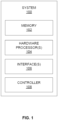
- FIG. 1 illustrates an exemplary block diagram of a system 100 for scheduling tasks and managing computing resource allocation according to an embodiment of the present disclosure.
- the system 100 includes one or more processors 104, communication interface device(s) or input/output (I/O) interface(s) 106, one or more data storage devices or memory 102 operatively coupled to the one or more processors 104, and a controller 108.
- the one or more processors 104 consist of one or more computing resource.
- the processor(s) is configured to fetch and execute computer-readable instructions stored in the memory.
- the system 100 can be implemented in a variety of computing systems, such as workstations, servers, and the like.
- the I/O interface device(s) 106 can include a variety of software and hardware interfaces, for example, a web interface, a graphical user interface, and the like and can facilitate multiple communications within a wide variety of networks N/W and protocol types, including wired networks, for example, LAN, cable, etc., and wireless networks, such as WLAN, cellular, or satellite.
- the I/O interface device(s) can include one or more ports for connecting a number of devices to one another or to another server.
- the memory 102 may include any computer-readable medium known in the art including, for example, volatile memory, such as static random access memory (SRAM) and dynamic random access memory (DRAM), and/or non-volatile memory, such as read only memory (ROM), erasable programmable ROM, flash memories, hard disks, optical disks, and magnetic tapes.
- volatile memory such as static random access memory (SRAM) and dynamic random access memory (DRAM)
- non-volatile memory such as read only memory (ROM), erasable programmable ROM, flash memories, hard disks, optical disks, and magnetic tapes.
- ROM read only memory
- erasable programmable ROM erasable programmable ROM
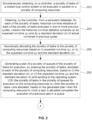
- FIGS. 2A and 2B illustrate an exemplary flow diagram of a processor implemented method for scheduling tasks and managing resources allocation using the system 100 to an embodiment of the present disclosure.
- the system 100 comprises one or more data storage devices or the memory 102 operatively coupled to the one or more hardware processors 104, wherein each hardware processor consists of one or more computing resources, and wherein the one or more hardware processors 104 are configured to store instructions for execution of steps of the method by the controller 108.
- the steps of the method of the present disclosure will now be explained with reference to the components of the system 100 as depicted in FIG. 1 , and the flow diagram.
- the controller 108 simultaneously obtains a plurality of tasks of a closed loop control system to be executed in parallel (and in minimal time) on one or more computing resources in one or more processors.
- a closed loop control system may be an automated Computer Aided Dispatcher used to dispatch trains on a large size countrywide railway network.
- Such large network comprises a plurality of sub-networks, wherein each sub-system of the Computer Aided Dispatcher has a sub-controller that controls one or more components of the sub-system.
- FIG. 3 illustrates a control center layout and a connection of the control center to a field traffic supervisory control and data acquisition (SCADA) network, in accordance with an exemplary embodiment of the present subject matter.
- SCADA field traffic supervisory control and data acquisition
- FIG. 3 illustrates a control center layout and a connection of the control center to the field traffic SCADA network and hardware used in implementation of system 100 in an exemplary embodiment of the disclosure.
- Hardware components for the control center may only use commercially available equipment.
- a minimum of three workstations may be used at each control site for two PLANNERS/CONTROLLERS and a MAINTENANCE workstation that communicates over a LAN to a possibly a dual redundant server for fault tolerance.
- the system 100 may be installed on one or more such servers.
- the dual redundant servers in FIG. 3 are where the sub-controllers of each subsystem are scheduled and executed. These are multi-processor systems on which independent copies of the system 100 may be implemented.
- Display systems are typically run on different workstations for human dispatchers/planners/controllers as depicted in the FIG. 3 .
- the maintenance workstation monitors performance of the control center including the servers, software workstations, displays and communication network (dual Ethernet LAN).
- the maintenance workstation may also be used as a planner/controller position backup.
- the functions available in the control center may be controlled by password entry.
- additional workstations can be added to the control center any time.
- the nature and configurations of the hardware and communications components and user roles as depicted in FIG. 3 are merely indicative.
- the system is used, for example, for vehicle movement modeling in a large size railway network.
- the system provides automated Computer Aided Dispatching of vehicles/trains in the railway network.
- the system ensures traffic flow efficiency and the absence of conflicts in vehicle movements in the railway network. Further, workstations in the control centre may also generate graphs and visual layouts of vehicle/trains movement over the railway network.
- the figure illustrates Terminal Servers being used to connect to possible serial devices or parallel devices in the field. Alternate devices like routers, switches and hubs may be used to connect to other and more types of field devices and external systems.
- the controller 108 obtains from a persistent database, for each of the plurality of tasks, historical run-time statistics of each of the plurality of tasks executed in one or more previous cycles, wherein the historical run-time statistics comprise (a) an expected run-time ( ⁇ ) and (b) a standard deviation ( ⁇ ) of actual run-times in previous cycles.
- the persistence database is either stored in the memory 102, or resides in an external device (e.g., server or external computer system).
- the historical run-time statistics comprise (a) an expected run-time ( ⁇ ) and (b) a standard deviation ( ⁇ ) of actual run-times in previous cycles.
- the controller 108 heuristically allocates the plurality of tasks to the plurality of computing resources based on (i) expected run-time ( ⁇ ), or (ii) the expected run-time ( ⁇ ) and the standard deviation ( ⁇ ).
- the controller 108 generates a plan of a plurality of queues of the plurality of tasks for execution, by ordering the plurality of tasks, allocated to each of the plurality of computing resources, based on (i) the standard deviation ( ⁇ ), or (ii) the expected run-time ( ⁇ ) and the standard deviation ( ⁇ ) and sends to the operating system (OS) the plurality of tasks in the plurality of queues for execution on the computing resources to which the plurality of tasks were allocated, based on the generated plan when the computing resource to which a task is allocated completes the execution of a previous task in a queue.
- OS operating system
- the one or more tasks are sorted and put in an order based on the (i) the standard deviation ( ⁇ ), or (ii) a function of the standard deviation ( ⁇ ) and the expected run-time ( ⁇ ).
- the controller 108 periodically monitors, at configurable pre-defined intervals, relative progress of the execution of the plurality of tasks from the plurality of the queues of the plurality of the computing resources.
- the controller 108 determines one or more deviations in the relative progress of execution of the plurality of tasks in the plurality of queues across the plurality of computing resources to which the tasks were allocated. In other words, at the configurable pre-defined intervals, the relative progress of the execution of the plurality of tasks from the plurality of the queues of the plurality of the computing resource are monitored and the deviations in the progress of execution of the tasks are determined.
- the loads on the computing resources are reactively and dynamically balanced, using (i) the expected run-time ( ⁇ ), or (ii) the expected run-time ( ⁇ ) and the standard deviation ( ⁇ ), based on the one or more deviations, by shifting at least a subset of zero or more tasks that are waiting to be sent to the OS for execution between a first queue and a second queue based on a progress of the first queue and the second queue, and the step of shifting is repeated between subsequent queues until a last pair of queues are balanced, and one or more tasks in each queue are reordered.
- the loads of the computing resources are reactively and dynamically balanced by shifting at least a subset of zero or more tasks that are waiting to be sent to the OS for execution between a queue whose progress is slowest and another queue whose progress is the fastest, till no further improvement in load balance is possible, and this step of shifting of tasks is repeated between the next slowest and the next fastest pair of queues until all such pairs of queues are balanced, followed by re-ordering the plurality of tasks in each queue based on the same policy used for generating the initial plan. For example, if there are two (2) queues (e.g., queue A and B), each queue comprising 7 and 8 tasks respectively. If the controller 108 identifies that the tasks in the queue B are getting executed quickly in comparison to tasks in queue A, then some tasks may be shifted between queue A and queue B so that the load on the respective computing resources get balanced.
- queue A and B there are two (2) queues (e.g., queue A and B)
- the step of shifting at least a subset of zero or more tasks comprises shifting zero or more tasks to be executed on an allocated computing resource to a queue of another computing resource for execution based on (i) remaining time of tasks that are being executed on the one or more allocated computing resources and (ii) an estimated run-time ( ⁇ ) or estimated run-time ( ⁇ ) and the standard deviation ( ⁇ ) of tasks that are waiting to be dispatched in each of one or more queues for execution.
- tasks may be moved from one computing resource to another, none in the other direction, or no shifting of tasks from a resource to another may occur if shifting does not improve the balance, and upon execution of all tasks from the queues across the computing resources, runtime statistics measured in a current execution are updated and stored in the persistent database.
- the expressions 'shifting', 'switching' and 'moving' may be interchangeably used.
- One or more tasks are allocated for execution on the plurality of computing resources based on a function of the expected run-time ( ⁇ ) or (ii) the expected run-time ( ⁇ ) and the standard deviation ( ⁇ ).
- a plan is generated for execution of a plurality of queues of the plurality of tasks, by ordering the plurality of tasks allocated to each of the plurality of computing resources based on (i) the standard deviation ( ⁇ ), or (ii) the expected run-time ( ⁇ ) and the standard deviation ( ⁇ ).
- One or more tasks are released for execution on an allocated computing resource based on the generated plan.
- the tasks that are yet to be released by the controller 108 are considered for movement to another processor in the reactive balance step.
- Tasks that have already started execution may not be moved. This ensures proper balancing across computing resources and is based on (i) remaining time of tasks that are being executed on the one or more allocated resources and (ii) an estimated run-time of tasks that are waiting to be dispatched in each of the one or more queues for execution. Tasks are moved from one queue to another so that the sum of (i) and (ii) in the two queues involved are balanced.
- run time statistics of the plurality of tasks are updated based on actual runtimes measured in a current execution and the updated run time statistics are stored in the persistent database.
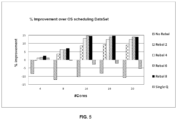
- a single-threaded Controller was evaluated on an Intel(R) Xeon(R) CPU E5-2650 v3 @ 2.30GHz server - 2 processors with 10 cores each, 25 MB L3 Cache, 64 GB RAM running Linux 3.10.0 (CentOS 7 distribution). The following performance parameters were measured for tasks with high ( ⁇ / ⁇ ) values:
- FIG. 4 depicts a Table illustrating sample input data-set by way of examples that were used for the performance testing. More specifically, FIG. 4 shows a distribution of 500 sample CPU intensive tasks that were used for performance testing.
- U(x, y) denote uniform distribution between x and y.
- U(10,20) means ⁇ values are uniformly distributed between 10 milliseconds and 20 milliseconds.
- the run-times for these tasks were estimated by measuring the run-times of line schedulers in a sub-network of Indian Railways and extrapolating these run-times for 500 lines. ' ⁇ ' of each task was kept at 1.5* ⁇ , and then randomized between -50% to +50%.
- No Rebal indicates no reactive change in schedule was done by the controller 108
- Rebal X indicates X number of probes and reactive change in schedule
- Single Q indicates that the controller 108 maintains a single queue of tasks ordered by decreasing ⁇ with no reactive change in schedule.
- re-active scheduler When there are significant expected deviations in run-times (high ⁇ ⁇ ), re-active scheduler outperforms both the OS and the predictive only scheduler when more computing resources are available. The overheads of probing and adjusting the schedule are low. Use of such customized efficient controllers allows the systems to be run on computers with fewer computing resources thereby reducing the cost of computing hardware required to run the systems in a redundant manner, or can reduce the cycle time.
- the hardware device can be any kind of device which can be programmed including e.g. any kind of computer like a server or a personal computer, or the like, or any combination thereof.
- the means can include both hardware means and software means.
- the method embodiments described herein could be implemented in hardware and software.
- the device may also include software means.
- the embodiments may be implemented on different hardware devices, e.g. using a plurality of CPUs.
- the embodiments herein can comprise hardware and software elements.
- the embodiments that are implemented in software include but are not limited to, firmware, resident software, microcode, etc.
- the functions performed by various modules described herein may be implemented in other modules or combinations of other modules.
- a computer-usable or computer readable medium can be any apparatus that can comprise, store, communicate, propagate, or transport the program for use by or in connection with the instruction execution system, apparatus, or device.
- a computer-readable storage medium refers to any type of physical memory on which information or data readable by a processor may be stored.
- a computer-readable storage medium may store instructions for execution by one or more processors, including instructions for causing the processor(s) to perform steps or stages consistent with the embodiments described herein.
- the term "computer-readable medium” should be understood to include tangible items and exclude carrier waves and transient signals, i.e., be non-transitory. Examples include random access memory (RAM), read-only memory (ROM), volatile memory, nonvolatile memory, hard drives, CD ROMs, DVDs, BLU-RAYs, flash drives, disks, and any other known physical storage media.
Landscapes
- Engineering & Computer Science (AREA)
- Software Systems (AREA)
- Theoretical Computer Science (AREA)
- Physics & Mathematics (AREA)
- General Engineering & Computer Science (AREA)
- General Physics & Mathematics (AREA)
- Debugging And Monitoring (AREA)
- Multi Processors (AREA)
- Information Retrieval, Db Structures And Fs Structures Therefor (AREA)
Claims (8)
- Verfahren zum Planen von Aufgaben und Verwalten von Rechenressourcenzuweisungen in einem Steuersystem mit geschlossenem Regelkreis, umfassend:gleichzeitiges Erhalten, durch eine Steuerung (108), einer Mehrzahl von Aufgaben des Steuersystems mit geschlossenem Regelkreis, die parallel auf einer Mehrzahl von Rechenressourcen auszuführen sind, wobei die Mehrzahl von Aufgaben in einer Mehrzahl von Gruppen erhalten wird und in einer kontinuierlichen zyklischen Weise ausgeführt wird, und wobei die Mehrzahl von Aufgaben in jeder Gruppe gleichzeitig erhalten wird und unabhängig voneinander ist, wobei die Mehrzahl von Aufgaben in jeder Gruppe die Berechnung abschließt und die Mehrzahl von Rechenressourcen freigibt, die vor den Aufgaben in der nächsten Gruppenausführung gehalten werden;Erhalten, durch die Steuerung (108), von einer persistenten Datenbank für jede Aufgabe einer Mehrzahl von Aufgaben, historischer Laufzeitstatistiken für jede Aufgabe der Mehrzahl von Aufgaben in der Mehrzahl von Gruppen, die in einer Mehrzahl von vorhergehenden Zyklen ausgeführt werden, wobei die historischen Laufzeitstatistiken (a) eine erwartete Laufzeit, µ, und (b) eine Standardabweichung, σ, von tatsächlichen Laufzeiten in der Mehrzahl von vorhergehenden Zyklen umfassen;heuristisches Zuweisen, durch die Steuerung (108), der Mehrzahl von Aufgaben zu der Mehrzahl von Rechenressourcen basierend auf (i) der erwarteten Laufzeit, µ, oder (ii) der erwarteten Laufzeit, µ, und der Standardabweichung, σ, der tatsächlichen Laufzeiten in dem einen oder den mehreren vorhergehenden Zyklen;Erzeugen, durch die Steuerung (108), eines Plans einer Mehrzahl von Warteschlangen der Mehrzahl von Aufgaben zur Ausführung durch Ordnen der Mehrzahl von Aufgaben in jeder Warteschlange, die heuristisch jeder Rechenressource der Mehrzahl von Rechenressourcen zugewiesen ist, basierend auf (i) der Standardabweichung, σ, der tatsächlichen Laufzeiten in dem einen oder den mehreren vorhergehenden Zyklen, oder (ii) der erwarteten Laufzeit, µ, und der Standardabweichung, σ,
der tatsächlichen Laufzeiten in dem einen oder den mehreren vorhergehenden Zyklen;Senden, an ein Betriebssystem (OS), der Mehrzahl von Aufgaben in der Mehrzahl von geordneten Warteschlangen zur Ausführung auf der Mehrzahl von Rechenressourcen, denen die Mehrzahl von Aufgaben heuristisch zugewiesen wurde, basierend auf dem erzeugten Plan der Mehrzahl von Warteschlangen der Mehrzahl von Aufgaben zur Ausführung, wenn die Rechenressource, der eine geordnete Warteschlange zugewiesen ist, die Ausführung einer vorhergehenden Aufgabe in einer Warteschlange von einer oder mehreren Warteschlangen abschließt, wobei eine oder mehrere Aufgaben zur Ausführung auf einer zugewiesenen Rechenressource basierend auf dem erzeugten Plan freigegeben werden;periodisches Überwachen, durch die Steuerung (108), in konfigurierbaren vordefinierten Intervallen, des relativen Fortschritts der Ausführung der Mehrzahl von Aufgaben in der Mehrzahl von Warteschlangen der Mehrzahl von Rechenressourcen;Bestimmen, durch die Steuerung (108) einer oder mehrerer Abweichungen in dem relativen Fortschritt der Ausführung der Mehrzahl von Aufgaben in der Mehrzahl von geordneten Warteschlangen über die Mehrzahl von zugewiesenen Rechenressourcen, denen die Mehrzahl von Aufgaben heuristisch zugewiesen wurde;reaktives und dynamisches Ausgleichen, durch die Steuerung (108), der Lasten auf der Mehrzahl von Rechenressourcen unter Verwendung von (i) der erwarteten Laufzeit, µ, oder (ii) der erwarteten Laufzeit, µ, und der Standardabweichung, σ, der tatsächlichen Laufzeiten in dem einen oder den mehreren vorhergehenden Zyklen, basierend auf der einen oder den mehreren Abweichungen in dem relativen Fortschritt der Ausführung der Mehrzahl von Aufgaben, durch Verschieben einer Teilmenge von null oder mehr Aufgaben, die darauf warten, an das OS zur Ausführung gesendet zu werden, zwischen einer ersten Warteschlange und einer zweiten Warteschlange basierend auf einem Fortschritt der ersten Warteschlange und der zweiten Warteschlange, und Wiederholen des Verschiebens von mindestens der Teilmenge von null oder mehr Aufgaben, die darauf warten, an das OS zur Ausführung gesendet zu werden, zwischen nachfolgenden Warteschlangen, bis ein letztes Paar von Warteschlangen ausgeglichen ist, und Neuordnen einer oder mehrerer Aufgaben in jeder Warteschlange von einer oder mehreren Warteschlangen; undAktualisieren, durch die Steuerung (108), von Laufzeitstatistiken der Mehrzahl von Aufgaben basierend auf tatsächlichen Laufzeiten, die in einer aktuellen Ausführung gemessen werden, und Speichern der aktualisierten Laufzeitstatistiken der Mehrzahl von Aufgaben in der persistenten Datenbank. - Verfahren nach Anspruch 1, wobei die eine oder die mehreren Aufgaben heuristisch zur Ausführung auf der Mehrzahl von Rechenressourcen basierend auf einer Funktion von (i) der erwarteten Laufzeit, µ, oder (ii) der erwarteten Laufzeit, µ, und der Standardabweichung, σ, der tatsächlichen Laufzeiten in dem einen oder den mehreren vorhergehenden Zyklen zugewiesen werden.
- Verfahren nach Anspruch 1, wobei das Verschieben von mindestens der Teilmenge von null oder mehr Aufgaben, umfassend das Verschieben von null oder mehr Aufgaben, die darauf warten, an das OS zur Ausführung gesendet zu werden, das Verschieben von null oder mehr Aufgaben, die auf einer zugewiesenen Rechenressource ausgeführt werden sollen, zu einer Warteschlange einer anderen Rechenressource zur Ausführung basierend auf (i) verbleibender Zeit von einer oder mehreren Aufgaben, die auf der einen oder den mehreren zugewiesenen Rechenressourcen ausgeführt werden, und (ii) einer geschätzten Laufzeit, µ, oder der geschätzten Laufzeit, µ, und der Standardabweichung, σ, von Aufgaben der tatsächlichen Laufzeiten in dem einen oder den mehreren vorhergehenden Zyklen von einer oder mehreren Aufgaben, die darauf warten, in jeder Warteschlange von einer oder mehreren Warteschlangen zur Ausführung gesendet zu werden, umfasst.
- System (100) zum Planen von Aufgaben und Verwalten von Rechenressourcenzuweisung für ein Steuersystem mit geschlossenem Regelkreis, umfassend:einen Speicher (102), der Anweisungen speichert;eine oder mehrere Kommunikationsschnittstellen (106);einen oder mehrere Hardwareprozessoren (104), die kommunikativ mit dem Speicher gekoppelt sind, wobei jeder Hardwareprozessor des einen oder der mehreren Hardwareprozessoren aus einer oder mehreren Rechenressourcen besteht; undeine Steuerung (108), die mit den in dem Speicher (102) gespeicherten Anweisungen konfiguriert ist zum:gleichzeitigen Erhalten einer Mehrzahl von Aufgaben des Steuersystems mit geschlossenem Regelkreis, die parallel auf einer Mehrzahl von Rechenressourcen auszuführen sind, wobei die Mehrzahl von Aufgaben in einer Mehrzahl von Gruppen erhalten wird und in einer kontinuierlichen zyklischen Weise ausgeführt wird, und wobei die Mehrzahl von Aufgaben in jeder Gruppe gleichzeitig erhalten wird und unabhängig voneinander ist, wobei die Mehrzahl von Aufgaben in jeder Gruppe die Berechnung abschließt und die Mehrzahl von Rechenressourcen freigibt, die vor den Aufgaben in der nächsten Gruppenausführung gehalten werden;Erhalten, von einer persistenten Datenbank, für jede Aufgabe einer Mehrzahl von Aufgaben, historischer Laufzeitstatistiken für jede Aufgabe der Mehrzahl von Aufgaben in der Mehrzahl von Gruppen, die in einer Mehrzahl von vorhergehenden Zyklen ausgeführt werden, wobei die historischen Laufzeitstatistiken (a) eine erwartete Laufzeit, µ, und (b) eine Standardabweichung, σ, von tatsächlichen Laufzeiten in der Mehrzahl von vorhergehenden Zyklen umfassen;heuristisches Zuweisen der Mehrzahl von Aufgaben zu der Mehrzahl von Rechenressourcen zur Ausführung basierend auf (i) der erwarteten Laufzeit, µ, oder (ii) der erwarteten Laufzeit, µ, und der Standardabweichung, σ, der tatsächlichen Laufzeiten in dem einen oder den mehreren vorhergehenden Zyklen;Erzeugen eines Plans einer Mehrzahl von Warteschlangen der Mehrzahl von Aufgaben zur Ausführung durch Ordnen der Mehrzahl von Aufgaben, die heuristisch jeder Rechenressource der Mehrzahl von Rechenressourcen zugewiesen ist, basierend auf (i) der Standardabweichung, σ, der tatsächlichen Laufzeiten in dem einen oder den mehreren vorhergehenden Zyklen, oder (ii) der erwarteten Laufzeit, µ, und der Standardabweichung, σ, der tatsächlichen Laufzeiten in dem einen oder den mehreren vorhergehenden Zyklen;Senden, an ein Betriebssystem (OS), der Mehrzahl von Aufgaben in der Mehrzahl von geordneten Warteschlangen zur Ausführung auf der Mehrzahl von Rechenressourcen, denen die Mehrzahl von Aufgaben heuristisch zugewiesen wurde, basierend auf dem erzeugten Plan der Mehrzahl von Warteschlangen der Mehrzahl von Aufgaben zur Ausführung, wenn die Rechenressource, der eine geordnete Warteschlange heuristisch zugewiesen ist, die Ausführung einer vorhergehenden Aufgabe in einer Warteschlange von einer oder mehreren Warteschlangen abschließt, wobei eine oder mehrere Aufgaben zur Ausführung auf einer zugewiesenen Rechenressource basierend auf dem erzeugten Plan freigegeben werden;periodisches Überwachen, in konfigurierbaren vordefinierten Intervallen, des relativen Fortschritts der Ausführung der Mehrzahl von Aufgaben in der Mehrzahl von Warteschlangen der Mehrzahl von Rechenressourcen;Bestimmen einer oder mehrerer Abweichungen in dem relativen Fortschritt der Ausführung der Mehrzahl von Aufgaben in der Mehrzahl von geordneten Warteschlangen über die Mehrzahl von Rechenressourcen, denen die Mehrzahl von Aufgaben heuristisch zugewiesen wurde;reaktives und dynamisches Ausgleichen von Lasten auf der Mehrzahl von Rechenressourcen unter Verwendung von (i) der erwarteten Laufzeit, µ, oder (ii) der erwarteten Laufzeit, µ, und der Standardabweichung, σ, der tatsächlichen Laufzeiten in dem einen oder den mehreren vorhergehenden Zyklen, basierend auf der einen oder den mehreren Abweichungen in dem relativen Fortschritt der Ausführung der Mehrzahl von Aufgaben, durch Verschieben einer Teilmenge von null oder mehr Aufgaben, die darauf warten, an das OS zur Ausführung gesendet zu werden, zwischen einer ersten Warteschlange und einer zweiten Warteschlange basierend auf einem Fortschritt der ersten Warteschlange und der zweiten Warteschlange, und Wiederholen des Verschiebens von mindestens der Teilmenge von null oder mehr Aufgaben, die darauf warten, an das OS zur Ausführung gesendet zu werden, zwischen nachfolgenden Warteschlangen, bis ein letztes Paar von Warteschlangen ausgeglichen ist, und Neuordnen einer oder mehrerer Aufgaben in jeder Warteschlange von einer oder mehreren Warteschlangen; undAktualisieren von Laufzeitstatistiken der Mehrzahl von Aufgaben basierend auf tatsächlichen Laufzeiten, die in einer aktuellen Ausführung gemessen werden, und Speichern der aktualisierten Laufzeitstatistiken der Mehrzahl von Aufgaben in der persistenten Datenbank.
- System (100) nach Anspruch 4, wobei die eine oder die mehreren Aufgaben heuristisch zur Ausführung auf der Mehrzahl von Rechenressourcen basierend auf einer Funktion von (i) der erwarteten Laufzeit, µ, oder (ii) der erwarteten Laufzeit, µ, und der Standardabweichung, σ, der tatsächlichen Laufzeiten in dem einen oder den mehreren vorhergehenden Zyklen zugewiesen werden.
- System (100) nach Anspruch 4, wobei das Verschieben von mindestens der Teilmenge von null oder mehr Aufgaben, die darauf warten, an das OS zur Ausführung gesendet zu werden, das Verschieben von null oder mehr Aufgaben, die auf einer zugewiesenen Rechenressource ausgeführt werden sollen, zu einer Warteschlange einer anderen Rechenressource zur Ausführung basierend auf (i) verbleibender Zeit von einer oder mehreren Aufgaben, die auf einer oder mehreren zugewiesenen Rechenressourcen ausgeführt werden, und (ii) einer geschätzten Laufzeit, µ, oder geschätzten Laufzeit, µ, und der Standardabweichung, σ, der tatsächlichen Laufzeiten in dem einen oder den mehreren vorhergehenden Zyklen von einer oder mehreren Aufgaben, die darauf warten, in jeder von einer oder mehreren Warteschlangen zur Ausführung gesendet zu werden, umfasst.
- Ein oder mehrere nichtflüchtige maschinenlesbare Informationsspeichermedien, die eine oder mehrere Anweisungen umfassen, die, wenn sie von einem oder mehreren Hardwareprozessoren (104) ausgeführt werden, bewirken:Erhalten, durch eine Steuerung (108), einer Mehrzahl von Aufgaben eines Steuersystems mit geschlossenem Regelkreis, die parallel auf einer Mehrzahl von Rechenressourcen auszuführen sind, wobei die Mehrzahl von Aufgaben in einer Mehrzahl von Gruppen erhalten wird und in einer kontinuierlichen zyklischen Weise ausgeführt wird, und wobei die Mehrzahl von Aufgaben in jeder Gruppe gleichzeitig erhalten wird und unabhängig voneinander ist, wobei die Mehrzahl von Aufgaben in jeder Gruppe die Berechnung abschließt und die Mehrzahl von Rechenressourcen freigibt, die vor den Aufgaben in der nächsten Gruppenausführung gehalten werden;Erhalten, durch die Steuerung (108), von einer persistenten Datenbank, historischer Laufzeitstatistiken für jede Aufgabe der Mehrzahl von Aufgaben in der Mehrzahl von Gruppen, die in einer Mehrzahl von vorhergehenden Zyklen ausgeführt werden, wobei die historischen Laufzeitstatistiken (a) eine erwartete Laufzeit, µ, und (b) eine Standardabweichung, σ, von tatsächlichen Laufzeiten in der Mehrzahl von vorhergehenden Zyklen umfassen;heuristisches Zuweisen, durch die Steuerung (108), der Mehrzahl von Aufgaben zu der Mehrzahl von Rechenressourcen zur Ausführung basierend auf (i) der erwarteten Laufzeit, µ, oder (ii) der erwarteten Laufzeit, µ, und der Standardabweichung, σ, der tatsächlichen Laufzeiten in dem einen oder den mehreren vorhergehenden Zyklen;Erzeugen, durch die Steuerung (108), eines Plans einer Mehrzahl von Warteschlangen der Mehrzahl von Aufgaben zur Ausführung durch Ordnen der Mehrzahl von Aufgaben in jeder Warteschlange, die heuristisch jeder Rechenressource der Mehrzahl von Rechenressourcen zugewiesen ist, basierend auf (i) der Standardabweichung, σ, der tatsächlichen Laufzeiten in dem einen oder den mehreren vorhergehenden Zyklen, oder (ii) der Laufzeit, µ, und der Standardabweichung, σ, der tatsächlichen Laufzeiten in dem einen oder den mehreren vorhergehenden Zyklen;Senden, an ein Betriebssystem (OS), der Mehrzahl von Aufgaben in der Mehrzahl von geordneten Warteschlangen zur Ausführung auf der Mehrzahl von Rechenressourcen, denen die Mehrzahl von Aufgaben heuristisch zugewiesen wurde, basierend auf dem erzeugten Plan der Mehrzahl von Warteschlangen der Mehrzahl von Aufgaben zur Ausführung wenn die Rechenressource, der eine geordnete Warteschlange heuristisch zugewiesen ist, die Ausführung einer vorhergehenden Aufgabe in einer Warteschlange von einer oder mehreren Warteschlangen abschließt, wobei eine oder mehrere Aufgaben zur Ausführung auf einer zugewiesenen Rechenressource basierend auf dem erzeugten Plan freigegeben werden;periodisches Überwachen, durch die Steuerung (108), in konfigurierbaren vordefinierten Intervallen, des relativen Fortschritts der Ausführung der Mehrzahl von Aufgaben aus der Mehrzahl von geordneten Warteschlangen der Mehrzahl von Rechenressourcen;Bestimmen, durch die Steuerung (108) einer oder mehrerer Abweichungen in dem relativen Fortschritt der Ausführung der Mehrzahl von Aufgaben in der Mehrzahl von geordneten Warteschlangen über die Mehrzahl von Rechenressourcen, denen die Aufgaben zugewiesen wurden;reaktives und dynamisches Ausgleichen, durch die Steuerung (108), von Lasten auf der Mehrzahl von Rechenressourcen unter Verwendung von (i) der erwarteten Laufzeit, µ, oder (ii) der erwarteten Laufzeit, µ, und der Standardabweichung, σ, der tatsächlichen Laufzeiten in dem einen oder den mehreren vorhergehenden Zyklen, basierend auf der einen oder den mehreren Abweichungen in dem relativen Fortschritt der Ausführung der Mehrzahl von Aufgaben, durch Verschieben einer Teilmenge von null oder mehr Aufgaben, die darauf warten, an das OS zur Ausführung gesendet zu werden, zwischen einer ersten Warteschlange und einer zweiten Warteschlange basierend auf einem Fortschritt der ersten Warteschlange und der zweiten Warteschlange, und Wiederholen des Verschiebens von mindestens der Teilmenge von null oder mehr Aufgaben, die darauf warten, an das OS zur Ausführung gesendet zu werden, zwischen nachfolgenden Warteschlangen, bis ein letztes Paar von Warteschlangen ausgeglichen ist, und Neuordnen einer oder mehrerer Aufgaben in jeder Warteschlange von einer oder mehreren Warteschlangen; undAktualisieren, durch die Steuerung, von Laufzeitstatistiken der Mehrzahl von Aufgaben basierend auf tatsächlichen Laufzeiten, die in einer aktuellen Ausführung gemessen werden, und Speichern der aktualisierten Laufzeitstatistiken der Mehrzahl von Aufgaben in der persistenten Datenbank.
- Ein oder mehrere nichtflüchtige maschinenlesbare Informationsspeichermedien nach Anspruch 7, wobei das Verschieben von mindestens der Teilmenge von null oder mehr Aufgaben, die darauf warten, an das OS zur Ausführung gesendet zu werden, das Verschieben von null oder mehr Aufgaben, die auf einer zugewiesenen Rechenressource ausgeführt werden sollen, in eine Warteschlange einer anderen Rechenressource zur Ausführung umfasst, basierend auf (i) der verbleibenden Zeit von einer oder mehreren Aufgaben, die auf einer oder mehreren zugewiesenen Rechenressourcen ausgeführt werden, und (ii) einer geschätzten Laufzeit, µ, oder geschätzten Laufzeit, µ, und der Standardabweichung, σ, der tatsächlichen Laufzeiten in dem einen oder den mehreren vorhergehenden Zyklen von einer oder mehreren Aufgaben, die darauf warten, in jeder Warteschlange von einer oder mehreren Warteschlangen zur Ausführung gesendet zu werden.
Applications Claiming Priority (2)
| Application Number | Priority Date | Filing Date | Title |
|---|---|---|---|
| IN201621041855 | 2016-12-07 | ||
| PCT/IB2017/051618 WO2018104799A1 (en) | 2016-12-07 | 2017-03-21 | Systems and methods for scheduling tasks and managing computing resource allocation for closed loop control systems |
Publications (4)
| Publication Number | Publication Date |
|---|---|
| EP3552105A1 EP3552105A1 (de) | 2019-10-16 |
| EP3552105A4 EP3552105A4 (de) | 2020-07-22 |
| EP3552105C0 EP3552105C0 (de) | 2025-06-11 |
| EP3552105B1 true EP3552105B1 (de) | 2025-06-11 |
Family
ID=62490827
Family Applications (1)
| Application Number | Title | Priority Date | Filing Date |
|---|---|---|---|
| EP17877593.8A Active EP3552105B1 (de) | 2016-12-07 | 2017-03-21 | Systeme und verfahren zur aufgabenplanung und verwaltung der zuteilung von computerressourcen für steuerungssystem mit geschlossenem regelkreis |
Country Status (7)
| Country | Link |
|---|---|
| US (1) | US10671444B2 (de) |
| EP (1) | EP3552105B1 (de) |
| CN (1) | CN109416647B (de) |
| AU (1) | AU2017372921B2 (de) |
| CA (1) | CA3027996C (de) |
| WO (1) | WO2018104799A1 (de) |
| ZA (1) | ZA201808455B (de) |
Families Citing this family (25)
| Publication number | Priority date | Publication date | Assignee | Title |
|---|---|---|---|---|
| JP6806019B2 (ja) * | 2017-09-26 | 2020-12-23 | オムロン株式会社 | 制御装置 |
| US10942767B2 (en) * | 2018-02-27 | 2021-03-09 | Microsoft Technology Licensing, Llc | Deep neural network workload scheduling |
| CN109376005B (zh) * | 2018-09-03 | 2021-10-29 | 福建星瑞格软件有限公司 | 大数据框架处理任务的资源管理方法 |
| CN109284190A (zh) * | 2018-09-20 | 2019-01-29 | 中链科技有限公司 | 一种任务处理方法及装置 |
| CN110297701B (zh) * | 2019-05-16 | 2023-08-01 | 平安科技(深圳)有限公司 | 数据处理作业调度方法、装置、计算机设备及存储介质 |
| US12112202B2 (en) * | 2019-05-25 | 2024-10-08 | Synopsys, Inc. | Framework for application driven exploration and optimization of hardware engines |
| US11632377B2 (en) * | 2019-08-15 | 2023-04-18 | Blackberry Limited | Methods and systems to identify a compromised device through active testing |
| US11599639B2 (en) | 2019-08-15 | 2023-03-07 | Blackberry Limited | Methods and systems for identifying a compromised device through its unmanaged profile |
| US10929181B1 (en) * | 2019-11-22 | 2021-02-23 | Iterate Studio, Inc. | Developer independent resource based multithreading module |
| CN111125097B (zh) * | 2019-11-29 | 2024-03-15 | 中盈优创资讯科技有限公司 | 报表调度方法及装置 |
| US11763217B2 (en) | 2019-12-20 | 2023-09-19 | Iterate Studio, Inc. | Dynamic feature loading |
| CN112579273B (zh) * | 2020-12-15 | 2023-05-30 | 京东科技控股股份有限公司 | 任务调度方法及装置、计算机可读存储介质 |
| CN112486660B (zh) * | 2020-12-18 | 2024-10-22 | 中国平安财产保险股份有限公司 | 一种任务调度方法、装置、计算机设备及存储介质 |
| CN112685156B (zh) * | 2020-12-28 | 2025-01-28 | 北京五八信息技术有限公司 | 任务执行方法、装置、电子设备和计算机可读介质 |
| US20240187354A1 (en) * | 2021-04-08 | 2024-06-06 | Telefonaktiebolaget Lm Ericsson (Publ) | Managing closed control loops |
| CN114661444A (zh) * | 2022-03-30 | 2022-06-24 | 阿里巴巴(中国)有限公司 | 调度方法、第一计算节点、第二计算节点以及调度系统 |
| CN114786031B (zh) * | 2022-06-17 | 2022-10-14 | 北京达佳互联信息技术有限公司 | 资源投放方法、装置、设备及存储介质 |
| KR20250060223A (ko) | 2022-09-09 | 2025-05-07 | 테슬라, 인크. | 시각 기반 점유 판단을 위한 인공지능 모델링 기법 |
| CN120077414A (zh) * | 2022-09-30 | 2025-05-30 | 特斯拉公司 | 用于基于视觉的表面确定的人工智能建模技术 |
| EP4361809A1 (de) * | 2022-10-31 | 2024-05-01 | Tata Consultancy Services Limited | Verfahren und system für datenvorschriftenbewusste cloud-speicherung und verarbeitungsdienstzuweisung |
| US20240176730A1 (en) * | 2022-11-29 | 2024-05-30 | International Business Machines Corporation | Software error state resolution through task automation |
| CN115577997B (zh) * | 2022-12-12 | 2023-06-09 | 上海奔曜科技有限公司 | 排程控制方法、装置、设备及计算机可读存储介质 |
| CN116339207B (zh) * | 2023-03-22 | 2025-11-18 | 深圳市科曼医疗设备有限公司 | 工装软件的运行方法、装置、设备及介质 |
| CN120653414A (zh) * | 2024-03-15 | 2025-09-16 | 北京东土科技股份有限公司 | 一种基于弹性微内核的芯片资源弹性分配方法及装置 |
| US12487852B1 (en) * | 2024-10-09 | 2025-12-02 | Parry Labs, Llc | Methods and systems for prioritization of group computing tasks |
Family Cites Families (12)
| Publication number | Priority date | Publication date | Assignee | Title |
|---|---|---|---|---|
| US6658449B1 (en) * | 2000-02-17 | 2003-12-02 | International Business Machines Corporation | Apparatus and method for periodic load balancing in a multiple run queue system |
| US7093004B2 (en) * | 2002-02-04 | 2006-08-15 | Datasynapse, Inc. | Using execution statistics to select tasks for redundant assignment in a distributed computing platform |
| US8156500B2 (en) | 2005-07-01 | 2012-04-10 | Microsoft Corporation | Real-time self tuning of planned actions in a distributed environment |
| US20090025004A1 (en) * | 2007-07-16 | 2009-01-22 | Microsoft Corporation | Scheduling by Growing and Shrinking Resource Allocation |
| US8291414B2 (en) * | 2008-12-11 | 2012-10-16 | International Business Machines Corporation | Shared resource service provisioning using a virtual machine manager |
| US8245234B2 (en) * | 2009-08-10 | 2012-08-14 | Avaya Inc. | Credit scheduler for ordering the execution of tasks |
| US8549536B2 (en) | 2009-11-30 | 2013-10-01 | Autonomy, Inc. | Performing a workflow having a set of dependancy-related predefined activities on a plurality of task servers |
| WO2011161831A1 (ja) * | 2010-06-25 | 2011-12-29 | 富士通株式会社 | マルチプロセッサシステムおよびスケジューリング方法 |
| US20130139176A1 (en) * | 2011-11-28 | 2013-05-30 | Samsung Electronics Co., Ltd. | Scheduling for real-time and quality of service support on multicore systems |
| CN102708007B (zh) * | 2012-04-06 | 2014-08-20 | 沈阳航空航天大学 | 片上多线程计算机系统中线程性能预测和控制方法 |
| CN104834556B (zh) * | 2015-04-26 | 2018-06-22 | 西北工业大学 | 一种多态实时任务与多态计算资源的映射方法 |
| CN105808334B (zh) * | 2016-03-04 | 2016-12-28 | 山东大学 | 一种基于资源重用的MapReduce短作业优化系统及方法 |
-
2017
- 2017-03-21 US US16/097,215 patent/US10671444B2/en active Active
- 2017-03-21 EP EP17877593.8A patent/EP3552105B1/de active Active
- 2017-03-21 CN CN201780039025.4A patent/CN109416647B/zh active Active
- 2017-03-21 CA CA3027996A patent/CA3027996C/en active Active
- 2017-03-21 WO PCT/IB2017/051618 patent/WO2018104799A1/en not_active Ceased
- 2017-03-21 AU AU2017372921A patent/AU2017372921B2/en active Active
-
2018
- 2018-12-14 ZA ZA2018/08455A patent/ZA201808455B/en unknown
Also Published As
| Publication number | Publication date |
|---|---|
| CN109416647A (zh) | 2019-03-01 |
| EP3552105A1 (de) | 2019-10-16 |
| EP3552105C0 (de) | 2025-06-11 |
| WO2018104799A1 (en) | 2018-06-14 |
| CA3027996A1 (en) | 2018-06-14 |
| ZA201808455B (en) | 2019-09-25 |
| AU2017372921B2 (en) | 2020-06-18 |
| EP3552105A4 (de) | 2020-07-22 |
| AU2017372921A1 (en) | 2019-01-17 |
| US20190286478A1 (en) | 2019-09-19 |
| CA3027996C (en) | 2021-01-19 |
| CN109416647B (zh) | 2022-02-11 |
| US10671444B2 (en) | 2020-06-02 |
Similar Documents
| Publication | Publication Date | Title |
|---|---|---|
| EP3552105B1 (de) | Systeme und verfahren zur aufgabenplanung und verwaltung der zuteilung von computerressourcen für steuerungssystem mit geschlossenem regelkreis | |
| Pawar et al. | Priority based dynamic resource allocation in cloud computing | |
| KR20220006490A (ko) | 워크로드 동적 자원 배치 및 최적화 수행관리를 위한 하이브리드 클라우드 자원 배분 방법 | |
| CN113454614A (zh) | 用于分布式计算中的资源划分的系统和方法 | |
| Sundas et al. | An introduction of CloudSim simulation tool for modelling and scheduling | |
| Lumpp et al. | Enabling kubernetes orchestration of mixed-criticality software for autonomous mobile robots | |
| US20200225926A1 (en) | Agents installation in data centers based on host computing systems load | |
| Cardellini et al. | Self-adaptive container deployment in the fog: A survey | |
| Biswas et al. | Predictive auto-scaling techniques for clouds subjected to requests with service level agreements | |
| Shin et al. | Cloud-native workflow scheduling using a hybrid priority rule and dynamic task parallelism | |
| Wang et al. | In stechah: An autoscaling scheme for hadoop in the private cloud | |
| EP4174651A1 (de) | Orchestrierung einer deterministischen arbeitslastausführung | |
| Thiyyakat et al. | Megha: decentralized federated scheduling for data center workloads | |
| Patni et al. | Heuristic models for optimal host selection | |
| Salman et al. | Dispatching deadline constrained jobs in edge computing systems | |
| Di Stefano et al. | Improving the allocation of communication-intensive applications in clouds using time-related information | |
| Ohnaga et al. | Performance of hadoop application on hybrid cloud | |
| CN109697115A (zh) | 用于调度应用的方法、装置以及计算机可读介质 | |
| Gargiulo et al. | A multi-agent and dynamic programming algorithm for aeronautical maintenance planning | |
| CN120407127B (zh) | 任务调度方法、调度装置、电子设备、存储介质及产品 | |
| Kumar et al. | Resource allocation for heterogeneous cloud computing using weighted fair-share queues | |
| Kloh et al. | Static job scheduling for environments with vertical elasticity | |
| EP4425287A1 (de) | Fernsteuerung eines verteilten herstellungsautomatisierungssystems | |
| Wang et al. | ML-Assistant Service Function Chaining Workload Scheduler for Cloud-Native inFrastructure | |
| Selvi et al. | Dynamic resource allocation with efficient power utilization in cloud |
Legal Events
| Date | Code | Title | Description |
|---|---|---|---|
| STAA | Information on the status of an ep patent application or granted ep patent |
Free format text: STATUS: THE INTERNATIONAL PUBLICATION HAS BEEN MADE |
|
| PUAI | Public reference made under article 153(3) epc to a published international application that has entered the european phase |
Free format text: ORIGINAL CODE: 0009012 |
|
| STAA | Information on the status of an ep patent application or granted ep patent |
Free format text: STATUS: REQUEST FOR EXAMINATION WAS MADE |
|
| 17P | Request for examination filed |
Effective date: 20181019 |
|
| AK | Designated contracting states |
Kind code of ref document: A1 Designated state(s): AL AT BE BG CH CY CZ DE DK EE ES FI FR GB GR HR HU IE IS IT LI LT LU LV MC MK MT NL NO PL PT RO RS SE SI SK SM TR |
|
| AX | Request for extension of the european patent |
Extension state: BA ME |
|
| DAV | Request for validation of the european patent (deleted) | ||
| DAX | Request for extension of the european patent (deleted) | ||
| A4 | Supplementary search report drawn up and despatched |
Effective date: 20200619 |
|
| RIC1 | Information provided on ipc code assigned before grant |
Ipc: G06F 9/48 20060101AFI20200615BHEP |
|
| STAA | Information on the status of an ep patent application or granted ep patent |
Free format text: STATUS: EXAMINATION IS IN PROGRESS |
|
| 17Q | First examination report despatched |
Effective date: 20220302 |
|
| GRAP | Despatch of communication of intention to grant a patent |
Free format text: ORIGINAL CODE: EPIDOSNIGR1 |
|
| STAA | Information on the status of an ep patent application or granted ep patent |
Free format text: STATUS: GRANT OF PATENT IS INTENDED |
|
| RAP3 | Party data changed (applicant data changed or rights of an application transferred) |
Owner name: TATA CONSULTANCY SERVICES LIMITED |
|
| INTG | Intention to grant announced |
Effective date: 20250307 |
|
| GRAS | Grant fee paid |
Free format text: ORIGINAL CODE: EPIDOSNIGR3 |
|
| GRAA | (expected) grant |
Free format text: ORIGINAL CODE: 0009210 |
|
| STAA | Information on the status of an ep patent application or granted ep patent |
Free format text: STATUS: THE PATENT HAS BEEN GRANTED |
|
| AK | Designated contracting states |
Kind code of ref document: B1 Designated state(s): AL AT BE BG CH CY CZ DE DK EE ES FI FR GB GR HR HU IE IS IT LI LT LU LV MC MK MT NL NO PL PT RO RS SE SI SK SM TR |
|
| REG | Reference to a national code |
Ref country code: GB Ref legal event code: FG4D |
|
| REG | Reference to a national code |
Ref country code: CH Ref legal event code: EP |
|
| REG | Reference to a national code |
Ref country code: IE Ref legal event code: FG4D |
|
| REG | Reference to a national code |
Ref country code: DE Ref legal event code: R096 Ref document number: 602017089934 Country of ref document: DE |
|
| U01 | Request for unitary effect filed |
Effective date: 20250611 |
|
| U07 | Unitary effect registered |
Designated state(s): AT BE BG DE DK EE FI FR IT LT LU LV MT NL PT RO SE SI Effective date: 20250618 |
|
| PG25 | Lapsed in a contracting state [announced via postgrant information from national office to epo] |
Ref country code: ES Free format text: LAPSE BECAUSE OF FAILURE TO SUBMIT A TRANSLATION OF THE DESCRIPTION OR TO PAY THE FEE WITHIN THE PRESCRIBED TIME-LIMIT Effective date: 20250611 |
|
| PG25 | Lapsed in a contracting state [announced via postgrant information from national office to epo] |
Ref country code: NO Free format text: LAPSE BECAUSE OF FAILURE TO SUBMIT A TRANSLATION OF THE DESCRIPTION OR TO PAY THE FEE WITHIN THE PRESCRIBED TIME-LIMIT Effective date: 20250911 Ref country code: GR Free format text: LAPSE BECAUSE OF FAILURE TO SUBMIT A TRANSLATION OF THE DESCRIPTION OR TO PAY THE FEE WITHIN THE PRESCRIBED TIME-LIMIT Effective date: 20250912 |
|
| PG25 | Lapsed in a contracting state [announced via postgrant information from national office to epo] |
Ref country code: HR Free format text: LAPSE BECAUSE OF FAILURE TO SUBMIT A TRANSLATION OF THE DESCRIPTION OR TO PAY THE FEE WITHIN THE PRESCRIBED TIME-LIMIT Effective date: 20250611 |
|
| PG25 | Lapsed in a contracting state [announced via postgrant information from national office to epo] |
Ref country code: RS Free format text: LAPSE BECAUSE OF FAILURE TO SUBMIT A TRANSLATION OF THE DESCRIPTION OR TO PAY THE FEE WITHIN THE PRESCRIBED TIME-LIMIT Effective date: 20250911 |
|
| PG25 | Lapsed in a contracting state [announced via postgrant information from national office to epo] |
Ref country code: IS Free format text: LAPSE BECAUSE OF FAILURE TO SUBMIT A TRANSLATION OF THE DESCRIPTION OR TO PAY THE FEE WITHIN THE PRESCRIBED TIME-LIMIT Effective date: 20251011 |
|
| PG25 | Lapsed in a contracting state [announced via postgrant information from national office to epo] |
Ref country code: SM Free format text: LAPSE BECAUSE OF FAILURE TO SUBMIT A TRANSLATION OF THE DESCRIPTION OR TO PAY THE FEE WITHIN THE PRESCRIBED TIME-LIMIT Effective date: 20250611 |
|
| PG25 | Lapsed in a contracting state [announced via postgrant information from national office to epo] |
Ref country code: CZ Free format text: LAPSE BECAUSE OF FAILURE TO SUBMIT A TRANSLATION OF THE DESCRIPTION OR TO PAY THE FEE WITHIN THE PRESCRIBED TIME-LIMIT Effective date: 20250611 |
|
| PG25 | Lapsed in a contracting state [announced via postgrant information from national office to epo] |
Ref country code: PL Free format text: LAPSE BECAUSE OF FAILURE TO SUBMIT A TRANSLATION OF THE DESCRIPTION OR TO PAY THE FEE WITHIN THE PRESCRIBED TIME-LIMIT Effective date: 20250611 |
|
| PG25 | Lapsed in a contracting state [announced via postgrant information from national office to epo] |
Ref country code: SK Free format text: LAPSE BECAUSE OF FAILURE TO SUBMIT A TRANSLATION OF THE DESCRIPTION OR TO PAY THE FEE WITHIN THE PRESCRIBED TIME-LIMIT Effective date: 20250611 |