EP3549595A1 - Amyotrophy inhibiting composition - Google Patents
Amyotrophy inhibiting composition Download PDFInfo
- Publication number
- EP3549595A1 EP3549595A1 EP17878638.0A EP17878638A EP3549595A1 EP 3549595 A1 EP3549595 A1 EP 3549595A1 EP 17878638 A EP17878638 A EP 17878638A EP 3549595 A1 EP3549595 A1 EP 3549595A1
- Authority
- EP
- European Patent Office
- Prior art keywords
- group
- composition according
- dipeptides
- peptides
- composition
- Prior art date
- Legal status (The legal status is an assumption and is not a legal conclusion. Google has not performed a legal analysis and makes no representation as to the accuracy of the status listed.)
- Pending
Links
- 239000000203 mixture Substances 0.000 title claims abstract description 70
- 206010002027 Amyotrophy Diseases 0.000 title 1
- 230000002401 inhibitory effect Effects 0.000 title 1
- 108090000765 processed proteins & peptides Proteins 0.000 claims abstract description 54
- 108010016626 Dipeptides Proteins 0.000 claims abstract description 52
- 102000004196 processed proteins & peptides Human genes 0.000 claims abstract description 40
- 201000000585 muscular atrophy Diseases 0.000 claims abstract description 37
- 239000004480 active ingredient Substances 0.000 claims abstract description 18
- 210000003205 muscle Anatomy 0.000 claims description 30
- 235000013305 food Nutrition 0.000 claims description 28
- 239000000825 pharmaceutical preparation Substances 0.000 claims description 12
- 229940127557 pharmaceutical product Drugs 0.000 claims description 12
- 208000001076 sarcopenia Diseases 0.000 claims description 9
- 201000010099 disease Diseases 0.000 claims description 8
- 208000037265 diseases, disorders, signs and symptoms Diseases 0.000 claims description 8
- 206010066218 Stress Urinary Incontinence Diseases 0.000 claims description 7
- 210000002700 urine Anatomy 0.000 claims description 6
- 206010028289 Muscle atrophy Diseases 0.000 claims description 5
- 206010006895 Cachexia Diseases 0.000 claims description 3
- 208000010693 Charcot-Marie-Tooth Disease Diseases 0.000 claims description 3
- 208000032131 Diabetic Neuropathies Diseases 0.000 claims description 3
- 206010012643 Diabetic amyotrophy Diseases 0.000 claims description 3
- 201000009623 Myopathy Diseases 0.000 claims description 3
- 208000023137 Myotoxicity Diseases 0.000 claims description 3
- 206010039020 Rhabdomyolysis Diseases 0.000 claims description 3
- 206010002026 amyotrophic lateral sclerosis Diseases 0.000 claims description 3
- 201000006938 muscular dystrophy Diseases 0.000 claims description 3
- 206010028417 myasthenia gravis Diseases 0.000 claims description 3
- 206010003694 Atrophy Diseases 0.000 description 18
- 230000037444 atrophy Effects 0.000 description 18
- UREBDLICKHMUKA-CXSFZGCWSA-N dexamethasone Chemical compound C1CC2=CC(=O)C=C[C@]2(C)[C@]2(F)[C@@H]1[C@@H]1C[C@@H](C)[C@@](C(=O)CO)(O)[C@@]1(C)C[C@@H]2O UREBDLICKHMUKA-CXSFZGCWSA-N 0.000 description 15
- 229960003957 dexamethasone Drugs 0.000 description 14
- 230000006872 improvement Effects 0.000 description 13
- 230000000694 effects Effects 0.000 description 9
- 239000002609 medium Substances 0.000 description 8
- 230000001629 suppression Effects 0.000 description 8
- 230000002265 prevention Effects 0.000 description 7
- 238000009472 formulation Methods 0.000 description 6
- 238000010647 peptide synthesis reaction Methods 0.000 description 5
- 210000002027 skeletal muscle Anatomy 0.000 description 5
- COLNVLDHVKWLRT-QMMMGPOBSA-N L-phenylalanine Chemical compound OC(=O)[C@@H](N)CC1=CC=CC=C1 COLNVLDHVKWLRT-QMMMGPOBSA-N 0.000 description 4
- 241001529936 Murinae Species 0.000 description 4
- 230000004069 differentiation Effects 0.000 description 4
- 239000002552 dosage form Substances 0.000 description 4
- 238000000034 method Methods 0.000 description 4
- 210000001087 myotubule Anatomy 0.000 description 4
- 235000018102 proteins Nutrition 0.000 description 4
- 102000004169 proteins and genes Human genes 0.000 description 4
- 108090000623 proteins and genes Proteins 0.000 description 4
- 210000002363 skeletal muscle cell Anatomy 0.000 description 4
- 239000006144 Dulbecco’s modified Eagle's medium Substances 0.000 description 3
- 102100040669 F-box only protein 32 Human genes 0.000 description 3
- 101710191029 F-box only protein 32 Proteins 0.000 description 3
- 241001465754 Metazoa Species 0.000 description 3
- 208000010428 Muscle Weakness Diseases 0.000 description 3
- 206010028372 Muscular weakness Diseases 0.000 description 3
- 125000000539 amino acid group Chemical group 0.000 description 3
- 238000010171 animal model Methods 0.000 description 3
- 235000013361 beverage Nutrition 0.000 description 3
- 210000004027 cell Anatomy 0.000 description 3
- 235000009508 confectionery Nutrition 0.000 description 3
- 238000002474 experimental method Methods 0.000 description 3
- 239000012091 fetal bovine serum Substances 0.000 description 3
- 239000008187 granular material Substances 0.000 description 3
- 239000003112 inhibitor Substances 0.000 description 3
- 239000007788 liquid Substances 0.000 description 3
- 239000000843 powder Substances 0.000 description 3
- 239000000047 product Substances 0.000 description 3
- 230000001225 therapeutic effect Effects 0.000 description 3
- XLYOFNOQVPJJNP-UHFFFAOYSA-N water Chemical compound O XLYOFNOQVPJJNP-UHFFFAOYSA-N 0.000 description 3
- JKMHFZQWWAIEOD-UHFFFAOYSA-N 2-[4-(2-hydroxyethyl)piperazin-1-yl]ethanesulfonic acid Chemical compound OCC[NH+]1CCN(CCS([O-])(=O)=O)CC1 JKMHFZQWWAIEOD-UHFFFAOYSA-N 0.000 description 2
- 239000007995 HEPES buffer Substances 0.000 description 2
- 102000008934 Muscle Proteins Human genes 0.000 description 2
- 108010074084 Muscle Proteins Proteins 0.000 description 2
- 208000021642 Muscular disease Diseases 0.000 description 2
- 125000003295 alanine group Chemical group N[C@@H](C)C(=O)* 0.000 description 2
- 150000001413 amino acids Chemical class 0.000 description 2
- 239000007640 basal medium Substances 0.000 description 2
- 230000037396 body weight Effects 0.000 description 2
- 239000002775 capsule Substances 0.000 description 2
- 230000002354 daily effect Effects 0.000 description 2
- 239000000839 emulsion Substances 0.000 description 2
- 230000006870 function Effects 0.000 description 2
- 230000036541 health Effects 0.000 description 2
- 235000013402 health food Nutrition 0.000 description 2
- 235000015110 jellies Nutrition 0.000 description 2
- 239000008274 jelly Substances 0.000 description 2
- 238000012423 maintenance Methods 0.000 description 2
- 125000001360 methionine group Chemical group N[C@@H](CCSC)C(=O)* 0.000 description 2
- 235000016709 nutrition Nutrition 0.000 description 2
- 238000007911 parenteral administration Methods 0.000 description 2
- COLNVLDHVKWLRT-UHFFFAOYSA-N phenylalanine Natural products OC(=O)C(N)CC1=CC=CC=C1 COLNVLDHVKWLRT-UHFFFAOYSA-N 0.000 description 2
- 239000007787 solid Substances 0.000 description 2
- 239000000243 solution Substances 0.000 description 2
- 235000014347 soups Nutrition 0.000 description 2
- 239000008223 sterile water Substances 0.000 description 2
- 229960005322 streptomycin Drugs 0.000 description 2
- 239000000725 suspension Substances 0.000 description 2
- 238000003786 synthesis reaction Methods 0.000 description 2
- 239000006188 syrup Substances 0.000 description 2
- 235000020357 syrup Nutrition 0.000 description 2
- 239000003826 tablet Substances 0.000 description 2
- PFTAWBLQPZVEMU-DZGCQCFKSA-N (+)-catechin Chemical compound C1([C@H]2OC3=CC(O)=CC(O)=C3C[C@@H]2O)=CC=C(O)C(O)=C1 PFTAWBLQPZVEMU-DZGCQCFKSA-N 0.000 description 1
- JPFCOVZKLAXXOE-XBNSMERZSA-N (3r)-2-(3,5-dihydroxy-4-methoxyphenyl)-8-[(2r,3r,4r)-3,5,7-trihydroxy-2-(4-hydroxyphenyl)-3,4-dihydro-2h-chromen-4-yl]-3,4-dihydro-2h-chromene-3,5,7-triol Chemical compound C1=C(O)C(OC)=C(O)C=C1C1[C@H](O)CC(C(O)=CC(O)=C2[C@H]3C4=C(O)C=C(O)C=C4O[C@@H]([C@@H]3O)C=3C=CC(O)=CC=3)=C2O1 JPFCOVZKLAXXOE-XBNSMERZSA-N 0.000 description 1
- 208000030507 AIDS Diseases 0.000 description 1
- 206010002091 Anaesthesia Diseases 0.000 description 1
- 208000019901 Anxiety disease Diseases 0.000 description 1
- 108091003079 Bovine Serum Albumin Proteins 0.000 description 1
- 238000011746 C57BL/6J (JAX™ mouse strain) Methods 0.000 description 1
- 206010011224 Cough Diseases 0.000 description 1
- WHUUTDBJXJRKMK-UHFFFAOYSA-N Glutamic acid Natural products OC(=O)C(N)CCC(O)=O WHUUTDBJXJRKMK-UHFFFAOYSA-N 0.000 description 1
- PIWKPBJCKXDKJR-UHFFFAOYSA-N Isoflurane Chemical compound FC(F)OC(Cl)C(F)(F)F PIWKPBJCKXDKJR-UHFFFAOYSA-N 0.000 description 1
- KDXKERNSBIXSRK-UHFFFAOYSA-N Lysine Natural products NCCCCC(N)C(O)=O KDXKERNSBIXSRK-UHFFFAOYSA-N 0.000 description 1
- 208000002720 Malnutrition Diseases 0.000 description 1
- 208000001145 Metabolic Syndrome Diseases 0.000 description 1
- 235000015429 Mirabilis expansa Nutrition 0.000 description 1
- 244000294411 Mirabilis expansa Species 0.000 description 1
- 206010028980 Neoplasm Diseases 0.000 description 1
- 240000007594 Oryza sativa Species 0.000 description 1
- 235000007164 Oryza sativa Nutrition 0.000 description 1
- 108091005804 Peptidases Proteins 0.000 description 1
- 229920001991 Proanthocyanidin Polymers 0.000 description 1
- 239000004365 Protease Substances 0.000 description 1
- 102100037486 Reverse transcriptase/ribonuclease H Human genes 0.000 description 1
- 208000026214 Skeletal muscle atrophy Diseases 0.000 description 1
- 208000027418 Wounds and injury Diseases 0.000 description 1
- 201000000690 abdominal obesity-metabolic syndrome Diseases 0.000 description 1
- 230000009471 action Effects 0.000 description 1
- 239000000654 additive Substances 0.000 description 1
- 230000000996 additive effect Effects 0.000 description 1
- 235000001014 amino acid Nutrition 0.000 description 1
- 229940024606 amino acid Drugs 0.000 description 1
- 230000037005 anaesthesia Effects 0.000 description 1
- 230000002421 anti-septic effect Effects 0.000 description 1
- 239000003963 antioxidant agent Substances 0.000 description 1
- 230000003078 antioxidant effect Effects 0.000 description 1
- 235000006708 antioxidants Nutrition 0.000 description 1
- 239000007864 aqueous solution Substances 0.000 description 1
- 125000000637 arginyl group Chemical group N[C@@H](CCCNC(N)=N)C(=O)* 0.000 description 1
- 239000008122 artificial sweetener Substances 0.000 description 1
- 235000021311 artificial sweeteners Nutrition 0.000 description 1
- 125000000613 asparagine group Chemical group N[C@@H](CC(N)=O)C(=O)* 0.000 description 1
- CKLJMWTZIZZHCS-REOHCLBHSA-N aspartic acid group Chemical group N[C@@H](CC(=O)O)C(=O)O CKLJMWTZIZZHCS-REOHCLBHSA-N 0.000 description 1
- 230000015572 biosynthetic process Effects 0.000 description 1
- 235000015895 biscuits Nutrition 0.000 description 1
- 235000008429 bread Nutrition 0.000 description 1
- 235000012970 cakes Nutrition 0.000 description 1
- 201000011510 cancer Diseases 0.000 description 1
- 235000014171 carbonated beverage Nutrition 0.000 description 1
- 238000005266 casting Methods 0.000 description 1
- 230000015556 catabolic process Effects 0.000 description 1
- ADRVNXBAWSRFAJ-UHFFFAOYSA-N catechin Natural products OC1Cc2cc(O)cc(O)c2OC1c3ccc(O)c(O)c3 ADRVNXBAWSRFAJ-UHFFFAOYSA-N 0.000 description 1
- 235000005487 catechin Nutrition 0.000 description 1
- 235000013339 cereals Nutrition 0.000 description 1
- 230000008859 change Effects 0.000 description 1
- 235000015111 chews Nutrition 0.000 description 1
- 235000010675 chips/crisps Nutrition 0.000 description 1
- 235000019219 chocolate Nutrition 0.000 description 1
- 229950001002 cianidanol Drugs 0.000 description 1
- 239000003086 colorant Substances 0.000 description 1
- 238000004440 column chromatography Methods 0.000 description 1
- 235000014510 cooky Nutrition 0.000 description 1
- 125000000151 cysteine group Chemical group N[C@@H](CS)C(=O)* 0.000 description 1
- 230000006378 damage Effects 0.000 description 1
- 238000006731 degradation reaction Methods 0.000 description 1
- 230000002638 denervation Effects 0.000 description 1
- 238000011161 development Methods 0.000 description 1
- 206010012601 diabetes mellitus Diseases 0.000 description 1
- 235000005911 diet Nutrition 0.000 description 1
- 230000000378 dietary effect Effects 0.000 description 1
- 235000021004 dietary regimen Nutrition 0.000 description 1
- 235000021186 dishes Nutrition 0.000 description 1
- 239000003814 drug Substances 0.000 description 1
- 239000003937 drug carrier Substances 0.000 description 1
- 230000004064 dysfunction Effects 0.000 description 1
- 235000013399 edible fruits Nutrition 0.000 description 1
- 230000002255 enzymatic effect Effects 0.000 description 1
- 230000003203 everyday effect Effects 0.000 description 1
- 238000000855 fermentation Methods 0.000 description 1
- 230000004151 fermentation Effects 0.000 description 1
- 239000000796 flavoring agent Substances 0.000 description 1
- 235000019634 flavors Nutrition 0.000 description 1
- 239000012530 fluid Substances 0.000 description 1
- 235000015203 fruit juice Nutrition 0.000 description 1
- 235000013376 functional food Nutrition 0.000 description 1
- 125000000291 glutamic acid group Chemical group N[C@@H](CCC(O)=O)C(=O)* 0.000 description 1
- 125000000404 glutamine group Chemical group N[C@@H](CCC(N)=O)C(=O)* 0.000 description 1
- 125000003630 glycyl group Chemical group [H]N([H])C([H])([H])C(*)=O 0.000 description 1
- 125000000487 histidyl group Chemical group [H]N([H])C(C(=O)O*)C([H])([H])C1=C([H])N([H])C([H])=N1 0.000 description 1
- 230000003301 hydrolyzing effect Effects 0.000 description 1
- 235000015243 ice cream Nutrition 0.000 description 1
- 238000010191 image analysis Methods 0.000 description 1
- 230000006698 induction Effects 0.000 description 1
- 238000001802 infusion Methods 0.000 description 1
- 238000002347 injection Methods 0.000 description 1
- 239000007924 injection Substances 0.000 description 1
- 208000014674 injury Diseases 0.000 description 1
- 238000007918 intramuscular administration Methods 0.000 description 1
- 238000007912 intraperitoneal administration Methods 0.000 description 1
- 238000001990 intravenous administration Methods 0.000 description 1
- 229960002725 isoflurane Drugs 0.000 description 1
- 125000000741 isoleucyl group Chemical group [H]N([H])C(C(C([H])([H])[H])C([H])([H])C([H])([H])[H])C(=O)O* 0.000 description 1
- 125000001909 leucine group Chemical group [H]N(*)C(C(*)=O)C([H])([H])C(C([H])([H])[H])C([H])([H])[H] 0.000 description 1
- 239000012669 liquid formulation Substances 0.000 description 1
- 125000003588 lysine group Chemical group [H]N([H])C([H])([H])C([H])([H])C([H])([H])C([H])([H])C([H])(N([H])[H])C(*)=O 0.000 description 1
- 230000001071 malnutrition Effects 0.000 description 1
- 235000000824 malnutrition Nutrition 0.000 description 1
- 238000004519 manufacturing process Methods 0.000 description 1
- 239000003550 marker Substances 0.000 description 1
- 239000000463 material Substances 0.000 description 1
- 230000004060 metabolic process Effects 0.000 description 1
- 235000020124 milk-based beverage Nutrition 0.000 description 1
- 235000013536 miso Nutrition 0.000 description 1
- 230000007659 motor function Effects 0.000 description 1
- 230000004220 muscle function Effects 0.000 description 1
- 235000012149 noodles Nutrition 0.000 description 1
- 230000035764 nutrition Effects 0.000 description 1
- 208000015380 nutritional deficiency disease Diseases 0.000 description 1
- 239000002674 ointment Substances 0.000 description 1
- 229940100688 oral solution Drugs 0.000 description 1
- 239000003002 pH adjusting agent Substances 0.000 description 1
- 239000006072 paste Substances 0.000 description 1
- 150000008442 polyphenolic compounds Chemical class 0.000 description 1
- 235000013824 polyphenols Nutrition 0.000 description 1
- 125000001500 prolyl group Chemical group [H]N1C([H])(C(=O)[*])C([H])([H])C([H])([H])C1([H])[H] 0.000 description 1
- 235000011962 puddings Nutrition 0.000 description 1
- 230000002685 pulmonary effect Effects 0.000 description 1
- 239000002994 raw material Substances 0.000 description 1
- 238000011084 recovery Methods 0.000 description 1
- 235000009566 rice Nutrition 0.000 description 1
- 125000003607 serino group Chemical group [H]N([H])[C@]([H])(C(=O)[*])C(O[H])([H])[H] 0.000 description 1
- 210000002966 serum Anatomy 0.000 description 1
- 230000025185 skeletal muscle atrophy Effects 0.000 description 1
- 206010041232 sneezing Diseases 0.000 description 1
- 239000002904 solvent Substances 0.000 description 1
- 239000007921 spray Substances 0.000 description 1
- 239000003381 stabilizer Substances 0.000 description 1
- 239000000126 substance Substances 0.000 description 1
- 239000013589 supplement Substances 0.000 description 1
- 239000000829 suppository Substances 0.000 description 1
- 208000024891 symptom Diseases 0.000 description 1
- 238000002560 therapeutic procedure Methods 0.000 description 1
- 239000002562 thickening agent Substances 0.000 description 1
- 125000000341 threoninyl group Chemical group [H]OC([H])(C([H])([H])[H])C([H])(N([H])[H])C(*)=O 0.000 description 1
- 238000012549 training Methods 0.000 description 1
- -1 troches Substances 0.000 description 1
- 125000000430 tryptophan group Chemical group [H]N([H])C(C(=O)O*)C([H])([H])C1=C([H])N([H])C2=C([H])C([H])=C([H])C([H])=C12 0.000 description 1
- 125000001493 tyrosinyl group Chemical group [H]OC1=C([H])C([H])=C(C([H])=C1[H])C([H])([H])C([H])(N([H])[H])C(*)=O 0.000 description 1
- 125000002987 valine group Chemical group [H]N([H])C([H])(C(*)=O)C([H])(C([H])([H])[H])C([H])([H])[H] 0.000 description 1
- 235000013618 yogurt Nutrition 0.000 description 1
Images

Classifications
-
- A—HUMAN NECESSITIES
- A61—MEDICAL OR VETERINARY SCIENCE; HYGIENE
- A61K—PREPARATIONS FOR MEDICAL, DENTAL OR TOILETRY PURPOSES
- A61K38/00—Medicinal preparations containing peptides
- A61K38/04—Peptides having up to 20 amino acids in a fully defined sequence; Derivatives thereof
- A61K38/05—Dipeptides
-
- A—HUMAN NECESSITIES
- A23—FOODS OR FOODSTUFFS; TREATMENT THEREOF, NOT COVERED BY OTHER CLASSES
- A23L—FOODS, FOODSTUFFS OR NON-ALCOHOLIC BEVERAGES, NOT OTHERWISE PROVIDED FOR; PREPARATION OR TREATMENT THEREOF
- A23L33/00—Modifying nutritive qualities of foods; Dietetic products; Preparation or treatment thereof
- A23L33/10—Modifying nutritive qualities of foods; Dietetic products; Preparation or treatment thereof using additives
- A23L33/17—Amino acids, peptides or proteins
- A23L33/18—Peptides; Protein hydrolysates
-
- A—HUMAN NECESSITIES
- A61—MEDICAL OR VETERINARY SCIENCE; HYGIENE
- A61K—PREPARATIONS FOR MEDICAL, DENTAL OR TOILETRY PURPOSES
- A61K38/00—Medicinal preparations containing peptides
- A61K38/04—Peptides having up to 20 amino acids in a fully defined sequence; Derivatives thereof
- A61K38/06—Tripeptides
-
- A—HUMAN NECESSITIES
- A61—MEDICAL OR VETERINARY SCIENCE; HYGIENE
- A61P—SPECIFIC THERAPEUTIC ACTIVITY OF CHEMICAL COMPOUNDS OR MEDICINAL PREPARATIONS
- A61P21/00—Drugs for disorders of the muscular or neuromuscular system
-
- A—HUMAN NECESSITIES
- A61—MEDICAL OR VETERINARY SCIENCE; HYGIENE
- A61P—SPECIFIC THERAPEUTIC ACTIVITY OF CHEMICAL COMPOUNDS OR MEDICINAL PREPARATIONS
- A61P21/00—Drugs for disorders of the muscular or neuromuscular system
- A61P21/04—Drugs for disorders of the muscular or neuromuscular system for myasthenia gravis
Definitions
- the present invention relates to a composition for suppressing muscular atrophy, comprising a dipeptide or a tripeptide as an active ingredient.
- Muscle mass in humans over 30 years old has been reported to decrease at a rate of about 5% per 10 years and the rate of decrease accelerates over 60 years old.
- the atrophy of skeletal muscle is observed in age-related sarcopenia and also can be caused by inactivity (disuse, bed rest, casting) and weightlessness (outer space), denervation, diseases (such as cancer, AIDS, and diabetes), and malnutrition, besides the age-related sarcopenia.
- An event commonly observed in muscular atrophy is muscle fiber atrophy (decrease in muscle cross-sectional area) caused by decrease in muscle proteins by the imbalance of synthesis and degradation of muscle proteins.
- Muscular atrophy can decrease ADL (activities of daily living) and QOL (quality of life), increase the risk of injury by fall, and even disturb physical independence, ultimately becoming bedridden. Moreover, decrease in muscle mass reduces basal metabolism, which increases the risk of metabolic syndrome. Accordingly, suppression of muscular atrophy is a great issue for the whole nation.
- Examples that have been reported to improve muscle function and expected to prevent or improve muscular diseases such as sarcopenia include a muscular atrophy inhibitor comprising proanthocyanidin as an active ingredient (Patent Literature 1); an inhibitor of muscular fiber type shifting comprising a fruit-derived polyphenol as an active ingredient, which suppresses muscle fiber type shifting in disuse muscle atrophy (Patent Literature 2); and a muscle dysfunction inhibitor comprising catechin as an active ingredient (Patent Literature 3).
- prevention or early recovery of skeletal muscle atrophy by intake of proteins and amino acids has been studied. However, no muscular atrophy-suppressing effect of a particular dipeptide or tripeptide has been yet reported.
- An object of the present invention is to provide a composition capable of suppressing muscular atrophy.
- the present invention provides a composition for suppressing muscular atrophy, comprising as an active ingredient(s) one or more peptides selected from the group consisting of tripeptides DIY, IYN, YNP, NPQ, DFY, DIF, FYN, IFN, FNP, and NPK; the group consisting of dipeptides comprising F; and the group consisting of dipeptides DI, IY, YN, and NP.
- the composition of the present invention suppresses muscular atrophy and consequently low muscle mass.
- the composition of the present invention is useful in the prevention or treatment of a disease with muscular atrophy such as sarcopenia or disuse muscle atrophy, in the improvement of low muscle mass or muscle weakness, and the improvement of urine leakage.
- amino acid residues may be represented with the following abbreviations.
- peptide as used herein is a generic name of peptides encompassing dipeptides, tripeptides, and longer peptides (having four or more amino acid residues) and may mean any of these peptides depending on the context.
- composition for suppressing muscular atrophy comprises as an active ingredient(s) one or more peptides selected from the group consisting of tripeptides DIY, IYN, YNP, NPQ, DFY, DIF, FYN, IFN, FNP, and NPK; the group consisting of dipeptides comprising F; and the group consisting of dipeptides DI, IY, YN, and NP.
- the one or more peptides are selected from the group consisting of dipeptides comprising F.
- the composition for suppressing muscular atrophy according to the present invention in this embodiment comprises as an active ingredient(s) one or more peptides selected from the group consisting of dipeptides comprising F.
- dipeptide comprising F refers to a dipeptide in which one of the amino acid residues composing the dipeptide is phenylalanine (F).
- dipeptide examples include FA, FR, FN, FD, FC, FQ, FE, FG, FH, FI, FL, FK, FM, FF, FP, FS, FT, FW, FY, FV, AF, RF, NF, DF, CF, QF, EF, GF, HF, IF, LF, KF, MF, PF, SF, TF, WF, YF, and VF.
- FN is preferred.
- the one or more peptides are selected from the group consisting of tripeptides DIY, IYN, YNP, NPQ, DFY, DIF, FYN, IFN, FNP, and NPK; and the group consisting of dipeptides DI, DF, IF, FN, FY, IY, YN, and NP.
- the composition for suppressing muscular atrophy according to the present invention in this embodiment comprises as an active ingredient(s) one or more peptides selected from the group consisting of tripeptides DIY, IYN, YNP, NPQ, DFY, DIF, FYN, IFN, FNP, and NPK; and the group consisting of dipeptides DI, DF, IF, FN, FY, IY, YN, and NP.
- the composition according to the present invention comprises as an active ingredient(s) only one or more peptides selected from the group of the tripeptides and/or the dipeptides (in other words, the composition does not comprise any active ingredient other than the one or more peptides) .
- the composition according to the present invention comprises as an active ingredient only one peptide (for example, FN or DF) selected from the group of the tripeptides and/or the dipeptides (in other words, it does not comprise any active ingredient other than the peptide).
- the dipeptides and tripeptides can be produced by a method commonly used in the art, such as fermentation, enzymatic treatment, or chemical synthesis.
- a dipeptide or tripeptide may be obtained by hydrolyzing with an appropriate protease a protein or peptide containing the amino acid sequence of the peptide of interest, and separating and purifying the product using a technique such as column chromatography.
- a dipeptide or tripeptide may be synthesized by a method for peptide synthesis described in references such as Peptide Synthesis, Interscience, New York, 1966 ; The Proteins, vol.
- the composition according to the present invention is used in the prevention or treatment of a disease with muscular atrophy.
- the disease include sarcopenia, disuse muscle atrophy, muscular dystrophy, diabetic amyotrophy, cachexia, steroid myopathy, drug induced myopathy, rhabdomyolysis, myasthenia gravis, amyotrophic lateral sclerosis, Charcot-Marie-Tooth disease, and stress urinary incontinence.
- the composition according to the present invention may be a pharmaceutical product or quasi-pharmaceutical product for humans or animals.
- the pharmaceutical product or quasi-pharmaceutical product may comprise a pharmaceutically acceptable carrier and/or additive such as a stabilizing agent, an antiseptic, a solubilizer, a pH adjuster, a thickener, an antioxidant, a colorant, a flavor, or an artificial sweetener in addition to the peptide(s) as an active ingredient(s).
- the pharmaceutical product or quasi-pharmaceutical product may be administered via an enteral route or via a parenteral route.
- enteral route examples include oral route and tubal feeding.
- parenteral route examples include nasal, pulmonary, intravenous, transdermal, and intramuscular routes.
- the food or drink may be in any form such as liquid, paste, solid, or powder.
- the food or drink may be a supplement in a form of tablets, capsules, granules, powders, fine granules, chews, syrup, or oral solution (such as suspension or emulsion), or may be a fluid food.
- the "claim” is preferably made by the way that consumers can directly recognize the use. Specifically, the claim may be made by an act of transferring, delivering, or displaying for transferring or delivering, or importing a product related to the food or drink stating the use on its own or its wrapping; an act of displaying or distributing an advertisement, a price list, or a transaction document for the product stating the use, or providing such information with stating the use by an electromagnetic way (such as the Internet).
- an electromagnetic way such as the Internet
- the dose or intake per day of the dipeptide or tripeptide contained in the composition according to the present invention is determined as appropriate depending on a factor (s) such as age and body weight of the subject, symptoms, or route of administration, and may be, for example, 50 mg to 20 g, preferably 70 mg to 5 g, and more preferably 100 mg to 3 g for each peptide.
- the daily dose of the peptide may be administered or taken at once or divided into several doses.
- the composition according to the present invention may be administered or taken every day or at several days intervals and the duration of the administration or intake is not particularly limited either.
- C2C12 was seeded at 5 ⁇ 10 5 cells/dish in 6 cm dishes (AGC TECHNO GLASS CO., LTD.) and cultured in the basal medium for 2 days. Subsequently, the culture was induced to differentiate in the differentiation medium. Five days after the start of the induction, the medium was changed into each differentiation medium to which each one of the peptides (17 peptides: DIY, IYN, YNP, NPQ, DFY, DIF, FYN, IFN, FNP, NPK, DI, DF, IF, FN, FY, IY, YN: MEDICAL & BIOLOGICAL LABORATORIES CO., LTD.) was added at 625 nM, and the culture was kept for 1 hour.
- each one of the peptides 17 peptides: DIY, IYN, YNP, NPQ, DFY, DIF, FYN, IFN, FNP, NPK, DI, DF, IF, FN, FY, I
- each medium was changed into a corresponding differentiation medium containing 625 nM of the same peptide and 10 ⁇ M dexamethasone (Dex) (Wako Pure Chemical Industries, Ltd.) and the same medium change was repeated every 24 hours for 3 days.
- the muscle diameter was determined by taking photographs of myotube cells of each group using BZ-9000 (KEYENCE) and converting the cell images into numerical values by the BZ-II image analysis application (KEYENCE). The muscle diameter was expressed in percentage relative to the muscle diameter of the control group (no dexamethasone added) on Day 3, which was defined to be 100%.
- additional experiments were conducted on FN and NP.
- the muscle diameter was measured when each one of FN and LR (random dipeptide) was added at a concentration of 100 nM.
- C57BL/6J mice male, 7 weeks old were divided into 4 groups (control group, atrophy group, atrophy + FN group, atrophy + DF group) so that the body weight in each group was equal.
- the control group and the atrophy group were provided with sterile water and the atrophy + FN group and the atrophy + DF group were provided with an aqueous solution containing each peptide (1.4 mg/ml) ad libitum by a water supply bottle for 14 days.
- Muscular atrophy was introduced in the atrophy group, the atrophy + FN group, and the atrophy + DF group by intraperitoneal administration of 10 mg/kg dexamethasone (Sigma-Aldrich) once a day from Day 8 of watering ad libitum. After 7 days of dexamethasone administration and subsequent 12 hours of fasting, the animals were dissected. The anterior tibial muscles of both legs were excised under isoflurane anesthesia and the muscular fiber cross-sectional area (CSA) of the anterior tibial muscles and the expression of Atrogin-1, which is a marker protein for muscular atrophy, were measured.
- CSA muscular fiber cross-sectional area
- dipeptides comprising phenylalanine (F) are effective in the suppression of muscular atrophy since the effect was confirmed both in Examples 1 and 2.
- FN is shown to have a prominent effect since FN demonstrated a significant improvement in both muscle diameter and CSA and these results directly indicate the suppression of muscular atrophy.
Landscapes
- Health & Medical Sciences (AREA)
- Life Sciences & Earth Sciences (AREA)
- Engineering & Computer Science (AREA)
- Chemical & Material Sciences (AREA)
- Pharmacology & Pharmacy (AREA)
- Bioinformatics & Cheminformatics (AREA)
- Veterinary Medicine (AREA)
- Public Health (AREA)
- General Health & Medical Sciences (AREA)
- Medicinal Chemistry (AREA)
- Animal Behavior & Ethology (AREA)
- Proteomics, Peptides & Aminoacids (AREA)
- Epidemiology (AREA)
- Gastroenterology & Hepatology (AREA)
- Immunology (AREA)
- Neurology (AREA)
- Chemical Kinetics & Catalysis (AREA)
- Physical Education & Sports Medicine (AREA)
- General Chemical & Material Sciences (AREA)
- Nuclear Medicine, Radiotherapy & Molecular Imaging (AREA)
- Orthopedic Medicine & Surgery (AREA)
- Organic Chemistry (AREA)
- Molecular Biology (AREA)
- Mycology (AREA)
- Nutrition Science (AREA)
- Food Science & Technology (AREA)
- Polymers & Plastics (AREA)
- Medicines That Contain Protein Lipid Enzymes And Other Medicines (AREA)
- Coloring Foods And Improving Nutritive Qualities (AREA)
Abstract
Description
- The present application claims priority to Japanese patent application No.
2016-236099 - The present invention relates to a composition for suppressing muscular atrophy, comprising a dipeptide or a tripeptide as an active ingredient.
- Muscle mass in humans over 30 years old has been reported to decrease at a rate of about 5% per 10 years and the rate of decrease accelerates over 60 years old. The atrophy of skeletal muscle is observed in age-related sarcopenia and also can be caused by inactivity (disuse, bed rest, casting) and weightlessness (outer space), denervation, diseases (such as cancer, AIDS, and diabetes), and malnutrition, besides the age-related sarcopenia. An event commonly observed in muscular atrophy is muscle fiber atrophy (decrease in muscle cross-sectional area) caused by decrease in muscle proteins by the imbalance of synthesis and degradation of muscle proteins.
- Muscular atrophy can decrease ADL (activities of daily living) and QOL (quality of life), increase the risk of injury by fall, and even disturb physical independence, ultimately becoming bedridden. Moreover, decrease in muscle mass reduces basal metabolism, which increases the risk of metabolic syndrome. Accordingly, suppression of muscular atrophy is a great issue for the whole nation.
- High intensity resistance training in exercise has been confirmed to be effective for the prevention or improvement of muscular diseases such as sarcopenia. However, it is a great physical burden for elderly persons or in recuperation after an illness to positively practice high intensity exercise. Also, appropriate expert's instruction is necessary at the time of such exercise. Therefore, a nutritional approach that can be easily practiced even by a person with lowered basic physical strength or motor function is desired for the prevention or improvement of sarcopenia.
- Examples that have been reported to improve muscle function and expected to prevent or improve muscular diseases such as sarcopenia include a muscular atrophy inhibitor comprising proanthocyanidin as an active ingredient (Patent Literature 1); an inhibitor of muscular fiber type shifting comprising a fruit-derived polyphenol as an active ingredient, which suppresses muscle fiber type shifting in disuse muscle atrophy (Patent Literature 2); and a muscle dysfunction inhibitor comprising catechin as an active ingredient (Patent Literature 3). Moreover, prevention or early recovery of skeletal muscle atrophy by intake of proteins and amino acids has been studied. However, no muscular atrophy-suppressing effect of a particular dipeptide or tripeptide has been yet reported.
-
- Patent Literature 1: Japanese Patent Laid-Open No.
2002-338464 - Patent Literature 2: Japanese Patent Laid-Open No.
2006-328031 - Patent Literature 3: Japanese Patent Laid-Open No.
2008-13473 - An object of the present invention is to provide a composition capable of suppressing muscular atrophy.
- The present invention provides a composition for suppressing muscular atrophy, comprising as an active ingredient(s) one or more peptides selected from
the group consisting of tripeptides DIY, IYN, YNP, NPQ, DFY, DIF, FYN, IFN, FNP, and NPK;
the group consisting of dipeptides comprising F; and
the group consisting of dipeptides DI, IY, YN, and NP. - The composition of the present invention suppresses muscular atrophy and consequently low muscle mass. The composition of the present invention is useful in the prevention or treatment of a disease with muscular atrophy such as sarcopenia or disuse muscle atrophy, in the improvement of low muscle mass or muscle weakness, and the improvement of urine leakage.
-
-
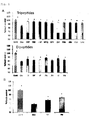
Figure 1 illustrates the suppression of muscular atrophy by a dipeptide or tripeptide in a murine skeletal muscle cell line. Panel A illustrates the results of 17 peptides and Panel B illustrates the results of additional experiments with FN and NP. Cont: Control, Dex: dexamethasone. * p < 0.05 (vs. dexamethasone). -
Figure 2 illustrates the effect of FN or LR (added at 100 nM) on muscular atrophy in a murine skeletal muscle cell line. Cont: Control, Dex: dexamethasone. * p < 0.05 (vs. dexamethasone). -
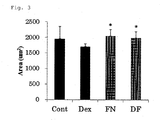
Figure 3 illustrates the suppression of muscular atrophy by a dipeptide in an animal model. Cont: Control, Dex: dexamethasone. * p < 0.05 (vs. dexamethasone). -
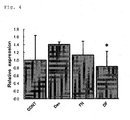
Figure 4 illustrates the effect of a dipeptide on the expression of Atrogin-1 in an animal model. CONT: Control, Dex: dexamethasone. * p < 0.05 (vs. dexamethasone). - In the present disclosure, amino acid residues may be represented with the following abbreviations.
- Ala or A: alanine residue
- Arg or R: arginine residue
- Asn or N: asparagine residue
- Asp or D: aspartic acid residue
- Cys or C: cysteine residue
- Gln or Q: glutamine residue
- Glu or E: glutamic acid residue
- Gly or G: glycine residue
- His or H: histidine residue
- Ile or I: isoleucine residue
- Leu or L: leucine residue
- Lys or K: lysine residue
- Met or M: methionine residue
- Phe or F: phenylalanine residue
- Pro or P: proline residue
- Ser or S: serine residue
- Thr or T: threonine residue
- Trp or W: tryptophan residue
- Tyr or Y: tyrosine residue
- Val or V: valine residue
- The term "peptide" as used herein is a generic name of peptides encompassing dipeptides, tripeptides, and longer peptides (having four or more amino acid residues) and may mean any of these peptides depending on the context.
- The composition for suppressing muscular atrophy according to the present invention comprises as an active ingredient(s) one or more peptides selected from
the group consisting of tripeptides DIY, IYN, YNP, NPQ, DFY, DIF, FYN, IFN, FNP, and NPK;
the group consisting of dipeptides comprising F; and
the group consisting of dipeptides DI, IY, YN, and NP. - In an embodiment, the one or more peptides are selected from the group consisting of dipeptides comprising F. In other words, the composition for suppressing muscular atrophy according to the present invention in this embodiment comprises as an active ingredient(s) one or more peptides selected from the group consisting of dipeptides comprising F. As used herein, the term "dipeptide comprising F" refers to a dipeptide in which one of the amino acid residues composing the dipeptide is phenylalanine (F). Specific examples of such a dipeptide include FA, FR, FN, FD, FC, FQ, FE, FG, FH, FI, FL, FK, FM, FF, FP, FS, FT, FW, FY, FV, AF, RF, NF, DF, CF, QF, EF, GF, HF, IF, LF, KF, MF, PF, SF, TF, WF, YF, and VF. Among these, FN is preferred.
- In an embodiment, the one or more peptides are selected from
the group consisting of tripeptides DIY, IYN, YNP, NPQ, DFY, DIF, FYN, IFN, FNP, and NPK; and
the group consisting of dipeptides DI, DF, IF, FN, FY, IY, YN, and NP. In other words, the composition for suppressing muscular atrophy according to the present invention in this embodiment comprises as an active ingredient(s) one or more peptides selected from
the group consisting of tripeptides DIY, IYN, YNP, NPQ, DFY, DIF, FYN, IFN, FNP, and NPK; and
the group consisting of dipeptides DI, DF, IF, FN, FY, IY, YN, and NP. - The composition according to the present invention may comprise one peptide or two or more peptides selected from the group of the tripeptides and/or the dipeptides. When the composition according to the present invention comprises two or more peptides, the peptides may be contained in a single formulation or separate formulations. When the peptides are contained in separate formulations, the dosage forms and the routes of administration of the formulations may be the same or different.
- In an embodiment, the composition according to the present invention comprises as an active ingredient(s) only one or more peptides selected from the group of the tripeptides and/or the dipeptides (in other words, the composition does not comprise any active ingredient other than the one or more peptides) . In a further embodiment, the composition according to the present invention comprises as an active ingredient only one peptide (for example, FN or DF) selected from the group of the tripeptides and/or the dipeptides (in other words, it does not comprise any active ingredient other than the peptide).
- The dipeptides and tripeptides can be produced by a method commonly used in the art, such as fermentation, enzymatic treatment, or chemical synthesis. For example, a dipeptide or tripeptide may be obtained by hydrolyzing with an appropriate protease a protein or peptide containing the amino acid sequence of the peptide of interest, and separating and purifying the product using a technique such as column chromatography. Alternatively, a dipeptide or tripeptide may be synthesized by a method for peptide synthesis described in references such as Peptide Synthesis, Interscience, New York, 1966; The Proteins, vol. 2, Academic Press Inc., New York, 1976; Peptide Synthesis (in Japanese), Maruzen Co., Ltd., 1975; Basics and Experiments of Peptide Synthesis (in Japanese), Maruzen Co., Ltd., 1985; and Development of Pharmaceuticals, the Sequel (in Japanese), vol. 14, Peptide Synthesis, Hirokawa-Shoten Ltd., 1991.
- The muscular atrophy refers to a condition wherein muscle becomes thin, which results in decrease of muscle mass. Therefore, the composition according to the present invention may be a composition for suppressing decrease of muscle mass or a composition for suppressing muscle weakness. The composition according to the present invention is useful for the prevention or treatment or the improvement of muscular atrophy or low muscle mass, and may be used for any subject for which the prevention or treatment or the improvement of muscular atrophy or low muscle mass is required or desired.
- In an embodiment, the composition according to the present invention is used in the prevention or treatment of a disease with muscular atrophy. Examples of the disease include sarcopenia, disuse muscle atrophy, muscular dystrophy, diabetic amyotrophy, cachexia, steroid myopathy, drug induced myopathy, rhabdomyolysis, myasthenia gravis, amyotrophic lateral sclerosis, Charcot-Marie-Tooth disease, and stress urinary incontinence.
- In a further embodiment, the composition according to the present invention is used in the improvement of muscular atrophy, and consequently the improvement of low muscle mass or muscle weakness. For example, the composition according to the present invention may be used for the maintenance of muscle on old age or the improvement of urine leakage.
- In an embodiment, the composition according to the present invention may be a pharmaceutical product or quasi-pharmaceutical product for humans or animals. The pharmaceutical product or quasi-pharmaceutical product may comprise a pharmaceutically acceptable carrier and/or additive such as a stabilizing agent, an antiseptic, a solubilizer, a pH adjuster, a thickener, an antioxidant, a colorant, a flavor, or an artificial sweetener in addition to the peptide(s) as an active ingredient(s).
- The pharmaceutical product or quasi-pharmaceutical product may be administered via an enteral route or via a parenteral route. Examples of the enteral route include oral route and tubal feeding. Examples of the parenteral route include nasal, pulmonary, intravenous, transdermal, and intramuscular routes.
- The pharmaceutical product or quasi-pharmaceutical product may be formulated into a desired dosage form as appropriate depending on the mode of administration such as oral administration or parenteral administration. The dosage form is not particularly limited to, but may be, for oral administration, for example, a solid formulation such as powder, granules, tablets, troches, or capsules; and a liquid such as a solution, syrup, suspension, or emulsion. For parenteral administration, the pharmaceutical product or quasi-pharmaceutical product may be formulated into, for example, a suppository, an air spray, an inhalant, an ointment, a patch, or an injection (including an infusion). The composition according to the present invention may be a freeze-dried formulation that can be reconstituted with a liquid such as sterile water before use. The composition according to the present invention can be formulated by a known method depending on the dosage form as appropriate.
- In a further embodiment, the composition according to the present invention may be a food or drink, for example, a general food or drink for humans or animals, a health food, a functional food, a food for invalids, an enteral food, a food for a special dietary use, a functional health food, a food for a specified health use, a food with a function claim, or a functional nutritional food, that utelizes the effect of improving muscular atrophy or low muscle mass by suppression of muscular atrophy. The food or drink may be prepared by adding the peptide to a known food or drink, or a food or drink newly produced by admixing the peptide to its raw materials. The food or drink may be one to be added to another food or drink.
- The food or drink may be in any form such as liquid, paste, solid, or powder. The food or drink may be a supplement in a form of tablets, capsules, granules, powders, fine granules, chews, syrup, or oral solution (such as suspension or emulsion), or may be a fluid food. The food or drink may also be in a form of a usual food or drink, for example, confectionery (such as cookie, biscuit, chocolate, chips, cake, gum, candy, gummy candy, steamed bun, yokan, pudding, jelly, yogurt, ice cream, or sherbet), bread, noodle, rice, cereal food, drink (such as liquid formulation, refreshing beverage, carbonated drink, nutrition beverage, powdered beverage, fruit juice, milk drink, or jelly drink), soup (powdered, freeze-dried), or miso soup (powdered, freeze-dried).
- The food or drink may be provided or sold as a food or drink with a claim of a specified use (especially for health use) or a function. The "claim" may be made by any action to inform the consumer of the above use, and includes any expression by which one can recall or expect the above use regardless of the purpose of the claim, contents of the claim, the object or medium on which the claim is displayed, or other factors.
- The "claim" is preferably made by the way that consumers can directly recognize the use. Specifically, the claim may be made by an act of transferring, delivering, or displaying for transferring or delivering, or importing a product related to the food or drink stating the use on its own or its wrapping; an act of displaying or distributing an advertisement, a price list, or a transaction document for the product stating the use, or providing such information with stating the use by an electromagnetic way (such as the Internet).
- The claim is preferably a claim approved by an entity such as the government (for example, a claim approved based on the various systems established by the government and made in a manner based on such approval). Such a claim is preferably attached to wrapping, a container, a catalogue, a pamphlet, an advertising material on sales site such as POP, or other documents, for example.
- As used herein, the food or drink "for improving low muscle mass" may be a food or drink with a claim that recalls "improvement of low muscle mass", such as a claim "maintenance of muscle on old age" or "support of activity for making muscle".
- As used herein, the food or drink for the "improvement of stress urinary incontinence" or "improvement of urine leakage" may be a food or drink with a claim that recalls "stress urinary incontinence" or "urine leakage", such as a claim "for those feeling not refreshed", "for those feeling unrestful", "for those not confident in going out in the night or for a long time", or "for those feeling anxious at straining oneself, coughing or sneezing, etc.".
- The dose or intake per day of the dipeptide or tripeptide contained in the composition according to the present invention is determined as appropriate depending on a factor (s) such as age and body weight of the subject, symptoms, or route of administration, and may be, for example, 50 mg to 20 g, preferably 70 mg to 5 g, and more preferably 100 mg to 3 g for each peptide. The daily dose of the peptide may be administered or taken at once or divided into several doses. The composition according to the present invention may be administered or taken every day or at several days intervals and the duration of the administration or intake is not particularly limited either.
- Followings are provided by the present invention, for example.
- 1. A composition for suppressing muscular atrophy, comprising as an active ingredient(s) one or more peptides selected from
the group consisting of tripeptides DIY, IYN, YNP, NPQ, DFY, DIF, FYN, IFN, FNP, and NPK;
the group consisting of dipeptides comprising F; and
the group consisting of dipeptides DI, IY, YN, and NP. - 2. The composition according to item 1, wherein the one or more peptides are selected from the group consisting of dipeptides comprising F.
- 3. The composition according to item 1, wherein the one or more peptides are selected from
the group consisting of tripeptides DIY, IYN, YNP, NPQ, DFY, DIF, FYN, IFN, FNP, and NPK; and
the group consisting of dipeptides DI, DF, IF, FN, FY, IY, YN, and NP. - 4. The composition according to any one of items 1 to 3, wherein the one or more peptides comprise FN.
- 5. The composition according to any one of items 1 to 4, wherein the one or more peptides comprise DF.
- 6. The composition according to any one of items 1 to 5, for preventing or treating a disease with muscular atrophy.
- 7. The composition according to item 6, wherein the disease is sarcopenia, disuse muscle atrophy, muscular dystrophy, diabetic amyotrophy, cachexia, steroid myopathy, drug induced myopathy, rhabdomyolysis, myasthenia gravis, amyotrophic lateral sclerosis, Charcot-Marie-Tooth disease, or stress urinary incontinence.
- 8. The composition according to any one of items 1 to 7, wherein the composition is a pharmaceutical product.
- 9. A composition for improving low muscle mass, comprising as an active ingredient(s) one or more peptides selected from
the group consisting of tripeptides DIY, IYN, YNP, NPQ, DFY, DIF, FYN, IFN, FNP, and NPK;
the group consisting of dipeptides comprising F; and the group consisting of dipeptides DI, IY, YN, and NP. - 10. The composition according to item 9, wherein the one or more peptides are selected from the group consisting of dipeptides comprising F.
- 11. The composition according to item 9, wherein the one or more peptides are selected from
the group consisting of tripeptides DIY, IYN, YNP, NPQ, DFY, DIF, FYN, IFN, FNP, and NPK; and
the group consisting of dipeptides DI, DF, IF, FN, FY, IY, YN, and NP. - 12. The composition according to any one of items 9 to 11, wherein the one or more peptides comprise FN.
- 13. The composition according to any one of items 9 to 11, wherein the one or more peptides comprise DF.
- 14. The composition according to any one of items 9 to 13, for improving stress urinary incontinence.
- 15. The composition according to any one of claims 9 to 13, for improving urine leakage.
- 16. The composition according to any one of items 9 to 15, wherein the composition is a food or drink.
- 17. A therapeutic or non-therapeutic method for suppressing muscular atrophy or improving the decrease of muscle mass, comprising administering to a subject in need thereof one or more peptides selected from
the group consisting of tripeptides DIY, IYN, YNP, NPQ, DFY, DIF, FYN, IFN, FNP, and NPK;
the group consisting of dipeptides comprising F; and the group consisting of dipeptides DI, IY, YN, and NP. - 18. Use of one or more peptides selected from
the group consisting of tripeptides DIY, IYN, YNP, NPQ, DFY, DIF, FYN, IFN, FNP, and NPK;
the group consisting of dipeptides comprising F; and
the group consisting of dipeptides DI, IY, YN, and NP, for the manufacture of a composition for suppressing muscular atrophy or a composition for improving low muscle mass. - 19. Therapeutic or non-therapeutic use of one or more peptides selected from
the group consisting of tripeptides DIY, IYN, YNP, NPQ, DFY, DIF, FYN, IFN, FNP, and NPK;
the group consisting of dipeptides comprising F; and
the group consisting of dipeptides DI, IY, YN, and NP, for suppressing muscular atrophy or improving the decrease of muscle mass. - The present invention is further described by the following examples, but not limited by these examples in any sense.
- A murine skeletal muscle cell line (C2C12) was passaged and maintained in DMEM supplemented with 10% FBS under conditions at 37°C and 5% CO2. The basal medium was 500 mL of DMEM (Sigma-Aldrich) supplemented with 12.5 mL of HEPES (Gibco), 5.5 mL of penicillin-streptomycin (Gibco), and 55 mL of fetal bovine serum (FBS, Sigma-Aldrich). The differentiation medium was DMEM supplemented with 12.5 mL of HEPES, 5.5 mL of penicillin-streptomycin, and 12.5 mL of horse serum (HS, SAFC Bioscience).
- C2C12 was seeded at 5 × 10⁵ cells/dish in 6 cm dishes (AGC TECHNO GLASS CO., LTD.) and cultured in the basal medium for 2 days. Subsequently, the culture was induced to differentiate in the differentiation medium. Five days after the start of the induction, the medium was changed into each differentiation medium to which each one of the peptides (17 peptides: DIY, IYN, YNP, NPQ, DFY, DIF, FYN, IFN, FNP, NPK, DI, DF, IF, FN, FY, IY, YN: MEDICAL & BIOLOGICAL LABORATORIES CO., LTD.) was added at 625 nM, and the culture was kept for 1 hour. Then, each medium was changed into a corresponding differentiation medium containing 625 nM of the same peptide and 10 µM dexamethasone (Dex) (Wako Pure Chemical Industries, Ltd.) and the same medium change was repeated every 24 hours for 3 days. The muscle diameter was determined by taking photographs of myotube cells of each group using BZ-9000 (KEYENCE) and converting the cell images into numerical values by the BZ-II image analysis application (KEYENCE). The muscle diameter was expressed in percentage relative to the muscle diameter of the control group (no dexamethasone added) on Day 3, which was defined to be 100%. Similarly, additional experiments were conducted on FN and NP. Furthermore, the muscle diameter was measured when each one of FN and LR (random dipeptide) was added at a concentration of 100 nM.
- 17 tri and dipeptides (DIY, IYN, YNP, NPQ, DFY, DIF, FYN, IFN, FNP, NPK, DI, DF, IF, FN, IY, YN, and NP) provided significantly higher muscle diameters than the dexamethasone alone group and one peptide FY showed a similar tendecy (
Figure 1 , Panels A and B). In studies at the concentration of 100 nM, the muscle diameter with FN was significantly higher than that of the dexamethasone alone group, while no significant difference was found with LR (Figure 2 ). - C57BL/6J mice (male, 7 weeks old) were divided into 4 groups (control group, atrophy group, atrophy + FN group, atrophy + DF group) so that the body weight in each group was equal. The control group and the atrophy group were provided with sterile water and the atrophy + FN group and the atrophy + DF group were provided with an aqueous solution containing each peptide (1.4 mg/ml) ad libitum by a water supply bottle for 14 days. Muscular atrophy was introduced in the atrophy group, the atrophy + FN group, and the atrophy + DF group by intraperitoneal administration of 10 mg/kg dexamethasone (Sigma-Aldrich) once a day from
Day 8 of watering ad libitum. After 7 days of dexamethasone administration and subsequent 12 hours of fasting, the animals were dissected. The anterior tibial muscles of both legs were excised under isoflurane anesthesia and the muscular fiber cross-sectional area (CSA) of the anterior tibial muscles and the expression of Atrogin-1, which is a marker protein for muscular atrophy, were measured. - The CSA of the anterior tibial muscles was significantly higher in the atrophy + FN group and the atrophy + DF group than in the atrophy group (
Figure 3 ). Moreover, the expression of Atrogin-1 protein in the anterior tibial muscles showed a tendency to be lower in the atrophy + FN group than in the atrophy group, and was significantly lower in the atrophy + DF group than in the atrophy group (Figure 4 ) . - These results suggest that dipeptides comprising phenylalanine (F) are effective in the suppression of muscular atrophy since the effect was confirmed both in Examples 1 and 2. In particular, FN is shown to have a prominent effect since FN demonstrated a significant improvement in both muscle diameter and CSA and these results directly indicate the suppression of muscular atrophy.
Claims (14)
- A composition for suppressing muscular atrophy, comprising as an active ingredient(s) one or more peptides selected from
the group consisting of tripeptides DIY, IYN, YNP, NPQ, DFY, DIF, FYN, IFN, FNP, and NPK;
the group consisting of dipeptides comprising F; and the group consisting of dipeptides DI, IY, YN, and NP. - The composition according to claim 1, wherein the one or more peptides are selected from the group consisting of dipeptides comprising F.
- The composition according to claim 1, wherein the one or more peptides are selected from
the group consisting of tripeptides DIY, IYN, YNP, NPQ, DFY, DIF, FYN, IFN, FNP, and NPK; and
the group consisting of dipeptides DI, DF, IF, FN, FY, IY, YN, and NP. - The composition according to claim 1, wherein the one or more peptides comprise FN.
- The composition according to any one of claims 1 to 4, for preventing or treating a disease with muscular atrophy.
- The composition according to claim 5, wherein the disease is sarcopenia, disuse muscle atrophy, muscular dystrophy, diabetic amyotrophy, cachexia, steroid myopathy, drug induced myopathy, rhabdomyolysis, myasthenia gravis, amyotrophic lateral sclerosis, Charcot-Marie-Tooth disease, or stress urinary incontinence.
- The composition according to any one of claims 1 to 6, wherein the composition is a pharmaceutical product.
- A composition for improving low muscle mass, comprising as an active ingredient(s) one or more peptides selected from
the group consisting of tripeptides DIY, IYN, YNP, NPQ, DFY, DIF, FYN, IFN, FNP, and NPK;
the group consisting of dipeptides comprising F; and the group consisting of dipeptides DI, IY, YN, and NP. - The composition according to claim 8, wherein the one or more peptides are selected from the group consisting of dipeptides comprising F.
- The composition according to claim 8, wherein the one or more peptides are selected from
the group consisting of tripeptides DIY, IYN, YNP, NPQ, DFY, DIF, FYN, IFN, FNP, and NPK; and
the group consisting of dipeptides DI, DF, IF, FN, FY, IY, YN, and NP. - The composition according to claim 8, wherein the one or more peptides comprise FN.
- The composition according to any one of claims 8 to 11, for improving stress urinary incontinence.
- The composition according to any one of claims 8 to 11, for improving urine leakage.
- The composition according to any one of claims 8 to 13, wherein the composition is a food or drink.
Applications Claiming Priority (2)
| Application Number | Priority Date | Filing Date | Title |
|---|---|---|---|
| JP2016236099 | 2016-12-05 | ||
| PCT/JP2017/043452 WO2018105550A1 (en) | 2016-12-05 | 2017-12-04 | Amyotrophy inhibiting composition |
Publications (2)
| Publication Number | Publication Date |
|---|---|
| EP3549595A1 true EP3549595A1 (en) | 2019-10-09 |
| EP3549595A4 EP3549595A4 (en) | 2020-07-22 |
Family
ID=62491013
Family Applications (1)
| Application Number | Title | Priority Date | Filing Date |
|---|---|---|---|
| EP17878638.0A Pending EP3549595A4 (en) | 2016-12-05 | 2017-12-04 | AMYOTROPHIC INHIBITANT COMPOSITION |
Country Status (6)
| Country | Link |
|---|---|
| US (1) | US11331366B2 (en) |
| EP (1) | EP3549595A4 (en) |
| JP (1) | JP7077235B2 (en) |
| CN (1) | CN110234334B (en) |
| TW (1) | TW201821099A (en) |
| WO (1) | WO2018105550A1 (en) |
Families Citing this family (1)
| Publication number | Priority date | Publication date | Assignee | Title |
|---|---|---|---|---|
| CN116350744A (en) * | 2023-02-17 | 2023-06-30 | 中日友好医院(中日友好临床医学研究所) | Application of tripeptide-1 and/or tripeptide in the preparation of drugs for preventing and treating chronic obstructive pulmonary disease combined with skeletal muscle dysfunction |
Family Cites Families (25)
| Publication number | Priority date | Publication date | Assignee | Title |
|---|---|---|---|---|
| JPH06256387A (en) | 1991-06-14 | 1994-09-13 | Suetsuna Yoko | Novel peptide, its production method and antihypertensive agent containing the same |
| US6126939A (en) | 1996-09-03 | 2000-10-03 | Yeda Research And Development Co. Ltd. | Anti-inflammatory dipeptide and pharmaceutical composition thereof |
| AU5453898A (en) | 1996-11-25 | 1998-06-22 | President And Fellows Of Harvard College, The | Methods of inhibiting protein degradation to combat muscle wasting |
| JP2001089387A (en) | 1999-09-17 | 2001-04-03 | Otsuka Pharmaceut Co Ltd | Muscle atrophy inhibitor composition |
| JP2002338464A (en) | 2001-05-14 | 2002-11-27 | Kikkoman Corp | Muscle atrophy inhibitor |
| TWI353252B (en) | 2004-04-28 | 2011-12-01 | Cms Peptides Patent Holding Company Ltd | Biologically active peptide vapeehptllteaplnpk der |
| JP5196708B2 (en) * | 2005-02-04 | 2013-05-15 | 富士化学工業株式会社 | Muscle atrophy improving agent and food and drink comprising astaxanthin and / or ester thereof as active ingredients |
| US20060216279A1 (en) * | 2005-03-22 | 2006-09-28 | Glass David J | Myostatin inhibiting fusion polypeptides and therapeutic methods thereof |
| JP2006328031A (en) | 2005-05-30 | 2006-12-07 | Asahi Breweries Ltd | Muscle fiber type migration inhibitor |
| ES2363442T3 (en) * | 2005-11-30 | 2011-08-04 | Nestec S.A. | COMBINATION THAT INCLUDES AT LEAST ONE AMINO ACID AND A PKR INHIBITOR TO USE IN THE TREATMENT OF MUSCLE MASS LOSS. |
| US8962678B2 (en) | 2006-07-05 | 2015-02-24 | Kao Corporation | Senescence inhibitor |
| JP2008013473A (en) | 2006-07-05 | 2008-01-24 | Kao Corp | Muscle function inhibitor |
| WO2010087480A1 (en) * | 2009-02-02 | 2010-08-05 | 国立大学法人京都大学 | Pharmaceutical preparation or food containing peptide |
| KR101080271B1 (en) | 2009-03-31 | 2011-11-08 | 주식회사 웰스킨 | Ultraviolet-induced reaction controlling cosmetic composition containing dipeptide |
| JP2011184314A (en) | 2010-03-04 | 2011-09-22 | Snow Brand Milk Products Co Ltd | Muscular atrophy-preventing agent |
| WO2011163460A1 (en) * | 2010-06-24 | 2011-12-29 | Indiana University Research And Technology Corporation | Yl-based insulin-like growth factors exhibiting high activity at the insulin receptor |
| KR20140121475A (en) * | 2012-02-06 | 2014-10-15 | 아지노모토 가부시키가이샤 | Prophylactic or therapeutic agent for idiopathic inflammatory myopathies |
| WO2014030514A1 (en) * | 2012-08-24 | 2014-02-27 | 国立大学法人徳島大学 | Muscle atrophy inhibitor |
| KR101533308B1 (en) * | 2012-08-24 | 2015-07-03 | 경희대학교 산학협력단 | Pharmaceutical composition containing Peptide with angiotensin-I Converting Enzyme inhibitory activity for preventing or treating cardiovascular disease |
| HUE043482T2 (en) * | 2012-09-13 | 2019-08-28 | Bristol Myers Squibb Co | Fibronectin based scaffold domain proteins that bind to myostatin |
| WO2014047614A1 (en) * | 2012-09-24 | 2014-03-27 | Abbott Laboratories | Nutritional compositions and methods for enhancing cognitive function and muscle function |
| JP2014141462A (en) * | 2012-12-27 | 2014-08-07 | Raffinee International Co Ltd | Peptide, and angiotensin converting enzyme inhibitor, antihypertensive agent, and food and drink product |
| EP3061810B1 (en) * | 2013-10-24 | 2018-12-05 | Tokyo Metropolitan Geriatric Hospital and Institute of Gerontology | Muscle stem cell or myoblast, method for screening substances that participate in metabolic conversion using same, and pharmaceutical composition comprising substance obtained from said screening method |
| JP6369990B2 (en) * | 2015-02-27 | 2018-08-08 | 森永乳業株式会社 | Muscle atrophy inhibitor and food and drink for muscle atrophy suppression |
| JP2016193865A (en) * | 2015-03-31 | 2016-11-17 | キリン株式会社 | Compositions for microglia phagocytosis activity acceleration and prediction method of microglia phagocytosis activity-enhancing action |
-
2017
- 2017-12-04 US US16/466,488 patent/US11331366B2/en active Active
- 2017-12-04 CN CN201780084998.XA patent/CN110234334B/en active Active
- 2017-12-04 EP EP17878638.0A patent/EP3549595A4/en active Pending
- 2017-12-04 JP JP2018554987A patent/JP7077235B2/en active Active
- 2017-12-04 TW TW106142378A patent/TW201821099A/en unknown
- 2017-12-04 WO PCT/JP2017/043452 patent/WO2018105550A1/en not_active Ceased
Also Published As
| Publication number | Publication date |
|---|---|
| TW201821099A (en) | 2018-06-16 |
| CN110234334A (en) | 2019-09-13 |
| EP3549595A4 (en) | 2020-07-22 |
| CN110234334B (en) | 2024-02-06 |
| US11331366B2 (en) | 2022-05-17 |
| JPWO2018105550A1 (en) | 2019-10-24 |
| WO2018105550A1 (en) | 2018-06-14 |
| US20190314443A1 (en) | 2019-10-17 |
| JP7077235B2 (en) | 2022-05-30 |
Similar Documents
| Publication | Publication Date | Title |
|---|---|---|
| KR101767244B1 (en) | Composition for prevention and treatment of muscular disorder or improvement of muscular functions comprising balloon-flower extract | |
| EP2725105A1 (en) | Enzymatic production method for brain-function-improving peptides | |
| EP3115047B1 (en) | Debility preventative | |
| US20150141514A1 (en) | Agent for preventing deterioration in vascular endothelial function or improving vascular endothelial function | |
| US20160296586A1 (en) | Agent for preventing or ameliorating vascular endothelial malfunction | |
| US12564202B2 (en) | Composition for alleviating, preventing or treating sarcopenia, containing whey protein hydrolysate as active ingredient | |
| US11331366B2 (en) | Composition for suppressing muscular atrophy | |
| JP4812968B2 (en) | Composition for improving attention deficit / hyperactivity disorder | |
| CN101687909A (en) | Composition for preventing or treating lung disease | |
| US20100166859A1 (en) | Novel nutraceutical compositions and use thereof | |
| CN117396198A (en) | Ways to Improve and Prevent Age-Related Muscle Degeneration | |
| US20250361269A1 (en) | Peptide exhibiting muscle loss prevention and muscle mass promotion activities, and use thereof | |
| KR102521988B1 (en) | Pharmaceutical composition for treating or preventing cancer comprising gamma-glutamyltyrosine | |
| KR102763888B1 (en) | Composition for prevention, improvement or treatment of muscular disease comprising Abelmoschus manihot extracts | |
| JP7060890B2 (en) | Hyaluronic acid production promoter | |
| JP2023160769A (en) | Neurite outgrowth promoter | |
| RU2358723C1 (en) | Antiwithdrawal agent, biologically active additive, pharmaceutical composition, medical product and method of producing | |
| JP6779851B2 (en) | Hyaluronic acid production promoter | |
| JP2009001507A (en) | Body fat reducing agent and use thereof | |
| JP7724269B2 (en) | Composition for inhibiting increases in brain glutamate concentration | |
| KR20240054436A (en) | Peptide having sarcopenia improve activity and Composition for improving, protecting or treating sarcopenia comprising thereof | |
| KR20250023259A (en) | Mealworm protein hydrolyzed peptide composition having muscle loss inhibitory effect | |
| US8343924B2 (en) | Composition for improving brain function and method for improving brain function | |
| US20170042962A1 (en) | Agent for preventing or ameliorating vascular endothelial malfunction | |
| KR20210105833A (en) | Composition comprising extract of Ardisia japonica for anti-influenza virus |
Legal Events
| Date | Code | Title | Description |
|---|---|---|---|
| STAA | Information on the status of an ep patent application or granted ep patent |
Free format text: STATUS: THE INTERNATIONAL PUBLICATION HAS BEEN MADE |
|
| PUAI | Public reference made under article 153(3) epc to a published international application that has entered the european phase |
Free format text: ORIGINAL CODE: 0009012 |
|
| STAA | Information on the status of an ep patent application or granted ep patent |
Free format text: STATUS: REQUEST FOR EXAMINATION WAS MADE |
|
| 17P | Request for examination filed |
Effective date: 20190702 |
|
| AK | Designated contracting states |
Kind code of ref document: A1 Designated state(s): AL AT BE BG CH CY CZ DE DK EE ES FI FR GB GR HR HU IE IS IT LI LT LU LV MC MK MT NL NO PL PT RO RS SE SI SK SM TR |
|
| AX | Request for extension of the european patent |
Extension state: BA ME |
|
| DAV | Request for validation of the european patent (deleted) | ||
| A4 | Supplementary search report drawn up and despatched |
Effective date: 20200619 |
|
| RIC1 | Information provided on ipc code assigned before grant |
Ipc: A61K 38/05 20060101ALI20200615BHEP Ipc: A23L 33/18 20160101ALI20200615BHEP Ipc: A61P 21/04 20060101ALI20200615BHEP Ipc: A61K 38/06 20060101AFI20200615BHEP Ipc: A61P 21/00 20060101ALI20200615BHEP |
|
| STAA | Information on the status of an ep patent application or granted ep patent |
Free format text: STATUS: EXAMINATION IS IN PROGRESS |
|
| 17Q | First examination report despatched |
Effective date: 20220719 |