EP3544447B1 - Coated product form - Google Patents
Coated product form Download PDFInfo
- Publication number
- EP3544447B1 EP3544447B1 EP17772652.8A EP17772652A EP3544447B1 EP 3544447 B1 EP3544447 B1 EP 3544447B1 EP 17772652 A EP17772652 A EP 17772652A EP 3544447 B1 EP3544447 B1 EP 3544447B1
- Authority
- EP
- European Patent Office
- Prior art keywords
- wax
- particles
- spores
- fertiliser
- active agent
- Prior art date
- Legal status (The legal status is an assumption and is not a legal conclusion. Google has not performed a legal analysis and makes no representation as to the accuracy of the status listed.)
- Active
Links
Images




Classifications
-
- A—HUMAN NECESSITIES
- A23—FOODS OR FOODSTUFFS; TREATMENT THEREOF, NOT COVERED BY OTHER CLASSES
- A23K—FODDER
- A23K40/00—Shaping or working-up of animal feeding-stuffs
- A23K40/30—Shaping or working-up of animal feeding-stuffs by encapsulating; by coating
-
- A—HUMAN NECESSITIES
- A23—FOODS OR FOODSTUFFS; TREATMENT THEREOF, NOT COVERED BY OTHER CLASSES
- A23K—FODDER
- A23K10/00—Animal feeding-stuffs
- A23K10/10—Animal feeding-stuffs obtained by microbiological or biochemical processes
- A23K10/16—Addition of microorganisms or extracts thereof, e.g. single-cell proteins, to feeding-stuff compositions
- A23K10/18—Addition of microorganisms or extracts thereof, e.g. single-cell proteins, to feeding-stuff compositions of live microorganisms
-
- A—HUMAN NECESSITIES
- A23—FOODS OR FOODSTUFFS; TREATMENT THEREOF, NOT COVERED BY OTHER CLASSES
- A23K—FODDER
- A23K10/00—Animal feeding-stuffs
- A23K10/30—Animal feeding-stuffs from material of plant origin, e.g. roots, seeds or hay; from material of fungal origin, e.g. mushrooms
-
- A—HUMAN NECESSITIES
- A23—FOODS OR FOODSTUFFS; TREATMENT THEREOF, NOT COVERED BY OTHER CLASSES
- A23K—FODDER
- A23K10/00—Animal feeding-stuffs
- A23K10/30—Animal feeding-stuffs from material of plant origin, e.g. roots, seeds or hay; from material of fungal origin, e.g. mushrooms
- A23K10/33—Animal feeding-stuffs from material of plant origin, e.g. roots, seeds or hay; from material of fungal origin, e.g. mushrooms from molasses
-
- A—HUMAN NECESSITIES
- A23—FOODS OR FOODSTUFFS; TREATMENT THEREOF, NOT COVERED BY OTHER CLASSES
- A23K—FODDER
- A23K20/00—Accessory food factors for animal feeding-stuffs
- A23K20/10—Organic substances
- A23K20/158—Fatty acids; Fats; Products containing oils or fats
-
- A—HUMAN NECESSITIES
- A23—FOODS OR FOODSTUFFS; TREATMENT THEREOF, NOT COVERED BY OTHER CLASSES
- A23K—FODDER
- A23K40/00—Shaping or working-up of animal feeding-stuffs
- A23K40/20—Shaping or working-up of animal feeding-stuffs by moulding, e.g. making cakes or briquettes
-
- A—HUMAN NECESSITIES
- A23—FOODS OR FOODSTUFFS; TREATMENT THEREOF, NOT COVERED BY OTHER CLASSES
- A23K—FODDER
- A23K50/00—Feeding-stuffs specially adapted for particular animals
- A23K50/20—Feeding-stuffs specially adapted for particular animals for horses
-
- C—CHEMISTRY; METALLURGY
- C05—FERTILISERS; MANUFACTURE THEREOF
- C05B—PHOSPHATIC FERTILISERS
- C05B17/00—Other phosphatic fertilisers, e.g. soft rock phosphates, bone meal
-
- C—CHEMISTRY; METALLURGY
- C05—FERTILISERS; MANUFACTURE THEREOF
- C05C—NITROGENOUS FERTILISERS
- C05C1/00—Ammonium nitrate fertilisers
-
- C—CHEMISTRY; METALLURGY
- C05—FERTILISERS; MANUFACTURE THEREOF
- C05C—NITROGENOUS FERTILISERS
- C05C9/00—Fertilisers containing urea or urea compounds
- C05C9/005—Post-treatment
-
- C—CHEMISTRY; METALLURGY
- C05—FERTILISERS; MANUFACTURE THEREOF
- C05F—ORGANIC FERTILISERS NOT COVERED BY SUBCLASSES C05B, C05C, e.g. FERTILISERS FROM WASTE OR REFUSE
- C05F11/00—Other organic fertilisers
- C05F11/08—Organic fertilisers containing added bacterial cultures, mycelia or the like
-
- C—CHEMISTRY; METALLURGY
- C05—FERTILISERS; MANUFACTURE THEREOF
- C05G—MIXTURES OF FERTILISERS COVERED INDIVIDUALLY BY DIFFERENT SUBCLASSES OF CLASS C05; MIXTURES OF ONE OR MORE FERTILISERS WITH MATERIALS NOT HAVING A SPECIFIC FERTILISING ACTIVITY, e.g. PESTICIDES, SOIL-CONDITIONERS, WETTING AGENTS; FERTILISERS CHARACTERISED BY THEIR FORM
- C05G3/00—Mixtures of one or more fertilisers with additives not having a specially fertilising activity
- C05G3/60—Biocides or preservatives, e.g. disinfectants, pesticides or herbicides; Pest repellants or attractants
-
- C—CHEMISTRY; METALLURGY
- C05—FERTILISERS; MANUFACTURE THEREOF
- C05G—MIXTURES OF FERTILISERS COVERED INDIVIDUALLY BY DIFFERENT SUBCLASSES OF CLASS C05; MIXTURES OF ONE OR MORE FERTILISERS WITH MATERIALS NOT HAVING A SPECIFIC FERTILISING ACTIVITY, e.g. PESTICIDES, SOIL-CONDITIONERS, WETTING AGENTS; FERTILISERS CHARACTERISED BY THEIR FORM
- C05G5/00—Fertilisers characterised by their form
- C05G5/30—Layered or coated, e.g. dust-preventing coatings
-
- C—CHEMISTRY; METALLURGY
- C05—FERTILISERS; MANUFACTURE THEREOF
- C05G—MIXTURES OF FERTILISERS COVERED INDIVIDUALLY BY DIFFERENT SUBCLASSES OF CLASS C05; MIXTURES OF ONE OR MORE FERTILISERS WITH MATERIALS NOT HAVING A SPECIFIC FERTILISING ACTIVITY, e.g. PESTICIDES, SOIL-CONDITIONERS, WETTING AGENTS; FERTILISERS CHARACTERISED BY THEIR FORM
- C05G5/00—Fertilisers characterised by their form
- C05G5/30—Layered or coated, e.g. dust-preventing coatings
- C05G5/37—Layered or coated, e.g. dust-preventing coatings layered or coated with a polymer
-
- C—CHEMISTRY; METALLURGY
- C05—FERTILISERS; MANUFACTURE THEREOF
- C05G—MIXTURES OF FERTILISERS COVERED INDIVIDUALLY BY DIFFERENT SUBCLASSES OF CLASS C05; MIXTURES OF ONE OR MORE FERTILISERS WITH MATERIALS NOT HAVING A SPECIFIC FERTILISING ACTIVITY, e.g. PESTICIDES, SOIL-CONDITIONERS, WETTING AGENTS; FERTILISERS CHARACTERISED BY THEIR FORM
- C05G5/00—Fertilisers characterised by their form
- C05G5/30—Layered or coated, e.g. dust-preventing coatings
- C05G5/38—Layered or coated, e.g. dust-preventing coatings layered or coated with wax or resins
-
- Y—GENERAL TAGGING OF NEW TECHNOLOGICAL DEVELOPMENTS; GENERAL TAGGING OF CROSS-SECTIONAL TECHNOLOGIES SPANNING OVER SEVERAL SECTIONS OF THE IPC; TECHNICAL SUBJECTS COVERED BY FORMER USPC CROSS-REFERENCE ART COLLECTIONS [XRACs] AND DIGESTS
- Y02—TECHNOLOGIES OR APPLICATIONS FOR MITIGATION OR ADAPTATION AGAINST CLIMATE CHANGE
- Y02P—CLIMATE CHANGE MITIGATION TECHNOLOGIES IN THE PRODUCTION OR PROCESSING OF GOODS
- Y02P20/00—Technologies relating to chemical industry
- Y02P20/141—Feedstock
- Y02P20/145—Feedstock the feedstock being materials of biological origin
-
- Y—GENERAL TAGGING OF NEW TECHNOLOGICAL DEVELOPMENTS; GENERAL TAGGING OF CROSS-SECTIONAL TECHNOLOGIES SPANNING OVER SEVERAL SECTIONS OF THE IPC; TECHNICAL SUBJECTS COVERED BY FORMER USPC CROSS-REFERENCE ART COLLECTIONS [XRACs] AND DIGESTS
- Y02—TECHNOLOGIES OR APPLICATIONS FOR MITIGATION OR ADAPTATION AGAINST CLIMATE CHANGE
- Y02P—CLIMATE CHANGE MITIGATION TECHNOLOGIES IN THE PRODUCTION OR PROCESSING OF GOODS
- Y02P60/00—Technologies relating to agriculture, livestock or agroalimentary industries
- Y02P60/80—Food processing, e.g. use of renewable energies or variable speed drives in handling, conveying or stacking
- Y02P60/87—Re-use of by-products of food processing for fodder production
Definitions
- the present invention relates to product forms comprising inanimate substrates coated with particles carrying active agents in dry particulate form, and methods of obtaining such product forms.
- microbes for example fungi and bacteria
- fungi and bacteria can make nutrients more available to plants, and promote plant growth. Live forms cannot be easily added to fertilisers and the manufacturing process may render the live forms non-viable.
- Certain crops benefit from particular micronutrients and certain soil types and conditions can be improved by the addition of particular micronutrients.
- the addition of quantities of such micronutrients to standard fertiliser compositions after their manufacture would enable the micronutrients to be tailored to particular growing situations without the need for changes to the manufacture of standard fertiliser compositions, or more than one fertiliser application.
- pesticides to fertilisers would also be advantageous.
- Pathogens such as Salmonella and Campylobacter are transmitted along the food chain and serve as a source of concern for livestock producers and food processors.
- Antibiotics have been included in the diet of animals at sub-therapeutic dose to act as growth promoters (Dibner and Richards, 2005) and to ward off bacterial infection.
- viable alternatives to antibiotics are required to stimulate the natural defence mechanisms of animals, improve the gut microbiota and reduce reliance on the use of antibiotics (Verstegen and Williams, 2002).
- a balanced gut microbiota prevents colonization of pathogens, produces metabolic substrates (vitamins and short-chain fatty acids) and stimulates the immune system in a non-inflammatory manner.
- probiotics direct fed microbes
- probiotics are used as health supplements in food and feeds and they are replacing the use of antibiotic growth promotors or chemical supplements in both human and animal feed.
- the mode of action of these direct fed microbials can include: production of organic acids, which inhibit intestinal pathogens; production of antimicrobials; competitive exclusion; stimulation of immune responses; enzyme activity; and reduction of toxic amines (Buntyn et al., 2016).
- WO2008/062221 in the name of Exosect Ltd, describes a compact comprising particles of wax and a pesticide, and typically a semiochemical or other bait, pressed into agglomeration.
- the wax particles have an electrostatic surface charge.
- the particles adhere to the cuticle of the arthropod which carry the opposite charge to the particles.
- WO2017/017234 also in the name of Exosect Ltd, describes electrostatic wax particles containing baculovirus particles and methods of controlling arthropod infestations using the same.
- the particles adhere to the arthropods as the cuticles of the arthropods carry the opposite charge to the particles.
- the arthropods consume the particles, thereby ingesting the baculovirus particles, which infect the arthropods, controlling the same.
- WO2017118462 in the name of the University of Copenhagen, describes fertilizer comprising particles of one or more macronutrients, having a number of layered double hydroxide particles on the outside thereof.
- the layered double hydroxide particles provide micronutrients, and are adhered to the inner particle using a combination of the particles, talcum powder and oil.
- WO2017/095897 in the name of Advance Bionutrition Corp., describes a powder comprising hydrolysed protein, locust bean gum, inulin and probiotic bacterial concentrate, which has been freeze dried and milled. This can then be adhered to the outside of animal feed pellets by applying a layer of a fat matrix, pressing the powder into the fat matrix and applying a second layer of fat matrix over the top. Thus, the powder is embedded into the pellet.
- a product form comprising an inanimate substrate comprising i) an active agent; and ii) carrier particles comprising at least an outer surface comprising an organic matter constituent, wherein the said active agent is combined within and/or adhered onto the surface of the carrier particles, the carrier particles a) being in dry, particulate form and carrying at least an electrostatic surface charge and b) being uniformly distributed over the outer surface of the inanimate substrate, wherein the inanimate substrate is selected from a fertiliser granule or prill, or an animal feed pellet, and wherein when the inanimate substrate is a fertilizer granule or prill the active agent is selected from chemical pesticides, biofertilisers such as live bacteria, yeasts, and fungi for aflatoxin management, blue green algae and live bacterial spores, yeast spores and fungal spores of use in the promotion of root and/or shoot growth from germinating seeds and/or enhancing root and shoot growth from germinated seeds and mixtures of
- Suitable inanimate substrates of use in the invention include fertiliser prills such as urea fertiliser prills, NPK fertiliser prills, and ammonium nitrate fertiliser prills and mixtures of two or more thereof.
- a prill is defined as a pellet or solid globule of a substance formed by the congealing of a liquid during an industrial process.
- materials to be prilled are in a solid state at room temperature and a low-viscosity liquid when melted. Prills are formed by allowing drops of the melted prill substance to congeal or freeze in mid-air after, for example, being dripped from the top of a tall prilling tower.
- fertilisers including urea, ammonium nitrate and NPK fertilisers are often supplied in prilled form: such fertilisers are commonly manufactured as prills (Vasant Gowariker et al (2009)). Prills are a neater, simpler form of fertiliser than fertiliser granules and are considered by some to be more suitable for handling, with reduced dust.
- the size of the fertiliser prill or granule will typically be in the range of 1 - 10mm, preferably 2 - 5mm, and very preferably 3 - 4mm.
- Existing farm machinery is designed to handle prills and pellets of this size.
- the prills and granules could be of any size to suite their purpose, and the working of the invention is not dependent on the size of the prills or granules.
- the selection of at least one active agent for addition to a fertiliser prill or fertiliser granule of the invention will be determined by the environment in which it is to be added and its perceived end purpose.
- the active agent is a live biological agent.
- product forms of the invention may also comprise active agents selected from live bacterial spores, yeast spores and fungal spores and the like.
- the product form comprises live bacterial spores
- these may be selected from species of the genera: Alcaligenes, Acinetobacter, Azospirillum, Arthrobacter, Azotobacter, Bacillus, Burkholderia, Enterobacter, Erwinia, Flavobacterium, Paenibacillus, Pseudomonas, Rhizobium, Serratia, and mixtures of two or more thereof.
- Suitable species of each of these genera may be selected from Azospirillum brasilense, Azospirillum fluorescens, Bacillus amyloliquefaciens, Bacillus megaterium, Bacillus coagulans, Bacillus firmis, Bacillus subtilis, Bradyrhizobium japonicum, Burkholderia cepacia, Paenibacillus lautus, Pseudomonas aeruginosa, Pseudomonas aurantiaca, Pseudomonas putida, Pseudomonas pseudoalcaligenes, Pseudomonas fluorescens, Pseudomonas poae, and Pseudomonas trivialis, Rhizobium leguminosarum, Serratia entomophilia, Serratia proteamaculans, and mixtures of two or more thereof. Commonly used bacterial inoculants of use in the invention are
- mycorrhizal fungi are also capable of augmenting levels of available nutrients in the soil with further organic and inorganic nutrients that are assimilable by a crop plant.
- Suitable species of mycorrhizal fungi include those that are capable of colonising a host plant's roots, either intracellularly as in arbuscular mycorrhizal fungi (AMF), or extracellularly as in ericoid mycorrhizal (EM) fungi.
- E Emitochrhizas
- the product form comprises active agents selected from live fungal spores
- active agents selected from live fungal spores
- these may be selected from mycorrhizal fungi of species of the arbuscular mycorrhizal fungi (AMF), ectomycorrhizal fungi (EcM) and ericoid mycorrhizal (EM) fungi and mixtures of two or more thereof.
- AMF arbuscular mycorrhizal fungi
- EcM ectomycorrhizal fungi
- EM ericoid mycorrhizal
- Live fungal spores may be selected from AMF mycorrhizae of the Glomus, Gigaspora, Acaulospora and Sclerocystis genera; EcM of the Basidiomycota, Ascomycota, Zygomycota, Suillus, Boletus, Lactarius, Laccaria, Pisolithus and Rhizopogon genera; and EM of the Pezizella genus and mixtures of two or more thereof, depending on where the product form is to be applied and intended end purpose.
- mycorrhizal fungi species which may be employed as active agents in product forms of the invention include AMF species selected from Glomus fasciculatum, G. intraradices, G. claroideum; G. intra, G.
- the EcM species are selected from Pisolithus tictorus, Laccaria laccata, L. bicolor, Rhizopogon villosuli, R. rubescens, R. fulvigleba, R. luteolus, and R . amylopogon; and the EM species is selected from the Pezizella and mixtures of two or more thereof.
- Trichoderma species for example Trichoderma asperellum may be employed in product forms of the invention.
- Trichoderma fungal species are capable of making available, and in helping the adsorption of mineral nutrients from the soil such as by solubilising insoluble phosphorus and zinc in the soil.
- Other capabilities of the fungus include the decomposition of organic matter thereby releasing calcium, potassium, and nitrogen available for plant use. By such capabilities certain Trichoderma species can be used to contribute to a balanced fertilisation of plants, such as monocot plants in the field and thereby the requirement for adding large amounts of artificial fertilisers may be reduced by as much as 50% depending on crop type.
- Trichoderma strains are known in the art, for example, Custom Biologicals Inc (USA) produce a biological soil amendment which is comprised of 4 Trichoderma species ( T. harzianum, T. viride, T. koningii and T. polysporum ) .
- Custom Biologicals Inc USA
- Trichoderma species T. harzianum, T. viride, T. koningii and T. polysporum .
- Examples of conventional additives for increasing fertiliser efficiency from prills and granules comprising product forms of the invention include those that may be sourced from such commercial sources as Incotec Inc., Germains, Bayer CropScience, and BASF. Suitable additives may be selected from commercially available products such as Auxigrow(R) (Auxein Corp., Lansing, Mich., USA) and Amisorb(R) (Donlar Corp., Chicago) or the so-called phytochelates described by A. M. Kinnersley in Plant Growth Regul. (1993), 12(3), 207-18 , which are thought to influence the availability to the plant of minimal amounts of certain metals such as Zn, Fe, Cu and the like for optimal growth and productivity. Examples of the latter include polymers of L-lactic acid, L-lactoyllactic acid, water-soluble polyaspartates and the like.
- additives that may be applied to the environment in conjunction with fertilisers include the kinds of adjuvant that are found in conventional commercial agrochemical formulations. Suitable additives for inclusion into and/or onto fertiliser prills and fertiliser granules of the invention may be selected from those described by Chester L. Foy, (1993) and in EP 0357559 . Product forms of the invention may further include conventional additives such as agents having wetting, dispersing and de-foaming modes of action. Suitable surface-active compounds are non-ionic, cationic and/or anionic surfactants having good emulsifying, dispersing and wetting properties. Such adjuvants for crop enhancing product forms of the invention are obtainable from fine chemicals producers e.g.
- surfactants also comprises mixtures of two or more surfactants and natural or synthetic phospholipids of the cephatin and lecithin series, e.g. phosphatidyl-ethanolamine, phosphatidylserine, phosphatidylglycerol, lysolecithin sugar esters.
- a typical de-foaming agent is Fluowet PL80B(R) (Clariant AG) and typical antifreeze compounds are glycols and polyethylene glycols.
- Further ingredients may include solid or liquid substances ordinarily employed in formulation technology, e.g. natural or regenerated minerals, tackifiers, thickeners or binders.
- Other suitable additives may include emulgating protein hydrolysates, e.g. as described in EP 0297426 (Bayer AG) .
- Dyes may be used in product forms of the invention and include water-insoluble or water-soluble dyes.
- dyes examples include Colanyl Red(R) (Clariant AG, Muttenz), Rhodamin B, white pigment (titanium dioxide) or Luconyl(R) (BASF AG).
- Other special additives which are known to enhance seedling vigour may be used in combination with 3',4',5',6'-tetrachloro-2,4,5,7-tetraiodo-fluorescein ( EP0297426 ), and may be applied to the field environment in a combined amount that is effective, preferably synergistically effective, to increase seedling vigour and plant growth.
- Domesticated animal' as used herein includes commercially reared avian and mammalian animals selected from poultry such as chickens, game birds, geese, turkeys and ducks, goats, sheep, alpacas, cattle, horses, pigs, domesticated pet rodents, such as rabbits, gerbils, rats, mice, and hamsters, chinchillas and other vegetarian or omnivorous kinds of commercially important animals.
- poultry such as chickens, game birds, geese, turkeys and ducks, goats, sheep, alpacas, cattle, horses, pigs, domesticated pet rodents, such as rabbits, gerbils, rats, mice, and hamsters, chinchillas and other vegetarian or omnivorous kinds of commercially important animals.
- Carrier particles of use in the invention are electrostatically charged particles (often referred to as 'electrets' in the art).
- the particles may be charged through the process of manufacturing them, such as through tribocharging.
- Carrier particles of use in the invention may be selected from particles typically comprising natural waxes, synthetic waxes, and mineral waxes and mixtures of two or more thereof, and having a melting point of ⁇ 40°C.
- Suitable waxes of use in the invention include a mixture of one or more waxes having a melting point of preferably ⁇ 50°C, and most preferably are made up of hard waxes having a melting point of ⁇ 70°C.
- the carrier particles will be solid wax particles, i.e. made of wax throughout, or made of wax and an active agent throughout and with or without an active agent on the outer surface thereof.
- Carrier particles of use in the invention may also comprise polymers such as polyethylene and polypropylene, biopolymers selected from soluble and insoluble starches, proteinaceous compounds such as chitin.
- Waxes suitable for use in the invention include paraffin wax, beeswax, carnauba wax, lanolin, Chinese wax, spermaceti wax, shellac wax, bayberry wax, sugar cane wax, ozocerite, ceresin wax, montan wax, myricyl palmitate, cetyl palmitate, candelilla wax, castor wax, microcrystalline wax, ouricury wax, sugar cane wax, wool wax, retamo wax, rice bran wax, polyethylene wax, polypropylene wax and mixtures of two or more thereof.
- Carrier particles of use in this aspect of the invention may have a median diameter of up to 300 ⁇ m, preferably from 5 ⁇ m to 300 ⁇ m, more preferably from 10 ⁇ m to 200 ⁇ m, for example from 20 ⁇ m to 40 ⁇ m, such as 25, 26, 27, 28, 29, 30, 31, 32, 33, 34, 35, 36, 37, 38, 39, or 40 ⁇ m and any size thereinbetween. They may have a volume mean diameter of ⁇ 5 ⁇ m or ⁇ 10 ⁇ m. Preferably the particles will have a volume mean diameter in the range from 5 ⁇ m to 100 ⁇ m.
- the active agent is present on or in the substrate in a ratio of 1: 99 to 99:1 wt. %.
- the quantity of agent added will be 1-2%, although the active agent may be added in quantities of 5-10%.
- the weight of the chemical agent typically the weight of the chemical agent will be 1-20%, preferably 5-10%.
- the active agent is a live biological agent typically the ratio of wax particles of live biological agent will be 1:99 to 99:1.
- the active will be present at a rate of 10 - 50% and preferably 20-40%.
- Particle size is suitably measured using methods and apparatus recognized as standard in the art.
- Particle sizing in dispersions can be accomplished using a variety of techniques, including laser diffraction, dynamic light scattering (DLS), disc centrifugation, and light microscopy. All of these techniques have their advantages and limitations.
- Laser diffraction relies on a well-controlled presentation of the sample to the measurement region and is limited to samples with narrow range of particle concentrations. Dilution is often required and this may affect the particle size, particularly in compounds with high solubility.
- Examples of sizing equipment are made by Malvern Instruments (UK), using laser diffraction methods, or the 900 series by Cilas Instrumentation.
- the diameter refers to the greatest diameter in any dimension even if the particle is relatively non-spherical.
- the volume mean diameter of the particles is typically measured using a dry powder laser diffraction particle size analyser such as the Malvern Mastersizer or Sympatec Helos series instruments. A suitable quantity of dry particles is placed into a vibratory feed hopper of such instrument and blown into and through the flow path of the lasers. The volume mean diameter of the particles is thereby calculated.
- the X50 can be measured using the Cilas 900 series.
- the carrier particles of use in the invention may comprise layered particles, for example they may have a metallic core such as a magnetic metal core, or a core made up of an inorganic powder such as kaolin or talc, or a core made of a suitable substance that is inert with respect to the outer layer of particles of use in the invention, such as rubber.
- a metallic core such as a magnetic metal core, or a core made up of an inorganic powder such as kaolin or talc, or a core made of a suitable substance that is inert with respect to the outer layer of particles of use in the invention, such as rubber.
- Such particles consisting of a core that is not a material that is similar to the material of the outermost external layer of particles of use in the invention will have an external hydrophobic layer or an external hydrophilic layer or an external layer comprised of hydrophilic and hydrophobic components that is capable of making available to the ambient environment at least one active agent from a product form of the invention.
- Particles of use in the invention may or may not comprise a layered structure comprising a core as described above.
- the external layer of carrier particles of use in the invention is made up of a natural, synthetic, or mineral wax or a mixture of two or more thereof.
- Such waxes making up the hydrophobic layer typically have a melting point ⁇ 40°C or ⁇ 50°C, more preferably a melting point above of ⁇ 60°C or preferably ⁇ 70°C.
- Such particles will typically have a volume mean diameter as set out above.
- particles of the invention comprise solid wax particles, that is to say, particles that are made up of at least one wax that do not have cores consisting of other materials other than waxes that are selected from one or more species of waxes from the group consisting of natural, synthetic and mineral waxes.
- Synthetic waxes of use in the invention include suitable waxes selected from paraffin wax, microcrystalline wax, Polyethylene waxes, Fischer-Tropsch waxes, substituted amide waxes, polymerized ⁇ -olefins and the like.
- Mineral waxes of use in the invention include those mineral waxes offered under the brand name Luwax ® (BASF), montan wax, ceresin wax, ozocerite, peat wax and the like.
- waxes of use in the invention are destined for application to inanimate surfaces designed for consumption by animals and/or humans the added waxes are typically selected from edible waxes such as carnauba wax, rice bran wax and the like.
- waxes of use in the invention are destined for application to inanimate surfaces of items not designed for nutritional purposes for animals, such as fertiliser granules and prills, waxes are typically selected from synthetic and mineral waxes such as montan wax, polyethylene waxes and waxes sold under the brand name Luwax ® (BASF) and the like.
- BASF Luwax ®
- any wax can be combined with any inanimate substrate.
- the particles are solid wax particles wherein the active agent is combined within and/or on the surface of the wax particles.
- the carrier particles of use in the invention may also contain suitable excipients commonly employed in the art such as flow agents or anti-caking agents selected from sodium bicarbonate, sodium ferrocyanide, potassium ferrocyanide, calcium ferrocyanide, bone phosphate, sodium silicate, silicon dioxide, calcium silicate, magnesium trisilicate, talcum powder, sodium aluminosilicate, potassium aluminium silicate, calcium aluminosilicate, bentonite, aluminium silicate, stearic acid, polydimethylsiloxane and the like.
- flow agents or anti-caking agents selected from sodium bicarbonate, sodium ferrocyanide, potassium ferrocyanide, calcium ferrocyanide, bone phosphate, sodium silicate, silicon dioxide, calcium silicate, magnesium trisilicate, talcum powder, sodium aluminosilicate, potassium aluminium silicate, calcium aluminosilicate, bentonite, aluminium silicate, stearic acid, polydimethylsiloxane and the like.
- carrier particles of use in the invention may contain other components such as additives selected from UV blockers such as beta-carotene or p-aminobenzoic acid, colouring agents such as optical brighteners and commercially available colouring agents, such as food colouring agents, plasticisers such as glycerine or soy oil, antimicrobials such as potassium sorbate, nitrates, nitrites, propylene oxide and the like, antioxidants such as vitamin E, butylated hydroxyl anisole (BHA), butylated hydroxytoluene (BHT), and other antioxidants that may be present, or mixtures thereof.
- additives selected from UV blockers such as beta-carotene or p-aminobenzoic acid
- colouring agents such as optical brighteners and commercially available colouring agents, such as food colouring agents
- plasticisers such as glycerine or soy oil
- antimicrobials such as potassium sorbate, nitrates, nitrites, prop
- bioregulators commonly applied in the art such as brassinosteroids, cytokinines e.g. kinetin or zeatin, the auxins e.g. indolylacetic acid or indolylacetyl aspartate, the flavonoids and isoflavanoids e.g. formononetin or diosmetin, the phytoaixins e.g.
- glyceolline phytoalexin-inducing oligosaccharides such as pectin, chitin, chitosan, polygalacuronic acid and oligogalacturonic acid, compounds such as the gibellerins produced by rhizobial symbionts and endophytic microorganisms such as acetobacter diazotrophicus and herbaspitillum seropedicae and the like.
- a product form of the invention comprises an inanimate substrate is an animal feed pellet
- the carrier particles are presented thereto by mixing the formed animal food pellet, with particles loaded with appropriate active agents, selected from vitamins, antibiotic compounds (for increasing muscle mass), amino acids, such as essential amino acids, peptides, polypeptides, proteins, bacterial spores, yeast spores, fungal spores, probiotics and mixtures of two or more thereof.
- the active agent is selected from amino acids, peptides, polypeptides, proteins, vitamins, bacterial spores, for example B .
- subtilis spores available under Enviva ® PRO (Dupont), yeast spores, fungal spores, probiotics such as lactobacillus species and bifidobacteria species and mixtures of two or more thereof and as herein defined.
- the product form according to the invention comprises carrier particles having a median diameter of up to 300 ⁇ m, preferably from 5 ⁇ m to 300 ⁇ m, more preferably from 10 ⁇ m to 200 ⁇ m, for example from 20 ⁇ m to 40 ⁇ m, such as 25, 26, 27, 28, 29, 30, 31, 32, 33, 34, 35, 36, 37, 38, 39, or 40 ⁇ m and any size thereinbetween.
- They may have a volume mean diameter of ⁇ 5 ⁇ m or ⁇ 10 ⁇ m.
- the most preferred volume mean diameter will be in the range from 5 ⁇ m to 100 ⁇ m.
- Such particles may be obtained by kibbling, comminuting and air milling particles to a desired volume mean diameter using conventional procedures.
- the carrier particles of use in the invention made up of solid waxes may be produced by:
- This method of preparing carrier particles including an active chemical agent is known as the PGSS (Particles from Gas Saturated Solutions) process.
- the ratio of active chemical agent mixed with carrier particles in step i) may lie in the range 10:90 to 90:10wt%, preferably in the range 20:80 to 80:20wt%, and most preferably in the range 30:70 to 70:30wt%.
- the mixing step iii) is conducted at a constant high temperature and high pressure for a time interval or period sufficient to ensure complete mixing of all the components.
- step iii) Once the components of step iii) are thoroughly mixed, they are then released from the autoclave and into a spray receptacle at a pressure higher than that employed in step iii).
- the active agent to be added to fine particles of the invention is selected from live biological agents such as fungal spores, bacterial spores, yeast spores, blue-green algae spores and the like, the method of producing particles of use in the invention is not able to be carried out under high pressure and high temperature.
- Producing carrier particles comprising a live biological agent of use in the invention made up of solid waxes may comprise:
- the temperature and pressure of step iv) is approximately room temperature and standard pressure, respectively.
- the ratio of active chemical agent mixed with carrier particles in step i) lies in the range 10:90 to 90:10wt%, preferably in the range 20:80 to 80:20wt%, and most preferably in the range 30:70 to 70:30wt%.
- step ii) of producing carrier particles of use in the invention the expansion step ii) is conducted at a temperature in the range 50° to 200° Centigrade and a pressure in the range 10 to 100 bar, such as 10-30 bar, in an autoclave.
- the mixing step iv) is conducted at a temperature in the range 20° to 40° Centigrade and at standard pressure.
- the mixing step iv) is conducted at room temperature of 25° Centigrade +/- 10° C and at standard pressure, that is to say, ambient atmospheric pressure.
- the mixing step iv) is conducted from 10 minutes to 600 minutes depending on design, and is sufficient to ensure complete mixing of all the components.
- carrier particles of solid wax material may be made from blocks of solid wax material.
- 1 to 5 kilogram blocks or tablets may be broken up or kibbled into small millimetre-sized pieces (such as from 2mm - 8mm approximate diameter in size, for example from 4mm to 6mm) in a kibbling machine.
- the millimetre-sized pieces can then be passed through a comminuting means such as a standard mill, e.g. an Apex Comminuting mill, and milled or comminuted into particles having an approximate diameter in the range from 100 ⁇ m - 500 ⁇ m, for example from 250 ⁇ m - 300 ⁇ m.
- the micron-sized comminuted particles can then be passed through a micronising apparatus, such as an AFG micronising air mill to obtain particles of a desired VMD range, such as from 15 ⁇ m - 20 ⁇ m, that is of use in the present invention.
- a micronising apparatus such as an AFG micronising air mill to obtain particles of a desired VMD range, such as from 15 ⁇ m - 20 ⁇ m, that is of use in the present invention.
- the particles may have a size as described above, in particular a volume mean diameter of ⁇ 5 ⁇ m or ⁇ 10 ⁇ m. The most preferred volume mean diameter will be in the range from 5 ⁇ m to 100 ⁇ m.
- the active agent in dry powder form, is added to the particles after their formation resulting in adherence of the active to the outside of the particles.
- Direct inoculation of a substrate allows inputs such as nutrient use efficiency bacteria or probiotics to be applied directly to the substrate (e.g. fertiliser prills/animal feed) closer to the point of use. While the ability of the inputs to stick to the substrate is critical, even distribution of inputs is also vital.
- Uneven distribution of inputs may result in variation in their efficacy, as some plants or animals fail to receive the minimum effective dose while other plants or animals receive significantly more inputs than are actually required.
- Entostat ® can be made from a range of micronized waxes, as discussed above, and has been developed as a carrier for bacteria, fungi, viruses and chemistries. Previous results have demonstrated that Entostat ® facilitates better placement of biological and chemical input as the tribocharged Entostat ® waxes adhere to the seeds and arthropods. The purpose of this study is to demonstrate that when applied to an inanimate substrate (e.g. fertiliser /animal feed) that the wax, and therefore the input, is also more uniformly distributed on the substrate compared to unformulated technical grade inputs.
- the tribocharged Entostat ® wax used in this study is carnauba wax, unless otherwise stated.
- the Heubach Dustmeter is designed to simulate the mechanical stress associated with handling and distributing. This equipment was used in this study to establish the adhesion of test material to the substrate following mechanical stress.
- Table 1 Animal feed details Animal Feed Variety Source Batch Number Pellet Pasture cubes Dodson & Horrell, Northamptonshire, UK (12) 26C 105224
- Treatments were weighed into sterile 1 L Duran bottles along with 500 g of animal pellets. Prior to use, the animal pellets had been equilibrated for a minimum of 48 hours at 20°C. After application of the treatment to the pellets the contents of the Duran bottles were homogenised for 30 seconds by gently agitating the bottles using the Stuart Rotator with MIX2040 attachment. Two pellets (approx. weight 0.3000-0.6000g) were removed from each 500 g batch and placed into individual empty dilution bottles for enumeration to give a measure of adhesion before mechanical stress ('Before Heubach'). One 100 g sample was removed from each 500 g batch to undergo mechanical stress (Heubach).
- the 100 g sample was mechanically stressed in the Heubach Dustmeter (Heubach GmbH, Heubachstrasse7, 38685 Langelsheim). Samples were poured into the drum of the Heubach. Heubach settings were: rotation speed 30 rpm, rotation time 120 seconds and airflow rate 20l/min. A vacuum pump created an air flow through the rotating drum, the connected glass cylinder and the attached filter unit. Abraded dust particles were transported out of the drum via the air flow, through the glass cylinder, and subsequently through the filter unit. Coarse non-floating particles were separated and collected in the glass cylinder while the floating dust particles were deposited onto a filter. After the cycle period (120 seconds), treated pellets were removed from the rotating drum. Two pellets (approx.
- the four pellets collected for assessment (2 before and 2 after Heubach) were individually weighed and each of the individual pellets were transferred in a sterile 15 mL centrifuge tube containing 10 mL of sterile 5% Tween 80.
- the pellet was left to soak in this solution for 20 minutes.
- the disintegrated pellet was then suspended by vortexing for 30 seconds followed by sonicating for 3 minutes. From this solution 1 mL of the spore suspension was pipetted into a sterile vial containing 9 mL of dH 2 O (D1 dilution).
- D1 1mL was pipetted into a sterile vial containing 9 mL of dH 2 O (D2 dilution). 1 mL of the D2 dilution was then pipetted to a sterile vial containing 9 mL of 0.05% Tween solution (D3 dilution).
- the number of CFUs per pellet was determined using the spread plate method.
- Nutrient agar plates (9 cm petri dishes containing 25 mL agar per plate) containing Cycloheximide (40mg/L agar) were inoculate with 0.1 ⁇ L of each dilution using a sterile pipette (spread plate method). Cycloheximide was added to the agar prior to plate pouring (agar temp ⁇ 50°C) to reduce fungal contamination. The rate of cycloheximide (40mg/L agar) was as per supplier recommendation (Thermo Scientific). Agar plates used to culture the bacteria were poured at least 4 hours prior to inoculation and incubated at room temperature (approx.
- the standard deviation (SD) is a measure that is used to quantify the amount of variation in a set of data values. A low standard deviation indicates that the data points tend to be close to the mean or average value of the set, while a high standard deviation indicates that the data points are spread out over a wider range of values. To compensate for possible differences between sample means (i.e. loading rates) relative variation can be expressed as the coefficient of variation.
- Phosphorus is one of the major nutrients required for plant growth, however, much of the phosphorus in the soil is unavailable to plants.
- Chemical fertilisers are commonly used to fill this deficiency, though restrictions around the use of chemical fertilisers are becoming common (e.g. E.U. Drinking water directive and Water Framework directive).
- Bolan and Duraisamy (2003) outlined how phosphate solubilizing bacteria (PSB) play a significant part in phosphorus nutrition by improving phosphorus accessibility to the plants through the release of organic and inorganic soil phosphorus pools by mineralization and solubilisation.
- microorganisms which are known to be capable of solubilizing phosphate include certain bacteria (e.g. Alcaligenes, Burkholderia, Enterobactor, Pseudomonas and Bacillus ) and fungi (e.g. Aspergillus, Fusarium, Penicillium and Rhizopus ) (Khan et al., 2014).
- bacteria e.g. Alcaligenes, Burkholderia, Enterobactor, Pseudomonas and Bacillus
- fungi e.g. Aspergillus, Fusarium, Penicillium and Rhizopus
- Test items 25% Bacillus subtilis spores are combined with - 75% Entostat ® (1:3 w/w) and applied at a rate of 0.5000 g formulation per kg of fertiliser prill (substrate).
- Bacillus subtilis (strain PY79) is sourced from Sporegen, UK.
- Entostat ® (carnauba) wax particles have a median diameter (X50) of 30 ⁇ m.
- Formulations are prepared at Exosect facilities by mixing the ingredients in a random orbital powder blender (e.g. turbula T10), with a blending time 1-8 hours.
- Fertiliser prills were acclimatised at room temperature for at least 48 hours prior to testing. Details of the prills used are in Table 4. Table 4: Fertiliser Prilldetails Fertiliser Type Variety Source Urea Prill Krista Yara, UK
- the rate of formulation was kept at a constant 0.125 g per kg of fertiliser prill. This was equal to 1.63 x 10 8 CFU/g fertiliser prills for the 'spores only' treatment and 0.41 x 10 8 CFU/g fertiliser prills for the Entostat ® 1:3 formulation.
- Table 5 Experimental treatments Formulation Ratio spores to carrier (w/w) Application rate (g per 500 g fertiliser) Entostat ® 1:3 0.0625 Spores only 1:0 0.0625
- Fertiliser prills were sieved using a 425 micron sieve before each experiment to reduce the amount of dust produced by the prills during the mechanical process. Treatments were weighed into 10 mL weighboats and transferred to sterile 1 L Duran bottles containing 500 g of sieved fertiliser prills. The treatments were homogenized for 30 seconds by gently agitating using the Stuart Rotator with MIX2040 attachment. One 100 g sample was removed from each 500 g batch.
- the 100 g sample is mechanically stressed in the Heubach Dustmeter (Heubach GmbH, Heubachstrasse7, 38685 Langelsheim). Samples are poured into the drum of the Heubach. Heubach settings are: rotation speed 30 rpm, rotation time 120 seconds and airflow rate 20L/min.
- a vacuum pump creates an air flow through the rotating drum, the connected glass cylinder and the attached filter unit. Abraded dust particles are transported out of the drum via the air flow, through the glass cylinder, and subsequently through the filter unit. Coarse non-floating particles are separated and collected in the glass cylinder while the floating dust particles are deposited onto a filter. Work involving the Heubach Dustmeter was conducted at room temperature.
- treated fertiliser prills were removed from the rotating drum. Fifteen fertiliser prills (1 replicate) were removed from each 100 g batch and placed into individual empty dilution bottles for enumeration.
- CFU enumeration was conducted on treated fertiliser prills collected after the Heubach Test. For each treatment, fifteen fertiliser prills per replicate were collected for assessment and transferred in a sterile 15 mL centrifuge tube containing 10 mL of sterile 5% Tween 80. In order to detach the spores from the prill, the prills are left to soak in this solution for 20 minutes, after which time the centrifuge tube is vortexed for 30 seconds. From this solution 1 mL of the spore suspension is pipetted into a sterile vial containing 9 mL of dH 2 O (D1 dilution).
- D1 is pipetted into a sterile vial containing 9 mL of dH 2 O (D2 dilution). 1 mL of the D2 dilution is then pipetted to a sterile vial containing 9 mL of 0.05% Tween solution (D3 dilution).
- the number of CFUs per fertiliser prill are determined using the spread plate method.
- Nutrient agar plates (9 cm petri dishes containing 25 ml agar per plate) containing Cycloheximide (40mg/L agar) are inoculated with 0.1 ⁇ L of each dilution using a sterile pipette (spread plate method). Cycloheximide is added to the agar prior to plate pouring (agar temp ⁇ 50°C) to reduce fungal contamination.
- the rate of cycloheximide (40mg/l agar) is as per supplier recommendation (Thermo Scientific).
- Agar plates used to culture the bacteria were poured at least 4 hours prior to inoculation and incubated at room temperature (approx. 20°C) to ensure that bacteria are not exposed to high temperatures.
- room temperature approximately 20°C
- agar plates are inoculated for each dilution (D1-D3).
- Post inoculation plates are incubated at 30°C for 24 hours, until discrete colonies are distinguishable, after which time colonies are counted to determine the loading (CFU per g of pellet).
- the standard deviation (SD) is a measure that is used to quantify the amount of variation in a set of data values. A low standard deviation indicates that the data points tend to be close to the mean or average value of the set, while a high standard deviation indicates that the data points are spread out over a wider range of values. To compensate for possible differences between sample means (i.e. loading rates) relative variation can be expressed as the coefficient of variation.
- Entostat ® formulation had a lower coefficient of variation than unformulated spores in experiment 1 and experiment 2 (Table 6). Table 6. Coefficient of variation between the replicates in experiment 1 and 2 after mechanical stress created by the Heubach Dust Meter Coefficient of variation (%) Experiment Spores (0.0625 g) Entostat ® (0.0625 g) 1 111.451 53.718 2 71.793 35.633
- Heubach is a useful test for quantitatively demonstrating the uniformity of adherence of carrier particles to an inanimate substrate such as a fertiliser prill or animal feed pellet, it is an aggressive technique that results in the destruction of many prills, pellets and granules.
- the test is designed to simulate the effects of mechanical handling and distribution of the substrates, such as application to a field, but is generally more aggressive, leading to greater damage to the prills, pellets or granules than is typically observed.
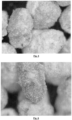
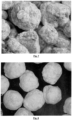
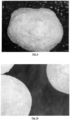
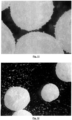
- Another way of demonstrating the uniformly of the adherence of the carrier is by photographing coated prills, pellets and granules under a microscope.
- Entostat ® was added to several types of fertiliser and animal feed as substrates set out below in Table 7.
- the Entostat ® varieties and VMD are set out in Table 8, and the application rates are set out in Table 9.
- the Entostat ® was added at a rate as set out below in Table 9.
- the Entostat ® was weighted into sterile 1L Duran bottle along with the substrate, and the contents of the bottles were shaken gently for approximately 30 seconds to distribute. A quantity of the substrate was then placed in a small dish and photographed under a microscope.
- Table 7 Fertilisers compositions Substrate Fertiliser pellets comprising 10% nitrogen, 2% phosphorous, 5% potassium, 2% MgO and 2% Fe, and obtained from by Progreen Weed Control.
- Entostat ® namely electrostatic wax particles made from a range of different types of wax, adheres to a variety of different substrates, namely fertilizer pellets, granules and prills and animal feed pellets, providing a substantially uniform coating across the substrate.
- Entostat ® is able to be used to append a range of chemicals, micronutrients and biological agents to the substrates that enables them to be tailored to their particular use, namely soil type, soil condition, intended use of soil, particular animal or condition of animal.
- the invention hence provides product forms comprising substrates uniformly coated with particles carrying active agents, methods of obtaining such product forms, and uses thereof.
Landscapes
- Life Sciences & Earth Sciences (AREA)
- Chemical & Material Sciences (AREA)
- Polymers & Plastics (AREA)
- Engineering & Computer Science (AREA)
- Organic Chemistry (AREA)
- Food Science & Technology (AREA)
- Zoology (AREA)
- Animal Husbandry (AREA)
- Pest Control & Pesticides (AREA)
- Health & Medical Sciences (AREA)
- Physiology (AREA)
- Molecular Biology (AREA)
- Biotechnology (AREA)
- Microbiology (AREA)
- Mycology (AREA)
- Botany (AREA)
- Biochemistry (AREA)
- Birds (AREA)
- Biomedical Technology (AREA)
- Plant Pathology (AREA)
- Agricultural Chemicals And Associated Chemicals (AREA)
- Fodder In General (AREA)
Description
- The present invention relates to product forms comprising inanimate substrates coated with particles carrying active agents in dry particulate form, and methods of obtaining such product forms.
- The application of active agents to inanimate substrates in an efficient manner has long been problematic and many means of introducing active agents to the environment have been used in the past. A perceived problem of introducing active agents into the environment is that an unacceptably high proportion of them is lost to micro-environments either too quickly through, for example, rapid leaching away from the vicinity of a target organism or target site in the environment or through non-target organisms intercepting the active agent and appropriating much of its benefit before a target organism can reach it.
- Certain types of microbes, or biofertilisers, for example fungi and bacteria, can make nutrients more available to plants, and promote plant growth. Live forms cannot be easily added to fertilisers and the manufacturing process may render the live forms non-viable. Certain crops benefit from particular micronutrients and certain soil types and conditions can be improved by the addition of particular micronutrients. The addition of quantities of such micronutrients to standard fertiliser compositions after their manufacture would enable the micronutrients to be tailored to particular growing situations without the need for changes to the manufacture of standard fertiliser compositions, or more than one fertiliser application. The addition of pesticides to fertilisers would also be advantageous.
- Pathogens such as Salmonella and Campylobacter are transmitted along the food chain and serve as a source of concern for livestock producers and food processors. Antibiotics have been included in the diet of animals at sub-therapeutic dose to act as growth promoters (Dibner and Richards, 2005) and to ward off bacterial infection. However, viable alternatives to antibiotics are required to stimulate the natural defence mechanisms of animals, improve the gut microbiota and reduce reliance on the use of antibiotics (Verstegen and Williams, 2002). A balanced gut microbiota prevents colonization of pathogens, produces metabolic substrates (vitamins and short-chain fatty acids) and stimulates the immune system in a non-inflammatory manner.
- The use of direct fed microbes (aka probiotics) has become widely accepted as a natural means to promote health for both humans and animals. Today, probiotics are used as health supplements in food and feeds and they are replacing the use of antibiotic growth promotors or chemical supplements in both human and animal feed. The mode of action of these direct fed microbials can include: production of organic acids, which inhibit intestinal pathogens; production of antimicrobials; competitive exclusion; stimulation of immune responses; enzyme activity; and reduction of toxic amines (Buntyn et al., 2016).
- In all cases there is an added difficulty of ensuring a uniformity of application of the additional active agent to the substrate.
- It is known to control arthropods using electrostatic, tribocharged wax particles, the particles having on their surface or dispersed throughout an entomopathogenic fungus or a pesticide having activity against the particular species of arthropod. For example,
GB2481307 EP0888048 describes the control of cockroaches by applying particles having a core of an inert material into a pesticide is absorbed or adsorbed, and surrounded by a wax material. A further pesticide, for example in the form of spores of an entomopathogenic fungus, may be adhere to the outside of such particles.GB2490243 GB2482900 -
WO2008/062221 , in the name of Exosect Ltd, describes a compact comprising particles of wax and a pesticide, and typically a semiochemical or other bait, pressed into agglomeration. The wax particles have an electrostatic surface charge. On contract with an arthropod attracted by the semiochemical or bait, the particles adhere to the cuticle of the arthropod which carry the opposite charge to the particles. -
WO2017/017234 , also in the name of Exosect Ltd, describes electrostatic wax particles containing baculovirus particles and methods of controlling arthropod infestations using the same. When arthropods come into contact with the particles, the particles adhere to the arthropods as the cuticles of the arthropods carry the opposite charge to the particles. To clean themselves, the arthropods consume the particles, thereby ingesting the baculovirus particles, which infect the arthropods, controlling the same. -
WO2017118462 , in the name of the University of Copenhagen, describes fertilizer comprising particles of one or more macronutrients, having a number of layered double hydroxide particles on the outside thereof. The layered double hydroxide particles provide micronutrients, and are adhered to the inner particle using a combination of the particles, talcum powder and oil. -
WO2017/095897 , in the name of Advance Bionutrition Corp., describes a powder comprising hydrolysed protein, locust bean gum, inulin and probiotic bacterial concentrate, which has been freeze dried and milled. This can then be adhered to the outside of animal feed pellets by applying a layer of a fat matrix, pressing the powder into the fat matrix and applying a second layer of fat matrix over the top. Thus, the powder is embedded into the pellet. - There exists a need for an improved product for the distribution of active agents into various environments.
- According to the present invention, there is provided a product form comprising an inanimate substrate comprising i) an active agent; and ii) carrier particles comprising at least an outer surface comprising an organic matter constituent, wherein the said active agent is combined within and/or adhered onto the surface of the carrier particles, the carrier particles a) being in dry, particulate form and carrying at least an electrostatic surface charge and b) being uniformly distributed over the outer surface of the inanimate substrate, wherein the inanimate substrate is selected from a fertiliser granule or prill, or an animal feed pellet, and wherein when the inanimate substrate is a fertilizer granule or prill the active agent is selected from chemical pesticides, biofertilisers such as live bacteria, yeasts, and fungi for aflatoxin management, blue green algae and live bacterial spores, yeast spores and fungal spores of use in the promotion of root and/or shoot growth from germinating seeds and/or enhancing root and shoot growth from germinated seeds and mixtures of two or more thereof, and when the inanimate substrate is an animal feed pellet the active agent is selected from vitamins, antibiotic compounds (for increasing muscle mass), amino acids, such as essential amino acids, peptides, polypeptides, proteins, bacterial spores, yeast spores, fungal spores, probiotics and mixtures of two or more thereof.
- It is now found that by applying active agents to inanimate substrates through the use of carrier particles that stick or adhere to the substrate, the active life of the active agent in the environment may be enhanced, typically lengthened, and that lesser amounts of active agent need to be applied in the field. Furthermore, it has now been found possible to coat an inanimate substrate with a substantially uniform coating of active agent which leads to an improved distribution of it into the environment from the inanimate substrate. By making use of the hydrophobicity of a hydrophobic surface or hydrophilicity of a hydrophilic surface or a mixture of hydrophobicity and hydrophilicity of a surface, and of the electrostatic attraction of the carrier particles of use in the invention an efficient carrier system is achieved that is able to carry lesser amounts of chemicals to target environments yet retain effectiveness of purpose therein.
- Suitable inanimate substrates of use in the invention include fertiliser prills such as urea fertiliser prills, NPK fertiliser prills, and ammonium nitrate fertiliser prills and mixtures of two or more thereof. For the purposes of the present invention a prill is defined as a pellet or solid globule of a substance formed by the congealing of a liquid during an industrial process. Typically, materials to be prilled are in a solid state at room temperature and a low-viscosity liquid when melted. Prills are formed by allowing drops of the melted prill substance to congeal or freeze in mid-air after, for example, being dripped from the top of a tall prilling tower. Certain agrochemicals such as fertilisers including urea, ammonium nitrate and NPK fertilisers are often supplied in prilled form: such fertilisers are commonly manufactured as prills (Vasant Gowariker et al (2009)). Prills are a neater, simpler form of fertiliser than fertiliser granules and are considered by some to be more suitable for handling, with reduced dust.
- The size of the fertiliser prill or granule will typically be in the range of 1 - 10mm, preferably 2 - 5mm, and very preferably 3 - 4mm. Existing farm machinery is designed to handle prills and pellets of this size. However, the prills and granules could be of any size to suite their purpose, and the working of the invention is not dependent on the size of the prills or granules.
- Naturally, the skilled addressee will appreciate that the selection of at least one active agent for addition to a fertiliser prill or fertiliser granule of the invention will be determined by the environment in which it is to be added and its perceived end purpose. Preferably the active agent is a live biological agent.
- Further species of bacteria of potential use in the invention are those that are able to act on inorganic and/or organic substrates different to that of the product form of the invention to release compounds in soluble form from such substrates, for example, phosphorus. Thus, product forms of the invention may also comprise active agents selected from live bacterial spores, yeast spores and fungal spores and the like. Where the product form comprises live bacterial spores, these may be selected from species of the genera: Alcaligenes, Acinetobacter, Azospirillum, Arthrobacter, Azotobacter, Bacillus, Burkholderia, Enterobacter, Erwinia, Flavobacterium, Paenibacillus, Pseudomonas, Rhizobium, Serratia, and mixtures of two or more thereof. Suitable species of each of these genera may be selected from Azospirillum brasilense, Azospirillum fluorescens, Bacillus amyloliquefaciens, Bacillus megaterium, Bacillus coagulans, Bacillus firmis, Bacillus subtilis, Bradyrhizobium japonicum, Burkholderia cepacia, Paenibacillus lautus, Pseudomonas aeruginosa, Pseudomonas aurantiaca, Pseudomonas putida, Pseudomonas pseudoalcaligenes, Pseudomonas fluorescens, Pseudomonas poae, and Pseudomonas trivialis, Rhizobium leguminosarum, Serratia entomophilia, Serratia proteamaculans, and mixtures of two or more thereof. Commonly used bacterial inoculants of use in the invention are commercially available, for example Rhizobium inoculants which may be sourced from companies such as BASF and Monsanto BioAg.
- Species of mycorrhizal fungi are also capable of augmenting levels of available nutrients in the soil with further organic and inorganic nutrients that are assimilable by a crop plant. Suitable species of mycorrhizal fungi include those that are capable of colonising a host plant's roots, either intracellularly as in arbuscular mycorrhizal fungi (AMF), or extracellularly as in ericoid mycorrhizal (EM) fungi.
- Ericoid mycorrhizas (EM) are known to have saprotrophic capabilities and these are thought to enable plants to receive nutrients from not-yet-decomposed materials via the decomposing actions of their ericoid partners.
- Thus, where the product form comprises active agents selected from live fungal spores, these may be selected from mycorrhizal fungi of species of the arbuscular mycorrhizal fungi (AMF), ectomycorrhizal fungi (EcM) and ericoid mycorrhizal (EM) fungi and mixtures of two or more thereof. Live fungal spores may be selected from AMF mycorrhizae of the Glomus, Gigaspora, Acaulospora and Sclerocystis genera; EcM of the Basidiomycota, Ascomycota, Zygomycota, Suillus, Boletus, Lactarius, Laccaria, Pisolithus and Rhizopogon genera; and EM of the Pezizella genus and mixtures of two or more thereof, depending on where the product form is to be applied and intended end purpose. Examples of mycorrhizal fungi species which may be employed as active agents in product forms of the invention include AMF species selected from Glomus fasciculatum, G. intraradices, G. claroideum; G. intra, G. clarum, G. brasilianum, G. deserticola, G. monosporus, G. mosseae, G. tortuosum, G, sinuosum, Gigaspora margarita, Gigaspora gigantean, Acaulospora langular; the EcM species are selected from Pisolithus tictorus, Laccaria laccata, L. bicolor, Rhizopogon villosuli, R. rubescens, R. fulvigleba, R. luteolus, and R. amylopogon; and the EM species is selected from the Pezizella and mixtures of two or more thereof.
- Other species of fungus, such as Trichoderma species, for example Trichoderma asperellum may be employed in product forms of the invention. Trichoderma fungal species are capable of making available, and in helping the adsorption of mineral nutrients from the soil such as by solubilising insoluble phosphorus and zinc in the soil. Other capabilities of the fungus include the decomposition of organic matter thereby releasing calcium, potassium, and nitrogen available for plant use. By such capabilities certain Trichoderma species can be used to contribute to a balanced fertilisation of plants, such as monocot plants in the field and thereby the requirement for adding large amounts of artificial fertilisers may be reduced by as much as 50% depending on crop type. Trichoderma strains are known in the art, for example, Custom Biologicals Inc (USA) produce a biological soil amendment which is comprised of 4 Trichoderma species (T. harzianum, T. viride, T. koningii and T. polysporum). For a complete review of Trichoderma-based products and their widespread use in agriculture see Woo et al., 2014.
- Examples of conventional additives for increasing fertiliser efficiency from prills and granules comprising product forms of the invention include those that may be sourced from such commercial sources as Incotec Inc., Germains, Bayer CropScience, and BASF. Suitable additives may be selected from commercially available products such as Auxigrow(R) (Auxein Corp., Lansing, Mich., USA) and Amisorb(R) (Donlar Corp., Chicago) or the so-called phytochelates described by A. M. Kinnersley in Plant Growth Regul. (1993), 12(3), 207-18, which are thought to influence the availability to the plant of minimal amounts of certain metals such as Zn, Fe, Cu and the like for optimal growth and productivity. Examples of the latter include polymers of L-lactic acid, L-lactoyllactic acid, water-soluble polyaspartates and the like.
- Other additives that may be applied to the environment in conjunction with fertilisers include the kinds of adjuvant that are found in conventional commercial agrochemical formulations. Suitable additives for inclusion into and/or onto fertiliser prills and fertiliser granules of the invention may be selected from those described by Chester L. Foy, (1993) and in
EP 0357559 . Product forms of the invention may further include conventional additives such as agents having wetting, dispersing and de-foaming modes of action. Suitable surface-active compounds are non-ionic, cationic and/or anionic surfactants having good emulsifying, dispersing and wetting properties. Such adjuvants for crop enhancing product forms of the invention are obtainable from fine chemicals producers e.g. by Clariant AG (Muttenz, Switzerland) and include (fatty) alcohol alkylphenol ethoxylates, polyarylphenol ethoxylates, dispersing phosphates, taurides and/or alcohol monosuccinates. The term "surfactants" also comprises mixtures of two or more surfactants and natural or synthetic phospholipids of the cephatin and lecithin series, e.g. phosphatidyl-ethanolamine, phosphatidylserine, phosphatidylglycerol, lysolecithin sugar esters. A typical de-foaming agent is Fluowet PL80B(R) (Clariant AG) and typical antifreeze compounds are glycols and polyethylene glycols. Further ingredients may include solid or liquid substances ordinarily employed in formulation technology, e.g. natural or regenerated minerals, tackifiers, thickeners or binders. Other suitable additives may include emulgating protein hydrolysates, e.g. as described inEP 0297426 (Bayer AG) . Dyes may be used in product forms of the invention and include water-insoluble or water-soluble dyes. Examples of dyes that may be added to product forms of the invention include Colanyl Red(R) (Clariant AG, Muttenz), Rhodamin B, white pigment (titanium dioxide) or Luconyl(R) (BASF AG). Other special additives which are known to enhance seedling vigour may be used in combination with 3',4',5',6'-tetrachloro-2,4,5,7-tetraiodo-fluorescein (EP0297426 ), and may be applied to the field environment in a combined amount that is effective, preferably synergistically effective, to increase seedling vigour and plant growth. - The term 'Domesticated animal' as used herein includes commercially reared avian and mammalian animals selected from poultry such as chickens, game birds, geese, turkeys and ducks, goats, sheep, alpacas, cattle, horses, pigs, domesticated pet rodents, such as rabbits, gerbils, rats, mice, and hamsters, chinchillas and other vegetarian or omnivorous kinds of commercially important animals.
- Carrier particles of use in the invention are electrostatically charged particles (often referred to as 'electrets' in the art). The particles may be charged through the process of manufacturing them, such as through tribocharging.
- They may also be charged post-manufacture, also for example through tribocharging, or through any other convenient means. Carrier particles of use in the invention may be selected from particles typically comprising natural waxes, synthetic waxes, and mineral waxes and mixtures of two or more thereof, and having a melting point of ≥40°C. Suitable waxes of use in the invention include a mixture of one or more waxes having a melting point of preferably ≥50°C, and most preferably are made up of hard waxes having a melting point of ≥70°C. Typically, the carrier particles will be solid wax particles, i.e. made of wax throughout, or made of wax and an active agent throughout and with or without an active agent on the outer surface thereof.
- Carrier particles of use in the invention may also comprise polymers such as polyethylene and polypropylene, biopolymers selected from soluble and insoluble starches, proteinaceous compounds such as chitin.
- Waxes suitable for use in the invention include paraffin wax, beeswax, carnauba wax, lanolin, Chinese wax, spermaceti wax, shellac wax, bayberry wax, sugar cane wax, ozocerite, ceresin wax, montan wax, myricyl palmitate, cetyl palmitate, candelilla wax, castor wax, microcrystalline wax, ouricury wax, sugar cane wax, wool wax, retamo wax, rice bran wax, polyethylene wax, polypropylene wax and mixtures of two or more thereof.
- Carrier particles of use in this aspect of the invention may have a median diameter of up to 300µm, preferably from 5µm to 300µm, more preferably from 10µm to 200µm, for example from 20µm to 40µm, such as 25, 26, 27, 28, 29, 30, 31, 32, 33, 34, 35, 36, 37, 38, 39, or 40µm and any size thereinbetween. They may have a volume mean diameter of ≥ 5µm or ≥10µm. Preferably the particles will have a volume mean diameter in the range from 5µm to 100µm. The active agent is present on or in the substrate in a ratio of 1: 99 to 99:1 wt. %. Typically when a chemical active agent is added to a wax in this way the quantity of agent added will be 1-2%, although the active agent may be added in quantities of 5-10%. Where the active agent is added after formation of the wax, typically the weight of the chemical agent will be 1-20%, preferably 5-10%. Where the active agent is a live biological agent typically the ratio of wax particles of live biological agent will be 1:99 to 99:1. Typically the active will be present at a rate of 10 - 50% and preferably 20-40%.
- Particle size is suitably measured using methods and apparatus recognized as standard in the art. Particle sizing in dispersions can be accomplished using a variety of techniques, including laser diffraction, dynamic light scattering (DLS), disc centrifugation, and light microscopy. All of these techniques have their advantages and limitations. Laser diffraction relies on a well-controlled presentation of the sample to the measurement region and is limited to samples with narrow range of particle concentrations. Dilution is often required and this may affect the particle size, particularly in compounds with high solubility. Examples of sizing equipment are made by Malvern Instruments (UK), using laser diffraction methods, or the 900 series by Cilas Instrumentation. For highly irregular particles, the diameter refers to the greatest diameter in any dimension even if the particle is relatively non-spherical.
- More specifically, the volume mean diameter of the particles is typically measured using a dry powder laser diffraction particle size analyser such as the Malvern Mastersizer or Sympatec Helos series instruments. A suitable quantity of dry particles is placed into a vibratory feed hopper of such instrument and blown into and through the flow path of the lasers. The volume mean diameter of the particles is thereby calculated. The X50 can be measured using the Cilas 900 series.
- The carrier particles of use in the invention may comprise layered particles, for example they may have a metallic core such as a magnetic metal core, or a core made up of an inorganic powder such as kaolin or talc, or a core made of a suitable substance that is inert with respect to the outer layer of particles of use in the invention, such as rubber. Such particles consisting of a core that is not a material that is similar to the material of the outermost external layer of particles of use in the invention will have an external hydrophobic layer or an external hydrophilic layer or an external layer comprised of hydrophilic and hydrophobic components that is capable of making available to the ambient environment at least one active agent from a product form of the invention. Particles of use in the invention may or may not comprise a layered structure comprising a core as described above. Typically, the external layer of carrier particles of use in the invention is made up of a natural, synthetic, or mineral wax or a mixture of two or more thereof. Such waxes making up the hydrophobic layer typically have a melting point ≥40°C or ≥50°C, more preferably a melting point above of ≥60°C or preferably ≥70°C. Such particles will typically have a volume mean diameter as set out above. Preferably, particles of the invention comprise solid wax particles, that is to say, particles that are made up of at least one wax that do not have cores consisting of other materials other than waxes that are selected from one or more species of waxes from the group consisting of natural, synthetic and mineral waxes.
- Synthetic waxes of use in the invention include suitable waxes selected from paraffin wax, microcrystalline wax, Polyethylene waxes, Fischer-Tropsch waxes, substituted amide waxes, polymerized α-olefins and the like.
- Mineral waxes of use in the invention include those mineral waxes offered under the brand name Luwax® (BASF), montan wax, ceresin wax, ozocerite, peat wax and the like.
- The skilled addressee will appreciate that where waxes of use in the invention are destined for application to inanimate surfaces designed for consumption by animals and/or humans the added waxes are typically selected from edible waxes such as carnauba wax, rice bran wax and the like. The skilled addressee will also appreciate that where waxes of use in the invention are destined for application to inanimate surfaces of items not designed for nutritional purposes for animals, such as fertiliser granules and prills, waxes are typically selected from synthetic and mineral waxes such as montan wax, polyethylene waxes and waxes sold under the brand name Luwax® (BASF) and the like. However, any wax can be combined with any inanimate substrate. Preferably the particles are solid wax particles wherein the active agent is combined within and/or on the surface of the wax particles.
- The carrier particles of use in the invention may also contain suitable excipients commonly employed in the art such as flow agents or anti-caking agents selected from sodium bicarbonate, sodium ferrocyanide, potassium ferrocyanide, calcium ferrocyanide, bone phosphate, sodium silicate, silicon dioxide, calcium silicate, magnesium trisilicate, talcum powder, sodium aluminosilicate, potassium aluminium silicate, calcium aluminosilicate, bentonite, aluminium silicate, stearic acid, polydimethylsiloxane and the like. Additionally, carrier particles of use in the invention may contain other components such as additives selected from UV blockers such as beta-carotene or p-aminobenzoic acid, colouring agents such as optical brighteners and commercially available colouring agents, such as food colouring agents, plasticisers such as glycerine or soy oil, antimicrobials such as potassium sorbate, nitrates, nitrites, propylene oxide and the like, antioxidants such as vitamin E, butylated hydroxyl anisole (BHA), butylated hydroxytoluene (BHT), and other antioxidants that may be present, or mixtures thereof. The skilled artisan will appreciate that the selection of such commonly included additives will be made depending on end purpose, and perceived need.
- Other additives may be employed in carrier particles of the invention including bioregulators commonly applied in the art such as brassinosteroids, cytokinines e.g. kinetin or zeatin, the auxins e.g. indolylacetic acid or indolylacetyl aspartate, the flavonoids and isoflavanoids e.g. formononetin or diosmetin, the phytoaixins e.g. glyceolline, phytoalexin-inducing oligosaccharides such as pectin, chitin, chitosan, polygalacuronic acid and oligogalacturonic acid, compounds such as the gibellerins produced by rhizobial symbionts and endophytic microorganisms such as acetobacter diazotrophicus and herbaspitillum seropedicae and the like.
- Where a product form of the invention comprises an inanimate substrate is an animal feed pellet, the carrier particles are presented thereto by mixing the formed animal food pellet, with particles loaded with appropriate active agents, selected from vitamins, antibiotic compounds (for increasing muscle mass), amino acids, such as essential amino acids, peptides, polypeptides, proteins, bacterial spores, yeast spores, fungal spores, probiotics and mixtures of two or more thereof. In a preferred embodiment, the active agent is selected from amino acids, peptides, polypeptides, proteins, vitamins, bacterial spores, for example B. subtilis spores available under Enviva® PRO (Dupont), yeast spores, fungal spores, probiotics such as lactobacillus species and bifidobacteria species and mixtures of two or more thereof and as herein defined.
- The product form according to the invention comprises carrier particles having a median diameter of up to 300µm, preferably from 5µm to 300µm, more preferably from 10µm to 200µm, for example from 20µm to 40µm, such as 25, 26, 27, 28, 29, 30, 31, 32, 33, 34, 35, 36, 37, 38, 39, or 40µm and any size thereinbetween. They may have a volume mean diameter of ≥ 5µm or ≥10µm. The most preferred volume mean diameter will be in the range from 5µm to 100µm. Such particles may be obtained by kibbling, comminuting and air milling particles to a desired volume mean diameter using conventional procedures.
- The carrier particles of use in the invention made up of solid waxes may be produced by:
- i) mixing at least one active chemical agent with carrier particles in a ratio of 1:99 to 99:1 wt. %;
- ii) placing the mixture of step i) in an autoclave and adding liquid CO2 under high pressure (10-100 bars);
- iii) mixing the components of step ii) in liquid form under constant high temperature (50-200°C) and constant high pressure (10-100 bars) for a time period sufficient to complete mixing of all the components (10 - 600 minutes);
- iv) expanding the gas saturated product solution of step iii) through an aperture under high pressure into a spray receptacle; and
- v) cooling the product of step iv) to below the solidification temperature of the carrier particles forming fine particles.
- This method of preparing carrier particles including an active chemical agent is known as the PGSS (Particles from Gas Saturated Solutions) process.
- The ratio of active chemical agent mixed with carrier particles in step i) may lie in the range 10:90 to 90:10wt%, preferably in the range 20:80 to 80:20wt%, and most preferably in the range 30:70 to 70:30wt%.
- The mixing step iii) is conducted at a constant high temperature and high pressure for a time interval or period sufficient to ensure complete mixing of all the components.
- Once the components of step iii) are thoroughly mixed, they are then released from the autoclave and into a spray receptacle at a pressure higher than that employed in step iii).
- Producing a product form of the invention from carrier particles of the invention may comprise adding the particles of v) to an inanimate substrate as defined herein.
- Where the active agent to be added to fine particles of the invention is selected from live biological agents such as fungal spores, bacterial spores, yeast spores, blue-green algae spores and the like, the method of producing particles of use in the invention is not able to be carried out under high pressure and high temperature.
- Producing carrier particles comprising a live biological agent of use in the invention made up of solid waxes may comprise:
- i) placing carrier particles in an autoclave and adding liquid CO2 under high pressure;
- ii) expanding the gas saturated product solution of step i) through an aperture under high pressure into a spray receptacle;
- iii) cooling the product of step ii) to below the solidification temperature of the carrier particles forming fine expanded wax particles (termed 'exploded particles' hereinafter) and
- iv) mixing at least one live biological agent of choice with the fine particles of iii) at a temperature and pressure that does not substantially affect the viability of the biological agent of choice in a ratio of 1:99 to 99:1wt % in a mechanical mixing device for a time period sufficient to complete mixing of all the components.
- Preferably, the temperature and pressure of step iv) is approximately room temperature and standard pressure, respectively.
- Producing a product form of the invention may comprise adding carrier particles comprising at least one live biological agent of choice by adding the particles obtained by the preceding method to an inanimate substrate as defined herein.
- The ratio of active chemical agent mixed with carrier particles in step i) lies in the range 10:90 to 90:10wt%, preferably in the range 20:80 to 80:20wt%, and most preferably in the range 30:70 to 70:30wt%.
- In step ii) of producing carrier particles of use in the invention, the expansion step ii) is conducted at a temperature in the range 50° to 200° Centigrade and a pressure in the
range 10 to 100 bar, such as 10-30 bar, in an autoclave. - Preferably, the mixing step iv) is conducted at a temperature in the
range 20° to 40° Centigrade and at standard pressure. Typically, the mixing step iv) is conducted at room temperature of 25° Centigrade +/- 10° C and at standard pressure, that is to say, ambient atmospheric pressure. - The mixing step iv) is conducted from 10 minutes to 600 minutes depending on design, and is sufficient to ensure complete mixing of all the components.
- Alternative methods may be used for producing the carrier particles of the invention. In particular carrier particles of solid wax material may be made from blocks of solid wax material. For example, 1 to 5 kilogram blocks or tablets may be broken up or kibbled into small millimetre-sized pieces (such as from 2mm - 8mm approximate diameter in size, for example from 4mm to 6mm) in a kibbling machine. The millimetre-sized pieces can then be passed through a comminuting means such as a standard mill, e.g. an Apex Comminuting mill, and milled or comminuted into particles having an approximate diameter in the range from 100µm - 500µm, for example from 250µm - 300µm. The micron-sized comminuted particles can then be passed through a micronising apparatus, such as an AFG micronising air mill to obtain particles of a desired VMD range, such as from 15µm - 20µm, that is of use in the present invention. The skilled addressee will appreciate that such procedures for obtaining small particles are well known in the art. The particles may have a size as described above, in particular a volume mean diameter of ≥ 5µm or ≥10µm. The most preferred volume mean diameter will be in the range from 5µm to 100µm. The active agent, in dry powder form, is added to the particles after their formation resulting in adherence of the active to the outside of the particles.
- The invention is illustrated in the following examples, with reference to the accompanying drawings, in which:
-
Fig. 1 shows the loading of Bacillus onto pellets was two-fold higher in the Entostat® treatment group, compared to the group where spores only were applied; -
Fig. 2 shows that Bacillus spores were more uniformly distributed on pellets in the Entostat® treatment group, compared to the group where spores only were applied; -
Fig. 3 is a photograph of NPK fertiliser pellets prior to addition of Entostat®; -
Fig. 4 is another photograph of the NPK fertiliser pellets ofFig. 3 ; -
Fig. 5 is a photograph of the NPK fertiliser pellets after addition of Entostat® (carnauba variety); -
Fig. 6 is another photograph of the NPK fertiliser pellets after addition of Entostat® (carnauba variety); -
Fig. 7 is a photograph of the NPK fertiliser pellets after addition of Entostat® (polyethylene variety); -
Fig. 8 is a photograph of Polyhalite Sirius fertiliser prior to addition of Entostat®; -
Fig. 9 is a photograph of the Polyhalite Sirius fertiliser after addition of Entostat® (carnauba variety); -
Fig. 10 is a photograph of urea fertiliser prills prior to addition of Entostat®; and -
Fig. 11 is a photograph of the urea fertiliser prills after addition of Entostat® (carnauba variety); -
Fig. 12 is another photograph of the urea fertiliser prills after addition of Entostat® (carnauba variety); -
Fig. 13 is a photograph of the urea fertiliser prills after addition of Entostat® (polyethylene variety); -
Fig. 14 is a photograph of animal feed pellets prior to addition of Entostat®; -
Fig. 15 is a photograph of animal feed pellets after addition of Entostat® (carnauba variety); -
Fig. 16 is a photograph of animal feed pellets after addition of Entostat® (polyethylene* variety); -
Fig. 17 is a photograph of animal feed pellets after addition of Entostat® (polyethylene variety); and -
Fig. 18 is a photograph of animal feed pellets after addition of Entostat® (rice bran variety). - To demonstrate that inputs (biological or chemical) applied to a substrate (e.g. fertiliser prills/animal feed pellets) using Entostat® carrier (electrostatically charged) in a dry powder formulation are more uniformly distributed on the substrate (e.g. fertiliser prills/animal feed pellets) compared to application of inputs alone (e.g. spores only), or inputs in a typical dry powder formulation (e.g. spores in a Talc formulation or a chemical compound in a powder formulation).
- Direct inoculation of a substrate (e.g. fertiliser prills/animal feed pellets) allows inputs such as nutrient use efficiency bacteria or probiotics to be applied directly to the substrate (e.g. fertiliser prills/animal feed) closer to the point of use. While the ability of the inputs to stick to the substrate is critical, even distribution of inputs is also vital.
- Uneven distribution of inputs may result in variation in their efficacy, as some plants or animals fail to receive the minimum effective dose while other plants or animals receive significantly more inputs than are actually required.
- Entostat® can be made from a range of micronized waxes, as discussed above, and has been developed as a carrier for bacteria, fungi, viruses and chemistries. Previous results have demonstrated that Entostat® facilitates better placement of biological and chemical input as the tribocharged Entostat® waxes adhere to the seeds and arthropods. The purpose of this study is to demonstrate that when applied to an inanimate substrate (e.g. fertiliser /animal feed) that the wax, and therefore the input, is also more uniformly distributed on the substrate compared to unformulated technical grade inputs. The tribocharged Entostat® wax used in this study is carnauba wax, unless otherwise stated.
- The Heubach Dustmeter is designed to simulate the mechanical stress associated with handling and distributing. This equipment was used in this study to establish the adhesion of test material to the substrate following mechanical stress.
-
- Test items
- 25% Bacillus subtilis spores (strain PY79) combined with 75% Entostat® (1:3 w/w). Applied at a rate of 0.5000 g formulation per kg of animal feed pellet (substrate). Bacillus subtilis (strain PY79) was provided by Sporegen, UK. Entostat® (carnauba) wax particles had a median diameter (X50) of 30 µm. Formulations were prepared at Exosect facilities by mixing the ingredients in a random orbital powder blender (e.g. turbula T10), with a blending time 1-8 hours.
- Reference items
- 100% Bacillus subtilis (strain PY79) without a carrier (i.e. pure spores)
-
Table 1: Animal feed details Animal Feed Variety Source Batch Number Pellet Pasture cubes Dodson & Horrell, Northamptonshire, UK (12) 26C 105224 - Bacillus subtilis spores, formulated with Entostat®, were tested against unformulated Bacillus subtilis spores. There were 12 experiments, within each experiment there was 2-3 (bottles) per treatment (spores v Entostat®). For the purpose of analysis, experiment is the replicate (n = 12). Treatments were mechanically stressed in the Heubach Dustmeter in a fully randomised order.
- The rate of spore material was kept at a constant 0.125 g per kg of animal feed in all formulations, which was equivalent to approximately 1.625 x 10⁸ spores per g of animal feed.
Table 2: Experimental treatments Formulation Ratio spores to carrier (w/w) Spore rate (g per 500 g pellets) Carrier rate (g per 500 g pellets) Formulation rate (g per 500 g pellets) Entostat® 1:3 0.0625 0.1875 0.2500 Spores only 1:0 0.0625 0.00 0.0625 - Treatments were weighed into sterile 1 L Duran bottles along with 500 g of animal pellets. Prior to use, the animal pellets had been equilibrated for a minimum of 48 hours at 20°C. After application of the treatment to the pellets the contents of the Duran bottles were homogenised for 30 seconds by gently agitating the bottles using the Stuart Rotator with MIX2040 attachment. Two pellets (approx. weight 0.3000-0.6000g) were removed from each 500 g batch and placed into individual empty dilution bottles for enumeration to give a measure of adhesion before mechanical stress ('Before Heubach'). One 100 g sample was removed from each 500 g batch to undergo mechanical stress (Heubach).
- The 100 g sample was mechanically stressed in the Heubach Dustmeter (Heubach GmbH, Heubachstrasse7, 38685 Langelsheim). Samples were poured into the drum of the Heubach. Heubach settings were: rotation speed 30 rpm, rotation time 120 seconds and airflow rate 20l/min. A vacuum pump created an air flow through the rotating drum, the connected glass cylinder and the attached filter unit. Abraded dust particles were transported out of the drum via the air flow, through the glass cylinder, and subsequently through the filter unit. Coarse non-floating particles were separated and collected in the glass cylinder while the floating dust particles were deposited onto a filter. After the cycle period (120 seconds), treated pellets were removed from the rotating drum. Two pellets (approx. weight 0.3000-0.6000g) were taken from each sample (bottle) and placed into individual empty dilution bottles for Colony Forming Unit (CFU) enumeration to give a measure of adhesion after mechanical stress ('After Heubach'). Work involving the Heubach Dustmeter was conducted between 20°C and 25°C and 30% and 70% relative humidity.
- For each treatment, the four pellets collected for assessment (2 before and 2 after Heubach) were individually weighed and each of the individual pellets were transferred in a sterile 15 mL centrifuge tube containing 10 mL of sterile 5% Tween 80. In order to detach the spores from the pellet, the pellet was left to soak in this solution for 20 minutes. The disintegrated pellet was then suspended by vortexing for 30 seconds followed by sonicating for 3 minutes. From this solution 1 mL of the spore suspension was pipetted into a sterile vial containing 9 mL of dH2O (D1 dilution). To create a serial dilution 1mL of D1 was pipetted into a sterile vial containing 9 mL of dH2O (D2 dilution). 1 mL of the D2 dilution was then pipetted to a sterile vial containing 9 mL of 0.05% Tween solution (D3 dilution).
- The number of CFUs per pellet was determined using the spread plate method. Nutrient agar plates (9 cm petri dishes containing 25 mL agar per plate) containing Cycloheximide (40mg/L agar) were inoculate with 0.1 µL of each dilution using a sterile pipette (spread plate method). Cycloheximide was added to the agar prior to plate pouring (agar temp < 50°C) to reduce fungal contamination. The rate of cycloheximide (40mg/L agar) was as per supplier recommendation (Thermo Scientific). Agar plates used to culture the bacteria were poured at least 4 hours prior to inoculation and incubated at room temperature (approx. 20°C) to ensure that bacteria were not exposed to high temperatures. For each pellet 3 agar plates were inoculated for each dilution (D1-D3). Post inoculation, plates were incubate at 30°C for 24 hours, until discrete colonies were distinguishable, after which time colonies were counted to determine the loading (CFU per g of pellet). Only plates with between 20 and 400 CFU's per plate were used in the assessment (minimum 3 plates used to generate an average value per treated pellet). CFU counts were conducted on treated pellets collected before and after the Heubach Test. Within each experiment, counts for each set of two pellets were averaged to generate a single value per bottle for pre and post Heubach.
- The standard deviation (SD) is a measure that is used to quantify the amount of variation in a set of data values. A low standard deviation indicates that the data points tend to be close to the mean or average value of the set, while a high standard deviation indicates that the data points are spread out over a wider range of values. To compensate for possible differences between sample means (i.e. loading rates) relative variation can be expressed as the coefficient of variation. The coefficient of variation (CV), also known as relative standard deviation (RSD), is a standardized measure of dispersion which shows the extent of variability in relation to the mean of the population. Coefficient of variation is calculated according to the following equation:

- Where CV = coefficient of variation, σ = standard deviation and µ = sample mean
- The lower the coefficient of variation value, the more uniform the distribution on the pellet. Where coefficient of variation is expressed as a percentage, a value of 0% indicates complete uniformity/zero variation.
- The loading of Bacillus onto the pellet was twice as high in the Entostat® treatment, compared to where the spores only were applied (1.7 x 10⁸ CFU per g compared with 7.6 × 10⁷ CFU per g). This ratio was not influenced by mechanical stress.
Table 3: The coefficient of variation (CV) for the number of Bacillus spores per g of animal feed Formulation Before Heubach (% variation) After Heubach (% variation) Spores only 32.6 42.5 Entostat® & spores 25.4 23.2 - Even with a mixing time of just 30 seconds ('Before Heubach') spores were more uniformly distributed on the fertiliser prill where Entostat® was used as a carrier: variation in the Entostat® treatment was 22% lower than in the spores only treatment (coefficient of variation in spores only was 32.6, compared to 25.4% in the Entostat® treatment). Once pellets were subjected to mechanical stress (Heubach), which included an additional 120 seconds mixing time, the mixing time/adding mechanical stress actually decreased the uniformity in the spores only treatment (coefficient of variation rose from 32.6 to 42.5%, respectively). Conversely, increasing the mixing time/adding mechanical stress did not have an effect on the distribution of the bacteria on the animal feed pellets where the bacteria were formulated with Entostat® (coefficient of variation 25.4 and 23.2%). If we compare the distribution after mechanical stress ('After Heubach'), the bacteria were almost twice as uniform when delivered with Entostat® as when delivered as pure spores (coefficient of variation 42.5 and 23.2%, respectively). This result demonstrates that Entostat® formulations deliver a more uniform distribution.
- The coefficient of variation data was non-normal in distribution, so was transformed (square root transformation) prior to analysis using a two-way ANOVA, with Heubach and Formulation as main effects. Formulation significantly affected how uniform the bacteria were distributed onto the animal feed pellets (F = 4.104, df = 1, P = 0.0489), though mechanical stress (Heubach) did not (F = 0.062, df = 1, P = 0.8045). There was no interaction between the main effects (F = 0.897, df = 1, P = 0.3487).
- Phosphorus is one of the major nutrients required for plant growth, however, much of the phosphorus in the soil is unavailable to plants. Chemical fertilisers are commonly used to fill this deficiency, though restrictions around the use of chemical fertilisers are becoming common (e.g. E.U. Drinking water directive and Water Framework directive). Bolan and Duraisamy (2003) outlined how phosphate solubilizing bacteria (PSB) play a significant part in phosphorus nutrition by improving phosphorus accessibility to the plants through the release of organic and inorganic soil phosphorus pools by mineralization and solubilisation. Specifically, improved accessibility of phosphorus can be achieved by the microorganism increasing the solubility of inorganic phosphorus compounds; mineralizing organic compounds with release of inorganic phosphate; converting inorganic phosphate into cell components, and; oxidation or reduction of organic phosphorus compounds. Microorganisms which are known to be capable of solubilizing phosphate include certain bacteria (e.g. Alcaligenes, Burkholderia, Enterobactor, Pseudomonas and Bacillus) and fungi (e.g. Aspergillus, Fusarium, Penicillium and Rhizopus) (Khan et al., 2014).
- In field experiments conducted on maize investigating the integrated use of chemical, organic and biofertilisers, Jilan et al (2007) concluded that integration of half dose of chemical (NP) fertiliser with biofertilisers (including Bacillus sp.) can give similar crop yield as with full rate of the chemical fertiliser. In a study on wheat and maize, Kaur and Reddy (2015) reported that soil fertility, in the context of available P, enzyme activities and phosphate-solubilizing bacteria population, was significantly improved when phosphate-solubilizing bacteria were applied in conjunction with rock phosphate fertiliser, compared to plots which received a chemical P fertiliser (diammonium phosphate, DAP). The authors concluded that the combined use of the bacteria and rock phosphate was also more economical. Co-delivery of biofertilisers and chemical fertilisers may therefore offer opportunities to increase crop yields with reduce fertiliser inputs, especially given the increasingly stringent environmental compliance standards growers must now comply with in terms of where and when fertilisers can be applied.
-
Test items 25% Bacillus subtilis spores (strain PY79) are combined with - 75% Entostat® (1:3 w/w) and applied at a rate of 0.5000 g formulation per kg of fertiliser prill (substrate). Bacillus subtilis (strain PY79) is sourced from Sporegen, UK. Entostat® (carnauba) wax particles have a median diameter (X50) of 30 µm. Formulations are prepared at Exosect facilities by mixing the ingredients in a random orbital powder blender (e.g. turbula T10), with a blending time 1-8 hours. Reference items 100% Bacillus subtilis (strain PY79) without a carrier (i.e. pure spores) - Fertiliser prills were acclimatised at room temperature for at least 48 hours prior to testing. Details of the prills used are in Table 4.
Table 4: Fertiliser Prilldetails Fertiliser Type Variety Source Urea Prill Krista Yara, UK - Bacillus subtilis spores, formulated with Entostat®, are tested against unformulated spores (Table 5). The Entostat® formulation was applied at 0.0625 g per 500 g batch of prills, to give the same application weight as the unformulated spores. There were two experiments, and within each experiment there were 12 replicates per treatment (500 g batches). The two experiments used different batches of spores and formulations.
- The rate of formulation was kept at a constant 0.125 g per kg of fertiliser prill. This was equal to 1.63 x 10⁸ CFU/g fertiliser prills for the 'spores only' treatment and 0.41 x 10⁸ CFU/g fertiliser prills for the Entostat® 1:3 formulation.
Table 5: Experimental treatments Formulation Ratio spores to carrier (w/w) Application rate (g per 500 g fertiliser) Entostat® 1:3 0.0625 Spores only 1:0 0.0625 - Fertiliser prills were sieved using a 425 micron sieve before each experiment to reduce the amount of dust produced by the prills during the mechanical process. Treatments were weighed into 10 mL weighboats and transferred to sterile 1 L Duran bottles containing 500 g of sieved fertiliser prills. The treatments were homogenized for 30 seconds by gently agitating using the Stuart Rotator with MIX2040 attachment. One 100 g sample was removed from each 500 g batch.
- The 100 g sample is mechanically stressed in the Heubach Dustmeter (Heubach GmbH, Heubachstrasse7, 38685 Langelsheim). Samples are poured into the drum of the Heubach. Heubach settings are: rotation speed 30 rpm, rotation time 120 seconds and airflow rate 20L/min. A vacuum pump creates an air flow through the rotating drum, the connected glass cylinder and the attached filter unit. Abraded dust particles are transported out of the drum via the air flow, through the glass cylinder, and subsequently through the filter unit. Coarse non-floating particles are separated and collected in the glass cylinder while the floating dust particles are deposited onto a filter. Work involving the Heubach Dustmeter was conducted at room temperature.
- After the mechanical stress cycle, treated fertiliser prills were removed from the rotating drum. Fifteen fertiliser prills (1 replicate) were removed from each 100 g batch and placed into individual empty dilution bottles for enumeration.
- CFU enumeration was conducted on treated fertiliser prills collected after the Heubach Test. For each treatment, fifteen fertiliser prills per replicate were collected for assessment and transferred in a sterile 15 mL centrifuge tube containing 10 mL of sterile 5% Tween 80. In order to detach the spores from the prill, the prills are left to soak in this solution for 20 minutes, after which time the centrifuge tube is vortexed for 30 seconds. From this solution 1 mL of the spore suspension is pipetted into a sterile vial containing 9 mL of dH2O (D1 dilution). To create a serial dilution 1mL of D1 is pipetted into a sterile vial containing 9 mL of dH2O (D2 dilution). 1 mL of the D2 dilution is then pipetted to a sterile vial containing 9 mL of 0.05% Tween solution (D3 dilution).
- The number of CFUs per fertiliser prill are determined using the spread plate method. Nutrient agar plates (9 cm petri dishes containing 25 ml agar per plate) containing Cycloheximide (40mg/L agar) are inoculated with 0.1 µL of each dilution using a sterile pipette (spread plate method). Cycloheximide is added to the agar prior to plate pouring (agar temp < 50°C) to reduce fungal contamination. The rate of cycloheximide (40mg/l agar) is as per supplier recommendation (Thermo Scientific). Agar plates used to culture the bacteria were poured at least 4 hours prior to inoculation and incubated at room temperature (approx. 20°C) to ensure that bacteria are not exposed to high temperatures. For each fertiliser prill 3 agar plates are inoculated for each dilution (D1-D3). Post inoculation, plates are incubated at 30°C for 24 hours, until discrete colonies are distinguishable, after which time colonies are counted to determine the loading (CFU per g of pellet). Only plates with between 20 and 400 CFU's per plate are used in the assessment (2- 3 plates used to generate an average value per treated prill).The CFU values in the Entostat® formulation were multiplied by 4 to correct for a different application rate to the unformulated spores.
- The standard deviation (SD) is a measure that is used to quantify the amount of variation in a set of data values. A low standard deviation indicates that the data points tend to be close to the mean or average value of the set, while a high standard deviation indicates that the data points are spread out over a wider range of values. To compensate for possible differences between sample means (i.e. loading rates) relative variation can be expressed as the coefficient of variation. The coefficient of variation (CV), also known as relative standard deviation (RSD), is a standardized measure of dispersion which shows the extent of variability in relation to the mean of the population. Coefficient of variation is calculated according to the following equation:

- Where CV = coefficient of variation, σ = standard deviation and µ = sample mean
- The lower the coefficient of variation value, the more uniform the distribution on the pellet. Where coefficient of variation is expressed as a percentage, a value of 0% indicates complete uniformity/zero variation.
- The Entostat® formulation had a lower coefficient of variation than unformulated spores in experiment 1 and experiment 2 (Table 6).
Table 6. Coefficient of variation between the replicates in experiment 1 and 2 after mechanical stress created by the Heubach Dust Meter Coefficient of variation (%) Experiment Spores (0.0625 g) Entostat® (0.0625 g) 1 111.451 53.718 2 71.793 35.633 - If we compare the distribution after mechanical stress (Table 6), the bacteria were twice as uniform when delivered with Entostat® as when delivered as pure spores, a trend that was repeated across both experiments (Experiment 1 coefficient of variation 54%% and 111%; Experiment 2 36% versus 72%). This result demonstrates that Entostat® formulations deliver a more uniform distribution.
- While Heubach is a useful test for quantitatively demonstrating the uniformity of adherence of carrier particles to an inanimate substrate such as a fertiliser prill or animal feed pellet, it is an aggressive technique that results in the destruction of many prills, pellets and granules. The test is designed to simulate the effects of mechanical handling and distribution of the substrates, such as application to a field, but is generally more aggressive, leading to greater damage to the prills, pellets or granules than is typically observed. Another way of demonstrating the uniformly of the adherence of the carrier is by photographing coated prills, pellets and granules under a microscope.
- Entostat® was added to several types of fertiliser and animal feed as substrates set out below in Table 7. The Entostat® varieties and VMD are set out in Table 8, and the application rates are set out in Table 9. The Entostat® was added at a rate as set out below in Table 9. The Entostat® was weighted into sterile 1L Duran bottle along with the substrate, and the contents of the bottles were shaken gently for approximately 30 seconds to distribute. A quantity of the substrate was then placed in a small dish and photographed under a microscope.
Table 7: Fertilisers compositions Substrate Fertiliser pellets comprising 10% nitrogen, 2% phosphorous, 5% potassium, 2% MgO and 2% Fe, and obtained from by Progreen Weed Control. Mineral granules comprising 14% K2O, 19% Sulphur, 6% MgO, 17% CaO, sold under the name Polyhalite Sirus and obtained from by Sirius Minerals Polyhalite Sirus - http://siriusminerals.com/polyhalite/poly4-explained/ Urea prills comprising 46% nitrogen, and obtained from by Yara UK Limited. Prilled Urea Yara - http://www.yara.co.uk/crop-nutrition/fertiliser/nitrate/0149-yarabela-prilled-n/ Animal feed pellets comprising wheatfeed, nutritionally improved straw, barley, cane molasses, wheat, maize, limestone flour, peas, oatfeed, vegetable oil, salt, extracted sunflower, mint (0.8%), vitamin/trace mineral premix, garlic granules (0.5%), dried carrots (0.5%), calcined magnesite, I-lysine. The product is sold under the name "Pasture mix" for feeding to horses and ponies, and was obtained from Dodson & Horrell. Table 8: Entostat® varieties and size Entostat® Variety Size (VMD) Carnauba 24.89 µm Polyethylene 7.40 µm Polyethylene* 8.01 µm Rice bran 10.08 µm - The wax was loaded onto the pellets, granules and prills as set out in the table below, using the Fig. number for identification.
Table 9: loading of wax onto substrate Fig. No. Substrate Wax Loading Rate 3 NPK fertiliser pellets - 4 NPK fertiliser pellets - 5 NPK fertiliser pellets carnauba 500g substrate + 0.1875g wax 6 NPK fertiliser pellets carnauba 500g substrate + 0.1875g wax 7 NPK fertiliser pellets polyethylene 10g substrate + 0.1g wax 8 Polyhalite Sirius granules - 9 Polyhalite Sirius granules carnauba 500g substrate + 0.1875 g wax 10 Urea prills - 11 Urea prills carnauba 500g substrate + 0.1875g wax 12 Urea prills carnauba 500g substrate + 0.1875g wax 13 Urea prills polyethylene 10g substrate + 0.1g wax 14 Animal feed pellets - 15 Animal feed pellets carnauba 15g substrate + 0.1g wax 16 Animal feed pellets polyethylene* 500g substrate + 0.1875g wax 17 Animal feed pellets polyethylene 15g substrate + 0.1g wax 18 Animal feed pellets rice bran 500g substrate + 0.1875g wax - The photographs are shown in
Figs. 3 - 18 . As can be seem the simply act of gently shaking the pellets, granules and prills with the Entostat® results in a uniform distribution of the Entostat® over the surface of the prills and pellets. Importantly the distribution is substantially uniform over the surface of each pellets, granule or prill and over the mass of pellets, granules and prills. - This experiment demonstrates that Entostat®, namely electrostatic wax particles made from a range of different types of wax, adheres to a variety of different substrates, namely fertilizer pellets, granules and prills and animal feed pellets, providing a substantially uniform coating across the substrate. Thus Entostat® is able to be used to append a range of chemicals, micronutrients and biological agents to the substrates that enables them to be tailored to their particular use, namely soil type, soil condition, intended use of soil, particular animal or condition of animal. This is not possible using mass manufacture as generally it would not be possible to incorporate live biological agents into these substrates as the live agents would not survive the manufacturing process, and the different range of chemicals, including pesticides for example, and micronutrients that can be added is too broad for commercial manufacturing.
-
Test items 30% Beauvaria bassiana spores combined with 70% Entostat® - paraffin wax variety (3:7 w/w). Applied to milled maize kernels at a rate of 0.500g formulation per kg. Entostat® has a median diameter (X50) of 15 µm. Formulations were prepared at Enosect facilities by mixing the ingredients in a random orbital powder blended, with a blending time of 1 hour. - After mixing the kernels were viewed under a microscope and a uniform distribution of the particles over the milled kernels was observed.
- The invention hence provides product forms comprising substrates uniformly coated with particles carrying active agents, methods of obtaining such product forms, and uses thereof.
-
- Dibner, J.J. and J.D. Richards. 2005. Antibiotic growth promoters in agriculture: history and mode of action. Poultry Science, 84, 634-643
- Mathur, S. and R. Singh. 2005. Antibiotic resistance in food lactic acid bacteria. A review. International Journal of Food Microbiology, 105, 281-295.
- Salyers et al., 2004 Human intestinal bacteria as reservoirs for antibiotic resistance genes. TRENDS in Microbiology Vol.12 No.9 September 2004
- Verstegen, M.W., and B.A. Williams. 2002. Alternatives to the use of antibiotics as growth promoters for monogastric animals. Anim. Biotechnol., 13, 113-127.
- Buntyn, J.O., Schmidt, T.B., Nisbet, D.J. and T.R. Callaway, 2016. The Role of Direct-Fed Microbials in Conventional Livestock Production. Annual Review of Animal Biosciences 4, 335-355
- Bolan, N. S. and P. Duraisamy. 2003. Role of inorganic and organic soil amendments on immobilization and phytoavailability of heavy metals: a review involving specific case studies. Aust. J. Soil Res., 41, 533- 555.
- Khan, S., Zaidi, A. and Ahmad, E. 2014. Mechanism of Phosphate Solubilization and Physiological Functions of Phosphate-Solubilizing Microorganisms. In: MS Khan. Eds. springer publishers Switzerland
- Jilani et al., 2007. Enhancing crop growth, nutrients availability, economics and beneficial rhizosphere microflora through organic and biofertilisers. Ann. Microbiol. 57, 177-183
- Kaur, G. and Reddy, M.S. 2015. Effects of Phosphate-Solubilizing Bacteria, Rock Phosphate and Chemical Fertilisers on Maize-Wheat Cropping Cycle and Economics. Pedosphere, 25, 428-437
- Woo, S.L., Ruocco, M., Vinale, F., Nigro, M., Marra, R., Lombardi, N., Pascale, A., Lanzuise, S., Manganiello, G. and Lorito, M. 2014. Trichoderma-based products and their widespread use in agriculture. The Open Mycology Journal, 2014, 8, (Suppl-1, M4) 71-126.
- Chester L. Foy, Pestic. Sci. (1993) 38, pp.65-76
- Vasant Gowariker et al (2009). The Fertiliser Encyclopedia. John Wiley & Sons. ISBN 9780470410349
Claims (8)
- A product form, comprising an inanimate substrate comprising i) an active agent; and ii) carrier particles comprising at least an outer surface comprising an organic matter constituent, wherein the said active agent is combined within and/or on the surface of the carrier particles, the carrier particles being a) in dry, particulate form and carrying at least an electrostatic surface charge, and b) being uniformly distributed over the outer surface of the inanimate substrate, wherein the inanimate substrate is selected from a fertiliser granule or prill, or an animal feed pellet, and wherein when the inanimate substrate is a fertilizer granule or prill the active agent is selected from chemical pesticides, biofertilisers such as live bacteria, yeasts, and fungi for aflatoxin management, blue green algae and live bacterial spores, yeast spores and fungal spores of use in the promotion of root and/or shoot growth from germinating seeds and/or enhancing root and shoot growth from germinated seeds and mixtures of two or more thereof, and when the inanimate substrate is an animal feed pellet the active agent is selected from vitamins, antibiotic compounds (for increasing muscle mass), amino acids, such as essential amino acids, peptides, polypeptides, proteins, bacterial spores, yeast spores, fungal spores, probiotics and mixtures of two or more thereof.
- A product according to claim 1, wherein the carrier particles are selected from particles comprising natural waxes, synthetic waxes, and mineral waxes having a melting point of ≥50°C, polymers such as polyethylene and polypropylene, biopolymers selected from soluble and insoluble starches, proteinaceous compounds such as chitin, and waxes such as paraffin wax, beeswax, carnauba wax, lanolin, shellac wax, bayberry wax, sugar cane wax, ozocerite, ceresin wax, montan wax, candelilla wax, castor wax, microcrystalline wax, ouricury wax, rice bran wax, polyethylene wax and polypropylene wax and mixtures of two or more thereof.
- A product according to any one of claims 1 to 2, wherein the substrate is selected from a urea fertiliser prill, an NPK fertiliser prill, and an ammonium nitrate fertiliser prill and a mixture of two or more thereof.
- A product according to any preceding claim, wherein when the inanimate substrate is a fertilizer granule or prill the active agent the active agent is live bacterial spores selected from species of Alcaligenes, Acinetobacter, Azospirillum, Bacillus, Enterobacter, Erwinia, Flavobacterium, Paenibacillus, Pseudomonas, Rhizobium, Burkholderia, Serratia and Trichoderma and mixtures of two or more thereof, Bacillus megaterium, Bacillus coagulans, Azospirillum brasilense, Pseudomonas aeruginosa, Pseudomonas aurantiaca, Pseudomonas putida, Pseudomonas pseudoalcaligenes, Pseudomonas fluorescens, Pseudomonas poae, and Pseudomonas trivialis, Bradyrhizobium and Rhizobium leguminosarum, Paenibacillus lautus, Trichoderma asperellum and mixtures of two or more thereof.
- A product according to any one of the preceding claims, wherein when the inanimate substrate is a fertilizer granule or prill the active agent the active agent is live fungal spores selected from species of mycorrhizal fungus of arbuscular mycorrhizal fungi (AMF), ectomycorrhizal fungi (EcM) and ericoid mycorrhizal (EM) fungi and mixtures of two or more thereof, preferablywherein the fungal spores are selected from AMF mycorrhizae of the Glomus, Gigaspora, Acaulospora and Sclerocystis genera; EcM of the Basidiomycota, Ascomycota, Zygomycota, Suillus, Boletus, Lactarius, Laccaria, Pisolithus and Rhizopogon genera; and EM of the Pezizella genus and mixtures of two or more thereof, orwherein the AMF species are selected from Glomus fasciculatum, G. intraradices, G. claroideum; G. intra, G. clarum, G. brasilianum, G. deserticola, G. monosporus, G. mosseae, G.tortuosum, G, sinuosum, Gigaspora margarita, Gigaspora gigantean, Acaulospora longular. ; the EcM species are selected from Pisolithus tictorus, Laccaria laccata, L. bicolor, Rhizopogon villosuli, R. rubescens, R. fulvigleba, R. luteolus, and R. amylopogon; and the EM species is selected from the Pezizella.
- A product according to any one of claims 1 to 5, wherein the particles have a median diameter of up to 300µm, preferably from 5µm to 300µm, such as from 10µm to 200µm, for example from 25µm to 40µm.
- A method of producing a product form according to any one of the preceding claims comprisingi) mixing carrier particles as defined in any one of claims 1 to 6 with at least one active agent in a ratio of 1: 99 to 99:1 wt. %;ii) adding the particles of i) to a substrate as defined in any one of claims 1 to 6.
- A method according to claim 7, wherein when the inanimate substrate is an animal feed pellet the active agent is selected from amino acids, peptides, polypeptides, proteins, vitamins, bacterial spores, yeast spores, fungal spores, probiotics such as lactobacillus species and bifidobacteria species and mixtures of two or more thereof.
Applications Claiming Priority (2)
| Application Number | Priority Date | Filing Date | Title |
|---|---|---|---|
| GBGB1615711.7A GB201615711D0 (en) | 2016-09-15 | 2016-09-15 | Coated Product form |
| PCT/EP2017/073355 WO2018050860A1 (en) | 2016-09-15 | 2017-09-15 | Coated product form |
Publications (2)
| Publication Number | Publication Date |
|---|---|
| EP3544447A1 EP3544447A1 (en) | 2019-10-02 |
| EP3544447B1 true EP3544447B1 (en) | 2025-04-30 |
Family
ID=57288592
Family Applications (1)
| Application Number | Title | Priority Date | Filing Date |
|---|---|---|---|
| EP17772652.8A Active EP3544447B1 (en) | 2016-09-15 | 2017-09-15 | Coated product form |
Country Status (4)
| Country | Link |
|---|---|
| US (1) | US11213054B2 (en) |
| EP (1) | EP3544447B1 (en) |
| GB (1) | GB201615711D0 (en) |
| WO (1) | WO2018050860A1 (en) |
Families Citing this family (15)
| Publication number | Priority date | Publication date | Assignee | Title |
|---|---|---|---|---|
| GB2541175B (en) * | 2015-07-29 | 2018-05-16 | Exosect Ltd | Organic particles containing viral bodies |
| AU2019223419B2 (en) * | 2018-02-23 | 2024-05-09 | Charles Colin BENDER | A bio-stimulant formulation |
| EP3533332A1 (en) * | 2018-03-01 | 2019-09-04 | Exosect Limited | Uv resistant biopesticide microparticles |
| US12538934B2 (en) | 2018-05-08 | 2026-02-03 | Icl Europe Cooperatief U.A. | Polyhalite enriched fish feed |
| CA3093523C (en) | 2018-05-08 | 2024-03-26 | Dead Sea Works Ltd. | Polyhalite enriched animal feed |
| GB2586121B (en) * | 2019-07-30 | 2023-12-27 | Anglo American Woodsmith Ltd | Composite fertiliser pellet |
| WO2021025565A1 (en) | 2019-08-08 | 2021-02-11 | Southstar Technologies Limited | Improvements in and relating to fertiliser compositions |
| WO2021240501A1 (en) * | 2020-05-24 | 2021-12-02 | Icl Europe Cooperatief U.A. | A fertilizer granule of polyhalite and melted urea and a granulation process for the production thereof |
| MX2022014927A (en) * | 2020-05-28 | 2023-01-18 | Fertinagro Biotech Sl | Method for the industrial manufacture of granulated fertilisers. |
| CN116113612A (en) * | 2020-08-12 | 2023-05-12 | 美盛公司 | Micronutrient-containing coatings for fertilizer granules |
| KR102548441B1 (en) * | 2021-01-22 | 2023-06-27 | 김상준 | Breeding method of korean native cattle using feed additive enhanced omega-3 fatty acid |
| EP4111864A1 (en) | 2021-06-28 | 2023-01-04 | International Chemical Company S.A. | A bioformulation based on granulated oats hull and a method for its preparation |
| DE102021131457A1 (en) * | 2021-11-30 | 2023-06-01 | Farmerscent GmbH | Crude fiber crust pellets, animal feed containing them and corresponding processes and uses |
| ES2957733A1 (en) | 2022-06-16 | 2024-01-24 | Co2 Revolution S L | COMPOSITION AND METHOD FOR COATING SEEDS |
| CN116004237A (en) * | 2022-12-28 | 2023-04-25 | 湖南省生态环境监测中心 | Composite microbial soil environment restoration agent and preparation method and application thereof |
Citations (10)
| Publication number | Priority date | Publication date | Assignee | Title |
|---|---|---|---|---|
| WO1997033472A1 (en) | 1996-03-12 | 1997-09-18 | University Of Southampton | Pesticidal or herbicidal compositions |
| US20070163317A1 (en) | 2006-01-17 | 2007-07-19 | Birthisel Timothy D | Safened insecticide matter |
| US7445657B2 (en) | 2002-02-26 | 2008-11-04 | Kerry Green | Application methods for fine powders and uses thereof |
| US20110027416A1 (en) | 2009-07-31 | 2011-02-03 | Gregory Dean Sunvold | Dusted Animal Food |
| WO2012143678A2 (en) | 2011-04-20 | 2012-10-26 | Exosect Limited | Coating compositions for pathogen control in vegetables |
| WO2012143684A2 (en) | 2011-04-20 | 2012-10-26 | Exosect Limited | Compositions for growth and vigour from oilseeds |
| WO2012143682A2 (en) | 2011-04-20 | 2012-10-26 | Exosect Limited | Compositions for growth and vigour in soybean |
| WO2016007460A1 (en) | 2014-07-07 | 2016-01-14 | The Mosaic Company | Incorporation of biological agents in fertilizers |
| WO2017095897A1 (en) * | 2015-12-04 | 2017-06-08 | Advanced Bionutrition Corp. | Stable dry compositions having no or little sugars |
| WO2017118462A1 (en) * | 2016-01-08 | 2017-07-13 | University Of Copenhagen | Composite fertilizer comprising layered double hydroxides |
Family Cites Families (24)
| Publication number | Priority date | Publication date | Assignee | Title |
|---|---|---|---|---|
| DE3721852A1 (en) | 1987-07-02 | 1989-01-12 | Bayer Ag | FUNGICIDAL SEED TREATMENT AGENTS |
| DE58908525D1 (en) | 1988-09-02 | 1994-11-24 | Hoechst Ag | Aqueous formulations and their use. |
| US6761899B1 (en) * | 1998-10-05 | 2004-07-13 | Pennfield Oil Company | Particulate animal feed supplements and processes for the preparation thereof |
| US6787234B2 (en) | 2002-05-15 | 2004-09-07 | Oms Investments, Inc. | Triggered start products and processes for the production and use thereof |
| GB0623398D0 (en) * | 2006-11-23 | 2007-01-03 | Exosect Ltd | Arthropod control |
| EP3120709A1 (en) | 2009-05-28 | 2017-01-25 | IAMS Europe B.V. | Pet food in the form of a coated kibble |
| US20110027417A1 (en) * | 2009-07-31 | 2011-02-03 | Patrick Joseph Corrigan | Process for Dusting Animal Food |
| US9210945B2 (en) * | 2009-07-31 | 2015-12-15 | The Iams Company | Animal food having low water activity |
| US10104903B2 (en) * | 2009-07-31 | 2018-10-23 | Mars, Incorporated | Animal food and its appearance |
| BR112012007613A2 (en) * | 2009-09-28 | 2017-06-20 | Fbsciences Holdings Inc | fertilizer compositions and methods |
| GB2481307B (en) * | 2010-06-16 | 2014-10-08 | Exosect Ltd | Control of arthropod infestation |
| GB2482900B (en) | 2010-08-19 | 2016-04-13 | Exosect Ltd | Delivery of compositions to arthropods |
| GB201106745D0 (en) | 2011-04-20 | 2011-06-01 | Exosect Ltd | Coating compositons for pathogen control in ornamentals |
| GB201106741D0 (en) | 2011-04-20 | 2011-06-01 | Exosect Ltd | Coating compositions for pathogen control in monocotyledonous plants |
| GB201106748D0 (en) | 2011-04-20 | 2011-06-01 | Exosect Ltd | Coating compositions for pathogen control in cotton |
| GB201106761D0 (en) | 2011-04-20 | 2011-06-01 | Exosect Ltd | Compositions for growth and vigour in ornamentals |
| GB201213740D0 (en) | 2012-08-01 | 2012-09-12 | Exosect Ltd | Control of arthrop infestation |
| GB201302997D0 (en) * | 2013-02-20 | 2013-04-03 | Yara Uk Ltd | Fertiliser coating containing micronutrients |
| WO2016113665A1 (en) * | 2015-01-13 | 2016-07-21 | Agresearch Limited | Agricultural composition |
| US9540291B2 (en) * | 2015-02-10 | 2017-01-10 | Land View, Inc. | Coating for improved granular fertilizer efficiency |
| US9499450B2 (en) * | 2015-03-10 | 2016-11-22 | Compass Minerals Manitoba, Inc. | Electrostatic adhesion of dry powders to macro fertilizers |
| EP3302782A4 (en) * | 2015-06-05 | 2019-01-09 | Anuvia Plant Nutrients Holdings, LLC | FERTILIZERS CONTAINING HIGH-VALUE ORGANIC MATERIALS AND METHODS OF MAKING |
| GB2541175B (en) | 2015-07-29 | 2018-05-16 | Exosect Ltd | Organic particles containing viral bodies |
| US20170044075A1 (en) * | 2015-08-12 | 2017-02-16 | Compass Minerals Manitoba, Inc. | Urea fertilizers coated with plant available forms of boron |
-
2016
- 2016-09-15 GB GBGB1615711.7A patent/GB201615711D0/en not_active Ceased
-
2017
- 2017-09-15 WO PCT/EP2017/073355 patent/WO2018050860A1/en not_active Ceased
- 2017-09-15 US US16/333,949 patent/US11213054B2/en active Active
- 2017-09-15 EP EP17772652.8A patent/EP3544447B1/en active Active
Patent Citations (10)
| Publication number | Priority date | Publication date | Assignee | Title |
|---|---|---|---|---|
| WO1997033472A1 (en) | 1996-03-12 | 1997-09-18 | University Of Southampton | Pesticidal or herbicidal compositions |
| US7445657B2 (en) | 2002-02-26 | 2008-11-04 | Kerry Green | Application methods for fine powders and uses thereof |
| US20070163317A1 (en) | 2006-01-17 | 2007-07-19 | Birthisel Timothy D | Safened insecticide matter |
| US20110027416A1 (en) | 2009-07-31 | 2011-02-03 | Gregory Dean Sunvold | Dusted Animal Food |
| WO2012143678A2 (en) | 2011-04-20 | 2012-10-26 | Exosect Limited | Coating compositions for pathogen control in vegetables |
| WO2012143684A2 (en) | 2011-04-20 | 2012-10-26 | Exosect Limited | Compositions for growth and vigour from oilseeds |
| WO2012143682A2 (en) | 2011-04-20 | 2012-10-26 | Exosect Limited | Compositions for growth and vigour in soybean |
| WO2016007460A1 (en) | 2014-07-07 | 2016-01-14 | The Mosaic Company | Incorporation of biological agents in fertilizers |
| WO2017095897A1 (en) * | 2015-12-04 | 2017-06-08 | Advanced Bionutrition Corp. | Stable dry compositions having no or little sugars |
| WO2017118462A1 (en) * | 2016-01-08 | 2017-07-13 | University Of Copenhagen | Composite fertilizer comprising layered double hydroxides |
Non-Patent Citations (5)
| Title |
|---|
| ANONYMOUS: "Technology Overview", EXOSECT (ACCESSED VIA THE WAYBACK MACHINE), 17 March 2016 (2016-03-17), XP093366225, Retrieved from the Internet <URL:http://web.archive.org/web/20160317031344/https://www.exosect.com/technology/overview.aspx> |
| ANONYMOUS: "Your product, our platform", EXOSECT (ACCESSED VIA THE WAYBACK MACHINE), 27 March 2016 (2016-03-27), XP093366222, Retrieved from the Internet <URL:http://web.archive.org/web/20160327024237/https://www.exosect.com/> |
| D2 - Pages of website of exosect.com obtained via archive.org |
| D2C - PAGE "ENTOSTAT DELIVERY PLATFORM", CAPTURED ON MAR 16, 2016 |
| D2D - ENTOSTAT TECHNOLOGY CAN DELIVER MICROBIAL CONTROL AGENTS - EXOSECT (CAPTURE OF MAY 2 2016) (+FRONT) |
Also Published As
| Publication number | Publication date |
|---|---|
| GB201615711D0 (en) | 2016-11-02 |
| EP3544447A1 (en) | 2019-10-02 |
| US11213054B2 (en) | 2022-01-04 |
| US20190200644A1 (en) | 2019-07-04 |
| WO2018050860A1 (en) | 2018-03-22 |
Similar Documents
| Publication | Publication Date | Title |
|---|---|---|
| EP3544447B1 (en) | Coated product form | |
| US9538765B2 (en) | Increasing plant yield with bacterial/fungal combinations | |
| US20140352376A1 (en) | Fertilizer compositions methods of making and using same | |
| ES2960994T3 (en) | Incorporation of biological agents in fertilizers | |
| US10029952B2 (en) | Compositions for growth and vigour in soybean | |
| US20080320615A1 (en) | Plant seed assemblies comprising bacterial/fungal antagonists | |
| Campos et al. | Microencapsulation by spray drying of nitrogen-fixing bacteria associated with lupin nodules | |
| US20210307320A1 (en) | Microbial microcapsule compositions, methods and related methods | |
| EP2699085B1 (en) | Composition for seed growth and vigour in monocots | |
| US20210259255A1 (en) | Immobilization of Plant Growth Promoting Microorganisms in Hydrophobic Carriers | |
| WO2024015230A1 (en) | Seed treatment systems, methods, and agricultural compositions | |
| US20210230081A1 (en) | Microbial solution | |
| EP3892716A1 (en) | Novel plant growth promoting bacterial strains, an improved method for encapsulation of bacteria and a biofertilizer comprising encapsulated bacteria prepared by the said method | |
| US20200325079A1 (en) | Dry composition including effervescent agents, biostimulant, and plant nutrient | |
| WO2023209388A1 (en) | Seed coating | |
| GB2481307A (en) | Controlling arthropod infestation with entomopathogenic fungus | |
| US20170035057A1 (en) | Control of arthropod infestation using particles comprising an entomopathogen and wax | |
| JPH06511148A (en) | fatty acid microencapsulated enterococcus for poultry | |
| GB2490250A (en) | Coating composition for cotton seeds | |
| US20180177192A1 (en) | Seed Treatment Composition | |
| EP4436378A1 (en) | Liquid carrier concentrate comprising at least one beneficial microorganism and uses thereof | |
| GB2631297A (en) | Seed coating | |
| Mohammad et al. | Cultivation of berseem (trifolium alexandrinum) and oats (avena sativa) fodder crops by using biofertilizers and biopesticide: an experience from farmers’ field in nadia district of west bengal | |
| WO2025144680A1 (en) | Composition for coating seeds and method for reducing seed dust-off | |
| OA20907A (en) | Agglomerated dispersible granules, methods for amending soil, and activated alumina suspensions. |
Legal Events
| Date | Code | Title | Description |
|---|---|---|---|
| STAA | Information on the status of an ep patent application or granted ep patent |
Free format text: STATUS: UNKNOWN |
|
| STAA | Information on the status of an ep patent application or granted ep patent |
Free format text: STATUS: THE INTERNATIONAL PUBLICATION HAS BEEN MADE |
|
| PUAI | Public reference made under article 153(3) epc to a published international application that has entered the european phase |
Free format text: ORIGINAL CODE: 0009012 |
|
| STAA | Information on the status of an ep patent application or granted ep patent |
Free format text: STATUS: REQUEST FOR EXAMINATION WAS MADE |
|
| 17P | Request for examination filed |
Effective date: 20190726 |
|
| AK | Designated contracting states |
Kind code of ref document: A1 Designated state(s): AL AT BE BG CH CY CZ DE DK EE ES FI FR GB GR HR HU IE IS IT LI LT LU LV MC MK MT NL NO PL PT RO RS SE SI SK SM TR |
|
| AX | Request for extension of the european patent |
Extension state: BA ME |
|
| DAV | Request for validation of the european patent (deleted) | ||
| DAX | Request for extension of the european patent (deleted) | ||
| 19U | Interruption of proceedings before grant |
Effective date: 20190415 |
|
| 19W | Proceedings resumed before grant after interruption of proceedings |
Effective date: 20211201 |
|
| RAP3 | Party data changed (applicant data changed or rights of an application transferred) |
Owner name: TERRAMERA EXCO HOLDINGS LTD |
|
| STAA | Information on the status of an ep patent application or granted ep patent |
Free format text: STATUS: EXAMINATION IS IN PROGRESS |
|
| 17Q | First examination report despatched |
Effective date: 20220930 |
|
| RAP3 | Party data changed (applicant data changed or rights of an application transferred) |
Owner name: TERRAMERA EXCO HOLDINGS LTD |
|
| REG | Reference to a national code |
Ref country code: DE Ref legal event code: R079 Free format text: PREVIOUS MAIN CLASS: A23K0040300000 Ipc: A23K0010330000 Ref document number: 602017089200 Country of ref document: DE |
|
| GRAP | Despatch of communication of intention to grant a patent |
Free format text: ORIGINAL CODE: EPIDOSNIGR1 |
|
| STAA | Information on the status of an ep patent application or granted ep patent |
Free format text: STATUS: GRANT OF PATENT IS INTENDED |
|
| RIC1 | Information provided on ipc code assigned before grant |
Ipc: A23K 10/18 20160101ALI20240920BHEP Ipc: C05F 11/08 20060101ALI20240920BHEP Ipc: A23K 20/158 20160101ALI20240920BHEP Ipc: A23K 10/30 20160101ALI20240920BHEP Ipc: A23K 40/30 20160101ALI20240920BHEP Ipc: C05G 5/30 20200101ALI20240920BHEP Ipc: C05G 3/60 20200101ALI20240920BHEP Ipc: C05C 9/00 20060101ALI20240920BHEP Ipc: C05B 17/00 20060101ALI20240920BHEP Ipc: A23K 50/20 20160101ALI20240920BHEP Ipc: A23K 40/20 20160101ALI20240920BHEP Ipc: A23K 10/33 20160101AFI20240920BHEP |
|
| INTG | Intention to grant announced |
Effective date: 20241028 |
|
| GRAJ | Information related to disapproval of communication of intention to grant by the applicant or resumption of examination proceedings by the epo deleted |
Free format text: ORIGINAL CODE: EPIDOSDIGR1 |
|
| STAA | Information on the status of an ep patent application or granted ep patent |
Free format text: STATUS: EXAMINATION IS IN PROGRESS |
|
| GRAS | Grant fee paid |
Free format text: ORIGINAL CODE: EPIDOSNIGR3 |
|
| STAA | Information on the status of an ep patent application or granted ep patent |
Free format text: STATUS: GRANT OF PATENT IS INTENDED |
|
| GRAP | Despatch of communication of intention to grant a patent |
Free format text: ORIGINAL CODE: EPIDOSNIGR1 |
|
| INTC | Intention to grant announced (deleted) | ||
| GRAA | (expected) grant |
Free format text: ORIGINAL CODE: 0009210 |
|
| STAA | Information on the status of an ep patent application or granted ep patent |
Free format text: STATUS: THE PATENT HAS BEEN GRANTED |
|
| INTG | Intention to grant announced |
Effective date: 20250311 |
|
| AK | Designated contracting states |
Kind code of ref document: B1 Designated state(s): AL AT BE BG CH CY CZ DE DK EE ES FI FR GB GR HR HU IE IS IT LI LT LU LV MC MK MT NL NO PL PT RO RS SE SI SK SM TR |
|
| REG | Reference to a national code |
Ref country code: CH Ref legal event code: EP Ref country code: GB Ref legal event code: FG4D |
|
| REG | Reference to a national code |
Ref country code: IE Ref legal event code: FG4D |
|
| REG | Reference to a national code |
Ref country code: DE Ref legal event code: R096 Ref document number: 602017089200 Country of ref document: DE |
|
| REG | Reference to a national code |
Ref country code: NL Ref legal event code: MP Effective date: 20250430 |
|
| REG | Reference to a national code |
Ref country code: AT Ref legal event code: MK05 Ref document number: 1789165 Country of ref document: AT Kind code of ref document: T Effective date: 20250430 |
|
| REG | Reference to a national code |
Ref country code: CH Ref legal event code: U11 Free format text: ST27 STATUS EVENT CODE: U-0-0-U10-U11 (AS PROVIDED BY THE NATIONAL OFFICE) Effective date: 20251001 |
|
| PG25 | Lapsed in a contracting state [announced via postgrant information from national office to epo] |
Ref country code: FI Free format text: LAPSE BECAUSE OF FAILURE TO SUBMIT A TRANSLATION OF THE DESCRIPTION OR TO PAY THE FEE WITHIN THE PRESCRIBED TIME-LIMIT Effective date: 20250430 Ref country code: ES Free format text: LAPSE BECAUSE OF FAILURE TO SUBMIT A TRANSLATION OF THE DESCRIPTION OR TO PAY THE FEE WITHIN THE PRESCRIBED TIME-LIMIT Effective date: 20250430 Ref country code: PT Free format text: LAPSE BECAUSE OF FAILURE TO SUBMIT A TRANSLATION OF THE DESCRIPTION OR TO PAY THE FEE WITHIN THE PRESCRIBED TIME-LIMIT Effective date: 20250901 |
|
| PGFP | Annual fee paid to national office [announced via postgrant information from national office to epo] |
Ref country code: DE Payment date: 20250929 Year of fee payment: 9 |
|
| REG | Reference to a national code |
Ref country code: LT Ref legal event code: MG9D |
|
| PG25 | Lapsed in a contracting state [announced via postgrant information from national office to epo] |
Ref country code: NO Free format text: LAPSE BECAUSE OF FAILURE TO SUBMIT A TRANSLATION OF THE DESCRIPTION OR TO PAY THE FEE WITHIN THE PRESCRIBED TIME-LIMIT Effective date: 20250730 Ref country code: GR Free format text: LAPSE BECAUSE OF FAILURE TO SUBMIT A TRANSLATION OF THE DESCRIPTION OR TO PAY THE FEE WITHIN THE PRESCRIBED TIME-LIMIT Effective date: 20250731 |
|
| PG25 | Lapsed in a contracting state [announced via postgrant information from national office to epo] |
Ref country code: PL Free format text: LAPSE BECAUSE OF FAILURE TO SUBMIT A TRANSLATION OF THE DESCRIPTION OR TO PAY THE FEE WITHIN THE PRESCRIBED TIME-LIMIT Effective date: 20250430 Ref country code: NL Free format text: LAPSE BECAUSE OF FAILURE TO SUBMIT A TRANSLATION OF THE DESCRIPTION OR TO PAY THE FEE WITHIN THE PRESCRIBED TIME-LIMIT Effective date: 20250430 |
|
| PGFP | Annual fee paid to national office [announced via postgrant information from national office to epo] |
Ref country code: LU Payment date: 20250930 Year of fee payment: 9 |
|
| PG25 | Lapsed in a contracting state [announced via postgrant information from national office to epo] |
Ref country code: BG Free format text: LAPSE BECAUSE OF FAILURE TO SUBMIT A TRANSLATION OF THE DESCRIPTION OR TO PAY THE FEE WITHIN THE PRESCRIBED TIME-LIMIT Effective date: 20250430 |
|
| PGFP | Annual fee paid to national office [announced via postgrant information from national office to epo] |
Ref country code: BE Payment date: 20250923 Year of fee payment: 9 Ref country code: GB Payment date: 20250923 Year of fee payment: 9 |
|
| PG25 | Lapsed in a contracting state [announced via postgrant information from national office to epo] |
Ref country code: HR Free format text: LAPSE BECAUSE OF FAILURE TO SUBMIT A TRANSLATION OF THE DESCRIPTION OR TO PAY THE FEE WITHIN THE PRESCRIBED TIME-LIMIT Effective date: 20250430 |
|
| PG25 | Lapsed in a contracting state [announced via postgrant information from national office to epo] |
Ref country code: AT Free format text: LAPSE BECAUSE OF FAILURE TO SUBMIT A TRANSLATION OF THE DESCRIPTION OR TO PAY THE FEE WITHIN THE PRESCRIBED TIME-LIMIT Effective date: 20250430 |
|
| PGFP | Annual fee paid to national office [announced via postgrant information from national office to epo] |
Ref country code: FR Payment date: 20250919 Year of fee payment: 9 |
|
| PG25 | Lapsed in a contracting state [announced via postgrant information from national office to epo] |
Ref country code: RS Free format text: LAPSE BECAUSE OF FAILURE TO SUBMIT A TRANSLATION OF THE DESCRIPTION OR TO PAY THE FEE WITHIN THE PRESCRIBED TIME-LIMIT Effective date: 20250731 |
|
| PGFP | Annual fee paid to national office [announced via postgrant information from national office to epo] |
Ref country code: IE Payment date: 20250923 Year of fee payment: 9 |
|
| PG25 | Lapsed in a contracting state [announced via postgrant information from national office to epo] |
Ref country code: IS Free format text: LAPSE BECAUSE OF FAILURE TO SUBMIT A TRANSLATION OF THE DESCRIPTION OR TO PAY THE FEE WITHIN THE PRESCRIBED TIME-LIMIT Effective date: 20250830 |
|
| PG25 | Lapsed in a contracting state [announced via postgrant information from national office to epo] |
Ref country code: LV Free format text: LAPSE BECAUSE OF FAILURE TO SUBMIT A TRANSLATION OF THE DESCRIPTION OR TO PAY THE FEE WITHIN THE PRESCRIBED TIME-LIMIT Effective date: 20250430 |
|
| PG25 | Lapsed in a contracting state [announced via postgrant information from national office to epo] |
Ref country code: SM Free format text: LAPSE BECAUSE OF FAILURE TO SUBMIT A TRANSLATION OF THE DESCRIPTION OR TO PAY THE FEE WITHIN THE PRESCRIBED TIME-LIMIT Effective date: 20250430 Ref country code: DK Free format text: LAPSE BECAUSE OF FAILURE TO SUBMIT A TRANSLATION OF THE DESCRIPTION OR TO PAY THE FEE WITHIN THE PRESCRIBED TIME-LIMIT Effective date: 20250430 |
|
| PGFP | Annual fee paid to national office [announced via postgrant information from national office to epo] |
Ref country code: CH Payment date: 20251001 Year of fee payment: 9 |
|
| PG25 | Lapsed in a contracting state [announced via postgrant information from national office to epo] |
Ref country code: CZ Free format text: LAPSE BECAUSE OF FAILURE TO SUBMIT A TRANSLATION OF THE DESCRIPTION OR TO PAY THE FEE WITHIN THE PRESCRIBED TIME-LIMIT Effective date: 20250430 |
|
| PG25 | Lapsed in a contracting state [announced via postgrant information from national office to epo] |
Ref country code: EE Free format text: LAPSE BECAUSE OF FAILURE TO SUBMIT A TRANSLATION OF THE DESCRIPTION OR TO PAY THE FEE WITHIN THE PRESCRIBED TIME-LIMIT Effective date: 20250430 |
|
| PG25 | Lapsed in a contracting state [announced via postgrant information from national office to epo] |
Ref country code: RO Free format text: LAPSE BECAUSE OF FAILURE TO SUBMIT A TRANSLATION OF THE DESCRIPTION OR TO PAY THE FEE WITHIN THE PRESCRIBED TIME-LIMIT Effective date: 20250430 Ref country code: SK Free format text: LAPSE BECAUSE OF FAILURE TO SUBMIT A TRANSLATION OF THE DESCRIPTION OR TO PAY THE FEE WITHIN THE PRESCRIBED TIME-LIMIT Effective date: 20250430 |
|
| PG25 | Lapsed in a contracting state [announced via postgrant information from national office to epo] |
Ref country code: IT Free format text: LAPSE BECAUSE OF FAILURE TO SUBMIT A TRANSLATION OF THE DESCRIPTION OR TO PAY THE FEE WITHIN THE PRESCRIBED TIME-LIMIT Effective date: 20250430 |
|
| REG | Reference to a national code |
Ref country code: DE Ref legal event code: R026 Ref document number: 602017089200 Country of ref document: DE |
|
| PLBI | Opposition filed |
Free format text: ORIGINAL CODE: 0009260 |
|
| PLAX | Notice of opposition and request to file observation + time limit sent |
Free format text: ORIGINAL CODE: EPIDOSNOBS2 |
|
| REG | Reference to a national code |
Ref country code: CH Ref legal event code: L10 Free format text: ST27 STATUS EVENT CODE: U-0-0-L10-L00 (AS PROVIDED BY THE NATIONAL OFFICE) Effective date: 20260211 |
|
| 26 | Opposition filed |
Opponent name: YARA INTERNATIONAL ASA Effective date: 20260130 |