EP3542827A1 - Emulsion composition for chemoembolization and method for producing same - Google Patents
Emulsion composition for chemoembolization and method for producing same Download PDFInfo
- Publication number
- EP3542827A1 EP3542827A1 EP17871977.9A EP17871977A EP3542827A1 EP 3542827 A1 EP3542827 A1 EP 3542827A1 EP 17871977 A EP17871977 A EP 17871977A EP 3542827 A1 EP3542827 A1 EP 3542827A1
- Authority
- EP
- European Patent Office
- Prior art keywords
- water
- copolymer
- group
- emulsion composition
- acid
- Prior art date
- Legal status (The legal status is an assumption and is not a legal conclusion. Google has not performed a legal analysis and makes no representation as to the accuracy of the status listed.)
- Withdrawn
Links
Images


Classifications
-
- A—HUMAN NECESSITIES
- A61—MEDICAL OR VETERINARY SCIENCE; HYGIENE
- A61K—PREPARATIONS FOR MEDICAL, DENTAL OR TOILETRY PURPOSES
- A61K45/00—Medicinal preparations containing active ingredients not provided for in groups A61K31/00 - A61K41/00
- A61K45/06—Mixtures of active ingredients without chemical characterisation, e.g. antiphlogistics and cardiaca
-
- A—HUMAN NECESSITIES
- A61—MEDICAL OR VETERINARY SCIENCE; HYGIENE
- A61K—PREPARATIONS FOR MEDICAL, DENTAL OR TOILETRY PURPOSES
- A61K49/00—Preparations for testing in vivo
- A61K49/001—Preparation for luminescence or biological staining
- A61K49/0063—Preparation for luminescence or biological staining characterised by a special physical or galenical form, e.g. emulsions, microspheres
- A61K49/0069—Preparation for luminescence or biological staining characterised by a special physical or galenical form, e.g. emulsions, microspheres the agent being in a particular physical galenical form
- A61K49/0076—Preparation for luminescence or biological staining characterised by a special physical or galenical form, e.g. emulsions, microspheres the agent being in a particular physical galenical form dispersion, suspension, e.g. particles in a liquid, colloid, emulsion
-
- A—HUMAN NECESSITIES
- A61—MEDICAL OR VETERINARY SCIENCE; HYGIENE
- A61K—PREPARATIONS FOR MEDICAL, DENTAL OR TOILETRY PURPOSES
- A61K31/00—Medicinal preparations containing organic active ingredients
- A61K31/33—Heterocyclic compounds
- A61K31/335—Heterocyclic compounds having oxygen as the only ring hetero atom, e.g. fungichromin
- A61K31/337—Heterocyclic compounds having oxygen as the only ring hetero atom, e.g. fungichromin having four-membered rings, e.g. taxol
-
- A—HUMAN NECESSITIES
- A61—MEDICAL OR VETERINARY SCIENCE; HYGIENE
- A61K—PREPARATIONS FOR MEDICAL, DENTAL OR TOILETRY PURPOSES
- A61K31/00—Medicinal preparations containing organic active ingredients
- A61K31/33—Heterocyclic compounds
- A61K31/395—Heterocyclic compounds having nitrogen as a ring hetero atom, e.g. guanethidine or rifamycins
- A61K31/40—Heterocyclic compounds having nitrogen as a ring hetero atom, e.g. guanethidine or rifamycins having five-membered rings with one nitrogen as the only ring hetero atom, e.g. sulpiride, succinimide, tolmetin, buflomedil
- A61K31/407—Heterocyclic compounds having nitrogen as a ring hetero atom, e.g. guanethidine or rifamycins having five-membered rings with one nitrogen as the only ring hetero atom, e.g. sulpiride, succinimide, tolmetin, buflomedil condensed with other heterocyclic ring systems, e.g. ketorolac, physostigmine
-
- A—HUMAN NECESSITIES
- A61—MEDICAL OR VETERINARY SCIENCE; HYGIENE
- A61K—PREPARATIONS FOR MEDICAL, DENTAL OR TOILETRY PURPOSES
- A61K31/00—Medicinal preparations containing organic active ingredients
- A61K31/33—Heterocyclic compounds
- A61K31/395—Heterocyclic compounds having nitrogen as a ring hetero atom, e.g. guanethidine or rifamycins
- A61K31/435—Heterocyclic compounds having nitrogen as a ring hetero atom, e.g. guanethidine or rifamycins having six-membered rings with one nitrogen as the only ring hetero atom
- A61K31/47—Quinolines; Isoquinolines
- A61K31/4738—Quinolines; Isoquinolines ortho- or peri-condensed with heterocyclic ring systems
- A61K31/4745—Quinolines; Isoquinolines ortho- or peri-condensed with heterocyclic ring systems condensed with ring systems having nitrogen as a ring hetero atom, e.g. phenantrolines
-
- A—HUMAN NECESSITIES
- A61—MEDICAL OR VETERINARY SCIENCE; HYGIENE
- A61K—PREPARATIONS FOR MEDICAL, DENTAL OR TOILETRY PURPOSES
- A61K31/00—Medicinal preparations containing organic active ingredients
- A61K31/70—Carbohydrates; Sugars; Derivatives thereof
- A61K31/7028—Compounds having saccharide radicals attached to non-saccharide compounds by glycosidic linkages
- A61K31/7034—Compounds having saccharide radicals attached to non-saccharide compounds by glycosidic linkages attached to a carbocyclic compound, e.g. phloridzin
- A61K31/704—Compounds having saccharide radicals attached to non-saccharide compounds by glycosidic linkages attached to a carbocyclic compound, e.g. phloridzin attached to a condensed carbocyclic ring system, e.g. sennosides, thiocolchicosides, escin, daunorubicin
-
- A—HUMAN NECESSITIES
- A61—MEDICAL OR VETERINARY SCIENCE; HYGIENE
- A61K—PREPARATIONS FOR MEDICAL, DENTAL OR TOILETRY PURPOSES
- A61K47/00—Medicinal preparations characterised by the non-active ingredients used, e.g. carriers or inert additives; Targeting or modifying agents chemically bound to the active ingredient
- A61K47/02—Inorganic compounds
-
- A—HUMAN NECESSITIES
- A61—MEDICAL OR VETERINARY SCIENCE; HYGIENE
- A61K—PREPARATIONS FOR MEDICAL, DENTAL OR TOILETRY PURPOSES
- A61K49/00—Preparations for testing in vivo
- A61K49/04—X-ray contrast preparations
- A61K49/0433—X-ray contrast preparations containing an organic halogenated X-ray contrast-enhancing agent
- A61K49/0438—Organic X-ray contrast-enhancing agent comprising an iodinated group or an iodine atom, e.g. iopamidol
-
- A—HUMAN NECESSITIES
- A61—MEDICAL OR VETERINARY SCIENCE; HYGIENE
- A61K—PREPARATIONS FOR MEDICAL, DENTAL OR TOILETRY PURPOSES
- A61K49/00—Preparations for testing in vivo
- A61K49/04—X-ray contrast preparations
- A61K49/0433—X-ray contrast preparations containing an organic halogenated X-ray contrast-enhancing agent
- A61K49/0447—Physical forms of mixtures of two different X-ray contrast-enhancing agents, containing at least one X-ray contrast-enhancing agent which is a halogenated organic compound
- A61K49/0461—Dispersions, colloids, emulsions or suspensions
-
- A—HUMAN NECESSITIES
- A61—MEDICAL OR VETERINARY SCIENCE; HYGIENE
- A61K—PREPARATIONS FOR MEDICAL, DENTAL OR TOILETRY PURPOSES
- A61K49/00—Preparations for testing in vivo
- A61K49/04—X-ray contrast preparations
- A61K49/0433—X-ray contrast preparations containing an organic halogenated X-ray contrast-enhancing agent
- A61K49/0447—Physical forms of mixtures of two different X-ray contrast-enhancing agents, containing at least one X-ray contrast-enhancing agent which is a halogenated organic compound
- A61K49/0476—Particles, beads, capsules, spheres
- A61K49/0485—Nanoparticles, nanobeads, nanospheres, nanocapsules, i.e. having a size or diameter smaller than 1 micrometer
-
- A—HUMAN NECESSITIES
- A61—MEDICAL OR VETERINARY SCIENCE; HYGIENE
- A61K—PREPARATIONS FOR MEDICAL, DENTAL OR TOILETRY PURPOSES
- A61K49/00—Preparations for testing in vivo
- A61K49/06—Nuclear magnetic resonance [NMR] contrast preparations; Magnetic resonance imaging [MRI] contrast preparations
- A61K49/08—Nuclear magnetic resonance [NMR] contrast preparations; Magnetic resonance imaging [MRI] contrast preparations characterised by the carrier
- A61K49/10—Organic compounds
- A61K49/12—Macromolecular compounds
-
- A—HUMAN NECESSITIES
- A61—MEDICAL OR VETERINARY SCIENCE; HYGIENE
- A61K—PREPARATIONS FOR MEDICAL, DENTAL OR TOILETRY PURPOSES
- A61K49/00—Preparations for testing in vivo
- A61K49/06—Nuclear magnetic resonance [NMR] contrast preparations; Magnetic resonance imaging [MRI] contrast preparations
- A61K49/18—Nuclear magnetic resonance [NMR] contrast preparations; Magnetic resonance imaging [MRI] contrast preparations characterised by a special physical form, e.g. emulsions, microcapsules, liposomes
- A61K49/1806—Suspensions, emulsions, colloids, dispersions
-
- A—HUMAN NECESSITIES
- A61—MEDICAL OR VETERINARY SCIENCE; HYGIENE
- A61K—PREPARATIONS FOR MEDICAL, DENTAL OR TOILETRY PURPOSES
- A61K9/00—Medicinal preparations characterised by special physical form
- A61K9/0012—Galenical forms characterised by the site of application
- A61K9/0019—Injectable compositions; Intramuscular, intravenous, arterial, subcutaneous administration; Compositions to be administered through the skin in an invasive manner
-
- A—HUMAN NECESSITIES
- A61—MEDICAL OR VETERINARY SCIENCE; HYGIENE
- A61K—PREPARATIONS FOR MEDICAL, DENTAL OR TOILETRY PURPOSES
- A61K9/00—Medicinal preparations characterised by special physical form
- A61K9/10—Dispersions; Emulsions
- A61K9/107—Emulsions ; Emulsion preconcentrates; Micelles
-
- A—HUMAN NECESSITIES
- A61—MEDICAL OR VETERINARY SCIENCE; HYGIENE
- A61K—PREPARATIONS FOR MEDICAL, DENTAL OR TOILETRY PURPOSES
- A61K9/00—Medicinal preparations characterised by special physical form
- A61K9/14—Particulate form, e.g. powders, Processes for size reducing of pure drugs or the resulting products, Pure drug nanoparticles
- A61K9/16—Agglomerates; Granulates; Microbeadlets ; Microspheres; Pellets; Solid products obtained by spray drying, spray freeze drying, spray congealing,(multiple) emulsion solvent evaporation or extraction
- A61K9/1605—Excipients; Inactive ingredients
- A61K9/1629—Organic macromolecular compounds
- A61K9/1635—Organic macromolecular compounds obtained by reactions only involving carbon-to-carbon unsaturated bonds, e.g. polyvinyl pyrrolidone, poly(meth)acrylates
-
- A—HUMAN NECESSITIES
- A61—MEDICAL OR VETERINARY SCIENCE; HYGIENE
- A61K—PREPARATIONS FOR MEDICAL, DENTAL OR TOILETRY PURPOSES
- A61K9/00—Medicinal preparations characterised by special physical form
- A61K9/14—Particulate form, e.g. powders, Processes for size reducing of pure drugs or the resulting products, Pure drug nanoparticles
- A61K9/16—Agglomerates; Granulates; Microbeadlets ; Microspheres; Pellets; Solid products obtained by spray drying, spray freeze drying, spray congealing,(multiple) emulsion solvent evaporation or extraction
- A61K9/1605—Excipients; Inactive ingredients
- A61K9/1629—Organic macromolecular compounds
- A61K9/1641—Organic macromolecular compounds obtained otherwise than by reactions only involving carbon-to-carbon unsaturated bonds, e.g. polyethylene glycol, poloxamers
- A61K9/1647—Polyesters, e.g. poly(lactide-co-glycolide)
-
- A—HUMAN NECESSITIES
- A61—MEDICAL OR VETERINARY SCIENCE; HYGIENE
- A61L—METHODS OR APPARATUS FOR STERILISING MATERIALS OR OBJECTS IN GENERAL; DISINFECTION, STERILISATION OR DEODORISATION OF AIR; CHEMICAL ASPECTS OF BANDAGES, DRESSINGS, ABSORBENT PADS OR SURGICAL ARTICLES; MATERIALS FOR BANDAGES, DRESSINGS, ABSORBENT PADS OR SURGICAL ARTICLES
- A61L24/00—Surgical adhesives or cements; Adhesives for colostomy devices
- A61L24/001—Use of materials characterised by their function or physical properties
- A61L24/0015—Medicaments; Biocides
-
- A—HUMAN NECESSITIES
- A61—MEDICAL OR VETERINARY SCIENCE; HYGIENE
- A61L—METHODS OR APPARATUS FOR STERILISING MATERIALS OR OBJECTS IN GENERAL; DISINFECTION, STERILISATION OR DEODORISATION OF AIR; CHEMICAL ASPECTS OF BANDAGES, DRESSINGS, ABSORBENT PADS OR SURGICAL ARTICLES; MATERIALS FOR BANDAGES, DRESSINGS, ABSORBENT PADS OR SURGICAL ARTICLES
- A61L24/00—Surgical adhesives or cements; Adhesives for colostomy devices
- A61L24/04—Surgical adhesives or cements; Adhesives for colostomy devices containing macromolecular materials
- A61L24/046—Surgical adhesives or cements; Adhesives for colostomy devices containing macromolecular materials obtained otherwise than by reactions only involving carbon-to-carbon unsaturated bonds
-
- A—HUMAN NECESSITIES
- A61—MEDICAL OR VETERINARY SCIENCE; HYGIENE
- A61P—SPECIFIC THERAPEUTIC ACTIVITY OF CHEMICAL COMPOUNDS OR MEDICINAL PREPARATIONS
- A61P35/00—Antineoplastic agents
-
- A—HUMAN NECESSITIES
- A61—MEDICAL OR VETERINARY SCIENCE; HYGIENE
- A61L—METHODS OR APPARATUS FOR STERILISING MATERIALS OR OBJECTS IN GENERAL; DISINFECTION, STERILISATION OR DEODORISATION OF AIR; CHEMICAL ASPECTS OF BANDAGES, DRESSINGS, ABSORBENT PADS OR SURGICAL ARTICLES; MATERIALS FOR BANDAGES, DRESSINGS, ABSORBENT PADS OR SURGICAL ARTICLES
- A61L2300/00—Biologically active materials used in bandages, wound dressings, absorbent pads or medical devices
- A61L2300/40—Biologically active materials used in bandages, wound dressings, absorbent pads or medical devices characterised by a specific therapeutic activity or mode of action
- A61L2300/416—Anti-neoplastic or anti-proliferative or anti-restenosis or anti-angiogenic agents, e.g. paclitaxel, sirolimus
-
- A—HUMAN NECESSITIES
- A61—MEDICAL OR VETERINARY SCIENCE; HYGIENE
- A61L—METHODS OR APPARATUS FOR STERILISING MATERIALS OR OBJECTS IN GENERAL; DISINFECTION, STERILISATION OR DEODORISATION OF AIR; CHEMICAL ASPECTS OF BANDAGES, DRESSINGS, ABSORBENT PADS OR SURGICAL ARTICLES; MATERIALS FOR BANDAGES, DRESSINGS, ABSORBENT PADS OR SURGICAL ARTICLES
- A61L2300/00—Biologically active materials used in bandages, wound dressings, absorbent pads or medical devices
- A61L2300/60—Biologically active materials used in bandages, wound dressings, absorbent pads or medical devices characterised by a special physical form
- A61L2300/62—Encapsulated active agents, e.g. emulsified droplets
- A61L2300/624—Nanocapsules
-
- A—HUMAN NECESSITIES
- A61—MEDICAL OR VETERINARY SCIENCE; HYGIENE
- A61L—METHODS OR APPARATUS FOR STERILISING MATERIALS OR OBJECTS IN GENERAL; DISINFECTION, STERILISATION OR DEODORISATION OF AIR; CHEMICAL ASPECTS OF BANDAGES, DRESSINGS, ABSORBENT PADS OR SURGICAL ARTICLES; MATERIALS FOR BANDAGES, DRESSINGS, ABSORBENT PADS OR SURGICAL ARTICLES
- A61L2400/00—Materials characterised by their function or physical properties
- A61L2400/12—Nanosized materials, e.g. nanofibres, nanoparticles, nanowires, nanotubes; Nanostructured surfaces
-
- A—HUMAN NECESSITIES
- A61—MEDICAL OR VETERINARY SCIENCE; HYGIENE
- A61L—METHODS OR APPARATUS FOR STERILISING MATERIALS OR OBJECTS IN GENERAL; DISINFECTION, STERILISATION OR DEODORISATION OF AIR; CHEMICAL ASPECTS OF BANDAGES, DRESSINGS, ABSORBENT PADS OR SURGICAL ARTICLES; MATERIALS FOR BANDAGES, DRESSINGS, ABSORBENT PADS OR SURGICAL ARTICLES
- A61L2430/00—Materials or treatment for tissue regeneration
- A61L2430/36—Materials or treatment for tissue regeneration for embolization or occlusion, e.g. vaso-occlusive compositions or devices
Definitions
- the present invention relates to an emulsion composition
- a polymer nanoparticle comprising an anticancer agent and a biocompatible polymer, and a water-soluble contrast agent and a water-insoluble contrast agent, which is capable of being used for chemoembolization.
- TACE Transarterial chemoembolization
- the representative transarterial chemoembolization maximizes the topical anticancer effect against liver cancer as liver artery embolization, and in many cases, it plays a role as palliative therapy.
- Liver cancer is a malignant tumor with unfavorable prognosis holding the second rank in Korea and the third rank in the world.
- radical surgery is impossible and even if the radical surgery is performed, the probability of recurrence at other sites within 5 years is 50% or more.
- the possibility of responding to systemic chemotherapy in advanced liver cancer is very low within 10%, and as a non-surgical treatment as its alternative, various image-guided therapies have been developed.
- TACE transarterial chemoembolization
- RPA radiofrequency ablation
- TACE is a safe and effective therapy which does not cause damage to the normal tissue.
- TACE requires safe administration materials, as it is repeatedly performed commonly over 3 ⁇ 4 times per year.
- Drugs used usually for the conventional arterial chemoembolization are doxorubicin, cisplatin, epirubicin, mitoxantrone, mitomycin C, and so on.
- These water-soluble anticancer agents cannot be directly dissolved in a water-insoluble contrast agent, and therefore it is prepared in a form of oil-in-water or water-in-oil emulsion in which it is homogeneously distributed to a water-insoluble contrast agent (iodized oil) like Lipiodol after dissolving it in a water-soluble contrast agent like Pamiray.
- This emulsion is used by preparing it just before administration to a patient, since phase separation occurs in a certain time.
- chemoembolization and additionally administering gelatin sponge particle, polyvinyl alcohol particle, and the like ischemic necrosis of cancer tissue is facilitated and the loss of drugs is prevented.
- phase separation occurs and therefore the anticancer agent is absorbed at the same time, the antitumor effect is not persistent and side effects due to systemic exposure may be caused.
- Most of cytotoxic anticancer agents administered in TACE are metabolized in liver, and therefore the hepatoxicity may be exhibited. Because of this, patients exhibit postembolization syndrome and the daily life is difficult and hospitalization for 2 ⁇ 3 days is inevitable, and thus the medical cost is high.
- a particle for chemoembolization used selectively is a product to be administered by being prepared as non-absorbent polyvinyl alcohol and the like and adsorbing a drug to the chemoembolization particle by the ion-exchange method, and its particle size is in the range of 40 ⁇ 900 ⁇ m.
- the particle range is homogeneous compared to droplets of emulsion and there is reproducibility and the systemic expose of the drug is little as the drug is slowly released.
- the drug used for conventional TACE and DEB is limited to water-soluble anticancer agents, and the water-insoluble anticancer agent like Paclitaxel has not been used.
- Paclitaxel is a cytotoxic anticancer agent of which strong antitumor effect against various cancer such as ovarian cancer, breast cancer, non-small cell lung cancer, and the like is demonstrated, but it is water-insoluble, and therefore it is impossible to administer it in a form of emulsion.
- Lipiodol penetrates cancer tissue, as well as normal tissue, and it is easily accumulated in tissue other than liver, in particular, lung, and thus the toxicity may be shown.
- An object of the present invention is to provide an emulsion composition for chemoembolization, comprising a polymer nanoparticle comprising a water-soluble anticancer agent, a water-insoluble anticancer agent or a combination thereof, and an amphiphilic block copolymer comprising a hydrophilic (A) block and a hydrophobic (B) block; a water-soluble contrast agent; and a water-insoluble contrast agent.
- object of the present invention is to provide a preparation method of the emulsion composition for chemoembolization, and a medical composition for preventing or treating cancer comprising the emulsion composition for chemoembolization.
- the present inventions have developed a composition which can stably administer a water-insoluble anticancer agent as well as an aqueous anticancer solution and control the release rate of drugs, by preparing an emulsion composition formed by preparing a polymer nanoparticle comprising an anticancer agent as active ingredients and an amphiphilic block copolymer, and dissolving them in a water-soluble contrast agent and then dispersing them in a water-insoluble contrast agent again.
- An embodiment of the present invention provides an emulsion composition for chemoembolization, comprising a polymer nanoparticle comprising a water-soluble anticancer agent, a water-insoluble anticancer agent, or a combination thereof as active ingredients, and an amphiphilic block copolymer comprising a hydrophilic (A) block and a hydrophobic (B) block; a water-soluble contrast agent; and a water-insoluble contrast agent.
- the anticancer agent used as the active ingredient includes anticancer agents which can be used for chemoembolization without limitation, and for example, the water-soluble anticancer agent may be one or more selected from the group consisting of doxorubicin, idarubicin, epirubicin, mitomycin C and irinotecan, and the water-insoluble anticancer agent may be one or more selected from the group consisting of Paclitaxel and docetaxel.
- doxorubicin doxorubicin
- idarubicin epirubicin
- mitomycin C mitomycin C
- irinotecan the water-insoluble anticancer agent may be one or more selected from the group consisting of Paclitaxel and docetaxel.
- Paclitaxel has not been used for chemoembolization, but the emulsion composition of the present invention applies Paclitaxel to administer it in a form of emulsion composition for chemoembolization.
- the content of the anticancer agent may be 0.01 to 30 % by weight, preferably 1 to 20 % by weight, more preferably 5 to 10 % by weight, based on 100 % by weight of the polymer nanoparticle.
- the anticancer agent comprised in the composition of the present invention may be comprised at a concentration of 1 to 40 mg/ml, preferably 1 to 10 mg/ml, based on the total emulsion composition.
- the amphiphilic polymer comprised in the composition of the present invention is a polymer comprising a hydrophilic (A) block and a hydrophobic (B) block.
- the hydrophilic (A) block comprised in the amphiphilic polymer may be one or more kinds selected from the group consisting of polyalkylene glycol, polyvinyl alcohol, polyvinyl pyrrolidone, polyacrylamide and their derivatives.
- the hydrophilic (A) block may be one or more kinds selected from the group consisting of monomethoxypolyethylene glycol, monoacetoxypolyethylene glycol, polyethylene glycol, copolymer of polyethylene and propylene glycol and polyvinyl pyrrolidone.
- the hydrophobic (B) block comprised in the amphiphilic polymer may be one or more kinds selected from the group consisting of polyester, polyunhydride, polyamino acid, polyorthoester and polyphosphazene, and for example, the hydrophobic (B) block may be one or more kinds selected from the group consisting of polylactide, polyglycolide, polycaprolactone, polydioxan-2-one, copolymer of polylactide and glycolide, copolymer of polylactide and polydioxan-2-one, copolymer of polylactide and polycaprolactone and copolymer of polyglycolide and polycaprolactone, or salts thereof.
- hydrophilic block (A) or hydrophobic (B) block having a number average molecular weight of 500 to 50,000Da, preferably 1,000 to 5,000Da may be used.
- the amphiphilic block copolymer comprised in the composition of the present invention may be 1 to 30 % by weight, preferably 1 to 20 % by weight, based on 100 % by weight of the polymer nanoparticle.
- the weight ratio of the hydrophilic (A) block and hydrophobic (B) block comprised in the amphiphilic block copolymer may be 2:8 to 8:2, preferably 6:4 to 4:6.
- amphiphilic block copolymer of the present invention mPEG-poly(D,L-lactide) may be used.
- the polymer nanoparticle comprised in the composition of the present invention may include a drug in the core and may be one in which the amphiphilic block copolymer forms a membrane to form a micelle.
- the water-insoluble anticancer agent is positioned, and when comprising a hydrophilic group of the amphiphilic block copolymer or a water-soluble anticancer agent its outside, the water-soluble anticancer agent is located.
- the size of the polymer nanoparticle is preferably a size which can be dissolved in a water-soluble contrast agent, and for example, the diameter of the polymer nanoparticle may be 10 to 60 nm.
- the polymer nanoparticle comprised in the composition of the present invention may further comprise a polylactic acid derivative containing a carboxylic acid as an end group.
- the amphiphilic block copolymer and the polylactic acid derivative may be comprised at a weight ratio of 5:95 to 95:5, preferably 60:40 to 90:10.
- the carboxylic acid end group of the polylactic acid may be fixed with a divalent or trivalent metal ion.
- the divalent or trivalent metal ion may form a harder nanoparticle by ion bonding with the carboxylic acid end group of the polylactic acid derivative.
- the divalent or trivalent metal ion may be combined preferably in an amount of 0.5 to 10 equivalents, preferably 0.5 to 1 equivalent, based on 1 equivalent of the carboxylic acid end group of the polylactic acid derivative.
- the divalent or trivalent metal ion may be one or more selected from the group consisting of calcium (Ca 2+ ), magnesium (Mg 2+ ), barium (Ba 2+ ), chrome (Cr 3+ ), iron (Fe 3+ ), manganese (Mn 2+ ), nickel (Ni 2+ ), copper (Cu 2+ ), zinc (Zn 2+ ) and aluminum (Al 3+ ), but not limited thereto.
- the polylactic acid derivative containing the carboxylic acid end group may be one or more selected from the group consisting of the following Formulas 1 to 6.
- Formulas 1 to 6 [Formula 1] RO-CHZ-[A] n -[B] m -COOM
- the water-soluble contrast agent used in the emulsion composition of the present invention is an aqueous solution comprising iodide, and preferably iopamidol and the product name, PamirayTM may be used.
- the water-insoluble contrast agent is iodized oil, and it may be one or more selected from the group consisting of poppy fruit-derived iodized oil, soybean-derived iodized oil and ethiodol, and preferably, as the poppy fruit-derived iodized oil, the product name LipiodolTM may be used.
- the viscosity of the water-insoluble contrast agent and water-soluble contrast agent used in the present invention is 10 to 40 mPa at 37°C, respectively. This is for easy blood vessel pass and securement of enough time for the emulsion to stay in cancer tissue, when administering the emulsified anticancer agent nanoparticle. More preferably, the viscosity of the water-insoluble contrast agent and water-soluble contrast agent is 20 to 30 mPa at 37°C, respectively.
- the volume ratio of the water-soluble contrast agent in which the polymer nanoparticle is dissolved and water-insoluble contrast agent may be 1:2 to 1:10, and more preferably it may be 1:3 to 1:5.
- the emulsion composition according to the present invention may be a form of water-in-oil emulsion by that the solution in which the nanoparticle is dissolved in the water-soluble contrast agent forms droplets in the water-insoluble contrast agent. Accordingly, when administering the emulsion composition in the body, the drug release may be primarily controlled by droplets of the emulsion and the drug release may be secondarily controlled by the nanoparticle. Therefore, the systemic toxicity caused by rapid drug release can be reduced, and in particular, the drug release is sustained in cancer tissue, thereby enhancing the antitumor effect.
- the size of droplets of the emulsion composition may be 10 to 100 ⁇ m, preferably 20 to 40 ⁇ m.
- the viscosity of the emulsion composition may be used as adjusted to be suitable for chemoembolization, and it may be 20 to 50 mPa, preferably 25 to 45 mPa at 37°C.
- the chemoembolization as the use of the emulsion composition may be preferably transarterial chemoembolization (TACE), which is a method for treating cancer by injecting an anticancer agent to artery leading to cancer tissue and blocking nutrition supply to cancer tissue using embolic materials.
- TACE transarterial chemoembolization
- the present invention relates to a medical composition for preventing or treating cancer, comprising the emulsion composition.
- the cancer includes angiogenesis dependent one, and preferably, it may be one or more selected from the group consisting of liver cancer, ovarian cancer, breast cancer and non-small cell lung cancer, and more preferably it is liver cancer.
- the inside diameter of hepatic portal vein is 50 to 100 ⁇ m, and the inside diameter of hepatic portal vein end is 15 to 50 ⁇ m, and the hepatic sinusoid is 5 to 8 ⁇ m, and the terminal postcapillary venule is 25 ⁇ m or less, and the hepatic artery is 35 to 45 ⁇ m.
- the composition of the present invention may have the selectivity to the vessel having the same inside diameter as the hepatic artery due to the size characteristics of droplets particularly, and it is difficult to enter the very narrow vessel like hepatic sinusoid.
- the medical composition of the present invention is characterized by being administered within 0 to 2 hours, preferably 0 to 1 hour after emulsion preparation, and it has excellent stability as the movement of the anticancer agent in the polymer nanoparticle is maintained low for a long time compared to the conventional composition for chemoembolization.
- the dosage of the medical composition may be controlled by a doctor's decision depending on patients' age, gender, weight and severity of symptoms, and for example, repeated treatment is possible per at least 3 months. It may be administered for example, in an amount of 5 to 15 ml once, through the artery supplying blood to solid cancer like hepatic artery.
- the present invention comprises a method for performing chemoembolization using the emulsion composition to an animal, preferably, an animal except for human.
- the matters relating to the emulsion composition may be applied to the method of using the emulsion composition.
- the present invention provides a preparation method of an emulsion composition for chemoembolization, comprising a step of preparing a nanoparticle comprising a water-soluble anticancer agent, a water-soluble anticancer agent or a combination thereof as an active ingredient, and an amphiphilic block copolymer comprising a hydrophilic (A) block and a hydrophobic (B) block; a step of dissolving the polymer nanoparticle to a water-soluble contrast agent; and a step of preparing emulsion by dispersing the polymer nanoparticle solution dissolved in the water-soluble contrast agent to a water-insoluble contrast agent.
- a preparation method of an emulsion composition for chemoembolization comprising a step of preparing a nanoparticle comprising a water-soluble anticancer agent, a water-soluble anticancer agent or a combination thereof as an active ingredient, and an amphiphilic block copolymer comprising a hydrophilic (A) block and a
- the matters relating to the emulsion composition may be applied for the preparation method of emulsion composition.
- a nanoparticle may be prepared by dissolving a drug and a biocompatible polymer in an organic solvent and then drying it.
- the emulsion composition may be prepared by dissolving the prepared nanoparticle to a water-soluble contrast agent and dispersing it to a water-insoluble contrast agent so that the solution in which the nanoparticle is dissolved in the water-soluble contrast agent forms droplets.
- the organic solvent may be one or more selected from the group consisting of methanol, ethanol, methylene chloride and acetonitrile, but not limited thereto.
- an organic solvent in which an anticancer agent and an amphiphilic block copolymer are dissolved, is decompressed and heated to remove a solvent, thereby obtaining a homogeneous matrix, and then it is dissolved again by adding purified water for injection.
- an organic solvent in which an anticancer agent and an amphiphilic block copolymer are dissolved
- it is dissolved again by adding purified water for injection.
- polylactic acid sodium salt or polymandelic acid sodium salt it may be prepared by adding the divalent metal to form an ion bond and obtain a hard particle and then sterilizing by filtration and lyophilizing.
- the solution prepared by the method may be stable at 25°C for 5 hours or more and may be stable at 37°C for 2 hours or more, and the concentration of the drug in the solution may be 1 to 40 mg/ml, more preferably 10 to 30 mg/ml.
- a pump method using a 3-way stopcock a method using ultrasonic waves, and so on may be used, but not limited thereto.
- An embodiment of the present invention provides a method for preventing or treating cancer comprising a step of administering an emulsion composition for chemoembolization, comprising a polymer nanoparticle a water-soluble anticancer agent, a water-insoluble anticancer agent or a combination thereof as active ingredients, and an amphiphilic block copolymer comprising a hydrophilic (A) block and a hydrophobic (B) block; a water-soluble contrast agent; and a water-insoluble contrast agent, to a subject in need thereof.
- an emulsion composition for chemoembolization comprising a polymer nanoparticle a water-soluble anticancer agent, a water-insoluble anticancer agent or a combination thereof as active ingredients, and an amphiphilic block copolymer comprising a hydrophilic (A) block and a hydrophobic (B) block; a water-soluble contrast agent; and a water-insoluble contrast agent, to a subject in need thereof.
- non-human animal includes non-human vertebrates, for example, non-human primates, sheep, dog and rodents, for example, mouse, rat and guinea pig, but not limited thereto.
- anticancer agent enhances cancer regression in a subject.
- an effective amount for treatment of drug enhances cancer regression to the point where cancer is removed.
- Effective cancer regression means that when administering an effective dose of anticancer agent alone or administering it in combination with other anticancer agent, the tumor growth or size is reduced, or the tumor is necrosed, or the severity of at least one of disease symptoms is reduced, or the frequency and sustainability of the period without disease symptoms are increased, or damage or disorders due to pain of diseases are prevented.
- the method of the present invention may be applied for angiogenesis dependent cancer, preferably, one or more selected from the group consisting of liver cancer, ovarian cancer, breast cancer and non-small cell lung cancer, and more preferably it may be applied for liver cancer.
- the emulsion composition may be administered intra-arterially, and for example, the cancer is liver cancer, and the intra-arterial administration may be hepatic artery infusion or transarterial chemoembolization.
- an anticancer agent can be administered in a form of water-in-oil emulsion, and therefore a water-insoluble anticancer agent as well as a water-soluble anticancer agent can be used for chemoembolization, and it can have selectivity to bigger artery blood vessels than narrow artery blood vessels.
- the emulsion composition according to the present invention is prepared as an amphiphilic block copolymer, and therefore it has excellent biocompatibility and drugs are slowly released throughout twice, and thus the antitumor effect is sustained and the systemic toxicity is low.
- Paclitaxel 450mg, mPEG-poly(D,L-lactide) 7600mg and polylactic acid sodium salt 1642mg were weighed and put into a round flask and completely dissolved in a small amount of dichloromethane, and then the solvent was completely removed at the temperature of 40°C usi ng a rotary evaporator. Purified water was added thereto and it was completely dissolved and sterile filtrated and the drug concentration was to be 20mg/ml, and then it was lyophilized, thereby preparing a polymer nanoparticle.
- the Paclitaxel polymer nanoparticle prepared in Example 1 was dissolved to make the Paclitaxel concentration 20mg/ml.
- the prepared solution was stirred at 200RPM at the temperature of 37°C and the precipitation amount of the drug over time was quantified, thereby confirming the change in solubility of the drug.
- the test solution was aliquoted 500 ⁇ l each, and 0, 0.5, 1, 2, 3, 4 and 8 hours later, the test solution was filtrated (Millex HV, PVDF, 0.22 ⁇ m) and the drug concentration comprised in the nanoparticle in the filtrated solution was measured by HPLC.
- the HPLC measurement conditions were shown in the following Table 1.
- the change in the drug precipitation amount after storing the Paclitaxel nanoparticle solution at 37°C was shown in FIG. 1 , and it was confirmed that the solubility of the drug at the temperature of 37°C by 2 hours after preparation was maintained to about 20mg/ml.
- Example 2 The solution of Example 2 and LipiodolTM as the water-insoluble contrast agent were filled into a syringe respectively so that the volume ratio was 1:4, and then pumping was carried out using a 3-way stopcock 50 times or more, to prepare emulsion.
- the size change of droplets was observed by observing with an optical microscope at 25 °C over time. As a result, it could be confirmed that uniform droplets were formed in a size of 10 to 30 ⁇ m right after preparation.
- Example 4.1 After the carotid artery of rat prepared in Example 4.1 was exfoliated and tied up with thread, thereby preventing hemostasis, the carotid artery was punctured using 24G medicut. Then, microguidewire and microcatheter were sequentially inserted.
- Example 3 After implementing abdominal aorta angiography under induction of fluoroscopy, the emulsion of Example 3 was administered into liver artery, and doxorubicin as a control drug was dissolved in Pamiray 250TM as a water-soluble contrast agent at a concentration of 20 mg/ml, and the solution in which this and Lipiodol were mixed at a volume ratio of 1:4 (Pamiray:Lipiodol), and one in which Paclitaxel was dissolved in LipiodolTM as a water-insoluble contrast agent were administered at the same dose. Then, in the computed tomography and magnetic resonance imaging, it was confirmed that Lipiodol was deposited inside the tumor, and after inserting a catheter through the carotid artery of the model mouse, chemoembolization was conducted.
- doxorubicin as a control drug was dissolved in Pamiray 250TM as a water-soluble contrast agent at a concentration of 20 mg/ml
- Example 4.2 the size change of cancer tissue was measured using magnetic resonance, and the result was shown in FIG. 3 .
- FIG. 3 it was confirmed that when administering the Paclitaxel polymer nanoparticle as emulsion using a water-soluble contrast agent and an oil contrast agent, the size of cancer tissue was not increased than doxorubicin emulsion.
- the normal liver tissue and cancer tissue were isolated by conducting biopsy. The isolated tissue was stained with hematoxylin and eosin and thereby the viable tumor portion was confirmed and the result was shown in FIG. 4 .
- the viable tumor portion of the Paclitaxel polymer nanoparticle emulsion administration group was similar to the water-soluble anticancer agent, doxorubicin emulsion control group, despite of using a water-insoluble anticancer agent, and the tumor survival portion was low when comparing with the Paclitaxel solution-administered control group.
- AST and ALT were measured by collecting blood before and 1, 3 and 7 days after TACE to the Paclitaxel polymer nanoparticle emulsion, doxorubicin emulsion and Paclitaxel solution.
- the measurement result was shown in FIG. 5 and FIG. 6 , and it was confirmed that AST and ALT were significantly increased on the 1st day of TACE in all test groups, but they were almost completely recovered on the 3rd day. In particular, it was confirmed that the increase of AST and ALT on the 1st day of administration was relatively small, when administering the Paclitaxel nanoparticle emulsion formulation, compared to administering the Paclitaxel Lipiodol solution.
Landscapes
- Health & Medical Sciences (AREA)
- Life Sciences & Earth Sciences (AREA)
- Public Health (AREA)
- Chemical & Material Sciences (AREA)
- Veterinary Medicine (AREA)
- Animal Behavior & Ethology (AREA)
- General Health & Medical Sciences (AREA)
- Epidemiology (AREA)
- Medicinal Chemistry (AREA)
- Pharmacology & Pharmacy (AREA)
- Engineering & Computer Science (AREA)
- Bioinformatics & Cheminformatics (AREA)
- Dispersion Chemistry (AREA)
- Nuclear Medicine, Radiotherapy & Molecular Imaging (AREA)
- Molecular Biology (AREA)
- Chemical Kinetics & Catalysis (AREA)
- Radiology & Medical Imaging (AREA)
- General Chemical & Material Sciences (AREA)
- Organic Chemistry (AREA)
- Surgery (AREA)
- Biomedical Technology (AREA)
- Inorganic Chemistry (AREA)
- Dermatology (AREA)
- Nanotechnology (AREA)
- Materials Engineering (AREA)
- Pharmaceuticals Containing Other Organic And Inorganic Compounds (AREA)
- Medicinal Preparation (AREA)
- Medicines That Contain Protein Lipid Enzymes And Other Medicines (AREA)
- Medicines Containing Antibodies Or Antigens For Use As Internal Diagnostic Agents (AREA)
Abstract
Description
- The present invention relates to an emulsion composition comprising a polymer nanoparticle comprising an anticancer agent and a biocompatible polymer, and a water-soluble contrast agent and a water-insoluble contrast agent, which is capable of being used for chemoembolization.
- TACE (Transarterial chemoembolization) is a method for treating cancer by injecting an anticancer agent into artery leading to cancer tissue and blocking nutrition supply to the cancer tissue using embolic materials. The representative transarterial chemoembolization maximizes the topical anticancer effect against liver cancer as liver artery embolization, and in many cases, it plays a role as palliative therapy.
- Liver cancer is a malignant tumor with unfavorable prognosis holding the second rank in Korea and the third rank in the world. For 70% or more of liver cancer patients, radical surgery is impossible and even if the radical surgery is performed, the probability of recurrence at other sites within 5 years is 50% or more. The possibility of responding to systemic chemotherapy in advanced liver cancer is very low within 10%, and as a non-surgical treatment as its alternative, various image-guided therapies have been developed. As the image-guided therapy applied to liver cancer, two are representative, and one is transarterial chemoembolization (TACE) which is a therapy of locally injecting an anticancer agent to liver cancer through hepatic artery and paralleling embolization to the hepatic artery, and the other is radiofrequency ablation (RFA).
- Since 95% or more of blood stream supplied to liver cancer tissue is transferred to hepatic artery, but 75% or more of blood stream supplied to the surrounding healthy tissue is transferred to hepatic portal vein and only 25% is transferred to the hepatic artery, TACE is a safe and effective therapy which does not cause damage to the normal tissue.
- TACE requires safe administration materials, as it is repeatedly performed commonly over 3∼4 times per year. Drugs used usually for the conventional arterial chemoembolization are doxorubicin, cisplatin, epirubicin, mitoxantrone, mitomycin C, and so on. These water-soluble anticancer agents cannot be directly dissolved in a water-insoluble contrast agent, and therefore it is prepared in a form of oil-in-water or water-in-oil emulsion in which it is homogeneously distributed to a water-insoluble contrast agent (iodized oil) like Lipiodol after dissolving it in a water-soluble contrast agent like Pamiray. This emulsion is used by preparing it just before administration to a patient, since phase separation occurs in a certain time. By performing chemoembolization and additionally administering gelatin sponge particle, polyvinyl alcohol particle, and the like, ischemic necrosis of cancer tissue is facilitated and the loss of drugs is prevented. However, in the administrated emulsion, in a short time after administration, phase separation occurs and therefore the anticancer agent is absorbed at the same time, the antitumor effect is not persistent and side effects due to systemic exposure may be caused. Most of cytotoxic anticancer agents administered in TACE are metabolized in liver, and therefore the hepatoxicity may be exhibited. Because of this, patients exhibit postembolization syndrome and the daily life is difficult and hospitalization for 2∼3 days is inevitable, and thus the medical cost is high.
- In recent years, a particle for chemoembolization used selectively (drug eluting bead, DEB) is a product to be administered by being prepared as non-absorbent polyvinyl alcohol and the like and adsorbing a drug to the chemoembolization particle by the ion-exchange method, and its particle size is in the range of 40∼900µm. There is an advantage in that the particle range is homogeneous compared to droplets of emulsion and there is reproducibility and the systemic expose of the drug is little as the drug is slowly released. However, as the drug is not completely released after administration, up to 28th day after administration, only less than 50% is released, and after 90 days pass, about 90% is released, and therefore the drug is accumulated in cancer tissue at a high concentration comparatively slowly. In addition, as it takes 1∼2 hours or more to absorb the drug and the particle is remained in the body after the drug is completely released, necrosis of normal tissue may be caused and TACE repeated procedure may be difficult. Moreover, as the drug cost is high compared to the conventional TACE method, the burden of expenses of patients is large.
- As aforementioned, the drug used for conventional TACE and DEB is limited to water-soluble anticancer agents, and the water-insoluble anticancer agent like Paclitaxel has not been used. Paclitaxel is a cytotoxic anticancer agent of which strong antitumor effect against various cancer such as ovarian cancer, breast cancer, non-small cell lung cancer, and the like is demonstrated, but it is water-insoluble, and therefore it is impossible to administer it in a form of emulsion. In case of administering by dissolving an anticancer agent in Lipiodol, Lipiodol penetrates cancer tissue, as well as normal tissue, and it is easily accumulated in tissue other than liver, in particular, lung, and thus the toxicity may be shown. Since the viscosity is low compared to a water-in-oil emulsion comprising a water-soluble contrast agent, cancer tissue retention time is short. As a commercially available Paclitaxel injection, there is Taxol injection® developed by Bristol-Myers Squibb Company. Cremophor EL is used as a solubilizer, and it is administered in a form of microemulsion before administration. However, as the toxicity such as hypersensitive reaction due to the solubilizer, and the like is caused, it is not suitable for TACE.
- An object of the present invention is to provide an emulsion composition for chemoembolization, comprising a polymer nanoparticle comprising a water-soluble anticancer agent, a water-insoluble anticancer agent or a combination thereof, and an amphiphilic block copolymer comprising a hydrophilic (A) block and a hydrophobic (B) block; a water-soluble contrast agent; and a water-insoluble contrast agent.
- Other object of the present invention is to provide a preparation method of the emulsion composition for chemoembolization, and a medical composition for preventing or treating cancer comprising the emulsion composition for chemoembolization.
- Accordingly, to achieve the above objects, the present inventions have developed a composition which can stably administer a water-insoluble anticancer agent as well as an aqueous anticancer solution and control the release rate of drugs, by preparing an emulsion composition formed by preparing a polymer nanoparticle comprising an anticancer agent as active ingredients and an amphiphilic block copolymer, and dissolving them in a water-soluble contrast agent and then dispersing them in a water-insoluble contrast agent again.
- Hereinafter, the present invention will be described in more detail.
- An embodiment of the present invention provides an emulsion composition for chemoembolization, comprising a polymer nanoparticle comprising a water-soluble anticancer agent, a water-insoluble anticancer agent, or a combination thereof as active ingredients, and an amphiphilic block copolymer comprising a hydrophilic (A) block and a hydrophobic (B) block; a water-soluble contrast agent; and a water-insoluble contrast agent.
- The anticancer agent used as the active ingredient includes anticancer agents which can be used for chemoembolization without limitation, and for example, the water-soluble anticancer agent may be one or more selected from the group consisting of doxorubicin, idarubicin, epirubicin, mitomycin C and irinotecan, and the water-insoluble anticancer agent may be one or more selected from the group consisting of Paclitaxel and docetaxel. Until now a water-insoluble anticancer agent, particularly, Paclitaxel has not been used for chemoembolization, but the emulsion composition of the present invention applies Paclitaxel to administer it in a form of emulsion composition for chemoembolization.
- The content of the anticancer agent may be 0.01 to 30 % by weight, preferably 1 to 20 % by weight, more preferably 5 to 10 % by weight, based on 100 % by weight of the polymer nanoparticle. In addition, the anticancer agent comprised in the composition of the present invention may be comprised at a concentration of 1 to 40 mg/ml, preferably 1 to 10 mg/ml, based on the total emulsion composition.
- The amphiphilic polymer comprised in the composition of the present invention is a polymer comprising a hydrophilic (A) block and a hydrophobic (B) block. The hydrophilic (A) block comprised in the amphiphilic polymer may be one or more kinds selected from the group consisting of polyalkylene glycol, polyvinyl alcohol, polyvinyl pyrrolidone, polyacrylamide and their derivatives. For example, the hydrophilic (A) block may be one or more kinds selected from the group consisting of monomethoxypolyethylene glycol, monoacetoxypolyethylene glycol, polyethylene glycol, copolymer of polyethylene and propylene glycol and polyvinyl pyrrolidone. In addition, the hydrophobic (B) block comprised in the amphiphilic polymer may be one or more kinds selected from the group consisting of polyester, polyunhydride, polyamino acid, polyorthoester and polyphosphazene, and for example, the hydrophobic (B) block may be one or more kinds selected from the group consisting of polylactide, polyglycolide, polycaprolactone, polydioxan-2-one, copolymer of polylactide and glycolide, copolymer of polylactide and polydioxan-2-one, copolymer of polylactide and polycaprolactone and copolymer of polyglycolide and polycaprolactone, or salts thereof.
- The hydrophilic block (A) or hydrophobic (B) block having a number average molecular weight of 500 to 50,000Da, preferably 1,000 to 5,000Da may be used.
- The amphiphilic block copolymer comprised in the composition of the present invention may be 1 to 30 % by weight, preferably 1 to 20 % by weight, based on 100 % by weight of the polymer nanoparticle. In addition, the weight ratio of the hydrophilic (A) block and hydrophobic (B) block comprised in the amphiphilic block copolymer may be 2:8 to 8:2, preferably 6:4 to 4:6.
- For example, as the amphiphilic block copolymer of the present invention, mPEG-poly(D,L-lactide) may be used.
- The polymer nanoparticle comprised in the composition of the present invention may include a drug in the core and may be one in which the amphiphilic block copolymer forms a membrane to form a micelle. Inside of the polymer nanoparticle, when comprising a hydrophobic group of the amphiphilic block copolymer or a water-insoluble anticancer agent, the water-insoluble anticancer agent is positioned, and when comprising a hydrophilic group of the amphiphilic block copolymer or a water-soluble anticancer agent its outside, the water-soluble anticancer agent is located.
- The size of the polymer nanoparticle is preferably a size which can be dissolved in a water-soluble contrast agent, and for example, the diameter of the polymer nanoparticle may be 10 to 60 nm.
- The polymer nanoparticle comprised in the composition of the present invention may further comprise a polylactic acid derivative containing a carboxylic acid as an end group. When further comprising the polylactic acid derivative, the amphiphilic block copolymer and the polylactic acid derivative may be comprised at a weight ratio of 5:95 to 95:5, preferably 60:40 to 90:10.
- The carboxylic acid end group of the polylactic acid may be fixed with a divalent or trivalent metal ion. The divalent or trivalent metal ion may form a harder nanoparticle by ion bonding with the carboxylic acid end group of the polylactic acid derivative. The divalent or trivalent metal ion may be combined preferably in an amount of 0.5 to 10 equivalents, preferably 0.5 to 1 equivalent, based on 1 equivalent of the carboxylic acid end group of the polylactic acid derivative.
- For example, the divalent or trivalent metal ion may be one or more selected from the group consisting of calcium (Ca2+), magnesium (Mg2+), barium (Ba2+), chrome (Cr3+), iron (Fe3+), manganese (Mn2+), nickel (Ni2+), copper (Cu2+), zinc (Zn2+) and aluminum (Al3+), but not limited thereto.
- For example, the polylactic acid derivative containing the carboxylic acid end group may be one or more selected from the group consisting of the following
Formulas 1 to 6.
[Formula 1] RO-CHZ-[A]n-[B]m-COOM
- In the Formula 1,
- A is -COO-CHZ-; and
- B is -COO-CHY-, -COO-CH2CH2CH2CH2CH2- or -COO-CH2CH2OCH2; and
- R is a hydrogen atom, acetyl, benzoyl, decanoyl, palmitoyl, methyl or ethyl group; and
- Z and Y are a hydrogen atom, methyl or phenyl group, respectively; and
- M is Na, K, or Li; and n is an integer from 1 to 30; and m is an integer from 0 to 20.
- In the
Formula 2, - X is a methyl group; and
- Y' is a hydrogen atom or phenyl group; and
- p is an integer from 0 to 25, and q is an integer from 0 to 25, but p+q is an integer from 5 to 25; and
- R is a hydrogen atom, acetyl, benzoyl, decanoyl, palmitoyl, methyl or ethyl group; and
- M is Na, K, or Li; and
- Z is a hydrogen atom, methyl or phenyl group.
- In the
Formula 3, - W-M' is

- PAD is selected from the group consisting of D,L-polylactic acid, D-polylactic acid, polymandelic acid, copolymer of D,L-lactic acid and glycolic acid, copolymer of D,L-lactic acid and mandelic acid, copolymer of D,L-lactic acid and caprolactone and copolymer of D,L-lactic acid and 1,4-dioxan-2-one; and
- R is a hydrogen atom, acetyl, benzoyl, decanoyl, palmitoyl, methyl or ethyl group; and M is independently Na, K, or Li.
- In the
Formula 4, - S is

- PAD is selected from the group consisting of D,L-polylactic acid, D-polylactic acid, polymandelic acid, copolymer of D,L-lactic acid and glycolic acid, copolymer of D,L-lactic acid and mandelic acid, copolymer of D,L-lactic acid and caprolactone and copolymer of D,L-lactic acid and 1,4-dioxan-2-one.
- In the
Formula 5, - R' is -PAD-O-C(O)-CH2CH2-C(O)-OM,
- wherein PAD is selected from the group consisting of D,L-polylactic acid, D-polylactic acid, polymandelic acid, copolymer of D,L-lactic acid and glycolic acid, copolymer of D,L-lactic acid and mandelic acid, copolymer of D,L-lactic acid and caprolactone and copolymer of D,L-lactic acid and 1,4-dioxan-2-one, and M is Na, K, or Li; and
- a is an integer from 1 to 4.
- In the
Formula 6, - X and X' are independently a hydrogen, alkyl having 1 to 10 carbon atoms or aryl having 6 to 20 carbon atoms; and
- Y and Z are independently Na, K, or Li; and
- m and n are independently an integer from 0 to 95, and 5 < m + n < 100; and
- a and b are independently an integer from 1 to 6; and
- R is -(CH2)k-, divalent alkenyl having 2 to 10 carbon atoms, divalent aryl having 6 to 20 carbon atoms or combination thereof, wherein k is an integer from 0 to 10.
- The water-soluble contrast agent used in the emulsion composition of the present invention is an aqueous solution comprising iodide, and preferably iopamidol and the product name, Pamiray™ may be used. In addition, the water-insoluble contrast agent is iodized oil, and it may be one or more selected from the group consisting of poppy fruit-derived iodized oil, soybean-derived iodized oil and ethiodol, and preferably, as the poppy fruit-derived iodized oil, the product name Lipiodol™ may be used.
- The viscosity of the water-insoluble contrast agent and water-soluble contrast agent used in the present invention is 10 to 40 mPa at 37°C, respectively. This is for easy blood vessel pass and securement of enough time for the emulsion to stay in cancer tissue, when administering the emulsified anticancer agent nanoparticle. More preferably, the viscosity of the water-insoluble contrast agent and water-soluble contrast agent is 20 to 30 mPa at 37°C, respectively.
- Preferably, the volume ratio of the water-soluble contrast agent in which the polymer nanoparticle is dissolved and water-insoluble contrast agent may be 1:2 to 1:10, and more preferably it may be 1:3 to 1:5.
- The emulsion composition according to the present invention may be a form of water-in-oil emulsion by that the solution in which the nanoparticle is dissolved in the water-soluble contrast agent forms droplets in the water-insoluble contrast agent. Accordingly, when administering the emulsion composition in the body, the drug release may be primarily controlled by droplets of the emulsion and the drug release may be secondarily controlled by the nanoparticle. Therefore, the systemic toxicity caused by rapid drug release can be reduced, and in particular, the drug release is sustained in cancer tissue, thereby enhancing the antitumor effect.
- Preferably, the size of droplets of the emulsion composition may be 10 to 100 µm, preferably 20 to 40 µm.
- The viscosity of the emulsion composition may be used as adjusted to be suitable for chemoembolization, and it may be 20 to 50 mPa, preferably 25 to 45 mPa at 37°C.
- The chemoembolization as the use of the emulsion composition may be preferably transarterial chemoembolization (TACE), which is a method for treating cancer by injecting an anticancer agent to artery leading to cancer tissue and blocking nutrition supply to cancer tissue using embolic materials.
- As another embodiment, the present invention relates to a medical composition for preventing or treating cancer, comprising the emulsion composition. The cancer includes angiogenesis dependent one, and preferably, it may be one or more selected from the group consisting of liver cancer, ovarian cancer, breast cancer and non-small cell lung cancer, and more preferably it is liver cancer. The inside diameter of hepatic portal vein is 50 to 100µm, and the inside diameter of hepatic portal vein end is 15 to 50µm, and the hepatic sinusoid is 5 to 8µm, and the terminal postcapillary venule is 25µm or less, and the hepatic artery is 35 to 45µm. The composition of the present invention may have the selectivity to the vessel having the same inside diameter as the hepatic artery due to the size characteristics of droplets particularly, and it is difficult to enter the very narrow vessel like hepatic sinusoid.
- The medical composition of the present invention is characterized by being administered within 0 to 2 hours, preferably 0 to 1 hour after emulsion preparation, and it has excellent stability as the movement of the anticancer agent in the polymer nanoparticle is maintained low for a long time compared to the conventional composition for chemoembolization.
- The dosage of the medical composition may be controlled by a doctor's decision depending on patients' age, gender, weight and severity of symptoms, and for example, repeated treatment is possible per at least 3 months. It may be administered for example, in an amount of 5 to 15 ml once, through the artery supplying blood to solid cancer like hepatic artery.
- As an embodiment, the present invention comprises a method for performing chemoembolization using the emulsion composition to an animal, preferably, an animal except for human. The matters relating to the emulsion composition may be applied to the method of using the emulsion composition.
- As other embodiment, the present invention provides a preparation method of an emulsion composition for chemoembolization, comprising a step of preparing a nanoparticle comprising a water-soluble anticancer agent, a water-soluble anticancer agent or a combination thereof as an active ingredient, and an amphiphilic block copolymer comprising a hydrophilic (A) block and a hydrophobic (B) block; a step of dissolving the polymer nanoparticle to a water-soluble contrast agent; and a step of preparing emulsion by dispersing the polymer nanoparticle solution dissolved in the water-soluble contrast agent to a water-insoluble contrast agent.
- The matters relating to the emulsion composition may be applied for the preparation method of emulsion composition.
- In the step of preparing a nanoparticle, a nanoparticle may be prepared by dissolving a drug and a biocompatible polymer in an organic solvent and then drying it. The emulsion composition may be prepared by dissolving the prepared nanoparticle to a water-soluble contrast agent and dispersing it to a water-insoluble contrast agent so that the solution in which the nanoparticle is dissolved in the water-soluble contrast agent forms droplets.
- The organic solvent may be one or more selected from the group consisting of methanol, ethanol, methylene chloride and acetonitrile, but not limited thereto.
- The step of preparing a nanoparticle specifically, an organic solvent, in which an anticancer agent and an amphiphilic block copolymer are dissolved, is decompressed and heated to remove a solvent, thereby obtaining a homogeneous matrix, and then it is dissolved again by adding purified water for injection. After that, in case of using polylactic acid sodium salt or polymandelic acid sodium salt, it may be prepared by adding the divalent metal to form an ion bond and obtain a hard particle and then sterilizing by filtration and lyophilizing.
- As specific one embodiment according to the present invention, the solution prepared by the method may be stable at 25°C for 5 hours or more and may be stable at 37°C for 2 hours or more, and the concentration of the drug in the solution may be 1 to 40 mg/ml, more preferably 10 to 30 mg/ml.
- In the step of preparing emulsion, as the method for dispersing the solution in a water-insoluble contrast agent, a pump method using a 3-way stopcock, a method using ultrasonic waves, and so on may be used, but not limited thereto.
- An embodiment of the present invention provides a method for preventing or treating cancer comprising a step of administering an emulsion composition for chemoembolization, comprising a polymer nanoparticle a water-soluble anticancer agent, a water-insoluble anticancer agent or a combination thereof as active ingredients, and an amphiphilic block copolymer comprising a hydrophilic (A) block and a hydrophobic (B) block; a water-soluble contrast agent; and a water-insoluble contrast agent, to a subject in need thereof.
- Herein, "subject" includes any human or non-human animal. The term "non-human animal" includes non-human vertebrates, for example, non-human primates, sheep, dog and rodents, for example, mouse, rat and guinea pig, but not limited thereto.
- Herein "anticancer agent" enhances cancer regression in a subject. In other embodiment, an effective amount for treatment of drug enhances cancer regression to the point where cancer is removed. "Enhance cancer regression" means that when administering an effective dose of anticancer agent alone or administering it in combination with other anticancer agent, the tumor growth or size is reduced, or the tumor is necrosed, or the severity of at least one of disease symptoms is reduced, or the frequency and sustainability of the period without disease symptoms are increased, or damage or disorders due to pain of diseases are prevented.
- The method of the present invention may be applied for angiogenesis dependent cancer, preferably, one or more selected from the group consisting of liver cancer, ovarian cancer, breast cancer and non-small cell lung cancer, and more preferably it may be applied for liver cancer. The emulsion composition may be administered intra-arterially, and for example, the cancer is liver cancer, and the intra-arterial administration may be hepatic artery infusion or transarterial chemoembolization.
- According to the emulsion composition of the present invention, an anticancer agent can be administered in a form of water-in-oil emulsion, and therefore a water-insoluble anticancer agent as well as a water-soluble anticancer agent can be used for chemoembolization, and it can have selectivity to bigger artery blood vessels than narrow artery blood vessels.
- The emulsion composition according to the present invention is prepared as an amphiphilic block copolymer, and therefore it has excellent biocompatibility and drugs are slowly released throughout twice, and thus the antitumor effect is sustained and the systemic toxicity is low.
-
-
FIG. 1 shows the change in precipitation amount of a drug after storing a Paclitaxel polymer nanoparticle solution. -
FIG. 2 shows the drug release test result of the Paclitaxel polymer nanoparticle emulsion. -
FIG. 3 shows the change in size of cancer tissues after administering the Paclitaxel polymer nanoparticle emulsion and doxorubicin emulsion. -
FIG. 4 shows the viable tumor portion result after administering the Paclitaxel polymer nanoparticle emulsion, doxorubicin emulsion and Paclitaxel solution. -
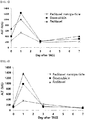
FIG. 5 shows the AST change after TACE with the Paclitaxel polymer nanoparticle emulsion, doxorubicin emulsion and Paclitaxel solution. -
FIG. 6 shows the ALT change after TACE with the Paclitaxel polymer nanoparticle emulsion, doxorubicin emulsion and Paclitaxel solution. - Hereinafter, the present invention will be described in detail by examples. However, the following examples are intended to illustrate the present invention only, and the present invention is not limited by the following examples.
- Paclitaxel 450mg, mPEG-poly(D,L-lactide) 7600mg and polylactic acid sodium salt 1642mg were weighed and put into a round flask and completely dissolved in a small amount of dichloromethane, and then the solvent was completely removed at the temperature of 40°C usi ng a rotary evaporator. Purified water was added thereto and it was completely dissolved and sterile filtrated and the drug concentration was to be 20mg/ml, and then it was lyophilized, thereby preparing a polymer nanoparticle.
- To Pamiray 250™ (Dongkook pharmaceutical) as a water-soluble contrast agent, the Paclitaxel polymer nanoparticle prepared in Example 1 was dissolved to make the Paclitaxel concentration 20mg/ml. The prepared solution was stirred at 200RPM at the temperature of 37°C and the precipitation amount of the drug over time was quantified, thereby confirming the change in solubility of the drug. The test solution was aliquoted 500µℓ each, and 0, 0.5, 1, 2, 3, 4 and 8 hours later, the test solution was filtrated (Millex HV, PVDF, 0.22µm) and the drug concentration comprised in the nanoparticle in the filtrated solution was measured by HPLC. The HPLC measurement conditions were shown in the following Table 1.
[Table 1] Column poroshell 120 PFP, 4.6mm x 150 mm, 2.7µm Flow rate 0.6ml/min Moving bed Acetonitrile/water (45/55, V/V) Detector and wavelength UV, 227nm Column temperature 30°C - The change in the drug precipitation amount after storing the Paclitaxel nanoparticle solution at 37°C was shown in
FIG. 1 , and it was confirmed that the solubility of the drug at the temperature of 37°C by 2 hours after preparation was maintained to about 20mg/ml. - The solution of Example 2 and Lipiodol™ as the water-insoluble contrast agent were filled into a syringe respectively so that the volume ratio was 1:4, and then pumping was carried out using a 3-
way stopcock 50 times or more, to prepare emulsion. - In order to evaluate the stability of the prepared emulsion, the size change of droplets was observed by observing with an optical microscope at 25 °C over time. As a result, it could be confirmed that uniform droplets were formed in a size of 10 to 30 µm right after preparation.
- In addition, in order to confirm the amount of Paclitaxel which was moved to the water-insoluble contrast agent, Lipiodol layer, as the continuous phase in the prepared emulsion, by aliquoting 500µℓ each and storing at the temperature of 37°C for 1 hour while stirring, and then ultrafiltrating (molecular weight cut off : 100kDa), the amount of the drug in the Lipiodol layer was HPLC analyzed under the analysis conditions of Table 1.
- The result was shown in
FIG. 2 , and it was confirmed that the Paclitaxel moved to the Lipiodol layer right after preparation and 1 hour later was less than 10% of the total. - After exposing left lobe of liver by performing laparotomy to Sprague Dawley rat, 1x10⁷ of N1-S1 rat hepatoma tumor cells (Seoul National University Hospital) were inoculated to manufacture a liver cancer animal model. 12 days later, MRI was carried out to confirm tumor formation and the size of tumor was measured.
- After the carotid artery of rat prepared in Example 4.1 was exfoliated and tied up with thread, thereby preventing hemostasis, the carotid artery was punctured using 24G medicut. Then, microguidewire and microcatheter were sequentially inserted. After implementing abdominal aorta angiography under induction of fluoroscopy, the emulsion of Example 3 was administered into liver artery, and doxorubicin as a control drug was dissolved in Pamiray 250TM as a water-soluble contrast agent at a concentration of 20 mg/ml, and the solution in which this and Lipiodol were mixed at a volume ratio of 1:4 (Pamiray:Lipiodol), and one in which Paclitaxel was dissolved in Lipiodol™ as a water-insoluble contrast agent were administered at the same dose. Then, in the computed tomography and magnetic resonance imaging, it was confirmed that Lipiodol was deposited inside the tumor, and after inserting a catheter through the carotid artery of the model mouse, chemoembolization was conducted.
- one week, 2 weeks and 3 weeks later after conducting chemoembolization of Example 4.2, the size change of cancer tissue was measured using magnetic resonance, and the result was shown in
FIG. 3 . As shown inFIG. 3 , it was confirmed that when administering the Paclitaxel polymer nanoparticle as emulsion using a water-soluble contrast agent and an oil contrast agent, the size of cancer tissue was not increased than doxorubicin emulsion. - On the 7th day after conducting TACE with the Paclitaxel polymer nanoparticle emulsion prepared in Example 2 and the doxorubicin emulsion and Paclitaxel solution as comparative examples, the normal liver tissue and cancer tissue were isolated by conducting biopsy. The isolated tissue was stained with hematoxylin and eosin and thereby the viable tumor portion was confirmed and the result was shown in
FIG. 4 . - As shown in
FIG. 4 , it was confirmed that the viable tumor portion of the Paclitaxel polymer nanoparticle emulsion administration group was similar to the water-soluble anticancer agent, doxorubicin emulsion control group, despite of using a water-insoluble anticancer agent, and the tumor survival portion was low when comparing with the Paclitaxel solution-administered control group. - In order to confirm the hepatotoxicity, AST and ALT were measured by collecting blood before and 1, 3 and 7 days after TACE to the Paclitaxel polymer nanoparticle emulsion, doxorubicin emulsion and Paclitaxel solution.
- The measurement result was shown in
FIG. 5 and FIG. 6 , and it was confirmed that AST and ALT were significantly increased on the 1st day of TACE in all test groups, but they were almost completely recovered on the 3rd day. In particular, it was confirmed that the increase of AST and ALT on the 1st day of administration was relatively small, when administering the Paclitaxel nanoparticle emulsion formulation, compared to administering the Paclitaxel Lipiodol solution.
[Formula 2] RO-CHZ-[COO-CHX]p-[COO-CHY']q-COO-CHZ-COOM
[Formula 3] RO-PAD-COO-W-M'
[Formula 4] S-O-PAD-COO-Q

[Formula 6] YO-[-C(O)-(CHX)a-O-]m-C(O)-R-C(O)-[-O-(CHX')b-C(O)-]n-OZ
Claims (15)
- An emulsion composition for chemoembolization, comprising
a polymer nanoparticle comprising a water-soluble anticancer agent, a water-insoluble anticancer agent, or a combination thereof as active ingredients, and an amphiphilic block copolymer comprising a hydrophilic (A) block and a hydrophobic (B) block;
a water-soluble contrast agent; and
a water-insoluble contrast agent. - The emulsion composition for chemoembolization according to claim 1, wherein the water-soluble anticancer agent is one or more selected from the group consisting of doxorubicin, idarubicin, epirubicin, mitomycin C and irinotecan, or the water-insoluble anticancer agent is one or more selected from the group consisting of paclitaxel and docetaxel.
- The emulsion composition for chemoembolization according to claim 1, wherein the hydrophilic (A) block is one or more kinds selected from the group consisting of polyalkylene glycol, polyvinyl alcohol, polyvinyl pyrrolidone, polyacryl amide and derivatives thereof, and the hydrophobic (B) block is one or more kinds selected from the group consisting of polyester, polyunhydride, polyamino acid, polyorthoester and polyphosphazene.
- The emulsion composition for chemoembolization according to claim 3, wherein the hydrophilic (A) block is one or more kinds selected from the group consisting of monomethoxypolyethylene glycol, monoacetoxypolyethylene glycol, polyethylene glycol, copolymer of polyethylene and propylene glycol, and polyvinyl pyrrolidone, and
the hydrophobic (B) block is one or more kinds selected from the group consisting of polylactide, polyglycolide, polycaprolactone, polydioxan-2-one, copolymer of polylactide and glycolide, copolymer of polylactide and polydioxan-2-one, copolymer of polylactide and polycaprolactone and copolymer of polyglycolide and polycaprolactone. - The emulsion composition for chemoembolization according to claim 1, wherein the number average molecular weight of hydrophilic (A) block or hydrophobic (B) block is 500 to 50,000 Da.
- The emulsion composition for chemoembolization according to claim 1, wherein the weight ratio of the hydrophilic (A) block and hydrophobic (B) block is 2 : 8 to 8 : 2.
- The emulsion composition for chemoembolization according to claim 1, wherein the polymer nanoparticle further comprises a polylactic acid derivative containing a terminal group of a carboxylic acid.
- The emulsion composition for chemoembolization according to claim 7, wherein the polylactic acid derivative containing a terminal group of carboxylic acid is one or more selected from the group consisting of the compounds of Formulas 1 to 6:
[Formula 1] RO-CHZ-[A]n-[B]m-COOM
in the Formula 1,A is -COO-CHZ-; andB is -COO-CHY-, -COO-CH2CH2CH2CH2CH2- or -COO-CH2CH2OCH2; andR is a hydrogen atom, acetyl, benzoyl, decanoyl, palmitoyl, methyl or ethyl group; andZ and Y are independently a hydrogen atom, methyl or phenyl group; andM is Na, K, or Li; and n is an integer from 1 to 30; and m is an integer from 0 to 20.
[Formula 2] RO-CHZ-[COO-CHX]p-[COO-CHY']q-COO-CHZ-COOM
in the Formula 2,X is a methyl group; andY' is a hydrogen atom or phenyl group; andp is an integer from 0 to 25, and q is an integer from 0 to 25, on the proviso that sum of p and q is an integer from 5 to 25; andR is a hydrogen atom, acetyl, benzoyl, decanoyl, palmitoyl, methyl or ethyl group; andM is Na, K, or Li; andZ is a hydrogen atom, methyl or phenyl group.
[Formula 3] RO-PAD-COO-W-M'
in the Formula 3,W-M' is PAD is selected from the group consisting of D,L-polylactic acid, D-polylactic acid, polymandelic acid, copolymer of D,L-lactic acid and glycolic acid, copolymer of D,L-lactic acid and mandelic acid, copolymer of D,L-lactic acid and caprolactone and copolymer of D,L-lactic acid and 1,4-dioxan-2-one; andR is a hydrogen atom, acetyl, benzoyl, decanoyl, palmitoyl, methyl or ethyl group; andM is independently Na, K, or Li.
[Formula 4] S-O-PAD-COO-Q
in the Formula 4,S is PAD is selected from the group consisting of D,L-polylactic acid, D-polylactic acid, polymandelic acid, copolymer of D,L-lactic acid and glycolic acid, copolymer of D,L-lactic acid and mandelic acid, copolymer of D,L-lactic acid and caprolactone and copolymer of D,L-lactic acid and 1,4-dioxan-2-one.
 wherein PAD is selected from the group consisting of D,L-polylactic acid, D-polylactic acid, polymandelic acid, copolymer of D,L-lactic acid and glycolic acid, copolymer of D,L-lactic acid and mandelic acid, copolymer of D,L-lactic acid and caprolactone and copolymer of D,L-lactic acid and 1,4-dioxan-2-one, and M is Na, K, or Li; and a is an integer from 1 to 4.
[Formula 6] YO-[-C(O)-(CHX)a-O-]m-C(O)-R-C(O)-[-O-(CHX')b-C(O)-]n-OZ
in the Formula 6,X and X' are independently a hydrogen, alkyl having 1 to 10 carbon atoms or aryl having 6 to 20 carbon atoms; andY and Z are independently Na, K, or Li; andm and n are independently an integer from 0 to 95 to meet 5 < m + n < 100; anda and b are independently an integer from 1 to 6; andR is -(CH2)k-, divalent alkenyl having 2 to 10 carbon atoms, divalent aryl having 6 to 20 carbon atoms or combination thereof, wherein k is an integer from 0 to 10. - The emulsion composition for chemoembolization according to claim 8, wherein the terminal group of carboxylic acid in the polylactic acid derivative is fixed with a divalent or trivalent metal ion.
- The emulsion composition for chemoembolization according to claim 9, wherein the divalent or trivalent metal ion is selected from the group consisting of calcium (Ca2+), magnesium (Mg2+), barium (Ba2+), chrome (Cr3+), iron (Fe3+), manganese (Mn2+), nickel (Ni2+), copper (Cu2+), zinc (Zn2+) and aluminum (Al3+).
- The emulsion composition for chemoembolization according to claim 1, wherein the viscosity of the water-soluble contrast agent or water-insoluble contrast agent is 10 to 40 mPa at 37 °C, respectively.
- The emulsion composition for chemoembolization according to claim 1, wherein the polymer nanoparticle is dissolved in the water-soluble contrast agent so that the concentration of anticancer agent is 1 to 40 mg/ml based on the total emulsion composition.
- The emulsion composition for chemoembolization according to claim 12, wherein the volume ratio of the water-soluble contrast agent in which the polymer nanoparticle is dissolved and water-insoluble contrast agent is 1 : 2 to 1: 10.
- The emulsion composition for chemoembolization according to claim 1, wherein the water-soluble contrast agent is iopamidol, or the water-insoluble contrast agent is one or more selected from the group consisting of poppy fruit-derived iodized oil, soybean-derived iodized oil and ethiodol.
- The emulsion composition for chemoembolization according to claim 1, wherein the viscosity of the emulsion composition is 20 to 50 mPa at 37°C.
Applications Claiming Priority (2)
| Application Number | Priority Date | Filing Date | Title |
|---|---|---|---|
| KR1020160154321A KR101971672B1 (en) | 2016-11-18 | 2016-11-18 | Emulsion composition for chemoembolization and preparation method thereof |
| PCT/KR2017/010498 WO2018093037A1 (en) | 2016-11-18 | 2017-09-22 | Emulsion composition for chemoembolization and method for producing same |
Publications (2)
| Publication Number | Publication Date |
|---|---|
| EP3542827A1 true EP3542827A1 (en) | 2019-09-25 |
| EP3542827A4 EP3542827A4 (en) | 2020-07-22 |
Family
ID=62146625
Family Applications (1)
| Application Number | Title | Priority Date | Filing Date |
|---|---|---|---|
| EP17871977.9A Withdrawn EP3542827A4 (en) | 2016-11-18 | 2017-09-22 | Emulsion composition for chemoembolization and method for producing same |
Country Status (6)
| Country | Link |
|---|---|
| US (1) | US11534447B2 (en) |
| EP (1) | EP3542827A4 (en) |
| JP (1) | JP6976327B2 (en) |
| KR (1) | KR101971672B1 (en) |
| CN (1) | CN110167602A (en) |
| WO (1) | WO2018093037A1 (en) |
Cited By (1)
| Publication number | Priority date | Publication date | Assignee | Title |
|---|---|---|---|---|
| EP3654937A1 (en) * | 2017-07-17 | 2020-05-27 | Institut Gustave Roussy | Injectable water-in-oil emulsions and uses thereof |
Families Citing this family (4)
| Publication number | Priority date | Publication date | Assignee | Title |
|---|---|---|---|---|
| KR20200036774A (en) * | 2018-09-28 | 2020-04-07 | 주식회사 삼양바이오팜 | Composition comprising doxorubicin as effective ingredient and method for preparing the same |
| JP7730130B2 (en) * | 2021-03-02 | 2025-08-27 | ドリームメディカルパートナーズ株式会社 | Embolization material and its manufacturing method |
| CN114099764B (en) * | 2021-11-29 | 2023-02-03 | 广东粤港澳大湾区国家纳米科技创新研究院 | Preparation method of W/O/W type temperature-sensitive embolic agent |
| CN116212097B (en) * | 2022-12-28 | 2026-02-06 | 上海瑞凝生物科技有限公司 | Drug-loaded embolism microsphere and preparation method thereof |
Family Cites Families (12)
| Publication number | Priority date | Publication date | Assignee | Title |
|---|---|---|---|---|
| WO2003022264A1 (en) * | 2001-09-13 | 2003-03-20 | Korea Institute Of Science And Technology | Paclitaxel mixed composition and water-in-oil type emulsion formulation for chemoembolization and preparation method thereof |
| KR20030023369A (en) * | 2001-09-13 | 2003-03-19 | 한국과학기술연구원 | Oily paclitaxel composition and formulation for chemoembolization and preparation method thereof |
| CA2463517C (en) | 2001-10-18 | 2010-03-16 | Samyang Corporation | Ph responsive biodegradable polylactic acid derivatives forming polymeric micelles and uses thereof for poorly water soluble drug delivery |
| DE60222007T2 (en) | 2001-10-18 | 2008-05-15 | Samyang Corp. | POLYMERMICELLA COMPOSITION WITH IMPROVED STABILITY |
| KR100531269B1 (en) * | 2001-12-04 | 2005-11-28 | 주식회사 삼양사 | Polymeric compositions for forming micelles or nanoparticles which are stable in aqueous solution |
| KR100497258B1 (en) * | 2003-01-17 | 2005-06-28 | 대화제약 주식회사 | Paclitaxel mixed composition and water-in-oil type emulsion formulation for chemoembolization and preparation method thereof |
| US7311901B2 (en) * | 2003-10-10 | 2007-12-25 | Samyang Corporation | Amphiphilic block copolymer and polymeric composition comprising the same for drug delivery |
| CA2564719C (en) | 2004-05-06 | 2011-11-01 | Samyang Corporation | Delivery system for bioactive agents on the basis of a polymeric drug carrier comprising an amphiphilic block polymer and a polylactic acid derivative |
| KR101424163B1 (en) | 2010-12-24 | 2014-08-01 | 주식회사 삼양바이오팜 | Polymeric microparticles containing a hydrophobic drug for sustained release thereof and method for preparing the same |
| KR101508275B1 (en) | 2011-12-16 | 2015-04-08 | 주식회사 삼양바이오팜 | Polymeric nanoparticle solution composition and its manufacturing process |
| KR101352316B1 (en) | 2011-12-23 | 2014-01-16 | 성균관대학교산학협력단 | Drug carrier comprising mineralized amphiphilic nanoparticles containing poly(ethylene glycol) |
| KR102323637B1 (en) | 2013-09-16 | 2021-11-08 | 바이오컴페터블즈 유케이 리미티드 | Oily compositions |
-
2016
- 2016-11-18 KR KR1020160154321A patent/KR101971672B1/en active Active
-
2017
- 2017-09-22 EP EP17871977.9A patent/EP3542827A4/en not_active Withdrawn
- 2017-09-22 WO PCT/KR2017/010498 patent/WO2018093037A1/en not_active Ceased
- 2017-09-22 JP JP2019526476A patent/JP6976327B2/en active Active
- 2017-09-22 CN CN201780083155.8A patent/CN110167602A/en active Pending
- 2017-09-22 US US16/462,090 patent/US11534447B2/en active Active
Cited By (2)
| Publication number | Priority date | Publication date | Assignee | Title |
|---|---|---|---|---|
| EP3654937A1 (en) * | 2017-07-17 | 2020-05-27 | Institut Gustave Roussy | Injectable water-in-oil emulsions and uses thereof |
| US12458594B2 (en) | 2017-07-17 | 2025-11-04 | Institut Gustave Roussy | Injectable water-in-oil emulsions and uses thereof |
Also Published As
| Publication number | Publication date |
|---|---|
| CN110167602A (en) | 2019-08-23 |
| KR101971672B1 (en) | 2019-04-23 |
| KR20180056271A (en) | 2018-05-28 |
| JP6976327B2 (en) | 2021-12-08 |
| US11534447B2 (en) | 2022-12-27 |
| WO2018093037A1 (en) | 2018-05-24 |
| JP2020502061A (en) | 2020-01-23 |
| EP3542827A4 (en) | 2020-07-22 |
| US20200268776A1 (en) | 2020-08-27 |
Similar Documents
| Publication | Publication Date | Title |
|---|---|---|
| US11534447B2 (en) | Emulsion composition for chemoembolization and method for producing same | |
| US9173841B2 (en) | Polymer nanoparticle injection formulation composition containing rapamycin with improved water solubility, preparation method thereof, and anticancer composition for combined use with radiotherapy | |
| JP2005504070A (en) | Oil-based paclitaxel composition and formulation for chemical embolization and method for producing the same | |
| KR100539451B1 (en) | Oily paclitaxel composition for chemoembolization | |
| Dai et al. | Smart GSH/pH dual-bioresponsive degradable nanosponges based on β-CD-appended hyper-cross-linked polymer for triggered intracellular anticancer drug delivery | |
| WO2006024491A1 (en) | Methods and compositions for the treatment of cell proliferation | |
| KR101384991B1 (en) | DRUG DELIVERY SYSTEM BASED ON INTERVENTIONAL INJECTION OF TEMPERATURE AND pH-SENSITIVE INJECTABLE HYDROGEL | |
| JP5449388B2 (en) | Polymeric micelle composition for resistant cancer treatment and method for producing the same | |
| JP5429642B2 (en) | Injectable polymer / lipid blends for local drug delivery | |
| EP2148675B1 (en) | Anti-cancer medicine both for diagnosing and treating cancer | |
| US20210353758A1 (en) | Microcarrier for embolization and preparation method therefor | |
| KR20030023369A (en) | Oily paclitaxel composition and formulation for chemoembolization and preparation method thereof | |
| US8940334B2 (en) | Pharmaceutical composition of an anthracycline | |
| US20070254037A1 (en) | Methods and Compositions for the Treatment of Cell Proliferation | |
| Wang et al. | Inherently radiopaque polyurethane beads as potential multifunctional embolic agent in hepatocellular carcinoma therapy | |
| RU2481797C1 (en) | Method of sclerotherapy of true cysts of parenchymal organs |
Legal Events
| Date | Code | Title | Description |
|---|---|---|---|
| STAA | Information on the status of an ep patent application or granted ep patent |
Free format text: STATUS: THE INTERNATIONAL PUBLICATION HAS BEEN MADE |
|
| PUAI | Public reference made under article 153(3) epc to a published international application that has entered the european phase |
Free format text: ORIGINAL CODE: 0009012 |
|
| STAA | Information on the status of an ep patent application or granted ep patent |
Free format text: STATUS: REQUEST FOR EXAMINATION WAS MADE |
|
| 17P | Request for examination filed |
Effective date: 20190523 |
|
| AK | Designated contracting states |
Kind code of ref document: A1 Designated state(s): AL AT BE BG CH CY CZ DE DK EE ES FI FR GB GR HR HU IE IS IT LI LT LU LV MC MK MT NL NO PL PT RO RS SE SI SK SM TR |
|
| AX | Request for extension of the european patent |
Extension state: BA ME |
|
| DAV | Request for validation of the european patent (deleted) | ||
| DAX | Request for extension of the european patent (deleted) | ||
| RIC1 | Information provided on ipc code assigned before grant |
Ipc: A61K 49/12 20060101ALI20200528BHEP Ipc: A61K 31/704 20060101ALI20200528BHEP Ipc: A61P 35/00 20060101ALI20200528BHEP Ipc: A61K 49/04 20060101ALI20200528BHEP Ipc: A61K 31/337 20060101ALI20200528BHEP Ipc: A61K 45/06 20060101ALI20200528BHEP Ipc: A61K 49/18 20060101ALI20200528BHEP Ipc: A61K 49/00 20060101AFI20200528BHEP |
|
| RIC1 | Information provided on ipc code assigned before grant |
Ipc: A61P 35/00 20060101ALI20200606BHEP Ipc: A61K 49/12 20060101ALI20200606BHEP Ipc: A61K 31/337 20060101ALI20200606BHEP Ipc: A61K 49/04 20060101ALI20200606BHEP Ipc: A61K 49/18 20060101ALI20200606BHEP Ipc: A61K 45/06 20060101ALI20200606BHEP Ipc: A61K 49/00 20060101AFI20200606BHEP Ipc: A61K 31/704 20060101ALI20200606BHEP |
|
| A4 | Supplementary search report drawn up and despatched |
Effective date: 20200618 |
|
| RIC1 | Information provided on ipc code assigned before grant |
Ipc: A61K 45/06 20060101ALI20200612BHEP Ipc: A61K 49/18 20060101ALI20200612BHEP Ipc: A61K 49/04 20060101ALI20200612BHEP Ipc: A61K 49/00 20060101AFI20200612BHEP Ipc: A61K 31/337 20060101ALI20200612BHEP Ipc: A61K 31/704 20060101ALI20200612BHEP Ipc: A61P 35/00 20060101ALI20200612BHEP Ipc: A61K 49/12 20060101ALI20200612BHEP |
|
| RAP1 | Party data changed (applicant data changed or rights of an application transferred) |
Owner name: SAMYANG HOLDINGS CORPORATION |
|
| STAA | Information on the status of an ep patent application or granted ep patent |
Free format text: STATUS: EXAMINATION IS IN PROGRESS |
|
| 17Q | First examination report despatched |
Effective date: 20220316 |
|
| GRAP | Despatch of communication of intention to grant a patent |
Free format text: ORIGINAL CODE: EPIDOSNIGR1 |
|
| STAA | Information on the status of an ep patent application or granted ep patent |
Free format text: STATUS: GRANT OF PATENT IS INTENDED |
|
| RIC1 | Information provided on ipc code assigned before grant |
Ipc: A61L 24/04 20060101ALI20231219BHEP Ipc: A61L 24/00 20060101ALI20231219BHEP Ipc: A61P 35/00 20060101ALI20231219BHEP Ipc: A61K 45/06 20060101ALI20231219BHEP Ipc: A61K 31/337 20060101ALI20231219BHEP Ipc: A61K 31/704 20060101ALI20231219BHEP Ipc: A61K 49/12 20060101ALI20231219BHEP Ipc: A61K 49/04 20060101ALI20231219BHEP Ipc: A61K 49/18 20060101ALI20231219BHEP Ipc: A61K 49/00 20060101AFI20231219BHEP |
|
| INTG | Intention to grant announced |
Effective date: 20240122 |
|
| STAA | Information on the status of an ep patent application or granted ep patent |
Free format text: STATUS: THE APPLICATION IS DEEMED TO BE WITHDRAWN |
|
| 18D | Application deemed to be withdrawn |
Effective date: 20240523 |