EP3537641B1 - Verfahren und vorrichtung zur übertragung von datenpaketen - Google Patents
Verfahren und vorrichtung zur übertragung von datenpaketen Download PDFInfo
- Publication number
- EP3537641B1 EP3537641B1 EP17877108.5A EP17877108A EP3537641B1 EP 3537641 B1 EP3537641 B1 EP 3537641B1 EP 17877108 A EP17877108 A EP 17877108A EP 3537641 B1 EP3537641 B1 EP 3537641B1
- Authority
- EP
- European Patent Office
- Prior art keywords
- information element
- delimiter
- length
- field
- type
- Prior art date
- Legal status (The legal status is an assumption and is not a legal conclusion. Google has not performed a legal analysis and makes no representation as to the accuracy of the status listed.)
- Active
Links
- 238000000034 method Methods 0.000 title claims description 72
- 125000004122 cyclic group Chemical group 0.000 claims description 118
- 239000000284 extract Substances 0.000 claims description 23
- 230000005540 biological transmission Effects 0.000 description 34
- 238000010586 diagram Methods 0.000 description 26
- 238000004891 communication Methods 0.000 description 19
- 101100258315 Neurospora crassa (strain ATCC 24698 / 74-OR23-1A / CBS 708.71 / DSM 1257 / FGSC 987) crc-1 gene Proteins 0.000 description 17
- 230000006870 function Effects 0.000 description 17
- 238000012545 processing Methods 0.000 description 14
- 238000013507 mapping Methods 0.000 description 7
- 230000011664 signaling Effects 0.000 description 5
- 101100258328 Neurospora crassa (strain ATCC 24698 / 74-OR23-1A / CBS 708.71 / DSM 1257 / FGSC 987) crc-2 gene Proteins 0.000 description 4
- 238000004590 computer program Methods 0.000 description 4
- 238000010295 mobile communication Methods 0.000 description 4
- 230000008878 coupling Effects 0.000 description 3
- 238000010168 coupling process Methods 0.000 description 3
- 238000005859 coupling reaction Methods 0.000 description 3
- 238000001514 detection method Methods 0.000 description 3
- OVGWMUWIRHGGJP-WTODYLRWSA-N (z)-7-[(1r,3s,4s,5r)-3-[(e,3r)-3-hydroxyoct-1-enyl]-6-thiabicyclo[3.1.1]heptan-4-yl]hept-5-enoic acid Chemical compound OC(=O)CCC\C=C/C[C@H]1[C@H](/C=C/[C@H](O)CCCCC)C[C@H]2S[C@@H]1C2 OVGWMUWIRHGGJP-WTODYLRWSA-N 0.000 description 2
- 101100366889 Caenorhabditis elegans sta-2 gene Proteins 0.000 description 2
- 101150081243 STA1 gene Proteins 0.000 description 2
- 230000000977 initiatory effect Effects 0.000 description 2
- 230000007774 longterm Effects 0.000 description 2
- 230000003068 static effect Effects 0.000 description 2
- ZYHQYSIVGCZMNM-UHFFFAOYSA-N 4-(2-hydroxyethylsulfonyloxy)butyl 2-hydroxyethanesulfonate Chemical compound OCCS(=O)(=O)OCCCCOS(=O)(=O)CCO ZYHQYSIVGCZMNM-UHFFFAOYSA-N 0.000 description 1
- 108700026140 MAC combination Proteins 0.000 description 1
- 230000001413 cellular effect Effects 0.000 description 1
- 230000001419 dependent effect Effects 0.000 description 1
- 238000013461 design Methods 0.000 description 1
- 230000003287 optical effect Effects 0.000 description 1
Images


Classifications
-
- H—ELECTRICITY
- H04—ELECTRIC COMMUNICATION TECHNIQUE
- H04L—TRANSMISSION OF DIGITAL INFORMATION, e.g. TELEGRAPHIC COMMUNICATION
- H04L43/00—Arrangements for monitoring or testing data switching networks
- H04L43/08—Monitoring or testing based on specific metrics, e.g. QoS, energy consumption or environmental parameters
- H04L43/0823—Errors, e.g. transmission errors
- H04L43/0847—Transmission error
-
- H—ELECTRICITY
- H04—ELECTRIC COMMUNICATION TECHNIQUE
- H04L—TRANSMISSION OF DIGITAL INFORMATION, e.g. TELEGRAPHIC COMMUNICATION
- H04L1/00—Arrangements for detecting or preventing errors in the information received
- H04L1/004—Arrangements for detecting or preventing errors in the information received by using forward error control
- H04L1/0045—Arrangements at the receiver end
-
- H—ELECTRICITY
- H04—ELECTRIC COMMUNICATION TECHNIQUE
- H04L—TRANSMISSION OF DIGITAL INFORMATION, e.g. TELEGRAPHIC COMMUNICATION
- H04L1/00—Arrangements for detecting or preventing errors in the information received
-
- H—ELECTRICITY
- H04—ELECTRIC COMMUNICATION TECHNIQUE
- H04L—TRANSMISSION OF DIGITAL INFORMATION, e.g. TELEGRAPHIC COMMUNICATION
- H04L1/00—Arrangements for detecting or preventing errors in the information received
- H04L1/0001—Systems modifying transmission characteristics according to link quality, e.g. power backoff
- H04L1/0006—Systems modifying transmission characteristics according to link quality, e.g. power backoff by adapting the transmission format
- H04L1/0007—Systems modifying transmission characteristics according to link quality, e.g. power backoff by adapting the transmission format by modifying the frame length
-
- H—ELECTRICITY
- H04—ELECTRIC COMMUNICATION TECHNIQUE
- H04L—TRANSMISSION OF DIGITAL INFORMATION, e.g. TELEGRAPHIC COMMUNICATION
- H04L1/00—Arrangements for detecting or preventing errors in the information received
- H04L1/004—Arrangements for detecting or preventing errors in the information received by using forward error control
- H04L1/0041—Arrangements at the transmitter end
-
- H—ELECTRICITY
- H04—ELECTRIC COMMUNICATION TECHNIQUE
- H04L—TRANSMISSION OF DIGITAL INFORMATION, e.g. TELEGRAPHIC COMMUNICATION
- H04L1/00—Arrangements for detecting or preventing errors in the information received
- H04L1/004—Arrangements for detecting or preventing errors in the information received by using forward error control
- H04L1/0056—Systems characterized by the type of code used
- H04L1/0061—Error detection codes
-
- H—ELECTRICITY
- H04—ELECTRIC COMMUNICATION TECHNIQUE
- H04L—TRANSMISSION OF DIGITAL INFORMATION, e.g. TELEGRAPHIC COMMUNICATION
- H04L1/00—Arrangements for detecting or preventing errors in the information received
- H04L1/0078—Avoidance of errors by organising the transmitted data in a format specifically designed to deal with errors, e.g. location
- H04L1/0079—Formats for control data
-
- H—ELECTRICITY
- H04—ELECTRIC COMMUNICATION TECHNIQUE
- H04L—TRANSMISSION OF DIGITAL INFORMATION, e.g. TELEGRAPHIC COMMUNICATION
- H04L1/00—Arrangements for detecting or preventing errors in the information received
- H04L1/0078—Avoidance of errors by organising the transmitted data in a format specifically designed to deal with errors, e.g. location
- H04L1/0083—Formatting with frames or packets; Protocol or part of protocol for error control
-
- H—ELECTRICITY
- H04—ELECTRIC COMMUNICATION TECHNIQUE
- H04L—TRANSMISSION OF DIGITAL INFORMATION, e.g. TELEGRAPHIC COMMUNICATION
- H04L69/00—Network arrangements, protocols or services independent of the application payload and not provided for in the other groups of this subclass
- H04L69/22—Parsing or analysis of headers
-
- H—ELECTRICITY
- H04—ELECTRIC COMMUNICATION TECHNIQUE
- H04W—WIRELESS COMMUNICATION NETWORKS
- H04W28/00—Network traffic management; Network resource management
- H04W28/02—Traffic management, e.g. flow control or congestion control
- H04W28/06—Optimizing the usage of the radio link, e.g. header compression, information sizing, discarding information
-
- H—ELECTRICITY
- H04—ELECTRIC COMMUNICATION TECHNIQUE
- H04W—WIRELESS COMMUNICATION NETWORKS
- H04W84/00—Network topologies
- H04W84/02—Hierarchically pre-organised networks, e.g. paging networks, cellular networks, WLAN [Wireless Local Area Network] or WLL [Wireless Local Loop]
- H04W84/10—Small scale networks; Flat hierarchical networks
- H04W84/12—WLAN [Wireless Local Area Networks]
Definitions
- This application relates to the communications field, and more specifically, to a data packet transmission method and a device.
- an access point (Access Point, AP) and a station (Station, STA) exchange data, control information, and management information by using a Medium Access Control (Medium Access Control, MAC) protocol data unit (MAC Protocol Data Unit, MPDU).
- AP Access Point
- STA station
- MAC Medium Access Control
- MPDU MAC Protocol Data Unit
- an aggregate Media Access Control protocol data unit (Aggregate MPDU, A-MPDU) is introduced.
- a plurality of MPDUs are combined and then sent by using one data packet, but not a plurality of data packets.
- the A-MPDU is carried in a data field of a physical layer protocol data unit (Physical Layer Protocol Data Unit, PPDU).
- the A-MPDU carries a plurality of A-MPDU subframes, each A-MPDU subframe includes an MPDU delimiter (delimiter), an MPDU, and a padding part, and the MPDU delimiter is used to separate a plurality of aggregate MPDUs.
- a core concept of a new generation wake up radio (Wake up Radio) working group is that a receiving device (such as a STA) further includes a low-power-consumption wake up receiver (Wake up Receiver, WUR) in addition to an 802.11 main radio (802.11 main radio, MR) of a conventional 802.11 transceiver end.
- WUR low-power-consumption wake up receiver
- 802.11 main radio 802.11 main radio
- MR 802.11 main radio
- An AP sends a wake up packet (Wake Up Packet, WUP) to the WUR, the WUR wakes up the 802.11 main radio, and the AP communicates with the 802.11 main radio.
- WUP wake up Packet
- a WUP is relatively short, and an information bit transmission time for the WUP is relatively long; therefore, information an information bit transmission time for the WUP is relatively long; therefore, information needs to be separated by using a delimiter. Because an MPDU delimiter is relatively long and requires a relatively large overhead, application of the MPDU delimiter to the WUP leads to low transmission efficiency.
- a data packet rate is relatively low, and a relatively small volume of data is usually carried in a data field, that is, there are only several bytes to dozens of bytes.
- A-MPDU delimiter changes 11-10-1093-01-00ac-a-mpdu-delimiter-changes
- Robert Stacey proposes to change the conventional A-MPDU delimiter known from the standard, in order to increase the number of bits occupied by the MPDU-length field and accommodate bigger frames.
- the patent document US 7 983 252 B2 proposes to increase the reliability in the reception of aggregated frames by duplicating the MPDU-length field inside the delimiters.
- This application provides a data packet reception method and a device, so as to reduce an overhead caused by a delimiter on the premise of implementing a function of the delimiter, reduce complexity of a receiving device, and improve transmission efficiency.
- the technical solutions in the embodiments of this application may be applied to various communications systems, such as: a Global System for Mobile Communications (Global System for Mobile communication, GSM), a Code Division Multiple Access (Code Division Multiple Access, CDMA) system, a Wideband Code Division Multiple Access (Wideband Code Division Multiple Access, WCDMA) system, a General Packet Radio Service (General Packet Radio Service, GPRS), a Long Term Evolution (Long Term Evolution, LTE) system, an LTE frequency division duplex (Frequency Division Duplex, FDD) system, an LTE time division duplex (Time Division Duplex, TDD) system, a Universal Mobile Telecommunications System (Universal Mobile Telecommunications System, UMTS), a wireless local area network (Wireless Local Area Network, WLAN) system, a Worldwide Interoperability for Microwave Access (Worldwide Interoperability for Microwave Access, WiMAX) communications system, a future 5th Generation (5th Generation, 5G) system, or a new radio (New Radio, NR) system.
- the WLAN system is merely used as an example for description in the embodiments of this application, and the embodiments of this application are not limited thereto.
- a method and a device according to the embodiments of this application may also be applied to another communications system.
- an AP and a STA in the WLAN system are merely used as an example for description in the embodiments of this application, and this application is not limited thereto.
- the method and the device according to the embodiments of this application may also be applied to a base station and user equipment in another communications system.
- a station in the embodiments of this application may be a terminal device, user equipment, an access terminal, a subscriber unit, a subscriber station, a mobile station, a mobile console, a remote station, a remote terminal, a mobile device, a user terminal, a terminal, a wireless communications device, a user agent, or a user apparatus.
- the terminal device may be a cellular phone, a cordless telephone set, a Session Initiation Protocol (Session Initiation Protocol, SIP) phone, a wireless local loop (Wireless Local Loop, WLL) station, a personal digital assistant (Personal Digital Assistant, PDA), a handheld device or a computing device having a wireless communication function, another processing device, an in-vehicle device, or a wearable device connected to a wireless modem, a terminal device in a future 5G network, a terminal device in a future evolved public land mobile network (Public Land Mobile Network, PLMN), or the like. This is not limited in the embodiments of this application.
- SIP Session Initiation Protocol
- WLL Wireless Local Loop
- PDA Personal Digital Assistant
- PLMN Public Land Mobile Network
- An access point in the embodiments of this application may be a network device of a device configured to communicate with a terminal device.
- the network device may be a base transceiver station (Base Transceiver Station, BTS) in a Global System for Mobile Communication (Global System for Mobile communication, GSM) or a Code Division Multiple Access (Code Division Multiple Access, CDMA) system, a NodeB (NodeB, NB) in a Wideband Code Division Multiple Access (Wideband Code Division Multiple Access, WCDMA) system, an evolved NodeB (Evolved NodeB, eNB or eNodeB) in an LTE system, or a radio controller in a cloud radio access network (Cloud Radio Access Network, CRAN) scenario.
- BTS Base Transceiver Station
- GSM Global System for Mobile Communication
- CDMA Code Division Multiple Access
- NodeB NodeB
- WCDMA Wideband Code Division Multiple Access
- Evolved NodeB, eNB or eNodeB evolved NodeB
- the network device may be a relay node, an in-vehicle device, a wearable device, a network device in a future 5G network, a network device in a future evolved PLMN network, or the like. This is not limited in the embodiments of this application.
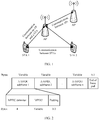
- FIG. 1 is a schematic diagram of an application scenario according to an embodiment of this application.
- a transmit end and a receive end are not limited in the embodiments of this application, and point-to-point communication may be performed, or point-to-multipoint or multipoint-to-point communication may be performed.
- a data packet transmission method in the embodiments of this application may be applied between APs, between STAs, or between an AP and a STA.
- an AP may be a receiving device or a sending device.
- a STA may be a receiving device or a sending device.
- the data packet transmission method in the embodiments of this application may be applied to communication between an AP 1 and a STA 1, between the AP 1 and a STA 2, between the STA 1 and the STA 2, and between the AP 1 and an AP 2.
- the application scenario shown in FIG. 1 is merely used as an example for description in the embodiments of this application, and this application is not limited thereto.
- the system may include more APs and STAs.
- FIG. 2 is a schematic diagram of a data packet format in the 802.11ac standard
- FIG. 3 is a schematic diagram of an MPDU delimiter format in an 802.11ac system.
- an A-MPDU carries a plurality of A-MPDU subframes and an end of frame pad (end of frame pad, EOF pad), for example, an A-MPDU subframe 1, an A-MPDU subframe 2, ..., and an A-MPDU subframe n.
- a length of an A-MPDU subframe is usually variable, and a length of an end of frame pad is usually 0 to 3 bytes.
- Each A-MPDU subframe includes an MPDU delimiter (delimiter), an MPDU, and a padding part.
- the MPDU delimiter is used to separate a plurality of aggregate MPDUs.
- a length of the MPDU delimiter is 4 bytes
- a length of the MPDU is variable
- a length of the padding part is 0 to 3 bytes.
- an MPDU delimiter in the 802.11ac system has 4 bytes in total, and the MPDU delimiter includes an end of frame (End of frame, EOF) field, an MPDU length field, a delimiter signature (Delimiter Signature) field, a cyclic redundancy code (Cyclic Redundancy Code, CRC) field, and a reserved bit (Reserved) field.
- End of frame EOF
- MPDU length field a delimiter signature
- CRC Cyclic Redundancy Code
- Reserve bit (Reserved) field The end of frame field is used to indicate whether an MPDU is a last MPDU, and is usually 1 bit in length.
- the MPDU length field is used to indicate a quantity of bytes of an MPDU following closely behind, and is usually 14 bits in length.
- the delimiter signature field is a sequence having a particular characteristic, is usually 8 bits in length, and is used to help a receive end search for a delimiter. Even if the receive end incorrectly demodulates a delimiter, the receive end can still search a next delimiter signature for a next MPDU, so as to prevent error extension.
- the cyclic redundancy code field is to protect first 16 bits of an entire delimiter, is usually 8 bits in length, and is used to help the receive end check whether an error occurs in a delimiter.
- the reserved bit field is usually 1 bit in length. In addition, based on a 4-byte sliding window, every 4 bytes are used to check whether a CRC is passed or may be used to search for a next delimiter. Even if an error occurs in a delimiter, the receiving device can still search for a next delimiter, and determine data between a current incorrect delimiter and the next delimiter as an MPDU, to read the MPDU.
- a delimiter includes an MPDU length and a CRC, or a combination of an MPDU length and a CRC, and the like.
- a prior-art delimiter is still used to separate information. This causes a relatively large overhead of the delimiter, occupies a lot of resources, and makes the receiving device more complex.
- FIG. 4 is a schematic flowchart of a data packet transmission method 100 according to an embodiment of this application.
- the method 100 may be applied to the scenario in FIG. 1 , and certainly, may be alternatively applied to another communication scenario.
- structures of some signaling fields include a delimiter and an information element. This is not limited in this embodiment of this application.
- the method 100 includes the following steps.
- a sending device generates a data packet, where the data packet includes at least one pair of a delimiter and an information element; the delimiter is used to separate two adjacent information elements; the delimiter includes a cyclic redundancy code field and an information element type field; in each pair of a delimiter and an information element, the information element type field is used to indicate a type of the information element; and one type of information element is uniquely corresponding to one information element length.
- the sending device sends the data packet.
- a receiving device receives the data packet.
- the sending device sends the data packet to the receiving device, and the receiving device receives the data packet sent by the sending device.
- the receiving device parses content of the information element in the data packet based on the cyclic redundancy code field and the information element type field.
- a frame check sequence (Frame Check Sequence, FCS) is also a CRC. Because the CRC is used to detect a MAC frame, the CRC is also referred to as an FCS. Generally, an FCS is used to check an entire MAC frame, and a CRC is used to check a field such as a signaling field or a delimiter. Therefore, in this embodiment of this application, the frame check sequence and the cyclic redundancy code are interchangeable, that is, the delimiter may also include a cyclic frame check sequence field and the information element type field. This is not limited in this embodiment of this application.
- the delimiter may include any one or more of an end of frame, a reserved bit, identification information of a station or an access point, and the like. This is not limited in this embodiment of this application.
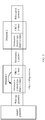
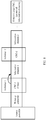
- FIG. 5 is a schematic diagram of a data packet format and a delimiter format according to an embodiment of this application.
- a data packet includes a legacy preamble (Legacy Preamble, L-Preamble), a wake-up preamble (Wake-up Preamble, W-Preamble), and a plurality of pairs of delimiters and information elements.
- FIG. 5 merely shows that the data packet includes two pairs of delimiters and information elements. However, a quantity of pairs of delimiters and information elements is not limited.
- the data packet may further include more pairs of delimiters and information elements.
- the L-Preamble is used to ensure coexistence (Coexistence) of data transmitted by using a common main link.
- the W-Preamble is usually used by the receiving device to perform wake up packet detection, signaling information reading, and the like.
- the delimiter in the data packet includes a cyclic redundancy code field and an information element type field. For one pair of a delimiter and an information element, whether the delimiter is correct is determined by checking the cyclic redundancy code field.
- the cyclic redundancy code field is to protect the information element type field, and a cyclic redundancy code is obtained through computation based on information in the information element type field.
- a receiving device may determine, by using the cyclic redundancy code field, whether the information element type field is correctly received.
- the information element may be a MAC frame such as a data frame, a beacon frame, or an acknowledgment frame, or may be a field at a physical layer. This is not limited in this embodiment of this application.
- a function of the delimiter is to separate a plurality of information elements.
- the information element type field is used to indicate a type of a subsequent information element.
- one type of information element is uniquely corresponding to one information element length.
- a particular information element type field may indicate a particular type of information element, and for a type of information element, a unique information element length corresponding to the type of information element may be determined. Therefore, the information element type field does not need to indicate a length of a subsequent information element. This can significantly reduce an overhead of the delimiter.
- the preamble in the data packet may alternatively be another preamble, or there may be a plurality of preambles.
- the preamble may be an Internet of Things preamble used for transmission of an Internet of Things station. This is not limited in this embodiment of this application.
- a sub-type field used to indicate the information element type further exists at a fixed location (for example, a first bit to a third bit of the information element) of the information element in the data packet generated by the sending device, where the sub-type field is used to determine the type of the information element.
- the receiving device receives the information element including the sub-type field.
- a mapping relationship between an information element type field, an information element type that belongs to a same pair as the information element type field, and an information element length may be listed in Table 1.
- the information element type field is 0000
- the mapping relationship the information element type may be determined to be a wake up frame, and a length of the wake up frame may be determined to be 20 bytes.
- 4-bit information element type fields may be used to represent 16 different information element types and 16 different information element lengths.
- Table 1 is merely used to represent a mapping relationship between the information element type field, the information element type, and the information element length. Another mapping relationship may alternatively exist therebetween. This is not limited in this embodiment of this application.
- a length of the information element type field and a length of the cyclic redundancy code field each may alternatively be another quantity of bits, the information element type may alternatively be another type, and the information element length may alternatively be another length.
- an information element type field of 8 or more bits may be used for mapping of the information element type. This is not limited in this embodiment of this application.
- the parsing, by the receiving device, content of the information element in the data packet based on the cyclic redundancy code field and the information element type field may include the following steps.
- Step 1 Determine a first delimiter, in the data packet, that passes cyclic redundancy code field check.
- Step 2 Determine a length of a first information element based on a type of the first information element that is corresponding to an information element type field in the first delimiter.
- Step 3 Parse the first information element based on the type of the first information element and the length of the first information element.
- the receiving device After receiving the data packet sent by the sending device, the receiving device starts to parse the content of the information element in the data packet. A type and a length of an information element need to be known for parsing content of this information element. Therefore, after receiving a correct delimiter, the receiving device may determine the information element type based on the information element type field in the delimiter, and determine the information element length based on an information element length corresponding to the information element type. In this way, content of the information element can be parsed.
- the first delimiter and the first information element represent one type of delimiter and information element, that is, a delimiter and an information element that belong to a same pair in the data packet.
- a delimiter and an information element that belong to a same pair in the data packet.
- the first delimiter is referred to as the first delimiter and such an information element is referred to as the first information element. Quantities of delimiters and information elements should not be limited.
- the receiving device when the receiving device receives the data packet, the receiving device first determines whether a CRC-1 in a delimiter 1 passes a check.
- the CRC-1 in the delimiter 1 passes the check, it indicates that the delimiter 1 is a correct delimiter; a type of an information element 1 may be determined as an acknowledgment frame based on an information element type field 1 in the delimiter 1, for example, as listed in Table 1, the information element type field 1 being 0001; and a length of the information element 1 may be determined based on the type of the information element 1.
- the receiving device after learning the length and the type of the information element 1, the receiving device can correctly parse content of the information element 1.
- the receiving device continues to parse content of an information element 2 based on an information element type field 2 and a CRC-2 in a delimiter 2 by using the same method.
- delimiter 1 the information element type field 1, and the information element 1 merely represent a delimiter and an information element that belong to a same pair. This should not impose any limitation on this embodiment of this application.
- the parsing, by the receiving device, content of the information element in the data packet based on the cyclic redundancy code field and the information element type field may include the following steps.
- Step 1 Determine a first delimiter, in the data packet, that does not pass cyclic redundancy code field check, where a length of the first delimiter is Z bits.
- Step 2 Sequentially extract content whose length is Z bits in the data packet by using a sliding window, and determine a second delimiter, in the data packet, that is adjacent to the first delimiter and that passes the cyclic redundancy code field check.
- Step 3 Extract a first information element between the first delimiter and the second delimiter.
- Step 4 Determine a type of the first information element based on a length of the first information element, or determine a type of the first information element based on a length of the first information element and a sub-type field, in the first information element, used to indicate the type of the first information element.
- Step 5 Parse the first information element based on the type of the first information element and the length of the first information element.
- the receiving device receives the data packet sent by the sending device, when the first delimiter in the data packet does not pass the cyclic redundancy code check, whether the first delimiter is a correct delimiter cannot be determined. Therefore, content of the first information element that belongs to a same pair as the first delimiter still cannot be parsed based on the cyclic redundancy code field and the information element type field in the first delimiter. In this case, a next delimiter, namely, the second delimiter that is adjacent to the first delimiter and that passes the cyclic redundancy code check, needs to be searched for.
- content whose data packet length is equal to the length of the first delimiter and that is after the first information element is sequentially extracted by using the sliding window, until the second delimiter that is adjacent to the first delimiter and that passes the cyclic redundancy code check is found in the data packet.
- An information element between the first delimiter and the second delimiter is extracted and considered as the first information element.
- one type of information element is uniquely corresponding to one information element length
- an information element with a specific length can be used to uniquely determine one type of information element, that is, the information element type is in a one-to-one correspondence with the information element length
- the type of the first information element can be reversely deduced based on the length of the first information element, so that the first information element can be parsed.
- the type of the information element needs to be determined based on a length of the information element and a sub-type field that is at a fixed location in the information element and that is used to indicate the type of the information element.
- the type of the first information element is determined based on the length of the first information element and a sub-type field that is at a fixed location in the first information element and that is used to indicate the type of the first information element.
- the type of the first information element is determined, and the content of the first information element is parsed based on the type of the first information element and the length of the first information element. If the next delimiter neither passes the cyclic redundancy code check, content of a next information element is parsed by using the same method.
- first delimiter and the second delimiter represent two types of delimiters.
- a quantity of delimiters should not be limited.
- a length of content extracted from the data packet by using the sliding window may alternatively be another length. This is not limited in this embodiment of this application.
- the receiving device when the receiving device receives the data packet sent by the sending device, the receiving device first determines whether a CRC-1 in a delimiter 1 passes a check, where a length of the delimiter 1 is Z bits. When the CRC-1 in the delimiter 1 does not pass the check, whether the delimiter 1 is a correct delimiter cannot be determined. Consequently, content of an information element 1 cannot be parsed based on an information element type field 1 and the CRC-1 in the delimiter 1.
- the receiving device may sequentially extract content whose length is Z bits in the data packet and that is after the information element 1 by using the sliding window, until a second delimiter that is adjacent to the delimiter 1 and that passes the cyclic redundancy code check is found in the data packet.
- the second delimiter herein may be a delimiter 2 or another delimiter.
- an information element between the delimiter 1 and the second delimiter is extracted and considered as the information element 1.
- a type of the information element 1 can be reversely deduced based on a length of the information element 1, and the content of the first information element can be parsed.
- an information element does not have a field indicating a type of the information element, or when an information element with a specific length is corresponding to at least two types of information elements, for example, when the acknowledgment frame in Table 1 is 20 bytes, a type of the information element 1 cannot be reversely deduced uniquely based on the information element 1 whose length is also 20 bytes.
- the type of the information element 1 needs to be determined based on the length of the information element 1 and a sub-type field, in the information element 1, used to indicate the type of the information element. For example, a first bit and a third bit in the information element 1 further indicate that the information element is a control frame.
- the type of the information element 1 can be determined, and content of the information element 1 can be parsed based on the type of the information element 1 and the length of the information element 1. If a next delimiter neither passes the cyclic redundancy code check, content of a next information element is parsed by using the same method.
- the delimiter includes the cyclic redundancy code field and the information element type field, a delimiter format is simpler, so that an overhead of the delimiter can be effectively reduced, an occupied resource is reduced, and system efficiency are improved.
- the delimiter may further include a length field; and in each pair of a delimiter and an information element, the length field is used to indicate a length of the information element.
- S 130 that the receiving device parses the content of the information element in the data packet based on the cyclic redundancy code field and the information element type field may include: parsing, by the receiving device, the information element based on the cyclic redundancy code field and at least one of the information element type field and the length field.
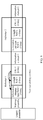
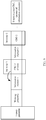
- FIG. 6 is a schematic diagram of a data packet format and a delimiter format according to another embodiment of this application.
- the receiving device receives the data packet sent by the sending device, where a delimiter in the data packet includes an information element type field, a length field, and a cyclic redundancy code field. For one pair of a delimiter and a cyclic redundancy code, whether the delimiter is correct is determined by checking the cyclic redundancy code.
- the cyclic redundancy code field is to protect an information element type field and a length field.
- the information element type field is used to indicate a type of a subsequent information element; and one type of information element is uniquely corresponding to one information element length.
- the length field is used to indicate a length of a subsequent information element.
- a simpler delimiter format is used, and the length field used to indicate the information element length is added to the delimiter. This can increase robustness of the delimiter, reduce complexity of the receiving device, improve recoverability of the delimiter, and reduce an overhead of the delimiter.
- a length of the information element type field is 4 bits, and a length of the length field is also 4 bits. Because the cyclic redundancy code field is to protect the information element type field and the length field, a length of the cyclic redundancy code field is 8 bits.
- the length of the information element type field is 4 bits and the length of the length field is 4 bits is merely used as an example for description in this embodiment of this application, and this embodiment of this application is not limited thereto.
- the length of the information element type field and the length of the length field each may be another quantity of bits.
- the length of the information element type field and the length of the length field each may alternatively be 5 bits or 6 bits. This is not limited in this embodiment of this application.
- the length of the information element type field may be different from the length of the length field.
- the length of the information element type field may be 5 bits, and the length of the length field may be 6 bits.
- the length of the cyclic redundancy code field may alternatively not be a sum of the length of the length field and the length of the information element type field. This is not limited in this embodiment of this application.
- a relationship between the length field and the information element length may be another correspondence, provided that the length field may indicate a length of an information element that belongs to a same pair as the length field. This is not limited in this embodiment of this application.
- the parsing, by the receiving device, the information element based on the cyclic redundancy code field and at least one of the information element type field and the length field includes the following steps.
- Step 1 Determine a first delimiter, in the data packet, that passes cyclic redundancy code field check.
- Step 2 Extract a first information element based on either of an information element length corresponding to an information element type field in the first delimiter and an information element length indicated by the length field in the first delimiter.
- Step 3 Parse content of the first information element based on a length of the first information element and a type that is of the first information element and is indicated by the information element type field in the first delimiter.
- the receiving device After receiving the data packet sent by the sending device, the receiving device starts to detect a correct delimiter in the data packet.
- the receiving device determines that the correct delimiter is received, may determine the information element type based on the information element type field in the delimiter, and determine the information element length based on a length corresponding to the information element type or based on an information element length corresponding to the length field. After the information element length and the information element type are known, content of the information element can be parsed.
- the receiving device When the receiving device receives the data packet sent by the sending device, where the data packet format is shown in FIG. 6 , the receiving device first determines whether a CRC-1 in a delimiter 1 passes a check. When the CRC-1 in the delimiter 1 passes the check, it indicates that the delimiter 1 is a correct delimiter; a type of an information element 1 may be determined as an acknowledgment frame based on an information element type field 1 in the delimiter 1, for example, as listed in Table 1, the information element type field 1 being 0001; and a length of the information element 1 is determined based on the type of the information element 1 or based on an information element length indicated by a length field 1 in the delimiter.
- the receiving device can correctly parse content of the information element 1. Then, the receiving device continues to parse content of an information element 2 based on a delimiter 2 and a CRC-2 by using the same method.
- delimiter 1 the information element type field 1, and the information element 1 merely represent a delimiter and an information element that belong to a same pair. This should not impose any limitation on this embodiment of this application.
- the parsing, by the receiving device, the information element based on the cyclic redundancy code field and at least one of the information element type field and the length field includes the following steps.
- Step 1 Determine a first delimiter, in the delimiter, that does not pass cyclic redundancy code field check.
- Step 2 When an information element length corresponding to an information element type field in the first delimiter is corresponding to an information element length indicated by the length field in the first delimiter, extract the information element based on the information element length corresponding to the information element type field in the first delimiter or based on the information element length indicated by the length field in the first delimiter, and perform frame check sequence check on the extracted information element; or when an information element length corresponding to the information element type field in the first delimiter is not corresponding to an information element length indicated by the length field in the first delimiter, extract the information elements separately based on the information element length corresponding to the information element type field in the first delimiter and based on the information element length indicated by the length field in the first delimiter, and separately perform frame check sequence check on the extracted information elements.
- Step 3 Parse the information element based on a frame check sequence check result.
- the receiving device receives the data packet sent by the sending device
- whether the first delimiter is a correct delimiter cannot be determined. Therefore, content of the first information element that belongs to a same pair as the first delimiter still cannot be parsed based on the cyclic redundancy code field, the information element type field, and the length field in the first delimiter.
- whether the information element length corresponding to the information element type field in the first delimiter is corresponding to the information element length indicated by the length field in the first delimiter is determined, with no need to start a sliding window immediately to search for a next delimiter. For example, whether the information element length corresponding to the information element type field in the first delimiter is corresponding to the information element length indicated by the length field in the first delimiter may be determined through detection.
- the information element length corresponding to the information element type field in the first delimiter When the information element length corresponding to the information element type field in the first delimiter is corresponding to the information element length indicated by the length field in the first delimiter, it indicates that the information element length corresponding to the information element type field in the first delimiter is equal to the information element length indicated by the length field in the first delimiter. In this case, whether the information element is a correct information element still cannot be determined, and therefore the frame check sequence check needs to be further performed on the information element. Because only the information element length is known, an information element with such a length needs to be extracted for check. Whether the information element is a correct information element is determined based on the check result.
- the frame check sequence check needs to be further performed on the information elements. Because the information element length corresponding to the information element type field is not equal to the information element length indicated by the length field, the frame check sequence check needs to be performed separately on the information elements that are extracted separately based on the two fields, and whether the information elements are correct information elements is determined based on the check result.
- the receiving device When the receiving device receives the data packet sent by the sending device, where the data packet format is shown in FIG. 6 , the receiving device first determines whether a CRC-1 in a delimiter 1 passes a check. When the CRC-1 in the delimiter 1 does not pass the check, it indicates that the delimiter 1 is an incorrect delimiter. In this case, whether an information element length corresponding to an information element type field 1 in the delimiter 1 is equal to an information element length indicated by a length field 1 in the delimiter 1 is detected. When the two lengths are equal, whether an information element with such a length is a correct information element still cannot be determined, and therefore the frame check sequence check needs to be further performed on the information element with the length.
- the information element with the length needs to be extracted for check. Whether the information element is a correct information element is determined based on the check result.
- the frame check sequence check needs to be performed separately on the information elements that are extracted based on the two lengths, and whether the information elements are correct information elements is determined based on the check result.
- step 3 the parsing the information element based on a frame check sequence check result may include:
- the information element length corresponding to the information element type field in the first delimiter is corresponding to the information element length indicated by the length field in the first delimiter, there is only one information element length. Therefore, when the information element extracted based on the length passes the frame check sequence check, it indicates that the information element is a correct information element.
- the information element is determined as the first information element, that is, an information element corresponding to the first delimiter.
- the type of the first information element can be reversely deduced based on the length of the first information element.
- the type of the first information element needs to be determined based on the length of the first information element and the sub-type field, in the first information element, used to indicate the type of the first information element. In this case, after the length and the type of the first information element are determined, the content of the first information element can be parsed.
- the frame check sequence check needs to be performed separately on the information elements that are extracted based on the two lengths.
- the content of the first information element is to be parsed according to the method used when the information element length corresponding to the information element type field is corresponding to the information element length indicated by the length field in the first delimiter.
- step 3 is: Parse the information element based on a frame check sequence check result.
- the receiving device determines that the information element length corresponding to the information element type field 1 in the delimiter 1 is equal to the information element length indicated by the length field 1 in the delimiter 1, and the information element that is extracted based on the length passes the frame check sequence check, it may be determined that the information element is the information element 1.
- the receiving device determines a type of the information element 1 based on a length of the information element 1 or a sub-type field, at a fixed location in the information element 1, used to indicate the type of the information element 1, so as to parse content of the information element 1.
- the receiving device determines that the information element length corresponding to the information element type field 1 in the delimiter 1 is not equal to the information element length indicated by the length field 1 in the delimiter 1, and both/either of the two information elements that are extracted based on the two lengths pass/passes the frame check sequence check, either of the information elements that pass the check may be determined as the information element 1.
- the receiving device determines a type of the information element 1 based on a length of the information element 1 or a sub-type field, at a fixed location in the information element 1, used to indicate the type of the information element 1, so as to parse content of the information element 1.
- step 3 the parsing the information element based on a frame check sequence check result may further include:
- the sliding window needs to be started to find a next delimiter.
- the length of the content extracted by using the sliding window may be the length of the first delimiter, that is, R bits. It should be understood that content of another length may alternatively be extracted.
- the content of the first information element is parsed by using a method similar to the method for finding the second delimiter based on the data packet format and the delimiter format shown in FIG. 6 by using the sliding window and for parsing the information element. To avoid repetition, details are not described herein again.
- the receiving device may parse the content of the information element by comparing the information element length indicated by the length field with the information element length corresponding to the information element type field, or attempt to parse the content of the information element separately based on the information element type field or the length field. In this way, the content of the information element can be parsed more quickly; and if the delimiter does not pass the cyclic redundancy check, the sliding window is prevented from being immediately started to search for a next delimiter. This can increase robustness of the delimiter, reduce complexity of the receiving device, improve recoverability of the delimiter, and reduce an overhead of the delimiter.
- a length indication may also be introduced to a fixed location in an information element.
- an information element type field indicates that an information element type is a data frame, but the data frame is corresponding to more than one length
- a length of the data frame needs to be further indicated at a fixed location (for example, a first byte of the data frame) in the information element. In this way, the length of the data frame can be determined, and content of the data frame can be parsed.
- a length of an information element of a specific type may also be designed to be different from a length of an information element of another type, or the type of the information element may be further indicated in a fixed field of the information element with the length. In this way, the type of the information element with the length can be determined, and content of the information element is parsed.
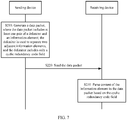
- FIG. 7 is a schematic flowchart of the data packet transmission method 200 according to this embodiment of this application.
- the method 200 includes the following steps.
- a sending device generates a data packet, where the data packet includes at least one pair of a delimiter and an information element, the delimiter is used to separate two adjacent information elements, and the delimiter includes only a cyclic redundancy code field.
- the sending device sends the data packet.
- a receiving device receives the data packet.
- the sending device sends the data packet to the receiving device, and the receiving device receives the data packet sent by the sending device.
- the receiving device parses content of the information element in the data packet based on the cyclic redundancy code field.
- a simpler delimiter format is used, where the delimiter includes only the cyclic redundancy code field, an overhead of the delimiter is reduced on the premise of implementing a function of the delimiter, an occupied resource is reduced, transmission efficiency is improved, and complexity of the receiving device is reduced.
- an FCS is also a cyclic redundancy code. Because the CRC is used to detect a MAC frame, the CRC is also referred to as an FCS. Generally, an FCS is used to check an entire MAC frame, and a CRC is used to check a field such as a signaling field or a delimiter. Therefore, the frame check sequence and the cyclic redundancy code are interchangeable in this embodiment of this application. This is not limited in this embodiment of this application.
- FIG. 8 or FIG. 9 is a schematic diagram of a data packet format and a delimiter format.
- a data packet includes an L-Preamble, a W-Preamble, and a plurality of pairs of delimiters and information elements.
- the L-Preamble is used to ensure coexistence (Coexistence) of data transmitted by using a common main link.
- the W-Preamble is usually used by the receiving device to perform wake up packet detection, signaling information reading, and the like.
- the delimiter in the data packet includes only a cyclic redundancy code field, and the cyclic redundancy code field is to protect content of an information element instead of the delimiter.
- cyclic redundancy code field check is performed to determine whether the delimiter is correct.
- the information element may be a MAC frame such as a data frame, a beacon frame, or an acknowledgment frame, or may be a field at a physical layer. This is not limited in this embodiment of this application.
- a function of the delimiter is to separate a plurality of information elements. For one pair of a delimiter and an information element, the delimiter may be located before the information element, as shown in FIG. 8 ; or the delimiter may be located after the information element, as shown in FIG. 9 .
- a length of the cyclic redundancy code field is 4 bits.
- a length of the cyclic redundancy code field may alternatively be another quantity of bits. This is not limited in this embodiment of this application.
- the preamble in the data packet may alternatively be another preamble, or there may be a plurality of preambles.
- the preamble may be an Internet of Things preamble used for transmission of an Internet of Things station. This is not limited in this embodiment of this application.
- the parsing, by the receiving device, content of the information element in the data packet based on the cyclic redundancy code field may include the following steps.
- Step 1 Determine two consecutive delimiters, in the delimiter, that pass cyclic redundancy code field check.
- Step 2 Parse content of an information element between the two consecutive delimiters.
- the receiving device After receiving the data packet sent by the sending device, the receiving device starts to parse the content of the information element in the data packet. Because information elements are delimited by delimiters one by one, an information element between two consecutive delimiters needs to be found, so as to parse content of the information element. Because a delimiter includes only a cyclic redundancy code field, two consecutive delimiters need to be found by using the cyclic redundancy code field, so as to determine an information element between the two delimiters. In this way, content of the information element between the two delimiters can be parsed.
- the determining, by the receiving device, two consecutive delimiters, in the delimiter, that pass cyclic redundancy code field check may include the following steps.
- Step 1 Determine a first delimiter, in the delimiter, that passes cyclic redundancy code field check.
- Step 2 Sequentially extract fixed-length content in the data packet by using a sliding window.
- Step 3 Determine a second delimiter, in the data packet, that is adjacent to the first delimiter and that passes the cyclic redundancy code field check.
- the receiving device first performs the cyclic redundancy code field check on the delimiter; when the delimiter passes the cyclic redundancy code field check, determines that the delimiter is the first delimiter; otherwise, continues to perform the cyclic redundancy code field check on a delimiter, until the first delimiter that passes the cyclic redundancy code field check is found; and sequentially extracts the fixed-length content in the data packet by using the sliding window, until the second delimiter, in the data packet, that is adjacent to the first delimiter and that passes the cyclic redundancy code field check is found. In this way, after the first delimiter and the second delimiter are determined, content of an information element between the two delimiters can be parsed.
- the first delimiter and the second delimiter represent two types of delimiters. Quantities of delimiters and information elements should not be limited.
- the first delimiter is a delimiter, in the data packet, that passes the cyclic redundancy code field check
- the second delimiter is a delimiter that is adjacent to the first delimiter and that passes the cyclic redundancy code field check.
- the first delimiter and the second delimiter may be a plurality of delimiters or may be one delimiter.
- the receiving device when receiving the data packet sent by the sending device, the receiving device first determines whether a CRC-1 in a delimiter 1 passes a check.
- the CRC-1 in the delimiter 1 passes the check, it indicates that the delimiter 1 is a correct delimiter; and starting from an information element 1, fixed-length content is sequentially extracted by using the sliding window, until a delimiter 2, in the data packet, that is adjacent to the delimiter 1 and that passes cyclic redundancy code field check is found.
- the CRC in delimiter 2 is assumed to be a CRC-2. In this way, the information element 1 between the CRC-1 and the CRC-2 can be extracted, and content of the information element 1 is parsed.
- a delimiter that passes the cyclic redundancy code field check continues to be found.
- the delimiter is determined as a first delimiter.
- a second delimiter is found by using the same method. Content of an information element between the two delimiters is parsed. Content of information elements in the entire data packet is parsed by using this method.
- a length of the CRC-1 field is X bits
- a length of the information element 1 is Y bits
- X+Y constitutes all bytes.
- a Wireless Fidelity Wireless Fidelity, WiFi
- a byte is used as a unit; therefore, if a field length is less than 1 byte, padding is usually performed to obtain a whole byte.
- the length of the CRC-1 is 4 bits
- the length of the information element 1 may be an integral quantity of bytes plus 4 bits.
- the length of the CRC-1 is 8 bits
- the length of the information element 1 is whole bytes.
- the fixed length may be a sum of lengths of the CRC-1 and the information element 1.
- delimiter 1 the information element type field 1, and the information element 1 merely represent a delimiter and an information element that belong to a same pair. This should not impose any limitation on this embodiment of this application.
- a simpler delimiter format is used, where the delimiter includes only the cyclic redundancy code field, an overhead of the delimiter is reduced on the premise of implementing a function of the delimiter, an occupied resource is reduced, transmission efficiency is improved, and complexity of the receiving device is reduced.
- sequence numbers of the foregoing processes and steps do not mean execution sequences in various embodiments of this application.
- the execution sequences of the processes should be determined based on functions and internal logic of the processes, and should not be construed as any limitation on the implementation processes of the embodiments of this application.
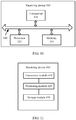
- FIG. 10 is a schematic block diagram of a receiving device 300 according to an embodiment of this application. As shown in FIG. 10 , the receiving device 300 includes:
- a simpler delimiter format is used in the data packet received by the receiving device, an overhead of the delimiter is reduced on the premise of implementing a function of the delimiter, an occupied resource is reduced, transmission efficiency is improved, and complexity of the receiving device is reduced.
- the receiving device 300 may further include a memory 330.
- the memory 330 may be configured to store code and the like that are executed by the processor 320.
- the bus system 340 includes a power bus, a control bus, and a status signal bus.
- the processor may be an integrated circuit chip and has a signal processing capability. In an implementation process, steps in the foregoing method embodiments may be completed by using an integrated logic circuit of hardware in the processor or an instruction in a form of software.
- the processor may be a general-purpose processor, a digital signal processor (digital signal processor, DSP), an application-specific integrated circuit (application-specific integrated circuit, ASIC), a field programmable gate array (field programmable gate array, FPGA) or another programmable logic device, a discrete gate, a transistor logic device, or a discrete hardware component.
- the processor can implement or perform the methods, steps and logical block diagrams disclosed in the embodiments of this application.
- the general-purpose processor may be a microprocessor, or the processor may alternatively be any conventional processor or the like.
- the steps of the methods disclosed with reference to the embodiments of this application may be directly implemented by a hardware decoding processor, or may be implemented by a combination of hardware in a decoding processor and a software module.
- the software module may be in a mature storage medium in the art such as a random-access memory, a flash memory, a read-only memory, a programmable read-only memory, an erasable programmable memory, or a register.
- the storage medium is located in the memory, and the processor reads information from the memory and completes the steps in the foregoing methods in combination with hardware of the processor.
- the processor 320 is specifically configured to: determine a first delimiter, in the data packet, that passes cyclic redundancy code field check; determine a length of a first information element based on a type of the first information element that is corresponding to an information element type field in the first delimiter; and parse the first information element based on the type of the first information element and the length of the first information element.
- the processor 320 is specifically configured to: determine a first delimiter, in the data packet, that does not pass cyclic redundancy code field check, where a length of the first delimiter is Z bits; sequentially extract content whose length is Z bits in the data packet by using a sliding window, and determine a second delimiter, in the data packet, that is adjacent to the first delimiter and that passes the cyclic redundancy code field check; extract a first information element between the first delimiter and the second delimiter; determine a type of the first information element based on a length of the first information element, or determine a type of the first information element based on a length of the first information element and a sub-type field, in the first information element, used to indicate the type of the first information element; and parse the first information element based on the type of the first information element and the length of the first information element.
- the delimiter in the data packet received by the transceiver 310, the delimiter further includes a length field.
- the length field is used to indicate a length of the information element.
- the processor 320 is specifically configured to parse the information element based on the cyclic redundancy code field and at least one of the information element type field and the length field that are received by the transceiver 310.
- the processor 320 is specifically configured to: determine a first delimiter, in the data packet, that passes cyclic redundancy code field check; extract a first information element based on either of an information element length corresponding to an information element type field in the first delimiter and an information element length indicated by the length field in the first delimiter; and parse the first information element based on a length of the first information element and a type that is of the first information element and is indicated by the information element type field in the first delimiter.
- the processor 320 is specifically configured to: determine a first delimiter, in the delimiter, that does not pass cyclic redundancy code field check, where a length of the first delimiter is R bits; when an information element length corresponding to an information element type field in the first delimiter is corresponding to an information element length indicated by a length field in the first delimiter, extract the information element based on the information element length corresponding to the information element type field in the first delimiter or based on the information element length indicated by the length field in the first delimiter, and perform frame check sequence check on the extracted information element; or when an information element length corresponding to the information element type field in the first delimiter is not corresponding to an information element length indicated by the length field in the first delimiter, extract the information elements separately based on the information element length corresponding to the information element type field in the first delimiter and based on the information element length indicated by the length field in the first delimiter, and separately perform frame check sequence check on the extracted information elements;
- the processor 320 is specifically configured to: determine an information element that passes the frame check sequence check; determine, as a first information element, either of the information elements that pass the check; and determine a type of the first information element based on a length of the first information element, or determine a type of the first information element based on a length of the first information element and a sub-type field, in the first information element, used to indicate the type of the first information element; and parse the first information element based on the type of the first information element and the length of the first information element.
- the processor 320 is specifically configured to: determine that neither of the information elements passes the frame check sequence check; sequentially extract content whose length is R bits in the data packet by using a sliding window, and determine a second delimiter, in the data packet, that is adjacent to the first delimiter and that passes the cyclic redundancy code field check; extract a first information element between the first delimiter and the second delimiter; determine a type of the first information element based on a length of the first information element, or determine a type of the first information element based on a length of the first information element and a sub-type field, in the first information element, used to indicate the type of the first information element; and parse the first information element based on the type of the first information element and the length of the first information element.
- a processor 320 may be implemented by a processing module.
- the memory 330 may be implemented by a storage module.
- a receiving device 400 may include a transceiver module 410, a processing module 420, and a storage module 430.
- the receiving device 300 shown in FIG. 10 or the receiving device 400 shown in FIG. 11 can implement the processes implemented in the foregoing embodiments shown in FIG. 4 . To avoid repetition, details are not described herein again.
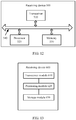
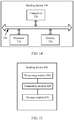
- FIG. 12 is a schematic block diagram of a receiving device 500 according to an embodiment of this application. As shown in FIG. 12 , the receiving device 500 includes:
- a simpler delimiter format is used in the data packet received by the receiving device, where the delimiter includes only the cyclic redundancy code field, an overhead of the delimiter is reduced on the premise of implementing a function of the delimiter, an occupied resource is reduced, transmission efficiency is improved, and complexity of the receiving device is reduced.
- the receiving device 500 may further include a memory 530.
- the memory 530 may be configured to store code and the like that are executed by the processor 520.
- the bus system 540 includes a power bus, a control bus, and a status signal bus.
- the processor 520 is specifically configured to: determine two consecutive delimiters, in the delimiter, that pass cyclic redundancy code field check; and parse content of an information element between the two consecutive delimiters.
- the processor 520 is specifically configured to: determine a first delimiter, in the delimiter, that passes the cyclic redundancy code field check; sequentially extract fixed-length content in the data packet by using a sliding window; and determine a second delimiter, in the data packet, that is adjacent to the first delimiter and that passes the cyclic redundancy code field check.
- the processor 520 may be implemented by a processing module.
- the memory 530 may be implemented by a storage module.
- the receiving device 600 may include a transceiver module 610, a processing module 620, and a storage module 630.
- the receiving device 500 shown in FIG. 12 or the receiving device 600 shown in FIG. 13 can implement the processes implemented in the foregoing embodiments shown in FIG. 4 . To avoid repetition, details are not described herein again.
- FIG. 14 is a schematic block diagram of a sending device 700 according to an embodiment of this application. As shown in FIG. 14 , the sending device 700 includes:
- a simpler delimiter format is used in the data packet generated by the sending device, an overhead of the delimiter is reduced on the premise of implementing a function of the delimiter, an occupied resource is reduced, transmission efficiency is improved, and complexity of the receiving device is reduced.
- the sending device 700 may further include a memory 730.
- the memory 730 may be configured to store code and the like that are executed by the processor 710.
- the bus system 740 includes a power bus, a control bus, and a status signal bus.
- the delimiter in the data packet generated by the processor 710, the delimiter further includes a length field; and in each pair of a delimiter and an information element, the length field is used to indicate a length of the information element.
- the information element in the data packet generated by the processor 710, when one information element length is corresponding to at least two types of information elements, the information element further includes a sub-type field used to indicate the type of the information element.
- the transceiver 720 may be implemented by a transceiver module.
- the processor 710 may be implemented by a processing module.
- the memory 730 may be implemented by a storage module.
- a sending device 800 may include a processing module 810, a transceiver module 820, and a storage module 830.
- the sending device 700 shown in FIG. 14 or the sending device 800 shown in FIG. 15 can implement the processes implemented in the foregoing embodiments shown in FIG. 4 . To avoid repetition, details are not described herein again.
- FIG. 16 is a schematic block diagram of a sending device 900 according to an embodiment of this application. As shown in FIG. 16 , the sending device 900 includes:
- a simpler delimiter format is used in the data packet generated by the sending device, where the delimiter includes only the cyclic redundancy code field, an overhead of the delimiter is reduced on the premise of implementing a function of the delimiter, an occupied resource is reduced, transmission efficiency is improved, and complexity of the receiving device is reduced.
- the sending device 900 may further include a memory 930.
- the memory 930 may be configured to store code and the like that are executed by the processor 910.
- the bus system 940 includes a power bus, a control bus, and a status signal bus.
- the transceiver 920 may be implemented by a transceiver module.
- the processor 910 may be implemented by a processing module.
- the memory 930 may be implemented by a storage module.
- a sending device 1000 may include a processing module 1100, a transceiver module 1200, and a storage module 1300.
- the sending device 900 shown in FIG. 16 or the sending device 1000 shown in FIG. 17 can implement the processes implemented in the foregoing embodiments shown in FIG. 7 . To avoid repetition, details are not described herein again.
- An embodiment of this application provides a computer-readable medium, configured to store a computer program.
- the computer program includes instructions used to perform the data packet transmission methods in the embodiments of this application in FIG. 4 and FIG. 6 .
- the readable medium may be a read-only memory (Read-Only Memory, ROM) or a random-access memory (Random Access Memory, RAM). This is not limited in this embodiment of this application.
- An embodiment of this application further provides a computer-readable medium, configured to store a computer program.
- the computer program includes instructions used to perform the data packet transmission method in the embodiment of this application shown in FIG. 7 .
- the readable medium may be a ROM or a RAM. This is not limited in this embodiment of this application.
- An embodiment of this application further provides a communications system.
- the communications system includes the sending device and the receiving device that are provided in the foregoing embodiments of this application, and the communications system is capable of implementing any data packet transmission method provided in the embodiments of this application.
- An embodiment of this application further provides a system chip.
- the system chip includes a processing unit and a communications unit, where the processing unit may be, for example, a processor, and the communications unit may be, for example, an input/output interface, a pin, or a circuit.
- the processing unit may execute a computer instruction, so that the chip inside the terminal performs any data packet transmission method.
- the computer instruction is stored in a storage unit.
- the storage unit may be a storage unit inside the chip, such as a register or a cache.
- the storage unit may be a storage unit, inside the terminal, located outside the chip, such as a ROM, another type of static storage device that can store static information and instructions, or a RAM.
- Any processor mentioned above may be a CPU, a microprocessor, an ASIC, or one or more integrated circuits executed by a program used to control the foregoing first direct-link data transmission method.
- the disclosed system, apparatus, and method may be implemented in other manners.
- the described apparatus embodiment is merely an example.
- the unit division is merely logical function division and may be other division in actual implementation.
- a plurality of units or components may be combined or integrated into another system, or some features may be ignored or not performed.
- the displayed or discussed mutual couplings or direct couplings or communication connections may be implemented by using some interfaces.
- the indirect couplings or communication connections between the apparatuses or units may be implemented in electrical, mechanical, or other forms.
- the units described as separate parts may or may not be physically separate, and parts displayed as units may or may not be physical units, may be located in one position, or may be distributed on a plurality of network units. Some or all of the units may be selected depending on actual needs to achieve the objectives of the solutions of the embodiments.
- the functions When the functions are implemented in a form of a software functional unit and sold or used as an independent product, the functions may be stored in a computer-readable storage medium.
- the computer software product is stored in a storage medium, and includes several instructions for instructing a computer device (which may be a personal computer, a server, a network device, or the like) to perform all or some of the steps of the methods described in the embodiments of this application.
- the foregoing storage medium includes: any medium that can store program code, such as a USB flash drive, a removable hard disk, a ROM, a RAM, a magnetic disk, or an optical disc.
Landscapes
- Engineering & Computer Science (AREA)
- Computer Networks & Wireless Communication (AREA)
- Signal Processing (AREA)
- Quality & Reliability (AREA)
- Computer Security & Cryptography (AREA)
- Environmental & Geological Engineering (AREA)
- Data Exchanges In Wide-Area Networks (AREA)
- Mobile Radio Communication Systems (AREA)
- Communication Control (AREA)
Claims (15)
- Datenpaketempfangsverfahren, umfassend:Empfangen (S120) eines Datenpakets, wobei das Datenpaket zumindest ein Paar eines Trennzeichens und eines Informationselements umfasst; das Trennzeichen zum Trennen von zwei benachbarten Informationselementen verwendet wird; das Trennzeichen ein Informationselementtypfeld und ein Feld eines zyklischen Redundanzcodes zum Schutz des Informationselementtypfelds umfasst, in jedem Paar eines Trennzeichens und eines Informationselements das Feld eines zyklischen Redundanzcodes durch eine Berechnung basierend auf Informationen im Informationselementtypfeld erhalten wird und das Informationselementtypfeld zum Angeben eines Typs des Informationselements verwendet wird und ein Typ von Informationselement eindeutig einer Informationselementlänge entspricht; undParsen (S130) des Informationselements basierend auf dem Feld eines zyklischen Redundanzcodes und dem Informationselementtypfeld, wobei das Feld eines zyklischen Redundanzcodes zum Bestimmen, ob das Informationselementtypfeld korrekt empfangen wird, verwendet wird.
- Verfahren nach Anspruch 1, wobei das Parsen des Informationselements basierend auf dem Feld eines zyklischen Redundanzcodes und dem Informationselementtypfeld umfasst:Bestimmen eines ersten Trennzeichens im Datenpaket, das die Überprüfung des Felds eines zyklischen Redundanzcodes besteht;Bestimmen einer Länge eines ersten Informationselements basierend auf einem Typ des ersten Informationselements, der einem Informationselementtypfeld im ersten Trennzeichen entspricht; undParsen des ersten Informationselements basierend auf dem Typ des ersten Informationselements und der Länge des ersten Informationselements.
- Verfahren nach Anspruch 1, wobei das Parsen des Informationselements basierend auf dem Feld eines zyklischen Redundanzcodes und dem Informationselementtypfeld umfasst:Bestimmen eines ersten Trennzeichens im Datenpaket, das eine Überprüfung des Felds eines zyklischen Redundanzcodes nicht besteht, wobei eine Länge des ersten Trennzeichens Z Bits beträgt;sequentielles Extrahieren von Inhalten, deren Länge Z Bits beträgt, im Datenpaket durch Verwenden eines gleitenden Fensters und Bestimmen eines zweiten Trennzeichens im Datenpaket, das benachbart zum ersten Trennzeichen ist und das die Überprüfung des Felds eines zyklischen Redundanzcodes besteht;Extrahieren eines ersten Informationselements zwischen dem ersten Trennzeichen und dem zweiten Trennzeichen;Bestimmen eines Typs des ersten Informationselements basierend auf einer Länge des ersten Informationselements oder Bestimmen eines Typs des ersten Informationselements basierend auf einer Länge des ersten Informationselements und eines Untertypfelds im ersten Informationselement, das zum Angeben des Typs des ersten Informationselements verwendet wird; undParsen des ersten Informationselements basierend auf dem Typ des ersten Informationselements und der Länge des ersten Informationselements.
- Verfahren nach Anspruch 1, wobei das Trennzeichen ferner ein Längenfeld umfasst; in jedem Paar eines Trennzeichens und eines Informationselements das Längenfeld zum Angeben einer Länge des Informationselements verwendet wird und das Parsen des Informationselements basierend auf dem Feld eines zyklischen Redundanzcodes und dem Informationselementtypfeld umfasst:
Parsen des Informationselements basierend auf dem Feld eines zyklischen Redundanzcodes und zumindest einem von dem Informationselementtypfeld und dem Längenfeld. - Verfahren nach Anspruch 4, wobei das Parsen des Informationselements basierend auf dem Feld eines zyklischen Redundanzcodes und zumindest einem von dem Informationselementtypfeld und dem Längenfeld umfasst:Bestimmen eines ersten Trennzeichens im Datenpaket, das die Überprüfung des Felds eines zyklischen Redundanzcodes besteht;Extrahieren eines ersten Informationselements basierend auf entweder einer Informationselementlänge entsprechend einem Informationselementtypfeld im ersten Trennzeichen und einer Informationselementlänge, die durch ein Längenfeld im ersten Trennzeichen angegeben wird; undParsen des ersten Informationselements basierend auf einer Länge des ersten Informationselements und einem Typ, der vom ersten Informationselement ist und durch den Informationselementtypfeld im ersten Trennzeichen angegeben wird.
- Verfahren nach Anspruch 4, wobei das Parsen des Informationselements basierend auf dem Feld eines zyklischen Redundanzcodes und zumindest einem von dem Informationselementtypfeld und dem Längenfeld umfasst:Bestimmen eines ersten Trennzeichens, das eine Überprüfung des Felds eines zyklischen Redundanzcodes nicht besteht, wobei eine Länge des ersten Trennzeichens R Bits beträgt; wenn eine Informationselementlänge entsprechend einem Informationselementtypfeld im ersten Trennzeichen einer Informationselementlänge, die durch ein Längenfeld im ersten Trennzeichen angegeben wird, entspricht, Extrahieren des Informationselements basierend auf der Informationselementlänge entsprechend dem Informationselementtypfeld im ersten Trennzeichen oder basierend auf der Informationselementlänge, die durch das Längenfeld im ersten Trennzeichen angegeben wird, und Durchführen einer Überprüfung einer Rahmenprüfsequenz an dem extrahierten Informationselement oderwenn eine Informationselementlänge entsprechend einem Informationselementtypfeld im ersten Trennzeichen einer Informationselementlänge, die durch ein Längenfeld im ersten Trennzeichen angegeben wird, nicht entspricht, separates Extrahieren der Informationselemente basierend auf der Informationselementlänge entsprechend dem Informationselementtypfeld im ersten Trennzeichen und basierend auf der Informationselementlänge, die durch das Längenfeld im ersten Trennzeichen angegeben wird, und separates Durchführen einer Überprüfung einer Rahmenprüfsequenz an den extrahierten Informationselementen undParsen des Informationselements basierend auf einem Ergebnis einer Überprüfung einer Rahmenprüfsequenz.
- Verfahren nach Anspruch 6, wobei das Parsen des Informationselements basierend auf einem Ergebnis einer Überprüfung einer Rahmenprüfsequenz umfasst:Bestimmen eines ersten Informationselements, das eine Überprüfung einer Rahmenprüfsequenz besteht, und Bestimmen eines Typs des ersten Informationselements basierend auf einer Länge des ersten Informationselements oder Bestimmen eines Typs des ersten Informationselements basierend auf einer Länge des ersten Informationselements und eines Untertypfelds im ersten Informationselement, das zum Angeben des Typs des ersten Informationselements verwendet wird; undParsen des ersten Informationselements basierend auf dem Typ des ersten Informationselements und der Länge des ersten Informationselements.
- Verfahren nach Anspruch 6, wobei das Parsen des Informationselements basierend auf einem Ergebnis einer Überprüfung einer Rahmenprüfsequenz umfasst:Bestimmen eines Informationselements, das die Überprüfung einer Rahmenprüfsequenz nicht besteht;sequentielles Extrahieren von Inhalten, deren Länge R Bits beträgt, im Datenpaket durch Verwenden eines gleitenden Fensters und Bestimmen eines zweiten Trennzeichens im Datenpaket, das benachbart zum ersten Trennzeichen ist und das die Überprüfung des Felds eines zyklischen Redundanzcodes besteht;Extrahieren eines ersten Informationselements zwischen dem ersten Trennzeichen und dem zweiten Trennzeichen;Bestimmen eines Typs des ersten Informationselements basierend auf einer Länge des ersten Informationselements oder Bestimmen eines Typs des ersten Informationselements basierend auf einer Länge des ersten Informationselements und eines Untertypfelds im ersten Informationselement, das zum Angeben des Typs des ersten Informationselements verwendet wird; undParsen des ersten Informationselements basierend auf dem Typ des ersten Informationselements und der Länge des ersten Informationselements.
- Empfangsvorrichtung (500), umfassend:einen Transceiver (510), der zum Empfangen eines Datenpakets, wobei das Datenpaket zumindest ein Paar eines Trennzeichens und eines Informationselements umfasst; das Trennzeichen zum Trennen von zwei benachbarten Informationselementen verwendet wird; das Trennzeichen ein Informationselementtypfeld und ein Feld eines zyklischen Redundanzcodes zum Schutz des Informationselementtypfelds umfasst, in jedem Paar eines Trennzeichens und eines Informationselements das Feld eines zyklischen Redundanzcodes durch eine Berechnung basierend auf Informationen im Informationselementtypfeld erhalten wird und der Informationselementtypfeld zum Angeben eines Typs des Informationselements verwendet wird und ein Typ von Informationselement eindeutig einer Informationselementlänge entspricht, ausgelegt ist; undeinen Prozessor (520), der zum Parsen des Informationselements basierend auf dem Feld eines zyklischen Redundanzcodes und dem Informationselementtypfeld, die durch den Transceiver empfangen werden, wobei das Feld eines zyklischen Redundanzcodes zum Bestimmen, ob das Informationselementtypfeld korrekt empfangen wird, verwendet wird, ausgelegt ist.
- Empfangsvorrichtung nach Anspruch 9, wobei der Prozessor insbesondere ausgelegt ist zum:Bestimmen eines ersten Trennzeichens im Datenpaket, das die Überprüfung des Felds eines zyklischen Redundanzcodes besteht;Bestimmen einer Länge eines ersten Informationselements basierend auf einem Typ des ersten Informationselements, der einem Informationselementtypfeld im ersten Trennzeichen entspricht; undParsen des ersten Informationselements basierend auf dem Typ des ersten Informationselements und der Länge des ersten Informationselements.
- Empfangsvorrichtung nach Anspruch 9, wobei der Prozessor insbesondere ausgelegt ist zum:Bestimmen eines ersten Trennzeichens im Datenpaket, das eine Überprüfung des Felds eines zyklischen Redundanzcodes nicht besteht, wobei eine Länge des ersten Trennzeichens Z Bits beträgt;sequentiellen Extrahieren von Inhalten, deren Länge Z Bits beträgt, im Datenpaket durch Verwenden eines gleitenden Fensters und Bestimmen eines zweiten Trennzeichens im Datenpaket, das benachbart zum ersten Trennzeichen ist und das die Überprüfung des Felds eines zyklischen Redundanzcodes besteht;Extrahieren eines ersten Informationselements zwischen dem ersten Trennzeichen und dem zweiten Trennzeichen;Bestimmen eines Typs des ersten Informationselements basierend auf einer Länge des ersten Informationselements oder Bestimmen eines Typs des ersten Informationselements basierend auf einer Länge des ersten Informationselements und eines Untertypfelds im ersten Informationselement, das zum Angeben des Typs des ersten Informationselements verwendet wird; undParsen des ersten Informationselements basierend auf dem Typ des ersten Informationselements und der Länge des ersten Informationselements.
- Empfangsvorrichtung nach Anspruch 9, wobei im Datenpaket, das durch den Transceiver empfangen wird, das Trennzeichen ferner ein Längenfeld umfasst; in jedem Paar eines Trennzeichens und eines Informationselements das Längenfeld zum Angeben einer Länge des Informationselements verwendet wird und der Prozessor insbesondere ausgelegt ist zum:
Parsen des Informationselements basierend auf dem Feld eines zyklischen Redundanzcodes und zumindest einem von dem Informationselementtypfeld und dem Längenfeld, die durch den Transceiver empfangen werden. - Empfangsvorrichtung nach Anspruch 12, wobei der Prozessor insbesondere ausgelegt ist zum:Bestimmen eines ersten Trennzeichens im Datenpaket, das die Überprüfung des Felds eines zyklischen Redundanzcodes besteht;Extrahieren eines ersten Informationselements basierend auf entweder einer Informationselementlänge entsprechend einem Informationselementtypfeld im ersten Trennzeichen und einer Informationselementlänge, die durch ein Längenfeld im ersten Trennzeichen angegeben wird; undParsen des ersten Informationselements basierend auf einer Länge des ersten Informationselements und einem Typ, der vom ersten Informationselement ist und durch den Informationselementtypfeld im ersten Trennzeichen angegeben wird.
- Empfangsvorrichtung nach Anspruch 12, wobei der Prozessor insbesondere ausgelegt ist zum:Bestimmen eines ersten Trennzeichens, das eine Überprüfung des Felds eines zyklischen Redundanzcodes nicht besteht, wobei eine Länge des ersten Trennzeichens R Bits beträgt;wenn eine Informationselementlänge entsprechend einem Informationselementtypfeld im ersten Trennzeichen einer Informationselementlänge, die durch das Längenfeld im ersten Trennzeichen angegeben wird, entspricht, Extrahieren des Informationselements basierend auf der Informationselementlänge entsprechend dem Informationselementtypfeld im ersten Trennzeichen oder basierend auf der Informationselementlänge, die durch das Längenfeld im ersten Trennzeichen angegeben wird, und Durchführen einer Überprüfung einer Rahmenprüfsequenz an dem extrahierten Informationselement oderwenn eine Informationselementlänge entsprechend einem Informationselementtypfeld im ersten Trennzeichen einer Informationselementlänge, die durch ein Längenfeld im ersten Trennzeichen angegeben wird, nicht entspricht, separates Extrahieren der Informationselemente basierend auf der Informationselementlänge entsprechend dem Informationselementtypfeld im ersten Trennzeichen und basierend auf der Informationselementlänge, die durch das Längenfeld im ersten Trennzeichen angegeben wird, und separates Durchführen einer Überprüfung einer Rahmenprüfsequenz an den extrahierten Informationselementen undParsen des Informationselements basierend auf einem Ergebnis einer Überprüfung einer Rahmenprüfsequenz.
- Empfangsvorrichtung nach Anspruch 14, wobei der Prozessor insbesondere ausgelegt ist zum:Bestimmen eines ersten Informationselements, das die Überprüfung einer Rahmenprüfsequenz besteht; undBestimmen eines Typs des ersten Informationselements basierend auf einer Länge des ersten Informationselements oder Bestimmen eines Typs des ersten Informationselements basierend auf einer Länge des ersten Informationselements und eines Untertypfelds im ersten Informationselement, das zum Angeben des Typs des ersten Informationselements verwendet wird; undParsen des ersten Informationselements basierend auf dem Typ des ersten Informationselements und der Länge des ersten Informationselements oderder Prozessor insbesondere ausgelegt ist zum:Bestimmen eines Informationselements, das die Überprüfung einer Rahmenprüfsequenz nicht besteht;sequentiellen Extrahieren von Inhalten, deren Länge R Bits beträgt, im Datenpaket durch Verwenden eines gleitenden Fensters und Bestimmen eines zweiten Trennzeichens im Datenpaket, das benachbart zum ersten Trennzeichen ist und das die Überprüfung des Felds eines zyklischen Redundanzcodes besteht;Extrahieren eines ersten Informationselements zwischen dem ersten Trennzeichen und dem zweiten Trennzeichen;Bestimmen eines Typs des ersten Informationselements basierend auf einer Länge des ersten Informationselements oder Bestimmen eines Typs des ersten Informationselements basierend auf einer Länge des ersten Informationselements und eines Untertypfelds im ersten Informationselement, das zum Angeben des Typs des ersten Informationselements verwendet wird; undParsen des ersten Informationselements basierend auf dem Typ des ersten Informationselements und der Länge des ersten Informationselements.
Applications Claiming Priority (2)
| Application Number | Priority Date | Filing Date | Title |
|---|---|---|---|
| CN201611073991.1A CN108123775B (zh) | 2016-11-29 | 2016-11-29 | 传输数据包的方法和设备 |
| PCT/CN2017/108021 WO2018099221A1 (zh) | 2016-11-29 | 2017-10-27 | 传输数据包的方法和设备 |
Publications (3)
| Publication Number | Publication Date |
|---|---|
| EP3537641A1 EP3537641A1 (de) | 2019-09-11 |
| EP3537641A4 EP3537641A4 (de) | 2019-11-27 |
| EP3537641B1 true EP3537641B1 (de) | 2021-04-14 |
Family
ID=62225865
Family Applications (1)
| Application Number | Title | Priority Date | Filing Date |
|---|---|---|---|
| EP17877108.5A Active EP3537641B1 (de) | 2016-11-29 | 2017-10-27 | Verfahren und vorrichtung zur übertragung von datenpaketen |
Country Status (4)
| Country | Link |
|---|---|
| US (1) | US10904121B2 (de) |
| EP (1) | EP3537641B1 (de) |
| CN (1) | CN108123775B (de) |
| WO (1) | WO2018099221A1 (de) |
Cited By (1)
| Publication number | Priority date | Publication date | Assignee | Title |
|---|---|---|---|---|
| TWI858683B (zh) * | 2022-05-13 | 2024-10-11 | 聯發科技股份有限公司 | 視頻延遲改善方法及電子裝置 |
Families Citing this family (9)
| Publication number | Priority date | Publication date | Assignee | Title |
|---|---|---|---|---|
| CN109413450B (zh) * | 2018-09-30 | 2021-04-27 | 武汉斗鱼网络科技有限公司 | 一种弹幕数据的完整性校验方法、装置、终端及存储介质 |
| CN116232555A (zh) * | 2019-03-15 | 2023-06-06 | 华为技术有限公司 | 数据传输方法及装置 |
| CN110825751B (zh) * | 2019-11-13 | 2023-10-03 | 上海图莱智能科技有限公司 | 一种自定义数据格式的方法及数据转换系统 |
| CN111673737A (zh) * | 2020-05-13 | 2020-09-18 | 北京理工大学 | 一种机器人信息发送方法、接收方法、设备及存储介质 |
| CN111641662B (zh) * | 2020-07-01 | 2023-05-12 | 中国银行股份有限公司 | 报文格式检验方法及装置 |
| TW202308436A (zh) * | 2021-06-22 | 2023-02-16 | 南韓商韋勒斯標準與技術協會公司 | 使用共享txop的無線通訊方法及使用該方法的無線通訊終端 |
| CN115694563B (zh) * | 2021-07-30 | 2024-07-16 | 国基电子(上海)有限公司 | 基于蓝牙的传输方法、发送装置、传输系统及存储介质 |
| CN113746848B (zh) * | 2021-09-07 | 2023-04-18 | 烽火通信科技股份有限公司 | 一种并行可编程组包器和方法 |
| CN117978878A (zh) * | 2022-10-25 | 2024-05-03 | 中兴通讯股份有限公司 | 一种信号的发送、接收方法及通信节点、存储介质 |
Family Cites Families (16)
| Publication number | Priority date | Publication date | Assignee | Title |
|---|---|---|---|---|
| US7305043B2 (en) * | 2002-10-17 | 2007-12-04 | Ibiquity Digital Corporation | Method and apparatus for formatting signals for digital audio broadcasting transmission and reception |
| US7609724B1 (en) | 2005-04-29 | 2009-10-27 | Qualcomm Incorporated | Enhanced frame aggregation in a wireless network system |
| US8249104B2 (en) * | 2008-10-30 | 2012-08-21 | Futurewei Technologies, Inc. | Optical network terminal management and control interface over Ethernet |
| CN102595494A (zh) * | 2012-02-07 | 2012-07-18 | 北京新岸线无线技术有限公司 | 一种数据传输方法和装置 |
| CN102595495A (zh) * | 2012-02-07 | 2012-07-18 | 北京新岸线无线技术有限公司 | 一种数据发送、接收方法和装置 |
| US20150036673A1 (en) | 2013-07-30 | 2015-02-05 | Qualcomm Incorporated | Systems and methods for communicating multi-destination traffic in a wireless network |
| US9467379B2 (en) * | 2013-08-28 | 2016-10-11 | Qualcomm Incorporated | Methods and apparatus for multiple user uplink |
| US20160043946A1 (en) * | 2014-08-06 | 2016-02-11 | Qualcomm Incorporated | Systems and methods for aggregating multi-user media access control protocol data unit frames in a wireless network |
| US20160065466A1 (en) * | 2014-08-28 | 2016-03-03 | Qualcomm Incorporated | Systems and methods for signaling multi-destination aggregated multi-user media access control protocol data units in a wireless network |
| US9602635B2 (en) * | 2014-10-27 | 2017-03-21 | Intel IP Corporation | Wireless device, method, and computer readable media for compressed media access control header |
| US9992774B2 (en) * | 2014-11-11 | 2018-06-05 | Marvell World Trade Ltd. | Acknowledgment for multiple user communication in a WLAN |
| CN106161410B (zh) * | 2015-04-24 | 2019-07-19 | 华为技术有限公司 | 数据处理方法、装置及系统 |
| JP6728700B2 (ja) * | 2016-01-15 | 2020-07-22 | 富士通株式会社 | 通信システム、通信プログラム、通信方法、および、通信装置 |
| KR102157470B1 (ko) * | 2016-07-06 | 2020-09-17 | 주식회사 윌러스표준기술연구소 | 트리거 정보를 사용하는 무선 통신 방법 및 이를 사용하는 무선 통신 단말 |
| US11917540B2 (en) * | 2018-08-03 | 2024-02-27 | Apple Inc. | Target wake time scheme for multicast communication |
| US11770731B2 (en) * | 2018-10-29 | 2023-09-26 | Apple Inc. | Target wake time traffic differentiation and service period extension |
-
2016
- 2016-11-29 CN CN201611073991.1A patent/CN108123775B/zh active Active
-
2017
- 2017-10-27 EP EP17877108.5A patent/EP3537641B1/de active Active
- 2017-10-27 WO PCT/CN2017/108021 patent/WO2018099221A1/zh not_active Ceased
-
2019
- 2019-05-28 US US16/423,191 patent/US10904121B2/en active Active
Non-Patent Citations (1)
| Title |
|---|
| None * |
Cited By (1)
| Publication number | Priority date | Publication date | Assignee | Title |
|---|---|---|---|---|
| TWI858683B (zh) * | 2022-05-13 | 2024-10-11 | 聯發科技股份有限公司 | 視頻延遲改善方法及電子裝置 |
Also Published As
| Publication number | Publication date |
|---|---|
| CN108123775A (zh) | 2018-06-05 |
| CN108123775B (zh) | 2020-09-29 |
| EP3537641A1 (de) | 2019-09-11 |
| US20190280953A1 (en) | 2019-09-12 |
| EP3537641A4 (de) | 2019-11-27 |
| WO2018099221A1 (zh) | 2018-06-07 |
| US10904121B2 (en) | 2021-01-26 |
Similar Documents
| Publication | Publication Date | Title |
|---|---|---|
| EP3537641B1 (de) | Verfahren und vorrichtung zur übertragung von datenpaketen | |
| EP3499977B1 (de) | Verfahren und vorrichtung zum senden und empfangen eines wur-rahmens | |
| AU2023251548B2 (en) | Discontinuous reception method, terminal device and network device | |
| EP3070867B1 (de) | Vorrichtung und verfahren zur blockquittierungskompression | |
| US20190082453A1 (en) | Downlink Control Information Transmission Method and Apparatus | |
| EP3614754A1 (de) | Funkrufnachrichtensendeverfahren, funkrufnachrichtenempfangsverfahren, endgerät und system | |
| EP3634050A1 (de) | Signalübertragungsverfahren, netzwerkvorrichtung und endgerätevorrichtung | |
| EP3937408A1 (de) | Datenübertragungsverfahren und -vorrichtung | |
| KR20080074854A (ko) | 무선 네트워크 통신에서의 이용을 위한 고속 제어 메시징메카니즘 | |
| US11082923B2 (en) | Method for direct communication between stations in wireless local area network and related device | |
| JP2016534634A (ja) | 送信の機会(txop)をシェアすること | |
| KR20170134458A (ko) | 제어 프레임 어그리게이션 프레임 | |
| EP3720194B1 (de) | Verfahren und vorrichtung zum senden und empfangen eines drahtlosen aufweckpakets | |
| US20150071215A1 (en) | Midpacket detection schemes for clear channel assessment (cca) | |
| EP4013170A1 (de) | Datenübertragungsverfahren und -vorrichtung | |
| CN116438879A (zh) | 寻呼消息发送的方法和装置 | |
| JP2016530825A (ja) | スピードフレーム交換ルール | |
| TWI769324B (zh) | 傳輸資料的方法、終端設備和網路設備 | |
| CN108012288A (zh) | 一种无线通信的方法和设备 | |
| WO2018233646A1 (zh) | 唤醒方法、接入点和站点 | |
| EP3528556A1 (de) | Wake-up-radio-entdeckungsrahmen | |
| CN112994724A (zh) | 无线通信装置、相关方法以及电子装置 | |
| EP4629740A1 (de) | Kommunikationsverfahren und kommunikationsvorrichtung | |
| WO2024217455A1 (zh) | 发送和接收物理层协议数据单元的方法和通信装置 | |
| CN119031458A (zh) | 通信方法和通信装置 |
Legal Events
| Date | Code | Title | Description |
|---|---|---|---|
| STAA | Information on the status of an ep patent application or granted ep patent |
Free format text: STATUS: THE INTERNATIONAL PUBLICATION HAS BEEN MADE |
|
| PUAI | Public reference made under article 153(3) epc to a published international application that has entered the european phase |
Free format text: ORIGINAL CODE: 0009012 |
|
| STAA | Information on the status of an ep patent application or granted ep patent |
Free format text: STATUS: REQUEST FOR EXAMINATION WAS MADE |
|
| 17P | Request for examination filed |
Effective date: 20190607 |
|
| AK | Designated contracting states |
Kind code of ref document: A1 Designated state(s): AL AT BE BG CH CY CZ DE DK EE ES FI FR GB GR HR HU IE IS IT LI LT LU LV MC MK MT NL NO PL PT RO RS SE SI SK SM TR |
|
| AX | Request for extension of the european patent |
Extension state: BA ME |
|
| A4 | Supplementary search report drawn up and despatched |
Effective date: 20191030 |
|
| RIC1 | Information provided on ipc code assigned before grant |
Ipc: H04W 28/06 20090101ALI20191024BHEP Ipc: H04L 1/00 20060101AFI20191024BHEP |
|
| DAV | Request for validation of the european patent (deleted) | ||
| DAX | Request for extension of the european patent (deleted) | ||
| GRAP | Despatch of communication of intention to grant a patent |
Free format text: ORIGINAL CODE: EPIDOSNIGR1 |
|
| STAA | Information on the status of an ep patent application or granted ep patent |
Free format text: STATUS: GRANT OF PATENT IS INTENDED |
|
| INTG | Intention to grant announced |
Effective date: 20201119 |
|
| GRAS | Grant fee paid |
Free format text: ORIGINAL CODE: EPIDOSNIGR3 |
|
| GRAA | (expected) grant |
Free format text: ORIGINAL CODE: 0009210 |
|
| STAA | Information on the status of an ep patent application or granted ep patent |
Free format text: STATUS: THE PATENT HAS BEEN GRANTED |
|
| AK | Designated contracting states |
Kind code of ref document: B1 Designated state(s): AL AT BE BG CH CY CZ DE DK EE ES FI FR GB GR HR HU IE IS IT LI LT LU LV MC MK MT NL NO PL PT RO RS SE SI SK SM TR |
|
| REG | Reference to a national code |
Ref country code: GB Ref legal event code: FG4D |
|
| REG | Reference to a national code |
Ref country code: CH Ref legal event code: EP |
|
| REG | Reference to a national code |
Ref country code: DE Ref legal event code: R096 Ref document number: 602017036897 Country of ref document: DE |
|
| REG | Reference to a national code |
Ref country code: IE Ref legal event code: FG4D |
|
| REG | Reference to a national code |
Ref country code: AT Ref legal event code: REF Ref document number: 1383403 Country of ref document: AT Kind code of ref document: T Effective date: 20210515 |
|
| REG | Reference to a national code |
Ref country code: LT Ref legal event code: MG9D |
|
| REG | Reference to a national code |
Ref country code: AT Ref legal event code: MK05 Ref document number: 1383403 Country of ref document: AT Kind code of ref document: T Effective date: 20210414 |
|
| REG | Reference to a national code |
Ref country code: NL Ref legal event code: MP Effective date: 20210414 |
|
| PG25 | Lapsed in a contracting state [announced via postgrant information from national office to epo] |
Ref country code: BG Free format text: LAPSE BECAUSE OF FAILURE TO SUBMIT A TRANSLATION OF THE DESCRIPTION OR TO PAY THE FEE WITHIN THE PRESCRIBED TIME-LIMIT Effective date: 20210714 Ref country code: AT Free format text: LAPSE BECAUSE OF FAILURE TO SUBMIT A TRANSLATION OF THE DESCRIPTION OR TO PAY THE FEE WITHIN THE PRESCRIBED TIME-LIMIT Effective date: 20210414 Ref country code: HR Free format text: LAPSE BECAUSE OF FAILURE TO SUBMIT A TRANSLATION OF THE DESCRIPTION OR TO PAY THE FEE WITHIN THE PRESCRIBED TIME-LIMIT Effective date: 20210414 Ref country code: NL Free format text: LAPSE BECAUSE OF FAILURE TO SUBMIT A TRANSLATION OF THE DESCRIPTION OR TO PAY THE FEE WITHIN THE PRESCRIBED TIME-LIMIT Effective date: 20210414 Ref country code: FI Free format text: LAPSE BECAUSE OF FAILURE TO SUBMIT A TRANSLATION OF THE DESCRIPTION OR TO PAY THE FEE WITHIN THE PRESCRIBED TIME-LIMIT Effective date: 20210414 Ref country code: LT Free format text: LAPSE BECAUSE OF FAILURE TO SUBMIT A TRANSLATION OF THE DESCRIPTION OR TO PAY THE FEE WITHIN THE PRESCRIBED TIME-LIMIT Effective date: 20210414 |
|
| PG25 | Lapsed in a contracting state [announced via postgrant information from national office to epo] |
Ref country code: IS Free format text: LAPSE BECAUSE OF FAILURE TO SUBMIT A TRANSLATION OF THE DESCRIPTION OR TO PAY THE FEE WITHIN THE PRESCRIBED TIME-LIMIT Effective date: 20210814 Ref country code: GR Free format text: LAPSE BECAUSE OF FAILURE TO SUBMIT A TRANSLATION OF THE DESCRIPTION OR TO PAY THE FEE WITHIN THE PRESCRIBED TIME-LIMIT Effective date: 20210715 Ref country code: RS Free format text: LAPSE BECAUSE OF FAILURE TO SUBMIT A TRANSLATION OF THE DESCRIPTION OR TO PAY THE FEE WITHIN THE PRESCRIBED TIME-LIMIT Effective date: 20210414 Ref country code: SE Free format text: LAPSE BECAUSE OF FAILURE TO SUBMIT A TRANSLATION OF THE DESCRIPTION OR TO PAY THE FEE WITHIN THE PRESCRIBED TIME-LIMIT Effective date: 20210414 Ref country code: LV Free format text: LAPSE BECAUSE OF FAILURE TO SUBMIT A TRANSLATION OF THE DESCRIPTION OR TO PAY THE FEE WITHIN THE PRESCRIBED TIME-LIMIT Effective date: 20210414 Ref country code: PL Free format text: LAPSE BECAUSE OF FAILURE TO SUBMIT A TRANSLATION OF THE DESCRIPTION OR TO PAY THE FEE WITHIN THE PRESCRIBED TIME-LIMIT Effective date: 20210414 Ref country code: NO Free format text: LAPSE BECAUSE OF FAILURE TO SUBMIT A TRANSLATION OF THE DESCRIPTION OR TO PAY THE FEE WITHIN THE PRESCRIBED TIME-LIMIT Effective date: 20210714 Ref country code: PT Free format text: LAPSE BECAUSE OF FAILURE TO SUBMIT A TRANSLATION OF THE DESCRIPTION OR TO PAY THE FEE WITHIN THE PRESCRIBED TIME-LIMIT Effective date: 20210816 |
|
| REG | Reference to a national code |
Ref country code: DE Ref legal event code: R097 Ref document number: 602017036897 Country of ref document: DE |
|
| PG25 | Lapsed in a contracting state [announced via postgrant information from national office to epo] |
Ref country code: SM Free format text: LAPSE BECAUSE OF FAILURE TO SUBMIT A TRANSLATION OF THE DESCRIPTION OR TO PAY THE FEE WITHIN THE PRESCRIBED TIME-LIMIT Effective date: 20210414 Ref country code: SK Free format text: LAPSE BECAUSE OF FAILURE TO SUBMIT A TRANSLATION OF THE DESCRIPTION OR TO PAY THE FEE WITHIN THE PRESCRIBED TIME-LIMIT Effective date: 20210414 Ref country code: ES Free format text: LAPSE BECAUSE OF FAILURE TO SUBMIT A TRANSLATION OF THE DESCRIPTION OR TO PAY THE FEE WITHIN THE PRESCRIBED TIME-LIMIT Effective date: 20210414 Ref country code: EE Free format text: LAPSE BECAUSE OF FAILURE TO SUBMIT A TRANSLATION OF THE DESCRIPTION OR TO PAY THE FEE WITHIN THE PRESCRIBED TIME-LIMIT Effective date: 20210414 Ref country code: CZ Free format text: LAPSE BECAUSE OF FAILURE TO SUBMIT A TRANSLATION OF THE DESCRIPTION OR TO PAY THE FEE WITHIN THE PRESCRIBED TIME-LIMIT Effective date: 20210414 Ref country code: DK Free format text: LAPSE BECAUSE OF FAILURE TO SUBMIT A TRANSLATION OF THE DESCRIPTION OR TO PAY THE FEE WITHIN THE PRESCRIBED TIME-LIMIT Effective date: 20210414 Ref country code: RO Free format text: LAPSE BECAUSE OF FAILURE TO SUBMIT A TRANSLATION OF THE DESCRIPTION OR TO PAY THE FEE WITHIN THE PRESCRIBED TIME-LIMIT Effective date: 20210414 |
|
| PLBE | No opposition filed within time limit |
Free format text: ORIGINAL CODE: 0009261 |
|
| STAA | Information on the status of an ep patent application or granted ep patent |
Free format text: STATUS: NO OPPOSITION FILED WITHIN TIME LIMIT |
|
| 26N | No opposition filed |
Effective date: 20220117 |
|
| REG | Reference to a national code |
Ref country code: CH Ref legal event code: PL |
|
| PG25 | Lapsed in a contracting state [announced via postgrant information from national office to epo] |
Ref country code: IS Free format text: LAPSE BECAUSE OF FAILURE TO SUBMIT A TRANSLATION OF THE DESCRIPTION OR TO PAY THE FEE WITHIN THE PRESCRIBED TIME-LIMIT Effective date: 20210814 Ref country code: AL Free format text: LAPSE BECAUSE OF FAILURE TO SUBMIT A TRANSLATION OF THE DESCRIPTION OR TO PAY THE FEE WITHIN THE PRESCRIBED TIME-LIMIT Effective date: 20210414 |
|
| REG | Reference to a national code |
Ref country code: BE Ref legal event code: MM Effective date: 20211031 |
|
| GBPC | Gb: european patent ceased through non-payment of renewal fee |
Effective date: 20211027 |
|
| PG25 | Lapsed in a contracting state [announced via postgrant information from national office to epo] |
Ref country code: MC Free format text: LAPSE BECAUSE OF FAILURE TO SUBMIT A TRANSLATION OF THE DESCRIPTION OR TO PAY THE FEE WITHIN THE PRESCRIBED TIME-LIMIT Effective date: 20210414 |
|
| PG25 | Lapsed in a contracting state [announced via postgrant information from national office to epo] |
Ref country code: LU Free format text: LAPSE BECAUSE OF NON-PAYMENT OF DUE FEES Effective date: 20211027 Ref country code: IT Free format text: LAPSE BECAUSE OF FAILURE TO SUBMIT A TRANSLATION OF THE DESCRIPTION OR TO PAY THE FEE WITHIN THE PRESCRIBED TIME-LIMIT Effective date: 20210414 Ref country code: GB Free format text: LAPSE BECAUSE OF NON-PAYMENT OF DUE FEES Effective date: 20211027 Ref country code: BE Free format text: LAPSE BECAUSE OF NON-PAYMENT OF DUE FEES Effective date: 20211031 |
|
| PG25 | Lapsed in a contracting state [announced via postgrant information from national office to epo] |
Ref country code: LI Free format text: LAPSE BECAUSE OF NON-PAYMENT OF DUE FEES Effective date: 20211031 Ref country code: CH Free format text: LAPSE BECAUSE OF NON-PAYMENT OF DUE FEES Effective date: 20211031 |
|
| PG25 | Lapsed in a contracting state [announced via postgrant information from national office to epo] |
Ref country code: FR Free format text: LAPSE BECAUSE OF NON-PAYMENT OF DUE FEES Effective date: 20211031 |
|
| PG25 | Lapsed in a contracting state [announced via postgrant information from national office to epo] |
Ref country code: IE Free format text: LAPSE BECAUSE OF NON-PAYMENT OF DUE FEES Effective date: 20211027 |
|
| PG25 | Lapsed in a contracting state [announced via postgrant information from national office to epo] |
Ref country code: CY Free format text: LAPSE BECAUSE OF FAILURE TO SUBMIT A TRANSLATION OF THE DESCRIPTION OR TO PAY THE FEE WITHIN THE PRESCRIBED TIME-LIMIT Effective date: 20210414 |
|
| PG25 | Lapsed in a contracting state [announced via postgrant information from national office to epo] |
Ref country code: HU Free format text: LAPSE BECAUSE OF FAILURE TO SUBMIT A TRANSLATION OF THE DESCRIPTION OR TO PAY THE FEE WITHIN THE PRESCRIBED TIME-LIMIT; INVALID AB INITIO Effective date: 20171027 |
|
| PG25 | Lapsed in a contracting state [announced via postgrant information from national office to epo] |
Ref country code: MK Free format text: LAPSE BECAUSE OF FAILURE TO SUBMIT A TRANSLATION OF THE DESCRIPTION OR TO PAY THE FEE WITHIN THE PRESCRIBED TIME-LIMIT Effective date: 20210414 |
|
| PG25 | Lapsed in a contracting state [announced via postgrant information from national office to epo] |
Ref country code: TR Free format text: LAPSE BECAUSE OF FAILURE TO SUBMIT A TRANSLATION OF THE DESCRIPTION OR TO PAY THE FEE WITHIN THE PRESCRIBED TIME-LIMIT Effective date: 20210414 |
|
| PG25 | Lapsed in a contracting state [announced via postgrant information from national office to epo] |
Ref country code: MT Free format text: LAPSE BECAUSE OF FAILURE TO SUBMIT A TRANSLATION OF THE DESCRIPTION OR TO PAY THE FEE WITHIN THE PRESCRIBED TIME-LIMIT Effective date: 20210414 |
|
| PGFP | Annual fee paid to national office [announced via postgrant information from national office to epo] |
Ref country code: DE Payment date: 20240904 Year of fee payment: 8 |