EP3529094B1 - Wrapping - Google Patents
Wrapping Download PDFInfo
- Publication number
- EP3529094B1 EP3529094B1 EP17771537.2A EP17771537A EP3529094B1 EP 3529094 B1 EP3529094 B1 EP 3529094B1 EP 17771537 A EP17771537 A EP 17771537A EP 3529094 B1 EP3529094 B1 EP 3529094B1
- Authority
- EP
- European Patent Office
- Prior art keywords
- thermochromic material
- film
- wrapping
- thermochromic
- vehicle
- Prior art date
- Legal status (The legal status is an assumption and is not a legal conclusion. Google has not performed a legal analysis and makes no representation as to the accuracy of the status listed.)
- Active
Links
Images


Classifications
-
- B—PERFORMING OPERATIONS; TRANSPORTING
- B29—WORKING OF PLASTICS; WORKING OF SUBSTANCES IN A PLASTIC STATE IN GENERAL
- B29C—SHAPING OR JOINING OF PLASTICS; SHAPING OF MATERIAL IN A PLASTIC STATE, NOT OTHERWISE PROVIDED FOR; AFTER-TREATMENT OF THE SHAPED PRODUCTS, e.g. REPAIRING
- B29C63/00—Lining or sheathing, i.e. applying preformed layers or sheathings of plastics; Apparatus therefor
- B29C63/02—Lining or sheathing, i.e. applying preformed layers or sheathings of plastics; Apparatus therefor using sheet or web-like material
-
- B—PERFORMING OPERATIONS; TRANSPORTING
- B29—WORKING OF PLASTICS; WORKING OF SUBSTANCES IN A PLASTIC STATE IN GENERAL
- B29C—SHAPING OR JOINING OF PLASTICS; SHAPING OF MATERIAL IN A PLASTIC STATE, NOT OTHERWISE PROVIDED FOR; AFTER-TREATMENT OF THE SHAPED PRODUCTS, e.g. REPAIRING
- B29C63/00—Lining or sheathing, i.e. applying preformed layers or sheathings of plastics; Apparatus therefor
- B29C63/38—Lining or sheathing, i.e. applying preformed layers or sheathings of plastics; Apparatus therefor by liberation of internal stresses
- B29C63/40—Lining or sheathing, i.e. applying preformed layers or sheathings of plastics; Apparatus therefor by liberation of internal stresses using sheet or web-like material
-
- B—PERFORMING OPERATIONS; TRANSPORTING
- B29—WORKING OF PLASTICS; WORKING OF SUBSTANCES IN A PLASTIC STATE IN GENERAL
- B29C—SHAPING OR JOINING OF PLASTICS; SHAPING OF MATERIAL IN A PLASTIC STATE, NOT OTHERWISE PROVIDED FOR; AFTER-TREATMENT OF THE SHAPED PRODUCTS, e.g. REPAIRING
- B29C63/00—Lining or sheathing, i.e. applying preformed layers or sheathings of plastics; Apparatus therefor
- B29C63/0004—Component parts, details or accessories; Auxiliary operations
-
- B—PERFORMING OPERATIONS; TRANSPORTING
- B29—WORKING OF PLASTICS; WORKING OF SUBSTANCES IN A PLASTIC STATE IN GENERAL
- B29C—SHAPING OR JOINING OF PLASTICS; SHAPING OF MATERIAL IN A PLASTIC STATE, NOT OTHERWISE PROVIDED FOR; AFTER-TREATMENT OF THE SHAPED PRODUCTS, e.g. REPAIRING
- B29C63/00—Lining or sheathing, i.e. applying preformed layers or sheathings of plastics; Apparatus therefor
- B29C63/0073—Lining or sheathing, i.e. applying preformed layers or sheathings of plastics; Apparatus therefor of non-flat surfaces, e.g. curved, profiled
-
- B—PERFORMING OPERATIONS; TRANSPORTING
- B29—WORKING OF PLASTICS; WORKING OF SUBSTANCES IN A PLASTIC STATE IN GENERAL
- B29C—SHAPING OR JOINING OF PLASTICS; SHAPING OF MATERIAL IN A PLASTIC STATE, NOT OTHERWISE PROVIDED FOR; AFTER-TREATMENT OF THE SHAPED PRODUCTS, e.g. REPAIRING
- B29C66/00—General aspects of processes or apparatus for joining preformed parts
- B29C66/90—Measuring or controlling the joining process
- B29C66/91—Measuring or controlling the joining process by measuring or controlling the temperature, the heat or the thermal flux
- B29C66/912—Measuring or controlling the joining process by measuring or controlling the temperature, the heat or the thermal flux by measuring the temperature, the heat or the thermal flux
- B29C66/9121—Measuring or controlling the joining process by measuring or controlling the temperature, the heat or the thermal flux by measuring the temperature, the heat or the thermal flux by measuring the temperature
- B29C66/91211—Measuring or controlling the joining process by measuring or controlling the temperature, the heat or the thermal flux by measuring the temperature, the heat or the thermal flux by measuring the temperature with special temperature measurement means or methods
- B29C66/91218—Measuring or controlling the joining process by measuring or controlling the temperature, the heat or the thermal flux by measuring the temperature, the heat or the thermal flux by measuring the temperature with special temperature measurement means or methods using colour change, e.g. using separate colour indicators
-
- B—PERFORMING OPERATIONS; TRANSPORTING
- B60—VEHICLES IN GENERAL
- B60J—WINDOWS, WINDSCREENS, NON-FIXED ROOFS, DOORS, OR SIMILAR DEVICES FOR VEHICLES; REMOVABLE EXTERNAL PROTECTIVE COVERINGS SPECIALLY ADAPTED FOR VEHICLES
- B60J11/00—Removable external protective coverings specially adapted for vehicles or parts of vehicles, e.g. parking covers
-
- B—PERFORMING OPERATIONS; TRANSPORTING
- B60—VEHICLES IN GENERAL
- B60R—VEHICLES, VEHICLE FITTINGS, OR VEHICLE PARTS, NOT OTHERWISE PROVIDED FOR
- B60R13/00—Elements for body-finishing, identifying, or decorating; Arrangements or adaptations for advertising purposes
-
- B—PERFORMING OPERATIONS; TRANSPORTING
- B60—VEHICLES IN GENERAL
- B60R—VEHICLES, VEHICLE FITTINGS, OR VEHICLE PARTS, NOT OTHERWISE PROVIDED FOR
- B60R13/00—Elements for body-finishing, identifying, or decorating; Arrangements or adaptations for advertising purposes
- B60R13/04—External Ornamental or guard strips; Ornamental inscriptive devices thereon
-
- G—PHYSICS
- G01—MEASURING; TESTING
- G01K—MEASURING TEMPERATURE; MEASURING QUANTITY OF HEAT; THERMALLY-SENSITIVE ELEMENTS NOT OTHERWISE PROVIDED FOR
- G01K11/00—Measuring temperature based upon physical or chemical changes not covered by groups G01K3/00, G01K5/00, G01K7/00 or G01K9/00
- G01K11/12—Measuring temperature based upon physical or chemical changes not covered by groups G01K3/00, G01K5/00, G01K7/00 or G01K9/00 using changes in colour, translucency or reflectance
-
- B—PERFORMING OPERATIONS; TRANSPORTING
- B29—WORKING OF PLASTICS; WORKING OF SUBSTANCES IN A PLASTIC STATE IN GENERAL
- B29L—INDEXING SCHEME ASSOCIATED WITH SUBCLASS B29C, RELATING TO PARTICULAR ARTICLES
- B29L2031/00—Other particular articles
- B29L2031/30—Vehicles, e.g. ships or aircraft, or body parts thereof
Definitions
- This invention relates to wrapping, and particularly to the wrapping of a contoured article, and, in particular, a vehicle body or part thereof.
- wrapping includes providing a wrapping material which includes indicia, for example for advertising purposes.
- Wrapping film is typically provided as a relatively wide plastics sheet, for example in a reel with a width of 1.3m or 1.5m.
- One such film is known as "Wrap Film 1080" available from 3M of St. Paul, Minnesota, USA. This film is a 90 ⁇ m cast vinyl film with a width of 1.5m and is available in an array of colours and finishes (matte, satin, gloss etc. ). Other films are available from other manufacturers.
- US6475559 discloses a conformable coating, comprising a heat-shrink polymeric matrix sheet embedded with and enveloping active and constant tonal and coloring material and coated with an adhesive layer which is used for the permanent retrofit to the surface of a vehicle for functional and decorative coloration.
- This document also discloses a method of wrapping a vehicle, a wrapping film having a thermochromic material and a vehicle having a body panel which has been wrapped by the wrapping film.
- the film is provided as a flat sheet it is necessary to stretch the film to ensure that it conforms to the topography of the article. In areas of shallow contours this is achieved relatively easily. However, in areas of severe contours this is more difficult to achieve. In such areas, it is known to conduct a process known as 'post heating' whereby the film is heated to an elevated temperature to cause the film to lose any 'memory' of its previous flat shape and thereby conform to (and remain conformed to) the heavily contoured areas of the article once the heat source has been removed. In order to check if the film has been adequately post-heated, it is necessary to monitor the temperature of the film using an infra-red thermometer.
- FIG. 1 A prior art method of securing a wrapping film to a vehicle, and including a post-heating step, is shown in Figure 1 .
- the actual post-heating process requires a hot air gun or other heat source to be used in one hand and to be moved back-and-forth over the area of concern. Intermittently the heat source is removed and the temperature checked using the infra-red thermometer, taking care to ensure that the thermometer is measuring the temperature of the film rather than the temperature of the air being expelled from the hot air gun.
- a first aspect of the invention provides a method of wrapping an article, the method comprises applying a wrapping film to an article and locating a thermochromic material in, adjacent or proximate an area requiring post-heating by removably securing it to the wrapping film, heating the wrapping film to effect a post-heating operation until the thermochromic material changes colour and subsequently removing the thermochromic material.
- thermochromic material provides a quick and effective measure of where heat has been applied sufficiently to effect a robust and appropriate post-heating operation.
- thermochromic material may remain on the article until the article has been delivered or accepted by the owner.
- a second aspect of the invention provides use of a kit of parts in a method of wrapping an article according to the invention, the kit comprising wrapping material to wrap a vehicle and removeable thermochromic material for use with the wrapping material during a post-heating operation.
- thermochromic material may undergo an irreversible colour change once heated to a suitable (e.g. post heating) temperature.
- thermochromic material may undergo a colour change when it is heated at or towards an elevated temperature, where the elevated temperature is higher than a suitable temperature or is a temperature suitable for post-heating. In such a way the thermochromic material is able to prevent over-heating of the wrapping material which might otherwise be burnt or become damaged through application of too much heat.
- thermochromic material may undergo a colour change at temperatures between 60 to 120 or 150°C, say between 75 or 80 to 110 or 120 °C, or say between 80 to 100 °C, say 85 to 95°C, e.g. 90°C.
- thermochromic material may be provided as a liquid or paste, for example as a paint, for application to the article by brush, spray or other application method or as a solid, for example as a tape.
- the tape may be provided with an adhesive to removably secure the thermochromic material to the article.
- the tape may be configured to be removably secured to the article by virtue of a static charge, for example as is provided by decorative 'static cling' type films.
- thermochromic material may undergo a reversible or irreversible colour change.
- the thermochromic material may comprise thermochromic liquid crystals (LCs), a metal compound or complex, an organic compound.
- LCs thermochromic liquid crystals
- the thermochromic material may comprise an ink, or a dye, for example a leuco dye and a developer.
- thermochromic materials may be provided, a first undergoing a colour change at a first 'desired' temperature and a second undergoing a colour change at a second, higher, temperature.
- the article is a vehicle.
- a yet further aspect of the invention provides a vehicle, the vehicle having a body panel which has been wrapped by a wrapping film and having a thermochromic material removably applied to the wrapping film, adjacent or proximate a contoured area of the body panel.
- FIG. 1 there is shown a flow diagram of a prior art method of wrapping a vehicle, wherein the wrapping material is applied to the desired location of the vehicle, for example over one or more body panels and pressure is applied to adhere the wrapping film to the body panel.
- step 3 it may be the case that a low level of heat (e.g. to heat the film to 40-50°C) is applied to ensure that the film is correctly applied into low contoured areas. In areas of severe contour the film is stretched to conform to the underlying body panel and subsequently heated to cause the film to lose any 'memory' it may have had and thereby ensure that it remains adhered to the underlying panel.
- a low level of heat e.g. to heat the film to 40-50°C
- Post-heating is typically undertaken using a hot air gun and an infrared thermometer, whereby heat is applied from the gun and periodically the temperature of the film is checked using the thermometer.
- a hot air gun and an infrared thermometer whereby heat is applied from the gun and periodically the temperature of the film is checked using the thermometer.
- FIG. 2 there is shown a vehicle V having a body B to which a wrapping material W is being applied.
- wrapping material W is typically applied as a wrapping film 1 (or simply film 1) which is usually formed from a relatively thin plastics substrate having a contact adhesive located on a major surface thereof whereby the film 1 can be secured to a body panel 2 of the vehicle V.
- a wrapping film 1 or simply film 1 which is usually formed from a relatively thin plastics substrate having a contact adhesive located on a major surface thereof whereby the film 1 can be secured to a body panel 2 of the vehicle V.
- the film 1 will usually carry colours, textures indicia or other marking material to provide a decorative or desired finish, or may be formed as a clear film so as to provide a protective layer for the underlying body panel 2, for example to provide a protective overcoat to mitigate against paint chips.
- post-heating In order to ensure compliance of the film 1 to contoured areas of the body B it is necessary to undertake post-heating, whereby the film is heated to an elevated temperature and forced into the contour. Post-heating ensures that the 'memory' of the film 1 is lost and that the film can be adhered to the adjacent or underlying body panel. We believe, although we neither wish nor intend to be bound by any particular theory, that post-heating is intended to elevate the film to a temperature in excess of its glass transition temperature (T g ).
- the recess R around the door handle H is a severely contoured region C2 which requires the film 1 to be stretched so as to conform to the shape of the recess R, whereas other areas F may be flat or substantially flat and the film 1 may conform naturally, or at least with minimal forcing, to the underlying body panel 2.
- thermochromic material 3 is applied to, adjacent or proximate the recess R (or other contoured areas) such that when the film 1 is exposed to heat and pressure in a post heating operation so too is the thermochromic material 3.
- the thermochromic material 3 is heated to a temperature at which the thermochromic material 3 undergoes a visible colour change.
- thermochromic material 3 applied to a wrapping material 1 which is applied to a body panel 2 of a vehicle V.
- the thermochromic material 3 includes, in this embodiment, a thermo-chromic tape comprising a thermochromic layer 6, a substrate layer 4 and an adhesive layer 5, the adhesive layer 5 being disposed on one side of the substrate layer 4 with the thermochromic layer 6 being disposed on the other side of the substrate layer 4. All of the layers are thin and flexible so as to allow the thermochromic material 3 to conform to the underlying body panel 2 and especially any heavily contoured areas C2 for providing a visual indication of the temperature of the underlying and/or surrounding wrapping film 1 during a post heating process.
- an illustrative method of wrapping a body B (or a part thereof) of a vehicle V using a wrapping film 1 is as follows:
- Figure 4 provides the steps of a method according to the invention and illustrates the wrapping material 1 being stretched and forced to conform to a severe contour C2 of a body panel 2 and is typical of a situation where post-heating would be required.
- a thermochromic material 3 is applied proximate to the severe contour C2 to indicate when sufficient heating has been applied to the film 1.
- a wrapping film 1 is unspooled from a reel and may be cut or trimmed to the desired size (although trimming usually occurs once the film has been applied) and then positioned over a vehicle body panel 2 or a panel intended for or belonging to a vehicle body 2 or part thereof.
- pressure is then applied to the wrapping film 1 thereby providing a bond between the wrapping film 1 and the vehicle body panel 2.
- the wrapping film 1 is then heated, using for example a heat gun (not shown), to allow stretching of the wrapping film 1 thereby allowing it to substantially conform to the contours of the vehicle body 2 while remaining taut.
- the wrapping film 1 may be stretched to conform to the contours of the vehicle body 2 without pre-heating.
- thermochromic material 3 is applied to the wrapping film 1 in or to, adjacent or proximate the regions of the vehicle body panel 2 where there are contours (C1, C2) and most preferably severe contours C2 e.g. door mirrors, door handle recesses, bumper and bonnet air vents etc.
- thermochromic material 3 provides a visual indication of the temperature of the underlying, adjacent and/or surrounding film 1 such that the correct level of heating can be applied.
- the thermochromic material 3 is configured to change colour with a change in temperature, hence it can be established when a predetermined temperature has been reached based on the arrival at a given colour of the thermochromic material 3. Once the thermochromic material 3 has undergone a colour change it is possible to remove the heat source and allow the film 1 to cool.
- a roller or other device may be used to apply pressure to the film 1 in the region of the contour C1, C2, thereby to increase the intimacy of the bond between film 1 and panel 2.
- the film 1 will not conform and be adequately secured to the contours C1, C2, and especially the or any severe contours C2 and will try to return to a flat shape. If too much heat is applied then damage to the film 1 may occur as it may start either to burn or decompose.
- thermochromic material 3 upon exposure to a suitable level of heat, undergoes an irreversible temperature change to provide a permanent visual indicator that a sufficient amount of heat has been applied to the film 1.
- the thermochromic material 3 may be retained on the film 1 to allow inspection by other employees or the customer and to provide an indication that the post-heating process has been carried out correctly.
- the thermochromic material 3 is removed from the wrapping film 1 either before or after inspection.
- the wrapping film 1 is any suitable wrapping film used in the art e.g. a polymeric sheet 7 carrying a layer of pressure sensitive adhesive 8.
- thermochromic material 3 in this embodiment is a thermo-chromic tape.
- the thermochromic properties are imparted by the thermochromic layer 6, which most preferably undergoes an irreversible thermochromic reaction.
- Suitable materials comprise thermochromic inks but any other suitable thermochromic substance may be used.
- the thermochromic ink may comprise thermochromic liquid crystals or thermo-chromic dyes. In other embodiments the thermochromic properties are provided by a reversible thermochromic ink, potentially allowing for re-use of the thermochromic material 3.
- the thermochromic ink forming the thermochromic layer 6 is located on, for example printed onto, the surface of a film substrate layer 4, for example using a flat screen printing process although any other effective method of application may be used.
- thermochromic material 3 need not be in the form of a tape but may be of any other suitable form e.g. labels, stickers or a sheet whereby the necessary sized section is cut by the user.
- the substrate layer 4 provides a suitable surface for adhesion of the thermo-chromic ink or any other thermo-chromic material 6.
- the film substrate layer 4 has an adhesive layer 5 disposed on one of its sides.
- the film substrate layer 4 has a melting temperature or temperature at which decomposition occurs above the glass transition temperature of the wrapping film 1.
- thermochromic material 3 may be absent an adhesive, and may be presented, for example, with a static cling substrate, allowing it to be applied to the surface of the wrapping film 1 without the need for an adhesive layer 5.
- the thermochromic material 3 may have no substrate and be in the form of a paste or liquid, thereby being applied by for example a brush or any other suitable means, the thermochromic material 3 providing an indication of the temperature of the surrounding wrapping film 1 before either being wiped, washed or dissolved away from the surface.
- thermochromic material 3 does not require adhesive properties and may be held adjacent to the surface of the wrapping film 1 during pre-heating such that it provides an indication of the temperature of the underlying and/or surrounding wrapping film 1, being removed and disposed of after the desired temperature has been reached or being moved to the next location easily and quickly without the need to adhere it to the wrapping film 1.
- the thermochromic material 3 may simply be held in proximity to the area to be post-heated without securing it to the wrapping film 1.
- a tape or card or other substrate provided with a thermochromic material 3 may be held is proximity to the area to be post-heated, for example held by hand, and, once post-heating has been completed, the substrate moved to a further location.
- the thermochromic material 3 may have plural further layers, for example a varnish or clear coat layer may be provided atop the thermochromic layer 6. If present, the adhesive layer 5 may be provided with a release liner to protect the adhesive layer 5 before it is applied to the wrapping film 1. Moreover, the thermochromic material 3 may have or may comprise more than one thermochromic indicating materials, the first to indicate that a suitable temperature for post heating has occurred and the second to indicate that an elevated temperature has been reached, wherein the elevated temperature is higher than the suitable temperature. The elevated temperature may be at or around a temperature at which damage to the underlying film 1 may occur, thereby providing a visual indication that damage may occur if heating in a particular area is continued.
- a varnish or clear coat layer may be provided atop the thermochromic layer 6.
- the adhesive layer 5 may be provided with a release liner to protect the adhesive layer 5 before it is applied to the wrapping film 1.
- the thermochromic material 3 may have or may comprise more than one thermochromic indicating materials, the first to indicate that a suitable
- the adhesive layer 5 may be any suitable pressure sensitive adhesive e.g. acrylics, to allow the thermochromic material 3 to be removed when required.
- the adhesive layer 5 is in the form of a re-usable adhesive, allowing the thermochromic material 3 to be removed from the wrapping film 1 after use and re-used, saving cost.
- thermochromic material 3 provides a clear visual indication that sufficient heat has been applied to effect an appropriate post-heat treatment of a wrapping film 1. This enables an operative installing the wrapping film 1 to quickly a definitively ascertain where post heating has occurred and where further post- heating needs to occur. Also, if the thermochromic material 3 is left on the article it provides a clear visual indicator to a person inspecting the vehicle (for example a manager, vehicle owner or some such) that the post heating operation has been carried out thoroughly and rigorously. Moreover, the thermochromic material 3 can be configured to provide a visual indication of where damage may have occurred through over-heating a particular area of a wrapping film 1.
Landscapes
- Engineering & Computer Science (AREA)
- Manufacturing & Machinery (AREA)
- Mechanical Engineering (AREA)
- Physics & Mathematics (AREA)
- General Physics & Mathematics (AREA)
- Thermal Sciences (AREA)
- Laminated Bodies (AREA)
- Wrappers (AREA)
- Adhesives Or Adhesive Processes (AREA)
Description
- This invention relates to wrapping, and particularly to the wrapping of a contoured article, and, in particular, a vehicle body or part thereof.
- It is known to wrap an article, for example a vehicle body, with a plastics film to alter the visual or aesthetic impact that the article provides or to protect the article from damage. In some instances wrapping includes providing a wrapping material which includes indicia, for example for advertising purposes.
- Wrapping film is typically provided as a relatively wide plastics sheet, for example in a reel with a width of 1.3m or 1.5m. One such film is known as "Wrap Film 1080" available from 3M of St. Paul, Minnesota, USA. This film is a 90µm cast vinyl film with a width of 1.5m and is available in an array of colours and finishes (matte, satin, gloss etc.). Other films are available from other manufacturers.
-
US6475559 discloses a conformable coating, comprising a heat-shrink polymeric matrix sheet embedded with and enveloping active and constant tonal and coloring material and coated with an adhesive layer which is used for the permanent retrofit to the surface of a vehicle for functional and decorative coloration. This document also discloses a method of wrapping a vehicle, a wrapping film having a thermochromic material and a vehicle having a body panel which has been wrapped by the wrapping film. - In order to wrap a heavily contoured article, for example a vehicle body, it is necessary to ensure that the wrapping film is adhered to all of the surfaces of the article (e.g. the vehicle), with no air pockets remaining between the film and the article. As will be appreciated, the more heavily contoured the article, the more onerous is the task of ensuring that the film is adequately adhered to the surface thereof.
- Because the film is provided as a flat sheet it is necessary to stretch the film to ensure that it conforms to the topography of the article. In areas of shallow contours this is achieved relatively easily. However, in areas of severe contours this is more difficult to achieve. In such areas, it is known to conduct a process known as 'post heating' whereby the film is heated to an elevated temperature to cause the film to lose any 'memory' of its previous flat shape and thereby conform to (and remain conformed to) the heavily contoured areas of the article once the heat source has been removed. In order to check if the film has been adequately post-heated, it is necessary to monitor the temperature of the film using an infra-red thermometer. A prior art method of securing a wrapping film to a vehicle, and including a post-heating step, is shown in
Figure 1 . The actual post-heating process requires a hot air gun or other heat source to be used in one hand and to be moved back-and-forth over the area of concern. Intermittently the heat source is removed and the temperature checked using the infra-red thermometer, taking care to ensure that the thermometer is measuring the temperature of the film rather than the temperature of the air being expelled from the hot air gun. - If a heavily contoured area is not adequately post-heated the film in the region can 'pop out' or 'lift' from the surface of the article to seek to adopt its previous flat configuration. Such lifting does not always happen immediately and may occur after a delay, sometimes a day or more once the adhesion between the film and the underlying vehicle body has been overcome. Clearly, such a situation is deleterious.
- Accordingly, it is an object of this invention to mitigate the problems of the prior art.
- A first aspect of the invention provides a method of wrapping an article, the method comprises applying a wrapping film to an article and locating a thermochromic material in, adjacent or proximate an area requiring post-heating by removably securing it to the wrapping film, heating the wrapping film to effect a post-heating operation until the thermochromic material changes colour and subsequently removing the thermochromic material.
- Advantageously, the thermochromic material provides a quick and effective measure of where heat has been applied sufficiently to effect a robust and appropriate post-heating operation.
- The thermochromic material may remain on the article until the article has been delivered or accepted by the owner.
- A second aspect of the invention provides use of a kit of parts in a method of wrapping an article according to the invention, the kit comprising wrapping material to wrap a vehicle and removeable thermochromic material for use with the wrapping material during a post-heating operation.
- The thermochromic material may undergo an irreversible colour change once heated to a suitable (e.g. post heating) temperature.
- The thermochromic material may undergo a colour change when it is heated at or towards an elevated temperature, where the elevated temperature is higher than a suitable temperature or is a temperature suitable for post-heating. In such a way the thermochromic material is able to prevent over-heating of the wrapping material which might otherwise be burnt or become damaged through application of too much heat.
- The thermochromic material may undergo a colour change at temperatures between 60 to 120 or 150°C, say between 75 or 80 to 110 or 120 °C, or say between 80 to 100 °C, say 85 to 95°C, e.g. 90°C.
- The thermochromic material may be provided as a liquid or paste, for example as a paint, for application to the article by brush, spray or other application method or as a solid, for example as a tape. In one embodiment the tape may be provided with an adhesive to removably secure the thermochromic material to the article. Alternatively, the tape may be configured to be removably secured to the article by virtue of a static charge, for example as is provided by decorative 'static cling' type films.
- In embodiments, the thermochromic material may undergo a reversible or irreversible colour change. For example, the thermochromic material may comprise thermochromic liquid crystals (LCs), a metal compound or complex, an organic compound. The thermochromic material may comprise an ink, or a dye, for example a leuco dye and a developer.
- Plural thermochromic materials may be provided, a first undergoing a colour change at a first 'desired' temperature and a second undergoing a colour change at a second, higher, temperature.
- The article is a vehicle.
- A yet further aspect of the invention provides a vehicle, the vehicle having a body panel which has been wrapped by a wrapping film and having a thermochromic material removably applied to the wrapping film, adjacent or proximate a contoured area of the body panel.
- In order that the invention may be more fully understood, it will now be described, by way of example only and with reference to the accompanying drawings, in which:
-
Figure 1 is a flow diagram of a prior at method of wrapping a vehicle; -
Figure 2 is a side elevation of a vehicle being wrapped according to the invention; -
Figure 3 is a section through a portion of a vehicle; and -
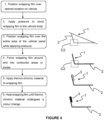
Figure 4 is a flow diagram of the method according to the invention. - Referring first to
Figure 1 , there is shown a flow diagram of a prior art method of wrapping a vehicle, wherein the wrapping material is applied to the desired location of the vehicle, for example over one or more body panels and pressure is applied to adhere the wrapping film to the body panel. Instep 3 it may be the case that a low level of heat (e.g. to heat the film to 40-50°C) is applied to ensure that the film is correctly applied into low contoured areas. In areas of severe contour the film is stretched to conform to the underlying body panel and subsequently heated to cause the film to lose any 'memory' it may have had and thereby ensure that it remains adhered to the underlying panel. - Post-heating is typically undertaken using a hot air gun and an infrared thermometer, whereby heat is applied from the gun and periodically the temperature of the film is checked using the thermometer. Clearly, it is not possible to determine accurately if all of the target areas have been heated, or at least heated to a sufficient degree. The ramifications of this are that some areas may be insufficiently heated (or missed entirely) and thus may 'lift' once the temperature has been reduced, or extra and unnecessary time may be taken by the operative to ensure that all of the target areas have been heated, or the film may become damaged by over-heating.
- Referring now to
Figure 2 , there is shown a vehicle V having a body B to which a wrapping material W is being applied. - As is known, wrapping material W is typically applied as a wrapping film 1 (or simply film 1) which is usually formed from a relatively thin plastics substrate having a contact adhesive located on a major surface thereof whereby the
film 1 can be secured to abody panel 2 of the vehicle V. - The
film 1 will usually carry colours, textures indicia or other marking material to provide a decorative or desired finish, or may be formed as a clear film so as to provide a protective layer for theunderlying body panel 2, for example to provide a protective overcoat to mitigate against paint chips. - Clearly most vehicles V are provided with contours along or across one, some or all of the
body panels 2 thereof. As thefilm 1 is provided as a flat sheet it is necessary to ensure that thefilm 1 conforms to the multifarious contours of the vehicle V. - As stated above, in order to ensure compliance of the
film 1 to contoured areas of the body B it is necessary to undertake post-heating, whereby the film is heated to an elevated temperature and forced into the contour. Post-heating ensures that the 'memory' of thefilm 1 is lost and that the film can be adhered to the adjacent or underlying body panel. We believe, although we neither wish nor intend to be bound by any particular theory, that post-heating is intended to elevate the film to a temperature in excess of its glass transition temperature (Tg). - Referring again to
Figure 2 , there is indicated by boxes areas of shallow contours, e.g. C1 and areas of deep or severe contours, e.g. C2. It is in areas of contour, and most preferably although not exclusively, in areas of deep or severe contour C2, where the current invention is of particular use. - For example, and as shown in
Figure 2 , the recess R around the door handle H is a severely contoured region C2 which requires thefilm 1 to be stretched so as to conform to the shape of the recess R, whereas other areas F may be flat or substantially flat and thefilm 1 may conform naturally, or at least with minimal forcing, to theunderlying body panel 2. - In accordance with the invention a
thermochromic material 3 is applied to, adjacent or proximate the recess R (or other contoured areas) such that when thefilm 1 is exposed to heat and pressure in a post heating operation so too is thethermochromic material 3. As thefilm 1 is heated to a desired temperature so thethermochromic material 3 is heated to a temperature at which thethermochromic material 3 undergoes a visible colour change. - Referring now to
Figure 3 , there is shown athermochromic material 3 applied to a wrappingmaterial 1 which is applied to abody panel 2 of a vehicle V. - The
thermochromic material 3 includes, in this embodiment, a thermo-chromic tape comprising athermochromic layer 6, asubstrate layer 4 and anadhesive layer 5, theadhesive layer 5 being disposed on one side of thesubstrate layer 4 with thethermochromic layer 6 being disposed on the other side of thesubstrate layer 4. All of the layers are thin and flexible so as to allow thethermochromic material 3 to conform to theunderlying body panel 2 and especially any heavily contoured areas C2 for providing a visual indication of the temperature of the underlying and/or surroundingwrapping film 1 during a post heating process. - Referring to
Figure 4 , an illustrative method of wrapping a body B (or a part thereof) of a vehicle V using awrapping film 1 is as follows: - 1. Positioning the
wrapping film 1 over a desired part of a body B of a vehicle V, for example over all or some of abody panel 2; - 2. Adhering the
wrapping film 1 to theunderlying body panel 2 in the flatter areas F by applying pressure; - 3. Stretching the
wrapping film 1 such that it covers the entire area of thevehicle body 2 while applying pressure, and especially over contoured areas, for example shallow contour areas C1; - 4. Stretch the
wrapping film 1 around and into areas of severe contours C2; - 5. Locating
thermochromic material 3 on or proximate thewrapping film 1 in, adjacent or proximate areas of severe contours C2 prior to a post heating operation. - 6. Post-heating the area of wrapping
film 1 beneath and/or around thethermochromic material 3 until the colour changes. -
Figure 4 provides the steps of a method according to the invention and illustrates the wrappingmaterial 1 being stretched and forced to conform to a severe contour C2 of abody panel 2 and is typical of a situation where post-heating would be required. In the following step, athermochromic material 3 is applied proximate to the severe contour C2 to indicate when sufficient heating has been applied to thefilm 1. - In use, a
wrapping film 1 is unspooled from a reel and may be cut or trimmed to the desired size (although trimming usually occurs once the film has been applied) and then positioned over avehicle body panel 2 or a panel intended for or belonging to avehicle body 2 or part thereof. Once thewrapping film 1 is in the desired position pressure is then applied to thewrapping film 1 thereby providing a bond between the wrappingfilm 1 and thevehicle body panel 2. Preferably, thewrapping film 1 is then heated, using for example a heat gun (not shown), to allow stretching of thewrapping film 1 thereby allowing it to substantially conform to the contours of thevehicle body 2 while remaining taut. Alternatively, thewrapping film 1 may be stretched to conform to the contours of thevehicle body 2 without pre-heating. - Once the
wrapping film 1 has substantially conformed and a bond has been formed between the wrappingfilm 1 andvehicle body 2 thethermochromic material 3 is applied to thewrapping film 1 in or to, adjacent or proximate the regions of thevehicle body panel 2 where there are contours (C1, C2) and most preferably severe contours C2 e.g. door mirrors, door handle recesses, bumper and bonnet air vents etc. - In any areas where the film 'bridges' a contour C1, C2 in a
panel 2 heat is applied to help stretch thefilm 1 and to help the adhesive 5 to flow with thefilm 1. At this stage any air trapped between thefilm 1 and theunderlying body panel 2 can be worked to the periphery of thefilm 1 and thence expelled. Post heating may then be conducted, whereby heat is applied until the film 1 (and preferably the underlying body panel) reaches from, say 80 or 90°C to 120°C. The heat is applied such that thefilm 1 at least reaches its glass transition temperature, thereby allowing movement of the molecules within the material of thewrapping film 1 and, while applying force to stretch it around the contours C1, C2, allowing it to conform to the contours C1, C2 of thevehicle body panels 2 without wanting to return to its original shape. The presence of thethermochromic material 3 provides a visual indication of the temperature of the underlying, adjacent and/or surroundingfilm 1 such that the correct level of heating can be applied. Thethermochromic material 3 is configured to change colour with a change in temperature, hence it can be established when a predetermined temperature has been reached based on the arrival at a given colour of thethermochromic material 3. Once thethermochromic material 3 has undergone a colour change it is possible to remove the heat source and allow thefilm 1 to cool. - As the
film 1 cools (for example to 30 to 40°C) a roller or other device may be used to apply pressure to thefilm 1 in the region of the contour C1, C2, thereby to increase the intimacy of the bond betweenfilm 1 andpanel 2. - If too little heat is applied (and, for example, the
wrapping film 1 does not reach its glass transition temperature) then thefilm 1 will not conform and be adequately secured to the contours C1, C2, and especially the or any severe contours C2 and will try to return to a flat shape. If too much heat is applied then damage to thefilm 1 may occur as it may start either to burn or decompose. - Preferably, upon exposure to a suitable level of heat, the
thermochromic material 3 undergoes an irreversible temperature change to provide a permanent visual indicator that a sufficient amount of heat has been applied to thefilm 1. Once the post-heating process is complete thethermochromic material 3 may be retained on thefilm 1 to allow inspection by other employees or the customer and to provide an indication that the post-heating process has been carried out correctly. Thethermochromic material 3 is removed from thewrapping film 1 either before or after inspection. - The
wrapping film 1 is any suitable wrapping film used in the art e.g. a polymeric sheet 7 carrying a layer of pressure sensitive adhesive 8. - The
thermochromic material 3 in this embodiment is a thermo-chromic tape. The thermochromic properties are imparted by thethermochromic layer 6, which most preferably undergoes an irreversible thermochromic reaction. Suitable materials comprise thermochromic inks but any other suitable thermochromic substance may be used. The thermochromic ink may comprise thermochromic liquid crystals or thermo-chromic dyes. In other embodiments the thermochromic properties are provided by a reversible thermochromic ink, potentially allowing for re-use of thethermochromic material 3. The thermochromic ink forming thethermochromic layer 6 is located on, for example printed onto, the surface of afilm substrate layer 4, for example using a flat screen printing process although any other effective method of application may be used. - The
thermochromic material 3 need not be in the form of a tape but may be of any other suitable form e.g. labels, stickers or a sheet whereby the necessary sized section is cut by the user. - The
substrate layer 4 provides a suitable surface for adhesion of the thermo-chromic ink or any other thermo-chromic material 6. In this embodiment thefilm substrate layer 4 has anadhesive layer 5 disposed on one of its sides. Thefilm substrate layer 4 has a melting temperature or temperature at which decomposition occurs above the glass transition temperature of thewrapping film 1. - As stated above, the
thermochromic material 3 may be absent an adhesive, and may be presented, for example, with a static cling substrate, allowing it to be applied to the surface of thewrapping film 1 without the need for anadhesive layer 5. Alternatively, thethermochromic material 3 may have no substrate and be in the form of a paste or liquid, thereby being applied by for example a brush or any other suitable means, thethermochromic material 3 providing an indication of the temperature of thesurrounding wrapping film 1 before either being wiped, washed or dissolved away from the surface. In another embodiment which is not in the scope of the invention thethermochromic material 3 does not require adhesive properties and may be held adjacent to the surface of thewrapping film 1 during pre-heating such that it provides an indication of the temperature of the underlying and/or surroundingwrapping film 1, being removed and disposed of after the desired temperature has been reached or being moved to the next location easily and quickly without the need to adhere it to thewrapping film 1. In a further embodiment, which is not in the scope of the invention, thethermochromic material 3 may simply be held in proximity to the area to be post-heated without securing it to thewrapping film 1. For example a tape or card or other substrate provided with athermochromic material 3 may be held is proximity to the area to be post-heated, for example held by hand, and, once post-heating has been completed, the substrate moved to a further location. - In some embodiments, the
thermochromic material 3 may have plural further layers, for example a varnish or clear coat layer may be provided atop thethermochromic layer 6. If present, theadhesive layer 5 may be provided with a release liner to protect theadhesive layer 5 before it is applied to thewrapping film 1. Moreover, thethermochromic material 3 may have or may comprise more than one thermochromic indicating materials, the first to indicate that a suitable temperature for post heating has occurred and the second to indicate that an elevated temperature has been reached, wherein the elevated temperature is higher than the suitable temperature. The elevated temperature may be at or around a temperature at which damage to theunderlying film 1 may occur, thereby providing a visual indication that damage may occur if heating in a particular area is continued. - The
adhesive layer 5 may be any suitable pressure sensitive adhesive e.g. acrylics, to allow thethermochromic material 3 to be removed when required. In other embodiments, theadhesive layer 5 is in the form of a re-usable adhesive, allowing thethermochromic material 3 to be removed from thewrapping film 1 after use and re-used, saving cost. - In operation, the
thermochromic material 3 provides a clear visual indication that sufficient heat has been applied to effect an appropriate post-heat treatment of awrapping film 1. This enables an operative installing thewrapping film 1 to quickly a definitively ascertain where post heating has occurred and where further post- heating needs to occur. Also, if thethermochromic material 3 is left on the article it provides a clear visual indicator to a person inspecting the vehicle (for example a manager, vehicle owner or some such) that the post heating operation has been carried out thoroughly and rigorously. Moreover, thethermochromic material 3 can be configured to provide a visual indication of where damage may have occurred through over-heating a particular area of awrapping film 1.
Claims (14)
- A method of wrapping a vehicle, the method comprises applying a wrapping film (1) to a vehicle, characterised in that the method comprises locating a thermochromic material (3) in, adjacent or proximate an area requiring post-heating by removably securing it to the wrapping film, heating the wrapping film to effect a post-heating operation until the thermochromic material changes colour and subsequently removing the thermochromic material.
- A method according to Claim 1, comprising heating the wrapping film until the thermochromic material undergoes an irreversible colour change.
- A method according to any preceding Claim, comprising locating the thermochromic material by adhering it to the wrapping film.
- A method according to any of Claims 1 to 2, comprising locating the thermochromic material by a static electric field or by locating the thermochromic material by painting, spraying or otherwise applying a liquid or paste thermochromic material.
- A method according to any preceding Claim, comprising locating the thermochromic material in, adjacent or proximate a contoured region of the vehicle.
- A method according to any preceding Claim, comprising removing the thermochromic material once the vehicle has been inspected.
- Use of a kit of parts in the method of any of Claims 1 to 6, the kit comprising wrapping material (W) to wrap a vehicle (V) and removeable thermochromic material (3) for use with the wrapping material (W) during a post-heating operation when wrapping a vehicle (V) with the wrapping material (W).
- Use of a kit according to Claim 7, wherein the thermochromic material (3) is arranged to change colour at a post-heating temperature of the wrapping film and/or wherein the thermochromic material (3) may be arranged to irreversibly change colour.
- Use of a kit according to any of Claims 7 or 8, wherein the thermochromic material (3) is a tape or a paint.
- Use of a kit according to Claim 9, wherein the tape comprises a substrate layer and a thermochromic layer and wherein the substrate may comprise an adhesive layer.
- Use of a kit according to any of Claims 7 to 10, wherein the thermochromic material (3) comprises a first thermochromic indicating material and a second thermochromic indicating material, the first and second materials undergoing a respective colour change at different temperatures.
- Use of a kit according to Claim 11, wherein the first thermochromic material (3) undergoes a colour change so as to indicate that a post heating temperature has been reached and the second thermochromic material undergoes a colour change so as to indicate that a film damaging temperature has been or is about to be reached.
- Use of a kit according to any of Claims 7 to 12, wherein the thermochromic material (3), or the first thermochromic material, is arranged to undergo a colour change at a temperature of between 60 and 120°C, for example between 75 and 110°C, say between 80 to 100°C.
- A vehicle (V), the vehicle (V) having a body panel (2) which has been wrapped by a wrapping film (1) characterized in that the wrapping film (1) has a thermochromic material (3) removably applied to the wrapping film (1), for example adjacent or proximate a contoured area of the body panel (2).
Applications Claiming Priority (2)
| Application Number | Priority Date | Filing Date | Title |
|---|---|---|---|
| GB1617665.3A GB2550987B (en) | 2016-10-19 | 2016-10-19 | Wrapping |
| PCT/GB2017/052708 WO2018073558A2 (en) | 2016-10-19 | 2017-09-14 | Wrapping |
Publications (2)
| Publication Number | Publication Date |
|---|---|
| EP3529094A2 EP3529094A2 (en) | 2019-08-28 |
| EP3529094B1 true EP3529094B1 (en) | 2024-08-14 |
Family
ID=57680917
Family Applications (1)
| Application Number | Title | Priority Date | Filing Date |
|---|---|---|---|
| EP17771537.2A Active EP3529094B1 (en) | 2016-10-19 | 2017-09-14 | Wrapping |
Country Status (4)
| Country | Link |
|---|---|
| US (1) | US11780153B2 (en) |
| EP (1) | EP3529094B1 (en) |
| GB (1) | GB2550987B (en) |
| WO (1) | WO2018073558A2 (en) |
Families Citing this family (1)
| Publication number | Priority date | Publication date | Assignee | Title |
|---|---|---|---|---|
| CN110614777A (en) * | 2019-10-24 | 2019-12-27 | 优玖(苏州)信息科技有限公司 | Method for mounting suspended bubble for automobile glass |
Citations (4)
| Publication number | Priority date | Publication date | Assignee | Title |
|---|---|---|---|---|
| US4105583A (en) * | 1974-04-11 | 1978-08-08 | Raychem Corporation | Thermochromic paint for use on plastic substrates |
| JP2001234134A (en) * | 2000-02-25 | 2001-08-28 | Pilot Ink Co Ltd | Reversible thermochromic adhesive tape |
| US20050139142A1 (en) * | 2002-02-06 | 2005-06-30 | Frank Kelley | Temperature indicator using thermochromic materials |
| KR20160028001A (en) * | 2014-08-28 | 2016-03-11 | 전우재 | Advertising sheet |
Family Cites Families (12)
| Publication number | Priority date | Publication date | Assignee | Title |
|---|---|---|---|---|
| US2928791A (en) | 1953-02-12 | 1960-03-15 | Joseph D Loconti | Temperature indicators |
| US3002385A (en) * | 1960-02-12 | 1961-10-03 | Pyrodyne Inc | Temperature indicator |
| ES487114A0 (en) * | 1978-12-22 | 1980-12-16 | Raychem Sa Nv | A METHOD OF SURROUNDING A BODY |
| DE59008535D1 (en) * | 1990-03-21 | 1995-03-30 | Rxs Schrumpftech Garnituren | Item with a temperature indicator. |
| ES2101805T3 (en) * | 1991-02-26 | 1997-07-16 | Shaw Ind Ltd | SHRINK PROTECTIVE SHEETS. |
| GB9210968D0 (en) * | 1992-05-22 | 1992-07-08 | Raychem Sa Nv | Temperature indicating composition |
| US5520385A (en) | 1993-07-30 | 1996-05-28 | Composite Development Corporation | Article assembled with thermoreponsive material and method |
| US6475559B1 (en) * | 1999-02-17 | 2002-11-05 | David S. Bettinger | Active vehicle coating |
| US8066432B2 (en) | 2009-02-02 | 2011-11-29 | Brady Worldwide, Inc. | Temperature sensitive films |
| BR112014028058B1 (en) * | 2012-05-11 | 2021-01-05 | Temptime Corporation | dual function heat indicator |
| FR3022434B1 (en) | 2014-06-24 | 2017-10-13 | Poly Christophe De | COOKING DEVICE AND METHOD |
| US10019886B2 (en) * | 2016-01-22 | 2018-07-10 | Aktiebolaget Skf | Sticker, condition monitoring system, method and computer program product |
-
2016
- 2016-10-19 GB GB1617665.3A patent/GB2550987B/en active Active
-
2017
- 2017-09-14 WO PCT/GB2017/052708 patent/WO2018073558A2/en not_active Ceased
- 2017-09-14 EP EP17771537.2A patent/EP3529094B1/en active Active
- 2017-09-14 US US16/342,867 patent/US11780153B2/en active Active
Patent Citations (4)
| Publication number | Priority date | Publication date | Assignee | Title |
|---|---|---|---|---|
| US4105583A (en) * | 1974-04-11 | 1978-08-08 | Raychem Corporation | Thermochromic paint for use on plastic substrates |
| JP2001234134A (en) * | 2000-02-25 | 2001-08-28 | Pilot Ink Co Ltd | Reversible thermochromic adhesive tape |
| US20050139142A1 (en) * | 2002-02-06 | 2005-06-30 | Frank Kelley | Temperature indicator using thermochromic materials |
| KR20160028001A (en) * | 2014-08-28 | 2016-03-11 | 전우재 | Advertising sheet |
Also Published As
| Publication number | Publication date |
|---|---|
| GB2550987A (en) | 2017-12-06 |
| WO2018073558A3 (en) | 2018-05-24 |
| WO2018073558A2 (en) | 2018-04-26 |
| US11780153B2 (en) | 2023-10-10 |
| EP3529094A2 (en) | 2019-08-28 |
| US20190240895A1 (en) | 2019-08-08 |
| CA3075375A1 (en) | 2018-04-26 |
| GB2550987B (en) | 2018-09-05 |
| GB201617665D0 (en) | 2016-11-30 |
Similar Documents
| Publication | Publication Date | Title |
|---|---|---|
| EP1342589B1 (en) | Emblem for motor vehicle and method of making same | |
| US4960482A (en) | Apparatus and method for manufacture of adhesive label | |
| EP1954411B1 (en) | Process for preparation of a multilayer coating sheet | |
| US4061516A (en) | Patching technique for damaged, printed design | |
| EP3529094B1 (en) | Wrapping | |
| US20100300313A1 (en) | Camouflage paint stencils | |
| CA3075375C (en) | Wrapping of a vehicle using thermochromics material | |
| US20180194973A1 (en) | Methods for Efficient Application of Paint To and Removal of Paint From a Surface | |
| KR101373508B1 (en) | Painting method of flaw for automobile surface | |
| AU2005244274B2 (en) | Improvements in animal identification marking | |
| US9272436B2 (en) | Automotive emblem assembly and method | |
| ITMI951616A1 (en) | PROCEDURE FOR THE APPLICATION OF A FINISHING SHEET TO A SUBSTRATE PARTICULARLY BODY PARTS OF MOPEDS | |
| US20150050470A1 (en) | In-mold transfer film and method for fabricating the same | |
| US11298912B2 (en) | Cutting of adhesive materials with water-soluble protective layer | |
| JP2508942B2 (en) | How to attach the protective adhesive film | |
| JP2005025145A (en) | Shrink film heat label and the label sticking method | |
| KR101236743B1 (en) | Method for assembling blocks using painting postpone drawings | |
| US20030183320A1 (en) | Vehicle repair method and kit | |
| Kipke et al. | Adhesive Bonding to the Car Body-Great Potential for Light Hole Coverings | |
| NL2010978C2 (en) | Assembly of a cover layer having an adhesive area provided with a removable protective layer and an applicator for applying the cover layer to a portable electronic device. | |
| JP2002320907A (en) | How to apply a paint film protection film | |
| HUP0200723A2 (en) | Closure for container | |
| JPH07207232A (en) | Sticking method for self-adhesive film for temporary protection of coating film | |
| JP2012127066A (en) | Key including holding case and coating method of the same | |
| JP2004226125A (en) | Measuring tape |
Legal Events
| Date | Code | Title | Description |
|---|---|---|---|
| STAA | Information on the status of an ep patent application or granted ep patent |
Free format text: STATUS: UNKNOWN |
|
| STAA | Information on the status of an ep patent application or granted ep patent |
Free format text: STATUS: THE INTERNATIONAL PUBLICATION HAS BEEN MADE |
|
| PUAI | Public reference made under article 153(3) epc to a published international application that has entered the european phase |
Free format text: ORIGINAL CODE: 0009012 |
|
| STAA | Information on the status of an ep patent application or granted ep patent |
Free format text: STATUS: REQUEST FOR EXAMINATION WAS MADE |
|
| 17P | Request for examination filed |
Effective date: 20190508 |
|
| AK | Designated contracting states |
Kind code of ref document: A2 Designated state(s): AL AT BE BG CH CY CZ DE DK EE ES FI FR GB GR HR HU IE IS IT LI LT LU LV MC MK MT NL NO PL PT RO RS SE SI SK SM TR |
|
| AX | Request for extension of the european patent |
Extension state: BA ME |
|
| DAV | Request for validation of the european patent (deleted) | ||
| DAX | Request for extension of the european patent (deleted) | ||
| STAA | Information on the status of an ep patent application or granted ep patent |
Free format text: STATUS: EXAMINATION IS IN PROGRESS |
|
| 17Q | First examination report despatched |
Effective date: 20200211 |
|
| GRAP | Despatch of communication of intention to grant a patent |
Free format text: ORIGINAL CODE: EPIDOSNIGR1 |
|
| STAA | Information on the status of an ep patent application or granted ep patent |
Free format text: STATUS: GRANT OF PATENT IS INTENDED |
|
| INTG | Intention to grant announced |
Effective date: 20240404 |
|
| GRAS | Grant fee paid |
Free format text: ORIGINAL CODE: EPIDOSNIGR3 |
|
| GRAA | (expected) grant |
Free format text: ORIGINAL CODE: 0009210 |
|
| STAA | Information on the status of an ep patent application or granted ep patent |
Free format text: STATUS: THE PATENT HAS BEEN GRANTED |
|
| AK | Designated contracting states |
Kind code of ref document: B1 Designated state(s): AL AT BE BG CH CY CZ DE DK EE ES FI FR GB GR HR HU IE IS IT LI LT LU LV MC MK MT NL NO PL PT RO RS SE SI SK SM TR |
|
| REG | Reference to a national code |
Ref country code: GB Ref legal event code: FG4D |
|
| REG | Reference to a national code |
Ref country code: CH Ref legal event code: EP |
|
| REG | Reference to a national code |
Ref country code: DE Ref legal event code: R096 Ref document number: 602017084079 Country of ref document: DE |
|
| REG | Reference to a national code |
Ref country code: IE Ref legal event code: FG4D |
|
| REG | Reference to a national code |
Ref country code: LT Ref legal event code: MG9D |
|
| REG | Reference to a national code |
Ref country code: NL Ref legal event code: MP Effective date: 20240814 |
|
| PG25 | Lapsed in a contracting state [announced via postgrant information from national office to epo] |
Ref country code: NO Free format text: LAPSE BECAUSE OF FAILURE TO SUBMIT A TRANSLATION OF THE DESCRIPTION OR TO PAY THE FEE WITHIN THE PRESCRIBED TIME-LIMIT Effective date: 20241114 |
|
| REG | Reference to a national code |
Ref country code: AT Ref legal event code: MK05 Ref document number: 1712985 Country of ref document: AT Kind code of ref document: T Effective date: 20240814 |
|
| PG25 | Lapsed in a contracting state [announced via postgrant information from national office to epo] |
Ref country code: FI Free format text: LAPSE BECAUSE OF FAILURE TO SUBMIT A TRANSLATION OF THE DESCRIPTION OR TO PAY THE FEE WITHIN THE PRESCRIBED TIME-LIMIT Effective date: 20240814 Ref country code: GR Free format text: LAPSE BECAUSE OF FAILURE TO SUBMIT A TRANSLATION OF THE DESCRIPTION OR TO PAY THE FEE WITHIN THE PRESCRIBED TIME-LIMIT Effective date: 20241115 Ref country code: NL Free format text: LAPSE BECAUSE OF FAILURE TO SUBMIT A TRANSLATION OF THE DESCRIPTION OR TO PAY THE FEE WITHIN THE PRESCRIBED TIME-LIMIT Effective date: 20240814 Ref country code: PT Free format text: LAPSE BECAUSE OF FAILURE TO SUBMIT A TRANSLATION OF THE DESCRIPTION OR TO PAY THE FEE WITHIN THE PRESCRIBED TIME-LIMIT Effective date: 20241216 Ref country code: PL Free format text: LAPSE BECAUSE OF FAILURE TO SUBMIT A TRANSLATION OF THE DESCRIPTION OR TO PAY THE FEE WITHIN THE PRESCRIBED TIME-LIMIT Effective date: 20240814 |
|
| PG25 | Lapsed in a contracting state [announced via postgrant information from national office to epo] |
Ref country code: BG Free format text: LAPSE BECAUSE OF FAILURE TO SUBMIT A TRANSLATION OF THE DESCRIPTION OR TO PAY THE FEE WITHIN THE PRESCRIBED TIME-LIMIT Effective date: 20240814 |
|
| PG25 | Lapsed in a contracting state [announced via postgrant information from national office to epo] |
Ref country code: LV Free format text: LAPSE BECAUSE OF FAILURE TO SUBMIT A TRANSLATION OF THE DESCRIPTION OR TO PAY THE FEE WITHIN THE PRESCRIBED TIME-LIMIT Effective date: 20240814 |
|
| PG25 | Lapsed in a contracting state [announced via postgrant information from national office to epo] |
Ref country code: AT Free format text: LAPSE BECAUSE OF FAILURE TO SUBMIT A TRANSLATION OF THE DESCRIPTION OR TO PAY THE FEE WITHIN THE PRESCRIBED TIME-LIMIT Effective date: 20240814 Ref country code: IS Free format text: LAPSE BECAUSE OF FAILURE TO SUBMIT A TRANSLATION OF THE DESCRIPTION OR TO PAY THE FEE WITHIN THE PRESCRIBED TIME-LIMIT Effective date: 20241214 |
|
| PG25 | Lapsed in a contracting state [announced via postgrant information from national office to epo] |
Ref country code: HR Free format text: LAPSE BECAUSE OF FAILURE TO SUBMIT A TRANSLATION OF THE DESCRIPTION OR TO PAY THE FEE WITHIN THE PRESCRIBED TIME-LIMIT Effective date: 20240814 |
|
| PG25 | Lapsed in a contracting state [announced via postgrant information from national office to epo] |
Ref country code: RS Free format text: LAPSE BECAUSE OF FAILURE TO SUBMIT A TRANSLATION OF THE DESCRIPTION OR TO PAY THE FEE WITHIN THE PRESCRIBED TIME-LIMIT Effective date: 20241114 Ref country code: ES Free format text: LAPSE BECAUSE OF FAILURE TO SUBMIT A TRANSLATION OF THE DESCRIPTION OR TO PAY THE FEE WITHIN THE PRESCRIBED TIME-LIMIT Effective date: 20240814 |
|
| PG25 | Lapsed in a contracting state [announced via postgrant information from national office to epo] |
Ref country code: RS Free format text: LAPSE BECAUSE OF FAILURE TO SUBMIT A TRANSLATION OF THE DESCRIPTION OR TO PAY THE FEE WITHIN THE PRESCRIBED TIME-LIMIT Effective date: 20241114 Ref country code: PT Free format text: LAPSE BECAUSE OF FAILURE TO SUBMIT A TRANSLATION OF THE DESCRIPTION OR TO PAY THE FEE WITHIN THE PRESCRIBED TIME-LIMIT Effective date: 20241216 Ref country code: PL Free format text: LAPSE BECAUSE OF FAILURE TO SUBMIT A TRANSLATION OF THE DESCRIPTION OR TO PAY THE FEE WITHIN THE PRESCRIBED TIME-LIMIT Effective date: 20240814 Ref country code: NO Free format text: LAPSE BECAUSE OF FAILURE TO SUBMIT A TRANSLATION OF THE DESCRIPTION OR TO PAY THE FEE WITHIN THE PRESCRIBED TIME-LIMIT Effective date: 20241114 Ref country code: NL Free format text: LAPSE BECAUSE OF FAILURE TO SUBMIT A TRANSLATION OF THE DESCRIPTION OR TO PAY THE FEE WITHIN THE PRESCRIBED TIME-LIMIT Effective date: 20240814 Ref country code: LV Free format text: LAPSE BECAUSE OF FAILURE TO SUBMIT A TRANSLATION OF THE DESCRIPTION OR TO PAY THE FEE WITHIN THE PRESCRIBED TIME-LIMIT Effective date: 20240814 Ref country code: IS Free format text: LAPSE BECAUSE OF FAILURE TO SUBMIT A TRANSLATION OF THE DESCRIPTION OR TO PAY THE FEE WITHIN THE PRESCRIBED TIME-LIMIT Effective date: 20241214 Ref country code: HR Free format text: LAPSE BECAUSE OF FAILURE TO SUBMIT A TRANSLATION OF THE DESCRIPTION OR TO PAY THE FEE WITHIN THE PRESCRIBED TIME-LIMIT Effective date: 20240814 Ref country code: GR Free format text: LAPSE BECAUSE OF FAILURE TO SUBMIT A TRANSLATION OF THE DESCRIPTION OR TO PAY THE FEE WITHIN THE PRESCRIBED TIME-LIMIT Effective date: 20241115 Ref country code: FI Free format text: LAPSE BECAUSE OF FAILURE TO SUBMIT A TRANSLATION OF THE DESCRIPTION OR TO PAY THE FEE WITHIN THE PRESCRIBED TIME-LIMIT Effective date: 20240814 Ref country code: ES Free format text: LAPSE BECAUSE OF FAILURE TO SUBMIT A TRANSLATION OF THE DESCRIPTION OR TO PAY THE FEE WITHIN THE PRESCRIBED TIME-LIMIT Effective date: 20240814 Ref country code: BG Free format text: LAPSE BECAUSE OF FAILURE TO SUBMIT A TRANSLATION OF THE DESCRIPTION OR TO PAY THE FEE WITHIN THE PRESCRIBED TIME-LIMIT Effective date: 20240814 Ref country code: AT Free format text: LAPSE BECAUSE OF FAILURE TO SUBMIT A TRANSLATION OF THE DESCRIPTION OR TO PAY THE FEE WITHIN THE PRESCRIBED TIME-LIMIT Effective date: 20240814 |
|
| REG | Reference to a national code |
Ref country code: DE Ref legal event code: R119 Ref document number: 602017084079 Country of ref document: DE |
|
| PG25 | Lapsed in a contracting state [announced via postgrant information from national office to epo] |
Ref country code: RO Free format text: LAPSE BECAUSE OF FAILURE TO SUBMIT A TRANSLATION OF THE DESCRIPTION OR TO PAY THE FEE WITHIN THE PRESCRIBED TIME-LIMIT Effective date: 20240814 Ref country code: SM Free format text: LAPSE BECAUSE OF FAILURE TO SUBMIT A TRANSLATION OF THE DESCRIPTION OR TO PAY THE FEE WITHIN THE PRESCRIBED TIME-LIMIT Effective date: 20240814 Ref country code: DK Free format text: LAPSE BECAUSE OF FAILURE TO SUBMIT A TRANSLATION OF THE DESCRIPTION OR TO PAY THE FEE WITHIN THE PRESCRIBED TIME-LIMIT Effective date: 20240814 |
|
| PG25 | Lapsed in a contracting state [announced via postgrant information from national office to epo] |
Ref country code: EE Free format text: LAPSE BECAUSE OF FAILURE TO SUBMIT A TRANSLATION OF THE DESCRIPTION OR TO PAY THE FEE WITHIN THE PRESCRIBED TIME-LIMIT Effective date: 20240814 |
|
| PG25 | Lapsed in a contracting state [announced via postgrant information from national office to epo] |
Ref country code: CZ Free format text: LAPSE BECAUSE OF FAILURE TO SUBMIT A TRANSLATION OF THE DESCRIPTION OR TO PAY THE FEE WITHIN THE PRESCRIBED TIME-LIMIT Effective date: 20240814 |
|
| PG25 | Lapsed in a contracting state [announced via postgrant information from national office to epo] |
Ref country code: IT Free format text: LAPSE BECAUSE OF FAILURE TO SUBMIT A TRANSLATION OF THE DESCRIPTION OR TO PAY THE FEE WITHIN THE PRESCRIBED TIME-LIMIT Effective date: 20240814 Ref country code: SK Free format text: LAPSE BECAUSE OF FAILURE TO SUBMIT A TRANSLATION OF THE DESCRIPTION OR TO PAY THE FEE WITHIN THE PRESCRIBED TIME-LIMIT Effective date: 20240814 |
|
| REG | Reference to a national code |
Ref country code: CH Ref legal event code: PL |
|
| PG25 | Lapsed in a contracting state [announced via postgrant information from national office to epo] |
Ref country code: LU Free format text: LAPSE BECAUSE OF NON-PAYMENT OF DUE FEES Effective date: 20240914 |
|
| PLBE | No opposition filed within time limit |
Free format text: ORIGINAL CODE: 0009261 |
|
| STAA | Information on the status of an ep patent application or granted ep patent |
Free format text: STATUS: NO OPPOSITION FILED WITHIN TIME LIMIT |
|
| PG25 | Lapsed in a contracting state [announced via postgrant information from national office to epo] |
Ref country code: MC Free format text: LAPSE BECAUSE OF FAILURE TO SUBMIT A TRANSLATION OF THE DESCRIPTION OR TO PAY THE FEE WITHIN THE PRESCRIBED TIME-LIMIT Effective date: 20240814 |
|
| PG25 | Lapsed in a contracting state [announced via postgrant information from national office to epo] |
Ref country code: DE Free format text: LAPSE BECAUSE OF NON-PAYMENT OF DUE FEES Effective date: 20250401 |
|
| REG | Reference to a national code |
Ref country code: BE Ref legal event code: MM Effective date: 20240930 |
|
| PG25 | Lapsed in a contracting state [announced via postgrant information from national office to epo] |
Ref country code: BE Free format text: LAPSE BECAUSE OF NON-PAYMENT OF DUE FEES Effective date: 20240930 |
|
| PG25 | Lapsed in a contracting state [announced via postgrant information from national office to epo] |
Ref country code: FR Free format text: LAPSE BECAUSE OF NON-PAYMENT OF DUE FEES Effective date: 20241014 |
|
| 26N | No opposition filed |
Effective date: 20250515 |
|
| PG25 | Lapsed in a contracting state [announced via postgrant information from national office to epo] |
Ref country code: CH Free format text: LAPSE BECAUSE OF NON-PAYMENT OF DUE FEES Effective date: 20240930 |
|
| PG25 | Lapsed in a contracting state [announced via postgrant information from national office to epo] |
Ref country code: IE Free format text: LAPSE BECAUSE OF NON-PAYMENT OF DUE FEES Effective date: 20240914 |
|
| PG25 | Lapsed in a contracting state [announced via postgrant information from national office to epo] |
Ref country code: SE Free format text: LAPSE BECAUSE OF FAILURE TO SUBMIT A TRANSLATION OF THE DESCRIPTION OR TO PAY THE FEE WITHIN THE PRESCRIBED TIME-LIMIT Effective date: 20240814 |
|
| PGFP | Annual fee paid to national office [announced via postgrant information from national office to epo] |
Ref country code: GB Payment date: 20250811 Year of fee payment: 9 |
|
| PG25 | Lapsed in a contracting state [announced via postgrant information from national office to epo] |
Ref country code: CY Free format text: LAPSE BECAUSE OF FAILURE TO SUBMIT A TRANSLATION OF THE DESCRIPTION OR TO PAY THE FEE WITHIN THE PRESCRIBED TIME-LIMIT; INVALID AB INITIO Effective date: 20170914 |
|
| PG25 | Lapsed in a contracting state [announced via postgrant information from national office to epo] |
Ref country code: HU Free format text: LAPSE BECAUSE OF FAILURE TO SUBMIT A TRANSLATION OF THE DESCRIPTION OR TO PAY THE FEE WITHIN THE PRESCRIBED TIME-LIMIT; INVALID AB INITIO Effective date: 20170914 |