EP3505486A1 - Electric forklift and method of driving the same - Google Patents
Electric forklift and method of driving the same Download PDFInfo
- Publication number
- EP3505486A1 EP3505486A1 EP18001008.4A EP18001008A EP3505486A1 EP 3505486 A1 EP3505486 A1 EP 3505486A1 EP 18001008 A EP18001008 A EP 18001008A EP 3505486 A1 EP3505486 A1 EP 3505486A1
- Authority
- EP
- European Patent Office
- Prior art keywords
- temperature
- working machine
- motor
- output
- battery
- Prior art date
- Legal status (The legal status is an assumption and is not a legal conclusion. Google has not performed a legal analysis and makes no representation as to the accuracy of the status listed.)
- Granted
Links
Images


Classifications
-
- B—PERFORMING OPERATIONS; TRANSPORTING
- B66—HOISTING; LIFTING; HAULING
- B66F—HOISTING, LIFTING, HAULING OR PUSHING, NOT OTHERWISE PROVIDED FOR, e.g. DEVICES WHICH APPLY A LIFTING OR PUSHING FORCE DIRECTLY TO THE SURFACE OF A LOAD
- B66F9/00—Devices for lifting or lowering bulky or heavy goods for loading or unloading purposes
- B66F9/06—Devices for lifting or lowering bulky or heavy goods for loading or unloading purposes movable, with their loads, on wheels or the like, e.g. fork-lift trucks
-
- B—PERFORMING OPERATIONS; TRANSPORTING
- B60—VEHICLES IN GENERAL
- B60L—PROPULSION OF ELECTRICALLY-PROPELLED VEHICLES; SUPPLYING ELECTRIC POWER FOR AUXILIARY EQUIPMENT OF ELECTRICALLY-PROPELLED VEHICLES; ELECTRODYNAMIC BRAKE SYSTEMS FOR VEHICLES IN GENERAL; MAGNETIC SUSPENSION OR LEVITATION FOR VEHICLES; MONITORING OPERATING VARIABLES OF ELECTRICALLY-PROPELLED VEHICLES; ELECTRIC SAFETY DEVICES FOR ELECTRICALLY-PROPELLED VEHICLES
- B60L58/00—Methods or circuit arrangements for monitoring or controlling batteries or fuel cells, specially adapted for electric vehicles
- B60L58/10—Methods or circuit arrangements for monitoring or controlling batteries or fuel cells, specially adapted for electric vehicles for monitoring or controlling batteries
- B60L58/24—Methods or circuit arrangements for monitoring or controlling batteries or fuel cells, specially adapted for electric vehicles for monitoring or controlling batteries for controlling the temperature of batteries
- B60L58/25—Methods or circuit arrangements for monitoring or controlling batteries or fuel cells, specially adapted for electric vehicles for monitoring or controlling batteries for controlling the temperature of batteries by controlling the electric load
-
- B—PERFORMING OPERATIONS; TRANSPORTING
- B60—VEHICLES IN GENERAL
- B60L—PROPULSION OF ELECTRICALLY-PROPELLED VEHICLES; SUPPLYING ELECTRIC POWER FOR AUXILIARY EQUIPMENT OF ELECTRICALLY-PROPELLED VEHICLES; ELECTRODYNAMIC BRAKE SYSTEMS FOR VEHICLES IN GENERAL; MAGNETIC SUSPENSION OR LEVITATION FOR VEHICLES; MONITORING OPERATING VARIABLES OF ELECTRICALLY-PROPELLED VEHICLES; ELECTRIC SAFETY DEVICES FOR ELECTRICALLY-PROPELLED VEHICLES
- B60L1/00—Supplying electric power to auxiliary equipment of vehicles
- B60L1/003—Supplying electric power to auxiliary equipment of vehicles to auxiliary motors, e.g. for pumps, compressors
-
- B—PERFORMING OPERATIONS; TRANSPORTING
- B60—VEHICLES IN GENERAL
- B60L—PROPULSION OF ELECTRICALLY-PROPELLED VEHICLES; SUPPLYING ELECTRIC POWER FOR AUXILIARY EQUIPMENT OF ELECTRICALLY-PROPELLED VEHICLES; ELECTRODYNAMIC BRAKE SYSTEMS FOR VEHICLES IN GENERAL; MAGNETIC SUSPENSION OR LEVITATION FOR VEHICLES; MONITORING OPERATING VARIABLES OF ELECTRICALLY-PROPELLED VEHICLES; ELECTRIC SAFETY DEVICES FOR ELECTRICALLY-PROPELLED VEHICLES
- B60L50/00—Electric propulsion with power supplied within the vehicle
- B60L50/50—Electric propulsion with power supplied within the vehicle using propulsion power supplied by batteries or fuel cells
- B60L50/60—Electric propulsion with power supplied within the vehicle using propulsion power supplied by batteries or fuel cells using power supplied by batteries
-
- B—PERFORMING OPERATIONS; TRANSPORTING
- B60—VEHICLES IN GENERAL
- B60Q—ARRANGEMENT OF SIGNALLING OR LIGHTING DEVICES, THE MOUNTING OR SUPPORTING THEREOF OR CIRCUITS THEREFOR, FOR VEHICLES IN GENERAL
- B60Q5/00—Arrangement or adaptation of acoustic signal devices
- B60Q5/005—Arrangement or adaptation of acoustic signal devices automatically actuated
-
- B—PERFORMING OPERATIONS; TRANSPORTING
- B66—HOISTING; LIFTING; HAULING
- B66F—HOISTING, LIFTING, HAULING OR PUSHING, NOT OTHERWISE PROVIDED FOR, e.g. DEVICES WHICH APPLY A LIFTING OR PUSHING FORCE DIRECTLY TO THE SURFACE OF A LOAD
- B66F17/00—Safety devices, e.g. for limiting or indicating lifting force
- B66F17/003—Safety devices, e.g. for limiting or indicating lifting force for fork-lift trucks
-
- B—PERFORMING OPERATIONS; TRANSPORTING
- B66—HOISTING; LIFTING; HAULING
- B66F—HOISTING, LIFTING, HAULING OR PUSHING, NOT OTHERWISE PROVIDED FOR, e.g. DEVICES WHICH APPLY A LIFTING OR PUSHING FORCE DIRECTLY TO THE SURFACE OF A LOAD
- B66F9/00—Devices for lifting or lowering bulky or heavy goods for loading or unloading purposes
- B66F9/06—Devices for lifting or lowering bulky or heavy goods for loading or unloading purposes movable, with their loads, on wheels or the like, e.g. fork-lift trucks
- B66F9/075—Constructional features or details
-
- B—PERFORMING OPERATIONS; TRANSPORTING
- B66—HOISTING; LIFTING; HAULING
- B66F—HOISTING, LIFTING, HAULING OR PUSHING, NOT OTHERWISE PROVIDED FOR, e.g. DEVICES WHICH APPLY A LIFTING OR PUSHING FORCE DIRECTLY TO THE SURFACE OF A LOAD
- B66F9/00—Devices for lifting or lowering bulky or heavy goods for loading or unloading purposes
- B66F9/06—Devices for lifting or lowering bulky or heavy goods for loading or unloading purposes movable, with their loads, on wheels or the like, e.g. fork-lift trucks
- B66F9/075—Constructional features or details
- B66F9/07572—Propulsion arrangements
-
- B—PERFORMING OPERATIONS; TRANSPORTING
- B66—HOISTING; LIFTING; HAULING
- B66F—HOISTING, LIFTING, HAULING OR PUSHING, NOT OTHERWISE PROVIDED FOR, e.g. DEVICES WHICH APPLY A LIFTING OR PUSHING FORCE DIRECTLY TO THE SURFACE OF A LOAD
- B66F9/00—Devices for lifting or lowering bulky or heavy goods for loading or unloading purposes
- B66F9/06—Devices for lifting or lowering bulky or heavy goods for loading or unloading purposes movable, with their loads, on wheels or the like, e.g. fork-lift trucks
- B66F9/075—Constructional features or details
- B66F9/20—Means for actuating or controlling masts, platforms, or forks
- B66F9/24—Electrical devices or systems
-
- H—ELECTRICITY
- H01—ELECTRIC ELEMENTS
- H01M—PROCESSES OR MEANS, e.g. BATTERIES, FOR THE DIRECT CONVERSION OF CHEMICAL ENERGY INTO ELECTRICAL ENERGY
- H01M10/00—Secondary cells; Manufacture thereof
- H01M10/42—Methods or arrangements for servicing or maintenance of secondary cells or secondary half-cells
- H01M10/48—Accumulators combined with arrangements for measuring, testing or indicating the condition of cells, e.g. the level or density of the electrolyte
- H01M10/486—Accumulators combined with arrangements for measuring, testing or indicating the condition of cells, e.g. the level or density of the electrolyte for measuring temperature
-
- B—PERFORMING OPERATIONS; TRANSPORTING
- B60—VEHICLES IN GENERAL
- B60L—PROPULSION OF ELECTRICALLY-PROPELLED VEHICLES; SUPPLYING ELECTRIC POWER FOR AUXILIARY EQUIPMENT OF ELECTRICALLY-PROPELLED VEHICLES; ELECTRODYNAMIC BRAKE SYSTEMS FOR VEHICLES IN GENERAL; MAGNETIC SUSPENSION OR LEVITATION FOR VEHICLES; MONITORING OPERATING VARIABLES OF ELECTRICALLY-PROPELLED VEHICLES; ELECTRIC SAFETY DEVICES FOR ELECTRICALLY-PROPELLED VEHICLES
- B60L2200/00—Type of vehicles
- B60L2200/40—Working vehicles
- B60L2200/42—Fork lift trucks
-
- B—PERFORMING OPERATIONS; TRANSPORTING
- B60—VEHICLES IN GENERAL
- B60L—PROPULSION OF ELECTRICALLY-PROPELLED VEHICLES; SUPPLYING ELECTRIC POWER FOR AUXILIARY EQUIPMENT OF ELECTRICALLY-PROPELLED VEHICLES; ELECTRODYNAMIC BRAKE SYSTEMS FOR VEHICLES IN GENERAL; MAGNETIC SUSPENSION OR LEVITATION FOR VEHICLES; MONITORING OPERATING VARIABLES OF ELECTRICALLY-PROPELLED VEHICLES; ELECTRIC SAFETY DEVICES FOR ELECTRICALLY-PROPELLED VEHICLES
- B60L2240/00—Control parameters of input or output; Target parameters
- B60L2240/40—Drive Train control parameters
- B60L2240/54—Drive Train control parameters related to batteries
- B60L2240/545—Temperature
-
- B—PERFORMING OPERATIONS; TRANSPORTING
- B60—VEHICLES IN GENERAL
- B60L—PROPULSION OF ELECTRICALLY-PROPELLED VEHICLES; SUPPLYING ELECTRIC POWER FOR AUXILIARY EQUIPMENT OF ELECTRICALLY-PROPELLED VEHICLES; ELECTRODYNAMIC BRAKE SYSTEMS FOR VEHICLES IN GENERAL; MAGNETIC SUSPENSION OR LEVITATION FOR VEHICLES; MONITORING OPERATING VARIABLES OF ELECTRICALLY-PROPELLED VEHICLES; ELECTRIC SAFETY DEVICES FOR ELECTRICALLY-PROPELLED VEHICLES
- B60L2250/00—Driver interactions
- B60L2250/10—Driver interactions by alarm
-
- H—ELECTRICITY
- H01—ELECTRIC ELEMENTS
- H01M—PROCESSES OR MEANS, e.g. BATTERIES, FOR THE DIRECT CONVERSION OF CHEMICAL ENERGY INTO ELECTRICAL ENERGY
- H01M2220/00—Batteries for particular applications
- H01M2220/20—Batteries in motive systems, e.g. vehicle, ship, plane
-
- Y—GENERAL TAGGING OF NEW TECHNOLOGICAL DEVELOPMENTS; GENERAL TAGGING OF CROSS-SECTIONAL TECHNOLOGIES SPANNING OVER SEVERAL SECTIONS OF THE IPC; TECHNICAL SUBJECTS COVERED BY FORMER USPC CROSS-REFERENCE ART COLLECTIONS [XRACs] AND DIGESTS
- Y02—TECHNOLOGIES OR APPLICATIONS FOR MITIGATION OR ADAPTATION AGAINST CLIMATE CHANGE
- Y02E—REDUCTION OF GREENHOUSE GAS [GHG] EMISSIONS, RELATED TO ENERGY GENERATION, TRANSMISSION OR DISTRIBUTION
- Y02E60/00—Enabling technologies; Technologies with a potential or indirect contribution to GHG emissions mitigation
- Y02E60/10—Energy storage using batteries
Definitions
- the correction factor may have a smaller value as the temperature difference is increased.
- positions of the traveling motor 10, the working machine motor 30, the control device 22, the temperature detecting unit 21, and the battery 20 in FIG. 1 may vary depending on the type of electric forklift 100.
- the temperature of the battery 20 may be increased.
- the temperature of the battery 20 may be, for example, the temperature of the electrolyte of the battery 20.
- the lookup table 40 in FIG. 3 may be embedded in the control device 22.
Landscapes
- Engineering & Computer Science (AREA)
- Transportation (AREA)
- Structural Engineering (AREA)
- Mechanical Engineering (AREA)
- Life Sciences & Earth Sciences (AREA)
- Chemical & Material Sciences (AREA)
- Geology (AREA)
- Civil Engineering (AREA)
- Combustion & Propulsion (AREA)
- Power Engineering (AREA)
- Chemical Kinetics & Catalysis (AREA)
- Manufacturing & Machinery (AREA)
- Electrochemistry (AREA)
- General Chemical & Material Sciences (AREA)
- Sustainable Energy (AREA)
- Sustainable Development (AREA)
- Physics & Mathematics (AREA)
- Acoustics & Sound (AREA)
- Forklifts And Lifting Vehicles (AREA)
- Electric Propulsion And Braking For Vehicles (AREA)
Abstract
Description
- This application claims benefit and priority to Korean Patent Application No.
10-2017-0183522, filed on December 29, 2017 - The present disclosure relates to a forklift, and particularly, to an electric forklift and a method of driving the same which are capable of increasing a lifespan of a battery.
- In general, a forklift is used to load or unload heavy items (goods) or carry heavy items to a desired position in a limited space. Based on power sources, the forklift is classified into an engine forklift and an electric forklift. In particular, the electric forklift is operated by electric power supplied from a battery. Therefore, work efficiency of the electric forklift is greatly affected by a lifespan of the battery.
- The present disclosure has been made in an effort to provide an electric forklift and a method of driving the same which are capable of increasing a lifespan of a battery.
- An exemplary embodiment of the present invention provides an electric forklift including: a traveling motor which operates a wheel; a working machine motor which operates a working machine; a control unit which controls the operations of the traveling motor and the working machine motor based on an output control signal inputted from the outside; a battery which supplies electric power to the traveling motor, the working machine motor, and the control unit; and a temperature detecting unit which detects a temperature of the battery, in which the control unit controls an operation of at least one of the traveling motor and the working machine motor based on a detected temperature from the temperature detecting unit.
- When the detected temperature is higher than a predetermined reference temperature, the control unit may operate at least one of the traveling motor and the working machine motor with a corrected output smaller than a normal output set based on the output control signal.
- When the detected temperature is higher than the reference temperature, the corrected output may have a smaller value as a temperature difference between the detected temperature and the reference temperature is increased.
- The electric forklift may further include a lookup table in which predetermined multiple corrected outputs are stored based on the temperature difference and the normal output.
- The control unit may select any one corrected output corresponding to the temperature difference and the normal output from the lookup table and operate at least one of the traveling motor and the working machine motor with the selected corrected output.
- The electric forklift may further include an alarm unit which outputs alarm sound when at least one of the traveling motor and the working machine motor operates with the corrected output.
- The corrected output may be set by multiplying the normal output by a correction factor predetermined based on the temperature difference.
- The correction factor may have a smaller value as the temperature difference is increased.
- When the detected temperature is equal to or lower than the predetermined reference temperature, the control unit may operate at least one of the traveling motor and the working machine motor with the normal output.
- The temperature detecting unit may detect a temperature of an electrolyte of the battery.
- Another exemplary embodiment of the present disclosure provides a method of driving an electric forklift including: a wheel; a traveling motor which operates the wheel; a working machine; a working machine motor which operates the working machine; and a battery which supplies electric power to the traveling motor and the working machine motor, the method including: detecting a temperature of the battery; and controlling an operation of at least one of the traveling motor and the working machine motor based on the detected temperature.
- The controlling of the operation of at least one of the traveling motor and the working machine motor based on the detected temperature may include operating at least one of the traveling motor and the working machine motor with a corrected output smaller than a normal output inputted to the electric forklift when the detected temperature is higher than a predetermined reference temperature.
- When the detected temperature is higher than the reference temperature, the corrected output may have a smaller value as a temperature difference between the detected temperature and the reference temperature is increased.
- The method of driving the electric forklift may further include outputting alarm sound when at least one of the traveling motor and the working machine motor operates with the corrected output.
- The corrected output may be set by multiplying the normal output by a correction factor (an integer smaller than 1) predetermined based on the temperature difference.
- The correction factor may have a smaller value as the temperature difference is increased.
- The controlling of the operation of at least one of the traveling motor and the working machine motor based on the detected temperature may include operating at least one of the traveling motor and the working machine motor with the normal output when the detected temperature is equal to or lower than the predetermined reference temperature.
- The detecting of the temperature may include detecting a temperature of an electrolyte of the battery.
- The electric forklift and the method of driving the same according to the present disclosure provide the following effect.
- According to the present disclosure, an increase in temperature of the battery of the electric forklift is inhibited, and as a result, the lifespan of the battery may be increased.
- The foregoing summary is illustrative only and is not intended to be in any way limiting. In addition to the illustrative aspects, embodiments, and features described above, further aspects, embodiments, and features will become apparent by reference to the drawings and the following detailed description.
-
-
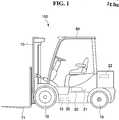
FIG. 1 is a side view of an electric forklift according to an exemplary embodiment of the present disclosure. -
FIG. 2 is a view for explaining operations of a control device, a temperature detecting unit, and an alarm unit inFIG. 1 . -
FIG. 3 is a view illustrating a lookup table inFIG. 2 . -
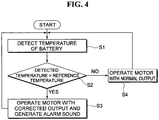
FIG. 4 is a flowchart for explaining a method of driving the electric forklift according to the present disclosure. - In the following detailed description, reference is made to the accompanying drawing, which forms a part hereof. The illustrative embodiments described in the detailed description, drawing, and claims are not meant to be limiting. Other embodiments may be utilized, and other changes may be made, without departing from the spirit or scope of the subject matter presented here.
- Advantages and features of the present disclosure and methods of achieving the advantages and features will be clear with reference to exemplary embodiments described in detail below together with the accompanying drawings. However, the present disclosure is not limited to exemplary embodiments disclosed herein, but will be implemented in various forms, the exemplary embodiments are provided so as to completely disclose the present disclosure and to completely inform a person with ordinary skill in the art to which the present disclosure pertains of the scope of the present disclosure, and the present disclosure will be defined only by the scope of the appended claims. Therefore, in some exemplary embodiments, well-known process steps, well-known element structure, and well-known technologies will not be specifically described in order to avoid obscuring the present disclosure. Like reference numerals indicate like constituent elements throughout the specification.
- In the present specification, when one constituent element is referred to as being "directly connected to" another constituent element, one constituent element can be directly connected to the other constituent element, and one constituent element can also be "physically or electrically connected to" the other element with other elements interposed therebetween. In addition, unless otherwise described, the word "comprise" and variations such as "comprises" or "comprising" will be understood to imply the inclusion of stated elements, not the exclusion of any other elements.
- In the present specification, the terms such as "first", "second", and "third" may be used to describe various constituent elements, but the constituent elements should not be limited by the terms. The terms are used for the purpose of distinguishing one constituent element from the other constituent elements. For example, a first constituent element may be named a second or third constituent element, and similarly, the second or third constituent element may also be named the first constituent element, without departing from the scope of the present disclosure.
- Unless otherwise defined, all terms (including technical and scientific terms) used in the present specification may be used as the meaning which may be commonly understood by the person with ordinary skill in the art to which the present disclosure belongs. In addition, terms defined in a generally used dictionary shall not be construed ideally or excessively unless clearly and specially defined in the present specification.
- Hereinafter, an electric forklift and a method of driving the same according to the present disclosure will be described in detail with reference to
FIGS. 1 to 4 . -
FIG. 1 is a side view of anelectric forklift 100 according to an exemplary embodiment of the present disclosure, andFIG. 2 is a view for explaining operations of acontrol device 22, atemperature detecting unit 21, and analarm unit 23 inFIG. 1 . - As illustrated in
FIGS. 1 and2 , theelectric forklift 100 according to the exemplary embodiment of the present disclosure may include amast assembly 70, anoverhead 80,wheels 15, a travelingmotor 10, aworking machine 71, aworking machine motor 30, thecontrol device 22, thetemperature detecting unit 21, and abattery 20. - The
electric forklift 100 according to the present disclosure may further include at least one of the alarm unit 23 (or a warning buzzer) and a lookup table 40. - In addition, although not illustrated, the
electric forklift 100 of the present disclosure may further include a device for transmitting power through a hydraulic motor. This device may transmit power by using a fluid in a hydraulic pressure tank. For example, this device may include a lift cylinder, a tilt cylinder, a steering cylinder, a lift control valve, a tilt control valve, an option control valve, a steering unit, and the like. - Meanwhile, positions of the
traveling motor 10, theworking machine motor 30, thecontrol device 22, thetemperature detecting unit 21, and thebattery 20 inFIG. 1 may vary depending on the type ofelectric forklift 100. - The
wheels 15 are positioned at front and rear sides of theelectric forklift 100, respectively. Thewheel 15 has a circular shape. A steering angle of thewheel 15 may be controlled by the steering unit. - The
working machine 71 is connected to themast assembly 70. The workingmachine 71 may be, for example, a fork. - The overhead 80 is positioned at a rear side of the
mast assembly 70. - The traveling
motor 10 controls the travel of theelectric forklift 100. Thewheels 15 are connected to the travelingmotor 10. Thewheels 15 may be rotated clockwise or counterclockwise by power transmitted from the travelingmotor 10. - The working
machine motor 30 controls motion of the workingmachine 71, for example, the fork of theelectric forklift 100. The workingmachine 71 is connected to the workingmachine motor 30. The workingmachine 71 may be moved upward or downward by the workingmachine motor 30. - The
temperature detecting unit 21 detects a temperature of thebattery 20, for example, a temperature of an electrolyte of thebattery 20. Thetemperature detecting unit 21 may be positioned in an outer casing of thebattery 20 or in thebattery 20. Thetemperature detecting unit 21 may be, for example, a temperature sensor. - A temperature detected by the temperature detecting unit 21 (hereinafter, referred to as a 'detected temperature') is supplied to an analog-
digital converter 22A of thecontrol device 22. - As illustrated in
FIG. 2 , thecontrol device 22 may include acontrol unit 22B and the analog-digital converter 22A. - The analog-
digital converter 22A is supplied with an analog signal corresponding to the detected temperature from thetemperature detecting unit 21, converts the analog signal into a digital signal, and outputs the digital signal. That is, the analog-digital converter 22A outputs the digital signal corresponding to the detected temperature. The analog-digital converter 22A may be embedded in any one of thecontrol unit 22A and thetemperature detecting unit 21. - Based on an output control signal (e.g., a traveling output control signal CS1 and a working machine output control signal CS2) inputted from the outside and the digital signal (hereinafter, referred to as the 'detected temperature') from the analog-
digital converter 22A, thecontrol unit 22B may control operations of the travelingmotor 10 and the workingmachine motor 30. - For example, the
control unit 22B may control an output of the travelingmotor 10 and an output of the workingmachine motor 30. As a more specific example, thecontrol unit 22B may control a rotational speed (revolutions per minute (RPM)) of the travelingmotor 10 and a rotational speed of the workingmachine motor 30. - The traveling output control signal CS1 may be inputted by an operator of the electric forklift 100 (hereinafter, referred to as an 'operator'). For example, when the operator applies pressure to an accelerator pedal of the
electric forklift 100, the traveling output control signal CS1 corresponding to the pressure is generated, and the generated traveling output control signal CS1 is supplied to thecontrol unit 22B. Then, thecontrol unit 22B supplies the travelingmotor 10 with an output having a magnitude corresponding to the traveling output control signal CS1. Therefore, the travelingmotor 10 rotates at the rotational speed corresponding to the magnitude of the output. - The higher the pressure applied to the accelerator pedal, the larger the magnitude of the traveling output control signal CS1. Therefore, the higher the pressure, the larger the output supplied to the traveling
motor 10. In other words, the higher the pressure, the higher the rotational speed of the travelingmotor 10. - The working machine output control signal CS2 may be inputted by the operator. For example, when the operator applies pressure to a working machine lever of the
electric forklift 100, the working machine output control signal CS2 corresponding to the pressure is generated, and the generated working machine output control signal CS2 is supplied to thecontrol unit 22B. Then, thecontrol unit 22B supplies the workingmachine motor 30 with an output having a magnitude corresponding to the working machine output control signal CS2. Therefore, the workingmachine motor 30 rotates at the rotational speed corresponding to the magnitude of the output. - The higher the pressure applied to the working machine lever, the larger the magnitude of the working machine output control signal CS2. Therefore, the higher the pressure, the larger the output supplied to the working
machine motor 30. In other words, the higher the pressure, the higher the rotational speed of the workingmachine motor 30. - Meanwhile, as a higher output is applied to the traveling
motor 10, the consumption of power of thebattery 20 by the travelingmotor 10 is increased, and thus a temperature of thebattery 20 may be increased. Here, the temperature of thebattery 20 may be, for example, a temperature of an electrolyte of thebattery 20. - Likewise, as a higher output is applied to the working
machine motor 30, the consumption of power of thebattery 20 by the workingmachine motor 30 is increased, and thus the temperature of thebattery 20 may be increased. Here, the temperature of thebattery 20 may be, for example, the temperature of the electrolyte of thebattery 20. - As the temperature of the
battery 20 is increased to a predetermined degree or more, a lifespan of thebattery 20 may be reduced. To prevent the reduction in lifespan of thebattery 20, thecontrol unit 22B controls at least one of the operations of the travelingmotor 10 and the workingmachine motor 30 based on the temperature of thebattery 20, for example, the temperature of the electrolyte of thebattery 20. - For example, when the temperature of the
battery 20 is equal to or higher than a predetermined degree, thecontrol unit 22B may restrict performances of the travelingmotor 10 and the workingmachine motor 30. This configuration will be specifically described below. - The
control unit 22B is supplied with information about the temperature of thebattery 20 from thetemperature detecting unit 21 through the analog-digital converter 22A. In other words, thecontrol unit 22B is supplied with the detected temperature from thetemperature detecting unit 21. In this case, as described above, the detected temperature, as the digital signal, is supplied to thecontrol unit 22B. - The
control unit 22B may be periodically supplied with the detected temperature from thetemperature detecting unit 21. - The
control unit 22B compares the detected temperature with a predetermined reference temperature, and based on a comparison result, thecontrol unit 22B operates at least one of the travelingmotor 10 and the workingmachine motor 30 with an output (hereinafter, referred to as a 'corrected output') having a smaller magnitude than a normal output. - The normal output means a magnitude of the output control signal inputted by the operator or means an output set by the output control signal. For example, the normal output means a magnitude of the traveling output control signal CS1 inputted by the operator or means a traveling output set by the traveling output control signal CS1. In addition, the normal output means a magnitude of the working machine output control signal CS2 inputted by the operator or means a working machine output set by the working machine output control signal CS2.
- In other words, the normal output related to the travel means an output corresponding to a magnitude of the pressure applied to the accelerator pedal by the operator. In addition, the normal output related to the working machine means an output corresponding to the magnitude of the pressure applied to the working machine lever by the operator.
- When the detected temperature is equal to or lower than the reference temperature, the
control unit 22B operates the travelingmotor 10 and the workingmachine motor 30 with the normal output. In other words, when the temperature of thebattery 20 is low, the travelingmotor 10 and the workingmachine motor 30 operate with the output (i.e., the normal output) inputted (or requested) by the operator. - In contrast, when the detected temperature is higher than the reference temperature, the
control unit 22B operates the motor (i.e., at least one of the travelingmotor 10 and the working machine motor 30) with the corrected output, which has a smaller magnitude than the normal output, instead of the normal output. Meanwhile, unless separately described, the term "motor" hereinafter means at least one of the travelingmotor 10 and the workingmachine motor 30. - Therefore, even though the operator applies high pressure to the accelerator pedal or the working machine lever, an actual output, which is applied to the motor when the temperature of the
battery 20 is high, has a smaller magnitude than the normal output. - Therefore, an increase in temperature of the
battery 20 may be prevented. - When the detected temperature is higher than the reference temperature, the corrected output has a smaller magnitude (or value) as a difference between the detected temperature and the reference temperature (i.e., Detected Temperature - Reference Temperature, hereinafter, referred to as a 'temperature difference') is increased. In other words, the magnitude of the corrected output is inversely proportional to the magnitude of the temperature difference. Therefore, as the temperature of the
battery 20 is increased, the output of the motor is linearly decreased in proportion to the temperature of thebattery 20. Meanwhile, unless separately described, the term "temperature difference" hereinafter means a value made by subtracting the reference temperature from the detected temperature in a situation in which the detected temperature is higher than the reference temperature. - The corrected output may be calculated by multiplying the normal output by a correction factor predetermined based on the temperature difference. Here, the correction factor is a positive integer smaller than 1. The greater the temperature difference, the smaller the value of the correction factor.
- Meanwhile, when the motor operates with the corrected output, the
control unit 22B may supply an alarm control signal CS3 to thealarm unit 23. - The
alarm unit 23 outputs alarm sound in response to the alarm control signal CS3 from thecontrol unit 22B. In other words, when the motor operates with the corrected output, thealarm unit 23 generates the alarm sound in order to notify the operator of this situation. Therefore, by the alarm sound from thealarm unit 23, the operator may recognize that the output of the motor is forcibly reduced due to the high temperature of thebattery 20. - Meanwhile, the
alarm unit 23 may generate periodically flickering light instead of the alarm sound. In addition, thealarm unit 23 may generate both of the alarm sound and the light. - The
alarm unit 23 may be attached in the vicinity of a driver seat of theelectric forklift 100. For example, thealarm unit 23 may be attached to the steering unit, that is, thesteering wheel 15. - Multiple corrected outputs having different values may be stored in advance in the lookup table 40. The respective corrected outputs may have different values based on the temperature difference and the normal output.
- From the lookup table 40, the
control unit 22B may select any one corrected output corresponding to the temperature difference and the normal output and operate the motor with the selected corrected output. - A configuration of the lookup table 40 will be described below in detail with reference to
FIG. 3 . -
FIG. 3 is a view illustrating the lookup table 40 inFIG. 2 . - In
FIG. 3 , a1, a2, a3, a4, and a5 mean values of the temperature difference, and the value of the temperature difference is gradually increased in a Y-axis direction. - In
FIG. 3 , b1, b2, b3, b4, and b5 mean values of the normal output, and the value of the normal output is gradually increased in the X-axis direction. - In
FIG. 3 , c11, c12, c13, c14, c15, ..., c21, c22, c23, c24, c25, ..., c31, c32, c33, c34, c35, ..., c41, c42, c43, c44, c45, ..., and c51, c52, c53, c54, c55, ... mean values of the corrected output. Here, the value of the corrected output is gradually decreased in an X-axis direction. - The value of the corrected output is positioned at a position where a column including particular values of the temperature difference and a row including particular values of the normal output intersect each other.
- For example, assuming that the value of the temperature difference is a1 and the value of the normal output is b2, the value of the corrected output is c11. In other words, the
control unit 22B selects c11 as the corrected output and operates the motor with the selected corrected output of c11 in a case in which the detected temperature from thetemperature detecting unit 21 is higher than the reference temperature, the temperature difference between the detected temperature and the reference temperature is a1, and the value of the normal output inputted by the operator at that time is b1. - As another example, the
control unit 22B selects c21 as the corrected output and operates the motor with the selected corrected output of c21 in a case in which the detected temperature from thetemperature detecting unit 21 is higher than the reference temperature, the temperature difference between the detected temperature and the reference temperature is a2, and the value of the normal output inputted by the operator at that time is b1. Here, c21 has a smaller value than c11. For example, c11 may be 0.7 times b1, and c21 may be 0.5 times b1. In this case, the motor, which receives the corrected output of c11, operates with the output which is 70% of the normal output, and the motor, which receives the corrected output of c21, operates with the output which is 50% of the normal output. - Meanwhile, the
control unit 22B operates the motor with the normal output of b1 in a case in which the detected temperature from thetemperature detecting unit 21 is lower than the reference temperature and the value of the normal output inputted by the operator at that time is b1. - As the value of the normal output is increased, the correction factor to be multiplied by the value of the normal output may be decreased. For example, c11 may be calculated by multiplying b1 by the correction factor of 0.7, and c12 may be calculated by multiplying b2 by the correction factor of 0.5.
- The lookup table 40 in
FIG. 3 may be embedded in thecontrol device 22. -
FIG. 4 is a flowchart for explaining a method of driving theelectric forklift 100 according to the present disclosure. - First, the temperature of the
battery 20 of theelectric forklift 100 is detected (S1). - Thereafter, the temperature of the
battery 20, that is, the detected temperature is compared with the reference temperature (S2). In a case in which it is ascertained from the comparison result that the detected temperature is higher than the reference temperature, the motor operates with the corrected output and the alarm sound is generated (S3). In this case, the value of the corrected output is determined based on the temperature difference between the detected temperature and the reference temperature. For example, the higher the temperature difference, the smaller the value of the corrected output. - In contrast, in a case in which it is ascertained from the comparison result that the detected temperature is equal to or lower than the reference temperature, the motor operates with the normal output (S4).
- Meanwhile, when the temperature of the
battery 20 is decreased again and thus the detected temperature becomes equal to or lower than the reference temperature after the motor operates with the corrected output, the motor operates with the normal output again. - When the temperature of the
battery 20 is increased again and thus the detected temperature becomes higher than the reference temperature after the motor operates with the normal output, the motor operates with the corrected output again. - The present disclosure, which has been described above, is not limited by the aforementioned exemplary embodiment and the accompanying drawings, and it will be obvious to those skilled in the art to which the present disclosure pertains that various substitutions, modifications and alterations may be made without departing from the technical spirit of the present disclosure.
- From the foregoing, it will be appreciated that various embodiments of the present disclosure have been described herein for purposes of illustration, and that various modifications may be made without departing from the scope and spirit of the present disclosure. Accordingly, the various embodiments disclosed herein are not intended to be limiting, with the true scope and spirit being indicated by the following claims.
Claims (11)
- An electric forklift comprising:a traveling motor which operates a wheel;a working machine motor which operates a working machine; a control unit which controls the operations of the traveling motor and the working machine motor based on an output control signal inputted from the outside;a battery which supplies electric power to the traveling motor, the working machine motor, and the control unit; anda temperature detecting unit which detects a temperature of the battery,wherein when a detected temperature from the temperature detecting unit is higher than a predetermined reference temperature, the control unit operates at least one of the traveling motor and the working machine motor with a corrected output smaller than a normal output set based on the output control signal.
- The electric forklift of claim 1, wherein when the detected temperature is higher than the reference temperature, the corrected output has a smaller value as a temperature difference between the detected temperature and the reference temperature is increased.
- The electric forklift of claim 2, further comprising:a lookup table in which predetermined multiple corrected outputs are stored based on the temperature difference and the normal output,wherein the control unit selects any one corrected output corresponding to the temperature difference and the normal output from the lookup table and operates at least one of the traveling motor and the working machine motor with the selected corrected output.
- The electric forklift of claim 1, further comprising:an alarm unit which outputs alarm sound when at least one of the traveling motor and the working machine motor operates with the corrected output.
- The electric forklift of claim 2, wherein the corrected output is set by multiplying the normal output by a correction factor predetermined based on the temperature difference.
- The electric forklift of claim 1, wherein the temperature detecting unit detects a temperature of an electrolyte of the battery.
- A method of driving an electric forklift comprising: a wheel; a traveling motor which operates the wheel; a working machine; a working machine motor which operates the working machine; and a battery which supplies electric power to the traveling motor and the working machine motor, the method comprising:detecting a temperature of the battery; andcontrolling an operation of at least one of the traveling motor and the working machine motor based on the detected temperature,wherein the controlling of the operation of at least one of the traveling motor and the working machine motor based on the detected temperature includes operating at least one of the traveling motor and the working machine motor with a corrected output smaller than a normal output inputted to the electric forklift when the detected temperature is higher than a predetermined reference temperature.
- The method of claim 7, wherein when the detected temperature is higher than the reference temperature, the corrected output has a smaller value as a temperature difference between the detected temperature and the reference temperature is increased.
- The method of claim 7, further comprising:outputting alarm sound when at least one of the traveling motor and the working machine motor operates with the corrected output.
- The method of claim 8, wherein the corrected output is set by multiplying the normal output by a correction factor predetermined based on the temperature difference.
- The method of claim 7, wherein the detecting of the temperature includes detecting a temperature of an electrolyte of the battery.
Applications Claiming Priority (1)
| Application Number | Priority Date | Filing Date | Title |
|---|---|---|---|
| KR1020170183522A KR102413075B1 (en) | 2017-12-29 | 2017-12-29 | ELECTRIC forklift truck and method of driving the same |
Publications (2)
| Publication Number | Publication Date |
|---|---|
| EP3505486A1 true EP3505486A1 (en) | 2019-07-03 |
| EP3505486B1 EP3505486B1 (en) | 2021-11-17 |
Family
ID=64959059
Family Applications (1)
| Application Number | Title | Priority Date | Filing Date |
|---|---|---|---|
| EP18001008.4A Active EP3505486B1 (en) | 2017-12-29 | 2018-12-28 | Electric forklift and method of driving the same |
Country Status (4)
| Country | Link |
|---|---|
| US (1) | US11691537B2 (en) |
| EP (1) | EP3505486B1 (en) |
| KR (1) | KR102413075B1 (en) |
| CN (1) | CN109987549A (en) |
Families Citing this family (3)
| Publication number | Priority date | Publication date | Assignee | Title |
|---|---|---|---|---|
| KR102400719B1 (en) | 2020-05-26 | 2022-05-23 | 금아파워텍주식회사 | Power assist system for electric type vehicle |
| KR102393873B1 (en) | 2020-05-26 | 2022-05-03 | 금아파워텍주식회사 | Control system for electric type vehicle |
| KR102468543B1 (en) | 2022-02-07 | 2022-11-18 | 이복희 | Forklift for moving small and medium cargo |
Citations (5)
| Publication number | Priority date | Publication date | Assignee | Title |
|---|---|---|---|---|
| CH680579A5 (en) * | 1990-07-19 | 1992-09-30 | Max Horlacher | Battery-operated electric vehicle - uses temp. regulating system for optimising battery operating temp. to extend working life |
| JP3156582U (en) * | 2009-10-23 | 2010-01-07 | 株式会社豊田自動織機 | Hybrid industrial vehicle |
| DE112013000094T5 (en) * | 2013-08-02 | 2015-07-23 | Komatsu Ltd. | working vehicle |
| DE102014106794A1 (en) * | 2014-05-14 | 2015-11-19 | Linde Material Handling Gmbh | Truck with battery and sensor for monitoring the temperature of the battery |
| JP2017052462A (en) * | 2015-09-11 | 2017-03-16 | ニチユ三菱フォークリフト株式会社 | Motion control device, motion control method, and program |
Family Cites Families (26)
| Publication number | Priority date | Publication date | Assignee | Title |
|---|---|---|---|---|
| US6888468B2 (en) * | 2003-01-22 | 2005-05-03 | Midtronics, Inc. | Apparatus and method for protecting a battery from overdischarge |
| US8816645B2 (en) * | 2005-07-20 | 2014-08-26 | Aerovironment, Inc. | Integrated battery unit with cooling and protection expedients for electric vehicles |
| KR101371968B1 (en) | 2007-12-27 | 2014-03-25 | 주식회사 두산 | Motor control method and control device for electrical forklift truck |
| CN101279597B (en) * | 2007-12-28 | 2010-04-21 | 奇瑞汽车股份有限公司 | Single power supply control system for automobile |
| JP5245524B2 (en) * | 2008-05-08 | 2013-07-24 | 株式会社豊田自動織機 | Cargo handling control method and apparatus for hybrid type cargo handling vehicle |
| CA2749334A1 (en) * | 2008-06-05 | 2009-12-10 | Cadex Electronics Inc. | Methods and apparatus for battery testing |
| JP5012785B2 (en) * | 2008-12-22 | 2012-08-29 | 三菱自動車工業株式会社 | Electric car |
| KR101307198B1 (en) * | 2009-01-28 | 2013-09-11 | 스미도모쥬기가이고교 가부시키가이샤 | Hybrid work machine and power storage control device |
| CN102412558B (en) * | 2010-09-26 | 2015-07-15 | 南京德朔实业有限公司 | Over-temperature protection circuit of power device |
| CN102255352A (en) * | 2011-05-26 | 2011-11-23 | 南昌大学 | Distributed intelligent power battery pack management system |
| KR20140048674A (en) * | 2012-10-16 | 2014-04-24 | 주식회사 두산 | Motor control method and control device for electrical forklift |
| FR3005208B1 (en) * | 2013-04-30 | 2015-04-24 | Renault Sa | METHOD FOR CONTROLLING THE TEMPERATURE OF A BATTERY OF AN ELECTRIC OR HYBRID VEHICLE. |
| WO2015074074A1 (en) * | 2013-11-18 | 2015-05-21 | Odyne Systems, Llc | Hybrid vehicle drive system and method using split shaft power take off |
| DE102014102424A1 (en) * | 2014-02-25 | 2015-08-27 | Robert Bosch Automotive Steering Gmbh | Method for operating a steering system |
| DE102014221468A1 (en) * | 2014-10-22 | 2016-04-28 | Ford Global Technologies, Llc | Method for monitoring the condition of a battery in a motor vehicle |
| CN104833923B (en) * | 2014-12-18 | 2018-02-23 | 北汽福田汽车股份有限公司 | The determination methods of electrokinetic cell overheat, device and there is its automobile |
| KR101553063B1 (en) * | 2015-01-20 | 2015-09-15 | 주식회사 제이에스영테크 | Hybrid energy storage module system |
| DE102015001069A1 (en) * | 2015-01-29 | 2016-08-04 | Man Truck & Bus Ag | Method and device for temperature-dependent current limitation of an energy storage device for electrical energy |
| US20180265145A1 (en) * | 2015-09-21 | 2018-09-20 | Soucy International Inc. | Smart track system having embedded sensors and method of using the same |
| JP6520633B2 (en) * | 2015-10-15 | 2019-05-29 | トヨタ自動車株式会社 | Vehicle control system |
| DE102016207129A1 (en) * | 2015-12-23 | 2017-06-29 | Brose Fahrzeugteile GmbH & Co. Kommanditgesellschaft, Würzburg | Method for operating an electromotive refrigerant compressor |
| US10026309B1 (en) * | 2016-04-11 | 2018-07-17 | State Farm Mutual Automobile Insurance Company | Networked vehicle control systems to facilitate situational awareness of vehicles |
| US10369898B2 (en) * | 2017-01-17 | 2019-08-06 | Nio Usa, Inc. | Rechargeable vehicle thermal management charging system |
| US20180297483A1 (en) * | 2017-04-12 | 2018-10-18 | Proterra Inc. | Systems and methods to improve performance of an electric vehicle |
| US10632981B2 (en) * | 2017-05-02 | 2020-04-28 | Thomas Jeffrey Lowe | Automatic braking system |
| JP6981841B2 (en) * | 2017-10-18 | 2021-12-17 | 株式会社マキタ | Electric work machine |
-
2017
- 2017-12-29 KR KR1020170183522A patent/KR102413075B1/en active Active
-
2018
- 2018-12-28 US US16/234,853 patent/US11691537B2/en active Active
- 2018-12-28 EP EP18001008.4A patent/EP3505486B1/en active Active
- 2018-12-29 CN CN201811633371.8A patent/CN109987549A/en active Pending
Patent Citations (5)
| Publication number | Priority date | Publication date | Assignee | Title |
|---|---|---|---|---|
| CH680579A5 (en) * | 1990-07-19 | 1992-09-30 | Max Horlacher | Battery-operated electric vehicle - uses temp. regulating system for optimising battery operating temp. to extend working life |
| JP3156582U (en) * | 2009-10-23 | 2010-01-07 | 株式会社豊田自動織機 | Hybrid industrial vehicle |
| DE112013000094T5 (en) * | 2013-08-02 | 2015-07-23 | Komatsu Ltd. | working vehicle |
| DE102014106794A1 (en) * | 2014-05-14 | 2015-11-19 | Linde Material Handling Gmbh | Truck with battery and sensor for monitoring the temperature of the battery |
| JP2017052462A (en) * | 2015-09-11 | 2017-03-16 | ニチユ三菱フォークリフト株式会社 | Motion control device, motion control method, and program |
Also Published As
| Publication number | Publication date |
|---|---|
| CN109987549A (en) | 2019-07-09 |
| US11691537B2 (en) | 2023-07-04 |
| US20190202320A1 (en) | 2019-07-04 |
| EP3505486B1 (en) | 2021-11-17 |
| KR102413075B1 (en) | 2022-06-24 |
| KR20190081168A (en) | 2019-07-09 |
Similar Documents
| Publication | Publication Date | Title |
|---|---|---|
| EP3505486B1 (en) | Electric forklift and method of driving the same | |
| US9540040B2 (en) | Phase plane based transitional damping for electric power steering | |
| CN109895842B (en) | Control apparatus and method for steering response hysteresis reduction in motor-driven power steering system | |
| US20180297634A1 (en) | Apparatus and method for controlling rear wheel steering system | |
| US20170101127A1 (en) | Payload estimation using electric power steering signals | |
| US9796408B2 (en) | Electric steering device | |
| JP2019018587A5 (en) | ||
| JPWO2016031058A1 (en) | Steer-by-wire steering system | |
| JP2012095420A (en) | Electric power steering device | |
| US20160156293A1 (en) | Method of operating a drive device and corresponding drive device | |
| US20200180590A1 (en) | System and method for controlling turning of vehicle | |
| US8831838B2 (en) | Rear wheel toe angle control system | |
| WO2022045242A1 (en) | Power steering control device and power steering control method | |
| CN115384534B (en) | Propulsion torque distribution system providing remedial action | |
| US9002576B2 (en) | Control device and method for operating a motor vehicle | |
| US20080065292A1 (en) | Security Strategies for an Active Front Steer System | |
| CN103101569B (en) | Steering device and forklift truck | |
| KR20180107666A (en) | Method for controlling smart cruise control of hybrid electric vehicle | |
| EP3652037B1 (en) | Electromechanical controller | |
| US20190203688A1 (en) | System and method for controlling engine for industrial vehicle | |
| JP2020083195A (en) | Control device of vehicle | |
| JP2020100184A (en) | Electronic control device, electronic control program, and electronic control system | |
| EP2236394A1 (en) | Rear wheel steering control system | |
| GB2582591A (en) | Control system and method for controlling a vehicle | |
| JPH0976891A (en) | Overturning prevention device for industrial vehicle |
Legal Events
| Date | Code | Title | Description |
|---|---|---|---|
| PUAI | Public reference made under article 153(3) epc to a published international application that has entered the european phase |
Free format text: ORIGINAL CODE: 0009012 |
|
| STAA | Information on the status of an ep patent application or granted ep patent |
Free format text: STATUS: REQUEST FOR EXAMINATION WAS MADE |
|
| 17P | Request for examination filed |
Effective date: 20190121 |
|
| AK | Designated contracting states |
Kind code of ref document: A1 Designated state(s): AL AT BE BG CH CY CZ DE DK EE ES FI FR GB GR HR HU IE IS IT LI LT LU LV MC MK MT NL NO PL PT RO RS SE SI SK SM TR |
|
| AX | Request for extension of the european patent |
Extension state: BA ME |
|
| GRAP | Despatch of communication of intention to grant a patent |
Free format text: ORIGINAL CODE: EPIDOSNIGR1 |
|
| STAA | Information on the status of an ep patent application or granted ep patent |
Free format text: STATUS: GRANT OF PATENT IS INTENDED |
|
| INTG | Intention to grant announced |
Effective date: 20210628 |
|
| GRAS | Grant fee paid |
Free format text: ORIGINAL CODE: EPIDOSNIGR3 |
|
| GRAA | (expected) grant |
Free format text: ORIGINAL CODE: 0009210 |
|
| STAA | Information on the status of an ep patent application or granted ep patent |
Free format text: STATUS: THE PATENT HAS BEEN GRANTED |
|
| RAP1 | Party data changed (applicant data changed or rights of an application transferred) |
Owner name: DOOSAN INDUSTRIAL VEHICLE CO., LTD. |
|
| RAP1 | Party data changed (applicant data changed or rights of an application transferred) |
Owner name: DOOSAN INDUSTRIAL VEHICLE CO., LTD. |
|
| AK | Designated contracting states |
Kind code of ref document: B1 Designated state(s): AL AT BE BG CH CY CZ DE DK EE ES FI FR GB GR HR HU IE IS IT LI LT LU LV MC MK MT NL NO PL PT RO RS SE SI SK SM TR |
|
| REG | Reference to a national code |
Ref country code: GB Ref legal event code: FG4D |
|
| REG | Reference to a national code |
Ref country code: IE Ref legal event code: FG4D |
|
| REG | Reference to a national code |
Ref country code: DE Ref legal event code: R096 Ref document number: 602018026680 Country of ref document: DE |
|
| REG | Reference to a national code |
Ref country code: AT Ref legal event code: REF Ref document number: 1447906 Country of ref document: AT Kind code of ref document: T Effective date: 20211215 |
|
| REG | Reference to a national code |
Ref country code: SE Ref legal event code: TRGR |
|
| REG | Reference to a national code |
Ref country code: LT Ref legal event code: MG9D |
|
| REG | Reference to a national code |
Ref country code: NL Ref legal event code: MP Effective date: 20211117 |
|
| REG | Reference to a national code |
Ref country code: AT Ref legal event code: MK05 Ref document number: 1447906 Country of ref document: AT Kind code of ref document: T Effective date: 20211117 |
|
| PG25 | Lapsed in a contracting state [announced via postgrant information from national office to epo] |
Ref country code: RS Free format text: LAPSE BECAUSE OF FAILURE TO SUBMIT A TRANSLATION OF THE DESCRIPTION OR TO PAY THE FEE WITHIN THE PRESCRIBED TIME-LIMIT Effective date: 20211117 Ref country code: LT Free format text: LAPSE BECAUSE OF FAILURE TO SUBMIT A TRANSLATION OF THE DESCRIPTION OR TO PAY THE FEE WITHIN THE PRESCRIBED TIME-LIMIT Effective date: 20211117 Ref country code: FI Free format text: LAPSE BECAUSE OF FAILURE TO SUBMIT A TRANSLATION OF THE DESCRIPTION OR TO PAY THE FEE WITHIN THE PRESCRIBED TIME-LIMIT Effective date: 20211117 Ref country code: BG Free format text: LAPSE BECAUSE OF FAILURE TO SUBMIT A TRANSLATION OF THE DESCRIPTION OR TO PAY THE FEE WITHIN THE PRESCRIBED TIME-LIMIT Effective date: 20220217 Ref country code: AT Free format text: LAPSE BECAUSE OF FAILURE TO SUBMIT A TRANSLATION OF THE DESCRIPTION OR TO PAY THE FEE WITHIN THE PRESCRIBED TIME-LIMIT Effective date: 20211117 |
|
| PG25 | Lapsed in a contracting state [announced via postgrant information from national office to epo] |
Ref country code: IS Free format text: LAPSE BECAUSE OF FAILURE TO SUBMIT A TRANSLATION OF THE DESCRIPTION OR TO PAY THE FEE WITHIN THE PRESCRIBED TIME-LIMIT Effective date: 20220317 Ref country code: PT Free format text: LAPSE BECAUSE OF FAILURE TO SUBMIT A TRANSLATION OF THE DESCRIPTION OR TO PAY THE FEE WITHIN THE PRESCRIBED TIME-LIMIT Effective date: 20220317 Ref country code: PL Free format text: LAPSE BECAUSE OF FAILURE TO SUBMIT A TRANSLATION OF THE DESCRIPTION OR TO PAY THE FEE WITHIN THE PRESCRIBED TIME-LIMIT Effective date: 20211117 Ref country code: NO Free format text: LAPSE BECAUSE OF FAILURE TO SUBMIT A TRANSLATION OF THE DESCRIPTION OR TO PAY THE FEE WITHIN THE PRESCRIBED TIME-LIMIT Effective date: 20220217 Ref country code: NL Free format text: LAPSE BECAUSE OF FAILURE TO SUBMIT A TRANSLATION OF THE DESCRIPTION OR TO PAY THE FEE WITHIN THE PRESCRIBED TIME-LIMIT Effective date: 20211117 Ref country code: LV Free format text: LAPSE BECAUSE OF FAILURE TO SUBMIT A TRANSLATION OF THE DESCRIPTION OR TO PAY THE FEE WITHIN THE PRESCRIBED TIME-LIMIT Effective date: 20211117 Ref country code: HR Free format text: LAPSE BECAUSE OF FAILURE TO SUBMIT A TRANSLATION OF THE DESCRIPTION OR TO PAY THE FEE WITHIN THE PRESCRIBED TIME-LIMIT Effective date: 20211117 Ref country code: GR Free format text: LAPSE BECAUSE OF FAILURE TO SUBMIT A TRANSLATION OF THE DESCRIPTION OR TO PAY THE FEE WITHIN THE PRESCRIBED TIME-LIMIT Effective date: 20220218 Ref country code: ES Free format text: LAPSE BECAUSE OF FAILURE TO SUBMIT A TRANSLATION OF THE DESCRIPTION OR TO PAY THE FEE WITHIN THE PRESCRIBED TIME-LIMIT Effective date: 20211117 |
|
| PG25 | Lapsed in a contracting state [announced via postgrant information from national office to epo] |
Ref country code: SM Free format text: LAPSE BECAUSE OF FAILURE TO SUBMIT A TRANSLATION OF THE DESCRIPTION OR TO PAY THE FEE WITHIN THE PRESCRIBED TIME-LIMIT Effective date: 20211117 Ref country code: SK Free format text: LAPSE BECAUSE OF FAILURE TO SUBMIT A TRANSLATION OF THE DESCRIPTION OR TO PAY THE FEE WITHIN THE PRESCRIBED TIME-LIMIT Effective date: 20211117 Ref country code: RO Free format text: LAPSE BECAUSE OF FAILURE TO SUBMIT A TRANSLATION OF THE DESCRIPTION OR TO PAY THE FEE WITHIN THE PRESCRIBED TIME-LIMIT Effective date: 20211117 Ref country code: EE Free format text: LAPSE BECAUSE OF FAILURE TO SUBMIT A TRANSLATION OF THE DESCRIPTION OR TO PAY THE FEE WITHIN THE PRESCRIBED TIME-LIMIT Effective date: 20211117 Ref country code: DK Free format text: LAPSE BECAUSE OF FAILURE TO SUBMIT A TRANSLATION OF THE DESCRIPTION OR TO PAY THE FEE WITHIN THE PRESCRIBED TIME-LIMIT Effective date: 20211117 Ref country code: CZ Free format text: LAPSE BECAUSE OF FAILURE TO SUBMIT A TRANSLATION OF THE DESCRIPTION OR TO PAY THE FEE WITHIN THE PRESCRIBED TIME-LIMIT Effective date: 20211117 |
|
| REG | Reference to a national code |
Ref country code: CH Ref legal event code: PL |
|
| REG | Reference to a national code |
Ref country code: DE Ref legal event code: R097 Ref document number: 602018026680 Country of ref document: DE |
|
| PG25 | Lapsed in a contracting state [announced via postgrant information from national office to epo] |
Ref country code: MC Free format text: LAPSE BECAUSE OF FAILURE TO SUBMIT A TRANSLATION OF THE DESCRIPTION OR TO PAY THE FEE WITHIN THE PRESCRIBED TIME-LIMIT Effective date: 20211117 |
|
| PLBE | No opposition filed within time limit |
Free format text: ORIGINAL CODE: 0009261 |
|
| STAA | Information on the status of an ep patent application or granted ep patent |
Free format text: STATUS: NO OPPOSITION FILED WITHIN TIME LIMIT |
|
| REG | Reference to a national code |
Ref country code: BE Ref legal event code: MM Effective date: 20211231 |
|
| 26N | No opposition filed |
Effective date: 20220818 |
|
| PG25 | Lapsed in a contracting state [announced via postgrant information from national office to epo] |
Ref country code: LU Free format text: LAPSE BECAUSE OF NON-PAYMENT OF DUE FEES Effective date: 20211228 Ref country code: IE Free format text: LAPSE BECAUSE OF NON-PAYMENT OF DUE FEES Effective date: 20211228 Ref country code: AL Free format text: LAPSE BECAUSE OF FAILURE TO SUBMIT A TRANSLATION OF THE DESCRIPTION OR TO PAY THE FEE WITHIN THE PRESCRIBED TIME-LIMIT Effective date: 20211117 |
|
| PG25 | Lapsed in a contracting state [announced via postgrant information from national office to epo] |
Ref country code: SI Free format text: LAPSE BECAUSE OF FAILURE TO SUBMIT A TRANSLATION OF THE DESCRIPTION OR TO PAY THE FEE WITHIN THE PRESCRIBED TIME-LIMIT Effective date: 20211117 Ref country code: BE Free format text: LAPSE BECAUSE OF NON-PAYMENT OF DUE FEES Effective date: 20211231 |
|
| PG25 | Lapsed in a contracting state [announced via postgrant information from national office to epo] |
Ref country code: LI Free format text: LAPSE BECAUSE OF NON-PAYMENT OF DUE FEES Effective date: 20211231 Ref country code: CH Free format text: LAPSE BECAUSE OF NON-PAYMENT OF DUE FEES Effective date: 20211231 |
|
| PG25 | Lapsed in a contracting state [announced via postgrant information from national office to epo] |
Ref country code: CY Free format text: LAPSE BECAUSE OF FAILURE TO SUBMIT A TRANSLATION OF THE DESCRIPTION OR TO PAY THE FEE WITHIN THE PRESCRIBED TIME-LIMIT Effective date: 20211117 |
|
| PG25 | Lapsed in a contracting state [announced via postgrant information from national office to epo] |
Ref country code: HU Free format text: LAPSE BECAUSE OF FAILURE TO SUBMIT A TRANSLATION OF THE DESCRIPTION OR TO PAY THE FEE WITHIN THE PRESCRIBED TIME-LIMIT; INVALID AB INITIO Effective date: 20181228 |
|
| PG25 | Lapsed in a contracting state [announced via postgrant information from national office to epo] |
Ref country code: MK Free format text: LAPSE BECAUSE OF FAILURE TO SUBMIT A TRANSLATION OF THE DESCRIPTION OR TO PAY THE FEE WITHIN THE PRESCRIBED TIME-LIMIT Effective date: 20211117 |
|
| REG | Reference to a national code |
Ref country code: DE Ref legal event code: R081 Ref document number: 602018026680 Country of ref document: DE Owner name: DOOSAN BOBCAT KOREA CO., LTD., KR Free format text: FORMER OWNER: DOOSAN INDUSTRIAL VEHICLE CO., LTD., INCHEON, KR |
|
| PG25 | Lapsed in a contracting state [announced via postgrant information from national office to epo] |
Ref country code: TR Free format text: LAPSE BECAUSE OF FAILURE TO SUBMIT A TRANSLATION OF THE DESCRIPTION OR TO PAY THE FEE WITHIN THE PRESCRIBED TIME-LIMIT Effective date: 20211117 |
|
| PG25 | Lapsed in a contracting state [announced via postgrant information from national office to epo] |
Ref country code: MT Free format text: LAPSE BECAUSE OF FAILURE TO SUBMIT A TRANSLATION OF THE DESCRIPTION OR TO PAY THE FEE WITHIN THE PRESCRIBED TIME-LIMIT Effective date: 20211117 |
|
| PGFP | Annual fee paid to national office [announced via postgrant information from national office to epo] |
Ref country code: DE Payment date: 20251104 Year of fee payment: 8 |
|
| PGFP | Annual fee paid to national office [announced via postgrant information from national office to epo] |
Ref country code: GB Payment date: 20251114 Year of fee payment: 8 |
|
| PGFP | Annual fee paid to national office [announced via postgrant information from national office to epo] |
Ref country code: IT Payment date: 20251121 Year of fee payment: 8 |
|
| PGFP | Annual fee paid to national office [announced via postgrant information from national office to epo] |
Ref country code: FR Payment date: 20251110 Year of fee payment: 8 |
|
| PGFP | Annual fee paid to national office [announced via postgrant information from national office to epo] |
Ref country code: SE Payment date: 20251112 Year of fee payment: 8 |