EP3505157A1 - Dry powder ketamine composition for pulmonary administration in treatment-resistant depression - Google Patents
Dry powder ketamine composition for pulmonary administration in treatment-resistant depression Download PDFInfo
- Publication number
- EP3505157A1 EP3505157A1 EP17461651.6A EP17461651A EP3505157A1 EP 3505157 A1 EP3505157 A1 EP 3505157A1 EP 17461651 A EP17461651 A EP 17461651A EP 3505157 A1 EP3505157 A1 EP 3505157A1
- Authority
- EP
- European Patent Office
- Prior art keywords
- composition
- ketamine
- treatment
- dose
- medicine
- Prior art date
- Legal status (The legal status is an assumption and is not a legal conclusion. Google has not performed a legal analysis and makes no representation as to the accuracy of the status listed.)
- Granted
Links
Images




Classifications
-
- A—HUMAN NECESSITIES
- A61—MEDICAL OR VETERINARY SCIENCE; HYGIENE
- A61K—PREPARATIONS FOR MEDICAL, DENTAL OR TOILETRY PURPOSES
- A61K9/00—Medicinal preparations characterised by special physical form
- A61K9/0012—Galenical forms characterised by the site of application
- A61K9/007—Pulmonary tract; Aromatherapy
- A61K9/0073—Sprays or powders for inhalation; Aerolised or nebulised preparations generated by other means than thermal energy
- A61K9/0075—Sprays or powders for inhalation; Aerolised or nebulised preparations generated by other means than thermal energy for inhalation via a dry powder inhaler [DPI], e.g. comprising micronized drug mixed with lactose carrier particles
-
- A—HUMAN NECESSITIES
- A61—MEDICAL OR VETERINARY SCIENCE; HYGIENE
- A61K—PREPARATIONS FOR MEDICAL, DENTAL OR TOILETRY PURPOSES
- A61K31/00—Medicinal preparations containing organic active ingredients
- A61K31/13—Amines
- A61K31/135—Amines having aromatic rings, e.g. ketamine, nortriptyline
-
- A—HUMAN NECESSITIES
- A61—MEDICAL OR VETERINARY SCIENCE; HYGIENE
- A61P—SPECIFIC THERAPEUTIC ACTIVITY OF CHEMICAL COMPOUNDS OR MEDICINAL PREPARATIONS
- A61P25/00—Drugs for disorders of the nervous system
- A61P25/24—Antidepressants
Definitions
- the present invention relates to a composition comprising ketamine, in particular dry powder formulation for pulmonary administration and its use in the treatment of treatment-resistant depression.
- Depression especially Major Depressive Disorder
- Many treatment options have been developed for treating depression, including monotherapy or combination therapy in a convenient for patients oral administration regimen.
- monotherapy or combination therapy in a convenient for patients oral administration regimen.
- the only real choice in such severe cases can be electroshocks.
- Ketamine is a known anesthetic and analgetic, used for anesthesia and in the treatment of chronic pain.
- Ketamine is a chiral compound and can exist as a racemate and as S-enantiomer (known as esketamine) or R-enantiomer (known as arketamine).
- Ketamine can form a pharmaceutically acceptable salts and in pharmaceutical applications is generally used as preferred hydrochloride salt.
- the optical rotation of an enantiomer varies between ketamine and its salts. For example, while esketamine free base is dextrarotatory S-(+), esketamine hydrochloride is levorotatory S-(-).
- Treatment-resistant depression is a term used in clinical psychiatry to describe cases of major depressive disorder that do not respond adequately to appropriate courses of at least two antidepressants in a suitable dose for a suitable time.
- ketamine and esketamine Data collected up to now show exceptional properties of ketamine and esketamine.
- the effect is very quick (after 2-3 hours from administration) and relatively long-lasting - a few days after single dose of a medicament.
- the rapidity of the clinical effect is surprisingly high and unexpected, since the effect of antidepressants present on the market appears after at least two weeks, even three to four weeks of day-to-day administration. Therefore, ketamine or esketamine could be used as a drug of first choice in patients with major depression with enhanced suicide risk that are resistant to existing oral antidepressants.
- the scale of the effect is also very high; about 2/3 of the patients with treatment-resistant depression is responsive to ketamine treatment.
- Literature describes many examples of ketamine pharmacokinetics depending on the administration route.
- Administration route with currently expected minimum level of metabolites is an intravenous one. After intravenous infusion of racemic ketamine at 0.5 mg/kg for 40 minutes, the parent drug maintains its systemic concentration about 200 ng/ml for about 40 minutes, afterwards the concentration falls down quickly with a half-period below 2 hours. Simultaneously, norketamine reaches its maximum concentration at the level of 10-20% of ketamine concentration. The percentage of area-under-curve (AUC) norketamine to ketamine is about 20-40%.
- AUC area-under-curve
- Oral administration is the administration route, after which maximum concentration of metabolites is expected. However, after oral administration the drug rapidly undergoes metabolism to norketamine. Norketamine level is equal to 500-1000% of ketamine level. Area-under-curve (AUC) for norketamine is even higher, exceeding 1000%.
- AUC Area-under-curve
- US2007/0287753A1 discloses the use of ketamine for treating treatment-resistant or refractory depression.
- the only formulation tested is the intravenous infusion, and transdermal administration is contemplated as well.
- Intranasal administration is only generally described, including intranasal administration of a dry powder aerosol formulation comprising finely divided powder of ketamine, a dispersant and bulking agent.
- ketamine to oropharyngeal area significant amounts of ketamine will be swallowed by a patient by oral route and can undergo systemic metabolism to norketamine to cause undesired side effects.
- DE102007009888 discloses the use of S-ketamine in the treatment of depression, in the dosage of 0.3 to 1.0 mg/kg. Although all possible administration routes are generally mentioned, the only formulation tested is intravenous infusion, mentioned as the preferred one.
- WO2013/138322 discloses the use of esketamine in the treatment of treatment-refractory or treatment-resistant depression. Test for efficacy of esketamine was described in prophetic example with esketamine intravenous infusion.
- WO2014/143646 and WO2014/152196 disclose pharmaceutical composition of esketamine in the form of the aqueous formulation of esketamine hydrochloride, preferably for nasal administration, for use in the treatment of treatment-refractory or treatment-resistant depression.
- Mucoadhesive oral forms of esketamine and pharmacokinetics of esketamine after oral and intravenous administration are described in WO2014/020155 .
- ketamine formulation that is both highly effective as well as convenient and easy to everyday self-administration by the patient including self-administration on out-patient basis to ensure high patient compliance.
- a formulation should first of all deliver therapeutic ketamine dose to the blood, should be characterized with high effectiveness, including rapid therapeutic effect and low risk of undesired effects, such as DP, due to precise dosing.
- Such a formulation should allow only a minimum level of systemic first-pass metabolites such as norketamine and hydroxylated metabolites, especially assure acceptable ketamine to norketamine ratio, both in view of avoiding reduction of ketamine level actually administered and unwanted metabolites effects.
- the invention provides a dry powder pharmaceutical composition comprising ketamine or a pharmaceutically acceptable salt thereof for use in a medicine adapted for administration via pulmonary route.
- composition is particularly suitable for use in the treatment of treatment-resistant or treatment-refractory depression.
- the invention provides ketamine or its pharmaceutically acceptable salt for use in a method of treatment of treatment-resistant or treatment-refractory depression, wherein ketamine or its pharmaceutically acceptable salt is administered by pulmonary route as a dry powder pharmaceutical formulation.
- the object of the invention is a dry powder pharmaceutical composition comprising ketamine or its pharmaceutically acceptable salt for use in a medicine adapted for administration via pulmonary route.
- Another object of the invention is ketamine or its pharmaceutically acceptable salt for use in a method of treatment of treatment-resistant or treatment-refractory depression, wherein ketamine or its pharmaceutically acceptable salt is administered by pulmonary route as a dry powder pharmaceutical formulation.
- ketamine encompasses racemic ketamine and its enantiomers esketamine and arketamine, both as a free base and pharmaceutically acceptable salts thereof.
- ketamine is esketamine.
- ketamine is racemic ketamine.
- Preferred pharmaceutically acceptable ketamine salt is hydrochloride.
- the composition of the invention comprises esketamine hydrochloride.
- composition of the invention comprises racemic ketamine hydrochloride.
- composition of the invention comprises from 2 mg to 100 mg of ketamine calculated as a free base per nominal unit dose.
- the composition of the invention comprises from 2 mg to 60 mg of ketamine, especially 2 mg to 40 mg of ketamine, such as from 3 mg to 15 mg of ketamine, calculated as a free base, per nominal unit dose.
- the composition of the invention comprises further one or more additives selected from the group consisting of a carbohydrate bulking agent in the amount of 30 to 95% by weight and a stabilizing agent in the amount of 0.2 - 3% by weight, with respect to the total weight of the composition.
- the composition comprises ketamine, especially esketamine hydrochloride, having median particle diameter d50 of 1 - 10 ⁇ m, such as 1 - 8 ⁇ m, especially 3 ⁇ m, d10 of 0.2 - 5 ⁇ m and d90 of 3 - 35 ⁇ m.
- Median particle size d 50 is a parameter obtained by laser diffraction technique with dry dispersion using Sympatec HELOS laser diffractometer attached with ASPIROS feeder.
- raw ketamine especially esketamine hydrochloride, is dispersed with pressure 3.0 bar in total amount of 30 mg per sample.
- composition is a dry powder formulation for administration using dry powder inhalers. Conventional and typical dry powder inhalers can be used for this purpose.
- dry powder is known for a skilled person and should be understood in a manner conventional in the art as a solid mix of particles that is fluidized when the patient inhales after actuation of the inhaler device.
- nominal unit dose in accordance with the invention relates to the ketamine dose as present (loaded) in the composition that is destined for a single administration.
- the nominal unit dose can be a measured dose of the dry powder to be ready for the patient to take, contained in a single unit, such as a capsule or single compartment in a blister, or a dose to be taken from for delivery from the multi-dose dry powder reservoir.
- mitted dose relates to the proportion of the nominal unit dose that exits/leaves the device after inhalation by a patient.
- the dry powder pharmaceutical composition of the invention may comprise further pharmaceutical excipients., i.e. one or more additives selected from the group consisting of a carbohydrate bulking agent (a carrier) in the amount of 30 to 95% by weight and a stabilizing agent in the amount of 0.2 - 3% by weight, with respect to the total weight of the composition.
- a carbohydrate bulking agent a carrier
- a stabilizing agent in the amount of 0.2 - 3% by weight
- Suitable carbohydrate bulking agent can be lactose, D-mannitol, glucose monohydrate, trehalose, especially trehalose dihydrate, erythritol, dextrose, maltose, sorbitol or xylitol.
- Especially convenient bulking agent is milled lactose, such as lactose monohydrate or anhydrous lactose, especially lactose monohydrate, having suitable granulometry.
- Suitable granulometry is defined as having d 50 30 - 200 ⁇ m (Sympatec HELOS) as the main coarse fraction (especially 80 ⁇ m).
- lactose monohydrate commercial grades are Lactohale 200 (LH200), Lactohale 100 (LH100) and Lactohale 200LP.
- LH200 Lactohale 200
- LH100 Lactohale 100
- Lactohale 200LP Lactohale 200LP
- lactose grade most suitable for performance thereof. Such a selection is within common skills of a skilled person.
- Typical amount of the bulking agent in the composition of the invention is 30 - 95% by weight, especially 30 to 80% by weight, with respect to the total weight of the composition.
- compositions/additives include also a stabilizer (also called force control agent - FCA), i.e. a substance that reduces adhesion and cohesion.
- a stabilizer also called force control agent - FCA
- Suitable stabilizers are for example magnesium stearate, lecithin, and aminoacids, such as leucine.
- Especially preferred stabilizer is magnesium stearate.
- Stabilizer "disturbs" the weak binding forces between the small particles and thus helps to keep the particles separated, reduces self-adhesion of small particles and also adherence to other particles in the formulation if such other particles are present, reduces the adhesion to the inner surfaces of the inhaler, as well as improves rheological properties of powder - powder flowability.
- the amount of the stabilizer in the composition of the invention is 0.2 - 3% by weight, especially 0.8% by weight, with respect to the total weight of the composition.
- Composition of the invention is prepared by blending in a high-shear mixer a bulking agent/carrier of suitable granulometry with a stabilizer, and then adding ketamine, especially esketamine hydrochloride, of suitable granulometry and again blending in a high-shear mixer.
- ketamine especially esketamine hydrochloride, of suitable granulometry is co-processed (blended) with a stabilizer in a high-shear mixer, and then the bulking agent/carrier is added and again mixed in a high-shear mixer.
- composition is a dry powder formulation for administration using dry powder inhalers. Conventional and typical dry powder inhalers can be used for this purpose.
- the formulation may be administered by three device categories: single-unit dose inhaler in which each dose, such as in a capsule, is loaded into the device before use; a multi-dose reservoir inhaler in which a bulk supply of dry powder with plurality of doses is preloaded into the device; and a multi-unit dose inhaler in which a plurality of single doses are individually sealed in separate compartments such as in a blister cavity, and discharged each time the device is actuated.
- Preferred is the multi-unit dose inhaler in which a plurality of single doses are individually sealed, such as in the blister, and discharged each time the device is actuated.
- the medicine for administration via pulmonary route is a blister with plurality of individual nominal unit doses premetered and individually sealed.
- an inhaler is Diskus type inhaler.
- the medicine for administration via pulmonary route is a capsule with a single nominal unit dose.
- the medicine for administration of a single dose via pulmonary route is a multi-dose powder reservoir.
- composition of the invention provides emitted dose of at least 1.0 mg of ketamine calculated as a free base, corresponding to 1.2 mg of ketamine hydrochloride.
- composition of the invention provides the fraction of the dose delivered locally directly to the lungs that is at least 40%, such as from 40 to 50%, especially 40% to 60%, especially up to 85%, of the emitted unit dose.
- Emitted dose is the portion of nominal unit dose that is emitted from the inhaler device and leaves the inhaler device as an aerosol and hence is available to the patient.
- the uniform and stable high-dose ketamine, especially esketamine hydrochloride dry powder composition can be obtained that provides therapeutic ketamine level in the circulating blood of a patient, i.e. at least 50 to 100 ng/ml, such as 70 to 100 ng/ml, such as 70-80 ng/ml, such as about 100 ng/ml.
- Therapeutic ketamine level relates to the level in the blood that is effective in the treatment of depression, especially major depressive disorder, such as treatment resistant or treatment-refractory depression, and may be dependent on the subject, gender, age, severity of the disease, the type of the inhaler, and may vary depending on whether ketamine is racemic ketamine or enantiomeric ketamine.
- the fraction of the emitted dose delivered to the lungs is surprisingly high, in contrast with typical inhalation compositions wherein the standard is that only 15 to 20% of the emitted dose is delivered to the lungs.
- the fraction of the emitted dose delivered locally directly to the lungs can be determined using well-known and conventional methods and assays. Such methods and assays include any of those described in European Pharmacopeia 9.0, Chapter 2.9.18, Preparations for inhalation; Aerodynamic assessment of fine particles for determination of Fine Particle Dose.
- the Next Generation Pharmaceutical Impactor (NGI) (Ph. Eur. Apparatus E) can be used to assess and control the aerodynamic particle size distribution (APSD).
- NGI apparatus is as presented in Figs 2 .9.18.-12 and 2.9.18.-13 on page 333 of European Pharmacopeia 9.0.
- Emitted dose and fine particle dose and fraction are strongly dependent on two factors i.e. on the formulation and on the device.
- the resistance of a dry powder inhaler is an intrinsic value which depends on the design of the inhalation channel, the metering cup and the air inlets. DPIs can be classified into four resistance groups (low, medium, medium-high, high) with respect to the inhalation flow required to produce a pressure drop of 4 kPa. This value was chosen because it is the one recommended by pharmacopoeia for the in vitro characterization of the dose emitted from a DPI. Additionally for capsule-based DPIs can be limited by the powder retention in the capsule and device, which lead to reduction in the emitted dose.
- Emitted dose testing is relatively straightforward.
- the device is 'fired' into a sampling apparatus that enables the capture of the measured dose on a filter.
- the aerodynamic particle size distribution of inhaled products is measured using the technique of multistage cascade impaction, here Next Generation Impactor (NGI).
- NTI Next Generation Impactor
- the collected quantity of active ingredient is determined further by HPLC analysis.
- the inhalers are tested at a predetermined flow rate, and the pressure drop across the inhaler is 4.0 kPa in line with the Ph Eur.
- Efficient particle capture is ensured by coating the particle collection surface of each of stages 1-7, as well as the MOC and the pre-separator base, with a coating substance.
- the central cup of the pre-separator is filled with adequate diluent.
- Composition of the invention has an appropriate ketamine, in particular esketamine hydrochloride pharmacokinetics profile that enables achievement of approximately 50 to 100 ng/ml of the ketamine plasma concentration over 40 minutes. Said plasma concentration corresponds to antidepressive effect. Maintaining this concentration over time mimics 40-minute intravenous infusion known to be effective in depression and well-tolerated.
- a sum of lactose monohydrate and magnesium stearate are sieved through 0.25 mm mesh and mixed in high-shear mixer for 3 minutes. Obtained mixture is sieved with active substance through 0.5 mm mesh and mixed in high-shear mixer for 5 minutes.
- antistatic PE bags are used during the process.
- Vacuum-drum technology dose forming process is used for blister filling.
- the blister cavity is in volume range of 15 to 45 mm 3 (especially ca. 30 mm 3 ).
- Powder which is filled into cavity is in amount of 10 - 30 mg (especially 23 mg).
- vacuum-drum device During process parameters of vacuum-drum device are:
- Capsules to be filled are placed in the sockets closed ends down. Powder is discharged from the dosator and comes directly to the capsules. The powder with which the capsules are to be filled is placed in the dosator, may be tamped and discharged into the capsules.
- capsule filling device During the process parameters of capsule filling device are:
- compositions has been prepared in accordance with the above general procedure in the scale of 0.9 kg.
- compositions of Examples 1, 2 and 3 of the invention have been tested using the Next Generation Pharmaceutical Impactor (NGI) (Ph. Eur. Apparatus E) in accordance with the procedure for powder inhalers.
- NMI Next Generation Pharmaceutical Impactor
- the obtained results showed a product with expected quality attributes.
- composition of the invention demonstrated appropriate homogeneity and a very high level of fine particle fractions, with:
- compositions has been prepared in accordance with the above general procedure in the scale of 0.9 kg.
- compositions of Examples 4, 5 and 6 of the invention have been tested using the Next Generation Pharmaceutical Impactor (NGI) (Ph. Eur. Apparatus E) in accordance with the procedure for powder inhalers.
- NMI Next Generation Pharmaceutical Impactor
- the obtained results showed a product with expected quality attributes.
- the invented formulation demonstrated appropriate homogeneity and a very high level of fine particle fractions, with:
- the dry powder pharmaceutical composition of the invention provided emitted esketamine hydrochloride dose at the level up to 97%, such as up to 85% of the nominal dose and at least 40% of fine particle fraction (fraction delivered to the lungs) for emitted esketamine dose.
Landscapes
- Health & Medical Sciences (AREA)
- Chemical & Material Sciences (AREA)
- Medicinal Chemistry (AREA)
- Pharmacology & Pharmacy (AREA)
- Life Sciences & Earth Sciences (AREA)
- Animal Behavior & Ethology (AREA)
- General Health & Medical Sciences (AREA)
- Public Health (AREA)
- Veterinary Medicine (AREA)
- Engineering & Computer Science (AREA)
- Bioinformatics & Cheminformatics (AREA)
- Epidemiology (AREA)
- Otolaryngology (AREA)
- Pulmonology (AREA)
- Pain & Pain Management (AREA)
- Psychiatry (AREA)
- Biomedical Technology (AREA)
- Neurology (AREA)
- Neurosurgery (AREA)
- Chemical Kinetics & Catalysis (AREA)
- General Chemical & Material Sciences (AREA)
- Nuclear Medicine, Radiotherapy & Molecular Imaging (AREA)
- Organic Chemistry (AREA)
- Acyclic And Carbocyclic Compounds In Medicinal Compositions (AREA)
- Medicinal Preparation (AREA)
Abstract
Description
- The present invention relates to a composition comprising ketamine, in particular dry powder formulation for pulmonary administration and its use in the treatment of treatment-resistant depression.
- Depression, especially Major Depressive Disorder, is a serious problem in a modern society. Many treatment options have been developed for treating depression, including monotherapy or combination therapy in a convenient for patients oral administration regimen. However, there is a relatively high percentage of patients that are treatment-refractory or partially or totally treatment-resistant to existing antidepressants. In practice, at present the only real choice in such severe cases can be electroshocks.
- Ketamine is a known anesthetic and analgetic, used for anesthesia and in the treatment of chronic pain. Ketamine is a chiral compound and can exist as a racemate and as S-enantiomer (known as esketamine) or R-enantiomer (known as arketamine). Ketamine can form a pharmaceutically acceptable salts and in pharmaceutical applications is generally used as preferred hydrochloride salt. The optical rotation of an enantiomer varies between ketamine and its salts. For example, while esketamine free base is dextrarotatory S-(+), esketamine hydrochloride is levorotatory S-(-).
- Since about one decade antidepressant activity of ketamine and its S-isomer (esketamine) is explored, especially in the treatment of treatment-resistant or treatment refractory depression (G. Serafini et al., The Role of Ketamine in Treatment-Resistant Depression: A Systematic Review., Current Neuropharmacology, 2014, 12, 444-461). Treatment-resistant depression is a term used in clinical psychiatry to describe cases of major depressive disorder that do not respond adequately to appropriate courses of at least two antidepressants in a suitable dose for a suitable time.
- Data collected up to now show exceptional properties of ketamine and esketamine. The effect is very quick (after 2-3 hours from administration) and relatively long-lasting - a few days after single dose of a medicament. The rapidity of the clinical effect is surprisingly high and unexpected, since the effect of antidepressants present on the market appears after at least two weeks, even three to four weeks of day-to-day administration. Therefore, ketamine or esketamine could be used as a drug of first choice in patients with major depression with enhanced suicide risk that are resistant to existing oral antidepressants. The scale of the effect is also very high; about 2/3 of the patients with treatment-resistant depression is responsive to ketamine treatment.
- The knowledge of the pharmacology of ketamine is still poor. As a dissociative anesthetic, the drug may exert dissociative and psychomimetic effects (DP). Available data show that this effects are correlated with systemic concentration of the drug. Dissociative and psychomimetic effects are among most often observed side-effects and significantly lower the comfort of patients. However, there are still groups of patients that respond to the treatment with ketamine without experiencing DP effects. Hence, still exists a therapeutic window, although narrow, for effective and safe use of ketamine in the treatment of depression without DP.
- Ketamine undergoes extensive first-pass metabolism effect in the liver. Primarily, norketamine is produced as the initial metabolite. Norketamine is then metabolized to further metabolites. The knowledge about norketamine and further metabolites is still not full. On the level of action on NMDA receptor norketamine is many times less active than ketamine. Other metabolites are also mostly less active than ketamine. Furthermore, little is known about toxicity of norketamine and other metabolites. This, in combination with high individual variations of their concentrations dependent on the status of hepatic enzymes, as a rule makes them undesired compounds. There are also reports on correlation of some hydroxylated metabolites of ketamine with psychotic and dissociative symptoms.
- In previous studies ketamine and esketamine were administered in the treatment of depression intravenously or intranasally. Attempts of oral administration were generally unsuccessful or the effects were observed only after several weeks of administration.
- Literature describes many examples of ketamine pharmacokinetics depending on the administration route.
- Administration route with currently expected minimum level of metabolites is an intravenous one. After intravenous infusion of racemic ketamine at 0.5 mg/kg for 40 minutes, the parent drug maintains its systemic concentration about 200 ng/ml for about 40 minutes, afterwards the concentration falls down quickly with a half-period below 2 hours. Simultaneously, norketamine reaches its maximum concentration at the level of 10-20% of ketamine concentration. The percentage of area-under-curve (AUC) norketamine to ketamine is about 20-40%.
- Oral administration is the administration route, after which maximum concentration of metabolites is expected. However, after oral administration the drug rapidly undergoes metabolism to norketamine. Norketamine level is equal to 500-1000% of ketamine level. Area-under-curve (AUC) for norketamine is even higher, exceeding 1000%.
- The bioavailability of orally administered ketamine is very low (ca. 16-20%); while intravenous administration results in marked increase in ketamine bioavailability, it has also many disadvantages (e.g. long-time of infusion, patient discomfort, need for surveillance).
-
US2007/0287753A1 discloses the use of ketamine for treating treatment-resistant or refractory depression. The only formulation tested is the intravenous infusion, and transdermal administration is contemplated as well. Intranasal administration is only generally described, including intranasal administration of a dry powder aerosol formulation comprising finely divided powder of ketamine, a dispersant and bulking agent. However, with intranasal administration ketamine to oropharyngeal area significant amounts of ketamine will be swallowed by a patient by oral route and can undergo systemic metabolism to norketamine to cause undesired side effects. -
DE102007009888 discloses the use of S-ketamine in the treatment of depression, in the dosage of 0.3 to 1.0 mg/kg. Although all possible administration routes are generally mentioned, the only formulation tested is intravenous infusion, mentioned as the preferred one. -
WO2013/138322 discloses the use of esketamine in the treatment of treatment-refractory or treatment-resistant depression. Test for efficacy of esketamine was described in prophetic example with esketamine intravenous infusion. -
WO2014/143646 andWO2014/152196 disclose pharmaceutical composition of esketamine in the form of the aqueous formulation of esketamine hydrochloride, preferably for nasal administration, for use in the treatment of treatment-refractory or treatment-resistant depression. - Mucoadhesive oral forms of esketamine and pharmacokinetics of esketamine after oral and intravenous administration are described in
WO2014/020155 . - K. Jonkman et al., Anesthesiology 127 (4), 675-683, 10, 2017, studied on healthy volunteers the safety and feasibility of delivery of ketamine by inhalation of nebulized esketamine hydrochloride saline solution as a new route of ketamine administration. It has been found that inhaled ketamine bioavailability was reduced due to both dose-independent and dose-dependent impairment of pulmonary uptake. This was related to the high viscosity of esketamine; the viscosity of esketamine is three to four times greater than that of water. Because of this the administration via nebulization will be imprecise and non-reliable.
- The above illustrates the absolute medical need and importance of development of high-dose ketamine formulation that is both highly effective as well as convenient and easy to everyday self-administration by the patient including self-administration on out-patient basis to ensure high patient compliance. Such a formulation should first of all deliver therapeutic ketamine dose to the blood, should be characterized with high effectiveness, including rapid therapeutic effect and low risk of undesired effects, such as DP, due to precise dosing. Such a formulation should allow only a minimum level of systemic first-pass metabolites such as norketamine and hydroxylated metabolites, especially assure acceptable ketamine to norketamine ratio, both in view of avoiding reduction of ketamine level actually administered and unwanted metabolites effects.
- The above problems have been solved by the present invention that provides a high-dose and stable dry powder ketamine pharmaceutical composition for pulmonary administration route in a reliable, reproducible and convenient manner
- The invention provides a dry powder pharmaceutical composition comprising ketamine or a pharmaceutically acceptable salt thereof for use in a medicine adapted for administration via pulmonary route.
- The composition is particularly suitable for use in the treatment of treatment-resistant or treatment-refractory depression.
- In another aspect, the invention provides ketamine or its pharmaceutically acceptable salt for use in a method of treatment of treatment-resistant or treatment-refractory depression, wherein ketamine or its pharmaceutically acceptable salt is administered by pulmonary route as a dry powder pharmaceutical formulation.
- The invention will be described in more detail below, with reference to the drawing, wherein:
-
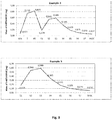
Figure 1 presents NGI deposition data for the composition of Example 1; -
Figure 2 presents NGI deposition data for the composition of Example 2; -
Figure 3 presents NGI deposition data for the composition of Example 3; -
Figure 4 presents NGI deposition data for the composition of Example 4; -
Figure 5 presents NGI deposition data for the composition of Example 5; and -
Figure 6 presents NGI deposition data for the composition of Example 6. - The object of the invention is a dry powder pharmaceutical composition comprising ketamine or its pharmaceutically acceptable salt for use in a medicine adapted for administration via pulmonary route.
- Another object of the invention is ketamine or its pharmaceutically acceptable salt for use in a method of treatment of treatment-resistant or treatment-refractory depression, wherein ketamine or its pharmaceutically acceptable salt is administered by pulmonary route as a dry powder pharmaceutical formulation.
- According to the invention, the term "ketamine" encompasses racemic ketamine and its enantiomers esketamine and arketamine, both as a free base and pharmaceutically acceptable salts thereof.
- In a preferred embodiment ketamine is esketamine.
- In another embodiment, ketamine is racemic ketamine.
- Preferred pharmaceutically acceptable ketamine salt is hydrochloride.
- In a most preferred embodiment, the composition of the invention comprises esketamine hydrochloride.
- In another embodiment, the composition of the invention comprises racemic ketamine hydrochloride.
- The term "medicine" as used herein can be used interchangeably with the term "medicinal product". It should be understood that "medicine" and "medicinal product" have essentially the same meaning in terms of the invention.
- In one aspect the composition of the invention comprises from 2 mg to 100 mg of ketamine calculated as a free base per nominal unit dose.
- In a particular embodiment, the composition of the invention comprises from 2 mg to 60 mg of ketamine, especially 2 mg to 40 mg of ketamine, such as from 3 mg to 15 mg of ketamine, calculated as a free base, per nominal unit dose.
- In another embodiment, the composition of the invention comprises further one or more additives selected from the group consisting of a carbohydrate bulking agent in the amount of 30 to 95% by weight and a stabilizing agent in the amount of 0.2 - 3% by weight, with respect to the total weight of the composition.
- The composition comprises ketamine, especially esketamine hydrochloride, having median particle diameter d50 of 1 - 10 µm, such as 1 - 8 µm, especially 3 µm, d10 of 0.2 - 5 µm and d90 of 3 - 35 µm.
- Median particle size d50 is a parameter obtained by laser diffraction technique with dry dispersion using Sympatec HELOS laser diffractometer attached with ASPIROS feeder. For measurement, raw ketamine, especially esketamine hydrochloride, is dispersed with pressure 3.0 bar in total amount of 30 mg per sample.
- The composition is a dry powder formulation for administration using dry powder inhalers. Conventional and typical dry powder inhalers can be used for this purpose.
- The term "dry powder" is known for a skilled person and should be understood in a manner conventional in the art as a solid mix of particles that is fluidized when the patient inhales after actuation of the inhaler device.
- The term "nominal unit dose" in accordance with the invention relates to the ketamine dose as present (loaded) in the composition that is destined for a single administration. The nominal unit dose can be a measured dose of the dry powder to be ready for the patient to take, contained in a single unit, such as a capsule or single compartment in a blister, or a dose to be taken from for delivery from the multi-dose dry powder reservoir.
- The term "emitted dose" relates to the proportion of the nominal unit dose that exits/leaves the device after inhalation by a patient.
- The dry powder pharmaceutical composition of the invention may comprise further pharmaceutical excipients., i.e. one or more additives selected from the group consisting of a carbohydrate bulking agent (a carrier) in the amount of 30 to 95% by weight and a stabilizing agent in the amount of 0.2 - 3% by weight, with respect to the total weight of the composition.
- Suitable carbohydrate bulking agent (a carrier) can be lactose, D-mannitol, glucose monohydrate, trehalose, especially trehalose dihydrate, erythritol, dextrose, maltose, sorbitol or xylitol. Especially convenient bulking agent is milled lactose, such as lactose monohydrate or anhydrous lactose, especially lactose monohydrate, having suitable granulometry. Suitable granulometry is defined as having d50 30 - 200 µm (Sympatec HELOS) as the main coarse fraction (especially 80 µm). Examples of suitable lactose monohydrate commercial grades are Lactohale 200 (LH200), Lactohale 100 (LH100) and Lactohale 200LP. Various types of inhalers may require appropriate selection of lactose grade most suitable for performance thereof. Such a selection is within common skills of a skilled person.
- Typical amount of the bulking agent in the composition of the invention is 30 - 95% by weight, especially 30 to 80% by weight, with respect to the total weight of the composition.
- Pharmaceutical excipients/additives include also a stabilizer (also called force control agent - FCA), i.e. a substance that reduces adhesion and cohesion. Suitable stabilizers are for example magnesium stearate, lecithin, and aminoacids, such as leucine. Especially preferred stabilizer is magnesium stearate.
- Stabilizer "disturbs" the weak binding forces between the small particles and thus helps to keep the particles separated, reduces self-adhesion of small particles and also adherence to other particles in the formulation if such other particles are present, reduces the adhesion to the inner surfaces of the inhaler, as well as improves rheological properties of powder - powder flowability.
- The amount of the stabilizer in the composition of the invention is 0.2 - 3% by weight, especially 0.8% by weight, with respect to the total weight of the composition.
- Composition of the invention is prepared by blending in a high-shear mixer a bulking agent/carrier of suitable granulometry with a stabilizer, and then adding ketamine, especially esketamine hydrochloride, of suitable granulometry and again blending in a high-shear mixer.
- Alternatively, ketamine, especially esketamine hydrochloride, of suitable granulometry is co-processed (blended) with a stabilizer in a high-shear mixer, and then the bulking agent/carrier is added and again mixed in a high-shear mixer.
- The composition is a dry powder formulation for administration using dry powder inhalers. Conventional and typical dry powder inhalers can be used for this purpose.
- The formulation may be administered by three device categories: single-unit dose inhaler in which each dose, such as in a capsule, is loaded into the device before use; a multi-dose reservoir inhaler in which a bulk supply of dry powder with plurality of doses is preloaded into the device; and a multi-unit dose inhaler in which a plurality of single doses are individually sealed in separate compartments such as in a blister cavity, and discharged each time the device is actuated. Preferred is the multi-unit dose inhaler in which a plurality of single doses are individually sealed, such as in the blister, and discharged each time the device is actuated.
- In one embodiment of the composition of the invention as defined above, the medicine for administration via pulmonary route is a blister with plurality of individual nominal unit doses premetered and individually sealed. One preferred example of such an inhaler is Diskus type inhaler.
- In another embodiment of the composition of the invention as defined above, the medicine for administration via pulmonary route is a capsule with a single nominal unit dose.
- In another embodiment of the composition of the invention as defined above, the medicine for administration of a single dose via pulmonary route is a multi-dose powder reservoir.
- The composition of the invention provides emitted dose of at least 1.0 mg of ketamine calculated as a free base, corresponding to 1.2 mg of ketamine hydrochloride.
- The composition of the invention provides the fraction of the dose delivered locally directly to the lungs that is at least 40%, such as from 40 to 50%, especially 40% to 60%, especially up to 85%, of the emitted unit dose.
- Emitted dose is the portion of nominal unit dose that is emitted from the inhaler device and leaves the inhaler device as an aerosol and hence is available to the patient.
- Only part of emitted dose reaches the lungs and thus circulating blood of a patient as the dose delivered to the lungs (also called Fine Particle Dose - FPD) or fraction delivered to the lungs (also called Fine Particle Fraction - FPF). Some part reaches gastrointestinal tract via oropharyngeal and oral routes, i.e. is swallowed, and is accessible for undesired first-part metabolism.
- It has been surprisingly found that in spite of well-known problems with inhalation dry powder formulation of high doses of an active substance for pulmonary administration, the uniform and stable high-dose ketamine, especially esketamine hydrochloride dry powder composition can be obtained that provides therapeutic ketamine level in the circulating blood of a patient, i.e. at least 50 to 100 ng/ml, such as 70 to 100 ng/ml, such as 70-80 ng/ml, such as about 100 ng/ml. Therapeutic ketamine level relates to the level in the blood that is effective in the treatment of depression, especially major depressive disorder, such as treatment resistant or treatment-refractory depression, and may be dependent on the subject, gender, age, severity of the disease, the type of the inhaler, and may vary depending on whether ketamine is racemic ketamine or enantiomeric ketamine.
- The fraction of the emitted dose delivered to the lungs is surprisingly high, in contrast with typical inhalation compositions wherein the standard is that only 15 to 20% of the emitted dose is delivered to the lungs.
- The fraction of the emitted dose delivered locally directly to the lungs (also called Fine Particle Fraction - FPF) can be determined using well-known and conventional methods and assays. Such methods and assays include any of those described in European Pharmacopeia 9.0, Chapter 2.9.18, Preparations for inhalation; Aerodynamic assessment of fine particles for determination of Fine Particle Dose. In particular, the Next Generation Pharmaceutical Impactor (NGI) (Ph. Eur. Apparatus E) can be used to assess and control the aerodynamic particle size distribution (APSD). The NGI apparatus is as presented in
Figs 2 .9.18.-12 and 2.9.18.-13 onpage 333 of European Pharmacopeia 9.0. - Emitted dose and fine particle dose and fraction (FPF and FPD) are strongly dependent on two factors i.e. on the formulation and on the device. For the device the most discriminatory factor for emitted dose is resistance. The resistance of a dry powder inhaler (DPI) is an intrinsic value which depends on the design of the inhalation channel, the metering cup and the air inlets. DPIs can be classified into four resistance groups (low, medium, medium-high, high) with respect to the inhalation flow required to produce a pressure drop of 4 kPa. This value was chosen because it is the one recommended by pharmacopoeia for the in vitro characterization of the dose emitted from a DPI. Additionally for capsule-based DPIs can be limited by the powder retention in the capsule and device, which lead to reduction in the emitted dose.
- Emitted dose testing is relatively straightforward. The device is 'fired' into a sampling apparatus that enables the capture of the measured dose on a filter. The aerodynamic particle size distribution of inhaled products is measured using the technique of multistage cascade impaction, here Next Generation Impactor (NGI). The collected quantity of active ingredient is determined further by HPLC analysis. The inhalers are tested at a predetermined flow rate, and the pressure drop across the inhaler is 4.0 kPa in line with the Ph Eur.
- Efficient particle capture is ensured by coating the particle collection surface of each of stages 1-7, as well as the MOC and the pre-separator base, with a coating substance. The central cup of the pre-separator is filled with adequate diluent.
- After discharging the powder to the NGI (Number of actuations per impactor n=1 for one analysis) by opening the two-way solenoid valve for the required time at flow control which generate pressure drop across the
inhaler 4 kPa the following operations are performed: - I. Stages 1 to 7 and MOC. Each stage is washed with appropriate diluent (extraction of drug substance). NGI tray loaded with the cups on a Copley Gentle Rocker is gently shaken for 10 minutes.
- II. Mouthpiece adapter. Deposited inhalation powder on adapter is rinsed with appropriate diluent a volumetric flask and sonicated for 10 minutes.
- III. Induction port. Deposited inhalation powder from induction port is rinsed with appropriate diluent into a volumetric flask and sonicated for 10 minutes.
- IV. Preseparator. Deposited inhalation powder from these component is rinsed with appropriate diluent into a volumetric flask and sonicated for 10 minutes. Finally collected samples from each stage of impactor are filtered analyzed by high-performance liquid chromatography
- Composition of the invention has an appropriate ketamine, in particular esketamine hydrochloride pharmacokinetics profile that enables achievement of approximately 50 to 100 ng/ml of the ketamine plasma concentration over 40 minutes. Said plasma concentration corresponds to antidepressive effect. Maintaining this concentration over time mimics 40-minute intravenous infusion known to be effective in depression and well-tolerated.
- The present invention will now be with reference to the accompanying examples, which are not intended to be limiting.
- A sum of lactose monohydrate and magnesium stearate are sieved through 0.25 mm mesh and mixed in high-shear mixer for 3 minutes. Obtained mixture is sieved with active substance through 0.5 mm mesh and mixed in high-shear mixer for 5 minutes.
- To eliminate electrostatic charges, antistatic PE bags are used during the process.
- Vacuum-drum technology dose forming process is used for blister filling. The blister cavity is in volume range of 15 to 45 mm3 (especially ca. 30 mm3). Powder which is filled into cavity is in amount of 10 - 30 mg (especially 23 mg).
- During process parameters of vacuum-drum device are:
- Vacuum pressure: -0 - 500 mBar, especially 50 - 400 mBar
- Fluidization pressure: - 0.1 - -0.4 Bar
- Fluidization time: 50 - 2000 ms, especially 50 -300 ms
- Filling time: 50 - 700 ms, especially 50 - 400 ms
- Sealing time: 100 - 600ms
- Sealing tests of filled blisters are performed under vacuum.
- Finally, the blister strips are coiled into the medical device.
- Capsules to be filled are placed in the sockets closed ends down. Powder is discharged from the dosator and comes directly to the capsules. The powder with which the capsules are to be filled is placed in the dosator, may be tamped and discharged into the capsules.
- During the process parameters of capsule filling device are:
- Rotation: 1- 70 rpm
- Tamping high: 1 - 10mm
- Dosator high: 1 - 250mm
- Finally, the filled capsules are mounted into the medical device.
- The following compositions has been prepared in accordance with the above general procedure in the scale of 0.9 kg.
-
Component Amount (mg/unit) Esketamine hydrochloride 3.45 (corresponds to 2.99 mg esketamine) Lactose monohydrate LH200 LP 19.16 Magnesium stearate 0.39 -
Component Amount (mg/unit) Esketamine hydrochloride 4.61 (corresponds to 4 mg esketamine) Lactose monohydrate LH200 LP 18.20 Magnesium stearate 0.18 -
Component Amount (mg/unit) Esketamine hydrochloride 5.06 (corresponds to 4.39 mg esketamine) Lactose monohydrate LH200 LP 17.581 Magnesium stearate 0.359 - The compositions have been found uniform in accordance with requirements of Ph.Eur.2.9.40. Average esketamine hydrochloride content (n=10) was in the range 92.5% - 107.5% of nominal dose.
- The process has been found scalable to the scale of 1.8 kg.
- Aerodynamic Particle Size Distribution (APSD) test of the compositions of the Examples 1, 2 and 3 of the invention.
- The compositions of Examples 1, 2 and 3 of the invention have been tested using the Next Generation Pharmaceutical Impactor (NGI) (Ph. Eur. Apparatus E) in accordance with the procedure for powder inhalers.
- The results of the tests are presented in Table 1 below and in
Figure 1 (Example 1),Figure 2 (Example 2) andFigure 3 (Example 3) of the drawing, wherein upper diagrams present APSD data for the whole NGI and bottom diagrams present APSD data for stages 1-7 and MOC. The following abbreviations are used for the results of the tests: - MA - mouth adapter
- T- induction port
- PS - Pre-separator
- S1-S7 - stages of NGI
- MOC - micro-orifice collector
- ISM - Impactor sized mass; mass entering the impactor excluding non-sizing portions
- MMAD (µm) - mass median aerodynamic diameter. Defined as the diameter at which 50% of the particles by mass are larger and 50% are smaller.
- GSD - geometric standard deviation. Measure of the spread of an aerodynamic particle size distribution
- FPF - fine particle fraction (%)
- FPD - fine particle dose
- The obtained results showed a product with expected quality attributes.
- The composition of the invention demonstrated appropriate homogeneity and a very high level of fine particle fractions, with:
- FPF > 49%, FPD 1.0 mg; and emitted dose: 2.3 mg, for Example 1
- FPF > 47%, FPD: 1.7 mg; and emitted dose: 3.6 mg, for Example 2, and
- FPF > 44%, FPD: 1.6 mg; and emitted dose: 3.9 mg, for Example 3.
- The following compositions has been prepared in accordance with the above general procedure in the scale of 0.9 kg.
-
Component Amount (mg/unit) Esketamine hydrochloride 5.00 (corresponds to 4.34 mg esketamine) Lactose monohydrate LH200 LP 19.8 Magnesium stearate 0.2 -
Component Amount (mg/unit) Esketamine hydrochloride 10.00 (corresponds to 8.67 mg esketamine) Lactose monohydrate LH200 LP 39.6 Magnesium stearate 0.4 -
Component Amount (mg/unit) Esketamine hydrochloride 20.00 (corresponds to 17.34mg esketamine) Lactose monohydrate LH200 LP 79.2 Magnesium stearate 0.8 - Aerodynamic Particle Size Distribution (APSD) test of the compositions of Examples 4, 5 and 6 of the invention.
- The compositions of Examples 4, 5 and 6 of the invention have been tested using the Next Generation Pharmaceutical Impactor (NGI) (Ph. Eur. Apparatus E) in accordance with the procedure for powder inhalers.
- The results of the tests are presented in Table 2 below and in Figures (Example 4),
Figure 5 (Example 5) andFigure 6 (Example 6) of the drawing, wherein higher diagrams present APSD data for the whole NGI and lower diagrams present APSD data stages 1-7 and MOC.Table 2. NGI deposition data Example No 4 5 6 MA [mg] 0.090 0.174 0.329 T 0.655 1.328 2.877 PS 0.262 0.774 1.838 S1 0.368 0.669 1.621 S2 0.915 1.505 3.293 S3 0.631 1.057 2.270 S4 0.449 0.705 1.386 S5 0.273 0.414 0.719 S6 0.167 0.300 0.505 S7 0.108 0.214 0.374 MOC 0.061 0.166 0.283 ISM (mg) 2.61 4.36 8.83 Total Mass on Impactor (mg) 2.97 5.03 10.45 Total Mass on System (mg) 3.98 7.30 15.49 Mass on Impactor/Actuation (mg) 2.97 5.03 10.45 Mass on System/Actuation (mg) 3.98 7.30 15.49 FPD ≤5.0 mcm (mg) esketamine 2.4 3.9 7.9 FPF ≤5.0 mcm (%) 59 54 51 MMAD (mcm) 3.0 3.0 3.2 GSD 1.9 1.9 2.6 - The obtained results showed a product with expected quality attributes.
- The invented formulation demonstrated appropriate homogeneity and a very high level of fine particle fractions, with:
- FPF > 59%, FPD 2.4 mg; emitted dose: 4.2 mg, for Example 4
- FPF > 54%, FPD: 3.9 mg; emitted dose: 7.1 mg, for Example 5, and
- FPF > 51%, FPD: 7.9 mg; emitted dose: 16.5 mg, for Example 6.
- The dry powder pharmaceutical composition of the invention provided emitted esketamine hydrochloride dose at the level up to 97%, such as up to 85% of the nominal dose and at least 40% of fine particle fraction (fraction delivered to the lungs) for emitted esketamine dose.
| Example No |
| 1 | 2 | 3 | |
| MA [mg] | 0.043 | 0.194 | 0.074 |
| T | 0.166 | 0.713 | 0.740 |
| PS | 0.598 | 0.262 | 0.825 |
| S1 | 0.063 | 0.157 | 0.179 |
| S2 | 0.193 | 0.599 | 0.541 |
| S3 | 0.308 | 0.538 | 0.588 |
| S4 | 0.243 | 0.392 | 0.345 |
| S5 | 0.112 | 0.201 | 0.179 |
| S6 | 0.061 | 0.121 | 0.105 |
| S7 | 0.048 | 0.087 | 0.070 |
| MOC | 0.037 | 0.054 | 0.054 |
| ISM (mg) | 1.00 | 1.99 | 1.88 |
| Total Mass on Impactor (mg) | 1.07 | 2.15 | 2.06 |
| Total Mass on System (mg) | 1.87 | 3.32 | 3.70 |
| Mass on Impactor/Actuation (mg) | 1.07 | 2.15 | 2.06 |
| Mass on System/Actuation (mg) | 1.87 | 3.32 | 3.70 |
| FPD ≤5.0 mcm (mg) esketamine | 1.0 | 1.7 | 1.6 |
| FPF ≤5.0 mcm (%) | 49.0 | 51.0 | 44.0 |
| MMAD (mcm) | 2.6 | 2.9 | 3.0 |
| GSD | 1.8 | 1.8 | 1.8 |
Claims (15)
- A dry powder pharmaceutical composition comprising ketamine or its pharmaceutically acceptable salt for use in a medicine adapted for administration via pulmonary route.
- The composition of claim 1 wherein pharmaceutically acceptable salt is hydrochloride.
- The composition of claim 1 or 2 comprising ketamine as esketamine hydrochloride.
- The composition of any one of claim 1 to 3, comprising from 2 mg to 100 mg of micronized ketamine calculated as a free base per nominal unit dose.
- The composition of claim 4, comprising from 2 mg to 40 mg of micronized ketamine calculated as a free base per nominal unit dose.
- The composition of any one of claim 1 to 5, comprising one or more additives selected from the group consisting of a carbohydrate bulking agent in the amount of 30 to 95% by weight and a stabilizing agent in the amount of 0.2 - 3% by weight, with respect to the total weight of the composition.
- The composition of any one of claims 1 to 6, comprising ketamine having median particle diameter d50 of 1 - 10 µm, d10 of 0.2 - 5 µm and d90 of 3 - 35 µm, as measured by laser diffraction technique.
- The composition of any one of claims 6 to 7, wherein the bulking agent is lactose monohydrate.
- The composition of any one of claims 6 to 8, wherein the stabilizer is magnesium stearate.
- The composition of any one of claims 4 to 9, wherein the composition provides emitted dose of at least 1.0 mg of ketamine calculated as a free base, corresponding to 1.2 mg of ketamine hydrochloride.
- The composition of claim 10, wherein the fraction of the emitted dose delivered to the lungs is at least 40%.
- The composition of any one of claims 1 to 11, wherein the medicine for administration via pulmonary route is a blister with plurality of individual nominal unit doses premetered and individually sealed.
- The composition of any one of claims 1 to 11, wherein the medicine for administration via pulmonary route is a capsule with a single nominal unit dose.
- The composition of any one of claims 1 to 11, wherein the medicine for administration via pulmonary route is multi-dose powder reservoir.
- The composition of any one of claims 1 to 14, wherein the medicine is for use in the treatment of treatment-resistant or treatment-refractory depression.
Priority Applications (26)
| Application Number | Priority Date | Filing Date | Title |
|---|---|---|---|
| PT174616516T PT3505157T (en) | 2017-12-29 | 2017-12-29 | Dry powder ketamine composition for pulmonary administration in treatment-resistant depression |
| ES17461651T ES2907692T3 (en) | 2017-12-29 | 2017-12-29 | Composition of dry powder ketamine for pulmonary administration in treatment-resistant depression |
| DK17461651.6T DK3505157T3 (en) | 2017-12-29 | 2017-12-29 | DRY POWDER-KETAMIN COMPOSITION FOR PULMONAL ADMINISTRATION IN THE TREATMENT OF RESISTANT DEPRESSION |
| PL17461651T PL3505157T3 (en) | 2017-12-29 | 2017-12-29 | Dry powder ketamine composition for pulmonary administration in treatment-resistant depression |
| HUE17461651A HUE058320T2 (en) | 2017-12-29 | 2017-12-29 | Dry powdered ketamine preparation for pulmonary administration in treatment-resistant depression |
| EP17461651.6A EP3505157B1 (en) | 2017-12-29 | 2017-12-29 | Dry powder ketamine composition for pulmonary administration in treatment-resistant depression |
| KR1020257003183A KR20250024526A (en) | 2017-12-29 | 2018-09-28 | Dry powder ketamine composition for use in the treatment of depression by pulmonary administration |
| US16/958,965 US20200337999A1 (en) | 2017-12-29 | 2018-09-28 | Dry powder ketamine composition for use in the treatment of depression by pulmonary administration |
| BR112020013282-9A BR112020013282A2 (en) | 2017-12-29 | 2018-09-28 | composition of dry powder ketamine for use in the treatment of depression by pulmonary administration |
| PT187734710T PT3731815T (en) | 2017-12-29 | 2018-09-28 | Dry powder ketamine composition for use in the treatment of depression by pulmonary administration |
| DK18773471.0T DK3731815T3 (en) | 2017-12-29 | 2018-09-28 | DRY POWDER-KETAMIN COMPOSITION FOR USE IN THE TREATMENT OF DEPRESSION VIA PULMONAL ADMINISTRATION |
| JP2020536519A JP7315556B2 (en) | 2017-12-29 | 2018-09-28 | Dry powder ketamine composition for use in treating depression by pulmonary administration |
| ES18773471T ES2907781T3 (en) | 2017-12-29 | 2018-09-28 | Composition of dry powder ketamine for use in the treatment of depression by pulmonary administration |
| HUE18773471A HUE058099T2 (en) | 2017-12-29 | 2018-09-28 | Dry powder ketamine composition for use in the treatment of depression by pulmonary administration |
| MX2020006900A MX2020006900A (en) | 2017-12-29 | 2018-09-28 | Dry powder ketamine composition for use in the treatment of depression by pulmonary administration. |
| CN201880089476.3A CN111818912A (en) | 2017-12-29 | 2018-09-28 | Dry powder ketamine composition for the treatment of depression by pulmonary administration |
| PL18773471T PL3731815T3 (en) | 2017-12-29 | 2018-09-28 | Dry powder ketamine composition for use in the treatment of depression by pulmonary administration |
| AU2018395791A AU2018395791B2 (en) | 2017-12-29 | 2018-09-28 | Dry powder ketamine composition for use in the treatment of depression by pulmonary administration |
| EA202091618A EA202091618A1 (en) | 2017-12-29 | 2018-09-28 | COMPOSITION OF KETAMINE IN THE FORM OF A DRY POWDER FOR USE IN THE TREATMENT OF DEPRESSION BY INHALATION |
| KR1020207021379A KR102763099B1 (en) | 2017-12-29 | 2018-09-28 | Dry powder ketamine composition for use in the treatment of depression by pulmonary administration |
| CA3087090A CA3087090A1 (en) | 2017-12-29 | 2018-09-28 | Dry powder ketamine composition for use in the treatment of depression by pulmonary administration |
| PCT/EP2018/076394 WO2019129397A1 (en) | 2017-12-29 | 2018-09-28 | Dry powder ketamine composition for use in the treatment of depression by pulmonary administration |
| EP18773471.0A EP3731815B1 (en) | 2017-12-29 | 2018-09-28 | Dry powder ketamine composition for use in the treatment of depression by pulmonary administration |
| US18/965,240 US20250170059A1 (en) | 2017-12-29 | 2024-12-02 | Dry powder esketamine composition for use in the treatment of bipolar depression by pulmonary administration |
| US18/965,257 US12440440B2 (en) | 2017-12-29 | 2024-12-02 | Dry powder esketamine composition for use in the treatment of bipolar depression by pulmonary administration |
| AU2025201057A AU2025201057A1 (en) | 2017-12-29 | 2025-02-14 | Dry powder ketamine composition for use in the treatment of depression by pulmonary administration |
Applications Claiming Priority (1)
| Application Number | Priority Date | Filing Date | Title |
|---|---|---|---|
| EP17461651.6A EP3505157B1 (en) | 2017-12-29 | 2017-12-29 | Dry powder ketamine composition for pulmonary administration in treatment-resistant depression |
Publications (2)
| Publication Number | Publication Date |
|---|---|
| EP3505157A1 true EP3505157A1 (en) | 2019-07-03 |
| EP3505157B1 EP3505157B1 (en) | 2021-12-08 |
Family
ID=60915417
Family Applications (2)
| Application Number | Title | Priority Date | Filing Date |
|---|---|---|---|
| EP17461651.6A Active EP3505157B1 (en) | 2017-12-29 | 2017-12-29 | Dry powder ketamine composition for pulmonary administration in treatment-resistant depression |
| EP18773471.0A Active EP3731815B1 (en) | 2017-12-29 | 2018-09-28 | Dry powder ketamine composition for use in the treatment of depression by pulmonary administration |
Family Applications After (1)
| Application Number | Title | Priority Date | Filing Date |
|---|---|---|---|
| EP18773471.0A Active EP3731815B1 (en) | 2017-12-29 | 2018-09-28 | Dry powder ketamine composition for use in the treatment of depression by pulmonary administration |
Country Status (16)
| Country | Link |
|---|---|
| US (3) | US20200337999A1 (en) |
| EP (2) | EP3505157B1 (en) |
| JP (1) | JP7315556B2 (en) |
| KR (2) | KR20250024526A (en) |
| CN (1) | CN111818912A (en) |
| AU (2) | AU2018395791B2 (en) |
| BR (1) | BR112020013282A2 (en) |
| CA (1) | CA3087090A1 (en) |
| DK (2) | DK3505157T3 (en) |
| EA (1) | EA202091618A1 (en) |
| ES (2) | ES2907692T3 (en) |
| HU (2) | HUE058320T2 (en) |
| MX (1) | MX2020006900A (en) |
| PL (2) | PL3505157T3 (en) |
| PT (2) | PT3505157T (en) |
| WO (1) | WO2019129397A1 (en) |
Cited By (1)
| Publication number | Priority date | Publication date | Assignee | Title |
|---|---|---|---|---|
| CN115418398A (en) * | 2022-08-30 | 2022-12-02 | 广州医科大学附属脑科医院 | A group of markers and its application for predicting the curative effect of ketamine in treating refractory depression |
Families Citing this family (3)
| Publication number | Priority date | Publication date | Assignee | Title |
|---|---|---|---|---|
| ES2907692T3 (en) | 2017-12-29 | 2022-04-26 | Celon Pharma Sa | Composition of dry powder ketamine for pulmonary administration in treatment-resistant depression |
| CN117241039A (en) | 2018-08-28 | 2023-12-15 | 华为技术有限公司 | Interframe prediction method, device, video encoder and video decoder |
| EP3628313B1 (en) * | 2018-09-28 | 2025-02-12 | Novohale Therapeutics, LLC | Ketamine composition for use in a method of treatment of depression by pulmonary administration |
Citations (7)
| Publication number | Priority date | Publication date | Assignee | Title |
|---|---|---|---|---|
| CA2213567A1 (en) * | 1995-02-24 | 1996-08-29 | Stuart L. Weg | Use of ketamine for facilitating detoxification and treatment of smoking addiction, and device therefor |
| US20070287753A1 (en) | 2006-03-22 | 2007-12-13 | Mount Sinai School Of Medicine | Intranasal Administration of Ketamine to Treat Depression |
| DE102007009888A1 (en) | 2007-02-28 | 2008-09-04 | Hermann, Holger Lars, Dr. | Use of S-(+)-ketamine for treating depression, which is therapy-refractive depression, preferably depressive episode, relapsing disorder and bipolar affective disorder |
| US20130236573A1 (en) * | 2012-03-12 | 2013-09-12 | Janssen Pharmaceutica Nv | Esketamine for the treatment of treatment-refractory or treatment-resistant depression |
| WO2014020155A1 (en) | 2012-08-02 | 2014-02-06 | Clinpharm Reform Gmbh | Oral transmucosal adminstration forms of s-ketamine |
| WO2014143646A1 (en) | 2013-03-15 | 2014-09-18 | Janssen Pharmaceutica Nv | Pharmaceutical composition of s-ketamine hydrochloride |
| WO2014152196A1 (en) | 2013-03-15 | 2014-09-25 | Janssen Pharmaceutica Nv | Pharmaceutical composition of s-ketamine hydrochloride |
Family Cites Families (157)
| Publication number | Priority date | Publication date | Assignee | Title |
|---|---|---|---|---|
| GB0009469D0 (en) * | 2000-04-17 | 2000-06-07 | Vectura Ltd | Improvements in or relating to formalities for use in inhaler devices |
| US20050148673A1 (en) | 2002-07-11 | 2005-07-07 | Harbut Ronald E. | Prolonged administration of NMDA antagonist and safener drug to alter neuropathic pain condition |
| CA2529857A1 (en) | 2002-07-30 | 2004-02-05 | Peter Migaly | Combination therapy for depression, prevention of suicide, and varous medical and psychiatric conditions |
| US8268352B2 (en) | 2002-08-05 | 2012-09-18 | Torrent Pharmaceuticals Limited | Modified release composition for highly soluble drugs |
| US7985422B2 (en) | 2002-08-05 | 2011-07-26 | Torrent Pharmaceuticals Limited | Dosage form |
| JP2006510618A (en) * | 2002-11-18 | 2006-03-30 | ヤウポン セラピューティクス,インコーポレーテッド | Analgesic use of norketamine and ketamine / norketamine prodrugs |
| US10172810B2 (en) | 2003-02-24 | 2019-01-08 | Pharmaceutical Productions, Inc. | Transmucosal ketamine delivery composition |
| AU2004214938B2 (en) | 2003-02-26 | 2008-11-06 | Johns Hopkins University | Glutamate transport modulatory compounds and methods |
| EP1613324A2 (en) | 2003-04-14 | 2006-01-11 | Pain Therapeutics, Inc. | Methods for the treatment of pain comprising opioid antagonists |
| MXPA06011891A (en) | 2004-04-20 | 2007-04-24 | Pfizer | Method of treating neuropathic pain using a crth2 receptor antagonsit. |
| US20060240043A1 (en) | 2004-10-08 | 2006-10-26 | Meyerson Laurence R | Methods and compositions for treating migraine pain |
| WO2006069293A2 (en) | 2004-12-22 | 2006-06-29 | Friedman Robert S | Composition comprising n-acetylcysteine and further pain or anti- inflamm medications |
| CA2599662A1 (en) | 2005-03-01 | 2006-09-08 | Pfizer Limited | Use of pde7 inhibitors for the treatment of neuropathic pain |
| RU2007135627A (en) | 2005-03-04 | 2009-04-10 | Ментис Кура Ехф. (Is) | METHOD AND SYSTEM FOR EVALUATING NEUROLOGICAL CONDITIONS |
| ATE481096T1 (en) | 2005-04-06 | 2010-10-15 | Adamas Pharmaceuticals Inc | METHODS AND COMPOSITIONS FOR TREATING CNS DISEASES |
| GB0523031D0 (en) * | 2005-11-11 | 2005-12-21 | Yaupon Therapeutics | Enhancement of morphine analgesia by s(-)-norketamine |
| KR101529318B1 (en) | 2005-12-19 | 2015-06-16 | 파마인 코포레이션 | A hydrophobic core carrier composition for delivering a therapeutic agent, a method for preparing the same, and a method for using the composition |
| US20090306137A1 (en) | 2006-05-22 | 2009-12-10 | Wolfgang Curt D | Treatment for depressive disorders |
| EP1902733A1 (en) | 2006-09-19 | 2008-03-26 | Laboratorios Del Dr. Esteve, S.A. | Combination of a NMDA-receptor ligand and a compound with 5-HT6 receptor affinity |
| JP2010518023A (en) | 2007-02-01 | 2010-05-27 | アラン アイ. グリーン | Combination of dopamine D2 receptor blocker with norepinephrine reuptake inhibitor and norepinephrine α2 receptor blocker |
| SI2125698T1 (en) | 2007-03-15 | 2016-12-30 | Auspex Pharmaceuticals, Inc. | DEUTERATED d9-VENLAFAXINE |
| WO2008141057A1 (en) | 2007-05-08 | 2008-11-20 | Auspex Pharmaceuticals, Inc. | Deuterated pimavanserin 1- (4-flu0r0benzyl) -3- (4-isobutoxybenzyl) -1- ( l-methyl-piperidin-4-yl) -urea |
| US20090004281A1 (en) | 2007-06-26 | 2009-01-01 | Biovail Laboratories International S.R.L. | Multiparticulate osmotic delivery system |
| WO2009000038A1 (en) | 2007-06-28 | 2008-12-31 | Cnsbio Pty Ltd | Combination methods and compositions for treatment of neuropathic pain |
| CA2698038A1 (en) | 2007-07-26 | 2009-01-29 | Entra Pharmaceuticals Inc. | Systems and methods for delivering drugs |
| WO2009021058A2 (en) | 2007-08-06 | 2009-02-12 | Trinity Labortories, Inc. | Pharmaceutical compositions for treating chronic pain and pain associated with neuropathy |
| JP2010540454A (en) | 2007-09-21 | 2010-12-24 | アカディア ファーマシューティカルズ,インコーポレーテッド | Combination administration of pimavanserin and other drugs |
| JP2011507800A (en) | 2007-12-26 | 2011-03-10 | エーザイ・アール・アンド・ディー・マネジメント株式会社 | AMPA receptor antagonists for epilepsy, mental disorders, or sensory organ disorders |
| US20090198145A1 (en) | 2008-02-06 | 2009-08-06 | Chow Harrison | Compositions, methods, and systems for rapid induction and maintenance of continuous rem sleep |
| US20140037718A1 (en) | 2009-03-06 | 2014-02-06 | George W. Lutz | Transdermal pain gel |
| GB0908129D0 (en) * | 2009-05-12 | 2009-06-24 | Innovata Ltd | Composition |
| US20120225949A1 (en) | 2009-08-14 | 2012-09-06 | Demitri Papalos | Compositions and methods for treating bipolar disorder |
| DK2493457T3 (en) | 2009-10-30 | 2017-10-02 | Ix Biopharma Ltd | QUICK-SOLVING SOLID DOSAGE FORM |
| EP3579246A1 (en) | 2010-01-18 | 2019-12-11 | Elminda Ltd. | Method and system for weighted analysis of neurophysiological data |
| WO2013003669A2 (en) | 2011-06-30 | 2013-01-03 | University Of South Florida | Compositions, methods of use, and methods of treatment |
| EP2791352A1 (en) | 2011-12-14 | 2014-10-22 | Astrazeneca AB | Gabr-a2 diagnostic |
| EP2830604A4 (en) | 2012-03-30 | 2015-08-19 | Gen Hospital Corp | COMPOSITIONS COMPRISING SCOPOLAMINE AND KETAMINE FOR THE TREATMENT OF DEPRESSION |
| US20120323214A1 (en) | 2012-05-16 | 2012-12-20 | Totada R Shantha | Alzheimer's disease treatment with multiple therapeutic agents delivered to the olfactory region through a special delivery catheter and iontophoresis |
| KR20150096370A (en) | 2012-08-23 | 2015-08-24 | 스튜어트 엘. 웨그 | Anxiolytic composition, formulation and method of use |
| US8974365B2 (en) | 2012-11-25 | 2015-03-10 | Steven Richard Devore Best | Treatment of thalamocortical dysrhythmia |
| CA2895129C (en) | 2012-12-20 | 2022-07-05 | Sanford-Burnham Medical Research Institute | Quinazoline neurotensin receptor 1 agonists and uses thereof |
| AU2014248455B2 (en) * | 2013-04-01 | 2018-12-06 | Pulmatrix Operating Company, Inc. | Tiotropium dry powders |
| CA2922507C (en) | 2013-08-26 | 2022-07-05 | Amorsa Therapeutics, Inc. | Single-layer oral dose of neuro-attenuating ketamine |
| HUE056378T2 (en) | 2013-09-13 | 2022-02-28 | Univ Chiba Nat Univ Corp | Application of r-ketamine and salt thereof as pharmaceuticals |
| EP3094312B1 (en) | 2014-01-14 | 2019-03-13 | Children's Hospital Medical Center | Compositions comprising ketamine for treating an autism spectrum disorder |
| PL3287124T3 (en) | 2014-04-17 | 2023-02-20 | Ketabon Gmbh | Oral dosage form of ketamine |
| KR20170013890A (en) | 2014-05-06 | 2017-02-07 | 노쓰웨스턴유니버시티 | Combinations of nmdar modulating compounds |
| US11207316B2 (en) | 2014-05-30 | 2021-12-28 | West Virginia University | Ketamine or dextromethorphan formulations and methods of use |
| WO2016007617A2 (en) | 2014-07-09 | 2016-01-14 | Novotec Consulting, Llc. | Pharmaceutical compounding kit |
| KR20170040800A (en) | 2014-08-13 | 2017-04-13 | 얀센 파마슈티카 엔.브이. | Method for the treatment of depression |
| AU2015318123A1 (en) | 2014-09-15 | 2017-03-30 | Janssen Pharmaceutica Nv | Val66Met (SNP rs6265) genotype specific dosing regimens and methods for the treatment of depression |
| RU2732908C2 (en) * | 2014-10-07 | 2020-09-24 | ЭйАй ТЕРАПЬЮТИКС, ИНК. | Inhalation dosage form of rapamycin for treating pulmonary hypertension |
| DK3215147T3 (en) | 2014-11-04 | 2024-04-02 | Acadia Pharm Inc | NEUROTENANT NORKETAMINE COMPOUNDS AND METHODS |
| WO2016094358A1 (en) | 2014-12-08 | 2016-06-16 | Cima Labs Inc. | Immediate release abuse-deterrent granulated dosage forms |
| WO2016109427A1 (en) | 2014-12-31 | 2016-07-07 | Icahn School Of Medicine At Mount Sinai | Method of maintaining the anti-depressant effect of ketamine with lithium |
| US10302625B2 (en) | 2015-01-15 | 2019-05-28 | Centre For Addiction And Mental Health | Peripheral measure of central brain inflammation, markers therefor and uses thereof |
| EP3085366A1 (en) | 2015-04-22 | 2016-10-26 | Institut du Cerveau et de la Moelle Epiniere-ICM | Nmda antagonists for the treatment of mental disorders with occurrence of aggressive and/or impulsive behavior |
| US20160332962A1 (en) * | 2015-05-13 | 2016-11-17 | Janssen Pharmaceutica Nv | (s)-csa salt of s-ketamine, (r)-csa salt of s-ketamine and processes for the preparation of s-ketamine |
| US11426366B2 (en) | 2015-05-15 | 2022-08-30 | Arizona Board Of Regents On Behalf Of The Universsity Of Arizona | Compositions and methods for treating motor disorders |
| US20160338977A1 (en) | 2015-05-20 | 2016-11-24 | Janssen Pharmaceutica Nv | Methods and kits for treating depression |
| WO2016201299A1 (en) | 2015-06-12 | 2016-12-15 | Indiana University Research & Technology Corporation | Predicting suicidality using a combined genomic and clinical risk assessment |
| CN107847469A (en) | 2015-06-27 | 2018-03-27 | 美国神农制药责任有限公司 | Ketamine transdermal delivery system |
| CN106562952B (en) * | 2015-10-09 | 2020-06-09 | 江阴安博生物医药有限公司 | Use of ketamine in the treatment of major depressive disorder |
| CN108601814A (en) | 2015-10-16 | 2018-09-28 | 西北大学 | The pharmaceutical composition of atypical antipsychotic agents and NMDA conditioning agents for treating schizophrenia, bipolar disorders, cognitive impairment and Major Depressive Disorder |
| US10881637B2 (en) | 2015-11-17 | 2021-01-05 | Atlee Solomon | Intranasal and transdermal administration of kappa-opioid-receptor agonists: salvinorin A for the treatment of neuropsychiatric and addictive disorders |
| US11110070B2 (en) | 2015-11-17 | 2021-09-07 | The Trustees Of Columbia University In The City Of New York | Pharmacological prophylactics against stress-induced affective disorders and their associated symptoms |
| US20180296478A1 (en) | 2016-02-12 | 2018-10-18 | Synergistic Therapeutics, Llc | Sublingual antidepressant and antianxiety tablet |
| US20180042936A1 (en) | 2016-03-18 | 2018-02-15 | Genomind, Inc. | Maintenance therapy using tianeptine |
| CA3019012A1 (en) | 2016-03-25 | 2017-09-28 | The United States Of America, As Represented By The Secretary, Department Of Health And Human Services | Methods of using (2r, 6r)-hydroxynorketamine and (2s, 6s)-hydroxynorketamine in the treatment of depression, anxiety, anhedonia, fatigue, suicidal ideation, and post traumatic stress disorders |
| JP6967532B2 (en) | 2016-05-25 | 2021-11-17 | ナショナル ヘルス リサーチ インスティテューツNational Health Research Institutes | Additional antidepressant composition and its usage |
| EP3491014B1 (en) | 2016-07-28 | 2023-04-05 | Regeneron Pharmaceuticals, Inc. | Allele-specific primer or probe hybridized to a nucleic acid molecule encoding a gpr156 variant |
| EP3493789A2 (en) | 2016-08-05 | 2019-06-12 | Shin Nippon Biomedical Laboratories, Ltd. | Intranasal pharmaceutical powder compositions |
| US20180064655A1 (en) | 2016-09-06 | 2018-03-08 | Steven Sounyoung Yu | Hydroxynorketamine Transdermal Patch |
| US10596378B2 (en) | 2016-10-18 | 2020-03-24 | Joseph Rustick | Method for treatment of depression using synaptic pathway training |
| US10905897B2 (en) | 2016-10-20 | 2021-02-02 | Neuro-Laser Foundation, Inc. | Synergistic treatment methodologies using light therapy |
| AU2017351437B2 (en) | 2016-10-27 | 2022-01-27 | National University Corporation Chiba University | Application of (S)-norketamine and salt thereof as pharmaceutical |
| US20180177744A1 (en) | 2016-12-22 | 2018-06-28 | Gary Jay | Method of treating pain and depression using a hybrid mixture of s-ketamine and r-ketamine |
| US20180177743A1 (en) | 2016-12-22 | 2018-06-28 | Gary Jay | Method of treating pain using racemic mixture of s-ketamine and r-ketamine |
| AU2018254506A1 (en) | 2017-04-20 | 2019-10-31 | Guangzhou Dazhou Biomedicine Ltd. | Transdermal drug delivery system for ketamine |
| EP3635130A4 (en) | 2017-05-12 | 2021-06-09 | Indiana University Research and Technology Corporation | PRECISION DRUG FOR THE TREATMENT AND PREVENTION OF SUICIDAL RISK |
| CA3064846A1 (en) | 2017-05-25 | 2018-11-29 | Glytech, Llc | Combined therapy for nmdar antagonist-responsive neuropsychiatric disorders |
| DE102017112527B4 (en) | 2017-06-07 | 2019-01-03 | Lts Lohmann Therapie-Systeme Ag | Fast disintegrating foam wafers with a high basis weight |
| WO2018234568A2 (en) | 2017-06-23 | 2018-12-27 | Develco Pharma Schweiz Ag | Hydroxynorketamine for the use in the treatment of depression |
| EP3668490A4 (en) | 2017-08-20 | 2021-06-09 | Formulex Pharma Innovations Ltd. | DRY POWDER COMPOSITIONS FOR INTRANASAL ADMINISTRATION |
| WO2019058145A1 (en) | 2017-09-25 | 2019-03-28 | Small Pharma Ltd | Solid oral dosage forms of ketamine derivatives |
| US20200405663A1 (en) | 2017-09-27 | 2020-12-31 | National University Corporation Chiba University | R-ketamine and derivative thereof as prophylactic or therapeutic agent for neurodegeneration disease or recognition functional disorder |
| US12090123B2 (en) | 2017-10-10 | 2024-09-17 | Douglas Pharmaceuticals Ltd. | Extended release pharmaceutical formulation |
| JP2021500948A (en) | 2017-10-19 | 2021-01-14 | エレウシス ヘルス ソリューションズ ユーエス インコーポレイテッド | Methods and systems to improve the safety of psychedelic drug therapy |
| WO2019094757A1 (en) | 2017-11-09 | 2019-05-16 | The Trustees Of Columbia University In The City Of New York | Pharmacological prophylactics against stress-induced affective disorders in females |
| EP3710079A4 (en) | 2017-11-14 | 2021-09-01 | Bexson Biomedical, Inc. | SYSTEMS, DEVICES, FORMULATIONS AND PROCEDURES FOR THE CONTROLLED DELIVERY OF MEDICINAL PRODUCTS |
| DE102017129012A1 (en) | 2017-12-06 | 2019-06-06 | Lts Lohmann Therapie-Systeme Ag | Oral thin film with high drug loading |
| KR20240011237A (en) | 2017-12-22 | 2024-01-25 | 얀센 파마슈티카 엔브이 | Esketamine for the treatment of depression |
| ES2907692T3 (en) | 2017-12-29 | 2022-04-26 | Celon Pharma Sa | Composition of dry powder ketamine for pulmonary administration in treatment-resistant depression |
| PL3737665T3 (en) | 2018-01-10 | 2026-04-20 | XWPharma Ltd. | Prodrugs of ketamine, compositions and uses thereof |
| TW202000205A (en) | 2018-02-21 | 2020-01-01 | 美商Ai治療公司 | Combination therapy with apilimod and glutamatergic agents |
| WO2019178484A1 (en) | 2018-03-16 | 2019-09-19 | Intra-Cellular Therapies, Inc. | Novel methods |
| EP3761970A4 (en) | 2018-03-26 | 2022-06-08 | Cellix Bio Private Limited | COMPOSITIONS AND METHODS FOR TREATING NEUROLOGICAL DISEASES |
| US20230390385A1 (en) | 2018-04-11 | 2023-12-07 | Fred M. COWAN | Compositions and Methods for Prevention and Treatment of Immune Complex Disease |
| WO2019213551A1 (en) | 2018-05-04 | 2019-11-07 | Perception Neuroscience, Inc. | Methods of treating substance abuse |
| CN118986932A (en) | 2018-05-31 | 2024-11-22 | 昆士兰大学 | Core-shell polymer nanoparticle, and preparation method and application thereof |
| GB201809976D0 (en) | 2018-06-18 | 2018-08-01 | Neurocentrx Pharma Ltd | Novel formulations |
| BR112020023882A2 (en) | 2018-06-27 | 2021-02-09 | Clexio Biosciences Ltd. | method to treat major depressive disorder |
| BR112020026672A2 (en) | 2018-06-27 | 2021-03-30 | Bioxcel Therapeutics, Inc. | FILM FORMULATIONS CONTAINING DEXMEDETOMIDINE AND METHODS FOR PRODUCE THEM |
| EP3829539A4 (en) | 2018-08-02 | 2022-05-04 | Taiwan Liposome Company, Ltd. | EXTENDED RELEASE COMPOSITIONS COMPRISING A THERAPEUTIC AGENT FOR THE TREATMENT OF DEPRESSION OR ANXIETY AND USES THEREOF |
| US20200038420A1 (en) | 2018-08-03 | 2020-02-06 | Enterin, Inc. | Aminosterol compositions and methods of using the same for treating depression |
| US11154537B2 (en) | 2018-08-10 | 2021-10-26 | Eleusis Therapeutics Us, Inc. | Method of treatment for ketamine infusion |
| US12090145B2 (en) | 2018-08-20 | 2024-09-17 | Yale University | Combination therapy for treating or preventing depression or other mood diseases |
| EP3628313B1 (en) * | 2018-09-28 | 2025-02-12 | Novohale Therapeutics, LLC | Ketamine composition for use in a method of treatment of depression by pulmonary administration |
| US20210113494A1 (en) | 2018-10-05 | 2021-04-22 | Clexio Biosciences Ltd. | Method Of Treating Post-Traumatic Stress Syndrome |
| US20210308040A1 (en) | 2018-10-26 | 2021-10-07 | Guangzhou Dazhou Biomedicine Ltd. | Ketamine oral transmucosal delivery system |
| US20220000805A1 (en) | 2018-10-29 | 2022-01-06 | Hadas It Medical Research Services & Development Limited | Combination of m-opioid receptor (mor) modulators for preventing and treating pain, suicidality and mental disorders |
| JP2022514194A (en) | 2018-11-21 | 2022-02-10 | セルテゴ セラピューティクス インコーポレイテッド | Gaboxador to reduce the risk of suicide and reduce depression quickly |
| PL3908570T3 (en) | 2019-01-11 | 2024-07-01 | Alar Pharmaceuticals Inc. | Ketamine pamoate and use thereof |
| EP3915120A1 (en) | 2019-01-23 | 2021-12-01 | The Regents of the University of Michigan | Pharmacogenomic decision support for modulators of the nmda, glycine, and ampa receptors |
| WO2020168213A1 (en) | 2019-02-15 | 2020-08-20 | Massachusetts Institute Of Technology | Methods for evaluating treatments and physiology in human patients using intravenous alpha-2 adrenergic antagonist agents |
| JP2022524008A (en) | 2019-03-05 | 2022-04-27 | ヤンセン ファーマシューティカルズ,インコーポレーテッド | Esketamine for the treatment of depression |
| WO2020190997A1 (en) | 2019-03-18 | 2020-09-24 | New York Medical College | Intranasal neuropeptides for use in stress-related impairments |
| CA3135552C (en) | 2019-04-17 | 2023-09-26 | Lts Lohmann Therapie-Systeme Ag | Ketamine containing transdermal therapeutic system comprising free hydroxyl groups |
| US20220313650A1 (en) | 2019-05-02 | 2022-10-06 | The Broad Institute, Inc. | Methods for treating neurodevelopmental disorders |
| US12589083B2 (en) | 2019-05-07 | 2026-03-31 | Clexio Biosciences Ltd. | Abuse-deterrent dosage forms containing esketamine |
| US20220202742A1 (en) | 2019-05-07 | 2022-06-30 | Clexio Biosciences Ltd. | Dosage forms for preventing drug-facilitated assault |
| CN113905777B (en) | 2019-05-31 | 2025-06-20 | 赛隆制药股份公司 | Inhaler for electronically monitoring the parenteral administration of a pharmaceutical composition |
| US20220230723A1 (en) | 2019-05-31 | 2022-07-21 | Celon Pharma S.A. | Electronically Supervised Administration of a Pharmaceutical Composition |
| WO2020247615A1 (en) | 2019-06-04 | 2020-12-10 | Sermone Sandra | Ketamine and ketamine/nap for treatment of adnp syndrome and related neurological conditions |
| CA3133012A1 (en) | 2019-08-05 | 2021-02-11 | The Ketamine Research Foundation | Ketamine for the treatment of postpartum symptoms and disorders |
| CN114286674A (en) | 2019-08-28 | 2022-04-05 | 杨森制药公司 | Esketamine for the treatment of patients with major depressive disorder including suicidal tendencies |
| GB201912505D0 (en) | 2019-08-30 | 2019-10-16 | Klaria Pharma Holding Ab | Pharmaceutical formulation |
| JP2022548233A (en) | 2019-09-13 | 2022-11-17 | ヤンセン ファーマシューティカルズ,インコーポレーテッド | Intranasal administration of esketamine |
| JP2022552808A (en) | 2019-10-02 | 2022-12-20 | プラクシス プレシジョン メディシンズ, インコーポレイテッド | Combination of GABA-A Receptor Positive Allosteric Modulators and NMDA Antagonists, NMDA Negative Allosteric Modulators, or NMDA Partial Agonists |
| EP4497471A3 (en) | 2019-10-18 | 2025-03-12 | Institute of Science and Technology Austria | Stimulation of neuronal plasticity |
| WO2021087258A1 (en) | 2019-10-31 | 2021-05-06 | The Trustees Of Indiana University | Compositions and methods for treating alcohol use disorder or a related condition thereof |
| US20220401366A1 (en) | 2019-11-15 | 2022-12-22 | Consegna Pharma, Inc. | Long acting nmda antagonists |
| JP2023503271A (en) | 2019-11-18 | 2023-01-27 | ザ ユナイテッド ステイツ オブ アメリカ, アズ リプレゼンテッド バイ ザ セクレタリー, デパートメント オブ ヘルス アンド ヒューマン サービシーズ | Salts of (2R,6R)-hydroxynorketamine, their crystalline forms, and processes for their preparation |
| AU2020386445B2 (en) | 2019-11-19 | 2025-12-18 | Paul Edward Stamets | Tryptamine compositions for enhancing neurite outgrowth |
| TW202135787A (en) | 2019-12-12 | 2021-10-01 | 比利時商健生藥品公司 | Esketamine formulations and methods for preparation and storage |
| PH12022550775A1 (en) | 2019-12-20 | 2023-08-23 | Alar Pharmaceuticals Inc | Long-acting injectable formulations of ketamine pamoate salts |
| JP2023507926A (en) | 2019-12-30 | 2023-02-28 | クレキシオ バイオサイエンシーズ エルティーディー. | Dosage regimens with esketamine to treat neuropsychiatric or neurological conditions |
| EP4084786A1 (en) | 2019-12-30 | 2022-11-09 | Clexio Biosciences Ltd. | Dosage regime with esketamine for treating major depressive disorder |
| JP2023511370A (en) | 2020-01-22 | 2023-03-17 | シーロス セラピューティクス, インコーポレイテッド | Reduction of side effects of NMDA antagonists |
| DE102020106115A1 (en) | 2020-03-06 | 2021-09-09 | Lts Lohmann Therapie-Systeme Ag | Iontophoretic composition for the administration of S-ketamine |
| US20210308075A1 (en) | 2020-04-07 | 2021-10-07 | Joseph Habboushe | Prevention and treatment of virial infections |
| MX2022014599A (en) | 2020-05-20 | 2022-12-16 | Certego Therapeutics Inc | Ring deuterated gaboxadol and its use for the treatment of psychiatric disorders. |
| US20230210789A1 (en) | 2020-06-02 | 2023-07-06 | Ix Biopharma Limited | Methods for treating major depressive disorder and treatment-resistant depression |
| WO2021255522A1 (en) | 2020-06-19 | 2021-12-23 | Guangzhou Dazhou Biomedicine Ltd. | Transdermal drug delivery system for ketamine |
| US20210401774A1 (en) | 2020-06-27 | 2021-12-30 | Robert Brent Turnipseed | Ketamine protocols and data evaluation for treatment-resistant depression and trauma |
| US20220001014A1 (en) | 2020-07-01 | 2022-01-06 | Lida Ghaderi | Compositions and methods for inducing biological mimicry in a mammal for the prevention and/or treatment of covid-19 and other diseases |
| US20220040106A1 (en) | 2020-08-05 | 2022-02-10 | Thomas Malcolm | Tailored hypoimmune nanovesicular delivery systems for cancer tumors, hereditary and infectious diseases |
| EP3949956A1 (en) | 2020-08-06 | 2022-02-09 | LTS Lohmann Therapie-Systeme AG | Esketamine-suspension-tts |
| US12233165B2 (en) | 2020-08-18 | 2025-02-25 | Oakwood Laboratories, Llc | Microsphere formulations comprising ketamine and methods for making and using the same |
| WO2022081350A2 (en) | 2020-09-30 | 2022-04-21 | Duke University | Methods for identification, stratification, and treatment of cns diseases |
| JP2023548215A (en) | 2020-11-09 | 2023-11-15 | エルテーエス ローマン テラピー-ジステーメ アーゲー | oral thin film |
| US20230420110A1 (en) | 2020-11-18 | 2023-12-28 | Indiana University Research And Technology Corporation | Methods for objective assessment, risk prediction, matching to existing medications and new methods of using drugs, and monitoring responses to treatments for mood disorders |
| US11382873B1 (en) | 2021-01-08 | 2022-07-12 | Vitalis Analgesics LLC | Oral administration of ketamine |
| IL282188A (en) | 2021-04-08 | 2022-11-01 | Yeda Res & Dev | A combined use of ketamine and retigabine (ezogabine) for the treatment of psychiatric disorders |
| EP4559522A3 (en) | 2021-08-13 | 2025-07-16 | XWPharma Ltd. | Pharmaceutical compositions and oral dosage forms of ketamine derivatives |
| WO2023081109A1 (en) | 2021-11-05 | 2023-05-11 | Malcolm Thomas | Tailored hypoimmune nanovesicular delivery systems for cancer tumors, hereditary and infectious diseases |
| US20240009145A1 (en) | 2022-07-07 | 2024-01-11 | Vitalis Analgesics LLC | Compositions of aspirin and ketamine |
-
2017
- 2017-12-29 ES ES17461651T patent/ES2907692T3/en active Active
- 2017-12-29 DK DK17461651.6T patent/DK3505157T3/en active
- 2017-12-29 PL PL17461651T patent/PL3505157T3/en unknown
- 2017-12-29 EP EP17461651.6A patent/EP3505157B1/en active Active
- 2017-12-29 HU HUE17461651A patent/HUE058320T2/en unknown
- 2017-12-29 PT PT174616516T patent/PT3505157T/en unknown
-
2018
- 2018-09-28 KR KR1020257003183A patent/KR20250024526A/en active Pending
- 2018-09-28 JP JP2020536519A patent/JP7315556B2/en active Active
- 2018-09-28 WO PCT/EP2018/076394 patent/WO2019129397A1/en not_active Ceased
- 2018-09-28 ES ES18773471T patent/ES2907781T3/en active Active
- 2018-09-28 DK DK18773471.0T patent/DK3731815T3/en active
- 2018-09-28 MX MX2020006900A patent/MX2020006900A/en unknown
- 2018-09-28 BR BR112020013282-9A patent/BR112020013282A2/en unknown
- 2018-09-28 PL PL18773471T patent/PL3731815T3/en unknown
- 2018-09-28 EA EA202091618A patent/EA202091618A1/en unknown
- 2018-09-28 US US16/958,965 patent/US20200337999A1/en not_active Abandoned
- 2018-09-28 CA CA3087090A patent/CA3087090A1/en active Pending
- 2018-09-28 CN CN201880089476.3A patent/CN111818912A/en active Pending
- 2018-09-28 EP EP18773471.0A patent/EP3731815B1/en active Active
- 2018-09-28 PT PT187734710T patent/PT3731815T/en unknown
- 2018-09-28 HU HUE18773471A patent/HUE058099T2/en unknown
- 2018-09-28 KR KR1020207021379A patent/KR102763099B1/en active Active
- 2018-09-28 AU AU2018395791A patent/AU2018395791B2/en active Active
-
2024
- 2024-12-02 US US18/965,240 patent/US20250170059A1/en active Pending
- 2024-12-02 US US18/965,257 patent/US12440440B2/en active Active
-
2025
- 2025-02-14 AU AU2025201057A patent/AU2025201057A1/en active Pending
Patent Citations (8)
| Publication number | Priority date | Publication date | Assignee | Title |
|---|---|---|---|---|
| CA2213567A1 (en) * | 1995-02-24 | 1996-08-29 | Stuart L. Weg | Use of ketamine for facilitating detoxification and treatment of smoking addiction, and device therefor |
| US20070287753A1 (en) | 2006-03-22 | 2007-12-13 | Mount Sinai School Of Medicine | Intranasal Administration of Ketamine to Treat Depression |
| DE102007009888A1 (en) | 2007-02-28 | 2008-09-04 | Hermann, Holger Lars, Dr. | Use of S-(+)-ketamine for treating depression, which is therapy-refractive depression, preferably depressive episode, relapsing disorder and bipolar affective disorder |
| US20130236573A1 (en) * | 2012-03-12 | 2013-09-12 | Janssen Pharmaceutica Nv | Esketamine for the treatment of treatment-refractory or treatment-resistant depression |
| WO2013138322A1 (en) | 2012-03-12 | 2013-09-19 | Janssen Pharmaceutica Nv | Esketamine for the treatment of treatment-refractory or treatment-resistant depression |
| WO2014020155A1 (en) | 2012-08-02 | 2014-02-06 | Clinpharm Reform Gmbh | Oral transmucosal adminstration forms of s-ketamine |
| WO2014143646A1 (en) | 2013-03-15 | 2014-09-18 | Janssen Pharmaceutica Nv | Pharmaceutical composition of s-ketamine hydrochloride |
| WO2014152196A1 (en) | 2013-03-15 | 2014-09-25 | Janssen Pharmaceutica Nv | Pharmaceutical composition of s-ketamine hydrochloride |
Non-Patent Citations (3)
| Title |
|---|
| G. SERAFINI ET AL.: "Current Neuropharmacology", vol. 12, 2014, article "The Role of Ketamine in Treatment-Resistant Depression: A Systematic Review", pages: 444 - 461 |
| K. JONKMAN ET AL., ANESTHESIOLOGY, vol. 127, no. 4, 2017, pages 675 - 683 |
| KELLY JONKMAN ET AL: "Pharmacokinetics and Bioavailability of Inhaled Esketamine in Healthy Volunteers :", ANESTHESIOLOGY., vol. 127, no. 4, 1 October 2017 (2017-10-01), PHILADELPHIA, PA, US, pages 675 - 683, XP055460101, ISSN: 0003-3022, DOI: 10.1097/ALN.0000000000001798 * |
Cited By (1)
| Publication number | Priority date | Publication date | Assignee | Title |
|---|---|---|---|---|
| CN115418398A (en) * | 2022-08-30 | 2022-12-02 | 广州医科大学附属脑科医院 | A group of markers and its application for predicting the curative effect of ketamine in treating refractory depression |
Also Published As
| Publication number | Publication date |
|---|---|
| BR112020013282A2 (en) | 2020-12-01 |
| PL3505157T3 (en) | 2022-04-11 |
| EP3505157B1 (en) | 2021-12-08 |
| JP2021510682A (en) | 2021-04-30 |
| AU2025201057A1 (en) | 2025-03-06 |
| EP3731815B1 (en) | 2021-12-08 |
| EP3731815A1 (en) | 2020-11-04 |
| DK3505157T3 (en) | 2022-02-28 |
| PL3731815T3 (en) | 2022-04-11 |
| EA202091618A1 (en) | 2021-03-17 |
| CN111818912A (en) | 2020-10-23 |
| HUE058099T2 (en) | 2022-07-28 |
| HUE058320T2 (en) | 2022-07-28 |
| KR20200105857A (en) | 2020-09-09 |
| US20200337999A1 (en) | 2020-10-29 |
| US20250090457A1 (en) | 2025-03-20 |
| PT3505157T (en) | 2022-02-18 |
| US12440440B2 (en) | 2025-10-14 |
| US20250170059A1 (en) | 2025-05-29 |
| ES2907692T3 (en) | 2022-04-26 |
| MX2020006900A (en) | 2020-11-09 |
| ES2907781T3 (en) | 2022-04-26 |
| KR102763099B1 (en) | 2025-02-05 |
| CA3087090A1 (en) | 2019-07-04 |
| AU2018395791A1 (en) | 2020-07-16 |
| WO2019129397A1 (en) | 2019-07-04 |
| KR20250024526A (en) | 2025-02-18 |
| DK3731815T3 (en) | 2022-02-28 |
| PT3731815T (en) | 2022-02-15 |
| AU2018395791B2 (en) | 2024-11-28 |
| JP7315556B2 (en) | 2023-07-26 |
Similar Documents
| Publication | Publication Date | Title |
|---|---|---|
| US12440440B2 (en) | Dry powder esketamine composition for use in the treatment of bipolar depression by pulmonary administration | |
| KR20180104197A (en) | Novel dosage form and formulation of abediterol | |
| CN107205936B (en) | Composition comprising at least one dry powder obtained by spray drying to increase formulation stability | |
| EP3856159B1 (en) | Ketamine composition for use in a method of treatment of depression by pulmonary administration | |
| KR101728116B1 (en) | Dry powder composition for inhalation comprising tiotropium or pharmaceutically acceptable salt thereof | |
| EA044969B1 (en) | COMPOSITION OF KETAMINE FOR USE IN THE METHOD FOR TREATING DEPRESSION BY INHALATION ADMINISTRATION | |
| EA046690B1 (en) | COMPOSITION OF KETAMINE IN THE FORM OF DRY POWDER FOR USE IN THE TREATMENT OF DEPRESSION BY INHALATION | |
| AU2013100008B4 (en) | Inhalable formulations of glycopyrronium bromide |
Legal Events
| Date | Code | Title | Description |
|---|---|---|---|
| PUAI | Public reference made under article 153(3) epc to a published international application that has entered the european phase |
Free format text: ORIGINAL CODE: 0009012 |
|
| STAA | Information on the status of an ep patent application or granted ep patent |
Free format text: STATUS: THE APPLICATION HAS BEEN PUBLISHED |
|
| AK | Designated contracting states |
Kind code of ref document: A1 Designated state(s): AL AT BE BG CH CY CZ DE DK EE ES FI FR GB GR HR HU IE IS IT LI LT LU LV MC MK MT NL NO PL PT RO RS SE SI SK SM TR |
|
| AX | Request for extension of the european patent |
Extension state: BA ME |
|
| STAA | Information on the status of an ep patent application or granted ep patent |
Free format text: STATUS: REQUEST FOR EXAMINATION WAS MADE |
|
| 17P | Request for examination filed |
Effective date: 20200103 |
|
| RBV | Designated contracting states (corrected) |
Designated state(s): AL AT BE BG CH CY CZ DE DK EE ES FI FR GB GR HR HU IE IS IT LI LT LU LV MC MK MT NL NO PL PT RO RS SE SI SK SM TR |
|
| STAA | Information on the status of an ep patent application or granted ep patent |
Free format text: STATUS: EXAMINATION IS IN PROGRESS |
|
| 17Q | First examination report despatched |
Effective date: 20200430 |
|
| GRAP | Despatch of communication of intention to grant a patent |
Free format text: ORIGINAL CODE: EPIDOSNIGR1 |
|
| STAA | Information on the status of an ep patent application or granted ep patent |
Free format text: STATUS: GRANT OF PATENT IS INTENDED |
|
| INTG | Intention to grant announced |
Effective date: 20210622 |
|
| GRAS | Grant fee paid |
Free format text: ORIGINAL CODE: EPIDOSNIGR3 |
|
| GRAA | (expected) grant |
Free format text: ORIGINAL CODE: 0009210 |
|
| STAA | Information on the status of an ep patent application or granted ep patent |
Free format text: STATUS: THE PATENT HAS BEEN GRANTED |
|
| AK | Designated contracting states |
Kind code of ref document: B1 Designated state(s): AL AT BE BG CH CY CZ DE DK EE ES FI FR GB GR HR HU IE IS IT LI LT LU LV MC MK MT NL NO PL PT RO RS SE SI SK SM TR |
|
| REG | Reference to a national code |
Ref country code: GB Ref legal event code: FG4D |
|
| REG | Reference to a national code |
Ref country code: AT Ref legal event code: REF Ref document number: 1453224 Country of ref document: AT Kind code of ref document: T Effective date: 20211215 Ref country code: CH Ref legal event code: EP |
|
| REG | Reference to a national code |
Ref country code: DE Ref legal event code: R096 Ref document number: 602017050530 Country of ref document: DE |
|
| REG | Reference to a national code |
Ref country code: IE Ref legal event code: FG4D |
|
| REG | Reference to a national code |
Ref country code: PT Ref legal event code: SC4A Ref document number: 3505157 Country of ref document: PT Date of ref document: 20220218 Kind code of ref document: T Free format text: AVAILABILITY OF NATIONAL TRANSLATION Effective date: 20220211 |
|
| REG | Reference to a national code |
Ref country code: FI Ref legal event code: FGE |
|
| REG | Reference to a national code |
Ref country code: RO Ref legal event code: EPE Ref country code: DK Ref legal event code: T3 Effective date: 20220225 |
|
| REG | Reference to a national code |
Ref country code: SE Ref legal event code: TRGR |
|
| REG | Reference to a national code |
Ref country code: NL Ref legal event code: FP |
|
| REG | Reference to a national code |
Ref country code: NO Ref legal event code: T2 Effective date: 20211208 |
|
| REG | Reference to a national code |
Ref country code: LT Ref legal event code: MG9D |
|
| REG | Reference to a national code |
Ref country code: ES Ref legal event code: FG2A Ref document number: 2907692 Country of ref document: ES Kind code of ref document: T3 Effective date: 20220426 |
|
| PG25 | Lapsed in a contracting state [announced via postgrant information from national office to epo] |
Ref country code: RS Free format text: LAPSE BECAUSE OF FAILURE TO SUBMIT A TRANSLATION OF THE DESCRIPTION OR TO PAY THE FEE WITHIN THE PRESCRIBED TIME-LIMIT Effective date: 20211208 Ref country code: LT Free format text: LAPSE BECAUSE OF FAILURE TO SUBMIT A TRANSLATION OF THE DESCRIPTION OR TO PAY THE FEE WITHIN THE PRESCRIBED TIME-LIMIT Effective date: 20211208 Ref country code: BG Free format text: LAPSE BECAUSE OF FAILURE TO SUBMIT A TRANSLATION OF THE DESCRIPTION OR TO PAY THE FEE WITHIN THE PRESCRIBED TIME-LIMIT Effective date: 20220308 |
|
| REG | Reference to a national code |
Ref country code: GR Ref legal event code: EP Ref document number: 20220400477 Country of ref document: GR Effective date: 20220418 |
|
| PG25 | Lapsed in a contracting state [announced via postgrant information from national office to epo] |
Ref country code: LV Free format text: LAPSE BECAUSE OF FAILURE TO SUBMIT A TRANSLATION OF THE DESCRIPTION OR TO PAY THE FEE WITHIN THE PRESCRIBED TIME-LIMIT Effective date: 20211208 Ref country code: HR Free format text: LAPSE BECAUSE OF FAILURE TO SUBMIT A TRANSLATION OF THE DESCRIPTION OR TO PAY THE FEE WITHIN THE PRESCRIBED TIME-LIMIT Effective date: 20211208 |
|
| REG | Reference to a national code |
Ref country code: HU Ref legal event code: AG4A Ref document number: E058320 Country of ref document: HU |
|
| PG25 | Lapsed in a contracting state [announced via postgrant information from national office to epo] |
Ref country code: SM Free format text: LAPSE BECAUSE OF FAILURE TO SUBMIT A TRANSLATION OF THE DESCRIPTION OR TO PAY THE FEE WITHIN THE PRESCRIBED TIME-LIMIT Effective date: 20211208 Ref country code: SK Free format text: LAPSE BECAUSE OF FAILURE TO SUBMIT A TRANSLATION OF THE DESCRIPTION OR TO PAY THE FEE WITHIN THE PRESCRIBED TIME-LIMIT Effective date: 20211208 Ref country code: EE Free format text: LAPSE BECAUSE OF FAILURE TO SUBMIT A TRANSLATION OF THE DESCRIPTION OR TO PAY THE FEE WITHIN THE PRESCRIBED TIME-LIMIT Effective date: 20211208 |
|
| REG | Reference to a national code |
Ref country code: DE Ref legal event code: R097 Ref document number: 602017050530 Country of ref document: DE |
|
| PG25 | Lapsed in a contracting state [announced via postgrant information from national office to epo] |
Ref country code: MC Free format text: LAPSE BECAUSE OF FAILURE TO SUBMIT A TRANSLATION OF THE DESCRIPTION OR TO PAY THE FEE WITHIN THE PRESCRIBED TIME-LIMIT Effective date: 20211208 Ref country code: IS Free format text: LAPSE BECAUSE OF FAILURE TO SUBMIT A TRANSLATION OF THE DESCRIPTION OR TO PAY THE FEE WITHIN THE PRESCRIBED TIME-LIMIT Effective date: 20220408 |
|
| PLBE | No opposition filed within time limit |
Free format text: ORIGINAL CODE: 0009261 |
|
| STAA | Information on the status of an ep patent application or granted ep patent |
Free format text: STATUS: NO OPPOSITION FILED WITHIN TIME LIMIT |
|
| PG25 | Lapsed in a contracting state [announced via postgrant information from national office to epo] |
Ref country code: LU Free format text: LAPSE BECAUSE OF NON-PAYMENT OF DUE FEES Effective date: 20211229 Ref country code: IE Free format text: LAPSE BECAUSE OF NON-PAYMENT OF DUE FEES Effective date: 20211229 Ref country code: AL Free format text: LAPSE BECAUSE OF FAILURE TO SUBMIT A TRANSLATION OF THE DESCRIPTION OR TO PAY THE FEE WITHIN THE PRESCRIBED TIME-LIMIT Effective date: 20211208 |
|
| 26N | No opposition filed |
Effective date: 20220909 |
|
| PG25 | Lapsed in a contracting state [announced via postgrant information from national office to epo] |
Ref country code: SI Free format text: LAPSE BECAUSE OF FAILURE TO SUBMIT A TRANSLATION OF THE DESCRIPTION OR TO PAY THE FEE WITHIN THE PRESCRIBED TIME-LIMIT Effective date: 20211208 |
|
| REG | Reference to a national code |
Ref country code: AT Ref legal event code: UEP Ref document number: 1453224 Country of ref document: AT Kind code of ref document: T Effective date: 20211208 |
|
| PG25 | Lapsed in a contracting state [announced via postgrant information from national office to epo] |
Ref country code: CY Free format text: LAPSE BECAUSE OF FAILURE TO SUBMIT A TRANSLATION OF THE DESCRIPTION OR TO PAY THE FEE WITHIN THE PRESCRIBED TIME-LIMIT Effective date: 20211208 |
|
| P01 | Opt-out of the competence of the unified patent court (upc) registered |
Effective date: 20230601 |
|
| PG25 | Lapsed in a contracting state [announced via postgrant information from national office to epo] |
Ref country code: MK Free format text: LAPSE BECAUSE OF FAILURE TO SUBMIT A TRANSLATION OF THE DESCRIPTION OR TO PAY THE FEE WITHIN THE PRESCRIBED TIME-LIMIT Effective date: 20211208 |
|
| PG25 | Lapsed in a contracting state [announced via postgrant information from national office to epo] |
Ref country code: MT Free format text: LAPSE BECAUSE OF FAILURE TO SUBMIT A TRANSLATION OF THE DESCRIPTION OR TO PAY THE FEE WITHIN THE PRESCRIBED TIME-LIMIT Effective date: 20211208 |
|
| PGFP | Annual fee paid to national office [announced via postgrant information from national office to epo] |
Ref country code: NL Payment date: 20251112 Year of fee payment: 9 |
|
| REG | Reference to a national code |
Ref country code: CH Ref legal event code: U11 Free format text: ST27 STATUS EVENT CODE: U-0-0-U10-U11 (AS PROVIDED BY THE NATIONAL OFFICE) Effective date: 20260101 |
|
| PGFP | Annual fee paid to national office [announced via postgrant information from national office to epo] |
Ref country code: DE Payment date: 20251104 Year of fee payment: 9 |
|
| PGFP | Annual fee paid to national office [announced via postgrant information from national office to epo] |
Ref country code: GB Payment date: 20251114 Year of fee payment: 9 |
|
| PGFP | Annual fee paid to national office [announced via postgrant information from national office to epo] |
Ref country code: NO Payment date: 20251210 Year of fee payment: 9 |
|
| PGFP | Annual fee paid to national office [announced via postgrant information from national office to epo] |
Ref country code: PT Payment date: 20251223 Year of fee payment: 9 Ref country code: AT Payment date: 20251126 Year of fee payment: 9 |
|
| PGFP | Annual fee paid to national office [announced via postgrant information from national office to epo] |
Ref country code: IT Payment date: 20251121 Year of fee payment: 9 Ref country code: FI Payment date: 20251211 Year of fee payment: 9 Ref country code: DK Payment date: 20251212 Year of fee payment: 9 |
|
| PGFP | Annual fee paid to national office [announced via postgrant information from national office to epo] |
Ref country code: HU Payment date: 20251127 Year of fee payment: 9 Ref country code: FR Payment date: 20251117 Year of fee payment: 9 |
|
| PGFP | Annual fee paid to national office [announced via postgrant information from national office to epo] |
Ref country code: TR Payment date: 20251225 Year of fee payment: 9 Ref country code: GR Payment date: 20251114 Year of fee payment: 9 Ref country code: BE Payment date: 20251117 Year of fee payment: 9 |
|
| PGFP | Annual fee paid to national office [announced via postgrant information from national office to epo] |
Ref country code: SE Payment date: 20251112 Year of fee payment: 9 |
|
| PGFP | Annual fee paid to national office [announced via postgrant information from national office to epo] |
Ref country code: CZ Payment date: 20251219 Year of fee payment: 9 |
|
| PGFP | Annual fee paid to national office [announced via postgrant information from national office to epo] |
Ref country code: PL Payment date: 20251028 Year of fee payment: 9 |
|
| PGFP | Annual fee paid to national office [announced via postgrant information from national office to epo] |
Ref country code: RO Payment date: 20251128 Year of fee payment: 9 |
|
| PGFP | Annual fee paid to national office [announced via postgrant information from national office to epo] |
Ref country code: ES Payment date: 20260114 Year of fee payment: 9 |
|
| PGFP | Annual fee paid to national office [announced via postgrant information from national office to epo] |
Ref country code: CH Payment date: 20260101 Year of fee payment: 9 |