EP3501544B1 - Ligand zur multivalenten bindung an glutamin-transporter und zusammensetzung damit - Google Patents
Ligand zur multivalenten bindung an glutamin-transporter und zusammensetzung damit Download PDFInfo
- Publication number
- EP3501544B1 EP3501544B1 EP17843478.3A EP17843478A EP3501544B1 EP 3501544 B1 EP3501544 B1 EP 3501544B1 EP 17843478 A EP17843478 A EP 17843478A EP 3501544 B1 EP3501544 B1 EP 3501544B1
- Authority
- EP
- European Patent Office
- Prior art keywords
- ligand
- group
- cells
- lys
- present
- Prior art date
- Legal status (The legal status is an assumption and is not a legal conclusion. Google has not performed a legal analysis and makes no representation as to the accuracy of the status listed.)
- Active
Links
- 0 CCCC(C*C)NC1OC1CCC(C(O)=O)N Chemical compound CCCC(C*C)NC1OC1CCC(C(O)=O)N 0.000 description 4
Images






Classifications
-
- A—HUMAN NECESSITIES
- A61—MEDICAL OR VETERINARY SCIENCE; HYGIENE
- A61K—PREPARATIONS FOR MEDICAL, DENTAL OR TOILETRY PURPOSES
- A61K47/00—Medicinal preparations characterised by the non-active ingredients used, e.g. carriers or inert additives; Targeting or modifying agents chemically bound to the active ingredient
- A61K47/50—Medicinal preparations characterised by the non-active ingredients used, e.g. carriers or inert additives; Targeting or modifying agents chemically bound to the active ingredient the non-active ingredient being chemically bound to the active ingredient, e.g. polymer-drug conjugates
- A61K47/51—Medicinal preparations characterised by the non-active ingredients used, e.g. carriers or inert additives; Targeting or modifying agents chemically bound to the active ingredient the non-active ingredient being chemically bound to the active ingredient, e.g. polymer-drug conjugates the non-active ingredient being a modifying agent
- A61K47/62—Medicinal preparations characterised by the non-active ingredients used, e.g. carriers or inert additives; Targeting or modifying agents chemically bound to the active ingredient the non-active ingredient being chemically bound to the active ingredient, e.g. polymer-drug conjugates the non-active ingredient being a modifying agent the modifying agent being a protein, peptide or polyamino acid
- A61K47/64—Drug-peptide, drug-protein or drug-polyamino acid conjugates, i.e. the modifying agent being a peptide, protein or polyamino acid which is covalently bonded or complexed to a therapeutically active agent
- A61K47/645—Polycationic or polyanionic oligopeptides, polypeptides or polyamino acids, e.g. polylysine, polyarginine, polyglutamic acid or peptide TAT
- A61K47/6455—Polycationic oligopeptides, polypeptides or polyamino acids, e.g. for complexing nucleic acids
-
- A—HUMAN NECESSITIES
- A61—MEDICAL OR VETERINARY SCIENCE; HYGIENE
- A61P—SPECIFIC THERAPEUTIC ACTIVITY OF CHEMICAL COMPOUNDS OR MEDICINAL PREPARATIONS
- A61P35/00—Antineoplastic agents
-
- A—HUMAN NECESSITIES
- A61—MEDICAL OR VETERINARY SCIENCE; HYGIENE
- A61K—PREPARATIONS FOR MEDICAL, DENTAL OR TOILETRY PURPOSES
- A61K47/00—Medicinal preparations characterised by the non-active ingredients used, e.g. carriers or inert additives; Targeting or modifying agents chemically bound to the active ingredient
- A61K47/50—Medicinal preparations characterised by the non-active ingredients used, e.g. carriers or inert additives; Targeting or modifying agents chemically bound to the active ingredient the non-active ingredient being chemically bound to the active ingredient, e.g. polymer-drug conjugates
- A61K47/51—Medicinal preparations characterised by the non-active ingredients used, e.g. carriers or inert additives; Targeting or modifying agents chemically bound to the active ingredient the non-active ingredient being chemically bound to the active ingredient, e.g. polymer-drug conjugates the non-active ingredient being a modifying agent
- A61K47/54—Medicinal preparations characterised by the non-active ingredients used, e.g. carriers or inert additives; Targeting or modifying agents chemically bound to the active ingredient the non-active ingredient being chemically bound to the active ingredient, e.g. polymer-drug conjugates the non-active ingredient being a modifying agent the modifying agent being an organic compound
- A61K47/542—Carboxylic acids, e.g. a fatty acid or an amino acid
-
- A—HUMAN NECESSITIES
- A61—MEDICAL OR VETERINARY SCIENCE; HYGIENE
- A61K—PREPARATIONS FOR MEDICAL, DENTAL OR TOILETRY PURPOSES
- A61K47/00—Medicinal preparations characterised by the non-active ingredients used, e.g. carriers or inert additives; Targeting or modifying agents chemically bound to the active ingredient
- A61K47/50—Medicinal preparations characterised by the non-active ingredients used, e.g. carriers or inert additives; Targeting or modifying agents chemically bound to the active ingredient the non-active ingredient being chemically bound to the active ingredient, e.g. polymer-drug conjugates
- A61K47/51—Medicinal preparations characterised by the non-active ingredients used, e.g. carriers or inert additives; Targeting or modifying agents chemically bound to the active ingredient the non-active ingredient being chemically bound to the active ingredient, e.g. polymer-drug conjugates the non-active ingredient being a modifying agent
- A61K47/62—Medicinal preparations characterised by the non-active ingredients used, e.g. carriers or inert additives; Targeting or modifying agents chemically bound to the active ingredient the non-active ingredient being chemically bound to the active ingredient, e.g. polymer-drug conjugates the non-active ingredient being a modifying agent the modifying agent being a protein, peptide or polyamino acid
- A61K47/64—Drug-peptide, drug-protein or drug-polyamino acid conjugates, i.e. the modifying agent being a peptide, protein or polyamino acid which is covalently bonded or complexed to a therapeutically active agent
- A61K47/645—Polycationic or polyanionic oligopeptides, polypeptides or polyamino acids, e.g. polylysine, polyarginine, polyglutamic acid or peptide TAT
-
- A—HUMAN NECESSITIES
- A61—MEDICAL OR VETERINARY SCIENCE; HYGIENE
- A61K—PREPARATIONS FOR MEDICAL, DENTAL OR TOILETRY PURPOSES
- A61K49/00—Preparations for testing in vivo
- A61K49/001—Preparation for luminescence or biological staining
- A61K49/0013—Luminescence
- A61K49/0017—Fluorescence in vivo
- A61K49/0019—Fluorescence in vivo characterised by the fluorescent group, e.g. oligomeric, polymeric or dendritic molecules
- A61K49/0021—Fluorescence in vivo characterised by the fluorescent group, e.g. oligomeric, polymeric or dendritic molecules the fluorescent group being a small organic molecule
- A61K49/0032—Methine dyes, e.g. cyanine dyes
-
- A—HUMAN NECESSITIES
- A61—MEDICAL OR VETERINARY SCIENCE; HYGIENE
- A61K—PREPARATIONS FOR MEDICAL, DENTAL OR TOILETRY PURPOSES
- A61K49/00—Preparations for testing in vivo
- A61K49/001—Preparation for luminescence or biological staining
- A61K49/0013—Luminescence
- A61K49/0017—Fluorescence in vivo
- A61K49/005—Fluorescence in vivo characterised by the carrier molecule carrying the fluorescent agent
- A61K49/0054—Macromolecular compounds, i.e. oligomers, polymers, dendrimers
-
- A—HUMAN NECESSITIES
- A61—MEDICAL OR VETERINARY SCIENCE; HYGIENE
- A61K—PREPARATIONS FOR MEDICAL, DENTAL OR TOILETRY PURPOSES
- A61K49/00—Preparations for testing in vivo
- A61K49/06—Nuclear magnetic resonance [NMR] contrast preparations; Magnetic resonance imaging [MRI] contrast preparations
- A61K49/08—Nuclear magnetic resonance [NMR] contrast preparations; Magnetic resonance imaging [MRI] contrast preparations characterised by the carrier
- A61K49/10—Organic compounds
- A61K49/14—Peptides, e.g. proteins
- A61K49/146—Peptides, e.g. proteins the peptide being a polyamino acid, e.g. poly-lysine
-
- Y—GENERAL TAGGING OF NEW TECHNOLOGICAL DEVELOPMENTS; GENERAL TAGGING OF CROSS-SECTIONAL TECHNOLOGIES SPANNING OVER SEVERAL SECTIONS OF THE IPC; TECHNICAL SUBJECTS COVERED BY FORMER USPC CROSS-REFERENCE ART COLLECTIONS [XRACs] AND DIGESTS
- Y02—TECHNOLOGIES OR APPLICATIONS FOR MITIGATION OR ADAPTATION AGAINST CLIMATE CHANGE
- Y02P—CLIMATE CHANGE MITIGATION TECHNOLOGIES IN THE PRODUCTION OR PROCESSING OF GOODS
- Y02P20/00—Technologies relating to chemical industry
- Y02P20/50—Improvements relating to the production of bulk chemicals
- Y02P20/55—Design of synthesis routes, e.g. reducing the use of auxiliary or protecting groups
Definitions
- the present invention relates to a ligand capable of multivalently binding to a glutamine transporter of a cancer cell, in which it is expressed in excess in comparison with a normal cell, and to a composition comprising that ligand.
- Chemotherapy is one of the methods used to treat cancer.
- Chemotherapy refers to a treatment method that kills cancer cells by allowing an anticancer drug to circulate in the body.
- chemotherapy offers the advantage of being lowly invasive, the burden placed on the patient's body attributable to adverse side effects is considerable and there are also various restrictions placed on the administration method. Consequently, there is a need to develop anticancer drugs that are able to provide treatment while suppressing adverse side effects while also being able to kill cancer cclls, reduce the burden on the patient and improve quality of life (QOL).
- Targeting therapy refers to modifying a drug with a targeting substance (ligand) that binds to a receptor specifically present only on cancer cells, thereby enabling the drug to be selectively delivered only to cancer tissue with the aim of improving therapeutic efficacy and reducing adverse side effects.
- ligand targeting substance
- low molecular weight substances such as folic acid or hydrocarbons and naturally-occurring compounds such as peptides, proteins, aptamers or antibodies are known to be used as ligands.
- ADCs antibody-drug conjugates
- NPL1 and NPL2 Two types of ADCs consisting of trastuzumab emtansine and brentuximab vedotin are currently applied clinically and have been confirmed to reduce adverse side effects and improve therapeutic efficacy
- therapeutic drugs that use, for example, folic acid, which targets folate receptors (FR) expressed in excess on cancer cells, as a ligand, are also undergoing clinical trials (NPL3).
- NPL3 clinical trials
- targeting therapy drugs obtained by introducing a drug into a ligand are considered to be extremely useful for improving the pharmacological effects of anticancer drugs.
- uptake of amino acids is similarly increased in malignant cells. This is because large amounts of amino acids are required in comparison with normal cells since cancer cells are engaged in rapid growth and protein synthesis. Transporters that take up various amino acids are expressed in excess in cancer cells.
- glutamine uptake in particular is activated in cancer cells. Uptake of glutamine by cancer cells is known to be accelerated 10-fold to 30-fold in comparison with normal cells. Glutamine is taken up by means of glutamine transporters and catabolized into glutamic acid and ⁇ -ketoglutaric acid in cells by enzymes such as glutaminase (GLS), after which it is incorporated into the TCA cycle to produce ATP. Drugs that inhibit the enzyme GLS, which catabolizes glutamine to glutamic acid, demonstrate a certain growth inhibitory effect. In addition, glutamine is also known to be catabolized into asparagine and used in DNA synthesis. Uptake of glutamine is promoted by signaling such as MYC signaling that promotes the glycolytic pathway. The TCA cycle can be maintained due to this action. In this manner, excess uptake of glutamine has a considerable effect on maintaining the cancer environment.
- GLS glutaminase
- Glutamine transporters can be broadly divided into Na+-dependent and Na+-independent types, with systems A, N, ASC and B0AT2 belonging to the Na+-dependent type and system L belonging to the Na+-independent type.
- ASCT2 belonging to system ASC, is thought to fulfill a significant role in the uptake of glutamine into cancer cells.
- PET probes using glutamine have been developed with the focus on cancer-specific uptake of glutamine, and particularly on the increased uptake of glutamine by ASCT2 (NPL5 and NPL6).
- Glutamate modified docetaxel-loaded liposomes which target the large amino acid transporter 1 (LAT-1) have been developed for glioma targeting (NPL7).
- targeting therapy drugs demonstrate a certain therapeutic effect, they also have several problems.
- the first problem is the diversity of cancer.
- folate receptors (FR) are known to have considerably different receptor expression levels depending on the cancer (NPL3).
- NPL3 the type of antigen that is expressed in excess differs according to the type of cancer (NPL2). Consequently, if the type of cancer varies, that cancer cannot be targeted with a single ligand thereby ending up resulting in limitations on treatment.
- the second problem is the non-uniformity of cancer. This means that receptors may be expressed at different levels or not expressed at all since the phenotype of each cancer cell varies even within the same cancer tissue. Consequently, cancer cells that do not express receptors cannot be targeted by ligands thereby resulting in the risk of relapse due to the presence of residual cancer cells. In order to solve this problem, it is important to seek out sufficiently expressed receptors regardless of the type of cancer or cell and develop ligands capable of targeting those receptors.
- the third problem is adverse side effects.
- these receptors are expressed on the surfaces of normal cells at about 1/3 to 1/4 the level of cancer cells, even though adverse side effects are alleviated in comparison with conventional anticancer drugs, these ligands end up causing adverse side effects as a result of also binding to normal cells.
- conventional methods consisting of selecting binding based on the presence or absence of a receptor with a ligand that strongly binds to that receptor, the ligand also ends up binding to normal cells expressing that receptor thereby resulting in the occurrence of adverse side effects.
- a ligand capable of selecting targeting based on the expression level of a receptor and not on the presence or absence of that receptor is considered to be useful.
- Such a ligand would not target normal cells having low receptor expression levels but rather would be able to realize targeting of only cancer cells demonstrating high expression levels, thereby making it possible to achieve further alleviation of adverse side cffccts.
- Glutamine is considered to be extremely useful as a novel ligand capable of targeting cancer cells since cancer cells express glutamine transporters in excess and demonstrate increased uptake of glutamine that is 10 times to 30 times greater in comparison with normal cells.
- the glutamine is predicted to not be able to function as a ligand since binding strength between the glutamine and transporter is weaker than the binding strength typically required by ligand molecules.
- the value of Michaelis constant K m which is an indicator of the affinity between ASCT2 and glutamine, is 20 ⁇ M.
- the dissociation constant K d is used as an indicator of ligand binding strength, and affinity and binding strength are higher the smaller the value of K m and K d .
- an object of the present invention is to provide a ligand that is capable of selectively targeting all types of cancer.
- the inventors of the present invention found that, during uptake of glutamine by means of a glucose transporter, a ligand having a plurality of partial structures of glutamine recognized by that transporter is specifically taken up by a cancer cell as a result of multivalently binding to that transporter on the cancer cell, thereby leading to completion of the present invention.
- the present invention has the aspects indicated below.
- ligand of the present invention makes it possible to selectively target all types of cancer. Conjugating the ligand of the present invention with a drug makes it possible to effectively use the ligand in cancer targeting therapy.
- One aspect of the present invention relates to a ligand capable of multivalently binding to a glutamine transporter expressed in excess in a cancer cell in comparison with a normal cell, which contains a polypeptide to which ten or more groups represented by the following formula (1): are linked directly or via a linker wherein the arrow indicates linkage with the polypeptide.
- This ligand may also be referred to as the "ligand of the present invention”.
- a "ligand” refers to a substance capable of specifically binding to a target site of a cell.
- the form of the ligand may be a molecule containing a plurality of groups represented by formula (1) in a single molecule (also referred to as a "ligand molecule”), or may be a complex of molecules containing at least one group represented by formula (1) in a single molecule (also referred to as a "ligand complex").
- the ligand complex include micelles and liposomes having a portion that binds to a target site.
- the ligand of the present invention targets a glutamine transporter expressed in excess in a cancer cell in comparison with a normal cell.
- a "normal cell” refers to a cell of the same type as a targeted cancer cell that has not become malignant.
- glutamine transporters include ASCT2 belonging to system ASC, LAT1 belonging to system L, and SNAT5 belonging to system N.
- the ligand of the present invention particularly targets ASCT2 of a cancer cell. There are no particular limitations on the degree of excess expression provided expression is greater in comparison with a normal cell.
- the ligand of the present invention targets a glutamine transporter of a cancer cell that is expressed 1.1 times or more, 1.3 times or more, 1.5 times or more, 2 times or more, 2.5 times or more or 3 times or more in comparison with a normal cell.
- multivalent binding refers to the ligand binding to at least two target sites (namely, glutamine transporters) on a cell by means of a plurality of groups represented by formula (1).
- glutamine alone has extremely low ability to bind to a transporter and is unable to function as a ligand
- the ligand of the present invention containing a plurality of glutamines demonstrates considerably increased binding strength to a glutamine transporter in comparison with glutamine alone.
- the ligand of the present invention is able to be taken up into a cell by endocytosis after binding to a glutamine transporter.
- the ligand of the present invention is capable of multivalently binding to a glutamine transporter expressed in excess in a cancer cell in comparison with a normal cell, and may have a stereostructure represented by the following formula (1a) or (1b).
- the lower limit of the number of these groups in the present invention is 10 and may be for example 15, 20, 25, 30, 35, 40, 45, 50, 60, 70, 80, 90 or 100, while the upper limit of the number of these groups is, for example, 200, 300, 400, 500, 600, 700, 800, 900, 1000, 3000 or 5000.
- the number of these groups is, for example, 10 to 5000, preferably 10 to 500 and more preferably 20 to 200.
- the preferable number of these groups varies dependent on the physical structure and chemical characteristics of the substance that binds to these groups.
- the ligand of the present invention contains a polymer main chain to which a plurality of groups represented by formula (1) are linked directly or via a linker. In this case, the number of groups represented by formula (1) is as previously described.
- the ligand of the present invention contains a polymer main chain to which 10 or more groups represented by formula (1) are linked directly or via a linker.
- the polymer main chain there are no particular limitations on the polymer main chain provided it does not inhibit multivalent binding with a glutamine transporter, and examples thereof include polyurethane, polyester, polyamide, polycarbonate, polyimide, polyether, polyacrylate, polysiloxane, polyvinyl, polypeptide, polynucleotide and copolymers thereof.
- the polymer main chain is preferably a polyester, polyether, polyacrylate, polypeptide or copolymer thereof.
- the polymer main chain contains a primary or secondary amino group which can be condensed with a carboxylic acid.
- the polymer main chain is a polypeptide.
- the polymer main chain is a polypeptide containing a plurality of lysines such as ⁇ -polylysine.
- the lower limit of the number average molecular weight of the ligand is, for example, 3,000 Da, 4,000 Da, 5,000 Da, 6,000 Da or 7,000 Da (preferably 5,000 Da) and although there are no particular limitations thereon, the upper limit thereof is, for example, 1,500,000 Da, 1,000,000 Da, 500,000 Da, 300,000 Da, 100,000 Da, 70,000 Da or 50,000 Da.
- the number average molecular weight of the ligand is preferably 5,000 Da to 150,000 Da and more preferably 6,000 Da to 70,000 Da.
- the polymer main chain of the ligand of the present invention is a polypeptide (such as ⁇ -polylysine) and a group represented by the following formula (2) is linked to a plurality of amino acid side chains in the aforementioned polypeptide: wherein the arrow indicates linkage to the aforementioned side chain,
- an "alkylene group” refers to a linear or branched alkylene group.
- a "C 1-6 alkylene group” refers to a linear or branched alkylene group having 1 to 6 carbon atoms, examples of which include a methylene group, ethylene group, propylene group, butylene group, pentylene group, hexylene group and isomers thereof.
- a "polyoxyalkylene group” refers to, for example, polyoxyethylene, polyoxypropylene, polyoxybutylene or a copolymer thereof.
- polyaminoalkylene group refers to, for example, polyaminoethylene, polyaminopropylene, polyaminobutylene or s copolymer thereof.
- the polymer main chain of the ligand of the present invention is a polypeptide (such as ⁇ -polylysine), and a group represented by formula (1) is linked via a linker to a plurality of side chain amino groups of lysine in the aforementioned polypeptide, or a group represented by the following formula (3) is linked to a side chain amino group of lysine in the polypeptide: wherein the arrow indicates linkage to a side chain amino group of lysine.
- the number of groups represented by the aforementioned formula (1) is applied to the number of groups represented by formula (3) in the ligand in the same manner.
- groups represented by the aforementioned formula (3) are linked to 10 or more side chain amino groups of lysine present in the aforementioned polypeptide. More preferably, groups represented by the aforementioned formula (3) are linked to all side chain amino groups of lysine present in the aforementioned polypeptide.
- the polymer main chain of the ligand of the present invention is ⁇ -polylysine, and a group represented by the following formula (3) is linked to 10 or more (and preferably all) side chain amino groups of lysine present in the aforementioned ⁇ -polylysine: wherein the arrow indicates linkage to a side chain amino group of lysine.
- the linker is a C 1-6 alkylene group, polyoxyalkylene group or polyaminoalkylene group, and is preferably a polyoxyethylene group.
- the ligand of the present invention may also contain at least one detectable label.
- a "detectable label” refers to an arbitrary atom or compound able to be detected by any existing detection means.
- the detection means include visual examination, optical examination devices (such as a light microscope, fluorescence microscope, phase-contrast microscope or in vivo imaging device), X-ray devices (such as a simple X-ray device, computed tomography (CT) device, magnetic resonance imaging (MRI) device, nuclear medicine examination device (such as a scintigraphy device or position emission tomography (PET) device) or single photon emission computed tomography (SPECT) device), ultrasound examination devices and thermographic devices.
- CT computed tomography
- MRI magnetic resonance imaging
- nuclear medicine examination device such as a scintigraphy device or position emission tomography (PET) device
- SPECT single photon emission computed tomography
- Labels suitable for each detection means are known among persons with ordinary skill in the art and are described in, for example, Lecchi, et al., Q J Nucl. Med. Mol. Imaging, 2007; 51(2): 111-126 .
- the detectable label includes fluorescent labels; luminescent labels; contrast agents; metal atoms; compounds containing one or more metal atoms; radioisotopes; compounds containing one or more radioisotopes; nanoparticles; and liposomes.
- labels suitable for detection by visual examination and optical examination devices include various fluorescent labels and luminescent labels.
- fluorescent labels include members of the CyTM series (such as CyTM 2, 3, 5, 5.5 or 7), members of the DyLightTM series (such as DyLightTM 405, 488, 549, 594, 633, 649, 680, 750 or 800), members of the Alexa Fluor® series (such as Alexa Fluor® 405, 488, 549, 594, 633, 647, 680 or 750), members of the HiLyte FluorTM series (such as HiLyte FluorTM 488, 555, 647, 680 or 750), members of the ATTO series (such as ATTO 488, 550, 633, 647N, 655 or 740), FAM, FITC, Texas Red, GFP, RFP and Qdot.
- luminescent labels include luminol, luciferin, lucigenin and aequorin.
- Examples of labels suitable for detection with X-ray devices include various contrast agents. Although there are no particular limitations thereon, specific examples of contrast agents that can be used include iodine atoms, iodine ions and iodine compounds.
- Examples of labels suitable for detection with MRI devices include various metal atoms and compounds containing one or more metal atoms such as complexes containing one or two or more types of these metal atoms.
- metal atoms such as gadolinium(III) (Gd(III)), yttrium-88 ( 88 Y), indium-111 ( 111 In), complexes thereof with a ligand such as diethylenetriamine-pentaacetic acid (DTPA), tetraazacyclodecane -1,4,7,10-tetraacetic acid (DOTA), (1,2-ethanediyldinitrilo)tetraacetic acid (EDTA), ethylenediamine, 2,2'-bipyridine (bipy), 1 10-phenanthroline (phen), 1,2-bis(diphenylphosphine)ethane (DPPE), 2,4-pentanedione (acac) or oxalate salt (ox), superparamagne
- Examples of labels suitable for detection with nuclear medicine examination devices include various radioisotopes and compounds containing one or more radioisotopes such as complexes of one or more radioisotopes.
- radioisotopes that can be used include technetium-99m ( 99m Tc), indium-111 ( 111 In), iodine-123 ( 123 I), iodine-124 ( 124 I), iodine-125 ( 125 I), iodine-131 ( 131 I), thallium-201 ( 201 Tl), carbon-11 ( 11 C), nitrogen-13 ( 13 C), oxygen-15 ( 15 O), fluorine-18 ( 18 F), copper-64 ( 64 Cu), gallium-67 67 Ga), krypton-81m ( 81m Kr), xenon-133 ( 133 Xe), strontium-89 ( 89 Sr) and yttrium-90 ( 90 Y).
- examples of compounds containing radioisotopes include 123 I-IMP, 99m Tc-HMPAO, 99m Tc-ECD, 99m Tc-MDP, 99m Tc-tetrofosmin, 99m Tc-MIBI, 99m TcO 4 -, 99m Tc-MAA, 99m Tc-MAG3, 99m Tc-DTPA, 99m Tc-DMSA and 18 F-FDG.
- labels suitable for detection with ultrasound examination devices include nanoparticles and liposomes.
- the detectable label may be linked with the polymer main chain of the ligand of the present invention either directly or via a linker.
- linker There are no particular limitations on the type of linker and examples thereof include a C 1-6 alkylene group, polyoxyalkylene group (including a polyoxyethylene group and the like) and polyaminoalkylene group.
- the ligand of the present invention may contain at least one anticancer drug.
- the anticancer drug may be linked to the polymer main chain of the ligand of the present invention either directly or via a linker.
- linker There are no particular limitations on the type of linker and examples thereof include a C 1-6 alkylene group, polyoxyalkylene group (including a polyoxyethylene group and the like) and polyaminoalkylene group.
- anticancer drugs able to be used in the ligand of the present invention include adriamycin, paclitaxel, docetaxel, cisplatin, mitomycin-C, daunomycin, fluorouracil (5-FU), gemcitabine hydrochloride, emtansine, calichemicin, toxins (such as cytotoxins such as Diphtheria toxin or Pseudomonas aeruginosa exotoxin), boron-containing pharmaceuticals (such as bortezomib or drugs such as p-boronophenylalanine able to be used in boron neutron capture therapy (BNCT), nucleic acid pharmaceuticals (such as decoy nucleic acids, antisense nucleic acids, siRNA, miRNA, ribozymes or aptamers), and photosensitizers able to be used in photodynamic therapy (PDT) (such as porphyrin derivatives).
- PDT photodynamic therapy
- the terminal primary amino group of at least one (and preferably some) of a plurality of groups may be capped with a protective group that is eliminated in a low pH environment.
- the aforementioned protective group may also be hereinafter referred to as a "capping group”.
- the pH in the vicinity of cancer tissue (6.5 to 6.8) is known to be lower in comparison with the pH in the vicinity of normal tissue (about 7.4).
- a ligand can be obtained in which the glutamine transporter recognition site is exposed only in cancer tissue.
- specificity of the ligand for cancer cells can be improved.
- protective groups that are eliminated at a pH of 6.8 or lower such as a phthaloyl group, maleoyl group, 2-carboxybenzoyl group or (2Z)-3-carboxy-2-propenoyl group.
- the ligand of the present invention is a compound represented by the following formula (4) or a pharmaceutically acceptable salt thereof: wherein n represents an integer of 10 or more. n represents polymerization degrees and although the lower limit thereof is 10, it is preferably 15, 20, 25, 30, 35, 40, 45, 50, 60, 70, 80, 90 or 100. Although there are no particular limitations on the upper limit of n, it is, for example, an integer of 200, 300, 400, 500, 600, 700, 800, 900, 1000, 3000 or 5000. n is, for example, an integer of 10 to 5000, is preferably an integer of 10 to 500, and is more preferably an integer of 20 to 200.
- the aforementioned polymerization degrees can be calculated by the end-group determination method based on integrated values of the 1 H-NMR spectrum.
- a “pharmaceutically acceptable salt” refers to a salt of a free form compound that is pharmaceutically acceptable and has a desired pharmacological activity.
- the “pharmaceutically acceptable salt” includes salts of inorganic acids such as sulfuric acid, hydrochloric acid, hydrobromic acid, phosphoric acid or nitric acid, salts of organic acids such as acetic acid, oxalic acid, lactic acid, tartaric acid, fumaric acid, maleic acid, citric acid, benzenesulfonic acid, methanesulfonic acid, p-toluenesulfonic acid, benzoic acid, camphorsulfonic acid, ethanesulfonic acid, glucoheptonic acid, gluconic acid, glutamic acid, glycolic acid, malic acid, malonic acid, mandelic acid, galactaric acid or naphthalene-2-sulfonic acid, salts of one type
- the ligand of the present invention can be produced by introducing a plurality of groups represented by formula (1) into a molecule or complex using various known methods.
- the ligand of the present invention contains a polymer main chain and the polymer main chain contains a primary or secondary amino group capable of bonding with a carboxylic acid (such as in the case the polymer main chain is a polypeptide containing a plurality of amino acids having amino groups in a side chain in the manner of lysine), in which case the ligand of the present invention may be produced by condensing a compound represented by the following formula (5) into the polymer main chain under known condensation conditions followed by removing the protective group: wherein R 1 represents a protective group of an amino group (such as a Boc group) and R 2 represents a protective group of a carboxylic acid (such as a benzyl group). Suitable protective groups and deprotection conditions thereof, such as those described in T. W. Greene, Protective Groups in Organic Synthesis, Wiley, New York,
- composition of the present invention relates to a composition comprising the ligand of the present invention.
- This composition is also hereinafter referred to as the "composition of the present invention".
- the composition of the present invention may further comprise a pharmaceutically acceptable carrier, diluent, buffering agent, vehicle or combination thereof.
- a pharmaceutically acceptable carrier for example, in the case the ligand of the present invention contains a detectable label, the composition of the present invention can be used as a composition for diagnosing or detecting cancer.
- the ligand of the present invention contains an anticancer drug, for example, the composition of the present invention can be used as a composition for the treatment of cancer.
- composition of the present invention is administered to the body, although there are no particular limitations on the administration route, examples thereof include intravenous administration, subcutaneous administration, intramuscular administration, intraarticular administration, intraperitoneal administration and intraocular administration.
- the dosage is suitably selected according to such factors as type of disease and subject age, body weight or gender.
- a "subject” refers to any mammal. Although there are no particular limitations thereon, examples of the “subject” include humans, primates, mice, rats, dogs, cats, cows, horses, pigs, sheep, goats and camels.
- Disclosed herein is a method for diagnosing or detecting cancer that includes administration of an effective amount of the ligand of the present invention to a subject in need thereof, wherein the aforementioned ligand contains at least one detectable label.
- the ligand of the present invention for diagnosing or detecting cancer, wherein the aforementioned ligand contains at least one detectable label.
- ligand of the present invention in the manufacture of a medicament for diagnosing or detecting cancer, wherein the aforementioned ligand contains at least one detectable label.
- Disclosed herein is a method for treating cancer that includes administration of an effective amount of the ligand of the present invention to a subject in need thereof, wherein the aforementioned ligand contains at least one anticancer drug.
- ligand of the present invention for treating cancer, which contains at least one anticancer drug.
- ligand of the present invention in the manufacture of a medicament for treating cancer, wherein the aforementioned ligand contains at least one anticancer drug.
- Cy5-P[Lys(Gln)]n Compounds represented by the following formula (4) are hereinafter also referred to as "Cy5-P[Lys(Gln)]n". These compounds employ a structure in which amino groups of the side chains of polylysine have been condensed with the carboxyl groups at the ⁇ -position of glutamic acids. In addition, a fluorescent dye in the form of Cy5 is linked to the end of polylysine via a linker.
- Cy5-P[Lys( ⁇ -Glu)]n Compounds represented by the following formula (6) are hereinafter also referred to as "Cy5-P[Lys( ⁇ -Glu)]n". The difference between these compounds and those referred to as Cy5-P[Lys(Gln)n” is that these compounds employ a structure in which amino groups of the side chains of polylysine have been condensed with the carboxyl group at the ⁇ -position of glutamic acid.
- a medium obtained by mixing 50 ml of FBS and 5 ml of penicillin-streptomycin (PS) with 500 ml of DMEM is hereinafter simply referred to as "DMEM medium”.
- DMEM medium a medium obtained by mixing 50 ml of FBS and 5 ml of PS with 500 ml of RPMI is hereinafter simply referred to as "DMEM medium”.
- PBS+10% FBS A medium obtained by mixing 50 ml of FBS with 500 ml of PBS is referred to as "PBS+10% FBS”.
- n 106
- 2 g of Lys(TFA)-NCA 100 equivalents with respect to 11-azido-3,6,9-trioxaundecan-1-amine
- 16 ⁇ l of 11-azido-3,6,9-trioxaundecan-1-amine were added followed by stirring for 3 days at room temperature.
- Compound (f) was prepared according to the same method as in sections (3) and (4) of Example 1 using Boc-Glu(OBzl)-OH instead of Boc-Glu-OBzl.
- Acetal-PEG-NH 2 (Mw: 10 kDa) was reacted with acetic anhydride in DMF to protect the amino groups with acetyl groups. Subsequently, the acetal groups were deprotected in 0.1 N HCl to obtain aldehyde groups. Subsequently, this polymer, Cy5-NH 2 and a reducing agent in the form of Pic-BH 3 were reacted in MeOH/acetic acid (10/1 (vol)) to introduce Cy5 by reductive amination and prepare Cy5-PEG-Ac.
- Example 1 In order to evaluate whether or not the compounds synthesized in Example 1 demonstrate the function of a ligand, changes in uptake when a cancer cell line (BxPC-3 cells), in which a glutamine transporter in the form of ASCT2 is expressed in excess, was contacted for a prescribed amount of time with the compounds of Example 1 and Comparative Examples 1 and 2 were evaluated based on intracellular fluorescence intensity as determined by flow cytometry.
- Bx-PC3 cells were suspended in RPMI medium to prepare a cell suspension containing 1.25 ⁇ 10 5 cells/ml. 400 ⁇ l aliquots of this cell suspension were seeded into the wells of a 24-well plate (5.0 ⁇ 10 4 cells per well) and incubated for 24 hours at 37°C.
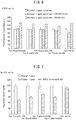
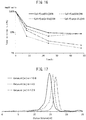
- FIG. 1 The changes in uptake when contacted with each polymer ligand for a prescribed amount of time are shown in FIG. 1 .
- Uptake was confirmed to have reached a constant level after 8 hours in the case of Cy5-P[Lys(Gln)]106 and after 12 hours in the case of Cy5-P[Lys(Gln)]46. This is thought to be the result of Cy5-P[Lys(Gln)]106 being taken up more easily due to its greater binding strength to cells in comparison with Cy5-P[Lys(Gln)]46, thereby enabling uptake of Cy5-P[Lys(Gln)] 106 to have reached saturation in a shorter amount of time.
- ASCT2 which is the target of Cy5-P[Lys(Gln)]n, is expressed in excess in various cancer cells, and has been reported to be expressed in excess in pancreatic cancer cells and hepatoma cells in particular.
- Bx-PC3 cells pancreatic cancer cells
- ligand uptake was evaluated using Bx-PC3 (pancreatic cancer cells), HepG2 (hepatoma cells) and HUVEC (normal cells).
- Bx-PC3 cells RPMI medium
- HepG2 cells DMEM medium
- HUVEC cells EGMTM-2 Bullet KitTM
- 400 ⁇ l aliquots of these cell suspensions were seeded into the wells of a 24-well plate (5.0 ⁇ 10 4 cells per well) and incubated for 24 hours at 37°C.
- Bx-PC3 cells were suspended in RPMI medium (while HepG2 cells were suspended in DMEM medium and HUVEC cells were suspended in EGMTM-2 Bullet KitTM) to prepare cell suspensions of 1.25 ⁇ 10 5 cells/ml. 400 ⁇ l aliquots of the cell suspensions were seeded into the wells of a 24-well plate (5.0 ⁇ 10 4 cells per well) and incubated for 24 hours at 37°C. After removing the medium and washing once with PBS, 350 ⁇ l of 50 mM Bzl-Ser solution and 50 mM Gln solution, obtained by dissolving in PBS+10% FBS, and PBS+10% FBS were respectively seeded to the plates and incubated for 1 hour at 37°C.
- Bzl-Ser binds to system ASC glutamine transporters such as ASCT2.
- Gln binds to system N glutamine transporters such as SNAT5.
- uptake of Cy5-P[Lys(Gln)]46 and Cy5-P[Lys(Gln)]106 into cancer cells Bx-PC3 cells and HepG2 cells
- decreased considerably FIGS. 4 and 5
- uptake of Cy5-P[Lys( ⁇ -Glu)]46, Cy5-P[Lys( ⁇ -Glu)]106 also decreased.
- Bx-PC3 cells were suspended in RPMI medium to prepare a cell suspension of 1.25 ⁇ 10 5 cells/ml. 400 ⁇ l aliquots of this cell suspension were seeded into the wells of a 24-well plate (5.0 ⁇ 10 4 cells per well) and incubated for 24 hours at 37°C. After removing the medium and washing once with PBS, 160 ⁇ l aliquots each of antibody solution, obtained by diluting anti-ASCT2 antibody 1/25 times with PBS, and PBS were seeded into each well followed by incubating for 80 minutes at 37°C.
- the reason for the inhibition rate of the anti-ASCT2 antibody (H-52) being lower than that of the system ASC transporter inhibitor, Bzl-Ser, is presumed to be that, since the anti-ASCT2 antibody (H-52) binds to a portion of ASCT2 instead of binding to the Gln recognition site of ASCT2, the ligand polymer is only subjected to conformational inhibition rather than inhibition of the recognition site.
- the ligand polymer is only subjected to conformational inhibition rather than inhibition of the recognition site.
- Cy5-P[Lys(Gln)]n is a comparatively large molecule, it is presumed to be taken up into cells mainly by endocytosis after having bound to ASCT2 on the cell membrane.
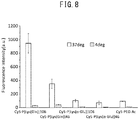
- uptake of polymer ligand at a low temperature (4°C), at which endocytosis is suppressed was compared with uptake at 37° at which endocytosis proceeds normally.
- Cy5-P[Lys(Gln)] 106 and Cy5-P[Lys(Gln)]46 revealed that there was greater uptake of Cy5-P[Lys(Gln)]106 having the higher degree of polymerization.
- Cy5-P[Lys(Gln)]46 and Cy5-P[Lys(Gln)]25 revealed that there were no large differences observed between the uptake quantities of the two.
- Bx-PC3 cells were suspended in RPMI medium to prepare a cell suspension of 1.25 ⁇ 10 6 cells/ml. 200 ⁇ l aliquots of this cell suspension were seeded into the wells of an 8-well glass dish (1.0 ⁇ 10 4 cells per well) and incubated for 24 hours at 37°C. After removing the medium and washing once with PBS, 200 ⁇ l of Cy5-P[Lys(Gln)]106 was added at a concentration of 1 ⁇ M and incubated for 1 hour at 37°C and 4°C.
- the dish incubated at 4°C was allowed to stand undisturbed for 10 minutes at 4°C prior to removing the medium.
- the solution was removed followed by washing twice with PBS, and after adding 4% p-formaldehyde and allowing to stand undisturbed for 3 minutes, the p-formaldehyde was removed followed by washing once with PBS. After washing three times with TBST, 5% BSA was added followed by allowing to stand undisturbed for 10 minutes to carry out blocking. Following blocking, the dishes were washed once with PBS.
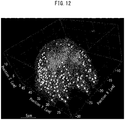
- Cy5 (red) derived from Cy5-P[Lys(Gln)]106 was confirmed to be present within the cells ( FIGS. 11 and 12 ).
- ASCT2 was confirmed to be distributed over the entire inside of the cell membrane based on the fluorescence (green) of a secondary antibody of anti-ASCT2 antibody in the form of DyLight® 488 ( FIGS. 11 and 12 ).
- Cy5 (red) derived from Cy5-P[Lys(Gln)]106 was confirmed to be present in large amounts on the cell surface.
- DyLight® 488 (green) derived from ASCT2 was confirmed to be present in large amounts on the surface of the cell membrane ( FIGS. 13 and 14 ).
- endocytosis as well as uptake of Cy5-P[Lys(Gln)] 106 are thought to be suppressed at 4°C.
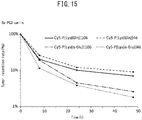
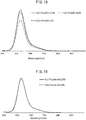
- fluorescence intensity of the tumor portion was measured by IVIS after 0, 8, 24 and 48 hours. Fluorescence intensity was calculated from the radiant efficiency per area of the tumor portion (excitation wavelength: 640 nm, absorption wavelength: 700 nm). The results are shown in FIGS. 15 and 16 .
- Cy5-P[Lys(Gln)]106 and Cy5-P[Lys(Gln)]46 were hardly any differences observed in tumor retention rates between Cy5-P[Lys(Gln)]106 and Cy5-P[Lys(Gln)]46.
- ligand of the present invention makes it possible to selectively target all types of cancer. Conjugating the ligand of the present invention with a drug enables the ligand of the present invention to be effectively used for cancer targeting therapy.
Landscapes
- Health & Medical Sciences (AREA)
- Life Sciences & Earth Sciences (AREA)
- Engineering & Computer Science (AREA)
- Animal Behavior & Ethology (AREA)
- General Health & Medical Sciences (AREA)
- Public Health (AREA)
- Veterinary Medicine (AREA)
- Chemical & Material Sciences (AREA)
- Epidemiology (AREA)
- Proteomics, Peptides & Aminoacids (AREA)
- Bioinformatics & Cheminformatics (AREA)
- Medicinal Chemistry (AREA)
- Pharmacology & Pharmacy (AREA)
- Molecular Biology (AREA)
- Nuclear Medicine, Radiotherapy & Molecular Imaging (AREA)
- Biomedical Technology (AREA)
- Radiology & Medical Imaging (AREA)
- Biochemistry (AREA)
- Chemical Kinetics & Catalysis (AREA)
- General Chemical & Material Sciences (AREA)
- Organic Chemistry (AREA)
- Medicinal Preparation (AREA)
- Medicines That Contain Protein Lipid Enzymes And Other Medicines (AREA)
- Peptides Or Proteins (AREA)
- Medicines Containing Antibodies Or Antigens For Use As Internal Diagnostic Agents (AREA)
Claims (11)
- Ligand, der imstande ist, multivalent an einen Glutamintransporter, der in einer Krebszelle im Vergleich zu einer normalen Zelle im Überschuss exprimiert ist, zu binden, umfassend ein Polypeptid, an das zehn oder mehr Gruppen dargestellt durch die folgende Formel (1)

wobei der Pfeil die Bindung mit dem Polypeptid darstellt. - Ligand nach Anspruch 1, wobei das zahlenmittlere Molekulargewicht des Liganden 5.000 Da oder mehr beträgt.
- Ligand nach Anspruch 1 oder 2, wobei eine durch die folgende Formel (2) dargestellte Gruppe an eine Seitenkette von zehn oder mehr im Polypeptid vorhandenen Aminosäuren gebunden ist:
 X eine Gruppe darstellt, die ausgewählt ist aus der Gruppe bestehend aus -NH-, -O-, -NH-CO-, -C(O)O-, -C(O)S-, -S- und -SS-, oder abwesend ist, undW einen Linker darstellt, der ausgewählt ist aus der Gruppe bestehend aus einer C1-6-Alkylengruppe, einer Polyoxyalkylengruppe und einer Polyaminoalkylengruppe, oder abwesend ist.
 - Ligand nach einem der Ansprüche 1 bis 3, wobei das Polypeptid α-Polylysin ist.
- Ligand nach Anspruch 4, wobei eine durch die folgende Formel (3) dargestellte Gruppe an zehn oder mehr Seitenketten-Aminogruppen von Lysin, die im α-Polylysin vorhanden sind, gebunden ist:

- Ligand nach einem der Ansprüche 1 bis 5, wobei die terminalen primären Aminogruppen einiger von einer Vielzahl von durch Formel (1) dargestellten Gruppen mit einer Schutzgruppe abgedeckt sind, die in einer Umgebung mit niedrigem pH-Wert abgespalten wird.
- Ligand nach Anspruch 6, wobei die Schutzgruppe, die in einer Umgebung mit niedrigem pH-Wert abgespalten wird, ausgewählt ist aus der Gruppe bestehend aus einer Phthaloylgruppe, einer Maleoylgruppe, einer 2-Carboxybenzoylgruppe und einer (2Z)-3-Carboxy-2-propenoylgruppe.
- Ligand nach einem der Ansprüche 1 bis 7, wobei der Ligand mindestens ein nachweisbares Label oder einen Antikrebswirkstoff aufweist.
- Ligand nach Anspruch 8, wobei das nachweisbare Label ein fluoreszierendes Label; ein lumineszierendes Label; ein Kontrastmittel; ein Metallatom; eine Verbindung, die ein oder mehrere Metallatome enthält; ein Radioisotop; eine Verbindung, die ein oder mehrere Radioisotope enthält; ein Nanopartikel; oder ein Liposom ist.
- Ligand nach Anspruch 1, wobei der Ligand eine Verbindung ist, die durch die folgende Formel (4) dargestellt ist, oder ein pharmazeutisch verträgliches Salz davon:

- Zusammensetzung, umfassend den Liganden nach einem der Ansprüche 1 bis 10.
Applications Claiming Priority (2)
| Application Number | Priority Date | Filing Date | Title |
|---|---|---|---|
| JP2016161774 | 2016-08-22 | ||
| PCT/JP2017/029552 WO2018037996A1 (ja) | 2016-08-22 | 2017-08-17 | グルタミントランスポーターと多価結合することができるリガンド、及び当該リガンドを含む組成物 |
Publications (3)
| Publication Number | Publication Date |
|---|---|
| EP3501544A1 EP3501544A1 (de) | 2019-06-26 |
| EP3501544A4 EP3501544A4 (de) | 2020-03-25 |
| EP3501544B1 true EP3501544B1 (de) | 2021-07-28 |
Family
ID=61246679
Family Applications (1)
| Application Number | Title | Priority Date | Filing Date |
|---|---|---|---|
| EP17843478.3A Active EP3501544B1 (de) | 2016-08-22 | 2017-08-17 | Ligand zur multivalenten bindung an glutamin-transporter und zusammensetzung damit |
Country Status (4)
| Country | Link |
|---|---|
| US (1) | US11707530B2 (de) |
| EP (1) | EP3501544B1 (de) |
| JP (1) | JP7076104B2 (de) |
| WO (1) | WO2018037996A1 (de) |
Family Cites Families (2)
| Publication number | Priority date | Publication date | Assignee | Title |
|---|---|---|---|---|
| JPH0724768B2 (ja) * | 1985-11-07 | 1995-03-22 | 味の素株式会社 | ポリアミノ酸を基材としたアフイノフオア |
| BR112014011831A2 (pt) * | 2011-11-17 | 2017-05-09 | Nat Univ Corp Tokyo Medical & Dental Univ | copolímero em bloco tendo grupo ácido fenilborônico nele introduzido e o uso deste |
-
2017
- 2017-08-17 JP JP2018535630A patent/JP7076104B2/ja not_active Expired - Fee Related
- 2017-08-17 EP EP17843478.3A patent/EP3501544B1/de active Active
- 2017-08-17 WO PCT/JP2017/029552 patent/WO2018037996A1/ja not_active Ceased
- 2017-08-17 US US16/326,657 patent/US11707530B2/en active Active
Also Published As
| Publication number | Publication date |
|---|---|
| EP3501544A1 (de) | 2019-06-26 |
| US11707530B2 (en) | 2023-07-25 |
| WO2018037996A1 (ja) | 2018-03-01 |
| JPWO2018037996A1 (ja) | 2019-06-20 |
| JP7076104B2 (ja) | 2022-05-27 |
| EP3501544A4 (de) | 2020-03-25 |
| US20210308271A1 (en) | 2021-10-07 |
Similar Documents
| Publication | Publication Date | Title |
|---|---|---|
| US20190365931A1 (en) | Double-labeled probe for molecular imaging and use thereof | |
| Zhu et al. | Hyperbranched polymers for bioimaging | |
| AU2009223235B2 (en) | Integrin targeting agents and in-vivo and in-vitro imaging methods using the same | |
| Wei et al. | pH-responsive pHLIP (pH low insertion peptide) nanoclusters of superparamagnetic iron oxide nanoparticles as a tumor-selective MRI contrast agent | |
| AU2015247833B2 (en) | Bi-terminal PEGylated integrin-binding peptides and methods of use thereof | |
| US12599684B2 (en) | Molecular probes and methods of use | |
| Chen et al. | Melanocortin-1 receptor-targeting ultrasmall silica nanoparticles for dual-modality human melanoma imaging | |
| CN115990277A (zh) | 基于二氧化硅的荧光纳米颗粒 | |
| CN104244988A (zh) | 结合治疗活性剂的聚合物、其制备方法以及其用途 | |
| JPH09509400A (ja) | 改良された部位選択的局在化、取り込み機序、感度および動力学的空間的特徴を与える、酸性サッカライドおよびグリコサミノグリカンとの放射性金属イオンキレートよりなるインビボ薬剤 | |
| CN111712524B (zh) | 对-二羟硼基苯丙氨酸衍生物和含有其的组合物、以及用于制备它们的试剂盒 | |
| US9011816B2 (en) | Fibronectin targeting contrast agent | |
| Oh et al. | Electrostatic charge conversion processes in engineered tumor-identifying polypeptides for targeted chemotherapy | |
| Zhao et al. | Reactive oxygen species and enzyme dual-responsive biocompatible drug delivery system for targeted tumor therapy | |
| EP3553074A1 (de) | Vap-polypeptid und verwendung davon in der herstellung eines arzneimittels zur gezielten diagnose und behandlung eines tumors | |
| RU2020126774A (ru) | Протокол для сведения к минимуму токсического воздействия комбинированных доз и визуализирующий агент для подтверждения | |
| Fan et al. | Cathepsin S-cleavable, multi-block HPMA copolymers for improved SPECT/CT imaging of pancreatic cancer | |
| JP2021504453A (ja) | 分子イメージングのための二重標識プローブ及びその使用 | |
| Fan et al. | Investigation into the biological impact of block size on cathepsin S-degradable HPMA copolymers | |
| US10828380B2 (en) | Conjugate of polysarcosine and NIR contrast agent for photoacoustic imaging | |
| CN102271713B (zh) | 神经降压肽衍生的分枝肽及其用途 | |
| EP3501544A1 (de) | Ligand zur multivalenten bindung an glutamin-transporter und zusammensetzung damit | |
| AU2005254915B2 (en) | Peptide-based compounds | |
| Berguig | Intracellular Delivery of Cancer-Targeting Antibody-Drug Conjugates | |
| Sengupta et al. | Part II: In Bioimaging |
Legal Events
| Date | Code | Title | Description |
|---|---|---|---|
| STAA | Information on the status of an ep patent application or granted ep patent |
Free format text: STATUS: THE INTERNATIONAL PUBLICATION HAS BEEN MADE |
|
| PUAI | Public reference made under article 153(3) epc to a published international application that has entered the european phase |
Free format text: ORIGINAL CODE: 0009012 |
|
| STAA | Information on the status of an ep patent application or granted ep patent |
Free format text: STATUS: REQUEST FOR EXAMINATION WAS MADE |
|
| 17P | Request for examination filed |
Effective date: 20190225 |
|
| AK | Designated contracting states |
Kind code of ref document: A1 Designated state(s): AL AT BE BG CH CY CZ DE DK EE ES FI FR GB GR HR HU IE IS IT LI LT LU LV MC MK MT NL NO PL PT RO RS SE SI SK SM TR |
|
| AX | Request for extension of the european patent |
Extension state: BA ME |
|
| RAP1 | Party data changed (applicant data changed or rights of an application transferred) |
Owner name: TOKYO INSTITUTE OF TECHNOLOGY Owner name: OSAKA UNIVERSITY |
|
| DAV | Request for validation of the european patent (deleted) | ||
| DAX | Request for extension of the european patent (deleted) | ||
| A4 | Supplementary search report drawn up and despatched |
Effective date: 20200220 |
|
| RIC1 | Information provided on ipc code assigned before grant |
Ipc: A61K 49/00 20060101ALI20200215BHEP Ipc: A61P 35/00 20060101ALI20200215BHEP Ipc: A61K 47/42 20170101AFI20200215BHEP Ipc: A61K 45/00 20060101ALI20200215BHEP Ipc: A61K 49/14 20060101ALI20200215BHEP Ipc: A61K 47/34 20170101ALI20200215BHEP Ipc: A61K 47/66 20170101ALI20200215BHEP Ipc: A61K 47/32 20060101ALI20200215BHEP |
|
| RIC1 | Information provided on ipc code assigned before grant |
Ipc: A61P 35/00 20060101ALI20210119BHEP Ipc: A61K 47/42 20170101AFI20210119BHEP Ipc: A61K 47/66 20170101ALI20210119BHEP Ipc: A61K 49/14 20060101ALI20210119BHEP |
|
| GRAP | Despatch of communication of intention to grant a patent |
Free format text: ORIGINAL CODE: EPIDOSNIGR1 |
|
| STAA | Information on the status of an ep patent application or granted ep patent |
Free format text: STATUS: GRANT OF PATENT IS INTENDED |
|
| INTG | Intention to grant announced |
Effective date: 20210305 |
|
| GRAS | Grant fee paid |
Free format text: ORIGINAL CODE: EPIDOSNIGR3 |
|
| GRAA | (expected) grant |
Free format text: ORIGINAL CODE: 0009210 |
|
| STAA | Information on the status of an ep patent application or granted ep patent |
Free format text: STATUS: THE PATENT HAS BEEN GRANTED |
|
| AK | Designated contracting states |
Kind code of ref document: B1 Designated state(s): AL AT BE BG CH CY CZ DE DK EE ES FI FR GB GR HR HU IE IS IT LI LT LU LV MC MK MT NL NO PL PT RO RS SE SI SK SM TR |
|
| REG | Reference to a national code |
Ref country code: GB Ref legal event code: FG4D |
|
| REG | Reference to a national code |
Ref country code: CH Ref legal event code: EP |
|
| REG | Reference to a national code |
Ref country code: DE Ref legal event code: R096 Ref document number: 602017043085 Country of ref document: DE |
|
| REG | Reference to a national code |
Ref country code: AT Ref legal event code: REF Ref document number: 1414109 Country of ref document: AT Kind code of ref document: T Effective date: 20210815 |
|
| REG | Reference to a national code |
Ref country code: IE Ref legal event code: FG4D |
|
| REG | Reference to a national code |
Ref country code: LT Ref legal event code: MG9D |
|
| REG | Reference to a national code |
Ref country code: NL Ref legal event code: MP Effective date: 20210728 |
|
| REG | Reference to a national code |
Ref country code: AT Ref legal event code: MK05 Ref document number: 1414109 Country of ref document: AT Kind code of ref document: T Effective date: 20210728 |
|
| PG25 | Lapsed in a contracting state [announced via postgrant information from national office to epo] |
Ref country code: BG Free format text: LAPSE BECAUSE OF FAILURE TO SUBMIT A TRANSLATION OF THE DESCRIPTION OR TO PAY THE FEE WITHIN THE PRESCRIBED TIME-LIMIT Effective date: 20211028 Ref country code: AT Free format text: LAPSE BECAUSE OF FAILURE TO SUBMIT A TRANSLATION OF THE DESCRIPTION OR TO PAY THE FEE WITHIN THE PRESCRIBED TIME-LIMIT Effective date: 20210728 Ref country code: LT Free format text: LAPSE BECAUSE OF FAILURE TO SUBMIT A TRANSLATION OF THE DESCRIPTION OR TO PAY THE FEE WITHIN THE PRESCRIBED TIME-LIMIT Effective date: 20210728 Ref country code: PT Free format text: LAPSE BECAUSE OF FAILURE TO SUBMIT A TRANSLATION OF THE DESCRIPTION OR TO PAY THE FEE WITHIN THE PRESCRIBED TIME-LIMIT Effective date: 20211129 Ref country code: NO Free format text: LAPSE BECAUSE OF FAILURE TO SUBMIT A TRANSLATION OF THE DESCRIPTION OR TO PAY THE FEE WITHIN THE PRESCRIBED TIME-LIMIT Effective date: 20211028 Ref country code: NL Free format text: LAPSE BECAUSE OF FAILURE TO SUBMIT A TRANSLATION OF THE DESCRIPTION OR TO PAY THE FEE WITHIN THE PRESCRIBED TIME-LIMIT Effective date: 20210728 Ref country code: RS Free format text: LAPSE BECAUSE OF FAILURE TO SUBMIT A TRANSLATION OF THE DESCRIPTION OR TO PAY THE FEE WITHIN THE PRESCRIBED TIME-LIMIT Effective date: 20210728 Ref country code: SE Free format text: LAPSE BECAUSE OF FAILURE TO SUBMIT A TRANSLATION OF THE DESCRIPTION OR TO PAY THE FEE WITHIN THE PRESCRIBED TIME-LIMIT Effective date: 20210728 Ref country code: HR Free format text: LAPSE BECAUSE OF FAILURE TO SUBMIT A TRANSLATION OF THE DESCRIPTION OR TO PAY THE FEE WITHIN THE PRESCRIBED TIME-LIMIT Effective date: 20210728 Ref country code: ES Free format text: LAPSE BECAUSE OF FAILURE TO SUBMIT A TRANSLATION OF THE DESCRIPTION OR TO PAY THE FEE WITHIN THE PRESCRIBED TIME-LIMIT Effective date: 20210728 Ref country code: FI Free format text: LAPSE BECAUSE OF FAILURE TO SUBMIT A TRANSLATION OF THE DESCRIPTION OR TO PAY THE FEE WITHIN THE PRESCRIBED TIME-LIMIT Effective date: 20210728 |
|
| PG25 | Lapsed in a contracting state [announced via postgrant information from national office to epo] |
Ref country code: PL Free format text: LAPSE BECAUSE OF FAILURE TO SUBMIT A TRANSLATION OF THE DESCRIPTION OR TO PAY THE FEE WITHIN THE PRESCRIBED TIME-LIMIT Effective date: 20210728 Ref country code: LV Free format text: LAPSE BECAUSE OF FAILURE TO SUBMIT A TRANSLATION OF THE DESCRIPTION OR TO PAY THE FEE WITHIN THE PRESCRIBED TIME-LIMIT Effective date: 20210728 Ref country code: GR Free format text: LAPSE BECAUSE OF FAILURE TO SUBMIT A TRANSLATION OF THE DESCRIPTION OR TO PAY THE FEE WITHIN THE PRESCRIBED TIME-LIMIT Effective date: 20211029 |
|
| REG | Reference to a national code |
Ref country code: BE Ref legal event code: MM Effective date: 20210831 |
|
| PG25 | Lapsed in a contracting state [announced via postgrant information from national office to epo] |
Ref country code: DK Free format text: LAPSE BECAUSE OF FAILURE TO SUBMIT A TRANSLATION OF THE DESCRIPTION OR TO PAY THE FEE WITHIN THE PRESCRIBED TIME-LIMIT Effective date: 20210728 |
|
| REG | Reference to a national code |
Ref country code: DE Ref legal event code: R097 Ref document number: 602017043085 Country of ref document: DE |
|
| PG25 | Lapsed in a contracting state [announced via postgrant information from national office to epo] |
Ref country code: SM Free format text: LAPSE BECAUSE OF FAILURE TO SUBMIT A TRANSLATION OF THE DESCRIPTION OR TO PAY THE FEE WITHIN THE PRESCRIBED TIME-LIMIT Effective date: 20210728 Ref country code: SK Free format text: LAPSE BECAUSE OF FAILURE TO SUBMIT A TRANSLATION OF THE DESCRIPTION OR TO PAY THE FEE WITHIN THE PRESCRIBED TIME-LIMIT Effective date: 20210728 Ref country code: RO Free format text: LAPSE BECAUSE OF FAILURE TO SUBMIT A TRANSLATION OF THE DESCRIPTION OR TO PAY THE FEE WITHIN THE PRESCRIBED TIME-LIMIT Effective date: 20210728 Ref country code: MC Free format text: LAPSE BECAUSE OF FAILURE TO SUBMIT A TRANSLATION OF THE DESCRIPTION OR TO PAY THE FEE WITHIN THE PRESCRIBED TIME-LIMIT Effective date: 20210728 Ref country code: LU Free format text: LAPSE BECAUSE OF NON-PAYMENT OF DUE FEES Effective date: 20210817 Ref country code: EE Free format text: LAPSE BECAUSE OF FAILURE TO SUBMIT A TRANSLATION OF THE DESCRIPTION OR TO PAY THE FEE WITHIN THE PRESCRIBED TIME-LIMIT Effective date: 20210728 Ref country code: CZ Free format text: LAPSE BECAUSE OF FAILURE TO SUBMIT A TRANSLATION OF THE DESCRIPTION OR TO PAY THE FEE WITHIN THE PRESCRIBED TIME-LIMIT Effective date: 20210728 Ref country code: AL Free format text: LAPSE BECAUSE OF FAILURE TO SUBMIT A TRANSLATION OF THE DESCRIPTION OR TO PAY THE FEE WITHIN THE PRESCRIBED TIME-LIMIT Effective date: 20210728 |
|
| PLBE | No opposition filed within time limit |
Free format text: ORIGINAL CODE: 0009261 |
|
| STAA | Information on the status of an ep patent application or granted ep patent |
Free format text: STATUS: NO OPPOSITION FILED WITHIN TIME LIMIT |
|
| GBPC | Gb: european patent ceased through non-payment of renewal fee |
Effective date: 20211028 |
|
| 26N | No opposition filed |
Effective date: 20220429 |
|
| PG25 | Lapsed in a contracting state [announced via postgrant information from national office to epo] |
Ref country code: IT Free format text: LAPSE BECAUSE OF FAILURE TO SUBMIT A TRANSLATION OF THE DESCRIPTION OR TO PAY THE FEE WITHIN THE PRESCRIBED TIME-LIMIT Effective date: 20210728 Ref country code: IE Free format text: LAPSE BECAUSE OF NON-PAYMENT OF DUE FEES Effective date: 20210817 Ref country code: GB Free format text: LAPSE BECAUSE OF NON-PAYMENT OF DUE FEES Effective date: 20211028 Ref country code: BE Free format text: LAPSE BECAUSE OF NON-PAYMENT OF DUE FEES Effective date: 20210831 |
|
| P01 | Opt-out of the competence of the unified patent court (upc) registered |
Effective date: 20230502 |
|
| PG25 | Lapsed in a contracting state [announced via postgrant information from national office to epo] |
Ref country code: CY Free format text: LAPSE BECAUSE OF FAILURE TO SUBMIT A TRANSLATION OF THE DESCRIPTION OR TO PAY THE FEE WITHIN THE PRESCRIBED TIME-LIMIT Effective date: 20210728 |
|
| PG25 | Lapsed in a contracting state [announced via postgrant information from national office to epo] |
Ref country code: HU Free format text: LAPSE BECAUSE OF FAILURE TO SUBMIT A TRANSLATION OF THE DESCRIPTION OR TO PAY THE FEE WITHIN THE PRESCRIBED TIME-LIMIT; INVALID AB INITIO Effective date: 20170817 |
|
| PG25 | Lapsed in a contracting state [announced via postgrant information from national office to epo] |
Ref country code: MK Free format text: LAPSE BECAUSE OF FAILURE TO SUBMIT A TRANSLATION OF THE DESCRIPTION OR TO PAY THE FEE WITHIN THE PRESCRIBED TIME-LIMIT Effective date: 20210728 |
|
| PG25 | Lapsed in a contracting state [announced via postgrant information from national office to epo] |
Ref country code: MT Free format text: LAPSE BECAUSE OF FAILURE TO SUBMIT A TRANSLATION OF THE DESCRIPTION OR TO PAY THE FEE WITHIN THE PRESCRIBED TIME-LIMIT Effective date: 20210728 |
|
| PGFP | Annual fee paid to national office [announced via postgrant information from national office to epo] |
Ref country code: DE Payment date: 20240819 Year of fee payment: 8 |
|
| PGFP | Annual fee paid to national office [announced via postgrant information from national office to epo] |
Ref country code: FR Payment date: 20240726 Year of fee payment: 8 |
|
| PGFP | Annual fee paid to national office [announced via postgrant information from national office to epo] |
Ref country code: CH Payment date: 20240901 Year of fee payment: 8 |
|
| PG25 | Lapsed in a contracting state [announced via postgrant information from national office to epo] |
Ref country code: TR Free format text: LAPSE BECAUSE OF FAILURE TO SUBMIT A TRANSLATION OF THE DESCRIPTION OR TO PAY THE FEE WITHIN THE PRESCRIBED TIME-LIMIT Effective date: 20210728 |
|
| REG | Reference to a national code |
Ref country code: DE Ref legal event code: R119 Ref document number: 602017043085 Country of ref document: DE |
|
| REG | Reference to a national code |
Ref country code: CH Ref legal event code: H13 Free format text: ST27 STATUS EVENT CODE: U-0-0-H10-H13 (AS PROVIDED BY THE NATIONAL OFFICE) Effective date: 20260324 |
|
| PG25 | Lapsed in a contracting state [announced via postgrant information from national office to epo] |
Ref country code: CH Free format text: LAPSE BECAUSE OF NON-PAYMENT OF DUE FEES Effective date: 20250831 |