EP3489854B1 - Gesichertes anmeldeverfahren eines entfernbaren elektrischen geräts bei seinem einbau in ein elektrisches system - Google Patents
Gesichertes anmeldeverfahren eines entfernbaren elektrischen geräts bei seinem einbau in ein elektrisches system Download PDFInfo
- Publication number
- EP3489854B1 EP3489854B1 EP18208672.8A EP18208672A EP3489854B1 EP 3489854 B1 EP3489854 B1 EP 3489854B1 EP 18208672 A EP18208672 A EP 18208672A EP 3489854 B1 EP3489854 B1 EP 3489854B1
- Authority
- EP
- European Patent Office
- Prior art keywords
- electrical
- electrical apparatus
- certificate
- removable
- removable electrical
- Prior art date
- Legal status (The legal status is an assumption and is not a legal conclusion. Google has not performed a legal analysis and makes no representation as to the accuracy of the status listed.)
- Active
Links
Images

Classifications
-
- H—ELECTRICITY
- H04—ELECTRIC COMMUNICATION TECHNIQUE
- H04L—TRANSMISSION OF DIGITAL INFORMATION, e.g. TELEGRAPHIC COMMUNICATION
- H04L9/00—Cryptographic mechanisms or cryptographic arrangements for secret or secure communications; Network security protocols
- H04L9/32—Cryptographic mechanisms or cryptographic arrangements for secret or secure communications; Network security protocols including means for verifying the identity or authority of a user of the system or for message authentication, e.g. authorization, entity authentication, data integrity or data verification, non-repudiation, key authentication or verification of credentials
- H04L9/3263—Cryptographic mechanisms or cryptographic arrangements for secret or secure communications; Network security protocols including means for verifying the identity or authority of a user of the system or for message authentication, e.g. authorization, entity authentication, data integrity or data verification, non-repudiation, key authentication or verification of credentials involving certificates, e.g. public key certificate [PKC] or attribute certificate [AC]; Public key infrastructure [PKI] arrangements
-
- G—PHYSICS
- G06—COMPUTING OR CALCULATING; COUNTING
- G06F—ELECTRIC DIGITAL DATA PROCESSING
- G06F21/00—Security arrangements for protecting computers, components thereof, programs or data against unauthorised activity
- G06F21/30—Authentication, i.e. establishing the identity or authorisation of security principals
- G06F21/44—Program or device authentication
-
- G—PHYSICS
- G06—COMPUTING OR CALCULATING; COUNTING
- G06F—ELECTRIC DIGITAL DATA PROCESSING
- G06F21/00—Security arrangements for protecting computers, components thereof, programs or data against unauthorised activity
- G06F21/70—Protecting specific internal or peripheral components, in which the protection of a component leads to protection of the entire computer
- G06F21/71—Protecting specific internal or peripheral components, in which the protection of a component leads to protection of the entire computer to assure secure computing or processing of information
-
- G—PHYSICS
- G06—COMPUTING OR CALCULATING; COUNTING
- G06F—ELECTRIC DIGITAL DATA PROCESSING
- G06F21/00—Security arrangements for protecting computers, components thereof, programs or data against unauthorised activity
- G06F21/70—Protecting specific internal or peripheral components, in which the protection of a component leads to protection of the entire computer
- G06F21/71—Protecting specific internal or peripheral components, in which the protection of a component leads to protection of the entire computer to assure secure computing or processing of information
- G06F21/73—Protecting specific internal or peripheral components, in which the protection of a component leads to protection of the entire computer to assure secure computing or processing of information by creating or determining hardware identification, e.g. serial numbers
-
- H—ELECTRICITY
- H04—ELECTRIC COMMUNICATION TECHNIQUE
- H04L—TRANSMISSION OF DIGITAL INFORMATION, e.g. TELEGRAPHIC COMMUNICATION
- H04L63/00—Network architectures or network communication protocols for network security
- H04L63/08—Network architectures or network communication protocols for network security for authentication of entities
- H04L63/0823—Network architectures or network communication protocols for network security for authentication of entities using certificates
Definitions
- These electrical devices are generally connected to the electrical system in a removable manner, so as to facilitate their connection and especially their replacement, for example during maintenance operations.
- the invention more particularly intends to remedy by proposing a process for the secure registration of a removable electrical device during its installation within an electrical system, the implementation of which is facilitated without compromising the computer security of the system.
- the state of the art includes the documents US 2013/318343 , WO 02/065696 and US6 233685 which focus on how to add a new device to a network.
- the invention relates to an electrical system according to claim 8.
- the figure 1 represents an electrical system 2 comprising removable electrical devices 4A, 4B, 4C.
- each electrical device 4A, 4B, 4C is movable relative to the system 2, reversibly, between a connected position in which it is connected to the system 2 and a removed position in which it is disconnected system 2.
- devices 4A and 4B are shown in their connected position and device 4C is shown in the removed position.
- the electrical devices 4A, 4B, 4C are, for example, electrical protection and switching devices, such as circuit breakers. As a variant, they may be contactors, or devices for measuring one or more electrical quantities, or a device for supervising the operation of the electrical installation.
- removable devices 4A, 4B, 4C are not necessarily identical to each other and may be different.
- the same system 2 can receive removable devices 4A, 4B, 4C of different nature, for example a circuit breaker and a device for measuring an electrical quantity.
- the system 2 further comprises an electronic management module 6 comprising a programmable electronic computer 8 and a user interface 10.
- the computer 8 comprises a logic calculation unit, such as a microprocessor or a microcontroller, as well as an information recording medium, such as a computer memory, preferably non-volatile, connected between them.
- the information recording medium comprises executable instructions to ensure the operation of the management module 6, in particular to implement the method of picture 3 described below.
- the interface 10 is physically remote with respect to the system 2.
- the interface 10 is installed remotely from the system 2 while being connected to the latter.
- the interface 10 can take the form of an Internet site accessible by means of a computer or a mobile communication device of the tablet or portable telephone type.
- the module 6 also includes a communications interface, such as a network interface, to set up a data link 12 with one or more remote computer equipment.
- a communications interface such as a network interface
- the link 12 is made by means of a communications network 12, such as a local communication network of the LAN type, for "Local Area Network" in English.
- the link 12 allows the module 6 to connect to a computer server 14 which is adapted to play the role of certification authority, as described below.
- the devices 4A, 4B, 4C are each provided with a controllable electrical device 16 and an on-board electronic computer 18 configured to provide remote control and management functions for the device 16.
- the device 16 is in particular intended to be connected to one or more power lines conveying an electric current.
- the device 16 in fact constitutes the heart of the device 4A, 4B, 4C and enables it to carry out its functions.
- the device 16 is an electromechanical device for breaking an electric current, comprising in particular a cut-off block with separable contacts as well as a mechanism for triggering this cut-off block.
- the device 16 is modified accordingly.
- the computer 18 is able to communicate with the control module 6, for example by means of a wired data bus, not shown , provided within the system 2.
- the cryptographic unit 24 is a secure computing element, also known as a cryptoprocessor or “trusted platform module” in English.
- the unit 24 is in particular capable of generating and storing, in a secure manner, a private cryptographic key, for example to implement a public key signature mechanism.
- cryptographic unit 24 is omitted.
- the security certificate 28 comprises several fields each containing a piece of data, among which, by way of indication, may appear a serial number uniquely identifying the device 4A, 4B, 4C, a software version number, the name the issuer of the certificate, the dates of validity of the certificate, the reference of the algorithm used to sign the certificate.
- the certificate 28 provided by default is a factory certificate installed by the manufacturer of the device.
- the certification authority 14 is part of a chain of trust which groups together, here according to a tree hierarchy, several certification authorities.
- the chain of trust includes a root authority, to which are attached one or more certification authorities of lower rank. At each of these certification authorities are attached to one or more other certification authorities of an even lower rank, and so on.
- Each trusted authority is authorized to sign the security certificates of the certification authorities that depend on it.
- Such a chain of trust is known and is in fact not described in more detail.
- a first level of the chain of trust corresponds to a root authority associated with an organization, such as a company.
- the level immediately below corresponds to divisions of this organization.
- the even lower level corresponds to geographical sites attached to these divisions, such as production sites, for example.
- control module 6 is configured to detect the failure of the 4C device, for example by automatically detecting a loss of communication link between the on-board computer 18 of the removable electrical device 4C and the control module 6 even then that the 4C device is still in the connected position, for example by being received in its slot within System 2. This detection can be achieved with the help of a position sensor installed in the System 2 slot.
- the replacement must then be carried out by an operator, manually, by removing the defective 4C device from the system 2, then installing, in its place, a new copy of this 4C device, hereinafter referred to as “new removable device”. During this installation, the new 4C device is brought to the connected position so as to be connected with system 2.
- control module 6 does not authorize the functional integration of the new 4C device into the system until this new 4C device has been registered within the system 2, in order to verify its authenticity.
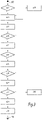
- the module 6 implements the automatic registration process described in picture 3 .
- This method begins with an initialization step 100.
- this step 100 starts following a request sent by the operator on the interface 10 of the module 6.
- the initialization step 100 can only be implemented if the module 6 has previously detected the failure of the faulty device. This prevents an operator from installing a new device without a valid reason in place of a device in normal operation and then requesting to register this new device within system 2.
- the method then includes a step 102 of authentication of the operator.
- the module 6 automatically sends the operator, via the interface 10, an invitation to provide a predefined identifier, for example formed of a user name and a password.
- a predefined identifier for example formed of a user name and a password.
- the operator must provide this identifier.
- the module then acquires the identifier provided by the operator on the interface 10, then compares it with a list of identifiers authorized to carry out maintenance operations.
- the operator is not considered as authenticated and the registration process is stopped.
- the acquired identifier corresponds to a previously authorized predefined identifier, then, during a step 106, the operator is considered to be authenticated.
- the module 6 automatically checks, during a step 110, whether the new 4C device has indeed been connected to the system 2. For example , the module 6 tries to connect to the interface 20 of the on-board computer 18, by means of the data bus of the system 2.
- the module 6 connects to the computer 18 to retrieve the certificate 28 contained in the memory 26 of the computer 18. For example, the module 6 sends a request to the controller 18 so that the latter transmits certificate 28 to module 6. This certificate 28 is then stored in the information recording medium of computer 8 of module 6.
- connection can be made here by means of a secure link, for example following a secure connection protocol of the TLS type, for "transport security layer” in English.
- a procedure will advantageously make it possible to verify that the product is indeed the processor of the private key associated with the factory certificate, for example a hazard generated by the module 6 and signed by the new device 4C .
- the module 6 does not retrieve the certificate 28 until the operator has previously given authorization, for example by means of the interface 10.
- the new 4C device contains a standard certificate, called factory certificate, which is not recognized by the system 2 as being a trusted certificate because it does not come from the certification authority. 14 which system 2 trusts.
- factory certificate comes from a known authority which is here attached to the certification authority by a chain of trust.
- this factory certificate comes from the manufacturer of the 4C device.
- this factory certificate is also called “first security certificate”.
- the first certificate is signed by an authority known to the system 2.
- the module 6 does not know that this first certificate is signed by a known authority.
- the authenticity of the acquired certificate 28 is automatically verified by the module 6. This verification can be carried out with the help of a certification authority in which the module 6 trusts, in this case , here, server 14.
- the module 6 extracts the signature from the certificate 28 and checks with the authority 14 or with the manufacturer's certificate, via the link 12, if this signature corresponds to a certification authority which is linked by a chain of trust to a known root CA.
- this verification is carried out by the use of information embedded in the 4C device, such as the public certificate of the entity which issued and signed the factory certificate of the product.
- the goal is to verify that the 4C device does indeed come from the manufacturer.
- the manufacturer provides the corresponding public certificate.
- this verification is performed using a public certificate of the entity that issued the first certificate, this public certificate being held by system 2.
- the use of a public certificate guaranteeing the authenticity of the factory certificate is preferable when a secure link 12 to the authority 14 is not available.
- the manufacturer's public certificate is preferably installed in module 6. For example, it is only installed there by a person with the appropriate authorizations.
- the module 6 automatically checks whether the device 4C is of the same type as the faulty device which has been replaced. This verification is carried out using the identification information acquired during step 116. For example, this identification information is compared with reference information recorded by the module 6.
- the module 4C generates a key to form a new certificate.
- the second certificate differs in particular from the first certificate in that it is not, at this stage, signed by a certification authority known to system 2.
- this request is generated and sent by the 4C device.
- the request can be relayed by the module 6.
- the device 4C does not go through the module 6 to send this request, for example if it has access to the server 14.
- the certification authority 14 In response to this request, if the certification authority 14 considers that it can sign this second certificate, then it signs it then sends it back to the module 6 or to the device 4C.
- the device 4C uses this second signed certificate instead of the factory certificate.
- the new 4C device is then considered to be registered within system 2 and can function normally within this system 2.
- the factory certificate of the new 4C device is replaced by a second security certificate, signed by the local certificate authority known to system 2 and to which the system 2 trusts.
- the certificate of the defective module which has been replaced is revoked from the certification authority 14, once the new removable electrical device 4C is registered within of the system 2.
- This revocation is here requested by the module 6 by sending a request to this effect to the authority 14 by means of the link 12. Then all the elements of the system are informed that the certificate is revoked and therefore not usable.
- the registration process ends in a final step 130.
- the module 6 automatically provides the computer 18 with predefined configuration parameters. These parameters are for example recorded in the computer 8 and correspond to operating parameters used by the old device.
- the use of security certificates specific to each removable device, associated with a trusted certification authority allows a maintenance operator responsible for replacing a faulty device to register the device coming from be installed as a replacement for a faulty device, without the need for high security permissions. This makes it easier to enroll removable devices into the system when replacing them, without compromising the IT security of the entire system.
- the method described above can be advantageously implemented to simultaneously replace several defective removable devices within the same system 2. The steps described above are then repeated for each of the replaced devices.
- step 118 can be modified so as to allow the system 2 to know which of the faulty devices has been replaced.
- the operator is invited to enter, on the interface 10, an identifier designating the device that he has just replaced.
- This information is recorded in a tracking log by the module 6, accompanied by time-stamping information and the identifier of the operator, so as to ensure traceability of the operation in the event of a subsequent problem.
- the module 6 automatically checks whether the device 4C is of the same type as the faulty device which has been replaced. This verification is carried out using the identification information acquired during step 116. For example, this identification information is compared with reference information recorded by the module 6.
- step 118 If, at the end of this step 118, the new 4C device is identified as not matching the failed device that was replaced, then the replacement of the failed device is considered to have failed and the new 4C device must be replaced by the operator. For example, the method returns to step 108.
- step 120 a confirmation that the device has been physically installed is sent to the operator, by the intermediary of interface 10.
- the module 4C generates a key to form a new certificate.
- this certificate and this key form a second security certificate, also called “new certificate” in what follows.
- This second certificate being separate from the first safety certificate or factory certificate.
- the second certificate is created automatically by the computer 18 from the information contained in the first certificate, from which it takes up at least the identification information.
- This new security certificate, and in particular the key are preferably generated by the cryptographic unit 26 of the computer 6. Alternatively, however, when this unit 26 is omitted, then the second certificate is generated by the calculation unit 22 .
- the second certificate differs in particular from the first certificate in that it is not, at this stage, signed by a certification authority known to system 2.
- this request is generated and sent by the 4C device.
- the request can be relayed by the module 6.
- the device 4C does not go through the module 6 to send this request, for example if it has access to the server 14.
- the certification authority 14 In response to this request, if the certification authority 14 considers that it can sign this second certificate, then it signs it then sends it back to the module 6 or to the device 4C.
- the registration process is automatically stopped during a step 124.
- the device 4C uses this second signed certificate instead of the factory certificate.
- the new 4C device is then considered to be registered within system 2 and can function normally within this system 2.
- the factory certificate of the new 4C device is replaced by a second security certificate, signed by the local certificate authority known to system 2 and to which the system 2 trusts.
- the first security certificate that is to say the certificate of the defective module which has been replaced
- the certification authority 14 is revoked from the certification authority 14 , once the new removable electrical device 4C is registered within the system 2.
- This revocation is here requested by the module 6 by sending a request to this effect to the authority 14 by means of the link 12. Then all the elements of the system are informed that the certificate is revoked and therefore not usable.
- the registration process ends in a final step 130.
- the module 6 automatically provides the computer 18 with predefined configuration parameters. These parameters are for example recorded in the computer 8 and correspond to operating parameters used by the old device.
- the use of security certificates specific to each removable device, associated with a trusted certification authority allows a maintenance operator responsible for replacing a faulty device to register the device coming from be installed as a replacement for a faulty device, without the need for have elevated security permissions. This makes it easier to enroll removable devices into the system when replacing them, without compromising the IT security of the entire system.
- the method described above can be advantageously implemented to simultaneously replace several defective removable devices within the same system 2. The steps described above are then repeated for each of the replaced devices.
- step 118 can be modified so as to allow the system 2 to know which of the faulty devices has been replaced.
- the operator is invited to enter, on the interface 10, an identifier designating the device that he has just replaced.
- This information is recorded in a tracking log by the module 6, accompanied by time-stamping information and the identifier of the operator, so as to ensure traceability of the operation in the event of a subsequent problem.
Landscapes
- Engineering & Computer Science (AREA)
- Computer Security & Cryptography (AREA)
- Computer Hardware Design (AREA)
- Theoretical Computer Science (AREA)
- Physics & Mathematics (AREA)
- General Engineering & Computer Science (AREA)
- Software Systems (AREA)
- General Physics & Mathematics (AREA)
- Signal Processing (AREA)
- Mathematical Physics (AREA)
- Computer Networks & Wireless Communication (AREA)
- Computing Systems (AREA)
- Management, Administration, Business Operations System, And Electronic Commerce (AREA)
- Storage Device Security (AREA)
Claims (8)
- Verfahren zur gesicherten Anmeldung eines abnehmbaren elektrischen Geräts (4A, 4B, 4C) bei seiner Installation innerhalb eines elektrischen Systems (2) als Ersatz für ein ausgefallenes abnehmbares elektrisches Gerät, dadurch gekennzeichnet, dass dieses Verfahren Schritte umfasst, die aus Folgendem bestehen:- Erkennen eines Ausfalls eines abnehmbaren elektrischen Geräts (4A, 4B, 4C), das innerhalb eines elektrischen Systems (2) installiert ist, das mit einer elektrischen Anlage assoziiert ist, wobei das elektrische Gerät ein elektrisches Schutz- und Schaltgerät oder ein Schütz oder ein Gerät zum Messen einer oder mehrerer elektrischer Größen oder ein Gerät zum Überwachen des Betriebs der elektrischen Anlage ist;dann, nur wenn ein entfernbares elektrisches Gerät (4A, 4B, 4C), das innerhalb des elektrischen Systems (2) installiert ist, als ausgefallen erkannt wurde:a) nach der Installation eines neuen abnehmbaren elektrischen Geräts (4A, 4B, 4C) innerhalb eines elektrischen Systems (2), um das ausgefallene abnehmbare elektrische Gerät dieses elektrischen Systems zu ersetzen, automatisches Erwerben (112), mittels eines elektronischen Steuermoduls (6) des elektrischen Systems (2) eines ersten Sicherheitszertifikats (28) des neuen abnehmbaren elektrischen Geräts, das in einem Informatikspeicher (26) eines elektronischen Rechners (18) an Bord des neuen abnehmbaren elektrischen Geräts (4A, 4B, 4C) gespeichert ist, wobei dieses erste Zertifikat von einer dem System (2) bekannten Autorität unterzeichnet ist;e) Verifizieren (118) anhand von Identifikationsinformationen, die in dem erworbenen ersten Sicherheitszertifikat (28) enthalten sind, dass das neue abnehmbare elektrische Gerät (4A, 4B, 4C) vom selben Typ ist wie das ausgefallene Gerät, das ersetzt wurde, wobei die Registrierung des neuen abnehmbaren elektrischen Geräts (4A, 4B, 4C) verweigert wird, wenn dieses neue abnehmbare elektrische Gerät (4A, 4B, 4C) nicht so identifiziert wird, dass es dem ausgefallenen abnehmbaren elektrischen Gerät entspricht, das es innerhalb des elektrischen Systems (2) ersetzt;b) Verifizieren (114) der Authentizität des ersten erworbenen Sicherheitszertifikats, wobei diese Verifizierung durch das elektronische Steuermodul (6) ausgeführt wird;c) Erzeugen eines zweiten Sicherheitszertifikats (28) des neuen abnehmbaren elektrischen Geräts (4A, 4B, 4C), wobei das zweite Sicherheitszertifikat einen von dem elektronischen Rechner (18) des neuen abnehmbaren elektrischen Geräts (4A, 4B, 4C) erzeugten Schlüssel enthält;d) Erlangen (126) einer Signatur des zweiten Sicherheitszertifikats von einer vertrauenswürdigen Zertifizierungsstelle (14), wobei das neue abnehmbare elektrische Gerät (4A, 4B, 4C) dann nur dann innerhalb des elektrischen Systems registriert wird, wenn diese Signatur erlangt wird;f) Widerrufen (128) des Zertifikats des elektrischen Geräts, das ersetzt wurde, bei der Zertifizierungsstelle (14), sobald das neue abnehmbare elektrische Gerät (4A, 4B, 4C) nach Schritt d) in dem elektrischen System registriert ist;und dass der Schritt eines Erkennens eines Ausfalls das Erkennen eines Verlusts der Kommunikationsverbindung zwischen dem Bordrechner (18) des abnehmbaren elektrischen Geräts (4A, 4B, 4C) und dem Steuermodul (6) des elektrischen Systems (2) umfasst.
- Verfahren nach Anspruch 1, dadurch gekennzeichnet, dass in Schritt b) die Verifizierung unter Verwendung eines öffentlichen Zertifikats der Entität ausgeführt wird, die das erste Zertifikat ausgestellt hat, wobei dieses öffentliche Zertifikat von dem System (2) gehalten wird.
- Verfahren nach Anspruch 1, dadurch gekennzeichnet, dass in Schritt b) die Verifizierung bei der vertrauenswürdigen Zertifizierungsstelle (14) ausgeführt wird.
- Verfahren nach einem der vorherigen Ansprüche, dadurch gekennzeichnet, dass es vor Schritt a) ferner Schritte umfasst, die aus Folgendem bestehen:y) Erfassen (100) einer Registrierungsanfrage, die von einem Bediener von einer Benutzerschnittstelle (10) des Steuermoduls (6) ausgegeben wird;z) als Reaktion darauf Authentifizieren (102) des Bedieners durch Erfassen einer von dem Bediener auf der Benutzerschnittstelle (10) bereitgestellten Kennung, wobei der Bediener nur dann als authentifiziert gilt, wenn die erfasste Kennung mit einer vordefinierten, zuvor autorisierten Kennung übereinstimmt, wobei die Schritte a) bis d) nicht durchgeführt werden, wenn der Bediener nach diesem Schritt z) nicht authentifiziert ist.
- Verfahren nach einem der vorherigen Ansprüche, dadurch gekennzeichnet, dass es einen Schritt zum Erzeugen des zweiten Sicherheitszertifikats durch den elektronischen Rechner (18) an Bord des abnehmbaren elektrischen Geräts (4A, 4B, 4C) umfasst.
- Verfahren nach Anspruch 5, dadurch gekennzeichnet, dass das zweite Sicherheitszertifikat von einer kryptographischen Einheit (24) des elektronischen Rechners (18) an Bord des abnehmbaren elektrischen Geräts (4A, 4B, 4C) erzeugt wird.
- Verfahren nach einem der vorherigen Ansprüche, dadurch gekennzeichnet, dass es einen Schritt umfasst, der darin besteht, das ausgefallene abnehmbare elektrische Gerät (4A, 4B, 4C) des elektrischen Systems (2) physisch durch das neue abnehmbare elektrische Gerät (4A, 4B, 4C) zu ersetzen,
- Elektrisches System (2), umfassend mindestens ein abnehmbares elektrisches Gerät (4A, 4B, 4C), das mit einem elektronischen Bordcomputer (18) versehen ist, wobei das elektrische System (2) ein elektronisches Steuermodul (6) aufweist, dadurch gekennzeichnet, dass das elektronische Steuermodul (6) programmiert ist, um Schritte durchzuführen, die aus Folgendem bestehen:- Erkennen eines Ausfalls eines abnehmbaren elektrischen Geräts (4A, 4B, 4C), das innerhalb des elektrischen Systems (2) installiert ist, wobei der Schritt zum Erkennen eines Ausfalls ein Erkennen eines Verlusts der Kommunikationsverbindung zwischen einem Bordrechner (18) des abnehmbaren elektrischen Geräts (4A, 4B, 4C) und dem Steuermodul (6) des elektrischen Systems (2) umfasst, wobei das elektrische System mit einer elektrischen Anlage verbunden ist, wobei das elektrische Gerät ein elektrisches Schutz- und Schaltgerät oder ein Schütz oder ein Gerät zum Messen einer oder mehrerer elektrischer Größen oder ein Gerät zum Überwachen des Betriebs der elektrischen Anlage ist;dann, nur wenn ein entfernbares elektrisches Gerät (4A, 4B, 4C), das innerhalb des elektrischen Systems (2) installiert ist, als ausgefallen erkannt wurde:a) nach der Installation eines neuen abnehmbaren elektrischen Geräts (4A, 4B, 4C) innerhalb eines elektrischen Systems (2), um das ausgefallene abnehmbare elektrische Gerät dieses elektrischen Systems zu ersetzen, automatisches Erwerben (112) eines ersten Sicherheitszertifikats (28) des neuen abnehmbaren elektrischen Geräts, das in einem Informatikspeicher (26) des elektronischen Rechners (18) an Bord des neuen abnehmbaren elektrischen Geräts (4A, 4B, 4C) gespeichert ist, wobei dieses erste Zertifikat von einer dem System (2) bekannten Autorität unterzeichnet ist;e) Verifizieren (118) anhand von Identifikationsinformationen, die in dem ersten Sicherheitszertifikat (28) enthalten sind, dass das neue abnehmbare elektrische Gerät (4A, 4B, 4C) vom selben Typ ist wie das ausgefallene Gerät, das ersetzt wurde, wobei die Registrierung des neuen abnehmbaren elektrischen Geräts (4A, 4B, 4C) verweigert wird, wenn dieses neue abnehmbare elektrische Gerät (4A, 4B, 4C) nicht so identifiziert wird, dass es dem ausgefallenen abnehmbaren elektrischen Gerät entspricht, das es innerhalb des elektrischen Systems (2) ersetzt;b) Verifizieren (114) der Authentizität des ersten erworbenen Sicherheitszertifikats, wobei diese Verifizierung durch das elektronische Steuermodul (6) ausgeführt wird;c) Erzeugen eines zweiten Sicherheitszertifikats (28) des neuen abnehmbaren elektrischen Geräts (4A, 4B, 4C), wobei das zweite Sicherheitszertifikat einen von dem elektronischen Rechner (18) des neuen abnehmbaren elektrischen Geräts (4A, 4B, 4C) erzeugten Schlüssel enthält;d) Erlangen (126) einer Signatur des zweiten Sicherheitszertifikats von einer vertrauenswürdigen Zertifizierungsstelle (14), wobei das neue abnehmbare elektrische Gerät (4A, 4B, 4C) dann nur dann innerhalb des elektrischen Systems registriert wird, wenn diese Signatur erlangt wird;f) Widerrufen (128) des Zertifikats des elektrischen Geräts, das ersetzt wurde, bei der Zertifizierungsstelle (14), sobald das neue abnehmbare elektrische Gerät (4A, 4B, 4C) nach Schritt d) in dem elektrischen System registriert ist;
Applications Claiming Priority (1)
| Application Number | Priority Date | Filing Date | Title |
|---|---|---|---|
| FR1761258A FR3074324B1 (fr) | 2017-11-28 | 2017-11-28 | Procede d'inscription securisee d'un appareil electrique amovible lors de son installation au sein d'un systeme electrique |
Publications (2)
| Publication Number | Publication Date |
|---|---|
| EP3489854A1 EP3489854A1 (de) | 2019-05-29 |
| EP3489854B1 true EP3489854B1 (de) | 2022-10-19 |
Family
ID=61802039
Family Applications (1)
| Application Number | Title | Priority Date | Filing Date |
|---|---|---|---|
| EP18208672.8A Active EP3489854B1 (de) | 2017-11-28 | 2018-11-27 | Gesichertes anmeldeverfahren eines entfernbaren elektrischen geräts bei seinem einbau in ein elektrisches system |
Country Status (5)
| Country | Link |
|---|---|
| US (1) | US11115222B2 (de) |
| EP (1) | EP3489854B1 (de) |
| CN (1) | CN109842492B (de) |
| ES (1) | ES2929632T3 (de) |
| FR (1) | FR3074324B1 (de) |
Families Citing this family (4)
| Publication number | Priority date | Publication date | Assignee | Title |
|---|---|---|---|---|
| EP3851924A1 (de) * | 2020-01-14 | 2021-07-21 | Siemens Aktiengesellschaft | Leitsystem für technische anlagen mit zertifikatsmanagement |
| CN112835635B (zh) * | 2021-01-25 | 2024-12-13 | 广州视源电子科技股份有限公司 | 设备更换方法、装置、系统、服务器及存储介质 |
| CN114566959B (zh) * | 2022-01-27 | 2025-12-09 | 深圳怡化电脑股份有限公司 | 设备用电自动分配方法、装置、计算机设备和存储介质 |
| US20250165577A1 (en) * | 2023-11-21 | 2025-05-22 | Dell Products L.P. | Event-based generation of delta certificates for ihs validation |
Family Cites Families (11)
| Publication number | Priority date | Publication date | Assignee | Title |
|---|---|---|---|---|
| US5534848A (en) * | 1994-05-19 | 1996-07-09 | General Motors Corporation | Automotive fault tolerant serial communication |
| US6233685B1 (en) * | 1997-08-29 | 2001-05-15 | Sean William Smith | Establishing and employing the provable untampered state of a device |
| US6820157B1 (en) * | 1998-06-30 | 2004-11-16 | International Business Machines Corporation | Apparatus, program product and method of replacing failed hardware device through concurrent maintenance operation |
| SE0100474D0 (sv) * | 2001-02-14 | 2001-02-14 | Ericsson Telefon Ab L M | A security architecture |
| CN101589591B (zh) * | 2006-03-06 | 2012-10-31 | Lg电子株式会社 | 数据传递控制方法、内容传递控制方法、内容处理信息获取方法 |
| US8346924B1 (en) * | 2008-12-02 | 2013-01-01 | Dell Products L.P. | Preconfiguration of wireless network access for portable devices |
| US20110161659A1 (en) * | 2009-12-28 | 2011-06-30 | Motorola, Inc. | Method to enable secure self-provisioning of subscriber units in a communication system |
| CN103202045B (zh) * | 2010-11-05 | 2016-06-01 | 交互数字专利控股公司 | 设备检验、遇险指示和补救 |
| US9130837B2 (en) * | 2012-05-22 | 2015-09-08 | Cisco Technology, Inc. | System and method for enabling unconfigured devices to join an autonomic network in a secure manner |
| US8635373B1 (en) * | 2012-09-22 | 2014-01-21 | Nest Labs, Inc. | Subscription-Notification mechanisms for synchronization of distributed states |
| US9705879B2 (en) * | 2014-09-17 | 2017-07-11 | Microsoft Technology Licensing, Llc | Efficient and reliable attestation |
-
2017
- 2017-11-28 FR FR1761258A patent/FR3074324B1/fr not_active Expired - Fee Related
-
2018
- 2018-10-04 US US16/151,882 patent/US11115222B2/en active Active
- 2018-11-06 CN CN201811311524.7A patent/CN109842492B/zh active Active
- 2018-11-27 EP EP18208672.8A patent/EP3489854B1/de active Active
- 2018-11-27 ES ES18208672T patent/ES2929632T3/es active Active
Also Published As
| Publication number | Publication date |
|---|---|
| CN109842492B (zh) | 2023-10-31 |
| ES2929632T3 (es) | 2022-11-30 |
| US20190165952A1 (en) | 2019-05-30 |
| CN109842492A (zh) | 2019-06-04 |
| FR3074324A1 (fr) | 2019-05-31 |
| FR3074324B1 (fr) | 2020-01-17 |
| EP3489854A1 (de) | 2019-05-29 |
| US11115222B2 (en) | 2021-09-07 |
Similar Documents
| Publication | Publication Date | Title |
|---|---|---|
| US11743054B2 (en) | Method and system for creating and checking the validity of device certificates | |
| EP3489854B1 (de) | Gesichertes anmeldeverfahren eines entfernbaren elektrischen geräts bei seinem einbau in ein elektrisches system | |
| AU2006278422B2 (en) | System and method for user identification and authentication | |
| EP3590223A1 (de) | Integriertes verfahren und vorrichtung zum speichern und teilen von daten | |
| CN108111473B (zh) | 混合云统一管理方法、装置和系统 | |
| US20090031131A1 (en) | Token-Based Management System for PKI Personalization Process | |
| EP3544039B1 (de) | Verfahren zur verriegelung einer funktion einer elektrischen vorrichtung und eine elektrische vorrichtung zur implementierung des verfahrens | |
| CN110768963B (zh) | 一种分布式架构的可信安全管理平台 | |
| CN114925141B (zh) | 一种基于区块链的云原生自动化部署管理系统及方法 | |
| EP3829101B1 (de) | Verfahren zur sicherung von daten zwischen einer kommunikationseinrichtung und einem entfernten endgerät | |
| EP2016700A1 (de) | Endgeräteaktivierungsverfahren | |
| FR3073111A1 (fr) | Procede et dispositif pour memoriser et partager des donnees integres | |
| WO2022090371A1 (fr) | Procédé de sécurisation du fonctionnement d'un système industriel et dispositifs associés | |
| EP4173327A1 (de) | Verfahren zum schutz eines netzwerkzugangsprofils gegen klonen | |
| FR3038414A1 (fr) | Procede et systeme de controle d'acces a un service via un media mobile. | |
| EP2567531B1 (de) | Verfahren und verwaltungsmaschine zur eröffnung einer sitzung einer maschine eines maschinensets | |
| EP3899765B1 (de) | Neuinitialisierung eines anwendungsgeheimnisses über das endgerät | |
| FR3070776A1 (fr) | Enrolement perfectionne d'un equipement dans un reseau securise | |
| FR2918829A1 (fr) | Procede d'authentification de carte electronique. | |
| FR2913551A1 (fr) | Methode d'authentification mutuelle et recurrente sur internet. | |
| EP4387163A1 (de) | Verwaltungsverfahren für die erneuerung von authentifizierungszertifikaten verbundener komponenten | |
| FR2927750A1 (fr) | Terminal de paiement electronique pour l'echange de donnees securise sur un reseau ouvert | |
| EP2911365A1 (de) | Verfahren und System zur Sicherung von Transaktionen, die von einer Vielzahl von Diensten zwischen einem Mobilgerät eines Benutzers und einer Akzeptanzstelle angeboten werden | |
| WO2021255363A1 (fr) | Procédé et dispositif de gestion d'une demande d'appairage d'un premier équipement avec un deuxième équipement | |
| WO2012107369A1 (fr) | Procede et dispositif de connexion a un service distant depuis un dispositif hote |
Legal Events
| Date | Code | Title | Description |
|---|---|---|---|
| PUAI | Public reference made under article 153(3) epc to a published international application that has entered the european phase |
Free format text: ORIGINAL CODE: 0009012 |
|
| STAA | Information on the status of an ep patent application or granted ep patent |
Free format text: STATUS: THE APPLICATION HAS BEEN PUBLISHED |
|
| AK | Designated contracting states |
Kind code of ref document: A1 Designated state(s): AL AT BE BG CH CY CZ DE DK EE ES FI FR GB GR HR HU IE IS IT LI LT LU LV MC MK MT NL NO PL PT RO RS SE SI SK SM TR |
|
| AX | Request for extension of the european patent |
Extension state: BA ME |
|
| STAA | Information on the status of an ep patent application or granted ep patent |
Free format text: STATUS: REQUEST FOR EXAMINATION WAS MADE |
|
| 17P | Request for examination filed |
Effective date: 20191031 |
|
| RBV | Designated contracting states (corrected) |
Designated state(s): AL AT BE BG CH CY CZ DE DK EE ES FI FR GB GR HR HU IE IS IT LI LT LU LV MC MK MT NL NO PL PT RO RS SE SI SK SM TR |
|
| STAA | Information on the status of an ep patent application or granted ep patent |
Free format text: STATUS: EXAMINATION IS IN PROGRESS |
|
| 17Q | First examination report despatched |
Effective date: 20210204 |
|
| GRAP | Despatch of communication of intention to grant a patent |
Free format text: ORIGINAL CODE: EPIDOSNIGR1 |
|
| STAA | Information on the status of an ep patent application or granted ep patent |
Free format text: STATUS: GRANT OF PATENT IS INTENDED |
|
| RIC1 | Information provided on ipc code assigned before grant |
Ipc: H04L 9/40 20220101ALI20220506BHEP Ipc: G06F 21/44 20130101ALI20220506BHEP Ipc: G06F 21/73 20130101AFI20220506BHEP |
|
| INTG | Intention to grant announced |
Effective date: 20220602 |
|
| GRAS | Grant fee paid |
Free format text: ORIGINAL CODE: EPIDOSNIGR3 |
|
| GRAA | (expected) grant |
Free format text: ORIGINAL CODE: 0009210 |
|
| STAA | Information on the status of an ep patent application or granted ep patent |
Free format text: STATUS: THE PATENT HAS BEEN GRANTED |
|
| AK | Designated contracting states |
Kind code of ref document: B1 Designated state(s): AL AT BE BG CH CY CZ DE DK EE ES FI FR GB GR HR HU IE IS IT LI LT LU LV MC MK MT NL NO PL PT RO RS SE SI SK SM TR |
|
| REG | Reference to a national code |
Ref country code: GB Ref legal event code: FG4D Free format text: NOT ENGLISH |
|
| REG | Reference to a national code |
Ref country code: CH Ref legal event code: EP |
|
| REG | Reference to a national code |
Ref country code: IE Ref legal event code: FG4D Free format text: LANGUAGE OF EP DOCUMENT: FRENCH |
|
| REG | Reference to a national code |
Ref country code: DE Ref legal event code: R096 Ref document number: 602018041915 Country of ref document: DE |
|
| REG | Reference to a national code |
Ref country code: AT Ref legal event code: REF Ref document number: 1526022 Country of ref document: AT Kind code of ref document: T Effective date: 20221115 |
|
| REG | Reference to a national code |
Ref country code: ES Ref legal event code: FG2A Ref document number: 2929632 Country of ref document: ES Kind code of ref document: T3 Effective date: 20221130 |
|
| REG | Reference to a national code |
Ref country code: LT Ref legal event code: MG9D |
|
| REG | Reference to a national code |
Ref country code: NL Ref legal event code: MP Effective date: 20221019 |
|
| REG | Reference to a national code |
Ref country code: AT Ref legal event code: MK05 Ref document number: 1526022 Country of ref document: AT Kind code of ref document: T Effective date: 20221019 |
|
| PG25 | Lapsed in a contracting state [announced via postgrant information from national office to epo] |
Ref country code: NL Free format text: LAPSE BECAUSE OF FAILURE TO SUBMIT A TRANSLATION OF THE DESCRIPTION OR TO PAY THE FEE WITHIN THE PRESCRIBED TIME-LIMIT Effective date: 20221019 |
|
| PG25 | Lapsed in a contracting state [announced via postgrant information from national office to epo] |
Ref country code: SE Free format text: LAPSE BECAUSE OF FAILURE TO SUBMIT A TRANSLATION OF THE DESCRIPTION OR TO PAY THE FEE WITHIN THE PRESCRIBED TIME-LIMIT Effective date: 20221019 Ref country code: PT Free format text: LAPSE BECAUSE OF FAILURE TO SUBMIT A TRANSLATION OF THE DESCRIPTION OR TO PAY THE FEE WITHIN THE PRESCRIBED TIME-LIMIT Effective date: 20230220 Ref country code: NO Free format text: LAPSE BECAUSE OF FAILURE TO SUBMIT A TRANSLATION OF THE DESCRIPTION OR TO PAY THE FEE WITHIN THE PRESCRIBED TIME-LIMIT Effective date: 20230119 Ref country code: LT Free format text: LAPSE BECAUSE OF FAILURE TO SUBMIT A TRANSLATION OF THE DESCRIPTION OR TO PAY THE FEE WITHIN THE PRESCRIBED TIME-LIMIT Effective date: 20221019 Ref country code: FI Free format text: LAPSE BECAUSE OF FAILURE TO SUBMIT A TRANSLATION OF THE DESCRIPTION OR TO PAY THE FEE WITHIN THE PRESCRIBED TIME-LIMIT Effective date: 20221019 Ref country code: AT Free format text: LAPSE BECAUSE OF FAILURE TO SUBMIT A TRANSLATION OF THE DESCRIPTION OR TO PAY THE FEE WITHIN THE PRESCRIBED TIME-LIMIT Effective date: 20221019 |
|
| PG25 | Lapsed in a contracting state [announced via postgrant information from national office to epo] |
Ref country code: RS Free format text: LAPSE BECAUSE OF FAILURE TO SUBMIT A TRANSLATION OF THE DESCRIPTION OR TO PAY THE FEE WITHIN THE PRESCRIBED TIME-LIMIT Effective date: 20221019 Ref country code: PL Free format text: LAPSE BECAUSE OF FAILURE TO SUBMIT A TRANSLATION OF THE DESCRIPTION OR TO PAY THE FEE WITHIN THE PRESCRIBED TIME-LIMIT Effective date: 20221019 Ref country code: LV Free format text: LAPSE BECAUSE OF FAILURE TO SUBMIT A TRANSLATION OF THE DESCRIPTION OR TO PAY THE FEE WITHIN THE PRESCRIBED TIME-LIMIT Effective date: 20221019 Ref country code: IS Free format text: LAPSE BECAUSE OF FAILURE TO SUBMIT A TRANSLATION OF THE DESCRIPTION OR TO PAY THE FEE WITHIN THE PRESCRIBED TIME-LIMIT Effective date: 20230219 Ref country code: HR Free format text: LAPSE BECAUSE OF FAILURE TO SUBMIT A TRANSLATION OF THE DESCRIPTION OR TO PAY THE FEE WITHIN THE PRESCRIBED TIME-LIMIT Effective date: 20221019 Ref country code: GR Free format text: LAPSE BECAUSE OF FAILURE TO SUBMIT A TRANSLATION OF THE DESCRIPTION OR TO PAY THE FEE WITHIN THE PRESCRIBED TIME-LIMIT Effective date: 20230120 |
|
| REG | Reference to a national code |
Ref country code: CH Ref legal event code: PL |
|
| REG | Reference to a national code |
Ref country code: DE Ref legal event code: R097 Ref document number: 602018041915 Country of ref document: DE |
|
| REG | Reference to a national code |
Ref country code: BE Ref legal event code: MM Effective date: 20221130 |
|
| PG25 | Lapsed in a contracting state [announced via postgrant information from national office to epo] |
Ref country code: SM Free format text: LAPSE BECAUSE OF FAILURE TO SUBMIT A TRANSLATION OF THE DESCRIPTION OR TO PAY THE FEE WITHIN THE PRESCRIBED TIME-LIMIT Effective date: 20221019 Ref country code: RO Free format text: LAPSE BECAUSE OF FAILURE TO SUBMIT A TRANSLATION OF THE DESCRIPTION OR TO PAY THE FEE WITHIN THE PRESCRIBED TIME-LIMIT Effective date: 20221019 Ref country code: MC Free format text: LAPSE BECAUSE OF FAILURE TO SUBMIT A TRANSLATION OF THE DESCRIPTION OR TO PAY THE FEE WITHIN THE PRESCRIBED TIME-LIMIT Effective date: 20221019 Ref country code: LI Free format text: LAPSE BECAUSE OF NON-PAYMENT OF DUE FEES Effective date: 20221130 Ref country code: EE Free format text: LAPSE BECAUSE OF FAILURE TO SUBMIT A TRANSLATION OF THE DESCRIPTION OR TO PAY THE FEE WITHIN THE PRESCRIBED TIME-LIMIT Effective date: 20221019 Ref country code: DK Free format text: LAPSE BECAUSE OF FAILURE TO SUBMIT A TRANSLATION OF THE DESCRIPTION OR TO PAY THE FEE WITHIN THE PRESCRIBED TIME-LIMIT Effective date: 20221019 Ref country code: CZ Free format text: LAPSE BECAUSE OF FAILURE TO SUBMIT A TRANSLATION OF THE DESCRIPTION OR TO PAY THE FEE WITHIN THE PRESCRIBED TIME-LIMIT Effective date: 20221019 Ref country code: CH Free format text: LAPSE BECAUSE OF NON-PAYMENT OF DUE FEES Effective date: 20221130 |
|
| PLBE | No opposition filed within time limit |
Free format text: ORIGINAL CODE: 0009261 |
|
| STAA | Information on the status of an ep patent application or granted ep patent |
Free format text: STATUS: NO OPPOSITION FILED WITHIN TIME LIMIT |
|
| PG25 | Lapsed in a contracting state [announced via postgrant information from national office to epo] |
Ref country code: SK Free format text: LAPSE BECAUSE OF FAILURE TO SUBMIT A TRANSLATION OF THE DESCRIPTION OR TO PAY THE FEE WITHIN THE PRESCRIBED TIME-LIMIT Effective date: 20221019 Ref country code: LU Free format text: LAPSE BECAUSE OF NON-PAYMENT OF DUE FEES Effective date: 20221127 Ref country code: AL Free format text: LAPSE BECAUSE OF FAILURE TO SUBMIT A TRANSLATION OF THE DESCRIPTION OR TO PAY THE FEE WITHIN THE PRESCRIBED TIME-LIMIT Effective date: 20221019 |
|
| 26N | No opposition filed |
Effective date: 20230720 |
|
| PG25 | Lapsed in a contracting state [announced via postgrant information from national office to epo] |
Ref country code: IE Free format text: LAPSE BECAUSE OF NON-PAYMENT OF DUE FEES Effective date: 20221127 |
|
| PG25 | Lapsed in a contracting state [announced via postgrant information from national office to epo] |
Ref country code: SI Free format text: LAPSE BECAUSE OF FAILURE TO SUBMIT A TRANSLATION OF THE DESCRIPTION OR TO PAY THE FEE WITHIN THE PRESCRIBED TIME-LIMIT Effective date: 20221019 Ref country code: BE Free format text: LAPSE BECAUSE OF NON-PAYMENT OF DUE FEES Effective date: 20221130 |
|
| PG25 | Lapsed in a contracting state [announced via postgrant information from national office to epo] |
Ref country code: HU Free format text: LAPSE BECAUSE OF FAILURE TO SUBMIT A TRANSLATION OF THE DESCRIPTION OR TO PAY THE FEE WITHIN THE PRESCRIBED TIME-LIMIT; INVALID AB INITIO Effective date: 20181127 |
|
| PG25 | Lapsed in a contracting state [announced via postgrant information from national office to epo] |
Ref country code: CY Free format text: LAPSE BECAUSE OF FAILURE TO SUBMIT A TRANSLATION OF THE DESCRIPTION OR TO PAY THE FEE WITHIN THE PRESCRIBED TIME-LIMIT Effective date: 20221019 |
|
| PG25 | Lapsed in a contracting state [announced via postgrant information from national office to epo] |
Ref country code: MK Free format text: LAPSE BECAUSE OF FAILURE TO SUBMIT A TRANSLATION OF THE DESCRIPTION OR TO PAY THE FEE WITHIN THE PRESCRIBED TIME-LIMIT Effective date: 20221019 |
|
| PG25 | Lapsed in a contracting state [announced via postgrant information from national office to epo] |
Ref country code: BG Free format text: LAPSE BECAUSE OF FAILURE TO SUBMIT A TRANSLATION OF THE DESCRIPTION OR TO PAY THE FEE WITHIN THE PRESCRIBED TIME-LIMIT Effective date: 20221019 |
|
| PG25 | Lapsed in a contracting state [announced via postgrant information from national office to epo] |
Ref country code: MT Free format text: LAPSE BECAUSE OF FAILURE TO SUBMIT A TRANSLATION OF THE DESCRIPTION OR TO PAY THE FEE WITHIN THE PRESCRIBED TIME-LIMIT Effective date: 20221019 |
|
| PGFP | Annual fee paid to national office [announced via postgrant information from national office to epo] |
Ref country code: IT Payment date: 20241125 Year of fee payment: 7 Ref country code: ES Payment date: 20241218 Year of fee payment: 7 |
|
| PG25 | Lapsed in a contracting state [announced via postgrant information from national office to epo] |
Ref country code: TR Free format text: LAPSE BECAUSE OF FAILURE TO SUBMIT A TRANSLATION OF THE DESCRIPTION OR TO PAY THE FEE WITHIN THE PRESCRIBED TIME-LIMIT Effective date: 20221019 |
|
| PGFP | Annual fee paid to national office [announced via postgrant information from national office to epo] |
Ref country code: DE Payment date: 20251126 Year of fee payment: 8 |
|
| PGFP | Annual fee paid to national office [announced via postgrant information from national office to epo] |
Ref country code: GB Payment date: 20251125 Year of fee payment: 8 |
|
| PGFP | Annual fee paid to national office [announced via postgrant information from national office to epo] |
Ref country code: FR Payment date: 20251124 Year of fee payment: 8 |