EP3489363A1 - A process for the preparation of polymeric biosurfactants - Google Patents
A process for the preparation of polymeric biosurfactants Download PDFInfo
- Publication number
- EP3489363A1 EP3489363A1 EP19150824.1A EP19150824A EP3489363A1 EP 3489363 A1 EP3489363 A1 EP 3489363A1 EP 19150824 A EP19150824 A EP 19150824A EP 3489363 A1 EP3489363 A1 EP 3489363A1
- Authority
- EP
- European Patent Office
- Prior art keywords
- strain
- biosurfactant
- eps
- microbacterium
- polymeric
- Prior art date
- Legal status (The legal status is an assumption and is not a legal conclusion. Google has not performed a legal analysis and makes no representation as to the accuracy of the status listed.)
- Withdrawn
Links
Images









Classifications
-
- C—CHEMISTRY; METALLURGY
- C08—ORGANIC MACROMOLECULAR COMPOUNDS; THEIR PREPARATION OR CHEMICAL WORKING-UP; COMPOSITIONS BASED THEREON
- C08B—POLYSACCHARIDES; DERIVATIVES THEREOF
- C08B37/00—Preparation of polysaccharides not provided for in groups C08B1/00 - C08B35/00; Derivatives thereof
- C08B37/006—Heteroglycans, i.e. polysaccharides having more than one sugar residue in the main chain in either alternating or less regular sequence; Gellans; Succinoglycans; Arabinogalactans; Tragacanth or gum tragacanth or traganth from Astragalus; Gum Karaya from Sterculia urens; Gum Ghatti from Anogeissus latifolia; Derivatives thereof
-
- A—HUMAN NECESSITIES
- A61—MEDICAL OR VETERINARY SCIENCE; HYGIENE
- A61K—PREPARATIONS FOR MEDICAL, DENTAL OR TOILETRY PURPOSES
- A61K9/00—Medicinal preparations characterised by special physical form
- A61K9/48—Preparations in capsules, e.g. of gelatin, of chocolate
- A61K9/50—Microcapsules having a gas, liquid or semi-solid filling; Solid microparticles or pellets surrounded by a distinct coating layer, e.g. coated microspheres, coated drug crystals
- A61K9/5005—Wall or coating material
- A61K9/5021—Organic macromolecular compounds
- A61K9/5036—Polysaccharides, e.g. gums, alginate; Cyclodextrin
-
- C—CHEMISTRY; METALLURGY
- C12—BIOCHEMISTRY; BEER; SPIRITS; WINE; VINEGAR; MICROBIOLOGY; ENZYMOLOGY; MUTATION OR GENETIC ENGINEERING
- C12N—MICROORGANISMS OR ENZYMES; COMPOSITIONS THEREOF; PROPAGATING, PRESERVING, OR MAINTAINING MICROORGANISMS; MUTATION OR GENETIC ENGINEERING; CULTURE MEDIA
- C12N1/00—Microorganisms, e.g. protozoa; Compositions thereof; Processes of propagating, maintaining or preserving microorganisms or compositions thereof; Processes of preparing or isolating a composition containing a microorganism; Culture media therefor
- C12N1/20—Bacteria; Culture media therefor
- C12N1/205—Bacterial isolates
-
- C—CHEMISTRY; METALLURGY
- C12—BIOCHEMISTRY; BEER; SPIRITS; WINE; VINEGAR; MICROBIOLOGY; ENZYMOLOGY; MUTATION OR GENETIC ENGINEERING
- C12P—FERMENTATION OR ENZYME-USING PROCESSES TO SYNTHESISE A DESIRED CHEMICAL COMPOUND OR COMPOSITION OR TO SEPARATE OPTICAL ISOMERS FROM A RACEMIC MIXTURE
- C12P19/00—Preparation of compounds containing saccharide radicals
- C12P19/04—Polysaccharides, i.e. compounds containing more than five saccharide radicals attached to each other by glycosidic bonds
-
- C—CHEMISTRY; METALLURGY
- C12—BIOCHEMISTRY; BEER; SPIRITS; WINE; VINEGAR; MICROBIOLOGY; ENZYMOLOGY; MUTATION OR GENETIC ENGINEERING
- C12R—INDEXING SCHEME ASSOCIATED WITH SUBCLASSES C12C - C12Q, RELATING TO MICROORGANISMS
- C12R2001/00—Microorganisms ; Processes using microorganisms
- C12R2001/01—Bacteria or Actinomycetales ; using bacteria or Actinomycetales
Definitions
- the present invention relates to polymeric biosurfactants isolated from two bacterial strains of Microbacterium sp. strain BS-2 [MTCC 5822] and Brevibacillus sp. strain BS-207 [MTCC 5823].
- the present invention relates to an acidic exopolysaccharide (EPS), termed Microsan, with chemical composition of glucose, mannose and glucuronic acid ( ⁇ -D-glucuronyl-(1-2)-D-mannosyl-(1-4)-D-glucose) produced by Microbacterium sp.
- EPS acidic exopolysaccharide
- strain BS-2 and a neutral EPS termed Brevisan, of galactomannan with galactose and mannose residues in the ratio of 1:1 produced by Brevibacillus sp. strain BS-207. Both these polysaccharides exhibited surface-active and potential antioxidant activities. Further, the invention relates to the synthesis of gold nanoparticles using Microsan from Microbacterium (M-EPS).
- M-EPS Microbacterium
- Biosurfactants are biodegradable amphiphilic molecules produced by several microbes that have excellent surface tension lowering activity and act as excellent emulsifiers, foaming and dispersing agents [ Desai, J.D. and Banat, I.M. (1997) Microbiol. Mol. Biol. Rev. 61, 47-64 ]. These compounds are produced extracellular with potential applications in agriculture, cosmetics, pharmaceuticals, detergents, food processing, paint industry and others [ Banat, I.M. (1995) Biores. Technol. 51, 1-12 ].
- EPS microbial exopolysaccharides
- Some of the bacterial EPS that have found diverse range of applications are the xanthan ( Xanthomonas campestris ), dextran ( Leuconostoc mesentroides ), alginate ( Pseudomonas aeruginosa and Azotobacter vinelandii ), emulsan ( Acinetobacter calcoaceticus ), gellan ( Sphingomonas paucimobilis ), bacterial cellulose ( Acetobacter xylinum ), curdlan ( Rhizobium meliloti and Agrobacterium radiobacter ), succinoglycan ( Alcaligenes faecalis var.
- xanthan Xanthomonas campestris
- dextran Leuconostoc mesentroides
- alginate Pseudomonas aeruginosa and Azotobacter vinelandii
- emulsan Acinetobacter calcoaceticus
- This oxidative stress induces the upregulation of transcriptional factors which in turn upregulates various proinflammatory molecules in macrophages thereby regulating various aspects of immune system [ Brown, D.M., Donaldson, K., Borm, P.J., Schins, R.P., Dehnhardt, M., Gilmour, P., Jimenez, L.A. and Stone, V. (2004) Am. J. Physiol. Lung Cell Mol. Physiol. 286, L344-L353 ].
- EPS EPS production by most of the family members of the genus Microbacterium has not been fully understood, nevertheless both homo- and hetero-types of biopolymers with glucose, mannose and fructose backbone have been reported [ Bae, I.Y., Oh, I.-K., Lee, S., Yoo, S.-H. and Lee, H.G. (2008) Int. J. Biol. Macromol. 42, 10-13 ; Asker, M.M.S., Ahmed, Y.M. and Ramdan, M.F. (2009) Carbohydr. Polym. 77, 563-567 ; Godinho, A.L. and Bhosle, S. (2009) Curr. Microbiol.
- Microbacterium kitamiense strain Kitami C2 isolated from the wastewater of a sugar-beet factory was reported to produce EPS [ Matsuyama, H., Kawasaki, K., Yumoto, I. and Shida, O. (1999) Int. J .Syst. Bacteriol. 49, 1353-1357 ].
- Microbacterium strain MC3B-10 isolated from the tropical intertidal rocky shore in southern Gulf of Mexico (Campeche, Mexico), produced a polymer which was not a polysaccharide but a glycoprotein with surfactant properties.
- This glycoprotein was rich in protein (36%) and had low levels of neutral sugars [ Ortega-Morales, B.O., Santiago-Garcia, J.L., Chan-Bacab, M.J., Moppert, X., Miranda-Tello, E., Fardeau, M.L., Carrero, J.C., Bartolo-Perez, P., Valadéz-González, A. and Guezennec, J. (2007) J. Appl. Microbiol. 102, 254-264 ].
- Microbacterium terregens produced an EPS exhibiting antioxidant activity with an IC 50 value of 230 ⁇ g mL -1 [ Asker, M.M.S., Ahmed, Y.M.
- Microbacterium arborescencs strain AGSB isolated from the rhizosphere of Ipomoea pescaprae, produced a mannose-based heteropolysaccharide, which had the ability to aggregate sand and improve the moisture-holding capacity [ Godinho, A.L. and Bhosle, S. (2009) Curr. Microbiol. 58, 616-621 ].
- strain Mc1 isolated from mangrove sediment, produced a bioemulsifier which had the ability to remove cadmium and zinc from a hazardous industrial waste [ Aniszewski, E., Peixoto, R.S., Mota, F.F., Leite, S.G.F. and Rosado, A.S. (2010) Brazilian J. Microbiol. 41, 235-245 ].
- Brevibacillus brevis HOB1 produced a lipopeptide with antibacterial and antifungal activities [ Haddad, N.I.A., Wang, J. and Mu, B. (2008) J. Ind. Microbiol. Biotechnol.35, 1597-1604 ], while Brevibacterium sp.
- strain PDM-3 produced a biosurfactant that finds application in the bioremediation of phenanthrene and polyaromatic hydrocarbons like anthracene and fluorine [ Reddy, M.S., Naresh, B., Leela, T., Prashanthi, M., Madhusudhan, N.C., Dhanasri, G. and Devi, P. (2010) Biores. Technol. 101, 7980-7983 ]. Brevibacterium sp.
- the present invention fulfils these requirements as it provides two new bacterial strains of Microbacterium sp. strain BS-2 and Brevibacillus sp. strain BS-207 producing polymeric biosurfactants that has antimicrobial, antioxidant, anti-inflammatory and immunomodulating properties and acted as potential immunosuppressive agents.
- the main object of the present invention is to provide polymeric exopolysaccharide biosurfactants from two novel bacterial strains of Microbacterium sp. strain BS-2 and Brevibacillus sp. strain BS-207 (deposited with Microbial Type Culture Collection (MTCC), CSIR-Institute of Microbial Technology, Chandigarh, India with accession numbers MTCC 5822 and MTCC 5823).
- MTCC Microbial Type Culture Collection
- Another object of the present invention is to provide a simple method for the isolation and purification of acidic and neutral polysaccharide-based biosurfactants from Microbacterium sp. BS-2 and Brevibacillus sp. BS-207, respectively.
- Yet another objective of the present invention is to find use of these two polymeric biosurfactants as antioxidant agents.
- Yet another objective of the present invention is to find use of Microsan which has reducing and stabilizing properties and acted as capping ligands in the synthesis of gold nanoparticles (M-EPS-Au-NP).
- Another objective of the present invention is to find use of Brevisan, Microsan and M-EPS-Au-NP as ROS inhibitors in LPS-stimulated RAW 264.7 macrophages.
- Yet another objective of the present invention is to find use of Brevisan, Microsan and M-EPS-Au-NP as anti-inflammatory agents to inhibit NO, TNF- ⁇ and IL-6 in LPS-stimulated RAW 264.7 macrophages.
- Yet another objective of the present invention is to find use of Brevisan, Microsan and M-EPS-Au-NP to inhibit LPS-stimulated cyclooxygenase-2 in RAW 264.7 macrophages.
- a further objective of the present invention describes the use of Microsan as a bactericidal agent.
- Yet another objective of the present invention is to find use of Brevisan to inhibit the production and hemolytic activity of C3 complement component in LPS-stimulated RAW 264.7 macrophages.
- present invention provides a polymeric biosurfactants isolated from bacterial strains and characterized in that they are exopolysacharide in nature.
- the polymeric (EPS) biosurfactants further characterized in having glucose, mannose and glucuronic acid residues in ⁇ -(1 ⁇ 4), (1 ⁇ 2) configuration, an average molecular weight (Mw) of 36663 KDa, intrinsic viscosity of 1.0 dL/g and showing random coil confirmation.
- the polymeric biosurfactants further characterized in having galactose and mannose residues in ⁇ -(1 ⁇ 4) configuration, an average molecular weight (Mw) of 42260 KDa, intrinsic viscosity of 1.0 dL/g and showing triple helical confirmation.
- said biosurfactants are useful as an antibacterial, antioxidant, anti-inflammatory, immunomodulatory, and immunosuppressive agent.
- present invention provides a method for producing polymeric biosurfactants under aerobic conditions in an aqueous nutrient medium comprising the steps of:
- fermentation media used at step (b) to grow the isolated strain contains minimal salts medium (pH 7.5 to 8) supplemented with NaCl (1 g l-1 ), glucose (20-25 g l-1 , w/v), ammonium nitrate (0-2.5 g l-1 , w/v) and ammonium sulphate (0-2 g l -1 , w/v).
- said biosurfactants inhibit the generation of DPPH free radicals, superoxide anions, lipid peroxidation and erythrocyte hemolysis with effective concentrations (EC 50 ) of 40.78, 24.48, 165.94 and 139.28 ⁇ g ml -1 , respectively and 39.97, 37.88, 81.98 and 79.98 ⁇ g ml -1 , respectively.
- said biosurfactants reduce and stabilize gold nanoparticles at 0.01% concentration to obtain polymeric biosurfactant-capped gold nanoparticles.
- said biosurfactant and polymeric biosurfactant-capped gold nanoparticles exhibits antibacterial activity with MIC values ranging from 9.37 to 2.34 ⁇ g ml-1.
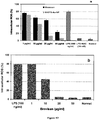
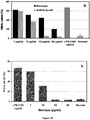
- the polymeric biosurfactants (concentration range 10-50 ⁇ g ml -1 ) and polymeric biosurfactant-capped gold nanoparticles inhibits the lipopolysaccharide-induced reactive oxygen species (ROS) and nitric oxide (NO) generation levels by 4.98%, 55.71% and 12.74%, respectively and 3.18%, 20.05% and 4.09%, respectively, in RAW 264.7 macrophages.
- ROS lipopolysaccharide-induced reactive oxygen species
- NO nitric oxide
- the polymeric biosurfactants (concentration range 50-100 ⁇ g ml -1 ) (concentration range 50-100 ⁇ g ml -1 ) and polymeric biosurfactant-capped gold nanoparticles (concentration range 50-100 ⁇ g ml -1 ) inhibits the lipopolysaccharide (LPS)-stimulated cyclooxygenase-2 (COX-2) and the subsequent generation of proinflammatory cytokines, TNF- ⁇ and IL-6, levels from 215.79 pg ml -1 and 190.9 pg ml -1 , respectively, to 98.88 pg ml -1 and 90.01 pg ml -1 , respectively; 20.17 pg ml -1 and 19.98 pg ml -1 , respectively; and 12.37 pg ml -1 and 15.7 pg ml -1 , respectively, in RAW 264.7 macrophages.
- LPS lipopolys
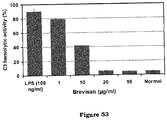
- the polymeric biosurfactant inhibits the lipopolysaccharide (LPS)-induced production and hemolytic activity of C3 complement component from 55.89 ng/10 6 cells ml -1 to 2.99 ng/10 6 cells ml -1 in RAW 264.7 macrophages and from 89.97% to 5.71% in LPS-stimulated RAW 264.7 macrophages respectively.
- LPS lipopolysaccharide
- an isolated Microbacterium sp. strain BS-2 having accession number MTCC 5822.
- an isolated Brevibacillus sp. strain BS-207 having accession number MTCC 5823.
- the present invention provide potential polysaccharide-based biosurfactants exhibiting surface-active reducing property with antibacterial, antioxidant and anti-inflammatory properties with potential immunomodulatory effects in RAW 264.7 macrophages and thus finds application as potential immunosuppressive agents.
- novel polymeric biosurfactants of the present invention were characterized as acidic and neutral polysaccharides and obtained from two bacterial strains, Microbacterium sp. strain BS-2 [MTCC 5822] and Brevibacillus sp. strain BS-207 [MTCC 5823], which have been isolated from a petroleum contaminated soil sample collected from Mupkal, Nizamabad, Andhra Pradesh, India (latitude 18.90°N and longitude 78.36°E).
- the present invention relates to the microbial production of two polymeric biosurfactants with immunomodulatory effects.
- the bacterial strains were isolated by transferring the soil sample in an enrichment medium containing 1.0 g of each soil sample in 100 ml of mineral salts medium supplemented with N-hexadecane (1%, v/v) as a sole carbon source for three weeks. Serial dilutions of the enriched samples were made and then plated on the mineral salts agar plates overlaid with N-hexadecane which acted as a sole carbon source. The colonies that appeared on the plates upon incubation at 37°C for 72 h were purified for 2-3 times on nutrient agar plates. The isolated pure microbes were scrapped off from the agar plate and cultured in liquid mineral salts medium at 37°C for 72 h.
- the cells were separated by centrifugation and the cell-free supernatant was tested for reduction of surface tension values using a tensiometer.
- the microorganisms with maximum surface tension lowering ability was selected as promising biosurfactant producers which were further identified as Microbacterium sp. and Brevibacillus sp., based on their morphological, physiological and biochemical characterization followed by 16S rDNA sequencing.
- the biologically pure cultures of these two microorganisms have been deposited at the Microbial Type Culture Collection, CSIR-Institute of Microbial Technology, Chandigarh, India with the accession numbers MTCC 5822 and MTCC 5823.
- the two polymeric biosurfactant-producing strains, Microbacterium sp. strain BS-2 belong to the family Microbacteriaceae of the order Actinomycetales, while the Brevibacillus sp. strain BS-207 belongs to the family Paenibacillaceae.
- Microsan from Microbacterium sp. BS-2 has reducing and stabilizing properties and acted as capping ligands in the synthesis of gold nanoparticles (M-EPS-Au-NP), both acted as antimicrobial agents against the tested bacterial pathogens.
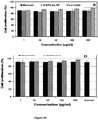
- Microsan and M-EPS-coated gold nanoparticles showed immunomodulatory effects in RAW 264.7 cells by inhibiting reactive oxygen species and nitric oxide without affecting the cell proliferation. Brevisan also exhibited immunomodulatory effects in RAW 264.7 macrophages. Microsan and Brevisan showed anti-inflammatory activity by inhibiting the COX-2 and pro-inflammatory cytokines, TNF- ⁇ and IL-6 in RAW 264.7 cells. In addition, Brevisan only inhibited the production and hemolytic activity of C3 complement component in LPS-stimulated RAW 264.7 macrophages. Microsan and Brevisan exhibited multi-functional activities like antimicrobial, antioxidant, anti-inflammatory and immunomodulating properties and thus finds application as potential immunosuppressive agents.
- the present invention describes the purification and structural characterization of polymeric biosurfactants produced by two bacterial strains of Microbacterium sp. strain BS-2 (MTCC 5822) and Brevibacillus sp. strain BS-207 (MTCC 5823), which were isolated from a petroleum-contaminated soil sample.
- the surface active properties and antioxidant properties were evaluated in a cell free system.
- the anti-proliferation activity and immunomodulatory effects of Microsan, Microsan-coated gold nanoparticles (M-EPS-Au-NP) and Brevisan were evaluated against RAW 264.7 macrophages.
- Microsan, Microsan-capped gold nanoparticles and Brevisan were also studied. Further, the anti-inflammatory effect was evaluated on inflammatory mediators such as NO, TNF- ⁇ and IL-6.
- the effect of Microsan, Microsan-coated gold nanoparticles and Brevisan on the production and hemolytic activity of C3 complement component was also studied in RAW 264.7 macrophages.
- the antimicrobial activity of Microsan, Microsan-coated gold nanoparticles and Brevisan was also evaluated against different gram-positive and gram-negative bacterial pathogens.
- the bacterial strains producing biosurfactants were isolated from the petroleum-contaminated soil sample collected from Mupkal, Nizamabad, Andhra Pradesh, India (latitude 18.90°N and longitude 78.36°E).
- the soil sample was enriched by placing 1.0 g of soil sample in 100 ml of mineral salts medium supplemented with N-hexadecane (1%, v/v) as a sole carbon source for three weeks.
- the enriched sample was serially diluted and then plated on the mineral salts agar plates overlaid with N-hexadecane which acted as a sole carbon source.
- the colonies that appeared on the plates upon incubation at 37°C for 72 h were purified for 2-3 times on nutrient agar plates.
- the isolated pure microorganisms were cultured in liquid mineral salts medium at 37°C for 72 h.
- the cells were separated by centrifugation and the cell-free supernatant was measured for the reduction in surface tension values by Wilhelmy plate method using a Du-Nouy K100MK2 Processor Tensiometer (Krüss, Hamburg, Germany).
- the concentration series was generated automatically with a computer-controlled Dosimat (Metrohm AG, Switzerland).
- the corresponding measurements and their evaluation were performed with the LabDesk software interfaced with the tensiometer.
- the critical micelle concentration (CMC) was measured by plotting the concentration of surfactant as a function of surface tension, and the CMC was taken as the point where the slope of the curve abruptly changed.
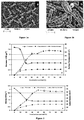
- microorganisms with maximum surface tension lowering ability were selected as promising biosurfactant producers which were further identified as Microbacterium sp. strain BS-2 ( Figure 1a ) and Brevibacillus sp. strain BS-207 ( Figure 1b ) based on their morphological, physiological and biochemical characterization (Tables 1 and 2) and 16S rDNA sequencing data.
- the biomass was collected and cell dry weights were measured, while the cell-free supernatants were measured for surface tension as described earlier.
- the polymeric biosurfactants were extracted using ice cold isopropanol and quantified by measuring the amount of total sugars using phenol sulphuric acid method [ Chaplin, M.F. and Kennedy, J.F. (1986) Carbohydrate analysis: A practical approach. Washington, DC: IRL Press, 129-136 ].
- Parametric optimization studies on fermentation parameters like pH, temperature, agitation, NaCl, carbon and nitrogen sources for production of the two polymeric biosurfactants were evaluated in a minimal liquid medium (pH 7.5) as described above.
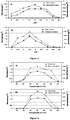
- the effects of pH and temperature were studied in the pH range of 5 to 11.5 and temperature range 20°C to 70°C. Agitation studies were carried out from 100 to 250 rpm and also under static conditions.
- the effect of various salts like KCl, MgCl 2 , CaCl 2 , BaCl 2 (at 0.05% concentration) on biosurfactant production was also evaluated in the minimal medium by replacing NaCl. Further, the effect of NaCl at different concentrations ranging from 0.02-1% was carried out in the minimal medium.
- glucose 25 g l -1
- ammonium nitrate or ammonium sulphate was varied to attain the desired C:N ratio.
- Experiments were carried out in 500 ml baffled flasks containing 100 ml of the medium. After inoculation with 1% inoculum (OD 600 nm of 2) of 3 days grown old culture, the flasks were incubated at 35°C and agitated at 180 rev min -1 for 72 h in an Ecotron (Infors AG, Switzerland) rotary shaker.
- the Microbacterium sp. strain BS-2 when cultivated in minimal medium supplemented with glucose (1%, v/v) as a carbon source produced biosurfactant which was growth-associated ( Figure 2a ). After 48 h of cultivation, the biosurfactant production reached to its maximum of 0.54 g l -1 , while a lowest surface tension value of 31.08 mN m -1 was recorded at 24 h. The production and surface tension values of the biosurfactant remained constant until 96 h, when the culture attained the stationary growth phase. While, in case of Brevibacillus sp. strain BS-207, the produced biosurfactant was growth-associated ( Figure 2b ).
- the biosurfactant production reached to its maximum of 0.86 g l -1 , while a lowest surface tension value of 29.9 mN m -1 was recorded at 48 h.
- the biosurfactant production and surface tension values remained constant until 96 h, till the culture attained the stationary growth phase.
- strain BS-207 are strictly aerobic in nature and under shaking conditions the rate of biosurfactant production increased with an increase in agitation rate and maximum biosurfactant production of 0.56 g l -1 ( Figure 5a ) and 0.54 g l -1 ( Figure 5b ), respectively, was observed at 200 rev min -1 .
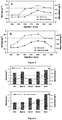
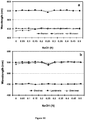
- sodium chloride proved effective at 0.05% (w/v) concentration for both Microbacterium sp. strain BS-2 ( Figure 6a ) and Brevibacillus sp. strain BS-207 ( Figure 6b ), but decreased at higher concentration and the maximum biosurfactant production was observed at 1 g l -1 (w/v) in case of both Microbacterium sp.
- strain BS-2 Figure 7a
- Brevibacillus sp. strain BS-207 Figure 7b
- Glucose was found to be the most effective carbon source followed by sucrose for both Microbacterium sp. strain BS-2 ( Figure 8a ) and Brevibacillus sp. strain BS-207 ( Figure 8b ), while lactose, xylose, arabinose, mannitol, sorbitol, fumaric acid, glycerol and starch did not support biosurfactant production for both the strains.
- ammonium nitrate was observed as the most effective nitrogen source for biosurfactant production (0.25 g l -1 ) followed by ammonium sulphate and sodium nitrate in case of Microbacterium sp. strain BS-2 ( Figure 9a ), while soya peptone, soybean meal, peptone, casein and urea did not support biosurfactant production.
- ammonium sulphate (0.25 g l -1 ) followed by yeast extract were observed to be effective nitrogen sources for biosurfactant production.
- strain BS-2 was cultured in 1 litre shake flasks under optimized submerged fermentation conditions at 35°C with agitation at 200 rev min -1 in a minimal salts medium (pH 8) supplemented with NaCl (1 g l -1 ), glucose (25 g l -1 , w/v) and ammonium nitrate (2.5 g l -1 , w/v) as carbon and nitrogen sources, 1.405 g l -1 of biosurfactant was produced after 72 h of incubation, and when Brevibacillus sp.
- strain BS-207 was cultured in 1 litre shake flasks under optimized submerged fermentation conditions at 35°C with agitation at 200 rev min -1 in a minimal salts medium (pH 7.5) supplemented with NaCl (1 g l -1 ), glucose (20 g l -1 , w/v) and ammonium sulphate (2 g l -1 , w/v) as carbon and nitrogen sources, 1.17 g l -1 of biosurfactant was produced after 72 h of incubation.
- a minimal salts medium pH 7.5
- Microbacterium sp. strain BS-2 and Brevibacillus sp. strain BS-207 were cultured under optimized submerged fermentation conditions as indicated in Example 2. After fermentation, the medium was centrifuged (Sorvall RC5C Plus, Kendro Lab Products, Ashville, NC, USA) at 8,000 rev min -1 at 4 °C to obtain the cell-free supernatant and the biosurfactant was extracted with 90% ice cold isopropanol. The extract was centrifuged at 10,000 rpm for 20 min and filtered through 0.45 ⁇ m Whatman filter paper and then precipitated with 95% ice cold ethanol.
- the extract was dialyzed (molecular weight cut-off 6000-8000 Da) against deionized water for 48 h at 4°C and then purified on a DEAE-cellulose (Cl - ) column (2.5 ⁇ 50 cm) eluted with 0.1 N NaCl.
- the purified polymeric biosurfactants from Microbacterium sp. strain BS-2 and Brevibacillus sp. strain BS-207 were termed as Microsan and Brevisan.
- the Microsan and Brevisan polymeric biosurfactants recovered and purified in Example 3 were subjected to structural characterization.
- the average molecular weight (Mw) of EPS was determined by gel permeation chromatography [Agilent 1100 Series HPLC system, TOSOH Corporation, Japan, equipped with a RID and a TSK G5000PWXL gel column (7.8 ⁇ 300 mm) and a TSK PWXL (6.0 mm ⁇ 40 mm) guard column] using dextran standards ranging from 10680 to 578500 Da (Sigma, CAS No. 9004-54-0 ).
- FT-IR Fourier transform infrared spectra
- Thermo-Nicolet Nexus 670 FT-IR spectrophotometer (Thermo Fisher Scientific Inc., Madison, WI, U.S.A.) using KBr pellets containing 1% finely ground EPS samples and the spectra was collected at a resolution of 4 cm -1 in the wavenumber region of 400-4,000 cm -1 .
- the cross-polarization/magic angle spinning (CP/MAS) 13 C NMR experiments were performed on a Varian Unity Innova spectrometer operating at 400 MHz for 1 H and 100 MHz for 13 C at room temperature.
- the EPS samples used for solid-state NMR analysis were gently grinded to ensure sample homogeneity and were packed in a zirconium oxide rotor, sealed with a Kel-f cap.
- the CP time was 4 ms and the rotor spinning frequency was 10 kHz.
- the 1 H and 13 C pulse widths were 2.9 ⁇ s and 3.5 ⁇ s, respectively, with a repetition time of 4 sec.
- the spectral width was 33183.3 Hz with an accumulation of 512 scans.
- the data was processed with 8192 data points (Fourier number) with an exponential line broadening of 30 Hz.
- Thermal degradation analyses of the EPS samples were measured using a DSC 821 e (Mettler Toledo GmbH, Switzerland) interfaced with Mettler Toledo Star SW (version 8.10) software.
- the raw and treated samples (ca. between 6-8 mg) were heated from room temperature to 600°C at a heating rate of 10°C min -1 .
- the DSC head was purged with oxygen-free nitrogen at a flow rate of 20 ml min -1 .
- the DSC instrument was calibrated for temperature and heat flow using indium metal before measurements.
- the XPS measurements of the EPS samples were carried out on KRATOS AXIS 165 Ultra Photoelectron Spectrophotometer operated at 15KV and 20 mA using Al K ⁇ (1486.6 eV) radiation.
- the takeoff angle defined as the angle between the substrate normal and the detector, was fixed at 90°.
- the EPS samples were mounted on standard sample studs by using a double sided adhesive tape.
- Binding energies were calibrated using the C (1s) peak (286 eV).
- the analysis consisted of a broad survey scan (20.0 eV pass energy) for major element composition and a high-resolution scan (80.0 eV pass energy) for component speciation. All of the XPS analyses were carried out in duplicates (two independent samples of each type of EPS analyzed at different time intervals).
- strain BS-2 was a white fibrous solid (1.405 g l -1 ), with an average molecular weight (Mw) of 36663 KDa and intrinsic viscosity of 1.0 dL/g, as revealed by gel permeation chromatography analysis ( Figure 13a ), while Brevisan from Brevibacillus sp. strain BS-207 was a white solid (1.391 g l - 1 ), with an average molecular weight (Mw) of 42260 KDa and intrinsic viscosity of 1.0 dL/g, as revealed by gel permeation chromatography analysis ( Figure 13b ).
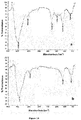
- the characteristic absorption peak at ⁇ 693.39 cm -1 suggested the presence of anomeric region in the EPS.
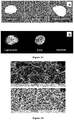
- the X-ray photoelectron spectrum of Microsan from Microbacterium sp. strain BS-2 ( Figure 15a ) showed the presence of O (1s) (533 eV), N (1s) (401 eV) and C (1s) (286 eV) peaks, respectively.
- the peak at ⁇ 54.367 ppm represented the aliphatic carbon signals of N-acetyl uronic acid.
- polymeric biosurfactants were acid hydrolyzed (water, trifluoroacetic acid and acetic acid, 75:5:20, v/v), heated at 120°C for 6 h and vacuum evaporated, followed by deacetylation with trifluoroacetic acid and water (10:90, v/v), heated at 80°C for 30 min and then vacuum evaporated.
- the hydrolyzed products were subjected to calorimetric analysis of proteins, sugars and uronic acids using Bradford method [ Bradford, M.M. (1976) Anal. Biochem. 72, 248-258 ], phenol sulphuric acid method and Elson-Morgan reaction methods [ Chaplin, M.F. and Kennedy, J.F.
- the monosaccharide composition of the purified Microsan from Microbacterium sp. strain BS-2 and Brevisan from Brevibacillus sp. strain BS-207 were determined from the analysis of methyl glycosides.
- the purified polymeric biosurfactants were subjected to methanolysis in 1.5 M methanol/HCl for 16 h at 80 °C and then trimethylsilylated using the previously described method [ Sweeley, C.C., Bentley, R., Makita, M. and Wells, W.W. (1963) J. Am. Chem. Soc. 85, 2497-2507 ].
- the methyl glucosides were analyzed by GC and compared with standard monosaccharides.
- the purified polymeric biosurfactants were carboxyl-reduced according to the previously described method [ Fontaine, T., Fournet, B. and Karamanos, Y. (1994) J. Microbiol. Meth. 20, 149-157 ].
- the polymeric biosurfactants were dissolved in dimethyl sulfoxide and methyl esterified with diazomethane overnight at room temperature. Then it was reduced with 1 M imidazole/HCl buffer (pH 7) and NaBH4. The reduction was stopped by the addition of glacial acetic acid. Further, the native and carboxyl reduced polymeric biosurfactants were methylated [ Hakomori, S. (1964) J. Biochem.
- the polymeric biosurfactants were also further subjected to Lithium-ethylenediamine degradation [ Mort, A.J. and Bauer, W.D. (1982) J. Biol. Chem. 257, 1870-1875 ].
- the EPS (30 mg) was dissolved in 2 mL of ethylenediamine and lithium wire (3-4 ⁇ 3 mm) was added and incubated for 1 h at room temperature. Then the mixture was cooled in an ice bath and the reaction was stopped by the addition of water. The product was evaporated, dissolved in water and then fractionated on a BioGel P-4 column.
- the resulting degraded products were converted to partially methylated alditol acetates as described above and was analyzed relative to 1,5-di-O-acetyl-2,3,4,6-tetra-O-methylglucitol.
- the partially methylated alditol acetates were analyzed on a GC-MS Micromass apparatus (Waters Corp., Milford, MA, USA) equipped with an HP-5MS column (Agilent Technologies, Wilmington, DE, USA) using a temperature program of 120-180°C, ramped at 5°C /min and 180-250°C, ramped at 2°C/min and the mass conditions were: ionization mode with EI, ionization energy of 70 eV, a current intensity of 500 ⁇ A, and ion source temperature at 250°C.
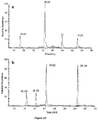
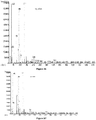
- the GC analysis of methyl glycosides showed the presence of glucose and mannose in case of Microsan from Microbacterium sp. strain BS-2 ( Figure 18a ) and mannose and galactose in the ratio of 1:1 in case of Brevisan from Brevibacillus sp. strain BS-207 ( Figure 18b ).
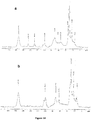
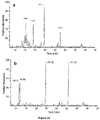
- the partially methylated alditol derivatives from the native and carboxyl reduced Microsan from Microbacterium sp. strain BS-2 showed the presence of a terminal glucopyranosyl residue, 4-linked glucopyranosyl, 1,2-disubstituted mannopyranosyl (Table 4 and Figure 19a ), while in case of Brevisan from Brevibacillus sp.
- strain BS-207 showed the presence of galactopyranosyl and mannopyranosyl as terminal residues, 4-linked galactopyranosyl and 4-linked mannopyranosyl residues (Table 5 and Figure 19b ).
- strain BS-207 was mainly composed of galactose and mannose with (1 ⁇ 4) linkages (Table 5 and Figure 20b ).
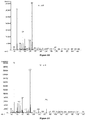
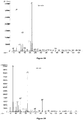
- the analysis of partially methylated alditol acetates of Lithium-ethylenediamine degraded Microsan from Microbacterium sp. strain BS-2 (Table 6 and Figures 21a , 22 to 25 ) showed 1,5-di- O -acetyl-2,3,4,6-tetra- O -methyl-D-glucitol which represented the presence of glucopyranosyl residues at the terminal position.
- the 1,4,5-tri- O -acetyl-2,3,6-tri- O -methyl derivative corresponded to the presence of 4-linked glucopyranosyl residue.
- the 1,2,4,5-tetra- O -acetyl-3,6-di- O- methyl derivative indicated the 2,4-linked mannopyranosyl, while the 1,5-di- O -acetyl-2,3,4,6-tetra- O -methyl-D-glucitol revealed that the glucuronic acid was linked to (1 ⁇ 2) mannopyranosyl residue.
- Brevisan from Brevibacillus sp.
- strain BS-207 (Table 7 and Figures 21b , 26 to 29 ) showed the presence of 2,3,4,6-tetra- O -methyl-1,5-di- O -acetyl-D-galactocitol and 2,3,4,6-tetra- O -methyl-1,5-di- O -acetyl-D-mannitol derivatives which represented the galactopyranosyl and mannopyranosyl residues at the terminal positions.
- 2,3,6-tri- O -methyl-1,4,5-tri- O -acetyl-D-mannitol derivative indicated the presence of 4-linked mannopyranosyl residues
- 2,3,6-tri- O -methyl-1,4,5-tri- O -acetyl-D-galactacitol derivative represented the 4-linked galactopyranosyl residues, respectively.
- the helix coil transition of the polymeric biosurfactants was characterised by measuring the ⁇ max of Congo red-EPS complexes in various concentrations ranging from 0.01 to 0.5 N NaOH solution [ Ogawa, K. and M. Hatano. (1978) Carbohydr. Res. 67, 527-535 .].
- the aqueous solution of polysaccharide (1 mg/ml) pretreated with 100 ⁇ l of 0.5 mg/ml Congo red was treated with different concentrations of NaOH solution and the absorption spectra was recorded on a UV/Vis spectrophotometer using commercially available dextran (Sigma, CAS No. 9004-54-0 ) and laminarin (Sigma CAS No. 9008-22-4 ) as standards.
- the anomeric configurations of polymeric biosurfactants were detected by staining analysis using Fungi-Fluor Kit (Polysciences, Warrington, PA, USA).
- the aqueous solutions of Microsan from Microbacterium sp. strain BS-2 and Brevisan from Brevibacillus sp. strain BS-207 were placed on two different slides, dried and methanol was added. After 30 min, few drops of Fungi-Fluor Solution A containing Cellufluor, water and potassium hydroxide was added and incubated for 3 min. The slides were washed with distilled water and the fluorescence level was determined using a UV Illuminator (Vilber Lourmat Inc., France).
- Microsan from Microbacterium sp. strain BS-2 and Brevisan from Brevibacillus sp. strain BS-207 are mainly ⁇ -linked polysaccharides.
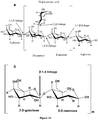
- the above examples indicated that the Microsan from Microbacterium sp. strain BS-2 is a ⁇ -(1 ⁇ 4),(1 ⁇ 2)-linked polysaccharide in random coil confirmation with glucose, mannose and glucuronic acid residues ( Figure 33a ), while the Brevisan from Brevibacillus sp. strain BS-207 is a ⁇ -(1 ⁇ 4)-linked polysaccharide in triple helical confirmation with galactose and mannose residues ( Figure 33b ).
- the surface tension of the purified Microsan from Microbacterium sp. strain BS-2 and Brevisan from Brevibacillus sp. strain BS-207 was measured by Wilhelmy plate method using a Du-Nouy K100MK2 Processor Tensiometer (Krüss, Hamburg, Germany) which reduced the surface tension of water from 72 to 31.2 mN m -1 .
- the interfacial tension value was measured by Du-Nouy ring method and it was determined as 25.7 mN m -1 .
- the critical micelle concentration (CMC) was measured by plotting the concentration of EPS as a function of surface tension. The CMC is the point where the slope of the curve abruptly changed was determined as 75 mg l -1 .
- the emulsification index (EI 24 ) was determined by the addition of 4 ml of culture supernatant to 6 ml of various hydrocarbons ( N -Hexadecane, tridecane, hexane, toluene and xylene) and oils (mineral oil and soybean oil) and the mixtures were vortexed for 2 min and allowed to stand for 24 h.
- the emulsification index (EI 24 ) values expressed as the percentage of height of emulsified layer to the height of total liquid column.
- strain BS-207 were N -hexadecane (67%, 71%) tridecane (77%, 69%), hexane (83.7%, 71%), toluene (74.9%, 78%), xylene (66.89%, 68%), mineral oil (71.9%, 68.9%) and soybean oil (63%, 71.9%), respectively.
- the antioxidant activity of Microsan from Microbacterium sp. strain BS-2 and Brevisan from Brevibacillus sp. strain BS-207 in cell free system was measured by its inhibitory activity on the generation of DPPH free radicals, superoxide anions (O 2- ), lipid peroxidation and erythrocyte hemolysis.
- the DPPH free radical scavenging assay was performed using 2,2-diphenyl-1-picrylhydrazyl (DPPH) free radical scavenging method [ Ara, N. and Hasan, N. (2009) Res. J. Med. Medical Sci. 4, 107-110 ].
- the lipid peroxidation assay was performed using the previously described method [ Zhang, Q., Yu, P., Li, Z., Zhang, H., Xu, Z. and Li, P. (2003) J. Appl. Phycol. 15, 305-310 ] which is based on measuring the lipid peroxide decomposed product malondialdehyde (MDA). Further the erythrocyte hemolysis assay was performed using the previously described protocol [ Ng, T.B., Liu, F. and Wang, Z.T. (2000) Life Sci. 66, 709-723 ]. Human blood sample was collected in 3% sodium citrate and centrifuged at 3,000 ⁇ g for 10 min.
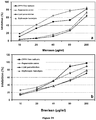
- erythrocytes were washed and suspended in PBS buffer (pH 7.4). Different concentrations of Microsan and Brevisan were mixed with 1 ml of 1.25% erythrocyte suspension and 0.5 mL of 2.5 mM H 2 O 2 . Samples were incubated at 37°C for 30 min and the absorbance was measured at 540 nm. The results are the average of three independent experiments and ascorbic acid was used as standard. Both EPS showed a dose dependent scavenging of DPPH free radicals, superoxide anions (O 2- ) and lipid peroxidation and also exhibited dose dependent inhibition of erythrocyte hemolysis as shown in Figure 34 a,b. In case of Microsan from Microbacterium sp.
- strain BS-2 the EC 50 values for DPPH free radical scavenging, superoxide anions (O 2- ) scavenging, lipid peroxidation inhibition and erythrocyte hemolysis inhibition were 40.78, 24.48, 165.94 and 139.28 ⁇ g ml -1 , respectively, and 39.97, 37.88, 81.98 and 79.98 ⁇ g ml -1 , respectively, were observed in case of Brevisan from Brevibacillus sp. strain BS-207, while ascorbic acid exhibited EC 50 values of 40.28, 21.1, 130.97 and 119.8 ⁇ g ml -1 , respectively.
- the present example indicated that Microsan from Microbacterium sp.
- strain BS-2 and Brevisan from Brevibacillus sp. strain BS-207 acted as antioxidants with effective scavenging of DPPH free radicals, superoxide anions and lipid peroxyl radicals along with hemolytic inhibitory activity.
- the gold nanoparticles were synthesised using by mixing 5 ml of different concentrations of Microsan (M-EPS) (0.005%, 0.01%, 0.02 %, 0.03 % and 0.05%) with 3 ml of 2.0 ⁇ 10 -4 (M) aqueous solution of HAuCl 4 .4H 2 O. The mixtures were heated at 80°C in a water bath with continuous stirring for 10 min.
- M-EPS-Au-NP were characterised by UV-visible absorption spectra. Further the effect of temperature and pH on the synthesis of M-EPS-Au-NP was studied.
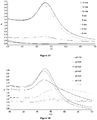
- the UV-visible absorption spectra revealed a sharp absorption peak at 532 nm when 0.01% of EPS was used ( Figure 35 ). From the UV-visible spectral analysis of M-EPS-Au-NP nanoparticles synthesised at different temperatures, sharp absorption peaks were observed at 532 nm with temperature ranging between 60 to 100°C ( Figure 36 ). The time-dependent analysis showed that gold nanoparticles (M-EPS-Au-NP) were formed after 10 min, heated at 80°C ( Figure 37 ). At pH 6, the gold nanoparticles (M-EPS-Au-NP) showed a sharp absorption peak at 532 nm as revealed from UV-visible spectra ( Figure 38 ).
- the gold nanoparticles (M-EPS-Au-NP) synthesized with 0.01% of EPS at pH 6 and temperature of 80°C were 8-10 nm in size as observed from TEM analysis ( Figure 39 ).
- the nanoparticle charge quantified as zeta potential was measured using a Zetasizer Nano ZS which was -33 mV ( Figure 41 ).
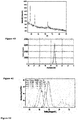
- the X-ray photoelectron spectroscopic analysis showed the binding energy peaks of Au 4f7/2 and Au 4f5/2 at ⁇ 84.2 and ⁇ 87.3 eV indicating the formation of the metal Au (0) nanoparticles ( Figure 42 ).
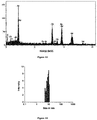
- the energy dispersive X-ray spectroscopy (EDS) analysis revealed the elemental composition profile of the synthesized nanoparticles which suggested gold as the constituent element ( Figure 43 ).
- the Differential Light Scattering (DLS) analysis showed that the M-EPS-Au-NP nanoparticles size averaged between 5-10 nm ( Figure 44 ).
- the antimicrobial activity of Microsan and M-EPS-Au-NP was determined using the microtiter broth dilution method [ Kumar, C.G. and Mamidyala, S.K. (2011) Coll. Surf. B: Biointerf. 84, 462-466 ].
- Different bacterial pathogens (10 7 cfu ml -1 cells) were inoculated in 100 ⁇ l of Muller-Hinton broth.
- Different concentrations of Microsan, M-EPS-Au-NP and Brevisan were added to each strain and incubated for 24 h at 35°C.
- p -iodonitrotetrazolium (INT, Sigma) dye 0.02%, 20 mg INT dissolved in 100 ml of 40% dimethyl formamide was added to each well and incubated for 2 h.
- the reduction of p -iodonitrotetrazolium was spectroscopically measured at 450 nm using TRIAD multimode reader (Dynex Technologies, Inc., Chantilly, VA) to determine the minimum inhibitory concentration (MIC) values.
- TRIAD multimode reader Dynex Technologies, Inc., Chantilly, VA
- MIC minimum inhibitory concentration
- Microsan and M-EPS-Au-NP The MIC values of Microsan and M-EPS-Au-NP observed against the tested bacterial strains are shown in Table 3.
- Microsan showed promising antibacterial activity (MIC of 4.68 ⁇ g ml -1 ) against Staphylococcus aureus MLS16 MTCC 2940 and Bacillus subtilis MTCC 121, while M-EPS-Au-NP exhibited potent activity (MIC of 2.34 ⁇ g ml -1 ) against Staphylococcus aureus MLS16 MTCC 2940 and Klebsiella planticola MTCC 530.
- the current example indicated that Microsan and M-EPS-Au-NP exhibited promising antimicrobial activity against the tested pathogenic bacterial strains. However, Brevisan did not exhibit antimicrobial activity against the tested bacterial strains.
- the effect of Brevisan, Microsan and M-EPS-Au-NP on the proliferation of RAW 264.7 macrophages was measured by in vitro MTT assay using the previously described method [ Mosmann, T. (1983) J. Immunol. Methods 65, 55-63 ], which is based on the cell-mediated reduction of tetrazolium salt to form water insoluble formazan crystals.
- the MTT assay was performed with different concentrations (1-200 ⁇ g ml-1) of Brevisan, Microsan and M-EPS-Au-NP were incubated for 48 h using laminarin as a control.
- ROS reactive oxygen species
- the RAW-264.7 macrophages (2 ⁇ 10 6 cells/well in 24-well plate) were treated with Brevisan, Microsan and M-EPS-Au-NP at various concentrations and then stimulated with 100 ng/ml LPS for 24 h using N-acetylcysteine (NAC, 10 mM) as a ROS inhibitor.
- NAC N-acetylcysteine
- the DCF formed by intracellular ROS was measured at 485 nm excitation and 520 nm emission wavelengths using a Hitachi spectrofluorimeter. The experiments were run in triplicates and reported as the percentage of intracellular ROS formed.
- the RAW-264.7 macrophages were treated with Brevisan, Microsan and M-EPS-Au-NP at different concentrations and then stimulated with 100 ng ml -1 of LPS. After 24 h, 100 ⁇ l of culture supernatant was collected and mixed with 100 ⁇ l of Griess reagent in a 96-well plate and incubated for 15 min at room temperature. The optical density was spectroscopically measured at 540 nm using TRIAD multimode reader (Dynex Technologies, Inc., Chantilly, VA). The experiments were run in triplicates and reported as the percentage of NO produced.
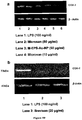
- LPS induced cyclooxygenase-2 (COX-2) was assessed by immunoblot analysis.
- RAW-264.7 cells were treated with Brevisan, Microsan and M-EPS-Au-NP (10 and 50 ⁇ g ml -1 each) and then stimulated with 100 ng ml -1 of LPS.
- the cells were washed with PBS and suspended in a lysis buffer containing 20 mM Tris, 1 mM EDTA, 150 mM NaCl, 1% NP-40, 0.5% sodium deoxycholate, 1 mM ⁇ -glycerophosphate, 1 mM sodium orthovanadate, 1 mM PMSF, 10 mg ml -1 leupeptin, 20 mg ml -1 aprotinin.
- the mixture was centrifuged at 10,000 rpm at 4°C for 10 min to obtain the cell lysate.
- the protein content was determined by Bradford method [ Bradford, M.M. (1976) Anal. Biochem. 72, 248-258 ].
- LPS 100 ng ml -1 significantly induced COX-2 expression as compared to normal cells at 24 h.
- the induction of COX-2 was significantly inhibited as depicted in Figures 49a ,b.
- the Western blot analysis described in the present example illustrated that the LPS-induced COX-2 in RAW 264.7 macrophages was effectively inhibited by Brevisan, Microsan and M-EPS-Au-NP.
- the RAW-264.7 cells were treated with different concentrations (1, 10, 50 and 100 ⁇ g ml -1 ) of Brevisan, Microsan and M-EPS-Au-NP and then stimulated with 100 ng ml -1 of LPS.
- the supernatants were harvested after 24 h and the concentrations of TNF- ⁇ and IL-6 was measured using an ELISA kit according to the manufacturer's instructions.
- Microsan and M-EPS-Au-NP significantly reduced the LPS-induced cytokine production in RAW 264.7 macrophage cells in a dose-dependent manner.
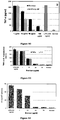
- LPS induced the production of TNF- ⁇ and IL-6 at 215.79 pg ml -1 and 190.9 pg ml -1 , respectively, which was inhibited to 98.88 pg ml -1 and 90.01 pg ml - 1 , respectively, by Microsan at 50 ⁇ g ml -1 and 20.17 pg ml -1 and 19.98 pg ml -1 , respectively, by Brevisan at 20 ⁇ g ml -1 .
- M-EPS-Au-NP at 50 ⁇ g ml -1 inhibited TNF- ⁇ and IL-6 production to 12.37 pg ml -1 and 15.7 pg ml -1 , respectively ( Figures 50a, b and 51 ).
- the current example indicated that Brevisan, Microsan and M-EPS-Au-NP effectively inhibited the LPS-induced proinflammatory cytokines, TNF- ⁇ and IL-6, in RAW 264.7 cells.
- HRP horse radish peroxidase
- the wells were washed with PBS and incubated with 100 ⁇ l of horse radish peroxidase (HRP)-conjugate for 1 h at 37 °C and then incubated with 50 ⁇ l of O -phenylenediamine (0.2% w/v in 0.017 M citrate phosphate buffer, pH 6) and 50 ⁇ l of 0.015% hydrogen peroxide for 15 min and the reaction was stopped by adding 50 ⁇ l of 12.5% sulphuric acid and the optical density was measured at 450 nm using Biotek EIA Reader (Biotek Instruments, Inc., VT, USA). The results shown are the average of three independent experiments.
- HRP horse radish peroxidase
- the hemolytic activity of the secreted C3 was measured as described earlier [ Gasque, P., Julen, N., Ischenko, A.M., Picot, C., Mauger, C., Chauzy, C., Ripoche, J. and Fontaine, M. (1992) J. Immunol. 149, 1381-1389 ].
- the sheep erythrocytes (1 ⁇ 10 7 ) were sensitized with rabbit anti-(sheep erythrocyte) antibodies and mixed with 0.5 ml of R3 reagent [ Fontaine, M., Joisel, F. and Dumouchel, L. (1980) J. Immunol. Methods 33, 145-158 ].
- Microsan and M-EPS-Au-NP did not inhibit the C3 complement component production, while Brevisan showed significant inhibition on the production of C3 complement component from RAW 264.7 macrophages and also inhibited the hemolytic activity of released C3 complement component.
- the C3 complement component released from the RAW 264.7 macrophages stimulated with 100 ng ml -1 of LPS was 55.89 ng/10 6 cells ml -1 and it was reduced to 2.99 ng/10 6 cells ml -1 at 20 ⁇ g ml -1 of Brevisan ( Figure 52 ), while C3 component produced in the normal cells was 1.81 ng/10 6 cells ml -1 .
- C3 complement component in LPS-stimulated RAW macrophages was 89.97% which was significantly reduced to 5.71% at 20 ⁇ g ml -1 of Brevisan, whereas the hemolytic activity of C3 complement component in unstimulated macrophages was 5.04% ( Figure 53 ).
- Brevisan, Microsan and M-EPS-Au-NP inhibited LPS-stimulated cyclooxygenase-2 and the subsequent generation of proinflammatory cytokines, TNF- ⁇ and IL-6, in RAW 264.7 macrophages.
- Brevisan inhibited the production and hemolytic activity of C3 complement component from LPS-stimulated RAW 264.7 macrophages.
- strain BS-2 1) Morphological characteristics a) Gram staining Gram-positive b) Shape Rod shaped and non motile c) Size Moderate d) Colony colour Light yellow coloured e) Colony shape Circular f) Colony size 1 mm in diameter g) Colony margin Entire h) Colony surface Smooth i) Colony elevation Low convex j) Colony consistency Viscous k) Optical features Opaque l) Pigments No pigment formation m) Endospore No endospore formation Physiological characteristics a) Growth in broth Abundant b) Oxygen requirement Aerobic c) Temperature range 20 - 45°C with an optimum at 35°C ⁇ 2°C, but not above 45°C d) pH range 6.0 - 10.0 with an optimum at pH 8, but is inhibited at pH ⁇ 6.0 and > 10 e) Salt tolerance NaCl concentration tolerance up to 6% Biochemical characteristics a) Indole test Negative b) Methyl
- Antibiotic sensitivity Sensitive to Erythromycin (5 ⁇ g), Gentamicin (20 ⁇ g), Ciprofloxacin (1 ⁇ g), Tetracycline (5 ⁇ g), Chloramphenicol (10 ⁇ g), Moxifloxacin (5 ⁇ g), Penicillin G (10 units), Methicillin (1 ⁇ g), and Rifampicin (1 ⁇ g) Resistant to Amphotericin B and Nystatin Table 2. Morphological, physiological and biochemical characteristics of Brevibacillus sp.
- strain BS-207 Morphological characteristics a) Gram staining Gram-positive b) Shape Rod shaped and motile c) Size Moderate d) Colony colour White e) Colony shape Circular f) Colony size 1 mm in diameter g) Colony margin Entire h) Colony surface Smooth i) Colony elevation Convex j) Colony consistency Viscous k) Optical features Opaque l) Pigments No pigment formation m) Endospore Ellipsoidal endospores Physiological characteristics a) Growth in broth Abundant b) Oxygen requirement Aerobic c) Temperature range 25 - 45°C with an optimum at 35°C ⁇ 2°C, but not above 45°C d) pH range 6.0 - 9.0 with an optimum at pH 7.5, but is inhibited at pH ⁇ 6.0 and > 9 e) Salt tolerance NaCl concentration tolerance up to 2% Biochemical characteristics a) Indole test Negative b) Methyl red
- Antibiotic sensitivity Sensitive to Erythromycin (5 ⁇ g), Gentamicin (20 ⁇ g), Ciprofloxacin (1 ⁇ g), , Kanamycin (10 ⁇ g), Chloramphenicol (10 ⁇ g), Moxifloxacin (5 ⁇ g), Penicillin G (10 units), Nystatin (10 ⁇ g), Methicillin (1 ⁇ g), and Rifampicin (1 ⁇ g) Resistant to Tetracycline and Amphotericin B Table 3 .
Landscapes
- Chemical & Material Sciences (AREA)
- Health & Medical Sciences (AREA)
- Life Sciences & Earth Sciences (AREA)
- Engineering & Computer Science (AREA)
- Organic Chemistry (AREA)
- Wood Science & Technology (AREA)
- Zoology (AREA)
- Bioinformatics & Cheminformatics (AREA)
- General Health & Medical Sciences (AREA)
- Genetics & Genomics (AREA)
- Biotechnology (AREA)
- Biochemistry (AREA)
- Medicinal Chemistry (AREA)
- General Engineering & Computer Science (AREA)
- Microbiology (AREA)
- Chemical Kinetics & Catalysis (AREA)
- General Chemical & Material Sciences (AREA)
- Biomedical Technology (AREA)
- Virology (AREA)
- Tropical Medicine & Parasitology (AREA)
- Veterinary Medicine (AREA)
- Epidemiology (AREA)
- Animal Behavior & Ethology (AREA)
- Public Health (AREA)
- Pharmacology & Pharmacy (AREA)
- Molecular Biology (AREA)
- Materials Engineering (AREA)
- Polymers & Plastics (AREA)
- Preparation Of Compounds By Using Micro-Organisms (AREA)
- Micro-Organisms Or Cultivation Processes Thereof (AREA)
- Pharmaceuticals Containing Other Organic And Inorganic Compounds (AREA)
- Polysaccharides And Polysaccharide Derivatives (AREA)
Applications Claiming Priority (2)
| Application Number | Priority Date | Filing Date | Title |
|---|---|---|---|
| IN939DE2014 IN2014DE00939A (OSRAM) | 2014-04-01 | 2014-04-01 | |
| EP15162029.1A EP2947153B1 (en) | 2014-04-01 | 2015-03-31 | A process for the preparation of polymeric biosurfactants |
Related Parent Applications (1)
| Application Number | Title | Priority Date | Filing Date |
|---|---|---|---|
| EP15162029.1A Division EP2947153B1 (en) | 2014-04-01 | 2015-03-31 | A process for the preparation of polymeric biosurfactants |
Publications (1)
| Publication Number | Publication Date |
|---|---|
| EP3489363A1 true EP3489363A1 (en) | 2019-05-29 |
Family
ID=53682431
Family Applications (2)
| Application Number | Title | Priority Date | Filing Date |
|---|---|---|---|
| EP19150824.1A Withdrawn EP3489363A1 (en) | 2014-04-01 | 2015-03-31 | A process for the preparation of polymeric biosurfactants |
| EP15162029.1A Not-in-force EP2947153B1 (en) | 2014-04-01 | 2015-03-31 | A process for the preparation of polymeric biosurfactants |
Family Applications After (1)
| Application Number | Title | Priority Date | Filing Date |
|---|---|---|---|
| EP15162029.1A Not-in-force EP2947153B1 (en) | 2014-04-01 | 2015-03-31 | A process for the preparation of polymeric biosurfactants |
Country Status (3)
| Country | Link |
|---|---|
| US (1) | US10106627B2 (OSRAM) |
| EP (2) | EP3489363A1 (OSRAM) |
| IN (1) | IN2014DE00939A (OSRAM) |
Families Citing this family (4)
| Publication number | Priority date | Publication date | Assignee | Title |
|---|---|---|---|---|
| EP3112470A1 (en) * | 2015-07-01 | 2017-01-04 | Deinobiotics | Method for producing antimicrobial agents |
| CN110591972B (zh) * | 2019-10-12 | 2021-03-16 | 湖南恒凯环保科技投资有限公司 | 一种硝化短芽孢杆菌Brevibacillus nitrificans菌株YJ1及其应用 |
| CN114509557B (zh) * | 2022-01-14 | 2023-03-17 | 同济大学 | 一种快速定量测定污泥有机组分的分析方法 |
| CN114890636A (zh) * | 2022-05-19 | 2022-08-12 | 浙江工业大学 | 一种基于二价阳离子络合的活性污泥胞外聚合物提取方法 |
Family Cites Families (2)
| Publication number | Priority date | Publication date | Assignee | Title |
|---|---|---|---|---|
| EP2397125A1 (en) * | 2010-06-15 | 2011-12-21 | Histocell, S.L. | Antioxidant composition |
| ES2390033B1 (es) * | 2010-11-30 | 2013-10-31 | Lipotec S.A. | Exopolisacárido para el tratamiento y/o cuidado de la piel, mucosas, cabello y/o uñas. |
-
2014
- 2014-04-01 IN IN939DE2014 patent/IN2014DE00939A/en unknown
-
2015
- 2015-03-31 EP EP19150824.1A patent/EP3489363A1/en not_active Withdrawn
- 2015-03-31 EP EP15162029.1A patent/EP2947153B1/en not_active Not-in-force
- 2015-04-01 US US14/676,117 patent/US10106627B2/en not_active Expired - Fee Related
Non-Patent Citations (57)
| Title |
|---|
| ANISZEWSKI, E.; PEIXOTO, R.S.; MOTA, F.F.; LEITE, S.G.F.; ROSADO, A.S., BRAZILIAN J. MICROBIOL., vol. 41, 2010, pages 235 - 245 |
| ARA, N.; HASAN, N., RES. J. MED. MEDICAL SCI., vol. 4, 2009, pages 107 - 110 |
| ASKER M M S ET AL: "Chemical characteristics and antioxidant activity of exopolysaccharide fractions from Microbacterium terregens", CARBOHYDRATE POLYMERS, vol. 77, no. 3, 13 February 2009 (2009-02-13), pages 563 - 567, XP026119304, ISSN: 0144-8617, DOI: 10.1016/J.CARBPOL.2009.01.037 * |
| ASKER, M.M.S.; AHMED, Y.M.; RAMDAN, M.F., CARBOHYDR. POLYM., vol. 77, 2009, pages 563 - 567 |
| BAE, I.Y.; OH, I.-K.; LEE, S.; YOO, S.-H.; LEE, H.G., INT. J. BIOL. MACROMOL., vol. 42, 2008, pages 10 - 13 |
| BANAT, I.M., BIORES. TECHNOL., vol. 51, 1995, pages 1 - 12 |
| BEUTLER, B., MOL. IMMUNOL., vol. 40, 2004, pages 845 - 859 |
| BRADFORD, M.M., ANAL. BIOCHEM., vol. 72, 1976, pages 248 - 258 |
| BROWN, D.M.; DONALDSON, K.; BORM, P.J.; SCHINS, R.P.; DEHNHARDT, M.; GILMOUR, P.; JIMENEZ, L.A.; STONE, V., AM. J. PHYSIOL. LUNG CELL MOL. PHYSIOL., vol. 286, 2004, pages L344 - L353 |
| CHAPLIN, M.F.; KENNEDY, J.F.: "Carbohydrate analysis: A practical approach", 1986, IRL PRESS, pages: 129 - 136 |
| CHEMICAL ABSTRACTS, Columbus, Ohio, US; abstract no. 24730-31-2 |
| CHEMICAL ABSTRACTS, Columbus, Ohio, US; abstract no. 9004-54-0 |
| CHEMICAL ABSTRACTS, Columbus, Ohio, US; abstract no. 9008-22-4 |
| CHO, S.M.; PARK, J.S.; KIM, K.P.; CHA, D.Y.; KIM, H.M.; YOO, I.D., KOREAN J. MYCOL., vol. 27, 1999, pages 170 - 174 |
| COOPER, D.G.; ZAJIC, J.E., APPL. ENVIRON. MICROBIOL., vol. 26, 1980, pages 229 - 256 |
| DESAI, J.D.; BANAT, I.M., MICROBIOL. MOL. BIOL. REV., vol. 61, 1997, pages 47 - 64 |
| DIAO Y ET AL: "Extracellular polysaccharide from Bacillus sp. strain LBP32 prevents LPS-induced inflammation in RAW 264.7 macrophages by inhibiting NF-[kappa]B and MAPKs activation and ROS production", INTERNATIONAL IMMUNOPHARMACOLOGY, vol. 18, no. 1, 4 November 2013 (2013-11-04), pages 12 - 19, XP028548375, ISSN: 1567-5769, DOI: 10.1016/J.INTIMP.2013.10.021 * |
| FERHAT, S.; MNIF, S.; BADIS, A.; EDDOUAOUDA, K.; ALOUAOUI, R.; BOUCHERIT, A.; MHIRI, N.; MOULAI-MOSTEFA, N.; SAYADI, S., INTERNATIONAL BIODETERIORATION AND BIODEGRADATION, vol. 65, 2011, pages 1182 - 1188 |
| FONTAINE, M.; JOISEL, F.; DUMOUCHEL, L., J. IMMUNOL. METHODS, vol. 33, 1980, pages 145 - 158 |
| FONTAINE, T.; FOURNET, B.; KARAMANOS, Y., J. MICROBIOL. METH., vol. 20, 1994, pages 149 - 157 |
| GASQUE, P.; JULEN, N.; ISCHENKO, A.M.; PICOT, C.; MAUGER, C.; CHAUZY, C.; RIPOCHE, J.; FONTAINE, M., J. IMMUNOL., vol. 149, 1992, pages 1381 - 1389 |
| GODINHO A L ET AL: "Sand Aggregation by Exopolysaccharide-Producing Microbacterium arborescens--AGSB", CURRENT MICROBIOLOGY, vol. 58, no. 6, 2 April 2009 (2009-04-02), pages 616 - 621, XP019708403, ISSN: 1432-0991 * |
| GODINHO, A.L.; BHOSLE, S., CURR. MICROBIOL., vol. 58, 2009, pages 616 - 621 |
| HADDAD, N.I.A.; WANG, J.; MU, B., J. IND. MICROBIOL. BIOTECHNOL., vol. 35, 2008, pages 1597 - 1604 |
| HAKOMORI, S., J. BIOCHEM., vol. 55, 1964, pages 205 - 208 |
| KUMAR A S ET AL: "Bacterial exopolysaccharides - a perception", JOURNAL OF BASIC MICROBIOLOGY, vol. 47, no. 2, 1 April 2007 (2007-04-01), pages 103 - 117, XP002560843, ISSN: 0958-6946, DOI: 10.1002/JOBM.200610203 * |
| KUMAR C G ET AL: "Evaluation of critical nutritional parameters and their significance in the production of rhamnolipid biosurfactants from Pseudomonas aeruginosa BS-161R", BIOTECHNOLOGY PROGRESS, vol. 28, no. 6, 23 October 2012 (2012-10-23), pages 1507 - 1516, XP055215807, ISSN: 8756-7938, DOI: 10.1002/btpr.1634 * |
| KUMAR C G ET AL: "Kocuran, an exopolysaccharide isolated from Kocuria rosea strain BS-1 and evaluation of its in vitro immunosuppression activities", ENZYME AND MICROBIAL TECHNOLOGY, vol. 55, 27 October 2013 (2013-10-27), pages 113 - 120, XP028812858, ISSN: 0141-0229, DOI: 10.1016/J.ENZMICTEC.2013.10.007 * |
| KUMAR C G ET AL: "Synthesis of biosurfactant-based silver nanoparticles with purified rhamnolipids isolated from Pseudomonas aeruginosa BS-161R", JOURNAL OF MICROBIOLOGY AND BIOTECHNOLOGY, vol. 20, no. 7, 1 July 2010 (2010-07-01), pages 1061 - 1068, XP055216054, ISSN: 1017-7825, DOI: 10.4014/jmb.1001.01018 * |
| KUMAR, A.S.; MODY, K.; JHA, B., J. BASIC MICROBIOL., vol. 47, 2007, pages 103 - 117 |
| KUMAR, C.G.; MAMIDYALA, S.K., COLL. SURF. B: BIOINTERF., vol. 84, 2011, pages 462 - 466 |
| KUMAR, C.G.; MAMIDYALA, S.K.; SUJITHA, P.; MULUKA, H.; AKKENAPALLY, S., BIOTECHNOL. PROG., vol. 28, 2012, pages 1507 - 1516 |
| LEE, H.H.; LEE, J.S.; CHO, J.Y.; KIM, Y.E.; HONG, E.K., J. MICROBIOL. BIOTECHNOL., vol. 19, 2009, pages 566 - 572 |
| LEE, J.S.; MIN, K.M.; CHO, J.Y.; HONG, E.K., J. MICROBIOL. BIOTECHNOL., vol. 19, 2009, pages 951 - 959 |
| LIU, F.; OOI, V.E.; CHANG, S.T., LIFE SCI, vol. 60, 1997, pages 763 - 771 |
| MATSUYAMA, H.; KAWASAKI, K.; YUMOTO, I.; SHIDA, O., INT. J .SYST. BACTERIOL., vol. 49, 1999, pages 1353 - 1357 |
| MEDZHITOV, R.; JANEWAY, C., IMMUNOL. REV., vol. 173, 2000, pages 89 - 97 |
| MICKING, J.; XIE, Q.W.; NATHAN, C., ANNU. REV. IMMUNOL., vol. 15, 1997, pages 323 - 350 |
| MORT, A.J.; BAUER, W.D., J. BIOL. CHEM., vol. 257, 1982, pages 1870 - 1875 |
| MOSMANN, T., J. IMMUNOL. METHODS, vol. 65, 1983, pages 55 - 63 |
| NG, T.B.; LIU, F.; WANG, Z.T., LIFE SCI., vol. 66, 2000, pages 709 - 723 |
| NICOLAUS, B.; KAMBOUROVA, M.; ONER, E.T., ENVIRON. TECHNOL., vol. 31, 2010, pages 1145 - 1158 |
| NOVAK, M.; VETVICKA, V., J. IMMUNOTOXICOL., vol. 5, 2008, pages 47 - 57 |
| NWODO U U ET AL: "Bacterial Exopolysaccharides: Functionality and Prospects", INTERNATIONAL JOURNAL OF MOLECULAR SCIENCES, vol. 13, no. 12, 30 October 2012 (2012-10-30), pages 14002 - 14015, XP055216073, DOI: 10.3390/ijms131114002 * |
| OGAWA, K.; M. HATANO., CARBOHYDR. RES., vol. 67, 1978, pages 527 - 535 |
| ORTEGA-MORALES, B.O.; SANTIAGO-GARCIA, J.L.; CHAN-BACAB, M.J.; MOPPERT, X.; MIRANDA-TELLO, E.; FARDEAU, M.L.; CARRERO, J.C.; BARTO, J. APPL. MICROBIOL., vol. 102, 2007, pages 254 - 264 |
| RADCHENKOVA N ET AL: "Production and Properties of Two Novel Exopolysaccharides Synthesized by a Thermophilic Bacterium Aeribacillus pallidus 418", APPLIED BIOCHEMISTRY AND BIOTECHNOLOGY, vol. 171, no. 1, 30 June 2013 (2013-06-30), United States, pages 31 - 43, XP055241428, ISSN: 0273-2289, DOI: 10.1007/s12010-013-0348-2 * |
| RADCHENKOVA, N.; TOMOVA, A.; KAMBOUROVA, M., BIOTECHNOL. BIOTECHNOL. EQ., vol. 25, 2011, pages 77 - 79 |
| REDDY, M.S.; NARESH, B.; LEELA, T.; PRASHANTHI, M.; MADHUSUDHAN, N.C.; DHANASRI, G.; DEVI, P., BIORES. TECHNOL., vol. 101, 2010, pages 7980 - 7983 |
| SCHRÖFEL A ET AL: "Biosynthesis of gold nanoparticles using diatoms-silica-gold and EPS-gold bionanocomposite formation", JOURNAL OF NANOPARTICLE RESEARCH, vol. 13, no. 8, 21 January 2011 (2011-01-21), pages 3207 - 3216, XP019926328, ISSN: 1572-896X, DOI: 10.1007/S11051-011-0221-6 * |
| SUN, C.; WANG, J.W.; FANG, L.; GAO, X.-D.; TAN, R.-X., LIFE SCI, vol. 75, 2004, pages 1063 - 1073 |
| SWEELEY, C.C.; BENTLEY, R.; MAKITA, M.; WELLS, W.W., J. AM. CHEM. SOC., vol. 85, 1963, pages 2497 - 2507 |
| WANG, H.; JOSEPH J.A., FREE. RADIC. BIOL. MED., vol. 27, 1999, pages 612 - 616 |
| WASSER, S.P., APPL. MICROBIOL. BIOTECHNOL., vol. 60, 2002, pages 258 - 274 |
| YILDIZ S Y ET AL: "Brevibacillus themoruber : a promising microbial cell factory for exopolysaccharide production", JOURNAL OF APPLIED MICROBIOLOGY., vol. 116, no. 2, 1 February 2014 (2014-02-01), GB, pages 314 - 324, XP055241443, ISSN: 1364-5072, DOI: 10.1111/jam.12362 * |
| YOON, S.B.; LEE, Y.J.; PARK, S.K.; KIM, H.C.; BAE, H.; KIM, H.M.; KO, S.G.; CHOI, H.Y.; OH, M.S.; PARK, W., J. ETHNOPHARMACOL., vol. 125, 2009, pages 286 - 290 |
| ZHANG, Q.; YU, P.; LI, Z.; ZHANG, H.; XU, Z.; LI, P., J. APPL. PHYCOL., vol. 15, 2003, pages 305 - 310 |
Also Published As
| Publication number | Publication date |
|---|---|
| EP2947153B1 (en) | 2019-01-09 |
| US20150322173A1 (en) | 2015-11-12 |
| EP2947153A3 (en) | 2016-03-02 |
| IN2014DE00939A (OSRAM) | 2015-10-09 |
| US10106627B2 (en) | 2018-10-23 |
| EP2947153A2 (en) | 2015-11-25 |
Similar Documents
| Publication | Publication Date | Title |
|---|---|---|
| Liu et al. | Effect of MW and concentration of chitosan on antibacterial activity of Escherichia coli | |
| Sajomsang et al. | Antibacterial activity of quaternary ammonium chitosan containing mono or disaccharide moieties: Preparation and characterization | |
| Lakra et al. | Physicochemical and functional characterization of mannan exopolysaccharide from Weissella confusa MD1 with bioactivities | |
| Jain et al. | Production and structural characterization of biosurfactant produced by an alkaliphilic bacterium, Klebsiella sp.: Evaluation of different carbon sources | |
| Cao et al. | Purification, characterization and antitumor activity of an exopolysaccharide produced by Bacillus velezensis SN-1 | |
| Zhao et al. | In vitro antibacterial activities and mechanism of sugar fatty acid esters against five food-related bacteria | |
| Bakur et al. | Synthesis of gold nanoparticles derived from mannosylerythritol lipid and evaluation of their bioactivities | |
| Avadi et al. | Diethylmethyl chitosan as an antimicrobial agent: Synthesis, characterization and antibacterial effects | |
| Zhu et al. | Characterization on structure and bioactivities of an exopolysaccharide from Lactobacillus curvatus SJTUF 62116 | |
| Vinothkanna et al. | Structural characterization, functional and biological activities of an exopolysaccharide produced by probiotic Bacillus licheniformis AG-06 from Indian polyherbal fermented traditional medicine | |
| Wang et al. | Physicochemical characteristics and in vitro and in vivo antioxidant activity of a cell-bound exopolysaccharide produced by Lactobacillus fermentum S1 | |
| Mohamed et al. | Characterization and applications of exopolysaccharide produced by marine Bacillus altitudinis MSH2014 from Ras Mohamed, Sinai, Egypt | |
| Bai et al. | Exopolysaccharides produced by Pediococcus acidilactici MT41-11 isolated from camel milk: structural characteristics and bioactive properties | |
| EP2947153B1 (en) | A process for the preparation of polymeric biosurfactants | |
| Singh et al. | Purification, characterization and functional properties of exopolysaccharide from a novel halophilic Natronotalea sambharensis sp. nov. | |
| Bouaziz et al. | Water-soluble polysaccharides and hemicelluloses from almond gum: Functional and prebiotic properties | |
| Priyanka et al. | Versatile properties of an exopolysaccharide R-PS18 produced by Rhizobium sp. PRIM-18 | |
| Min et al. | Enzymatic synthesis of quaternary ammonium chitosan-silk fibroin peptide copolymer and its characterization | |
| Yadav et al. | Flocculating property of extracellular polymeric substances produced by a biofilm-forming bacterium Acinetobacter junii BB1A | |
| Nadour et al. | Structural characterization and biological activities of polysaccharides from olive mill wastewater | |
| Ali et al. | Physicochemical, rheological, and bioactive properties of exopolysaccharide produced by a potential probiotic Enterococcus faecalis 84B | |
| Kumar et al. | Lasiosan, a new exopolysaccharide from Lasiodiplodia sp. strain B2 (MTCC 6000): Structural characterization and biological evaluation | |
| Yadav et al. | A novel exopolysaccharide from probiotic Lactobacillus fermentum CFR 2195: Production, purification and characterization | |
| Zhou et al. | Production and characterization of exopolysaccharides from salinity-induced Auxenochlorella protothecoides and the analysis of anti-inflammatory activity | |
| Chen et al. | Purification, structural features, antioxidant and moisture-preserving activities of an exopolysaccharide from Lachnum YM262 |
Legal Events
| Date | Code | Title | Description |
|---|---|---|---|
| PUAI | Public reference made under article 153(3) epc to a published international application that has entered the european phase |
Free format text: ORIGINAL CODE: 0009012 |
|
| STAA | Information on the status of an ep patent application or granted ep patent |
Free format text: STATUS: THE APPLICATION HAS BEEN PUBLISHED |
|
| AC | Divisional application: reference to earlier application |
Ref document number: 2947153 Country of ref document: EP Kind code of ref document: P |
|
| AK | Designated contracting states |
Kind code of ref document: A1 Designated state(s): AL AT BE BG CH CY CZ DE DK EE ES FI FR GB GR HR HU IE IS IT LI LT LU LV MC MK MT NL NO PL PT RO RS SE SI SK SM TR |
|
| STAA | Information on the status of an ep patent application or granted ep patent |
Free format text: STATUS: REQUEST FOR EXAMINATION WAS MADE |
|
| 17P | Request for examination filed |
Effective date: 20191129 |
|
| RBV | Designated contracting states (corrected) |
Designated state(s): AL AT BE BG CH CY CZ DE DK EE ES FI FR GB GR HR HU IE IS IT LI LT LU LV MC MK MT NL NO PL PT RO RS SE SI SK SM TR |
|
| STAA | Information on the status of an ep patent application or granted ep patent |
Free format text: STATUS: EXAMINATION IS IN PROGRESS |
|
| 17Q | First examination report despatched |
Effective date: 20210126 |
|
| STAA | Information on the status of an ep patent application or granted ep patent |
Free format text: STATUS: THE APPLICATION IS DEEMED TO BE WITHDRAWN |
|
| 18D | Application deemed to be withdrawn |
Effective date: 20210608 |