EP3480703B1 - Hardwareunabhängiges peripheres steuerungssystem und -verfahren - Google Patents
Hardwareunabhängiges peripheres steuerungssystem und -verfahren Download PDFInfo
- Publication number
- EP3480703B1 EP3480703B1 EP18275170.1A EP18275170A EP3480703B1 EP 3480703 B1 EP3480703 B1 EP 3480703B1 EP 18275170 A EP18275170 A EP 18275170A EP 3480703 B1 EP3480703 B1 EP 3480703B1
- Authority
- EP
- European Patent Office
- Prior art keywords
- peripheral
- display
- virtualised
- controller
- virtual
- Prior art date
- Legal status (The legal status is an assumption and is not a legal conclusion. Google has not performed a legal analysis and makes no representation as to the accuracy of the status listed.)
- Active
Links
Images

Classifications
-
- G—PHYSICS
- G06—COMPUTING OR CALCULATING; COUNTING
- G06F—ELECTRIC DIGITAL DATA PROCESSING
- G06F13/00—Interconnection of, or transfer of information or other signals between, memories, input/output devices or central processing units
- G06F13/10—Program control for peripheral devices
- G06F13/102—Program control for peripheral devices where the program performs an interfacing function, e.g. device driver
-
- G—PHYSICS
- G06—COMPUTING OR CALCULATING; COUNTING
- G06F—ELECTRIC DIGITAL DATA PROCESSING
- G06F13/00—Interconnection of, or transfer of information or other signals between, memories, input/output devices or central processing units
- G06F13/38—Information transfer, e.g. on bus
- G06F13/382—Information transfer, e.g. on bus using universal interface adapter
- G06F13/385—Information transfer, e.g. on bus using universal interface adapter for adaptation of a particular data processing system to different peripheral devices
-
- G—PHYSICS
- G06—COMPUTING OR CALCULATING; COUNTING
- G06F—ELECTRIC DIGITAL DATA PROCESSING
- G06F13/00—Interconnection of, or transfer of information or other signals between, memories, input/output devices or central processing units
- G06F13/38—Information transfer, e.g. on bus
- G06F13/40—Bus structure
- G06F13/4004—Coupling between buses
- G06F13/4009—Coupling between buses with data restructuring
- G06F13/4018—Coupling between buses with data restructuring with data-width conversion
-
- G—PHYSICS
- G06—COMPUTING OR CALCULATING; COUNTING
- G06F—ELECTRIC DIGITAL DATA PROCESSING
- G06F13/00—Interconnection of, or transfer of information or other signals between, memories, input/output devices or central processing units
- G06F13/38—Information transfer, e.g. on bus
- G06F13/42—Bus transfer protocol, e.g. handshake; Synchronisation
- G06F13/4247—Bus transfer protocol, e.g. handshake; Synchronisation on a daisy chain bus
- G06F13/426—Bus transfer protocol, e.g. handshake; Synchronisation on a daisy chain bus using an embedded synchronisation, e.g. Firewire bus, Fibre Channel bus, SSA bus
-
- G—PHYSICS
- G06—COMPUTING OR CALCULATING; COUNTING
- G06F—ELECTRIC DIGITAL DATA PROCESSING
- G06F9/00—Arrangements for program control, e.g. control units
- G06F9/06—Arrangements for program control, e.g. control units using stored programs, i.e. using an internal store of processing equipment to receive or retain programs
- G06F9/44—Arrangements for executing specific programs
- G06F9/4401—Bootstrapping
- G06F9/4411—Configuring for operating with peripheral devices; Loading of device drivers
-
- G—PHYSICS
- G06—COMPUTING OR CALCULATING; COUNTING
- G06F—ELECTRIC DIGITAL DATA PROCESSING
- G06F9/00—Arrangements for program control, e.g. control units
- G06F9/06—Arrangements for program control, e.g. control units using stored programs, i.e. using an internal store of processing equipment to receive or retain programs
- G06F9/44—Arrangements for executing specific programs
- G06F9/455—Emulation; Interpretation; Software simulation, e.g. virtualisation or emulation of application or operating system execution engines
- G06F9/45533—Hypervisors; Virtual machine monitors
- G06F9/45558—Hypervisor-specific management and integration aspects
-
- G—PHYSICS
- G06—COMPUTING OR CALCULATING; COUNTING
- G06F—ELECTRIC DIGITAL DATA PROCESSING
- G06F9/00—Arrangements for program control, e.g. control units
- G06F9/06—Arrangements for program control, e.g. control units using stored programs, i.e. using an internal store of processing equipment to receive or retain programs
- G06F9/44—Arrangements for executing specific programs
- G06F9/455—Emulation; Interpretation; Software simulation, e.g. virtualisation or emulation of application or operating system execution engines
- G06F9/45533—Hypervisors; Virtual machine monitors
- G06F9/45558—Hypervisor-specific management and integration aspects
- G06F2009/45579—I/O management, e.g. providing access to device drivers or storage
Definitions
- the present invention relates to a hardware independent peripheral control system and method that is particularly applicable to control of display devices.
- central processing unit In computer systems, there is typically some delineation between hardware units. Generally, there is some form of central processing unit and one or more connected peripherals.
- the central processing unit is often a general purpose computer such as a PC or server but it may be an application specific computing device such as a system on a chip (SOC).
- Peripherals are generally separate to the central processing unit (in some cases they may share a common power supply and in others they may have their own power supply) and are typically interchangeable. Peripherals may include input devices (such as user input devices, sensors, data network interfaces etc.) and output devices (such as display devices, printers, data storage devices etc.).
- peripherals may have both input and output functions - for example a touchscreen display enables both input and output, likewise a storage device or network interface may be a source of input data or a destination for outputting data.
- the delineation of units is intended to enable flexibility - the user or system implementer is not restricted by the hardware unit combination the manufacturer wishes to offer and can pick and choose the units, often from different manufacturers.
- peripherals are often physically remote from the central processing unit and connected by cables, for the purposes of this application this need not be the case and they may be directly connectable, for example by plugging into a hardware bus port on a motherboard etc of the central processing unit.
- Each hardware unit will generally require some form of initialisation on start-up. This will vary depending on factors including the complexity of the device and also the functions it supports.
- a display for example, will require less initialisation than a touchscreen which has not only to deal with initialisation of its display functionality but also that of its touch panel.
- peripheral units and their manufacturers are responsible for their own initialisation and provision of support for communication over the respective bus. How this is achieved varies a great deal and can depend on the approach favoured by the manufacturer, the intended market and/or the system or operating system architecture used.
- Peripheral manufacturers are typically different to those manufacturing the central processing unit and its operating system. This means they may have to provider drivers or similar applications for execution by the central processing unit and its operating system to enable it to interact with the peripheral. Many peripheral manufacturers prefer to retain control and minimise developing drivers and the like.
- Their peripherals may include initialisation routines in firmware in the unit Others, particularly those handling low cost and/or mass production peripherals may make them so generic that they can rely on routines are included as standard within the operating system, BIOS or firmware of the central processing unit.
- embedded display devices One area where there is a great variance is in embedded display devices, that is, those designed as a component to be embedded within larger systems. While display devices typically provide the same basic functions, how they are initialised and driven varies. In some cases, the bus types supported dictate at least some of this (displays supporting HDMI or DisplayPort busses, for example, are likely to relatively consistent due to the prescribing nature of the respective standards). However, standardisation and interchangeability is rarer in embedded display devices as an element of engineering is expected (and accepted) as part of constructing the larger system, incorporating driving routines for the embedded display device in the programming/firmware of the larger system so it can use the embedded display device. Embedded display systems vary widely in size, application and features. For example, a display in a mobile phone, ATM, vehicle entertainment system and video billboard would all typically fall under the definition of "embedded”.
- a display device typically has one or more controllers and/or driver circuits for proper control of the display device.
- Driver circuits such as those used to drive a panel such as an LCD, for example, may be bonded directly to, and situated along the edge of the display panel itself. Alternatively, driver circuits may be mounted within the display device. In either case, the driver circuits are typically located at the display panel side of the interface with the computer system.
- register settings In order to initialise a display device, information on register settings is typically needed (most of which depend on physical properties of the panel used in the display device) as well as the display device manufacturer's prescribed power-up sequence (apply voltage, reset IC, hold reset, wait x amount of microseconds, release reset, etc).
- power-up sequence applying voltage, reset IC, hold reset, wait x amount of microseconds, release reset, etc.
- these settings and steps are typically handled by routines encoded within the display device itself.
- EDID In end-user display devices such as PC monitors, mechanisms such as EDID, and its proposed successor DisplayID, may be provided by the electronics of the display device. These mechanisms use a ROM or PROM in the display to store a machine-readable description of the panel's capabilities.
- the EDID data can be obtained by the graphics system in the processing unit/computer system. EDID data typically includes manufacturer name and serial number, product type, phosphor or filter type, timings supported by the display, display size, luminance data and pixel mapping data.
- EDID is typically only available for recent end user display devices and is only available after initialisation and so the panel initialisation information still needs to come from somewhere.
- EDID In the case of embedded display systems, EDID is typically seen as an unnecessary luxury - the embedded display device isn't going to be changed for another so the added expense and hardware overhead of providing such functionality is not incurred.
- display information via EDID or similar
- device-based initialisation are provided in end-user display devices addressed by way of extra components in the display device.
- a display panel will be selected for use with as few supporting systems or circuits as possible to save on space and cost.
- Some commercial display panels use a driver integrated circuit (IC) that is a generic TFT panel driver such that the same driver IC may be used for different panel types. To keep the costs low, some of these ICs are based on SRAM technology.
- IC driver integrated circuit
- the register settings (refresh direction, analogue voltages settings, gamma curves, etc.) have to be loaded at every power up. Hence, these kinds of panel need initialization after every power-up.
- a public announcement display may have specific a panel or panels that are driven by a bespoke central processing unit (or units) in which the panel's initialisation code can be incorporated when the public announcement system is being developed.
- a bespoke central processing unit or units
- SOC system on a chip
- US 6952831 discloses a method for driverless printing.
- Unmodified device driver reuse and improved system dependability via virtual machines by Levassuer et al XP055304117 concerns using existing device drivers in original operating systems in a virtual machine.
- peripheral control system as claimed in claim 1 or a method as claimed in claim 14.
- Preferred embodiments are particularly suited for use with display devices and particularly embedded display devices. Embodiments advantageously enable technologies such as touch-screen and haptic systems to be flexibly accommodated.
- peripheral control such as initialisation and control routines are handled within a virtual machine environment so that they can be ported from one system/architecture to another with limited re-engineering. Overhead and resources are avoided in both the peripheral and the host system.
- the virtual environment can support multiple different devices (such as displays of different models, sizes, feature sets etc) as well as different device types or device types of multiple functions (a touch screen display for example requires both display and touch control functionality).
- embodiments of the present invention seek to enable a degree of plug and play in embedded systems without the resource overhead associated with EDID etc. Even if EDID or similar was implemented for an embedded display, the initialisation routines hard coded in the larger system for driving the display would need to change upon replacement of the display with a different one. Adding a brand new display without recompiling part of source code is impossible in that case. In contrast, substitution of one display with another or a non-haptic display with one that provides haptic feedback in embodiments of the present invention requires no new hardware in the peripheral (the haptic display) or the host (the system in which the haptic display is being embedded). Instead, control is handled by the virtual machine which runs on the host system and acts as an intermediary between the host and the peripheral. Preferably, the virtual machine and/or its supported devices is extensible to support new devices, device types etc. Typically, the virtual machine would only change if it is used on another host system that has different physical connections.
- the layer/unit of the virtual machine that acts as an I/O wrapper would be recompiled for execution on the different instruction set.
- this layer/unit implements transformation of the virtual machine's I/O calls to a host's actual native I/O interfaces.
- the reminder of the virtual machine is preferably an abstract architecture implementation that does not change when changing architecture.
- this is the portion that deals with control and translation of peripheral agnostic instructions into peripheral specific instructions which it then passes to the layer that translates the I/O calls to the host's actual native I/O interfaces.
- a portable control system is provided as a virtual machine (it is portable in the sense that the control system is defined for execution in a virtual run-time environment and is not tied to a specific architecture).
- the control system acts as an intermediary layer between a host and a peripheral such as a display system.
- the host can issue device-agnostic commands (such as abstract commands that do not need to specify parameters of the display device) and the control system translates these from data stored in its memory before communicating display device specific commands to the display device over a communication channel (which channel may itself be prescribed in the data stored in the memory of the virtual controller).
- Embodiments of the present invention seek to enable flexibility in embedded displays without adding substantially to cost and resource overhead.
- a display does not need to be 'fixed' in terms of being unchangeable over product lifetime and production run.
- an embedded display can be changed in less time and requires less resources/resource changes to do so.
- embodiments of the present invention seek to provide mechanisms and systems in which an embedded device such as a display can be substituted with another of different features, type or attributes without any recompiling of the system in which the device is embedded.
- the virtual machine may relay device-specific calls via the host system, for example accepting a peripheral agnostic command and returning peripheral specific commands and an identifier of the host's I/O interface to be used to communicate the peripheral specific commands. In other embodiments, this may be transparent to the host system with the virtual machine routing the commands directly to the relevant host's I/O interface.
- Embodiments of the present invention provide an architecture independent communication entity. Preferred embodiments are directed to an virtual control system that is responsible for startup and initialisation of a peripheral. Optionally, control may be passed to an operating system or firmware for communication after startup and initialisation.
- Embodiments of the present invention concern only startup and initialisation, flexibility is preferably selected over speed such maximum numbers of peripherals may be controlled using a simple generic command language. This approach is selected because in the case of system startup, most of our communication is done only once.
- Embodiments of the present invention executes instructions at Virtual Machine level - not on the hardware level of the host or peripheral itself. Hardware is used just to store virtual machine image (e.g. EEPROM, SD card,).
- the communication protocol is implemented in virtual machine. No logic is programmed into the host or peripheral adapter board itself.
- the virtual machine is communications oriented.
- virtual machines define CPU, registers, memory space, etc. In preferred embodiments of the present invention, this is unimportant and either handled by the host system or at a level that is transparent and inaccessible to developers working with the virtual machine. As a result, the virtual machine itself is very small, compact and easily updateable as it focuses on dealing with communication channels.
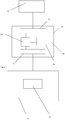
- FIG. 1 is a schematic diagram of a hardware independent peripheral control system 10.
- the system 10 includes a virtualised controller 20 that is executable by a processor 35 of a host system 30.
- the virtualised controller 20 When the virtualised controller 20 is executed by the processor 35 of the host system 30, it provides an input interface 21, an output interface 22, a communications processor 23 and a memory 24.
- the memory 24 stores data on one or more peripheral-specific instructions that can be used to control a peripheral 40 attached/connected to the host system, examples of which are discussed in greater detail below.
- the input interface 21 is configured to receive peripheral agnostic instructions from the host system 30.
- the processor 23 of the virtualised controller 20 Upon receiving the peripheral agnostic instruction(s) at the input interface 21, the processor 23 of the virtualised controller 20 is configured to generate corresponding peripheral specific instructions in dependence on the data in the memory 24 and output the corresponding peripheral specific instructions via the output interface 22 to the peripheral 40 via a physical connection (communication channel) 21 between the host system 30 and the peripheral 40.
- the term "physical connection" is intended to mean a connection that is ultimately non-virtual and could encompass wireless as well as wired connections.
- the virtualised controller is communications-oriented.
- the virtualised controller 20 generates peripheral specific instructions that correspond to those received at the input interface 21.
- the virtualised controller preferably also handles initialisation and error reporting - if a command is received that is to be written to a UART, for example, the virtualised controller 20 handles this and provides a positive return code if successful and an appropriate return code if the action is unsuccessful or not possible.
- Commands received at the input interface are preferably to be written in a generic assembler-like language, although they do not need to be atomic and a command may trigger multiple activities by the virtualised controller 20.
- the commands used to the input interface 21 are common to all supported peripherals (or at least all supported peripherals of a particular type - it may be that different hardware independent peripheral control systems 10 are used for different peripheral types/functions as a hardware independent peripheral control system 10 for handling communications via network interfaces over a wired or wireless network would potentially need a different command set to one handling display devices).
- the communications processor 23 may execute operations other than pure communications operations, these preferably are limited to peripheral support operations.
- the virtual run-time environment 31 is dedicated to providing a portable environment in which hardware independent input receives commands from a common command set that do not differ irrespective of the host system 30 or peripheral, the virtual run-time environment 31 transparently handling generation of corresponding peripheral specific instructions and communication of these to the peripheral via the relevant output interface 22.
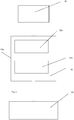
- Figure 2 is a schematic diagram illustrating selected aspects of the virtualised controller 20 in more detail.
- the host system 30 runs a virtual run-time environment 31.
- the virtual run-time environment may, in this embodiment, be provided so as to run on a bare metal system, within a Uboot environment, on a hypervisor, on an operating system or in some other environment.
- the virtualised controller 20, in this embodiment, is provided to the host system 30 as a binary on a carrier medium 50 such as an EEPROM, SD card, flash memory, SATA disk, USB storage device etc.) that the virtualised run-time environment 31 executes (under the control of the host's processor 35) to create the virtualised controller 20.
- the controller 20 By providing the virtualised controller 20 in this way, the controller itself can be written in a manner that is portable between different chipsets/processor instruction set architectures.
- the virtual run-time environment deals with chipset/processor instruction set issues that are unique to that host system and provides an abstract layer at which the virtualised controller 20 operates.
- the virtual machine architecture described is particularly small and requires limited resource overhead. It nevertheless provides substantial flexibility to system implementers as to devices that can be used (or embedded in the case of an embedded system) without prescribing specific hardware or functionality of the peripheral - indeed this opens up the possibility of supporting any existing peripheral (with or without features such as EDID support) and embodiments are also preferably extensible to support new peripherals that become known after deploying the virtualised controller.
- the only reason modification to the virtualised controller may be needed is if there are differences in the output interface(s) to the peripheral supported by the host system that do not map or require particular instructions from the output interface 22 of the virtualised controller 20.
- the source code or binary may divided or made modular with an API between them.
- core functionality is provided by the virtual machine layer 20a and an interfaces layer 20b.
- the virtual machine 10a provides the majority of the functionality of the virtualised controller 20 and does not change between chipsets, architectures etc (because any chipset or architecture supporting the virtual run-time environment will support the virtualised controller as it is written for and at the level of abstraction provided by the virtual run-time environment).
- the interfaces layer 20b can be varied to accommodate issues such as those described above without the remainder of the virtualised controller needing to be re-written.
- peripherals 40 or peripheral types may be controlled by the virtualised controller 20. It will furthermore be appreciated that the virtualised controller 20 may be provided with functionality to support multiple different peripherals of the same or different types.
- the virtualised controller may be extensible so that the range of peripherals, peripheral types or indeed operations supported for specific peripherals may be extended or changed over time. Preferably, this is achieved by replacing the virtualised controller itself with a more recent image. However, alternatively or additionally, this may be via a software update to the virtualised controller (for example it may update from a local file or data source on the host system 30 or from a remote file or data source over a data communication network).
- the physical connection (the communication channel between the host and peripheral) could be wired, wireless etc and may be addressed directly by the output interface 22 or via an interface or other components of the host system 30.
- the physical connection may be SPI, I2C, USB or another configuration channel that is available at the host system for communicating with displays or other devices.
- a driver or embedded system
- the peripheral may be the same or different (for example RGB, MIPI, LVDS etc for a display device).
- the virtual machine provides the display driver information on what interface is to used for embedded display and what are the properties. Where it is needed in advance of this for initialisation, the virtual machine is invoked and it abstracts configuration channel (SPI for example) so that the host system can trigger initialisation etc in a peripheral and hardware agnostic manner.
- the touchscreen related functions may use a different connection (such as SPI, USB, I2C) to the display.
- a different connection such as SPI, USB, I2C
- the virtual run-time environment 31 may be provided as a separate component to the virtualised controller 20. Both may be provided as compiled binaries and configured to inter-communicate during execution.
- the virtualised controller 20 may be interpreted or otherwise executed by the virtual run-time environment.
- the virtual run-time environment 31 and virtualised controller 20 may be provided and executed as a single component.
- Figure 3 is a schematic diagram illustrating selected aspects of the virtualised controller acting as a display system controller.
- the virtualised controller 20 provides a control environment for display systems and includes functionality and routines accessible by the host system 30 for initialising and subsequently interacting with the display system.
- the display system may be a touch-screen display system and/or a haptic system, the virtualised controller 20 providing a control environment for both the display system and the touch-screen or haptic system as needed.
- These systems can be supported as a collective unit (so the virtualised controller treats the display/touch-screen/haptic system as a single addressable system and sends them collective initialisation commands etc) or they may be supported as individual elements that are addressed separately. How the virtualised controller deals with peripherals does not need to be a concern to those interacting with the virtualised controller - they issue the peripheral agnostic commands and relaying these to the peripheral is handled transparently by the virtualised controller.
- the data in the memory 24 preferably includes a data repository 24a storing data on specific parameters and functions of display systems. Examples of such data include: ID Identifier for display system NAME Panel name REFRESH Refresh rate in Hz TFT_XRES X resolution of the panel TFT_YRES Y resolution of the panel PIXCLOCK Pixel clock - in picoseconds LEFT_MARGIN Left margin RIGHT_MARGIN Right margin UPPER_MARGIN Upper margin LOWER_MARGIN Lower margin HSYNC_LEN Hsync length VSNC_LEN Vsync length SYNC_MODES Sync signal modes. Bits description: * bit 7-3: Reserved * bit 2: HSYNC polarity.
- FB_SIZE Size of framebuffer needed for one frame (in Bytes).
- IF_TYPE Interface type Possible values: * 0: RGB parallel interface * 1: LVDS interface TFT_FW_START TFT firmware start pointer. If 0x00000000, there is no firmware. RESERVED Reserved. Reads OxFF or firmware content.
- PB_CHKSUM Panel block checksum Simple byte sum is used (including reserved area: 1020B).
- the data may include: TOUCH_PRESENT Presence of touch panel.
- the binary executed by the virtual machine is encoded on an EEPROM that is at or accessible to the host system.
- the host system's I2C bus is probed for EEPROM. If an EEPROM is found, a predetermined ID (DID) string is read from the EEPROM and a checksum is preferably calculated to ensure integrity of the virtual machine.
- DID predetermined ID
- TFT_FW_START Data needed by a display driver (Xres, Yres, margins, pixel clock, interface type,...) is then loaded and a virtual machine binary start pointer is read (TFT_FW_START). If the pointer is not 0x00000000, then the virtual machine is invoked. If it is 0x00000000, there is no binary needed for that particular display and the virtual machine is not loaded. A further check of the binary may then be made (for example of the header and checksum) before the virtual machine starts executing (example operations during execution are described below).
- commands are received from the host system 30 via the input interface 21.
- An example is set out below with comments explaining the effect of the agnostic commands in italics: IFACE SPI 0
- Commands may be as low level or high level as desired. For example, the above commands are closer in nature to assembler type commands but it will be appreciated that support could be provided for a series of such commands to be triggered with a higher level command.
- processor 23 of the virtualised controller 20 Upon receiving a command to initialise a display system, for example, processor 23 of the virtualised controller 20 identifies the display system connected to the host 30 and retrieves the data stored in the data repository 24a for the respective display system. It then retrieves initialisation routine from a routine repository 24b and uses the retrieved data and initialisation routine to create display specific instructions that are communicated over the interface designed in the data from the data repository (SPI, I2C, USB etc) to the display system 40 to set up the driver IC.
- SPI data repository
- the host system can then can start using the display system 40 by providing video data to the display system 40. This may be via the virtualised controller or the host may communicate directly with the peripheral at that point.
- the virtualised controller may provide EDID type data back to the host system so that even if the display itself did not supply EDID type data, the virtualised controller can provide it on its behalf.
- routines in the routine repository 24b may be written in an environment specific language (for example something similar to assembler) and translated within the controller to device specific commands.
- code e.g., a software algorithm or program
- firmware e.g., a software algorithm or program
- computer useable medium having control logic for enabling execution on a computer system having a computer processor.
- Such a computer system typically includes memory storage configured to provide output from execution of the code which configures a processor in accordance with the execution.
- the code can be arranged as firmware or software, and can be organized as a set of modules such as discrete code modules, function calls, procedure calls or objects in an object-oriented programming environment. If implemented using modules, the code can comprise a single module or a plurality of modules that operate in cooperation with one another.
Landscapes
- Engineering & Computer Science (AREA)
- Theoretical Computer Science (AREA)
- General Engineering & Computer Science (AREA)
- Physics & Mathematics (AREA)
- General Physics & Mathematics (AREA)
- Software Systems (AREA)
- Computer Hardware Design (AREA)
- Computer Security & Cryptography (AREA)
- Digital Computer Display Output (AREA)
- Stored Programmes (AREA)
Claims (15)
- Peripheres Steuerungssystem (10) zum Steuern einer Vielzahl unterschiedlicher Peripheriegeräte über einen peripheren agnostischen Instruktionssatz, wobei das System (10) gekennzeichnet ist durch:
eine virtualisierte Steuerung (20), die von einem Prozessor (35) eines Hostsystems (30) ausführbar ist, wobei die virtualisierte Steuerung (20), wenn sie vom Hostsystem (30) ausgeführt wird, eine virtuelle Eingabeschnittstelle (21), eine virtuelle Ausgabeschnittstelle (22), einen virtuellen Prozessor (23) und einen virtuellen Speicher (24), aufweist, wobei der virtuelle Speicher (24) Daten verschlüsselt auf einer oder mehreren peripheren spezifischen Instruktionen zum Steuern eines an das Hostsystem (30) angeschlossenen Peripheriegeräts, wobei die virtuelle Eingabeschnittstelle (21) konfiguriert ist, um periphere agnostische Instruktionen vom Hostsystem (30) zu empfangen, wobei beim Empfang der peripheren agnostischen Instruktionen an der virtuellen Eingabeschnittstelle (21) der virtuelle Prozessor (23) der virtualisierten Steuerung (20) konfiguriert ist, um in Abhängigkeit von den Daten im virtuellen Speicher (24) korrespondierende periphere spezifische Instruktionen zu erzeugen und die korrespondierenden peripheren spezifischen Instruktionen über die virtuelle Ausgabeschnittstelle (22) an das Peripheriegerät über eine physikalische Verbindung zwischen dem Hostsystem (30) und einem Peripheriegerät auszugeben. - System (10) nach Anspruch 1, wobei die physikalische Verbindung SPI, I2C oder UART aufweist.
- System (10) nach Anspruch 1 oder 2, wobei das Peripheriegerät eine Anzeigevorrichtung aufweist.
- System (10) nach Anspruch 3, wobei das Peripheriegerät eine eingebettete Anzeigevorrichtung aufweist.
- System (10) nach Anspruch 3 oder 4, wobei das Peripheriegerät eine Touchscreen-Vorrichtung aufweist.
- System (10) nach Anspruch 5, wobei die virtualisierte Steuerung (20) konfiguriert ist, um Touchscreen-spezifische Initialisierungs- und Steuerroutinen bereitzustellen, die von einem System/einer Architektur zu einem/einer anderen portierbar sind
- System (10) nach einem der vorhergehenden Ansprüche, wobei die virtualisierte Steuerung (20) konfiguriert ist, um eine Vielzahl verschiedener Peripheriegeräte und/oder Peripherietypen zu unterstützen.
- System (10) nach einem der vorhergehenden Ansprüche, wobei die virtualisierte Steuerung (20) erweiterbar ist, um neue Peripheriegeräte und/oder Peripherietypen zu unterstützen.
- System (10) nach einem der vorhergehenden Ansprüche, wobei die virtualisierte Steuerung (20) mehrere Schichten einschließlich einer Eingabe-/Ausgabe-Wrapper-Schicht aufweist, wobei nur die Eingabe-/Ausgabe-Wrapper-Schicht von der Architektur des Hostsystems abhängt, wobei der Rest der virtualisierten Steuerung eine abstrakte Architekturimplementierung aufweist, die sich beim Ändern der Architektur nicht ändert.
- System (10) nach einem der vorhergehenden Ansprüche, wobei die virtualisierte Steuerung (20) in einem EEPROM verschlüsselt ist, das sich beim Booten des Hostsystems auf dem Hostsystem befindet oder für dieses zugänglich ist.
- Anzeigesystem, aufweisend ein Hostsystem (30), ein peripheres Steuerungssystem (10), wie es in einem der vorhergehenden Ansprüche beansprucht ist, und eine Anzeige, wobei das periphere Steuerungssystem (10), wenn es vom Hostsystem (30) ausgeführt wird, konfiguriert ist, um als Zwischenschicht zwischen dem Host (30) und der Anzeige zu fungieren und um Anzeige agnostische Instruktionen, die in einer Anzeige agnostischen Sprache vom Host empfangen wurden, in Anweisungen zu übersetzen, die für die Anzeige spezifisch sind.
- Anzeigesystem nach Anspruch 11, wobei das periphere Steuerungssystem (30) weiterhin ein Datenarchiv von Anzeige spezifischen Instruktionen für verschiedene Anzeigen oder Anzeigetypen aufweist, wobei beim Umschalten der Anzeige auf eine neue Anzeige in dem Anzeigesystem das periphere Steuerungssystem konfiguriert ist, um zu Anweisungen, die für die neue Anzeige spezifisch sind, zu wechseln, die für das Hostsystem (30) transparent sind.
- Anzeigesystem nach Anspruch 11 oder 12, wobei die Anzeige ein Touchscreen-Anzeigesystem und/oder ein haptisches System ist, wobei das virtualisierte Steuerungssystem eine Steuerumgebung sowohl für das Anzeigesystem als auch für den Touchscreen- oder das haptische System bereitstellt, wobei die virtualisierte Steuerung (20) konfiguriert ist, um dem Hostsystem (30) die Anzeige und das Touchscreen- oder das haptische System als eine einzige adressierbare Einheit zu präsentieren.
- Verfahren zum Steuern einer Vielzahl verschiedener Peripheriegeräte über einen peripheren agnostischen Instruktionssatz, gekennzeichnet durch:Ausführen einer virtualisierten Steuerung (20) durch einen Prozessor (35) eines Host-Computersystems (30), wobei die virtualisierte Steuerung (20), wenn sie vom Hostsystem ausgeführt wird, eine virtuelle Eingabeschnittstelle (21), eine virtuelle Ausgabeschnittstelle (22), einen virtuellen Prozessor (23) und einen virtuellen Speicher (24) aufweist, wobei der virtuelle Speicher (24) Daten verschlüsselt auf einer oder mehreren peripheren spezifischen Instruktionen zum Steuern eines an das Hostsystem (30) angeschlossenen Peripheriegeräts;Empfangen von peripheren agnostischen Instruktionen vom Hostsystem (30) an der Eingabeschnittstelle (21);Beim Empfang der peripheren agnostischen Instruktionen an der virtuellen Eingabeschnittstelle (21), Erzeugen, durch den virtuellen Prozessor (23) der virtualisierten Steuerung (20), von korrespondierenden peripheren spezifischen Instruktionen in Abhängigkeit von den Daten im virtuellen Speicher (24); undAusgeben der korrespondierenden peripheren spezifischen Instruktionen über die virtuelle Ausgabeschnittstelle (22) an das Peripheriegerät über eine physikalische Verbindung zwischen dem Hostsystem (30) und einem Peripheriegerät.
- Computerprogramm, aufweisend Computerprogrammcode-Mittel zum Ausführen der Schritte nach Anspruch 14, wenn das Programm auf einem Host-Computer ausgeführt wird.
Applications Claiming Priority (1)
| Application Number | Priority Date | Filing Date | Title |
|---|---|---|---|
| GBGB1718259.3A GB201718259D0 (en) | 2017-11-03 | 2017-11-03 | Hardware independent peripheral control system and method |
Publications (3)
| Publication Number | Publication Date |
|---|---|
| EP3480703A1 EP3480703A1 (de) | 2019-05-08 |
| EP3480703B1 true EP3480703B1 (de) | 2020-10-14 |
| EP3480703B8 EP3480703B8 (de) | 2020-12-16 |
Family
ID=60664689
Family Applications (1)
| Application Number | Title | Priority Date | Filing Date |
|---|---|---|---|
| EP18275170.1A Active EP3480703B8 (de) | 2017-11-03 | 2018-11-05 | Hardwareunabhängiges peripheres steuerungssystem und -verfahren |
Country Status (3)
| Country | Link |
|---|---|
| US (1) | US10762004B2 (de) |
| EP (1) | EP3480703B8 (de) |
| GB (1) | GB201718259D0 (de) |
Families Citing this family (1)
| Publication number | Priority date | Publication date | Assignee | Title |
|---|---|---|---|---|
| US12217051B2 (en) * | 2022-12-22 | 2025-02-04 | Red Hat, Inc. | Device to build programs on alternative CPU architectures and a method thereof |
Family Cites Families (10)
| Publication number | Priority date | Publication date | Assignee | Title |
|---|---|---|---|---|
| US6044428A (en) * | 1998-03-17 | 2000-03-28 | Fairchild Semiconductor Corporation | Configurable universal serial bus node |
| US6233640B1 (en) | 1999-03-19 | 2001-05-15 | In-System Design, Inc. | Universal serial bus peripheral bridge with sequencer |
| US6952831B1 (en) | 1999-02-26 | 2005-10-04 | Microsoft Corporation | Driverless printing |
| US6907482B2 (en) * | 2001-12-13 | 2005-06-14 | Microsoft Corporation | Universal graphic adapter for interfacing with hardware and means for encapsulating and abstracting details of the hardware |
| US7911473B2 (en) * | 2004-10-18 | 2011-03-22 | Genesis Microchip Inc. | Method for acquiring extended display identification data (EDID) in a powered down EDID compliant display controller |
| US8332849B2 (en) * | 2008-05-30 | 2012-12-11 | Lsi Corporation | Paravirtualization acceleration through single root I/O virtualization |
| CN101581964B (zh) | 2009-06-22 | 2011-05-11 | 威盛电子股份有限公司 | 计算机系统及外围设备驱动方法 |
| US8707417B1 (en) * | 2012-02-14 | 2014-04-22 | Trend Micro, Inc. | Driver domain as security monitor in virtualization environment |
| CN104950839A (zh) | 2015-04-30 | 2015-09-30 | 张陵 | 一种交换机控制方法及装置 |
| US10108559B2 (en) | 2015-06-17 | 2018-10-23 | Xitron LLC | Apparatus for transmitting data through the universal serial bus, converting to SCSI protocols for computer peripherals |
-
2017
- 2017-11-03 GB GBGB1718259.3A patent/GB201718259D0/en not_active Ceased
-
2018
- 2018-11-05 US US16/180,531 patent/US10762004B2/en active Active
- 2018-11-05 EP EP18275170.1A patent/EP3480703B8/de active Active
Non-Patent Citations (1)
| Title |
|---|
| None * |
Also Published As
| Publication number | Publication date |
|---|---|
| US20190138460A1 (en) | 2019-05-09 |
| EP3480703A1 (de) | 2019-05-08 |
| GB201718259D0 (en) | 2017-12-20 |
| US10762004B2 (en) | 2020-09-01 |
| EP3480703B8 (de) | 2020-12-16 |
Similar Documents
| Publication | Publication Date | Title |
|---|---|---|
| US6907482B2 (en) | Universal graphic adapter for interfacing with hardware and means for encapsulating and abstracting details of the hardware | |
| US10067777B2 (en) | Supporting multiple operating system environments in computing device without contents conversion | |
| CN101714091B (zh) | 用于在操作系统初始化期间显示平台图形的方法和系统 | |
| CN103941436B (zh) | 一种显示模组测试与展示系统及其使用方法 | |
| US20190220291A1 (en) | Disk Management Method and Apparatus in ARM Device and ARM Device | |
| US20100251233A1 (en) | Embedded computing system user interface emulated on a separate computing device | |
| US20190102130A1 (en) | Smart simulator for extended display identification data | |
| CN109936716B (zh) | 一种显示驱动的实现方法及系统 | |
| KR102437567B1 (ko) | 애플리케이션 프로세서의 동작 방법 및 디스플레이 시스템 | |
| CN119621494A (zh) | 一种显示方法及计算设备 | |
| US10762004B2 (en) | Hardware independent peripheral control system and method | |
| CN111752623B (zh) | 显示配置方法、装置、电子设备及可读存储介质 | |
| CN108037964A (zh) | 一种设置分辨率的方法、存储介质及智能设备 | |
| US20240176624A1 (en) | Computing devices and method and computing device for initializing a computing device | |
| US20210089486A1 (en) | Information processing system and information processing method | |
| CN109656577B (zh) | 一种工控机自定义rom的方法及装置 | |
| CN110413318A (zh) | 图形化操作系统的移植方法、装置和相关设备 | |
| EP3698244B1 (de) | Elektronische vorrichtung und steuerungsverfahren dafür | |
| US7657897B2 (en) | Methods and apparatus for communicating between multiple levels of software components | |
| CN114127685A (zh) | 电子设备及其控制方法 | |
| CN204614421U (zh) | 液晶显示系统 | |
| CN114610299A (zh) | 一种混合电源显示程序的编程方法、系统及电子设备 | |
| CN113656143A (zh) | 一种实现安卓容器直通显卡的方法及系统 | |
| CN204577068U (zh) | 一种液晶显示系统 | |
| CN116257202A (zh) | 一种pmon固件控制系统显示分辨率方法及装置 |
Legal Events
| Date | Code | Title | Description |
|---|---|---|---|
| PUAI | Public reference made under article 153(3) epc to a published international application that has entered the european phase |
Free format text: ORIGINAL CODE: 0009012 |
|
| STAA | Information on the status of an ep patent application or granted ep patent |
Free format text: STATUS: THE APPLICATION HAS BEEN PUBLISHED |
|
| AK | Designated contracting states |
Kind code of ref document: A1 Designated state(s): AL AT BE BG CH CY CZ DE DK EE ES FI FR GB GR HR HU IE IS IT LI LT LU LV MC MK MT NL NO PL PT RO RS SE SI SK SM TR |
|
| AX | Request for extension of the european patent |
Extension state: BA ME |
|
| STAA | Information on the status of an ep patent application or granted ep patent |
Free format text: STATUS: REQUEST FOR EXAMINATION WAS MADE |
|
| 17P | Request for examination filed |
Effective date: 20191108 |
|
| RBV | Designated contracting states (corrected) |
Designated state(s): AL AT BE BG CH CY CZ DE DK EE ES FI FR GB GR HR HU IE IS IT LI LT LU LV MC MK MT NL NO PL PT RO RS SE SI SK SM TR |
|
| GRAP | Despatch of communication of intention to grant a patent |
Free format text: ORIGINAL CODE: EPIDOSNIGR1 |
|
| STAA | Information on the status of an ep patent application or granted ep patent |
Free format text: STATUS: GRANT OF PATENT IS INTENDED |
|
| RIC1 | Information provided on ipc code assigned before grant |
Ipc: G06F 13/10 20060101AFI20200421BHEP |
|
| INTG | Intention to grant announced |
Effective date: 20200507 |
|
| GRAS | Grant fee paid |
Free format text: ORIGINAL CODE: EPIDOSNIGR3 |
|
| GRAA | (expected) grant |
Free format text: ORIGINAL CODE: 0009210 |
|
| STAA | Information on the status of an ep patent application or granted ep patent |
Free format text: STATUS: THE PATENT HAS BEEN GRANTED |
|
| AK | Designated contracting states |
Kind code of ref document: B1 Designated state(s): AL AT BE BG CH CY CZ DE DK EE ES FI FR GB GR HR HU IE IS IT LI LT LU LV MC MK MT NL NO PL PT RO RS SE SI SK SM TR |
|
| REG | Reference to a national code |
Ref country code: GB Ref legal event code: FG4D |
|
| REG | Reference to a national code |
Ref country code: AT Ref legal event code: REF Ref document number: 1324258 Country of ref document: AT Kind code of ref document: T Effective date: 20201015 Ref country code: CH Ref legal event code: EP |
|
| REG | Reference to a national code |
Ref country code: DE Ref legal event code: R096 Ref document number: 602018008722 Country of ref document: DE |
|
| REG | Reference to a national code |
Ref country code: IE Ref legal event code: FG4D |
|
| RAP2 | Party data changed (patent owner data changed or rights of a patent transferred) |
Owner name: QUIXANT PLC |
|
| REG | Reference to a national code |
Ref country code: CH Ref legal event code: PK Free format text: BERICHTIGUNG B8 |
|
| REG | Reference to a national code |
Ref country code: NL Ref legal event code: PD Owner name: QUIXANT PLC; GB Free format text: DETAILS ASSIGNMENT: CHANGE OF OWNER(S), ASSIGNMENT; FORMER OWNER NAME: DENSITRON TECHNOLOGIES LTD Effective date: 20201208 |
|
| REG | Reference to a national code |
Ref country code: NL Ref legal event code: FP |
|
| REG | Reference to a national code |
Ref country code: AT Ref legal event code: MK05 Ref document number: 1324258 Country of ref document: AT Kind code of ref document: T Effective date: 20201014 |
|
| PG25 | Lapsed in a contracting state [announced via postgrant information from national office to epo] |
Ref country code: FI Free format text: LAPSE BECAUSE OF FAILURE TO SUBMIT A TRANSLATION OF THE DESCRIPTION OR TO PAY THE FEE WITHIN THE PRESCRIBED TIME-LIMIT Effective date: 20201014 Ref country code: RS Free format text: LAPSE BECAUSE OF FAILURE TO SUBMIT A TRANSLATION OF THE DESCRIPTION OR TO PAY THE FEE WITHIN THE PRESCRIBED TIME-LIMIT Effective date: 20201014 Ref country code: PT Free format text: LAPSE BECAUSE OF FAILURE TO SUBMIT A TRANSLATION OF THE DESCRIPTION OR TO PAY THE FEE WITHIN THE PRESCRIBED TIME-LIMIT Effective date: 20210215 Ref country code: NO Free format text: LAPSE BECAUSE OF FAILURE TO SUBMIT A TRANSLATION OF THE DESCRIPTION OR TO PAY THE FEE WITHIN THE PRESCRIBED TIME-LIMIT Effective date: 20210114 Ref country code: GR Free format text: LAPSE BECAUSE OF FAILURE TO SUBMIT A TRANSLATION OF THE DESCRIPTION OR TO PAY THE FEE WITHIN THE PRESCRIBED TIME-LIMIT Effective date: 20210115 |
|
| REG | Reference to a national code |
Ref country code: LT Ref legal event code: MG4D |
|
| PG25 | Lapsed in a contracting state [announced via postgrant information from national office to epo] |
Ref country code: AT Free format text: LAPSE BECAUSE OF FAILURE TO SUBMIT A TRANSLATION OF THE DESCRIPTION OR TO PAY THE FEE WITHIN THE PRESCRIBED TIME-LIMIT Effective date: 20201014 Ref country code: ES Free format text: LAPSE BECAUSE OF FAILURE TO SUBMIT A TRANSLATION OF THE DESCRIPTION OR TO PAY THE FEE WITHIN THE PRESCRIBED TIME-LIMIT Effective date: 20201014 Ref country code: PL Free format text: LAPSE BECAUSE OF FAILURE TO SUBMIT A TRANSLATION OF THE DESCRIPTION OR TO PAY THE FEE WITHIN THE PRESCRIBED TIME-LIMIT Effective date: 20201014 Ref country code: LV Free format text: LAPSE BECAUSE OF FAILURE TO SUBMIT A TRANSLATION OF THE DESCRIPTION OR TO PAY THE FEE WITHIN THE PRESCRIBED TIME-LIMIT Effective date: 20201014 Ref country code: IS Free format text: LAPSE BECAUSE OF FAILURE TO SUBMIT A TRANSLATION OF THE DESCRIPTION OR TO PAY THE FEE WITHIN THE PRESCRIBED TIME-LIMIT Effective date: 20210214 Ref country code: SE Free format text: LAPSE BECAUSE OF FAILURE TO SUBMIT A TRANSLATION OF THE DESCRIPTION OR TO PAY THE FEE WITHIN THE PRESCRIBED TIME-LIMIT Effective date: 20201014 Ref country code: BG Free format text: LAPSE BECAUSE OF FAILURE TO SUBMIT A TRANSLATION OF THE DESCRIPTION OR TO PAY THE FEE WITHIN THE PRESCRIBED TIME-LIMIT Effective date: 20210114 |
|
| PG25 | Lapsed in a contracting state [announced via postgrant information from national office to epo] |
Ref country code: HR Free format text: LAPSE BECAUSE OF FAILURE TO SUBMIT A TRANSLATION OF THE DESCRIPTION OR TO PAY THE FEE WITHIN THE PRESCRIBED TIME-LIMIT Effective date: 20201014 |
|
| REG | Reference to a national code |
Ref country code: DE Ref legal event code: R097 Ref document number: 602018008722 Country of ref document: DE |
|
| PG25 | Lapsed in a contracting state [announced via postgrant information from national office to epo] |
Ref country code: EE Free format text: LAPSE BECAUSE OF FAILURE TO SUBMIT A TRANSLATION OF THE DESCRIPTION OR TO PAY THE FEE WITHIN THE PRESCRIBED TIME-LIMIT Effective date: 20201014 Ref country code: CZ Free format text: LAPSE BECAUSE OF FAILURE TO SUBMIT A TRANSLATION OF THE DESCRIPTION OR TO PAY THE FEE WITHIN THE PRESCRIBED TIME-LIMIT Effective date: 20201014 Ref country code: SK Free format text: LAPSE BECAUSE OF FAILURE TO SUBMIT A TRANSLATION OF THE DESCRIPTION OR TO PAY THE FEE WITHIN THE PRESCRIBED TIME-LIMIT Effective date: 20201014 Ref country code: SM Free format text: LAPSE BECAUSE OF FAILURE TO SUBMIT A TRANSLATION OF THE DESCRIPTION OR TO PAY THE FEE WITHIN THE PRESCRIBED TIME-LIMIT Effective date: 20201014 Ref country code: RO Free format text: LAPSE BECAUSE OF FAILURE TO SUBMIT A TRANSLATION OF THE DESCRIPTION OR TO PAY THE FEE WITHIN THE PRESCRIBED TIME-LIMIT Effective date: 20201014 Ref country code: MC Free format text: LAPSE BECAUSE OF FAILURE TO SUBMIT A TRANSLATION OF THE DESCRIPTION OR TO PAY THE FEE WITHIN THE PRESCRIBED TIME-LIMIT Effective date: 20201014 Ref country code: LU Free format text: LAPSE BECAUSE OF NON-PAYMENT OF DUE FEES Effective date: 20201105 Ref country code: LT Free format text: LAPSE BECAUSE OF FAILURE TO SUBMIT A TRANSLATION OF THE DESCRIPTION OR TO PAY THE FEE WITHIN THE PRESCRIBED TIME-LIMIT Effective date: 20201014 |
|
| REG | Reference to a national code |
Ref country code: BE Ref legal event code: MM Effective date: 20201130 |
|
| PLBE | No opposition filed within time limit |
Free format text: ORIGINAL CODE: 0009261 |
|
| STAA | Information on the status of an ep patent application or granted ep patent |
Free format text: STATUS: NO OPPOSITION FILED WITHIN TIME LIMIT |
|
| PG25 | Lapsed in a contracting state [announced via postgrant information from national office to epo] |
Ref country code: DK Free format text: LAPSE BECAUSE OF FAILURE TO SUBMIT A TRANSLATION OF THE DESCRIPTION OR TO PAY THE FEE WITHIN THE PRESCRIBED TIME-LIMIT Effective date: 20201014 |
|
| 26N | No opposition filed |
Effective date: 20210715 |
|
| PG25 | Lapsed in a contracting state [announced via postgrant information from national office to epo] |
Ref country code: IE Free format text: LAPSE BECAUSE OF NON-PAYMENT OF DUE FEES Effective date: 20201105 Ref country code: IT Free format text: LAPSE BECAUSE OF FAILURE TO SUBMIT A TRANSLATION OF THE DESCRIPTION OR TO PAY THE FEE WITHIN THE PRESCRIBED TIME-LIMIT Effective date: 20201014 Ref country code: AL Free format text: LAPSE BECAUSE OF FAILURE TO SUBMIT A TRANSLATION OF THE DESCRIPTION OR TO PAY THE FEE WITHIN THE PRESCRIBED TIME-LIMIT Effective date: 20201014 |
|
| PG25 | Lapsed in a contracting state [announced via postgrant information from national office to epo] |
Ref country code: SI Free format text: LAPSE BECAUSE OF FAILURE TO SUBMIT A TRANSLATION OF THE DESCRIPTION OR TO PAY THE FEE WITHIN THE PRESCRIBED TIME-LIMIT Effective date: 20201014 |
|
| PGFP | Annual fee paid to national office [announced via postgrant information from national office to epo] |
Ref country code: NL Payment date: 20211118 Year of fee payment: 4 Ref country code: FR Payment date: 20211130 Year of fee payment: 4 Ref country code: DE Payment date: 20211122 Year of fee payment: 4 |
|
| PG25 | Lapsed in a contracting state [announced via postgrant information from national office to epo] |
Ref country code: IS Free format text: LAPSE BECAUSE OF FAILURE TO SUBMIT A TRANSLATION OF THE DESCRIPTION OR TO PAY THE FEE WITHIN THE PRESCRIBED TIME-LIMIT Effective date: 20210214 Ref country code: TR Free format text: LAPSE BECAUSE OF FAILURE TO SUBMIT A TRANSLATION OF THE DESCRIPTION OR TO PAY THE FEE WITHIN THE PRESCRIBED TIME-LIMIT Effective date: 20201014 Ref country code: MT Free format text: LAPSE BECAUSE OF FAILURE TO SUBMIT A TRANSLATION OF THE DESCRIPTION OR TO PAY THE FEE WITHIN THE PRESCRIBED TIME-LIMIT Effective date: 20201014 Ref country code: CY Free format text: LAPSE BECAUSE OF FAILURE TO SUBMIT A TRANSLATION OF THE DESCRIPTION OR TO PAY THE FEE WITHIN THE PRESCRIBED TIME-LIMIT Effective date: 20201014 |
|
| PG25 | Lapsed in a contracting state [announced via postgrant information from national office to epo] |
Ref country code: MK Free format text: LAPSE BECAUSE OF FAILURE TO SUBMIT A TRANSLATION OF THE DESCRIPTION OR TO PAY THE FEE WITHIN THE PRESCRIBED TIME-LIMIT Effective date: 20201014 |
|
| REG | Reference to a national code |
Ref country code: CH Ref legal event code: PL |
|
| PG25 | Lapsed in a contracting state [announced via postgrant information from national office to epo] |
Ref country code: BE Free format text: LAPSE BECAUSE OF NON-PAYMENT OF DUE FEES Effective date: 20201130 |
|
| PG25 | Lapsed in a contracting state [announced via postgrant information from national office to epo] |
Ref country code: LI Free format text: LAPSE BECAUSE OF NON-PAYMENT OF DUE FEES Effective date: 20211130 Ref country code: CH Free format text: LAPSE BECAUSE OF NON-PAYMENT OF DUE FEES Effective date: 20211130 |
|
| REG | Reference to a national code |
Ref country code: DE Ref legal event code: R119 Ref document number: 602018008722 Country of ref document: DE |
|
| REG | Reference to a national code |
Ref country code: NL Ref legal event code: MM Effective date: 20221201 |
|
| GBPC | Gb: european patent ceased through non-payment of renewal fee |
Effective date: 20221105 |
|
| PG25 | Lapsed in a contracting state [announced via postgrant information from national office to epo] |
Ref country code: NL Free format text: LAPSE BECAUSE OF NON-PAYMENT OF DUE FEES Effective date: 20221201 |
|
| PG25 | Lapsed in a contracting state [announced via postgrant information from national office to epo] |
Ref country code: GB Free format text: LAPSE BECAUSE OF NON-PAYMENT OF DUE FEES Effective date: 20221105 Ref country code: DE Free format text: LAPSE BECAUSE OF NON-PAYMENT OF DUE FEES Effective date: 20230601 |
|
| PG25 | Lapsed in a contracting state [announced via postgrant information from national office to epo] |
Ref country code: FR Free format text: LAPSE BECAUSE OF NON-PAYMENT OF DUE FEES Effective date: 20221130 |