EP3478747B1 - Poly(cyclische iminoether) - Google Patents
Poly(cyclische iminoether) Download PDFInfo
- Publication number
- EP3478747B1 EP3478747B1 EP17737761.1A EP17737761A EP3478747B1 EP 3478747 B1 EP3478747 B1 EP 3478747B1 EP 17737761 A EP17737761 A EP 17737761A EP 3478747 B1 EP3478747 B1 EP 3478747B1
- Authority
- EP
- European Patent Office
- Prior art keywords
- copolymer
- fragment
- ini
- nuc
- optionally substituted
- Prior art date
- Legal status (The legal status is an assumption and is not a legal conclusion. Google has not performed a legal analysis and makes no representation as to the accuracy of the status listed.)
- Active
Links
Images




Classifications
-
- A—HUMAN NECESSITIES
- A61—MEDICAL OR VETERINARY SCIENCE; HYGIENE
- A61K—PREPARATIONS FOR MEDICAL, DENTAL OR TOILETRY PURPOSES
- A61K47/00—Medicinal preparations characterised by the non-active ingredients used, e.g. carriers or inert additives; Targeting or modifying agents chemically bound to the active ingredient
- A61K47/50—Medicinal preparations characterised by the non-active ingredients used, e.g. carriers or inert additives; Targeting or modifying agents chemically bound to the active ingredient the non-active ingredient being chemically bound to the active ingredient, e.g. polymer-drug conjugates
- A61K47/51—Medicinal preparations characterised by the non-active ingredients used, e.g. carriers or inert additives; Targeting or modifying agents chemically bound to the active ingredient the non-active ingredient being chemically bound to the active ingredient, e.g. polymer-drug conjugates the non-active ingredient being a modifying agent
- A61K47/56—Medicinal preparations characterised by the non-active ingredients used, e.g. carriers or inert additives; Targeting or modifying agents chemically bound to the active ingredient the non-active ingredient being chemically bound to the active ingredient, e.g. polymer-drug conjugates the non-active ingredient being a modifying agent the modifying agent being an organic macromolecular compound, e.g. an oligomeric, polymeric or dendrimeric molecule
- A61K47/59—Medicinal preparations characterised by the non-active ingredients used, e.g. carriers or inert additives; Targeting or modifying agents chemically bound to the active ingredient the non-active ingredient being chemically bound to the active ingredient, e.g. polymer-drug conjugates the non-active ingredient being a modifying agent the modifying agent being an organic macromolecular compound, e.g. an oligomeric, polymeric or dendrimeric molecule obtained otherwise than by reactions only involving carbon-to-carbon unsaturated bonds, e.g. polyureas or polyurethanes
-
- A—HUMAN NECESSITIES
- A61—MEDICAL OR VETERINARY SCIENCE; HYGIENE
- A61K—PREPARATIONS FOR MEDICAL, DENTAL OR TOILETRY PURPOSES
- A61K47/00—Medicinal preparations characterised by the non-active ingredients used, e.g. carriers or inert additives; Targeting or modifying agents chemically bound to the active ingredient
- A61K47/50—Medicinal preparations characterised by the non-active ingredients used, e.g. carriers or inert additives; Targeting or modifying agents chemically bound to the active ingredient the non-active ingredient being chemically bound to the active ingredient, e.g. polymer-drug conjugates
- A61K47/69—Medicinal preparations characterised by the non-active ingredients used, e.g. carriers or inert additives; Targeting or modifying agents chemically bound to the active ingredient the non-active ingredient being chemically bound to the active ingredient, e.g. polymer-drug conjugates the conjugate being characterised by physical or galenical forms, e.g. emulsion, particle, inclusion complex, stent or kit
- A61K47/6905—Medicinal preparations characterised by the non-active ingredients used, e.g. carriers or inert additives; Targeting or modifying agents chemically bound to the active ingredient the non-active ingredient being chemically bound to the active ingredient, e.g. polymer-drug conjugates the conjugate being characterised by physical or galenical forms, e.g. emulsion, particle, inclusion complex, stent or kit the form being a colloid or an emulsion
- A61K47/6907—Medicinal preparations characterised by the non-active ingredients used, e.g. carriers or inert additives; Targeting or modifying agents chemically bound to the active ingredient the non-active ingredient being chemically bound to the active ingredient, e.g. polymer-drug conjugates the conjugate being characterised by physical or galenical forms, e.g. emulsion, particle, inclusion complex, stent or kit the form being a colloid or an emulsion the form being a microemulsion, nanoemulsion or micelle
-
- A—HUMAN NECESSITIES
- A61—MEDICAL OR VETERINARY SCIENCE; HYGIENE
- A61K—PREPARATIONS FOR MEDICAL, DENTAL OR TOILETRY PURPOSES
- A61K48/00—Medicinal preparations containing genetic material which is inserted into cells of the living body to treat genetic diseases; Gene therapy
- A61K48/0008—Medicinal preparations containing genetic material which is inserted into cells of the living body to treat genetic diseases; Gene therapy characterised by an aspect of the 'non-active' part of the composition delivered, e.g. wherein such 'non-active' part is not delivered simultaneously with the 'active' part of the composition
-
- C—CHEMISTRY; METALLURGY
- C08—ORGANIC MACROMOLECULAR COMPOUNDS; THEIR PREPARATION OR CHEMICAL WORKING-UP; COMPOSITIONS BASED THEREON
- C08G—MACROMOLECULAR COMPOUNDS OBTAINED OTHERWISE THAN BY REACTIONS ONLY INVOLVING UNSATURATED CARBON-TO-CARBON BONDS
- C08G73/00—Macromolecular compounds obtained by reactions forming a linkage containing nitrogen with or without oxygen or carbon in the main chain of the macromolecule, not provided for in groups C08G12/00 - C08G71/00
- C08G73/02—Polyamines
- C08G73/0233—Polyamines derived from (poly)oxazolines, (poly)oxazines or having pendant acyl groups
-
- C—CHEMISTRY; METALLURGY
- C12—BIOCHEMISTRY; BEER; SPIRITS; WINE; VINEGAR; MICROBIOLOGY; ENZYMOLOGY; MUTATION OR GENETIC ENGINEERING
- C12N—MICROORGANISMS OR ENZYMES; COMPOSITIONS THEREOF; PROPAGATING, PRESERVING, OR MAINTAINING MICROORGANISMS; MUTATION OR GENETIC ENGINEERING; CULTURE MEDIA
- C12N15/00—Mutation or genetic engineering; DNA or RNA concerning genetic engineering, vectors, e.g. plasmids, or their isolation, preparation or purification; Use of hosts therefor
- C12N15/09—Recombinant DNA-technology
- C12N15/87—Introduction of foreign genetic material using processes not otherwise provided for, e.g. co-transformation
Definitions
- the present invention relates to poly(cyclic imino ether)s. More particularly, the invention relates to statistical copolymers of 2-oxazoline monomers and 2-oxazine monomers.
- copolymers of the present invention exhibit useful properties that can be exploited in the medical field, especially polymer therapeutics such as micellar drug delivery systems and polyplexes.
- the invention also provides a method of preparing a statistical copolymer by cationic ring-opening polymerization of a monomeric reaction mixture comprising an optionally 2-substituted 2-oxazoline and an optionally 2-substituted 2-oxazine.
- Polymer therapeutics include rationally designed macromolecular drugs, polymer-drug and polymer-protein conjugates, polymeric micelles containing covalently or noncovalently bound drug, and polyplexes for DNA delivery.
- Polymer micelles have been used widely in the delivery of various therapeutic drugs.
- Polymer micelles consisting of amphiphilic block copolymers form a hydrophobic core, in which lipophilic drugs can be physically incorporated.
- Hydrophilic blocks or segments generate water-friendly corona and encapsulate the hydrophobic core. In this way, poorly soluble drugs can be successfully solubilized in aqueous media.
- Gene therapy is a promising new tool to treat some diseases that currently are incurable such as, genetic disorders, cancer diseases and some retinal diseases.
- the basic idea in gene therapy is straightforward: the failure to produce some protein coded by a defective gene is overcome by delivering a new intact gene into the nucleus of the cells. Since naked DNA as such is not usually efficiently internalized by cells, a carrier system (vector) is needed for gene delivery. Delivery methodologies have included the use of recombinant viruses and synthetic materials, especially cationic polymers. While viruses are the most efficient delivery vehicles currently available, polymers exhibit several properties - including very flexible chemistry, potential for biocompatibility, simplicity, and inexpensive synthesis - that make them excellent candidates for the gene delivery vehicles.
- Stimuli-responsive polymers have great potential as nonviral vectors to obtain site-, timing-, and duration period-specific gene expression.
- Stimuli responsive polymers have sharp and reversible responses to small changes in environmental conditions such as temperature, pH, light, ionic strength, electric and magnetic fields, and they have emerged as a class of materials known as "smart" materials.
- pH- and temperature-responsive polymers are the two most popular members of the intelligent polymer systems. Polymers having pH responsivity character generally consist of a hydrophobic monomer and an ionizable comonomer having more hydrophilic nature. Change in pH and therefore in the net charge causes the phase change depending on hydrophobic and hydrophilic balance of the copolymer.
- Typical examples are the copolymers of methylmethacrylate (MMA) with methacrylic acid (MAc) or dimethylaminoethyl methacrylate (DMAEMA).
- MMA is the hydrophobic section while MAc is the hydrophilic part of the chains.
- MAc is hydrophilic at high pH when COOH groups are deprotonated, but becomes more hydrophobic when -COOH groups are protonated.
- the copolymers of MMA with DMAEMA which is hydrophilic at low pH, when amino groups are protonated but more hydrophobic when amino groups are deprotonated. These copolymers are soluble at low pH but precipitate at slightly alkaline conditions.
- Poly(cyclic imino ether)s of various architectures and chemical functionalities can be prepared in a living and therefore controlled manner via cationic ring-opening polymerization (CROP).
- 2-Oxazolines are 5-membered cyclic imino ethers whose cationic ring-opening polymerization mechanism and resulting polymer properties have been extensively studied.
- 6-membered cyclic imino ethers (2-oxazines) and 7-membered cyclic imino ethers (2-oxazepines) can be polymerized via CROP
- Polyoxazolines have found widespread applications, ranging from coatings to pigment dispersants. Furthermore, several polyoxazolines are water-soluble or amphiphilic and relatively non-toxic, which makes them interesting as biomaterials.
- Hruby et al. Polyoxazoline Thermoresponsive Micelles as Radionuclide Delivery Systems, Macromol. Biosci. 2010, 10(8), 916-924 ) describe the synthesis of ABA triblock copolymers poly[2-methyl-2-oxazoline-block-(2-isopropyl-2-oxazoline-co-2-butyl-2-oxazoline)-block-2-methyl-2-oxazoline].
- the phenolic moiety introduced into the copolymer allowed radionuclide labeling with iodine-125 ongoing in good yield with sufficient in vitro stability under model conditions.
- WO 2009.156180 describes polymeric delivery systems for active agents comprising:
- WO 2013/103297 relates to poly(2-oxazoline) polymers.
- Example 4 describes copolymerization of (2-methoxycarbonylethyl)-2-oxazoline with 2-ethyl-2-oxazoline or 2-methyl-2-oxazoline to produce a statistical copolymer.
- thermoresponsive poly(2-oxazoline) gradient copolymers a time-resolved SANS study, Colloid Polym Sci (2014) 292:2413-2425 ) describe the synthesis of gradient copolymers of iso-propyl-2-oxazoline and n-nonyl-2-oxazoline.
- Block copolymers of oxazolines and oxazines are also known.
- Bloksma et al. Poly(cyclic imino ether)s Beyond 2-Substituted-2-oxazolines, Macromol. Rapid Commun. 2011, 32, 1419-1441 ) provide an overview on the polymerizations of 2-oxazine (2-OZI) and chiral 4- and 5-substituted 2-oxazoline (2-OZO) as well as of selected properties of the resulting polymers.
- US 5,854,331 describes block copolymers of oxazolines and oxazines as pigment dispersants and their use in ink jet inks.
- the block polymer dispersants are selected from the group consisting of AB, ABA, and BAB block copolymers wherein the A block is hydrophobic, and the B block is hydrophilic; said block polymeric dispersant being comprised of monomers selected from the group consisting of 2-substituted oxazoline monomers, 2-substituted oxazine monomers, and mixtures thereof.
- poly(cyclic imino ether)s having desirable properties can be produced without great difficulty by statistical polymerization of a monomeric reaction mixture that contains 2-oxazoline monomer as well as 2-oxazine monomer.
- one aspect of the invention relates to a statistical copolymer represented by the following formula (I): Ini-[Ox] m -[Oz] n -Nuc (I) wherein:
- the statistical copolymers of the present invention exhibit useful properties that can be exploited in the medical field, especially in polymer micelles for drug delivery and polyplexes for DNA delivery.
- the present invention also provides a method of preparing a statistical copolymer, said method comprising cationic ring-opening polymerization of a monomeric reaction mixture comprising an optionally 2-substituted 2-oxazoline and an optionally 2-substituted 2-oxazine in a molar ratio in the range of 3:97 to 97:3, wherein the optional substituent in the 2-position of each of the 2-substituted-2-oxazoline and the 2-substituted-2-oxazine is independently selected from C 1-12 alkyl, optionally substituted cycloalkyl, optionally substituted aralkyl or optionally substituted aryl.
- the inventors have found that the monomeric composition of the statistical copolymer and consequently the properties of the copolymer can easily be manipulated by selecting different combinations of optionally 2-substituted 2-oxazoline and optionally 2-substituted 2-oxazine. Both the substituent in the 2-position of the 2-oxazoline and the substituent in the 2-position of the 2-oxazine have a significant effect on the participation of these monomers in the copolymerization reaction.
- random copolymers may be produced, for instance, by selecting a 2-substituted-2-oxazoline and a 2-substituted-2-oxazine that are equally reactive during copolymerisation. Random copolymers are particularly suitable for polyplex formation, especially if the copolymer is a polycationic polymer.
- Gradient polymers on the other hand may be produced by selecting a 2-oxazoline and a 2-oxazine that exhibit clearly different reactivity during copolymerization.
- a gradient copolymer By selecting a 2-oxazoline/2-oxazine combination with a relatively low difference in reactivity, a gradient copolymer may be produced that exhibits a slow gradual change in monomeric composition across the chain.
- a gradient copolymer may be produced that exhibits a much more steep change in monomeric composition across the chain.
- composition of gradient copolymers results in a reduced interchain repulsion compared to block copolymers.
- Theoretical studies have predicted that the degree of composition variation in gradient copolymers can be altered through the monomer distribution and that they will organize into sinusoidal composition profiles, rather than the step-like profiles seen for block copolymers. This results in a wide range of possible local environments, rather than the one or two seen in random and block copolymers.
- the present invention also relates to the application of the statistical copolymers of the present invention in micellar drug delivery systems or polyplexes.
- a first aspect of the present invention relates to a statistical copolymer represented by the following formula (I): Ini-[Ox] m -[Oz] n -Nuc (I) wherein:
- statistical copolymer refers to copolymers in which the sequence of monomer residues follows a statistical rule.
- random copolymer refers to a statistical copolymer in which the probability of finding a given type monomer residue at a particular point in the chain is similar to the mole fraction of that monomer residue in the chain.
- gradient copolymer refers to a statistical polymer that exhibits a gradual change in monomeric composition along the chain. This arrangement is different from random copolymers, which maintain a constant average composition along the chain, and block copolymers, which change abruptly along the chain.
- the statistical copolymers of the present invention can suitably be characterized by comparing the monomeric compositions of different fragments of the copolymer.
- the copolymer is divided in 3 equal fragments, i.e. a fragment adjacent Ini (Ini fragment), a fragment adjacent Nuc (Nuc fragment) and a central fragment that separates the Ini fragment and the Nuc fragments.
- the size of the central fragment is choses such that the Ini fragment and the Nuc fragment are of equal size.
- Number of monomeric units Polymer Ini fragment Central fragment Nuc fragment 98 33 32 33 99 33 33 33 33 100 33 34 33
- each R a independently represents H or methyl. Most preferably, represents H, In one embodiment of the present invention at least 50%, preferably at least 70% and more preferably at least 90% of the R 1 residues is C(O)R 11 .
- more than 50% of the R 1 residues is H.
- more than 70% and more preferably more than 90% of the R 1 residues is H.
- copolymers according to the present invention in which a large fraction of the R 1 residues is H can be synthesized by polymerizing a monomeric reaction mixture containing oxazoline monomers, followed by hydrolytic removal of the pendant acyl groups from the oxazoline units in the copolymer.
- At least 50%, preferably at least 70% and more preferably at least 90% of the R 2 residues is C(O)R 21 .
- more than 50%, preferably more than 70% and most preferably more than 90% of the R 2 residues is H.
- Copolymers according to the present invention in which a large fraction of the R 2 residues is H can be synthesized by polymerizing a monomeric reaction mixture containing oxazine monomers, followed by hydrolytic removal of the pendant acyl group from the oxazine units in the copolymer.
- the copolymer of the present invention typically contains at least 5 oxazoline units ([Ox]). Accordingly, in a preferred embodiment the integer m in formula (I) is at least 5, more preferably at least 10 and most preferably at least 20. Typically the integer m does not exceed 250.
- the number of oxazine units ([Oz]) in the present copolymer typically is at least 5.
- the integer n in formulate (I) preferably is at least 5. More preferably the integer n is at least 10, and most preferably n is at least 20. Typically the integer n does not exceed 250.
- the combination of oxazoline units and oxazine units the copolymer of the present invention typically is at least 20 (m+n ⁇ 20). More preferably, m+n ⁇ 30 and most preferably m+n ⁇ 50.
- the combination of oxazoline units and oxazine units in the copolymer of the present invention typically does not exceed 500 (m+n ⁇ 500).
- Oxazoline units and oxazine units as defined herein are typically present in the statistical copolymer of the present invention in a ratio of 5:95 to 95:5, more preferably in a ratio of 10:90 to 90:10 and most preferably in a ratio of 20:80 to 80:20.
- the copolymer of the present invention may contain other monomeric units besides the oxazoline units and oxazine units as defined herein.
- the oxazoline units and oxazine units together represent the bulk of all the monomeric units present in the copolymer.
- the copolymer meets the following condition: (m+n)/t > 0.5.More preferably, (m+n)/t > 0.7, most preferably (m+n)/t > 0.9.
- One embodiment of the present invention relates to a statistical copolymer in the form of a random copolymer.
- the inventors have unexpectedly found that random copolymers can be produced from combinations of oxazoline and oxazine monomers that have substantially different individual polymerization rates, because surprisingly some of these combinations are equally reactive during copolymerization.
- the monomer ratio [Oz]/[Ox] in the Ini fragment and the Nuc fragment differ by no more than a factor 2. More preferably, in case of the random copolymer these ratios do not differ by more than a factor 1.75, most preferably by not more than a factor 1.5.
- each R 11 independently represents methyl, ethyl, cyclopropyl, n-propyl or n-butyl. More preferably, each R 11 independently represents methyl, ethyl or cyclopropyl Most preferably, each R 11 independently represents methyl or ethyl.
- Each R 21 in the random copolymers of the present invention preferably independently represents methyl, ethyl, n-propyl, isopropyl or cyclopropyl, n-butyl or n-nonyl. More preferably, each R 21 independently represents ethyl, n-propyl or isopropyl. Most preferably, each R 21 independently represents ethyl or isopropyl.
- the statistical copolymer is a random copolymer, wherein:
- the statistical copolymer is a gradient copolymer wherein the monomer ratio [Oz]/[Ox] in the Ini fragment is at least 2 times higher or lower than the same ratio in the Nuc-fragment of the copolymer. More preferably, in case of the gradient polymer these two ratios differ by at least a factor 3, most preferably by at least a factor 5. Typically these two ratios do not differ by more than a factor 20 in the gradient polymers of the present invention.
- the inventors have unexpectedly discovered that it is possible to prepare a gradient polymer in which the oxazine monomeric units are overrepresented in the Ini-fragment of the copolymer relative to the Nuc-fragment of the copolymer despite the fact that the polymerization reactivities oxazine monomers are typically significantly lower than the polymerization reactivities of oxazoline monomers.
- the statistical copolymer of the present invention is a gradient copolymer wherein the monomer ratio [Oz]/[Ox] in the Ini-fragment of the copolymer is at least 2 times higher, more preferably at least 3 time higher and most preferably 5 to 10 times higher than the same ratio in the Nuc-fragment of the copolymer.
- each R 11 in the gradient copolymer of the present invention independently represents optionally substituted C 1-9 alkyl. More preferably, each R 11 in the gradient independently represents ..., most preferably each R 11 independently represents ...
- each R 21 independently represents optionally substituted C 1-9 alkyl, more preferably each R 21 independently represents ethyl, n-propyl, isopropyl, n-butyl or n-nonyl, most preferably each R 21 independently represents n-propyl, n-butyl or n-nonyl.
- the statistical copolymer is a gradient copolymer, wherein:
- Another aspect of the present invention relates to a method of preparing a statistical copolymer, said method comprising cationic ring-opening polymerization of a monomeric reaction mixture comprising an optionally 2-substituted 2-oxazoline and an optionally 2-substituted 2-oxazine in a molar ratio in the range of 3:97 to 97:3, wherein the optional substituent in the 2-position of the 2-substituted-2-oxazoline is a residue R 11 as defined herein before, and the optional substituent in the 2-position of the 2-substituted-2-oxazine is a residue R 21 as defined herein before.
- the monomeric reaction mixture comprises the optionally 2-substituted 2-oxazoline and the optionally 2-substituted 2-oxazine in a molar ratio in the range of 5:95 to 95:5, more preferably in a molar ratio in the range of 20:80 to 80:20.
- the monomeric reaction mixture contains a 2-substituted 2-oxazoline and/or a 2-substituted 2-oxazine. More preferably, the reaction mixture contains 2-substituted 2-oxazoline and a 2-substituted 2-oxazine.
- the cationic ring-opening polymerization is preferably carried out in the presence of a cationic polymerization initiator, especially an electrophilic agent as is known in the state of the art.
- a cationic polymerization initiator especially an electrophilic agent as is known in the state of the art.
- suitable cationic polymerization initiators include alkyl halides, alkyl sulfonates, acyl halides, sulfonic acids and oxazolinium salts.
- the copolymerization reaction is preferably terminated by reacting the copolymer with a nucleophilic agent as commonly used in the state of the art.
- a nucleophilic agent as commonly used in the state of the art. Examples include water, amines (ammonia, primary, secondary, tertiary), carboxylates, thiolates, alkoxides, azide phthalimide and hydroxide.
- the nucleophilic agent can be added when the reaction mixture still contains monomeric reactants.
- the monomeric reaction mixture preferably contains at least 20 wt.% of a commonly applied solvent, such as acetonitrile, butyronitrile, chlorobenzene, dichloromethane, chloroform, sulfolane, nitromethane, nitrobenzene, anisole and mixtures thereof. More preferably, the reaction mixture contains at least 40 wt.% of a solvent selected from acetonitrile, chlorobenzene and mixtures thereof.
- a commonly applied solvent such as acetonitrile, butyronitrile, chlorobenzene, dichloromethane, chloroform, sulfolane, nitromethane, nitrobenzene, anisole and mixtures thereof.
- a solvent such as acetonitrile, butyronitrile, chlorobenzene, dichloromethane, chloroform, sulfolane, nitromethane, nitrobenzene, anisole and mixtures thereof.
- the copolymerization of the oxazoline and oxazine monomers in the present method is preferably carried out at a temperature in the range of 40 to 200°C, more preferably at a temperature in the range of 80 to 160°C.
- the statistical copolymer that is formed in the reaction mixture is hydrolysed by removing at least 50%, more preferably at least 70% and most preferably at least 90% of the pendant acyl residues. Hydrolysis of the acyl residues yields a polycationic polymer that is ideally suited for use in polyplexes.
- a further aspect of the invention relates to a delivery system comprising a random copolymer as defined herein before, and a therapeutic agent that is non-covalently bound to said copolymer, wherein the therapeutic agent is selected from the group consisting of a gene, DNA, RNA, siRNA, miRNA, isRNA, agRNA, smRNA, a nucleic acid, a peptide, a protein, a chemotherapeutic agent, a hydrophobic drug, and a small molecule drug.
- the binding of the therapeutic agent to the random copolymer enables efficient transfer of the therapeutic agent into cells with low cytotoxicity.
- the therapeutic agent has a charge at a predetermined pH in the range of 6.5 to 8; and the random copolymer polymer has an opposite charge than the therapeutic agent at predetermined pH, an electrostatic bond being formed between the therapeutic agent and the random copolymer at the predetermined pH.
- the therapeutic agent has a negative charge at the aforementioned predetermined pH, whereas the copolymer has a positive charge at the same predetermined pH.
- the therapeutic agent that is bound to the random copolymer is selected from a gene, DNA, RNA, siRNA, miRNA, isRNA, agRNA and smRNA.
- the delivery system containing the random copolymer and the therapeutic agent can suitably be used in therapeutic treatment, said treatment preferably comprising parenteral administration of the delivery system.
- micellar drug delivery system comprising a gradient copolymer as defined herein before, and a drug that is non-covalently bound to said copolymer.
- Polymer micelles are nanoparticles that, when formed in water, typically have a hydrophilic polymer chain as a shell and a hydrophobic polymer chain as a core.
- the gradient copolymer of the present invention preferably comprises a hydrophobic segment as well as a hydrophilic segment.
- the drug in the micellar drug delivery system is a drug that is non-covalently bound to the hydrophobic polymer chain in the core of the micelle.
- the delivery system containing the gradient copolymer and the drug can suitably be used in therapeutic treatment, said treatment preferably comprising oral administration of the drug delivery system.
- micellar drug delivery system of the present invention examples include Exemestance (aromasin), Camptosar (irinotecan), Ellence (epirubicin), Femara (Letrozole), Gleevac (imatinib mesylate), Lentaron (formestane), Cytadren/Orimeten (aminoglutethimide), Temodar, Proscar (finasteride), Viadur (leuprolide), Nexavar (Sorafenib), Kytril (Granisetron), Taxotere (Docetaxel), Taxol (paclitaxel), Kytril (Granisetron), Vesanoid (tretinoin) (retin A), XELODA (Capecitabine), Arimidex (Anastrozole), Casodex/Cosudex (Bicalutamide), Faslodex (Fulvestrant), Iressa (Gefitini
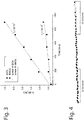
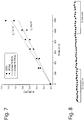
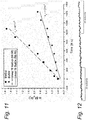
- a stock solutions was made containing both monomers (total monomer concentration of 4 M, 2 M per individual monomer), initiator (methyl tosylate, aiming at DP 100 at full conversion or 50 repeating units of each monomer) and solvent (dry acetonitrile). This mixture was divided equally (700 ⁇ L) over 0.5 -2 ml biotage vials with triangle stir bars, capped and heated up to 140°C, in the microwave. Polymerization was halted by cooling down the vials after different time intervals. The samples were diluted with chloroform and stirred for at least 1 h before taking samples for GC analysis.
- the conversion was determined by GC with the solvent acetonitrile as internal standard and using the ratio of monomer to solvent of a sample taken of the stock solution as time zero for comparison. From the slope of the kinetic plots, the polymerization rate constants for the two individual monomers were calculated and these polymerization rate constants were then used to calculate the composition of a chain of 100 repeat units by assigning the Ox of Oz repeat units on the basis of the monomer conversions. These schematic plots of the polymers represented by 100 repeating spheres were then used to calculate the [Oz]/[Ox] ratio of the Ini fragment and the Nuc fragment. This calculation method is described by Lobert et al.
- the gradient copolymer of Examples 5 and 6 were used to load Rhodamine octadecylester (dye). Therefore, polymer micelles were prepared in water (10 mg/mL) by direct dissolution in water (polymer from example 5) or by solvent displacement by first dissolving the polymer in ethanol followed by addition of water and dialysis (polymer from example 6). The dye was dissolved in ethanol (10 mg/mL) and 100 ⁇ L of the dye solution was added to 1 mL of the polymer solution followed by removal of the ethanol by dialysis.
- the uptake of the dye in the copolymer particles was determined by dispersing the loaded particles in demineralized water to provide a total dye concentration of 2.50 ⁇ g/ml and measuring the absorption at 561 nm. This absorption was compared to the absorption of a reference solution having the same dye content, but not containing copolymer. From this data the % dye loading was calculated.
- the (hydrolysed) random copolymer of Example 4 was used to prepare a polyplex of pDNA and this polyplex was used to transfect human ovarian cancer cells.
- the copolymer was hydrolysed by dissolving 1 gram of polymer in 7.5 mL deionized water and 7.5 mL hydrochloric acid (HCl; concentrated HC1 solution), followed by heating in closed vials at 140 °C for 9 hours in a BiotageTM microwave. After this, the polymer was diluted with deionized water and the HCl and deionized water were evaporated with reduced pressure. The samples were neutralized with a 2M sodiumhydroxide (NaOH) solution in water and freeze dried. NMR analysis confirmed near quantitative hydrolysis.
- HCl concentrated HC1 solution
- a polymer solution of 1 mg/mL was prepared in deionized water.
- the polymer solution was sterilized via filtration with a 0.22 ⁇ m filter and was diluted to 0.1 mg/mL in DPBS.
- Polyplexes were prepared by adding polymer solution onto the pDNA. Polyplexes with different N/P ratios were prepared: 2.5, 5, 10,25 and 50.
- a control polyplex solution was prepared with B-PEI with a N/P ratio of 10. The polyplexes were left to stabilize for 10 minutes.
- a cell suspension of 8.0* 10 4 cells/ mL in medium containing 10 % FBS was prepared.
- a 24-wells plate (Greiner) was seeded with 400 ⁇ L cell suspension. The plate was incubated at 37°C with air containing 5% CO 2 for 24 hours.
- polyplex solution 150 ⁇ L polyplex solution was added to wells with 150 ⁇ L fresh medium with or without FBS. 2 rows of wells were filled with 150 ⁇ L DPBS instead of polyplexes as a control. After 1 hour, medium was replaced by fresh medium containing 10% FBS. The cells were incubated at 37°C with air containing 5% CO 2 . After 48 hours, transfection efficiency was analyzed by FACS and imaged using fluorescence microscopy.
- the cells were trypsinized with 300 ⁇ L of 0.25% trypsin per well.
- the trypsin was deactivated with 2 mL of medium containing 10% FBS per well.
- the cells were transferred to FACS tubes and centrifuged for 5 minutes at 600 rcf. The supernatant was decanted.
- the cell pellet was loosened by rasping over a metal grid and 200 ⁇ L of DPBS was added to the FACS tubes. Fluorescence intensity was measured using FACS Calibur (Becton-Dickinson). The acquired data was analyzed using Flowing Software.
Landscapes
- Health & Medical Sciences (AREA)
- Chemical & Material Sciences (AREA)
- Life Sciences & Earth Sciences (AREA)
- Engineering & Computer Science (AREA)
- Genetics & Genomics (AREA)
- Bioinformatics & Cheminformatics (AREA)
- Medicinal Chemistry (AREA)
- General Health & Medical Sciences (AREA)
- Organic Chemistry (AREA)
- Animal Behavior & Ethology (AREA)
- Pharmacology & Pharmacy (AREA)
- Epidemiology (AREA)
- Public Health (AREA)
- Veterinary Medicine (AREA)
- Biotechnology (AREA)
- General Engineering & Computer Science (AREA)
- Biomedical Technology (AREA)
- Zoology (AREA)
- Wood Science & Technology (AREA)
- Molecular Biology (AREA)
- Chemical Kinetics & Catalysis (AREA)
- Dispersion Chemistry (AREA)
- Polymers & Plastics (AREA)
- Nanotechnology (AREA)
- Microbiology (AREA)
- Biophysics (AREA)
- Physics & Mathematics (AREA)
- Plant Pathology (AREA)
- Biochemistry (AREA)
- Macromolecular Compounds Obtained By Forming Nitrogen-Containing Linkages In General (AREA)
- Medicinal Preparation (AREA)
- Medicines That Contain Protein Lipid Enzymes And Other Medicines (AREA)
- Pharmaceuticals Containing Other Organic And Inorganic Compounds (AREA)
Claims (15)
- Statistisches Copolymer, dargestellt durch die folgende Formel (I):
Ini-[Ox]m-[Oz]n-Nuc (I),
wobei:• Ini einen Rest eines Initiators der kationischen Polymerisation darstellt,• Nuc einen Rest eines nukleophilen Mittels darstellt,• Ox für N(R1)CHRaCHRa steht, wobei jedes R1 unabhängig voneinander H oder C(O)R11 darstellt und R11 unabhängig voneinander gegebenenfalls substituiertes C1-12-Alkyl, gegebenenfalls substituiertes Cycloalkyl, gegebenenfalls substituiertes Aralkyl oder gegebenenfalls substituiertes Aryl darstellt,• Oz für N(R2)CHRaCHRaCHRa steht, wobei jedes R2 unabhängig voneinander C(O)R21 oder H darstellt und R21 unabhängig voneinander gegebenenfalls substituiertes C1-12-Alkyl, gegebenenfalls substituiertes Cycloalkyl, gegebenenfalls substituiertes Aralkyl oder gegebenenfalls substituiertes Aryl darstellt,• jedes Ra unabhängig voneinander H, lineares oder verzweigtes C1-3-Alkyl darstellt,• m ≥ 5 ist,• n ≥ 5 ist,• m+n ≥ 20 ist und• 3:97 ≤ m:n ≤ 97:3 beträgt. - Copolymer nach Anspruch 1, bei dem Ra H darstellt.
- Copolymer nach einem der vorhergehenden Ansprüche, bei dem 10 ≤ m ≤ 250 ist.
- Copolymer nach einem der vorhergehenden Ansprüche, bei dem 10 ≤ n ≤ 250 ist.
- Copolymer nach einem der vorhergehenden Ansprüche, bei dem das statistische Copolymer ein Copolymer mit zufälliger Comonomerverteilung ist, das drei Fragmente gleicher Größe, ein Fragment, das an Ini (Ini-Fragment) angrenzt, ein Fragment, das an Nuc (Nuc-Fragment) angrenzt, und ein zentrales Fragment, das das Ini-Fragment und die Nuc-Fragmente trennt, umfasst, wobei das Monomer-Verhältnis [Oz]/[Ox] im Ini-Fragment des Copolymers und das Monomer-Verhältnis [Oz]/[Ox] im Nuc-Fragment des Copolymers sich um nicht mehr als einen Faktor 2 unterscheiden.
- Copolymer nach Anspruch 5, bei dem jedes R21 unabhängig voneinander Methyl, Ethyl, n-Propyl, Isopropyl oder Cyclopropyl, n-Butyl oder n-Nonyl darstellt.
- Copolymer nach Anspruch 5 oder 6, bei dem jedes R11 unabhängig voneinander Methyl, Ethyl, Cyclopropyl, n-Propyl, Isopropyl, n-Butyl oder n-Nonyl darstellt.
- Copolymer nach einem der Ansprüche 1-4, bei dem das Copolymer ein Gradientencopolymer ist, das drei Fragmente gleicher Größe, ein Fragment, das an Ini (Ini-Fragment) angrenzt, ein Fragment, das an Nuc (Nuc-Fragment) angrenzt, und ein zentrales Fragment, das das Ini-Fragment und die Nuc-Fragmente trennt, umfasst, wobei das Monomer-Verhältnis [Oz]/[Ox] in der Ini-Hälfte des Copolymers mindestens zweimal höher oder niedriger als das gleiche Verhältnis in der Nuc-Hälfte des Copolymers ist.
- Copolymer nach Anspruch 8, bei dem jedes R21 unabhängig voneinander gegebenenfalls substituiertes C1-9-Alkyl darstellt.
- Copolymer nach Anspruch 8 oder 9, bei dem jedes R11 unabhängig voneinander gegebenenfalls substituiertes C1-9-Alkyl oder Cyclopropyl darstellt.
- Verfahren zur Herstellung eines statistischen Copolymers, bei dem das Verfahren die kationische Ringöffnungspolymerisation einer monomeren Reaktionsmischung umfasst, die ein gegebenenfalls 2-substituiertes 2-Oxazolin und ein gegebenenfalls 2-substituiertes 2-Oxazin in einem Molverhältnis im Bereich von 3:97 bis 97:3 umfasst, wobei der optionale Substituent in der 2-Position des 2-substituierten 2-Oxazolins ein Rest R11 wie in Anspruch 1 definiert ist und der optionale Substituent in der 2-Position des 2-substituierten 2-Oxazins ein Rest R21 wie in Anspruch 1 definiert ist.
- Verfahren nach Anspruch 11, bei dem die kationische Ringöffnungspolymerisation in Gegenwart eines kationischen Polymerisationsinitiators durchgeführt wird, der aus Alkylhalogeniden, Alkylsulfonaten, Acylhalogeniden, Oxazoliniumsalzen oder Sulfonsäuren ausgewählt ist.
- Verfahren nach den Ansprüchen 11 oder 12, bei dem das statistische Copolymer, das in der Reaktionsmischung gebildet wird, durch Entfernung von mindestens 50 % der angebundenen Acylreste hydrolysiert wird.
- Abgabesystem, das ein Copolymer mit zufälliger Comonomerverteilung nach einem der Ansprüche 5-7 und ein therapeutisches Mittel, das nicht-kovalent an das Copolymer gebunden ist, umfasst, wobei das therapeutische Mittel aus der Gruppe ausgewählt ist, die aus einem Gen, DNA, RNA, siRNA, miRNA, isRNA, agRNA, smRNA, einer Nukleinsäure, einem Peptid, einem Protein, einem chemotherapeutischen Mittel, einem Arzneimittel und einem niedermolekularen Arzneimittel besteht.
- Mizellares Arzneimittelabgabesystem, das ein Gradientencopolymer nach einem der Ansprüche 8-10 und ein Arzneimittel, das nicht-kovalent an das Copolymer gebunden ist, umfasst.
Applications Claiming Priority (2)
| Application Number | Priority Date | Filing Date | Title |
|---|---|---|---|
| EP16177411 | 2016-07-01 | ||
| PCT/EP2017/066489 WO2018002382A1 (en) | 2016-07-01 | 2017-07-03 | Poly(cyclic imino ether)s |
Publications (2)
| Publication Number | Publication Date |
|---|---|
| EP3478747A1 EP3478747A1 (de) | 2019-05-08 |
| EP3478747B1 true EP3478747B1 (de) | 2020-04-29 |
Family
ID=56296715
Family Applications (1)
| Application Number | Title | Priority Date | Filing Date |
|---|---|---|---|
| EP17737761.1A Active EP3478747B1 (de) | 2016-07-01 | 2017-07-03 | Poly(cyclische iminoether) |
Country Status (5)
| Country | Link |
|---|---|
| US (1) | US10869930B2 (de) |
| EP (1) | EP3478747B1 (de) |
| JP (1) | JP7036510B2 (de) |
| ES (1) | ES2808943T3 (de) |
| WO (1) | WO2018002382A1 (de) |
Families Citing this family (2)
| Publication number | Priority date | Publication date | Assignee | Title |
|---|---|---|---|---|
| US11655374B2 (en) * | 2019-04-12 | 2023-05-23 | Viavi Solutions Inc. | Method for manufacturing a special effect pigment using an emulsion |
| US20230000990A1 (en) * | 2019-12-17 | 2023-01-05 | Universiteit Gent | Non-viral vectors comprising polypropyleneimine |
Family Cites Families (5)
| Publication number | Priority date | Publication date | Assignee | Title |
|---|---|---|---|---|
| US3516944A (en) * | 1967-01-04 | 1970-06-23 | Allied Chem | Carbon nitrogen backbone chain copolymers as gelling agents |
| JP2643403B2 (ja) * | 1989-01-10 | 1997-08-20 | 花王株式会社 | ポリ(n―アシルアルキレンイミン)系共重合体及びその用途 |
| US5854331A (en) | 1997-11-04 | 1998-12-29 | E. I. Du Pont De Nemours And Company | Block copolymers of oxazolines and oxazines as pigment dispersants and their use in ink jet inks |
| US20100041592A1 (en) | 2008-06-26 | 2010-02-18 | Kabanov Alexander V | Use of Amphiphilic Biocompatible Polymers for Solubilization of Hydrophobic Drugs |
| CN104024306B (zh) | 2012-01-02 | 2017-06-13 | 根特大学 | 聚噁唑啉聚合物及其制备方法、这些聚合物的结合物及其医疗用途 |
-
2017
- 2017-07-03 EP EP17737761.1A patent/EP3478747B1/de active Active
- 2017-07-03 WO PCT/EP2017/066489 patent/WO2018002382A1/en not_active Ceased
- 2017-07-03 ES ES17737761T patent/ES2808943T3/es active Active
- 2017-07-03 JP JP2018566217A patent/JP7036510B2/ja active Active
- 2017-07-03 US US16/312,219 patent/US10869930B2/en active Active
Non-Patent Citations (1)
| Title |
|---|
| None * |
Also Published As
| Publication number | Publication date |
|---|---|
| EP3478747A1 (de) | 2019-05-08 |
| WO2018002382A1 (en) | 2018-01-04 |
| ES2808943T3 (es) | 2021-03-02 |
| JP7036510B2 (ja) | 2022-03-15 |
| JP2019521215A (ja) | 2019-07-25 |
| US20190231889A1 (en) | 2019-08-01 |
| US10869930B2 (en) | 2020-12-22 |
Similar Documents
| Publication | Publication Date | Title |
|---|---|---|
| Zahoranová et al. | Poly (2‐oxazoline)‐and poly (2‐oxazine)‐based self‐assemblies, polyplexes, and drug nanoformulations—an update | |
| Bauri et al. | Controlled synthesis of amino acid-based pH-responsive chiral polymers and self-assembly of their block copolymers | |
| Byrne et al. | Molecular weight and architectural dependence of well-defined star-shaped poly (lysine) as a gene delivery vector | |
| Arote et al. | A biodegradable poly (ester amine) based on polycaprolactone and polyethylenimine as a gene carrier | |
| Wei et al. | Synthesis and evaluation of cyclic cationic polymers for nucleic acid delivery | |
| Varlas et al. | Poly (sarcosine)-based nano-objects with multi-protease resistance by aqueous photoinitiated polymerization-induced self-assembly (photo-PISA) | |
| Duong et al. | Acid degradable and biocompatible polymeric nanoparticles for the potential codelivery of therapeutic agents | |
| Fan et al. | Conjugation of poly (ethylene glycol) to poly (lactide)-based polyelectrolytes: An effective method to modulate cytotoxicity in gene delivery | |
| Burts et al. | Using EPR to compare PEG-branch-nitroxide “bivalent-brush polymers” and traditional PEG bottle–brush polymers: branching makes a difference | |
| WO2019011059A1 (zh) | 基于dna水凝胶的功能性核酸保护性载体及其制备方法、应用 | |
| Mendrek et al. | Polycationic star polymers with hyperbranched cores for gene delivery | |
| CN105792814B (zh) | 用于药物递送的载有芳香族n-杂环的聚碳酸酯 | |
| Hu et al. | Topological effects of macrocyclic polymers: from precise synthesis to biomedical applications | |
| Lin et al. | Micelle formation and drug release behavior of polypeptide graft copolymer and its mixture with polypeptide block copolymer | |
| Fan et al. | Construction of a versatile and functional nanoparticle platform derived from a helical diblock copolypeptide-based biomimetic polymer | |
| Sahn et al. | Poly (2-oxazoline)-containing triblock copolymers: synthesis and applications | |
| Ko et al. | Reductively-sheddable cationic nanocarriers for dual chemotherapy and gene therapy with enhanced release | |
| Kakkar et al. | Amphiphilic PEO‐b‐PBLG Diblock and PBLG‐b‐PEO‐b‐PBLG Triblock Copolymer Based Nanoparticles: Doxorubicin Loading and In Vitro Evaluation | |
| EP3478747B1 (de) | Poly(cyclische iminoether) | |
| Floyd et al. | Cationic bottlebrush copolymers from partially hydrolyzed poly (oxazoline) s | |
| Sevimli et al. | Synthesis, self-assembly and stimuli responsive properties of cholesterol conjugated polymers | |
| Stukenkemper et al. | Block copolypeptide nanoparticles for the delivery of ocular therapeutics | |
| Aliabadi et al. | Amphiphilic polylactic acid-b-poly (N-(3-aminopropyl) methacrylamide) copolymers: Self-assembly to polymeric micelles for gene delivery | |
| Rumschöttel et al. | DNA polyplexes with dendritic glycopolymer-entrapped gold nanoparticles | |
| Ma et al. | A facile preparation of novel multifunctional vectors by non-covalent bonds for co-delivery of doxorubicin and gene |
Legal Events
| Date | Code | Title | Description |
|---|---|---|---|
| STAA | Information on the status of an ep patent application or granted ep patent |
Free format text: STATUS: UNKNOWN |
|
| STAA | Information on the status of an ep patent application or granted ep patent |
Free format text: STATUS: THE INTERNATIONAL PUBLICATION HAS BEEN MADE |
|
| PUAI | Public reference made under article 153(3) epc to a published international application that has entered the european phase |
Free format text: ORIGINAL CODE: 0009012 |
|
| STAA | Information on the status of an ep patent application or granted ep patent |
Free format text: STATUS: REQUEST FOR EXAMINATION WAS MADE |
|
| 17P | Request for examination filed |
Effective date: 20181219 |
|
| AK | Designated contracting states |
Kind code of ref document: A1 Designated state(s): AL AT BE BG CH CY CZ DE DK EE ES FI FR GB GR HR HU IE IS IT LI LT LU LV MC MK MT NL NO PL PT RO RS SE SI SK SM TR |
|
| AX | Request for extension of the european patent |
Extension state: BA ME |
|
| DAV | Request for validation of the european patent (deleted) | ||
| DAX | Request for extension of the european patent (deleted) | ||
| GRAP | Despatch of communication of intention to grant a patent |
Free format text: ORIGINAL CODE: EPIDOSNIGR1 |
|
| STAA | Information on the status of an ep patent application or granted ep patent |
Free format text: STATUS: GRANT OF PATENT IS INTENDED |
|
| INTG | Intention to grant announced |
Effective date: 20200109 |
|
| GRAS | Grant fee paid |
Free format text: ORIGINAL CODE: EPIDOSNIGR3 |
|
| GRAA | (expected) grant |
Free format text: ORIGINAL CODE: 0009210 |
|
| STAA | Information on the status of an ep patent application or granted ep patent |
Free format text: STATUS: THE PATENT HAS BEEN GRANTED |
|
| AK | Designated contracting states |
Kind code of ref document: B1 Designated state(s): AL AT BE BG CH CY CZ DE DK EE ES FI FR GB GR HR HU IE IS IT LI LT LU LV MC MK MT NL NO PL PT RO RS SE SI SK SM TR |
|
| REG | Reference to a national code |
Ref country code: GB Ref legal event code: FG4D |
|
| REG | Reference to a national code |
Ref country code: CH Ref legal event code: EP |
|
| REG | Reference to a national code |
Ref country code: AT Ref legal event code: REF Ref document number: 1263193 Country of ref document: AT Kind code of ref document: T Effective date: 20200515 |
|
| REG | Reference to a national code |
Ref country code: DE Ref legal event code: R096 Ref document number: 602017015772 Country of ref document: DE |
|
| REG | Reference to a national code |
Ref country code: IE Ref legal event code: FG4D |
|
| REG | Reference to a national code |
Ref country code: NL Ref legal event code: FP |
|
| REG | Reference to a national code |
Ref country code: LT Ref legal event code: MG4D |
|
| PG25 | Lapsed in a contracting state [announced via postgrant information from national office to epo] |
Ref country code: IS Free format text: LAPSE BECAUSE OF FAILURE TO SUBMIT A TRANSLATION OF THE DESCRIPTION OR TO PAY THE FEE WITHIN THE PRESCRIBED TIME-LIMIT Effective date: 20200829 Ref country code: FI Free format text: LAPSE BECAUSE OF FAILURE TO SUBMIT A TRANSLATION OF THE DESCRIPTION OR TO PAY THE FEE WITHIN THE PRESCRIBED TIME-LIMIT Effective date: 20200429 Ref country code: NO Free format text: LAPSE BECAUSE OF FAILURE TO SUBMIT A TRANSLATION OF THE DESCRIPTION OR TO PAY THE FEE WITHIN THE PRESCRIBED TIME-LIMIT Effective date: 20200729 Ref country code: PT Free format text: LAPSE BECAUSE OF FAILURE TO SUBMIT A TRANSLATION OF THE DESCRIPTION OR TO PAY THE FEE WITHIN THE PRESCRIBED TIME-LIMIT Effective date: 20200831 Ref country code: GR Free format text: LAPSE BECAUSE OF FAILURE TO SUBMIT A TRANSLATION OF THE DESCRIPTION OR TO PAY THE FEE WITHIN THE PRESCRIBED TIME-LIMIT Effective date: 20200730 Ref country code: SE Free format text: LAPSE BECAUSE OF FAILURE TO SUBMIT A TRANSLATION OF THE DESCRIPTION OR TO PAY THE FEE WITHIN THE PRESCRIBED TIME-LIMIT Effective date: 20200429 Ref country code: LT Free format text: LAPSE BECAUSE OF FAILURE TO SUBMIT A TRANSLATION OF THE DESCRIPTION OR TO PAY THE FEE WITHIN THE PRESCRIBED TIME-LIMIT Effective date: 20200429 |
|
| REG | Reference to a national code |
Ref country code: AT Ref legal event code: MK05 Ref document number: 1263193 Country of ref document: AT Kind code of ref document: T Effective date: 20200429 |
|
| PG25 | Lapsed in a contracting state [announced via postgrant information from national office to epo] |
Ref country code: LV Free format text: LAPSE BECAUSE OF FAILURE TO SUBMIT A TRANSLATION OF THE DESCRIPTION OR TO PAY THE FEE WITHIN THE PRESCRIBED TIME-LIMIT Effective date: 20200429 Ref country code: HR Free format text: LAPSE BECAUSE OF FAILURE TO SUBMIT A TRANSLATION OF THE DESCRIPTION OR TO PAY THE FEE WITHIN THE PRESCRIBED TIME-LIMIT Effective date: 20200429 Ref country code: RS Free format text: LAPSE BECAUSE OF FAILURE TO SUBMIT A TRANSLATION OF THE DESCRIPTION OR TO PAY THE FEE WITHIN THE PRESCRIBED TIME-LIMIT Effective date: 20200429 Ref country code: BG Free format text: LAPSE BECAUSE OF FAILURE TO SUBMIT A TRANSLATION OF THE DESCRIPTION OR TO PAY THE FEE WITHIN THE PRESCRIBED TIME-LIMIT Effective date: 20200729 |
|
| PG25 | Lapsed in a contracting state [announced via postgrant information from national office to epo] |
Ref country code: AL Free format text: LAPSE BECAUSE OF FAILURE TO SUBMIT A TRANSLATION OF THE DESCRIPTION OR TO PAY THE FEE WITHIN THE PRESCRIBED TIME-LIMIT Effective date: 20200429 |
|
| PG25 | Lapsed in a contracting state [announced via postgrant information from national office to epo] |
Ref country code: DK Free format text: LAPSE BECAUSE OF FAILURE TO SUBMIT A TRANSLATION OF THE DESCRIPTION OR TO PAY THE FEE WITHIN THE PRESCRIBED TIME-LIMIT Effective date: 20200429 Ref country code: SM Free format text: LAPSE BECAUSE OF FAILURE TO SUBMIT A TRANSLATION OF THE DESCRIPTION OR TO PAY THE FEE WITHIN THE PRESCRIBED TIME-LIMIT Effective date: 20200429 Ref country code: EE Free format text: LAPSE BECAUSE OF FAILURE TO SUBMIT A TRANSLATION OF THE DESCRIPTION OR TO PAY THE FEE WITHIN THE PRESCRIBED TIME-LIMIT Effective date: 20200429 Ref country code: RO Free format text: LAPSE BECAUSE OF FAILURE TO SUBMIT A TRANSLATION OF THE DESCRIPTION OR TO PAY THE FEE WITHIN THE PRESCRIBED TIME-LIMIT Effective date: 20200429 Ref country code: CZ Free format text: LAPSE BECAUSE OF FAILURE TO SUBMIT A TRANSLATION OF THE DESCRIPTION OR TO PAY THE FEE WITHIN THE PRESCRIBED TIME-LIMIT Effective date: 20200429 Ref country code: AT Free format text: LAPSE BECAUSE OF FAILURE TO SUBMIT A TRANSLATION OF THE DESCRIPTION OR TO PAY THE FEE WITHIN THE PRESCRIBED TIME-LIMIT Effective date: 20200429 |
|
| REG | Reference to a national code |
Ref country code: DE Ref legal event code: R097 Ref document number: 602017015772 Country of ref document: DE |
|
| PG25 | Lapsed in a contracting state [announced via postgrant information from national office to epo] |
Ref country code: PL Free format text: LAPSE BECAUSE OF FAILURE TO SUBMIT A TRANSLATION OF THE DESCRIPTION OR TO PAY THE FEE WITHIN THE PRESCRIBED TIME-LIMIT Effective date: 20200429 Ref country code: SK Free format text: LAPSE BECAUSE OF FAILURE TO SUBMIT A TRANSLATION OF THE DESCRIPTION OR TO PAY THE FEE WITHIN THE PRESCRIBED TIME-LIMIT Effective date: 20200429 Ref country code: MC Free format text: LAPSE BECAUSE OF FAILURE TO SUBMIT A TRANSLATION OF THE DESCRIPTION OR TO PAY THE FEE WITHIN THE PRESCRIBED TIME-LIMIT Effective date: 20200429 |
|
| REG | Reference to a national code |
Ref country code: ES Ref legal event code: FG2A Ref document number: 2808943 Country of ref document: ES Kind code of ref document: T3 Effective date: 20210302 |
|
| PLBE | No opposition filed within time limit |
Free format text: ORIGINAL CODE: 0009261 |
|
| STAA | Information on the status of an ep patent application or granted ep patent |
Free format text: STATUS: NO OPPOSITION FILED WITHIN TIME LIMIT |
|
| 26N | No opposition filed |
Effective date: 20210201 |
|
| PG25 | Lapsed in a contracting state [announced via postgrant information from national office to epo] |
Ref country code: LU Free format text: LAPSE BECAUSE OF NON-PAYMENT OF DUE FEES Effective date: 20200703 |
|
| PG25 | Lapsed in a contracting state [announced via postgrant information from national office to epo] |
Ref country code: SI Free format text: LAPSE BECAUSE OF FAILURE TO SUBMIT A TRANSLATION OF THE DESCRIPTION OR TO PAY THE FEE WITHIN THE PRESCRIBED TIME-LIMIT Effective date: 20200429 |
|
| PG25 | Lapsed in a contracting state [announced via postgrant information from national office to epo] |
Ref country code: MT Free format text: LAPSE BECAUSE OF FAILURE TO SUBMIT A TRANSLATION OF THE DESCRIPTION OR TO PAY THE FEE WITHIN THE PRESCRIBED TIME-LIMIT Effective date: 20200429 Ref country code: CY Free format text: LAPSE BECAUSE OF FAILURE TO SUBMIT A TRANSLATION OF THE DESCRIPTION OR TO PAY THE FEE WITHIN THE PRESCRIBED TIME-LIMIT Effective date: 20200429 |
|
| PG25 | Lapsed in a contracting state [announced via postgrant information from national office to epo] |
Ref country code: MK Free format text: LAPSE BECAUSE OF FAILURE TO SUBMIT A TRANSLATION OF THE DESCRIPTION OR TO PAY THE FEE WITHIN THE PRESCRIBED TIME-LIMIT Effective date: 20200429 |
|
| P01 | Opt-out of the competence of the unified patent court (upc) registered |
Effective date: 20230531 |
|
| PGFP | Annual fee paid to national office [announced via postgrant information from national office to epo] |
Ref country code: TR Payment date: 20250624 Year of fee payment: 9 |
|
| PGFP | Annual fee paid to national office [announced via postgrant information from national office to epo] |
Ref country code: NL Payment date: 20250721 Year of fee payment: 9 |
|
| PGFP | Annual fee paid to national office [announced via postgrant information from national office to epo] |
Ref country code: ES Payment date: 20250826 Year of fee payment: 9 |
|
| PGFP | Annual fee paid to national office [announced via postgrant information from national office to epo] |
Ref country code: DE Payment date: 20250722 Year of fee payment: 9 |
|
| PGFP | Annual fee paid to national office [announced via postgrant information from national office to epo] |
Ref country code: IT Payment date: 20250724 Year of fee payment: 9 |
|
| PGFP | Annual fee paid to national office [announced via postgrant information from national office to epo] |
Ref country code: BE Payment date: 20250718 Year of fee payment: 9 Ref country code: GB Payment date: 20250722 Year of fee payment: 9 |
|
| PGFP | Annual fee paid to national office [announced via postgrant information from national office to epo] |
Ref country code: FR Payment date: 20250725 Year of fee payment: 9 |
|
| PGFP | Annual fee paid to national office [announced via postgrant information from national office to epo] |
Ref country code: CH Payment date: 20250801 Year of fee payment: 9 |
|
| PGFP | Annual fee paid to national office [announced via postgrant information from national office to epo] |
Ref country code: IE Payment date: 20250723 Year of fee payment: 9 |