EP3467000A1 - Solution polymerized styrene-butadiene rubber-polyurethane elastomeric material for high performance tire and preparation method therefor - Google Patents
Solution polymerized styrene-butadiene rubber-polyurethane elastomeric material for high performance tire and preparation method therefor Download PDFInfo
- Publication number
- EP3467000A1 EP3467000A1 EP16902839.6A EP16902839A EP3467000A1 EP 3467000 A1 EP3467000 A1 EP 3467000A1 EP 16902839 A EP16902839 A EP 16902839A EP 3467000 A1 EP3467000 A1 EP 3467000A1
- Authority
- EP
- European Patent Office
- Prior art keywords
- butadiene rubber
- solution polymerized
- polymerized styrene
- polyurethane elastomer
- soft segment
- Prior art date
- Legal status (The legal status is an assumption and is not a legal conclusion. Google has not performed a legal analysis and makes no representation as to the accuracy of the status listed.)
- Granted
Links
Images
Classifications
-
- C—CHEMISTRY; METALLURGY
- C08—ORGANIC MACROMOLECULAR COMPOUNDS; THEIR PREPARATION OR CHEMICAL WORKING-UP; COMPOSITIONS BASED THEREON
- C08G—MACROMOLECULAR COMPOUNDS OBTAINED OTHERWISE THAN BY REACTIONS ONLY INVOLVING UNSATURATED CARBON-TO-CARBON BONDS
- C08G18/00—Polymeric products of isocyanates or isothiocyanates
- C08G18/06—Polymeric products of isocyanates or isothiocyanates with compounds having active hydrogen
- C08G18/28—Polymeric products of isocyanates or isothiocyanates with compounds having active hydrogen characterised by the compounds used containing active hydrogen
- C08G18/40—High-molecular-weight compounds
- C08G18/62—Polymers of compounds having carbon-to-carbon double bonds
- C08G18/6204—Polymers of olefins
- C08G18/6208—Hydrogenated polymers of conjugated dienes
-
- C—CHEMISTRY; METALLURGY
- C08—ORGANIC MACROMOLECULAR COMPOUNDS; THEIR PREPARATION OR CHEMICAL WORKING-UP; COMPOSITIONS BASED THEREON
- C08L—COMPOSITIONS OF MACROMOLECULAR COMPOUNDS
- C08L9/00—Compositions of homopolymers or copolymers of conjugated diene hydrocarbons
- C08L9/06—Copolymers with styrene
-
- B—PERFORMING OPERATIONS; TRANSPORTING
- B60—VEHICLES IN GENERAL
- B60C—VEHICLE TYRES; TYRE INFLATION; TYRE CHANGING; CONNECTING VALVES TO INFLATABLE ELASTIC BODIES IN GENERAL; DEVICES OR ARRANGEMENTS RELATED TO TYRES
- B60C1/00—Tyres characterised by the chemical composition or the physical arrangement or mixture of the composition
-
- C—CHEMISTRY; METALLURGY
- C08—ORGANIC MACROMOLECULAR COMPOUNDS; THEIR PREPARATION OR CHEMICAL WORKING-UP; COMPOSITIONS BASED THEREON
- C08F—MACROMOLECULAR COMPOUNDS OBTAINED BY REACTIONS ONLY INVOLVING CARBON-TO-CARBON UNSATURATED BONDS
- C08F2/00—Processes of polymerisation
- C08F2/12—Polymerisation in non-solvents
- C08F2/14—Organic medium
-
- C—CHEMISTRY; METALLURGY
- C08—ORGANIC MACROMOLECULAR COMPOUNDS; THEIR PREPARATION OR CHEMICAL WORKING-UP; COMPOSITIONS BASED THEREON
- C08F—MACROMOLECULAR COMPOUNDS OBTAINED BY REACTIONS ONLY INVOLVING CARBON-TO-CARBON UNSATURATED BONDS
- C08F212/00—Copolymers of compounds having one or more unsaturated aliphatic radicals, each having only one carbon-to-carbon double bond, and at least one being terminated by an aromatic carbocyclic ring
- C08F212/02—Monomers containing only one unsaturated aliphatic radical
- C08F212/04—Monomers containing only one unsaturated aliphatic radical containing one ring
- C08F212/06—Hydrocarbons
- C08F212/08—Styrene
-
- C—CHEMISTRY; METALLURGY
- C08—ORGANIC MACROMOLECULAR COMPOUNDS; THEIR PREPARATION OR CHEMICAL WORKING-UP; COMPOSITIONS BASED THEREON
- C08F—MACROMOLECULAR COMPOUNDS OBTAINED BY REACTIONS ONLY INVOLVING CARBON-TO-CARBON UNSATURATED BONDS
- C08F236/00—Copolymers of compounds having one or more unsaturated aliphatic radicals, at least one having two or more carbon-to-carbon double bonds
- C08F236/02—Copolymers of compounds having one or more unsaturated aliphatic radicals, at least one having two or more carbon-to-carbon double bonds the radical having only two carbon-to-carbon double bonds
- C08F236/04—Copolymers of compounds having one or more unsaturated aliphatic radicals, at least one having two or more carbon-to-carbon double bonds the radical having only two carbon-to-carbon double bonds conjugated
- C08F236/10—Copolymers of compounds having one or more unsaturated aliphatic radicals, at least one having two or more carbon-to-carbon double bonds the radical having only two carbon-to-carbon double bonds conjugated with vinyl-aromatic monomers
-
- C—CHEMISTRY; METALLURGY
- C08—ORGANIC MACROMOLECULAR COMPOUNDS; THEIR PREPARATION OR CHEMICAL WORKING-UP; COMPOSITIONS BASED THEREON
- C08F—MACROMOLECULAR COMPOUNDS OBTAINED BY REACTIONS ONLY INVOLVING CARBON-TO-CARBON UNSATURATED BONDS
- C08F299/00—Macromolecular compounds obtained by interreacting polymers involving only carbon-to-carbon unsaturated bond reactions, in the absence of non-macromolecular monomers
- C08F299/02—Macromolecular compounds obtained by interreacting polymers involving only carbon-to-carbon unsaturated bond reactions, in the absence of non-macromolecular monomers from unsaturated polycondensates
- C08F299/06—Macromolecular compounds obtained by interreacting polymers involving only carbon-to-carbon unsaturated bond reactions, in the absence of non-macromolecular monomers from unsaturated polycondensates from polyurethanes
-
- C—CHEMISTRY; METALLURGY
- C08—ORGANIC MACROMOLECULAR COMPOUNDS; THEIR PREPARATION OR CHEMICAL WORKING-UP; COMPOSITIONS BASED THEREON
- C08F—MACROMOLECULAR COMPOUNDS OBTAINED BY REACTIONS ONLY INVOLVING CARBON-TO-CARBON UNSATURATED BONDS
- C08F4/00—Polymerisation catalysts
- C08F4/42—Metals; Metal hydrides; Metallo-organic compounds; Use thereof as catalyst precursors
- C08F4/44—Metals; Metal hydrides; Metallo-organic compounds; Use thereof as catalyst precursors selected from light metals, zinc, cadmium, mercury, copper, silver, gold, boron, gallium, indium, thallium, rare earths or actinides
- C08F4/46—Metals; Metal hydrides; Metallo-organic compounds; Use thereof as catalyst precursors selected from light metals, zinc, cadmium, mercury, copper, silver, gold, boron, gallium, indium, thallium, rare earths or actinides selected from alkali metals
- C08F4/48—Metals; Metal hydrides; Metallo-organic compounds; Use thereof as catalyst precursors selected from light metals, zinc, cadmium, mercury, copper, silver, gold, boron, gallium, indium, thallium, rare earths or actinides selected from alkali metals selected from lithium, rubidium, caesium or francium
-
- C—CHEMISTRY; METALLURGY
- C08—ORGANIC MACROMOLECULAR COMPOUNDS; THEIR PREPARATION OR CHEMICAL WORKING-UP; COMPOSITIONS BASED THEREON
- C08G—MACROMOLECULAR COMPOUNDS OBTAINED OTHERWISE THAN BY REACTIONS ONLY INVOLVING UNSATURATED CARBON-TO-CARBON BONDS
- C08G18/00—Polymeric products of isocyanates or isothiocyanates
- C08G18/06—Polymeric products of isocyanates or isothiocyanates with compounds having active hydrogen
- C08G18/08—Processes
- C08G18/10—Prepolymer processes involving reaction of isocyanates or isothiocyanates with compounds having active hydrogen in a first reaction step
-
- C—CHEMISTRY; METALLURGY
- C08—ORGANIC MACROMOLECULAR COMPOUNDS; THEIR PREPARATION OR CHEMICAL WORKING-UP; COMPOSITIONS BASED THEREON
- C08G—MACROMOLECULAR COMPOUNDS OBTAINED OTHERWISE THAN BY REACTIONS ONLY INVOLVING UNSATURATED CARBON-TO-CARBON BONDS
- C08G18/00—Polymeric products of isocyanates or isothiocyanates
- C08G18/06—Polymeric products of isocyanates or isothiocyanates with compounds having active hydrogen
- C08G18/28—Polymeric products of isocyanates or isothiocyanates with compounds having active hydrogen characterised by the compounds used containing active hydrogen
- C08G18/30—Low-molecular-weight compounds
- C08G18/32—Polyhydroxy compounds; Polyamines; Hydroxyamines
- C08G18/3203—Polyhydroxy compounds
- C08G18/3206—Polyhydroxy compounds aliphatic
-
- C—CHEMISTRY; METALLURGY
- C08—ORGANIC MACROMOLECULAR COMPOUNDS; THEIR PREPARATION OR CHEMICAL WORKING-UP; COMPOSITIONS BASED THEREON
- C08G—MACROMOLECULAR COMPOUNDS OBTAINED OTHERWISE THAN BY REACTIONS ONLY INVOLVING UNSATURATED CARBON-TO-CARBON BONDS
- C08G18/00—Polymeric products of isocyanates or isothiocyanates
- C08G18/06—Polymeric products of isocyanates or isothiocyanates with compounds having active hydrogen
- C08G18/28—Polymeric products of isocyanates or isothiocyanates with compounds having active hydrogen characterised by the compounds used containing active hydrogen
- C08G18/40—High-molecular-weight compounds
- C08G18/62—Polymers of compounds having carbon-to-carbon double bonds
-
- C—CHEMISTRY; METALLURGY
- C08—ORGANIC MACROMOLECULAR COMPOUNDS; THEIR PREPARATION OR CHEMICAL WORKING-UP; COMPOSITIONS BASED THEREON
- C08G—MACROMOLECULAR COMPOUNDS OBTAINED OTHERWISE THAN BY REACTIONS ONLY INVOLVING UNSATURATED CARBON-TO-CARBON BONDS
- C08G18/00—Polymeric products of isocyanates or isothiocyanates
- C08G18/06—Polymeric products of isocyanates or isothiocyanates with compounds having active hydrogen
- C08G18/28—Polymeric products of isocyanates or isothiocyanates with compounds having active hydrogen characterised by the compounds used containing active hydrogen
- C08G18/65—Low-molecular-weight compounds having active hydrogen with high-molecular-weight compounds having active hydrogen
- C08G18/6576—Compounds of group C08G18/69
- C08G18/6582—Compounds of group C08G18/69 with compounds of group C08G18/32 or polyamines of C08G18/38
- C08G18/6588—Compounds of group C08G18/69 with compounds of group C08G18/32 or polyamines of C08G18/38 with compounds of group C08G18/3203
-
- C—CHEMISTRY; METALLURGY
- C08—ORGANIC MACROMOLECULAR COMPOUNDS; THEIR PREPARATION OR CHEMICAL WORKING-UP; COMPOSITIONS BASED THEREON
- C08G—MACROMOLECULAR COMPOUNDS OBTAINED OTHERWISE THAN BY REACTIONS ONLY INVOLVING UNSATURATED CARBON-TO-CARBON BONDS
- C08G18/00—Polymeric products of isocyanates or isothiocyanates
- C08G18/06—Polymeric products of isocyanates or isothiocyanates with compounds having active hydrogen
- C08G18/28—Polymeric products of isocyanates or isothiocyanates with compounds having active hydrogen characterised by the compounds used containing active hydrogen
- C08G18/67—Unsaturated compounds having active hydrogen
- C08G18/69—Polymers of conjugated dienes
-
- C—CHEMISTRY; METALLURGY
- C08—ORGANIC MACROMOLECULAR COMPOUNDS; THEIR PREPARATION OR CHEMICAL WORKING-UP; COMPOSITIONS BASED THEREON
- C08G—MACROMOLECULAR COMPOUNDS OBTAINED OTHERWISE THAN BY REACTIONS ONLY INVOLVING UNSATURATED CARBON-TO-CARBON BONDS
- C08G18/00—Polymeric products of isocyanates or isothiocyanates
- C08G18/06—Polymeric products of isocyanates or isothiocyanates with compounds having active hydrogen
- C08G18/70—Polymeric products of isocyanates or isothiocyanates with compounds having active hydrogen characterised by the isocyanates or isothiocyanates used
- C08G18/72—Polyisocyanates or polyisothiocyanates
- C08G18/74—Polyisocyanates or polyisothiocyanates cyclic
- C08G18/76—Polyisocyanates or polyisothiocyanates cyclic aromatic
- C08G18/7614—Polyisocyanates or polyisothiocyanates cyclic aromatic containing only one aromatic ring
- C08G18/7621—Polyisocyanates or polyisothiocyanates cyclic aromatic containing only one aromatic ring being toluene diisocyanate including isomer mixtures
-
- C—CHEMISTRY; METALLURGY
- C08—ORGANIC MACROMOLECULAR COMPOUNDS; THEIR PREPARATION OR CHEMICAL WORKING-UP; COMPOSITIONS BASED THEREON
- C08G—MACROMOLECULAR COMPOUNDS OBTAINED OTHERWISE THAN BY REACTIONS ONLY INVOLVING UNSATURATED CARBON-TO-CARBON BONDS
- C08G18/00—Polymeric products of isocyanates or isothiocyanates
- C08G18/06—Polymeric products of isocyanates or isothiocyanates with compounds having active hydrogen
- C08G18/70—Polymeric products of isocyanates or isothiocyanates with compounds having active hydrogen characterised by the isocyanates or isothiocyanates used
- C08G18/72—Polyisocyanates or polyisothiocyanates
- C08G18/74—Polyisocyanates or polyisothiocyanates cyclic
- C08G18/76—Polyisocyanates or polyisothiocyanates cyclic aromatic
- C08G18/7657—Polyisocyanates or polyisothiocyanates cyclic aromatic containing two or more aromatic rings
- C08G18/7664—Polyisocyanates or polyisothiocyanates cyclic aromatic containing two or more aromatic rings containing alkylene polyphenyl groups
- C08G18/7671—Polyisocyanates or polyisothiocyanates cyclic aromatic containing two or more aromatic rings containing alkylene polyphenyl groups containing only one alkylene bisphenyl group
-
- C—CHEMISTRY; METALLURGY
- C08—ORGANIC MACROMOLECULAR COMPOUNDS; THEIR PREPARATION OR CHEMICAL WORKING-UP; COMPOSITIONS BASED THEREON
- C08G—MACROMOLECULAR COMPOUNDS OBTAINED OTHERWISE THAN BY REACTIONS ONLY INVOLVING UNSATURATED CARBON-TO-CARBON BONDS
- C08G18/00—Polymeric products of isocyanates or isothiocyanates
- C08G18/06—Polymeric products of isocyanates or isothiocyanates with compounds having active hydrogen
- C08G18/70—Polymeric products of isocyanates or isothiocyanates with compounds having active hydrogen characterised by the isocyanates or isothiocyanates used
- C08G18/72—Polyisocyanates or polyisothiocyanates
- C08G18/74—Polyisocyanates or polyisothiocyanates cyclic
- C08G18/76—Polyisocyanates or polyisothiocyanates cyclic aromatic
- C08G18/7657—Polyisocyanates or polyisothiocyanates cyclic aromatic containing two or more aromatic rings
- C08G18/7678—Polyisocyanates or polyisothiocyanates cyclic aromatic containing two or more aromatic rings containing condensed aromatic rings
-
- C—CHEMISTRY; METALLURGY
- C08—ORGANIC MACROMOLECULAR COMPOUNDS; THEIR PREPARATION OR CHEMICAL WORKING-UP; COMPOSITIONS BASED THEREON
- C08G—MACROMOLECULAR COMPOUNDS OBTAINED OTHERWISE THAN BY REACTIONS ONLY INVOLVING UNSATURATED CARBON-TO-CARBON BONDS
- C08G81/00—Macromolecular compounds obtained by interreacting polymers in the absence of monomers, e.g. block polymers
- C08G81/02—Macromolecular compounds obtained by interreacting polymers in the absence of monomers, e.g. block polymers at least one of the polymers being obtained by reactions involving only carbon-to-carbon unsaturated bonds
- C08G81/024—Block or graft polymers containing sequences of polymers of C08C or C08F and of polymers of C08G
-
- C—CHEMISTRY; METALLURGY
- C08—ORGANIC MACROMOLECULAR COMPOUNDS; THEIR PREPARATION OR CHEMICAL WORKING-UP; COMPOSITIONS BASED THEREON
- C08K—Use of inorganic or non-macromolecular organic substances as compounding ingredients
- C08K5/00—Use of organic ingredients
- C08K5/56—Organo-metallic compounds, i.e. organic compounds containing a metal-to-carbon bond
-
- C—CHEMISTRY; METALLURGY
- C08—ORGANIC MACROMOLECULAR COMPOUNDS; THEIR PREPARATION OR CHEMICAL WORKING-UP; COMPOSITIONS BASED THEREON
- C08L—COMPOSITIONS OF MACROMOLECULAR COMPOUNDS
- C08L75/00—Compositions of polyureas or polyurethanes; Compositions of derivatives of such polymers
- C08L75/04—Polyurethanes
-
- C—CHEMISTRY; METALLURGY
- C08—ORGANIC MACROMOLECULAR COMPOUNDS; THEIR PREPARATION OR CHEMICAL WORKING-UP; COMPOSITIONS BASED THEREON
- C08G—MACROMOLECULAR COMPOUNDS OBTAINED OTHERWISE THAN BY REACTIONS ONLY INVOLVING UNSATURATED CARBON-TO-CARBON BONDS
- C08G2380/00—Tyres
Definitions
- the white carbon black is difficultly mixed and is easy to fly, and causes high mixing energy consumption.
- organic modification of the silicon hydroxyl of the white carbon black may be performed only after a certain time of high-temperature (140-160°C) mixing, a modification effect cannot be achieved if a temperature is too low, and a rubber polymer chain may be thermally degraded if the temperature is too high. Therefore, the process has extremely high requirements on performance parameters of processing equipment, processing cost is high, and the tire prepared from the white carbon black has poor wear resistance. The abovementioned reasons hinder its large-scale application.
- the present invention provides a solution polymerized styrene-butadiene rubber-polyurethane elastomer material for a high-performance tire and a preparation method thereof.
- hydroxyl-terminated solution polymerized styrene-butadiene rubber is introduced to serve as a soft segment on the basis of synthesis of the traditional polyurethane elastomer, on the basis of maintaining its advantages of the polyurethane elastomer material such as eco-friendly performance, high wear resistance, oil resistance, chemical resistance and low rolling resistance and by combining excellent flexing resistance and excellent dynamic mechanical property of the solution polymerized styrene-butadiene rubber, the glass transition temperature of the polyurethane elastomer is regulated, defects such as poor high temperature resistance and undesirable wet-skid resistant grip ability of an existing polyurethane tire are overcome, and the prepared tire has excellent comprehensive application property.
- Tires hydroxyl-terminated solution polymerized styrene-butadiene
Landscapes
- Chemical & Material Sciences (AREA)
- Health & Medical Sciences (AREA)
- Chemical Kinetics & Catalysis (AREA)
- Medicinal Chemistry (AREA)
- Polymers & Plastics (AREA)
- Organic Chemistry (AREA)
- Engineering & Computer Science (AREA)
- Materials Engineering (AREA)
- Mechanical Engineering (AREA)
- Polyurethanes Or Polyureas (AREA)
- Tires In General (AREA)
- Compositions Of Macromolecular Compounds (AREA)
Abstract
Description
- The present invention relates to the field of polymer synthesis, and more particularly relates to a solution polymerized styrene-butadiene rubber-polyurethane elastomer material for a high performance tire and a preparation method thereof.
- Tire industry not only boasts its long history but also writes modern civilization. Since invention of pneumatic tires in 1855. the tire manufacturing technology at present has been constantly improved after several technical and theoretical changes. Tire products are widely applied to fields such as transportation. With rapid development of the automobile industry and expressway, the tire has become one of the polymer products enjoying the highest yield and most advanced technological level. However, social development and environment problems such as increasingly serious energy consumption, an increase of accidents, lots of solid tire wastes caused by short service life put forward high requirement on tire. Correlations between energy consumption and rolling resistance, between safety and wet-skid resistance and between service life and wear resistance have formed a "Magic Triangle", and the balance of the three correlations cannot be achieved under existing materials and process conditions. Therefore, the development of a novel material is imperative.
- Unlike plastics with high degree of crystallinity and high glass transition temperature, rubber materials feature large free volume, small intermolecular force, low glass transition temperature and amorphous high-elastic state. Therefore, most of the rubber materials cannot be applied before filler reinforcing. Carbon black serving as the traditional reinforcing filler was applied more than 100 years ago. Due to its original nano-size, the carbon black can obviously increase physical and mechanical properties, wear resistance and fatigue resistance of the rubber materials, however, main strong physical interaction exists between the carbon black and the rubber; therefore, in spite of advantages such as good nano-reinforcing effect and high wear resistance of the tire, it causes high material dynamic loss and thermogenesis, as well as high tire oil consumption due to the frictions between carbon black particles and rubber molecules as well as between the carbon black particles. Carbon black is well known for its use in preparation of "green tires" because of a large amount of silicon hydroxyl existing on the surface of the white carbon black, brings a good chemical surface modification, can form strong chemical bonds with the rubber and contributes to obvious reduction in rolling resistance of the prepared tire. However, due to small nanoparticle size of the white carbon black, low apparent density of aggregate, and high viscosity of the rubber, the white carbon black is difficultly mixed and is easy to fly, and causes high mixing energy consumption. Meanwhile, organic modification of the silicon hydroxyl of the white carbon black may be performed only after a certain time of high-temperature (140-160°C) mixing, a modification effect cannot be achieved if a temperature is too low, and a rubber polymer chain may be thermally degraded if the temperature is too high. Therefore, the process has extremely high requirements on performance parameters of processing equipment, processing cost is high, and the tire prepared from the white carbon black has poor wear resistance. The abovementioned reasons hinder its large-scale application.
- Compared with the traditional rubber material, a polyurethane elastomer material has the characteristics of excellent wear resistance, high tearing strength and elongation, wide hardness range, low rolling resistance, extremely high load capacity and good vibration absorption and shock absorption effects. Particularly, a casting polyurethane elastomer is the most wear-resistant elastomer at present, has advantages of high wear resistance, colorability, high cutting resistance and excellent oil resistance and chemical resistance, does not need to be added with carbon black or aromatic hydrocarbon oil and becomes an ideal material for manufacturing high-performance tire. The tire made from the polyurethane material boasts its simple process, safety, durability and eco-friendly performance, and can be recycled or used for manufacturing other industrial products once scraped, and its cost is much lower than that of the traditional rubber tire. Therefore, the polyurethane tire is well received by consumers and becomes a focus of the industry.
- However, at present, there is a need for solving technical problems in production of the polyurethane tires such as poor high temperature resistance and undesirable wet-skid resistant grip ability.
- In order to solve problems arising in the prior art, the present invention provides a solution polymerized styrene-butadiene rubber-polyurethane elastomer material for a high-performance tire and a preparation method thereof. According to the elastomer material of the present invention, hydroxyl-terminated solution polymerized styrene-butadiene rubber is introduced to serve as a soft segment on the basis of synthesis of the traditional polyurethane elastomer, on the basis of maintaining its advantages of the polyurethane elastomer material such as eco-friendly performance, high wear resistance, oil resistance, chemical resistance and low rolling resistance and by combining excellent flexing resistance and excellent dynamic mechanical property of the solution polymerized styrene-butadiene rubber, the glass transition temperature of the polyurethane elastomer is regulated, defects such as poor high temperature resistance and undesirable wet-skid resistant grip ability of an existing polyurethane tire are overcome, and the prepared tire has excellent comprehensive application property. Tires prepared by the polyurethane material of the present invention are bound to have wide development space in a future tire industry.
- One purpose of the present invention is to provide a solution polymerized styrene-butadiene rubber-polyurethane elastomer material for a high performance tire.
- The elastomer material is prepared by performing cast molding on:
- a soft segment and a hard segment having a mass ratio of 100:(20-50); preferably 100:(30-45);
- the soft segment is hydroxyl-terminated solution polymerized styrene-butadiene rubber prepared by an anionic polymerization;
- the hard segment comprises isocyanate, a small-molecule polyol chain extender and a cross-linking agent;
- the isocyanate is 4,4-diphenylmethane diisocyanate or 1,5-naphalene diisocyanate or toluene-2.4-diisocyanate; and preferably 1,5-naphalene diisocyanate;
- the small-molecule polyol chain extender is 1.4-butanediol or ethylene glycol; and preferably 1,4-butanediol;
- the cross-linking agent is trimethylolpropane or glycerin;
- a mass ratio of the soft segment to the isocyanate is 100:(15-45);
- a mass ratio of (the soft segment + the isocyanate) to (the chain extender + the cross-linking agent) is 100:(4-12);
- a mass ratio of the chain extender to the cross-linking agent is 100:(15-50);
- the soft segment has a molecular weight of 1000-8000; preferably 4500-6500; and
- the soft segment has a glass transition temperature of -20°C-30°C.
- The solution polymerized styrene-butadiene rubber-polyurethane elastomer has a glass transition temperature of -20°C to -30°C.
- The soft segment is prepared by a method comprising the following steps:
- (1) preparation of a dilithium initiator, namely taking cyclohexane and tetrahydrofuran as solvents, and reacting isoprene and lithium metal under an ice-water bath condition to produce the dilithium initiator;
- (2) distillation and purification of ethylene oxide; and
- (3) performing a synthetic reaction on butadiene, styrene and the dilithium initiator at a reaction temperature of 45-55°C for 3.5-4.5 h, cooling a reactor to a room temperature, adding ethylene oxide to serve as an end-capping reagent and reacting for 12-14 h to obtain hydroxyl-terminated solution polymerized styrene-butadiene rubber;
wherein, a mass ratio of butadiene to styrene is 100:(25-35);
a mass ratio of ethylene oxide to active lithium is 100:(10-20); and
a mass ratio of the active lithium to (butadiene + styrene) is 1:(90-790). - The dilithium initiator has a concentration of preferably 0.5-1.0 mol/L.
- A second purpose of the present invention is to provide a preparation method of a solution polymerized styrene-butadiene rubber-polyurethane elastomer material for a high performance tire.
- The preparation method comprises:
- a, preparation of a prepolymer, namely stirring hydroxyl-terminated solution polymerized styrene-butadiene rubber at 90-100°C under vacuum condition for 2-3 h. cooling to 80-90°C adding isocyanate, reacting for 2.5-3 h, cooling to 65-75°C sampling, detecting mass content of -NCO, supplementing the isocyanate if the mass content of -NCO is less than 5%-11%, and discharging if the mass content of -NCO reaches 5%-11%; and
- b, preparation of a solution polymerized styrene-butadiene rubber-polyurethane elastomer, namely stirring the prepolymer at 80-90°C under vacuum condition for 2-3 h, cooling to 65-75°C adding a small-molecule polyol chain extender and a cross-linking agent, stirring at a high speed for 2-3 min. and performing cast molding to prepare the polyurethane elastomer material.
- Preferably, the stirring rate is 150-250 rad/min. the high-speed stirring rate is 400-600 rad/min; and a dropping rate of the small-molecule polyol chain extender and the cross-linking agent is 1-2 s/drop.
- The present invention may specifically adopt the following technical solutions:
- 1) preparation of the dilithium initiator: a preparation method in the prior art can be adopted, the cyclohexane and tetrahydrofuran are matched to serve as the solvent, and the isoprene and lithium metal are reacted under the ice-water bath condition to produce the dilithium initiator. Preferably, the concentration of the initiator is 0.5-1.0 mol/L, the mass ratio of the tetrahydrofuran to the active lithium is 100:(5-8), a volume ratio of the tetrahydrofuran to cyclohexane is about 1:1, a mass ratio of the active lithium to the isoprene is 100:(10-30); and in order to enable the lithium metal and the isoprene to be completely reacted, an amount of the added lithium is 5 times that of a theoretical value; and
a volume ratio of the cyclohexane to the tetrahydrofuran is 1:1. The preparation comprises steps: adding a lithium sheet of which an oxide layer was stripped and tetrahydrofuran into a three-neck flask, placing it in an ice-water bath under argon shielding, and stabilizing the temperature at about 0°C uniformly mixing the isoprene and cyclohexane, adding the mixture into a pressure-equalizing dropping funnel, slowly adding into the three-neck flask drop by drop, and fully reacting with the lithium metal; continuously stirring at 0°C for 6-8 h after dropping; placing in a low temperature for 22-26 h after the reaction: and filtering the upper clarified reaction solution by using a G4 sand core funnel to obtain a brownish red transparent initiator solution. Before use, the initiator concentration by a double titration method; - 2) distillation of ethylene oxide: serving the ethylene oxide as an end-capping reagent, and impurities, water and the like contained in the ethylene oxide could enable the active lithium ion to lose activity so as to cause chain termination, thereby influencing active chain end modification. In order to improve the purity, an appropriate amount of calcium hydride is ground into powder, the powder is added into the ethylene oxide to be soaked for 24-26 h, and the ethylene oxide is distilled off at a normal temperature under a nitrogen atmosphere;
- 3) preparation of hydroxyl-terminated solution polymerized styrene-butadiene rubber: raising a temperature of a reactor to 45-55°C and washing the reactor with cyclohexane for 1.5-2.5 h. wherein a mass ratio of butadiene to styrene is 100:(25-35), a monomer mass fraction is 10%, a reaction temperature during butadiene-styrene rubber synthesis is 50°C and the reaction time is 3.5-4,5 h; cooling the reactor to a room temperature, and adding the ethylene oxide to serve as the end-capping reagent, wherein a mass ratio of the ethylene oxide to active lithium is 100:20, and the reaction time is 12-14 h; collecting the rubber solution in the nitrogen atmosphere, adding an appropriate amount of hydrochloric acid, stirring at a normal temperature for 4-6 h, precipitating with absolute ethanol to obtain the hydroxyl-terminated solution polymerized styrene-butadiene rubber, sealing and preserving;
- 4) preparation of a prepolymer: stirring the hydroxyl-terminated solution polymerized styrene-butadiene rubber at 90-100°C under vacuum condition for 2.5 h. cooling to 80-90°C adding isocyanate, reacting for 2.5-3 h, cooling to 65-75°C. sampling, detecting mass content of -NCO according to a standard ASTM D2572-9. supplementing the isocyanate if the mass content of -NCO is less than 5%-11%, discharging if the mass content of -NCO reaches 5%-11%, sealing and preserving:
- 5) preparation of solution polymerized styrene-butadiene rubber-polyurethane elastomer: stirring the prepolymer at 80-90°C under vacuum condition for 2 h. cooling to 65-75°C adding a small-molecule polyol chain extender and a cross-linking agent, stirring at a high speed for 2-3 min, performing cast molding, curing in a drying oven at 100°C demolding, and placing in a normal temperature for 7 d.
- Preferably, in the step 3), the mass ratio of the butadiene to styrene is 100:30.
- Preferably, in the step 4), the stirring rate is 200 rad/min.
- Preferably, in the step 5), the stirring rate is 200 rad/min, the high-speed stirring rate is 500 rad/min. and the dropping rate of the small-molecule polyol chain extender and the cross-linking agent is 1-2 s/drop.
- The glass transition temperature of the polyurethane elastomer has a great influence on dynamic mechanical property thereof. There is a strong correlation between the glass transition temperature of the polyurethane elastomer and the glass transition temperature of the soft segment. According to the present invention, the glass transition temperature of the soft segment is regulated by adjusting content of styrene and 1.2-butadiene. Therefore, the glass transition temperature of the solution polymerized styrene-butadiene rubber-polyurethane elastomer of the present invention is -20°C to -30°C and dynamic mechanical test on the elastomer shows that the elastomer has a high loss factor (tan δ) at a lower temperature (about 0°C). This characteristic can improve wet-skid resistance of the product, and help to accord with a use standard of the green tire.
- The present invention has beneficial effects as follows:
- 1) according to the present invention, the hydroxyl-terminated solution polymerized styrene-butadiene rubber is introduced to serve as the soft segment on the basis of synthesis of the traditional polyurethane elastomer, on the basis of maintaining its advantages of the polyurethane elastomer material such as eco-friendly performance, high wear resistance, oil resistance, chemical resistance and low rolling resistance, and by combining with excellent flexing resistance and excellent dynamic mechanical property of the solution polymerized styrene-butadiene rubber, the glass transition temperature of the polyurethane elastomer is regulated, and the comprehensive application property is improved; and
- 2) the tire prepared by the polyurethane elastomer material of the present invention overcomes the defects such as poor high temperature resistance and undesirable wet-skid resistant grip ability of an existing polyurethane tire, and lays a foundation for implementation of industrial application in foreseeable future.
-
-
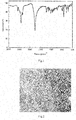
Figure 1 is an infrared spectrogram of an example 2; -
Figure 2 is an SEM image of an example 2; -
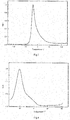
Figure 3 is a DMA diagram of an example 2; and -
Figure 4 is a DMA diagram of a Comparison example 1. - The present invention is further illustrated below in conjunction with the examples.
- Raw materials used in the examples are all commercially available:
A glass transition temperature is measured by a differential scanning calorimeter of Switzerland company METTLER TOLEDO. - A preparation process of a polyurethane elastomer in the example comprises:
- 1) preparation of a dilithium initiator: cyclohexane and tetrahydrofuran were matched to serve as a solvent, and isoprene was reacted with lithium metal under an ice-water bath condition to produce the dilithium initiator: 70 g of a lithium sheet of which an oxide layer was stripped and 500 ml of tetrahydrofuran were added into a three-neck flask, then the three-neck flask was put in the ice-water bath under argon shielding, and the temperature was stabilized at about 0°C; 200 ml of isoprene and 500 ml of cyclohexane were uniformly mixed and added into a pressure-equalizing dropping funnel, the mixture was slowly added into the three-neck flask drop by drop, and reacted with the lithium metal; the mixture was continuously stirred at 0°C for 6 h after dropping; the mixture was placed in a low temperature for 24 h after the reaction: and the upper clarified reaction solution was filtered by a G4 sand core funnel to obtain a brownish red transparent initiator solution. Before use, the initiator concentration was calibrated by a double titration method. The concentration of the dilithium initiator was 0.8 mol/L;
- 2) distillation of ethylene oxide: 10 g of calcium hydride was ground into powder, the powder was added into 100 ml of ethylene oxide and was soaked for 24 h, and the ethylene oxide was distilled off at a normal temperature in a nitrogen atmosphere:
- 3) preparation of the hydroxyl-terminated solution polymerized styrene-butadiene rubber: a temperature of a reactor was raised to 50°C and the reactor was washed with cyclohexane for 2 h, wherein a mass ratio of butadiene to styrene was 100:25, a monomer mass fraction was 10%, a mass ratio of active lithium to (butadiene + styrene) was 1:280. a reaction temperature during butadiene-styrene rubber synthesis was 50°C and the reaction time was 4 h; the reactor was cooled to a room temperature, and the ethylene oxide was added to serve as the end-capping reagent, wherein a mass ratio of the ethylene oxide to active lithium was 100:18, and the reaction time was 12 h; the rubber solution was collected in the nitrogen atmosphere, an appropriate amount of hydrochloric acid was added, the mixture was stirred at a normal temperature for 4 h. precipitation was performed by using absolute ethanol to obtain the hydroxyl-terminated solution polymerized styrene-butadiene rubber (having a molecular weight of 3000 and a glass transition temperature of -25.9°C), the product was sealed and preserved:
- 4) preparation of a prepolymer: 16 g of hydroxyl-terminated solution polymerized styrene-butadiene rubber was stirred at 95°C under vacuum condition (at a stirring rate of 150 rad/min) for 2.5 h, the temperature was lowered to 80°C, 4.35 g of 4.4-diphenylmethane diisocyanate (MDI) was added, the mixture reacted for 3 h. the temperature was lowered to 65°C. sampling was performed, the mass content of -NCO was detected according to standard ASTM D2572-97. and when the mass content of -NCO reached 7%, the produce was discharged, sealed and preserved: and
- 5) preparation of the solution polymerized styrene-butadiene rubber-polyurethane elastomer: 20.3 g of the prepolymer was stirred at 80°C under vacuum condition (at a stirring rate of 150 rad/min) for 2 h, the temperature was lowered to 65°C 0.92 g of 1.4-butanediol (BDO) and 0.16 g of trimethylolpropane (TMP) were added (at a dropping rate of 1 s/drop), the mixture was stirred at high speed (at a stirring rate of 400 rad/min) for 3 min. cast molding was performed, the mold was put in a drying oven at 100°C for curing for 20 h. and the product was placed at a normal temperature for 7 d after being demoulded.
- A preparation process of a polyurethane elastomer in the example comprises:
- 1) preparation of a dilithium initiator: cyclohexane and tetrahydrofuran were matched to serve as a solvent, and isoprene and lithium metal were reacted under an ice-water bath condition to produce the dilithium initiator; 60 g of a lithium sheet of which an oxide layer was stripped and 500 ml of tetrahydrofuran were added into a three-neck flask, then the three-neck flask was placed in the ice-water bath under argon shielding, and the temperature was stabilized at about 0°C 200 ml of isoprene and 500 ml of cyclohexane were uniformly mixed, the mixture was added into a pressure-equalizing dropping funnel, was slowly added into the three-neck flask drop by drop, and fully reacted with the lithium metal: the mixture was continuously stirred at 0°C for 6 h after dropping: the mixture was placed in a low temperature for 24 h after the reaction; and the upper clarified reaction solution was filtered by using a G4 sand core funnel to obtain a brownish red transparent initiator solution. Before use, the initiator concentration was calibrated by a double titration method. The concentration of the dilithium initiator was 0.8 mol/L;
- 2) distillation of ethylene oxide: 10 g of calcium hydride was ground into powder, the powder was added into 100 ml of ethylene oxide and was soaked for 24 h. and the ethylene oxide was distilled off at a normal temperature in a nitrogen atmosphere:
- 3) preparation of hydroxyl-terminated solution polymerized styrene-butadiene rubber: the temperature of a reactor was raised to 50°C and the reactor was washed with cyclohexane for 2 h, wherein a mass ratio of butadiene to styrene was 100:25, a monomer mass fraction was 10%, a mass ratio of active lithium to (butadiene + styrene) was 1:430, a reaction temperature during butadiene-styrene rubber synthesis was 50°C and the reaction time was 4 h: the reactor was cooled to a room temperature, and the ethylene oxide was added to serve as the end-capping reagent, wherein a mass ratio of the ethylene oxide to active lithium was 100:20, and the reaction time was 12 h: the rubber solution was collected in the nitrogen atmosphere, an appropriate amount of hydrochloric acid was added, the mixture was stirred at a normal temperature for 4 h, precipitation was performed with absolute ethanol to obtain the hydroxyl-terminated solution polymerized styrene-butadiene rubber (having a molecular weight of 4500 and a glass transition temperature of -28.5°C), and the product was sealed and preserved;
- 4) preparation of a prepolymer: 16 g of hydroxyl-terminated solution polymerized styrene-butadiene rubber was stirred at 95°C under vacuum condition (at a stirring rate of 200 rad/min) for 2.5 h. the temperature was lowered to 90°C, 4.58 g of 1.5-naphalene diisocyanate (NDI) was added, the mixture reacted for 3 h. the temperature was lowered to 65°C sampling was performed, the mass content of -NCO was detected according to standard ASTM D2572-97, and when the mass content of -NCO reached 7%, the product was discharged, sealed and preserved; and
- 5) preparation of solution polymerized styrene-butadiene rubber-polyurethane elastomer: 20.5 g of the prepolymer was stirred at 90°C under vacuum condition (at a stirring rate of 200 rad/min) for 2 h. the temperature was lowered to 65°C, 0.95 g of 1.4-butanediol (BDO) and 0.95 g of trimethylolpropane (TMP) were added (at a dropping rate of 2 s/drop), the mixture was stirred at a high speed (at a stirring rate of 500 rad min) for 2 min, cast molding was performed, the mold was put in a drying oven at 100°C for curing for 20 h, and the product was placed at a normal temperature for 7 d after being demoulded.
- A preparation process of a polyurethane elastomer in the example comprises:
- 1) preparation of a dilithium initiator: cyclohexane and tetrahydrofuran were matched to serve as a solvent, and isoprene and lithium metal were reacted under an ice-water bath condition to produce the dilithium initiator; 90 g of a lithium sheet of which an oxide layer was stripped and 500 ml of tetrahydrofuran were added into a three-neck flask, then the three-neck flask was placed in the ice-water bath under argon shielding, and the temperature was stabilized at about 0°C: 200 ml of isoprene and 500 ml of cyclohexane were uniformly mixed, and the mixture was added into a pressure-equalizing dropping funnel, and then slowly added into the three-neck flask drop by drop, and fully reacted with the lithium metal; the mixture was continuously stirred at 0°C for 6 h after dropping; the mixture was placed in a low temperature for 24 h after the reaction; and the upper clarified reaction solution was filtered by using a G4 sand core funnel to obtain a brownish red transparent initiator solution. Before use, the initiator concentration was calibrated by a double titration method. The concentration of the dilithium initiator was 0.8 mol/L;
- 2) distillation of ethylene oxide: 10 g of calcium hydride was ground into powder, the powder was added into 100 ml of ethylene oxide and soaked for 24 h. and the ethylene oxide was distilled off at a normal temperature in a nitrogen atmosphere;
- 3) preparation of hydroxyl-terminated solution polymerized styrene-butadiene rubber: the temperature of a reactor was raised to 45°C and the reactor was washed with cyclohexane for 2 h, wherein a mass ratio of butadiene to styrene was 100:30, a monomer mass fraction was 10%, a mass ratio of active lithium to (butadiene + styrene) was 1:90, a reaction temperature during butadiene-styrene rubber synthesis was 45°C and the reaction time was 4 h; the reactor was cooled to a room temperature, and the ethylene oxide was added to serve as the end-capping reagent, wherein a mass ratio of the ethylene oxide to active lithium was 100:12, and the reaction time was 12 h; the rubber solution was collected in the nitrogen atmosphere, an appropriate amount of hydrochloric acid was added, the mixture was stirred at a normal temperature for 4 h. precipitation was performed with absolute ethanol to obtain the hydroxyl-terminated solution polymerized styrene-butadiene rubber (having a molecular weight of 1000 and a glass transition temperature of -28.I°C), and the product was sealed and preserved:
- 4) preparation of a prepolymer: 15 g of hydroxyl-terminated solution polymerized styrene-butadiene rubber was stirred at 95°C under vacuum condition (at a stirring rate of 200 rad/min) for 2 h, the temperature was lowered to 90°C, 5.7 g of 1.5-naphalene diisocyanate (NDI) was added, the mixture reacted for 3 h. the temperature was lowered to 65°C. sampling was performed, the mass content of -NCO was detected according to standard ASTM D2572-97, when the mass content of -NCO reached 5%, the product was discharged, sealed and preserved; and
- 5) preparation of solution polymerized styrene-butadiene rubber-polyurethane elastomer: 20 g of the prepolymer was stirred at 90°C under vacuum condition (at a stirring rate of 200 rad/min) for 2 h, the temperature was lowered to 65°C, 1.16 g of 1,4-butanediol (BDO) and 0.2 g of trimethylolpropane (TMP) were added (at a dropping rate of 2 s/drop), the mixture was stirred at a high speed (at a stirring rate of 600 rad/min) for 2 min, cast molding was performed, the mold was placed in a drying oven at 100°C for curing for 20 h, and the product was placed in a normal temperature for 7 d after being demoulded.
- A preparation process of a polyurethane elastomer in the example comprises:
- 1) preparation of a dilithium initiator: cyclohexane and tetrahydrofuran were matched to serve as a solvent, and isoprene and lithium metal were reacted under an ice-water bath condition to produce the dilithium initiator; 55 g of a lithium sheet of which an oxide layer was stripped and 500 ml of tetrahydrofuran were added into a three-neck flask, then the three-neck flask was placed in the ice-water bath under argon shielding, and the temperature was stabilized at about 0°C; 200 ml of isoprene and 500 ml of cyclohexane were uniformly mixed, the mixture was added into a pressure-equalizing dropping funnel and slowly added into the three-neck flask drop by drop, and fully reacted with the lithium metal: the mixture was continuously stirred at 0°C for 6 h after dropping: the mixture was placed in a low temperature for 24 h after the reaction; and the upper clarified reaction solution was filtered by using a G4 sand core funnel to obtain a brownish red transparent initiator solution. Before use, the initiator concentration was calibrated by a double titration method. The concentration of the dilithium initiator was 0.8 mol/L;
- 2) distillation of ethylene oxide: 10 g of calcium hydride was ground into powder, the powder was added into 100 ml of ethylene oxide and soaked for 24 h. and the ethylene oxide was distilled off at a normal temperature in a nitrogen atmosphere:
- 3) preparation of hydroxyl-terminated solution polymerized styrene-butadiene rubber: the temperature of a reactor was raised to 50°C, and the reactor was washed with cyclohexane for 2 h. wherein a mass ratio of butadiene to styrene was 100:35, a monomer mass fraction was 10%, a mass ratio of active lithium to (butadiene + styrene) was 1:790, a reaction temperature during butadiene-styrene rubber synthesis was 55°C and the reaction time was 4 h; the reactor was cooled to a room temperature, and the ethylene oxide was added to serve as the end-capping reagent, wherein a mass ratio of the ethylene oxide to active lithium was 100:20, and the reaction time was 12 h; the rubber solution was collected in the nitrogen atmosphere, an appropriate amount of hydrochloric acid was added, the mixture was stirred at a normal temperature for 4 h. precipitation was performed by using absolute ethanol to obtain the hydroxyl-terminated solution polymerized styrene-butadiene rubber (having a molecular weight of 8000 and a glass transition temperature of -28.3°C), and the product was sealed and preserved;
- 4) preparation of a prepolymer: 15 g of hydroxyl-terminated solution polymerized styrene-butadiene rubber was stirred at 95°C under vacuum condition (at a stirring rate of 250 rad/min) for 3 h, the temperature was lowered to 90°C, 2.3 g of 1.5-naphalene diisocyanate (NDI) was added, the mixture reacted for 3 h. the temperature was lowered to 65°C, sampling was performed, the mass content of -NCO was detected according to standard ASTM D2572-97. when the mass content of -NCO reached 5%, the product was discharged, sealed and preserved; and
- 5) preparation of solution polymerized styrene-butadiene rubber-polyurethane elastomer: 17.3 g of the prepolymer was stirred at 90°C under vacuum condition (at a stirring rate of 250 rad/min) for 2 h. the temperature was lowered to 65°C, 0.7 g of 1.4-butanediol (BDO) and 0.13 g of trimethylolpropane (TMP) were added (at a dropping rate of 2 s/drop), the mixture was stirred at a high speed (at a stirring rate of 600 rad/min) for 2 min. cast molding was performed, the mold was put in a drying oven at 100°C for curing for 20 h. and the product was placed in a normal temperature for 7 d after being demoulded.
- A preparation process of a polyurethane elastomer in the comparison example comprises:
- 1) preparation of a prepolymer: 16 g of polytetramethylene ether glycol (PTMG, having a molecular weight of 2000) was stirred at 80°C under vacuum condition for 2.5 h. the temperature was lowered to 70°C, 6.6 g of 4,4-diphenylmethane diisocyanate (MDI) was added, the mixture reacted for 3 h, the temperature was lowered to 60°C. sampling was performed, the mass content of -NCO was detected according to standard ASTM D2572-97, the isocyanate was supplemented if the mass content of -NCO was less than 7%, and when the mass content of -NCO reached 7%, the product was discharged, sealed and preserved:
- 5) preparation of polyurethane elastomer: 22 g of the prepolymer was stirred at 80°C under vacuum condition for 2 h, the temperature was lowered to 60°C, 2.8 g of 1,4-butanediol (BDO) and 0.5 g of trimethylolpropane (TMP) were added, the mixture was stirred at a high speed for 3 min, cast molding was performed, the mold was put in a drying oven at 100°C for curing for 20 h, and the product was placed in a normal temperature for 7 d after being demoulded.
- Data of the examples and the comparison example is seen in Table 1
Table 1 Glass transition temperature °C Tensile strength MPa Elongation at break % tensile stress at 100% elongation MPa tensile stress at 300% elongation MPa Hardness Shore A Thermal decomposition temperature °C Example 1 -21.5 21.2 430 7.9 12.3 80 309 Example 2 -24.8 23.3 425 8.6 12.8 83 321 Example 3 -23.2 21.7 433 8.0 11.9 86 315 Example 4 -23.6 20.8 429 8.2 12.2 78 318 Comparison example 1 -52.8 20 2 438 8.1 11.9 74 295 - Thermal decomposition of the polyurethane is generally performed in two stages, that is, firstly decomposition of the hard segment, and then decomposition of the soft segment. The data in the Table 1 shows that the polyurethane material of the present invention has obviously excellent thermal stability in comparison to the traditional polyurethane material in the Comparison example 1, and an initial thermal decomposition temperature is raised by 14-26°C. The tensile strength is improved by 0.6-3.1 MPa. Thanks to its adjustable hardness range, the polyurethane satisfies the using conditions of different tires.
- The polymer with a high loss factor (tan δ) at a lower temperature (about 0°C) is capable of improving the wet-skid resistance of the product, and the polymer with low tan δ at a higher temperature (about 60°C) is capable of reducing the rolling resistance of the product. The comparison of drawings 3 and 4 shows that the tan 6 of the traditional polyurethane at 0°C is 0.1. while the tan δ of the polyurethane of the present invention at 0°C is 0.4. and the wet-skid resistance of the material is obviously improved. Meanwhile, at a temperature of 100°C, the tan δ of the traditional polyurethane is obviously increased, while the tan δ of the polyurethane of the present invention is still kept on an extremely low level, which further proves that the polyurethane of the present invention has more excellent heat resistance.
- Obviously, the described examples are merely a part of the illustrations for clearly describing the present invention, rather than a limitation of the application modes of the present invention. On the basis of the description, those ordinarily skilled in the art may make other changes or modifications in different forms. All the examples cannot be listed herein. All obvious changes or modifications derived from the technical solution of the present invention are still included in a protection scope of the present invention.
Claims (8)
- A solution polymerized styrene-butadiene rubber-polyurethane elastomer material for a high-performance tire, which is characterized in that the elastomer material is prepared by performing cast molding on:a soft segment and a hard segment in a mass ratio of 100:(20-50);the soft segment is hydroxyl-terminated solution polymerized styrene-butadiene rubber prepared by an anionic polymerization;the hard segment comprises isocyanate, a small-molecule polyol chain extender and a cross-linking agent;the isocyanate is 4.4-diphenylmethane diisocyanate or 1.5-naphalene diisocyanate ortoluene-2,4-diisocyanate;the small-molecule polyol chain extender is 1.4-butanediol or ethylene glycol;the cross-linking agent is trimethylolpropane or glycerin;a mass ratio of the soft segment to the isocyanate is 100:(15-45);a mass ratio of (the soft segment + the isocyanate) to (the chain extender + the cross-linking agent) is 100:(4-12);a mass ratio of the chain extender to the cross-linking agent is 100:(17-100);a molecular weight of the soft segment is 1000-8000:
a glass-transition temperature of the soft segment is -20°C to -30°C - The solution polymerized styrene-butadiene rubber-polyurethane elastomer material of claim 1. which is characterized in that the mass ratio of the soft segment to the hard segment is 100:(30-45).
- The solution polymerized styrene-butadiene rubber-polyurethane elastomer material of claim 1, which is characterized in that the soft segment has a molecular weight of 4500-6500.
- The solution polymerized styrene-butadiene rubber-polyurethane elastomer material of claim 1, which is characterized in that:
the soft segment is prepared by a method comprising the following steps:(1) preparation of a dilithium initiator, namely taking cyclohexane and tetrahydrofuran as solvents, and reacting isoprene and lithium metal under an ice-water bath condition to produce the dilithium initiator;(2) distillation and purification of ethylene oxide; and(3) performing a synthetic reaction on butadiene, styrene and the dilithium initiator at a reaction temperature of 45-55°C for 3.5-4.5 h. cooling a reactor to a room temperature, adding ethylene oxide serving as an end-capping reagent, and reacting for 12-14 h to produce hydroxyl-terminated solution polymerized styrene-butadiene rubber;
wherein, a mass ratio of butadiene to styrene is 100:(25-35);
a mass ratio of ethylene oxide to active lithium is 100:(10-20); and
a mass ratio of the active lithium to (butadiene + styrene) is 1:(90-790). - The solution polymerized styrene-butadiene rubber-polyurethane elastomer material of claim 1, which is characterized in that the dilithium initiator has a concentration of 0.5-1.0mol/L.
- The solution polymerized styrene-butadiene rubber-polyurethane elastomer material of claim 1, which is characterized in that the solution polymerized styrene-butadiene rubber-polyurethane elastomer has a glass-transition temperature of -20°C to -30°C.
- A preparation method of the solution polymerized styrene-butadiene rubber-polyurethane elastomer material of any one of claims 1-6, which is characterized in that the method comprises:a. preparation of a prepolymer: stirring hydroxyl-terminated solution polymerized styrene-butadiene rubber at 90-100°C under a vacuum condition for 2-3 h. cooling to 80-90°C, adding isocyanate, reacting for 2.5-3 h. cooling to 65-75°C sampling, detecting a mass content of -NCO, supplementing the isocyanate if the mass content of -NCO is less than 5%-11%, and discharging if the mass content of -NCO is 5%-11%; andb. preparation of a solution polymerized styrene-butadiene rubber-polyurethane elastomer: stirring the prepolymer at 80-90°C under the vacuum condition for 2-3 h. cooling to 65-75°C, adding a small-molecule polyol chain extender and a cross-linking agent, stirring at a high speed for 2-3 min. and performing cast molding to obtain the polyurethane elastomer material.
- The preparation method of the solution polymerized styrene-butadiene rubber-polyurethane elastomer material of claim7, which is characterized in that:the stirring rate is 150-250 rad/min, the high-speed stirring rate is 400-600 rad min,and a dropping rate of the small-molecule polyol chain extender and the cross-linking agent is 1-2 s/drop.
Applications Claiming Priority (2)
| Application Number | Priority Date | Filing Date | Title |
|---|---|---|---|
| CN201610348007.1A CN107417879B (en) | 2016-05-24 | 2016-05-24 | A solution-polymerized styrene-butadiene rubber-polyurethane elastomer material for high-performance tires and preparation method thereof |
| PCT/CN2016/090795 WO2017201852A1 (en) | 2016-05-24 | 2016-07-21 | Solution polymerized styrene-butadiene rubber-polyurethane elastomeric material for high performance tire and preparation method therefor |
Publications (3)
| Publication Number | Publication Date |
|---|---|
| EP3467000A1 true EP3467000A1 (en) | 2019-04-10 |
| EP3467000A4 EP3467000A4 (en) | 2019-05-22 |
| EP3467000B1 EP3467000B1 (en) | 2020-12-23 |
Family
ID=60412624
Family Applications (1)
| Application Number | Title | Priority Date | Filing Date |
|---|---|---|---|
| EP16902839.6A Active EP3467000B1 (en) | 2016-05-24 | 2016-07-21 | Solution polymerized styrene-butadiene rubber-polyurethane elastomeric material for high performance tire and preparation method therefor |
Country Status (6)
| Country | Link |
|---|---|
| US (1) | US10717854B2 (en) |
| EP (1) | EP3467000B1 (en) |
| JP (1) | JP6692988B2 (en) |
| KR (1) | KR102132550B1 (en) |
| CN (1) | CN107417879B (en) |
| WO (1) | WO2017201852A1 (en) |
Families Citing this family (6)
| Publication number | Priority date | Publication date | Assignee | Title |
|---|---|---|---|---|
| CN111019205B (en) * | 2018-10-10 | 2022-03-29 | 中国石油天然气股份有限公司 | Preparation method of polyurethane modified emulsion polymerized styrene butadiene rubber |
| WO2020122174A1 (en) * | 2018-12-13 | 2020-06-18 | 株式会社ブリヂストン | Rubber composition and tire in which same is used |
| CN112933584A (en) * | 2021-02-23 | 2021-06-11 | 江西汇贤聚氨酯有限公司 | Skateboard wheel with high resilience, high comfort and high wear resistance and processing method thereof |
| CN114456578B (en) * | 2021-12-30 | 2023-08-04 | 永州雅力德科技有限公司 | Polyurethane composition and preparation method thereof |
| CN117067422B (en) * | 2023-08-08 | 2025-12-30 | 苏州大学 | A puncture-resistant composite film of rigid-flexible particle blended modified TPU, its preparation method and application |
| KR20250032262A (en) * | 2023-08-30 | 2025-03-07 | 코오롱인더스트리 주식회사 | Moisture and oxygen barrier laminate with improved durability |
Family Cites Families (18)
| Publication number | Priority date | Publication date | Assignee | Title |
|---|---|---|---|---|
| ZA733319B (en) * | 1972-06-08 | 1974-04-24 | Firestone Tire & Rubber Co | Tire treads |
| ZA733464B (en) * | 1972-06-08 | 1974-04-24 | Firestone Tire & Rubber Co | Tire treads and the production thereof |
| US3855177A (en) * | 1972-06-08 | 1974-12-17 | Firestone Tire & Rubber Co | Pneumatic tire treads and their production |
| JPS57159812A (en) * | 1981-03-28 | 1982-10-02 | Idemitsu Kosan Co Ltd | Polyurethane-forming composition |
| JPS57212223A (en) * | 1981-06-24 | 1982-12-27 | Hitachi Ltd | Thermosetting resin composition |
| US6268427B1 (en) * | 1999-02-18 | 2001-07-31 | Bridgestone Corporation | Elastomeric compositions for damping |
| WO2000049085A1 (en) * | 1999-02-18 | 2000-08-24 | Bridgestone Corporation | Elastomeric compositions for damping |
| EP1920000A1 (en) * | 2005-09-01 | 2008-05-14 | Sartomer Technology Company, Inc. | High modulus rubber composition |
| JP4897588B2 (en) | 2006-07-26 | 2012-03-14 | 住友ゴム工業株式会社 | Rubber composition and tire using the same |
| DE602007002450D1 (en) * | 2006-07-26 | 2009-10-29 | Sumitomo Rubber Ind | Rubber compound and tire with it |
| DE102007038442A1 (en) | 2007-08-16 | 2009-02-19 | Lanxess Deutschland Gmbh | Modified polymers based on conjugated dienes or of conjugated dienes and vinylaromatic compounds, a process for their preparation and their use |
| JP5205876B2 (en) | 2007-08-31 | 2013-06-05 | 横浜ゴム株式会社 | Rubber composition for tire tread |
| CN101792650B (en) * | 2010-02-08 | 2013-01-16 | 广东国望精细化学品有限公司 | Solvent-free polyurethane adhesive for flexible package |
| JP5844992B2 (en) | 2011-04-18 | 2016-01-20 | 株式会社ブリヂストン | Thermosetting resin composition and urethane cured product |
| CN102219887A (en) * | 2011-05-23 | 2011-10-19 | 中国铁道科学研究院金属及化学研究所 | Ballast adhesive resin as well as preparation method and applications thereof |
| CN102250313B (en) * | 2011-06-03 | 2012-09-26 | 山东东大一诺威聚氨酯有限公司 | Self-skinning microporous elastomer composite for polyurethane foam tire |
| CN103193954B (en) * | 2013-04-02 | 2014-12-31 | 上海水贝司化工有限公司 | Preparation method of aqueous polyurethane dispersion and application of aqueous polyurethane dispersion |
| CN104072716B (en) * | 2014-07-18 | 2016-05-11 | 浙江奥康鞋业股份有限公司 | Polyurethane elastomer and the sole of being made by it |
-
2016
- 2016-05-24 CN CN201610348007.1A patent/CN107417879B/en active Active
- 2016-07-21 WO PCT/CN2016/090795 patent/WO2017201852A1/en not_active Ceased
- 2016-07-21 KR KR1020187033816A patent/KR102132550B1/en active Active
- 2016-07-21 JP JP2019514157A patent/JP6692988B2/en active Active
- 2016-07-21 EP EP16902839.6A patent/EP3467000B1/en active Active
-
2018
- 2018-11-20 US US16/197,073 patent/US10717854B2/en not_active Expired - Fee Related
Also Published As
| Publication number | Publication date |
|---|---|
| US20190112458A1 (en) | 2019-04-18 |
| EP3467000A4 (en) | 2019-05-22 |
| KR102132550B1 (en) | 2020-07-09 |
| JP6692988B2 (en) | 2020-05-13 |
| JP2019518130A (en) | 2019-06-27 |
| KR20180137000A (en) | 2018-12-26 |
| CN107417879B (en) | 2020-06-09 |
| CN107417879A (en) | 2017-12-01 |
| US10717854B2 (en) | 2020-07-21 |
| EP3467000B1 (en) | 2020-12-23 |
| WO2017201852A1 (en) | 2017-11-30 |
Similar Documents
| Publication | Publication Date | Title |
|---|---|---|
| US10717854B2 (en) | Solution polymerized styrene-butadiene rubber-polyurethane elastomer material for high performance tire and preparation method thereof | |
| EP2221195B1 (en) | Tire with a rubber composition and a tread of polybutadiene rubber | |
| KR101857392B1 (en) | Method for preparing modified conjugated diene polymer | |
| EP3536720A1 (en) | Modified conjugated diene-based polymer and rubber composition comprising same | |
| EP3345940A1 (en) | Modified conjugated diene-based polymer, method for producing same and rubber composition comprising the same | |
| CN106832448A (en) | A kind of tread rubber for preparing high-performance tire | |
| CN102260368A (en) | Polyurethane elastomer damper material and its preparation method | |
| CN110684174A (en) | Low-hardness 1, 5-naphthalene diisocyanate-based polyurethane elastomer and preparation method thereof | |
| CN112194771B (en) | High-resilience casting polyurethane elastomer | |
| EP3889194A1 (en) | Modified conjugated diene-based polymer and rubber composition comprising same | |
| CN107474521B (en) | A kind of high wet skid resistant elastomer nanocomposite material for solid force car tire and preparation method thereof | |
| DE112015003646B9 (en) | Rubber composition, vulcanized product and use of the vulcanized product in a pneumatic tire | |
| CN107540812B (en) | A kind of thermoplastic solution-polymerized styrene-butadiene rubber-polyurethane elastomer material and preparation method | |
| CN115010893A (en) | Thermoplastic polyurethane elastomer and processing technology thereof | |
| CN102529565A (en) | Open-structural cycle tire without bursting | |
| EP4079806B1 (en) | Oil-extended modified conjugated diene-based polymer, method for preparing same, and rubber composition comprising same | |
| KR102869579B1 (en) | Method for preparing modified conjugated diene polymer | |
| KR102760492B1 (en) | Modified conjugated diene polymer and rubber composition comprising the same | |
| DE2329001A1 (en) | TIRE TREADS AND THEIR PRODUCTION | |
| US20250277105A1 (en) | Rubber composition containing a diene elastomer having carbonate functional groups | |
| CN114957812B (en) | Rubber composition, preparation method thereof and rubber product | |
| EP4074741B1 (en) | Modified conjugated diene-based polymer and rubber composition comprising same | |
| KR102629480B1 (en) | Oil-extended modified conjugated diene-based polymer, preparation method thereof and rubber composition comprising the same | |
| CN118006132B (en) | Rubber composition for tire tread and preparation method thereof | |
| CN115677970B (en) | Ionic polyurethane composition and preparation method and application thereof |
Legal Events
| Date | Code | Title | Description |
|---|---|---|---|
| STAA | Information on the status of an ep patent application or granted ep patent |
Free format text: STATUS: THE INTERNATIONAL PUBLICATION HAS BEEN MADE |
|
| PUAI | Public reference made under article 153(3) epc to a published international application that has entered the european phase |
Free format text: ORIGINAL CODE: 0009012 |
|
| STAA | Information on the status of an ep patent application or granted ep patent |
Free format text: STATUS: REQUEST FOR EXAMINATION WAS MADE |
|
| 17P | Request for examination filed |
Effective date: 20181115 |
|
| AK | Designated contracting states |
Kind code of ref document: A1 Designated state(s): AL AT BE BG CH CY CZ DE DK EE ES FI FR GB GR HR HU IE IS IT LI LT LU LV MC MK MT NL NO PL PT RO RS SE SI SK SM TR |
|
| AX | Request for extension of the european patent |
Extension state: BA ME |
|
| RIN1 | Information on inventor provided before grant (corrected) |
Inventor name: WU, XIAOHUI Inventor name: QIN, XUAN Inventor name: MAO, LIXIN Inventor name: ZHANG, LIQUN Inventor name: ZHANG, NING Inventor name: DONG, DONG Inventor name: LIU, JUN Inventor name: HAN, BINGYONG |
|
| A4 | Supplementary search report drawn up and despatched |
Effective date: 20190424 |
|
| RIC1 | Information provided on ipc code assigned before grant |
Ipc: C08G 18/32 20060101ALI20190416BHEP Ipc: C08G 18/62 20060101ALI20190416BHEP Ipc: C08F 2/00 20060101ALI20190416BHEP Ipc: C08G 18/76 20060101ALI20190416BHEP Ipc: B60C 1/00 20060101ALI20190416BHEP Ipc: C08F 212/08 20060101ALI20190416BHEP Ipc: C08F 236/10 20060101ALI20190416BHEP Ipc: C08G 18/10 20060101ALI20190416BHEP Ipc: C08G 18/69 20060101AFI20190416BHEP |
|
| DAV | Request for validation of the european patent (deleted) | ||
| DAX | Request for extension of the european patent (deleted) | ||
| STAA | Information on the status of an ep patent application or granted ep patent |
Free format text: STATUS: EXAMINATION IS IN PROGRESS |
|
| 17Q | First examination report despatched |
Effective date: 20191213 |
|
| GRAJ | Information related to disapproval of communication of intention to grant by the applicant or resumption of examination proceedings by the epo deleted |
Free format text: ORIGINAL CODE: EPIDOSDIGR1 |
|
| GRAP | Despatch of communication of intention to grant a patent |
Free format text: ORIGINAL CODE: EPIDOSNIGR1 |
|
| GRAP | Despatch of communication of intention to grant a patent |
Free format text: ORIGINAL CODE: EPIDOSNIGR1 |
|
| STAA | Information on the status of an ep patent application or granted ep patent |
Free format text: STATUS: GRANT OF PATENT IS INTENDED |
|
| INTG | Intention to grant announced |
Effective date: 20200807 |
|
| INTG | Intention to grant announced |
Effective date: 20200813 |
|
| GRAS | Grant fee paid |
Free format text: ORIGINAL CODE: EPIDOSNIGR3 |
|
| GRAA | (expected) grant |
Free format text: ORIGINAL CODE: 0009210 |
|
| STAA | Information on the status of an ep patent application or granted ep patent |
Free format text: STATUS: THE PATENT HAS BEEN GRANTED |
|
| AK | Designated contracting states |
Kind code of ref document: B1 Designated state(s): AL AT BE BG CH CY CZ DE DK EE ES FI FR GB GR HR HU IE IS IT LI LT LU LV MC MK MT NL NO PL PT RO RS SE SI SK SM TR |
|
| REG | Reference to a national code |
Ref country code: GB Ref legal event code: FG4D |
|
| REG | Reference to a national code |
Ref country code: DE Ref legal event code: R096 Ref document number: 602016050434 Country of ref document: DE |
|
| REG | Reference to a national code |
Ref country code: AT Ref legal event code: REF Ref document number: 1347666 Country of ref document: AT Kind code of ref document: T Effective date: 20210115 |
|
| REG | Reference to a national code |
Ref country code: IE Ref legal event code: FG4D |
|
| PG25 | Lapsed in a contracting state [announced via postgrant information from national office to epo] |
Ref country code: GR Free format text: LAPSE BECAUSE OF FAILURE TO SUBMIT A TRANSLATION OF THE DESCRIPTION OR TO PAY THE FEE WITHIN THE PRESCRIBED TIME-LIMIT Effective date: 20210324 Ref country code: FI Free format text: LAPSE BECAUSE OF FAILURE TO SUBMIT A TRANSLATION OF THE DESCRIPTION OR TO PAY THE FEE WITHIN THE PRESCRIBED TIME-LIMIT Effective date: 20201223 Ref country code: RS Free format text: LAPSE BECAUSE OF FAILURE TO SUBMIT A TRANSLATION OF THE DESCRIPTION OR TO PAY THE FEE WITHIN THE PRESCRIBED TIME-LIMIT Effective date: 20201223 Ref country code: NO Free format text: LAPSE BECAUSE OF FAILURE TO SUBMIT A TRANSLATION OF THE DESCRIPTION OR TO PAY THE FEE WITHIN THE PRESCRIBED TIME-LIMIT Effective date: 20210323 |
|
| REG | Reference to a national code |
Ref country code: AT Ref legal event code: MK05 Ref document number: 1347666 Country of ref document: AT Kind code of ref document: T Effective date: 20201223 |
|
| REG | Reference to a national code |
Ref country code: NL Ref legal event code: MP Effective date: 20201223 |
|
| PG25 | Lapsed in a contracting state [announced via postgrant information from national office to epo] |
Ref country code: BG Free format text: LAPSE BECAUSE OF FAILURE TO SUBMIT A TRANSLATION OF THE DESCRIPTION OR TO PAY THE FEE WITHIN THE PRESCRIBED TIME-LIMIT Effective date: 20210323 Ref country code: LV Free format text: LAPSE BECAUSE OF FAILURE TO SUBMIT A TRANSLATION OF THE DESCRIPTION OR TO PAY THE FEE WITHIN THE PRESCRIBED TIME-LIMIT Effective date: 20201223 Ref country code: SE Free format text: LAPSE BECAUSE OF FAILURE TO SUBMIT A TRANSLATION OF THE DESCRIPTION OR TO PAY THE FEE WITHIN THE PRESCRIBED TIME-LIMIT Effective date: 20201223 |
|
| PG25 | Lapsed in a contracting state [announced via postgrant information from national office to epo] |
Ref country code: NL Free format text: LAPSE BECAUSE OF FAILURE TO SUBMIT A TRANSLATION OF THE DESCRIPTION OR TO PAY THE FEE WITHIN THE PRESCRIBED TIME-LIMIT Effective date: 20201223 Ref country code: HR Free format text: LAPSE BECAUSE OF FAILURE TO SUBMIT A TRANSLATION OF THE DESCRIPTION OR TO PAY THE FEE WITHIN THE PRESCRIBED TIME-LIMIT Effective date: 20201223 |
|
| REG | Reference to a national code |
Ref country code: LT Ref legal event code: MG9D |
|
| PG25 | Lapsed in a contracting state [announced via postgrant information from national office to epo] |
Ref country code: SM Free format text: LAPSE BECAUSE OF FAILURE TO SUBMIT A TRANSLATION OF THE DESCRIPTION OR TO PAY THE FEE WITHIN THE PRESCRIBED TIME-LIMIT Effective date: 20201223 Ref country code: LT Free format text: LAPSE BECAUSE OF FAILURE TO SUBMIT A TRANSLATION OF THE DESCRIPTION OR TO PAY THE FEE WITHIN THE PRESCRIBED TIME-LIMIT Effective date: 20201223 Ref country code: EE Free format text: LAPSE BECAUSE OF FAILURE TO SUBMIT A TRANSLATION OF THE DESCRIPTION OR TO PAY THE FEE WITHIN THE PRESCRIBED TIME-LIMIT Effective date: 20201223 Ref country code: CZ Free format text: LAPSE BECAUSE OF FAILURE TO SUBMIT A TRANSLATION OF THE DESCRIPTION OR TO PAY THE FEE WITHIN THE PRESCRIBED TIME-LIMIT Effective date: 20201223 Ref country code: SK Free format text: LAPSE BECAUSE OF FAILURE TO SUBMIT A TRANSLATION OF THE DESCRIPTION OR TO PAY THE FEE WITHIN THE PRESCRIBED TIME-LIMIT Effective date: 20201223 Ref country code: PT Free format text: LAPSE BECAUSE OF FAILURE TO SUBMIT A TRANSLATION OF THE DESCRIPTION OR TO PAY THE FEE WITHIN THE PRESCRIBED TIME-LIMIT Effective date: 20210423 Ref country code: RO Free format text: LAPSE BECAUSE OF FAILURE TO SUBMIT A TRANSLATION OF THE DESCRIPTION OR TO PAY THE FEE WITHIN THE PRESCRIBED TIME-LIMIT Effective date: 20201223 |
|
| PG25 | Lapsed in a contracting state [announced via postgrant information from national office to epo] |
Ref country code: AT Free format text: LAPSE BECAUSE OF FAILURE TO SUBMIT A TRANSLATION OF THE DESCRIPTION OR TO PAY THE FEE WITHIN THE PRESCRIBED TIME-LIMIT Effective date: 20201223 Ref country code: PL Free format text: LAPSE BECAUSE OF FAILURE TO SUBMIT A TRANSLATION OF THE DESCRIPTION OR TO PAY THE FEE WITHIN THE PRESCRIBED TIME-LIMIT Effective date: 20201223 |
|
| REG | Reference to a national code |
Ref country code: DE Ref legal event code: R097 Ref document number: 602016050434 Country of ref document: DE |
|
| PG25 | Lapsed in a contracting state [announced via postgrant information from national office to epo] |
Ref country code: IS Free format text: LAPSE BECAUSE OF FAILURE TO SUBMIT A TRANSLATION OF THE DESCRIPTION OR TO PAY THE FEE WITHIN THE PRESCRIBED TIME-LIMIT Effective date: 20210423 |
|
| PG25 | Lapsed in a contracting state [announced via postgrant information from national office to epo] |
Ref country code: AL Free format text: LAPSE BECAUSE OF FAILURE TO SUBMIT A TRANSLATION OF THE DESCRIPTION OR TO PAY THE FEE WITHIN THE PRESCRIBED TIME-LIMIT Effective date: 20201223 |
|
| PLBE | No opposition filed within time limit |
Free format text: ORIGINAL CODE: 0009261 |
|
| STAA | Information on the status of an ep patent application or granted ep patent |
Free format text: STATUS: NO OPPOSITION FILED WITHIN TIME LIMIT |
|
| PG25 | Lapsed in a contracting state [announced via postgrant information from national office to epo] |
Ref country code: DK Free format text: LAPSE BECAUSE OF FAILURE TO SUBMIT A TRANSLATION OF THE DESCRIPTION OR TO PAY THE FEE WITHIN THE PRESCRIBED TIME-LIMIT Effective date: 20201223 |
|
| 26N | No opposition filed |
Effective date: 20210924 |
|
| PG25 | Lapsed in a contracting state [announced via postgrant information from national office to epo] |
Ref country code: ES Free format text: LAPSE BECAUSE OF FAILURE TO SUBMIT A TRANSLATION OF THE DESCRIPTION OR TO PAY THE FEE WITHIN THE PRESCRIBED TIME-LIMIT Effective date: 20201223 |
|
| PG25 | Lapsed in a contracting state [announced via postgrant information from national office to epo] |
Ref country code: SI Free format text: LAPSE BECAUSE OF FAILURE TO SUBMIT A TRANSLATION OF THE DESCRIPTION OR TO PAY THE FEE WITHIN THE PRESCRIBED TIME-LIMIT Effective date: 20201223 |
|
| REG | Reference to a national code |
Ref country code: CH Ref legal event code: PL |
|
| PG25 | Lapsed in a contracting state [announced via postgrant information from national office to epo] |
Ref country code: MC Free format text: LAPSE BECAUSE OF FAILURE TO SUBMIT A TRANSLATION OF THE DESCRIPTION OR TO PAY THE FEE WITHIN THE PRESCRIBED TIME-LIMIT Effective date: 20201223 |
|
| REG | Reference to a national code |
Ref country code: BE Ref legal event code: MM Effective date: 20210731 |
|
| PG25 | Lapsed in a contracting state [announced via postgrant information from national office to epo] |
Ref country code: LI Free format text: LAPSE BECAUSE OF NON-PAYMENT OF DUE FEES Effective date: 20210731 Ref country code: CH Free format text: LAPSE BECAUSE OF NON-PAYMENT OF DUE FEES Effective date: 20210731 |
|
| PG25 | Lapsed in a contracting state [announced via postgrant information from national office to epo] |
Ref country code: IS Free format text: LAPSE BECAUSE OF FAILURE TO SUBMIT A TRANSLATION OF THE DESCRIPTION OR TO PAY THE FEE WITHIN THE PRESCRIBED TIME-LIMIT Effective date: 20210423 Ref country code: LU Free format text: LAPSE BECAUSE OF NON-PAYMENT OF DUE FEES Effective date: 20210721 |
|
| PG25 | Lapsed in a contracting state [announced via postgrant information from national office to epo] |
Ref country code: IE Free format text: LAPSE BECAUSE OF NON-PAYMENT OF DUE FEES Effective date: 20210721 Ref country code: BE Free format text: LAPSE BECAUSE OF NON-PAYMENT OF DUE FEES Effective date: 20210731 |
|
| PG25 | Lapsed in a contracting state [announced via postgrant information from national office to epo] |
Ref country code: CY Free format text: LAPSE BECAUSE OF FAILURE TO SUBMIT A TRANSLATION OF THE DESCRIPTION OR TO PAY THE FEE WITHIN THE PRESCRIBED TIME-LIMIT Effective date: 20201223 |
|
| PG25 | Lapsed in a contracting state [announced via postgrant information from national office to epo] |
Ref country code: HU Free format text: LAPSE BECAUSE OF FAILURE TO SUBMIT A TRANSLATION OF THE DESCRIPTION OR TO PAY THE FEE WITHIN THE PRESCRIBED TIME-LIMIT; INVALID AB INITIO Effective date: 20160721 |
|
| PG25 | Lapsed in a contracting state [announced via postgrant information from national office to epo] |
Ref country code: MK Free format text: LAPSE BECAUSE OF FAILURE TO SUBMIT A TRANSLATION OF THE DESCRIPTION OR TO PAY THE FEE WITHIN THE PRESCRIBED TIME-LIMIT Effective date: 20201223 |
|
| PG25 | Lapsed in a contracting state [announced via postgrant information from national office to epo] |
Ref country code: TR Free format text: LAPSE BECAUSE OF FAILURE TO SUBMIT A TRANSLATION OF THE DESCRIPTION OR TO PAY THE FEE WITHIN THE PRESCRIBED TIME-LIMIT Effective date: 20201223 |
|
| PG25 | Lapsed in a contracting state [announced via postgrant information from national office to epo] |
Ref country code: MT Free format text: LAPSE BECAUSE OF FAILURE TO SUBMIT A TRANSLATION OF THE DESCRIPTION OR TO PAY THE FEE WITHIN THE PRESCRIBED TIME-LIMIT Effective date: 20201223 |
|
| PGFP | Annual fee paid to national office [announced via postgrant information from national office to epo] |
Ref country code: DE Payment date: 20250717 Year of fee payment: 10 |
|
| PGFP | Annual fee paid to national office [announced via postgrant information from national office to epo] |
Ref country code: IT Payment date: 20250718 Year of fee payment: 10 |
|
| PGFP | Annual fee paid to national office [announced via postgrant information from national office to epo] |
Ref country code: GB Payment date: 20250703 Year of fee payment: 10 |
|
| PGFP | Annual fee paid to national office [announced via postgrant information from national office to epo] |
Ref country code: FR Payment date: 20250703 Year of fee payment: 10 |