EP3456361A1 - Composition for preventing odor, containing odorless microorganisms - Google Patents
Composition for preventing odor, containing odorless microorganisms Download PDFInfo
- Publication number
- EP3456361A1 EP3456361A1 EP16882113.0A EP16882113A EP3456361A1 EP 3456361 A1 EP3456361 A1 EP 3456361A1 EP 16882113 A EP16882113 A EP 16882113A EP 3456361 A1 EP3456361 A1 EP 3456361A1
- Authority
- EP
- European Patent Office
- Prior art keywords
- evaporator core
- composition
- microorganisms
- odor
- odorless
- Prior art date
- Legal status (The legal status is an assumption and is not a legal conclusion. Google has not performed a legal analysis and makes no representation as to the accuracy of the status listed.)
- Granted
Links
Images

Classifications
-
- A—HUMAN NECESSITIES
- A61—MEDICAL OR VETERINARY SCIENCE; HYGIENE
- A61L—METHODS OR APPARATUS FOR STERILISING MATERIALS OR OBJECTS IN GENERAL; DISINFECTION, STERILISATION OR DEODORISATION OF AIR; CHEMICAL ASPECTS OF BANDAGES, DRESSINGS, ABSORBENT PADS OR SURGICAL ARTICLES; MATERIALS FOR BANDAGES, DRESSINGS, ABSORBENT PADS OR SURGICAL ARTICLES
- A61L9/00—Disinfection, sterilisation or deodorisation of air
- A61L9/01—Deodorant compositions
-
- B—PERFORMING OPERATIONS; TRANSPORTING
- B01—PHYSICAL OR CHEMICAL PROCESSES OR APPARATUS IN GENERAL
- B01D—SEPARATION
- B01D53/00—Separation of gases or vapours; Recovering vapours of volatile solvents from gases; Chemical or biological purification of waste gases, e.g. engine exhaust gases, smoke, fumes, flue gases, aerosols
- B01D53/34—Chemical or biological purification of waste gases
- B01D53/74—General processes for purification of waste gases; Apparatus or devices specially adapted therefor
- B01D53/84—Biological processes
-
- B—PERFORMING OPERATIONS; TRANSPORTING
- B01—PHYSICAL OR CHEMICAL PROCESSES OR APPARATUS IN GENERAL
- B01D—SEPARATION
- B01D53/00—Separation of gases or vapours; Recovering vapours of volatile solvents from gases; Chemical or biological purification of waste gases, e.g. engine exhaust gases, smoke, fumes, flue gases, aerosols
- B01D53/34—Chemical or biological purification of waste gases
- B01D53/74—General processes for purification of waste gases; Apparatus or devices specially adapted therefor
- B01D53/84—Biological processes
- B01D53/85—Biological processes with gas-solid contact
-
- B—PERFORMING OPERATIONS; TRANSPORTING
- B60—VEHICLES IN GENERAL
- B60H—ARRANGEMENTS OF HEATING, COOLING, VENTILATING OR OTHER AIR-TREATING DEVICES SPECIALLY ADAPTED FOR PASSENGER OR GOODS SPACES OF VEHICLES
- B60H1/00—Heating, cooling or ventilating devices
- B60H1/00321—Heat exchangers for air-conditioning devices
- B60H1/00335—Heat exchangers for air-conditioning devices of the gas-air type
-
- B—PERFORMING OPERATIONS; TRANSPORTING
- B60—VEHICLES IN GENERAL
- B60H—ARRANGEMENTS OF HEATING, COOLING, VENTILATING OR OTHER AIR-TREATING DEVICES SPECIALLY ADAPTED FOR PASSENGER OR GOODS SPACES OF VEHICLES
- B60H3/00—Other air-treating devices
-
- B—PERFORMING OPERATIONS; TRANSPORTING
- B60—VEHICLES IN GENERAL
- B60H—ARRANGEMENTS OF HEATING, COOLING, VENTILATING OR OTHER AIR-TREATING DEVICES SPECIALLY ADAPTED FOR PASSENGER OR GOODS SPACES OF VEHICLES
- B60H3/00—Other air-treating devices
- B60H3/0085—Smell or pollution preventing arrangements
- B60H3/0092—Smell or pollution preventing arrangements in the interior of the HVAC unit, e.g. by spraying substances inside the unit
-
- C—CHEMISTRY; METALLURGY
- C12—BIOCHEMISTRY; BEER; SPIRITS; WINE; VINEGAR; MICROBIOLOGY; ENZYMOLOGY; MUTATION OR GENETIC ENGINEERING
- C12N—MICROORGANISMS OR ENZYMES; COMPOSITIONS THEREOF; PROPAGATING, PRESERVING, OR MAINTAINING MICROORGANISMS; MUTATION OR GENETIC ENGINEERING; CULTURE MEDIA
- C12N1/00—Microorganisms; Compositions thereof; Processes of propagating, maintaining or preserving microorganisms or compositions thereof; Processes of preparing or isolating a composition containing a microorganism; Culture media therefor
- C12N1/20—Bacteria; Culture media therefor
-
- C—CHEMISTRY; METALLURGY
- C12—BIOCHEMISTRY; BEER; SPIRITS; WINE; VINEGAR; MICROBIOLOGY; ENZYMOLOGY; MUTATION OR GENETIC ENGINEERING
- C12N—MICROORGANISMS OR ENZYMES; COMPOSITIONS THEREOF; PROPAGATING, PRESERVING, OR MAINTAINING MICROORGANISMS; MUTATION OR GENETIC ENGINEERING; CULTURE MEDIA
- C12N1/00—Microorganisms; Compositions thereof; Processes of propagating, maintaining or preserving microorganisms or compositions thereof; Processes of preparing or isolating a composition containing a microorganism; Culture media therefor
- C12N1/20—Bacteria; Culture media therefor
- C12N1/205—Bacterial isolates
-
- B—PERFORMING OPERATIONS; TRANSPORTING
- B01—PHYSICAL OR CHEMICAL PROCESSES OR APPARATUS IN GENERAL
- B01D—SEPARATION
- B01D2251/00—Reactants
- B01D2251/95—Specific microorganisms
-
- B—PERFORMING OPERATIONS; TRANSPORTING
- B01—PHYSICAL OR CHEMICAL PROCESSES OR APPARATUS IN GENERAL
- B01D—SEPARATION
- B01D2257/00—Components to be removed
- B01D2257/90—Odorous compounds not provided for in groups B01D2257/00 - B01D2257/708
-
- B—PERFORMING OPERATIONS; TRANSPORTING
- B01—PHYSICAL OR CHEMICAL PROCESSES OR APPARATUS IN GENERAL
- B01D—SEPARATION
- B01D2257/00—Components to be removed
- B01D2257/91—Bacteria; Microorganisms
-
- C—CHEMISTRY; METALLURGY
- C12—BIOCHEMISTRY; BEER; SPIRITS; WINE; VINEGAR; MICROBIOLOGY; ENZYMOLOGY; MUTATION OR GENETIC ENGINEERING
- C12R—INDEXING SCHEME ASSOCIATED WITH SUBCLASSES C12C - C12Q, RELATING TO MICROORGANISMS
- C12R2001/00—Microorganisms ; Processes using microorganisms
- C12R2001/01—Bacteria or Actinomycetales ; using bacteria or Actinomycetales
-
- F—MECHANICAL ENGINEERING; LIGHTING; HEATING; WEAPONS; BLASTING
- F25—REFRIGERATION OR COOLING; COMBINED HEATING AND REFRIGERATION SYSTEMS; HEAT PUMP SYSTEMS; MANUFACTURE OR STORAGE OF ICE; LIQUEFACTION SOLIDIFICATION OF GASES
- F25B—REFRIGERATION MACHINES, PLANTS OR SYSTEMS; COMBINED HEATING AND REFRIGERATION SYSTEMS; HEAT PUMP SYSTEMS
- F25B39/00—Evaporators; Condensers
- F25B39/02—Evaporators
-
- Y—GENERAL TAGGING OF NEW TECHNOLOGICAL DEVELOPMENTS; GENERAL TAGGING OF CROSS-SECTIONAL TECHNOLOGIES SPANNING OVER SEVERAL SECTIONS OF THE IPC; TECHNICAL SUBJECTS COVERED BY FORMER USPC CROSS-REFERENCE ART COLLECTIONS [XRACs] AND DIGESTS
- Y02—TECHNOLOGIES OR APPLICATIONS FOR MITIGATION OR ADAPTATION AGAINST CLIMATE CHANGE
- Y02A—TECHNOLOGIES FOR ADAPTATION TO CLIMATE CHANGE
- Y02A50/00—TECHNOLOGIES FOR ADAPTATION TO CLIMATE CHANGE in human health protection, e.g. against extreme weather
- Y02A50/20—Air quality improvement or preservation, e.g. vehicle emission control or emission reduction by using catalytic converters
Definitions
- Biofilms are composed of bacteria, cell clusters and EPS.
- EPS contains a variety of ingredients including proteins, polysaccharides, polyuronic acids, nucleic acids, lipids and the like.
- mVOCs organic compounds
- the odor emitted from the organic compounds (mVOCs) is known as rancidity among various factors of offensive odor of air conditioners.
- the present inventors made attempts to find methods of effectively controlling odor-generating microorganisms using odorless microorganisms. As a result, they successfully isolated four species of microorganisms which do not generate odors in an air conditioning system and completed the present disclosure, based on the finding that, when forming a biofilm with these microorganisms or a combination thereof, growth of microorganisms emitting an offensive odor can be prevented and, as a result, generation of an offensive odor can be prevented.
- the present inventors made attempts to find methods which are capable of effectively controlling microorganisms which induce odors using microorganisms, in particular, to fundamentally remove the cause of odors generated from an air conditioning system. As a result, they successfully isolated four species of microorganisms which do not generate odors in an air conditioning system and identified that, when forming a biofilm using these microorganisms or a combination thereof, growth of microorganisms emitting odors can be prevented and, as a result, generation of odors can be prevented.
- Biofilms are a form of microbial communities wherein microorganisms live as clusters, have a structure in which a layer is surrounded by one membrane, and serve to protect microorganisms from the outside environment and provide nutrients.
- Exopolymeric substances EPSs
- EPSs Exopolymeric substances
- these ingredients such as proteins, polysaccharides, polyuronic acids, nucleic acids, and lipids.
- odorless used in relation to terms such as odorless microorganisms means a condition in which a subject cannot perceive anything by the olfactory organ.
- the criterion of odorlessness is also shown in the odor process test method (Notice No. 2007-17, National Institute of Environmental Research).
- the present disclosure provides an evaporator core coated with the composition for preventing odors and a method of manufacturing the same.
- the concentration of microorganisms present in the evaporator core in a second-hand car is about 10 6 cfu/g
- the odorless microorganism coated by the method described above was uniformly distributed and grown on the surface of the evaporator core and could form a biofilm stabilized thereon for a long time (30 days or longer) (Example 9).
- microorganisms metabolize various indoor or outdoor materials present in the air, as nutrients, and indoor or outdoor air pollutants or exhaust ingredients (petroleum such as gasoline, light oil or LPG) become nutrient sources of these microorganisms. Whether the air conditioning system emits odors can be previously detected when these nutrient sources are fed into the evaporator core coated with the microorganisms and applied to the industry.
- pollutants or exhaust ingredients such as gasoline, light oil or LPG
- the separation of bacteria from the air conditioner is generally carried out by performing heterotrophic plate culture on aerobic heterotrophic bacteria which are called general bacteria.
- Two complex nutrient media generally used for separation of bacteria are a PTYG agar medium and a R2A agar medium.
- PTYG agar medium peptone 0.25 g (Difco), triptone 0.25 g (Difco), yeast extract 0.5 g (Difco), glucose 0.5 g (Difco), MgSO 4 30 mg (Sigma), CaCl 2 3 mg (Sigma), and Bactoagar 15g (Difco) were added to 980 ml of distilled water, pH was adjusted to 7.0 and the resulting mixture was autoclaved at 121°C for 15 minutes.
- REP-PCR is a molecular biological method of analyzing the structure of bacterial chromosomes and is a fingerprinting method which is capable of distinguishing specific bacterial strains from other bacteria. Genetic characteristics were analyzed in accordance with respective processes to conduct REP-PCR.
- 16S rRNA ribosomal ribonucleic acid genes are used for identification of genetic classes of bacteria and can be identified at the level of genus and species of bacteria classified by REP-PCR. 16S rRNAs are RNAs which interact with various proteins to constitute ribosomes. Since complete sequences of 16S rRNAs or base sequences of the oligonucleotide list were found in 2,000 or more kinds of bacteria, bacteria can be classified into several main groups, based on gene similarity of 16S rRNAs. The degree of 16S rRNA base sequence similarity is considered to reflect phylogenetic distance between organisms, since variation of the 16S rRNA gene base sequence is much less than that of other gene base sequences present in most genomes.
- PCR conditions Total 50 ⁇ l: ingredients for the solution excluding DNAs and Taq were mixed in predetermined amounts as shown in the following Table 6 and the resulting mixture was added to 44.5 ⁇ l of a lysis solution. Then, as shown in the following Table 7, pre-denaturation at 94°C for 5 minutes, denaturation at 94°C for 1 minute, annealing at 55°C for 1 minute, and extension at 72°C for 1 min 30 seconds were conducted, and denaturation, annealing and extension steps were conducted 29 times to perform PCR amplification. [Table 6] Autoclaved 3°D.W.
Landscapes
- Engineering & Computer Science (AREA)
- Health & Medical Sciences (AREA)
- Life Sciences & Earth Sciences (AREA)
- Chemical & Material Sciences (AREA)
- Biomedical Technology (AREA)
- Environmental & Geological Engineering (AREA)
- Biotechnology (AREA)
- Zoology (AREA)
- Organic Chemistry (AREA)
- Bioinformatics & Cheminformatics (AREA)
- Genetics & Genomics (AREA)
- Wood Science & Technology (AREA)
- General Health & Medical Sciences (AREA)
- Tropical Medicine & Parasitology (AREA)
- Biochemistry (AREA)
- General Engineering & Computer Science (AREA)
- Microbiology (AREA)
- Virology (AREA)
- Mechanical Engineering (AREA)
- Medicinal Chemistry (AREA)
- Chemical Kinetics & Catalysis (AREA)
- Oil, Petroleum & Natural Gas (AREA)
- Analytical Chemistry (AREA)
- General Chemical & Material Sciences (AREA)
- Molecular Biology (AREA)
- Public Health (AREA)
- Veterinary Medicine (AREA)
- Animal Behavior & Ethology (AREA)
- Epidemiology (AREA)
- Thermal Sciences (AREA)
- Atmospheric Sciences (AREA)
- Physics & Mathematics (AREA)
- Power Engineering (AREA)
- Micro-Organisms Or Cultivation Processes Thereof (AREA)
- Disinfection, Sterilisation Or Deodorisation Of Air (AREA)
- Air Filters, Heat-Exchange Apparatuses, And Housings Of Air-Conditioning Units (AREA)
- Air-Conditioning For Vehicles (AREA)
- Food Preservation Except Freezing, Refrigeration, And Drying (AREA)
- Measuring Or Testing Involving Enzymes Or Micro-Organisms (AREA)
- Fertilizers (AREA)
Abstract
Description
- The present disclosure relates to a composition for preventing odors containing at least one odorless microorganism selected from the group consisting of Caulobacter vibrioides, Bradyrhizobium diazoefficiens, Bradyrhizobium daqingense and Methylobacterium brachiatum, or a culture solution thereof and a method for preventing odors using the same.
- Clean air is recognized as essential to human health and well-being, and air inducing offensive odors or contaminated air is a main culprit that hinders the pleasant environment. For example, quality of unsatisfactory indoor air under closed conditions is caused by the following two important factors: one is indoor air contamination that is generated directly from the material (building, vehicle, etc.) itself constituting the enclosed environment (building, vehicle, etc.) and the another factor is the smell which is caused by human activity or a substance fed from the outside.
- Air conditioning systems are systems that reduce the indoor temperature and optimize the indoor environment, for air conditioning including conditioning the temperature, humidity, airflow and cleanliness of the air in buildings, vehicles, trains, ships, aircraft, and the like. These air conditioning systems are becoming more popular with improvement in standards of living. However, although the prevalence of air conditioning systems has brought about a great development in basic functions, many environmental issues to improve the quality of indoor air remain unsolved.
- Although the cause of odor of air conditioners among air conditioning systems is known to be metabolites of fungi and bacteria, there is no specific data regarding the types of fungi and bacteria, and amounts of metabolites secreted by the corresponding microorganisms.
- Due to the structure of the air conditioning system, all air passing through the blower passes through the evaporator core (eva core). When heat exchange is carried out between cold refrigerant and air, condensate water condenses on the surface of the evaporator core due to temperature difference. The continuous condensation of condensate water provides an environment beneficial to propagation of fungi and bacteria. When fungi and bacteria proliferate in the evaporator core exposed to outside air, volatile organic compounds (mVOCs) of microorganisms are produced from metabolites of bacteria perforated on the surface of the evaporator core. When the air passing through the evaporator core is blown into the room, the room may be exposed to odor of fungi and bacteria upon use for a long time due to volatile organic compounds produced by microorganisms.
- The surface of the evaporator core where odors are emitted is covered with a biofilm as the air conditioning system is used for a long period of time. Biofilms are composed of bacteria, cell clusters and EPS. EPS contains a variety of ingredients including proteins, polysaccharides, polyuronic acids, nucleic acids, lipids and the like. On the surface of the evaporator core, a variety of bacteria and fungi proliferate using biofilms as nutrients to release organic compounds (mVOCs) as metabolites by microorganisms. At this time, the odor emitted from the organic compounds (mVOCs) is known as rancidity among various factors of offensive odor of air conditioners.
- Although various types of fragrances to remove offensive odor are commercially available, they cannot fundamentally remove fungi and bacteria growing in the evaporator core, and merely serve to temporarily relieve unpleasant odor. Currently commercially available antimicrobial agents are sold due to just antimicrobial activities to common pathogens, even though they have not been developed to target certain fungi or bacteria.
- Accordingly, Korean Patent Laid-open No.
10-2012-0020309 - However, the disclosure does not suggest which bacteria are odorless microorganisms, and fails to sufficiently demonstrate effects relating to whether or not the bacteria can survive on the evaporator core when coating the evaporator core therewith, and whether or not growth of microorganisms inducing odors such as unpleasant odors or odors can be prevented.
- The present inventors made attempts to find methods of effectively controlling odor-generating microorganisms using odorless microorganisms. As a result, they successfully isolated four species of microorganisms which do not generate odors in an air conditioning system and completed the present disclosure, based on the finding that, when forming a biofilm with these microorganisms or a combination thereof, growth of microorganisms emitting an offensive odor can be prevented and, as a result, generation of an offensive odor can be prevented.
- Therefore, the present disclosure has been made in view of the above problems, and it is one object of the present disclosure to provide a composition for preventing odors containing at least one odorless microorganism selected from the group consisting of Caulobacter vibrioides, Bradyrhizobium diazoefficiens, Bradyrhizobium daqingense, and Methylobacterium brachiatum, or a culture solution thereof.
- It is another object of the present disclosure to provide an evaporator core coated with the composition for preventing odors.
- It is another object of the present disclosure to provide a method of manufacturing an odorless evaporator core not generating odors in an air conditioner, including coating an evaporator core with the composition for preventing odors.
- It is another object of the present disclosure to provide a method of preventing odors in an air conditioner, including coating an evaporator core with the composition for preventing odors.
- It is another object of the present disclosure to provide a method of detecting odors in an air conditioner, including coating an evaporator core with the composition for preventing odors.
- It is another object of the present disclosure to provide a method of providing an odorless microorganism for coating an evaporator core to prevent odors in an air conditioner.
- In one aspect, the present disclosure provides a composition for preventing odors containing an odorless microorganism or a culture solution thereof.
- The present inventors made attempts to find methods which are capable of effectively controlling microorganisms which induce odors using microorganisms, in particular, to fundamentally remove the cause of odors generated from an air conditioning system. As a result, they successfully isolated four species of microorganisms which do not generate odors in an air conditioning system and identified that, when forming a biofilm using these microorganisms or a combination thereof, growth of microorganisms emitting odors can be prevented and, as a result, generation of odors can be prevented.
- As herein used, the term "air conditioning system" generically refers to a system which can maintain the temperature, humidity, cleanliness, flow or the like of air pleasant in an area, a part or entirety of which is isolated from an outdoor environment. Preferably, for example, the isolated area may be an indoor area, a part or the entirety of which is isolated from an outdoor environment, like the inside of a building or the inside of a vehicle, train, ship, aircraft or the like. Preferably, the air conditioning system is for example an air conditioner.
- Based on the structure of the air conditioning system, all air having passed through a blower passes through the evaporator core, condensate water continuously condenses on the surface of the evaporator core due to temperature difference, providing an environment which is beneficial for growth of microorganisms. After a long time, a biofilm is formed. At this time, microorganisms metabolize various indoor and outdoor materials as nutrients present in the air, generating odors derived from volatile organic compounds (mVOCs) produced as a result of metabolism.
- Biofilms are a form of microbial communities wherein microorganisms live as clusters, have a structure in which a layer is surrounded by one membrane, and serve to protect microorganisms from the outside environment and provide nutrients. Exopolymeric substances (EPSs) are present as an ingredient constituting the film and contain a variety of ingredients such as proteins, polysaccharides, polyuronic acids, nucleic acids, and lipids. On the surface of the evaporator core, various microorganisms proliferate from the substances as nutrients and emit unpleasant odors from metabolites.
- The present inventors isolated microorganisms which do not generate odors from the evaporator core and, as a result of culture of the microorganisms, separated and cultured dominant strains among microorganisms forming colonies. The method of separating and culturing dominant strains can be carried out using a variety of methods well-known to those skilled in the art. For example, dominant microorganisms can be selected through morphological approaches, such as dilution rate, and color, size or shape of colonies.
- The dominant microorganism includes Caulobacter, Bradyrhizobium, or Methylobacterium microorganism, preferably Caulobacter vibrioides, Bradyrhizobium diazoefficiens, Bradyrhizobium daqingense, or Methylobacterium brachiatum.
- The microorganisms were deposited at the Korea Culture Center of Microorganisms on April 17, 2015 and were given the following accession numbers: Caulobacter vibrioides HKMC-14 (Accession number: KCCM 11685P), Bradyrhizobium diazoefficiens HKMC-15 (Accession number: KCCM 11686P), Bradyrhizobium daqingense HKMC-16 (Accession number: KCCM 11687P), and Methylobacterium brachiatum HKMC-17 (Accession number: KCCM 11688P).
- The microorganism may be incorporated alone or as a combination thereof into the composition for preventing odors.
- The composition for preventing odors according to the present disclosure can be used to prevent inhabitation of odor-inducing microorganisms and/or block odors thereof. That is, the composition of the present disclosure can be coated on or sprayed onto the entirety or a certain part of odor-generating devices (for example, air conditioning systems, wastewater disposal systems or the like), objects (for example, trash cans, toilets or the like), animals (for example, contaminated livestock or the like), or the human body (for example, oral, diabetic foot or the like) so that it can be used to prevent proliferation of odor-causing microorganisms.
- The composition for preventing odors according to the present disclosure may further include a variety of culture medium ingredients well-known in the art to improve the ability to form an biofilm depending on the coating subject. The medium that can be included in the composition is, for example, agar, gelatin, alginate, carrageenan or pectin medium, and is preferably PTYG, R2A or LB medium when applied to the evaporator core in the air conditioning system.
- In addition, the composition for preventing odors according to the present disclosure may further include a fragrance, disinfectant or antimicrobial agent, in addition to the odorless microorganism, in order to block offensive odors or prevent or remove odor-causing bacteria.
- In a preferred embodiment of the present disclosure, the composition of the present disclosure is to prevent emission of odors from an air conditioning system.
- The air conditioning systems that can apply the composition of the present disclosure include systems which can be installed in buildings, vehicles, trains, ships, aircraft and the like, and can be used to control the temperature, humidity, airflow or cleanliness of the air.
- The subject on which the biofilm of the present disclosure is coated is an air conditioning system, and the air conditioning system includes an extruder, a blower, an evaporator core or the like, and in particular, a preferred subject on which the biofilm of the present disclosure is coated is an evaporator core.
- Specifically, the surface of the evaporator core in the air conditioning system provides an environment which is suitable for growth and proliferation of bacteria due to condensation of condensate water derived from heat exchange of air. After a predetermined time, the attached bacteria create a biofilm and survive as stable communities which are hard to remove. That is, odorless microorganisms can be previously proliferated to prevent proliferation of bad-smelling microorganisms.
- Based on this property, it was found by the present inventors that, when previously coating the air conditioning system or the evaporator core with dominant strains or odorless microorganisms with excellent viability, a biofilm can be formed in the evaporator core only with communities of microorganisms, and deposition and proliferation of odors and odor-inducing microorganisms can be significantly inhibited (Examples 8 and 9) .
- Meanwhile, as used herein, the term "odorless" used in relation to terms such as odorless microorganisms means a condition in which a subject cannot perceive anything by the olfactory organ. The criterion of odorlessness is also shown in the odor process test method (Notice No. 2007-17, National Institute of Environmental Research).
- In another aspect, the present disclosure provides an evaporator core coated with the composition for preventing odors and a method of manufacturing the same.
- The fin of the evaporator core is made of aluminum or an aluminum alloy and the evaporator core is produced using antibacterial-treated aluminum or a non-antibacterial-treated alloy material. The material for the evaporator core is not limited to aluminum or an aluminum alloy and a metal with excellent thermal conductivity and superior corrosion resistance, such as copper, can be used as the material, in addition to aluminum, and can be used to manufacture an alloy. In an electric car or the like, a heat exchanger is connected to a Peltier element and any material having a structure similar to or the same as the structure facilitating heat exchange may be used.
- The method of coating the evaporator core with the composition for preventing odors containing the odorless microorganisms or a culture solution thereof may be selected from a method well-known in the art (for example, spraying, application or immersion). Preferably, the evaporator core is immersed in a culture solution of the odorless microorganism to allow the fins in the evaporator core to be coated, so as to uniformly and thoroughly coat the entire surface of the evaporator core. The coating may be carried out at least once.
- The culture solution of the odorless microorganism is preferably a microorganism culture solution having an optical density (O.D.) of 0.3 to 0.9, more preferably 0.4 to 0.8.
- When a microorganism culture solution having O.D. of 0.3 to 0.9 is used, the concentration of microorganism that can be adhered is 104 cfu/g to 108 cfu/g, and when a microorganism culture solution having O.D. of 0.4 to 0.8 is used, the concentration of microorganism that can be adhered is 105 cfu/g to 107 cfu/g. When taking into consideration the fact that the concentration of microorganisms present in the evaporator core in a second-hand car is about 106 cfu/g, in terms of application of vehicles, it is most preferable to attach the microorganisms at a concentration of 105 cfu/g to 107 cfu/g using a microorganism culture solution having O.D. of 0.4 to 0.8.
- The odorless microorganism coated by the method described above was uniformly distributed and grown on the surface of the evaporator core and could form a biofilm stabilized thereon for a long time (30 days or longer) (Example 9).
- In another aspect, the present disclosure provides a method of preventing odors in an air conditioner, including coating an evaporator core with the composition for preventing odors.
- Accordingly, when forming a biofilm by coating with the composition for preventing odors containing odorless microorganisms or a combination thereof according to the present disclosure, permeation and growth of exterior microorganisms which may cause odors can be significantly prevented and the odors of the air conditioning system can be effectively prevented.
- In another aspect, the present disclosure provides a method of detecting odors in an air conditioner including coating an evaporator core with the composition for preventing odors.
- Whether the microorganisms included in the composition for preventing odors emit odors can depend on ingredients of nutrients that these microorganisms feed on and metabolize. It may be important that an odor is not generated, although the nutrient source of the actual industry to which the microorganisms are applied is fed.
- In the case of an air conditioning system, microorganisms metabolize various indoor or outdoor materials present in the air, as nutrients, and indoor or outdoor air pollutants or exhaust ingredients (petroleum such as gasoline, light oil or LPG) become nutrient sources of these microorganisms. Whether the air conditioning system emits odors can be previously detected when these nutrient sources are fed into the evaporator core coated with the microorganisms and applied to the industry.
- In another aspect, the present disclosure provides, as microorganisms for coating an evaporator core to prevent odors in an air conditioning system, Caulobacter vibrioides HKMC-14 (Accession number: KCCM 11685P), Bradyrhizobium diazoefficiens HKMC-15 (Accession number: KCCM 11686P), Bradyrhizobium daqingense HKMC-16 (Accession number: KCCM 11687P), and Methylobacterium brachiatum HKMC-17 (Accession number: KCCM 11688P).
- The microorganisms can be used alone or as a combination thereof to coat an evaporator core to prevent odors in an air conditioning system.
- The present disclosure provides a composition for preventing odors containing at least one odorless microorganism selected from the group consisting of Caulobacter vibrioides, Bradyrhizobium diazoefficiens, Bradyrhizobium daqingense, and Methylobacterium brachiatum, or a culture solution thereof. In addition, the present disclosure provides an evaporator core coated with the composition for preventing odors and a method of manufacturing the same. Furthermore, the present disclosure provides a method of manufacturing an odorless evaporator core not generating odors in an air conditioner, including coating an evaporator core with the composition for preventing odors.
- Moreover, when forming a biofilm by coating a subject on which odor-causing microorganisms may be grown with the composition for preventing odors, permeation and growth of exterior microorganisms which may cause odors can be significantly prevented and odors can be effectively prevented.
-
-
FIG. 1 shows a petri dish for seeding odorless microorganisms after sterilizing aluminum fins and dipping in a nutrient medium; -
FIG. 2 shows the number of microorganisms depending on colony color for 30-day survival test combination (Example 9) of taxi-isolated microorganisms; and -
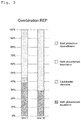
FIG. 3 shows the ratio of strains analyzed by REP-PCR for 30-day survival test combination (Example 9) of taxi-isolated microorganisms. - Hereinafter, the present disclosure will be described in more detail with reference to examples. These examples are provided only for illustration of the present disclosure and it would be obvious to those skilled in the art that the scope of the present disclosure is not limited by the examples depending on the subject matter of the present disclosure.
- The present inventors obtained five odorous long-distance taxis (Table 1), separated evaporator cores mounted on A to E vehicle models and sampled evaporator core specimens.
[TABLE 1] NO. Long-distance vehicle Mileage (km) 1 Vehicle model A 753,300 2 Vehicle model B 760,000 3 Vehicle model C 770,000 4 vehicle model D 857600 5 Vehicle model E 482800 - The evaporator core samples acquired from odor long-distance taxis A to E were sealed in a polyethylene bag and refrigerated at 4°C before use. In order to isolate and culture microorganisms, 5 g fin specimens were collected from any spots including front and back parts in respective evaporator cores using a sterilized long nose plier and then mixed before use.
- The microorganisms were separated from the evaporator cores in accordance with the following process and method.
- ① Specimens extracted from the evaporator cores were mixed and fed into a mixer.
- ② Sterilized 1×phosphate buffed saline (PBS) was fed into a 200 ml mixer.
- ③ The mixed specimen was mixed with PBS for 30 seconds.
- ④ The mixer was placed on ice for one minute.
- ⑤ Steps ③ and ④ were repeated twice.
- ⑥ The suspension was centrifuged at 4°C and 13,000 rpm for 3 minutes.
- ⑦ Only the supernatant was collected and transferred to a new tube.
- ⑧ The sterilized swab was soaked with the supernatant and the surface of the evaporator core, from which the sample was collected, was cleaned with the swab several times.
- ⑨ Only the head of the cleaned swab was immersed in the supernatant and vortexing was conducted.
- ⑩ The precipitate obtained in step ⑥ was mixed with the mixture of step ⑨ and the resulting mixture was used as an inoculation stock.
- After steps ① to ⑩, microorganisms were separated by physical detachment from evaporator cores mounted on vehicle models A to E.
- The separation of bacteria from the air conditioner is generally carried out by performing heterotrophic plate culture on aerobic heterotrophic bacteria which are called general bacteria. Two complex nutrient media generally used for separation of bacteria are a PTYG agar medium and a R2A agar medium. In the case of PTYG agar medium, peptone 0.25 g (Difco), triptone 0.25 g (Difco), yeast extract 0.5 g (Difco), glucose 0.5 g (Difco),
MgSO 4 30 mg (Sigma), CaCl2 3 mg (Sigma), and Bactoagar 15g (Difco) were added to 980 ml of distilled water, pH was adjusted to 7.0 and the resulting mixture was autoclaved at 121°C for 15 minutes. In the case of R2A agar medium, yeast extract 0.5 g (Difco), proteose peptone No. 3 0.5 g (Difco), casamino acids 0.5 g (Difco), dextrose 0.5 g (Difco), soluble starch 0.5 g (Difco), sodium pyruvate 0.3 g (Difco), dipotassium sulfate 0.3 g (Difco), magnesium sulfate 0.05 g (Difco), and bacto agar 15 g (Difco) were added to distilled water 980 ml, pH was adjusted to 7.2 and the resulting mixture was autoclaved at 121°C for 15 minutes. Three kinds of antibiotics were used to isolate non-dominant general bacteria (Table 2) and the antibiotics were inoculated at a concentration of 100 ppm when the medium temperature reached 50°C after sterilization of the filter, to produce antibiotic media.TABLE 2 No. Antibiotic Genus Manufacturer 1 Kanamycin Aminoglycoside Sigma 2 Ampicillin beta-lactam Sigma 3 Chloramphenicol Chloramphenicol Sigma - To separately culture dominant strains, first, various dominant strains should be selected through morphological approach of dilution ratio, and color, size and shape of colonies and the like. Accordingly, dominants strains were separately cultured in accordance with the following process.
- ① Bacteria were isolated from the separately cultured medium.
- ② A variety of bacteria having different morphologies were inoculated in a complex medium using a loop and purely isolated.
- ③ The medium which was grown the most was selected from seeded media and passage culture was conducted.
- REP-PCR is a molecular biological method of analyzing the structure of bacterial chromosomes and is a fingerprinting method which is capable of distinguishing specific bacterial strains from other bacteria. Genetic characteristics were analyzed in accordance with respective processes to conduct REP-PCR.
-
- ① 2.5 µl of Lyse-N-Go PCR Reagent (Thermo) was placed in a PCR tube.
- ② Colonies were harvested with a pipette at a clean bench, placed in the tube and pipetting was conducted. The amount of colonies harvested should be determined not to make the solution slightly hazy.
- ③ According to manufacturer's instructions, culture was conducted in a PCR machine.
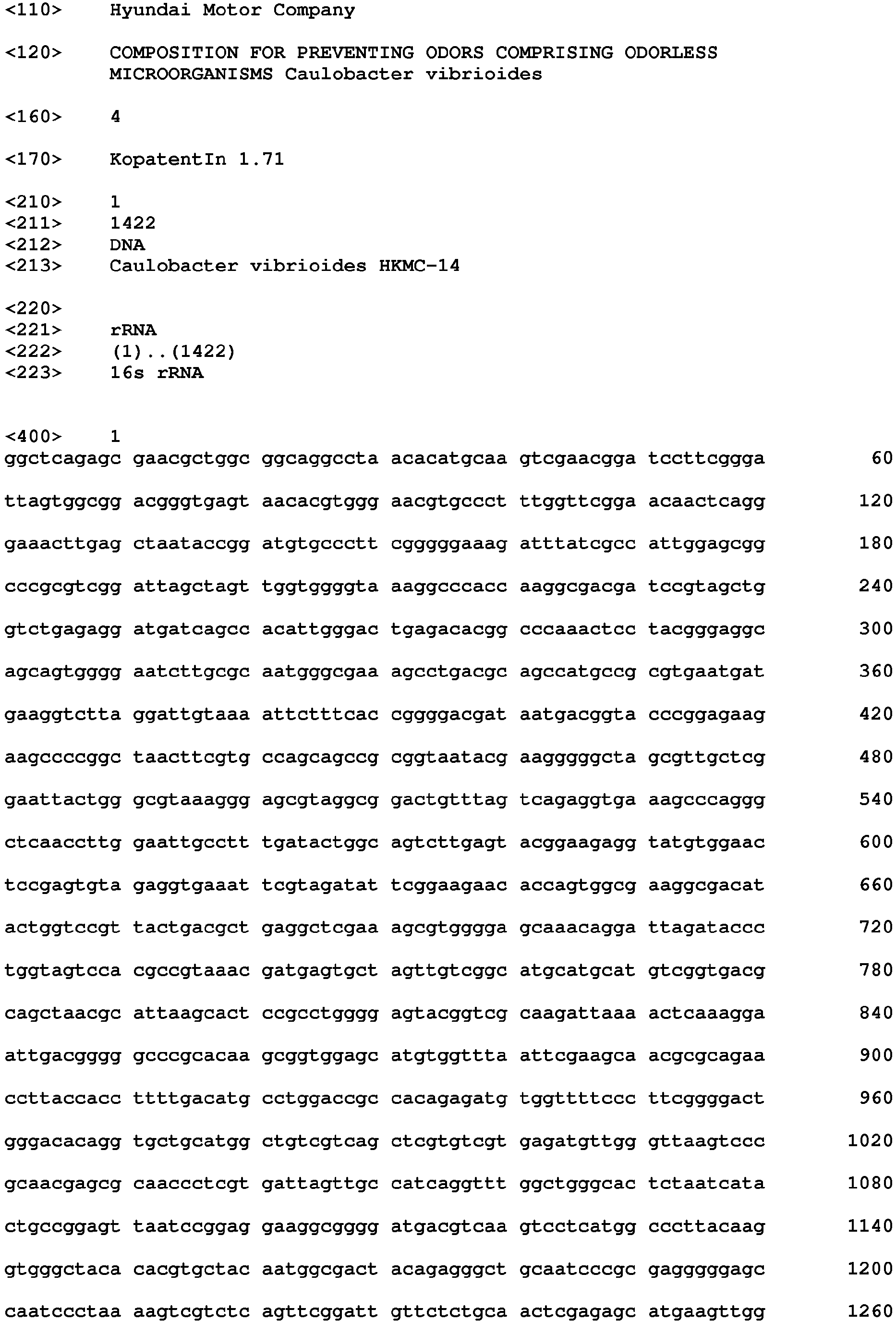
- ④ Cycles of lysis program listed in the following Table 3 were repeated and the PCR machine was allowed to stand at 80°C during the cycles.
- Suitable amounts of ingredients required for PCR reaction described in the following Table 4 were mixed to prepare a reaction mixture and, as shown in Table 5, pre-denaturation at 94°C for 7 minutes, denaturation at 92°C for 1 minute, annealing at 51.5°C for 1 minute, and extension at 65°C for 8 minutes were conducted, and denaturation, annealing and extension processes were repeated 33 times to conduct PCR amplification.
[Table 4] ① dNTP (2.5 mM each) 12.5 µℓ ② Gitschier buffer 5.0 µℓ ③ DMSO (100%) 2.5 µℓ ④ Autoclaved 3°D.W. 0.3 µℓ ⑤ BOXA1R primer(50 pmole/µℓ) 1.0 µℓ 5'CTACGGCAAGGCGACGCTGACG ⑥ BSA (10mg/mℓ) 0.4 µℓ ⑦ Bacterial DNA 2.5 µℓ ⑧ Taq polymerase(Roche) (5 U/µℓ) 0.8 µℓ [TABLE 5] step 1 93°C 7min step 2 92°C 1min step 3 51.5°C 1min step 4 65°C 8min step 2,3,4 : additional 33 cycles step 6 65°C 16min step 7 4°C - The DNA fragments amplified by PCR were collected, 1.2-1.5% agarose gel supplemented with EtBr was used, and a mixture of 6x dye and a sample in a ratio of 1 to 5 was loaded in an amount as much as possible. Since most PCR products were between 100 and 1,000 bp, they were loaded with a 100 bp ladder, and electrophoresis was conducted as slow as possible such that the middle (50 V) of bromophenol blue and xylene cyanol dyes reached the middle of the entire gel. Strains that have identical DNA patterns on gel are considered to be the same strains.
- 16S rRNA (ribosomal ribonucleic acid) genes are used for identification of genetic classes of bacteria and can be identified at the level of genus and species of bacteria classified by REP-PCR. 16S rRNAs are RNAs which interact with various proteins to constitute ribosomes. Since complete sequences of 16S rRNAs or base sequences of the oligonucleotide list were found in 2,000 or more kinds of bacteria, bacteria can be classified into several main groups, based on gene similarity of 16S rRNAs. The degree of 16S rRNA base sequence similarity is considered to reflect phylogenetic distance between organisms, since variation of the 16S rRNA gene base sequence is much less than that of other gene base sequences present in most genomes. The method which analyzes base sequences of 16S rRNA gene fragments and identifies microorganisms depending on similarity thereof has been used as a representative method of identifying microorganisms, in particular, industrially useful microorganisms, in addition to the aforementioned fatty acid analysis and carbohydrate assimilation ability analysis.
- PCR conditions (Total 50µl): ingredients for the solution excluding DNAs and Taq were mixed in predetermined amounts as shown in the following Table 6 and the resulting mixture was added to 44.5µl of a lysis solution. Then, as shown in the following Table 7, pre-denaturation at 94°C for 5 minutes, denaturation at 94°C for 1 minute, annealing at 55°C for 1 minute, and extension at 72°C for 1
min 30 seconds were conducted, and denaturation, annealing and extension steps were conducted 29 times to perform PCR amplification.[Table 6] Autoclaved 3°D.W. 22µℓ 10xbuffer (Roche) 5µℓ dNTP (Roche, 2.5 mM) 5µℓ DMSO 5µℓ BSA (10 mg/ml) 2.5µℓ 27mf (20 pmole/µℓ) 2.5µℓ 1492r (20 pmole/µℓ) 2.5µℓ DNA 5µℓ Taq (Roche) 0.5µℓ [Table 7] step 1 94°C 5min step 2 94°C 1min step 3 55°C 1min step 4 72°C 1 min 30sec Go to step 2 : additional 29 cycles step 6 72°C 10min step 7 4°C hold - The products amplified by 16S-rRNA PCR were purified using a Qiaquick PCR purification kit in accordance with the following process.
- ① 5x volume of PB buffer of the PCR product was added.
- ② The mixed solution was seeded on a QIAquick column.
- ③ For binding of DNAs, centrifugation was conducted for one minute and the supernatant was removed.
- ④ For washing, 750 µl of PE buffer was placed in a QIAquick column, centrifugation was conducted for one minute and the supernatant was removed.
- ⑤ Centrifugation was conducted again for one minute.
- ⑥ The QIAquick column was transferred to a new tube.
- ⑦ In order to extract DNAs, 30µl of EB buffer was added thereto and was allowed to stand for one minute.
- ⑧ Centrifugation was conducted for one minute to allow DNAs dissolved in EB to be collected in the tube.
- Generic name: Caulobacter
Specific name: Vibrioides
Accession number: KCCM 11685P (2015.04.17) -
- A. Remediation agent
- (1) Composition: PTYG media (per 1L, Peptone 0.25 g, Triptome 0.25 g, Yeast extract 0.5 g, Glucose 0.5 g,
MgSO 4 30 mg, CaCl2 3 mg) or R2A medium. - (2) pH: 7.0
- (3) Sterilization conditions: 121°C for 20 minutes
- (1) Composition: PTYG media (per 1L, Peptone 0.25 g, Triptome 0.25 g, Yeast extract 0.5 g, Glucose 0.5 g,
- B. Temperature (°C): cultured at 28°C for 7 days
-
- (1) Composition: PTYG media (per 1L, Peptone 0.25 g, Triptome 0.25 g, Yeast extract 0.5 g, Glucose 0.5 g,
MgSO 4 30 mg, CaCl2 3 mg) or R2A medium. - (2) pH: 7.0
- (3) Sterilization conditions: 121°C, 20 minutes
-
- A. Aerobic or anaerobic: aerobic
- B. Temperature: 28°C
- C. Both shaking and standing (liquid, solid) are possible
- Temperature (°C): -70°C
- Generic name: Bradyrhizobium
Specific name: Diazoefficiens
Accession number: KCCM 11686P (2015.04.17) -
- (1) Composition: PTYG media (per 1L, Peptone 0.25 g, Triptome 0.25 g, Yeast extract 0.5 g, Glucose 0.5 g,
MgSO 4 30 mg, CaCl2 3 mg) or R2A medium. - (2) pH: 7.0
- (3) Sterilization conditions: at 121°C for 20 minutes
-
- (1) Composition: PTYG media (per 1L Peptone 0.25 g, Triptome 0.25 g, Yeast extract 0.5 g, Glucose 0.5 g,
MgSO 4 30 mg, CaCl2 3 mg) or R2A medium. - (2) pH: 7.0
- (3) Sterilization conditions: 121°C for 20 minutes
-
- A. Aerobic or anaerobic: aerobic
- B. Temperature: 28°C
- C. Both shaking and standing (liquid, solid) are possible
- Temperature (°C): -70°C
- Generic name: Bradyrhizobium
Specific name: Daqingense
Accession number: KCCM 11687P (2015.04.17) -
- (1) Composition: PTYG media (per 1L, Peptone 0.25 g, Triptome 0.25 g, Yeast extract 0.5 g, Glucose 0.5 g,
MgSO 4 30 mg, CaCl2 3 mg) or R2A medium. - (2) pH: 7.0
- (3) Sterilization conditions: 121°C for 20 minutes
-
- (1) Composition: PTYG media (per 1L Peptone 0.25 g, Triptome 0.25 g, Yeast extract 0.5 g, Glucose 0.5 g,
MgSO 4 30 mg, CaCl2 3 mg) or R2A medium. - (2) pH: 7.0
- (3) Sterilization conditions: 121°C for 20 minutes
-
- A. Aerobic or anaerobic: aerobic
- B. Temperature: 28°C
- C. Both shaking and standing (liquid, solid) are possible
- Temperature (°C): -70°C
- Generic name: Methylobacterium
Specific name: Brachiatum
Accession number: KCCM 11688P (2015.04.17) -
- (1) Composition: PTYG media (per 1L, Peptone 0.25 g, Triptome 0.25 g, Yeast extract 0.5 g, Glucose 0.5 g,
MgSO 4 30 mg, CaCl2 3 mg) or R2A medium. - (2) pH: 7.0
- (3) Sterilization conditions: 121°C for 20 minutes
-
- (1) Composition: PTYG media (per 1L Peptone 0.25 g, Triptome 0.25 g, Yeast extract 0.5 g, Glucose 0.5 g,
MgSO 4 30 mg, CaCl2 3 mg) or R2A medium. - (2) pH: 7.0
- (3) Sterilization conditions: 121°C for 20 minutes
-
- A. Aerobic or anaerobic: aerobic
- B. Temperature: 28°C
- C. Both shaking and standing (liquid, solid) are possible
- For sensory evaluation of 26 kinds of microorganisms identified from Example 6, the microorganisms were cultured at 28°C in a nutrient medium from which microorganisms were isolated for 7 days. The process of culturing bacteria in a nutrient medium will be described as follows.
- ① Pure separately cultured microorganisms were inoculated in a liquid nutrient medium.
- ② The inoculated medium was cultured at 28°C for 5 to 7 days.
- ③ 100 µℓ of the bacteria cultured in the liquid medium was inoculated in a solid nutrient medium.
- ④ The inoculated bacteria was evenly spread using a spreader.
- ⑤ A petri dish was sealed and cultured at 28°C for 10 days.
- A rectangular aluminum fin was sterilized and dipped in dust and nutrient media. Then, bacteria were inoculated into and cultured in the nutrient medium under the conditions described in ② to ④ and evaluated. Sensory evaluation results are shown in the following Table 8 (primary) and Table 9 (secondary). Primary and secondary sensory evaluation were conducted depending on difference in microorganism growth rate.
- Antimicrobial-treated aluminum fin: aluminum, which is a main ingredient of the evaporator core, is antibacterial-coated. Coating of the evaporator core finished product which is mass-produced and commercially available.
[Table 8] No. Specific name Panel 1 Odor intensity Panel 2 Odor intensity Panel 3 Odor intensity Selection of odorless microorganism Control Aluminum fin Odorless 0 Odorless 0 Odorless 0 1 Chryseobacterium geocarposphaerae Salty smell 3.5 Salty smell 3 Salty smell, stink 2.9 X 2 Spirosoma panaciterrae Salty smell 2 Water smell 1 Metallic (iron) Odor 2 X 3 Spirosoma linguale Salty smell 3 Cabbage, salty smell 2.5 Stink, salty smell 3.5 X 4 Sphingomonas asaccharolytica Fishy smell 1 Water smell 1 Salty smell, stink 2.3 X 5 Bradyrhizobium diazoefficiens Fishy smell 1.5 Odorless 0.5 Odorless 0 ○ 6 Methylobacterium brachiatum Odorless 0 Weak salty smell 1.5 Metallic (iron) odor 1.2 ○ 7 Methylobacterium longum Acidic smell 0.5 Salty smell, fishy smell 2.5 Alcohol, stink 3.2 X 8 Bradyrhizobium daqingense Odorless 0 Water smell 1 Metallic (iron) odor 1 ○ 9 Radyrhizobium liaoningense Plastic 1.5 Soil smell 1.5 Metallic (iron) odor 1.3 X 10 Methylobacterium radiotolerans Stench of urine 2 Vinegarscent 2 Sweet smell 1 X 11 Methylobacterium variabile Chemic al smell 2 Salty smell, fishy smell 2 Chicken coop 1.5 X 12 Caulobacter vibrioides Odorless 1 Odorless 0 Odorless 0 0 [Table 9] No. Specific name Panel 1 Odor intensity Panel 2 Odor intensity Panel 3 Odor intensity Panel 4 Odor intensity Selection of odorless microorganism Control Aluminum fin Odorless 0 Odorless 0 Odorless 0 Odorless 0 1 Sphingomonas glacialis Odorless 1 Odorless 0 Odorless 0 Odorless 0 ○ 2 Phingomonas aquatilis Unplea sant smell 2.5 Chicken feces 1.5 Dust 1 Chicken smell, salty smell 0.5 X 3 Sphingomonas mucosissim a Chicken smell 2 Smell of egg 1.8 Fishy smell 1.5 Chicken feathers 0.6 X 4 Methylobacterium tarhaniae Chicken smell 2.3 Chemical smell 2.5 Fishy smell 2.5 Chicken feathers 0.6 X 5 Sphingomonas melonis Chicken smell 2.1 Chemical smell 2 Water smell, fishy smell 2 Chicken smell 0.8 X 6 Acidovorax avenae Odorless 0.3 Smell of trash can 1.5 Almost no 0.5 Medium, bitter smell 1.2 X 7 Acidovorax oryzae Presence of initial smell 2 Smell of egg 2 Salty smell 1 Goose feathers 1.3 X 8 Sphingomonas ginsenosidimutans Chicken smell 2.6 Plastic smell 2.5 Fishy smell, smell of old book 2.5 Stink 1.5 X 9 Sphingomonas dokdonensi Medium 2.3 Fishy smell 1.5 Fishy smell 1.5 Stench of urine 1.8 X 10 Pelomonas puraquae Fecal odor 3 Stench of urine 2 Smell of decayed food 3.2 Stench of urine 2.2 X 11 Methylobacterium platani Unpleasant pungent smell 2.5 Sour, old plastic smell 2.5 Sour, factory smell 2.8 Sour smell 2.5 X 12 Methylobacterium tardum Fecal odor 2.5 Stench of urine 3 Fishy smell, water smell 3 Acidic smell 3 X 13 Spirosoma radiotolerans Medium, chicken fecal 3 Stench of urine, acidic smell 3 Fishy smell, smell of wet towel 3.5 Stench of urine 3.2 X 14 Fibrella aestuarina Fecal smell 3.5 Stench of urine, acidic smell 4 Odor of toilet 4 Acidic smell, stench of urine 4 X - As a result of inoculation and culture of the 26 species of microorganisms in aluminum antimicrobial fin, the following four kinds of microorganisms were odorless.
[Table 10] No. Antimicrobial fin Generic name 1 Odorless Bradyrhizobium diazoefficiens 2 Odorless Methylobacterium brachiatum 3 Odorless Bradyrhizobium daqingense 4 Odorless Caulobacter vibrioides - As used herein, the term "odorless" means a condition in which a subject cannot perceive anything by the olfactory organ.
- In relation to evaluation of odors, sensory evaluation was conducted using an olfactory organ in accordance with the current provision. Other odor evaluation methods excluding olfactory evaluation do not exist all over the world. As can be seen from the aforementioned example, the criterion of "odorless" is decided depending on the criterion on which human perceive with the olfactory organ by a sensory evaluation method.
- The criterion to determine odorlessness is shown in the odor process test method (Notice No. 2007-17, National Institute of Environmental Research). On page 65 of the odor process test method, it is stated that the term "odorless" means a condition in which a subject cannot detect anything by the olfactory organ.
- Furthermore, as described on pages 65 and 66 of the odor process test method also defining the criterion to select people who can evaluate an odor, the determination criterion is considered to be clearer.
- In addition, it can be seen that "odorless" is written in the part corresponding to "0" in the grade table on page 2, Chapter 2, and Regulation Article 4 of the Regulatory Standards.
- As such, the criterion of "odorless" in sensory evaluation means a condition in which a subject selected by a predetermined criterion cannot perceive anything by olfaction, as is clearly defined in Korean and Japanese regulations.
- In order to coat the evaporator core with 11 species of odorless microorganisms, an optimal adhesion concentration to inoculate at a level of 106 cfu/g was determined, as shown in the research result in 2012 (priority application). Concentration determination test was conducted using Methylobacterium aquaticum which is one of common strains, Methylobacterium aquaticum was cultured at 28°C until the late log phase, washed with sterilized 0.85% saline and then cultured at 4°C for 18 hours. After culture at 4°C, optical density (O.D.) was adjusted to 0.749, 0.588, 0.55, 0.5 and 0.45, and 2g of a U-shaped fin was dipped and adhered while shaking at room temperature and at a predetermined rate (rpm) for one hour. The fin to which each concentration of microorganism was adhered was detached using a mixer and spread-plated on the R2A agar plate by serial dilution.
- As a result of spread plating, it could be seen that the concentration of microorganisms adhered to the fin changes depending on the value of O.D. When O.D. was 0.749, the level of microorganisms adhered to the fin was 1.53×10⁸ ± 1.52×10⁷ cfu/g fin, and when O.D. was 0.588 and 0.55, the levels of microorganisms adhered to the fin were 4.00×10⁷ ± 1.00×10⁷ cfu/g fin, and 1.03×10⁷ ± 8.50×10⁵ cfu/g fin, respectively. In addition, at O.D. of 0.5 and 0.45, the levels of microorganisms adhered to the fin were 6.00×10⁶ ± 7.00×10⁵ cfu/g fin, and 2.53×10⁶ ± 3.51×10⁵ cfu/g fin, respectively, which indicates that the adhesion degree was proportional to O.D. Ten different species of odorless microorganisms were coated at 0.5 which is the O.D value which allows for coating 106 cfu/g of microorganisms present in the evaporator core, from which the microorganisms were isolated, among these adhesion concentrations.
- As a result of the fin adhesion test, regardless of genus, 11 kinds of odorless microorganisms exhibited an identical adhesion degree at a predetermined O.D. value. Accordingly, the amount of microorganisms adhered to the evaporator core was checked using a culture solution having the same O.D. as the fin with Methylobacterium aquaticum which is one strain.
- The amount of Methylobacterium aquaticum adhered to the evaporator core adjusted to O.D. of 0.5 was 8.95×10⁶ ± 5.51×10⁵ cfu/g fin. The evaporator core adhered using the same culture solution exhibited an adhesion degree of 2.55×10⁶ ± 3.51×10⁵ cfu/g fin. This result indicates that the same level of microorganisms was adhered when using the culture solution having the same O.D.
- Survival evaluation for 30 days was conducted on the following combinations. The combination number of microorganisms used for the coating combinations and the microorganism list thereof will be given below (Table 11).
[Table 11] Combination 1 Methylobacterium aquaticum PR1016A 2 Caulobacter vibrioides TX0632 3 Methylobacterium brachiatum TX0642 4 Bradyrhizobium diazoefficiens TX0618 - To evaluate 30-day short-term effects of odorless microorganism combinations isolated from taxis, the combinations were organized and 30-day short-term evaluation was conducted on the combinations.
- The combination consisting of four strains of Methylobacterium aquaticum PR1016A, Caulobacter vibrioides TX0632, Methylobacterium brachiatum TX0642, and Bradyrhizobium diazoefficien sTX0618 was detected at time of 0 in a total level of 3.99×10⁶ ± 2.82×10⁶ cfu/g fin, and red and white colonies were detected at levels of 3.62×10⁶ ± 2.79×10⁶ cfu/g fin and 3.67×10⁵ ± 3.06×10⁴ cfu/g fin, respectively. After 30 days, the white colony was not detected and the red colony was detected in a level of 2.14×10⁶ ± 1.25×10⁵ cfu/g fin, which was equal to that of the total bacteria number (
FIG. 2 ). - As a result of counting the number of microorganisms by REP-PCR, in the case of the combination at
time 0, out of 111 representative samples, 43 samples were detected to be Methylobacterium aquaticum PR1016A, 6 samples were detected to be Caulobacter vibrioides TX0632, 52 samples were detected to be Methylobacterium brachiatum TX0642, and 10 samples were detected to be Bradyrhizobium diazoefficiens TX0618. These results showed that two species of Methylobacterium sp. 2 occupied 85.6% of the combination (FIG. 3 ). - After 30 days, analysis results of REP-PCR pattern showed that, out of 89 representative samples, 26 Methylobacterium aquaticum PR1016A samples were detected to survive, and 63 Methylobacterium brachiatum TX0642 samples were detected to survive, which means that Methylobacterium sp. was dominant under the evaporator core environment, regardless of the passage of time.
- In addition, growth of outer microorganisms was not observed.
- In conclusion, to evaluate 30-day short-term effects of the odorless microorganism combinations isolated from the taxi, the combinations were organized, and Methylobacterium aquaticum PR1016A and Methylobacterium brachiatum TX0642 were detected to survive after 30 days. The biofilms made of these two species were kept odorless and inhibited growth of exterior microorganisms.
- Although the preferred embodiments of the present disclosure have been disclosed for illustrative purposes, those skilled in the art will appreciate that various modifications, additions and substitutions are possible, without departing from the scope and spirit of the disclosure as disclosed in the accompanying claims.


| Cycle | Temperature(°C) | Time(seconds) |
| 1 | 65 | 30 |
| 2 | 8 | 30 |
| 3 | 65 | 90 |
| 4 | 97 | 180 |
| 5 | 8 | 60 |
| 6 | 65 | 180 |
| 7 | 97 | 60 |
| 8 | 65 | 60 |
| 9 | 80 | hold |
Claims (20)
- A composition for preventing odors containing at least one odorless microorganism selected from the group consisting of Caulobacter vibrioides, Bradyrhizobium diazoefficiens, Bradyrhizobium daqingense, and Methylobacterium brachiatum, or a culture solution thereof.
- The composition according to claim 1, wherein the composition is used to prevent odors in an air conditioning system.
- The composition according to claim 1, wherein the Caulobacter vibrioides is Caulobacter vibrioides HKMC-14 (Accession number: KCCM 11685P), Bradyrhizobium diazoefficiens is Bradyrhizobium diazoefficiens HKMC-15 (Accession number: KCCM 11686P), the Bradyrhizobium daqingense is Bradyrhizobium daqingense HKMC-16 (Accession number: KCCM 11687P), and the Methylobacterium brachiatum is Methylobacterium brachiatum HKMC-17 (Accession number: KCCM 11688P).
- An evaporator core coated with the composition for preventing odors according to claim 1.
- The evaporator core according to claim 4, wherein the microorganism according to any one of claims 1 to 3 is adhered at a concentration of 104 cfu/g to 108 cfu/g to the evaporator core.
- The evaporator core according to claim 5, wherein the adherence of the microorganism is carried out using a microorganism culture solution having an optical density (O.D.) of 0.3 to 0.9.
- The evaporator core according to claim 4, wherein the microorganism in the composition forms a biofilm on the surface of the evaporator core.
- An air conditioning system comprising the evaporator core according to claim 4.
- A method of manufacturing an odorless evaporator core comprising coating the evaporator core with the composition according to any one of claims 1 to 3.
- The method according to claim 9, wherein the coating comprises adhering microorganisms included in the composition at a concentration of 104 cfu/g to 108 cfu/g to the evaporator core.
- The method according to claim 9, further comprising proliferating microorganisms in the coated composition to form a biofilm.
- A method of preventing odors in an air conditioning system comprising coating the evaporator core with the composition according to any one of claims 1 to 3.
- The method according to claim 12, wherein the coating comprises adhering microorganisms included in the composition at a concentration of 104 cfu/g to 108 cfu/g to the evaporator core.
- The method according to claim 12, further comprising proliferating microorganisms in the coated composition to form a biofilm.
- A method of detecting odors in an air conditioning system comprising coating the evaporator core with the composition according to any one of claims 1 to 3.
- The method according to claim 15, further comprising feeding petroleum or an air contaminant serving as a nutrient source of microorganisms in the coated composition and detecting whether or not an odor is generated.
- Caulobacter vibrioides HKMC-14 (Accession number: KCCM 11685P) for coating the evaporator core according to claim 12 to prevent an odor in an air conditioning system.
- Bradyrhizobium diazoefficiens HKMC-15 (Accession number: KCCM 11686P) for coating the evaporator core according to claim 12 to prevent an odor in an air conditioning system.
- Bradyrhizobium daqingense HKMC-16 (Accession number: KCCM 11687P) for coating the evaporator core according to claim 12 to prevent an odor in an air conditioning system.
- Methylobacterium brachiatum HKMC-17 (Accession number: KCCM 11688P) for coating the evaporator core according to claim 12 to prevent an odor in an air conditioning system.
Applications Claiming Priority (5)
| Application Number | Priority Date | Filing Date | Title |
|---|---|---|---|
| KR1020150188550A KR101806647B1 (en) | 2015-12-29 | 2015-12-29 | COMPOSITION FOR PREVENTING ODORS COMPRISING ODORLESS MICROORGANISMS Caulobacter vibrioides |
| KR1020150188601A KR101786268B1 (en) | 2015-12-29 | 2015-12-29 | COMPOSITION FOR PREVENTING ODORS COMPRISING ODORLESS MICROORGANISMS Bradyrhizobium diazoefficiens |
| KR1020150188615A KR101786270B1 (en) | 2015-12-29 | 2015-12-29 | COMPOSITION FOR PREVENTING ODORS COMPRISING ODORLESS MICROORGANISMS Methylobacterium brachiatum |
| KR1020150188609A KR101786269B1 (en) | 2015-12-29 | 2015-12-29 | COMPOSITION FOR PREVENTING ODORS COMPRISING ODORLESS MICROORGANISMS Bradyrhizobium daqingense |
| PCT/KR2016/015473 WO2017116161A1 (en) | 2015-12-29 | 2016-12-29 | Composition for preventing odor, containing odorless microorganisms |
Publications (3)
| Publication Number | Publication Date |
|---|---|
| EP3456361A1 true EP3456361A1 (en) | 2019-03-20 |
| EP3456361A4 EP3456361A4 (en) | 2019-06-12 |
| EP3456361B1 EP3456361B1 (en) | 2021-02-10 |
Family
ID=59225262
Family Applications (1)
| Application Number | Title | Priority Date | Filing Date |
|---|---|---|---|
| EP16882113.0A Active EP3456361B1 (en) | 2015-12-29 | 2016-12-29 | Composition for preventing odor, containing odorless microorganisms |
Country Status (11)
| Country | Link |
|---|---|
| US (1) | US10973940B2 (en) |
| EP (1) | EP3456361B1 (en) |
| JP (1) | JP7016803B2 (en) |
| CN (1) | CN109152855B (en) |
| AU (4) | AU2016380599B2 (en) |
| BR (1) | BR112018013148A2 (en) |
| CA (1) | CA3009143A1 (en) |
| ES (1) | ES2870478T3 (en) |
| MX (1) | MX2018007958A (en) |
| RU (1) | RU2718063C2 (en) |
| WO (1) | WO2017116161A1 (en) |
Cited By (1)
| Publication number | Priority date | Publication date | Assignee | Title |
|---|---|---|---|---|
| US10973940B2 (en) | 2015-12-29 | 2021-04-13 | Hyundai Motor Company | Composition for preventing odor, containing odorless microorganisms |
Families Citing this family (12)
| Publication number | Priority date | Publication date | Assignee | Title |
|---|---|---|---|---|
| KR102909367B1 (en) * | 2020-06-30 | 2026-01-07 | 현대자동차 주식회사 | Method for immobilizing malodorous microorganisms on the surface of evaporator |
| US12377711B2 (en) | 2020-08-20 | 2025-08-05 | Denso International America, Inc. | Vehicle feature control systems and methods based on smoking |
| US12251991B2 (en) | 2020-08-20 | 2025-03-18 | Denso International America, Inc. | Humidity control for olfaction sensors |
| US12017506B2 (en) | 2020-08-20 | 2024-06-25 | Denso International America, Inc. | Passenger cabin air control systems and methods |
| US11636870B2 (en) | 2020-08-20 | 2023-04-25 | Denso International America, Inc. | Smoking cessation systems and methods |
| US12269315B2 (en) | 2020-08-20 | 2025-04-08 | Denso International America, Inc. | Systems and methods for measuring and managing odor brought into rental vehicles |
| US11760169B2 (en) | 2020-08-20 | 2023-09-19 | Denso International America, Inc. | Particulate control systems and methods for olfaction sensors |
| US11881093B2 (en) | 2020-08-20 | 2024-01-23 | Denso International America, Inc. | Systems and methods for identifying smoking in vehicles |
| US11760170B2 (en) | 2020-08-20 | 2023-09-19 | Denso International America, Inc. | Olfaction sensor preservation systems and methods |
| US11828210B2 (en) | 2020-08-20 | 2023-11-28 | Denso International America, Inc. | Diagnostic systems and methods of vehicles using olfaction |
| US11813926B2 (en) | 2020-08-20 | 2023-11-14 | Denso International America, Inc. | Binding agent and olfaction sensor |
| US11932080B2 (en) | 2020-08-20 | 2024-03-19 | Denso International America, Inc. | Diagnostic and recirculation control systems and methods |
Family Cites Families (16)
| Publication number | Priority date | Publication date | Assignee | Title |
|---|---|---|---|---|
| CN1300318A (en) * | 1998-05-06 | 2001-06-20 | 中村启次郎 | Microbial cultures containing microorganisms and their metabolites that are different in nature and symbiotic with each other, carriers and adsorbents containing active components of the cultures and uses thereof |
| RU2414508C2 (en) * | 2005-10-22 | 2011-03-20 | Се Джун ПАРК | Microorganism strains capable of eliminating foul smell of organic wastes, and use of said microorganism strains |
| US20070205148A1 (en) * | 2006-03-03 | 2007-09-06 | Jones Robert G | Systems and methods of creating a biofilm for the reduction of water contamination |
| US7485224B2 (en) * | 2006-03-03 | 2009-02-03 | Sam Houston State University | Mobile bioremediation systems |
| KR20120020309A (en) | 2010-08-30 | 2012-03-08 | 현대자동차주식회사 | Biofilm-coated evaporation core and manufacturing method thereof |
| CN103124566B (en) * | 2010-09-24 | 2016-11-23 | 凯杰生物工程(深圳)有限公司 | Use counteractant preparation and/or the method processing biological sample |
| KR102004375B1 (en) * | 2011-02-15 | 2019-07-29 | 노보자임스 바이오로지컬스 인코포레이티드 | Mitigation of odor in cleaning machines and cleaning processes |
| US20150337257A1 (en) * | 2012-12-21 | 2015-11-26 | Hyundai Motor Company | Composition for preventing odors containing ordorless microorganism |
| KR101724769B1 (en) * | 2012-12-27 | 2017-04-07 | 현대자동차주식회사 | Methylobacterium aquaticum for Odorless Bioflim-Coated Evaporator Core and uses thereof |
| CN103961735B (en) * | 2014-05-12 | 2016-05-18 | 安徽农业大学 | A kind of microbial deodorant and preparation method thereof |
| WO2015176020A1 (en) * | 2014-05-16 | 2015-11-19 | Provivi, Inc. | Synthesis of olefinic alcohols via enzymatic terminal hydroxylation |
| US20150353399A1 (en) * | 2014-06-10 | 2015-12-10 | Regents Of The University Of Minnesota | Compositions, devices, and methods involving degradation of cyanuric acid |
| KR101543210B1 (en) * | 2015-05-08 | 2015-08-07 | 현대자동차주식회사 | Methylobacterium aquaticum for Odorless Bioflim-Coated Evaporator Core and uses thereof |
| KR101766049B1 (en) * | 2015-10-22 | 2017-08-07 | 현대자동차주식회사 | Sphingomonas aquatilis for Odorless Bioflim-Coated Evaporator Core and uses thereof |
| KR101766050B1 (en) * | 2015-10-22 | 2017-08-07 | 현대자동차주식회사 | Leifsonia soli for Odorless Bioflim-Coated Evaporator Core and uses thereof |
| AU2016380599B2 (en) | 2015-12-29 | 2020-09-17 | Hyundai Motor Company | Composition for preventing odor, containing odorless microorganisms |
-
2016
- 2016-12-29 AU AU2016380599A patent/AU2016380599B2/en active Active
- 2016-12-29 CA CA3009143A patent/CA3009143A1/en active Pending
- 2016-12-29 RU RU2018123487A patent/RU2718063C2/en active
- 2016-12-29 CN CN201680077118.1A patent/CN109152855B/en active Active
- 2016-12-29 ES ES16882113T patent/ES2870478T3/en active Active
- 2016-12-29 BR BR112018013148-2A patent/BR112018013148A2/en not_active Application Discontinuation
- 2016-12-29 EP EP16882113.0A patent/EP3456361B1/en active Active
- 2016-12-29 JP JP2018534629A patent/JP7016803B2/en active Active
- 2016-12-29 WO PCT/KR2016/015473 patent/WO2017116161A1/en not_active Ceased
- 2016-12-29 MX MX2018007958A patent/MX2018007958A/en unknown
-
2018
- 2018-06-28 US US16/021,570 patent/US10973940B2/en active Active
-
2020
- 2020-08-19 AU AU2020220118A patent/AU2020220118B2/en active Active
- 2020-08-19 AU AU2020220117A patent/AU2020220117B2/en active Active
- 2020-08-19 AU AU2020220110A patent/AU2020220110B2/en active Active
Cited By (1)
| Publication number | Priority date | Publication date | Assignee | Title |
|---|---|---|---|---|
| US10973940B2 (en) | 2015-12-29 | 2021-04-13 | Hyundai Motor Company | Composition for preventing odor, containing odorless microorganisms |
Also Published As
| Publication number | Publication date |
|---|---|
| RU2018123487A (en) | 2020-01-30 |
| CN109152855A (en) | 2019-01-04 |
| AU2020220117B2 (en) | 2021-07-08 |
| EP3456361B1 (en) | 2021-02-10 |
| JP7016803B2 (en) | 2022-02-07 |
| AU2016380599A1 (en) | 2018-07-12 |
| AU2020220110B2 (en) | 2021-07-08 |
| RU2718063C2 (en) | 2020-03-30 |
| BR112018013148A2 (en) | 2018-12-11 |
| AU2020220118B2 (en) | 2021-11-18 |
| ES2870478T3 (en) | 2021-10-27 |
| AU2020220117A1 (en) | 2020-09-03 |
| US20180303963A1 (en) | 2018-10-25 |
| AU2016380599B2 (en) | 2020-09-17 |
| MX2018007958A (en) | 2019-01-10 |
| EP3456361A4 (en) | 2019-06-12 |
| CA3009143A1 (en) | 2017-07-06 |
| RU2018123487A3 (en) | 2020-01-30 |
| WO2017116161A1 (en) | 2017-07-06 |
| AU2020220110A1 (en) | 2020-09-03 |
| CN109152855B (en) | 2021-05-07 |
| JP2019503222A (en) | 2019-02-07 |
| AU2020220118A1 (en) | 2020-09-03 |
| US10973940B2 (en) | 2021-04-13 |
Similar Documents
| Publication | Publication Date | Title |
|---|---|---|
| AU2020220110B2 (en) | Composition for preventing odor, containing odorless microorganisms | |
| JP6410730B2 (en) | Odor prevention composition, evaporator core, odorless evaporator core manufacturing method, odor prevention method for air conditioner, odor confirmation method for air conditioner, Methylobacterium komagate HKMC-11 (KCCM11335P), Methylobacterium aquaticum HKMC -1 (KCCM11325P), Methylobacterium platani HKMC-3 (KCCM11327P) | |
| US20200181675A1 (en) | Method for screening antimicrobial agent | |
| EP3399048B1 (en) | Method for screening for antimicrobial agent | |
| US20160376628A1 (en) | Method for screening antimicrobial agent | |
| KR101786270B1 (en) | COMPOSITION FOR PREVENTING ODORS COMPRISING ODORLESS MICROORGANISMS Methylobacterium brachiatum | |
| KR101806647B1 (en) | COMPOSITION FOR PREVENTING ODORS COMPRISING ODORLESS MICROORGANISMS Caulobacter vibrioides | |
| KR101786269B1 (en) | COMPOSITION FOR PREVENTING ODORS COMPRISING ODORLESS MICROORGANISMS Bradyrhizobium daqingense | |
| KR101786268B1 (en) | COMPOSITION FOR PREVENTING ODORS COMPRISING ODORLESS MICROORGANISMS Bradyrhizobium diazoefficiens | |
| KR101776441B1 (en) | Methods for Screening Antimicrobial Agents against Fibrella aestuarina | |
| KR101776440B1 (en) | Methods for Screening Antimicrobial Agents against Chryseobacterium geocarposphaerae | |
| KR101786271B1 (en) | Methods for Screening Antimicrobial Agents against Spirosoma linguale | |
| KR101776438B1 (en) | Methods for Screening Antimicrobial Agents against Spirosoma radiotolerans | |
| KR101776439B1 (en) | Methods for Screening Antimicrobial Agents against Geobacillus toebii | |
| KR101776442B1 (en) | Methods for Screening Antimicrobial Agents against Pelomonas puraquae |
Legal Events
| Date | Code | Title | Description |
|---|---|---|---|
| STAA | Information on the status of an ep patent application or granted ep patent |
Free format text: STATUS: THE INTERNATIONAL PUBLICATION HAS BEEN MADE |
|
| PUAI | Public reference made under article 153(3) epc to a published international application that has entered the european phase |
Free format text: ORIGINAL CODE: 0009012 |
|
| STAA | Information on the status of an ep patent application or granted ep patent |
Free format text: STATUS: REQUEST FOR EXAMINATION WAS MADE |
|
| 17P | Request for examination filed |
Effective date: 20180628 |
|
| AK | Designated contracting states |
Kind code of ref document: A1 Designated state(s): AL AT BE BG CH CY CZ DE DK EE ES FI FR GB GR HR HU IE IS IT LI LT LU LV MC MK MT NL NO PL PT RO RS SE SI SK SM TR |
|
| AX | Request for extension of the european patent |
Extension state: BA ME |
|
| DAV | Request for validation of the european patent (deleted) | ||
| DAX | Request for extension of the european patent (deleted) | ||
| A4 | Supplementary search report drawn up and despatched |
Effective date: 20190513 |
|
| RIC1 | Information provided on ipc code assigned before grant |
Ipc: A61L 9/01 20060101AFI20190507BHEP Ipc: C12N 1/20 20060101ALI20190507BHEP Ipc: B01D 53/84 20060101ALI20190507BHEP Ipc: B60H 3/00 20060101ALI20190507BHEP Ipc: B01D 53/85 20060101ALI20190507BHEP Ipc: C12R 1/01 20060101ALI20190507BHEP Ipc: B60H 1/00 20060101ALI20190507BHEP |
|
| STAA | Information on the status of an ep patent application or granted ep patent |
Free format text: STATUS: EXAMINATION IS IN PROGRESS |
|
| 17Q | First examination report despatched |
Effective date: 20191113 |
|
| GRAP | Despatch of communication of intention to grant a patent |
Free format text: ORIGINAL CODE: EPIDOSNIGR1 |
|
| STAA | Information on the status of an ep patent application or granted ep patent |
Free format text: STATUS: GRANT OF PATENT IS INTENDED |
|
| INTG | Intention to grant announced |
Effective date: 20201013 |
|
| RIN1 | Information on inventor provided before grant (corrected) |
Inventor name: LEE, TAE HEE Inventor name: YOON, KI YOUNG Inventor name: PARK, SO YOON Inventor name: KIM, JI WAN |
|
| GRAS | Grant fee paid |
Free format text: ORIGINAL CODE: EPIDOSNIGR3 |
|
| GRAA | (expected) grant |
Free format text: ORIGINAL CODE: 0009210 |
|
| STAA | Information on the status of an ep patent application or granted ep patent |
Free format text: STATUS: THE PATENT HAS BEEN GRANTED |
|
| AK | Designated contracting states |
Kind code of ref document: B1 Designated state(s): AL AT BE BG CH CY CZ DE DK EE ES FI FR GB GR HR HU IE IS IT LI LT LU LV MC MK MT NL NO PL PT RO RS SE SI SK SM TR |
|
| REG | Reference to a national code |
Ref country code: GB Ref legal event code: FG4D |
|
| REG | Reference to a national code |
Ref country code: AT Ref legal event code: REF Ref document number: 1360022 Country of ref document: AT Kind code of ref document: T Effective date: 20210215 Ref country code: CH Ref legal event code: EP |
|
| REG | Reference to a national code |
Ref country code: DE Ref legal event code: R096 Ref document number: 602016052438 Country of ref document: DE |
|
| REG | Reference to a national code |
Ref country code: IE Ref legal event code: FG4D |
|
| REG | Reference to a national code |
Ref country code: LT Ref legal event code: MG9D |
|
| REG | Reference to a national code |
Ref country code: NL Ref legal event code: MP Effective date: 20210210 |
|
| PG25 | Lapsed in a contracting state [announced via postgrant information from national office to epo] |
Ref country code: HR Free format text: LAPSE BECAUSE OF FAILURE TO SUBMIT A TRANSLATION OF THE DESCRIPTION OR TO PAY THE FEE WITHIN THE PRESCRIBED TIME-LIMIT Effective date: 20210210 Ref country code: GR Free format text: LAPSE BECAUSE OF FAILURE TO SUBMIT A TRANSLATION OF THE DESCRIPTION OR TO PAY THE FEE WITHIN THE PRESCRIBED TIME-LIMIT Effective date: 20210511 Ref country code: FI Free format text: LAPSE BECAUSE OF FAILURE TO SUBMIT A TRANSLATION OF THE DESCRIPTION OR TO PAY THE FEE WITHIN THE PRESCRIBED TIME-LIMIT Effective date: 20210210 Ref country code: NO Free format text: LAPSE BECAUSE OF FAILURE TO SUBMIT A TRANSLATION OF THE DESCRIPTION OR TO PAY THE FEE WITHIN THE PRESCRIBED TIME-LIMIT Effective date: 20210510 Ref country code: PT Free format text: LAPSE BECAUSE OF FAILURE TO SUBMIT A TRANSLATION OF THE DESCRIPTION OR TO PAY THE FEE WITHIN THE PRESCRIBED TIME-LIMIT Effective date: 20210611 Ref country code: BG Free format text: LAPSE BECAUSE OF FAILURE TO SUBMIT A TRANSLATION OF THE DESCRIPTION OR TO PAY THE FEE WITHIN THE PRESCRIBED TIME-LIMIT Effective date: 20210510 Ref country code: LT Free format text: LAPSE BECAUSE OF FAILURE TO SUBMIT A TRANSLATION OF THE DESCRIPTION OR TO PAY THE FEE WITHIN THE PRESCRIBED TIME-LIMIT Effective date: 20210210 |
|
| REG | Reference to a national code |
Ref country code: AT Ref legal event code: MK05 Ref document number: 1360022 Country of ref document: AT Kind code of ref document: T Effective date: 20210210 |
|
| PG25 | Lapsed in a contracting state [announced via postgrant information from national office to epo] |
Ref country code: SE Free format text: LAPSE BECAUSE OF FAILURE TO SUBMIT A TRANSLATION OF THE DESCRIPTION OR TO PAY THE FEE WITHIN THE PRESCRIBED TIME-LIMIT Effective date: 20210210 Ref country code: LV Free format text: LAPSE BECAUSE OF FAILURE TO SUBMIT A TRANSLATION OF THE DESCRIPTION OR TO PAY THE FEE WITHIN THE PRESCRIBED TIME-LIMIT Effective date: 20210210 Ref country code: PL Free format text: LAPSE BECAUSE OF FAILURE TO SUBMIT A TRANSLATION OF THE DESCRIPTION OR TO PAY THE FEE WITHIN THE PRESCRIBED TIME-LIMIT Effective date: 20210210 Ref country code: NL Free format text: LAPSE BECAUSE OF FAILURE TO SUBMIT A TRANSLATION OF THE DESCRIPTION OR TO PAY THE FEE WITHIN THE PRESCRIBED TIME-LIMIT Effective date: 20210210 Ref country code: RS Free format text: LAPSE BECAUSE OF FAILURE TO SUBMIT A TRANSLATION OF THE DESCRIPTION OR TO PAY THE FEE WITHIN THE PRESCRIBED TIME-LIMIT Effective date: 20210210 |
|
| PG25 | Lapsed in a contracting state [announced via postgrant information from national office to epo] |
Ref country code: IS Free format text: LAPSE BECAUSE OF FAILURE TO SUBMIT A TRANSLATION OF THE DESCRIPTION OR TO PAY THE FEE WITHIN THE PRESCRIBED TIME-LIMIT Effective date: 20210610 |
|
| REG | Reference to a national code |
Ref country code: ES Ref legal event code: FG2A Ref document number: 2870478 Country of ref document: ES Kind code of ref document: T3 Effective date: 20211027 |
|
| PG25 | Lapsed in a contracting state [announced via postgrant information from national office to epo] |
Ref country code: SM Free format text: LAPSE BECAUSE OF FAILURE TO SUBMIT A TRANSLATION OF THE DESCRIPTION OR TO PAY THE FEE WITHIN THE PRESCRIBED TIME-LIMIT Effective date: 20210210 Ref country code: AT Free format text: LAPSE BECAUSE OF FAILURE TO SUBMIT A TRANSLATION OF THE DESCRIPTION OR TO PAY THE FEE WITHIN THE PRESCRIBED TIME-LIMIT Effective date: 20210210 Ref country code: EE Free format text: LAPSE BECAUSE OF FAILURE TO SUBMIT A TRANSLATION OF THE DESCRIPTION OR TO PAY THE FEE WITHIN THE PRESCRIBED TIME-LIMIT Effective date: 20210210 Ref country code: CZ Free format text: LAPSE BECAUSE OF FAILURE TO SUBMIT A TRANSLATION OF THE DESCRIPTION OR TO PAY THE FEE WITHIN THE PRESCRIBED TIME-LIMIT Effective date: 20210210 |
|
| REG | Reference to a national code |
Ref country code: DE Ref legal event code: R097 Ref document number: 602016052438 Country of ref document: DE |
|
| PG25 | Lapsed in a contracting state [announced via postgrant information from national office to epo] |
Ref country code: RO Free format text: LAPSE BECAUSE OF FAILURE TO SUBMIT A TRANSLATION OF THE DESCRIPTION OR TO PAY THE FEE WITHIN THE PRESCRIBED TIME-LIMIT Effective date: 20210210 Ref country code: SK Free format text: LAPSE BECAUSE OF FAILURE TO SUBMIT A TRANSLATION OF THE DESCRIPTION OR TO PAY THE FEE WITHIN THE PRESCRIBED TIME-LIMIT Effective date: 20210210 Ref country code: DK Free format text: LAPSE BECAUSE OF FAILURE TO SUBMIT A TRANSLATION OF THE DESCRIPTION OR TO PAY THE FEE WITHIN THE PRESCRIBED TIME-LIMIT Effective date: 20210210 |
|
| PLBE | No opposition filed within time limit |
Free format text: ORIGINAL CODE: 0009261 |
|
| STAA | Information on the status of an ep patent application or granted ep patent |
Free format text: STATUS: NO OPPOSITION FILED WITHIN TIME LIMIT |
|
| 26N | No opposition filed |
Effective date: 20211111 |
|
| PG25 | Lapsed in a contracting state [announced via postgrant information from national office to epo] |
Ref country code: AL Free format text: LAPSE BECAUSE OF FAILURE TO SUBMIT A TRANSLATION OF THE DESCRIPTION OR TO PAY THE FEE WITHIN THE PRESCRIBED TIME-LIMIT Effective date: 20210210 |
|
| PG25 | Lapsed in a contracting state [announced via postgrant information from national office to epo] |
Ref country code: SI Free format text: LAPSE BECAUSE OF FAILURE TO SUBMIT A TRANSLATION OF THE DESCRIPTION OR TO PAY THE FEE WITHIN THE PRESCRIBED TIME-LIMIT Effective date: 20210210 |
|
| PG25 | Lapsed in a contracting state [announced via postgrant information from national office to epo] |
Ref country code: IS Free format text: LAPSE BECAUSE OF FAILURE TO SUBMIT A TRANSLATION OF THE DESCRIPTION OR TO PAY THE FEE WITHIN THE PRESCRIBED TIME-LIMIT Effective date: 20210610 |
|
| PG25 | Lapsed in a contracting state [announced via postgrant information from national office to epo] |
Ref country code: MC Free format text: LAPSE BECAUSE OF FAILURE TO SUBMIT A TRANSLATION OF THE DESCRIPTION OR TO PAY THE FEE WITHIN THE PRESCRIBED TIME-LIMIT Effective date: 20210210 |
|
| REG | Reference to a national code |
Ref country code: CH Ref legal event code: PL |
|
| REG | Reference to a national code |
Ref country code: BE Ref legal event code: MM Effective date: 20211231 |
|
| PG25 | Lapsed in a contracting state [announced via postgrant information from national office to epo] |
Ref country code: LU Free format text: LAPSE BECAUSE OF NON-PAYMENT OF DUE FEES Effective date: 20211229 Ref country code: IE Free format text: LAPSE BECAUSE OF NON-PAYMENT OF DUE FEES Effective date: 20211229 |
|
| PG25 | Lapsed in a contracting state [announced via postgrant information from national office to epo] |
Ref country code: BE Free format text: LAPSE BECAUSE OF NON-PAYMENT OF DUE FEES Effective date: 20211231 |
|
| PG25 | Lapsed in a contracting state [announced via postgrant information from national office to epo] |
Ref country code: LI Free format text: LAPSE BECAUSE OF NON-PAYMENT OF DUE FEES Effective date: 20211231 Ref country code: CH Free format text: LAPSE BECAUSE OF NON-PAYMENT OF DUE FEES Effective date: 20211231 |
|
| P01 | Opt-out of the competence of the unified patent court (upc) registered |
Effective date: 20230511 |
|
| PG25 | Lapsed in a contracting state [announced via postgrant information from national office to epo] |
Ref country code: CY Free format text: LAPSE BECAUSE OF FAILURE TO SUBMIT A TRANSLATION OF THE DESCRIPTION OR TO PAY THE FEE WITHIN THE PRESCRIBED TIME-LIMIT Effective date: 20210210 |
|
| PG25 | Lapsed in a contracting state [announced via postgrant information from national office to epo] |
Ref country code: HU Free format text: LAPSE BECAUSE OF FAILURE TO SUBMIT A TRANSLATION OF THE DESCRIPTION OR TO PAY THE FEE WITHIN THE PRESCRIBED TIME-LIMIT; INVALID AB INITIO Effective date: 20161229 |
|
| PG25 | Lapsed in a contracting state [announced via postgrant information from national office to epo] |
Ref country code: MK Free format text: LAPSE BECAUSE OF FAILURE TO SUBMIT A TRANSLATION OF THE DESCRIPTION OR TO PAY THE FEE WITHIN THE PRESCRIBED TIME-LIMIT Effective date: 20210210 |
|
| PG25 | Lapsed in a contracting state [announced via postgrant information from national office to epo] |
Ref country code: TR Free format text: LAPSE BECAUSE OF FAILURE TO SUBMIT A TRANSLATION OF THE DESCRIPTION OR TO PAY THE FEE WITHIN THE PRESCRIBED TIME-LIMIT Effective date: 20210210 |
|
| PG25 | Lapsed in a contracting state [announced via postgrant information from national office to epo] |
Ref country code: MT Free format text: LAPSE BECAUSE OF FAILURE TO SUBMIT A TRANSLATION OF THE DESCRIPTION OR TO PAY THE FEE WITHIN THE PRESCRIBED TIME-LIMIT Effective date: 20210210 |
|
| PGFP | Annual fee paid to national office [announced via postgrant information from national office to epo] |
Ref country code: DE Payment date: 20251120 Year of fee payment: 10 |
|
| PGFP | Annual fee paid to national office [announced via postgrant information from national office to epo] |
Ref country code: GB Payment date: 20251120 Year of fee payment: 10 |
|
| PGFP | Annual fee paid to national office [announced via postgrant information from national office to epo] |
Ref country code: IT Payment date: 20251121 Year of fee payment: 10 |
|
| PGFP | Annual fee paid to national office [announced via postgrant information from national office to epo] |
Ref country code: FR Payment date: 20251125 Year of fee payment: 10 |
|
| PGFP | Annual fee paid to national office [announced via postgrant information from national office to epo] |
Ref country code: ES Payment date: 20260122 Year of fee payment: 10 |