EP3455166B1 - Methods of forming aerogels - Google Patents
Methods of forming aerogels Download PDFInfo
- Publication number
- EP3455166B1 EP3455166B1 EP17726977.6A EP17726977A EP3455166B1 EP 3455166 B1 EP3455166 B1 EP 3455166B1 EP 17726977 A EP17726977 A EP 17726977A EP 3455166 B1 EP3455166 B1 EP 3455166B1
- Authority
- EP
- European Patent Office
- Prior art keywords
- minus
- plus
- solution
- seconds
- microwave radiation
- Prior art date
- Legal status (The legal status is an assumption and is not a legal conclusion. Google has not performed a legal analysis and makes no representation as to the accuracy of the status listed.)
- Active
Links
Images



Classifications
-
- C—CHEMISTRY; METALLURGY
- C08—ORGANIC MACROMOLECULAR COMPOUNDS; THEIR PREPARATION OR CHEMICAL WORKING-UP; COMPOSITIONS BASED THEREON
- C08J—WORKING-UP; GENERAL PROCESSES OF COMPOUNDING; AFTER-TREATMENT NOT COVERED BY SUBCLASSES C08B, C08C, C08F, C08G or C08H
- C08J9/00—Working-up of macromolecular substances to porous or cellular articles or materials; After-treatment thereof
- C08J9/28—Working-up of macromolecular substances to porous or cellular articles or materials; After-treatment thereof by elimination of a liquid phase from a macromolecular composition or article, e.g. drying of coagulum
-
- B—PERFORMING OPERATIONS; TRANSPORTING
- B01—PHYSICAL OR CHEMICAL PROCESSES OR APPARATUS IN GENERAL
- B01J—CHEMICAL OR PHYSICAL PROCESSES, e.g. CATALYSIS OR COLLOID CHEMISTRY; THEIR RELEVANT APPARATUS
- B01J13/00—Colloid chemistry, e.g. the production of colloidal materials or their solutions, not otherwise provided for; Making microcapsules or microballoons
- B01J13/0091—Preparation of aerogels, e.g. xerogels
-
- C—CHEMISTRY; METALLURGY
- C01—INORGANIC CHEMISTRY
- C01B—NON-METALLIC ELEMENTS; COMPOUNDS THEREOF; METALLOIDS OR COMPOUNDS THEREOF NOT COVERED BY SUBCLASS C01C
- C01B33/00—Silicon; Compounds thereof
- C01B33/113—Silicon oxides; Hydrates thereof
- C01B33/12—Silica; Hydrates thereof, e.g. lepidoic silicic acid
- C01B33/14—Colloidal silica, e.g. dispersions, gels, sols
- C01B33/157—After-treatment of gels
- C01B33/158—Purification; Drying; Dehydrating
- C01B33/1585—Dehydration into aerogels
-
- C—CHEMISTRY; METALLURGY
- C04—CEMENTS; CONCRETE; ARTIFICIAL STONE; CERAMICS; REFRACTORIES
- C04B—LIME, MAGNESIA; SLAG; CEMENTS; COMPOSITIONS THEREOF, e.g. MORTARS, CONCRETE OR LIKE BUILDING MATERIALS; ARTIFICIAL STONE; CERAMICS; REFRACTORIES; TREATMENT OF NATURAL STONE
- C04B14/00—Use of inorganic materials as fillers, e.g. pigments, for mortars, concrete or artificial stone; Treatment of inorganic materials specially adapted to enhance their filling properties in mortars, concrete or artificial stone
- C04B14/02—Granular materials, e.g. microballoons
- C04B14/04—Silica-rich materials; Silicates
- C04B14/06—Quartz; Sand
- C04B14/064—Silica aerogel
-
- C—CHEMISTRY; METALLURGY
- C04—CEMENTS; CONCRETE; ARTIFICIAL STONE; CERAMICS; REFRACTORIES
- C04B—LIME, MAGNESIA; SLAG; CEMENTS; COMPOSITIONS THEREOF, e.g. MORTARS, CONCRETE OR LIKE BUILDING MATERIALS; ARTIFICIAL STONE; CERAMICS; REFRACTORIES; TREATMENT OF NATURAL STONE
- C04B24/00—Use of organic materials as active ingredients for mortars, concrete or artificial stone, e.g. plasticisers
- C04B24/40—Compounds containing silicon, titanium or zirconium or other organo-metallic compounds; Organo-clays; Organo-inorganic complexes
- C04B24/42—Organo-silicon compounds
-
- C—CHEMISTRY; METALLURGY
- C08—ORGANIC MACROMOLECULAR COMPOUNDS; THEIR PREPARATION OR CHEMICAL WORKING-UP; COMPOSITIONS BASED THEREON
- C08J—WORKING-UP; GENERAL PROCESSES OF COMPOUNDING; AFTER-TREATMENT NOT COVERED BY SUBCLASSES C08B, C08C, C08F, C08G or C08H
- C08J2201/00—Foams characterised by the foaming process
- C08J2201/02—Foams characterised by the foaming process characterised by mechanical pre- or post-treatments
- C08J2201/026—Crosslinking before of after foaming
-
- C—CHEMISTRY; METALLURGY
- C08—ORGANIC MACROMOLECULAR COMPOUNDS; THEIR PREPARATION OR CHEMICAL WORKING-UP; COMPOSITIONS BASED THEREON
- C08J—WORKING-UP; GENERAL PROCESSES OF COMPOUNDING; AFTER-TREATMENT NOT COVERED BY SUBCLASSES C08B, C08C, C08F, C08G or C08H
- C08J2201/00—Foams characterised by the foaming process
- C08J2201/04—Foams characterised by the foaming process characterised by the elimination of a liquid or solid component, e.g. precipitation, leaching out, evaporation
-
- C—CHEMISTRY; METALLURGY
- C08—ORGANIC MACROMOLECULAR COMPOUNDS; THEIR PREPARATION OR CHEMICAL WORKING-UP; COMPOSITIONS BASED THEREON
- C08J—WORKING-UP; GENERAL PROCESSES OF COMPOUNDING; AFTER-TREATMENT NOT COVERED BY SUBCLASSES C08B, C08C, C08F, C08G or C08H
- C08J2201/00—Foams characterised by the foaming process
- C08J2201/04—Foams characterised by the foaming process characterised by the elimination of a liquid or solid component, e.g. precipitation, leaching out, evaporation
- C08J2201/05—Elimination by evaporation or heat degradation of a liquid phase
- C08J2201/0504—Elimination by evaporation or heat degradation of a liquid phase the liquid phase being aqueous
-
- C—CHEMISTRY; METALLURGY
- C08—ORGANIC MACROMOLECULAR COMPOUNDS; THEIR PREPARATION OR CHEMICAL WORKING-UP; COMPOSITIONS BASED THEREON
- C08J—WORKING-UP; GENERAL PROCESSES OF COMPOUNDING; AFTER-TREATMENT NOT COVERED BY SUBCLASSES C08B, C08C, C08F, C08G or C08H
- C08J2203/00—Foams characterized by the expanding agent
- C08J2203/08—Supercritical fluid
-
- C—CHEMISTRY; METALLURGY
- C08—ORGANIC MACROMOLECULAR COMPOUNDS; THEIR PREPARATION OR CHEMICAL WORKING-UP; COMPOSITIONS BASED THEREON
- C08J—WORKING-UP; GENERAL PROCESSES OF COMPOUNDING; AFTER-TREATMENT NOT COVERED BY SUBCLASSES C08B, C08C, C08F, C08G or C08H
- C08J2205/00—Foams characterised by their properties
- C08J2205/02—Foams characterised by their properties the finished foam itself being a gel or a gel being temporarily formed when processing the foamable composition
- C08J2205/026—Aerogel, i.e. a supercritically dried gel
-
- C—CHEMISTRY; METALLURGY
- C08—ORGANIC MACROMOLECULAR COMPOUNDS; THEIR PREPARATION OR CHEMICAL WORKING-UP; COMPOSITIONS BASED THEREON
- C08J—WORKING-UP; GENERAL PROCESSES OF COMPOUNDING; AFTER-TREATMENT NOT COVERED BY SUBCLASSES C08B, C08C, C08F, C08G or C08H
- C08J2333/00—Characterised by the use of homopolymers or copolymers of compounds having one or more unsaturated aliphatic radicals, each having only one carbon-to-carbon double bond, and only one being terminated by only one carboxyl radical, or of salts, anhydrides, esters, amides, imides, or nitriles thereof; Derivatives of such polymers
- C08J2333/04—Characterised by the use of homopolymers or copolymers of compounds having one or more unsaturated aliphatic radicals, each having only one carbon-to-carbon double bond, and only one being terminated by only one carboxyl radical, or of salts, anhydrides, esters, amides, imides, or nitriles thereof; Derivatives of such polymers esters
- C08J2333/06—Characterised by the use of homopolymers or copolymers of compounds having one or more unsaturated aliphatic radicals, each having only one carbon-to-carbon double bond, and only one being terminated by only one carboxyl radical, or of salts, anhydrides, esters, amides, imides, or nitriles thereof; Derivatives of such polymers esters of esters containing only carbon, hydrogen, and oxygen, the oxygen atom being present only as part of the carboxyl radical
-
- C—CHEMISTRY; METALLURGY
- C08—ORGANIC MACROMOLECULAR COMPOUNDS; THEIR PREPARATION OR CHEMICAL WORKING-UP; COMPOSITIONS BASED THEREON
- C08J—WORKING-UP; GENERAL PROCESSES OF COMPOUNDING; AFTER-TREATMENT NOT COVERED BY SUBCLASSES C08B, C08C, C08F, C08G or C08H
- C08J2335/00—Characterised by the use of homopolymers or copolymers of compounds having one or more unsaturated aliphatic radicals, each having only one carbon-to-carbon double bond, and at least one being terminated by a carboxyl radical, and containing at least one other carboxyl radical in the molecule, or of salts, anhydrides, esters, amides, imides or nitriles thereof; Derivatives of such polymers
- C08J2335/02—Characterised by the use of homopolymers or copolymers of esters
Definitions
- the present invention relates to methods of forming aerogels.
- the present invention relates to methods of forming silica aerogels.
- Silica aerogels are highly porous materials, composed of over 90% air and the rest as silica network structure. This unique composition and structure impart peculiar properties such as high surface area, very low bulk density and low thermal conductivity. They find applications in at least catalysis, 1,2 adsorption, 3 thermal insulation, 4,5 environmental remediations and space exploration. 7
- Aerogels are not generally seen as a structural material for a number of reasons. They are fragile, synthesis requires several steps, and drying is complex and time-consuming.
- Aerogel fragility issues have been addressed in large part by the Leventis group, 8,9 who crosslinked the skeletal oxide nanoparticles with a conformal polymer coating.
- Crosslinking increases mechanical strength by orders of magnitude without overly compromising porosity.
- the strengthening strategies include use of higher functionality cross-linker, selective crosslinking of the regions subject to shear and mechanical stress, and specific patterning like honeycomb structures to increase compressive strength of aerogels along the load-bearing direction. 10-12
- Drying is another issue affecting aerogel applications.
- supercritical CO 2 is typically employed.
- supercritical CO 2 drying requires multiple, time-consuming solvent exchanges, which make the method impractical for large-scale applications. Drying issues have been partially addressed by Schwertfeger et al ., 13 and, more recently, the groups of Anderson and Carroll 14 and the present inventors' group 15 developed drying techniques employing supercritical ethanol that eliminated time consuming solvent exchange steps.
- the present invention seeks to address the problems identified above.
- WO2016/019308 A1 refers to a method of synthesising aerogels and cross-linked aerogels in a single step and in a single pot without requiring any solvent exchange.
- WO2012/095346 A2 refers to composite of silica aerogel and hydrogel and a method for the sequential formation thereof.
- WO2015/132418 A1 refers to a process for producing aerogels.
- alkyl refers to straight-chain or branched-chain hydrocarbons having 1, 2, 3, 4, 5, 6, 7, 8, 9, 10, 11, 12, 13, 14, 15, 16, 17, 18, 19 or 20 carbon atoms linked exclusively by single bonds and not having any cyclic structure.
- alkyl includes methyl, ethyl, n-propyl, isopropyl, n-butyl, isobutyl, sec-butyl, tert-butyl, pentyl, iso-amyl, hexyl, heptyl, octyl, noyl, decyl, undecyl, dodecyl tridecyl, tetradecyl, pentadecyl, hexadecyl, heptadecyl, octadecyl, nonadecyl and eicosyl.
- aryl includes phenyl (benzenyl), thiophenyl, indolyl, naphthyl, totyl, xylyl, anthracenyl, phenanthryl, azulenyl, biphenyl, naphthalenyl, 1 -methylnaphthalenyl, acenaphthenyl, acenaphthylenyl, anthracenyl, fluorenyl, phenalenyl, phenanthrenyl, benzo[a]anthracenyl, benzo[c]phenanthrenyl, chrysenyl, fluoranthenyl, pyrenyl, tetracenyl (naphthacenyl), triphenylenyl, anthanthrenyl, benzopyrenyl, benzo[a]pyrenyl, benzo[e]fluoranthenyl, benzo[ghi]pe
- aryl refers to aryls substituted with 1, 2, 3, 4 or 5 substituents selected from the group consisting of H, lower alkyl, aryl, alkenyl, alkynyl, arylalkyl, alkoxy, aryloxy, arylalkoxy, alkoxyalkylaryl, alkylamino, arylamino, NH 2 , OH, CN, NO 2 , OCF 3 , CF 3 , Br, Cl, F, 1 -amidino, 2-amidino, alkylcarbonyl, morpholino, piperidinyl, dioxanyl, pyranyl, heteroaryl, furanyl, thiophenyl, tetrazolo, thiazole, isothiazolo, imidazolo, thiadiazole, thiadiazole S-oxide, thiadiazole S,S-dioxide,pyrazolo, oxazole, isoxazole, is
- “Gelation” refers to a method of forming a gel.
- “Instantaneous gelation” refers to gelation which occurs in 10 seconds or less, 9 seconds or less, 8 seconds or less, 7 seconds or less, 6 seconds or less, 5 seconds or less, 4 seconds or less, 3 seconds or less, 2 seconds or less, or 1 second or less.
- “Instantaneous polymerization” refers to polymerization which occurs in 10 seconds or less, 9 seconds or less, 8 seconds or less, 7 seconds or less, 6 seconds or less, 5 seconds or less, 4 seconds or less, 3 seconds or less, 2 seconds or less, or 1 second or less.
- Microwave radiation refers to electromagnetic waves having a wavelength in the range from 1 mm to 1 m and a frequency in the range from 300 GHz to 300 MHz.
- microwave radiation refers to electromagnetic waves as produced in microwave ovens, for example with a frequency of 2.45 GHz (wavelength 12 cm) plus or minus 10%, plus or minus 9%, plus or minus 8%, plus or minus 7%, plus or minus 6%, plus or minus 5%, plus or minus 4%, plus or minus 3%, plus or minus 2% or plus or minus 1%.
- “Monomer” refers to a molecule which may chemically bond to other molecules to form a polymer.
- Organic group refers to functional groups containing at least one carbon atom, for example substituted or unsubstituted alkyl, alkenyl, alkynyl or aryl groups.
- Photo-initiator refers to a molecule that creates reactive species when exposed to UV or visible light radiation.
- Polymerization refers to a method of forming a polymer from a plurality of monomers.
- “Silica network” refers to a solid comprising three dimensional intertwined clusters of silica, where the silica comprises 50% or less, 49% or less, 48% or less, 47% or less, 46% or less, 45% or less, 44% or less, 43% or less, 42% or less, 41% or less, 40% or less, 39% or less, 38% or less, 37% or less, 36% or less, 35% or less, 34% or less, 33% or less, 32% or less, 31% or less, 30% or less, 29% or less, 28% or less, 27% or less, 26% or less, 25% or less, 24% or less, 23% or less, 22% or less, 21% or less, 20% or less, 19% or less, 18% or less, 17% or less, 16% or less, 15% or less, 14% or less, 13% or less, 12% or less, 11% or less, 10% or less, 9% or less, 8% or less, 7% or less, 6% or less,
- Supercritical drying refers to a method of removing liquid in a controlled and precise way. Aerogels can be produced by extracting the liquid component of the gel by supercritical drying. This allows the liquid to be slowly dried off without causing the solid matrix in the gel to collapse from capillary action, as would happen with conventional evaporation.
- TEOS tetraethyl orthosilicate
- Al chloride hexahydrate AICl 3 .6H 2 O
- trimethoxysilylpropyl methacrylate TMSM
- methyldiethanolethylamine amine
- Eosin Y Eosin Y
- Hexanedioldiacrylate HDDA
- All reagents were used as-received.
- An ethanol-water azeotrope mixture (containing 4.4% water and 95.6% pure ethanol by volume) was used as gelation solvent and as supercritical fluid in the drying method for the samples prepared.
- the methods of the presently claimed invention followed the same procedure for supercritically drying the samples as reported in a recent publication. 15 Briefly, the alcogels with or without their substrate were placed inside the supercritical dryer, a Parr Instruments model 4602 pressure vessel with a capacity of 2 litres. The pressure vessel was equipped with a thermal well and it was heated by three ceramic heaters, each with a power of 800 W. Heating rates were controlled by varying the power delivered to the heaters with a Variac. To prevent solvent evaporation from the alcogels before the supercritical point was reached, an excess volume (500 mL) vessel was heated to reach the supercritical temperature and pressure of the ethanol-water azeotrope mixture, kept at supercritical conditions for 20 minutes and then vented.
- an excess volume (500 mL) vessel was heated to reach the supercritical temperature and pressure of the ethanol-water azeotrope mixture, kept at supercritical conditions for 20 minutes and then vented.
- FTIR spectroscopic measurements were carried out using a Thermo Scientific Nicolet 6700. A smart iTR diamond ATR accessory was used. Background was subtracted each time while obtaining data from ATR accessory. For each sample, 64 scans were taken with data spacing of 0.482 cm -1 and a resolution of 4 cm -1 .
- CPMAS-TOSS solid-state NMR spectra were acquired on a Bruker DRX300WB spectrometer equipped with a 7 mm CPMAS probe. Each sample was packed into a 7 mm Zirconia rotor with Kel-F cap and then spun at 5 kHz at room temperature. The operating frequency was 75.48 and 59.62 MHz for 13 C and 29 Si, respectively. The contact time was 5 ms for 29 Si and 1 ms for 13 C and repetition time was 2 s for both nuclei. The measurement time was sample dependent because of number of scans ranging from 300 to 2000 for 13 C and 1000 to 2000 for 29 Si. A line broadening of 60 Hz ( 13 C) and 100 Hz ( 29 Si) for each was applied before Fourier transformation.
- Eosin Y which absorbs in the green region of the visible spectrum, was used as the photo-initiator and the tertiary amine acted as co-initiator and pH modifier.
- Polymer crosslinked aerogel materials prepared by the presently claimed method can be used to print 3D objects. Rapid and efficient production of aerogels occurs following the inclusion of a microwave heating step, prior to irradiation of the reactant mixture by laser light. Irradiation by laser light leads to instantaneous polymerization and gelation. Internal heat changes involved in the crosslinking reactions play an important role in overcoming the activation energy barrier for condensation reactions that lead to instantaneous formation of silica network structure.
Landscapes
- Chemical & Material Sciences (AREA)
- Organic Chemistry (AREA)
- Dispersion Chemistry (AREA)
- Chemical Kinetics & Catalysis (AREA)
- Engineering & Computer Science (AREA)
- Materials Engineering (AREA)
- Health & Medical Sciences (AREA)
- Medicinal Chemistry (AREA)
- Polymers & Plastics (AREA)
- Inorganic Chemistry (AREA)
- Silicon Polymers (AREA)
- Compositions Of Macromolecular Compounds (AREA)
Description
- The present invention relates to methods of forming aerogels. In particular, the present invention relates to methods of forming silica aerogels.
- Lightweight materials with adequate mechanical properties are highly desired for various structural applications. It is speculated that in the near future every structure, simple or complex, will be fabricated using 3D printing technology. Various materials being explored for 3D printing are laser sintered metals, photo-crosslinked polymers and extruded molten polymers. However, all these materials have inherently high densities which render them unsuitable for lightweight structures.
- Silica aerogels are highly porous materials, composed of over 90% air and the rest as silica network structure. This unique composition and structure impart peculiar properties such as high surface area, very low bulk density and low thermal conductivity. They find applications in at least catalysis,1,2 adsorption,3 thermal insulation,4,5 environmental remediations and space exploration.7
- Aerogels are not generally seen as a structural material for a number of reasons. They are fragile, synthesis requires several steps, and drying is complex and time-consuming.
- Aerogel fragility issues have been addressed in large part by the Leventis group,8,9 who crosslinked the skeletal oxide nanoparticles with a conformal polymer coating. Crosslinking increases mechanical strength by orders of magnitude without overly compromising porosity. The strengthening strategies include use of higher functionality cross-linker, selective crosslinking of the regions subject to shear and mechanical stress, and specific patterning like honeycomb structures to increase compressive strength of aerogels along the load-bearing direction.10-12
- Drying is another issue affecting aerogel applications. To reduce capillary forces (which cause cracking during drying), supercritical CO2 is typically employed. However, supercritical CO2 drying requires multiple, time-consuming solvent exchanges, which make the method impractical for large-scale applications. Drying issues have been partially addressed by Schwertfeger et al.,13 and, more recently, the groups of Anderson and Carroll14 and the present inventors' group15 developed drying techniques employing supercritical ethanol that eliminated time consuming solvent exchange steps.
- Even with the mitigation of these issues, a processing bottleneck remains, and that is the synthesis of wet gels. Gelation times depend strongly on precursor concentration and pH, and in most cases are on the order of tens of minutes to hours. After gelation, wet gels need to be cured for hours to days to strengthen the silica network.
- There is no report on rapid fabrication of mechanically strong aerogels that includes the capability of printing 3D structures.
- The present invention seeks to address the problems identified above.
-
WO2016/019308 A1 refers to a method of synthesising aerogels and cross-linked aerogels in a single step and in a single pot without requiring any solvent exchange. -
WO2012/095346 A2 refers to composite of silica aerogel and hydrogel and a method for the sequential formation thereof. -
WO2015/132418 A1 refers to a process for producing aerogels. - White L. S. et al, "Influence of silica derivatizer and monomer functionality and concentration on the mechanical properties of rapid synthesis cross-linked aerogels", MICROPOROUS AND MESOPOROUS MATERIALS, vol. 217, pages 244-252, refers to an investigation into the relationship between both monomer functionality and concentration and the mechanical properties of cross-linked aerogels.
- The present invention is as set out in the claims. Any disclosure which does not fall within the scope of the claims is included for illustrative purposes only.
- The presently claimed invention demonstrates that instantaneous gelation leading to mechanically strong and ultra-lightweight silica aerogels offers a new direction for the 3D industry to fabricate lightweight 3D structures with complex geometries using a visible light emitting low power laser.
- The method of the presently claimed invention allows for instantaneous fabrication of alcogel monoliths. In one non-limiting example, the method of the presently claimed invention is demonstrated by the 3D printing of alphabetical letters.
- In one non-limiting example the method of the presently claimed invention, a precursor solution of an alkoxide, a monomer and a visible-light photo-initiator is prepared and illuminated with a 2-Watt laser source. Illumination initiates free-radical polymerization. The heat of polymerization, in turn, induces gelation. Synthesis employs the ethanol-water azeotrope as a gelation solvent, thus, wet gels can be dried immediately after gelation using the technique developed by the present inventors' group.15
- The present inventors demonstrate manual printing of 3D letters on different substrates like laminated paper, a glass slide and a silicon wafer using masking techniques, and also the printing of a 50 mm thick line on a glass substrate through direct shining of a laser on the liquid mixture without any mask. The samples were then dried at supercritical conditions along with the substrate and as self-standing objects. The technique may be extended to fabricate more complex 3D structures, thin films or any patterned objects from the ultralight aerogels.
- Embodiments of the invention are described below with reference to the accompanying drawings, in which:
-
Figure 1 shows a schematic for 3D printing of aerogel materials using green laser light. -
Figure 2 shows letters printed using mask, (A) on laminated paper, (B) on glass, (C) on a silicon wafer, (D) on glass, and letter "V" was dried at supercritical conditions and shown as: (E) without substrate, (F) on glass substrate, whereas (G) shows a line printed without mask on glass. The typical thickness of the letters is 2-4 mm whereas each letter has dimensions of 12 mm x 15 mm. -
Figure 3 shows an FTIR spectrum of 3D printed samples after supercritical drying showing formation of silica network and acrylate polymer. -
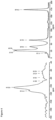
Figure 4 shows solid-state NMR 29Si (-180 to -40 ppm) and 13C spectra (0 to 200 ppm) for supercritically-dried cross-linked aerogels. -
Figure 5 shows SEM (left) and TEM (right) micrographs of the aerogel samples showing cross-linked secondary particles and a nano-porous structure. - The following explanations of terms and methods are provided to better describe the present compounds and methods, and to guide those of ordinary skill in the art in the practice of the present disclosure. It is also to be understood that the terminology used in the disclosure is for the purpose of describing particular embodiments and examples only and is not intended to be limiting.
- "Aerogel" refers to a synthetic porous ultralight material derived from a gel, in which the liquid component of the gel has been replaced by a gas. Aerogels can be produced by extracting the liquid component of the gel by supercritical drying.
- "Alcogel" refers to a substantially dilute cross-linked system which exhibits no flow in the steady state. By weight, alcogels are mostly liquid alcohol with a three-dimensional cross-linked network within the liquid alcohol.
- "Alkoxide" refers to the conjugate base of an alcohol and therefore consists of an organic group bonded to a negatively charged oxygen atom. Some alkoxysilanes are alkoxides.
- "Alkoxysilane" refers to compounds which contain an organic group bonded through an oxygen atom to a Si atom. Alkoxysilane refers to compounds of the general formula: R1O-SiR2R3R4, where R1 is an organic group and R2, R3 and R4 can be the same or different and can be H, an organic group or O bonded to an organic group. Optionally, R2, R3 and R4 are the same as -OR1.
- "Alkyl" refers to straight-chain or branched-chain hydrocarbons having 1, 2, 3, 4, 5, 6, 7, 8, 9, 10, 11, 12, 13, 14, 15, 16, 17, 18, 19 or 20 carbon atoms linked exclusively by single bonds and not having any cyclic structure. Optionally, alkyl includes methyl, ethyl, n-propyl, isopropyl, n-butyl, isobutyl, sec-butyl, tert-butyl, pentyl, iso-amyl, hexyl, heptyl, octyl, noyl, decyl, undecyl, dodecyl tridecyl, tetradecyl, pentadecyl, hexadecyl, heptadecyl, octadecyl, nonadecyl and eicosyl.
- "Aryl" refers to substituted or unsubstituted aromatic hydrocarbons with a conjugated cyclic molecular ring structure of 3, 4, 5, 6, 7, 8, 9, 10, 11 or 12 carbon atoms. Optionally, aryl includes monocyclic, bicyclic or polycyclic rings. Optionally, aryl includes one to three additional ring structures selected from the group consisting of a cycloalkyl, a cycloalkenyl, a heterocycloalkyl, a heterocycloalkenyl, or a heteroaryl. Optionally, aryl includes phenyl (benzenyl), thiophenyl, indolyl, naphthyl, totyl, xylyl, anthracenyl, phenanthryl, azulenyl, biphenyl, naphthalenyl, 1 -methylnaphthalenyl, acenaphthenyl, acenaphthylenyl, anthracenyl, fluorenyl, phenalenyl, phenanthrenyl, benzo[a]anthracenyl, benzo[c]phenanthrenyl, chrysenyl, fluoranthenyl, pyrenyl, tetracenyl (naphthacenyl), triphenylenyl, anthanthrenyl, benzopyrenyl, benzo[a]pyrenyl, benzo[e]fluoranthenyl, benzo[ghi]perylenyl, benzo[j]fluoranthenyl, benzo[k]fluoranthenyl, corannulenyl, coronenyl, dicoronylenyl, helicenyl, heptacenyl, hexacenyl, ovalenyl, pentacenyl, picenyl, perylenyl, and tetraphenylenyl. Optionally, aryl refers to aryls substituted with 1, 2, 3, 4 or 5 substituents selected from the group consisting of H, lower alkyl, aryl, alkenyl, alkynyl, arylalkyl, alkoxy, aryloxy, arylalkoxy, alkoxyalkylaryl, alkylamino, arylamino, NH2, OH, CN, NO2, OCF3, CF3, Br, Cl, F, 1 -amidino, 2-amidino, alkylcarbonyl, morpholino, piperidinyl, dioxanyl, pyranyl, heteroaryl, furanyl, thiophenyl, tetrazolo, thiazole, isothiazolo, imidazolo, thiadiazole, thiadiazole S-oxide, thiadiazole S,S-dioxide,pyrazolo, oxazole, isoxazole, pyridinyl, pyrimidinyl, quinoline, isoquinoline, SR‴, SOR"', SO2R‴, CO2R‴, COR‴, CONR‴R‴, CSNR‴R‴ and SOnNR‴R‴, wherein R‴ is alkyl or substituted alkyl.
- "Gelation" refers to a method of forming a gel.
- "Instantaneous gelation" refers to gelation which occurs in 10 seconds or less, 9 seconds or less, 8 seconds or less, 7 seconds or less, 6 seconds or less, 5 seconds or less, 4 seconds or less, 3 seconds or less, 2 seconds or less, or 1 second or less.
- "Instantaneous polymerization" refers to polymerization which occurs in 10 seconds or less, 9 seconds or less, 8 seconds or less, 7 seconds or less, 6 seconds or less, 5 seconds or less, 4 seconds or less, 3 seconds or less, 2 seconds or less, or 1 second or less.
- "Microwave radiation" refers to electromagnetic waves having a wavelength in the range from 1 mm to 1 m and a frequency in the range from 300 GHz to 300 MHz. Optionally, "microwave radiation" refers to electromagnetic waves as produced in microwave ovens, for example with a frequency of 2.45 GHz (wavelength 12 cm) plus or minus 10%, plus or minus 9%, plus or minus 8%, plus or minus 7%, plus or minus 6%, plus or minus 5%, plus or minus 4%, plus or minus 3%, plus or minus 2% or plus or minus 1%.
- "Monomer" refers to a molecule which may chemically bond to other molecules to form a polymer.
- "Optional" or "optionally" means that the subsequently described event or circumstance can but need not occur, and that the description includes instances where said event or circumstance occurs and instances where it does not.
- "Organic group" refers to functional groups containing at least one carbon atom, for example substituted or unsubstituted alkyl, alkenyl, alkynyl or aryl groups.
- "Photo-initiator" refers to a molecule that creates reactive species when exposed to UV or visible light radiation.
- "Polymerization" refers to a method of forming a polymer from a plurality of monomers.
- "Silica network" refers to a solid comprising three dimensional intertwined clusters of silica, where the silica comprises 50% or less, 49% or less, 48% or less, 47% or less, 46% or less, 45% or less, 44% or less, 43% or less, 42% or less, 41% or less, 40% or less, 39% or less, 38% or less, 37% or less, 36% or less, 35% or less, 34% or less, 33% or less, 32% or less, 31% or less, 30% or less, 29% or less, 28% or less, 27% or less, 26% or less, 25% or less, 24% or less, 23% or less, 22% or less, 21% or less, 20% or less, 19% or less, 18% or less, 17% or less, 16% or less, 15% or less, 14% or less, 13% or less, 12% or less, 11% or less, 10% or less, 9% or less, 8% or less, 7% or less, 6% or less, 5% or less, 4% or less, 3% or less, 2% or less, or 1% or less, of the total volume of solid.
- "Supercritical drying" refers to a method of removing liquid in a controlled and precise way. Aerogels can be produced by extracting the liquid component of the gel by supercritical drying. This allows the liquid to be slowly dried off without causing the solid matrix in the gel to collapse from capillary action, as would happen with conventional evaporation.
- Reagent-grade tetraethyl orthosilicate (TEOS), aluminum chloride hexahydrate (AICl3.6H2O), trimethoxysilylpropyl methacrylate (TMSM), methyldiethanolethylamine (amine), and Eosin Y were purchased from Acros Organics. Hexanedioldiacrylate (HDDA) was purchased from Sigma-Aldrich. All reagents were used as-received. An ethanol-water azeotrope mixture (containing 4.4% water and 95.6% pure ethanol by volume) was used as gelation solvent and as supercritical fluid in the drying method for the samples prepared.
- The methods of the presently claimed invention followed the same procedure for supercritically drying the samples as reported in a recent publication.15 Briefly, the alcogels with or without their substrate were placed inside the supercritical dryer, a Parr Instruments model 4602 pressure vessel with a capacity of 2 litres. The pressure vessel was equipped with a thermal well and it was heated by three ceramic heaters, each with a power of 800 W. Heating rates were controlled by varying the power delivered to the heaters with a Variac. To prevent solvent evaporation from the alcogels before the supercritical point was reached, an excess volume (500 mL) vessel was heated to reach the supercritical temperature and pressure of the ethanol-water azeotrope mixture, kept at supercritical conditions for 20 minutes and then vented.
- FTIR spectroscopic measurements were carried out using a Thermo Scientific Nicolet 6700. A smart iTR diamond ATR accessory was used. Background was subtracted each time while obtaining data from ATR accessory. For each sample, 64 scans were taken with data spacing of 0.482 cm-1 and a resolution of 4 cm-1.
- CPMAS-TOSS solid-state NMR spectra were acquired on a Bruker DRX300WB spectrometer equipped with a 7 mm CPMAS probe. Each sample was packed into a 7 mm Zirconia rotor with Kel-F cap and then spun at 5 kHz at room temperature. The operating frequency was 75.48 and 59.62 MHz for 13C and 29Si, respectively. The contact time was 5 ms for 29Si and 1 ms for 13C and repetition time was 2 s for both nuclei. The measurement time was sample dependent because of number of scans ranging from 300 to 2000 for 13C and 1000 to 2000 for 29Si. A line broadening of 60 Hz (13C) and 100 Hz (29Si) for each was applied before Fourier transformation. Chemical shift was externally referenced to glycine (C=O carbon at 176.03 ppm) and DSS (sodium salt of 2,2-dimethyl-2-silapentane-5-sulphonic acid, 29Si at 0 ppm).
- For compression testing, an Insight 30 using a 2 kN load cell and compression velocity 0.254 cm min-1 was employed. The self-standing samples (without substrate) were placed on the stage horizontally and were tested.
- Surface areas were measured with a Micromeritics ASAP 2020 analyzer. Samples with an average weight of 40 mg were outgassed in vacuum for 24 hours at 120°C. In each test, 5 adsorption/desorption points were taken with 3 minutes of equilibration time between each measurement and tolerance of 0 at 77.2 K (sample holder submerged in liquid nitrogen). The surface area values were calculated according to the BET model using these points of the adsorption curve.
- A Scanning Electron Microscope (model: Hitachi SU-70) was used to image aerogel samples. The nominal thickness of the samples was ≤1 mm, and they were placed on carbon conductive tabs adhered to the sample mount. A strip of adhesive copper tape, connecting the sample and sample mount, was placed in contact with each piece of aerogel to avoid charging during imaging. The samples were sputter coated for 30 seconds with gold and then imaged. High Resolution Transmission Electron Microscopy (HRTEM; model: JEOL JEM-2100F) was used for the morphological characterization of the samples.
- For alcogel fabrication, two solutions were prepared and kept in separate polypropylene containers before mixing.
- In one non-limiting example:
- Solution A was prepared by mixing 0.88 mL (4.0 mmol) of tetraorthosilicate (TEOS), 0.04 mL (0.2 mmol) of 3-(trimethoxysilyl)propyl methacrylate (MTMS) and 1.35 mL of ethanol-water azeotrope mixture in which AlCl3.6H2O had been dissolved (concentration: 1.4 mmol L-1). Solution A was heated in an 800W microwave oven for 30 seconds.
- Solution B was prepared by mixing 0.15 mL (0.87 mmol) of Eosin Y dissolved in ethanol, 0.05 mL (0.44 mmol) of methyldiethanolethylamine (amine), 1.1 mL (5.0 mmol) of hexanedioldiacrylate (HDDA) and 0.5 mL ethanol-water azeotrope.
- The reactants and their functions in this example are summarised in the following tables.
-
Function Chemical name Abbreviated name Amount No. of moles 1A Alkoxide Tetraethyl orthosilicate TEOS 0.88 ml 4.0 mmol 2A Lewis acid Aluminium chloride hexahydrate AlCl3·6H2O 1.35 ml (of 0.015 g in 45 ml EtOH) 0.002 mmol 3A Coupling agent 3-(trimethoxysilyl) propyl methacrylate MTMS 0.04 ml (dissolved in 0.5 ml EtOH) 0.2 mmol -
Function Chemical name Abbreviated name Amount No. of moles 1B Tertiary amine (co-initiator) N-methyldiethanolamine MDA 0.05 ml 0.45 mmol 2B Radical photoinitiator 2-(2,4,5,7-tetrabromo-6-oxido-3-oxo-3H-xanthenyl-9-yl) benzoate Eosin Y 0.15 ml (of solution, 4 g/l in EtOH) 0.87 mmol 3B Monomer 1,6-hexanediol diacrylate HDDA 1.1 ml 5.0 mmol - Eosin Y, which absorbs in the green region of the visible spectrum, was used as the photo-initiator and the tertiary amine acted as co-initiator and pH modifier.
- Solution A was mixed with solution B and the resulting solution (sometimes referred to as the pre-gelation mixture in this specification) was heated in an 800W microwave oven for 30 seconds. By applying microwave heating before gelation, the present inventors found that the pre-gelation mixture was uniformly heated to from 50 to 60°C, thus forming a gel instantly. Instantaneous gelation is necessary to permit formation of an aerogel.
- In this example, a 2 Watt, continuous wave, diode-pumped solid-state laser emitting light at a wavelength of 532 nm was employed to apply laser light to the pre-gelation mixture. In other examples, a laser source emitting light at a wavelength of 532 nm plus or minus 10% can be used. However, gelation will take longer if the power source is less than 2 Watts. Upon light absorption, it is believed that charge is transferred between Eosin Y and the amine, resulting in a reduced radical dye and a radical capable of initiating polymerization.16,17 During 3D printing, gelation was almost instantaneous upon irradiation. The solution preparation and 3D printing method is illustrated schematically in
Figure 1 . - A layer-by-layer technique was used for 3D printing where solution mixture was added to a Petri dish covered with a stencil mask. Light was directed through the cut-out holes of the letters to gel the solution underneath and then another quantity of mixture was added. Light was redirected through the cut-out holes and it was repeated until the desired thickness of the letters was achieved. The aerogel material showed good adhesion to substrate and good rigidity as a self-standing object (
Figure 2 ). - With reference to the reactants of solutions A and B referred to above, the following reagents can be used in alternative examples:
- 1A: TEOS can be replaced by tetramethyl orthosilicate (TMOS).
- 2A: AlCl3.6H2O can be replaced by aqueous HCl.
- 3A: MTMS can be replaced by vinyltrimethoxysilane or allyltrimethoxysilane.
- 1B: MDA can be replaced by N-ethyldiethanolamine or ammonium hydroxide.
- 2B: Eosin Y can be replaced by Eosin B or Eosin Y disodium salt.
- 3B: HDDA can be replaced by vinyl acrylate, vinyl methacrylate, 1,4-butanediol diacrylate, glycerol 1,3 diglycerolate diacrylate, styrene, methyl methacrylate, butyl methacrylate, butyl acrylate, tert-butyl acrylate, tris(2-acryloyloxyethyl) isocyanurate, neopentyl glycol diacrylate, pentaerythritol tetraacrylate, trimethylolpropane triacrylate, di(trimethylolpropane) tetraacrylate, glycerol propoxylate (1PO/OH) triacrylate, bisphenol A ethoxylate diacrylate, 1,3,5-triacryloylhexahydro-1,3,5-triazine, glycerol 1,3-diglycerolate diacrylate, trimethylolpropane propoxylate triacrylate or pentaerythritol triacrylate.
- Reference above to a reagent being "replaced" means that each respective reactant named in solution A or solution B can be replaced in whole or in part by any one or more of the alternative named reactants.
- The amount of the reagents stated in the tables referring to solution A or solution B list the molar amounts of the reactants. In alternative examples, the molar amounts of each respective reactant, or the alternative reactants listed above, can be changed by up to 25%, or up to 24%, or up to 23%, or up to 22%, or up to 21%, or up to 20%, or up to 19%, or up to 18%, or up to 17%, or up to 16%, or up to 15%, or up to 14%, or up to 13%, or up to 12%, or up to 11%, or up to 10%, or up to 9%, or up to 8%, or up to 7%, or up to 6%, or up to 5%, or up to 4%, or up to 3%, or up to 2%, or up to 1%.
- In the above non-limiting example, solution A was mixed with solution B and the resulting solution (sometimes referred to as the pre-gelation mixture in this specification) was heated in an 800W microwave oven for 30 seconds.
- In alternative examples, the microwave oven had a power of up to 1200W, or up to 1100W, or up to 1000W, or up to 900W, or up to 800W, or up to 700W, or up to 600W, or up to 500W, or up to 400W.
- In alternative examples, the resulting solution (sometimes referred to as the pre-gelation mixture in this specification) was heated by applying microwave radiation for up to 2 minutes, or up to 1.5 minutes, or up to 1 minute, or up to 50 seconds, or up to 40 seconds, or up to 30 seconds, or up to 20 seconds, or up to 10 seconds, or up to 5 seconds, or up to 4 seconds, or up to 3 seconds, or up to 2 seconds, or up to 1 second.
- The presently claimed method is particularly beneficial because instantaneous gelation spreads within seconds throughout the entirety of the exposed area. Without wishing to be bound by theory, this rapid gelation can be explained by considering the strong temperature dependence of the gelation method.
- While alkoxide hydrolysis is exothermic, condensation is endothermic18 and it is strongly accelerated when the temperature is increased. For example, the group of Sakka19 reported a decrease in gelation time of more than one order of magnitude when the temperature was raised from 25 to 80°C.
- In the presently claimed method, and without wishing to be bound by theory, polymerization is believed to provide sufficient heat locally to raise the temperature and accelerate the gelation. The theoretical heat evolved when a methacrylate double bond converts is ΔH = 13.1 kcal mol-1.20,21 This value agrees well with experimental determinations, which range from 12.2 to 20.2 kcal mol-1. The temperature increase of the gelation solution can be estimated as ΔT = (n mono x ΔH)/(m x Cp), where n mono is the number of monomer moles, m the mass of the solvent and Cp the heat capacity of the solvent. Using the value of ΔH discussed above and the reagent concentration for this system, we obtain ΔT ~ 70 K, which explains the immediate gelation of the silica precursor solution once polymerization is triggered.
- Alternatively, and again without wishing to be bound by theory, one can consider that the energy required by the condensation reaction is between 0.28 and 2.8 kcal mol-1. 18,22-24 This energy is about one order of magnitude lower than the energy ΔH liberated by the double bond conversion, and this also explains the observed rapid gelation.
- The direct heating by the laser beam may be considered a reason to cause gelation. However, without wishing to be bound by theory, the present inventors do not think that direct heating played a relevant role in this case. In previous work on quantum dot lithography,25 for example, direct laser heating was employed to induce chemical reactions. However, a temperature increase was noticed only in the immediate vicinity (40 to 80 microns) when an infrared laser was employed and the laser was focused with a lens. In the presently claimed methods, the laser was not focused and green light was employed, which does not cause heating as infrared light does.
- FTIR analysis (
Figure 3 ) was performed using a Thermo Scientific Nicolet 6700 instrument on the supercritically dried sample to confirm formation of both silica and polyacrylate structures. The spectrum shows the presence of a relatively large band at 1730 cm-1, which is attributed to the C=O stretch vibrations, whereas vibrations of C-O from the same ester groups of the polyacrylate appears at 1060 cm-1. The absence of a band around 1640 cm-1, which corresponds to C=C (acrylic double bond), indicates the formation of polyacrylate and the engagement of TMSM through its acrylic group. - The presence of bands maxima at positions 1160, 1090-1060, 980 structures in the system. The bands centred around 1160 and 1090-1060 cm-1 correspond to the intense silicon-oxygen covalent bond vibrations that confirm the formation of silica network. The absorption band around 980 cm-1 corresponds to in-plane stretching vibrations of Si-O of the silanol Si-OH groups.26 The bands appearing around 1090 cm-1 and the shoulder at around 1200 cm-1 are assigned respectively to the transversal optical and longitudinal optical modes of the Si-O-Si asymmetric stretching vibrations.27 The band at 810 cm-1 reflects symmetric stretching vibrations of Si-O-Si.28 The comparison of the spectra show formation of silica network and polymerization of HDDA monomer took place in both samples.
- Solid-state NMR analysis was performed on the samples using a Bruker DRX300WB spectrometer to further confirm the formation of both network structures and to find out any anomaly due to incomplete hydrolysis, condensation or polymerization during extraordinarily fast fabrication of aerogels.
- The spectrum obtained using 29Si and 13C modes are presented in
Figure 4 . The 29Si spectra exhibit two major characteristic peaks at -103.04 ppm due to silanol and -111.52 ppm due to siloxane structures. A very small peak at - 67.67 ppm points toward a low concentration of tridentate bonding of TMSM to silica29 which correlates to the small amount of TMSM in the system. Absence of peaks at -52 ppm and -59 ppm confirms presence of almost no mono or bidentate bonding of TMSM or TEOS to the silica framework which further confirms completion of the hydrolysis and condensation methods.30 All of these observations indicate the completion of hydrolysis and condensation reactions leading to the formation of silica network structure in all samples. - The 13C spectrum of the samples show peaks at 26.22, 28.26, 40.26, 64.30, and 174.09 ppm which originate from the aliphatic carbons of HDDA's acrylate polymer. The shift in strong signal of carbonyl carbon of HDDA from 167 ppm to 174.09 ppm in the SC dried sample confirms formation of acrylate polymer. The detailed discussion has been reported in our recent publication15 whereas here, the discussion is limited to the confirmation of conversion of precursor and monomer to polymer crosslinked-silica structures due to laser illumination.
- Morphological evaluation of the aerogel materials was performed using SEM and TEM. The SEM and TEM micrographs for the 3D printed letters, depicted in
Figure 5 , clearly show the formation and arrangement of secondary particles with a diameter between about 10 and 30 nm, as well as a clearly defined pore structure. Primary particles could not be observed in SEM because of the polymer cross-linking, as is customary for this class of materials. - Mechanical properties were measured on an Insight 30 and surface area measured using a Micromeritics ASAP 2020 analyser. The average values of physical properties for the 3D printed aerogel samples are: shrinkage (10.4%), density (0.56 g cm-3), modulus (81.3 MPa) and BET surface area (155.3 m2 g-1). All these values are within the range expected for cross-linked aerogels.31 Thus, aerogels formed by instantaneous gelation showed comparable properties to aerogels created using conventional fabrication procedures with the added benefit of ease in fabrication.
- Polymer crosslinked aerogel materials prepared by the presently claimed method, can be used to print 3D objects. Rapid and efficient production of aerogels occurs following the inclusion of a microwave heating step, prior to irradiation of the reactant mixture by laser light. Irradiation by laser light leads to instantaneous polymerization and gelation. Internal heat changes involved in the crosslinking reactions play an important role in overcoming the activation energy barrier for condensation reactions that lead to instantaneous formation of silica network structure.
- Comparable physical properties, including density, modulus, shrinkage and surface area, have been observed for the materials crosslinked and gelled within seconds when compared with those prepared in hours or days using conventional procedures. This significant improvement in the fabrication methods of photo-cross-linked aerogel materials is expected to replace the high density structural materials being used for 3D printing or to be used for other such applications with ultra-low density crosslinked aerogel materials.
- When used in this specification and claims, the terms "comprises" and "comprising" and variations thereof mean that the specified features, steps or integers are included. The terms are not to be interpreted to exclude the presence of other features, steps or components.
- The features disclosed in the foregoing description, or the following claims, or the accompanying drawings, expressed in their specific forms or in terms of a means for performing the disclosed function, or a method or process for attaining the disclosed result, as appropriate, may, separately, or in any combination of such features, be utilised for realising the invention in diverse forms thereof.
- Notwithstanding that the numerical ranges and parameters setting forth the broad scope of the disclosure are approximations, the numerical values set forth in the specific examples are reported as precisely as possible. Any numerical value, however, inherently contains certain errors necessarily resulting from the standard deviation found in their respective testing measurements.
- The terms "a," "an," "the" and similar referents used in the context of describing the disclosure (especially in the context of the following claims) are to be construed to cover both the singular and the plural, unless otherwise indicated herein or clearly contradicted by context. Recitation of ranges of values herein is merely intended to serve as a shorthand method of referring individually to each separate value falling within the range. Unless otherwise indicated herein, each individual value is incorporated into the specification as if it were individually recited herein. All methods described herein can be performed in any suitable order unless otherwise indicated herein or otherwise clearly contradicted by context. The use of any and all examples, or exemplary language (e.g., "such as") provided herein is intended merely to better illuminate the disclosure and does not pose a limitation on the scope of the disclosure otherwise claimed. No language in the specification should be construed as indicating any non-claimed element essential to the practice of the disclosure.
- Groupings of alternative elements or embodiments of the disclosure disclosed herein are not to be construed as limitations. Each group member can be referred to and claimed individually or in any combination with other members of the group or other elements found herein. It is anticipated that one or more members of a group can be included in, or deleted from, a group for reasons of convenience and/or patentability. When any such inclusion or deletion occurs, the specification is deemed to contain the group as modified thus fulfilling the written description of all Markush groups used in the appended claims.
- Certain embodiments of this disclosure are described herein, including the best mode known to the inventors for carrying out the disclosure. Of course, variations on these described embodiments will become apparent to those of ordinary skill in the art upon reading the foregoing description. The inventor expects skilled artisans to employ such variations as appropriate, and the inventors intend for the disclosure to be practiced otherwise than specifically described herein. Accordingly, this disclosure includes all modifications and equivalents of the subject matter recited in the claims appended hereto as permitted by applicable law. Moreover, any combination of the above-described elements in all possible variations thereof is encompassed by the disclosure unless otherwise indicated herein or otherwise clearly contradicted by context.
- Specific embodiments disclosed herein may be further limited in the claims using consisting of or and consisting essentially of language. When used in the claims, whether as filed or added per amendment, the transition term "consisting of excludes any element, step, or ingredient not specified in the claims. The transition term "consisting essentially of" limits the scope of a claim to the specified materials or steps and those that do not materially affect the basic and novel characteristic(s). Embodiments of the disclosure so claimed are inherently or expressly described and enabled herein.
- In closing, it is to be understood that the embodiments of the disclosure disclosed herein are illustrative of the principles of the present disclosure. Other modifications that may be employed are within the scope of the disclosure. Thus, by way of example, but not of limitation, alternative configurations of the present disclosure may be utilized in accordance with the teachings herein. Accordingly, the present disclosure is not limited to that precisely as shown and described.
- For the avoidance of doubt, protection may be sought for the features disclosed in any one or more of the referenced documents in combination with this disclosure.
- 1 S. Maury, P. Buisson, A. Perrard and A. C. Pierre, J. Mol. Catal. B: Enzym., 2004, 29, 133-148.
- 2 M. Schneider and A. Baiker, Catal. Rev.: Sci. Eng., 1995, 37, 41.
- 3 L. W. Hrubesh, P. R. Coronado and J. H. Satcher, J. Non-Cryst. Solids, 2001, 285, 328-332.
- 4 G. S. Kim and S. H. Hyun, J. Non-Cryst. Solids, 2003, 320, 125- 132.
- 5 R. Baetens, B. P. Jelle and A. Gustavsen, Energ. Build., 2011, 43, 761-769.
- 6 B. Heckman, L. Martin, M. F. Bertino, N. Leventis and T. Tokuhiro, Sep. Sci. Technol., 2008, 43, 1474-1487.
- 7 S. M. Jones, J. Sol-Gel Sci. Technol., 2007, 44, 255-258.
- 8 N. Leventis, C. Sotiriou-Leventis, G. H. Zhang and M. M. Rawashdeh, Nano Lett., 2002, 2, 957-960.
- 9 N. Leventis and H. Lu, in Aerogels Handbook, ed. M. A. Aegerter, N. Leventis and M. M. Koebel, Springer, New York, 2011, ch. 13, pp. 251-285.
- 10 L. S. White, M. F. Bertino, S. Saeed and K. Saoud, Microporous Mesoporous Mater., 2015, 217, 244-252.
- 11 C. Wingfield, L. Franzel, M. F. Bertino and N. Leventis, J. Mater. Chem., 2011, 21, 11737-11741.
- 12 L. Franzel, C. Wingfield, M. F. Bertino, S. Mahadik- Khanolkar and N. Leventis, J. Mater. Chem. A, 2013, 1, 6021-6029.
- 13 M. Schmidt and F. Schwertfeger, J. Non-Cryst. Solids, 1998, 225, 364-368.
- 14 A. M. Anderson, C. W. Wattley and M. K. Carroll, J. Non-Cryst. Solids, 2009, 355, 101-108.
- 15 L. S. White, M. F. Bertino, G. Kitchen, J. Young, C. Newton, R. Al-Soubaihi, S. Saeed and K. Saoud, J. Mater. Chem. A, 2015, 3, 762-772.
- 16 H. J. Avens and C. N. Bowman, J. Polym. Sci., Part A: Polym. Chem., 2009, 47, 6083-6094.
- 17 D. M. Burget, C. Mallein and J. P. Fouassier, Polymer, 2004, 45, 7.
- 18 J. Matsuoka, M. Numaguchi, S. Yoshida and N. Soga, J. Sol- Gel Sci. Technol., 2000, 19, 4.
- 19 S. Sakka and K. Kamiya, J. Non-Cryst. Solids, 1982, 48,16. 20 K. Miyazaki and T. Horibe, J. Biomed. Mater. Res., 1988, 22, 13.
- 21 K. Horie, A. Otagawa, M. Muraoka and I. Mita, J. Polym. Sci., Polym. Chem. Ed., 1975, 13, 10.
- 22 F. D. Osterholtz and E. R. Pohl, J. Adhes. Sci. Technol., 1992, 6, 23.
- 23 Z. Lasocki, Bull. Pol. Acad. Sci.: Tech. Sci., 1963, 11, 6.
- 24 J. Chojnowski and S. Chrzezonowicz, Bull. Pol. Acad. Sci.: Tech. Sci., 1965, 13, 5.
- 25 M. Bertino, in Aerogels Handbook, ed. M. A. Aegerter, N. Leventis and M. M. Koebel, Springer, New York, 2011, ch. 19, pp. 403-418.
- 26 N. O. Gopal, K. V. Narasimhulu and J. L. Rao, Spectrochim. Acta, Part A, 2004,60, 8.
- 27 A. Duran, C. Serna, V. Fornes and J. M. F. Navarro, J. Non- Cryst. Solids, 1986, 82, 9.
- 28 C. J. Brinker and G. W. Scherer, Sol-gel Science: The Physics and Chemistry of Sol-gel Processing, Academic, New York, 1990.
- 29 L. N. Lewis, T. A. Early, M. Larsen, E. A. Williams and J. C. Grande, Chem. Mater., 1995, 7, 7.
- 30 S. Ek, E. I. liskola, L. Niinisto, J. Vaittinen, T. T. Pakkanen and A. Root, J. Phys. Chem. B, 2004, 108, 10.
- 31 H. Lu, H. Luo and N. Leventis, in Aerogels Handbook, ed. M. Aegerter, N. Leventis and M. M. Koebel, Springer, New York, 2011, ch. 22, pp. 499-535.
Claims (12)
- A method of forming a silica aerogel, the method comprising the steps of:forming a first solution comprising an alkoxide wherein the alkoxide is an alkoxysilane, tetraethyl orthosilicate or tetramethyl orthosilicate, a Lewis acid wherein the Lewis acid is aluminium chloride hexahydrate or aqueous hydrochloric acid and a coupling agent wherein the coupling agent is 3-(trimethoxysilyl)propyl methacrylate, vinyltrimethoxysilane or allyltrimethoxysilane;forming a second solution comprising a radical photoinitiator wherein the radical photoinitiator is Eosin Y, Eosin B or Eosin Y disodium salt, a co-initiator wherein the co-initiator is a tertiary amine, wherein the tertiary amine co-initiator is N-methyldiethanolamine, N-ethyldiethanolamine or ammonium hydroxide and monomers wherein the monomers are 1,6-hexanediol diacrylate, vinyl acrylate, vinyl methacrylate, 1,4-butanediol diacrylate, glycerol 1,3-diglycerolate diacrylate, styrene, methyl methacrylate, butyl methacrylate, butyl acrylate, tert-butyl acrylate, tris(2-acryloyloxyethyl) isocyanurate, neopentyl glycol diacrylate, pentaerythritol tetraacrylate, trimethylolpropane triacrylate, di(trimethylolpropane) tetraacrylate, glycerol propoxylate (1PO/OH) triacrylate, bisphenol A ethoxylate diacrylate, 1,3,5-triacryloylhexahydro-1,3,5-triazine, glycerol 1,3-diglycerolate diacrylate, trimethylolpropane propoxylate triacrylate or pentaerythritol triacrylate;mixing the first solution and the second solution to form a pre-gelation mixture;heating the pre-gelation mixture by applying microwave radiation to form a heated pre-gelation mixture; and,applying visible laser light to the heated pre-gelation mixture to form an aerogel.
- The method of claim 1, wherein the method further comprises the step of:
supercritically drying the aerogel. - The method of claim 1 or claim 2, wherein after the step of forming the first solution, the first solution is heated by applying microwave radiation; optionally, wherein after the step of forming the second solution, the second solution is heated by applying microwave radiation.
- The method of any one of claims 1 to 3, wherein the steps of forming the first solution and forming the second solution include forming the first solution and the second solution in separate vessels; optionally, wherein the step of mixing the first solution and second solution to form a pre-gelation mixture includes mixing the first solution and the second solution in one vessel; optionally, wherein the step of heating the pre-gelation mixture by applying microwave radiation to form a heated pre-gelation mixture includes applying microwave radiation at a power of up to 1200W, or up to 1100W, or up to 1000W, or up to 900W, or up to 800W, or up to 700W, or up to 600W, or up to 500W, or up to 400W.
- The method of claim 3 or claim 4, wherein the step of heating either one or both of the first solution and/or the second solution by applying microwave radiation includes applying microwave radiation at a power of up to 1200W, or up to 1100W, or up to 1000W, or up to 900W, or up to 800W, or up to 700W, or up to 600W, or up to 500W, or up to 400W.
- The method of any one of claims 1 to 5, wherein the step of heating the pre-gelation mixture by applying microwave radiation to form a heated pre-gelation mixture includes applying microwave radiation for up to 2 minutes, or up to 1.5 minutes, or up to 1 minute, or up to 50 seconds, or up to 40 seconds, or up to 30 seconds, or up to 20 seconds, or up to 10 seconds, or up to 5 seconds, or up to 4 seconds, or up to 3 seconds, or up to 2 seconds, or up to 1 second; optionally, wherein microwave radiation refers to electromagnetic waves as produced in microwave ovens.
- The method of any one of claims 1 to 6, wherein microwave radiation refers to electromagnetic waves with a frequency of 2.45 GHz, wavelength 12 cm; plus or minus 10%, plus or minus 9%, plus or minus 8%, plus or minus 7%, plus or minus 6%, plus or minus 5%, plus or minus 4%, plus or minus 3%, plus or minus 2% or plus or minus 1%; optionally, wherein the step of applying visible laser light to the heated pre-gelation mixture to form an aerogel includes applying laser light generated by a 2 Watt, continuous wave, diode-pumped solid-state laser emitting light at a wavelength of 532 nm, plus or minus 10%, plus or minus 9%, plus or minus 8%, plus or minus 7%, plus or minus 6%, plus or minus 5%, plus or minus 4%, plus or minus 3%, plus or minus 2% or plus or minus 1%.
- The method of any one of claims 2 to 7, wherein the step of supercritically drying the aerogel includes drying the aerogel in supercritical ethanol.
- The method of any one of claims 1 to 8, wherein the molar ratios of reactants in the first solution are:alkoxide: 90-98Lewis acid: 0.0002-0.0006coupling agent: 1.9994-9.9998.
- The method of any one of claims 1 to 9, wherein the molar amounts of reactants in the second solution are:radical photoinitiator: 6-20co-initiator: 5-9monomers: 75-85.
- The method of any one of claims 1 to 10, wherein:the alkoxide is tetraethylorthosilicate;the Lewis acid is aluminium chloride hexahydrate;the coupling agent is 3-(trimethoxysilyl) propyl methacrylate;the radical photoinitiator is Eosin Y;the co-initiator is N-methyldiethanolamine;the monomers are 1,6-hexanediol diacrylate; optionally,wherein the molar ratios of the reactants are:0.9519 tetraethylorthosilicate;0.0004760 aluminium chloride hexahydrate;0.04760 3-(trimethoxysilyl) propyl methacrylate.
- The method of claim 11, wherein the molar ratios of the reactants are:0.138 Eosin Y;0.0712 N-methyldiethanolamine;0.79 1,6-hexanediol diacrylate.
Applications Claiming Priority (2)
| Application Number | Priority Date | Filing Date | Title |
|---|---|---|---|
| US15/151,059 US9745439B1 (en) | 2016-05-10 | 2016-05-10 | Methods of forming aerogels |
| PCT/GB2017/051270 WO2017194918A1 (en) | 2016-05-10 | 2017-05-08 | Methods of forming aerogels |
Publications (2)
| Publication Number | Publication Date |
|---|---|
| EP3455166A1 EP3455166A1 (en) | 2019-03-20 |
| EP3455166B1 true EP3455166B1 (en) | 2025-06-25 |
Family
ID=58873835
Family Applications (1)
| Application Number | Title | Priority Date | Filing Date |
|---|---|---|---|
| EP17726977.6A Active EP3455166B1 (en) | 2016-05-10 | 2017-05-08 | Methods of forming aerogels |
Country Status (3)
| Country | Link |
|---|---|
| US (1) | US9745439B1 (en) |
| EP (1) | EP3455166B1 (en) |
| WO (1) | WO2017194918A1 (en) |
Families Citing this family (9)
| Publication number | Priority date | Publication date | Assignee | Title |
|---|---|---|---|---|
| CN111825879B (en) * | 2019-04-10 | 2022-06-14 | 中国科学院化学研究所 | Precursor solution for 3D printing of aerogel and 3D printing method |
| US12351696B2 (en) | 2019-05-02 | 2025-07-08 | National Research Council Of Canada | Copolymer-silica hybrid aerogels and methods for the preparation thereof |
| CN111004541B (en) * | 2019-12-24 | 2022-03-08 | 中国科学院苏州纳米技术与纳米仿生研究所 | 3D printing ink of silica aerogel fiber and 3D printing preparation method |
| CN111233443A (en) * | 2020-02-23 | 2020-06-05 | 西北工业大学 | A kind of high solid content 3D printing ceramic core slurry and preparation method |
| CN113511656B (en) * | 2020-04-09 | 2023-09-01 | 中国科学院化学研究所 | A kind of silica-based airgel, its composite material and its preparation method and application |
| CN114957779B (en) * | 2022-06-10 | 2023-06-20 | 湖北工业大学 | A kind of preparation method of absorbable dye and anti-salt oil-water separation hydrogel |
| CN115124756B (en) * | 2022-07-14 | 2023-06-06 | 中国人民解放军国防科技大学 | A preparation method of UV-assisted 3D printing polymer crosslinked silica airgel |
| DE102024209915A1 (en) * | 2024-10-11 | 2026-04-16 | Fraunhofer-Gesellschaft zur Förderung der angewandten Forschung eingetragener Verein | Silica clusters, solution for producing a coating, method for coating a substrate and coated object, use of the silica clusters, cosmetic and pharmaceutical |
| CN120208577B (en) * | 2025-03-17 | 2025-09-09 | 陕西九域山水生态科技有限公司 | Aerogel@MOF composite material and preparation method and application thereof |
Family Cites Families (8)
| Publication number | Priority date | Publication date | Assignee | Title |
|---|---|---|---|---|
| JP2559597B2 (en) * | 1987-09-08 | 1996-12-04 | 関西ペイント株式会社 | Biofouling prevention method |
| WO2003072155A1 (en) | 2002-02-21 | 2003-09-04 | Encelle, Inc. | Cross-linked bioactive hydrogel matrices |
| AU2005231228A1 (en) * | 2004-01-06 | 2005-10-20 | Aspen Aerogels, Inc. | Ormosil aerogels containing silicon bonded polymethacrylate |
| US7732496B1 (en) | 2004-11-03 | 2010-06-08 | Ohio Aerospace Institute | Highly porous and mechanically strong ceramic oxide aerogels |
| US8029871B2 (en) * | 2005-06-09 | 2011-10-04 | Hoya Corporation | Method for producing silica aerogel coating |
| JP5599522B2 (en) * | 2011-01-10 | 2014-10-01 | コチ・ウニヴェルシテシ | Encapsulated hydrophobic and hydrophilic airgels with PEG hydrogels via surface-initiated photopolymerization |
| FR3018207B1 (en) * | 2014-03-07 | 2016-03-18 | Enersens | METHOD FOR MANUFACTURING AEROGELS BY DIELECTRIC HEATING |
| WO2016019308A1 (en) * | 2014-07-31 | 2016-02-04 | Virginia Commonwealth University | Method for one-step synthesis, cross-linking and drying of aerogels |
-
2016
- 2016-05-10 US US15/151,059 patent/US9745439B1/en active Active
-
2017
- 2017-05-08 EP EP17726977.6A patent/EP3455166B1/en active Active
- 2017-05-08 WO PCT/GB2017/051270 patent/WO2017194918A1/en not_active Ceased
Also Published As
| Publication number | Publication date |
|---|---|
| WO2017194918A1 (en) | 2017-11-16 |
| US9745439B1 (en) | 2017-08-29 |
| EP3455166A1 (en) | 2019-03-20 |
Similar Documents
| Publication | Publication Date | Title |
|---|---|---|
| US9745439B1 (en) | Methods of forming aerogels | |
| US10941897B2 (en) | Preparation method of silica aerogel-containing blanket and silica aerogel-containing blanket prepared by using the same | |
| Saeed et al. | Laser induced instantaneous gelation: aerogels for 3D printing | |
| Innocenzi et al. | Sol-gel reactions of 3-glycidoxypropyltrimethoxysilane in a highly basic aqueous solution | |
| CN106661272B (en) | Hybrid materials for use as coating agents in optoelectronic components | |
| Prabunathan et al. | Achieving low dielectric, surface free energy and UV shielding green nanocomposites via reinforcing bio-silica aerogel with polybenzoxazine | |
| Zolotareva et al. | -Diketones and their derivatives in sol–gel processes | |
| CN102046699A (en) | Method for preparing porous material and porous material prepared by the method | |
| RU2674057C2 (en) | Coating composition, method for preparation thereof and use thereof | |
| Yu et al. | Preparation and dielectric properties of polymer-derived SiCTi ceramics | |
| Kameneva et al. | New photoactive hybrid organic–inorganic materials based on titanium-oxo-PHEMA nanocomposites exhibiting mixed valence properties | |
| Amghar et al. | Optical and dielectric properties of silver-substituted ZnAl 2 O 4 spinels synthesized using a sol-gel auto-combustion method | |
| KR20140066812A (en) | Preparation method of ceramic-plate carbon composites using the microwave | |
| US10294378B2 (en) | Method for manufacturing hybrid packaging material | |
| Handke et al. | Amorphous SiCxOy coatings from ladder-like polysilsesquioxanes | |
| CN103482663A (en) | Method for preparing lump alumina aerogel with high specific surface area | |
| Liu et al. | An aqueous sol–gel route to prepare organic–inorganic hybrid materials | |
| Hassanpour et al. | Fabrication and characterization of inorganic–organic hybrid copper ferrite anchored on chitosan Schiff base as a reusable green catalyst for the synthesis of indeno [1, 2-b] indolone derivatives | |
| EP3202838A1 (en) | Porous silicone body and method for producing porous silicone body | |
| Zhang et al. | Preparation of ZrO2–SiO2 mixed oxide by combination of sol–gel and alcohol-aqueous heating method and its application in tetrahydrofuran polymerization | |
| Milea et al. | Sol–gel Al2O3 powders—matrix in solar thermal absorbers | |
| Yen et al. | Sol–gel synthesis of organic–inorganic hybrid materials comprising boehmite, silica, and thiazole dye | |
| Biswal et al. | Dielectric, electrical and optical properties of aluminosilicate ceramics synthesized by solid-state reaction route | |
| Yu et al. | One-step fabrication and high photocatalytic activity of porous graphitic carbon nitride/graphene oxide hybrid by direct polymerization of cyanamide without templates | |
| Potdevin et al. | Modifications induced by acetylacetone in properties of sol–gel derived Y 3 Al 5 O 12: Tb3+–I: structural and morphological organizations |
Legal Events
| Date | Code | Title | Description |
|---|---|---|---|
| STAA | Information on the status of an ep patent application or granted ep patent |
Free format text: STATUS: UNKNOWN |
|
| STAA | Information on the status of an ep patent application or granted ep patent |
Free format text: STATUS: THE INTERNATIONAL PUBLICATION HAS BEEN MADE |
|
| PUAI | Public reference made under article 153(3) epc to a published international application that has entered the european phase |
Free format text: ORIGINAL CODE: 0009012 |
|
| STAA | Information on the status of an ep patent application or granted ep patent |
Free format text: STATUS: REQUEST FOR EXAMINATION WAS MADE |
|
| 17P | Request for examination filed |
Effective date: 20181002 |
|
| AK | Designated contracting states |
Kind code of ref document: A1 Designated state(s): AL AT BE BG CH CY CZ DE DK EE ES FI FR GB GR HR HU IE IS IT LI LT LU LV MC MK MT NL NO PL PT RO RS SE SI SK SM TR |
|
| AX | Request for extension of the european patent |
Extension state: BA ME |
|
| DAV | Request for validation of the european patent (deleted) | ||
| DAX | Request for extension of the european patent (deleted) | ||
| STAA | Information on the status of an ep patent application or granted ep patent |
Free format text: STATUS: EXAMINATION IS IN PROGRESS |
|
| 17Q | First examination report despatched |
Effective date: 20220201 |
|
| GRAP | Despatch of communication of intention to grant a patent |
Free format text: ORIGINAL CODE: EPIDOSNIGR1 |
|
| STAA | Information on the status of an ep patent application or granted ep patent |
Free format text: STATUS: GRANT OF PATENT IS INTENDED |
|
| INTG | Intention to grant announced |
Effective date: 20230921 |
|
| GRAJ | Information related to disapproval of communication of intention to grant by the applicant or resumption of examination proceedings by the epo deleted |
Free format text: ORIGINAL CODE: EPIDOSDIGR1 |
|
| STAA | Information on the status of an ep patent application or granted ep patent |
Free format text: STATUS: EXAMINATION IS IN PROGRESS |
|
| INTC | Intention to grant announced (deleted) | ||
| GRAP | Despatch of communication of intention to grant a patent |
Free format text: ORIGINAL CODE: EPIDOSNIGR1 |
|
| STAA | Information on the status of an ep patent application or granted ep patent |
Free format text: STATUS: GRANT OF PATENT IS INTENDED |
|
| INTG | Intention to grant announced |
Effective date: 20240606 |
|
| GRAJ | Information related to disapproval of communication of intention to grant by the applicant or resumption of examination proceedings by the epo deleted |
Free format text: ORIGINAL CODE: EPIDOSDIGR1 |
|
| STAA | Information on the status of an ep patent application or granted ep patent |
Free format text: STATUS: EXAMINATION IS IN PROGRESS |
|
| GRAP | Despatch of communication of intention to grant a patent |
Free format text: ORIGINAL CODE: EPIDOSNIGR1 |
|
| STAA | Information on the status of an ep patent application or granted ep patent |
Free format text: STATUS: GRANT OF PATENT IS INTENDED |
|
| INTC | Intention to grant announced (deleted) | ||
| INTG | Intention to grant announced |
Effective date: 20250122 |
|
| GRAS | Grant fee paid |
Free format text: ORIGINAL CODE: EPIDOSNIGR3 |
|
| GRAA | (expected) grant |
Free format text: ORIGINAL CODE: 0009210 |
|
| STAA | Information on the status of an ep patent application or granted ep patent |
Free format text: STATUS: THE PATENT HAS BEEN GRANTED |
|
| AK | Designated contracting states |
Kind code of ref document: B1 Designated state(s): AL AT BE BG CH CY CZ DE DK EE ES FI FR GB GR HR HU IE IS IT LI LT LU LV MC MK MT NL NO PL PT RO RS SE SI SK SM TR |
|
| REG | Reference to a national code |
Ref country code: GB Ref legal event code: FG4D |
|
| REG | Reference to a national code |
Ref country code: CH Ref legal event code: EP |
|
| REG | Reference to a national code |
Ref country code: DE Ref legal event code: R096 Ref document number: 602017090121 Country of ref document: DE |
|
| REG | Reference to a national code |
Ref country code: CH Ref legal event code: EP |
|
| REG | Reference to a national code |
Ref country code: IE Ref legal event code: FG4D |
|
| P01 | Opt-out of the competence of the unified patent court (upc) registered |
Free format text: CASE NUMBER: APP_29356/2025 Effective date: 20250619 |
|
| REG | Reference to a national code |
Ref country code: SE Ref legal event code: TRGR |
|
| PG25 | Lapsed in a contracting state [announced via postgrant information from national office to epo] |
Ref country code: FI Free format text: LAPSE BECAUSE OF FAILURE TO SUBMIT A TRANSLATION OF THE DESCRIPTION OR TO PAY THE FEE WITHIN THE PRESCRIBED TIME-LIMIT Effective date: 20250625 |
|
| REG | Reference to a national code |
Ref country code: LT Ref legal event code: MG9D |
|
| PG25 | Lapsed in a contracting state [announced via postgrant information from national office to epo] |
Ref country code: GR Free format text: LAPSE BECAUSE OF FAILURE TO SUBMIT A TRANSLATION OF THE DESCRIPTION OR TO PAY THE FEE WITHIN THE PRESCRIBED TIME-LIMIT Effective date: 20250926 Ref country code: NO Free format text: LAPSE BECAUSE OF FAILURE TO SUBMIT A TRANSLATION OF THE DESCRIPTION OR TO PAY THE FEE WITHIN THE PRESCRIBED TIME-LIMIT Effective date: 20250925 |
|
| PG25 | Lapsed in a contracting state [announced via postgrant information from national office to epo] |
Ref country code: BG Free format text: LAPSE BECAUSE OF FAILURE TO SUBMIT A TRANSLATION OF THE DESCRIPTION OR TO PAY THE FEE WITHIN THE PRESCRIBED TIME-LIMIT Effective date: 20250625 |
|
| PG25 | Lapsed in a contracting state [announced via postgrant information from national office to epo] |
Ref country code: HR Free format text: LAPSE BECAUSE OF FAILURE TO SUBMIT A TRANSLATION OF THE DESCRIPTION OR TO PAY THE FEE WITHIN THE PRESCRIBED TIME-LIMIT Effective date: 20250625 |
|
| PG25 | Lapsed in a contracting state [announced via postgrant information from national office to epo] |
Ref country code: RS Free format text: LAPSE BECAUSE OF FAILURE TO SUBMIT A TRANSLATION OF THE DESCRIPTION OR TO PAY THE FEE WITHIN THE PRESCRIBED TIME-LIMIT Effective date: 20250925 |
|
| PG25 | Lapsed in a contracting state [announced via postgrant information from national office to epo] |
Ref country code: LV Free format text: LAPSE BECAUSE OF FAILURE TO SUBMIT A TRANSLATION OF THE DESCRIPTION OR TO PAY THE FEE WITHIN THE PRESCRIBED TIME-LIMIT Effective date: 20250625 |
|
| REG | Reference to a national code |
Ref country code: NL Ref legal event code: MP Effective date: 20250625 |
|
| PG25 | Lapsed in a contracting state [announced via postgrant information from national office to epo] |
Ref country code: NL Free format text: LAPSE BECAUSE OF FAILURE TO SUBMIT A TRANSLATION OF THE DESCRIPTION OR TO PAY THE FEE WITHIN THE PRESCRIBED TIME-LIMIT Effective date: 20250625 |
|
| PG25 | Lapsed in a contracting state [announced via postgrant information from national office to epo] |
Ref country code: PT Free format text: LAPSE BECAUSE OF FAILURE TO SUBMIT A TRANSLATION OF THE DESCRIPTION OR TO PAY THE FEE WITHIN THE PRESCRIBED TIME-LIMIT Effective date: 20251027 |
|
| REG | Reference to a national code |
Ref country code: AT Ref legal event code: MK05 Ref document number: 1806325 Country of ref document: AT Kind code of ref document: T Effective date: 20250625 |
|
| PG25 | Lapsed in a contracting state [announced via postgrant information from national office to epo] |
Ref country code: IS Free format text: LAPSE BECAUSE OF FAILURE TO SUBMIT A TRANSLATION OF THE DESCRIPTION OR TO PAY THE FEE WITHIN THE PRESCRIBED TIME-LIMIT Effective date: 20251025 |
|
| PG25 | Lapsed in a contracting state [announced via postgrant information from national office to epo] |
Ref country code: AT Free format text: LAPSE BECAUSE OF FAILURE TO SUBMIT A TRANSLATION OF THE DESCRIPTION OR TO PAY THE FEE WITHIN THE PRESCRIBED TIME-LIMIT Effective date: 20250625 Ref country code: SM Free format text: LAPSE BECAUSE OF FAILURE TO SUBMIT A TRANSLATION OF THE DESCRIPTION OR TO PAY THE FEE WITHIN THE PRESCRIBED TIME-LIMIT Effective date: 20250625 |
|
| PG25 | Lapsed in a contracting state [announced via postgrant information from national office to epo] |
Ref country code: CZ Free format text: LAPSE BECAUSE OF FAILURE TO SUBMIT A TRANSLATION OF THE DESCRIPTION OR TO PAY THE FEE WITHIN THE PRESCRIBED TIME-LIMIT Effective date: 20250625 |
|
| PG25 | Lapsed in a contracting state [announced via postgrant information from national office to epo] |
Ref country code: PL Free format text: LAPSE BECAUSE OF FAILURE TO SUBMIT A TRANSLATION OF THE DESCRIPTION OR TO PAY THE FEE WITHIN THE PRESCRIBED TIME-LIMIT Effective date: 20250625 |
|
| PG25 | Lapsed in a contracting state [announced via postgrant information from national office to epo] |
Ref country code: EE Free format text: LAPSE BECAUSE OF FAILURE TO SUBMIT A TRANSLATION OF THE DESCRIPTION OR TO PAY THE FEE WITHIN THE PRESCRIBED TIME-LIMIT Effective date: 20250625 |
|
| PG25 | Lapsed in a contracting state [announced via postgrant information from national office to epo] |
Ref country code: SK Free format text: LAPSE BECAUSE OF FAILURE TO SUBMIT A TRANSLATION OF THE DESCRIPTION OR TO PAY THE FEE WITHIN THE PRESCRIBED TIME-LIMIT Effective date: 20250625 Ref country code: RO Free format text: LAPSE BECAUSE OF FAILURE TO SUBMIT A TRANSLATION OF THE DESCRIPTION OR TO PAY THE FEE WITHIN THE PRESCRIBED TIME-LIMIT Effective date: 20250625 |
|
| PG25 | Lapsed in a contracting state [announced via postgrant information from national office to epo] |
Ref country code: ES Free format text: LAPSE BECAUSE OF FAILURE TO SUBMIT A TRANSLATION OF THE DESCRIPTION OR TO PAY THE FEE WITHIN THE PRESCRIBED TIME-LIMIT Effective date: 20250625 |
|
| PG25 | Lapsed in a contracting state [announced via postgrant information from national office to epo] |
Ref country code: DK Free format text: LAPSE BECAUSE OF FAILURE TO SUBMIT A TRANSLATION OF THE DESCRIPTION OR TO PAY THE FEE WITHIN THE PRESCRIBED TIME-LIMIT Effective date: 20250625 |
|
| PG25 | Lapsed in a contracting state [announced via postgrant information from national office to epo] |
Ref country code: IT Free format text: LAPSE BECAUSE OF FAILURE TO SUBMIT A TRANSLATION OF THE DESCRIPTION OR TO PAY THE FEE WITHIN THE PRESCRIBED TIME-LIMIT Effective date: 20250625 |
|
| PLBE | No opposition filed within time limit |
Free format text: ORIGINAL CODE: 0009261 |
|
| STAA | Information on the status of an ep patent application or granted ep patent |
Free format text: STATUS: NO OPPOSITION FILED WITHIN TIME LIMIT |
|
| REG | Reference to a national code |
Ref country code: CH Ref legal event code: L10 Free format text: ST27 STATUS EVENT CODE: U-0-0-L10-L00 (AS PROVIDED BY THE NATIONAL OFFICE) Effective date: 20260507 |