EP3445373B1 - Use of thyroid beta-agonists - Google Patents
Use of thyroid beta-agonists Download PDFInfo
- Publication number
- EP3445373B1 EP3445373B1 EP17786798.3A EP17786798A EP3445373B1 EP 3445373 B1 EP3445373 B1 EP 3445373B1 EP 17786798 A EP17786798 A EP 17786798A EP 3445373 B1 EP3445373 B1 EP 3445373B1
- Authority
- EP
- European Patent Office
- Prior art keywords
- compound
- group
- alkyl
- optionally substituted
- substituted
- Prior art date
- Legal status (The legal status is an assumption and is not a legal conclusion. Google has not performed a legal analysis and makes no representation as to the accuracy of the status listed.)
- Active
Links
Images



Classifications
-
- A—HUMAN NECESSITIES
- A61—MEDICAL OR VETERINARY SCIENCE; HYGIENE
- A61K—PREPARATIONS FOR MEDICAL, DENTAL OR TOILETRY PURPOSES
- A61K31/00—Medicinal preparations containing organic active ingredients
- A61K31/66—Phosphorus compounds
- A61K31/662—Phosphorus acids or esters thereof having P—C bonds, e.g. foscarnet, trichlorfon
-
- A—HUMAN NECESSITIES
- A61—MEDICAL OR VETERINARY SCIENCE; HYGIENE
- A61K—PREPARATIONS FOR MEDICAL, DENTAL OR TOILETRY PURPOSES
- A61K31/00—Medicinal preparations containing organic active ingredients
- A61K31/66—Phosphorus compounds
- A61K31/665—Phosphorus compounds having oxygen as a ring hetero atom, e.g. fosfomycin
-
- A—HUMAN NECESSITIES
- A61—MEDICAL OR VETERINARY SCIENCE; HYGIENE
- A61P—SPECIFIC THERAPEUTIC ACTIVITY OF CHEMICAL COMPOUNDS OR MEDICINAL PREPARATIONS
- A61P25/00—Drugs for disorders of the nervous system
-
- A—HUMAN NECESSITIES
- A61—MEDICAL OR VETERINARY SCIENCE; HYGIENE
- A61P—SPECIFIC THERAPEUTIC ACTIVITY OF CHEMICAL COMPOUNDS OR MEDICINAL PREPARATIONS
- A61P25/00—Drugs for disorders of the nervous system
- A61P25/28—Drugs for disorders of the nervous system for treating neurodegenerative disorders of the central nervous system, e.g. nootropic agents, cognition enhancers, drugs for treating Alzheimer's disease or other forms of dementia
-
- A—HUMAN NECESSITIES
- A61—MEDICAL OR VETERINARY SCIENCE; HYGIENE
- A61P—SPECIFIC THERAPEUTIC ACTIVITY OF CHEMICAL COMPOUNDS OR MEDICINAL PREPARATIONS
- A61P43/00—Drugs for specific purposes, not provided for in groups A61P1/00-A61P41/00
-
- A—HUMAN NECESSITIES
- A61—MEDICAL OR VETERINARY SCIENCE; HYGIENE
- A61P—SPECIFIC THERAPEUTIC ACTIVITY OF CHEMICAL COMPOUNDS OR MEDICINAL PREPARATIONS
- A61P5/00—Drugs for disorders of the endocrine system
- A61P5/38—Drugs for disorders of the endocrine system of the suprarenal hormones
Definitions
- Adrenoleukodystrophy also known as X-linked adrenoleukodystrophy, X-ALD
- X-ALD X-linked adrenoleukodystrophy
- X-ALD X-linked adrenoleukodystrophy
- cerebral ALD X-linked adrenoleukodystrophy
- AMN adrenomyeloneuropathy
- ALD is caused by mutations in the gene for the ATP-Binding Cassette transporter d1 (ABCD1) located on the X chromosome. ABCD1 functions to transport very long chain fatty acids (VLCFA) into peroxisome for degradation. In X-ALD, defective ABCD1 leads to the accumulation of VLCFA. Individuals with X-ALD show very high levels of unbranched, saturated, very long chain fatty acids, particularly cerotic acid (26:0). Treatment options for X-ALD are limited as there is no cure and no approved therapy.
- WO2014/178892 discloses a thyroid hormone receptor agonist (thyromimetic) sobetirome for treating a subject with X-linked adrenoleukodystrophy.
- X-linked adrenoleukodystrophy comprising administering to a subject a compound having the structure or a salt, or ester thereof.
- the compound is administered at a dose of 5 mg/day, 10 mg/day, 10 mg every other day, or 15 mg every other day.
- the compound is administered daily, every other day, or intermittently for three months followed by a period of time of one month when the pharmaceutical composition is not administered.
- X-ALD x-linked adrenoleukodystrophy
- the invention provides methods of treating X-ALD, comprising administering to a subject a compound (e.g., a thyroid hormone receptor beta agonist), e.g., in a therapeutically effective amount.
- a compound e.g., a thyroid hormone receptor beta agonist
- a thyroid receptor beta agonist is a phosphonic acid containing compound or salt, ester, or prodrug thereof, such as those disclosed in U.S. Patent 7,829,552 and U.S. Patent Publication 2009-0232879 .
- the thyroid receptor beta agonist is a compound of Formula I: wherein:
- G is selected from the group consisting of -O- and -CH 2 -.
- R 5 is selected from -OH, optionally substituted -OC 1 -C 6 alkyl, and -OC(O)R e .
- R 4 is selected from hydrogen, halogen, -CF 3 , -OCF 3 , cyano, optionally substituted -C 1 -C 12 alkyl, optionally substituted -C 2 -C 12 alkenyl, and optionally substituted -C 2 -C 12 alkynyl.
- T is -O(CR b 2 )(CR a 2 ) p -, and p is 0 or 1.
- Y and Y' are -O- , R 11 attached to -O- is independently selected from the group consisting of -H, alkyl, optionally substituted aryl, optionally substituted heterocycloalkyl, and -C(R z ) 2 - OC(O)R y .
- R 11 and R 11 form the group: wherein:
- V is substituted aryl
- W and W' are hydrogen.
- the thyroid hormone receptor beta agonist according to the invention is a compound 1 or 3 as shown in Table I or a salt or ester thereof
- Compounds 2 and 4 are reference compounds. Table 1. Exemplary Thyroid Receptor beta Agonists Example Structure 1 2 3 4
- the present invention provides a pharmaceutical preparation for use in a human patient in the treatment of X-ALD, comprising an effective amount of a compound 1 or 3 and one or more pharmaceutically acceptable excipients.
- the subject is a mammal, e.g., a human.
- the present invention provides pharmaceutical compositions comprising a compound of any preceding claim and a pharmaceutically acceptable carrier.
- compositions and methods of the present invention may be utilized to treat an individual in need thereof.
- the individual is a mammal such as a human, or a non-human mammal.
- the composition or the compound is preferably administered as a pharmaceutical composition comprising, for example, a compound of the invention and a pharmaceutically acceptable carrier.
- Pharmaceutically acceptable carriers include, for example, aqueous solutions such as water or physiologically buffered saline or other solvents or vehicles such as glycols, glycerol, oils such as olive oil, or injectable organic esters.
- the aqueous solution is pyrogen-free, or substantially pyrogen-free.
- the excipients can be chosen, for example, to effect delayed release of an agent or to selectively target one or more cells, tissues or organs.
- the pharmaceutical composition can be in dosage unit form such as tablet, capsule (including sprinkle capsule and gelatin capsule), granule, lyophile for reconstitution, powder, solution, syrup, suppository, injection or the like.
- the composition can also be present in a transdermal delivery system, e.g., a skin patch.
- the composition can also be present in a solution suitable for topical administration, such as an eye drop.
- a pharmaceutically acceptable carrier can contain physiologically acceptable agents that act, for example, to stabilize, increase solubility or to increase the absorption of a compound such as a compound of the invention.
- physiologically acceptable agents include, for example, carbohydrates, such as glucose, sucrose or dextrans, antioxidants, such as ascorbic acid or glutathione, chelating agents, low molecular weight proteins or other stabilizers or excipients.
- the choice of a pharmaceutically acceptable carrier, including a physiologically acceptable agent depends, for example, on the route of administration of the composition.
- the preparation or pharmaceutical composition can be a selfemulsifying drug delivery system or a selfmicroemulsifying drug delivery system.
- the pharmaceutical composition also can be a liposome or other polymer matrix, which can have incorporated therein, for example, a compound of the invention.
- Liposomes for example, which comprise phospholipids or other lipids, are nontoxic, physiologically acceptable and metabolizable carriers that are relatively simple to make and administer.
- phrases "pharmaceutically acceptable” is employed herein to refer to those compounds, materials, compositions, and/or dosage forms which are, within the scope of sound medical judgment, suitable for use in contact with the tissues of human beings and animals without excessive toxicity, irritation, allergic response, or other problem or complication, commensurate with a reasonable benefit/risk ratio.
- pharmaceutically acceptable carrier means a pharmaceutically acceptable material, composition or vehicle, such as a liquid or solid filler, diluent, excipient, solvent or encapsulating material. Each carrier must be “acceptable” in the sense of being compatible with the other ingredients of the formulation and not injurious to the patient.
- materials which can serve as pharmaceutically acceptable carriers include: (1) sugars, such as lactose, glucose and sucrose; (2) starches, such as corn starch and potato starch; (3) cellulose, and its derivatives, such as sodium carboxymethyl cellulose, ethyl cellulose and cellulose acetate; (4) powdered tragacanth; (5) malt; (6) gelatin; (7) talc; (8) excipients, such as cocoa butter and suppository waxes; (9) oils, such as peanut oil, cottonseed oil, safflower oil, sesame oil, olive oil, corn oil and soybean oil; (10) glycols, such as propylene glycol; (11) polyols, such as glycerin, sorbitol, mannitol and polyethylene glycol; (12) esters, such as ethyl oleate and ethyl laurate; (13) agar; (14) buffering agents, such as magnesium hydroxide and aluminum hydroxide;
- a pharmaceutical composition can be administered to a subject by any of a number of routes of administration including, for example, orally (for example, drenches as in aqueous or non-aqueous solutions or suspensions, tablets, capsules (including sprinkle capsules and gelatin capsules), boluses, powders, granules, pastes for application to the tongue); absorption through the oral mucosa (e.g., sublingually); anally, rectally or vaginally (for example, as a pessary, cream or foam); parenterally (including intramuscularly, intravenously, subcutaneously or intrathecally as, for example, a sterile solution or suspension); nasally; intraperitoneally; subcutaneously; transdermally (for example as a patch applied to the skin); and topically (for example, as a cream, ointment or spray applied to the skin, or as an eye drop).
- routes of administration including, for example, orally (for example, drenches as in aqueous or
- the compound may also be formulated for inhalation.
- a compound may be simply dissolved or suspended in sterile water. Details of appropriate routes of administration and compositions suitable for same can be found in, for example, U.S. Pat. Nos. 6,110,973 , 5,731,000 , 5,541,231 , 5,427,798 , 5,358,970 and 4, 172, 896 .
- the formulations may conveniently be presented in unit dosage form and may be prepared by any methods well known in the art of pharmacy.
- the amount of active ingredient which can be combined with a carrier material to produce a single dosage form will vary depending upon the host being treated, the particular mode of administration.
- the amount of active ingredient that can be combined with a carrier material to produce a single dosage form will generally be that amount of the compound which produces a therapeutic effect. Generally, out of one hundred percent, this amount will range from about 1 percent to about ninety-nine percent of active ingredient, preferably from about 5 percent to about 70 percent, most preferably from about 10 percent to about 30 percent.
- Methods of preparing these formulations or compositions include the step of bringing into association an active compound, such as a compound of the invention, with the carrier and, optionally, one or more accessory ingredients.
- an active compound such as a compound of the invention
- the formulations are prepared by uniformly and intimately bringing into association a compound of the present invention with liquid carriers, or finely divided solid carriers, or both, and then, if necessary, shaping the product.
- Formulations of the invention suitable for oral administration may be in the form of capsules (including sprinkle capsules and gelatin capsules), cachets, pills, tablets, lozenges (using a flavored basis, usually sucrose and acacia or tragacanth), lyophile, powders, granules, or as a solution or a suspension in an aqueous or non-aqueous liquid, or as an oil-in-water or water-in-oil liquid emulsion, or as an elixir or syrup, or as pastilles (using an inert base, such as gelatin and glycerin, or sucrose and acacia) and/or as mouth washes and the like, each containing a predetermined amount of a compound of the present invention as an active ingredient.
- Compositions or compounds may also be administered as a bolus, electuary or paste.
- the active ingredient is mixed with one or more pharmaceutically acceptable carriers, such as sodium citrate or dicalcium phosphate, and/or any of the following: (1) fillers or extenders, such as starches, lactose, sucrose, glucose, mannitol, and/or silicic acid; (2) binders, such as, for example, carboxymethylcellulose, alginates, gelatin, polyvinyl pyrrolidone, sucrose and/or acacia; (3) humectants, such as glycerol; (4) disintegrating agents, such as agar-agar, calcium carbonate, potato or tapioca starch, alginic acid, certain silicates, and sodium carbonate; (5) solution retarding agents, such as paraffin; (6) absorption accelerators, such as quaternary ammonium compounds; (7) wetting agents,
- pharmaceutically acceptable carriers such as sodium citrate or dicalcium phosphate, and/or any of the following: (1) fillers or extenders, such as starches, lactose
- compositions may also comprise buffering agents.
- Solid compositions of a similar type may also be employed as fillers in soft and hard-filled gelatin capsules using such excipients as lactose or milk sugars, as well as high molecular weight polyethylene glycols and the like.
- a tablet may be made by compression or molding, optionally with one or more accessory ingredients.
- Compressed tablets may be prepared using binder (for example, gelatin or hydroxypropylmethyl cellulose), lubricant, inert diluent, preservative, disintegrant (for example, sodium starch glycolate or cross-linked sodium carboxymethyl cellulose), surface-active or dispersing agent.
- Molded tablets may be made by molding in a suitable machine a mixture of the powdered compound moistened with an inert liquid diluent.
- the tablets, and other solid dosage forms of the pharmaceutical compositions may optionally be scored or prepared with coatings and shells, such as enteric coatings and other coatings well known in the pharmaceutical-formulating art. They may also be formulated so as to provide slow or controlled release of the active ingredient therein using, for example, hydroxypropylmethyl cellulose in varying proportions to provide the desired release profile, other polymer matrices, liposomes and/or microspheres.
- compositions may be sterilized by, for example, filtration through a bacteria-retaining filter, or by incorporating sterilizing agents in the form of sterile solid compositions that can be dissolved in sterile water, or some other sterile injectable medium immediately before use.
- These compositions may also optionally contain opacifying agents and may be of a composition that they release the active ingredient(s) only, or preferentially, in a certain portion of the gastrointestinal tract, optionally, in a delayed manner.
- embedding compositions that can be used include polymeric substances and waxes.
- the active ingredient can also be in micro-encapsulated form, if appropriate, with one or more of the above-described excipients.
- Liquid dosage forms useful for oral administration include pharmaceutically acceptable emulsions, lyophiles for reconstitution, microemulsions, solutions, suspensions, syrups and elixirs.
- the liquid dosage forms may contain inert diluents commonly used in the art, such as, for example, water or other solvents, cyclodextrins and derivatives thereof, solubilizing agents and emulsifiers, such as ethyl alcohol, isopropyl alcohol, ethyl carbonate, ethyl acetate, benzyl alcohol, benzyl benzoate, propylene glycol, 1,3-butylene glycol, oils (in particular, cottonseed, groundnut, corn, germ, olive, castor and sesame oils), glycerol, tetrahydrofuryl alcohol, polyethylene glycols and fatty acid esters of sorbitan, and mixtures thereof.
- inert diluents commonly used in the art, such
- the oral compositions can also include adjuvants such as wetting agents, emulsifying and suspending agents, sweetening, flavoring, coloring, perfuming and preservative agents.
- adjuvants such as wetting agents, emulsifying and suspending agents, sweetening, flavoring, coloring, perfuming and preservative agents.
- Suspensions in addition to the active compounds, may contain suspending agents as, for example, ethoxylated isostearyl alcohols, polyoxyethylene sorbitol and sorbitan esters, microcrystalline cellulose, aluminum metahydroxide, bentonite, agar-agar and tragacanth, and mixtures thereof.
- suspending agents as, for example, ethoxylated isostearyl alcohols, polyoxyethylene sorbitol and sorbitan esters, microcrystalline cellulose, aluminum metahydroxide, bentonite, agar-agar and tragacanth, and mixtures thereof.
- Formulations of the pharmaceutical compositions for rectal, vaginal, or urethral administration may be presented as a suppository, which may be prepared by mixing one or more active compounds with one or more suitable nonirritating excipients or carriers comprising, for example, cocoa butter, polyethylene glycol, a suppository wax or a salicylate, and which is solid at room temperature, but liquid at body temperature and, therefore, will melt in the rectum or vaginal cavity and release the active compound.
- suitable nonirritating excipients or carriers comprising, for example, cocoa butter, polyethylene glycol, a suppository wax or a salicylate, and which is solid at room temperature, but liquid at body temperature and, therefore, will melt in the rectum or vaginal cavity and release the active compound.
- Formulations of the pharmaceutical compositions for administration to the mouth may be presented as a mouthwash, or an oral spray, or an oral ointment.
- compositions can be formulated for delivery via a catheter, stent, wire, or other intraluminal device. Delivery via such devices may be especially useful for delivery to the bladder, urethra, ureter, rectum, or intestine.
- Formulations which are suitable for vaginal administration also include pessaries, tampons, creams, gels, pastes, foams or spray formulations containing such carriers as are known in the art to be appropriate.
- Dosage forms for the topical or transdermal administration include powders, sprays, ointments, pastes, creams, lotions, gels, solutions, patches and inhalants.
- the active compound may be mixed under sterile conditions with a pharmaceutically acceptable carrier, and with any preservatives, buffers, or propellants that may be required.
- the ointments, pastes, creams and gels may contain, in addition to an active compound, excipients, such as animal and vegetable fats, oils, waxes, paraffins, starch, tragacanth, cellulose derivatives, polyethylene glycols, silicones, bentonites, silicic acid, talc and zinc oxide, or mixtures thereof.
- excipients such as animal and vegetable fats, oils, waxes, paraffins, starch, tragacanth, cellulose derivatives, polyethylene glycols, silicones, bentonites, silicic acid, talc and zinc oxide, or mixtures thereof.
- Powders and sprays can contain, in addition to an active compound, excipients such as lactose, talc, silicic acid, aluminum hydroxide, calcium silicates and polyamide powder, or mixtures of these substances.
- Sprays can additionally contain customary propellants, such as chlorofluorohydrocarbons and volatile unsubstituted hydrocarbons, such as butane and propane.
- Transdermal patches have the added advantage of providing controlled delivery of a compound of the present invention to the body.
- dosage forms can be made by dissolving or dispersing the active compound in the proper medium.
- Absorption enhancers can also be used to increase the flux of the compound across the skin. The rate of such flux can be controlled by either providing a rate controlling membrane or dispersing the compound in a polymer matrix or gel.
- Ophthalmic formulations eye ointments, powders, solutions and the like, are also contemplated as being within the scope of this invention.
- Exemplary ophthalmic formulations are described in U.S. Publication Nos. 2005/0080056 , 2005/0059744 , 2005/0031697 and 2005/004074 and U.S. Patent No. 6,583,124 .
- liquid ophthalmic formulations have properties similar to that of lacrimal fluids, aqueous humor or vitreous humor or are compatible with such fluids.
- a preferred route of administration is local administration (e.g., topical administration, such as eye drops, or administration via an implant).
- parenteral administration and “administered parenterally” as used herein means modes of administration other than enteral and topical administration, usually by injection, and includes, without limitation, intravenous, intramuscular, intraarterial, intrathecal, intracapsular, intraorbital, intracardiac, intradermal, intraperitoneal, transtracheal, subcutaneous, subcuticular, intraarticular, subcapsular, subarachnoid, intraspinal and intrasternal injection and infusion.
- compositions suitable for parenteral administration comprise one or more active compounds in combination with one or more pharmaceutically acceptable sterile isotonic aqueous or nonaqueous solutions, dispersions, suspensions or emulsions, or sterile powders which may be reconstituted into sterile injectable solutions or dispersions just prior to use, which may contain antioxidants, buffers, bacteriostats, solutes which render the formulation isotonic with the blood of the intended recipient or suspending or thickening agents.
- aqueous and nonaqueous carriers examples include water, ethanol, polyols (such as glycerol, propylene glycol, polyethylene glycol, and the like), and suitable mixtures thereof, vegetable oils, such as olive oil, and injectable organic esters, such as ethyl oleate.
- polyols such as glycerol, propylene glycol, polyethylene glycol, and the like
- vegetable oils such as olive oil
- injectable organic esters such as ethyl oleate.
- Proper fluidity can be maintained, for example, by the use of coating materials, such as lecithin, by the maintenance of the required particle size in the case of dispersions, and by the use of surfactants.
- compositions may also contain adjuvants such as preservatives, wetting agents, emulsifying agents and dispersing agents. Prevention of the action of microorganisms may be ensured by the inclusion of various antibacterial and antifungal agents, for example, paraben, chlorobutanol, phenol sorbic acid, and the like. It may also be desirable to include isotonic agents, such as sugars, sodium chloride, and the like into the compositions. In addition, prolonged absorption of the injectable pharmaceutical form may be brought about by the inclusion of agents that delay absorption such as aluminum monostearate and gelatin.
- the absorption of the drug in order to prolong the effect of a drug, it is desirable to slow the absorption of the drug from subcutaneous or intramuscular injection. This may be accomplished by the use of a liquid suspension of crystalline or amorphous material having poor water solubility. The rate of absorption of the drug then depends upon its rate of dissolution, which, in turn, may depend upon crystal size and crystalline form. Alternatively, delayed absorption of a parenterally administered drug form is accomplished by dissolving or suspending the drug in an oil vehicle.
- Injectable depot forms are made by forming microencapsulated matrices of the subject compounds in biodegradable polymers such as polylactide-polyglycolide. Depending on the ratio of drug to polymer, and the nature of the particular polymer employed, the rate of drug release can be controlled. Examples of other biodegradable polymers include poly(orthoesters) and poly(anhydrides). Depot injectable formulations are also prepared by entrapping the drug in liposomes or microemulsions that are compatible with body tissue.
- active compounds can be given per se or as a pharmaceutical composition containing, for example, 0.1 to 99.5% (more preferably, 0.5 to 90%) of active ingredient in combination with a pharmaceutically acceptable carrier.
- Methods of introduction may also be provided by rechargeable or biodegradable devices.
- Various slow release polymeric devices have been developed and tested in vivo in recent years for the controlled delivery of drugs, including proteinacious biopharmaceuticals.
- a variety of biocompatible polymers including hydrogels, including both biodegradable and non-degradable polymers, can be used to form an implant for the sustained release of a compound at a particular target site.
- Actual dosage levels of the active ingredients in the pharmaceutical compositions may be varied so as to obtain an amount of the active ingredient that is effective to achieve the desired therapeutic response for a particular patient, composition, and mode of administration, without being toxic to the patient.
- the selected dosage level will depend upon a variety of factors including the activity of the particular compound or combination of compounds employed, or the ester, salt or amide thereof, the route of administration, the time of administration, the rate of excretion of the particular compound(s) being employed, the duration of the treatment, other drugs, compounds and/or materials used in combination with the particular compound(s) employed, the age, sex, weight, condition, general health and prior medical history of the patient being treated, and like factors well known in the medical arts.
- a physician having ordinary skill in the art can readily determine and prescribe the therapeutically effective amount of the pharmaceutical composition required.
- the physician could start doses of the pharmaceutical composition or compound at levels lower than that required in order to achieve the desired therapeutic effect and gradually increase the dosage until the desired effect is achieved.
- therapeutically effective amount is meant the concentration of a compound that is sufficient to elicit the desired therapeutic effect. It is generally understood that the effective amount of the compound will vary according to the weight, sex, age, and medical history of the subject. Other factors which influence the effective amount may include, but are not limited to, the severity of the patient's condition, the disorder being treated, the stability of the compound, and, if desired, another type of therapeutic agent being administered with the compound of the invention.
- a larger total dose can be delivered by multiple administrations of the agent.
- Methods to determine efficacy and dosage are known to those skilled in the art ( Isselbacher et al., (1996) Harrison's Principles of Internal Medicine 13 ed., 1814-1882 ).
- a suitable dose of an active compound used in the compositions and methods of the invention will be that amount of the compound that is the lowest dose effective to produce a therapeutic effect. Such an effective dose will generally depend upon the factors described above.
- the thyroid hormone receptor beta agonist may be administered daily. If desired, the effective daily dose of the active compound may be administered as one, two, three, four, five, six or more sub-doses administered separately at appropriate intervals throughout the day, optionally, in unit dosage forms. In certain embodiments of the present invention, the active compound may be administered two or three times daily. In certain embodiments, the thyroid hormone receptor beta agonist may be administered every other day.
- the thyroid hormone receptor beta agonist is administered intermittently to a subject on a multiple daily dosing schedule.
- the compound is administered on at least two days and on as many as five different days.
- the compound is administered to the subject on consecutive days, such as from two to five consecutive days.
- the compound is administered to the subject for 3 consecutive days with one day without a dose before repeating the dosing cycle.
- the thyroid hormone receptor beta agonist may be administered daily, every other day, or intermittently for two, three, or four months followed by a period of time when the thyroid hormone receptor beta agonist is not administered (e.g., a drug holiday).
- the period of time when thyroid hormone receptor beta agonist is not administered may be from about 56 days to about 5 days, such as about 49 days, such as about 42 days, such as about 35 days, such as about 28 days, such as about 21 days, such as about 14 days, or such as about 7 days, preferably 28 days.
- the period of time when thyroid hormone receptor beta agonist is not administered may be from about 2 months to about 1 week, such as 1 month.
- the thyroid hormone receptor beta agonist may be administered at a dose between about 1mg and about 100 mg per day, such as between about 1 mg and about 50 mg per day, such as between about 1 mg and about 25mg per day, such as between about 1 mg and about 20 mg per day, such as between about 5 mg and 25 mg per day, such as between about 5mg and about 20 mg per day, or about 5mg and about 15 mg per day.
- a thyroid hormone receptor beta agonist may be administered at a dose of 100 mg/day, 50 mg/day, 25 mg/day, 20 mg/day, 15 mg/day, 10 mg/day, 5 mg/day, or 1 mg/day.
- a thyroid hormone receptor beta agonist may be administered at a dose between about 1mg and about 100 mg every other day, such as between about 1 mg and about 50 mg every other day, such as between about 1 mg and about 25 mg every other day, such as between about 1 mg and about 20 mg every other day, such as between about 5 mg and 25 mg every other day, such as between about 5mg and about 20 mg every other day, or about 5 mg and about 15 mg every other day.
- a thyroid hormone receptor beta agonist may be administered at a dose of 100 mg every other day, 50 mg every other day, 25 mg every other day, 20 mg every other day, 15 mg every other day, 10 mg every other day, 5 mg every other day, or 1mg every other day.
- compositions and methods of the present invention includes the use of pharmaceutically acceptable salts of compounds of the invention in the compositions and methods of the present invention.
- pharmaceutically acceptable salt includes salts derived from inorganic or organic acids including, for example, hydrochloric, hydrobromic, sulfuric, nitric, perchloric, phosphoric, formic, acetic, lactic, maleic, fumaric, succinic, tartaric, glycolic, salicylic, citric, methanesulfonic, benzenesulfonic, benzoic, malonic, trifluoroacetic, trichloroacetic, naphthalene-2-sulfonic, and other acids.
- compositions can include forms wherein the ratio of molecules comprising the salt is not 1: 1.
- the salt may comprise more than one inorganic or organic acid molecule per molecule of base, such as two hydrochloric acid molecules per molecule of compound of the invention.
- the salt may comprise less than one inorganic or organic acid molecule per molecule of base, such as two molecules of compound of the invention per molecule of tartaric acid.
- contemplated salts of the invention include, but are not limited to, alkyl, dialkyl, trialkyl or tetra-alkyl ammonium salts.
- contemplated salts of the invention include, but are not limited to, L-arginine, benenthamine, benzathine, betaine, calcium hydroxide, choline, deanol, diethanolamine, diethylamine, 2-(diethylamino)ethanol, ethanolamine, ethylenediamine, N-methylglucamine, hydrabamine, 1H-imidazole, lithium, L-lysine, magnesium, 4-(2-hydroxyethyl)morpholine, piperazine, potassium, 1-(2-hydroxyethyl)pyrrolidine, sodium, triethanolamine, tromethamine, and zinc salts.
- contemplated salts of the invention include, but are not limited to, Na, Ca, K, Mg, Zn or other metal salts.
- the pharmaceutically acceptable acid addition salts can also exist as various solvates, such as with water, methanol, ethanol, dimethylformamide, and the like. Mixtures of such solvates can also be prepared.
- the source of such solvate can be from the solvent of crystallization, inherent in the solvent of preparation or crystallization, or adventitious to such solvent.
- wetting agents such as sodium lauryl sulfate and magnesium stearate, as well as coloring agents, release agents, coating agents, sweetening, flavoring and perfuming agents, preservatives and antioxidants can also be present in the compositions.
- antioxidants examples include: (1) water-soluble antioxidants, such as ascorbic acid, cysteine hydrochloride, sodium bisulfate, sodium metabisulfite, sodium sulfite and the like; (2) oil-soluble antioxidants, such as ascorbyl palmitate, butylated hydroxyanisole (BHA), butylated hydroxytoluene (BHT), lecithin, propyl gallate, alpha-tocopherol, and the like; and (3) metal-chelating agents, such as citric acid, ethylenediamine tetraacetic acid (EDTA), sorbitol, tartaric acid, phosphoric acid, and the like.
- water-soluble antioxidants such as ascorbic acid, cysteine hydrochloride, sodium bisulfate, sodium metabisulfite, sodium sulfite and the like
- oil-soluble antioxidants such as ascorbyl palmitate, butylated hydroxyanisole (BHA), butylated hydroxytoluene (BHT), le
- acyl is art-recognized and refers to a group represented by the general formula hydrocarbylC(O)-, preferably alkylC(O)-.
- acylamino is art-recognized and refers to an amino group substituted with an acyl group and may be represented, for example, by the formula hydrocarbylC(O)NH-.
- acyloxy is art-recognized and refers to a group represented by the general formula hydrocarbylC(O)O-, preferably alkylC(O)O-.
- alkoxy refers to an alkyl group, preferably a lower alkyl group, having an oxygen attached thereto.
- Representative alkoxy groups include methoxy, ethoxy, propoxy, tert-butoxy and the like.
- alkoxyalkyl refers to an alkyl group substituted with an alkoxy group and may be represented by the general formula alkyl-O-alkyl.
- alkenyl refers to an aliphatic group containing at least one double bond and is intended to include both "unsubstituted alkenyls" and “substituted alkenyls", the latter of which refers to alkenyl moieties having substituents replacing a hydrogen on one or more carbons of the alkenyl group. Such substituents may occur on one or more carbons that are included or not included in one or more double bonds. Moreover, such substituents include all those contemplated for alkyl groups, as discussed below, except where stability is prohibitive. For example, substitution of alkenyl groups by one or more alkyl, carbocyclyl, aryl, heterocyclyl, or heteroaryl groups is contemplated.
- alkyl group or “alkane” is a straight chained or branched non-aromatic hydrocarbon which is completely saturated. Typically, a straight chained or branched alkyl group has from 1 to about 20 carbon atoms, preferably from 1 to about 10 unless otherwise defined. Examples of straight chained and branched alkyl groups include methyl, ethyl, n-propyl, iso-propyl, n-butyl, sec-butyl, tert-butyl, pentyl, hexyl, pentyl and octyl. A C 1 -C 6 straight chained or branched alkyl group is also referred to as a "lower alkyl" group.
- alkyl (or “lower alkyl) as used throughout the specification, examples, and claims is intended to include both “unsubstituted alkyls” and “substituted alkyls”, the latter of which refers to alkyl moieties having substituents replacing a hydrogen on one or more carbons of the hydrocarbon backbone.
- substituents can include, for example, a halogen, a hydroxyl, a carbonyl (such as a carboxyl, an alkoxycarbonyl, a formyl, or an acyl), a thiocarbonyl (such as a thioester, a thioacetate, or a thioformate), an alkoxyl, a phosphoryl, a phosphate, a phosphonate, a phosphinate, an amino, an amido, an amidine, an imine, a cyano, a nitro, an azido, a sulfhydryl, an alkylthio, a sulfate, a sulfonate, a sulfamoyl, a sulfonamido, a sulfonyl, a heterocyclyl, an aralkyl, or an aromatic or heteroaromatic moiety.
- a halogen such
- the moieties substituted on the hydrocarbon chain can themselves be substituted, if appropriate.
- the substituents of a substituted alkyl may include substituted and unsubstituted forms of amino, azido, imino, amido, phosphoryl (including phosphonate and phosphinate), sulfonyl (including sulfate, sulfonamido, sulfamoyl and sulfonate), and silyl groups, as well as ethers, alkylthios, carbonyls (including ketones, aldehydes, carboxylates, and esters), -CF 3 , -CN and the like.
- Cycloalkyls can be further substituted with alkyls, alkenyls, alkoxys, alkylthios, aminoalkyls, carbonyl-substituted alkyls, -CF 3 , -CN, and the like.
- C x-y when used in conjunction with a chemical moiety, such as, acyl, acyloxy, alkyl, alkenyl, alkynyl, or alkoxy is meant to include groups that contain from x to y carbons in the chain.
- C x-y alkyl refers to substituted or unsubstituted saturated hydrocarbon groups, including straight-chain alkyl and branched-chain alkyl groups that contain from x to y carbons in the chain, including haloalkyl groups such as trifluoromethyl and 2,2,2-trifluoroethyl, etc.
- C 0 alkyl indicates a hydrogen where the group is in a terminal position, a bond if internal.
- C 2-y alkenyl and C 2-y alkynyl refer to substituted or unsubstituted unsaturated aliphatic groups analogous in length and possible substitution to the alkyls described above, but that contain at least one double or triple bond respectively.
- alkylamino refers to an amino group substituted with at least one alkyl group.
- alkylthio refers to a thiol group substituted with an alkyl group and may be represented by the general formula alkylS-.
- alkynyl refers to an aliphatic group containing at least one triple bond and is intended to include both "unsubstituted alkynyls" and “substituted alkynyls", the latter of which refers to alkynyl moieties having substituents replacing a hydrogen on one or more carbons of the alkynyl group. Such substituents may occur on one or more carbons that are included or not included in one or more triple bonds. Moreover, such substituents include all those contemplated for alkyl groups, as discussed above, except where stability is prohibitive. For example, substitution of alkynyl groups by one or more alkyl, carbocyclyl, aryl, heterocyclyl, or heteroaryl groups is contemplated.
- amide refers to a group wherein each R 10 independently represent a hydrogen or hydrocarbyl group, or two R 10 are taken together with the N atom to which they are attached complete a heterocycle having from 4 to 8 atoms in the ring structure.
- amine and “amino” are art-recognized and refer to both unsubstituted and substituted amines and salts thereof, e.g., a moiety that can be represented by wherein each R 10 independently represents a hydrogen or a hydrocarbyl group, or two R 10 are taken together with the N atom to which they are attached complete a heterocycle having from 4 to 8 atoms in the ring structure.
- aminoalkyl refers to an alkyl group substituted with an amino group.
- aralkyl refers to an alkyl group substituted with an aryl group.
- aryl as used herein include substituted or unsubstituted single-ring aromatic groups in which each atom of the ring is carbon.
- the ring is a 5- to 7-membered ring, more preferably a 6-membered ring.
- aryl also includes polycyclic ring systems having two or more cyclic rings in which two or more carbons are common to two adjoining rings wherein at least one of the rings is aromatic, e.g., the other cyclic rings can be cycloalkyls, cycloalkenyls, cycloalkynyls, aryls, heteroaryls, and/or heterocyclyls.
- Aryl groups include benzene, naphthalene, phenanthrene, phenol, aniline, and the like.
- carboxylate is art-recognized and refers to a group wherein R 9 and R 10 independently represent hydrogen or a hydrocarbyl group, such as an alkyl group, or R 9 and R 10 taken together with the intervening atom(s) complete a heterocycle having from 4 to 8 atoms in the ring structure.
- carbocycle refers to a saturated or unsaturated ring in which each atom of the ring is carbon.
- carbocycle includes both aromatic carbocycles and non-aromatic carbocycles.
- Non-aromatic carbocycles include both cycloalkane rings, in which all carbon atoms are saturated, and cycloalkene rings, which contain at least one double bond.
- Carbocycle includes 5-7 membered monocyclic and 8-12 membered bicyclic rings. Each ring of a bicyclic carbocycle may be selected from saturated, unsaturated and aromatic rings.
- Carbocycle includes bicyclic molecules in which one, two or three or more atoms are shared between the two rings.
- the term "fused carbocycle” refers to a bicyclic carbocycle in which each of the rings shares two adjacent atoms with the other ring.
- Each ring of a fused carbocycle may be selected from saturated, unsaturated and aromatic rings.
- an aromatic ring e.g., phenyl
- an aromatic ring e.g., phenyl
- a saturated or unsaturated ring e.g., cyclohexane, cyclopentane, or cyclohexene. Any combination of saturated, unsaturated and aromatic bicyclic rings, as valence permits, is included in the definition of carbocyclic.
- Carbocycles include cyclopentane, cyclohexane, bicyclo[2.2.1]heptane, 1,5-cyclooctadiene, 1,2,3,4-tetrahydronaphthalene, bicyclo[4.2.0]oct-3-ene, naphthalene and adamantane.
- Exemplary fused carbocycles include decalin, naphthalene, 1,2,3,4-tetrahydronaphthalene, bicyclo[4.2.0]octane, 4,5,6,7-tetrahydro-1H-indene and bicyclo[4.1.0]hept-3-ene.
- Carbocycles may be susbstituted at any one or more positions capable of bearing a hydrogen atom.
- a “cycloalkyl” group is a cyclic hydrocarbon which is completely saturated.
- “Cycloalkyl” includes monocyclic and bicyclic rings. Typically, a monocyclic cycloalkyl group has from 3 to about 10 carbon atoms, more typically 3 to 8 carbon atoms unless otherwise defined.
- the second ring of a bicyclic cycloalkyl may be selected from saturated, unsaturated and aromatic rings. Cycloalkyl includes bicyclic molecules in which one, two or three or more atoms are shared between the two rings.
- the term “fused cycloalkyl” refers to a bicyclic cycloalkyl in which each of the rings shares two adjacent atoms with the other ring.
- the second ring of a fused bicyclic cycloalkyl may be selected from saturated, unsaturated and aromatic rings.
- a "cycloalkenyl” group is a cyclic hydrocarbon containing one or more double bonds.
- Carbocyclylalkyl refers to an alkyl group substituted with a carbocycle group.
- carbonate is art-recognized and refers to a group -OCO 2 -R 10 , wherein R 10 represents a hydrocarbyl group.
- esters refers to a group -C(O)OR 10 wherein R 10 represents a hydrocarbyl group.
- ether refers to a hydrocarbyl group linked through an oxygen to another hydrocarbyl group. Accordingly, an ether substituent of a hydrocarbyl group may be hydrocarbyl-O-. Ethers may be either symmetrical or unsymmetrical. Examples of ethers include, but are not limited to, heterocycle-O-heterocycle and aryl-O-heterocycle. Ethers include "alkoxyalkyl” groups, which may be represented by the general formula alkyl-O-alkyl.
- heteroalkyl and “heteroaralkyl”, as used herein, refers to an alkyl group substituted with a hetaryl group.
- heteroalkyl refers to a saturated or unsaturated chain of carbon atoms and at least one heteroatom, wherein no two heteroatoms are adjacent.
- heteroaryl and “hetaryl” include substituted or unsubstituted aromatic single ring structures, preferably 5- to 7-membered rings, more preferably 5- to 6-membered rings, whose ring structures include at least one heteroatom, preferably one to four heteroatoms, more preferably one or two heteroatoms.
- heteroaryl and “hetaryl” also include polycyclic ring systems having two or more cyclic rings in which two or more carbons are common to two adjoining rings wherein at least one of the rings is heteroaromatic, e.g., the other cyclic rings can be cycloalkyls, cycloalkenyls, cycloalkynyls, aryls, heteroaryls, and/or heterocyclyls.
- Heteroaryl groups include, for example, pyrrole, furan, thiophene, imidazole, oxazole, thiazole, pyrazole, pyridine, pyrazine, pyridazine, and pyrimidine, and the like.
- heteroatom as used herein means an atom of any element other than carbon or hydrogen. Preferred heteroatoms are nitrogen, oxygen, and sulfur.
- heterocyclyl refers to substituted or unsubstituted non-aromatic ring structures, preferably 3- to 10-membered rings, more preferably 3- to 7-membered rings, whose ring structures include at least one heteroatom, preferably one to four heteroatoms, more preferably one or two heteroatoms.
- heterocyclyl and “heterocyclic” also include polycyclic ring systems having two or more cyclic rings in which two or more carbons are common to two adjoining rings wherein at least one of the rings is heterocyclic, e.g., the other cyclic rings can be cycloalkyls, cycloalkenyls, cycloalkynyls, aryls, heteroaryls, and/or heterocyclyls.
- Heterocyclyl groups include, for example, piperidine, piperazine, pyrrolidine, morpholine, lactones, lactams, and the like. Heterocyclyl groups can also be substituted by oxo groups.
- “heterocyclyl” encompasses both pyrrolidine and pyrrolidinone.
- heterocyclylalkyl refers to an alkyl group substituted with a heterocycle group.
- Hydrocarbyl groups include, but are not limited to aryl, heteroaryl, carbocycle, heterocyclyl, alkyl, alkenyl, alkynyl, and combinations thereof.
- hydroxyalkyl refers to an alkyl group substituted with a hydroxy group.
- lower when used in conjunction with a chemical moiety, such as, acyl, acyloxy, alkyl, alkenyl, alkynyl, or alkoxy is meant to include groups where there are ten or fewer non-hydrogen atoms in the substituent, preferably six or fewer.
- acyl, acyloxy, alkyl, alkenyl, alkynyl, or alkoxy substituents defined herein are respectively lower acyl, lower acyloxy, lower alkyl, lower alkenyl, lower alkynyl, or lower alkoxy, whether they appear alone or in combination with other substituents, such as in the recitations hydroxyalkyl and aralkyl (in which case, for example, the atoms within the aryl group are not counted when counting the carbon atoms in the alkyl substituent).
- oxo refers to a carbonyl group.
- an oxo substituent occurs on an otherwise saturated group, such as with an oxo-substituted cycloalkyl group (e.g., 3-oxo-cyclobutyl)
- the substituted group is still intended to be a saturated group.
- polycyclyl refers to two or more rings (e.g., cycloalkyls, cycloalkenyls, cycloalkynyls, aryls, heteroaryls, and/or heterocyclyls) in which two or more atoms are common to two adjoining rings, e.g., the rings are "fused rings".
- Each of the rings of the polycycle can be substituted or unsubstituted.
- each ring of the polycycle contains from 3 to 10 atoms in the ring, preferably from 5 to 7.
- sil refers to a silicon moiety with three hydrocarbyl moieties attached thereto.
- substituted refers to moieties having substituents replacing a hydrogen on one or more carbons of the backbone. It will be understood that “substitution” or “substituted with” includes the implicit proviso that such substitution is in accordance with permitted valence of the substituted atom and the substituent, and that the substitution results in a stable compound, e.g., which does not spontaneously undergo transformation such as by rearrangement, cyclization, elimination, etc. As used herein, the term “substituted” is contemplated to include all permissible substituents of organic compounds.
- the permissible substituents include acyclic and cyclic, branched and unbranched, carbocyclic and heterocyclic, aromatic and non-aromatic substituents of organic compounds.
- the permissible substituents can be one or more and the same or different for appropriate organic compounds.
- the heteroatoms such as nitrogen may have hydrogen substituents and/or any permissible substituents of organic compounds described herein which satisfy the valences of the heteroatoms.
- Substituents can include any substituents described herein, for example, a halogen, a hydroxyl, a carbonyl (such as a carboxyl, an alkoxycarbonyl, a formyl, or an acyl), a thiocarbonyl (such as a thioester, a thioacetate, or a thioformate), an alkoxyl, a phosphoryl, a phosphate, a phosphonate, a phosphinate, an amino, an amido, an amidine, an imine, a cyano, a nitro, an azido, a sulfhydryl, an alkylthio, a sulfate, a sulfonate, a sulfamoyl, a sulfonamido, a sulfonyl, a heterocyclyl, an aralkyl, or an aromatic or heteroaromatic mo
- sulfate is art-recognized and refers to the group -OSO 3 H, or a pharmaceutically acceptable salt thereof.
- sulfonamide is art-recognized and refers to the group represented by the general formulae wherein R 9 and R 10 independently represents hydrogen or hydrocarbyl, such as alkyl, or R 9 and R 10 taken together with the intervening atom(s) complete a heterocycle having from 4 to 8 atoms in the ring structure.
- sulfoxide is art-recognized and refers to the group -S(O)-R 10 , wherein R 10 represents a hydrocarbyl.
- sulfonate is art-recognized and refers to the group SO 3 H, or a pharmaceutically acceptable salt thereof.
- sulfone is art-recognized and refers to the group -S(O) 2 -R 10 , wherein R 10 represents a hydrocarbyl.
- thioalkyl refers to an alkyl group substituted with a thiol group.
- thioester refers to a group -C(O)SR 10 or -SC(O)R 10 wherein R 10 represents a hydrocarbyl.
- thioether is equivalent to an ether, wherein the oxygen is replaced with a sulfur.
- urea is art-recognized and may be represented by the general formula wherein R 9 and R 10 independently represent hydrogen or a hydrocarbyl, such as alkyl, or either occurrence of R 9 taken together with R 10 and the intervening atom(s) complete a heterocycle having from 4 to 8 atoms in the ring structure.
- Protecting group refers to a group of atoms that, when attached to a reactive functional group in a molecule, mask, reduce or prevent the reactivity of the functional group. Typically, a protecting group may be selectively removed as desired during the course of a synthesis. Examples of protecting groups can be found in Greene and Wuts, Protective Groups in Organic Chemistry, 3rd Ed., 1999, John Wiley & Sons, NY and Harrison et al., Compendium of Synthetic Organic Methods, Vols. 1-8, 1971-1996, John Wiley & Sons, NY .
- nitrogen protecting groups include, but are not limited to, formyl, acetyl, trifluoroacetyl, benzyl, benzyloxycarbonyl (“CBZ”), tert-butoxycarbonyl (“Boc”), trimethylsilyl (“TMS”), 2-trimethylsilyl-ethanesulfonyl (“TES”), trityl and substituted trityl groups, allyloxycarbonyl, 9-fluorenylmethyloxycarbonyl (“FMOC”), nitro-veratryloxycarbonyl (“NVOC”) and the like.
- hydroxylprotecting groups include, but are not limited to, those where the hydroxyl group is either acylated (esterified) or alkylated such as benzyl and trityl ethers, as well as alkyl ethers, tetrahydropyranyl ethers, trialkylsilyl ethers (e.g., TMS or TIPS groups), glycol ethers, such as ethylene glycol and propylene glycol derivatives and allyl ethers.
- treating includes prophylactic and/or therapeutic treatments.
- prophylactic or therapeutic treatment is art-recognized and includes administration to the host of one or more of the subject compositions. If it is administered prior to clinical manifestation of the unwanted condition (e.g., disease or other unwanted state of the host animal) then the treatment is prophylactic (i.e., it protects the host against developing the unwanted condition), whereas if it is administered after manifestation of the unwanted condition, the treatment is therapeutic, (i.e., it is intended to diminish, ameliorate, or stabilize the existing unwanted condition or side effects thereof).
- Human primary fibroblasts Human skin fibroblasts were obtained from X-ALD patients through the Neurology Outpatient Clinic of the Academic Medical Center. Written informed consent was received from each patient. X-ALD diagnosis was confirmed by VLCFA and ABCD1 mutation analysis. Control fibroblasts were obtained from male anonymous volunteers with written informed consent. Fibroblasts were cultured in Dulbecco's modified Eagle's medium (DMEM) with L-glutamine and 4.5 g/L glucose, supplemented with 10% fetal calf serum, 2.5 mM HEPES, 100 U/ml penicillin and 100 U/ml streptomycin. Cells were cultured at 37°C in a humidified 5% CO 2 atmosphere. All fibroblast cell lines used were tested routinely for mycoplasma. All tests were negative.
- DMEM Dulbecco's modified Eagle's medium
- Preparation of stock solutions 10 mM stock solutions in DMSO were prepared by weighing the amount of compound (1 and 3 and their respective active metabolites, 2 and 4) as indicated in Table 2. Stock solutions were stored at room temperature in the dark. For each incubation, the amount of tissue culture medium needed was calculated and a stock solution of tissue culture medium with the final concentration of the to-be-tested compound was prepared. Tissue culture medium was removed from the cells, cells were washed once with PBS and the tissue culture medium with the compounds was added. If an experiment lasted longer than three days, the tissue culture medium and compounds were refreshed (using a fresh preparation) after three days until the end of the experiment.
- RNA was isolated with TRIreagent (Sigma-Aldrich) according to manufactures guidelines with the addition of an extra DNase treatment (Promega). Nanodrop 2000 (Thermo Fisher Scientific) was used for the quantification and qualification of the RNA samples.
- cDNA was synthesized using the first-strand cDNA synthesis kit (Roche).
- LightCycler 480 SYBR Green I Master (Roche) was used for qPCR analysis.
- Light Cycler 480 software release 1.5.0 and LinRegPCR version 2014.5 Ramakers et al., Neuroscience Letters 339: 62-66 (2003 ) were used.
- the geometric mean of the expression levels of two validated housekeeping genes RPS14 and H3F3A was used for normalization of the qPCR data.
- the effect of treatment on D3 -C26:0 synthesis in intact cells was measured in cultured skin fibroblasts from controls and X-ALD patients. Cells were seeded at approximately 40% confluency in T75 flasks in DMEM. The next day, medium was replaced with medium containing 30 ⁇ M D3-C22:0 and the assayed compounds at their final concentration. Final DMSO concentration in the tissue culture medium did not exceed 1%. Each 72 h, the tissue culture medium and compounds was refreshed. At the end of the experiment cells were harvested and VLCFA analyzed as described ( Valianpour et al., Molecular Genetics and Metabolism, 79: 189-196 (2003 )).
- VLCFA measurement VLCFA were analyzed by electrospray ionization mass spectrometry (ESI-MS) as described ( Valianpour et al., Molecular Genetics and Metabolism, 79: 189-196 (2003 )).
- ESI-MS electrospray ionization mass spectrometry
- Table 3 Compound Low Medium High 2 100 nM 1 ⁇ M 10 ⁇ M 4 100 nM 1 ⁇ M 10 ⁇ M 1 1 ⁇ M 10 ⁇ M 100 ⁇ M 3 1 ⁇ M 10 ⁇ M 100 ⁇ M
- Days 3, 6 and 10 all cells look healthy, proliferation is normal, morphology is normal. None unusual noted. After 3 days, cells were harvested and mRNA was isolated for QPCR analysis. After 10 days, cells were harvested and mRNA was isolated for QPCR analysis. For all samples, cDNA synthesis and QPCR was done on the same day.
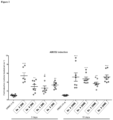
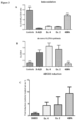
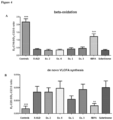
- 3 different X-ALD cell lines were incubated overnight for 16 hours with compounds 1, 2, 3 and 4 at 10 ⁇ M, 5 mM 4PBA, or 0.1 ⁇ M sobetirome. After 16 hours, tissue culture medium was replaced with medium containing the above compounds and 30 ⁇ M D3C22:0 was added to assess the effect of treatment on beta-oxidation and de novo D3C26:0 synthesis. 6 untreated control cells as well as 3 different untreated X-ALD cells were included to allow assessment of the treatment effect. The total set consisted of 27 experiments. Simultaneously cells were cultured for QPCR analysis that received the same treatment. See Figure 5 .
- Two to four groups of 12 ABCD1 knockout male mice that are at least 6 weeks old will be administered either compound 1 or compound 3 in a formulation comprising 0.5% carboxymethyl cellulose and water at a dose of 3-5 mg/kg and 10mg/kg.
- a homogenous suspension will be obtained by sonication in a bath sonicator for about 20 minutes at room temperature. Mice will be administered the homogenous suspension by daily intraperitoneal injection for 6 weeks.
- mice Male ABCD1-/- mice were developed using the Taconic 129SvEv background strain. Animals were housed 3-4/cage under a 12-hour lighting cycle (7AM - 7 PM light) and controlled temperature (22 °C) in the rodent facility. They were fed standard mouse chow and had access to drinking water ad libitum. Mice were between 2 and 3 months of age at the beginning of each study.
- mice were injected once daily intraperitoneal with either drug or vehicle.
- ⁇ 50 ⁇ L of blood was obtained by facial vein puncture using a sterile lancet.
- Blood was collected in a 1.5 ml microcentrifuge tube containing dried dipotassium EDTA and mixed by gentle inversion at least ten times before storing at -20 °C. Blood was obtained in this manner following two, four, and six weeks of treatment. Following blood collection at six weeks, animals were sacrificed by cervical dislocation. Additional blood for preparation of plasma was obtained via cardiac puncture, and blood placed in Microtainer tubes. Brain, spinal cord, adrenal glands, testis, and liver were excised and snap frozen in liquid nitrogen for future analyses.
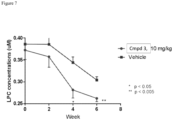
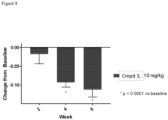
- mice An initial cohort of 16 mice were randomized 3:1 to receive compound 3 or placebo, once daily for six weeks. The results of this initial cohort are presented in Figure 6 and summarized in Table 4. Mice receiving compound 3 demonstrated rapid reductions in whole blood C26:0-LPC levels in as little as two weeks following initiation of dosing. Treated animals continued to experience progressive declines in C26:0-LPC through six weeks. Control animals, by comparison, demonstrated no reductions in mean C26:0-LPC at any time point. Following the six week treatment period, animals receiving compound 3 demonstrated a 40% reduction in whole blood C26:0-LPC levels relative to vehicle controls (p ⁇ 0.0001). Table 4.
- mice were randomized 1:1 to receive daily compound 3 or vehicle, by IP administration, for six weeks.
- Results from the second cohort confirmed the initial data, with treated mice demonstrating significant and progressive reductions in whole blood VLCFA levels relative to controls.
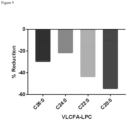
- Figure 7 shows the time course of changes in C26:0-LPC levels through the course of treatment. Animals receiving compound 3 demonstrated a statistically significant drop in VLCFAs, both in terms of comparison to vehicle at Week 6, and in terms of change from baseline (see Figure 8 and Table 5). Similar changes were noted for the other VLCFAs analyzed (C20:0, C22:0, C24:0). Interestingly, a vehicle effect was observed in this cohort that was not observed in the prior experiment. This could be the result of the lipid-based nature of the vehicle, via a mechanism similar to that observed with agents such as Lorenzo's Oil.
- Plasma is considered by many to be a more reliable measurement of VLCFA levels, because of reduced analytical interference from other analytes, as well as reduced variability of the measurements.
- VLCFA-LPC ( ⁇ M) C26:0 C24:0 C22:0 C20:0 Vehicle 0.29 1.44 0.35 1.63 compound 3 0.20 1.14 0.20 0.76 % Difference -29% -21% -43% -54% p-value ⁇ 0.0001 ⁇ 0.005 ⁇ 0.0001 ⁇ 0.0001
Landscapes
- Health & Medical Sciences (AREA)
- Chemical & Material Sciences (AREA)
- Medicinal Chemistry (AREA)
- Pharmacology & Pharmacy (AREA)
- Life Sciences & Earth Sciences (AREA)
- Animal Behavior & Ethology (AREA)
- General Health & Medical Sciences (AREA)
- Public Health (AREA)
- Veterinary Medicine (AREA)
- Bioinformatics & Cheminformatics (AREA)
- Engineering & Computer Science (AREA)
- Organic Chemistry (AREA)
- Chemical Kinetics & Catalysis (AREA)
- Nuclear Medicine, Radiotherapy & Molecular Imaging (AREA)
- General Chemical & Material Sciences (AREA)
- Epidemiology (AREA)
- Neurosurgery (AREA)
- Neurology (AREA)
- Biomedical Technology (AREA)
- Hospice & Palliative Care (AREA)
- Psychiatry (AREA)
- Diabetes (AREA)
- Endocrinology (AREA)
- Acyclic And Carbocyclic Compounds In Medicinal Compositions (AREA)
- Pharmaceuticals Containing Other Organic And Inorganic Compounds (AREA)
Applications Claiming Priority (2)
| Application Number | Priority Date | Filing Date | Title |
|---|---|---|---|
| US201662326436P | 2016-04-22 | 2016-04-22 | |
| PCT/US2017/029120 WO2017185087A1 (en) | 2016-04-22 | 2017-04-24 | Use of thyroid beta-agonists |
Publications (3)
| Publication Number | Publication Date |
|---|---|
| EP3445373A1 EP3445373A1 (en) | 2019-02-27 |
| EP3445373A4 EP3445373A4 (en) | 2019-12-18 |
| EP3445373B1 true EP3445373B1 (en) | 2024-08-21 |
Family
ID=60116400
Family Applications (1)
| Application Number | Title | Priority Date | Filing Date |
|---|---|---|---|
| EP17786798.3A Active EP3445373B1 (en) | 2016-04-22 | 2017-04-24 | Use of thyroid beta-agonists |
Country Status (10)
| Country | Link |
|---|---|
| US (3) | US11351183B2 (OSRAM) |
| EP (1) | EP3445373B1 (OSRAM) |
| JP (1) | JP6931042B2 (OSRAM) |
| KR (1) | KR102407059B1 (OSRAM) |
| AU (1) | AU2017252126B2 (OSRAM) |
| BR (1) | BR112018071586A2 (OSRAM) |
| CA (1) | CA3021681C (OSRAM) |
| ES (1) | ES2992773T3 (OSRAM) |
| MX (1) | MX385085B (OSRAM) |
| WO (1) | WO2017185087A1 (OSRAM) |
Families Citing this family (4)
| Publication number | Priority date | Publication date | Assignee | Title |
|---|---|---|---|---|
| WO2017185087A1 (en) | 2016-04-22 | 2017-10-26 | Viking Therapeutics | Use of thyroid beta-agonists |
| CA3094167A1 (en) | 2018-03-22 | 2019-09-26 | Viking Therapeutics, Inc. | Crystalline forms and methods of producing crystalline forms of a compound |
| WO2020117962A1 (en) | 2018-12-05 | 2020-06-11 | Viking Therapeutics, Inc. | Compositions for the treatment of fibrosis and inflammation |
| US11752161B2 (en) | 2020-03-27 | 2023-09-12 | Gannex Pharma Co., Ltd. | Pharmaceutical compositions, method of making and method of using thereof |
Citations (1)
| Publication number | Priority date | Publication date | Assignee | Title |
|---|---|---|---|---|
| WO2014178892A1 (en) * | 2013-05-03 | 2014-11-06 | Scanlan Thomas S | Use of sobetirome in the treatment of x-linked adrenolenoleukodystrophy |
Family Cites Families (15)
| Publication number | Priority date | Publication date | Assignee | Title |
|---|---|---|---|---|
| US20040091455A1 (en) | 2002-10-31 | 2004-05-13 | Zeldis Jerome B. | Methods of using and compositions comprising immunomodulatory compounds for treatment and management of macular degeneration |
| JP2007524656A (ja) | 2003-10-23 | 2007-08-30 | セルジーン・コーポレーション | 疼痛を治療、改変および管理するための選択的サイトカイン阻害薬を含む組成物ならびにその使用方法 |
| EP1689383B1 (en) | 2003-11-19 | 2012-10-31 | Metabasis Therapeutics, Inc. | Novel phosphorus-containing thyromimetics |
| CN101072555B (zh) | 2004-12-08 | 2011-06-29 | 矫正诊疗公司 | 治疗与视黄醇有关的疾病的方法、分析和组合物 |
| US20090028925A1 (en) * | 2005-05-26 | 2009-01-29 | Erion Mark D | Novel Phosphinic Acid-Containing Thyromimetics |
| CA2606499C (en) | 2005-05-26 | 2017-06-13 | Metabasis Therapeutics, Inc. | Thyromimetics for the treatment of fatty liver diseases |
| EP1987827A1 (en) | 2006-02-20 | 2008-11-05 | Takeda Pharmaceutical Company Limited | Novel pharmaceutical |
| US20110071208A1 (en) | 2009-06-05 | 2011-03-24 | Protiva Biotherapeutics, Inc. | Lipid encapsulated dicer-substrate interfering rna |
| WO2011038207A1 (en) * | 2009-09-25 | 2011-03-31 | Metabasis Therapeutics, Inc. | Phosphorus-containing thyroid hormone receptor agonists and methods of use |
| KR20230084331A (ko) | 2011-06-21 | 2023-06-12 | 알닐람 파마슈티칼스 인코포레이티드 | 아포리포단백질 c-iii(apoc3) 유전자의 발현 억제를 위한 조성물 및 방법 |
| JP2018510849A (ja) | 2015-02-20 | 2018-04-19 | オレゴン・ヘルス・アンド・サイエンス・ユニバーシティ | ソベチロムの誘導体 |
| CN108602613B (zh) | 2016-02-29 | 2020-06-16 | 菲利普莫里斯生产公司 | 铰接盖容器和坯料 |
| WO2017185083A1 (en) | 2016-04-22 | 2017-10-26 | Viking Therapeutics | Use of thyroid beta-agonists |
| WO2017185087A1 (en) | 2016-04-22 | 2017-10-26 | Viking Therapeutics | Use of thyroid beta-agonists |
| DK3457851T3 (da) | 2016-05-18 | 2021-09-20 | Univ Oregon Health & Science | Derivater af sobetirom |
-
2017
- 2017-04-24 WO PCT/US2017/029120 patent/WO2017185087A1/en not_active Ceased
- 2017-04-24 KR KR1020187033713A patent/KR102407059B1/ko active Active
- 2017-04-24 ES ES17786798T patent/ES2992773T3/es active Active
- 2017-04-24 CA CA3021681A patent/CA3021681C/en active Active
- 2017-04-24 EP EP17786798.3A patent/EP3445373B1/en active Active
- 2017-04-24 MX MX2018012900A patent/MX385085B/es unknown
- 2017-04-24 JP JP2019507069A patent/JP6931042B2/ja active Active
- 2017-04-24 US US16/095,228 patent/US11351183B2/en active Active
- 2017-04-24 AU AU2017252126A patent/AU2017252126B2/en active Active
- 2017-04-24 BR BR112018071586-7A patent/BR112018071586A2/pt not_active Application Discontinuation
-
2022
- 2022-05-06 US US17/738,621 patent/US11951114B2/en active Active
-
2024
- 2024-03-05 US US18/595,919 patent/US12440502B2/en active Active
Patent Citations (1)
| Publication number | Priority date | Publication date | Assignee | Title |
|---|---|---|---|---|
| WO2014178892A1 (en) * | 2013-05-03 | 2014-11-06 | Scanlan Thomas S | Use of sobetirome in the treatment of x-linked adrenolenoleukodystrophy |
Also Published As
| Publication number | Publication date |
|---|---|
| BR112018071586A2 (pt) | 2019-02-12 |
| CA3021681A1 (en) | 2017-10-26 |
| ES2992773T3 (en) | 2024-12-18 |
| MX385085B (es) | 2025-03-14 |
| JP2019515033A (ja) | 2019-06-06 |
| WO2017185087A1 (en) | 2017-10-26 |
| MX2018012900A (es) | 2019-07-01 |
| EP3445373A1 (en) | 2019-02-27 |
| US20250000880A1 (en) | 2025-01-02 |
| US20190321379A1 (en) | 2019-10-24 |
| US11351183B2 (en) | 2022-06-07 |
| KR20190039027A (ko) | 2019-04-10 |
| AU2017252126B2 (en) | 2023-02-09 |
| AU2017252126A1 (en) | 2018-11-08 |
| KR102407059B1 (ko) | 2022-06-10 |
| CA3021681C (en) | 2024-09-24 |
| US11951114B2 (en) | 2024-04-09 |
| US20220257618A1 (en) | 2022-08-18 |
| JP6931042B2 (ja) | 2021-09-01 |
| EP3445373A4 (en) | 2019-12-18 |
| US12440502B2 (en) | 2025-10-14 |
Similar Documents
| Publication | Publication Date | Title |
|---|---|---|
| US11951114B2 (en) | Use of thyroid beta-agonists | |
| AU2023202321B2 (en) | Use of thyroid beta-agonists | |
| US11999729B2 (en) | Small molecule inhibition of transcription factor SALL4 and uses thereof | |
| US12612391B2 (en) | Cromolyn derivatives and uses thereof | |
| AU2019397436A1 (en) | Cromolyn esters and uses thereof | |
| US20180055842A1 (en) | Combination Therapy with Glutaminase Inhibitors | |
| HK40064933A (en) | Use of thyroid beta-agonists | |
| HK40013781B (zh) | 甲状腺β-激动剂的应用 | |
| HK40013781A (en) | Use of thyroid beta-agonists | |
| US20250268862A1 (en) | Potassium-competitive acid blockers for the treatment of pathological hypersecretory conditions | |
| HK40007271A (en) | Use of thyroid beta-agonists | |
| WO2017127417A1 (en) | Phosphopantothenate compounds |
Legal Events
| Date | Code | Title | Description |
|---|---|---|---|
| STAA | Information on the status of an ep patent application or granted ep patent |
Free format text: STATUS: THE INTERNATIONAL PUBLICATION HAS BEEN MADE |
|
| PUAI | Public reference made under article 153(3) epc to a published international application that has entered the european phase |
Free format text: ORIGINAL CODE: 0009012 |
|
| STAA | Information on the status of an ep patent application or granted ep patent |
Free format text: STATUS: REQUEST FOR EXAMINATION WAS MADE |
|
| 17P | Request for examination filed |
Effective date: 20181121 |
|
| AK | Designated contracting states |
Kind code of ref document: A1 Designated state(s): AL AT BE BG CH CY CZ DE DK EE ES FI FR GB GR HR HU IE IS IT LI LT LU LV MC MK MT NL NO PL PT RO RS SE SI SK SM TR |
|
| AX | Request for extension of the european patent |
Extension state: BA ME |
|
| RAP1 | Party data changed (applicant data changed or rights of an application transferred) |
Owner name: VIKING THERAPEUTICS, INC. Owner name: METABASIS THERAPEUTICS, INC. |
|
| RIN1 | Information on inventor provided before grant (corrected) |
Inventor name: ERION, MARK Inventor name: LIAN, BRIAN Inventor name: JIANG, HONGJIAN Inventor name: DINERMAN, MISHA Inventor name: BOYER, SERGE Inventor name: HANLEY, ROCHELLE |
|
| DAV | Request for validation of the european patent (deleted) | ||
| DAX | Request for extension of the european patent (deleted) | ||
| A4 | Supplementary search report drawn up and despatched |
Effective date: 20191118 |
|
| RIC1 | Information provided on ipc code assigned before grant |
Ipc: A61K 31/665 20060101ALI20191112BHEP Ipc: A61K 31/662 20060101AFI20191112BHEP Ipc: A61P 25/28 20060101ALI20191112BHEP |
|
| STAA | Information on the status of an ep patent application or granted ep patent |
Free format text: STATUS: EXAMINATION IS IN PROGRESS |
|
| 17Q | First examination report despatched |
Effective date: 20220202 |
|
| P01 | Opt-out of the competence of the unified patent court (upc) registered |
Effective date: 20230530 |
|
| GRAP | Despatch of communication of intention to grant a patent |
Free format text: ORIGINAL CODE: EPIDOSNIGR1 |
|
| STAA | Information on the status of an ep patent application or granted ep patent |
Free format text: STATUS: GRANT OF PATENT IS INTENDED |
|
| RIC1 | Information provided on ipc code assigned before grant |
Ipc: A61P 43/00 20060101ALI20240304BHEP Ipc: A61P 25/28 20060101ALI20240304BHEP Ipc: A61P 25/00 20060101ALI20240304BHEP Ipc: A61P 5/38 20060101ALI20240304BHEP Ipc: A61K 31/665 20060101ALI20240304BHEP Ipc: A61K 31/662 20060101AFI20240304BHEP |
|
| INTG | Intention to grant announced |
Effective date: 20240320 |
|
| GRAS | Grant fee paid |
Free format text: ORIGINAL CODE: EPIDOSNIGR3 |
|
| GRAA | (expected) grant |
Free format text: ORIGINAL CODE: 0009210 |
|
| STAA | Information on the status of an ep patent application or granted ep patent |
Free format text: STATUS: THE PATENT HAS BEEN GRANTED |
|
| AK | Designated contracting states |
Kind code of ref document: B1 Designated state(s): AL AT BE BG CH CY CZ DE DK EE ES FI FR GB GR HR HU IE IS IT LI LT LU LV MC MK MT NL NO PL PT RO RS SE SI SK SM TR |
|
| REG | Reference to a national code |
Ref country code: GB Ref legal event code: FG4D |
|
| REG | Reference to a national code |
Ref country code: CH Ref legal event code: EP |
|
| REG | Reference to a national code |
Ref country code: IE Ref legal event code: FG4D |
|
| REG | Reference to a national code |
Ref country code: DE Ref legal event code: R096 Ref document number: 602017084276 Country of ref document: DE |
|
| REG | Reference to a national code |
Ref country code: SE Ref legal event code: TRGR Ref country code: LT Ref legal event code: MG9D |
|
| REG | Reference to a national code |
Ref country code: ES Ref legal event code: FG2A Ref document number: 2992773 Country of ref document: ES Kind code of ref document: T3 Effective date: 20241218 |
|
| REG | Reference to a national code |
Ref country code: GR Ref legal event code: EP Ref document number: 20240402681 Country of ref document: GR Effective date: 20241209 |
|
| REG | Reference to a national code |
Ref country code: NL Ref legal event code: MP Effective date: 20240821 |
|
| PG25 | Lapsed in a contracting state [announced via postgrant information from national office to epo] |
Ref country code: NO Free format text: LAPSE BECAUSE OF FAILURE TO SUBMIT A TRANSLATION OF THE DESCRIPTION OR TO PAY THE FEE WITHIN THE PRESCRIBED TIME-LIMIT Effective date: 20241121 |
|
| REG | Reference to a national code |
Ref country code: AT Ref legal event code: MK05 Ref document number: 1714866 Country of ref document: AT Kind code of ref document: T Effective date: 20240821 |
|
| PG25 | Lapsed in a contracting state [announced via postgrant information from national office to epo] |
Ref country code: PL Free format text: LAPSE BECAUSE OF FAILURE TO SUBMIT A TRANSLATION OF THE DESCRIPTION OR TO PAY THE FEE WITHIN THE PRESCRIBED TIME-LIMIT Effective date: 20240821 Ref country code: NL Free format text: LAPSE BECAUSE OF FAILURE TO SUBMIT A TRANSLATION OF THE DESCRIPTION OR TO PAY THE FEE WITHIN THE PRESCRIBED TIME-LIMIT Effective date: 20240821 Ref country code: PT Free format text: LAPSE BECAUSE OF FAILURE TO SUBMIT A TRANSLATION OF THE DESCRIPTION OR TO PAY THE FEE WITHIN THE PRESCRIBED TIME-LIMIT Effective date: 20241223 Ref country code: FI Free format text: LAPSE BECAUSE OF FAILURE TO SUBMIT A TRANSLATION OF THE DESCRIPTION OR TO PAY THE FEE WITHIN THE PRESCRIBED TIME-LIMIT Effective date: 20240821 |
|
| PG25 | Lapsed in a contracting state [announced via postgrant information from national office to epo] |
Ref country code: BG Free format text: LAPSE BECAUSE OF FAILURE TO SUBMIT A TRANSLATION OF THE DESCRIPTION OR TO PAY THE FEE WITHIN THE PRESCRIBED TIME-LIMIT Effective date: 20240821 |
|
| PG25 | Lapsed in a contracting state [announced via postgrant information from national office to epo] |
Ref country code: LV Free format text: LAPSE BECAUSE OF FAILURE TO SUBMIT A TRANSLATION OF THE DESCRIPTION OR TO PAY THE FEE WITHIN THE PRESCRIBED TIME-LIMIT Effective date: 20240821 |
|
| PG25 | Lapsed in a contracting state [announced via postgrant information from national office to epo] |
Ref country code: AT Free format text: LAPSE BECAUSE OF FAILURE TO SUBMIT A TRANSLATION OF THE DESCRIPTION OR TO PAY THE FEE WITHIN THE PRESCRIBED TIME-LIMIT Effective date: 20240821 Ref country code: IS Free format text: LAPSE BECAUSE OF FAILURE TO SUBMIT A TRANSLATION OF THE DESCRIPTION OR TO PAY THE FEE WITHIN THE PRESCRIBED TIME-LIMIT Effective date: 20241221 |
|
| PG25 | Lapsed in a contracting state [announced via postgrant information from national office to epo] |
Ref country code: HR Free format text: LAPSE BECAUSE OF FAILURE TO SUBMIT A TRANSLATION OF THE DESCRIPTION OR TO PAY THE FEE WITHIN THE PRESCRIBED TIME-LIMIT Effective date: 20240821 |
|
| PG25 | Lapsed in a contracting state [announced via postgrant information from national office to epo] |
Ref country code: RS Free format text: LAPSE BECAUSE OF FAILURE TO SUBMIT A TRANSLATION OF THE DESCRIPTION OR TO PAY THE FEE WITHIN THE PRESCRIBED TIME-LIMIT Effective date: 20241121 |
|
| PG25 | Lapsed in a contracting state [announced via postgrant information from national office to epo] |
Ref country code: RS Free format text: LAPSE BECAUSE OF FAILURE TO SUBMIT A TRANSLATION OF THE DESCRIPTION OR TO PAY THE FEE WITHIN THE PRESCRIBED TIME-LIMIT Effective date: 20241121 Ref country code: PT Free format text: LAPSE BECAUSE OF FAILURE TO SUBMIT A TRANSLATION OF THE DESCRIPTION OR TO PAY THE FEE WITHIN THE PRESCRIBED TIME-LIMIT Effective date: 20241223 Ref country code: PL Free format text: LAPSE BECAUSE OF FAILURE TO SUBMIT A TRANSLATION OF THE DESCRIPTION OR TO PAY THE FEE WITHIN THE PRESCRIBED TIME-LIMIT Effective date: 20240821 Ref country code: NO Free format text: LAPSE BECAUSE OF FAILURE TO SUBMIT A TRANSLATION OF THE DESCRIPTION OR TO PAY THE FEE WITHIN THE PRESCRIBED TIME-LIMIT Effective date: 20241121 Ref country code: NL Free format text: LAPSE BECAUSE OF FAILURE TO SUBMIT A TRANSLATION OF THE DESCRIPTION OR TO PAY THE FEE WITHIN THE PRESCRIBED TIME-LIMIT Effective date: 20240821 Ref country code: LV Free format text: LAPSE BECAUSE OF FAILURE TO SUBMIT A TRANSLATION OF THE DESCRIPTION OR TO PAY THE FEE WITHIN THE PRESCRIBED TIME-LIMIT Effective date: 20240821 Ref country code: IS Free format text: LAPSE BECAUSE OF FAILURE TO SUBMIT A TRANSLATION OF THE DESCRIPTION OR TO PAY THE FEE WITHIN THE PRESCRIBED TIME-LIMIT Effective date: 20241221 Ref country code: HR Free format text: LAPSE BECAUSE OF FAILURE TO SUBMIT A TRANSLATION OF THE DESCRIPTION OR TO PAY THE FEE WITHIN THE PRESCRIBED TIME-LIMIT Effective date: 20240821 Ref country code: FI Free format text: LAPSE BECAUSE OF FAILURE TO SUBMIT A TRANSLATION OF THE DESCRIPTION OR TO PAY THE FEE WITHIN THE PRESCRIBED TIME-LIMIT Effective date: 20240821 Ref country code: BG Free format text: LAPSE BECAUSE OF FAILURE TO SUBMIT A TRANSLATION OF THE DESCRIPTION OR TO PAY THE FEE WITHIN THE PRESCRIBED TIME-LIMIT Effective date: 20240821 Ref country code: AT Free format text: LAPSE BECAUSE OF FAILURE TO SUBMIT A TRANSLATION OF THE DESCRIPTION OR TO PAY THE FEE WITHIN THE PRESCRIBED TIME-LIMIT Effective date: 20240821 |
|
| PG25 | Lapsed in a contracting state [announced via postgrant information from national office to epo] |
Ref country code: DK Free format text: LAPSE BECAUSE OF FAILURE TO SUBMIT A TRANSLATION OF THE DESCRIPTION OR TO PAY THE FEE WITHIN THE PRESCRIBED TIME-LIMIT Effective date: 20240821 Ref country code: SM Free format text: LAPSE BECAUSE OF FAILURE TO SUBMIT A TRANSLATION OF THE DESCRIPTION OR TO PAY THE FEE WITHIN THE PRESCRIBED TIME-LIMIT Effective date: 20240821 Ref country code: RO Free format text: LAPSE BECAUSE OF FAILURE TO SUBMIT A TRANSLATION OF THE DESCRIPTION OR TO PAY THE FEE WITHIN THE PRESCRIBED TIME-LIMIT Effective date: 20240821 |
|
| PG25 | Lapsed in a contracting state [announced via postgrant information from national office to epo] |
Ref country code: EE Free format text: LAPSE BECAUSE OF FAILURE TO SUBMIT A TRANSLATION OF THE DESCRIPTION OR TO PAY THE FEE WITHIN THE PRESCRIBED TIME-LIMIT Effective date: 20240821 |
|
| PG25 | Lapsed in a contracting state [announced via postgrant information from national office to epo] |
Ref country code: CZ Free format text: LAPSE BECAUSE OF FAILURE TO SUBMIT A TRANSLATION OF THE DESCRIPTION OR TO PAY THE FEE WITHIN THE PRESCRIBED TIME-LIMIT Effective date: 20240821 |
|
| PG25 | Lapsed in a contracting state [announced via postgrant information from national office to epo] |
Ref country code: SK Free format text: LAPSE BECAUSE OF FAILURE TO SUBMIT A TRANSLATION OF THE DESCRIPTION OR TO PAY THE FEE WITHIN THE PRESCRIBED TIME-LIMIT Effective date: 20240821 |
|
| REG | Reference to a national code |
Ref country code: DE Ref legal event code: R097 Ref document number: 602017084276 Country of ref document: DE |
|
| PLBE | No opposition filed within time limit |
Free format text: ORIGINAL CODE: 0009261 |
|
| STAA | Information on the status of an ep patent application or granted ep patent |
Free format text: STATUS: NO OPPOSITION FILED WITHIN TIME LIMIT |
|
| PGFP | Annual fee paid to national office [announced via postgrant information from national office to epo] |
Ref country code: DE Payment date: 20250428 Year of fee payment: 9 |
|
| PGFP | Annual fee paid to national office [announced via postgrant information from national office to epo] |
Ref country code: GB Payment date: 20250422 Year of fee payment: 9 Ref country code: ES Payment date: 20250513 Year of fee payment: 9 |
|
| PGFP | Annual fee paid to national office [announced via postgrant information from national office to epo] |
Ref country code: IT Payment date: 20250422 Year of fee payment: 9 |
|
| PGFP | Annual fee paid to national office [announced via postgrant information from national office to epo] |
Ref country code: FR Payment date: 20250424 Year of fee payment: 9 |
|
| PGFP | Annual fee paid to national office [announced via postgrant information from national office to epo] |
Ref country code: GR Payment date: 20250422 Year of fee payment: 9 |
|
| 26N | No opposition filed |
Effective date: 20250522 |
|
| PGFP | Annual fee paid to national office [announced via postgrant information from national office to epo] |
Ref country code: SE Payment date: 20250424 Year of fee payment: 9 |
|
| REG | Reference to a national code |
Ref country code: CH Ref legal event code: H13 Free format text: ST27 STATUS EVENT CODE: U-0-0-H10-H13 (AS PROVIDED BY THE NATIONAL OFFICE) Effective date: 20251125 |
|
| PG25 | Lapsed in a contracting state [announced via postgrant information from national office to epo] |
Ref country code: LU Free format text: LAPSE BECAUSE OF NON-PAYMENT OF DUE FEES Effective date: 20250424 |
|
| PG25 | Lapsed in a contracting state [announced via postgrant information from national office to epo] |
Ref country code: MC Free format text: LAPSE BECAUSE OF FAILURE TO SUBMIT A TRANSLATION OF THE DESCRIPTION OR TO PAY THE FEE WITHIN THE PRESCRIBED TIME-LIMIT Effective date: 20240821 |
|
| REG | Reference to a national code |
Ref country code: BE Ref legal event code: MM Effective date: 20250430 |
|
| PG25 | Lapsed in a contracting state [announced via postgrant information from national office to epo] |
Ref country code: BE Free format text: LAPSE BECAUSE OF NON-PAYMENT OF DUE FEES Effective date: 20250430 |
|
| PG25 | Lapsed in a contracting state [announced via postgrant information from national office to epo] |
Ref country code: CH Free format text: LAPSE BECAUSE OF NON-PAYMENT OF DUE FEES Effective date: 20250430 |
|
| PG25 | Lapsed in a contracting state [announced via postgrant information from national office to epo] |
Ref country code: IE Free format text: LAPSE BECAUSE OF NON-PAYMENT OF DUE FEES Effective date: 20250424 |