EP3423583B1 - Promoter - Google Patents
Promoter Download PDFInfo
- Publication number
- EP3423583B1 EP3423583B1 EP17712536.6A EP17712536A EP3423583B1 EP 3423583 B1 EP3423583 B1 EP 3423583B1 EP 17712536 A EP17712536 A EP 17712536A EP 3423583 B1 EP3423583 B1 EP 3423583B1
- Authority
- EP
- European Patent Office
- Prior art keywords
- seq
- nucleic acid
- acid molecule
- polynucleotide
- nucleotide sequence
- Prior art date
- Legal status (The legal status is an assumption and is not a legal conclusion. Google has not performed a legal analysis and makes no representation as to the accuracy of the status listed.)
- Active
Links
Images





Classifications
-
- C—CHEMISTRY; METALLURGY
- C12—BIOCHEMISTRY; BEER; SPIRITS; WINE; VINEGAR; MICROBIOLOGY; ENZYMOLOGY; MUTATION OR GENETIC ENGINEERING
- C12N—MICROORGANISMS OR ENZYMES; COMPOSITIONS THEREOF; PROPAGATING, PRESERVING, OR MAINTAINING MICROORGANISMS; MUTATION OR GENETIC ENGINEERING; CULTURE MEDIA
- C12N15/00—Mutation or genetic engineering; DNA or RNA concerning genetic engineering, vectors, e.g. plasmids, or their isolation, preparation or purification; Use of hosts therefor
- C12N15/09—Recombinant DNA-technology
- C12N15/63—Introduction of foreign genetic material using vectors; Vectors; Use of hosts therefor; Regulation of expression
- C12N15/79—Vectors or expression systems specially adapted for eukaryotic hosts
- C12N15/85—Vectors or expression systems specially adapted for eukaryotic hosts for animal cells
-
- C—CHEMISTRY; METALLURGY
- C07—ORGANIC CHEMISTRY
- C07K—PEPTIDES
- C07K14/00—Peptides having more than 20 amino acids; Gastrins; Somatostatins; Melanotropins; Derivatives thereof
- C07K14/435—Peptides having more than 20 amino acids; Gastrins; Somatostatins; Melanotropins; Derivatives thereof from animals; from humans
- C07K14/46—Peptides having more than 20 amino acids; Gastrins; Somatostatins; Melanotropins; Derivatives thereof from animals; from humans from vertebrates
- C07K14/47—Peptides having more than 20 amino acids; Gastrins; Somatostatins; Melanotropins; Derivatives thereof from animals; from humans from vertebrates from mammals
-
- C—CHEMISTRY; METALLURGY
- C12—BIOCHEMISTRY; BEER; SPIRITS; WINE; VINEGAR; MICROBIOLOGY; ENZYMOLOGY; MUTATION OR GENETIC ENGINEERING
- C12N—MICROORGANISMS OR ENZYMES; COMPOSITIONS THEREOF; PROPAGATING, PRESERVING, OR MAINTAINING MICROORGANISMS; MUTATION OR GENETIC ENGINEERING; CULTURE MEDIA
- C12N15/00—Mutation or genetic engineering; DNA or RNA concerning genetic engineering, vectors, e.g. plasmids, or their isolation, preparation or purification; Use of hosts therefor
- C12N15/09—Recombinant DNA-technology
- C12N15/63—Introduction of foreign genetic material using vectors; Vectors; Use of hosts therefor; Regulation of expression
- C12N15/79—Vectors or expression systems specially adapted for eukaryotic hosts
- C12N15/85—Vectors or expression systems specially adapted for eukaryotic hosts for animal cells
- C12N15/86—Viral vectors
-
- C—CHEMISTRY; METALLURGY
- C07—ORGANIC CHEMISTRY
- C07H—SUGARS; DERIVATIVES THEREOF; NUCLEOSIDES; NUCLEOTIDES; NUCLEIC ACIDS
- C07H21/00—Compounds containing two or more mononucleotide units having separate phosphate or polyphosphate groups linked by saccharide radicals of nucleoside groups, e.g. nucleic acids
- C07H21/04—Compounds containing two or more mononucleotide units having separate phosphate or polyphosphate groups linked by saccharide radicals of nucleoside groups, e.g. nucleic acids with deoxyribosyl as saccharide radical
-
- C—CHEMISTRY; METALLURGY
- C12—BIOCHEMISTRY; BEER; SPIRITS; WINE; VINEGAR; MICROBIOLOGY; ENZYMOLOGY; MUTATION OR GENETIC ENGINEERING
- C12N—MICROORGANISMS OR ENZYMES; COMPOSITIONS THEREOF; PROPAGATING, PRESERVING, OR MAINTAINING MICROORGANISMS; MUTATION OR GENETIC ENGINEERING; CULTURE MEDIA
- C12N15/00—Mutation or genetic engineering; DNA or RNA concerning genetic engineering, vectors, e.g. plasmids, or their isolation, preparation or purification; Use of hosts therefor
- C12N15/09—Recombinant DNA-technology
- C12N15/63—Introduction of foreign genetic material using vectors; Vectors; Use of hosts therefor; Regulation of expression
- C12N15/79—Vectors or expression systems specially adapted for eukaryotic hosts
-
- C—CHEMISTRY; METALLURGY
- C12—BIOCHEMISTRY; BEER; SPIRITS; WINE; VINEGAR; MICROBIOLOGY; ENZYMOLOGY; MUTATION OR GENETIC ENGINEERING
- C12N—MICROORGANISMS OR ENZYMES; COMPOSITIONS THEREOF; PROPAGATING, PRESERVING, OR MAINTAINING MICROORGANISMS; MUTATION OR GENETIC ENGINEERING; CULTURE MEDIA
- C12N2510/00—Genetically modified cells
-
- C—CHEMISTRY; METALLURGY
- C12—BIOCHEMISTRY; BEER; SPIRITS; WINE; VINEGAR; MICROBIOLOGY; ENZYMOLOGY; MUTATION OR GENETIC ENGINEERING
- C12N—MICROORGANISMS OR ENZYMES; COMPOSITIONS THEREOF; PROPAGATING, PRESERVING, OR MAINTAINING MICROORGANISMS; MUTATION OR GENETIC ENGINEERING; CULTURE MEDIA
- C12N2830/00—Vector systems having a special element relevant for transcription
- C12N2830/001—Vector systems having a special element relevant for transcription controllable enhancer/promoter combination
- C12N2830/002—Vector systems having a special element relevant for transcription controllable enhancer/promoter combination inducible enhancer/promoter combination, e.g. hypoxia, iron, transcription factor
-
- C—CHEMISTRY; METALLURGY
- C12—BIOCHEMISTRY; BEER; SPIRITS; WINE; VINEGAR; MICROBIOLOGY; ENZYMOLOGY; MUTATION OR GENETIC ENGINEERING
- C12N—MICROORGANISMS OR ENZYMES; COMPOSITIONS THEREOF; PROPAGATING, PRESERVING, OR MAINTAINING MICROORGANISMS; MUTATION OR GENETIC ENGINEERING; CULTURE MEDIA
- C12N2830/00—Vector systems having a special element relevant for transcription
- C12N2830/80—Vector systems having a special element relevant for transcription from vertebrates
- C12N2830/85—Vector systems having a special element relevant for transcription from vertebrates mammalian
Definitions
- the present invention relates to nucleic acid molecules which are capable of promoting transcription of operably-linked heterologous polynucleotides in mammalian cells.
- the invention also relates to expression vectors and mammalian host cells which comprise the nucleic acid molecules of the invention.
- Such expression vectors may be used to produce recombinant proteins, e.g. antibodies and lentiviral polypeptides.
- RNA polymerase For transcription of a gene to occur, RNA polymerase must bind to the gene promoter and initiate transcription.
- RNA polymerase I transcribes genes encoding ribosomal RNA
- RNA polymerase II transcribes genes encoding messenger RNA, some small nuclear RNAs and microRNAs
- RNA polymerase III transcribes genes encoding transfer RNAs and other small RNAs.
- RNA polymerase Transcription is regulated in order to control when transcription occurs and how much RNA is created. Transcription of a gene by RNA polymerase can be regulated by at least five mechanisms:
- a typical mammalian promoter consists of a 50-100 base pair core region to which the basic transcription machinery binds, and an enhancer region to which one or more transcriptional activator proteins (transactivators) may bind.
- the number and type of transactivators that are able to bind at an enhancer depends on which specific binding sites are present. The rate of initiation is governed by the number and type of transactivators actually bound at a promoter's enhancer.
- silencers which, when bound by different transcription factors, lower gene expression.
- Core promoters are made up of various different elements, of which there are two categories: canonical and non-canonical.
- Canonical core promoter elements include: TATA box, the initiator (Inr), the TFIIB recognition element (BRE), downstream promoter element (DPE) and downstream core element (DCE). These elements may be found within the core promoters of many but not all protein-coding genes.
- the TATA box (sequence TATAA) is usually found 20-30 bp upstream of the transcription start site (TSS) and acts as a binding site for the TFIID general transcription factor.
- TSS transcription start site
- the Inr element consensus sequence YYANT/AYY
- the first A of the consensus being the first base of the transcript.
- BRE elements can be found both upstream of the TATA box (BREu consensus G/C G/C G/A CGCC) or downstream (BREd consensus G/A T T/A T/G T/G T/G T/G).
- the CCAAT box located between 50 and 100 bp upstream the TSS is often included in this category.
- the CCAAT box also contributes to general transcription factor (TF) binding.
- Non-canonical core promoter elements include the CpG island, the ATG desert and the transcription initiation platform (TIP).
- CpG islands generally span a 500-2000 bp stretch of DNA that contains a relatively high proportion of CpG dinucleotides. CpG dinucleotides would normally be methylated on the C residue, reducing transcription, but within CpG islands they remain unmethylated, promoting transcription.
- An ATG desert is a region of DNA with a lower frequency of ATG trinucleotides than surrounding regions. They extend approximately 1000 bp up and downstream of the TSS and are generally associated with promoters that do not contain TATA boxes.
- a strong promoter is one that initiates transcription with a high frequency and can be a very useful tool.
- strong promoters can be used to study transcription processes or to drive the production of recombinant proteins.
- Strong promoters are also useful in genetics: for example, they can be used to drive shRNA expression for gene knockdowns or for cDNA overexpression to deduce a protein's function.
- a particularly potent promoter could also have medical applications: in a recombinant virus vaccine for example, higher antigen expression results in a better immune response.
- the strongest promoters used in mammalian systems generally come from either constitutively expressed cellular genes or from viral genes.
- the promoters which are the strongest in terms of the expression levels of an associated gene are often the most cell-type dependent ones, i.e. they are limited in the types of cells in which they will work.
- WO 2012/112603 discloses constructs and methods for generating induced pluripotent stem (iPS) cells.
- a transformation construct for generating iPS cells can include a vector backbone having a plurality of reprogramming factors, each reprogramming factor being under control of a separate promoter, wherein the vector backbone is contained in an adenovirus particle.
- Such expression vectors may be used to produce high levels of recombinant polypeptides, e.g. antibodies and lentiviral polypeptides.
- the invention provides a nucleic acid molecule comprising:
- the invention provides an expression vector comprising a nucleic acid molecule of the invention.
- the invention provides an expression vector comprising the nucleic acid molecule of the invention, wherein the nucleic acid molecule is operably-linked to a heterologous polynucleotide.
- the invention also provides a mammalian host cell comprising an expression vector of the invention.
- the invention also provides a kit comprising an expression vector of the invention, as defined in the appended claims.
- the nucleic acid molecule is an isolated nucleic acid molecule.
- the nucleic acid molecule of the invention is capable of promoting transcription of an operably-linked heterologous polynucleotide in a mammalian cell, i.e. it is acting as a promoter.
- the nucleic acid molecule of the invention acts as a constitutive promoter.
- the nucleic acid molecule of the invention comprises (a) a first polynucleotide having at least 95% nucleotide sequence identity to the nucleotide sequence set forth in SEQ ID NO: 1.
- the sequence of SEQ ID NO: 1 is given in the attached "Sequences" section.
- the first polynucleotide preferably has at least 96%, 97%, 98%, 99% or 100% nucleotide sequence identity to the nucleotide sequence set forth in SEQ ID NO: 1. Most preferably, the first polynucleotide has the nucleotide sequence of SEQ ID NO: 1.
- the nucleic acid molecule of the invention also comprises: (b) a second polynucleotide having the nucleotide sequence set forth in SEQ ID NO: 4.
- the sequence of SEQ ID NO: 4 is given in the attached "Sequences" section.
- SEQ ID NO: 4 comprises a Transcription Start Site (TSS): the +1 site (i.e. the first base to be transcribed) is the first T in the sequence TCAGATC; this occurs at the 3'-end of SEQ ID NO: 4. Everything downstream of the TSS will be transcribed into RNA.
- TSS Transcription Start Site
- the nucleic acid molecule comprises:
- the invention also provides a nucleic acid molecule comprising:
- sequences of SEQ ID NOs: 5-7 are given in the attached "Sequences" section.
- the third polynucleotide preferably has at least 85%, 90%, 95%, 96%, 97%, 98%, 99% or 100% nucleotide sequence identity to one of the nucleotide sequences set forth in SEQ ID NO: 5, SEQ ID NO: 6 or SEQ ID NO: 7. Most preferably, the third polynucleotide has the nucleotide sequence of SEQ ID NO: 5, SEQ ID NO: 6 or SEQ ID NO: 7.
- the nucleic acid molecule comprises:
- the nucleic acid molecule comprises:
- heterologous polynucleotide refers to a polynucleotide which encodes a desired mRNA or polypeptide.
- heterologous polynucleotides include those that encode polypeptides, e.g. viral or mammalian polypeptides.
- the heterologous polynucleotide encodes a protein that enters the secretory pathway, e.g. a membrane-linked protein, a secreted antibody or other secreted protein.
- a protein that enters the secretory pathway e.g. a membrane-linked protein, a secreted antibody or other secreted protein.
- Cells expressing such heterologous polynucleotides would be particularly suited to continuous production of recombinant secreted proteins in a bioreactor or suspension culture vessel, where the product can be harvested from the culture medium without lysing the cells.
- heterologous polynucleotides are those that encode proteins that remain cell-associated, such as membrane proteins or cytoplasmic proteins, which can either be used in the context of the whole cell or harvested by cell lysis.
- the heterologous polynucleotide encodes an antibody.
- the heterologous polynucleotide codes for a viral polypeptide.
- the viral polypeptide is a surface glycoprotein, e.g. VSV G.
- the VSV G polypeptide is a single pass membrane glycoprotein derived from the Vesicular Stomatitis virus. It mediates a broad infectious tropism.
- the viral polypeptide is Gag-Pol, Rev or Tat.
- Gag-Pol refers to a retrovirus protein that is proteolytically cleaved to produce a functional reverse transcriptase, integrase, and protease and at least two proteins of structural importance for virus assembly.
- the Gag-Pol sequence is from a lentivirus, most preferably from HIV.
- the Rev protein aids transport of virus genomes into the cytoplasm.
- the Rev polypeptide sequence is from a lentivirus, most preferably from HIV.
- the Tat protein enhances the efficiency of viral transcription.
- the Tat polypeptide sequence is from a lentivirus, most preferably from HIV.
- the first, second, third (when present) and heterologous polynucleotides (when present) are joined in this order in a 5'-3' direction.
- linker nucleotides may be present in between the first and second, second and third, second and heterologous, and third and heterologous polynucleotides, e.g. 1, 2, 3, 4, 5, 6, 7, 8, 9 or 10 linker nucleotides.
- linker polynucleotides should not have a significant detrimental effect on the efficacy of the promoter fragment (as measured, for example, in a luciferase assay).
- there are no linker nucleotides i.e. preferably the first, second, third (when present) and heterologous polynucleotides (when present) are joined contiguously in this order in a 5'-3' direction.
- the nucleic acid molecule is capable of promoting transcription of an operably-linked heterologous polynucleotide in a mammalian cell.
- the heterologous polynucleotide will be operably placed at a position downstream (i.e. 3') to the first, second and third (when present) polynucleotides of the invention.
- the term "promoting transcription” is intended to mean that when a heterologous polynucleotide is operably attached or inserted downstream of the first, second and third (when present) polynucleotides of the present invention, an expression product of the heterologous polynucleotide is obtained.
- the nucleic acid molecule is capable of promoting transcription of an operably-linked heterologous polypeptide in a mammalian cell in an inducible manner, i.e. the nucleic acid molecule is an inducible promoter.
- the nucleic acid molecule may therefore comprise an element which is repressible or activatable.
- RNA e.g. hnRNA, mRNA, siRNA or miRNA
- expression product is intended to mean either or both of (i) RNA (e.g. hnRNA, mRNA, siRNA or miRNA) which is a transcribed product of the heterologous polynucleotide and (ii) a polypeptide which is a translated product of the heterologous polynucleotide.
- the heterologous polynucleotide may be operably inserted downstream of the nucleic acid molecule of the present invention such that the 5'-terminal end of the heterologous polynucleotide is located in a region within 500 bp, 400 bp, 300 bp, 200 bp, 100 bp, 50 bp, 30 bp or 10 bp from the 3'-terminal end of the nucleic acid molecule of the present invention.
- the level of transcription which has been promoted by the nucleic acid molecule of the invention may be assayed by any suitable method.
- the heterologous polynucleotide may be a selection marker gene (e.g. a neomycin resistance gene or hygromycin B phosphotransferase gene) or an expression reporter gene (e.g. LacZ, GFP (Green Fluorescence Protein), luciferase genes, etc.).
- selection marker gene e.g. a neomycin resistance gene or hygromycin B phosphotransferase gene
- an expression reporter gene e.g. LacZ, GFP (Green Fluorescence Protein), luciferase genes, etc.
- confirmation of promoter activity may be accomplished by using a FLuc gene.
- the transcriptional activity of the nucleic acid molecule of the invention may be measured by operably inserting a reporter gene, such as the FLuc gene, downstream of the nucleic acid molecule of the invention.
- a reporter gene such as the FLuc gene
- the level of expression of firefly luciferase protein can then be used to indicate the level of transcription which is obtained.
- the required DNA including the nucleic acid of the invention upstream of the Fluc gene
- suitable recipient cells e.g. 293A cells
- the cells may be lysed and the luciferase in the cell lysate may be monitored using a luminometer by measuring its output of light in the presence of its luciferin substrate.
- the nucleic acid molecule is capable of promoting transcription of an operably-linked heterologous polynucleotide in a mammalian cell.
- Preferred mammalian cells include mouse, rat, hamster, monkey and human cells. Examples of such cells include HEK cells and derivatives (e.g.
- HEK293, HEK293T, HEK293A PerC6, 911, CHO, HCT116, HeLa, COS and VERO cells; cancer cells such as HepG2, A549, and MCF7; primary cells isolated from human or animal biopsies; and stem cells (including pluripotent cells such as embryonic stem cells and induced pluripotent stem (iPS) cells, as well as multipotent stem cells such as haematopoietic stem cells, mesenchymal stem cells, etc.).
- pluripotent cells such as embryonic stem cells and induced pluripotent stem (iPS) cells, as well as multipotent stem cells such as haematopoietic stem cells, mesenchymal stem cells, etc.
- Preferred human cells include HEK293, HEK293T and HEK293A cells; and human stem cells (including pluripotent cells such as embryonic stem cells and induced pluripotent stem (iPS) cells, as well as multipotent stem cells such as haematopoietic stem cells, mesenchymal stem cells, etc.).
- pluripotent cells such as embryonic stem cells and induced pluripotent stem (iPS) cells
- iPS induced pluripotent stem cells
- multipotent stem cells such as haematopoietic stem cells, mesenchymal stem cells, etc.
- the invention provides an expression vector comprising a nucleic acid molecule of the invention.
- the expression vector is a plasmid or virus vector.
- mammalian expression vectors include the adenoviral vectors, the pSV and the pCMV series of plasmid vectors, vaccinia and retroviral vectors, as well as baculovirus.
- the expression vector is a lentiviral vector.
- the expression vector may additionally comprise one or more of the following: an origin of replication, a selectable marker, and a multiple cloning site.
- the invention provides an expression vector comprising the nucleic acid molecule of the invention, wherein the nucleic acid molecule is operably-linked to a heterologous polynucleotide.
- the invention also provides a mammalian host cell comprising an expression vector of the invention.
- the expression vector may be transfected into a host cell by any suitable method.
- the host cell is a mammalian cell (e.g. a human cell), such as those mentioned above.
- Such host cells may be isolated cells.
- the invention also provides a kit comprising an expression vector and/or host cell of the invention, optionally together with one or more additional components selected from the group consisting of:
- Percentage amino acid sequence identities and nucleotide sequence identities may be obtained using the BLAST methods of alignment ( Altschul et al. (1997), "Gapped BLAST and PSI-BLAST: a new generation of protein database search programs", Nucleic Acids Res. 25:3389-3402; and http://www.ncbi.nlm.nih.gov/BLAST ). Preferably the standard or default alignment parameters are used.
- blastp Standard protein-protein BLAST
- blastp is designed to find local regions of similarity.
- sequence similarity spans the whole sequence, blastp will also report a global alignment, which is the preferred result for protein identification purposes.
- the standard or default alignment parameters are used.
- the "low complexity filter" may be taken off.
- Gapped BLAST in BLAST 2.0
- PSI-BLAST in BLAST 2.0
- the default parameters of the respective programs may be used.
- MEGABLAST discontiguous-megablast, and blastn may be used to accomplish this goal.
- the standard or default alignment parameters are used.
- MEGABLAST is specifically designed to efficiently find long alignments between very similar sequences.
- Discontiguous MEGABLAST may be used to find nucleotide sequences which are similar, but not identical, to the nucleic acids of the invention.
- blastn is more sensitive than MEGABLAST. The most important reason that blastn is more sensitive than MEGABLAST is that it uses a shorter default word size (11). Because of this, blastn is better than MEGABLAST at finding alignments to related nucleotide sequences from other organisms.
- the word size is adjustable in blastn and can be reduced from the default value to a minimum of 7 to increase search sensitivity.
- a more sensitive search can be achieved by using the newly-introduced discontiguous megablast page (www.ncbi.nlm.nih.gov/Web/Newsltr/FallWinter02/blastlab.html).
- This page uses an algorithm which is similar to that reported by Ma et al. (Bioinformatics. 2002 Mar; 18(3): 440-5 ).
- discontiguous megablast uses non-contiguous word within a longer window of template.
- the third base wobbling is taken into consideration by focusing on finding matches at the first and second codon positions while ignoring the mismatches in the third position.
- Recombinant promoter fragments were produced consisting of the sequences identified in Table 1.
- Table 1 Sequences of recombinant promoter fragments Promoter Name First Polynucleotide Second Polynucleotide Third Polynucleotide p567 SEQ ID NO: 3 SEQ ID NO: 4 p567i SEQ ID NO: 3 SEQ ID NO: 4 SEQ ID NO: 7 p576 SEQ ID NO: 2 SEQ ID NO: 4 p576i SEQ ID NO: 2 SEQ ID NO: 4 SEQ ID NO:6 p565 SEQ ID NO: 1 SEQ ID NO: 4 p565i SEQ ID NO: 1 SEQ ID NO: 4 SEQ ID NO: 5
- the first, second and third (when present) polynucleotides were joined contiguously in the above promoter fragments.
- Promoter p567, p567i, p576 and p576i are not part of the invention.
- the reporter vector that was used in the Firefly Luciferase assays was constructed as follows.
- the SnapFast (SF) vector shown in Figure 1 was used.
- the back-bone of the SnapFast vector consists of a pUC bacterial origin of replication, an ampicillin resistance gene and a multiple cloning site.
- a firefly luciferase coding sequence was cloned into the multiple cloning site between the Ncol and Xbal restriction sites (see Figure 1 ).
- the luciferase coding sequence incorporates a Kozak ribosome binding site.
- the reporter plasmid was linearized with Bglll and then de-phosphorylated to prevent re-ligation of the vector backbone.
- the cut vector was isolated from uncut vector by gel extraction followed by column based purification.
- the recombinant promoter fragments (from Example 1) were then ligated into the Bglll cut vector.
- the vectors were transformed into a standard E. coli cloning strain and plated onto LB kanamycin selection plates resulting in one recombinant promoter per colony. Colonies were picked for mini scale-plasmid preparation. These promoter clones were used for transfections into HEK293 cells and subsequent luciferase expression assays.
- Plasmid DNA was purified from a colony from each recombinant promoter.
- the reporter vectors containing the recombinant promoters were individually transfected into HEK293 cells in several 96-well plates. The transfected cells were incubated at 37°C for 24 hours. Each well was assayed for luciferase activity using the Luciferase Assay System kit (Promega, Wisconsin, USA).
- each assay was performed as follows: Culture medium was removed from each well. 100 ⁇ l of reporter lysis buffer was added to the cells in each well. The microtitre plate(s) was the incubated for 30 minutes at -20°C to lyse the cells, then the plate was thawed by incubating it for 30 minutes at room temperature. The cell lysates were homogenised by pipetting up and down. A 25 ⁇ l sample of each lysate was transferred into a luminometer tube. The luciferase assay reagent was reconstituted by adding luciferase assay buffer to it. Samples were analysed on a Lumat LB 9507 luminometer (EG&G Berthold). The luminometer was set to inject 25 ⁇ l of luciferase assay reagent and then record the light emitted for a duration of 2 seconds. The output of the luminometer was given in relative light units.
- the recombinant promoters were compared against a selection of standard highly-expressing promoters.
- Example 5 Expression levels from the recombinant promoters
- Protein expression levels driven by recombinant promoter p565 of the invention are shown in Figure 4 , with CMV promoter expression shown as a control.
- the p565 promoter was compared with a standard CMV promoter for expression of 4 different commercially useful antigens (Proteins 'W', 'X', 'Y' and 'Z').
- the coding sequence was cloned downstream of either the CMV or p565 promoter in a vector equivalent to the one shown in Figure 1 .
- HEK293Ad cells On day 1, a 48-well microtiter plate was seeded with HEK293Ad cells at a density of 30,000 cells per well in a volume of 300 ⁇ l of serum free culture medium. On day 2, the cells in each well were transfected with 0.75 ⁇ g of DNA for each of the expression vectors. The cells were transfected using branched polyethylenimine (PEI) at a ratio of 3 ⁇ g for every ⁇ g of DNA. Prior to adding the DNA to the cells, it was incubated with the PEI for 20 minutes at room temperature to form DNA:PEI complexes. Three days after the transfection took place, the supernatant from each well was harvested and analysed for the quantity of antigen expressed by Western blot.
- PEI polyethylenimine
- Example 6 Expression levels in HEK293 cells
- HEK293 cells were seeded in tissue culture in a 48-well plate format (Sigma Aldrich) at a density of 25,000 cells per well for 24-hours prior to plasmid DNA transfection.
- Each plasmid DNA (750 ng) expressing FLAG tagged human gene from the CMV promoter or promoter p565i was mixed with branched PEI (25kDA) at a ratio of 1:3, and the DNA:PEI complex were transiently transfected into each well of 48-well plate seeded HEK293 cells.
- Example 7 Expression levels in CHO cells
- CHO K1 cells were seeded in tissue culture in a 48-well plate format (Sigma Aldrich) at a density of 20,000 cells per well for 24-hours prior to plasmid DNA transfection.
- Each plasmid DNA (750 ng) expressing FLAG tagged human gene from the CMV promoter or promoter P565i was mixed with branched PEI (25kDA) at a ratio of 1:3, and DNA:PEI complex were transiently transfected into each well of 48-well plate seeded CHO K1 cells.
- Green fluorescent protein was expressed from the CMV, p565i, p565, p576, and p567 promoters in HCT116 cells by a method of transient transfection using branched PEI (25kDa). (Promoters p576 and p567 are not part of the invention.)
- HCT116 cells were seeded in tissue culture treated 48-well plate format (Sigma Aldrich) at a density of 25,000 cells per well for 24-hours prior to plasmid DNA transfection.
- Each plasmid DNA (750 ng) expressing the enhanced green fluorescent protein from the CMV, p565i, p565, p576, or p567 promoter was mixed with branched PEI (25kDA) at a ratio of 1:3, and the DNA:PEI complexes were transiently transfected into HCT116 cells.
- Enhanced green protein expression as determined by MFI of HCT116 cells was measured by flow cytometry 48-hours post-transfection. The results are shown in Figure 9 .
- Green fluorescent protein was expressed from the CMV, p565i, p565, p576, and p567 promoters in A549 cells by a method of transient transfection using branched PEI (25kDa). (Promoters p576 and p567 are not part of the invention.)
- A549 cells were seeded in tissue culture treated 48-well plate format (Sigma Aldrich) at a density of 25,000 cells per well for 24-hours prior to plasmid DNA transfection.
- Each plasmid DNA (750 ng) expressing the enhanced green fluorescent protein from the CMV, p565i, p565, p576, or p567 promoter was mixed with branched PEI (25kDA) at a ratio of 1:3, and the DNA:PEI complexes were transiently transfected into A549 cells.
- Enhanced green protein expression as determined by MFI of A549 cells was measured by flow cytometry 48-hours post-transfection. The results are shown in Figure 10 .
Landscapes
- Health & Medical Sciences (AREA)
- Genetics & Genomics (AREA)
- Life Sciences & Earth Sciences (AREA)
- Chemical & Material Sciences (AREA)
- Organic Chemistry (AREA)
- Engineering & Computer Science (AREA)
- Zoology (AREA)
- Bioinformatics & Cheminformatics (AREA)
- Biotechnology (AREA)
- General Engineering & Computer Science (AREA)
- Wood Science & Technology (AREA)
- Biomedical Technology (AREA)
- Molecular Biology (AREA)
- General Health & Medical Sciences (AREA)
- Biophysics (AREA)
- Biochemistry (AREA)
- Physics & Mathematics (AREA)
- Microbiology (AREA)
- Plant Pathology (AREA)
- Toxicology (AREA)
- Gastroenterology & Hepatology (AREA)
- Medicinal Chemistry (AREA)
- Proteomics, Peptides & Aminoacids (AREA)
- Virology (AREA)
- Micro-Organisms Or Cultivation Processes Thereof (AREA)
- Peptides Or Proteins (AREA)
- Measuring Or Testing Involving Enzymes Or Micro-Organisms (AREA)
Description
- The present invention relates to nucleic acid molecules which are capable of promoting transcription of operably-linked heterologous polynucleotides in mammalian cells. The invention also relates to expression vectors and mammalian host cells which comprise the nucleic acid molecules of the invention. Such expression vectors may be used to produce recombinant proteins, e.g. antibodies and lentiviral polypeptides.
- For transcription of a gene to occur, RNA polymerase must bind to the gene promoter and initiate transcription. In general, RNA polymerase I transcribes genes encoding ribosomal RNA; RNA polymerase II transcribes genes encoding messenger RNA, some small nuclear RNAs and microRNAs; while RNA polymerase III transcribes genes encoding transfer RNAs and other small RNAs.
- Transcription is regulated in order to control when transcription occurs and how much RNA is created. Transcription of a gene by RNA polymerase can be regulated by at least five mechanisms:
- (i) Specificity factors alter the specificity of RNA polymerase for a given promoter or set of promoters, making it more or less likely to bind to them (e.g. sigma factors used in prokaryotic transcription).
- (ii) Repressors bind to the Operator (coding sequences on the DNA strand that are close to or overlapping the promoter region) impeding RNA polymerase's progress along the strand, thus impeding the expression of the gene.
- (iii) Transcription factors position RNA polymerase at the start of a protein-coding sequence and then release the polymerase to transcribe the mRNA.
- (iv) Activators enhance the interaction between RNA polymerase and a particular promoter, encouraging the expression of the gene. Enhancers are sites on the DNA helix that are bound by activators in order to loop the DNA bringing a specific promoter to the initiation complex.
- (v) Silencers are regions of DNA sequences that, when bound by particular transcription factors, can silence expression of the gene.
- A typical mammalian promoter consists of a 50-100 base pair core region to which the basic transcription machinery binds, and an enhancer region to which one or more transcriptional activator proteins (transactivators) may bind. The number and type of transactivators that are able to bind at an enhancer depends on which specific binding sites are present. The rate of initiation is governed by the number and type of transactivators actually bound at a promoter's enhancer. In addition to enhancers, there are silencers which, when bound by different transcription factors, lower gene expression.
- Core promoters are made up of various different elements, of which there are two categories: canonical and non-canonical. Canonical core promoter elements include: TATA box, the initiator (Inr), the TFIIB recognition element (BRE), downstream promoter element (DPE) and downstream core element (DCE). These elements may be found within the core promoters of many but not all protein-coding genes. The TATA box (sequence TATAA) is usually found 20-30 bp upstream of the transcription start site (TSS) and acts as a binding site for the TFIID general transcription factor. When the Inr element (consensus sequence YYANT/AYY) is present, it encompasses the TSS, with the first A of the consensus being the first base of the transcript. BRE elements can be found both upstream of the TATA box (BREu consensus G/C G/C G/A CGCC) or downstream (BREd consensus G/A T T/A T/G T/G T/G T/G). Although not technically a canonical core promoter element, the CCAAT box (located between 50 and 100 bp upstream the TSS) is often included in this category. The CCAAT box also contributes to general transcription factor (TF) binding.
- Non-canonical core promoter elements include the CpG island, the ATG desert and the transcription initiation platform (TIP). CpG islands generally span a 500-2000 bp stretch of DNA that contains a relatively high proportion of CpG dinucleotides. CpG dinucleotides would normally be methylated on the C residue, reducing transcription, but within CpG islands they remain unmethylated, promoting transcription. An ATG desert is a region of DNA with a lower frequency of ATG trinucleotides than surrounding regions. They extend approximately 1000 bp up and downstream of the TSS and are generally associated with promoters that do not contain TATA boxes.
- A strong promoter is one that initiates transcription with a high frequency and can be a very useful tool. In biochemistry for example, strong promoters can be used to study transcription processes or to drive the production of recombinant proteins. Strong promoters are also useful in genetics: for example, they can be used to drive shRNA expression for gene knockdowns or for cDNA overexpression to deduce a protein's function.
- A particularly potent promoter could also have medical applications: in a recombinant virus vaccine for example, higher antigen expression results in a better immune response.
- The strongest promoters used in mammalian systems generally come from either constitutively expressed cellular genes or from viral genes. However, the promoters which are the strongest in terms of the expression levels of an associated gene are often the most cell-type dependent ones, i.e. they are limited in the types of cells in which they will work.
-
WO 2012/112603 discloses constructs and methods for generating induced pluripotent stem (iPS) cells. In one aspect, a transformation construct for generating iPS cells can include a vector backbone having a plurality of reprogramming factors, each reprogramming factor being under control of a separate promoter, wherein the vector backbone is contained in an adenovirus particle. - It is an object of the invention therefore to provide nucleic acid molecules which are capable of promoting transcription of an operably-linked heterologous polynucleotide at high levels and/or in a range of mammalian cells.
- It is another object of the invention to provide expression vectors which comprise the nucleic acid molecules of the invention. Such expression vectors may be used to produce high levels of recombinant polypeptides, e.g. antibodies and lentiviral polypeptides.
- In one embodiment, the invention provides a nucleic acid molecule comprising:
- (a) a first polynucleotide having at least 95% nucleotide sequence identity to the nucleotide sequence set forth in SEQ ID NO: 1; and
- (b) a second polynucleotide having the nucleotide sequence set forth in SEQ ID NO: 4;
- In a further embodiment, the invention provides an expression vector comprising a nucleic acid molecule of the invention.
- In yet a further embodiment, the invention provides an expression vector comprising the nucleic acid molecule of the invention, wherein the nucleic acid molecule is operably-linked to a heterologous polynucleotide.
- The invention also provides a mammalian host cell comprising an expression vector of the invention.
- The invention also provides a kit comprising an expression vector of the invention, as defined in the appended claims.
- In some embodiments, the nucleic acid molecule is an isolated nucleic acid molecule. The nucleic acid molecule of the invention is capable of promoting transcription of an operably-linked heterologous polynucleotide in a mammalian cell, i.e. it is acting as a promoter. In some embodiments, the nucleic acid molecule of the invention acts as a constitutive promoter.
- The nucleic acid molecule of the invention comprises (a) a first polynucleotide having at least 95% nucleotide sequence identity to the nucleotide sequence set forth in SEQ ID NO: 1. The sequence of SEQ ID NO: 1 is given in the attached "Sequences" section. The first polynucleotide preferably has at least 96%, 97%, 98%, 99% or 100% nucleotide sequence identity to the nucleotide sequence set forth in SEQ ID NO: 1. Most preferably, the first polynucleotide has the nucleotide sequence of SEQ ID NO: 1.
- Methods for measuring and comparing the promoter activity of nucleic acid sequences are well known in the art, as discussed below.
- The nucleic acid molecule of the invention also comprises: (b) a second polynucleotide having the nucleotide sequence set forth in SEQ ID NO: 4. The sequence of SEQ ID NO: 4 is given in the attached "Sequences" section.
- SEQ ID NO: 4 comprises a Transcription Start Site (TSS): the +1 site (i.e. the first base to be transcribed) is the first T in the sequence TCAGATC; this occurs at the 3'-end of SEQ ID NO: 4. Everything downstream of the TSS will be transcribed into RNA.
- In some preferred embodiments, the nucleic acid molecule comprises:
- (a) a first polynucleotide having the nucleotide sequence set forth in SEQ ID NO: 1; and
- (b) a second polynucleotide having the nucleotide sequence set forth in SEQ ID NO: 4;
- The invention also provides a nucleic acid molecule comprising:
- (a) a first polynucleotide having at least 95% nucleotide sequence identity to the nucleotide sequence set forth in SEQ ID NO: 1;
- (b) a second polynucleotide having the nucleotide sequence set forth in SEQ ID NO: 4; and
- (c) a third polynucleotide having at least 80% nucleotide sequence identity to the nucleotide sequence set forth in SEQ ID NO: 5, SEQ ID NO: 6 or SEQ ID NO: 7;
- The sequences of SEQ ID NOs: 5-7 are given in the attached "Sequences" section.
- The third polynucleotide preferably has at least 85%, 90%, 95%, 96%, 97%, 98%, 99% or 100% nucleotide sequence identity to one of the nucleotide sequences set forth in SEQ ID NO: 5, SEQ ID NO: 6 or SEQ ID NO: 7. Most preferably, the third polynucleotide has the nucleotide sequence of SEQ ID NO: 5, SEQ ID NO: 6 or SEQ ID NO: 7.
- In some preferred embodiments, the nucleic acid molecule comprises:
- (a) a first polynucleotide having the nucleotide sequence set forth in SEQ ID NO: 1;
- (b) a second polynucleotide having the nucleotide sequence set forth in SEQ ID NO: 4; and
- (c) a third polynucleotide having the nucleotide sequence set forth in SEQ ID NO: 5, SEQ ID NO: 6 or SEQ ID NO: 7;
- In some preferred embodiments, the nucleic acid molecule comprises:
- (a) a first polynucleotide having the nucleotide sequence set forth in SEQ ID NO: 1;
- (b) a second polynucleotide having the nucleotide sequence set forth in SEQ ID NO: 4; and
- (c) a third polynucleotide having the nucleotide sequence set forth in SEQ ID NO: 5;
- As used herein, the term "heterologous polynucleotide" refers to a polynucleotide which encodes a desired mRNA or polypeptide. Examples of heterologous polynucleotides include those that encode polypeptides, e.g. viral or mammalian polypeptides.
- In some preferred embodiments, the heterologous polynucleotide encodes a protein that enters the secretory pathway, e.g. a membrane-linked protein, a secreted antibody or other secreted protein. Cells expressing such heterologous polynucleotides would be particularly suited to continuous production of recombinant secreted proteins in a bioreactor or suspension culture vessel, where the product can be harvested from the culture medium without lysing the cells.
- Other preferred heterologous polynucleotides are those that encode proteins that remain cell-associated, such as membrane proteins or cytoplasmic proteins, which can either be used in the context of the whole cell or harvested by cell lysis. In some embodiments, the heterologous polynucleotide encodes an antibody. In some other preferred embodiments of the invention, the heterologous polynucleotide codes for a viral polypeptide. Preferably, the viral polypeptide is a surface glycoprotein, e.g. VSV G. The VSV G polypeptide is a single pass membrane glycoprotein derived from the Vesicular Stomatitis virus. It mediates a broad infectious tropism. In other embodiments, the viral polypeptide is Gag-Pol, Rev or Tat. The term "Gag-Pol" refers to a retrovirus protein that is proteolytically cleaved to produce a functional reverse transcriptase, integrase, and protease and at least two proteins of structural importance for virus assembly. Preferably, the Gag-Pol sequence is from a lentivirus, most preferably from HIV. The Rev protein aids transport of virus genomes into the cytoplasm. Preferably, the Rev polypeptide sequence is from a lentivirus, most preferably from HIV. The Tat protein enhances the efficiency of viral transcription. Preferably, the Tat polypeptide sequence is from a lentivirus, most preferably from HIV.
- The first, second, third (when present) and heterologous polynucleotides (when present) are joined in this order in a 5'-3' direction.
- One or more linker nucleotides may be present in between the first and second, second and third, second and heterologous, and third and heterologous polynucleotides, e.g. 1, 2, 3, 4, 5, 6, 7, 8, 9 or 10 linker nucleotides. When present, such linker polynucleotides should not have a significant detrimental effect on the efficacy of the promoter fragment (as measured, for example, in a luciferase assay). Preferably, there are no linker nucleotides, i.e. preferably the first, second, third (when present) and heterologous polynucleotides (when present) are joined contiguously in this order in a 5'-3' direction.
- The nucleic acid molecule is capable of promoting transcription of an operably-linked heterologous polynucleotide in a mammalian cell.
- The heterologous polynucleotide will be operably placed at a position downstream (i.e. 3') to the first, second and third (when present) polynucleotides of the invention.
- In the context of the present invention, the term "promoting transcription" is intended to mean that when a heterologous polynucleotide is operably attached or inserted downstream of the first, second and third (when present) polynucleotides of the present invention, an expression product of the heterologous polynucleotide is obtained.
- In some embodiments of the invention, the nucleic acid molecule is capable of promoting transcription of an operably-linked heterologous polypeptide in a mammalian cell in an inducible manner, i.e. the nucleic acid molecule is an inducible promoter. The nucleic acid molecule may therefore comprise an element which is repressible or activatable.
- The term "expression product" as used herein is intended to mean either or both of (i) RNA (e.g. hnRNA, mRNA, siRNA or miRNA) which is a transcribed product of the heterologous polynucleotide and (ii) a polypeptide which is a translated product of the heterologous polynucleotide.
- The heterologous polynucleotide may be operably inserted downstream of the nucleic acid molecule of the present invention such that the 5'-terminal end of the heterologous polynucleotide is located in a region within 500 bp, 400 bp, 300 bp, 200 bp, 100 bp, 50 bp, 30 bp or 10 bp from the 3'-terminal end of the nucleic acid molecule of the present invention.
- The level of transcription which has been promoted by the nucleic acid molecule of the invention may be assayed by any suitable method. For example, for such an assay, the heterologous polynucleotide may be a selection marker gene (e.g. a neomycin resistance gene or hygromycin B phosphotransferase gene) or an expression reporter gene (e.g. LacZ, GFP (Green Fluorescence Protein), luciferase genes, etc.). Preferably, confirmation of promoter activity may be accomplished by using a FLuc gene.
- The transcriptional activity of the nucleic acid molecule of the invention may be measured by operably inserting a reporter gene, such as the FLuc gene, downstream of the nucleic acid molecule of the invention. The level of expression of firefly luciferase protein can then be used to indicate the level of transcription which is obtained. To achieve this, the required DNA (including the nucleic acid of the invention upstream of the Fluc gene) may be introduced into a plasmid which is then transfected into suitable recipient cells (e.g. 293A cells) and allowed to express the firefly luciferase protein. After 24 hours, the cells may be lysed and the luciferase in the cell lysate may be monitored using a luminometer by measuring its output of light in the presence of its luciferin substrate.
- The nucleic acid molecule is capable of promoting transcription of an operably-linked heterologous polynucleotide in a mammalian cell. Preferred mammalian cells include mouse, rat, hamster, monkey and human cells. Examples of such cells include HEK cells and derivatives (e.g. HEK293, HEK293T, HEK293A), PerC6, 911, CHO, HCT116, HeLa, COS and VERO cells; cancer cells such as HepG2, A549, and MCF7; primary cells isolated from human or animal biopsies; and stem cells (including pluripotent cells such as embryonic stem cells and induced pluripotent stem (iPS) cells, as well as multipotent stem cells such as haematopoietic stem cells, mesenchymal stem cells, etc.).
- Preferred human cells include HEK293, HEK293T and HEK293A cells; and human stem cells (including pluripotent cells such as embryonic stem cells and induced pluripotent stem (iPS) cells, as well as multipotent stem cells such as haematopoietic stem cells, mesenchymal stem cells, etc.).
- In a further embodiment, the invention provides an expression vector comprising a nucleic acid molecule of the invention. Preferably, the expression vector is a plasmid or virus vector. Examples of mammalian expression vectors include the adenoviral vectors, the pSV and the pCMV series of plasmid vectors, vaccinia and retroviral vectors, as well as baculovirus. In some embodiments, the expression vector is a lentiviral vector.
- The expression vector may additionally comprise one or more of the following: an origin of replication, a selectable marker, and a multiple cloning site.
- In yet a further embodiment, the invention provides an expression vector comprising the nucleic acid molecule of the invention, wherein the nucleic acid molecule is operably-linked to a heterologous polynucleotide.
- The invention also provides a mammalian host cell comprising an expression vector of the invention. The expression vector may be transfected into a host cell by any suitable method. Preferably, the host cell is a mammalian cell (e.g. a human cell), such as those mentioned above. Such host cells may be isolated cells.
- The invention also provides a kit comprising an expression vector and/or host cell of the invention, optionally together with one or more additional components selected from the group consisting of:
- (i) a helper plasmid (e.g. one containing a nucleotide sequence encoding a lentiviral polypeptide under regulatory control of a promoter of the invention);
- (ii) a virus genome plasmid (e.g. one with a packaging signal which may be adapted for simple insertion of a required transgene);
- (iii) a buffer solution;
- (iv) a restriction enzyme;
- (v) transfection media; and
- (vi) mammalian cells.
- Percentage amino acid sequence identities and nucleotide sequence identities may be obtained using the BLAST methods of alignment (Altschul et al. (1997), "Gapped BLAST and PSI-BLAST: a new generation of protein database search programs", Nucleic Acids Res. 25:3389-3402; and http://www.ncbi.nlm.nih.gov/BLAST). Preferably the standard or default alignment parameters are used.
- Standard protein-protein BLAST (blastp) may be used for finding similar sequences in protein databases. Like other BLAST programs, blastp is designed to find local regions of similarity. When sequence similarity spans the whole sequence, blastp will also report a global alignment, which is the preferred result for protein identification purposes. Preferably the standard or default alignment parameters are used. In some instances, the "low complexity filter" may be taken off.
- BLAST protein searches may also be performed with the BLASTX program, score=50, wordlength=3. To obtain gapped alignments for comparison purposes, Gapped BLAST (in BLAST 2.0) can be utilized as described in Altschul et al. (1997) Nucleic Acids Res. 25: 3389. Alternatively, PSI-BLAST (in BLAST 2.0) can be used to perform an iterated search that detects distant relationships between molecules. (See Altschul et al. (1997) supra). When utilizing BLAST, Gapped BLAST, PSI-BLAST, the default parameters of the respective programs may be used.
- With regard to nucleotide sequence comparisons, MEGABLAST, discontiguous-megablast, and blastn may be used to accomplish this goal. Preferably the standard or default alignment parameters are used. MEGABLAST is specifically designed to efficiently find long alignments between very similar sequences. Discontiguous MEGABLAST may be used to find nucleotide sequences which are similar, but not identical, to the nucleic acids of the invention.
- The BLAST nucleotide algorithm finds similar sequences by breaking the query into short subsequences called words. The program identifies the exact matches to the query words first (word hits). The BLAST program then extends these word hits in multiple steps to generate the final gapped alignments. In some embodiments, the BLAST nucleotide searches can be performed with the BLASTN program, score=100, wordlength=12.
- One of the important parameters governing the sensitivity of BLAST searches is the word size. The most important reason that blastn is more sensitive than MEGABLAST is that it uses a shorter default word size (11). Because of this, blastn is better than MEGABLAST at finding alignments to related nucleotide sequences from other organisms. The word size is adjustable in blastn and can be reduced from the default value to a minimum of 7 to increase search sensitivity.
- A more sensitive search can be achieved by using the newly-introduced discontiguous megablast page (www.ncbi.nlm.nih.gov/Web/Newsltr/FallWinter02/blastlab.html). This page uses an algorithm which is similar to that reported by Ma et al. (Bioinformatics. 2002 Mar; 18(3): 440-5). Rather than requiring exact word matches as seeds for alignment extension, discontiguous megablast uses non-contiguous word within a longer window of template. In coding mode, the third base wobbling is taken into consideration by focusing on finding matches at the first and second codon positions while ignoring the mismatches in the third position. Searching in discontiguous MEGABLAST using the same word size is more sensitive and efficient than standard blastn using the same word size. Parameters unique for discontiguous megablast are:
word size: 11 or 12; template: 16, 18, or 21; template type: coding (0), non-coding (1), or both (2). -
-
Figure 1 : pSF-SnapFast FLuc reporter vector background map. -
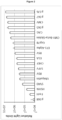
Figure 2 : Chart comparing recombinant promoter fragments with a range of standard promoters. Error bars show standard error. The experiment was performed in triplicate. (Only promoter p565 is part of the invention.) -
Figure 3 : Graph comparing the highest performing three recombinant promoters (p565, p567 and p576) with a range of standard high-expression promoters in a time course assay. (Only promoter p565 is part of the invention.) -
Figure 4 : Protein expression levels driven by recombinant promoter p565. -
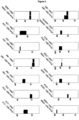
Figure 5 : Protein over expression in HEK293 cells from the CMV promoter and Oxford Genetics 'hybrid' prom-565 promoter using plasmid vector pcDNA3.1 and SnapFast Pro1v, respectively. (pcDNA3.1 is a protein expression vector available from Life Technologies. The plasmid vector contains the immediate early CMV promoter, the T7 promoter, the Bovine Growth Factor (BgH) poly adenylation signal alongside the F1 origin for making single stranded DNA and the SV40 promoter driving the expression of neomycin-kanamycin phosphotransferase (Aminoglycoside-3'-phosphotransferase) and the SV40 poly adenylation signal. If the pcDNA3.1 vector is to be used to express an exogenous protein of interest, the coding sequence of said protein would need to be inserted downstream (3') to the CMV and T7 promoters but upstream (5') of the BgH polyadenylation signal in the 5' to 3' orientation. The plasmid also contains an Ampicillin resistance gene for selection in bacterial cells. SnapFast ProV1 is a protein expression vector designed by Oxford Genetics Ltd that contains the promoter termed herein p565i followed by the SV40 polyadenylation signal. If the SnapFast ProV1 vector is to be used to express an exogenous protein of interest, the coding sequence of said protein would need to be inserted downstream (3') to the p565i promoter but upstream (5') of the SV40 polyadenylation signal in the 5' to 3' orientation. The plasmid also contains a Kanamycin resistance gene for selection in bacterial cells.) HEK293 cells were transfected with either pcDNA3.1 or SnapFast Pro1v expressing various FLAG-tagged fusion proteins. Protein levels from culture supernatant or cell lysate were determined by Western blot 72 hours post-transfection using Protein Simple Wes™ automated Western blot system. The FLAG-tagged fusion proteins were detected with mouse anti-FLAG primary antibody and secondary rabbit anti-mouse-lgG-HRP. -
Figure 6 : Protein over expression in HEK293 cells from the CMV promoter and Oxford Genetics 'hybrid' prom-565 promoter using plasmid vector pcDNA3.1 and SnapFast Pro1v, respectively. HEK293 cells were transfected with either pcDNA3.1 or SnapFast Pro1v expressing various FLAG-tagged fusion proteins. Protein levels from culture supernatant or cell lysate were determined by Western blot 72 hours post-transfection using Protein Simple Wes™ automated Western blot system. The FLAG-tagged fusion proteins were detected with mouse anti-FLAG primary antibody and secondary rabbit anti-mouse-lgG-HRP. -
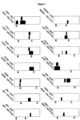
Figure 7 : Protein over expression in Chinese hamster ovary (CHO) cells from the CMV promoter and Oxford Genetics 'hybrid' prom-565 promoter using plasmid vector pcDNA3.1 and SnapFast Pro1v, respectively. CHO cells were transfected with either pcDNA3.1 or SnapFast Pro1v expressing various FLAG-tagged fusion proteins. Protein levels from culture supernatant or cell lysate were determined by Western blot 72 hours post-transfection using Protein Simple Wes™ automated Western blot system. The FLAG-tagged fusion proteins were detected with mouse anti-FLAG primary antibody and secondary rabbit anti-mouse-lgG-HRP. -
Figure 8 : Protein over expression in Chinese hamster ovary (CHO) cells from the CMV promoter and Oxford Genetics 'hybrid' prom-565 promoter using plasmid vector pcDNA3.1 and SnapFast Pro1v, respectively. CHO cells were transfected with either pcDNA3.1 or SnapFast Pro1v expressing various FLAG-tagged fusion proteins. Protein levels from culture supernatant or cell lysate were determined by Western blot 72 hours post-transfection using Protein Simple Wes™ automated Western blot system. The FLAG-tagged fusion proteins were detected with mouse anti-FLAG primary antibody and secondary rabbit anti-mouse-lgG-HRP. -
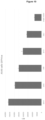
Figure 9 : Expression levels of GFP driven by promoters of the invention in HCT116 cells. (Only promoters p565 and p565i are part of the invention.) -
Figure 10 : Expression levels of GFP driven by promoters of the invention in A549 cells. (Only promoters p565 and p565i are part of the invention.) - The present invention is further illustrated by the following Examples, in which parts and percentages are by weight and degrees are Celsius, unless otherwise stated. It should be understood that these Examples, while indicating preferred embodiments of the invention, are given by way of illustration only.
- Recombinant promoter fragments were produced consisting of the sequences identified in Table 1.
Table 1: Sequences of recombinant promoter fragments Promoter Name First Polynucleotide Second Polynucleotide Third Polynucleotide p567 SEQ ID NO: 3 SEQ ID NO: 4 p567i SEQ ID NO: 3 SEQ ID NO: 4 SEQ ID NO: 7 p576 SEQ ID NO: 2 SEQ ID NO: 4 p576i SEQ ID NO: 2 SEQ ID NO: 4 SEQ ID NO:6 p565 SEQ ID NO: 1 SEQ ID NO: 4 p565i SEQ ID NO: 1 SEQ ID NO: 4 SEQ ID NO: 5 - The first, second and third (when present) polynucleotides were joined contiguously in the above promoter fragments. (Promoters p567, p567i, p576 and p576i are not part of the invention.)
- The reporter vector that was used in the Firefly Luciferase assays was constructed as follows.
- The SnapFast (SF) vector shown in
Figure 1 was used. The back-bone of the SnapFast vector consists of a pUC bacterial origin of replication, an ampicillin resistance gene and a multiple cloning site. A firefly luciferase coding sequence was cloned into the multiple cloning site between the Ncol and Xbal restriction sites (seeFigure 1 ). The luciferase coding sequence incorporates a Kozak ribosome binding site. - The reporter plasmid was linearized with Bglll and then de-phosphorylated to prevent re-ligation of the vector backbone. The cut vector was isolated from uncut vector by gel extraction followed by column based purification. The recombinant promoter fragments (from Example 1) were then ligated into the Bglll cut vector.
- The vectors were transformed into a standard E. coli cloning strain and plated onto LB kanamycin selection plates resulting in one recombinant promoter per colony. Colonies were picked for mini scale-plasmid preparation. These promoter clones were used for transfections into HEK293 cells and subsequent luciferase expression assays.
- Plasmid DNA was purified from a colony from each recombinant promoter. The reporter vectors containing the recombinant promoters were individually transfected into HEK293 cells in several 96-well plates. The transfected cells were incubated at 37°C for 24 hours. Each well was assayed for luciferase activity using the Luciferase Assay System kit (Promega, Wisconsin, USA).
- Briefly, each assay was performed as follows: Culture medium was removed from each well. 100 µl of reporter lysis buffer was added to the cells in each well. The microtitre plate(s) was the incubated for 30 minutes at -20°C to lyse the cells, then the plate was thawed by incubating it for 30 minutes at room temperature. The cell lysates were homogenised by pipetting up and down. A 25 µl sample of each lysate was transferred into a luminometer tube. The luciferase assay reagent was reconstituted by adding luciferase assay buffer to it. Samples were analysed on a Lumat LB 9507 luminometer (EG&G Berthold). The luminometer was set to inject 25 µl of luciferase assay reagent and then record the light emitted for a duration of 2 seconds. The output of the luminometer was given in relative light units.
- The recombinant promoters were compared against a selection of standard highly-expressing promoters.
- The results are shown in
Figure 2 . The recombinant promoter fragments p567 and p576 (which are not part of the invention) performed better than CMV (the current gold standard) in this assay. - Three recombinant promoters (p565, p567 and p576) were selected for a time-course experiment. The results are shown in
Figure 3 . (Promoters p567 and p576 are not part of the invention.) - The results show that the recombinant promoters gave rise to consistently high luciferase expression over the course of 24 hours to 72 hours post-transfection.
- Protein expression levels driven by recombinant promoter p565 of the invention are shown in
Figure 4 , with CMV promoter expression shown as a control. The p565 promoter was compared with a standard CMV promoter for expression of 4 different commercially useful antigens (Proteins 'W', 'X', 'Y' and 'Z'). For each antigen, the coding sequence was cloned downstream of either the CMV or p565 promoter in a vector equivalent to the one shown inFigure 1 . - On day 1, a 48-well microtiter plate was seeded with HEK293Ad cells at a density of 30,000 cells per well in a volume of 300 µl of serum free culture medium. On day 2, the cells in each well were transfected with 0.75 µg of DNA for each of the expression vectors. The cells were transfected using branched polyethylenimine (PEI) at a ratio of 3 µg for every µg of DNA. Prior to adding the DNA to the cells, it was incubated with the PEI for 20 minutes at room temperature to form DNA:PEI complexes. Three days after the transfection took place, the supernatant from each well was harvested and analysed for the quantity of antigen expressed by Western blot.
- Various human genes (see Table 2) were over-expressed from the CMV promoter or promoter p565i in human embryonic kidney cells (HEK293) by a method of transient transfection using branched PEI (25kDa).
Table 2: Human genes which were overexpressed in HEK293 cells Protein Ref KLF4 >sp|043474|KLF4_HUMAN Krueppel-like factor 4 XIAP >sp|P98170|XIAP_HUMAN E3 ublquitin-protein ligase XIAP CYP2C1 >sp|P33261|CP2CJ_HUMAN Cytochrome P4502C19 CD4 >sp|P16070|CD44_HUMAN CD44 antigen Myc >sp|P01106|MYC_HUMAN Myc proto-oncogene protein LOX >sp|P28300|LYOX_HUMAN Protein-lysine 6-oxidase RAN >sp|P62826|RAN_HUMAN GTP-binding nuclear protein Ran FEV >sp|Q99581|FEV_HUMAN Protein FEV ABO >sp|P16442|BGAT_HUMAN Histo-blood groupABO system transferase GAPDH >sp|P04406|G3P_HUMAN Glyceraldehyde-3-phosphate dehydrogenase CDK >sp|P06493|CDK1_HUMAN Cyclin-dependent kinase 1 MyD88 >sp|Q99836|MYD88_HUMAN Myeloid differentiation primary response protein CRP >sp|P02741|CRP_HUMAN C-reactive protein NRAS >sp|P01111|RASN_HUMAN GTPase NRas Protein Ref 1L10 >sp|P22301|IL10_HUMAN Interleukin-10 PTH >sp|P01270|PTHY_HUMAN Parathyroid hormone TNF >sp|P01375|TNFA_HUMAN Tumor necrosis factor INS >sp|P01308|INS_HUMAN Insulin CA1 >sp|P00915|CAH1_HUMAN Carbonic anhydrase JUN >sp|P05412|JUN_HUMAN Transcription factor AP-1 KRAS >sp|P01116|RASK_HUMAN GTPase KRas CD68 >sp|P34810|CD68_HUMAN Macrosialin CD14 >sp|P08571|CD14_HUMAN Monocyte differentiation antigen CD14 CD34 >sp|P28906|CD34_HUMAN Hematopoietic progenitor cell antigen CD34 PTEN >sp|P60484|PTEN_HUMAN Phosphatidylinositol 3,4,5-trisphosphate 3-phosphatase and dual-specificity protein phosphatase PTEN TP53 >sp|P04637|P53_HUMAN Cellular tumor antigen p53 NANOG >sp|Q9H9S0|NANOG_HUMAN Homeobox protein NANOG RPE >|Q96AT9|RPE_HUMAN Ribulose-phosphate 3-epimerase - HEK293 cells were seeded in tissue culture in a 48-well plate format (Sigma Aldrich) at a density of 25,000 cells per well for 24-hours prior to plasmid DNA transfection. Each plasmid DNA (750 ng) expressing FLAG tagged human gene from the CMV promoter or promoter p565i was mixed with branched PEI (25kDA) at a ratio of 1:3, and the DNA:PEI complex were transiently transfected into each well of 48-well plate seeded HEK293 cells. Expression of each FLAG tagged human protein from transient transfection was analysed by automated western blotting (Wes™ Protein Simple) 72-hours post-transfection using mouse anti-FLAG primary antibody and secondary rabbit anti-mouse-lgG-HRP. The results are shown in
Figures 5 and6 . - Various human genes (see Table 3) were over-expressed from the CMV promoter or promoter p565i in CHO K1 cells by a method of transient transfection using branched PEI (25kDa).
Table 3: Human genes which were overexpressed in CHO cells Protein Ref RAN >sp|P62B26|RAN_HUMAN GTP-binding nuclear protein Ran RPE >sp|Q96AT9|RPE_HUMAN Ribulase-phosphate 3-epimerase FEV >sp|Q99581|FEV_HUMAN Protein FEV BCL2 >sp|P10415|BCl2_HUMANApoptosis regulator Bcl-2 CA1 >sp|P00915|CAH1_HUMAN Carbonic anhydrase 1 STAR, >sp|P49675|STAR_HUMAN Steroidogenic acute regulatory protein, mitochondrial MYD88 >sp|Q99836|MYD88_HUMAN Myeloid differentiation primary response protein IGF1 >sp|P05019|IGF1_HUMAN Insulin-like growth factor I A.NG >sp|P03950|ANGI_HUMAN Angiogenin PI3 >sp|P19957|ELAF_HUMANElafin CX«1 >sp|P09341|GROA_HUMAN Growth-regulated alpha protein INS1 >sp|P01308|INS_HUMAN Insulin PTMS >sp|P20962|PTMS_HUMAM Parathyrnosln CRP >sp|PD2741|CRP_HUMAN C-reactive protein TNF >sp|P01375|TNFA_HUMAN Tumor necrosis factor BNDF >|P23560|BDNF_HUMAN Brain-derived neurotrophic factor FGF23 >sp|Q9GZV9|FGF23_HUMAN Fibroblast growth factor 23 APOE >sp|P02649|APOE_HUMAN Apolipoprotein CCL2 >sp|P13500|CCL2_HUMAN C-C motif chemokine 2 MAX >sp|P61244|MAX_HUMAN Protein max KRAS >sp|P01116|RASK_HUMAN GTPase KRas NRAS >sp|P01111|RASN_HUMAN GTPase NRas BAX >sp|Q07812|BAX_HUMAN Apoptosis regulator BAX RAC1 >sp|P63000|RAC1_HUMAN Ras-related C3 botulinum toxin substrate 1 RHOA >sp|P61586|RHOA_HUMAN Transforming protein RhoA EPO >sp|P01588|EPO_HUMAN Erythropoietin HMGB1 >sp|P09429|HMGB1_HUMAN High mobility group protein B1 - CHO K1 cells were seeded in tissue culture in a 48-well plate format (Sigma Aldrich) at a density of 20,000 cells per well for 24-hours prior to plasmid DNA transfection. Each plasmid DNA (750 ng) expressing FLAG tagged human gene from the CMV promoter or promoter P565i was mixed with branched PEI (25kDA) at a ratio of 1:3, and DNA:PEI complex were transiently transfected into each well of 48-well plate seeded CHO K1 cells. Expression of each FLAG tagged human protein from transient transfection was analysed by automated western blotting (Wes™ Protein Simple) 72-hours post-transfection using mouse anti-FLAG primary antibody and secondary rabbit anti-mouse-lgG-HRP. The results are shown in
Figures 7 and8 . - Green fluorescent protein (GFP) was expressed from the CMV, p565i, p565, p576, and p567 promoters in HCT116 cells by a method of transient transfection using branched PEI (25kDa). (Promoters p576 and p567 are not part of the invention.)
- HCT116 cells were seeded in tissue culture treated 48-well plate format (Sigma Aldrich) at a density of 25,000 cells per well for 24-hours prior to plasmid DNA transfection. Each plasmid DNA (750 ng) expressing the enhanced green fluorescent protein from the CMV, p565i, p565, p576, or p567 promoter was mixed with branched PEI (25kDA) at a ratio of 1:3, and the DNA:PEI complexes were transiently transfected into HCT116 cells. Enhanced green protein expression as determined by MFI of HCT116 cells was measured by flow cytometry 48-hours post-transfection. The results are shown in
Figure 9 . - Green fluorescent protein (GFP) was expressed from the CMV, p565i, p565, p576, and p567 promoters in A549 cells by a method of transient transfection using branched PEI (25kDa). (Promoters p576 and p567 are not part of the invention.)
- A549 cells were seeded in tissue culture treated 48-well plate format (Sigma Aldrich) at a density of 25,000 cells per well for 24-hours prior to plasmid DNA transfection. Each plasmid DNA (750 ng) expressing the enhanced green fluorescent protein from the CMV, p565i, p565, p576, or p567 promoter was mixed with branched PEI (25kDA) at a ratio of 1:3, and the DNA:PEI complexes were transiently transfected into A549 cells. Enhanced green protein expression as determined by MFI of A549 cells was measured by flow cytometry 48-hours post-transfection. The results are shown in
Figure 10 . -
-
SEQ ID NO: 1


-
SEQ ID NO:4

-
SEQ ID NO: 7

-
SEQ ID NO:6

-
SEQ ID NO: 5

- <223> Synthetic promoter element
Claims (11)
- A nucleic acid molecule comprising:(a) a first polynucleotide having at least 95% nucleotide sequence identity to the nucleotide sequence set forth in SEQ ID NO: 1; and(b) a second polynucleotide having the nucleotide sequence set forth in SEQ ID NO: 4;wherein (a) and (b) are joined 5'-3' in this order either contiguously or wherein 1-10 linker nucleotides are present between the first and second polynucleotides, and wherein said nucleic acid molecule is capable of promoting transcription of an operably-linked heterologous polynucleotide in a mammalian cell.
- A nucleic acid molecule as claimed in claim 1, wherein the first polynucleotide has at least 96%, 97%, 98%, 99% or 100% nucleotide sequence identity to the nucleotide sequence set forth in SEQ ID NO: 1.
- A nucleic acid molecule as claimed in any one of the preceding claims, wherein the nucleic acid molecule comprises:(a) a first polynucleotide having the nucleotide sequence set forth in SEQ ID NO: 1; and(b) a second polynucleotide having the nucleotide sequence set forth in SEQ ID NO: 4.
- A nucleic acid molecule as claimed in any one of the preceding claims, wherein the nucleic acid molecule additionally comprises:
(c) a third polynucleotide having at least 80% nucleotide sequence identity to the nucleotide sequence set forth in SEQ ID NO: 5, SEQ ID NO: 6 or SEQ ID NO: 7;
wherein (a), (b) and (c) are joined 5'-3' in this order either contiguously or wherein 1-10 nucleotides are present between the first, second and/or third polynucleotides, and wherein said nucleic acid molecule is capable of promoting transcription of an operably-linked heterologous polynucleotide in a mammalian cell. - A nucleic acid molecule as claimed in claim 4, wherein the third polynucleotide has at least 85%, 90%, 95%, 96%, 97%, 98%, 99% or 100% nucleotide sequence identity to one of the nucleotide sequences set forth in SEQ ID NO: 5, SEQ ID NO: 6 or SEQ ID NO: 7.
- A nucleic acid molecule as claimed in any one of the preceding claims, wherein the nucleic acid molecule comprises:(a) a first polynucleotide having the nucleotide sequence set forth in SEQ ID NO: 1;(b) a second polynucleotide having the nucleotide sequence set forth in SEQ ID NO: 4; and(c) a third polynucleotide having the nucleotide sequence set forth in SEQ ID NO: 5, SEQ ID NO: 6 or SEQ ID NO: 7;wherein (a), (b) and (c) are joined 5'-3' in this order either contiguously or wherein 1-10 nucleotides are present between the first, second and/or third polynucleotides, and wherein said nucleic acid molecule is capable of promoting transcription of an operably-linked heterologous polynucleotide in a mammalian cell.
- A nucleic acid molecule as claimed in any one of the preceding claims, wherein the nucleic acid molecule additionally comprises an inducible element, preferably a repressible element or an activatable element.
- A nucleic acid molecule as claimed in any one of the preceding claims, wherein mammalian cell is a mouse, rat, hamster, monkey or human cell.
- An expression vector comprising a nucleic acid molecule as claimed in any one of the preceding claims, preferably wherein:(i) the expression vector is an adenoviral vector, a pSV or pCMV plasmid vector, a vaccinia or retroviral vector, a baculovirus vector, preferably a lentiviral vector; and/or(ii) the nucleic acid molecule is operably-linked to a heterologous polynucleotide.
- A mammalian host cell comprising an expression vector as claimed in claim 9.
- A kit comprising an expression vector as claimed in claim 9 and/or a host cell as claimed in claim 10, optionally together with one or more additional components selected from the group consisting of:(i) a helper plasmid;(ii) a virus genome plasmid;(iii) a buffer solution;(iv) a restriction enzyme;(v) transfection media; and(vi) mammalian cells.
Priority Applications (1)
| Application Number | Priority Date | Filing Date | Title |
|---|---|---|---|
| EP20157991.9A EP3686282B1 (en) | 2016-03-01 | 2017-02-28 | Promoter |
Applications Claiming Priority (2)
| Application Number | Priority Date | Filing Date | Title |
|---|---|---|---|
| GBGB1603577.6A GB201603577D0 (en) | 2016-03-01 | 2016-03-01 | Promoter |
| PCT/GB2017/050537 WO2017149292A1 (en) | 2016-03-01 | 2017-02-28 | Promoter |
Related Child Applications (2)
| Application Number | Title | Priority Date | Filing Date |
|---|---|---|---|
| EP20157991.9A Division EP3686282B1 (en) | 2016-03-01 | 2017-02-28 | Promoter |
| EP20157991.9A Division-Into EP3686282B1 (en) | 2016-03-01 | 2017-02-28 | Promoter |
Publications (2)
| Publication Number | Publication Date |
|---|---|
| EP3423583A1 EP3423583A1 (en) | 2019-01-09 |
| EP3423583B1 true EP3423583B1 (en) | 2023-05-24 |
Family
ID=55807149
Family Applications (2)
| Application Number | Title | Priority Date | Filing Date |
|---|---|---|---|
| EP17712536.6A Active EP3423583B1 (en) | 2016-03-01 | 2017-02-28 | Promoter |
| EP20157991.9A Active EP3686282B1 (en) | 2016-03-01 | 2017-02-28 | Promoter |
Family Applications After (1)
| Application Number | Title | Priority Date | Filing Date |
|---|---|---|---|
| EP20157991.9A Active EP3686282B1 (en) | 2016-03-01 | 2017-02-28 | Promoter |
Country Status (9)
| Country | Link |
|---|---|
| US (1) | US10647999B2 (en) |
| EP (2) | EP3423583B1 (en) |
| JP (1) | JP6960409B2 (en) |
| KR (1) | KR102755545B1 (en) |
| CN (1) | CN109072251A (en) |
| AU (1) | AU2017225350B2 (en) |
| GB (3) | GB201603577D0 (en) |
| SG (1) | SG11201806782QA (en) |
| WO (1) | WO2017149292A1 (en) |
Families Citing this family (7)
| Publication number | Priority date | Publication date | Assignee | Title |
|---|---|---|---|---|
| SG11201911572YA (en) | 2017-07-25 | 2020-02-27 | Oxford Genetics Ltd | Adenoviral vectors |
| CN107630035A (en) * | 2017-09-28 | 2018-01-26 | 兰州大学 | A kind of rat alexin carrier for expression of eukaryon and its construction method |
| GB201800903D0 (en) | 2018-01-19 | 2018-03-07 | Oxford Genetics Ltd | Vectors |
| AU2019215152A1 (en) * | 2018-02-01 | 2020-08-20 | Homology Medicines, Inc. | Adeno-associated virus compositions for restoring PAH gene function and methods of use thereof |
| GB201901571D0 (en) | 2019-02-05 | 2019-03-27 | Oxford Genetics Ltd | Inducible AAV sysyem |
| TW202208632A (en) | 2020-05-27 | 2022-03-01 | 美商同源醫藥公司 | Adeno-associated virus compositions for restoring pah gene function and methods of use thereof |
| US12234472B2 (en) | 2021-10-18 | 2025-02-25 | Regeneron Pharmaceuticals, Inc. | Eukaryotic cells comprising adenovirus-associated virus polynucleotides |
Citations (1)
| Publication number | Priority date | Publication date | Assignee | Title |
|---|---|---|---|---|
| WO2012112603A1 (en) * | 2011-02-14 | 2012-08-23 | University Of Utah Research Foundations | Constructs and methods for generating induced pluri potent stem ( ips) cells |
Family Cites Families (12)
| Publication number | Priority date | Publication date | Assignee | Title |
|---|---|---|---|---|
| WO2007081336A1 (en) | 2006-01-13 | 2007-07-19 | Five Prime Therapeutics, Inc. | Mammalian vectors for high-level expression of recombinant proteins |
| CN103122360A (en) | 2006-02-28 | 2013-05-29 | 瓦克萨特公司 | Chimeric adenoviral vectors |
| US9388425B2 (en) * | 2006-10-20 | 2016-07-12 | Trustees Of Boston University | Tunable genetic switch for regulating gene expression |
| US20090018031A1 (en) * | 2006-12-07 | 2009-01-15 | Switchgear Genomics | Transcriptional regulatory elements of biological pathways tools, and methods |
| EP2477652B1 (en) | 2009-09-16 | 2015-04-15 | Vaxart, Inc. | Immunization strategy to prevent h1n1 infection |
| US9650630B2 (en) * | 2010-09-01 | 2017-05-16 | Cellagenics B.V. | Nucleic acid fragments from a ribosomal protein promoter for enhancing gene expression |
| EP2694658B1 (en) | 2011-04-07 | 2017-05-17 | Bayer CropScience NV | Seed-specific promoter in cotton |
| WO2013063348A1 (en) | 2011-10-28 | 2013-05-02 | Arizona Board Of Regents, A Body Corporate Of The State Of Arizona, Acting For And On Behalf Of Arizona State University | Genetic element that enhances protein translation |
| EP2711426B1 (en) * | 2012-09-24 | 2015-04-08 | Lonza Biologics plc | Expression vectors comprising chimeric cytomegalovirus promoter and enhancer sequences |
| CA2904125C (en) | 2013-03-12 | 2022-06-07 | Cmc Icos Biologics, Inc. | Improved recombinant protein expression using a hybrid chef1 promoter |
| CN104630267B (en) | 2014-07-17 | 2017-10-31 | 清华大学 | Utilize the kit of TALE Transcription inhibitions built modular synthetic gene circuit in mammalian cell |
| GB201414130D0 (en) | 2014-08-08 | 2014-09-24 | Agency Science Tech & Res | Mutants of the bacteriophage lambda integrase |
-
2016
- 2016-03-01 GB GBGB1603577.6A patent/GB201603577D0/en not_active Ceased
-
2017
- 2017-02-28 GB GB1703224.4A patent/GB2553170B/en not_active Expired - Fee Related
- 2017-02-28 EP EP17712536.6A patent/EP3423583B1/en active Active
- 2017-02-28 WO PCT/GB2017/050537 patent/WO2017149292A1/en not_active Ceased
- 2017-02-28 JP JP2018545660A patent/JP6960409B2/en active Active
- 2017-02-28 EP EP20157991.9A patent/EP3686282B1/en active Active
- 2017-02-28 CN CN201780014321.9A patent/CN109072251A/en active Pending
- 2017-02-28 AU AU2017225350A patent/AU2017225350B2/en active Active
- 2017-02-28 KR KR1020187024944A patent/KR102755545B1/en active Active
- 2017-02-28 SG SG11201806782QA patent/SG11201806782QA/en unknown
- 2017-02-28 US US16/080,765 patent/US10647999B2/en active Active
- 2017-02-28 GB GB2002193.7A patent/GB2578859B/en not_active Expired - Fee Related
Patent Citations (1)
| Publication number | Priority date | Publication date | Assignee | Title |
|---|---|---|---|---|
| WO2012112603A1 (en) * | 2011-02-14 | 2012-08-23 | University Of Utah Research Foundations | Constructs and methods for generating induced pluri potent stem ( ips) cells |
Non-Patent Citations (1)
| Title |
|---|
| DATABASE Geneseq [online] 11 October 2012 (2012-10-11), "Adeno shuttle vector pAd(CMVWP)-GFP-KSO DNA sequence SEQ: 4.", retrieved from EBI accession no. GSN:AZY98588 Database accession no. AZY98588 * |
Also Published As
| Publication number | Publication date |
|---|---|
| US10647999B2 (en) | 2020-05-12 |
| JP6960409B2 (en) | 2021-11-05 |
| EP3423583A1 (en) | 2019-01-09 |
| AU2017225350A1 (en) | 2018-09-06 |
| GB2578859A (en) | 2020-05-27 |
| GB202002193D0 (en) | 2020-04-01 |
| CN109072251A (en) | 2018-12-21 |
| EP3686282B1 (en) | 2024-12-04 |
| AU2017225350B2 (en) | 2023-07-20 |
| SG11201806782QA (en) | 2018-09-27 |
| KR102755545B1 (en) | 2025-01-17 |
| GB2553170A (en) | 2018-02-28 |
| WO2017149292A1 (en) | 2017-09-08 |
| US20190071692A1 (en) | 2019-03-07 |
| GB201603577D0 (en) | 2016-04-13 |
| KR20180132045A (en) | 2018-12-11 |
| EP3686282A1 (en) | 2020-07-29 |
| GB201703224D0 (en) | 2017-04-12 |
| JP2019506882A (en) | 2019-03-14 |
| GB2578859B (en) | 2020-10-28 |
| GB2553170B (en) | 2020-05-06 |
Similar Documents
| Publication | Publication Date | Title |
|---|---|---|
| US10647999B2 (en) | Promoter | |
| US11236363B2 (en) | Hybrid proteins and uses thereof | |
| CN117844806B (en) | 5' -UTR element and application thereof in improving protein expression quantity | |
| CN113817778B (en) | Method for enhancing mRNA stable expression by nucleolin | |
| CN114057861B (en) | A bio-PROTAC artificial protein targeting UBE2C | |
| EP3992289A1 (en) | Functional nucleic acid molecules incorporating protein binding domain | |
| US20250136961A1 (en) | Isolated nuclease and use thereof | |
| HK40001212B (en) | Promoter | |
| HK40001212A (en) | Promoter | |
| HK40034561B (en) | Promoter | |
| HK40034561A (en) | Promoter | |
| CN116555342A (en) | A modified pT7TS plasmid and its application | |
| CN116286971A (en) | Microtubule marking method based on allele knock-in, eukaryotic cells marked by microtubule marking method and application of microtubule marking method | |
| CN119662652B (en) | A promoter and its application | |
| Torkzaban et al. | Tethered mRNA Amplifier: A Novel Approach to Increase Protein Expression | |
| CN113584085B (en) | Lentiviral vector for suspension cells and application thereof | |
| WO2005090562A1 (en) | Sequence capable of accelerating gene expression at moderately low temperature | |
| CN119162153B (en) | Cas12f nuclease mutant, its application and kit | |
| Cortot et al. | A luciferase-based assay for assessing IRES-mediated translation in Wheat Germ Extract | |
| Manicone et al. | Expression of HTLV-1 genes in T-cells using RNA electroporation | |
| WO2025064834A1 (en) | Isolated betacoronavirus ires sequences | |
| CN118308357A (en) | Mutants of mouse H1 promoter and their applications | |
| CN117721151A (en) | A protein translation activation system based on CRISPR-dcas13d-eIF4G and its application | |
| CN116218880A (en) | A kind of recombinant vector for improving virus titer and its preparation method and application |
Legal Events
| Date | Code | Title | Description |
|---|---|---|---|
| STAA | Information on the status of an ep patent application or granted ep patent |
Free format text: STATUS: UNKNOWN |
|
| STAA | Information on the status of an ep patent application or granted ep patent |
Free format text: STATUS: THE INTERNATIONAL PUBLICATION HAS BEEN MADE |
|
| PUAI | Public reference made under article 153(3) epc to a published international application that has entered the european phase |
Free format text: ORIGINAL CODE: 0009012 |
|
| STAA | Information on the status of an ep patent application or granted ep patent |
Free format text: STATUS: REQUEST FOR EXAMINATION WAS MADE |
|
| 17P | Request for examination filed |
Effective date: 20180813 |
|
| AK | Designated contracting states |
Kind code of ref document: A1 Designated state(s): AL AT BE BG CH CY CZ DE DK EE ES FI FR GB GR HR HU IE IS IT LI LT LU LV MC MK MT NL NO PL PT RO RS SE SI SK SM TR |
|
| AX | Request for extension of the european patent |
Extension state: BA ME |
|
| DAV | Request for validation of the european patent (deleted) | ||
| DAX | Request for extension of the european patent (deleted) | ||
| STAA | Information on the status of an ep patent application or granted ep patent |
Free format text: STATUS: EXAMINATION IS IN PROGRESS |
|
| 17Q | First examination report despatched |
Effective date: 20190920 |
|
| REG | Reference to a national code |
Ref country code: HK Ref legal event code: DE Ref document number: 40001212 Country of ref document: HK |
|
| RAP1 | Party data changed (applicant data changed or rights of an application transferred) |
Owner name: OXFORD GENETICS LIMITED |
|
| RIN1 | Information on inventor provided before grant (corrected) |
Inventor name: SU, WEIHENG Inventor name: CAWOOD, RYAN Inventor name: PARKER-MANUEL, RICHARD |
|
| GRAP | Despatch of communication of intention to grant a patent |
Free format text: ORIGINAL CODE: EPIDOSNIGR1 |
|
| STAA | Information on the status of an ep patent application or granted ep patent |
Free format text: STATUS: GRANT OF PATENT IS INTENDED |
|
| INTG | Intention to grant announced |
Effective date: 20220620 |
|
| GRAJ | Information related to disapproval of communication of intention to grant by the applicant or resumption of examination proceedings by the epo deleted |
Free format text: ORIGINAL CODE: EPIDOSDIGR1 |
|
| STAA | Information on the status of an ep patent application or granted ep patent |
Free format text: STATUS: EXAMINATION IS IN PROGRESS |
|
| INTC | Intention to grant announced (deleted) | ||
| STAA | Information on the status of an ep patent application or granted ep patent |
Free format text: STATUS: GRANT OF PATENT IS INTENDED |
|
| GRAS | Grant fee paid |
Free format text: ORIGINAL CODE: EPIDOSNIGR3 |
|
| GRAA | (expected) grant |
Free format text: ORIGINAL CODE: 0009210 |
|
| STAA | Information on the status of an ep patent application or granted ep patent |
Free format text: STATUS: THE PATENT HAS BEEN GRANTED |
|
| AK | Designated contracting states |
Kind code of ref document: B1 Designated state(s): AL AT BE BG CH CY CZ DE DK EE ES FI FR GB GR HR HU IE IS IT LI LT LU LV MC MK MT NL NO PL PT RO RS SE SI SK SM TR |
|
| REG | Reference to a national code |
Ref country code: GB Ref legal event code: FG4D |
|
| REG | Reference to a national code |
Ref country code: CH Ref legal event code: EP |
|
| REG | Reference to a national code |
Ref country code: DE Ref legal event code: R096 Ref document number: 602017068976 Country of ref document: DE |
|
| REG | Reference to a national code |
Ref country code: AT Ref legal event code: REF Ref document number: 1569514 Country of ref document: AT Kind code of ref document: T Effective date: 20230615 |
|
| REG | Reference to a national code |
Ref country code: IE Ref legal event code: FG4D |
|
| REG | Reference to a national code |
Ref country code: LT Ref legal event code: MG9D |
|
| REG | Reference to a national code |
Ref country code: NL Ref legal event code: MP Effective date: 20230524 |
|
| REG | Reference to a national code |
Ref country code: AT Ref legal event code: MK05 Ref document number: 1569514 Country of ref document: AT Kind code of ref document: T Effective date: 20230524 |
|
| PG25 | Lapsed in a contracting state [announced via postgrant information from national office to epo] |
Ref country code: SE Free format text: LAPSE BECAUSE OF FAILURE TO SUBMIT A TRANSLATION OF THE DESCRIPTION OR TO PAY THE FEE WITHIN THE PRESCRIBED TIME-LIMIT Effective date: 20230524 Ref country code: PT Free format text: LAPSE BECAUSE OF FAILURE TO SUBMIT A TRANSLATION OF THE DESCRIPTION OR TO PAY THE FEE WITHIN THE PRESCRIBED TIME-LIMIT Effective date: 20230925 Ref country code: NO Free format text: LAPSE BECAUSE OF FAILURE TO SUBMIT A TRANSLATION OF THE DESCRIPTION OR TO PAY THE FEE WITHIN THE PRESCRIBED TIME-LIMIT Effective date: 20230824 Ref country code: NL Free format text: LAPSE BECAUSE OF FAILURE TO SUBMIT A TRANSLATION OF THE DESCRIPTION OR TO PAY THE FEE WITHIN THE PRESCRIBED TIME-LIMIT Effective date: 20230524 Ref country code: ES Free format text: LAPSE BECAUSE OF FAILURE TO SUBMIT A TRANSLATION OF THE DESCRIPTION OR TO PAY THE FEE WITHIN THE PRESCRIBED TIME-LIMIT Effective date: 20230524 Ref country code: AT Free format text: LAPSE BECAUSE OF FAILURE TO SUBMIT A TRANSLATION OF THE DESCRIPTION OR TO PAY THE FEE WITHIN THE PRESCRIBED TIME-LIMIT Effective date: 20230524 |
|
| PG25 | Lapsed in a contracting state [announced via postgrant information from national office to epo] |
Ref country code: RS Free format text: LAPSE BECAUSE OF FAILURE TO SUBMIT A TRANSLATION OF THE DESCRIPTION OR TO PAY THE FEE WITHIN THE PRESCRIBED TIME-LIMIT Effective date: 20230524 Ref country code: PL Free format text: LAPSE BECAUSE OF FAILURE TO SUBMIT A TRANSLATION OF THE DESCRIPTION OR TO PAY THE FEE WITHIN THE PRESCRIBED TIME-LIMIT Effective date: 20230524 Ref country code: LV Free format text: LAPSE BECAUSE OF FAILURE TO SUBMIT A TRANSLATION OF THE DESCRIPTION OR TO PAY THE FEE WITHIN THE PRESCRIBED TIME-LIMIT Effective date: 20230524 Ref country code: LT Free format text: LAPSE BECAUSE OF FAILURE TO SUBMIT A TRANSLATION OF THE DESCRIPTION OR TO PAY THE FEE WITHIN THE PRESCRIBED TIME-LIMIT Effective date: 20230524 Ref country code: IS Free format text: LAPSE BECAUSE OF FAILURE TO SUBMIT A TRANSLATION OF THE DESCRIPTION OR TO PAY THE FEE WITHIN THE PRESCRIBED TIME-LIMIT Effective date: 20230924 Ref country code: HR Free format text: LAPSE BECAUSE OF FAILURE TO SUBMIT A TRANSLATION OF THE DESCRIPTION OR TO PAY THE FEE WITHIN THE PRESCRIBED TIME-LIMIT Effective date: 20230524 Ref country code: GR Free format text: LAPSE BECAUSE OF FAILURE TO SUBMIT A TRANSLATION OF THE DESCRIPTION OR TO PAY THE FEE WITHIN THE PRESCRIBED TIME-LIMIT Effective date: 20230825 |
|
| PG25 | Lapsed in a contracting state [announced via postgrant information from national office to epo] |
Ref country code: FI Free format text: LAPSE BECAUSE OF FAILURE TO SUBMIT A TRANSLATION OF THE DESCRIPTION OR TO PAY THE FEE WITHIN THE PRESCRIBED TIME-LIMIT Effective date: 20230524 |
|
| PG25 | Lapsed in a contracting state [announced via postgrant information from national office to epo] |
Ref country code: SK Free format text: LAPSE BECAUSE OF FAILURE TO SUBMIT A TRANSLATION OF THE DESCRIPTION OR TO PAY THE FEE WITHIN THE PRESCRIBED TIME-LIMIT Effective date: 20230524 |
|
| PG25 | Lapsed in a contracting state [announced via postgrant information from national office to epo] |
Ref country code: SM Free format text: LAPSE BECAUSE OF FAILURE TO SUBMIT A TRANSLATION OF THE DESCRIPTION OR TO PAY THE FEE WITHIN THE PRESCRIBED TIME-LIMIT Effective date: 20230524 Ref country code: SK Free format text: LAPSE BECAUSE OF FAILURE TO SUBMIT A TRANSLATION OF THE DESCRIPTION OR TO PAY THE FEE WITHIN THE PRESCRIBED TIME-LIMIT Effective date: 20230524 Ref country code: RO Free format text: LAPSE BECAUSE OF FAILURE TO SUBMIT A TRANSLATION OF THE DESCRIPTION OR TO PAY THE FEE WITHIN THE PRESCRIBED TIME-LIMIT Effective date: 20230524 Ref country code: EE Free format text: LAPSE BECAUSE OF FAILURE TO SUBMIT A TRANSLATION OF THE DESCRIPTION OR TO PAY THE FEE WITHIN THE PRESCRIBED TIME-LIMIT Effective date: 20230524 Ref country code: DK Free format text: LAPSE BECAUSE OF FAILURE TO SUBMIT A TRANSLATION OF THE DESCRIPTION OR TO PAY THE FEE WITHIN THE PRESCRIBED TIME-LIMIT Effective date: 20230524 Ref country code: CZ Free format text: LAPSE BECAUSE OF FAILURE TO SUBMIT A TRANSLATION OF THE DESCRIPTION OR TO PAY THE FEE WITHIN THE PRESCRIBED TIME-LIMIT Effective date: 20230524 |
|
| REG | Reference to a national code |
Ref country code: DE Ref legal event code: R097 Ref document number: 602017068976 Country of ref document: DE |
|
| PLBE | No opposition filed within time limit |
Free format text: ORIGINAL CODE: 0009261 |
|
| STAA | Information on the status of an ep patent application or granted ep patent |
Free format text: STATUS: NO OPPOSITION FILED WITHIN TIME LIMIT |
|
| 26N | No opposition filed |
Effective date: 20240227 |
|
| PG25 | Lapsed in a contracting state [announced via postgrant information from national office to epo] |
Ref country code: SI Free format text: LAPSE BECAUSE OF FAILURE TO SUBMIT A TRANSLATION OF THE DESCRIPTION OR TO PAY THE FEE WITHIN THE PRESCRIBED TIME-LIMIT Effective date: 20230524 |
|
| PG25 | Lapsed in a contracting state [announced via postgrant information from national office to epo] |
Ref country code: SI Free format text: LAPSE BECAUSE OF FAILURE TO SUBMIT A TRANSLATION OF THE DESCRIPTION OR TO PAY THE FEE WITHIN THE PRESCRIBED TIME-LIMIT Effective date: 20230524 Ref country code: IT Free format text: LAPSE BECAUSE OF FAILURE TO SUBMIT A TRANSLATION OF THE DESCRIPTION OR TO PAY THE FEE WITHIN THE PRESCRIBED TIME-LIMIT Effective date: 20230524 |
|
| PG25 | Lapsed in a contracting state [announced via postgrant information from national office to epo] |
Ref country code: MC Free format text: LAPSE BECAUSE OF FAILURE TO SUBMIT A TRANSLATION OF THE DESCRIPTION OR TO PAY THE FEE WITHIN THE PRESCRIBED TIME-LIMIT Effective date: 20230524 |
|
| PG25 | Lapsed in a contracting state [announced via postgrant information from national office to epo] |
Ref country code: LU Free format text: LAPSE BECAUSE OF NON-PAYMENT OF DUE FEES Effective date: 20240228 |
|
| PG25 | Lapsed in a contracting state [announced via postgrant information from national office to epo] |
Ref country code: LU Free format text: LAPSE BECAUSE OF NON-PAYMENT OF DUE FEES Effective date: 20240228 |
|
| PG25 | Lapsed in a contracting state [announced via postgrant information from national office to epo] |
Ref country code: BG Free format text: LAPSE BECAUSE OF FAILURE TO SUBMIT A TRANSLATION OF THE DESCRIPTION OR TO PAY THE FEE WITHIN THE PRESCRIBED TIME-LIMIT Effective date: 20230524 |
|
| PG25 | Lapsed in a contracting state [announced via postgrant information from national office to epo] |
Ref country code: BG Free format text: LAPSE BECAUSE OF FAILURE TO SUBMIT A TRANSLATION OF THE DESCRIPTION OR TO PAY THE FEE WITHIN THE PRESCRIBED TIME-LIMIT Effective date: 20230524 |
|
| REG | Reference to a national code |
Ref country code: BE Ref legal event code: MM Effective date: 20240229 |
|
| PG25 | Lapsed in a contracting state [announced via postgrant information from national office to epo] |
Ref country code: BE Free format text: LAPSE BECAUSE OF NON-PAYMENT OF DUE FEES Effective date: 20240229 |
|
| PG25 | Lapsed in a contracting state [announced via postgrant information from national office to epo] |
Ref country code: IE Free format text: LAPSE BECAUSE OF NON-PAYMENT OF DUE FEES Effective date: 20240228 |
|
| PG25 | Lapsed in a contracting state [announced via postgrant information from national office to epo] |
Ref country code: IE Free format text: LAPSE BECAUSE OF NON-PAYMENT OF DUE FEES Effective date: 20240228 Ref country code: BE Free format text: LAPSE BECAUSE OF NON-PAYMENT OF DUE FEES Effective date: 20240229 |
|
| PG25 | Lapsed in a contracting state [announced via postgrant information from national office to epo] |
Ref country code: CY Free format text: LAPSE BECAUSE OF FAILURE TO SUBMIT A TRANSLATION OF THE DESCRIPTION OR TO PAY THE FEE WITHIN THE PRESCRIBED TIME-LIMIT; INVALID AB INITIO Effective date: 20170228 |
|
| PG25 | Lapsed in a contracting state [announced via postgrant information from national office to epo] |
Ref country code: HU Free format text: LAPSE BECAUSE OF FAILURE TO SUBMIT A TRANSLATION OF THE DESCRIPTION OR TO PAY THE FEE WITHIN THE PRESCRIBED TIME-LIMIT; INVALID AB INITIO Effective date: 20170228 |
|
| PG25 | Lapsed in a contracting state [announced via postgrant information from national office to epo] |
Ref country code: TR Free format text: LAPSE BECAUSE OF FAILURE TO SUBMIT A TRANSLATION OF THE DESCRIPTION OR TO PAY THE FEE WITHIN THE PRESCRIBED TIME-LIMIT Effective date: 20230524 |
|
| REG | Reference to a national code |
Ref country code: CH Ref legal event code: U11 Free format text: ST27 STATUS EVENT CODE: U-0-0-U10-U11 (AS PROVIDED BY THE NATIONAL OFFICE) Effective date: 20260301 |
|
| PGFP | Annual fee paid to national office [announced via postgrant information from national office to epo] |
Ref country code: GB Payment date: 20260218 Year of fee payment: 10 |
|
| PGFP | Annual fee paid to national office [announced via postgrant information from national office to epo] |
Ref country code: DE Payment date: 20260217 Year of fee payment: 10 |
|
| PGFP | Annual fee paid to national office [announced via postgrant information from national office to epo] |
Ref country code: FR Payment date: 20260218 Year of fee payment: 10 |
|
| PGFP | Annual fee paid to national office [announced via postgrant information from national office to epo] |
Ref country code: CH Payment date: 20260301 Year of fee payment: 10 |