EP3421401A1 - Elevator system and method of intent deduction for an elevator system - Google Patents
Elevator system and method of intent deduction for an elevator system Download PDFInfo
- Publication number
- EP3421401A1 EP3421401A1 EP18173243.9A EP18173243A EP3421401A1 EP 3421401 A1 EP3421401 A1 EP 3421401A1 EP 18173243 A EP18173243 A EP 18173243A EP 3421401 A1 EP3421401 A1 EP 3421401A1
- Authority
- EP
- European Patent Office
- Prior art keywords
- elevator
- individual
- sensor assembly
- intent
- individuals
- Prior art date
- Legal status (The legal status is an assumption and is not a legal conclusion. Google has not performed a legal analysis and makes no representation as to the accuracy of the status listed.)
- Granted
Links
Images



Classifications
-
- B—PERFORMING OPERATIONS; TRANSPORTING
- B66—HOISTING; LIFTING; HAULING
- B66B—ELEVATORS; ESCALATORS OR MOVING WALKWAYS
- B66B1/00—Control systems of elevators in general
- B66B1/34—Details, e.g. call counting devices, data transmission from car to control system, devices giving information to the control system
- B66B1/3407—Setting or modification of parameters of the control system
-
- B—PERFORMING OPERATIONS; TRANSPORTING
- B66—HOISTING; LIFTING; HAULING
- B66B—ELEVATORS; ESCALATORS OR MOVING WALKWAYS
- B66B1/00—Control systems of elevators in general
- B66B1/34—Details, e.g. call counting devices, data transmission from car to control system, devices giving information to the control system
- B66B1/46—Adaptations of switches or switchgear
- B66B1/468—Call registering systems
-
- B—PERFORMING OPERATIONS; TRANSPORTING
- B66—HOISTING; LIFTING; HAULING
- B66B—ELEVATORS; ESCALATORS OR MOVING WALKWAYS
- B66B1/00—Control systems of elevators in general
- B66B1/24—Control systems with regulation, i.e. with retroactive action, for influencing travelling speed, acceleration, or deceleration
- B66B1/2408—Control systems with regulation, i.e. with retroactive action, for influencing travelling speed, acceleration, or deceleration where the allocation of a call to an elevator car is of importance, i.e. by means of a supervisory or group controller
-
- B—PERFORMING OPERATIONS; TRANSPORTING
- B66—HOISTING; LIFTING; HAULING
- B66B—ELEVATORS; ESCALATORS OR MOVING WALKWAYS
- B66B1/00—Control systems of elevators in general
- B66B1/34—Details, e.g. call counting devices, data transmission from car to control system, devices giving information to the control system
- B66B1/3476—Load weighing or car passenger counting devices
-
- B—PERFORMING OPERATIONS; TRANSPORTING
- B66—HOISTING; LIFTING; HAULING
- B66B—ELEVATORS; ESCALATORS OR MOVING WALKWAYS
- B66B1/00—Control systems of elevators in general
- B66B1/34—Details, e.g. call counting devices, data transmission from car to control system, devices giving information to the control system
- B66B1/46—Adaptations of switches or switchgear
-
- B—PERFORMING OPERATIONS; TRANSPORTING
- B66—HOISTING; LIFTING; HAULING
- B66B—ELEVATORS; ESCALATORS OR MOVING WALKWAYS
- B66B5/00—Applications of checking, fault-correcting, or safety devices in elevators
- B66B5/0006—Monitoring devices or performance analysers
- B66B5/0012—Devices monitoring the users of the elevator system
-
- B—PERFORMING OPERATIONS; TRANSPORTING
- B66—HOISTING; LIFTING; HAULING
- B66B—ELEVATORS; ESCALATORS OR MOVING WALKWAYS
- B66B5/00—Applications of checking, fault-correcting, or safety devices in elevators
- B66B5/0006—Monitoring devices or performance analysers
- B66B5/0037—Performance analysers
-
- B—PERFORMING OPERATIONS; TRANSPORTING
- B66—HOISTING; LIFTING; HAULING
- B66B—ELEVATORS; ESCALATORS OR MOVING WALKWAYS
- B66B2201/00—Aspects of control systems of elevators
-
- B—PERFORMING OPERATIONS; TRANSPORTING
- B66—HOISTING; LIFTING; HAULING
- B66B—ELEVATORS; ESCALATORS OR MOVING WALKWAYS
- B66B2201/00—Aspects of control systems of elevators
- B66B2201/40—Details of the change of control mode
- B66B2201/46—Switches or switchgear
- B66B2201/4607—Call registering systems
- B66B2201/4638—Wherein the call is registered without making physical contact with the elevator system
Definitions
- the following description relates to elevator systems and, more particularly, to a depth sensor and method of intent deduction for use with an elevator system.
- Elevator systems that call elevators automatically are available. However, these systems may make elevator calls even though the individuals might not actually want to board the elevators. This is due to the fact that those individuals might be standing in or proximate to the elevator lobby for reasons other than getting ready to board an elevator. They may be waiting for someone or simply resting. Similarly, an individual might walk toward an elevator lobby simply to avoid bumping into someone else. Whatever the case may be, when an elevator call is made for an individual who does not actually want to board the elevator, the elevator system wastes energy and power and might delay an elevator call for another individual who does in fact want to board.
- an elevator system includes a sensor assembly and a controller.
- the sensor assembly is disposable in or proximate to an elevator lobby and is configured to deduce an intent of an individual in the elevator lobby to board one of one or more elevators and to issue a call signal in response to deducing the intent of the individual to board the one of the elevators.
- the controller is configured to receive the call signal issued by the sensor assembly and to assign one or more of the elevators to serve the call signal at the elevator lobby.
- the sensor assembly is configured to sense one or more of multiple cues and contextual incidences relating to the individual.
- the sensor assembly is configured to sense one or more of multiple cues and contextual incidences relating to the individual and to compare the one or more of multiple cues and contextual incidences with historical data to deduce the intent.
- the sensor assembly is configured to sense one or more of the individual's body orientation, head pose, gaze direction, motion history, clustering with other individuals and vocals to deduce the intent.
- the sensor assembly is configured to sense one or more of the individual's body orientation, head pose, gaze direction, motion history, clustering with other individuals and vocals and to compare the one or more of the individual's body orientation, head pose, gaze direction, motion history, clustering with other individuals and vocals with historical data to deduce the intent.
- the sensor assembly includes a depth sensor.
- an elevator system includes a sensor assembly and a controller.
- the sensor assembly is disposable in or proximate to an elevator lobby and is configured to deduce an intent of at least one of multiple individuals in the elevator lobby to board a particular one of multiple elevators and to issue a call signal accordingly.
- the controller is configured to receive the call signal issued by the sensor assembly and to assign the particular one or more of the multiple elevators to serve the call signal at the elevator lobby.
- the sensor assembly is configured to sense one or more of multiple cues and contextual incidences relating to each of the multiple individuals and a grouping thereof.
- the sensor assembly is configured to sense one or more of multiple cues and contextual incidences relating to each of the multiple individuals and a grouping thereof and to compare the one or more of multiple cues and contextual incidences with historical data to deduce the intent.
- the sensor assembly is further configured to sense a group behavior of the multiple individuals and to compare the group behavior with historical data to deduce the intent.
- the sensor assembly is configured to sense one or more of each individual's body orientation, head pose, gaze direction, motion history, clustering with other individuals and vocals to deduce the intent.
- the sensor assembly is configured to sense one or more of each individual's body orientation, head pose, gaze direction, motion history, clustering with other individuals and vocals and to compare the one or more of the individual's body orientation, head pose, gaze direction, motion history, clustering with other individuals and vocals with historical data to deduce the intent.
- the sensor assembly is further configured to sense a group behavior of the multiple individuals and to compare the group behavior with historical data to deduce the intent.
- the sensor assembly includes a depth sensor.
- a method of operating a sensor assembly of an elevator system includes deducing an intent of an individual in an elevator lobby to board an elevator of the elevator system and issuing a call signal for bringing the elevator to the elevator lobby in accordance with the intent of the individual to board the elevator being deduced.
- the deducing includes sensing one or more of multiple cues and contextual incidences relating to the individual.
- the deducing includes sensing one or more of multiple cues and contextual incidences relating to the individual and comparing the one or more of multiple cues and contextual incidences with historical data.
- the deducing includes sensing one or more of the individual's body orientation, head pose, gaze direction, motion history, clustering with other individuals and vocals.
- the deducing includes deducing an intent of one of multiple individuals in the elevator lobby to board an elevator of the elevator system and issuing a call signal for bringing the elevator to the elevator lobby in accordance with the intent of the one of the multiple individuals to board the elevator being deduced.
- a system for distinguishing between a person who is approaching elevators doors with the intent to board an elevator from another person who is merely passing or standing near the elevator doors.
- the system employs a 3D depth sensor that uses one or more of cues and contextual incidents such as body orientations, head poses, gaze directions, motion histories, clustering of individuals, elevator data, voice recognition, group behavior analyses and activity recognition to deduce a person's or a group's intent for elevator usage.
- an elevator system 10 is provided.
- the elevator system 10 includes a wall 11 that is formed to define an aperture 12, a door assembly 13, a sensor assembly 14, a controller 15, an elevator call button panel 16 and an elevator lobby 7.
- the door assembly 13 that may be provided is operable to assume an open position at which the aperture 12 is opened and entry or exit to or from an elevator is permitted and a closed position at which the aperture 12 is closed to prevent entry or exit from the elevator. It is to be understood that the door assembly 13 can only safely assume the open position when an elevator has been called (with the notable exception of service being done on the elevator system 10) and has arrived at the aperture 12. As such, and for additional reasons as well, the door assembly 13 is generally configured to normally assume the closed position and to only open when the elevator is appropriately positioned.
- the exemplary door assembly 13 may include at least one or more doors 131 and a motor 133 to drive sliding movements of the one or more doors 131 when the elevator is appropriately positioned.
- the sensor assembly 14 may be provided as one or more sensors or one or more types.
- the sensor assembly 14 may include a depth sensor.
- Various 3D depth sensing sensor technologies and devices that can be used in sensor assembly 14 include, but are not limited to, a structured light measurement, phase shift measurement, time of flight measurement, stereo triangulation device, sheet of light triangulation device, light field cameras, coded aperture cameras, computational imaging techniques, simultaneous localization and mapping (SLAM), imaging radar, imaging sonar, echolocation, laser radar, scanning light detection and ranging (LIDAR), flash LIDAR or a combination thereof.
- SLAM simultaneous localization and mapping
- LIDAR scanning light detection and ranging
- a depth sensor may be operable to produce depth from defocus, a focal stack of images, or structure from motion.
- the sensor assembly 14 may include other sensors and sensing modalities such as a 2D imaging sensor (e.g., a conventional video camera, an ultraviolet camera, and infrared camera, and the like), a motion sensor, such as a PIR sensor, a microphone or an array of microphones, a button or set of buttons, a switch or set of switches, a keyboard, a touchscreen, an RFID reader, a capacitive sensor, a wireless beacon sensor, a cellular phone sensor, a GPS transponder, a pressure sensitive floor mat, a gravity gradiometer or any other known sensor or system designed for person detection and/or intent recognition as described. It may be advantageous that any of these sensors operate in a high dynamic range (e.g., by encoding a transmitted signal and decoding a returned signal by correlation).
- a 2D imaging sensor e.g., a conventional video camera, an ultraviolet camera, and infrared camera, and the like
- a motion sensor such as a PIR sensor, a microphone or an array
- the controller 15 may be provided as a component of the sensor assembly 14 and is configured to receive a call signal that is used to call or bring the elevator to the elevator lobby 17.
- the controller 15 may include a processor 150 such as a central processing unit (CPU), a memory unit 151 which may include one or both of read-only and random access memory and a call receiving unit 152.
- executable program instructions stored in the memory unit 151 are executed by the processor 150 which in turn supports the call receiving unit 152 in receiving the call signal (which is issued by the sensor assembly and the processor 150 in accordance with only those readings generated by the sensor assembly 14 that are determined to be indicative of an individual (or a group of individuals)_ in the elevator lobby 17 intending to board the elevator and/or in accordance with the elevator call button panel 16 being actuated).
- the sensor assembly 14 and the processor 150 are configured to sense and to process one or more of multiple cues and contextual incidences relating to the individual in the elevator lobby 17 (or each of the multiple individuals and a grouping thereof in the case of multiple individuals in the elevator lobby 17). More particularly, for cases where the elevator call button panel 16 has not been actuated, the sensor assembly 14 and the processor 150 are configured to sense and to process one or more of an individual's body orientation, head pose, gaze direction, motion history, clustering with other individuals, elevator data and vocals and to compare the one or more of the individual's body orientation, head pose, gaze direction, motion history, clustering with other individuals, elevator data and vocals with historical data to deduce the intent.
- the sensor assembly 14 and the processor 150 are further configured to sense and to process a group behavior of the multiple individuals and to compare the group behavior with historical data to deduce the intent of individuals in the group. That is, as another example, a queuing of individuals in the elevator lobby 17 in front of an elevator could be recognized as an intent for each individual in the group to board an elevator.
- the elevator data may include, for instance, the location of elevator doors 131 and lobby 17 with respect to the sensor assembly 14.
- the historical data may be represented by actual measurements made in the building containing elevator system 10 or actual measurements from one or more other buildings containing one or more different elevator systems.
- the historical data may also include anecdotal observations, personal experience, specified desired elevator system behavior and the like.
- the sensing and the processing may proceed at least partially by the generation of a time series of spatial maps 3011-4 which can be superimposed on one another in a comprehensive spatial map 401 for individuals in or proximate to the aperture 12 of the elevator system 10 such that the individuals can be tracked based on the series of spatial maps 5011-4 (while the comprehensive spatial map 401 in FIG. 4 is illustrated as being provided for two individuals, this is being done for clarity and brevity and it is to be understood that the individuals can be tracked separately in respective comprehensive spatial maps).
- FIG. 4 the comprehensive spatial map 401 in FIG. 4 is illustrated as being provided for two individuals, this is being done for clarity and brevity and it is to be understood that the individuals can be tracked separately in respective comprehensive spatial maps.
- spatial map 3011 indicates that individual 1 is in a first position 11 relative to the aperture 12 and that individual 2 is in a first position 21 relative to the aperture 12, as shown in FIG. 3B , spatial map 3012 indicates that individual 1 is in a second position 12 relative to the aperture 12 and that individual 2 is in a second position 22 relative to the aperture 12, as shown in FIG. 3C , spatial map 3013 indicates that individual 1 is in a third position 13 relative to the aperture 12 and that individual 2 is in a third position 23 relative to the aperture 12 and, as shown in FIG. 3D , spatial map 3014 indicates that individual 1 is in a fourth position 14 relative to the aperture 12 and that individual 2 is in a fourth position 24 relative to the aperture 12.
- comprehensive spatial map 401 which includes the indications of each of the spatial maps 3011-4, illustrates that from the tracking of individuals 1 and 2 across the spatial maps 3011-4, it can be determined that individual 1 is likely approaching the aperture 12 and that individual 2 is likely to be walking past the aperture 12 (again, it is noted that the comprehensive spatial map 401 need not be provided for tracking individuals 1 and 2 and that other embodiments exist in which individuals 1 and 2 are tracked separately). With such determinations having been made, the processor 150 may determine that individual 1 intends to board an elevator and thus the call signal can be selectively issued.
- the tracking may be accomplished by detection and tracking processes such as background subtraction, morphological filtering, and a Bayesian Filtering method executable by devices uch as a Kalman Filter or a Particle Filter.
- Background subtraction to produce foreground object(s) may be achieved by a Gaussian Mixture Model, a Codebook Algorithm, Principal Component Analysis (PCA) and the like.
- Morphological filtering may be a size filter to discard foreground object(s) that are not persons (e.g., are too small, have an inappropriate aspect ratio and the like).
- a Bayesian Filter may be used to estimate the state of a filtered foreground object where the state may be position, velocity, acceleration and the like.
- Another use case is when a passenger is already “offered” an elevator but did not board. Here, the passenger had ample opportunity to board (assuming the car wasn't too full) but did not and is thus exhibiting loitering behavior. Usually, in a case like this, it would not make sense to send another car for the passenger as he continues to wait and is apparently just loitering.
- the sensor assembly 14 and the processor 150 can use the movement of individuals in the elevator lobby 17 to make partial determinations and deductions of intent, it is to be understood that many other cues and contextual incidences can and should be used as well.
- an individual standing still near elevator doors 131 and staring at the update lights signals his intent to board an elevator even if he has chosen not to or forgotten to actuate the elevator call button panel 16. If that individual is tapping his foot or fidgety, that could signal his impatience and need to get to his destination fast.
- FIG. 5 an individual standing still near elevator doors 131 and staring at the update lights signals his intent to board an elevator even if he has chosen not to or forgotten to actuate the elevator call button panel 16. If that individual is tapping his foot or fidgety, that could signal his impatience and need to get to his destination fast.
- FIG. 5 shows that could signal his impatience and need to get to his destination fast.
- multiple cues and contextual incidents is more accurate for deducing intent than relying solely on proximity or trajectory of individual(s) in the elevator lobby 17.
- this can be accomplished by the sensor assembly 14 and the controller 15 using multiple features alone or in combination.
- multiple features may include data fusion methods (e.g., Deep Learning or Bayesian inference) and motion history understanding from finite state machine (FSM) algorithms.
- FSM finite state machine
- background subtraction, morphological filtering and a Bayesian Filtering method can be executed by devices such as a Kalman Filter or a Particle Filter to aid in the sensing and tracking of individuals.
- Background subtraction to produce foreground object(s) may be achieved by a Gaussian Mixture Model, a Codebook Algorithm, Principal Component Analysis (PCA) and the like.
- Morphological filtering may be a size filter to discard foreground object(s) that are not persons (e.g., they are too small, have an inappropriate aspect ratio and the like).
- a Bayesian Filter may be used to estimate the state of a filtered foreground object where the state may be position, velocity, acceleration and the like.
- Some of the technology for the features noted above includes skeleton modeling of the individuals in the elevator lobby 17 which is now easily processed in real-time from 3D sensors (e.g., KinectTM) for body pose estimation.
- Video activity recognition in particular can now reliably detect simple actions (e.g., queuing, mopping, conversing, etc.) given a large enough field of view and observation time.
- the video activity recognition may be achieved by probabilistic programming, markov, logic networks, deep networks and the like.
- Facial detection which may be used with or without pupil tracking for gaze detection, is also commercially available along with vocal recognition devices.
- a person enters their destination floor at a kiosk at an origin floor and is assigned a specific elevator (e.g., elevator C). The person then boards elevator C and is not required to press a button for their destination while inside the car since the elevator system already knows the destination floors of all passengers inside the car.
- An issue for this type of user interface is knowing how many people are waiting for their elevators. This is because each elevator car has a finite capacity (e.g., 12 passengers) and if the sensor assembly 14 recognizes that that there are already 12 people waiting in front of elevator C, the controller 15 should no longer assign more calls to elevator C.
- each passenger would enter a call individually.
- a group of people e.g., a family or a group of colleagues who work on the same floor
- only one person enters a call on behalf of the group.
- the role of the sensor assembly 14 is not to merely to determine that someone in the elevator lobby 17 intends to board some elevator but rather that five passengers appear to be waiting for elevator A, eight passengers appear to be waiting for elevator B, zero passengers appear to be waiting for elevator C, etc.
- the intent being deduced is regarding which elevator people are waiting for and not whether or not they intend to take some elevator.
Landscapes
- Engineering & Computer Science (AREA)
- Automation & Control Theory (AREA)
- Computer Networks & Wireless Communication (AREA)
- Mechanical Engineering (AREA)
- Elevator Control (AREA)
- Indicating And Signalling Devices For Elevators (AREA)
Abstract
Description
- The following description relates to elevator systems and, more particularly, to a depth sensor and method of intent deduction for use with an elevator system.
- Elevator systems that call elevators automatically are available. However, these systems may make elevator calls even though the individuals might not actually want to board the elevators. This is due to the fact that those individuals might be standing in or proximate to the elevator lobby for reasons other than getting ready to board an elevator. They may be waiting for someone or simply resting. Similarly, an individual might walk toward an elevator lobby simply to avoid bumping into someone else. Whatever the case may be, when an elevator call is made for an individual who does not actually want to board the elevator, the elevator system wastes energy and power and might delay an elevator call for another individual who does in fact want to board.
- According to one aspect of the disclosure, an elevator system is provided and includes a sensor assembly and a controller. The sensor assembly is disposable in or proximate to an elevator lobby and is configured to deduce an intent of an individual in the elevator lobby to board one of one or more elevators and to issue a call signal in response to deducing the intent of the individual to board the one of the elevators. The controller is configured to receive the call signal issued by the sensor assembly and to assign one or more of the elevators to serve the call signal at the elevator lobby.
- In accordance with additional or alternative embodiments, the sensor assembly is configured to sense one or more of multiple cues and contextual incidences relating to the individual.
- In accordance with additional or alternative embodiments, the sensor assembly is configured to sense one or more of multiple cues and contextual incidences relating to the individual and to compare the one or more of multiple cues and contextual incidences with historical data to deduce the intent.
- In accordance with additional or alternative embodiments, the sensor assembly is configured to sense one or more of the individual's body orientation, head pose, gaze direction, motion history, clustering with other individuals and vocals to deduce the intent.
- In accordance with additional or alternative embodiments, the sensor assembly is configured to sense one or more of the individual's body orientation, head pose, gaze direction, motion history, clustering with other individuals and vocals and to compare the one or more of the individual's body orientation, head pose, gaze direction, motion history, clustering with other individuals and vocals with historical data to deduce the intent.
- In accordance with additional or alternative embodiments, the sensor assembly includes a depth sensor.
- According to another aspect of the disclosure, an elevator system is provided. The elevator system includes a sensor assembly and a controller. The sensor assembly is disposable in or proximate to an elevator lobby and is configured to deduce an intent of at least one of multiple individuals in the elevator lobby to board a particular one of multiple elevators and to issue a call signal accordingly. The controller is configured to receive the call signal issued by the sensor assembly and to assign the particular one or more of the multiple elevators to serve the call signal at the elevator lobby.
- In accordance with additional or alternative embodiments, the sensor assembly is configured to sense one or more of multiple cues and contextual incidences relating to each of the multiple individuals and a grouping thereof.
- In accordance with additional or alternative embodiments, the sensor assembly is configured to sense one or more of multiple cues and contextual incidences relating to each of the multiple individuals and a grouping thereof and to compare the one or more of multiple cues and contextual incidences with historical data to deduce the intent.
- In accordance with additional or alternative embodiments, the sensor assembly is further configured to sense a group behavior of the multiple individuals and to compare the group behavior with historical data to deduce the intent.
- In accordance with additional or alternative embodiments, the sensor assembly is configured to sense one or more of each individual's body orientation, head pose, gaze direction, motion history, clustering with other individuals and vocals to deduce the intent.
- In accordance with additional or alternative embodiments, the sensor assembly is configured to sense one or more of each individual's body orientation, head pose, gaze direction, motion history, clustering with other individuals and vocals and to compare the one or more of the individual's body orientation, head pose, gaze direction, motion history, clustering with other individuals and vocals with historical data to deduce the intent.
- In accordance with additional or alternative embodiments, the sensor assembly is further configured to sense a group behavior of the multiple individuals and to compare the group behavior with historical data to deduce the intent.
- In accordance with additional or alternative embodiments, the sensor assembly includes a depth sensor.
- According to yet another aspect of the disclosure, a method of operating a sensor assembly of an elevator system is provided. The method includes deducing an intent of an individual in an elevator lobby to board an elevator of the elevator system and issuing a call signal for bringing the elevator to the elevator lobby in accordance with the intent of the individual to board the elevator being deduced.
- In accordance with additional or alternative embodiments, the deducing includes sensing one or more of multiple cues and contextual incidences relating to the individual.
- In accordance with additional or alternative embodiments, the deducing includes sensing one or more of multiple cues and contextual incidences relating to the individual and comparing the one or more of multiple cues and contextual incidences with historical data.
- In accordance with additional or alternative embodiments, the deducing includes sensing one or more of the individual's body orientation, head pose, gaze direction, motion history, clustering with other individuals and vocals.
- In accordance with additional or alternative embodiments, the deducing includes sensing one or more of the individual's body orientation, head pose, gaze direction, motion history, clustering with other individuals, elevator data and vocals and comparing the one or more of the individual's body orientation, head pose, gaze direction, motion history, clustering with other individuals and vocals with historical data.
- In accordance with additional or alternative embodiments, the deducing includes deducing an intent of one of multiple individuals in the elevator lobby to board an elevator of the elevator system and issuing a call signal for bringing the elevator to the elevator lobby in accordance with the intent of the one of the multiple individuals to board the elevator being deduced.
- These and other advantages and features will become more apparent from the following description taken in conjunction with the drawings.
- The subject matter, which is regarded as the disclosure, is particularly pointed out and distinctly claimed in the claims at the conclusion of the specification. The foregoing and other features, and advantages of the disclosure are apparent from the following detailed description taken in conjunction with the accompanying drawings in which:
-
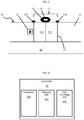
FIG. 1 is an elevational view of an elevator system in accordance with embodiments; -
FIG. 2 is a schematic illustration of a processor of the elevator system ofFIG. 1 ; -
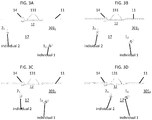
FIG. 3A is a spatial map generated by a processor of a controller and a ensor assembly of the elevator system ofFIG. 1 ; -
FIG. 3B is a spatial map generated by a processor of a controller and a sensor assembly of the elevator system ofFIG. 1 ; -
FIG. 3C is a spatial map generated by a processor of a controller and a sensor assembly of the elevator system ofFIG. 1 ; -
FIG. 3D is a spatial map generated by a processor of a controller and a sensor assembly of the elevator system ofFIG. 1 ; -
FIG. 4 is comprehensive spatial map generated by the processor and a sensor assembly of the controller of the elevator system ofFIG. 1 ; -
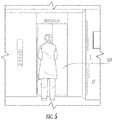
FIG. 5 is an example of an individual standing in an elevator lobby with an intent to board an elevator; -
FIG. 6 is an example of a group of individuals standing in an elevator lobby with intent to board an elevator; and -
FIG. 7 is an example of an individual cleaning an elevator lobby with no intent to board an elevator. - As will be described below, a system is provided for distinguishing between a person who is approaching elevators doors with the intent to board an elevator from another person who is merely passing or standing near the elevator doors. The system employs a 3D depth sensor that uses one or more of cues and contextual incidents such as body orientations, head poses, gaze directions, motion histories, clustering of individuals, elevator data, voice recognition, group behavior analyses and activity recognition to deduce a person's or a group's intent for elevator usage.
- With reference to
FIG. 1 , anelevator system 10 is provided. Theelevator system 10 includes awall 11 that is formed to define anaperture 12, adoor assembly 13, asensor assembly 14, acontroller 15, an elevatorcall button panel 16 and an elevator lobby 7. Thedoor assembly 13 that may be provided is operable to assume an open position at which theaperture 12 is opened and entry or exit to or from an elevator is permitted and a closed position at which theaperture 12 is closed to prevent entry or exit from the elevator. It is to be understood that thedoor assembly 13 can only safely assume the open position when an elevator has been called (with the notable exception of service being done on the elevator system 10) and has arrived at theaperture 12. As such, and for additional reasons as well, thedoor assembly 13 is generally configured to normally assume the closed position and to only open when the elevator is appropriately positioned. - The
exemplary door assembly 13 may include at least one ormore doors 131 and amotor 133 to drive sliding movements of the one ormore doors 131 when the elevator is appropriately positioned. - The
sensor assembly 14 may be provided as one or more sensors or one or more types. In one embodiment, thesensor assembly 14 may include a depth sensor. Various 3D depth sensing sensor technologies and devices that can be used insensor assembly 14 include, but are not limited to, a structured light measurement, phase shift measurement, time of flight measurement, stereo triangulation device, sheet of light triangulation device, light field cameras, coded aperture cameras, computational imaging techniques, simultaneous localization and mapping (SLAM), imaging radar, imaging sonar, echolocation, laser radar, scanning light detection and ranging (LIDAR), flash LIDAR or a combination thereof. Different technologies can include active (transmitting and receiving a signal) or passive (only receiving a signal) sensing and may operate in a band of the electromagnetic or acoustic spectrum such as visual, infrared, ultrasonic, etc. In various embodiments, a depth sensor may be operable to produce depth from defocus, a focal stack of images, or structure from motion. In other embodiments, thesensor assembly 14 may include other sensors and sensing modalities such as a 2D imaging sensor (e.g., a conventional video camera, an ultraviolet camera, and infrared camera, and the like), a motion sensor, such as a PIR sensor, a microphone or an array of microphones, a button or set of buttons, a switch or set of switches, a keyboard, a touchscreen, an RFID reader, a capacitive sensor, a wireless beacon sensor, a cellular phone sensor, a GPS transponder, a pressure sensitive floor mat, a gravity gradiometer or any other known sensor or system designed for person detection and/or intent recognition as described. It may be advantageous that any of these sensors operate in a high dynamic range (e.g., by encoding a transmitted signal and decoding a returned signal by correlation). - With reference to
FIG. 2 , thecontroller 15 may be provided as a component of thesensor assembly 14 and is configured to receive a call signal that is used to call or bring the elevator to theelevator lobby 17. To this end, thecontroller 15 may include aprocessor 150 such as a central processing unit (CPU), amemory unit 151 which may include one or both of read-only and random access memory and acall receiving unit 152. During operations of theelevator system 10, executable program instructions stored in thememory unit 151 are executed by theprocessor 150 which in turn supports thecall receiving unit 152 in receiving the call signal (which is issued by the sensor assembly and theprocessor 150 in accordance with only those readings generated by thesensor assembly 14 that are determined to be indicative of an individual (or a group of individuals)_ in theelevator lobby 17 intending to board the elevator and/or in accordance with the elevatorcall button panel 16 being actuated). - That is, for cases where the elevator
call button panel 16 has not been actuated, thesensor assembly 14 and theprocessor 150 are configured to sense and to process one or more of multiple cues and contextual incidences relating to the individual in the elevator lobby 17 (or each of the multiple individuals and a grouping thereof in the case of multiple individuals in the elevator lobby 17). More particularly, for cases where the elevatorcall button panel 16 has not been actuated, thesensor assembly 14 and theprocessor 150 are configured to sense and to process one or more of an individual's body orientation, head pose, gaze direction, motion history, clustering with other individuals, elevator data and vocals and to compare the one or more of the individual's body orientation, head pose, gaze direction, motion history, clustering with other individuals, elevator data and vocals with historical data to deduce the intent. For example, if an individual's gaze direction is generally facing toward elevator floor numbers, that could be recognized as an indication of an intent to wait in theelevator lobby 17 to board a next arriving elevator). If this individual is fidgety, that could also be understood as an indication of a lack of patience for the elevator. In addition, for the particular cases in which a group of multiple individuals are in theelevator lobby 17, thesensor assembly 14 and theprocessor 150 are further configured to sense and to process a group behavior of the multiple individuals and to compare the group behavior with historical data to deduce the intent of individuals in the group. That is, as another example, a queuing of individuals in theelevator lobby 17 in front of an elevator could be recognized as an intent for each individual in the group to board an elevator. - The elevator data may include, for instance, the location of
elevator doors 131 andlobby 17 with respect to thesensor assembly 14. The historical data may be represented by actual measurements made in the building containingelevator system 10 or actual measurements from one or more other buildings containing one or more different elevator systems. The historical data may also include anecdotal observations, personal experience, specified desired elevator system behavior and the like. - With reference to
FIGS. 3A-D andFIG. 4 , the sensing and the processing may proceed at least partially by the generation of a time series of spatial maps 3011-4 which can be superimposed on one another in a comprehensivespatial map 401 for individuals in or proximate to theaperture 12 of theelevator system 10 such that the individuals can be tracked based on the series of spatial maps 5011-4 (while the comprehensivespatial map 401 inFIG. 4 is illustrated as being provided for two individuals, this is being done for clarity and brevity and it is to be understood that the individuals can be tracked separately in respective comprehensive spatial maps). Thus, as shown inFIG. 3A ,spatial map 3011 indicates thatindividual 1 is in afirst position 11 relative to theaperture 12 and thatindividual 2 is in afirst position 21 relative to theaperture 12, as shown inFIG. 3B ,spatial map 3012 indicates thatindividual 1 is in asecond position 12 relative to theaperture 12 and thatindividual 2 is in asecond position 22 relative to theaperture 12, as shown inFIG. 3C ,spatial map 3013 indicates thatindividual 1 is in athird position 13 relative to theaperture 12 and thatindividual 2 is in athird position 23 relative to theaperture 12 and, as shown inFIG. 3D ,spatial map 3014 indicates thatindividual 1 is in afourth position 14 relative to theaperture 12 and thatindividual 2 is in afourth position 24 relative to theaperture 12. - Therefore, comprehensive
spatial map 401, which includes the indications of each of the spatial maps 3011-4, illustrates that from the tracking ofindividuals individual 1 is likely approaching theaperture 12 and thatindividual 2 is likely to be walking past the aperture 12 (again, it is noted that the comprehensivespatial map 401 need not be provided for trackingindividuals individuals processor 150 may determine thatindividual 1 intends to board an elevator and thus the call signal can be selectively issued. - The tracking may be accomplished by detection and tracking processes such as background subtraction, morphological filtering, and a Bayesian Filtering method executable by devices uch as a Kalman Filter or a Particle Filter. Background subtraction to produce foreground object(s) may be achieved by a Gaussian Mixture Model, a Codebook Algorithm, Principal Component Analysis (PCA) and the like. Morphological filtering may be a size filter to discard foreground object(s) that are not persons (e.g., are too small, have an inappropriate aspect ratio and the like). A Bayesian Filter may be used to estimate the state of a filtered foreground object where the state may be position, velocity, acceleration and the like.
- With the elevator being called for
individual 1, individual 2 can decide to enter the elevator with the individual 1 even if that wasn't his prior intent. In addition, individual 1 might not end up boarding the elevator because he wasn't actually intending to do so but was instead simply trying to avoid bumping into someone or merely walking aimlessly or if individual 1 changes his mind about boarding the elevator after the call is made. In any case, the actions ofindividuals elevator lobby 17 take similar tracks, the determinations of whether or not to have the call generating unit selectively issue the call signal can take into account the pre- and post-call actions ofindividuals - Another use case is when a passenger is already "offered" an elevator but did not board. Here, the passenger had ample opportunity to board (assuming the car wasn't too full) but did not and is thus exhibiting loitering behavior. Usually, in a case like this, it would not make sense to send another car for the passenger as he continues to wait and is apparently just loitering.
- While the examples given above address the use of historical data, it is to be noted that the historical data need not be gleaned solely from a local or particular elevator system. Rather, historical data could be gathered from other elevator systems, such as those with similar elevator lobby configurations. As such, intent deduction logic could be trained from those other elevator systems (ideally, a large number of instances) and then used for similar learning in still other elevator systems. In any case, each elevator system can continue to refine its own intent logic (e.g., there may be behaviors specific to the given elevator bay, such as avoiding a large cactus).
- With reference to
FIGS. 5-7 , while thesensor assembly 14 and theprocessor 150 can use the movement of individuals in theelevator lobby 17 to make partial determinations and deductions of intent, it is to be understood that many other cues and contextual incidences can and should be used as well. For example, as shown inFIG. 5 , an individual standing still nearelevator doors 131 and staring at the update lights signals his intent to board an elevator even if he has chosen not to or forgotten to actuate the elevatorcall button panel 16. If that individual is tapping his foot or fidgety, that could signal his impatience and need to get to his destination fast. Similarly, as shown inFIG. 6 , where multiple individuals are grouped together in a line in theelevator lobby 17 and some are staring at the update lights while others are discussing how long the elevator wait is or what floor they are going to, at least one (probably all) of those individuals will be signaling their intent to board an elevator. If all the individuals in the group are signaling an intent to board, multiple elevators may need to be dispatched to address the apparent needs of the crowd. Therefore, the call signal (or multiple call signals) will be issued for the cases ofFIGS. 5 and6 . - On the other hand, however, an individual who is cleaning up the elevator lobby 17 (e.g., by the system recognizing that his actions are consistent with sweeping or mopping duties) and looking down will be sensed but will be understood to be signaling no intent to board an elevator. Therefore, for the case of
FIG. 7 , no call signal will be issued. Furthermore, the system can learn over time that an individual performing certain activities (in this example, mopping a floor) is unlikely to be intending to board an elevator and thus can make call decisions based on activity recognition. - The use of multiple cues and contextual incidents is more accurate for deducing intent than relying solely on proximity or trajectory of individual(s) in the
elevator lobby 17. In accordance with embodiments, it is to be understood that this can be accomplished by thesensor assembly 14 and thecontroller 15 using multiple features alone or in combination. For example, such multiple features may include data fusion methods (e.g., Deep Learning or Bayesian inference) and motion history understanding from finite state machine (FSM) algorithms. According to one or more embodiments, background subtraction, morphological filtering and a Bayesian Filtering method can be executed by devices such as a Kalman Filter or a Particle Filter to aid in the sensing and tracking of individuals. Background subtraction to produce foreground object(s) may be achieved by a Gaussian Mixture Model, a Codebook Algorithm, Principal Component Analysis (PCA) and the like. Morphological filtering may be a size filter to discard foreground object(s) that are not persons (e.g., they are too small, have an inappropriate aspect ratio and the like). A Bayesian Filter may be used to estimate the state of a filtered foreground object where the state may be position, velocity, acceleration and the like. - Some of the technology for the features noted above includes skeleton modeling of the individuals in the
elevator lobby 17 which is now easily processed in real-time from 3D sensors (e.g., Kinect™) for body pose estimation. Video activity recognition in particular can now reliably detect simple actions (e.g., queuing, mopping, conversing, etc.) given a large enough field of view and observation time. The video activity recognition may be achieved by probabilistic programming, markov, logic networks, deep networks and the like. Facial detection, which may be used with or without pupil tracking for gaze detection, is also commercially available along with vocal recognition devices. - The use of multiple (stand-off) cues and contextual incidences improves the responsiveness and reliability of intention recognition. Thus, use of the
sensor assembly 14 and thecontroller 15 can lead to a powerful and reliable deduction of individual intention which will in turn lead to more responsive and reliable demand detection and better utilization of the equipment. That is, the systems and method described herein will avoid false call and provide for a better user experience. - In accordance with further embodiments, while the description provided above is generally directed towards deciding to call an elevator when there appears to people in the elevator lobby who intend to board hence an elevator needs to be called, the systems and methods could also be applied in destination entry systems. In a destination entry system, a person enters their destination floor at a kiosk at an origin floor and is assigned a specific elevator (e.g., elevator C). The person then boards elevator C and is not required to press a button for their destination while inside the car since the elevator system already knows the destination floors of all passengers inside the car. An issue for this type of user interface is knowing how many people are waiting for their elevators. This is because each elevator car has a finite capacity (e.g., 12 passengers) and if the
sensor assembly 14 recognizes that that there are already 12 people waiting in front of elevator C, thecontroller 15 should no longer assign more calls to elevator C. - Ideally, for a destination entry system and for other similar systems, each passenger would enter a call individually. However, in practice, when a group of people (e.g., a family or a group of colleagues who work on the same floor) use such a system, only one person enters a call on behalf of the group. In these cases, the role of the
sensor assembly 14 is not to merely to determine that someone in theelevator lobby 17 intends to board some elevator but rather that five passengers appear to be waiting for elevator A, eight passengers appear to be waiting for elevator B, zero passengers appear to be waiting for elevator C, etc. For this type of user interface, the intent being deduced is regarding which elevator people are waiting for and not whether or not they intend to take some elevator. - While the disclosure is provided in detail in connection with only a limited number of embodiments, it should be readily understood that the disclosure is not limited to such disclosed embodiments. Rather, the disclosure can be modified to incorporate any number of variations, alterations, substitutions or equivalent arrangements not heretofore described, but which are commensurate with the spirit and scope of the disclosure. Additionally, while various embodiments of the disclosure have been described, it is to be understood that the exemplary embodiment(s) may include only some of the described exemplary aspects. Accordingly, the disclosure is not to be seen as limited by the foregoing description, but is only limited by the scope of the appended claims.
Claims (15)
- An elevator system, comprising:a sensor assembly disposable in or proximate to an elevator lobby and configured to deduce an intent of an individual in the elevator lobby to board one of one or more elevators and to issue a call signal in response to deducing the intent of the individual to board the one of the elevators; anda controller configured to receive the call signal issued by the sensor assembly and to assign one or more of the elevators to serve the call signal at the elevator lobby.
- The elevator system according to claim 1, wherein the sensor assembly is configured to sense one or more of multiple cues and contextual incidences relating to the individual; wherein the sensor assembly is particularly configured to sense one or more of multiple cues and contextual incidences relating to the individual and to compare the one or more of multiple cues and contextual incidences with historical data to deduce the intent.
- The elevator system according to claims 1 or 2, wherein the sensor assembly is configured to sense one or more of the individual's body orientation, head pose, gaze direction, motion history, clustering with other individuals and vocals to deduce the intent; wherein the sensor assembly is particularly configured to sense one or more of the individual's body orientation, head pose, gaze direction, motion history, clustering with other individuals and vocals and to compare the one or more of the individual's body orientation, head pose, gaze direction, motion history, clustering with other individuals, elevator data and vocals with historical data to deduce the intent.
- The elevator system according to any of claims 1 to 3, wherein the sensor assembly comprises a depth sensor.
- An elevator system, comprising:a sensor assembly disposable in or proximate to an elevator lobby and configured to deduce an intent of at least one of multiple individuals in the elevator lobby to board a particular one of multiple elevators and to issue a call signal accordingly; anda controller configured to receive the call signal issued by the sensor assembly and to assign the particular one or more of the multiple elevators to serve the call signal at the elevator lobby.
- The elevator system according to claim ,5 wherein the sensor assembly is configured to sense one or more of multiple cues and contextual incidences relating to each of the multiple individuals and a grouping thereof; wherein the sensor assembly is particularly configured to sense one or more of multiple cues and contextual incidences relating to each of the multiple individuals and a grouping thereof and to compare the one or more of multiple cues and contextual incidences with historical data to deduce the intent.
- The elevator system according to claim 5 or 6, wherein the sensor assembly is further configured to sense a group behavior of the multiple individuals and to compare the group behavior with historical data to deduce the intent.
- The elevator system according to any of claims 5 to 7, wherein the sensor assembly is configured to sense one or more of each individual's body orientation, head pose, gaze direction, motion history, clustering with other individuals and vocals to deduce the intent; wherein the sensor assembly is particularly configured to sense one or more of each individual's body orientation, head pose, gaze direction, motion history, clustering with other individuals and vocals and to compare the one or more of the individual's body orientation, head pose, gaze direction, motion history, clustering with other individuals and vocals with historical data to deduce the intent.
- The elevator system according to any of claims 5 to 8, wherein the sensor assembly comprises a depth sensor.
- A method of operating a sensor assembly of an elevator system, the method comprising:deducing an intent of an individual in an elevator lobby to board an elevator of the elevator system; andissuing a call signal for bringing the elevator to the elevator lobby in accordance with the intent of the individual to board the elevator being deduced.
- The method according to claim 10, wherein the deducing comprises sensing one or more of multiple cues and contextual incidences relating to the individual.
- The method according to claim 10 or 11, wherein the deducing comprises:sensing one or more of multiple cues and contextual incidences relating to the individual; andcomparing the one or more of multiple cues and contextual incidences with historical data.
- The method according to any of claims 10 to 12, wherein the deducing comprises sensing one or more of the individual's body orientation, head pose, gaze direction, motion history, clustering with other individuals, elevator data and vocals.
- The method according to any of claims 10 to 13, wherein the deducing comprises:sensing one or more of the individual's body orientation, head pose, gaze direction, motion history, clustering with other individuals, elevator data and vocals; andcomparing the one or more of the individual's body orientation, head pose, gaze direction, motion history, clustering with other individuals, elevator data and vocals with historical data.
- The method according to any of claims 10 to 14, wherein:the deducing comprises deducing an intent of one of multiple individuals in the elevator lobby to board an elevator of the elevator system; andissuing a call signal for bringing the elevator to the elevator lobby in accordance with the intent of the one of the multiple individuals to board the elevator being deduced.
Applications Claiming Priority (1)
| Application Number | Priority Date | Filing Date | Title |
|---|---|---|---|
| CN201710361335.XA CN108946354B (en) | 2017-05-19 | 2017-05-19 | Depth sensor and intent inference method for elevator system |
Publications (2)
| Publication Number | Publication Date |
|---|---|
| EP3421401A1 true EP3421401A1 (en) | 2019-01-02 |
| EP3421401B1 EP3421401B1 (en) | 2021-04-21 |
Family
ID=62217838
Family Applications (1)
| Application Number | Title | Priority Date | Filing Date |
|---|---|---|---|
| EP18173243.9A Active EP3421401B1 (en) | 2017-05-19 | 2018-05-18 | Elevator system and method of intent deduction for an elevator system |
Country Status (3)
| Country | Link |
|---|---|
| US (1) | US11021344B2 (en) |
| EP (1) | EP3421401B1 (en) |
| CN (1) | CN108946354B (en) |
Cited By (3)
| Publication number | Priority date | Publication date | Assignee | Title |
|---|---|---|---|---|
| DE102019007735B3 (en) * | 2019-11-07 | 2021-01-28 | Vonovia Engineering GmbH | Device and method for determining a condition of an elevator |
| WO2022148895A1 (en) * | 2021-01-07 | 2022-07-14 | Kone Corporation | System, method and computer program for monitoring operating status of elevator |
| WO2023242463A1 (en) | 2022-06-14 | 2023-12-21 | Kone Corporation | Management of service provision in elevator system |
Families Citing this family (9)
| Publication number | Priority date | Publication date | Assignee | Title |
|---|---|---|---|---|
| US12043515B2 (en) * | 2018-08-16 | 2024-07-23 | Otis Elevator Company | Elevator system management utilizing machine learning |
| CN110713082B (en) * | 2019-10-22 | 2021-11-02 | 日立楼宇技术(广州)有限公司 | An elevator control method, system, device and storage medium |
| CN111202861B (en) * | 2020-02-17 | 2021-08-17 | 佛山市锐诚云智能照明科技有限公司 | An automatic epidemic prevention and disinfection method, system, storage medium and terminal equipment for a car |
| US11205314B2 (en) * | 2020-05-13 | 2021-12-21 | Motorola Solutions, Inc. | Systems and methods for personalized intent prediction |
| US12304776B2 (en) | 2020-06-23 | 2025-05-20 | Otis Elevator Company | Travel-speed based predictive dispatching |
| US20240150153A1 (en) * | 2021-03-30 | 2024-05-09 | Inventio Ag | Method for operating an elevator system and elevator system |
| EP4347469B1 (en) * | 2021-05-27 | 2025-11-12 | KONE Corporation | Monitoring method, monitoring system, and controller for elevators. |
| SE546369C2 (en) * | 2022-08-18 | 2024-10-15 | Assa Abloy Ab | Adapting a machine learning model for determining intent of a person to pass through a door |
| US20250115461A1 (en) * | 2023-10-05 | 2025-04-10 | Otis Elevator Company | System and method for determining a travel intent of an elevator passenger and providing responsive alerts |
Citations (3)
| Publication number | Priority date | Publication date | Assignee | Title |
|---|---|---|---|---|
| US6209685B1 (en) * | 1999-06-04 | 2001-04-03 | Otis Elevator Company | Selective, automatic elevator call registering system |
| US20120305341A1 (en) * | 2009-12-22 | 2012-12-06 | Kone Corporation | Elevator system |
| US20160347577A1 (en) * | 2015-05-28 | 2016-12-01 | Otis Elevator Company | Flexible destination dispatch passenger support system |
Family Cites Families (21)
| Publication number | Priority date | Publication date | Assignee | Title |
|---|---|---|---|---|
| EP1693544B1 (en) | 2005-01-21 | 2016-03-23 | Bea S.A. | Sensor for use with automatic doors |
| JP4388546B2 (en) * | 2006-12-28 | 2009-12-24 | 株式会社日立製作所 | Elevator group management system and service elevator guidance display method |
| FI120301B (en) * | 2007-11-26 | 2009-09-15 | Kone Corp | Elevator system |
| KR101581883B1 (en) | 2009-04-30 | 2016-01-11 | 삼성전자주식회사 | Speech detection apparatus and method using motion information |
| US8473420B2 (en) | 2009-06-26 | 2013-06-25 | Microsoft Corporation | Computational models for supporting situated interactions in multi-user scenarios |
| JP2012006711A (en) * | 2010-06-24 | 2012-01-12 | Toshiba Elevator Co Ltd | Group control system for elevator |
| TWI545076B (en) * | 2010-08-27 | 2016-08-11 | 陳康明 | Automatic elevator chassis call prompt |
| FI124003B (en) * | 2012-06-04 | 2014-01-31 | Kone Corp | Lift arrangement |
| US9081413B2 (en) | 2012-11-20 | 2015-07-14 | 3M Innovative Properties Company | Human interaction system based upon real-time intention detection |
| JP2014105049A (en) * | 2012-11-26 | 2014-06-09 | Mitsubishi Electric Corp | Elevator voice call registration device and elevator voice call registration method |
| JP2014136624A (en) * | 2013-01-16 | 2014-07-28 | Hitachi Ltd | Elevator operation control system |
| US20160161339A1 (en) | 2014-12-05 | 2016-06-09 | Intel Corporation | Human motion detection |
| US10683190B2 (en) * | 2014-12-15 | 2020-06-16 | Otis Elevator Company | Intelligent building system for implementing actions based on user device detection |
| CN106144801B (en) | 2015-04-03 | 2021-05-18 | 奥的斯电梯公司 | Depth Sensor Based Sensing for Special Passenger Vehicle Load Conditions |
| CN106144861B (en) * | 2015-04-03 | 2020-07-24 | 奥的斯电梯公司 | Depth sensor based passenger sensing for passenger transport control |
| CN106144796B (en) | 2015-04-03 | 2020-01-31 | 奥的斯电梯公司 | Depth sensor based occupant sensing for air passenger transport envelope determination |
| CN106144798B (en) | 2015-04-03 | 2020-08-07 | 奥的斯电梯公司 | Sensor Fusion for Passenger Transportation Control |
| CN106144862B (en) | 2015-04-03 | 2020-04-10 | 奥的斯电梯公司 | Depth sensor based passenger sensing for passenger transport door control |
| US10095315B2 (en) * | 2016-08-19 | 2018-10-09 | Otis Elevator Company | System and method for distant gesture-based control using a network of sensors across the building |
| US20180052520A1 (en) * | 2016-08-19 | 2018-02-22 | Otis Elevator Company | System and method for distant gesture-based control using a network of sensors across the building |
| US10268166B2 (en) * | 2016-09-15 | 2019-04-23 | Otis Elevator Company | Intelligent surface systems for building solutions |
-
2017
- 2017-05-19 CN CN201710361335.XA patent/CN108946354B/en active Active
-
2018
- 2018-05-01 US US15/968,477 patent/US11021344B2/en active Active
- 2018-05-18 EP EP18173243.9A patent/EP3421401B1/en active Active
Patent Citations (3)
| Publication number | Priority date | Publication date | Assignee | Title |
|---|---|---|---|---|
| US6209685B1 (en) * | 1999-06-04 | 2001-04-03 | Otis Elevator Company | Selective, automatic elevator call registering system |
| US20120305341A1 (en) * | 2009-12-22 | 2012-12-06 | Kone Corporation | Elevator system |
| US20160347577A1 (en) * | 2015-05-28 | 2016-12-01 | Otis Elevator Company | Flexible destination dispatch passenger support system |
Non-Patent Citations (1)
| Title |
|---|
| MATT MCFARLAND: "One day an elevator might ask - Are you getting on?", THE WASHINGTON POST - INNOVATIONS, 22 January 2014 (2014-01-22), XP055204831, Retrieved from the Internet <URL:http://www.washingtonpost.com/blogs/innovations/wp/2014/01/22/one-day-an-elevator-might-ask-are-you-getting-on/> [retrieved on 20150727] * |
Cited By (3)
| Publication number | Priority date | Publication date | Assignee | Title |
|---|---|---|---|---|
| DE102019007735B3 (en) * | 2019-11-07 | 2021-01-28 | Vonovia Engineering GmbH | Device and method for determining a condition of an elevator |
| WO2022148895A1 (en) * | 2021-01-07 | 2022-07-14 | Kone Corporation | System, method and computer program for monitoring operating status of elevator |
| WO2023242463A1 (en) | 2022-06-14 | 2023-12-21 | Kone Corporation | Management of service provision in elevator system |
Also Published As
| Publication number | Publication date |
|---|---|
| CN108946354A (en) | 2018-12-07 |
| CN108946354B (en) | 2021-11-23 |
| US11021344B2 (en) | 2021-06-01 |
| EP3421401B1 (en) | 2021-04-21 |
| US20180334357A1 (en) | 2018-11-22 |
Similar Documents
| Publication | Publication Date | Title |
|---|---|---|
| US11021344B2 (en) | Depth sensor and method of intent deduction for an elevator system | |
| US12353215B2 (en) | Method and a system for conveying a robot in an elevator | |
| US11257223B2 (en) | Systems and methods for user detection, identification, and localization within a defined space | |
| EP3285160A1 (en) | Intention recognition for triggering voice recognition system | |
| US11409295B1 (en) | Dynamic positioning of an autonomous mobile device with respect to a user trajectory | |
| EP3075697B1 (en) | System and method for passenger conveyance control and security via recognized user operations | |
| US10074017B2 (en) | Sensor fusion for passenger conveyance control | |
| EP3075693B1 (en) | Traffic list generation for passenger conveyance | |
| US10095315B2 (en) | System and method for distant gesture-based control using a network of sensors across the building | |
| EP3287873A2 (en) | System and method for distant gesture-based control using a network of sensors across the building | |
| EP3075696B1 (en) | Depth sensor based passenger sensing for passenger conveyance control | |
| EP3075695B1 (en) | Auto commissioning system and method | |
| US10045004B2 (en) | Depth sensor based passenger sensing for empty passenger conveyance enclosure determination | |
| EP3075699B2 (en) | Depth sensor based passenger sensing for passenger conveyance door control | |
| EP3075691B1 (en) | Depth sensor based sensing for special passenger conveyance loading conditions | |
| EP3098190B1 (en) | Flexible destination dispatch passenger support system | |
| US20170327344A1 (en) | Elevator passenger tracking control and call cancellation system | |
| JP2014525064A (en) | Monitoring method and system | |
| US11480968B1 (en) | System for dynamic positioning of an autonomous mobile device with respect to a user | |
| Kang et al. | Navigation strategy for the service robot in the elevator environment | |
| US20240319743A1 (en) | System and method for autonomous mobile robot to ride and co-share elevator with human(s) | |
| US11368497B1 (en) | System for autonomous mobile device assisted communication | |
| CN108861925B (en) | Self-calibrating sensor for elevator and automatic door systems | |
| JP2024066760A (en) | Autonomous mobile unit and elevator coordination system | |
| KR20220115685A (en) | Elevator operated by motion recognition |
Legal Events
| Date | Code | Title | Description |
|---|---|---|---|
| PUAI | Public reference made under article 153(3) epc to a published international application that has entered the european phase |
Free format text: ORIGINAL CODE: 0009012 |
|
| STAA | Information on the status of an ep patent application or granted ep patent |
Free format text: STATUS: THE APPLICATION HAS BEEN PUBLISHED |
|
| AK | Designated contracting states |
Kind code of ref document: A1 Designated state(s): AL AT BE BG CH CY CZ DE DK EE ES FI FR GB GR HR HU IE IS IT LI LT LU LV MC MK MT NL NO PL PT RO RS SE SI SK SM TR |
|
| AX | Request for extension of the european patent |
Extension state: BA ME |
|
| RIN1 | Information on inventor provided before grant (corrected) |
Inventor name: HSU, ARTHUR Inventor name: JIA, ZHEN Inventor name: FANG, HUI Inventor name: FINN, ALAN MATTHEW |
|
| STAA | Information on the status of an ep patent application or granted ep patent |
Free format text: STATUS: REQUEST FOR EXAMINATION WAS MADE |
|
| 17P | Request for examination filed |
Effective date: 20190625 |
|
| RBV | Designated contracting states (corrected) |
Designated state(s): AL AT BE BG CH CY CZ DE DK EE ES FI FR GB GR HR HU IE IS IT LI LT LU LV MC MK MT NL NO PL PT RO RS SE SI SK SM TR |
|
| STAA | Information on the status of an ep patent application or granted ep patent |
Free format text: STATUS: EXAMINATION IS IN PROGRESS |
|
| 17Q | First examination report despatched |
Effective date: 20200619 |
|
| GRAP | Despatch of communication of intention to grant a patent |
Free format text: ORIGINAL CODE: EPIDOSNIGR1 |
|
| STAA | Information on the status of an ep patent application or granted ep patent |
Free format text: STATUS: GRANT OF PATENT IS INTENDED |
|
| INTG | Intention to grant announced |
Effective date: 20210115 |
|
| GRAS | Grant fee paid |
Free format text: ORIGINAL CODE: EPIDOSNIGR3 |
|
| GRAA | (expected) grant |
Free format text: ORIGINAL CODE: 0009210 |
|
| STAA | Information on the status of an ep patent application or granted ep patent |
Free format text: STATUS: THE PATENT HAS BEEN GRANTED |
|
| AK | Designated contracting states |
Kind code of ref document: B1 Designated state(s): AL AT BE BG CH CY CZ DE DK EE ES FI FR GB GR HR HU IE IS IT LI LT LU LV MC MK MT NL NO PL PT RO RS SE SI SK SM TR |
|
| REG | Reference to a national code |
Ref country code: GB Ref legal event code: FG4D |
|
| REG | Reference to a national code |
Ref country code: CH Ref legal event code: EP |
|
| REG | Reference to a national code |
Ref country code: DE Ref legal event code: R096 Ref document number: 602018015713 Country of ref document: DE Ref country code: IE Ref legal event code: FG4D |
|
| REG | Reference to a national code |
Ref country code: AT Ref legal event code: REF Ref document number: 1384430 Country of ref document: AT Kind code of ref document: T Effective date: 20210515 |
|
| REG | Reference to a national code |
Ref country code: LT Ref legal event code: MG9D |
|
| REG | Reference to a national code |
Ref country code: AT Ref legal event code: MK05 Ref document number: 1384430 Country of ref document: AT Kind code of ref document: T Effective date: 20210421 |
|
| REG | Reference to a national code |
Ref country code: NL Ref legal event code: MP Effective date: 20210421 |
|
| PG25 | Lapsed in a contracting state [announced via postgrant information from national office to epo] |
Ref country code: AT Free format text: LAPSE BECAUSE OF FAILURE TO SUBMIT A TRANSLATION OF THE DESCRIPTION OR TO PAY THE FEE WITHIN THE PRESCRIBED TIME-LIMIT Effective date: 20210421 Ref country code: BG Free format text: LAPSE BECAUSE OF FAILURE TO SUBMIT A TRANSLATION OF THE DESCRIPTION OR TO PAY THE FEE WITHIN THE PRESCRIBED TIME-LIMIT Effective date: 20210721 Ref country code: NL Free format text: LAPSE BECAUSE OF FAILURE TO SUBMIT A TRANSLATION OF THE DESCRIPTION OR TO PAY THE FEE WITHIN THE PRESCRIBED TIME-LIMIT Effective date: 20210421 Ref country code: HR Free format text: LAPSE BECAUSE OF FAILURE TO SUBMIT A TRANSLATION OF THE DESCRIPTION OR TO PAY THE FEE WITHIN THE PRESCRIBED TIME-LIMIT Effective date: 20210421 Ref country code: LT Free format text: LAPSE BECAUSE OF FAILURE TO SUBMIT A TRANSLATION OF THE DESCRIPTION OR TO PAY THE FEE WITHIN THE PRESCRIBED TIME-LIMIT Effective date: 20210421 Ref country code: FI Free format text: LAPSE BECAUSE OF FAILURE TO SUBMIT A TRANSLATION OF THE DESCRIPTION OR TO PAY THE FEE WITHIN THE PRESCRIBED TIME-LIMIT Effective date: 20210421 |
|
| PG25 | Lapsed in a contracting state [announced via postgrant information from national office to epo] |
Ref country code: GR Free format text: LAPSE BECAUSE OF FAILURE TO SUBMIT A TRANSLATION OF THE DESCRIPTION OR TO PAY THE FEE WITHIN THE PRESCRIBED TIME-LIMIT Effective date: 20210722 Ref country code: IS Free format text: LAPSE BECAUSE OF FAILURE TO SUBMIT A TRANSLATION OF THE DESCRIPTION OR TO PAY THE FEE WITHIN THE PRESCRIBED TIME-LIMIT Effective date: 20210821 Ref country code: RS Free format text: LAPSE BECAUSE OF FAILURE TO SUBMIT A TRANSLATION OF THE DESCRIPTION OR TO PAY THE FEE WITHIN THE PRESCRIBED TIME-LIMIT Effective date: 20210421 Ref country code: SE Free format text: LAPSE BECAUSE OF FAILURE TO SUBMIT A TRANSLATION OF THE DESCRIPTION OR TO PAY THE FEE WITHIN THE PRESCRIBED TIME-LIMIT Effective date: 20210421 Ref country code: NO Free format text: LAPSE BECAUSE OF FAILURE TO SUBMIT A TRANSLATION OF THE DESCRIPTION OR TO PAY THE FEE WITHIN THE PRESCRIBED TIME-LIMIT Effective date: 20210721 Ref country code: PT Free format text: LAPSE BECAUSE OF FAILURE TO SUBMIT A TRANSLATION OF THE DESCRIPTION OR TO PAY THE FEE WITHIN THE PRESCRIBED TIME-LIMIT Effective date: 20210823 Ref country code: LV Free format text: LAPSE BECAUSE OF FAILURE TO SUBMIT A TRANSLATION OF THE DESCRIPTION OR TO PAY THE FEE WITHIN THE PRESCRIBED TIME-LIMIT Effective date: 20210421 Ref country code: PL Free format text: LAPSE BECAUSE OF FAILURE TO SUBMIT A TRANSLATION OF THE DESCRIPTION OR TO PAY THE FEE WITHIN THE PRESCRIBED TIME-LIMIT Effective date: 20210421 |
|
| REG | Reference to a national code |
Ref country code: CH Ref legal event code: PL |
|
| REG | Reference to a national code |
Ref country code: DE Ref legal event code: R097 Ref document number: 602018015713 Country of ref document: DE |
|
| PG25 | Lapsed in a contracting state [announced via postgrant information from national office to epo] |
Ref country code: SM Free format text: LAPSE BECAUSE OF FAILURE TO SUBMIT A TRANSLATION OF THE DESCRIPTION OR TO PAY THE FEE WITHIN THE PRESCRIBED TIME-LIMIT Effective date: 20210421 Ref country code: SK Free format text: LAPSE BECAUSE OF FAILURE TO SUBMIT A TRANSLATION OF THE DESCRIPTION OR TO PAY THE FEE WITHIN THE PRESCRIBED TIME-LIMIT Effective date: 20210421 Ref country code: ES Free format text: LAPSE BECAUSE OF FAILURE TO SUBMIT A TRANSLATION OF THE DESCRIPTION OR TO PAY THE FEE WITHIN THE PRESCRIBED TIME-LIMIT Effective date: 20210421 Ref country code: EE Free format text: LAPSE BECAUSE OF FAILURE TO SUBMIT A TRANSLATION OF THE DESCRIPTION OR TO PAY THE FEE WITHIN THE PRESCRIBED TIME-LIMIT Effective date: 20210421 Ref country code: RO Free format text: LAPSE BECAUSE OF FAILURE TO SUBMIT A TRANSLATION OF THE DESCRIPTION OR TO PAY THE FEE WITHIN THE PRESCRIBED TIME-LIMIT Effective date: 20210421 Ref country code: LI Free format text: LAPSE BECAUSE OF NON-PAYMENT OF DUE FEES Effective date: 20210531 Ref country code: LU Free format text: LAPSE BECAUSE OF NON-PAYMENT OF DUE FEES Effective date: 20210518 Ref country code: MC Free format text: LAPSE BECAUSE OF FAILURE TO SUBMIT A TRANSLATION OF THE DESCRIPTION OR TO PAY THE FEE WITHIN THE PRESCRIBED TIME-LIMIT Effective date: 20210421 Ref country code: CH Free format text: LAPSE BECAUSE OF NON-PAYMENT OF DUE FEES Effective date: 20210531 Ref country code: DK Free format text: LAPSE BECAUSE OF FAILURE TO SUBMIT A TRANSLATION OF THE DESCRIPTION OR TO PAY THE FEE WITHIN THE PRESCRIBED TIME-LIMIT Effective date: 20210421 Ref country code: CZ Free format text: LAPSE BECAUSE OF FAILURE TO SUBMIT A TRANSLATION OF THE DESCRIPTION OR TO PAY THE FEE WITHIN THE PRESCRIBED TIME-LIMIT Effective date: 20210421 |
|
| REG | Reference to a national code |
Ref country code: BE Ref legal event code: MM Effective date: 20210531 |
|
| PLBE | No opposition filed within time limit |
Free format text: ORIGINAL CODE: 0009261 |
|
| STAA | Information on the status of an ep patent application or granted ep patent |
Free format text: STATUS: NO OPPOSITION FILED WITHIN TIME LIMIT |
|
| 26N | No opposition filed |
Effective date: 20220124 |
|
| PG25 | Lapsed in a contracting state [announced via postgrant information from national office to epo] |
Ref country code: IE Free format text: LAPSE BECAUSE OF NON-PAYMENT OF DUE FEES Effective date: 20210518 |
|
| PG25 | Lapsed in a contracting state [announced via postgrant information from national office to epo] |
Ref country code: IS Free format text: LAPSE BECAUSE OF FAILURE TO SUBMIT A TRANSLATION OF THE DESCRIPTION OR TO PAY THE FEE WITHIN THE PRESCRIBED TIME-LIMIT Effective date: 20210821 Ref country code: AL Free format text: LAPSE BECAUSE OF FAILURE TO SUBMIT A TRANSLATION OF THE DESCRIPTION OR TO PAY THE FEE WITHIN THE PRESCRIBED TIME-LIMIT Effective date: 20210421 |
|
| PG25 | Lapsed in a contracting state [announced via postgrant information from national office to epo] |
Ref country code: IT Free format text: LAPSE BECAUSE OF FAILURE TO SUBMIT A TRANSLATION OF THE DESCRIPTION OR TO PAY THE FEE WITHIN THE PRESCRIBED TIME-LIMIT Effective date: 20210421 Ref country code: BE Free format text: LAPSE BECAUSE OF NON-PAYMENT OF DUE FEES Effective date: 20210531 |
|
| GBPC | Gb: european patent ceased through non-payment of renewal fee |
Effective date: 20220518 |
|
| PG25 | Lapsed in a contracting state [announced via postgrant information from national office to epo] |
Ref country code: GB Free format text: LAPSE BECAUSE OF NON-PAYMENT OF DUE FEES Effective date: 20220518 |
|
| PG25 | Lapsed in a contracting state [announced via postgrant information from national office to epo] |
Ref country code: CY Free format text: LAPSE BECAUSE OF FAILURE TO SUBMIT A TRANSLATION OF THE DESCRIPTION OR TO PAY THE FEE WITHIN THE PRESCRIBED TIME-LIMIT Effective date: 20210421 |
|
| PG25 | Lapsed in a contracting state [announced via postgrant information from national office to epo] |
Ref country code: HU Free format text: LAPSE BECAUSE OF FAILURE TO SUBMIT A TRANSLATION OF THE DESCRIPTION OR TO PAY THE FEE WITHIN THE PRESCRIBED TIME-LIMIT; INVALID AB INITIO Effective date: 20180518 |
|
| PG25 | Lapsed in a contracting state [announced via postgrant information from national office to epo] |
Ref country code: MK Free format text: LAPSE BECAUSE OF FAILURE TO SUBMIT A TRANSLATION OF THE DESCRIPTION OR TO PAY THE FEE WITHIN THE PRESCRIBED TIME-LIMIT Effective date: 20210421 |
|
| PG25 | Lapsed in a contracting state [announced via postgrant information from national office to epo] |
Ref country code: MT Free format text: LAPSE BECAUSE OF FAILURE TO SUBMIT A TRANSLATION OF THE DESCRIPTION OR TO PAY THE FEE WITHIN THE PRESCRIBED TIME-LIMIT Effective date: 20210421 |
|
| PGFP | Annual fee paid to national office [announced via postgrant information from national office to epo] |
Ref country code: DE Payment date: 20250423 Year of fee payment: 8 |
|
| PGFP | Annual fee paid to national office [announced via postgrant information from national office to epo] |
Ref country code: FR Payment date: 20250423 Year of fee payment: 8 |
|
| PG25 | Lapsed in a contracting state [announced via postgrant information from national office to epo] |
Ref country code: TR Free format text: LAPSE BECAUSE OF FAILURE TO SUBMIT A TRANSLATION OF THE DESCRIPTION OR TO PAY THE FEE WITHIN THE PRESCRIBED TIME-LIMIT Effective date: 20210421 |