EP3416643B1 - Verfahren zur steigerung des haarwuchses und verbesserung des erscheinungsbildes des haares - Google Patents
Verfahren zur steigerung des haarwuchses und verbesserung des erscheinungsbildes des haares Download PDFInfo
- Publication number
- EP3416643B1 EP3416643B1 EP17753684.4A EP17753684A EP3416643B1 EP 3416643 B1 EP3416643 B1 EP 3416643B1 EP 17753684 A EP17753684 A EP 17753684A EP 3416643 B1 EP3416643 B1 EP 3416643B1
- Authority
- EP
- European Patent Office
- Prior art keywords
- pharmaceutical composition
- day
- hair
- acid
- peg
- Prior art date
- Legal status (The legal status is an assumption and is not a legal conclusion. Google has not performed a legal analysis and makes no representation as to the accuracy of the status listed.)
- Active
Links
Images


Classifications
-
- A—HUMAN NECESSITIES
- A61—MEDICAL OR VETERINARY SCIENCE; HYGIENE
- A61K—PREPARATIONS FOR MEDICAL, DENTAL OR TOILETRY PURPOSES
- A61K8/00—Cosmetics or similar toiletry preparations
- A61K8/18—Cosmetics or similar toiletry preparations characterised by the composition
- A61K8/30—Cosmetics or similar toiletry preparations characterised by the composition containing organic compounds
- A61K8/49—Cosmetics or similar toiletry preparations characterised by the composition containing organic compounds containing heterocyclic compounds
- A61K8/4906—Cosmetics or similar toiletry preparations characterised by the composition containing organic compounds containing heterocyclic compounds with one nitrogen as the only hetero atom
- A61K8/4926—Cosmetics or similar toiletry preparations characterised by the composition containing organic compounds containing heterocyclic compounds with one nitrogen as the only hetero atom having six membered rings
-
- A—HUMAN NECESSITIES
- A61—MEDICAL OR VETERINARY SCIENCE; HYGIENE
- A61K—PREPARATIONS FOR MEDICAL, DENTAL OR TOILETRY PURPOSES
- A61K31/00—Medicinal preparations containing organic active ingredients
- A61K31/33—Heterocyclic compounds
- A61K31/395—Heterocyclic compounds having nitrogen as a ring hetero atom, e.g. guanethidine or rifamycins
- A61K31/435—Heterocyclic compounds having nitrogen as a ring hetero atom, e.g. guanethidine or rifamycins having six-membered rings with one nitrogen as the only ring hetero atom
- A61K31/44—Non condensed pyridines; Hydrogenated derivatives thereof
- A61K31/4427—Non condensed pyridines; Hydrogenated derivatives thereof containing further heterocyclic ring systems
- A61K31/4439—Non condensed pyridines; Hydrogenated derivatives thereof containing further heterocyclic ring systems containing a five-membered ring with nitrogen as a ring hetero atom, e.g. omeprazole
-
- A—HUMAN NECESSITIES
- A61—MEDICAL OR VETERINARY SCIENCE; HYGIENE
- A61K—PREPARATIONS FOR MEDICAL, DENTAL OR TOILETRY PURPOSES
- A61K9/00—Medicinal preparations characterised by special physical form
- A61K9/0012—Galenical forms characterised by the site of application
- A61K9/0014—Skin, i.e. galenical aspects of topical compositions
-
- A—HUMAN NECESSITIES
- A61—MEDICAL OR VETERINARY SCIENCE; HYGIENE
- A61K—PREPARATIONS FOR MEDICAL, DENTAL OR TOILETRY PURPOSES
- A61K9/00—Medicinal preparations characterised by special physical form
- A61K9/0012—Galenical forms characterised by the site of application
- A61K9/0053—Mouth and digestive tract, i.e. intraoral and peroral administration
-
- A—HUMAN NECESSITIES
- A61—MEDICAL OR VETERINARY SCIENCE; HYGIENE
- A61P—SPECIFIC THERAPEUTIC ACTIVITY OF CHEMICAL COMPOUNDS OR MEDICINAL PREPARATIONS
- A61P17/00—Drugs for dermatological disorders
- A61P17/14—Drugs for dermatological disorders for baldness or alopecia
-
- A—HUMAN NECESSITIES
- A61—MEDICAL OR VETERINARY SCIENCE; HYGIENE
- A61Q—SPECIFIC USE OF COSMETICS OR SIMILAR TOILETRY PREPARATIONS
- A61Q5/00—Preparations for care of the hair
-
- A—HUMAN NECESSITIES
- A61—MEDICAL OR VETERINARY SCIENCE; HYGIENE
- A61Q—SPECIFIC USE OF COSMETICS OR SIMILAR TOILETRY PREPARATIONS
- A61Q7/00—Preparations for affecting hair growth
Definitions
- Hair growth is a cyclical process which includes a growth stage (anagen), a regression stage (catagen), and a quiescent stage (telogen).
- anagen the hair bulb within the follicle penetrates the dermis and contacts the dermal papilla, triggering division of hair matrix keratinocytes.
- the new keratinocytes dehydrate and condense to form the hair shaft, which is pushed through the epidermis by newly dividing keratinocytes in the hair root. Hair growth ends in the catagen phase.
- the hair bulb separates from the dermal papilla, retracts from the dermis, and the follicle shrinks in size.
- the hair In telogen, the hair remains attached to the follicle but, due to its shallow position in the epidermis, can easily be released from the skin. Normally, the follicle transitions back into anagen phase, during which the hair is pushed out of the follicle by hair newly formed by dividing keratinocytes. Disruption of the hair growth cycle leads to thinning and baldness. On the scalp, hair follicles shrink and shed terminal (long, pigmented) hair. The lost hair is either not replaced by new hair or is replaced by vellus (thin, short, non-pigmented) hair, resulting in the appearance of baldness.
- minoxidil and 5-alpha reductase inhibitors such as finasteride.
- minoxidil and 5-alpha reductase inhibitors such as finasteride.
- finasteride has been shown to slow hair loss in men, the drug is associated with several side effects, including gynecomastia and sexual dysfunction.
- minoxidil and anti-androgens can require several weeks to increase hair count, and must be continued indefinitely on a daily basis to maintain effectiveness. DiColandrea et al. U.S.
- Patent 8,986,664 describes one alternative approach in which certain monoamine oxidase inhibitors (MAOI) are administered together with a vasodilator to improve hair biology and hair growth
- MAOI monoamine oxidase inhibitors
- Monoamine oxidase inhibitors and their uses in therapy, i.a. for treating hair loss, are reviewed in S. Carradori, Exp. Op. Therap. Pat. ,2014, vol. 25, 1, pages 91-110 .
- a pharmaceutical composition comprising therapeutically effective amount of isomyosmine or a pharmaceutically acceptable salt thereof, and a pharmaceutically acceptable vehicle therefor, is used in the treatment of hair loss associated with androgenetic alopecia; anagen effluvium; telogen effluvium; alopecia greata; scarring alopecia; loose anagen syndrome; tinia capitis; ichthyosiform erythroderma; menopause; postpartum; autoimmune disorders; infection; allergic reaction; anorexia; or traction alopecia.
- an isolated form of isomyosmine or a pharmaceutically acceptable salt thereof is used in the treatment of hair loss associated with androgenetic alopecia; anagen effluvium; telogen effluvium; alopecia greata; scarring alopecia; loose anagen syndrome; tinia capitis; ichthyosiform erythroderma; menopause; postpartum; autoimmune disorders; infection; allergic reaction; anorexia; or traction alopecia.
- a method of improving the appearance of hair comprises administering to an individual in need thereof a pharmaceutical composition comprising a therapeutically effective amount of isomyosmine or a pharmaceutically acceptable salt thereof, and a pharmaceutically acceptable vehicle therefor.
- the appearance of hair may be improved by restoring color, increasing sheen, and/or otherwise providing a more youthful appearance or treating attributes of the hair associated with aging.
- compositions are synonymous with “pharmaceutical composition” and is one that includes a therapeutically effective concentration of an active ingredient to produce an intended response.
- a pharmaceutical composition disclosed herein may be useful for medical or veterinary applications.
- a pharmaceutical composition may be administered to an individual alone, or in combination with other supplementary active ingredients, agents, drugs or hormones.
- the compositions may be administered by any suitable route, including by not limited to orally, intravenously, transdermally, subcutaneously, topically, parenterally, or a combination thereof.
- topic formulations include creams, lotions, pastes, shampoos, and the like.
- a pharmaceutical composition may include a pharmaceutically acceptable carrier that facilitates processing of an active ingredient into pharmaceutically acceptable compositions.
- a pharmaceutically acceptable carrier is synonymous with pharmacological carrier” and means any carrier that has substantially no long term or permanent detrimental effect when administered and encompasses terms such as "pharmacologically acceptable vehicle,” “stabilizer,” “diluent,” “additive,” “auxiliary” and “excipient.”
- Such a carrier generally is mixed with an active compound or permitted to dilute or enclose the active compound and can be a solid, semi-solid, or liquid agent. It is understood that the active ingredients can be soluble or can be delivered as a suspension in the desired carrier or diluent.
- aqueous media such as, e.g., water, saline, glycine, hyaluronic acid and the like
- solid carriers such as, e.g., mannitol, lactose, starch, magnesium stearate, sodium saccharin, talcum, cellulose, glucose, sucrose, magnesium carbonate, and the like
- solvents dispersion media; coatings; antibacterial and antifungal agents; isotonic and absorption delaying agents; or any other inactive ingredient.
- Selection of a pharmacologically acceptable carrier can depend on the mode of administration.
- Isomyosmine (3-(3,4-dihydro-2H-pyrrol-2-yl)-pyridine) is a nicotine related alkaloid present in solanecea plants containing nicotine.
- Isomyosmine is disclosed in WO 2016/161055 A2 for reducing the symptoms of disorders associated with chronic inflammation and disorders associated with elevated levels of Reactive Oxygen Species, or viral infection. Isomyosmine is also disclosed to be used in the treatment of scalp psoriasis ( WO 2016/161051 A1 ). Isomyosmine may be prepared synthetically using known techniques, and also is commercially available from several chemical suppliers. Isomyosmine has two optical isomers (+/-) owing to an asymmetric carbon atom within its pyrrole ring that joins to the pyridine ring. Unless otherwise clear from context, the term "isomyosmine,” as used herein, is inclusive of enantiomeric mixtures (+/-) including racemic mixtures, as well as isolated forms of one or the other enantiomer.
- isomyosmine refers to both salt and non-salt forms of isomyosmine.
- Non-limiting examples of possible salts are described in P. H. Stahl et al., Handbook of Pharmaceutical Salts: Properties, Selection and Use, Weinheim/Zürich:Wiley-VCH/VHCA, 2002 , including salts of 1-hydroxy-2-naphthoic acid, 2,2-dichloroacetic acid, 2-hydroxyethanesulfonic acid, 2-oxoglutaric acid, 4-acetamidobenzoic acid, 4-aminosalicylic acid, acetic acid, adipic acid, ascorbic acid (L), aspartic acid (L), benzenesulfonic acid, benzoic acid, camphoric acid (+), camphor-10-sulfonic acid (+), capric acid (decanoic acid), caproic acid (hexanoic acid), caprylic acid (octanoic acid), carbonic acid,
- isomyosmine can be obtained by extraction from tobacco or other sources in which it occurs naturally.
- a tobacco extract may be prepared from cured tobacco stems, lamina, or both.
- cured tobacco material is extracted with a solvent, typically water, ethanol, steam, or carbon dioxide.
- the resulting solution contains the soluble components of the tobacco, including isomyosmine.
- Isomyosmine may be purified from the other components of the tobacco using suitable techniques such as liquid chromatography.
- an isolated form of isomyosmine In pharmaceutical applications, an isolated form of isomyosmine generally is used.
- the isolated form of isomyosmine should have a very high purity (including enantiomeric purity in the case where an enantiomer is used).
- purity refers to the ratio of the weight of isomyosmine to the weight of the end reaction product.
- purity refers to the ratio of the weight of isomyosmine to the total weight of the isomyosmine-containing extract.
- the level of purity is at least about 95%, more usually at least about 96%, about 97%, about 98%, or higher.
- the level of purity may be about 98.5%, 99.0%, 99.1%, 99.2%, 99.3%, 99.4%, 99.5%, 99.6%, 99.7%, 99.8%, 99.9%, or higher.
- isomyosmine may increase hair growth and/or improve the appearance of the hair by inhibiting monoamine oxidase (MAO), including the MAO-A and MAO-B enzymes, and by blocking the synthesis of hydrogen peroxide (H 2 O 2 ) and/or other reactive oxygen species (ROS) in the hair follicles and/or surrounding cells.
- MAO monoamine oxidase
- ROS reactive oxygen species
- Inhibiting the production of ROS such as H 2 O 2 is postulated to help restore function to mitochondria, thereby increasing hair growth, restoring natural color, and/or improving other characteristics of the appearance of the hair as described herein, e.g., increased sheen, body, etc.
- a pharmaceutical composition may include other pharmaceutically acceptable components (or pharmaceutical components), including, without limitation, buffers, preservatives, tonicity adjusters, salts, antioxidants, osmolality adjusting agents, physiological substances, pharmacological substances, bulking agents, emulsifying agents, wetting agents, sweetening or flavoring agents, and the like.
- buffers include, without limitation, acetate buffers, citrate buffers, phosphate buffers, neutral buffered saline, phosphate buffered saline and borate buffers. It is understood that acids or bases can be used to adjust the pH of a composition as needed.
- antioxidants include, without limitation, sodium metabisulfite, sodium thiosulfate, acetylcysteine, butylated hydroxyanisole and butylated hydroxytoluene.
- Useful preservatives include, without limitation, benzalkonium chloride, chlorobutanol, thimerosal, phenylmercuric acetate, phenylmercuric nitrate, a stabilized oxy chloro composition and chelants, such as, e.g., DTPA or DTPA-bisamide, calcium DTPA, and CaNaDTPA-bisamide.
- Tonicity adjustors useful in a pharmaceutical composition include, without limitation, salts such as, e.g., sodium chloride, potassium chloride, mannitol or glycerin and other pharmaceutically acceptable tonicity adjustor.
- the pharmaceutical composition may be provided as a salt and can be formed with many acids, including but not limited to, hydrochloric, sulfuric, acetic, lactic, tartaric, malic, succinic, etc. Salts tend to be more soluble in aqueous or other protonic solvents than are the corresponding free base forms. It is understood that these and other substances known in the art of pharmacology can be included in a pharmaceutical composition.
- Compositions may contain isomyosmine, alone or with other therapeutic compound(s).
- a therapeutic compound is a compound that provides pharmacological activity or other direct effect in the diagnosis, cure, mitigation, treatment, or prevention of disease, or to affect the structure or any function of the body of man or animals.
- a therapeutic compound disclosed herein may be used in the form of a pharmaceutically acceptable salt, solvate, or solvate of a salt, e.g. the hydrochloride. Additionally, therapeutic compound disclosed herein may be provided as racemates, or as individual enantiomers, including the R- or S-enantiomer.
- the therapeutic compound disclosed herein may comprise a R-enantiomer only, a S-enantiomer only, or a combination of both a R-enantiomer and a S-enantiomer of a therapeutic compound.
- the therapeutic compound may have anti-inflammatory activity.
- Non-limiting examples of other therapeutic compounds include vasodilators, such as minoxidil, apigenin, hydralazine, prostaglandin, and prostacyclin.
- vasodilators such as minoxidil, apigenin, hydralazine, prostaglandin, and prostacyclin.
- isomyosmine and a vasodilator such as minoxidil
- the active agents may be present in the same formulation or in two or more different formulations.
- a pharmaceutical composition may comprise a therapeutic compound in an amount sufficient to allow customary administration to an individual.
- a pharmaceutical composition may include, e.g., at least 5 mg, at least 10 mg, at least 15 mg, at least 20 mg, at least 25 mg, at least 30 mg, at least 35 mg, at least 40 mg, at least 45 mg, at least 50 mg, at least 55 mg, at least 60 mg, at least 65 mg, at least 70 mg, at least 75 mg, at least 80 mg, at least 85 mg, at least 90 mg, at least 95 mg, or at least 100 mg of a therapeutic compound.
- the amount of therapeutic compound in a composition may be in the range of, e.g., about 10 mg to about 250 mg, about 10 mg to about 500 mg, about 10 mg to about 750 mg, or about 10 mg to about 1,000 mg.
- compositions as described herein may include a pharmaceutically acceptable solvent.
- a solvent is a liquid, solid, or gas that dissolves another solid, liquid, or gaseous (the solute), resulting in a solution.
- Solvents useful in the pharmaceutical compositions include, without limitation, a pharmaceutically acceptable polar aprotic solvent, a pharmaceutically acceptable polar protic solvent and a pharmaceutically acceptable non-polar solvent.
- a pharmaceutically acceptable polar aprotic solvent includes, without limitation, dichloromethane (DCM), tetrahydrofuran (THF), ethyl acetate, acetone, dimethylformamide (DMF), acetonitrile (MeCN), dimethyl sulfoxide (DMSO).
- a pharmaceutically acceptable polar protic solvent includes, without limitation, acetic acid, formic acid, ethanol, n-butanol, 1-butanol, 2-butanol, isobutanol, sec-butanol, tert-butanol, n-propanol, isopropanol, 1,2 propan-diol, methanol, glycerol, and water.
- a pharmaceutically acceptable non-polar solvent includes, without limitation, pentane, cyclopentane, hexane, cyclohexane, benzene, toluene, 1,4-dioxane, chloroform, n-methyl-pyrrilidone (NMP), and diethyl ether.
- a pharmaceutical composition disclosed herein may comprise a solvent in an amount sufficient to dissolve a therapeutic compound disclosed herein.
- a pharmaceutical composition disclosed herein may comprise a solvent in an amount of, e.g., less than about 90% (v/v), less than about 80% (v/v), less than about 70% (v/v), less than about 65% (v/v), less than about 60% (v/v), less than about 55% (v/v), less than about 50% (v/v), less than about 45% (v/v), less than about 40% (v/v), less than about 35% (v/v), less than about 30% (v/v), less than about 25% (v/v), less than about 20% (v/v), less than about 15% (v/v), less than about 10% (v/v), less than about 5% (v/v), or less than about 1% (v/v).
- a pharmaceutical composition disclosed herein may comprise a solvent in an amount in a range of, e.g., about 1% (v/v) to 90% (v/v), about 1% (v/v) to 70% (v/v), about 1% (v/v) to 60% (v/v), about 1% (v/v) to 50% (v/v), about 1% (v/v) to 40% (v/v), about 1% (v/v) to 30% (v/v), about 1% (v/v) to 20% (v/v), about 1% (v/v) to 10% (v/v), about 2% (v/v) to 50% (v/v), about 2% (v/v) to 40% (v/v), about 2% (v/v) to 30% (v/v), about 2% (v/v) to 20% (v/v), about 2% (v/v) to 10% (v/v), about 4% (v/v) to 50% (v/v), about 4% (v/v) to 50% (v/v), about
- a solvent may comprise a pharmaceutically acceptable alcohol.
- the term "alcohol” refers to an organic molecule comprising a hydroxyl functional group (-OH) bonded to a carbon atom, where the carbon atom is saturated.
- the alcohol may be, e.g., a C 1-4 alcohol, a C 2-4 alcohol, a C 1-5 alcohol, a C 1-7 alcohol, a C 1-10 alcohol, a C 1-15 alcohol, or a C 1-20 alcohol.
- an alcohol may be, e.g., a primary alcohol, a secondary alcohol, or a tertiary alcohol.
- an alcohol may be, e.g., an acyclic alcohol, a monohydric alcohol, a polyhydric alcohol (also known as a polyol or sugar alcohol), an unsaturated aliphatic alcohol, an alicyclic alcohol, or a combination thereof.
- a monohydric alcohol include, without limitation, methanol, ethanol, propanol, butanol, pentanol, and 1-hexadecanol.
- Examples of a polyhydric alcohol include, without limitation, glycol, glycerol, arabitol, erythritol, xylitol, maltitol, sorbitol (gluctiol), mannitol, inositol, lactitol, galactitol (iditol), and isomalt.
- Examples of an unsaturated aliphatic alcohol include, without limitation, prop-2-ene-1-ol, 3,7-dimethylocta-2,6-dien-1-ol, and prop-2-in-1-ol.
- Examples of an alicyclic alcohol include, without limitation, cyclohexane-1,2,3,4,5,6-hexyl and 2-(2-propyl)-5-methyl-cyclohexane-1-ol.
- a solvent may comprise an ester of pharmaceutically acceptable alcohol and an acid.
- Suitable pharmaceutically acceptable alcohols include the ones disclosed herein.
- Suitable acids include, without limitation, acetic acid, butaric acid, and formic acid.
- An ester of an alcohol and an acid include, without limitation, methyl acetate, methyl buterate, methyl formate, ethyl acetate, ethyl buterate, ethyl formate, propyl acetate, propyl buterate, propyl formate, butyl acetate, butyl buterate, butyl formate, isobutyl acetate, isobutyl buterate, isobutyl formate, pentyl acetate, pentyl buterate, pentyl formate, and 1-hexadecyl acetate, 1-hexadecyl buterate, and 1-hexadecyl formate.
- a solvent may comprise a pharmaceutically acceptable polyethylene glycol (PEG) polymer.
- PEG polymers also known as polyethylene oxide (PEO) polymers or polyoxyethylene (POE) polymers, are prepared by polymerization of ethylene oxide and are commercially available over a wide range of molecular weights from 100 g/mol to 10,000,000 g/mol. PEG polymers with a low molecular mass are liquids or low-melting solids, whereas PEG polymers of a higher molecular mass are solids.
- a PEG polymer include, without limitation, PEG 100, PEG 200, PEG 300, PEG 400, PEG 500, PEG 600, PEG 700, PEG 800, PEG 900, PEG 1000, PEG 1100, PEG 1200, PEG 1300, PEG 1400, PEG 1500, PEG 1600, PEG 1700, PEG 1800, PEG 1900, PEG 2000, PEG 2100, PEG 2200, PEG 2300, PEG 2400, PEG 2500, PEG 2600, PEG 2700, PEG 2800, PEG 2900, PEG 3000, PEG 3250, PEG 3350, PEG 3500, PEG 3750, PEG 4000, PEG 4250, PEG 4500, PEG 4750, PEG 5000, PEG 5500, PEG 6000, PEG 6500, PEG 7000, PEG 7500, PEG 8000, PEG 8500, PEG 9000, PEG 9500, PEG 10,000, PEG 11,000, PEG 12,000, PEG 13,000
- a solvent may comprise a pharmaceutically acceptable glyceride.
- Glycerides comprise a substituted glycerol, where one, two, or all three hydroxyl groups of the glycerol are each esterified using a fatty acid to produce monoglycerides, diglycerides, and triglycerides, respectively. In these compounds, each hydroxyl groups of glycerol may be esterified by different fatty acids. Additionally, glycerides may be acetylated to produce acetylated monoglycerides, acetylated diglycerides, and acetylated triglycerides.
- a solvent may comprise a pharmaceutically acceptable solid solvent.
- Solid solvents may be useful in the manufacture of a solid dose formulation of a pharmaceutical composition disclosed herein. Typically, a solid solvent is melted in order to dissolve a therapeutic compound.
- a pharmaceutically acceptable solid solvent includes, without limitation, menthol and PEG polymers described above.
- individuals exhibit hair loss or thinning hair which is focal, i.e., limited to a particular region or pattern on the skin, or diffuse.
- Focal hair loss is most commonly associated with androgenetic alopecia, also known as male-pattern or female-pattern hair loss, which affects the vertex region of the skull.
- Other types of hair loss include anagen effluvium, telogen effluvium, alopecia greata, and scarring alopecia.
- hair loss or thinning also may be caused by any of a number of medical conditions and environmental insults, such as loose anagen syndrome, tinia capitis, ichthyosiform erythroderma, leprosy, progeria, Siemens syndrome, hyperthyroidism, hypothyroidism, menopause, postpartum, autoimmune disorders, infection (e.g., ringworm, Demodex folliculorum), allergic reaction, cosmetic overprocessing, stress, nutritional deficiencies (e.g., resulting from anorexia), poisoning, burns, radiation, compulsive hair pulling or twisting, traction alopecia, and certain medications (e.g., antimitotics, retinoids, ACE inhibitors, lithium, anticonvulsants, anticoagulants, and chemotherapy).
- the subject suffers from hair loss that is not associated with hereditary hair loss, such as androgenetic alopecia.
- the term “treating,” refers to reducing or eliminating in an individual a clinical symptom of hair loss or thinning hair, or delaying or preventing in an individual the onset of a clinical symptom thereof.
- the term “treating” can mean reducing a symptom of a condition characterized by alopecia or related disorder by, e.g., at least 20%, at least 25%, at least 30%, at least 35%, at least 40%, at least 45%, at least 50%, at least 55%, at least 60%, at least 65%, at least 70%, at least 75%, at least 80%, at least 85%, at least 90%, at least 95%, or more.
- the subject is a mammal, such as a male or female human.
- the subject is a fur- or hair-bearing non-human mammal.
- veterinary and pet care applications also are contemplated wherein the subject is, for example, a canine (such as, but not limited to, a dog or a fox), feline, monkey, chimp, rodent (such as, but not limited to, a hamster, gerbil, rat, chinchilla, degu, or mouse), ferret, guinea pig, skunk, rabbit, bovine, or horse.
- Improvements in hair biology are determined using any suitable technique, such as techniques known in the art for evaluating the efficacy of hair care products. For example, the onset of new hair growth may be evaluated by observing changes in hair count or density (number of hairs per predetermined area (e.g., cm 2 )) or hair weight. Hair count protocols are known in the art and described in, for example, Olsen et al., J. Am. Acad. Dermatol., 47: 377-385 (2002 ). Methods of evaluating improved hair growth and shine include, but are not limited to, global photograph assessments and subject self-evaluation.
- visual inspection may be used to detect increases in the amount of terminal hair and/or a reduction in vellus hair in a particular region of the body, which also signals improved hair growth.
- Hair loss also can be evaluated via visual inspection and self-evaluation.
- Another method of monitoring hair loss involves collecting and counting hair lost during the first morning combing or wash at various time points (e.g., at one week, four weeks, two months, three months, six months, nine months, or one year) during or following treatment. Hair count protocols are further described in, e.g., Wasko et al., Arch. Dermatol., 144(6): 759-762 (2008 ). Any reduction in the amount of hair lost indicates an improvement in hair biology.
- hairs Examination of individual hairs is useful for identifying the hair growth phase of a follicle; anagen hairs comprise a sheath attached to the hair root, while telogen hairs lack a sheath.
- Other indicators of hair biology such as hair diameter, curl, breakage, and shine, can be observed microscopically. Tensile strength, elasticity, and breakability also can be evaluated using a dynamometer, while glossmeters are suitable for evaluating hair shine, as described in, e.g., Velasco et al., Br. J. Pharm. Sci., 45(1): 153-(2009 ). See also Robbins, Chemical and Physical Behavior of Human Hair, 4th Ed., Springer-Verlag, New York (2002 ). In some cases, hair diameter may be evaluated using a Fiber Dimensional Analysis System (Mitutoyo, Model LSM 5000), or an imaging system as described in Berger et al., British Journal of Dermatology, 149: 354-362 (2003 ).
- the treatments described herein may also prevent or reduce dandruff in a subject, such as dandruff caused by microbe-host interactions (e.g., dandruff caused by Malassezia yeasts).
- dandruff caused by microbe-host interactions
- Reduction or prevention of dandruff can be determined by any suitable method, such as self-evaluation by the subject, global examination, or observing microbe levels on the affected area (see, e.g., Gemmer et al., J. Clin. Microbiol., 40(9), 3350-3357 (2002 )).
- the treatments described herein may be effective for improving the appearance of hair.
- References herein to improving the appearance of hair are particularly inclusive of treating attributes of the hair associated with aging.
- the appearance of the hair may be improved by restoring color, increasing sheen, body, and/or otherwise providing a more youthful appearance. Improvements in the appearance of the hair can be determined by self-evaluation, global examination, and/or other techniques described above.
- a therapeutically effective amount of isomyosmine for improving hair growth and/or restoring hair color usually is in the range of about 0.001 mg/kg/day to about 100 mg/kg/day.
- a therapeutically effective amount may be at least 0.001 mg/kg/day, at least 0.01 mg/kg/day, at least 0.05 mg/kg/day, at least 0.1 mg/kg/day, at least 0.2 mg/kg/day, at least 0.3 mg/kg/day, at least 0.4 mg/kg/day, at least 0.5 mg/kg/day, at least 0.6 mg/kg/day, at least 0.7 mg/kg/day, at least 0.8 mg/kg/day, at least 0.9 mg/kg/day, or at least 1 mg/kg/day.
- a therapeutically effective amount may be in the range of about 0.001 mg/kg/day to about 100 mg/kg/day, about 0.01 mg/kg/day to about 90 mg/kg/day, about 0.05 mg/kg/day to about 80 mg/kg/day, about 0.1 mg/kg/day to about 70 mg/kg/day, about 0.2 mg/kg/day to about 60 mg/kg/day, about 0.3 mg/kg/day to about 50 mg/kg/day, about 0.4 mg/kg/day to about 40 mg/kg/day, about 0.5 mg/kg/day to about 30 mg/kg/day, about 0.6 mg/kg/day to about 20 mg/kg/day, about 0.7 mg/kg/day to about 10 mg/kg/day, or about 0.8 mg/kg/day to about 5 mg/kg/day.
- the appropriate dosing for a particular individual will depend on a number of factors including the individual's metabolism and the severity of the baldness or loss of pigmentation.
- Dosing can be single dosage or cumulative (serial dosing), and can be readily determined by one skilled in the art.
- the timing of administration can vary from individual to individual, depending upon such factors as the severity of an individual's symptoms.
- an effective dose of a pharmaceutical composition disclosed herein can be administered to an individual once daily for an indefinite period of time, or until the individual no longer requires therapy.
- a person of ordinary skill in the art will recognize that the condition of the individual can be monitored throughout the course of treatment and that the effective amount of a pharmaceutical composition disclosed herein that is administered can be adjusted accordingly.
- a pharmaceutical composition disclosed herein can also be administered to an individual in combination with other therapeutic compounds to increase the overall therapeutic effect of the treatment.
- the use of multiple compounds to treat an indication can increase the beneficial effects while reducing the presence of side effects.
- MAO monoamine oxidase
- MAO-A which predominantly catabolizes serotonin and norepinephrine
- MAO-B which preferentially catabolizes benzylamine and phenylethylamine. Dopamine and tyramine are metabolized by both isoforms.
- MAO-Glo Assay kit from Promega, Cat # V1401
- a MAO substrate a derivative of beetle luciferin provided in the kit
- the MAO enzymes either A or B, purchased separately
- the MAO enzymes if not inhibited by the test compound, will convert the substrate into methyl ester luciferin.
- a luciferin detection reagent (provided by the kit) is added (20 minutes at room temperature) to stop the MAO reaction and convert methyl ester luciferin into D-luciferin.
- D-luciferin reacts with luciferase to produce a luminescent signal, which is directly proportional to the D-luciferin concentration and thus the MAO activity: the greater the amount of light produced the higher the activity of MAO.
- the luminescent signal is measured and recorded using a luminometer.
- clorgyline a well-characterized potent inhibitor of MAO-A
- deprenyl a well-characterized potent inhibitor of MAO-B
- isomyosmine was the most potent of the five in inhibiting the enzymatic activity of MAO-A ( FIG. 1 ).
- the way to read this line graph is the following: a 100% activity means that the test compound has no effect on the enzyme; a 0% activity means that the test compound completely kills the enzyme.
- the curve for isomyosmine is more shifted to the left among the five alkaloids tested.
- a 2 mM concentration (2,000 micromolar) gives an inhibition of about 50%.
- the curve for clorgyline the positive control for the experiment, is greatly shifted leftward.
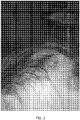
- FIG. 3 is a photograph of the scalp of the individual before treatment.
- FIG. 4 is a photograph of the scalp of the individual after three weeks of treatment (and a haircut).
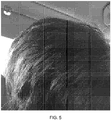
- FIG. 5 is a photograph of the scalp of the individual after 90 days of treatment. As can be seen, the individual experienced significant new growth of healthy, dark-colored hair on the scalp as a result of the treatment.
Landscapes
- Health & Medical Sciences (AREA)
- Life Sciences & Earth Sciences (AREA)
- Animal Behavior & Ethology (AREA)
- General Health & Medical Sciences (AREA)
- Public Health (AREA)
- Veterinary Medicine (AREA)
- Chemical & Material Sciences (AREA)
- Medicinal Chemistry (AREA)
- Pharmacology & Pharmacy (AREA)
- Epidemiology (AREA)
- Dermatology (AREA)
- Birds (AREA)
- Engineering & Computer Science (AREA)
- Bioinformatics & Cheminformatics (AREA)
- Chemical Kinetics & Catalysis (AREA)
- General Chemical & Material Sciences (AREA)
- Nuclear Medicine, Radiotherapy & Molecular Imaging (AREA)
- Organic Chemistry (AREA)
- Nutrition Science (AREA)
- Physiology (AREA)
- Pharmaceuticals Containing Other Organic And Inorganic Compounds (AREA)
- Acyclic And Carbocyclic Compounds In Medicinal Compositions (AREA)
Claims (11)
- Isolierte Form von Isomyosmin oder eines pharmazeutisch akzeptablen Salzes davon zur Verwendung in der Behandlung von Haarausfall, assoziiert mit androgenetischer Alopezie; anagenem Effluvium; telogenem Effluvium; Alopezie greata; vernarbender Alopezie; losem Anagen-Syndrom; Tinea capitis; ichthyosiformer Erythrodermie; Menopause; Wochenbett; Autoimmunerkrankungen; Infektion; allergischer Reaktion; Anorexie; oder Traktionsalopezie.
- Pharmazeutische Zusammensetzung, umfassend eine therapeutisch wirksame Menge von Isomyosmin oder eines pharmazeutisch akzeptablen Salzes davon, und einen pharmazeutisch akzeptablen Träger davon; zur Verwendung in der Behandlung von Haarausfall, assoziiert mit androgenetischer Alopezie; anagenem Effluvium; telogenem Effluvium; Alopezie greata; vernarbender Alopezie; losem Anagen-Syndrom; Tinea capitis; ichthyosiformer Erythrodermie; Menopause; Wochenbett; Autoimmunerkrankungen; Infektion; allergischer Reaktion; Anorexie; oder Traktionsalopezie.
- Pharmazeutische Zusammensetzung zur Verwendung nach Anspruch 2, wobei die pharmazeutische Zusammensetzung oral zu verabreichen ist.
- Pharmazeutische Zusammensetzung zur Verwendung nach Anspruch 2, wobei die pharmazeutische Zusammensetzung topisch zu verabreichen ist.
- Pharmazeutische Zusammensetzung zur Verwendung nach Anspruch 2, wobei die pharmazeutische Zusammensetzung in einer Menge im Bereich von 0,001 mg/kg/Tag bis 100 mg/kg/Tag zu verabreichen ist.
- Pharmazeutische Zusammensetzung zur Verwendung nach Anspruch 2, wobei die pharmazeutische Zusammensetzung in einer Menge im Bereich von 0,01mg/kg/Tag bis 75 mg/kg/Tag zu verabreichen ist.
- Pharmazeutische Zusammensetzung zur Verwendung nach Anspruch 2, wobei die pharmazeutische Zusammensetzung in einer Menge im Bereich von 0,1 mg/kg/Tag bis 50 mg/kg/Tag zu verabreichen ist.
- Pharmazeutische Zusammensetzung zur Verwendung nach Anspruch 2, wobei die pharmazeutische Zusammensetzung in einer Menge im Bereich von 0,2 mg/kg/Tag bis 25 mg/kg/Tag zu verabreichen ist.
- Pharmazeutische Zusammensetzung zur Verwendung nach Anspruch 2, wobei die pharmazeutische Zusammensetzung in einer Menge im Bereich von 0,3 mg/kg/Tag bis 20 mg/kg/Tag zu verabreichen ist.
- Pharmazeutische Zusammensetzung zur Verwendung nach Anspruch 2, wobei die pharmazeutische Zusammensetzung in einer Menge im Bereich von 0,4 mg/kg/Tag bis 10 mg/kg/Tag zu verabreichen ist.
- Pharmazeutische Zusammensetzung zur Verwendung nach Anspruch 2, wobei die pharmazeutische Zusammensetzung in einer Menge im Bereich von 0,5 mg/kg/Tag bis 5 mg/kg/Tag zu verabreichen ist.
Applications Claiming Priority (2)
| Application Number | Priority Date | Filing Date | Title |
|---|---|---|---|
| US201662295618P | 2016-02-16 | 2016-02-16 | |
| PCT/US2017/017641 WO2017142833A1 (en) | 2016-02-16 | 2017-02-13 | Methods of increasing hair growth and improving hair appearance |
Publications (3)
| Publication Number | Publication Date |
|---|---|
| EP3416643A1 EP3416643A1 (de) | 2018-12-26 |
| EP3416643A4 EP3416643A4 (de) | 2019-10-30 |
| EP3416643B1 true EP3416643B1 (de) | 2021-07-07 |
Family
ID=59625412
Family Applications (1)
| Application Number | Title | Priority Date | Filing Date |
|---|---|---|---|
| EP17753684.4A Active EP3416643B1 (de) | 2016-02-16 | 2017-02-13 | Verfahren zur steigerung des haarwuchses und verbesserung des erscheinungsbildes des haares |
Country Status (5)
| Country | Link |
|---|---|
| US (1) | US10314775B2 (de) |
| EP (1) | EP3416643B1 (de) |
| CA (1) | CA3013634C (de) |
| ES (1) | ES2883180T3 (de) |
| WO (1) | WO2017142833A1 (de) |
Families Citing this family (9)
| Publication number | Priority date | Publication date | Assignee | Title |
|---|---|---|---|---|
| US11219620B2 (en) | 2015-03-31 | 2022-01-11 | MyMD Pharmaceuticals (Florida), Inc. | Methods of treating sarcopenia |
| US10588899B2 (en) | 2015-03-31 | 2020-03-17 | Mymd Pharmaceuticals, Inc. | Methods of treating diabetes |
| KR102332035B1 (ko) * | 2017-09-29 | 2021-12-01 | 엠와이엠디 파마슈티컬스 (플로리다), 인코포레이티드 | 정상적인 노화 과정의 반전 및 수명 연장 방법 |
| GB201721964D0 (en) | 2017-12-27 | 2018-02-07 | Bp Oil Int | Methods for preparing fuel additives |
| GB201721957D0 (en) | 2017-12-27 | 2018-02-07 | Bp Oil Int | Methods for preparing fuel additives |
| GB201721961D0 (en) | 2017-12-27 | 2018-02-07 | Bp Oil Int | Methods for preparing fuel additives |
| GB201721960D0 (en) | 2017-12-27 | 2018-02-07 | Bp Oil Int | Methods for preparing fuel additives |
| GB201721967D0 (en) | 2017-12-27 | 2018-02-07 | Bp Oil Int | Methods for preparing fuel additives |
| US11491103B1 (en) * | 2020-07-02 | 2022-11-08 | Mahisha Jones | Hair growth formula |
Family Cites Families (5)
| Publication number | Priority date | Publication date | Assignee | Title |
|---|---|---|---|---|
| US6448276B1 (en) * | 2000-05-17 | 2002-09-10 | Inspire Pharmaceuticals, Inc. | Method for treating vaginal dryness with nicotinic acetylcholine receptor agonists |
| JP2013539792A (ja) * | 2010-10-15 | 2013-10-28 | ザ プロクター アンド ギャンブル カンパニー | 上皮生態の改善のためのモノアミンオキシダーゼ阻害剤の使用 |
| US10213438B2 (en) * | 2014-11-18 | 2019-02-26 | Mymd Pharmaceuticals, Inc. | Alkaloid compounds for treating depression, substance addictions, and indications associated with chronic inflammation |
| WO2016161051A1 (en) * | 2015-03-31 | 2016-10-06 | Srq Patent Holdings, Llc | Skin care products containing isomyosmine |
| US10588899B2 (en) | 2015-03-31 | 2020-03-17 | Mymd Pharmaceuticals, Inc. | Methods of treating diabetes |
-
2017
- 2017-02-13 CA CA3013634A patent/CA3013634C/en active Active
- 2017-02-13 ES ES17753684T patent/ES2883180T3/es active Active
- 2017-02-13 US US15/998,646 patent/US10314775B2/en active Active
- 2017-02-13 WO PCT/US2017/017641 patent/WO2017142833A1/en not_active Ceased
- 2017-02-13 EP EP17753684.4A patent/EP3416643B1/de active Active
Also Published As
| Publication number | Publication date |
|---|---|
| US20190133910A1 (en) | 2019-05-09 |
| ES2883180T3 (es) | 2021-12-07 |
| WO2017142833A1 (en) | 2017-08-24 |
| CA3013634A1 (en) | 2017-08-24 |
| EP3416643A1 (de) | 2018-12-26 |
| EP3416643A4 (de) | 2019-10-30 |
| US10314775B2 (en) | 2019-06-11 |
| CA3013634C (en) | 2024-01-16 |
Similar Documents
| Publication | Publication Date | Title |
|---|---|---|
| EP3416643B1 (de) | Verfahren zur steigerung des haarwuchses und verbesserung des erscheinungsbildes des haares | |
| US6235737B1 (en) | Reduction of hair growth | |
| Mathé et al. | Prazosin inhibits MK-801-induced hyperlocomotion and dopamine release in the nucleus accumbens | |
| CA2387198C (en) | Method for treating hair loss using thyromimetic compounds | |
| CZ301910B6 (cs) | 2-Hydroxy-2-methyl-N-(4-substituovaný-3-(trifluormethyl)fenyl)-3-(perfluoracylamino)propionamid a jeho použití pro lécení androgenního vypadávání vlasu a/nebo holohlavosti a kosmetický nebo farmaceutický prípravek s jeho obsahem | |
| AU2013294973B2 (en) | Pharmaceutical or cosmetic composition for treating alopecia | |
| US8986664B2 (en) | Use of monoamine oxidase inhibitors to improve epithelial biology | |
| JP3604382B2 (ja) | レチノイドを含有する皮膚科用および/または化粧用組成物 | |
| US20160346183A1 (en) | Compositions for Reducing Hair Loss And/Or Increasing Hair Regrowth | |
| US9962360B2 (en) | Compositions and methods for enhancing hair growth, promoting skin regeneration, and wound healing | |
| DE3805744C2 (de) | Phenylcarbamate zur Hemmung der Acetylcholinesterase | |
| EA038943B1 (ru) | Применение ингибитора mpc1 для ускорения или восстановления роста волос | |
| JP2012152127A (ja) | 皮膚バリア機能回復剤 | |
| JPH092952A (ja) | セラミド合成促進剤 | |
| CN101530407A (zh) | 治疗雄激素源性脱发的生发制剂及其制备方法 | |
| EP2100588A1 (de) | Prophylaktischer oder therapeutischer wirkstoff gegen alopezie | |
| FR2855754A1 (fr) | Compsition, notamment cosmetique, comprenant une amine carbonylee | |
| US20250101060A1 (en) | Pharmaceutical Compounds, Pharmaceutical compositions, and methods of treating hair loss and other disorders | |
| JP2003500430A (ja) | スルホニル・タイロミメチック化合物を用いる毛髪の脱毛を治療する方法 | |
| KR101741808B1 (ko) | 스핑가닌 및 프테로스틸벤을 유효성분으로 포함하는 탈모방지 또는 발모촉진용 조성물 | |
| ES2290415T3 (es) | Composicion capilar que contiene un compuesto n-oxido de pirimidina, su utilizacion para estimular el crecimiento de las fibras queratinicas y/o frenar su caida. | |
| KR20220140125A (ko) | 바이칼레인을 포함하는 자외선에 의한 피부 손상 예방 또는 개선용 조성물 | |
| KR20060114005A (ko) | 모발 성장 촉진 방법 | |
| WO2006067327A2 (fr) | Antagonistes des recepteurs peripheriques des benzodiazepines pour le traitement des peaux seches | |
| US10351500B2 (en) | Method of using of dihydro-resveratrol or its stilbenoid derivatives and/or chemical variants as antimicrobial agents |
Legal Events
| Date | Code | Title | Description |
|---|---|---|---|
| STAA | Information on the status of an ep patent application or granted ep patent |
Free format text: STATUS: THE INTERNATIONAL PUBLICATION HAS BEEN MADE |
|
| PUAI | Public reference made under article 153(3) epc to a published international application that has entered the european phase |
Free format text: ORIGINAL CODE: 0009012 |
|
| STAA | Information on the status of an ep patent application or granted ep patent |
Free format text: STATUS: REQUEST FOR EXAMINATION WAS MADE |
|
| 17P | Request for examination filed |
Effective date: 20180809 |
|
| AK | Designated contracting states |
Kind code of ref document: A1 Designated state(s): AL AT BE BG CH CY CZ DE DK EE ES FI FR GB GR HR HU IE IS IT LI LT LU LV MC MK MT NL NO PL PT RO RS SE SI SK SM TR |
|
| AX | Request for extension of the european patent |
Extension state: BA ME |
|
| DAV | Request for validation of the european patent (deleted) | ||
| DAX | Request for extension of the european patent (deleted) | ||
| A4 | Supplementary search report drawn up and despatched |
Effective date: 20190930 |
|
| RIC1 | Information provided on ipc code assigned before grant |
Ipc: A61P 17/14 20060101ALI20190924BHEP Ipc: A61Q 5/00 20060101ALI20190924BHEP Ipc: A61K 31/4439 20060101ALI20190924BHEP Ipc: A61Q 7/00 20060101ALI20190924BHEP Ipc: A61K 8/49 20060101AFI20190924BHEP |
|
| RIC1 | Information provided on ipc code assigned before grant |
Ipc: A61P 17/14 20060101ALI20201217BHEP Ipc: A61Q 5/00 20060101ALI20201217BHEP Ipc: A61Q 7/00 20060101ALI20201217BHEP Ipc: A61K 31/4439 20060101AFI20201217BHEP Ipc: A61K 8/49 20060101ALI20201217BHEP |
|
| GRAP | Despatch of communication of intention to grant a patent |
Free format text: ORIGINAL CODE: EPIDOSNIGR1 |
|
| STAA | Information on the status of an ep patent application or granted ep patent |
Free format text: STATUS: GRANT OF PATENT IS INTENDED |
|
| INTG | Intention to grant announced |
Effective date: 20210203 |
|
| GRAS | Grant fee paid |
Free format text: ORIGINAL CODE: EPIDOSNIGR3 |
|
| GRAA | (expected) grant |
Free format text: ORIGINAL CODE: 0009210 |
|
| STAA | Information on the status of an ep patent application or granted ep patent |
Free format text: STATUS: THE PATENT HAS BEEN GRANTED |
|
| AK | Designated contracting states |
Kind code of ref document: B1 Designated state(s): AL AT BE BG CH CY CZ DE DK EE ES FI FR GB GR HR HU IE IS IT LI LT LU LV MC MK MT NL NO PL PT RO RS SE SI SK SM TR |
|
| REG | Reference to a national code |
Ref country code: GB Ref legal event code: FG4D |
|
| REG | Reference to a national code |
Ref country code: AT Ref legal event code: REF Ref document number: 1407898 Country of ref document: AT Kind code of ref document: T Effective date: 20210715 |
|
| REG | Reference to a national code |
Ref country code: DE Ref legal event code: R096 Ref document number: 602017041679 Country of ref document: DE |
|
| REG | Reference to a national code |
Ref country code: IE Ref legal event code: FG4D |
|
| REG | Reference to a national code |
Ref country code: LT Ref legal event code: MG9D |
|
| REG | Reference to a national code |
Ref country code: NL Ref legal event code: MP Effective date: 20210707 |
|
| REG | Reference to a national code |
Ref country code: ES Ref legal event code: FG2A Ref document number: 2883180 Country of ref document: ES Kind code of ref document: T3 Effective date: 20211207 |
|
| REG | Reference to a national code |
Ref country code: AT Ref legal event code: MK05 Ref document number: 1407898 Country of ref document: AT Kind code of ref document: T Effective date: 20210707 |
|
| PG25 | Lapsed in a contracting state [announced via postgrant information from national office to epo] |
Ref country code: RS Free format text: LAPSE BECAUSE OF FAILURE TO SUBMIT A TRANSLATION OF THE DESCRIPTION OR TO PAY THE FEE WITHIN THE PRESCRIBED TIME-LIMIT Effective date: 20210707 Ref country code: SE Free format text: LAPSE BECAUSE OF FAILURE TO SUBMIT A TRANSLATION OF THE DESCRIPTION OR TO PAY THE FEE WITHIN THE PRESCRIBED TIME-LIMIT Effective date: 20210707 Ref country code: HR Free format text: LAPSE BECAUSE OF FAILURE TO SUBMIT A TRANSLATION OF THE DESCRIPTION OR TO PAY THE FEE WITHIN THE PRESCRIBED TIME-LIMIT Effective date: 20210707 Ref country code: LT Free format text: LAPSE BECAUSE OF FAILURE TO SUBMIT A TRANSLATION OF THE DESCRIPTION OR TO PAY THE FEE WITHIN THE PRESCRIBED TIME-LIMIT Effective date: 20210707 Ref country code: BG Free format text: LAPSE BECAUSE OF FAILURE TO SUBMIT A TRANSLATION OF THE DESCRIPTION OR TO PAY THE FEE WITHIN THE PRESCRIBED TIME-LIMIT Effective date: 20211007 Ref country code: AT Free format text: LAPSE BECAUSE OF FAILURE TO SUBMIT A TRANSLATION OF THE DESCRIPTION OR TO PAY THE FEE WITHIN THE PRESCRIBED TIME-LIMIT Effective date: 20210707 Ref country code: NO Free format text: LAPSE BECAUSE OF FAILURE TO SUBMIT A TRANSLATION OF THE DESCRIPTION OR TO PAY THE FEE WITHIN THE PRESCRIBED TIME-LIMIT Effective date: 20211007 Ref country code: NL Free format text: LAPSE BECAUSE OF FAILURE TO SUBMIT A TRANSLATION OF THE DESCRIPTION OR TO PAY THE FEE WITHIN THE PRESCRIBED TIME-LIMIT Effective date: 20210707 Ref country code: PT Free format text: LAPSE BECAUSE OF FAILURE TO SUBMIT A TRANSLATION OF THE DESCRIPTION OR TO PAY THE FEE WITHIN THE PRESCRIBED TIME-LIMIT Effective date: 20211108 Ref country code: FI Free format text: LAPSE BECAUSE OF FAILURE TO SUBMIT A TRANSLATION OF THE DESCRIPTION OR TO PAY THE FEE WITHIN THE PRESCRIBED TIME-LIMIT Effective date: 20210707 |
|
| PG25 | Lapsed in a contracting state [announced via postgrant information from national office to epo] |
Ref country code: PL Free format text: LAPSE BECAUSE OF FAILURE TO SUBMIT A TRANSLATION OF THE DESCRIPTION OR TO PAY THE FEE WITHIN THE PRESCRIBED TIME-LIMIT Effective date: 20210707 Ref country code: LV Free format text: LAPSE BECAUSE OF FAILURE TO SUBMIT A TRANSLATION OF THE DESCRIPTION OR TO PAY THE FEE WITHIN THE PRESCRIBED TIME-LIMIT Effective date: 20210707 Ref country code: GR Free format text: LAPSE BECAUSE OF FAILURE TO SUBMIT A TRANSLATION OF THE DESCRIPTION OR TO PAY THE FEE WITHIN THE PRESCRIBED TIME-LIMIT Effective date: 20211008 |
|
| REG | Reference to a national code |
Ref country code: DE Ref legal event code: R097 Ref document number: 602017041679 Country of ref document: DE |
|
| PG25 | Lapsed in a contracting state [announced via postgrant information from national office to epo] |
Ref country code: DK Free format text: LAPSE BECAUSE OF FAILURE TO SUBMIT A TRANSLATION OF THE DESCRIPTION OR TO PAY THE FEE WITHIN THE PRESCRIBED TIME-LIMIT Effective date: 20210707 |
|
| PLBE | No opposition filed within time limit |
Free format text: ORIGINAL CODE: 0009261 |
|
| STAA | Information on the status of an ep patent application or granted ep patent |
Free format text: STATUS: NO OPPOSITION FILED WITHIN TIME LIMIT |
|
| PG25 | Lapsed in a contracting state [announced via postgrant information from national office to epo] |
Ref country code: SM Free format text: LAPSE BECAUSE OF FAILURE TO SUBMIT A TRANSLATION OF THE DESCRIPTION OR TO PAY THE FEE WITHIN THE PRESCRIBED TIME-LIMIT Effective date: 20210707 Ref country code: SK Free format text: LAPSE BECAUSE OF FAILURE TO SUBMIT A TRANSLATION OF THE DESCRIPTION OR TO PAY THE FEE WITHIN THE PRESCRIBED TIME-LIMIT Effective date: 20210707 Ref country code: RO Free format text: LAPSE BECAUSE OF FAILURE TO SUBMIT A TRANSLATION OF THE DESCRIPTION OR TO PAY THE FEE WITHIN THE PRESCRIBED TIME-LIMIT Effective date: 20210707 Ref country code: EE Free format text: LAPSE BECAUSE OF FAILURE TO SUBMIT A TRANSLATION OF THE DESCRIPTION OR TO PAY THE FEE WITHIN THE PRESCRIBED TIME-LIMIT Effective date: 20210707 Ref country code: CZ Free format text: LAPSE BECAUSE OF FAILURE TO SUBMIT A TRANSLATION OF THE DESCRIPTION OR TO PAY THE FEE WITHIN THE PRESCRIBED TIME-LIMIT Effective date: 20210707 Ref country code: AL Free format text: LAPSE BECAUSE OF FAILURE TO SUBMIT A TRANSLATION OF THE DESCRIPTION OR TO PAY THE FEE WITHIN THE PRESCRIBED TIME-LIMIT Effective date: 20210707 |
|
| 26N | No opposition filed |
Effective date: 20220408 |
|
| REG | Reference to a national code |
Ref country code: DE Ref legal event code: R081 Ref document number: 602017041679 Country of ref document: DE Owner name: MYMD PHARMACEUTICALS, INC., BALTIMORE, US Free format text: FORMER OWNER: MYMD PHARMACEUTICALS, INC., TAMPA, FL, US |
|
| PG25 | Lapsed in a contracting state [announced via postgrant information from national office to epo] |
Ref country code: MC Free format text: LAPSE BECAUSE OF FAILURE TO SUBMIT A TRANSLATION OF THE DESCRIPTION OR TO PAY THE FEE WITHIN THE PRESCRIBED TIME-LIMIT Effective date: 20210707 |
|
| REG | Reference to a national code |
Ref country code: CH Ref legal event code: PL |
|
| REG | Reference to a national code |
Ref country code: BE Ref legal event code: MM Effective date: 20220228 |
|
| PG25 | Lapsed in a contracting state [announced via postgrant information from national office to epo] |
Ref country code: LU Free format text: LAPSE BECAUSE OF NON-PAYMENT OF DUE FEES Effective date: 20220213 |
|
| PG25 | Lapsed in a contracting state [announced via postgrant information from national office to epo] |
Ref country code: LI Free format text: LAPSE BECAUSE OF NON-PAYMENT OF DUE FEES Effective date: 20220228 Ref country code: IE Free format text: LAPSE BECAUSE OF NON-PAYMENT OF DUE FEES Effective date: 20220213 Ref country code: CH Free format text: LAPSE BECAUSE OF NON-PAYMENT OF DUE FEES Effective date: 20220228 |
|
| PG25 | Lapsed in a contracting state [announced via postgrant information from national office to epo] |
Ref country code: BE Free format text: LAPSE BECAUSE OF NON-PAYMENT OF DUE FEES Effective date: 20220228 |
|
| P01 | Opt-out of the competence of the unified patent court (upc) registered |
Effective date: 20230525 |
|
| PG25 | Lapsed in a contracting state [announced via postgrant information from national office to epo] |
Ref country code: HU Free format text: LAPSE BECAUSE OF FAILURE TO SUBMIT A TRANSLATION OF THE DESCRIPTION OR TO PAY THE FEE WITHIN THE PRESCRIBED TIME-LIMIT; INVALID AB INITIO Effective date: 20170213 |
|
| PG25 | Lapsed in a contracting state [announced via postgrant information from national office to epo] |
Ref country code: MK Free format text: LAPSE BECAUSE OF FAILURE TO SUBMIT A TRANSLATION OF THE DESCRIPTION OR TO PAY THE FEE WITHIN THE PRESCRIBED TIME-LIMIT Effective date: 20210707 Ref country code: CY Free format text: LAPSE BECAUSE OF FAILURE TO SUBMIT A TRANSLATION OF THE DESCRIPTION OR TO PAY THE FEE WITHIN THE PRESCRIBED TIME-LIMIT Effective date: 20210707 |
|
| PG25 | Lapsed in a contracting state [announced via postgrant information from national office to epo] |
Ref country code: MT Free format text: LAPSE BECAUSE OF FAILURE TO SUBMIT A TRANSLATION OF THE DESCRIPTION OR TO PAY THE FEE WITHIN THE PRESCRIBED TIME-LIMIT Effective date: 20210707 |
|
| PG25 | Lapsed in a contracting state [announced via postgrant information from national office to epo] |
Ref country code: TR Free format text: LAPSE BECAUSE OF FAILURE TO SUBMIT A TRANSLATION OF THE DESCRIPTION OR TO PAY THE FEE WITHIN THE PRESCRIBED TIME-LIMIT Effective date: 20210707 |
|
| PGFP | Annual fee paid to national office [announced via postgrant information from national office to epo] |
Ref country code: GB Payment date: 20260227 Year of fee payment: 10 |
|
| PGFP | Annual fee paid to national office [announced via postgrant information from national office to epo] |
Ref country code: ES Payment date: 20260302 Year of fee payment: 10 |
|
| PGFP | Annual fee paid to national office [announced via postgrant information from national office to epo] |
Ref country code: DE Payment date: 20260227 Year of fee payment: 10 |
|
| PGFP | Annual fee paid to national office [announced via postgrant information from national office to epo] |
Ref country code: IT Payment date: 20260219 Year of fee payment: 10 |
|
| PGFP | Annual fee paid to national office [announced via postgrant information from national office to epo] |
Ref country code: FR Payment date: 20260225 Year of fee payment: 10 |