EP3404965B1 - Setting maximum access point name restriction information - Google Patents
Setting maximum access point name restriction information Download PDFInfo
- Publication number
- EP3404965B1 EP3404965B1 EP18163227.4A EP18163227A EP3404965B1 EP 3404965 B1 EP3404965 B1 EP 3404965B1 EP 18163227 A EP18163227 A EP 18163227A EP 3404965 B1 EP3404965 B1 EP 3404965B1
- Authority
- EP
- European Patent Office
- Prior art keywords
- apn restriction
- mobility management
- management element
- sgw
- maximum
- Prior art date
- Legal status (The legal status is an assumption and is not a legal conclusion. Google has not performed a legal analysis and makes no representation as to the accuracy of the status listed.)
- Active
Links
Images






Classifications
-
- H—ELECTRICITY
- H04—ELECTRIC COMMUNICATION TECHNIQUE
- H04W—WIRELESS COMMUNICATION NETWORKS
- H04W48/00—Access restriction; Network selection; Access point selection
- H04W48/16—Discovering, processing access restriction or access information
-
- H—ELECTRICITY
- H04—ELECTRIC COMMUNICATION TECHNIQUE
- H04W—WIRELESS COMMUNICATION NETWORKS
- H04W12/00—Security arrangements; Authentication; Protecting privacy or anonymity
- H04W12/08—Access security
-
- H—ELECTRICITY
- H04—ELECTRIC COMMUNICATION TECHNIQUE
- H04W—WIRELESS COMMUNICATION NETWORKS
- H04W36/00—Hand-off or reselection arrangements
- H04W36/12—Reselecting a serving backbone network switching or routing node
-
- H—ELECTRICITY
- H04—ELECTRIC COMMUNICATION TECHNIQUE
- H04W—WIRELESS COMMUNICATION NETWORKS
- H04W48/00—Access restriction; Network selection; Access point selection
- H04W48/02—Access restriction performed under specific conditions
-
- H—ELECTRICITY
- H04—ELECTRIC COMMUNICATION TECHNIQUE
- H04W—WIRELESS COMMUNICATION NETWORKS
- H04W48/00—Access restriction; Network selection; Access point selection
- H04W48/02—Access restriction performed under specific conditions
- H04W48/04—Access restriction performed under specific conditions based on user or terminal location or mobility data, e.g. moving direction, speed
-
- H—ELECTRICITY
- H04—ELECTRIC COMMUNICATION TECHNIQUE
- H04W—WIRELESS COMMUNICATION NETWORKS
- H04W88/00—Devices specially adapted for wireless communication networks, e.g. terminals, base stations or access point devices
- H04W88/08—Access point devices
-
- H—ELECTRICITY
- H04—ELECTRIC COMMUNICATION TECHNIQUE
- H04W—WIRELESS COMMUNICATION NETWORKS
- H04W88/00—Devices specially adapted for wireless communication networks, e.g. terminals, base stations or access point devices
- H04W88/14—Backbone network devices
-
- H—ELECTRICITY
- H04—ELECTRIC COMMUNICATION TECHNIQUE
- H04W—WIRELESS COMMUNICATION NETWORKS
- H04W88/00—Devices specially adapted for wireless communication networks, e.g. terminals, base stations or access point devices
- H04W88/16—Gateway arrangements
Definitions
- the present invention relates to the communications field, and in particular, to a method, a system, a mobility management element, and a serving gateway (SGW) for processing access point name (APN) restriction information.
- SGW serving gateway
- a user equipment gets access through a local radio access network (RAN).
- RAN radio access network
- a mobility management element is responsible for implementing functions such as location management, connection management, security authentication, and gateway selection of the UE.
- An SGW is a local access gateway of the UE and is responsible for access technology related connection management and data forwarding.
- a packet data network gateway (PGW) is a gateway for the UE to access an external packet data network (PDN).
- the SGW sends a Modify Bearer Request to the PGW; the PGW carries a PDN-connection-related APN restriction value in a Modify Bearer Response, and sends the Modify Bearer Response to the SGW.
- the SGW needs to judge whether to send the Modify Bearer Request. That is, in certain cases, the SGW may not send the Modify Bearer Request to the PGW. Consequently, the PGW cannot send the PDN-connection-related APN restriction value to a target mobility management element, and the target mobility management element cannot obtain a correct maximum APN restriction value.
- the PGW may allow some PDN connections that should be rejected according to the incorrect maximum APN restriction value. This brings about security threats to some private PDNs.
- 3GPP change request of 23.401 CR0923, S2-092930 for TSG-SA WG2 Meeting #72, Hangzhou, 20090330 - 20090403 discloses a procedure of E-UTRAN Tracking Area Update without S-GW Change.
- Embodiments of the present invention methods, apparatuses, computer-readable media and computer program products for processing APN restriction information to obtain correct maximum APN restriction information and improve the security of private PDNs.
- the present invention is defined by a method for processing access point name restriction information according to independent claim 1, an apparatus according to independent claim 5, a computer-readable storage medium according to independent claim 6, a computer program product according to independent claim 7, a method for processing access point name restriction information according to independent claim 8, an apparatus according to claim 12, a computer-readable storage medium according to claim 13, a computer program product according to claim 14 and a system according to claim 15.
- the technical solution provided in embodiments of the present invention may be applied in a mobility management procedure.
- the mobility management procedure is a procedure that an access network, a mobility management element, an SGW or a PGW that serves a UE is handed over due to a location change of the UE or equipment load balancing. All the procedures involved in embodiments of the present invention refer to a mobility management procedure.
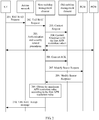
- FIG. 1 is a flowchart of a method for processing APN restriction information according to a first embodiment of the present invention. As shown in FIG. 1 , the method includes the following steps:
- the second mobility management element may receive the first APN restriction information sent by the first mobility management element, and then obtain the maximum APN restriction information according to the first APN restriction information.
- the PGW can determine to or refuse to establish a new PDN connection, and therefore the security of private PDNs is improved.
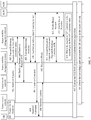
- FIG. 2 is a signaling flowchart of a method for processing APN restriction information according to a second embodiment of the present invention.
- a first mobility management element is an old mobility management element
- a second mobility management element is a new mobility management element.
- the old mobility management element serves a UE before a mobility management procedure.
- the new mobility management element serves the UE after a mobility management element is handed over in the mobility management procedure.
- First APN restriction information is a first APN restriction value
- maximum APN restriction information is a maximum APN restriction value.
- the following describes the technical solution provided in the second embodiment by taking a tracking area update (TAU) procedure or a routing area update (RAU) procedure on a next generation mobile communication network as an example.
- TAU tracking area update
- RAU routing area update
- the first APN restriction is carried in a Context Response.
- an access network may be an evolved NodeB (eNodeB), the new mobility management element may be a mobility management entity (MME), and the old mobility management element may be an MME or a serving GPRS support node (SGSN).
- the access network may be a serving radio network subsystem (SRNS) or a base station subsystem (BSS)
- SRNS serving radio network subsystem
- BSS base station subsystem
- the new mobility management element may be an SGSN
- the old mobility management element may be an MME or an SGSN.
- the method provided in the second embodiment of the present invention includes the following steps:
- the new mobility management element may obtain a maximum APN restriction value directly according to the first APN restriction value. This step is optional.
- Step 205 Execute authentication and security related procedures initiated by the new mobility management element.
- Step 206 The new mobility management element sends a Context ACK to the old mobility management element. Then, the UE context establishment procedure ends.
- Step 207 The new mobility management element sends a Modify Bearer Request to an SGW.
- Step 208 When the SGW determines that the Modify Bearer Request does not need to be sent to a PGW, the SGW sends a Modify Bearer Response to the new mobility management element.
- the new mobility management element may carry a radio access type (RAT) in a Modify Bearer Request sent to the SGW.
- the SGW compares the RAT carried in the Modify Bearer Request with an RAT stored on the SGW; if both RATs are the same, the SGW determines that the Modify Bearer Request does not need to be sent to the PGW. Or the SGW judges whether the Modify Bearer Request sent by the new mobility management element includes user location information (ULI); if the Modify Bearer Request does not include the ULI, the SGW determines that the Modify Bearer Request does not need to be sent to the PGW.
- ULI user location information
- the SGW judges whether the Modify Bearer Request sent by the new mobility management element includes instruction information that is used to instruct the SGW to send a Modify Bearer Request to the PGW; if the Modify Bearer Request does not include the instruction information, the SGW determines that the Modify Bearer Request does not need to be sent to the PGW.
- Step 210 The new mobility management element sends a TAU/RAU Accept message to the UE.
- step 209 is included between step 208 and step 210, that is, the new mobility management element obtains the maximum APN restriction value directly according to the first APN restriction value.
- one UE may have multiple APN restriction values.
- the maximum APN restriction values may be decided by using multiple methods, for example, the maximum value of all the APN restriction values of the UE. The specific method is not limited in this embodiment. If the UE established multiple PDN connections, one Context Response generally carries multiple first APN restriction values. In this way, the new mobility management element may obtain multiple first APN restriction values corresponding to all the PDN connections of the UE by receiving a Context Response, and then choose the maximum one of the multiple first APN restriction values to obtain the maximum APN restriction value.
- the new mobility management element obtains a first APN restriction value corresponding to the PDN connection of the UE by receiving a Context Response, where the first APN restriction value is the maximum APN restriction value.
- the new mobility management element When the UE requests establishing a new PDN connection, the new mobility management element sends the maximum APN restriction value obtained according to the first APN restriction value to the PGW, so that the PGW determines to or refuses to establish the PDN connection.
- step 209 Some location registration procedures may be included between step 209 and step 210, and are not further described.
- the new mobility management element may receive the first APN restriction information sent by the old mobility management element, and obtain the maximum APN restriction information directly according to the first APN restriction information, so that the PGW determines to or refuses to establish a new PDN connection.
- the new mobility management element can also obtain accurate maximum APN restriction information, and notify the PGW of the maximum APN restriction information.
- private PDNs may be free from security threats due to the fact that the PGW cannot determine whether to establish a new PDN connection or the fact that the PGW determines whether to establish a new PDN connection by using incorrect maximum APN restriction information because the PGW does not know the maximum APN restriction information. In this way, the security of private PDNs is improved.
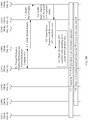
- FIG. 3 is a signaling flowchart of a method for processing APN restriction information according to a third embodiment of the present invention.
- Step 301 to step 307 in this embodiment are the same as step 201 to step 207 in the second embodiment, and step 312 is the same as step 210 in the second embodiment.
- the method further includes the following steps:
- one Context Response generally carries multiple first APN restriction values.
- the new mobility management element may obtain multiple first APN restriction values corresponding to all the PDN connections of the UE through one Context Response.
- a Modify Bearer Response generally carries a second APN restriction value, and the new mobility management element may obtain multiple second APN restriction values corresponding to all the PDN connections of the UE through multiple Modify Bearer Responses.
- the new mobility management element compares the first APN restriction value and the second APN restriction value that correspond to the same PDN connection to check whether they are the same.
- the new mobility management element ignores the first APN restriction value corresponding to the PDN connection or the maximum APN restriction value obtained according to the first APN restriction value corresponding to the PDN connection, stores the second APN restriction value corresponding to the PDN connection, and obtains a maximum APN restriction value according to the second APN restriction value.
- the new mobility management element obtains a first APN restriction value corresponding to the PDN connection of the UE by receiving a Context Response, and obtains a second APN restriction value corresponding to the PDN connection of the UE by receiving a Modify Bearer Response, where the second APN restriction value is the maximum APN restriction value.
- the new mobility management element When the UE requests establishing a new PDN connection, the new mobility management element sends the maximum APN restriction value obtained according to the second APN restriction value to the PGW, so that the PGW determines to or refuses to establish the PDN connection.
- the new mobility management element may not compare the first APN restriction value with the second APN restriction value, but directly ignore the first APN restriction value or the maximum APN restriction value obtained according to the first APN restriction value, stores the second APN restriction value, and obtains a maximum APN restriction value according to the second APN restriction value.
- the method provided in this embodiment is also applicable to a scenario where the SGW is changed. If the new mobility management element selects a new SGW for the UE, the new mobility management element sends a Create Session Request to the new SGW in step 307. The new SGW sends a Modify Bearer Request to the PGW in step 308 to step 310. The new SGW receives a Modify Bearer Response returned by the PGW, where the Modify Bearer Response carries a second APN restriction value corresponding to the current PDN connection of the UE. The new SGW sends a Create Session Response that carries the second APN restriction value to the new mobility management element.
- the new mobility management element may receive the first APN restriction information sent by the old mobility management element; when the SGW obtains the second APN restriction information through the Modify Bearer messages, the new mobility management element may obtain maximum APN restriction information according to the second APN restriction information, so that the PGW determines to or refuses to establish a new PDN connection. In this way, the security of private PDNs is improved.
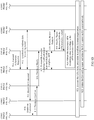
- FIG. 4 is a signaling flowchart of a method for processing APN restriction information according to a fourth embodiment of the present invention.
- the first mobility management element is a source mobility management element
- the second mobility management element is a target mobility management element.
- the source mobility management element serves the UE before the mobility management procedure.
- the target mobility management element serves the UE after the mobility management element is handed over in the mobility management procedure.
- the first APN restriction information is the first APN restriction value
- the maximum APN restriction information is the maximum APN restriction value.
- the first APN restriction value is carried in a Forward Relocation Request.
- a source access network or a target access network may be an eNodeB, an SRNS, or a BSS
- the source mobility management element may be an MME or an SGSN
- the target mobility management element may be an MME or an SGSN.
- the method provided in this embodiment may correspond to such procedures as SRNS relocation, or combined hard handover and SRNS relocation, or combined cell/URA update and SRNS relocation, or enhanced SRNS relocation.
- the signaling message body in these handover or relocation procedures is the same as that shown in FIG. 4 .
- the main differences lie in the names of some signaling messages and the interactions between a radio network and the UE.
- the SGW is not changed, that is, the SGW is a source SGW.
- the method provided in the fourth embodiment includes the following steps:
- the target mobility management element may obtain a maximum APN restriction value directly according to the first APN restriction value. This step is optional.
- Step 404 The target mobility management element sends a Handover Request to the target access network, and then receives a Handover Request ACK returned by the target access network.
- Step 405 The target mobility management element sends a Forward Relocation Response to the source mobility management element.
- Step 406 The source mobility management element establishes an indirect data forwarding tunnel with the source SGW. This step is optional.
- Step 407 The source mobility management element sends a Handover Command to the source access network.
- Step 408 The source access network sends a Handover Command to the UE.
- Step 409 The UE sends a Handover Confirm message to the target access network.
- Step 410 The target access network sends a Handover Notify message to the target mobility management element.
- Step 411 The target mobility management element sends a Forward Relocation Complete Notification to the source mobility management element, and then receives a Forward Relocation Complete ACK returned by the source mobility management element.
- Step 412 The target mobility management element sends a Modify Bearer Request to the SGW.
- Step 413 When the SGW determines that the Modify Bearer Request does not need to be sent to the PGW, the SGW sends a Modify Bearer Response to the target mobility management element.
- the target mobility management element may carry an RAT in a Modify Bearer Request sent to the SGW.
- the SGW compares the RAT carried in the Modify Bearer Request with an RAT stored on the SGW; if both RATs are the same, the SGW determines that the Modify Bearer Request does not need to be sent to the PGW. Or the SGW judges whether the Modify Bearer Request sent by the target mobility management element includes ULI; if the Modify Bearer Request does not include the ULI, the SGW determines that the Modify Bearer Request does not need to be sent to the PGW.
- the SGW judges whether the Modify Bearer Request sent by the target mobility management element includes instruction information that is used to instruct the SGW to send a Modify Bearer Request to the PGW; if the Modify Bearer Request does not include the instruction information, the SGW determines that the Modify Bearer Request does not need to be sent to the PGW.
- Step 415 The mobility management element executes a TAU/RAU procedure to perform location registration.
- Step 416 The forwarding tunnel is deleted, and the UE context on the source network is released. This step is optional.
- step 414 is included between step 413 and step 415, that is, the target mobility management element obtains a maximum APN restriction value directly according to the first APN restriction value.
- one UE may have multiple APN restriction values.
- the maximum APN restriction value is the maximum one of all the APN restriction values of the UE. If the UE established multiple PDN connections, one Forward Relocation Request generally carries multiple first APN restriction values. In this way, the new mobility management element may obtain multiple first APN restriction values corresponding to all the PDN connections of the UE by receiving a Forward Relocation Request, and then choose the maximum one of multiple first APN restriction values to obtain the maximum APN restriction value.
- the target mobility management element obtains a first APN restriction value corresponding to the PDN connection of the UE by receiving a Forward Relocation Request, where the first APN restriction value is the maximum APN restriction value.
- the target mobility management element When the UE requests establishing a new PDN connection, the target mobility management element sends the maximum APN restriction value obtained according to the first APN restriction value to the PGW, so that the PGW determines to or refuses to establish the PDN connection.
- the target mobility management element may receive the first APN restriction information sent by the source mobility management element, and obtain the maximum APN restriction information according to the first APN restriction information, so that the PGW determines to or refuses to establish a new PDN connection.
- the target mobility management element can also obtain accurate maximum APN restriction information, and notify the PGW of the maximum APN restriction information.
- private PDNs may be free from security threats due to the fact that the PGW cannot determine whether to establish a new PDN connection or the fact that the PGW determines whether to establish a new PDN connection by using incorrect maximum APN restriction information because the PGW does not know the maximum APN restriction information. In this way, the security of private PDNs is improved.
- FIG. 5 is a signaling flowchart of a method for processing APN restriction information according to a fifth embodiment of the present invention.
- Step 501 to step 511 in this embodiment are the same as step 401 to step 411in the fourth embodiment, and step 517 and step 518 are the same as step 415 and step 416 in the fourth embodiment respectively.
- the difference between the fifth embodiment and the fourth embodiment lies in that the SGW is changed in the handover procedure.
- the method provided in this embodiment includes the following steps:
- one Forward Relocation Request generally carries multiple first APN restriction values.
- the target mobility management element may obtain multiple first APN restriction values corresponding to all the PDN connections of the UE through one Forward Relocation Request.
- a Modify Bearer Response and a Create Session Response generally carry a second APN restriction value, and the target mobility management element may obtain multiple second APN restriction values corresponding to all the PDN connections of the UE through multiple Modify Bearer Responses and Create Session Responses.
- the target mobility management element compares the first APN restriction value and the second APN restriction value that correspond to the same PDN connection to check whether they are the same.
- the target mobility management element ignores the first APN restriction value corresponding to the PDN connection or the maximum APN restriction value obtained according to the first APN restriction value corresponding to the PDN connection, stores the second APN restriction value corresponding to the PDN connection, and obtains the maximum APN restriction value according to the second APN restriction value.
- the target mobility management element obtains a first APN restriction value corresponding to the PDN connection by receiving a Forward Relocation Request, and obtains a second APN restriction value corresponding to the PDN connection of the UE by receiving a Modify Bearer Response and a Create Session Response, where the second APN restriction value is the maximum APN restriction value.
- the target mobility management element When the UE requests establishing a new PDN connection, the target mobility management element sends the maximum APN restriction value obtained according to the second APN restriction value to the PGW, so that the PGW determines to or refuses to establish the PDN connection.
- the target mobility management element establishes a session with the target SGW.
- the following step may be included between step 504 and step 505: The target mobility management element establishes an indirect data forwarding tunnel with the target SGW.
- the target mobility management element may not compare the first APN restriction value with the second APN restriction value, but directly ignores the first APN restriction value or the maximum APN restriction value obtained according to the first APN restriction value, stores the second APN restriction value, and obtains the maximum APN restriction value according to the second APN restriction value.
- the method provided in this embodiment is also applicable to a scenario where the SGW is not changed and the SGW determines that the Modify Bearer Request needs to be sent to the PGW.
- the preceding step 512 to step 516 are as follows:
- the target mobility management element sends a Modify Bearer Request to the source SGW;
- the source SGW sends a Modify Bearer Request to the PGW;
- the PGW returns a Modify Bearer Response to the source SGW, where the Modify Bearer Response carries a second APN restriction value corresponding to the current PDN connection of the UE;
- the source SGW sends a Modify Bearer Response to the target new mobility management element, where the Modify Bearer Response carries a second APN restriction value corresponding to the current PDN connection of the UE;
- the target mobility management element compares the first APN restriction value and the second APN restriction value to check whether they are the same, and if the first APN restriction value is not the same as the second APN restriction value , the target
- the target mobility management element may receive the first APN restriction information sent by the source mobility management element; when the SGW obtains the second APN restriction information through a Modify Bearer message, the target mobility management element may obtain the maximum APN restriction information according to the second APN restriction information, so that the PGW determines to or refuses to establish a new PDN connection. In this way, the security of private PDNs is improved.
- FIG. 6 is a flowchart of another method for processing APN restriction information according to a sixth embodiment of the present invention. As shown in FIG. 6 , the method includes the following steps:
- the second mobility management element may receive the pre-stored APN restriction information sent by the SGW, and then obtain maximum APN restriction information according to the APN restriction information, so that the PGW determines to or refuses to establish a new PDN connection. In this way, the security of private PDNs is improved.
- FIG. 7 is a signaling flowchart of another method for processing APN restriction information according to a seventh embodiment of the present invention.
- the second mobility management element is a new mobility management element
- the APN restriction information is the APN restriction
- the maximum APN restriction information is the maximum APN restriction.
- the SGW in the attach procedure, PDN connection establishment procedure, Packet Data Protocol (PDP) context activation procedure or other mobility management procedures that the SGW is changed due to the mobility of the UE or overload of the equipment before the TAU/RAU procedure, the SGW stores the APN restriction value.
- the other mobility management procedures that the SGW is changed due to the mobility of the UE or overload of the equipment may be a TAU/RAU procedure, a handover procedure or a relocation procedure.
- the TAU/RAU procedure that the SGW is changed is not a same procedure as the subsequent TAU/RAU procedure.
- the access network When each network element shown in FIG. 7 corresponds to the attach procedure or the procedure that the UE requests establishing a PDN connection, the access network may be an eNodeB, and the old mobility management element may be an MME.
- the access network When each network element shown in FIG. 7 corresponds to the PDP context activation procedure, the access network may be an SRNS or a BSS, and the old mobility management element may be an SGSN.
- the access network may be an eNodeB, the new mobility management element may be an MME, and the old mobility management element may be an MME or an SGSN.
- the access network When each network element shown in FIG. 7 corresponds to the RAU procedure, the access network may be an SRNS or a BSS, the new mobility management element may be an SGSN, and the old mobility management element may be an MME or an SGSN.
- Step 701 The UE sends a request of the attach procedure, PDN connection establishment procedure, PDP context activation procedure, or other mobility procedures that the SGW is changed due to the mobility of the UE or the overload of the equipment to the old mobility management element.
- the SGW in the following steps refers to the old SGW. If the UE sends a request of other mobility management procedures that the SGW is changed, the SGW in the following steps refers to the new SGW.
- Step 702 The old mobility management element sends a Create Session Request to the SGW.
- Step 703 The SGW sends a Create Session Request to the PGW.
- the Create Session Request is a Modify Bearer Request.
- Step 704 The PGW returns a Create Session Response to the SGW, where the Create Session Response carries an APN restriction value corresponding to the current PDN connection of the UE; or the PGW returns a Modify Bearer Response that carries an APN restriction value corresponding to the current PDN connection of the UE.
- Step 705 The SGW stores the APN restriction value.
- Step 706 The SGW returns a Create Session Response to the old mobility management element.
- the attach procedure, the PDN connection establishment procedure, the PDP context activation procedure, the TAU/RAU procedure, the handover procedure, or the relocation procedure ends.
- some operations such as interactions between the old mobility management element and the access network, location registration, and authentication are available. These operations have no direct relationship with the method provided in this embodiment, and are not further described.
- Step 707 The UE sends a TAU/RAU Request to the new mobility management element.
- Step 708 The new mobility management element interacts with the old mobility management element according to the received TAU/RAU Request to obtain a UE context.
- Step 709 The new mobility management element sends a Modify Bearer Request to the SGW.
- Step 710 When the SGW determines that the Modify Bearer Request does not need to be sent to the PGW, the SGW carries the APN restriction value stored on the SGW in a Modify Bearer Response, and sends the Modify Bearer Response to the new mobility management element.
- the new mobility management element may carry an RAT in a Modify Bearer Request sent to the SGW.
- the SGW compares the RAT carried in the Modify Bearer Request with an RAT stored on the SGW; if both RATs are the same, the SGW determines that the Modify Bearer Request does not need to be sent to the PGW. Or the SGW judges whether the Modify Bearer Request sent by the new mobility management element includes ULI; if the Modify Bearer Request does not include the ULI, the SGW determines that the Modify Bearer Request does not need to be sent to the PGW.
- the SGW judges whether the Modify Bearer Request sent by the new mobility management element includes instruction information that is used to instruct the SGW to send a Modify Bearer Request to the PGW; if the Modify Bearer Request does not include the instruction information, the SGW determines that the Modify Bearer Request does not need to be sent to the PGW.
- Step 711 The new mobility management element obtains a maximum APN restriction value according to the APN restriction value.
- Step 712 The new mobility management element sends a TAU/RAU Accept message to the SGW.
- the SGW may obtain an APN restriction value from the PGW, carry the APN restriction value in a Modify Bearer Response, and send the Modify Bearer Response to the new mobility management element.
- the new mobility management element When the UE requests establishing a new PDN connection, the new mobility management element sends the maximum APN restriction value obtained according to the APN restriction to the PGW, so that the PGW determines to or refuses to establish the PDN connection.
- step 711 Some location registration procedures may be included between step 711 and step 712, and are not further described.
- the method provided in this embodiment is also applicable to a scenario where the mobility management element is not changed.
- the old mobility management element may be an SGSN; in the TAU procedure, the old mobility management element may be an MME.
- all the messages sent to the new mobility management element shown in FIG. 7 may be sent to the old mobility management element, and no interaction occurs between the new mobility management element and the old mobility management element.
- the SGW transparently transmits, to the new mobility management element, the APN restriction value sent by the PGW, without processing the APN restriction.
- the APN restriction value is stored on the SGW.
- the SGW carries the APN restriction value in a Modify Bearer Response, and sends the Modify Bearer Response to the new mobility management element.
- the new mobility management element may receive the APN restriction information stored on the SGW, and obtain maximum APN restriction information according to the APN restriction information, so that the PGW determines to or refuses to establish a new PDN connection.
- the new mobility management element can also obtain accurate maximum APN restriction information, and notify the PGW of the maximum APN restriction information.
- private PDNs may be free from security threats due to the fact that the PGW cannot determine whether to establish a new PDN connection or the fact that the PGW determines whether to establish a new PDN by using incorrect maximum APN restriction information because the PGW does not know the maximum APN restriction information. In this way, the security of private PDNs is improved.
- FIG. 8 is a signaling flowchart of another method for processing APN restriction information according to an eighth embodiment of the present invention.
- the second mobility management element is the target mobility management element
- the APN restriction information is the APN restriction value
- the maximum APN restriction information is the maximum APN restriction value.
- the SGW in the attach procedure, PDN connection establishment procedure, PDP context activation procedure or other mobility management procedures that the SGW is changed due to the mobility of the UE or overload of the equipment before the handover procedure, the SGW stores the APN restriction.
- the other mobility management procedures that the SGW is changed due to the mobility of the UE or overload of the equipment may be a TAU/RAU procedure, a handover procedure or a relocation procedure.
- the handover procedure that the SGW is changed is not a same procedure from the subsequent handover procedure.
- the access network When each network element shown in FIG. 8 corresponds to the attach procedure or the procedure that the UE requests establishing a PDN connection, the access network may be an eNodeB, and the source mobility management element may be an MME.
- the access network When each network element shown in FIG. 8 corresponds to the PDP context activation procedure, the access network may be an SRNS or a BSS, and the source mobility management element may be an SGSN.
- the access network may be an eNodeB, an SRNS or a BSS, the source mobility management element may be an MME or an SGSN, and the target mobility management element may be an MME or an SGSN.
- the method provided in this embodiment may correspond to such procedures as SRNS relocation, or combined hard handover and SRNS relocation, or combined cell/URA update and SRNS relocation, or enhanced SRNS relocation.
- the signaling message body in the handover or relocation procedures is the same as that shown in FIG. 8 .
- the main differences lie in the names of some signaling messages and the interactions between the radio network and the UE.
- Step 801 The UE sends a request of the attach procedure, PDN connection establishment procedure, PDP context activation procedure, or other mobility management procedures that the SGW is changed due to the mobility of the UE or the overload of the equipment to the source mobility management element.
- the SGW in the following steps refers to the source SGW. If the UE sends a request of other mobility management procedures that the SGW is changed, the SGW in the following steps refers to the target SGW.
- Step 802 The source mobility management element sends a Create Session Request to the SGW.
- Step 803 The SGW sends a Create Session Request to the PGW.
- the Create Session Request is a Modify Bearer Request.
- Step 804 The PGW returns a Create Session Response to the SGW, where the Create Session Response carries an APN restriction value corresponding to the current PDN connection of the UE. Or the PGW returns a Modify Bearer Response to the SGW, where the Modify Bearer Response carries an APN restriction value corresponding to the current PDN connection of the UE.
- Step 805 The SGW stores the APN restriction value.
- Step 806 The SGW returns a Create Session Response to the source mobility management element.
- the attach procedure, PDN connection establishment procedure, PDP context activation procedure, TAU/RAU procedure, handover procedure, or relocation procedure ends. It should be noted that, in the attach procedure, PDN connection establishment procedure, PDP context activation procedure, TAU/RAU procedure, handover procedure or relocation procedure, some operations such as interactions between the old mobility management element and the access network, location registration, and authentication are also available. These operations have no direct relationship with this method, and are not further described.
- Step 807 The UE and the source access network prepare for the handover.
- Step 808 The source access network sends a Handover Required message to the source mobility management element.
- Step 809 The source mobility management element sends a Forward Relocation Request to the target mobility management element.
- Step 810 The target mobility management element sends a Handover Request to the target access network, and then receives a Handover Request ACK returned by the target access network.
- Step 811 The target mobility management element sends a Forward Relocation Response to the source mobility management element.
- Step 812 The source mobility management element establishes an indirect data forwarding tunnel with the source SGW. This step is optional.
- Step 813 The source mobility management element sends a Handover Command to the source access network.
- Step 814 The source access network sends a Handover Command to the UE.
- Step 815 The UE sends a Handover Confirm message to the target access network.
- Step 816 The target access network sends a Handover Notify message to the target mobility management element.
- Step 817 The target mobility management element sends a Forward Relocation Complete Notification to the source mobility management element, and then receives a Forward Relocation Complete ACK returned by the source mobility management element.
- Step 818 The target mobility management element sends a Modify Bearer Request to the SGW.
- Step 819 When the SGW determines that the Modify Bearer Request does not need to be sent to the PGW, the SGW carries the APN restriction value stored on the SGW in a Modify Bearer Response, and sends the Modify Bearer Response to the target mobility management element.
- the target mobility management element may carry an RAT in a Modify Bearer Request sent to the SGW.
- the SGW compares the RAT carried in the Modify Bearer Request with an RAT stored on the SGW; if both RATs are the same, the SGW determines that the Modify Bearer Request does not need to be sent to the PGW. Or the SGW judges whether the Modify Bearer Request sent by the target mobility management element includes ULI; if the Modify Bearer Request does not include the ULI, the SGW determines that the Modify Bearer Request does not need to be sent to the PGW.
- the SGW judges whether the Modify Bearer Request sent by the target mobility management element includes instruction information that is used to instruct the SGW to send a Modify Bearer Request to the PGW; if the Modify Bearer Request does not include the instruction information, the SGW determines that the Modify Bearer Request does not need to be sent to the PGW.
- Step 820 The target mobility management element obtains a maximum APN restriction value according to the APN restriction value.
- Step 821 The mobility management element executes the TAU/RAU procedure to perform location registration.
- Step 822 The forwarding tunnel is deleted, and the UE context on the source network is released.
- the SGW may obtain an APN restriction value from the PGW, carry the APN restriction value in a Modify Bearer Response, and send the Modify Bearer Response to the target mobility management element.
- the target mobility management element When the UE requests establishing a new PDN connection, the target mobility management element sends the maximum APN restriction value obtained according to the APN restriction value to the PGW, so that the PGW determines to or refuses to establish the PDN connection.
- the method provided this embodiment is also applicable to a scenario where the mobility management element is not changed.
- all the messages sent to the target mobility management element shown in FIG. 8 are sent to the source mobility management element, and no interaction occurs between the target mobility management element and the source mobility management element.
- the SGW transparently transmits the APN restriction value sent by the PGW to the target mobility management element, without processing the APN restriction value.
- the APN restriction value is stored on the SGW.
- the SGW carries the APN restriction value in a Modify Bearer Response, and sends the Modify Bearer Response to the target mobility management element.
- the target mobility management element may receive the APN restriction information stored on the SGW, and obtain maximum APN restriction information according to the APN restriction information, so that the PGW determines to or refuses to establish a new PDN connection.
- the target mobility management element can also obtain accurate maximum APN restriction information, and notify the PGW of the maximum APN restriction information.
- private PDNs may be free from security threats due to the fact that the PGW cannot determine whether to establish a new PDN connection or the fact that the PGW determines whether to establish a new PDN connection by using incorrect maximum APN restriction information because the PGW does not know the maximum APN restriction information. In this way, the security of private PDNs is improved.
- FIG. 9 shows a structure of a mobility management element according to a ninth embodiment of the present invention.
- the mobility management element includes a receiving module 11 and an obtaining module 12.
- the receiving module 11 receives first APN restriction information from a first mobility management element.
- the obtaining module 12 obtains maximum APN restriction information according to the first APN restriction information, so that the PGW determines to or refuses to establish a new PDN connection.
- the mobility management element provided in this embodiment may be a new mobility management element, and the first mobility management element may be an old mobility management element. Therefore, the receiving module 11 is configured to receive first APN restriction information carried in a Context Response sent by the old mobility management element.
- the mobility management element provided in this embodiment may be a target mobility management element, and the first mobility management element may be a source mobility management element. Therefore, the receiving module 11 is configured to receive first APN restriction information carried in a Forward Relocation Request sent by the source mobility management element.
- the obtaining module 12 may include a first obtaining unit 13 that may obtain maximum APN restriction information directly according to the first APN restriction information.
- the implementation mode of this embodiment may be applicable to the method provided in the second embodiment or the fourth embodiment.
- the receiving module 11 may be further configured to receive second APN restriction information sent by the SGW, and the obtaining module 12 may include a second obtaining unit 14.
- the second obtaining unit 14 obtains maximum APN restriction information according to the second APN restriction information.
- the implementation mode of this embodiment may be applicable to the method provided in the third embodiment or the fifth embodiment.
- the mobility management element provided in this embodiment may receive the first APN restriction information sent by the first mobility management element, and then obtain the maximum APN restriction information according to the first APN restriction information, so that the PGW can determine to or refuse to establish a new PDN connection. In this way, the security of private PDNs is improved.
- FIG. 10 shows a structure of an SGW according to a tenth embodiment of the present invention.
- the SGW includes a receiving module 21, a storing module 22, and a sending module 23.
- the receiving module 21 receives APN restriction information.
- the storing module 22 stores the APN restriction information.
- the sending module 23 sends the APN restriction information to a second mobility management element.
- the storing module 22 stores the APN restriction information carried in the Create Session Response.
- the SGW provided in this embodiment may further include a judging module 24 configured to judge whether to send a Modify Bearer Request to the PGW.
- the sending module 23 sends the stored APN restriction information to the second mobility management element.
- the judging module 24 is configured to judge whether the RAT carried in the Modify Bearer Request sent by the second mobility management element is the same as the RAT stored on the judging module 24; if the RATs are the same, the judging module 24 determines that the Modify Bearer Request does not need to be sent to the PGW. Or the judging module 24 judges whether the Modify Bearer Request sent by the second mobility management element includes ULI; if the Modify Bearer Request does not include the ULI, the judging module 24 determines that the Modify Bearer Request does not need to be sent to the PGW.
- the judging module 24 judges whether the Modify Bearer Request sent by the second mobility management element includes instruction information that is used to instruct the SGW to send a Modify Bearer Request to the PGW; if the Modify Bearer Request does not include the instruction information, the judging module 24 determines that the Modify Bearer Request does not need to be sent to the PGW.
- the SGW provided in this embodiment may be applied in the methods provided in the sixth embodiment, seventh embodiment or eighth embodiment of the present invention.
- the SGW may pre-store the APN restriction information, and send the APN restriction information to the second mobility management element; the second mobility management element may obtain maximum APN restriction information according to the APN restriction information, so that the PGW determines to or refuses to establish a new PDN connection. In this way, the security of private PDNs is improved.
- FIG. 11 shows a structure of a system for processing APN restriction information according to an eleventh embodiment of the present invention.
- the system includes a first mobility management element 31 and a second mobility management element 32.
- the first mobility management element 31 sends first APN restriction information to the second mobility management element 32.
- the second mobility management element 32 receives the first APN restriction information, and obtains maximum APN restriction information according to the first APN restriction information, so that the PGW determines to or refuses to establish a new PDN connection.
- the system provided in this embodiment may further include an SGW 33 configured to send second APN restriction information to the second mobility management element 32.
- the second mobility management element 32 is configured to obtain the maximum APN restriction information directly according to the second APN restriction information when the first APN restriction information is different from the second APN restriction information, so that the PGW determines to or refuses to establish a new PDN connection.
- the system provided in this embodiment may be applied in the methods provided in the first embodiment to the fifth embodiment of the present invention.
- the second mobility management element may receive the first APN restriction information sent by the first mobility management element, and then obtain the maximum APN restriction information according to the first APN restriction information, so that the PGW can determine to or refuse to establish a new PDN connection. In this way, the security of private PDNs is improved.
- FIG. 12 shows a structure of another system for processing APN restriction information according to a twelfth embodiment of the present invention.
- the system includes an SGW 41 and a second mobility management element 42.
- the SGW 41 receives and stores APN restriction information, and sends the APN restriction information to the second mobility management element 42.
- the second mobility management element 42 receives the APN restriction information, and obtains maximum APN restriction information according to the APN restriction information, so that the PGW determines to or refuses to establish a new PDN connection.
- the system provided in this embodiment may be applied in the method provided in the sixth embodiment, seventh embodiment or eighth embodiment of the present invention.
- the second mobility management element may receive the APN restriction information stored on the SGW, and then obtain the maximum APN restriction information according to the APN restriction information, so that the PGW can determine to or refuse to establish a new PDN connection. In this way, the security of private PDNs is improved.
- the program may be stored in a computer readable storage medium.
- the storage medium may be a read only memory (ROM), a random access memory (RAM), a magnetic disk, or a compact disk-read only memory (CD-ROM).
Landscapes
- Engineering & Computer Science (AREA)
- Computer Security & Cryptography (AREA)
- Computer Networks & Wireless Communication (AREA)
- Signal Processing (AREA)
- Mobile Radio Communication Systems (AREA)
- Data Exchanges In Wide-Area Networks (AREA)
Applications Claiming Priority (3)
| Application Number | Priority Date | Filing Date | Title |
|---|---|---|---|
| CN2009100844199A CN101888617B (zh) | 2009-05-14 | 2009-05-14 | 接入点名称约束信息的处理方法、系统及网元设备、网关设备 |
| EP10774548.1A EP2424301B1 (en) | 2009-05-14 | 2010-05-13 | Method and network element device for processing access point name restriction information |
| PCT/CN2010/072700 WO2010130207A1 (zh) | 2009-05-14 | 2010-05-13 | 接入点名称约束信息的处理方法、系统及网元设备、网关设备 |
Related Parent Applications (2)
| Application Number | Title | Priority Date | Filing Date |
|---|---|---|---|
| EP10774548.1A Division EP2424301B1 (en) | 2009-05-14 | 2010-05-13 | Method and network element device for processing access point name restriction information |
| EP10774548.1A Division-Into EP2424301B1 (en) | 2009-05-14 | 2010-05-13 | Method and network element device for processing access point name restriction information |
Publications (2)
| Publication Number | Publication Date |
|---|---|
| EP3404965A1 EP3404965A1 (en) | 2018-11-21 |
| EP3404965B1 true EP3404965B1 (en) | 2020-07-08 |
Family
ID=43074289
Family Applications (2)
| Application Number | Title | Priority Date | Filing Date |
|---|---|---|---|
| EP18163227.4A Active EP3404965B1 (en) | 2009-05-14 | 2010-05-13 | Setting maximum access point name restriction information |
| EP10774548.1A Active EP2424301B1 (en) | 2009-05-14 | 2010-05-13 | Method and network element device for processing access point name restriction information |
Family Applications After (1)
| Application Number | Title | Priority Date | Filing Date |
|---|---|---|---|
| EP10774548.1A Active EP2424301B1 (en) | 2009-05-14 | 2010-05-13 | Method and network element device for processing access point name restriction information |
Country Status (6)
| Country | Link |
|---|---|
| US (2) | US8908641B2 (da) |
| EP (2) | EP3404965B1 (da) |
| CN (1) | CN101888617B (da) |
| ES (1) | ES2701607T3 (da) |
| IN (1) | IN2011KN04799A (da) |
| WO (1) | WO2010130207A1 (da) |
Families Citing this family (11)
| Publication number | Priority date | Publication date | Assignee | Title |
|---|---|---|---|---|
| CN101888617B (zh) | 2009-05-14 | 2013-08-07 | 华为技术有限公司 | 接入点名称约束信息的处理方法、系统及网元设备、网关设备 |
| JP4892084B2 (ja) * | 2010-06-16 | 2012-03-07 | 株式会社エヌ・ティ・ティ・ドコモ | 移動通信方法 |
| EP2702793B1 (en) * | 2011-04-29 | 2019-01-23 | Telefonaktiebolaget LM Ericsson (publ) | Mobile terminated call improvements |
| US11338120B2 (en) | 2012-08-29 | 2022-05-24 | Palo Alto Investors LP | Methods and devices for treating parasympathetic bias mediated conditions |
| US20140119292A1 (en) * | 2012-10-26 | 2014-05-01 | Qualcomm Incorporated | Systems and methods for samog bearer management |
| US9357430B2 (en) | 2012-10-26 | 2016-05-31 | Qualcomm Incorporated | Systems and methods for samog bearer management |
| WO2014161151A1 (en) * | 2013-04-02 | 2014-10-09 | Qualcomm Incorporated | Method and apparatus for avoiding call drops during serving radio network subsystem (srns) relocation procedure |
| CN105557024A (zh) * | 2014-04-28 | 2016-05-04 | 华为技术有限公司 | 切换的处理方法和装置 |
| CN104703183A (zh) * | 2015-03-05 | 2015-06-10 | 北京成众志科技有限公司 | 一种专线apn安全增强接入方法与装置 |
| US10091682B2 (en) * | 2016-07-25 | 2018-10-02 | Qualcomm Incorporated | Uplink airtime fairness through basic service set steering |
| US12309879B2 (en) * | 2022-06-14 | 2025-05-20 | Cisco Technology, Inc. | Optimizing modify bearer request handling |
Family Cites Families (20)
| Publication number | Priority date | Publication date | Assignee | Title |
|---|---|---|---|---|
| FR2832895B1 (fr) | 2001-11-26 | 2004-02-20 | France Telecom | Systeme de telecommunication a gestion centralisee |
| JP3791464B2 (ja) * | 2002-06-07 | 2006-06-28 | ソニー株式会社 | アクセス権限管理システム、中継サーバ、および方法、並びにコンピュータ・プログラム |
| US6811997B2 (en) | 2002-07-02 | 2004-11-02 | Bechtel Bwxt Idaho, Llc | Method for chromium analysis and speciation |
| AU2003274865A1 (en) * | 2003-10-24 | 2005-05-11 | Telefonaktiebolaget Lm Ericsson (Publ) | Arrangements and methods relating to security in networks supporting communication of packet data |
| CN1926889B (zh) | 2004-02-25 | 2011-01-26 | 英国电讯有限公司 | 通信网络中的过载控制 |
| CN101052209B (zh) * | 2006-04-07 | 2011-05-11 | 华为技术有限公司 | 一种用户设备的移动性管理实体用户面实体重选方法 |
| FI20065269A0 (fi) | 2006-04-26 | 2006-04-26 | Nokia Corp | Spektrin käyttö radiojärjestelmässä |
| US8599790B1 (en) * | 2007-09-11 | 2013-12-03 | Marvell International Ltd. | Multiple packet data network support for wireless client devices with network-based proxy mobility |
| US9055511B2 (en) * | 2007-10-08 | 2015-06-09 | Qualcomm Incorporated | Provisioning communication nodes |
| TWI489839B (zh) * | 2007-10-29 | 2015-06-21 | Nokia Corp | 用以鑑別從行動性管理實體到傳統第三代行動通訊合作計劃系統的上下文傳送動作之系統及方法 |
| WO2009083429A1 (en) * | 2007-12-27 | 2009-07-09 | Telefonaktiebolaget L M Ericsson (Publ) | Multi-pdn (packet data network) connectivity to one apn (access point name) |
| CN101472273B (zh) | 2007-12-29 | 2010-07-21 | 华为技术有限公司 | Pdp上下文处理方法及移动通信系统 |
| WO2009087120A1 (en) * | 2008-01-04 | 2009-07-16 | Nokia Siemens Networks Oy | Differentiating ggsn terminated pdp context from pgw terminated eps bearer during inter-rat handovers |
| US8566455B1 (en) * | 2008-12-17 | 2013-10-22 | Marvell International Ltd. | Method and apparatus for supporting multiple connections in 3GPP systems |
| CN101801102B (zh) | 2009-02-06 | 2015-12-02 | 华为技术有限公司 | Pdn连接建立方法、相关设备及系统 |
| CN101888617B (zh) * | 2009-05-14 | 2013-08-07 | 华为技术有限公司 | 接入点名称约束信息的处理方法、系统及网元设备、网关设备 |
| WO2011019978A1 (en) * | 2009-08-14 | 2011-02-17 | Sensis Corporation | System and method for gnss in-band authenticated position determination |
| US8477724B2 (en) * | 2010-01-11 | 2013-07-02 | Research In Motion Limited | System and method for enabling session context continuity of local service availability in local cellular coverage |
| US9532278B2 (en) * | 2011-09-28 | 2016-12-27 | Lg Electronics Inc. | Method and apparatus for transmitting establishment cause value in wireless communication system |
| WO2013063429A2 (en) * | 2011-10-28 | 2013-05-02 | Research In Motion Limited | Methods and apparatus to handle bearers during circuit switched fallback operation |
-
2009
- 2009-05-14 CN CN2009100844199A patent/CN101888617B/zh active Active
-
2010
- 2010-05-13 EP EP18163227.4A patent/EP3404965B1/en active Active
- 2010-05-13 IN IN4799KON2011 patent/IN2011KN04799A/en unknown
- 2010-05-13 WO PCT/CN2010/072700 patent/WO2010130207A1/zh not_active Ceased
- 2010-05-13 ES ES10774548T patent/ES2701607T3/es active Active
- 2010-05-13 EP EP10774548.1A patent/EP2424301B1/en active Active
-
2011
- 2011-11-14 US US13/295,570 patent/US8908641B2/en active Active
-
2014
- 2014-11-19 US US14/547,404 patent/US9756559B2/en active Active
Non-Patent Citations (1)
| Title |
|---|
| None * |
Also Published As
| Publication number | Publication date |
|---|---|
| US20120057532A1 (en) | 2012-03-08 |
| CN101888617A (zh) | 2010-11-17 |
| IN2011KN04799A (da) | 2015-07-10 |
| WO2010130207A1 (zh) | 2010-11-18 |
| US20150078254A1 (en) | 2015-03-19 |
| ES2701607T3 (es) | 2019-02-25 |
| EP2424301A1 (en) | 2012-02-29 |
| US9756559B2 (en) | 2017-09-05 |
| US8908641B2 (en) | 2014-12-09 |
| CN101888617B (zh) | 2013-08-07 |
| EP2424301B1 (en) | 2018-09-19 |
| EP3404965A1 (en) | 2018-11-21 |
| EP2424301A4 (en) | 2012-07-04 |
Similar Documents
| Publication | Publication Date | Title |
|---|---|---|
| EP3404965B1 (en) | Setting maximum access point name restriction information | |
| JP5862830B1 (ja) | 通信システムと方法と装置 | |
| EP3595359B1 (en) | Handover apparatus and method | |
| EP3073787B1 (en) | Methods of and nodes for selecting a target core network for handing over a voice session of a terminal | |
| CN101472314B (zh) | 一种数据处理方法和设备 | |
| EP2911451B1 (en) | Direct handover method and device | |
| EP3207744B1 (en) | Methods and network nodes for reuse of epc session between 3gpp and wlan | |
| EP3001719A1 (en) | Communication system, method and apparatus | |
| US9055553B2 (en) | Method for guaranteeing establishment of local IP access correctly | |
| US20120309399A1 (en) | Method for Falling Back to 2G/3G Network, Relevant Device and Communication System | |
| EP3005756A1 (en) | Methods for providing a plmn identifier of a packet data network gateway to a node of a ran | |
| CN110267362B (zh) | 维护最大承载数目的方法和用户设备 | |
| US20160073450A1 (en) | Transferring Information for Selection of Radio Access Technology | |
| EP3261386B1 (en) | Service processing method, related device and system | |
| EP3202182B1 (en) | Systems and methods for managing circuit switched fallback calls | |
| JP2018508155A (ja) | 通信システム | |
| WO2014194672A1 (zh) | 一种异系统间重选或切换处理方法和设备 | |
| KR20120052223A (ko) | 메시지 송신 방법 및 범용 무선 패킷 서비스 지원 노드 | |
| US8204062B2 (en) | Quality of service handling in a S4-serving general packet radio service support node | |
| CN106998540B (zh) | 紧急呼叫的切换方法、系统及紧急接入切换功能实体 | |
| CN106255092A (zh) | 确定源sgsn的方法和装置 | |
| CN103402204B (zh) | 接入点名称约束信息的处理方法、系统及网元设备、网关设备 | |
| HK1235966A1 (en) | Systems and methods for managing circuit switched fallback calls |
Legal Events
| Date | Code | Title | Description |
|---|---|---|---|
| PUAI | Public reference made under article 153(3) epc to a published international application that has entered the european phase |
Free format text: ORIGINAL CODE: 0009012 |
|
| STAA | Information on the status of an ep patent application or granted ep patent |
Free format text: STATUS: REQUEST FOR EXAMINATION WAS MADE |
|
| 17P | Request for examination filed |
Effective date: 20180322 |
|
| AC | Divisional application: reference to earlier application |
Ref document number: 2424301 Country of ref document: EP Kind code of ref document: P |
|
| AK | Designated contracting states |
Kind code of ref document: A1 Designated state(s): AL AT BE BG CH CY CZ DE DK EE ES FI FR GB GR HR HU IE IS IT LI LT LU LV MC MK MT NL NO PL PT RO SE SI SK SM TR |
|
| GRAP | Despatch of communication of intention to grant a patent |
Free format text: ORIGINAL CODE: EPIDOSNIGR1 |
|
| STAA | Information on the status of an ep patent application or granted ep patent |
Free format text: STATUS: GRANT OF PATENT IS INTENDED |
|
| RIC1 | Information provided on ipc code assigned before grant |
Ipc: H04W 88/16 20090101ALN20191216BHEP Ipc: H04W 48/02 20090101ALN20191216BHEP Ipc: H04W 36/12 20090101ALN20191216BHEP Ipc: H04W 88/14 20090101ALN20191216BHEP Ipc: H04W 12/08 20090101ALN20191216BHEP Ipc: H04W 88/08 20090101ALN20191216BHEP Ipc: H04W 48/16 20090101AFI20191216BHEP |
|
| INTG | Intention to grant announced |
Effective date: 20200110 |
|
| GRAS | Grant fee paid |
Free format text: ORIGINAL CODE: EPIDOSNIGR3 |
|
| GRAA | (expected) grant |
Free format text: ORIGINAL CODE: 0009210 |
|
| STAA | Information on the status of an ep patent application or granted ep patent |
Free format text: STATUS: THE PATENT HAS BEEN GRANTED |
|
| AC | Divisional application: reference to earlier application |
Ref document number: 2424301 Country of ref document: EP Kind code of ref document: P |
|
| AK | Designated contracting states |
Kind code of ref document: B1 Designated state(s): AL AT BE BG CH CY CZ DE DK EE ES FI FR GB GR HR HU IE IS IT LI LT LU LV MC MK MT NL NO PL PT RO SE SI SK SM TR |
|
| REG | Reference to a national code |
Ref country code: CH Ref legal event code: EP Ref country code: AT Ref legal event code: REF Ref document number: 1289855 Country of ref document: AT Kind code of ref document: T Effective date: 20200715 |
|
| REG | Reference to a national code |
Ref country code: IE Ref legal event code: FG4D |
|
| REG | Reference to a national code |
Ref country code: DE Ref legal event code: R096 Ref document number: 602010064899 Country of ref document: DE |
|
| REG | Reference to a national code |
Ref country code: LT Ref legal event code: MG4D |
|
| REG | Reference to a national code |
Ref country code: AT Ref legal event code: MK05 Ref document number: 1289855 Country of ref document: AT Kind code of ref document: T Effective date: 20200708 |
|
| REG | Reference to a national code |
Ref country code: NL Ref legal event code: MP Effective date: 20200708 |
|
| PG25 | Lapsed in a contracting state [announced via postgrant information from national office to epo] |
Ref country code: PT Free format text: LAPSE BECAUSE OF FAILURE TO SUBMIT A TRANSLATION OF THE DESCRIPTION OR TO PAY THE FEE WITHIN THE PRESCRIBED TIME-LIMIT Effective date: 20201109 Ref country code: LT Free format text: LAPSE BECAUSE OF FAILURE TO SUBMIT A TRANSLATION OF THE DESCRIPTION OR TO PAY THE FEE WITHIN THE PRESCRIBED TIME-LIMIT Effective date: 20200708 Ref country code: HR Free format text: LAPSE BECAUSE OF FAILURE TO SUBMIT A TRANSLATION OF THE DESCRIPTION OR TO PAY THE FEE WITHIN THE PRESCRIBED TIME-LIMIT Effective date: 20200708 Ref country code: AT Free format text: LAPSE BECAUSE OF FAILURE TO SUBMIT A TRANSLATION OF THE DESCRIPTION OR TO PAY THE FEE WITHIN THE PRESCRIBED TIME-LIMIT Effective date: 20200708 Ref country code: GR Free format text: LAPSE BECAUSE OF FAILURE TO SUBMIT A TRANSLATION OF THE DESCRIPTION OR TO PAY THE FEE WITHIN THE PRESCRIBED TIME-LIMIT Effective date: 20201009 Ref country code: NO Free format text: LAPSE BECAUSE OF FAILURE TO SUBMIT A TRANSLATION OF THE DESCRIPTION OR TO PAY THE FEE WITHIN THE PRESCRIBED TIME-LIMIT Effective date: 20201008 Ref country code: FI Free format text: LAPSE BECAUSE OF FAILURE TO SUBMIT A TRANSLATION OF THE DESCRIPTION OR TO PAY THE FEE WITHIN THE PRESCRIBED TIME-LIMIT Effective date: 20200708 Ref country code: SE Free format text: LAPSE BECAUSE OF FAILURE TO SUBMIT A TRANSLATION OF THE DESCRIPTION OR TO PAY THE FEE WITHIN THE PRESCRIBED TIME-LIMIT Effective date: 20200708 Ref country code: ES Free format text: LAPSE BECAUSE OF FAILURE TO SUBMIT A TRANSLATION OF THE DESCRIPTION OR TO PAY THE FEE WITHIN THE PRESCRIBED TIME-LIMIT Effective date: 20200708 Ref country code: BG Free format text: LAPSE BECAUSE OF FAILURE TO SUBMIT A TRANSLATION OF THE DESCRIPTION OR TO PAY THE FEE WITHIN THE PRESCRIBED TIME-LIMIT Effective date: 20201008 |
|
| PG25 | Lapsed in a contracting state [announced via postgrant information from national office to epo] |
Ref country code: LV Free format text: LAPSE BECAUSE OF FAILURE TO SUBMIT A TRANSLATION OF THE DESCRIPTION OR TO PAY THE FEE WITHIN THE PRESCRIBED TIME-LIMIT Effective date: 20200708 Ref country code: PL Free format text: LAPSE BECAUSE OF FAILURE TO SUBMIT A TRANSLATION OF THE DESCRIPTION OR TO PAY THE FEE WITHIN THE PRESCRIBED TIME-LIMIT Effective date: 20200708 Ref country code: IS Free format text: LAPSE BECAUSE OF FAILURE TO SUBMIT A TRANSLATION OF THE DESCRIPTION OR TO PAY THE FEE WITHIN THE PRESCRIBED TIME-LIMIT Effective date: 20201108 |
|
| PG25 | Lapsed in a contracting state [announced via postgrant information from national office to epo] |
Ref country code: NL Free format text: LAPSE BECAUSE OF FAILURE TO SUBMIT A TRANSLATION OF THE DESCRIPTION OR TO PAY THE FEE WITHIN THE PRESCRIBED TIME-LIMIT Effective date: 20200708 |
|
| REG | Reference to a national code |
Ref country code: DE Ref legal event code: R097 Ref document number: 602010064899 Country of ref document: DE |
|
| PG25 | Lapsed in a contracting state [announced via postgrant information from national office to epo] |
Ref country code: SM Free format text: LAPSE BECAUSE OF FAILURE TO SUBMIT A TRANSLATION OF THE DESCRIPTION OR TO PAY THE FEE WITHIN THE PRESCRIBED TIME-LIMIT Effective date: 20200708 Ref country code: RO Free format text: LAPSE BECAUSE OF FAILURE TO SUBMIT A TRANSLATION OF THE DESCRIPTION OR TO PAY THE FEE WITHIN THE PRESCRIBED TIME-LIMIT Effective date: 20200708 Ref country code: DK Free format text: LAPSE BECAUSE OF FAILURE TO SUBMIT A TRANSLATION OF THE DESCRIPTION OR TO PAY THE FEE WITHIN THE PRESCRIBED TIME-LIMIT Effective date: 20200708 Ref country code: CZ Free format text: LAPSE BECAUSE OF FAILURE TO SUBMIT A TRANSLATION OF THE DESCRIPTION OR TO PAY THE FEE WITHIN THE PRESCRIBED TIME-LIMIT Effective date: 20200708 Ref country code: EE Free format text: LAPSE BECAUSE OF FAILURE TO SUBMIT A TRANSLATION OF THE DESCRIPTION OR TO PAY THE FEE WITHIN THE PRESCRIBED TIME-LIMIT Effective date: 20200708 |
|
| PLBE | No opposition filed within time limit |
Free format text: ORIGINAL CODE: 0009261 |
|
| STAA | Information on the status of an ep patent application or granted ep patent |
Free format text: STATUS: NO OPPOSITION FILED WITHIN TIME LIMIT |
|
| PG25 | Lapsed in a contracting state [announced via postgrant information from national office to epo] |
Ref country code: AL Free format text: LAPSE BECAUSE OF FAILURE TO SUBMIT A TRANSLATION OF THE DESCRIPTION OR TO PAY THE FEE WITHIN THE PRESCRIBED TIME-LIMIT Effective date: 20200708 |
|
| 26N | No opposition filed |
Effective date: 20210409 |
|
| PG25 | Lapsed in a contracting state [announced via postgrant information from national office to epo] |
Ref country code: SK Free format text: LAPSE BECAUSE OF FAILURE TO SUBMIT A TRANSLATION OF THE DESCRIPTION OR TO PAY THE FEE WITHIN THE PRESCRIBED TIME-LIMIT Effective date: 20200708 |
|
| PG25 | Lapsed in a contracting state [announced via postgrant information from national office to epo] |
Ref country code: SI Free format text: LAPSE BECAUSE OF FAILURE TO SUBMIT A TRANSLATION OF THE DESCRIPTION OR TO PAY THE FEE WITHIN THE PRESCRIBED TIME-LIMIT Effective date: 20200708 |
|
| REG | Reference to a national code |
Ref country code: CH Ref legal event code: PL |
|
| PG25 | Lapsed in a contracting state [announced via postgrant information from national office to epo] |
Ref country code: MC Free format text: LAPSE BECAUSE OF FAILURE TO SUBMIT A TRANSLATION OF THE DESCRIPTION OR TO PAY THE FEE WITHIN THE PRESCRIBED TIME-LIMIT Effective date: 20200708 Ref country code: LI Free format text: LAPSE BECAUSE OF NON-PAYMENT OF DUE FEES Effective date: 20210531 Ref country code: LU Free format text: LAPSE BECAUSE OF NON-PAYMENT OF DUE FEES Effective date: 20210513 Ref country code: CH Free format text: LAPSE BECAUSE OF NON-PAYMENT OF DUE FEES Effective date: 20210531 |
|
| REG | Reference to a national code |
Ref country code: BE Ref legal event code: MM Effective date: 20210531 |
|
| PG25 | Lapsed in a contracting state [announced via postgrant information from national office to epo] |
Ref country code: IE Free format text: LAPSE BECAUSE OF NON-PAYMENT OF DUE FEES Effective date: 20210513 |
|
| PG25 | Lapsed in a contracting state [announced via postgrant information from national office to epo] |
Ref country code: FR Free format text: LAPSE BECAUSE OF NON-PAYMENT OF DUE FEES Effective date: 20210531 |
|
| PG25 | Lapsed in a contracting state [announced via postgrant information from national office to epo] |
Ref country code: BE Free format text: LAPSE BECAUSE OF NON-PAYMENT OF DUE FEES Effective date: 20210531 |
|
| PG25 | Lapsed in a contracting state [announced via postgrant information from national office to epo] |
Ref country code: CY Free format text: LAPSE BECAUSE OF FAILURE TO SUBMIT A TRANSLATION OF THE DESCRIPTION OR TO PAY THE FEE WITHIN THE PRESCRIBED TIME-LIMIT Effective date: 20200708 |
|
| P01 | Opt-out of the competence of the unified patent court (upc) registered |
Effective date: 20230524 |
|
| PG25 | Lapsed in a contracting state [announced via postgrant information from national office to epo] |
Ref country code: HU Free format text: LAPSE BECAUSE OF FAILURE TO SUBMIT A TRANSLATION OF THE DESCRIPTION OR TO PAY THE FEE WITHIN THE PRESCRIBED TIME-LIMIT; INVALID AB INITIO Effective date: 20100513 |
|
| PG25 | Lapsed in a contracting state [announced via postgrant information from national office to epo] |
Ref country code: MK Free format text: LAPSE BECAUSE OF FAILURE TO SUBMIT A TRANSLATION OF THE DESCRIPTION OR TO PAY THE FEE WITHIN THE PRESCRIBED TIME-LIMIT Effective date: 20200708 |
|
| PG25 | Lapsed in a contracting state [announced via postgrant information from national office to epo] |
Ref country code: MT Free format text: LAPSE BECAUSE OF FAILURE TO SUBMIT A TRANSLATION OF THE DESCRIPTION OR TO PAY THE FEE WITHIN THE PRESCRIBED TIME-LIMIT Effective date: 20200708 |
|
| PGFP | Annual fee paid to national office [announced via postgrant information from national office to epo] |
Ref country code: DE Payment date: 20250402 Year of fee payment: 16 |
|
| PGFP | Annual fee paid to national office [announced via postgrant information from national office to epo] |
Ref country code: GB Payment date: 20250401 Year of fee payment: 16 |
|
| PGFP | Annual fee paid to national office [announced via postgrant information from national office to epo] |
Ref country code: IT Payment date: 20250422 Year of fee payment: 16 |
|
| PG25 | Lapsed in a contracting state [announced via postgrant information from national office to epo] |
Ref country code: TR Free format text: LAPSE BECAUSE OF FAILURE TO SUBMIT A TRANSLATION OF THE DESCRIPTION OR TO PAY THE FEE WITHIN THE PRESCRIBED TIME-LIMIT Effective date: 20200708 |