EP3382009B1 - Chimeric antigen receptor-modified immune effector cell carrying pd-l1 blocking agent - Google Patents
Chimeric antigen receptor-modified immune effector cell carrying pd-l1 blocking agent Download PDFInfo
- Publication number
- EP3382009B1 EP3382009B1 EP16863554.8A EP16863554A EP3382009B1 EP 3382009 B1 EP3382009 B1 EP 3382009B1 EP 16863554 A EP16863554 A EP 16863554A EP 3382009 B1 EP3382009 B1 EP 3382009B1
- Authority
- EP
- European Patent Office
- Prior art keywords
- immune effector
- tumor
- chimeric antigen
- antigen receptor
- modified immune
- Prior art date
- Legal status (The legal status is an assumption and is not a legal conclusion. Google has not performed a legal analysis and makes no representation as to the accuracy of the status listed.)
- Active
Links
Images


Classifications
-
- C—CHEMISTRY; METALLURGY
- C07—ORGANIC CHEMISTRY
- C07K—PEPTIDES
- C07K14/00—Peptides having more than 20 amino acids; Gastrins; Somatostatins; Melanotropins; Derivatives thereof
- C07K14/435—Peptides having more than 20 amino acids; Gastrins; Somatostatins; Melanotropins; Derivatives thereof from animals; from humans
- C07K14/46—Peptides having more than 20 amino acids; Gastrins; Somatostatins; Melanotropins; Derivatives thereof from animals; from humans from vertebrates
- C07K14/47—Peptides having more than 20 amino acids; Gastrins; Somatostatins; Melanotropins; Derivatives thereof from animals; from humans from vertebrates from mammals
- C07K14/4701—Peptides having more than 20 amino acids; Gastrins; Somatostatins; Melanotropins; Derivatives thereof from animals; from humans from vertebrates from mammals not used
- C07K14/4747—Apoptosis related proteins
-
- A—HUMAN NECESSITIES
- A61—MEDICAL OR VETERINARY SCIENCE; HYGIENE
- A61P—SPECIFIC THERAPEUTIC ACTIVITY OF CHEMICAL COMPOUNDS OR MEDICINAL PREPARATIONS
- A61P35/00—Antineoplastic agents
-
- A—HUMAN NECESSITIES
- A61—MEDICAL OR VETERINARY SCIENCE; HYGIENE
- A61K—PREPARATIONS FOR MEDICAL, DENTAL OR TOILETRY PURPOSES
- A61K39/00—Medicinal preparations containing antigens or antibodies
- A61K39/12—Viral antigens
- A61K39/155—Paramyxoviridae, e.g. parainfluenza virus
- A61K39/17—Newcastle disease virus
-
- A—HUMAN NECESSITIES
- A61—MEDICAL OR VETERINARY SCIENCE; HYGIENE
- A61K—PREPARATIONS FOR MEDICAL, DENTAL OR TOILETRY PURPOSES
- A61K40/00—Cellular immunotherapy
- A61K40/10—Cellular immunotherapy characterised by the cell type used
- A61K40/11—T-cells, e.g. tumour infiltrating lymphocytes [TIL] or regulatory T [Treg] cells; Lymphokine-activated killer [LAK] cells
-
- A—HUMAN NECESSITIES
- A61—MEDICAL OR VETERINARY SCIENCE; HYGIENE
- A61K—PREPARATIONS FOR MEDICAL, DENTAL OR TOILETRY PURPOSES
- A61K40/00—Cellular immunotherapy
- A61K40/30—Cellular immunotherapy characterised by the recombinant expression of specific molecules in the cells of the immune system
- A61K40/31—Chimeric antigen receptors [CAR]
-
- A—HUMAN NECESSITIES
- A61—MEDICAL OR VETERINARY SCIENCE; HYGIENE
- A61K—PREPARATIONS FOR MEDICAL, DENTAL OR TOILETRY PURPOSES
- A61K40/00—Cellular immunotherapy
- A61K40/40—Cellular immunotherapy characterised by antigens that are targeted or presented by cells of the immune system
- A61K40/41—Vertebrate antigens
- A61K40/42—Cancer antigens
- A61K40/4202—Receptors, cell surface antigens or cell surface determinants
- A61K40/4203—Receptors for growth factors
- A61K40/4204—Epidermal growth factor receptors [EGFR]
-
- C—CHEMISTRY; METALLURGY
- C12—BIOCHEMISTRY; BEER; SPIRITS; WINE; VINEGAR; MICROBIOLOGY; ENZYMOLOGY; MUTATION OR GENETIC ENGINEERING
- C12N—MICROORGANISMS OR ENZYMES; COMPOSITIONS THEREOF; PROPAGATING, PRESERVING, OR MAINTAINING MICROORGANISMS; MUTATION OR GENETIC ENGINEERING; CULTURE MEDIA
- C12N15/00—Mutation or genetic engineering; DNA or RNA concerning genetic engineering, vectors, e.g. plasmids, or their isolation, preparation or purification; Use of hosts therefor
- C12N15/09—Recombinant DNA-technology
- C12N15/11—DNA or RNA fragments; Modified forms thereof; Non-coding nucleic acids having a biological activity
- C12N15/62—DNA sequences coding for fusion proteins
-
- C—CHEMISTRY; METALLURGY
- C12—BIOCHEMISTRY; BEER; SPIRITS; WINE; VINEGAR; MICROBIOLOGY; ENZYMOLOGY; MUTATION OR GENETIC ENGINEERING
- C12N—MICROORGANISMS OR ENZYMES; COMPOSITIONS THEREOF; PROPAGATING, PRESERVING, OR MAINTAINING MICROORGANISMS; MUTATION OR GENETIC ENGINEERING; CULTURE MEDIA
- C12N15/00—Mutation or genetic engineering; DNA or RNA concerning genetic engineering, vectors, e.g. plasmids, or their isolation, preparation or purification; Use of hosts therefor
- C12N15/09—Recombinant DNA-technology
- C12N15/63—Introduction of foreign genetic material using vectors; Vectors; Use of hosts therefor; Regulation of expression
-
- C—CHEMISTRY; METALLURGY
- C12—BIOCHEMISTRY; BEER; SPIRITS; WINE; VINEGAR; MICROBIOLOGY; ENZYMOLOGY; MUTATION OR GENETIC ENGINEERING
- C12N—MICROORGANISMS OR ENZYMES; COMPOSITIONS THEREOF; PROPAGATING, PRESERVING, OR MAINTAINING MICROORGANISMS; MUTATION OR GENETIC ENGINEERING; CULTURE MEDIA
- C12N5/00—Undifferentiated human, animal or plant cells, e.g. cell lines; Tissues; Cultivation or maintenance thereof; Culture media therefor
- C12N5/06—Animal cells or tissues; Human cells or tissues
- C12N5/0602—Vertebrate cells
- C12N5/0634—Cells from the blood or the immune system
- C12N5/0636—T lymphocytes
- C12N5/0638—Cytotoxic T lymphocytes [CTL] or lymphokine activated killer cells [LAK]
-
- C—CHEMISTRY; METALLURGY
- C12—BIOCHEMISTRY; BEER; SPIRITS; WINE; VINEGAR; MICROBIOLOGY; ENZYMOLOGY; MUTATION OR GENETIC ENGINEERING
- C12N—MICROORGANISMS OR ENZYMES; COMPOSITIONS THEREOF; PROPAGATING, PRESERVING, OR MAINTAINING MICROORGANISMS; MUTATION OR GENETIC ENGINEERING; CULTURE MEDIA
- C12N5/00—Undifferentiated human, animal or plant cells, e.g. cell lines; Tissues; Cultivation or maintenance thereof; Culture media therefor
- C12N5/10—Cells modified by introduction of foreign genetic material
Definitions
- the present invention belongs to the field of immunotherapy. More specifically, the present invention relates to chimeric antigen receptor-modified immune effector cells carrying a PD-L1 blocking agent.
- T-lymphocyte-based adoptive immunotherapy has achieved a certain effect in some tumors, and this immunotherapy may overcome defects of antibody therapy, although the efficacy in most tumors is still not satisfactory.
- T lymphocyte receptor T Cell Receptor, TCR
- the scFv of an antibody against a tumor cell-associated antigen is fused with an intracellular signal activating motif such as CD3 ⁇ or Fc ⁇ RI ⁇ of the T lymphocyte receptor, to form a chimeric antigen receptor (CAR) which is then expressed on the surface of T lymphocytes, for example by lentivirus infection or the like.
- CAR T lymphocytes can selectively direct T lymphocytes to tumor cells and specifically kill the tumor in a Major Histocompatibility Complex (MHC) non-limiting manner.
- MHC Major Histocompatibility Complex
- the chimeric antigen receptor comprises an extracellular binding region, a transmembrane region, and an intracellular signaling region.
- the extracellular region contains scFv that can recognize a tumor-associated antigen
- the transmembrane region utilizes the transmembrane region of molecules such as CD8, CD28 and the like
- the intracellular signaling region utilizes the intracellular signaling region of immunoreceptor tyrosine activating motif (ITAM) CD3 ⁇ or Fc ⁇ RI ⁇ and co-stimulation signal molecules such as CD28, CD27, CD137, CD134 and the like.
- ITAM immunoreceptor tyrosine activating motif
- the first-generation of CAR T lymphocytes comprise ITAM only as the intracellular signaling region, wherein the components of the chimeric antigen receptor are linked in the form of scFv-TM-ITAM.
- This kind of CAR T may stimulate the anti-tumor cytotoxic effect, but the secretion of cytokines is relatively low, and it cannot stimulate long-lasting anti-tumor effect in vivo.
- the subsequently developed second-generation of CAR T lymphocytes further comprise the intracellular signaling region of CD28 or CD137 (also named as 4-IBB), wherein the components of the chimeric antigen receptors are linked in the form of scFv-TM-CD28-ITAM or scFv-TM-/CD137-ITAM.
- CD28 or CD137 also named as 4-IBB
- the co-stimulation of B7/CD28 or 4-1BBL/CD137 occurring in the intracellular signaling region causes the sustained proliferation of T lymphocytes, and can increase the level of secretion of cytokines such as IL-2 and IFN- ⁇ by T lymphocytes, and meanwhile increase the surviving period in vivo and anti-tumor effects of CAR T.
- CAR T lymphocytes developed in recent years, in which the components of the chimeric antigen receptor are linked in the form of scFv-TM-CD28-CD137-ITAM or scFv-TM-CD28-CD134-ITAM, further increase the surviving period in vivo and anti-tumor effects of CAR T.
- WO2014/134165 discloses that co-expression of a scFv that binds PD-1 and a CAR in T-cells augments anti-tumor effects.
- immune effector cells have attractive prospects for tumor immunotherapy, their efficacy in solid tumors is still not significant, and the immune effector cells have poor survival and low activity in tumor tissues. Therefore, further research is still needed in this field in order to further improve the efficacy of immune effector cells in tumor immunotherapy.
- An object of the present invention is to provide chimeric antigen receptor-modified immune effector cells carrying a PD-L1 blocking agent.
- a chimeric antigen receptor-modified immune effector cell which carries or expresses a PD-L1 (programmed death ligand 1) blocking agent (Blocker), wherein the PD-L1 blocking agent is chosen from:
- the soluble PD-1 includes: a signal peptide and an extracellular region; preferably, the signal peptide is encoded by a nucleotide sequence as shown in SEQ ID NO: 1; and the extracellular region is encoded by a nucleotide sequence as shown in SEQ ID NO: 2.
- the CH3 domain of hIgG4e1-Fc is encoded by a nucleotide sequence as shown in SEQ ID NO: 3; and/or the sequence of hIgG4e1-Fc comprises a Ser to Pro mutation at position 288.
- the chimeric antigen receptor includes: an extracellular antigen-binding region, a transmembrane region, and an intracellular signaling region, wherein the extracellular antigen-binding region is an antibody that specifically binds to an antigen highly expressed in a tumor.
- the intracellular signaling region includes (but is not limited to): the sequence of the intracellular signaling region of CD3 ⁇ , Fc ⁇ RI ⁇ , CD27, CD28, 4-1BB (CD137), CD134, CD40; or Myd88; or a combination thereof.
- the transmembrane region includes (but is not limited to): CD8 (e.g. CD8 ⁇ ) transmembrane region, CD28 transmembrane region.
- a hinge region is included between the extracellular antigen-binding region and the transmembrane region; preferably, said hinge region comprises: CD8 (e.g. CD8 ⁇ ) hinge region.
- the antigens highly expressed in the tumor include (but are not limited to): EGFR, GPC3, HER2, EphA2, Claudin18.1, Claudin18.2, Claudin6, GD2, EpCAM, mesothelin, CD19, CD20, ASGPR1, EGFRvIII, de4 EGFR, CD19, CD33, IL13R, LMP1, PLAC1, NY-ESO-1, MAGE4, MUC1, MUC16, LeY, CEA, CAIX, CD123.
- the antibody that specifically binds to the antigen highly expressed in the tumor is a single-chain antibody or a domain antibody.
- the immune effector cells include: T lymphocytes, NK cells or NKT cells, Treg cells.
- a nucleic acid construct comprising a sequence encoding a PD-L1 blocking agent, and a sequence encoding an extracellular antigen-binding region, a sequence encoding a transmembrane region and an intracellular signaling region, which are sequentially linked to form a chimeric antigen receptor; wherein the extracellular antigen-binding region is an antibody that specifically binds to the antigen highly expressed in a tumor.
- sequence encoding a PD-L1 blocking agent and the sequence encoding an extracellular antigen-binding region are linked by a sequence encoding a linker peptide; and/or a ribosomal skipping sequence (F2A) is included between the sequence encoding a PD-L1 blocking agent and the sequence encoding an extracellular antigen-binding region.
- F2A ribosomal skipping sequence
- the linker peptide is (Gly Gly Gly Gly Ser) 3 .
- an expression vector comprising the nucleic acid construct.
- a virus comprising the expression vector.
- nucleic acid construct or an expression vector or a virus containing the nucleic acid construct, for the preparation of chimeric antigen receptor-modified immune effector cells that target a tumor.
- the immune effector cells are immune effector cells that express PD-1.
- a pharmaceutical composition for inhibiting a tumor comprising: the chimeric receptor-modified immune effector cells.
- a PD-L1 blocking agent for the preparation of chimeric antigen receptor-modified immune effector cells, wherein the PD-L1 blocking agent is chosen from :
- the tumor is a tumor that expresses (or highly expresses) PD-L1.
- a method for preparing a chimeric antigen receptor-modified immune effector cell comprising: introducing the nucleic acid construct into the immune effector cell.
- the inventors put forward a method for improving the survival and function of immune effector cells in tumors by blocking the binding of a receptor PD-1 of programmed death ligand-1 (PD-L1), expressed by the immune effector cells, to the programmed death ligand-1 expressed by tumor cells.
- PD-L1 programmed death ligand-1
- the "antigen highly expressed in a tumor” refers to the antigen targeted by the chimeric antigen receptor-modified immune effector cell, said antigen being highly expressed in the tumor or cells.
- the "antigen highly expressed in a tumor” is a tumor-associated antigen, for example, selected from (but not limited to): EGFR, GPC3, HER2, EphA2, Claudin18.1, Claudin18.2, Claudin 6, GD2, EpCAM, mesothelin, CD19, CD20, ASGPR1, EGFRvIII, de4 EGFR, CD19, CD33, IL13R, LMP1, PLAC1, NY-ESO-1, MAGE4, MUC1, MUC16, LeY, CEA, CAIX (carbonic anhydrase IX), CD123.
- a tumor-associated antigen for example, selected from (but not limited to): EGFR, GPC3, HER2, EphA2, Claudin18.1, Claudin18.2, Claudin 6, GD
- tumors known in the art may be included in the present invention as long as the tumors express (or highly express) the programmed death ligand-1, and express a tumor-associated antigen (an antigen highly expressed in the tumor) that is lowly expressed in normal tissues.
- the tumors include (but are not limited to): liver cancer, lung cancer, malignant glioma, breast cancer, skin squamous cell carcinoma, oral squamous cell carcinoma, gastric cancer, prostate cancer, brain tumor, ovarian cancer, bone tumor, colon cancer, thyroid tumor, mediastinal tumor, intestinal tumor, renal tumor, adrenal tumor, bladder tumor, testicular tumor, malignant lymphoma, multiple myeloma, tumors of nervous system, esophageal cancer, pleural mesothelioma, pancreatic cancer, leukemia, head neck cancer, cervical cancer, melanoma, vaginal epithelial cancer, gallbladder cancer, malignant fibrous histiocytoma.
- chimeric antigen receptor-modified immune effector cells (or abbreviated as the chimeric antigen receptor immune effector cells) is well known in the art and is an immune effector cell that is genetically engineered to express an antigen (e.g., tumor antigen)-specific chimeric receptor and capable of exerting killing effects in a targeting manner.
- the immune effector cells for example, include T cells, NK cells, NKT cells, regulatory T cells (Regulatory cell, abbreviated as Treg).
- chimeric antigen receptor-modified immune effector cells include expressing the intracellular domains of intracellular co-stimulation signal molecules, for example, one or more of CD28 (preferably comprising CD28a, CD28b), CD137, CD27, CD3 ⁇ (preferably CD3 ⁇ intracellular domain), CD8, CD19, CD134, CD20, Fc ⁇ RI ⁇ .
- CD28 preferably comprising CD28a, CD28b
- CD137 preferably CD28a, CD28b
- CD3 ⁇ preferably CD3 ⁇ intracellular domain
- CD8 CD19, CD134, CD20, Fc ⁇ RI ⁇
- a very important reason for the poor survival and low activity of immune effector cells in tumor tissues may be due to solid tumor cells or other cells expressing PD-L1 and thereby affecting the survival of the chimeric antigen-modified immune effector cells (e.g., CAR T cells).
- Tumor cells which highly express the molecule PD-L1 bind to the receptor PD-1 on the immune effector cells, and deliver negative regulatory signals, resulting in the induced apoptosis and immune incompetence of tumor antigen-specific T cells and making the tumor cells escape from immune surveillance and killing by the body.
- PD-1/PD-L1 is involved in the immunoregulatory process such as autoimmunity, transplantation immunity and tumor immunity.
- PD-1 is an inhibitory receptor that is mainly expressed on activated immune effector cells (such as T lymphocytes), and its binding to the ligand PD-L1 will significantly inhibit the activation and proliferation of the immune effector cells, and regulate the expression and secretion of cytokines.
- PD-L1 is widely expressed on a variety of immune cells, epithelial cells and tumor cells, and is overexpressed in multiple tumors. At present, many studies have shown that the PD-L1 molecule which is highly expressed in many human tumors is closely related to the clinical pathological features and prognosis of patients and becomes a new biological indicator for detection and prognosis of tumors.
- the inventors assumed that if a soluble receptor or antibody or other blocking agent of PD-L1 was secreted and expressed by the chimeric antigen-modified immune effector cells, then it would be possible that the survival and function of the chimeric antigen-modified immune effector cells in the solid tumor will be increased. Based on this assumption, the inventors have further verified that the expression of a soluble receptor of PD-L1 (sPD-1) on the immune effector cells can achieve a good antitumor activity.
- sPD-1 soluble receptor of PD-L1
- a schematic diagram of a structure of the chimeric antigen receptor of the present invention is shown in Fig. 1 , which successively (preferably from N-terminus to C-terminus) comprises: a programmed death ligand-1 blocking agent, an extracellular antigen-binding region, a transmembrane region, and an intracellular signaling region.
- the programmed death ligand-1 (PD-L1) blocking agent includes: sPD-1; a fusion peptide of sPD-1 and CH3 domain of hIgG4e1-Fc; or a fusion peptide of sPD-1 and hIgG4e1-Fc.
- the extracellular antigen-binding region includes an antibody that specifically recognizes an antigen highly expressed in the tumor, and is preferably a single-chain antibody. More preferably, the extracellular antigen-binding region of the chimeric antigen receptor is linked to the transmembrane region of CD8 or CD28 via the CD8 hinge region, wherein the transmembrane region is immediately followed by the intracellular signaling region.
- the transmembrane region of the chimeric antigen receptor may be selected from the transmembrane region of protein CD8 or CD28 or the like.
- Human CD8 protein is in a heterodimeric form composed of two chains of ⁇ or ⁇ .
- the transmembrane region is selected from the transmembrane region of CD8 ⁇ or CD28.
- CD8 ⁇ hinge region is a flexible region, and thus, the transmembrane region of CD8 or CD28 together with a hinge region are used to link the extracellular antigen-binding region to the intracellular signaling region of the chimeric antigen receptor CAR.
- the intracellular signaling region may be selected from the intracellular signaling regions of proteins CD3 ⁇ , Fc ⁇ RI ⁇ , CD28, CD137 (4-1BB), CD134, and a combination thereof.
- the CD3 molecule consists of five subunits, wherein the CD3 ⁇ subunit (also known as CD3 zeta, abbreviated as Z) contains three ITAM motifs which are important signal transduction regions in the TCR-CD3 complex.
- CD3 ⁇ Z is a truncated CD3 ⁇ sequence having no ITAM motif and is generally constructed as a negative control in the practice of the present invention.
- Fc ⁇ RI ⁇ is mainly distributed on the surface of mast cells and basophils, it contains one ITAM motif and is similar to CD3 ⁇ in terms of the structure, distribution and function.
- CD28, CD137, and CD134 are co-stimulation signal molecules, the co-stimulatory effects generated by their intracellular signaling segments after they bind to their respective ligands result in the sustained proliferation of the immune effector cells (mainly T lymphocytes), and can increase the level of secretion of cytokines such as IL-2 and IFN- ⁇ by the immune effector cells and meanwhile improve the surviving period in vivo and anti-tumor effects of the CAR immune effector cells.
- the immune effector cells mainly T lymphocytes
- chimeric antigen receptor polypeptides of the invention may be sequentially linked in the manners selected from:
- the present invention also includes a nucleic acid encoding the chimeric antigen receptor.
- the present invention also relates to variants of the above-described polynucleotides, which encode polypeptides having the same amino acid sequence as the present invention, or fragments, analogs and derivatives of the polypeptides.
- the present invention also provides a vector containing the nucleic acid of the chimeric antigen receptor described above.
- the invention also comprises viruses containing the vector described above.
- the viruses of the present invention include the packaged infectious viruses, and also include viruses to be packaged that contain the components essential for the packaging of infectious viruses. Other viruses known in the art for introducing exogenous genes into immune effector cells and the corresponding plasmid vectors may also be used in the present invention.
- the present invention also provides chimeric antigen-modified immune effector cells transfected with the nucleic acid encoding the chimeric antigen receptor or transfected with the above-mentioned recombinant plasmid containing the nucleic acid, or a virus containing the plasmid.
- the conventional nucleic acid transfection methods in the art including non-viral and viral transfection methods may be used in the present invention.
- the non-viral transfection methods include electroporation and transposon methods.
- the nucleic acid transfection apparatus Nucleofector recently developed by Amaxa company can directly introduce an exogenous gene into the nucleus to achieve the efficient transfection of a gene of interest.
- transposon systems such as those based on the Sleeping Beauty system or the PiggyBac transposon have greater improvement on transfection efficiency than the conventional electroporation, and the combined use of the nucleofector transfection apparatus with the Sleeping Beauty transposon system has been reported [ Davies JK., et al. Combining CD19 redirection and alloanergization to generate tumor-specific human T cells for allogeneic cell therapy of B-cell malignancies. Cancer Res, 2010, 70(10): OF1-10 ]. This method not only has high transfection efficiency but also achieves directed integration of genes of interest.
- the method that achieves the transfection of the chimeric antigen receptor gene-modified immune effector cells is based on viruses such as retroviruses or lentiviruses.
- the method has advantages of high transfection efficiency, stable expression of exogenous genes, and shortening the time for the immune effector cells cultured in vitro to reach a number of clinical grade.
- the introduced nucleic acid is expressed through transcription and translation.
- the nucleic acid encoding a chimeric antigen receptor, a plasmid comprising the nucleic acid, a virus comprising the plasmid, and transgenic immune effector cells transfected with the nucleic acid, plasmid or virus according to the present invention can be effectively used for immunotherapy of a tumor.
- the chimeric antigen-modified immune effector cells of the present invention may further carry a sequence encoding an exogenous cytokine; the cytokine includes, but is not limited to: IL-12, IL-15 or IL-21.
- cytokine includes, but is not limited to: IL-12, IL-15 or IL-21.
- the chimeric antigen-modified immune effector cells of the present invention can further express another chimeric receptor in addition to the chimeric receptor described above.
- This receptor does not contain CD3 ⁇ , but contains the intracellular signaling domain of CD28, the intracellular signaling domain of CD137 or a combination of both.
- the chimeric antigen-modified immune effector cells of the present invention can further express a chemokine receptors; the chemokine receptor includes but is not limited to CCR2.
- the chemokine receptor includes but is not limited to CCR2.
- CCR2 chemokine receptor and in vivo CCR2 are involved in competitive binding, which is advantageous for blocking the metastasis of tumors.
- the chimeric antigen-modified immune effector cells of the present invention can further express siRNA that can decrease the PD-1 expression or a protein that can block PD-L1.
- siRNA that can decrease the PD-1 expression or a protein that can block PD-L1.
- the person skilled in the art can understand that competitively blocking the interaction of PD-L1 with its receptor PD-1 is advantageous for restoring the anti-tumor T cell response, thereby inhibiting tumor growth.
- the chimeric antigen-modified immune effector cells of the present invention can further express a safety switche; preferably, the safety switch includes: iCaspase-9, truncated EGFR or RQR8.
- the chimeric antigen receptor-modified immune effector cells of the present invention can be used for preparing a pharmaceutical composition.
- the composition may further comprise a pharmaceutically acceptable carrier in addition to an effective amount of the immune cells.
- pharmaceutically acceptable means that when the molecule itself and the composition are properly administered to an animal or a human, they would not produce unfavorable, allergic or other adverse reaction.
- substances that can be used as pharmaceutically acceptable carriers or components thereof are sugars such as lactose, glucose and sucrose; starches such as corn starch and potato starch; celluloses and their derivatives such as sodium carboxymethylcellulose, ethyl cellulose and methyl cellulose; tragacanth powder; malt; gelatin; talc; solid lubricants such as stearic acid and magnesium stearate; calcium sulfate; vegetable oils such as peanut oil, cottonseed oil, sesame oil, olive oil, corn oil and cocoa oil; polyols such as propylene glycol, glycerin, sorbitol, mannitol and polyethylene glycol; alginic acid; emulsifiers such as Tween®; wetting agents such as sodium lauryl sulfate, colorants; flavoring agents; tablets, stabilizers; antioxidants; preservatives; pyrogen free water; isotonic saline solution and phosphate buffers, etc.
- composition of the present invention can be formulated into various dosage forms as required, and can be administered in a dosage that is beneficial for the patients and determined by physicians according to factors such as the species, age, weight and general disease situation of patients, administration manner and the like.
- the administration manner can be injection or other treatment manners.
- the chimeric antigen receptor-modified immune effector cells of the invention can effectively increase the survival and function of the chimeric antigen-modified immune effector cells in tumors.
- Example 1 Construction of recombinant lentiviral vector PRRLSIN-cPPT.EF-la-sPD-1/sPD-1-CH3/sPD-1-Fc-F2A-M27-CAR of soluble sPD-1-Fc binding chimeric antigen (EGFR VIII) receptor
- the human-derived sPD-1 protein contains the signal peptide and the extracellular domain of PD-1.
- the human-derived sPD-1-CH3 protein contains the signal peptide and the extracellular domain of PD-1 and the CH3 domain of hIgG4e1-Fc linked via a linker.
- the human-derived sPD-1-Fc fusion protein contains the signal peptide and the extracellular domain of PD-1 as well as the hIgG4e1-Fc domain linked via a linker to increase the stability.
- hIgG4e1-Fc comprises a S288P mutation and thus can reduce complement-dependent cytotoxicity (CDC) and antibody-dependent cell-mediated cytotoxicity (ADCC) caused by hIgG4e1-Fc in human body.
- CDC complement-dependent cytotoxicity
- ADCC antibody-dependent cell-mediated cytotoxicity
- pFUSE-hIgG4e1-Fc1 plasmid of Invivogen Company http://www.invivogen.com/pfuse-higg4e1-fc ) for the sequence of hIgG4e1-Fc.
- sPD-1 is linked to the CH3 domain in hIgG4e1-Fc via a linker, wherein the linker sequence is TATGGT.
- linker sequence is TATGGT.
- sPD-1 is linked to the hIgG4e1-Fc domain via a linker, wherein the linker sequence is TATGGT.
- linker sequence is TATGGT.
- the DNA sequence of hIgG4e1-Fc domain (the underlined part is a site that constitutes the S288P mutation)
- sPD-1, sPD-1-CH3 or sPD-1-Fc is linked to M27-CAR, specifically by:
- PCR amplification conditions initial denaturation: 94°C, 4 min; denaturation: 94°C, 20s; annealing: 58°C, 30s; extension: 68°C, 1000bp/min (kod-plus); 25 cycles, and then a total extension: 68°C, 10 min.
- Splicing of the nucleic acid fragments the fragments to be spliced were added in equimolar amounts and then spliced.
- the splicing conditions were as follows: initial denaturation: 94°C, 4min; denaturation: 94°C, 30s; annealing: 58°C, 30s; extension: 68°C, 1000bp/min; 6-8 cycles, and then a total extension: 68°C, 10min.
- An equal volume of PCR mixture system containing upstream and downstream primers is then added for PCR.
- PCR conditions were as follows: initial denaturation: 94°C, 4 min; denaturation: 94°C, 30 s; annealing: 58°C, 30 s; extension: 68°C, 1000 bp/min; 25 cycles, and then a total extension: 68°C, 10 min.
- the sPD-1/sPD-1-CH3/sPD-1-Fc-F2A-M27-28Z/BBZ/28BBZ fragment obtained above has a Mlu I restriction site at its 5' end and a Sal I restriction site at its 3' end.
- the similarly double-digested pRRLSIN-cPPT.EF-1 ⁇ vector (purchased from addgene, see Chinese Patent Application No. 201510481235.1 ) was ligated to construct a lentiviral vector which can successfully express sPD-1/sPD-1-CH3/sPD-1-Fc protein and each chimeric antigen receptor.
- M27-CAR targeting EGFR 287-302 was respectively ligated with sPD-1/sPD-1-CH3/sPD-1-Fc by ribosome skipping sequence F2A to obtain a bicistronic gene.
- restriction sites MluI and SalI the fragment containing the dicistronic gene of interest was ligated into pRRLSIN-cPPT.EF-1 ⁇ vector digested with MluI and SalI to successfully construct a recombinant expression vector of interest.
- the constructed recombinant lentiviral vectors were identified by sequencing. After the vectors were determined to be correctly constructed, the lentiviral packaging was performed.
- sPD-1-CH3/sPD-1-Fc-F2A-M27 CAR T cells The result of the positive rate of sPD-1-CH3/sPD-1-Fc-F2A-M27 CAR T cells was shown in Fig. 3 .
- the positive rate of CAR T(T-CH3-28Z) cell that expresses sPD-1-CH3-M27-28Z was 66.8%
- sPD-1-CH3-M27-BBZ(T-CH3-BBZ) was 66.3%
- sPD-1-CH3-M27-28BBZ (T-CH3-28BBZ) was 64.1%
- sPD-1-Fc-M27-28Z(T-Fc-28Z) was 71.7%
- sPD-1-Fc-M27-BBZ(T-Fc-BBZ) was 70.6%
- sPD-1-Fc-M27-28BBZ was 81.9%
- the cells and supernatant were collected from the above lentivirus-infected T cells.
- the proteins in the supernatant were immunoprecipitated with protein A/G.
- the expression of sPD-1-CH3/sPD-1-Fc in the supernatant of the infected T cells was detected by Western blotting after protein denaturation.
- sPD-1-CH3/sPD-1-Fc The result of the expression of sPD-1-CH3/sPD-1-Fc in the infected T cells & supernatant was shown in Fig. 4 .
- sPD-1-CH3/sPD-1-Fc can be detected both in the supernatant of the infected T cells and in the cells.
- Flow assay was used to detect the exposure of the tumor-specific epitope EGFR 287-302 in U87, U87-EGFR, U87-EGFRvIII, CAL27, A431, and MDA-MB-468 cell lines.
- the CH12 antibody (see Chinese patent No. ZL200810038848.8 ) used in the flow assay can be specifically against the EGFR 287-302 epitope.
- Malignant glioma cells U87, U87-EGFR, U87-EGFRvIII, skin squamous cell carcinoma A431, oral squamous cell carcinoma cell CAL27, breast cancer cell MDA-MB-468, human immortalized epidermal cell HACAT were plated in 60 cm culture dishes. A cell lysis solution was used to lyse the cells to extract total cellular protein. The expression of PD-L1 in each tumor cell line was detected by Western blotting.
- test results are shown in Figure 6 , indicating that PD-L1 is expressed in various tumors.
- T lymphocytes which express sPD-1-CH3/Fc-F2A-M27-28Z, sPD-1-CH3/Fc-F2A-M27-BBZ, sPD-1-CH3/Fc-F2A-M27-28BBZ and were infected with the blank vector Mock was detected on U87-EGFR, U87-EGFRvIII, A431, and CAL27 at effector/target ratios of 3:1, 1:1, 1:3, respectively, wherein the cells were co-cultured for 18h. Details are given below:
- the killing effect of sPD-1-Fc-F2A-M27 CAR T cells on U87-EGFR, U87-EGFRvIII, A431, and CAL27 is shown in Fig. 7 .
- the results showed that the killing effect of M27-28Z T cells expressing CH3 on U87-VIII, U87-ER and A431 cells was significantly better than that of M27-28Z T cells; the killing effect of M27-28Z/BBZ T cells expressing sPD-1-Fc on U87-ER cells was significantly better than that of M27-28Z/BBZ T cells that did not express sPD-1-Fc.
Landscapes
- Health & Medical Sciences (AREA)
- Life Sciences & Earth Sciences (AREA)
- Genetics & Genomics (AREA)
- Engineering & Computer Science (AREA)
- Chemical & Material Sciences (AREA)
- Organic Chemistry (AREA)
- Biomedical Technology (AREA)
- Zoology (AREA)
- General Health & Medical Sciences (AREA)
- Biotechnology (AREA)
- Bioinformatics & Cheminformatics (AREA)
- Wood Science & Technology (AREA)
- General Engineering & Computer Science (AREA)
- Microbiology (AREA)
- Veterinary Medicine (AREA)
- Public Health (AREA)
- Animal Behavior & Ethology (AREA)
- Biochemistry (AREA)
- Immunology (AREA)
- Epidemiology (AREA)
- Molecular Biology (AREA)
- Virology (AREA)
- Medicinal Chemistry (AREA)
- Biophysics (AREA)
- Cell Biology (AREA)
- Pharmacology & Pharmacy (AREA)
- Plant Pathology (AREA)
- Physics & Mathematics (AREA)
- Hematology (AREA)
- General Chemical & Material Sciences (AREA)
- Chemical Kinetics & Catalysis (AREA)
- Nuclear Medicine, Radiotherapy & Molecular Imaging (AREA)
- Mycology (AREA)
- Pulmonology (AREA)
- Toxicology (AREA)
- Gastroenterology & Hepatology (AREA)
- Proteomics, Peptides & Aminoacids (AREA)
- Micro-Organisms Or Cultivation Processes Thereof (AREA)
- Peptides Or Proteins (AREA)
- Medicines Containing Material From Animals Or Micro-Organisms (AREA)
Description
- The present invention belongs to the field of immunotherapy. More specifically, the present invention relates to chimeric antigen receptor-modified immune effector cells carrying a PD-L1 blocking agent.
- Increasing attention has been paid to the role of immune effector cells (such as T lymphocytes) in the immune response of tumors. At present, T-lymphocyte-based adoptive immunotherapy has achieved a certain effect in some tumors, and this immunotherapy may overcome defects of antibody therapy, although the efficacy in most tumors is still not satisfactory. In recent years, according to the discovery that the specific recognition of target cells by CTL depends on a T lymphocyte receptor (T Cell Receptor, TCR), the scFv of an antibody against a tumor cell-associated antigen is fused with an intracellular signal activating motif such as CD3ζ or FcεRIγ of the T lymphocyte receptor, to form a chimeric antigen receptor (CAR) which is then expressed on the surface of T lymphocytes, for example by lentivirus infection or the like. These CAR T lymphocytes can selectively direct T lymphocytes to tumor cells and specifically kill the tumor in a Major Histocompatibility Complex (MHC) non-limiting manner.
- The chimeric antigen receptor comprises an extracellular binding region, a transmembrane region, and an intracellular signaling region. Typically, the extracellular region contains scFv that can recognize a tumor-associated antigen, the transmembrane region utilizes the transmembrane region of molecules such as CD8, CD28 and the like, and the intracellular signaling region utilizes the intracellular signaling region of immunoreceptor tyrosine activating motif (ITAM) CD3ζ or FcεRIγ and co-stimulation signal molecules such as CD28, CD27, CD137, CD134 and the like.
- The first-generation of CAR T lymphocytes comprise ITAM only as the intracellular signaling region, wherein the components of the chimeric antigen receptor are linked in the form of scFv-TM-ITAM. This kind of CAR T may stimulate the anti-tumor cytotoxic effect, but the secretion of cytokines is relatively low, and it cannot stimulate long-lasting anti-tumor effect in vivo.
- The subsequently developed second-generation of CAR T lymphocytes further comprise the intracellular signaling region of CD28 or CD137 (also named as 4-IBB), wherein the components of the chimeric antigen receptors are linked in the form of scFv-TM-CD28-ITAM or scFv-TM-/CD137-ITAM. The co-stimulation of B7/CD28 or 4-1BBL/CD137 occurring in the intracellular signaling region causes the sustained proliferation of T lymphocytes, and can increase the level of secretion of cytokines such as IL-2 and IFN-γ by T lymphocytes, and meanwhile increase the surviving period in vivo and anti-tumor effects of CAR T.
- The third-generation of CAR T lymphocytes developed in recent years, in which the components of the chimeric antigen receptor are linked in the form of scFv-TM-CD28-CD137-ITAM or scFv-TM-CD28-CD134-ITAM, further increase the surviving period in vivo and anti-tumor effects of CAR T.
- Prior art document E.K. Moon et al. (Clinical Cancer Research, Vol. 20, No. 16, 11 June 2014) discloses specific anti-PD-L1 antibodies for restoring the activity of CAR-expressing tumor infiltrating lymphocytes(TIL).
-
WO2014/134165 discloses that co-expression of a scFv that binds PD-1 and a CAR in T-cells augments anti-tumor effects. - Although immune effector cells have attractive prospects for tumor immunotherapy, their efficacy in solid tumors is still not significant, and the immune effector cells have poor survival and low activity in tumor tissues. Therefore, further research is still needed in this field in order to further improve the efficacy of immune effector cells in tumor immunotherapy.
- An object of the present invention is to provide chimeric antigen receptor-modified immune effector cells carrying a PD-L1 blocking agent.
- In a first aspect of the present invention, a chimeric antigen receptor-modified immune effector cell is provided, which carries or expresses a PD-L1 (programmed death ligand 1) blocking agent (Blocker), wherein the PD-L1 blocking agent is chosen from:
- soluble PD-1 (sPD-1);
- a fusion peptide of soluble PD-1 and CH3 domain of hIgG4e1-Fc; or
- a fusion peptide of soluble PD-1 and hIgG4e1-Fc.
- In another preferred example, the soluble PD-1 includes: a signal peptide and an extracellular region; preferably, the signal peptide is encoded by a nucleotide sequence as shown in SEQ ID NO: 1; and the extracellular region is encoded by a nucleotide sequence as shown in SEQ ID NO: 2.
- In another preferred example, the CH3 domain of hIgG4e1-Fc is encoded by a nucleotide sequence as shown in SEQ ID NO: 3; and/or
the sequence of hIgG4e1-Fc comprises a Ser to Pro mutation at position 288. - In another preferred example, the chimeric antigen receptor includes: an extracellular antigen-binding region, a transmembrane region, and an intracellular signaling region, wherein the extracellular antigen-binding region is an antibody that specifically binds to an antigen highly expressed in a tumor.
- In another preferred example, the intracellular signaling region includes (but is not limited to): the sequence of the intracellular signaling region of CD3ζ, FcεRIγ, CD27, CD28, 4-1BB (CD137), CD134, CD40; or Myd88; or a combination thereof.
- In another preferred example, the transmembrane region includes (but is not limited to): CD8 (e.g. CD8α) transmembrane region, CD28 transmembrane region.
- In another preferred example, a hinge region is included between the extracellular antigen-binding region and the transmembrane region; preferably, said hinge region comprises: CD8 (e.g. CD8α) hinge region.
- In another preferred example, the antigens highly expressed in the tumor include (but are not limited to): EGFR, GPC3, HER2, EphA2, Claudin18.1, Claudin18.2, Claudin6, GD2, EpCAM, mesothelin, CD19, CD20, ASGPR1, EGFRvIII, de4 EGFR, CD19, CD33, IL13R, LMP1, PLAC1, NY-ESO-1, MAGE4, MUC1, MUC16, LeY, CEA, CAIX, CD123.
- In another preferred example, the antibody that specifically binds to the antigen highly expressed in the tumor is a single-chain antibody or a domain antibody.
- In another preferred example, the immune effector cells include: T lymphocytes, NK cells or NKT cells, Treg cells.
- In another aspect of the present invention, there is provided a nucleic acid construct comprising a sequence encoding a PD-L1 blocking agent, and a sequence encoding an extracellular antigen-binding region, a sequence encoding a transmembrane region and an intracellular signaling region, which are sequentially linked to form a chimeric antigen receptor; wherein the extracellular antigen-binding region is an antibody that specifically binds to the antigen highly expressed in a tumor.
- In one preferred example, the sequence encoding a PD-L1 blocking agent and the sequence encoding an extracellular antigen-binding region are linked by a sequence encoding a linker peptide; and/or
a ribosomal skipping sequence (F2A) is included between the sequence encoding a PD-L1 blocking agent and the sequence encoding an extracellular antigen-binding region. - In another preferred example, the linker peptide is (Gly Gly Gly Gly Ser)3.
- In another aspect of the present invention, there is provided an expression vector comprising the nucleic acid construct.
- In another aspect of the present invention, there is provided a virus comprising the expression vector.
- In another aspect of the present invention, there is provided the use of the nucleic acid construct, or an expression vector or a virus containing the nucleic acid construct, for the preparation of chimeric antigen receptor-modified immune effector cells that target a tumor.
- In one preferred example, the immune effector cells are immune effector cells that express PD-1.
- In another aspect of the invention, there is provided the use of said chimeric antigen receptor-modified immune effector cells for the preparation of a tumor-inhibiting pharmaceutical composition.
- In another aspect of the present invention, there is provided a pharmaceutical composition for inhibiting a tumor, comprising: the chimeric receptor-modified immune effector cells.
- In another aspect of the invention, there is provided the use of a PD-L1 blocking agent for the preparation of chimeric antigen receptor-modified immune effector cells, wherein
the PD-L1 blocking agent is chosen from : - soluble PD-1;
- a fusion peptide of soluble PD-1 and CH3 domain of hIgG4e1-Fc; or
- a fusion peptide of soluble PD-1 and hIgG4e1-Fc .
- In another preferred example, the tumor is a tumor that expresses (or highly expresses) PD-L1.
- In another aspect of the present invention, there is provided a method for preparing a chimeric antigen receptor-modified immune effector cell, the method comprising: introducing the nucleic acid construct into the immune effector cell.
- The other aspects of the present invention will be obvious to the person skilled in the art in view of the disclosure herein.
-
-
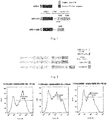
FIG.1 . a schematic diagram of human-derived soluble PD-1 (sPD-1), sPD-1-CH3 and sPD-1-Fc fusion proteins. -
FIG.2 . a schematic diagram of a fusion protein of sPD-1-Fc and M27-CAR, wherein VL and VH respectively represent a light-chain variable region and a heavy chain variable region of a single-chain antibody M27 (i.e. Y022 single-chain antibody which specifically recognizes the antigen EGFRvIII and the overexpressed EGFR, see Chinese patent application No.201510431481.6 -
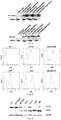
FIG.3 . Positive rate of sPD-1-CH3/sPD-1-Fc-F2A-M27 CAR T cell. -
FIG.4 . Expression of sPD-1-CH3/sPD-1-Fc in the infected T cell & supernatant, wherein the lysis represents a lysate and the supernatant represents a supernatant. -
FIG.5 . Exposure of EGFR287-302 epitope in tumor cell lines. -
FIG.6 . Analysis of expression of PD-L1 and EGFR in various tumor cell lines. -
FIG.7 . The killing effect of sPD-1-Fc-F2A-M27 CAR T cells on U87-EGFR, U87-EGFRvIII, A431, and CAL27. In this figure, M27-28Z, M27-BBZ, and M27-28BBZ indicate results of experiments in which T lymphocytes expressing M27-28Z, M27-BBZ, or M27-28BBZ only were introduced; FC-28Z, FC-BBZ, FC-28BBZ indicate results of experiments in which T lymphocytes expressing sPD-1-Fc-F2A-M27-28Z, sPD-1-Fc-F2A-M27-BBZ, sPD-1-Fc-F2A-M27-28BBZ were introduced. - Upon intensive research, the inventors put forward a method for improving the survival and function of immune effector cells in tumors by blocking the binding of a receptor PD-1 of programmed death ligand-1 (PD-L1), expressed by the immune effector cells, to the programmed death ligand-1 expressed by tumor cells.
- As used in the present invention, the "antigen highly expressed in a tumor" refers to the antigen targeted by the chimeric antigen receptor-modified immune effector cell, said antigen being highly expressed in the tumor or cells. Preferably, the "antigen highly expressed in a tumor" is a tumor-associated antigen, for example, selected from (but not limited to): EGFR, GPC3, HER2, EphA2, Claudin18.1, Claudin18.2, Claudin 6, GD2, EpCAM, mesothelin, CD19, CD20, ASGPR1, EGFRvIII, de4 EGFR, CD19, CD33, IL13R, LMP1, PLAC1, NY-ESO-1, MAGE4, MUC1, MUC16, LeY, CEA, CAIX (carbonic anhydrase IX), CD123.
- In the present invention, various tumors known in the art may be included in the present invention as long as the tumors express (or highly express) the programmed death ligand-1, and express a tumor-associated antigen (an antigen highly expressed in the tumor) that is lowly expressed in normal tissues. For example, the tumors include (but are not limited to): liver cancer, lung cancer, malignant glioma, breast cancer, skin squamous cell carcinoma, oral squamous cell carcinoma, gastric cancer, prostate cancer, brain tumor, ovarian cancer, bone tumor, colon cancer, thyroid tumor, mediastinal tumor, intestinal tumor, renal tumor, adrenal tumor, bladder tumor, testicular tumor, malignant lymphoma, multiple myeloma, tumors of nervous system, esophageal cancer, pleural mesothelioma, pancreatic cancer, leukemia, head neck cancer, cervical cancer, melanoma, vaginal epithelial cancer, gallbladder cancer, malignant fibrous histiocytoma.
- The term "chimeric antigen receptor-modified immune effector cells (or abbreviated as the chimeric antigen receptor immune effector cells)" is well known in the art and is an immune effector cell that is genetically engineered to express an antigen (e.g., tumor antigen)-specific chimeric receptor and capable of exerting killing effects in a targeting manner. The immune effector cells, for example, include T cells, NK cells, NKT cells, regulatory T cells (Regulatory cell, abbreviated as Treg). Conventional methods for preparing "chimeric antigen receptor-modified immune effector cells" are known to the person skilled in the art and include expressing the intracellular domains of intracellular co-stimulation signal molecules, for example, one or more of CD28 (preferably comprising CD28a, CD28b), CD137, CD27, CD3ζ (preferably CD3ζ intracellular domain), CD8, CD19, CD134, CD20, FcεRIγ. By their binding to the corresponding ligands, the second signal of the immune effector cells are activated, the proliferation ability of the immune cells and the secretion of cytokines are enhanced, and the surviving period of the immune cells is prolonged.
- A very important reason for the poor survival and low activity of immune effector cells in tumor tissues may be due to solid tumor cells or other cells expressing PD-L1 and thereby affecting the survival of the chimeric antigen-modified immune effector cells (e.g., CAR T cells). Tumor cells which highly express the molecule PD-L1 bind to the receptor PD-1 on the immune effector cells, and deliver negative regulatory signals, resulting in the induced apoptosis and immune incompetence of tumor antigen-specific T cells and making the tumor cells escape from immune surveillance and killing by the body.
- As an important member of co-stimulation molecules of the immunoglobulin superfamily, PD-1/PD-L1 is involved in the immunoregulatory process such as autoimmunity, transplantation immunity and tumor immunity. PD-1 is an inhibitory receptor that is mainly expressed on activated immune effector cells (such as T lymphocytes), and its binding to the ligand PD-L1 will significantly inhibit the activation and proliferation of the immune effector cells, and regulate the expression and secretion of cytokines. PD-L1 is widely expressed on a variety of immune cells, epithelial cells and tumor cells, and is overexpressed in multiple tumors. At present, many studies have shown that the PD-L1 molecule which is highly expressed in many human tumors is closely related to the clinical pathological features and prognosis of patients and becomes a new biological indicator for detection and prognosis of tumors.
- Therefore, the inventors assumed that if a soluble receptor or antibody or other blocking agent of PD-L1 was secreted and expressed by the chimeric antigen-modified immune effector cells, then it would be possible that the survival and function of the chimeric antigen-modified immune effector cells in the solid tumor will be increased. Based on this assumption, the inventors have further verified that the expression of a soluble receptor of PD-L1 (sPD-1) on the immune effector cells can achieve a good antitumor activity.
- As a preferred embodiment of the present invention, a schematic diagram of a structure of the chimeric antigen receptor of the present invention is shown in
Fig. 1 , which successively (preferably from N-terminus to C-terminus) comprises: a programmed death ligand-1 blocking agent, an extracellular antigen-binding region, a transmembrane region, and an intracellular signaling region. - The programmed death ligand-1 (PD-L1) blocking agent includes: sPD-1; a fusion peptide of sPD-1 and CH3 domain of hIgG4e1-Fc; or a fusion peptide of sPD-1 and hIgG4e1-Fc.
- In a preferred embodiment of the present invention, the extracellular antigen-binding region includes an antibody that specifically recognizes an antigen highly expressed in the tumor, and is preferably a single-chain antibody. More preferably, the extracellular antigen-binding region of the chimeric antigen receptor is linked to the transmembrane region of CD8 or CD28 via the CD8 hinge region, wherein the transmembrane region is immediately followed by the intracellular signaling region.
- The transmembrane region of the chimeric antigen receptor may be selected from the transmembrane region of protein CD8 or CD28 or the like. Human CD8 protein is in a heterodimeric form composed of two chains of αβ or γδ. In one embodiment of the invention, the transmembrane region is selected from the transmembrane region of CD8α or CD28. In addition, CD8α hinge region is a flexible region, and thus, the transmembrane region of CD8 or CD28 together with a hinge region are used to link the extracellular antigen-binding region to the intracellular signaling region of the chimeric antigen receptor CAR.
- The intracellular signaling region may be selected from the intracellular signaling regions of proteins CD3ζ, FcεRIγ, CD28, CD137 (4-1BB), CD134, and a combination thereof. The CD3 molecule consists of five subunits, wherein the CD3ζ subunit (also known as CD3 zeta, abbreviated as Z) contains three ITAM motifs which are important signal transduction regions in the TCR-CD3 complex. CD3δZ is a truncated CD3ζ sequence having no ITAM motif and is generally constructed as a negative control in the practice of the present invention. FcεRIγ is mainly distributed on the surface of mast cells and basophils, it contains one ITAM motif and is similar to CD3ζ in terms of the structure, distribution and function. As described above, CD28, CD137, and CD134 are co-stimulation signal molecules, the co-stimulatory effects generated by their intracellular signaling segments after they bind to their respective ligands result in the sustained proliferation of the immune effector cells (mainly T lymphocytes), and can increase the level of secretion of cytokines such as IL-2 and IFN-γ by the immune effector cells and meanwhile improve the surviving period in vivo and anti-tumor effects of the CAR immune effector cells.
- The chimeric antigen receptor polypeptides of the invention may be sequentially linked in the manners selected from:
- extracellular antigen-binding region-CD8 transmembrane region-4-1BB-CD3ζ,
- extracellular antigen-binding region-CD28a-CD28b-CD3ζ,
- extracellular antigen-binding region-CD28a-CD28b-4-1BB-CD3ζ,
- and a combination thereof, wherein in the respective chimeric antigen receptor proteins, CD28a represents the transmembrane region of CD28 molecule, and CD28b represents the intracellular signaling region of CD28 molecule.
- The present invention also includes a nucleic acid encoding the chimeric antigen receptor. The present invention also relates to variants of the above-described polynucleotides, which encode polypeptides having the same amino acid sequence as the present invention, or fragments, analogs and derivatives of the polypeptides.
- The present invention also provides a vector containing the nucleic acid of the chimeric antigen receptor described above. The invention also comprises viruses containing the vector described above. The viruses of the present invention include the packaged infectious viruses, and also include viruses to be packaged that contain the components essential for the packaging of infectious viruses. Other viruses known in the art for introducing exogenous genes into immune effector cells and the corresponding plasmid vectors may also be used in the present invention.
- The present invention also provides chimeric antigen-modified immune effector cells transfected with the nucleic acid encoding the chimeric antigen receptor or transfected with the above-mentioned recombinant plasmid containing the nucleic acid, or a virus containing the plasmid. The conventional nucleic acid transfection methods in the art including non-viral and viral transfection methods may be used in the present invention. The non-viral transfection methods include electroporation and transposon methods. The nucleic acid transfection apparatus Nucleofector recently developed by Amaxa company can directly introduce an exogenous gene into the nucleus to achieve the efficient transfection of a gene of interest. In addition, the transposon systems such as those based on the Sleeping Beauty system or the PiggyBac transposon have greater improvement on transfection efficiency than the conventional electroporation, and the combined use of the nucleofector transfection apparatus with the Sleeping Beauty transposon system has been reported [Davies JK., et al. Combining CD19 redirection and alloanergization to generate tumor-specific human T cells for allogeneic cell therapy of B-cell malignancies. Cancer Res, 2010, 70(10): OF1-10]. This method not only has high transfection efficiency but also achieves directed integration of genes of interest. In one embodiment of the invention, the method that achieves the transfection of the chimeric antigen receptor gene-modified immune effector cells is based on viruses such as retroviruses or lentiviruses. The method has advantages of high transfection efficiency, stable expression of exogenous genes, and shortening the time for the immune effector cells cultured in vitro to reach a number of clinical grade. On the surface of the transgenic immune effector cells, the introduced nucleic acid is expressed through transcription and translation. By in vitro cytotoxicity experiments on various cultured tumor cells, it was proved that the chimeric antigen-modified immune effector cells of the present invention have highly specific tumor cell killing effect (also called cytotoxicity) and can effectively survive in tumor tissues. Therefore, the nucleic acid encoding a chimeric antigen receptor, a plasmid comprising the nucleic acid, a virus comprising the plasmid, and transgenic immune effector cells transfected with the nucleic acid, plasmid or virus according to the present invention can be effectively used for immunotherapy of a tumor.
- The chimeric antigen-modified immune effector cells of the present invention may further carry a sequence encoding an exogenous cytokine; the cytokine includes, but is not limited to: IL-12, IL-15 or IL-21. These cytokines have immunoregulatory or anti-tumor activity, can enhance the function of the effector T cells and the activated NK cells, or directly exert an anti-tumor effect. Therefore, the person skilled in the art can understand that the use of said cytokines helps the immune cells to function better.
- The chimeric antigen-modified immune effector cells of the present invention can further express another chimeric receptor in addition to the chimeric receptor described above. This receptor does not contain CD3ζ, but contains the intracellular signaling domain of CD28, the intracellular signaling domain of CD137 or a combination of both.
- The chimeric antigen-modified immune effector cells of the present invention can further express a chemokine receptors; the chemokine receptor includes but is not limited to CCR2. The person skilled in the art can understand that the CCR2 chemokine receptor and in vivo CCR2 are involved in competitive binding, which is advantageous for blocking the metastasis of tumors.
- The chimeric antigen-modified immune effector cells of the present invention can further express siRNA that can decrease the PD-1 expression or a protein that can block PD-L1. The person skilled in the art can understand that competitively blocking the interaction of PD-L1 with its receptor PD-1 is advantageous for restoring the anti-tumor T cell response, thereby inhibiting tumor growth.
- The chimeric antigen-modified immune effector cells of the present invention can further express a safety switche; preferably, the safety switch includes: iCaspase-9, truncated EGFR or RQR8.
- The chimeric antigen receptor-modified immune effector cells of the present invention can be used for preparing a pharmaceutical composition. The composition may further comprise a pharmaceutically acceptable carrier in addition to an effective amount of the immune cells. The term "pharmaceutically acceptable" means that when the molecule itself and the composition are properly administered to an animal or a human, they would not produce unfavorable, allergic or other adverse reaction.
- Specific examples of substances that can be used as pharmaceutically acceptable carriers or components thereof are sugars such as lactose, glucose and sucrose; starches such as corn starch and potato starch; celluloses and their derivatives such as sodium carboxymethylcellulose, ethyl cellulose and methyl cellulose; tragacanth powder; malt; gelatin; talc; solid lubricants such as stearic acid and magnesium stearate; calcium sulfate; vegetable oils such as peanut oil, cottonseed oil, sesame oil, olive oil, corn oil and cocoa oil; polyols such as propylene glycol, glycerin, sorbitol, mannitol and polyethylene glycol; alginic acid; emulsifiers such as Tween®; wetting agents such as sodium lauryl sulfate, colorants; flavoring agents; tablets, stabilizers; antioxidants; preservatives; pyrogen free water; isotonic saline solution and phosphate buffers, etc.
- The composition of the present invention can be formulated into various dosage forms as required, and can be administered in a dosage that is beneficial for the patients and determined by physicians according to factors such as the species, age, weight and general disease situation of patients, administration manner and the like. The administration manner can be injection or other treatment manners.
- The chimeric antigen receptor-modified immune effector cells of the invention can effectively increase the survival and function of the chimeric antigen-modified immune effector cells in tumors.
- The present invention will be further described below with reference to the specific examples. It should be understood that these examples are provided only for illustrating the present invention and are not intended to limit the scope of the present invention. The experimental methods for which the specific conditions are not indicated in the following examples are generally performed according to the conventional conditions such as those described in Molecular Cloning: A Laboratory Manual, edited by J. Sambrook et al., Third Edition, Science Press, 2002, or according to the conditions recommended by the manufacturer.
- As shown in
Fig. 1 , the human-derived sPD-1 protein contains the signal peptide and the extracellular domain of PD-1. The human-derived sPD-1-CH3 protein contains the signal peptide and the extracellular domain of PD-1 and the CH3 domain of hIgG4e1-Fc linked via a linker. The human-derived sPD-1-Fc fusion protein contains the signal peptide and the extracellular domain of PD-1 as well as the hIgG4e1-Fc domain linked via a linker to increase the stability. hIgG4e1-Fc comprises a S288P mutation and thus can reduce complement-dependent cytotoxicity (CDC) and antibody-dependent cell-mediated cytotoxicity (ADCC) caused by hIgG4e1-Fc in human body. Please refer to pFUSE-hIgG4e1-Fc1 plasmid of Invivogen Company (http://www.invivogen.com/pfuse-higg4e1-fc) for the sequence of hIgG4e1-Fc. - Please make reference to Pubmed Nucleotide database for the PD-1 DNA sequence, and the corresponding serial number of PD-1 is NM_005018.2. Please make reference to Uniprot database for the signal peptide (amino acids 1-20) and the extracellular segment (amino acids 21-170) of PD-1.
- The sequence of the signal peptide of PD-1:

- The sequence of the extracellular segment of PD-1:

- sPD-1 is linked to the CH3 domain in hIgG4e1-Fc via a linker, wherein the linker sequence is TATGGT. Please make reference to the pFUSE-hIgG4e1-Fc1 plasmid for the sequence of the CH3 domain.
- The DNA sequence of CH3 domain:

- sPD-1 is linked to the hIgG4e1-Fc domain via a linker, wherein the linker sequence is TATGGT. Please make reference to the pFUSE-hIgG4e1-Fc1 v01 plasmid for the sequence of the hIgG4e1-Fc domain.
- The DNA sequence of hIgG4e1-Fc domain (the underlined part is a site that constitutes the S288P mutation)

- sPD-1, sPD-1-CH3 or sPD-1-Fc is linked to M27-CAR, specifically by:
- (1) Using the plasmid T-sPD-1-Fc containing the sPD-1-Fc sequence (purchased from Generay Biotech (Shanghai) Co., Ltd.) as a template to obtain sPD-1 sequence① from PCR amplification performed with an upstream primer 5'- tttACGCGT CCTAGCGCTACCGG TCGCCACCATGCAGATCCCACAGGCGCCC-3' (SEQ ID NO: 5) and a downstream primer 5'- AAAATTCAAAGTCTGTTTCAC CACCAGGGTTTGGAACTGG-3' (SEQ ID NO: 6), wherein the double underlined part is F2A overlapping sequence.
- (2) Using the T-sPD-1-Fc plasmid as a template to obtain sPD-1 sequencer② from PCR amplification performed with an upstream primer 5'-ttt ACGCGT CCTAGCGCTA CCGGTCGCCACCATGCAGATCCCACAGGCGCCC-3' (SEQ ID NO: 7) and a downstream primer 5'-CTCTCGGGGCTGCCCACCTACACCAGGGTTTGGAACTGGC-3' (SEQ ID NO: 8) (wherein purple indicates the linker, blue indicates CH3 overlapping sequence), and to obtain
CH3 fragment ③ from PCR amplification performed with an upstream primer 5'-TATGGTGGGCAGCCCCGAGAGCCACAG-3' (SEQ ID NO: 9) and a downstream primer AAAATTCAAAGTCTGTTTCAC TTTACCCGGAGACAG GGAG-3' (SEQ ID NO: 10), wherein the double underlined part is F2A overlapping sequence. - (3) Using T-sPD-1-Fc plasmid as a template to obtain sPD-1-
Fc fragment ④ from amplification performed with an upstream primer 5'-ttt ACGCGT CCTAGCGCTACCGGTCGCCACCATGCAGATCCCACAGGCGCC C-3' (SEQ ID NO: 11) and a downstream primer 5'- AAAATTCAAAGTCTGTTTCAC TTTACCCGG AGACAGGGAG-3' (SEQ ID NO: 12), wherein the double underlined part is F2A overlapping sequence. - (4) Using three kinds of plasmid pWPT-mcherry-F2A-M27-28Z/BBZ/28BBZ (purchased from Shanghai Ruijin Biotechnology Co., Ltd; the "/" in the plasmid name indicates the relationship of "or" between the preceding peptide fragments and the following peptide fragments, the same below; wherein 28Z/BBZ/28BBZ is abbreviated as CAR) respectively as a template to obtain F2A-M27-28Z/BBZ/28BBZ fragments (⑤/⑥/⑦) from PCR amplification performed with an upstream primer 5'-GTGAAACAGACTTTGAATTTT-3' (SEQ ID NO: 13) and a downstream primer 5'-CTATGTTGCTCCTTTTACGCTA-3' (SEQ ID NO: 14).
- (5) Respectively splicing the fragments in equimolar amounts ①+⑤/⑥/⑦, ②+③+⑤/⑥/⑦, ④+⑤/⑥/⑦ to obtain sPD-1/sPD-1-CH3/sPD-1-Fc-F2A-M27-28Z/BBZ/28BBZ fragments from the amplification performed with an upstream primer 5'-ttt ACGCGT CCTAGCGCTACCGGTCGCCAC CATGCAGATCCCACAGGCGCCC-3' (SEQ ID NO: 15) and a downstream primer 5'-CTATGTTGCTCCTTTTACGCTA-3' (SEQ ID NO: 16), wherein the schematic diagram of the fusion protein of sPD-1-Fc and M27-CAR is shown in
Fig. 2 . - PCR amplification conditions: initial denaturation: 94°C, 4 min; denaturation: 94°C, 20s; annealing: 58°C, 30s; extension: 68°C, 1000bp/min (kod-plus); 25 cycles, and then a total extension: 68°C, 10 min.
- Splicing of the nucleic acid fragments: the fragments to be spliced were added in equimolar amounts and then spliced. The splicing conditions were as follows: initial denaturation: 94°C, 4min; denaturation: 94°C, 30s; annealing: 58°C, 30s; extension: 68°C, 1000bp/min; 6-8 cycles, and then a total extension: 68°C, 10min. An equal volume of PCR mixture system containing upstream and downstream primers is then added for PCR. PCR conditions were as follows: initial denaturation: 94°C, 4 min; denaturation: 94°C, 30 s; annealing: 58°C, 30 s; extension: 68°C, 1000 bp/min; 25 cycles, and then a total extension: 68°C, 10 min.
- The sPD-1/sPD-1-CH3/sPD-1-Fc-F2A-M27-28Z/BBZ/28BBZ fragment obtained above has a MluI restriction site at its 5' end and a SalI restriction site at its 3' end. By means of double digestion with MluI and SalI, the similarly double-digested pRRLSIN-cPPT.EF-1α vector (purchased from addgene, see Chinese Patent Application No.
201510481235.1 - In summary, M27-CAR targeting EGFR287-302 was respectively ligated with sPD-1/sPD-1-CH3/sPD-1-Fc by ribosome skipping sequence F2A to obtain a bicistronic gene. By means of restriction sites MluI and SalI, the fragment containing the dicistronic gene of interest was ligated into pRRLSIN-cPPT.EF-1α vector digested with MluI and SalI to successfully construct a recombinant expression vector of interest. The constructed recombinant lentiviral vectors were identified by sequencing. After the vectors were determined to be correctly constructed, the lentiviral packaging was performed.
-
- 1) 293T cells which were cultured to 6th to 10th generation were plated at a density of 1.2×10⁷ in DMEM medium supplemented with 10% fetal bovine serum (Gibco) in a 15 cm culture dish, and cultured overnight at 37°C, 5% CO2 to prepare for transfection.
- 2) 10.8 µg of the target gene plasmid PRRLSIN-cPPT.EF-1α-EGFP(Mock) or PRRLSIN-cPPT.EF-1α-sPD-1/sPD-1-CH3/sPD-1-Fc-F2A-M27-CAR was dissolved in 800µL blank DMEM medium respectively with 12.4µg of the packaging plasmid pRsv-REV, 12.4 µg of the packaging plasmid RRE-PMDLg, 4.8 µg of the packaging plasmid Vsvg, and mixed to achieve homogeneity.
- 3) 60µg PEI (1µg/µl) was dissolved in 800 µl serum-free DMEM medium, mixed gently (or vortexed for 5 seconds at 1000 rpm), and incubated for 5 min at room temperature.
- 4) A transfection complex was formed by adding the plasmid mixture to the PEI mixture, immediately followed by vortex or gentle mixing and then incubation for 20 min at room temperature.
- 5) 1.6 ml of the transfection complex was added dropwisely to a 10cm culture dish containing 11ml of DMEM medium (no need to replace the medium).
- 6) After 4-5 hours, the medium was replaced with DMEM medium supplemented with 10% FBS for the transfected 293T cells.
- 7) Incubation at 37°C for 72h and collecting virus supernatant.
- 8) 5X PEG8000 NaCl was formulated by weighing and dissolving 8.766 g of NaCl and 50 g of PEG8000 in 200 ml of Milli-Q pure water, followed by moist heat sterilization at 121°C for 30min, and was stored at 4°C.
- 9) The lentivirus supernatant was filtered using a 0.45 µm filter;
- 10) 7.5 ml of 5X PEG-8000 NaCl stock solution was added to each 30 ml of the initial filtered virus solution;
- 11) Mix every 20-30 min, for a total of 3 to 5 times;
- 12) Stand overnight at 4°C;
- 13) Centrifuge at 4000 g, 4°C for 20 min;
- 14) Discard the supernatant, allow the tube to stand for 1-2 minutes, and remove the residual liquid;
- 15) An appropriate amount of a solution for dissolving the lentivirus was added to dissolve the lentivirus pellet;
- 16) The collected virus suspension was aliquoted into 200 µl each, preserved in the finished tube, and stored at -80°C;
- 17) The titer of the lentivirus packaged with a recombinant vector was determined by infecting 293T cells using the limiting dilution:
- 18) 293T cells were plated in a 6-well plate at a number of 2 × 10⁵ cells, 1 ml/well; to which polybrene solution at an initial concentration of 10 µg/µl was added at 0.6 µl/ml to achieve the final concentration of 6 µg/ml; and cultured at 37°C, 5% CO2 for 1 hour, wherein the culture medium is DMEM sulpemented with 10% fetal bovine serum;
- 19) The virus concentrate 5X diluted, 3 gradients, was added at 10µL/well, and cultured at 37°C, 5% CO2
- 20) At 72 hours after infection, 293T cells were trypsinized (30s), and added with 1 ml of DMEM(10%FBS) to stop digestion; the cell suspension was transferred to a 2 ml centrifuge tube (two aliquots), centrifuged at 5000 rpm for 5 min to discard the supernatant; washed twice with PBS;
- 21) One group was added with PE-SA (control). PE-SA was diluted at 1:50, 50 µl of the diluted PE-SA was added to each of the centrifuge tubes, dispersed by pipetting, and incubated on ice for 45 min; washed twice with PBS (1% NBS), added with 400µl PBS (1% NBS), and transferred to a flow tube; wherein the full name of PE-SA is ethidium bromide labeled streptomycin, for binding to a biotin-labeled recombinant EGFR-VIII protein.
- 22) The other group was added with EGFRvIII-biotin (25µg/ml). 50µl EGFRvIII-biotin (25µg/ml, purchased from Shanghai Ruijin Biotechnology Co., Ltd.) was added to each tube, incubated on ice for 45 min, washed twice with PBS (1% NBS), added with 1:50 diluted PE-SA solution, incubated on ice for 45 min; washed twice with PBS (1% NBS), added with 400µl PBS (1% NBS), and transferred to a flow tube. Flow cytometry was used to detect the PE channel, cell number with a positive rate of 5∼20% was appropriate, the titer was calculated according to the equation: titer (U/mL)=the number of cells × the positive rate/virus volume. EGFRvIII-biotin indicates biotinylated recombinant EGFRvIII proteins, for binding to M27 scFV on the surface of T cells after infection with the chimeric antigen receptor lentivirus.
-
- 1) T lymphocytes activation: lymphocytes were added to a culture medium at a density of about 1 × 10⁶/mL, magnetic beads (Invitrogen) coated with anti-CD3 and -CD28 antibodies both were added at a ratio of magnetic beads: cells of 1:1 and a recombinant human IL-2 (Shanghai Huaxin Biotechnology Co., Ltd) was also added at a final concentration of 300U/mL, stimulating culture for 48 hours;
- 2) Retronectin was used to coat a 24-well plate by adding 380µl 5 µg/ml of Retronectin solution (PBS) to each well, followed by incubation overnight at 4°C;
- 3) Remove the Retronectin solution (PBS) in the 24-well plate, wash twice with 1 ml PBS;
- 4) At 1 hour before infection, polybrene was added at a final concentration of 10µg/mL to increase the infection efficiency, the cells were plated into the 24-well plate coated with Retronectin, at a cell number of 3 × 10⁵/well in a medium volume of 600 µl;
- 5) The concentrated lentiviruses were added to PBMCs at MOI=10, centrifuged at 32°C, 1800rpm for 40 min, and transferred to the cell incubator;
- 6) Proliferation: the infected cells were passaged every other day at a density of 5 × 10⁵/mL and at the same time, recombinant human IL-2 was added to the lymphocyte culture medium at a final concentration of 300U/mL.
- Human T lymphocytes were stimulated with αCD3/αCD28 magnetic beads for 48 h, and then infected with a high titer of lentivirus at MOI=10. On the 7th day after infection, the positive rate of T lymphocytes infected with lentivirus was detected by EGFRvIII-biotin + PE-SA flow assay.
- 1) On the 7th day of culture, 1 × 10⁶ T lymphocytes infected with lentivirus were aliquoted into two 2ml centrifuge tubes;
- 2) Centrifuge for 5 min at 4°C, 5000 rpm, discard the supernatant and wash twice with PBS
- 3) One group was added with PE-SA (control). PE-SA was diluted at 1:50, 50 µl of the diluted PE-SA was added to each of the centrifuge tubes, dispersed by pipetting, and incubated on ice for 45 min; washed twice with PBS (1% NBS), added with 400µl PBS (1% NBS), and transferred to a flow tube;
- 4) The other group was added with EGFRvIII-biotin (25µg/ml). 50 µl EGFRvIII-biotin (25µg/ml) was added to each tube, incubated on ice for 45 min, washed twice with PBS (1% NBS), added with 1:50 diluted PE-SA solution, incubated on ice for 45 min, washed twice with PBS (1% NBS), added with 400µl PBS (1% NBS), and transferred to a flow tube. Flow cytometry was used to detect the PE (FL2) channel.
- 5) The positive rate of CAR positive T cells transfected with different chimeric antigen receptors was determined by the software FlowJo.
- The result of the positive rate of sPD-1-CH3/sPD-1-Fc-F2A-M27 CAR T cells was shown in
Fig. 3 . The positive rate of CAR T(T-CH3-28Z) cell that expresses sPD-1-CH3-M27-28Z was 66.8%, sPD-1-CH3-M27-BBZ(T-CH3-BBZ) was 66.3%, sPD-1-CH3-M27-28BBZ (T-CH3-28BBZ) was 64.1%, sPD-1-Fc-M27-28Z(T-Fc-28Z) was 71.7%, sPD-1-Fc-M27-BBZ(T-Fc-BBZ) was 70.6%, sPD-1-Fc-M27-28BBZ was 81.9%, and the positive rate of T cells (T-Mock) expressing the control Mock was 88.4%. - The cells and supernatant were collected from the above lentivirus-infected T cells. The proteins in the supernatant were immunoprecipitated with protein A/G. The expression of sPD-1-CH3/sPD-1-Fc in the supernatant of the infected T cells was detected by Western blotting after protein denaturation.
- The result of the expression of sPD-1-CH3/sPD-1-Fc in the infected T cells & supernatant was shown in
Fig. 4 . sPD-1-CH3/sPD-1-Fc can be detected both in the supernatant of the infected T cells and in the cells. - Flow assay was used to detect the exposure of the tumor-specific epitope EGFR287-302 in U87, U87-EGFR, U87-EGFRvIII, CAL27, A431, and MDA-MB-468 cell lines. The CH12 antibody (see
Chinese patent No. ZL200810038848.8 - 1) The following tumor cells were cultured in 6 cm dishes: U87, U87-EGFR, U87-EGFRvIII, A431, CAL27, and MDA-MB-468;
- 2) The cells were treated with 10 mM EDTA, dispersed by pipetting in 2M1 EP tubes, centrifuged at 3000∼4000rpm for 5 min. The cells were resuspended in 1%NPBS, aliquoted at 2×10⁶/tube, as control and test sample,
2mL 1%NPBS, centrifuged at 3000∼4000 rpm for 5min; - 3) 20µg/mL CH12 antibody was added as the primary antibody, the control antibody of the same isotype is normal human IgG1 antibody, 20µg/mL 100µL/sample; vortexed fully (45s), ice bath for 45min;
- 4) Remove the free primary antibody:
2mL 1%NPBS, centrifuge at 3000∼ 4000rpm for 5min, vortex fully and repeat once; - 5) Add the secondary antibody: goat anti-human IgG-FITC:1:50, 100µL/EP, ice bath for 45 min;
- 6) Remove the free secondary antibody: 1% NPBS, centrifuge at 3000-4000rpm for 5min, vortex fully and repeat once;
- 7) 200∼
500µL 1% NPBS was added to resuspend the cells which were then transferred to a flow tube for detection. - The results of flow assay were shown in
Figure 5 . It can be seen from the results that U87 cells express EGFR at a normal level, and the CH12 antibody does not bind to the cells; and when EGFR and EGFR-VIII are overexpressed, CH12 can bind to the cells. InFIG. 5 , CAL27, A431, and MDA-MB-468 are tumor cells that highly express EGFR, and the exposure of EGFR287-302 epitope can also be detected on the cell surface. - Malignant glioma cells U87, U87-EGFR, U87-EGFRvIII, skin squamous cell carcinoma A431, oral squamous cell carcinoma cell CAL27, breast cancer cell MDA-MB-468, human immortalized epidermal cell HACAT were plated in 60 cm culture dishes. A cell lysis solution was used to lyse the cells to extract total cellular protein. The expression of PD-L1 in each tumor cell line was detected by Western blotting.
- The test results are shown in
Figure 6 , indicating that PD-L1 is expressed in various tumors. - The in vitro killing effect of T lymphocytes which express sPD-1-CH3/Fc-F2A-M27-28Z, sPD-1-CH3/Fc-F2A-M27-BBZ, sPD-1-CH3/Fc-F2A-M27-28BBZ and were infected with the blank vector Mock was detected on U87-EGFR, U87-EGFRvIII, A431, and CAL27 at effector/target ratios of 3:1, 1:1, 1:3, respectively, wherein the cells were co-cultured for 18h. Details are given below:
- 1) Target cells:
50µL 2×10⁵/mL of U87, U87-EGFR, U87-EGFRvIII, A431, CAL27, MDA-MB-468 were respectively plated into 96-well plates; - 2) Effector cells: T-Mock, M27-CAR T cells (M27-28Z CAR T cells, M27-BBZ CAR T cells or M27-28BBZ CAR T cells, respectively), sPD-1-CH3/Fc-F2A-M27 CAR T cells (sPD-1-CH3/Fc-F2A-M27-28Z CAR T cells, sPD-1-CH3/Fc-F2A-M27-BBZ CAR T cells or sPD-1-CH3/Fc-F2A-M27-28BBZ CAR T cells, respectively) were added at an effector/target ratio of 3:1, 1:1 or 1:3;
- 3) Each group was set in quadruplicate and an average value was taken from the replicates of 4 wells. The detection time point is at 18 h.
Experimental groups and control groups are as follows:- Respective experimental group: respective target cells + CTL expressing a different chimeric antigen receptor;
- Control group 1: target cells which release a maximum of LDH;
- Control group 2: target cells which spontaneously release LDH;
- Control group 3: effector cells which spontaneously release LDH;
- 4) Detection method: CytoTox 96 non-radioactive cytotoxicity detection kit (Promega Company) was adopted. This method is based on a colorimetric detection method and can replace the 51Cr release method. The CytoTox 96® assay was used to quantitatively determine lactate dehydrogenase (LDH). LDH is a stable cytosolic enzyme that is released when cells are lysed, and the release manner thereof is substantially the same as the release manner of 51Cr in radioactivity analysis. The released LDH in the medium supernatant can be detected by an enzymatic reaction of 30-minute coupling, in which LDH converts a tetrazolium salt (INT) into red Formazan. The amount of the generated red product is in direct proportion to the number of lysed cells. Please see instructions of the CytoTox 96 non-radioactive cytotoxicity detection kit for details.
- 5) The cytotoxicity is calculated according to the following equation:

- The killing effect of sPD-1-Fc-F2A-M27 CAR T cells on U87-EGFR, U87-EGFRvIII, A431, and CAL27 is shown in
Fig. 7 . The results showed that the killing effect of M27-28Z T cells expressing CH3 on U87-VIII, U87-ER and A431 cells was significantly better than that of M27-28Z T cells; the killing effect of M27-28Z/BBZ T cells expressing sPD-1-Fc on U87-ER cells was significantly better than that of M27-28Z/BBZ T cells that did not express sPD-1-Fc. -
- <110> CARSGEN THERAPEUTICS CO.,LTD.
SHANGHAI CANCER INSTITUTE - <120> Chimeric Antigen Receptor-Modified Immune Effector Cell Carrying
PD-L1 Blocking Agent - <130> 158107
- <160> 16
- <170> PatentIn version 3.3
- <210> 1
<211> 60
<212> DNA
<213> Artificial sequence - <220>
<221> misc_feature
<223> PD-1 signal peptide sequence - <400> 1
atgcagatcc cacaggcgcc ctggccagtc gtctgggcgg tgctacaact gggctggcgg 60 - <210> 2
<211> 450
<212> DNA
<213> Artificial sequence - <220>
<221> misc_feature
<223> PD-1 extracellular segment sequence - <400> 2

- <210> 3
<211> 321
<212> DNA
<213> Artificial sequence - <220>
<221> misc_feature
<223> DNA sequence of CH3 domain - <400> 3

- <210> 4
<211> 672
<212> DNA
<213> Artificial sequence - <220>
<221> misc_feature
<223> DNA sequence of hIgG4e1-Fc domain - <400> 4

- <210> 5
<211> 52
<212> DNA
<213> Artificial sequence - <220>
<221> misc_feature
<223> primer - <400> 5
tttacgcgtc ctagcgctac cggtcgccac catgcagatc ccacaggcgc cc 52 - <210> 6
<211> 40
<212> DNA
<213> Artificial sequence - <220>
<221> misc_feature
<223> primer - <400> 6
aaaattcaaa gtctgtttca ccaccagggt ttggaactgg 40 - <210> 7
<211> 52
<212> DNA
<213> Artificial sequence - <220>
<221> misc_feature
<223> primer - <400> 7
tttacgcgtc ctagcgctac cggtcgccac catgcagatc ccacaggcgc cc 52 - <210> 8
<211> 41
<212> DNA
<213> Artificial sequence - <220>
<221> misc_feature
<223> primer - <400> 8
ctctcggggc tgcccaccat acaccagggt ttggaactgg c 41 - <210> 9
<211> 27
<212> DNA
<213> Artificial sequence - <220>
<221> misc_feature
<223> primer - <400> 9
tatggtgggc agccccgaga gccacag 27 - <210> 10
<211> 40
<212> DNA
<213> Artificial sequence - <220>
<221> misc_feature
<223> primer - <400> 10
aaaattcaaa gtctgtttca ctttacccgg agacagggag 40 - <210> 11
<211> 52
<212> DNA
<213> Artificial sequence - <220>
<221> misc_feature
<223> primer - <400> 11
tttacgcgtc ctagcgctac cggtcgccac catgcagatc ccacaggcgc cc 52 - <210> 12
<211> 40
<212> DNA
<213> Artificial sequence - <220>
<221> misc_feature
<223> primer - <400> 12
aaaattcaaa gtctgtttca ctttacccgg agacagggag 40 - <210> 13
<211> 21
<212> DNA
<213> Artificial sequence - <220>
<221> misc_feature
<223> primer - <400> 13
gtgaaacaga ctttgaattt t 21 - <210> 14
<211> 22
<212> DNA
<213> Artificial sequence - <220>
<221> misc_feature
<223> primer - <400> 14
ctatgttgct ccttttacgc ta 22 - <210> 15
<211> 52
<212> DNA
<213> Artificial sequence - <220>
<221> misc_feature
<223> primer - <400> 15
tttacgcgtc ctagcgctac cggtcgccac catgcagatc ccacaggcgc cc 52 - <210> 16
<211> 22
<212> DNA
<213> Artificial sequence - <220>
<221> misc_feature
<223> primer - <400> 16
ctatgttgct ccttttacgc ta 22
Claims (22)
- A chimeric antigen receptor-modified immune effector cell that expresses a PD-L1 blocking agent, characterized in that the PD-L1 blocking agent is chosen from:soluble PD-1;a fusion peptide of soluble PD-1 and CH3 domain of hIgG4e1-Fc; ora fusion peptide of soluble PD-1 and hIgG4e1-Fc.
- The chimeric antigen receptor-modified immune effector cell according to claim 1, characterized in that the soluble PD-1 comprises: a signal peptide and an extracellular region of PD-1.
- The chimeric antigen receptor-modified immune effector cell according to claim 2, characterized in that the signal peptide is encoded by the nucleotide sequence as shown in SEQ ID NO: 1, and the extracellular region of PD-1 is encoded by the nucleotide sequence as shown in SEQ ID NO: 2.
- The chimeric antigen receptor-modified immune effector cell according to claim 1, characterized in that the CH3 domain of hIgG4e1-Fc is encoded by the nucleotide sequence as shown in SEQ ID NO: 3; and/or the sequence of hIgG4e1-Fc comprises a Ser to Pro mutation at position 288.
- The chimeric antigen receptor-modified immune effector cell according to claim 1, characterized in that the chimeric antigen receptor comprises: an extracellular antigen-binding region, a transmembrane region, and an intracellular signaling region, wherein the extracellular antigen-binding region is an antibody that specifically binds to an antigen highly expressed in a tumor.
- The chimeric antigen receptor-modified immune effector cell according to claim 5, characterized in that the intracellular signaling region comprises: the sequence of the intracellular signaling region of CD3ζ, FcεRIγ, CD27, CD28, 4-1BB, CD134, CD40; or Myd88; or a combination thereof.
- The chimeric antigen receptor-modified immune effector cell according to claim 6, characterized in that the transmembrane region comprises: CD8 transmembrane region, CD28 transmembrane region.
- The chimeric antigen receptor-modified immune effector cell according to claim 5, characterized in that the antigen highly expressed in the tumor comprises: EGFR, GPC3, HER2, EphA2, Claudin18.1, Claudin18.2, Claudin6, GD2, EpCAM, mesothelin, CD19, CD20, ASGPR1, EGFRvIII, de4 EGFR, CD19, CD33, IL13R, LMP1, PLAC1, NY-ESO-1, MAGE4, MUC1, MUC16, LeY, CEA, CAIX, CD123.
- The chimeric antigen receptor-modified immune effector cell according to claim 1, characterized in that the immune effector cell comprises: T lymphocyte, NK cell or NKT cell, Treg cell.
- The chimeric antigen receptor-modified immune effector cell according to claim 5, characterized in that the tumor is a tumor expressing PD-L1.
- A nucleic acid construct comprising a sequence encoding a PD-L1 blocking agent as defined in claim 1 and a a sequence encoding an extracellular antigen-binding region, a sequence encoding a transmembrane region and an intracellular signaling region, which are sequentially linked to form a chimeric antigen receptor; wherein the extracellular antigen-binding region is an antibody that specifically binds to an antigen highly expressed in a tumor.
- The nucleic acid construct according to claim 11, characterized in that the sequence encoding a PD-L1 blocking agent and the sequence encoding an extracellular antigen-binding region are linked by a sequence encoding a linker peptide; and/or
a ribosomal skipping sequence is included between the sequence encoding a PD-L1 blocking agent and the sequence encoding an extracellular antigen-binding region. - The nucleic acid construct according to claim 11, characterized in that the tumor is a tumor expressing PD-L1.
- An expression vector comprising the nucleic acid construct according to any one of claims 11 to 13.
- A virus, characterized in that the virus comprises the expression vector according to claim 14.
- The use of the nucleic acid construct according to claim 11, or an expression vector or a virus containing the nucleic acid construct, for the preparation of chimeric antigen receptor-modified immune effector cells that target a tumor.
- The use according to claim 16, characterized in that the tumor is a tumor expressing PD-L1.
- The use of the chimeric antigen receptor-modified immune effector cell according to any one of claims 1 to 10 for the preparation of a tumor-inhibiting pharmaceutical composition.
- A pharmaceutical composition for use in inhibiting tumors, characterized in that it comprises the chimeric receptor-modified immune effector cell according to any one of claims 1 to 10.
- The use of a PD-L1 blocking agent for the preparation of chimeric antigen receptor-modified immune effector cells, wherein the PD-L1 blocking agent is chosen from
soluble PD-1;
a fusion peptide of soluble PD-1 and CH3 domain of hIgG4e1-Fc;or a fusion peptide of soluble PD-1 and hIgG4e1-Fc. - The pharmaceutical composition for use in inhibiting tumors according to claim 19, characterized in that the tumor is a tumor expressing PD-L1.
- A method for preparing a chimeric antigen receptor-modified immune effector cell, characterized in that the method comprises: introducing the nucleic acid construct according to claim 11 into an immune effector cell.
Applications Claiming Priority (2)
| Application Number | Priority Date | Filing Date | Title |
|---|---|---|---|
| CN201510779876.5A CN105331585A (en) | 2015-11-13 | 2015-11-13 | Chimeric antigen receptor-modified immunologic effector cell with PD-L1 blocking agent |
| PCT/CN2016/103941 WO2017080377A1 (en) | 2015-11-13 | 2016-10-31 | Chimeric antigen receptor-modified immune effector cell carrying pd-l1 blocking agent |
Publications (3)
| Publication Number | Publication Date |
|---|---|
| EP3382009A1 EP3382009A1 (en) | 2018-10-03 |
| EP3382009A4 EP3382009A4 (en) | 2019-10-09 |
| EP3382009B1 true EP3382009B1 (en) | 2021-07-07 |
Family
ID=55282352
Family Applications (1)
| Application Number | Title | Priority Date | Filing Date |
|---|---|---|---|
| EP16863554.8A Active EP3382009B1 (en) | 2015-11-13 | 2016-10-31 | Chimeric antigen receptor-modified immune effector cell carrying pd-l1 blocking agent |
Country Status (5)
| Country | Link |
|---|---|
| US (1) | US11299525B2 (en) |
| EP (1) | EP3382009B1 (en) |
| JP (1) | JP6845236B2 (en) |
| CN (1) | CN105331585A (en) |
| WO (1) | WO2017080377A1 (en) |
Families Citing this family (66)
| Publication number | Priority date | Publication date | Assignee | Title |
|---|---|---|---|---|
| BR112017024757A2 (en) | 2015-05-18 | 2018-11-13 | TCR2 Therapeutics Inc. | compositions and methods for reprogramming tcr using fusion proteins |
| CN115927474A (en) | 2015-06-19 | 2023-04-07 | 塞巴斯蒂安·科博尔德 | PD-1-CD28 fusion protein and its use in medicine |
| CN116059316A (en) | 2015-10-23 | 2023-05-05 | 优瑞科生物技术公司 | Antibody/T cell receptor chimeric constructs and uses thereof |
| CN105331585A (en) * | 2015-11-13 | 2016-02-17 | 科济生物医药(上海)有限公司 | Chimeric antigen receptor-modified immunologic effector cell with PD-L1 blocking agent |
| EP4086285A1 (en) * | 2016-02-25 | 2022-11-09 | Cell Medica Switzerland AG | Binding members to pd-l1 |
| CN105647946B (en) * | 2016-03-18 | 2019-09-20 | 江苏普瑞康生物医药科技有限公司 | A chimeric gene based on FcγRⅢa and its application |
| CN121731464A (en) | 2016-04-22 | 2026-03-27 | 克莱格医学有限公司 | Compositions and methods for cellular immunotherapy |
| CN118165113B (en) * | 2016-04-26 | 2025-10-28 | 恺兴生命科技(上海)有限公司 | A method for improving immune response cell function |
| CN107523545A (en) | 2016-06-20 | 2017-12-29 | 上海细胞治疗研究院 | A kind of lethal cell of high efficiency stable expression antibody and application thereof |
| CN107522786A (en) * | 2016-06-20 | 2017-12-29 | 深圳市体内生物医药科技有限公司 | A kind of molecule, the cell for expressing it and its production and use |
| CA3030257A1 (en) * | 2016-07-08 | 2018-01-11 | Carsgen Therapeutics Co., Ltd. | Antibody for anti-claudin 18a2 and use thereof |
| CN107663240B (en) * | 2016-07-29 | 2021-01-12 | 中国人民解放军第四军医大学 | Single-chain antibody specifically bound by highly glycosylated CEA and application thereof in detection and treatment |
| AU2017363311A1 (en) | 2016-11-22 | 2019-06-13 | TCR2 Therapeutics Inc. | Compositions and methods for TCR reprogramming using fusion proteins |
| CN107058315B (en) * | 2016-12-08 | 2019-11-08 | 上海优卡迪生物医药科技有限公司 | Knockdown of human PD-1 siRNA, recombinant expression CAR-T vector and its construction method and application |
| CN108203720A (en) * | 2016-12-20 | 2018-06-26 | 上海生博生物医药科技有限公司 | Her2, which can be targeted, and close PD-L1 reduces the CAR-T carriers of tumor immune escape and its construction method and application |
| CN106749678A (en) * | 2017-01-09 | 2017-05-31 | 北京普瑞金科技有限公司 | HER2 CAR recombined lentivirus vectors and its construction method and application |
| AU2018258045B2 (en) | 2017-04-26 | 2024-02-29 | Eureka Therapeutics, Inc. | Chimeric antibody/T-cell receptor constructs and uses thereof |
| CN108864276B (en) * | 2017-05-16 | 2023-02-03 | 上海恒润达生生物科技股份有限公司 | T cell receptor targeting NY-ESO-1 co-expressed PD1 antibody variable region and use thereof |
| CN107082813A (en) * | 2017-05-17 | 2017-08-22 | 董克海 | Target PD 1 Chimeric antigen receptor molecule and its application |
| CN107337736B (en) * | 2017-06-06 | 2019-07-26 | 上海优卡迪生物医药科技有限公司 | OCTS-CAR dual-targeting chimeric antigen receptor, encoding gene, recombinant expression vector and its construction and application |
| CN108300698B (en) * | 2017-07-27 | 2020-07-03 | 沃昕生物科技(深圳)有限公司 | CAR-NK cell and preparation method and application thereof |
| CN107326014B (en) * | 2017-07-31 | 2019-09-24 | 时力生物科技(北京)有限公司 | A kind of T lymphocyte and its preparation method and application of bispecific chimeric antigen receptor modification |
| CN107384870A (en) * | 2017-07-31 | 2017-11-24 | 时力生物科技(北京)有限公司 | A kind of T lymphocytes of targeting PD L1 Chimeric antigen receptors modification and its preparation method and application |
| CN109385400A (en) * | 2017-08-09 | 2019-02-26 | 科济生物医药(上海)有限公司 | Co-express the immune effector cell of the Chimeric antigen receptor modification of PD-L1 blocking agent |
| CN109908176A (en) * | 2017-12-12 | 2019-06-21 | 科济生物医药(上海)有限公司 | Use of immune effector cells in combination with radiation in the treatment of tumors |
| CN109971837A (en) * | 2017-12-28 | 2019-07-05 | 上海细胞治疗研究院 | A kind of detection method and kit of exogenous antibodies gene copy number |
| KR20200143672A (en) | 2018-02-02 | 2020-12-24 | 카르스젠 테라퓨틱스 컴퍼니, 리미티드 | Combination of cellular immunotherapy |
| CN109321530B (en) * | 2018-02-12 | 2021-03-12 | 华东师范大学 | Safe chimeric antigen receptor T cell and application thereof |
| KR20210013013A (en) | 2018-03-09 | 2021-02-03 | 카르스젠 테라퓨틱스 리미티드 | Tumor treatment method and composition |
| CN108484775A (en) * | 2018-03-13 | 2018-09-04 | 北京鼎成肽源生物技术有限公司 | Target T and NKT cell mixings, the preparation method and application of PD-L1 |
| CN108486062A (en) * | 2018-03-23 | 2018-09-04 | 深圳市体内生物医药科技有限公司 | A kind of Chimeric antigen receptor immunocyte and its preparation method and application |
| CN112074600A (en) | 2018-05-03 | 2020-12-11 | 科济生物医药(上海)有限公司 | Immune effector cells and uses thereof |
| JP2021523743A (en) | 2018-05-15 | 2021-09-09 | カースゲン セラピューティクス カンパニー リミテッドCarsgen Therapeutics Co., Ltd. | Genetically engineered cells and their applications |
| JP7262568B2 (en) | 2018-07-24 | 2023-04-21 | クレージュ メディカル カンパニー,リミテッド | Methods for treating tumors using immune effector cells |
| CN108864310A (en) * | 2018-07-31 | 2018-11-23 | 苏州茂行生物科技有限公司 | A kind of building and its application of the CAR-T cell for targeting mesothelin and carrying PD-Ll blocking agent |
| CN119752801A (en) * | 2018-08-01 | 2025-04-04 | 南克维斯特公司 | Genetically modified tetracistronic system comprising a homing receptor or cytokine and a chimeric antigen receptor for immunotherapy |
| CN109206524B (en) * | 2018-09-25 | 2022-04-05 | 山东兴瑞生物科技有限公司 | anti-Claudin 18A2 chimeric antigen receptor, T cell modified by same, and preparation method and application of T cell |
| CN111040036B (en) * | 2018-10-12 | 2023-10-20 | 上海卡智生物技术有限公司 | Anti-GPC3 monoclonal antibodies, immune effector cells modified thereby and their applications |
| US11077143B2 (en) * | 2018-10-31 | 2021-08-03 | Nantkwest Inc. | Elimination of PD-L1-positive malignancies by PD-L1 chimeric antigen receptor-expressing NK cells |
| EP3886876A1 (en) * | 2018-11-30 | 2021-10-06 | Celularity Inc. | Placenta-derived allogeneic car-t cells and uses thereof |
| WO2020114518A1 (en) | 2018-12-07 | 2020-06-11 | 科济生物医药(上海)有限公司 | Tumor combined immunotherapy |
| CN109485732B (en) * | 2018-12-20 | 2021-09-24 | 四川大学华西医院 | Genetically engineered dual-target chimeric antigen receptor and its use |
| KR20210126008A (en) | 2019-01-07 | 2021-10-19 | 카르스젠 테라퓨틱스 컴퍼니, 리미티드 | Combination of Cellular Immunotherapy |
| CN109694884B (en) * | 2019-01-09 | 2025-03-28 | 上海美丽人生医疗科技有限公司 | Preparation and construction method of CAR-T vector for use in the treatment of colon cancer |
| CN109666651B (en) * | 2019-01-25 | 2023-05-30 | 苏州茂行生物科技有限公司 | Secretory Lewis-Y targeting CAR-T cell |
| CN113490689B (en) | 2019-02-01 | 2024-06-04 | 恺兴生命科技(上海)有限公司 | TCR fusion proteins and cells expressing TCR fusion proteins |
| RU2731293C1 (en) | 2019-04-12 | 2020-09-01 | Игорь Петрович Белецкий | Method of producing genetically modified lines of cells of natural killers with knockout pd-1 gene and high expression of proteins of family of tumour necrosis factor for immunotherapy of oncological diseases |
| AU2020296197A1 (en) * | 2019-06-21 | 2022-01-20 | Shattuck Labs, Inc. | Chimeric protein expressing T-cells |
| CN110305906B (en) * | 2019-07-18 | 2021-11-12 | 山东大学第二医院 | PDL 1-targeted lentiviral vector of CAR chimeric receptor and PDL1-CAR-T cell |
| CN112279922B (en) * | 2019-07-22 | 2023-07-28 | 南京助天中科科技发展有限公司 | Phagocyte chimeric antigen receptor and application thereof |
| GB201912515D0 (en) * | 2019-08-30 | 2019-10-16 | King S College London | Engineered regulatory T cell |
| EP4032908A4 (en) | 2019-10-21 | 2023-11-08 | HC Biopharma (Shanghai) Co., Ltd | ANTI-PD-L1 ANTIBODIES AND ITS PHARMACEUTICAL USE |
| CN110964697B (en) * | 2019-12-19 | 2023-07-18 | 中国海洋大学 | A kind of anti-tumor NK cell and its preparation method and application |
| JP2023511274A (en) | 2020-01-14 | 2023-03-17 | シンセカイン インコーポレイテッド | IL2 orthologs and usage |
| US11230699B2 (en) | 2020-01-28 | 2022-01-25 | Immunitybio, Inc. | Chimeric antigen receptor-modified NK-92 cells targeting EGFR super-family receptors |
| WO2022028623A1 (en) | 2020-08-07 | 2022-02-10 | 佧珐药业有限公司 | Engineered cells and method for engineering cells |
| CN114276996A (en) * | 2020-09-28 | 2022-04-05 | 未来智人再生医学研究院(广州)有限公司 | Pluripotent stem cell derivative expressing PD-1/PD-L1 blocking substance and application |
| CN112480264B (en) * | 2020-11-27 | 2022-04-29 | 山东兴瑞生物科技有限公司 | Chimeric antigen receptor taking TIGIT and PD-1 as targets, CAR-T cell and preparation method thereof |
| CN112940137A (en) * | 2021-02-08 | 2021-06-11 | 广州安捷生物医学技术有限公司 | PD-1 gene knockout MUC 1-targeted CAR-T cell and preparation method and application thereof |
| CN115141806B (en) * | 2021-03-31 | 2024-09-06 | 深圳宾德生物技术有限公司 | Chimeric antigen receptor T cell targeting Her2 and expressing PD-L1 antibody, and preparation method and application thereof |
| CN117545771A (en) | 2021-04-08 | 2024-02-09 | 克莱格医学有限公司 | Application of cellular immunotherapy |
| CN113234685A (en) * | 2021-05-25 | 2021-08-10 | 临沂大学 | Double-target CD19/CD20 combined chimeric antigen receptor T cell and preparation method and application thereof |
| JP2024523636A (en) | 2021-06-29 | 2024-06-28 | 科済生物医薬(上海)有限公司 | Chimeric polypeptides that regulate the physiological activity of cells |
| CN113913385A (en) * | 2021-09-01 | 2022-01-11 | 苏州璞惠卓越生物科技有限公司 | Immune cell modified by inhibitory protein blocking type chimeric antigen receptor and application thereof |
| WO2024158777A1 (en) * | 2023-01-23 | 2024-08-02 | The General Hospital Corporation | Methods and compositions for inhibiting suppression of anti-tumor immunity by targeting ligand-receptor interactions present in the placenta |
| WO2025189420A1 (en) * | 2024-03-14 | 2025-09-18 | Topmunnity Therapeutics Taiwan Limited | Chimeric antigen receptor against programmed deathligand 1 (pd-l1) and application thereof |
Family Cites Families (11)
| Publication number | Priority date | Publication date | Assignee | Title |
|---|---|---|---|---|
| CN101602808B (en) | 2008-06-12 | 2012-06-20 | 上海市肿瘤研究所 | Specific binding protein and application thereof |
| PH12013501201A1 (en) | 2010-12-09 | 2013-07-29 | Univ Pennsylvania | Use of chimeric antigen receptor-modified t cells to treat cancer |
| US9402865B2 (en) | 2011-01-18 | 2016-08-02 | The Trustees Of The University Of Pennsylvania | Compositions and methods for treating cancer |
| TWI496886B (en) * | 2011-06-24 | 2015-08-21 | Taipei Veteran General Hospital | Method for enhancing immune resposne in the treatment of infectious and malignant diseases |
| PH12014500247A1 (en) | 2011-07-29 | 2014-03-24 | Univ Pennsylvania | Switch costimulatory receptors |
| LT2958943T (en) * | 2013-02-20 | 2020-01-27 | The Trustees Of The University Of Pennsylvania | CANCER TREATMENT USING HUMANIZED ANTI-EGFRVIII CHIMERY ANTIGEN RECEPTOR |
| BR112015020516A2 (en) * | 2013-02-26 | 2017-10-10 | Memorial Sloan Kettering Cancer Center | immunotherapy compositions and methods |
| TWI654206B (en) * | 2013-03-16 | 2019-03-21 | 諾華公司 | Treatment of cancer with a humanized anti-CD19 chimeric antigen receptor |
| CN115927474A (en) * | 2015-06-19 | 2023-04-07 | 塞巴斯蒂安·科博尔德 | PD-1-CD28 fusion protein and its use in medicine |
| CN106349389B (en) | 2015-07-21 | 2019-11-15 | 科济生物医药(上海)有限公司 | Tumor-specific anti-EGFR antibody and its application |
| CN105331585A (en) | 2015-11-13 | 2016-02-17 | 科济生物医药(上海)有限公司 | Chimeric antigen receptor-modified immunologic effector cell with PD-L1 blocking agent |
-
2015
- 2015-11-13 CN CN201510779876.5A patent/CN105331585A/en active Pending
-
2016
- 2016-10-31 WO PCT/CN2016/103941 patent/WO2017080377A1/en not_active Ceased
- 2016-10-31 JP JP2018524780A patent/JP6845236B2/en not_active Expired - Fee Related
- 2016-10-31 EP EP16863554.8A patent/EP3382009B1/en active Active
- 2016-10-31 US US15/775,769 patent/US11299525B2/en not_active Expired - Fee Related
Non-Patent Citations (1)
| Title |
|---|
| None * |
Also Published As
| Publication number | Publication date |
|---|---|
| US11299525B2 (en) | 2022-04-12 |
| EP3382009A4 (en) | 2019-10-09 |
| WO2017080377A1 (en) | 2017-05-18 |
| CN105331585A (en) | 2016-02-17 |
| JP2018537088A (en) | 2018-12-20 |
| US20180327470A1 (en) | 2018-11-15 |
| EP3382009A1 (en) | 2018-10-03 |
| JP6845236B2 (en) | 2021-03-17 |
Similar Documents
| Publication | Publication Date | Title |
|---|---|---|
| US11299525B2 (en) | Chimeric antigen receptor-modified immune effector cell carrying PD-L1 blocking agent | |
| JP6664528B2 (en) | CLD18A2-targeted immune effector cells and methods for their preparation and use | |
| US10604740B2 (en) | Nucleic acids encoding chimeric antigen receptor proteins which bind epidermal growth factor receptor and T lymphocyte expressing the protein | |
| JP7696658B2 (en) | Immunocompetent cells expressing cell surface molecules that specifically recognize human mesothelin, IL-7, and CCL19 | |
| US12049487B2 (en) | Universal chimeric antigen receptor T-cell preparation technique | |
| US10731127B2 (en) | Chimeric antigen receptors targeting GPC3 and uses thereof | |
| US11453860B2 (en) | GPC3 and ASGPR1 double-targeted transgenic immune effector cell and use thereof | |
| US20220378911A1 (en) | Use of Triplex CMV Vaccine in CAR T Cell Therapy | |
| WO2021259237A1 (en) | GENETIC ENGINEERING OF γδ T CELLS FOR IMMUNOTHERAPY | |
| KR20250089526A (en) | CAR-T constructs comprising novel CD19 binding agents in combination with IL18 and methods of using the same | |
| KR20230143108A (en) | Chimeric antigen receptor comprising CD30-derived intracellular signalling domain, immune cell expressing the same, and use thereof | |
| JP7088902B2 (en) | Nucleic acid encoding the chimeric antigen receptor protein and T lymphocytes expressing the chimeric antigen receptor protein | |
| HK40086008A (en) | Chimeric antigen receptor comprising novel co-stimulatory domain and use thereof | |
| HK1238285A1 (en) | Nucleic acid for coding chimeric antigen receptor protein and t lymphocyte for expression of chimeric antigen receptor protein |
Legal Events
| Date | Code | Title | Description |
|---|---|---|---|
| STAA | Information on the status of an ep patent application or granted ep patent |
Free format text: STATUS: THE INTERNATIONAL PUBLICATION HAS BEEN MADE |
|
| PUAI | Public reference made under article 153(3) epc to a published international application that has entered the european phase |
Free format text: ORIGINAL CODE: 0009012 |
|
| STAA | Information on the status of an ep patent application or granted ep patent |
Free format text: STATUS: REQUEST FOR EXAMINATION WAS MADE |
|
| 17P | Request for examination filed |
Effective date: 20180612 |
|
| AK | Designated contracting states |
Kind code of ref document: A1 Designated state(s): AL AT BE BG CH CY CZ DE DK EE ES FI FR GB GR HR HU IE IS IT LI LT LU LV MC MK MT NL NO PL PT RO RS SE SI SK SM TR |
|
| AX | Request for extension of the european patent |
Extension state: BA ME |
|
| DAV | Request for validation of the european patent (deleted) | ||
| DAX | Request for extension of the european patent (deleted) | ||
| RIC1 | Information provided on ipc code assigned before grant |
Ipc: C12N 5/0783 20100101ALI20190826BHEP Ipc: C12N 15/62 20060101ALI20190826BHEP Ipc: C12N 15/63 20060101ALI20190826BHEP Ipc: C12N 5/10 20060101AFI20190826BHEP Ipc: A61P 35/00 20060101ALI20190826BHEP Ipc: C07K 14/47 20060101ALI20190826BHEP Ipc: A61K 35/17 20150101ALI20190826BHEP Ipc: A61K 39/17 20060101ALI20190826BHEP Ipc: C12N 7/01 20060101ALI20190826BHEP |
|
| A4 | Supplementary search report drawn up and despatched |
Effective date: 20190905 |
|
| STAA | Information on the status of an ep patent application or granted ep patent |
Free format text: STATUS: EXAMINATION IS IN PROGRESS |
|
| 17Q | First examination report despatched |
Effective date: 20201009 |
|
| GRAP | Despatch of communication of intention to grant a patent |
Free format text: ORIGINAL CODE: EPIDOSNIGR1 |
|
| STAA | Information on the status of an ep patent application or granted ep patent |
Free format text: STATUS: GRANT OF PATENT IS INTENDED |
|
| INTG | Intention to grant announced |
Effective date: 20210129 |
|
| GRAS | Grant fee paid |
Free format text: ORIGINAL CODE: EPIDOSNIGR3 |
|
| GRAA | (expected) grant |
Free format text: ORIGINAL CODE: 0009210 |
|
| STAA | Information on the status of an ep patent application or granted ep patent |
Free format text: STATUS: THE PATENT HAS BEEN GRANTED |
|
| AK | Designated contracting states |
Kind code of ref document: B1 Designated state(s): AL AT BE BG CH CY CZ DE DK EE ES FI FR GB GR HR HU IE IS IT LI LT LU LV MC MK MT NL NO PL PT RO RS SE SI SK SM TR |
|
| REG | Reference to a national code |
Ref country code: GB Ref legal event code: FG4D |
|
| REG | Reference to a national code |
Ref country code: AT Ref legal event code: REF Ref document number: 1408629 Country of ref document: AT Kind code of ref document: T Effective date: 20210715 |
|
| REG | Reference to a national code |
Ref country code: DE Ref legal event code: R096 Ref document number: 602016060441 Country of ref document: DE |
|
| REG | Reference to a national code |
Ref country code: IE Ref legal event code: FG4D |
|
| REG | Reference to a national code |
Ref country code: LT Ref legal event code: MG9D |
|
| REG | Reference to a national code |
Ref country code: NL Ref legal event code: MP Effective date: 20210707 |
|
| RAP2 | Party data changed (patent owner data changed or rights of a patent transferred) |
Owner name: CAFA THERAPEUTICS LIMITED |
|
| REG | Reference to a national code |
Ref country code: AT Ref legal event code: MK05 Ref document number: 1408629 Country of ref document: AT Kind code of ref document: T Effective date: 20210707 |
|
| PG25 | Lapsed in a contracting state [announced via postgrant information from national office to epo] |
Ref country code: AT Free format text: LAPSE BECAUSE OF FAILURE TO SUBMIT A TRANSLATION OF THE DESCRIPTION OR TO PAY THE FEE WITHIN THE PRESCRIBED TIME-LIMIT Effective date: 20210707 Ref country code: BG Free format text: LAPSE BECAUSE OF FAILURE TO SUBMIT A TRANSLATION OF THE DESCRIPTION OR TO PAY THE FEE WITHIN THE PRESCRIBED TIME-LIMIT Effective date: 20211007 Ref country code: LT Free format text: LAPSE BECAUSE OF FAILURE TO SUBMIT A TRANSLATION OF THE DESCRIPTION OR TO PAY THE FEE WITHIN THE PRESCRIBED TIME-LIMIT Effective date: 20210707 Ref country code: NL Free format text: LAPSE BECAUSE OF FAILURE TO SUBMIT A TRANSLATION OF THE DESCRIPTION OR TO PAY THE FEE WITHIN THE PRESCRIBED TIME-LIMIT Effective date: 20210707 Ref country code: NO Free format text: LAPSE BECAUSE OF FAILURE TO SUBMIT A TRANSLATION OF THE DESCRIPTION OR TO PAY THE FEE WITHIN THE PRESCRIBED TIME-LIMIT Effective date: 20211007 Ref country code: PT Free format text: LAPSE BECAUSE OF FAILURE TO SUBMIT A TRANSLATION OF THE DESCRIPTION OR TO PAY THE FEE WITHIN THE PRESCRIBED TIME-LIMIT Effective date: 20211108 Ref country code: FI Free format text: LAPSE BECAUSE OF FAILURE TO SUBMIT A TRANSLATION OF THE DESCRIPTION OR TO PAY THE FEE WITHIN THE PRESCRIBED TIME-LIMIT Effective date: 20210707 Ref country code: ES Free format text: LAPSE BECAUSE OF FAILURE TO SUBMIT A TRANSLATION OF THE DESCRIPTION OR TO PAY THE FEE WITHIN THE PRESCRIBED TIME-LIMIT Effective date: 20210707 Ref country code: HR Free format text: LAPSE BECAUSE OF FAILURE TO SUBMIT A TRANSLATION OF THE DESCRIPTION OR TO PAY THE FEE WITHIN THE PRESCRIBED TIME-LIMIT Effective date: 20210707 Ref country code: RS Free format text: LAPSE BECAUSE OF FAILURE TO SUBMIT A TRANSLATION OF THE DESCRIPTION OR TO PAY THE FEE WITHIN THE PRESCRIBED TIME-LIMIT Effective date: 20210707 Ref country code: SE Free format text: LAPSE BECAUSE OF FAILURE TO SUBMIT A TRANSLATION OF THE DESCRIPTION OR TO PAY THE FEE WITHIN THE PRESCRIBED TIME-LIMIT Effective date: 20210707 |
|
| PGFP | Annual fee paid to national office [announced via postgrant information from national office to epo] |
Ref country code: GB Payment date: 20211005 Year of fee payment: 6 |
|
| PG25 | Lapsed in a contracting state [announced via postgrant information from national office to epo] |
Ref country code: PL Free format text: LAPSE BECAUSE OF FAILURE TO SUBMIT A TRANSLATION OF THE DESCRIPTION OR TO PAY THE FEE WITHIN THE PRESCRIBED TIME-LIMIT Effective date: 20210707 Ref country code: LV Free format text: LAPSE BECAUSE OF FAILURE TO SUBMIT A TRANSLATION OF THE DESCRIPTION OR TO PAY THE FEE WITHIN THE PRESCRIBED TIME-LIMIT Effective date: 20210707 Ref country code: GR Free format text: LAPSE BECAUSE OF FAILURE TO SUBMIT A TRANSLATION OF THE DESCRIPTION OR TO PAY THE FEE WITHIN THE PRESCRIBED TIME-LIMIT Effective date: 20211008 |
|
| REG | Reference to a national code |
Ref country code: GB Ref legal event code: 732E Free format text: REGISTERED BETWEEN 20220210 AND 20220216 |
|
| REG | Reference to a national code |
Ref country code: DE Ref legal event code: R097 Ref document number: 602016060441 Country of ref document: DE |
|
| RAP2 | Party data changed (patent owner data changed or rights of a patent transferred) |
Owner name: CRAGE MEDICAL CO., LIMITED |
|
| PG25 | Lapsed in a contracting state [announced via postgrant information from national office to epo] |
Ref country code: DK Free format text: LAPSE BECAUSE OF FAILURE TO SUBMIT A TRANSLATION OF THE DESCRIPTION OR TO PAY THE FEE WITHIN THE PRESCRIBED TIME-LIMIT Effective date: 20210707 |
|
| REG | Reference to a national code |
Ref country code: DE Ref legal event code: R119 Ref document number: 602016060441 Country of ref document: DE |
|
| RAP2 | Party data changed (patent owner data changed or rights of a patent transferred) |
Owner name: CRAGE MEDICAL CO., LIMITED |
|
| PLBE | No opposition filed within time limit |
Free format text: ORIGINAL CODE: 0009261 |
|
| STAA | Information on the status of an ep patent application or granted ep patent |
Free format text: STATUS: NO OPPOSITION FILED WITHIN TIME LIMIT |
|
| REG | Reference to a national code |
Ref country code: CH Ref legal event code: PL |
|
| PG25 | Lapsed in a contracting state [announced via postgrant information from national office to epo] |
Ref country code: SM Free format text: LAPSE BECAUSE OF FAILURE TO SUBMIT A TRANSLATION OF THE DESCRIPTION OR TO PAY THE FEE WITHIN THE PRESCRIBED TIME-LIMIT Effective date: 20210707 Ref country code: SK Free format text: LAPSE BECAUSE OF FAILURE TO SUBMIT A TRANSLATION OF THE DESCRIPTION OR TO PAY THE FEE WITHIN THE PRESCRIBED TIME-LIMIT Effective date: 20210707 Ref country code: RO Free format text: LAPSE BECAUSE OF FAILURE TO SUBMIT A TRANSLATION OF THE DESCRIPTION OR TO PAY THE FEE WITHIN THE PRESCRIBED TIME-LIMIT Effective date: 20210707 Ref country code: EE Free format text: LAPSE BECAUSE OF FAILURE TO SUBMIT A TRANSLATION OF THE DESCRIPTION OR TO PAY THE FEE WITHIN THE PRESCRIBED TIME-LIMIT Effective date: 20210707 Ref country code: CZ Free format text: LAPSE BECAUSE OF FAILURE TO SUBMIT A TRANSLATION OF THE DESCRIPTION OR TO PAY THE FEE WITHIN THE PRESCRIBED TIME-LIMIT Effective date: 20210707 Ref country code: AL Free format text: LAPSE BECAUSE OF FAILURE TO SUBMIT A TRANSLATION OF THE DESCRIPTION OR TO PAY THE FEE WITHIN THE PRESCRIBED TIME-LIMIT Effective date: 20210707 |
|
| 26N | No opposition filed |
Effective date: 20220408 |
|
| REG | Reference to a national code |
Ref country code: BE Ref legal event code: MM Effective date: 20211031 |
|
| PG25 | Lapsed in a contracting state [announced via postgrant information from national office to epo] |
Ref country code: MC Free format text: LAPSE BECAUSE OF FAILURE TO SUBMIT A TRANSLATION OF THE DESCRIPTION OR TO PAY THE FEE WITHIN THE PRESCRIBED TIME-LIMIT Effective date: 20210707 |
|
| PG25 | Lapsed in a contracting state [announced via postgrant information from national office to epo] |
Ref country code: LU Free format text: LAPSE BECAUSE OF NON-PAYMENT OF DUE FEES Effective date: 20211031 Ref country code: IT Free format text: LAPSE BECAUSE OF FAILURE TO SUBMIT A TRANSLATION OF THE DESCRIPTION OR TO PAY THE FEE WITHIN THE PRESCRIBED TIME-LIMIT Effective date: 20210707 Ref country code: DE Free format text: LAPSE BECAUSE OF NON-PAYMENT OF DUE FEES Effective date: 20220503 Ref country code: BE Free format text: LAPSE BECAUSE OF NON-PAYMENT OF DUE FEES Effective date: 20211031 |
|
| PG25 | Lapsed in a contracting state [announced via postgrant information from national office to epo] |
Ref country code: LI Free format text: LAPSE BECAUSE OF NON-PAYMENT OF DUE FEES Effective date: 20211031 Ref country code: CH Free format text: LAPSE BECAUSE OF NON-PAYMENT OF DUE FEES Effective date: 20211031 |
|
| PG25 | Lapsed in a contracting state [announced via postgrant information from national office to epo] |
Ref country code: FR Free format text: LAPSE BECAUSE OF NON-PAYMENT OF DUE FEES Effective date: 20211031 |
|
| PG25 | Lapsed in a contracting state [announced via postgrant information from national office to epo] |
Ref country code: IE Free format text: LAPSE BECAUSE OF NON-PAYMENT OF DUE FEES Effective date: 20211031 |
|
| PG25 | Lapsed in a contracting state [announced via postgrant information from national office to epo] |
Ref country code: HU Free format text: LAPSE BECAUSE OF FAILURE TO SUBMIT A TRANSLATION OF THE DESCRIPTION OR TO PAY THE FEE WITHIN THE PRESCRIBED TIME-LIMIT; INVALID AB INITIO Effective date: 20161031 |
|
| GBPC | Gb: european patent ceased through non-payment of renewal fee |
Effective date: 20221031 |
|
| PG25 | Lapsed in a contracting state [announced via postgrant information from national office to epo] |
Ref country code: CY Free format text: LAPSE BECAUSE OF FAILURE TO SUBMIT A TRANSLATION OF THE DESCRIPTION OR TO PAY THE FEE WITHIN THE PRESCRIBED TIME-LIMIT Effective date: 20210707 |
|
| PG25 | Lapsed in a contracting state [announced via postgrant information from national office to epo] |
Ref country code: GB Free format text: LAPSE BECAUSE OF NON-PAYMENT OF DUE FEES Effective date: 20221031 |
|
| PG25 | Lapsed in a contracting state [announced via postgrant information from national office to epo] |
Ref country code: MK Free format text: LAPSE BECAUSE OF FAILURE TO SUBMIT A TRANSLATION OF THE DESCRIPTION OR TO PAY THE FEE WITHIN THE PRESCRIBED TIME-LIMIT Effective date: 20210707 |
|
| PG25 | Lapsed in a contracting state [announced via postgrant information from national office to epo] |
Ref country code: TR Free format text: LAPSE BECAUSE OF FAILURE TO SUBMIT A TRANSLATION OF THE DESCRIPTION OR TO PAY THE FEE WITHIN THE PRESCRIBED TIME-LIMIT Effective date: 20210707 |
|
| PG25 | Lapsed in a contracting state [announced via postgrant information from national office to epo] |
Ref country code: MT Free format text: LAPSE BECAUSE OF FAILURE TO SUBMIT A TRANSLATION OF THE DESCRIPTION OR TO PAY THE FEE WITHIN THE PRESCRIBED TIME-LIMIT Effective date: 20210707 |