EP3374897B1 - Medikamentenverabreichungs-auditsysteme und -verfahren - Google Patents
Medikamentenverabreichungs-auditsysteme und -verfahren Download PDFInfo
- Publication number
- EP3374897B1 EP3374897B1 EP16802214.3A EP16802214A EP3374897B1 EP 3374897 B1 EP3374897 B1 EP 3374897B1 EP 16802214 A EP16802214 A EP 16802214A EP 3374897 B1 EP3374897 B1 EP 3374897B1
- Authority
- EP
- European Patent Office
- Prior art keywords
- medication
- amount
- waste
- wasted
- infusion
- Prior art date
- Legal status (The legal status is an assumption and is not a legal conclusion. Google has not performed a legal analysis and makes no representation as to the accuracy of the status listed.)
- Active
Links
Images










Classifications
-
- G—PHYSICS
- G16—INFORMATION AND COMMUNICATION TECHNOLOGY [ICT] SPECIALLY ADAPTED FOR SPECIFIC APPLICATION FIELDS
- G16H—HEALTHCARE INFORMATICS, i.e. INFORMATION AND COMMUNICATION TECHNOLOGY [ICT] SPECIALLY ADAPTED FOR THE HANDLING OR PROCESSING OF MEDICAL OR HEALTHCARE DATA
- G16H10/00—ICT specially adapted for the handling or processing of patient-related medical or healthcare data
- G16H10/60—ICT specially adapted for the handling or processing of patient-related medical or healthcare data for patient-specific data, e.g. for electronic patient records
-
- G—PHYSICS
- G16—INFORMATION AND COMMUNICATION TECHNOLOGY [ICT] SPECIALLY ADAPTED FOR SPECIFIC APPLICATION FIELDS
- G16H—HEALTHCARE INFORMATICS, i.e. INFORMATION AND COMMUNICATION TECHNOLOGY [ICT] SPECIALLY ADAPTED FOR THE HANDLING OR PROCESSING OF MEDICAL OR HEALTHCARE DATA
- G16H15/00—ICT specially adapted for medical reports, e.g. generation or transmission thereof
-
- G—PHYSICS
- G16—INFORMATION AND COMMUNICATION TECHNOLOGY [ICT] SPECIALLY ADAPTED FOR SPECIFIC APPLICATION FIELDS
- G16H—HEALTHCARE INFORMATICS, i.e. INFORMATION AND COMMUNICATION TECHNOLOGY [ICT] SPECIALLY ADAPTED FOR THE HANDLING OR PROCESSING OF MEDICAL OR HEALTHCARE DATA
- G16H20/00—ICT specially adapted for therapies or health-improving plans, e.g. for handling prescriptions, for steering therapy or for monitoring patient compliance
- G16H20/10—ICT specially adapted for therapies or health-improving plans, e.g. for handling prescriptions, for steering therapy or for monitoring patient compliance relating to drugs or medications, e.g. for ensuring correct administration to patients
- G16H20/13—ICT specially adapted for therapies or health-improving plans, e.g. for handling prescriptions, for steering therapy or for monitoring patient compliance relating to drugs or medications, e.g. for ensuring correct administration to patients delivered from dispensers
-
- G—PHYSICS
- G16—INFORMATION AND COMMUNICATION TECHNOLOGY [ICT] SPECIALLY ADAPTED FOR SPECIFIC APPLICATION FIELDS
- G16H—HEALTHCARE INFORMATICS, i.e. INFORMATION AND COMMUNICATION TECHNOLOGY [ICT] SPECIALLY ADAPTED FOR THE HANDLING OR PROCESSING OF MEDICAL OR HEALTHCARE DATA
- G16H20/00—ICT specially adapted for therapies or health-improving plans, e.g. for handling prescriptions, for steering therapy or for monitoring patient compliance
- G16H20/10—ICT specially adapted for therapies or health-improving plans, e.g. for handling prescriptions, for steering therapy or for monitoring patient compliance relating to drugs or medications, e.g. for ensuring correct administration to patients
- G16H20/17—ICT specially adapted for therapies or health-improving plans, e.g. for handling prescriptions, for steering therapy or for monitoring patient compliance relating to drugs or medications, e.g. for ensuring correct administration to patients delivered via infusion or injection
Definitions
- the disclosure relates to auditing of medication administration.
- US-A-2011/1611108 relates to a system and method for detecting diversion in drug dispensing.
- Data is received from a number of drug dispensing stations regarding drug dispensing transactions conducted by users of the stations. Based on this data, a diversion score is determined for each user that indicates a relative severity of diversion activity with respect to other users, thereby allowing auditors to conduct further investigations of individual users with certain diversion scores.
- US-A-2014/0149131 describes a system and a method for drug diversion tracking including outpatient prescription monitoring.
- US-B-8 606 596 relates to a medication waste and data collection system that can include one or more of a data collection system with at least one computing system, a medication injection site, and a waste collection system with an inlet port.
- the data collection system can receive data from the injection site and/or waste collection system and can determine whether medication within a medication container has been diverted. Atypical waste amounts for a caregiver compared to his or her peers may be reported.
- a medication administration auditing system compares medication administration data from, for example, electronic health records (eHR) to medication dispensed from an automated medication dispensing system (AMDS).
- eHR electronic health records
- AMDS automated medication dispensing system
- a non-matching event is categorized as a variance.
- Results of the analysis may be used for drug diversion prevention, financial charge capture, and/or regulatory compliance, and may also help to improve patient safety.
- the method may further include analyzing the transaction data over a period of time to identify trends in the transaction data.
- the method may further include analyzing the transaction data associated with a specific health care provider.
- the at least one processor may be further configured to: for each of a plurality of user identifiers, compare a number of identified variances with a number of identified variances associated with a peer group baseline corresponding to the user.
- the at least one processor may be further configured to: for each of a plurality of user identifiers and for each of the plurality of dispense transactions associated with the user identifier, compare the dispensed amount of the medication with an average dispensed amount of the medication associated with a peer group baseline corresponding to the user.
- the at least one processor may be further configured to: for each of a plurality of user identifiers and for each of the plurality of waste transactions associated with the user identifier, compare a wasted amount of a medication with an average wasted amount of the medication associated with a peer group baseline corresponding to the user.
- the at least one processor may be further configured to: for each of the plurality of waste transactions, receive assay data corresponding to a quantitative assay indicative of an actual wasted amount of the medication; and for each of a plurality of user identifiers and for each of the plurality of waste transactions, compare the actual wasted amount of the medication with an average wasted amount of the medication associated with a peer group baseline corresponding to the user.
- the at least one processor may be further configured to: receive infusion medication administration data associated with a plurality of infusion devices, the infusion medication administration data including, for each administration of an infusion medication by the plurality of infusion devices, a user identifier, an infusion medication identifier, a patient identifier, and an actual administered amount of the infusion medication; receive infusion medication waste transaction data associated with a plurality of infusion medication waste transactions performed in an automated medication dispensing system, the infusion medication waste transaction data including, for each of the plurality of infusion medication waste transactions, a user identifier, an infusion medication identifier, a patient identifier, and a wasted amount of an infusion medication; for each administration of an infusion medication by the plurality of infusion devices, compare the administered amount of the medication with a third peer group baseline corresponding to the user identifier; for each of the plurality of waste transactions, compare the wasted amount of the medication with a fourth peer group baseline corresponding to the user identifier; and identify a variance indicative of a potential drug
- a medication administration auditing system (also referred to herein as “auditing system” or “medication auditing system” or “MAAP”) is an auditing tool developed to provide users with fast, concise medication administration information.
- the auditing system may analyze data from electronic health records (eHR) and/or data from an automated medication dispensing system (AMDS).
- eHR electronic health records
- AMD automated medication dispensing system
- the concepts may be employed with any eHR and/or AMDS platforms.
- the auditing system may be used by a healthcare institution as an effective auditing tool for drug diversion prevention.
- the auditing system may be utilized to verify medication documentation and consequently medication charge capture in institutions utilizing the charge on administration billing scenario, or can be used to verify billing/credit on charge on dispense systems.
- the auditing system may confirm proper documentation of all medications scheduled for administration and may verify medication administration compliance.
- the auditing system may perform fast, accurate audits in real-time, focus auditors on outliers of specific clinical and administrative data in each application, provide long term tracking, generate reports specific to drug diversion and decrease risk associated with drug diversion.
- the auditing system may be utilized for controlled and/or non-controlled medication.
- the medication auditing system may include algorithms specific to different applications within a healthcare institution, resulting in a more precise identification of possible drug diversion events.
- the auditing system uses multiple variables of activity and processes and does not require teams of individuals to interpret multiple reports for possible diversion events.
- the auditing system is powerful in the sense that it may review and analyze large volumes of medication administration activities precisely with minimal human interface.
- the auditing system may further be utilized in conjunction with a waste retrieval and medication assay process, which may thus provide further barriers to drug diversion.
- the auditing system may define expected waste, waste volumes and concentrations of medication that may be verified with assay.
- the auditing system uses multiple sources and analyzes data over time to "triangulate" potential diversion.
- the medication administration auditing system may be used in any area within a healthcare institution having drug diversion potential, including, for example, anesthesia medication administration, nursing medication administration, outpatient prescription medication administration, medication administration in procedural settings (such as Endoscopy, Emergency Room, Catherization Lab, Operating Room Surgical and Interventional Radiology), Patient Controlled Analgesia (PCA) and Epidural administration, auditing of the dispensing of medication in pharmacy settings and also auditing of medications used for compounding within pharmacy settings, etc.
- anesthesia medication administration nursing medication administration
- outpatient prescription medication administration medication administration in procedural settings (such as Endoscopy, Emergency Room, Catherization Lab, Operating Room Surgical and Interventional Radiology), Patient Controlled Analgesia (PCA) and Epidural administration
- PCA Patient Controlled Analgesia
- Epidural administration auditing of the dispensing of medication in pharmacy settings and also auditing of medications used for compounding within pharmacy settings, etc.
- the medication administration auditing systems and methods may be designed to meet clinical practice needs, provide the ability to electronically account for all medication, identify variances and/or discrepancies, and to perform longitudinal tracking over time.
- the medication administration auditing systems and methods may further provide for a chain of custody throughout the medication retrieval and waste assay process.
- the medication administration auditing may, by identifying and/or preventing drug diversion, increase the security of medications in healthcare settings and increase patient safety.
- the medication administration auditing systems and/or methods may allow for independent user disposition of a controlled substance.
- the processes and procedures underlying the medication administration auditing system provide confirmation that a medication or other controlled substance was properly disposed of. This may simplify and increase efficiency of the medication waste process because a user need not find an administrator or other witness to verify their controlled substance waste. It may also increase the likelihood that users will properly deposit controlled substance waste in designated waste bins rather than dispose of controlled substances in sinks, toilets, or trash. It may further identify and/or prevent diversion by two colleagues working together.
- Waste retrieval and assay processes defined by the medication administration auditing systems and/or methods require that a drug diversion prevention team retrieve and analyze controlled substance waste via a chain of custody process.
- a waste assay is performed the controlled substance waste samples.
- the analysis may include, for example, a comparison of the actual wasted volume of the medication with an expected waste volume, a comparison of the actual identified wasted substance with an expected waste medication, and/or a comparison of the actual wasted medication concentration with an expected wasted medication concentration.
- the medication administration auditing systems and/or methods further include longitudinal tracking and analysis of medication administration auditing information over time. This longitudinal analysis may identify patterns indicative of one or more drug diversion events.
- the system may review data by user, employee type or job role, medication, dispensing location, patient, timeframe, practice area/department, geographic location of the healthcare facility, etc. Long term tracking may also allow feedback for education and practice improvement when auditing reveals issues that are not instances of drug diversion.
- FIG. 1 is block diagram illustrating an example environment 100 in which a medication administration auditing system may be used.
- System 100 includes an automated medication dispensing system 104, an electronic health record system 150, one or more infusion device(s) 162, and a medication administration auditing computing system 130.
- Automated medication dispensing system 104 includes one or more automated medication dispensing stations (AMDS) 110A-110N that may be located throughout the healthcare facility.
- AMDS 110A-110N include drug storage devices or cabinets that electronically dispense medications in a secure, controlled fashion.
- AMDS 110A-110N may be stocked by centralized or decentralized pharmacies.
- AMDS 110A-110N may require user identifiers, passwords and/or biometric input (fingerprint, facial recognition, etc.) for user authentication.
- AMDS 110A-110N and system 104 may electronically record and track users accessing the system, patients for whom medications are dispensed, medications dispensed, wasted medications, maintain inventory data, and provide usage data and analytics.
- System 104 may include different types of dispensing stations designed for different applications (e.g., anesthesia, nursing, pharmacy, OR, etc.).
- AMDS 110A-110N communicate via network(s) 102 with medication auditing computing system 130.
- Computing system 130 may be, for example, one or more remote servers or other computing systems capable of auditing medication administration and identifying possible diversion events as described herein.
- Network(s) 102 may include, for example, one or more of a dial-up connection, a local area network (LAN), a wide area network (WAN), the Internet, a cell phone network, satellite communication, or other means of electronic communication. The communication may be wired or wireless.
- System 130 may receive data or otherwise communicate with AMDS 110A-110N on a periodic basis, in real-time, upon request of any of user devices 110A-110N, upon request of system 130, or at any other appropriate time.
- System 130 may further communicate with an electronic health record system 150 to obtain electronic health record data for analysis during the medication auditing process.
- Computing system 130 includes one or more processors 132 and storage media 133.
- Storage media 133 includes an analysis application 134 and a reporting application 136.
- Analysis application is a software module that, when executed by processor(s) 132, compares AMDS data concerning each medication dispensing event with electronic health record data. Analysis application 134 may further identify possible diversion events based on the analysis.
- Reporting application 136 is a software module that, when executed by processor(s) 132, may generate reports at the request of a user concerning the medication auditing analysis, or may automatically generate reports or alerts on a periodic basis. Reporting application 136 may further generate reports or alerts as needed based on the results of the analysis.
- Each AMDS 110A-110N may include one or more processors 112A-112N, a user interface 114A-114N, a dispensing control module 516A-516N, and data storage 118A-118N, respectively.
- Each user interface 114A-114N may include components that are input-only (such as a physical keyboard, microphone, touch sensor, touchpad, camera, mouse, stylus, barcode scanner, fingerprint sensor, biometric sensors, etc.), components that are output-only (electronic display, audio speaker, printer, etc.), and some components that include both input and output functionality (touchscreen, etc.).
- Each AMDS 110A-110N may further include a video camera 120A-120N, and one or more controlled substance storage bins 122A-122N, respectively.
- Each example medication dispensing control module 116A-116N is a software module that, when executed by processor(s) 112A-112N, respectively, permits a user, via user interface 114A-114N, to dispense medication(s) from the secure AMDS cabinet.
- control module 116A-116N may oversee secure authentication of a user and manage controlled access to the appropriate drawers, pockets, or bins (indicated generally by reference numerals 122A-122N in FIG. 1 ) where the requested medications are stored and/or wasted within the cabinet.
- Control module 116A-116N may further store and analyze AMDS data 118A.
- Auditing computing system 130 receives AMDS data 118 from the AMDS 110A-110N and/or system 104 via networks 102.
- the AMDS data 118 received from AMDS 110A-110N may be stored at a data store or other data storage media 140, for example as AMDS data 142.
- Data store 140 may further include electronic health record data 144, infusion device data 145, auditing data 146, and reports 148.
- Auditing data 146 may include any data generated by medication auditing system 130 during analysis of the AMDS data 142, infusion device data 145 and electronic health record data 144 received from electronic health record system 150.
- Auditing data 146 may include, for example, data concerning any possible diversion events.
- the auditing data 146 may also provide a quality improvement component by identifying practice and process errors in the medication waste activities of a healthcare facility.
- Reporting application 136 may generate a variety of reports to provide users with both qualitative and quantitative data regarding auditing of medication administration.
- the reports may be provided based on a user, a medication-type, a patient, an application or area (such anesthesia, pharmacy, medical-surgical, etc.), an individual or defined group of AMDS, based on day and/or time, etc.
- the reports may further provide financial information, drug diversion or variance information, track waste retrieval and disposal information, etc.
- the reports may be transmitted to the appropriate user device(s) 160 for presentation on the associated user interface.
- the reports may further be manipulated by the user to generate additional reports, as described herein, and may be printed or otherwise output as desired by a user.
- Example reports that may be generated by medication administration auditing system 130 are shown in FIGS. 3-19 .
- Reports 148 generated by reporting application 136 may be stored in data store 140.
- the reports 148 may be accessed by user devices 160 at the time they are generated or at a later time over network(s) 102.
- One or more of the reports 148 may be downloaded and stored on a user device 160 or other authorized computing device, printed out in hard copy or further communicated to others as desired.
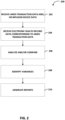
- FIG. 2 is a flow diagram illustrating an example process (200) by which a medication administration auditing device/system, such as medication auditing computing system 130 of FIG. 1 , may analyze medication transactions and identify variances which may be indicative of possible drug diversion events.
- a medication administration auditing device/system such as medication auditing computing system 130 of FIG. 1
- the computing device receives AMDS transaction data associated with medication transactions (202).
- the AMDS transaction data may include any information related to dispensation or wasting of a medication, including but not limited to the name of the medication, transaction type (e.g., removed, wasted, returned to stock) the amount of the medication, user name or identifier, witness name or identifier, patient name or identifier, time and date, prescribing physician name or identifier, AMDS identifier and/or location, or any other information relevant to a medication dispense or waste transaction.
- the computing device further receives electronic health record (eHR) data corresponding to the AMDS transaction data (204).
- the computing device may query an eHR system or database, such as eHR system 150 of FIG. 1 , for the eHR data.
- the computing device analyzes the data by, for example, comparing the AMDS data to the corresponding eHR data (206). A non-matching event is categorized as a variance (208).
- the system may generate one or more reports including the results of the analysis. Results of the analysis may be used for drug diversion prevention, financial charge capture, and/or regulatory compliance, and may also help to improve patient safety.
- the computing device receives AMDS transaction data associated with medication dispensing and/or waste transactions (202).
- the AMDS transaction data may include any information related to dispensation or wasting of a medication, including but not limited to the name of the medication requested or dispensed or wasted, transaction type (e.g., removed, wasted, returned to stock) the amount of the medication, user name or identifier, witness name or identifier, patient name or identifier, time and date, prescribing physician name or identifier, AMDS identifier and/or location, waste volume, amount, or concentration, AMDS waste identifier and/or location, time and date, or any other information relevant to a dispense transaction.
- transaction type e.g., removed, wasted, returned to stock
- the amount of the medication e.g., user name or identifier, witness name or identifier, patient name or identifier, time and date, prescribing physician name or identifier, AMDS identifier and/or location, waste volume, amount, or concentration, AMDS waste
- the computing device further receives electronic health record (eHR) data corresponding to the AMDS transaction data (204).
- the computing device may query an eHR system or database, such as eHR system 150 of FIG. 1 , for the eHR data.
- the computing device analyzes the data by, for example, comparing AMDS data concerning medication dispensed from the (AMDS) to the corresponding eHR data (206). A non-matching event is categorized as a variance (208).
- the computing device may further analyze the data (206) by analyzing the AMDS data concerning the medication dispensed and/or wasted from the AMDS over time based on user, mediation, type of user, location, timeframe, practice, etc.
- the system may generate one or more reports including the results of the analysis. Results of the analysis may be used for drug diversion prevention, financial charge capture, and/or regulatory compliance, and may also help to improve patient safety.
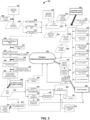
- FIG. 3 is a flow diagram illustrating a more detailed example process (300) by which a medication administration auditing system, such as system 130 of FIG. 1 , may analyze medication transactions and identify variances which may be indicative of possible drug diversion events.
- Example process (300) is described as being specific to auditing of anesthesia medication administration; however, it shall be understood that the same or similar processes may be applied to administration of other types of medication in other areas of a healthcare institution, and that the disclosure is not limited in this respect.
- an AMDS transaction (304, 306)
- the AMDS is a Pyxis TM automated medication dispensing system; however, it shall be understood that any automated mediation dispensing system may be used, and that the disclosure is not limited in this respect.
- the transaction may include return of a medication to stock transaction (308), administration of a medication transaction (310), or a medication waste transaction (312).
- the AMDS data (314, 318) and the electronic health records corresponding to the AMDS data are obtained (316, 324).
- the system compares the AMDS data and the corresponding eHR data (320, 322). If the data does not match (326, 328), the mismatch is categorized as a variance indicating a possible drug diversion event (350). Example situations which may result in a mismatch are illustrated in FIG. 3 (330-336).
- the process for wasting a medication is followed (341-346).
- the AMDS data regarding the wasted medication (352) and the expected amount of waste are compared (348). Any discrepancy may be identified as a mismatch (355, 356, 357, 358, 359).
- the method may include a qualitative or quantitative assay (360) and the results of the assay may be verified (362).
- a two-tech waste retrieval verification process (353) if the waste retrieved matches the AMDS waste amount (354) an assay may be performed for verification purposes (360, 362). Any mismatches may be identified as a variance indicating a possible drug diversion event (350).
- the system may generate reports (370) which may be sent to the appropriate area or persons for verification (372). Any discrepancies/variance may require completion of an electronic discrepancy form (374).
- the system may further track trends over time and generate one or more reports concerning those trends (380).
- a medication administration auditing system may analyze AMDS data (e.g., as indicated by reference numeral 206 in FIG. 2 )
- AMDS data e.g., as indicated by reference numeral 206 in FIG. 2
- a process for a nursing auditing program, an anesthesia monitoring program, a procedural auditing program, a Controlled Analgesia (PCA) and Epidural administration auditing program, and a pharmacy auditing program will now be described.
- PCA Controlled Analgesia
- Epidural administration auditing program e.g., as indicated by reference numeral 206 in FIG. 2
- An example nursing auditing program may utilize the Health Level Seven (HL7) data stream from the electronic healthcare administration record (eHR). The program compares and analyzes clinical documentation to medication administration obtained from automated medication dispensing systems (AMDS).
- HL7 Health Level Seven
- AMDS automated medication dispensing systems
- the program compares nursing medication administration documentation (charting) to the net of medication dispensed from an AMDS removing comparisons that match, resulting in variances to expected practice for each category.
- the cross-view sum of each category may direct an auditor to review for drug diversion.
- the example nursing auditing program may further include one or more of the following functions during the analysis:
- An example anesthesia auditing program may utilize the HL7 data stream from the electronic healthcare administration record (eHR). The program compares and analyzes Anesthesia clinical documentation to Anesthesia medication administration obtained from electronic medication dispensing systems (AMDS).
- eHR electronic healthcare administration record
- AMDS electronic medication dispensing systems
- the program compares Anesthesia medication administration documentation (charting) to the net of medication dispensed from an AMDS removing comparisons that match.
- the data from a number of different categories is then cross-compared using algorithmic analyses pinpointing variances and areas of potential diversion.
- the example anesthesia auditing program may further include one or more of the following functions:
- An example procedural auditing application may be very similar to the anesthesia application.
- the procedural auditing application may utilize the HL7 data stream from the electronic healthcare administration record (eHR).
- the program compares and analyzes clinical documentation in procedural areas to medication administration obtained from electronic medication dispensing systems (AMDS) in a procedural setting. Medication dispensed in these areas is obtained from an AMDS that allow a user to remove any medication in the cabinet and the removal of the medication is not physically restricted. Examples of procedural areas would include Endoscopy, Emergency Room, Catherization Lab, OR Surgical and Interventional Radiology.
- Program Functionality Compares medication administration documentation (charting) in a Procedural Practice to the net of medication dispensed from an AMDS removing comparisons that match.
- the resulting output of variances is cross-compared using algorithmic analyses, pinpointing areas of potential diversion.
- the example procedural auditing program may further include one or more of the following functions:
- An example Patient Controlled Analgesia (PCA) and Epidural administration program may compare the HL7 clinical data of administration to the dispensing of medication including returns and waste and also to an electronic administration history from the pump administration.
- PCA Patient Controlled Analgesia
- Epidural administration program may compare the HL7 clinical data of administration to the dispensing of medication including returns and waste and also to an electronic administration history from the pump administration.
- PCA/Epidural administration has very high potential for diversion due to the high volumes and high concentrations of medications utilized.
- auditing and accountability for this type of therapy is very difficult.
- this application may make comparisons of the net amount of drug administered to a patient compared to the sum of expected administration based on the prescriber order. Waste retrieval and assay may be utilized to confirm unused medication.
- the medication administration pump history may also be compared to the charted administration and the physical administration for medication accountability.
- the example PCA auditing program may further include one or more of the following functions:
- An example Pharmacy controlled substance inventory control cabinet program involves auditing and inventory control processes of controlled substance medication inventory in the Pharmacy.
- the hardware device is essentially an AMDS containing all controlled substance inventory in an inpatient pharmacy. Large quantities of controlled substance medication inventory are received and dispensed through this device.
- the example pharmacy auditing program may further include one or more of the following functions:
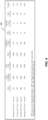
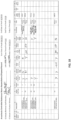
- FIG. 4 a table 101 illustrating an example of how use of the medication administration auditing system such as that described herein resulted in a reduction in net variances from 285 (2.26% of all transactions) during the period February 1-28 of 2012, to 222 (1.77% of all transactions) during the period February 1-28 of 2013, to 157 (1.03% of all transactions) during the period February 1-28 of 2014, and to 81 (0.56% of all transactions) during the period February 1-18 of 2015.
- FIG. 5 is an example report for the period May 18, 2015 to September 13, 2015, detailing, for example, the total number of transactions reviewed, the total number of unaccounted for CS (controlled substance) medications, the total amount of errors, and the total number of unconfirmed CS medications detected by the medication administration auditing system described herein.
- FIG. 6 is an example graph illustrating a reduction in net variances over time resulting from implementation of the medication administration auditing system described herein.
- FIG. 7 is an example graph illustrating the quantity of anesthesia unconfirmed CS waste versus waste retrieval pickups.
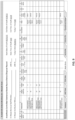
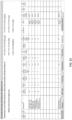
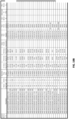
- FIG. 8 is an example table listing variances reported by the medication administration auditing system described herein.
- FIG. 9 is an example anesthesia controlled substance waste reconciliation disposal record (blank) and FIG. 10 is the example anesthesia controlled substance waste reconciliation disposal record of FIG. 9 including assay results and comments.
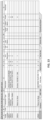
- FIG. 11 is an example report of unconfirmed waste discrepancies reported by the medication administration auditing system described herein.
- FIG. 12 is an example report of waste volume discrepancies reported by the medication administration auditing system described herein.
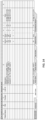
- FIGS. 13 and 14 are example reports of AMDS transactions generated by the medication administration auditing system described herein.
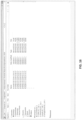
- FIG. 15 is an example report of return to external bin transactions (return bins that provide secure storage for previously removed, unopened medications that are returned for inspection and return to inventory) generated by the medication administration auditing system described herein.
- FIG. 16 is an example report showing a list of electronically stored waste reconciliation spreadsheets by date generated by the medication administration auditing system described herein.
- FIG. 17 is an example report of a variance log listing variances and comments from the drug diversion prevention team generated by the medication administration auditing system described herein.
- FIG. 18 is an example report of an assay log of the type used with the medication administration auditing system described herein.
- FIG. 19A is an example of a Waste Assay log of the type used with the medication administration auditing system described herein.
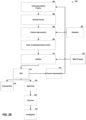
- FIG. 20 is a diagram illustrating an example drug diversion prevention model (500), which when implemented in a hospital or other healthcare facility may be used to develop procedures for medication administration auditing in a medical practice area.
- the model (500) may include gaining an understanding of the clinical practice (502), including personnel types, medications, medication administration processes, practice workflows, etc. Based on this understanding, a process for medication ordering, removal, administration, charting, wasting, and assay may be determined (504), and practice improvements to the process may be identified and implemented (506).
- the process may be specific to a particular area (such as nursing, PCA/epidural, anesthesia, pharmacy, procedural areas, etc.) or the process may be applied to multiple clinical practice areas.
- the diversion prevention practice model further includes education of the relevant personnel regarding the process (526).
- the process further includes auditing (510) of AMDS data, electronic health record data, assay data and/or infusion pump data to identify possible drug diversion events.
- the medication administration auditing module such as analysis module 134, may perform the auditing functions (528). If variances are identified (512), the system may further determine if they are associated with process issues or errors that do not involve diversion event(s) (514) or if they are associated with a potential drug diversion event (520). An investigation procedure by which potential drug diversions may be further investigated and/or confirmed may also be established (522).
- the variances may be further analyzed by the medication administration auditing system to identify potential drug diversion events (590). This may include job-peer specific analysis (582, 586, 588) to "normalize” the data and ensure that users are compared with other users likely to have similar medication administration usage patterns. Once a potential drug diversion has been identified, an investigation may be undertaken to confirm whether drug diversion has occurred (592). Longitudinal tracking (594) of variances over time (596) may be further analyzed to identify potential drug diversions that might be missed if only single data points are reviewed.
- the medication administration auditing system described herein may establish a baseline for each job role (e.g., nurse, physician, etc.) for each criterion (e.g., practice area/department, geographic location, dispensing location, patient, timeframe, etc.) to be reviewed.
- a user's medication transaction activity e.g., removal and waste
- Job role, department and location are considered because medication use and waste can differ greatly by the location and type of service provided by a user. Since a user may work more shifts and/or see more patients, the system may allow for variance from the baseline in certain circumstances.
- the system may analyze the number of variances vs. their peer group in the same job role for an expected criterion. In other words, the system may compare a number of variances of a user to a peer group baseline previously established for user's in the same job role. High variance patterns by a particular medication or location may indicate potential diversion. Diverters often have a preferred medication, location and method. Analysis of a user's medication use and waste over time may help to identify these details and find potential diversion. Review of an individual (investigation) may start when behavior outside the norm is identified with all other criteria being as equal as possible.
- Variance thresholds may vary across job roles.
- one or more of the criteria may be weighted and combined in different ways for different job roles. Once a baseline is built for a criterion, every user that exceeds the criteria baseline can be compared and analyzed. If a user exceeds the average user by more than the permitted variance, a potential diversion may be identified and they may be more deeply reviewed. In another example, if a user has more than three variances in a quarter, a potential diversion may be identified and an investigation started.
- CRNA Certified Registered Nurse Anesthetist
- the medication administration auditing system compares peers in a similar job role.
- the user will likely work in other areas and that information, created on different criteria, can be used in conjunction to evaluate the user.
- meaningful comparisons to identify diversion can be made.
- Longitudinal tracking and analysis of variances may include review over a number of timeframes (ex. monthly, quarterly, biannually) because diversion may be easily missed due to the timeframe reviewed.
- the medication administration auditing system may sort the data by a specific parameter (e.g., user, medication, job role, location, etc.) for further analysis.
- Electronic data allows for trend analysis of any of the parameters over any timeframe.
- diversion can be very difficult to identify.
- the diverter may be expert at employing methods to prevent detection. They may employ multiple types of diversion activities and spread them over an extended period of time such that even if a variance is detected every so often, these variances may not be consistent.
- a diverter may be able to explain away a single seemingly random variance as they normally have their explanations prepared in advance. Identification of multiple different types of variances over time, when taken together, may help identify potential diversion activity. For example, the following detected variances may result in identification of a potential diversion:
- each criterion above may not be enough to identify potential diversion.
- the combination of data points in other words, identification of multiple variances and multiple different types of variances, that may help to identify diversion activity.
- investigators may speak to the individual about certain identified variances with the intent of producing a change in diversion behavior. For example, upon being informed that certain of their diversion activities have been identified, the individual may change from weekly to monthly diversion, change to a different AMDS from which the diverted meds are removed and/or wasted, change diverted medications, etc.
- the change in behavior may be readily apparent when trend analyzed and may help to confirm if real diversion activity exists.
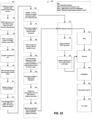
- FIG. 22 is a flowchart illustrating an example waste assay tracking process (600). This includes the procedures to be followed by a drug diversion prevention team (DDPT) for retrieval and assay of the medical waste (also referred to as "controlled substance” or "CS" waste).
- DDPT drug diversion prevention team
- the waste assay tracking process also establishes a chain of custody to maintain the integrity of the medical waste through the retrieval and assay procedures.
- CS waste is retrieved (such as from an AMDS) (602).
- Two DDPT members are assigned to perform an appropriate assay process on the retrieved waste.
- the assay may vary depending upon the type of controlled substance. Documentation (e.g., spreadsheets or other appropriate documentation) are created to record data generated during the assay process
- the DDPT may randomly test a pre-defined percentage (e.g., 50%) of all CS waste; however, in some examples, 100% of the medical waste is tested to increase the likelihood that all diversion events will be detected (606).
- a pre-defined percentage e.g. 50%
- 100% of the medical waste is tested to increase the likelihood that all diversion events will be detected (606).
- the DDPT may establish a "watch list" of high risk medications that are always assayed (614), and assay a pre-defined percentage of medications that are not on the watch list.
- the CS waste is assayed (608) by the assigned members of the DDPT.
- the assay takes place on site to help maintain the chain of custody and thus the integrity of the CS waste.
- the assay may vary depending upon the type of CS waste being tested.
- the assay may include a determination of the volume of the CS waste and /or a spectrographic analysis of the CS waste to determine its chemical composition (610).
- the results are recorded (612) (e.g., in auditing data 146 shown in FIG. 1 , for example).
- the medication administration auditing system determines the expected volume and concentration of the retrieved CS waste. If the results of the assay are not within a defined percentage of the expected volume and concentration (e.g., 10% or other appropriate percentage) the results are flagged and the CS waste is sent for further analysis (616). The results of the assay and the comparison with expected are also recorded (such as in auditing data 146 shown in FIG. 1 , for example) (618).
- any CS waste not within the defined percentage of expected volume and concentration are tested an additional 2 times to confirm the results of the initial assay (620).
- CS waste that passes the initial assay are disposed of and witnessed by a DDPT member (622).
- Questionable CS waste that does not meet the pre-defined tolerances with expected are saved for further review (622).
- Further review may include analysis using high performance liquid chromatography (HPLC) (624) or other alternative assay techniques.
- the results of all assays are stored for longitudinal tracking (626, 628). If a first assay does not fall within the pre-defined tolerance of expected, a DDPT supervisor or another team member may be alerted (630).
- the sample may then be tested again by the supervisory DDPT member (632). Again, this step may be implemented to further confirm the results of the initial assay and to increase confidence in the results for all persons involved.
- further review may include analysis using high performance liquid chromatography (HPLC) (634) or other alternative assay techniques.
- an investigation may be conducted (640) to identify the persons involved and determine the circumstances of the diversion(s). If the investigation concludes with a reasonable suspicion that one or more employees have been diverting (642), repercussions may include termination of the employee(s) (644).
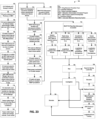
- FIG. 23 is a flow chart illustrating an example drug diversion prevention and identification auditing process (700).
- This process will be described with respect to a patient controlled analgesia (PCA), epidural, or continuous infusion practice area of a healthcare facility; however, it shall be understood that some or all the process steps may be used for other areas within a hospital or healthcare facility, and that the disclosure is not limited in this respect.
- PCA patient controlled analgesia
- DDPT drug diversion prevention team
- the process includes a waste assay tracking process that establishes a chain of custody to maintain the integrity of the medical waste through the retrieval and assay procedures.
- a user executes an AMDS transaction or pharmacy transaction to obtain the CS medication (704).
- the CS medication may be independently wasted (no witness required) via an AMDS (706) and results electronically stored by the AMDS as described herein.
- Wasting of the CS medication may include placing the CS waste in a tamper-evident bag and placing the bag in the CS waste bin associated with the AMDS (708).
- the waste retrieval process may include retrieval by a DDPT member or members according to the defined chain of custody procedures (710).
- the CS waste bin is emptied by DDPT staff and unit manger using 2 unique keylock system (712).
- the CS meds are placed in an opaque tamper evident bag and sealed (714).
- the DDPT staff and unit manager sign across a perforation of the tamper-evident bag and write a count of the CS meds on the bag (716).
- a total waste count collected from each AMDS waste bin is recorded on a log sheet and signed by both the DDPT staff and unit manager (718).
- the tamper-evident bag is returned to an area or room assigned for assay in view of video surveillance (720).
- the tamper-evident bag is opened, the contents are removed, and the counts are verified (722).
- the medication administration auditing system receives administration histories (either directly or indirectly) from infusion devices (such as infusion devices 162 of FIG. 1 ) (724). This data includes the amount of CS medication administered to a patient by the infusion device.
- the medication administration auditing system also receives the electronic health record and AMDS data regarding the CS medication (726). This data includes the charted amount of the CS medication administered to the patient and the amount of the CS medication dispensed by/wasted to the AMDS, respectively.
- the medication administration auditing system identifies any discrepancies between the actual amount of CS wasted back into the AMDS and the expected CS waste (728).
- an assay procedure is performed, including collecting CS waste samples (730), determining the volume of the CS waste sample (732), and comparing the CS waste volume to the expected CS waste volume (the expected waste volume determined with reference to the administration data from the infusion device) (734).
- an assay is performed on the CS waste samples to identify the chemical composition of the wasted material (736). This is further compared to the expected CS waste (738). The results of the assay are stored for analysis (738).
- the medication administration auditing system may further break down the results of the assay procedures into four subgroups (740). Samples not meeting the pre-defined tolerances of the expected CS waste may be designated for further assay (such as additional spectrographic or HPLC analysis) (742). The further assays are performed, the results stored, and longitudinal tracking and analysis is performed on those samples to identify potential diversions (742,744). Similarly, confirmed waste assay results are also separately tracked and analyzed over time for comparison purposes (746, 748). Unconfirmed CS waste (e.g., CS waste not satisfying the predefined margin for error) are separately tracked and analyzed over time (750, 752) as are volume discrepancies (754, 756).
- further assay such as additional spectrographic or HPLC analysis
- One or more discrepancies may rise to the level of a risk that diversion is occurring (758), at which point an investigation may be conducted (774) to confirm whether diversion has occurred (780).
- the investigation may include a report to nursing or other appropriate leadership (760), an employee interview (764), a DDPT review (770), and further longitudinal tracking and analysis (772).
- An electronic controlled substance discrepancy form may be maintained in an appropriate database (768). Education may be provided for relevant employees in the event of errors that do not involve diversion (762).
- FIG. 24 is a flow chart illustrating another example drug diversion prevention and identification auditing process (800).
- This process will be described with respect to an anesthesia practice area of a healthcare facility; however, it shall be understood that some or of all the process steps may be used for other areas within a hospital or healthcare facility, and that the disclosure is not limited in this respect.
- This includes the procedures to be followed by a drug diversion prevention team (DDPT) for retrieval and assay of the CS waste.
- the retrieval process is shown as being specific to a Pyxis TM automated medication dispensing system, and CS waste bins having a two-key lock system; however, it shall be understood that any automated mediation dispensing system may be used, and that other secured waste bins may be used, and that the disclosure is not limited in this respect.
- the process includes a waste assay tracking process that establishes a secure chain of custody to maintain the integrity of the medical waste through the retrieval and assay procedures.
- the waste retrieval process begins when a first person, such as a DDPT member removes a first waste bin key from a secured location, such as a safe (802).
- the DDPT member meets a second person, such as an RN or anesthesia management staff member at the AMDS waste bin (804).
- the second person obtains a second waste bin key for the AMDS station (806).
- the first and second persons open the waste bin using the 2-key lock system (808).
- the waste bin contents are inventoried by number of items (810).
- the CS waste items are placed in an opaque tamper-evident bag and sealed (812). The number of CS waste items is written on the outside of the bag, and the first and second persons each sign/initial the bag across a perforation (814).
- the bag ID, item count, initials of the first and second persons are recorded on a log (816). This process (802-816) is repeated at each waste bin (818).
- the sealed CS waste bags are delivered to an area or room designated for CS waste assay under video surveillance (820).
- an electronic record is created for each item of expected CS waste (824).
- Two DDPT members verify the expected volume of CS waste with the received volume of CS waste (826), and this data is electronically documented (828).
- Volume discrepancies greater than a predetermined threshold e.g., 10%
- a predetermined percentage e.g., at least 50%
- CS waste samples are assayed (836).
- CS waste that is assayed within the acceptable limits is properly disposed of by two DDPT staff with signed documentation (838). All the CS waste data generated during the assay process is recorded electronically, such as in auditing data 146 of FIG. 1 (840, 842).
- the medication administration auditing system may further break down the results of the assay procedures into four subgroups (844). Samples not meeting the pre-defined tolerances of the expected CS waste may be designated for further assay (such as additional spectrographic or HPLC analysis) (846). The further assays are performed, the results stored, and longitudinal tracking and analysis is performed on those samples to identify potential diversions (846, 848). Similarly, confirmed waste assay results are also separately tracked and analyzed over time for comparison purposes (850, 852). Unconfirmed CS waste (e.g., CS waste not satisfying the predefined margin for error) are separately tracked and analyzed over time (854, 856) as are volume discrepancies (858, 860).
- Unconfirmed CS waste e.g., CS waste not satisfying the predefined margin for error
- One or more discrepancies may identify a risk that diversion is occurring (864).
- Anesthesia leadership may be notified (862), and an investigation may be conducted (868) to confirm whether diversion has occurred (866).
- the investigation may include a report to anesthesia or other appropriate leadership (862), an employee interview (872), a DDPT review (876), and further longitudinal tracking and analysis (878).
- An electronic controlled substance discrepancy form may be maintained in an appropriate database (874). Education may be provided for relevant employees in the event of errors that do not involve diversion (870).
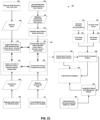
- FIG. 25 is a diagram illustrating an example overall process (220) executed by a medication administration auditing system, such as medication administration auditing system 130 shown in FIG. 1 .
- the medication administration auditing system receives AMDS transaction data (including controlled substance medication dispense data and waste data), infusion device data (including data regarding administration of controlled substance medications by the infusion device), assay data (including results of any controlled substance waste assays), and electronic health record data (including charted medications prescribed and administered).
- the medication administration auditing system executes an auditing/analysis program 220 (such as analysis application module 134 of FIG. 1 ) to identify potential drug diversion events.
- the auditing/analysis 220 may include one or more of the functions shown in FIG. 25 .
- the system may, for example, receive and analyze AMDS data 221, infusion device data 223, assay data 225, and electronic health record data 227, either individually or in any combination, over time to establish baselines corresponding to each peer group, and for each parameter/criteria analyzed (medication, timeframe, geographic location, etc.) (221).
- the system may further determine, from AMDS transaction data, a net amount of medication dispensed within a defined period of time, a net amount of medication wasted within a defined period of time, a net amount of medication returned to stock within a defined period of time, and/or a net number of transactions canceled within a defined period of time (222).
- the system may further compare an amount of a medication removed/dispensed from an AMDS with a charted amount of the medication administered to a patient (224).
- the system may further analyze the time frame between a medication dispense and administration of the medication to a patient (226).
- the system may further identify transaction in which a medication was removed/dispensed by an AMDS and the entire amount of the medication was fully wasted (228).
- the system may further determine the net number of dispense/removals by a user within a defined period of time and compare it with a defined peer group (230).
- the system may further determine the total amount of waste transactions by a user within a defined period of time and compare it with a defined peer group (231).
- the system may further determine the total number of canceled transactions by a user within a defined period of time and compare it with a defined peer group (232).
- the system may further determine the amount/volume of each controlled substance used by a user within a defined period of time and compare it with a defined peer group (233).
- the system may determine the amount/volume of anesthetic gases and propofol within a defined period of time and compare it with a defined peer group (234).
- the system may further identify transactions by a user on AMDS machines or recorded against patients not assigned to a user (235).
- the system may further determine medication that was not wasted upon immediate removal (236).
- the system may further identify any discrepancies between the user who removes a medication from an AMDS, the person who charts the medication, and the person who wastes the medication (238).
- the system may further determine if a medication was charted but has no corresponding removal from an AMDS (was never dispensed) (240).
- the system may further analyze any dispense/removal transactions with clinical appropriateness (242).
- the system may further identify any medications that should have been "returned to external bin" (246).
- the system may further compare an actual amount (e.g., volume or weight) wasted as determined by assay with an expected amount wasted (248).
- the system may further analyze an infusion device history and compare an actual amount of a medication administered to a patient with a charted amount of the medication to be administered and with an expected waste amount of the medication (249).
- the system may further apply weights to one or more of the criteria, and/or combine the criteria in different ways for different job roles (250).
- the system may further analyze the AMDS data, the infusion device data, assay data, and electronic health record data over time (251). Detection of one or more variances during analysis (220) performed by the medication administration auditing system may identify potential diversion activity (260).
- processors may be implemented within one or more of a general purpose microprocessor, digital signal processor (DSP), application specific integrated circuit (ASIC), field programmable gate array (FPGA), programmable logic devices (PLDs), or other equivalent logic devices.
- DSP digital signal processor
- ASIC application specific integrated circuit
- FPGA field programmable gate array
- PLDs programmable logic devices
- various components illustrated herein may be realized by any suitable combination of hardware, firmware, and/or software.
- various components are depicted as separate units or modules.
- all or several of the various components described with reference to these figures may be integrated into combined units or modules within common hardware, firmware, and/or software. Accordingly, the representation of features as components, units or modules is intended to highlight particular functional features for ease of illustration, and does not necessarily require realization of such features by separate hardware, firmware, or software components.
- various units may be implemented as programmable processes performed by one or more processors or controllers.
- any features described herein as modules, devices, or components may be implemented together in an integrated logic device or separately as discrete but interoperable logic devices.
- such components may be formed at least in part as one or more integrated circuit devices, which may be referred to collectively as an integrated circuit device, such as an integrated circuit chip or chipset.
- integrated circuit device such as an integrated circuit chip or chipset.
- Such circuitry may be provided in a single integrated circuit chip device or in multiple, interoperable integrated circuit chip devices, and may be used in any of a variety of applications and devices.
- the techniques may be realized at least in part by a computer-readable data storage medium comprising code with instructions that, when executed by one or more processors or controllers, performs one or more of the methods described in this disclosure.
- the computer-readable storage medium may form part of a computer program product, which may include packaging materials.
- the computer-readable medium may comprise random access memory (RAM) such as synchronous dynamic random access memory (SDRAM), read-only memory (ROM), non-volatile random access memory (NVRAM), electrically erasable programmable read-only memory (EEPROM), embedded dynamic random access memory (eDRAM), static random access memory (SRAM), flash memory, magnetic or optical data storage media.
- RAM random access memory
- SDRAM synchronous dynamic random access memory
- ROM read-only memory
- NVRAM non-volatile random access memory
- EEPROM electrically erasable programmable read-only memory
- eDRAM embedded dynamic random access memory
- SRAM static random access memory
- flash memory magnetic or optical data storage media.
Landscapes
- Health & Medical Sciences (AREA)
- Engineering & Computer Science (AREA)
- Epidemiology (AREA)
- General Health & Medical Sciences (AREA)
- Medical Informatics (AREA)
- Primary Health Care (AREA)
- Public Health (AREA)
- Chemical & Material Sciences (AREA)
- Bioinformatics & Cheminformatics (AREA)
- Medicinal Chemistry (AREA)
- Medical Treatment And Welfare Office Work (AREA)
- Medical Preparation Storing Or Oral Administration Devices (AREA)
Claims (11)
- Computerimplementiertes Verfahren (134, 136) zum Auditieren einer Medikamentenverabreichung in einem automatisierten Medikamentenabgabesystem (100), wobei das Verfahren umfasst:Erhalten von Medikamentenabgabe-Transaktionsdaten, die dem automatisierten Medikamentenabgabesystem (104) zugewiesen sind,wobei die Medikamentenabgabe-Transaktionsdaten zumindest eine Benutzerkennung, eine Medikamentenkennung, eine Patientenkennung, und eine abgegebene Menge eines Medikaments, das der Medikamentenkennung zugewiesen ist, umfassen;Erhalten von elektronischen Patientenaktendaten entsprechend den Medikamentenabgabe-Transaktionsdaten, wobei die elektronischen Patientenaktendaten zumindest eine Patientenkennung, ein verordnetes Medikament, undeine verabreichte Menge des Medikaments umfassen;Vergleichen der Medikamentenabgabe-Transaktionsdaten mit den entsprechenden elektronischen Patientenaktendaten;Bestimmen einer erwarteten Abfallmenge des Medikaments basierend auf der abgegebenen Menge des Medikaments und der verabreichten Menge des Medikaments;Erhalten von Untersuchungsdaten entsprechend einer quantitativen Untersuchung, die eine tatsächliche Abfallmenge des Medikaments angeben;Erhalten von Medikamentenabfall-Transaktionsdaten, die dem automatisierten Medikamentenabgabesystem zugewiesen sind, wobei die erhaltenen Medikamentenabfall-Transaktionsdaten eine Abfallmenge des Medikaments angeben;Vergleichen der abgegebenen Menge des Medikaments, der Abfallmenge des Medikaments, der verabreichten Menge des Medikaments, der erwarteten Abfallmenge des Medikaments und der tatsächlichen Abfallmenge des Medikaments, die einem Benutzer zugewiesen sind, mit abgegebenen Mengen des Medikaments, Abfallmengen des Medikaments, verabreichten Mengen des Medikaments, erwarteten Abfallmengen des Medikaments und tatsächlichen Abfallmengen des Medikaments, die einem oder mehreren Peers des Benutzers in einer ähnlichen Arbeitsrolle zugewiesen sind;Identifizieren der Abweichung, die auf ein potenzielles Ereignis einer Abzweigung von Arzneimitteln hinweist, basierend auf dem Vergleich; undErstellen eines oder mehrerer Berichte, die mindestens eines aus den Ergebnissen des Vergleichs und der identifizierten Abweichung umfassen und Ergebnisse der Analyse der abgegebenen Menge des Medikaments und/oder der Abfallmenge des Medikaments im Laufe der Zeit basierend auf mindestens einem aus Benutzer, Medikament, Benutzertyp, Ort, Zeitrahmen, Praxis umfassen, wobei die Ergebnisse der Analyse der Verbesserung der Patientensicherheit dienen.
- Verfahren nach Anspruch 1, wobei die Medikamentenabgabe-Transaktionsdaten Medikamentenabfall-Transaktionsdaten oder Transaktionsdaten zur Rückkehr eines Medikaments in den Bestand umfassen.
- Verfahren nach Anspruch 1, das ferner das Erhalten von Untersuchungsdaten entsprechend einer quantitativen Untersuchung für eine vorbestimmte Prozentzahl an Abfalltransaktionen umfasst.
- Verfahren nach Anspruch 1, das ferner das Analysieren der Medikamentenabgabe-Transaktionsdaten über einen Zeitraum umfasst, um Trends in den Transaktionsdaten zu identifizieren.
- Verfahren nach Anspruch 1, das ferner das Analysieren von zumindest einem Teil der Medikamentenabgabe-Transaktionsdaten umfasst, die einem bestimmten Gesundheitsdienstleister zugewiesen sind.
- Verfahren nach Anspruch 6, das ferner umfasst:Erhalten der Infusionsmedikament-Verabreichungsdaten, die eine tatsächliche Menge eines Infusionsmedikaments angeben, das von einer Infusionsvorrichtung verabreicht wird;Erhalten von Untersuchungsdaten entsprechend einer quantitativen Untersuchung, die eine tatsächliche Abfallmenge des Infusionsmedikaments angeben;Bestimmen einer erwarteten Abfallmenge des Infusionsmedikaments basierend auf einer abgegebenen Menge des Infusionsmedikaments und der verabreichten Menge des Medikaments; undIdentifizieren der Abweichung, die auf ein potenzielles Ereignis der Abzweigung von Arzneimitteln hinweist, basierend auf der abgegebenen Menge des Infusionsmedikaments, der verabreichten Menge des Infusionsmedikaments,der Abfallmenge des Infusionsmedikaments, der erwarteten Abfallmenge des Infusionsmedikaments, und der tatsächlichen Abfallmenge des Infusionsmedikaments.
- Medikamentenverabreichungs-Auditsystem (100), das aufweist:
mindestens einen Prozessor (132), der für Folgendes ausgebildet ist:Erhalten von Medikamentenabgabe-Transaktionsdaten, die einer Vielzahl von Abgabetransaktionen zugewiesen sind, die in einem automatisierten Medikamentenabgabesystem (104) durchgeführt werden, wobei die Medikamentenabgabe-Transaktionsdaten für jede der Vielzahl von Abgabetransaktionen eine Benutzerkennung, eine Medikamentenkennung, eine Patientenkennung, und eine abgegebene Menge eines Medikaments umfassen;Erhalten von elektronischen Patientenaktendaten entsprechend den Medikamentenabgabe-Transaktionsdaten, wobei die elektronischen Patientenaktendaten zumindest eine Patientenkennung, ein verordnetes Medikament, und eine verabreichte Menge des Medikaments umfassen;Erhalten von Medikamentenabfall-Transaktionsdaten, die einer Vielzahl von Abfalltransaktionen zugewiesen sind, die in einem automatisierten Medikamentenabgabesystem durchgeführt werden, wobei die Medikamentenabfall-Transaktionsdaten für jede der Vielzahl von Abfalltransaktionen eine Benutzerkennung, eine Medikamentenkennung, eine Patientenkennung, und eine Abfallmenge eines Medikaments umfassen;für jede der Vielzahl von Abgabetransaktionen, Vergleichen der Medikamentenabgabe-Transaktionsdaten mit den entsprechenden elektronischen Patientenaktendaten;für jede der Vielzahl von Abgabetransaktionen, Bestimmen einer erwarteten Abfallmenge des Medikaments basierend auf der abgegebenen Menge des Medikaments und der verabreichten Menge des Medikaments;für jede der Vielzahl von Abfalltransaktionen, Erhalten von Untersuchungsdaten entsprechend einer quantitativen Untersuchung, die eine tatsächliche Abfallmenge des Medikaments angeben;Vergleichen der abgegebenen Menge des Medikaments, der Abfallmenge des Medikaments, der verabreichten Menge des Medikaments, der erwarteten Abfallmenge des Medikaments und der tatsächlichen Abfallmenge des Medikaments, die einem Benutzer zugewiesen sind, mit abgegebenen Mengen des Medikaments, Abfallmengen des Medikaments, verabreichten Mengen des Medikaments, erwarteten Abfallmengen des Medikaments und tatsächlichen Abfallmengen des Medikaments, die einem oder mehreren Peers des Benutzers in einer ähnlichen Arbeitsrolle zugewiesen sind;Identifizieren der Abweichung, die auf das Ereignis der potenziellen Abzweigung von Arzneimitteln hinweist, basierend auf dem Vergleich; undErstellen eines oder mehrerer Berichte, die mindestens eines aus den Ergebnissen des Vergleichs und der identifizierten Abweichung umfassen und Ergebnisse der Analyse der abgegebenen Menge des Medikaments und/oder der Abfallmenge des Medikaments im Laufe der Zeit basierend auf mindestens einem aus Benutzer, Medikament, Benutzertyp, Ort, Zeitrahmen, Praxis umfassen, wobei die Ergebnisse der Analyse der Verbesserung der Patientensicherheit dienen. - Medikamentenverabreichungs-Auditsystem nach Anspruch 7, wobei der mindestens eine Prozessor ferner für Folgendes ausgebildet ist:
für jede einer Vielzahl von Benutzerkennungen, Vergleichen einer Anzahl von identifizierten Abweichungen mit einer Anzahl von identifizierten Abweichungen, die einem dem Benutzer entsprechenden Peer-Group-Basiswert zugewiesen sind. - Medikamentenverabreichungs-Auditsystem nach Anspruch 7, wobei der mindestens eine Prozessor ferner für Folgendes ausgebildet ist:für jede einer Vielzahl von Benutzerkennung und für jede der Vielzahl von Abgabetransaktionen, die der jeweiligen Benutzerkennung zugewiesen sind,Vergleichen der abgegebenen Menge des Medikaments mit einer durchschnittlich abgegebenen Menge des Medikaments, die einem dem Benutzer entsprechenden Peer-Group-Basiswert zugewiesen ist.
- Medikamentenverabreichungs-Auditsystem nach Anspruch 7, wobei der mindestens eine Prozessor ferner für Folgendes ausgebildet ist:für jede der Vielzahl von Abfalltransaktionen, Erhalten von Untersuchungsdaten entsprechend einer quantitativen Untersuchung, die eine tatsächliche Abfallmenge des Medikaments angeben; undfür jede einer Vielzahl von Benutzerkennungen und für jede der Vielzahl von Abfalltransaktionen, Vergleichen der tatsächlichen Abfallmenge des Medikaments mit einer durchschnittlichen Abfallmenge des Medikaments, die einem dem Benutzer entsprechenden Peer-Group-Basiswert zugewiesen ist.
- Medikamentenverabreichungs-Auditsystem nach Anspruch 7, wobei der mindestens eine Prozessor ferner für Folgendes ausgebildet ist:Erhalten von Infusionsmedikament-Verabreichungsdaten, die einer Vielzahl von Infusionsvorrichtungen zugewiesen sind, wobei die Infusionsmedikament-Verabreichungsdaten für jede Verabreichung eines Infusionsmedikaments durch die Vielzahl von Infusionsvorrichtungen eine Benutzerkennung, eine Infusionsmedikamentenkennung, eine Patientenkennung, und eine tatsächliche verabreichte Menge des Infusionsmedikaments umfassen;Erhalten von Infusionsmedikament-Abfalltransaktionsdaten, die einer Vielzahl von Infusionsmedikament-Abfalltransaktionen zugewiesen sind, die in einem automatisierten Medikamentenabgabesystem durchgeführt werden, wobei die Infusionsmedikament-Abfalltransaktionsdaten für jede der Vielzahl von Infusionsmedikament-Abfalltransaktionen eine Benutzerkennung, eine Infusionsmedikamentenkennung, eine Patientenkennung, und eine Abfallmenge eines Infusionsmedikaments umfassen;für jede Verabreichung eines Infusionsmedikaments durch die Vielzahl von Infusionsvorrichtungen, Vergleichen der verabreichten Menge des Medikaments mit einem der Benutzerkennung entsprechenden dritten Peer-Group-Basiswert;für jede der Vielzahl von Abfalltransaktionen, Vergleichen der Abfallmenge des Medikaments mit einem der Benutzerkennung entsprechenden vierten Peer-Group-Basiswert; undIdentifizieren einer Abweichung, die auf eine potenzielle Abzweigung von Arzneimitteln hinweist, für jeden der Vergleiche, die einen Abweichungsschwellenwert erfüllen.
Applications Claiming Priority (2)
| Application Number | Priority Date | Filing Date | Title |
|---|---|---|---|
| US201562255177P | 2015-11-13 | 2015-11-13 | |
| PCT/US2016/061666 WO2017083748A1 (en) | 2015-11-13 | 2016-11-11 | Medication administration auditing systems and methods |
Publications (2)
| Publication Number | Publication Date |
|---|---|
| EP3374897A1 EP3374897A1 (de) | 2018-09-19 |
| EP3374897B1 true EP3374897B1 (de) | 2025-03-12 |
Family
ID=57421961
Family Applications (1)
| Application Number | Title | Priority Date | Filing Date |
|---|---|---|---|
| EP16802214.3A Active EP3374897B1 (de) | 2015-11-13 | 2016-11-11 | Medikamentenverabreichungs-auditsysteme und -verfahren |
Country Status (3)
| Country | Link |
|---|---|
| US (2) | US20180247703A1 (de) |
| EP (1) | EP3374897B1 (de) |
| WO (1) | WO2017083748A1 (de) |
Families Citing this family (25)
| Publication number | Priority date | Publication date | Assignee | Title |
|---|---|---|---|---|
| US9449296B2 (en) | 2011-08-02 | 2016-09-20 | Kit Check, Inc. | Management of pharmacy kits using multiple acceptance criteria for pharmacy kit segments |
| US9171280B2 (en) | 2013-12-08 | 2015-10-27 | Kit Check, Inc. | Medication tracking |
| US10679737B1 (en) | 2015-03-27 | 2020-06-09 | Protenus, Inc. | Methods and systems for analyzing accessing of medical data |
| WO2017066652A1 (en) | 2015-10-16 | 2017-04-20 | Carefusion 303, Inc. | Controlled substance diversion detection systems and methods |
| US10522252B2 (en) | 2017-06-16 | 2019-12-31 | Carefusion 303, Inc. | Opioid management system |
| US20190088354A1 (en) * | 2017-09-01 | 2019-03-21 | Kit Check, Inc. | Identifying discrepancies between events from disparate systems |
| US11081220B2 (en) | 2018-02-02 | 2021-08-03 | Carefusion 303, Inc. | System and method for dispensing medication |
| CN112292733B (zh) | 2018-05-04 | 2024-12-27 | 康尔福盛303公司 | 基于对等团体的异常行为检测 |
| US10528911B1 (en) * | 2018-08-22 | 2020-01-07 | Bobby J. Laster | Medication identification and inventory control system |
| CN109659003A (zh) * | 2018-12-05 | 2019-04-19 | 苏州大学附属第医院 | 药品流通方法及系统 |
| GB2595108B (en) | 2019-01-07 | 2023-05-03 | Carefusion 303 Inc | Machine learning based safety controller |
| CA3126351A1 (en) | 2019-01-10 | 2020-07-16 | Carefusion 303, Inc. | System for monitoring dose pattern and patient response |
| US10980940B2 (en) | 2019-01-18 | 2021-04-20 | Carefusion 303, Inc. | Medication tracking system |
| US12555082B2 (en) | 2019-07-24 | 2026-02-17 | Carefusion 303, Inc. | Smart wasting station for medications |
| US11551797B2 (en) | 2019-08-06 | 2023-01-10 | Kit Check, Inc. | Selective distribution of pharmacy item data from pharmacy item tracking system |
| WO2021062228A1 (en) * | 2019-09-27 | 2021-04-01 | Carefusion 303, Inc. | Rare instance analytics for diversion detection |
| US11721430B1 (en) * | 2019-10-17 | 2023-08-08 | Duke University | Methods, systems, and computer readable media for using machine learning in detecting drug diversion |
| US12272438B2 (en) | 2020-02-24 | 2025-04-08 | Carefusion 303, Inc. | Modular witnessing device |
| GB2610489A (en) * | 2020-03-19 | 2023-03-08 | Carefusion 303 Inc | IV workflow management system |
| CA3183423A1 (en) | 2020-05-14 | 2021-11-18 | Carefusion 303, Inc. | Wasting station for medications |
| US12482554B2 (en) * | 2021-02-26 | 2025-11-25 | Carefusion 303, Inc. | Dosage normalization for detection of anomalous behavior |
| US20220301697A1 (en) * | 2021-03-18 | 2022-09-22 | Vetsnap Corp. | System and techniques for inventory data reconciliation |
| US20250087312A1 (en) * | 2021-07-28 | 2025-03-13 | Chattem, Inc. | Systems and methods for providing a nonprescription drug |
| US20230077660A1 (en) * | 2021-09-10 | 2023-03-16 | Cerner Innovation, Inc. | Intelligent system for automatically testing and selecting from multiple data models for accurate diversion prediction |
| US20240203571A1 (en) * | 2022-12-16 | 2024-06-20 | Vetsnap Corp. | Systems and techniques for managing controlled substance inventory data |
Family Cites Families (9)
| Publication number | Priority date | Publication date | Assignee | Title |
|---|---|---|---|---|
| US6842736B1 (en) * | 1998-10-21 | 2005-01-11 | David J. Brzozowski | Drug auditing method and system |
| US7668730B2 (en) * | 2002-12-17 | 2010-02-23 | JPI Commercial, LLC. | Sensitive drug distribution system and method |
| US20090106311A1 (en) * | 2007-10-19 | 2009-04-23 | Lior Hod | Search and find system for facilitating retrieval of information |
| US20100174135A1 (en) * | 2009-01-06 | 2010-07-08 | Youngtack Shim | Synchronized relaxing systems and methods |
| US20110161108A1 (en) * | 2009-12-30 | 2011-06-30 | Mckesson Automation Inc. | Systems and methods for detecting diversion in drug dispensing |
| US8606596B1 (en) * | 2010-06-27 | 2013-12-10 | Crisi Medical Systems, Inc. | Medication waste and data collection system |
| US20130282392A1 (en) * | 2012-04-20 | 2013-10-24 | Scott Wurm | System and method of securely storing, dispensing, and inventorying medications and samples |
| US20140149131A1 (en) * | 2012-11-27 | 2014-05-29 | Covectra, Inc. | Methods and systems for drug diversion tracking |
| WO2014127234A1 (en) * | 2013-02-16 | 2014-08-21 | Diversion Detection Technologies, Llc | Method and apparatus for detecting controlled substance abuse or diversion |
-
2016
- 2016-11-11 EP EP16802214.3A patent/EP3374897B1/de active Active
- 2016-11-11 US US15/756,884 patent/US20180247703A1/en not_active Abandoned
- 2016-11-11 WO PCT/US2016/061666 patent/WO2017083748A1/en not_active Ceased
-
2023
- 2023-08-23 US US18/454,305 patent/US20240047028A1/en active Pending
Also Published As
| Publication number | Publication date |
|---|---|
| EP3374897A1 (de) | 2018-09-19 |
| US20180247703A1 (en) | 2018-08-30 |
| WO2017083748A1 (en) | 2017-05-18 |
| US20240047028A1 (en) | 2024-02-08 |
Similar Documents
| Publication | Publication Date | Title |
|---|---|---|
| US20240047028A1 (en) | Medication administration auditing systems and methods | |
| US12001438B2 (en) | Controlled substance diversion detection systems and methods | |
| US20250357010A1 (en) | Systems and methods for monitoring prescription ordering patterns | |
| Brummond et al. | ASHP guidelines on preventing diversion of controlled substances | |
| Pedersen et al. | ASHP national survey of pharmacy practice in hospital settings: prescribing and transcribing—2010 | |
| US20110161108A1 (en) | Systems and methods for detecting diversion in drug dispensing | |
| CN111656454A (zh) | 用于配药的系统和方法 | |
| US10777312B2 (en) | Dynamic critical access override for medication dispensing apparatuses | |
| JP2018537751A (ja) | 流用メカニズムを有する医療機器 | |
| Clark et al. | ASHP guidelines on preventing diversion of controlled substances | |
| Perry et al. | Drug diversion detection | |
| CA3001135C (en) | Controlled substance diversion detection systems and methods | |
| deVries | Identifying Vulnerabilities For Diversion Of Controlled Substances To Inform The Safeguards Needed In Canadian Hospitals To Protect Patients And Healthcare Workers | |
| Chandrasekaran | Analyzing the Trends in Prescription Opioid for the US Civilian Noninstitutionalized Population |
Legal Events
| Date | Code | Title | Description |
|---|---|---|---|
| STAA | Information on the status of an ep patent application or granted ep patent |
Free format text: STATUS: UNKNOWN |
|
| STAA | Information on the status of an ep patent application or granted ep patent |
Free format text: STATUS: THE INTERNATIONAL PUBLICATION HAS BEEN MADE |
|
| PUAI | Public reference made under article 153(3) epc to a published international application that has entered the european phase |
Free format text: ORIGINAL CODE: 0009012 |
|
| STAA | Information on the status of an ep patent application or granted ep patent |
Free format text: STATUS: REQUEST FOR EXAMINATION WAS MADE |
|
| 17P | Request for examination filed |
Effective date: 20180511 |
|
| AK | Designated contracting states |
Kind code of ref document: A1 Designated state(s): AL AT BE BG CH CY CZ DE DK EE ES FI FR GB GR HR HU IE IS IT LI LT LU LV MC MK MT NL NO PL PT RO RS SE SI SK SM TR |
|
| AX | Request for extension of the european patent |
Extension state: BA ME |
|
| DAV | Request for validation of the european patent (deleted) | ||
| DAX | Request for extension of the european patent (deleted) | ||
| STAA | Information on the status of an ep patent application or granted ep patent |
Free format text: STATUS: EXAMINATION IS IN PROGRESS |
|
| 17Q | First examination report despatched |
Effective date: 20201009 |
|
| REG | Reference to a national code |
Ref country code: DE Ref legal event code: R079 Free format text: PREVIOUS MAIN CLASS: G06F0019000000 Ipc: G16H0010600000 Ref document number: 602016091538 Country of ref document: DE |
|
| GRAP | Despatch of communication of intention to grant a patent |
Free format text: ORIGINAL CODE: EPIDOSNIGR1 |
|
| STAA | Information on the status of an ep patent application or granted ep patent |
Free format text: STATUS: GRANT OF PATENT IS INTENDED |
|
| RIC1 | Information provided on ipc code assigned before grant |
Ipc: G16H 20/17 20180101ALI20240920BHEP Ipc: G16H 20/13 20180101ALI20240920BHEP Ipc: G16H 15/00 20180101ALI20240920BHEP Ipc: G16H 10/60 20180101AFI20240920BHEP |
|
| INTG | Intention to grant announced |
Effective date: 20241004 |
|
| GRAS | Grant fee paid |
Free format text: ORIGINAL CODE: EPIDOSNIGR3 |
|
| GRAA | (expected) grant |
Free format text: ORIGINAL CODE: 0009210 |
|
| STAA | Information on the status of an ep patent application or granted ep patent |
Free format text: STATUS: THE PATENT HAS BEEN GRANTED |
|
| AK | Designated contracting states |
Kind code of ref document: B1 Designated state(s): AL AT BE BG CH CY CZ DE DK EE ES FI FR GB GR HR HU IE IS IT LI LT LU LV MC MK MT NL NO PL PT RO RS SE SI SK SM TR |
|
| P01 | Opt-out of the competence of the unified patent court (upc) registered |
Free format text: CASE NUMBER: APP_5250/2025 Effective date: 20250131 |
|
| REG | Reference to a national code |
Ref country code: GB Ref legal event code: FG4D |
|
| REG | Reference to a national code |
Ref country code: CH Ref legal event code: EP |
|
| REG | Reference to a national code |
Ref country code: DE Ref legal event code: R096 Ref document number: 602016091538 Country of ref document: DE |
|
| REG | Reference to a national code |
Ref country code: IE Ref legal event code: FG4D |
|
| PG25 | Lapsed in a contracting state [announced via postgrant information from national office to epo] |
Ref country code: RS Free format text: LAPSE BECAUSE OF FAILURE TO SUBMIT A TRANSLATION OF THE DESCRIPTION OR TO PAY THE FEE WITHIN THE PRESCRIBED TIME-LIMIT Effective date: 20250612 |
|
| PG25 | Lapsed in a contracting state [announced via postgrant information from national office to epo] |
Ref country code: FI Free format text: LAPSE BECAUSE OF FAILURE TO SUBMIT A TRANSLATION OF THE DESCRIPTION OR TO PAY THE FEE WITHIN THE PRESCRIBED TIME-LIMIT Effective date: 20250312 |
|
| PG25 | Lapsed in a contracting state [announced via postgrant information from national office to epo] |
Ref country code: ES Free format text: LAPSE BECAUSE OF FAILURE TO SUBMIT A TRANSLATION OF THE DESCRIPTION OR TO PAY THE FEE WITHIN THE PRESCRIBED TIME-LIMIT Effective date: 20250312 |
|
| REG | Reference to a national code |
Ref country code: LT Ref legal event code: MG9D |
|
| PG25 | Lapsed in a contracting state [announced via postgrant information from national office to epo] |
Ref country code: NO Free format text: LAPSE BECAUSE OF FAILURE TO SUBMIT A TRANSLATION OF THE DESCRIPTION OR TO PAY THE FEE WITHIN THE PRESCRIBED TIME-LIMIT Effective date: 20250612 |
|
| PG25 | Lapsed in a contracting state [announced via postgrant information from national office to epo] |
Ref country code: HR Free format text: LAPSE BECAUSE OF FAILURE TO SUBMIT A TRANSLATION OF THE DESCRIPTION OR TO PAY THE FEE WITHIN THE PRESCRIBED TIME-LIMIT Effective date: 20250312 |
|
| REG | Reference to a national code |
Ref country code: NL Ref legal event code: MP Effective date: 20250312 |
|
| PG25 | Lapsed in a contracting state [announced via postgrant information from national office to epo] |
Ref country code: LV Free format text: LAPSE BECAUSE OF FAILURE TO SUBMIT A TRANSLATION OF THE DESCRIPTION OR TO PAY THE FEE WITHIN THE PRESCRIBED TIME-LIMIT Effective date: 20250312 |
|
| PG25 | Lapsed in a contracting state [announced via postgrant information from national office to epo] |
Ref country code: GR Free format text: LAPSE BECAUSE OF FAILURE TO SUBMIT A TRANSLATION OF THE DESCRIPTION OR TO PAY THE FEE WITHIN THE PRESCRIBED TIME-LIMIT Effective date: 20250613 Ref country code: BG Free format text: LAPSE BECAUSE OF FAILURE TO SUBMIT A TRANSLATION OF THE DESCRIPTION OR TO PAY THE FEE WITHIN THE PRESCRIBED TIME-LIMIT Effective date: 20250312 |
|
| REG | Reference to a national code |
Ref country code: AT Ref legal event code: MK05 Ref document number: 1775731 Country of ref document: AT Kind code of ref document: T Effective date: 20250312 |
|
| PG25 | Lapsed in a contracting state [announced via postgrant information from national office to epo] |
Ref country code: NL Free format text: LAPSE BECAUSE OF FAILURE TO SUBMIT A TRANSLATION OF THE DESCRIPTION OR TO PAY THE FEE WITHIN THE PRESCRIBED TIME-LIMIT Effective date: 20250312 |
|
| PG25 | Lapsed in a contracting state [announced via postgrant information from national office to epo] |
Ref country code: SE Free format text: LAPSE BECAUSE OF FAILURE TO SUBMIT A TRANSLATION OF THE DESCRIPTION OR TO PAY THE FEE WITHIN THE PRESCRIBED TIME-LIMIT Effective date: 20250312 |
|
| PG25 | Lapsed in a contracting state [announced via postgrant information from national office to epo] |
Ref country code: SM Free format text: LAPSE BECAUSE OF FAILURE TO SUBMIT A TRANSLATION OF THE DESCRIPTION OR TO PAY THE FEE WITHIN THE PRESCRIBED TIME-LIMIT Effective date: 20250312 |
|
| PG25 | Lapsed in a contracting state [announced via postgrant information from national office to epo] |
Ref country code: PT Free format text: LAPSE BECAUSE OF FAILURE TO SUBMIT A TRANSLATION OF THE DESCRIPTION OR TO PAY THE FEE WITHIN THE PRESCRIBED TIME-LIMIT Effective date: 20250714 |
|
| PG25 | Lapsed in a contracting state [announced via postgrant information from national office to epo] |
Ref country code: PL Free format text: LAPSE BECAUSE OF FAILURE TO SUBMIT A TRANSLATION OF THE DESCRIPTION OR TO PAY THE FEE WITHIN THE PRESCRIBED TIME-LIMIT Effective date: 20250312 |
|
| PG25 | Lapsed in a contracting state [announced via postgrant information from national office to epo] |
Ref country code: AT Free format text: LAPSE BECAUSE OF FAILURE TO SUBMIT A TRANSLATION OF THE DESCRIPTION OR TO PAY THE FEE WITHIN THE PRESCRIBED TIME-LIMIT Effective date: 20250312 |
|
| PG25 | Lapsed in a contracting state [announced via postgrant information from national office to epo] |
Ref country code: EE Free format text: LAPSE BECAUSE OF FAILURE TO SUBMIT A TRANSLATION OF THE DESCRIPTION OR TO PAY THE FEE WITHIN THE PRESCRIBED TIME-LIMIT Effective date: 20250312 Ref country code: CZ Free format text: LAPSE BECAUSE OF FAILURE TO SUBMIT A TRANSLATION OF THE DESCRIPTION OR TO PAY THE FEE WITHIN THE PRESCRIBED TIME-LIMIT Effective date: 20250312 |
|
| PG25 | Lapsed in a contracting state [announced via postgrant information from national office to epo] |
Ref country code: RO Free format text: LAPSE BECAUSE OF FAILURE TO SUBMIT A TRANSLATION OF THE DESCRIPTION OR TO PAY THE FEE WITHIN THE PRESCRIBED TIME-LIMIT Effective date: 20250312 |
|
| PG25 | Lapsed in a contracting state [announced via postgrant information from national office to epo] |
Ref country code: SK Free format text: LAPSE BECAUSE OF FAILURE TO SUBMIT A TRANSLATION OF THE DESCRIPTION OR TO PAY THE FEE WITHIN THE PRESCRIBED TIME-LIMIT Effective date: 20250312 |
|
| PG25 | Lapsed in a contracting state [announced via postgrant information from national office to epo] |
Ref country code: IS Free format text: LAPSE BECAUSE OF FAILURE TO SUBMIT A TRANSLATION OF THE DESCRIPTION OR TO PAY THE FEE WITHIN THE PRESCRIBED TIME-LIMIT Effective date: 20250712 |
|
| REG | Reference to a national code |
Ref country code: DE Ref legal event code: R097 Ref document number: 602016091538 Country of ref document: DE |
|
| PG25 | Lapsed in a contracting state [announced via postgrant information from national office to epo] |
Ref country code: DK Free format text: LAPSE BECAUSE OF FAILURE TO SUBMIT A TRANSLATION OF THE DESCRIPTION OR TO PAY THE FEE WITHIN THE PRESCRIBED TIME-LIMIT Effective date: 20250312 |
|
| PLBE | No opposition filed within time limit |
Free format text: ORIGINAL CODE: 0009261 |
|
| STAA | Information on the status of an ep patent application or granted ep patent |
Free format text: STATUS: NO OPPOSITION FILED WITHIN TIME LIMIT |
|
| REG | Reference to a national code |
Ref country code: CH Ref legal event code: L10 Free format text: ST27 STATUS EVENT CODE: U-0-0-L10-L00 (AS PROVIDED BY THE NATIONAL OFFICE) Effective date: 20260121 |
|
| 26N | No opposition filed |
Effective date: 20251215 |