EP3369412A1 - Method for producing pressed make-up powder - Google Patents
Method for producing pressed make-up powder Download PDFInfo
- Publication number
- EP3369412A1 EP3369412A1 EP16860215.9A EP16860215A EP3369412A1 EP 3369412 A1 EP3369412 A1 EP 3369412A1 EP 16860215 A EP16860215 A EP 16860215A EP 3369412 A1 EP3369412 A1 EP 3369412A1
- Authority
- EP
- European Patent Office
- Prior art keywords
- powder
- pressed
- pressed make
- preparing
- make
- Prior art date
- Legal status (The legal status is an assumption and is not a legal conclusion. Google has not performed a legal analysis and makes no representation as to the accuracy of the status listed.)
- Granted
Links
Images


Classifications
-
- A—HUMAN NECESSITIES
- A61—MEDICAL OR VETERINARY SCIENCE; HYGIENE
- A61K—PREPARATIONS FOR MEDICAL, DENTAL OR TOILETRY PURPOSES
- A61K8/00—Cosmetics or similar toiletry preparations
- A61K8/02—Cosmetics or similar toiletry preparations characterised by special physical form
- A61K8/0216—Solid or semisolid forms
- A61K8/022—Powders; Compacted Powders
-
- A—HUMAN NECESSITIES
- A61—MEDICAL OR VETERINARY SCIENCE; HYGIENE
- A61K—PREPARATIONS FOR MEDICAL, DENTAL OR TOILETRY PURPOSES
- A61K8/00—Cosmetics or similar toiletry preparations
- A61K8/02—Cosmetics or similar toiletry preparations characterised by special physical form
- A61K8/0241—Containing particulates characterized by their shape and/or structure
- A61K8/0279—Porous; Hollow
-
- A—HUMAN NECESSITIES
- A61—MEDICAL OR VETERINARY SCIENCE; HYGIENE
- A61K—PREPARATIONS FOR MEDICAL, DENTAL OR TOILETRY PURPOSES
- A61K8/00—Cosmetics or similar toiletry preparations
- A61K8/18—Cosmetics or similar toiletry preparations characterised by the composition
- A61K8/19—Cosmetics or similar toiletry preparations characterised by the composition containing inorganic ingredients
-
- A—HUMAN NECESSITIES
- A61—MEDICAL OR VETERINARY SCIENCE; HYGIENE
- A61K—PREPARATIONS FOR MEDICAL, DENTAL OR TOILETRY PURPOSES
- A61K8/00—Cosmetics or similar toiletry preparations
- A61K8/18—Cosmetics or similar toiletry preparations characterised by the composition
- A61K8/19—Cosmetics or similar toiletry preparations characterised by the composition containing inorganic ingredients
- A61K8/25—Silicon; Compounds thereof
-
- A—HUMAN NECESSITIES
- A61—MEDICAL OR VETERINARY SCIENCE; HYGIENE
- A61K—PREPARATIONS FOR MEDICAL, DENTAL OR TOILETRY PURPOSES
- A61K8/00—Cosmetics or similar toiletry preparations
- A61K8/18—Cosmetics or similar toiletry preparations characterised by the composition
- A61K8/72—Cosmetics or similar toiletry preparations characterised by the composition containing organic macromolecular compounds
-
- A—HUMAN NECESSITIES
- A61—MEDICAL OR VETERINARY SCIENCE; HYGIENE
- A61K—PREPARATIONS FOR MEDICAL, DENTAL OR TOILETRY PURPOSES
- A61K8/00—Cosmetics or similar toiletry preparations
- A61K8/18—Cosmetics or similar toiletry preparations characterised by the composition
- A61K8/72—Cosmetics or similar toiletry preparations characterised by the composition containing organic macromolecular compounds
- A61K8/81—Cosmetics or similar toiletry preparations characterised by the composition containing organic macromolecular compounds obtained by reactions involving only carbon-to-carbon unsaturated bonds
- A61K8/8141—Compositions of homopolymers or copolymers of compounds having one or more unsaturated aliphatic radicals, each having only one carbon-to-carbon double bond, and at least one being terminated by only one carboxyl radical, or of salts, anhydrides, esters, amides, imides or nitriles thereof; Compositions of derivatives of such polymers
- A61K8/8152—Homopolymers or copolymers of esters, e.g. (meth)acrylic acid esters; Compositions of derivatives of such polymers
-
- A—HUMAN NECESSITIES
- A61—MEDICAL OR VETERINARY SCIENCE; HYGIENE
- A61K—PREPARATIONS FOR MEDICAL, DENTAL OR TOILETRY PURPOSES
- A61K8/00—Cosmetics or similar toiletry preparations
- A61K8/18—Cosmetics or similar toiletry preparations characterised by the composition
- A61K8/72—Cosmetics or similar toiletry preparations characterised by the composition containing organic macromolecular compounds
- A61K8/84—Cosmetics or similar toiletry preparations characterised by the composition containing organic macromolecular compounds obtained by reactions otherwise than those involving only carbon-carbon unsaturated bonds
- A61K8/88—Polyamides
-
- A—HUMAN NECESSITIES
- A61—MEDICAL OR VETERINARY SCIENCE; HYGIENE
- A61K—PREPARATIONS FOR MEDICAL, DENTAL OR TOILETRY PURPOSES
- A61K8/00—Cosmetics or similar toiletry preparations
- A61K8/18—Cosmetics or similar toiletry preparations characterised by the composition
- A61K8/72—Cosmetics or similar toiletry preparations characterised by the composition containing organic macromolecular compounds
- A61K8/84—Cosmetics or similar toiletry preparations characterised by the composition containing organic macromolecular compounds obtained by reactions otherwise than those involving only carbon-carbon unsaturated bonds
- A61K8/89—Polysiloxanes
- A61K8/891—Polysiloxanes saturated, e.g. dimethicone, phenyl trimethicone, C24-C28 methicone or stearyl dimethicone
-
- A—HUMAN NECESSITIES
- A61—MEDICAL OR VETERINARY SCIENCE; HYGIENE
- A61Q—SPECIFIC USE OF COSMETICS OR SIMILAR TOILETRY PREPARATIONS
- A61Q1/00—Make-up preparations; Body powders; Preparations for removing make-up
-
- A—HUMAN NECESSITIES
- A61—MEDICAL OR VETERINARY SCIENCE; HYGIENE
- A61Q—SPECIFIC USE OF COSMETICS OR SIMILAR TOILETRY PREPARATIONS
- A61Q1/00—Make-up preparations; Body powders; Preparations for removing make-up
- A61Q1/12—Face or body powders for grooming, adorning or absorbing
-
- A—HUMAN NECESSITIES
- A61—MEDICAL OR VETERINARY SCIENCE; HYGIENE
- A61Q—SPECIFIC USE OF COSMETICS OR SIMILAR TOILETRY PREPARATIONS
- A61Q19/00—Preparations for care of the skin
-
- A—HUMAN NECESSITIES
- A61—MEDICAL OR VETERINARY SCIENCE; HYGIENE
- A61K—PREPARATIONS FOR MEDICAL, DENTAL OR TOILETRY PURPOSES
- A61K2800/00—Properties of cosmetic compositions or active ingredients thereof or formulation aids used therein and process related aspects
- A61K2800/40—Chemical, physico-chemical or functional or structural properties of particular ingredients
- A61K2800/41—Particular ingredients further characterized by their size
-
- A—HUMAN NECESSITIES
- A61—MEDICAL OR VETERINARY SCIENCE; HYGIENE
- A61K—PREPARATIONS FOR MEDICAL, DENTAL OR TOILETRY PURPOSES
- A61K2800/00—Properties of cosmetic compositions or active ingredients thereof or formulation aids used therein and process related aspects
- A61K2800/80—Process related aspects concerning the preparation of the cosmetic composition or the storage or application thereof
- A61K2800/84—Products or compounds obtained by lyophilisation, freeze-drying
Definitions
- the present invention relates to a method for preparing a pressed make-up powder with improved moldability and feeling of use.
- the pressed powder made by compression molding of powder particles forms a make-up cosmetic product group such as a powder pact and a tween pact, etc.
- the pressed powder requires stability in a molded state.
- the pressed powder is designed to withstand a constant physical impact abnormality in a compressed state, since it should be free of cracks due to external impacts,
- the amount taken into the make-up tools such as a puff should be constant as an amount suitable for application, and when tapping the pressed powder by the puff, there should be no powder scattering.
- the common pressed powder composition is a mixture of cosmetic powder and oil binder (liquid binder), and is produced as a pressed powder by crushing, compression and molding of these components.
- a cosmetic powder requires compression moldability.
- the compression moldability varies depending on the type of powder, and also varies depending on the coating type and size of the powder.
- talc has no elasticity and almost all of these types exhibit moldable property. Also, in the case of titanium dioxide, it has a cohesive property and thus a high bonding force, thereby showing good moldability in itself.
- the oil binder serves to increase the compression moldability by imparting cohesive force between the powder powders and is used to prevent cracking when the pressed powder is subjected to an external impact and to reduce the powder scattering.
- the oil binder gives a heavy feeling when applied and thus degrades the feeling of use of the pressed powder.
- liquid foundation type products which are gaining popularity among consumers in recent years, contain polyol or oil to form a sticky cosmetic film, when applied to the skin, in order to make it shiny and glossy. If the conventional pressed powder as described above is coated on such sticky cosmetic film, there is a problem that since the spreadability is reduced and the aggregation phenomenon appears, then uniform application is difficult.
- Korean Patent No. 1502026 discloses a solid powder cosmetic composition which ensures compression stability and moldability by using particulate polymer powders having high cohesiveness to increase compression density, even while not including the oil binder.
- Korean Patent Publication No. 1502026 Oil-free compression or solid powder cosmetic composition.
- the inventors of the present invention have made a study on a method for preparing a pressed powder exhibiting excellent applicability and have completed the present invention.
- the present invention provides a method of preparing a pressed make-up powder containing a high content of globular powder by using freeze drying. It is characterized in that since the pressed make-up powder applied to the present invention is prepared by a freeze-drying process, even when a large amount of globular powder is contained, it can be molded while maintaining the shape as it is, and it is possible to omit the powder component and components other than water (for example, binder or thickener).
- the present invention provides a method for preparing a pressed make-up powder by mixing raw materials containing a globular powder and water to prepare a wet paste, followed by drying it, wherein the drying is performed by freeze drying and the globular powder is contained in an amount of 30 to 60 wt.% of the total weight of the pressed make-up powder.
- the particle diameter of the globular powder may be 5 to 20 ⁇ m.
- the globular powder may be at least one selected from the group consisting of polymethyl methacrylate, polymethylsilsesquioxane, Hdi/trimethylolhexyl lactone crosspolymer, polymethyl methacrylate-Hdi/trimethylolhexyl lactone crosspolymer, ethylene-acrylic acid co-polymer, nylon 12, and silica which are coated or not coated on their surface with hydrophilic or lipophilic coating material.
- the hydrophilic or lipophilic coating material may be at least one selected from the group consisting of silica, alkylsilane, dimethicone, methicone, trisiloxane, fluorine, and lauroyl lysine.
- the pressed make-up powder may further contain a plate-shaped powder.
- the plate-shaped powder may be at least one selected from the group consisting of talc, mica, sericite, barium sulfate, boron nitride, and alumina.
- the pressed make-up powder may additionally contain a water-soluble binder in an amount of no more than 5 wt.% of the total weight of the pressed make-up powder.
- the water-soluble binder may be at least one selected from the group consisting of magnesium aluminum silicate, sodium magnesium silicate, disteardimonium hectorite, bentonite, hydroxyethylcellulose and cellulose gum.
- the pressed make-up powder may additionally contain a powder binder including at least one selected from the group consisting of polyethylene; stearates including aluminum stearate, calcium stearate, zinc stearate and magnesium stearate; and magnesium myristate.
- a powder binder including at least one selected from the group consisting of polyethylene; stearates including aluminum stearate, calcium stearate, zinc stearate and magnesium stearate; and magnesium myristate.
- the powder binder may be contained in an amount of 1 to 10 wt.% of the total weight of the pressed make-up powder.
- the freeze drying may be performed at -70 to 5°C.
- the present invention provides a pressed make-up powder produced by the above process.
- the pressed make-up powder can be made into a stick type.
- the pressed make-up powder preparing method of the present invention it is possible to produce the pressed powder containing a large amount of the globular powder without using oil binder and prevent the breakage of the active ingredients which are unstable in the external environment.
- the pressed powder produced according to the present invention contains air in the inner voids generated during the production process and a large amount of globular powder to prevent clumping, provide even coverage, and manifest in a smooth and light feeling of use.
- the present invention relates to a method for preparing a pressed make-up powder with the improved moldability and feeling of use by freeze drying process.
- the present invention provides a method for preparing a pressed make-up powder by mixing raw materials containing a globular powder and water to prepare a wet paste, followed by drying it, wherein the drying is performed by freeze drying and the globular powder is contained in an amount of 30 to 60 wt.% of the total weight of the pressed make-up powder.
- the freeze drying is a process by which the solid (ice) water can sublimate into gas (water vapor) by freezing the subject matter and then lowering the partial pressure of the water vapor pressure (below the triple point of water, i.e. 6 mbar or 4.6 Torr or less), which is commonly used as a means for the stable preservation or transport of food.
- the freeze-dried material contains a lot of voids.
- the present inventors have completed the present invention in consideration of this point.
- the pressed powder prepared by freeze drying contains numerous pores generated from sublimation of water inside, and thus shows smooth and light feeling of use when applied to the skin.
- the performing condition of the freeze drying is not particularly limited, but the temperature is preferably -70 to 5°C, the chamber pressure is preferably maintained at 0.1 mbar or less and the drying time is preferably 6 to 24 hours.
- the present invention has a significance that the freeze drying, a process of drying the food as described above, was introduced into the process of molding the pressed make-up powder.
- Some examples of using the freeze-drying process are known in the art, but they are used for the purpose of improving the stability by preventing breakage of the active ingredients contained in the cosmetic. These uses differ from the purpose of enhancing the moldability and the feeling of use of the pressed make-up powder of the present invention.
- the globular powder of the present invention may be at least one selected from the group consisting of polymethyl methacrylate(PMMA), polymethylsilsesquioxane(PMSQ), Hdi/trimethylolhexyl lactone crosspolymer, polymethyl methacrylate-Hdi/trimethylolhexyl lactone crosspolymer, ethylene-acrylic acid copolymer, nylon 12, and silica which are coated or not coated on their surface with a hydrophilic or lipophilic coating material.
- PMMA polymethyl methacrylate
- PMSQ polymethylsilsesquioxane
- Hdi/trimethylolhexyl lactone crosspolymer polymethyl methacrylate-Hdi/trimethylolhexyl lactone crosspolymer
- ethylene-acrylic acid copolymer polymethyl methacrylate-Hdi/trimethylolhexyl lactone crosspolymer
- nylon 12 ethylene-acrylic acid copolymer
- the content of the globular powder contained in the pressed make-up powder according to the present invention is preferably 30 to 60 wt.% based on the total weight of the pressed make-up powder formulation. The reason is that if the content of the globular powder is less than 30 wt.%, an aggregation phenomenon occurs when applied to the skin, the uniformity is not good, and if the content exceeds 60 wt.%, the powder scattering phenomenon occurs and the feeling of use is lowered.
- the particle diameter of the globular powder is preferably 5 to 20 ⁇ m. If the particle diameter is less than 5 ⁇ m, it is difficult to provide the smooth feeling of use due to the globular powder, and if the particle diameter exceeds 20 ⁇ m, it is difficult to perform the compression molding, and there may be a problem with the stability of the formulation, such as the breakage of the formulation at the time of the drop.
- the globular powder applicable to the present invention may be any one of hydrophilic or lipophilic non-coating powder, hydrophilic coating powder, lipophilic coating powder and the mixtures thereof. At this time, it is desirable to use a mixture of hydrophilic powder and lipophilic powder for uniform spreadability. In addition, if a coating powder is included, the dispersibility and persistence of the pressed powder can be further improved.
- the hydrophilic or lyophophilic material that can be coated on the globular powder may be, but is not limited to, at least one selected from the group consisting of silica, alkylsilane, dimethicone, methicone, trisiloxane, fluorine, and lauroyl lysine, and preferably may be dimethicone or methicone, and can be prepared according to the conventional coating process in the art by a wet or dry coating process.
- the pressed make-up powder produced according to the present invention may further contain a plate-shaped powder in addition to the above-described globular powder.
- the plate-shaped powder may be, but is not limited to, at least one selected from the group consisting of talc, mica, sericite, barium sulfate, boron nitride, and alumina.
- the content of the plate-shaped powder can determine the amount of the powder to be applied to the skin with a makeup tool, such as a puff, at the time of one application.
- the content of the plate-shaped powder is preferably 30 to 70 wt.% based on the weight of the pressed make-up powder formulation.
- the plate-shaped powder components except for talc are suitably blended according to the purpose and type of the cosmetic formulation within the range of 1 to 40 wt.%.
- the paste of the pressed make-up powder of the present invention may optionally further contain a water-soluble binder.
- the water-soluble binder is used to increase the bonding force between powder particles in the aqueous phase using water as a solvent and to facilitate the kneading of the paste and may be at least one selected from the group consisting of conventional inorganic thickeners, such as magnesium aluminum silicate, sodium magnesium silicate, disteardimonium hectorite, bentonite, hydroxyethylcellulose and cellulose gum.
- conventional inorganic thickeners such as magnesium aluminum silicate, sodium magnesium silicate, disteardimonium hectorite, bentonite, hydroxyethylcellulose and cellulose gum.
- the water-soluble binder may be contained in an amount of 5 wt.% or less, preferably 0.1 to 5 wt.%, based on the weight of the pressed make-up powder formulation, but is not limited thereto.
- the water-soluble binder may not be used.
- the globular powder coated with the silicone-based material such as alkylsilane, dimethicone, methicone, or trisiloxane
- the silicone-based material such as alkylsilane, dimethicone, methicone, or trisiloxane
- the globular powder since the globular powder has difficulty in absorbing water and adsorbing a water-soluble binder, it is not easy to produce a paste. Therefore, it is preferable to use a hydroxyethylcellulose-based binder which thickens water to form a gel so that water does not directly contact the surface of the globular powder
- the paste of the pressed make-up powder of the present invention may further comprise a powder binder along with the water-soluble binder.
- the powder binder if the powder binder is included, the hardness of the composition becomes higher, and the pressed powder can be implemented as a formulation such as stick-type.
- the powder binder is not particularly limited as long as it is commonly used in the cosmetic field, but for example may be any powders classified as viscosity/hardness increasing agents, such as polyethylene, stearates (aluminum, calcium, zinc, magnesium), magnesium myristate and the like. Among them, it is preferable to include at least one selected from the group consisting of magnesium myristate, calcium stearate, and zinc stearate.
- the content of the powder binder is not particularly limited but is preferably contained in an amount of 1 to 10 wt.%, more preferably 3 to 5 wt.%, based on the total weight of the pressed make-up powder.
- the paste of the pressed make-up powder of the present invention contains the powder binder, it can be formulated into a stick type which is easy to carry and apply.
- the stick-type pressed powder can be directly applied to the skin without using a brush or a puff, and thus has advantage of being very easy to use and simply portable.
- the hardness of the paste of the pressed powder containing the water-soluble binder and the powder binder is preferably 30 (N) or more.
- the hardness can be measured at room temperature (25°C) using Sun rheometer compac-100, CR-500DX, Spin No. 2 (spherical ball).
- the paste of the pressed make-up powder according to the present invention may further include a pigment for complementing skin defects and imparting a bright color feeling.
- a pigment for complementing skin defects and imparting a bright color feeling is not particularly limited, and a white or colored inorganic or organic particle commonly used in the art can be used.
- the inorganic pigments may be, for example, titanium dioxide, zirconium oxide or cerium oxide, or zinc oxide, iron oxide (black, yellow or red), chromium oxide, manganese violet, ultramarine blue, chromium hydroxide hydrate and ferric blue, aluminum powder and copper powder which are surface-treated or not surface-treated.
- the organic pigments may be, for example, cochineal extract pigment, azo dyes, anthraquinone dyes, indigoid dyes, xanthene dyes, pyrene dyes, quinoline dyes, triphenylmethane dyes, or fluoran dyes.
- the paste of the pressed powder may further contain at least one of oily components, moisturizer, softener, surfactant, organic and inorganic pigment, organic powder, ultraviolet absorber, antiseptic, thickener, disinfectant, antioxidant, plant extract, pH adjuster, alcohol, pigment, fragrance, blood circulation promoter, cold feeling agent, and adiaphoretic.
- the freeze drying applied to the present invention is preferably carried out at -70 to 5°C for 6 to 24 hours while maintaining the pressure of the chamber at 0.1 mbar or less, and the remaining conditions and the manufacturing environment may correspond to a conventional freeze drying process in the art.
- a pact was prepared by the following method according to the composition shown in Table 1.
- a pact was prepared by the following method according to the composition shown in Table 1.
- a pact was prepared by the following method according to the composition shown in Table 1.
- FIGs. 1 to 5 are appearance photographs of the pact-type pressed powders of Comparative examples 1 and 2 and Examples 1 to 3 prepared in Preparation example 1, respectively
- Comparative example 1 produced by a conventional pressed powder preparation method, it was confirmed that since the globular powder is contained in a high content, the molding is not performed well, and the contents of the powder are released from the dish as shown in FIG. 1 . Also, in Comparative example 2 prepared by hot air drying, the contents were shrunk and separated from the dish as shown in FIG. 2 .
- Examples 1 to 3 prepared by freeze drying contain a high content of globular powder but are dried while maintaining the shape as it is immediately after filling as shown in FIGs. 3 to 5 .
- Comparative example 1 there was no difference in weight before and after filling when measuring the weight including the weight of the contents to be removed, and in both of the comparative example 2 and example 1, since the moisture was dried from the contents and the powder was left only, the weight was decreased.
- Comparative Example 1 The pacts of Comparative Example 1, Comparative Example 2 and Example 1 were applied to the skin of 20 professional panelists from the early 20s to the mid 40s for one month, and the sensory evaluation was carried out on lightness, uniformity, softness and powder scattering. The results are shown in Table 3 below ( ⁇ : Very excellent, ⁇ : Excellent, ⁇ : Fair, ⁇ : poor). Table 3: Evaluation item Comparative example 1 Comparative example 2 Example 1 Lightness ⁇ ⁇ ⁇ Uniform applicability ⁇ ⁇ ⁇ Softness ⁇ ⁇ ⁇ No powder scattering ⁇ ⁇ ⁇
- Example 1 As a result of evaluation, the pact of Example 1 by freeze drying was found to be generally superior in all items. In the case of Example 1, since the water is sublimated and there is air in the remaining pore area, the powder formulation is evaluated as being light. Also, in the case of Example 1, it was found to be smooth and uniform, and to be lightly applied, and to exhibit less powder scattering when applied, and thus it was found that the pressed powder prepared according to the present invention is very excellent in terms of the feeling of use.
- FIG. 6 shows the result of taking 0.1 g of the formulation of the above-mentioned Comparative Example 1 into the puff and then tapping it three times onto the surface of the black artificial leather
- FIG. 7 shows the results obtained by taking 0.1 g of the formulation of Example 1 above into the puff and tapping it three times onto the surface of the black artificial leather.
- the formulation of Comparative Example 1 is not uniformly applied when applied once, and aggregation phenomenon occurs even when it is tapped only twice or three times.
- FIG. 7 it was found that the formulation of Example 1 is applied in an appropriate amount and spread uniformly without aggregation.
- the stick-type pressed powder was prepared using the same preparation method as in Examples 1 to 3 with the composition shown in Table 4 above.
- the stick of Example 4 had a low hardness and thus showed a crushing phenomenon, and as a result of evaluation of the feeling of use, showed some powder scattering when applied. This is thought to be due to the fact that the powder binder was not contained and thus the hardness sufficient to be made into a stick type was not ensured.
- the stick of Example 5 with the powder binder added had a sufficient hardness, and thus did not show a crushing phenomenon, and exhibited a smooth surface.
- the stick of Example 5 was evaluated as having no powder scattering and being excellent in softness and uniformity when applied.
- the pressed make-up powder according to the present invention can be formulated into two-way cake, pact, stick, blusher, eye shadow, highlighter, concealer and the like.
Landscapes
- Health & Medical Sciences (AREA)
- Life Sciences & Earth Sciences (AREA)
- Animal Behavior & Ethology (AREA)
- General Health & Medical Sciences (AREA)
- Public Health (AREA)
- Veterinary Medicine (AREA)
- Birds (AREA)
- Epidemiology (AREA)
- Chemical & Material Sciences (AREA)
- Inorganic Chemistry (AREA)
- Dermatology (AREA)
- Cosmetics (AREA)
Abstract
Description
- This application claims the benefits of priorities based on Korean Patent Application No.
10-2015-0151453 10-2016-0139938, filed on October 26, 2016 - The present invention relates to a method for preparing a pressed make-up powder with improved moldability and feeling of use.
- The pressed powder (pressed type powder) made by compression molding of powder particles forms a make-up cosmetic product group such as a powder pact and a tween pact, etc. Unlike the loosed type powder, the pressed powder requires stability in a molded state. In other words, the pressed powder is designed to withstand a constant physical impact abnormality in a compressed state, since it should be free of cracks due to external impacts, Also, in the case of the pressed powder, the amount taken into the make-up tools such as a puff should be constant as an amount suitable for application, and when tapping the pressed powder by the puff, there should be no powder scattering.
- The common pressed powder composition is a mixture of cosmetic powder and oil binder (liquid binder), and is produced as a pressed powder by crushing, compression and molding of these components.
- In this case, a cosmetic powder requires compression moldability. In general, the compression moldability varies depending on the type of powder, and also varies depending on the coating type and size of the powder.
- Among the plate-shaped powders used in the common pressed powder, talc has no elasticity and almost all of these types exhibit moldable property. Also, in the case of titanium dioxide, it has a cohesive property and thus a high bonding force, thereby showing good moldability in itself.
- In comparison with this, in the case of nylon, polymethyl methacrylate (PMMA) and silica which are globular powders, it is difficult to perform the compression molding due to the pores between the powder particles. Accordingly, in the case of the common pressed powder composition, it is based on plate-shaped powder, but it is common to mix no more than 20 wt.% of globular powder for spreadability when applying it. If the globular powder is contained in a large amount of 20 wt.% or more, it is impossible to perform compression molding or it is difficult to ensure the durability of the produced product.
- The oil binder serves to increase the compression moldability by imparting cohesive force between the powder powders and is used to prevent cracking when the pressed powder is subjected to an external impact and to reduce the powder scattering. However, there is a disadvantage that the oil binder gives a heavy feeling when applied and thus degrades the feeling of use of the pressed powder.
- Meanwhile, liquid foundation type products, which are gaining popularity among consumers in recent years, contain polyol or oil to form a sticky cosmetic film, when applied to the skin, in order to make it shiny and glossy. If the conventional pressed powder as described above is coated on such sticky cosmetic film, there is a problem that since the spreadability is reduced and the aggregation phenomenon appears, then uniform application is difficult.
- Therefore, it is required to develop a pressed powder with improved spreadability and uniform applicability, and various studies related to it have been conducted. As an example, Korean Patent No.
1502026 - On this wise, in order to improve the spreadability and uniform applicability of the pressed powder, there is a need to develop a pressed powder in which the use of the oil binder is reduced and in which the content of the globular powder is increased, but there has not yet been proposed a preparing technique of a pressed powder exhibiting the above-mentioned effect while securing the compression moldability.
- Korean Patent Publication No.
1502026 - The inventors of the present invention have made a study on a method for preparing a pressed powder exhibiting excellent applicability and have completed the present invention.
- Therefore, it is an object of the present invention to provide a method for preparing an improved pressed make-up powder containing a high content of globular powder, with improved compression moldability and feeling of use.
- In order to achieve the above object, the present invention provides a method of preparing a pressed make-up powder containing a high content of globular powder by using freeze drying. It is characterized in that since the pressed make-up powder applied to the present invention is prepared by a freeze-drying process, even when a large amount of globular powder is contained, it can be molded while maintaining the shape as it is, and it is possible to omit the powder component and components other than water (for example, binder or thickener).
- More particularly, the present invention provides a method for preparing a pressed make-up powder by mixing raw materials containing a globular powder and water to prepare a wet paste, followed by drying it, wherein the drying is performed by freeze drying and the globular powder is contained in an amount of 30 to 60 wt.% of the total weight of the pressed make-up powder.
- At this time, the particle diameter of the globular powder may be 5 to 20µm.
- At this time, the globular powder may be at least one selected from the group consisting of polymethyl methacrylate, polymethylsilsesquioxane, Hdi/trimethylolhexyl lactone crosspolymer, polymethyl methacrylate-Hdi/trimethylolhexyl lactone crosspolymer, ethylene-acrylic acid co-polymer, nylon 12, and silica which are coated or not coated on their surface with hydrophilic or lipophilic coating material.
- At this time, the hydrophilic or lipophilic coating material may be at least one selected from the group consisting of silica, alkylsilane, dimethicone, methicone, trisiloxane, fluorine, and lauroyl lysine.
- At this time, the pressed make-up powder may further contain a plate-shaped powder.
- At this time, the plate-shaped powder may be at least one selected from the group consisting of talc, mica, sericite, barium sulfate, boron nitride, and alumina.
- At this time, the pressed make-up powder may additionally contain a water-soluble binder in an amount of no more than 5 wt.% of the total weight of the pressed make-up powder.
- At this time, the water-soluble binder may be at least one selected from the group consisting of magnesium aluminum silicate, sodium magnesium silicate, disteardimonium hectorite, bentonite, hydroxyethylcellulose and cellulose gum.
- At this time, the pressed make-up powder may additionally contain a powder binder including at least one selected from the group consisting of polyethylene; stearates including aluminum stearate, calcium stearate, zinc stearate and magnesium stearate; and magnesium myristate.
- At this time, the powder binder may be contained in an amount of 1 to 10 wt.% of the total weight of the pressed make-up powder.
- At this time, the freeze drying may be performed at -70 to 5°C.
- In addition, the present invention provides a pressed make-up powder produced by the above process.
- At this time, the pressed make-up powder can be made into a stick type.
- According to the pressed make-up powder preparing method of the present invention, it is possible to produce the pressed powder containing a large amount of the globular powder without using oil binder and prevent the breakage of the active ingredients which are unstable in the external environment.
- The pressed powder produced according to the present invention contains air in the inner voids generated during the production process and a large amount of globular powder to prevent clumping, provide even coverage, and manifest in a smooth and light feeling of use.
-
-
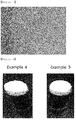
FIG. 1 is an image of the conventional formulation (Comparative example 1) formed by compressing a conventional powder. -
FIG. 2 is an image of the conventional formulation (Comparative example 2) formed by hot-air drying a wet powder paste. -
FIGs. 3 to 5 are images of formulations (Examples 1 to 3) formed by freeze-drying a wet powder paste according to the present invention -
FIG. 6 is an image of the conventional pressed powder formulation (Comparative example 1) applied to the surface of the artificial leather. -
FIG. 7 is an image of the pressed powder formulation (Example 1) applied to the surface of the artificial leather, which is prepared by freeze-drying according to the present invention. -
FIG. 8 is an image of the pressed stick-type powder prepared by the preparation method according to the present invention. - The present invention relates to a method for preparing a pressed make-up powder with the improved moldability and feeling of use by freeze drying process.
- In particular, the present invention provides a method for preparing a pressed make-up powder by mixing raw materials containing a globular powder and water to prepare a wet paste, followed by drying it, wherein the drying is performed by freeze drying and the globular powder is contained in an amount of 30 to 60 wt.% of the total weight of the pressed make-up powder.
- The freeze drying is a process by which the solid (ice) water can sublimate into gas (water vapor) by freezing the subject matter and then lowering the partial pressure of the water vapor pressure (below the triple point of water, i.e. 6 mbar or 4.6 Torr or less), which is commonly used as a means for the stable preservation or transport of food.
- Since the ice crystals sublimed during freeze drying leave spaces, the freeze-dried material contains a lot of voids. The present inventors have completed the present invention in consideration of this point.
- In other words, the pressed powder prepared by freeze drying contains numerous pores generated from sublimation of water inside, and thus shows smooth and light feeling of use when applied to the skin.
- In addition, when the wet paste prepared by mixing raw materials is freeze dried, there are advantages that since only the water is sublimed while maintaining the appearance as it is and thus it is possible to perform the compression molding even when a large amount of globular powder is contained, it is possible to produce the pressed powder, and since separate oil binder is not required, the feeling of use of the pressed powder can be improved
- In the present invention, the performing condition of the freeze drying is not particularly limited, but the temperature is preferably -70 to 5°C, the chamber pressure is preferably maintained at 0.1 mbar or less and the drying time is preferably 6 to 24 hours.
- The present invention has a significance that the freeze drying, a process of drying the food as described above, was introduced into the process of molding the pressed make-up powder. Some examples of using the freeze-drying process are known in the art, but they are used for the purpose of improving the stability by preventing breakage of the active ingredients contained in the cosmetic. These uses differ from the purpose of enhancing the moldability and the feeling of use of the pressed make-up powder of the present invention.
- Hereinafter, the components contained in the pressed make-up powder prepared by the freeze-drying process of the present invention will be described in detail. Further, in addition to the components described below, it is to be noted that there is no limit to the addition of ordinary components within the technical scope of the present invention.
- The globular powder of the present invention may be at least one selected from the group consisting of polymethyl methacrylate(PMMA), polymethylsilsesquioxane(PMSQ), Hdi/trimethylolhexyl lactone crosspolymer, polymethyl methacrylate-Hdi/trimethylolhexyl lactone crosspolymer, ethylene-acrylic acid copolymer, nylon 12, and silica which are coated or not coated on their surface with a hydrophilic or lipophilic coating material.
- The content of the globular powder contained in the pressed make-up powder according to the present invention is preferably 30 to 60 wt.% based on the total weight of the pressed make-up powder formulation. The reason is that if the content of the globular powder is less than 30 wt.%, an aggregation phenomenon occurs when applied to the skin, the uniformity is not good, and if the content exceeds 60 wt.%, the powder scattering phenomenon occurs and the feeling of use is lowered.
- At this time, the particle diameter of the globular powder is preferably 5 to 20µm. If the particle diameter is less than 5µm, it is difficult to provide the smooth feeling of use due to the globular powder, and if the particle diameter exceeds 20µm, it is difficult to perform the compression molding, and there may be a problem with the stability of the formulation, such as the breakage of the formulation at the time of the drop.
- The globular powder applicable to the present invention may be any one of hydrophilic or lipophilic non-coating powder, hydrophilic coating powder, lipophilic coating powder and the mixtures thereof. At this time, it is desirable to use a mixture of hydrophilic powder and lipophilic powder for uniform spreadability. In addition, if a coating powder is included, the dispersibility and persistence of the pressed powder can be further improved.
- In one embodiment of the present invention, the hydrophilic or lyophophilic material that can be coated on the globular powder may be, but is not limited to, at least one selected from the group consisting of silica, alkylsilane, dimethicone, methicone, trisiloxane, fluorine, and lauroyl lysine, and preferably may be dimethicone or methicone, and can be prepared according to the conventional coating process in the art by a wet or dry coating process.
- The pressed make-up powder produced according to the present invention may further contain a plate-shaped powder in addition to the above-described globular powder.
- The plate-shaped powder may be, but is not limited to, at least one selected from the group consisting of talc, mica, sericite, barium sulfate, boron nitride, and alumina.
- The content of the plate-shaped powder can determine the amount of the powder to be applied to the skin with a makeup tool, such as a puff, at the time of one application. In the present invention, the content of the plate-shaped powder is preferably 30 to 70 wt.% based on the weight of the pressed make-up powder formulation. At this time, it is preferable that the plate-shaped powder components except for talc are suitably blended according to the purpose and type of the cosmetic formulation within the range of 1 to 40 wt.%.
- The paste of the pressed make-up powder of the present invention may optionally further contain a water-soluble binder.
- The water-soluble binder is used to increase the bonding force between powder particles in the aqueous phase using water as a solvent and to facilitate the kneading of the paste and may be at least one selected from the group consisting of conventional inorganic thickeners, such as magnesium aluminum silicate, sodium magnesium silicate, disteardimonium hectorite, bentonite, hydroxyethylcellulose and cellulose gum.
- The water-soluble binder may be contained in an amount of 5 wt.% or less, preferably 0.1 to 5 wt.%, based on the weight of the pressed make-up powder formulation, but is not limited thereto.
- Meanwhile, in the case of using the globular powder coated in the present invention, the water-soluble binder may not be used.
- In addition, if the globular powder coated with the silicone-based material such as alkylsilane, dimethicone, methicone, or trisiloxane is used, since the globular powder has difficulty in absorbing water and adsorbing a water-soluble binder, it is not easy to produce a paste. Therefore, it is preferable to use a hydroxyethylcellulose-based binder which thickens water to form a gel so that water does not directly contact the surface of the globular powder
- The paste of the pressed make-up powder of the present invention may further comprise a powder binder along with the water-soluble binder.
- Thus, if the powder binder is included, the hardness of the composition becomes higher, and the pressed powder can be implemented as a formulation such as stick-type.
- The powder binder is not particularly limited as long as it is commonly used in the cosmetic field, but for example may be any powders classified as viscosity/hardness increasing agents, such as polyethylene, stearates (aluminum, calcium, zinc, magnesium), magnesium myristate and the like. Among them, it is preferable to include at least one selected from the group consisting of magnesium myristate, calcium stearate, and zinc stearate.
- The content of the powder binder is not particularly limited but is preferably contained in an amount of 1 to 10 wt.%, more preferably 3 to 5 wt.%, based on the total weight of the pressed make-up powder.
- If the paste of the pressed make-up powder of the present invention contains the powder binder, it can be formulated into a stick type which is easy to carry and apply. The stick-type pressed powder can be directly applied to the skin without using a brush or a puff, and thus has advantage of being very easy to use and simply portable.
- If the pressed make-up powder produced according to the present invention is embodied as a stick type, the hardness of the paste of the pressed powder containing the water-soluble binder and the powder binder is preferably 30 (N) or more. The hardness can be measured at room temperature (25°C) using Sun rheometer compac-100, CR-500DX, Spin No. 2 (spherical ball).
- The reason is that if the hardness of the paste is less than 30 (N), the hardness after freeze drying becomes low, and thus the powder stick is broken and destructed, which makes it difficult to maintain the shape of the stick.
- Meanwhile, the paste of the pressed make-up powder according to the present invention may further include a pigment for complementing skin defects and imparting a bright color feeling. The kind of such a pigment is not particularly limited, and a white or colored inorganic or organic particle commonly used in the art can be used.
- The inorganic pigments may be, for example, titanium dioxide, zirconium oxide or cerium oxide, or zinc oxide, iron oxide (black, yellow or red), chromium oxide, manganese violet, ultramarine blue, chromium hydroxide hydrate and ferric blue, aluminum powder and copper powder which are surface-treated or not surface-treated.
- The organic pigments may be, for example, cochineal extract pigment, azo dyes, anthraquinone dyes, indigoid dyes, xanthene dyes, pyrene dyes, quinoline dyes, triphenylmethane dyes, or fluoran dyes.
- In addition, the paste of the pressed powder may further contain at least one of oily components, moisturizer, softener, surfactant, organic and inorganic pigment, organic powder, ultraviolet absorber, antiseptic, thickener, disinfectant, antioxidant, plant extract, pH adjuster, alcohol, pigment, fragrance, blood circulation promoter, cold feeling agent, and adiaphoretic.
- Hereinafter, the present invention will be described in more detail by way of specific examples. However, it should be understood that the present invention is not limited to the following examples, but various modifications and changes within the technical scope of the present invention will be apparent to those skilled in the art.
- The freeze drying applied to the present invention is preferably carried out at -70 to 5°C for 6 to 24 hours while maintaining the pressure of the chamber at 0.1 mbar or less, and the remaining conditions and the manufacturing environment may correspond to a conventional freeze drying process in the art.
-
Table 1: Item Comparative example 1 Comparative example 2 Example 1 Example 2 Example 3 Globular powder Polymethyl methacryla te (PMMA) 20 20 20 25 20 Polymethyl silsesquio xane (PMSQ) 15 15 15 25 15 Oil binder Dimethicon e 5 - - - - Plate - shaped powder Mica (white mica) 10 10 10 10 10 Talc To 100 To 100 To 100 To 100 To 100 Others Pearl 3 3 3 3 3 Preservati ve 0.3 0.3 0.3 0.3 0.3 Total 100 100 100 100 100 Water - soluble binder Magnesium aluminum silicate - 3 3 3 - Cellulose gum - - - 3 Purified water - 97 97 97 97 Total - 100 100 100 100 - As a pressed powder made by freeze drying, a pact was prepared by the following method according to the composition shown in Table 1.
- 1) The globular powder, the plate-shaped powder and other ingredients were weighed into the mixer and mixed for 2 minutes.
- 2) The aqueous solution containing the water-soluble binder was put into a mixer and mixed for 10 minutes to prepare a paste.
- 3) The paste of the above 2) was freeze-dried under the condition of -70°C in a chamber, and then freeze-dried for 12 hours under conditions of 0.004 mbar and -20 to 5 °C to obtain a pact.
- As a conventional pressed powder, a pact was prepared by the following method according to the composition shown in Table 1.
- 1) The globular powder, the plate-shaped powder and other ingredients were weighed into the mixer and mixed for 2 minutes.
- 2) The oil binder components were weighed and heated to 70∼80°C.
- 3) The above 2) was sprayed and then mixed and disintegrated for 1 to 2 minutes using a Henschel mixer (500 to 1000 rpm).
- 4) The above 3) was mixed at a high speed (1500 to 2000 rpm) for 2 minutes.
- 5) The above 4) was crushed at 50 horsepowers and then filtered.
- 6) A certain amount of the mixture was placed on a Petri dish and then molded at about 200 kgf/cm for about 5 seconds to prepare a pact.
- As a pressed powder made by hot air drying, a pact was prepared by the following method according to the composition shown in Table 1.
- 1) The globular powder, the plate-shaped powder and other ingredients were weighed into the mixer and mixed for 2 minutes.
- 2) The water-soluble binder was weighed into the above 1), and the mixture was mixed at a high speed (1500 to 2000 rpm) for 10 minutes to prepare a paste.
- 3) The paste of the above 2) was hot-air dried at 55°C for 12 hours in a chamber to prepare a pact.
-
FIGs. 1 to 5 are appearance photographs of the pact-type pressed powders of Comparative examples 1 and 2 and Examples 1 to 3 prepared in Preparation example 1, respectively - In Comparative example 1 produced by a conventional pressed powder preparation method, it was confirmed that since the globular powder is contained in a high content, the molding is not performed well, and the contents of the powder are released from the dish as shown in
FIG. 1 . Also, in Comparative example 2 prepared by hot air drying, the contents were shrunk and separated from the dish as shown inFIG. 2 . - On the other hand, it can be seen that Examples 1 to 3 prepared by freeze drying contain a high content of globular powder but are dried while maintaining the shape as it is immediately after filling as shown in
FIGs. 3 to 5 . - 12.0 g of each of the pressed powder compositions of Comparative Examples 1 and 2 and Example 1 prepared according to composition of Table 1 above was taken and filled in a Petri dish and then compressed at a high pressure or dried to measure the residual powder weight. The results are shown in Table 2 below.
Table 2: Test item Comparative example 1 Comparative example 2 Example 1 Residual powder weight (g) 12.0 7.45 7.43 - In Comparative example 1, there was no difference in weight before and after filling when measuring the weight including the weight of the contents to be removed, and in both of the comparative example 2 and example 1, since the moisture was dried from the contents and the powder was left only, the weight was decreased.
- The pacts of Comparative Example 1, Comparative Example 2 and Example 1 were applied to the skin of 20 professional panelists from the early 20s to the mid 40s for one month, and the sensory evaluation was carried out on lightness, uniformity, softness and powder scattering. The results are shown in Table 3 below (⊚: Very excellent, ○: Excellent, Δ: Fair, ×: poor).
Table 3: Evaluation item Comparative example 1 Comparative example 2 Example 1 Lightness Δ ○ ⊚ Uniform applicability × ○ ⊚ Softness Δ × ⊚ No powder scattering × × ○ - As a result of evaluation, the pact of Example 1 by freeze drying was found to be generally superior in all items. In the case of Example 1, since the water is sublimated and there is air in the remaining pore area, the powder formulation is evaluated as being light. Also, in the case of Example 1, it was found to be smooth and uniform, and to be lightly applied, and to exhibit less powder scattering when applied, and thus it was found that the pressed powder prepared according to the present invention is very excellent in terms of the feeling of use.
- A visual test was performed to evaluate the uniformity when applied.
FIG. 6 shows the result of taking 0.1 g of the formulation of the above-mentioned Comparative Example 1 into the puff and then tapping it three times onto the surface of the black artificial leather, andFIG. 7 shows the results obtained by taking 0.1 g of the formulation of Example 1 above into the puff and tapping it three times onto the surface of the black artificial leather. Referring toFIG. 6 , the formulation of Comparative Example 1 is not uniformly applied when applied once, and aggregation phenomenon occurs even when it is tapped only twice or three times. On the other hand, referring toFIG. 7 , it was found that the formulation of Example 1 is applied in an appropriate amount and spread uniformly without aggregation. -
Table 4: Item Example 4 Example 5 Globular powder Polymethyl methacrylate (PMMA) 20 20 Polymethylsilsesquioxane (PMSQ) 15 15 Plate-shaped powder Mica (white mica) 10 10 Talc To 100 To 100 Others Pearl 3 3 magnesium myristate - 3 Preservative 0.3 0.3 Total 100 100 Water-soluble binder Magnesium aluminum silicate 3 1 Purified water 97 99 Total 100 100 - The stick-type pressed powder was prepared using the same preparation method as in Examples 1 to 3 with the composition shown in Table 4 above.
- The appearance and the feeling of use of the stick-type pressed powder prepared in Preparation example 2 was evaluated. At this time, the evaluation of the feeling of use was performed in the same manner as Experimental example 3, and the results are shown in Table 5 below.
Table 5: Evaluation item Example 4 Example 5 Application convenience (hardness) Δ ○ Uniform applicability × ○ Softness ○ ○ No powder scattering × ○ - As shown in
FIG. 8 , the stick of Example 4 had a low hardness and thus showed a crushing phenomenon, and as a result of evaluation of the feeling of use, showed some powder scattering when applied. This is thought to be due to the fact that the powder binder was not contained and thus the hardness sufficient to be made into a stick type was not ensured. - On the other hand, the stick of Example 5 with the powder binder added had a sufficient hardness, and thus did not show a crushing phenomenon, and exhibited a smooth surface. In addition, the stick of Example 5 was evaluated as having no powder scattering and being excellent in softness and uniformity when applied.
- The pressed make-up powder according to the present invention can be formulated into two-way cake, pact, stick, blusher, eye shadow, highlighter, concealer and the like.
Claims (12)
- A method for preparing a pressed make-up powder by mixing raw materials containing a globular powder and water to prepare a wet paste, followed by drying it,
wherein the drying is performed by freeze drying, and wherein the globular powder is contained in an amount of 30 to 60 wt.% of the total weight of the pressed make-up powder. - The method for preparing the pressed make-up powder according to claim 1, characterized in that the particle diameter of the globular powder is 5 to 20 µm.
- The method for preparing the pressed make-up powder according to claim 1, characterized in that the globular powder is at least one selected from the group consisting of polymethyl methacrylate, polymethylsilsesquioxane, Hdi/trimethylolhexyl lactone crosspolymer, polymethyl methacrylate-Hdi/trimethylolhexyl lactone crosspolymer, ethylene-acrylic acid copolymer, nylon 12, and silica which are coated or not coated on their surface with a hydrophilic or lipophilic coating material.
- The method for preparing the pressed make-up powder according to claim 3, characterized in that the hydrophilic or lipophilic coating material is at least one selected from the group consisting of silica, alkylsilane, dimethicone, methicone, trisiloxane, fluorine, and lauroyl lysine.
- The method for preparing the pressed make-up powder according to claim 1, characterized in that the pressed make-up powder further contains a plate-shaped powder.
- The method for preparing the pressed make-up powder according to claim 5, characterized in that the plate-shaped powder is at least one selected from the group consisting of talc, mica, sericite, barium sulfate, boron nitride and alumina.
- The method for preparing the pressed make-up powder according to claim 1, characterized in that the pressed make-up powder further contains a water-soluble binder in an amount of 5 wt.% or less of the total weight of the pressed make-up powder.
- The method for preparing the pressed make-up powder according to claim 7, characterized in that the water-soluble binder is at least one selected from the group consisting of magnesium aluminum silicate, sodium magnesium silicate, disteardimonium hectorite, bentonite, hydroxyethylcellulose and cellulose gum.
- The method for preparing the pressed make-up powder according to claim 7, characterized in that the pressed make-up powder further contains a powder binder including at least one selected from the group consisting of polyethylenes; stearates including aluminium stearate, calcium stearate, zinc stearate and magnesium stearate; and magnesium myristate.
- The method for preparing the pressed make-up powder according to claim 9, characterized in that the powder binder is contained in an amount of 1 to 10 wt.% of the total weight of the pressed make-up powder.
- The method for preparing the pressed make-up powder according to claim 1, characterized in that the freeze drying is carried out at -70 to 5°C.
- A pressed make-up powder characterized by being produced by any one of the methods of claims 1 to 11.
Applications Claiming Priority (2)
| Application Number | Priority Date | Filing Date | Title |
|---|---|---|---|
| KR20150151453 | 2015-10-30 | ||
| PCT/KR2016/012100 WO2017074032A1 (en) | 2015-10-30 | 2016-10-26 | Method for producing pressed make-up powder |
Publications (3)
| Publication Number | Publication Date |
|---|---|
| EP3369412A1 true EP3369412A1 (en) | 2018-09-05 |
| EP3369412A4 EP3369412A4 (en) | 2019-01-09 |
| EP3369412B1 EP3369412B1 (en) | 2021-02-24 |
Family
ID=58741973
Family Applications (1)
| Application Number | Title | Priority Date | Filing Date |
|---|---|---|---|
| EP16860215.9A Active EP3369412B1 (en) | 2015-10-30 | 2016-10-26 | Method for producing pressed make-up powder |
Country Status (3)
| Country | Link |
|---|---|
| EP (1) | EP3369412B1 (en) |
| KR (1) | KR102225684B1 (en) |
| CN (1) | CN108366913B (en) |
Cited By (2)
| Publication number | Priority date | Publication date | Assignee | Title |
|---|---|---|---|---|
| WO2020216138A1 (en) | 2019-04-22 | 2020-10-29 | SHANGHAI ZHENCHUN COSMETICS Co., Ltd | Method for producing cosmetic solid powder |
| WO2022058698A1 (en) * | 2020-09-21 | 2022-03-24 | L V M H Recherche | Solid hydrating composition |
Families Citing this family (7)
| Publication number | Priority date | Publication date | Assignee | Title |
|---|---|---|---|---|
| KR102078526B1 (en) * | 2018-05-28 | 2020-02-19 | 한국콜마주식회사 | Cosmetic Composition Containing Novel Complex Powder |
| KR102621820B1 (en) * | 2018-11-22 | 2024-01-08 | (주)아모레퍼시픽 | Cosmetic Composition, Manufacturing Method of Pressed Type Powder for Make-up and Pressed Type Powder for Make-up |
| KR102714338B1 (en) | 2019-09-27 | 2024-10-10 | (주)아모레퍼시픽 | Pressed type powder compostion for make-up |
| KR102534284B1 (en) | 2020-11-16 | 2023-05-22 | 코스맥스 주식회사 | Baked makeup cosmetic composition and manufacturing method thereof |
| KR102338785B1 (en) * | 2021-06-17 | 2021-12-15 | 주식회사 한국화장품제조 | Cosmetic composition containing extender pigment surface-treated with metal salt |
| KR102909288B1 (en) * | 2022-10-26 | 2026-01-09 | 코스맥스 주식회사 | Base powder cosmetic compositions for coloring and cosmetic comprising the same |
| WO2024090908A1 (en) * | 2022-10-26 | 2024-05-02 | 코스맥스 주식회사 | Base-powder cosmetic composition for coloring and cosmetic including same |
Family Cites Families (7)
| Publication number | Priority date | Publication date | Assignee | Title |
|---|---|---|---|---|
| FR2727312B1 (en) * | 1994-11-24 | 1997-05-23 | Oreal | COSMETIC COMPOSITION IN THE FORM OF COMPACT POWDER AND PREPARATION METHOD |
| CA2475933C (en) * | 2002-03-12 | 2009-10-13 | The Procter & Gamble Company | Spherical powder components and solid cosmetic compositions comprising thereof |
| JP3596533B2 (en) * | 2002-03-14 | 2004-12-02 | 富士ゼロックス株式会社 | Solid powder cosmetics |
| US8003120B2 (en) * | 2008-10-22 | 2011-08-23 | Elc Management Llc | Powder makeup compositions and methods |
| KR101502026B1 (en) | 2008-10-31 | 2015-03-13 | (주)아모레퍼시픽 | Oil-free compressed or solid powder cosmetic composition |
| KR101340274B1 (en) * | 2011-10-24 | 2013-12-10 | 한국콜마주식회사 | Composition for cosmetic powder and a fabricating method of the same |
| WO2017074032A1 (en) * | 2015-10-30 | 2017-05-04 | (주)아모레퍼시픽 | Method for producing pressed make-up powder |
-
2016
- 2016-10-26 KR KR1020160139938A patent/KR102225684B1/en active Active
- 2016-10-26 CN CN201680069570.3A patent/CN108366913B/en active Active
- 2016-10-26 EP EP16860215.9A patent/EP3369412B1/en active Active
Cited By (5)
| Publication number | Priority date | Publication date | Assignee | Title |
|---|---|---|---|---|
| WO2020216138A1 (en) | 2019-04-22 | 2020-10-29 | SHANGHAI ZHENCHUN COSMETICS Co., Ltd | Method for producing cosmetic solid powder |
| EP3958820A4 (en) * | 2019-04-22 | 2023-05-17 | Shanghai zhenchun Cosmetics Co., Ltd | PROCESS FOR MANUFACTURING SOLID COSMETIC POWDER |
| WO2022058698A1 (en) * | 2020-09-21 | 2022-03-24 | L V M H Recherche | Solid hydrating composition |
| FR3114240A1 (en) * | 2020-09-21 | 2022-03-25 | L V M H Recherche | Moisturizing solid composition |
| CN116419739A (en) * | 2020-09-21 | 2023-07-11 | Lvmh研究公司 | solid hydrating composition |
Also Published As
| Publication number | Publication date |
|---|---|
| KR20170051299A (en) | 2017-05-11 |
| CN108366913A (en) | 2018-08-03 |
| HK1256021A1 (en) | 2019-09-13 |
| KR102225684B1 (en) | 2021-03-10 |
| CN108366913B (en) | 2021-10-26 |
| EP3369412B1 (en) | 2021-02-24 |
| EP3369412A4 (en) | 2019-01-09 |
Similar Documents
| Publication | Publication Date | Title |
|---|---|---|
| EP3369412B1 (en) | Method for producing pressed make-up powder | |
| KR102621820B1 (en) | Cosmetic Composition, Manufacturing Method of Pressed Type Powder for Make-up and Pressed Type Powder for Make-up | |
| TWI739880B (en) | Pressed powder cosmetic composition having improved application properties and formability | |
| EP3727298B1 (en) | Coloured aqueous particle dispersion | |
| KR102644389B1 (en) | Makeup cosmetic composition for eyebrow | |
| EP3166576B1 (en) | Cosmetic composition | |
| KR102336132B1 (en) | Makeup cosmetic composition having improved absorbing abilities, coating properties and formability, and method for preparing the same | |
| TWI751317B (en) | Use of spherical powder in the manufacture of cosmetic composition for anti-pollution | |
| KR102117219B1 (en) | Powder type cosmetic composition for eye make-up | |
| KR101630825B1 (en) | Cosmetic composition with excellent durability and manufacturing method thereof | |
| JP2010047528A (en) | Solid powder cosmetic and preparation method thereof | |
| WO2019138793A1 (en) | Solid powder cosmetic and method for producing solid powder cosmetic | |
| KR101978370B1 (en) | Cosmetic composition with excellent durability and manufacturing method thereof | |
| KR20200124083A (en) | Powder cosmetic composition comprising fibrous fiber | |
| KR101727028B1 (en) | Composition for powder typed make up cosmetics for eye containing amorphous silica and its manufacturing method | |
| WO2017074032A1 (en) | Method for producing pressed make-up powder | |
| CN1679469B (en) | Composition for application to skin, lips, nails and/or hair | |
| HK1256021B (en) | Method for producing pressed make-up powder | |
| KR20090039001A (en) | Solid powder cosmetic composition containing polyethylene solidifying powder | |
| KR101999973B1 (en) | A Stick-form Cosmetic Composition Comprising Porous Powder And A Preparing Method Thereof | |
| KR100803941B1 (en) | Cosmetic composition containing jade powder | |
| KR101308895B1 (en) | Powder makeup cosmetic composition comprising spherical powder encapsulated with saccharomyces lysate extract and 10 organic farming ingredients having anti-aging and skin moisturizing effect | |
| WO2010098011A1 (en) | Powder cosmetic and process for the production of same | |
| KR102881870B1 (en) | Eye makeup composition and method for preparing the same | |
| KR102714338B1 (en) | Pressed type powder compostion for make-up |
Legal Events
| Date | Code | Title | Description |
|---|---|---|---|
| STAA | Information on the status of an ep patent application or granted ep patent |
Free format text: STATUS: THE INTERNATIONAL PUBLICATION HAS BEEN MADE |
|
| PUAI | Public reference made under article 153(3) epc to a published international application that has entered the european phase |
Free format text: ORIGINAL CODE: 0009012 |
|
| STAA | Information on the status of an ep patent application or granted ep patent |
Free format text: STATUS: REQUEST FOR EXAMINATION WAS MADE |
|
| 17P | Request for examination filed |
Effective date: 20180528 |
|
| AK | Designated contracting states |
Kind code of ref document: A1 Designated state(s): AL AT BE BG CH CY CZ DE DK EE ES FI FR GB GR HR HU IE IS IT LI LT LU LV MC MK MT NL NO PL PT RO RS SE SI SK SM TR |
|
| AX | Request for extension of the european patent |
Extension state: BA ME |
|
| A4 | Supplementary search report drawn up and despatched |
Effective date: 20181210 |
|
| RIC1 | Information provided on ipc code assigned before grant |
Ipc: A61K 8/25 20060101ALI20181204BHEP Ipc: A61K 8/02 20060101AFI20181204BHEP Ipc: A61Q 1/00 20060101ALI20181204BHEP Ipc: A61K 8/81 20060101ALI20181204BHEP Ipc: A61K 8/19 20060101ALI20181204BHEP Ipc: A61K 8/72 20060101ALI20181204BHEP Ipc: A61Q 19/00 20060101ALI20181204BHEP Ipc: A61K 8/891 20060101ALI20181204BHEP Ipc: A61K 8/88 20060101ALI20181204BHEP |
|
| DAV | Request for validation of the european patent (deleted) | ||
| DAX | Request for extension of the european patent (deleted) | ||
| STAA | Information on the status of an ep patent application or granted ep patent |
Free format text: STATUS: EXAMINATION IS IN PROGRESS |
|
| 17Q | First examination report despatched |
Effective date: 20200408 |
|
| GRAP | Despatch of communication of intention to grant a patent |
Free format text: ORIGINAL CODE: EPIDOSNIGR1 |
|
| STAA | Information on the status of an ep patent application or granted ep patent |
Free format text: STATUS: GRANT OF PATENT IS INTENDED |
|
| RIC1 | Information provided on ipc code assigned before grant |
Ipc: A61K 8/02 20060101AFI20200909BHEP Ipc: A61K 8/19 20060101ALI20200909BHEP Ipc: A61K 8/25 20060101ALI20200909BHEP Ipc: A61K 8/891 20060101ALI20200909BHEP Ipc: A61Q 1/00 20060101ALI20200909BHEP Ipc: A61Q 1/12 20060101ALI20200909BHEP Ipc: A61K 8/88 20060101ALI20200909BHEP Ipc: A61K 8/72 20060101ALI20200909BHEP Ipc: A61Q 19/00 20060101ALI20200909BHEP Ipc: A61K 8/81 20060101ALI20200909BHEP |
|
| INTG | Intention to grant announced |
Effective date: 20200923 |
|
| GRAS | Grant fee paid |
Free format text: ORIGINAL CODE: EPIDOSNIGR3 |
|
| GRAA | (expected) grant |
Free format text: ORIGINAL CODE: 0009210 |
|
| STAA | Information on the status of an ep patent application or granted ep patent |
Free format text: STATUS: THE PATENT HAS BEEN GRANTED |
|
| AK | Designated contracting states |
Kind code of ref document: B1 Designated state(s): AL AT BE BG CH CY CZ DE DK EE ES FI FR GB GR HR HU IE IS IT LI LT LU LV MC MK MT NL NO PL PT RO RS SE SI SK SM TR |
|
| REG | Reference to a national code |
Ref country code: CH Ref legal event code: EP |
|
| REG | Reference to a national code |
Ref country code: AT Ref legal event code: REF Ref document number: 1363578 Country of ref document: AT Kind code of ref document: T Effective date: 20210315 |
|
| REG | Reference to a national code |
Ref country code: IE Ref legal event code: FG4D |
|
| REG | Reference to a national code |
Ref country code: DE Ref legal event code: R096 Ref document number: 602016053322 Country of ref document: DE |
|
| REG | Reference to a national code |
Ref country code: LT Ref legal event code: MG9D |
|
| REG | Reference to a national code |
Ref country code: NL Ref legal event code: MP Effective date: 20210224 |
|
| PG25 | Lapsed in a contracting state [announced via postgrant information from national office to epo] |
Ref country code: FI Free format text: LAPSE BECAUSE OF FAILURE TO SUBMIT A TRANSLATION OF THE DESCRIPTION OR TO PAY THE FEE WITHIN THE PRESCRIBED TIME-LIMIT Effective date: 20210224 Ref country code: GR Free format text: LAPSE BECAUSE OF FAILURE TO SUBMIT A TRANSLATION OF THE DESCRIPTION OR TO PAY THE FEE WITHIN THE PRESCRIBED TIME-LIMIT Effective date: 20210525 Ref country code: HR Free format text: LAPSE BECAUSE OF FAILURE TO SUBMIT A TRANSLATION OF THE DESCRIPTION OR TO PAY THE FEE WITHIN THE PRESCRIBED TIME-LIMIT Effective date: 20210224 Ref country code: PT Free format text: LAPSE BECAUSE OF FAILURE TO SUBMIT A TRANSLATION OF THE DESCRIPTION OR TO PAY THE FEE WITHIN THE PRESCRIBED TIME-LIMIT Effective date: 20210624 Ref country code: NO Free format text: LAPSE BECAUSE OF FAILURE TO SUBMIT A TRANSLATION OF THE DESCRIPTION OR TO PAY THE FEE WITHIN THE PRESCRIBED TIME-LIMIT Effective date: 20210524 Ref country code: LT Free format text: LAPSE BECAUSE OF FAILURE TO SUBMIT A TRANSLATION OF THE DESCRIPTION OR TO PAY THE FEE WITHIN THE PRESCRIBED TIME-LIMIT Effective date: 20210224 Ref country code: BG Free format text: LAPSE BECAUSE OF FAILURE TO SUBMIT A TRANSLATION OF THE DESCRIPTION OR TO PAY THE FEE WITHIN THE PRESCRIBED TIME-LIMIT Effective date: 20210524 |
|
| REG | Reference to a national code |
Ref country code: AT Ref legal event code: MK05 Ref document number: 1363578 Country of ref document: AT Kind code of ref document: T Effective date: 20210224 |
|
| PG25 | Lapsed in a contracting state [announced via postgrant information from national office to epo] |
Ref country code: SE Free format text: LAPSE BECAUSE OF FAILURE TO SUBMIT A TRANSLATION OF THE DESCRIPTION OR TO PAY THE FEE WITHIN THE PRESCRIBED TIME-LIMIT Effective date: 20210224 Ref country code: NL Free format text: LAPSE BECAUSE OF FAILURE TO SUBMIT A TRANSLATION OF THE DESCRIPTION OR TO PAY THE FEE WITHIN THE PRESCRIBED TIME-LIMIT Effective date: 20210224 Ref country code: LV Free format text: LAPSE BECAUSE OF FAILURE TO SUBMIT A TRANSLATION OF THE DESCRIPTION OR TO PAY THE FEE WITHIN THE PRESCRIBED TIME-LIMIT Effective date: 20210224 Ref country code: PL Free format text: LAPSE BECAUSE OF FAILURE TO SUBMIT A TRANSLATION OF THE DESCRIPTION OR TO PAY THE FEE WITHIN THE PRESCRIBED TIME-LIMIT Effective date: 20210224 Ref country code: RS Free format text: LAPSE BECAUSE OF FAILURE TO SUBMIT A TRANSLATION OF THE DESCRIPTION OR TO PAY THE FEE WITHIN THE PRESCRIBED TIME-LIMIT Effective date: 20210224 |
|
| PG25 | Lapsed in a contracting state [announced via postgrant information from national office to epo] |
Ref country code: IS Free format text: LAPSE BECAUSE OF FAILURE TO SUBMIT A TRANSLATION OF THE DESCRIPTION OR TO PAY THE FEE WITHIN THE PRESCRIBED TIME-LIMIT Effective date: 20210624 |
|
| PG25 | Lapsed in a contracting state [announced via postgrant information from national office to epo] |
Ref country code: CZ Free format text: LAPSE BECAUSE OF FAILURE TO SUBMIT A TRANSLATION OF THE DESCRIPTION OR TO PAY THE FEE WITHIN THE PRESCRIBED TIME-LIMIT Effective date: 20210224 Ref country code: EE Free format text: LAPSE BECAUSE OF FAILURE TO SUBMIT A TRANSLATION OF THE DESCRIPTION OR TO PAY THE FEE WITHIN THE PRESCRIBED TIME-LIMIT Effective date: 20210224 Ref country code: AT Free format text: LAPSE BECAUSE OF FAILURE TO SUBMIT A TRANSLATION OF THE DESCRIPTION OR TO PAY THE FEE WITHIN THE PRESCRIBED TIME-LIMIT Effective date: 20210224 Ref country code: SM Free format text: LAPSE BECAUSE OF FAILURE TO SUBMIT A TRANSLATION OF THE DESCRIPTION OR TO PAY THE FEE WITHIN THE PRESCRIBED TIME-LIMIT Effective date: 20210224 |
|
| REG | Reference to a national code |
Ref country code: DE Ref legal event code: R097 Ref document number: 602016053322 Country of ref document: DE |
|
| PG25 | Lapsed in a contracting state [announced via postgrant information from national office to epo] |
Ref country code: DK Free format text: LAPSE BECAUSE OF FAILURE TO SUBMIT A TRANSLATION OF THE DESCRIPTION OR TO PAY THE FEE WITHIN THE PRESCRIBED TIME-LIMIT Effective date: 20210224 Ref country code: RO Free format text: LAPSE BECAUSE OF FAILURE TO SUBMIT A TRANSLATION OF THE DESCRIPTION OR TO PAY THE FEE WITHIN THE PRESCRIBED TIME-LIMIT Effective date: 20210224 Ref country code: SK Free format text: LAPSE BECAUSE OF FAILURE TO SUBMIT A TRANSLATION OF THE DESCRIPTION OR TO PAY THE FEE WITHIN THE PRESCRIBED TIME-LIMIT Effective date: 20210224 |
|
| PLBE | No opposition filed within time limit |
Free format text: ORIGINAL CODE: 0009261 |
|
| STAA | Information on the status of an ep patent application or granted ep patent |
Free format text: STATUS: NO OPPOSITION FILED WITHIN TIME LIMIT |
|
| PG25 | Lapsed in a contracting state [announced via postgrant information from national office to epo] |
Ref country code: AL Free format text: LAPSE BECAUSE OF FAILURE TO SUBMIT A TRANSLATION OF THE DESCRIPTION OR TO PAY THE FEE WITHIN THE PRESCRIBED TIME-LIMIT Effective date: 20210224 Ref country code: ES Free format text: LAPSE BECAUSE OF FAILURE TO SUBMIT A TRANSLATION OF THE DESCRIPTION OR TO PAY THE FEE WITHIN THE PRESCRIBED TIME-LIMIT Effective date: 20210224 |
|
| 26N | No opposition filed |
Effective date: 20211125 |
|
| PG25 | Lapsed in a contracting state [announced via postgrant information from national office to epo] |
Ref country code: SI Free format text: LAPSE BECAUSE OF FAILURE TO SUBMIT A TRANSLATION OF THE DESCRIPTION OR TO PAY THE FEE WITHIN THE PRESCRIBED TIME-LIMIT Effective date: 20210224 |
|
| PG25 | Lapsed in a contracting state [announced via postgrant information from national office to epo] |
Ref country code: IT Free format text: LAPSE BECAUSE OF FAILURE TO SUBMIT A TRANSLATION OF THE DESCRIPTION OR TO PAY THE FEE WITHIN THE PRESCRIBED TIME-LIMIT Effective date: 20210224 |
|
| REG | Reference to a national code |
Ref country code: DE Ref legal event code: R119 Ref document number: 602016053322 Country of ref document: DE |
|
| REG | Reference to a national code |
Ref country code: CH Ref legal event code: PL |
|
| PG25 | Lapsed in a contracting state [announced via postgrant information from national office to epo] |
Ref country code: IS Free format text: LAPSE BECAUSE OF FAILURE TO SUBMIT A TRANSLATION OF THE DESCRIPTION OR TO PAY THE FEE WITHIN THE PRESCRIBED TIME-LIMIT Effective date: 20210624 |
|
| REG | Reference to a national code |
Ref country code: BE Ref legal event code: MM Effective date: 20211031 |
|
| GBPC | Gb: european patent ceased through non-payment of renewal fee |
Effective date: 20211026 |
|
| PG25 | Lapsed in a contracting state [announced via postgrant information from national office to epo] |
Ref country code: MC Free format text: LAPSE BECAUSE OF FAILURE TO SUBMIT A TRANSLATION OF THE DESCRIPTION OR TO PAY THE FEE WITHIN THE PRESCRIBED TIME-LIMIT Effective date: 20210224 |
|
| PG25 | Lapsed in a contracting state [announced via postgrant information from national office to epo] |
Ref country code: LU Free format text: LAPSE BECAUSE OF NON-PAYMENT OF DUE FEES Effective date: 20211026 Ref country code: GB Free format text: LAPSE BECAUSE OF NON-PAYMENT OF DUE FEES Effective date: 20211026 Ref country code: DE Free format text: LAPSE BECAUSE OF NON-PAYMENT OF DUE FEES Effective date: 20220503 Ref country code: BE Free format text: LAPSE BECAUSE OF NON-PAYMENT OF DUE FEES Effective date: 20211031 |
|
| PG25 | Lapsed in a contracting state [announced via postgrant information from national office to epo] |
Ref country code: LI Free format text: LAPSE BECAUSE OF NON-PAYMENT OF DUE FEES Effective date: 20211031 Ref country code: CH Free format text: LAPSE BECAUSE OF NON-PAYMENT OF DUE FEES Effective date: 20211031 |
|
| PG25 | Lapsed in a contracting state [announced via postgrant information from national office to epo] |
Ref country code: IE Free format text: LAPSE BECAUSE OF NON-PAYMENT OF DUE FEES Effective date: 20211026 |
|
| PG25 | Lapsed in a contracting state [announced via postgrant information from national office to epo] |
Ref country code: HU Free format text: LAPSE BECAUSE OF FAILURE TO SUBMIT A TRANSLATION OF THE DESCRIPTION OR TO PAY THE FEE WITHIN THE PRESCRIBED TIME-LIMIT; INVALID AB INITIO Effective date: 20161026 |
|
| PG25 | Lapsed in a contracting state [announced via postgrant information from national office to epo] |
Ref country code: CY Free format text: LAPSE BECAUSE OF FAILURE TO SUBMIT A TRANSLATION OF THE DESCRIPTION OR TO PAY THE FEE WITHIN THE PRESCRIBED TIME-LIMIT Effective date: 20210224 |
|
| PG25 | Lapsed in a contracting state [announced via postgrant information from national office to epo] |
Ref country code: MK Free format text: LAPSE BECAUSE OF FAILURE TO SUBMIT A TRANSLATION OF THE DESCRIPTION OR TO PAY THE FEE WITHIN THE PRESCRIBED TIME-LIMIT Effective date: 20210224 |
|
| PG25 | Lapsed in a contracting state [announced via postgrant information from national office to epo] |
Ref country code: TR Free format text: LAPSE BECAUSE OF FAILURE TO SUBMIT A TRANSLATION OF THE DESCRIPTION OR TO PAY THE FEE WITHIN THE PRESCRIBED TIME-LIMIT Effective date: 20210224 |
|
| PG25 | Lapsed in a contracting state [announced via postgrant information from national office to epo] |
Ref country code: MT Free format text: LAPSE BECAUSE OF FAILURE TO SUBMIT A TRANSLATION OF THE DESCRIPTION OR TO PAY THE FEE WITHIN THE PRESCRIBED TIME-LIMIT Effective date: 20210224 |
|
| PGFP | Annual fee paid to national office [announced via postgrant information from national office to epo] |
Ref country code: FR Payment date: 20250925 Year of fee payment: 10 |