EP3350737B1 - Group license encryption and decryption - Google Patents
Group license encryption and decryption Download PDFInfo
- Publication number
- EP3350737B1 EP3350737B1 EP16770846.0A EP16770846A EP3350737B1 EP 3350737 B1 EP3350737 B1 EP 3350737B1 EP 16770846 A EP16770846 A EP 16770846A EP 3350737 B1 EP3350737 B1 EP 3350737B1
- Authority
- EP
- European Patent Office
- Prior art keywords
- key
- license
- content
- media content
- group
- Prior art date
- Legal status (The legal status is an assumption and is not a legal conclusion. Google has not performed a legal analysis and makes no representation as to the accuracy of the status listed.)
- Active
Links
Images



Classifications
-
- G—PHYSICS
- G06—COMPUTING OR CALCULATING; COUNTING
- G06F—ELECTRIC DIGITAL DATA PROCESSING
- G06F21/00—Security arrangements for protecting computers, components thereof, programs or data against unauthorised activity
- G06F21/60—Protecting data
- G06F21/602—Providing cryptographic facilities or services
-
- G—PHYSICS
- G06—COMPUTING OR CALCULATING; COUNTING
- G06F—ELECTRIC DIGITAL DATA PROCESSING
- G06F21/00—Security arrangements for protecting computers, components thereof, programs or data against unauthorised activity
- G06F21/10—Protecting distributed programs or content, e.g. vending or licensing of copyrighted material ; Digital rights management [DRM]
- G06F21/105—Arrangements for software license management or administration, e.g. for managing licenses at corporate level
-
- H—ELECTRICITY
- H04—ELECTRIC COMMUNICATION TECHNIQUE
- H04L—TRANSMISSION OF DIGITAL INFORMATION, e.g. TELEGRAPHIC COMMUNICATION
- H04L9/00—Cryptographic mechanisms or cryptographic arrangements for secret or secure communications; Network security protocols
- H04L9/14—Cryptographic mechanisms or cryptographic arrangements for secret or secure communications; Network security protocols using a plurality of keys or algorithms
-
- G—PHYSICS
- G06—COMPUTING OR CALCULATING; COUNTING
- G06F—ELECTRIC DIGITAL DATA PROCESSING
- G06F21/00—Security arrangements for protecting computers, components thereof, programs or data against unauthorised activity
- G06F21/10—Protecting distributed programs or content, e.g. vending or licensing of copyrighted material ; Digital rights management [DRM]
- G06F21/107—License processing; Key processing
-
- H—ELECTRICITY
- H04—ELECTRIC COMMUNICATION TECHNIQUE
- H04L—TRANSMISSION OF DIGITAL INFORMATION, e.g. TELEGRAPHIC COMMUNICATION
- H04L2209/00—Additional information or applications relating to cryptographic mechanisms or cryptographic arrangements for secret or secure communication H04L9/00
- H04L2209/24—Key scheduling, i.e. generating round keys or sub-keys for block encryption
Definitions
- a license containing one or more content keys may be required to decrypt and playback media content.
- the media content may include video files such as movies.
- a device may be instructed to decrypt a relatively large number of movies, and thus requesting a license for each movie may be a problem due to network limitations and latency issues in the system.
- a single movie may contain an audio track, a standard-definition (SD) video track, and potentially a high-definition (HD) video track, where each track may be encrypted with a different content key.
- SD standard-definition
- HD high-definition
- the device may be repeatedly requesting content keys from a license server, thereby increasing the amount of network traffic (e.g., for each track within each movie, the device may have to send a content identifier and then receive a unique content key). Furthermore, this increased network traffic may create even more of a congestion problem in locations that do not have a reliable network connection.
- US2014/189853 discloses a content protection key management system.
- devices may include secure processing resources configured to derive content keys (e.g., for use in decrypting secure content) using key ladders.
- a device may comprise, for example, at least a secure processing module to derive content keys for use in decrypting secure content.
- EP1221782 discloses an information recording or reproducing device in which key distribution is effected by KRB distribution as a key distributing configuration of a tree structure.
- a key such as a master key, a media key or a content key, is transmitted along with the KRB (key renewal block) by the key distributing configuration of the tree structure.
- a computing device as set out in claim 1.
- the computing device may include one or more of the following features (or any combination thereof).
- the media content handler may be configured to obtain secondary media content
- the group license manager may be configured to determine that the secondary media content is part of the license group that includes the media content.
- the key generator may be configured to derive a secondary content key specific to the secondary media content based on the master key that was used to derive the media content, and the decryption unit may be configured to decrypt the secondary media content using the secondary content key.
- the license may also include the content key, where the decryption unit may use either the content key received as part of the license or the content key derived by the key generator for decrypting the media content.
- the license manager may be configured to request and receive an individual content key from the license manager for decrypting the media content.
- the key generator may be configured to derive the content key using the previously received master key.
- the key generator may be configured to derive the content key using a key derivation function inputted with the master key, the content identifier, and the group identifier.
- the group license manager may be configured to determine whether or not the media content is part of the license group based on an inclusion of the group identifier in the license request.
- the license group may include a plurality of movies, and the media content may be a single movie from the plurality of movies.
- the computing device may include one or more of the above or below features (or any combination thereof).
- the license request may include a content identifier identifying media content, and the key generator may be configured to generate a content key for the media content identified by the content identifier, where the license includes both the master key and the content key.
- the key generator may be configured to obtain the master key from a master key database storing a plurality of master keys, where each of the plurality of master keys corresponds to a different license group.
- the computing device may include an encryption unit configured to encrypt the master key, and the license manager may be configured to send the license with the encrypted master key.
- the license manager may be configured to determine whether the media content is part of the license group based on an inclusion of the group identifier within the license request.
- the license manager Before the license request is received from the computing device, the license manager may be configured to receive a key request from a media content provider, where the key request includes the group identifier and a content identifier identifying the media content.
- the key generator may be configured to derive the content key based on the master key and the content identifier, and the license manager may be configured to return the content key to the media content provider such that the media content can be encrypted with the content key.
- the license manager may be configured to determine whether the media content is part of the license group based on an inclusion of the group identifier within the key request. When the key request does not include the group identifier, the key generator may be configured to derive the content key without using the master key.
- the media content may be a single track of a movie.
- the system may include one or more of the above or below features (or any combination thereof).
- the content key included in the key response may be an encrypted content key, and the system further includes a provider decryption unit configured to decrypt the encrypted content key.
- the provider encryption unit may be configured to use the decrypted content key to encrypt the media content.
- the provider encryption unit may be configured to encrypt all media content belonging to the license group with a unique content key that has been derived from a same master key.
- the license group may define a plurality of movies, and the media content may represent a single movie.
- FIG 1 is a block diagram of a system 100 for implementing a group license mechanism for controlling download and playback of media content 140 in which each media content 140 belonging to a license group 115 is encrypted and decrypted with a unique content key 112 derived from a master key 128 according to an aspect.
- the system 100 may include a computing device 102, a license manager 104, and a media content provider 106, which may be connected to each other via a network 142.
- the media content provider 106 may send the key request 134 as a first key request for the first content key 112-1 to the license manager 104, and receive the key response 136 as a first key response from the license manager 104.
- the first key request may include the content identifier 124 that is specific to the first media content 140-1, and the group identifier 122 of the license group 115 in which the first media content 140-1 belongs to.
- the first key response may include the first content key 112-1 that is specific to the first media content 140-1 (e.g., only the first content key 112-1 is capable of unlocking the first media content 140-1).
- the first content key 112-1 is an encrypted content key.
- the first content key 112-1 is an unencrypted content key.
- the media content provider 106 may send the key request 134 as a second key request for the second content key 112-2 to the license manager 104, and receive the key response 136 as a second key response from the license manager 104.
- the second key request may include the content identifier 124 that is specific to the second media content 140-2, and the group identifier 122 of the license group 115 in which the second media content 140-2 belongs to.
- the second key response may include the second content key 112-2 that is specific to the second media content 140-2 (e.g., only the second content key 112-2 is capable of unlocking the second media content 140-2).
- the second content key 112-2 is an encrypted content key.
- the second content key 112-2 is an unencrypted content key.
- the device key generator 110 may derive the second content key 112-2 for the second media content 140-2 using the key derivation function 121 inputted with the master key 128, the group identifier 122, and the content identifier 124 specific to the second media content 140-2.
- the decryption unit 114 may be configured to decrypt the second media content 140-2 using the second content key 112-2 for the second media content 140-2.
- the computing device 102 may request a first master key.
- the group license manager 108 may be configured to send a first master key request over the network 142 to the license manager 104 to obtain the first master key (mKey1) for the license group 115.
- the license manager 104 may obtain the first master key (mKey1).
- the key generator 130 may obtain or derive the first master key (mKey1) from the master key database 132.
- the license manager 104 may send the first master key (mKey1), and the computing device 102 may receive the first master key (mKey1).
- the computing device 102 may generate a first content key (cKey1) using the first master key (mKey1).
- the device key generator 110 of the computing device 102 may derive the first content key (cKey1) using the key derivation function 121 inputted with the first master key (mKey1), the group identifier 122, and the content identifier 124 corresponding to the media content 140 to be decrypted.
- the computing device 102 requests another master key with the first content key (cKey1).
- the group license manager 108 may be configured to send a master key request over the network 142 to the license manager 104 to obtain another master key 128 for the license group 115.
- the license manager 104 obtains a second master key (mKey2).
- the key generator 130 may obtain or derive the second master key (mKey2) from the master key database 132.
- the license manager 104 may send the second master key (mKey2), and the computing device 102 may receive the second master key (mKey2).
- the computing device 102 may decrypt the first content key (cKey1) using the second master key (mKey2), thereby obtaining a second content key (cKey2).
- the computing device 102 request another master key using the second content key (cKey2).
- the group license manager 108 may send a master key request over the network 142 to the license manager 104 to obtain yet another master key 128 for the license group 115.
- the license manager 104 may obtain a third master key (mKey3).
- the key generator 130 may obtain or derive the third master key (mKey3) from the master key database 132.
- the license manager 104 may send the third master key (mKey3), and the computing device 102 may receive the third master key (mKey3).
- the computing device 102 may decrypt the second content key (cKey2) using the third master key (mKey3), thereby obtaining a third content key (cKey3).
- the decryption unit 114 may decrypt the media content 140 using the third content key (cKey3).
- additional layers of protection are added by repeating the previous operations to obtain a fourth content key, fifth content key, etc.
- FIG 5 illustrates a flow chart depicting example operations of the computing device 102 implementing the group license exchange mechanism of the system 100 of FIG 1 according to an aspect.
- the flowchart of FIG 5 illustrates the operations 502-518 in sequential order, it will be appreciated that this is merely an example, and that additional or alternative operations may be included. Further, operations of FIG 5 and related operations may be executed in a different order than that shown, or in a parallel or overlapping fashion.
- the group license manager 108 configured to determine whether or not the first media content 140-1 is part of the license group 115.
- the group license manager 108 may determine whether or not a group identifier 122 is associated with the first media content 140-1.
- the group identifier 122 may uniquely identify the license group 115. If the group identifier 122 is included as part of the first media content 140-1 (e.g., included as meta-data associated with the first media content 140-1), the group license manager 108 may determine that the first media content 140-1 is part of the license group 115. On the other hand, if the group identifier 122 is not provided with the first media content 140-1, the group license manager 108 may determine that the first media content 140-1 is not part of the license group 115.
- an individual content key may be requested (504).
- the group license manager 108 may request and receive an individual content key for the first media content 140-1 in accordance with standard license exchange techniques. In some examples, this content key was generated at the license manager 104 without using the master key 128.
- the group license manager 108 may determine whether or not the master key 128 for the license group 115 was previously received. For example, the group license manager 108 may determine whether it has access to the master key 128 (e.g., whether it is stored locally in a storage unit of the computing device 102).
- a license request with the group identifier and the content identifier may be sent (508). For example, if the group license manager 108 determines that it has not previously received the master key 128 for that license group 115, the group license manager 108 may send, over the network 142, a license request 120 to the license manager 104.
- the license request 120 may include the group identifier 122 of the license group 115 corresponding to the media content 140, and the content identifier 124 that uniquely identifies the first media content 140-1.
- a master key may be received (510).
- the license manager 104 may receive the license request 120, over the network 142, from the computing device 102, and obtain the master key 128 for the license group 115 from the master key database 132.
- the license manager 104 may use the group identifier 122 of the license request 120 to obtain the correct master key 128 from the master key database 132.
- the computing device may receive the license with the master key 128 from the license manager 104.
- a content key may be derived with the master key (512).
- the device key generator 110 may derive the first content key 112-1 for the first media content 140-1 based on the master key 128 received as part of the license 126.
- the device key generator 110 may generate the first content key 112-1 using the key derivation function 121 inputted with the master key 128, the group identifier 122, and the content identifier 124.
- the device key generator 110 may derive the first content key 112-1 using the key derivation function 121.
- the key derivation function 121 may be a deterministic algorithm to derive a key of a given size.
- the key derivation function 121 generates the first content key 112-1 as a 16 byte Advanced Encryption Standard (AES) based on the group identifier 122, and a length of 128 bits.
- AES Advanced Encryption Standard
- Media content may be decrypted with the content key (514).
- the decryption unit 114 may be configured to decrypt the first media content 140-1 using the derived first content key 112-1.
- the content key may be derived with the master key (516). For example, instead of sending a license request 120, the group license manager 108 determines that it already has received a license 126 for the first media content 140-1 because it previously received the master key 128 for the license group 115 which the first media content 140-1 belongs to. Then, instead of performing operations 508-510, the device key generator 110 may derive the first content key 112-1 using the previously received master key 128.
- Media content may be decrypted with the content key (518).
- the decryption unit 114 may be configured to decrypt the first media content 140-1 using the derived first content key 112-1.
- a key request with a group identifier and a content identifier may be sent to a license manager (804).
- the media content provider 106 may send the key request 134 with the group identifier 122 and the content identifier 124.
- the media content provider 106 may send the key request 134 for the first media content 140-1 including the content identifier 124 that uniquely identifies the first media content 140-1, and the group identifier 122 of the first media content's license group 115.
- a content key may be received from the license manager (806).
- the media content provider 106 may receive the first content key 112-1 from the license manager 104 as part of the key response 136. Then, the media content may be encrypted with the content key (808).
- the provider encryption unit 138 may encrypt the first media content 140-1 with the first content key 112-1.
- the memory 904 stores information within the computing device 900.
- the memory 904 is a volatile memory unit or units.
- the memory 904 is a non-volatile memory unit or units.
- the memory 904 may also be another form of computer-readable medium, such as a magnetic or optical disk.
- the low-speed expansion port which may include various communication ports (e.g., USB, Bluetooth, Ethernet, wireless Ethernet) may be coupled to one or more input/output devices, such as a keyboard, a pointing device, a scanner, or a networking device such as a switch or router, e.g., through a network adapter.
- input/output devices such as a keyboard, a pointing device, a scanner, or a networking device such as a switch or router, e.g., through a network adapter.
- the computing device 900 may be implemented in a number of different forms, as shown in the figure. For example, it may be implemented as a standard server 920, or multiple times in a group of such servers. It may also be implemented as part of a rack server system 924. In addition, it may be implemented in a personal computer such as a laptop computer 922. Alternatively, components from computing device 900 may be combined with other components in a mobile device (not shown), such as device 950. Each of such devices may contain one or more of computing device 900, 950, and an entire system may be made up of multiple computing devices 900, 950 communicating with each other.
- Computing device 950 includes a processor 952, memory 964, an input/output device such as a display 954, a communication interface 966, and a transceiver 968, among other components.
- the device 950 may also be provided with a storage device, such as a microdrive or other device, to provide additional storage.
- a storage device such as a microdrive or other device, to provide additional storage.
- Each of the components 950, 952, 964, 954, 966, and 968 are interconnected using various buses, and several of the components may be mounted on a common motherboard or in other manners as appropriate.
- the processor 952 can execute instructions within the computing device 950, including instructions stored in the memory 964.
- the processor may be implemented as a chipset of chips that include separate and multiple analog and digital processors.
- the processor may provide, for example, for coordination of the other components of the device 950, such as control of user interfaces, applications run by device 950, and wireless communication by device 950.
- expansion memory 974 may be provide as a security module for device 950, and may be programmed with instructions that permit secure use of device 950.
- secure applications may be provided via the SIMM cards, along with additional information, such as placing identifying information on the SIMM card in a non-hackable manner.
- the particular naming of the components, capitalization of terms, the attributes, data structures, or any other programming or structural aspect is not mandatory or significant, and the mechanisms that implement the invention or its features may have different names, formats, or protocols.
- the system may be implemented via a combination of hardware and software, as described, or entirely in hardware elements.
- the particular division of functionality between the various system components described herein is merely exemplary, and not mandatory; functions performed by a single system component may instead be performed by multiple components, and functions performed by multiple components may instead performed by a single component.
Landscapes
- Engineering & Computer Science (AREA)
- Theoretical Computer Science (AREA)
- Software Systems (AREA)
- Computer Security & Cryptography (AREA)
- General Engineering & Computer Science (AREA)
- Computer Hardware Design (AREA)
- Physics & Mathematics (AREA)
- General Physics & Mathematics (AREA)
- Multimedia (AREA)
- Technology Law (AREA)
- General Health & Medical Sciences (AREA)
- Health & Medical Sciences (AREA)
- Bioethics (AREA)
- Computer Networks & Wireless Communication (AREA)
- Signal Processing (AREA)
- Two-Way Televisions, Distribution Of Moving Picture Or The Like (AREA)
- Storage Device Security (AREA)
Description
- This application claims priority to, and is a continuation of,
U.S. Nonprovisional Patent Application No. 14/854,799, filed on September 15, 2015 - A license containing one or more content keys may be required to decrypt and playback media content. In some examples, the media content may include video files such as movies. In some examples, a device may be instructed to decrypt a relatively large number of movies, and thus requesting a license for each movie may be a problem due to network limitations and latency issues in the system. Furthermore, in some examples, a single movie may contain an audio track, a standard-definition (SD) video track, and potentially a high-definition (HD) video track, where each track may be encrypted with a different content key. According to conventional license exchange techniques, the device may be repeatedly requesting content keys from a license server, thereby increasing the amount of network traffic (e.g., for each track within each movie, the device may have to send a content identifier and then receive a unique content key). Furthermore, this increased network traffic may create even more of a congestion problem in locations that do not have a reliable network connection.
US2014/189853 discloses a content protection key management system. In general, devices may include secure processing resources configured to derive content keys (e.g., for use in decrypting secure content) using key ladders. In one embodiment, a device may comprise, for example, at least a secure processing module to derive content keys for use in decrypting secure content.EP1221782 discloses an information recording or reproducing device in which key distribution is effected by KRB distribution as a key distributing configuration of a tree structure. In this information recording or reproducing device, a key, such as a master key, a media key or a content key, is transmitted along with the KRB (key renewal block) by the key distributing configuration of the tree structure. - The details of one or more implementations are set forth in the accompanying drawings and the description below. Other features will be apparent from the description and drawings, and from the claims.
- According to a first aspect of the present invention, there is provided a computing device as set out in
claim 1. - The computing device may include one or more of the following features (or any combination thereof). The media content handler may be configured to obtain secondary media content, and the group license manager may be configured to determine that the secondary media content is part of the license group that includes the media content. The key generator may be configured to derive a secondary content key specific to the secondary media content based on the master key that was used to derive the media content, and the decryption unit may be configured to decrypt the secondary media content using the secondary content key. The license may also include the content key, where the decryption unit may use either the content key received as part of the license or the content key derived by the key generator for decrypting the media content. When the media content is determined as not part of the license group, the license manager may be configured to request and receive an individual content key from the license manager for decrypting the media content. When the master key has been determined as previously received, the key generator may be configured to derive the content key using the previously received master key. The key generator may be configured to derive the content key using a key derivation function inputted with the master key, the content identifier, and the group identifier. The group license manager may be configured to determine whether or not the media content is part of the license group based on an inclusion of the group identifier in the license request. The license group may include a plurality of movies, and the media content may be a single movie from the plurality of movies.
- According to a second aspect of the present invention, there is provided a system as set out in claim 7.
- The computing device may include one or more of the above or below features (or any combination thereof). The license request may include a content identifier identifying media content, and the key generator may be configured to generate a content key for the media content identified by the content identifier, where the license includes both the master key and the content key. The key generator may be configured to obtain the master key from a master key database storing a plurality of master keys, where each of the plurality of master keys corresponds to a different license group. The computing device may include an encryption unit configured to encrypt the master key, and the license manager may be configured to send the license with the encrypted master key. The license manager may be configured to determine whether the media content is part of the license group based on an inclusion of the group identifier within the license request. Before the license request is received from the computing device, the license manager may be configured to receive a key request from a media content provider, where the key request includes the group identifier and a content identifier identifying the media content. The key generator may be configured to derive the content key based on the master key and the content identifier, and the license manager may be configured to return the content key to the media content provider such that the media content can be encrypted with the content key. The license manager may be configured to determine whether the media content is part of the license group based on an inclusion of the group identifier within the key request. When the key request does not include the group identifier, the key generator may be configured to derive the content key without using the master key. The media content may be a single track of a movie.
- The system may include one or more of the above or below features (or any combination thereof). The content key included in the key response may be an encrypted content key, and the system further includes a provider decryption unit configured to decrypt the encrypted content key. The provider encryption unit may be configured to use the decrypted content key to encrypt the media content. The provider encryption unit may be configured to encrypt all media content belonging to the license group with a unique content key that has been derived from a same master key. The license group may define a plurality of movies, and the media content may represent a single movie.
-
-
FIG. 1 is a block diagram of a system for implementing a group license mechanism for controlling download and playback of media content according to an aspect. -
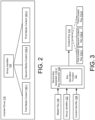
FIG. 2 illustrates an example of a license group of the system ofFIG 1 according to an aspect. -
FIG. 3 illustrates an example of a key generator of the system ofFIG. 1 according to an aspect. -
FIG. 4 illustrates an example of the group license mechanism with a plurality of protection layers for protecting a content key according to an aspect. -
FIG. 5 illustrates a flow chart depicting example operations of a computing device of the system ofFIG 1 according to an aspect. -
FIG. 6 illustrates a flow chart depicting example operations of a license manager of the system ofFIG. 1 according to an aspect. -
FIG. 7 illustrates a flow chart depicting example operations of the license manager of the system ofFIG 1 according to an aspect. -
FIG. 8 illustrates a flow chart depicting example operations of a media content provider of the system ofFIG 1 according to an aspect. -
FIG 9 is a block diagram showing example or representative computing devices and associated elements that may be used to implement the systems and methods ofFIGS. 1-8 . - The implementations discussed herein provide a group license mechanism in which all media content of a license group is encrypted with a unique content key that is derived from a master key. Then, a computing device may retrieve the master key from a license manager and can use the master key to derive content keys for all media content part of the license group in order to decrypt and playback any media content part of the license group. As a result, instead of consuming a large amount of resources by repeatedly requesting a separate content key for each media content, the computing device may send a single license request to the license manager for a license that can be used to decrypt all media content in the license group, thereby minimizing network traffic to the license manager. Furthermore, in some implementations, the content keys are not stored in the system because the content keys are derived from the master key, which may lead to a more secure license exchange system.
-
FIG 1 is a block diagram of asystem 100 for implementing a group license mechanism for controlling download and playback ofmedia content 140 in which eachmedia content 140 belonging to alicense group 115 is encrypted and decrypted with aunique content key 112 derived from amaster key 128 according to an aspect. Thesystem 100 may include acomputing device 102, alicense manager 104, and amedia content provider 106, which may be connected to each other via anetwork 142. - The
computing device 102 may be a mobile computing device (e.g., a smart phone, a PDA, a tablet, a laptop computer, media streaming device, etc.) or a non-mobile computing device (e.g., a desktop computing device, gaming console, etc.). Thecomputing device 102 may include various network interface circuitry, such as for example, a network interface through which thecomputing device 102 can communicate with thenetwork 142. Thenetwork 142 may include one or more private and/or public networks including a cellular network, a Wi-Fi network with which thecomputing device 102 can communicate with a Wi-Fi base station, a Bluetooth network with which thecomputing device 102 can communicate with other Bluetooth devices, and/or an Ethernet connection or other wired connection that enables thecomputing device 102 to access thenetwork 142. - The
computing device 102 may access themedia content provider 106 via thenetwork 142 to obtain themedia content 140. For example, thecomputing device 102 may communicate with themedia content provider 106 to view, access, download, stream, and/or playback themedia content 140 on thecomputing device 102 via aplayback unit 118 configured to render themedia content 140. Theplayback unit 118 may be capable of rendering any video, software, audio, image, and/or textual data defined by themedia content 140. Also, thecomputing device 102 may include one or more computer processors coupled to one or more substrates, and a non-transitory computer readable medium that stores executable instructions that when executed by the one or more computer processors are configured to implement the various functionalities described herein. - The
media content provider 106 may include one or more media content sources that distribute themedia content 140 over thenetwork 142 to a plurality of computing devices including thecomputing device 102. In some examples, themedia content provider 106 may be one or more online digital media stores that provide themedia content 140 for free or purchase to thecomputing device 102. Themedia content provider 106 may include one or more server devices having one or more network interfaces capable of connecting to thenetwork 142. In some examples, themedia content provider 106 may include one or more computer processors coupled to one or more substrates, and a non-transitory computer readable medium that stores executable instructions that when executed by the one or more computer processors are configured to implement the various functionalities described herein. - The
license manager 104 may be configured to manage and createlicenses 126 for themedia content 140 provided by themedia content provider 106. In some examples, thelicense manager 104 may include a license server functioning as a centralized computer system which implements at least part of the group license mechanism discussed herein. Thelicense manager 104 may providecontent keys 112 to themedia content provider 106 such that eachmedia content 140 can be encrypted prior to distribution, and provide master keys 128 (and potentially content keys 112) to thecomputing device 102 such that thecomputing device 102 can decrypt and playback themedia content 140. In some examples, thelicense manager 104 may include one or more license server devices having one or more network interfaces capable of connecting to thenetwork 142. In some examples, thelicense manager 104 may include one or more computer processors coupled to one or more substrates, and a non-transitory computer readable medium that stores executable instructions that when executed by the one or more computer processors are configured to implement the various functionalities described herein. In some examples, thelicense manager 104 may be implemented on one or more servers separate from the server(s) implementing themedia content provider 106, and any communication between thelicense manager 104 and themedia content provider 106 are transmitted over thenetwork 142 via an established network (Internet) communication protocol. In some examples, thelicense manager 104 may be part of themedia content provider 106. - The
media content 140 may refer to any content in which alicense 126 is required to access (e.g., playback) themedia content 140. Themedia content 140 may include video, software, audio, image, and/or textual data. In some examples, themedia content 140 may include digital media content such as digitally broadcast, streamed, or provided as part of a computer file format. In some examples, themedia content 140 may include video content. In some examples, themedia content 140 may include audio content. In some examples, themedia content 140 may include a movie. In some examples, themedia content 140 may refer to a single track of a movie. For example, a movie may be defined by an audio track, and one or more video tracks such as a high-definition (HD) track, a standard-definition (SD) track, and a 4K resolution track. Depending on the context, themedia content 140 may refer to one of the audio track, the HD track, the SD track, and the 4K resolution track. In other examples, themedia content 140 may refer to the movie as a whole (e.g., the audio track, HD track, the SD track, and potentially the 4K resolution track). -
FIG 2 illustrates an example of thelicense group 115 according to an aspect. Thelicense group 115 may be associated with agroup identifier 122. Thegroup identifier 115 may be an identifier that uniquely identifies aparticular license group 115. Thegroup identifier 115 may be a data representation that uniquely identifies thelicense group 115. In some examples, thegroup identifier 115 is a numeric identifier. - The
license group 115 may define a plurality of media contents such as a first media content 140-1, a second media content 140-2, and a third media content 140-3. AlthoughFIG 2 illustrates three separate items ofmedia content 140, thelicense group 115 may define any number ofmedia content 140. In some examples, the first media content 140-1, the second media content 140-2, and the third media content 140-3 include content different from each other. In some examples, the first media content 140-1 refers to a first movie, the second media content 140-2 refers to a second movie, and the third media content 140-3 refers to a third movie. In some examples, with respect to a particular movie, the first media content 140-1 may refer to the audio track, the second media content 140-2 may refer to the HD track, and the third media content 140-3 may refer to the SD track. It is noted that the movie examples used throughout this disclosure are merely example implementations of the numerous types of content which may be covered by themedia content 140. For example, thelicense group 115 may define a plurality of other types of media content such as a collection of digital files, digital songs, etc. Also, asingle license group 115 does not necessarily define media content of the same type (e.g., all movie files). In some examples, thelicense group 115 may define a collection of two or categories (e.g., movies, songs, articles, and/or files). - Referring to
FIGS. 1-2 , themedia content provider 106 may define thelicense group 115. For example, themedia content provider 106 may indicate whichmedia content 140 belongs to thelicense group 115. For example, themedia content provider 106 may define thatmovie # 1 through movie #50 are part of a first license group, and movie #51 tomovie # 100 are part of a second license group. In some examples, themedia content provider 106 may associate agroup identifier 122 with the first media content 140-1, and assign thesame group identifier 122 to the second media content 140-2 and the third media content 140-3. The assignment of thegroup identifier 122 to the first media content 140-1 may indicate that the first media content 140-1 is part of (or belongs to) thelicense group 115. - The
media content provider 106 may include anprovider encryption unit 138 configured to encrypt eachmedia content 140 of thelicense group 115 with aunique content key 112 that was derived from asame master key 128. For example, theprovider encryption unit 138 may be configured to encrypt the first media content 140-1 with a first content key (e.g., first content key 112-1 shown inFIG 3 ), encrypt the second media content 140-2 with a second content key (e.g., second content key 112-2 shown inFIG 3 ), and encrypt the third media content 140-3 with a third content key (e.g., third content key 112-3 shown inFIG 3 ). The first content key 112-1, the second content key 112-2, and the third content key 112-3 may be unique to each other. The first content key 112-1, the second content key 112-2, and the third content key 112-3 may be derived from thesame master key 128, as further explained below. - The
media content provider 106 may send akey request 134 for acontent key 112 and receive akey response 136 having thecontent key 112 for themedia content 140. The key request may include acontent identifier 124 that uniquely identifies themedia content 140, and thegroup identifier 122 that identifies thelicense group 115 of themedia content 140. The inclusion of thegroup identifier 122 in thekey request 134 may indicate that themedia content provider 106 has assigned themedia content 140 to thelicense group 115. - In particular, the
media content provider 106 may send thekey request 134 as a first key request for the first content key 112-1 to thelicense manager 104, and receive thekey response 136 as a first key response from thelicense manager 104. The first key request may include thecontent identifier 124 that is specific to the first media content 140-1, and thegroup identifier 122 of thelicense group 115 in which the first media content 140-1 belongs to. The first key response may include the first content key 112-1 that is specific to the first media content 140-1 (e.g., only the first content key 112-1 is capable of unlocking the first media content 140-1). In some examples, the first content key 112-1 is an encrypted content key. In other examples, the first content key 112-1 is an unencrypted content key. Then, theprovider encryption unit 138 of themedia content provider 106 may encrypt the first media content 140-1 with the first content key 112-1. Also, themedia content provider 106 may include aprovider decryption unit 139 configured to decrypt the first content key 112-1 (if the first content key 112-1 is encrypted). Then, theprovider encryption unit 138 may encrypt the first media content 140-1 with the decrypted first content key 112-1. - The
media content provider 106 may send thekey request 134 as a second key request for the second content key 112-2 to thelicense manager 104, and receive thekey response 136 as a second key response from thelicense manager 104. The second key request may include thecontent identifier 124 that is specific to the second media content 140-2, and thegroup identifier 122 of thelicense group 115 in which the second media content 140-2 belongs to. The second key response may include the second content key 112-2 that is specific to the second media content 140-2 (e.g., only the second content key 112-2 is capable of unlocking the second media content 140-2). In some examples, the second content key 112-2 is an encrypted content key. In other examples, the second content key 112-2 is an unencrypted content key. Then, theprovider encryption unit 138 of themedia content provider 106 may encrypt the second media content 140-2 with the second content key 112-2, or theprovider decryption unit 139 may decrypt the second content key 112-2 (if the second content key 112-2 is encrypted), and theprovider encryption unit 138 may encrypt the second media content 140-2 with the decrypted second content key 112-2. - With respect to the third media content 140-2, the
media content provider 106 may send thekey request 134 and receive thekey response 136 as a third key request and a third key response, respectively, in the same manner as described above. In some examples, thekey requests 134 of all themedia content 140 belonging to thesame license group 115 may be sent sequentially (e.g., the first key request followed by the second key request followed by the third key request). In other examples, thekey requests 134 for allmedia content 140 of thelicense group 115 may be sent at the same time (or around the same time). In other examples, themedia content provider 106 may send a singlekey request 134 to request thecontent keys 112 for all themedia content 140 of thelicense group 115, and receives a singlekey response 136 having all thecontent keys 112 for thelicense group 115. In this example, thekey request 134 may specify thecontent identifier 124 for eachmedia content 140 part of thelicense group 115, and thegroup identifier 122 for thelicense group 115. - The
license manager 104 may include akey generator 130 configured to derive thecontent key 112 specific to themedia content 140 identified by thecontent identifier 124 from themaster key 128 that corresponds to thelicense group 115 pertaining to thecontent identifier 124 in response to receiving thekey request 134. For example, thekey generator 130 may be configured to obtain themaster key 128 corresponding to thelicense group 115 from a master key database 132 storing a plurality ofmaster keys 128. Eachmaster key 128 in the master key database 132 may correspond to adifferent license group 115. In some examples, thekey generator 130 may use thegroup identifier 122 to search the master key database 132 to locate theappropriate master key 128. In other examples, thekey generator 130 may obtain themaster key 128 by deriving (or generating) themaster key 128. -
FIG 3 illustrates an example of thekey generator 130 of thelicense manager 104 or a devicekey generator 110 of thecomputing device 102 according to an aspect. The devicekey generator 110 of thecomputing device 102 may include functionalities that operate in the same manner as at least some of the functionalities of thekey generator 130 of thelicense manager 104. The devicekey generator 110 of thecomputing device 102 is described later in the disclosure. - The
key generator 130 of thelicense manager 104 may generate thecontent key 112 based on themaster key 128, thegroup identifier 122, and thecontent identifier 124. For example, with respect to the first media content 140-1, thekey generator 130 may derive thecontent identifier 124 for the first media content 140-1 and thegroup identifier 122 of thelicense group 115 from the receivedkey request 134. Inclusion of thegroup identifier 122 in thekey request 134 may indicate to thekey generator 130 that the first media content 140-1 is apart of thelicense group 115 having thegroup identifier 122 that uniquely identifies thelicense group 115. Then, thekey generator 130 may determine to derive the first content key 112-1 for the first media content 140-1 using themaster key 128 corresponding to thelicense group 115. Otherwise, if thekey request 134 does not contain thegroup identifier 122, thekey generator 130 may generate an individual content key for the first media content 140-1 without using themaster key 128. However, since thekey request 134 includes thegroup identifier 122, thekey generator 130 may use thegroup identifier 122 to locate themaster key 128 corresponding to thelicense group 115 from the master key database 132. Then, thekey generator 130 may derive the first content key 112-1 based on themaster key 128 for thelicense group 115, thegroup identifier 122, and thecontent identifier 124 that uniquely identifies the first media content 140-1, as further explained below. - The
key generator 130 may derive the first content key 112-1 using akey derivation function 121. Thekey derivation function 121 may be a deterministic algorithm to derive a key of a given size. In some examples, thekey derivation function 121 generates thecontent key 112 as a 16 byte Advanced Encryption Standard (AES) based on thegroup identifier 122, and a length of 128 bits. However, thekey derivation function 121 may use any type of key derivation functions parameters within AES or other encryption standards that is capable of deriving a unique content key. Thekey generator 130 may generate the second content key 112-2 for the second media content 140-2 and the third content key 112-3 for the third media content 140-3 in the same manner described. - Referring to back to
FIG 1 , in some examples, thelicense manager 104 may include anencryption unit 131 configured to encrypt thecontent key 112, and send theencrypted content key 112 back to themedia content provider 106 to be decrypted by theprovider decryption unit 139. For example, theencryption unit 131 may encrypt the first content key 112-1, and send the first key response with the first content key 112-1 to themedia content provider 106. Then, theprovider decryption unit 139 may decrypt the first content key 112-1, and theprovider encryption unit 138 may encrypt the first media content 140-1 using the decrypted first content key 112-1. Also, theencryption unit 131 may encrypt the second content key 112-2, and send the second key response with the second content key 112-2 to themedia content provider 106. Then, theprovider decryption unit 139 may decrypt the second content key 112-2, and theprovider encryption unit 138 may encrypt the second media content 140-2 using the decrypted second content key 112-2. - Referring back to
FIG 1 , thecomputing device 102 may access themedia content provider 106 via thenetwork 142 to obtain themedia content 140. For example, thecomputing device 102 may communicate with themedia content provider 106 to view, access, download, stream, and/or playback themedia content 140 on thecomputing device 102 via theplayback unit 118 configured to render themedia content 140. However, thecomputing device 102 may be required to obtain alicense 126 to view, access, download, stream, and/or playback themedia content 140 on thecomputing device 102. According to the embodiments, thecomputing device 102 is not required to send aseparate license request 120 for eachmedia content 140 of thelicense group 115. Rather, thecomputing device 102 may receive asingle license 126 that is used to decrypt allmedia content 140 of thelicense group 115, thereby minimizing network traffic to thelicense manager 104. - For example, a
media content handler 116 of thecomputing device 102 may obtain the first media content 140-1 for playback. Themedia content handler 116 may obtain the first media content 140-1, over thenetwork 142, from themedia content provider 106. In other examples, themedia content handler 116 may obtain the first media content 140-1 from a storage area of thecomputing device 102. In some examples, themedia content handler 116 may determine that alicense 126 is required to access the first media content 140-1. - The
computing device 102 may include agroup license manager 108 configured to determine whether or not the first media content 140-1 is part of thelicense group 115. In some examples, thegroup license manager 108 may determine whether or not agroup identifier 122 is associated with the first media content 140-1. If thegroup identifier 122 is included as part of the first media content 140-1 (e.g., included as meta-data associated with the first media content 140-1), thegroup license manager 108 may determine that the first media content 140-1 is part of thelicense group 115. On the other hand, if thegroup identifier 122 is not provided with the first media content 140-1, thegroup license manager 108 may determine that the first media content 140-1 is not part of thelicense group 115. If the first media content 140-1 is not part of alicense group 115, thegroup license manager 108 may request and receive an individual content key for the first media content 140-1 in accordance with standard license exchange techniques. - However, when the first media content 140-1 is determined as part of the
license group 115, thegroup license manager 108 may determine whether or not themaster key 128 for thelicense group 115 was previously received. For example, thegroup license manager 108 may determine whether it has access to the master key 128 (e.g., whether it is stored locally in a storage unit of the computing device 102). If thegroup license manager 108 determines that it has not previously received themaster key 128 for thatlicense group 115, thegroup license manager 108 may send, over thenetwork 142, alicense request 120 to thelicense manager 104. Thelicense request 120 may include thegroup identifier 122 of thelicense group 115 corresponding to themedia content 140, and thecontent identifier 124 that uniquely identifies the first media content 140-1. - The
license manager 104 may receive thelicense request 120, over thenetwork 142, from thecomputing device 102, and obtain themaster key 128 for thelicense group 115 from the master key database 132. For example, thelicense manager 104 may use thegroup identifier 122 of thelicense request 120 to obtain thecorrect master key 128 from the master key database 132. Then, thelicense manager 104 may send thelicense 126 having themaster key 128 back to thecomputing device 102. In some examples, in response to receiving thelicense request 120, thekey generator 130 may derive the first content key 112-1, and send thelicense 126 with both themaster key 128 and the first content key 112-1. Then, thecomputing device 102 may use either the first content key 112-1 received as part of thelicense 126 or derive the first content key 112-1 using themaster key 128. In some examples, theencryption unit 131 may be configured to encrypt themaster key 128, and thelicense manager 104 may send thelicense 126 with theencrypted master key 128. In some examples, theencryption unit 131 may encrypt themaster key 128 and the first content key 112-1, and thelicense manager 104 may send thelicense 126 with theencrypted master key 128 and the encrypted first content key 112-1. - The
group license manager 108 may receive, over thenetwork 142, thelicense 126 from thelicense manager 104. If themaster key 128 is encrypted, thedecryption unit 114 may decrypt themaster key 128. If themaster key 128 and the first content key 112-1 are encrypted, thedecryption unit 114 may decrypt themaster key 128 and the first content key 112-1. Then, the devicekey generator 110 may derive the first content key 112-1 for the first media content 140-1 based on themaster key 128 received as part of thelicense 126. This process may be the same as previously described above. For example, referring toFIG 3 , the devicekey generator 110 may derive the first content key 112-1 based on themaster key 128, thegroup identifier 122, and thecontent identifier 124. The derived first content key 112-1 is unique to the first media content 140-1 specified by thecontent identifier 124. In some examples, the devicekey generator 110 may generate the first content key 112-1 using thekey derivation function 121 inputted with themaster key 128, thegroup identifier 122, and thecontent identifier 124. Thedecryption unit 114 may decrypt the first media content 140-1 using the derived first content key 112-1, and theplayback unit 118 configured to playback the decrypted first media content 140-1. - Then, when the
media content handler 116 obtains the second media content 140-2, and the second media content 140-2 is part of thesame license group 115, thecomputing device 102 does not send anotherlicense request 120. Rather, thegroup license manager 108 may determine that the second media content 140-2 is part of the license group 115 (e.g., due to the presence of the group identifier 122), and may determine that it has previously received themaster key 128 for thelicense group 115. The devicekey generator 110 may generate the second content key 112-2 for the second media content 140-2 based on thesame master key 128 that was used to generate the first content key 112-1 for the first media content 140-1. For instance, the devicekey generator 110 may derive the second content key 112-2 for the second media content 140-2 using thekey derivation function 121 inputted with themaster key 128, thegroup identifier 122, and thecontent identifier 124 specific to the second media content 140-2. Thedecryption unit 114 may be configured to decrypt the second media content 140-2 using the second content key 112-2 for the second media content 140-2. - These operations may be repeated for all
media content 140 of thelicense group 115 such that license requests do not need to be sent to thelicense manager 104. Rather, thecontent keys 112 for theother media content 140 of thesame license group 115 can be derived by the devicekey generator 110. Also, thecontent keys 112 are not stored anywhere in thesystem 100 because thecontent keys 112 are derived from themaster key 128, thereby making thesystem 100 more secure. -
FIG 4 illustrates an example of the group license exchange with a plurality of protection layers for protecting thecontent key 112 according to an aspect. For example,FIG 4 illustrates a message sequence between thecomputing device 102 and thelicense manager 104 that protects thecontent key 112 according to a number of protection layers. AlthoughFIG 4 illustrates three protection layers (e.g.,layer 1,layer 2, and layer 3), the implementations may include any number of protection layers (e.g. two protection layers or more than three protection layers). - In a first layer of protection, in
operation 402, thecomputing device 102 may request a first master key. For example, thegroup license manager 108 may be configured to send a first master key request over thenetwork 142 to thelicense manager 104 to obtain the first master key (mKey1) for thelicense group 115. Inoperation 404, thelicense manager 104 may obtain the first master key (mKey1). For example, thekey generator 130 may obtain or derive the first master key (mKey1) from the master key database 132. Inoperation 406, thelicense manager 104 may send the first master key (mKey1), and thecomputing device 102 may receive the first master key (mKey1). Inoperation 408, thecomputing device 102 may generate a first content key (cKey1) using the first master key (mKey1). For example, the devicekey generator 110 of thecomputing device 102 may derive the first content key (cKey1) using thekey derivation function 121 inputted with the first master key (mKey1), thegroup identifier 122, and thecontent identifier 124 corresponding to themedia content 140 to be decrypted. - In a second layer of protection, in
operation 408, thecomputing device 102 requests another master key with the first content key (cKey1). For example, thegroup license manager 108 may be configured to send a master key request over thenetwork 142 to thelicense manager 104 to obtain anothermaster key 128 for thelicense group 115. Inoperation 410, thelicense manager 104 obtains a second master key (mKey2). For example, thekey generator 130 may obtain or derive the second master key (mKey2) from the master key database 132. Inoperation 412, thelicense manager 104 may send the second master key (mKey2), and thecomputing device 102 may receive the second master key (mKey2). Inoperation 414, thecomputing device 102 may decrypt the first content key (cKey1) using the second master key (mKey2), thereby obtaining a second content key (cKey2). - In a third layer of protection, in
operation 416, thecomputing device 102 request another master key using the second content key (cKey2). For example, thegroup license manager 108 may send a master key request over thenetwork 142 to thelicense manager 104 to obtain yet anothermaster key 128 for thelicense group 115. Inoperation 418, thelicense manager 104 may obtain a third master key (mKey3). For example, thekey generator 130 may obtain or derive the third master key (mKey3) from the master key database 132. Inoperation 420, thelicense manager 104 may send the third master key (mKey3), and thecomputing device 102 may receive the third master key (mKey3). Inoperation 422, thecomputing device 102 may decrypt the second content key (cKey2) using the third master key (mKey3), thereby obtaining a third content key (cKey3). In some examples, thedecryption unit 114 may decrypt themedia content 140 using the third content key (cKey3). In other examples, additional layers of protection are added by repeating the previous operations to obtain a fourth content key, fifth content key, etc. -
FIG 5 illustrates a flow chart depicting example operations of thecomputing device 102 implementing the group license exchange mechanism of thesystem 100 ofFIG 1 according to an aspect. Although the flowchart ofFIG 5 illustrates the operations 502-518 in sequential order, it will be appreciated that this is merely an example, and that additional or alternative operations may be included. Further, operations ofFIG 5 and related operations may be executed in a different order than that shown, or in a parallel or overlapping fashion. - It may be determined whether media content is part of a license group (502). For example, the
group license manager 108 configured to determine whether or not the first media content 140-1 is part of thelicense group 115. In some examples, thegroup license manager 108 may determine whether or not agroup identifier 122 is associated with the first media content 140-1. Thegroup identifier 122 may uniquely identify thelicense group 115. If thegroup identifier 122 is included as part of the first media content 140-1 (e.g., included as meta-data associated with the first media content 140-1), thegroup license manager 108 may determine that the first media content 140-1 is part of thelicense group 115. On the other hand, if thegroup identifier 122 is not provided with the first media content 140-1, thegroup license manager 108 may determine that the first media content 140-1 is not part of thelicense group 115. - When the media content is determined as not part of the license group (No), an individual content key may be requested (504). For example, if the first media content 140-1 is not part of the
license group 115, thegroup license manager 108 may request and receive an individual content key for the first media content 140-1 in accordance with standard license exchange techniques. In some examples, this content key was generated at thelicense manager 104 without using themaster key 128. - When the media content is determined as part of the license group (Yes), it may be determined whether the computing device has a master key for the group identifier (506). For example, when the first media content 140-1 is determined as part of the
license group 115, thegroup license manager 108 may determine whether or not themaster key 128 for thelicense group 115 was previously received. For example, thegroup license manager 108 may determine whether it has access to the master key 128 (e.g., whether it is stored locally in a storage unit of the computing device 102). - When it has been determined that the computing device does not have the master key for the group identifier (No), a license request with the group identifier and the content identifier may be sent (508). For example, if the
group license manager 108 determines that it has not previously received themaster key 128 for thatlicense group 115, thegroup license manager 108 may send, over thenetwork 142, alicense request 120 to thelicense manager 104. Thelicense request 120 may include thegroup identifier 122 of thelicense group 115 corresponding to themedia content 140, and thecontent identifier 124 that uniquely identifies the first media content 140-1. - A master key may be received (510). For example, the
license manager 104 may receive thelicense request 120, over thenetwork 142, from thecomputing device 102, and obtain themaster key 128 for thelicense group 115 from the master key database 132. For example, thelicense manager 104 may use thegroup identifier 122 of thelicense request 120 to obtain thecorrect master key 128 from the master key database 132. Then, the computing device may receive the license with themaster key 128 from thelicense manager 104. - A content key may be derived with the master key (512). For example, the device
key generator 110 may derive the first content key 112-1 for the first media content 140-1 based on themaster key 128 received as part of thelicense 126. In some examples, the devicekey generator 110 may generate the first content key 112-1 using thekey derivation function 121 inputted with themaster key 128, thegroup identifier 122, and thecontent identifier 124. In some examples, the devicekey generator 110 may derive the first content key 112-1 using thekey derivation function 121. Thekey derivation function 121 may be a deterministic algorithm to derive a key of a given size. In some examples, thekey derivation function 121 generates the first content key 112-1 as a 16 byte Advanced Encryption Standard (AES) based on thegroup identifier 122, and a length of 128 bits. - Media content may be decrypted with the content key (514). For example, the
decryption unit 114 may be configured to decrypt the first media content 140-1 using the derived first content key 112-1. - When it has been determined that the computing device has the master key for the group identifier (Yes), the content key may be derived with the master key (516). For example, instead of sending a
license request 120, thegroup license manager 108 determines that it already has received alicense 126 for the first media content 140-1 because it previously received themaster key 128 for thelicense group 115 which the first media content 140-1 belongs to. Then, instead of performing operations 508-510, the devicekey generator 110 may derive the first content key 112-1 using the previously receivedmaster key 128. - Media content may be decrypted with the content key (518). For example, the
decryption unit 114 may be configured to decrypt the first media content 140-1 using the derived first content key 112-1. - These operations may be repeated for all
media content 140 of thelicense group 115 such that license requests do not need to be send to thelicense manager 104. Rather, thecontent keys 112 for theother media content 140 of thesame license group 115 can be derived by the devicekey generator 110. Also, thecontent keys 112 are not stored anywhere in thesystem 100 because thecontent keys 112 are derived from themaster key 128, thereby making thesystem 100 more secure. -
FIG 6 illustrates a flow chart depicting example operations of thelicense manager 104 implementing the group license exchange mechanism of thesystem 100 ofFIG 1 according to an aspect. Although the flowchart ofFIG 6 illustrates the operations 602-608 in sequential order, it will be appreciated that this is merely an example, and that additional or alternative operations may be included. Further, operations ofFIG 6 and related operations may be executed in a different order than that shown, or in a parallel or overlapping fashion. - A license request may be received from a computing device, where the license request includes a content identifier and a group identifier (602). For example, the
license manager 104 may receive thelicense request 120, over thenetwork 142, from thecomputing device 102. Thelicense request 120 may include thegroup identifier 122 that identifies thelicense group 115 in which the first media content 140-1 belongs to, and thecontent identifier 124 that uniquely identifies the first media content 140-1. - A master key may be obtained using the group identifier (604). For example, in response to receiving the
license request 120, thekey generator 130 may obtain themaster key 128 corresponding to thelicense group 115 identified by thegroup identifier 122 from the master key database 132. - A content key may be generated using the master key (606). In some examples, the
key generator 130 may derive the first content key 112-1 using themaster key 128. For example, thekey generator 130 may derive the first content key 112-1 using thekey derivation function 121 inputted with thegroup identifier 122, thecontent identifier 124, and the obtainedmaster key 128. - The master key and the content key may be sent to the computing device (608). For example, the
license manager 104 may send alicense 126 back to the computing device, where thelicense 126 includes themaster key 128 and the first content key 112-1. Thecomputing device 102 may decrypt the first media content 140-1 with the first content key 112-1 received as part of thelicense 126 or derive the first content key 112-1 using themaster key 128. Also, for all other media content (e.g., second media content 140-2, third media content 140-3), thecomputing device 102 does not have to send anotherlicense request 120. Rather, thecomputing device 102 may use themaster key 128 received as part of thelicense 126 to deriveindividual content keys 112 for anymedia content 140 apart of thelicense group 115. -
FIG 7 illustrates a flow chart depicting example operations of thelicense manager 104 implementing the group license exchange mechanism of thesystem 100 ofFIG 1 according to another aspect. Although the flowchart ofFIG 7 illustrates the operations 702-708 in sequential order, it will be appreciated that this is merely an example, and that additional or alternative operations may be included. Further, operations ofFIG 7 and related operations may be executed in a different order than that shown, or in a parallel or overlapping fashion. - A key request may be received from a media content provider, where the key request includes the group identifier and the content identifier (702). For example, the
license manager 104 may receive akey request 134 from themedia content provider 106, where thekey request 134 includes thecontent identifier 124 for themedia content 140 in which themedia content provider 106 is instructed to encrypt, and thegroup identifier 122 that corresponds to thelicense group 115 of themedia content 140 specified by thecontent identifier 124. For example, thelicense manager 104 may receive akey request 134 specifying thecontent identifier 124 for the first media content 140-1, and thegroup identifier 122 corresponding to thelicense group 115 of the first media content 140-1. - A master key may be obtained using the group identifier (704). For example, the
key generator 130 may obtain themaster key 128 that corresponds to thegroup identifier 122 from the master key database 132. - The content key may be derived using the master key, the group identifier, and the content identifier (706). For example, the
key generator 130 may derive the first content key 112-1 for the first media content 140-1 using themaster key 128. In some examples, thekey generator 130 may use thekey derivation function 121 inputted with themaster key 128, thegroup identifier 122, and thecontent identifier 124 to derive the first media content 140-1. - A key response with the content key may be sent to the media content provider (708). For example, the
license manager 104 may send thekey response 136 with the derived first content key 112-1. Operations 702-708 may be repeated for each of theother media content 140 included as part of thelicense group 115. -
FIG 8 illustrates a flow chart depicting example operations of themedia content provider 106 implementing the group license exchange mechanism of thesystem 100 ofFIG 1 according to an aspect. Although the flowchart ofFIG 8 illustrates the operations 802-808 in sequential order, it will be appreciated that this is merely an example, and that additional or alternative operations may be included. Further, operations ofFIG 8 and related operations may be executed in a different order than that shown, or in a parallel or overlapping fashion. - A license group of media content may be determined (802). For example, the
media content provider 106 may determine alicense group 115. Themedia content provider 106 may indicate whichmedia content 140 is part of thesame license group 115, and assign thesame group identifier 122 to each of themedia content 140 belonging to thelicense group 115. - A key request with a group identifier and a content identifier may be sent to a license manager (804). For example, the
media content provider 106 may send thekey request 134 with thegroup identifier 122 and thecontent identifier 124. In particular, themedia content provider 106 may send thekey request 134 for the first media content 140-1 including thecontent identifier 124 that uniquely identifies the first media content 140-1, and thegroup identifier 122 of the first media content'slicense group 115. - A content key may be received from the license manager (806). For example, the
media content provider 106 may receive the first content key 112-1 from thelicense manager 104 as part of thekey response 136. Then, the media content may be encrypted with the content key (808). For example, theprovider encryption unit 138 may encrypt the first media content 140-1 with the first content key 112-1. -
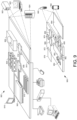
FIG 9 shows an example of ageneric computer device 900 and a genericmobile computer device 950, which may be used with the techniques described here.Computing device 900 is intended to represent various forms of digital computers, such as laptops, desktops, tablets, workstations, personal digital assistants, televisions, servers, blade servers, mainframes, and other appropriate computing devices.Computing device 950 is intended to represent various forms of mobile devices, such as personal digital assistants, cellular telephones, smart phones, and other similar computing devices. The components shown here, their connections and relationships, and their functions, are meant to be exemplary only, and are not meant to limit implementations of the inventions described and/or claimed in this document. -
Computing device 900 includes aprocessor 902,memory 904, astorage device 906, a high-speed interface 908 connecting tomemory 904 and high-speed expansion ports 910, and alow speed interface 912 connecting tolow speed bus 914 andstorage device 906. Theprocessor 902 can be a semiconductor-based processor. Thememory 904 can be a semiconductor-based memory. Each of thecomponents processor 902 can process instructions for execution within thecomputing device 900, including instructions stored in thememory 904 or on thestorage device 906 to display graphical information for a GUI on an external input/output device, such asdisplay 916 coupled tohigh speed interface 908. In other implementations, multiple processors and/or multiple buses may be used, as appropriate, along with multiple memories and types of memory. Also,multiple computing devices 900 may be connected, with each device providing portions of the necessary operations (e.g., as a server bank, a group of blade servers, or a multiprocessor system). - The
memory 904 stores information within thecomputing device 900. In one implementation, thememory 904 is a volatile memory unit or units. In another implementation, thememory 904 is a non-volatile memory unit or units. Thememory 904 may also be another form of computer-readable medium, such as a magnetic or optical disk. - The
storage device 906 is capable of providing mass storage for thecomputing device 900. In one implementation, thestorage device 906 may be or contain a computer-readable medium, such as a floppy disk device, a hard disk device, an optical disk device, or a tape device, a flash memory or other similar solid state memory device, or an array of devices, including devices in a storage area network or other configurations. A computer program product can be tangibly embodied in an information carrier. The computer program product may also contain instructions that, when executed, perform one or more methods, such as those described above. The information carrier is a computer- or machine-readable medium, such as thememory 904, thestorage device 906, or memory onprocessor 902. - The
high speed controller 908 manages bandwidth-intensive operations for thecomputing device 900, while thelow speed controller 912 manages lower bandwidth-intensive operations. Such allocation of functions is exemplary only. In one implementation, the high-speed controller 908 is coupled tomemory 904, display 916 (e.g., through a graphics processor or accelerator), and to high-speed expansion ports 910, which may accept various expansion cards (not shown). In the implementation, low-speed controller 912 is coupled tostorage device 906 and low-speed expansion port 914. The low-speed expansion port, which may include various communication ports (e.g., USB, Bluetooth, Ethernet, wireless Ethernet) may be coupled to one or more input/output devices, such as a keyboard, a pointing device, a scanner, or a networking device such as a switch or router, e.g., through a network adapter. - The
computing device 900 may be implemented in a number of different forms, as shown in the figure. For example, it may be implemented as astandard server 920, or multiple times in a group of such servers. It may also be implemented as part of arack server system 924. In addition, it may be implemented in a personal computer such as alaptop computer 922. Alternatively, components fromcomputing device 900 may be combined with other components in a mobile device (not shown), such asdevice 950. Each of such devices may contain one or more ofcomputing device multiple computing devices -
Computing device 950 includes aprocessor 952,memory 964, an input/output device such as adisplay 954, acommunication interface 966, and atransceiver 968, among other components. Thedevice 950 may also be provided with a storage device, such as a microdrive or other device, to provide additional storage. Each of thecomponents - The
processor 952 can execute instructions within thecomputing device 950, including instructions stored in thememory 964. The processor may be implemented as a chipset of chips that include separate and multiple analog and digital processors. The processor may provide, for example, for coordination of the other components of thedevice 950, such as control of user interfaces, applications run bydevice 950, and wireless communication bydevice 950. -
Processor 952 may communicate with a user throughcontrol interface 958 anddisplay interface 956 coupled to adisplay 954. Thedisplay 954 may be, for example, a TFT LCD (Thin-Film-Transistor Liquid Crystal Display) or an OLED (Organic Light Emitting Diode) display, or other appropriate display technology. Thedisplay interface 956 may comprise appropriate circuitry for driving thedisplay 954 to present graphical and other information to a user. Thecontrol interface 958 may receive commands from a user and convert them for submission to theprocessor 952. In addition, anexternal interface 962 may be provide in communication withprocessor 952, so as to enable near area communication ofdevice 950 with other devices.External interface 962 may provide, for example, for wired communication in some implementations, or for wireless communication in other implementations, and multiple interfaces may also be used. - The
memory 964 stores information within thecomputing device 950. Thememory 964 can be implemented as one or more of a computer-readable medium or media, a volatile memory unit or units, or a non-volatile memory unit or units. Expansion memory 974 may also be provided and connected todevice 950 throughexpansion interface 972, which may include, for example, a SIMM (Single In Line Memory Module) card interface. Such expansion memory 974 may provide extra storage space fordevice 950, or may also store applications or other information fordevice 950. Specifically, expansion memory 974 may include instructions to carry out or supplement the processes described above, and may include secure information also. Thus, for example, expansion memory 974 may be provide as a security module fordevice 950, and may be programmed with instructions that permit secure use ofdevice 950. In addition, secure applications may be provided via the SIMM cards, along with additional information, such as placing identifying information on the SIMM card in a non-hackable manner. - The memory may include, for example, flash memory and/or NVRAM memory, as discussed below. In one implementation, a computer program product is tangibly embodied in an information carrier. The computer program product contains instructions that, when executed, perform one or more methods, such as those described above. The information carrier is a computer- or machine-readable medium, such as the
memory 964, expansion memory 974, or memory onprocessor 952, which may be received, for example, overtransceiver 968 orexternal interface 962. -
Device 950 may communicate wirelessly throughcommunication interface 966, which may include digital signal processing circuitry where necessary.Communication interface 966 may provide for communications under various modes or protocols, such as GSM voice calls, SMS, EMS, or MMS messaging, CDMA, TDMA, PDC, WCDMA, CDMA2000, or GPRS, among others. Such communication may occur, for example, through radio-frequency transceiver 968. In addition, short-range communication may occur, such as using a Bluetooth, WiFi, or other such transceiver (not shown). In addition, GPS (Global Positioning System)receiver module 970 may provide additional navigation- and location-related wireless data todevice 950, which may be used as appropriate by applications running ondevice 950. -
Device 950 may also communicate audibly usingaudio codec 960, which may receive spoken information from a user and convert it to usable digital information.Audio codec 960 may likewise generate audible sound for a user, such as through a speaker, e.g., in a handset ofdevice 950. Such sound may include sound from voice telephone calls, may include recorded sound (e.g., voice messages, music files, etc.) and may also include sound generated by applications operating ondevice 950. - The
computing device 950 may be implemented in a number of different forms, as shown in the figure. For example, it may be implemented as acellular telephone 980. It may also be implemented as part of asmart phone 982, personal digital assistant, or other similar mobile device. - Thus, various implementations of the systems and techniques described here can be realized in digital electronic circuitry, integrated circuitry, specially designed ASICs (application specific integrated circuits), computer hardware, firmware, software, and/or combinations thereof. These various implementations can include implementation in one or more computer programs that are executable and/or interpretable on a programmable system including at least one programmable processor, which may be special or general purpose, coupled to receive data and instructions from, and to transmit data and instructions to, a storage system, at least one input device, and at least one output device.
- These computer programs (also known as programs, software, software applications or code) include machine instructions for a programmable processor, and can be implemented in a high-level procedural and/or object-oriented programming language, and/or in assembly/machine language. As used herein, the terms "machine-readable medium" "computer-readable medium" refers to any computer program product, apparatus and/or device (e.g., magnetic discs, optical disks, memory, Programmable Logic Devices (PLDs)) used to provide machine instructions and/or data to a programmable processor, including a machine-readable medium that receives machine instructions as a machine-readable signal. The term "machine-readable signal" refers to any signal used to provide machine instructions and/or data to a programmable processor.
- To provide for interaction with a user, the systems and techniques described here can be implemented on a computer having a display device (e.g., a CRT (cathode ray tube) or LCD (liquid crystal display) monitor) for displaying information to the user and a keyboard and a pointing device (e.g., a mouse or a trackball) by which the user can provide input to the computer. Other kinds of devices can be used to provide for interaction with a user as well; for example, feedback provided to the user can be any form of sensory feedback (e.g., visual feedback, auditory feedback, or tactile feedback); and input from the user can be received in any form, including acoustic, speech, or tactile input.
- The systems and techniques described here can be implemented in a computing system that includes a back end component (e.g., as a data server), or that includes a middleware component (e.g., an application server), or that includes a front end component (e.g., a client computer having a graphical user interface or a Web browser through which a user can interact with an implementation of the systems and techniques described here), or any combination of such back end, middleware, or front end components. The components of the system can be interconnected by any form or medium of digital data communication (e.g., a communication network). Examples of communication networks include a local area network ("LAN"), a wide area network ("WAN"), and the Internet.
- The computing system can include clients and servers. A client and server are generally remote from each other and typically interact through a communication network. The relationship of client and server arises by virtue of computer programs running on the respective computers and having a client-server relationship to each other.
- In addition, the logic flows depicted in the figures do not require the particular order shown, or sequential order, to achieve desirable results. In addition, other steps may be provided, or steps may be eliminated, from the described flows, and other components may be added to, or removed from, the described systems. Accordingly, other embodiments are within the scope of the following claims.
- It will be appreciated that the above embodiments that have been described in particular detail are merely example or possible embodiments, and that there are many other combinations, additions, or alternatives that may be included.
- Also, the particular naming of the components, capitalization of terms, the attributes, data structures, or any other programming or structural aspect is not mandatory or significant, and the mechanisms that implement the invention or its features may have different names, formats, or protocols. Further, the system may be implemented via a combination of hardware and software, as described, or entirely in hardware elements. Also, the particular division of functionality between the various system components described herein is merely exemplary, and not mandatory; functions performed by a single system component may instead be performed by multiple components, and functions performed by multiple components may instead performed by a single component.
- Some portions of above description present features in terms of algorithms and symbolic representations of operations on information. These algorithmic descriptions and representations may be used by those skilled in the data processing arts to most effectively convey the substance of their work to others skilled in the art. These operations, while described functionally or logically, are understood to be implemented by computer programs. Furthermore, it has also proven convenient at times, to refer to these arrangements of operations as modules or by functional names, without loss of generality.
- Unless specifically stated otherwise as apparent from the above discussion, it is appreciated that throughout the description, discussions utilizing terms such as "processing" or "computing" or "calculating" or "determining" or "displaying" or "providing" or the like, refer to the action and processes of a computer system, or similar electronic computing device, that manipulates and transforms data represented as physical (electronic) quantities within the computer system memories or registers or other such information storage, transmission or display devices.
Claims (13)
- A client computing device (102) comprising:at least one processor (902, 952);a non-transitory computer-readable medium storing executable instructions that when executed by the at least one processor are configured to implement:a media content handler (116) configured to obtain media content (140), the media content (140) associated with a license group;a group license manager (108) configured to determine whether or not the media content (140) is part of the license group (115), and when the media content (140) is determined as part of the license group (115), the group license manager (108) is configured to determine whether a master key (128) for the license group was previously received,the group license manager (108) configured to send, over a network, a license request (120) to a license manager (104) when the master key (128) was not previously received, the license request (120) including a content identifier (124) identifying the media content (140) and a group identifier (122) identifying the license group (115) that includes the media content (140), the group license manager (108) configured to receive, over the network, a license (126) to permit access to the media content (140), the license including the master key (128) corresponding to the license group (115);a key generator (110, 130) configured to derive a content key (112) specific to the media content (140) identified by the content identifier (124) based on the master key (128), wherein the content key is not stored on the client computing device (102), wherein the key generator (110,130) is configured to derive the content key (112) using a key derivation function (121) inputted with the master key (128), the content identifier (124), and the group identifier (122); anda decryption unit (114) configured to decrypt the media content (140) using the content key (112) such that the media content (140) can be accessed,wherein content keys for other media content that is part of the license group are configured to be derived at the client computing device based on the master key, a respective content identifier, and the group identifier using the key derivation function.
- The client computing device of claim 1, wherein the media content handler (116) is configured to obtain secondary media content (140-2), and the group license manager (108) is configured to determine that the secondary media content is part of the license group (115) that includes the media content, the key generator (110, 130) being configured to derive a secondary content key (112-2) specific to the secondary media content (140-2) based on the master key (128) that was used to derive the media content, the decryption unit (114) being configured to decrypt the secondary media content (142-2) using the secondary content key (112-2).
- The client computing device of claim 1 or claim 2, wherein the license (126) also includes the content key (112), the decryption unit (114) being configured to use either the content key received as part of the license or the content key derived by the key generator (110,130) for decrypting the media content (140).
- The client computing device of any one of claims 1 to 3, wherein, when the media content (140) is determined as not part of the license group (115), the license manager (108) is configured to request and receive an individual content key (112) from the license manager (108) for decrypting the media content (140).
- The client computing device of any one of claims 1 to 4, wherein, when the master key (128) has been determined as previously received, the key generator (110,130) is configured to derive the content key (112) using the previously received master key (128).
- The client computing device of any one of claims 1 to 5, wherein the group license manager (108) is configured to determine whether or not the media content (140) is part of the license group (115) based on an inclusion of the group identifier (122) in the license request (120).
- A system comprising:at least one processor;a non-transitory computer-readable medium storing executable instructions that when executed by the at least one processor are configured to implement:a license manager (108) configured to receive a license request (120) from a client computing device (102), the license request (120) including a group identifier (122) identifying a license group (115) that includes media content (140); anda key generator (110,130) configured to obtain a master key (128) using the group identifier (122), the master key (128) being a key for the license group (115) such that a content key (112) for each media content (140) that is part of the license group (115) can be derived using the master key (128), wherein the content key (112) is configured to be not stored at the client computing device (102), wherein the key generator (110,130) is configured to derive the content key (112) using a key derivation function (121) inputted with the master key (128), the content identifier (124), and the group identifier (122),the license manager (108) configured to send a license (126) to the client computing device (102), the license including the master key (128), wherein the media content is configured to be decrypted at the client computing device using the content key and content keys for other media content that is part of the license group are configured to be derived at the client computing device based on the master key, a respective content identifier, and the group identifier using the key derivation function.
- The system of claim 7, wherein the license request (120) includes a content identifier (124) identifying media content (140), and the key generator (110,130) is configured to generate a content key (112) for the media content (140) identified by the content identifier (124), the license (126) including both the master key (128) and the content key (112).
- The system of claim 7 or claim 8, wherein the key generator (110,130) is configured to obtain the master key (128) from a master key database (132) storing a plurality of master keys, each of the plurality of master keys corresponding to a different license group (115).
- The system of any one of claims 7 to 9, further comprising:
an encryption unit (131) configured to encrypt the master key (128), and the license manager is configured to send the license (126) with the master key (128). - The system of any one of claims 7 to 10, wherein the license manager (108) is configured to determine whether the media content (140) is part of the license group (115) based on an inclusion of the group identifier (122) within the license request (120).
- The system of any one of claims 7 to 11, wherein, before the license request (120) is received from the client computing device (102), the license manager (108) is configured to receive a key request (134) from a media content provider (106), the key request (134) including the group identifier (122) and a content identifier (124) identifying the media content (140), the key generator (110,130) being configured to derive the content key (112) based on the master key (128) and the content identifier (124), the license manager (108) being configured to return the content key (112) to the media content provider (106) such that the media content (140) can be encrypted with the content key (112).
- The system of claim 12, wherein the license manager (108) is configured to determine whether the media content (140) is part of the license group (115) based on an inclusion of the group identifier (122) within the key request (134), wherein, when the key request does not include the group identifier (122), the key generator (110,130) is configured to derive the content key (112) without using the master key (128).
Applications Claiming Priority (2)
| Application Number | Priority Date | Filing Date | Title |
|---|---|---|---|
| US14/854,799 US10339323B2 (en) | 2015-09-15 | 2015-09-15 | Group license encryption and decryption |
| PCT/US2016/051314 WO2017048631A1 (en) | 2015-09-15 | 2016-09-12 | Group license encryption and decryption |
Publications (2)
| Publication Number | Publication Date |
|---|---|
| EP3350737A1 EP3350737A1 (en) | 2018-07-25 |
| EP3350737B1 true EP3350737B1 (en) | 2025-03-26 |
Family
ID=56997562
Family Applications (1)
| Application Number | Title | Priority Date | Filing Date |
|---|---|---|---|
| EP16770846.0A Active EP3350737B1 (en) | 2015-09-15 | 2016-09-12 | Group license encryption and decryption |
Country Status (4)
| Country | Link |
|---|---|
| US (1) | US10339323B2 (en) |
| EP (1) | EP3350737B1 (en) |
| CN (1) | CN107567625B (en) |
| WO (1) | WO2017048631A1 (en) |
Families Citing this family (5)
| Publication number | Priority date | Publication date | Assignee | Title |
|---|---|---|---|---|
| US10339323B2 (en) | 2015-09-15 | 2019-07-02 | Google Llc | Group license encryption and decryption |
| EP3746920A1 (en) * | 2018-01-31 | 2020-12-09 | Assa Abloy AB | Enabling an encrypted software module in a container file |
| WO2019159689A1 (en) * | 2018-02-13 | 2019-08-22 | ソニー株式会社 | Electronic device, information processing device, information processing method, program, and information processing system |
| US11943338B2 (en) * | 2021-08-19 | 2024-03-26 | Capital One Services, Llc | Object-level encryption |
| KR102508524B1 (en) * | 2021-11-09 | 2023-03-09 | 펜타시큐리티시스템 주식회사 | Encryption Key Management Method in Data Subscription System |
Family Cites Families (14)
| Publication number | Priority date | Publication date | Assignee | Title |
|---|---|---|---|---|
| EP1414181B1 (en) | 2000-06-21 | 2008-12-17 | Sony Corporation | Apparatus and method for key renewal in a hierarchical key tree structure |
| DE60202568T8 (en) * | 2001-08-08 | 2005-10-20 | Matsushita Electric Industrial Co., Ltd., Kadoma | Copyright protection system, recording device, and playback device |
| US7529933B2 (en) * | 2002-05-30 | 2009-05-05 | Microsoft Corporation | TLS tunneling |
| US7174021B2 (en) * | 2002-06-28 | 2007-02-06 | Microsoft Corporation | Systems and methods for providing secure server key operations |
| US20040249755A1 (en) | 2003-06-03 | 2004-12-09 | Bea Systems, Inc. | Self-service customer license management application using a group administration application |
| JP2007304849A (en) * | 2006-05-11 | 2007-11-22 | Sony Corp | Management apparatus, information processing apparatus, management method, and information processing method |
| EP2044567A4 (en) * | 2006-07-25 | 2011-06-22 | Sony Electronics Inc | METHOD AND SYSTEM FOR PROVIDING A SUBSCRIPTION SERVICE TO A CONTENT |
| US8433656B1 (en) | 2007-06-13 | 2013-04-30 | Qurio Holdings, Inc. | Group licenses for virtual objects in a distributed virtual world |
| US8121294B2 (en) | 2008-10-21 | 2012-02-21 | Apple Inc. | System and method for a derivation function for key per page |
| US8359473B1 (en) | 2009-02-02 | 2013-01-22 | Adobe Systems Incorporated | System and method for digital rights management using digital signatures |
| US8763159B1 (en) * | 2012-12-05 | 2014-06-24 | Parallels IP Holdings GmbH | System and method for application license management in virtual environments |
| US9008304B2 (en) | 2012-12-28 | 2015-04-14 | Intel Corporation | Content protection key management |
| CN103873233B (en) * | 2014-03-19 | 2017-10-20 | 国家广播电影电视总局电影数字节目管理中心 | A kind of digital movie cryptographic key distribution method based on managing web, device and system |
| US10339323B2 (en) | 2015-09-15 | 2019-07-02 | Google Llc | Group license encryption and decryption |
-
2015
- 2015-09-15 US US14/854,799 patent/US10339323B2/en active Active
-
2016
- 2016-09-12 CN CN201680025140.1A patent/CN107567625B/en active Active
- 2016-09-12 WO PCT/US2016/051314 patent/WO2017048631A1/en not_active Ceased
- 2016-09-12 EP EP16770846.0A patent/EP3350737B1/en active Active
Also Published As
| Publication number | Publication date |
|---|---|
| US10339323B2 (en) | 2019-07-02 |
| EP3350737A1 (en) | 2018-07-25 |
| CN107567625B (en) | 2021-03-23 |
| US20170076097A1 (en) | 2017-03-16 |
| CN107567625A (en) | 2018-01-09 |
| WO2017048631A1 (en) | 2017-03-23 |
Similar Documents
| Publication | Publication Date | Title |
|---|---|---|
| US10938818B2 (en) | One step security system in a network storage system | |
| US11483161B2 (en) | Method for information processing and non-transitory computer readable storage medium | |
| US8751800B1 (en) | DRM provider interoperability | |
| US9992172B2 (en) | Secure key management in a data storage system | |
| US9342666B2 (en) | Providing security support for digital rights management in different formats | |
| CN107567625B (en) | Group permission encryption and decryption | |
| US11734394B2 (en) | Distributed license encryption and distribution | |
| CN105635131B (en) | Transmit data method, device and server | |
| US9697378B2 (en) | Network encrypted data object stored on an encrypted file system | |
| CN109522462B (en) | Cloud query method, device, equipment and storage medium based on block chain | |
| WO2017036190A1 (en) | Data access method based on cloud computing platform, and user terminal | |
| US11601258B2 (en) | Selector derived encryption systems and methods | |
| CN113038192B (en) | Video processing method, device, electronic device and storage medium | |
| CN105493436B (en) | For distributing method, the Content owner's equipment of content item to authorized user | |
| US20180314807A1 (en) | File permission control method | |
| WO2021031087A1 (en) | Certificate management method and apparatus | |
| JP6542401B2 (en) | Key chain management method and system for end-to-message encryption | |
| US10484169B1 (en) | Cipher block chaining data obfuscation | |
| CN112839013B (en) | Key transmission method, device and computer readable storage medium | |
| CN111181899B (en) | Data processing method, device and system and electronic equipment | |
| CN103138922B (en) | A kind of method, system and device of digital content transmissions | |
| CN119293815A (en) | Data processing method, system, device, computer equipment and storage medium | |
| CN110011807B (en) | Key information maintenance method and system | |
| US20160072777A1 (en) | Hardware crypto module and system for communicating with an external environment | |
| CN116137663A (en) | Multimedia file playback processing method, device, electronic device and storage medium |
Legal Events
| Date | Code | Title | Description |
|---|---|---|---|
| STAA | Information on the status of an ep patent application or granted ep patent |
Free format text: STATUS: THE INTERNATIONAL PUBLICATION HAS BEEN MADE |
|
| PUAI | Public reference made under article 153(3) epc to a published international application that has entered the european phase |
Free format text: ORIGINAL CODE: 0009012 |
|
| STAA | Information on the status of an ep patent application or granted ep patent |
Free format text: STATUS: REQUEST FOR EXAMINATION WAS MADE |
|
| 17P | Request for examination filed |
Effective date: 20171018 |
|
| AK | Designated contracting states |
Kind code of ref document: A1 Designated state(s): AL AT BE BG CH CY CZ DE DK EE ES FI FR GB GR HR HU IE IS IT LI LT LU LV MC MK MT NL NO PL PT RO RS SE SI SK SM TR |
|
| AX | Request for extension of the european patent |
Extension state: BA ME |
|
| DAV | Request for validation of the european patent (deleted) | ||
| DAX | Request for extension of the european patent (deleted) | ||
| STAA | Information on the status of an ep patent application or granted ep patent |
Free format text: STATUS: EXAMINATION IS IN PROGRESS |
|
| 17Q | First examination report despatched |
Effective date: 20200324 |
|
| GRAP | Despatch of communication of intention to grant a patent |
Free format text: ORIGINAL CODE: EPIDOSNIGR1 |
|
| STAA | Information on the status of an ep patent application or granted ep patent |
Free format text: STATUS: GRANT OF PATENT IS INTENDED |
|
| INTG | Intention to grant announced |
Effective date: 20241018 |
|
| GRAS | Grant fee paid |
Free format text: ORIGINAL CODE: EPIDOSNIGR3 |
|
| GRAA | (expected) grant |
Free format text: ORIGINAL CODE: 0009210 |
|
| STAA | Information on the status of an ep patent application or granted ep patent |
Free format text: STATUS: THE PATENT HAS BEEN GRANTED |
|
| AK | Designated contracting states |
Kind code of ref document: B1 Designated state(s): AL AT BE BG CH CY CZ DE DK EE ES FI FR GB GR HR HU IE IS IT LI LT LU LV MC MK MT NL NO PL PT RO RS SE SI SK SM TR |
|
| REG | Reference to a national code |
Ref country code: GB Ref legal event code: FG4D |
|
| REG | Reference to a national code |
Ref country code: CH Ref legal event code: EP |
|
| REG | Reference to a national code |
Ref country code: DE Ref legal event code: R096 Ref document number: 602016091680 Country of ref document: DE |
|
| P01 | Opt-out of the competence of the unified patent court (upc) registered |
Free format text: CASE NUMBER: APP_13165/2025 Effective date: 20250317 |
|
| REG | Reference to a national code |
Ref country code: IE Ref legal event code: FG4D |
|
| PG25 | Lapsed in a contracting state [announced via postgrant information from national office to epo] |
Ref country code: RS Free format text: LAPSE BECAUSE OF FAILURE TO SUBMIT A TRANSLATION OF THE DESCRIPTION OR TO PAY THE FEE WITHIN THE PRESCRIBED TIME-LIMIT Effective date: 20250626 |
|
| PG25 | Lapsed in a contracting state [announced via postgrant information from national office to epo] |
Ref country code: FI Free format text: LAPSE BECAUSE OF FAILURE TO SUBMIT A TRANSLATION OF THE DESCRIPTION OR TO PAY THE FEE WITHIN THE PRESCRIBED TIME-LIMIT Effective date: 20250326 |
|
| REG | Reference to a national code |
Ref country code: LT Ref legal event code: MG9D |
|
| PG25 | Lapsed in a contracting state [announced via postgrant information from national office to epo] |
Ref country code: NO Free format text: LAPSE BECAUSE OF FAILURE TO SUBMIT A TRANSLATION OF THE DESCRIPTION OR TO PAY THE FEE WITHIN THE PRESCRIBED TIME-LIMIT Effective date: 20250626 |
|
| PG25 | Lapsed in a contracting state [announced via postgrant information from national office to epo] |
Ref country code: HR Free format text: LAPSE BECAUSE OF FAILURE TO SUBMIT A TRANSLATION OF THE DESCRIPTION OR TO PAY THE FEE WITHIN THE PRESCRIBED TIME-LIMIT Effective date: 20250326 |
|
| PG25 | Lapsed in a contracting state [announced via postgrant information from national office to epo] |
Ref country code: LV Free format text: LAPSE BECAUSE OF FAILURE TO SUBMIT A TRANSLATION OF THE DESCRIPTION OR TO PAY THE FEE WITHIN THE PRESCRIBED TIME-LIMIT Effective date: 20250326 |
|
| PG25 | Lapsed in a contracting state [announced via postgrant information from national office to epo] |
Ref country code: GR Free format text: LAPSE BECAUSE OF FAILURE TO SUBMIT A TRANSLATION OF THE DESCRIPTION OR TO PAY THE FEE WITHIN THE PRESCRIBED TIME-LIMIT Effective date: 20250627 Ref country code: BG Free format text: LAPSE BECAUSE OF FAILURE TO SUBMIT A TRANSLATION OF THE DESCRIPTION OR TO PAY THE FEE WITHIN THE PRESCRIBED TIME-LIMIT Effective date: 20250326 |
|
| REG | Reference to a national code |
Ref country code: NL Ref legal event code: MP Effective date: 20250326 |
|
| PG25 | Lapsed in a contracting state [announced via postgrant information from national office to epo] |
Ref country code: NL Free format text: LAPSE BECAUSE OF FAILURE TO SUBMIT A TRANSLATION OF THE DESCRIPTION OR TO PAY THE FEE WITHIN THE PRESCRIBED TIME-LIMIT Effective date: 20250326 |
|
| PG25 | Lapsed in a contracting state [announced via postgrant information from national office to epo] |
Ref country code: SE Free format text: LAPSE BECAUSE OF FAILURE TO SUBMIT A TRANSLATION OF THE DESCRIPTION OR TO PAY THE FEE WITHIN THE PRESCRIBED TIME-LIMIT Effective date: 20250326 |
|
| REG | Reference to a national code |
Ref country code: AT Ref legal event code: MK05 Ref document number: 1779639 Country of ref document: AT Kind code of ref document: T Effective date: 20250326 |
|
| PG25 | Lapsed in a contracting state [announced via postgrant information from national office to epo] |
Ref country code: SM Free format text: LAPSE BECAUSE OF FAILURE TO SUBMIT A TRANSLATION OF THE DESCRIPTION OR TO PAY THE FEE WITHIN THE PRESCRIBED TIME-LIMIT Effective date: 20250326 |
|
| PG25 | Lapsed in a contracting state [announced via postgrant information from national office to epo] |
Ref country code: ES Free format text: LAPSE BECAUSE OF FAILURE TO SUBMIT A TRANSLATION OF THE DESCRIPTION OR TO PAY THE FEE WITHIN THE PRESCRIBED TIME-LIMIT Effective date: 20250326 Ref country code: PT Free format text: LAPSE BECAUSE OF FAILURE TO SUBMIT A TRANSLATION OF THE DESCRIPTION OR TO PAY THE FEE WITHIN THE PRESCRIBED TIME-LIMIT Effective date: 20250728 |
|
| PGFP | Annual fee paid to national office [announced via postgrant information from national office to epo] |
Ref country code: DE Payment date: 20250929 Year of fee payment: 10 |
|
| PG25 | Lapsed in a contracting state [announced via postgrant information from national office to epo] |
Ref country code: PL Free format text: LAPSE BECAUSE OF FAILURE TO SUBMIT A TRANSLATION OF THE DESCRIPTION OR TO PAY THE FEE WITHIN THE PRESCRIBED TIME-LIMIT Effective date: 20250326 Ref country code: IT Free format text: LAPSE BECAUSE OF FAILURE TO SUBMIT A TRANSLATION OF THE DESCRIPTION OR TO PAY THE FEE WITHIN THE PRESCRIBED TIME-LIMIT Effective date: 20250326 |
|
| PGFP | Annual fee paid to national office [announced via postgrant information from national office to epo] |
Ref country code: GB Payment date: 20250929 Year of fee payment: 10 |
|
| PG25 | Lapsed in a contracting state [announced via postgrant information from national office to epo] |
Ref country code: AT Free format text: LAPSE BECAUSE OF FAILURE TO SUBMIT A TRANSLATION OF THE DESCRIPTION OR TO PAY THE FEE WITHIN THE PRESCRIBED TIME-LIMIT Effective date: 20250326 |
|
| PG25 | Lapsed in a contracting state [announced via postgrant information from national office to epo] |
Ref country code: EE Free format text: LAPSE BECAUSE OF FAILURE TO SUBMIT A TRANSLATION OF THE DESCRIPTION OR TO PAY THE FEE WITHIN THE PRESCRIBED TIME-LIMIT Effective date: 20250326 |
|
| PG25 | Lapsed in a contracting state [announced via postgrant information from national office to epo] |
Ref country code: RO Free format text: LAPSE BECAUSE OF FAILURE TO SUBMIT A TRANSLATION OF THE DESCRIPTION OR TO PAY THE FEE WITHIN THE PRESCRIBED TIME-LIMIT Effective date: 20250326 |
|
| PG25 | Lapsed in a contracting state [announced via postgrant information from national office to epo] |
Ref country code: SK Free format text: LAPSE BECAUSE OF FAILURE TO SUBMIT A TRANSLATION OF THE DESCRIPTION OR TO PAY THE FEE WITHIN THE PRESCRIBED TIME-LIMIT Effective date: 20250326 |
|
| PG25 | Lapsed in a contracting state [announced via postgrant information from national office to epo] |
Ref country code: IS Free format text: LAPSE BECAUSE OF FAILURE TO SUBMIT A TRANSLATION OF THE DESCRIPTION OR TO PAY THE FEE WITHIN THE PRESCRIBED TIME-LIMIT Effective date: 20250726 |
|
| REG | Reference to a national code |
Ref country code: DE Ref legal event code: R097 Ref document number: 602016091680 Country of ref document: DE |
|
| PG25 | Lapsed in a contracting state [announced via postgrant information from national office to epo] |
Ref country code: DK Free format text: LAPSE BECAUSE OF FAILURE TO SUBMIT A TRANSLATION OF THE DESCRIPTION OR TO PAY THE FEE WITHIN THE PRESCRIBED TIME-LIMIT Effective date: 20250326 |
|
| PG25 | Lapsed in a contracting state [announced via postgrant information from national office to epo] |
Ref country code: CZ Free format text: LAPSE BECAUSE OF FAILURE TO SUBMIT A TRANSLATION OF THE DESCRIPTION OR TO PAY THE FEE WITHIN THE PRESCRIBED TIME-LIMIT Effective date: 20250326 |
|
| PLBE | No opposition filed within time limit |
Free format text: ORIGINAL CODE: 0009261 |
|
| STAA | Information on the status of an ep patent application or granted ep patent |
Free format text: STATUS: NO OPPOSITION FILED WITHIN TIME LIMIT |
|
| REG | Reference to a national code |
Ref country code: CH Ref legal event code: L10 Free format text: ST27 STATUS EVENT CODE: U-0-0-L10-L00 (AS PROVIDED BY THE NATIONAL OFFICE) Effective date: 20260211 |
|
| 26N | No opposition filed |
Effective date: 20260105 |
|
| REG | Reference to a national code |
Ref country code: CH Ref legal event code: H13 Free format text: ST27 STATUS EVENT CODE: U-0-0-H10-H13 (AS PROVIDED BY THE NATIONAL OFFICE) Effective date: 20260504 |