EP3348264B1 - Ester pro-drugs of [3-(1-(1h-imidazol-4-yl)ethyl)-2-methylphenyl] methanol for lowering intraocular pressure - Google Patents
Ester pro-drugs of [3-(1-(1h-imidazol-4-yl)ethyl)-2-methylphenyl] methanol for lowering intraocular pressure Download PDFInfo
- Publication number
- EP3348264B1 EP3348264B1 EP18160174.1A EP18160174A EP3348264B1 EP 3348264 B1 EP3348264 B1 EP 3348264B1 EP 18160174 A EP18160174 A EP 18160174A EP 3348264 B1 EP3348264 B1 EP 3348264B1
- Authority
- EP
- European Patent Office
- Prior art keywords
- compound
- intraocular pressure
- ethyl
- imidazol
- weight
- Prior art date
- Legal status (The legal status is an assumption and is not a legal conclusion. Google has not performed a legal analysis and makes no representation as to the accuracy of the status listed.)
- Active
Links
- 0 C[C@@](*)*1=*(C)C*(*)C1* Chemical compound C[C@@](*)*1=*(C)C*(*)C1* 0.000 description 1
- NRIJNCQPNFQZAM-ZDUSSCGKSA-N C[C@H](c1c[nH]cn1)c1c(C)c(COC(C(C)(C)C)=O)ccc1 Chemical compound C[C@H](c1c[nH]cn1)c1c(C)c(COC(C(C)(C)C)=O)ccc1 NRIJNCQPNFQZAM-ZDUSSCGKSA-N 0.000 description 1
Images
Classifications
-
- C—CHEMISTRY; METALLURGY
- C07—ORGANIC CHEMISTRY
- C07D—HETEROCYCLIC COMPOUNDS
- C07D233/00—Heterocyclic compounds containing 1,3-diazole or hydrogenated 1,3-diazole rings, not condensed with other rings
- C07D233/54—Heterocyclic compounds containing 1,3-diazole or hydrogenated 1,3-diazole rings, not condensed with other rings having two double bonds between ring members or between ring members and non-ring members
- C07D233/64—Heterocyclic compounds containing 1,3-diazole or hydrogenated 1,3-diazole rings, not condensed with other rings having two double bonds between ring members or between ring members and non-ring members with substituted hydrocarbon radicals attached to ring carbon atoms, e.g. histidine
-
- A—HUMAN NECESSITIES
- A61—MEDICAL OR VETERINARY SCIENCE; HYGIENE
- A61K—PREPARATIONS FOR MEDICAL, DENTAL OR TOILETRY PURPOSES
- A61K31/00—Medicinal preparations containing organic active ingredients
- A61K31/33—Heterocyclic compounds
- A61K31/395—Heterocyclic compounds having nitrogen as a ring hetero atom, e.g. guanethidine or rifamycins
- A61K31/41—Heterocyclic compounds having nitrogen as a ring hetero atom, e.g. guanethidine or rifamycins having five-membered rings with two or more ring hetero atoms, at least one of which being nitrogen, e.g. tetrazole
- A61K31/4164—1,3-Diazoles
-
- A—HUMAN NECESSITIES
- A61—MEDICAL OR VETERINARY SCIENCE; HYGIENE
- A61K—PREPARATIONS FOR MEDICAL, DENTAL OR TOILETRY PURPOSES
- A61K31/00—Medicinal preparations containing organic active ingredients
- A61K31/33—Heterocyclic compounds
- A61K31/395—Heterocyclic compounds having nitrogen as a ring hetero atom, e.g. guanethidine or rifamycins
- A61K31/41—Heterocyclic compounds having nitrogen as a ring hetero atom, e.g. guanethidine or rifamycins having five-membered rings with two or more ring hetero atoms, at least one of which being nitrogen, e.g. tetrazole
- A61K31/4164—1,3-Diazoles
- A61K31/4174—Arylalkylimidazoles, e.g. oxymetazolin, naphazoline, miconazole
-
- A—HUMAN NECESSITIES
- A61—MEDICAL OR VETERINARY SCIENCE; HYGIENE
- A61K—PREPARATIONS FOR MEDICAL, DENTAL OR TOILETRY PURPOSES
- A61K9/00—Medicinal preparations characterised by special physical form
- A61K9/0012—Galenical forms characterised by the site of application
- A61K9/0014—Skin, i.e. galenical aspects of topical compositions
-
- A—HUMAN NECESSITIES
- A61—MEDICAL OR VETERINARY SCIENCE; HYGIENE
- A61P—SPECIFIC THERAPEUTIC ACTIVITY OF CHEMICAL COMPOUNDS OR MEDICINAL PREPARATIONS
- A61P27/00—Drugs for disorders of the senses
- A61P27/02—Ophthalmic agents
-
- A—HUMAN NECESSITIES
- A61—MEDICAL OR VETERINARY SCIENCE; HYGIENE
- A61P—SPECIFIC THERAPEUTIC ACTIVITY OF CHEMICAL COMPOUNDS OR MEDICINAL PREPARATIONS
- A61P27/00—Drugs for disorders of the senses
- A61P27/02—Ophthalmic agents
- A61P27/06—Antiglaucoma agents or miotics
Definitions
- the present invention relates to a compound for use in a method of lowering intraocular pressure in a human patient in need of such treatment, which comprises administering a therapeutically effective amount of a composition comprising said compound, wherein said compound is 2,2-dimethyl-propionic acid-3-[(S)-1-(1H-imidazol-4-yl)-ethyl]-2-methyl-benzyl ester having the structure as defined in claim 1.
- alpha-1 and three alpha-2 adrenergic receptors have been characterized by molecular and pharmacological methods. Activation of these alpha receptors evokes physiological responses with useful therapeutic applications.
- the metabolite of dexmedetomidine is ( S ) [3-(1-(1 H -imidazol-4-yl)ethyl)-2-methylphenyl] methanol together with its racemic mixture, compound [3-(1-(1 H- imidazol-4-yl)ethyl)-2-methylphenyl] methanol, are described in the literature in Journal of Chromatography, (1997), 762(1 + 2), 281-291 by Hui, Y.-H et al.
- PCT Int. Appl. WO 2010093930 A1 discloses [3-(1-(1H-imidazol-4-yl)ethyl)-2-methylphenyl]methanol and its (S) and (R) enantiomers.
- alpha 1 and three alpha 2 adrenergic receptors have been characterized by molecular and pharmacological methods. Activation of these alpha 2 receptors evokes physiological responses and has useful therapeutic actions.
- the adrenergic Alpha-2 agonists play a key role in modulating aqueous humor formation and facilitating aqueous outflow; as a result these compounds lower intraocular pressure (IOP) in glaucomatous patients.
- IOP intraocular pressure
- Two drugs are currently prescribed for glaucoma patients, Apraclonidine (Iopidine® available from Alcon Pharmaceuticals) and Brimonidine (Alphagan P® available from Allergan, Inc.). While these drugs are effective at lowering elevated intraocular pressure, Alphagan P® is the only alpha-2 adrenergic drug approved for chronic treatment of glaucoma, but it loses effect during the day and must be used 2-3 times a day, while Iopidine® is only approved for short term IOP control. Considering the aged glaucoma patient population, a 3 times per day dosing frequency is far from optimal and may result in poor patient compliance.
- the present invention relates to a compound for use in a method of lowering intraocular pressure in a human patient in need of such treatment, which comprises administering a therapeutically effective amount of a composition comprising an ester pro-drug of ( S ) [3-(1-(1 H -imidazol-4-yl)ethyl)-2-methylphenyl] methanol, or pharmaceutical compositions containing them as defined in the claims.
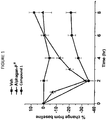
- Figure 1 shows compound Isobutyric acid 3-[(S)-1-(1-isobutyryl-1H-imidazol-4-yl)-ethyl]-2-methyl-benzyl ester (Compound 1) has equal or comparable efficacy to Alphagan P® and has longer intraocular pressure duration than Alphagan P®.
- the present invention relates to a compound for use in a method of lowering intraocular pressure in a human patient in need of such treatment, which comprises administering a therapeutically effective amount of a composition comprising an ester pro-drug of ( S ) [3-(1-(1 H -imidazol-4-yl)ethyl)-2-methylphenyl] methanol as alpha-2 agonist with therapeutic utility as defined in the claims.
- a pharmaceutical composition for use in a method of lowering intraocular pressure in a human patient in need thereof which comprises administering a therapeutically effective amount of said pharmaceutical composition, wherein the pharmaceutical composition comprises a therapeutically effective amount of an ester pro-drug of ( S ) [3-(1-(1 H -imidazol-4-yl)ethyl)-2-methylphenyl] methanol, or the tautomers thereof, or pharmaceutically acceptable salts thereof as defined in the claims.
- a pharmaceutical composition for use in a method of lowering intraocular pressure of a patient in need thereof which comprises administering a therapeutically effective amount of said pharmaceutical composition, wherein the pharmaceutical composition comprises a therapeutically effective amount of an ester pro-drug of [3-(1-(1 H -imidazol-4-yl)ethyl)-2-methylphenyl] methanol, or the enantiomers thereof, or the tautomers thereof, or pharmaceutically acceptable salts thereof, as defined in the claims to the affected eye of said patient, as a single dose, wherein the affected eye maintains an intraocular pressure less than the baseline intraocular pressure for at least eight (8) hours and preferably at least ten (10) hours and more preferably at least twelve (12) hours, from the time of administration.
- baseline refers to the intraocular pressure measurement taken for the untreated eye.
- subject refers to a human patient.
- compositions for use in a method of lowering intraocular pressure of a patient in need thereof which comprises administering a therapeutically effective amount of said composition, wherein the composition comprises an ester pro-drug of ( S )-[3-(1-(1 H -imidazol-4-yl)ethyl)-2-methylphenyl] methanol, or the tautomers thereof, or pharmaceutically acceptable salts thereof, as defined in the claims to the affected eye of said patient, as a single dose, wherein the affected eye maintains an intraocular pressure less than the baseline intraocular pressure for at least eight (8) hours and preferably at least ten (10) hours and more preferably at least twelve (12) hours, from the time of administration.
- compositions for use in a method of lowering intraocular pressure of a patient in need thereof which comprises administering a therapeutically effective amount of said composition, wherein said composition comprises an ester pro-drug of ( S )-[3-(1-(1 H -imidazol-4-yl)ethyl)-2-methylphenyl] methanol, or the tautomers thereof, or pharmaceutically acceptable salts thereof as defined in the claims, to the affected eye of said patient, once or twice daily, preferably once daily, wherein the affected eye maintains an intraocular pressure less than the baseline intraocular pressure, throughout the day.
- prodrugs are frequently referred to by the term “metabolically cleavable derivatives” which refers to compound forms which are rapidly transformed in vivo to the parent compound according to the invention, for example, by hydrolysis in blood.
- prodrugs are compounds bearing groups which are removed by biotransformation prior to exhibiting their pharmacological action.
- groups include moieties which are readily cleaved in vivo from the compound bearing it, which compound after cleavage remains or becomes pharmacologically active.
- metabolically cleavable groups form a class well known to practitioners of the art. They include, but are not limited to such groups as alkanoyl (i.e.
- acetyl, propionyl, butyryl unsubstituted and substituted carbocyclic aroyl (such as benzoyl, substituted benzoyl and 1- and 2-naphthoyl), alkoxycarbonyl (such as ethoxycarbonyl), trialklysilyl (such as trimethyl- and triethylsilyl), monoesters formed with dicarboxylic acids (such as succinyl), phosphate, sulfate, sulfonate, sulfonyl, sulfinyl.
- carbocyclic aroyl such as benzoyl, substituted benzoyl and 1- and 2-naphthoyl
- alkoxycarbonyl such as ethoxycarbonyl
- trialklysilyl such as trimethyl- and triethylsilyl
- monoesters formed with dicarboxylic acids such as succinyl
- phosphate sulfate,
- the compounds bearing the metabolically cleavable groups have the advantage that they may exhibit improved bioavailability as a result of enhanced solubility and/or rate of absorption conferred upon the parent compound by virtue of the presence of the metabolically cleavable group.
- alkyl as used herein, is defined as including a saturated monovalent alkane moiety having straight or branched alkane moieties or combinations thereof and containing 1-10 carbon atoms, preferably 1-8 carbon atoms and more preferably 1-4 carbon atoms. Alkyl moieties can optionally be substituted by, but not limited to, amino groups, aryl groups, halogens. One methylene (-CH 2 -) group can be replaced by carbonyl, -NH-, carboxyl, amide, sulfur or by oxygen.
- Examples include, but are not limited to, methyl, ethyl, propyl, butyl, sec-butyl, pentyl, iso-pentyl, neo-pentyl, hexyl, iso-hexyl, 3-methyl-butyl, 2-amino-N-isobutyl acetamide, iso-butyl, tert -butyl, iso-propyl, ethylphenyl, methylphenyl, 2-amino-3-methyl-butanamide-N-2-methyl-1-propyl, 1-amino-2-methyl-prop-1-yl.
- heterocycle as used herein is defined as an aromatic or non aromatic 5 to 10 membered monocyclic or bicyclic ring containing at least one heteroatom selected from O or N or S or combinations thereof, interrupting the carbocyclic ring structure. Heterocycles can optionally be substituted by, but not limited to, C 1-6 alkyl, amino, halogen, -O(C 1-6 alkyl), -OC(O)(C 1-6 alkyl), -C(O)O(C 1-6 alkyl), -NHC(O)(C 1-6 alkyl), -C(O)NH(C 1-6 alkyl), -S(C 1-6 alkyl) groups.
- Examples include, but are not limited to, furyl, pyrryl, pyridyl, pyrimidyl, thienyl, isothiazolyl, imidazolyl, pyrazinyl, benzofuranyl, quinolyl, isoquinolyl, benzothienyl, isobenzofuryl, pyrazolyl, indolyl, isoindolyl, benzimidazolyl, purinyl, carbazolyl, oxazolyl, thiazolyl, isothiazolyl, 1,2,5-thiadiazolyl, 1,2,4-thiadiazolyl, isooxazolyl, quinazolinyl, pyridazinyl, cinnolinyl, phthalazinyl, quinoxalinyl, xanthinyl, hypoxanthinyl, pteridinyl, 5-azacytidinyl, 5-azauracilyl, triazolop
- aryl as used herein, is defined as including an organic moiety derived from an aromatic hydrocarbon consisting of a monocyclic or bicyclic ring containing 6-10 carbon atoms by removal of one hydrogen atom, such as phenyl or naphtyl.
- Aryl groups can optionally be substituted by, but not limited to, C 1-6 alkyl, amino, halogen, -O(C 1-6 alkyl), -OC(O)(C 1-6 alkyl), -C(O)O(C 1-6 alkyl), -NHC(O)(C 1-6 alkyl), - C(O)NH(C 1-6 alkyl), -S(C 1-6 alkyl) groups. Examples include, but are not limited to, phenyl, naphtyl.
- H refers to a hydrogen atom
- O refers to an oxygen atom
- S refers to a sulfur atom
- N refers to a nitrogen atom
- amino refers to a group of formula -NH 2 .
- amide refers to a group of formula -C(O)NH- or -NHC(O)-.
- halogen refers to an atom of chlorine, bromine, iodine or fluorine.
- carboxyl refers to a group of formula -C(O)O- or -OC(O)-.
- tautomer refers to the migration of protons between adjacent single and double bonds. The tautomerization process is reversible. Compounds described herein can undergo any possible tautomerization that is within the physical characteristics of the compound. The following is a tautomerization example that can occur in compounds described herein:
- the compound for use according to the present invention as defined in the claims and its salts can be in the form of a solvate, which is included within the scope of the present invention.
- solvates include for example hydrates, and alcoholates.
- pharmaceutically acceptable salts refers to salts or complexes that retain the desired biological activity of the above identified compounds and exhibit minimal or no undesired toxicological effects.
- pharmaceutically acceptable salts according to the invention include therapeutically active, non-toxic base or acid salt forms, which the compound for use according to the present invention is able to form.
- the acid addition salt form of said compound that occurs in its free form as a base can be obtained by treating the free base with an appropriate acid such as an inorganic acid, for example but not limited to, hydrochloric acid, hydrobromic acid, sulfuric acid, phosphoric acid, and nitric acid; or an organic acid such as for example but not limited to, as citric acid, acetic acid, oxalic acid, tartaric acid, succinic acid, malic acid, fumaric acid, ascorbic acid, benzoic acid, tannic acid, palmoic acid, alginic acid, polyglutamic acid, naphthalene-sulfonic acid, napthalenedisulfonic, and polygalacturonic acid as well as base addition salts such as those formed with alkali- and alkaline earth metals such as sodium, potassium and calcium ( Handbook of Pharmaceutical Salts, P.Heinrich Stahal& Camille G. Wermuth (Eds), Verlag Helvetica Chemica Acta- Zürich,
- the compound can also be administered as pharmaceutically acceptable quaternary salt known by those skilled in the art, which specifically includes, but is not limited to the quaternary ammonium salt of the formula -NY + Z - , wherein Y is hydrogen, alkyl, or benzyl, and Z is a counterion, including but not limited to, chloride, bromide, iodide, - O-alkyl, toluenesulfonate, methylsulfonate, sulfonate, phosphate, or carboxylate (such as fumarate, benzoate, succinate, acetate, glycolate, maleate, malate, fumarate, citrate, tartrate, ascorbate, benzoate, cinnamoate, mandeloate, benzyloate, and diphenylacetate).
- Y is hydrogen, alkyl, or benzyl
- Z is a counterion, including but not limited to, chloride, bromide, io
- compositions for use of the present invention can be used in the form of a solid, a solution, an emulsion, a dispersion, a patch, a micelle, and a liposome, wherein the resulting composition contains the compound for use of the present invention, as an active ingredient, in admixture with an organic or inorganic carrier or excipient suitable for enteral or parenteral applications.
- the compound for use according to the invention may be combined, for example, with the usual non-toxic, pharmaceutically acceptable carriers for tablets, pellets, capsules, suppositories, solutions, emulsions, suspensions, and any other form suitable for use.
- the carriers which can be used include but are not limited to, glucose, lactose, gum acacia, gelatin, mannitol, starch paste, magnesium trisilicate, talc, corn starch, keratin, colloidal silica, potato starch, urea, medium chain length triglycerides, dextrans, and other carriers suitable for use in manufacturing preparations, in solid, semisolid, or liquid form.
- auxiliary, stabilizing, thickening and coloring agents and perfumes may be used.
- the compound for use according to the invention is included in the pharmaceutical composition in an amount sufficient to produce the desired effect upon the process or disease condition.
- compositions containing compound for use according to the invention may be in a form suitable for oral use, for example, as tablets, troches, lozenges, aqueous or oily suspensions, dispersible powders or granules, emulsions, hard or soft capsules, or syrups or elixirs.
- Compositions intended for oral use may be prepared according to any method known in the art for the manufacture of pharmaceutical compositions and such compositions may contain one or more agents selected from the group consisting of a sweetening agent such as sucrose, lactose, or saccharin, flavoring agents such as peppermint, oil of wintergreen or cherry, coloring agents and preserving agents in order to provide pharmaceutically elegant and palatable preparations.
- Tablets containing invention compounds in admixture with non-toxic pharmaceutically acceptable excipients may also be manufactured by known methods.
- the excipients used may be, for example, (1) inert diluents such as calcium carbonate, lactose, calcium phosphate or sodium phosphate; (2) granulating and disintegrating agents such as corn starch, potato starch or alginic acid; (3) binding agents such as gum tragacanth, corn starch, gelatin or acacia, and (4) lubricating agents such as magnesium stearate, stearic acid or talc.
- the tablets may be uncoated or they may be coated by known techniques to delay disintegration and absorption in the gastrointestinal tract and thereby provide a sustained action over a longer period.
- a time delay material such as glyceryl monostearate or glyceryl distearate may be employed.
- formulations for oral use may be in the form of hard gelatin capsules wherein the invention compounds are mixed with an inert solid diluent, for example, calcium carbonate, calcium phosphate or kaolin. They may also be in the form of soft gelatin capsules wherein the invention compounds are mixed with water or an oil medium, for example, peanut oil, liquid paraffin or olive oil.
- the pharmaceutical compositions may be in the form of a sterile injectable suspension.
- This suspension may be formulated according to known methods using suitable dispersing or wetting agents and suspending agents.
- the sterile injectable preparation may also be a sterile injectable solution or suspension in a non-toxic parenterally-acceptable diluent or solvent, for example, as a solution in 1,3-butanediol.
- Sterile, fixed oils are conventionally employed as a solvent or suspending medium.
- any bland fixed oil may be employed including synthetic mono- or diglycerides, fatty acids (including oleic acid), naturally occurring vegetable oils like sesame oil, coconut oil, peanut oil, cottonseed oil, etc., or synthetic fatty vehicles like ethyl oleate. Buffers, preservatives, and antioxidants can be incorporated as required.
- the patient will be administered the compound orally in any acceptable form, such as a tablet, liquid, capsule, powder and the like, or other routes may be desirable or necessary, particularly if the patient suffers from nausea.
- routes may include, without exception, transdermal, parenteral, subcutaneous, intranasal, via an implant stent, intrathecal, intravitreal, topical to the eye, back to the eye, intramuscular, intravenous, and intrarectal modes of delivery.
- the actual amount of the compound to be administered in any given case will be determined by a physician taking into account the relevant circumstances, such as the severity of the condition, the age and weight of the patient, the patient's general physical condition, the cause of the condition, and the route of administration. Additionally, the formulations may be designed to delay release of the active compound over a given period of time, or to carefully control the amount of drug released at a given time during the course of therapy.
- ester pro-drug of ( S )-[3-(1-(1 H -imidazol-4-yl)ethyl)-2-methylphenyl] methanol its pharmaceutically-acceptable salts may be administered through different routes, including but not limited to topical eye drops, direct injection, application at the back of the eye or formulations that may further enhance the long duration of actions such as a slow releasing pellet, suspension, gel, or sustained delivery devices such as any suitable drug delivery system (DDS) known in the art. While topical administration is preferred, this compound may also be used in an intraocular implant as described in U.S. U.S. Patent 7,931,909 .
- Such biocompatible intraocular implants include the ester pro-drug of ( S )-[3-(1-(1 H -imidazol-4-yl)ethyl)-2-methylphenyl] methanol as defined in the claims and a polymer associated with the ester pro-drug of ( S )-[3-(1-(1 H -imidazol-4-yl)ethyl)-2-methylphenyl] methanol to facilitate release thereof into an eye for an extended period of time.
- Ophthalmic formulations of drug products are well known in the art and described in, for example, U.S. Patent Application Publication No. 20050059583 ; No. 20050277584 ; U.S. Patent No.
- ester pro-drug ( S )-[3-(1-(1 H -imidazol-4-yl)ethyl)-2-methylphenyl] methanol may be formulated with efficacy enhancing components as disclosed in U.S. Patent Number 7,491,383 B2 .
- the composition that is used, as a single dose, to lower intraocular pressure for at least eight (8) hours and preferably at least ten (10) hours and more preferably for at least twelve (12) hours may comprise from 0.01 to 5 percent, preferably from 0.01 to 2 percent, more preferably from 0.05 to 2 percent by weight of the ester pro-drug of ( S ) [3-(1-(1 H -imidazol-4-yl)ethyl)-2-methylphenyl] methanol as defined in the claims in a pharmaceutically-acceptable vehicle.
- compositions for topical administration are preferably formulated as a solution in water at a pH of 5.5 to 8.0, e.g. about 6.9.
- Said composition is preferably formulated as an eye drop suitable for topical administration. While the precise regime is left to the discretion of the clinician, it is recommended that the solution be topically applied by placing one drop in each eye one or two times, preferably once a day.
- ingredients which may be desirable to use in the ophthalmic preparations used in the method of the present invention include preservatives, co-solvents and viscosity building agents; sodium chloride, potassium chloride, calcium chloride dihydrate, magnesium chloride hexahydrate, boric acid and sodium borate decahydrate (as buffering agents) and purified water ( Clinical Ocular Pharmacology By Jimmy D. Bartlett, Siret D. Jaanus, 2008, p 266). Preservatives are thus required to prevent microbial contamination during use.
- Suitable preservatives include: stabilized oxychloro complex (sold under the trademark PuriteTM), stabilized chlorine dioxide, benzalkonium chloride, thimerosal, chlorobutanol, methyl paraben, propyl paraben, phenylethyl alcohol, edetate disodium, sorbic acid, Onamer M, or other agents known to those skilled in the art ( Review of Ophthalmology, June 2001, Robert Noecker, MD ). A common side-effect of these preservatives is burning.
- the effective concentration of the preservative will range from 0.001% to 1 %, preferably from 0.01% to 0.5%, by weight.
- stabilized oxychloro complex Purite ®
- the solubility of the components of the present compositions may be enhanced by a surfactant or other appropriate co-solvent in the composition.
- cosolvents include polysorbate 20, 60, and 80, Pluronic ® F-68, F-84 and P-103, cyclodextrin, Solutol, or other agents known to those skilled in the art.
- co-solvents are employed at a level of from 0.01% to 2% by weight.
- Viscosity increased above that of simple aqueous solutions may be desirable to increase ocular absorption of the active compound, to decrease variability in dispensing the formulation, to decrease physical separation of components of a suspension or emulsion of the formulation and/or to otherwise improve the ophthalmic formulation.
- Such viscosity building agents include as examples polyvinyl alcohol, polyvinyl pyrrolidone, methyl cellulose, hydroxypropyl methylcellulose, hydroxyethyl cellulose, carboxymethyl cellulose, hydroxypropyl cellulose or other agents known to those skilled in the art. Such agents are typically employed at a level of from 0.01% to 2% by weight.
- compositions of the invention for topical use when indicated for treating elevated intraocular pressure associated with glaucoma.
- the free base of the ester pro-drug of ( S )-[3-(1-(1 H -imidazol-4-yl)ethyl)-2-methylphenyl] methanol as defined in the claims was dissolved in sterile distilled water, hydrochloric acid was added and the hydrochloric salt of the compound was formed in situ. The solution was titrated with sodium hydroxide until the pH of the solution reached 8.0.
- the final concentration of the ester pro-drug of ( S )-[3-(1-(1 H -imidazol-4-yl)ethyl)-2-methylphenyl] methanol is 1% by weight.
- the free base of the ester pro-drug of ( S )-[3-(1-(1 H -imidazol-4-yl)ethyl)-2-methylphenyl] methanol was dissolved in sterile distilled water with boric acid, benzalkonium chloride and glycerin.
- the present invention includes all pharmaceutically acceptable isotopically enriched compounds.
- Any compound for use of the invention may contain one or more isotopic atoms enriched or different than the natural ratio such as deuterium 2 H (or D) in place of protium 1 H (or H) or use of 13 C enriched material in place of 12 C and the like. Similar substitutions can be employed for N, O and S.
- the use of isotopes may assist in analytical as well as therapeutic aspects of the invention. For example, use of deuterium may increase the in vivo half-life by altering the metabolism (rate) of the compounds of the invention.
- These compounds can be prepared in accord with the preparations described by use of isotopically enriched reagents.
- characterization of the compounds is performed according to the following methods: NMR spectra are recorded on 300 MHz Varian and acquired at room temperature. Chemical shifts are given in ppm referenced either to internal TMS or to the residual solvent signal.
Landscapes
- Health & Medical Sciences (AREA)
- Chemical & Material Sciences (AREA)
- Veterinary Medicine (AREA)
- Medicinal Chemistry (AREA)
- Pharmacology & Pharmacy (AREA)
- Life Sciences & Earth Sciences (AREA)
- Animal Behavior & Ethology (AREA)
- General Health & Medical Sciences (AREA)
- Public Health (AREA)
- Organic Chemistry (AREA)
- Epidemiology (AREA)
- Ophthalmology & Optometry (AREA)
- Dermatology (AREA)
- Engineering & Computer Science (AREA)
- Bioinformatics & Cheminformatics (AREA)
- Chemical Kinetics & Catalysis (AREA)
- General Chemical & Material Sciences (AREA)
- Nuclear Medicine, Radiotherapy & Molecular Imaging (AREA)
- Pharmaceuticals Containing Other Organic And Inorganic Compounds (AREA)
- Plural Heterocyclic Compounds (AREA)
Description
- The present invention relates to a compound for use in a method of lowering intraocular pressure in a human patient in need of such treatment, which comprises administering a therapeutically effective amount of a composition comprising said compound, wherein said compound is 2,2-dimethyl-propionic acid-3-[(S)-1-(1H-imidazol-4-yl)-ethyl]-2-methyl-benzyl ester having the structure as defined in claim 1.
- Three alpha-1 and three alpha-2 adrenergic receptors have been characterized by molecular and pharmacological methods. Activation of these alpha receptors evokes physiological responses with useful therapeutic applications.
- Compound, 4-[1-(2,3-dimethylphenyl)ethyl]-3H-imidazole, generically known as, medetomidine is an
alpha 2 adrenergic agonist, for use in the sedation of animals. The hydrochloride salt of the (S) enantiomer of medetomidine, generically known as dexmedetomidine, (S) 4-[1-(2,3-dimethylphenyl)ethyl]-3H-imidazole, is also indicated for use as a sedative or analgesic in cats and dogs. - The metabolite of dexmedetomidine is (S) [3-(1-(1H-imidazol-4-yl)ethyl)-2-methylphenyl] methanol together with its racemic mixture, compound [3-(1-(1H-imidazol-4-yl)ethyl)-2-methylphenyl] methanol, are described in the literature in Journal of Chromatography, (1997), 762(1 + 2), 281-291 by Hui, Y.-H et al.
- [3-(1-(1H-imidazol-4-yl)ethyl)-2-methylphenyl]methanol is described in "Synthesis of detomidine and medetomidine metabolites: 1,2,3-trisubstituted arenes with 4'(5')-imidazolylmethyl groups" in Journal of Heterocyclic Chemistry (1993), 30(6), (1645-1651) by Stoilov et al.
- Kavanagh, et al. describe [3-(1-(1H-imidazol-4-yl)ethyl)-2-methylphenyl]methanol in "Synthesis of Possible Metabolites of Medetomidine {1-(2,3-dimethylphenyl)-1-[imidazol-4(5)-yl]ethane" in Journal of Chemical Research, Synopses (1993), (4), 152-3.


- [3-(1-(1H-imidazol-4-yl)ethyl)-2-methylphenyl)methanol] is described by Salonen, et al. in "Biotransformation of Medetomidine in the Rat" in Xenobiotica (1990), 20(5), 471-80.
-
PCT Int. Appl. WO 2010093930 A1 - Three alpha 1 and three
alpha 2 adrenergic receptors have been characterized by molecular and pharmacological methods. Activation of thesealpha 2 receptors evokes physiological responses and has useful therapeutic actions. - The adrenergic Alpha-2 agonists play a key role in modulating aqueous humor formation and facilitating aqueous outflow; as a result these compounds lower intraocular pressure (IOP) in glaucomatous patients. Two drugs are currently prescribed for glaucoma patients, Apraclonidine (Iopidine® available from Alcon Pharmaceuticals) and Brimonidine (Alphagan P® available from Allergan, Inc.). While these drugs are effective at lowering elevated intraocular pressure, Alphagan P® is the only alpha-2 adrenergic drug approved for chronic treatment of glaucoma, but it loses effect during the day and must be used 2-3 times a day, while Iopidine® is only approved for short term IOP control. Considering the aged glaucoma patient population, a 3 times per day dosing frequency is far from optimal and may result in poor patient compliance.

- The present invention relates to a compound for use in a method of lowering intraocular pressure in a human patient in need of such treatment, which comprises administering a therapeutically effective amount of a composition comprising an ester pro-drug of (S) [3-(1-(1H-imidazol-4-yl)ethyl)-2-methylphenyl] methanol, or pharmaceutical compositions containing them as defined in the claims. Upon hydrolytic and/or enzymatic cleavage of the ester functionality in the parent compound, its active metabolite, (S) [3-(1-(1H-imidazol-4-yl)ethyl)-2-methylphenyl] methanol, is released to act as a selective modulator of the
alpha 2 adrenergic receptors. -
Figure 1 shows compound Isobutyric acid 3-[(S)-1-(1-isobutyryl-1H-imidazol-4-yl)-ethyl]-2-methyl-benzyl ester (Compound 1) has equal or comparable efficacy to Alphagan P® and has longer intraocular pressure duration than Alphagan P®. - The present invention relates to a compound for use in a method of lowering intraocular pressure in a human patient in need of such treatment, which comprises administering a therapeutically effective amount of a composition comprising an ester pro-drug of (S) [3-(1-(1H-imidazol-4-yl)ethyl)-2-methylphenyl] methanol as alpha-2 agonist with therapeutic utility as defined in the claims.
- In one aspect of the invention, there is provided a pharmaceutical composition for use in a method of lowering intraocular pressure in a human patient in need thereof which comprises administering a therapeutically effective amount of said pharmaceutical composition, wherein the pharmaceutical composition comprises a therapeutically effective amount of an ester pro-drug of (S) [3-(1-(1H-imidazol-4-yl)ethyl)-2-methylphenyl] methanol, or the tautomers thereof, or pharmaceutically acceptable salts thereof as defined in the claims.
- In another aspect of the invention, there is provided a pharmaceutical composition for use in a method of lowering intraocular pressure of a patient in need thereof which comprises administering a therapeutically effective amount of said pharmaceutical composition, wherein the pharmaceutical composition comprises a therapeutically effective amount of an ester pro-drug of [3-(1-(1H-imidazol-4-yl)ethyl)-2-methylphenyl] methanol, or the enantiomers thereof, or the tautomers thereof, or pharmaceutically acceptable salts thereof, as defined in the claims to the affected eye of said patient, as a single dose, wherein the affected eye maintains an intraocular pressure less than the baseline intraocular pressure for at least eight (8) hours and preferably at least ten (10) hours and more preferably at least twelve (12) hours, from the time of administration.
- The term "baseline", as used herein, refers to the intraocular pressure measurement taken for the untreated eye.
- The term "subject", as used herein, refers to a human patient.
- In a still further aspect of the invention, there is provided a composition for use in a method of lowering intraocular pressure of a patient in need thereof which comprises administering a therapeutically effective amount of said composition, wherein the composition comprises an ester pro-drug of (S)-[3-(1-(1H-imidazol-4-yl)ethyl)-2-methylphenyl] methanol, or the tautomers thereof, or pharmaceutically acceptable salts thereof, as defined in the claims to the affected eye of said patient, as a single dose, wherein the affected eye maintains an intraocular pressure less than the baseline intraocular pressure for at least eight (8) hours and preferably at least ten (10) hours and more preferably at least twelve (12) hours, from the time of administration.
- In a still further aspect of the invention, there is provided a composition for use in a method of lowering intraocular pressure of a patient in need thereof which comprises administering a therapeutically effective amount of said composition, wherein said composition comprises an ester pro-drug of (S)-[3-(1-(1H-imidazol-4-yl)ethyl)-2-methylphenyl] methanol, or the tautomers thereof, or pharmaceutically acceptable salts thereof as defined in the claims, to the affected eye of said patient, once or twice daily, preferably once daily, wherein the affected eye maintains an intraocular pressure less than the baseline intraocular pressure, throughout the day.
- "Prodrugs" are frequently referred to by the term "metabolically cleavable derivatives" which refers to compound forms which are rapidly transformed in vivo to the parent compound according to the invention, for example, by hydrolysis in blood. Thus, prodrugs are compounds bearing groups which are removed by biotransformation prior to exhibiting their pharmacological action. Such groups include moieties which are readily cleaved in vivo from the compound bearing it, which compound after cleavage remains or becomes pharmacologically active. Such metabolically cleavable groups form a class well known to practitioners of the art. They include, but are not limited to such groups as alkanoyl (i.e. acetyl, propionyl, butyryl), unsubstituted and substituted carbocyclic aroyl (such as benzoyl, substituted benzoyl and 1- and 2-naphthoyl), alkoxycarbonyl (such as ethoxycarbonyl), trialklysilyl (such as trimethyl- and triethylsilyl), monoesters formed with dicarboxylic acids (such as succinyl), phosphate, sulfate, sulfonate, sulfonyl, sulfinyl. The compounds bearing the metabolically cleavable groups have the advantage that they may exhibit improved bioavailability as a result of enhanced solubility and/or rate of absorption conferred upon the parent compound by virtue of the presence of the metabolically cleavable group. (T. Higuchi and V. Stella, "Prodrugs as Novel Delivery System", Vol. 14 of the A.C.S. Symposium Series; "Bioreversible Carriers in Drug Design", ed. Edward B. Roche, American Pharmaceutical Association and Pergamon Press, 1987).
- The following paragraphs provide definitions of the various chemical moieties that make up the compounds of the invention and are intended to apply uniformly throughout the specification and claims unless expressly stated otherwise.
- The term "alkyl" as used herein, is defined as including a saturated monovalent alkane moiety having straight or branched alkane moieties or combinations thereof and containing 1-10 carbon atoms, preferably 1-8 carbon atoms and more preferably 1-4 carbon atoms. Alkyl moieties can optionally be substituted by, but not limited to, amino groups, aryl groups, halogens. One methylene (-CH2-) group can be replaced by carbonyl, -NH-, carboxyl, amide, sulfur or by oxygen. Examples include, but are not limited to, methyl, ethyl, propyl, butyl, sec-butyl, pentyl, iso-pentyl, neo-pentyl, hexyl, iso-hexyl, 3-methyl-butyl, 2-amino-N-isobutyl acetamide, iso-butyl, tert-butyl, iso-propyl, ethylphenyl, methylphenyl, 2-amino-3-methyl-butanamide-N-2-methyl-1-propyl, 1-amino-2-methyl-prop-1-yl.
- The term "heterocycle" as used herein is defined as an aromatic or non aromatic 5 to 10 membered monocyclic or bicyclic ring containing at least one heteroatom selected from O or N or S or combinations thereof, interrupting the carbocyclic ring structure. Heterocycles can optionally be substituted by, but not limited to, C1-6 alkyl, amino, halogen, -O(C1-6 alkyl), -OC(O)(C1-6 alkyl), -C(O)O(C1-6 alkyl), -NHC(O)(C1-6 alkyl), -C(O)NH(C1-6 alkyl), -S(C1-6 alkyl) groups. Examples include, but are not limited to, furyl, pyrryl, pyridyl, pyrimidyl, thienyl, isothiazolyl, imidazolyl, pyrazinyl, benzofuranyl, quinolyl, isoquinolyl, benzothienyl, isobenzofuryl, pyrazolyl, indolyl, isoindolyl, benzimidazolyl, purinyl, carbazolyl, oxazolyl, thiazolyl, isothiazolyl, 1,2,5-thiadiazolyl, 1,2,4-thiadiazolyl, isooxazolyl, quinazolinyl, pyridazinyl, cinnolinyl, phthalazinyl, quinoxalinyl, xanthinyl, hypoxanthinyl, pteridinyl, 5-azacytidinyl, 5-azauracilyl, triazolopyridinyl, imidazolopyridinyl, pyrrolopyrimidinyl, pyrazolopyrimidinyl, pyrrolidinyl, piperidinyl and piperazinyl.
- The term "aryl" as used herein, is defined as including an organic moiety derived from an aromatic hydrocarbon consisting of a monocyclic or bicyclic ring containing 6-10 carbon atoms by removal of one hydrogen atom, such as phenyl or naphtyl. Aryl groups can optionally be substituted by, but not limited to, C1-6 alkyl, amino, halogen, -O(C1-6 alkyl), -OC(O)(C1-6 alkyl), -C(O)O(C1-6 alkyl), -NHC(O)(C1-6 alkyl), - C(O)NH(C1-6 alkyl), -S(C1-6 alkyl) groups. Examples include, but are not limited to, phenyl, naphtyl.
- The term "H" as used herein refers to a hydrogen atom.
- The term "O" as used herein refers to an oxygen atom.
- The term "S" as used herein refers to a sulfur atom.
- The term "N" as used herein refers to a nitrogen atom.
- The term "amino" as used herein refers to a group of formula -NH2.
- The term "amide" as used herein refers to a group of formula -C(O)NH- or -NHC(O)-.
- The term "halogen", as used herein refers to an atom of chlorine, bromine, iodine or fluorine.
- The term "carbonyl" as used herein refers to a group of formula -C=O.
- The term "carboxyl", as used herein refers to a group of formula -C(O)O- or -OC(O)-.
- As used herein, "tautomer" refers to the migration of protons between adjacent single and double bonds. The tautomerization process is reversible. Compounds described herein can undergo any possible tautomerization that is within the physical characteristics of the compound. The following is a tautomerization example that can occur in compounds described herein:

- The The compound for use according to the present invention as defined in the claims may exist in different polymorphic forms. Although not explicitly indicated in the above formula, such forms are intended to be included within the scope of the present invention.
- The compound for use according to the present invention as defined in the claims and its salts can be in the form of a solvate, which is included within the scope of the present invention. Such solvates include for example hydrates, and alcoholates.
- The term "pharmaceutically acceptable salts" refers to salts or complexes that retain the desired biological activity of the above identified compounds and exhibit minimal or no undesired toxicological effects. The "pharmaceutically acceptable salts" according to the invention include therapeutically active, non-toxic base or acid salt forms, which the compound for use according to the present invention is able to form. The acid addition salt form of said compound that occurs in its free form as a base can be obtained by treating the free base with an appropriate acid such as an inorganic acid, for example but not limited to, hydrochloric acid, hydrobromic acid, sulfuric acid, phosphoric acid, and nitric acid; or an organic acid such as for example but not limited to, as citric acid, acetic acid, oxalic acid, tartaric acid, succinic acid, malic acid, fumaric acid, ascorbic acid, benzoic acid, tannic acid, palmoic acid, alginic acid, polyglutamic acid, naphthalene-sulfonic acid, napthalenedisulfonic, and polygalacturonic acid as well as base addition salts such as those formed with alkali- and alkaline earth metals such as sodium, potassium and calcium (Handbook of Pharmaceutical Salts, P.Heinrich Stahal& Camille G. Wermuth (Eds), Verlag Helvetica Chemica Acta- Zürich, 2002, 329-345).
- The compound can also be administered as pharmaceutically acceptable quaternary salt known by those skilled in the art, which specifically includes, but is not limited to the quaternary ammonium salt of the formula -NY+Z-, wherein Y is hydrogen, alkyl, or benzyl, and Z is a counterion, including but not limited to, chloride, bromide, iodide, - O-alkyl, toluenesulfonate, methylsulfonate, sulfonate, phosphate, or carboxylate (such as fumarate, benzoate, succinate, acetate, glycolate, maleate, malate, fumarate, citrate, tartrate, ascorbate, benzoate, cinnamoate, mandeloate, benzyloate, and diphenylacetate).
- Pharmaceutical compositions for use of the present invention can be used in the form of a solid, a solution, an emulsion, a dispersion, a patch, a micelle, and a liposome, wherein the resulting composition contains the compound for use of the present invention, as an active ingredient, in admixture with an organic or inorganic carrier or excipient suitable for enteral or parenteral applications. The compound for use according to the invention may be combined, for example, with the usual non-toxic, pharmaceutically acceptable carriers for tablets, pellets, capsules, suppositories, solutions, emulsions, suspensions, and any other form suitable for use. The carriers which can be used include but are not limited to, glucose, lactose, gum acacia, gelatin, mannitol, starch paste, magnesium trisilicate, talc, corn starch, keratin, colloidal silica, potato starch, urea, medium chain length triglycerides, dextrans, and other carriers suitable for use in manufacturing preparations, in solid, semisolid, or liquid form. In addition auxiliary, stabilizing, thickening and coloring agents and perfumes may be used. The compound for use according to the invention is included in the pharmaceutical composition in an amount sufficient to produce the desired effect upon the process or disease condition.
- Pharmaceutical compositions containing compound for use according to the invention may be in a form suitable for oral use, for example, as tablets, troches, lozenges, aqueous or oily suspensions, dispersible powders or granules, emulsions, hard or soft capsules, or syrups or elixirs. Compositions intended for oral use may be prepared according to any method known in the art for the manufacture of pharmaceutical compositions and such compositions may contain one or more agents selected from the group consisting of a sweetening agent such as sucrose, lactose, or saccharin, flavoring agents such as peppermint, oil of wintergreen or cherry, coloring agents and preserving agents in order to provide pharmaceutically elegant and palatable preparations. Tablets containing invention compounds in admixture with non-toxic pharmaceutically acceptable excipients may also be manufactured by known methods. The excipients used may be, for example, (1) inert diluents such as calcium carbonate, lactose, calcium phosphate or sodium phosphate; (2) granulating and disintegrating agents such as corn starch, potato starch or alginic acid; (3) binding agents such as gum tragacanth, corn starch, gelatin or acacia, and (4) lubricating agents such as magnesium stearate, stearic acid or talc. The tablets may be uncoated or they may be coated by known techniques to delay disintegration and absorption in the gastrointestinal tract and thereby provide a sustained action over a longer period. For example, a time delay material such as glyceryl monostearate or glyceryl distearate may be employed. In some cases, formulations for oral use may be in the form of hard gelatin capsules wherein the invention compounds are mixed with an inert solid diluent, for example, calcium carbonate, calcium phosphate or kaolin. They may also be in the form of soft gelatin capsules wherein the invention compounds are mixed with water or an oil medium, for example, peanut oil, liquid paraffin or olive oil.
- The pharmaceutical compositions may be in the form of a sterile injectable suspension. This suspension may be formulated according to known methods using suitable dispersing or wetting agents and suspending agents. The sterile injectable preparation may also be a sterile injectable solution or suspension in a non-toxic parenterally-acceptable diluent or solvent, for example, as a solution in 1,3-butanediol. Sterile, fixed oils are conventionally employed as a solvent or suspending medium. For this purpose any bland fixed oil may be employed including synthetic mono- or diglycerides, fatty acids (including oleic acid), naturally occurring vegetable oils like sesame oil, coconut oil, peanut oil, cottonseed oil, etc., or synthetic fatty vehicles like ethyl oleate. Buffers, preservatives, and antioxidants can be incorporated as required.
- Since individual subjects may present a wide variation in severity of symptoms and each drug has its unique therapeutic characteristics, the precise mode of administration and dosage employed for each subject is left to the discretion of the practitioner. The patient will be administered the compound orally in any acceptable form, such as a tablet, liquid, capsule, powder and the like, or other routes may be desirable or necessary, particularly if the patient suffers from nausea. Such other routes may include, without exception, transdermal, parenteral, subcutaneous, intranasal, via an implant stent, intrathecal, intravitreal, topical to the eye, back to the eye, intramuscular, intravenous, and intrarectal modes of delivery. The actual amount of the compound to be administered in any given case will be determined by a physician taking into account the relevant circumstances, such as the severity of the condition, the age and weight of the patient, the patient's general physical condition, the cause of the condition, and the route of administration. Additionally, the formulations may be designed to delay release of the active compound over a given period of time, or to carefully control the amount of drug released at a given time during the course of therapy.
- The ester pro-drug of (S)-[3-(1-(1H-imidazol-4-yl)ethyl)-2-methylphenyl] methanol its pharmaceutically-acceptable salts may be administered through different routes, including but not limited to topical eye drops, direct injection, application at the back of the eye or formulations that may further enhance the long duration of actions such as a slow releasing pellet, suspension, gel, or sustained delivery devices such as any suitable drug delivery system (DDS) known in the art. While topical administration is preferred, this compound may also be used in an intraocular implant as described in U.S.
U.S. Patent 7,931,909 . Such biocompatible intraocular implants include the ester pro-drug of (S)-[3-(1-(1H-imidazol-4-yl)ethyl)-2-methylphenyl] methanol as defined in the claims and a polymer associated with the ester pro-drug of (S)-[3-(1-(1H-imidazol-4-yl)ethyl)-2-methylphenyl] methanol to facilitate release thereof into an eye for an extended period of time.
Ophthalmic formulations of drug products are well known in the art and described in, for example,U.S. Patent Application Publication No. 20050059583 ; No.20050277584 ;U.S. Patent No. 7,297,679 ; and No.20070015691 ; andU.S. Patent Nos. 5,474,979 and6,582,718 . The ester pro-drug (S)-[3-(1-(1H-imidazol-4-yl)ethyl)-2-methylphenyl] methanol may be formulated with efficacy enhancing components as disclosed inU.S. Patent Number 7,491,383 B2 . - In another aspect of the invention, the composition that is used, as a single dose, to lower intraocular pressure for at least eight (8) hours and preferably at least ten (10) hours and more preferably for at least twelve (12) hours, may comprise from 0.01 to 5 percent, preferably from 0.01 to 2 percent, more preferably from 0.05 to 2 percent by weight of the ester pro-drug of (S) [3-(1-(1H-imidazol-4-yl)ethyl)-2-methylphenyl] methanol as defined in the claims in a pharmaceutically-acceptable vehicle.
- In forming compositions for topical administration, the pharmaceutical compositions are preferably formulated as a solution in water at a pH of 5.5 to 8.0, e.g. about 6.9. Said composition is preferably formulated as an eye drop suitable for topical administration. While the precise regime is left to the discretion of the clinician, it is recommended that the solution be topically applied by placing one drop in each eye one or two times, preferably once a day. Other ingredients which may be desirable to use in the ophthalmic preparations used in the method of the present invention include preservatives, co-solvents and viscosity building agents; sodium chloride, potassium chloride, calcium chloride dihydrate, magnesium chloride hexahydrate, boric acid and sodium borate decahydrate (as buffering agents) and purified water (Clinical Ocular Pharmacology By Jimmy D. Bartlett, Siret D. Jaanus, 2008, p 266). Preservatives are thus required to prevent microbial contamination during use. Suitable preservatives include: stabilized oxychloro complex (sold under the trademark Purite™), stabilized chlorine dioxide, benzalkonium chloride, thimerosal, chlorobutanol, methyl paraben, propyl paraben, phenylethyl alcohol, edetate disodium, sorbic acid, Onamer M, or other agents known to those skilled in the art (Review of Ophthalmology, June 2001, Robert Noecker, MD). A common side-effect of these preservatives is burning.
- Typically, for the compositions utilized in the present invention, the effective concentration of the preservative will range from 0.001% to 1 %, preferably from 0.01% to 0.5%, by weight. In particular stabilized oxychloro complex (Purite ®) will range from 0.001 to 0.01 %, by weight. The solubility of the components of the present compositions may be enhanced by a surfactant or other appropriate co-solvent in the composition. Such cosolvents include
polysorbate 20, 60, and 80, Pluronic ® F-68, F-84 and P-103, cyclodextrin, Solutol, or other agents known to those skilled in the art. Typically such co-solvents are employed at a level of from 0.01% to 2% by weight. - Viscosity increased above that of simple aqueous solutions may be desirable to increase ocular absorption of the active compound, to decrease variability in dispensing the formulation, to decrease physical separation of components of a suspension or emulsion of the formulation and/or to otherwise improve the ophthalmic formulation. Such viscosity building agents include as examples polyvinyl alcohol, polyvinyl pyrrolidone, methyl cellulose, hydroxypropyl methylcellulose, hydroxyethyl cellulose, carboxymethyl cellulose, hydroxypropyl cellulose or other agents known to those skilled in the art. Such agents are typically employed at a level of from 0.01% to 2% by weight.
- The following formulations are representative ophthalmic compositions of the invention for topical use when indicated for treating elevated intraocular pressure associated with glaucoma. In one example, the free base of the ester pro-drug of (S)-[3-(1-(1H-imidazol-4-yl)ethyl)-2-methylphenyl] methanol as defined in the claims was dissolved in sterile distilled water, hydrochloric acid was added and the hydrochloric salt of the compound was formed in situ. The solution was titrated with sodium hydroxide until the pH of the solution reached 8.0. The final concentration of the ester pro-drug of (S)-[3-(1-(1H-imidazol-4-yl)ethyl)-2-methylphenyl] methanol is 1% by weight. In another example, the free base of the ester pro-drug of (S)-[3-(1-(1H-imidazol-4-yl)ethyl)-2-methylphenyl] methanol was dissolved in sterile distilled water with boric acid, benzalkonium chloride and glycerin.
- With respect to the present invention, reference to a compound or compounds, is intended to encompass that compound in each of its possible isomeric forms and mixtures thereof unless the particular isomeric form is referred to specifically.
- It is to be understood that both the foregoing general description and the following detailed description are exemplary and explanatory only and are not restrictive of the invention claimed. As used herein, the use of the singular includes the plural unless specifically stated otherwise.
- The present invention includes all pharmaceutically acceptable isotopically enriched compounds. Any compound for use of the invention may contain one or more isotopic atoms enriched or different than the natural ratio such as deuterium 2H (or D) in place of protium 1H (or H) or use of 13C enriched material in place of 12C and the like. Similar substitutions can be employed for N, O and S. The use of isotopes may assist in analytical as well as therapeutic aspects of the invention. For example, use of deuterium may increase the in vivo half-life by altering the metabolism (rate) of the compounds of the invention. These compounds can be prepared in accord with the preparations described by use of isotopically enriched reagents.
- The following examples are for illustrative purposes only and are not intended, nor should they be construed as limiting the invention in any manner.
- The IUPAC names of the compounds mentioned in the examples were generated with
ACD version 8. - Unless specified otherwise in the examples, characterization of the compounds is performed according to the following methods:
NMR spectra are recorded on 300 MHz Varian and acquired at room temperature. Chemical shifts are given in ppm referenced either to internal TMS or to the residual solvent signal. - All the reagents, solvents, catalysts for which the synthesis is not described are purchased from chemical vendors such as Sigma Aldrich, Fluka, Lancaster, however some known reaction intermediates, for which the CAS registry number is mentioned, were prepared in-house following known procedures.
- Usually the compounds of the invention were purified by flash column chromatography.
- The following abbreviations are used in the examples:
- DCM
- dichloromethane
- MeOH
- methanol
- CD3OD
- deuterated methanol
- NH3
- ammonia
- Na2 SO4
- sodium sulfate
- DMF
- N,N-dimethylformamide
- MgSO4
- magnesium sulfate
- EtOAc
- ethyl acetate
- i-PrOH
- iso-propanol
- CDCl3
- deuterated chloroform
- MPLC
- medium pressure liquid chromatography
- DMF
- dimethylformamide
- TEA
- triethylamine
- THF
- tertahydrofuran
- DMAP
- 4-dimethylaminopyridine
- RT
- room temperature
- Boc-L-Valine
- N-(tert-Butoxycarbonyl)-L-valine
- Boc-Glycine
- N-(tert-Butoxycarbonyl)glycine
- Boc-L-Phenylalanine
- N-(tert-Butoxycarbonyl)-L-phenylalanine
- HCl
- hydrochloric acid
- H2O
- water
- EDCI
- 1-ethyl-3-(3-dimethylaminopropyl) carbodiimide
- NaHCO3
- sodium bicarbonate
- To a solution of (S)-[3-(1-(1H-imidazol-4-yl)ethyl)-2-methylphenyl]methanol (1.34g, 6.2mmol) in DMF (8ml) and THF (50ml), were added TEA (3.5ml, 24.8mmol), DMAP (780mg, 6.2mmol) and iso-butyryl chloride (2.18g, 20.5mmol). The resulting mixture was stirred at RT for 16 h, quenched with H2O and extracted with ethyl acetate. The combined organic layers were washed with brine, and dried over Na2SO4, and concentrated under reduced pressure. The residue was purified by MPLC (0% to 40% ethyl acetate in hexanes) to yield Intermediate 1 as a solid.
1H-NMR (CD3OD, δ ppm): 1.15 (d, J=7.03Hz, 6H), 1.26 (d, 6H, J=6.74Hz), 1.56 (d, J=7.03Hz, 3H), 2.34 (s, 3H), 2.58 (hept, J=7.03Hz, 1H), 3.34(hept, J=7.74Hz, 1H), 4.42(q, J=7.03Hz, 1H), 5.15(s, 2H), 7.07-7.10 (m, 2H), 7.12-7.15 (m, 1H), 7.31 (s, 1H), 8.35 (s, 1H). - Intermediate 2 was prepared in a similar manner to the method described in Example 1 starting with (S)-[3-(1-(1H-imidazol-4-yl)ethyl)-2-methylphenyl]methanol. The acyl chloride used and the results are tabulated below in Table 1.
Table 1 Intermediate number IUPAC name Acyl chloride 1 NMR (Solvent; δ ppm) 2 2,2-Dimethyl-propionic acid 3-{(S)-1-[1-(2,2-dimethyl-propionyl)-1H-imidazol-4-yl]-ethyl}-2-methyl-benzyl ester Pivaloyl chloride (CD3OD): 1.19 (s, 9H), 1.42 (s, 9H), 1.56 (d, J=7.03Hz, 3H), 2.34 (s, 3H), 4.42(q, J=7.03Hz, 1H), 5.15(s, 2H), 7.07-7.10 (m, 2H), 7.12-7.15 (m, 1H), 7.33 (s, 1H), 8.40 (s, 1H). -

- Intermediate 1 was dissolved in MeOH (50ml) and the mixture was stirred at RT for 24 h and then concentrated under reduced pressure. The residue was purified by MPLC (50% ethyl acetate in hexanes then 5% 7N NH3/ MeOH /DCM) to yield Compound 1 as a solid.
1H-NMR (CD3OD; δ ppm): 1.15 (d, J=7.03Hz, 6H), 1.54 (d, J=7.03Hz, 3H), 2.33 (s, 3H), 2.56 (hept, J=7.03Hz, 1H), 4.42(q, J=7.03Hz, 1H), 5.15(s, 2H), 6.70 (s, 1H), 7.07-7.10 (m, 2H), 7.12-7.15 (m, 1H), 7.55 (s, 1H). -
Compound 2 was prepared according to the procedure described in Example 2, by reacting the corresponding intermediate with methanol. The result is tabulated below in Table 2.Table 2 Comp. No. IUPAC name Structure Inter. No. 1NMR (Solvent, δ ppm) 2 2,2-Dimethyl-propionic acid 3-[(S)-1-(1H-imidazol-4-yl)-ethyl]-2-methyl-benzyl ester 2 (CD3OD): 1.19 (s, 9H), 1.54 (d, J=7.03Hz, 3H), 2.33 (s, 3H), 4.42 (q, J=7.03Hz, 1H), 5.13 (s, 2H), 6.70 (s, 1H), 7.07-7.10 (m, 2H), 7.12-7.15 (m, 1H), 7.55 (s, 1H). 
Claims (14)
- A compound for use in a method of lowering intraocular pressure in a human patient in need of such treatment, which comprises administering a therapeutically effective amount of a composition comprising said compound, wherein the compound is 2,2-dimethyl-propionic acid-3-[(S)-1-(1 H-imidazol-4-yl)-ethyl]-2-methyl-benzyl ester having the following structure:

- The compound for use of claim 1, wherein the affected eye maintains an intraocular pressure less than the baseline intraocular pressure for at least eight (8) hours.
- The compound for use of claim 1, wherein the affected eye maintains an intraocular pressure less than the baseline intraocular pressure for at least ten (10) hours.
- The compound for use of claim 1, wherein the affected eye maintains an intraocular pressure less than the baseline intraocular pressure for at least twelve (12) hours.
- The compound for use of claim 1, wherein the composition comprises 0.0005% to 5 % by weight of said compound or a pharmaceutically acceptable salt thereof.
- The compound for use of claim 1, wherein the composition comprises 0.005 % to 2 % by weight, of said compound or a pharmaceutically acceptable salt thereof.
- The compound for use of claim 1, wherein the composition comprises 0.05 % to 2 % by weight, of said compound or a pharmaceutically acceptable salt thereof.
- The compound for use of claim 1, wherein the composition further comprises from 0.001% to 1% by weight of a preservative.
- The compound for use of claim 1, wherein the composition further comprises from 0.01% to 0.5% by weight of a preservative.
- The compound for use of claim 1, wherein the composition further comprises from 0.001% to 0.01% by weight of a preservative.
- The compound for use of claim 1, wherein the composition further comprises from 0.01% to 1% by weight of a co-solvent.
- The compound for use of claim 1, wherein the composition further comprises from 0.01% to 2% by weight of a viscosity building agent.
- A pharmaceutical composition for use in a method of lowering intraocular pressure in a human patient, wherein the composition comprises a compound which is 2,2-dimethyl-propionic acid-3-[(S)-1-(1H-imidazol-4-yl)-ethyl]-2-methyl-benzyl ester having the following structure:

- An article of manufacture comprising packaging material and a pharmaceutical agent contained within said packaging material, wherein the pharmaceutical agent is therapeutically effective for lowering intraocular pressure and wherein the packaging material comprises a label which indicates the pharmaceutical agent can be used for lowering intraocular pressure and wherein said pharmaceutical agent comprises an effective amount of a compound which is 2,2-dimethyl-propionic acid-3-[(S)-1-(1 H-imidazol-4-yl)-ethyl]-2-methyl-benzyl ester having the following structure:

Priority Applications (3)
| Application Number | Priority Date | Filing Date | Title |
|---|---|---|---|
| EP19217499.3A EP3698789A1 (en) | 2010-09-16 | 2011-09-16 | Ester pro-drugs of [3-(1-(1h-imidazol-4-yl)ethyl)-2-methylphenyl] methanol for lowering intraocular pressure |
| SI201131857T SI3348264T1 (en) | 2010-09-16 | 2011-09-16 | Ester pro-drugs of (3-(1-(1h-imidazol-4-yl)ethyl)-2-methylphenyl) methanol for lowering intraocular pressure |
| PL18160174T PL3348264T3 (en) | 2010-09-16 | 2011-09-16 | Ester pro-drugs of [3-(1-(1h-imidazol-4-yl)ethyl)-2-methylphenyl] methanol for lowering intraocular pressure |
Applications Claiming Priority (4)
| Application Number | Priority Date | Filing Date | Title |
|---|---|---|---|
| US38337010P | 2010-09-16 | 2010-09-16 | |
| PCT/US2011/051990 WO2012037490A1 (en) | 2010-09-16 | 2011-09-16 | Ester pro-drugs of [3-(1-(1h-imidazol-4-yl)ethyl)-2-methylphenyl] methanol for lowering intraocular pressure |
| EP11760962.8A EP2616068B1 (en) | 2010-09-16 | 2011-09-16 | Ester pro-drugs of [3-(1-(1h-imidazol-4-yl)ethyl)-2-methylphenyl]methanol for lowering intraocular pressure |
| EP16161922.6A EP3053576B1 (en) | 2010-09-16 | 2011-09-16 | Ester pro-drugs of [3-(1-(1h-imidazol-4-yl)ethyl)-2-methylphenyl] methanol for lowering intraocular pressure |
Related Parent Applications (3)
| Application Number | Title | Priority Date | Filing Date |
|---|---|---|---|
| EP16161922.6A Division-Into EP3053576B1 (en) | 2010-09-16 | 2011-09-16 | Ester pro-drugs of [3-(1-(1h-imidazol-4-yl)ethyl)-2-methylphenyl] methanol for lowering intraocular pressure |
| EP16161922.6A Division EP3053576B1 (en) | 2010-09-16 | 2011-09-16 | Ester pro-drugs of [3-(1-(1h-imidazol-4-yl)ethyl)-2-methylphenyl] methanol for lowering intraocular pressure |
| EP11760962.8A Division EP2616068B1 (en) | 2010-09-16 | 2011-09-16 | Ester pro-drugs of [3-(1-(1h-imidazol-4-yl)ethyl)-2-methylphenyl]methanol for lowering intraocular pressure |
Related Child Applications (1)
| Application Number | Title | Priority Date | Filing Date |
|---|---|---|---|
| EP19217499.3A Division EP3698789A1 (en) | 2010-09-16 | 2011-09-16 | Ester pro-drugs of [3-(1-(1h-imidazol-4-yl)ethyl)-2-methylphenyl] methanol for lowering intraocular pressure |
Publications (2)
| Publication Number | Publication Date |
|---|---|
| EP3348264A1 EP3348264A1 (en) | 2018-07-18 |
| EP3348264B1 true EP3348264B1 (en) | 2020-01-01 |
Family
ID=44675870
Family Applications (13)
| Application Number | Title | Priority Date | Filing Date |
|---|---|---|---|
| EP11760962.8A Active EP2616068B1 (en) | 2010-09-16 | 2011-09-16 | Ester pro-drugs of [3-(1-(1h-imidazol-4-yl)ethyl)-2-methylphenyl]methanol for lowering intraocular pressure |
| EP18160174.1A Active EP3348264B1 (en) | 2010-09-16 | 2011-09-16 | Ester pro-drugs of [3-(1-(1h-imidazol-4-yl)ethyl)-2-methylphenyl] methanol for lowering intraocular pressure |
| EP16161921.8A Active EP3078376B1 (en) | 2010-09-16 | 2011-09-16 | Ester pro-drugs of [3-(1-(1h-imidazol-4-yl)ethyl)-2-methylphenyl] methanol for treating retinal diseases |
| EP16161920.0A Active EP3050563B1 (en) | 2010-09-16 | 2011-09-16 | Ester pro-drugs of [3-(1-(1h-imidazol-4-yl)ethyl)-2-methylphenyl] methanol for treating skin diseases and conditions |
| EP19194325.7A Active EP3636263B1 (en) | 2010-09-16 | 2011-09-16 | Ester pro-drugs of [3-(1-(1h-imidazol-4-yl)ethyl)-2-methylphenyl] methanol |
| EP18157147.2A Active EP3338777B1 (en) | 2010-09-16 | 2011-09-16 | Ester pro-drugs of [3-(1-(1h-imidazol-4-yl)ethyl)-2-methylphenyl] methanol for treating retinal diseases |
| EP16161922.6A Active EP3053576B1 (en) | 2010-09-16 | 2011-09-16 | Ester pro-drugs of [3-(1-(1h-imidazol-4-yl)ethyl)-2-methylphenyl] methanol for lowering intraocular pressure |
| EP11760963.6A Active EP2616069B1 (en) | 2010-09-16 | 2011-09-16 | Ester pro-drugs of [3-(1-(1h-imidazol-4-yl)ethyl)-2-methylphenyl]methanol |
| EP19217499.3A Withdrawn EP3698789A1 (en) | 2010-09-16 | 2011-09-16 | Ester pro-drugs of [3-(1-(1h-imidazol-4-yl)ethyl)-2-methylphenyl] methanol for lowering intraocular pressure |
| EP11760961.0A Active EP2616067B1 (en) | 2010-09-16 | 2011-09-16 | Ester pro-drugs of [3-(1-(1h-imidazol-4-yl)ethyl)-2-methylphenyl]methanol for treating skin diseases and conditions |
| EP11760958.6A Active EP2616066B1 (en) | 2010-09-16 | 2011-09-16 | Ester pro-drugs of [3-(1-(1h-imidazol-4-yl)ethyl)-2-methylphenyl]methanol for treating retinal diseases |
| EP20153104.3A Withdrawn EP3659600A1 (en) | 2010-09-16 | 2011-09-16 | Ester pro-drugs of [3-(1-(1h-imidazol-4-yl)ethyl)-2-methylphenyl] methanol for treating retinal diseases |
| EP16161923.4A Active EP3050564B1 (en) | 2010-09-16 | 2011-09-16 | Ester pro-drugs of [3-(1-(1h-imidazol-4-yl)ethyl)-2-methylphenyl] methanol |
Family Applications Before (1)
| Application Number | Title | Priority Date | Filing Date |
|---|---|---|---|
| EP11760962.8A Active EP2616068B1 (en) | 2010-09-16 | 2011-09-16 | Ester pro-drugs of [3-(1-(1h-imidazol-4-yl)ethyl)-2-methylphenyl]methanol for lowering intraocular pressure |
Family Applications After (11)
| Application Number | Title | Priority Date | Filing Date |
|---|---|---|---|
| EP16161921.8A Active EP3078376B1 (en) | 2010-09-16 | 2011-09-16 | Ester pro-drugs of [3-(1-(1h-imidazol-4-yl)ethyl)-2-methylphenyl] methanol for treating retinal diseases |
| EP16161920.0A Active EP3050563B1 (en) | 2010-09-16 | 2011-09-16 | Ester pro-drugs of [3-(1-(1h-imidazol-4-yl)ethyl)-2-methylphenyl] methanol for treating skin diseases and conditions |
| EP19194325.7A Active EP3636263B1 (en) | 2010-09-16 | 2011-09-16 | Ester pro-drugs of [3-(1-(1h-imidazol-4-yl)ethyl)-2-methylphenyl] methanol |
| EP18157147.2A Active EP3338777B1 (en) | 2010-09-16 | 2011-09-16 | Ester pro-drugs of [3-(1-(1h-imidazol-4-yl)ethyl)-2-methylphenyl] methanol for treating retinal diseases |
| EP16161922.6A Active EP3053576B1 (en) | 2010-09-16 | 2011-09-16 | Ester pro-drugs of [3-(1-(1h-imidazol-4-yl)ethyl)-2-methylphenyl] methanol for lowering intraocular pressure |
| EP11760963.6A Active EP2616069B1 (en) | 2010-09-16 | 2011-09-16 | Ester pro-drugs of [3-(1-(1h-imidazol-4-yl)ethyl)-2-methylphenyl]methanol |
| EP19217499.3A Withdrawn EP3698789A1 (en) | 2010-09-16 | 2011-09-16 | Ester pro-drugs of [3-(1-(1h-imidazol-4-yl)ethyl)-2-methylphenyl] methanol for lowering intraocular pressure |
| EP11760961.0A Active EP2616067B1 (en) | 2010-09-16 | 2011-09-16 | Ester pro-drugs of [3-(1-(1h-imidazol-4-yl)ethyl)-2-methylphenyl]methanol for treating skin diseases and conditions |
| EP11760958.6A Active EP2616066B1 (en) | 2010-09-16 | 2011-09-16 | Ester pro-drugs of [3-(1-(1h-imidazol-4-yl)ethyl)-2-methylphenyl]methanol for treating retinal diseases |
| EP20153104.3A Withdrawn EP3659600A1 (en) | 2010-09-16 | 2011-09-16 | Ester pro-drugs of [3-(1-(1h-imidazol-4-yl)ethyl)-2-methylphenyl] methanol for treating retinal diseases |
| EP16161923.4A Active EP3050564B1 (en) | 2010-09-16 | 2011-09-16 | Ester pro-drugs of [3-(1-(1h-imidazol-4-yl)ethyl)-2-methylphenyl] methanol |
Country Status (28)
| Country | Link |
|---|---|
| US (9) | US8492557B2 (en) |
| EP (13) | EP2616068B1 (en) |
| JP (4) | JP6073229B2 (en) |
| KR (7) | KR102139905B1 (en) |
| CN (5) | CN103200942A (en) |
| AR (4) | AR083020A1 (en) |
| AU (4) | AU2011301847B2 (en) |
| BR (4) | BR112013006355A2 (en) |
| CA (8) | CA2812191C (en) |
| CL (4) | CL2013000734A1 (en) |
| CY (3) | CY1121024T1 (en) |
| DK (9) | DK3636263T3 (en) |
| ES (10) | ES2593612T3 (en) |
| HU (5) | HUE048725T2 (en) |
| IL (4) | IL225280A0 (en) |
| MX (4) | MX2013003004A (en) |
| MY (4) | MY173846A (en) |
| NZ (1) | NZ608751A (en) |
| PL (7) | PL3050564T3 (en) |
| PT (7) | PT3348264T (en) |
| RU (4) | RU2013116403A (en) |
| SG (4) | SG188571A1 (en) |
| SI (5) | SI3050563T1 (en) |
| TR (1) | TR201909249T4 (en) |
| TW (4) | TW201240661A (en) |
| UA (1) | UA112973C2 (en) |
| WO (4) | WO2012037499A1 (en) |
| ZA (4) | ZA201302194B (en) |
Families Citing this family (13)
| Publication number | Priority date | Publication date | Assignee | Title |
|---|---|---|---|---|
| ES2733905T3 (en) * | 2009-02-13 | 2019-12-03 | Allergan Inc | Pharmaceutical compositions comprising (3- (1- (1H-imidazol-4-yl) ethyl) -2-methylphenyl) methanol |
| MX383154B (en) | 2010-01-11 | 2025-03-13 | Nalpropion Pharmaceuticals Llc | USES OF NALTREXONE AND BUPOPRION TO TREAT MAJOR DEPRESSION. |
| US8492557B2 (en) * | 2010-09-16 | 2013-07-23 | Allergan, Inc. | Ester pro-drugs of [3-(1-(1H-imidazol-4-yl)ethyl)-2-methylphenyl] methanol |
| AU2012287243A1 (en) * | 2011-07-22 | 2014-02-20 | Allergan, Inc. | Alpha-2 adrenergic modulators for treating visual disorders mediated by central visual projections from the eye |
| EP2782569A1 (en) | 2011-11-21 | 2014-10-01 | Allergan, Inc. | Pharmaceutical compositions comprising 4-[1-(2,3-dimethylphenyl)ethyl]-3h-imidazole derivatives for treating retinal diseases |
| USD794650S1 (en) | 2014-11-28 | 2017-08-15 | Samsung Electronics Co., Ltd. | Display screen or portion thereof with a graphical user interface |
| CN108310442B (en) * | 2017-01-17 | 2021-08-27 | 台北科技大学 | Ophthalmic composition |
| KR102050506B1 (en) | 2017-06-20 | 2019-11-29 | 한국식품연구원 | Composition for preventing, improving, alleviating or treating macular disease |
| CN108872431B (en) * | 2018-07-09 | 2021-03-23 | 成都倍特药业股份有限公司 | Method for detecting 4- (1- (2, 5-dimethylphenyl) ethyl) -1H-imidazole or/and hydrochloride thereof |
| WO2020038387A1 (en) * | 2018-08-24 | 2020-02-27 | 杭州阿诺生物医药科技有限公司 | High activity sting protein agonist |
| BR112023021140A2 (en) * | 2021-04-16 | 2023-12-12 | Ads Therapeutics Llc | COPHARMACO COMPRISING A FRACTION OF MUSCARINIC AGONIST AND A FRACTION OF ADRENERGIC ALPHA2 AGONIST, OR A PHARMACEUTICAL SALT THEREOF, PHARMACEUTICAL COMPOSITION AND PHARMACEUTICAL FORMULATION |
| CN120916765A (en) * | 2023-02-08 | 2025-11-07 | 博士伦爱尔兰有限公司 | Alpha-2 adrenergic agonists used to improve vision |
| WO2025179071A1 (en) * | 2024-02-20 | 2025-08-28 | Bausch + Lomb Ireland Limited | Sustained-release drug delivery compositions for treating ocular diseases |
Family Cites Families (25)
| Publication number | Priority date | Publication date | Assignee | Title |
|---|---|---|---|---|
| ES2098739T3 (en) | 1992-05-13 | 1997-05-01 | Sandoz Ltd | OPHTHALMIC COMPOSITIONS CONTAINING A CYCLOSPORIN. |
| US5459133A (en) * | 1992-06-05 | 1995-10-17 | Telor Ophthalmic Pharmaceuticals, Inc. | Methods and products for treating presbyopia |
| NZ276883A (en) | 1993-11-15 | 1998-08-26 | Schering Corp | 1h-imidazol-4-yl)alkyl]benzene derivatives |
| US5474979A (en) | 1994-05-17 | 1995-12-12 | Allergan, Inc. | Nonirritating emulsions for sensitive tissue |
| EP0957073A1 (en) * | 1998-05-12 | 1999-11-17 | Schwarz Pharma Ag | Novel derivatives of 3,3-diphenylpropylamines |
| US20040214829A1 (en) * | 2000-07-14 | 2004-10-28 | Allergan, Inc. | Compositions containing alpha-2-adrenergic agonist components |
| US20020198209A1 (en) | 2001-05-03 | 2002-12-26 | Allergan Sales Inc. | Compositions having enhanced pharmacokinetic characteristics |
| US7439241B2 (en) * | 2003-05-27 | 2008-10-21 | Galderma Laboratories, Inc. | Compounds, formulations, and methods for treating or preventing rosacea |
| WO2004106307A2 (en) * | 2003-05-27 | 2004-12-09 | Societe De Conseils De Recherches Et D'applications Scientifiques (S.C.R.A.S.) | Novel imidazole derivatives, the production thereof, and the use of the same as a medicament |
| JP2007528020A (en) * | 2003-07-14 | 2007-10-04 | コーニンクレッカ フィリップス エレクトロニクス エヌ ヴィ | Projection device |
| CA2538445A1 (en) * | 2003-09-12 | 2005-04-21 | Allergan, Inc. | Methods and compositions for the treatment of pain and other alpha 2 adrenergic-mediated conditions |
| US20050059583A1 (en) | 2003-09-15 | 2005-03-17 | Allergan, Inc. | Methods of providing therapeutic effects using cyclosporin components |
| US20050244463A1 (en) * | 2004-04-30 | 2005-11-03 | Allergan, Inc. | Sustained release intraocular implants and methods for treating ocular vasculopathies |
| PL1761266T3 (en) * | 2004-05-25 | 2013-09-30 | Galderma Pharma Sa | Compounds, formulations, and methods for treating or preventing inflammatory skin disorders |
| US20050277584A1 (en) | 2004-06-09 | 2005-12-15 | Allergan, Inc. | Pharmaceutical compositions comprising cyclosporins |
| BRPI0516083A (en) * | 2004-09-24 | 2008-08-19 | Allergan Sales Inc | 4- (phenylmethyl and substituted 4-phenylmethyl) -imidazol-2-thiones acting as alpha2 adrenergic agonists |
| US7931909B2 (en) | 2005-05-10 | 2011-04-26 | Allergan, Inc. | Ocular therapy using alpha-2 adrenergic receptor compounds having enhanced anterior clearance rates |
| US20070015691A1 (en) | 2005-07-13 | 2007-01-18 | Allergan, Inc. | Cyclosporin compositions |
| US7297679B2 (en) | 2005-07-13 | 2007-11-20 | Allergan, Inc. | Cyclosporin compositions |
| US20070082070A1 (en) * | 2005-10-11 | 2007-04-12 | Stookey Evangeline L | Treating skin disorders |
| US7902247B2 (en) | 2008-01-09 | 2011-03-08 | Allergan, Inc. | Substituted-aryl-2-phenylethyl-1H-imidazole compounds as subtype selective modulators of alpha 2B and/or alpha 2C adrenergic receptors |
| WO2010091209A1 (en) | 2009-02-06 | 2010-08-12 | Allergan, Inc. | Pyridine compounds as subtype selective modulators of alpha2b and/or alpha 2c adrenergic receptors |
| ES2733905T3 (en) * | 2009-02-13 | 2019-12-03 | Allergan Inc | Pharmaceutical compositions comprising (3- (1- (1H-imidazol-4-yl) ethyl) -2-methylphenyl) methanol |
| US8394800B2 (en) * | 2009-11-19 | 2013-03-12 | Galderma Laboratories, L.P. | Method for treating psoriasis |
| US8492557B2 (en) * | 2010-09-16 | 2013-07-23 | Allergan, Inc. | Ester pro-drugs of [3-(1-(1H-imidazol-4-yl)ethyl)-2-methylphenyl] methanol |
-
2011
- 2011-09-15 US US13/233,891 patent/US8492557B2/en active Active
- 2011-09-15 US US13/233,382 patent/US8653123B2/en active Active
- 2011-09-15 US US13/233,844 patent/US8501796B2/en active Active
- 2011-09-15 US US13/233,665 patent/US8492422B2/en active Active
- 2011-09-16 PT PT181601741T patent/PT3348264T/en unknown
- 2011-09-16 KR KR1020207011231A patent/KR102139905B1/en active Active
- 2011-09-16 ES ES11760958.6T patent/ES2593612T3/en active Active
- 2011-09-16 HU HUE18157147A patent/HUE048725T2/en unknown
- 2011-09-16 SG SG2013019567A patent/SG188571A1/en unknown
- 2011-09-16 PL PL16161923T patent/PL3050564T3/en unknown
- 2011-09-16 CN CN201180053895XA patent/CN103200942A/en active Pending
- 2011-09-16 CN CN2011800545690A patent/CN103221045A/en active Pending
- 2011-09-16 CA CA2812191A patent/CA2812191C/en active Active
- 2011-09-16 KR KR1020197004880A patent/KR102104760B1/en active Active
- 2011-09-16 HU HUE16161922A patent/HUE039090T2/en unknown
- 2011-09-16 EP EP11760962.8A patent/EP2616068B1/en active Active
- 2011-09-16 BR BR112013006355A patent/BR112013006355A2/en not_active IP Right Cessation
- 2011-09-16 PL PL18157147T patent/PL3338777T3/en unknown
- 2011-09-16 MX MX2013003004A patent/MX2013003004A/en active IP Right Grant
- 2011-09-16 ES ES18157147T patent/ES2788051T3/en active Active
- 2011-09-16 EP EP18160174.1A patent/EP3348264B1/en active Active
- 2011-09-16 CN CN2011800546049A patent/CN103209694A/en active Pending
- 2011-09-16 PL PL11760963T patent/PL2616069T3/en unknown
- 2011-09-16 DK DK19194325.7T patent/DK3636263T3/en active
- 2011-09-16 JP JP2013529373A patent/JP6073229B2/en active Active
- 2011-09-16 BR BR112013006362A patent/BR112013006362A2/en not_active IP Right Cessation
- 2011-09-16 ES ES11760963.6T patent/ES2613509T3/en active Active
- 2011-09-16 SG SG2013019575A patent/SG188572A1/en unknown
- 2011-09-16 JP JP2013529371A patent/JP2013537236A/en not_active Withdrawn
- 2011-09-16 CA CA3077732A patent/CA3077732A1/en active Pending
- 2011-09-16 DK DK16161923T patent/DK3050564T3/en active
- 2011-09-16 CA CA3116249A patent/CA3116249A1/en active Pending
- 2011-09-16 CA CA2812195A patent/CA2812195A1/en not_active Abandoned
- 2011-09-16 HU HUE18160174A patent/HUE049573T2/en unknown
- 2011-09-16 RU RU2013116403/15A patent/RU2013116403A/en not_active Application Discontinuation
- 2011-09-16 AU AU2011301847A patent/AU2011301847B2/en active Active
- 2011-09-16 AU AU2011301856A patent/AU2011301856C1/en active Active
- 2011-09-16 PL PL18160174T patent/PL3348264T3/en unknown
- 2011-09-16 TW TW100133488A patent/TW201240661A/en unknown
- 2011-09-16 KR KR1020137009505A patent/KR20140005154A/en not_active Withdrawn
- 2011-09-16 MY MYPI2013000907A patent/MY173846A/en unknown
- 2011-09-16 PT PT161619234T patent/PT3050564T/en unknown
- 2011-09-16 SI SI201131547T patent/SI3050563T1/en unknown
- 2011-09-16 PT PT117609636T patent/PT2616069T/en unknown
- 2011-09-16 BR BR112013006352A patent/BR112013006352A2/en not_active IP Right Cessation
- 2011-09-16 DK DK16161920.0T patent/DK3050563T3/en active
- 2011-09-16 EP EP16161921.8A patent/EP3078376B1/en active Active
- 2011-09-16 MX MX2013003002A patent/MX2013003002A/en active IP Right Grant
- 2011-09-16 AR ARP110103392A patent/AR083020A1/en unknown
- 2011-09-16 MY MYPI2013000932A patent/MY161607A/en unknown
- 2011-09-16 HU HUE16161920A patent/HUE038698T2/en unknown
- 2011-09-16 WO PCT/US2011/052004 patent/WO2012037499A1/en not_active Ceased
- 2011-09-16 WO PCT/US2011/051926 patent/WO2012037453A1/en not_active Ceased
- 2011-09-16 SI SI201131868T patent/SI3338777T1/en unknown
- 2011-09-16 RU RU2013116541A patent/RU2612351C2/en active
- 2011-09-16 SI SI201131550T patent/SI3053576T1/en unknown
- 2011-09-16 DK DK11760963.6T patent/DK2616069T3/en active
- 2011-09-16 EP EP16161920.0A patent/EP3050563B1/en active Active
- 2011-09-16 DK DK11760962.8T patent/DK2616068T3/en active
- 2011-09-16 ES ES16161923T patent/ES2760920T3/en active Active
- 2011-09-16 CN CN201510767798.7A patent/CN105412092B/en active Active
- 2011-09-16 MX MX2013003008A patent/MX2013003008A/en active IP Right Grant
- 2011-09-16 NZ NZ60875111A patent/NZ608751A/en unknown
- 2011-09-16 KR KR1020137009506A patent/KR101952457B1/en active Active
- 2011-09-16 DK DK18160174.1T patent/DK3348264T3/en active
- 2011-09-16 TR TR2019/09249T patent/TR201909249T4/en unknown
- 2011-09-16 TW TW100133487A patent/TW201305116A/en unknown
- 2011-09-16 KR KR1020137009502A patent/KR101840500B1/en active Active
- 2011-09-16 AR ARP110103390A patent/AR083018A1/en unknown
- 2011-09-16 PT PT117609628T patent/PT2616068T/en unknown
- 2011-09-16 HU HUE16161923A patent/HUE047476T2/en unknown
- 2011-09-16 KR KR1020207021626A patent/KR102354097B1/en active Active
- 2011-09-16 PL PL16161920T patent/PL3050563T3/en unknown
- 2011-09-16 RU RU2013116405/15A patent/RU2013116405A/en unknown
- 2011-09-16 SG SG2013019559A patent/SG188570A1/en unknown
- 2011-09-16 EP EP19194325.7A patent/EP3636263B1/en active Active
- 2011-09-16 PT PT181571472T patent/PT3338777T/en unknown
- 2011-09-16 MY MYPI2013000930A patent/MY191369A/en unknown
- 2011-09-16 WO PCT/US2011/051990 patent/WO2012037490A1/en not_active Ceased
- 2011-09-16 MY MYPI2013000931A patent/MY168763A/en unknown
- 2011-09-16 TW TW100133491A patent/TWI591058B/en active
- 2011-09-16 AU AU2011301932A patent/AU2011301932C1/en active Active
- 2011-09-16 MX MX2013003009A patent/MX2013003009A/en active IP Right Grant
- 2011-09-16 RU RU2013116763/15A patent/RU2013116763A/en not_active Application Discontinuation
- 2011-09-16 PT PT16161922T patent/PT3053576T/en unknown
- 2011-09-16 CA CA2811559A patent/CA2811559A1/en active Pending
- 2011-09-16 DK DK16161922.6T patent/DK3053576T3/en active
- 2011-09-16 PL PL11760962.8T patent/PL2616068T3/en unknown
- 2011-09-16 ES ES16161922.6T patent/ES2684055T3/en active Active
- 2011-09-16 JP JP2013529360A patent/JP2013541527A/en not_active Withdrawn
- 2011-09-16 PL PL16161922T patent/PL3053576T3/en unknown
- 2011-09-16 SI SI201131857T patent/SI3348264T1/en unknown
- 2011-09-16 ES ES16161920.0T patent/ES2687420T3/en active Active
- 2011-09-16 ES ES19194325T patent/ES2904479T3/en active Active
- 2011-09-16 CA CA3122745A patent/CA3122745A1/en active Pending
- 2011-09-16 UA UAA201304644A patent/UA112973C2/en unknown
- 2011-09-16 EP EP18157147.2A patent/EP3338777B1/en active Active
- 2011-09-16 BR BR112013006320-3A patent/BR112013006320B1/en active IP Right Grant
- 2011-09-16 EP EP16161922.6A patent/EP3053576B1/en active Active
- 2011-09-16 EP EP11760963.6A patent/EP2616069B1/en active Active
- 2011-09-16 EP EP19217499.3A patent/EP3698789A1/en not_active Withdrawn
- 2011-09-16 DK DK18157147.2T patent/DK3338777T3/en active
- 2011-09-16 CA CA2812197A patent/CA2812197C/en active Active
- 2011-09-16 CN CN201180053886.0A patent/CN103200941B/en active Active
- 2011-09-16 EP EP11760961.0A patent/EP2616067B1/en active Active
- 2011-09-16 SG SG2013019591A patent/SG188573A1/en unknown
- 2011-09-16 PT PT16161920T patent/PT3050563T/en unknown
- 2011-09-16 TW TW100133498A patent/TW201240662A/en unknown
- 2011-09-16 JP JP2013529372A patent/JP6045495B2/en active Active
- 2011-09-16 AU AU2011301901A patent/AU2011301901B2/en active Active
- 2011-09-16 AR ARP110103389A patent/AR083017A1/en not_active Application Discontinuation
- 2011-09-16 EP EP11760958.6A patent/EP2616066B1/en active Active
- 2011-09-16 ES ES11760962.8T patent/ES2607084T3/en active Active
- 2011-09-16 DK DK16161921.8T patent/DK3078376T3/en active
- 2011-09-16 SI SI201131819T patent/SI3050564T1/en unknown
- 2011-09-16 KR KR1020137009503A patent/KR101840501B1/en active Active
- 2011-09-16 EP EP20153104.3A patent/EP3659600A1/en not_active Withdrawn
- 2011-09-16 ES ES18160174T patent/ES2781681T3/en active Active
- 2011-09-16 EP EP16161923.4A patent/EP3050564B1/en active Active
- 2011-09-16 WO PCT/US2011/051979 patent/WO2012037484A1/en not_active Ceased
- 2011-09-16 CA CA3079450A patent/CA3079450A1/en active Pending
- 2011-09-16 ES ES16161921T patent/ES2737230T3/en active Active
- 2011-09-16 AR ARP110103391A patent/AR083019A1/en unknown
-
2013
- 2013-03-17 IL IL225280A patent/IL225280A0/en active IP Right Grant
- 2013-03-17 IL IL225282A patent/IL225282A0/en unknown
- 2013-03-17 IL IL225278A patent/IL225278A/en active IP Right Grant
- 2013-03-17 IL IL225281A patent/IL225281A0/en unknown
- 2013-03-18 CL CL2013000734A patent/CL2013000734A1/en unknown
- 2013-03-18 CL CL2013000735A patent/CL2013000735A1/en unknown
- 2013-03-18 CL CL2013000736A patent/CL2013000736A1/en unknown
- 2013-03-18 CL CL2013000733A patent/CL2013000733A1/en unknown
- 2013-03-25 ZA ZA2013/02194A patent/ZA201302194B/en unknown
- 2013-03-25 ZA ZA2013/02193A patent/ZA201302193B/en unknown
- 2013-03-27 ZA ZA2013/02291A patent/ZA201302291B/en unknown
- 2013-03-27 ZA ZA2013/02288A patent/ZA201302288B/en unknown
- 2013-06-13 US US13/916,888 patent/US20130289088A1/en not_active Abandoned
- 2013-06-24 US US13/925,502 patent/US20130296394A1/en not_active Abandoned
- 2013-11-04 US US14/071,090 patent/US8853251B2/en active Active
-
2015
- 2015-01-29 US US14/608,458 patent/US20150148394A1/en not_active Abandoned
-
2016
- 2016-08-18 US US15/240,219 patent/US20160354346A1/en not_active Abandoned
-
2018
- 2018-08-13 CY CY181100852T patent/CY1121024T1/en unknown
-
2020
- 2020-03-20 CY CY20201100265T patent/CY1122958T1/en unknown
- 2020-04-21 CY CY20201100365T patent/CY1122809T1/en unknown
Non-Patent Citations (1)
| Title |
|---|
| None * |
Also Published As
Similar Documents
| Publication | Publication Date | Title |
|---|---|---|
| EP3348264B1 (en) | Ester pro-drugs of [3-(1-(1h-imidazol-4-yl)ethyl)-2-methylphenyl] methanol for lowering intraocular pressure | |
| AU2011301856B2 (en) | Ester pro-drugs of [3-(1-(1H-imidazol-4-yl)ethyl)-2-methylphenyl] methanol | |
| HK1258392A1 (en) | Ester pro-drugs of [3-(1-(1h-imidazol-4-yl)ethyl)-2-methylphenyl] methanol for lowering intraocular pressure | |
| HK1258392B (en) | Ester pro-drugs of [3-(1-(1h-imidazol-4-yl)ethyl)-2-methylphenyl] methanol for lowering intraocular pressure | |
| HK40036790A (en) | Ester pro-drugs of [3-(1-(1h-imidazol-4-yl)ethyl)-2-methylphenyl] methanol for lowering intraocular pressure | |
| HK40028884B (en) | Ester pro-drugs of [3-(1-(1h-imidazol-4-yl)ethyl)-2- methylphenyl] methanol | |
| HK40028884A (en) | Ester pro-drugs of [3-(1-(1h-imidazol-4-yl)ethyl)-2- methylphenyl] methanol | |
| HK1185541B (en) | Ester pro-drugs of [3-(1-(1h-imidazol-4-yl)ethyl)-2-methylphenyl]methanol for lowering intraocular pressure | |
| HK1257416B (en) | Ester pro-drugs of [3-(1-(1h-imidazol-4-yl)ethyl)-2-methylphenyl] methanol for treating retinal diseases |
Legal Events
| Date | Code | Title | Description |
|---|---|---|---|
| PUAI | Public reference made under article 153(3) epc to a published international application that has entered the european phase |
Free format text: ORIGINAL CODE: 0009012 |
|
| STAA | Information on the status of an ep patent application or granted ep patent |
Free format text: STATUS: REQUEST FOR EXAMINATION WAS MADE |
|
| 17P | Request for examination filed |
Effective date: 20180306 |
|
| AC | Divisional application: reference to earlier application |
Ref document number: 2616068 Country of ref document: EP Kind code of ref document: P Ref document number: 3053576 Country of ref document: EP Kind code of ref document: P |
|
| AK | Designated contracting states |
Kind code of ref document: A1 Designated state(s): AL AT BE BG CH CY CZ DE DK EE ES FI FR GB GR HR HU IE IS IT LI LT LU LV MC MK MT NL NO PL PT RO RS SE SI SK SM TR |
|
| GRAP | Despatch of communication of intention to grant a patent |
Free format text: ORIGINAL CODE: EPIDOSNIGR1 |
|
| STAA | Information on the status of an ep patent application or granted ep patent |
Free format text: STATUS: GRANT OF PATENT IS INTENDED |
|
| INTG | Intention to grant announced |
Effective date: 20190712 |
|
| REG | Reference to a national code |
Ref country code: HK Ref legal event code: DE Ref document number: 1258392 Country of ref document: HK |
|
| GRAS | Grant fee paid |
Free format text: ORIGINAL CODE: EPIDOSNIGR3 |
|
| GRAA | (expected) grant |
Free format text: ORIGINAL CODE: 0009210 |
|
| STAA | Information on the status of an ep patent application or granted ep patent |
Free format text: STATUS: THE PATENT HAS BEEN GRANTED |
|
| AC | Divisional application: reference to earlier application |
Ref document number: 2616068 Country of ref document: EP Kind code of ref document: P Ref document number: 3053576 Country of ref document: EP Kind code of ref document: P |
|
| AK | Designated contracting states |
Kind code of ref document: B1 Designated state(s): AL AT BE BG CH CY CZ DE DK EE ES FI FR GB GR HR HU IE IS IT LI LT LU LV MC MK MT NL NO PL PT RO RS SE SI SK SM TR |
|
| REG | Reference to a national code |
Ref country code: GB Ref legal event code: FG4D |
|
| REG | Reference to a national code |
Ref country code: CH Ref legal event code: EP Ref country code: AT Ref legal event code: REF Ref document number: 1218922 Country of ref document: AT Kind code of ref document: T Effective date: 20200115 |
|
| REG | Reference to a national code |
Ref country code: DE Ref legal event code: R096 Ref document number: 602011064433 Country of ref document: DE |
|
| REG | Reference to a national code |
Ref country code: IE Ref legal event code: FG4D |
|
| REG | Reference to a national code |
Ref country code: RO Ref legal event code: EPE |
|
| REG | Reference to a national code |
Ref country code: DK Ref legal event code: T3 Effective date: 20200320 Ref country code: FI Ref legal event code: FGE |
|
| REG | Reference to a national code |
Ref country code: PT Ref legal event code: SC4A Ref document number: 3348264 Country of ref document: PT Date of ref document: 20200402 Kind code of ref document: T Free format text: AVAILABILITY OF NATIONAL TRANSLATION Effective date: 20200326 |
|
| REG | Reference to a national code |
Ref country code: SE Ref legal event code: TRGR |
|
| REG | Reference to a national code |
Ref country code: NL Ref legal event code: FP |
|
| REG | Reference to a national code |
Ref country code: NO Ref legal event code: T2 Effective date: 20200101 |
|
| REG | Reference to a national code |
Ref country code: EE Ref legal event code: FG4A Ref document number: E018899 Country of ref document: EE Effective date: 20200326 |
|
| REG | Reference to a national code |
Ref country code: GR Ref legal event code: EP Ref document number: 20200400815 Country of ref document: GR Effective date: 20200615 |
|
| REG | Reference to a national code |
Ref country code: SK Ref legal event code: T3 Ref document number: E 34036 Country of ref document: SK |
|
| REG | Reference to a national code |
Ref country code: LT Ref legal event code: MG4D |
|
| PG25 | Lapsed in a contracting state [announced via postgrant information from national office to epo] |
Ref country code: LT Free format text: LAPSE BECAUSE OF FAILURE TO SUBMIT A TRANSLATION OF THE DESCRIPTION OR TO PAY THE FEE WITHIN THE PRESCRIBED TIME-LIMIT Effective date: 20200101 Ref country code: RS Free format text: LAPSE BECAUSE OF FAILURE TO SUBMIT A TRANSLATION OF THE DESCRIPTION OR TO PAY THE FEE WITHIN THE PRESCRIBED TIME-LIMIT Effective date: 20200101 |
|
| PG25 | Lapsed in a contracting state [announced via postgrant information from national office to epo] |
Ref country code: LV Free format text: LAPSE BECAUSE OF FAILURE TO SUBMIT A TRANSLATION OF THE DESCRIPTION OR TO PAY THE FEE WITHIN THE PRESCRIBED TIME-LIMIT Effective date: 20200101 Ref country code: HR Free format text: LAPSE BECAUSE OF FAILURE TO SUBMIT A TRANSLATION OF THE DESCRIPTION OR TO PAY THE FEE WITHIN THE PRESCRIBED TIME-LIMIT Effective date: 20200101 |
|
| REG | Reference to a national code |
Ref country code: ES Ref legal event code: FG2A Ref document number: 2781681 Country of ref document: ES Kind code of ref document: T3 Effective date: 20200904 |
|
| REG | Reference to a national code |
Ref country code: DE Ref legal event code: R097 Ref document number: 602011064433 Country of ref document: DE |
|
| REG | Reference to a national code |
Ref country code: HU Ref legal event code: AG4A Ref document number: E049573 Country of ref document: HU |
|
| PG25 | Lapsed in a contracting state [announced via postgrant information from national office to epo] |
Ref country code: SM Free format text: LAPSE BECAUSE OF FAILURE TO SUBMIT A TRANSLATION OF THE DESCRIPTION OR TO PAY THE FEE WITHIN THE PRESCRIBED TIME-LIMIT Effective date: 20200101 |
|
| PLBE | No opposition filed within time limit |
Free format text: ORIGINAL CODE: 0009261 |
|
| STAA | Information on the status of an ep patent application or granted ep patent |
Free format text: STATUS: NO OPPOSITION FILED WITHIN TIME LIMIT |
|
| 26N | No opposition filed |
Effective date: 20201002 |
|
| REG | Reference to a national code |
Ref country code: AT Ref legal event code: UEP Ref document number: 1218922 Country of ref document: AT Kind code of ref document: T Effective date: 20200101 |
|
| PG25 | Lapsed in a contracting state [announced via postgrant information from national office to epo] |
Ref country code: MT Free format text: LAPSE BECAUSE OF FAILURE TO SUBMIT A TRANSLATION OF THE DESCRIPTION OR TO PAY THE FEE WITHIN THE PRESCRIBED TIME-LIMIT Effective date: 20200101 |
|
| PG25 | Lapsed in a contracting state [announced via postgrant information from national office to epo] |
Ref country code: MK Free format text: LAPSE BECAUSE OF FAILURE TO SUBMIT A TRANSLATION OF THE DESCRIPTION OR TO PAY THE FEE WITHIN THE PRESCRIBED TIME-LIMIT Effective date: 20200101 Ref country code: AL Free format text: LAPSE BECAUSE OF FAILURE TO SUBMIT A TRANSLATION OF THE DESCRIPTION OR TO PAY THE FEE WITHIN THE PRESCRIBED TIME-LIMIT Effective date: 20200101 |
|
| P01 | Opt-out of the competence of the unified patent court (upc) registered |
Effective date: 20230331 |
|
| PGFP | Annual fee paid to national office [announced via postgrant information from national office to epo] |
Ref country code: ES Payment date: 20241014 Year of fee payment: 14 |
|
| PGFP | Annual fee paid to national office [announced via postgrant information from national office to epo] |
Ref country code: CY Payment date: 20240813 Year of fee payment: 14 |
|
| PGFP | Annual fee paid to national office [announced via postgrant information from national office to epo] |
Ref country code: CH Payment date: 20241001 Year of fee payment: 14 |
|
| PGFP | Annual fee paid to national office [announced via postgrant information from national office to epo] |
Ref country code: PL Payment date: 20250618 Year of fee payment: 15 |
|
| PGFP | Annual fee paid to national office [announced via postgrant information from national office to epo] |
Ref country code: PT Payment date: 20250626 Year of fee payment: 15 |
|
| PGFP | Annual fee paid to national office [announced via postgrant information from national office to epo] |
Ref country code: BG Payment date: 20250623 Year of fee payment: 15 |
|
| PGFP | Annual fee paid to national office [announced via postgrant information from national office to epo] |
Ref country code: SK Payment date: 20250630 Year of fee payment: 15 |
|
| PGFP | Annual fee paid to national office [announced via postgrant information from national office to epo] |
Ref country code: LU Payment date: 20250811 Year of fee payment: 15 Ref country code: NL Payment date: 20250812 Year of fee payment: 15 |
|
| REG | Reference to a national code |
Ref country code: CH Ref legal event code: U11 Free format text: ST27 STATUS EVENT CODE: U-0-0-U10-U11 (AS PROVIDED BY THE NATIONAL OFFICE) Effective date: 20251001 |
|
| PGFP | Annual fee paid to national office [announced via postgrant information from national office to epo] |
Ref country code: FI Payment date: 20250828 Year of fee payment: 15 |
|
| PGFP | Annual fee paid to national office [announced via postgrant information from national office to epo] |
Ref country code: DK Payment date: 20250828 Year of fee payment: 15 Ref country code: DE Payment date: 20250808 Year of fee payment: 15 |
|
| PGFP | Annual fee paid to national office [announced via postgrant information from national office to epo] |
Ref country code: MC Payment date: 20250828 Year of fee payment: 15 Ref country code: NO Payment date: 20250827 Year of fee payment: 15 Ref country code: GR Payment date: 20250827 Year of fee payment: 15 |
|
| PGFP | Annual fee paid to national office [announced via postgrant information from national office to epo] |
Ref country code: TR Payment date: 20250820 Year of fee payment: 15 Ref country code: IT Payment date: 20250909 Year of fee payment: 15 |
|
| PGFP | Annual fee paid to national office [announced via postgrant information from national office to epo] |
Ref country code: HU Payment date: 20250904 Year of fee payment: 15 Ref country code: GB Payment date: 20250814 Year of fee payment: 15 Ref country code: BE Payment date: 20250812 Year of fee payment: 15 |
|
| PGFP | Annual fee paid to national office [announced via postgrant information from national office to epo] |
Ref country code: AT Payment date: 20250827 Year of fee payment: 15 Ref country code: FR Payment date: 20250808 Year of fee payment: 15 |
|
| PGFP | Annual fee paid to national office [announced via postgrant information from national office to epo] |
Ref country code: SE Payment date: 20250908 Year of fee payment: 15 |
|
| PGFP | Annual fee paid to national office [announced via postgrant information from national office to epo] |
Ref country code: IE Payment date: 20250808 Year of fee payment: 15 Ref country code: CZ Payment date: 20250813 Year of fee payment: 15 Ref country code: EE Payment date: 20250815 Year of fee payment: 15 |
|
| PGFP | Annual fee paid to national office [announced via postgrant information from national office to epo] |
Ref country code: RO Payment date: 20250829 Year of fee payment: 15 |
|
| PGFP | Annual fee paid to national office [announced via postgrant information from national office to epo] |
Ref country code: IS Payment date: 20250910 Year of fee payment: 15 |
|
| PGFP | Annual fee paid to national office [announced via postgrant information from national office to epo] |
Ref country code: SI Payment date: 20250811 Year of fee payment: 15 |