EP3346014A1 - Method for detecting precancerous oral lesion - Google Patents
Method for detecting precancerous oral lesion Download PDFInfo
- Publication number
- EP3346014A1 EP3346014A1 EP16841968.7A EP16841968A EP3346014A1 EP 3346014 A1 EP3346014 A1 EP 3346014A1 EP 16841968 A EP16841968 A EP 16841968A EP 3346014 A1 EP3346014 A1 EP 3346014A1
- Authority
- EP
- European Patent Office
- Prior art keywords
- dna
- methylation
- genes
- brca2
- rassf1
- Prior art date
- Legal status (The legal status is an assumption and is not a legal conclusion. Google has not performed a legal analysis and makes no representation as to the accuracy of the status listed.)
- Granted
Links
Images


Classifications
-
- C—CHEMISTRY; METALLURGY
- C12—BIOCHEMISTRY; BEER; SPIRITS; WINE; VINEGAR; MICROBIOLOGY; ENZYMOLOGY; MUTATION OR GENETIC ENGINEERING
- C12Q—MEASURING OR TESTING PROCESSES INVOLVING ENZYMES, NUCLEIC ACIDS OR MICROORGANISMS; COMPOSITIONS OR TEST PAPERS THEREFOR; PROCESSES OF PREPARING SUCH COMPOSITIONS; CONDITION-RESPONSIVE CONTROL IN MICROBIOLOGICAL OR ENZYMOLOGICAL PROCESSES
- C12Q1/00—Measuring or testing processes involving enzymes, nucleic acids or microorganisms; Compositions therefor; Processes of preparing such compositions
- C12Q1/68—Measuring or testing processes involving enzymes, nucleic acids or microorganisms; Compositions therefor; Processes of preparing such compositions involving nucleic acids
- C12Q1/6876—Nucleic acid products used in the analysis of nucleic acids, e.g. primers or probes
- C12Q1/6883—Nucleic acid products used in the analysis of nucleic acids, e.g. primers or probes for diseases caused by alterations of genetic material
- C12Q1/6886—Nucleic acid products used in the analysis of nucleic acids, e.g. primers or probes for diseases caused by alterations of genetic material for cancer
-
- C—CHEMISTRY; METALLURGY
- C12—BIOCHEMISTRY; BEER; SPIRITS; WINE; VINEGAR; MICROBIOLOGY; ENZYMOLOGY; MUTATION OR GENETIC ENGINEERING
- C12Q—MEASURING OR TESTING PROCESSES INVOLVING ENZYMES, NUCLEIC ACIDS OR MICROORGANISMS; COMPOSITIONS OR TEST PAPERS THEREFOR; PROCESSES OF PREPARING SUCH COMPOSITIONS; CONDITION-RESPONSIVE CONTROL IN MICROBIOLOGICAL OR ENZYMOLOGICAL PROCESSES
- C12Q1/00—Measuring or testing processes involving enzymes, nucleic acids or microorganisms; Compositions therefor; Processes of preparing such compositions
- C12Q1/68—Measuring or testing processes involving enzymes, nucleic acids or microorganisms; Compositions therefor; Processes of preparing such compositions involving nucleic acids
- C12Q1/6813—Hybridisation assays
- C12Q1/6827—Hybridisation assays for detection of mutation or polymorphism
-
- G—PHYSICS
- G01—MEASURING; TESTING
- G01N—INVESTIGATING OR ANALYSING MATERIALS BY DETERMINING THEIR CHEMICAL OR PHYSICAL PROPERTIES
- G01N33/00—Investigating or analysing materials by specific methods not covered by groups G01N1/00 - G01N31/00
- G01N33/48—Biological material, e.g. blood, urine; Haemocytometers
- G01N33/50—Chemical analysis of biological material, e.g. blood, urine; Testing involving biospecific ligand binding methods; Immunological testing
-
- C—CHEMISTRY; METALLURGY
- C12—BIOCHEMISTRY; BEER; SPIRITS; WINE; VINEGAR; MICROBIOLOGY; ENZYMOLOGY; MUTATION OR GENETIC ENGINEERING
- C12N—MICROORGANISMS OR ENZYMES; COMPOSITIONS THEREOF; PROPAGATING, PRESERVING, OR MAINTAINING MICROORGANISMS; MUTATION OR GENETIC ENGINEERING; CULTURE MEDIA
- C12N15/00—Mutation or genetic engineering; DNA or RNA concerning genetic engineering, vectors, e.g. plasmids, or their isolation, preparation or purification; Use of hosts therefor
- C12N15/09—Recombinant DNA-technology
-
- C—CHEMISTRY; METALLURGY
- C12—BIOCHEMISTRY; BEER; SPIRITS; WINE; VINEGAR; MICROBIOLOGY; ENZYMOLOGY; MUTATION OR GENETIC ENGINEERING
- C12Q—MEASURING OR TESTING PROCESSES INVOLVING ENZYMES, NUCLEIC ACIDS OR MICROORGANISMS; COMPOSITIONS OR TEST PAPERS THEREFOR; PROCESSES OF PREPARING SUCH COMPOSITIONS; CONDITION-RESPONSIVE CONTROL IN MICROBIOLOGICAL OR ENZYMOLOGICAL PROCESSES
- C12Q2600/00—Oligonucleotides characterized by their use
- C12Q2600/154—Methylation markers
Definitions
- the present invention relates to a method for detecting an oral precancerous lesion. More specifically, the present invention relates to a method for noninvasively detecting an oral precancerous lesion by analyzing DNA contained in gargled fluid.
- the oral cavity is an organ that has important functions such as mastication, swallowing, and articulation, which are essential for human living and life.
- the level of knowledge of oral cancer is low. Since there are few initial subjective symptoms of oral cancer and there are many mucosal diseases presenting with similar clinical symptoms, early detection of oral cancer has not been achieved to a sufficient extent.
- the 5-year survival rate of oral cancer is about 65%.
- leukoplakia is a precancerous lesion of oral cancer, which is a white hyperkeratotic lesion found on buccal mucosa, tongue, gum, or the like at a relatively high frequency.
- known causes of leukoplakia include irritation due to smoking or alcohol, mechanical irritation due to denture, lack of vitamins, and the like.
- Resection is the most reliable treatment for leukoplakia. However, if a lesion spreads widely, resection may cause functional disorder. Accordingly, it is considered appropriate to detect the lesion in the early phase and determine the treatment strategy while monitoring the subject.
- Patent Literatures 1 and 2 As a method for detecting oral cancer, a method for detecting oral disease metabolites or transcriptome pattern in saliva is suggested (Patent Literatures 1 and 2).
- Non Patent Literatures 1 and 2 The inventors previously found and reported the group of genes showing abnormal methylation specific to oral cancer (Non Patent Literatures 1 and 2). The inventors reported the methods disclosed in Non Patent Literatures 1 and 2, by which noninvasive detection of oral squamous cell carcinoma can be achieved by detecting abnormal methylation of specific tumor-related genes contained in gargled fluid of a subject.
- the oral cavity is an organ having important functions, and it is necessary to immediately take a measure in the case where any abnormality is found.
- early detection and early treatment are the most certain and practical measures. From the viewpoints of better prognosis and functional preservation, it is very important to detect oral precancerous lesions early on.
- the present inventors examined how to establish a noninvasive method, which enables early detection of precancerous lesions of leukoplakia and the like, which may induce oral cancer, by large-scale screening.
- the present inventors succeeded in identifying cancer suppressor genes showing specific abnormal methylation using gargled fluid as a specimen and establishing an oral precancerous lesion detection system with high accuracy using such genes.
- oral precancerous lesions of leukoplakia and the like can be noninvasively detected using gargled fluid in a convenient manner. Since DNAs are relatively stable, compared with proteins and RNAs, DNAs are excellent in terms of storage and transportation. In addition, an abnormality in DNA methylation is found in an early-stage lesion or before the development of a lesion. Therefore, abnormal DNA methylation that has been discovered by the present inventors is a useful marker for early detection of oral cancer and evaluation of the carcinogenic risk.
- the present invention provides a method for obtaining data for diagnosing an oral precancerous lesion in a subject by detecting DNA methylation in a specific gene contained in gargled fluid collected from the subject. Since "gargled fluid" contains oral exfoliated mucosal cells in the entire oral cavity and it is easy to collect and treat such fluid for detection, gargled fluid is particularly preferable for noninvasive diagnosis.
- subjects are human subjects, which include patients who may have oral abnormalities and subjects who may be targets of wide-scale screening such as health examination.
- gargled fluid refers to a liquid sample obtained after a subject gargles with an adequate amount of water or an aqueous solution (gargling).
- aqueous solution include, but are not particularly limited, physiological saline, distilled water, and usual tap water.
- the way of gargling is not particularly limited. However, in view of secure DNA sampling, burden on a subject, and the like, it is preferable to put physiological saline or the like into the mouth in an amount of, for example, about 10 to 50 mL and preferably about 20 to 30 mL and gargle for 20 to 90 seconds and preferably 30 to 60 seconds.
- oral precancerous lesion examples include, but are not limited to, lesions of leukoplakia, erythroplakia, and lichen planus.
- DNA which is a target of DNA methylation detection that is preferable for detection of an oral precancerous lesion, is at least one type of DNA selected from DNAs in the promoter regions of the following group of genes:
- Table 1 lists gene names, symbols, chromosomal loci, and NCBI accession numbers for the above-described genes.
- Table 1 Symbol Gene Name Position NCBI Accession No. CDKN2A Cyclin-dependent kinase inhibitor 2A 9p21.3 NM_058195.3 DAPK1 Death-associated protein kinase 1 9q21.31 NM_004938.2 CD44 CD44 molecule 11p13 NM_001001391.1 RASSF1 Ras association domain family member 1 3p21.31 NM_170714.1 ATM Ataxia telangiectasia mutated 11q22.3 NM_000051.3 CADM1 Cell adhesion molecule 11q23.3 NM_001098517.1 CHFR Checkpoint with forkhead and ring finger domains, E3 ubiquitin protein ligase 12q24.33 NM_001161344.1 FHIT Fragile histidine triad gene 3p14.2 NM_002012.2 CDKN1B Cyclin-dependent
- the occurrence or nonoccurrence of DNA methylation in the promoter region of at least one gene selected from the subject-derived genes listed in Table 1 is detected, thereby obtaining data for diagnosing an oral precancerous lesion in a subject. It is possible to determine that the subject is likely to have an oral precancerous lesion in the case of the occurrence of DNA methylation, or that the subject is unlikely to have such lesion in the case of the nonoccurrence of DNA methylation. Data used for diagnosis may be data of 2 or more, 3 or more, 4 or more, 5 or more, 10 or more, or all of the above genes.
- One embodiment of the present invention concerns the above method, which comprises detecting methylation of at least one DNA selected from DNAs in the promoter regions of RASSF1, DAPK1, CD44, BRCA2, FHIT, CDKN2A, and HIC1 genes.
- Another embodiment of the present invention concerns the above method, which comprises detecting methylation of at least one DNA selected from DNAs in the promoter regions of RASSF1, DAPK1, CD44, and BRCA2 genes.
- Yet another embodiment of the present invention concerns the above method, which comprises detecting methylation of at least one DNA selected from DNAs in the promoter regions of RASSF1, CD44, BRCA2, DAPK1, and FHIT genes.
- the present invention also provides a method for diagnosing the presence of an oral precancerous lesion or a probability of having an oral precancerous lesion for a subject by detecting DNA methylation in a specific gene in gargled fluid collected from the subject. According to the present method, it is possible to diagnose whether or not a subject has an oral precancerous lesion of leukoplakia, erythroplakia, lichen planus, or the like, or whether or not a subject has a high risk of acquiring such disease. It is also possible to diagnose a probability of acquiring oral cancer according to the present method.
- the present method comprises:
- One embodiment of the present method comprises detecting methylation of at least one type of DNA selected from DNAs in the promoter regions of RASSF1, DAPK1, CD44, BRCA2, FHIT, CDKN2A, and HIC1 genes.
- Another embodiment of the present method comprises detecting methylation of at least one type of DNA selected from DNAs in the promoter regions of RASSF1, DAPK1, CD44, and BRCA2 genes.
- Yet another embodiment of the present method comprises detecting methylation of at least one type of DNA selected from DNAs in the promoter regions of RASSF1, CD44, BRCA2, DAPK1, and FHIT genes.
- the object of the present invention is to detect methylation in a target DNA sequence by a method capable of discriminating a sequence including a methylated base and an unmethylated sequence.
- a sample is treated with bisulfite in advance, unmethylated cytosine is converted into uracil, which generates a sequence that differs from a sequence including methylated cytosine.
- two sets of primers by which a sequence including methylated cytosine and a sequence including unmethylated cytosine can be separately amplified, are designed, and the occurrence or nonoccurrence of amplification or the sequence of amplified DNA can be determined by PCR reactions.
- Examples of a commercially available kit that can be used for this method include EpiScope MSP Kits (Takara Bio Inc.).
- the primer length is not particularly limited. However, an amplification product having a length of 80 to 500 bases, which includes bases that might be methylated, can be obtained using primers having lengths of, for example, 20 to 45 bases.
- MS-MLPA methylation specific-multiplex ligation probe amplification
- methylation-sensitive restriction enzymes There are various enzymes known as methylation-sensitive restriction enzymes, and examples thereof include AccII, HhaI, HapII, and HaeIII. These enzymes can be obtained from, for example, Takara Bio Inc.
- the probe length is not particularly limited. However, for example, a probe having a length of 80 to 500 bases that is capable of hybridizing with a region including a base site, at which methylation might occur, can be used.
- the method of the present invention involves, but is not particularly limited to, judging methylation of specific DNA described above based on the occurrence or nonoccurrence of cleavage of the DNA with a methylation-sensitive restriction enzyme such as HhaI as an index.
- HhaI is a Haemophilus haemolyticus (ATCC 10014)-derived restriction enzyme.
- HhaI is a Haemophilus haemolyticus (ATCC 10014)-derived restriction enzyme.
- HhaI Haemophilus haemolyticus (ATCC 10014)-derived restriction enzyme.
- Detection of DNA methylation is not limited to the method described above, and any means used in the art may be employed.
- the method of the present invention provides data for detecting an abnormality in DNA methylation in the promoter regions of the specific genes described above, and judging whether or not a subject has an oral precancerous lesion based on detection results.
- abnormality in methylation or "abnormal methylation” used herein means methylation that is not detected in a normal sample (control sample) from a healthy individual.
- a cancer suppressor gene In the case of a cancer suppressor gene, the gene must be expressed in the normal state. Methylation causes inhibition of the expression of a cancer suppressor gene, it results in carcinogenesis. It is therefore considered that the promoter site of a cancer suppressor gene in a healthy individual is not methylated. However, methylation may occur in the normal state, and potential methylation, which is not related to a disease, may occur even in healthy individuals. In such cases, methylation occurring at the site is not judged as "abnormal.” Therefore, it is preferable to compare detected DNA methylation with DNA methylation in a control sample.
- the method of the present invention may include a step of detecting methylation of DNAs in the promoter regions of the above genes contained in gargled fluid collected from a subject and a step of comparing detected methylation with (the occurrence or nonoccurrence of) methylation of DNA in the same corresponding region in a control sample.
- methylation that differs from methylation in a control sample it suggests the possibility that there may be an oral precancerous lesion.
- data of methylation in a normal sample (control sample) can be obtained in advance, it will be understood that it is not necessary to obtain information on methylation in a control sample at the same time for diagnosing an oral precancerous lesion for a subject.
- DNAs for which the present inventors found significant methylation in an oral precancerous lesion were identified using gargled fluid obtained from patients of leukoplakia, a representative oral precancerous lesion, and gargled fluid obtained from healthy individuals.
- a significant increase in the level of methylation as compared with that in healthy individuals can be confirmed using a statistical technique that is usually used in the art. Examples of such technique include, but are not limited to, t-test, Mann-Whitney U test, ROC curve (receiver operating characteristic curve) creation, and logistic regression analysis.
- the level of methylation of DNAs specified above in gargled fluid collected from a subject increases significantly as compared with the level of methylation in a control sample, it suggests that the subject has an oral precancerous lesion or has a risk of developing an oral precancerous lesion.
- the "significantly" corresponds to a significance level of not more than 5% and preferably not more than 1%, at which a null hypothesis is rejected in various statistical techniques.
- the present invention also provides a kit for detecting an oral precancerous lesion, which includes primers or probes for detecting abnormal methylation of DNA selected from DNAs in the promoter regions of RASSF1, DAPK1, CD44, BRCA2, FHIT, CDKN2A, HIC1, CASP8, RAR ⁇ , CDKN2B, CHFR, ATM, CDKN1B, BRCA1, and CADM1 genes. It is possible to use only specific primers or probes in the kit depending on DNAs to be detected. A kit only comprising such specific primers or probes can be provided.
- probes having the nucleotide sequences shown in SEQ ID NOS: 3 to 8, 19, and 20 can be included in a kit.
- the kit of the present invention may include, for example, primers or probes for detecting abnormal methylation of at least one DNA selected from DNAs in the promoter regions of RASSF1, DAPK1, CD44, BRCA2, FHIT, CDKN2A, and HIC1 genes.
- the kit of the present invention may include primers or probes for detecting abnormal methylation of at least one DNA selected from DNAs in the promoter regions of RASSF1, CD44, and BRCA2 genes.
- the kit of the present invention may include primers or probes for detecting abnormal methylation of at least one DNA selected from DNAs in the promoter regions of RASSF1, CD44, BRCA2, DAPK1, and FHIT genes.
- probes that can be included in the kit of the present invention include one or more probes having the nucleotide sequences shown in SEQ ID NOS: 1 to 30.
- the kit may include an aqueous solution used for gargled fluid such as physiological saline, various reagents for, DNA extraction, hybridization, ligation, and PCR reaction, and restriction enzymes, if appropriate.
- an aqueous solution used for gargled fluid such as physiological saline
- various reagents for, DNA extraction, hybridization, ligation, and PCR reaction and restriction enzymes, if appropriate.
- Each subject was instructed to gargle with 20 ml of physiological saline for 30 seconds, and the full amount of gargled fluid was collected.
- the obtained sample in an amount of 5 ml was centrifuged at 2,000 rpm for 5 minutes (KUBOTA 6800 (KUBOTA Corporation)), washed with physiological saline, and centrifuged again at 2,000 rpm for 5 minutes. This operation was repeated twice, thereby obtaining a pellet.
- the pellet was stored at -80°C before use.
- DNA was extracted using DNeasy Blood and Tissue Kits (Qiagen, Valencia, CA), and MS-PLPA was performed using MS-MLPA kit (MRC-Holland) in accordance with an ordinary method.
- probe set probes corresponding to 26 types of genes each having an HhaI cleavage site, which are ME001-C1 Tumor suppressor-1 included in the kit, were used. Two types of probes were used for one gene, and either one or both of the probes have one or two HhaI cleavage sites. Cleavage with HhaI (Promega Corporation) was conducted together with hybridization and ligation, followed by PCR. Fragment analysis was performed using 3130 Genetic Analyser (ABI Inc.). After calculation of the peak area using Gene Mapper (v4.1, ABI Inc.), statistical processing was conducted.
- the methylation status of 26 types of cancer suppressor genes contained in the MS-MLPA kit was examined.
- the methylation levels of individual quantitatively determined genes were compared and examined by the t-test or Mann-Whitney U test.
- Table 2 lists symbols representing 15 types of genes which were found to have an increase in abnormal methylation in the promoter region in the leukoplakia group as compared with the healthy group, and the sequence identification numbers of probes used for detection. In addition, distribution of abnormal DNA methylation in these gene promoter regions were compared between the healthy group and the leukoplakia group. The results are boxplotted in Figure 1 .
- Figure 2 shows ROC curves regarding methylation for DNAs in the promoter regions of 7 genes (RASSF1, DAPK1, CD44, BRCA2, FHIT, CDKN2A, and HIC1), for which the results of AUC > 0.8 were obtained among the genes listed in Table 3. As is apparent from Figure 2 , these gene promoter regions were found to be marker candidates more useful for leukoplakia detection.
- DAPK1 and FHIT were used for conducting canonical discriminant analysis for leukoplakia detection, based on methylation in the promoter regions of these 5 genes as an index.
- gargled fluid can be noninvasively collected in a convenient manner at low cost
- gargled fluid is an ideal test specimen and can be included in evaluation items of general health examination.
- an abnormality in DNA methylation is observed in the early stage of a lesion or before the development of a lesion, it becomes possible to achieve early detection of oral cancer and evaluation of the carcinogenic risk. This allows a subject himself/herself to recognize the carcinogenic risk and contributes to the improvement of lifestyle habits and preventive care.
Landscapes
- Chemical & Material Sciences (AREA)
- Life Sciences & Earth Sciences (AREA)
- Health & Medical Sciences (AREA)
- Engineering & Computer Science (AREA)
- Organic Chemistry (AREA)
- Proteomics, Peptides & Aminoacids (AREA)
- Immunology (AREA)
- Analytical Chemistry (AREA)
- Zoology (AREA)
- Wood Science & Technology (AREA)
- Molecular Biology (AREA)
- Pathology (AREA)
- Genetics & Genomics (AREA)
- Physics & Mathematics (AREA)
- General Health & Medical Sciences (AREA)
- Biotechnology (AREA)
- Microbiology (AREA)
- Biochemistry (AREA)
- Bioinformatics & Cheminformatics (AREA)
- General Engineering & Computer Science (AREA)
- Biophysics (AREA)
- Hematology (AREA)
- Biomedical Technology (AREA)
- Urology & Nephrology (AREA)
- Oncology (AREA)
- Hospice & Palliative Care (AREA)
- Cell Biology (AREA)
- Food Science & Technology (AREA)
- Medicinal Chemistry (AREA)
- General Physics & Mathematics (AREA)
- Measuring Or Testing Involving Enzymes Or Micro-Organisms (AREA)
- Investigating Or Analysing Biological Materials (AREA)
Abstract

Description
- The present invention relates to a method for detecting an oral precancerous lesion. More specifically, the present invention relates to a method for noninvasively detecting an oral precancerous lesion by analyzing DNA contained in gargled fluid.
- The oral cavity is an organ that has important functions such as mastication, swallowing, and articulation, which are essential for human living and life. However, in general, the level of knowledge of oral cancer is low. Since there are few initial subjective symptoms of oral cancer and there are many mucosal diseases presenting with similar clinical symptoms, early detection of oral cancer has not been achieved to a sufficient extent. The 5-year survival rate of oral cancer is about 65%.
- For oral cancer, there is no established noninvasive screening method such as fecal occult blood test for large bowel cancer, X-ray examination for gastric cancer, mammography for breast cancer, or the like. Oral cancer screening including detection of oral precancerous lesions requires examination by specialists. At present, large-scale screening is impossible in practice. Although there is a screening test involving staining with a dye such as toluidine blue, diagnostic accuracy is not always satisfactory.
- Meanwhile, leukoplakia is a precancerous lesion of oral cancer, which is a white hyperkeratotic lesion found on buccal mucosa, tongue, gum, or the like at a relatively high frequency. Although known causes of leukoplakia include irritation due to smoking or alcohol, mechanical irritation due to denture, lack of vitamins, and the like. There are many leukoplakia cases with unknown causes. The lesion sometimes accompanies a bulging or aching. However, in the case of a non-bulging or non-aching lesion, the development of the lesion is often not noticed. Nevertheless, a lesion formed on the tongue is highly likely to become malignant, and is considered to be a representative precancerous lesion. Resection is the most reliable treatment for leukoplakia. However, if a lesion spreads widely, resection may cause functional disorder. Accordingly, it is considered appropriate to detect the lesion in the early phase and determine the treatment strategy while monitoring the subject.
- As a method for detecting oral cancer, a method for detecting oral disease metabolites or transcriptome pattern in saliva is suggested (
Patent Literatures 1 and 2). - It has been reported that DNA methylation, specifically, a reaction of adding a methyl group to a carbon atom at 5-positoin of a pyrimidine ring of cytosine, for example, is involved in epigenetics and associated with carcinogesis. The present inventors previously found and reported the group of genes showing abnormal methylation specific to oral cancer (
Non Patent Literatures 1 and 2). The inventors reported the methods disclosed inNon Patent Literatures - However, there have been no reports on precancerous lesion detection methods.
-
- Patent Literature 1: JP Patent Publication (Kokai) No.
2011-229532 A - Patent Literature 2: JP Patent Publication (Kohyo) No.
2013-505428 A -
- Non Patent Literature 1: J. Oral. Maxillofac Surg., Vol. 70,
- Non Patent Literature 2: Cancer, September 1, 2012, DOI: 10.1002/cncr.27417
- As described above, the oral cavity is an organ having important functions, and it is necessary to immediately take a measure in the case where any abnormality is found. In addition, since there is currently no established therapy for drastically improving the survival rate of oral cancer patients, early detection and early treatment are the most certain and practical measures. From the viewpoints of better prognosis and functional preservation, it is very important to detect oral precancerous lesions early on.
- In view of the above problems, the present inventors examined how to establish a noninvasive method, which enables early detection of precancerous lesions of leukoplakia and the like, which may induce oral cancer, by large-scale screening.
- As a result, the present inventors succeeded in identifying cancer suppressor genes showing specific abnormal methylation using gargled fluid as a specimen and establishing an oral precancerous lesion detection system with high accuracy using such genes.
- Specifically, the followings are provided according to the present invention.
- 1. A method for obtaining data for diagnosis of an oral precancerous lesion in a subject by detecting DNA methylation in gargled fluid collected from the subject, wherein the DNA is DNA in a promoter region of at least one gene selected from the following group of genes:
- RASSF1 (Ras association
domain family member 1, NM_170714.1), - DAPK1 (death-associated
protein kinase 1, NM_004938.2), - CD44 (NM_001001391.1),
- BRCA2 (breast
cancer susceptibility gene 2, NM_000059.3), - FHIT (fragile histidine triad gene, NM_002012.2),
- CDKN2A (cyclin-dependent kinase inhibitor 2A, NM_058195.3),
- HIC1 (hypermethylated in
cancer 1, NM_006497.3), - CASP8 (caspase 8:
caspase 8, NM_001080125), - RARβ (retinoic acid receptor beta, NM_000965.3),
- CDKN2B (cyclin-dependent kinase inhibitor 2B, NM_078487.2),
- CHFR (checkpoint with forkhead and ring finger domains, E3 ubiquitin protein ligase, NM_001161344.1),
- ATM (ataxia telangiectasia mutated, NM_000051.3),
- CDKN1B (cyclin-dependent kinase inhibitor 1B, NM_004064.3),
- BRCA1 (breast
cancer susceptibility gene 1, NM_007294.3), and - CADM1 (
cell adhesion molecule 1, NM_001098517.1).
- RASSF1 (Ras association
- 2. The method according to 1 above, which comprises comparing detected DNA methylation and DNA methylation in a control sample.
- 3. The method according to 1 or 2 above, wherein the DNA is at least one type of DNA selected from DNAs in the promoter regions of RASSF1, DAPK1, CD44, BRCA2, FHIT, CDKN2A, and HIC1 genes.
- 4. The method according to 1 or 2 above, wherein the DNA is at least one type of DNA selected from DNAs in the promoter regions of RASSF1, DAPK1, CD44, and BRCA2 genes.
- 5. The method according to 1 or 2 above, wherein the DNA is at least one type of DNA selected from DNAs in the promoter regions of RASSF1, CD44, BRCA2, DAPK1, and FHIT genes.
- 6. The method according to any one of 1 to 5 above, wherein DNA methylation is detectable using a probe having any of the nucleotide sequences shown in SEQ ID NOS: 1 to 30.
- 7. The method according to any one of 1 to 6 above, wherein the oral precancerous lesion is leukoplakia.
- 8. A kit for detecting an oral precancerous lesion, which includes primers or probes for detecting abnormal methylation of DNA selected from DNAs in the promoter regions of RASSF1, DAPK1, CD44, BRCA2, FHIT, CDKN2A, HIC1, CASP8, RARβ, CDKN2B, CHFR, ATM, CDKN1B, BRCA1, and CADM1 genes.
- 9. The kit according to 8 above, which includes at least one probe having any of the nucleotide sequences shown in SEQ ID NOS: 1 to 30.
- 10. The kit according to 8 or 9 above, wherein the oral precancerous lesion is leukoplakia.
- The present description includes part or all of the contents as disclosed in the description and/or drawings of Japanese Patent Application No.
2015-172327 - According to the present invention, oral precancerous lesions of leukoplakia and the like can be noninvasively detected using gargled fluid in a convenient manner. Since DNAs are relatively stable, compared with proteins and RNAs, DNAs are excellent in terms of storage and transportation. In addition, an abnormality in DNA methylation is found in an early-stage lesion or before the development of a lesion. Therefore, abnormal DNA methylation that has been discovered by the present inventors is a useful marker for early detection of oral cancer and evaluation of the carcinogenic risk.
-
- [
Figure 1] Figure 1 shows distribution of DNA abnormal methylation in the promoter regions of 15 types of genes, which were compared between the healthy group and the leukoplakia group. The vertical axis indicates the average percentage of methylation in each gene promoter region in each group. High-level methylation in the leukoplakia group was observed in every gene with a statistical significance. - [
Figure 2] Figure 2 shows ROC curves for accuracy of leukoplakia detection regarding DNA methylation in the promoter regions of 7 genes having particularly high AUC values in the group of genes listed in Table 2. In all cases, AUC > 0.85 was achieved, indicating favorable detection rates. - [
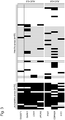
Figure 3] Figure 3 shows distribution of abnormal methylation in the promoter regions of 7 genes in the leukoplakia group and the healthy group. Each cell denotes one subject in the leukoplakia group or the healthy group, a white cell indicates the nonoccurrence of abnormal methylation, and a black cell indicates the occurrence of abnormal methylation. It was confirmed that there are clear differences in the distribution between the leukoplakia group and the healthy group. - [
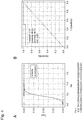
Figure 4] Figure 4A shows the result of logistic analysis for methylation in the promoter regions of RASSF1, FHIT, DAPK1, CD44, and BRCA2 genes. -
Figure 4B shows an ROC curve based on the results for RASSF1, FHIT, DAPK1, CD44, and BRCA2 genes. Each result indicates favorable detection accuracy. - The present invention provides a method for obtaining data for diagnosing an oral precancerous lesion in a subject by detecting DNA methylation in a specific gene contained in gargled fluid collected from the subject. Since "gargled fluid" contains oral exfoliated mucosal cells in the entire oral cavity and it is easy to collect and treat such fluid for detection, gargled fluid is particularly preferable for noninvasive diagnosis. According to the present invention, subjects are human subjects, which include patients who may have oral abnormalities and subjects who may be targets of wide-scale screening such as health examination.
- The term "gargled fluid" used herein refers to a liquid sample obtained after a subject gargles with an adequate amount of water or an aqueous solution (gargling). Examples of an aqueous solution include, but are not particularly limited, physiological saline, distilled water, and usual tap water.
- The way of gargling is not particularly limited. However, in view of secure DNA sampling, burden on a subject, and the like, it is preferable to put physiological saline or the like into the mouth in an amount of, for example, about 10 to 50 mL and preferably about 20 to 30 mL and gargle for 20 to 90 seconds and preferably 30 to 60 seconds.
- Examples of an "oral precancerous lesion" described herein include, but are not limited to, lesions of leukoplakia, erythroplakia, and lichen planus.
- According to the method of the present invention, DNA, which is a target of DNA methylation detection that is preferable for detection of an oral precancerous lesion, is at least one type of DNA selected from DNAs in the promoter regions of the following group of genes:
- RASSF1 (Ras association domain family member 1),
- DAPK1 (death-associated protein kinase 1),
- CD44,
- BRCA2 (breast cancer susceptibility gene 2),
- FHIT (fragile histidine triad gene),
- CDKN2A (cyclin-dependent kinase inhibitor 2A),
- HIC1 (hypermethylated in cancer 1),
- CASP8 (caspase 8),
- RARβ (retinoic acid receptor beta),
- CDKN2B (cyclin-dependent kinase inhibitor 2B),
- CHFR (checkpoint with forkhead and ring finger domains, E3 ubiquitin protein ligase),
- ATM (ataxia telangiectasia mutated),
- CDKN1B (cyclin-dependent kinase inhibitor 1B),
- BRCA1 (breast cancer susceptibility gene 1), and
- CADM1 (cell adhesion molecule 1).
- Table 1 lists gene names, symbols, chromosomal loci, and NCBI accession numbers for the above-described genes.
[Table 1] Symbol Gene Name Position NCBI Accession No. CDKN2A Cyclin-dependent kinase inhibitor 2A 9p21.3 NM_058195.3 DAPK1 Death-associated protein kinase 19q21.31 NM_004938.2 CD44 CD44 molecule 11p13 NM_001001391.1 RASSF1 Ras association domain family member 13p21.31 NM_170714.1 ATM Ataxia telangiectasia mutated 11q22.3 NM_000051.3 CADM1 Cell adhesion molecule 11q23.3 NM_001098517.1 CHFR Checkpoint with forkhead and ring finger domains, E3 ubiquitin protein ligase 12q24.33 NM_001161344.1 FHIT Fragile histidine triad gene 3p14.2 NM_002012.2 CDKN1B Cyclin-dependent kinase inhibitor 1B 12p13.1 NM_004064.3 BRCA2 Breast cancer susceptibility gene 213q12.3 NM_000059.3 HIC1 Hypermethylated in cancer 117p13.3 NM_006497.3 BRCA1 Breast cancer susceptibility gene 117q21.31 NM_007294.3 CASP8 Caspase 8 2q33.1 NM_001080125 RARB Retinoic acid receptor beta 3p24.2 NM_000965.3 CDKN2B Cyclin-dependent kinase inhibitor 2B 9p21.3 NM_078487.2 - In the present invention, the occurrence or nonoccurrence of DNA methylation in the promoter region of at least one gene selected from the subject-derived genes listed in Table 1 is detected, thereby obtaining data for diagnosing an oral precancerous lesion in a subject. It is possible to determine that the subject is likely to have an oral precancerous lesion in the case of the occurrence of DNA methylation, or that the subject is unlikely to have such lesion in the case of the nonoccurrence of DNA methylation. Data used for diagnosis may be data of 2 or more, 3 or more, 4 or more, 5 or more, 10 or more, or all of the above genes.
- One embodiment of the present invention concerns the above method, which comprises detecting methylation of at least one DNA selected from DNAs in the promoter regions of RASSF1, DAPK1, CD44, BRCA2, FHIT, CDKN2A, and HIC1 genes.
- Another embodiment of the present invention concerns the above method, which comprises detecting methylation of at least one DNA selected from DNAs in the promoter regions of RASSF1, DAPK1, CD44, and BRCA2 genes.
- Yet another embodiment of the present invention concerns the above method, which comprises detecting methylation of at least one DNA selected from DNAs in the promoter regions of RASSF1, CD44, BRCA2, DAPK1, and FHIT genes.
- The present invention also provides a method for diagnosing the presence of an oral precancerous lesion or a probability of having an oral precancerous lesion for a subject by detecting DNA methylation in a specific gene in gargled fluid collected from the subject. According to the present method, it is possible to diagnose whether or not a subject has an oral precancerous lesion of leukoplakia, erythroplakia, lichen planus, or the like, or whether or not a subject has a high risk of acquiring such disease. It is also possible to diagnose a probability of acquiring oral cancer according to the present method.
- More specifically, the present method comprises:
- detecting the occurrence (presence) or nonoccurrence (absence) of methylation in at least one DNA selected from DNAs in the promoter regions of the following 15 genes: RASSF1, DAPK1, CD44, BRCA2, FHIT, CDKN2A, HIC1, CASP8, RARβ, CDKN2B, CHFR, ATM, CDKN1B, BRCA1, and CADM1, and
- comparing detected DNA methylation and DNA methylation in a control sample.
- One embodiment of the present method comprises detecting methylation of at least one type of DNA selected from DNAs in the promoter regions of RASSF1, DAPK1, CD44, BRCA2, FHIT, CDKN2A, and HIC1 genes.
- Another embodiment of the present method comprises detecting methylation of at least one type of DNA selected from DNAs in the promoter regions of RASSF1, DAPK1, CD44, and BRCA2 genes.
- Yet another embodiment of the present method comprises detecting methylation of at least one type of DNA selected from DNAs in the promoter regions of RASSF1, CD44, BRCA2, DAPK1, and FHIT genes.
- Currently, various databases have been constructed, and DNA sequences of genes and the like in the human genome are readily available by conducting search based on gene names, database accession numbers (reference numbers), or the like. The object of the present invention is to detect methylation in a target DNA sequence by a method capable of discriminating a sequence including a methylated base and an unmethylated sequence.
- For example, when a sample is treated with bisulfite in advance, unmethylated cytosine is converted into uracil, which generates a sequence that differs from a sequence including methylated cytosine. Based on this method, two sets of primers, by which a sequence including methylated cytosine and a sequence including unmethylated cytosine can be separately amplified, are designed, and the occurrence or nonoccurrence of amplification or the sequence of amplified DNA can be determined by PCR reactions. Examples of a commercially available kit that can be used for this method include EpiScope MSP Kits (Takara Bio Inc.). The primer length is not particularly limited. However, an amplification product having a length of 80 to 500 bases, which includes bases that might be methylated, can be obtained using primers having lengths of, for example, 20 to 45 bases.
- Alternatively, it is also possible to employ the methylation specific-multiplex ligation probe amplification (MS-MLPA) method, which comprises setting a probe capable of hybridizing with a target region such that a PCR product can be obtained only when hybridization of the probe occurs. Such probe can be designed based on the target base sequence. For example, a commercially available MS-MLPA kit (MRC-Holland) includes probes capable of detecting abnormal methylation in the promoter regions of 26 types of cancer suppressor genes. With the use of this kit, it is possible to allow a 5'-end probe and a 3'-end probe to hybridize with a target sequence, conduct ligation, and carry out amplification through a PCR reaction using universal primers linked to both ends of the probes. There is a probability that DNA methylation have occurred in the target sequence. Therefore, it is possible to cleave, for example, an unmethylated hybridization product with the use of methylation-sensitive restriction enzyme during ligation described above. Accordingly, only when methylation has occurred, an amplification product can be obtained. There are various enzymes known as methylation-sensitive restriction enzymes, and examples thereof include AccII, HhaI, HapII, and HaeIII. These enzymes can be obtained from, for example, Takara Bio Inc.
- The probe length is not particularly limited. However, for example, a probe having a length of 80 to 500 bases that is capable of hybridizing with a region including a base site, at which methylation might occur, can be used.
- Examples of probes that can be preferably used in the method of the present invention include, but are not limited to, probes having the nucleotide sequences shown in SEQ ID NOS: 1 to 30. Therefore, in one embodiment, the method of the present invention involves detecting DNA methylation with the use of probes having the nucleotide sequences shown in SEQ ID NOS: 1 to 30.
- After PCR reaction, it is possible to detect the presence or absence of each amplification product by conducting, for example, capillary electrophoresis.
- Therefore, the method of the present invention involves, but is not particularly limited to, judging methylation of specific DNA described above based on the occurrence or nonoccurrence of cleavage of the DNA with a methylation-sensitive restriction enzyme such as HhaI as an index. HhaI is a Haemophilus haemolyticus (ATCC 10014)-derived restriction enzyme. In the case where DNA is cleaved with HhaI, it is possible to judge that DNA methylation has not occurred. In the case where DNA is not cleaved with HhaI, it is possible to judge that methylation of the DNA has occurred. Note that the promoter regions of the above-described genes listed in Table 1 includes a GCGC sequence, which is a HhaI cleavage site, and a probe can be prepared to include the sequence.
- Detection of DNA methylation is not limited to the method described above, and any means used in the art may be employed.
- The method of the present invention provides data for detecting an abnormality in DNA methylation in the promoter regions of the specific genes described above, and judging whether or not a subject has an oral precancerous lesion based on detection results. The term "abnormality in methylation" or "abnormal methylation" used herein means methylation that is not detected in a normal sample (control sample) from a healthy individual.
- In the case of a cancer suppressor gene, the gene must be expressed in the normal state. Methylation causes inhibition of the expression of a cancer suppressor gene, it results in carcinogenesis. It is therefore considered that the promoter site of a cancer suppressor gene in a healthy individual is not methylated. However, methylation may occur in the normal state, and potential methylation, which is not related to a disease, may occur even in healthy individuals. In such cases, methylation occurring at the site is not judged as "abnormal." Therefore, it is preferable to compare detected DNA methylation with DNA methylation in a control sample.
- Accordingly, the method of the present invention may include a step of detecting methylation of DNAs in the promoter regions of the above genes contained in gargled fluid collected from a subject and a step of comparing detected methylation with (the occurrence or nonoccurrence of) methylation of DNA in the same corresponding region in a control sample. In the case where methylation that differs from methylation in a control sample is confirmed, it suggests the possibility that there may be an oral precancerous lesion. However, since data of methylation in a normal sample (control sample) can be obtained in advance, it will be understood that it is not necessary to obtain information on methylation in a control sample at the same time for diagnosing an oral precancerous lesion for a subject.
- DNAs for which the present inventors found significant methylation in an oral precancerous lesion, were identified using gargled fluid obtained from patients of leukoplakia, a representative oral precancerous lesion, and gargled fluid obtained from healthy individuals. A significant increase in the level of methylation as compared with that in healthy individuals can be confirmed using a statistical technique that is usually used in the art. Examples of such technique include, but are not limited to, t-test, Mann-Whitney U test, ROC curve (receiver operating characteristic curve) creation, and logistic regression analysis.
- In the case where the level of methylation of DNAs specified above in gargled fluid collected from a subject increases significantly as compared with the level of methylation in a control sample, it suggests that the subject has an oral precancerous lesion or has a risk of developing an oral precancerous lesion. Note that the "significantly" corresponds to a significance level of not more than 5% and preferably not more than 1%, at which a null hypothesis is rejected in various statistical techniques.
- The present invention also provides a kit for detecting an oral precancerous lesion, which includes primers or probes for detecting abnormal methylation of DNA selected from DNAs in the promoter regions of RASSF1, DAPK1, CD44, BRCA2, FHIT, CDKN2A, HIC1, CASP8, RARβ, CDKN2B, CHFR, ATM, CDKN1B, BRCA1, and CADM1 genes. It is possible to use only specific primers or probes in the kit depending on DNAs to be detected. A kit only comprising such specific primers or probes can be provided.
- For example, in order to detect DNA methylation in primer regions of RASSF1, DAPK1, CD44, and BRCA2 genes, probes having the nucleotide sequences shown in SEQ ID NOS: 3 to 8, 19, and 20 can be included in a kit.
- It is preferable that such kit includes primers or probes particularly suitable for diagnosis of oral precancerous lesions. Therefore, the kit of the present invention may include, for example, primers or probes for detecting abnormal methylation of at least one DNA selected from DNAs in the promoter regions of RASSF1, DAPK1, CD44, BRCA2, FHIT, CDKN2A, and HIC1 genes. In addition, the kit of the present invention may include primers or probes for detecting abnormal methylation of at least one DNA selected from DNAs in the promoter regions of RASSF1, CD44, and BRCA2 genes. Further, the kit of the present invention may include primers or probes for detecting abnormal methylation of at least one DNA selected from DNAs in the promoter regions of RASSF1, CD44, BRCA2, DAPK1, and FHIT genes.
- Examples of probes that can be included in the kit of the present invention include one or more probes having the nucleotide sequences shown in SEQ ID NOS: 1 to 30.
- The kit may include an aqueous solution used for gargled fluid such as physiological saline, various reagents for, DNA extraction, hybridization, ligation, and PCR reaction, and restriction enzymes, if appropriate.
- Subjects were leukoplakia patients who were clinically suspected to have leukoplakia and given a histological definite diagnosis (n = 19) and 55 healthy individuals as a control group who were found to have no abnormalities upon oral exploration.
- Each subject was instructed to gargle with 20 ml of physiological saline for 30 seconds, and the full amount of gargled fluid was collected. The obtained sample in an amount of 5 ml was centrifuged at 2,000 rpm for 5 minutes (KUBOTA 6800 (KUBOTA Corporation)), washed with physiological saline, and centrifuged again at 2,000 rpm for 5 minutes. This operation was repeated twice, thereby obtaining a pellet. The pellet was stored at -80°C before use.
- DNA was extracted using DNeasy Blood and Tissue Kits (Qiagen, Valencia, CA), and MS-PLPA was performed using MS-MLPA kit (MRC-Holland) in accordance with an ordinary method. As a probe set, probes corresponding to 26 types of genes each having an HhaI cleavage site, which are ME001-C1 Tumor suppressor-1 included in the kit, were used. Two types of probes were used for one gene, and either one or both of the probes have one or two HhaI cleavage sites. Cleavage with HhaI (Promega Corporation) was conducted together with hybridization and ligation, followed by PCR. Fragment analysis was performed using 3130 Genetic Analyser (ABI Inc.). After calculation of the peak area using Gene Mapper (v4.1, ABI Inc.), statistical processing was conducted.
- The methylation status of 26 types of cancer suppressor genes contained in the MS-MLPA kit was examined. The methylation levels of individual quantitatively determined genes were compared and examined by the t-test or Mann-Whitney U test.
- Table 2 lists symbols representing 15 types of genes which were found to have an increase in abnormal methylation in the promoter region in the leukoplakia group as compared with the healthy group, and the sequence identification numbers of probes used for detection. In addition, distribution of abnormal DNA methylation in these gene promoter regions were compared between the healthy group and the leukoplakia group. The results are boxplotted in
Figure 1 .[Table 2] Symbol Probe Position Initiation Position Termination Position CDKN2A SEQ ID NOS: 1 and 2 9p21.3 21985276 21985349 DAPK1 SEQ ID NOS: 3 and 4 9q21.31 89303075 89303130 CD44 SEQ ID NOS: 5 and 6 11p13 35117389 35117448 RASSF1 SEQ ID NOS: 7 and 8 3p21.31 50353347 50353403 ATM SEQ ID NOS: 9 and 10 11q22.3 107599044 107599105 CADM1 SEQ ID NOS: 11 and 12 11q23.3 114880585 114880649 CHFR SEQ ID NOS: 13 and 14 12q24.33 131974372 131974433 FHIT SEQ ID NOS: 15 and 16 3p14.2 61211918 61211970 CDKN1B SEQ ID NOS: 17 and 18 12p13.1 12761863 12761918 BRCA2 SEQ ID NOS: 19 and 20 13q12.3 31787722 31787786 HIC1 SEQ ID NOS: 21 and 22 17p13.3 1905107 1905162 BRCA1 SEQ ID NOS: 23 and 24 17q21.31 38530811 38530871 CASP8 SEQ ID NOS: 25 and 26 2q33.1 201830871 201830935 RARB SEQ ID NOS: 27 and 28 3p24.2 25444559 25444621 CDKN2B SEQ ID NOS: 29 and 30 9p21.3 21998808 21998864 - Based on the results for 15 types of genes shown in Table 1 and
Figure 1 , genes with the results of P ≥ 0.01 were excluded from target genes. An ROC curve was created regarding methylation in the promoter region of each gene with the result of P < 0.01, for which the endpoint was detection of leukoplakia. The area under the curve (AUC) (%) was calculated. The cutoff value to be used for a diagnostic method was set based on sensitivity and specificity obtained from the ROC curve. Table 3 lists those values for 15 types of genes in the descending order for the AUC values.[Table 3] Gene Cutoff Value AUC RASSF1 0.65 0.917 DAPK1 1.57 0.902 CD44 1.36 0.944 BRCA2 0.61 0.926 FHIT 0.59 0.899 CDKN2A 1.48 0.819 HIC1 1.17 0.867 CASP8 1.07 0.730 RARβ 1.74 0.741 CDKN2B 9.93 0.739 CHFR 0.43 0.734 ATM 1.00 0.756 CDKN1B 0.87 0.728 BRCA1 0.55 0.727 CADM1 0.38 0.658 -
Figure 2 shows ROC curves regarding methylation for DNAs in the promoter regions of 7 genes (RASSF1, DAPK1, CD44, BRCA2, FHIT, CDKN2A, and HIC1), for which the results of AUC > 0.8 were obtained among the genes listed in Table 3. As is apparent fromFigure 2 , these gene promoter regions were found to be marker candidates more useful for leukoplakia detection. - Canonical discriminant analysis of leukoplakia detection was conducted, based on the results of abnormal methylation in the promoter regions of the 7 genes which had favorable AUC values upon ROC analysis. The results are shown in
Figure 3 . As is apparent from the results, each of DNAs in the promoter regions of the 7 genes was obviously different in terms of tendency of abnormal methylation between the leukoplakia group and the healthy group. - In addition, usefulness of these DNAs as an index for leukoplakia detection was examined using the Fisher's test, sensitivity, and specificity. Table 4 summarizes the occurrence or nonoccurrence of promoter region methylation for each gene.
[Table 4] Detection accuracy of leukoplakia based on abnormal methylation Gene Patient Group Unmethylation Methylation P value Sensitivity (%) Specificity (%) RASSF1 Healthy group(n=55) 52 3 <0.001 84.2 84.2 Leukoplakia group(n=19) 3 16 CD44 Healthy group 53 2 <0.001 89.5 89.5 Leukoplakia group 2 17 BRCA2 Healthy group 52 3 <0.001 84.2 84.2 Leukoplakia group 3 16 DAPK1 Healthy group 46 9 <0.001 89.5 65.4 Leukoplakia group 2 17 FHIT Healthy group 48 7 <0.001 84.2 69.6 Leukoplakia group 3 16 HIC1 Healthy group 53 2 <0.001 63.2 85.7 Leukoplakia group 7 12 CDKN2A Healthy group 44 11 <0.001 73.7 56.0 Leukoplakia group 5 14 - As is apparent from the results in Table 4, it was confirmed that DNA in the promoter region of each gene can be significantly distinguished alone between the healthy group and the leukoplakia group. Of these genes, 3 genes: RASSF1, CD44, and BRCA2, each having 80% or higher sensitivity and specificity, were found to be particularly useful.
- Based on the results for the 3 genes, i.e., RASSF1, CD44, and BRCA2, each of which had favorable detection sensitivity and detection specificity alone, it was examined whether or not a diagnostic method using a combination of detection for methylation in the promoter regions of the genes can be established. As shown in Table 5, it was revealed that abnormal methylation was not detected substantially in the healthy group, while abnormal methylation often occurred in a plurality of genes in the leukoplakia group.
[Table 5] Gene Combination Patient Group Abnormal methylation Sensitivity (%) Specificity (%) ≥ 1 ≥ 2 RASFF1+CD44 Healthy group(n=55) 55 0 78.9 100 Leukoplakia group(n=19) 4 15 RASFF1+ BRCA2 Healthy group 54 1 84.2 94.1 Leukoplakia group 3 16 CD44+ BRCA2 Healthy group 55 0 78.8 100 Leukoplakia group 4 15 RASFF1+CD44+ BRCA2 Healthy group 54 1 68.4 92.9 Leukoplakia group 6 13 - Meanwhile, the results in Table 5 indicate that, regarding RASSF1, CD44, and BRCA2, each of which had favorable sensitivity and specificity of 80% or higher alone, specificity tended to increase with any combination of two of them while sensitivity tended to remain at the same level or decrease. This tendency was also confirmed for combination of 3 genes. In the case of analysis using the cutoff value set above, it was found that false negative results could be obtained based on a judgment using a combination of genes, which would not always result in the improvement of accuracy.
- In addition to RASSF1, CD44, and BRCA2, DAPK1 and FHIT, each of which also had favorable detection accuracy alone, were used for conducting canonical discriminant analysis for leukoplakia detection, based on methylation in the promoter regions of these 5 genes as an index.
- Logistic analysis was conducted using RASSF1, FHIT, DAPK1, CD44, and BRCA2, and the following formula was obtained:

- As a result of discrimination using this formula, the integrated evaluation of methylation in the promoter regions of 5 genes represented by the following formula (Fm) varies widely between the leukoplakia group and the healthy group:

- The results are shown in
Figure 4 . More specifically, there was only one mismatch case in each of the leukoplakia group and the healthy group, and therefore, very high detection accuracy with 98.2% of sensitivity and 94.7% of specificity was achieved. - Since gargled fluid can be noninvasively collected in a convenient manner at low cost, gargled fluid is an ideal test specimen and can be included in evaluation items of general health examination. In addition, as an abnormality in DNA methylation is observed in the early stage of a lesion or before the development of a lesion, it becomes possible to achieve early detection of oral cancer and evaluation of the carcinogenic risk. This allows a subject himself/herself to recognize the carcinogenic risk and contributes to the improvement of lifestyle habits and preventive care.
- All publications, patents and patent applications cited in the present description are incorporated herein by reference in their entirety.


Claims (10)
- A method for obtaining data for diagnosis of an oral precancerous lesion in a subject by detecting DNA methylation in gargled fluid collected from the subject, wherein the DNA is DNA in a promoter region of at least one gene selected from the following group of genes:RASSF1 (Ras association domain family member 1, NM_170714.1),DAPK1 (death-associated protein kinase 1, NM_004938.2),CD44 (NM_001001391.1),BRCA2 (breast cancer susceptibility gene 2, NM_000059.3),FHIT (fragile histidine triad gene, NM_002012.2),CDKN2A (cyclin-dependent kinase inhibitor 2A, NM_058195.3),HIC1 (hypermethylated in cancer 1, NM_006497.3),CASP8 (caspase 8, NM_001080125),RARβ (retinoic acid receptor beta, NM_000965.3),CDKN2B (cyclin-dependent kinase inhibitor 2B, NM_078487.2),CHFR (checkpoint with forkhead and ring finger domains, E3 ubiquitin protein ligase, NM_001161344.1),ATM (ataxia telangiectasia mutated, NM_000051.3),CDKN1B (cyclin-dependent kinase inhibitor 1B, NM_004064.3),BRCA1 (breast cancer susceptibility gene 1, NM_007294.3), andCADM1 (cell adhesion molecule 1, NM_001098517.1).
- The method according to claim 1, which comprises comparing detected DNA methylation and DNA methylation in a control sample.
- The method according to claim 1 or 2, wherein the DNA is at least one type of DNA selected from DNAs in the promoter regions of RASSF1, DAPK1, CD44, BRCA2, FHIT, CDKN2A, and HIC1 genes.
- The method according to claim 1 or 2, wherein the DNA is at least one type of DNA selected from DNAs in the promoter regions of RASSF1, DAPK1, CD44, and BRCA2 genes.
- The method according to claim 1 or 2, wherein the DNA is at least one type of DNA selected from DNAs in the promoter regions of RASSF1, CD44, BRCA2, DAPK1, and FHIT genes.
- The method according to any one of claims 1 to 5, wherein DNA methylation is detectable using a probe having any of the nucleotide sequences shown in SEQ ID NOS: 1 to 30.
- The method according to any one of claims 1 to 6, wherein the oral precancerous lesion is leukoplakia.
- A kit for detecting an oral precancerous lesion, which includes primers or probes for detecting abnormal methylation of DNA selected from DNAs of the promoter regions of RASSF1, DAPK1, CD44, BRCA2, FHIT, CDKN2A, HIC1, CASP8, RARβ, CDKN2B, CHFR, ATM, CDKN1B, BRCA1, and CADM1 genes.
- The kit according to claim 8, which includes at least one probe having any of the nucleotide sequences shown in SEQ ID NOS: 1 to 30.
- The kit according to claim 8 or 9, wherein the oral precancerous lesion is leukoplakia.
Applications Claiming Priority (2)
| Application Number | Priority Date | Filing Date | Title |
|---|---|---|---|
| JP2015172327A JP6655243B2 (en) | 2015-09-01 | 2015-09-01 | Method for detecting oral precancerous lesions |
| PCT/JP2016/075667 WO2017038939A1 (en) | 2015-09-01 | 2016-09-01 | Method for detecting precancerous oral lesion |
Publications (3)
| Publication Number | Publication Date |
|---|---|
| EP3346014A1 true EP3346014A1 (en) | 2018-07-11 |
| EP3346014A4 EP3346014A4 (en) | 2019-01-16 |
| EP3346014B1 EP3346014B1 (en) | 2023-11-08 |
Family
ID=58187670
Family Applications (1)
| Application Number | Title | Priority Date | Filing Date |
|---|---|---|---|
| EP16841968.7A Active EP3346014B1 (en) | 2015-09-01 | 2016-09-01 | Method for detecting precancerous oral lesion |
Country Status (4)
| Country | Link |
|---|---|
| US (1) | US20190024181A1 (en) |
| EP (1) | EP3346014B1 (en) |
| JP (1) | JP6655243B2 (en) |
| WO (1) | WO2017038939A1 (en) |
Cited By (1)
| Publication number | Priority date | Publication date | Assignee | Title |
|---|---|---|---|---|
| CN113278704A (en) * | 2021-07-22 | 2021-08-20 | 北京泱深生物信息技术有限公司 | Marker and product for diagnosing oral squamous cell carcinoma |
Families Citing this family (4)
| Publication number | Priority date | Publication date | Assignee | Title |
|---|---|---|---|---|
| CN113834927A (en) * | 2020-06-08 | 2021-12-24 | 南京市口腔医院 | Salivary metabolism marker for predicting canceration of oral mucosa precancerous lesion patient and application thereof |
| EP4299762A4 (en) * | 2021-02-26 | 2025-05-14 | Tohoku University | ORAL CANCER DETECTION KIT, USE OF REAGENT, REAGENT, ORAL CANCER DETECTION DEVICE, INFORMATION ACQUISITION METHOD AND PROGRAM |
| WO2023086382A2 (en) * | 2021-11-09 | 2023-05-19 | Mayo Foundation For Medical Education And Research | Methods and materials for assessing and treating oral lichen planus |
| CN119639903B (en) * | 2025-01-17 | 2025-11-25 | 中山大学肿瘤防治中心(中山大学附属肿瘤医院、中山大学肿瘤研究所) | Biomarkers, drugs and their applications for intrahepatic cholangiocarcinoma |
Family Cites Families (8)
| Publication number | Priority date | Publication date | Assignee | Title |
|---|---|---|---|---|
| EP1838353A2 (en) * | 2005-01-21 | 2007-10-03 | Introgen Therapeutics, Inc. | Topical administration permitting prolonged exposure of target cells to therapeutic and prophylactic nucleic acids |
| EP2032716A4 (en) * | 2006-05-12 | 2010-03-17 | Univ Miami | BIOMARKERS FOR THE DETECTION AND DIAGNOSIS OF SPINOCELLULAR MALIPHELL EPIDELIOMA OF THE HEAD AND NECK |
| WO2008036333A2 (en) * | 2006-09-19 | 2008-03-27 | University Of Miami | Hypermethylation of cd44 promoter in head and neck squamous cell carcinoma |
| WO2010001933A1 (en) * | 2008-07-01 | 2010-01-07 | 学校法人日本大学 | Histone modification inhibitor specific to target gene |
| JP4538525B2 (en) * | 2009-01-16 | 2010-09-08 | 千絵 宮本 | Method for detecting cancer-related gene markers |
| CN102191312A (en) * | 2010-03-16 | 2011-09-21 | 上海交通大学医学院附属第九人民医院 | Application of methylation detection of cancer suppressor gene promoter in assessing oral leukoplakia canceration |
| AU2012340441A1 (en) * | 2011-11-15 | 2014-05-29 | University Of Miami | Methods for detecting human papillomavirus and providing prognosis for head and neck squamous cell carcinoma |
| EP2891720B1 (en) * | 2012-08-31 | 2020-04-08 | National Defense Medical Center | Method for screening cancer |
-
2015
- 2015-09-01 JP JP2015172327A patent/JP6655243B2/en active Active
-
2016
- 2016-09-01 US US15/755,714 patent/US20190024181A1/en not_active Abandoned
- 2016-09-01 WO PCT/JP2016/075667 patent/WO2017038939A1/en not_active Ceased
- 2016-09-01 EP EP16841968.7A patent/EP3346014B1/en active Active
Cited By (1)
| Publication number | Priority date | Publication date | Assignee | Title |
|---|---|---|---|---|
| CN113278704A (en) * | 2021-07-22 | 2021-08-20 | 北京泱深生物信息技术有限公司 | Marker and product for diagnosing oral squamous cell carcinoma |
Also Published As
| Publication number | Publication date |
|---|---|
| WO2017038939A1 (en) | 2017-03-09 |
| JP2017046628A (en) | 2017-03-09 |
| EP3346014A4 (en) | 2019-01-16 |
| US20190024181A1 (en) | 2019-01-24 |
| EP3346014B1 (en) | 2023-11-08 |
| JP6655243B2 (en) | 2020-02-26 |
Similar Documents
| Publication | Publication Date | Title |
|---|---|---|
| JP5378687B2 (en) | Method for detecting liver cancer, liver cancer risk, liver cancer recurrence risk, liver cancer malignancy and liver cancer progression over time using methylated cytosine in BASP1 gene and / or SRD5A2 gene | |
| EP3346014B1 (en) | Method for detecting precancerous oral lesion | |
| CN118813801A (en) | Detection kit or device for colorectal cancer and detection method | |
| WO2017043497A1 (en) | Method for testing for colon tumors | |
| WO2020239896A1 (en) | Detection of colorectal cancer | |
| EP3950954A1 (en) | Method for determining prognosis of endometrial cancer | |
| WO2018062361A1 (en) | Method for determining onset risk of sporadic colon cancer | |
| JP2024514960A (en) | Composition for testing colorectal cancer, reagent kit and application | |
| US20020004206A1 (en) | Methods of screening for disease | |
| KR101995835B1 (en) | Composition and method for diagnosing type 2 diabetes using ELOVL fatty acid elongase 5 gene | |
| CN116144782A (en) | A combination marker for lung cancer detection and its application | |
| EP2635705B1 (en) | Method of screening for colorectal cancer | |
| WO2015029947A1 (en) | Method for detecting colon cancer | |
| EP4299762A1 (en) | Oral cancer detection kit, use of reagent, reagent, oral cancer detection device, information acquisition method, and program | |
| JP5481383B2 (en) | Deletion of mitochondrial DNA between about 12317 and about 16254 residues for use in detecting cancer | |
| CN111662980A (en) | A kind of lung cancer detection reagent and kit | |
| CN116656810B (en) | Biomarkers, nucleic acid products and kits for pancreatic cancer | |
| US10640831B2 (en) | Biomarkers for head and neck cancer and methods of their use | |
| CN111647657B (en) | Lung cancer detection reagent and kit | |
| CN117106918A (en) | Methods and kits for differential diagnosis of benign pulmonary nodules and malignant tumors based on gene methylation | |
| JP2018139537A (en) | Method of data acquisition of possibility of lymph node metastasis of esophageal cancer | |
| RU2836003C2 (en) | Composition, kit and use for detecting colorectal cancer | |
| CN111363817B (en) | Lung cancer diagnostic agents and kits based on HOXD12 gene | |
| WO2025211164A1 (en) | Method for predicting onset and/or assessing risk of esophageal cancer, pharyngeal cancer, or oral cancer, and kit for predicting onset and/or assessing risk of esophageal cancer, pharyngeal cancer, or oral cancer | |
| CN118064590A (en) | Nucleic acid combination product for detecting bladder cancer and application thereof |
Legal Events
| Date | Code | Title | Description |
|---|---|---|---|
| STAA | Information on the status of an ep patent application or granted ep patent |
Free format text: STATUS: THE INTERNATIONAL PUBLICATION HAS BEEN MADE |
|
| PUAI | Public reference made under article 153(3) epc to a published international application that has entered the european phase |
Free format text: ORIGINAL CODE: 0009012 |
|
| STAA | Information on the status of an ep patent application or granted ep patent |
Free format text: STATUS: REQUEST FOR EXAMINATION WAS MADE |
|
| 17P | Request for examination filed |
Effective date: 20180321 |
|
| AK | Designated contracting states |
Kind code of ref document: A1 Designated state(s): AL AT BE BG CH CY CZ DE DK EE ES FI FR GB GR HR HU IE IS IT LI LT LU LV MC MK MT NL NO PL PT RO RS SE SI SK SM TR |
|
| AX | Request for extension of the european patent |
Extension state: BA ME |
|
| DAV | Request for validation of the european patent (deleted) | ||
| DAX | Request for extension of the european patent (deleted) | ||
| A4 | Supplementary search report drawn up and despatched |
Effective date: 20181217 |
|
| RIC1 | Information provided on ipc code assigned before grant |
Ipc: C12Q 1/6886 20180101ALI20181211BHEP Ipc: C12N 15/09 20060101ALI20181211BHEP Ipc: G01N 33/50 20060101AFI20181211BHEP Ipc: C12Q 1/6827 20180101ALI20181211BHEP |
|
| STAA | Information on the status of an ep patent application or granted ep patent |
Free format text: STATUS: EXAMINATION IS IN PROGRESS |
|
| 17Q | First examination report despatched |
Effective date: 20210621 |
|
| REG | Reference to a national code |
Ref country code: DE Ref legal event code: R079 Free format text: PREVIOUS MAIN CLASS: C12Q0001680000 Ipc: G01N0033500000 Ref country code: DE Ref legal event code: R079 Ref document number: 602016084047 Country of ref document: DE Free format text: PREVIOUS MAIN CLASS: C12Q0001680000 Ipc: G01N0033500000 |
|
| GRAP | Despatch of communication of intention to grant a patent |
Free format text: ORIGINAL CODE: EPIDOSNIGR1 |
|
| STAA | Information on the status of an ep patent application or granted ep patent |
Free format text: STATUS: GRANT OF PATENT IS INTENDED |
|
| RIC1 | Information provided on ipc code assigned before grant |
Ipc: C12Q 1/6886 20180101ALI20230303BHEP Ipc: C12N 15/09 20060101ALI20230303BHEP Ipc: G01N 33/50 20060101AFI20230303BHEP |
|
| INTG | Intention to grant announced |
Effective date: 20230323 |
|
| GRAS | Grant fee paid |
Free format text: ORIGINAL CODE: EPIDOSNIGR3 |
|
| RAP1 | Party data changed (applicant data changed or rights of an application transferred) |
Owner name: TOHOKU UNIVERSITY |
|
| GRAA | (expected) grant |
Free format text: ORIGINAL CODE: 0009210 |
|
| STAA | Information on the status of an ep patent application or granted ep patent |
Free format text: STATUS: THE PATENT HAS BEEN GRANTED |
|
| AK | Designated contracting states |
Kind code of ref document: B1 Designated state(s): AL AT BE BG CH CY CZ DE DK EE ES FI FR GB GR HR HU IE IS IT LI LT LU LV MC MK MT NL NO PL PT RO RS SE SI SK SM TR |
|
| REG | Reference to a national code |
Ref country code: GB Ref legal event code: FG4D |
|
| REG | Reference to a national code |
Ref country code: CH Ref legal event code: EP |
|
| REG | Reference to a national code |
Ref country code: DE Ref legal event code: R096 Ref document number: 602016084047 Country of ref document: DE |
|
| REG | Reference to a national code |
Ref country code: IE Ref legal event code: FG4D |
|
| REG | Reference to a national code |
Ref country code: LT Ref legal event code: MG9D |
|
| REG | Reference to a national code |
Ref country code: NL Ref legal event code: MP Effective date: 20231108 |
|
| PG25 | Lapsed in a contracting state [announced via postgrant information from national office to epo] |
Ref country code: GR Free format text: LAPSE BECAUSE OF FAILURE TO SUBMIT A TRANSLATION OF THE DESCRIPTION OR TO PAY THE FEE WITHIN THE PRESCRIBED TIME-LIMIT Effective date: 20240209 |
|
| PG25 | Lapsed in a contracting state [announced via postgrant information from national office to epo] |
Ref country code: IS Free format text: LAPSE BECAUSE OF FAILURE TO SUBMIT A TRANSLATION OF THE DESCRIPTION OR TO PAY THE FEE WITHIN THE PRESCRIBED TIME-LIMIT Effective date: 20240308 |
|
| PG25 | Lapsed in a contracting state [announced via postgrant information from national office to epo] |
Ref country code: LT Free format text: LAPSE BECAUSE OF FAILURE TO SUBMIT A TRANSLATION OF THE DESCRIPTION OR TO PAY THE FEE WITHIN THE PRESCRIBED TIME-LIMIT Effective date: 20231108 |
|
| REG | Reference to a national code |
Ref country code: AT Ref legal event code: MK05 Ref document number: 1630029 Country of ref document: AT Kind code of ref document: T Effective date: 20231108 |
|
| PG25 | Lapsed in a contracting state [announced via postgrant information from national office to epo] |
Ref country code: NL Free format text: LAPSE BECAUSE OF FAILURE TO SUBMIT A TRANSLATION OF THE DESCRIPTION OR TO PAY THE FEE WITHIN THE PRESCRIBED TIME-LIMIT Effective date: 20231108 |
|
| PG25 | Lapsed in a contracting state [announced via postgrant information from national office to epo] |
Ref country code: AT Free format text: LAPSE BECAUSE OF FAILURE TO SUBMIT A TRANSLATION OF THE DESCRIPTION OR TO PAY THE FEE WITHIN THE PRESCRIBED TIME-LIMIT Effective date: 20231108 |
|
| PG25 | Lapsed in a contracting state [announced via postgrant information from national office to epo] |
Ref country code: ES Free format text: LAPSE BECAUSE OF FAILURE TO SUBMIT A TRANSLATION OF THE DESCRIPTION OR TO PAY THE FEE WITHIN THE PRESCRIBED TIME-LIMIT Effective date: 20231108 |
|
| PG25 | Lapsed in a contracting state [announced via postgrant information from national office to epo] |
Ref country code: NL Free format text: LAPSE BECAUSE OF FAILURE TO SUBMIT A TRANSLATION OF THE DESCRIPTION OR TO PAY THE FEE WITHIN THE PRESCRIBED TIME-LIMIT Effective date: 20231108 Ref country code: LT Free format text: LAPSE BECAUSE OF FAILURE TO SUBMIT A TRANSLATION OF THE DESCRIPTION OR TO PAY THE FEE WITHIN THE PRESCRIBED TIME-LIMIT Effective date: 20231108 Ref country code: IS Free format text: LAPSE BECAUSE OF FAILURE TO SUBMIT A TRANSLATION OF THE DESCRIPTION OR TO PAY THE FEE WITHIN THE PRESCRIBED TIME-LIMIT Effective date: 20240308 Ref country code: GR Free format text: LAPSE BECAUSE OF FAILURE TO SUBMIT A TRANSLATION OF THE DESCRIPTION OR TO PAY THE FEE WITHIN THE PRESCRIBED TIME-LIMIT Effective date: 20240209 Ref country code: ES Free format text: LAPSE BECAUSE OF FAILURE TO SUBMIT A TRANSLATION OF THE DESCRIPTION OR TO PAY THE FEE WITHIN THE PRESCRIBED TIME-LIMIT Effective date: 20231108 Ref country code: BG Free format text: LAPSE BECAUSE OF FAILURE TO SUBMIT A TRANSLATION OF THE DESCRIPTION OR TO PAY THE FEE WITHIN THE PRESCRIBED TIME-LIMIT Effective date: 20240208 Ref country code: AT Free format text: LAPSE BECAUSE OF FAILURE TO SUBMIT A TRANSLATION OF THE DESCRIPTION OR TO PAY THE FEE WITHIN THE PRESCRIBED TIME-LIMIT Effective date: 20231108 Ref country code: PT Free format text: LAPSE BECAUSE OF FAILURE TO SUBMIT A TRANSLATION OF THE DESCRIPTION OR TO PAY THE FEE WITHIN THE PRESCRIBED TIME-LIMIT Effective date: 20240308 |
|
| PG25 | Lapsed in a contracting state [announced via postgrant information from national office to epo] |
Ref country code: SE Free format text: LAPSE BECAUSE OF FAILURE TO SUBMIT A TRANSLATION OF THE DESCRIPTION OR TO PAY THE FEE WITHIN THE PRESCRIBED TIME-LIMIT Effective date: 20231108 Ref country code: RS Free format text: LAPSE BECAUSE OF FAILURE TO SUBMIT A TRANSLATION OF THE DESCRIPTION OR TO PAY THE FEE WITHIN THE PRESCRIBED TIME-LIMIT Effective date: 20231108 Ref country code: PL Free format text: LAPSE BECAUSE OF FAILURE TO SUBMIT A TRANSLATION OF THE DESCRIPTION OR TO PAY THE FEE WITHIN THE PRESCRIBED TIME-LIMIT Effective date: 20231108 Ref country code: NO Free format text: LAPSE BECAUSE OF FAILURE TO SUBMIT A TRANSLATION OF THE DESCRIPTION OR TO PAY THE FEE WITHIN THE PRESCRIBED TIME-LIMIT Effective date: 20240208 Ref country code: LV Free format text: LAPSE BECAUSE OF FAILURE TO SUBMIT A TRANSLATION OF THE DESCRIPTION OR TO PAY THE FEE WITHIN THE PRESCRIBED TIME-LIMIT Effective date: 20231108 Ref country code: HR Free format text: LAPSE BECAUSE OF FAILURE TO SUBMIT A TRANSLATION OF THE DESCRIPTION OR TO PAY THE FEE WITHIN THE PRESCRIBED TIME-LIMIT Effective date: 20231108 |
|
| PG25 | Lapsed in a contracting state [announced via postgrant information from national office to epo] |
Ref country code: DK Free format text: LAPSE BECAUSE OF FAILURE TO SUBMIT A TRANSLATION OF THE DESCRIPTION OR TO PAY THE FEE WITHIN THE PRESCRIBED TIME-LIMIT Effective date: 20231108 |
|
| PG25 | Lapsed in a contracting state [announced via postgrant information from national office to epo] |
Ref country code: CZ Free format text: LAPSE BECAUSE OF FAILURE TO SUBMIT A TRANSLATION OF THE DESCRIPTION OR TO PAY THE FEE WITHIN THE PRESCRIBED TIME-LIMIT Effective date: 20231108 |
|
| PG25 | Lapsed in a contracting state [announced via postgrant information from national office to epo] |
Ref country code: SK Free format text: LAPSE BECAUSE OF FAILURE TO SUBMIT A TRANSLATION OF THE DESCRIPTION OR TO PAY THE FEE WITHIN THE PRESCRIBED TIME-LIMIT Effective date: 20231108 |
|
| PG25 | Lapsed in a contracting state [announced via postgrant information from national office to epo] |
Ref country code: SM Free format text: LAPSE BECAUSE OF FAILURE TO SUBMIT A TRANSLATION OF THE DESCRIPTION OR TO PAY THE FEE WITHIN THE PRESCRIBED TIME-LIMIT Effective date: 20231108 Ref country code: SK Free format text: LAPSE BECAUSE OF FAILURE TO SUBMIT A TRANSLATION OF THE DESCRIPTION OR TO PAY THE FEE WITHIN THE PRESCRIBED TIME-LIMIT Effective date: 20231108 Ref country code: RO Free format text: LAPSE BECAUSE OF FAILURE TO SUBMIT A TRANSLATION OF THE DESCRIPTION OR TO PAY THE FEE WITHIN THE PRESCRIBED TIME-LIMIT Effective date: 20231108 Ref country code: IT Free format text: LAPSE BECAUSE OF FAILURE TO SUBMIT A TRANSLATION OF THE DESCRIPTION OR TO PAY THE FEE WITHIN THE PRESCRIBED TIME-LIMIT Effective date: 20231108 Ref country code: EE Free format text: LAPSE BECAUSE OF FAILURE TO SUBMIT A TRANSLATION OF THE DESCRIPTION OR TO PAY THE FEE WITHIN THE PRESCRIBED TIME-LIMIT Effective date: 20231108 Ref country code: DK Free format text: LAPSE BECAUSE OF FAILURE TO SUBMIT A TRANSLATION OF THE DESCRIPTION OR TO PAY THE FEE WITHIN THE PRESCRIBED TIME-LIMIT Effective date: 20231108 Ref country code: CZ Free format text: LAPSE BECAUSE OF FAILURE TO SUBMIT A TRANSLATION OF THE DESCRIPTION OR TO PAY THE FEE WITHIN THE PRESCRIBED TIME-LIMIT Effective date: 20231108 |
|
| REG | Reference to a national code |
Ref country code: DE Ref legal event code: R097 Ref document number: 602016084047 Country of ref document: DE |
|
| PLBE | No opposition filed within time limit |
Free format text: ORIGINAL CODE: 0009261 |
|
| STAA | Information on the status of an ep patent application or granted ep patent |
Free format text: STATUS: NO OPPOSITION FILED WITHIN TIME LIMIT |
|
| 26N | No opposition filed |
Effective date: 20240809 |
|
| PG25 | Lapsed in a contracting state [announced via postgrant information from national office to epo] |
Ref country code: SI Free format text: LAPSE BECAUSE OF FAILURE TO SUBMIT A TRANSLATION OF THE DESCRIPTION OR TO PAY THE FEE WITHIN THE PRESCRIBED TIME-LIMIT Effective date: 20231108 |
|
| PG25 | Lapsed in a contracting state [announced via postgrant information from national office to epo] |
Ref country code: SI Free format text: LAPSE BECAUSE OF FAILURE TO SUBMIT A TRANSLATION OF THE DESCRIPTION OR TO PAY THE FEE WITHIN THE PRESCRIBED TIME-LIMIT Effective date: 20231108 |
|
| PG25 | Lapsed in a contracting state [announced via postgrant information from national office to epo] |
Ref country code: MC Free format text: LAPSE BECAUSE OF FAILURE TO SUBMIT A TRANSLATION OF THE DESCRIPTION OR TO PAY THE FEE WITHIN THE PRESCRIBED TIME-LIMIT Effective date: 20231108 |
|
| REG | Reference to a national code |
Ref country code: CH Ref legal event code: PL |
|
| PG25 | Lapsed in a contracting state [announced via postgrant information from national office to epo] |
Ref country code: LU Free format text: LAPSE BECAUSE OF NON-PAYMENT OF DUE FEES Effective date: 20240901 |
|
| REG | Reference to a national code |
Ref country code: BE Ref legal event code: MM Effective date: 20240930 |
|
| PG25 | Lapsed in a contracting state [announced via postgrant information from national office to epo] |
Ref country code: BE Free format text: LAPSE BECAUSE OF NON-PAYMENT OF DUE FEES Effective date: 20240930 |
|
| PG25 | Lapsed in a contracting state [announced via postgrant information from national office to epo] |
Ref country code: CH Free format text: LAPSE BECAUSE OF NON-PAYMENT OF DUE FEES Effective date: 20240930 |
|
| PG25 | Lapsed in a contracting state [announced via postgrant information from national office to epo] |
Ref country code: IE Free format text: LAPSE BECAUSE OF NON-PAYMENT OF DUE FEES Effective date: 20240901 |
|
| PG25 | Lapsed in a contracting state [announced via postgrant information from national office to epo] |
Ref country code: FI Free format text: LAPSE BECAUSE OF FAILURE TO SUBMIT A TRANSLATION OF THE DESCRIPTION OR TO PAY THE FEE WITHIN THE PRESCRIBED TIME-LIMIT Effective date: 20231108 |
|
| PGFP | Annual fee paid to national office [announced via postgrant information from national office to epo] |
Ref country code: DE Payment date: 20250730 Year of fee payment: 10 |
|
| PGFP | Annual fee paid to national office [announced via postgrant information from national office to epo] |
Ref country code: GB Payment date: 20250731 Year of fee payment: 10 |
|
| PGFP | Annual fee paid to national office [announced via postgrant information from national office to epo] |
Ref country code: FR Payment date: 20250808 Year of fee payment: 10 |
|
| PG25 | Lapsed in a contracting state [announced via postgrant information from national office to epo] |
Ref country code: CY Free format text: LAPSE BECAUSE OF FAILURE TO SUBMIT A TRANSLATION OF THE DESCRIPTION OR TO PAY THE FEE WITHIN THE PRESCRIBED TIME-LIMIT; INVALID AB INITIO Effective date: 20160901 |
|
| PG25 | Lapsed in a contracting state [announced via postgrant information from national office to epo] |
Ref country code: HU Free format text: LAPSE BECAUSE OF FAILURE TO SUBMIT A TRANSLATION OF THE DESCRIPTION OR TO PAY THE FEE WITHIN THE PRESCRIBED TIME-LIMIT; INVALID AB INITIO Effective date: 20160901 |
|
| PG25 | Lapsed in a contracting state [announced via postgrant information from national office to epo] |
Ref country code: TR Free format text: LAPSE BECAUSE OF FAILURE TO SUBMIT A TRANSLATION OF THE DESCRIPTION OR TO PAY THE FEE WITHIN THE PRESCRIBED TIME-LIMIT Effective date: 20231108 |