EP3344587B1 - Method and system for wastewater treatment using membrane bioreactor - Google Patents
Method and system for wastewater treatment using membrane bioreactor Download PDFInfo
- Publication number
- EP3344587B1 EP3344587B1 EP15902699.6A EP15902699A EP3344587B1 EP 3344587 B1 EP3344587 B1 EP 3344587B1 EP 15902699 A EP15902699 A EP 15902699A EP 3344587 B1 EP3344587 B1 EP 3344587B1
- Authority
- EP
- European Patent Office
- Prior art keywords
- aeration
- membrane separation
- separation system
- reaction vessel
- membrane
- Prior art date
- Legal status (The legal status is an assumption and is not a legal conclusion. Google has not performed a legal analysis and makes no representation as to the accuracy of the status listed.)
- Active
Links
Images

Classifications
-
- C—CHEMISTRY; METALLURGY
- C02—TREATMENT OF WATER, WASTE WATER, SEWAGE, OR SLUDGE
- C02F—TREATMENT OF WATER, WASTE WATER, SEWAGE, OR SLUDGE
- C02F3/00—Biological treatment of water, waste water, or sewage
- C02F3/30—Aerobic and anaerobic processes
- C02F3/301—Aerobic and anaerobic treatment in the same reactor
-
- C—CHEMISTRY; METALLURGY
- C02—TREATMENT OF WATER, WASTE WATER, SEWAGE, OR SLUDGE
- C02F—TREATMENT OF WATER, WASTE WATER, SEWAGE, OR SLUDGE
- C02F1/00—Treatment of water, waste water, or sewage
- C02F1/44—Treatment of water, waste water, or sewage by dialysis, osmosis or reverse osmosis
- C02F1/444—Treatment of water, waste water, or sewage by dialysis, osmosis or reverse osmosis by ultrafiltration or microfiltration
-
- C—CHEMISTRY; METALLURGY
- C02—TREATMENT OF WATER, WASTE WATER, SEWAGE, OR SLUDGE
- C02F—TREATMENT OF WATER, WASTE WATER, SEWAGE, OR SLUDGE
- C02F3/00—Biological treatment of water, waste water, or sewage
- C02F3/02—Aerobic processes
- C02F3/12—Activated sludge processes
- C02F3/1236—Particular type of activated sludge installations
- C02F3/1268—Membrane bioreactor systems
- C02F3/1273—Submerged membrane bioreactors
-
- C—CHEMISTRY; METALLURGY
- C02—TREATMENT OF WATER, WASTE WATER, SEWAGE, OR SLUDGE
- C02F—TREATMENT OF WATER, WASTE WATER, SEWAGE, OR SLUDGE
- C02F3/00—Biological treatment of water, waste water, or sewage
- C02F3/02—Aerobic processes
- C02F3/12—Activated sludge processes
- C02F3/20—Activated sludge processes using diffusers
- C02F3/201—Perforated, resilient plastic diffusers, e.g. membranes, sheets, foils, tubes, hoses
-
- C—CHEMISTRY; METALLURGY
- C02—TREATMENT OF WATER, WASTE WATER, SEWAGE, OR SLUDGE
- C02F—TREATMENT OF WATER, WASTE WATER, SEWAGE, OR SLUDGE
- C02F3/00—Biological treatment of water, waste water, or sewage
- C02F3/30—Aerobic and anaerobic processes
- C02F3/302—Nitrification and denitrification treatment
- C02F3/307—Nitrification and denitrification treatment characterised by direct conversion of nitrite to molecular nitrogen, e.g. by using the Anammox process
-
- C—CHEMISTRY; METALLURGY
- C02—TREATMENT OF WATER, WASTE WATER, SEWAGE, OR SLUDGE
- C02F—TREATMENT OF WATER, WASTE WATER, SEWAGE, OR SLUDGE
- C02F3/00—Biological treatment of water, waste water, or sewage
- C02F3/34—Biological treatment of water, waste water, or sewage characterised by the microorganisms used
- C02F3/341—Consortia of bacteria
-
- C—CHEMISTRY; METALLURGY
- C02—TREATMENT OF WATER, WASTE WATER, SEWAGE, OR SLUDGE
- C02F—TREATMENT OF WATER, WASTE WATER, SEWAGE, OR SLUDGE
- C02F2101/00—Nature of the contaminant
- C02F2101/10—Inorganic compounds
- C02F2101/105—Phosphorus compounds
-
- C—CHEMISTRY; METALLURGY
- C02—TREATMENT OF WATER, WASTE WATER, SEWAGE, OR SLUDGE
- C02F—TREATMENT OF WATER, WASTE WATER, SEWAGE, OR SLUDGE
- C02F2101/00—Nature of the contaminant
- C02F2101/10—Inorganic compounds
- C02F2101/16—Nitrogen compounds, e.g. ammonia
-
- C—CHEMISTRY; METALLURGY
- C02—TREATMENT OF WATER, WASTE WATER, SEWAGE, OR SLUDGE
- C02F—TREATMENT OF WATER, WASTE WATER, SEWAGE, OR SLUDGE
- C02F2209/00—Controlling or monitoring parameters in water treatment
- C02F2209/22—O2
-
- C—CHEMISTRY; METALLURGY
- C02—TREATMENT OF WATER, WASTE WATER, SEWAGE, OR SLUDGE
- C02F—TREATMENT OF WATER, WASTE WATER, SEWAGE, OR SLUDGE
- C02F3/00—Biological treatment of water, waste water, or sewage
- C02F3/006—Regulation methods for biological treatment
-
- C—CHEMISTRY; METALLURGY
- C02—TREATMENT OF WATER, WASTE WATER, SEWAGE, OR SLUDGE
- C02F—TREATMENT OF WATER, WASTE WATER, SEWAGE, OR SLUDGE
- C02F3/00—Biological treatment of water, waste water, or sewage
- C02F3/30—Aerobic and anaerobic processes
- C02F3/308—Biological phosphorus removal
-
- Y—GENERAL TAGGING OF NEW TECHNOLOGICAL DEVELOPMENTS; GENERAL TAGGING OF CROSS-SECTIONAL TECHNOLOGIES SPANNING OVER SEVERAL SECTIONS OF THE IPC; TECHNICAL SUBJECTS COVERED BY FORMER USPC CROSS-REFERENCE ART COLLECTIONS [XRACs] AND DIGESTS
- Y02—TECHNOLOGIES OR APPLICATIONS FOR MITIGATION OR ADAPTATION AGAINST CLIMATE CHANGE
- Y02W—CLIMATE CHANGE MITIGATION TECHNOLOGIES RELATED TO WASTEWATER TREATMENT OR WASTE MANAGEMENT
- Y02W10/00—Technologies for wastewater treatment
- Y02W10/10—Biological treatment of water, waste water, or sewage
Definitions
- the invention relates to the field of wastewater treatment, and more particularly to a method and a system for wastewater treatment using a membrane bioreactor.
- the molecular formula C 10 H 19 O 3 N represents an organic compound, and it can be understood that the organic compound can have other molecular structures.
- FIGS. 2 and 4 For conventional wastewater treatment methods with or without membrane bioreactor (MBR), areas of different dissolved oxygen environments are disposed in one reaction system, as shown in FIGS. 2 and 4 . That is to say, solid structures must be constructed to provide different dissolved oxygen environments for the degradation of pollutants. As a result, the wastewater treatment system has complex structure, multiple control points, high energy consumption, difficult maintenance and unstable operation.
- MLR membrane bioreactor
- the invention provides a wastewater treatment system comprising a membrane bioreactor as described in claim 1 and a corresponding method of wastewater treatment using a membrane bioreactor as described in claim 2.
- the degradation process of phosphorus in the pollutants is as follows: Organisms + Phosphate + Facultative organisms ⁇ Microbial cells (organophosphorus) Microbial cells (organophosphorus) + Facultative organisms ⁇ P 2 H 4 /PH 3
- the degradation process of nitrogen in the pollutants is as follows: 1/2NH 4 + (ammonia nitrogen) + 1/2H 2 O + 1/4O 2 + facultative organisms ⁇ 1/2NO 2 - + 2e + 3H + 1/2NH 4 + (ammonia nitrogen) + 1/2NO 2 - + facultative organisms ⁇ 1/2N 2 +H 2 O
- a system for wastewater treatment using a membrane bioreactor comprising: a reaction vessel, the membrane separation system, a water production system, and an aeration system.
- the membrane separation system is disposed in the reaction vessel.
- the water production system communicates with the membrane separation system for pumping a filtrate out of the membrane separation system.
- the aeration system is employed to aerate the reaction vessel and the membrane separation system.
- the aeration system is adapted to enable a dissolved oxygen concentration in the reaction vessel to be larger than 0 and smaller than 1.5 mg/L, so that the reaction vessel is maintained at a facultative-organism -adapted environment.
- a dissolved oxygen concentration in the membrane separation system is larger than 0 and smaller than 1.5 mg/L, and the reaction vessel excluding the membrane separation system is larger than 0 and smaller than 0.5 mg/L, and the dissolved oxygen concentration in the membrane separation system is higher than the dissolved oxygen concentration in the reaction vessel excluding the membrane separation system.
- the membrane separation system employs a microfiltration membrane or an ultrafiltration membrane.
- the aeration system employs microporous aeration, perforated aeration, or a combination thereof.
- the membrane separation system is flushed by concentrating an aeration rate at the membrane separation system by the aeration system.
- the membrane separation system is concentratedly aerated by increasing an amount of holes or bore size of a perforated aeration pipe corresponding to the membrane separation system.
- the membrane separation system is concentratedly aerated by increasing an amount of microporous aeration disks corresponding to the membrane separation system.
- the reaction vessel is maintained at a facultative-organism-adapted environment, which is easy to control and consume less dissolved oxygen.
- the dissolved oxygen concentration in the membrane separation system is higher for the convenience of scouring.
- the method of wastewater treatment using a membrane bioreactor comprising a reaction vessel and an aeration system.
- the method comprises controlling the aeration rate of the aeration system to enable a dissolved oxygen concentration in a reaction vessel to be larger than 0 and smaller than 1.5 mg/L, so that the reaction vessel is maintained at a facultative-organism-adapted environment.
- the dissolved oxygen concentration is below 1.5 mg/L in the membrane separation system, and concentrations are below 0.5 mg/L in other areas.
- the dissolved oxygen concentration in the membrane separation system is higher than those of other areas so as to guarantee scour intensity, and the concentration difference has no influence on the facultative environment of the reaction system.
- the wastewater treatment system by the membrane reactor without the area division employs a facultative membrane reactor (FMBR).
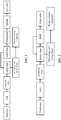
- a flow chart of the method of wastewater treatment by the membrane reactor without physical area division is shown as FIG 3 .
- a dissolved oxygen concentration of a method of wastewater treatment by the membrane bioreactor without physical area division is shown as FIG 5 .
- characteristic organisms comprise aerobic organisms, anaerobic organisms, and mostly facultative organisms, and the organisms coexist in one reaction zone.
- Macromolecule pollutants are degraded into micromolecule and are further gasified.
- Phosphorus in the pollutant is not discharged in the sludge, but is gasified and discharged in the form of phosphine or biphosphine.
- Nitrogen in the pollutant is not only degraded via nitrification and denitrification or short-cut nitrification and denitrification, but also is gasified and degraded via anaerobic ammonium oxidation bacteria.
- Dead organisms (organic residual sludge) can be utilized as the nutrient source of the living organisms and are not discharged form the reactor, thereby realizing zero discharge of organic residual sludge during the whole reaction process.
- a wastewater treatment system comprising a membrane bioreactor employed an integrated wastewater processor using membrane technology, comprising a reaction vessel 7 , a membrane separation system, a water production system, and an aeration system. Areas in the reaction vessel 7 are not divided via separators.
- the membrane separation system adopted an ultrafiltration membrane assembly 8.
- the water production system pumped water via a water production pump 9.
- a blower and an aeration pipe were adopted to aerate in the aeration system.
- domestic wastewater passed through the reaction vessel 7, and the blower 3 or 4 controlled aeration to offer oxygen.
- a perforated aeration pipe 2 was employed to aerate beneath the ultrafiltration membrane assembly 1 , and microporous aeration disks 5 and aeration pipes 6 and were employed to aerate at other areas as shown in FIG 7 , thereby forming a facultative reaction zone in the processor.
- a dissolved oxygen concentration at the membrane was controlled at 0.8-1.2 mg/L, and the dissolved oxygen concentration at other regions was controlled at 0.5-1 mg/L.
- the pollutants were degraded and removed via a high-efficiency degradation of high-concentration characteristic organism, and finally the pollutants were filtrated via the ultrafiltration membrane assembly disposed on the reaction zone, thereby realizing zero discharge of organic residual sludge during the whole reaction process.
- a wastewater treatment system comprising a membrane bioreactor employed an integrated wastewater processor using membrane technology, comprises a reaction vessel 10 , a membrane separation system, a water production system, and an aeration system. Areas in the reaction vessel 10 were divided into two, three, or more reaction zones via separators 11.
- the membrane separation system adopted an ultrafiltration membrane assembly 12.
- the water production system pumped water via a water production pump 13.
- a blower and an aeration pipe were adopted to aerate in the aeration system.
- domestic wastewater passed through the processor, and the blower offered oxygen for the integrated reaction zone, or each reaction zone was aerated by a plurality of blowers with a similar aeration rate.
- a perforated aeration system was employed to aerate, and the holes of a perforated pipe per unit area beneath the membrane assembly were more than those of other areas, thereby forming a facultative reaction zone in the processor.
- a dissolved oxygen concentration at the membrane was controlled at 0.9-1.4 mg/L, and the dissolved oxygen concentration at other regions was controlled at 0.2-0.5 mg/L.
- the pollutants were degraded and removed via a high-efficiency degradation of high-concentration characteristic organism, and finally the pollutants were filtrated via the ultrafiltration membrane assembly disposed on the reaction zone, thereby realizing zero discharge of organic residual sludge during the whole reaction process.
- a wastewater treatment system comprising a membrane bioreactor employed an integrated wastewater processor using membrane technology, comprising a reaction vessel, a membrane separation system, a water production system, and an aeration system.
- the reaction vessel employed a civil pool construction, comprising a reaction pool 14 which was a water inlet and a reaction pool 15 which was a water outlet, and the two pools were connected via a pipe.
- the membrane separation system employed an ultrafiltration membrane assembly 16 , and the ultrafiltration membrane assembly 16 was disposed on the reaction pool 15 alone.
- the water production system pumped water via a water production pump 17.
- a blower and an aeration pipe were adopted to aerate in the aeration system.
Landscapes
- Life Sciences & Earth Sciences (AREA)
- Water Supply & Treatment (AREA)
- Microbiology (AREA)
- Hydrology & Water Resources (AREA)
- Engineering & Computer Science (AREA)
- Environmental & Geological Engineering (AREA)
- Chemical & Material Sciences (AREA)
- Organic Chemistry (AREA)
- Biodiversity & Conservation Biology (AREA)
- Separation Using Semi-Permeable Membranes (AREA)
- Activated Sludge Processes (AREA)
- Health & Medical Sciences (AREA)
- Molecular Biology (AREA)
Description
- The invention relates to the field of wastewater treatment, and more particularly to a method and a system for wastewater treatment using a membrane bioreactor.
- As shown in
FIG 1 , conventional biochemical methods for wastewater treatment require various dissolved oxygen environments including anaerobic environment, aerobic environment, and facultative anaerobic/anoxic environment. The pollutants are degraded according to the following equations:
C10H19O3N + CO2+SO4 → R-COOH +CH4+NH3+H2S+ H2O (producing odor at anaerobic stage)
C10H19O3N + NO3-→ CO2+N2 +H2O (anoxic stage)
C10H19O3N + O2 → CO2+NO3- +H2O (aerobic stage)
NH3 + O2 → NO3- +H2O (aerobic stage)
- The molecular formula C10H19O3N represents an organic compound, and it can be understood that the organic compound can have other molecular structures.
- For conventional wastewater treatment methods with or without membrane bioreactor (MBR), areas of different dissolved oxygen environments are disposed in one reaction system, as shown in
FIGS. 2 and4 . That is to say, solid structures must be constructed to provide different dissolved oxygen environments for the degradation of pollutants. As a result, the wastewater treatment system has complex structure, multiple control points, high energy consumption, difficult maintenance and unstable operation. -
US6616843 ,EP2251307 ,US2010/288697 ,CN10188537 andUS2010/0288698 disclose aerated submerged membrane bioreactor systems. - In view of the above-described problems, it is one objective of the invention to provide a method and a system for wastewater treatment using a membrane bioreactor.
- To achieve the above objective, the invention provides a wastewater treatment system comprising a membrane bioreactor as described in
claim 1 and a corresponding method of wastewater treatment using a membrane bioreactor as described inclaim 2. - The degradation process of phosphorus in the pollutants is as follows:
Organisms + Phosphate + Facultative organisms → Microbial cells (organophosphorus) Microbial cells (organophosphorus) + Facultative organisms → P2H4/PH3
- The degradation process of nitrogen in the pollutants is as follows:
1/2NH4 + (ammonia nitrogen) + 1/2H2O + 1/4O2 + facultative organisms → 1/2NO2 -+ 2e + 3H+
1/2NH4 + (ammonia nitrogen) + 1/2NO2 - + facultative organisms →1/2N2 +H2O
- As nitrogen concentration in inlet water changes, a nitrogen degradation process in the reaction system is accompanied by short-cut nitrification and denitrification and the like reactions.
- In accordance with the invention, there is provided a system for wastewater treatment using a membrane bioreactor, comprising: a reaction vessel, the membrane separation system, a water production system, and an aeration system. The membrane separation system is disposed in the reaction vessel. The water production system communicates with the membrane separation system for pumping a filtrate out of the membrane separation system. The aeration system is employed to aerate the reaction vessel and the membrane separation system. The aeration system is adapted to enable a dissolved oxygen concentration in the reaction vessel to be larger than 0 and smaller than 1.5 mg/L, so that the reaction vessel is maintained at a facultative-organism -adapted environment. A dissolved oxygen concentration in the membrane separation system is larger than 0 and smaller than 1.5 mg/L, and the reaction vessel excluding the membrane separation system is larger than 0 and smaller than 0.5 mg/L, and the dissolved oxygen concentration in the membrane separation system is higher than the dissolved oxygen concentration in the reaction vessel excluding the membrane separation system.
- The membrane separation system employs a microfiltration membrane or an ultrafiltration membrane.
- The aeration system employs microporous aeration, perforated aeration, or a combination thereof.
- The membrane separation system is flushed by concentrating an aeration rate at the membrane separation system by the aeration system.
- When the aeration system is a perforated aeration system, the membrane separation system is concentratedly aerated by increasing an amount of holes or bore size of a perforated aeration pipe corresponding to the membrane separation system.
- When the aeration system is a microporous aeration system, the membrane separation system is concentratedly aerated by increasing an amount of microporous aeration disks corresponding to the membrane separation system.
- Compared with existing technologies, advantages of the method and system of wastewater treatment using the membrane bioreactor without physical area division are as follows: the reaction vessel is maintained at a facultative-organism-adapted environment, which is easy to control and consume less dissolved oxygen. The dissolved oxygen concentration in the membrane separation system is higher for the convenience of scouring.
-
-
FIG 1 is a flow chart of a conventional biochemical method of wastewater treatment; -
FIG 2 is a flow chart of a conventional wastewater treatment method using a membrane bioreactor; -
FIG 3 is a flow chart of a wastewater treatment method of the invention; -
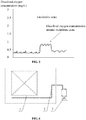
FIG 4 is dissolved oxygen concentrations of a conventional biochemical method of wastewater treatment; -
FIG 5 is a dissolved oxygen concentration of a wastewater treatment method of the invention; -
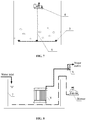
FIG 6 is a schematic diagram of a perforated aeration pipe of a wastewater treatment system comprising a membrane bioreactor in accordance with one exemplary embodiment of the invention; -
FIG 7 is a schematic diagram of a microporous aeration structure of a wastewater treatment system comprising a membrane bioreactor in accordance with one exemplary embodiment of the invention; -
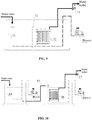
FIG 8 is a schematic diagram of a wastewater treatment system comprising a membrane bioreactor in example 1; -
FIG 9 is a schematic diagram of a wastewater treatment system comprising a membrane bioreactor in example 2; and -
FIG 10 is a schematic diagram of a wastewater treatment system comprising a membrane bioreactor in example 3. - For further illustrating the invention, experiments detailing a method and a system for wastewater treatment using a membrane bioreactor are described below. It should be noted that the following examples are intended to describe and not to limit the invention.
- The method of wastewater treatment using a membrane bioreactor comprising a reaction vessel and an aeration system is provided. The method comprises controlling the aeration rate of the aeration system to enable a dissolved oxygen concentration in a reaction vessel to be larger than 0 and smaller than 1.5 mg/L, so that the reaction vessel is maintained at a facultative-organism-adapted environment. Preferably, the dissolved oxygen concentration is below 1.5 mg/L in the membrane separation system, and concentrations are below 0.5 mg/L in other areas. The dissolved oxygen concentration in the membrane separation system is higher than those of other areas so as to guarantee scour intensity, and the concentration difference has no influence on the facultative environment of the reaction system. The wastewater treatment system by the membrane reactor without the area division employs a facultative membrane reactor (FMBR). A flow chart of the method of wastewater treatment by the membrane reactor without physical area division is shown as
FIG 3 . - A dissolved oxygen concentration of a method of wastewater treatment by the membrane bioreactor without physical area division is shown as
FIG 5 . Under a facultative environment, characteristic organisms comprise aerobic organisms, anaerobic organisms, and mostly facultative organisms, and the organisms coexist in one reaction zone. Macromolecule pollutants are degraded into micromolecule and are further gasified. Phosphorus in the pollutant is not discharged in the sludge, but is gasified and discharged in the form of phosphine or biphosphine. Nitrogen in the pollutant is not only degraded via nitrification and denitrification or short-cut nitrification and denitrification, but also is gasified and degraded via anaerobic ammonium oxidation bacteria. Dead organisms (organic residual sludge) can be utilized as the nutrient source of the living organisms and are not discharged form the reactor, thereby realizing zero discharge of organic residual sludge during the whole reaction process. - The pollutant degradation process of the method of wastewater treatment by the membrane bioreactor without physical area division is shown as follows:
Organisms + Phosphate + Facultative organisms → Microbial cells (organophosphorus)
Microbial cells (organophosphorus) + Facultative organisms → P2H4/PH3
1/2NH4 + (Ammonia nitrogen) + 1/2H2O + 1/4O2 + Facultative organisms → 1/2NO2 - + 2e + 3H+
1/2NH4 + (Ammonia nitrogen) + 1/2NO2 - + Facultative organisms →1/2N2 +H2O
- As shown in
FIG 8 , a wastewater treatment system comprising a membrane bioreactor employed an integrated wastewater processor using membrane technology, comprising areaction vessel 7, a membrane separation system, a water production system, and an aeration system. Areas in thereaction vessel 7 are not divided via separators. The membrane separation system adopted anultrafiltration membrane assembly 8. The water production system pumped water via awater production pump 9. A blower and an aeration pipe were adopted to aerate in the aeration system. Domestic wastewater passed through thereaction vessel 7, and theblower FIG 6 , aperforated aeration pipe 2 was employed to aerate beneath theultrafiltration membrane assembly 1, andmicroporous aeration disks 5 andaeration pipes 6 and were employed to aerate at other areas as shown inFIG 7 , thereby forming a facultative reaction zone in the processor. A dissolved oxygen concentration at the membrane was controlled at 0.8-1.2 mg/L, and the dissolved oxygen concentration at other regions was controlled at 0.5-1 mg/L. The pollutants were degraded and removed via a high-efficiency degradation of high-concentration characteristic organism, and finally the pollutants were filtrated via the ultrafiltration membrane assembly disposed on the reaction zone, thereby realizing zero discharge of organic residual sludge during the whole reaction process. - As shown in
FIG 9 , a wastewater treatment system comprising a membrane bioreactor employed an integrated wastewater processor using membrane technology, comprises areaction vessel 10, a membrane separation system, a water production system, and an aeration system. Areas in thereaction vessel 10 were divided into two, three, or more reaction zones viaseparators 11. The membrane separation system adopted anultrafiltration membrane assembly 12. The water production system pumped water via awater production pump 13. A blower and an aeration pipe were adopted to aerate in the aeration system. Domestic wastewater passed through the processor, and the blower offered oxygen for the integrated reaction zone, or each reaction zone was aerated by a plurality of blowers with a similar aeration rate. As shown inFIG 6 , a perforated aeration system was employed to aerate, and the holes of a perforated pipe per unit area beneath the membrane assembly were more than those of other areas, thereby forming a facultative reaction zone in the processor. A dissolved oxygen concentration at the membrane was controlled at 0.9-1.4 mg/L, and the dissolved oxygen concentration at other regions was controlled at 0.2-0.5 mg/L. The pollutants were degraded and removed via a high-efficiency degradation of high-concentration characteristic organism, and finally the pollutants were filtrated via the ultrafiltration membrane assembly disposed on the reaction zone, thereby realizing zero discharge of organic residual sludge during the whole reaction process. - As shown in
FIG 10 , a wastewater treatment system comprising a membrane bioreactor employed an integrated wastewater processor using membrane technology, comprising a reaction vessel, a membrane separation system, a water production system, and an aeration system. The reaction vessel employed a civil pool construction, comprising areaction pool 14 which was a water inlet and areaction pool 15 which was a water outlet, and the two pools were connected via a pipe. The membrane separation system employed anultrafiltration membrane assembly 16, and theultrafiltration membrane assembly 16 was disposed on thereaction pool 15 alone. The water production system pumped water via awater production pump 17. A blower and an aeration pipe were adopted to aerate in the aeration system. Domestic wastewater passed through the reaction system, and the blower offered oxygen for the two reaction pools, or each reaction pool was aerated by two blowers with a similar aeration. As shown inFIG 7 , a microporous aeration structure was employed to aerate, and microporous aeration disks beneath the membrane assembly were more than those of other areas, thereby forming a facultative reaction zone in the processor. A dissolved oxygen concentration at the reaction pool with the membrane assembly was controlled at 0.9-1.3 mg/L, and the dissolved oxygen concentration at other areas is controlled at 0.2-0.5 mg/L. The pollutants were degraded and removed via a high-efficiency degradation of high-concentration characteristic organism, and finally the pollutants were filtrated via the ultrafiltration membrane assembly disposed on the reaction zone, thereby realizing zero discharge of organic residual sludge during the whole reaction process.
Claims (2)
- A wastewater treatment system comprising a membrane bioreactor, the membrane bioreactor comprising:a) a reaction vessel (7, 10);b) a membrane separation system (1, 8, 12, 16);c) a water production system (9, 13, 17); andd) an aeration system (2, 3, 4, 5, 6);wherein:the membrane separation system is disposed in the reaction vessel;the water production system communicates with the membrane separation system to pump filtrate out of the membrane separation system;the aeration system is employed to aerate the reaction vessel and the membrane separation system;the aeration system is adapted to enable a dissolved oxygen concentration in the reaction vessel to be larger than 0 and smaller than 1.5 mg/L, so that the reaction vessel is maintained at a facultative-organism-adapted environment;a dissolved oxygen concentration in the membrane separation system is larger than 0 and smaller than 1.5 mg/L, a dissolved oxygen concentration in the reaction vessel excluding the membrane separation system is larger than 0 and smaller than 0.5 mg/L, and the dissolved oxygen concentration in the membrane separation system is higher than the dissolved oxygen concentration in the reaction vessel excluding the membrane separation system;the membrane separation system employs a microfiltration membrane or an ultrafiltration membrane, and the aeration system employs microporous aeration, perforated aeration, or a combination thereof;the membrane separation system is flushed by concentrating an aeration rate at the membrane separation system by the aeration system;
when the aeration system is a perforated aeration system, the amount of holes per unit area or the bore size of a perforated aeration pipe of the perforated aeration system is larger beneath the membrane separation system than in the reaction vessel excluding the membrane separation system, so as to increase the aeration below the membrane separation system; and
when the aeration system is a microporous aeration system, the amount of microporous aeration disks per unit area of the microporous aeration system is larger beneath the membrane separation system than in the reaction vessel excluding the membrane separation system, so as to increase the aeration below the membrane separation system. - A method of wastewater treatment using a membrane bioreactor, the membrane bioreactor comprising:a) a reaction vessel (7, 10);b) a membrane separation system (1, 8, 12, 16);c) a water production system (9, 13, 17); andd) an aeration system (2, 3, 4, 5, 6);wherein:the membrane separation system is disposed in the reaction vessel;the water production system communicates with the membrane separation system to pump filtrate out of the membrane separation system;the aeration system is employed to aerate the reaction vessel and the membrane separation system;the aeration system is adapted to enable a dissolved oxygen concentration in the reaction vessel to be larger than 0 and smaller than 1.5 mg/L, so that the reaction vessel is maintained at a facultative-organism-adapted environment;a dissolved oxygen concentration in the membrane separation system is larger than 0 and smaller than 1.5 mg/L, a dissolved oxygen concentration in the reaction vessel excluding the membrane separation system is larger than 0 and smaller than 0.5 mg/L, and the dissolved oxygen concentration in the membrane separation system is higher than the dissolved oxygen concentration in the reaction vessel excluding the membrane separation system;the membrane separation system employs a microfiltration membrane or an ultrafiltration membrane, and the aeration system employs microporous aeration, perforated aeration, or a combination thereof;the membrane separation system is flushed by concentrating an aeration rate at the membrane separation system by the aeration system;when the aeration system is a perforated aeration system, the amount of holes per unit area or the bore size of a perforated aeration pipe of the perforated aeration system is larger beneath the membrane separation system than in the reaction vessel excluding the membrane separation system, so as to increase the aeration below the membrane separation system; andwhen the aeration system is a microporous aeration system, the amount of microporous aeration disks per unit area of the microporous aeration system is larger beneath the membrane separation system than in the reaction vessel excluding the membrane separation system, so as to increase the aeration below the membrane separation system;the method comprising:controlling an aeration rate of the aeration system to enable the dissolved oxygen concentration in the reaction vessel to be larger than 0 and smaller than 1.5 mg/L, so that the reaction vessel is maintained at a facultative-organism-adapted environment; andcontrolling the aeration rate of the aeration system so that the dissolved oxygen concentration in the membrane separation system is larger than 0 and smaller than 1.5 mg/L, the dissolved oxygen concentration in the reaction vessel excluding the membrane separation system is larger than 0 and smaller than 0.5 mg/L, and the dissolved oxygen concentration in the membrane separation system is higher than the dissolved oxygen concentration in the reaction vessel excluding the membrane separation system.
Applications Claiming Priority (2)
| Application Number | Priority Date | Filing Date | Title |
|---|---|---|---|
| CN201510556544.0A CN105948246A (en) | 2015-09-01 | 2015-09-01 | Non-zoned membrane biological sewage treatment method and non-zoned membrane biological sewage treatment system |
| PCT/CN2015/091153 WO2017035892A1 (en) | 2015-09-01 | 2015-09-30 | Method and system for wastewater treatment using membrane bioreactor |
Publications (3)
| Publication Number | Publication Date |
|---|---|
| EP3344587A1 EP3344587A1 (en) | 2018-07-11 |
| EP3344587A4 EP3344587A4 (en) | 2018-08-22 |
| EP3344587B1 true EP3344587B1 (en) | 2021-07-07 |
Family
ID=56917145
Family Applications (1)
| Application Number | Title | Priority Date | Filing Date |
|---|---|---|---|
| EP15902699.6A Active EP3344587B1 (en) | 2015-09-01 | 2015-09-30 | Method and system for wastewater treatment using membrane bioreactor |
Country Status (6)
| Country | Link |
|---|---|
| US (1) | US20170253513A1 (en) |
| EP (1) | EP3344587B1 (en) |
| JP (1) | JP2018500166A (en) |
| CN (1) | CN105948246A (en) |
| AU (1) | AU2015407433B2 (en) |
| WO (1) | WO2017035892A1 (en) |
Families Citing this family (7)
| Publication number | Priority date | Publication date | Assignee | Title |
|---|---|---|---|---|
| JP6601517B2 (en) * | 2018-02-20 | 2019-11-06 | 栗田工業株式会社 | Operating method of aerobic biological treatment equipment |
| CN108675452A (en) * | 2018-07-17 | 2018-10-19 | 厦门凯茂水处理科技有限公司 | A breeding wastewater treatment device |
| CN110127976B (en) * | 2019-05-14 | 2024-04-12 | 厦门大学嘉庚学院 | Device applied to separation of aquaculture bottom mud and aquaculture water and application method |
| CN110790457A (en) * | 2019-11-17 | 2020-02-14 | 南通职业大学 | Low-toxicity treatment process for trichlorfon wastewater |
| CN112607852B (en) * | 2020-11-17 | 2024-06-11 | 清华-伯克利深圳学院筹备办公室 | A membrane bioreactor and water purification method |
| CN118125641B (en) * | 2023-04-26 | 2026-01-20 | 达斯玛环境科技(北京)有限公司 | Sewage treatment method and device |
| CN116495944B (en) * | 2023-06-25 | 2023-09-26 | 湖南沁森高科新材料有限公司 | Method and device for treating industrial wastewater in membrane production |
Family Cites Families (18)
| Publication number | Priority date | Publication date | Assignee | Title |
|---|---|---|---|---|
| US7087173B2 (en) * | 1995-08-11 | 2006-08-08 | Zenon Environmental Inc. | Inverted cavity aerator for membrane module |
| ATE264272T1 (en) * | 1998-10-09 | 2004-04-15 | Zenon Environmental Inc | CYCLICAL VENTILATION SYSTEM FOR DIVING MEMBRANE MODULE |
| CA2355087A1 (en) * | 1998-12-18 | 2000-06-29 | Zenon Environmental Inc. | Submerged membrane bioreactor for treatment of nitrogen containing water |
| US6616843B1 (en) * | 1998-12-18 | 2003-09-09 | Omnium De Traitement Et De Valorisation | Submerged membrane bioreactor for treatment of nitrogen containing water |
| KR200197712Y1 (en) * | 2000-04-17 | 2000-09-15 | 한국건설기술연구원 | Water treatment apparatus using granular membrane bio-reactor |
| US6712970B1 (en) * | 2002-01-11 | 2004-03-30 | Enviroquip, Inc. | Sewage treatment process with phosphorus removal |
| KR100566321B1 (en) * | 2004-09-03 | 2006-03-30 | 한국수자원공사 | Submerged Membrane-Coupled Sewage Wastewater Treatment Process Using Triple Split Aeration and Flow Change Method |
| CN100567179C (en) * | 2007-06-08 | 2009-12-09 | 沈阳建筑大学 | Biological reactor of polygonal line flowing film |
| CN201136825Y (en) * | 2007-12-14 | 2008-10-22 | 北京桑德环境工程有限公司 | High ammonia nitrogen wastewater biochemical treatment device |
| CN101376553A (en) * | 2008-09-27 | 2009-03-04 | 哈尔滨工业大学 | Method for processing low temperature sewerage using low-intensity ultrasonic strengthened membrane bioreactor |
| CN101885570B (en) * | 2009-05-15 | 2012-04-04 | 江西金达莱环保研发中心有限公司 | Sludge treatment method |
| CN101885538B (en) * | 2009-05-15 | 2013-02-27 | 江西金达莱环保股份有限公司 | Membrane bioreactor process for removing phosphorus without mud discharge |
| CN101885537B (en) * | 2009-05-15 | 2011-12-07 | 江西金达莱环保研发中心有限公司 | Process for treating sewage with low sludge content |
| CN101885539B (en) * | 2009-05-15 | 2012-06-20 | 江西金达莱环保研发中心有限公司 | Facultative aerobic membrane bioreactor process |
| CN102557257B (en) * | 2012-02-09 | 2013-03-20 | 杭州天创环境科技股份有限公司 | PVC (Polyvinyl Chloride) mother liquor treatment method based on MBR (Membrane Bioreactor) technique |
| CN102674539A (en) * | 2012-05-09 | 2012-09-19 | 浙江清华长三角研究院 | Nitrified sludge efficient enriching culture system based on membrane bioreactor and method |
| CN102730914B (en) * | 2012-07-12 | 2014-04-02 | 江西金达莱环保股份有限公司 | Method for processing livestock breeding wastewater by using anoxic membrane bioreactor |
| CN205061691U (en) * | 2015-09-01 | 2016-03-02 | 江西金达莱环保股份有限公司 | Biological sewage treatment system of not sectionalized membrane |
-
2015
- 2015-09-01 CN CN201510556544.0A patent/CN105948246A/en active Pending
- 2015-09-30 WO PCT/CN2015/091153 patent/WO2017035892A1/en not_active Ceased
- 2015-09-30 EP EP15902699.6A patent/EP3344587B1/en active Active
- 2015-09-30 AU AU2015407433A patent/AU2015407433B2/en active Active
- 2015-09-30 JP JP2017535090A patent/JP2018500166A/en active Pending
-
2017
- 2017-05-23 US US15/603,410 patent/US20170253513A1/en not_active Abandoned
Non-Patent Citations (1)
| Title |
|---|
| None * |
Also Published As
| Publication number | Publication date |
|---|---|
| WO2017035892A1 (en) | 2017-03-09 |
| EP3344587A1 (en) | 2018-07-11 |
| US20170253513A1 (en) | 2017-09-07 |
| AU2015407433B2 (en) | 2019-02-07 |
| EP3344587A4 (en) | 2018-08-22 |
| AU2015407433A1 (en) | 2017-06-15 |
| CN105948246A (en) | 2016-09-21 |
| JP2018500166A (en) | 2018-01-11 |
Similar Documents
| Publication | Publication Date | Title |
|---|---|---|
| AU2015407433B2 (en) | Method and system for wastewater treatment using membrane bioreactor | |
| US9428411B2 (en) | Reactor for sewage treatment | |
| ES2366534T3 (en) | BIOLOGICAL WATER TREATMENT PROCESS THAT IMPLIES A POST-DESNITRIFICATION MECHANISM AND A MEMBRANE FILTER. | |
| JP4997460B2 (en) | Wastewater treatment system | |
| US9975796B2 (en) | Process, apparatus and membrane bioreactor for wastewater treatment | |
| Qian et al. | Startup and performance of a novel single-stage partial nitritation/anammox system for reject water treatment | |
| CN106673192A (en) | Technology for removing total nitrogen in garbage leachate by anammox and special device thereof | |
| CN109368782B (en) | Sewage shortcut nitrification method and system based on side-stream SBR (sequencing batch reactor) enhanced continuous flow process | |
| CN108862634B (en) | Sewage treatment system of nitrification-facultative membrane bioreactor | |
| CN102951731A (en) | Airlift oxidation ditch type membrane bioreactor | |
| Meng et al. | A novel nearly plug‐flow membrane bioreactor for enhanced biological nutrient removal | |
| EP2858951B1 (en) | A new wastewater treatment and solids reduction process | |
| CN103787501A (en) | Multi-level anoxic-aerobic series-connection biochemical pool and method for denitrifying tannery wastewater with same | |
| CN111056710A (en) | Sewage advanced treatment and resource recovery system and method for anaerobic ectopic electric release iron membrane bioreactor | |
| CN109607786A (en) | A kind of combined anaerobic ammoxidation-anaerobism-membrane bioreactor sewage-treatment plant and method | |
| CN205061691U (en) | Biological sewage treatment system of not sectionalized membrane | |
| CN217709158U (en) | Medical wastewater treatment equipment | |
| CN105923767A (en) | Facultative anaerobic membrane bioreactor process and wastewater treatment system | |
| CN103787497A (en) | Sewage treatment system and application thereof | |
| JP2018187538A (en) | Membrane separation active sludge treatment device, and membrane separation active sludge treatment method | |
| JP2006239627A (en) | Nitrogen-containing organic wastewater treatment system | |
| CN114804363B (en) | Biomembrane wetland integration treatment facility | |
| CN214167476U (en) | Wastewater treatment device integrating adjustment and A/O (anaerobic/anoxic/oxic) integration | |
| HK1228883A1 (en) | A method of wastewater treatment using a membrane bioreactor without physical area division and a system thereof | |
| HK1228883A (en) | A method of wastewater treatment using a membrane bioreactor without physical area division and a system thereof |
Legal Events
| Date | Code | Title | Description |
|---|---|---|---|
| STAA | Information on the status of an ep patent application or granted ep patent |
Free format text: STATUS: THE INTERNATIONAL PUBLICATION HAS BEEN MADE |
|
| PUAI | Public reference made under article 153(3) epc to a published international application that has entered the european phase |
Free format text: ORIGINAL CODE: 0009012 |
|
| STAA | Information on the status of an ep patent application or granted ep patent |
Free format text: STATUS: REQUEST FOR EXAMINATION WAS MADE |
|
| 17P | Request for examination filed |
Effective date: 20170705 |
|
| AK | Designated contracting states |
Kind code of ref document: A1 Designated state(s): AL AT BE BG CH CY CZ DE DK EE ES FI FR GB GR HR HU IE IS IT LI LT LU LV MC MK MT NL NO PL PT RO RS SE SI SK SM TR |
|
| AX | Request for extension of the european patent |
Extension state: BA ME |
|
| A4 | Supplementary search report drawn up and despatched |
Effective date: 20180720 |
|
| RIC1 | Information provided on ipc code assigned before grant |
Ipc: C02F 3/30 20060101ALI20180716BHEP Ipc: C02F 3/12 20060101AFI20180716BHEP Ipc: C02F 3/20 20060101ALN20180716BHEP |
|
| STAA | Information on the status of an ep patent application or granted ep patent |
Free format text: STATUS: EXAMINATION IS IN PROGRESS |
|
| 17Q | First examination report despatched |
Effective date: 20180920 |
|
| DAV | Request for validation of the european patent (deleted) | ||
| DAX | Request for extension of the european patent (deleted) | ||
| REG | Reference to a national code |
Ref country code: DE Ref legal event code: R079 Ref document number: 602015042339 Country of ref document: DE Free format text: PREVIOUS MAIN CLASS: C02F0003300000 Ipc: C02F0003120000 |
|
| RIC1 | Information provided on ipc code assigned before grant |
Ipc: C02F 3/20 20060101ALN20190311BHEP Ipc: C02F 3/12 20060101AFI20190311BHEP Ipc: C02F 3/30 20060101ALI20190311BHEP |
|
| GRAP | Despatch of communication of intention to grant a patent |
Free format text: ORIGINAL CODE: EPIDOSNIGR1 |
|
| STAA | Information on the status of an ep patent application or granted ep patent |
Free format text: STATUS: GRANT OF PATENT IS INTENDED |
|
| INTG | Intention to grant announced |
Effective date: 20190424 |
|
| GRAS | Grant fee paid |
Free format text: ORIGINAL CODE: EPIDOSNIGR3 |
|
| RAP1 | Party data changed (applicant data changed or rights of an application transferred) |
Owner name: JIANGXI JDL ENVIRONMENTAL PROTECTION CO., LTD. |
|
| GRAA | (expected) grant |
Free format text: ORIGINAL CODE: 0009210 |
|
| STAA | Information on the status of an ep patent application or granted ep patent |
Free format text: STATUS: THE PATENT HAS BEEN GRANTED |
|
| AK | Designated contracting states |
Kind code of ref document: B1 Designated state(s): AL AT BE BG CH CY CZ DE DK EE ES FI FR GB GR HR HU IE IS IT LI LT LU LV MC MK MT NL NO PL PT RO RS SE SI SK SM TR |
|
| REG | Reference to a national code |
Ref country code: GB Ref legal event code: FG4D |
|
| REG | Reference to a national code |
Ref country code: CH Ref legal event code: EP |
|
| REG | Reference to a national code |
Ref country code: IE Ref legal event code: FG4D |
|
| REG | Reference to a national code |
Ref country code: AT Ref legal event code: REF Ref document number: 1204010 Country of ref document: AT Kind code of ref document: T Effective date: 20191215 |
|
| REG | Reference to a national code |
Ref country code: DE Ref legal event code: R096 Ref document number: 602015042339 Country of ref document: DE |
|
| REG | Reference to a national code |
Ref country code: NL Ref legal event code: FP |
|
| REG | Reference to a national code |
Ref country code: LT Ref legal event code: MG4D |
|
| PG25 | Lapsed in a contracting state [announced via postgrant information from national office to epo] |
Ref country code: FI Free format text: LAPSE BECAUSE OF FAILURE TO SUBMIT A TRANSLATION OF THE DESCRIPTION OR TO PAY THE FEE WITHIN THE PRESCRIBED TIME-LIMIT Effective date: 20191120 Ref country code: GR Free format text: LAPSE BECAUSE OF FAILURE TO SUBMIT A TRANSLATION OF THE DESCRIPTION OR TO PAY THE FEE WITHIN THE PRESCRIBED TIME-LIMIT Effective date: 20200221 Ref country code: NO Free format text: LAPSE BECAUSE OF FAILURE TO SUBMIT A TRANSLATION OF THE DESCRIPTION OR TO PAY THE FEE WITHIN THE PRESCRIBED TIME-LIMIT Effective date: 20200220 Ref country code: LV Free format text: LAPSE BECAUSE OF FAILURE TO SUBMIT A TRANSLATION OF THE DESCRIPTION OR TO PAY THE FEE WITHIN THE PRESCRIBED TIME-LIMIT Effective date: 20191120 Ref country code: BG Free format text: LAPSE BECAUSE OF FAILURE TO SUBMIT A TRANSLATION OF THE DESCRIPTION OR TO PAY THE FEE WITHIN THE PRESCRIBED TIME-LIMIT Effective date: 20200220 Ref country code: SE Free format text: LAPSE BECAUSE OF FAILURE TO SUBMIT A TRANSLATION OF THE DESCRIPTION OR TO PAY THE FEE WITHIN THE PRESCRIBED TIME-LIMIT Effective date: 20191120 Ref country code: LT Free format text: LAPSE BECAUSE OF FAILURE TO SUBMIT A TRANSLATION OF THE DESCRIPTION OR TO PAY THE FEE WITHIN THE PRESCRIBED TIME-LIMIT Effective date: 20191120 |
|
| PG25 | Lapsed in a contracting state [announced via postgrant information from national office to epo] |
Ref country code: IS Free format text: LAPSE BECAUSE OF FAILURE TO SUBMIT A TRANSLATION OF THE DESCRIPTION OR TO PAY THE FEE WITHIN THE PRESCRIBED TIME-LIMIT Effective date: 20200320 Ref country code: HR Free format text: LAPSE BECAUSE OF FAILURE TO SUBMIT A TRANSLATION OF THE DESCRIPTION OR TO PAY THE FEE WITHIN THE PRESCRIBED TIME-LIMIT Effective date: 20191120 Ref country code: RS Free format text: LAPSE BECAUSE OF FAILURE TO SUBMIT A TRANSLATION OF THE DESCRIPTION OR TO PAY THE FEE WITHIN THE PRESCRIBED TIME-LIMIT Effective date: 20191120 |
|
| PG25 | Lapsed in a contracting state [announced via postgrant information from national office to epo] |
Ref country code: AL Free format text: LAPSE BECAUSE OF FAILURE TO SUBMIT A TRANSLATION OF THE DESCRIPTION OR TO PAY THE FEE WITHIN THE PRESCRIBED TIME-LIMIT Effective date: 20191120 |
|
| PG25 | Lapsed in a contracting state [announced via postgrant information from national office to epo] |
Ref country code: ES Free format text: LAPSE BECAUSE OF FAILURE TO SUBMIT A TRANSLATION OF THE DESCRIPTION OR TO PAY THE FEE WITHIN THE PRESCRIBED TIME-LIMIT Effective date: 20191120 Ref country code: RO Free format text: LAPSE BECAUSE OF FAILURE TO SUBMIT A TRANSLATION OF THE DESCRIPTION OR TO PAY THE FEE WITHIN THE PRESCRIBED TIME-LIMIT Effective date: 20191120 Ref country code: EE Free format text: LAPSE BECAUSE OF FAILURE TO SUBMIT A TRANSLATION OF THE DESCRIPTION OR TO PAY THE FEE WITHIN THE PRESCRIBED TIME-LIMIT Effective date: 20191120 Ref country code: PT Free format text: LAPSE BECAUSE OF FAILURE TO SUBMIT A TRANSLATION OF THE DESCRIPTION OR TO PAY THE FEE WITHIN THE PRESCRIBED TIME-LIMIT Effective date: 20200412 Ref country code: DK Free format text: LAPSE BECAUSE OF FAILURE TO SUBMIT A TRANSLATION OF THE DESCRIPTION OR TO PAY THE FEE WITHIN THE PRESCRIBED TIME-LIMIT Effective date: 20191120 Ref country code: CZ Free format text: LAPSE BECAUSE OF FAILURE TO SUBMIT A TRANSLATION OF THE DESCRIPTION OR TO PAY THE FEE WITHIN THE PRESCRIBED TIME-LIMIT Effective date: 20191120 |
|
| REG | Reference to a national code |
Ref country code: AT Ref legal event code: MK05 Ref document number: 1204010 Country of ref document: AT Kind code of ref document: T Effective date: 20191120 |
|
| REG | Reference to a national code |
Ref country code: DE Ref legal event code: R097 Ref document number: 602015042339 Country of ref document: DE |
|
| PG25 | Lapsed in a contracting state [announced via postgrant information from national office to epo] |
Ref country code: SM Free format text: LAPSE BECAUSE OF FAILURE TO SUBMIT A TRANSLATION OF THE DESCRIPTION OR TO PAY THE FEE WITHIN THE PRESCRIBED TIME-LIMIT Effective date: 20191120 Ref country code: SK Free format text: LAPSE BECAUSE OF FAILURE TO SUBMIT A TRANSLATION OF THE DESCRIPTION OR TO PAY THE FEE WITHIN THE PRESCRIBED TIME-LIMIT Effective date: 20191120 |
|
| PLBE | No opposition filed within time limit |
Free format text: ORIGINAL CODE: 0009261 |
|
| STAA | Information on the status of an ep patent application or granted ep patent |
Free format text: STATUS: NO OPPOSITION FILED WITHIN TIME LIMIT |
|
| 26N | No opposition filed |
Effective date: 20200821 |
|
| PG25 | Lapsed in a contracting state [announced via postgrant information from national office to epo] |
Ref country code: SI Free format text: LAPSE BECAUSE OF FAILURE TO SUBMIT A TRANSLATION OF THE DESCRIPTION OR TO PAY THE FEE WITHIN THE PRESCRIBED TIME-LIMIT Effective date: 20191120 Ref country code: PL Free format text: LAPSE BECAUSE OF FAILURE TO SUBMIT A TRANSLATION OF THE DESCRIPTION OR TO PAY THE FEE WITHIN THE PRESCRIBED TIME-LIMIT Effective date: 20191120 Ref country code: AT Free format text: LAPSE BECAUSE OF FAILURE TO SUBMIT A TRANSLATION OF THE DESCRIPTION OR TO PAY THE FEE WITHIN THE PRESCRIBED TIME-LIMIT Effective date: 20191120 |
|
| PLAA | Information modified related to event that no opposition was filed |
Free format text: ORIGINAL CODE: 0009299DELT |
|
| PUAC | Information related to the publication of a b1 document modified or deleted |
Free format text: ORIGINAL CODE: 0009299EPPU |
|
| STAA | Information on the status of an ep patent application or granted ep patent |
Free format text: STATUS: GRANT OF PATENT IS INTENDED |
|
| REG | Reference to a national code |
Ref country code: CH Ref legal event code: PK Free format text: DIE ERTEILUNG WURDE VOM EPA WIDERRUFEN. |
|
| D26N | No opposition filed (deleted) | ||
| DB1 | Publication of patent cancelled |
Effective date: 20210115 |
|
| REG | Reference to a national code |
Ref country code: DE Ref legal event code: R107 Ref document number: 602015042339 Country of ref document: DE |
|
| 19W | Proceedings resumed before grant after interruption of proceedings |
Effective date: 20210322 |
|
| REG | Reference to a national code |
Ref country code: AT Ref legal event code: REZ Ref document number: 1204010 Country of ref document: AT Kind code of ref document: T Effective date: 20191120 |
|
| GRAA | (expected) grant |
Free format text: ORIGINAL CODE: 0009210 |
|
| STAA | Information on the status of an ep patent application or granted ep patent |
Free format text: STATUS: THE PATENT HAS BEEN GRANTED |
|
| AK | Designated contracting states |
Kind code of ref document: B1 Designated state(s): AL AT BE BG CH CY CZ DE DK EE ES FI FR GB GR HR HU IE IS IT LI LT LU LV MC MK MT NL NO PL PT RO RS SE SI SK SM TR |
|
| REG | Reference to a national code |
Ref country code: GB Ref legal event code: FG4D |
|
| REG | Reference to a national code |
Ref country code: AT Ref legal event code: REF Ref document number: 1204010 Country of ref document: AT Kind code of ref document: T Effective date: 20210715 |
|
| REG | Reference to a national code |
Ref country code: DE Ref legal event code: R096 Ref document number: 602015042339 Country of ref document: DE |
|
| REG | Reference to a national code |
Ref country code: NL Ref legal event code: FP |
|
| REG | Reference to a national code |
Ref country code: LT Ref legal event code: MG9D |
|
| REG | Reference to a national code |
Ref country code: AT Ref legal event code: MK05 Ref document number: 1204010 Country of ref document: AT Kind code of ref document: T Effective date: 20210707 |
|
| PG25 | Lapsed in a contracting state [announced via postgrant information from national office to epo] |
Ref country code: LT Free format text: LAPSE BECAUSE OF FAILURE TO SUBMIT A TRANSLATION OF THE DESCRIPTION OR TO PAY THE FEE WITHIN THE PRESCRIBED TIME-LIMIT Effective date: 20210707 Ref country code: BG Free format text: LAPSE BECAUSE OF FAILURE TO SUBMIT A TRANSLATION OF THE DESCRIPTION OR TO PAY THE FEE WITHIN THE PRESCRIBED TIME-LIMIT Effective date: 20211007 Ref country code: AT Free format text: LAPSE BECAUSE OF FAILURE TO SUBMIT A TRANSLATION OF THE DESCRIPTION OR TO PAY THE FEE WITHIN THE PRESCRIBED TIME-LIMIT Effective date: 20210707 Ref country code: NO Free format text: LAPSE BECAUSE OF FAILURE TO SUBMIT A TRANSLATION OF THE DESCRIPTION OR TO PAY THE FEE WITHIN THE PRESCRIBED TIME-LIMIT Effective date: 20211007 Ref country code: PT Free format text: LAPSE BECAUSE OF FAILURE TO SUBMIT A TRANSLATION OF THE DESCRIPTION OR TO PAY THE FEE WITHIN THE PRESCRIBED TIME-LIMIT Effective date: 20211108 Ref country code: HR Free format text: LAPSE BECAUSE OF FAILURE TO SUBMIT A TRANSLATION OF THE DESCRIPTION OR TO PAY THE FEE WITHIN THE PRESCRIBED TIME-LIMIT Effective date: 20210707 |
|
| PG25 | Lapsed in a contracting state [announced via postgrant information from national office to epo] |
Ref country code: PL Free format text: LAPSE BECAUSE OF FAILURE TO SUBMIT A TRANSLATION OF THE DESCRIPTION OR TO PAY THE FEE WITHIN THE PRESCRIBED TIME-LIMIT Effective date: 20210707 Ref country code: LV Free format text: LAPSE BECAUSE OF FAILURE TO SUBMIT A TRANSLATION OF THE DESCRIPTION OR TO PAY THE FEE WITHIN THE PRESCRIBED TIME-LIMIT Effective date: 20210707 |
|
| REG | Reference to a national code |
Ref country code: DE Ref legal event code: R097 Ref document number: 602015042339 Country of ref document: DE |
|
| PG25 | Lapsed in a contracting state [announced via postgrant information from national office to epo] |
Ref country code: DK Free format text: LAPSE BECAUSE OF FAILURE TO SUBMIT A TRANSLATION OF THE DESCRIPTION OR TO PAY THE FEE WITHIN THE PRESCRIBED TIME-LIMIT Effective date: 20210707 |
|
| REG | Reference to a national code |
Ref country code: CH Ref legal event code: PL |
|
| PLBE | No opposition filed within time limit |
Free format text: ORIGINAL CODE: 0009261 |
|
| STAA | Information on the status of an ep patent application or granted ep patent |
Free format text: STATUS: NO OPPOSITION FILED WITHIN TIME LIMIT |
|
| REG | Reference to a national code |
Ref country code: BE Ref legal event code: MM Effective date: 20210930 |
|
| PG25 | Lapsed in a contracting state [announced via postgrant information from national office to epo] |
Ref country code: SM Free format text: LAPSE BECAUSE OF FAILURE TO SUBMIT A TRANSLATION OF THE DESCRIPTION OR TO PAY THE FEE WITHIN THE PRESCRIBED TIME-LIMIT Effective date: 20210707 Ref country code: RO Free format text: LAPSE BECAUSE OF FAILURE TO SUBMIT A TRANSLATION OF THE DESCRIPTION OR TO PAY THE FEE WITHIN THE PRESCRIBED TIME-LIMIT Effective date: 20210707 Ref country code: MC Free format text: LAPSE BECAUSE OF FAILURE TO SUBMIT A TRANSLATION OF THE DESCRIPTION OR TO PAY THE FEE WITHIN THE PRESCRIBED TIME-LIMIT Effective date: 20210707 Ref country code: ES Free format text: LAPSE BECAUSE OF FAILURE TO SUBMIT A TRANSLATION OF THE DESCRIPTION OR TO PAY THE FEE WITHIN THE PRESCRIBED TIME-LIMIT Effective date: 20210707 Ref country code: EE Free format text: LAPSE BECAUSE OF FAILURE TO SUBMIT A TRANSLATION OF THE DESCRIPTION OR TO PAY THE FEE WITHIN THE PRESCRIBED TIME-LIMIT Effective date: 20210707 Ref country code: CZ Free format text: LAPSE BECAUSE OF FAILURE TO SUBMIT A TRANSLATION OF THE DESCRIPTION OR TO PAY THE FEE WITHIN THE PRESCRIBED TIME-LIMIT Effective date: 20210707 |
|
| 26N | No opposition filed |
Effective date: 20220408 |
|
| PG25 | Lapsed in a contracting state [announced via postgrant information from national office to epo] |
Ref country code: IT Free format text: LAPSE BECAUSE OF FAILURE TO SUBMIT A TRANSLATION OF THE DESCRIPTION OR TO PAY THE FEE WITHIN THE PRESCRIBED TIME-LIMIT Effective date: 20210707 Ref country code: IE Free format text: LAPSE BECAUSE OF NON-PAYMENT OF DUE FEES Effective date: 20210930 Ref country code: BE Free format text: LAPSE BECAUSE OF NON-PAYMENT OF DUE FEES Effective date: 20210930 |
|
| PG25 | Lapsed in a contracting state [announced via postgrant information from national office to epo] |
Ref country code: LI Free format text: LAPSE BECAUSE OF NON-PAYMENT OF DUE FEES Effective date: 20210930 Ref country code: CH Free format text: LAPSE BECAUSE OF NON-PAYMENT OF DUE FEES Effective date: 20210930 |
|
| PG25 | Lapsed in a contracting state [announced via postgrant information from national office to epo] |
Ref country code: RS Free format text: LAPSE BECAUSE OF FAILURE TO SUBMIT A TRANSLATION OF THE DESCRIPTION OR TO PAY THE FEE WITHIN THE PRESCRIBED TIME-LIMIT Effective date: 20210707 Ref country code: HU Free format text: LAPSE BECAUSE OF FAILURE TO SUBMIT A TRANSLATION OF THE DESCRIPTION OR TO PAY THE FEE WITHIN THE PRESCRIBED TIME-LIMIT; INVALID AB INITIO Effective date: 20150930 |
|
| PG25 | Lapsed in a contracting state [announced via postgrant information from national office to epo] |
Ref country code: SE Free format text: LAPSE BECAUSE OF FAILURE TO SUBMIT A TRANSLATION OF THE DESCRIPTION OR TO PAY THE FEE WITHIN THE PRESCRIBED TIME-LIMIT Effective date: 20210707 Ref country code: CY Free format text: LAPSE BECAUSE OF FAILURE TO SUBMIT A TRANSLATION OF THE DESCRIPTION OR TO PAY THE FEE WITHIN THE PRESCRIBED TIME-LIMIT Effective date: 20210707 |
|
| PG25 | Lapsed in a contracting state [announced via postgrant information from national office to epo] |
Ref country code: SK Free format text: LAPSE BECAUSE OF FAILURE TO SUBMIT A TRANSLATION OF THE DESCRIPTION OR TO PAY THE FEE WITHIN THE PRESCRIBED TIME-LIMIT Effective date: 20210707 Ref country code: LU Free format text: LAPSE BECAUSE OF NON-PAYMENT OF DUE FEES Effective date: 20210930 Ref country code: GR Free format text: LAPSE BECAUSE OF FAILURE TO SUBMIT A TRANSLATION OF THE DESCRIPTION OR TO PAY THE FEE WITHIN THE PRESCRIBED TIME-LIMIT Effective date: 20210707 |
|
| PG25 | Lapsed in a contracting state [announced via postgrant information from national office to epo] |
Ref country code: FI Free format text: LAPSE BECAUSE OF FAILURE TO SUBMIT A TRANSLATION OF THE DESCRIPTION OR TO PAY THE FEE WITHIN THE PRESCRIBED TIME-LIMIT Effective date: 20210707 |
|
| PG25 | Lapsed in a contracting state [announced via postgrant information from national office to epo] |
Ref country code: SI Free format text: LAPSE BECAUSE OF FAILURE TO SUBMIT A TRANSLATION OF THE DESCRIPTION OR TO PAY THE FEE WITHIN THE PRESCRIBED TIME-LIMIT Effective date: 20210707 |
|
| PG25 | Lapsed in a contracting state [announced via postgrant information from national office to epo] |
Ref country code: MK Free format text: LAPSE BECAUSE OF FAILURE TO SUBMIT A TRANSLATION OF THE DESCRIPTION OR TO PAY THE FEE WITHIN THE PRESCRIBED TIME-LIMIT Effective date: 20210707 |
|
| PG25 | Lapsed in a contracting state [announced via postgrant information from national office to epo] |
Ref country code: MT Free format text: LAPSE BECAUSE OF FAILURE TO SUBMIT A TRANSLATION OF THE DESCRIPTION OR TO PAY THE FEE WITHIN THE PRESCRIBED TIME-LIMIT Effective date: 20210707 |
|
| PGFP | Annual fee paid to national office [announced via postgrant information from national office to epo] |
Ref country code: DE Payment date: 20250718 Year of fee payment: 11 |
|
| PGFP | Annual fee paid to national office [announced via postgrant information from national office to epo] |
Ref country code: NL Payment date: 20250903 Year of fee payment: 11 |
|
| PGFP | Annual fee paid to national office [announced via postgrant information from national office to epo] |
Ref country code: GB Payment date: 20250717 Year of fee payment: 11 |
|
| PGFP | Annual fee paid to national office [announced via postgrant information from national office to epo] |
Ref country code: FR Payment date: 20250717 Year of fee payment: 11 |
|
| PG25 | Lapsed in a contracting state [announced via postgrant information from national office to epo] |
Ref country code: TR Free format text: LAPSE BECAUSE OF FAILURE TO SUBMIT A TRANSLATION OF THE DESCRIPTION OR TO PAY THE FEE WITHIN THE PRESCRIBED TIME-LIMIT Effective date: 20210707 |