EP3329914A1 - Method for manufacturing asenapine-containing patch - Google Patents
Method for manufacturing asenapine-containing patch Download PDFInfo
- Publication number
- EP3329914A1 EP3329914A1 EP16830426.9A EP16830426A EP3329914A1 EP 3329914 A1 EP3329914 A1 EP 3329914A1 EP 16830426 A EP16830426 A EP 16830426A EP 3329914 A1 EP3329914 A1 EP 3329914A1
- Authority
- EP
- European Patent Office
- Prior art keywords
- acid
- asenapine
- adhesive composition
- meth
- patch
- Prior art date
- Legal status (The legal status is an assumption and is not a legal conclusion. Google has not performed a legal analysis and makes no representation as to the accuracy of the status listed.)
- Granted
Links
Images


Classifications
-
- A—HUMAN NECESSITIES
- A61—MEDICAL OR VETERINARY SCIENCE; HYGIENE
- A61K—PREPARATIONS FOR MEDICAL, DENTAL OR TOILETRY PURPOSES
- A61K9/00—Medicinal preparations characterised by special physical form
- A61K9/70—Web, sheet or filament bases ; Films; Fibres of the matrix type containing drug
- A61K9/7023—Transdermal patches and similar drug-containing composite devices, e.g. cataplasms
- A61K9/703—Transdermal patches and similar drug-containing composite devices, e.g. cataplasms characterised by shape or structure; Details concerning release liner or backing; Refillable patches; User-activated patches
- A61K9/7038—Transdermal patches of the drug-in-adhesive type, i.e. comprising drug in the skin-adhesive layer
- A61K9/7046—Transdermal patches of the drug-in-adhesive type, i.e. comprising drug in the skin-adhesive layer the adhesive comprising macromolecular compounds
- A61K9/7053—Transdermal patches of the drug-in-adhesive type, i.e. comprising drug in the skin-adhesive layer the adhesive comprising macromolecular compounds obtained by reactions only involving carbon to carbon unsaturated bonds, e.g. polyvinyl, polyisobutylene, polystyrene
- A61K9/7061—Polyacrylates
-
- A—HUMAN NECESSITIES
- A61—MEDICAL OR VETERINARY SCIENCE; HYGIENE
- A61K—PREPARATIONS FOR MEDICAL, DENTAL OR TOILETRY PURPOSES
- A61K9/00—Medicinal preparations characterised by special physical form
- A61K9/70—Web, sheet or filament bases ; Films; Fibres of the matrix type containing drug
- A61K9/7023—Transdermal patches and similar drug-containing composite devices, e.g. cataplasms
- A61K9/703—Transdermal patches and similar drug-containing composite devices, e.g. cataplasms characterised by shape or structure; Details concerning release liner or backing; Refillable patches; User-activated patches
- A61K9/7038—Transdermal patches of the drug-in-adhesive type, i.e. comprising drug in the skin-adhesive layer
- A61K9/7046—Transdermal patches of the drug-in-adhesive type, i.e. comprising drug in the skin-adhesive layer the adhesive comprising macromolecular compounds
- A61K9/7053—Transdermal patches of the drug-in-adhesive type, i.e. comprising drug in the skin-adhesive layer the adhesive comprising macromolecular compounds obtained by reactions only involving carbon to carbon unsaturated bonds, e.g. polyvinyl, polyisobutylene, polystyrene
-
- A—HUMAN NECESSITIES
- A61—MEDICAL OR VETERINARY SCIENCE; HYGIENE
- A61K—PREPARATIONS FOR MEDICAL, DENTAL OR TOILETRY PURPOSES
- A61K31/00—Medicinal preparations containing organic active ingredients
- A61K31/33—Heterocyclic compounds
- A61K31/395—Heterocyclic compounds having nitrogen as a ring hetero atom, e.g. guanethidine or rifamycins
- A61K31/40—Heterocyclic compounds having nitrogen as a ring hetero atom, e.g. guanethidine or rifamycins having five-membered rings with one nitrogen as the only ring hetero atom, e.g. sulpiride, succinimide, tolmetin, buflomedil
- A61K31/407—Heterocyclic compounds having nitrogen as a ring hetero atom, e.g. guanethidine or rifamycins having five-membered rings with one nitrogen as the only ring hetero atom, e.g. sulpiride, succinimide, tolmetin, buflomedil condensed with other heterocyclic ring systems, e.g. ketorolac, physostigmine
-
- A—HUMAN NECESSITIES
- A61—MEDICAL OR VETERINARY SCIENCE; HYGIENE
- A61K—PREPARATIONS FOR MEDICAL, DENTAL OR TOILETRY PURPOSES
- A61K47/00—Medicinal preparations characterised by the non-active ingredients used, e.g. carriers or inert additives; Targeting or modifying agents chemically bound to the active ingredient
- A61K47/02—Inorganic compounds
-
- A—HUMAN NECESSITIES
- A61—MEDICAL OR VETERINARY SCIENCE; HYGIENE
- A61K—PREPARATIONS FOR MEDICAL, DENTAL OR TOILETRY PURPOSES
- A61K47/00—Medicinal preparations characterised by the non-active ingredients used, e.g. carriers or inert additives; Targeting or modifying agents chemically bound to the active ingredient
- A61K47/06—Organic compounds, e.g. natural or synthetic hydrocarbons, polyolefins, mineral oil, petrolatum or ozokerite
- A61K47/16—Organic compounds, e.g. natural or synthetic hydrocarbons, polyolefins, mineral oil, petrolatum or ozokerite containing nitrogen, e.g. nitro-, nitroso-, azo-compounds, nitriles, cyanates
- A61K47/18—Amines; Amides; Ureas; Quaternary ammonium compounds; Amino acids; Oligopeptides having up to five amino acids
-
- A—HUMAN NECESSITIES
- A61—MEDICAL OR VETERINARY SCIENCE; HYGIENE
- A61K—PREPARATIONS FOR MEDICAL, DENTAL OR TOILETRY PURPOSES
- A61K47/00—Medicinal preparations characterised by the non-active ingredients used, e.g. carriers or inert additives; Targeting or modifying agents chemically bound to the active ingredient
- A61K47/30—Macromolecular organic or inorganic compounds, e.g. inorganic polyphosphates
- A61K47/32—Macromolecular compounds obtained by reactions only involving carbon-to-carbon unsaturated bonds, e.g. carbomers, poly(meth)acrylates, or polyvinyl pyrrolidone
-
- A—HUMAN NECESSITIES
- A61—MEDICAL OR VETERINARY SCIENCE; HYGIENE
- A61P—SPECIFIC THERAPEUTIC ACTIVITY OF CHEMICAL COMPOUNDS OR MEDICINAL PREPARATIONS
- A61P25/00—Drugs for disorders of the nervous system
-
- A—HUMAN NECESSITIES
- A61—MEDICAL OR VETERINARY SCIENCE; HYGIENE
- A61P—SPECIFIC THERAPEUTIC ACTIVITY OF CHEMICAL COMPOUNDS OR MEDICINAL PREPARATIONS
- A61P25/00—Drugs for disorders of the nervous system
- A61P25/18—Antipsychotics, i.e. neuroleptics; Drugs for mania or schizophrenia
Definitions
- the present invention relates to a method for manufacturing an asenapine-containing patch.
- Asenapine is a compound known as a therapeutic agent of central nervous system diseases, in particular, schizophrenia.
- a patch containing asenapine is described in, for example, Patent Literatures 1 to 4.
- a patch containing asenapine free base is known to be excellent in the skin permeability of asenapine.
- an object of the present invention is to provide a method for manufacturing the patch in which asenapine is not easily degraded.
- the present inventors have found that degradation of asenapine is reduced when the adhesive layer comprises a metal maleate. They further found that the amounts of degradation products produced of asenapine can be more reduced when an adhesive composition comprising an acid addition salt of asenapine and a desalting agent is used in the manufacturing of the patch, compared to the case in which an adhesive composition comprising an asenapine free base and a metal maleate is used.
- the present invention provides a method for manufacturing a patch comprising a backing and an adhesive layer laminated on the backing, comprising: a step of mixing an acid addition salt of asenapine, a (meth)acrylic acid ester (co)polymer and a desalting agent to obtain an adhesive composition; and a step of shaping the adhesive composition to obtain the adhesive layer.
- the acid in the acid addition salt of asenapine be selected from the group consisting of hydrochloric acid, hydrobromic acid, hydriodic acid, phosphoric acid, acetic acid, propionic acid, glycolic acid, maleic acid, malonic acid, succinic acid, tartaric acid, citric acid, ascorbic acid, salicylic acid and benzoic acid.
- the desalting agent be selected from the group consisting of an alkali metal hydroxide, an alkali metal salt, an alkaline-earth metal hydroxide, an alkaline-earth metal salt and a low molecular weight amine.
- the present invention also provides a method for stabilizing asenapine in an adhesive composition comprising a (meth)acrylic acid ester (co)polymer, comprising: a step of mixing an acid addition salt of asenapine, a (meth)acrylic acid ester (co)polymer and a desalting agent to obtain the adhesive composition.
- the present invention provides a method for inhibiting the degradation of asenapine in a manufacturing process of a patch comprising an adhesive layer comprising asenapine, comprising: a step of mixing an acid addition salt of asenapine, a (meth)acrylic acid ester (co)polymer and a desalting agent to obtain an adhesive composition; and a step of shaping the adhesive composition to obtain the adhesive layer.
- the amounts of degradation products produced of asenapine in the manufacturing of the patch can be reduced.
- (meth)acrylic acid refers to either one or both of acrylic acid and methacrylic acid, and similar expressions are defined in the same manner.
- One embodiment of the present invention is a patch comprising a backing and an adhesive layer laminated on the backing.
- the patch can be manufactured by a method comprising: a step of mixing an acid addition salt of asenapine, a (meth)acrylic acid ester (co)polymer and a desalting agent to obtain an adhesive composition; and a step of shaping the adhesive composition to obtain the adhesive layer.
- the backing may be any backing which can maintain the form of the patch, in particular, the adhesive layer.
- the material of the backing include polyethylene, polypropylene, polybutadiene, an ethylene-vinyl chloride copolymer, polyvinyl chloride, polyamide such as nylon, polyester, a cellulose derivative, and a synthetic resin such as polyurethane.
- the shape of the backing include a film, a sheet, a sheet-like porous body, sheet-like foam, fabric such as woven fabric, knitted fabric and nonwoven fabric, and laminated products thereof.
- the thickness of the backing is not specifically limited, but it is preferable that the thickness of the backing be normally about 2 to 3000 ⁇ m.
- the adhesive layer is formed from an adhesive composition obtained by mixing an acid addition salt of asenapine, a (meth)acrylic acid ester (co)polymer and a desalting agent.
- the adhesive layer preferably do not contain a rubber adhesive.
- the rubber adhesive include natural rubber, polyisobutylene, an alkyl vinyl ether (co)polymer, polyisoprene, polybutadiene, a styrene -butadiene copolymer, a styrene-isoprene copolymer, a styrene-isoprene-styrene block copolymer, and silicone rubber.
- the thickness of the adhesive layer is not specifically limited and may be 30 to 300 ⁇ m. If the thickness of the adhesive layer is over 300 ⁇ m, the patch tends to easily fall off, for example when clothes are put on or off.
- Asenapine is a compound which is also referred to as (3aRS, 12bRS)-5-chloro -2-methyl-2,3,3a,12b-tetrahydro-1H-dibenzo[2,3:6,7]oxepino[4,5-c]pyrr ole and is represented by the following chemical formula.
- Asenapine has a plurality of optical isomers and may be any optical isomer, and may be a mixture of optical isomers such as a racemate.
- the acid added to asenapine is not specifically limited as long as it is pharmaceutically acceptable.
- the acid addition salt of asenapine may be anhydride or hydrate.
- Examples of the acid include hydrochloric acid, hydrobromic acid, hydroiodic acid, phosphoric acid, acetic acid, propionic acid, glycolic acid, maleic acid, malonic acid, succinic acid, tartaric acid, citric acid, ascorbic acid, salicylic acid and benzoic acid.
- the acid addition salt of asenapine may be anhydride or hydrate.
- asenapine maleate is commercially available as a therapeutic agent of schizophrenia.
- the desalting agent may be any desalting agent which can convert an acid addition salt of asenapine into an asenapine free base by salt exchange reaction with an acid addition salt of asenapine.
- a desalting agent refers to a component which converts an acid addition salt of asenapine into an asenapine free base.
- the desalting agent include an alkali metal hydroxide, an alkali metal salt, an alkaline-earth metal hydroxide, an alkaline-earth metal salt and a low molecular weight amine.
- the alkali metal hydroxide include lithium hydroxide, sodium hydroxide and potassium hydroxide.
- alkali metal salt examples include sodium carbonate, potassium carbonate, sodium bicarbonate, trisodium phosphate, disodium hydrogenphosphate, sodium dihydrogenphosphate, tripotassium phosphate, dipotassium hydrogenphosphate, potassium dihydrogenphosphate, sodium lactate, sodium citrate, disodium tartrate, sodium bitartrate and sodium oleate.
- the low molecular weight amine is an amine whose molecular weight is 30 to 300, and examples of the low molecular weight amine include monoethanolamine, diethanolamine, triethanolamine, isopropanolamine and diisopropanolamine.
- the desalting agent can be selected in consideration of pKa of the acid added to asenapine. When the desalting agent is sodium hydroxide, the degradation of agents is less in the manufacturing of the patch.
- the (meth)acrylic acid ester (co)polymer is a component which gives adhesiveness to the adhesive layer, and examples of the (meth)acrylic acid ester (co)polymer include a (co)polymer of one or two or more types of (meth)acrylic acid alkyl ester.
- examples of the (meth)acrylic acid alkyl ester include butyl (meth)acrylate, isobutyl (meth)acrylate, hexyl (meth)acrylate, octyl (meth)acrylate, 2-ethylhexyl (meth)acrylate and decyl (meth)acrylate.
- the (meth)acrylic acid ester (co)polymer may be a copolymer formed from (meth)acrylic acid alkyl ester (a main monomer) and a comonomer.
- the comonomer may be any component which can copolymerize with (meth)acrylic acid alkyl ester.
- Examples of the comonomer include (meth)acrylic acid hydroxyalkyl ester, ethylene, propylene, styrene, vinyl acetate, N-vinylpyrrolidone and amide (meth)acrylate.
- One of these comonomers may be used alone or two or more may be used in combination.
- (meth)acrylic acid ester (co)polymer examples include DURO-TAK(R) 87-900A, DURO-TAK 87-2510, DURO-TAK 87-4287, DURO-TAK 87-2194 (trade name, manufactured by Henkel).
- DURO-TAK 87-2510 and DURO-TAK 87-4287 have a hydroxy group in its chemical structure and DURO-TAK 87-2194 has a carboxy group in its chemical structure.
- the content of the (meth)acrylic acid ester (co)polymer is 50 to 98% by mass relative to the total mass of the adhesive layer and it is preferable that the content of the (meth)acrylic acid ester (co)polymer be 70 to 96% by mass.
- the content of the (meth)acrylic acid ester (co)polymer is calculated based on the mass of the solid content.
- the adhesive layer may further contain other additives.
- the other additives include a tackifier resin, a plasticizer, an absorption promoting agent, a solubilizer, a stabilizing agent, a filler and a flavor.
- the tackifier resin is a component which adjusts the adhesiveness of the adhesive layer.
- the tackifier resin include an alicyclic saturated hydrocarbon resin; rosin and rosin derivatives such as glycerine ester of rosin, hydrogenated rosin, glycerine ester of hydrogenated rosin, pentaerythritol ester of rosin and maleated rosin; a terpene tackifier resin; a petroleum tackifier resin.
- One of the tackifier resins may be used alone or two or more may be used in combination.
- the absorption promoting agent is a component which adjust the skin permeability of asenapine or an acid addition salt of asenapine.
- the absorption promoting agent is not specifically limited as long as it is a compound whose absorption promoting action to skin is conventionally recognized, and examples of the absorption promoting agent include an aliphatic alcohol having 6 to 20 carbon atoms, an aliphatic ether having 6 to 20 carbon atoms, a fatty acid having 6 to 20 carbon atoms, a fatty ester having 6 to 20 carbon atoms, a fatty acid amide having 6 to 20 carbon atoms, glycerine, glycerine fatty esters, propylene glycols, propylene glycol fatty esters, polyethylene glycol and polyethylene glycol fatty esters, an aromatic organic acid, an aromatic alcohol, an aromatic organic acid ester, an aromatic organic ether (the above compounds may be saturated or unsaturated, and may be linear or branched, and may comprise a cyclic structure),
- the absorption promoting agent include caprylic acid, capric acid, caproic acid, lauric acid, myristic acid, palmitic acid, stearic acid, isostearic acid, oleic acid, linoleic acid, linolenic acid, lauryl alcohol, myristyl alcohol, oleyl alcohol, isostearyl alcohol, cetyl alcohol, methyl laurate, hexyl laurate, diethanolamide laurate, isopropyl myristate, myristyl myristate, octyldodecyl myristate, cetyl palmitate, isopropyl palmitate, salicylic acid, methyl salicylate, ethylene glycol salicylate, cinnamic acid, methyl cinnamate, cresol, cetyl lactate, lauryl lactate, ethyl acetate, propyl acetate, geraniol, thymol,
- the absorption promoting agent be propylene glycol monolaurate, isopropyl palmitate, and it is more preferable that the absorption promoting agent be isopropyl palmitate, in that they remarkably improve the skin permeability of asenapine.
- One of the absorption promoting agents may be used alone or two or more may be used in combination.
- the content of the absorption promoting agent be 2 to 40% by mass relative to the total mass of the adhesive layer.
- the content of the absorption promoting agent is 2% by mass or more, the skin permeability of asenapine is increased and the asenapine-containing patch tends to exhibit enough pharmacological action. Further when the content of the absorption promoting agent is 40% by mass or less, skin irritancy tends not to be exhibited.
- the solubilizer is a component which promotes the dissolution of asenapine and an acid addition salt thereof in the adhesive composition.
- the stabilizing agent may be any stabilizing agent which can inhibit the production of free-radicals produced by the action of light such as UV rays, heat or active chemical species and the progression of the chain reaction of free-radicals. Inclusion of the stabilizing agent can further improve the stability of asenapine in the manufacturing of the patch.
- the stabilizing agent include tocopherol and ester derivatives thereof, ascorbic acid and ester derivatives thereof, dibutylhydroxytoluene, butylhydroxyanisole, and 2-mercaptobenzimidazole.
- One of the stabilizing agents may be used alone or two or more may be used in combination. It is preferable that the stabilizing agent be dibutylhydroxytoluene in that physical properties (formability and appearance etc.) for a patch become appropriate and that asenapine is more stabilized.
- the content of the stabilizing agent be 0.1 to 3% by mass relative to the total mass of the adhesive layer.
- the stability of the components in the patch tends to be excellent.
- the patch may further comprise a release liner.
- the release liner is laminated on the side opposite to the backing on the adhesive layer.
- the raw material of the release liner is not specifically limited, and liners generally known to those in the art may be used.
- the material of the release liner include polyester such as polyethylene terephthalate and polyethylene naphthalate; polyolefin such as polyethylene and polypropylene; films of polyvinyl chloride or polyvinylidene chloride etc.; laminated films of fine quality paper and polyolefin; films of Nylon (trade name) or aluminium etc. It is preferable that the material of the release liner be polypropylene or polyethylene terephthalate.
- the patch of the present invention can be manufactured, for example, by the following method. First, an acid addition salt of asenapine, a (meth)acrylic acid ester (co)polymer and a desalting agent are mixed, and a solvent and other additives etc. are added there as needed and the mixture is mixed to obtain a homogeneous adhesive composition. Then, the obtained adhesive composition is applied onto one side of a backing in a given thickness and then is heated as needed to dry and remove the solvent, and the obtained sheet is cut into a desired size to obtain the patch. Heating conditions can be selected as appropriate depending on the solvent and it is preferable that temperature conditions be 60 to 120°C, and heating time is, for example, 2 to 30 minutes.
- a patch comprising a release liner When a patch comprising a release liner is manufactured, an adhesive composition is applied to a backing, and then the solvent is dried and removed, and then the release liner can be laminated. Also, when a patch comprising a release liner is manufactured, the patch can be obtained by applying an adhesive composition onto one side of the release liner in a given thickness, and then heating the composition as needed to dry and remove the solvent, and layering a backing, and cutting the obtained sheet into a desired size.
- the adhesive composition used in the above manufacturing methods contains an acid addition salt of asenapine, a (meth)acrylic acid ester (co)polymer and a desalting agent, and further contains a solvent and other additives etc. as needed.
- the solvent may be a solvent which does not react with other components contained in the adhesive composition, and is added to adjust the viscosity of the adhesive composition.
- the solvent include toluene, ethanol, methanol and ethyl acetate.
- One of the solvent may be used alone or two or more may be used in combination.
- the content of the solvent may be adjusted in consideration of the viscosity of the adhesive composition.
- the content of an acid addition salt of asenapine in the adhesive composition be 0.5 to 50% by mass relative to the total mass of the adhesive composition, and it is more preferable that the content of an acid addition salt of asenapine in the adhesive composition be 4.2 to 21% by mass.
- the content of the (meth)acrylic acid ester (co)polymer in the adhesive composition be 50 to 98% by mass relative to the total mass of the adhesive composition, and it is more preferable that the content of the (meth)acrylic acid ester (co)polymer in the adhesive composition be 70 to 96% by mass.
- the content of the (meth)acrylic acid ester (co)polymer is 50% by mass or more, cohesion is not decreased and the adhesion tends not to be decreased.
- the content of the desalting agent in the adhesive composition be 0.05 to 20% by mass relative to the total mass of the adhesive composition, and it is more preferable that the content of the desalting agent in the adhesive composition be 0.1 to 10% by mass.
- DURO-TAK 87-2516, DURO-TAK 87-4287, DURO-TAK 87-2194, DURO-TAK 87-900A and DURO-TAK 87-2510 were calculated based on the mass of the solid content.
- the components described in Table 1 were each weighed out and solvents were added there as needed and the mixtures were mixed to obtain adhesive compositions.
- the obtained adhesive compositions were applied to polyester release liners and the solvents were dried and removed to form adhesive layers. Polyester films (backings) were laminated on the obtained adhesive layers and the obtained sheets were cut as appropriate to obtain desired patches.
- the figures in Table 1 refer to figures in % by mass.
- the adhesive layers of the obtained patches were immersed in 10 mL of tetrahydrofuran (a grade for high performance liquid chromatography) and were extracted, and 40 mL of the solvent described below as a mobile phase was added there and the mixtures were filtered, and then the amounts of degradation products produced of asenapine were measured by high performance liquid chromatography under the following analysis conditions.
- the amounts of degradation products produced of asenapine were shown as the values of the area under the curve of the peaks corresponding to the degradation products of asenapine relative to the area under the curve of the peak corresponding to asenapine in the obtained chromatograms.
- the amounts of degradation products produced of asenapine were calculated taking the area under the curve of the peak corresponding to asenapine as 100.
- the components described in Table 3 were each weighed out and solvents were added there as needed and the mixtures were mixed to obtain adhesive compositions.
- the obtained adhesive compositions were applied to polyester release liners, and the solvent was dried and removed to form adhesive layers having a thickness of about 100 ⁇ m.
- Polyester films (backings) were laminated on the obtained adhesive layers and the obtained sheets were cut as appropriate to obtain desired patches.
- the figures in Table 3 refer to figures in % by mass.
- the adhesive layers of the obtained patches were immersed in 10 mL of tetrahydrofuran (a grade for high performance liquid chromatography) and were extracted, and 40 mL of the solvent described above as a mobile phase was added there and the mixtures were filtered, and then the amounts of degradation products produced of asenapine were measured by high performance liquid chromatography under the above mentioned analysis conditions.
- tetrahydrofuran a grade for high performance liquid chromatography
- the components described in Table 5 were each weighed out and solvents were added there as needed and the mixtures were mixed to obtain adhesive compositions.
- the obtained adhesive compositions were applied to polyester release liners and the solvents were dried and removed to form adhesive layers. Polyester films (backings) were laminated on the obtained adhesive layers and the obtained sheets were cut as appropriate to obtain desired patches.
- the figures in Table 5 refer to figures in % by mass.
- the adhesive layers of the obtained patches were immersed in 10 mL of tetrahydrofuran (a grade for high performance liquid chromatography) and were extracted, and 40 mL of the solvent described above as a mobile phase was added there and the mixtures were filtered, and then the amounts of degradation products produced of asenapine were measured by high performance liquid chromatography under the above mentioned analysis conditions.
- tetrahydrofuran a grade for high performance liquid chromatography
- a patch (Example 7) was prepared by using an equimolar amount of potassium hydroxide instead of sodium hydroxide in the patch of Example 1.
- the amounts of degradation products produced of asenapine in the patch of Example 7 were measured and it was found that the amounts of degradation products produced were decreased.
- a patch was prepared by using an equimolar amount of sodium carbonate (Example 8), by using sodium bicarbonate (Example 9), by using potassium carbonate (Example 10) and by using potassium bicarbonate (Example 11) instead of sodium hydroxide in the patch of Example 1.
- the components described in Table 7 were each weighed out and solvents were added there as needed and the mixtures were mixed to obtain adhesive compositions.
- the obtained adhesive compositions were applied to polyester release liners and the solvents were dried and removed to form adhesive layers having a thickness of about 100 ⁇ m.
- Polyester films (backings) were laminated on the obtained adhesive layers and the obtained sheets were cut as appropriate to obtain desired patches.
- the figures in Table 7 refer to figures in % by mass.
- Example 12 Example 13
- Example 14 Comparative Example 18 Asenapine - - - 8.5 Asenapine maleate 12 12 12 - DURO-TAK 87-2516 79.09 82.98 68.86 91.5
- Triethanolamine 8.91 - - - Sodium bicarbonate - 5.02 - - Sodium oleate - - 19.14 - Total 100 100 100 100 100 100
- the components described in Table 9 were each weighed out and solvents were added there as needed and the mixtures were mixed to obtain adhesive compositions.
- the obtained adhesive compositions were applied to polyester release liners and the solvents were dried and removed to form adhesive layers having a thickness of about 100 ⁇ m.
- Polyester films (backings) were laminated on the obtained adhesive layers and the obtained sheets were cut as appropriate to obtain desired patches.
- the figures in Table 9 refer to figures in % by mass.
- Example 15 Example 16
- Example 17 Asenapine maleate 0.50 4.22 8.44 DURO-TAK 87-2516 99.40 94.94 89.88
- Example 18 Example 19
- Example 20 Asenapine maleate 21 35 50 DURO-TAK 87-2516 74.82 58.03 40.05 Sodium hydroxide 4.18 6.97 9.95 Total 100 100 100
- Example 15 Example 16
- Example 17 Degradation product 1 0.34 0.27 0.45
- Degradation product 2 0.08 0.23 0.24 Total of Degradation products 0.42 0.50 0.69
- Example 18 Example 19
- Example 20 Degradation product 1 0.51 0.35 0.06 Degradation product 2 0.20 0.12 0.00 Total of Degradation products 0.71 0.47 0.06
Landscapes
- Health & Medical Sciences (AREA)
- Chemical & Material Sciences (AREA)
- Engineering & Computer Science (AREA)
- Bioinformatics & Cheminformatics (AREA)
- Life Sciences & Earth Sciences (AREA)
- Veterinary Medicine (AREA)
- Pharmacology & Pharmacy (AREA)
- Medicinal Chemistry (AREA)
- Animal Behavior & Ethology (AREA)
- General Health & Medical Sciences (AREA)
- Public Health (AREA)
- Epidemiology (AREA)
- Dermatology (AREA)
- Inorganic Chemistry (AREA)
- Chemical Kinetics & Catalysis (AREA)
- General Chemical & Material Sciences (AREA)
- Biomedical Technology (AREA)
- Neurology (AREA)
- Neurosurgery (AREA)
- Nuclear Medicine, Radiotherapy & Molecular Imaging (AREA)
- Organic Chemistry (AREA)
- Psychiatry (AREA)
- Proteomics, Peptides & Aminoacids (AREA)
- Oil, Petroleum & Natural Gas (AREA)
- Medicinal Preparation (AREA)
- Pharmaceuticals Containing Other Organic And Inorganic Compounds (AREA)
Abstract
Description
- The present invention relates to a method for manufacturing an asenapine-containing patch.
- Asenapine is a compound known as a therapeutic agent of central nervous system diseases, in particular, schizophrenia. A patch containing asenapine is described in, for example,
Patent Literatures 1 to 4. A patch containing asenapine free base is known to be excellent in the skin permeability of asenapine. -
- Patent Literature 1:
WO 2010/127674 - Patent Literature 2:
WO 2014/017593 - Patent Literature 3:
WO 2014/017594 - Patent Literature 4:
WO 2014/017595 - Meanwhile, when the patch comprises an adhesive layer containing a (meth)acrylic acid ester (co)polymer, use of an asenapine free base in the manufacturing of the patch may lead to easy degradation of asenapine. Therefore, an object of the present invention is to provide a method for manufacturing the patch in which asenapine is not easily degraded.
- In processes of investigation of methods in which asenapine is not easily degraded in the manufacturing of the patch, the present inventors have found that degradation of asenapine is reduced when the adhesive layer comprises a metal maleate. They further found that the amounts of degradation products produced of asenapine can be more reduced when an adhesive composition comprising an acid addition salt of asenapine and a desalting agent is used in the manufacturing of the patch, compared to the case in which an adhesive composition comprising an asenapine free base and a metal maleate is used.
- Meanwhile, according to the investigation of the present inventors, in the manufacturing of a patch comprising an adhesive layer containing a rubber adhesive, degradation of asenapine was hardly observed in the manufacturing of the patch. The present inventors suppose that degradation of asenapine in the manufacturing of the patch tends to be caused easily by contact with other components in the adhesive composition, heating or exposure to light such as UV rays.
- Therefore, the present invention provides a method for manufacturing a patch comprising a backing and an adhesive layer laminated on the backing, comprising: a step of mixing an acid addition salt of asenapine, a (meth)acrylic acid ester (co)polymer and a desalting agent to obtain an adhesive composition; and a step of shaping the adhesive composition to obtain the adhesive layer.
- It is preferable that the acid in the acid addition salt of asenapine be selected from the group consisting of hydrochloric acid, hydrobromic acid, hydriodic acid, phosphoric acid, acetic acid, propionic acid, glycolic acid, maleic acid, malonic acid, succinic acid, tartaric acid, citric acid, ascorbic acid, salicylic acid and benzoic acid. It is preferable that the desalting agent be selected from the group consisting of an alkali metal hydroxide, an alkali metal salt, an alkaline-earth metal hydroxide, an alkaline-earth metal salt and a low molecular weight amine.
- The present invention also provides a method for stabilizing asenapine in an adhesive composition comprising a (meth)acrylic acid ester (co)polymer, comprising: a step of mixing an acid addition salt of asenapine, a (meth)acrylic acid ester (co)polymer and a desalting agent to obtain the adhesive composition.
- The present invention provides a method for inhibiting the degradation of asenapine in a manufacturing process of a patch comprising an adhesive layer comprising asenapine, comprising: a step of mixing an acid addition salt of asenapine, a (meth)acrylic acid ester (co)polymer and a desalting agent to obtain an adhesive composition; and a step of shaping the adhesive composition to obtain the adhesive layer.
- According to the method for manufacturing a patch related to the present invention, the amounts of degradation products produced of asenapine in the manufacturing of the patch can be reduced.
-
-
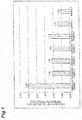
Figure 1 is a graph showing the amounts of degradation products produced of asenapine. -
Figure 2 is a graph showing the amounts of degradation products produced of asenapine. -
Figure 3 is a graph showing the amounts of degradation products produced of asenapine. - In the specification, the term "(meth)acrylic acid" refers to either one or both of acrylic acid and methacrylic acid, and similar expressions are defined in the same manner.
- The present invention will be described in detail below with showing embodiments of the present invention.
- One embodiment of the present invention is a patch comprising a backing and an adhesive layer laminated on the backing. The patch can be manufactured by a method comprising: a step of mixing an acid addition salt of asenapine, a (meth)acrylic acid ester (co)polymer and a desalting agent to obtain an adhesive composition; and a step of shaping the adhesive composition to obtain the adhesive layer.
- The backing may be any backing which can maintain the form of the patch, in particular, the adhesive layer. Examples of the material of the backing include polyethylene, polypropylene, polybutadiene, an ethylene-vinyl chloride copolymer, polyvinyl chloride, polyamide such as nylon, polyester, a cellulose derivative, and a synthetic resin such as polyurethane. Examples of the shape of the backing include a film, a sheet, a sheet-like porous body, sheet-like foam, fabric such as woven fabric, knitted fabric and nonwoven fabric, and laminated products thereof. The thickness of the backing is not specifically limited, but it is preferable that the thickness of the backing be normally about 2 to 3000 µm.
- The adhesive layer is formed from an adhesive composition obtained by mixing an acid addition salt of asenapine, a (meth)acrylic acid ester (co)polymer and a desalting agent. The adhesive layer preferably do not contain a rubber adhesive. Examples of the rubber adhesive include natural rubber, polyisobutylene, an alkyl vinyl ether (co)polymer, polyisoprene, polybutadiene, a styrene -butadiene copolymer, a styrene-isoprene copolymer, a styrene-isoprene-styrene block copolymer, and silicone rubber.
- The thickness of the adhesive layer is not specifically limited and may be 30 to 300 µm. If the thickness of the adhesive layer is over 300 µm, the patch tends to easily fall off, for example when clothes are put on or off.
- Asenapine is a compound which is also referred to as (3aRS, 12bRS)-5-chloro -2-methyl-2,3,3a,12b-tetrahydro-1H-dibenzo[2,3:6,7]oxepino[4,5-c]pyrr ole and is represented by the following chemical formula. Asenapine has a plurality of optical isomers and may be any optical isomer, and may be a mixture of optical isomers such as a racemate. The acid added to asenapine is not specifically limited as long as it is pharmaceutically acceptable. The acid addition salt of asenapine may be anhydride or hydrate.
- Examples of the acid include hydrochloric acid, hydrobromic acid, hydroiodic acid, phosphoric acid, acetic acid, propionic acid, glycolic acid, maleic acid, malonic acid, succinic acid, tartaric acid, citric acid, ascorbic acid, salicylic acid and benzoic acid. The acid addition salt of asenapine may be anhydride or hydrate. For example, asenapine maleate is commercially available as a therapeutic agent of schizophrenia.

- The desalting agent may be any desalting agent which can convert an acid addition salt of asenapine into an asenapine free base by salt exchange reaction with an acid addition salt of asenapine. Namely, a desalting agent refers to a component which converts an acid addition salt of asenapine into an asenapine free base. Examples of the desalting agent include an alkali metal hydroxide, an alkali metal salt, an alkaline-earth metal hydroxide, an alkaline-earth metal salt and a low molecular weight amine. Examples of the alkali metal hydroxide include lithium hydroxide, sodium hydroxide and potassium hydroxide. Examples of the alkali metal salt include sodium carbonate, potassium carbonate, sodium bicarbonate, trisodium phosphate, disodium hydrogenphosphate, sodium dihydrogenphosphate, tripotassium phosphate, dipotassium hydrogenphosphate, potassium dihydrogenphosphate, sodium lactate, sodium citrate, disodium tartrate, sodium bitartrate and sodium oleate. The low molecular weight amine is an amine whose molecular weight is 30 to 300, and examples of the low molecular weight amine include monoethanolamine, diethanolamine, triethanolamine, isopropanolamine and diisopropanolamine. The desalting agent can be selected in consideration of pKa of the acid added to asenapine. When the desalting agent is sodium hydroxide, the degradation of agents is less in the manufacturing of the patch.
- The (meth)acrylic acid ester (co)polymer is a component which gives adhesiveness to the adhesive layer, and examples of the (meth)acrylic acid ester (co)polymer include a (co)polymer of one or two or more types of (meth)acrylic acid alkyl ester. Examples of the (meth)acrylic acid alkyl ester include butyl (meth)acrylate, isobutyl (meth)acrylate, hexyl (meth)acrylate, octyl (meth)acrylate, 2-ethylhexyl (meth)acrylate and decyl (meth)acrylate.
- The (meth)acrylic acid ester (co)polymer may be a copolymer formed from (meth)acrylic acid alkyl ester (a main monomer) and a comonomer. The comonomer may be any component which can copolymerize with (meth)acrylic acid alkyl ester. Examples of the comonomer include (meth)acrylic acid hydroxyalkyl ester, ethylene, propylene, styrene, vinyl acetate, N-vinylpyrrolidone and amide (meth)acrylate. One of these comonomers may be used alone or two or more may be used in combination.
- Specific examples of the (meth)acrylic acid ester (co)polymer include DURO-TAK(R) 87-900A, DURO-TAK 87-2510, DURO-TAK 87-4287, DURO-TAK 87-2194 (trade name, manufactured by Henkel). DURO-TAK 87-2510 and DURO-TAK 87-4287 have a hydroxy group in its chemical structure and DURO-TAK 87-2194 has a carboxy group in its chemical structure.
- The content of the (meth)acrylic acid ester (co)polymer is 50 to 98% by mass relative to the total mass of the adhesive layer and it is preferable that the content of the (meth)acrylic acid ester (co)polymer be 70 to 96% by mass. The content of the (meth)acrylic acid ester (co)polymer is calculated based on the mass of the solid content.
- The adhesive layer may further contain other additives. Examples of the other additives include a tackifier resin, a plasticizer, an absorption promoting agent, a solubilizer, a stabilizing agent, a filler and a flavor.
- The tackifier resin is a component which adjusts the adhesiveness of the adhesive layer. Examples of the tackifier resin include an alicyclic saturated hydrocarbon resin; rosin and rosin derivatives such as glycerine ester of rosin, hydrogenated rosin, glycerine ester of hydrogenated rosin, pentaerythritol ester of rosin and maleated rosin; a terpene tackifier resin; a petroleum tackifier resin. One of the tackifier resins may be used alone or two or more may be used in combination.
- The absorption promoting agent is a component which adjust the skin permeability of asenapine or an acid addition salt of asenapine. The absorption promoting agent is not specifically limited as long as it is a compound whose absorption promoting action to skin is conventionally recognized, and examples of the absorption promoting agent include an aliphatic alcohol having 6 to 20 carbon atoms, an aliphatic ether having 6 to 20 carbon atoms, a fatty acid having 6 to 20 carbon atoms, a fatty ester having 6 to 20 carbon atoms, a fatty acid amide having 6 to 20 carbon atoms, glycerine, glycerine fatty esters, propylene glycols, propylene glycol fatty esters, polyethylene glycol and polyethylene glycol fatty esters, an aromatic organic acid, an aromatic alcohol, an aromatic organic acid ester, an aromatic organic ether (the above compounds may be saturated or unsaturated, and may be linear or branched, and may comprise a cyclic structure), lactic acid esters, acetic acid esters, a monoterpenes compound, a sesquiterpene compound, 1-dodecylazacycloheptane-2-one (Azone (trade name)) and derivatives thereof, sorbitan fatty esters (a series of Span(R)), a series of polysorbate (a series of Tween(R)), polyoxyethylene hydrogenated castor oils, polyoxyethylene alkylethers, sucrose fatty acid esters and a plant oil. Specific examples of the absorption promoting agent include caprylic acid, capric acid, caproic acid, lauric acid, myristic acid, palmitic acid, stearic acid, isostearic acid, oleic acid, linoleic acid, linolenic acid, lauryl alcohol, myristyl alcohol, oleyl alcohol, isostearyl alcohol, cetyl alcohol, methyl laurate, hexyl laurate, diethanolamide laurate, isopropyl myristate, myristyl myristate, octyldodecyl myristate, cetyl palmitate, isopropyl palmitate, salicylic acid, methyl salicylate, ethylene glycol salicylate, cinnamic acid, methyl cinnamate, cresol, cetyl lactate, lauryl lactate, ethyl acetate, propyl acetate, geraniol, thymol, eugenol, terpineol, 1-menthol, bomeoroll, d-limonene, isoeugenol, isoborneol, nerol, dl-camphor, glycerin monocaprylate, glycerin monocaprate, glycerine monolaurate, glycerine monooleate, sorbitan monolaurate, sucrose monolaurate, polysorbate 20, propylene glycol, propylene glycol monolaurate, polyethylene glycol monolaurate, polyethylene glycol monostearate, polyoxyethylene lauryl ether, NIKKOL(R) HCO-60, pyrrothiodecane(R), olive oil and sorbitan monooleate. It is preferable that the absorption promoting agent be propylene glycol monolaurate, isopropyl palmitate, and it is more preferable that the absorption promoting agent be isopropyl palmitate, in that they remarkably improve the skin permeability of asenapine. One of the absorption promoting agents may be used alone or two or more may be used in combination.
- When the adhesive layer contains the absorption promoting agent, it is preferable that the content of the absorption promoting agent be 2 to 40% by mass relative to the total mass of the adhesive layer. When the content of the absorption promoting agent is 2% by mass or more, the skin permeability of asenapine is increased and the asenapine-containing patch tends to exhibit enough pharmacological action. Further when the content of the absorption promoting agent is 40% by mass or less, skin irritancy tends not to be exhibited.
- The solubilizer is a component which promotes the dissolution of asenapine and an acid addition salt thereof in the adhesive composition.
- The stabilizing agent may be any stabilizing agent which can inhibit the production of free-radicals produced by the action of light such as UV rays, heat or active chemical species and the progression of the chain reaction of free-radicals. Inclusion of the stabilizing agent can further improve the stability of asenapine in the manufacturing of the patch. Examples of the stabilizing agent include tocopherol and ester derivatives thereof, ascorbic acid and ester derivatives thereof, dibutylhydroxytoluene, butylhydroxyanisole, and 2-mercaptobenzimidazole. One of the stabilizing agents may be used alone or two or more may be used in combination. It is preferable that the stabilizing agent be dibutylhydroxytoluene in that physical properties (formability and appearance etc.) for a patch become appropriate and that asenapine is more stabilized.
- When the adhesive layer contains the stabilizing agent, it is preferable that the content of the stabilizing agent be 0.1 to 3% by mass relative to the total mass of the adhesive layer. When the content of the stabilizing agent is 0.1 to 3% by mass, the stability of the components in the patch tends to be excellent.
- The patch may further comprise a release liner. The release liner is laminated on the side opposite to the backing on the adhesive layer. When the patch comprises a release liner, the deposition of dirt etc. onto the adhesive layer tents to be reduced during storage.
- The raw material of the release liner is not specifically limited, and liners generally known to those in the art may be used. Examples of the material of the release liner include polyester such as polyethylene terephthalate and polyethylene naphthalate; polyolefin such as polyethylene and polypropylene; films of polyvinyl chloride or polyvinylidene chloride etc.; laminated films of fine quality paper and polyolefin; films of Nylon (trade name) or aluminium etc. It is preferable that the material of the release liner be polypropylene or polyethylene terephthalate.
- The patch of the present invention can be manufactured, for example, by the following method. First, an acid addition salt of asenapine, a (meth)acrylic acid ester (co)polymer and a desalting agent are mixed, and a solvent and other additives etc. are added there as needed and the mixture is mixed to obtain a homogeneous adhesive composition. Then, the obtained adhesive composition is applied onto one side of a backing in a given thickness and then is heated as needed to dry and remove the solvent, and the obtained sheet is cut into a desired size to obtain the patch. Heating conditions can be selected as appropriate depending on the solvent and it is preferable that temperature conditions be 60 to 120°C, and heating time is, for example, 2 to 30 minutes.
- When a patch comprising a release liner is manufactured, an adhesive composition is applied to a backing, and then the solvent is dried and removed, and then the release liner can be laminated. Also, when a patch comprising a release liner is manufactured, the patch can be obtained by applying an adhesive composition onto one side of the release liner in a given thickness, and then heating the composition as needed to dry and remove the solvent, and layering a backing, and cutting the obtained sheet into a desired size.
- The adhesive composition used in the above manufacturing methods contains an acid addition salt of asenapine, a (meth)acrylic acid ester (co)polymer and a desalting agent, and further contains a solvent and other additives etc. as needed.
- The solvent may be a solvent which does not react with other components contained in the adhesive composition, and is added to adjust the viscosity of the adhesive composition. Examples of the solvent include toluene, ethanol, methanol and ethyl acetate. One of the solvent may be used alone or two or more may be used in combination. The content of the solvent may be adjusted in consideration of the viscosity of the adhesive composition.
- It is preferable that the content of an acid addition salt of asenapine in the adhesive composition be 0.5 to 50% by mass relative to the total mass of the adhesive composition, and it is more preferable that the content of an acid addition salt of asenapine in the adhesive composition be 4.2 to 21% by mass.
- It is preferable that the content of the (meth)acrylic acid ester (co)polymer in the adhesive composition be 50 to 98% by mass relative to the total mass of the adhesive composition, and it is more preferable that the content of the (meth)acrylic acid ester (co)polymer in the adhesive composition be 70 to 96% by mass. When the content of the (meth)acrylic acid ester (co)polymer is 50% by mass or more, cohesion is not decreased and the adhesion tends not to be decreased.
- It is preferable that the content of the desalting agent in the adhesive composition be 0.05 to 20% by mass relative to the total mass of the adhesive composition, and it is more preferable that the content of the desalting agent in the adhesive composition be 0.1 to 10% by mass.
- The present invention will be described in more detail below with showing Examples and Comparative Examples. DURO-TAK 87-2516, DURO-TAK 87-4287, DURO-TAK 87-2194, DURO-TAK 87-900A and DURO-TAK 87-2510 were calculated based on the mass of the solid content.
- The components described in Table 1 were each weighed out and solvents were added there as needed and the mixtures were mixed to obtain adhesive compositions. The obtained adhesive compositions were applied to polyester release liners and the solvents were dried and removed to form adhesive layers. Polyester films (backings) were laminated on the obtained adhesive layers and the obtained sheets were cut as appropriate to obtain desired patches. The figures in Table 1 refer to figures in % by mass.
[Table 1] Comparative Example 1 Comparative Example 2 Comparative Example 3 Comparative Example 4 Asenapine 15 15 15 15 Asenapine maleate - - - - DURO-TAK 87-2516 85 76.6 74.9 78.6 Disodium maleate - 8.4 - - Monosodium maleate trihydrate - - 10.1 - Monolithium maleate - - - 6.4 Dipotassium maleate - - - - Sodium hydroxide - - - - Lithium hydroxide - - - - Total 100 100 100 100 Comparative Example 5 Example 1 Example 2 Asenapine 15 - - Asenapine maleate - 21.1 21.1 DURO-TAK 87-2516 74.9 74.7 76.4 Disodium maleate - - - Monosodium maleate trihydrate - - - Monolithium maleate - - - Dipotassium maleate 10.1 - - Sodi um hydroxide - 4.2 - Lithium hydroxide - - 2.5 Total 100 100 100 - The adhesive layers of the obtained patches were immersed in 10 mL of tetrahydrofuran (a grade for high performance liquid chromatography) and were extracted, and 40 mL of the solvent described below as a mobile phase was added there and the mixtures were filtered, and then the amounts of degradation products produced of asenapine were measured by high performance liquid chromatography under the following analysis conditions. The amounts of degradation products produced of asenapine were shown as the values of the area under the curve of the peaks corresponding to the degradation products of asenapine relative to the area under the curve of the peak corresponding to asenapine in the obtained chromatograms. The amounts of degradation products produced of asenapine were calculated taking the area under the curve of the peak corresponding to asenapine as 100.
-
- Column: TSK-gel ODS-80Ts
- Mobile phase: methanol: 0.1% phosphoric acid (added with 10 mM sodium dodecyl sulfate) = 75:25
- Measurement wavelength: 210 nm
- Flow rate: 1.0 mL/min
- Column temperature: 40°C
- Sample injection volume: 10 µL
- The results are shown in Table 2 and
Figure 1 . The degradation products of asenapine of the patches of Examples 1 and 2 were remarkably reduced compared to those of the patches of Comparative Example 1 to 5.[Table 2] Comparative Example 1 Comparative Example 2 Comparative Example 3 Comparative Example 4 Asenapine 100 100 100 100 Degradation product 12.09 0.65 0.72 0.65 Degradation product 20.40 0.41 0.36 0.36 Total of Degradation products 2.49 1.06 1.08 1.01 Comparative Example 5 Example 1 Example 2 Asenapine 100 100 100 Degradation product 10.78 0.51 0.34 Degradation product 20.35 0.20 0.18 Total of Degradation products 1.13 0.71 0.52 - The components described in Table 3 were each weighed out and solvents were added there as needed and the mixtures were mixed to obtain adhesive compositions. The obtained adhesive compositions were applied to polyester release liners, and the solvent was dried and removed to form adhesive layers having a thickness of about 100 µm. Polyester films (backings) were laminated on the obtained adhesive layers and the obtained sheets were cut as appropriate to obtain desired patches. The figures in Table 3 refer to figures in % by mass.
[Table 3] Comparative Example 6 Comparative Example 7 Comparative Example 8 Example 3 Asenapine 15 15 15 - Asenapine maleate - - - 21.1 DURO-TAK 87-900A 85 76.6 74.9 74.7 DURO-TAK 87-2510 - - - - Disodium maleate - 8.4 - - Monosodium maleate trihydrate - - 10.1 - Sodium hydroxide - - - 4.2 Total 100 100 100 100 Comparative Example 9 Comparative Example 10 Comparative Example 11 Example 4 Asenapine 15 15 15 - Asenapine maleate - - - 21.1 DURO-TAK 87-900A - - - - DURO-TAK 87-2510 85 76.6 74.9 74.7 Disodium maleate - 8.4 - - Monosodium maleate trihydrate - - 10.1 - Sodium hydroxide - - - 4.2 Total 100 100 100 100 - The adhesive layers of the obtained patches were immersed in 10 mL of tetrahydrofuran (a grade for high performance liquid chromatography) and were extracted, and 40 mL of the solvent described above as a mobile phase was added there and the mixtures were filtered, and then the amounts of degradation products produced of asenapine were measured by high performance liquid chromatography under the above mentioned analysis conditions.
- The results are shown in Table 4 and
Figure 2 . The degradation products of asenapine of the patches of Examples 3 and 4 were remarkably reduced compared to those of the patches of Comparative Example 6 to 11.[Table 4] Comparative Example 6 Comparative Example 7 Comparative Example 8 Example 3 Asenapine 100 100 100 100 Degradation product 11.77 1.14 1.3 0.43 Degradation product 20.12 0.09 0.09 0.03 Total of Degradation products 1.89 1.23 1.39 0.46 Comparative Example 9 Comparative Example 10 Comparative Example 11 Example 4 Asenapine 100 100 100 100 Degradation product 11.42 0.85 1.02 0.26 Degradation product 20.17 0.15 0.15 0.25 Total of Degradation products 1.59 1.00 1.17 0.51 - The components described in Table 5 were each weighed out and solvents were added there as needed and the mixtures were mixed to obtain adhesive compositions. The obtained adhesive compositions were applied to polyester release liners and the solvents were dried and removed to form adhesive layers. Polyester films (backings) were laminated on the obtained adhesive layers and the obtained sheets were cut as appropriate to obtain desired patches. The figures in Table 5 refer to figures in % by mass.
[Table 5] Comparative Example 12 Comparative Example 13 Comparative Example 14 Example 5 Asenapine 15 15 15 - Asenapine maleate - - - 21.1 DURO-TAK 87-4287 85 76.6 74.9 74.7 DURO-TAK 87-2194 - - - - Disodium maleate - 8.4 - - Monosodium maleate trihydrate - - 10.1 - Sodium hydroxide - - - 4.2 Total 100 100 100 100 Comparative Example 15 Comparative Example 16 Comparative Example 17 Example 6 Asenapine 15 15 15 - Asenapine maleate - - - 21.1 DURO-TAK 87-4287 - - - - DURO-TAK 87-2194 85 76.6 74.9 74.7 Disodium maleate - 8.4 - - Monosodium maleate trihydrate - - 10.1 - Sodium hydroxide - - - 4.2 Total 100 100 100 100 - The adhesive layers of the obtained patches were immersed in 10 mL of tetrahydrofuran (a grade for high performance liquid chromatography) and were extracted, and 40 mL of the solvent described above as a mobile phase was added there and the mixtures were filtered, and then the amounts of degradation products produced of asenapine were measured by high performance liquid chromatography under the above mentioned analysis conditions.
- The results are shown in Table 6 and
Figure 3 . The degradation products of asenapine of the patches of Examples 5 and 6 were remarkably reduced compared to those of the patches of Comparative Example 12 to 17.[Table 6] Comparative Example 12 Comparative Example 13 Comparative Example 14 Example 5 Asenapine 100 100 100 100 Degradation product 11.6 1.21 1.23 0.34 Degradation product 20.21 0.05 0.03 0.03 Total of Degradation products 1.81 1.26 1.26 0.37 Comparative Example 15 Comparative Example 16 Comparative Example 17 Example 6 Asenapine 100 100 100 100 Degradation product 11.98 0.96 1.15 0.25 Degradation product 20.37 0.32 0.32 0.28 Total of Degradation products 2.35 1.28 1.47 0.53 - A patch (Example 7) was prepared by using an equimolar amount of potassium hydroxide instead of sodium hydroxide in the patch of Example 1. The amounts of degradation products produced of asenapine in the patch of Example 7 were measured and it was found that the amounts of degradation products produced were decreased. Further, a patch was prepared by using an equimolar amount of sodium carbonate (Example 8), by using sodium bicarbonate (Example 9), by using potassium carbonate (Example 10) and by using potassium bicarbonate (Example 11) instead of sodium hydroxide in the patch of Example 1.
- The components described in Table 7 were each weighed out and solvents were added there as needed and the mixtures were mixed to obtain adhesive compositions. The obtained adhesive compositions were applied to polyester release liners and the solvents were dried and removed to form adhesive layers having a thickness of about 100 µm. Polyester films (backings) were laminated on the obtained adhesive layers and the obtained sheets were cut as appropriate to obtain desired patches. The figures in Table 7 refer to figures in % by mass.
[Table 7] Example 12 Example 13 Example 14 Comparative Example 18 Asenapine - - - 8.5 Asenapine maleate 12 12 12 - DURO-TAK 87-2516 79.09 82.98 68.86 91.5 Triethanolamine 8.91 - - - Sodium bicarbonate - 5.02 - - Sodium oleate - - 19.14 - Total 100 100 100 100 - The results are shown in Table 8. The degradation products of asenapine of the patches of Examples 12 to 14 were remarkably reduced compared to those of the patch of Comparative Example 18. "N.D." in Table 8 means that the value is below the detection limit.
[Table 8] Example 12 Example 13 Example 14 Comparative Example 18 Degradation product 1N.D. N.D. 0.16 1.22 Degradation product 20.10 0.12 0.10 0.31 Total of Degradation products 0.10 0.12 0.26 1.53 - The components described in Table 9 were each weighed out and solvents were added there as needed and the mixtures were mixed to obtain adhesive compositions. The obtained adhesive compositions were applied to polyester release liners and the solvents were dried and removed to form adhesive layers having a thickness of about 100 µm. Polyester films (backings) were laminated on the obtained adhesive layers and the obtained sheets were cut as appropriate to obtain desired patches. The figures in Table 9 refer to figures in % by mass.
[Table 9] Example 15 Example 16 Example 17 Asenapine maleate 0.50 4.22 8.44 DURO-TAK 87-2516 99.40 94.94 89.88 Sodium hydroxide 0.10 0.84 1.68 Total 100 100 100 Example 18 Example 19 Example 20 Asenapine maleate 21 35 50 DURO-TAK 87-2516 74.82 58.03 40.05 Sodium hydroxide 4.18 6.97 9.95 Total 100 100 100 - The result is shown in Table 10. The degradation products of asenapine of the patches of Examples 15 to 20 were remarkably small.
[Table 10] Example 15 Example 16 Example 17 Degradation product 10.34 0.27 0.45 Degradation product 20.08 0.23 0.24 Total of Degradation products 0.42 0.50 0.69 Example 18 Example 19 Example 20 Degradation product 10.51 0.35 0.06 Degradation product 20.20 0.12 0.00 Total of Degradation products 0.71 0.47 0.06
Claims (5)
- A method for manufacturing a patch comprising a backing and an adhesive layer laminated on the backing, comprising:a step of mixing an acid addition salt of asenapine, a (meth)acrylic acid ester (co)polymer and a desalting agent to obtain an adhesive composition; anda step of shaping the adhesive composition to obtain the adhesive layer.
- The method according to claim 1, wherein the acid in the acid addition salt of asenapine is selected from the group consisting of hydrochloric acid, hydrobromic acid, hydriodic acid, phosphoric acid, acetic acid, propionic acid, glycolic acid, maleic acid, malonic acid, succinic acid, tartaric acid, citric acid, ascorbic acid, salicylic acid and benzoic acid.
- The method according to claim 1 or 2, wherein the desalting agent is selected from the group consisting of an alkali metal hydroxide, an alkali metal salt, an alkaline-earth metal hydroxide, an alkaline-earth metal salt and a low molecular weight amine.
- A method for stabilizing asenapine in an adhesive composition comprising a (meth)acrylic acid ester (co)polymer, comprising:
a step of mixing an acid addition salt of asenapine, a (meth)acrylic acid ester (co)polymer and a desalting agent to obtain the adhesive composition. - A method for inhibiting the degradation of asenapine in a manufacturing process of a patch comprising an adhesive layer comprising asenapine, comprising:a step of mixing an acid addition salt of asenapine, a (meth)acrylic acid ester (co)polymer and a desalting agent to obtain an adhesive composition; anda step of shaping the adhesive composition to obtain the adhesive layer.
Applications Claiming Priority (2)
| Application Number | Priority Date | Filing Date | Title |
|---|---|---|---|
| JP2015147516 | 2015-07-27 | ||
| PCT/JP2016/071449 WO2017018321A1 (en) | 2015-07-27 | 2016-07-21 | Method for manufacturing asenapine-containing patch |
Publications (3)
| Publication Number | Publication Date |
|---|---|
| EP3329914A1 true EP3329914A1 (en) | 2018-06-06 |
| EP3329914A4 EP3329914A4 (en) | 2019-04-03 |
| EP3329914B1 EP3329914B1 (en) | 2026-02-18 |
Family
ID=57885128
Family Applications (1)
| Application Number | Title | Priority Date | Filing Date |
|---|---|---|---|
| EP16830426.9A Active EP3329914B1 (en) | 2015-07-27 | 2016-07-21 | Method for manufacturing asenapine-containing patch |
Country Status (7)
| Country | Link |
|---|---|
| US (1) | US20180207108A1 (en) |
| EP (1) | EP3329914B1 (en) |
| JP (1) | JP6462880B2 (en) |
| KR (1) | KR102005201B1 (en) |
| CN (2) | CN107847488A (en) |
| TW (1) | TWI670088B (en) |
| WO (1) | WO2017018321A1 (en) |
Cited By (7)
| Publication number | Priority date | Publication date | Assignee | Title |
|---|---|---|---|---|
| EP3329915A4 (en) * | 2015-07-27 | 2019-03-27 | Hisamitsu Pharmaceutical Co., Inc. | ADHESIVE PATCH CONTAINING ASENAPINE |
| WO2019243432A1 (en) * | 2018-06-20 | 2019-12-26 | Lts Lohmann Therapie-Systeme Ag | Transdermal therapeutic system containing asenapine |
| US11033512B2 (en) | 2017-06-26 | 2021-06-15 | Lts Lohmann Therapie-Systeme Ag | Transdermal therapeutic system containing asenapine and silicone acrylic hybrid polymer |
| DE102020207642A1 (en) | 2020-06-19 | 2021-12-23 | Lts Lohmann Therapie-Systeme Ag | PROCESS FOR THE PREPARATION OF ASENAPINE IN THE FORM OF ITS FREE BASE |
| US11337932B2 (en) | 2016-12-20 | 2022-05-24 | Lts Lohmann Therapie-Systeme Ag | Transdermal therapeutic system containing asenapine and polysiloxane or polyisobutylene |
| US11648213B2 (en) | 2018-06-20 | 2023-05-16 | Lts Lohmann Therapie-Systeme Ag | Transdermal therapeutic system containing asenapine |
| US12138353B2 (en) | 2016-12-20 | 2024-11-12 | Lts Lohmann Therapie-Systeme Ag | Transdermal therapeutic system containing asenapine |
Families Citing this family (12)
| Publication number | Priority date | Publication date | Assignee | Title |
|---|---|---|---|---|
| SG11201805570WA (en) | 2015-12-30 | 2018-07-30 | Corium Int Inc | Systems and methods for long term transdermal administration |
| WO2017223402A1 (en) | 2016-06-23 | 2017-12-28 | Corium International, Inc. | Adhesive matrix with hydrophilic and hydrophobic domains and a therapeutic agent |
| AU2017301928B2 (en) * | 2016-07-27 | 2023-04-06 | Corium, LLC. | Donepezil transdermal delivery system |
| US10945968B2 (en) | 2016-07-27 | 2021-03-16 | Corium, Inc. | Memantine transdermal delivery systems |
| CA3031944A1 (en) | 2016-07-27 | 2018-02-01 | Corium International, Inc. | Transdermal delivery systems with pharmacokinetics bioequivalent to oral delivery |
| WO2018155390A1 (en) * | 2017-02-24 | 2018-08-30 | 久光製薬株式会社 | Adhesive skin patch and packaged product thereof |
| US11173132B2 (en) | 2017-12-20 | 2021-11-16 | Corium, Inc. | Transdermal adhesive composition comprising a volatile liquid therapeutic agent having low melting point |
| ES2982541T3 (en) | 2018-10-01 | 2024-10-16 | Hisamitsu Pharmaceutical Co | Adhesive patch containing asenapine |
| CN113226308B (en) | 2018-10-01 | 2024-12-10 | 久光制药株式会社 | Patches containing asenapine |
| JP7170124B2 (en) * | 2019-10-28 | 2022-11-11 | 久光製薬株式会社 | Method for inhibiting production of asenapine-N-oxide |
| WO2022102575A1 (en) * | 2020-11-16 | 2022-05-19 | 久光製薬株式会社 | Method for inhibiting asenapine degradation |
| EP4226921A4 (en) * | 2020-11-16 | 2024-11-13 | Hisamitsu Pharmaceutical Co., Inc. | ASENAPINE-CONTAINING PATCH |
Family Cites Families (9)
| Publication number | Priority date | Publication date | Assignee | Title |
|---|---|---|---|---|
| JP5537412B2 (en) * | 2008-02-27 | 2014-07-02 | 久光製薬株式会社 | Patch preparation |
| WO2010127674A1 (en) * | 2009-05-06 | 2010-11-11 | Sunin K/S | Transdermal compositions of asenapine for the treatment of psychiatric disorders |
| EP2564873A4 (en) * | 2010-04-28 | 2013-11-06 | Hisamitsu Pharmaceutical Co | Skin irritation suppressant and transdermal preparation |
| AR082640A1 (en) * | 2011-08-25 | 2012-12-19 | Amarin Technologies S A | A DEVICE FOR THE TRANSDERMAL ADMINISTRATION OF ALKALINE COMPOUNDS SUSCEPTIBLE TO DEGRADATION IN ITS NON-SALIFIED FORM |
| US10493156B2 (en) * | 2012-07-26 | 2019-12-03 | Hisamitsu Pharmaceutical Co., Inc. | Patch and method for producing the same |
| CN104507472B (en) * | 2012-07-26 | 2016-10-05 | 久光制药株式会社 | Adhesive |
| AR097544A1 (en) * | 2014-09-03 | 2016-03-23 | Amarin Tech S A | A DEVICE FOR THE TRANSDERMAL ADMINISTRATION OF PHARMACEUTICALLY ACTIVE COMPOUNDS, LIQUIDS AT TEMPERATURES NEAR THE ENVIRONMENT, THAT PRESENT ALKALINE FUNCTIONALITY IN ITS FREE BASE FORM, METHOD |
| JP6462881B2 (en) * | 2015-07-27 | 2019-01-30 | 久光製薬株式会社 | Asenapine-containing patch |
| ES2993032T3 (en) * | 2015-09-30 | 2024-12-20 | Teikoku Seiyaku Kk | Adhesive polymer and medical adhesive patch |
-
2016
- 2016-07-21 KR KR1020187001121A patent/KR102005201B1/en active Active
- 2016-07-21 CN CN201680043642.7A patent/CN107847488A/en active Pending
- 2016-07-21 JP JP2017530822A patent/JP6462880B2/en active Active
- 2016-07-21 CN CN202110197554.5A patent/CN112843023A/en active Pending
- 2016-07-21 EP EP16830426.9A patent/EP3329914B1/en active Active
- 2016-07-21 WO PCT/JP2016/071449 patent/WO2017018321A1/en not_active Ceased
- 2016-07-21 US US15/744,956 patent/US20180207108A1/en not_active Abandoned
- 2016-07-26 TW TW105123611A patent/TWI670088B/en active
Cited By (10)
| Publication number | Priority date | Publication date | Assignee | Title |
|---|---|---|---|---|
| EP3329915A4 (en) * | 2015-07-27 | 2019-03-27 | Hisamitsu Pharmaceutical Co., Inc. | ADHESIVE PATCH CONTAINING ASENAPINE |
| US10806705B2 (en) | 2015-07-27 | 2020-10-20 | Hisamitsu Pharmaceutical Co., Inc. | Asenapine-containing patch |
| US11337932B2 (en) | 2016-12-20 | 2022-05-24 | Lts Lohmann Therapie-Systeme Ag | Transdermal therapeutic system containing asenapine and polysiloxane or polyisobutylene |
| US12138353B2 (en) | 2016-12-20 | 2024-11-12 | Lts Lohmann Therapie-Systeme Ag | Transdermal therapeutic system containing asenapine |
| US12485099B2 (en) | 2016-12-20 | 2025-12-02 | Lts Lohmann Therapie-Systeme Ag | Transdermal therapeutic system containing asenapine and polysiloxane or polyisobutylene |
| US11033512B2 (en) | 2017-06-26 | 2021-06-15 | Lts Lohmann Therapie-Systeme Ag | Transdermal therapeutic system containing asenapine and silicone acrylic hybrid polymer |
| WO2019243432A1 (en) * | 2018-06-20 | 2019-12-26 | Lts Lohmann Therapie-Systeme Ag | Transdermal therapeutic system containing asenapine |
| US11648213B2 (en) | 2018-06-20 | 2023-05-16 | Lts Lohmann Therapie-Systeme Ag | Transdermal therapeutic system containing asenapine |
| US12329862B2 (en) | 2018-06-20 | 2025-06-17 | Lts Lohmann Therapie-Systeme Ag | Transdermal therapeutic system containing asenapine |
| DE102020207642A1 (en) | 2020-06-19 | 2021-12-23 | Lts Lohmann Therapie-Systeme Ag | PROCESS FOR THE PREPARATION OF ASENAPINE IN THE FORM OF ITS FREE BASE |
Also Published As
| Publication number | Publication date |
|---|---|
| JPWO2017018321A1 (en) | 2018-01-18 |
| EP3329914B1 (en) | 2026-02-18 |
| KR20180018715A (en) | 2018-02-21 |
| TW201707692A (en) | 2017-03-01 |
| WO2017018321A1 (en) | 2017-02-02 |
| TWI670088B (en) | 2019-09-01 |
| US20180207108A1 (en) | 2018-07-26 |
| EP3329914A4 (en) | 2019-04-03 |
| CN112843023A (en) | 2021-05-28 |
| CN107847488A (en) | 2018-03-27 |
| JP6462880B2 (en) | 2019-01-30 |
| KR102005201B1 (en) | 2019-07-29 |
Similar Documents
| Publication | Publication Date | Title |
|---|---|---|
| EP3329914B1 (en) | Method for manufacturing asenapine-containing patch | |
| EP3329915B1 (en) | Asenapine-containing adhesive patch | |
| US10022445B2 (en) | Patch | |
| KR102090411B1 (en) | Patch | |
| US11813364B2 (en) | Patch | |
| CN115666536B (en) | Transdermal absorption preparation containing donepezil with improved stability | |
| US9132100B2 (en) | Patch containing non-steroidal anti-inflammatory drug | |
| JP7337287B2 (en) | Method for inhibiting decomposition of asenapine | |
| KR102883506B1 (en) | Methods for inhibiting the production of asenapine-N-oxide | |
| JP7337286B2 (en) | Patches containing asenapine |
Legal Events
| Date | Code | Title | Description |
|---|---|---|---|
| STAA | Information on the status of an ep patent application or granted ep patent |
Free format text: STATUS: THE INTERNATIONAL PUBLICATION HAS BEEN MADE |
|
| PUAI | Public reference made under article 153(3) epc to a published international application that has entered the european phase |
Free format text: ORIGINAL CODE: 0009012 |
|
| STAA | Information on the status of an ep patent application or granted ep patent |
Free format text: STATUS: REQUEST FOR EXAMINATION WAS MADE |
|
| 17P | Request for examination filed |
Effective date: 20180213 |
|
| AK | Designated contracting states |
Kind code of ref document: A1 Designated state(s): AL AT BE BG CH CY CZ DE DK EE ES FI FR GB GR HR HU IE IS IT LI LT LU LV MC MK MT NL NO PL PT RO RS SE SI SK SM TR |
|
| AX | Request for extension of the european patent |
Extension state: BA ME |
|
| DAV | Request for validation of the european patent (deleted) | ||
| DAX | Request for extension of the european patent (deleted) | ||
| A4 | Supplementary search report drawn up and despatched |
Effective date: 20190306 |
|
| RIC1 | Information provided on ipc code assigned before grant |
Ipc: A61P 25/18 20060101ALI20190228BHEP Ipc: A61K 31/407 20060101ALI20190228BHEP Ipc: A61K 47/32 20060101ALI20190228BHEP Ipc: A61K 9/70 20060101AFI20190228BHEP Ipc: A61K 47/02 20060101ALI20190228BHEP |
|
| STAA | Information on the status of an ep patent application or granted ep patent |
Free format text: STATUS: EXAMINATION IS IN PROGRESS |
|
| 17Q | First examination report despatched |
Effective date: 20210205 |
|
| GRAP | Despatch of communication of intention to grant a patent |
Free format text: ORIGINAL CODE: EPIDOSNIGR1 |
|
| STAA | Information on the status of an ep patent application or granted ep patent |
Free format text: STATUS: GRANT OF PATENT IS INTENDED |
|
| INTG | Intention to grant announced |
Effective date: 20251020 |
|
| GRAS | Grant fee paid |
Free format text: ORIGINAL CODE: EPIDOSNIGR3 |
|
| GRAA | (expected) grant |
Free format text: ORIGINAL CODE: 0009210 |
|
| STAA | Information on the status of an ep patent application or granted ep patent |
Free format text: STATUS: THE PATENT HAS BEEN GRANTED |
|
| P01 | Opt-out of the competence of the unified patent court (upc) registered |
Free format text: CASE NUMBER: UPC_APP_0019591_3329914/2025 Effective date: 20251229 |
|
| AK | Designated contracting states |
Kind code of ref document: B1 Designated state(s): AL AT BE BG CH CY CZ DE DK EE ES FI FR GB GR HR HU IE IS IT LI LT LU LV MC MK MT NL NO PL PT RO RS SE SI SK SM TR |
|
| REG | Reference to a national code |
Ref country code: CH Ref legal event code: F10 Free format text: ST27 STATUS EVENT CODE: U-0-0-F10-F00 (AS PROVIDED BY THE NATIONAL OFFICE) Effective date: 20260218 Ref country code: GB Ref legal event code: FG4D |
|
| REG | Reference to a national code |
Ref country code: IE Ref legal event code: FG4D |
|
| REG | Reference to a national code |
Ref country code: DE Ref legal event code: R096 Ref document number: 602016094762 Country of ref document: DE |