EP3320740B1 - Verfahren und geräte zum betrieb eines schnurlosen systems mit geräten im stromsparmodus mittels verkehrsanzeigekartenbaken - Google Patents
Verfahren und geräte zum betrieb eines schnurlosen systems mit geräten im stromsparmodus mittels verkehrsanzeigekartenbaken Download PDFInfo
- Publication number
- EP3320740B1 EP3320740B1 EP15747250.7A EP15747250A EP3320740B1 EP 3320740 B1 EP3320740 B1 EP 3320740B1 EP 15747250 A EP15747250 A EP 15747250A EP 3320740 B1 EP3320740 B1 EP 3320740B1
- Authority
- EP
- European Patent Office
- Prior art keywords
- tim
- beacon
- network node
- radio network
- wireless devices
- Prior art date
- Legal status (The legal status is an assumption and is not a legal conclusion. Google has not performed a legal analysis and makes no representation as to the accuracy of the status listed.)
- Active
Links
Images




Classifications
-
- H—ELECTRICITY
- H04—ELECTRIC COMMUNICATION TECHNIQUE
- H04W—WIRELESS COMMUNICATION NETWORKS
- H04W52/00—Power management, e.g. Transmission Power Control [TPC] or power classes
- H04W52/02—Power saving arrangements
- H04W52/0209—Power saving arrangements in terminal devices
- H04W52/0212—Power saving arrangements in terminal devices managed by the network, e.g. network or access point is leader and terminal is follower
- H04W52/0216—Power saving arrangements in terminal devices managed by the network, e.g. network or access point is leader and terminal is follower using a pre-established activity schedule, e.g. traffic indication frame
-
- H—ELECTRICITY
- H04—ELECTRIC COMMUNICATION TECHNIQUE
- H04W—WIRELESS COMMUNICATION NETWORKS
- H04W72/00—Local resource management
- H04W72/50—Allocation or scheduling criteria for wireless resources
- H04W72/52—Allocation or scheduling criteria for wireless resources based on load
-
- H—ELECTRICITY
- H04—ELECTRIC COMMUNICATION TECHNIQUE
- H04W—WIRELESS COMMUNICATION NETWORKS
- H04W74/00—Wireless channel access
- H04W74/002—Transmission of channel access control information
- H04W74/006—Transmission of channel access control information in the downlink, i.e. towards the terminal
-
- H—ELECTRICITY
- H04—ELECTRIC COMMUNICATION TECHNIQUE
- H04W—WIRELESS COMMUNICATION NETWORKS
- H04W84/00—Network topologies
- H04W84/02—Hierarchically pre-organised networks, e.g. paging networks, cellular networks, WLAN [Wireless Local Area Network] or WLL [Wireless Local Loop]
- H04W84/10—Small scale networks; Flat hierarchical networks
- H04W84/12—WLAN [Wireless Local Area Networks]
-
- Y—GENERAL TAGGING OF NEW TECHNOLOGICAL DEVELOPMENTS; GENERAL TAGGING OF CROSS-SECTIONAL TECHNOLOGIES SPANNING OVER SEVERAL SECTIONS OF THE IPC; TECHNICAL SUBJECTS COVERED BY FORMER USPC CROSS-REFERENCE ART COLLECTIONS [XRACs] AND DIGESTS
- Y02—TECHNOLOGIES OR APPLICATIONS FOR MITIGATION OR ADAPTATION AGAINST CLIMATE CHANGE
- Y02D—CLIMATE CHANGE MITIGATION TECHNOLOGIES IN INFORMATION AND COMMUNICATION TECHNOLOGIES [ICT], I.E. INFORMATION AND COMMUNICATION TECHNOLOGIES AIMING AT THE REDUCTION OF THEIR OWN ENERGY USE
- Y02D30/00—Reducing energy consumption in communication networks
- Y02D30/70—Reducing energy consumption in communication networks in wireless communication networks
Definitions
- Embodiments herein relate to telecommunications in general and in particular to methods and apparatuses for operating Traffic Indication Map beacons (TIM beacons) for reducing latency in a radio communication network.
- TIM beacons Traffic Indication Map beacons
- Wireless Fidelity WIFI
- Session Initiation Protocol SIP
- Worldwide Interoperability for Microwave Access WiMAX
- Utilization of one or more of the wireless protocols has provided users with the ability to communicate with other users, computers, etc. without the constraints of a wired connection.
- wireless power sources such as e.g. batteries. As many of these wireless communications devices utilize battery power, conserving power to extend battery life has emerged as a priority.
- many communication devices are configured to enter a power save mode, during which, the communication devices may shut down one or more components, thereby conserving power. While utilization of this power save mode may provide power conservation, problems may arise in determining when the communication device should resume normal operation and/or when the communication device should enter the power save mode.
- traffic such as e.g. voice.
- the communication device is forced to resume normal operation too early, in order to satisfy latency requirements at the expense of power conservation efficiency, or that the (data or voice) traffic does not fulfill its latency requirements.
- US 2013/121221 A1 describes a method for saving power in a wireless network comprising an access point (AP) and a plurality of stations associated with the AP.
- AP access point
- a method is performed by a network node, in a communication network, for scheduling Traffic Indication Map beacons.
- the method comprises determining a traffic load of the radio network node and scheduling, based on the determined traffic load, at least a first transmission time instance for a first TIM beacon of said TIM beacons and a second transmission time instance for a second TIM beacon of said TIM beacons.
- the determining of the traffic load is based on an estimate of a number of wireless devices, in the communication network, for which the radio network node has buffered data.
- the first TIM beacon comprises a first group identity and the second TIM beacon comprises a second group identity and the first group identity.
- the first group identity indicates a first TIM group of wireless devices and the second group identity indicates a second TIM group of wireless devices. Further, wireless devices, in the first TIM group of wireless devices, are served with data by the radio network node during a time interval associated with a TIM beacon comprising the first group identity, and wireless devices, in the second TIM group of wireless devices, are served with data by the radio network node during a time interval associated with a TIM beacon comprising the second group identity.
- a network node is arranged to schedule Traffic Indication Map beacons, TIM beacons.
- the radio network node comprises a processor and a memory, wherein the memory comprises instructions executable by the processor whereby the network node is operative to and/or adapted to determine a traffic load of the radio network node and schedule, based on the determined traffic load, at least a first transmission time instance for a first TIM beacon of said TIM beacons and a second transmission time instance for a second TIM beacon of said TIM beacons.
- the determination of the traffic load is based on an estimate of a number of wireless devices, in the communication network, for which the radio network node has buffered data.
- the first TIM beacon comprises a first group identity and the second TIM beacon comprises a second group identity and the first group identity.
- the first group identity indicates a first TIM group of wireless devices and the second group identity indicates a second TIM group of wireless devices.
- wireless devices, in the first TIM group of wireless devices are served with data by the radio network node during a time interval associated with a TIM beacon comprising the first group identity
- wireless devices, in the second TIM group of wireless devices are served with data by the radio network node during a time interval associated with a TIM beacon comprising the second group identity.
- radio network node and method therein may be implemented and configured according to different optional embodiments to accomplish further features and benefits, to be described below.
- the communication network wherein the embodiments herein are applied may use access technologies supporting power save functionality in mobile terminals.
- Examples of such networks or systems are OFDM-based systems e.g. Long Term Evolution, LTE-Advanced, Worldwide Interoperability for Microwave Access (WiMax) or WiFi (IEEE802.11 or WLAN),.
- WiMax Worldwide Interoperability for Microwave Access
- IEEE802.11 or WLAN Wireless Fidelity
- a radio network node By a radio network node is meant a radio base station; an AP (access point (AP), an eNodeB, an base station or any suitable radio network node capable is serving a cell and mobile terminals e.g. UEs, STAs, or wireless devices.
- AP access point
- eNodeB access point
- base station or any suitable radio network node capable is serving a cell and mobile terminals e.g. UEs, STAs, or wireless devices.
- a solution is provided to ensure that wireless devices are able to stay or remain in power save mode as much as possible while the wireless communication network still fulfills requirements on e.g. latency related to certain traffic.
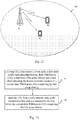
- FIG. 12 there is illustrated a communication network 100 wherein embodiments herein may be employed or applied.
- Two wireless devices are shown and denoted 90.
- a radio network node 70 is also shown.
- IEEE802.11 is a standard specifying wireless local area networks (WLAN), also known as WiFi.
- WLAN wireless local area networks
- the IEEE802.11 WLAN system uses Industrial Scientific and Medical (ISM) frequency bands to access the wireless medium via contention based protocols complying with different regulatory domains.
- ISM Industrial Scientific and Medical
- IEEE802.11ah is an additional feature to the IEEE802.11 standard. This additional feature is a new PHY and MAC design that operates in the sub-one-gigahertz (900MHz) band.
- the 802.11ah is intended to support extended range Wi-Fi, and the Internet-of-everything (loE).
- the 11 ah PHY and MAC are optimized from the ground up for extended range, power efficiency, and scalable operation
- One key element in the IEEE802.11ah is that in the medium access control (MAC) protocol, there is a Traffic Indication Map (TIM) defined.
- the TIM enables the use of power save (PS) mode for STAs (stations) in a WiFi- or IEEE802.11 based system.
- the wireless device 90 listens to the radio network node 70 for beacons carrying TIM.
- a beacon carrying TIM is hereinafter called a TIM beacon 101, 102.
- a TIM beacon may contain indications that there is downlink (DL) data available for a certain wireless device during a time period after the TIM beacon is transmitted.
- the radio network node 70 may assemble a buffer status for each wireless device 90 that is in power save mode. Based on the assembled buffer status, the radio network node 70 may send an indication in the TIM field of the TIM beacon frame. This is described in more details in the in the standard specification of IEEE802.11, e.g. in sections 10.2.1.6.
- the wireless device 90 When the wireless device 90 receives the indication, the wireless device 90 responds or acknowledges to the radio network node 70 by transmitting a control frame 105, e.g. a PS-Poll frame (Power Save-Poll), to indicate to the radio network node 70 that the wireless device 90 is available to receive data in the downlink (DL).
- a control frame 105 e.g. a PS-Poll frame (Power Save-Poll)
- PS-Poll frame Power Save-Poll
- the wireless device 90 may operate in active mode, power save mode and automatic power save delivery mode (APSD) as described in the above mentioned IEEE802.11 standard specifications in sections 10.2.1.9, 10.2.1.10 and 10.2.1.11 respectively.
- power save mode also covers “automatic power save mode”.
- Wireless devices 90 operating in active mode have their receiver activated continuously; and hence such wireless devices 90 do not need to interpret the TIM elements in the TIM beacon frame, and the radio network node 70 therefore is not required to buffer data addressed for wireless devices 90 being in active mode as described in the above mentioned IEEE802.11 standard specifications in sections 10.2.1.6 and 10.2.1.11.
- the radio network node 70 transmits information to a specific wireless device 90 being in power save mode informing the wireless device 90 that there is data in the radio network node buffer, which is addressed for that specific wireless device 90.
- the radio network node 70 may transmit one single bit, in a bitmap, corresponding to an Association IDentifier (AID) associated with the wireless device 90.
- the association between the wireless device 90 and the AID may have been signaled to the wireless device 90 from the radio network node 70 and/or may have been preconfigured in the wireless device 90.
- the wireless device 90 operating in power save mode detects that the bit corresponding to its AID is set, the wireless device 90 responds or acknowledges by transmitting, as previously described, a control frame 105 (e.g. a PS-Poll) to the radio network node 70 to indicate that it is available to receive the buffered data in the radio network node 70.
- a control frame 105 e.g. a PS-Poll
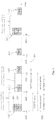
- the Traffic Indication Map concept comprises a Delivery TIM (DTIM) beacon 101, and a TIM beacon 102, per TIM group as depicted in Figure 1 .
- a TIM beacon comprising the DTIM information 201 may also be referred to as a full TIM beacon 101.
- a TIM beacon per TIM group, not comprising DTIM information 201 may be referred to as a short TIM beacon 102.
- TIM beacon 101, 102 is used.
- the DTIM information 201 is sent out periodically, as a part of a full TIM beacon 101, along with TIM information 202 for the first TIM group (TIM1).
- TIM information relating to the TIM groups is part of the short TIM beacons, 102, transmitted every TSBTT (Target Short Beacon Transmission Time) intervals.
- the TSBTT interval may be the time period from the transmission time instance 400 of a short TIM beacon 102 until transmission of the consecutive short TIM beacon 102 as depicted in Figure 1 .
- the TSBTT intervals may be distributed evenly throughout the TBTT 300 (Target Beacon Transmission Time) period.
- the TBTT 300 period or interval may be defined as the time period from the transmission time instance 400 of a full TIM beacon 101 until the transmission of consecutive full TIM beacon 101 as depicted in Figure 1 .
- the TIM information 202 for the first TIM group (TIM1) may be sent together with the DTIM information 201 in the full TIM beacon 101.
- DTIM information 201 may comprise TBTT 300 indicating when the next full TIM beacon will be transmitted and number of TIM groups served within the TBTT 300
- TIM information 202 may comprise a group identity indicating which TIM group the TIM beacon relates to, a time instance 400 indicating when the next TIM beacon comprising a group identity different from the current group identity will be transmitted, e.g. TSBTT and one or more Association identifiers (AIDs) as described above.
- the number of AIDs may e.g. depend on the number of wireless devices in the TIM group indicated by the TIM group identity.
- a TIM group is a set of wireless devices 90 in power save mode which are supposed to wake up from doze- or sleep- or power save mode to listen for short TIM beacons 102 comprising TIM information 202 with a certain TIM group identity.
- One purpose of listening for the short TIM beacon 102 is for the wireless device 90 to determine if there is any DL data buffered in the radio network node 70, for the wireless device 90.
- wireless devices in TIM group 1 are supposed to listen to the TIM beacon containing. If, e.g.
- a wireless device 90 in TIM1 detects a bit, corresponding to its own AID, the wireless device 90 responds with a PS-Poll 105 to the radio network node 70, to indicate that it is available to receive data. Based on the PS-Poll 105, the radio network node 70, sends DL data to the wireless device 90, before transmitting the consecutive TIM beacon.
- the time period between the time instances 400 the radio network node 70 transmitted the TIM beacon until the time instance 400 the radio network node 70 transmits the consecutive TIM beacon is called the service period 301, for the TIM group associated with the TIM group identity in the TIM information 202, of the first TIM beacon.
- the service period 301 for wireless devices belonging to TIM group 1 may be represented by the time period between time instance t 1 and time instance t 2 .
- a wireless device 90 belongs to a TIM group if it is associated with group identity indicating the TIM group.
- group identity By associated with a group identity is meant that the wireless device 90, has acquired a group identity indicating a TIM group.
- the group identity may be acquired by receiving a configuration message, comprising the group identity, from the radio network node 70 and/or by receiving the group identity from another wireless device 90 and/or by being preconfigured in the wireless device 90.
- TIM beacon 101, 102 transmissions comprising DTIM information 201 and TIM information 202 elements is illustrated
- the radio network node 70 transmits a full TIM beacon 101.
- the radio network node 70 transmits a full TIM beacon 101 every Target Beacon Transmission Times (TBTTs) as depicted in Figure 1 .
- the TBTT 300 is represented by the time period between time instance t1 and time instance t5.
- the TBTT 300 may have a time period between roughly 1 ms and 67 seconds.
- the radio network node 70 also transmits short TIM beacons 102.
- a short TIM beacon 102 includes only a minimal set of information elements, which thereby significantly reduces the length of the beacon frame in order to reduce waste resource utilization.
- the short TIM beacons, 102 are transmitted by the radio network node with a periodicity of Target Short Beacon Transmit Times (TSBTTs).
- TTBTTs Target Short Beacon Transmit Times
- An example of TSBTT in Figure 1 is represented by the time period between e.g. time instance t1 and time instance t2 or by the time between time instance t2 and time instance t3.
- the TSBTT associated with a TIM group may correspond the service period 301 of that TIM group.
- the TSBTT and/or service period 301 is associated to a TIM group if the TIM group identity is transmitted in the TIM beacon at the beginning of the TSBTT or service period 301.
- the time length of the service period 301 is proportional to the amount of wireless devices, 90, and/or the amount of data for the associated TIM group.
- the service period 301 corresponds to the service capacity of the associated TIM group E.g. if some of the wireless devices 90 in TIM group 1 (TIM1) in Figure 1 , are not served during the associated service period, these wireless devices 90, will have to wait for the next TIM beacon comprising the group identity associated with these wireless devices 90, before they can transmit a PS-Poll 105 again and probably get served in that coming service period 301.
- a wireless device 90 may need to transmit PS-Poll 105 several times to get the DL data indicated by the radio network node 70.
- any use case where latency requirements for DL are strict and the number of wireless devices 90 is high, may cause problems to ensure that latency requirements are fulfilled.
- a radio network node 70 delivers delay sensitive DL data to wireless devices 90 which may be in power save mode.
- DL data being delay sensitive is meant that there are latency requirements for DL.
- the latency requirements will not be fulfilled. This example is provided only to make it easier to understand some problems that may arise.
- a light switching system with a light switch connected to a chandelier via a radio network node 70.
- the chandelier comprises e.g. 15 luminaires in one room and e.g. 5 other luminaires in another room.
- the light switch is connected to the luminaires via a WLAN communication network and the light switch and the luminaires correspond in this exemplary scenario, to the wireless devices 90.
- the light switch may be connected to the radio network node 70 via a wired connection and/or via a wireless connection. For the sake of simplicity, the delay between the light switch and the radio network node is negligible.
- TIM group 1 two TIM groups are assumed.
- the 15 luminaires (wireless devices 90) in one of the rooms are associated with TIM group 1.
- the remaining five luminaires, of the other room are associated with TIM group 2.
- a service period 301 or TSBTT 100ms and a TBTT 300 of 200ms.
- a further assumption is that it takes the radio network node about 10ms to serve each luminaire (wireless device 90) with DL data.
- the command from the light switch should be received by all of the 15 luminaires within 200ms from pressing the light switch.
- the above example gives a service period 301 of 100ms.
- the service period corresponds to the TSBTT or TIM interval of each TIM group.
- the service period is the available time for the radio network node 70, to serve the luminaires (wireless devices 90) in a TIM group with DL data.
- the time allocation for TIM group 1 should have been longer.
- the TSBTT cannot be extended as that would impact the latency to reach the luminaires (wireless devices 90) in TIM group 2.
- a dynamic extension of the duration of the service period is desired to cater for the scenarios when it is expected that there are too many wireless devices 90 in a TIM group to cope with the delay requirements.
- the problems described above are addressed by the exemplary embodiments herein providing methods and apparatuses in terms of a radio network node 70 for scheduling of TIM beacons, wherein the scheduling is based on a traffic load of the radio network node 70 and in terms of a wireless device 90 for receiving within two consecutive full TIM beacons 101.
- the exemplary embodiments provided herein aims at solving the problems above by providing a dynamic extension of the service period and prioritizing wireless devices, 90, in certain TIM groups over wireless devices, 90, in other TIM groups,
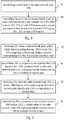
- the method is shown in Figure 8 and comprises: determining 42 a traffic load of the radio network node 70, and scheduling, 44, based on the determined traffic load, at least a first transmission time instance 400 for a first TIM beacon (e.g. TIM beacon 101 or 102 of Figure 1 ) of said TIM beacons and a second transmission time instance 400 for a second TIM beacon, e.g. TIM beacon 101 or 102 of said TIM beacons.
- a first TIM beacon e.g. TIM beacon 101 or 102 of Figure 1
- a second transmission time instance 400 for a second TIM beacon e.g. TIM beacon 101 or 102 of said TIM beacons.
- the radio network node 70 is configured/adapted to determine a traffic load of the radio network node 70.
- the traffic load may be determined based on e.g. an estimate of how many and which of the wireless devices 90 the radio network node 70 has buffered DL data for. Note however that the delay requirement of the buffered data and/or age of the buffered data and/or the service period 301 associated with the buffered data intended for a particular wireless device 90 may also be considered.
- the age of the buffered data may e.g. be the time the data has spent in the buffer.
- the radio network node is configured/adapted to, based on the determined traffic load, schedule a first TIM beacon at a first transmission time instance 400 and schedule a second TIM beacon at a second transmission time instance 400 such that the service period for different TIM groups are adapted to fulfill e.g. latency requirements for the traffic related to the wireless devices in the different TIM groups.
- the method further comprises: associating the first TIM beacon with a first time interval 300, 301 and associating the second TIM beacon with a second time interval 300, 301.
- association a TIM beacon with a time interval is meant that the TIM beacon comprises information about a time instance 400 when the consecutive TIM beacon will be transmitted thereby indicating the end of the service period 301 for the TIM beacon.
- the association of TIM beacon TIM2 to the time interval 301 between time instance t2 and time instance t3, may be performed by transmitting TIM2 comprising the time instance t3.
- Time instance 4t3 may be expressed in relation to the time instance t2 when TIM2 is received and may be expressed as e.g. 100ms.
- the association of a time interval 300, 301 may be that the radio network node 70 determines a service period 301 and/or a TSBTT and/or TBTT 300 associated to the TIM beacons 101, 102 in order to dynamically adapt the DL capacity in the service period associated with the TIM beacon based on traffic load in the radio network node.
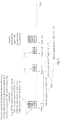
- the first- and second time intervals are of different length. This is illustrated in figure 2 where e.g. the service period 301 or TSBTT for the first TIM beacon (TIM1) is longer than the service period 301 or TSBTT for the second TIM beacon (TIM2).
- TIM1 the service period 301 or TSBTT for the first TIM beacon
- TIM2 the service period 301 or TSBTT for the second TIM beacon
- This enables that more DL capacity may be provided to wireless devices, 90 in TIM group 1 than for TIM group 2, which may reduce latency in case the service period is adapted, based on traffic, to enable that all wireless devices in TIM group 1 can be served within the service period 1 in Figure 2 .
- the scheduling of short TIM beacons within the TBTT 300 may be performed before transmitting the full TIM beacon 101 such that the TSBTT and/or service period associated with each short TIM beacon 102 are not equal in length as depicted in Figure 2 .
- the TBTT 300 interval is shared asymmetrically between the TIM groups by assigning different TSBTTs to different short TIM beacons 102.
- the radio network node may already at the beginning of a TBTT 300, divide the service period to match different estimated capacity needs for different TIM groups and thereby achieve the advantage of optimizing the trade-off between fulfilling latency requirements and saving battery in the wireless devices 90.
- the first TIM beacon comprises a first group identity and the second TIM beacon comprises a second group identity.
- a group identity indicates a TIM group of wireless devices which will be served with DL data by the radio network node during the time interval associated with the TIM beacon comprising the group identity.
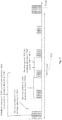
- the second TIM beacon further comprises the first group identity.
- the second TIM beacon may further comprise the first group identity in order to extend the service period for the first TIM group to overlap with the service period for the second TIM group and thereby reduce latency for wireless devices in the first TIM group.
- This scenario is illustrated in Figure 4 .
- the wireless devices belonging to the first TIM which were not served may listen to the second TIM beacon together with the wireless devices belonging to the TIM group indicated by the second group identity.
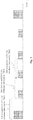
- the second group identity in the second TIM beacon is replaced by the first group identity.
- This embodiment is illustrated in Figure 3 .
- the second TIM beacon replaces the second group identity by the first group identity in order to extend the service period for the first TIM group thereby achieving the advantage of reducing latency for wireless devices in the first TIM group.
- these wireless devices 90 enter power save mode and wake up to receive the consecutive TIM beacon transmitted by the radio network node 70 when the service period for the second TIM beacon ends or expires.
- the method further comprising transmitting a third TIM beacon after the first- and second transmission time instances 400, wherein the third TIM beacon comprising the first group identity .
- the third TIM beacon comprises the first group identity.
- the service capacity for wireless devices 90 in TIM group 1 is higher than the service capacity for wireless devices 90 in TIM group 2.
- One advantage achieved by this is to enable dynamic and asymmetric service capacity allocation to the wireless devices in different TIM groups, based on the traffic load in order to fulfill e.g. latency requirements on traffic for the wireless devices in different TIM groups.
- the scheduling of the TIM beacons in this embodiment may occur at the beginning of a TBTT 300, i.e.
- the radio network node 70 may schedule short TIM beacons 102 comprising the first group identity more often compared to short TIM beacons 102 comprising the second group identity as depicted in Figure 5 . It is also possible for the radio network node 90 to schedule short TIM beacons 102, at the beginning of TBTT 300, for TIM groups with strict latency requirements at the expense of short TIM beacons for TIM groups with less strict latency requirements.
- the wireless devices 90 may need to be informed when they should listen to the additional TIM beacons which may be solved by e.g. control signaling between the radio network node 70 and the wireless devices 90.
- the radio network node may alter the TBTT 300 in order to e.g. transmit or send TIM beacons, with a certain group identity, more often or more frequently.
- the second TIM beacon comprises a time offset indicating the transmission time instance 400 of a consecutive TIM beacon comprising the second group identity.
- the second TIM beacon 101 or 102 may comprise a time offset, which may be expressed in milliseconds (ms).
- the time offset may be received and used by wireless devices 90 belonging to the second TIM group to understand that their service period is delayed with a time corresponding to the time offset and consequently they can enter sleep mode for a time corresponding to the time offset before waking up to listen to a consecutive TIM beacon comprising the second group identity.
- the wireless devices belonging to the first TIM group can deduce when the consecutive TIM beacon is sent and thus understand when the service period for the first TIM group ends or expires which indicates that the wireless devices in the first TIM group may enter sleep mode to save battery.
- a radio network node 70 for scheduling Traffic Indication Map beacons, TIM beacons 101, 102 comprising a processor and a memory, wherein the memory comprises instructions executable by the processor whereby the network node 70 is operative to and/or adapted to determine a traffic load of the radio network node 70 and schedule, based on the determined traffic load, at least a first transmission time instance 400 for a first TIM beacon 101, 102 of said TIM beacons and a second transmission time instance 400 for a second TIM beacon of said TIM beacons.
- the radio network node 70 is further adapted/configured to associate the first TIM beacon with a first time interval and associating the second TIM beacon with a second time interval.
- the radio network node 70 is disclosed, wherein the first time interval and the second time interval are of different length.
- the radio network node 70 is disclosed, wherein the first TIM beacon comprises a first group identity and the second TIM beacon comprises a second group identity.
- the radio network node 70 is disclosed, wherein the second TIM beacon further comprises the first group identity.
- the radio network node 70 is disclosed, wherein the second group identity in the second TIM beacon is replaced by the first group identity.
- the radio network node 70 is further adapted/configured to transmit a third TIM beacon after the first- and second transmission time instances 400, wherein the third TIM beacon comprises the first group identity.
- the radio network node 70 is disclosed, wherein the second TIM beacon comprises a time offset indicating the transmission time instance 400 of a consecutive TIM beacon comprising the second group identity.
- a radio network node 70 comprising a processor and a memory, wherein the memory comprises instructions executable by the processor whereby the network node is operative to and/or adapted to perform the main steps for scheduling TIM beacons may be summarized as follows and are shown in Figure 8 :
- a method performed by/in a wireless device 90 in a communication network 100 is performed between receiving two consecutive full Traffic Indication Map beacons, full TIM beacons 101, from a radio network node 70.
- the method is shown in Figure 9 and comprises: receiving 52, from a radio network node 70, a first Traffic Indication Map beacon, TIM beacon (e.g.
- TIM beacon 101 or 102 in Figure 1 comprising a first group identity and a bit corresponding to a first Association Identifier, AID, transmitting 54, in response to the received first TIM beacon, a control frame 105 to the radio network node 70, indicating that the wireless device 90 is available to receive data, receiving 56, from the radio network node 70, a second TIM beacon (e.g. 102) comprising the first- or a second group identity and a bit corresponding to a second AID and transmitting 58, in response to the received second TIM beacon 102, a control frame 105 to the radio network node 70, indicating that the wireless device 90 is available to receive data.
- a second TIM beacon e.g. 102
- a second TIM beacon comprising the first- or a second group identity and a bit corresponding to a second AID and transmitting 58, in response to the received second TIM beacon 102, a control frame 105 to the radio network node 70, indicating that the wireless device 90 is
- the wireless device 90 is configured/adapted to receive, from a radio network node, a first Traffic Indication Map beacon, TIM beacon (e.g. TIM beacon 101 or 102 in Figure 1 ), comprising a first group identity and a bit corresponding to a first Association Identifier, AID associated with the wireless device.
- a first Traffic Indication Map beacon e.g. TIM beacon 101 or 102 in Figure 1
- TIM beacon e.g. TIM beacon 101 or 102 in Figure 1
- AID association with the wireless device.
- the wireless device 90 is configured/adapted to transmit, in response to the received first TIM beacon, a control frame 105 to the radio network node 70, indicating that the wireless device 90 is available to receive data.
- the two steps, 52 and 54 corresponds to the wireless device 90 operating in power save mode detects that the bit corresponding to its AID is set, the wireless device 90 responds or acknowledges by transmitting, as previously described, a control frame 105 (e.g. a PS-Poll) to the radio network node 70 to indicate that it is available to receive the buffered data in the radio network node 70 as illustrated in Figure 7a .
- a control frame 105 e.g. a PS-Poll
- the wireless device 90 is configured/adapted to receive, from a radio network node, a second TIM beacon 102, comprising the first- or a second group identity and a bit corresponding to a second AID.
- the wireless device may receive a short TIM beacon comprising the second group identity, indicating that the service period for the first TIM beacon expires, but since the wireless device is also associated with the second TIM group, the wireless device detects whether the bit corresponding to its second AID is set.
- the wireless device 90 is configured/adapted to transmit, in response to the received second TIM beacon 102, a control frame 105 to the radio network node 70, indicating that the wireless device 90 is available to receive data.
- the wireless device 90 detects that the bit corresponding to its associated second AID is set, the wireless device responds or acknowledges by transmitting, as previously described, a control frame 105 (e.g. a PS-Poll) to the radio network node 70 to indicate that it is available to receive the buffered data in the radio network node 70.
- a control frame 105 e.g. a PS-Poll
- the advantage of this embodiment is that the wireless device 90 is available to receive DL data from the radio network node 70 more often during the TBTT 300 and thereby improving the chances to fulfill latency requirements in case of high traffic load in the radio network node.
- wireless devices with delay sensitive traffic are allocated to several TIM groups at the same time in order to have them available for DL data more often. This may mean that a single wireless device is allocated with several association identifiers (AID) in order to enable DL data transmission from the radio network node to the wireless device in each of the TIM groups the wireless device belongs to.
- AID association identifiers
- One of the AIDs may be chosen as the primary AID, which may be primarily used for communication with the radio network node and the other AIDs may be denoted as secondary AIDs and used to deliver DL data in the additional TIM groups, which the wireless device is allocated to for DL latency reasons.
- a wireless device 90 in a communication network comprising a processor and a memory, wherein the memory comprises instructions executable by the processor whereby the wireless device is operative to and/or adapted to, between receiving two consecutive full Traffic Indication Map beacons, full TIM beacons 101; receive, from a radio network node 70, a first Traffic Indication Map beacon, TIM beacon 101, 102 comprising a first group identity and a bit corresponding to a first Association Identifier, AID; transmit, in response to the received first TIM beacon 101, 102, a control frame 105 to the radio network node 70, indicating that the wireless device 90 is available to receive data; receive, from the radio network node 70, a second TIM beacon 102 comprising the first- or a second group identity and a bit corresponding to a second AID and transmit, in response to the received second TIM beacon, a control frame 105 to the radio network node, indicating that the wireless device is available to receive
- the advantage of the above embodiment is that the wireless device 90 is available to receive DL data from the radio network node 70 more often during the TBTT 300 and thereby improving the chances to fulfill latency requirements in case of high traffic load in the radio network node.
- a method performed by/in a wireless device 90 in a communication network 100 is performed between receiving two consecutive full Traffic Indication Map beacons, full TIM beacons 101, from a radio network node 70.
- the method is shown in Figure 13 and comprises: receiving 51, from a radio network node, a first short Traffic Indication Map beacon, short TIM beacon 102, comprising a first group identity and a time offset indicating the transmission time instance 400 of a second short TIM beacon 102 comprising the first group identity, and receiving 53, from a radio network node, at the transmission time instance 400 indicated by the time offset, the second short TIM beacon 102 comprising the first group identity.
- the method is implemented and performed by/in the wireless device 90 as described above.
- the actions performed by the wireless device 90 will now be described in conjunction with Figure 13 and include:
- the wireless device 90 is configured/adapted to receive, from a radio network node, a first short Traffic Indication Map beacon 102 comprising a first group identity and a time offset indicating the transmission time instance 400 of a second short TIM beacon 102 comprising the first group identity.
- the wireless device 90 is configured/adapted to receive, from a radio network node, at the transmission time instance 400 indicated by the time offset, the second short TIM beacon 102 comprising the first group identity.
- the first short TIM beacon 102 may comprise a time offset, which may be expressed in milliseconds (ms).
- the time offset may be received by the wireless device, which belongs to a TIM group indicated by the first group identity. From the time offset, the wireless device can deduce that a second short TIM beacon, comprising the same group identity, will be transmitted by the radio network node at the time instance 400 indicated by the time offset and consequently the wireless device can enter sleep mode for a time corresponding to the time offset before waking up to listen to the second short TIM beacon comprising the first group identity.
- One advantage achieved by this embodiment is that the wireless device can reduce its power consumption by entering sleep mode during the time offset.
- a wireless device 90 in a communication network comprising a processor and a memory, wherein the memory comprises instructions executable by the processor whereby the wireless device is operative to and/or adapted to, between receiving two consecutive full Traffic Indication Map beacons, full TIM beacons 101; receive, from a radio network node, a first short Traffic Indication Map beacon, short TIM beacon 102, comprising a first group identity and a time offset indicating the transmission time instance 400 of a second short TIM beacon 102 comprising the first group identity, and receive, from the radio network node, at the transmission time instance 400 indicated by the time offset, the second short TIM beacon 102 comprising the first group identity.
- the wireless device can reduce its power consumption by entering sleep mode during the time offset.
- a radio network node 70 for scheduling Traffic Indication Map beacons, TIM beacons 101, 102 the radio network node 70 comprises a determining module 76 adapted to determine a traffic load of the radio network node 70 and a scheduling module 77 adapted to schedule, based on the determined traffic load, at least a first transmission time instance 400 for a first TIM beacon 101, 102 of said TIM beacons and a second transmission time instance 400 for a second TIM beacon of said TIM beacons.
- a wireless device 90 in a communication network comprises a receiver module 92 adapted to receive, from a radio network node, a first Traffic Indication Map beacon, TIM beacon 101, 102 comprising a first group identity and a bit corresponding to a first Association Identifier, AID and the receiver module further adapted to receive, from the radio network node 70, a second TIM beacon 102 comprising the first- or a second group identity and a bit corresponding to a second AID and the receiver module is further adapted to receive, from a radio network node, a first short Traffic Indication Map beacon, short TIM beacon 102, comprising a first group identity and a time offset indicating the transmission time instance 400 of a second short TIM beacon 102 comprising the first group identity, and further adapted to receive, from a radio network node, at the transmission time instance 400 indicated by the time offset, the second short TIM beacon 102 comprising the first group identity.
- the wireless device further comprises a transmitter module 93 adapted to transmit, in response to the received first TIM beacon 101, 102, a control frame 105 to the radio network node 70, indicating that the wireless device 90 is available to receive data
- the transmitter module 93 is further adapted to transmit, in response to the received second TIM beacon 102, a control frame 105 to the radio network node 70, indicating that the wireless device 90 is available to receive data.
- the radio network node 70 comprises at least a transmitter circuit or transmitter module 72; a receiver circuit or a receiver module 73; a processor 74 or a processing module or processing circuitry; a memory or memory module 71 and at least one antenna 75,
- Antenna 75 includes one or more antennas to transmit and/or receive radio frequency (RF) signals over the air interface.
- Antenna 75 may, for example, receive RF signals from transmitter circuit 72 and transmit the RF signals over the air interface to one or more wireless devices e.g. UEs or STAs and receive RF signals over the air interface from the one or more wireless devices e.g. UEs or STAs and provide the RF signals to receiver circuit 73.
- RF radio frequency
- Processing module/circuit 74 includes a processor, microprocessor, an application specific integrated circuit (ASIC), field programmable gate array (FPGA), or the like. Processor 74 controls the operation of the radio network node 70 and its components.
- Memory (circuit or module) 75 includes a random access memory (RAM), a read only memory (ROM), and/or another type of memory to store data and instructions that may be used by processor 74.
- the radio network node 70 may comprise additional components not shown in Figure 10 .
- the memory 71 contain instructions executable by the processor 74 whereby the radio network node 70 is operative to perform the previously described method steps.
- a computer program comprising computer readable code means which when run in the radio network node 70 e.g. by means of the processor 74 causes the radio network node to perform the above described method steps which include: to determine a traffic load of the radio network node and schedule, based on the determined traffic load, at least a first transmission time instance 400 for a first TIM beacon of said TIM beacons and a second transmission time instance 400 for a second TIM beacon of said TIM beacons.
- the radio network node 70 is configured to determine a traffic load of the radio network node 70. This may be done by means of the determining module 76 in the processing circuit 74.
- the network node 70 is further configured to schedule, based on the determined traffic load, at least a first transmission time instance 400 for a first TIM beacon (101, 102) of said TIM beacons and a second transmission time instance 400 for a second TIM beacon of said TIM beacons.
- the scheduling is be performed by the scheduling module 77 in the processing circuit 74.
- the wireless device 90 comprises at least a transmitter circuit or transmitter module 93; a receiver circuit or a receiver module 92; a processor 94 or a processing module or processing circuitry; a memory or memory module 91 and at least one antenna 95,
- Antenna 95 includes one or more antennas to transmit and/or receive radio frequency (RF) signals over the air interface.
- Antenna 95 may, for example, receive RF signals from transmitter circuit 93 and transmit the RF signals over the air interface to one or more radio network nodes i.e. radio base stations e.g. eNodeBs or eNBs or APs and receive RF signals over the air interface from the one or more radio base stations e.g. eNodeBs or eNBs or APs and provide the RF signals to receiver circuit 92.
- radio network nodes i.e. radio base stations e.g. eNodeBs or eNBs or APs and receive RF signals over the air interface from the one or more radio base stations e.g. eNodeBs or eNBs or APs and provide the RF signals to receiver circuit 92.
- Processing module/circuit 94 includes a processor, microprocessor, an application specific integrated circuit (ASIC), field programmable gate array (FPGA), or the like. Processor 94 controls the operation of the wireless device 90 and its components.
- Memory (circuit or module) 91 includes a random access memory (RAM), a read only memory (ROM), and/or another type of memory to store data and instructions that may be used by processor 94.
- the wireless device 90 may comprise additional components not shown in Figure 11 .
- the memory 91 may contain instructions executable by the processor 94 whereby the wireless device 90 is operative to perform the previously described method steps.
- a computer program comprising computer readable code means which when run in the wireless device 90 e.g. by means of the processor 94 causes the wireless device 90 to perform the above described method steps, which include: to receive, from a radio network node, a first Traffic Indication Map beacon, TIM beacon 101, 102 comprising a first group identity and a bit corresponding to a first Association Identifier, AID; to receive, from the radio network node 70, a second TIM beacon 102 comprising the first- or a second group identity and a bit corresponding to a second AID; to receive, from a radio network node, a first short Traffic Indication Map beacon, short TIM beacon 102, comprising a first group identity and a time offset indicating the transmission time instance 400 of a second short TIM beacon 102 comprising the first group identity; to receive, from a radio network node, at the transmission
- the wireless device 90 is configured to receive TIM beacons and in response to reception of TIM beacons, transmit control frames. This may be done by means of the processing module 94, the receiver module 92 and the transmitter module 93.
- wireless device is meant a UE or a mobile station or a mobile terminal or a WiFi STA as defined by IEEE802.11
- radio network node is meant a radio base station or a pico base station or a WiFi access point, also known as AP.
- a TIM group is a group of wireless devices in power save mode.
- the wireless devices in the same TIM group may be served by a radio network node 70 in a time interval associated with a TIM beacon, which comprises the group identity indicating the TIM group.
- the time reserved for a single TIM group of wireless devices 90 is called the service period 301, and may e.g. correspond to the time period between the radio network node 70, has transmitted a TIM beacon until the radio network node 70, transmits a consecutive TIM beacon.
- Scheduling a TIM beacon 101, 102 by a radio network node 70 may include transmitting the TIM beacon 101, 102 at the scheduled transmission time instance 400.
- TBTT may be used interchangeably with TBTT interval and/or TBTT period and/or DTIM Interval and/or DTIM period.
- TSBTT mat be used interchangeably with TSBTT interval and/or TSBTT period.
Landscapes
- Engineering & Computer Science (AREA)
- Computer Networks & Wireless Communication (AREA)
- Signal Processing (AREA)
- Mobile Radio Communication Systems (AREA)
Claims (9)
- Verfahren zum Anpassen von Dienstperioden an unterschiedliche Verkehrsanzeigekartengruppen (Traffic Indication Map groups - TIM-Gruppen) in einem Funknetzwerkknoten (70) eines Kommunikationsnetzwerks (100), wobei das Verfahren Folgendes umfasst:- Bestimmen (42) einer Verkehrslast des Funknetzwerkknotens (70) durch den Funknetzwerkknoten (70), wobei das Bestimmen (42) zumindest auf einer Schätzung darüber beruht, für wie viele schnurlose Geräte und für welche schnurlosen Geräte in dem Kommunikationsnetzwerk (100) der Funknetzwerkknoten (70) zwischengespeicherte Daten aufweist;- Planen (44) zumindest eines ersten Übertragungszeitpunkts (400) für eine erste TIM-Bake (101) und eines zweiten Übertragungszeitpunkts (400) für eine zweite TIM-Bake (102) im Anschluss an den ersten Übertragungszeitpunkt (400) durch den Funknetzwerkknoten (70) auf Grundlage der bestimmten Verkehrslast, wobei die Zeitperiode zwischen dem ersten Übertragungszeitpunkt (400) und dem zweiten Übertragungszeitpunkt (400) eine Dienstperiode für eine erste TIM-Gruppe ist, der eine erste TIM-Gruppen-Kennung in TIM-Informationen (202) der ersten TIM-Bake (101) zugeordnet ist, wobei die erste TIM-Bake (101) nur die erste TIM-Gruppen-Kennung umfasst und die zweite TIM-Bake (102) eine zweite TIM-Gruppen-Kennung und die erste TIM-Gruppen-Kennung umfasst und wobei die erste TIM-Gruppen-Kennung die erste TIM-Gruppe schnurloser Geräte angibt und die zweite TIM-Gruppen-Kennung eine zweite TIM-Gruppe schnurloser Geräte angibt; und- Versorgen einer TIM-Gruppe schnurloser Geräte, die in einer TIM-Bake (101, 102) angegeben ist, mit zwischengespeicherten Daten durch den Funknetzwerkknoten (70) während einer Dienstperiode der jeweiligen TIM-Bake (101, 102), wobei schnurlose Geräte in der ersten TIM-Gruppe schnurloser Geräte während der Dienstperiode, die der ersten TIM-Bake (101) zugeordnet ist, und während einer Dienstperiode, die der zweiten TIM-Bake (102) zugeordnet ist, welche die erste TIM-Gruppen-Kennung umfasst, durch den Funknetzwerkknoten (70) mit Daten versorgt werden, wobei schnurlose Geräte in der zweiten TIM-Gruppe schnurloser Geräte nur während der Dienstperiode, die der zweiten TIM-Bake (102) zugeordnet ist, welche die zweite TIM-Gruppen-Kennung umfasst, durch den Funknetzwerkknoten (70) mit Daten versorgt werden und wobei das Planen (44) ein Übertragen der ersten TIM-Bake (101) zum ersten Übertragungszeitpunkt (400) und ein Übertragen der zweiten TIM-Bake (102) zum zweiten Übertragungszeitpunkt (400) umfasst.
- Verfahren nach Anspruch 1, ferner umfassend ein Zuordnen der ersten TIM-Bake (101) zu einem ersten Zeitintervall (300, 301) und ein Zuordnen der zweiten TIM-Bake (102) zu einem zweiten Zeitintervall (300, 301).
- Verfahren nach Anspruch 2, wobei das erste Zeitintervall (300, 301) und das zweite Zeitintervall (300, 301) unterschiedliche Längen aufweisen.
- Verfahren nach Anspruch 1, ferner umfassend ein Übertragen einer dritten TIM-Bake nach dem ersten und dem zweiten Übertragungszeitpunkt (400), wobei die dritte TIM-Bake die erste TIM-Gruppen-Kennung umfasst.
- Verfahren nach einem der Ansprüche 1 oder 4, wobei die zweite TIM-Bake (102) einen Zeitversatz umfasst, der einen Übertragungszeitpunkt (400) einer darauffolgenden TIM-Bake angibt, welche die zweite TIM-Gruppen-Kennung umfasst.
- Funknetzwerkknoten (70) eines Kommunikationsnetzwerks (100) zur Anpassung von Dienstperioden an unterschiedliche Verkehrsanzeigekartengruppen (TIM-Gruppen), wobei der Funknetzwerkknoten (70) einen Prozessor und einen Speicher umfasst, wobei der Speicher durch den Prozessor ausführbare Anweisungen umfasst, durch die der Funknetzwerkknoten (70) für Folgendes betreibbar und/oder ausgelegt ist:- Bestimmen einer Verkehrslast des Funknetzwerkknotens (70), wobei die Bestimmung zumindest auf einer Schätzung darüber beruht, für wie viele schnurlose Geräte und für welche schnurlosen Geräte in dem Kommunikationsnetzwerk (100) der Funknetzwerkknoten (70) zwischengespeicherte Daten aufweist;- Planen zumindest eines ersten Übertragungszeitpunkts (400) für eine erste TIM-Bake (101) und eines zweiten Übertragungszeitpunkts (400) für eine zweite TIM-Bake (102) im Anschluss an den ersten Übertragungszeitpunkt (400) auf Grundlage der bestimmten Verkehrslast, wobei die Zeitperiode zwischen dem ersten Übertragungszeitpunkt (400) und dem zweiten Übertragungszeitpunkt (400) eine Dienstperiode für eine erste TIM-Gruppe ist, der eine erste TIM-Gruppen-Kennung in TIM-Informationen (202) der ersten TIM-Bake (101) zugeordnet ist, wobei die erste TIM-Bake (101) nur die erste TIM-Gruppen-Kennung umfasst und die zweite TIM-Bake (102) eine zweite TIM-Gruppen-Kennung und die erste TIM-Gruppen-Kennung umfasst und wobei die erste TIM-Gruppen-Kennung die erste TIM-Gruppe schnurloser Geräte angibt und die zweite TIM-Gruppen-Kennung eine zweite TIM-Gruppe schnurloser Geräte angibt; und- Versorgen einer TIM-Gruppe schnurloser Geräte, die in einer TIM-Bake (101, 102) angegeben ist, mit zwischengespeicherten Daten während einer Dienstperiode der jeweiligen TIM-Bake (101, 102), wobei schnurlose Geräte in der ersten TIM-Gruppe schnurloser Geräte während der Dienstperiode, die der ersten TIM-Bake (101) zugeordnet ist, und während einer Dienstperiode, die der zweiten TIM-Bake (102) zugeordnet ist, welche die erste TIM-Gruppen-Kennung umfasst, durch den Funknetzwerkknoten (70) mit Daten versorgt werden, wobei schnurlose Geräte in der zweiten TIM-Gruppe schnurloser Geräte nur während der Dienstperiode, die der zweiten TIM-Bake (102) zugeordnet ist, welche die zweite TIM-Gruppen-Kennung umfasst, durch den Funknetzwerkknoten (70) mit Daten versorgt werden und wobei der Funknetzwerkknoten (70) für die Planung ferner dazu betreibbar und/oder ausgelegt ist, die erste TIM-Bake (101) zum ersten Übertragungszeitpunkt (400) zu übertragen und die zweite TIM-Bake (102) zum zweiten Übertragungszeitpunkt (400) zu übertragen.
- Funknetzwerkknoten (70) nach Anspruch 6, der ferner dazu ausgelegt ist, die erste TIM-Bake (101) einem ersten Zeitintervall (300, 301) zuzuordnen und die zweite TIM-Bake (102) einem zweiten Zeitintervall (300, 301) zuzuordnen, wobei das erste Zeitintervall (300, 301) und das zweite Zeitintervall (300, 301) unterschiedliche Längen aufweisen.
- Funknetzwerkknoten (70) nach Anspruch 6, der ferner dazu ausgelegt ist, eine dritte TIM-Bake nach dem ersten und dem zweiten Übertragungszeitpunkt (400) zu übertragen, wobei die dritte TIM-Bake die erste TIM-Gruppen-Kennung umfasst.
- Funknetzwerkknoten (70) nach einem der Ansprüche 6 oder 8, wobei die zweite TIM-Bake (102) einen Zeitversatz umfasst, der einen Übertragungszeitpunkt (400) einer darauffolgenden TIM-Bake angibt, welche die zweite TIM-Gruppen-Kennung umfasst.
Applications Claiming Priority (1)
| Application Number | Priority Date | Filing Date | Title |
|---|---|---|---|
| PCT/SE2015/050799 WO2017007384A1 (en) | 2015-07-06 | 2015-07-06 | Methods and apparatuses for operating a wireless system with devices in power save mode using traffic indication map beacons |
Publications (2)
| Publication Number | Publication Date |
|---|---|
| EP3320740A1 EP3320740A1 (de) | 2018-05-16 |
| EP3320740B1 true EP3320740B1 (de) | 2021-06-09 |
Family
ID=53783274
Family Applications (1)
| Application Number | Title | Priority Date | Filing Date |
|---|---|---|---|
| EP15747250.7A Active EP3320740B1 (de) | 2015-07-06 | 2015-07-06 | Verfahren und geräte zum betrieb eines schnurlosen systems mit geräten im stromsparmodus mittels verkehrsanzeigekartenbaken |
Country Status (3)
| Country | Link |
|---|---|
| US (1) | US10568117B2 (de) |
| EP (1) | EP3320740B1 (de) |
| WO (1) | WO2017007384A1 (de) |
Families Citing this family (8)
| Publication number | Priority date | Publication date | Assignee | Title |
|---|---|---|---|---|
| WO2017050586A1 (en) * | 2015-09-25 | 2017-03-30 | Sony Corporation | Wireless telecommunications system |
| US10342064B2 (en) | 2016-07-14 | 2019-07-02 | Huawei Technologies Co., Ltd. | Wake-up-receiver frame permitting identification by non-compatible receiver |
| US10445107B2 (en) | 2016-07-14 | 2019-10-15 | Huawei Technologies Co., Ltd. | Security design for a wake up frame |
| US20180063784A1 (en) * | 2016-08-26 | 2018-03-01 | Qualcomm Incorporated | Devices and methods for an efficient wakeup protocol |
| US10264526B2 (en) * | 2017-06-07 | 2019-04-16 | Mediatek Singapore Pte. Ltd. | Adaptive TIM setup policy for client devices in power-save mode in dense environment |
| US20180376448A1 (en) * | 2017-06-23 | 2018-12-27 | Amazon Technologies, Inc. | Wi-fi protocol enhancement techniques for low power networking for the internet-of-things |
| US11570715B2 (en) * | 2020-09-07 | 2023-01-31 | Mediatek Inc. | Power saving with latency control mechanism of electronic device |
| TWI792599B (zh) * | 2021-10-05 | 2023-02-11 | 瑞昱半導體股份有限公司 | 無線通訊系統、無線存取點與電子裝置 |
Family Cites Families (6)
| Publication number | Priority date | Publication date | Assignee | Title |
|---|---|---|---|---|
| JP5789053B2 (ja) * | 2011-08-11 | 2015-10-07 | インテル コーポレイション | 低レートWi−Fi通信におけるショートビーコンのためのシステム、方法及び装置 |
| US20130121221A1 (en) * | 2011-11-16 | 2013-05-16 | Qualcomm Atheros, Inc. | Reducing Power Consumption In Wireless Network Stations By Optimizing Contention Period Overhead With Station Grouping, Proxy CSMA, And TIM Monitoring |
| SG10201703598RA (en) | 2012-11-09 | 2017-06-29 | Agency Science Tech & Res | Access Points, Radio Communication Devices, Methods For Controlling An Access Point, And Methods For Controlling A Radio Communication Device |
| EP2944140B1 (de) * | 2013-01-11 | 2017-11-22 | Interdigital Patent Holdings, Inc. | Verfahren und vorrichtung zur kommunikation in einem netzwerk von wlan-überlappenden basis-servicesätzen |
| US20150223169A1 (en) * | 2014-02-06 | 2015-08-06 | Nokia Corporation | Method, apparatus, and computer program product for initial indication of block allocation within page for wireless networks |
| US9743275B2 (en) * | 2014-04-29 | 2017-08-22 | Qualcomm Incorporated | Multiple BSSID procedure with TIM encoding |
-
2015
- 2015-07-06 WO PCT/SE2015/050799 patent/WO2017007384A1/en not_active Ceased
- 2015-07-06 EP EP15747250.7A patent/EP3320740B1/de active Active
- 2015-07-06 US US15/738,984 patent/US10568117B2/en not_active Expired - Fee Related
Non-Patent Citations (1)
| Title |
|---|
| None * |
Also Published As
| Publication number | Publication date |
|---|---|
| EP3320740A1 (de) | 2018-05-16 |
| WO2017007384A1 (en) | 2017-01-12 |
| US10568117B2 (en) | 2020-02-18 |
| US20180184445A1 (en) | 2018-06-28 |
Similar Documents
| Publication | Publication Date | Title |
|---|---|---|
| EP3320740B1 (de) | Verfahren und geräte zum betrieb eines schnurlosen systems mit geräten im stromsparmodus mittels verkehrsanzeigekartenbaken | |
| US10194391B2 (en) | Triggered target wake time operation | |
| US9185737B2 (en) | Method for controlling multiple communication systems to implement communication and user equipment | |
| JP2023053265A (ja) | 信号の送信および受信方法、ネットワーク装置、および端末 | |
| US8837509B2 (en) | Wireless access point methods and apparatus using dynamically-activated service intervals | |
| US10251084B2 (en) | Method for multi-rat scheduling and apparatus therefor in system in which heterogeneous wireless communication technologies are utilized | |
| US11129052B2 (en) | Radio network node, wireless device and methods performed therein | |
| US11178660B2 (en) | Determining access slot for communications on radio interface | |
| JP2022516944A (ja) | コネクテッド不連続受信のための省電力信号構成 | |
| CN118266248A (zh) | 用于在低功率状态下工作的系统和方法 | |
| EP3225058A1 (de) | Verwaltung des betriebs während der abwesenheit in einem drahtlosen netzwerk | |
| US20190182772A1 (en) | A first communications device and a method therein for handling of active mode operation | |
| EP3539336B1 (de) | Seitenüberwachungsaktivierung und -deaktivierung | |
| Li et al. | A novel delayed wakeup scheme for efficient power management in infrastructure-based IEEE 802.11 WLANs | |
| CN119654928A (zh) | 用于小区dtx/drx短周期的组公共信令 | |
| CN119678581A (zh) | 小区dtx/drx中的信令和小区睡眠模式配置 | |
| EP3254505B1 (de) | Verkehrsanzeigekartenassoziationsmechanismus für vorrichtungen mit niedriger leistung | |
| OA18323A (en) | Triggered target wake time operation |
Legal Events
| Date | Code | Title | Description |
|---|---|---|---|
| STAA | Information on the status of an ep patent application or granted ep patent |
Free format text: STATUS: THE INTERNATIONAL PUBLICATION HAS BEEN MADE |
|
| PUAI | Public reference made under article 153(3) epc to a published international application that has entered the european phase |
Free format text: ORIGINAL CODE: 0009012 |
|
| STAA | Information on the status of an ep patent application or granted ep patent |
Free format text: STATUS: REQUEST FOR EXAMINATION WAS MADE |
|
| 17P | Request for examination filed |
Effective date: 20171212 |
|
| AK | Designated contracting states |
Kind code of ref document: A1 Designated state(s): AL AT BE BG CH CY CZ DE DK EE ES FI FR GB GR HR HU IE IS IT LI LT LU LV MC MK MT NL NO PL PT RO RS SE SI SK SM TR |
|
| AX | Request for extension of the european patent |
Extension state: BA ME |
|
| DAV | Request for validation of the european patent (deleted) | ||
| DAX | Request for extension of the european patent (deleted) | ||
| STAA | Information on the status of an ep patent application or granted ep patent |
Free format text: STATUS: EXAMINATION IS IN PROGRESS |
|
| 17Q | First examination report despatched |
Effective date: 20190219 |
|
| GRAP | Despatch of communication of intention to grant a patent |
Free format text: ORIGINAL CODE: EPIDOSNIGR1 |
|
| STAA | Information on the status of an ep patent application or granted ep patent |
Free format text: STATUS: GRANT OF PATENT IS INTENDED |
|
| INTG | Intention to grant announced |
Effective date: 20210323 |
|
| GRAS | Grant fee paid |
Free format text: ORIGINAL CODE: EPIDOSNIGR3 |
|
| GRAA | (expected) grant |
Free format text: ORIGINAL CODE: 0009210 |
|
| STAA | Information on the status of an ep patent application or granted ep patent |
Free format text: STATUS: THE PATENT HAS BEEN GRANTED |
|
| AK | Designated contracting states |
Kind code of ref document: B1 Designated state(s): AL AT BE BG CH CY CZ DE DK EE ES FI FR GB GR HR HU IE IS IT LI LT LU LV MC MK MT NL NO PL PT RO RS SE SI SK SM TR |
|
| REG | Reference to a national code |
Ref country code: GB Ref legal event code: FG4D |
|
| REG | Reference to a national code |
Ref country code: CH Ref legal event code: EP Ref country code: AT Ref legal event code: REF Ref document number: 1401495 Country of ref document: AT Kind code of ref document: T Effective date: 20210615 |
|
| REG | Reference to a national code |
Ref country code: DE Ref legal event code: R096 Ref document number: 602015070235 Country of ref document: DE |
|
| REG | Reference to a national code |
Ref country code: IE Ref legal event code: FG4D |
|
| REG | Reference to a national code |
Ref country code: LT Ref legal event code: MG9D |
|
| PG25 | Lapsed in a contracting state [announced via postgrant information from national office to epo] |
Ref country code: LT Free format text: LAPSE BECAUSE OF FAILURE TO SUBMIT A TRANSLATION OF THE DESCRIPTION OR TO PAY THE FEE WITHIN THE PRESCRIBED TIME-LIMIT Effective date: 20210609 Ref country code: FI Free format text: LAPSE BECAUSE OF FAILURE TO SUBMIT A TRANSLATION OF THE DESCRIPTION OR TO PAY THE FEE WITHIN THE PRESCRIBED TIME-LIMIT Effective date: 20210609 Ref country code: BG Free format text: LAPSE BECAUSE OF FAILURE TO SUBMIT A TRANSLATION OF THE DESCRIPTION OR TO PAY THE FEE WITHIN THE PRESCRIBED TIME-LIMIT Effective date: 20210909 Ref country code: HR Free format text: LAPSE BECAUSE OF FAILURE TO SUBMIT A TRANSLATION OF THE DESCRIPTION OR TO PAY THE FEE WITHIN THE PRESCRIBED TIME-LIMIT Effective date: 20210609 |
|
| REG | Reference to a national code |
Ref country code: AT Ref legal event code: MK05 Ref document number: 1401495 Country of ref document: AT Kind code of ref document: T Effective date: 20210609 |
|
| REG | Reference to a national code |
Ref country code: NL Ref legal event code: MP Effective date: 20210609 |
|
| PG25 | Lapsed in a contracting state [announced via postgrant information from national office to epo] |
Ref country code: NO Free format text: LAPSE BECAUSE OF FAILURE TO SUBMIT A TRANSLATION OF THE DESCRIPTION OR TO PAY THE FEE WITHIN THE PRESCRIBED TIME-LIMIT Effective date: 20210909 Ref country code: RS Free format text: LAPSE BECAUSE OF FAILURE TO SUBMIT A TRANSLATION OF THE DESCRIPTION OR TO PAY THE FEE WITHIN THE PRESCRIBED TIME-LIMIT Effective date: 20210609 Ref country code: SE Free format text: LAPSE BECAUSE OF FAILURE TO SUBMIT A TRANSLATION OF THE DESCRIPTION OR TO PAY THE FEE WITHIN THE PRESCRIBED TIME-LIMIT Effective date: 20210609 Ref country code: GR Free format text: LAPSE BECAUSE OF FAILURE TO SUBMIT A TRANSLATION OF THE DESCRIPTION OR TO PAY THE FEE WITHIN THE PRESCRIBED TIME-LIMIT Effective date: 20210910 Ref country code: LV Free format text: LAPSE BECAUSE OF FAILURE TO SUBMIT A TRANSLATION OF THE DESCRIPTION OR TO PAY THE FEE WITHIN THE PRESCRIBED TIME-LIMIT Effective date: 20210609 |
|
| PG25 | Lapsed in a contracting state [announced via postgrant information from national office to epo] |
Ref country code: EE Free format text: LAPSE BECAUSE OF FAILURE TO SUBMIT A TRANSLATION OF THE DESCRIPTION OR TO PAY THE FEE WITHIN THE PRESCRIBED TIME-LIMIT Effective date: 20210609 Ref country code: CZ Free format text: LAPSE BECAUSE OF FAILURE TO SUBMIT A TRANSLATION OF THE DESCRIPTION OR TO PAY THE FEE WITHIN THE PRESCRIBED TIME-LIMIT Effective date: 20210609 Ref country code: SK Free format text: LAPSE BECAUSE OF FAILURE TO SUBMIT A TRANSLATION OF THE DESCRIPTION OR TO PAY THE FEE WITHIN THE PRESCRIBED TIME-LIMIT Effective date: 20210609 Ref country code: SM Free format text: LAPSE BECAUSE OF FAILURE TO SUBMIT A TRANSLATION OF THE DESCRIPTION OR TO PAY THE FEE WITHIN THE PRESCRIBED TIME-LIMIT Effective date: 20210609 Ref country code: AT Free format text: LAPSE BECAUSE OF FAILURE TO SUBMIT A TRANSLATION OF THE DESCRIPTION OR TO PAY THE FEE WITHIN THE PRESCRIBED TIME-LIMIT Effective date: 20210609 Ref country code: PT Free format text: LAPSE BECAUSE OF FAILURE TO SUBMIT A TRANSLATION OF THE DESCRIPTION OR TO PAY THE FEE WITHIN THE PRESCRIBED TIME-LIMIT Effective date: 20211011 Ref country code: RO Free format text: LAPSE BECAUSE OF FAILURE TO SUBMIT A TRANSLATION OF THE DESCRIPTION OR TO PAY THE FEE WITHIN THE PRESCRIBED TIME-LIMIT Effective date: 20210609 Ref country code: NL Free format text: LAPSE BECAUSE OF FAILURE TO SUBMIT A TRANSLATION OF THE DESCRIPTION OR TO PAY THE FEE WITHIN THE PRESCRIBED TIME-LIMIT Effective date: 20210609 Ref country code: ES Free format text: LAPSE BECAUSE OF FAILURE TO SUBMIT A TRANSLATION OF THE DESCRIPTION OR TO PAY THE FEE WITHIN THE PRESCRIBED TIME-LIMIT Effective date: 20210609 |
|
| REG | Reference to a national code |
Ref country code: DE Ref legal event code: R119 Ref document number: 602015070235 Country of ref document: DE |
|
| PG25 | Lapsed in a contracting state [announced via postgrant information from national office to epo] |
Ref country code: PL Free format text: LAPSE BECAUSE OF FAILURE TO SUBMIT A TRANSLATION OF THE DESCRIPTION OR TO PAY THE FEE WITHIN THE PRESCRIBED TIME-LIMIT Effective date: 20210609 |
|
| REG | Reference to a national code |
Ref country code: CH Ref legal event code: PL |
|
| PG25 | Lapsed in a contracting state [announced via postgrant information from national office to epo] |
Ref country code: MC Free format text: LAPSE BECAUSE OF FAILURE TO SUBMIT A TRANSLATION OF THE DESCRIPTION OR TO PAY THE FEE WITHIN THE PRESCRIBED TIME-LIMIT Effective date: 20210609 |
|
| REG | Reference to a national code |
Ref country code: BE Ref legal event code: MM Effective date: 20210731 |
|
| PLBE | No opposition filed within time limit |
Free format text: ORIGINAL CODE: 0009261 |
|
| STAA | Information on the status of an ep patent application or granted ep patent |
Free format text: STATUS: NO OPPOSITION FILED WITHIN TIME LIMIT |
|
| PG25 | Lapsed in a contracting state [announced via postgrant information from national office to epo] |
Ref country code: LI Free format text: LAPSE BECAUSE OF NON-PAYMENT OF DUE FEES Effective date: 20210731 Ref country code: DK Free format text: LAPSE BECAUSE OF FAILURE TO SUBMIT A TRANSLATION OF THE DESCRIPTION OR TO PAY THE FEE WITHIN THE PRESCRIBED TIME-LIMIT Effective date: 20210609 Ref country code: DE Free format text: LAPSE BECAUSE OF NON-PAYMENT OF DUE FEES Effective date: 20220201 Ref country code: CH Free format text: LAPSE BECAUSE OF NON-PAYMENT OF DUE FEES Effective date: 20210731 |
|
| 26N | No opposition filed |
Effective date: 20220310 |
|
| GBPC | Gb: european patent ceased through non-payment of renewal fee |
Effective date: 20210909 |
|
| PG25 | Lapsed in a contracting state [announced via postgrant information from national office to epo] |
Ref country code: LU Free format text: LAPSE BECAUSE OF NON-PAYMENT OF DUE FEES Effective date: 20210706 Ref country code: AL Free format text: LAPSE BECAUSE OF FAILURE TO SUBMIT A TRANSLATION OF THE DESCRIPTION OR TO PAY THE FEE WITHIN THE PRESCRIBED TIME-LIMIT Effective date: 20210609 |
|
| PG25 | Lapsed in a contracting state [announced via postgrant information from national office to epo] |
Ref country code: IT Free format text: LAPSE BECAUSE OF FAILURE TO SUBMIT A TRANSLATION OF THE DESCRIPTION OR TO PAY THE FEE WITHIN THE PRESCRIBED TIME-LIMIT Effective date: 20210609 Ref country code: IE Free format text: LAPSE BECAUSE OF NON-PAYMENT OF DUE FEES Effective date: 20210706 Ref country code: FR Free format text: LAPSE BECAUSE OF NON-PAYMENT OF DUE FEES Effective date: 20210809 Ref country code: BE Free format text: LAPSE BECAUSE OF NON-PAYMENT OF DUE FEES Effective date: 20210731 Ref country code: GB Free format text: LAPSE BECAUSE OF NON-PAYMENT OF DUE FEES Effective date: 20210909 |
|
| PG25 | Lapsed in a contracting state [announced via postgrant information from national office to epo] |
Ref country code: HU Free format text: LAPSE BECAUSE OF FAILURE TO SUBMIT A TRANSLATION OF THE DESCRIPTION OR TO PAY THE FEE WITHIN THE PRESCRIBED TIME-LIMIT; INVALID AB INITIO Effective date: 20150706 |
|
| PG25 | Lapsed in a contracting state [announced via postgrant information from national office to epo] |
Ref country code: CY Free format text: LAPSE BECAUSE OF FAILURE TO SUBMIT A TRANSLATION OF THE DESCRIPTION OR TO PAY THE FEE WITHIN THE PRESCRIBED TIME-LIMIT Effective date: 20210609 |
|
| PG25 | Lapsed in a contracting state [announced via postgrant information from national office to epo] |
Ref country code: MK Free format text: LAPSE BECAUSE OF FAILURE TO SUBMIT A TRANSLATION OF THE DESCRIPTION OR TO PAY THE FEE WITHIN THE PRESCRIBED TIME-LIMIT Effective date: 20210609 |
|
| PG25 | Lapsed in a contracting state [announced via postgrant information from national office to epo] |
Ref country code: TR Free format text: LAPSE BECAUSE OF FAILURE TO SUBMIT A TRANSLATION OF THE DESCRIPTION OR TO PAY THE FEE WITHIN THE PRESCRIBED TIME-LIMIT Effective date: 20210609 |
|
| PG25 | Lapsed in a contracting state [announced via postgrant information from national office to epo] |
Ref country code: MT Free format text: LAPSE BECAUSE OF FAILURE TO SUBMIT A TRANSLATION OF THE DESCRIPTION OR TO PAY THE FEE WITHIN THE PRESCRIBED TIME-LIMIT Effective date: 20210609 |