EP3316630B1 - Verfahren, vorrichtung und system zur zeitsynchronisation - Google Patents
Verfahren, vorrichtung und system zur zeitsynchronisation Download PDFInfo
- Publication number
- EP3316630B1 EP3316630B1 EP15900650.1A EP15900650A EP3316630B1 EP 3316630 B1 EP3316630 B1 EP 3316630B1 EP 15900650 A EP15900650 A EP 15900650A EP 3316630 B1 EP3316630 B1 EP 3316630B1
- Authority
- EP
- European Patent Office
- Prior art keywords
- base station
- target
- root sequence
- preamble
- source base
- Prior art date
- Legal status (The legal status is an assumption and is not a legal conclusion. Google has not performed a legal analysis and makes no representation as to the accuracy of the status listed.)
- Active
Links
Images



Classifications
-
- H—ELECTRICITY
- H04—ELECTRIC COMMUNICATION TECHNIQUE
- H04W—WIRELESS COMMUNICATION NETWORKS
- H04W36/00—Hand-off or reselection arrangements
- H04W36/0005—Control or signalling for completing the hand-off
- H04W36/0011—Control or signalling for completing the hand-off for data sessions of end-to-end connection
- H04W36/0016—Hand-off preparation specially adapted for end-to-end data sessions
-
- H—ELECTRICITY
- H04—ELECTRIC COMMUNICATION TECHNIQUE
- H04B—TRANSMISSION
- H04B7/00—Radio transmission systems, i.e. using radiation field
- H04B7/24—Radio transmission systems, i.e. using radiation field for communication between two or more posts
- H04B7/26—Radio transmission systems, i.e. using radiation field for communication between two or more posts at least one of which is mobile
- H04B7/2662—Arrangements for Wireless System Synchronisation
- H04B7/2671—Arrangements for Wireless Time-Division Multiple Access [TDMA] System Synchronisation
- H04B7/2678—Time synchronisation
- H04B7/2687—Inter base stations synchronisation
-
- H—ELECTRICITY
- H04—ELECTRIC COMMUNICATION TECHNIQUE
- H04W—WIRELESS COMMUNICATION NETWORKS
- H04W36/00—Hand-off or reselection arrangements
- H04W36/0005—Control or signalling for completing the hand-off
- H04W36/0011—Control or signalling for completing the hand-off for data sessions of end-to-end connection
- H04W36/0033—Control or signalling for completing the hand-off for data sessions of end-to-end connection with transfer of context information
-
- H—ELECTRICITY
- H04—ELECTRIC COMMUNICATION TECHNIQUE
- H04W—WIRELESS COMMUNICATION NETWORKS
- H04W36/00—Hand-off or reselection arrangements
- H04W36/24—Reselection being triggered by specific parameters
- H04W36/249—Reselection being triggered by specific parameters according to timing information
-
- H—ELECTRICITY
- H04—ELECTRIC COMMUNICATION TECHNIQUE
- H04W—WIRELESS COMMUNICATION NETWORKS
- H04W56/00—Synchronisation arrangements
-
- H—ELECTRICITY
- H04—ELECTRIC COMMUNICATION TECHNIQUE
- H04W—WIRELESS COMMUNICATION NETWORKS
- H04W56/00—Synchronisation arrangements
- H04W56/001—Synchronization between nodes
-
- H—ELECTRICITY
- H04—ELECTRIC COMMUNICATION TECHNIQUE
- H04W—WIRELESS COMMUNICATION NETWORKS
- H04W56/00—Synchronisation arrangements
- H04W56/001—Synchronization between nodes
- H04W56/002—Mutual synchronization
-
- H—ELECTRICITY
- H04—ELECTRIC COMMUNICATION TECHNIQUE
- H04W—WIRELESS COMMUNICATION NETWORKS
- H04W36/00—Hand-off or reselection arrangements
- H04W36/0005—Control or signalling for completing the hand-off
- H04W36/0055—Transmission or use of information for re-establishing the radio link
- H04W36/0077—Transmission or use of information for re-establishing the radio link of access information of target access point
Definitions
- the present invention relates to the communications field, and in particular, to a time synchronization method, device, and system.
- UE User Equipment
- UE User Equipment
- time synchronization needs to be implemented between the base stations.
- services such as a multimedia broadcast/multicast service (English: Multimedia Broadcast/Multicast Service, MBMS for short) and coordinated multipoint transmission/reception (English: Coordinated Multipoint Transmission, CoMP for short) in the wireless communications system, there is an increasingly high accuracy requirement on time synchronization between the base stations.
- time synchronization between base stations may be implemented in a process of handing over UE from a source base station to a target base station.
- a specific process is as follows:
- the source base station may select a designated base station as the target base station according to a neighboring cell detection report sent by target UE, and send a handover request to the target base station.
- the target base station may select, according to the handover request from a plurality of preambles (obtained from a plurality of root sequences) of a cell belonging to the target base station, a preamble as a random access preamble of the target UE, and send handover request acknowledgement information to the source base station, where the handover request acknowledgement information includes the random access preamble.
- the source base station may start to perform blind detection on the random access preamble and send a handover instruction to the target UE, where the handover instruction includes the random access preamble. Then, the target UE sends the random access preamble to the target base station, the target base station records a first moment at which the random access preamble is received, and the source base station records a second moment at which the random access preamble is detected; the target base station sends the first moment to the source base station.
- the source base station calculates a time difference between the first moment and the second moment, and then adjusts time of the source base station according to the time difference, so as to implement time synchronization between the target base station and the source base station.
- the handover request acknowledgement information sent by the target base station to the source base station is used to indicate that the source base station performs time synchronization with the target base station. After receiving the handover request acknowledgement information, the source base station starts to perform blind detection on the random access preamble. Content of the handover request acknowledgement information sent by the target base station is relatively simple, resulting in relatively low flexibility in performing time synchronization between the source base station and the target base station in the handover process.
- WO2015000104A1 discloses a time synchronization method.
- D2 WO2006103547A1 discloses a method for synchronizing the handover of the CS and PS resources.
- D3 "Dedicated signatures choice and signaling" ,R2-075020, LG Electronics Inc, discloses a dedicated choice and signaling.
- the present invention is defined by the appended claims. Embodiments not falling within the scope of the claims are exemplary only. To improve accuracy of time synchronization between base stations, the present invention provides a time synchronization method, device, and system.
- the technical solutions are as follows.
- a time synchronization method is provided, and is used for a target base station, where the method includes:
- the method further comprises: detecting whether a root sequence on which no preamble allocation has been performed exists in a root sequence stored in the target base station; when the root sequence on which no preamble allocation has been performed exists in the root sequence stored in the target base station, selecting a target root sequence from the root sequence on which no preamble allocation has been performed; and determining a target preamble in the target root sequence.
- the sending handover request acknowledgement information to the source base station comprises: after the target base station determines the target preamble from the stored root sequence, sending the handover request acknowledgement information to the source base station, wherein the handover request acknowledgement information comprises synchronization information used to indicate time synchronization between the source base station and the target base station, the synchronization information comprises the target preamble which is a unique preamble in the target root sequence, used to uniquely identify time synchronization, in a same root sequence, the synchronization information is further used to instruct the source base station to send a handover command to user equipment, UE, and the handover command comprises the target preamble.
- the method further includes:
- a time synchronization device is provided, and is used for a target base station, where the device includes:
- the first sending unit includes: a detection subunit, configured to detect whether a root sequence on which no preamble allocation has been performed exists in a root sequence stored in the target base station; a selection subunit, configured to: when the root sequence on which no preamble allocation has been performed exists in the root sequence stored in the target base station, select a target root sequence from the root sequence on which no preamble allocation has been performed; and a determining subunit, configured to determine a target preamble in the target root sequence.
- the first sending unit further includes: a sending subunit, configured to send the handover request acknowledgement information to the source base station after the target base station determines the target preamble from the stored root sequence, the handover request acknowledgement information comprises synchronization information used to indicate time synchronization between the source base station and the target base station, the synchronization information comprises the target preamble which is a unique preamble in the target root sequence, used to uniquely identify time synchronization, in a same root sequence, the synchronization information is further used to instruct the source base station to send a handover command to user equipment, UE, and the handover command comprises the target preamble.
- a sending subunit configured to send the handover request acknowledgement information to the source base station after the target base station determines the target preamble from the stored root sequence
- the handover request acknowledgement information comprises synchronization information used to indicate time synchronization between the source base station and the target base station
- the synchronization information comprises the target preamble which is a unique preamble in the target root sequence,
- the device further includes:
- a time synchronization system including a source base station, a target base station, and user equipment, where the target base station includes the time synchronization device according to any possible implementation of the second aspect.
- the handover request acknowledgement information sent by the target base station to the source base station includes the information used to indicate whether the source base station performs time synchronization with the target base station. Therefore, the source base station may determine, according to the handover request acknowledgement information, whether the source base station needs to perform time synchronization with the target base station. In this way, content of the handover request acknowledgement information sent by the target base station is enriched, and flexibility in performing time synchronization between the source base station and the target base station in a handover process is improved.
- the target base station selects, according to the handover request, the target root sequence from the root sequence that is stored in the target base station and on which no preamble allocation has been performed, and determine the target preamble in the target root sequence. Because the target preamble is a unique preamble in the target root sequence, accuracy of detecting the target preamble by the source base station is improved, and accuracy of time synchronization between the source base station and the target base station is improved.
- FIG. 1 is a schematic diagram of an environment of a time synchronization system to which a time synchronization method is applied according to an embodiment of the present invention.
- the time synchronization system includes UE 00, a target base station 01, and a source base station 02.
- the UE 00 may send a random access message to the target base station 01.
- the target base station 01 records a first moment at which the random access message is received, and the source base station 02 records a second moment at which the random access message is detected.
- the target base station 01 sends the first moment to the source base station 02.
- the source base station 02 calculates a time difference between the first moment and the second moment, and performs time adjustment according to the time difference, so as to implement time synchronization between the source base station and the target base station.
- the time synchronization system may be a system of a different standard, and correspondingly, the target base station 01 and the source base station 02 may be different devices.
- the target base station 01 and the source base station 02 may be evolved NodeBs (English: Evolved NodeB, eNodB for short); when the time synchronization system is a Global System for Mobile Communications (English: Global System for Mobile Communications, GSM for short) or a Code Division Multiple Access (English: Code Division Multiple Access, CDMA for short) system, the target base station 01 and the source base station 02 may be base station controllers (English: Base Station Controller, BSC for short); when the time synchronization system is a Universal Mobile Telecommunications System (English: Universal Mobile Telecommunications System, UMTS for short), the target base station 01 and the source base station 02 may be radio network controllers (English: Radio Network Controller, RNC for short). This is not limited in this embodiment of the present invention.
- RNC Radio Network Controller
- An embodiment of the present invention provides a time synchronization method that is used for a target base station. As shown in FIG. 2 , the method includes the following steps.
- Step 201 Receive a handover request, sent by a source base station, for requesting to perform time synchronization with the target base station.
- Step 202 Send handover request acknowledgement information to the source base station, where the handover request acknowledgement information includes information used to indicate whether the source base station performs time synchronization with the target base station.
- the handover request acknowledgement information sent by the target base station to the source base station includes the information used to indicate whether the source base station performs time synchronization with the target base station. Therefore, the source base station may determine, according to the handover request acknowledgement information, whether the source base station needs to perform time synchronization with the target base station. In this way, content of the handover request acknowledgement information sent by the target base station is enriched, and flexibility in performing time synchronization between the source base station and the target base station in a handover process is improved.
- the sending handover request acknowledgement information to the source base station includes: sending the handover request acknowledgement information to the source base station, where the handover request acknowledgement information includes synchronization information used to indicate time synchronization between the source base station and the target base station, the synchronization information includes a target preamble, used to uniquely identify time synchronization, in a same root sequence, the synchronization information is further used to instruct the source base station to send a handover command to user equipment UE, and the handover command includes the target preamble.
- the method further includes:
- the root sequence stored in the target base station includes a blind detection root sequence used for blind detection
- the detecting, according to the handover request, whether a root sequence on which no preamble allocation has been performed exists in a root sequence stored in the target base station further includes:
- the detecting whether a root sequence on which no preamble allocation has been performed exists in a root sequence stored in the target base station further includes: if the root sequence on which no preamble allocation has been performed does not exist in the root sequence stored in the target base station, sending the handover request acknowledgement information to the source base station, where the handover request acknowledgement information includes target-preamble allocation failure information used to indicate that the source base station cannot perform time synchronization with the target base station.
- the method further includes:
- the obtaining a first moment includes:
- the handover request acknowledgement information sent by the target base station to the source base station includes the information used to indicate whether the source base station performs time synchronization with the target base station. Therefore, the source base station may determine, according to the handover request acknowledgement information, whether the source base station needs to perform time synchronization with the target base station. In this way, content of the handover request acknowledgement information sent by the target base station is enriched, and flexibility in performing time synchronization between the source base station and the target base station in a handover process is improved.
- the target base station may select, according to the handover request, the target root sequence from the root sequence that is stored in the target base station and on which no preamble allocation has been performed, and determine the target preamble in the target root sequence. Because the target preamble is a unique preamble in the target root sequence, accuracy of detecting the target preamble by the source base station is improved, and accuracy of time synchronization between the source base station and the target base station is improved.
- An embodiment of the present invention provides another time synchronization method, and the method may be applied to the time synchronization system shown in FIG. 1 . As shown in FIG. 3-1 , the method includes the following steps.
- Step 301 A source base station sends, to a target base station, a handover request for requesting to perform time synchronization with the target base station.
- the source base station is a base station serving a cell in which UE currently resides. After accessing the cell (that is, a serving cell) covered by the source base station, the UE may continuously perform signal quality measurement on the serving cell and a cell adjacent to the serving cell (a neighboring cell). When signal quality of the neighboring cell is higher than a specific threshold of the serving cell and this case maintains for a period of time, the UE sends a neighboring cell detection report to the source base station, and the source base station may select a designated base station as the target base station according to the neighboring cell detection report and send the handover request to the target base station.
- the source base station may perform, in a process of handing over the UE from the source base station to the target base station, blind detection on a random access message sent by the UE to the target base station, and perform time synchronization with the target base station according to a blind detection result. Therefore, when receiving the synchronization command sent by the upper-layer network, the source base station may send, to the target base station, the handover request for requesting to perform time synchronization with the target base station.
- an upper-layer network such as an operation, administration, and maintenance (English: Operation Administration and Maintenance, OAM for short) entity or a mobility management entity (English: Mobility Management Entity, MME for short
- OAM Operation Administration and Maintenance
- MME Mobility Management Entity
- Step 302. The target base station detects whether a root sequence on which no preamble allocation has been performed exists in a root sequence stored in the target base station.
- the target base station may determine that the source base station needs to perform blind detection on the random access message sent by the UE to the target base station. In this case, the target base station may detect whether a root sequence on which no preamble allocation has been performed exists in the stored root sequence. In this embodiment of the present invention, a specified quantity of preambles are configured in a serving cell of the target base station, and the specified quantity of preambles are obtained from the root sequence stored in the target base station. After receiving the handover request, the target base station may allocate a preamble to UE that needs to access the serving cell of the target base station.
- the preamble is used by the target base station to identify an identity of the UE when the UE randomly accesses the serving cell. Each time the target base station allocates a preamble, the target base station may mark the allocated preamble or record the allocated preamble.
- 64 preambles are configured in the serving cell of the target base station for random access of the UE.
- the 64 preambles are obtained by performing cyclic shift on 839 root sequences according to a specified cyclic shift value, and each root sequence has a length of 839 bits.
- the target base station may calculate a cyclic shift length s according to a radius of the cell covered by the target base station, and then select, from the 16 preset cyclic shift values according to the cyclic shift length s, a larger value closest to s as the specified cyclic shift value.
- 16 preset cyclic shift values in each cell ⁇ 0, 13, 15, 18, 22, 26, 32, 38, 46, 59, 76, 93, 119, 167, 279, 419 ⁇
- the target base station may detect, according to the allocated preambles marked in the six root sequences, the last two root sequences: the seventh root sequence and the eighth root sequence on which no preamble allocation has been performed.
- Step 303 If the root sequence on which no preamble allocation has been performed exists in the root sequence stored in the target base station, select a target root sequence from the root sequence on which no preamble allocation has been performed.
- the target base station may randomly select, from the root sequence on which no preamble allocation has been performed, a root sequence as the target root sequence, or may select, from the root sequence on which no preamble allocation has been performed, a root sequence including a minimum quantity of preambles as the target root sequence. For example, the target base station may randomly select one root sequence from the seventh root sequence and the eighth root sequence as the target root sequence, or may select the eighth root sequence including only one preamble as the target root sequence.
- the source base station may send a target-preamble allocation failure message to the target base station.
- the target-preamble allocation failure message is used to instruct the source base station to perform a general handover process without performing blind detection on the random access message sent by the UE to the target base station, that is, the source base station no longer performs time synchronization with the target base station.
- the source base station may perform an X2-interface application protocol (English: X2-interface Application Protocol, X2-AP for short)-based handover process.
- X2-interface application protocol English: X2-interface Application Protocol, X2-AP for short
- a specified quantity of preambles are configured in the serving cell of the target base station.
- the specified quantity of preambles are obtained, according to a preset cyclic shift algorithm, from the root sequence stored in the target base station.
- the target base station may obtain the specified quantity of preambles from a specified quantity of root sequences.
- the root sequence stored in the target base station may further include a blind detection root sequence used for blind detection.
- the blind detection root sequence may be a root sequence that is specified by the target base station from the specified quantity of stored root sequences and that is dedicated for blind detection; or the blind detection root sequence may be a root sequence that is allocated by the system to the target base station and that is dedicated for blind detection, and the root sequence is different from the specified quantity of root sequences stored in the target base station.
- 64 preambles are configured in the serving cell of the target base station for random access of the UE.
- the target base station may alternatively specify one of the four root sequences as a blind detection root sequence, for example, specify the fourth root sequence as the blind detection root sequence.
- the system may alternatively additionally allocate, based on the four root sequences that have been stored in the target base station, a blind detection root sequence dedicated for blind detection. That is, the target base station may obtain 64 preambles from five root sequences, among the 64 preambles, the 0th to 53rd preambles occupy the first three root sequences, the 54th to 62nd preambles occupy the fourth root sequence, and the 63th preamble occupies the last root sequence, that is, the blind detection root sequence.
- step 302 and step 303 may be implemented by using the following method.
- Step 3021 Detect whether preamble allocation has been performed on the blind detection root sequence.
- the target base station may first detect whether preamble allocation has been performed on the blind detection root sequence. If no preamble allocation has been performed on the blind detection root sequence, step 3022 is performed; if preamble allocation has been performed on the blind detection root sequence, step 3023 is performed.
- Step 3022 Determine the blind detection root sequence as a target root sequence.
- the target base station may directly determine the blind detection root sequence as the target root sequence.
- Step 3023 Detect whether a root sequence on which no preamble allocation has been performed exists in another root sequence stored in the target base station.
- the another root sequence is a root sequence, different from the blind detection root sequence, in root sequences stored in the target base station. If the root sequence on which no preamble allocation has been performed exists in the another root sequence stored in the target base station, step 3024 is performed; if the root sequence on which no preamble allocation has been performed does not exist in the another root sequence stored in the target base station, step 3025 is performed.
- Step 3024 Select a target root sequence from the root sequence on which no preamble allocation has been performed.
- the target base station may randomly select, from the root sequence on which no preamble allocation has been performed, a root sequence as the target root sequence, or may select, from the root sequence on which no preamble allocation has been performed, a root sequence including a minimum quantity of preambles as the target root sequence.
- Step 3025 Send handover request acknowledgement information to the source base station.
- the handover request acknowledgement information includes a target-preamble allocation failure message used to indicate that the source base station cannot perform time synchronization with the target base station. That is, the target-preamble allocation failure message may be used to instruct the source base station to perform a general handover process without performing blind detection on the random access message sent by the UE to the target base station.
- the source base station may perform an X2-AP-based handover process.
- the handover process reference may be made to a related technology. Details are not described herein in this embodiment of the present invention.
- step 3021 if the target base station detects that preamble allocation has been performed on the blind detection root sequence, in addition to step 3023, step 3025 may be directly performed, that is, when preamble allocation has been performed on the blind detection root sequence, the target base station directly sends the target-preamble allocation failure message to the source base station without detecting another stored root sequence.
- Step 304 The target base station determines the target preamble in the target root sequence.
- the target base station may randomly select, from a preamble included in the target root sequence, a preamble as the target preamble and mark the target root sequence, so that the target base station no longer allocates a preamble in the target root sequence when receiving the handover request again.
- the target base station may determine a target preamble in the target root sequence, that is, the eighth root sequence.
- Step 305 The target base station sends handover request acknowledgement information to the source base station.
- the handover request acknowledgement information sent by the target base station to the source base station includes synchronization information used to indicate time synchronization between the source base station and the target base station, and the synchronization information includes a target preamble, used to uniquely identify time synchronization, in a same root sequence.
- the synchronization information is further used to instruct the source base station to send a handover command to user equipment UE, the handover command includes a physical random access channel (English: Physical Random Access Channel, PRACH for short) configuration parameter, and the PRACH configuration parameter includes the target preamble.
- the synchronization information sent by the target base station to the source base station may further include an identifier of the target root sequence in which the target preamble exists, so that the source base station may determine the target root sequence according to the identifier, so as to perform blind detection according to the target root sequence.
- the synchronization information sent by the target base station to the source base station may include a target preamble determined by the target base station in the eighth root sequence.
- the handover request acknowledgement information sent by the target base station to the source base station may include a target-preamble allocation failure message used to indicate that the source base station cannot perform time synchronization with the target base station, that is, the target-preamble allocation failure message may be used to instruct the source base station to perform a general handover process without performing blind detection on the random access message sent by the UE to the target base station.
- performing blind detection on the random access message by the source base station may be used for performing time synchronization with the target base station, or may be used for another purpose. Therefore, the target-preamble allocation failure message may also be used to instruct the source base station to continue to perform blind detection without obtaining a time at which a preamble in the random access message is detected, that is, the source base station no longer performs blind detection used for time synchronization.
- Step 306. The source base station starts to perform blind detection.
- the source base station may start to perform blind detection after receiving the handover request acknowledgement information.
- Blind detection means that the source base station detects the random access message sent by the UE to the target base station. Because in a process of initiating random access to the target base station by the UE, there is multi-layer signaling interaction between the UE and the target base station.
- the target base station After the UE sends, to the target base station, the random access message including the target preamble, the target base station sends a random access response to the UE.
- the random access response may include a cell radio network temporary identifier (English: Cell Radio Network Temporary Identifier, C-RNTI for short) allocated by the target base station to the UE.
- C-RNTI Cell Radio Network Temporary Identifier
- the target base station can relatively accurately detect the target preamble in the random access message sent by the UE.
- the source base station detects two preambles from different UEs within a blind detection period and the two preambles are allocated by the target base station from a same root sequence, because there is no real-time signaling interaction between the source base station and the UEs, the source base station cannot distinguish specific UE that each of the two preambles comes from. Therefore, blind detection accuracy is relatively low.
- the source base station may determine the target root sequence according to the received identifier of the target root sequence and detect, according to the target root sequence, the preamble in the random access message sent by the UE to the target base station.
- the source base station may determine the detected preamble as the target preamble. Because the target preamble is a unique preamble in the target root sequence, when performing blind detection according to the target root sequence, the source base station does not determine a preamble in a random access message sent by another UE as the target preamble. In this case, accuracy of performing blind detection by the source base station is improved.
- Step 307. The source base station sends a handover command to the UE.
- the handover command includes the target preamble.
- the source base station may send the handover command to the UE.
- the handover command includes the PRACH configuration parameter sent by the target base station to the source base station, and the PRACH configuration parameter includes the target preamble allocated by the target base station to the UE.
- the handover command is used to instruct the UE to be handed over to the target base station according to the PRACH configuration parameter.
- Step 308. The UE sends a random access message to the target base station.
- the random access message includes the target preamble. After receiving the handover command, the UE may send the random access message to the target base station, so as to access a serving cell of the target base station.
- the random access message further includes the target preamble.
- Step 309 The target base station obtains a first moment.
- the first moment is a moment at which the target preamble is detected by the target base station.
- the random access message sent by the UE and received by the target base station includes the target preamble, and the target base station may determine the moment at which the target preamble is detected as the first moment.
- Step 310 The source base station obtains a second moment.
- the second moment is a moment at which the target preamble is detected by the source base station.
- the source base station may start to perform blind detection according to the target root sequence.
- the source base station may detect the target preamble in the random access message, and record a moment at which the target preamble is detected as the second moment.
- the second moment obtained by the source base station may be a moment recorded by a clock of the source base station when the target preamble is detected.
- the source base station may alternatively obtain the second moment by means of calculation according to a second system frame number, a second subframe number, and a second intra-subframe offset that are recorded when the target preamble is detected.
- Step 311 The target base station sends the first moment to the source base station.
- the target base station After receiving the random access message sent by the UE, the target base station determines that the UE accesses the serving cell of the target base station, and may send a resource release message to the source base station, to inform the source base station that the UE is handed over successfully, and the resource release message includes the first moment at which the target preamble is detected by the target base station.
- the target base station may determine a moment recorded by a clock of the target base station when the target preamble is detected as the first moment, and send the first moment to the source base station; and the target base station may further send, to the source base station, a first system frame number, a first subframe number, and a first intra-subframe offset that are recorded when the target preamble is detected, so that the source base station may perform time adjustment according to the first system frame number, the first subframe number, and the first intra-subframe offset.
- Step 312. The source base station performs time adjustment according to the first moment and the second moment.
- the source base station may further send the first moment, the second moment, and identifiers of the source base station and the target base station to a base station controller, so that the base station controller calculates the time difference between the first moment and the second moment, and sends the calculated time difference to the source base station according to the identifier of the source base station.
- the source base station may perform time adjustment according to the time difference, so as to implement time synchronization between the source base station and the target base station.
- the source base station may also record the second system frame number, the second subframe number, and the second intra-subframe offset when the target preamble is detected, when the resource release message received by the source base station includes the first system frame number, the first subframe number, and the first intra-subframe offset that are sent by the target base station, the source base station may obtain the time difference between the source base station and the target base station by means of calculation according to the second system frame number, the second subframe number, the second intra-subframe offset, the first system frame number, the first subframe number, and the first intra-subframe offset.
- the first system frame number is F1
- the first subframe number is SF1
- the first intra-subframe offset is offset1
- the second system frame number is F2
- the second subframe number is SF2
- the second intra-subframe offset is offset2
- a length of each system frame is 10 milliseconds (ms)
- a length of each subframe is 1 ms.
- the intra-subframe offsets offset1 and offset2 may be set according to an actual situation of the base stations.
- both offset1 and offset2 may be 0.05 ms
- a distance between the UE and the source base station is equal to a distance between the UE and the target base station by default. Therefore, when the UE sends the random access message to the target base station, the first moment at which the target preamble in the random access message is detected by the target base station should be the same as the second moment at which the target preamble is detected by the source base station; if the first moment and the second moment are not the same, it indicates that time synchronization is not implemented between the source base station and the target base station.
- the source base station may perform time adjustment according to the time difference between the first moment and the second moment, so as to implement time synchronization between the source base station and the target base station.
- the source base station may further trigger the UE to initiate random access to the source base station, and obtain a second transmission delay caused when the UE sends the random access message to the source base station.
- the target base station may further obtain a first transmission delay caused when the UE sends the target preamble to the target base station.
- the handover request acknowledgement information sent by the target base station to the source base station includes the information used to indicate whether the source base station performs time synchronization with the target base station. Therefore, the source base station may determine, according to the handover request acknowledgement information, whether the source base station needs to perform time synchronization with the target base station. In this way, content of the handover request acknowledgement information sent by the target base station is enriched, and flexibility in performing time synchronization between the source base station and the target base station in a handover process is improved.
- the target base station may select, according to the handover request, the target root sequence from the root sequence that is stored in the target base station and on which no preamble allocation has been performed, and determine the target preamble in the target root sequence. Because the target preamble is a unique preamble in the target root sequence, accuracy of detecting the target preamble by the source base station is improved, and accuracy of time synchronization between the source base station and the target base station is improved.
- step 306 and step 307 may be performed simultaneously, and step 309 and step 310 may also be performed simultaneously.
- Any modified method readily figured out by a person skilled in the art within the technical scope disclosed in the present invention shall fall within the protection scope of the present invention. Therefore, details are not described.
- the time synchronization method provided in this embodiment of the present invention may also be applied to the wireless communications network shown in FIG. 3-3 .
- the wireless communications network may be a Long Term Evolution (Long Term Evolution, LTE) network, or may be an LTE-Advanced network.
- LTE Long Term Evolution
- several base stations for example, a base station 10a, a base station 10b, and a base station 10c
- another network entity for example, a core network device, which is not shown in FIG. 3-3
- the several base stations may be evolved NodeBs in an LTE system.
- one base station may support or manage one or more cells, and each base station can serve a plurality of UEs.
- FIG. 3-3 there are a total of 20 cells numbered from 1 to 20 in the wireless communications network.
- One base station is configured for each cell.
- base stations 10a to10g are located in the cell 1 to cell 7, respectively.
- time synchronization between base stations in the network one base station may be selected as a reference point, and time of another base station is adjusted to be consistent with time of the base station.
- the base station selected as the reference point is referred to as a reference base station, and another base station is referred to as a non-reference base station.
- the base station 10a may implement time synchronization with the base station 10b, the base station 10c, the base station 10d, the base station 10e, the base station 10f, and the base station 10g around the base station 10a by using the time synchronization method provided in this embodiment of the present invention, and then the base station 10b to the base station 10g may continue to perform time synchronization with surrounding base stations by using the time synchronization method provided in this embodiment of the present invention.
- time synchronization between all base stations and the reference base station in the wireless communications network is implemented.
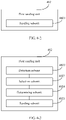
- An embodiment of the present invention provides a time synchronization device 400 that is used for a target base station.
- the time synchronization device 400 includes a receiving unit 401 and a first sending unit 402.
- the receiving unit 401 is configured to receive a handover request, sent by a source base station, for requesting to perform time synchronization with the target base station.
- the first sending unit 402 is configured to send handover request acknowledgement information to the source base station, where the handover request acknowledgement information includes information used to indicate whether the source base stationperforms time synchronization with the target base station.
- the handover request acknowledgement information sent by the target base station to the source base station by using the first sending unit includes the information used to indicate whether the source base station performs time synchronization with the target base station. Therefore, the source base station may determine, according to the handover request acknowledgement information, whether the source base station needs to perform time synchronization with the target base station. In this way, content of the handover request acknowledgement information sent by the target base station is enriched, and flexibility in performing time synchronization between the source base station and the target base station in a handover process is improved.
- the first sending unit 402 includes: a sending subunit 4021, configured to send the handover request acknowledgement information to the source base station, where the handover request acknowledgement information includes synchronization information used to indicate time synchronization between the source base station and the target base station, the synchronization information includes a target preamble, used to uniquely identify time synchronization, in a same root sequence, the synchronization information is further used to instruct the source base station to send a handover command to user equipment UE, and the handover command includes the target preamble.
- the handover request acknowledgement information includes synchronization information used to indicate time synchronization between the source base station and the target base station
- the synchronization information includes a target preamble, used to uniquely identify time synchronization, in a same root sequence
- the synchronization information is further used to instruct the source base station to send a handover command to user equipment UE, and the handover command includes the target preamble.
- the first sending unit 402 further includes a detection subunit 4022, a selection subunit 4023, a determining subunit 4024, and a sending subunit 4021.
- the detection subunit 4022 is configured to detect, according to the handover request, whether a root sequence on which no preamble allocation has been performed exists in a root sequence stored in the target base station.
- the selection subunit 4023 is configured to, if the root sequence on which no preamble allocation has been performed exists in the root sequence stored in the target base station, select a target root sequence from the root sequence on which no preamble allocation has been performed.
- the determining subunit 4024 is configured to determine the target preamble in the target root sequence.
- the sending subunit 4021 is configured to send the handover request acknowledgement information to the source base station, where the handover request acknowledgement information includes synchronization information used to indicate time synchronization between the source base station and the target base station, the synchronization information includes a target preamble, used to uniquely identify time synchronization, in a same root sequence, the synchronization information is further used to instruct the source base station to send a handover command to user equipment UE, and the handover command includes the target preamble.
- the root sequence stored in the target base station includes a blind detection root sequence used for blind detection.
- the detection subunit 4022 is further configured to: detect, according to the handover request, whether preamble allocation has been performed on the blind detection root sequence.
- the selection subunit 4023 is further configured to: when no preamble allocation has been performed on the blind detection root sequence, determine the blind detection root sequence as the target root sequence.
- the detection subunit 4022 is further configured to:
- the detection subunit 4022 is further configured to: when the root sequence on which no preamble allocation has been performed does not exist in the root sequence stored in the target base station, send the handover request acknowledgement information to the source base station, where the handover request acknowledgement information includes target-preamble allocation failure information used to indicate that the source base station cannot perform time synchronization with the target base station.
- An embodiment of the present invention provides another time synchronization device 400 that is used for a target base station.
- the time synchronization device 400 includes a receiving unit 401, a first sending unit 402, a first obtaining unit 403, and a second sending unit 404.
- the receiving unit 401 is configured to receive a handover request sent by a source base station.
- the first sending unit 402 is configured to send handover request acknowledgement information to the source base station, where the handover request acknowledgement information includes information used to indicate whether the source base station performs time synchronization with the target base station.
- the first obtaining unit 403 is configured to obtain a first moment, where the first moment is a moment at which the target base station receives a target preamble sent by UE.
- the second sending unit 404 is configured to send the first moment to the source base station, so that the source base station calculates a time difference between the first moment and a second moment, and performs time adjustment according to the time difference, where the second moment is a moment at which the target preamble sent by the UE to the target base station is detected by the source base station.
- the first obtaining unit 403 is configured to: receive a random access message sent by the UE, where the random access message includes the target preamble; and determine a moment at which the target preamble is detected as the first moment.
- the second sending unit 404 is configured to: send a resource release message to the source base station, where the resource release message includes the first moment.
- the handover request acknowledgement information sent by the target base station to the source base station includes the information used to indicate whether the source base station performs time synchronization with the target base station. Therefore, the source base station may determine, according to the handover request acknowledgement information, whether the source base station needs to perform time synchronization with the target base station. In this way, content of the handover request acknowledgement information sent by the target base station is enriched, and flexibility in performing time synchronization between the source base station and the target base station in a handover process is improved.
- the target base station may select, according to the handover request, the target root sequence from the root sequence that is stored in the target base station and on which no preamble allocation has been performed, and determine the target preamble in the target root sequence. Because the target preamble is a unique preamble in the target root sequence, accuracy of detecting the target preamble by the source base station is improved, and accuracy of time synchronization between the source base station and the target base station is improved.
- An embodiment of the present invention provides still another time synchronization device 500 that is used for a target base station.
- the time synchronization device 500 includes a receiver 501, a transmitter 502, and a processor 503.
- the receiver 501 is configured to receive a handover request, sent by a source base station, for requesting to perform time synchronization with the target base station.
- the transmitter 502 is configured to send handover request acknowledgement information to the source base station, where the handover request acknowledgement information includes information used to indicate whether the source base station performs time synchronization with the target base station.
- the handover request acknowledgement information sent by the target base station to the source base station by using the transmitter includes the information used to indicate whether the source base station performs time synchronization with the target base station. Therefore, the source base station may determine, according to the handover request acknowledgement information, whether the source base station needs to perform time synchronization with the target base station. In this way, content of the handover request acknowledgement information sent by the target base station is enriched, and flexibility in performing time synchronization between the source base station and the target base station in a handover process is improved.
- the transmitter 502 is further configured to: send the handover request acknowledgement information to the source base station, where the handover request acknowledgement information includes synchronization information used to indicate time synchronization between the source base station and the target base station, the synchronization information includes a target preamble, used to uniquely identify time synchronization, in a same root sequence, the synchronization information is further used to instruct the source base station to send a handover command to user equipment UE, and the handover command includes the target preamble.
- the processor 503 is further configured to:
- the root sequence stored in the target base station includes a blind detection root sequence used for blind detection
- the processor 503 is further configured to: detect, according to the handover request, whether preamble allocation has been performed on the blind detection root sequence.
- the processor 503 is further configured to: when no preamble allocation has been performed on the blind detection root sequence, determine the blind detection root sequence as the target root sequence.
- the processor 503 is further configured to:
- the transmitter 502 is further configured to: when the root sequence on which no preamble allocation has been performed does not exist in the root sequence stored in the target base station, send the handover request acknowledgement information to the source base station, where the handover request acknowledgement information includes target-preamble allocation failure information used to indicate that the source base station cannot perform time synchronization with the target base station.
- the processor 503 is further configured to: obtain a first moment, where the first moment is a moment at which the target base station receives the target preamble sent by the UE.
- the transmitter 502 is further configured to send the first moment to the source base station, so that the source base station calculates a time difference between the first moment and a second moment, and performs time adjustment according to the time difference, where the second moment is a moment at which the target preamble sent by the UE to the target base station is detected by the source base station.
- the processor 503 is further configured to receive a random access message sent by the UE, where the random access message includes the target preamble; and determine a moment at which the target preamble is detected as the first moment.
- the transmitter 502 is further configured to send a resource release message to the source base station, where the resource release message includes the first moment.
- the handover request acknowledgement information sent by the target base station to the source base station includes the information used to indicate whether the source base station performs time synchronization with the target base station. Therefore, the source base station may determine, according to the handover request acknowledgement information, whether the source base station needs to perform time synchronization with the target base station. In this way, content of the handover request acknowledgement information sent by the target base station is enriched, and flexibility in performing time synchronization between the source base station and the target base station in a handover process is improved.
- the target base station may select, according to the handover request, the target root sequence from the root sequence that is stored in the target base station and on which no preamble allocation has been performed, and determine the target preamble in the target root sequence. Because the target preamble is a unique preamble in the target root sequence, accuracy of detecting the target preamble by the source base station is improved, and accuracy of time synchronization between the source base station and the target base station is improved.
- An embodiment of the present invention provides a time synchronization system, including a source base station, a target base station, and user equipment, where the target base station includes the time synchronization device 400 shown in FIG 4-1 or FIG. 4-4 .
- An embodiment of the present invention provides another time synchronization system, including a source base station, a target base station, and user equipment, where the target base station includes the time synchronization device 500 shown in FIG 5 .
- the program may be stored in a computer-readable storage medium.
- the storage medium may include: a read-only memory, a magnetic disk, or an optical disc.
Landscapes
- Engineering & Computer Science (AREA)
- Computer Networks & Wireless Communication (AREA)
- Signal Processing (AREA)
- Mobile Radio Communication Systems (AREA)
Claims (5)
- Zeitsynchronisationsverfahren, das von einer Ziel-Basisstation implementiert wird, wobei das Verfahren umfasst:Empfangen (201) einer Übergabeanforderung von einer Quell-Basisstation zum Anfordern der Durchführung von Zeitsynchronisation mit der Ziel-Basisstation; undSenden (202) von Übergabeanforderungsbestätigungsinformationen an die Quell-Basisstation, wobei die Übergabeanforderungsbestätigungsinformationen Informationen umfassen, die verwendet werden, um anzuzeigen, ob die Quell-Basisstation Zeitsynchronisation mit der Ziel-Basisstation durchführt;wobei das Verfahren vor dem Senden (202) der Übergabeanforderungsbestätigungsinformationen an die Quell-Basisstation ferner umfasst:Erkennen, ob in einer in der Ziel-Basisstation gespeicherten "Root"-Sequenz eine "Root"-Sequenz vorhanden ist, für die keine Präambelzuweisung durchgeführt wurde;wenn die "Root"-Sequenz, für die keine Präambelzuweisung durchgeführt wurde, in der in der Ziel-Basisstation gespeicherten "Root"-Sequenz vorhanden ist, Auswählen einer Ziel-"Root"-Sequenz aus der "Root"-Sequenz, für die keine Präambelzuweisung durchgeführt wurde; undBestimmen einer Ziel-Präambel in der Ziel-"Root"-Sequenz; und ferner wobei das Senden (202) von Übergabeanforderungsbestätigungsinformationen an die Quell-Basisstation umfasst:nachdem die Ziel-Basisstation die Ziel-Präambel aus der gespeicherten "Root"-Sequenz bestimmt hat,Senden der Übergabeanforderungsbestätigungsinformationen an die Quell-Basisstation, wobei die Übergabeanforderungsbestätigungsinformationen Synchronisationsinformationen umfassen, die zum Anzeigen von Zeitsynchronisation zwischen der Quell-Basisstation und der Ziel-Basisstation verwendet werden, wobei die Synchronisationsinformationen die Ziel-Präambel umfassen, die eine eindeutige Präambel in der Ziel-"Root"-Sequenz ist, die zum eindeutigen Identifizieren von Zeitsynchronisation in einer gleichen "Root"-Sequenz verwendet wird, wobei die Synchronisationsinformationen ferner dazu verwendet werden, die Quell-Basisstation anzuweisen, einen Übergabebefehl an ein Benutzergerät, UE, zu senden, und der Übergabebefehl die Ziel-Präambel umfasst.
- Verfahren nach Anspruch 1, wobei das Verfahren nach dem Senden (202) von Übergabeanforderungsbestätigungsinformationen an die Quell-Basisstation ferner umfasst:Erhalten eines ersten Zeitpunkts, wobei der erste Zeitpunkt ein Zeitpunkt ist, zu dem die Ziel-Basisstation die Ziel-Präambel vom UE empfängt; undSenden des ersten Zeitpunkts an die Quell-Basisstation, wobei der erste Zeitpunkt für die Zeitsynchronisation verwendet wird.
- Zeitsynchronisationsvorrichtung (400), die für eine Ziel-Basisstation verwendet wird, wobei die Vorrichtung umfasst:eine Empfangseinheit (401), die dafür ausgelegt ist, eine Übergabeanforderung von einer Quell-Basisstation zum Anfordern der Durchführung von Zeitsynchronisation mit der Ziel-Basisstation zu empfangen; undeine erste Sendeeinheit (402), die dafür ausgelegt ist, Übergabeanforderungsbestätigungsinformationen an die Quell-Basisstation zu senden, wobei die Übergabeanforderungsbestätigungsinformationen Informationen umfassen, die verwendet werden, um anzuzeigen, ob die Quell-Basisstation Zeitsynchronisation mit der Ziel-Basisstation durchführt;wobei die erste Sendeeinheit (402) umfasst:eine Erkennungsunterheit (4022), die dafür ausgelegt ist, zu erkennen, ob in einer in der Ziel-Basisstation gespeicherten "Root"-Sequenz eine "Root"-Sequenz vorhanden ist, für die keine Präambelzuweisung durchgeführt wurde;eine Auswahluntereinheit (4023) die für Folgendes ausgelegt ist: wenn die "Root"-Sequenz, für die keine Präambelzuweisung durchgeführt wurde, in der in der Ziel-Basisstation gespeicherten "Root"-Sequenz vorhanden ist, Auswählen einer Ziel-"Root"-Sequenz aus der "Root"-Sequenz, für die keine Präambelzuweisung durchgeführt wurde; undeine Bestimmungsuntereinheit (4024), die zum Bestimmen einer Ziel-Präambel in der Ziel-"Root"-Sequenz ausgelegt ist;wobei die erste Sendeeinheit (402) ferner umfasst:
eine Sendeuntereinheit (4021), die dafür ausgelegt ist, die Übergabeanforderungsbestätigungsinformationen an die Quell-Basisstation zu senden, nachdem die Ziel-Basisstation die Ziel-Präambel aus der gespeicherten "Root"-Sequenz bestimmt hat, wobei die Übergabeanforderungsbestätigungsinformationen Synchronisationsinformationen umfassen, die zum Anzeigen von Zeitsynchronisation zwischen der Quell-Basisstation und der Ziel-Basisstation verwendet werden, wobei die Synchronisationsinformationen die Ziel-Präambel umfassen, die eine eindeutige Präambel in der Ziel-"Root"-Sequenz ist, die zum eindeutigen Identifizieren von Zeitsynchronisation in einer gleichen "Root"-Sequenz verwendet wird, wobei die Synchronisationsinformationen ferner dazu verwendet werden, die Quell-Basisstation anzuweisen, einen Übergabebefehl an ein Benutzergerät, UE, zu senden, und der Übergabebefehl die Ziel-Präambel umfasst. - Vorrichtung (400) nach Anspruch 3, wobei die Vorrichtung ferner umfasst:eine erste Erhalteeinheit (403), die dafür ausgelegt ist, einen ersten Zeitpunkt zu erhalten, wobei der erste Zeitpunkt ein Zeitpunkt ist, zu dem die Ziel-Basisstation die Ziel-Präambel vom UE empfängt; undeine zweite Sendeeinheit (404), die dafür ausgelegt ist, den ersten Zeitpunkt an die Quell-Basisstation zu senden, wobei der erste Zeitpunkt für die Zeitsynchronisation verwendet wird.
- System, umfassend eine Quell-Basisstation, eine Ziel-Basisstation und Benutzergerät, wobei die Ziel-Basisstation die Zeitsynchronisationsvorrichtung nach einem der Ansprüche 3 bis 4 umfasst.
Applications Claiming Priority (1)
| Application Number | Priority Date | Filing Date | Title |
|---|---|---|---|
| PCT/CN2015/086405 WO2017024452A1 (zh) | 2015-08-07 | 2015-08-07 | 时间同步方法、设备及系统 |
Publications (3)
| Publication Number | Publication Date |
|---|---|
| EP3316630A1 EP3316630A1 (de) | 2018-05-02 |
| EP3316630A4 EP3316630A4 (de) | 2018-07-18 |
| EP3316630B1 true EP3316630B1 (de) | 2022-03-30 |
Family
ID=57982955
Family Applications (1)
| Application Number | Title | Priority Date | Filing Date |
|---|---|---|---|
| EP15900650.1A Active EP3316630B1 (de) | 2015-08-07 | 2015-08-07 | Verfahren, vorrichtung und system zur zeitsynchronisation |
Country Status (4)
| Country | Link |
|---|---|
| US (1) | US10631209B2 (de) |
| EP (1) | EP3316630B1 (de) |
| CN (1) | CN107005955B (de) |
| WO (1) | WO2017024452A1 (de) |
Families Citing this family (8)
| Publication number | Priority date | Publication date | Assignee | Title |
|---|---|---|---|---|
| EP3316630B1 (de) * | 2015-08-07 | 2022-03-30 | Huawei Technologies Co., Ltd. | Verfahren, vorrichtung und system zur zeitsynchronisation |
| KR102372029B1 (ko) * | 2017-09-07 | 2022-03-08 | 삼성전자주식회사 | 이동성 기반의 임의 접속 방법 및 장치 |
| CN109314896B (zh) * | 2018-09-04 | 2021-03-02 | 北京小米移动软件有限公司 | 小区切换方法、装置及可读存储介质 |
| CN111480374B (zh) * | 2018-10-17 | 2022-01-11 | Oppo广东移动通信有限公司 | 数据包传输方法和设备 |
| WO2021081818A1 (zh) * | 2019-10-30 | 2021-05-06 | Oppo广东移动通信有限公司 | 小区切换的管理方法、设备及存储介质 |
| CN111901864B (zh) | 2020-04-14 | 2025-08-19 | 中兴通讯股份有限公司 | 时钟同步方法、装置和存储介质 |
| WO2022067639A1 (en) * | 2020-09-30 | 2022-04-07 | Lenovo (Beijing) Limited | Method and apparatus for time synchronization |
| US20250193814A1 (en) * | 2022-03-29 | 2025-06-12 | Zte Corporation | Time synchronization area in wireless communication |
Family Cites Families (60)
| Publication number | Priority date | Publication date | Assignee | Title |
|---|---|---|---|---|
| US5542115A (en) * | 1994-06-24 | 1996-07-30 | Pioneer Tech Development Limited | Paging method and apparatus |
| US6307840B1 (en) * | 1997-09-19 | 2001-10-23 | Qualcomm Incorporated | Mobile station assisted timing synchronization in CDMA communication system |
| US6628642B1 (en) * | 1999-08-25 | 2003-09-30 | Telefonaktiebolaget Lm Ericsson (Publ) | Synchronization deviation detection |
| US7082303B2 (en) * | 2001-06-12 | 2006-07-25 | Motorola, Inc. | Method for supporting rescue channels in a communications system |
| KR100594110B1 (ko) * | 2003-03-08 | 2006-07-03 | 삼성전자주식회사 | 광대역 무선 접속 통신 시스템에서 트래픽 상태에서의 핸드오프 시스템 및 방법 |
| JP4102692B2 (ja) * | 2003-03-25 | 2008-06-18 | 富士通株式会社 | 無線基地局装置および基地局制御装置 |
| US20040202119A1 (en) * | 2003-04-10 | 2004-10-14 | Edge Stephen William | Base station synchronization in a wireless network |
| US7212821B2 (en) * | 2003-12-05 | 2007-05-01 | Qualcomm Incorporated | Methods and apparatus for performing handoffs in a multi-carrier wireless communications system |
| US7047009B2 (en) * | 2003-12-05 | 2006-05-16 | Flarion Technologies, Inc. | Base station based methods and apparatus for supporting break before make handoffs in a multi-carrier system |
| KR100893860B1 (ko) * | 2004-06-10 | 2009-04-20 | 엘지전자 주식회사 | 광대역 무선 접속 시스템에 적용되는 핸드오버 수행 방법및 핸드오버 실패시 통신 재개 방법 |
| KR100734575B1 (ko) * | 2005-01-31 | 2007-07-02 | 가부시키가이샤 히다치 고쿠사이 덴키 | 기지국간 동기시스템과 방법 및 기지국 |
| EP1864545B1 (de) * | 2005-03-30 | 2013-06-19 | Nokia Corporation | Kombiniertes handover der leitungsvermittelten (cs) und paketvermittelten (ps) ressourcen |
| KR100770838B1 (ko) * | 2005-05-11 | 2007-10-26 | 삼성전자주식회사 | 이동통신시스템에서의 핸드오버 방법과 그를 위한 이동통신시스템의 무선 네트워크 제어기 |
| TW200729990A (en) * | 2005-12-22 | 2007-08-01 | Interdigital Tech Corp | Method and system for adjusting uplink transmission timing immediately for long term evolution handover |
| US7962139B2 (en) * | 2006-06-20 | 2011-06-14 | Texas Instruments Incorporated | Reduction of handover latencies in a wireless communication system |
| KR101206557B1 (ko) * | 2006-06-20 | 2012-11-29 | 인터디지탈 테크날러지 코포레이션 | 무선 통신 시스템에서의 핸드오버를 수행하기 위한 방법 및시스템 |
| GB0616682D0 (en) * | 2006-08-22 | 2006-10-04 | Nec Corp | Mobile telecommunications |
| EP1909520A1 (de) * | 2006-10-02 | 2008-04-09 | Matsushita Electric Industrial Co., Ltd. | Übertragung und Empfang von Systeminformationen auf grund einer Veränderung der Verbindung oder des Zugangspunkts in einem Mobilkommunikationssystem |
| EP1909523A1 (de) * | 2006-10-02 | 2008-04-09 | Matsushita Electric Industrial Co., Ltd. | Verbesserte Beschaffung von Systeminformationen einer anderen Zelle |
| WO2008060119A1 (en) * | 2006-11-16 | 2008-05-22 | Electronics And Telecommunications Research Institute | Method for handover procedure of user terminal during power saving operation in cellular system |
| US8121094B2 (en) * | 2006-12-04 | 2012-02-21 | Electronics And Telecommunications Research Institute | Method for managing cross-layer handover |
| USRE49693E1 (en) * | 2007-03-15 | 2023-10-10 | Electronics And Telecommunications Research Institute | Preamble allocation method and random access method in mobile communication system |
| JP4825913B2 (ja) * | 2007-03-20 | 2011-11-30 | 富士通株式会社 | ハンドオーバ処理による転送遅延を軽減できる基地局及びその方法 |
| WO2008114180A2 (en) * | 2007-03-21 | 2008-09-25 | Nokia Corporation | Method, apparatus and computer program product for data forwarding at handover |
| CN101299876B (zh) * | 2007-04-30 | 2011-07-06 | 华为技术有限公司 | 同步方法、通信切换方法、无线网络以及节点 |
| US8218500B2 (en) * | 2007-04-30 | 2012-07-10 | Texas Instruments Incorporated | Pre-synchronization method for hard handovers in wireless networks |
| US8830818B2 (en) * | 2007-06-07 | 2014-09-09 | Qualcomm Incorporated | Forward handover under radio link failure |
| CN101822095A (zh) * | 2007-08-07 | 2010-09-01 | 夏普株式会社 | 移动通信系统、移动台装置、基站装置、通信方法和通信控制方法 |
| KR101171471B1 (ko) * | 2007-08-09 | 2012-08-07 | 후지쯔 가부시끼가이샤 | 무선 통신 시스템에서의 핸드오버 방법과 무선 기지국 및 무선 단말기 |
| EP2195977B1 (de) * | 2007-10-02 | 2015-09-02 | Unwired Planet International Limited | Verfahren und vorrichtung zur sicheren übergabe in einem kommunikationsnetz |
| US8213391B2 (en) * | 2007-10-05 | 2012-07-03 | Via Telecom, Inc. | Time synchronization of femtocell |
| US8937936B2 (en) | 2007-10-05 | 2015-01-20 | Via Telecom Inc. | Acquiring time synchronization and location information with a femtocell |
| JP5354642B2 (ja) * | 2008-04-09 | 2013-11-27 | 日本電気株式会社 | 無線通信システムおよびその通信方法 |
| EP2269398B1 (de) * | 2008-04-28 | 2018-07-25 | LG Electronics Inc. | Direktzugriffskanal-präambelauswahl |
| JP5442764B2 (ja) * | 2008-12-18 | 2014-03-12 | テレフオンアクチーボラゲット エル エム エリクソン(パブル) | ランダムアクセスのルートシーケンスの自動的なプランニングと処理 |
| US8095143B2 (en) * | 2009-02-13 | 2012-01-10 | Telefonaktiebolaget L M Ericsson | Random access channel (RACH) reconfiguration for temporarily extended cell coverage |
| WO2010107358A1 (en) * | 2009-03-20 | 2010-09-23 | Telefonaktiebolaget L M Ericsson (Publ) | Method and apparatus for monitoring a random access channel |
| KR101486622B1 (ko) * | 2010-04-29 | 2015-01-29 | 한국전자통신연구원 | 캐리어 에그리게이션에 기반한 핸드오버 방법 |
| WO2011137561A1 (en) * | 2010-05-06 | 2011-11-10 | Telefonaktiebolaget L M Ericsson (Publ) | Method and arrangement in a wireless communication system |
| CN102547961B (zh) * | 2010-12-10 | 2016-06-08 | 华为技术有限公司 | 基站间同步的方法、装置及系统 |
| US8989741B2 (en) * | 2011-05-23 | 2015-03-24 | Interdigital Patent Holdings, Inc. | Apparatus and methods for group wireless transmit/receive unit (WTRU) handover |
| EP2749073A1 (de) * | 2011-08-24 | 2014-07-02 | Telefonaktiebolaget L M Ericsson | Dienstkontinuität in einem msn-servicebereich eines drahtlosen telekommunikationssystems |
| JP5803566B2 (ja) * | 2011-10-25 | 2015-11-04 | 富士通株式会社 | 無線通信システム、移動局、基地局及び通信制御方法 |
| EP2830370A4 (de) * | 2012-03-19 | 2015-11-11 | Kyocera Corp | Mobiles kommunikationssystem, drahtlose basisstation und mobiles kommunikationsverfahren |
| CN102833802B (zh) * | 2012-08-15 | 2015-09-23 | 电信科学技术研究院 | 一种数据转发方法及设备 |
| CN104937868B (zh) * | 2013-01-24 | 2018-02-16 | Lg电子株式会社 | 在支持载波聚合的无线接入系统中添加辅小区的方法及支持其的装置 |
| WO2014129850A1 (ko) * | 2013-02-21 | 2014-08-28 | 엘지전자 주식회사 | 무선 통신 시스템에서 설정 핸들링 기반 운영 방법 및 이를 지원하는 장치 |
| CN104168639B (zh) * | 2013-05-16 | 2018-07-17 | 北京信威通信技术股份有限公司 | 一种通信网络中基站时钟同步的方法 |
| WO2014196748A1 (ko) * | 2013-06-04 | 2014-12-11 | 엘지전자 주식회사 | 무선 통신 시스템에서 기지국이 단말의 동기화를 위한 정보를 전송하는 방법 및 이를 위한 장치 |
| CN103797869B (zh) * | 2013-07-01 | 2018-03-13 | 华为技术有限公司 | 空口同步的方法、基站、控制装置及无线通信系统 |
| WO2015042858A1 (zh) * | 2013-09-27 | 2015-04-02 | 华为技术有限公司 | 通信的方法、用户设备和基站 |
| WO2015127987A1 (en) * | 2014-02-28 | 2015-09-03 | Nokia Solutions And Networks Oy | Techniques for rach (random access channel)-less synchronized handover for wireless networks |
| WO2015135203A1 (en) * | 2014-03-14 | 2015-09-17 | Telefonaktiebolaget L M Ericsson (Publ) | Method and apparatus for a handover using dedicated random access resource |
| US20170127323A1 (en) * | 2014-04-27 | 2017-05-04 | Novelsat Ltd. | Handover between satellites using a single modem |
| CN106464404B (zh) * | 2014-05-09 | 2019-06-14 | Lg电子株式会社 | 在无线通信系统中发送用于终端之间直接通信的同步信号的方法及其装置 |
| US9936524B2 (en) * | 2014-12-24 | 2018-04-03 | Intel Corporation | Random access procedure for handover |
| US10440670B2 (en) * | 2014-12-29 | 2019-10-08 | Lg Electronics Inc. | Method for performance device-to-device communication in wireless communication system and apparatus therefor |
| EP3316630B1 (de) * | 2015-08-07 | 2022-03-30 | Huawei Technologies Co., Ltd. | Verfahren, vorrichtung und system zur zeitsynchronisation |
| CN106998575B (zh) * | 2016-01-22 | 2020-09-29 | 株式会社Kt | 用于执行v2x通信的用户设备的移动性的控制方法及其装置 |
| US10575224B2 (en) * | 2016-02-04 | 2020-02-25 | Telefonaktiebolaget Lm Ericsson (Publ) | Method and apparatus for cellular handovers involving sidelink communications |
-
2015
- 2015-08-07 EP EP15900650.1A patent/EP3316630B1/de active Active
- 2015-08-07 WO PCT/CN2015/086405 patent/WO2017024452A1/zh not_active Ceased
- 2015-08-07 CN CN201580061737.7A patent/CN107005955B/zh active Active
-
2018
- 2018-02-07 US US15/890,774 patent/US10631209B2/en active Active
Also Published As
| Publication number | Publication date |
|---|---|
| CN107005955A (zh) | 2017-08-01 |
| EP3316630A1 (de) | 2018-05-02 |
| EP3316630A4 (de) | 2018-07-18 |
| WO2017024452A1 (zh) | 2017-02-16 |
| CN107005955B (zh) | 2020-02-21 |
| US20180167849A1 (en) | 2018-06-14 |
| US10631209B2 (en) | 2020-04-21 |
Similar Documents
| Publication | Publication Date | Title |
|---|---|---|
| EP3316630B1 (de) | Verfahren, vorrichtung und system zur zeitsynchronisation | |
| US11864041B2 (en) | Multi-beam random access procedure in handover execution | |
| US20250227769A1 (en) | Multi-beam random access procedure in handover execution | |
| KR101689490B1 (ko) | 셀 핸드오버 및 재구성을 위한 방법 및 장치 | |
| JP2020507953A5 (de) | ||
| CN102123475B (zh) | 一种定时提前分组的确定方法及装置 | |
| EP4221422B1 (de) | Verfahren zur bereitstellung von informationsnachrichten mit rach-berichten und zugehörige drahtlose vorrichtungen | |
| AU2011226551B2 (en) | Method, User Equipment, Base Station and System for Detecting Sharing of Timing Advance Value | |
| CN102067703B (zh) | 用于执行电信系统中的随机访问的方法和设备 | |
| US9742532B2 (en) | Method, system and device for using terminal identifier | |
| EP3528399B1 (de) | Auswahl einer strahlausfallwiederherstellungsanforderungsressource | |
| US9860859B2 (en) | Apparatus and method for aligning discovery channel intervals among cells in cellular communication system | |
| US20160112978A1 (en) | Air-Interface-Based Synchronization Method, Base Station, Control Apparatus, and Wireless Communications System | |
| EP3101987B1 (de) | Benutzergerät, basisstation und verfahren zur erkennung von steuerungsinformationen | |
| WO2020167236A1 (en) | Management of coverage and capacity | |
| US10945292B2 (en) | Random access method and device | |
| EP3410790A1 (de) | Verfahren, vorrichtung und system zur zeitsynchronisation | |
| EP3131336B1 (de) | Übergabeverfahren in einem drahtloskommunikationssystem | |
| TW202139743A (zh) | 用於報告與隨選系統資訊之請求或接收相關之資訊之系統及方法 | |
| EP3419350B1 (de) | Synchronisationsverfahren und synchronisationsvorrichtung zwischen basisstationen | |
| CN109474963B (zh) | 获取及上报邻区同步信息的方法、基站、用户设备及介质 | |
| WO2020089779A1 (en) | Methods and nodes for performing random access in case of lbt failure | |
| CN103491583A (zh) | 一种基于认知无线电系统的频谱切换方法和设备 | |
| WO2020074636A1 (en) | Self-optimization of beam selection | |
| KR20170119228A (ko) | 이동통신단말의 접속 제어 방법 및 장치 |
Legal Events
| Date | Code | Title | Description |
|---|---|---|---|
| STAA | Information on the status of an ep patent application or granted ep patent |
Free format text: STATUS: THE INTERNATIONAL PUBLICATION HAS BEEN MADE |
|
| PUAI | Public reference made under article 153(3) epc to a published international application that has entered the european phase |
Free format text: ORIGINAL CODE: 0009012 |
|
| STAA | Information on the status of an ep patent application or granted ep patent |
Free format text: STATUS: REQUEST FOR EXAMINATION WAS MADE |
|
| 17P | Request for examination filed |
Effective date: 20180123 |
|
| AK | Designated contracting states |
Kind code of ref document: A1 Designated state(s): AL AT BE BG CH CY CZ DE DK EE ES FI FR GB GR HR HU IE IS IT LI LT LU LV MC MK MT NL NO PL PT RO RS SE SI SK SM TR |
|
| AX | Request for extension of the european patent |
Extension state: BA ME |
|
| A4 | Supplementary search report drawn up and despatched |
Effective date: 20180620 |
|
| RIC1 | Information provided on ipc code assigned before grant |
Ipc: H04W 56/00 20090101AFI20180614BHEP Ipc: H04W 36/00 20090101ALI20180614BHEP Ipc: H04B 7/26 20060101ALI20180614BHEP |
|
| DAV | Request for validation of the european patent (deleted) | ||
| DAX | Request for extension of the european patent (deleted) | ||
| STAA | Information on the status of an ep patent application or granted ep patent |
Free format text: STATUS: EXAMINATION IS IN PROGRESS |
|
| 17Q | First examination report despatched |
Effective date: 20190918 |
|
| GRAP | Despatch of communication of intention to grant a patent |
Free format text: ORIGINAL CODE: EPIDOSNIGR1 |
|
| STAA | Information on the status of an ep patent application or granted ep patent |
Free format text: STATUS: GRANT OF PATENT IS INTENDED |
|
| INTG | Intention to grant announced |
Effective date: 20210706 |
|
| GRAJ | Information related to disapproval of communication of intention to grant by the applicant or resumption of examination proceedings by the epo deleted |
Free format text: ORIGINAL CODE: EPIDOSDIGR1 |
|
| STAA | Information on the status of an ep patent application or granted ep patent |
Free format text: STATUS: EXAMINATION IS IN PROGRESS |
|
| GRAP | Despatch of communication of intention to grant a patent |
Free format text: ORIGINAL CODE: EPIDOSNIGR1 |
|
| STAA | Information on the status of an ep patent application or granted ep patent |
Free format text: STATUS: GRANT OF PATENT IS INTENDED |
|
| INTC | Intention to grant announced (deleted) | ||
| INTG | Intention to grant announced |
Effective date: 20211202 |
|
| GRAS | Grant fee paid |
Free format text: ORIGINAL CODE: EPIDOSNIGR3 |
|
| GRAA | (expected) grant |
Free format text: ORIGINAL CODE: 0009210 |
|
| STAA | Information on the status of an ep patent application or granted ep patent |
Free format text: STATUS: THE PATENT HAS BEEN GRANTED |
|
| AK | Designated contracting states |
Kind code of ref document: B1 Designated state(s): AL AT BE BG CH CY CZ DE DK EE ES FI FR GB GR HR HU IE IS IT LI LT LU LV MC MK MT NL NO PL PT RO RS SE SI SK SM TR |
|
| REG | Reference to a national code |
Ref country code: GB Ref legal event code: FG4D |
|
| REG | Reference to a national code |
Ref country code: CH Ref legal event code: EP |
|
| REG | Reference to a national code |
Ref country code: DE Ref legal event code: R096 Ref document number: 602015077953 Country of ref document: DE |
|
| REG | Reference to a national code |
Ref country code: AT Ref legal event code: REF Ref document number: 1480345 Country of ref document: AT Kind code of ref document: T Effective date: 20220415 |
|
| REG | Reference to a national code |
Ref country code: IE Ref legal event code: FG4D |
|
| REG | Reference to a national code |
Ref country code: LT Ref legal event code: MG9D |
|
| PG25 | Lapsed in a contracting state [announced via postgrant information from national office to epo] |
Ref country code: SE Free format text: LAPSE BECAUSE OF FAILURE TO SUBMIT A TRANSLATION OF THE DESCRIPTION OR TO PAY THE FEE WITHIN THE PRESCRIBED TIME-LIMIT Effective date: 20220330 Ref country code: RS Free format text: LAPSE BECAUSE OF FAILURE TO SUBMIT A TRANSLATION OF THE DESCRIPTION OR TO PAY THE FEE WITHIN THE PRESCRIBED TIME-LIMIT Effective date: 20220330 Ref country code: NO Free format text: LAPSE BECAUSE OF FAILURE TO SUBMIT A TRANSLATION OF THE DESCRIPTION OR TO PAY THE FEE WITHIN THE PRESCRIBED TIME-LIMIT Effective date: 20220630 Ref country code: LT Free format text: LAPSE BECAUSE OF FAILURE TO SUBMIT A TRANSLATION OF THE DESCRIPTION OR TO PAY THE FEE WITHIN THE PRESCRIBED TIME-LIMIT Effective date: 20220330 Ref country code: HR Free format text: LAPSE BECAUSE OF FAILURE TO SUBMIT A TRANSLATION OF THE DESCRIPTION OR TO PAY THE FEE WITHIN THE PRESCRIBED TIME-LIMIT Effective date: 20220330 Ref country code: BG Free format text: LAPSE BECAUSE OF FAILURE TO SUBMIT A TRANSLATION OF THE DESCRIPTION OR TO PAY THE FEE WITHIN THE PRESCRIBED TIME-LIMIT Effective date: 20220630 |
|
| REG | Reference to a national code |
Ref country code: NL Ref legal event code: MP Effective date: 20220330 |
|
| REG | Reference to a national code |
Ref country code: AT Ref legal event code: MK05 Ref document number: 1480345 Country of ref document: AT Kind code of ref document: T Effective date: 20220330 |
|
| PG25 | Lapsed in a contracting state [announced via postgrant information from national office to epo] |
Ref country code: LV Free format text: LAPSE BECAUSE OF FAILURE TO SUBMIT A TRANSLATION OF THE DESCRIPTION OR TO PAY THE FEE WITHIN THE PRESCRIBED TIME-LIMIT Effective date: 20220330 Ref country code: GR Free format text: LAPSE BECAUSE OF FAILURE TO SUBMIT A TRANSLATION OF THE DESCRIPTION OR TO PAY THE FEE WITHIN THE PRESCRIBED TIME-LIMIT Effective date: 20220701 Ref country code: FI Free format text: LAPSE BECAUSE OF FAILURE TO SUBMIT A TRANSLATION OF THE DESCRIPTION OR TO PAY THE FEE WITHIN THE PRESCRIBED TIME-LIMIT Effective date: 20220330 |
|
| PG25 | Lapsed in a contracting state [announced via postgrant information from national office to epo] |
Ref country code: NL Free format text: LAPSE BECAUSE OF FAILURE TO SUBMIT A TRANSLATION OF THE DESCRIPTION OR TO PAY THE FEE WITHIN THE PRESCRIBED TIME-LIMIT Effective date: 20220330 |
|
| PG25 | Lapsed in a contracting state [announced via postgrant information from national office to epo] |
Ref country code: SM Free format text: LAPSE BECAUSE OF FAILURE TO SUBMIT A TRANSLATION OF THE DESCRIPTION OR TO PAY THE FEE WITHIN THE PRESCRIBED TIME-LIMIT Effective date: 20220330 Ref country code: SK Free format text: LAPSE BECAUSE OF FAILURE TO SUBMIT A TRANSLATION OF THE DESCRIPTION OR TO PAY THE FEE WITHIN THE PRESCRIBED TIME-LIMIT Effective date: 20220330 Ref country code: RO Free format text: LAPSE BECAUSE OF FAILURE TO SUBMIT A TRANSLATION OF THE DESCRIPTION OR TO PAY THE FEE WITHIN THE PRESCRIBED TIME-LIMIT Effective date: 20220330 Ref country code: PT Free format text: LAPSE BECAUSE OF FAILURE TO SUBMIT A TRANSLATION OF THE DESCRIPTION OR TO PAY THE FEE WITHIN THE PRESCRIBED TIME-LIMIT Effective date: 20220801 Ref country code: ES Free format text: LAPSE BECAUSE OF FAILURE TO SUBMIT A TRANSLATION OF THE DESCRIPTION OR TO PAY THE FEE WITHIN THE PRESCRIBED TIME-LIMIT Effective date: 20220330 Ref country code: EE Free format text: LAPSE BECAUSE OF FAILURE TO SUBMIT A TRANSLATION OF THE DESCRIPTION OR TO PAY THE FEE WITHIN THE PRESCRIBED TIME-LIMIT Effective date: 20220330 Ref country code: CZ Free format text: LAPSE BECAUSE OF FAILURE TO SUBMIT A TRANSLATION OF THE DESCRIPTION OR TO PAY THE FEE WITHIN THE PRESCRIBED TIME-LIMIT Effective date: 20220330 Ref country code: AT Free format text: LAPSE BECAUSE OF FAILURE TO SUBMIT A TRANSLATION OF THE DESCRIPTION OR TO PAY THE FEE WITHIN THE PRESCRIBED TIME-LIMIT Effective date: 20220330 |
|
| PG25 | Lapsed in a contracting state [announced via postgrant information from national office to epo] |
Ref country code: PL Free format text: LAPSE BECAUSE OF FAILURE TO SUBMIT A TRANSLATION OF THE DESCRIPTION OR TO PAY THE FEE WITHIN THE PRESCRIBED TIME-LIMIT Effective date: 20220330 Ref country code: IS Free format text: LAPSE BECAUSE OF FAILURE TO SUBMIT A TRANSLATION OF THE DESCRIPTION OR TO PAY THE FEE WITHIN THE PRESCRIBED TIME-LIMIT Effective date: 20220730 Ref country code: AL Free format text: LAPSE BECAUSE OF FAILURE TO SUBMIT A TRANSLATION OF THE DESCRIPTION OR TO PAY THE FEE WITHIN THE PRESCRIBED TIME-LIMIT Effective date: 20220330 |
|
| REG | Reference to a national code |
Ref country code: DE Ref legal event code: R097 Ref document number: 602015077953 Country of ref document: DE |
|
| PG25 | Lapsed in a contracting state [announced via postgrant information from national office to epo] |
Ref country code: DK Free format text: LAPSE BECAUSE OF FAILURE TO SUBMIT A TRANSLATION OF THE DESCRIPTION OR TO PAY THE FEE WITHIN THE PRESCRIBED TIME-LIMIT Effective date: 20220330 |
|
| PLBE | No opposition filed within time limit |
Free format text: ORIGINAL CODE: 0009261 |
|
| STAA | Information on the status of an ep patent application or granted ep patent |
Free format text: STATUS: NO OPPOSITION FILED WITHIN TIME LIMIT |
|
| 26N | No opposition filed |
Effective date: 20230103 |
|
| PG25 | Lapsed in a contracting state [announced via postgrant information from national office to epo] |
Ref country code: MC Free format text: LAPSE BECAUSE OF FAILURE TO SUBMIT A TRANSLATION OF THE DESCRIPTION OR TO PAY THE FEE WITHIN THE PRESCRIBED TIME-LIMIT Effective date: 20220330 |
|
| REG | Reference to a national code |
Ref country code: CH Ref legal event code: PL |
|
| PG25 | Lapsed in a contracting state [announced via postgrant information from national office to epo] |
Ref country code: LU Free format text: LAPSE BECAUSE OF NON-PAYMENT OF DUE FEES Effective date: 20220807 Ref country code: LI Free format text: LAPSE BECAUSE OF NON-PAYMENT OF DUE FEES Effective date: 20220831 Ref country code: CH Free format text: LAPSE BECAUSE OF NON-PAYMENT OF DUE FEES Effective date: 20220831 |
|
| REG | Reference to a national code |
Ref country code: BE Ref legal event code: MM Effective date: 20220831 |
|
| PG25 | Lapsed in a contracting state [announced via postgrant information from national office to epo] |
Ref country code: SI Free format text: LAPSE BECAUSE OF FAILURE TO SUBMIT A TRANSLATION OF THE DESCRIPTION OR TO PAY THE FEE WITHIN THE PRESCRIBED TIME-LIMIT Effective date: 20220330 |
|
| PG25 | Lapsed in a contracting state [announced via postgrant information from national office to epo] |
Ref country code: IT Free format text: LAPSE BECAUSE OF FAILURE TO SUBMIT A TRANSLATION OF THE DESCRIPTION OR TO PAY THE FEE WITHIN THE PRESCRIBED TIME-LIMIT Effective date: 20220330 Ref country code: IE Free format text: LAPSE BECAUSE OF NON-PAYMENT OF DUE FEES Effective date: 20220807 Ref country code: FR Free format text: LAPSE BECAUSE OF NON-PAYMENT OF DUE FEES Effective date: 20220831 |
|
| PG25 | Lapsed in a contracting state [announced via postgrant information from national office to epo] |
Ref country code: BE Free format text: LAPSE BECAUSE OF NON-PAYMENT OF DUE FEES Effective date: 20220831 |
|
| PG25 | Lapsed in a contracting state [announced via postgrant information from national office to epo] |
Ref country code: HU Free format text: LAPSE BECAUSE OF FAILURE TO SUBMIT A TRANSLATION OF THE DESCRIPTION OR TO PAY THE FEE WITHIN THE PRESCRIBED TIME-LIMIT; INVALID AB INITIO Effective date: 20150807 |
|
| PG25 | Lapsed in a contracting state [announced via postgrant information from national office to epo] |
Ref country code: CY Free format text: LAPSE BECAUSE OF FAILURE TO SUBMIT A TRANSLATION OF THE DESCRIPTION OR TO PAY THE FEE WITHIN THE PRESCRIBED TIME-LIMIT Effective date: 20220330 |
|
| PG25 | Lapsed in a contracting state [announced via postgrant information from national office to epo] |
Ref country code: MK Free format text: LAPSE BECAUSE OF FAILURE TO SUBMIT A TRANSLATION OF THE DESCRIPTION OR TO PAY THE FEE WITHIN THE PRESCRIBED TIME-LIMIT Effective date: 20220330 |
|
| PG25 | Lapsed in a contracting state [announced via postgrant information from national office to epo] |
Ref country code: TR Free format text: LAPSE BECAUSE OF FAILURE TO SUBMIT A TRANSLATION OF THE DESCRIPTION OR TO PAY THE FEE WITHIN THE PRESCRIBED TIME-LIMIT Effective date: 20220330 |
|
| PG25 | Lapsed in a contracting state [announced via postgrant information from national office to epo] |
Ref country code: MT Free format text: LAPSE BECAUSE OF FAILURE TO SUBMIT A TRANSLATION OF THE DESCRIPTION OR TO PAY THE FEE WITHIN THE PRESCRIBED TIME-LIMIT Effective date: 20220330 |
|
| PGFP | Annual fee paid to national office [announced via postgrant information from national office to epo] |
Ref country code: DE Payment date: 20250702 Year of fee payment: 11 |
|
| PGFP | Annual fee paid to national office [announced via postgrant information from national office to epo] |
Ref country code: GB Payment date: 20250703 Year of fee payment: 11 |