EP3309639A1 - System and method for cruise monitoring and alerting - Google Patents
System and method for cruise monitoring and alerting Download PDFInfo
- Publication number
- EP3309639A1 EP3309639A1 EP17206151.7A EP17206151A EP3309639A1 EP 3309639 A1 EP3309639 A1 EP 3309639A1 EP 17206151 A EP17206151 A EP 17206151A EP 3309639 A1 EP3309639 A1 EP 3309639A1
- Authority
- EP
- European Patent Office
- Prior art keywords
- mobile platform
- alert
- operator
- information
- aircraft
- Prior art date
- Legal status (The legal status is an assumption and is not a legal conclusion. Google has not performed a legal analysis and makes no representation as to the accuracy of the status listed.)
- Granted
Links
Images

Classifications
-
- G—PHYSICS
- G08—SIGNALLING
- G08G—TRAFFIC CONTROL SYSTEMS
- G08G5/00—Traffic control systems for aircraft
- G08G5/70—Arrangements for monitoring traffic-related situations or conditions
-
- B—PERFORMING OPERATIONS; TRANSPORTING
- B64—AIRCRAFT; AVIATION; COSMONAUTICS
- B64D—EQUIPMENT FOR FITTING IN OR TO AIRCRAFT; FLIGHT SUITS; PARACHUTES; ARRANGEMENT OR MOUNTING OF POWER PLANTS OR PROPULSION TRANSMISSIONS IN AIRCRAFT
- B64D45/00—Aircraft indicators or protectors not otherwise provided for
-
- G—PHYSICS
- G01—MEASURING; TESTING
- G01C—MEASURING DISTANCES, LEVELS OR BEARINGS; SURVEYING; NAVIGATION; GYROSCOPIC INSTRUMENTS; PHOTOGRAMMETRY OR VIDEOGRAMMETRY
- G01C23/00—Combined instruments indicating more than one navigational value, e.g. for aircraft; Combined measuring devices for measuring two or more variables of movement, e.g. distance, speed or acceleration
-
- G—PHYSICS
- G01—MEASURING; TESTING
- G01C—MEASURING DISTANCES, LEVELS OR BEARINGS; SURVEYING; NAVIGATION; GYROSCOPIC INSTRUMENTS; PHOTOGRAMMETRY OR VIDEOGRAMMETRY
- G01C23/00—Combined instruments indicating more than one navigational value, e.g. for aircraft; Combined measuring devices for measuring two or more variables of movement, e.g. distance, speed or acceleration
- G01C23/005—Flight directors
-
- G—PHYSICS
- G05—CONTROLLING; REGULATING
- G05B—CONTROL OR REGULATING SYSTEMS IN GENERAL; FUNCTIONAL ELEMENTS OF SUCH SYSTEMS; MONITORING OR TESTING ARRANGEMENTS FOR SUCH SYSTEMS OR ELEMENTS
- G05B23/00—Testing or monitoring of control systems or parts thereof
- G05B23/02—Electric testing or monitoring
- G05B23/0205—Electric testing or monitoring by means of a monitoring system capable of detecting and responding to faults
- G05B23/0259—Electric testing or monitoring by means of a monitoring system capable of detecting and responding to faults characterized by the response to fault detection
- G05B23/0267—Fault communication, e.g. human machine interface [HMI]
- G05B23/0272—Presentation of monitored results, e.g. selection of status reports to be displayed; Filtering information to the user
-
- G—PHYSICS
- G08—SIGNALLING
- G08B—SIGNALLING SYSTEMS, e.g. PERSONAL CALLING SYSTEMS; ORDER TELEGRAPHS; ALARM SYSTEMS
- G08B21/00—Alarms responsive to a single specified undesired or abnormal condition and not otherwise provided for
- G08B21/02—Alarms for ensuring the safety of persons
- G08B21/06—Alarms for ensuring the safety of persons indicating a condition of sleep, e.g. anti-dozing alarms
-
- G—PHYSICS
- G08—SIGNALLING
- G08G—TRAFFIC CONTROL SYSTEMS
- G08G1/00—Traffic control systems for road vehicles
- G08G1/16—Anti-collision systems
- G08G1/167—Driving aids for lane monitoring, lane changing, e.g. blind spot detection
-
- G—PHYSICS
- G08—SIGNALLING
- G08G—TRAFFIC CONTROL SYSTEMS
- G08G5/00—Traffic control systems for aircraft
- G08G5/20—Arrangements for acquiring, generating, sharing or displaying traffic information
- G08G5/26—Transmission of traffic-related information between aircraft and ground stations
-
- G—PHYSICS
- G08—SIGNALLING
- G08G—TRAFFIC CONTROL SYSTEMS
- G08G5/00—Traffic control systems for aircraft
- G08G5/70—Arrangements for monitoring traffic-related situations or conditions
- G08G5/72—Arrangements for monitoring traffic-related situations or conditions for monitoring traffic
- G08G5/727—Arrangements for monitoring traffic-related situations or conditions for monitoring traffic from a ground station
-
- B—PERFORMING OPERATIONS; TRANSPORTING
- B60—VEHICLES IN GENERAL
- B60W—CONJOINT CONTROL OF VEHICLE SUB-UNITS OF DIFFERENT TYPE OR DIFFERENT FUNCTION; CONTROL SYSTEMS SPECIALLY ADAPTED FOR HYBRID VEHICLES; ROAD VEHICLE DRIVE CONTROL SYSTEMS FOR PURPOSES NOT RELATED TO THE CONTROL OF A PARTICULAR SUB-UNIT
- B60W40/00—Estimation or calculation of non-directly measurable driving parameters for road vehicle drive control systems not related to the control of a particular sub unit, e.g. by using mathematical models
- B60W40/08—Estimation or calculation of non-directly measurable driving parameters for road vehicle drive control systems not related to the control of a particular sub unit, e.g. by using mathematical models related to drivers or passengers
- B60W2040/0818—Inactivity or incapacity of driver
- B60W2040/0827—Inactivity or incapacity of driver due to sleepiness
-
- B—PERFORMING OPERATIONS; TRANSPORTING
- B60—VEHICLES IN GENERAL
- B60W—CONJOINT CONTROL OF VEHICLE SUB-UNITS OF DIFFERENT TYPE OR DIFFERENT FUNCTION; CONTROL SYSTEMS SPECIALLY ADAPTED FOR HYBRID VEHICLES; ROAD VEHICLE DRIVE CONTROL SYSTEMS FOR PURPOSES NOT RELATED TO THE CONTROL OF A PARTICULAR SUB-UNIT
- B60W2540/00—Input parameters relating to occupants
- B60W2540/22—Psychological state; Stress level or workload
-
- B—PERFORMING OPERATIONS; TRANSPORTING
- B64—AIRCRAFT; AVIATION; COSMONAUTICS
- B64D—EQUIPMENT FOR FITTING IN OR TO AIRCRAFT; FLIGHT SUITS; PARACHUTES; ARRANGEMENT OR MOUNTING OF POWER PLANTS OR PROPULSION TRANSMISSIONS IN AIRCRAFT
- B64D45/00—Aircraft indicators or protectors not otherwise provided for
- B64D2045/0085—Devices for aircraft health monitoring, e.g. monitoring flutter or vibration
Definitions
- the present disclosure relates to systems that monitor the performance a mobile platform and of a crew member operating the mobile platform, and more particularly to a system and method that monitors the performance of a crew member and an aircraft and provides an alert if the performance of the aircraft or crew member differs from an expected performance.
- pilot flying or “pilot in command”
- pilot monitoring or “pilot not in command”
- the pilot flying is responsible for hand flying the aircraft or operation of the aircraft systems used to fly the aircraft during autopilot operation.
- the pilot monitoring is responsible for communications and cross-checking the pilot flying to make sure mistakes are not inadvertently made and that the aircraft stays on the cleared flight plan.
- present day commercial transport aircraft most cruise segments are operated with the autopilot engaged. Accordingly, the operational requirements on the crew are much less demanding than during departure, climb, and descent, especially during oceanic and remote cruise flight segments.
- the present disclosure relates to a monitoring system for use with a mobile platform being operated by an operator.
- the system may comprise: a database for containing operational information and procedures relating to the operation of the mobile platform by the operator; and a processor in communication with the database and with at least one subsystem of the mobile platform for monitoring operational information concerning operation of the mobile platform against stored information contained in the database, and determining if the operation of the mobile platform is proceeding in accordance with an expected performance.
- the present disclosure relates to a method for monitoring operation of a mobile platform and alerting at least one operator of the mobile platform when operation of the mobile platform begins to deviate from an expected operation.
- the method may comprise: using a database for containing operational information and procedures relating to the operation of the mobile platform by the operator; processing information from the database and information concerning operation of the mobile platform to determine if the mobile platform and the operator are following an expected performance course; and when the mobile platform or the individual deviate from the expected performance course, generating an alert to the operator.
- the present disclosure may involve a method for monitoring operation of a commercial transport aircraft and at least a pilot in command of the aircraft to detect when operation of the aircraft deviates from an expected operation.
- the method may comprise: using a database for containing operational information and procedures relating to the operation of the mobile platform by the pilot in command; processing information from the database and real time information concerning operation of the aircraft to determine if the aircraft is following an expected performance course; and when the aircraft deviates from the expected performance course, generating a real time alert to the pilot in command informing the pilot in command of the deviation.
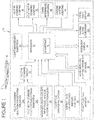
- Figure 1 is a block diagram of a system in accordance with one embodiment of the present disclosure
- Figure 2 is a flowchart illustrating operations performed by the system of Figure 1 .
- FIG. 1 there is shown a monitoring and alerting system 10 for use with a mobile platform 12.
- system 10 For convenience the monitoring and alerting system 10 will be referred to throughout the following discussion as simply the "system 10". Also, while the system 10 will be described in connection with the operation of a mobile platform, it will be appreciated that the system 10 could readily be implemented in connection with the operation of fixed machinery or the operation or monitoring of other non-mobile equipment, installations or systems.
- the system 10 is adaptable to virtually any application where it is desired to monitor the operation of a vehicle, machine or other form of system, or the performance of an operator responsible for operating the vehicle, machine or other form of system.
- the mobile platform 12 forms "aircraft 12", which forms a commercial transport jet aircraft, it will be appreciated that the system 10 could just as readily be employed with any form of mobile platform such as a marine vessel (i.e., surface ship or underwater vessel), a rotorcraft, a land vehicle such as van, truck, car or bus, or other form of airborne vehicles such as rotorcraft and space vehicles.
- the system 10 may also be employed with manned or unmanned vehicles.
- the "operator” of the aircraft 12 will be referred to as the "pilot in command”.
- the crew member that assists the pilot in command will be referred to as the "pilot not in command” or the "secondary operator”.
- the system 10 includes a processor 14 that communicates with a monitoring and alerting parameter database 16.
- the processor 14 may include one or more specific algorithms 18 that interpret data received by the processor and which provide information back to the processor that it uses to determine if a specific aircraft performance or operator performance criterion is being met, or has not been met.
- the processor 14 receives information from a flight management subsystem 20 (typically referred to as a "flight management computer" (“FMC”) in the aviation industry) that provides information to the processor 14 concerning flight performance and route data.
- Typical information received from the flight management subsystem 20 could be route of flight information including waypoint identifies, estimated time of arrival (ETA) times for waypoints, current fuel and projected fuel burn estimates, and automation mode status (i.e. lateral guidance from the flight management subsystem 20, vertical guidance from the flight management subsystem 20, engagement, and thrust mode from the flight management subsystem 20 engagement and sub-mode).
- the processor 14 may also receive physiological data concerning the condition of the pilot in command and the pilot not in command, as indicated by subsystems 22a and 22b, respectively. Such data may be provided to the processor 14 via a pilot in command switch 23 that allows the pilot in command (or even the pilot not in command) to select which one will have his/her health data monitored by the processor 14. Of course, a provision may also be made so that the processor 14 monitors the health data from both individuals simultaneously without any switching being required.
- the health data may relate to pulse data, respiration, blood oxygen level or any other data that may indicate a change in the physiological state of the pilot in command and/or the pilot not in command.
- suitable health monitoring equipment will need to be attached to the pilot in command (i.e., pilot) and/or pilot not in command (i.e., co-pilot) prior to the operation of the aircraft 12 commencing for such health monitoring data to be generated.
- the processor 14 receives this information in real time (i.e., virtually instantaneously) and uses the information to monitor the physiological condition of the pilot in command and/or the pilot non in command, depending if one or both individuals are attached to suitable monitoring equipment. If the processor 14 detects a significant physiological change in the health of the person being monitored, then it may generate an alert, which will be more fully described in the following paragraphs.
- reminder messages which may not be directly related to a certified portion of the two crew duties but may still be a part of the two crew member duties imposed by an airline to comply with company procedures, may be provided to the processor 14, as indicated by block 24.
- Such reminder messages may be route specific.
- a flight specific message may be a message that a flight is halfway to its intended destination, thus requiring the pilot to reply with an acknowledgement to an airline company worker about the status of a particular passenger or some specific cargo carried on the aircraft 12.
- the reminders may also be specific to a mission in a military operation. For example, such reminders may come immediately after various actions occur during a mission that each requires a response from the pilot in command.
- the failure of the pilot in command to respond to any one of the reminders within a predetermined time period may then cause the processor 14 to generate a real time alert.
- the system 10 may also be integrated with a flight plan monitoring system 26, such as that described in U.S. Patent No. 6,828,921 , assigned to The Boeing Company, and hereby incorporated by reference into the present disclosure.
- the system 26 provides comprehensive flight plan information to the processor 14 and works in cooperation with the processor 14 to ensure that the processor is apprised of any action (or inaction) by the pilot in command that will cause the aircraft 12 to deviate from a filed flight plan as amended by air traffic control (ATC), which is referred to as the "cleared flight plan".
- ATC air traffic control
- the system 10 may also make use of various aircraft performance information or data, as indicated at block 28, such as air speed information, navigation data, altitude data, fuel data, and autopilot mode annunciations, etc., that is provided to the processor 14 for monitoring and analysis. If the processor 14 determines that any received information is outside of an expected range or value, the processor 14 may signal a real time alert informing the pilot in command or the pilot not in command of the condition.
- various aircraft performance information or data such as air speed information, navigation data, altitude data, fuel data, and autopilot mode annunciations, etc.
- the system 10 may calculate specific information based on the data received from the aircraft 12 as indicated at block 30, such as fuel burn compared to the filed flight plan; the fuel burn per waypoint; the Extended Twin Engine Operational range Performance Standards (ETOPS) equal time point (ETP) calculations; three minute out air traffic control (ATC) reporting, etc.
- the processor 14 may compare this information with other data held in the database 16, with or without the use of the algorithms 18, to determine if any condition has arisen requiring pilot in command input or pilot not in command input, or verifying that an expected input has been received from the pilot in command or the pilot not in command.
- the processor 14 is able to generate one or more alerts in the event that the performance of the aircraft 12, or of the pilot in command, deviates from an expected performance. More specifically, the system 10 is able to provide a real time alert when the performance of, or operation of, the aircraft 12 deviates from an expected performance or from airline company specific operating procedures. For example, the system 10 may provide an alert if the flight path of the aircraft begins to deviate from the expected flight path, or if the pilot in command fails to provide an input or perform a periodic check that is required by standard operating procedures (SOPs) at predetermined intervals (e.g., starting the auxiliary power unit (APU) at a predetermined time prior to descent of the aircraft 12).
- SOPs standard operating procedures
- APU auxiliary power unit
- the system 10 implements what may be viewed as a hierarchical alert scheme. Initially, if an improper action or an inaction on the part of the pilot in command is detected by the processor 14, the processor will provide an alert to the pilot in command, as indicated at block 32. This alert may be provided on a separate visual alert display 35a shown in Figure 1 (e.g., a light) that the pilot in command can see. If the processor 14 does not detect that the appropriate response has been provided by the pilot in command within a predetermined time period, then the processor 14 may raise the level of the alert. For example, this may involve providing an audible alarm via a separate audible alarm generator 35b (e.g., a speaker) to the pilot in command in addition to the visual alert from display 35a.
- a separate audible alarm generator 35b e.g., a speaker
- the audible alarm generator 35b is also shown in Figure 1 .
- the processor 14 may provide a separate alert to the pilot not in command, as indicated by block 36, that no suitable response was taken by the pilot in command. This alert may be provided on the visual alert display 35a or through the audible alarm generator 35b, or it may even be provided audibly through headphones that the pilot not in command is wearing.
- the processor 14 may provide an alert to the cabin staff of the aircraft 12 via a cabin interphone subsystem 38.
- the cabin interphone subsystem 38 may provide a visual signal or an audible signal that the cabin staff recognizes as meaning that an operational procedure required to be performed by the pilot in command has not taken place, or that performance of the aircraft 12 or of the flight of the aircraft has deviated from an expected course. Still further, the system 10 may provide an alert (i.e., wireless communication) via a ground system alerting subsystem 40 to an air traffic control (ATC) tower that the required response has not been received within the required time frame.
- ATC air traffic control
- the processor 14 may also provide an alert via any of the above described components if any physiological abnormalities are detected from the health data obtained from subsystems 22a and 22b. It will be appreciated that any alert generated by the processor 14 is preferably a real time alert.
- a flowchart 100 is shown illustrating operations that may be performed by the system 10.
- the processor 14 receives information from the aircraft 12 pertaining to the path of flight of the aircraft, the performance of the various subsystems of the aircraft, and any actions that the pilot in command needs to take or is expected to take at specific time intervals.
- the processor 14 may use information obtained from the database 16 and the stored algorithms 18 to determine if the path of travel of the aircraft 12, the performance of various subsystems of the aircraft or the performance by the pilot in command, has given rise to a need to generate an alert along with the type of alert required.
- the processor 14 If the need for an alert has arisen, the processor 14 generates the needed alert to the pilot in command, as indicated at operation 106, and then monitors for the expected response, as indicated at operation 108. If the expected response is received at operation 108, then the alert is removed, as indicated at operation 110, and the monitoring action continues. If an alert has been generated, but the expected response from the pilot in command is not received at operation 108, then either the level of the alert may be raised or a second alert is generated for the pilot not in command, as indicated at operation 112. If the expected input from the pilot in command is then received after a short additional predetermined time (e.g., 30 seconds or less), as indicated at operation 114, then the alert to the pilot not in command is removed, as indicated at operation 116.
- a short additional predetermined time e.g. 30 seconds or less
- an additional alert directed to the cabin crew may be generated as indicated at operation 118.
- an alert may be wirelessly transmitted from the aircraft 12 to a remote facility, for example an air traffic control facility or an airline company dispatch center, as indicated by operation 120. If the alert is detected as being removed at operation 122, then the system 10 continues monitoring the received information that is received by the processor 14. If the alert is detected as still existing at operation 122, then the system 10 may continue checking for the expected response from the pilot in command at operation 114.
- the system 10 enables a commercial transport aircraft that would normally be required by present day flight regulations for long range flights to have four flight crew members on board to operate safely with two or three flight crew members. For flights where two crew members are required, the system 10 could enable the flight to be performed with a single crew member during the cruise segment, and would also extend the number of operations that can be performed with only two crew members.
- the system 10 enables this reduction in manpower by essentially performing many monitoring and checking actions that would normally be performed by the pilot not in command. Reducing the number of flight crew needed for a given flight can represent a significant cost savings to an airline operating the aircraft 12.
- the system 10 also reduces the potential of one or more operational errors (due to human error) of the monitoring function.
Landscapes
- Engineering & Computer Science (AREA)
- Physics & Mathematics (AREA)
- General Physics & Mathematics (AREA)
- Aviation & Aerospace Engineering (AREA)
- Radar, Positioning & Navigation (AREA)
- Remote Sensing (AREA)
- Business, Economics & Management (AREA)
- Emergency Management (AREA)
- Human Computer Interaction (AREA)
- Automation & Control Theory (AREA)
- Traffic Control Systems (AREA)
- Alarm Systems (AREA)
Abstract
Description
- The statements in this section merely provide background information related to the present disclosure and may not constitute prior art.
- The present disclosure relates to systems that monitor the performance a mobile platform and of a crew member operating the mobile platform, and more particularly to a system and method that monitors the performance of a crew member and an aircraft and provides an alert if the performance of the aircraft or crew member differs from an expected performance.
- When the jet transport era was launched in the 1960s, aircraft system complexity and operating procedures necessitated three crew members to operate the aircraft. Advances in aircraft systems and electronics capability enabled the next generation of aircraft designed in the early 1980s to be operated by a crew of two pilots. Advances in aircraft capability enabled the duties of the third crew member to be automated and the remaining tasks were divided amongst two pilots, allowing safe and efficient operation and actually reducing the number of operational crew errors. When the two-crew flight decks were designed, the certification requirements dictated that all controls and indications required to fly the aircraft would be located, and in some cases duplicated, so that the aircraft could be safely operated by a single crew member from either seated position in the event of a crew member becoming incapacitated.
- Crew duties have been divided into what is called the "pilot flying" (or "pilot in command") and "pilot monitoring" (or "pilot not in command"). The pilot flying is responsible for hand flying the aircraft or operation of the aircraft systems used to fly the aircraft during autopilot operation. The pilot monitoring is responsible for communications and cross-checking the pilot flying to make sure mistakes are not inadvertently made and that the aircraft stays on the cleared flight plan. However, with present day commercial transport aircraft most cruise segments are operated with the autopilot engaged. Accordingly, the operational requirements on the crew are much less demanding than during departure, climb, and descent, especially during oceanic and remote cruise flight segments.
- In spite of the less demanding operational requirements on the crew, and in order to ensure cross-checking of actions taken or required by the pilot flying, and also to combat fatigue and meet crew duty time regulatory requirements, current long range flights must operate with three or four flight crew members on board. This is so even though only two flight crew members are required to operate the aircraft. The extra "supernumerary" crew members rotate through the pilot flying and pilot monitoring duties, allowing the two primary flight crew members to take rest periods in the passenger cabin or dedicated crew rest facilities in the aircraft. The current method of operating flights with more than two crew members to meet crew duty time limitations significantly increases the cash airplane-related operating costs (CAROC) for an airline.
- In one aspect the present disclosure relates to a monitoring system for use with a mobile platform being operated by an operator. The system may comprise: a database for containing operational information and procedures relating to the operation of the mobile platform by the operator; and a processor in communication with the database and with at least one subsystem of the mobile platform for monitoring operational information concerning operation of the mobile platform against stored information contained in the database, and determining if the operation of the mobile platform is proceeding in accordance with an expected performance.
- In another aspect the present disclosure relates to a method for monitoring operation of a mobile platform and alerting at least one operator of the mobile platform when operation of the mobile platform begins to deviate from an expected operation. The method may comprise: using a database for containing operational information and procedures relating to the operation of the mobile platform by the operator; processing information from the database and information concerning operation of the mobile platform to determine if the mobile platform and the operator are following an expected performance course; and when the mobile platform or the individual deviate from the expected performance course, generating an alert to the operator.
- In another aspect the present disclosure may involve a method for monitoring operation of a commercial transport aircraft and at least a pilot in command of the aircraft to detect when operation of the aircraft deviates from an expected operation. The method may comprise: using a database for containing operational information and procedures relating to the operation of the mobile platform by the pilot in command; processing information from the database and real time information concerning operation of the aircraft to determine if the aircraft is following an expected performance course; and when the aircraft deviates from the expected performance course, generating a real time alert to the pilot in command informing the pilot in command of the deviation.
- Further areas of applicability will become apparent from the description provided herein. It should be understood that the description and specific examples are intended for purposes of illustration only and are not intended to limit the scope of the present disclosure.
- The drawings described herein are for illustration purposes only and are not intended to limit the scope of the present disclosure in any way.
Figure 1 is a block diagram of a system in accordance with one embodiment of the present disclosure; andFigure 2 is a flowchart illustrating operations performed by the system ofFigure 1 . - The following description is merely exemplary in nature and is not intended to limit the present disclosure, application, or uses. It should be understood that throughout the drawings, corresponding reference numerals indicate like or corresponding parts and features. Referring to
Figure 1 there is shown a monitoring and alertingsystem 10 for use with amobile platform 12. For convenience the monitoring and alertingsystem 10 will be referred to throughout the following discussion as simply the "system 10". Also, while thesystem 10 will be described in connection with the operation of a mobile platform, it will be appreciated that thesystem 10 could readily be implemented in connection with the operation of fixed machinery or the operation or monitoring of other non-mobile equipment, installations or systems. Thesystem 10 is adaptable to virtually any application where it is desired to monitor the operation of a vehicle, machine or other form of system, or the performance of an operator responsible for operating the vehicle, machine or other form of system. Also, while the following discussion may reference themobile platform 12 as "aircraft 12", which forms a commercial transport jet aircraft, it will be appreciated that thesystem 10 could just as readily be employed with any form of mobile platform such as a marine vessel (i.e., surface ship or underwater vessel), a rotorcraft, a land vehicle such as van, truck, car or bus, or other form of airborne vehicles such as rotorcraft and space vehicles. Thesystem 10 may also be employed with manned or unmanned vehicles. At the present time, however, it is anticipated that a particularly desirable implementation of thesystem 10 will be in connection with the use of commercial transport jet aircraft to enable the number of crew members required to pilot the aircraft to be reduced without affecting the safety of the crew and/or the non-crew passengers travelling on theaircraft 12. - Furthermore, for the purpose of the following discussion the "operator" of the
aircraft 12 will be referred to as the "pilot in command". The crew member that assists the pilot in command will be referred to as the "pilot not in command" or the "secondary operator". - Referring further to
Figure 1 thesystem 10 includes aprocessor 14 that communicates with a monitoring and alertingparameter database 16. Theprocessor 14 may include one or morespecific algorithms 18 that interpret data received by the processor and which provide information back to the processor that it uses to determine if a specific aircraft performance or operator performance criterion is being met, or has not been met. - The
processor 14 receives information from a flight management subsystem 20 (typically referred to as a "flight management computer" ("FMC") in the aviation industry) that provides information to theprocessor 14 concerning flight performance and route data. Typical information received from theflight management subsystem 20 could be route of flight information including waypoint identifies, estimated time of arrival (ETA) times for waypoints, current fuel and projected fuel burn estimates, and automation mode status (i.e. lateral guidance from theflight management subsystem 20, vertical guidance from theflight management subsystem 20, engagement, and thrust mode from theflight management subsystem 20 engagement and sub-mode). - The
processor 14 may also receive physiological data concerning the condition of the pilot in command and the pilot not in command, as indicated bysubsystems processor 14 via a pilot incommand switch 23 that allows the pilot in command (or even the pilot not in command) to select which one will have his/her health data monitored by theprocessor 14. Of course, a provision may also be made so that theprocessor 14 monitors the health data from both individuals simultaneously without any switching being required. The health data may relate to pulse data, respiration, blood oxygen level or any other data that may indicate a change in the physiological state of the pilot in command and/or the pilot not in command. In this regard it will be appreciated that suitable health monitoring equipment will need to be attached to the pilot in command (i.e., pilot) and/or pilot not in command (i.e., co-pilot) prior to the operation of theaircraft 12 commencing for such health monitoring data to be generated. Theprocessor 14 receives this information in real time (i.e., virtually instantaneously) and uses the information to monitor the physiological condition of the pilot in command and/or the pilot non in command, depending if one or both individuals are attached to suitable monitoring equipment. If theprocessor 14 detects a significant physiological change in the health of the person being monitored, then it may generate an alert, which will be more fully described in the following paragraphs. - Various reminder messages, which may not be directly related to a certified portion of the two crew duties but may still be a part of the two crew member duties imposed by an airline to comply with company procedures, may be provided to the
processor 14, as indicated byblock 24. Such reminder messages may be route specific. For example, such a flight specific message may be a message that a flight is halfway to its intended destination, thus requiring the pilot to reply with an acknowledgement to an airline company worker about the status of a particular passenger or some specific cargo carried on theaircraft 12. The reminders may also be specific to a mission in a military operation. For example, such reminders may come immediately after various actions occur during a mission that each requires a response from the pilot in command. The failure of the pilot in command to respond to any one of the reminders within a predetermined time period (e.g., 30 seconds) may then cause theprocessor 14 to generate a real time alert. Thesystem 10 may also be integrated with a flightplan monitoring system 26, such as that described inU.S. Patent No. 6,828,921 , assigned to The Boeing Company, and hereby incorporated by reference into the present disclosure. Thesystem 26 provides comprehensive flight plan information to theprocessor 14 and works in cooperation with theprocessor 14 to ensure that the processor is apprised of any action (or inaction) by the pilot in command that will cause theaircraft 12 to deviate from a filed flight plan as amended by air traffic control (ATC), which is referred to as the "cleared flight plan". - The
system 10 may also make use of various aircraft performance information or data, as indicated at block 28, such as air speed information, navigation data, altitude data, fuel data, and autopilot mode annunciations, etc., that is provided to theprocessor 14 for monitoring and analysis. If theprocessor 14 determines that any received information is outside of an expected range or value, theprocessor 14 may signal a real time alert informing the pilot in command or the pilot not in command of the condition. - Finally the
system 10 may calculate specific information based on the data received from theaircraft 12 as indicated atblock 30, such as fuel burn compared to the filed flight plan; the fuel burn per waypoint; the Extended Twin Engine Operational range Performance Standards (ETOPS) equal time point (ETP) calculations; three minute out air traffic control (ATC) reporting, etc. Theprocessor 14 may compare this information with other data held in thedatabase 16, with or without the use of thealgorithms 18, to determine if any condition has arisen requiring pilot in command input or pilot not in command input, or verifying that an expected input has been received from the pilot in command or the pilot not in command. - It is a principal advantage of the
system 10 that theprocessor 14 is able to generate one or more alerts in the event that the performance of theaircraft 12, or of the pilot in command, deviates from an expected performance. More specifically, thesystem 10 is able to provide a real time alert when the performance of, or operation of, theaircraft 12 deviates from an expected performance or from airline company specific operating procedures. For example, thesystem 10 may provide an alert if the flight path of the aircraft begins to deviate from the expected flight path, or if the pilot in command fails to provide an input or perform a periodic check that is required by standard operating procedures (SOPs) at predetermined intervals (e.g., starting the auxiliary power unit (APU) at a predetermined time prior to descent of the aircraft 12). - The
system 10 implements what may be viewed as a hierarchical alert scheme. Initially, if an improper action or an inaction on the part of the pilot in command is detected by theprocessor 14, the processor will provide an alert to the pilot in command, as indicated atblock 32. This alert may be provided on a separate visualalert display 35a shown inFigure 1 (e.g., a light) that the pilot in command can see. If theprocessor 14 does not detect that the appropriate response has been provided by the pilot in command within a predetermined time period, then theprocessor 14 may raise the level of the alert. For example, this may involve providing an audible alarm via a separateaudible alarm generator 35b (e.g., a speaker) to the pilot in command in addition to the visual alert fromdisplay 35a. Theaudible alarm generator 35b is also shown inFigure 1 . Alternatively, theprocessor 14 may provide a separate alert to the pilot not in command, as indicated by block 36, that no suitable response was taken by the pilot in command. This alert may be provided on the visualalert display 35a or through theaudible alarm generator 35b, or it may even be provided audibly through headphones that the pilot not in command is wearing. Alternatively, or in addition to the alert provided to the pilot not in command, theprocessor 14 may provide an alert to the cabin staff of theaircraft 12 via acabin interphone subsystem 38. Thecabin interphone subsystem 38 may provide a visual signal or an audible signal that the cabin staff recognizes as meaning that an operational procedure required to be performed by the pilot in command has not taken place, or that performance of theaircraft 12 or of the flight of the aircraft has deviated from an expected course. Still further, thesystem 10 may provide an alert (i.e., wireless communication) via a ground system alerting subsystem 40 to an air traffic control (ATC) tower that the required response has not been received within the required time frame. Theprocessor 14 may also provide an alert via any of the above described components if any physiological abnormalities are detected from the health data obtained fromsubsystems processor 14 is preferably a real time alert. - Referring now to
Figure 2 , aflowchart 100 is shown illustrating operations that may be performed by thesystem 10. Atoperation 102 theprocessor 14 receives information from theaircraft 12 pertaining to the path of flight of the aircraft, the performance of the various subsystems of the aircraft, and any actions that the pilot in command needs to take or is expected to take at specific time intervals. Atoperation 104 theprocessor 14 may use information obtained from thedatabase 16 and the storedalgorithms 18 to determine if the path of travel of theaircraft 12, the performance of various subsystems of the aircraft or the performance by the pilot in command, has given rise to a need to generate an alert along with the type of alert required. If the need for an alert has arisen, theprocessor 14 generates the needed alert to the pilot in command, as indicated atoperation 106, and then monitors for the expected response, as indicated atoperation 108. If the expected response is received atoperation 108, then the alert is removed, as indicated atoperation 110, and the monitoring action continues. If an alert has been generated, but the expected response from the pilot in command is not received atoperation 108, then either the level of the alert may be raised or a second alert is generated for the pilot not in command, as indicated atoperation 112. If the expected input from the pilot in command is then received after a short additional predetermined time (e.g., 30 seconds or less), as indicated atoperation 114, then the alert to the pilot not in command is removed, as indicated atoperation 116. However, if no response is received by the pilot in command or the pilot not in command after the short additional predetermined time period, as indicated atoperation 114, then an additional alert directed to the cabin crew may be generated as indicated atoperation 118. Optionally, at any time an alert may be wirelessly transmitted from theaircraft 12 to a remote facility, for example an air traffic control facility or an airline company dispatch center, as indicated by operation 120. If the alert is detected as being removed atoperation 122, then thesystem 10 continues monitoring the received information that is received by theprocessor 14. If the alert is detected as still existing atoperation 122, then thesystem 10 may continue checking for the expected response from the pilot in command atoperation 114. - The
system 10 enables a commercial transport aircraft that would normally be required by present day flight regulations for long range flights to have four flight crew members on board to operate safely with two or three flight crew members. For flights where two crew members are required, thesystem 10 could enable the flight to be performed with a single crew member during the cruise segment, and would also extend the number of operations that can be performed with only two crew members. Thesystem 10 enables this reduction in manpower by essentially performing many monitoring and checking actions that would normally be performed by the pilot not in command. Reducing the number of flight crew needed for a given flight can represent a significant cost savings to an airline operating theaircraft 12. Thesystem 10 also reduces the potential of one or more operational errors (due to human error) of the monitoring function. - Further embodiments are disclosed in the following clauses:
- Clause 1. A monitoring system (10) for use with a mobile platform (12) being operated by an operator, the system comprising: a database (16) for containing operational information and procedures relating to the operation of the mobile platform (12) by the operator; and a processor (14) in communication with the database (16) and with at least one subsystem (20, 22a, 22b) of the mobile platform (12) for monitoring operational information concerning operation of the mobile platform (12) against stored information contained in said database (16), and determining if the operation of the mobile platform (12) is proceeding in accordance with an expected performance.
- Clause 2. The system of clause 1, wherein: said mobile platform (12) comprises a commercial transport aircraft; and said at least one subsystem (20, 22a, 22b) of the mobile platform (12) comprises a flight management subsystem (20) of the mobile platform (12) that supplies route data to the processor (14) concerning a route that the aircraft is assigned to follow during a flight.
- Clause 3. The system of clause 2, wherein said operator comprises a pilot of said aircraft; and further comprising a subsystem (22a, 22b) for generating physiological information related to a condition of said pilot, and supplying said physiological information to said processor (14).
- Clause 4. The system of clause 1, wherein said processor (14) generates an alert (32, 36, 40) if said operation of said mobile platform (12) deviates from said expected performance.
- Clause 5. The system of Clause 4, wherein said alert comprises at least one of: an output to a visual alert display (35a) of the mobile platform (12); an output to an audible alarm generator (35b); an output to a remotely located control station (40) associated with operation of the mobile platform (12); an alert to an operator (32) in command of the mobile platform (12); an alert to a secondary operator (36) of the mobile platform (12) who is not in primary command of the mobile platform (12); and an alert to cabin staff members (38) on the mobile platform(12).
- Clause 6. A method for monitoring operation (100) of a mobile platform (12) and alerting at least one operator of the mobile platform (12) when operation of said mobile platform begins to deviate from an expected operation, said method comprising: using a database (16) for containing operational information and procedures relating to the operation of the mobile platform (12) by the operator; processing (102) information from said database (16) and information (28, 30) concerning operation of said mobile platform (12) to determine if said mobile platform (12) and said operator are following an expected performance course; and when said mobile platform (12) or said individual deviate from said expected performance course, generating an alert (32, 36) to said operator.
- Clause 7. The method of Clause 6, wherein said processing information (102) to determine if said mobile platform (12) and said operator are following an expected performance course comprises determining if said mobile platform (12) is following a predetermined course of travel.
- Clause 8. The method of Clause 6, wherein said operation of generating an alert to said operator comprises providing said alert on a visual alert display (35a) of said mobile platform (12).
- Clause 9. The method of Clause 6, wherein said operation of generating an alert to said operator comprises generating (112) an additional alert to a secondary operator of said mobile platform (12) is who is assisting said operator in operating said mobile platform.
-
Clause 10. The method of Clause 6, further comprising monitoring a physiological condition of said operator and generating an alert if said monitored physiological condition deviates from a predetermined standard. - Clause 11. The method of Clause 6, wherein said operation of generating an alert (106) to said operator comprises at least one of: generating an alert on a visual alert display (35a) of said mobile platform (12); generating an audible alert using an audible alarm generator(35b); generating an alert to a secondary operator (112) who is secondarily responsible for operating said mobile platform (12); generating an alert that is communicated wirelessly (120) to a remote monitoring facility that is monitoring travel of said mobile platform (12); and generating an alert to staff present on said mobile platform (118) but not responsible for piloting said mobile platform (12).
-
Clause 12. A method for monitoring operation of a commercial transport aircraft and at least a pilot in command of the aircraft when operation of said aircraft deviates from an expected operation, said method comprising: using a database (16) for containing operational information and procedures relating to the operation of the aircraft by the pilot in command; processing information (102) from said database and real time information (28, 30) concerning operation of said aircraft to determine if said aircraft is following an expected performance course; and when said aircraft deviates from said expected performance course, generating a real time alert to said pilot in command informing said pilot in command of said deviation. - Clause 13. The method of
Clause 12, wherein said operation of processing information (102) to determine if said aircraft is following an expected performance course comprises: monitoring said real time information (28, 30) concerning operation of said aircraft to determine that said pilot in command is performing expected operations at expected time intervals. - While various embodiments have been described, those skilled in the art will recognize modifications or variations which might be made without departing from the present disclosure.
- The examples illustrate the various embodiments and are not intended to limit the present disclosure. Therefore, the description and claims should be interpreted liberally with only such limitation as is necessary in view of the pertinent prior art.
Claims (15)
- A monitoring system (10) for use with a mobile platform (12) being operated by an operator, the system comprising:a database (16) for containing operational information and procedures relating to the operation of the mobile platform (12) by the operator; anda processor (14) in communication with the database (16) and with at least one subsystem (20, 22a, 22b) of the mobile platform (12) for monitoring operational information concerning operation of the mobile platform (12), including monitoring if the operator fails to perform a periodic check that is required by standard operating procedures at predetermined intervals, against stored information contained in said database (16), and determining if the operation of the mobile platform (12) is proceeding in accordance with an expected performance.
- The system of claim 1, wherein:said mobile platform (12) comprises a commercial transport aircraft; andsaid at least one subsystem (20, 22a, 22b) of the mobile platform (12) comprises a flight management subsystem (20) of the mobile platform (12) that supplies route data to the processor (14) concerning a route that the aircraft is assigned to follow during a flight.
- The system of claim 2, wherein said operator comprises a pilot of said aircraft; and
further comprising a subsystem (22a, 22b) for generating physiological information related to a condition of said pilot, and supplying said physiological information to said processor (14). - The system of claim 1, wherein said processor (14) generates an alert (32, 36, 40) if said operation of said mobile platform (12) deviates from said expected performance.
- The system of claim 4, wherein said alert comprises at least one of:an output to a visual alert display (35a) of the mobile platform (12);an output to an audible alarm generator (35b);an output to a remotely located control station (40) associated with operation of the mobile platform (12);an alert to an operator (32) in command of the mobile platform (12);an alert to a secondary operator (36) of the mobile platform (12) who is not in primary command of the mobile platform (12); andan alert to cabin staff members (38) on the mobile platform(12).
- The system of claim 1, wherein said processor (14) is adapted to receive at least one of the following:fuel burn compared to a flight plan;a fuel burn per waypoint;extended range twin engine operational performance standards;equal time point calculations; andthree minute out air traffic control reporting.
- The system of claim 1, wherein said processor (14) is adapted to receive at least one of the following:route specific reminders; andmission specific reminders.
- A method for monitoring operation (100) of a mobile platform (12) and alerting at least one operator of the mobile platform (12) when operation of said mobile platform begins to deviate from an expected operation, said method comprising:using a database (16) for containing operational information and procedures relating to the operation of the mobile platform (12) by the operator;processing (102) information from said database (16) and information (28, 30) concerning operation of said mobile platform (12), including monitoring if the operator fails to perform a periodic check that is required by standard operating procedures at predetermined intervals, to determine if said mobile platform (12) and said operator are following an expected performance course; andwhen said mobile platform (12) or said individual deviate from said expected performance course, generating an alert (32, 36) to said operator.
- The method of claim 8, wherein said processing information (102) to determine if said mobile platform (12) and said operator are following an expected performance course comprises determining if said mobile platform (12) is following a predetermined course of travel.
- The method of claim 8, wherein said operation of generating an alert to said operator comprises providing said alert on a visual alert display (35a) of said mobile platform (12).
- The method of claim 8, wherein said operation of generating an alert to said operator comprises generating (112) an additional alert to a secondary operator of said mobile platform (12) who is assisting said operator in operating said mobile platform.
- The method of claim 8, further comprising monitoring a physiological condition of said operator and generating an alert if said monitored physiological condition deviates from a predetermined standard.
- The method of claim 8, wherein said processing information from said database and information concerning operation
of said mobile platform comprises processing at least one
of:navigation data;fuel data;route specific reminders;mission specific reminders;projected fuel burn per waypoint; andthree minute out air traffic control reporting reporting. - The method of claim 8, wherein said operation of generating an alert (106) to said operator comprises at least one of:generating an alert on a visual alert display (35a) of said mobile platform (12);generating an audible alert using an audible alarm generator(35b);generating an alert to a secondary operator (112) who is secondarily responsible for operating said mobile platform (12);generating an alert that is communicated wirelessly (120) to a remote monitoring facility that is monitoring travel of said mobile platform (12); andgenerating an alert to staff present on said mobile platform (118) but not responsible for piloting said mobile platform (12).
- The method of claim 8, wherein the mobile platform (12) is a commercial transport aircraft and the at least one operator is at least a pilot in command of the aircraft, wherein the information (28, 30) concerning operation of said mobile platform (12) comprises real time information (28, 30) concerning operation of said aircraft and, wherein the alert is a real time alert.
Applications Claiming Priority (3)
| Application Number | Priority Date | Filing Date | Title |
|---|---|---|---|
| US12/349,049 US8957790B2 (en) | 2009-01-06 | 2009-01-06 | System and method for cruise monitoring and alerting |
| PCT/US2009/069340 WO2010080656A1 (en) | 2009-01-06 | 2009-12-22 | System and method for cruise monitoring and alerting |
| EP09807522.9A EP2386054B1 (en) | 2009-01-06 | 2009-12-22 | System and method for cruise monitoring and alerting |
Related Parent Applications (2)
| Application Number | Title | Priority Date | Filing Date |
|---|---|---|---|
| EP09807522.9A Division-Into EP2386054B1 (en) | 2009-01-06 | 2009-12-22 | System and method for cruise monitoring and alerting |
| EP09807522.9A Division EP2386054B1 (en) | 2009-01-06 | 2009-12-22 | System and method for cruise monitoring and alerting |
Publications (2)
| Publication Number | Publication Date |
|---|---|
| EP3309639A1 true EP3309639A1 (en) | 2018-04-18 |
| EP3309639B1 EP3309639B1 (en) | 2021-02-03 |
Family
ID=42102119
Family Applications (2)
| Application Number | Title | Priority Date | Filing Date |
|---|---|---|---|
| EP17206151.7A Active EP3309639B1 (en) | 2009-01-06 | 2009-12-22 | System and method for cruise monitoring and alerting |
| EP09807522.9A Active EP2386054B1 (en) | 2009-01-06 | 2009-12-22 | System and method for cruise monitoring and alerting |
Family Applications After (1)
| Application Number | Title | Priority Date | Filing Date |
|---|---|---|---|
| EP09807522.9A Active EP2386054B1 (en) | 2009-01-06 | 2009-12-22 | System and method for cruise monitoring and alerting |
Country Status (6)
| Country | Link |
|---|---|
| US (2) | US8957790B2 (en) |
| EP (2) | EP3309639B1 (en) |
| JP (1) | JP5671480B2 (en) |
| CN (2) | CN106384543B (en) |
| ES (2) | ES2865415T3 (en) |
| WO (1) | WO2010080656A1 (en) |
Families Citing this family (41)
| Publication number | Priority date | Publication date | Assignee | Title |
|---|---|---|---|---|
| US8957790B2 (en) * | 2009-01-06 | 2015-02-17 | The Boeing Company | System and method for cruise monitoring and alerting |
| US8665133B2 (en) * | 2010-02-04 | 2014-03-04 | Honeywell International Inc. | Methods and systems for presenting weather hazard information on an in-trail procedures display |
| US20120075122A1 (en) | 2010-09-24 | 2012-03-29 | Honeywell International Inc. | Alert generation and related aircraft operating methods |
| US9377324B2 (en) * | 2010-09-27 | 2016-06-28 | Honeywell International Inc. | Computer assisted human machine interface display |
| US8928498B2 (en) * | 2010-09-27 | 2015-01-06 | Honeywell International Inc | Workload management system and method |
| US9102417B1 (en) * | 2010-12-10 | 2015-08-11 | The Boeing Company | Health monitoring system for a vehicle |
| FR2980585B1 (en) * | 2011-09-23 | 2014-08-22 | Thales Sa | DEVICE FOR ALERTING AEROLOGICAL PHENOMENA FOR AN AIRCRAFT |
| FR2983598B1 (en) * | 2011-12-06 | 2013-12-27 | Airbus Operations Sas | METHOD FOR AUTOMATIC MONITORING OF AIR OPERATIONS REQUIRING GUARANTEE OF NAVIGATION PERFORMANCE AND GUIDANCE |
| US8554396B2 (en) * | 2012-01-03 | 2013-10-08 | Honeywell International Inc. | Systems and methods for issuing a hard landing warning and providing maintenance advisories for hard landing incidents |
| US9069604B2 (en) * | 2013-03-04 | 2015-06-30 | Yagi Corp. | Activity interruption management |
| US9996445B2 (en) * | 2014-01-17 | 2018-06-12 | International Business Machines Corporation | Computer flight recorder with active error detection |
| CN104901976A (en) * | 2014-03-03 | 2015-09-09 | 华为技术有限公司 | Vehicle internal usage scenario arrangement method, vehicle-mounted equipment and network equipment |
| FR3020704B1 (en) * | 2014-05-02 | 2016-05-27 | Airbus | PREVENTING RISKS DURING INTERVENTION ON AN AIRCRAFT |
| GB201412444D0 (en) * | 2014-05-30 | 2014-08-27 | Airbus Operations Ltd | System and method for providing an optimized aircraft turnaround schedule |
| US10227140B2 (en) * | 2014-07-11 | 2019-03-12 | Cmc Electronics Inc | System and method for detecting and alerting the user of an aircraft of an impendent adverse condition |
| EP3037907A1 (en) * | 2014-12-23 | 2016-06-29 | Université Sciences Technologies Lille | Autonomously assisted and guided vehicle |
| EP3304767B1 (en) * | 2015-06-01 | 2019-12-04 | Sita Information Networking Computing UK Limited | Method and system for monitoring aircraft status |
| US9826941B1 (en) * | 2015-06-26 | 2017-11-28 | Rockwell Collins, Inc. | Pilot health monitoring and hypoxia prevention system and method |
| US20170011326A1 (en) * | 2015-07-09 | 2017-01-12 | General Electric Company | Method and system for managing personnel work disruption in safety critical industries |
| GB2541936A (en) * | 2015-09-07 | 2017-03-08 | Bae Systems Plc | A monitoring system for a military vehicle |
| US9701418B2 (en) * | 2015-10-06 | 2017-07-11 | Honeywell International Inc. | Pilot fatigue detection system and method from aircraft control device movement |
| IL242167B (en) | 2015-10-20 | 2021-07-29 | Israel Aerospace Ind Ltd | Method of operation yielding extended range for single pilot aircraft and systems useful in conjnction therewith |
| US10023324B2 (en) | 2016-04-06 | 2018-07-17 | Honeywell International Inc. | Methods and apparatus for providing real-time flight safety advisory data and analytics |
| US10228692B2 (en) | 2017-03-27 | 2019-03-12 | Gulfstream Aerospace Corporation | Aircraft flight envelope protection and recovery autopilot |
| AU2017435881B2 (en) * | 2017-10-09 | 2023-07-27 | North Carolina State University | Decoupled modeling methods and systems |
| FR3072475B1 (en) | 2017-10-17 | 2019-11-01 | Thales | METHOD OF PROCESSING AN ERROR DURING THE EXECUTION OF A PREDETERMINED AVIONIC PROCEDURE, COMPUTER PROGRAM AND SYSTEM FOR DETECTION AND ALERT |
| US11238742B2 (en) | 2018-02-08 | 2022-02-01 | Honeywell International Inc. | Methods and systems for mitigating clearance ambiguities |
| US10971155B2 (en) * | 2018-04-12 | 2021-04-06 | Honeywell International Inc. | Aircraft systems and methods for monitoring onboard communications |
| US20200111044A1 (en) * | 2018-10-05 | 2020-04-09 | Workmerk, Llc | WorkMerk Flowchart |
| US10952668B2 (en) | 2019-02-14 | 2021-03-23 | Bose Corporation | Pilot workload monitoring system |
| RU2728958C1 (en) * | 2019-11-01 | 2020-08-03 | Акционерная организация «Российская акционерная ассоциация «Спецтехника» | Uniform information-analytical system of fights safety of state aviation |
| US11580872B2 (en) * | 2020-03-02 | 2023-02-14 | The Boeing Company | Embedded training for commercial aviation |
| CN112530204B (en) * | 2020-11-17 | 2021-09-07 | 中国商用飞机有限责任公司 | Method for determining isochronous points on an aircraft route |
| US11398146B2 (en) * | 2020-12-22 | 2022-07-26 | Micron Technology, Inc. | Emergency assistance response |
| US12190861B2 (en) | 2021-04-22 | 2025-01-07 | Honeywell International Inc. | Adaptive speech recognition methods and systems |
| US12431025B2 (en) | 2021-06-16 | 2025-09-30 | Honeywell International Inc. | Contextual transcription augmentation methods and systems |
| US12505751B2 (en) | 2022-05-12 | 2025-12-23 | Honeywell International Inc. | Transcription systems and related supplementation methods |
| US12437156B2 (en) | 2022-10-28 | 2025-10-07 | Honeywell International Inc. | Transcription systems and methods for challenging clearances |
| US12325428B2 (en) | 2022-12-08 | 2025-06-10 | Honeywell International Inc. | Systems and methods for in-flight health monitoring and comfort tracking |
| US12612182B2 (en) | 2024-03-22 | 2026-04-28 | Rockwell Collins, Inc. | Tuned flight language model for cognitive workload |
| FR3161099A1 (en) * | 2024-04-12 | 2025-10-17 | Thales | Method for assessing the level of fatigue of an operator and associated assessment system |
Citations (4)
| Publication number | Priority date | Publication date | Assignee | Title |
|---|---|---|---|---|
| US5522026A (en) * | 1994-03-18 | 1996-05-28 | The Boeing Company | System for creating a single electronic checklist in response to multiple faults |
| EP0974885A1 (en) * | 1998-07-24 | 2000-01-26 | The Boeing Company | Electronic checklist system with checklist inhibiting |
| US6828921B2 (en) | 2001-12-05 | 2004-12-07 | The Boeing Company | Data link clearance monitoring and pilot alert sub-system (compass) |
| WO2006068962A2 (en) * | 2004-12-22 | 2006-06-29 | Michael Arnouse | Apparatus, system and method for aircraft security and anti-hijacking intervention |
Family Cites Families (66)
| Publication number | Priority date | Publication date | Assignee | Title |
|---|---|---|---|---|
| US3713090A (en) * | 1970-09-03 | 1973-01-23 | C Dickinson | System for use in conducting aircraft check lists |
| US3979057A (en) * | 1974-10-29 | 1976-09-07 | Specialized Electronics Corporation | Electronic navigational computer |
| US4312041A (en) * | 1978-02-22 | 1982-01-19 | Lear Siegler, Inc. | Flight performance data computer system |
| US4970683A (en) * | 1986-08-26 | 1990-11-13 | Heads Up Technologies, Inc. | Computerized checklist with predetermined sequences of sublists which automatically returns to skipped checklists |
| SE8800848D0 (en) * | 1988-03-10 | 1988-03-10 | Saab Scania Ab | SETTING AND DEVICE FOR MONITORING A STEERING OFFICE OF A VEHICLE DRIVER |
| US5243339A (en) | 1988-06-07 | 1993-09-07 | The Boeing Company | Flight crew response monitor |
| US5900827A (en) | 1988-06-07 | 1999-05-04 | The Boeing Company | Flight crew response monitor |
| US5646843A (en) * | 1990-02-05 | 1997-07-08 | Caterpillar Inc. | Apparatus and method for surface based vehicle control system |
| CN1054308A (en) * | 1990-02-26 | 1991-09-04 | 北京市西城区新开通用试验厂 | Integratively electromechanical monitor of airplane flight parameters |
| JPH0448099U (en) * | 1990-08-31 | 1992-04-23 | ||
| US5457800A (en) * | 1991-05-02 | 1995-10-10 | Smiths Industries Aerospace & Defense Systems, Inc. | Adaptable datalink interface |
| US5454074A (en) * | 1991-09-18 | 1995-09-26 | The Boeing Company | Electronic checklist system |
| JP2962006B2 (en) * | 1991-10-31 | 1999-10-12 | 株式会社島津製作所 | Aircraft pilot awareness detection device |
| US5714948A (en) * | 1993-05-14 | 1998-02-03 | Worldwide Notifications Systems, Inc. | Satellite based aircraft traffic control system |
| DE4410709A1 (en) * | 1994-03-28 | 1995-10-05 | Bodenseewerk Geraetetech | Monitoring device for monitoring the flight safety of aircraft |
| US5940013A (en) * | 1995-08-28 | 1999-08-17 | Anita Trotter-Cox | Method and system for intelligence support and information presentation to aircraft crew and air traffic controllers on in-flight emergency situations |
| JPH10152100A (en) * | 1996-11-22 | 1998-06-09 | Toshiba Corp | Space navigation controller |
| US6633801B1 (en) * | 1999-10-20 | 2003-10-14 | Stanley H. Durlacher | Method and apparatus for providing information to pilots |
| US6803861B2 (en) * | 2000-05-17 | 2004-10-12 | Omega Patents, L.L.C. | Vehicle tracking unit with fault condition diagnosis and related methods |
| US7584033B2 (en) * | 2000-08-31 | 2009-09-01 | Strategic Design Federation W. Inc. | Automobile monitoring for operation analysis |
| US6707475B1 (en) * | 2000-09-19 | 2004-03-16 | Honeywell International Inc. | System for selecting and displaying flight management system procedures |
| US20020054130A1 (en) * | 2000-10-16 | 2002-05-09 | Abbott Kenneth H. | Dynamically displaying current status of tasks |
| US7436323B2 (en) | 2001-02-02 | 2008-10-14 | Honeywell International Inc. | Method, apparatus and computer program product for unstabilized approach alerting |
| US6609082B2 (en) * | 2001-03-22 | 2003-08-19 | David S. Wagner | Machine control device |
| US7145477B1 (en) * | 2001-09-19 | 2006-12-05 | Mcbain Theodore | Anti-terrorist aircraft pilot sensor system and method |
| US6965816B2 (en) * | 2001-10-01 | 2005-11-15 | Kline & Walker, Llc | PFN/TRAC system FAA upgrades for accountable remote and robotics control to stop the unauthorized use of aircraft and to improve equipment management and public safety in transportation |
| US20030068044A1 (en) * | 2001-10-06 | 2003-04-10 | Nikolsky Mark E. | Pilot authentication system |
| JP4409800B2 (en) * | 2001-11-28 | 2010-02-03 | 三菱電機株式会社 | Engine control device |
| ITRM20020371A1 (en) * | 2002-07-10 | 2004-01-12 | Maurizio Catello Pennarola | OFF-ROAD AIRCRAFT NAVIGATION MANAGEMENT SYSTEM AND ALARM COMMUNICATIONS. |
| CN1252448C (en) * | 2002-10-11 | 2006-04-19 | 中国南方航空股份有限公司 | Long distance diagnosis real time tracking system and method thereof |
| US6751536B1 (en) * | 2002-12-04 | 2004-06-15 | The Boeing Company | Diagnostic system and method for enabling multistage decision optimization for aircraft preflight dispatch |
| JP2004212238A (en) * | 2003-01-06 | 2004-07-29 | Toshiba Corp | Abnormal flight reporting system |
| US6885919B1 (en) * | 2003-06-02 | 2005-04-26 | Brunswick Corporation | Method for controlling the operation of a marine vessel |
| US7376494B2 (en) * | 2003-06-26 | 2008-05-20 | Michael Arnouse | Apparatus, system and method for aircraft security and anti-hijacking intervention |
| JP4695093B2 (en) * | 2003-12-19 | 2011-06-08 | エイエスピーエックス エルエルシー | System and method for enhancing aircraft maneuvering safety |
| US7188007B2 (en) * | 2003-12-24 | 2007-03-06 | The Boeing Company | Apparatuses and methods for displaying and receiving tactical and strategic flight guidance information |
| US7715961B1 (en) * | 2004-04-28 | 2010-05-11 | Agnik, Llc | Onboard driver, vehicle and fleet data mining |
| FR2870604B1 (en) * | 2004-05-18 | 2006-08-11 | Airbus France Sas | METHOD AND DEVICE FOR SECURING A LOW ALTITUDE FLIGHT OF AN AIRCRAFT |
| JP4362719B2 (en) * | 2004-06-16 | 2009-11-11 | 株式会社デンソー | Parking vehicle status notification system |
| FR2872327B1 (en) * | 2004-06-28 | 2006-10-06 | Avions De Transp Regional Grou | METHOD AND DEVICE FOR DETECTING PERFORMANCE DEGRADATION OF AN AIRCRAFT |
| US20060041345A1 (en) * | 2004-08-09 | 2006-02-23 | Darrell Metcalf | System for safely disabling and re-enabling the manual vehicle control input of aircraft and other vehicles |
| FR2876789B1 (en) * | 2004-10-15 | 2007-01-26 | Thales Sa | METHOD FOR POSITIONING DIFFERENTLY EXECUTED ORDERS IN A FLIGHT TRACK OF AN AIRCRAFT |
| US7289890B2 (en) * | 2004-11-24 | 2007-10-30 | The Boeing Company | Checklist system |
| FR2887065B1 (en) * | 2005-06-14 | 2007-07-20 | Airbus France Sas | METHOD AND SYSTEM FOR AIDING THE STEERING OF A LOW ALTITUDE FLYING AIRCRAFT |
| US20070135978A1 (en) * | 2005-12-08 | 2007-06-14 | Kim Jae M | Vehicle status monitoring apparatus and method |
| US8164485B2 (en) * | 2006-04-13 | 2012-04-24 | The United States Of America As Represented By The Administrator Of The National Aeronautics And Space Administration | System and method for aiding pilot preview, rehearsal, review, and real-time visual acquisition of flight mission progress |
| JP5116007B2 (en) * | 2006-10-13 | 2013-01-09 | 独立行政法人 宇宙航空研究開発機構 | Crew behavior reconstruction system using flight data and operation procedure manual |
| CA2909832C (en) * | 2006-12-13 | 2018-05-01 | Crown Equipment Corporation | Fleet management system |
| US9129460B2 (en) * | 2007-06-25 | 2015-09-08 | Inthinc Technology Solutions, Inc. | System and method for monitoring and improving driver behavior |
| US8255098B2 (en) * | 2007-10-17 | 2012-08-28 | The Boeing Company | Variably manned aircraft |
| FR2923044B1 (en) * | 2007-10-31 | 2012-11-09 | Airbus France | DEVICE FOR MANAGING A REST FOR THE DRIVERS OF AN AIRCRAFT. |
| FR2923046B1 (en) * | 2007-10-31 | 2012-11-16 | Airbus France | DEVICE FOR MANAGING AN ALARMING PHASE FOR A PILOT OF AN AIRCRAFT. |
| US8417414B2 (en) * | 2008-12-11 | 2013-04-09 | Infosys Technologies Limited | Method and system for managing passenger and vehicle safety |
| FR2940482B1 (en) * | 2008-12-19 | 2011-01-14 | Thales Sa | DEVICE FOR MANAGING STEERING TASKS CARRIED OUT BY A CREW OF AN AIRCRAFT |
| US8957790B2 (en) * | 2009-01-06 | 2015-02-17 | The Boeing Company | System and method for cruise monitoring and alerting |
| US9978186B2 (en) * | 2009-01-09 | 2018-05-22 | The Raymond Corporation | Information reporting system for managing a fleet of an industrial vehicles |
| US8155867B2 (en) * | 2009-01-29 | 2012-04-10 | General Motors Llc | System and method for communicating with a vehicle about then-current vehicle operating conditions using a telematics unit |
| US8339285B2 (en) * | 2009-07-27 | 2012-12-25 | The Boeing Company | Tactile pilot alerting system and method |
| FR2954561B1 (en) * | 2009-12-23 | 2012-08-03 | Airbus Operations Sas | METHOD AND DEVICE FOR DETECTING THE ABSENCE OF REACTION FROM THE CREW OF AN AIRCRAFT TO AN ALARM RELATED TO A TRACK. |
| US20120075122A1 (en) * | 2010-09-24 | 2012-03-29 | Honeywell International Inc. | Alert generation and related aircraft operating methods |
| US9102417B1 (en) * | 2010-12-10 | 2015-08-11 | The Boeing Company | Health monitoring system for a vehicle |
| US9032319B1 (en) * | 2011-03-24 | 2015-05-12 | The Boeing Company | Methods, systems, and apparatus for handling of flight deck data |
| US8751068B2 (en) * | 2011-05-05 | 2014-06-10 | The Boeing Company | Aircraft task management system |
| US8554394B2 (en) * | 2012-02-28 | 2013-10-08 | Honeywell International Inc. | System and method for rendering an aircraft cockpit display for use with an in-trail procedure (ITP) |
| FR3000195B1 (en) * | 2012-12-21 | 2019-08-09 | Airbus Operations | HYBRID ARCHITECTURE FOR AERONAUTICAL SYSTEM |
| US9310222B1 (en) * | 2014-06-16 | 2016-04-12 | Sean Patrick Suiter | Flight assistant with automatic configuration and landing site selection method and apparatus |
-
2009
- 2009-01-06 US US12/349,049 patent/US8957790B2/en active Active
- 2009-12-22 WO PCT/US2009/069340 patent/WO2010080656A1/en not_active Ceased
- 2009-12-22 ES ES17206151T patent/ES2865415T3/en active Active
- 2009-12-22 EP EP17206151.7A patent/EP3309639B1/en active Active
- 2009-12-22 ES ES09807522.9T patent/ES2676145T3/en active Active
- 2009-12-22 EP EP09807522.9A patent/EP2386054B1/en active Active
- 2009-12-22 CN CN201610899463.5A patent/CN106384543B/en active Active
- 2009-12-22 JP JP2011544510A patent/JP5671480B2/en active Active
- 2009-12-22 CN CN2009801540080A patent/CN102272553A/en active Pending
-
2015
- 2015-01-27 US US14/606,799 patent/US10232953B2/en active Active
Patent Citations (4)
| Publication number | Priority date | Publication date | Assignee | Title |
|---|---|---|---|---|
| US5522026A (en) * | 1994-03-18 | 1996-05-28 | The Boeing Company | System for creating a single electronic checklist in response to multiple faults |
| EP0974885A1 (en) * | 1998-07-24 | 2000-01-26 | The Boeing Company | Electronic checklist system with checklist inhibiting |
| US6828921B2 (en) | 2001-12-05 | 2004-12-07 | The Boeing Company | Data link clearance monitoring and pilot alert sub-system (compass) |
| WO2006068962A2 (en) * | 2004-12-22 | 2006-06-29 | Michael Arnouse | Apparatus, system and method for aircraft security and anti-hijacking intervention |
Also Published As
| Publication number | Publication date |
|---|---|
| US10232953B2 (en) | 2019-03-19 |
| JP5671480B2 (en) | 2015-02-18 |
| US20100174424A1 (en) | 2010-07-08 |
| WO2010080656A1 (en) | 2010-07-15 |
| JP2012514553A (en) | 2012-06-28 |
| CN106384543B (en) | 2019-06-14 |
| CN106384543A (en) | 2017-02-08 |
| ES2865415T3 (en) | 2021-10-15 |
| US20160114900A1 (en) | 2016-04-28 |
| US8957790B2 (en) | 2015-02-17 |
| EP2386054B1 (en) | 2018-04-04 |
| CN102272553A (en) | 2011-12-07 |
| EP3309639B1 (en) | 2021-02-03 |
| ES2676145T3 (en) | 2018-07-17 |
| EP2386054A1 (en) | 2011-11-16 |
Similar Documents
| Publication | Publication Date | Title |
|---|---|---|
| US10232953B2 (en) | System and method for cruise monitoring and alerting | |
| EP4120043B1 (en) | Automatic autoland activation method and system | |
| Endsley et al. | Situation awareness information requirements for commercial airline pilots | |
| US10748433B2 (en) | Systems and methods for autonomous distress tracking in aerial vehicles | |
| Billings | Human-centered aircraft automation: A concept and guidelines | |
| JP6246590B2 (en) | Automatic aircraft control when flight crew is out of work | |
| CN102637038B (en) | Collision free method when unmanned vehicle and unmanned air line and unmanned vehicle flight | |
| EP2360648A1 (en) | Method and system for predicting performance of an aircraft | |
| US8428793B2 (en) | Automatic downlink messaging during emergency flight situations | |
| US12319435B2 (en) | Method for piloting an aircraft | |
| Etherington et al. | Quantifying pilot contribution to flight safety during dual generator failure | |
| Benitez et al. | A novel global operational concept in cockpits under peak workload situations | |
| US12555052B2 (en) | System for vehicle operator workload assessment and annunciation | |
| Abbott | Automated systems in civil transport airplanes: Human factors considerations | |
| CN118083145A (en) | Rescue system of fixed wing aircraft | |
| Hemm et al. | On-demand aviation regulatory obstacles and resulting research roadmaps | |
| Abbott | Automated systems in civil transport airplanes: Human | |
| Johnson | The team-based operation of safety-critical programmable systems in US commercial aviation and the UK maritime industries | |
| Cregger et al. | Study of Automation in Other Transportation Modes and Industries for Applicability to Advanced Air Mobility | |
| Berman et al. | Alerts and Cues for Specific Conditions: Analysis and Application in Training | |
| Berman et al. | Technical Report Documentation Page | |
| Ingram et al. | An appreciation of where human action results in errors prejudicial to the safety of offshore helicopter operations and the application of future technologies to prevent such incidents | |
| JPS63191924A (en) | Residual fuel warning device |
Legal Events
| Date | Code | Title | Description |
|---|---|---|---|
| PUAI | Public reference made under article 153(3) epc to a published international application that has entered the european phase |
Free format text: ORIGINAL CODE: 0009012 |
|
| STAA | Information on the status of an ep patent application or granted ep patent |
Free format text: STATUS: REQUEST FOR EXAMINATION WAS MADE |
|
| 17P | Request for examination filed |
Effective date: 20171208 |
|
| AC | Divisional application: reference to earlier application |
Ref document number: 2386054 Country of ref document: EP Kind code of ref document: P |
|
| AK | Designated contracting states |
Kind code of ref document: A1 Designated state(s): AT BE BG CH CY CZ DE DK EE ES FI FR GB GR HR HU IE IS IT LI LT LU LV MC MK MT NL NO PL PT RO SE SI SK SM TR |
|
| STAA | Information on the status of an ep patent application or granted ep patent |
Free format text: STATUS: EXAMINATION IS IN PROGRESS |
|
| 17Q | First examination report despatched |
Effective date: 20191002 |
|
| GRAP | Despatch of communication of intention to grant a patent |
Free format text: ORIGINAL CODE: EPIDOSNIGR1 |
|
| STAA | Information on the status of an ep patent application or granted ep patent |
Free format text: STATUS: GRANT OF PATENT IS INTENDED |
|
| INTG | Intention to grant announced |
Effective date: 20200623 |
|
| GRAJ | Information related to disapproval of communication of intention to grant by the applicant or resumption of examination proceedings by the epo deleted |
Free format text: ORIGINAL CODE: EPIDOSDIGR1 |
|
| GRAL | Information related to payment of fee for publishing/printing deleted |
Free format text: ORIGINAL CODE: EPIDOSDIGR3 |
|
| GRAS | Grant fee paid |
Free format text: ORIGINAL CODE: EPIDOSNIGR3 |
|
| STAA | Information on the status of an ep patent application or granted ep patent |
Free format text: STATUS: EXAMINATION IS IN PROGRESS |
|
| GRAR | Information related to intention to grant a patent recorded |
Free format text: ORIGINAL CODE: EPIDOSNIGR71 |
|
| STAA | Information on the status of an ep patent application or granted ep patent |
Free format text: STATUS: GRANT OF PATENT IS INTENDED |
|
| INTC | Intention to grant announced (deleted) | ||
| GRAA | (expected) grant |
Free format text: ORIGINAL CODE: 0009210 |
|
| STAA | Information on the status of an ep patent application or granted ep patent |
Free format text: STATUS: THE PATENT HAS BEEN GRANTED |
|
| INTG | Intention to grant announced |
Effective date: 20201201 |
|
| AC | Divisional application: reference to earlier application |
Ref document number: 2386054 Country of ref document: EP Kind code of ref document: P |
|
| AK | Designated contracting states |
Kind code of ref document: B1 Designated state(s): AT BE BG CH CY CZ DE DK EE ES FI FR GB GR HR HU IE IS IT LI LT LU LV MC MK MT NL NO PL PT RO SE SI SK SM TR |
|
| REG | Reference to a national code |
Ref country code: GB Ref legal event code: FG4D |
|
| REG | Reference to a national code |
Ref country code: AT Ref legal event code: REF Ref document number: 1359836 Country of ref document: AT Kind code of ref document: T Effective date: 20210215 Ref country code: CH Ref legal event code: EP |
|
| REG | Reference to a national code |
Ref country code: DE Ref legal event code: R096 Ref document number: 602009063329 Country of ref document: DE |
|
| REG | Reference to a national code |
Ref country code: IE Ref legal event code: FG4D |
|
| REG | Reference to a national code |
Ref country code: NL Ref legal event code: MP Effective date: 20210203 |
|
| REG | Reference to a national code |
Ref country code: LT Ref legal event code: MG9D |
|
| REG | Reference to a national code |
Ref country code: AT Ref legal event code: MK05 Ref document number: 1359836 Country of ref document: AT Kind code of ref document: T Effective date: 20210203 |
|
| PG25 | Lapsed in a contracting state [announced via postgrant information from national office to epo] |
Ref country code: LT Free format text: LAPSE BECAUSE OF FAILURE TO SUBMIT A TRANSLATION OF THE DESCRIPTION OR TO PAY THE FEE WITHIN THE PRESCRIBED TIME-LIMIT Effective date: 20210203 Ref country code: BG Free format text: LAPSE BECAUSE OF FAILURE TO SUBMIT A TRANSLATION OF THE DESCRIPTION OR TO PAY THE FEE WITHIN THE PRESCRIBED TIME-LIMIT Effective date: 20210503 Ref country code: PT Free format text: LAPSE BECAUSE OF FAILURE TO SUBMIT A TRANSLATION OF THE DESCRIPTION OR TO PAY THE FEE WITHIN THE PRESCRIBED TIME-LIMIT Effective date: 20210604 Ref country code: NO Free format text: LAPSE BECAUSE OF FAILURE TO SUBMIT A TRANSLATION OF THE DESCRIPTION OR TO PAY THE FEE WITHIN THE PRESCRIBED TIME-LIMIT Effective date: 20210503 Ref country code: FI Free format text: LAPSE BECAUSE OF FAILURE TO SUBMIT A TRANSLATION OF THE DESCRIPTION OR TO PAY THE FEE WITHIN THE PRESCRIBED TIME-LIMIT Effective date: 20210203 Ref country code: GR Free format text: LAPSE BECAUSE OF FAILURE TO SUBMIT A TRANSLATION OF THE DESCRIPTION OR TO PAY THE FEE WITHIN THE PRESCRIBED TIME-LIMIT Effective date: 20210504 Ref country code: HR Free format text: LAPSE BECAUSE OF FAILURE TO SUBMIT A TRANSLATION OF THE DESCRIPTION OR TO PAY THE FEE WITHIN THE PRESCRIBED TIME-LIMIT Effective date: 20210203 |
|
| PG25 | Lapsed in a contracting state [announced via postgrant information from national office to epo] |
Ref country code: AT Free format text: LAPSE BECAUSE OF FAILURE TO SUBMIT A TRANSLATION OF THE DESCRIPTION OR TO PAY THE FEE WITHIN THE PRESCRIBED TIME-LIMIT Effective date: 20210203 Ref country code: LV Free format text: LAPSE BECAUSE OF FAILURE TO SUBMIT A TRANSLATION OF THE DESCRIPTION OR TO PAY THE FEE WITHIN THE PRESCRIBED TIME-LIMIT Effective date: 20210203 Ref country code: NL Free format text: LAPSE BECAUSE OF FAILURE TO SUBMIT A TRANSLATION OF THE DESCRIPTION OR TO PAY THE FEE WITHIN THE PRESCRIBED TIME-LIMIT Effective date: 20210203 Ref country code: PL Free format text: LAPSE BECAUSE OF FAILURE TO SUBMIT A TRANSLATION OF THE DESCRIPTION OR TO PAY THE FEE WITHIN THE PRESCRIBED TIME-LIMIT Effective date: 20210203 Ref country code: SE Free format text: LAPSE BECAUSE OF FAILURE TO SUBMIT A TRANSLATION OF THE DESCRIPTION OR TO PAY THE FEE WITHIN THE PRESCRIBED TIME-LIMIT Effective date: 20210203 |
|
| PG25 | Lapsed in a contracting state [announced via postgrant information from national office to epo] |
Ref country code: IS Free format text: LAPSE BECAUSE OF FAILURE TO SUBMIT A TRANSLATION OF THE DESCRIPTION OR TO PAY THE FEE WITHIN THE PRESCRIBED TIME-LIMIT Effective date: 20210603 |
|
| REG | Reference to a national code |
Ref country code: ES Ref legal event code: FG2A Ref document number: 2865415 Country of ref document: ES Kind code of ref document: T3 Effective date: 20211015 |
|
| PG25 | Lapsed in a contracting state [announced via postgrant information from national office to epo] |
Ref country code: SM Free format text: LAPSE BECAUSE OF FAILURE TO SUBMIT A TRANSLATION OF THE DESCRIPTION OR TO PAY THE FEE WITHIN THE PRESCRIBED TIME-LIMIT Effective date: 20210203 Ref country code: EE Free format text: LAPSE BECAUSE OF FAILURE TO SUBMIT A TRANSLATION OF THE DESCRIPTION OR TO PAY THE FEE WITHIN THE PRESCRIBED TIME-LIMIT Effective date: 20210203 Ref country code: CZ Free format text: LAPSE BECAUSE OF FAILURE TO SUBMIT A TRANSLATION OF THE DESCRIPTION OR TO PAY THE FEE WITHIN THE PRESCRIBED TIME-LIMIT Effective date: 20210203 |
|
| REG | Reference to a national code |
Ref country code: DE Ref legal event code: R097 Ref document number: 602009063329 Country of ref document: DE |
|
| PG25 | Lapsed in a contracting state [announced via postgrant information from national office to epo] |
Ref country code: DK Free format text: LAPSE BECAUSE OF FAILURE TO SUBMIT A TRANSLATION OF THE DESCRIPTION OR TO PAY THE FEE WITHIN THE PRESCRIBED TIME-LIMIT Effective date: 20210203 Ref country code: SK Free format text: LAPSE BECAUSE OF FAILURE TO SUBMIT A TRANSLATION OF THE DESCRIPTION OR TO PAY THE FEE WITHIN THE PRESCRIBED TIME-LIMIT Effective date: 20210203 Ref country code: RO Free format text: LAPSE BECAUSE OF FAILURE TO SUBMIT A TRANSLATION OF THE DESCRIPTION OR TO PAY THE FEE WITHIN THE PRESCRIBED TIME-LIMIT Effective date: 20210203 |
|
| PLBE | No opposition filed within time limit |
Free format text: ORIGINAL CODE: 0009261 |
|
| STAA | Information on the status of an ep patent application or granted ep patent |
Free format text: STATUS: NO OPPOSITION FILED WITHIN TIME LIMIT |
|
| 26N | No opposition filed |
Effective date: 20211104 |
|
| PG25 | Lapsed in a contracting state [announced via postgrant information from national office to epo] |
Ref country code: SI Free format text: LAPSE BECAUSE OF FAILURE TO SUBMIT A TRANSLATION OF THE DESCRIPTION OR TO PAY THE FEE WITHIN THE PRESCRIBED TIME-LIMIT Effective date: 20210203 |
|
| PG25 | Lapsed in a contracting state [announced via postgrant information from national office to epo] |
Ref country code: IS Free format text: LAPSE BECAUSE OF FAILURE TO SUBMIT A TRANSLATION OF THE DESCRIPTION OR TO PAY THE FEE WITHIN THE PRESCRIBED TIME-LIMIT Effective date: 20210603 |
|
| PG25 | Lapsed in a contracting state [announced via postgrant information from national office to epo] |
Ref country code: MC Free format text: LAPSE BECAUSE OF FAILURE TO SUBMIT A TRANSLATION OF THE DESCRIPTION OR TO PAY THE FEE WITHIN THE PRESCRIBED TIME-LIMIT Effective date: 20210203 |
|
| REG | Reference to a national code |
Ref country code: CH Ref legal event code: PL |
|
| REG | Reference to a national code |
Ref country code: BE Ref legal event code: MM Effective date: 20211231 |
|
| PG25 | Lapsed in a contracting state [announced via postgrant information from national office to epo] |
Ref country code: LU Free format text: LAPSE BECAUSE OF NON-PAYMENT OF DUE FEES Effective date: 20211222 Ref country code: IE Free format text: LAPSE BECAUSE OF NON-PAYMENT OF DUE FEES Effective date: 20211222 |
|
| PG25 | Lapsed in a contracting state [announced via postgrant information from national office to epo] |
Ref country code: BE Free format text: LAPSE BECAUSE OF NON-PAYMENT OF DUE FEES Effective date: 20211231 |
|
| PG25 | Lapsed in a contracting state [announced via postgrant information from national office to epo] |
Ref country code: LI Free format text: LAPSE BECAUSE OF NON-PAYMENT OF DUE FEES Effective date: 20211231 Ref country code: CH Free format text: LAPSE BECAUSE OF NON-PAYMENT OF DUE FEES Effective date: 20211231 |
|
| PG25 | Lapsed in a contracting state [announced via postgrant information from national office to epo] |
Ref country code: HU Free format text: LAPSE BECAUSE OF FAILURE TO SUBMIT A TRANSLATION OF THE DESCRIPTION OR TO PAY THE FEE WITHIN THE PRESCRIBED TIME-LIMIT; INVALID AB INITIO Effective date: 20091222 Ref country code: CY Free format text: LAPSE BECAUSE OF FAILURE TO SUBMIT A TRANSLATION OF THE DESCRIPTION OR TO PAY THE FEE WITHIN THE PRESCRIBED TIME-LIMIT Effective date: 20210203 |
|
| P01 | Opt-out of the competence of the unified patent court (upc) registered |
Effective date: 20230516 |
|
| PG25 | Lapsed in a contracting state [announced via postgrant information from national office to epo] |
Ref country code: MK Free format text: LAPSE BECAUSE OF FAILURE TO SUBMIT A TRANSLATION OF THE DESCRIPTION OR TO PAY THE FEE WITHIN THE PRESCRIBED TIME-LIMIT Effective date: 20210203 |
|
| PG25 | Lapsed in a contracting state [announced via postgrant information from national office to epo] |
Ref country code: TR Free format text: LAPSE BECAUSE OF FAILURE TO SUBMIT A TRANSLATION OF THE DESCRIPTION OR TO PAY THE FEE WITHIN THE PRESCRIBED TIME-LIMIT Effective date: 20210203 |
|
| PG25 | Lapsed in a contracting state [announced via postgrant information from national office to epo] |
Ref country code: MT Free format text: LAPSE BECAUSE OF FAILURE TO SUBMIT A TRANSLATION OF THE DESCRIPTION OR TO PAY THE FEE WITHIN THE PRESCRIBED TIME-LIMIT Effective date: 20210203 |
|
| PGFP | Annual fee paid to national office [announced via postgrant information from national office to epo] |
Ref country code: GB Payment date: 20251229 Year of fee payment: 17 |
|
| PGFP | Annual fee paid to national office [announced via postgrant information from national office to epo] |
Ref country code: IT Payment date: 20251219 Year of fee payment: 17 |
|
| PGFP | Annual fee paid to national office [announced via postgrant information from national office to epo] |
Ref country code: FR Payment date: 20251226 Year of fee payment: 17 |
|
| PGFP | Annual fee paid to national office [announced via postgrant information from national office to epo] |
Ref country code: ES Payment date: 20260102 Year of fee payment: 17 |
|
| PGFP | Annual fee paid to national office [announced via postgrant information from national office to epo] |
Ref country code: DE Payment date: 20251229 Year of fee payment: 17 |