EP3301106B1 - Strong secretory signal peptide enhancing small peptide motif and use thereof - Google Patents
Strong secretory signal peptide enhancing small peptide motif and use thereof Download PDFInfo
- Publication number
- EP3301106B1 EP3301106B1 EP17200981.3A EP17200981A EP3301106B1 EP 3301106 B1 EP3301106 B1 EP 3301106B1 EP 17200981 A EP17200981 A EP 17200981A EP 3301106 B1 EP3301106 B1 EP 3301106B1
- Authority
- EP
- European Patent Office
- Prior art keywords
- artificial
- dna
- ompa
- pelb
- signal peptide
- Prior art date
- Legal status (The legal status is an assumption and is not a legal conclusion. Google has not performed a legal analysis and makes no representation as to the accuracy of the status listed.)
- Active
Links
- 108090000765 processed proteins & peptides Proteins 0.000 title claims description 67
- 108010076504 Protein Sorting Signals Proteins 0.000 title claims description 66
- 230000002708 enhancing effect Effects 0.000 title claims description 25
- 230000003248 secreting effect Effects 0.000 title claims description 23
- 108090000623 proteins and genes Proteins 0.000 claims description 57
- 101100295756 Acinetobacter baumannii (strain ATCC 19606 / DSM 30007 / JCM 6841 / CCUG 19606 / CIP 70.34 / NBRC 109757 / NCIMB 12457 / NCTC 12156 / 81) omp38 gene Proteins 0.000 claims description 53
- 101100136076 Aspergillus oryzae (strain ATCC 42149 / RIB 40) pel1 gene Proteins 0.000 claims description 53
- 101150042295 arfA gene Proteins 0.000 claims description 53
- 101150087557 omcB gene Proteins 0.000 claims description 53
- 101150115693 ompA gene Proteins 0.000 claims description 53
- 101150040383 pel2 gene Proteins 0.000 claims description 53
- 101150050446 pelB gene Proteins 0.000 claims description 53
- 102000004169 proteins and genes Human genes 0.000 claims description 42
- 102000004196 processed proteins & peptides Human genes 0.000 claims description 41
- 102000004190 Enzymes Human genes 0.000 claims description 38
- 108090000790 Enzymes Proteins 0.000 claims description 38
- 230000014509 gene expression Effects 0.000 claims description 36
- 230000028327 secretion Effects 0.000 claims description 35
- 239000013598 vector Substances 0.000 claims description 22
- 108091033319 polynucleotide Proteins 0.000 claims description 18
- 239000002157 polynucleotide Substances 0.000 claims description 18
- 102000040430 polynucleotide Human genes 0.000 claims description 18
- 241000588724 Escherichia coli Species 0.000 claims description 17
- 230000001939 inductive effect Effects 0.000 claims description 5
- 239000013600 plasmid vector Substances 0.000 claims description 5
- 125000003275 alpha amino acid group Chemical group 0.000 claims 1
- 108020004414 DNA Proteins 0.000 description 96
- 150000001413 amino acids Chemical class 0.000 description 35
- 239000006228 supernatant Substances 0.000 description 31
- 229940024606 amino acid Drugs 0.000 description 23
- 230000000694 effects Effects 0.000 description 22
- 108010001682 Dextranase Proteins 0.000 description 20
- 238000012360 testing method Methods 0.000 description 16
- 239000001963 growth medium Substances 0.000 description 13
- 239000002773 nucleotide Substances 0.000 description 12
- 125000003729 nucleotide group Chemical group 0.000 description 12
- 239000013612 plasmid Substances 0.000 description 11
- 102000007056 Recombinant Fusion Proteins Human genes 0.000 description 10
- 108010008281 Recombinant Fusion Proteins Proteins 0.000 description 10
- 210000004027 cell Anatomy 0.000 description 9
- 238000000855 fermentation Methods 0.000 description 9
- 230000004151 fermentation Effects 0.000 description 9
- 238000006243 chemical reaction Methods 0.000 description 8
- 238000005520 cutting process Methods 0.000 description 8
- 239000013642 negative control Substances 0.000 description 8
- AVKUERGKIZMTKX-NJBDSQKTSA-N ampicillin Chemical compound C1([C@@H](N)C(=O)N[C@H]2[C@H]3SC([C@@H](N3C2=O)C(O)=O)(C)C)=CC=CC=C1 AVKUERGKIZMTKX-NJBDSQKTSA-N 0.000 description 7
- 229960000723 ampicillin Drugs 0.000 description 7
- 238000000034 method Methods 0.000 description 7
- 230000007935 neutral effect Effects 0.000 description 7
- 238000012545 processing Methods 0.000 description 7
- OKKJLVBELUTLKV-UHFFFAOYSA-N Methanol Chemical compound OC OKKJLVBELUTLKV-UHFFFAOYSA-N 0.000 description 6
- 230000003834 intracellular effect Effects 0.000 description 6
- 238000002415 sodium dodecyl sulfate polyacrylamide gel electrophoresis Methods 0.000 description 6
- 108010079246 OMPA outer membrane proteins Proteins 0.000 description 5
- 240000004808 Saccharomyces cerevisiae Species 0.000 description 5
- 239000000758 substrate Substances 0.000 description 5
- 241001387508 Glutamicibacter arilaitensis Species 0.000 description 4
- 238000001962 electrophoresis Methods 0.000 description 4
- 239000013604 expression vector Substances 0.000 description 4
- 210000001723 extracellular space Anatomy 0.000 description 4
- 230000004927 fusion Effects 0.000 description 4
- 230000001965 increasing effect Effects 0.000 description 4
- BPHPUYQFMNQIOC-NXRLNHOXSA-N isopropyl beta-D-thiogalactopyranoside Chemical group CC(C)S[C@@H]1O[C@H](CO)[C@H](O)[C@H](O)[C@H]1O BPHPUYQFMNQIOC-NXRLNHOXSA-N 0.000 description 4
- 239000007788 liquid Substances 0.000 description 4
- 239000003550 marker Substances 0.000 description 4
- 238000010369 molecular cloning Methods 0.000 description 4
- 238000011017 operating method Methods 0.000 description 4
- 210000001322 periplasm Anatomy 0.000 description 4
- 238000011144 upstream manufacturing Methods 0.000 description 4
- FYGDTMLNYKFZSV-URKRLVJHSA-N (2s,3r,4s,5s,6r)-2-[(2r,4r,5r,6s)-4,5-dihydroxy-2-(hydroxymethyl)-6-[(2r,4r,5r,6s)-4,5,6-trihydroxy-2-(hydroxymethyl)oxan-3-yl]oxyoxan-3-yl]oxy-6-(hydroxymethyl)oxane-3,4,5-triol Chemical compound O[C@@H]1[C@@H](O)[C@H](O)[C@@H](CO)O[C@H]1OC1[C@@H](CO)O[C@@H](OC2[C@H](O[C@H](O)[C@H](O)[C@H]2O)CO)[C@H](O)[C@H]1O FYGDTMLNYKFZSV-URKRLVJHSA-N 0.000 description 3
- 241000894006 Bacteria Species 0.000 description 3
- 229920002498 Beta-glucan Polymers 0.000 description 3
- 108090000604 Hydrolases Proteins 0.000 description 3
- 102000004157 Hydrolases Human genes 0.000 description 3
- 238000012217 deletion Methods 0.000 description 3
- 230000037430 deletion Effects 0.000 description 3
- 239000000411 inducer Substances 0.000 description 3
- 238000011081 inoculation Methods 0.000 description 3
- 238000004519 manufacturing process Methods 0.000 description 3
- 235000014469 Bacillus subtilis Nutrition 0.000 description 2
- 241000672609 Escherichia coli BL21 Species 0.000 description 2
- 108050001049 Extracellular proteins Proteins 0.000 description 2
- RFSUNEUAIZKAJO-ARQDHWQXSA-N Fructose Chemical compound OC[C@H]1O[C@](O)(CO)[C@@H](O)[C@@H]1O RFSUNEUAIZKAJO-ARQDHWQXSA-N 0.000 description 2
- DHMQDGOQFOQNFH-UHFFFAOYSA-N Glycine Chemical compound NCC(O)=O DHMQDGOQFOQNFH-UHFFFAOYSA-N 0.000 description 2
- AGPKZVBTJJNPAG-WHFBIAKZSA-N L-isoleucine Chemical compound CC[C@H](C)[C@H](N)C(O)=O AGPKZVBTJJNPAG-WHFBIAKZSA-N 0.000 description 2
- 239000012880 LB liquid culture medium Substances 0.000 description 2
- 108091028043 Nucleic acid sequence Proteins 0.000 description 2
- 101710116435 Outer membrane protein Proteins 0.000 description 2
- RXUWDKBZZLIASQ-UHFFFAOYSA-N Puerarin Natural products OCC1OC(Oc2c(O)cc(O)c3C(=O)C(=COc23)c4ccc(O)cc4)C(O)C(O)C1O RXUWDKBZZLIASQ-UHFFFAOYSA-N 0.000 description 2
- 229930006000 Sucrose Natural products 0.000 description 2
- CZMRCDWAGMRECN-UGDNZRGBSA-N Sucrose Chemical compound O[C@H]1[C@H](O)[C@@H](CO)O[C@@]1(CO)O[C@@H]1[C@H](O)[C@@H](O)[C@H](O)[C@@H](CO)O1 CZMRCDWAGMRECN-UGDNZRGBSA-N 0.000 description 2
- 230000002378 acidificating effect Effects 0.000 description 2
- 150000001875 compounds Chemical class 0.000 description 2
- 238000010276 construction Methods 0.000 description 2
- 238000005516 engineering process Methods 0.000 description 2
- 238000010353 genetic engineering Methods 0.000 description 2
- 210000003000 inclusion body Anatomy 0.000 description 2
- 238000003780 insertion Methods 0.000 description 2
- 230000037431 insertion Effects 0.000 description 2
- NOESYZHRGYRDHS-UHFFFAOYSA-N insulin Chemical compound N1C(=O)C(NC(=O)C(CCC(N)=O)NC(=O)C(CCC(O)=O)NC(=O)C(C(C)C)NC(=O)C(NC(=O)CN)C(C)CC)CSSCC(C(NC(CO)C(=O)NC(CC(C)C)C(=O)NC(CC=2C=CC(O)=CC=2)C(=O)NC(CCC(N)=O)C(=O)NC(CC(C)C)C(=O)NC(CCC(O)=O)C(=O)NC(CC(N)=O)C(=O)NC(CC=2C=CC(O)=CC=2)C(=O)NC(CSSCC(NC(=O)C(C(C)C)NC(=O)C(CC(C)C)NC(=O)C(CC=2C=CC(O)=CC=2)NC(=O)C(CC(C)C)NC(=O)C(C)NC(=O)C(CCC(O)=O)NC(=O)C(C(C)C)NC(=O)C(CC(C)C)NC(=O)C(CC=2NC=NC=2)NC(=O)C(CO)NC(=O)CNC2=O)C(=O)NCC(=O)NC(CCC(O)=O)C(=O)NC(CCCNC(N)=N)C(=O)NCC(=O)NC(CC=3C=CC=CC=3)C(=O)NC(CC=3C=CC=CC=3)C(=O)NC(CC=3C=CC(O)=CC=3)C(=O)NC(C(C)O)C(=O)N3C(CCC3)C(=O)NC(CCCCN)C(=O)NC(C)C(O)=O)C(=O)NC(CC(N)=O)C(O)=O)=O)NC(=O)C(C(C)CC)NC(=O)C(CO)NC(=O)C(C(C)O)NC(=O)C1CSSCC2NC(=O)C(CC(C)C)NC(=O)C(NC(=O)C(CCC(N)=O)NC(=O)C(CC(N)=O)NC(=O)C(NC(=O)C(N)CC=1C=CC=CC=1)C(C)C)CC1=CN=CN1 NOESYZHRGYRDHS-UHFFFAOYSA-N 0.000 description 2
- 239000002609 medium Substances 0.000 description 2
- 108010087558 pectate lyase Proteins 0.000 description 2
- 239000008363 phosphate buffer Substances 0.000 description 2
- 229920001184 polypeptide Polymers 0.000 description 2
- 210000004896 polypeptide structure Anatomy 0.000 description 2
- 238000002360 preparation method Methods 0.000 description 2
- 230000008569 process Effects 0.000 description 2
- 239000000047 product Substances 0.000 description 2
- 230000012846 protein folding Effects 0.000 description 2
- HKEAFJYKMMKDOR-VPRICQMDSA-N puerarin Chemical compound O[C@@H]1[C@@H](O)[C@H](O)[C@@H](CO)O[C@H]1C1=C(O)C=CC(C2=O)=C1OC=C2C1=CC=C(O)C=C1 HKEAFJYKMMKDOR-VPRICQMDSA-N 0.000 description 2
- 108091008146 restriction endonucleases Proteins 0.000 description 2
- 238000005070 sampling Methods 0.000 description 2
- 239000013606 secretion vector Substances 0.000 description 2
- 239000005720 sucrose Substances 0.000 description 2
- 108010064846 tertiary amine N-oxide reductase Proteins 0.000 description 2
- 241001076677 Bacillus subtilis subsp. subtilis 6051-HGW Species 0.000 description 1
- 102000009410 Chemokine receptor Human genes 0.000 description 1
- 108050000299 Chemokine receptor Proteins 0.000 description 1
- 241000620209 Escherichia coli DH5[alpha] Species 0.000 description 1
- 239000004471 Glycine Substances 0.000 description 1
- 240000005979 Hordeum vulgare Species 0.000 description 1
- 235000007340 Hordeum vulgare Nutrition 0.000 description 1
- 102000008100 Human Serum Albumin Human genes 0.000 description 1
- 108091006905 Human Serum Albumin Proteins 0.000 description 1
- 108090001061 Insulin Proteins 0.000 description 1
- 102000004877 Insulin Human genes 0.000 description 1
- 102000014150 Interferons Human genes 0.000 description 1
- 108010050904 Interferons Proteins 0.000 description 1
- ROHFNLRQFUQHCH-UHFFFAOYSA-N Leucine Natural products CC(C)CC(N)C(O)=O ROHFNLRQFUQHCH-UHFFFAOYSA-N 0.000 description 1
- 108090000364 Ligases Proteins 0.000 description 1
- 102000003960 Ligases Human genes 0.000 description 1
- 102000005431 Molecular Chaperones Human genes 0.000 description 1
- 108010006519 Molecular Chaperones Proteins 0.000 description 1
- 108091005804 Peptidases Proteins 0.000 description 1
- 239000004365 Protease Substances 0.000 description 1
- 102000018819 Protein Translocation Systems Human genes 0.000 description 1
- 108010052646 Protein Translocation Systems Proteins 0.000 description 1
- MUPFEKGTMRGPLJ-RMMQSMQOSA-N Raffinose Natural products O(C[C@H]1[C@@H](O)[C@H](O)[C@@H](O)[C@@H](O[C@@]2(CO)[C@H](O)[C@@H](O)[C@@H](CO)O2)O1)[C@@H]1[C@H](O)[C@@H](O)[C@@H](O)[C@@H](CO)O1 MUPFEKGTMRGPLJ-RMMQSMQOSA-N 0.000 description 1
- 102100037486 Reverse transcriptase/ribonuclease H Human genes 0.000 description 1
- QIVBCDIJIAJPQS-UHFFFAOYSA-N Tryptophan Natural products C1=CC=C2C(CC(N)C(O)=O)=CNC2=C1 QIVBCDIJIAJPQS-UHFFFAOYSA-N 0.000 description 1
- MUPFEKGTMRGPLJ-UHFFFAOYSA-N UNPD196149 Natural products OC1C(O)C(CO)OC1(CO)OC1C(O)C(O)C(O)C(COC2C(C(O)C(O)C(CO)O2)O)O1 MUPFEKGTMRGPLJ-UHFFFAOYSA-N 0.000 description 1
- 230000002411 adverse Effects 0.000 description 1
- 238000004458 analytical method Methods 0.000 description 1
- 230000036436 anti-hiv Effects 0.000 description 1
- 230000001580 bacterial effect Effects 0.000 description 1
- 235000013405 beer Nutrition 0.000 description 1
- 230000009286 beneficial effect Effects 0.000 description 1
- 230000015556 catabolic process Effects 0.000 description 1
- 210000000170 cell membrane Anatomy 0.000 description 1
- 230000001413 cellular effect Effects 0.000 description 1
- 235000013339 cereals Nutrition 0.000 description 1
- 230000008859 change Effects 0.000 description 1
- 239000003153 chemical reaction reagent Substances 0.000 description 1
- 239000007979 citrate buffer Substances 0.000 description 1
- 230000001149 cognitive effect Effects 0.000 description 1
- 238000007796 conventional method Methods 0.000 description 1
- 238000012258 culturing Methods 0.000 description 1
- 238000006731 degradation reaction Methods 0.000 description 1
- 238000013461 design Methods 0.000 description 1
- 230000002255 enzymatic effect Effects 0.000 description 1
- 238000001976 enzyme digestion Methods 0.000 description 1
- 230000010856 establishment of protein localization Effects 0.000 description 1
- 239000013613 expression plasmid Substances 0.000 description 1
- 230000002349 favourable effect Effects 0.000 description 1
- 235000013305 food Nutrition 0.000 description 1
- 102000037865 fusion proteins Human genes 0.000 description 1
- 108020001507 fusion proteins Proteins 0.000 description 1
- 230000002068 genetic effect Effects 0.000 description 1
- 238000004128 high performance liquid chromatography Methods 0.000 description 1
- 230000007062 hydrolysis Effects 0.000 description 1
- 238000006460 hydrolysis reaction Methods 0.000 description 1
- 230000002209 hydrophobic effect Effects 0.000 description 1
- 230000006698 induction Effects 0.000 description 1
- 238000009776 industrial production Methods 0.000 description 1
- 229940125396 insulin Drugs 0.000 description 1
- 229940079322 interferon Drugs 0.000 description 1
- 239000000543 intermediate Substances 0.000 description 1
- 210000004020 intracellular membrane Anatomy 0.000 description 1
- 229960000310 isoleucine Drugs 0.000 description 1
- AGPKZVBTJJNPAG-UHFFFAOYSA-N isoleucine Natural products CCC(C)C(N)C(O)=O AGPKZVBTJJNPAG-UHFFFAOYSA-N 0.000 description 1
- 125000001909 leucine group Chemical group [H]N(*)C(C(*)=O)C([H])([H])C(C([H])([H])[H])C([H])([H])[H] 0.000 description 1
- 239000000463 material Substances 0.000 description 1
- 239000012528 membrane Substances 0.000 description 1
- 230000002503 metabolic effect Effects 0.000 description 1
- 238000005457 optimization Methods 0.000 description 1
- 239000002245 particle Substances 0.000 description 1
- 230000035790 physiological processes and functions Effects 0.000 description 1
- 238000002264 polyacrylamide gel electrophoresis Methods 0.000 description 1
- 238000012805 post-processing Methods 0.000 description 1
- 239000002243 precursor Substances 0.000 description 1
- 230000001737 promoting effect Effects 0.000 description 1
- 238000000746 purification Methods 0.000 description 1
- MUPFEKGTMRGPLJ-ZQSKZDJDSA-N raffinose Chemical compound O[C@H]1[C@H](O)[C@@H](CO)O[C@@]1(CO)O[C@@H]1[C@H](O)[C@@H](O)[C@H](O)[C@@H](CO[C@@H]2[C@@H]([C@@H](O)[C@@H](O)[C@@H](CO)O2)O)O1 MUPFEKGTMRGPLJ-ZQSKZDJDSA-N 0.000 description 1
- 230000009962 secretion pathway Effects 0.000 description 1
- 238000000926 separation method Methods 0.000 description 1
- 238000010008 shearing Methods 0.000 description 1
- 239000000126 substance Substances 0.000 description 1
- 230000001988 toxicity Effects 0.000 description 1
- 231100000419 toxicity Toxicity 0.000 description 1
- 230000002103 transcriptional effect Effects 0.000 description 1
- 230000007704 transition Effects 0.000 description 1
- 238000013519 translation Methods 0.000 description 1
- 125000000430 tryptophan group Chemical group [H]N([H])C(C(=O)O*)C([H])([H])C1=C([H])N([H])C2=C([H])C([H])=C([H])C([H])=C12 0.000 description 1
- 238000010200 validation analysis Methods 0.000 description 1
Images

Classifications
-
- C—CHEMISTRY; METALLURGY
- C07—ORGANIC CHEMISTRY
- C07K—PEPTIDES
- C07K7/00—Peptides having 5 to 20 amino acids in a fully defined sequence; Derivatives thereof
- C07K7/04—Linear peptides containing only normal peptide links
- C07K7/06—Linear peptides containing only normal peptide links having 5 to 11 amino acids
-
- C—CHEMISTRY; METALLURGY
- C12—BIOCHEMISTRY; BEER; SPIRITS; WINE; VINEGAR; MICROBIOLOGY; ENZYMOLOGY; MUTATION OR GENETIC ENGINEERING
- C12N—MICROORGANISMS OR ENZYMES; COMPOSITIONS THEREOF; PROPAGATING, PRESERVING, OR MAINTAINING MICROORGANISMS; MUTATION OR GENETIC ENGINEERING; CULTURE MEDIA
- C12N15/00—Mutation or genetic engineering; DNA or RNA concerning genetic engineering, vectors, e.g. plasmids, or their isolation, preparation or purification; Use of hosts therefor
- C12N15/09—Recombinant DNA-technology
- C12N15/11—DNA or RNA fragments; Modified forms thereof; Non-coding nucleic acids having a biological activity
- C12N15/62—DNA sequences coding for fusion proteins
- C12N15/625—DNA sequences coding for fusion proteins containing a sequence coding for a signal sequence
-
- C—CHEMISTRY; METALLURGY
- C07—ORGANIC CHEMISTRY
- C07K—PEPTIDES
- C07K14/00—Peptides having more than 20 amino acids; Gastrins; Somatostatins; Melanotropins; Derivatives thereof
-
- C—CHEMISTRY; METALLURGY
- C07—ORGANIC CHEMISTRY
- C07K—PEPTIDES
- C07K7/00—Peptides having 5 to 20 amino acids in a fully defined sequence; Derivatives thereof
- C07K7/04—Linear peptides containing only normal peptide links
- C07K7/08—Linear peptides containing only normal peptide links having 12 to 20 amino acids
-
- C—CHEMISTRY; METALLURGY
- C12—BIOCHEMISTRY; BEER; SPIRITS; WINE; VINEGAR; MICROBIOLOGY; ENZYMOLOGY; MUTATION OR GENETIC ENGINEERING
- C12N—MICROORGANISMS OR ENZYMES; COMPOSITIONS THEREOF; PROPAGATING, PRESERVING, OR MAINTAINING MICROORGANISMS; MUTATION OR GENETIC ENGINEERING; CULTURE MEDIA
- C12N9/00—Enzymes; Proenzymes; Compositions thereof; Processes for preparing, activating, inhibiting, separating or purifying enzymes
- C12N9/14—Hydrolases (3)
- C12N9/24—Hydrolases (3) acting on glycosyl compounds (3.2)
- C12N9/2402—Hydrolases (3) acting on glycosyl compounds (3.2) hydrolysing O- and S- glycosyl compounds (3.2.1)
-
- C—CHEMISTRY; METALLURGY
- C12—BIOCHEMISTRY; BEER; SPIRITS; WINE; VINEGAR; MICROBIOLOGY; ENZYMOLOGY; MUTATION OR GENETIC ENGINEERING
- C12N—MICROORGANISMS OR ENZYMES; COMPOSITIONS THEREOF; PROPAGATING, PRESERVING, OR MAINTAINING MICROORGANISMS; MUTATION OR GENETIC ENGINEERING; CULTURE MEDIA
- C12N9/00—Enzymes; Proenzymes; Compositions thereof; Processes for preparing, activating, inhibiting, separating or purifying enzymes
- C12N9/14—Hydrolases (3)
- C12N9/24—Hydrolases (3) acting on glycosyl compounds (3.2)
- C12N9/2402—Hydrolases (3) acting on glycosyl compounds (3.2) hydrolysing O- and S- glycosyl compounds (3.2.1)
- C12N9/2405—Glucanases
- C12N9/2451—Glucanases acting on alpha-1,6-glucosidic bonds
- C12N9/2454—Dextranase (3.2.1.11)
-
- C—CHEMISTRY; METALLURGY
- C12—BIOCHEMISTRY; BEER; SPIRITS; WINE; VINEGAR; MICROBIOLOGY; ENZYMOLOGY; MUTATION OR GENETIC ENGINEERING
- C12P—FERMENTATION OR ENZYME-USING PROCESSES TO SYNTHESISE A DESIRED CHEMICAL COMPOUND OR COMPOSITION OR TO SEPARATE OPTICAL ISOMERS FROM A RACEMIC MIXTURE
- C12P21/00—Preparation of peptides or proteins
- C12P21/02—Preparation of peptides or proteins having a known sequence of two or more amino acids, e.g. glutathione
-
- C—CHEMISTRY; METALLURGY
- C07—ORGANIC CHEMISTRY
- C07K—PEPTIDES
- C07K2319/00—Fusion polypeptide
- C07K2319/01—Fusion polypeptide containing a localisation/targetting motif
- C07K2319/02—Fusion polypeptide containing a localisation/targetting motif containing a signal sequence
-
- C—CHEMISTRY; METALLURGY
- C12—BIOCHEMISTRY; BEER; SPIRITS; WINE; VINEGAR; MICROBIOLOGY; ENZYMOLOGY; MUTATION OR GENETIC ENGINEERING
- C12Y—ENZYMES
- C12Y302/00—Hydrolases acting on glycosyl compounds, i.e. glycosylases (3.2)
- C12Y302/01—Glycosidases, i.e. enzymes hydrolysing O- and S-glycosyl compounds (3.2.1)
-
- C—CHEMISTRY; METALLURGY
- C12—BIOCHEMISTRY; BEER; SPIRITS; WINE; VINEGAR; MICROBIOLOGY; ENZYMOLOGY; MUTATION OR GENETIC ENGINEERING
- C12Y—ENZYMES
- C12Y302/00—Hydrolases acting on glycosyl compounds, i.e. glycosylases (3.2)
- C12Y302/01—Glycosidases, i.e. enzymes hydrolysing O- and S-glycosyl compounds (3.2.1)
- C12Y302/01011—Dextranase (3.2.1.11)
Definitions
- the present invention belongs to the field of protein engineering and genetic engineering, in particular, the present invention relates to small peptides for enhancing the secretion of signal peptides and the use thereof.
- the secretion system of proteins is not only the premise of protein sorting and protein positioning, as well as the realization of physiological function, but also an important means for genetic engineering and protein engineering technology. People have worked out various prokaryotic and eukaryotic expression systems to produce recombinant proteins.
- the E. coli expression system has attracted much attention due to its clear genetic background, its simple operation, its rapid growth in cheap culture medium and its availability for large-scale fermentation and culturing, etc.
- the E. coli system has been used for preparing a variety of enzymatic preparations at present, even for preparing some pharmaceutical proteins including interferon, insulin, human serum albumin, etc. and, thus, has made remarkable achievements in the field of biotechnology.
- recombinant proteins can be produced by the following modes in E. coli: 1. by intracellular production of soluble proteins; 2. by intracellular production of inclusion bodies; 3. by secretion to the periplasmic space or the extracellular medium.
- the E. coli system is applicable to the proteins which shall not be modified after production and translation. A large amount of intermediates are often accumulated to form settlements of inclusion bodies due to the absence of cofactors required in the protein folding process of E. coli. Refolding and other complex processes are also required, and the periplasmic oxidized redox environment is conductive to protein folding.
- the downstream refolding, separation and purification processes can be greatly simplified to reduce toxicity and metabolic burden of proteins on host bacteria and this significantly improves the expression quantity of recombinant proteins.
- Signal peptides are polypeptides containing about 10-60 amino acids and are generally located at the N-end of secreted proteins.
- the general operating method is to clone the encoding gene of a target protein to the back end of the signal peptide sequence, perform the fusion of the target gene and the signal peptide sequence at the transcriptional and the translational level in a host, then guide the combination of the whole polypeptide chain, as well as intracellular molecular chaperones or secretion signal recognition particles, membrane positioning or secretion to the extracellular space by the signal peptides, which are at the N-end of the protein precursor.
- the E. coli system has many restrictions on extensive application of the strategy, though the extracellular secretory expression strategy has more obvious advantages in comparison with other expression modes.
- the prerequisite is to possess a signal peptide capable of carrying and secreting the target proteins to the extracellular space. Even if a signal peptide has the ability to mediate the extracellular protein secretion, it does not indicate that a specific signal peptide has for all recombinant proteins the ability to mediate this extracellular protein secretion or has the ability at the same level.
- Each recombinant protein has its own specific encoding gene, its transition points of the signal peptides and the recombinant proteins have different sequences, and the structures of the recombinant proteins are different, therefore, the secretion level of the recombinant proteins depend on the optimization level of the signal peptides, the transmembrane structure, favorable to the target proteins, and the matching level there between.
- the basic secretion pathway of secreted proteins crossing the plasma membrane is based on the Sec or the Tat system, e.g., the outer membrane protein (OmpA) signal peptide and the pectate lyase (PelB) signal peptide are both secreted by Sec.
- the trimethylamine N-oxide reductase (TorA) signal peptide is secreted by Tat.
- the two types of signal peptides have been successfully used in the case for the secretory expression of exogenous proteins.
- the patent EP0461165B1 discloses a polypeptide structure, fused with hydrophobic signal peptides, with hydrophilic leading peptides, and with heterologous proteins for the expression in yeast.
- the amino acid sequence between the C-end of the leading peptide and/or the N-end of the exogenous protein (near the yeast processing site) is modified to have negatively charged amino acids near the yeast processing site and to facilitate the full exposure of the processing site.
- WO02/057313A2 discloses binding compounds for Cysteine-X-Cysteine chemokine receptor 4 in mammalian systems. Among these compounds, it discloses a small peptide with the sequence MARELIWRPAKAKKK (see page 32, table 5, SEQ ID No:90), a peptides that demonstrates enhanced binding affinity and anti-HIV activity
- Mertens N.et al (1999) disclose an advanced vector system for high-level recombinant gene expression in Escherichia coli, based on a dual-promoter expression plasmid pLT10T3.
- One technical purpose of the present invention is to provide small peptides having the function of enhancing signal peptide secretion, being fused to the front end of an ompA signal peptide or a pelB signal peptide so as to achieve the ability of the above signal peptides for the secretory expression of exogenous proteins in the E. coli system.
- the other technical purpose of the present invention is to provide the use of the small peptides having the function of enhancing signal peptide secretion, i.e., a method by using the small peptides for constructing a vector for enhancing the secretion ability of common signal peptides to improve the secretory expression of exogenous proteins.
- secretion means that protein or peptide molecules are transported to the outside of the bacterial cell, but it also includes the cases: where protein or peptide molecules finally stand in the culture medium in completely free form, and some proteins are out of the bacteria or exist in the periplasmic space of the bacteria.
- a "variant" of a protein amino acid or a polynucleotide refers to an amino acid sequence out of changes of one or more amino acid(s) or nucleotide(s) or the polynucleotide sequence for encoding amino acids or nucleotides.
- the said "changes" may comprise a deletion, an insertion or a replacement of amino acids or nucleotides in the amino acid sequence or in the nucleotide sequence.
- the variant may have conservative changes, the replaced amino acids have the structure or chemical properties similar to the original amino acids, for example, isoleucine is replaced with leucine.
- the variant also may have non-conservative changes, for example, glycine is replaced with tryptophan.
- “Deletion” refers to the deletion of one or more amino acid(s) or nucleotide(s) in the amino acid sequence or in the nucleotide sequence.
- “Insertion” or “Addition” refers to the addition of one or more amino acid(s) or nucleotide(s) due to changes in the amino acid sequence or in the nucleotide sequence, compared to the original molecules.
- “Replacement” means that one or more amino acid(s) or nucleotide(s) are replaced with different amino acids or nucleotides.
- the acidic amino acid represented by X is preferably Glu or Asp.
- the basic amino acid represented by Y is preferably Arg or Lys.
- the neutral amino acid is preferably Ala, Cys, Leu, Val, Ile or Phe.
- the small peptide of the present invention have optimal enhancing secretion effect.
- the small peptides have optimal enhancing secretion effect when ⁇ is 1 neutral amino acid, ⁇ is 0 neutral amino acid, ⁇ is 2-5 neutral amino acids, X is Glu and Y is Arg.
- the original small peptide is MERACVAV, and the derived analogues can change into:
- the present invention relates to small peptides, characterized by a) enhancing signal peptide secretion, b) being fused to the N-end of an ompA or an pelB signal peptide, c) being suitable for the use in E.coli, d) being suitable for inducible expression, and e) having an amino acid sequence according to any of the SEQ ID NOs: 97-139.
- the invention relates to a polynucleotide encoding one of the small peptides of SEQ ID NOs: 97-139.
- the invention relates to a recombinant vector containing an exogenous polynucleotide, characterized in that said recombinant vector is further composed of a polynucleotide according to the small peptides of the invention, and a plasmid vector.
- the recombinant vector is characterized in that the exogenous polynucleotide encodes an extracellular enzyme or an incision hydrolase.
- the recombinant vector is characterized in that the plasmid vector is pET-22b.
- the invention relates to a host cell containing an exogenous polynucleotide, characterized in that said exogenous polynucleotide has been transformed or transfected by a recombinant vector according to the invention.
- the invention relates to a host cell, wherein the host cell is E.coli.
- the invention also relates to the use of the polynucleotides of the small peptides, for constructing a recombinant vector, enhancing the secretion ability of signal peptides, to improve the secretory expression of exogenous proteins.
- the invention relates to the use of said polynucleotide, wherein the exogenous proteins are an extracellular enzyme or an incision hydrolase.
- the small peptides of the present invention are fused to the front end of signal peptides, so the constructed secretion vector is transformed into the E. coli expression host for inducible expression to achieve the secretion enhancing function of the small peptides.
- fructosidase FRU6 from Arthrobacter arilaitensis and dextranase BGL from B.subtilis are taken as target proteins
- the common signal peptides are selected from ompA of outer membrane protein and pelB signal peptide of pectate lyase.
- the constructed secretion vector is transformed into the E. coli expression host for inducible expression to then verify the secretion enhancing function of the small peptides by the testing method.
- the host adopted by the present invention is E.coil BL21 (DE3) which is a basic framework constructed by taking E. coli pET-22b as a vector to remove the pelB signal peptide sequence in the original pET-22b.
- the ompA signal peptide / pelB signal peptide and fructosidase FRU6 or dextranase BGL are fused by overlapping PCR, and the upstream primers are designed to add small peptide genes before the signal peptide gene sequence.
- Secretion enhancing expression vectors pET-EompA-FRU6, pET-EpelB-FRU6, pET-EompA-BGL and pET-EpelB-BGL are constructed by enzyme cutting and connection at the enzyme cutting site.
- the recombinant plasmid vectors pET-EompA-FRU6 and pET-EpelB-FRU6 contain fused secretion enhancing signal peptide and fructosidase FRU6 (or dextranase BGL) and are respectively named as BL21/ pET-EompA-FRU6 and as BL21/pET-EpelB-FRU6 (or BL21/pET-EompA-BGL and BL21/pET-EpelB-BGL) after being transformed into the host E. coli BL21.
- the inducer is IPTG when the LB culture medium is subject to inducible expression.
- the secretion examples adopted by the present invention include fructosidase FRU6 and ⁇ -1,3-1,4 dextranase BGL, Fructosidase FRU6 (molecular weight is about 55kDa from Arthrobacter arilaitensis NJEM01, strain Collection No. CCTCC M 2012155).
- EC 3.2.1.80 which is an extracellular enzyme, so the 2,1- ⁇ -glucosidic bond or the 2,6- ⁇ -glucosidic bond at the non-reducing end of the fructosan molecule composed of the ⁇ -D-fructose can be specifically catalyzed and hydrolyzed, in addition, synanthrin, sucrose, raffinose, etc. can also be hydrolyzed.
- extracellular enzymes have high utilization value in the biological, in the medical, and in the food fields.
- Dextranase BGL molecular weight is about 28 kDa, EC 3.2.1.73, ⁇ -dextranase is from B.
- subtilis is an incision hydrolase which can efficiently and metastatically hydrolyze ⁇ -1,4 glucosidic bond close to ⁇ -1,3 glucosidic bond in ⁇ -glucan, thereby reducing adverse impact of ⁇ -glucan in cereals on industrial production. It also has very important application value in the beer brewing industry, in the feed industry, and in other fields.
- the beneficial effects of the present invention are as follows: the small peptides capable of enhancing the secretion function are connected with the N-end of the signal peptide and have obvious secretion enhancing effects on target proteins.
- the test on the secretory expression example of fructosidase FRU6 shows that the secretion efficiency is increased by 5.1 times to the utmost extent after addition of a small peptides before the ompA signal peptide.
- the secretion efficiency is increased by 5.4 times to the utmost extent after addition of a small peptides before the pelB signal peptide.
- the test on the secretory expression example of dextranase BGL shows that the secretion efficiency of the small peptides is increased by 2.3 times compared to that of ompA signal peptide and 2.5 times compared to that of PelB signal peptide.
- the secretory expression vector constructed in the present invention can be used to produce a variety of recombinant proteins.
- the methods of the following embodiments are conventional methods, and the involved plasmids, reagents and other materials can be commercially obtained.
- the fructosidase Fru6 gene in this Embodiment is from the Arthrobacter arilaitensis NJEM01 strain which was previously applied by the inventor in China, the patent application No. is CN102732456A and the Collection No. of the strain is CCTCC NO: M 2012155.
- the fusion gene in Step (2) is taken as a template, and the upstream primers P45 and P46 have a NdeI enzyme cutting site after being designed.
- primers P45 and P6 are combined to add the small peptide gene before the ompA signal peptide gene; primers P46 and P10 are combined to add the small peptide gene (e.g., the amino acid sequence of the small peptide is MERACALA) before the pelB signal peptide gene.
- a NdeI and EcoRI double-enzyme digestion is used to obtain the target segments at the cohesive end.
- Vector pET-22b (purchased from the company Invitrogen) is subjected to enzyme cutting degradation by the restriction enzymes NdeI and EcoRI to recover and remove large plasmid segments of the pelB signal peptide sequence. Then the recovered large plasmid segments and the enzyme cutting product of the secretion enhancing signal peptide and the fructosidase fusion gene are connected by T4 ligase to obtain pET-EompA-FRU6 (see Figure 1 for the plasmid map) and pET-EpelB-FRU6 (neglected when the plasmid map is similar to the former map) and transformed into the clone host E. coli DH5 ⁇ , so the testing on the DNA sequence can validate the correctness.
- OmpA and PelB signal peptide sequences are as follows:
- Testing method of enzyme activity is as follows: ⁇ preparation of substrate: adequately dissolve 0.1g puerarin and 2.8g sucrose into 100 mL 0.05 mol/L and pH6 phosphate buffer; ⁇ reaction system: add 50 ⁇ L phosphate buffer (0.05 mol/L, pH 6) to 950 substrate, stand at 35°C for reaction 10 min, and then immediately take 100 ⁇ L and add to 900 ⁇ L methanol for termination of reaction, and take it as blank control, add another 50 ⁇ L enzyme liquid to 950 ⁇ L substrate, stand at 35 ⁇ for reaction 10 min, finally take out 100 ⁇ L and add to 900 ⁇ L methanol for termination of reaction, take it as a sample and test the sample with HPLC; ⁇ definition of enzyme activity unit: take the quantity of enzyme required for consumption of 1 ⁇ g puerarin at 35 ⁇ every minute as an active unit (U). (7) SDS-PAGE polyacrylamide gel electrophoresis: see Molecular Cloning Manual for the operating method, and see Figure 4 and Figure 5
- sequence of dextranase BGL is from Bacillus subtilis subsp. subtilis 6051-HGW, the sequence No. of GenBank is CP003329.1 and the scope is from 4011849 to 4012490.
- the gene segment of dextranase BGL is amplified by PCR reaction with the primers P79 and P80, and is prepared to be T vector pMD-T-BGL.
- Primers P81-P84 or P85-P88 for PCR are overlapped to fuse dextranase BGL and the signal peptide ompA or pelB respectively.
- R84 and R88 all have EcoRI enzyme cutting sites.
- the upstream primers P89-P96 are combined with the downstream primers P84 or P88, and different small peptides can be designed and fused before the ompA or pelB signal peptide.
- the secretory expression vector of the constructed dextranase BGL is transformed into the expression host BL21 (DE3) so as to obtain the recombinant strains which are named BL21/pET-EompA-BGL and BL21/pET-EpelB-BGL.
- Transformants are screened from LB plates containing 100 g/mL ampicillin and plasmids are then extracted for validation. See Molecular Cloning Manual for the detailed method.
- the recombinant strain is inoculated to LB liquid culture medium containing 100 ⁇ g/mL ampicillin at 37°C, and inoculated to the fresh LB culture medium (containing 100 ⁇ g/mL ampicillin) at 37°C as per 2% inoculation amount after being cultured overnight at 200 rpm.
- Inducer IPTG final concentration is 1 mmol/L is added when OD 600 is 0.6 - 0.9 after being cultured at 200 rpm and collected after being induced for 6 h.
- the supernatant is taken from centrifuged cells and a cellular fragmentized liquid is taken from disrupted cells after the recombinant strains are fermented in a shake flask.
- BL21/pET-EompA-BGL and BL21/pET-EpelB-BGL fermenting supernatants and intracellular enzyme activities are tested, and the recombinant strain without small peptides is taken as a negative control. See Figure 5 (some results are selected, and sampling and testing on enzyme activity are performed after fermentation 6 h) for the enhancing effect of the small peptides.
- enzyme activity unit the quantity of enzyme required for 1 ⁇ mol reducing sugar produced by the substrate every minute is defined as an active unit (U).
- Table 4 Amino acid sequences and enzyme activities of small peptides involved in corresponding dextranase n Small peptide Primer Signal peptide Enzyme activity 1 MERACVA 89 ompA 115 90 pelB 98 2 MERLCVAV+VERACALA 91 ompA 110 92 pelB 95 3 MERCLATL+VERLCVAV+VERACALA 93 ompA 134 94 pelB 92 1 Blank 95 ompA 47 96 pelB 58 Note: the primer No. in the table corresponds to P or SEQ ID NO.
Landscapes
- Chemical & Material Sciences (AREA)
- Health & Medical Sciences (AREA)
- Life Sciences & Earth Sciences (AREA)
- Genetics & Genomics (AREA)
- Organic Chemistry (AREA)
- Engineering & Computer Science (AREA)
- Molecular Biology (AREA)
- Zoology (AREA)
- Wood Science & Technology (AREA)
- Bioinformatics & Cheminformatics (AREA)
- Biochemistry (AREA)
- General Health & Medical Sciences (AREA)
- Biomedical Technology (AREA)
- General Engineering & Computer Science (AREA)
- Biotechnology (AREA)
- Medicinal Chemistry (AREA)
- Microbiology (AREA)
- Biophysics (AREA)
- Proteomics, Peptides & Aminoacids (AREA)
- Plant Pathology (AREA)
- Physics & Mathematics (AREA)
- Gastroenterology & Hepatology (AREA)
- Chemical Kinetics & Catalysis (AREA)
- General Chemical & Material Sciences (AREA)
- Micro-Organisms Or Cultivation Processes Thereof (AREA)
- Preparation Of Compounds By Using Micro-Organisms (AREA)
- Peptides Or Proteins (AREA)
Description
- The present invention belongs to the field of protein engineering and genetic engineering, in particular, the present invention relates to small peptides for enhancing the secretion of signal peptides and the use thereof.
- The secretion system of proteins is not only the premise of protein sorting and protein positioning, as well as the realization of physiological function, but also an important means for genetic engineering and protein engineering technology. People have worked out various prokaryotic and eukaryotic expression systems to produce recombinant proteins. The E. coli expression system has attracted much attention due to its clear genetic background, its simple operation, its rapid growth in cheap culture medium and its availability for large-scale fermentation and culturing, etc. The E. coli system has been used for preparing a variety of enzymatic preparations at present, even for preparing some pharmaceutical proteins including interferon, insulin, human serum albumin, etc. and, thus, has made remarkable achievements in the field of biotechnology.
- In principle, recombinant proteins can be produced by the following modes in E. coli: 1. by intracellular production of soluble proteins; 2. by intracellular production of inclusion bodies; 3. by secretion to the periplasmic space or the extracellular medium. The E. coli system is applicable to the proteins which shall not be modified after production and translation. A large amount of intermediates are often accumulated to form settlements of inclusion bodies due to the absence of cofactors required in the protein folding process of E. coli. Refolding and other complex processes are also required, and the periplasmic oxidized redox environment is conductive to protein folding. If the proteins are located in the periplasmic space after crossing the intracellular membrane, even directly secreted to the extracellular medium after passing through the epicyte, the downstream refolding, separation and purification processes can be greatly simplified to reduce toxicity and metabolic burden of proteins on host bacteria and this significantly improves the expression quantity of recombinant proteins.
- Most existing secretory expression systems e secret into the periplasmic space, and one still needs to obtain the recombinant proteins by disrupting and purifying the cells. A small amount of systems secret to the extracellular space, yet this will cause very insufficient secretion efficiency and also post-processing problems of fusion proteins, due to incomplete protein secretion systems of E. coli itself or cognitive limitation on the secretion system.
- Signal peptides are polypeptides containing about 10-60 amino acids and are generally located at the N-end of secreted proteins. Using the signal peptides for the secretory expression of proteins, the general operating method is to clone the encoding gene of a target protein to the back end of the signal peptide sequence, perform the fusion of the target gene and the signal peptide sequence at the transcriptional and the translational level in a host, then guide the combination of the whole polypeptide chain, as well as intracellular molecular chaperones or secretion signal recognition particles, membrane positioning or secretion to the extracellular space by the signal peptides, which are at the N-end of the protein precursor.
- At present, the E. coli system has many restrictions on extensive application of the strategy, though the extracellular secretory expression strategy has more obvious advantages in comparison with other expression modes. Thus, the prerequisite is to possess a signal peptide capable of carrying and secreting the target proteins to the extracellular space. Even if a signal peptide has the ability to mediate the extracellular protein secretion, it does not indicate that a specific signal peptide has for all recombinant proteins the ability to mediate this extracellular protein secretion or has the ability at the same level. Each recombinant protein has its own specific encoding gene, its transition points of the signal peptides and the recombinant proteins have different sequences, and the structures of the recombinant proteins are different, therefore, the secretion level of the recombinant proteins depend on the optimization level of the signal peptides, the transmembrane structure, favorable to the target proteins, and the matching level there between.
- In the E. coli expression system, the basic secretion pathway of secreted proteins crossing the plasma membrane is based on the Sec or the Tat system, e.g., the outer membrane protein (OmpA) signal peptide and the pectate lyase (PelB) signal peptide are both secreted by Sec. The trimethylamine N-oxide reductase (TorA) signal peptide is secreted by Tat. The two types of signal peptides have been successfully used in the case for the secretory expression of exogenous proteins.
- With regard to incorrect or incomplete hydrolysis processing of target proteins in the yeast processing system, The patent
EP0461165B1 discloses a polypeptide structure, fused with hydrophobic signal peptides, with hydrophilic leading peptides, and with heterologous proteins for the expression in yeast. The amino acid sequence between the C-end of the leading peptide and/or the N-end of the exogenous protein (near the yeast processing site) is modified to have negatively charged amino acids near the yeast processing site and to facilitate the full exposure of the processing site. Thereby improving the shearing efficiency of the protease, increasing the expression quantity of correctly processed (activated) target proteins and then secreting the target proteins to the extracellular space. -
WO02/057313A2 X-Cysteine chemokine receptor 4 in mammalian systems. Among these compounds, it discloses a small peptide with the sequence MARELIWRPAKAKKK (see page 32, table 5, SEQ ID No:90), a peptides that demonstrates enhanced binding affinity and anti-HIV activity - Mertens N.et al (1999) disclose an advanced vector system for high-level recombinant gene expression in Escherichia coli, based on a dual-promoter expression plasmid pLT10T3.
- One technical purpose of the present invention is to provide small peptides having the function of enhancing signal peptide secretion, being fused to the front end of an ompA signal peptide or a pelB signal peptide so as to achieve the ability of the above signal peptides for the secretory expression of exogenous proteins in the E. coli system.
- The other technical purpose of the present invention is to provide the use of the small peptides having the function of enhancing signal peptide secretion, i.e., a method by using the small peptides for constructing a vector for enhancing the secretion ability of common signal peptides to improve the secretory expression of exogenous proteins.
- In the present invention, the term "secretion" means that protein or peptide molecules are transported to the outside of the bacterial cell, but it also includes the cases: where protein or peptide molecules finally stand in the culture medium in completely free form, and some proteins are out of the bacteria or exist in the periplasmic space of the bacteria.
- The following terms used in the present invention have the following meanings, unless otherwise specified:
A "variant" of a protein amino acid or a polynucleotide refers to an amino acid sequence out of changes of one or more amino acid(s) or nucleotide(s) or the polynucleotide sequence for encoding amino acids or nucleotides. The said "changes" may comprise a deletion, an insertion or a replacement of amino acids or nucleotides in the amino acid sequence or in the nucleotide sequence. The variant may have conservative changes, the replaced amino acids have the structure or chemical properties similar to the original amino acids, for example, isoleucine is replaced with leucine. The variant also may have non-conservative changes, for example, glycine is replaced with tryptophan. - "Deletion" refers to the deletion of one or more amino acid(s) or nucleotide(s) in the amino acid sequence or in the nucleotide sequence. "Insertion" or "Addition" refers to the addition of one or more amino acid(s) or nucleotide(s) due to changes in the amino acid sequence or in the nucleotide sequence, compared to the original molecules. "Replacement" means that one or more amino acid(s) or nucleotide(s) are replaced with different amino acids or nucleotides.
- In order to achieve the technical purpose of the present invention, the technical scheme is as follows:
- I. Small peptides, characterized by comprising an amino acid sequence having the following formula: M(αXβYγ/αYβXγ)n,
Wherein X represent an acidic amino acid;
Y represents an alkaline amino acid;
α is 0 to 2 neutral amino acid(s);
β represents 0 to 2 neutral amino acid(s);
γ represents 1 to 10 neutral amino acid(s);
n is 1 to 3.
Where, "/" in the formula means "or'. - Further, the acidic amino acid represented by X is preferably Glu or Asp.
- Further, the basic amino acid represented by Y is preferably Arg or Lys.
- Further, the neutral amino acid is preferably Ala, Cys, Leu, Val, Ile or Phe.
- Further, when n=1, the small peptide of the present invention have optimal enhancing secretion effect.
- Further, as a most preferred embodiment of the present invention, the small peptides have optimal enhancing secretion effect when α is 1 neutral amino acid, β is 0 neutral amino acid, γ is 2-5 neutral amino acids, X is Glu and Y is Arg.
- Therefore, with regard to the small peptides protected by the present invention and obtained by the above formula, the original small peptide is MERACVAV, and the derived analogues can change into:
- MREACVAV
- MAERACVAV;
- MEARACVAV;
- MDKACVAV;
- MERLIVFAV;....
- Or overlaps of small peptides, e.g., MERACVA+VEARLIVFAV.
- In one embodiment, the present invention relates to small peptides, characterized by a) enhancing signal peptide secretion, b) being fused to the N-end of an ompA or an pelB signal peptide, c) being suitable for the use in E.coli, d) being suitable for inducible expression, and e) having an amino acid sequence according to any of the SEQ ID NOs: 97-139.
- In another embodiment, the invention relates to a polynucleotide encoding one of the small peptides of SEQ ID NOs: 97-139.
- In a further embodiment, the invention relates to a recombinant vector containing an exogenous polynucleotide, characterized in that said recombinant vector is further composed of a polynucleotide according to the small peptides of the invention, and a plasmid vector.
- In yet another embodiment of the invention, the recombinant vector is characterized in that the exogenous polynucleotide encodes an extracellular enzyme or an incision hydrolase.
- In yet a further embodiment, the recombinant vector is characterized in that the plasmid vector is pET-22b.
- In another embodiment, the invention relates to a host cell containing an exogenous polynucleotide, characterized in that said exogenous polynucleotide has been transformed or transfected by a recombinant vector according to the invention.
- In a further embodiment, the invention relates to a host cell, wherein the host cell is E.coli.
- In still another embodiment, the invention also relates to the use of the polynucleotides of the small peptides, for constructing a recombinant vector, enhancing the secretion ability of signal peptides, to improve the secretory expression of exogenous proteins.
- In still a further embodiment, the invention relates to the use of said polynucleotide, wherein the exogenous proteins are an extracellular enzyme or an incision hydrolase.
- Specifically, it means that the small peptides of the present invention are fused to the front end of signal peptides, so the constructed secretion vector is transformed into the E. coli expression host for inducible expression to achieve the secretion enhancing function of the small peptides.
- In one Embodiment of the present invention, fructosidase FRU6 from Arthrobacter arilaitensis and dextranase BGL from B.subtilis are taken as target proteins, the common signal peptides are selected from ompA of outer membrane protein and pelB signal peptide of pectate lyase. After the small peptide of the present invention are fused to the front end of the ompA or the pelB signal peptide, the constructed secretion vector is transformed into the E. coli expression host for inducible expression to then verify the secretion enhancing function of the small peptides by the testing method.
- The host adopted by the present invention is E.coil BL21 (DE3) which is a basic framework constructed by taking E. coli pET-22b as a vector to remove the pelB signal peptide sequence in the original pET-22b. The ompA signal peptide / pelB signal peptide and fructosidase FRU6 or dextranase BGL are fused by overlapping PCR, and the upstream primers are designed to add small peptide genes before the signal peptide gene sequence. Secretion enhancing expression vectors pET-EompA-FRU6, pET-EpelB-FRU6, pET-EompA-BGL and pET-EpelB-BGL are constructed by enzyme cutting and connection at the enzyme cutting site.
- The recombinant plasmid vectors pET-EompA-FRU6 and pET-EpelB-FRU6 (or pET-EompA-BGL and pET-EpelB-BGL) contain fused secretion enhancing signal peptide and fructosidase FRU6 (or dextranase BGL) and are respectively named as BL21/ pET-EompA-FRU6 and as BL21/pET-EpelB-FRU6 (or BL21/pET-EompA-BGL and BL21/pET-EpelB-BGL) after being transformed into the host E. coli BL21. The inducer is IPTG when the LB culture medium is subject to inducible expression.
- The results obtained after the secretory expression of the above two target proteins are acceptable, when testing the enzyme activities of intracellular and extracellular culture media and analysis on SDS-PAGE.
- The secretion examples adopted by the present invention include fructosidase FRU6 and β-1,3-1,4 dextranase BGL, Fructosidase FRU6 (molecular weight is about 55kDa from Arthrobacter arilaitensis NJEM01, strain Collection No. CCTCC M 2012155). The classification No. of the fructosidase system is EC 3.2.1.80 which is an extracellular enzyme, so the 2,1-β-glucosidic bond or the 2,6-β-glucosidic bond at the non-reducing end of the fructosan molecule composed of the β-D-fructose can be specifically catalyzed and hydrolyzed, in addition, synanthrin, sucrose, raffinose, etc. can also be hydrolyzed. Such extracellular enzymes have high utilization value in the biological, in the medical, and in the food fields. Dextranase BGL (molecular weight is about 28 kDa, EC 3.2.1.73, β-dextranase is from B. subtilis) is an incision hydrolase which can efficiently and metastatically hydrolyze β-1,4 glucosidic bond close to β-1,3 glucosidic bond in β-glucan, thereby reducing adverse impact of β-glucan in cereals on industrial production. It also has very important application value in the beer brewing industry, in the feed industry, and in other fields.
- In addition, the beneficial effects of the present invention are as follows: the small peptides capable of enhancing the secretion function are connected with the N-end of the signal peptide and have obvious secretion enhancing effects on target proteins. The test on the secretory expression example of fructosidase FRU6 shows that the secretion efficiency is increased by 5.1 times to the utmost extent after addition of a small peptides before the ompA signal peptide. The secretion efficiency is increased by 5.4 times to the utmost extent after addition of a small peptides before the pelB signal peptide. The test on the secretory expression example of dextranase BGL shows that the secretion efficiency of the small peptides is increased by 2.3 times compared to that of ompA signal peptide and 2.5 times compared to that of PelB signal peptide.
- With regard to the polypeptide structure disclosed in
EP 0461165 B1 , it is to fully expose the yeast processing site by modifying the amino acid sequence between the C-end of the leading peptide and/or the N-end of the exogenous protein, thereby promoting the correct processing of the target proteins and improving the active protein expression quantity. In addition, the secretory expression vector constructed in the present invention can be used to produce a variety of recombinant proteins. -
-
Figure 1 is a map of the recombinant vector pET-EompA-FRU6;
Wherein ompA SP is the encoding sequence of the signal peptide of the outer membrane protein A; FRU6 is the encoding sequence of fructosidase FRU6; Amp is the encoding sequence of the resistant gene ampicillin and T7 is the promoter. -
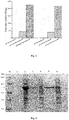
Figure 2 is the relationship between the secretion enhancing efficiency of small peptides and the fermentation time. -
Figure 3 is the comparison of the activity between BL21/pET-EompA-FRU6 and BL21/pET-EpelB-FRU6 in the culture medium and the negative control fermenting supernatant enzyme. -
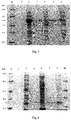
Figure 4 is an electrophoretogram of an SDS-PAGE of BL21/pET-EompA-FRU6 fermentation liquor in the culture medium;
Wherein M is the marker of protein; 1 and 2 are the negative controls for the BL21 strain fermenting supernatant and thallus fragmentized supernatant without a signal peptide sequence added before fructosidase FRU6; 3 and 4 are BL21/pET-ompA-FRU6 strain fermenting supernatant and thallus fragmentized supernatant. 5 and 6 are BL21/pET-EompA-FRU6 strain fermenting supernatant and thallus fragmentized supernatant. (In the pET-EompA-FRU6 plasmid, the small peptides sequence added before the ompA signal peptide is MERACALA). The arrow direction is the molecular weight position for the mature peptide of fructosidase FRU6. -
Figure 5 is an electropherogram of an SDS-PAGE of BL21/pET-EpelB-FRU6 fermentation liquor in LB culture medium.
Wherein M is the marker of protein; 1 and 2 are the negative controls for the BL21 strain fermenting supernatant and the thallus fragmentized supernatant without a signal peptide sequence added before fructosidase FRU6; 3 and 4 are BL21/pET-pelB-FRU6 strain fermenting supernatant and thallus fragmentized supernatant. 5 and 6 are BL21/pET-EpelB-FRU6 strain fermenting supernatant and thallus fragmentized supernatant (In pET-EpelB-FRU6 plasmid, the small peptide sequence added before the pelB signal peptide is MERACALA). The arrow direction is the molecular weight position for the mature peptide of fructosidase FRU6. -
Figure 6 is an electrophoretogram of SDS-PAGE of BL21/pET-EompA-BGL fermentation liquor in the culture medium;
Wherein M is the marker of protein; 1 and 2 are the negative controls for the BL21 strain fermenting supernatant and the thallus fragmentized supernatant without signal peptide sequence added before dextranase BGL; 3 and 4 are the BL21/pET-ompA-BGL strain fermenting supernatant and the thallus fragmentized supernatant. 5 and 6 are BL21/pET-EompA-BGL strain fermenting supernatant and thallus fragmentized supernatant. (In pET-EompA-BGL plasmid, the small peptide sequence added before the ompA signal peptide is MERACALA). The arrow direction is the molecular weight position for the mature peptide of dextranase BGL. -
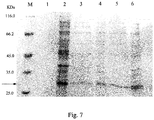
Figure 7 is an electropherogram of SDS-PAGE of BL21/pET-EpelB-BGL fermentation liquor in LB culture medium.
Wherein M is the marker of protein; 1 and 2 are the negative controls for the BL21 strain fermenting supernatant and the thallus fragmentized supernatant without signal peptide sequence added before dextranase BGL; 3 and 4 are the BL21/pET-pelB-BGL strain fermenting supernatant and the thallus fragmentized supernatant; 5 and 6 are BL21/pET-EpelB-BGL strain fermenting supernatant and thallus fragmentized supernatant. (In pET-EpelB-BGL plasmid, the small peptide sequence added before the pelB signal peptide is MERACALA). The arrow direction is the molecular weight position for the mature peptide of dextranase BGL. - Unless otherwise specified, the methods of the following embodiments are conventional methods, and the involved plasmids, reagents and other materials can be commercially obtained.
- First, the fructosidase Fru6 gene in this Embodiment is from the Arthrobacter arilaitensis NJEM01 strain which was previously applied by the inventor in China, the patent application No. is
CN102732456A and the Collection No. of the strain is CCTCC NO: M 2012155. - All primers involved in this Embodiment are synthesized by the company Invitrogen see Table 1). The following primers are uniformly expressed as "P" plus the No., for example, for the No. 45 primer in Table 2, the code is P45 and the corresponding No. in the sequence table is SEQ ID NO: 45.
Table 1 Primers required for Embodiment 1 and the nucleotide sequence of the synthetic sequenceSEQ ID NO Nucleotide sequence of primer (5'-3') 1 GCCACCGAACCAGTGCCTGG 2 TTACTTTGCTACTGCTTTGCC 3 ATGAAAAAGACAGCTATCGCG 4 CTGGTTCGGTGGCAGCTTGGGCTACGGTAGCGAAA 5 ACCGTAGCCCAAGCTGCCACCGAACCAGTGCCTGG 6 CCGGAATTCTTACTTTGCTACTGCTTTGCC 7 ATGAAATACCTATTGCCTACG 8 ACTGGTTCGGTGGCAGCCATGGCTGGTTGGGCAGC 9 AACCAGCCATGGCTGCCACCGAACCAGTGCCTGGC 10 CCGGAATTCTTACTTTGCTACTGCTTTGCC Note: the underlined part in the table is shown as the restriction enzyme cutting site. - (1) Obtaining the fructosidase FRU6 gene: taking the genome of the Arthrobacter arilaitensis NJEM01 strain as a template, the primers P1 and P2 are used for PCR reaction so as to amplify the gene segment of fructosidase FRU6 (excluding the signal peptide sequence of the enzyme itself), the segment is cloned into the clone vector pMD18-T to obtain pMD-T-FRU6 and transformed into the clone host DH5α. The testing on the DNA sequence can validate the correctness.
- (2) Fusion of signal peptide and fructosidase gene: the ompA and pelB signal peptide gene sequences (i.e., primer P11 and primer P12) are artificially synthesized to extract the plasmid pMD-T-FRU6 from step (1). PCR primers P3-P6 or P7-P10 are overlapped after being designed, fructosidase FRU6 and signal peptide ompA or pelB are fused respectively. P6 and P10 all have EcoRI enzyme cutting sites.
- (3) Design of secretion enhancing vector:
The amino acid sequence of the small peptide is MERACALA. See Table 2 and Table 3 for more small peptides. - The fusion gene in Step (2) is taken as a template, and the upstream primers P45 and P46 have a NdeI enzyme cutting site after being designed. Upon common PCR reaction, primers P45 and P6 are combined to add the small peptide gene before the ompA signal peptide gene; primers P46 and P10 are combined to add the small peptide gene (e.g., the amino acid sequence of the small peptide is MERACALA) before the pelB signal peptide gene. A NdeI and EcoRI double-enzyme digestion is used to obtain the target segments at the cohesive end. Vector pET-22b (purchased from the company Invitrogen) is subjected to enzyme cutting degradation by the restriction enzymes NdeI and EcoRI to recover and remove large plasmid segments of the pelB signal peptide sequence. Then the recovered large plasmid segments and the enzyme cutting product of the secretion enhancing signal peptide and the fructosidase fusion gene are connected by T4 ligase to obtain pET-EompA-FRU6 (see
Figure 1 for the plasmid map) and pET-EpelB-FRU6 (neglected when the plasmid map is similar to the former map) and transformed into the clone host E. coli DH5α, so the testing on the DNA sequence can validate the correctness.Table 2. Amino acid sequences, primers and enzyme activities of small peptides involved in corresponding fructosidase n M α X (or Y) β Y (or X) γ Primer Signal peptide Enzyme activity 1 M E R 13 ompA 1279 14 pelB 1521 1 M R E 15 ompA 801 16 pelB 917 1 M E R A 17 ompA 1831 18 pelB 1734 1 M E A R AA 19 ompA 1678 20 pelB 1530 1 M AA E R AC 21 ompA 2169 22 pelB 1781 1 M R E IV 23 ompA 907 24 pelB 862 1 M E R LC 25 ompA 2380 26 pelB 1972 1 M T R T E ACA 27 ompA 2024 28 pelB 1976 1 M C R C D ACAL 29 ompA 2175 30 pelB 2005 1 M E R ACAL 31 ompA 2169 32 pelB 1781 1 M V E LT R 
33 ompA 2513 34 pelB 2100 1 M E R 
35 ompA 1877 36 pelB 1762 1 M CL E R 
37 ompA 2395 38 pelB 2230 1 M V E T R 
39 ompA 2460 40 pelB 2195 1 M VA E LT R 
41 ompA 2380 42 pelB 2120 1 M E A R 
43 ompA 2390 
44 pelB 2275 1 M E R 
45 ompA 2016 46 pelB 1979 M D K 
47 ompA 1193 48 pelB 1272 1 M L D V R 
49 ompA 1754 50 pelB 1644 1 M E R 
51 ompA 1980 52 pelB 1642 1 M AA D LT K 
53 ompA 1766 54 pelB 1790 1 M E R 
55 ompA 1987 56 pelB 1755 1 M E R 
57 ompA 2485 58 1pelB 1643 1 M TC K C L D 
59 ompA 1906 60 pelB 1560 1 M E R 
61 ompA 1986 62 pelB 1756 1 M E R 
63 o1mpA 1762 64 pelB 1882 1 M LT K C L E 
65 ompA 1883 66 pelB 1986 1 M E R 
67 ompA 1880 68 pelB 1670 2 MERACVAV+MERACVAV 69 ompA 1787 70 pelB 1754 2 MERACALA+VERACAL 71 ompA 2460 72 pelB 1845 3 MERACAL+VERACAL+VERACAL 73 ompA 1680 74 pelB 1855 3 MERCLATL+VERLCVAV+VERACALA 75 ompA 2260 76 pelB 2042 0 Blank 77 ompA 420 78 pelB 495 Note: the primer No. in the table corresponds to P or SEQ ID NO. - OmpA and PelB signal peptide sequences are as follows:
- OmpA:

- PelB:

- (4) Construction of secretion enhancing expression strain: pET-EompA-FRU6 and pET-EpelB-FRU6 vectors are transformed into the host BL21. See Molecular Cloning Manual for the operating method. The E. coli BL21 recombinant strains containing the pET-EompA-FRU6 and the pET-EpelB-FRU6 vectors are screened on LB plate containing 100µg/mL ampicillin, and are named as BL21/pET-EompA-FRU6 and as BL21/pET-EpelB-FRU6.
- (5) Secretory expression of fructosidase FRU6: the recombinant strain is inoculated to LB liquid culture medium containing 100 µg/mL ampicillin at 37°C, and inoculated to the fresh LB culture medium (containing 100 µg/mL ampicillin) at 37°C as per 2% inoculation amount after being cultured overnight at 200 rpm. Inducer IPTG (final concentration is 1 mmol/L) is added when OD600 is 0.6 -0.9 after being cultured at 200 rpm, and samples are collected every two hours.
- (6) Testing on enzyme activity: supernatant is taken from centrifuged cells and acellular fragmentized liquid is taken from disrupted cells after the recombinant strains are fermented in a shake flask. BL21/pET-EompA-FRU6 and BL21/pET-EpelB-FRU6 fermenting supernatants and intracellular enzyme activities are tested, and the recombinant strain without small peptides is taken as a negative control. See
Figure 2 (IPTG induction 0-24 hour(s), comparison between secretion efficiencies of supernatant and fructosidase after fermentation of BL21 hosts with small peptides and without small peptides and signal peptides) andFigure 3 (fermentation and sampling by the shake flask for 6 hours in LB culture medium as per 2% inoculation amount) for results. Under unit thallus mass (mg) condition, BL21/pET-EompA-FRU6 or BL21/pET-EpelB-FRU6 is compared with the negative control fermenting supernatant enzyme in activity (see Table 2 for the enhancing effect of more small peptides, each small peptide is fermented 6 hours and sampled for testing of enzyme activity, samples taken in other times are not listed one by one). - Testing method of enzyme activity is as follows: □ preparation of substrate: adequately dissolve 0.1g puerarin and 2.8g sucrose into 100 mL 0.05 mol/L and pH6 phosphate buffer; □ reaction system: add 50 µL phosphate buffer (0.05 mol/L, pH 6) to 950 substrate, stand at 35°C for
reaction 10 min, and then immediately take 100 µL and add to 900 µL methanol for termination of reaction, and take it as blank control, add another 50 µL enzyme liquid to 950 µL substrate, stand at 35□ forreaction 10 min, finally take out 100 µL and add to 900 µL methanol for termination of reaction, take it as a sample and test the sample with HPLC; □ definition of enzyme activity unit: take the quantity of enzyme required for consumption of 1 µg puerarin at 35□ every minute as an active unit (U).
(7) SDS-PAGE polyacrylamide gel electrophoresis: see Molecular Cloning Manual for the operating method, and seeFigure 4 andFigure 5 for results. - According to the above enzyme activity testing method, it can be seen from Table 2 and Table 3 that the enzyme activity is obviously enhanced after the small peptide of the present invention in Table 2 is fused to the front end of the signal peptide of ompA or pelB adopted for the secretory expression of fructosidase FRU6, it is shown that the small peptides of the present invention have extremely strong secretory expression enhancing abilites.
- Same as in
Embodiment 1, the fructosidase ofEmbodiment 1 is replaced with the dextranase gene in the Embodiment. - Wherein the sequence of dextranase BGL is from Bacillus subtilis subsp. subtilis 6051-HGW, the sequence No. of GenBank is CP003329.1 and the scope is from 4011849 to 4012490.
- The gene segment of dextranase BGL is amplified by PCR reaction with the primers P79 and P80, and is prepared to be T vector pMD-T-BGL. Primers P81-P84 or P85-P88 for PCR are overlapped to fuse dextranase BGL and the signal peptide ompA or pelB respectively. R84 and R88 all have EcoRI enzyme cutting sites. The upstream primers P89-P96 are combined with the downstream primers P84 or P88, and different small peptides can be designed and fused before the ompA or pelB signal peptide.
- All primers involved in the Embodiment are synthesized by the company Invitrogen (see Table 4).
Table 5 Primers required for Embodiment 2Primer Sequence (5'→3') 79 CAAACAGGTGGATCGTTTTTT 80 TTATTTTTTTGTATAGCGCACCCA 81 ATGAAAAAGACAGCTATCGCG 82 AAAAAACGATCCACCTGTTTGAGCTTGGGCTACGGT 83 TACCGTAGCCCAAGCTCAAACAGGTGGATCGTTTTTT 84 CCGGAATTTTATTTTTTTGTATAGCGCACCCA 85 ATGAAATACCTATTGCCTACG 86 AAAAAACGATCCACCTGTTTGAGCCATGGCTGGTTGGGCAGC 87 CCAACCAGCCATGGCTCAAACAGGTGGATCGTTTTTT 88 CCGGAATTTTATTTTTTTGTATAGCGCACCCA 89 CGCCATATGGAACGAGCATGTGTTGCAATGAAAAAGACAGCTATCGCG 90 CGCCATATGGAACGAGCATGTGTTGCAATGAAATACCTATTGCCTACG 91 
92 
93 
94 

95 CGCCATATGATGAAAAAGACAGCTATCGCG 96 CGCCATATGATGAAATACCTATTGCCTACG Note: the primer No. in the table corresponds to P or SEQ ID NO. - The secretory expression vector of the constructed dextranase BGL is transformed into the expression host BL21 (DE3) so as to obtain the recombinant strains which are named BL21/pET-EompA-BGL and BL21/pET-EpelB-BGL. Transformants are screened from LB plates containing 100 g/mL ampicillin and plasmids are then extracted for validation. See Molecular Cloning Manual for the detailed method.
- The recombinant strain is inoculated to LB liquid culture medium containing 100 µg/mL ampicillin at 37°C, and inoculated to the fresh LB culture medium (containing 100 µg/mL ampicillin) at 37°C as per 2% inoculation amount after being cultured overnight at 200 rpm. Inducer IPTG (final concentration is 1 mmol/L) is added when OD600 is 0.6 - 0.9 after being cultured at 200 rpm and collected after being induced for 6 h.
- The supernatant is taken from centrifuged cells and a cellular fragmentized liquid is taken from disrupted cells after the recombinant strains are fermented in a shake flask. BL21/pET-EompA-BGL and BL21/pET-EpelB-BGL fermenting supernatants and intracellular enzyme activities are tested, and the recombinant strain without small peptides is taken as a negative control. See
Figure 5 (some results are selected, and sampling and testing on enzyme activity are performed after fermentation 6 h) for the enhancing effect of the small peptides. - Testing on enzyme activity by DNS method: take 1.0 mL of 1% (W/V) barley β-glucan (dissolved in pH 6.5, 20 mmol/L Na2HPO4-Citrate buffer) as substrate, add 0.5 mL properly diluted enzyme liquid, react at 45°C for 10 min, test the reducing sugar
- by the DNS method and take the inactivated enzyme as blank control. Definition of enzyme activity unit: the quantity of enzyme required for 1 µmol reducing sugar produced by the substrate every minute is defined as an active unit (U).
Table 4: Amino acid sequences and enzyme activities of small peptides involved in corresponding dextranase n Small peptide Primer Signal peptide Enzyme activity 1 MERACVA 89 ompA 115 90 pelB 98 2 MERLCVAV+VERACALA 91 ompA 110 92 pelB 95 3 MERCLATL+VERLCVAV+VERACALA 93 ompA 134 94 pelB 92 1 Blank 95 ompA 47 96 pelB 58 Note: the primer No. in the table corresponds to P or SEQ ID NO. -
- <110> Nanjing University of Technology
- <120> STRONG SECRETORY SIGNAL PEPTIDE ENHANCING SMALL PEPTIDE MOTIF AND USE
THEREOF - <130> 000543P10
- <140>
EP14791458.4
<141> 04-11-2015 - <160> 139
- <170> PatentIn version 3.3
- <210> 1
<211> 20
<212> DNA
<213> Artificial - <220>
<223> P1 - <400> 1
gccaccgaac cagtgcctgg 20 - <210> 2
<211> 21
<212> DNA
<213> Artificial - <220>
<223> P2 - <400> 2
ttactttgct actgctttgc c 21 - <210> 3
<211> 21
<212> DNA
<213> Artificial - <220>
<223> P3 - <400> 3
atgaaaaaga cagctatcgc g 21 - <210> 4
<211> 35
<212> DNA
<213> Artificial - <220>
<223> P4 - <400> 4
ctggttcggt ggcagcttgg gctacggtag cgaaa 35 - <210> 5
<211> 35
<212> DNA
<213> Artificial - <220>
<223> P5 - <400> 5
accgtagccc aagctgccac cgaaccagtg cctgg 35 - <210> 6
<211> 30
<212> DNA
<213> Artificial - <220>
<223> 6 - <400> 6
ccggaattct tactttgcta ctgctttgcc 30 - <210> 7
<211> 21
<212> DNA
<213> Artificial - <220>
<223> P7 - <400> 7
atgaaatacc tattgcctac g 21 - <210> 8
<211> 35
<212> DNA
<213> Artificial - <220>
<223> P8 - <400> 8
actggttcgg tggcagccat ggctggttgg gcagc 35 - <210> 9
<211> 35
<212> DNA
<213> Artificial - <220>
<223> P9 - <400> 9
aaccagccat ggctgccacc gaaccagtgc ctggc 35 - <210> 10
<211> 30
<212> DNA
<213> Artificial - <220>
<223> P10 - <400> 10
ccggaattct tactttgcta ctgctttgcc 30 - <210> 11
<211> 63
<212> DNA
<213> Artificial - <220>
<223> OmpA - <400> 11

- <210> 12
<211> 66
<212> DNA
<213> Artificial - <220>
<223> PelB - <400> 12

- <210> 13
<211> 36
<212> DNA
<213> Artificial - <220>
<223> P13 - <400> 13
cgccatatgg agagaatgaa aaagacagct atcgcg 36 - <210> 14
<211> 36
<212> DNA
<213> Artificial - <220>
<223> P14 - <400> 14
cgccatatgg agagaatgaa atacctattg cctacg 36 - <210> 15
<211> 36
<212> DNA
<213> Artificial - <220>
<223> P15 - <400> 15
cgccatatga gagagatgaa aaagacagct atcgcg 36 - <210> 16
<211> 36
<212> DNA
<213> Artificial - <220>
<223> P16 - <400> 16
cgccatatga gagagatgaa atacctattg cctacg 36 - <210> 17
<211> 39
<212> DNA
<213> Artificial - <220>
<223> P17 - <400> 17
cgccatatgg agagagcgat gaaaaagaca gctatcgcg 39 - <210> 18
<211> 39
<212> DNA
<213> Artificial - <220>
<223> P18 - <400> 18
cgccatatgg agagagcgat gaaataccta ttgcctacg 39 - <210> 19
<211> 45
<212> DNA
<213> Artificial - <220>
<223> P19 - <400> 19
cgccatatgg aggcgagagc ggcgatgaaa aagacagcta tcgcg 45 - <210> 20
<211> 45
<212> DNA
<213> Artificial - <220>
<223> P20 - <400> 20
cgccatatgg aggcgagagc ggcgatgaaa tacctattgc ctacg 45 - <210> 21
<211> 48
<212> DNA
<213> Artificial - <220>
<223> P21 - <400> 21
cgccatatgg cggcggagag agcgtgtatg aaaaagacag ctatcgcg 48 - <210> 22
<211> 48
<212> DNA
<213> Artificial - <220>
<223> P22 - <400> 22
cgccatatgg cggcggagag agcgtgtatg aaatacctat tgcctacg 48 - <210> 23
<211> 42
<212> DNA
<213> Artificial - <220>
<223> P23 - <400> 23
cgccatatga gagagattgt gatgaaaaag acagctatcg cg 42 - <210> 24
<211> 42
<212> DNA
<213> Artificial - <220>
<223> P24 - <400> 24
cgccatatga gagagattgt gatgaaatac ctattgccta cg 42 - <210> 25
<211> 42
<212> DNA
<213> Artificial - <220>
<223> P25 - <400> 25
cgccatatgg agagactctg tatgaaaaag acagctatcg cg 42 - <210> 26
<211> 42
<212> DNA
<213> Artificial - <220>
<223> P26 - <400> 26
cgccatatgg agagactctg tatgaaatac ctattgccta cg 42 - <210> 27
<211> 51
<212> DNA
<213> Artificial - <220>
<223> P27 - <400> 27
cgccatatga ccagaaccga ggcgtgtgcg atgaaaaaga cagctatcgc g 51 - <210> 28
<211> 51
<212> DNA
<213> Artificial - <220>
<223> P28 - <400> 28
cgccatatga ccagaaccga ggcgtgtgcg atgaaatacc tattgcctac g 51 - <210> 29
<211> 54
<212> DNA
<213> Artificial - <220>
<223> P29 - <400> 29
cgccatatgt gtagatgtga cgcgtgtgcg ctcatgaaaa agacagctat cgcg 54 - <210> 30
<211> 54
<212> DNA
<213> Artificial - <220>
<223> P30 - <400> 30
cgccatatgt gtagatgtga cgcgtgtgcg ctcatgaaat acctattgcc tacg 54 - <210> 31
<211> 48
<212> DNA
<213> Artificial - <220>
<223> P31 - <400> 31
cgccatatgg agagagcgtg cgcgctcatg aaaaagacag ctatcgcg 48 - <210> 32
<211> 48
<212> DNA
<213> Artificial - <220>
<223> P32 - <400> 32
cgccatatgg agagagcgtg cgcgctcatg aaatacctat tgcctacg 48 - <210> 33
<211> 60
<212> DNA
<213> Artificial - <220>
<223> P33 - <400> 33
cgccatatgg tggagctcac cagagcgtgc gcgctcgcga tgaaaaagac agctatcgcg 60 - <210> 34
<211> 60
<212> DNA
<213> Artificial - <220>
<223> P34 - <400> 34
cgccatatgg tggagctcac cagagcgtgc gcgctcgcga tgaaatacct attgcctacg 60 - <210> 35
<211> 63
<212> DNA
<213> Artificial - <220>
<223> P35 - <400> 35

- <210> 36
<211> 63
<212> DNA
<213> Artificial - <220>
<223> P36 - <400> 36

- <210> 37
<211> 51
<212> DNA
<213> Artificial - <220>
<223> P37 - <400> 37
cgccatatgg agagagcgtg tgcgctcgcg atgaaaaaga cagctatcgc g 51 - <210> 38
<211> 51
<212> DNA
<213> Artificial - <220>
<223> P38 - <400> 38
cgccatatgg agagagcgtg tgcgctcgcg atgaaatacc tattgcctac g 51 - <210> 39
<211> 57
<212> DNA
<213> Artificial - <220>
<223> P39 - <400> 39
cgccatatgt gtctcgagag agcgtgcgcg ctcgcgatga aaaagacagc tatcgcg 57 - <210> 40
<211> 57
<212> DNA
<213> Artificial - <220>
<223> P40 - <400> 40
cgccatatgt gtctcgagag agcgtgcgcg ctcgcgatga aatacctatt gcctacg 57 - <210> 41
<211> 63
<212> DNA
<213> Artificial - <220>
<223> P41 - <400> 41

- <210> 42
<211> 63
<212> DNA
<213> Artificial - <220>
<223> P42 - <400> 42

- <210> 43
<211> 54
<212> DNA
<213> Artificial - <220>
<223> P43 - <400> 43
cgccatatgg aggcgagagc gtgtgtggcg gtgatgaaaa agacagctat cgcg 54 - <210> 44
<211> 54
<212> DNA
<213> Artificial - <220>
<223> P44 - <400> 44
cgccatatgg aggcgagagc gtgtgtggcg gtgatgaaat acctattgcc tacg 54 - <210> 45
<211> 51
<212> DNA
<213> Artificial - <220>
<223> P45 - <400> 45
cgccatatgg agagagcgtg tgcgctcgcg atgaaaaaga cagctatcgc g 51 - <210> 46
<211> 51
<212> DNA
<213> Artificial - <220>
<223> P46 - <400> 46
cgccatatgg agagagcgtg tgcgctcgcg atgaaatacc tattgcctac g 51 - <210> 47
<211> 54
<212> DNA
<213> Artificial - <220>
<223> P47 - <400> 47
cgccatatgg acaaagcgtg ctgtgtggcg gtgatgaaaa agacagctat cgcg 54 - <210> 48
<211> 54
<212> DNA
<213> Artificial - <220>
<223> P48 - <400> 48
cgccatatgg acaaagcgtg ctgtgtggcg gtgatgaaat acctattgcc tacg 54 - <210> 49
<211> 60
<212> DNA
<213> Artificial - <220>
<223> P49 - <400> 49
cgccatatgc tcgacgtgag agcgtgtgcg ctcgcggcga tgaaaaagac agctatcgcg 60 - <210> 50
<211> 60
<212> DNA
<213> Artificial - <220>
<223> P50 - <400> 50
cgccatatgc tcgacgtgag agcgtgtgcg ctcgcggcga tgaaatacct attgcctacg 60 - <210> 51
<211> 54
<212> DNA
<213> Artificial - <220>
<223> P51 - <400> 51
cgccatatgg agagagcgtg cgcgctcgcg gcgatgaaaa agacagctat cgcg 54 - <210> 52
<211> 54
<212> DNA
<213> Artificial - <220>
<223> P52 - <400> 52
cgccatatgg agagagcgtg cgcgctcgcg gcgatgaaat acctattgcc tacg 54 - <210> 53
<211> 69
<212> DNA
<213> Artificial - <220>
<223> P53 - <400> 53

- <210> 54
<211> 69
<212> DNA
<213> Artificial - <220>
<223> P54 - <400> 54

- <210> 55
<211> 57
<212> DNA
<213> Artificial - <220>
<223> P55 - <400> 55
cgccatatgg agagagcgtg tgcgctcgcg gcggcgatga aaaagacagc tatcgcg 57 - <210> 56
<211> 57
<212> DNA
<213> Artificial - <220>
<223> P56 - <400> 56
cgccatatgg agagagcgtg tgcgctcgcg gcggcgatga aatacctatt gcctacg 57 - <210> 57
<211> 60
<212> DNA
<213> Artificial - <220>
<223> P57 - <400> 57
cgccatatgg agagagcgtg cgcgctcgcg gcggcggcga tgaaaaagac agctatcgcg 60 - <210> 58
<211> 60
<212> DNA
<213> Artificial - <220>
<223> P58 - <400> 58
cgccatatgg agagagcgtg cgcgctcgcg gcggcggcga tgaaatacct attgcctacg 60 - <210> 59
<211> 75
<212> DNA
<213> Artificial - <220>
<223> P59 - <400> 59

- <210> 60
<211> 75
<212> DNA
<213> Artificial - <220>
<223> P60 - <400> 60

- <210> 61
<211> 66
<212> DNA
<213> Artificial - <220>
<223> P61 - <400> 61

- <210> 62
<211> 66
<212> DNA
<213> Artificial - <220>
<223> P62 - <400> 62

- <210> 63
<211> 63
<212> DNA
<213> Artificial - <220>
<223> P63 - <400> 63

- <210> 64
<211> 63
<212> DNA
<213> Artificial - <220>
<223> P64 - <400> 64

- <210> 65
<211> 75
<212> DNA
<213> Artificial - <220>
<223> P65 - <400> 65

- <210> 66
<211> 75
<212> DNA
<213> Artificial - <220>
<223> P66 - <400> 66

- <210> 67
<211> 63
<212> DNA
<213> Artificial - <220>
<223> P67 - <400> 67

- <210> 68
<211> 63
<212> DNA
<213> Artificial - <220>
<223> P68 - <400> 68

- <210> 69
<211> 72
<212> DNA
<213> Artificial - <220>
<223> P69 - <400> 69

- <210> 70
<211> 72
<212> DNA
<213> Artificial - <220>
<223> P70 - <400> 70

- <210> 71
<211> 72
<212> DNA
<213> Artificial - <220>
<223> P71 - <400> 71

- <210> 72
<211> 72
<212> DNA
<213> Artificial - <220>
<223> P72 - <400> 72

- <210> 73
<211> 90
<212> DNA
<213> Artificial - <220>
<223> P73 - <400> 73

- <210> 74
<211> 90
<212> DNA
<213> Artificial - <220>
<223> P74 - <400> 74

- <210> 75
<211> 105
<212> DNA
<213> Artificial - <220>
<223> P75 - <400> 75

- <210> 76
<211> 105
<212> DNA
<213> Artificial - <220>
<223> P76 - <400> 76

- <210> 77
<211> 30
<212> DNA
<213> Artificial - <220>
<223> P77 - <400> 77
cgccatatga tgaaaaagac agctatcgcg 30 - <210> 78
<211> 30
<212> DNA
<213> Artificial - <220>
<223> P78 - <400> 78
cgccatatga tgaaatacct attgcctacg 30 - <210> 79
<211> 21
<212> DNA
<213> Artificial - <220>
<223> P79 - <400> 79
caaacaggtg gatcgttttt t 21 - <210> 80
<211> 24
<212> DNA
<213> Artificial - <220>
<223> P80 - <400> 80
ttattttttt gtatagcgca ccca 24 - <210> 81
<211> 21
<212> DNA
<213> Artificial - <220>
<223> P81 - <400> 81
atgaaaaaga cagctatcgc g 21 - <210> 82
<211> 36
<212> DNA
<213> Artificial - <220>
<223> P82 - <400> 82
aaaaaacgat ccacctgttt gagcttgggc tacggt 36 - <210> 83
<211> 37
<212> DNA
<213> Artificial - <220>
<223> P83 - <400> 83
taccgtagcc caagctcaaa caggtggatc gtttttt 37 - <210> 84
<211> 32
<212> DNA
<213> Artificial - <220>
<223> P84 - <400> 84
ccggaatttt atttttttgt atagcgcacc ca 32 - <210> 85
<211> 21
<212> DNA
<213> Artificial - <220>
<223> P85 - <400> 85
atgaaatacc tattgcctac g 21 - <210> 86
<211> 42
<212> DNA
<213> Artificial - <220>
<223> P86 - <400> 86
aaaaaacgat ccacctgttt gagccatggc tggttgggca gc 42 - <210> 87
<211> 37
<212> DNA
<213> Artificial - <220>
<223> P87 - <400> 87
ccaaccagcc atggctcaaa caggtggatc gtttttt 37 - <210> 88
<211> 32
<212> DNA
<213> Artificial - <220>
<223> P88 - <400> 88
ccggaatttt atttttttgt atagcgcacc ca 32 - <210> 89
<211> 48
<212> DNA
<213> Artificial - <220>
<223> P89 - <400> 89
cgccatatgg aacgagcatg tgttgcaatg aaaaagacag ctatcgcg 48 - <210> 90
<211> 48
<212> DNA
<213> Artificial - <220>
<223> P90 - <400> 90
cgccatatgg aacgagcatg tgttgcaatg aaatacctat tgcctacg 48 - <210> 91
<211> 78
<212> DNA
<213> Artificial - <220>
<223> P91 - <400> 91

- <210> 92
<211> 78
<212> DNA
<213> Artificial - <220>
<223> P92 - <400> 92

- <210> 93
<211> 102
<212> DNA
<213> Artificial - <220>
<223> P93 - <400> 93

- <210> 94
<211> 102
<212> DNA
<213> Artificial - <220>
<223> P94 - <400> 94

- <210> 95
<211> 30
<212> DNA
<213> Artificial - <220>
<223> P95 - <400> 95
cgccatatga tgaaaaagac agctatcgcg 30 - <210> 96
<211> 30
<212> DNA
<213> Artificial - <220>
<223> P96 - <400> 96
cgccatatga tgaaatacct attgcctacg 30 - <210> 97
<211> 8
<212> PRT
<213> Artificial - <220>
<223> P97 - <400> 97

- <210> 98
<211> 8
<212> PRT
<213> Artificial - <220>
<223> P98 - <400> 98

- <210> 99
<211> 9
<212> PRT
<213> Artificial - <220>
<223> P99 - <400> 99

- <210> 100
<211> 9
<212> PRT
<213> Artificial - <220>
<223> P100 - <400> 100

- <210> 101
<211> 8
<212> PRT
<213> Artificial - <220>
<223> P101 - <400> 101

- <210> 102
<211> 9
<212> PRT
<213> Artificial - <220>
<223> P102 - <400> 102

- <210> 103
<211> 17
<212> PRT
<213> Artificial - <220>
<223> P103 - <400> 103

- <210> 104
<211> 8
<212> PRT
<213> Artificial - <220>
<223> P104 - <400> 104

- <210> 105
<211> 3
<212> PRT
<213> Artificial - <220>
<223> P105 - <400> 105

- <210> 106
<211> 3
<212> PRT
<213> Artificial - <220>
<223> P106 - <400> 106

- <210> 107
<211> 4
<212> PRT
<213> Artificial - <220>
<223> P107 - <400> 107

- <210> 108
<211> 6
<212> PRT
<213> Artificial - <220>
<223> P108 - <400> 108

- <210> 109
<211> 7
<212> PRT
<213> Artificial - <220>
<223> P109 - <400> 109

- <210> 110
<211> 5
<212> PRT
<213> Artificial - <220>
<223> P110 - <400> 110

- <210> 111
<211> 5
<212> PRT
<213> Artificial - <220>
<223> P111 - <400> 111

- <210> 112
<211> 8
<212> PRT
<213> Artificial - <220>
<223> P112 - <400> 112

- <210> 113
<211> 9
<212> PRT
<213> Artificial - <220>
<223> P113 - <400> 113

- <210> 114
<211> 7
<212> PRT
<213> Artificial - <220>
<223> P114 - <400> 114

- <210> 115
<211> 11
<212> PRT
<213> Artificial - <220>
<223> P115 - <400> 115

- <210> 116
<211> 8
<212> PRT
<213> Artificial - <220>
<223> P116 - <400> 116

- <210> 117
<211> 10
<212> PRT
<213> Artificial - <220>
<223> P117 - <400> 117

- <210> 118
<211> 10
<212> PRT
<213> Artificial - <220>
<223> P118 - <400> 118

- <210> 119
<211> 12
<212> PRT
<213> Artificial - <220>
<223> P119 - <400> 119

- <210> 120
<211> 9
<212> PRT
<213> Artificial - <220>
<223> P120 - <400> 120

- <210> 121
<211> 8
<212> PRT
<213> Artificial - <220>
<223> P121 - <400> 121

- <210> 122
<211> 8
<212> PRT
<213> Artificial - <220>
<223> P122 - <400> 122

- <210> 123
<211> 11
<212> PRT
<213> Artificial - <220>
<223> P123 - <400> 123

- <210> 124
<211> 9
<212> PRT
<213> Artificial - <220>
<223> P124 - <400> 124

- <210> 125
<211> 14
<212> PRT
<213> Artificial - <220>
<223> P125 - <400> 125

- <210> 126
<211> 10
<212> PRT
<213> Artificial - <220>
<223> P126 - <400> 126

- <210> 127
<211> 11
<212> PRT
<213> Artificial - <220>
<223> P127 - <400> 127

- <210> 128
<211> 16
<212> PRT
<213> Artificial - <220>
<223> P128 - <400> 128

- <210> 129
<211> 12
<212> PRT
<213> Artificial - <220>
<223> P129 - <400> 129

- <210> 130
<211> 12
<212> PRT
<213> Artificial - <220>
<223> P130 - <400> 130

- <210> 131
<211> 17
<212> PRT
<213> Artificial - <220>
<223> P131 - <400> 131

- <210> 132
<211> 13
<212> PRT
<213> Artificial - <220>
<223> P132 - <400> 132

- <210> 133
<211> 16
<212> PRT
<213> Artificial - <220>
<223> P133 - <400> 133

- <210> 134
<211> 15
<212> PRT
<213> Artificial - <220>
<223> P134 - <400> 134

- <210> 135
<211> 21
<212> PRT
<213> Artificial - <220>
<223> P135 - <400> 135

- <210> 136
<211> 24
<212> PRT
<213> Artificial - <220>
<223> P136 - <400> 136

- <210> 137
<211> 7
<212> PRT
<213> Artificial - <220>
<223> P137 - <400> 137

- <210> 138
<211> 16
<212> PRT
<213> Artificial - <220>
<223> P138 - <400> 138

- <210> 139
<211> 24
<212> PRT
<213> Artificial - <220>
<223> P139 - <400> 139

| Primer | Sequence (5'→3') |
| 13 | |
| 14 | CGCCATATGGAGAGAATGAAATACCTATTGCCTACG |
| 15 | CGCCATATGAGAGAGATGAAAAAGACAGCTATCGCG |
| 16 | |
| 17 | |
| 18 | CGCCATATGGAGAGAGCGATGAAATACCTATTGCCTACG |
| 19 | |
| 20 | CGCCATATGGAGGCGAGAGCGGCGATGAAATACCTATTGCCTACG |
| 21 | |
| 22 | CGCCATATGGCGGCGGAGAGAGCGTGTATGAAATACCTATTGCCTACG |
| 23 | |
| 24 | CGCCATATGAGAGAGATTGTGATGAAATACCTATTGCCTACG |
| 25 | |
| 26 | CGCCATATGGAGAGACTCTGTATGAAATACCTATTGCCTACG |
| 27 | CGCCATATGACCAGAACCGAGGCGTGTGCGATGAAAAAGACAGCTATCGCG |
| 28 | CGCCATATGACCAGAACCGAGGCGTGTGCGATGAAATACCTATTGCCTACG |
| 29 |  |
| 30 |  |
| 31 | CGCCATATGGAGAGAGCGTGCGCGCTC ATGAAAAAGACAGCTATCGCG |
| 32 | CGCCATATGGAGAGAGCGTGCGCGCTCATGAAATACCTATTGCCTACG |
| 33 |  |
| 34 |  |
| 35 |  |
| 36 |  |
| 37 | CGCCATATGGAGAGAGCGTGCGTCGCTCGCGATGAAAAAGACACGTATCGCG |
| 38 | CGCCATATGGAGAGAGCGTGTGCGCTCGCGATGAAATACCTATTGCCTACG |
| 39 |  |
| 40 |  |
| 41 |  |
| 42 |  |
| 43 |  |
| 44 |  |
| 45 | CGCCATATGGAGAGAGCGTGTGCGCTCGCGATGAAAAAGACAGCTATCGCG |
| 46 | CGCCATATGGAGAGAGCGTGTGCGCTCGCGATGAAATACCTATTGCCTACG |
| 47 |  |
| 48 |  |
| 49 |  |
| 50 |  |
| 51 |  |
| 52 |  |
| 53 |  |
| 54 |  |
| 55 |  |
| 56 |  |
| 57 |  |
| 58 |  |
| 59 |  |
| 60 |  |
| 61 |  |
| 62 |  |
| 63 |  |
| 64 |  |
| 65 |  |
| 66 |  |
| 67 |  |
| 68 |  |
| 69 |  |
| 70 |  |
| 71 |  |
| 72 |  |
| 73 |  |
| 74 |  |
 | |
| 75 |  |
| 76 |  |
| 77 | CGCCATATGATGAAAAAGACAGCTATCGCG |
| 78 | CGCCATATGATGAAATACCTATTGCCTACG |
| Note: the primer No. in the table corresponds to P or SEQ ID NO. |
Claims (9)
- Small peptides characterized by:a) enhancing signal peptide secretion,b) being fused to the N-end of an ompA or an pelB signal peptide,c) being suitable for the use in E.coli,d) being suitable for inducible expression, ande) having an amino acid sequence according to any one of the SEQ ID NOs: 97-139.
- A polynucleotide encoding a small peptide according to claim 1.
- A recombinant vector containing an exogenous polynucleotide, characterized in that said recombinant vector is further composed of a polynucleotide according to claim 2 and a plasmid vector.
- A recombinant vector according to claim 3, wherein the exogenous polynucleotide encodes an extracellular enzyme or an incision hydrolase.
- A recombinant vector according to any one of the claims 3-4, wherein the plasmid vector is pET-22b .
- A host cell containing an exogenous polynucleotide, characterized in that said exogenous polynucleotide has been transformed or transfected by a recombinant vector according to any one of the claims 3-5.
- A host cell according to claim 6, wherein the host cell is E.coli.
- The use of the polynucleotide according to claim 2, for constructing a recombinant vector, enhancing the secretion ability of signal peptides, to improve the secretory expression of exogenous proteins.
- The use of the polynucleotide according to claim 8, wherein the exogenous proteins are an extracellular enzyme or an incision hydrolase.
Applications Claiming Priority (3)
| Application Number | Priority Date | Filing Date | Title |
|---|---|---|---|
| CN201310162455.9A CN103254277B (en) | 2013-05-03 | 2013-05-03 | Strong Secretory Signal Peptide Enhancing Small Peptide Motif and Its Application |
| PCT/CN2014/076249 WO2014177021A1 (en) | 2013-05-03 | 2014-04-25 | Strong secretory signal peptide enhancing small peptide motif and use thereof |
| EP14791458.4A EP3000823B1 (en) | 2013-05-03 | 2014-04-25 | Strong secretory signal peptide enhancing small peptide motif and use thereof |
Related Parent Applications (2)
| Application Number | Title | Priority Date | Filing Date |
|---|---|---|---|
| EP14791458.4A Division-Into EP3000823B1 (en) | 2013-05-03 | 2014-04-25 | Strong secretory signal peptide enhancing small peptide motif and use thereof |
| EP14791458.4A Division EP3000823B1 (en) | 2013-05-03 | 2014-04-25 | Strong secretory signal peptide enhancing small peptide motif and use thereof |
Publications (2)
| Publication Number | Publication Date |
|---|---|
| EP3301106A1 EP3301106A1 (en) | 2018-04-04 |
| EP3301106B1 true EP3301106B1 (en) | 2019-06-12 |
Family
ID=48958531
Family Applications (2)
| Application Number | Title | Priority Date | Filing Date |
|---|---|---|---|
| EP14791458.4A Active EP3000823B1 (en) | 2013-05-03 | 2014-04-25 | Strong secretory signal peptide enhancing small peptide motif and use thereof |
| EP17200981.3A Active EP3301106B1 (en) | 2013-05-03 | 2014-04-25 | Strong secretory signal peptide enhancing small peptide motif and use thereof |
Family Applications Before (1)
| Application Number | Title | Priority Date | Filing Date |
|---|---|---|---|
| EP14791458.4A Active EP3000823B1 (en) | 2013-05-03 | 2014-04-25 | Strong secretory signal peptide enhancing small peptide motif and use thereof |
Country Status (4)
| Country | Link |
|---|---|
| US (1) | US20160145303A1 (en) |
| EP (2) | EP3000823B1 (en) |
| CN (1) | CN103254277B (en) |
| WO (1) | WO2014177021A1 (en) |
Families Citing this family (4)
| Publication number | Priority date | Publication date | Assignee | Title |
|---|---|---|---|---|
| CN103254277B (en) * | 2013-05-03 | 2017-02-08 | 南京工业大学 | Strong Secretory Signal Peptide Enhancing Small Peptide Motif and Its Application |
| CN104974226B (en) * | 2014-04-01 | 2019-10-15 | 三生国健药业(上海)股份有限公司 | A kind of signal peptide for protein expression |
| CN105838694B (en) * | 2016-05-18 | 2019-07-26 | 南京工业大学 | a fusion-tagged protein |
| US11661447B2 (en) | 2017-08-03 | 2023-05-30 | The Cleveland Clinic Foundation | Human β2-glycoprotein I expression |
Family Cites Families (8)
| Publication number | Priority date | Publication date | Assignee | Title |
|---|---|---|---|---|
| DK105489D0 (en) * | 1989-03-03 | 1989-03-03 | Novo Nordisk As | POLYPEPTIDE |
| AU2002246912A1 (en) * | 2000-10-27 | 2002-07-30 | Consensus Pharmaceuticals, Inc. | Receptor-binding compounds and methods for identifying them |
| CN1882605B (en) * | 2003-11-21 | 2012-07-11 | 陶氏环球技术公司 | Improved expression systems using Sec-system secretion |
| CN101374949A (en) * | 2006-01-31 | 2009-02-25 | 国立水产科学院 | Production of soluble native form of recombinant protein via signal sequence and secretion enhancer |
| US8450086B2 (en) * | 2009-11-17 | 2013-05-28 | Centocor Ortho Biotech Inc. | Bacterial membrane protein secretion |
| CN102659928B (en) * | 2010-09-17 | 2014-02-05 | 上海凯茂生物医药有限公司 | Synthetic signal peptide and application thereof |
| CN102732456B (en) | 2012-06-06 | 2013-12-18 | 南京工业大学 | Organic solvent-resistant glycosidase Fru6, and mutant and application thereof |
| CN103254277B (en) * | 2013-05-03 | 2017-02-08 | 南京工业大学 | Strong Secretory Signal Peptide Enhancing Small Peptide Motif and Its Application |
-
2013
- 2013-05-03 CN CN201310162455.9A patent/CN103254277B/en not_active Expired - Fee Related
-
2014
- 2014-04-25 WO PCT/CN2014/076249 patent/WO2014177021A1/en not_active Ceased
- 2014-04-25 EP EP14791458.4A patent/EP3000823B1/en active Active
- 2014-04-25 EP EP17200981.3A patent/EP3301106B1/en active Active
- 2014-04-25 US US14/786,160 patent/US20160145303A1/en not_active Abandoned
Non-Patent Citations (1)
| Title |
|---|
| None * |
Also Published As
| Publication number | Publication date |
|---|---|
| US20160145303A1 (en) | 2016-05-26 |
| EP3000823B1 (en) | 2019-06-12 |
| CN103254277A (en) | 2013-08-21 |
| EP3000823A4 (en) | 2017-02-22 |
| CN103254277B (en) | 2017-02-08 |
| WO2014177021A1 (en) | 2014-11-06 |
| EP3301106A1 (en) | 2018-04-04 |
| EP3000823A1 (en) | 2016-03-30 |
| EP3000823A9 (en) | 2018-11-14 |
Similar Documents
| Publication | Publication Date | Title |
|---|---|---|
| CN107532190B (en) | Fusion partners for peptide production | |
| US8569015B2 (en) | RPA optimization | |
| CN111278852B (en) | Production method of recombinant Erwinia asparaginase | |
| CN111278979B (en) | Production method of recombinant Escherichia coli asparaginase | |
| EP3000823B1 (en) | Strong secretory signal peptide enhancing small peptide motif and use thereof | |
| CN104342445A (en) | Vector for efficiently secreting and expressing heterogenous protein, and its application | |
| JP5294673B2 (en) | Modified microorganism | |
| CN103146631B (en) | Genetically engineered bacterium for expressing solubility pig gamma-interferonPoIFN-gamma and construction method and application of genetically engineered bacterium | |
| WO2024146919A1 (en) | Use of foldases to improve heterologous expression of secreted molecules | |
| WO2015199441A1 (en) | Translational fusion partner for secretory production of target protein derived from pichia pastoris strain and use thereof | |
| EP1680502B1 (en) | Recombinant microorganism | |
| CN102260697A (en) | Process for preparing human beta interferon through fusion expression and recombination | |
| JP7706628B2 (en) | Modified 5' untranslated region and method for producing target substance using same | |
| WO2021045292A1 (en) | Crm197 protein expression method | |
| CN104211776B (en) | Strong Secretory Signal Peptide Enhancing Small Peptide Motif and Its Application | |
| JP2025102402A (en) | Method for modifying the 5' untranslated region | |
| CN107698667A (en) | A kind of bacillus subtilis can be used for signal peptide and its application for improving secernment efficiency | |
| JP2537764B2 (en) | High expression vector, Bacillus bacterium, and method for producing peptide or protein | |
| CN107857801A (en) | A kind of signal peptide and its application that can be used for improving secernment efficiency | |
| JPH0771497B2 (en) | New plasmid | |
| HK1245336B (en) | Fusion partners for peptide production |
Legal Events
| Date | Code | Title | Description |
|---|---|---|---|
| PUAI | Public reference made under article 153(3) epc to a published international application that has entered the european phase |
Free format text: ORIGINAL CODE: 0009012 |
|
| STAA | Information on the status of an ep patent application or granted ep patent |
Free format text: STATUS: REQUEST FOR EXAMINATION WAS MADE |
|
| 17P | Request for examination filed |
Effective date: 20171113 |
|
| AC | Divisional application: reference to earlier application |
Ref document number: 3000823 Country of ref document: EP Kind code of ref document: P |
|
| AK | Designated contracting states |
Kind code of ref document: A1 Designated state(s): AL AT BE BG CH CY CZ DE DK EE ES FI FR GB GR HR HU IE IS IT LI LT LU LV MC MK MT NL NO PL PT RO RS SE SI SK SM TR |
|
| STAA | Information on the status of an ep patent application or granted ep patent |
Free format text: STATUS: EXAMINATION IS IN PROGRESS |
|
| 17Q | First examination report despatched |
Effective date: 20180613 |
|
| GRAP | Despatch of communication of intention to grant a patent |
Free format text: ORIGINAL CODE: EPIDOSNIGR1 |
|
| STAA | Information on the status of an ep patent application or granted ep patent |
Free format text: STATUS: GRANT OF PATENT IS INTENDED |
|
| INTG | Intention to grant announced |
Effective date: 20180927 |
|
| GRAS | Grant fee paid |
Free format text: ORIGINAL CODE: EPIDOSNIGR3 |
|
| GRAA | (expected) grant |
Free format text: ORIGINAL CODE: 0009210 |
|
| STAA | Information on the status of an ep patent application or granted ep patent |
Free format text: STATUS: THE PATENT HAS BEEN GRANTED |
|
| AC | Divisional application: reference to earlier application |
Ref document number: 3000823 Country of ref document: EP Kind code of ref document: P |
|
| AK | Designated contracting states |
Kind code of ref document: B1 Designated state(s): AL AT BE BG CH CY CZ DE DK EE ES FI FR GB GR HR HU IE IS IT LI LT LU LV MC MK MT NL NO PL PT RO RS SE SI SK SM TR |
|
| REG | Reference to a national code |
Ref country code: GB Ref legal event code: FG4D |
|
| REG | Reference to a national code |
Ref country code: CH Ref legal event code: EP |
|
| REG | Reference to a national code |
Ref country code: AT Ref legal event code: REF Ref document number: 1142430 Country of ref document: AT Kind code of ref document: T Effective date: 20190615 |
|
| REG | Reference to a national code |
Ref country code: DE Ref legal event code: R096 Ref document number: 602014048477 Country of ref document: DE |
|
| REG | Reference to a national code |
Ref country code: IE Ref legal event code: FG4D |
|
| REG | Reference to a national code |
Ref country code: NL Ref legal event code: MP Effective date: 20190612 |
|
| REG | Reference to a national code |
Ref country code: LT Ref legal event code: MG4D |
|
| PG25 | Lapsed in a contracting state [announced via postgrant information from national office to epo] |
Ref country code: HR Free format text: LAPSE BECAUSE OF FAILURE TO SUBMIT A TRANSLATION OF THE DESCRIPTION OR TO PAY THE FEE WITHIN THE PRESCRIBED TIME-LIMIT Effective date: 20190612 Ref country code: LT Free format text: LAPSE BECAUSE OF FAILURE TO SUBMIT A TRANSLATION OF THE DESCRIPTION OR TO PAY THE FEE WITHIN THE PRESCRIBED TIME-LIMIT Effective date: 20190612 Ref country code: FI Free format text: LAPSE BECAUSE OF FAILURE TO SUBMIT A TRANSLATION OF THE DESCRIPTION OR TO PAY THE FEE WITHIN THE PRESCRIBED TIME-LIMIT Effective date: 20190612 Ref country code: NO Free format text: LAPSE BECAUSE OF FAILURE TO SUBMIT A TRANSLATION OF THE DESCRIPTION OR TO PAY THE FEE WITHIN THE PRESCRIBED TIME-LIMIT Effective date: 20190912 Ref country code: SE Free format text: LAPSE BECAUSE OF FAILURE TO SUBMIT A TRANSLATION OF THE DESCRIPTION OR TO PAY THE FEE WITHIN THE PRESCRIBED TIME-LIMIT Effective date: 20190612 Ref country code: AL Free format text: LAPSE BECAUSE OF FAILURE TO SUBMIT A TRANSLATION OF THE DESCRIPTION OR TO PAY THE FEE WITHIN THE PRESCRIBED TIME-LIMIT Effective date: 20190612 |
|
| PG25 | Lapsed in a contracting state [announced via postgrant information from national office to epo] |
Ref country code: BG Free format text: LAPSE BECAUSE OF FAILURE TO SUBMIT A TRANSLATION OF THE DESCRIPTION OR TO PAY THE FEE WITHIN THE PRESCRIBED TIME-LIMIT Effective date: 20190912 Ref country code: GR Free format text: LAPSE BECAUSE OF FAILURE TO SUBMIT A TRANSLATION OF THE DESCRIPTION OR TO PAY THE FEE WITHIN THE PRESCRIBED TIME-LIMIT Effective date: 20190913 Ref country code: LV Free format text: LAPSE BECAUSE OF FAILURE TO SUBMIT A TRANSLATION OF THE DESCRIPTION OR TO PAY THE FEE WITHIN THE PRESCRIBED TIME-LIMIT Effective date: 20190612 Ref country code: RS Free format text: LAPSE BECAUSE OF FAILURE TO SUBMIT A TRANSLATION OF THE DESCRIPTION OR TO PAY THE FEE WITHIN THE PRESCRIBED TIME-LIMIT Effective date: 20190612 |
|
| REG | Reference to a national code |
Ref country code: AT Ref legal event code: MK05 Ref document number: 1142430 Country of ref document: AT Kind code of ref document: T Effective date: 20190612 |
|
| PG25 | Lapsed in a contracting state [announced via postgrant information from national office to epo] |
Ref country code: EE Free format text: LAPSE BECAUSE OF FAILURE TO SUBMIT A TRANSLATION OF THE DESCRIPTION OR TO PAY THE FEE WITHIN THE PRESCRIBED TIME-LIMIT Effective date: 20190612 Ref country code: NL Free format text: LAPSE BECAUSE OF FAILURE TO SUBMIT A TRANSLATION OF THE DESCRIPTION OR TO PAY THE FEE WITHIN THE PRESCRIBED TIME-LIMIT Effective date: 20190612 Ref country code: RO Free format text: LAPSE BECAUSE OF FAILURE TO SUBMIT A TRANSLATION OF THE DESCRIPTION OR TO PAY THE FEE WITHIN THE PRESCRIBED TIME-LIMIT Effective date: 20190612 Ref country code: PT Free format text: LAPSE BECAUSE OF FAILURE TO SUBMIT A TRANSLATION OF THE DESCRIPTION OR TO PAY THE FEE WITHIN THE PRESCRIBED TIME-LIMIT Effective date: 20191014 Ref country code: CZ Free format text: LAPSE BECAUSE OF FAILURE TO SUBMIT A TRANSLATION OF THE DESCRIPTION OR TO PAY THE FEE WITHIN THE PRESCRIBED TIME-LIMIT Effective date: 20190612 Ref country code: SK Free format text: LAPSE BECAUSE OF FAILURE TO SUBMIT A TRANSLATION OF THE DESCRIPTION OR TO PAY THE FEE WITHIN THE PRESCRIBED TIME-LIMIT Effective date: 20190612 Ref country code: AT Free format text: LAPSE BECAUSE OF FAILURE TO SUBMIT A TRANSLATION OF THE DESCRIPTION OR TO PAY THE FEE WITHIN THE PRESCRIBED TIME-LIMIT Effective date: 20190612 |
|
| PG25 | Lapsed in a contracting state [announced via postgrant information from national office to epo] |
Ref country code: SM Free format text: LAPSE BECAUSE OF FAILURE TO SUBMIT A TRANSLATION OF THE DESCRIPTION OR TO PAY THE FEE WITHIN THE PRESCRIBED TIME-LIMIT Effective date: 20190612 Ref country code: IS Free format text: LAPSE BECAUSE OF FAILURE TO SUBMIT A TRANSLATION OF THE DESCRIPTION OR TO PAY THE FEE WITHIN THE PRESCRIBED TIME-LIMIT Effective date: 20191012 Ref country code: ES Free format text: LAPSE BECAUSE OF FAILURE TO SUBMIT A TRANSLATION OF THE DESCRIPTION OR TO PAY THE FEE WITHIN THE PRESCRIBED TIME-LIMIT Effective date: 20190612 Ref country code: IT Free format text: LAPSE BECAUSE OF FAILURE TO SUBMIT A TRANSLATION OF THE DESCRIPTION OR TO PAY THE FEE WITHIN THE PRESCRIBED TIME-LIMIT Effective date: 20190612 |
|
| REG | Reference to a national code |
Ref country code: DE Ref legal event code: R097 Ref document number: 602014048477 Country of ref document: DE |
|
| PG25 | Lapsed in a contracting state [announced via postgrant information from national office to epo] |
Ref country code: TR Free format text: LAPSE BECAUSE OF FAILURE TO SUBMIT A TRANSLATION OF THE DESCRIPTION OR TO PAY THE FEE WITHIN THE PRESCRIBED TIME-LIMIT Effective date: 20190612 |
|
| PLBE | No opposition filed within time limit |
Free format text: ORIGINAL CODE: 0009261 |
|
| STAA | Information on the status of an ep patent application or granted ep patent |
Free format text: STATUS: NO OPPOSITION FILED WITHIN TIME LIMIT |
|
| PG25 | Lapsed in a contracting state [announced via postgrant information from national office to epo] |
Ref country code: DK Free format text: LAPSE BECAUSE OF FAILURE TO SUBMIT A TRANSLATION OF THE DESCRIPTION OR TO PAY THE FEE WITHIN THE PRESCRIBED TIME-LIMIT Effective date: 20190612 Ref country code: PL Free format text: LAPSE BECAUSE OF FAILURE TO SUBMIT A TRANSLATION OF THE DESCRIPTION OR TO PAY THE FEE WITHIN THE PRESCRIBED TIME-LIMIT Effective date: 20190612 |
|
| 26N | No opposition filed |
Effective date: 20200313 |
|
| PG25 | Lapsed in a contracting state [announced via postgrant information from national office to epo] |
Ref country code: IS Free format text: LAPSE BECAUSE OF FAILURE TO SUBMIT A TRANSLATION OF THE DESCRIPTION OR TO PAY THE FEE WITHIN THE PRESCRIBED TIME-LIMIT Effective date: 20200224 Ref country code: SI Free format text: LAPSE BECAUSE OF FAILURE TO SUBMIT A TRANSLATION OF THE DESCRIPTION OR TO PAY THE FEE WITHIN THE PRESCRIBED TIME-LIMIT Effective date: 20190612 |
|
| PG2D | Information on lapse in contracting state deleted |
Ref country code: IS |
|
| PGFP | Annual fee paid to national office [announced via postgrant information from national office to epo] |
Ref country code: FR Payment date: 20200408 Year of fee payment: 7 Ref country code: DE Payment date: 20200408 Year of fee payment: 7 |
|
| PGFP | Annual fee paid to national office [announced via postgrant information from national office to epo] |
Ref country code: GB Payment date: 20200408 Year of fee payment: 7 |
|
| PG25 | Lapsed in a contracting state [announced via postgrant information from national office to epo] |
Ref country code: MC Free format text: LAPSE BECAUSE OF FAILURE TO SUBMIT A TRANSLATION OF THE DESCRIPTION OR TO PAY THE FEE WITHIN THE PRESCRIBED TIME-LIMIT Effective date: 20190612 |
|
| REG | Reference to a national code |
Ref country code: CH Ref legal event code: PL |
|
| PG25 | Lapsed in a contracting state [announced via postgrant information from national office to epo] |
Ref country code: LI Free format text: LAPSE BECAUSE OF NON-PAYMENT OF DUE FEES Effective date: 20200430 Ref country code: LU Free format text: LAPSE BECAUSE OF NON-PAYMENT OF DUE FEES Effective date: 20200425 Ref country code: CH Free format text: LAPSE BECAUSE OF NON-PAYMENT OF DUE FEES Effective date: 20200430 |
|
| REG | Reference to a national code |
Ref country code: BE Ref legal event code: MM Effective date: 20200430 |
|
| PG25 | Lapsed in a contracting state [announced via postgrant information from national office to epo] |
Ref country code: BE Free format text: LAPSE BECAUSE OF NON-PAYMENT OF DUE FEES Effective date: 20200430 |
|
| PG25 | Lapsed in a contracting state [announced via postgrant information from national office to epo] |
Ref country code: IE Free format text: LAPSE BECAUSE OF NON-PAYMENT OF DUE FEES Effective date: 20200425 |
|
| REG | Reference to a national code |
Ref country code: DE Ref legal event code: R119 Ref document number: 602014048477 Country of ref document: DE |
|
| GBPC | Gb: european patent ceased through non-payment of renewal fee |
Effective date: 20210425 |
|
| PG25 | Lapsed in a contracting state [announced via postgrant information from national office to epo] |
Ref country code: DE Free format text: LAPSE BECAUSE OF NON-PAYMENT OF DUE FEES Effective date: 20211103 Ref country code: FR Free format text: LAPSE BECAUSE OF NON-PAYMENT OF DUE FEES Effective date: 20210430 Ref country code: GB Free format text: LAPSE BECAUSE OF NON-PAYMENT OF DUE FEES Effective date: 20210425 |
|
| PG25 | Lapsed in a contracting state [announced via postgrant information from national office to epo] |
Ref country code: MT Free format text: LAPSE BECAUSE OF FAILURE TO SUBMIT A TRANSLATION OF THE DESCRIPTION OR TO PAY THE FEE WITHIN THE PRESCRIBED TIME-LIMIT Effective date: 20190612 Ref country code: CY Free format text: LAPSE BECAUSE OF FAILURE TO SUBMIT A TRANSLATION OF THE DESCRIPTION OR TO PAY THE FEE WITHIN THE PRESCRIBED TIME-LIMIT Effective date: 20190612 |
|
| PG25 | Lapsed in a contracting state [announced via postgrant information from national office to epo] |
Ref country code: MK Free format text: LAPSE BECAUSE OF FAILURE TO SUBMIT A TRANSLATION OF THE DESCRIPTION OR TO PAY THE FEE WITHIN THE PRESCRIBED TIME-LIMIT Effective date: 20190612 |