EP3300482B1 - Use of prg4 to improve dynamic visual acuity and higher order aberrations - Google Patents
Use of prg4 to improve dynamic visual acuity and higher order aberrations Download PDFInfo
- Publication number
- EP3300482B1 EP3300482B1 EP16797292.6A EP16797292A EP3300482B1 EP 3300482 B1 EP3300482 B1 EP 3300482B1 EP 16797292 A EP16797292 A EP 16797292A EP 3300482 B1 EP3300482 B1 EP 3300482B1
- Authority
- EP
- European Patent Office
- Prior art keywords
- lubricin
- ophthalmically acceptable
- visual
- eye
- solution
- Prior art date
- Legal status (The legal status is an assumption and is not a legal conclusion. Google has not performed a legal analysis and makes no representation as to the accuracy of the status listed.)
- Active
Links
Images
Classifications
-
- A—HUMAN NECESSITIES
- A61—MEDICAL OR VETERINARY SCIENCE; HYGIENE
- A61K—PREPARATIONS FOR MEDICAL, DENTAL OR TOILETRY PURPOSES
- A61K9/00—Medicinal preparations characterised by special physical form
- A61K9/0012—Galenical forms characterised by the site of application
- A61K9/0048—Eye, e.g. artificial tears
-
- A—HUMAN NECESSITIES
- A61—MEDICAL OR VETERINARY SCIENCE; HYGIENE
- A61K—PREPARATIONS FOR MEDICAL, DENTAL OR TOILETRY PURPOSES
- A61K38/00—Medicinal preparations containing peptides
- A61K38/16—Peptides having more than 20 amino acids; Gastrins; Somatostatins; Melanotropins; Derivatives thereof
- A61K38/17—Peptides having more than 20 amino acids; Gastrins; Somatostatins; Melanotropins; Derivatives thereof from animals; from humans
- A61K38/1703—Peptides having more than 20 amino acids; Gastrins; Somatostatins; Melanotropins; Derivatives thereof from animals; from humans from vertebrates
- A61K38/1709—Peptides having more than 20 amino acids; Gastrins; Somatostatins; Melanotropins; Derivatives thereof from animals; from humans from vertebrates from mammals
-
- A—HUMAN NECESSITIES
- A61—MEDICAL OR VETERINARY SCIENCE; HYGIENE
- A61K—PREPARATIONS FOR MEDICAL, DENTAL OR TOILETRY PURPOSES
- A61K45/00—Medicinal preparations containing active ingredients not provided for in groups A61K31/00 - A61K41/00
- A61K45/06—Mixtures of active ingredients without chemical characterisation, e.g. antiphlogistics and cardiaca
-
- A—HUMAN NECESSITIES
- A61—MEDICAL OR VETERINARY SCIENCE; HYGIENE
- A61P—SPECIFIC THERAPEUTIC ACTIVITY OF CHEMICAL COMPOUNDS OR MEDICINAL PREPARATIONS
- A61P27/00—Drugs for disorders of the senses
- A61P27/02—Ophthalmic agents
Definitions
- This invention relates to new vision therapies exploiting solutions of lubricin, or PRG4. More particularly, it relates to use of lubricin-containing eye drops for improving static and dynamic visual acuity, reducing vision halos and starbursts, diminishing glare, diminishing coma, spherical, or trefoil aberration, improving night vision, and/or stabilize the tear film to prevent or limit degradation of its optical lensing function between blinks.
- the proteoglycan 4 (PRG4) gene encodes a highly glycosylated proteins now known as lubricin.
- Lubricin originally was identified as an expression product of synovial fibroblasts and shown to possess boundary lubricating ability by Jay et al. O-linked beta (1-3) Gal-GalNAc oligosaccharides pendant from a large central mucin-like domain of 940 amino acids encoded by exon 6 of the PRG4 gene subsequently were shown to be critical to the molecule's boundary lubricating ability.
- Lubricin has been shown to contribute to the boundary lubrication of apposing articular cartilage surfaces.
- lubricin has been discovered to be useful in the eye, for the treatment of dry eye disease, as a coating for a contact or intraocular lens to improve comfort and maintain uncontaminated exploiting its anti-adhesive effects, and as a component of a solution for cleaning or storing a contact lens.
- the function of PRG4 heretofore has been almost entirely associated with prevention of wear between articulating joints and lubrication of interfacing tissues such as between the surface of the eye and eyelid. See, for example, U.S. Patent Application Publication Nos. 2009/0068247 , 2010/0092452 , 2011/0059902 , 2011/0070222 , 2011/0142908 , and 2012/0321611 .
- LASIK surgery involves surgical creation of a flap across the central portion of the cornea, and beneath this epithelial flap reshaping the cornea using a laser to improve the way light passes through the eye. Once the reshaping is complete, the flap is set down to heal. LASIK reshapes the underlying corneal stroma but does not modify the epithelium, excepting any residual ridges from the flap interface healing.
- Photorefractive keratectomy surgery is used to correct mild to moderate nearsightedness, farsightedness, and/or astigmatism.
- PRK Photorefractive keratectomy surgery
- the epithelium is fully abraded and removed prior to an excimer laser ablation of the stroma, followed by a healing period where the epithelium is encouraged to grow back over the reshaped stomal surface.
- LASEK laser epithelial keratomileusis
- an epithelial flap is created by loosening epithelial cells using an alcohol solution, pulling the flap back prior to excimer reshaping of the stroma, then replacing and securing the flap with a soft contact lens while it heals.
- Cataract surgery involves replacement of a patient's cloudy natural lens with a synthetic lens to restore the lens's transparency.
- Refractive lens exchange (RLE) is similar to cataract surgery and involves making a small incision at the edge of the cornea to remove the natural lens of the eye and replacing it with a silicone or plastic lens.
- Presbyopic lens exchange (PRELEX), is a procedure in which a multifocal lens is implanted to correct presbyopia, a condition in which the eye's lens loses its flexibility.
- Halos are smudges of light or rings that appear around luminous or bright objects. They can be around a light itself or around some object that is bright relative to its surroundings, such as a yield or stop sign at night. Halos are distinct from other aberrations that may be faced following eye surgery, such as glare and starbursts, though these all tend to be interrelated.
- halos were reported by 30%, glare by 27%, and starbursts by 25%.
- Patients are known to suffer from dysphotopsia following cataract surgery, and from coma, spherical, or trefoil aberration following wavefront-optimized LASIK, often towards the end of an inter-blink period.
- Common higher order aberrations include vertical prism, horizontal prism, astigmatism, defocus, trefoil, vertical coma, horizontal coma, quadrafoil, secondary astigmatism, spherical aberration, or other aberrations described by higher order Zernike polynomials, as well as generalized micro- or macro-aberrations. These aberrations are generally described by the broadening of the point spread function of the eye.
- Such visual impairments are believed to be due in part to inconsistent vision correction across the cornea, to an unstable tear film, various corneal epitheliopathies, dry eye disease, and to corneal swelling.
- the pupil dilates the optical quality of the eye worsens when ocular surface irregularities overlap the ocular aperture.
- a large pupil makes any uncorrected refractive error more apparent and introduces a variety of aberrations. This leads to the perception of glare and halos around headlights and streetlights. Nighttime glare and halos may also occur if the pupil dilates beyond the area of laser treatment in low light conditions, or if the laser ablation is centered improperly on the eye. When either of these exists, light can bend irregularly at the junction between the treated and untreated cornea.
- Halo and coma-like effects and other aberrations can affect and interfere with night driving, loss of contrast sensitivity, double vision and poor reading ability, especially in patients who have big pupils in dark conditions.
- Visual acuity is defined as the sharpness of vision, typically measured by the ability to discern letters or numbers at a given distance according to a fixed standard. Dynamic visual acuity refers to the ability to discriminate these fine details over time, specifically as it relates to the stability of the image across the inter-blink interval.
- lubricin can improve quality of vision by smoothing out and homogenizing the refractive index of the tear film, the initial lensing surface of the eye, and by stabilizing the tear film between blinks.
- the lubricin-ocular surface interaction is a novel mechanism that can contribute to improved vision and can extend and exploit lubricin's function beyond its well-known boundary lubricating and mechanical properties.
- Lubricin can therefore be used in a number of novel ways in therapeutic contexts to improve vision via its effect on the corneal surface and improvement of tear film stability.
- Lubricin drops have multiple beneficial effects on the quality of a patient's vision, including improved static and dynamic visual acuity, reduction in halos and starbursts, diminished glare, improved night vision, and reduction or elimination of various higher order aberrations such as vertical prism, horizontal prism, astigmatism, defocus, trefoil, vertical coma, horizontal coma, quadrafoil, secondary astigmatism, spherical aberration, and micro- and macro-aberrations.
- the drops may be used by persons suffering from any of these visual aberrations, whether caused by a surgical procedure, an eye injury, eye irritation, or a consequence of natural deterioration of vision parameters.
- the effects are achieved by topical administration of lubricin to the surface of the eye in an amount sufficient to homogenize the refractive index of the corneal surface and to stabilize the tear film to prevent or limit degradation of its optical lensing function during the time interval between blinks.
- the invention provides a method of treating a patient suffering from a visual aberration such as visual halos, visual starbursts, visual glare, loss of static or dynamic visual acuity, or diminished night vision.
- the method comprising the step of depositing onto the surface of one or both eyes of the patient an amount of an ophthalmically acceptable solution comprising lubricin sufficient to form a film of lubricin across the corneal surface of the eye or eyes and to alleviate the visual aberration.
- the film may be of a thickness and mass sufficient to stabilize the tear film, to prevent or limit degradation of its optical lensing function, or to stabilize and homogenize its refractive index.
- the method also may be used to treat patients suffering from higher order visual aberrations such as vertical prism, horizontal prism, astigmatism, defocus, trefoil, vertical coma, horizontal coma, quadrafoil, secondary astigmatism, spherical aberration, micro- and macro-aberrations, or other aberrations described by Zernike polynomials.
- the method also can treat unstable vision, particularly with increasing higher order aberrations over time between blinks, by in this case depositing onto the surface of one or both an amount of an ophthalmically acceptable lubricin solution sufficient both to form a film of lubricin across the corneal surface of the eye or eyes and to alleviate the time-varying visual aberrations.
- the invention permits treatment of patients suffering from these aberrations who have had prior eye surgery such as cataract surgery, laser in-situ keratomileusis (LASIK), photorefractive keratectomy (PRK), laser epithelial keratomileusis (LASEK), refractive lens exchange (RLE) and presbyopic lens exchange (PRELEX).
- LASIK laser in-situ keratomileusis
- PRK photorefractive keratectomy
- LASEK laser epithelial keratomileusis
- RLE refractive lens exchange
- PRELEX presbyopic lens exchange
- the method comprises depositing the lubricin as one or more drops of solution having a volume of 10 to 100 microliters, preferably 15 to 30 microliters.
- the method comprising depositing the lubricin as a solution having a concentration within the range of 5 ⁇ g/mL to 5,000 ⁇ g/mL, 10 ⁇ g/mL to 300 ⁇ g/mL, or 50 ⁇ g/mL to 200 ⁇ g/mL.
- the lubricin solution may also include an ophthalmically acceptable surface active phospholipid such as L- ⁇ -dipalmitoylphosphatidylcholine, phosphatidylcholine, phosphatidylethanolamine and sphingomyelin, a phosphate buffered saline solution comprising at least sodium phosphate and sodium chloride, an ophthalmically acceptable balanced salt solution comprising one or more electrolytes such as potassium chloride, sodium bicarbonate, potassium bicarbonate, calcium chloride, magnesium chloride, sodium citrate, hydrochloric acid, and sodium hydroxide.
- the lubricin solution may also include a hyaluronate salt or hyaluronic acid.
- the method is practiced on patients who have not been diagnosed with dry eye disease.
- the invention provides lubricin glycoprotein for the preparation of a medicament for topical application to the human eye of a patient suffering from visual halos, visual starbursts, visual glare, loss of static or dynamic visual acuity, diminished night vision or higher order visual aberrations caused in whole or in part by a defective tear film.
- Lubricin drops may be contraindicated for eye surgery patients suffering from an as yet open, or unhealed corneal or other wound (such as a fresh LASIK incision or PRK abradement) as lubricin's anti adhesive properties may interfere with proper healing.
- the film on the human eye comprises a fluid covering the exposed ocular surface. It is essential for the health and normal function of the eye and visual system. Recent work suggests it comprises a network of mucins disposed in an aqueous body of tear covered by lipids.
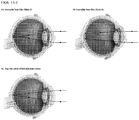
- the various components of the tear system are highly interdependent such that any abnormality in quantity or quality can cause an imbalance in the system and affect vision. Because light must pass through the tear film before it reaches the cornea and deeper posterior eye structures, it may be appreciated that it functions as the "first lens" of the eye.
- the present invention provides methods of alleviating vision abnormalities as set forth in the claims suffered by patients by depositing lubricin on the eye surface to positively affect the tear film's light transmissive properties.
- lubricin works to improve vision by stabilizing the tear film (providing lens consistency over time), and homogenizing the refractive index of the ocular surface (providing lens consistency over space) by creating a network of hydrophilic polymer brushes that extend a hydrated layer past the diffraction limit of visible light (a few hundred nm).
- the tear film is the first refractive interface between air and water in the eye. It is generally thought to comprise an external lipid layer on the order of 50 nm thick, a middle aqueous layer with varying, time-sensitive estimates on the order of 1-8 ⁇ m, and an epithelial interfacial layer comprising the glycocalyx-rich microplicae and microvilli riding atop the corneal surface, estimated to be about 129 nanometers high, with an 95% confidence interval range of about 500 nanometers - including the difference in surface height between cells ( King-Smith et al., Invest Ophthalmol Vis Sci., 2014, Apr 21; 55(4):2614-8 ).
- the total reflected radiant power function as described by Harvey JE et al. is 1 - exp(-(4 ⁇ / ⁇ ) ⁇ 2), where ⁇ is the RMS roughness of the surface and ⁇ is the wavelength of light.
- ⁇ is the RMS roughness of the surface
- ⁇ is the wavelength of light.
- the Rayleigh criterion for smoothness suggests that a surface may be considered as smooth if the standard deviation of the roughness h ⁇ ⁇ / (8 cos ⁇ ), where ⁇ is the angle of incidence.
- the lack of a glycocalyx or the loss of superficial epithelial cells exposing the immature, hydrophobic, glycocalyx-deficient basal cells beneath
- the glycocalyx may have a higher refractive index than the corneal epithelium, which may bend light preferentially as compared to the other layers.
- the tear film is a dynamic system, especially when compromised.
- the thickness changes as the eye is held open between blinks.
- Normal, healthy subjects can typically hold their eyes open for well over ten to twenty seconds before the breakup and critical evaporation of the thin film triggers an uncomfortably high osmolarity that triggers a restorative blink.
- the upper lid draws sufficient fluid from the lower tear meniscus over the hydrophilic corneal surface to reform a patent, smooth optical lens at a homeostatic concentration.
- the thickness and continuity of the tear film is rapidly degraded, sometimes instantaneously after a blink.
- HOAs persistent higher order aberrations
- the current methods of the invention as disclosed herein address to some degree lower order aberrations (LOA), higher order aberrations (HOA) and very high order aberrations, and macro- and micro-aberrations, whether arising from the tear film or from corneal surface irregularity, as well as the time varying components thereof.
- LOA lower order aberrations
- HOA higher order aberrations
- macro- and micro-aberrations whether arising from the tear film or from corneal surface irregularity, as well as the time varying components thereof.
- the ocular surface is exposed to lubricin which noncovalently binds to the cornea and conjunctiva to create a regular, smooth optical lens with a relatively stable focal distance.
- the invention provides a method for improving the stability of vision.
- an ocular surface with a dysfunctional tear film is exposed to lubricin, and lubricin binds to the cornea to create a regular, smooth, hydrophilic surface that significantly improves tear film thinning rates and increases breakup time so that the subject can reduce blink rate and maintain a high quality retinal image during the inter-blink interval.
- Lubricin is believed to bind to hydrophobic basal cells and desquamated mature epithelial cells on the ocular surface to create a hydrated gel layer with a continuous, homogenous refractive index, thereby reducing scatter and other aberrations.
- the lubricin attachment serves as an anchor to create a diffuse network of mucins and glycoproteins that extend from the surface of the epithelium out into the aqueous layer of the tear film, the depth of which is governed largely by the equilibration of shear stress between blinks and attachment forces within the network. Accordingly, this proteoglycan matrix would fill in defects atop the ocular surface to create a homogeneous optical lens with smoothness far superior to that of the dehydrated, basal epithelium.
- a deeper support In sections where a deeper support is located, e.g., atop an immature basal epithelial cell exposed by the sloughing of an apoptotic surface cell, sufficient lubricin and other glycoproteins can accumulate and reach out into the bulk tear film until the shear stress of a blink pulls the most radially distal molecules off from the network, allowing them to reestablish and fill in holes elsewhere. As the shear forces should gradually extend from the lid to the corneal surface, deeper layers will accumulate more lubricin due to the relative lack of shear at those depths.
- beneficial effects are apparent with a single drop of solution comprising about 15 to 25 ⁇ g/mL lubricin, and the beneficial effects saturate with a drop comprising a lubricin concentration of perhaps 200 ⁇ g/mL.
- One example procedure is for a volunteer to view a scene which has a halo or starburst, excessive glare, or other eye film related visual impairment.
- a drop of lubricin is placed in one naked eye, the patient blinks five times, then compares vision between the treated and untreated eye.
- a reduction or sometimes disappearance of the visual artifact is immediately noticeable by most people who suffer from these impairments.
- a simple test is to position any sheet of printed matter far enough away from the eye (with or without eyeglasses, and indoors in ordinary daylight or in artificial light), such that the printed letters are on the edge of clarity or readability for that person: in other words, at a position where, if the sheet is moved a bit closer, the print is readable by the test patient, and if moved a bit further away, the print is indistinct and unreadable or barely readable.
- the patient then applies an eye drop containing lubricin to the naked eye, blinks five times, then again gazes at the sheet which is maintained at this "edge of clarity" position. Essentially all volunteers who take this test immediately report that the print is easier to read and that their vision is more acute after lubricin application.
- the effect often can be made more noticeable by comparing vision through the lubricin-treated eye to the untreated eye.
- people suffering from a halo effect e.g., as a side effect of eye surgery such as LASIK, cataract surgery, or the like, report a reduction or disappearance of halos after self-administration of one or more lubricin drops in one or both eyes.
- volunteers report an improvement in vision comparable to moving from a standard definition to a high definition television following topical instillation of lubricin.
- patients with tired eyes, irritated eyes e.g., have worn contact lenses for a prolonged period and suffer from a destabilized tear film and shortened break-up time, suffering from poor night vision, starbursts or halos, or higher order anomalies, in accordance with the invention, can carry a suitable applicator of lubricin eye drops and apply a drop in either eye as necessary to relieve symptoms.
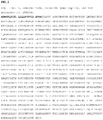
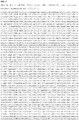
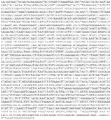
- Lubricin is now well known. Its full length amino acid sequence (secretion signal in bold) is set forth in Figure 2 (NCBI Accession Numbers AK131434 and U70136). The human gene encoding it is set forth in Figure 3 . It is a polypeptide with surface lubricating properties expressed from the megakaryocyte stimulating factor (MSF) gene, also known as PRG4. Its natural form in all mammals investigated contains multiple repeats of an amino acid sequence which is at least 50% identical to the sequence KEPAPTT (SEQ ID NO: 3). Natural lubricins typically comprise multiple redundant forms of this repeat, but typically always include proline and threonine residues, with at least one threonine being glycosylated in some, most, or all repeats.
- MSF megakaryocyte stimulating factor
- the threonine anchored O-linked sugar side chains are critical for lubricin's boundary lubricating function.
- the side chain moiety typically is a ⁇ -(1-3)-Gal-GalNac moiety.
- the ⁇ -(1-3)-Gal-GalNac is capped with sialic or N-acetylneuraminic acid or NeuAc.
- the polypeptide also typically comprises N-linked oligosaccharides.
- Lubricin is polydisperse in that individual lubricin molecules differ in their degree and pattern of glycosylation.
- the amino acid sequence of the protein backbone of lubricin may differ depending on alternative splicing of exons of the human MSF gene. This robustness against heterogeneity was exemplified when researchers created a recombinant form of lubricin missing 474 amino acids from the central mucin domain, yet still achieved reasonable, although muted, lubrication ( Flannery et al., Arthritis Rheum 2009; 60(3):840-7 ). PRG4 has been shown to exist not only as a monomer but also as a dimer and multimer disulfide-bonded through the conserved cysteine-rich domains at both N- and C-termini.
- Lubris, LLC has developed a full-length recombinant form of human lubricin.
- the molecule is expressed using the Selexis Chinese hamster ovary cell line (CHO-M), with a final apparent molecular weight of 450-600 kDa, with polydisperse multimers frequently measuring at 2,000 kDa or more, all as estimated by comparison to molecular weight standards on SDS tris-acetate 3-8% polyacrylamide gels.
- CHO-M Selexis Chinese hamster ovary cell line
- polydisperse multimers frequently measuring at 2,000 kDa or more, all as estimated by comparison to molecular weight standards on SDS tris-acetate 3-8% polyacrylamide gels.
- the total glycosylations about half of the molecules contain two sugar units (GalNAc-Gal), and half three sugar units (GalNAc-Gal-Sialic acid).
- This method of recombinant human PRG4 production is provided in International Patent Application Publication No.
- All useful molecules comprise the sequence encoded by exon 6, or homologs or truncated versions thereof, for example, versions with fewer repeats within this central mucin-like KEPAPTT-repeat domain (SEQ ID NO:3), together with O-linked glycosylation. All useful molecules also comprise at least the biological active portions of the sequences encoded by exons 1-5 and 7-12, i.e., sequences responsible for imparting to the molecule its affinity for extracellular matrix and endothelial surfaces.
- lubricin protein has an average molar mass of between 50 kDa and 500 kDa, preferably between 224 to 467 kDa, comprising one or more biological active portions of the PRG4 protein, or functional fragments, such as a lubricating fragment, or a homolog thereof.
- a PRG4 protein comprises monomers of average molar mass of between 220 kDa to about 280 kDa.
- recombinant production methods start with cloning and isolating mRNA and cDNA encoding PRG4 proteins or isoforms using standard molecular biology techniques, such as PCR or RT-PCR.
- the isolated cDNA encoding the PRG4 protein or isoform is then cloned into an expression vector, preferably CHO-M, and further transformed and expressed in a host cell for producing recombinant PRG4 protein.
- Purification involves empirical experimentation to develop the most efficient protocol which effectively removes host cell proteins, inhibits aggregation, and remove virus and other contaminants.
- any one or more of various native and recombinant PRG4 proteins and isoforms may be utilized in methods described herein.
- U.S. Patent Nos. 6,433,142 ; 6,743,774 ; 6,960,562 ; 7,030,223 , and 7,361,738 disclose how to make various forms of human PRG4 expression product.
- Preferred for use in the practice of the invention is full length, robustly glycosylated, recombinant lubricin, expressed from CHO-M cells, as disclosed in the above referenced PCT application.
- This protein comprises 1404 amino acids including a central exon comprising repeats of the sequence KEPAPTT (SEQ ID NO:3) variously glycosylated with O-linked ⁇ (1-3) Gal-GalNAc oligosaccharides, and including N and C-terminal sequences with homology to vitronectin. Its sequence is disclosed in Figure 2 .
- the molecule is poly disperse with the glycosylation pattern of individual molecules varying, and can comprise monomeric, dimeric, and multimeric species.
- the eye drops suitable for topical application to an ocular surface comprise a therapeutically effective concentration of a PRG4 protein disposed in an ophthalmically acceptable balanced salt solution, e.g., phosphate buffered saline.
- Ophthalmically acceptable compositions are considered suitable for topical application to the ocular surface if, upon application, they lack unacceptable eye toxicity, burning, itchiness, viscosity, etc.
- the concentration of lubricin may vary widely, from a few micrograms per milliliter to as many as 200 or 300 micrograms per milliliter. More dilute solutions may permit the patient to titrate the therapeutic dose to suit his or her vision anomaly by adding multiple drops.
- the eye drops used in the present invention also may comprise one or more optional ingredients such as an ophthalmically acceptable demulcent, excipient, astringent, vasoconstrictor, or emollient.
- the aqueous lubricin glycoprotein solutions used in the method of the present invention optionally further may comprises a therapeutically effective concentration of one or more additional therapeutic agents, including for example sodium hyaluronate, hyaluronic acid, and/or phospholipid.
- additional therapeutic agents including for example sodium hyaluronate, hyaluronic acid, and/or phospholipid.
- Exemplary phospholipids include L- ⁇ -dipalmitoylphosphatidylcholine, phosphatidylcholine, phosphatidylethanolamine and sphingomyelin.
- the lubricin typically is dissolved in an ophthalmically acceptable balanced salt solution comprising at least three electrolytes, including, for example, sodium chloride (NaCl) 0.64%, potassium chloride (KCl) 0.075%, calcium chloride dihydrate (CaCl 2 .2H 2 O) 0.048%, magnesium chloride hexahydrate (MgCl 2 .6H 2 O) 0.03%, sodium acetate trihydrate (C 2 H 3 NaO 2 .3H2O) 0.39%, sodium citrate dihydrate (C 6 H 5 Na 3 O 7 .2H 2 O) 0.17%, and sodium hydroxide and/or hydrochloric acid (to adjust pH to approximately 7.5) with an osmolarity of approximately 300 mOsms/L.
- sodium chloride and/or hydrochloric acid to adjust pH to approximately 7.5
- the aqueous vehicle may comprises 128 mM sodium, 24 mM potassium, approximately 113 mM chloride, approximately 0.4 mM calcium, approximately 0.3 mM magnesium, approximately 5 mM HCO3 - , approximately 1 mM citrate, approximately 14 mM phosphate, approximately 15 mM acetate, and sodium hydroxide and/or hydrochloric acid sufficient to adjust pH to approximately 7.5, and with an osmolarity of approximately 200-300 mOsm/L.
Landscapes
- Health & Medical Sciences (AREA)
- Life Sciences & Earth Sciences (AREA)
- Medicinal Chemistry (AREA)
- Chemical & Material Sciences (AREA)
- Pharmacology & Pharmacy (AREA)
- Animal Behavior & Ethology (AREA)
- General Health & Medical Sciences (AREA)
- Public Health (AREA)
- Veterinary Medicine (AREA)
- Epidemiology (AREA)
- Ophthalmology & Optometry (AREA)
- Engineering & Computer Science (AREA)
- Bioinformatics & Cheminformatics (AREA)
- Proteomics, Peptides & Aminoacids (AREA)
- Immunology (AREA)
- Gastroenterology & Hepatology (AREA)
- Zoology (AREA)
- Marine Sciences & Fisheries (AREA)
- Organic Chemistry (AREA)
- Nuclear Medicine, Radiotherapy & Molecular Imaging (AREA)
- General Chemical & Material Sciences (AREA)
- Chemical Kinetics & Catalysis (AREA)
- Medicines That Contain Protein Lipid Enzymes And Other Medicines (AREA)
- Medicinal Preparation (AREA)
- Peptides Or Proteins (AREA)
- Prostheses (AREA)
- Heterocyclic Carbon Compounds Containing A Hetero Ring Having Oxygen Or Sulfur (AREA)
- Pyrane Compounds (AREA)
Priority Applications (3)
| Application Number | Priority Date | Filing Date | Title |
|---|---|---|---|
| HRP20211589TT HRP20211589T1 (hr) | 2015-05-19 | 2016-05-19 | Uporaba proteoglikana 4 (prg4) za poboljšanje dinamičke vizuelne oštrine i aberacija višeg reda |
| SI201631361T SI3300482T1 (sl) | 2015-05-19 | 2016-05-19 | Uporaba prg4 za izboljšanje dinamične ostrine vide in aberacij višjega reda |
| PL16797292T PL3300482T3 (pl) | 2015-05-19 | 2016-05-19 | Zastosowanie prg4 do poprawy dynamicznej ostrości wzroku i aberracji wyższego rzędu |
Applications Claiming Priority (2)
| Application Number | Priority Date | Filing Date | Title |
|---|---|---|---|
| US201562163753P | 2015-05-19 | 2015-05-19 | |
| PCT/US2016/033248 WO2016187414A1 (en) | 2015-05-19 | 2016-05-19 | Use of prg4 to improve dynamic visual acuity and higher order aberrations |
Publications (3)
| Publication Number | Publication Date |
|---|---|
| EP3300482A1 EP3300482A1 (en) | 2018-04-04 |
| EP3300482A4 EP3300482A4 (en) | 2019-02-13 |
| EP3300482B1 true EP3300482B1 (en) | 2021-07-14 |
Family
ID=57320651
Family Applications (1)
| Application Number | Title | Priority Date | Filing Date |
|---|---|---|---|
| EP16797292.6A Active EP3300482B1 (en) | 2015-05-19 | 2016-05-19 | Use of prg4 to improve dynamic visual acuity and higher order aberrations |
Country Status (14)
| Country | Link |
|---|---|
| US (1) | US11666529B2 (enExample) |
| EP (1) | EP3300482B1 (enExample) |
| JP (2) | JP7291459B2 (enExample) |
| CY (1) | CY1124538T1 (enExample) |
| DK (1) | DK3300482T3 (enExample) |
| ES (1) | ES2893304T3 (enExample) |
| HR (1) | HRP20211589T1 (enExample) |
| HU (1) | HUE056409T2 (enExample) |
| LT (1) | LT3300482T (enExample) |
| MA (1) | MA42148A (enExample) |
| PL (1) | PL3300482T3 (enExample) |
| PT (1) | PT3300482T (enExample) |
| SI (1) | SI3300482T1 (enExample) |
| WO (1) | WO2016187414A1 (enExample) |
Families Citing this family (5)
| Publication number | Priority date | Publication date | Assignee | Title |
|---|---|---|---|---|
| US9982027B2 (en) | 2013-10-22 | 2018-05-29 | Lubris Llc | Control of rheological properties of mixed hyaluronate/lubricin solutions |
| EP3250221B1 (en) | 2015-01-26 | 2020-05-27 | Lubris, Llc | Use of prg4 as an anti-inflammatory agent |
| WO2019246522A1 (en) * | 2018-06-21 | 2019-12-26 | Lubris Llc | Lubricin for use in wound healing |
| CN113905753A (zh) * | 2019-01-15 | 2022-01-07 | 康奈尔大学 | 重组粘蛋白和组合物以及其使用方法 |
| JP2023515504A (ja) * | 2020-02-24 | 2023-04-13 | ノバルティス アーゲー | 組み換え産生されたポリペプチドの精製 |
Family Cites Families (28)
| Publication number | Priority date | Publication date | Assignee | Title |
|---|---|---|---|---|
| US6433142B1 (en) | 1989-08-08 | 2002-08-13 | Genetics Institute, Llc | Megakaryocyte stimulating factors |
| US6960562B2 (en) | 1999-04-23 | 2005-11-01 | Rhode Island Hospital, A Lifespan Partner | Tribonectin polypeptides and uses thereof |
| US7001881B1 (en) | 1999-04-23 | 2006-02-21 | Rhode Island Hospital | Tribonectins |
| US6743774B1 (en) | 1999-04-23 | 2004-06-01 | Rhode Island Hospital | Tribonectins |
| US7415381B2 (en) | 2003-01-09 | 2008-08-19 | Rhode Island Hospital, A Lifespan Partner | Joint friction sensing |
| WO2005000331A2 (en) | 2003-06-04 | 2005-01-06 | Mucosal Therapeutics, Inc. | Compositions for the treatment and prevention of degenerative joint disorders |
| WO2005102363A2 (en) | 2004-04-20 | 2005-11-03 | Mucosal Therapeutics Llc | Methods of promoting cartilage healing or cartilage integration |
| WO2006012492A2 (en) | 2004-07-23 | 2006-02-02 | Mucosal Therapeutics Llc | Compositions and methods for viscosupplementation |
| WO2006060473A2 (en) | 2004-12-03 | 2006-06-08 | Mucosal Therapeutics Llc | Methods of treatment of injured or diseased joints with lubricin compositions |
| US20070111327A1 (en) | 2005-05-05 | 2007-05-17 | Jay Gregory D | Methods of detecting lubricin |
| US8144631B2 (en) | 2006-12-13 | 2012-03-27 | Cisco Technology, Inc. | Interconnecting IP video endpoints with reduced H.320 call setup time |
| WO2008143816A1 (en) | 2007-05-15 | 2008-11-27 | Mucosal Therapeutics | Compositions and methods for reducing friction between the surface of tendons or other soft tissues |
| US20090068247A1 (en) | 2007-09-12 | 2009-03-12 | Mucosal Therapeutics | Biocompatible devices coated with a tribonectin and methods for their production |
| US20090104148A1 (en) | 2007-09-18 | 2009-04-23 | Jay Gregory D | Treatment and prevention of joint disease |
| US8506944B2 (en) * | 2008-05-07 | 2013-08-13 | The Regents Of The University Of California | Replenishment and enrichment of ocular surface lubrication |
| EP2285364B1 (en) | 2008-05-07 | 2015-01-21 | The Regents of The University of California | Therapeutic replenishment and enrichment of ocular surface lubrication |
| WO2010083239A2 (en) | 2009-01-13 | 2010-07-22 | Truitt Edward R Iii | Therapeutic modulation of vaginal epithelium boundary lubrication |
| JP2012527485A (ja) | 2009-05-22 | 2012-11-08 | ルブリス,エルエルシー. | Prg4及びその治療調節作用の応用及び使用 |
| WO2011019963A2 (en) | 2009-08-13 | 2011-02-17 | Singularis, Inc. | Prg4 treatment for interstitial cystitis |
| WO2011091000A2 (en) | 2010-01-19 | 2011-07-28 | Singularis, Inc. | Oral care compositions and methods |
| KR101413390B1 (ko) | 2010-07-30 | 2014-06-27 | 노파르티스 아게 | 수분이 풍부한 표면을 갖는 실리콘 히드로겔 렌즈 |
| US9974685B2 (en) | 2011-08-29 | 2018-05-22 | Mati Therapeutics | Drug delivery system and methods of treating open angle glaucoma and ocular hypertension |
| US20130116186A1 (en) | 2011-10-04 | 2013-05-09 | Rhode Island Hospital, A Lifespan Partner | Lubricin injections to maintain cartilage health |
| US9982027B2 (en) | 2013-10-22 | 2018-05-29 | Lubris Llc | Control of rheological properties of mixed hyaluronate/lubricin solutions |
| US10500250B2 (en) | 2013-11-26 | 2019-12-10 | Lubris Llc | Compositions and methods for inhibiting intercellular interactions |
| US20180161393A1 (en) | 2015-01-26 | 2018-06-14 | Lubris Llc | Prg4 for treating gout and its symptoms |
| EP3250221B1 (en) | 2015-01-26 | 2020-05-27 | Lubris, Llc | Use of prg4 as an anti-inflammatory agent |
| US20170312335A1 (en) | 2015-12-30 | 2017-11-02 | Lubris Llc | Topical use of prg4 for treatment of allergy and symptoms of inflammation |
-
2016
- 2016-05-19 US US15/574,712 patent/US11666529B2/en active Active
- 2016-05-19 SI SI201631361T patent/SI3300482T1/sl unknown
- 2016-05-19 WO PCT/US2016/033248 patent/WO2016187414A1/en not_active Ceased
- 2016-05-19 JP JP2017559312A patent/JP7291459B2/ja active Active
- 2016-05-19 PL PL16797292T patent/PL3300482T3/pl unknown
- 2016-05-19 ES ES16797292T patent/ES2893304T3/es active Active
- 2016-05-19 MA MA042148A patent/MA42148A/fr unknown
- 2016-05-19 HU HUE16797292A patent/HUE056409T2/hu unknown
- 2016-05-19 HR HRP20211589TT patent/HRP20211589T1/hr unknown
- 2016-05-19 DK DK16797292.6T patent/DK3300482T3/da active
- 2016-05-19 LT LTEPPCT/US2016/033248T patent/LT3300482T/lt unknown
- 2016-05-19 PT PT16797292T patent/PT3300482T/pt unknown
- 2016-05-19 EP EP16797292.6A patent/EP3300482B1/en active Active
-
2021
- 2021-06-16 JP JP2021099827A patent/JP2021167318A/ja active Pending
- 2021-10-05 CY CY20211100858T patent/CY1124538T1/el unknown
Non-Patent Citations (1)
| Title |
|---|
| ANONYMOUS: "Symptoms of Dry Eye Disease -", 18 August 2015 (2015-08-18), XP055667046, Retrieved from the Internet <URL:https://discoveryeye.org/symptoms-of-dry-eye-disease/> [retrieved on 20200210] * |
Also Published As
| Publication number | Publication date |
|---|---|
| JP2021167318A (ja) | 2021-10-21 |
| US11666529B2 (en) | 2023-06-06 |
| EP3300482A4 (en) | 2019-02-13 |
| JP7291459B2 (ja) | 2023-06-15 |
| SI3300482T1 (sl) | 2021-11-30 |
| HUE056409T2 (hu) | 2022-02-28 |
| WO2016187414A1 (en) | 2016-11-24 |
| US20180140546A1 (en) | 2018-05-24 |
| PT3300482T (pt) | 2021-10-15 |
| CY1124538T1 (el) | 2022-07-22 |
| ES2893304T3 (es) | 2022-02-08 |
| JP2018515534A (ja) | 2018-06-14 |
| EP3300482A1 (en) | 2018-04-04 |
| MA42148A (fr) | 2018-04-04 |
| DK3300482T3 (da) | 2021-10-18 |
| HRP20211589T1 (hr) | 2022-01-07 |
| LT3300482T (lt) | 2021-10-25 |
| PL3300482T3 (pl) | 2022-01-03 |
Similar Documents
| Publication | Publication Date | Title |
|---|---|---|
| JP2021167318A (ja) | 動体視力および高次収差を改善するためのprg4の使用 | |
| AU2018278976B2 (en) | Contact lens use in the treatment of an ophthalmologic condition | |
| US7402562B2 (en) | Composition for stabilizing corneal tissue during or after orthokeratology lens wear | |
| JP2011063602A (ja) | 角膜矯正レンズ装着中または装着後の角膜組織を安定化するための組成物 | |
| Dalton et al. | Fitting an MSD (mini scleral design) rigid contact lens in advanced keratoconus with INTACS | |
| Severinsky et al. | Scleral contact lenses in the pediatric population—Indications and outcomes | |
| Cellini et al. | The use of nerve growth factor in surgical wound healing of the cornea | |
| Doyle et al. | PRK in patients with a keratoconic topography picture. The concept of a physiological'displaced apex syndrome'. | |
| Altay et al. | Hybrid contact lenses for visual management of patients after keratoplasty | |
| Morgado et al. | New promising therapeutic approach for refractory corneal epithelial defects | |
| Berti et al. | Moderate keratoconus with thick corneas | |
| Assaf et al. | Delayed laser in situ keratomileusis interface haze 6 months after corneal cross-linking for ectasia | |
| Bajracharya et al. | A patient with keratoconus, axial hyperopia and pigmentary retinopathy | |
| Riks et al. | Recurrent pterygium–features of surgical treatment | |
| WO2025062471A1 (en) | Compositions for treatment of dry eye syndrome or corneal wound healing | |
| González-Méijome | Ana Luísa Moreira Marques | |
| Bouheraoua et al. | Acanthamoeba keratitis associated with intracorneal hydrogel inlay | |
| Yeung et al. | Case study: Use of contact lenses to manage complications following combined corneal cross-linking and topography-guided photorefractive keratectomy for pellucid marginal degeneration | |
| Belmont | Refraction troubles | |
| Hjortdal | September consultation# 5 | |
| Liang et al. | Girl presents with headache, binocular diplopia. | |
| Ross | Eye disorders in the elderly II: other common complaints | |
| HK1209195B (en) | Contact lens use in the treatment of an ophthalmologic condition |
Legal Events
| Date | Code | Title | Description |
|---|---|---|---|
| REG | Reference to a national code |
Ref country code: HR Ref legal event code: TUEP Ref document number: P20211589 Country of ref document: HR |
|
| STAA | Information on the status of an ep patent application or granted ep patent |
Free format text: STATUS: THE INTERNATIONAL PUBLICATION HAS BEEN MADE |
|
| PUAI | Public reference made under article 153(3) epc to a published international application that has entered the european phase |
Free format text: ORIGINAL CODE: 0009012 |
|
| STAA | Information on the status of an ep patent application or granted ep patent |
Free format text: STATUS: REQUEST FOR EXAMINATION WAS MADE |
|
| 17P | Request for examination filed |
Effective date: 20171219 |
|
| AK | Designated contracting states |
Kind code of ref document: A1 Designated state(s): AL AT BE BG CH CY CZ DE DK EE ES FI FR GB GR HR HU IE IS IT LI LT LU LV MC MK MT NL NO PL PT RO RS SE SI SK SM TR |
|
| AX | Request for extension of the european patent |
Extension state: BA ME |
|
| RIC1 | Information provided on ipc code assigned before grant |
Ipc: A61P 27/02 20060101ALI20181220BHEP Ipc: A61K 31/728 20060101ALI20181220BHEP Ipc: A61K 38/16 20060101AFI20181220BHEP |
|
| A4 | Supplementary search report drawn up and despatched |
Effective date: 20190110 |
|
| STAA | Information on the status of an ep patent application or granted ep patent |
Free format text: STATUS: EXAMINATION IS IN PROGRESS |
|
| 17Q | First examination report despatched |
Effective date: 20200214 |
|
| GRAP | Despatch of communication of intention to grant a patent |
Free format text: ORIGINAL CODE: EPIDOSNIGR1 |
|
| STAA | Information on the status of an ep patent application or granted ep patent |
Free format text: STATUS: GRANT OF PATENT IS INTENDED |
|
| INTG | Intention to grant announced |
Effective date: 20210126 |
|
| GRAS | Grant fee paid |
Free format text: ORIGINAL CODE: EPIDOSNIGR3 |
|
| GRAA | (expected) grant |
Free format text: ORIGINAL CODE: 0009210 |
|
| STAA | Information on the status of an ep patent application or granted ep patent |
Free format text: STATUS: THE PATENT HAS BEEN GRANTED |
|
| AK | Designated contracting states |
Kind code of ref document: B1 Designated state(s): AL AT BE BG CH CY CZ DE DK EE ES FI FR GB GR HR HU IE IS IT LI LT LU LV MC MK MT NL NO PL PT RO RS SE SI SK SM TR |
|
| REG | Reference to a national code |
Ref country code: GB Ref legal event code: FG4D |
|
| REG | Reference to a national code |
Ref country code: IE Ref legal event code: FG4D |
|
| REG | Reference to a national code |
Ref country code: DE Ref legal event code: R096 Ref document number: 602016060665 Country of ref document: DE |
|
| REG | Reference to a national code |
Ref country code: AT Ref legal event code: REF Ref document number: 1410138 Country of ref document: AT Kind code of ref document: T Effective date: 20210815 |
|
| REG | Reference to a national code |
Ref country code: FI Ref legal event code: FGE |
|
| REG | Reference to a national code |
Ref country code: PT Ref legal event code: SC4A Ref document number: 3300482 Country of ref document: PT Date of ref document: 20211015 Kind code of ref document: T Free format text: AVAILABILITY OF NATIONAL TRANSLATION Effective date: 20211007 |
|
| REG | Reference to a national code |
Ref country code: DK Ref legal event code: T3 Effective date: 20211012 |
|
| RAP4 | Party data changed (patent owner data changed or rights of a patent transferred) |
Owner name: LUBRIS LLC |
|
| REG | Reference to a national code |
Ref country code: SE Ref legal event code: TRGR |
|
| REG | Reference to a national code |
Ref country code: NL Ref legal event code: FP |
|
| REG | Reference to a national code |
Ref country code: EE Ref legal event code: FG4A Ref document number: E021345 Country of ref document: EE Effective date: 20211007 |
|
| REG | Reference to a national code |
Ref country code: DE Ref legal event code: R081 Ref document number: 602016060665 Country of ref document: DE Owner name: LUBRIS LLC, NAPLES, US Free format text: FORMER OWNER: LUBRIS LLC, FRAMINGHAM, MA, US |
|
| REG | Reference to a national code |
Ref country code: GR Ref legal event code: EP Ref document number: 20210402704 Country of ref document: GR Effective date: 20211111 |
|
| REG | Reference to a national code |
Ref country code: SK Ref legal event code: T3 Ref document number: E 38357 Country of ref document: SK |
|
| REG | Reference to a national code |
Ref country code: HR Ref legal event code: T1PR Ref document number: P20211589 Country of ref document: HR |
|
| REG | Reference to a national code |
Ref country code: NO Ref legal event code: T2 Effective date: 20210714 |
|
| PG25 | Lapsed in a contracting state [announced via postgrant information from national office to epo] |
Ref country code: RS Free format text: LAPSE BECAUSE OF FAILURE TO SUBMIT A TRANSLATION OF THE DESCRIPTION OR TO PAY THE FEE WITHIN THE PRESCRIBED TIME-LIMIT Effective date: 20210714 |
|
| REG | Reference to a national code |
Ref country code: ES Ref legal event code: FG2A Ref document number: 2893304 Country of ref document: ES Kind code of ref document: T3 Effective date: 20220208 |
|
| REG | Reference to a national code |
Ref country code: HU Ref legal event code: AG4A Ref document number: E056409 Country of ref document: HU |
|
| REG | Reference to a national code |
Ref country code: DE Ref legal event code: R097 Ref document number: 602016060665 Country of ref document: DE |
|
| VS25 | Lapsed in a validation state [announced via postgrant information from nat. office to epo] |
Ref country code: MD Free format text: LAPSE BECAUSE OF FAILURE TO SUBMIT A TRANSLATION OF THE DESCRIPTION OR TO PAY THE FEE WITHIN THE PRESCRIBED TIME-LIMIT Effective date: 20210714 |
|
| PLBE | No opposition filed within time limit |
Free format text: ORIGINAL CODE: 0009261 |
|
| STAA | Information on the status of an ep patent application or granted ep patent |
Free format text: STATUS: NO OPPOSITION FILED WITHIN TIME LIMIT |
|
| PG25 | Lapsed in a contracting state [announced via postgrant information from national office to epo] |
Ref country code: SM Free format text: LAPSE BECAUSE OF FAILURE TO SUBMIT A TRANSLATION OF THE DESCRIPTION OR TO PAY THE FEE WITHIN THE PRESCRIBED TIME-LIMIT Effective date: 20210714 Ref country code: AL Free format text: LAPSE BECAUSE OF FAILURE TO SUBMIT A TRANSLATION OF THE DESCRIPTION OR TO PAY THE FEE WITHIN THE PRESCRIBED TIME-LIMIT Effective date: 20210714 |
|
| 26N | No opposition filed |
Effective date: 20220419 |
|
| REG | Reference to a national code |
Ref country code: HR Ref legal event code: ODRP Ref document number: P20211589 Country of ref document: HR Payment date: 20220506 Year of fee payment: 7 |
|
| PGFP | Annual fee paid to national office [announced via postgrant information from national office to epo] |
Ref country code: NL Payment date: 20220526 Year of fee payment: 7 |
|
| PGFP | Annual fee paid to national office [announced via postgrant information from national office to epo] |
Ref country code: SK Payment date: 20220503 Year of fee payment: 7 Ref country code: SE Payment date: 20220527 Year of fee payment: 7 Ref country code: RO Payment date: 20220509 Year of fee payment: 7 Ref country code: PT Payment date: 20220509 Year of fee payment: 7 Ref country code: NO Payment date: 20220531 Year of fee payment: 7 Ref country code: LU Payment date: 20220527 Year of fee payment: 7 Ref country code: LT Payment date: 20220503 Year of fee payment: 7 Ref country code: IE Payment date: 20220527 Year of fee payment: 7 Ref country code: HU Payment date: 20220511 Year of fee payment: 7 Ref country code: HR Payment date: 20220506 Year of fee payment: 7 Ref country code: EE Payment date: 20220503 Year of fee payment: 7 Ref country code: DK Payment date: 20220531 Year of fee payment: 7 Ref country code: CZ Payment date: 20220506 Year of fee payment: 7 Ref country code: BG Payment date: 20220530 Year of fee payment: 7 |
|
| PGFP | Annual fee paid to national office [announced via postgrant information from national office to epo] |
Ref country code: TR Payment date: 20220511 Year of fee payment: 7 Ref country code: SI Payment date: 20220504 Year of fee payment: 7 Ref country code: PL Payment date: 20220504 Year of fee payment: 7 Ref country code: LV Payment date: 20220505 Year of fee payment: 7 Ref country code: GR Payment date: 20220527 Year of fee payment: 7 Ref country code: FI Payment date: 20220527 Year of fee payment: 7 Ref country code: CH Payment date: 20220602 Year of fee payment: 7 Ref country code: BE Payment date: 20220527 Year of fee payment: 7 Ref country code: AT Payment date: 20220504 Year of fee payment: 7 |
|
| PGFP | Annual fee paid to national office [announced via postgrant information from national office to epo] |
Ref country code: MT Payment date: 20220504 Year of fee payment: 7 |
|
| PGFP | Annual fee paid to national office [announced via postgrant information from national office to epo] |
Ref country code: CY Payment date: 20220512 Year of fee payment: 7 |
|
| PG25 | Lapsed in a contracting state [announced via postgrant information from national office to epo] |
Ref country code: MC Free format text: LAPSE BECAUSE OF FAILURE TO SUBMIT A TRANSLATION OF THE DESCRIPTION OR TO PAY THE FEE WITHIN THE PRESCRIBED TIME-LIMIT Effective date: 20210714 |
|
| REG | Reference to a national code |
Ref country code: AT Ref legal event code: UEP Ref document number: 1410138 Country of ref document: AT Kind code of ref document: T Effective date: 20210714 |
|
| P01 | Opt-out of the competence of the unified patent court (upc) registered |
Effective date: 20230514 |
|
| REG | Reference to a national code |
Ref country code: HR Ref legal event code: PBON Ref document number: P20211589 Country of ref document: HR Effective date: 20230519 |
|
| REG | Reference to a national code |
Ref country code: LT Ref legal event code: MM4D Effective date: 20230519 |
|
| REG | Reference to a national code |
Ref country code: EE Ref legal event code: MM4A Ref document number: E021345 Country of ref document: EE |
|
| REG | Reference to a national code |
Ref country code: NO Ref legal event code: MMEP |
|
| REG | Reference to a national code |
Ref country code: CH Ref legal event code: PL |
|
| REG | Reference to a national code |
Ref country code: SE Ref legal event code: EUG Ref country code: DK Ref legal event code: EBP Effective date: 20230531 |
|
| REG | Reference to a national code |
Ref country code: NL Ref legal event code: MM Effective date: 20230601 |
|
| REG | Reference to a national code |
Ref country code: SK Ref legal event code: MM4A Ref document number: E 38357 Country of ref document: SK Effective date: 20230519 |
|
| REG | Reference to a national code |
Ref country code: AT Ref legal event code: MM01 Ref document number: 1410138 Country of ref document: AT Kind code of ref document: T Effective date: 20230519 |
|
| PG25 | Lapsed in a contracting state [announced via postgrant information from national office to epo] |
Ref country code: SK Free format text: LAPSE BECAUSE OF NON-PAYMENT OF DUE FEES Effective date: 20230519 |
|
| PG25 | Lapsed in a contracting state [announced via postgrant information from national office to epo] |
Ref country code: GR Free format text: LAPSE BECAUSE OF NON-PAYMENT OF DUE FEES Effective date: 20231208 |
|
| REG | Reference to a national code |
Ref country code: BE Ref legal event code: MM Effective date: 20230531 |
|
| PG25 | Lapsed in a contracting state [announced via postgrant information from national office to epo] |
Ref country code: SK Free format text: LAPSE BECAUSE OF NON-PAYMENT OF DUE FEES Effective date: 20230519 Ref country code: SI Free format text: LAPSE BECAUSE OF NON-PAYMENT OF DUE FEES Effective date: 20230520 Ref country code: SE Free format text: LAPSE BECAUSE OF NON-PAYMENT OF DUE FEES Effective date: 20230520 Ref country code: RO Free format text: LAPSE BECAUSE OF NON-PAYMENT OF DUE FEES Effective date: 20230519 Ref country code: PT Free format text: LAPSE BECAUSE OF NON-PAYMENT OF DUE FEES Effective date: 20231120 Ref country code: NO Free format text: LAPSE BECAUSE OF NON-PAYMENT OF DUE FEES Effective date: 20230531 Ref country code: LV Free format text: LAPSE BECAUSE OF NON-PAYMENT OF DUE FEES Effective date: 20230519 Ref country code: LU Free format text: LAPSE BECAUSE OF NON-PAYMENT OF DUE FEES Effective date: 20230519 Ref country code: LT Free format text: LAPSE BECAUSE OF NON-PAYMENT OF DUE FEES Effective date: 20230519 Ref country code: LI Free format text: LAPSE BECAUSE OF NON-PAYMENT OF DUE FEES Effective date: 20230531 Ref country code: HU Free format text: LAPSE BECAUSE OF NON-PAYMENT OF DUE FEES Effective date: 20230520 Ref country code: HR Free format text: LAPSE BECAUSE OF NON-PAYMENT OF DUE FEES Effective date: 20230519 Ref country code: GR Free format text: LAPSE BECAUSE OF NON-PAYMENT OF DUE FEES Effective date: 20231208 Ref country code: FI Free format text: LAPSE BECAUSE OF NON-PAYMENT OF DUE FEES Effective date: 20230519 Ref country code: EE Free format text: LAPSE BECAUSE OF NON-PAYMENT OF DUE FEES Effective date: 20230531 Ref country code: CZ Free format text: LAPSE BECAUSE OF NON-PAYMENT OF DUE FEES Effective date: 20230519 Ref country code: CY Free format text: LAPSE BECAUSE OF NON-PAYMENT OF DUE FEES Effective date: 20230519 Ref country code: CH Free format text: LAPSE BECAUSE OF NON-PAYMENT OF DUE FEES Effective date: 20230531 Ref country code: AT Free format text: LAPSE BECAUSE OF NON-PAYMENT OF DUE FEES Effective date: 20230519 |
|
| REG | Reference to a national code |
Ref country code: IE Ref legal event code: MM4A |
|
| PG25 | Lapsed in a contracting state [announced via postgrant information from national office to epo] |
Ref country code: NL Free format text: LAPSE BECAUSE OF NON-PAYMENT OF DUE FEES Effective date: 20230601 |
|
| REG | Reference to a national code |
Ref country code: SI Ref legal event code: KO00 Effective date: 20240226 |
|
| PG25 | Lapsed in a contracting state [announced via postgrant information from national office to epo] |
Ref country code: IE Free format text: LAPSE BECAUSE OF NON-PAYMENT OF DUE FEES Effective date: 20230519 |
|
| PG25 | Lapsed in a contracting state [announced via postgrant information from national office to epo] |
Ref country code: MK Free format text: LAPSE BECAUSE OF FAILURE TO SUBMIT A TRANSLATION OF THE DESCRIPTION OR TO PAY THE FEE WITHIN THE PRESCRIBED TIME-LIMIT Effective date: 20210714 Ref country code: IE Free format text: LAPSE BECAUSE OF NON-PAYMENT OF DUE FEES Effective date: 20230519 Ref country code: DK Free format text: LAPSE BECAUSE OF NON-PAYMENT OF DUE FEES Effective date: 20230531 |
|
| VS25 | Lapsed in a validation state [announced via postgrant information from nat. office to epo] |
Ref country code: MA Free format text: LAPSE BECAUSE OF FAILURE TO SUBMIT A TRANSLATION OF THE DESCRIPTION OR TO PAY THE FEE WITHIN THE PRESCRIBED TIME-LIMIT Effective date: 20210714 |
|
| PG25 | Lapsed in a contracting state [announced via postgrant information from national office to epo] |
Ref country code: BE Free format text: LAPSE BECAUSE OF NON-PAYMENT OF DUE FEES Effective date: 20230531 |
|
| PG25 | Lapsed in a contracting state [announced via postgrant information from national office to epo] |
Ref country code: BG Free format text: LAPSE BECAUSE OF NON-PAYMENT OF DUE FEES Effective date: 20230519 |
|
| PG25 | Lapsed in a contracting state [announced via postgrant information from national office to epo] |
Ref country code: BG Free format text: LAPSE BECAUSE OF NON-PAYMENT OF DUE FEES Effective date: 20230519 |
|
| PG25 | Lapsed in a contracting state [announced via postgrant information from national office to epo] |
Ref country code: PL Free format text: LAPSE BECAUSE OF NON-PAYMENT OF DUE FEES Effective date: 20230519 |
|
| PG25 | Lapsed in a contracting state [announced via postgrant information from national office to epo] |
Ref country code: PL Free format text: LAPSE BECAUSE OF NON-PAYMENT OF DUE FEES Effective date: 20230519 |
|
| PGFP | Annual fee paid to national office [announced via postgrant information from national office to epo] |
Ref country code: DE Payment date: 20250529 Year of fee payment: 10 |
|
| PGFP | Annual fee paid to national office [announced via postgrant information from national office to epo] |
Ref country code: GB Payment date: 20250527 Year of fee payment: 10 Ref country code: ES Payment date: 20250602 Year of fee payment: 10 |
|
| PGFP | Annual fee paid to national office [announced via postgrant information from national office to epo] |
Ref country code: IT Payment date: 20250521 Year of fee payment: 10 |
|
| PGFP | Annual fee paid to national office [announced via postgrant information from national office to epo] |
Ref country code: FR Payment date: 20250526 Year of fee payment: 10 |