EP3300436B1 - Procédé de gestion de puissance de cellule et noeud de réseau - Google Patents
Procédé de gestion de puissance de cellule et noeud de réseau Download PDFInfo
- Publication number
- EP3300436B1 EP3300436B1 EP16799083.7A EP16799083A EP3300436B1 EP 3300436 B1 EP3300436 B1 EP 3300436B1 EP 16799083 A EP16799083 A EP 16799083A EP 3300436 B1 EP3300436 B1 EP 3300436B1
- Authority
- EP
- European Patent Office
- Prior art keywords
- power
- cell
- network node
- same sector
- utilization rate
- Prior art date
- Legal status (The legal status is an assumption and is not a legal conclusion. Google has not performed a legal analysis and makes no representation as to the accuracy of the status listed.)
- Active
Links
Images
Classifications
-
- H—ELECTRICITY
- H04—ELECTRIC COMMUNICATION TECHNIQUE
- H04W—WIRELESS COMMUNICATION NETWORKS
- H04W52/00—Power management, e.g. Transmission Power Control [TPC] or power classes
- H04W52/04—Transmission power control [TPC]
- H04W52/30—Transmission power control [TPC] using constraints in the total amount of available transmission power
- H04W52/36—Transmission power control [TPC] using constraints in the total amount of available transmission power with a discrete range or set of values, e.g. step size, ramping or offsets
- H04W52/367—Power values between minimum and maximum limits, e.g. dynamic range
-
- H—ELECTRICITY
- H04—ELECTRIC COMMUNICATION TECHNIQUE
- H04W—WIRELESS COMMUNICATION NETWORKS
- H04W52/00—Power management, e.g. Transmission Power Control [TPC] or power classes
- H04W52/04—Transmission power control [TPC]
- H04W52/30—Transmission power control [TPC] using constraints in the total amount of available transmission power
- H04W52/34—TPC management, i.e. sharing limited amount of power among users or channels or data types, e.g. cell loading
- H04W52/346—TPC management, i.e. sharing limited amount of power among users or channels or data types, e.g. cell loading distributing total power among users or channels
-
- H—ELECTRICITY
- H04—ELECTRIC COMMUNICATION TECHNIQUE
- H04W—WIRELESS COMMUNICATION NETWORKS
- H04W52/00—Power management, e.g. Transmission Power Control [TPC] or power classes
- H04W52/04—Transmission power control [TPC]
- H04W52/38—TPC being performed in particular situations
- H04W52/50—TPC being performed in particular situations at the moment of starting communication in a multiple access environment
-
- H—ELECTRICITY
- H04—ELECTRIC COMMUNICATION TECHNIQUE
- H04W—WIRELESS COMMUNICATION NETWORKS
- H04W52/00—Power management, e.g. Transmission Power Control [TPC] or power classes
- H04W52/04—Transmission power control [TPC]
- H04W52/06—TPC algorithms
- H04W52/14—Separate analysis of uplink or downlink
- H04W52/143—Downlink power control
Definitions
- the present invention relates to the field of wireless communications technologies, and in particular, to a cell power management method and a network node.
- a mobile communications system is a continuous coverage network including cellular cells.
- a cell generally includes a Global System for Mobile Communications (GSM, Global System for Mobile Communication) cell, a Universal Mobile Telecommunications System (UMTS, Universal Mobile Telecommunications System) cell, and a Long Term Evolution (LTE, Long Term Evolution) network cell, that is, a G/U/L cell.
- GSM Global System for Mobile Communications
- UMTS Universal Mobile Telecommunications System
- LTE Long Term Evolution
- a GSM cell is controlled by a base station controller (BSC, Base Station Controller)
- a UMTS cell is controlled by a radio network controller (RNC)
- RNC radio network controller
- an LTE cell is controlled by a node base station (NodeB, Node Base Station) or an evolved node base station (eNodeB, Evolved Node Base Station).
- NodeB Node Base Station
- eNodeB evolved node base station
- a power of a G/U/L cell is manually configured, to ensure that a total power of G/U/L cells covered by a same sector meets a radiation requirement.
- a transmit power configured for each G/U/L cell in the station needs to be limited within a planned value.
- a quantity of carriers deployed by an operator is limited.
- a cell power is limited, and consequently, a corresponding downlink rate cannot be provided.
- EP 1 793 509 A1 discloses a method for transmission power control in a single- or multi-carrier communications system, each carrier comprising a plurality of communication physical channels, and in which a maximum transmission power budget is distributed between the physical channels within one carrier and/or between carriers.
- the disclosed method comprises adding the digital physical channel signals belonging to each carrier; calculating the power of each digital carrier signal and adding the power of all carriers; comparing a resulting transmission power value (PC) to a certain threshold value (PT), if the transmission power value (PC) is lower than the threshold value (PT), calculating a margin of transmission power available (NU3) for each of the carriers; and sending said transmission power margin to at least one base band module (BB1 to BBn) in charge of transmitting physical channel signals for said carriers and said at least one base band module (BB 1 to BBn) using said transmission power margin (NU3) for transmitting extra physical channels (H2) in said carriers.
- PC transmission power value
- PT threshold value
- NU3 transmission power available
- CN 102 281 619 A discloses a power allocation scheme which includes determining power usage information of a plurality of cells established on a same remote radio unit; and determining power usage information of the cell characterizing power usage of the cell after last power allocation. It is further determined the current allocated power of each cell, according to the determined power usage information of each cell and the last allocated power, wherein, the sum of the last allocated power of each cell is equal to the sum of the current allocated powers. A further step is allocating power to each cell according to the determined current allocated power of each cell.
- This application provides a cell power management method and a network node, so as to resolve a problem in the prior art that a quantity of carriers cannot be limitedly increased without reducing a transmit power of a cell.
- a first aspect of this application provides a cell power management method according to claim 1.
- a second aspect of the present invention provides a network node according to claim 2.
- a third aspect of the present invention provides a network node according to claim 3.
- a maximum transmit power of a same sector is configured, and a transmit power of each cell is controlled to be not greater than a first threshold; when the same sector is in an initial state, a first power is allocated to each cell according to a first allocation policy; and when the same sector is in a connected mode, a second power is allocated to each cell according to a current power and a required power utilization rate that are of each cell, so that a mean power of each cell is not greater than a second threshold.
- This can implement flexible control of cell power and real-time allocation, and improve a power utilization rate of a cell and properness of power allocation.
- the module division in this specification is merely logical function division and may be other division in actual implementation. For example, multiple modules may be combined or integrated into another system, or some features may be ignored or not performed.
- the displayed or discussed mutual couplings or direct couplings or communication connections may be implemented by using some interfaces.
- the indirect couplings or communication connections between the modules may be implemented in electronic or other forms. This is not limited in this specification.
- the modules or submodules described as separate parts may or may not be physically separate, may or may not be physical modules, or may be distributed on multiple circuit modules. Some or all of the modules may be selected according to actual needs to achieve the objectives of the solutions of the embodiments in the present invention.
- the embodiments of the present invention provide a cell management method and a network node that are applied to the field of wireless communications, so as to implement flexible control of cell power and real-time allocation, thereby improving a power utilization rate of a cell and properness of power allocation.
- the cell management method and the network node are mainly applied to a multi-play application scenario, that is, a signal coverage scenario having a large quantity of users, heavy traffic, and a high demand for data services in a dense urban area or a hotspot region.
- a specific application scenario may be a multi-band, multi-standard, and multi-carrier (mBSC, Multi-Band, Multi-Standard, Multi-Carriers) system and the like, may be multiple networks of a same operator, or may be multiple different networks of different operators. This is not specifically limited.
- mBSC Multi-Band, Multi-Standard, Multi-Carriers
- a cell in a same sector includes at least one of a GSM cell, an LTE cell, or a UMTS cell.
- a specific type of the cell and a quantity of cells are selected according to an actual scenario. This is not limited in this specification.
- a GSM cell reports, by means of a BSC, an actual power usage value of the GSM cell and a power value that needs to be allocated to the GSM cell.
- An LTE cell reports, by means of a base station, an actual power usage value of the LTE cell and a power value that needs to be allocated to the LTE cell.
- a UMTS cell reports, by means of an RNC, an actual power usage value of the UMTS cell and a power value that needs to be allocated to the UMTS cell. Therefore, the network node performs proper and dynamic power allocation according to a received power usage value and a required power value, thereby meeting a power requirement of each cell in a same sector.
- the network node is mainly responsible for power sharing and allocation, to ensure that radiation emitted to the surrounding by a station for which the network node is responsible falls within a standard range, and provides downlink services to cells in a same sector.
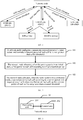
- FIG. 1 for specific interaction between the network node and cells.
- an embodiment of the present invention provides a cell power management method.
- the method is applied to a network node managing a power of a same sector.
- the same sector includes multiple cells.
- the same sector belongs to the network node.
- the method includes the following steps.
- the network node configures a maximum transmit power of the same sector, and controls a transmit power of each cell to be not greater than a first threshold.
- the network node does not perform power control on a GSM primary band carrier power, an LTE pilot channel power, a UMTS pilot channel power, and a common channel power, which are kept unchanged.
- the network node controls only a downlink transmit power and an uplink transmit power of each cell.
- the network node allocates, when the same sector is in an initial state, a first power to each cell according to a first allocation policy.
- the first power is allocated to each cell, to ensure that elementary functions such as a voice service of each cell can be normally performed.
- the network node allocates, when the same sector is in a connected mode, a second power to each cell according to a current power and a required power utilization rate that are of each cell, so that a mean power of each cell is not greater than a second threshold.
- the power utilization rate is reported to the network node by each cell in the same sector periodically.
- the network node After allocating corresponding powers to cells, the network node delivers the powers to the cells in a form of a message.
- the message includes parameter information used to instruct a cell to obtain and adjust a downlink transmit power of the cell according to the message.
- the parameter information may include a cell power control parameter, resource allocation information, a coding rate, signal-to-noise ratio compensation information, or the like. This is not specifically limited.
- a G/U/L cell in the same sector controls a power of a carrier in the cell.
- a GSM cell After obtaining a power authorized by the network node, a GSM cell allocates the authorized power to each carrier. A carrier that does not obtain the authorized power is not enabled. The GSM cell allocates all traffic to one carrier according to a priority by modifying a channel allocation algorithm of GSM.
- RB resource blocks
- a signaling message of reducing the powers needs to be sent to a user terminal. In this way, a power may be changed by reducing a quantity of RBs that are used.
- a UMTS cell After obtaining a power authorized by the network node, a UMTS cell triggers load reference (LDR, Load Reference) or over load control (OLC, Over Load Control) based on different condition thresholds.
- LDR load reference
- OLC Over Load Control
- a maximum transmit power of the same sector is configured, and a transmit power of each cell is controlled to be not greater than a first threshold; when the same sector is in an initial state, a first power is allocated to each cell according to a first allocation policy; and when the same sector is in a connected mode, a second power is allocated to each cell according to a current power and a required power utilization rate that are of each cell, so that a mean power of each cell is not greater than a second threshold, thereby ensuring that each cell can normally provide a corresponding downlink rate to a user, and extra power in a period of time may be allocated to another cell that needs more power.
- This can implement flexible control of cell power and real-time allocation, and improve a power utilization rate of a cell and properness of power allocation.
- the allocating, by the network node, a second power to each cell according to a current power and a required power utilization rate that are of each cell specifically includes one of the following cases:
- the reducing a third power of the first cell and a fourth power of the second cell according to a first policy specifically includes:
- the allocating, by the network node when the same sector is in an initial state, a second power to each cell according to a current power and a required power utilization rate that are of each cell includes: allocating, by the network node, the second power to each cell according to a second allocation policy.
- the status information includes configuration information of each cell and a networking usage status in the same sector
- the method further includes: in a preset time, determining, by the network node according to cell status information reported by each cell, a target cell set whose power needs to be adjusted, where the target cell set includes a first cell set whose power needs to be reduced and a second cell set whose power needs to be increased.
- a change of the configuration information mainly includes a power configuration change, disabling a power control function of a station, enabling a power control function of a station, or the like.
- the networking usage status includes cell addition, cell exit, service addition, service reduction, or the like. Specific configuration information and a specific networking status are not limited in this specification.
- the allocating, by the network node when it is determined that status information of the same sector changes, the second power to each cell according to a second allocation policy includes at least one of the following cases:
- the reducing the power utilization rate of each cell in the first cell set according to a fourth policy specifically includes:
- the increasing a power utilization rate of each cell in the second cell set according to a third policy includes one of the following cases:
- the increasing the power utilization rate of each cell in the second cell set according to a fifth policy includes:
- the allocating a first power to each cell according to a first allocation policy includes one of the following cases:
- the method further includes:
- the cell power management method in this embodiment of the present invention is described above by using an example.
- a network node in an embodiment of the present invention is described below in detail.
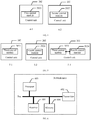
- the network node 20 is configured to control a power of a same sector.
- the same sector includes multiple cells.
- the same sector belongs to the network node 20.
- the network node 20 includes:
- the processing unit 201 configures a maximum transmit power of a same sector, and the control unit 202 controls a transmit power of each cell to be not greater than a first threshold; when the same sector is in an initial state, a first power is allocated to each cell according to a first allocation policy; and when the same sector is in a connected mode, a second power is allocated to each cell according to a current power and a required power utilization rate that are of each cell, so that a mean power of each cell is not greater than a second threshold, thereby ensuring that each cell can normally provide a corresponding downlink rate to a user, and extra power in a period of time may be allocated to another cell that needs more power.
- This can implement flexible control of cell power and real-time allocation, and improve a power utilization rate of a cell and properness of power allocation.
- the control unit 202 when the processing unit 201 determines that a sum of power utilization rates of all the cells in the same sector is not less than the maximum transmit power, the control unit 202 specifically includes one of the following modules:
- the second control module 2022 is specifically configured to:
- control unit 202 when the processing unit 201 determines that status information of the same sector changes, the control unit 202 is further configured to: allocate the second power to each cell according to a second allocation policy.
- the status information includes configuration information of each cell and a networking usage status in the same sector, and the processing unit 201 is further configured to:
- control unit 202 when it is determined that status information of the same sector changes, the control unit 202 includes at least one of the following modules:
- the third control module 2023 is specifically configured to perform one of the following steps:
- the third control module 2023 is specifically configured to:
- the fourth control module 2024 is specifically configured to perform one of the following steps:
- the fourth control module 2024 is specifically configured to perform one of the following steps: calculating, by using the processing unit 201, a fifth total power value that needs to be increased; and after calculating a current sixth total power value of the first cell set, increasing a power of each cell in the second cell set according to the fifth total power value and according to a ratio of the power of each cell in the second cell set to the sixth total power value.
- control unit 202 is specifically further configured to perform one of the following steps:
- the processing unit 201 is further configured to:
- a further example provides a computer storage medium.
- the medium stores a program. When the program is executed, some or all steps in the foregoing cell power management method are performed.
- the present invention further provides a computer storage medium.
- the medium stores a program. When the program is executed, some or all steps in a cell power management method that is performed by the foregoing network node are performed.
- FIG. 6 is another schematic structural diagram of a network node 60 according to an embodiment of the present invention.
- the network node 60 may include at least one network interface or another communications interface, at least one receiver 601, at least one transmitter 602, at least one processor 603, and a memory 604, to implement connection and communication between the apparatuses, and implement communication and connection between a system gateway and at least one another network element by using at least one network interface (which may be a wired network interface or a wireless network interface).
- the Internet, a wide area network, a local network, a metropolitan area network or the like may be used.
- the memory 604 may include a read-only memory and a random access memory, and provide an instruction and data to the processor 603.
- a part of the memory 604 may further include a high-speed random access memory (RAM, Random Access Memory), or may further include a non-volatile memory (non-volatile memory).
- the memory 604 stores the following elements: executable modules, or data structures, or a subset thereof, or an extended set thereof;
- the method is applied to a network node managing a power of a same sector.
- the same sector includes multiple cells.
- the same sector belongs to the network node.
- the processor 603 performs the following operations by calling an operation instruction (the operation instruction may be stored in the operating system) stored in the memory 604:
- the processor 603 may further perform one of the following steps:
- the processor 603 may further perform the following steps:
- the processor 603 may further perform the following step:
- the status information includes configuration information of each cell and a networking usage status in the same sector
- the processor 603 may further perform the following step: in a preset time, determining, according to cell status information reported by each cell, a target cell set whose power needs to be adjusted, where the target cell set includes a first cell set whose power needs to be reduced and a second cell set whose power needs to be increased.
- the processor 603 may further perform at least one of the following steps:
- the processor 603 may further perform at least one of the following steps:
- the processor 603 may further perform the following steps:
- the processor 603 may further specifically perform one of the following steps:
- the processor 603 may further specifically perform the following steps:
- the processor 603 may specifically further perform one of the following steps:
- the processor 603 may further specifically perform the following steps:
- the disclosed system, apparatus, and method may be implemented in other manners.
- the described apparatus embodiment is merely an example.
- the unit division is merely logical function division and may be other division in actual implementation.
- a plurality of units or components may be combined or integrated into another system, or some features may be ignored or not performed.
- the displayed or discussed mutual couplings or direct couplings or communication connections may be implemented through some interfaces, indirect couplings or communication connections between the apparatuses or units, or electrical connections, mechanical connections, or connections in other forms.
- the units described as separate parts may or may not be physically separate, and parts displayed as units may or may not be physical units, may be located in one position, or may be distributed on a plurality of network units. Some or all of the units may be selected according to actual needs to achieve the objectives of the solutions of the embodiments.
- functional units in the embodiments of the present invention may be integrated into one processing unit, or each of the units may exist alone physically, or two or more units are integrated into one unit.
- the integrated unit may be implemented in a form of hardware, or may be implemented in a form of a software functional unit.
- the integrated unit When the integrated unit is implemented in the form of a software functional unit and sold or used as an independent product, the integrated unit may be stored in a computer-readable storage medium. Based on such an understanding, the technical solutions of the present invention essentially, or the part contributing to the prior art, or all or some of the technical solutions may be implemented in the form of a software product.
- the software product is stored in a storage medium and includes several instructions for instructing a computer device (which may be a personal computer, a server, or a network device) to perform all or some of the steps of the methods described in the embodiments of the present invention.
- the foregoing storage medium includes: any medium that can store program code, such as a USB flash drive, a removable hard disk, a read-only memory (ROM, Read-Only Memory), a random access memory (RAM, Random Access Memory), a magnetic disk, or an optical disc.
- program code such as a USB flash drive, a removable hard disk, a read-only memory (ROM, Read-Only Memory), a random access memory (RAM, Random Access Memory), a magnetic disk, or an optical disc.
Landscapes
- Engineering & Computer Science (AREA)
- Computer Networks & Wireless Communication (AREA)
- Signal Processing (AREA)
- Mobile Radio Communication Systems (AREA)
Claims (3)
- Procédé de gestion de puissance de cellule, le procédé étant appliqué à un nœud de réseau gérant une puissance d'un même secteur, le même secteur comprenant des cellules multiples, le même secteur appartenant au nœud de réseau, et le procédé comprenant :la configuration (101), par le nœud de réseau, d'une puissance de transmission maximale du même secteur, et la commande d'une puissance de transmission de chaque cellule pour qu'elle ne soit pas supérieure à un premier seuil, le nœud de réseau ne réalisant pas la commande de puissance sur une puissance de porteuse de bande primaire GSM, une puissance de canal pilote LTE, une puissance de canal pilote UMTS, et une puissance de canal commun ;l'attribution (102), par le nœud de réseau lorsque le même secteur se trouve dans un état initial, d'une première puissance à chaque cellule en fonction d'une première politique d'attribution, la première politique d'attribution comprenant l'attribution de puissance à chaque cellule suivant un ordre descendant de priorités des cellules à un rapport égal ou l'attribution d'une puissance de base à chaque cellule, où la puissance de base correspond à un type de service et à un type de réseau ; etl'attribution (103), par le nœud de réseau lorsque le même réseau se trouve dans un mode connecté, d'une deuxième puissance à chaque cellule en fonction d'une puissance actuelle et d'un taux d'utilisation de puissance requis qui relèvent de chaque cellule, de sorte qu'une puissance moyenne de chaque cellule ne soit pas supérieure à un deuxième seuil,caractérisé parlorsque le nœud de réseau détermine qu'une somme de taux d'utilisation de puissance de toutes les cellules dans le même secteur n'est pas inférieure à la puissance de transmission maximale, l'attribution, par le nœud de réseau, d'une deuxième puissance à chaque cellule en fonction d'une puissance actuelle et d'un taux d'utilisation de puissance requis qui relèvent de chaque cellule comprend de manière spécifique un des cas suivants :la réduction d'un taux d'utilisation de puissance d'origine de chaque cellule suivant un ordre descendant de priorités des cellules à un rapport égal ; oula détermination d'une première cellule dont le taux d'utilisation de puissance est supérieur ou égal au deuxième seuil et d'une deuxième cellule dont le taux d'utilisation de puissance est inférieur à un troisième seuil ; et la réduction d'une troisième puissance de la première cellule et d'une quatrième puissance de la deuxième cellule en fonction d'une première politique, la réduction d'une troisième puissance de la première cellule et d'une quatrième puissance de la deuxième cellule en fonction d'une première politique comprenant de manière spécifique :le calcul d'une première valeur de puissance totale qui a besoin d'être réduite, et le calcul d'une somme de la troisième puissance et de la quatrième puissance afin d'obtenir une deuxième valeur de puissance totale ;la réduction de la troisième puissance en fonction de la première valeur de puissance totale et en fonction d'un rapport de la troisième puissance à la deuxième valeur de puissance totale ; etla réduction de la quatrième puissance en fonction d'un rapport de la quatrième puissance à la deuxième valeur de puissance totale.
- Premier nœud de réseau, le nœud de réseau étant configuré pour commander une puissance d'un même secteur, le même secteur comprenant des cellules multiples, le même secteur appartenant au nœud de réseau, et le nœud de réseau comprenant :une unité de traitement (201), configurée pour configurer une puissance de transmission maximale du même secteur, le nœud de réseau ne réalisant pas la commande de puissance sur une puissance de porteuse de bande primaire GSM, une puissance de canal pilote LTE, une puissance de canal pilote UMTS, et une puissance de canal commun ; etune unité de commande (202), configurée pour commander une puissance de transmission de chaque cellule pour qu'elle ne soit pas supérieure à un premier seuil, dans lequell'unité de commande (202) est configurée en outre pour : attribuer, lorsque le même secteur se trouve dans un état initial, une première puissance à chaque cellule en fonction d'une première politique d'attribution, la première politique d'attribution comprenant l'attribution de puissance à chaque cellule suivant un ordre descendant de priorités des cellules à un rapport égal ou l'attribution d'une puissance de base à chaque cellule, où la puissance de base correspond à un type de service et à un type de réseau ; etattribuer, lorsque le même réseau se trouve dans un mode connecté, une deuxième puissance à chaque cellule en fonction d'une puissance actuelle et d'un taux d'utilisation de puissance requis qui relèvent de chaque cellule, de sorte qu'une puissance moyenne de chaque cellule ne soit pas supérieure à un deuxième seuil,caractérisé en ceque l'unité de commande (202) comprend un premier module de commande (2021), le module de commande (202) étant configuré en outre pour opérer le premier module de commande (2021), lorsque l'unité de traitement (201) détermine qu'une somme de taux d'utilisation de puissance de toutes les cellules dans le même secteur n'est pas inférieure à la puissance de transmission maximale, et dans lequelle premier module de commande (2021) est configuré pour réduire un taux d'utilisation de puissance d'origine de chaque cellule suivant un ordre descendant de priorités des cellules à un rapport égal.
- Deuxième nœud de réseau, le nœud de réseau étant configuré pour commander une puissance d'un même secteur, le même secteur comprenant des cellules multiples, le même secteur appartenant au nœud de réseau, et le nœud de réseau comprenant :une unité de traitement (201), configurée pour configurer une puissance de transmission maximale du même secteur, le nœud de réseau ne réalisant pas la commande de puissance sur une puissance de porteuse de bande primaire GSM, une puissance de canal pilote LTE, une puissance de canal pilote UMTS, et une puissance de canal commun ; etune unité de commande (202), configurée pour commander une puissance de transmission de chaque cellule pour qu'elle ne soit pas supérieure à un premier seuil, dans lequell'unité de commande (202) est configurée en outre pour : attribuer, lorsque le même secteur se trouve dans un état initial, une première puissance à chaque cellule en fonction d'une première politique d'attribution, la première politique d'attribution comprenant l'attribution de puissance à chaque cellule suivant un ordre descendant de priorités des cellules à un rapport égal ou l'attribution d'une puissance de base à chaque cellule, où la puissance de base correspond à un type de service et à un type de réseau ; etattribuer, lorsque le même réseau se trouve dans un mode connecté, une deuxième puissance à chaque cellule en fonction d'une puissance actuelle et d'un taux d'utilisation de puissance requis qui relèvent de chaque cellule, de sorte qu'une puissance moyenne de chaque cellule ne soit pas supérieure à un deuxième seuil,caractérisé en ceque l'unité de commande (202) comprend un deuxième module de commande (2022), le module de commande étant configuré en outre pour opérer le deuxième module de commande, lorsque l'unité de traitement (201) détermine qu'une somme de taux d'utilisation de puissance de toutes les cellules dans le même secteur n'est pas inférieure à la puissance de transmission maximale, et dans lequel le deuxième module de commande (2022) est configuré pour : après que l'unité de traitement (201) détermine qu'une première cellule dont le taux d'utilisation de puissance est supérieur ou égal au deuxième seuil et qu'une deuxième cellule dont le taux d'utilisation de puissance est inférieur à un troisième seuil, réduire une troisième puissance de la première cellule et une quatrième puissance de la deuxième cellule en fonction d'une première politique, le deuxième module de commande (2022) étant configuré de manière spécifique pour :calculer, grâce à l'utilisation de l'unité de traitement (201), une première valeur de puissance totale qui a besoin d'être réduite ; calculer une somme de la troisième puissance et de la quatrième puissance afin d'obtenir une deuxième valeur de puissance totale ;réduire la troisième puissance en fonction de la première valeur de puissance totale et en fonction d'un rapport de la troisième puissance à la deuxième valeur de puissance totale ; etréduire la quatrième puissance en fonction d'un rapport de la quatrième puissance à la deuxième valeur de puissance totale.
Applications Claiming Priority (2)
| Application Number | Priority Date | Filing Date | Title |
|---|---|---|---|
| CN201510275388.0A CN105101384B (zh) | 2015-05-26 | 2015-05-26 | 一种小区功率管理的方法及网络节点 |
| PCT/CN2016/076271 WO2016188194A1 (fr) | 2015-05-26 | 2016-03-14 | Procédé de gestion de puissance de cellule et nœud de réseau |
Publications (3)
| Publication Number | Publication Date |
|---|---|
| EP3300436A1 EP3300436A1 (fr) | 2018-03-28 |
| EP3300436A4 EP3300436A4 (fr) | 2018-06-13 |
| EP3300436B1 true EP3300436B1 (fr) | 2021-05-05 |
Family
ID=54580650
Family Applications (1)
| Application Number | Title | Priority Date | Filing Date |
|---|---|---|---|
| EP16799083.7A Active EP3300436B1 (fr) | 2015-05-26 | 2016-03-14 | Procédé de gestion de puissance de cellule et noeud de réseau |
Country Status (4)
| Country | Link |
|---|---|
| EP (1) | EP3300436B1 (fr) |
| CN (1) | CN105101384B (fr) |
| AU (1) | AU2016269116B2 (fr) |
| WO (1) | WO2016188194A1 (fr) |
Families Citing this family (5)
| Publication number | Priority date | Publication date | Assignee | Title |
|---|---|---|---|---|
| CN105101384B (zh) * | 2015-05-26 | 2019-01-25 | 上海华为技术有限公司 | 一种小区功率管理的方法及网络节点 |
| CN107801238B (zh) * | 2016-09-05 | 2022-08-02 | 中兴通讯股份有限公司 | Lte场景下的小区间功率协作的方法和装置 |
| EP4054225A1 (fr) * | 2021-03-04 | 2022-09-07 | Nokia Solutions and Networks Oy | Contrôle des émissions de fréquence radio dans un système cellulaire |
| CN115988612A (zh) * | 2021-10-15 | 2023-04-18 | 华为技术有限公司 | 一种通信方法及装置 |
| EP4706305A1 (fr) * | 2023-05-05 | 2026-03-11 | Telefonaktiebolaget LM Ericsson (publ) | Surréservation de puissance radio robuste à l'aide d'un dispositif de contrôle de puissance |
Family Cites Families (6)
| Publication number | Priority date | Publication date | Assignee | Title |
|---|---|---|---|---|
| EP1793509A1 (fr) * | 2005-12-01 | 2007-06-06 | Alcatel Lucent | Procédé de réglage de la puissance d'émission pour un système de communication |
| US8839362B2 (en) * | 2006-07-31 | 2014-09-16 | Motorola Mobility Llc | Method and apparatus for managing transmit power for device-to-device communication |
| CN102281619B (zh) * | 2010-06-08 | 2014-10-29 | 中兴通讯股份有限公司 | 一种功率分配方法、装置及系统 |
| CN109511120B (zh) * | 2013-01-30 | 2023-05-16 | 索尼公司 | 用于无线通信网络的通信方法和装置以及无线通信网络 |
| CN104168636A (zh) * | 2013-05-17 | 2014-11-26 | 中兴通讯股份有限公司 | 一种小小区功率控制方法和装置 |
| CN105101384B (zh) * | 2015-05-26 | 2019-01-25 | 上海华为技术有限公司 | 一种小区功率管理的方法及网络节点 |
-
2015
- 2015-05-26 CN CN201510275388.0A patent/CN105101384B/zh active Active
-
2016
- 2016-03-14 AU AU2016269116A patent/AU2016269116B2/en active Active
- 2016-03-14 EP EP16799083.7A patent/EP3300436B1/fr active Active
- 2016-03-14 WO PCT/CN2016/076271 patent/WO2016188194A1/fr not_active Ceased
Also Published As
| Publication number | Publication date |
|---|---|
| CN105101384A (zh) | 2015-11-25 |
| EP3300436A4 (fr) | 2018-06-13 |
| WO2016188194A1 (fr) | 2016-12-01 |
| AU2016269116B2 (en) | 2019-01-24 |
| CN105101384B (zh) | 2019-01-25 |
| EP3300436A1 (fr) | 2018-03-28 |
| AU2016269116A1 (en) | 2018-01-18 |
Similar Documents
| Publication | Publication Date | Title |
|---|---|---|
| EP2630817B1 (fr) | Procédé et contrôleur pour une coordination auto-optimisée des interférences entre les cellules | |
| EP2761797B1 (fr) | Procédés et appareil de gestion de brouillage | |
| CN102595616B (zh) | 蜂窝通信网络中的测量辅助的动态频率重用 | |
| EP2958388B1 (fr) | Procédé et dispositif pour planifier une ressource de bande de fréquence | |
| US10104667B2 (en) | Resource scheduling method, base station, and user equipment | |
| US20120108245A1 (en) | Energy Reduction in Cooperating Radio Access Systems | |
| EP3300436B1 (fr) | Procédé de gestion de puissance de cellule et noeud de réseau | |
| EP2888911B1 (fr) | Commande de puissance en liaison descendante multi-niveaux et auto-adaptative destinée à des réseaux cellulaires sans fil à bruit limité | |
| CN107432019B (zh) | 第一和第二网络节点以及其中的方法 | |
| US11943026B2 (en) | Method for obtaining channel state information, apparatus, and computer storage medium | |
| US9907111B2 (en) | Discontinuous transmission for a mobile phone network node | |
| US20170033900A1 (en) | Interference control between different radio communication systems involving user equipments | |
| CN106793047B (zh) | 一种上行功率控制方法及基站 | |
| KR101082255B1 (ko) | 데이터 송신 방법 및 그것을 이용한 셀룰러 시스템 | |
| KR20140090495A (ko) | 빔포밍 장치, 및 그의 빔 셀 형성 방법 | |
| US9794943B1 (en) | Dynamic scheduling based on carrier aggregation capabilities | |
| EP3155835B1 (fr) | Procédés, appareils et programme d'ordinateur d'attribution de spectre de fréquences | |
| US10841883B2 (en) | Network node and method for UE specific power handling | |
| KR102391248B1 (ko) | 무선 통신 시스템 내 협력 통신 방법 및 장치 | |
| JP6560753B2 (ja) | モバイルセルラーネットワークにおけるデータ送信電力を管理するための方法 | |
| EP3104655B1 (fr) | Procédé, station de base et équipement utilisateur destinés à la transmission d'un signal descendant | |
| CN105393573B (zh) | 一种干扰控制方法、装置及网元设备 | |
| JP4469857B2 (ja) | 無線資源管理 | |
| US10129882B1 (en) | Systems and methods for allocating resource blocks based on uplink transmission parameters | |
| KR20240096155A (ko) | 기지국장치 및 그 장치에서 수행되는 자원 할당 방법 |
Legal Events
| Date | Code | Title | Description |
|---|---|---|---|
| STAA | Information on the status of an ep patent application or granted ep patent |
Free format text: STATUS: THE INTERNATIONAL PUBLICATION HAS BEEN MADE |
|
| PUAI | Public reference made under article 153(3) epc to a published international application that has entered the european phase |
Free format text: ORIGINAL CODE: 0009012 |
|
| STAA | Information on the status of an ep patent application or granted ep patent |
Free format text: STATUS: REQUEST FOR EXAMINATION WAS MADE |
|
| 17P | Request for examination filed |
Effective date: 20171221 |
|
| AK | Designated contracting states |
Kind code of ref document: A1 Designated state(s): AL AT BE BG CH CY CZ DE DK EE ES FI FR GB GR HR HU IE IS IT LI LT LU LV MC MK MT NL NO PL PT RO RS SE SI SK SM TR |
|
| AX | Request for extension of the european patent |
Extension state: BA ME |
|
| A4 | Supplementary search report drawn up and despatched |
Effective date: 20180516 |
|
| RIC1 | Information provided on ipc code assigned before grant |
Ipc: H04W 52/36 20090101AFI20180509BHEP Ipc: H04W 52/34 20090101ALI20180509BHEP Ipc: H04W 52/14 20090101ALN20180509BHEP Ipc: H04W 52/50 20090101ALI20180509BHEP |
|
| DAV | Request for validation of the european patent (deleted) | ||
| DAX | Request for extension of the european patent (deleted) | ||
| STAA | Information on the status of an ep patent application or granted ep patent |
Free format text: STATUS: EXAMINATION IS IN PROGRESS |
|
| 17Q | First examination report despatched |
Effective date: 20190508 |
|
| GRAP | Despatch of communication of intention to grant a patent |
Free format text: ORIGINAL CODE: EPIDOSNIGR1 |
|
| STAA | Information on the status of an ep patent application or granted ep patent |
Free format text: STATUS: GRANT OF PATENT IS INTENDED |
|
| RIC1 | Information provided on ipc code assigned before grant |
Ipc: H04W 52/50 20090101ALI20201005BHEP Ipc: H04W 52/34 20090101ALI20201005BHEP Ipc: H04W 52/14 20090101ALN20201005BHEP Ipc: H04W 52/36 20090101AFI20201005BHEP |
|
| INTG | Intention to grant announced |
Effective date: 20201021 |
|
| GRAS | Grant fee paid |
Free format text: ORIGINAL CODE: EPIDOSNIGR3 |
|
| GRAA | (expected) grant |
Free format text: ORIGINAL CODE: 0009210 |
|
| STAA | Information on the status of an ep patent application or granted ep patent |
Free format text: STATUS: THE PATENT HAS BEEN GRANTED |
|
| AK | Designated contracting states |
Kind code of ref document: B1 Designated state(s): AL AT BE BG CH CY CZ DE DK EE ES FI FR GB GR HR HU IE IS IT LI LT LU LV MC MK MT NL NO PL PT RO RS SE SI SK SM TR |
|
| REG | Reference to a national code |
Ref country code: GB Ref legal event code: FG4D |
|
| REG | Reference to a national code |
Ref country code: CH Ref legal event code: EP |
|
| REG | Reference to a national code |
Ref country code: AT Ref legal event code: REF Ref document number: 1391429 Country of ref document: AT Kind code of ref document: T Effective date: 20210515 |
|
| REG | Reference to a national code |
Ref country code: IE Ref legal event code: FG4D |
|
| REG | Reference to a national code |
Ref country code: DE Ref legal event code: R096 Ref document number: 602016057475 Country of ref document: DE |
|
| REG | Reference to a national code |
Ref country code: LT Ref legal event code: MG9D |
|
| REG | Reference to a national code |
Ref country code: AT Ref legal event code: MK05 Ref document number: 1391429 Country of ref document: AT Kind code of ref document: T Effective date: 20210505 |
|
| PG25 | Lapsed in a contracting state [announced via postgrant information from national office to epo] |
Ref country code: BG Free format text: LAPSE BECAUSE OF FAILURE TO SUBMIT A TRANSLATION OF THE DESCRIPTION OR TO PAY THE FEE WITHIN THE PRESCRIBED TIME-LIMIT Effective date: 20210805 Ref country code: AT Free format text: LAPSE BECAUSE OF FAILURE TO SUBMIT A TRANSLATION OF THE DESCRIPTION OR TO PAY THE FEE WITHIN THE PRESCRIBED TIME-LIMIT Effective date: 20210505 Ref country code: HR Free format text: LAPSE BECAUSE OF FAILURE TO SUBMIT A TRANSLATION OF THE DESCRIPTION OR TO PAY THE FEE WITHIN THE PRESCRIBED TIME-LIMIT Effective date: 20210505 Ref country code: LT Free format text: LAPSE BECAUSE OF FAILURE TO SUBMIT A TRANSLATION OF THE DESCRIPTION OR TO PAY THE FEE WITHIN THE PRESCRIBED TIME-LIMIT Effective date: 20210505 Ref country code: FI Free format text: LAPSE BECAUSE OF FAILURE TO SUBMIT A TRANSLATION OF THE DESCRIPTION OR TO PAY THE FEE WITHIN THE PRESCRIBED TIME-LIMIT Effective date: 20210505 |
|
| PG25 | Lapsed in a contracting state [announced via postgrant information from national office to epo] |
Ref country code: SE Free format text: LAPSE BECAUSE OF FAILURE TO SUBMIT A TRANSLATION OF THE DESCRIPTION OR TO PAY THE FEE WITHIN THE PRESCRIBED TIME-LIMIT Effective date: 20210505 Ref country code: RS Free format text: LAPSE BECAUSE OF FAILURE TO SUBMIT A TRANSLATION OF THE DESCRIPTION OR TO PAY THE FEE WITHIN THE PRESCRIBED TIME-LIMIT Effective date: 20210505 Ref country code: NO Free format text: LAPSE BECAUSE OF FAILURE TO SUBMIT A TRANSLATION OF THE DESCRIPTION OR TO PAY THE FEE WITHIN THE PRESCRIBED TIME-LIMIT Effective date: 20210805 Ref country code: PT Free format text: LAPSE BECAUSE OF FAILURE TO SUBMIT A TRANSLATION OF THE DESCRIPTION OR TO PAY THE FEE WITHIN THE PRESCRIBED TIME-LIMIT Effective date: 20210906 Ref country code: PL Free format text: LAPSE BECAUSE OF FAILURE TO SUBMIT A TRANSLATION OF THE DESCRIPTION OR TO PAY THE FEE WITHIN THE PRESCRIBED TIME-LIMIT Effective date: 20210505 Ref country code: LV Free format text: LAPSE BECAUSE OF FAILURE TO SUBMIT A TRANSLATION OF THE DESCRIPTION OR TO PAY THE FEE WITHIN THE PRESCRIBED TIME-LIMIT Effective date: 20210505 Ref country code: IS Free format text: LAPSE BECAUSE OF FAILURE TO SUBMIT A TRANSLATION OF THE DESCRIPTION OR TO PAY THE FEE WITHIN THE PRESCRIBED TIME-LIMIT Effective date: 20210905 Ref country code: GR Free format text: LAPSE BECAUSE OF FAILURE TO SUBMIT A TRANSLATION OF THE DESCRIPTION OR TO PAY THE FEE WITHIN THE PRESCRIBED TIME-LIMIT Effective date: 20210806 |
|
| REG | Reference to a national code |
Ref country code: NL Ref legal event code: MP Effective date: 20210505 |
|
| PG25 | Lapsed in a contracting state [announced via postgrant information from national office to epo] |
Ref country code: NL Free format text: LAPSE BECAUSE OF FAILURE TO SUBMIT A TRANSLATION OF THE DESCRIPTION OR TO PAY THE FEE WITHIN THE PRESCRIBED TIME-LIMIT Effective date: 20210505 |
|
| PG25 | Lapsed in a contracting state [announced via postgrant information from national office to epo] |
Ref country code: EE Free format text: LAPSE BECAUSE OF FAILURE TO SUBMIT A TRANSLATION OF THE DESCRIPTION OR TO PAY THE FEE WITHIN THE PRESCRIBED TIME-LIMIT Effective date: 20210505 Ref country code: CZ Free format text: LAPSE BECAUSE OF FAILURE TO SUBMIT A TRANSLATION OF THE DESCRIPTION OR TO PAY THE FEE WITHIN THE PRESCRIBED TIME-LIMIT Effective date: 20210505 Ref country code: DK Free format text: LAPSE BECAUSE OF FAILURE TO SUBMIT A TRANSLATION OF THE DESCRIPTION OR TO PAY THE FEE WITHIN THE PRESCRIBED TIME-LIMIT Effective date: 20210505 Ref country code: RO Free format text: LAPSE BECAUSE OF FAILURE TO SUBMIT A TRANSLATION OF THE DESCRIPTION OR TO PAY THE FEE WITHIN THE PRESCRIBED TIME-LIMIT Effective date: 20210505 Ref country code: ES Free format text: LAPSE BECAUSE OF FAILURE TO SUBMIT A TRANSLATION OF THE DESCRIPTION OR TO PAY THE FEE WITHIN THE PRESCRIBED TIME-LIMIT Effective date: 20210505 Ref country code: SK Free format text: LAPSE BECAUSE OF FAILURE TO SUBMIT A TRANSLATION OF THE DESCRIPTION OR TO PAY THE FEE WITHIN THE PRESCRIBED TIME-LIMIT Effective date: 20210505 Ref country code: SM Free format text: LAPSE BECAUSE OF FAILURE TO SUBMIT A TRANSLATION OF THE DESCRIPTION OR TO PAY THE FEE WITHIN THE PRESCRIBED TIME-LIMIT Effective date: 20210505 |
|
| REG | Reference to a national code |
Ref country code: DE Ref legal event code: R097 Ref document number: 602016057475 Country of ref document: DE |
|
| PLBE | No opposition filed within time limit |
Free format text: ORIGINAL CODE: 0009261 |
|
| STAA | Information on the status of an ep patent application or granted ep patent |
Free format text: STATUS: NO OPPOSITION FILED WITHIN TIME LIMIT |
|
| 26N | No opposition filed |
Effective date: 20220208 |
|
| PG25 | Lapsed in a contracting state [announced via postgrant information from national office to epo] |
Ref country code: IS Free format text: LAPSE BECAUSE OF FAILURE TO SUBMIT A TRANSLATION OF THE DESCRIPTION OR TO PAY THE FEE WITHIN THE PRESCRIBED TIME-LIMIT Effective date: 20210905 Ref country code: AL Free format text: LAPSE BECAUSE OF FAILURE TO SUBMIT A TRANSLATION OF THE DESCRIPTION OR TO PAY THE FEE WITHIN THE PRESCRIBED TIME-LIMIT Effective date: 20210505 |
|
| PG25 | Lapsed in a contracting state [announced via postgrant information from national office to epo] |
Ref country code: IT Free format text: LAPSE BECAUSE OF FAILURE TO SUBMIT A TRANSLATION OF THE DESCRIPTION OR TO PAY THE FEE WITHIN THE PRESCRIBED TIME-LIMIT Effective date: 20210505 |
|
| PG25 | Lapsed in a contracting state [announced via postgrant information from national office to epo] |
Ref country code: MC Free format text: LAPSE BECAUSE OF FAILURE TO SUBMIT A TRANSLATION OF THE DESCRIPTION OR TO PAY THE FEE WITHIN THE PRESCRIBED TIME-LIMIT Effective date: 20210505 |
|
| REG | Reference to a national code |
Ref country code: CH Ref legal event code: PL |
|
| GBPC | Gb: european patent ceased through non-payment of renewal fee |
Effective date: 20220314 |
|
| REG | Reference to a national code |
Ref country code: BE Ref legal event code: MM Effective date: 20220331 |
|
| PG25 | Lapsed in a contracting state [announced via postgrant information from national office to epo] |
Ref country code: LU Free format text: LAPSE BECAUSE OF NON-PAYMENT OF DUE FEES Effective date: 20220314 Ref country code: LI Free format text: LAPSE BECAUSE OF NON-PAYMENT OF DUE FEES Effective date: 20220331 Ref country code: IE Free format text: LAPSE BECAUSE OF NON-PAYMENT OF DUE FEES Effective date: 20220314 Ref country code: GB Free format text: LAPSE BECAUSE OF NON-PAYMENT OF DUE FEES Effective date: 20220314 Ref country code: FR Free format text: LAPSE BECAUSE OF NON-PAYMENT OF DUE FEES Effective date: 20220331 Ref country code: CH Free format text: LAPSE BECAUSE OF NON-PAYMENT OF DUE FEES Effective date: 20220331 |
|
| PG25 | Lapsed in a contracting state [announced via postgrant information from national office to epo] |
Ref country code: BE Free format text: LAPSE BECAUSE OF NON-PAYMENT OF DUE FEES Effective date: 20220331 |
|
| PG25 | Lapsed in a contracting state [announced via postgrant information from national office to epo] |
Ref country code: HU Free format text: LAPSE BECAUSE OF FAILURE TO SUBMIT A TRANSLATION OF THE DESCRIPTION OR TO PAY THE FEE WITHIN THE PRESCRIBED TIME-LIMIT; INVALID AB INITIO Effective date: 20160314 |
|
| PG25 | Lapsed in a contracting state [announced via postgrant information from national office to epo] |
Ref country code: MK Free format text: LAPSE BECAUSE OF FAILURE TO SUBMIT A TRANSLATION OF THE DESCRIPTION OR TO PAY THE FEE WITHIN THE PRESCRIBED TIME-LIMIT Effective date: 20210505 Ref country code: CY Free format text: LAPSE BECAUSE OF FAILURE TO SUBMIT A TRANSLATION OF THE DESCRIPTION OR TO PAY THE FEE WITHIN THE PRESCRIBED TIME-LIMIT Effective date: 20210505 |
|
| PG25 | Lapsed in a contracting state [announced via postgrant information from national office to epo] |
Ref country code: TR Free format text: LAPSE BECAUSE OF FAILURE TO SUBMIT A TRANSLATION OF THE DESCRIPTION OR TO PAY THE FEE WITHIN THE PRESCRIBED TIME-LIMIT Effective date: 20210505 |
|
| PG25 | Lapsed in a contracting state [announced via postgrant information from national office to epo] |
Ref country code: MT Free format text: LAPSE BECAUSE OF FAILURE TO SUBMIT A TRANSLATION OF THE DESCRIPTION OR TO PAY THE FEE WITHIN THE PRESCRIBED TIME-LIMIT Effective date: 20210505 |
|
| PGFP | Annual fee paid to national office [announced via postgrant information from national office to epo] |
Ref country code: DE Payment date: 20250204 Year of fee payment: 10 |