EP3293168B1 - Herstellung von 1,3-butadien - Google Patents
Herstellung von 1,3-butadien Download PDFInfo
- Publication number
- EP3293168B1 EP3293168B1 EP17193166.0A EP17193166A EP3293168B1 EP 3293168 B1 EP3293168 B1 EP 3293168B1 EP 17193166 A EP17193166 A EP 17193166A EP 3293168 B1 EP3293168 B1 EP 3293168B1
- Authority
- EP
- European Patent Office
- Prior art keywords
- bromination
- reactor
- dehydrobromination
- stream
- present disclosure
- Prior art date
- Legal status (The legal status is an assumption and is not a legal conclusion. Google has not performed a legal analysis and makes no representation as to the accuracy of the status listed.)
- Not-in-force
Links
Images


Classifications
-
- C—CHEMISTRY; METALLURGY
- C07—ORGANIC CHEMISTRY
- C07C—ACYCLIC OR CARBOCYCLIC COMPOUNDS
- C07C1/00—Preparation of hydrocarbons from one or more compounds, none of them being a hydrocarbon
- C07C1/26—Preparation of hydrocarbons from one or more compounds, none of them being a hydrocarbon starting from organic compounds containing only halogen atoms as hetero-atoms
- C07C1/30—Preparation of hydrocarbons from one or more compounds, none of them being a hydrocarbon starting from organic compounds containing only halogen atoms as hetero-atoms by splitting-off the elements of hydrogen halide from a single molecule
-
- C—CHEMISTRY; METALLURGY
- C07—ORGANIC CHEMISTRY
- C07C—ACYCLIC OR CARBOCYCLIC COMPOUNDS
- C07C17/00—Preparation of halogenated hydrocarbons
- C07C17/093—Preparation of halogenated hydrocarbons by replacement by halogens
- C07C17/10—Preparation of halogenated hydrocarbons by replacement by halogens of hydrogen atoms
-
- C—CHEMISTRY; METALLURGY
- C07—ORGANIC CHEMISTRY
- C07C—ACYCLIC OR CARBOCYCLIC COMPOUNDS
- C07C5/00—Preparation of hydrocarbons from hydrocarbons containing the same number of carbon atoms
- C07C5/22—Preparation of hydrocarbons from hydrocarbons containing the same number of carbon atoms by isomerisation
- C07C5/23—Rearrangement of carbon-to-carbon unsaturated bonds
-
- C—CHEMISTRY; METALLURGY
- C07—ORGANIC CHEMISTRY
- C07C—ACYCLIC OR CARBOCYCLIC COMPOUNDS
- C07C5/00—Preparation of hydrocarbons from hydrocarbons containing the same number of carbon atoms
- C07C5/22—Preparation of hydrocarbons from hydrocarbons containing the same number of carbon atoms by isomerisation
- C07C5/23—Rearrangement of carbon-to-carbon unsaturated bonds
- C07C5/25—Migration of carbon-to-carbon double bonds
- C07C5/2506—Catalytic processes
- C07C5/2512—Catalytic processes with metal oxides
-
- C—CHEMISTRY; METALLURGY
- C07—ORGANIC CHEMISTRY
- C07C—ACYCLIC OR CARBOCYCLIC COMPOUNDS
- C07C5/00—Preparation of hydrocarbons from hydrocarbons containing the same number of carbon atoms
- C07C5/22—Preparation of hydrocarbons from hydrocarbons containing the same number of carbon atoms by isomerisation
- C07C5/23—Rearrangement of carbon-to-carbon unsaturated bonds
- C07C5/25—Migration of carbon-to-carbon double bonds
- C07C5/2506—Catalytic processes
- C07C5/2518—Catalytic processes with crystalline alumino-silicates, e.g. molecular sieves
-
- C—CHEMISTRY; METALLURGY
- C07—ORGANIC CHEMISTRY
- C07C—ACYCLIC OR CARBOCYCLIC COMPOUNDS
- C07C2521/00—Catalysts comprising the elements, oxides or hydroxides of magnesium, boron, aluminium, carbon, silicon, titanium, zirconium or hafnium
- C07C2521/06—Silicon, titanium, zirconium or hafnium; Oxides or hydroxides thereof
-
- C—CHEMISTRY; METALLURGY
- C07—ORGANIC CHEMISTRY
- C07C—ACYCLIC OR CARBOCYCLIC COMPOUNDS
- C07C2521/00—Catalysts comprising the elements, oxides or hydroxides of magnesium, boron, aluminium, carbon, silicon, titanium, zirconium or hafnium
- C07C2521/06—Silicon, titanium, zirconium or hafnium; Oxides or hydroxides thereof
- C07C2521/08—Silica
-
- C—CHEMISTRY; METALLURGY
- C07—ORGANIC CHEMISTRY
- C07C—ACYCLIC OR CARBOCYCLIC COMPOUNDS
- C07C2521/00—Catalysts comprising the elements, oxides or hydroxides of magnesium, boron, aluminium, carbon, silicon, titanium, zirconium or hafnium
- C07C2521/10—Magnesium; Oxides or hydroxides thereof
-
- C—CHEMISTRY; METALLURGY
- C07—ORGANIC CHEMISTRY
- C07C—ACYCLIC OR CARBOCYCLIC COMPOUNDS
- C07C2527/00—Catalysts comprising the elements or compounds of halogens, sulfur, selenium, tellurium, phosphorus or nitrogen; Catalysts comprising carbon compounds
- C07C2527/20—Carbon compounds
- C07C2527/22—Carbides
-
- C—CHEMISTRY; METALLURGY
- C07—ORGANIC CHEMISTRY
- C07C—ACYCLIC OR CARBOCYCLIC COMPOUNDS
- C07C2527/00—Catalysts comprising the elements or compounds of halogens, sulfur, selenium, tellurium, phosphorus or nitrogen; Catalysts comprising carbon compounds
- C07C2527/20—Carbon compounds
- C07C2527/22—Carbides
- C07C2527/224—Silicon carbide
-
- C—CHEMISTRY; METALLURGY
- C07—ORGANIC CHEMISTRY
- C07C—ACYCLIC OR CARBOCYCLIC COMPOUNDS
- C07C2529/00—Catalysts comprising molecular sieves
- C07C2529/03—Catalysts comprising molecular sieves not having base-exchange properties
- C07C2529/035—Crystalline silica polymorphs, e.g. silicalites
-
- C—CHEMISTRY; METALLURGY
- C07—ORGANIC CHEMISTRY
- C07C—ACYCLIC OR CARBOCYCLIC COMPOUNDS
- C07C2529/00—Catalysts comprising molecular sieves
- C07C2529/04—Catalysts comprising molecular sieves having base-exchange properties, e.g. crystalline zeolites, pillared clays
Definitions
- the present disclosure generally relates to methods of producing olefins and diolefins utilizing halogenation and dehydrohalogenation.
- the present disclosure relates to methods of producing 1,3-butadiene from n-butane or butenes utilizing bromination and dehydrobromination.
- one method of obtaining 1,3-butadiene is by extraction from a crude C 4 stream produced as a co-product of steam cracking. Because 1,3-butadiene has physical properties that are close to other C 4 species in such crude C 4 streams, extractive distillation is often utilized to separate 1,3-butadiene from the other C 4 species. Such extractive distillations typically utilize solvents, such as N-methylpyrollidone or acetone.
- 1,3-butadiene Another conventional method of obtaining 1,3-butadiene is by dehydrogenation of n-butane and butenes.
- 1,3-butadiene may be prepared industrially by the so-called CATADIENE® (Houdry) process.
- CATADIENE® Houdry
- Such a process generally involves dehydrogenation of n-butane or 1-butene and 2-butenes over a fixed or fluidized catalyst.
- 1,3-butadiene may be obtained by conversion of ethanol.
- 1,3-butadiene may be produced by the Lebedev method, in which ethanol is converted catalytically to 1,3-butadiene. Such methods generate byproducts including hydrogen and water.
- DE1194400 B discloses a process for converting hydrocarbons by heating them in the vapor phase in the presence of free halogen.
- GB918485 A discloses the preparation of bromobutenes by heating butene with bromine vapour.
- the present disclosure provides for a method.
- the method includes reacting n-butane with bromine in one or more bromination reactors to form a bromination product stream containing dibromobutane.
- the method further includes subjecting the dibromobutane to dehydrobromination in a dehydrobromination reactor to form a dehydrobromination product stream containing 1,3-butadiene.
- the present disclosure provides for a method.
- the method includes reacting butene with bromine in a bromination reactor under reaction conditions adapted for selective bromination of the butene in the allylic position to form a bromination product stream containing bromobutenes.
- the method includes subjecting the bromobutenes to dehydrobromination in a dehydrobromination reactor to form a dehydrobromination product stream containing 1,3-butadiene.
- the present disclosure provides for a method.
- the method includes reacting butene with hydrogen bromide in the presence of oxygen in an oxybromination reactor under reaction conditions sufficient to cause oxybromination of the butenes to form an oxybromination product stream containing bromobutenes.
- the method includes subjecting the bromobutenes to dehydrobromination in a dehydrobromination reactor to form a dehydrobromination product stream containing 1,3-butadiene.
- the present disclosure provides for a method.
- the method includes reacting butene with bromine in a bromination reactor to form a bromination product stream containing dibromobutanes.
- the method includes subjecting the dibromobutanes to dehydrobromination in a dehydrobromination reactor to form a dehydrobromination product stream containing 1,3-butadiene.
- the present disclosure generally relates to methods of producing olefins and diolefins utilizing halogenation reactions and dehydrohalogenation reactions.
- the olefins and diolefins may be produced from alkanes, for example.
- the method may include halogenation of the alkane, forming alky halides and hydrogen halide, followed by dehydrohalogenation of the alky halides, forming olefins and diolefins and hydrogen halide.
- the hydrogen halide may subsequently be reacted with oxygen, forming water and the halogen.
- the alkane is a C 4 alkane and the diene is a C 4 diene.
- the alkane may be n-butane and the diene may be 1,3-butadiene or 1,2-butadiene.
- the halogen is bromine. While the reaction sequences discussed herein utilize bromine as the halogen, n-butane as the alkane, and 1,3-butadiene or 1,2-butadiene as the alkene, one skilled in the art with the aid of the present disclosure would understand that the method may be applied to other alkanes, halogens, alkenes, dienes and alkynes.
- the method may exhibit high carbon efficiency, that is, the method may include only a small amount of carbon loss due to coking or incineration of undesired byproducts.
- the method may exhibit a carbon loss of below 10 wt. %, or below 8 wt. %, or below 5 wt.% of the starting butane.
- Certain aspects of the disclosure disclosed herein relate to a method of producing a diene (e.g. 1,3-butadiene) from an alkane (e.g, n-butane).
- the method may include dehydrogenation of the alkane to form the diene.
- the dehydrogenation of the alkane to form the diene may be accomplished indirectly through a series of halogenation-dehydrohalogenation reactions.
- the halogen is bromine
- the dehydrogenation of the alkane to the diene may be accomplished indirectly through a series of bromination-dehydrobromination reactions.
- Hydrogen halide e.g., hydrogen bromide
- the hydrogen halide may be oxidized to form the corresponding halogen (e.g., bromine) for reuse in the bromination reaction.
- Reaction Sequence A An exemplary reaction sequence in accordance with certain aspects of the present disclosure for the dehydrogenation of n-butane to 1,3-butadiene is shown in Reaction Sequence A, including reactions (1)-(5).
- the halogen is bromine
- the alkane is n-butane
- the diene is 1,3-butadiene; however, one skilled in the art with the aid of the present disclosure would understand that the method may be applied to other alkanes, halogens, alkenes, dienes and alkynes.
- Reaction Sequence A includes a step of bromination of n-butane to form monobromobutanes, which may include 1-bromobutane or 2-bromobutane.
- Reaction Sequence A further includes a step of bromination of the monobromobutanes to form dibromobutanes.
- the dibromobutanes are then dehydrohalogenated to form 1,3-butadiene and hydrogen bromide.
- the hydrogen bromide is then reacted with oxygen to form water and bromine.
- the method includes introduction of one or more double bonds into an alkane (e.g., n-butane).
- the method may include halogenation (e.g., bromination) of the alkane.
- Halogenation of the alkane results in the substitution of a halogen atom for a hydrogen atom in the structure of the alkane, thus forming an alkyl halide, such as mono- or di-bromobutane.
- the thus formed alkyl halide is then dehydrohalogenated to form an alkene (e.g. 1,3-butadiene).
- only one double bond is introduced into the alkane to form a mono-alkyl halide, followed by dehydrohalogenation of the mono-alkyl halide to generate a corresponding alkene.
- multiple double bonds may be introduced into the alkane by substituting additional halogen atoms for hydrogen atoms on the alkane, followed by dehydrohalogenating the alkyl halide.
- the bromination reactions disclosed herein may occur at temperatures above 150°C. At temperatures above 450°C, the bromination reaction may produce unacceptable levels of coke. In certain aspects of the present disclosure, the bromination reactions disclosed herein may occur at temperatures between 200°C and 450°C, or between 200°C and 375°C.
- bromination of an alkane may occur by simultaneous double bromination or sequential bromination.
- the method may include reacting n-butane with bromine in one or more bromination reactors to form a bromination product stream that contains dibromobutanes.
- the dibromobutanes may then be subjected to dehydrobromination in a dehydrobromination reactor to form a dehydrobromination product stream that contains 1,3-butadiene.
- the one or more bromination reactors include only one bromination reactor (i.e., simultaneous double bromination), and the n-butane is subjected to double bromination in the one bromination reactor.
- the one or more bromination reactors include a first bromination reactor and a second bromination reactor (i.e., sequential bromination).
- the second bromination reactor may be downstream of the first bromination reactor.
- the n-butane may react with bromine in the first bromination reactor to form monobromobutanes, and the monobromobutanes may react with additional bromine in the second bromination reactor to form dibromobutanes.
- bromination may occur by simultaneous double bromination of an alkane, sequential bromination of an alkane, allyl bromination of an alkene, oxybromination of an alkene, or bromination of an alkene to produce a dibromoalkane, for example.
- halogenation of the alkane may be performed by single step double halogenation.
- single step double halogenation two hydrogens of the alkane are substituted by two halogens in a single step, such as in a single reaction zone or single reactor.
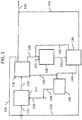
- a single step double bromination of n-butane is described herein with reference to FIG. 1 , however, one skilled in the art with the aid of the present disclosure would understand that the single step double halogenation may be applied using other alkanes and/or halogens.
- n-butane 112 may be converted to a double brominated alkane (i.e., dibromobutanes 120).
- Bromine 110 may be reacted with n-butane 112, such as in bromination reactor 114, to form bromination product stream 116.
- Bromination product stream 116 may include butyl bromides, dibromobutanes, polybromobutanes, hydrogen bromide, unreacted butane, or combinations thereof, for example.
- Bromine 110 is reacted with n-butane 112 at a molar ratio of bromine 110 to n-butane 112 and under reaction conditions (e.g., temperature and pressure) that maximizes the yield of dibromobutanes, and that minimizes the formation of tri-, tetra- and higher bromobutanes, also referred to herein as polybromobutanes.
- reaction conditions e.g., temperature and pressure
- Single step double bromination may be performed at a molar ratio of bromine to alkane of 0.5 to 1.7, such as 1.3.
- Single step double bromination may be performed at elevated temperatures in the range of 150-400°C, or at 300-350°C.
- the yield of dibromobutanes may contain one or more isomers, including 1,3-dibromobutane, vicinal dibromides, geminal dibromides, or combinations thereof.
- the single step double bromination may be performed in the presence of a catalyst adapted to facilitate the selectivity of desirable dibromobutane isomers in the single step double bromination reaction.
- the catalyst may be a highly polar surface catalyst such as silica, glass, silicalite, quartz chips, zirconia or titania. Such highly polar catalysts may increase the ratio of 1,3-dibromobutane to the vicinal and geminal dibromobutane isomers in bromination product stream 116.
- the single step double bromination may be performed in the absence of a catalyst, i.e., the single step double bromination may be thermally induced.
- the method may include separation of bromination product stream 116 into one or more streams of butyl bromides, dibromobutanes, polybromobutanes, hydrogen bromide, unreacted butane, or combinations thereof.
- the separation of the bromination product stream 116 may be performed in separator 118 by any suitable method known to those skilled in the art.
- bromination product stream 116 may be separated by distillation.
- the separation of bromination product stream 116 may form a stream containing dibromobutanes 120.
- the stream containing dibromobutanes 120 may be enriched in dibromobutane, that is, the stream containing dibromobutanes 120 may include a proportion of dibromobutanes by weight percent that is increased relative to the proportion of dibromobutanes in bromination product stream 116.
- Dibromobutanes 120 obtained from the simultaneous double bromination reaction may then be subjected to dehydrobromination, as described in more detail below, to generate a dehydrobromination product stream that includes butadienes.
- dehydrobromination of dibromobutanes 120 produces 1,3-butadiene; 1,2-butadiene; and butynes.
- the butynes may include 1-butyne, also known as ethylacetylene, and 2-butyne, also known as dimethylacetylene.
- the 1,2-butadiene and butynes may be isomerized to 1,3-butadiene.
- the separation of bromination product stream 116 may form stream 126 containing the unreacted butane, butyl bromides, or both.
- Stream 126 may be enriched in unreacted butane, butyl bromides, or both, that is, stream 126 may include a proportion of unreacted butane, butyl bromides, or both by weight percent that is increased relative to bromination product stream 116.
- Stream 126 may be recycled to the single step double bromination reaction.
- stream 126 may be combined with n-butane 112 upstream of bromination reactor 114.
- the separation of bromination product stream 116 may form a stream containing polybromobutanes 128 obtained from the simultaneous double bromination reaction.
- the stream containing polybromobutanes 128 may be enriched in polybromobutanes, that is, the stream containing polybromobutanes 128 may include a proportion of polybromobutanes by weight percent that is increased relative to bromination product stream 116.
- Polybromobutanes 128 may be subjected to hydrogenation in the presence of hydrogen 133, such as in hydrogenation reactor 130.
- the reaction conditions (e.g., temperature and pressure) utilized in the hydrogenation of polybromobutanes 128 may be selected to maximize the yield of dibromobutanes.
- Hydrogenation of polybromobutanes 128 may be performed in the presence of a catalyst, such as nickel, palladium or platinum. Hydrogenation of polybromobutanes 128 may form product stream 132 that includes butane, butyl bromide, dibromobutanes, HBr, polybromobutanes, or combinations thereof.
- a catalyst such as nickel, palladium or platinum. Hydrogenation of polybromobutanes 128 may form product stream 132 that includes butane, butyl bromide, dibromobutanes, HBr, polybromobutanes, or combinations thereof.
- product stream 132 may be separated, such as in separator 134.
- product stream 132 may be separated by distillation. Separation of product stream 132 may form first stream 136 enriched in butane, butyl bromide, or combinations thereof; second stream 138 enriched in dibromobutanes; third stream 140 enriched in HBr; fourth stream 142 enriched in polybromobutanes; or combinations thereof.
- the dibromobutanes of second stream 138 may be combined with dibromobutanes 120 recovered from the simultaneous double bromination, and subsequently subjected to dehydrobromination to generate butadienes as described herein.
- the butane and butyl bromides of first stream 136 may be recycled and combined with n-butane 112 upstream of bromination reactor 114.
- the polybromobutanes of fourth stream 142 may be recycled to hydrogenation reactor 130.
- the polybromobutanes of fourth stream 142 may be combined with polybromobutanes 128 recovered from the single step double bromination reaction, and then sent to hydrogenation reactor 130.
- the separation of bromination product stream 116 may form a stream containing hydrogen bromide 144.
- the stream containing hydrogen bromide 144 may be enriched in hydrogen bromide, that is, the stream containing hydrogen bromide 144 may include a proportion of hydrogen bromide by weight percent that is increased relative to bromination product stream 116.
- Hydrogen bromide 144 obtained from the simultaneous double bromination reaction, the hydrogen bromide of third stream 140 obtained from hydrogenation of polybromobutanes 128, or combinations thereof may be sent to oxidation reactor 146 in which bromine 148 is regenerated for use in the simultaneous double bromination reaction.
- bromine 148 (elemental) may be recycled and combined with bromine 110 upstream of the bromination reactor 114.
- Oxidation of hydrogen bromide also forms water (not shown), and is discussed in more detail below with respect to FIG. 7 .
- halogenation of the alkane may be performed by sequential halogenation.
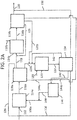
- sequential bromination of n-butane is described herein with reference to FIGS. 2A and 2B , however, one skilled in the art with the aid of the present disclosure would understand that the sequential halogenation may be applied using other alkanes and/or halogens.
- Sequential bromination may include two sequential bromination steps. In certain aspects of the present disclosure, sequential bromination includes only two sequential bromination steps.
- a first bromination reaction of the sequential bromination n-butane 112 is reacted with bromine 110a, such as in first bromination reactor 114a.
- a molar ratio of bromine 110a to n-butane 112 and the reaction conditions are selected to maximize the yield of monobromobutanes in bromination product stream 116a.
- a molar ratio of Br 2 /n-butane may range from less than 0.4 to 1.7, such as 0.5.
- the temperature may range from 200-400°C, such as 300°C.
- the residence time may range from 5 seconds to 15 seconds, such as 10 seconds.
- the butane conversion may range from 30 to 50%, or 35 to 45%, or about 41.7%, for example.
- the monobromobutanes in bromination product stream 116a include 1-bromobutane, 2-bromobutane, or combinations thereof. Bromination product stream 116a may then be separated, such as in separator 118a. Separation of bromination product stream 116a may be performed by distillation, for example. Separation of bromination product stream 116a may form a stream enriched in monobromobutanes ( i.e., a stream containing bromobutanes 119).
- bromination product stream 116a may form hydrogen bromide 144a, polybromobutanes 128a, and stream 126 containing the unreacted butane, butyl bromides, or both, as described above with respect to FIG. 1 .
- Stream 126 may be recycled upstream to combine with n-butane 112, polybromobutanes 128a may be sent to hydrogenation reactor 130, and hydrogen bromide 144a may be sent to oxidation reactor 146.
- the stream containing bromobutanes 119 may be recovered from separator 118a.
- the recovered bromobutanes 119 may be subjected to a second, separate bromination reaction, such as in second bromination reactor 114b.
- bromobutanes 119 and a stream containing bromine 110b may be fed to second bromination reactor 114b, which may be operated under conditions for the selective bromination of the monobromobutanes in bromobutanes 119 to form bromination product stream 116b containing dibromobutanes.
- the temperature may range from about 200°C to about 275°C
- the residence time may range from about 4 to about 12 seconds or about 5 to about 10 seconds
- the molar ratio of bromine to bromobutane may range from about 0.2 to about 0.6, such as about 0.4. Utilization of sequential bromination allows for the use of different reaction conditions for each of the sequential bromination reactions.
- the first bromination reaction in bromination reactor 114a may be conducted without a catalyst (e.g., a thermal induced reaction), while the second bromination reaction in bromination reactor 114b is conducted in the presence of a catalyst adapted for the increased yield of the 1,3-dibromobutane isomer and minimized formation of polybromobutanes.
- the first bromination reaction in bromination reactor 114a may be conducted in the presence of a catalyst, while the second bromination reaction in bromination reactor 114b is performed without a catalyst.
- the same reaction conditions are utilized in each bromination rector 114a and 114b of the sequential bromination.
- Bromination product stream 116b may be separated, such as in separator 118b. Separation of bromination product stream 116b may be performed by distillation, for example. Separation of bromination product stream 116b may form a stream enriched in dibromobutanes 120, which may be subjected to dehydrobromination, as detailed below, to form butadienes. Separation of bromination product stream 116b may form a stream enriched in unreacted bromobutanes 121, which may be recycled to bromination reactor 114b, such as by being combined with bromobutanes 119 upstream of bromination reactor 114b.
- bromination product stream 116b may form a stream enriched in polybromobutanes 128b.
- Polybromobutanes 128b may be subjected to hydrogenation in hydrogenation reactor 130 along with polybromobutanes 128a in the presence of hydrogen 133.
- Hydrogenation of polybromobutanes 128a and 128b may form product stream 132 that includes butane, bromobutanes, dibromobutanes, HBr, polybromobutanes, or combinations thereof.
- Product stream 132 may be separated, such as in separator 134.
- product stream 132 may be separated by distillation. Separation of product stream 132 may form first stream 136 enriched in butane, bromobutanes, or combinations thereof; second stream 138 enriched in dibromobutanes; third stream 140 enriched in HBr; fourth stream 142 enriched in polybromobutanes; or combinations thereof.
- the dibromobutanes of second stream 138 may be combined with dibromobutanes 120 recovered from the sequential bromination, and subsequently subjected to dehydrobromination to generate butadienes as described herein.
- the butane and butyl bromides of first stream 136 may be recycled and combined with n-butane 112 upstream of bromination reactor 114a.
- the polybromobutanes of fourth stream 142 may be recycled to hydrogenation reactor 130.
- the polybromobutanes of fourth stream 142 may be combined with polybromobutanes 128a and 128b, and then sent to hydrogenation reactor 130.
- bromination product stream 116b may form a stream containing HBr 144b, which may be combined with hydrogen bromide 144a obtained from the first bromination reaction and the hydrogen bromide of third stream 140 obtained from hydrogenation of polybromobutanes 128a and 128b.
- Hydrogen bromide 144a and 144b and the hydrogen bromide of third stream 140 may be sent to oxidation reactor 146 in which bromine 148 is regenerated for use in the sequential bromination reaction.
- bromine 148 may be combined with bromine 110a upstream of first bromination reactor 114a.
- sequential bromination is carried out without use of a separator between first bromination reactor 114a and second bromination reactor 114b.
- First bromination product stream 116a may be transferred from first bromination reactor 114a into second bromination reactor 114b without passing through a separator.
- first bromination product stream 116a may be transferred from first bromination reactor 114a directly into second bromination reactor 114b.
- the operating conditions in first bromination reactor 114a including the molar ratio of bromine 110a to n-butane 112, reactor temperature and reactor pressure, may be selected to maximize the yield of bromobutanes.
- the operating conditions in second bromination reactor 114b may be selected to maximize the conversion of bromobutanes and yield of dibromobutanes.
- the separation of bromination product stream 116b in aspects of the present disclosure without use of a separator between first bromination reactor 114a and second bromination reactor 114b may be conducted in separator 118 in the same manner as described above with respect to separation of bromination product stream 116 in FIG. 1 to form streams dibromobutanes 120, polybromobutanes 128, hydrogen bromide 144 and stream 126.
- Hydrogen bromide 144 may be subjected to oxidation in oxidation reactor 146 to form bromine 148.
- Polybromobutanes 128 may be subjected to hydrogenation in the presence of hydrogen 133 to form products stream 132, which may be separated, such as by distillation, in separator 134 to form stream 138 enriched in dibromobutanes, stream 140 enriched in hydrogen bromide, stream 142 enriched in polybromobutanes, and stream 136 enriched in butane, butyl bromide, or combinations thereof.
- Stream 136 enriched in butane, bromobutanes, or combinations thereof may be recycled and combined with n-butane 112.
- Stream 140 may be subjected to oxidation in oxidation reactor 146 to form bromine 148.
- Stream 138 may be combined with dibromobutanes 120.
- Stream 142 may be recycled and combined with polybromobutanes 128 upstream of hydrogenation reactor 130 for hydrogenation in the presence of hydrogen 133.
- aspects of the present disclosure of sequential bromination that include the intermediate separation between first bromination reactor 114a and second bromination reactor 114b, as depicted in FIG. 2A may exhibit increased selectivity toward the 1,3-dibromobutane isomer as compared to aspects of the present disclosure of sequential bromination that do not include the intermediate separation between first bromination reactor 114a and second bromination reactor 114b, as depicted in FIG. 2B .
- utilization of sequential bromination as exemplified in FIGS. 2A and 2B may improve selectivity towards the desired dibromobutanes.
- bromoalkenes may be dehydrohalogenated (e.g., dehydrobrominated) to olefins and diolefins (e.g., butadienes).
- the bromoalkenes may be produced by selectively halogenating alkenes in the allylic position.
- allyl bromination of butenes is described herein with reference to FIG. 3 , however, one skilled in the art with the aid of the present disclosure would understand that the method may be applied using other alkenes and/or halogens.
- the method may include reacting butenes 312 with bromine 310 in bromination reactor 314.
- bromobutenes 320 may be produced by selectively brominating butenes 312 in the allylic position in the presence of bromine 310. Bromobutenes 320 may then be dehydrobrominated to butadienes 324 in dehydrobromination reactor 322, as described in more detail below. While not shown, the product stream of bromination reactor 314 that contains bromobutenes 320 may be subjected to separation, such as by distillation, to form a stream enriched in bromobutenes 320 prior to dehydrobromination.
- the method may include reacting butenes 312 with bromine 310 in a reactor, such as bromination reactor 314, to produce bromobutenes 320 by selectively brominating butenes 312 in the allylic position in the presence of bromine 310.
- Butadienes 324 may then be produced in situ within the same reactor by subjection of the bromobutenes 320 to dehydrobromination.
- Butenes 312 may be produced through conventional means or, for example, through the catalytic dehydrobromination of bromobutanes to butenes as described in U.S. patent application 13/479,085 . Butenes 312 may be preheated and mixed with preheated bromine 310 at temperatures exceeding 250°C, exceeding 275°C, equal to or less than 450°C, ranging from 250°C to 450°C, ranging from 300°C to 400°C, ranging from 250°C to 325°C, ranging from 265°C to 300°C, or ranging from 270°C to 285°C prior to reaction in bromination reactor 314.
- reaction mechanism is altered and bromine 310 substitutes an ⁇ -hydrogen on butenes 312, thus forming an allylic bromide, e.g. 2-butene may react to form 1-bromo-2-butene, and forming 3-bromo-1-butene, e.g., 1-butene may react to form 3-bromo-1-butene (see, Reaction (6)), instead of adding across the double bond which is the typical reaction between a halogen and an olefin (see, Reaction (7)).
- Reaction (6) which was carried out at a temperature of greater than 250°C
- Reaction (7) which was carried out at room temperature, below 250°C.
- bromo-alkenes may be produced through the oxyhalogenation (e.g., oxybromination) of alkenes (e.g., butenes) using air/oxygen and hydrogen halide (e.g., hydrogen bromide) reactants.
- oxyhalogenation e.g., oxybromination
- alkenes e.g., butenes
- hydrogen halide e.g., hydrogen bromide
- Such aspects of the present disclosure avoid the generation of hydrogen halide (e.g., HBr) as a byproduct, thereby reducing the amount of halogen (e.g., bromine) that must be circulated in the operation and eliminating the need to oxidize hydrogen halide to the corresponding halogen (e.g., bromine).
- the method may include reacting butenes 412 with hydrogen bromide 413 in the presence of oxygen under reaction conditions sufficient to cause oxybromination of butenes 412 to form an oxybromination product stream that contains bromobutenes 420.
- bromobutenes 420 may be produced through the oxybromination of butenes 412 using air/oxygen 411 and hydrogen bromide 413 as reactants, such as in oxybromination reactor 415.
- a molar ratio of butenes/HBr/O 2 may range from about 1:0.8:0.6 to about 5:0.8:0.6, for example.
- the temperature may range from about 275°C to about 325°, and the residence time may range from about 5 seconds to about 20 seconds.
- the oxybromination of butenes 412 may occur in the presence of a heterogeneous or homogenous catalyst, such as PdCl 2 -CuCl 2 , or TeC14. Bromobutenes 420 may then be subjected to dehydrobromination, as described herein. While not shown, the product stream of oxybromination reactor 415 that contains bromobutenes 420 may be subjected to separation, such as by distillation, to form a stream enriched in bromobutenes 420 prior to dehydrobromination.
- Reaction (8) exemplifies oxybromination of butenes 412 using air/oxygen 411 and hydrogen bromide 413 to form bromobutenes 420.
- di-halogenated alkanes may be produced from alkenes (e.g., butenes).
- alkenes e.g., butenes
- the butenes may be produced through conventional means or, for example, through the catalytic dehydrobromination of bromobutanes to butenes as described in U.S. patent application 13/479,085 (discussed above).
- the alkenes may be reacted with halogen in a halogenation reaction to form the di-halogenated alkanes.
- bromination of butenes is described herein with reference to FIG. 5 , however, one skilled in the art with the aid of the present disclosure would understand that the method may be applied using other alkenes and/or halogens.
- Production of dibromobutanes 520 from butenes 512 may include reaction of butenes 512 with bromine 510 in a bromination reaction, such as in bromination reactor 514.
- the molar ratio of bromine to butenes may range from about 0.75 to about 1.25, or be about 0.95; the temperature may be about ambient, and may range from about 0°C to about 30°C; and the residence time may range from about 3 seconds to about 7 seconds, or be about 5 seconds, for example.
- the reaction of butenes 512 with bromine 510 may be a liquid phase reaction, and may be carried out with no catalyst (i.e., in the absence of a catalyst).
- dibromobutanes 520 may be separated from unreacted butenes 526, such as by passing bromination product stream 516 through separator 518 to form a stream enriched in dibromobutanes 520 and a stream enriched in unreacted butenes 526.
- Bromination product stream 516 may be separated by distillation, for example.
- Unreacted butenes 526 may be recycled and combined with butene 512 and reintroduced to the bromination reaction upstream of bromination reactor 514.
- Dibromobutanes 520 may be dehydrobrominated to form butadienes, such as in dehydrobromination reactor 522, as described in more detail below.
- Dehydrobromination products stream 523 may be separated in separator 527 to form a stream enriched in butadienes (butadiene product stream 524).
- Dehydrobromination products stream 523 may be separated by distillation, for example.
- Bromobutane 525 present in the dehydrobromination products stream 523 may be separated in separator 527 and subjected to catalytic dehydrobromination in reactor 529 to form butene 531 in the manner as is described in U.S. patent application 13/479,085 (discussed above). Butene 531 may be recycled to bromination reactor 514. HBr 533 produced in reactor 529 may be oxidized in oxidation reactor 546 in the presence of oxygen 535 to produce bromine 537 for reuse in the bromination reaction. Production of dibromobutanes 520 from butenes 512, as exemplified in FIG.
- geminal dibromobutanes such as 0 weight percent geminal dibromobutanes, or less than 1 weight percent geminal dibromobutanes, or less than 0.5 weight percent geminal dibromobutanes, or less than 0.1 weight percent geminal dibromobutanes, or less than 0.05 weight percent geminal dibromobutanes, or less than 0.01 weight percent geminal dibromobutanes.
- Dibromobutanes 520 from butenes 512 as exemplified in FIG.
- 5 may result in the formation of about 100 weight percent of vicinal 1,2- and 2,3-dibromobutanes, or greater than 99 weight percent vicinal 1,2- and 2,3-dibromobutanes, or greater than 99.9 weight percent vicinal 1,2- and 2,3-dibromobutanes, or greater than 99.99 weight percent vicinal 1,2- and 2,3-dibromobutanes.
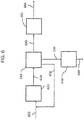
- dehydrobromination of alkyl bromide is described herein with reference to FIG. 6 , however, one skilled in the art with the aid of the present disclosure would understand that the dehydrohalogenation may be applied using other alkyl halides.
- alkyl bromide 620 results in the formation of a double bond between a bromine-bearing carbon and the adjacent carbon from which a hydrogen atom is eliminated.
- Olefins and diolefins may be produced when the dehydrobromination is performed on dibromobutanes, particularly non-geminal dibromobutanes, or on bromobutene.
- alkyl bromide 620 may be dibromobutanes 120 as depicted in FIGS. 1-2B , bromobutenes 320 as depicted in FIG. 3 , bromobutenes 420 as depicted in FIG. 4 , dibromobutanes 520 as depicted in FIG. 5 , or another alky halide as described herein.
- the dehydrobromination of alkyl bromide 620 may be performed by an elimination reaction, in which alkyl bromide 620 reacts with a base, which may be dissolved in an alcohol, such as ethanol.
- the base may be KOH or another alkali hydroxide, for example.
- the dehydrobromination may be performed catalytically, such as in dehydrobromination reactor 622.
- dehydrobromination may be performed in the presence of a catalyst that includes silica, sand, silicalite, quartz, titanium dioxide, zirconium dioxide, silicon carbide, stainless steel beads, stainless steel mesh, or metal carbides.
- dehydrobromination may be performed thermally, in absence of a catalyst.
- dehydrobromination product stream 624 that includes butadienes, bromobutenes, hydrogen bromide, unconverted dibromobutanes, or combinations thereof.
- Dehydrobromination product stream 624 may be separated, such as in separator 618. Separation of dehydrobromination product stream 624 may be performed by distillation, for example. Separation of dehydrobromination product stream 624 may form a stream enriched in dibromobutanes and bromobutanes 626, which may be recycled to dehydrobromination reactor 622. Separation of dehydrobromination product stream 624 may form a stream enriched in hydrogen bromide 644.
- the stream containing hydrogen bromide 644 may be sent to oxidation reactor 646 to regenerate elemental bromine 648, which may be reused in the bromination reactions described herein. Separation of dehydrobromination product stream 624 may form a stream enriched in butadienes 680.
- Butadienes 680 may include 1,3-butadiene; 1,2-butadiene; 1-butyne; 2-butyne; or combinations thereof.
- butadienes 680 produced in the dehydrobromination reaction are passed over a catalyst to convert 1,2-butadiene; 1-butyne; 2-butyne; or combinations thereof into additional 1,3-butadiene, such as in isomerization reactor 682.
- Butadienes 680 may be heated when passed over the catalyst.
- a heated butadiene 680 stream may exit dehydrobromination reactor 622, which may then pass over the catalyst to form a stream enriched in 1,3-butadiene 684.
- the catalyst may include zeolite, magnesium oxide, Fuller's earth, silica, bentonite, titanium dioxide, or zirconium dioxide, for example.
- the isomer 1,3-butadiene may be more thermodynamically stable than the isomers 1,2-butadiene; 1-butyne; and 2-butyne, thus, substantially all of the C 4 products that are not 1,3-butadiene are converted to 1,3-butadiene when passing over the catalyst (see, Reactions 9 and 10).
- 1,2-butadiene ⁇ 1,3 butadiene (9) 1-butyne/2-butyne ⁇ 1,3 butadiene (10)
- the production of butynes may be suppressed by reducing the conversion of geminal dibromides.
- the extent to which geminal dibromides are converted in the dehydrobromination reaction may be reduced by operating dehydrobromination reactor 622 at a lower temperature.
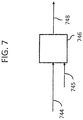
- Hydrogen bromide 744 may be separated by distillation or other means downstream of bromination, dehydrobromination, or both, as described above. The separated hydrogen bromide 744 may then be sent to oxidation reactor 746 in which hydrogen bromide 744 is oxidized with air/oxygen 745 over a catalyst to regenerate elemental bromine 748 for optional reuse in the bromination reactions described herein. Oxidation of hydrogen bromide 744 also forms water (not shown).
- hydrogen bromide 744 may be hydrogen bromide 144, 144a, 144b, 140, 533 or 644, as shown in FIGS. 1-6 .
- the catalyst used in oxidation reactor 746 may be a chromium or cerium oxide-based catalyst, for example, to produce bromine and water.
- the initiation temperature for oxidation of hydrogen bromide 744 is approximately 200°C, while the maximum stable operating temperature for the catalyst is approximately 850°C.
- Hydrogen bromide 744 oxidation is a highly exothermic reaction and may be carried out using a reactor system, such as an isothermal reactor or a multiple stage adiabatic reactor system with intermediate cooling using quench and/or heat exchangers. Examples of such systems may be found in U.S. patent no. 7,883,568, issued February 8, 2011 .
Landscapes
- Chemical & Material Sciences (AREA)
- Organic Chemistry (AREA)
- Chemical Kinetics & Catalysis (AREA)
- Crystallography & Structural Chemistry (AREA)
- Organic Low-Molecular-Weight Compounds And Preparation Thereof (AREA)
Claims (4)
- Verfahren, das Folgendes beinhaltet:Umsetzen von Buten mit Brom in einem Bromierungsreaktor unter Reaktionsbedingungen, die für selektive Bromierung des Butens in der allylischen Position geeignet sind, um einen Bromierungsproduktstrom zu bilden, der Brombutene enthält; undUnterziehen der Brombutene einer Dehydrobromierung, um in einem Dehydrobromierungsreaktor stromabwärts des Bromierungsreaktors einen Dehydrobromierungsproduktstrom zu bilden, der 1,3-Butadien enthält.
- Verfahren nach Anspruch 1, wobei die Butene und das Brom vor dem Umsetzen im Bromierungsreaktor sowohl vorerhitzt als auch miteinander vermischt werden.
- Verfahren nach Anspruch 2, wobei die Butene und das Brom beide auf eine Temperatur von mehr als 250°C vorerhitzt werden.
- Verfahren nach Anspruch 1, wobei die Brombutene im Bromierungsreaktor einer Dehydrobromierung unterzogen werden, um den Dehydrobromierungsproduktstrom zu bilden, der 1,3-Butadien in situ enthält.
Applications Claiming Priority (3)
| Application Number | Priority Date | Filing Date | Title |
|---|---|---|---|
| US201462011252P | 2014-06-12 | 2014-06-12 | |
| PCT/US2015/034904 WO2015191580A1 (en) | 2014-06-12 | 2015-06-09 | Production of 1,3-butadiene |
| EP15806024.4A EP3154921B1 (de) | 2014-06-12 | 2015-06-09 | Herstellung von 1,3-butadien |
Related Parent Applications (2)
| Application Number | Title | Priority Date | Filing Date |
|---|---|---|---|
| EP15806024.4A Division-Into EP3154921B1 (de) | 2014-06-12 | 2015-06-09 | Herstellung von 1,3-butadien |
| EP15806024.4A Division EP3154921B1 (de) | 2014-06-12 | 2015-06-09 | Herstellung von 1,3-butadien |
Publications (2)
| Publication Number | Publication Date |
|---|---|
| EP3293168A1 EP3293168A1 (de) | 2018-03-14 |
| EP3293168B1 true EP3293168B1 (de) | 2020-12-16 |
Family
ID=54834190
Family Applications (2)
| Application Number | Title | Priority Date | Filing Date |
|---|---|---|---|
| EP17193166.0A Not-in-force EP3293168B1 (de) | 2014-06-12 | 2015-06-09 | Herstellung von 1,3-butadien |
| EP15806024.4A Active EP3154921B1 (de) | 2014-06-12 | 2015-06-09 | Herstellung von 1,3-butadien |
Family Applications After (1)
| Application Number | Title | Priority Date | Filing Date |
|---|---|---|---|
| EP15806024.4A Active EP3154921B1 (de) | 2014-06-12 | 2015-06-09 | Herstellung von 1,3-butadien |
Country Status (5)
| Country | Link |
|---|---|
| US (1) | US9771308B2 (de) |
| EP (2) | EP3293168B1 (de) |
| CN (1) | CN106660895A (de) |
| CA (1) | CA2951694C (de) |
| WO (1) | WO2015191580A1 (de) |
Family Cites Families (13)
| Publication number | Priority date | Publication date | Assignee | Title |
|---|---|---|---|---|
| US2343108A (en) * | 1940-08-21 | 1944-02-29 | Du Pont | Production of butadiene |
| DE1194400B (de) * | 1956-07-30 | 1965-06-10 | Bataafsche Petroleum | Verfahren zur Umwandlung von Kohlenwasserstoffen |
| BE565334A (de) | 1957-03-04 | |||
| GB918485A (en) * | 1960-03-04 | 1963-02-13 | Distillers Co Yeast Ltd | Production of bromobutenes |
| US3246043A (en) * | 1962-12-12 | 1966-04-12 | Universal Oil Prod Co | Preparation of olefinic hydrocarbons |
| US3308186A (en) * | 1963-01-08 | 1967-03-07 | Petro Tex Chem Corp | Oxidative dehydrogenation process |
| GB1032276A (en) * | 1963-02-28 | 1966-06-08 | Internat Synthetic Rubber Comp | Dehydrogenation of hydrocarbons |
| US3274273A (en) * | 1964-03-16 | 1966-09-20 | Universal Oil Prod Co | Dehydrohalogenation process |
| US3962357A (en) | 1974-07-01 | 1976-06-08 | Rohm And Haas Company | Process for the preparation of substituted vinylbenzyl chloride |
| US4039598A (en) * | 1976-08-23 | 1977-08-02 | Monsanto Company | Production of tetrabromobutadiene by catalytic oxybromination of butane |
| SG187456A1 (en) | 2006-02-03 | 2013-02-28 | Grt Inc | Separation of light gases from halogens |
| US8680350B2 (en) * | 2006-07-17 | 2014-03-25 | Basf Se | Process for hydrogenating unsaturated hydrocarbons in the presence of catalysts containing copper and zinc |
| US8940954B2 (en) * | 2011-05-23 | 2015-01-27 | Reaction35, LLC | Conversion of propane to propylene |
-
2015
- 2015-06-09 EP EP17193166.0A patent/EP3293168B1/de not_active Not-in-force
- 2015-06-09 CN CN201580039674.5A patent/CN106660895A/zh active Pending
- 2015-06-09 CA CA2951694A patent/CA2951694C/en active Active
- 2015-06-09 WO PCT/US2015/034904 patent/WO2015191580A1/en not_active Ceased
- 2015-06-09 EP EP15806024.4A patent/EP3154921B1/de active Active
- 2015-06-09 US US14/734,683 patent/US9771308B2/en not_active Expired - Fee Related
Non-Patent Citations (1)
| Title |
|---|
| None * |
Also Published As
| Publication number | Publication date |
|---|---|
| US20150361008A1 (en) | 2015-12-17 |
| EP3154921B1 (de) | 2020-02-26 |
| WO2015191580A1 (en) | 2015-12-17 |
| US9771308B2 (en) | 2017-09-26 |
| CA2951694C (en) | 2019-07-02 |
| EP3293168A1 (de) | 2018-03-14 |
| EP3154921A4 (de) | 2018-01-03 |
| CA2951694A1 (en) | 2015-12-17 |
| EP3154921A1 (de) | 2017-04-19 |
| CN106660895A (zh) | 2017-05-10 |
Similar Documents
| Publication | Publication Date | Title |
|---|---|---|
| EP2100867B1 (de) | Verfahren zur Koproduktion von HFC-1225YE und HFC-1234YF über 4-Schritt-Reaktionen | |
| US20110034741A1 (en) | Hydrocarbon conversion process improvements | |
| CN102695690B (zh) | 用于生产异戊二烯的方法和系统 | |
| US20180002299A1 (en) | Integrated process for making propene oxide and an alkyl tert-butyl ether | |
| US9045385B2 (en) | Conversion of propane to propylene | |
| RU2014120466A (ru) | Способы и системы для раздельного, параллельного бромирования метана и высших алканов | |
| CA2753127C (en) | Hydrocarbon dehydrogenation process | |
| JPWO2007023706A1 (ja) | 低級炭化水素の製造方法および製造装置 | |
| EP3293168B1 (de) | Herstellung von 1,3-butadien | |
| JP2017200907A5 (de) | ||
| AU2013241976A1 (en) | Process for the production of ethylene oxide | |
| US11124470B2 (en) | Systems and methods of producing methyl tertiary butyl ether and propylene | |
| JP2016041678A (ja) | n−プロピルベンゼンの調製方法 | |
| TW201615598A (zh) | 製造烴類之方法及設備 | |
| RU2022101205A (ru) | Способы эксплуатации комплексных систем химической обработки для производства олефинов | |
| WO2018002771A1 (en) | Methods for producing olefins from light hydrocarbons | |
| HK1183860B (en) | One-step method for butadiene production |
Legal Events
| Date | Code | Title | Description |
|---|---|---|---|
| PUAI | Public reference made under article 153(3) epc to a published international application that has entered the european phase |
Free format text: ORIGINAL CODE: 0009012 |
|
| STAA | Information on the status of an ep patent application or granted ep patent |
Free format text: STATUS: THE APPLICATION HAS BEEN PUBLISHED |
|
| AC | Divisional application: reference to earlier application |
Ref document number: 3154921 Country of ref document: EP Kind code of ref document: P |
|
| AK | Designated contracting states |
Kind code of ref document: A1 Designated state(s): AL AT BE BG CH CY CZ DE DK EE ES FI FR GB GR HR HU IE IS IT LI LT LU LV MC MK MT NL NO PL PT RO RS SE SI SK SM TR |
|
| STAA | Information on the status of an ep patent application or granted ep patent |
Free format text: STATUS: REQUEST FOR EXAMINATION WAS MADE |
|
| 17P | Request for examination filed |
Effective date: 20180914 |
|
| RBV | Designated contracting states (corrected) |
Designated state(s): AL AT BE BG CH CY CZ DE DK EE ES FI FR GB GR HR HU IE IS IT LI LT LU LV MC MK MT NL NO PL PT RO RS SE SI SK SM TR |
|
| STAA | Information on the status of an ep patent application or granted ep patent |
Free format text: STATUS: EXAMINATION IS IN PROGRESS |
|
| 17Q | First examination report despatched |
Effective date: 20190314 |
|
| GRAP | Despatch of communication of intention to grant a patent |
Free format text: ORIGINAL CODE: EPIDOSNIGR1 |
|
| STAA | Information on the status of an ep patent application or granted ep patent |
Free format text: STATUS: GRANT OF PATENT IS INTENDED |
|
| INTG | Intention to grant announced |
Effective date: 20200707 |
|
| GRAS | Grant fee paid |
Free format text: ORIGINAL CODE: EPIDOSNIGR3 |
|
| GRAA | (expected) grant |
Free format text: ORIGINAL CODE: 0009210 |
|
| STAA | Information on the status of an ep patent application or granted ep patent |
Free format text: STATUS: THE PATENT HAS BEEN GRANTED |
|
| AC | Divisional application: reference to earlier application |
Ref document number: 3154921 Country of ref document: EP Kind code of ref document: P |
|
| AK | Designated contracting states |
Kind code of ref document: B1 Designated state(s): AL AT BE BG CH CY CZ DE DK EE ES FI FR GB GR HR HU IE IS IT LI LT LU LV MC MK MT NL NO PL PT RO RS SE SI SK SM TR |
|
| REG | Reference to a national code |
Ref country code: GB Ref legal event code: FG4D |
|
| REG | Reference to a national code |
Ref country code: IE Ref legal event code: FG4D |
|
| REG | Reference to a national code |
Ref country code: DE Ref legal event code: R096 Ref document number: 602015063718 Country of ref document: DE |
|
| REG | Reference to a national code |
Ref country code: AT Ref legal event code: REF Ref document number: 1345438 Country of ref document: AT Kind code of ref document: T Effective date: 20210115 |
|
| PG25 | Lapsed in a contracting state [announced via postgrant information from national office to epo] |
Ref country code: NO Free format text: LAPSE BECAUSE OF FAILURE TO SUBMIT A TRANSLATION OF THE DESCRIPTION OR TO PAY THE FEE WITHIN THE PRESCRIBED TIME-LIMIT Effective date: 20210316 Ref country code: RS Free format text: LAPSE BECAUSE OF FAILURE TO SUBMIT A TRANSLATION OF THE DESCRIPTION OR TO PAY THE FEE WITHIN THE PRESCRIBED TIME-LIMIT Effective date: 20201216 Ref country code: GR Free format text: LAPSE BECAUSE OF FAILURE TO SUBMIT A TRANSLATION OF THE DESCRIPTION OR TO PAY THE FEE WITHIN THE PRESCRIBED TIME-LIMIT Effective date: 20210317 Ref country code: FI Free format text: LAPSE BECAUSE OF FAILURE TO SUBMIT A TRANSLATION OF THE DESCRIPTION OR TO PAY THE FEE WITHIN THE PRESCRIBED TIME-LIMIT Effective date: 20201216 |
|
| REG | Reference to a national code |
Ref country code: AT Ref legal event code: MK05 Ref document number: 1345438 Country of ref document: AT Kind code of ref document: T Effective date: 20201216 |
|
| REG | Reference to a national code |
Ref country code: NL Ref legal event code: MP Effective date: 20201216 |
|
| PG25 | Lapsed in a contracting state [announced via postgrant information from national office to epo] |
Ref country code: SE Free format text: LAPSE BECAUSE OF FAILURE TO SUBMIT A TRANSLATION OF THE DESCRIPTION OR TO PAY THE FEE WITHIN THE PRESCRIBED TIME-LIMIT Effective date: 20201216 Ref country code: BG Free format text: LAPSE BECAUSE OF FAILURE TO SUBMIT A TRANSLATION OF THE DESCRIPTION OR TO PAY THE FEE WITHIN THE PRESCRIBED TIME-LIMIT Effective date: 20210316 Ref country code: LV Free format text: LAPSE BECAUSE OF FAILURE TO SUBMIT A TRANSLATION OF THE DESCRIPTION OR TO PAY THE FEE WITHIN THE PRESCRIBED TIME-LIMIT Effective date: 20201216 |
|
| PG25 | Lapsed in a contracting state [announced via postgrant information from national office to epo] |
Ref country code: NL Free format text: LAPSE BECAUSE OF FAILURE TO SUBMIT A TRANSLATION OF THE DESCRIPTION OR TO PAY THE FEE WITHIN THE PRESCRIBED TIME-LIMIT Effective date: 20201216 Ref country code: HR Free format text: LAPSE BECAUSE OF FAILURE TO SUBMIT A TRANSLATION OF THE DESCRIPTION OR TO PAY THE FEE WITHIN THE PRESCRIBED TIME-LIMIT Effective date: 20201216 |
|
| REG | Reference to a national code |
Ref country code: LT Ref legal event code: MG9D |
|
| PG25 | Lapsed in a contracting state [announced via postgrant information from national office to epo] |
Ref country code: SK Free format text: LAPSE BECAUSE OF FAILURE TO SUBMIT A TRANSLATION OF THE DESCRIPTION OR TO PAY THE FEE WITHIN THE PRESCRIBED TIME-LIMIT Effective date: 20201216 Ref country code: PT Free format text: LAPSE BECAUSE OF FAILURE TO SUBMIT A TRANSLATION OF THE DESCRIPTION OR TO PAY THE FEE WITHIN THE PRESCRIBED TIME-LIMIT Effective date: 20210416 Ref country code: RO Free format text: LAPSE BECAUSE OF FAILURE TO SUBMIT A TRANSLATION OF THE DESCRIPTION OR TO PAY THE FEE WITHIN THE PRESCRIBED TIME-LIMIT Effective date: 20201216 Ref country code: SM Free format text: LAPSE BECAUSE OF FAILURE TO SUBMIT A TRANSLATION OF THE DESCRIPTION OR TO PAY THE FEE WITHIN THE PRESCRIBED TIME-LIMIT Effective date: 20201216 Ref country code: LT Free format text: LAPSE BECAUSE OF FAILURE TO SUBMIT A TRANSLATION OF THE DESCRIPTION OR TO PAY THE FEE WITHIN THE PRESCRIBED TIME-LIMIT Effective date: 20201216 Ref country code: EE Free format text: LAPSE BECAUSE OF FAILURE TO SUBMIT A TRANSLATION OF THE DESCRIPTION OR TO PAY THE FEE WITHIN THE PRESCRIBED TIME-LIMIT Effective date: 20201216 Ref country code: CZ Free format text: LAPSE BECAUSE OF FAILURE TO SUBMIT A TRANSLATION OF THE DESCRIPTION OR TO PAY THE FEE WITHIN THE PRESCRIBED TIME-LIMIT Effective date: 20201216 |
|
| PG25 | Lapsed in a contracting state [announced via postgrant information from national office to epo] |
Ref country code: PL Free format text: LAPSE BECAUSE OF FAILURE TO SUBMIT A TRANSLATION OF THE DESCRIPTION OR TO PAY THE FEE WITHIN THE PRESCRIBED TIME-LIMIT Effective date: 20201216 Ref country code: AT Free format text: LAPSE BECAUSE OF FAILURE TO SUBMIT A TRANSLATION OF THE DESCRIPTION OR TO PAY THE FEE WITHIN THE PRESCRIBED TIME-LIMIT Effective date: 20201216 |
|
| REG | Reference to a national code |
Ref country code: DE Ref legal event code: R097 Ref document number: 602015063718 Country of ref document: DE |
|
| PG25 | Lapsed in a contracting state [announced via postgrant information from national office to epo] |
Ref country code: IS Free format text: LAPSE BECAUSE OF FAILURE TO SUBMIT A TRANSLATION OF THE DESCRIPTION OR TO PAY THE FEE WITHIN THE PRESCRIBED TIME-LIMIT Effective date: 20210416 |
|
| PLBE | No opposition filed within time limit |
Free format text: ORIGINAL CODE: 0009261 |
|
| STAA | Information on the status of an ep patent application or granted ep patent |
Free format text: STATUS: NO OPPOSITION FILED WITHIN TIME LIMIT |
|
| PG25 | Lapsed in a contracting state [announced via postgrant information from national office to epo] |
Ref country code: IT Free format text: LAPSE BECAUSE OF FAILURE TO SUBMIT A TRANSLATION OF THE DESCRIPTION OR TO PAY THE FEE WITHIN THE PRESCRIBED TIME-LIMIT Effective date: 20201216 Ref country code: AL Free format text: LAPSE BECAUSE OF FAILURE TO SUBMIT A TRANSLATION OF THE DESCRIPTION OR TO PAY THE FEE WITHIN THE PRESCRIBED TIME-LIMIT Effective date: 20201216 |
|
| 26N | No opposition filed |
Effective date: 20210917 |
|
| PG25 | Lapsed in a contracting state [announced via postgrant information from national office to epo] |
Ref country code: DK Free format text: LAPSE BECAUSE OF FAILURE TO SUBMIT A TRANSLATION OF THE DESCRIPTION OR TO PAY THE FEE WITHIN THE PRESCRIBED TIME-LIMIT Effective date: 20201216 |
|
| PG25 | Lapsed in a contracting state [announced via postgrant information from national office to epo] |
Ref country code: MC Free format text: LAPSE BECAUSE OF FAILURE TO SUBMIT A TRANSLATION OF THE DESCRIPTION OR TO PAY THE FEE WITHIN THE PRESCRIBED TIME-LIMIT Effective date: 20201216 Ref country code: ES Free format text: LAPSE BECAUSE OF FAILURE TO SUBMIT A TRANSLATION OF THE DESCRIPTION OR TO PAY THE FEE WITHIN THE PRESCRIBED TIME-LIMIT Effective date: 20201216 |
|
| REG | Reference to a national code |
Ref country code: CH Ref legal event code: PL |
|
| GBPC | Gb: european patent ceased through non-payment of renewal fee |
Effective date: 20210609 |
|
| PG25 | Lapsed in a contracting state [announced via postgrant information from national office to epo] |
Ref country code: SI Free format text: LAPSE BECAUSE OF FAILURE TO SUBMIT A TRANSLATION OF THE DESCRIPTION OR TO PAY THE FEE WITHIN THE PRESCRIBED TIME-LIMIT Effective date: 20201216 |
|
| PG25 | Lapsed in a contracting state [announced via postgrant information from national office to epo] |
Ref country code: LU Free format text: LAPSE BECAUSE OF NON-PAYMENT OF DUE FEES Effective date: 20210609 |
|
| PG25 | Lapsed in a contracting state [announced via postgrant information from national office to epo] |
Ref country code: LI Free format text: LAPSE BECAUSE OF NON-PAYMENT OF DUE FEES Effective date: 20210630 Ref country code: IE Free format text: LAPSE BECAUSE OF NON-PAYMENT OF DUE FEES Effective date: 20210609 Ref country code: GB Free format text: LAPSE BECAUSE OF NON-PAYMENT OF DUE FEES Effective date: 20210609 Ref country code: CH Free format text: LAPSE BECAUSE OF NON-PAYMENT OF DUE FEES Effective date: 20210630 |
|
| PG25 | Lapsed in a contracting state [announced via postgrant information from national office to epo] |
Ref country code: IS Free format text: LAPSE BECAUSE OF FAILURE TO SUBMIT A TRANSLATION OF THE DESCRIPTION OR TO PAY THE FEE WITHIN THE PRESCRIBED TIME-LIMIT Effective date: 20210416 Ref country code: FR Free format text: LAPSE BECAUSE OF NON-PAYMENT OF DUE FEES Effective date: 20210630 |
|
| PG25 | Lapsed in a contracting state [announced via postgrant information from national office to epo] |
Ref country code: HU Free format text: LAPSE BECAUSE OF FAILURE TO SUBMIT A TRANSLATION OF THE DESCRIPTION OR TO PAY THE FEE WITHIN THE PRESCRIBED TIME-LIMIT; INVALID AB INITIO Effective date: 20150609 |
|
| PG25 | Lapsed in a contracting state [announced via postgrant information from national office to epo] |
Ref country code: CY Free format text: LAPSE BECAUSE OF FAILURE TO SUBMIT A TRANSLATION OF THE DESCRIPTION OR TO PAY THE FEE WITHIN THE PRESCRIBED TIME-LIMIT Effective date: 20201216 |
|
| P01 | Opt-out of the competence of the unified patent court (upc) registered |
Effective date: 20230609 |
|
| P02 | Opt-out of the competence of the unified patent court (upc) changed |
Effective date: 20230619 |
|
| PGFP | Annual fee paid to national office [announced via postgrant information from national office to epo] |
Ref country code: DE Payment date: 20230620 Year of fee payment: 9 |
|
| PGFP | Annual fee paid to national office [announced via postgrant information from national office to epo] |
Ref country code: BE Payment date: 20230619 Year of fee payment: 9 |
|
| PG25 | Lapsed in a contracting state [announced via postgrant information from national office to epo] |
Ref country code: MK Free format text: LAPSE BECAUSE OF FAILURE TO SUBMIT A TRANSLATION OF THE DESCRIPTION OR TO PAY THE FEE WITHIN THE PRESCRIBED TIME-LIMIT Effective date: 20201216 |
|
| PG25 | Lapsed in a contracting state [announced via postgrant information from national office to epo] |
Ref country code: TR Free format text: LAPSE BECAUSE OF FAILURE TO SUBMIT A TRANSLATION OF THE DESCRIPTION OR TO PAY THE FEE WITHIN THE PRESCRIBED TIME-LIMIT Effective date: 20201216 |
|
| PG25 | Lapsed in a contracting state [announced via postgrant information from national office to epo] |
Ref country code: MT Free format text: LAPSE BECAUSE OF FAILURE TO SUBMIT A TRANSLATION OF THE DESCRIPTION OR TO PAY THE FEE WITHIN THE PRESCRIBED TIME-LIMIT Effective date: 20201216 |
|
| REG | Reference to a national code |
Ref country code: DE Ref legal event code: R119 Ref document number: 602015063718 Country of ref document: DE |
|
| PG25 | Lapsed in a contracting state [announced via postgrant information from national office to epo] |
Ref country code: DE Free format text: LAPSE BECAUSE OF NON-PAYMENT OF DUE FEES Effective date: 20250101 |
|
| PG25 | Lapsed in a contracting state [announced via postgrant information from national office to epo] |
Ref country code: BE Free format text: LAPSE BECAUSE OF NON-PAYMENT OF DUE FEES Effective date: 20240630 |
|
| REG | Reference to a national code |
Ref country code: BE Ref legal event code: MM Effective date: 20240630 |