EP3279178B1 - Compound for preparing copolymerized polyester resin and method for preparing copolymerized polyester resin using same - Google Patents
Compound for preparing copolymerized polyester resin and method for preparing copolymerized polyester resin using same Download PDFInfo
- Publication number
- EP3279178B1 EP3279178B1 EP16892763.0A EP16892763A EP3279178B1 EP 3279178 B1 EP3279178 B1 EP 3279178B1 EP 16892763 A EP16892763 A EP 16892763A EP 3279178 B1 EP3279178 B1 EP 3279178B1
- Authority
- EP
- European Patent Office
- Prior art keywords
- polyester resin
- molar parts
- copolymerized polyester
- compound
- ipa
- Prior art date
- Legal status (The legal status is an assumption and is not a legal conclusion. Google has not performed a legal analysis and makes no representation as to the accuracy of the status listed.)
- Active
Links
Classifications
-
- C—CHEMISTRY; METALLURGY
- C08—ORGANIC MACROMOLECULAR COMPOUNDS; THEIR PREPARATION OR CHEMICAL WORKING-UP; COMPOSITIONS BASED THEREON
- C08G—MACROMOLECULAR COMPOUNDS OBTAINED OTHERWISE THAN BY REACTIONS ONLY INVOLVING UNSATURATED CARBON-TO-CARBON BONDS
- C08G63/00—Macromolecular compounds obtained by reactions forming a carboxylic ester link in the main chain of the macromolecule
- C08G63/02—Polyesters derived from hydroxycarboxylic acids or from polycarboxylic acids and polyhydroxy compounds
- C08G63/12—Polyesters derived from hydroxycarboxylic acids or from polycarboxylic acids and polyhydroxy compounds derived from polycarboxylic acids and polyhydroxy compounds
- C08G63/16—Dicarboxylic acids and dihydroxy compounds
- C08G63/18—Dicarboxylic acids and dihydroxy compounds the acids or hydroxy compounds containing carbocyclic rings
- C08G63/181—Acids containing aromatic rings
- C08G63/183—Terephthalic acids
-
- C—CHEMISTRY; METALLURGY
- C07—ORGANIC CHEMISTRY
- C07C—ACYCLIC OR CARBOCYCLIC COMPOUNDS
- C07C31/00—Saturated compounds having hydroxy or O-metal groups bound to acyclic carbon atoms
- C07C31/18—Polyhydroxylic acyclic alcohols
- C07C31/20—Dihydroxylic alcohols
-
- C—CHEMISTRY; METALLURGY
- C08—ORGANIC MACROMOLECULAR COMPOUNDS; THEIR PREPARATION OR CHEMICAL WORKING-UP; COMPOSITIONS BASED THEREON
- C08G—MACROMOLECULAR COMPOUNDS OBTAINED OTHERWISE THAN BY REACTIONS ONLY INVOLVING UNSATURATED CARBON-TO-CARBON BONDS
- C08G63/00—Macromolecular compounds obtained by reactions forming a carboxylic ester link in the main chain of the macromolecule
- C08G63/02—Polyesters derived from hydroxycarboxylic acids or from polycarboxylic acids and polyhydroxy compounds
- C08G63/12—Polyesters derived from hydroxycarboxylic acids or from polycarboxylic acids and polyhydroxy compounds derived from polycarboxylic acids and polyhydroxy compounds
- C08G63/16—Dicarboxylic acids and dihydroxy compounds
-
- C—CHEMISTRY; METALLURGY
- C08—ORGANIC MACROMOLECULAR COMPOUNDS; THEIR PREPARATION OR CHEMICAL WORKING-UP; COMPOSITIONS BASED THEREON
- C08G—MACROMOLECULAR COMPOUNDS OBTAINED OTHERWISE THAN BY REACTIONS ONLY INVOLVING UNSATURATED CARBON-TO-CARBON BONDS
- C08G63/00—Macromolecular compounds obtained by reactions forming a carboxylic ester link in the main chain of the macromolecule
- C08G63/66—Polyesters containing oxygen in the form of ether groups
- C08G63/668—Polyesters containing oxygen in the form of ether groups derived from polycarboxylic acids and polyhydroxy compounds
- C08G63/672—Dicarboxylic acids and dihydroxy compounds
Definitions
- the present disclosure relates to a compound for preparing a copolymerized polyester resin.
- the present invention relates to a method for preparing a copolymerized polyester resin using the compound.
- PET polyethylene terephthalate
- U.S. Patent Nos. 4,129,675 and 4,065,439 disclose copolymerized polyester resins in which a diol compound such as ethylene glycol (EG), neopentyl glycol, and the like is copolymerized with a dicarboxylic acid such as terephthalic acid, isophthalic acid (IPA), adipic acid, sebacic acid, and the like.
- a diol compound such as ethylene glycol (EG), neopentyl glycol, and the like
- a dicarboxylic acid such as terephthalic acid, isophthalic acid (IPA), adipic acid, sebacic acid, and the like.
- copolymerized polyester resins that have so far been developed have drawbacks in that thermal fusion should be performed under a condition of a high temperature of 190 °C or higher, or the resins have poor workability as glass transition temperatures thereof decrease to less than 60 °C.
- IPA which is used as the dicarboxylic acid to reduce melting points of the polyester resins
- IPA has problems in that an increase in manufacturing costs may be caused due to the high price of raw materials, and physical properties of a copolymerized polyester resin may be degraded because a cyclic compound (melting point: approximately 325 ⁇ 2 °C) having a degree of polymerization of 2 to 3 is formed as a byproduct thereof or workability may be degraded when thermal adhesive fibers are prepared therewith.
- the cyclic compound is not melted in a polyester process because a melting temperature of the cyclic compound is greater than or equal to 300 °C.
- the cyclic compound which functions as a foreign substance in a process, serves to extend a filtration cycle of polymers in a polymerization process and degrade processability in subsequent processes such as extrusion and injection and also serves as dust, thereby making a working environment difficult to work in.
- Bin Chen et al. "Thermal properties and Chemical Changes in Blend Melt Spinning of Cellulose Acetate Butyrate and a Novel Cationic Dyeable Copolyester", Journal of Applied Polymer Science, vol. 116, 2487-2495 (2010 ) describes the synthesis of a cationic dyeable copolyester (MCDP) containing purified terephthalate acid (PTA), ethylene glycol (EG), 2-methyl-1,3-propanediol (MPD), and sodium-5-sulfo-isophthalate (SIP) via a direct esterification method. Further, this publication refers to blends of the MCPD with cellulose acetate butyrate (CAB) and the chemical changes of MCDP and CAB in blend melt spinning.
- PTA purified terephthalate acid
- EG ethylene glycol
- MPD 2-methyl-1,3-propanediol
- SIP sodium-5-sulfo-isophthalate
- the present invention is designed to solve the problems of the prior art, and it is an object of the present invention to provide a method for preparing a copolymerized polyester resin having excellent workability and economic feasibility due to the fact that the copolymerized polyester resin may be thermally adhered at a temperature of 190 °C or lower, an adhesive property thereof is maintained even at a temperature of less than 130 °C, and a content of a raw material such as isophthalic acid (IPA) therein is also controlled.
- IPA isophthalic acid
- a method for preparing a copolymerized polyester resin which includes polymerizing an acid component and a diol component to prepare a polyester resin, wherein the diol component includes a compound for preparing the resin, which is represented by the following Formula 1:
- the present invention relates to a method for preparing a copolymerized polyester resin having a thermal adhesion at a temperature of 190°C or lower, comprising:
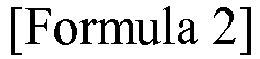
- the compound represented by Formula 1 is a compound represented by the following Formula 2:
- the acid component comprises terephthalic acid or a terephthalic acid derivative.
- the acid component further comprises isophthalic acid (IPA) or an IPA derivative, and a content of the IPA or IPA derivative is in a range of 1 to 40 molar parts, based on 100 molar parts of the acid component.
- IPA isophthalic acid
- IPA derivative a content of the IPA or IPA derivative is in a range of 1 to 40 molar parts, based on 100 molar parts of the acid component.
- the copolymerized polyester resin has an intrinsic viscosity (I.V.) of 0.5 dL/g to 0.75 dL/g.
- Embodiments of the invention are the subject-matter of the dependent claims, and are described throughout the present description.
- the method for preparing a copolymerized polyester resin according to the present invention can be useful in exhibiting excellent processability and reducing manufacturing costs because the copolymerized polyester resin includes a compound represented by Formula 1 as a diol component. Also, the resin prepared according to the present invention can have excellent thermal adhesive strength even at a low temperature, and can also be advantageous in terms of workability and processability due to a decrease in byproducts produced in a polymerization process.
- the unit "part(s) by weight” refers to a weight ratio(s) between individual components.
- the unit "molar part(s)" refers to a molar ratio(s) between individual components.
- polymer refers to an oligomer and/or a polymer obtained by polymerizing a monomer or a compound containing a polymerizable reactive group.
- a compound for preparing a copolymerized polyester resin including a compound represented by the following Formula 1: wherein R 1 is an alkyl group having 1 to 4 carbon atoms, and a and b are each independently an integer ranging from 0 to 3, and each of the solid lines represents a single bond when a and b is 0.
- the compound for preparing a copolymerized polyester resin according to the method of the present invention may include the compound represented by Formula 1, wherein the compound of Formula 1 has a structure in which an alkyl group represented by R 1 , which functions as a side chain, is bound to an alkyl chain to which diol is bound as a diol component. Because the compound represented by Formula 1 contains the alkyl group represented by R 1 as the side chain, the compound may offer a space secured to rotate a main chain of a polymerized resin, thereby increasing a degree of freedom of the resin to reduce a melting point of the resin. This may have the same effect as using isophthalic acid (IPA) containing an asymmetric aromatic ring to reduce a melting point of a conventional crystalline polyester resin.
- IPA isophthalic acid
- the compound may be used to reduce a melting point of a polyester resin when the polyester resin is prepared instead of IPA, formation of a cyclic compound having a degree of polymerization of 2 to 3, which is derived from the IPA during polymerization of the polyester resin, may be prevented.
- the compound for preparing a copolymerized polyester resin according to the method of the present invention may include any compound without limitation as long as the compound is represented by Formula 1.
- the compound for preparing a copolymerized polyester resin according to the method of the present invention may include a compound in which R 1 in Formula 1 is a methyl group and a and b are each independently 1 or 2.
- the compound represented by Formula 1 may be a compound represented by the following Formula 2.
- the method for preparing a copolymerized polyester resin according to the present invention includes polymerizing an acid component and a diol component to prepare a polyester.
- the diol component includes the compound represented by Formula 1, and the polymerization may be performed using methods generally used in the related art.
- the acid component may include terephthalic acid or a terephthalic acid derivative, and may optionally further include IPA or an IPA derivative.
- a content of the IPA or IPA derivative may be in a range of 1 to 40 molar parts, based on 100 molar parts of the acid component.
- the content of the IPA or IPA derivative may be in a range of 1 to 30 molar parts, 5 to 25 molar parts, 5 to 20 molar parts, 5 to 15 molar parts, 15 to 25 molar parts, 25 to 35 molar parts, or 10 to 30 molar parts, based on 100 molar parts of the acid component.
- the diol component may include the compound represented by Formula 1 and one or more selected from the group consisting of ethylene glycol (EG) and diethylene glycol (DEG).
- the diol component may include EG and the compound represented by Formula 1, and may optionally include both EG and DEG.
- the diol component includes EG, the compound represented by Formula I, and DEG.
- a content of the compound represented by Formula 1 may be in a range of 1 molar part to 50 molar parts, based on 100 molar parts of the diol component. More specifically, the content of the compound represented by Formula 1 may be in a range of 5 molar parts to 40 molar parts, 10 molar parts to 30 molar parts, 20 molar parts to 40 molar parts, 25 molar parts to 50 molar parts, or 30 molar parts to 50 molar parts (according to the invention), based on 100 molar parts of the diol component.
- a melting point of the resin may not be significantly degraded due to a low content of the compound, or degradation of physical properties of the resin may be prevented due to an excessive amount of the compound.
- a content of the DEG may be in a range of 1 molar part to 20 molar parts (according to the invention), based on 100 molar parts of the diol component.
- the content of the DEG may be in a range of 5 to 20 molar parts, 10 to 20 molar parts, 13 to 17 molar parts, 1 to 10 molar parts, 5 to 15 molar parts, or 4 to 16 molar parts, based on 100 molar parts of the diol component.
- the content of the IPA additionally included as the acid component and the DEG additionally included as the diol component are adjusted within these content ranges, an increase in manufacturing costs of the copolymerized polyester resin may be prevented, and a glass transition temperature (T g ) of the copolymerized polyester resin may be reduced, thereby preventing the copolymerized polyester resin from changing over time in subsequent processes, for example, while spinning a copolymerized polyester, and the like.
- the copolymerized polyester resin prepared by the method according to the present invention may have a softening point T s of 100 °C to 160 °C.
- the copolymerized polyester resin may have a softening point T s of 110 °C to 160 °C, 120 °C to 150 °C, 120 °C to 140 °C, 140 °C to 160 °C, 100 °C to 130 °C, 130 °C to 150 °C, 120 °C to 125 °C, 125 °C to 150 °C, 125 °C to 140 °C, 125 °C to 130 °C, 127 °C to 146 °C, 122 °C to 128 °C, or 120 °C to 130 °C.
- the copolymerized polyester resin may have a glass transition temperature T g of 50 °C or higher.
- the glass transition temperature may be in a range of 50 °C to 80 °C, and more specifically in a range of 50 °C to 60 °C, 60 °C to 70 °C, 70 °C to 80 °C, 50 °C to 55 °C, 55 °C to 60 °C, 60 °C to 65 °C, 65 °C to 70 °C, 54 °C to 58 °C, 58 °C to 68 °C, 59 °C to 63 °C, 55 °C to 70 °C, 60 °C to 80 °C, 65 °C to 80 °C, or 67 °C to 79 °C.
- the copolymerized polyester resin may have an intrinsic viscosity I.V. of 0.5 dL/g to 0.75 dL/g.
- the intrinsic viscosity I.V. may be in a range of 0.5 dL/g to 0.70 dL/g, 0.55 dL/g to 0.65 dL/g, 0.6 dL/g to 0.65 dL/g, 0.65 dL/g to 0.70 dL/g, 0.64 dL/g to 0.69 dL/g, 0.65 dL/g to 0.68 dL/g, 0.67 dL/g to 0.75 dL/g, 0.69 dL/g to 0.72 dL/g, 0.7 dL/g to 0.75 dL/g, or 0.63 dL/g to 0.67 dL/g.
- the content of the IPA may be reduced by using the compound for preparing the resin, and a content of a cyclic compound having a degree of polymerization of 2 to 3, which is derived from the IPA during polymerization, may be accordingly reduced.
- the resin may include the cyclic compound having a degree of polymerization of 2 to 3 at a content of 1% by weight or less, based on the total weight.
- the cyclic compound having a degree of polymerization of 2 to 3 may be included at a content of 0.9% by weight or less, 0.8% by weight or less, 0.7% by weight or less, 0.6% by weight or less, 0.5% by weight or less, or 0.4% by weight or less (according to the invention).
- ethylene glycol (EG) Terephthalic acid and ethylene glycol (EG) were added to an esterification bath, and the resulting mixture was subjected to a conventional polymerization reaction at 258 °C to prepare a polyethylene terephthalate polymer (i.e., a PET oligomer) having a reaction rate of approximately 96%.
- MPD 2-Methyl-1,3-propanediol
- DEG diethylene glycol
- IPA isophthalic acid
- the PET prepared in Example 1 was prepared as the control.
- Copolymerized polyester resins were prepared in the same manner as in Example 1 except that IPA was mixed with the PET oligomer at content ratios as listed in the following Table 2 instead of the content ratios of Example 1 as listed in Table 1.
- IPA molar parts
- DEG molar parts
- Comparative Example 2 10 - Comparative Example 3
- Comparative Example 4 30 - Comparative Example 5
- Comparative Example 6 30 15 -
- the contents (molar parts) of the individual components are calculated on the basis of the molar value (100 molar parts) of the PET oligomer.
- glass transition temperatures T g of the resins prepared in Examples 1 to 7 and Comparative Examples 1 to 6 were measured using a differential scanning calorimeter (DSC-7, Perkin Elmer). Also, softening points T s of the resins were measured in a TMA mode using a dynamic mechanical analyzer (DMA-7, Perkin Elmer).
- each of the resins was dissolved at a concentration of 0.5% by weight in a solution in which phenol and tetrachloroethane were mixed at a weight ratio of 1:1, and intrinsic viscosities (I.V.) of the resins were measured at 35 °C using an Ubbelohde viscometer.
- each of the resins were dissolved in trifluoroacetic acid (TFA), and filtered through a PTFE syringe filter (Diameter: 0.45 ⁇ m). Thereafter, 1 H-NMR spectra of the resulting filtrates were measured using a nuclear magnetic resonance spectrometer (NMR, Bruker). The content of a cyclic compound having a degree of polymerization of 2 to 3 which remained in the resins was calculated from the results of the measurement. The results are listed in the following Tables 3 and 4. [Table 3] MPD (molar parts) DEG (molar parts) IPA (molar parts) T s (°C) T g (°C) I.
- Example 1 10 - - - 78.4 0.68
- Example 2 20 - - - 74.8 0.67
- Example 3 30 - - 145 71.2 0.65
- Example 4 40 - - 128 67.6 0.6
- Example 5* 30 15 - 121 61.8 0.72
- Example 6 30 - 10 126 67.2 0.68
- Example 7 20 - 20 124 66.8 0.69
- Comparative Example 3 - - 20 - 74.6 0.65
- Comparative Example 4 - - 30 30 142 72.6 0.68
- Comparative Example 5 - - 40 120 69.8 0.66 Comparative Example 6 - 15 30 115 63.5 0.61 * According to the invention.
- each of the resins of Examples 1 to 5 did not include IPA or a derivative thereof as the acid component, each of the resins included the cyclic compound having a degree of polymerization of 2 to 3, which was derived from the IPA or derivative thereof during polymerization, at a content of approximately 0.0001% by weight or less, which is approximately 2,500 times to 7,500 times lower than the resins of Comparative Examples 2 to 6 in which IPA, which is typically used to improve the thermal characteristics of the polyester resins, was included at the same content as that of the compound represented by Formula 1 in the resins of Examples 1 to 5.
- the method for preparing a copolymerized polyester resin according to the present invention can be useful in exhibiting excellent processability and reducing manufacturing costs because the copolymerized polyester resin includes the compound represented by Formula 1 as the diol component, and the resin thus prepared according to the present invention can have excellent thermal adhesive strength even at a low temperature, and can also be advantageous in terms of workability and processability due to a decrease in byproducts produced in a polymerization process. Therefore, the copolymerized polyester resin can be effectively used in fields of clothing, automobile parts, and the like in which the polyester resin is used as a thermal adhesive fiber.
Landscapes
- Chemical & Material Sciences (AREA)
- Organic Chemistry (AREA)
- Health & Medical Sciences (AREA)
- Chemical Kinetics & Catalysis (AREA)
- Medicinal Chemistry (AREA)
- Polymers & Plastics (AREA)
- Polyesters Or Polycarbonates (AREA)
Description
- Within the context of the invention, the present disclosure relates to a compound for preparing a copolymerized polyester resin. The present invention relates to a method for preparing a copolymerized polyester resin using the compound.
- In recent years, the role of a polyester fiber represented by polyethylene terephthalate (hereinafter referred to as "PET") in the field of textile fabrics such as non-woven fabrics and the like has been increasing. In this situation, the demand for thermal adhesive fibers that may be used in cloth adhesive cores, automotive interior materials, and the like has been increasing because a polyester resin capable of being thermally adhered at a temperature of 190 °C or lower and maintaining an adhesive property even at a temperature of less than 130 °C has been used as an adhesive component.
- Therefore, research has been actively conducted to reduce a melting point of a polyester resin so that the polyester resin may be used as an adhesive component of a thermal adhesive fiber. For example,
U.S. Patent Nos. 4,129,675 and4,065,439 disclose copolymerized polyester resins in which a diol compound such as ethylene glycol (EG), neopentyl glycol, and the like is copolymerized with a dicarboxylic acid such as terephthalic acid, isophthalic acid (IPA), adipic acid, sebacic acid, and the like. - However, copolymerized polyester resins that have so far been developed have drawbacks in that thermal fusion should be performed under a condition of a high temperature of 190 °C or higher, or the resins have poor workability as glass transition temperatures thereof decrease to less than 60 °C. Also, IPA, which is used as the dicarboxylic acid to reduce melting points of the polyester resins, has problems in that an increase in manufacturing costs may be caused due to the high price of raw materials, and physical properties of a copolymerized polyester resin may be degraded because a cyclic compound (melting point: approximately 325 ± 2 °C) having a degree of polymerization of 2 to 3 is formed as a byproduct thereof or workability may be degraded when thermal adhesive fibers are prepared therewith. Specifically, the cyclic compound is not melted in a polyester process because a melting temperature of the cyclic compound is greater than or equal to 300 °C. Therefore, the cyclic compound, which functions as a foreign substance in a process, serves to extend a filtration cycle of polymers in a polymerization process and degrade processability in subsequent processes such as extrusion and injection and also serves as dust, thereby making a working environment difficult to work in.
- The publication of Bin Chen et al., "Thermal properties and Chemical Changes in Blend Melt Spinning of Cellulose Acetate Butyrate and a Novel Cationic Dyeable Copolyester", Journal of Applied Polymer Science, vol. 116, 2487-2495 (2010) describes the synthesis of a cationic dyeable copolyester (MCDP) containing purified terephthalate acid (PTA), ethylene glycol (EG), 2-methyl-1,3-propanediol (MPD), and sodium-5-sulfo-isophthalate (SIP) via a direct esterification method. Further, this publication refers to blends of the MCPD with cellulose acetate butyrate (CAB) and the chemical changes of MCDP and CAB in blend melt spinning.
- The publication of Jaein Suh et al., "Melt Spinning and Drawing of 2-Methyl-1,3-Propanediol-Substituted Poly(ethylene terephthalate)", Journal of Applied Polymer Science, vol. 88, 2598-2606 (2003) relates to the structure and properties with regard to melt spinning of fibers prepared from copolymers of poly(ethylene terephthalate) in which 2-methyl-1,3-propanediol is substituted for ethylene glycol.
- The publication of Changfei Fu et al., "Structures and Properties of Easily Dyeable Copolyesters and Their Fibers Respectively Modified by Three Kinds of Diols", Journal of Applied Polymer Science 2013, 3964-3973 relates to the synthesis of modified poly(ethylene terephthalate) copolyesters using sodium-5-sulfo-bis-(hydroxyethyl)-isophthalate as the third monomer, 1,3-propanediol (PDO), 2-methyl-1,3-propanediol (MPD) and 2,2-dimethyl-1,3-propanediol (neopentyl glycol or NPG) as the fourth monomer, respectively, and copolyester fibers are also prepared by melt spinning and drawing process.
- Therefore, the present invention is designed to solve the problems of the prior art, and it is an object of the present invention to provide a method for preparing a copolymerized polyester resin having excellent workability and economic feasibility due to the fact that the copolymerized polyester resin may be thermally adhered at a temperature of 190 °C or lower, an adhesive property thereof is maintained even at a temperature of less than 130 °C, and a content of a raw material such as isophthalic acid (IPA) therein is also controlled.
- To solve the above problems, within the context of the present invention, there is provided a compound for preparing a copolymerized polyester resin which includes a compound represented by the following Formula 1:

- wherein R1 is an alkyl group having 1 to 4 carbon atoms,
- a and b are each independently an integer ranging from 0 to 3, and
- each solid line represents a single bond when a and b is 0.
- According to another aspect disclosed within the context of the present invention, there is provided a method for preparing a copolymerized polyester resin, which includes polymerizing an acid component and a diol component to prepare a polyester resin,
wherein the diol component includes a compound for preparing the resin, which is represented by the following Formula 1:

- wherein R1 is an alkyl group having 1 to 4 carbon atoms,
- a and b are each independently an integer ranging from 0 to 3, and
- each solid line represents a single bond when a and b is 0.
- Accordingly, the present invention relates to a method for preparing a copolymerized polyester resin having a thermal adhesion at a temperature of 190°C or lower, comprising:
- polymerizing an acid component and a diol component to prepare a polyester resin,
- wherein the diol component comprises ethylene glycol (EG), a compound for preparing the resin which is represented by the following Formula 1 and diethylene glycol (DEG),
- wherein a content of the compound represented by Formula 1 is in a range of 30 molar parts to 50 molar parts, based on 100 molar parts of the diol component,
- wherein a content of the diethylene glycol (DEG) is in a range of 1 molar part to 20 molar parts, based on 100 molar parts of the diol component,
- wherein the copolymerized polyester resin includes a cyclic compound having a degree of polymerization of 2 to 3 at a content of 0.4% by weight or less based on the total weight when 1H-NMR spectra is measured using a nuclear magnetic resonance spectrometer:

- wherein R1 is an alkyl group having 1 to 4 carbon atoms,
- a and b are each independently an integer ranging from 0 to 3, and
- each solid line represents a single bond when a and b is 0.
- In some embodiments, the compound represented by Formula 1 is a compound represented by the following Formula 2:

- In some embodiments, the acid component comprises terephthalic acid or a terephthalic acid derivative.
- In some embodiments, the acid component further comprises isophthalic acid (IPA) or an IPA derivative, and
a content of the IPA or IPA derivative is in a range of 1 to 40 molar parts, based on 100 molar parts of the acid component. - In some embodiments, the copolymerized polyester resin has an intrinsic viscosity (I.V.) of 0.5 dL/g to 0.75 dL/g.
- Embodiments of the invention are the subject-matter of the dependent claims, and are described throughout the present description.
- The method for preparing a copolymerized polyester resin according to the present invention can be useful in exhibiting excellent processability and reducing manufacturing costs because the copolymerized polyester resin includes a compound represented by Formula 1 as a diol component. Also, the resin prepared according to the present invention can have excellent thermal adhesive strength even at a low temperature, and can also be advantageous in terms of workability and processability due to a decrease in byproducts produced in a polymerization process.
- The present invention may be embodied in many different forms and may have various embodiments, and thus particular embodiments thereof will be illustrated in the accompanying drawings and will be described in the detailed description.
- In the present invention, the terms "comprises," "comprising," "includes," "including," "has," and/or "having," when used herein, should be understood as specifying the presence of stated features, integers, steps, operations, elements, components, and/or combinations thereof, but not as precluding the presence or addition of one or more other features, integers, steps, operations, elements, components, and/or combinations thereof.
- Also, in the present invention, the unit "part(s) by weight" refers to a weight ratio(s) between individual components.
- In addition, in the present invention, the unit "molar part(s)" refers to a molar ratio(s) between individual components.
- Further, in the present invention, the term "polymer" refers to an oligomer and/or a polymer obtained by polymerizing a monomer or a compound containing a polymerizable reactive group.
- Hereinafter, the present invention will be descried in further detail.
- Within the context of the present invention, there is provided a compound for preparing a copolymerized polyester resin including a compound represented by the following Formula 1:

- The compound for preparing a copolymerized polyester resin according to the method of the present invention may include the compound represented by Formula 1, wherein the compound of Formula 1 has a structure in which an alkyl group represented by R1, which functions as a side chain, is bound to an alkyl chain to which diol is bound as a diol component. Because the compound represented by Formula 1 contains the alkyl group represented by R1 as the side chain, the compound may offer a space secured to rotate a main chain of a polymerized resin, thereby increasing a degree of freedom of the resin to reduce a melting point of the resin. This may have the same effect as using isophthalic acid (IPA) containing an asymmetric aromatic ring to reduce a melting point of a conventional crystalline polyester resin. Also, because the compound may be used to reduce a melting point of a polyester resin when the polyester resin is prepared instead of IPA, formation of a cyclic compound having a degree of polymerization of 2 to 3, which is derived from the IPA during polymerization of the polyester resin, may be prevented.
- In this case, the compound for preparing a copolymerized polyester resin according to the method of the present invention may include any compound without limitation as long as the compound is represented by Formula 1. Specifically, the compound for preparing a copolymerized polyester resin according to the method of the present invention may include a compound in which R1 in Formula 1 is a methyl group and a and b are each independently 1 or 2.
- According to one exemplary embodiment, the compound represented by Formula 1 may be a compound represented by the following Formula 2.

- According to the present invention, there is provided a method for preparing a copolymerized polyester resin using a compound for preparing the copolymerized polyester resin disclosed herein within the context of the present invention.
- The method for preparing a copolymerized polyester resin according to the present invention includes polymerizing an acid component and a diol component to prepare a polyester. In this case, the diol component includes the compound represented by Formula 1, and the polymerization may be performed using methods generally used in the related art.
- The acid component may include terephthalic acid or a terephthalic acid derivative, and may optionally further include IPA or an IPA derivative. When the IPA or IPA derivative is further included, a content of the IPA or IPA derivative may be in a range of 1 to 40 molar parts, based on 100 molar parts of the acid component. Specifically, the content of the IPA or IPA derivative may be in a range of 1 to 30 molar parts, 5 to 25 molar parts, 5 to 20 molar parts, 5 to 15 molar parts, 15 to 25 molar parts, 25 to 35 molar parts, or 10 to 30 molar parts, based on 100 molar parts of the acid component.
- Also, the diol component may include the compound represented by Formula 1 and one or more selected from the group consisting of ethylene glycol (EG) and diethylene glycol (DEG). Specifically, the diol component may include EG and the compound represented by Formula 1, and may optionally include both EG and DEG. According to the invention, the diol component includes EG, the compound represented by Formula I, and DEG.
- Here, a content of the compound represented by Formula 1 may be in a range of 1 molar part to 50 molar parts, based on 100 molar parts of the diol component. More specifically, the content of the compound represented by Formula 1 may be in a range of 5 molar parts to 40 molar parts, 10 molar parts to 30 molar parts, 20 molar parts to 40 molar parts, 25 molar parts to 50 molar parts, or 30 molar parts to 50 molar parts (according to the invention), based on 100 molar parts of the diol component. According to the present invention, when the content of the compound represented by Formula 1 is adjusted within this content range, a melting point of the resin may not be significantly degraded due to a low content of the compound, or degradation of physical properties of the resin may be prevented due to an excessive amount of the compound.
- In addition, a content of the DEG may be in a range of 1 molar part to 20 molar parts (according to the invention), based on 100 molar parts of the diol component. Specifically, the content of the DEG may be in a range of 5 to 20 molar parts, 10 to 20 molar parts, 13 to 17 molar parts, 1 to 10 molar parts, 5 to 15 molar parts, or 4 to 16 molar parts, based on 100 molar parts of the diol component.
- According to the present invention, when the content of the IPA additionally included as the acid component and the DEG additionally included as the diol component are adjusted within these content ranges, an increase in manufacturing costs of the copolymerized polyester resin may be prevented, and a glass transition temperature (Tg) of the copolymerized polyester resin may be reduced, thereby preventing the copolymerized polyester resin from changing over time in subsequent processes, for example, while spinning a copolymerized polyester, and the like.
- Meanwhile, the copolymerized polyester resin prepared by the method according to the present invention may have a softening point Ts of 100 °C to 160 °C. Specifically, the copolymerized polyester resin may have a softening point Ts of 110 °C to 160 °C, 120 °C to 150 °C, 120 °C to 140 °C, 140 °C to 160 °C, 100 °C to 130 °C, 130 °C to 150 °C, 120 °C to 125 °C, 125 °C to 150 °C, 125 °C to 140 °C, 125 °C to 130 °C, 127 °C to 146 °C, 122 °C to 128 °C, or 120 °C to 130 °C.
- Also, the copolymerized polyester resin may have a glass transition temperature Tg of 50 °C or higher. Specifically, the glass transition temperature may be in a range of 50 °C to 80 °C, and more specifically in a range of 50 °C to 60 °C, 60 °C to 70 °C, 70 °C to 80 °C, 50 °C to 55 °C, 55 °C to 60 °C, 60 °C to 65 °C, 65 °C to 70 °C, 54 °C to 58 °C, 58 °C to 68 °C, 59 °C to 63 °C, 55 °C to 70 °C, 60 °C to 80 °C, 65 °C to 80 °C, or 67 °C to 79 °C.
- In addition, the copolymerized polyester resin may have an intrinsic viscosity I.V. of 0.5 dL/g to 0.75 dL/g. Specifically, the intrinsic viscosity I.V. may be in a range of 0.5 dL/g to 0.70 dL/g, 0.55 dL/g to 0.65 dL/g, 0.6 dL/g to 0.65 dL/g, 0.65 dL/g to 0.70 dL/g, 0.64 dL/g to 0.69 dL/g, 0.65 dL/g to 0.68 dL/g, 0.67 dL/g to 0.75 dL/g, 0.69 dL/g to 0.72 dL/g, 0.7 dL/g to 0.75 dL/g, or 0.63 dL/g to 0.67 dL/g.
- Further, in the method for preparing a copolymerized polyester resin according to the present invention, the content of the IPA may be reduced by using the compound for preparing the resin, and a content of a cyclic compound having a degree of polymerization of 2 to 3, which is derived from the IPA during polymerization, may be accordingly reduced.
- Disclosed herein within the context of the invention is that the resin may include the cyclic compound having a degree of polymerization of 2 to 3 at a content of 1% by weight or less, based on the total weight. Specifically, the cyclic compound having a degree of polymerization of 2 to 3 may be included at a content of 0.9% by weight or less, 0.8% by weight or less, 0.7% by weight or less, 0.6% by weight or less, 0.5% by weight or less, or 0.4% by weight or less (according to the invention).
- Hereinafter, the present invention will be described in detail with reference to examples and experimental examples thereof.
- However, it should be understood that the following examples and experimental examples proposed herein are given for the purpose of illustration only and are not intended to limit the scope of the present invention.
- Terephthalic acid and ethylene glycol (EG) were added to an esterification bath, and the resulting mixture was subjected to a conventional polymerization reaction at 258 °C to prepare a polyethylene terephthalate polymer (i.e., a PET oligomer) having a reaction rate of approximately 96%. 2-Methyl-1,3-propanediol (MPD) represented by Formula 2, diethylene glycol (DEG), and isophthalic acid (IPA) were mixed with the prepared PET polymer at content ratios listed in the following Table 1. Thereafter, a transesterification catalyst was added thereto, and a transesterification reaction was then performed at 250 ± 2 °C. Then, a condensation polymerization catalyst was added to the resulting reaction mixture. While adjusting a final temperature and pressure in the esterification bath until the final temperature and pressure reached 280 ± 2 °C and 0.1 mmHg, respectively, a condensation polymerization reaction was performed to prepare a copolymerized polyester resin.
[Table 1] MPD (molar parts) DEG (molar parts) IPA (molar parts) Example 1 10 - - Example 2 20 - - Example 3 30 - - Example 4 40 - - Example 5* 30 15 - Example 6 30 - 10 Example 7 20 - 20 * According to the invention.
- In Table 1, the contents (molar parts) of the individual components are calculated on the basis of a molar value (100 molar parts) of the PET oligomer. - The PET prepared in Example 1 was prepared as the control.
- Copolymerized polyester resins were prepared in the same manner as in Example 1 except that IPA was mixed with the PET oligomer at content ratios as listed in the following Table 2 instead of the content ratios of Example 1 as listed in Table 1.
[Table 2] IPA (molar parts) DEG (molar parts) Comparative Example 2 10 - Comparative Example 3 20 - Comparative Example 4 30 - Comparative Example 5 40 - Comparative Example 6 30 15 - In Table 2, the contents (molar parts) of the individual components are calculated on the basis of the molar value (100 molar parts) of the PET oligomer. - To check physical properties of the resins prepared according to the present invention, glass transition temperatures Tg of the resins prepared in Examples 1 to 7 and Comparative Examples 1 to 6 were measured using a differential scanning calorimeter (DSC-7, Perkin Elmer). Also, softening points Ts of the resins were measured in a TMA mode using a dynamic mechanical analyzer (DMA-7, Perkin Elmer).
- Also, each of the resins was dissolved at a concentration of 0.5% by weight in a solution in which phenol and tetrachloroethane were mixed at a weight ratio of 1:1, and intrinsic viscosities (I.V.) of the resins were measured at 35 °C using an Ubbelohde viscometer.
- In addition, each of the resins were dissolved in trifluoroacetic acid (TFA), and filtered through a PTFE syringe filter (Diameter: 0.45 µm). Thereafter, 1H-NMR spectra of the resulting filtrates were measured using a nuclear magnetic resonance spectrometer (NMR, Bruker). The content of a cyclic compound having a degree of polymerization of 2 to 3 which remained in the resins was calculated from the results of the measurement. The results are listed in the following Tables 3 and 4.
[Table 3] MPD (molar parts) DEG (molar parts) IPA (molar parts) Ts (°C) Tg (°C) I. V (dL/g) Example 1 10 - - - 78.4 0.68 Example 2 20 - - - 74.8 0.67 Example 3 30 - - 145 71.2 0.65 Example 4 40 - - 128 67.6 0.6 Example 5* 30 15 - 121 61.8 0.72 Example 6 30 - 10 126 67.2 0.68 Example 7 20 - 20 124 66.8 0.69 Comparative Example 1 - - - - 82.1 0.66 Comparative Example 2 - - 10 - 78.0 0.69 Comparative Example 3 - - 20 - 74.6 0.65 Comparative Example 4 - - 30 142 72.6 0.68 Comparative Example 5 - - 40 120 69.8 0.66 Comparative Example 6 - 15 30 115 63.5 0.61 * According to the invention. [Table 4] Content of Cyclic Compound (% by weight) Content of Cyclic Compound (% by weight) Example 1 ≤ 0.0001 Comparative Example 2 0.25 Example 2 ≤ 0.0001 Comparative Example 3 0.41 Example 3 ≤ 0.0001 Comparative Example 4 0.56 Example 4 ≤ 0.0001 Comparative Example 5 0.75 Example 5* ≤ 0.0001 Comparative Example 6 0.63 Example 6 0.17 Example 7 0.36 * According to the invention. - As listed in Tables 3 and 4, it can be seen that, when the compound represented by Formula 1 was included as the diol component of the polyester resin according to the method of the present invention, thermal characteristics, such as the softening point Ts, the glass transition temperature Tg, and the like, of the prepared copolymerized polyester resin reached desired physical properties of resins capable of being thermally adhered at a low temperature. Also, it can be seen that workability and/or processability were improved due to a decrease in the content of the cyclic compound produced during resin preparation.
- Specifically, looking at Table 3, it was found that the glass transition temperatures Tg of the resins of Examples in which the compound represented by Formula 1 was included as the diol component decreased from 14.4 °C to approximately 3.7 °C as the content of the compound represented by Formula 1 increased from 10 molar parts to 40 molar parts, compared to that of the resin of Comparative Example 1 in which only terephthalic acid and EG were included as the acid component and the diol component. A similar pattern was observed for the softening points. From these results, it can be seen that the resins of Examples had effects equal to the resins of Comparative Examples in which the IPA or IPA derivative was included to improve thermal characteristics of conventional polyester resins.
- Also, looking at Table 4, it was found that, because the resins of Examples 1 to 5 did not include IPA or a derivative thereof as the acid component, each of the resins included the cyclic compound having a degree of polymerization of 2 to 3, which was derived from the IPA or derivative thereof during polymerization, at a content of approximately 0.0001% by weight or less, which is approximately 2,500 times to 7,500 times lower than the resins of Comparative Examples 2 to 6 in which IPA, which is typically used to improve the thermal characteristics of the polyester resins, was included at the same content as that of the compound represented by Formula 1 in the resins of Examples 1 to 5.
- From these results, it can be seen that the thermal characteristics of the resins were improved because the compound represented by Formula 1 was included as the diol component during preparation of the copolymerized polyester resin according to the method of the present invention. Therefore, because the IPA or derivative thereof was replaced with the compound of Formula 1, it was possible to reduce manufacturing costs and lower a content of the cyclic compound produced in a manufacturing process.
- The method for preparing a copolymerized polyester resin according to the present invention can be useful in exhibiting excellent processability and reducing manufacturing costs because the copolymerized polyester resin includes the compound represented by Formula 1 as the diol component, and the resin thus prepared according to the present invention can have excellent thermal adhesive strength even at a low temperature, and can also be advantageous in terms of workability and processability due to a decrease in byproducts produced in a polymerization process. Therefore, the copolymerized polyester resin can be effectively used in fields of clothing, automobile parts, and the like in which the polyester resin is used as a thermal adhesive fiber.

Claims (5)
- A method for preparing a copolymerized polyester resin having a thermal adhesion at a temperature of 190 °C or lower, comprising:polymerizing an acid component and a diol component to prepare a polyester resin,wherein the diol component comprises ethylene glycol (EG), a compound for preparing the resin which is represented by the following Formula 1 and diethylene glycol (DEG),wherein a content of the compound represented by Formula 1 is in a range of 30 molar parts to 50 molar parts, based on 100 molar parts of the diol component,wherein a content of the diethylene glycol (DEG) is in a range of 1 molar part to 20 molar parts, based on 100 molar parts of the diol component,wherein the copolymerized polyester resin includes a cyclic compound having a degree of polymerization of 2 to 3 at a content of 0.4% by weight or less based on the total weight when 1H-NMR spectra is measured using a nuclear magnetic resonance spectrometer:
 wherein R1 is an alkyl group having 1 to 4 carbon atoms,a and b are each independently an integer ranging from 0 to 3, andeach solid line represents a single bond when a and b is 0.
 - The method of claim 1, wherein the compound represented by Formula 1 is a compound represented by the following Formula 2:

- The method of claim 1, wherein the acid component comprises terephthalic acid or a terephthalic acid derivative.
- The method of claim 3, wherein the acid component further comprises isophthalic acid (IPA) or an IPA derivative, and
a content of the IPA or IPA derivative is in a range of 1 to 40 molar parts, based on 100 molar parts of the acid component. - The method of claim 1, wherein the copolymerized polyester resin has an intrinsic viscosity (I.V.) of 0.5 dL/g to 0.75 dL/g measured as outlined in the experimental part of the description.
Applications Claiming Priority (2)
| Application Number | Priority Date | Filing Date | Title |
|---|---|---|---|
| KR1020160025107A KR101767132B1 (en) | 2016-03-02 | 2016-03-02 | Compound for copolymeric polyester resin, and preparation method of copolymeric polyester resin using the same |
| PCT/KR2016/002181 WO2017150750A1 (en) | 2016-03-02 | 2016-03-04 | Compound for preparing copolymerized polyester resin and method for preparing copolymerized polyester resin using same |
Publications (3)
| Publication Number | Publication Date |
|---|---|
| EP3279178A1 EP3279178A1 (en) | 2018-02-07 |
| EP3279178A4 EP3279178A4 (en) | 2018-10-03 |
| EP3279178B1 true EP3279178B1 (en) | 2020-07-15 |
Family
ID=59743048
Family Applications (1)
| Application Number | Title | Priority Date | Filing Date |
|---|---|---|---|
| EP16892763.0A Active EP3279178B1 (en) | 2016-03-02 | 2016-03-04 | Compound for preparing copolymerized polyester resin and method for preparing copolymerized polyester resin using same |
Country Status (6)
| Country | Link |
|---|---|
| US (1) | US11046811B2 (en) |
| EP (1) | EP3279178B1 (en) |
| KR (1) | KR101767132B1 (en) |
| CN (1) | CN107709282B (en) |
| ES (1) | ES2816526T3 (en) |
| WO (1) | WO2017150750A1 (en) |
Families Citing this family (4)
| Publication number | Priority date | Publication date | Assignee | Title |
|---|---|---|---|---|
| KR101924774B1 (en) | 2017-06-13 | 2018-12-05 | 주식회사 휴비스 | Polymethylpropylene terephthalate with improved impact strength, preparation method thereof and film using the same |
| KR102065574B1 (en) * | 2017-12-27 | 2020-01-13 | 주식회사 삼양사 | Polyester resin having high gloss and high hardness and powder coating material comprising the same |
| TWI785465B (en) | 2021-01-14 | 2022-12-01 | 遠東新世紀股份有限公司 | A novel copolyester and the use thereof |
| KR102968877B1 (en) | 2024-07-23 | 2026-05-26 | 에스케이케미칼 주식회사 | Solid-state polymerized polyester resin and manufacturing method thereof |
Family Cites Families (17)
| Publication number | Priority date | Publication date | Assignee | Title |
|---|---|---|---|---|
| BE759537A (en) * | 1969-11-28 | 1971-05-27 | Fiber Industries Inc | POLYESTERS THAT CAN BE DYED WITH BASIC COLORING MATERIALS |
| DE2348353A1 (en) | 1973-09-26 | 1975-04-03 | Bayer Ag | PROCESS FOR THE PREPARATION OF 2-METHYLPROPANEDIOL- (1,3) |
| US4065439A (en) | 1975-06-10 | 1977-12-27 | Toyobo Co., Ltd. | Copolyester and process for the production thereof |
| US4129675A (en) | 1977-12-14 | 1978-12-12 | E. I. Du Pont De Nemours And Company | Product comprising blend of hollow polyester fiber and crimped polyester binder fiber |
| JPS5845225A (en) * | 1981-09-11 | 1983-03-16 | Daicel Chem Ind Ltd | Modified polyethylene terephthalate molding material |
| US5912307A (en) * | 1996-05-03 | 1999-06-15 | Bp Amoco Corporation | Polyester compositions |
| US6103857A (en) * | 1997-06-19 | 2000-08-15 | Eastman Chemical Company | Poly(ethylene terephthalate) (PET) copolymers containing both 1,4-cyclohexanedimethanol and isophthalic acid moieties |
| EP0984086B1 (en) * | 1998-06-04 | 2001-03-28 | Dairen Chemical Corporation | Process for producing polyester fiber and polyester fiber therefrom |
| US6362306B1 (en) * | 1999-08-17 | 2002-03-26 | Eastman Chemical Company | Reactor grade copolyesters for shrink film applications |
| JP4385553B2 (en) * | 2000-09-11 | 2009-12-16 | 凸版印刷株式会社 | Adhesive for dry or non-solvent lamination and laminated packaging material and packaging bag using the same |
| US7008698B2 (en) | 2003-06-17 | 2006-03-07 | Mitsubishi Polyester Film, Llc | Propane diol-based polyester resin and shrink film |
| WO2008008836A2 (en) * | 2006-07-11 | 2008-01-17 | Wellman, Inc. | Composite solid phase polymerization catalyst |
| KR101639629B1 (en) * | 2009-11-13 | 2016-07-14 | 에스케이케미칼주식회사 | Copolyester heat shrinkable film |
| KR101406908B1 (en) * | 2011-05-13 | 2014-06-13 | 신동하 | Method of manufacturing biodegradable polyester resin |
| KR101530628B1 (en) * | 2013-08-29 | 2015-06-22 | (주)에프티씨코리아 | Hybrid water soluble dispersant composition |
| CN104558556A (en) * | 2013-10-28 | 2015-04-29 | 中国石油化工股份有限公司 | Copolyester, preparation method of copolyester, foamed product as preparation method of foamed product |
| CN105131193A (en) * | 2015-08-11 | 2015-12-09 | 永悦科技股份有限公司 | Formula and method for synthesis of unsaturated polyester resin with 2-methyl 1, 3-propanediol |
-
2016
- 2016-03-02 KR KR1020160025107A patent/KR101767132B1/en not_active Ceased
- 2016-03-04 EP EP16892763.0A patent/EP3279178B1/en active Active
- 2016-03-04 US US15/569,183 patent/US11046811B2/en active Active
- 2016-03-04 ES ES16892763T patent/ES2816526T3/en active Active
- 2016-03-04 CN CN201680029219.1A patent/CN107709282B/en active Active
- 2016-03-04 WO PCT/KR2016/002181 patent/WO2017150750A1/en not_active Ceased
Non-Patent Citations (1)
| Title |
|---|
| None * |
Also Published As
| Publication number | Publication date |
|---|---|
| EP3279178A1 (en) | 2018-02-07 |
| ES2816526T3 (en) | 2021-04-05 |
| WO2017150750A1 (en) | 2017-09-08 |
| KR101767132B1 (en) | 2017-08-14 |
| US20190048133A1 (en) | 2019-02-14 |
| CN107709282B (en) | 2019-02-22 |
| US11046811B2 (en) | 2021-06-29 |
| CN107709282A (en) | 2018-02-16 |
| EP3279178A4 (en) | 2018-10-03 |
Similar Documents
| Publication | Publication Date | Title |
|---|---|---|
| EP3309280A1 (en) | Low melting point conjugate fiber | |
| KR101684234B1 (en) | Copolymerized Polyester for Low-melting Binder with Excellent Form Stability and Polyester Binder Fiber Using Same | |
| US20040072963A1 (en) | Polyester block copolymer composition | |
| US11046811B2 (en) | Compound for copolymeric polyester resin, and preparation method of copolymeric polyester resin using the same | |
| KR101831879B1 (en) | Polyester fiber using binder Having Advanced Adhesive Strength | |
| US20040260054A1 (en) | Copolyester resin and articles using the same | |
| KR102144065B1 (en) | Polyester fiber for binder with improved processing property | |
| EP3889203B1 (en) | Polyester resin having improved adhesion strength for binder and polyester fiber using same | |
| KR101099023B1 (en) | Crystalline Low Melting Point Polyester Binder Resin, Binder Fiber Using the Same and Method for Making the Same | |
| KR101317767B1 (en) | Biodegradable polyester and manufacturing method thereof | |
| KR102148956B1 (en) | Polyester fiber for binder with improved processing property | |
| KR101831878B1 (en) | Polyester fiber using binder Having Advanced Adhesive Strength | |
| KR102090394B1 (en) | Polyester composition for thermally adhesive fiber and thermally adhesive composite fiber containing the same | |
| KR20180047090A (en) | Manufacturing method of Polyester resin for Low-melting | |
| KR102570661B1 (en) | Organic solvent soluble polyester resin, coating agent for supporting layer of water treatment membrane and water treatment membrane comprising the same | |
| KR102961216B1 (en) | Bio-degradable furan-based composite with improved mechanical properties and manufacturing method thereof | |
| KR101870908B1 (en) | Low Melting Polyester Mono Fiber And The Fiber Assembly With Excellent Flexural Strength And Flexural Elasticity Using The Same | |
| KR101744259B1 (en) | Polytrimethyleneterephthalate Composite Fibers Using materials from biomass and Method Preparing Same | |
| KR101297963B1 (en) | Copolyester resin and articles using the same | |
| EP4342926B1 (en) | Process for preparing biodegradable polyester and biodegradable polyester prepared thereby | |
| KR102564978B1 (en) | Novel Polyester fiber for binder | |
| KR101831877B1 (en) | Copolymeric polyester fiber using binder | |
| KR102642537B1 (en) | Antimony non elution tricot fabric filtration and Manufaturing method thereof | |
| KR20190117270A (en) | Polyester fiber using binder Having Advanced Adhesive Strength | |
| KR102003888B1 (en) | Crystalline low melting Polyester binder resin with improved heat resistance |
Legal Events
| Date | Code | Title | Description |
|---|---|---|---|
| STAA | Information on the status of an ep patent application or granted ep patent |
Free format text: STATUS: THE INTERNATIONAL PUBLICATION HAS BEEN MADE |
|
| PUAI | Public reference made under article 153(3) epc to a published international application that has entered the european phase |
Free format text: ORIGINAL CODE: 0009012 |
|
| STAA | Information on the status of an ep patent application or granted ep patent |
Free format text: STATUS: REQUEST FOR EXAMINATION WAS MADE |
|
| 17P | Request for examination filed |
Effective date: 20171025 |
|
| AK | Designated contracting states |
Kind code of ref document: A1 Designated state(s): AL AT BE BG CH CY CZ DE DK EE ES FI FR GB GR HR HU IE IS IT LI LT LU LV MC MK MT NL NO PL PT RO RS SE SI SK SM TR |
|
| AX | Request for extension of the european patent |
Extension state: BA ME |
|
| A4 | Supplementary search report drawn up and despatched |
Effective date: 20180904 |
|
| RIC1 | Information provided on ipc code assigned before grant |
Ipc: C08G 63/183 20060101ALI20180829BHEP Ipc: C08G 63/16 20060101ALI20180829BHEP Ipc: C07C 31/20 20060101AFI20180829BHEP |
|
| STAA | Information on the status of an ep patent application or granted ep patent |
Free format text: STATUS: EXAMINATION IS IN PROGRESS |
|
| DAV | Request for validation of the european patent (deleted) | ||
| DAX | Request for extension of the european patent (deleted) | ||
| 17Q | First examination report despatched |
Effective date: 20190528 |
|
| GRAP | Despatch of communication of intention to grant a patent |
Free format text: ORIGINAL CODE: EPIDOSNIGR1 |
|
| STAA | Information on the status of an ep patent application or granted ep patent |
Free format text: STATUS: GRANT OF PATENT IS INTENDED |
|
| INTG | Intention to grant announced |
Effective date: 20200219 |
|
| RIN1 | Information on inventor provided before grant (corrected) |
Inventor name: HO, YO-SEUNG Inventor name: PARK, SEONG-YOON Inventor name: JANG, BOO-KYEONG Inventor name: SHIN, HYUN-WOOK |
|
| GRAS | Grant fee paid |
Free format text: ORIGINAL CODE: EPIDOSNIGR3 |
|
| GRAA | (expected) grant |
Free format text: ORIGINAL CODE: 0009210 |
|
| STAA | Information on the status of an ep patent application or granted ep patent |
Free format text: STATUS: THE PATENT HAS BEEN GRANTED |
|
| AK | Designated contracting states |
Kind code of ref document: B1 Designated state(s): AL AT BE BG CH CY CZ DE DK EE ES FI FR GB GR HR HU IE IS IT LI LT LU LV MC MK MT NL NO PL PT RO RS SE SI SK SM TR |
|
| REG | Reference to a national code |
Ref country code: CH Ref legal event code: EP Ref country code: GB Ref legal event code: FG4D |
|
| REG | Reference to a national code |
Ref country code: DE Ref legal event code: R096 Ref document number: 602016040220 Country of ref document: DE |
|
| REG | Reference to a national code |
Ref country code: IE Ref legal event code: FG4D |
|
| REG | Reference to a national code |
Ref country code: AT Ref legal event code: REF Ref document number: 1290882 Country of ref document: AT Kind code of ref document: T Effective date: 20200815 |
|
| REG | Reference to a national code |
Ref country code: LT Ref legal event code: MG4D |
|
| REG | Reference to a national code |
Ref country code: AT Ref legal event code: MK05 Ref document number: 1290882 Country of ref document: AT Kind code of ref document: T Effective date: 20200715 |
|
| REG | Reference to a national code |
Ref country code: NL Ref legal event code: MP Effective date: 20200715 |
|
| PG25 | Lapsed in a contracting state [announced via postgrant information from national office to epo] |
Ref country code: SE Free format text: LAPSE BECAUSE OF FAILURE TO SUBMIT A TRANSLATION OF THE DESCRIPTION OR TO PAY THE FEE WITHIN THE PRESCRIBED TIME-LIMIT Effective date: 20200715 Ref country code: BG Free format text: LAPSE BECAUSE OF FAILURE TO SUBMIT A TRANSLATION OF THE DESCRIPTION OR TO PAY THE FEE WITHIN THE PRESCRIBED TIME-LIMIT Effective date: 20201015 Ref country code: AT Free format text: LAPSE BECAUSE OF FAILURE TO SUBMIT A TRANSLATION OF THE DESCRIPTION OR TO PAY THE FEE WITHIN THE PRESCRIBED TIME-LIMIT Effective date: 20200715 Ref country code: NO Free format text: LAPSE BECAUSE OF FAILURE TO SUBMIT A TRANSLATION OF THE DESCRIPTION OR TO PAY THE FEE WITHIN THE PRESCRIBED TIME-LIMIT Effective date: 20201015 Ref country code: LT Free format text: LAPSE BECAUSE OF FAILURE TO SUBMIT A TRANSLATION OF THE DESCRIPTION OR TO PAY THE FEE WITHIN THE PRESCRIBED TIME-LIMIT Effective date: 20200715 Ref country code: GR Free format text: LAPSE BECAUSE OF FAILURE TO SUBMIT A TRANSLATION OF THE DESCRIPTION OR TO PAY THE FEE WITHIN THE PRESCRIBED TIME-LIMIT Effective date: 20201016 Ref country code: PT Free format text: LAPSE BECAUSE OF FAILURE TO SUBMIT A TRANSLATION OF THE DESCRIPTION OR TO PAY THE FEE WITHIN THE PRESCRIBED TIME-LIMIT Effective date: 20201116 Ref country code: FI Free format text: LAPSE BECAUSE OF FAILURE TO SUBMIT A TRANSLATION OF THE DESCRIPTION OR TO PAY THE FEE WITHIN THE PRESCRIBED TIME-LIMIT Effective date: 20200715 Ref country code: HR Free format text: LAPSE BECAUSE OF FAILURE TO SUBMIT A TRANSLATION OF THE DESCRIPTION OR TO PAY THE FEE WITHIN THE PRESCRIBED TIME-LIMIT Effective date: 20200715 |
|
| PG25 | Lapsed in a contracting state [announced via postgrant information from national office to epo] |
Ref country code: LV Free format text: LAPSE BECAUSE OF FAILURE TO SUBMIT A TRANSLATION OF THE DESCRIPTION OR TO PAY THE FEE WITHIN THE PRESCRIBED TIME-LIMIT Effective date: 20200715 Ref country code: RS Free format text: LAPSE BECAUSE OF FAILURE TO SUBMIT A TRANSLATION OF THE DESCRIPTION OR TO PAY THE FEE WITHIN THE PRESCRIBED TIME-LIMIT Effective date: 20200715 Ref country code: PL Free format text: LAPSE BECAUSE OF FAILURE TO SUBMIT A TRANSLATION OF THE DESCRIPTION OR TO PAY THE FEE WITHIN THE PRESCRIBED TIME-LIMIT Effective date: 20200715 Ref country code: IS Free format text: LAPSE BECAUSE OF FAILURE TO SUBMIT A TRANSLATION OF THE DESCRIPTION OR TO PAY THE FEE WITHIN THE PRESCRIBED TIME-LIMIT Effective date: 20201115 |
|
| PG25 | Lapsed in a contracting state [announced via postgrant information from national office to epo] |
Ref country code: NL Free format text: LAPSE BECAUSE OF FAILURE TO SUBMIT A TRANSLATION OF THE DESCRIPTION OR TO PAY THE FEE WITHIN THE PRESCRIBED TIME-LIMIT Effective date: 20200715 |
|
| REG | Reference to a national code |
Ref country code: ES Ref legal event code: FG2A Ref document number: 2816526 Country of ref document: ES Kind code of ref document: T3 Effective date: 20210405 |
|
| REG | Reference to a national code |
Ref country code: DE Ref legal event code: R097 Ref document number: 602016040220 Country of ref document: DE |
|
| PG25 | Lapsed in a contracting state [announced via postgrant information from national office to epo] |
Ref country code: EE Free format text: LAPSE BECAUSE OF FAILURE TO SUBMIT A TRANSLATION OF THE DESCRIPTION OR TO PAY THE FEE WITHIN THE PRESCRIBED TIME-LIMIT Effective date: 20200715 Ref country code: SM Free format text: LAPSE BECAUSE OF FAILURE TO SUBMIT A TRANSLATION OF THE DESCRIPTION OR TO PAY THE FEE WITHIN THE PRESCRIBED TIME-LIMIT Effective date: 20200715 Ref country code: RO Free format text: LAPSE BECAUSE OF FAILURE TO SUBMIT A TRANSLATION OF THE DESCRIPTION OR TO PAY THE FEE WITHIN THE PRESCRIBED TIME-LIMIT Effective date: 20200715 Ref country code: DK Free format text: LAPSE BECAUSE OF FAILURE TO SUBMIT A TRANSLATION OF THE DESCRIPTION OR TO PAY THE FEE WITHIN THE PRESCRIBED TIME-LIMIT Effective date: 20200715 Ref country code: CZ Free format text: LAPSE BECAUSE OF FAILURE TO SUBMIT A TRANSLATION OF THE DESCRIPTION OR TO PAY THE FEE WITHIN THE PRESCRIBED TIME-LIMIT Effective date: 20200715 |
|
| PLBE | No opposition filed within time limit |
Free format text: ORIGINAL CODE: 0009261 |
|
| STAA | Information on the status of an ep patent application or granted ep patent |
Free format text: STATUS: NO OPPOSITION FILED WITHIN TIME LIMIT |
|
| PG25 | Lapsed in a contracting state [announced via postgrant information from national office to epo] |
Ref country code: AL Free format text: LAPSE BECAUSE OF FAILURE TO SUBMIT A TRANSLATION OF THE DESCRIPTION OR TO PAY THE FEE WITHIN THE PRESCRIBED TIME-LIMIT Effective date: 20200715 |
|
| 26N | No opposition filed |
Effective date: 20210416 |
|
| PG25 | Lapsed in a contracting state [announced via postgrant information from national office to epo] |
Ref country code: SK Free format text: LAPSE BECAUSE OF FAILURE TO SUBMIT A TRANSLATION OF THE DESCRIPTION OR TO PAY THE FEE WITHIN THE PRESCRIBED TIME-LIMIT Effective date: 20200715 |
|
| PG25 | Lapsed in a contracting state [announced via postgrant information from national office to epo] |
Ref country code: SI Free format text: LAPSE BECAUSE OF FAILURE TO SUBMIT A TRANSLATION OF THE DESCRIPTION OR TO PAY THE FEE WITHIN THE PRESCRIBED TIME-LIMIT Effective date: 20200715 |
|
| PG25 | Lapsed in a contracting state [announced via postgrant information from national office to epo] |
Ref country code: MC Free format text: LAPSE BECAUSE OF FAILURE TO SUBMIT A TRANSLATION OF THE DESCRIPTION OR TO PAY THE FEE WITHIN THE PRESCRIBED TIME-LIMIT Effective date: 20200715 |
|
| REG | Reference to a national code |
Ref country code: CH Ref legal event code: PL |
|
| REG | Reference to a national code |
Ref country code: BE Ref legal event code: MM Effective date: 20210331 |
|
| PG25 | Lapsed in a contracting state [announced via postgrant information from national office to epo] |
Ref country code: IE Free format text: LAPSE BECAUSE OF NON-PAYMENT OF DUE FEES Effective date: 20210304 Ref country code: FR Free format text: LAPSE BECAUSE OF NON-PAYMENT OF DUE FEES Effective date: 20210331 Ref country code: LI Free format text: LAPSE BECAUSE OF NON-PAYMENT OF DUE FEES Effective date: 20210331 Ref country code: LU Free format text: LAPSE BECAUSE OF NON-PAYMENT OF DUE FEES Effective date: 20210304 Ref country code: CH Free format text: LAPSE BECAUSE OF NON-PAYMENT OF DUE FEES Effective date: 20210331 |
|
| PG25 | Lapsed in a contracting state [announced via postgrant information from national office to epo] |
Ref country code: BE Free format text: LAPSE BECAUSE OF NON-PAYMENT OF DUE FEES Effective date: 20210331 |
|
| PG25 | Lapsed in a contracting state [announced via postgrant information from national office to epo] |
Ref country code: CY Free format text: LAPSE BECAUSE OF FAILURE TO SUBMIT A TRANSLATION OF THE DESCRIPTION OR TO PAY THE FEE WITHIN THE PRESCRIBED TIME-LIMIT Effective date: 20200715 |
|
| PG25 | Lapsed in a contracting state [announced via postgrant information from national office to epo] |
Ref country code: HU Free format text: LAPSE BECAUSE OF FAILURE TO SUBMIT A TRANSLATION OF THE DESCRIPTION OR TO PAY THE FEE WITHIN THE PRESCRIBED TIME-LIMIT; INVALID AB INITIO Effective date: 20160304 |
|
| PG25 | Lapsed in a contracting state [announced via postgrant information from national office to epo] |
Ref country code: MK Free format text: LAPSE BECAUSE OF FAILURE TO SUBMIT A TRANSLATION OF THE DESCRIPTION OR TO PAY THE FEE WITHIN THE PRESCRIBED TIME-LIMIT Effective date: 20200715 |
|
| PG25 | Lapsed in a contracting state [announced via postgrant information from national office to epo] |
Ref country code: MT Free format text: LAPSE BECAUSE OF FAILURE TO SUBMIT A TRANSLATION OF THE DESCRIPTION OR TO PAY THE FEE WITHIN THE PRESCRIBED TIME-LIMIT Effective date: 20200715 |
|
| PGFP | Annual fee paid to national office [announced via postgrant information from national office to epo] |
Ref country code: GB Payment date: 20260324 Year of fee payment: 11 |
|
| PGFP | Annual fee paid to national office [announced via postgrant information from national office to epo] |
Ref country code: DE Payment date: 20260319 Year of fee payment: 11 |
|
| PGFP | Annual fee paid to national office [announced via postgrant information from national office to epo] |
Ref country code: IT Payment date: 20260324 Year of fee payment: 11 |
|
| PGFP | Annual fee paid to national office [announced via postgrant information from national office to epo] |
Ref country code: TR Payment date: 20260226 Year of fee payment: 11 |
|
| PGFP | Annual fee paid to national office [announced via postgrant information from national office to epo] |
Ref country code: ES Payment date: 20260427 Year of fee payment: 11 |