EP3278788A1 - Colloid having self-iontophoresis capacity, preparation method therefor, and cosmetic composition containing same - Google Patents
Colloid having self-iontophoresis capacity, preparation method therefor, and cosmetic composition containing same Download PDFInfo
- Publication number
- EP3278788A1 EP3278788A1 EP16773387.2A EP16773387A EP3278788A1 EP 3278788 A1 EP3278788 A1 EP 3278788A1 EP 16773387 A EP16773387 A EP 16773387A EP 3278788 A1 EP3278788 A1 EP 3278788A1
- Authority
- EP
- European Patent Office
- Prior art keywords
- piezoelectric
- colloid
- layer
- preparing
- elastomer
- Prior art date
- Legal status (The legal status is an assumption and is not a legal conclusion. Google has not performed a legal analysis and makes no representation as to the accuracy of the status listed.)
- Granted
Links
Images

Classifications
-
- A—HUMAN NECESSITIES
- A61—MEDICAL OR VETERINARY SCIENCE; HYGIENE
- A61K—PREPARATIONS FOR MEDICAL, DENTAL OR TOILETRY PURPOSES
- A61K8/00—Cosmetics or similar toiletry preparations
- A61K8/18—Cosmetics or similar toiletry preparations characterised by the composition
- A61K8/72—Cosmetics or similar toiletry preparations characterised by the composition containing organic macromolecular compounds
- A61K8/84—Cosmetics or similar toiletry preparations characterised by the composition containing organic macromolecular compounds obtained by reactions otherwise than those involving only carbon-carbon unsaturated bonds
- A61K8/87—Polyurethanes
-
- A—HUMAN NECESSITIES
- A61—MEDICAL OR VETERINARY SCIENCE; HYGIENE
- A61K—PREPARATIONS FOR MEDICAL, DENTAL OR TOILETRY PURPOSES
- A61K8/00—Cosmetics or similar toiletry preparations
- A61K8/02—Cosmetics or similar toiletry preparations characterised by special physical form
-
- A—HUMAN NECESSITIES
- A61—MEDICAL OR VETERINARY SCIENCE; HYGIENE
- A61K—PREPARATIONS FOR MEDICAL, DENTAL OR TOILETRY PURPOSES
- A61K8/00—Cosmetics or similar toiletry preparations
- A61K8/02—Cosmetics or similar toiletry preparations characterised by special physical form
- A61K8/0241—Containing particulates characterized by their shape and/or structure
-
- A—HUMAN NECESSITIES
- A61—MEDICAL OR VETERINARY SCIENCE; HYGIENE
- A61K—PREPARATIONS FOR MEDICAL, DENTAL OR TOILETRY PURPOSES
- A61K8/00—Cosmetics or similar toiletry preparations
- A61K8/02—Cosmetics or similar toiletry preparations characterised by special physical form
- A61K8/0241—Containing particulates characterized by their shape and/or structure
- A61K8/0245—Specific shapes or structures not provided for by any of the groups of A61K8/0241
-
- A—HUMAN NECESSITIES
- A61—MEDICAL OR VETERINARY SCIENCE; HYGIENE
- A61K—PREPARATIONS FOR MEDICAL, DENTAL OR TOILETRY PURPOSES
- A61K8/00—Cosmetics or similar toiletry preparations
- A61K8/02—Cosmetics or similar toiletry preparations characterised by special physical form
- A61K8/0241—Containing particulates characterized by their shape and/or structure
- A61K8/0254—Platelets; Flakes
- A61K8/0258—Layered structure
- A61K8/0266—Characterized by the sequence of layers
-
- A—HUMAN NECESSITIES
- A61—MEDICAL OR VETERINARY SCIENCE; HYGIENE
- A61K—PREPARATIONS FOR MEDICAL, DENTAL OR TOILETRY PURPOSES
- A61K8/00—Cosmetics or similar toiletry preparations
- A61K8/02—Cosmetics or similar toiletry preparations characterised by special physical form
- A61K8/04—Dispersions; Emulsions
- A61K8/044—Suspensions
-
- A—HUMAN NECESSITIES
- A61—MEDICAL OR VETERINARY SCIENCE; HYGIENE
- A61K—PREPARATIONS FOR MEDICAL, DENTAL OR TOILETRY PURPOSES
- A61K8/00—Cosmetics or similar toiletry preparations
- A61K8/18—Cosmetics or similar toiletry preparations characterised by the composition
- A61K8/72—Cosmetics or similar toiletry preparations characterised by the composition containing organic macromolecular compounds
-
- A—HUMAN NECESSITIES
- A61—MEDICAL OR VETERINARY SCIENCE; HYGIENE
- A61K—PREPARATIONS FOR MEDICAL, DENTAL OR TOILETRY PURPOSES
- A61K8/00—Cosmetics or similar toiletry preparations
- A61K8/18—Cosmetics or similar toiletry preparations characterised by the composition
- A61K8/72—Cosmetics or similar toiletry preparations characterised by the composition containing organic macromolecular compounds
- A61K8/81—Cosmetics or similar toiletry preparations characterised by the composition containing organic macromolecular compounds obtained by reactions involving only carbon-to-carbon unsaturated bonds
- A61K8/8123—Compositions of homopolymers or copolymers of compounds having one carbon-to-carbon double bond, and at least one being terminated by a halogen; Compositions of derivatives of such polymers, e.g. PVC, PTFE
-
- A—HUMAN NECESSITIES
- A61—MEDICAL OR VETERINARY SCIENCE; HYGIENE
- A61K—PREPARATIONS FOR MEDICAL, DENTAL OR TOILETRY PURPOSES
- A61K8/00—Cosmetics or similar toiletry preparations
- A61K8/18—Cosmetics or similar toiletry preparations characterised by the composition
- A61K8/72—Cosmetics or similar toiletry preparations characterised by the composition containing organic macromolecular compounds
- A61K8/81—Cosmetics or similar toiletry preparations characterised by the composition containing organic macromolecular compounds obtained by reactions involving only carbon-to-carbon unsaturated bonds
- A61K8/8141—Compositions of homopolymers or copolymers of compounds having one or more unsaturated aliphatic radicals, each having only one carbon-to-carbon double bond, and at least one being terminated by only one carboxyl radical, or of salts, anhydrides, esters, amides, imides or nitriles thereof; Compositions of derivatives of such polymers
- A61K8/8147—Homopolymers or copolymers of acids; Metal or ammonium salts thereof, e.g. crotonic acid, (meth)acrylic acid; Compositions of derivatives of such polymers
-
- A—HUMAN NECESSITIES
- A61—MEDICAL OR VETERINARY SCIENCE; HYGIENE
- A61Q—SPECIFIC USE OF COSMETICS OR SIMILAR TOILETRY PREPARATIONS
- A61Q19/00—Preparations for care of the skin
-
- A—HUMAN NECESSITIES
- A61—MEDICAL OR VETERINARY SCIENCE; HYGIENE
- A61K—PREPARATIONS FOR MEDICAL, DENTAL OR TOILETRY PURPOSES
- A61K2800/00—Properties of cosmetic compositions or active ingredients thereof or formulation aids used therein and process related aspects
- A61K2800/40—Chemical, physico-chemical or functional or structural properties of particular ingredients
- A61K2800/41—Particular ingredients further characterized by their size
- A61K2800/412—Microsized, i.e. having sizes between 0.1 and 100 microns
-
- A—HUMAN NECESSITIES
- A61—MEDICAL OR VETERINARY SCIENCE; HYGIENE
- A61K—PREPARATIONS FOR MEDICAL, DENTAL OR TOILETRY PURPOSES
- A61K2800/00—Properties of cosmetic compositions or active ingredients thereof or formulation aids used therein and process related aspects
- A61K2800/40—Chemical, physico-chemical or functional or structural properties of particular ingredients
- A61K2800/41—Particular ingredients further characterized by their size
- A61K2800/413—Nanosized, i.e. having sizes below 100 nm
-
- A—HUMAN NECESSITIES
- A61—MEDICAL OR VETERINARY SCIENCE; HYGIENE
- A61K—PREPARATIONS FOR MEDICAL, DENTAL OR TOILETRY PURPOSES
- A61K2800/00—Properties of cosmetic compositions or active ingredients thereof or formulation aids used therein and process related aspects
- A61K2800/40—Chemical, physico-chemical or functional or structural properties of particular ingredients
- A61K2800/60—Particulates further characterized by their structure or composition
- A61K2800/61—Surface treated
- A61K2800/614—By macromolecular compounds
-
- A—HUMAN NECESSITIES
- A61—MEDICAL OR VETERINARY SCIENCE; HYGIENE
- A61K—PREPARATIONS FOR MEDICAL, DENTAL OR TOILETRY PURPOSES
- A61K2800/00—Properties of cosmetic compositions or active ingredients thereof or formulation aids used therein and process related aspects
- A61K2800/40—Chemical, physico-chemical or functional or structural properties of particular ingredients
- A61K2800/60—Particulates further characterized by their structure or composition
- A61K2800/61—Surface treated
- A61K2800/62—Coated
- A61K2800/624—Coated by macromolecular compounds
Definitions
- the present disclosure relates to a colloid having a self-iontophoresis capacity, a method for preparing the same, and a cosmetic composition including the same.
- water-soluble active ingredients realize excellent effects in the skin, they have a fatal disadvantage in that they cannot be absorbed transdermally. Therefore, it is difficult for a cosmetic composition containing such ingredients to realize their effects in the skin. This is because the skin has a multilayer structure with a hydrophobic base.
- Such a skin barrier function to water-soluble active ingredients may be overcome by using cosmetic instruments.
- consumers don't like inconvenience of using cosmetic instruments approaches using cosmetic instruments have not been positioned adequately in the cosmetic market despite excellent performance. Therefore, there is a need for developing a novel technology capable of delivering water-soluble active ingredients effectively to the skin without the aid of cosmetic instruments.
- transdermal absorption technologies using iontophoresis stared to be suggested.
- the key of such technologies is allowing electric current to flow on the skin surface to induce iontophoresis so that water-soluble drugs may be introduced to the skin along the electric current.
- macromolecules such as proteins as well as water-soluble low-molecular weight drugs can be delivered through the skin.
- cosmetic instruments realizing an iontophoresis capacity increases skin absorption of water-soluble active ingredients and show their unique effects in the skin.
- there is a disadvantage in that such effects can be realized only by using instruments.
- piezoelectricity allows electric current to flow with no external power supply.
- piezoelectric devices have been used in various forms in the display industry. Such devices are characterized in that electric current flows at a pressurized portion when pressure is applied thereto (e.g. a touch screen).
- the devices are systems in which structural deformation of a piezoelectric layer between two electrodes forms an electric dipole to induce generation of electric current.
- a technical problem to be solved by the present disclosure is to provide a colloid having a self-iontophoresis capacity capable of effectively delivering a water-soluble active ingredient transdermally without the aid of an additional instrument, a method for preparing the same, and a cosmetic composition including the same.
- a colloid having a self-iontophoresis capacity which includes elastomer microparticles and a piezoelectric layer surrounding the elastomer microparticles.
- the elastomer microparticle may be at least one selected from the group consisting of polyurethane, silicone gum, crosslinked acrylic polymer and natural rubber.
- the piezoelectric layer may include a piezoelectric polymer.
- the piezoelectric layer may include a charged layer, a piezoelectric polymer layer and a polyelectrolyte layer.
- the piezoelectric polymer may be at least one selected from polyvinylidene fluoride and poly(vinylidene fluoride-trifluoroethylene) copolymer.
- the charged layer may include at least one selected from the group consisting of n-dodecylpyridinum chloride, linear diamine, linear alkylamine, cetyl trimethylammonium bromide, benzalkonium chloride, benzetonium chloride, cetrimonium chloride, alkyltrimethylammonium chloride, dialkyldimethyl ammonium chloride, imidazole, glyceride sulfate, dodecylbenzene sulfonate, lignosulfonate salt, sarcoside, sodium dodecylsulfonate, sulfocarboxyl compound, alkylether sulfate, alkyl sulfate, alpha-olefin sulfonate, organic phosphate-based surfactant, potassium cocoyl glycinate and alkanol amide sulfate.
- the polyelectrolyte layer may include at least one selected from the group consisting of diethylaminoethyl methacrylate, diethylaminoethyl acrylate, polyvinylpyridines, polyacrylamide, polyethyleneimine, carboxymethyl cellulose, polyglutamic acid, polyvinyl amine, polysodium styrene sulfonate and polyacrylic acid.
- the elastomer microparticles may have a diameter of 10-50 ⁇ m.
- the piezoelectric polymer may be nanoparticles having a diameter of 10-800 nm.
- a method for preparing the colloid including the steps of:
- the step of forming the elastomer microparticles may include the steps of:
- the method may further include a step of adding an ionomer so that the surface of the elastomer microparticles may be anionically charged.
- the step of preparing the emulsion droplets may use a microfluidic process.
- the step of removing the solvent may be carried out by evaporation of the solvent under reduced pressure.
- the step of coating the elastomer microparticles with a piezoelectric layer to form piezoelectric elastomer microparticles may include the steps of:
- the method may further include a step of applying a polyelectrolyte layer onto the piezoelectric polymer layer.
- the step of applying a piezoelectric polymer layer may be carried out by using piezoelectric polymer nanoparticles formed by precipitating a polar piezoelectric polymer solution in an aqueous surfactant solution.
- the piezoelectric polymer nanoparticles may have a diameter of 10-800 nm.
- the piezoelectric polymer nanoparticles may have a surface charge of 10-60 mV.
- a cosmetic composition for self-iontophoretic transdermal absorption which includes the colloid.
- the cosmetic composition may include a water-soluble active ingredient.
- the cosmetic composition generates electric current on the skin without the aid of an additional instrument to perform self-iontophoresis.
- colloid having a self-iontophoresis capacity, method for preparing the same and the cosmetic composition including the same disclosed herein it is possible to carry out iontophoresis autonomously without the aid of an additional instrument so that the water-soluble active ingredient in the cosmetic composition may be effectively delivered and absorbed transdermally.
- a colloid having a self-iontophoresis capacity which includes elastomer microparticles and a piezoelectric layer surrounding the elastomer microparticles.
- the elastomer microparticles are not particularly limited, the elastomer microparticle may be at least one elastomer selected from the group consisting of polyurethane (PU), silicone gum, crosslinked acrylic polymer and natural rubber, particularly polyurethane.
- PU polyurethane
- silicone gum silicone gum
- crosslinked acrylic polymer crosslinked acrylic polymer
- natural rubber particularly polyurethane.
- polyurethane is proper, since it has biocompatibility.
- the elastomer microparticles may have a diameter of 10-50 ⁇ m, particularly 10-20 ⁇ m.
- the elastomer microparticles have a diameter less than 10 ⁇ m, it is not easy to apply a PVDF coating layer onto the particles, a degree of particle deformation of elastomer is decreased and a possibility of generating electric current is reduced.
- the elastomer microparticles have a diameter larger than 50 ⁇ m, a feeling of irritation may occur in a cosmetic formulation.
- the surface of elastomer microparticles is coated with a piezoelectric layer so that the surface of elastomer microparticles may generate electric current through deformation.
- the piezoelectric layer may include a piezoelectric polymer.
- the piezoelectric polymer is not particularly limited, it may be at least one selected from polyvinylidene fluoride and poly(vinylidene fluoride-trifluoroethylene) copolymer, preferably polyvinylidene fluoride (PVDF).
- PVDF polyvinylidene fluoride
- polyvinylidene fluoride is proper, since it realizes biocompatibility and piezoelectricity at the same time.
- the piezoelectric polymer may be nanoparticles having a diameter of 10-800 nm, particularly 10-100 nm. When the piezoelectric polymer has a diameter less than 10 nm, it cannot be prepared with ease. When the piezoelectric polymer has a diameter larger than 800 nm, it is not easy to carry out surface coating on the elastomer microparticles.
- the piezoelectric layer may be a piezoelectric polymer layer including the piezoelectric polymer.
- the piezoelectric layer may include a charged layer coated on the elastomer microparticles and a piezoelectric polymer layer coated on the charged layer.
- the piezoelectric layer may include a charged layer coated on the elastomer microparticles, a piezoelectric polymer layer coated on the charged layer, and a polyelectrolyte layer coated on the piezoelectric polymer layer.
- the charged layer may include at least one selected from the group consisting of cationic surfactants, such as n-dodecylpyridinum chloride, linear diamine, linear alkylamine, cetyl trimethylammonium bromide, benzalkonium chloride, benzetonium chloride, cetrimonium chloride, alkyltrimethylammonium chloride, dialkyldimethyl ammonium chloride and imidazole, and anionic surfactants, such as glyceride sulfate, dodecylbenzene sulfonate, lignosulfonate salt, sarcoside, sodium dodecylsulfonate, sulfocarboxyl compounds, alkylether sulfate, alkyl sulfate, alpha-olefin sulfonate, organic phosphate-based surfactants, potassium cocoyl glycinate and alkanol amide sulfate.
- the surfactant may be hexadecyltrimethylammonium bromide (CTAB) or sodium dodecyl sulfate (SDS).
- CTAB hexadecyltrimethylammonium bromide
- SDS sodium dodecyl sulfate
- the polyelectrolyte layer may include, as a cationic polymer, at least one selected from the group consisting of diethylaminoethyl methacrylate, diethylaminoethyl acrylate, polyvinylpyridines, polyacrylamide, polyethyleneimine, carboxymethyl cellulose, polyglutamic acid, polyvinyl amine, polysodium styrene sulfonate and polyacrylic acid.
- a cationic polymer at least one selected from the group consisting of diethylaminoethyl methacrylate, diethylaminoethyl acrylate, polyvinylpyridines, polyacrylamide, polyethyleneimine, carboxymethyl cellulose, polyglutamic acid, polyvinyl amine, polysodium styrene sulfonate and polyacrylic acid.
- the polyelectrolyte layer may function as a surface protection film.
- the colloid including elastomer microparticles and a piezoelectric layer surrounding the elastomer microparticles has a self-iontophoresis capacity.
- the piezoelectric elastomer microparticles can be deformed and the deformation thereof occurs autonomously due to the shear stress applied between the skin sites.
- the surface of the piezoelectric elastomer microparticles can generate electric current through the deformation.
- the colloid having a self-iontophoresis capacity may be obtained by the following method.
- a method for preparing a colloid including the steps of:
- the step of forming the elastomer microparticles may include the steps of:
- the method may further include a step of adding an ionomer so that the surface of the formed elastomer microparticles may be anionically charged.
- the step of preparing emulsion droplets from a solution containing an elastomer precursor and a photoinitiator may be carried out by using a microfluidic process.
- the elastomer may be at least one selected from the group consisting of polyurethane, silicone gum, crosslinked acrylic polymer and natural rubber.
- the elastomer precursor may be a polyurethane precursor, silicone gum precursor, crosslinked acrylic polymer precursor and natural rubber precursor.
- the polyurethane precursor may include an isocyanate (hard segment): hexamethylene diisocyanate, 4,4-dicyclohexylmethane diisocyanate, 1,4-tetramethylene diisocyanate, isophorone diisocyanate, 1,4-cyclohexane diisocyanate, toluene-2,4-diisocyanate, toluene-2,6-diisocyanate, 4-methoxy-1,3-phenylene diisocyanate; and a polyol (soft segment): ethylene glycol, propylene glycol, butanediol, 1,6-hexanediol, glycerol, trimethylol propane, neopentyl glycol, polyethylene glycol, polypropylene glycol, polyethylenepropylene glycol, polytetramethylene glycol, polycarbonate polyol, polycaprolactone polyol, polyester polyol, polyether polyo
- the photoinitiator is not particularly limited, it may be at least one selected from benzoin ether-, benzophenone-, acetophenone- and thioxanthone-based photoinitiators.
- the solution containing the elastomer precursor and photoinitiator may include a volatile solvent.
- the volatile solvent is not particularly limited but may include toluene, chloroform, or the like.
- the step of removing the solvent from the emulsion droplets is not particularly limited, it may be carried out by evaporation under reduced pressure. Particularly, the solvent may be evaporated at 30-60°C, particularly 40-50°C. When the solvent is removed from the emulsion droplets, only the elastomer precursor and photoinitiator remain.
- the step of carrying out photopolymerization of the emulsion droplets from which the solvent is removed to form elastomer microparticles may be photopolymerization under UV irradiation.
- the photopolymerization may be carried out by irradiating UV-A at about 2000 mJ/cm 2 for about 1 minute, but is not limited thereto.
- the elastomer precursor is converted into an elastomer by the photopolymerization.
- an ionomer may be added so that the surface of the formed elastomer microparticles may be anionically charged.
- the ionomer may include a water-dispersible urethane acrylate ionomer.
- the water-dispersible urethane acrylate ionomer may include: an isocyanate (hard segment): hexamethylene diisocyanate, 4,4-dicyclohexylmethane diisocyanate, 1,4-tetramethylene diisocyanate, isophorone diisocyanate, 1,4-cyclohexane diisocyanate, toluene-2,4-diisocyanate, toluene-2,6-diisocyanate, 4-methoxy-1,3-phenylene diisocyanate; a polyol (soft segment): ethylene glycol, propylene glycol, butanediol, 1,6-hexanediol, glycerol, trimethylol propane, neopentyl glycol, polyethylene glycol, polypropy
- the elastomer microparticles are formed as described above, they are coated with a piezoelectric layer to form piezoelectric elastomer microparticles.
- layer-by-layer (L-b-L) deposition technology is used for the purpose of coating with the piezoelectric layer.
- the step of coating the elastomer microparticles with a piezoelectric layer to form piezoelectric elastomer microparticles may include the steps of:
- the method may further include a step of applying a polyelectrolyte layer onto the piezoelectric polymer layer.
- the step of applying a piezoelectric polymer layer may be carried out by using piezoelectric polymer nanoparticles formed by precipitating a polar piezoelectric polymer solution in an aqueous surfactant solution.
- the solvent used for the polar piezoelectric polymer solution is not particularly limited, it may be methanol, ethanol, water, dimethyl acetamide, dimethyl formamide, acetone, chloroform, toluene, tetrahydrofuran, or the like.
- the prepared piezoelectric polymer nanoparticles may have a diameter of 10-800 nm.
- the piezoelectric polymer nanoparticles may have a surface charge of 10-60 mV.
- the surface charge is less than 10 mV, it is not easy to carry out adsorption and coating on the surface of the elastomer microparticles.
- the nanoparticles have a positive (+) surface potential due to the surfactant but the material to be coated actually is polyvinylidene fluoride (PVDF), or the like, the use of a surfactant for preparing nanoparticles is limited and thus the maximum surface charge is 60 mV.
- PVDF polyvinylidene fluoride
- the piezoelectric capacity of the colloid having a self-iontophoresis capacity may be determined by measuring the amount of electric current generated depending on the pressure applied from a predetermined direction, after positioning the colloid particles between two electrodes (ITO glass).
- the piezoelectricity measuring system as shown in FIG. 4 may be used.
- a cosmetic composition for self-iontophoretic transdermal absorption which includes the colloid.
- a method for enhancing transdermal absorption which includes applying the colloid or the cosmetic composition for self-iontophoretic transdermal absorption including the same to a subject in need thereof.
- colloid for the preparation of a cosmetic composition for self-iontophoretic transdermal absorption including the colloid.
- the colloid for use in enhancing transdermal absorption.
- the cosmetic composition may include a water-soluble active ingredient.
- the water-soluble active ingredient is not particularly limited but particular examples thereof may include alpha-hydroxyl acid, polyhydroxy alkanoate, threhalose, propolis, saponine, or the like.
- the cosmetic composition may include the water-soluble active ingredient in an amount of 30-70 wt%, particularly 40-60 wt%, based on the total weight of the composition.
- a water-soluble active ingredient cannot be absorbed transdermally.
- the cosmetic composition including the colloid having a self-iontophoresis capacity generates electric current on the skin without the aid of an additional instrument to perform self-iontophoresis. Therefore, the present disclosure provides a novel formulation which allows more effective use of a water-soluble active ingredient in a cosmetic composition. Thus, an additional effect on the skin can be expected through the micro-current generated from the self-iontophoretic colloid.
- a polyurethane precursor was dissolved in toluene and chloroform as solvents and then subjected to a microfluidic process to obtain mono-dispersed emulsion droplets.
- the solvent obtained after recovering the mono-dispersed droplets was removed by evaporation under reduced pressure at 45°C.
- UV-A was irradiated at 2000 mJ/cm 2 for about 1 minute to carry out photopolymerization so that the polyurethane precursor may be converted into a polyurethane elastomer.
- a polyurethane ionomer was introduced in a small amount (approximately 2 wt%) so that the surface of polyurethane microparticles may be anionically charged. The process is shown in FIG. 1 schematically.
- PVDF polyvinylidene fluoride
- FIG. 3 shows (A) a schematic view illustrating the preparation of dual emulsion droplets using a microfluidic process, (B) an optical microscopic image of the piezoelectric particles obtained after photopolymerization, and (C) a SEM image thereof during the preparation of the elastomer microparticles according to an embodiment.
- PVDF Polyvinylidene fluoride
- a polyurethane precursor was dissolved in toluene and chloroform as solvents and emulsion droplets were prepared in an aqueous polyvinyl alcohol solution.
- the solvent obtained after recovering the mono-dispersed droplets was removed by evaporation under reduced pressure at 45°C.
- UV-A was irradiated at 2000 mJ/cm 2 for about 1 minute to carry out photopolymerization so that the polyurethane precursor may be converted into a polyurethane elastomer.
- FIG. 4 schematically.
Landscapes
- Health & Medical Sciences (AREA)
- Life Sciences & Earth Sciences (AREA)
- Animal Behavior & Ethology (AREA)
- General Health & Medical Sciences (AREA)
- Public Health (AREA)
- Veterinary Medicine (AREA)
- Birds (AREA)
- Epidemiology (AREA)
- Dermatology (AREA)
- Chemical & Material Sciences (AREA)
- Dispersion Chemistry (AREA)
- Physics & Mathematics (AREA)
- Geometry (AREA)
- Cosmetics (AREA)
- Compositions Of Macromolecular Compounds (AREA)
- Coating Of Shaped Articles Made Of Macromolecular Substances (AREA)
Abstract
According to the present invention, iontophoresis occurs by itself without the help of additional instruments, thereby allowing water-soluble active ingredients in a cosmetic composition to be effectively and transdermally delivered and absorbed.
Description
- The present disclosure relates to a colloid having a self-iontophoresis capacity, a method for preparing the same, and a cosmetic composition including the same.
- Although water-soluble active ingredients realize excellent effects in the skin, they have a fatal disadvantage in that they cannot be absorbed transdermally. Therefore, it is difficult for a cosmetic composition containing such ingredients to realize their effects in the skin. This is because the skin has a multilayer structure with a hydrophobic base. Such a skin barrier function to water-soluble active ingredients may be overcome by using cosmetic instruments. However, since consumers don't like inconvenience of using cosmetic instruments, approaches using cosmetic instruments have not been positioned adequately in the cosmetic market despite excellent performance. Therefore, there is a need for developing a novel technology capable of delivering water-soluble active ingredients effectively to the skin without the aid of cosmetic instruments.
- In 2000's, transdermal absorption technologies using iontophoresis stared to be suggested. The key of such technologies is allowing electric current to flow on the skin surface to induce iontophoresis so that water-soluble drugs may be introduced to the skin along the electric current. It has been reported that macromolecules such as proteins as well as water-soluble low-molecular weight drugs can be delivered through the skin. It has been already determined clinically in the cosmetic field that cosmetic instruments realizing an iontophoresis capacity increases skin absorption of water-soluble active ingredients and show their unique effects in the skin. However, there is a disadvantage in that such effects can be realized only by using instruments.
- Use of piezoelectricity allows electric current to flow with no external power supply. Particularly, piezoelectric devices have been used in various forms in the display industry. Such devices are characterized in that electric current flows at a pressurized portion when pressure is applied thereto (e.g. a touch screen). The devices are systems in which structural deformation of a piezoelectric layer between two electrodes forms an electric dipole to induce generation of electric current.
- According to the present disclosure, it has been found that when a piezoelectric system is realized on a colloid and a cosmetic composition containing the colloid is used on the skin, two contacting skin sites function as electrodes to generate electric current autonomously, thereby enhancing transdermal absorption of a water-soluble active ingredient contained in the cosmetic composition. Therefore, a technical problem to be solved by the present disclosure is to provide a colloid having a self-iontophoresis capacity capable of effectively delivering a water-soluble active ingredient transdermally without the aid of an additional instrument, a method for preparing the same, and a cosmetic composition including the same.
- In one general aspect, there is provided a colloid having a self-iontophoresis capacity, which includes elastomer microparticles and a piezoelectric layer surrounding the elastomer microparticles.
- According to an embodiment, the elastomer microparticle may be at least one selected from the group consisting of polyurethane, silicone gum, crosslinked acrylic polymer and natural rubber.
- According to another embodiment, the piezoelectric layer may include a piezoelectric polymer.
- According to still another embodiment, the piezoelectric layer may include a charged layer, a piezoelectric polymer layer and a polyelectrolyte layer.
- According to still another embodiment, the piezoelectric polymer may be at least one selected from polyvinylidene fluoride and poly(vinylidene fluoride-trifluoroethylene) copolymer.
- According to still another embodiment, the charged layer may include at least one selected from the group consisting of n-dodecylpyridinum chloride, linear diamine, linear alkylamine, cetyl trimethylammonium bromide, benzalkonium chloride, benzetonium chloride, cetrimonium chloride, alkyltrimethylammonium chloride, dialkyldimethyl ammonium chloride, imidazole, glyceride sulfate, dodecylbenzene sulfonate, lignosulfonate salt, sarcoside, sodium dodecylsulfonate, sulfocarboxyl compound, alkylether sulfate, alkyl sulfate, alpha-olefin sulfonate, organic phosphate-based surfactant, potassium cocoyl glycinate and alkanol amide sulfate.
- According to still another embodiment, the polyelectrolyte layer may include at least one selected from the group consisting of diethylaminoethyl methacrylate, diethylaminoethyl acrylate, polyvinylpyridines, polyacrylamide, polyethyleneimine, carboxymethyl cellulose, polyglutamic acid, polyvinyl amine, polysodium styrene sulfonate and polyacrylic acid.
- According to still another embodiment, the elastomer microparticles may have a diameter of 10-50 µm.
- According to yet another embodiment, the piezoelectric polymer may be nanoparticles having a diameter of 10-800 nm.
- In another general aspect, there is provided a method for preparing the colloid, including the steps of:
- forming elastomer microparticles; and
- coating the elastomer microparticles with a piezoelectric layer to form piezoelectric elastomer microparticles.
- According to an embodiment, the step of forming the elastomer microparticles may include the steps of:
- preparing emulsion droplets from a solution containing an elastomer precursor and a photoinitiator;
- removing the solvent from the emulsion droplets; and
- carrying out photopolymerization of the emulsion droplets from which the solvent is removed to form the elastomer microparticles.
- According to another embodiment, the method may further include a step of adding an ionomer so that the surface of the elastomer microparticles may be anionically charged.
- According to still another embodiment, the step of preparing the emulsion droplets may use a microfluidic process.
- According to still another embodiment, the step of removing the solvent may be carried out by evaporation of the solvent under reduced pressure.
- According to still another embodiment, the step of coating the elastomer microparticles with a piezoelectric layer to form piezoelectric elastomer microparticles may include the steps of:
- coating the elastomer microparticles with a charged layer; and
- applying a piezoelectric polymer layer onto the charged layer.
- According to still another embodiment, the method may further include a step of applying a polyelectrolyte layer onto the piezoelectric polymer layer.
- According to still another embodiment, the step of applying a piezoelectric polymer layer may be carried out by using piezoelectric polymer nanoparticles formed by precipitating a polar piezoelectric polymer solution in an aqueous surfactant solution.
- According to still another embodiment, the piezoelectric polymer nanoparticles may have a diameter of 10-800 nm.
- According to still another embodiment, the piezoelectric polymer nanoparticles may have a surface charge of 10-60 mV.
- In still another general aspect, there is provided a cosmetic composition for self-iontophoretic transdermal absorption, which includes the colloid.
- According to an embodiment, the cosmetic composition may include a water-soluble active ingredient.
- According to another embodiment, the cosmetic composition generates electric current on the skin without the aid of an additional instrument to perform self-iontophoresis.
- According to the colloid having a self-iontophoresis capacity, method for preparing the same and the cosmetic composition including the same disclosed herein, it is possible to carry out iontophoresis autonomously without the aid of an additional instrument so that the water-soluble active ingredient in the cosmetic composition may be effectively delivered and absorbed transdermally.
-
-
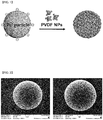
FIG. 1 is a schematic view illustrating the process for preparing piezoelectric elastomer microparticles according to an embodiment. -
FIG. 2 is a scanning electron microscopic (SEM) image of the piezoelectric particles in the piezoelectric layer according to an embodiment. -
FIG. 3 shows (A) a schematic view illustrating the preparation of dual emulsion droplets using a microfluidic process, (B) an optical microscopic image of the piezoelectric particles obtained after photopolymerization, and (C) a SEM image thereof during the preparation of the elastomer microparticles according to an embodiment. -
FIG. 4 is a schematic view illustrating the process for preparing piezoelectric particles using emulsion formation during the preparation of the elastomer microparticles according to an embodiment. - Exemplary embodiments now will be described more fully hereinafter. This disclosure may, however, be embodied in many different forms and should not be construed as limited to the exemplary embodiments set forth therein.
- In one aspect, there is provided a colloid having a self-iontophoresis capacity, which includes elastomer microparticles and a piezoelectric layer surrounding the elastomer microparticles.
- Although the elastomer microparticles are not particularly limited, the elastomer microparticle may be at least one elastomer selected from the group consisting of polyurethane (PU), silicone gum, crosslinked acrylic polymer and natural rubber, particularly polyurethane. For example, polyurethane is proper, since it has biocompatibility.
- The elastomer microparticles may have a diameter of 10-50 µm, particularly 10-20 µm. When the elastomer microparticles have a diameter less than 10 µm, it is not easy to apply a PVDF coating layer onto the particles, a degree of particle deformation of elastomer is decreased and a possibility of generating electric current is reduced. When the elastomer microparticles have a diameter larger than 50 µm, a feeling of irritation may occur in a cosmetic formulation.
- According to an embodiment, the surface of elastomer microparticles is coated with a piezoelectric layer so that the surface of elastomer microparticles may generate electric current through deformation.
- The piezoelectric layer may include a piezoelectric polymer.
- Although the piezoelectric polymer is not particularly limited, it may be at least one selected from polyvinylidene fluoride and poly(vinylidene fluoride-trifluoroethylene) copolymer, preferably polyvinylidene fluoride (PVDF).
- For example, polyvinylidene fluoride is proper, since it realizes biocompatibility and piezoelectricity at the same time.
- The piezoelectric polymer may be nanoparticles having a diameter of 10-800 nm, particularly 10-100 nm. When the piezoelectric polymer has a diameter less than 10 nm, it cannot be prepared with ease. When the piezoelectric polymer has a diameter larger than 800 nm, it is not easy to carry out surface coating on the elastomer microparticles.
- According to another embodiment, the piezoelectric layer may be a piezoelectric polymer layer including the piezoelectric polymer.
- In addition, the piezoelectric layer may include a charged layer coated on the elastomer microparticles and a piezoelectric polymer layer coated on the charged layer.
- In addition, the piezoelectric layer may include a charged layer coated on the elastomer microparticles, a piezoelectric polymer layer coated on the charged layer, and a polyelectrolyte layer coated on the piezoelectric polymer layer.
- The charged layer may include at least one selected from the group consisting of cationic surfactants, such as n-dodecylpyridinum chloride, linear diamine, linear alkylamine, cetyl trimethylammonium bromide, benzalkonium chloride, benzetonium chloride, cetrimonium chloride, alkyltrimethylammonium chloride, dialkyldimethyl ammonium chloride and imidazole, and anionic surfactants, such as glyceride sulfate, dodecylbenzene sulfonate, lignosulfonate salt, sarcoside, sodium dodecylsulfonate, sulfocarboxyl compounds, alkylether sulfate, alkyl sulfate, alpha-olefin sulfonate, organic phosphate-based surfactants, potassium cocoyl glycinate and alkanol amide sulfate. The charged layer is attached to the surface of the negatively charged elastomer microparticles.
- For example, the surfactant may be hexadecyltrimethylammonium bromide (CTAB) or sodium dodecyl sulfate (SDS).
- The polyelectrolyte layer may include, as a cationic polymer, at least one selected from the group consisting of diethylaminoethyl methacrylate, diethylaminoethyl acrylate, polyvinylpyridines, polyacrylamide, polyethyleneimine, carboxymethyl cellulose, polyglutamic acid, polyvinyl amine, polysodium styrene sulfonate and polyacrylic acid.
- The polyelectrolyte layer may function as a surface protection film.
- The colloid including elastomer microparticles and a piezoelectric layer surrounding the elastomer microparticles has a self-iontophoresis capacity. The piezoelectric elastomer microparticles can be deformed and the deformation thereof occurs autonomously due to the shear stress applied between the skin sites. In addition, the surface of the piezoelectric elastomer microparticles can generate electric current through the deformation.
- The colloid having a self-iontophoresis capacity may be obtained by the following method.
- In other words, in another aspect, there is provided a method for preparing a colloid, including the steps of:
- forming elastomer microparticles; and
- coating the elastomer microparticles with a piezoelectric layer to form piezoelectric elastomer microparticles.
- Hereinafter, the method for preparing the above-mentioned colloid having a self-iontophoresis capacity will be explained in detail.
- First, elastomer microparticles are formed.
- According to an embodiment, the step of forming the elastomer microparticles may include the steps of:
- preparing emulsion droplets from a solution containing an elastomer precursor and a photoinitiator;
- removing the solvent from the emulsion droplets; and
- carrying out photopolymerization of the emulsion droplets from which the solvent is removed to form the elastomer microparticles.
- In addition, the method may further include a step of adding an ionomer so that the surface of the formed elastomer microparticles may be anionically charged.
- Although there is no particular limitation, the step of preparing emulsion droplets from a solution containing an elastomer precursor and a photoinitiator may be carried out by using a microfluidic process.
- As described above, the elastomer may be at least one selected from the group consisting of polyurethane, silicone gum, crosslinked acrylic polymer and natural rubber. Thus, the elastomer precursor may be a polyurethane precursor, silicone gum precursor, crosslinked acrylic polymer precursor and natural rubber precursor.
- The polyurethane precursor may include an isocyanate (hard segment): hexamethylene diisocyanate, 4,4-dicyclohexylmethane diisocyanate, 1,4-tetramethylene diisocyanate, isophorone diisocyanate, 1,4-cyclohexane diisocyanate, toluene-2,4-diisocyanate, toluene-2,6-diisocyanate, 4-methoxy-1,3-phenylene diisocyanate; and a polyol (soft segment): ethylene glycol, propylene glycol, butanediol, 1,6-hexanediol, glycerol, trimethylol propane, neopentyl glycol, polyethylene glycol, polypropylene glycol, polyethylenepropylene glycol, polytetramethylene glycol, polycarbonate polyol, polycaprolactone polyol, polyester polyol, polyether polyol, fatty acid-modified polyester polyol, and fatty acid-modified polyether polyol.
- Although the photoinitiator is not particularly limited, it may be at least one selected from benzoin ether-, benzophenone-, acetophenone- and thioxanthone-based photoinitiators.
- The solution containing the elastomer precursor and photoinitiator may include a volatile solvent. The volatile solvent is not particularly limited but may include toluene, chloroform, or the like.
- Although the step of removing the solvent from the emulsion droplets is not particularly limited, it may be carried out by evaporation under reduced pressure. Particularly, the solvent may be evaporated at 30-60°C, particularly 40-50°C. When the solvent is removed from the emulsion droplets, only the elastomer precursor and photoinitiator remain.
- In addition, the step of carrying out photopolymerization of the emulsion droplets from which the solvent is removed to form elastomer microparticles may be photopolymerization under UV irradiation. For example, the photopolymerization may be carried out by irradiating UV-A at about 2000 mJ/cm2 for about 1 minute, but is not limited thereto. The elastomer precursor is converted into an elastomer by the photopolymerization.
- Then, an ionomer may be added so that the surface of the formed elastomer microparticles may be anionically charged.
- Although the ionomer is not particularly limited, it may include a water-dispersible urethane acrylate ionomer. The water-dispersible urethane acrylate ionomer may include: an isocyanate (hard segment): hexamethylene diisocyanate, 4,4-dicyclohexylmethane diisocyanate, 1,4-tetramethylene diisocyanate, isophorone diisocyanate, 1,4-cyclohexane diisocyanate, toluene-2,4-diisocyanate, toluene-2,6-diisocyanate, 4-methoxy-1,3-phenylene diisocyanate; a polyol (soft segment): ethylene glycol, propylene glycol, butanediol, 1,6-hexanediol, glycerol, trimethylol propane, neopentyl glycol, polyethylene glycol, polypropylene glycol, polyethylenepropylene glycol, polytetramethylene glycol, polycarbonate polyol, polycaprolactone polyol, polyester polyol, polyether polyol, fatty acid-modified polyester polyol, and fatty acid-modified polyether polyol; and a hydrophilic monomer: dimethylol propionic acid, dimethylol butanoic acid, carboxyl group-containing polycaprolactonediol, polyethylene glycol, polypropylene glycol, polyethylenepropylene glycol, polyether-1,3-diol, polyethylene glycol methyl ether; hydroxyl (meth)acrylate, hydroxyethyl methacrylate, hydroxyethyl acrylate, hydroxypropyl acrylate, hydroxypropyl methacrylate, hydroxybutyl acrylate, hydroxybutyl methacrylate, pentaerythritol triacrylate, and dipentaerythritol acrylate.
- After the elastomer microparticles are formed as described above, they are coated with a piezoelectric layer to form piezoelectric elastomer microparticles. Herein, layer-by-layer (L-b-L) deposition technology is used for the purpose of coating with the piezoelectric layer.
- The step of coating the elastomer microparticles with a piezoelectric layer to form piezoelectric elastomer microparticles may include the steps of:
- coating the elastomer microparticles with a charged layer; and
- applying a piezoelectric polymer layer onto the charged layer.
- The method may further include a step of applying a polyelectrolyte layer onto the piezoelectric polymer layer.
- The step of applying a piezoelectric polymer layer may be carried out by using piezoelectric polymer nanoparticles formed by precipitating a polar piezoelectric polymer solution in an aqueous surfactant solution.
- Although the solvent used for the polar piezoelectric polymer solution is not particularly limited, it may be methanol, ethanol, water, dimethyl acetamide, dimethyl formamide, acetone, chloroform, toluene, tetrahydrofuran, or the like.
- The prepared piezoelectric polymer nanoparticles may have a diameter of 10-800 nm.
- In addition, the piezoelectric polymer nanoparticles may have a surface charge of 10-60 mV. When the surface charge is less than 10 mV, it is not easy to carry out adsorption and coating on the surface of the elastomer microparticles. In addition, since the nanoparticles have a positive (+) surface potential due to the surfactant but the material to be coated actually is polyvinylidene fluoride (PVDF), or the like, the use of a surfactant for preparing nanoparticles is limited and thus the maximum surface charge is 60 mV.
- The piezoelectric capacity of the colloid having a self-iontophoresis capacity may be determined by measuring the amount of electric current generated depending on the pressure applied from a predetermined direction, after positioning the colloid particles between two electrodes (ITO glass). Herein, the piezoelectricity measuring system as shown in
FIG. 4 may be used. - In still another aspect, there is provided a cosmetic composition for self-iontophoretic transdermal absorption, which includes the colloid.
- In still another aspect, there is provided a method for enhancing transdermal absorption, which includes applying the colloid or the cosmetic composition for self-iontophoretic transdermal absorption including the same to a subject in need thereof.
- In still another aspect, there is provided use of the colloid for the preparation of a cosmetic composition for self-iontophoretic transdermal absorption including the colloid.
- In yet another aspect, there is provided the colloid for use in enhancing transdermal absorption.
- The cosmetic composition may include a water-soluble active ingredient. The water-soluble active ingredient is not particularly limited but particular examples thereof may include alpha-hydroxyl acid, polyhydroxy alkanoate, threhalose, propolis, saponine, or the like.
- The cosmetic composition may include the water-soluble active ingredient in an amount of 30-70 wt%, particularly 40-60 wt%, based on the total weight of the composition.
- According to the related art, a water-soluble active ingredient cannot be absorbed transdermally. However, it is possible to accomplish transdermal absorption of a water-soluble active ingredient easily and effectively by using the self-iontophoresis colloid disclosed herein.
- The cosmetic composition including the colloid having a self-iontophoresis capacity generates electric current on the skin without the aid of an additional instrument to perform self-iontophoresis. Therefore, the present disclosure provides a novel formulation which allows more effective use of a water-soluble active ingredient in a cosmetic composition. Thus, an additional effect on the skin can be expected through the micro-current generated from the self-iontophoretic colloid.
- A polyurethane precursor was dissolved in toluene and chloroform as solvents and then subjected to a microfluidic process to obtain mono-dispersed emulsion droplets. The solvent obtained after recovering the mono-dispersed droplets was removed by evaporation under reduced pressure at 45°C. Then, UV-A was irradiated at 2000 mJ/cm2 for about 1 minute to carry out photopolymerization so that the polyurethane precursor may be converted into a polyurethane elastomer. A polyurethane ionomer was introduced in a small amount (approximately 2 wt%) so that the surface of polyurethane microparticles may be anionically charged. The process is shown in
FIG. 1 schematically. - To a solution containing a surfactant (hexadecyltrimethylammonium bromide (CTAB) or sodium dodecyl sulfate (SDS)) and polyvinylidene fluoride (PVDF) dissolved therein, water was added dropwise to obtain polyvinylidene fluoride (PVDF) nanoparticles. The polyvinylidene fluoride (PVDF) nanoparticles were agitated together with the polyurethane elastomer to introduce a piezoelectric layer. The resultant piezoelectric particles are shown in
FIG. 2 in the form of their SEM image. - An aqueous solution of crosslinked acrylic polymer was used as inner fluid, and the polyvinylidene fluoride (PVDF) nanoparticles and polyurethane precursor dissolved in toluene and chloroform as solvents were used as middle fluid to obtain mono-dispersed dual emulsion droplets through a microfluidic process. The solvent obtained after recovering the mono-dispersed droplets was removed by evaporation under reduced pressure at 45°C. Then, UV-A was irradiated at 2000 mJ/cm2 for about 1 minute to carry out photopolymerization of the crosslinked acrylic polymer.
FIG. 3 shows (A) a schematic view illustrating the preparation of dual emulsion droplets using a microfluidic process, (B) an optical microscopic image of the piezoelectric particles obtained after photopolymerization, and (C) a SEM image thereof during the preparation of the elastomer microparticles according to an embodiment. - Polyvinylidene fluoride (PVDF) nanoparticles and a polyurethane precursor were dissolved in toluene and chloroform as solvents and emulsion droplets were prepared in an aqueous polyvinyl alcohol solution. The solvent obtained after recovering the mono-dispersed droplets was removed by evaporation under reduced pressure at 45°C. Then, UV-A was irradiated at 2000 mJ/cm2 for about 1 minute to carry out photopolymerization so that the polyurethane precursor may be converted into a polyurethane elastomer. The process is shown in
FIG. 4 schematically.
Claims (22)
- A colloid having a self-iontophoresis capacity, which comprises elastomer microparticles and a piezoelectric layer surrounding the elastomer microparticles.
- The colloid according to claim 1, wherein the elastomer microparticle is at least one selected from the group consisting of polyurethane, silicone gum, crosslinked acrylic polymer and natural rubber.
- The colloid according to claim 1, wherein the piezoelectric layer comprises a piezoelectric polymer.
- The colloid according to claim 1, wherein the piezoelectric layer comprises a charged layer, a piezoelectric polymer layer and a polyelectrolyte layer.
- The colloid according to claim 3, wherein the piezoelectric polymer is at least one selected from polyvinylidene fluoride and poly(vinylidene fluoride-trifluoroethylene )copolymer.
- The colloid according to claim 4, wherein the charged layer comprises at least one selected from the group consisting of n-dodecylpyridinum chloride, linear diamine, linear alkylamine, cetyl trimethylammonium bromide, benzalkonium chloride, benzetonium chloride, cetrimonium chloride, alkyltrimethylammonium chloride, dialkyldimethyl ammonium chloride, imidazole, glyceride sulfate, dodecylbenzene sulfonate, lignosulfonate salt, sarcoside, sodium dodecylsulfonate, sulfocarboxyl compounds, alkylether sulfate, alkyl sulfate, alpha-olefin sulfonate, organic phosphate-based surfactant, potassium cocoyl glycinate and alkanol amide sulfate.
- The colloid according to claim 4, wherein the polyelectrolyte layer comprises at least one selected from the group consisting of diethylaminoethyl methacrylate, diethylaminoethyl acrylate, polyvinylpyridines, polyacrylamide, polyethyleneimine, carboxymethyl cellulose, polyglutamic acid, polyvinyl amine, polysodium styrene sulfonate and polyacrylic acid.
- The colloid according to claim 1, wherein the elastomer microparticles have a diameter of 10-50 µm.
- The colloid according to claim 3, wherein the piezoelectric polymer is nanoparticles having a diameter of 10-800 nm.
- A method for preparing the colloid as defined in any one of claims 1 to 9, which comprises the steps of:forming elastomer microparticles; andcoating the elastomer microparticles with a piezoelectric layer to form piezoelectric elastomer microparticles.
- The method for preparing the colloid according to claim 10, which further comprises a step of adding an ionomer so that the surface of the elastomer microparticles may be anionically charged.
- The method for preparing the colloid according to claim 10, wherein the step of forming the elastomer microparticles comprises the steps of:preparing emulsion droplets from a solution comprising an elastomer precursor and a photoinitiator;removing the solvent from the emulsion droplets; andcarrying out photopolymerization of the emulsion droplets from which the solvent is removed to form the elastomer microparticles.
- The method for preparing the colloid according to claim 12, wherein the step of preparing the emulsion droplets uses a microfluidic process.
- The method for preparing the colloid according to claim 12, wherein the step of removing the solvent is carried out by evaporation of the solvent under reduced pressure.
- The method for preparing the colloid according to claim 10, wherein the step of coating the elastomer microparticles with a piezoelectric layer to form piezoelectric elastomer microparticles comprises the steps of:coating the elastomer microparticles with a charged layer; andapplying a piezoelectric polymer layer onto the charged layer.
- The method for preparing the colloid according to claim 15, which further comprises a step of applying a polyelectrolyte layer onto the piezoelectric polymer layer.
- The method for preparing the colloid according to claim 15, wherein the step of applying a piezoelectric polymer layer is carried out by using piezoelectric polymer nanoparticles formed by precipitating a polar piezoelectric polymer solution in an aqueous surfactant solution.
- The method for preparing the colloid according to claim 17, wherein the piezoelectric polymer nanoparticles have a diameter of 10-800 nm.
- The method for preparing the colloid according to claim 17, wherein the piezoelectric polymer nanoparticles have a surface charge of 10-60 mV.
- A cosmetic composition for self-iontophoretic transdermal absorption, which comprises the colloid as defined in any one of claims 1 to 9.
- The cosmetic composition according to claim 20, which comprises a water-soluble active ingredient.
- The cosmetic composition according to claim 20, which generates electric current on the skin without the aid of an additional instrument to perform self-iontophoresis.
Applications Claiming Priority (2)
| Application Number | Priority Date | Filing Date | Title |
|---|---|---|---|
| KR1020150045037A KR102394634B1 (en) | 2015-03-31 | 2015-03-31 | Colloid with self-iontophoresis,manufacturing method of the same and cosmetic composition containing the same |
| PCT/KR2016/003120 WO2016159606A1 (en) | 2015-03-31 | 2016-03-28 | Colloid having self-iontophoresis capacity, preparation method therefor, and cosmetic composition containing same |
Publications (3)
| Publication Number | Publication Date |
|---|---|
| EP3278788A1 true EP3278788A1 (en) | 2018-02-07 |
| EP3278788A4 EP3278788A4 (en) | 2018-11-14 |
| EP3278788B1 EP3278788B1 (en) | 2020-05-06 |
Family
ID=57006182
Family Applications (1)
| Application Number | Title | Priority Date | Filing Date |
|---|---|---|---|
| EP16773387.2A Not-in-force EP3278788B1 (en) | 2015-03-31 | 2016-03-28 | Colloid having self-iontophoresis capacity, preparation method therefor, and cosmetic composition containing same |
Country Status (6)
| Country | Link |
|---|---|
| US (1) | US10470996B2 (en) |
| EP (1) | EP3278788B1 (en) |
| JP (1) | JP6722692B2 (en) |
| KR (1) | KR102394634B1 (en) |
| CN (1) | CN107683129B (en) |
| WO (1) | WO2016159606A1 (en) |
Families Citing this family (6)
| Publication number | Priority date | Publication date | Assignee | Title |
|---|---|---|---|---|
| KR101819467B1 (en) * | 2016-08-26 | 2018-01-18 | 코스맥스 주식회사 | Piezoelectric cosmetic composition |
| KR102041748B1 (en) * | 2019-02-26 | 2019-11-06 | 주식회사 잇츠한불 | Cosmetic composition having piezoelectric performance |
| KR102385408B1 (en) * | 2020-05-08 | 2022-04-13 | 주식회사 잇츠한불 | Cosmetic composition having ferroelectricity and piezoelectric performance |
| US20250090664A1 (en) * | 2021-09-13 | 2025-03-20 | Boston Scientific Scimed, Inc. | Piezoelectric shear-thinning material compositions and methods for use |
| JP2023170553A (en) * | 2022-05-19 | 2023-12-01 | 大阪有機化学工業株式会社 | Compositions for piezoelectric materials and piezoelectric materials |
| WO2025211845A1 (en) * | 2024-04-05 | 2025-10-09 | 주식회사 바른바이오 | Cosmetic composition for generating micro-electrical stimulation, cosmetic kit, and skin care method using same |
Family Cites Families (14)
| Publication number | Priority date | Publication date | Assignee | Title |
|---|---|---|---|---|
| JPH02103999A (en) * | 1988-10-13 | 1990-04-17 | Matsushita Electric Ind Co Ltd | Electronic component automatic mounting device |
| JP3883603B2 (en) | 1996-04-23 | 2007-02-21 | 久光製薬株式会社 | Adhesive gel substrate and adhesive composition |
| JP4274447B2 (en) * | 1998-03-24 | 2009-06-10 | 有限会社アイピーク | Washing resin granules, method for producing the same, and method for washing a resin molding machine using the same |
| AU2003268890A1 (en) | 2003-09-30 | 2005-05-19 | Coty B.V. | Cosmetic and dermatological agent containing magnetic particles, production thereof, and use of the same |
| JP4268179B2 (en) | 2006-09-08 | 2009-05-27 | シャープ株式会社 | Functional particles and method for producing the same |
| KR20090098670A (en) * | 2008-03-13 | 2009-09-17 | 이용식 | Cosmetic container with iontophoresis introduction function |
| US9844669B2 (en) | 2008-07-02 | 2017-12-19 | Activaderm, Inc. | Cosmetic iontophoresis system |
| KR200455561Y1 (en) * | 2008-10-24 | 2011-09-16 | (주)아모레퍼시픽 | Vibrating puff |
| US8911766B2 (en) | 2009-06-26 | 2014-12-16 | Abbott Cardiovascular Systems Inc. | Drug delivery compositions including nanoshells for triggered drug release |
| US8903485B2 (en) * | 2009-08-06 | 2014-12-02 | Incube Labs, Llc | Patch and patch assembly for iontophoretic transdermal delivery of active agents for therapeutic and medicinal purposes |
| KR101270717B1 (en) * | 2010-11-17 | 2013-06-07 | 서지훈 | Manufacturing method of korean paper pack containing tourmaline |
| KR20120057744A (en) * | 2010-11-25 | 2012-06-07 | 주식회사 아이젤 | Cosmetic composition contained metal nano particle with various active for propere iontophoresis |
| JP2013010704A (en) * | 2011-06-28 | 2013-01-17 | Tokyo Univ Of Science | Nanoparticle for iontophoresis and method of manufacturing the same |
| JP2013195824A (en) * | 2012-03-21 | 2013-09-30 | Sakura Color Products Corp | Fine electretic particles and method for manufacturing the same |
-
2015
- 2015-03-31 KR KR1020150045037A patent/KR102394634B1/en not_active Expired - Fee Related
-
2016
- 2016-03-28 CN CN201680031961.6A patent/CN107683129B/en not_active Expired - Fee Related
- 2016-03-28 WO PCT/KR2016/003120 patent/WO2016159606A1/en not_active Ceased
- 2016-03-28 EP EP16773387.2A patent/EP3278788B1/en not_active Not-in-force
- 2016-03-28 US US15/562,567 patent/US10470996B2/en not_active Expired - Fee Related
- 2016-03-28 JP JP2017550526A patent/JP6722692B2/en not_active Expired - Fee Related
Also Published As
| Publication number | Publication date |
|---|---|
| KR102394634B1 (en) | 2022-05-09 |
| US20180110715A1 (en) | 2018-04-26 |
| US10470996B2 (en) | 2019-11-12 |
| KR20160116790A (en) | 2016-10-10 |
| WO2016159606A1 (en) | 2016-10-06 |
| CN107683129B (en) | 2021-02-09 |
| CN107683129A (en) | 2018-02-09 |
| JP2018512489A (en) | 2018-05-17 |
| JP6722692B2 (en) | 2020-07-15 |
| EP3278788A4 (en) | 2018-11-14 |
| EP3278788B1 (en) | 2020-05-06 |
Similar Documents
| Publication | Publication Date | Title |
|---|---|---|
| EP3278788B1 (en) | Colloid having self-iontophoresis capacity, preparation method therefor, and cosmetic composition containing same | |
| Jang et al. | Dissolving microneedle with high molecular weight hyaluronic acid to improve skin wrinkles, dermal density and elasticity | |
| TWI744423B (en) | Manufacturing method of coating film for cosmetics | |
| EP3613404B1 (en) | Method for producing film | |
| DE69936253T3 (en) | BOTTLE PUMP DISPENSER CONTAINS A POLYCONDENSATE WITH AT LEAST ONE POLYURETHANE GROUPING | |
| TWI734909B (en) | Composition for film formation | |
| EP3613403B1 (en) | Method for producing coating film | |
| JP4590186B2 (en) | Skin external preparation for wrinkle improvement | |
| EP3289915B1 (en) | Applicator having improved contents transfer ability | |
| KR20180009495A (en) | Microneedle, manufacturing method of the microneedle, and patch including the microneedle | |
| JP2024518099A5 (en) | ||
| CN107106432A (en) | Hair compositions and methods of use thereof | |
| JP2009520741A (en) | Use of polyurethane group hair care film-forming polymers, and pharmaceutical formulations and patches containing the polymers | |
| Mohapatra et al. | Electric stimulus-responsive chitosan/MNP composite microbeads for a drug delivery system | |
| CN104419291A (en) | Lubrication coating used in medical equipment | |
| TW201842896A (en) | Method for producing coating film | |
| KR20180009729A (en) | Microneedle, manufacturing method of the microneedle, and patch including the microneedle | |
| CN108289816A (en) | The composition containing negatively charged substance for anti-fine dust | |
| WO2006126470A1 (en) | Aqueous emulsion composition for cosmetic preparation and cosmetic hair preparation containing the same | |
| JP4784971B2 (en) | Makeup tools | |
| US20150148876A1 (en) | Implantable device with an insulating layer and method | |
| Wu et al. | Shadow mask assisted droplet-born air-blowing method for fabrication of dissoluble microneedle | |
| JP2004035533A (en) | Medical adhesive composition | |
| JP6739204B2 (en) | UV absorber-urethane resin composite dispersion | |
| CN108904323A (en) | A kind of compound with unique wire-drawing effect and its application in cosmetics |
Legal Events
| Date | Code | Title | Description |
|---|---|---|---|
| STAA | Information on the status of an ep patent application or granted ep patent |
Free format text: STATUS: THE INTERNATIONAL PUBLICATION HAS BEEN MADE |
|
| PUAI | Public reference made under article 153(3) epc to a published international application that has entered the european phase |
Free format text: ORIGINAL CODE: 0009012 |
|
| STAA | Information on the status of an ep patent application or granted ep patent |
Free format text: STATUS: REQUEST FOR EXAMINATION WAS MADE |
|
| 17P | Request for examination filed |
Effective date: 20170927 |
|
| AK | Designated contracting states |
Kind code of ref document: A1 Designated state(s): AL AT BE BG CH CY CZ DE DK EE ES FI FR GB GR HR HU IE IS IT LI LT LU LV MC MK MT NL NO PL PT RO RS SE SI SK SM TR |
|
| AX | Request for extension of the european patent |
Extension state: BA ME |
|
| DAV | Request for validation of the european patent (deleted) | ||
| DAX | Request for extension of the european patent (deleted) | ||
| A4 | Supplementary search report drawn up and despatched |
Effective date: 20181012 |
|
| RIC1 | Information provided on ipc code assigned before grant |
Ipc: A61K 8/81 20060101ALI20181008BHEP Ipc: A61K 8/04 20060101ALI20181008BHEP Ipc: A61Q 19/00 20060101ALI20181008BHEP Ipc: A61K 8/02 20060101AFI20181008BHEP Ipc: A61K 8/87 20060101ALI20181008BHEP Ipc: A61K 8/72 20060101ALI20181008BHEP |
|
| RIC1 | Information provided on ipc code assigned before grant |
Ipc: A61K 8/04 20060101ALI20191127BHEP Ipc: A61K 8/02 20060101AFI20191127BHEP Ipc: A61K 8/87 20060101ALI20191127BHEP Ipc: A61K 8/81 20060101ALI20191127BHEP Ipc: A61K 8/72 20060101ALI20191127BHEP Ipc: A61Q 19/00 20060101ALI20191127BHEP |
|
| GRAP | Despatch of communication of intention to grant a patent |
Free format text: ORIGINAL CODE: EPIDOSNIGR1 |
|
| STAA | Information on the status of an ep patent application or granted ep patent |
Free format text: STATUS: GRANT OF PATENT IS INTENDED |
|
| INTG | Intention to grant announced |
Effective date: 20200124 |
|
| GRAS | Grant fee paid |
Free format text: ORIGINAL CODE: EPIDOSNIGR3 |
|
| GRAA | (expected) grant |
Free format text: ORIGINAL CODE: 0009210 |
|
| STAA | Information on the status of an ep patent application or granted ep patent |
Free format text: STATUS: THE PATENT HAS BEEN GRANTED |
|
| AK | Designated contracting states |
Kind code of ref document: B1 Designated state(s): AL AT BE BG CH CY CZ DE DK EE ES FI FR GB GR HR HU IE IS IT LI LT LU LV MC MK MT NL NO PL PT RO RS SE SI SK SM TR |
|
| REG | Reference to a national code |
Ref country code: GB Ref legal event code: FG4D |
|
| REG | Reference to a national code |
Ref country code: CH Ref legal event code: EP Ref country code: AT Ref legal event code: REF Ref document number: 1265625 Country of ref document: AT Kind code of ref document: T Effective date: 20200515 |
|
| REG | Reference to a national code |
Ref country code: IE Ref legal event code: FG4D |
|
| REG | Reference to a national code |
Ref country code: DE Ref legal event code: R096 Ref document number: 602016035917 Country of ref document: DE |
|
| REG | Reference to a national code |
Ref country code: LT Ref legal event code: MG4D |
|
| REG | Reference to a national code |
Ref country code: NL Ref legal event code: MP Effective date: 20200506 |
|
| PG25 | Lapsed in a contracting state [announced via postgrant information from national office to epo] |
Ref country code: IS Free format text: LAPSE BECAUSE OF FAILURE TO SUBMIT A TRANSLATION OF THE DESCRIPTION OR TO PAY THE FEE WITHIN THE PRESCRIBED TIME-LIMIT Effective date: 20200906 Ref country code: LT Free format text: LAPSE BECAUSE OF FAILURE TO SUBMIT A TRANSLATION OF THE DESCRIPTION OR TO PAY THE FEE WITHIN THE PRESCRIBED TIME-LIMIT Effective date: 20200506 Ref country code: NO Free format text: LAPSE BECAUSE OF FAILURE TO SUBMIT A TRANSLATION OF THE DESCRIPTION OR TO PAY THE FEE WITHIN THE PRESCRIBED TIME-LIMIT Effective date: 20200806 Ref country code: GR Free format text: LAPSE BECAUSE OF FAILURE TO SUBMIT A TRANSLATION OF THE DESCRIPTION OR TO PAY THE FEE WITHIN THE PRESCRIBED TIME-LIMIT Effective date: 20200807 Ref country code: SE Free format text: LAPSE BECAUSE OF FAILURE TO SUBMIT A TRANSLATION OF THE DESCRIPTION OR TO PAY THE FEE WITHIN THE PRESCRIBED TIME-LIMIT Effective date: 20200506 Ref country code: PT Free format text: LAPSE BECAUSE OF FAILURE TO SUBMIT A TRANSLATION OF THE DESCRIPTION OR TO PAY THE FEE WITHIN THE PRESCRIBED TIME-LIMIT Effective date: 20200907 Ref country code: FI Free format text: LAPSE BECAUSE OF FAILURE TO SUBMIT A TRANSLATION OF THE DESCRIPTION OR TO PAY THE FEE WITHIN THE PRESCRIBED TIME-LIMIT Effective date: 20200506 |
|
| PG25 | Lapsed in a contracting state [announced via postgrant information from national office to epo] |
Ref country code: HR Free format text: LAPSE BECAUSE OF FAILURE TO SUBMIT A TRANSLATION OF THE DESCRIPTION OR TO PAY THE FEE WITHIN THE PRESCRIBED TIME-LIMIT Effective date: 20200506 Ref country code: LV Free format text: LAPSE BECAUSE OF FAILURE TO SUBMIT A TRANSLATION OF THE DESCRIPTION OR TO PAY THE FEE WITHIN THE PRESCRIBED TIME-LIMIT Effective date: 20200506 Ref country code: BG Free format text: LAPSE BECAUSE OF FAILURE TO SUBMIT A TRANSLATION OF THE DESCRIPTION OR TO PAY THE FEE WITHIN THE PRESCRIBED TIME-LIMIT Effective date: 20200806 Ref country code: RS Free format text: LAPSE BECAUSE OF FAILURE TO SUBMIT A TRANSLATION OF THE DESCRIPTION OR TO PAY THE FEE WITHIN THE PRESCRIBED TIME-LIMIT Effective date: 20200506 |
|
| REG | Reference to a national code |
Ref country code: AT Ref legal event code: MK05 Ref document number: 1265625 Country of ref document: AT Kind code of ref document: T Effective date: 20200506 |
|
| PG25 | Lapsed in a contracting state [announced via postgrant information from national office to epo] |
Ref country code: AL Free format text: LAPSE BECAUSE OF FAILURE TO SUBMIT A TRANSLATION OF THE DESCRIPTION OR TO PAY THE FEE WITHIN THE PRESCRIBED TIME-LIMIT Effective date: 20200506 Ref country code: NL Free format text: LAPSE BECAUSE OF FAILURE TO SUBMIT A TRANSLATION OF THE DESCRIPTION OR TO PAY THE FEE WITHIN THE PRESCRIBED TIME-LIMIT Effective date: 20200506 |
|
| PG25 | Lapsed in a contracting state [announced via postgrant information from national office to epo] |
Ref country code: SM Free format text: LAPSE BECAUSE OF FAILURE TO SUBMIT A TRANSLATION OF THE DESCRIPTION OR TO PAY THE FEE WITHIN THE PRESCRIBED TIME-LIMIT Effective date: 20200506 Ref country code: EE Free format text: LAPSE BECAUSE OF FAILURE TO SUBMIT A TRANSLATION OF THE DESCRIPTION OR TO PAY THE FEE WITHIN THE PRESCRIBED TIME-LIMIT Effective date: 20200506 Ref country code: ES Free format text: LAPSE BECAUSE OF FAILURE TO SUBMIT A TRANSLATION OF THE DESCRIPTION OR TO PAY THE FEE WITHIN THE PRESCRIBED TIME-LIMIT Effective date: 20200506 Ref country code: CZ Free format text: LAPSE BECAUSE OF FAILURE TO SUBMIT A TRANSLATION OF THE DESCRIPTION OR TO PAY THE FEE WITHIN THE PRESCRIBED TIME-LIMIT Effective date: 20200506 Ref country code: RO Free format text: LAPSE BECAUSE OF FAILURE TO SUBMIT A TRANSLATION OF THE DESCRIPTION OR TO PAY THE FEE WITHIN THE PRESCRIBED TIME-LIMIT Effective date: 20200506 Ref country code: AT Free format text: LAPSE BECAUSE OF FAILURE TO SUBMIT A TRANSLATION OF THE DESCRIPTION OR TO PAY THE FEE WITHIN THE PRESCRIBED TIME-LIMIT Effective date: 20200506 Ref country code: IT Free format text: LAPSE BECAUSE OF FAILURE TO SUBMIT A TRANSLATION OF THE DESCRIPTION OR TO PAY THE FEE WITHIN THE PRESCRIBED TIME-LIMIT Effective date: 20200506 Ref country code: DK Free format text: LAPSE BECAUSE OF FAILURE TO SUBMIT A TRANSLATION OF THE DESCRIPTION OR TO PAY THE FEE WITHIN THE PRESCRIBED TIME-LIMIT Effective date: 20200506 |
|
| REG | Reference to a national code |
Ref country code: DE Ref legal event code: R097 Ref document number: 602016035917 Country of ref document: DE |
|
| PG25 | Lapsed in a contracting state [announced via postgrant information from national office to epo] |
Ref country code: SK Free format text: LAPSE BECAUSE OF FAILURE TO SUBMIT A TRANSLATION OF THE DESCRIPTION OR TO PAY THE FEE WITHIN THE PRESCRIBED TIME-LIMIT Effective date: 20200506 Ref country code: PL Free format text: LAPSE BECAUSE OF FAILURE TO SUBMIT A TRANSLATION OF THE DESCRIPTION OR TO PAY THE FEE WITHIN THE PRESCRIBED TIME-LIMIT Effective date: 20200506 |
|
| PLBE | No opposition filed within time limit |
Free format text: ORIGINAL CODE: 0009261 |
|
| STAA | Information on the status of an ep patent application or granted ep patent |
Free format text: STATUS: NO OPPOSITION FILED WITHIN TIME LIMIT |
|
| 26N | No opposition filed |
Effective date: 20210209 |
|
| PGFP | Annual fee paid to national office [announced via postgrant information from national office to epo] |
Ref country code: FR Payment date: 20210107 Year of fee payment: 6 |
|
| PG25 | Lapsed in a contracting state [announced via postgrant information from national office to epo] |
Ref country code: SI Free format text: LAPSE BECAUSE OF FAILURE TO SUBMIT A TRANSLATION OF THE DESCRIPTION OR TO PAY THE FEE WITHIN THE PRESCRIBED TIME-LIMIT Effective date: 20200506 |
|
| REG | Reference to a national code |
Ref country code: DE Ref legal event code: R119 Ref document number: 602016035917 Country of ref document: DE |
|
| PG25 | Lapsed in a contracting state [announced via postgrant information from national office to epo] |
Ref country code: MC Free format text: LAPSE BECAUSE OF FAILURE TO SUBMIT A TRANSLATION OF THE DESCRIPTION OR TO PAY THE FEE WITHIN THE PRESCRIBED TIME-LIMIT Effective date: 20200506 |
|
| REG | Reference to a national code |
Ref country code: CH Ref legal event code: PL |
|
| GBPC | Gb: european patent ceased through non-payment of renewal fee |
Effective date: 20210328 |
|
| REG | Reference to a national code |
Ref country code: BE Ref legal event code: MM Effective date: 20210331 |
|
| PG25 | Lapsed in a contracting state [announced via postgrant information from national office to epo] |
Ref country code: DE Free format text: LAPSE BECAUSE OF NON-PAYMENT OF DUE FEES Effective date: 20211001 Ref country code: GB Free format text: LAPSE BECAUSE OF NON-PAYMENT OF DUE FEES Effective date: 20210328 Ref country code: IE Free format text: LAPSE BECAUSE OF NON-PAYMENT OF DUE FEES Effective date: 20210328 Ref country code: CH Free format text: LAPSE BECAUSE OF NON-PAYMENT OF DUE FEES Effective date: 20210331 Ref country code: LI Free format text: LAPSE BECAUSE OF NON-PAYMENT OF DUE FEES Effective date: 20210331 Ref country code: LU Free format text: LAPSE BECAUSE OF NON-PAYMENT OF DUE FEES Effective date: 20210328 |
|
| PG25 | Lapsed in a contracting state [announced via postgrant information from national office to epo] |
Ref country code: BE Free format text: LAPSE BECAUSE OF NON-PAYMENT OF DUE FEES Effective date: 20210331 |
|
| PG25 | Lapsed in a contracting state [announced via postgrant information from national office to epo] |
Ref country code: FR Free format text: LAPSE BECAUSE OF NON-PAYMENT OF DUE FEES Effective date: 20220331 |
|
| PG25 | Lapsed in a contracting state [announced via postgrant information from national office to epo] |
Ref country code: CY Free format text: LAPSE BECAUSE OF FAILURE TO SUBMIT A TRANSLATION OF THE DESCRIPTION OR TO PAY THE FEE WITHIN THE PRESCRIBED TIME-LIMIT Effective date: 20200506 |
|
| PG25 | Lapsed in a contracting state [announced via postgrant information from national office to epo] |
Ref country code: HU Free format text: LAPSE BECAUSE OF FAILURE TO SUBMIT A TRANSLATION OF THE DESCRIPTION OR TO PAY THE FEE WITHIN THE PRESCRIBED TIME-LIMIT; INVALID AB INITIO Effective date: 20160328 |
|
| PG25 | Lapsed in a contracting state [announced via postgrant information from national office to epo] |
Ref country code: MK Free format text: LAPSE BECAUSE OF FAILURE TO SUBMIT A TRANSLATION OF THE DESCRIPTION OR TO PAY THE FEE WITHIN THE PRESCRIBED TIME-LIMIT Effective date: 20200506 |
|
| PG25 | Lapsed in a contracting state [announced via postgrant information from national office to epo] |
Ref country code: TR Free format text: LAPSE BECAUSE OF FAILURE TO SUBMIT A TRANSLATION OF THE DESCRIPTION OR TO PAY THE FEE WITHIN THE PRESCRIBED TIME-LIMIT Effective date: 20200506 |
|
| PG25 | Lapsed in a contracting state [announced via postgrant information from national office to epo] |
Ref country code: MT Free format text: LAPSE BECAUSE OF FAILURE TO SUBMIT A TRANSLATION OF THE DESCRIPTION OR TO PAY THE FEE WITHIN THE PRESCRIBED TIME-LIMIT Effective date: 20200506 |