EP3275442A1 - Therapeutic agent for bile duct cancer - Google Patents
Therapeutic agent for bile duct cancer Download PDFInfo
- Publication number
- EP3275442A1 EP3275442A1 EP16768810.0A EP16768810A EP3275442A1 EP 3275442 A1 EP3275442 A1 EP 3275442A1 EP 16768810 A EP16768810 A EP 16768810A EP 3275442 A1 EP3275442 A1 EP 3275442A1
- Authority
- EP
- European Patent Office
- Prior art keywords
- bile duct
- fgfr2
- duct cancer
- acceptable salt
- pharmaceutically acceptable
- Prior art date
- Legal status (The legal status is an assumption and is not a legal conclusion. Google has not performed a legal analysis and makes no representation as to the accuracy of the status listed.)
- Granted
Links
Images


Classifications
-
- A—HUMAN NECESSITIES
- A61—MEDICAL OR VETERINARY SCIENCE; HYGIENE
- A61K—PREPARATIONS FOR MEDICAL, DENTAL OR TOILETRY PURPOSES
- A61K31/00—Medicinal preparations containing organic active ingredients
- A61K31/33—Heterocyclic compounds
- A61K31/395—Heterocyclic compounds having nitrogen as a ring hetero atom, e.g. guanethidine or rifamycins
- A61K31/435—Heterocyclic compounds having nitrogen as a ring hetero atom, e.g. guanethidine or rifamycins having six-membered rings with one nitrogen as the only ring hetero atom
- A61K31/44—Non condensed pyridines; Hydrogenated derivatives thereof
- A61K31/445—Non condensed piperidines, e.g. piperocaine
- A61K31/4523—Non condensed piperidines, e.g. piperocaine containing further heterocyclic ring systems
- A61K31/4545—Non condensed piperidines, e.g. piperocaine containing further heterocyclic ring systems containing a six-membered ring with nitrogen as a ring hetero atom, e.g. pipamperone, anabasine
-
- A—HUMAN NECESSITIES
- A61—MEDICAL OR VETERINARY SCIENCE; HYGIENE
- A61K—PREPARATIONS FOR MEDICAL, DENTAL OR TOILETRY PURPOSES
- A61K31/00—Medicinal preparations containing organic active ingredients
- A61K31/33—Heterocyclic compounds
- A61K31/395—Heterocyclic compounds having nitrogen as a ring hetero atom, e.g. guanethidine or rifamycins
- A61K31/40—Heterocyclic compounds having nitrogen as a ring hetero atom, e.g. guanethidine or rifamycins having five-membered rings with one nitrogen as the only ring hetero atom, e.g. sulpiride, succinimide, tolmetin, buflomedil
- A61K31/403—Heterocyclic compounds having nitrogen as a ring hetero atom, e.g. guanethidine or rifamycins having five-membered rings with one nitrogen as the only ring hetero atom, e.g. sulpiride, succinimide, tolmetin, buflomedil condensed with carbocyclic rings, e.g. carbazole
- A61K31/404—Indoles, e.g. pindolol
-
- A—HUMAN NECESSITIES
- A61—MEDICAL OR VETERINARY SCIENCE; HYGIENE
- A61P—SPECIFIC THERAPEUTIC ACTIVITY OF CHEMICAL COMPOUNDS OR MEDICINAL PREPARATIONS
- A61P1/00—Drugs for disorders of the alimentary tract or the digestive system
-
- A—HUMAN NECESSITIES
- A61—MEDICAL OR VETERINARY SCIENCE; HYGIENE
- A61P—SPECIFIC THERAPEUTIC ACTIVITY OF CHEMICAL COMPOUNDS OR MEDICINAL PREPARATIONS
- A61P1/00—Drugs for disorders of the alimentary tract or the digestive system
- A61P1/16—Drugs for disorders of the alimentary tract or the digestive system for liver or gallbladder disorders, e.g. hepatoprotective agents, cholagogues, litholytics
-
- A—HUMAN NECESSITIES
- A61—MEDICAL OR VETERINARY SCIENCE; HYGIENE
- A61P—SPECIFIC THERAPEUTIC ACTIVITY OF CHEMICAL COMPOUNDS OR MEDICINAL PREPARATIONS
- A61P35/00—Antineoplastic agents
-
- A—HUMAN NECESSITIES
- A61—MEDICAL OR VETERINARY SCIENCE; HYGIENE
- A61P—SPECIFIC THERAPEUTIC ACTIVITY OF CHEMICAL COMPOUNDS OR MEDICINAL PREPARATIONS
- A61P43/00—Drugs for specific purposes, not provided for in groups A61P1/00-A61P41/00
Definitions
- the present invention relates to a therapeutic agent for bile duct cancer comprising a monocyclic pyridine derivative or a pharmacologically acceptable salt thereof having an FGFR inhibitory activity.
- the compound represented by the formula (I) is known as 5-((2-(4-(1-(2-hydroxyethyl)piperidin-4-yl)benzamide)pyridin-4-yl)oxy)-6-(2-methoxyethoxy)-N-methyl-1H-indole-1-carboxamide. It has been reported that the compound represented by the formula (I) has an inhibitory activity on fibroblast growth factor receptors (FGFRs) 1, 2 and 3 and has a cell growth suppressing activity in gastric cancer, lung cancer, bladder cancer and endometrial cancer (Patent Literature 1).
- FGFRs fibroblast growth factor receptors
- Bile duct cancer is low in incidence, but is known as a tumor with poor prognosis.
- the main therapeutic method for the bile duct cancer is surgical extirpation of the bile duct, but in many cases cancer cells cannot be completely removed. In such a case, a combined administration of gemcitabine and cisplatin is carried out after the surgery (Non Patent Literature 1).
- Patent Literature 1 US 2014-235614
- Non Patent Literature 1 Celina Ang, "Role of the fibroblast growth factor receptor axis in cholangiocarcinoma", Journal of Gastroenterology and Hepatology, vol.30, p.1116-1122, 2015 .
- the present inventors have conducted intensive studies and as a result, have found that the compound represented by the formula (I) is effective for the treatment of bile duct cancer, and have completed the present invention.
- the present invention provides the following [1] to [12]:
- the therapeutic agent which may be effective for the treatment of bile duct cancer can be provided.
- One embodiment of the present invention is a therapeutic agent for bile duct cancer comprising 5-((2-(4-(1-(2-hydroxyethyl)piperidin-4-yl)benzamide)pyridin-4-yl)oxy)-6-(2-methoxyethoxy)-N-methyl-1H-indole-1-carboxamide represented by the formula (I) or a pharmaceutically acceptable salt thereof.
- examples of pharmacologically acceptable salts may include salts with inorganic acids, salts with organic acids or salts with acidic amino acids.
- salts with inorganic acids include salts with hydrochloric acid, hydrobromic acid, sulfuric acid, nitric acid and phosphoric acid.
- salts with organic acids include salts with carboxylic acids such as acetic acid, succinic acid, fumaric acid, maleic acid, tartaric acid, citric acid, lactic acid, stearic acid and benzoic acid, and salts with sulfonic acids such as methanesulfonic acid, ethanesulfonic acid and p-toluenesulfonic acid.
- carboxylic acids such as acetic acid, succinic acid, fumaric acid, maleic acid, tartaric acid, citric acid, lactic acid, stearic acid and benzoic acid
- salts with sulfonic acids such as methanesulfonic acid, ethanesulfonic acid and p-toluenesulfonic acid.
- salts with acidic amino acids include salts with aspartic acid and glutamic acid.
- a preferred pharmacologically acceptable salt is a succinate or maleate, and a more preferred salt is a succinate.
- a salt containing succinic acid 1.5 times on a mass basis more than the compound represented by the formula (I) (1.5 succinate) is particularly preferable.
- the compound represented by the formula (I) or pharmacologically acceptable salts thereof according to the present invention can be produced by the process described in the Patent Literature 1.
- biliary duct is used synonymously with “biliary tract”. That is, bile duct cancer refers to intrahepatic bile duct cancer, extrahepatic bile duct cancer, cystic duct cancer, gallbladder cancer or duodenum papilla cancer.
- the bile duct cancer also include these cancers metastasized to sites other than the bile duct.
- the therapeutic agent for bile duct cancer of the present invention is particularly effective against intrahepatic bile duct cancer.
- the therapeutic agent for bile duct cancer of the present invention may be in the form of a preparation for oral administration, for example, a solid preparation such as a tablet, a granule, a subtle granule, a powder or a capsule, or a solution, a jelly or a syrup.
- the therapeutic agent for bile duct cancer of the present invention may also be in the form of a preparation for parenteral administration such as an injection, a suppository, an ointment or a cataplasm.
- a pharmaceutically acceptable carrier such as an excipient, a binder, a disintegrator, a lubricant and a colorant may be added as appropriate to the compound represented by the formula (I) or a pharmaceutically acceptable salt thereof
- the preparation such as a tablet, a granule, a powder and a capsule may also be coated as appropriate.
- a pharmaceutically acceptable carrier such as a pH adjuster, a buffer, a suspending agent, a solubilizing agent, an antioxidant, a preservative (an antiseptic agent) or an isotonizing agent may be added as appropriate to the compound represented by the formula (I) or a pharmaceutically acceptable salt thereof, and then the injection may be prepared by the conventional method.
- the injection may also be lyophilized to provide a lyophilized preparation which is dissolved before use.
- a base material When preparing an external preparation, a base material may be added to the compound represented by the formula (I) or a pharmaceutically acceptable salt thereof, and the above-mentioned pharmaceutically acceptable carrier such as a preservative, an stabilizer, a pH adjuster, an antioxidant or a colorant may be then added thereto as appropriate, and thereafter, for example, a transdermal preparation (such as an ointment or a patch), an eye dropper, a nasal preparation, or a suppository may be prepared by the conventional method.
- a transdermal preparation such as an ointment or a patch
- an eye dropper such as a nasal preparation, or a suppository
- base materials which can be used include various materials usually used in pharmaceuticals, quasi drugs, cosmetics and the like.
- the therapeutic agent for bile duct cancer of the present invention can be prepared with the compound represented by the formula (I) or a pharmacologically acceptable salt thereof according to the method described in the Japanese Pharmacopoeia 16th edition.
- the dosage of the compound represented by the formula (I) or a pharmacologically acceptable salt thereof in the therapeutic agent for bile duct cancer of the present invention can be appropriately selected depending on the severity of the symptoms, the age, sex, body weight and differential sensitivity of the patient, the method of administration, time of administration, interval of administration, the type of pharmaceutical preparation, and the like.
- the therapeutic agent for bile duct cancer of the present invention when administered orally, can be administered so that the dosage of the compound represented by the formula (I) or a pharmacologically acceptable salt thereof is 100 ⁇ g to 10 g per day, preferably 500 ⁇ g to 10 g per day, more preferably 1 mg to 5 g per day for an adult (body weight: 60kg).
- the therapeutic agent for bile duct cancer of the present invention can be administered in 1 to 3 divided portions daily.
- a method for treating bile duct cancer comprising administering to a patient the compound represented by the formula (I) or a pharmaceutically acceptable salt thereof can be provided.
- the subject for administration is a patient with bile duct cancer, it is more preferable that the subject is a patient with intrahepatic bile duct cancer, and it is particularly preferable that the subject is a patient with bile duct cancer having a gene encoding FGFR 2-fusion protein (FGFR2 fusion gene).
- the FGFR2 fusion gene refers to a gene in which the FGFR2 and a particular other gene are fused, and examples of the FGFR2 fusion gene include FGFR2-BICC1 type1, FGFR2-BICC1 type2 (SEQ ID NO: 5), FGFR2-TXLNA (SEQ ID NO: 1), FGFR2-AHCYL1, FGFR2-CCDC6, FGFR2-KCTD1 (SEQ ID NO: 3), FGFR2-MGEA5, FGFR2-TACC3, FGFR2-PPHLN1, FGFR2-KIAA1598, FGFR2-CCAR1, FGFR2-NOL4 and FGFR2-PARK2.
- FGFR2-BICC1 type1 refers to a gene having FGFR2 fused to the 5' terminal side of KHKH sequence of BICC1 gene
- FGFR2-BICC1 type2 refers to a gene having FGFR2 fused to the 5' terminal side of SAM region (sterile ⁇ motif) of BICC1 gene
- FGFR2-BICC1 type1 encodes a peptide consisting of 1,574 amino acids
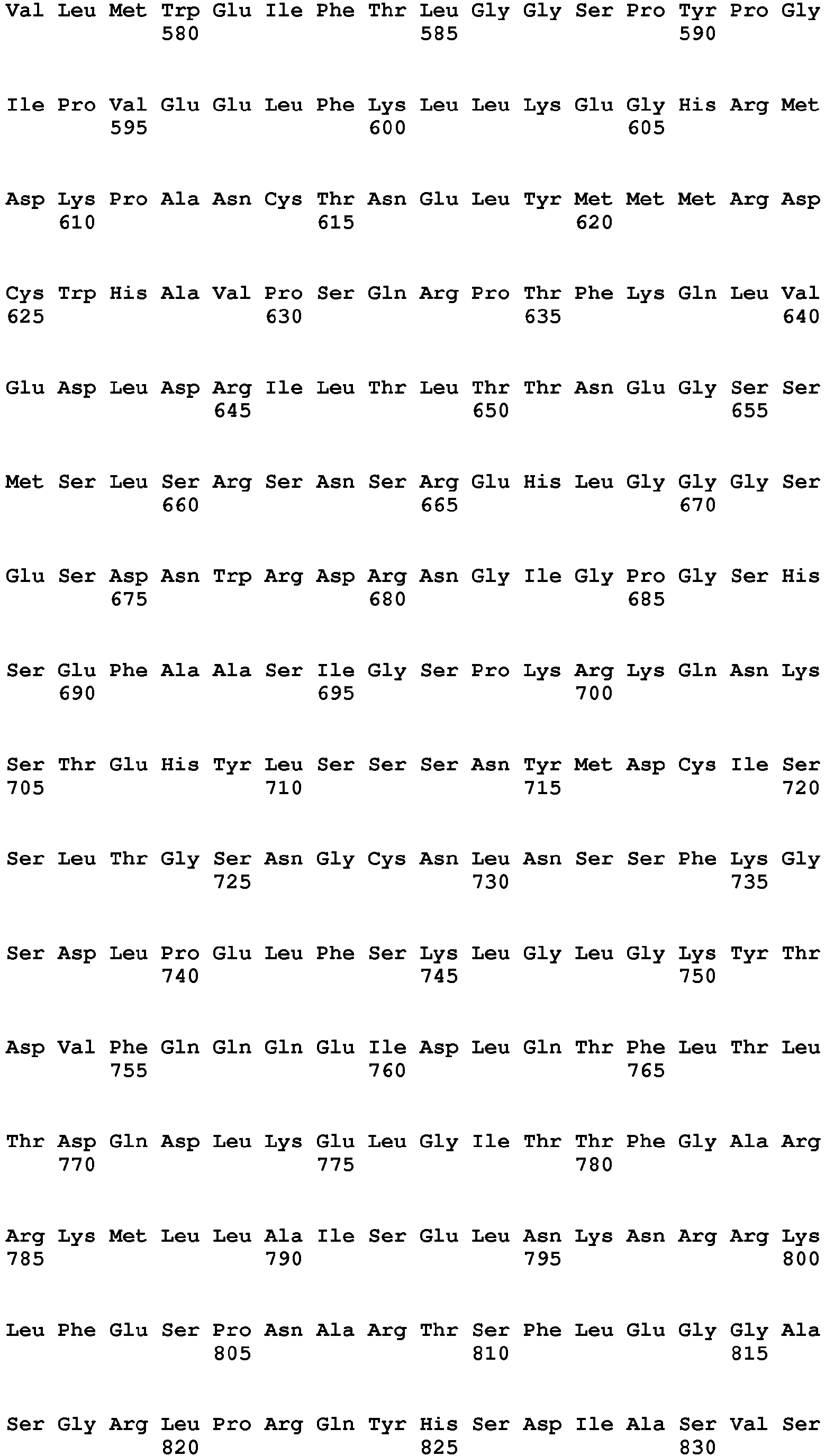
- FGFR2-BICC1 type2 encodes a peptide consisting of 835 amino acids (SEQ ID NO: 6).
- BICC1 type1 was also referred to as BICC1 until BICC1 type2 was discovered.
- the patient having FGFR2-AHCYL1, FGFR2-BICC1 type1, FGFR2-BICC1 type2, FGFR2-TXLNA or FGFR2-KCTD1 is preferable, the patient having FGFR2-BICC1 type2, FGFR2-TXLNA or FGFR2-KCTD1 is more preferable, and the patient with FGFR2-BICC1 type2 is particularly preferable.
- the therapeutic agent for bile duct cancer of the present invention Before administering the therapeutic agent for bile duct cancer of the present invention, it may be diagnosed whether the subject to be administered has the FGFR2 fusion gene.
- the method for diagnosing the presence or absence of the FGFR2 fusion gene may be a genetic diagnosis commonly used.
- cDNAs of three types of FGFR2 fusion genes (FGFR2-BICC1 type2 (SEQ ID NO: 5), FGFR2-TXLNA (SEQ ID NO: 1), FGFR2-KCTD1 (SEQ ID NO: 3)) were prepared from cancer tissues from a patient with biliary tract cancer, respectively.
- a nucleotide sequence encoding a FLAG epitope tag was ligated to the N-terminal of the resulting cDNA of each FGFR2 fusion gene in accordance with the reading frame of translation, and cloned in a pMXs retrovirus vector to construct a retrovirus.
- the above ligated FGFR2 fusion gene is also referred to as "wild-type FGFR2 fusion gene”.
- the peptide sequence of the FLAG epitope tag is H 2 N-DYKDDDDK-COOH (molecular weight: 1,012Da).
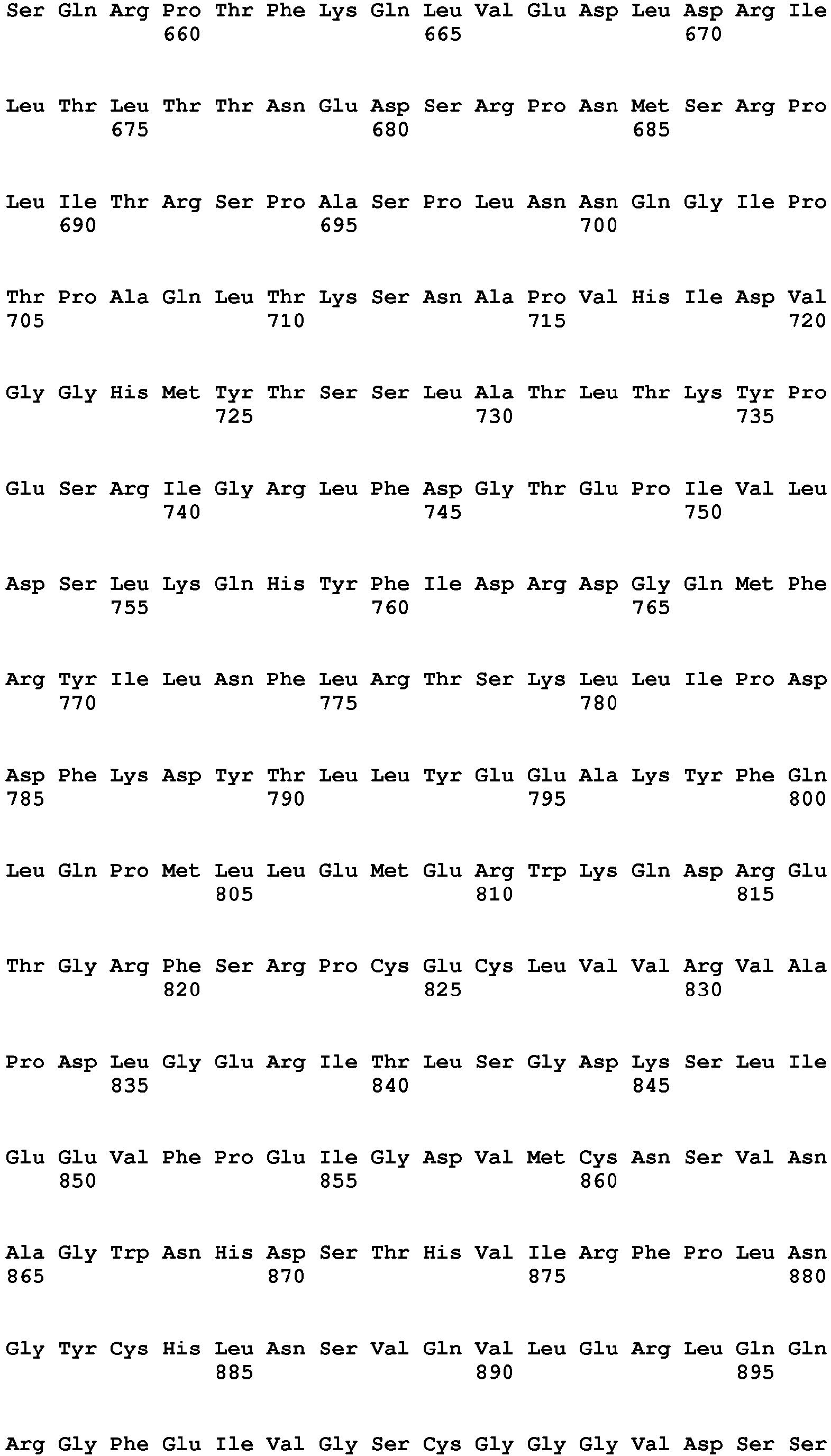
- polynucleotide sequences of each cDNA of FGFR2, TXLNA and KCTD1 correspond to SEQ ID NOs: 7, 9 and 11, respectively, and the sequences of the peptides encoded by FGFR2, TXLNA and KCTD1 correspond to SEQ ID NOs: 8, 10 and 12, respectively.
- a retrovirus having the wild-type FGFR2 fusion gene in which two amino acids in the region encoding FGFR2 kinase were further mutated was constructed.
- the mutation means that the tyrosine which is a residue at position 568 was replaced by phenylalanine (Y568F) and the tyrosine which is a residue at position 569 was replaced by phenylalanine (Y569F).
- the gene obtained by subjecting the wild-type FGFR2 fusion gene to the above-mentioned mutation is also referred to as "KD mutant FGFR2 fusion gene"
- Each of these retroviruses was infected to a mouse immortalized fibroblast cell line NIH3T3 cell to transfect the wild-type FGFR2 fusion gene or the KD mutant FGFR2 fusion gene into the cell, to obtain a cell line stably expressing the protein encoded by each fusion gene.
- the wild-type FGFR2 fusion gene or KD mutant FGFR2 fusion gene was transfected into the mouse fibroblast cell line NIH3T3 using the retrovirus, and the obtained cell line was cultured in a liquid culture medium.
- the cultured cell line was subjected to serum starvation, and then treated with a culture medium containing an FGFR inhibitor before extracting the total proteins.
- the protein encoded by FGFR2-BICC1 type2 the protein encoded by FGFR2-TXLNA and the protein encoded by FGFR2-KCTD1 are shown in SEQ ID NOs: 6, 2 and 4, respectively.
- the downstream signal of the fusion gene was analyzed by Western blot analysis using various antibodies.
- the NIH3T3 cell line transfected with the FGFR2 fusion gene was subjected to Western blot analysis after adding the FGFR inhibitor to the cell line (the final concentration of the FGFR inhibitor: 0.2 ⁇ M or 0.5 ⁇ M) and extracting the total proteins similarly.
- BG refers to BGJ398
- PD refers to PD173074
- E9 refers to Compound A.
- BG-0.2 means that BGJ398 was added so that the final concentration was 0.2 ⁇ M.
- the total proteins were similarly extracted from the NIH3T3 cell line not transfected with the FGFR2 fusion gene and from the NIH3T3 cell line transfected with the FGFR2-BICC1 type2, FGFR2-TXLNA or FGFR2-KCTD1. 90 ⁇ g of the total proteins extracted was used to analyze the expressed protein with the PathScan (R) array.
- Akt-S473 phosphorylated Akt
- MAPK phosphorylated MAPK
- pMAPK-T202/Y204 phosphorylated MAPK
- pS6-S235/236 phosphorylated S6 ribosomal protein
- Test Example 2 Colony formation assay
- the activity of FGFR inhibitors on the transformation capacity of FGFR2 fusion polypeptide was evaluated That is, the NIH3T3 cell line transfected with the FGFR2 fusion gene was seeded in a soft agar culture medium (the concentration of agar in the culture medium: 4 mg/mL), and an FGFR inhibitor was added to the culture medium (the final concentration of the FGFR inhibitor: 0.2 ⁇ M), and the anchorage independent colony forming capacity was evaluated
- BGJ398 or PD173074 was increased so that the final concentration was 1.0 ⁇ M, the anchorage independent growth was suppressed.
- PD refers to PD173074.
- Test Example 3 Calculation of IC 50 values by Colony formation assay
- Various NIH3T3 cell lines transfected with the FGFR2 fusion gene were cultured and maintained with D-MEM (Wako Pure Chemical Industries) culture medium containing 10% FBS and penicillin/streptomycin (Wako Pure Chemical Industries) in a 5% CO 2 incubator (37°C).
- D-MEM Wi-M
- SIGMA D-MEM medium
- DIFCO Agar Noble Japan Becton Dickinson
- the cell suspension prepared so that the cell number was 4 ⁇ 10 4 cells/mL (prepared so that the cell number of FGFR2-TXLNA expressing cells was 8 ⁇ 10 4 cells/mL) was mixed with 0.66% agar medium solution in equal amounts, and the layers of 50 ⁇ L each of the resulting mixture were piled up and set by cooling at 4°C for about 30 minutes. After returning the plate to room temperature, layers of 50 ⁇ L each of 0.66% agar medium solution were further piled up. 50 ⁇ L of Compound A diluted with DMEM culture medium containing 10% FBS was added to each well, and cultured in the 5% CO 2 incubator (37°C) for 14 days.
- Test Example 4 Antitumor activity in subcutaneously transplanted model mice
- the NIH3T3 cell line transfected with each FGFR2 fusion gene (FGFR2-BICC1 type2, FGFR2-KCTD1, FGFR2-TXLNA) was cultured in DMEM culture media containing 10% FBS and penicillin/streptomycin.
- D-PBS (-) (Wako Pure Chemical Industries) was added to the obtained culture media so that the cell number was 1 ⁇ 10 7 cells/mL to prepare each cell suspension.
- Compound A was dissolved in water for injection and stored at 4°C under protection from light until just before administration. The solution was prepared so that the dosage of Compound A was 6.25, 12.5, 25 and 50 mg/kg when administered to a mouse at a dose of 20 mL/kg.
- mice were grouped so that mean values of the tumor volume of the groups were nearly equal to each other.
- the number of mice per group was 5.
- the Compound A solution was continuously administered orally to the mice in the Compound A administration group once a day at a dosage of 20 mL/kg.
- only the solvent water for injection
- the Administration was carried out to FGFR2-BICC1 type2 or FGFR2-KCTD1 transplant model mice for 7 days and to FGFR2-TXLNA transplant model mice for 11 days.
- the tumor volume was also measured on the last day of administration. Percentage of the tumor volume of the mice in the Compound A administration group to the tumor volume of the mice in the control group (T/C) (%) was calculated.
Landscapes
- Health & Medical Sciences (AREA)
- Pharmacology & Pharmacy (AREA)
- Veterinary Medicine (AREA)
- Chemical & Material Sciences (AREA)
- Public Health (AREA)
- General Health & Medical Sciences (AREA)
- Medicinal Chemistry (AREA)
- Animal Behavior & Ethology (AREA)
- Life Sciences & Earth Sciences (AREA)
- Chemical Kinetics & Catalysis (AREA)
- Organic Chemistry (AREA)
- Nuclear Medicine, Radiotherapy & Molecular Imaging (AREA)
- General Chemical & Material Sciences (AREA)
- Epidemiology (AREA)
- Engineering & Computer Science (AREA)
- Bioinformatics & Cheminformatics (AREA)
- Gastroenterology & Hepatology (AREA)
- Pharmaceuticals Containing Other Organic And Inorganic Compounds (AREA)
- Peptides Or Proteins (AREA)
Abstract
Description
- The present invention relates to a therapeutic agent for bile duct cancer comprising a monocyclic pyridine derivative or a pharmacologically acceptable salt thereof having an FGFR inhibitory activity.
- The compound represented by the formula (I) is known as 5-((2-(4-(1-(2-hydroxyethyl)piperidin-4-yl)benzamide)pyridin-4-yl)oxy)-6-(2-methoxyethoxy)-N-methyl-1H-indole-1-carboxamide. It has been reported that the compound represented by the formula (I) has an inhibitory activity on fibroblast growth factor receptors (FGFRs) 1, 2 and 3 and has a cell growth suppressing activity in gastric cancer, lung cancer, bladder cancer and endometrial cancer (Patent Literature 1).

- Bile duct cancer is low in incidence, but is known as a tumor with poor prognosis. The main therapeutic method for the bile duct cancer is surgical extirpation of the bile duct, but in many cases cancer cells cannot be completely removed. In such a case, a combined administration of gemcitabine and cisplatin is carried out after the surgery (Non Patent Literature 1).
- Patent Literature 1:
US 2014-235614 - Non Patent Literature 1: Celina Ang, "Role of the fibroblast growth factor receptor axis in cholangiocarcinoma", Journal of Gastroenterology and Hepatology, vol.30, p.1116-1122, 2015.
- However, a sufficient therapeutic activity cannot be obtained by the so far reported therapeutic agents for bile duct cancer.
- In view of such a situation, the present inventors have conducted intensive studies and as a result, have found that the compound represented by the formula (I) is effective for the treatment of bile duct cancer, and have completed the present invention.
- That is, the present invention provides the following [1] to [12]:
- [1] A therapeutic agent for bile duct cancer comprising 5-((2-(4-(1-(2-hydroxyethyl)piperidin-4-yl)benzamide)pyridin-4-yl)oxy)-6-(2-methoxyethoxy)-N-methyl-1H-indole-1-carboxamide represented by the formula (I) or a pharmaceutically acceptable salt thereof.

- [2] The therapeutic agent according to [1], wherein the bile duct cancer is intrahepatic bile duct cancer.
- [3] A pharmaceutical composition for the treatment of bile duct cancer, comprising 5-((2-(4-(1-(2-hydroxyethyl)piperidin-4-yl)benzamide)pyridin-4-yl)oxy)-6-(2-methoxyethoxy)-N-methyl-1H-indole-1-carboxamide represented by the formula (I) or a pharmaceutically acceptable salt thereof as an active ingredient.
- [4] The pharmaceutical composition according to [3], wherein the bile duct cancer is intrahepatic bile duct cancer.
- [5] A method for treating bile duct cancer, comprising administering to a patient a pharmacologically effective amount of 5-((2-(4-(1-(2-hydroxyethyl)piperidin-4-yl)benzamide)pyridin-4-yl)oxy)-6-(2-methoxyethoxy)-N-methyl-1H-indole-1-carboxamide represented by the formula (I) or a pharmaceutically acceptable salt thereof.
- [6] The method according to [5], wherein the patient has been confirmed to have a gene encoding FGFR 2-fusion protein before the administration.
- [7] The method according to [6], wherein the gene encoding the FGFR 2-fusion protein is FGFR2-AHCYL1, FGFR2-BICC1 type1, FGFR2-BICC1 type2, FGFR2-TXLNA or FGFR2-KCTD1.
- [8] The method according to any one of [5] to [7], wherein the bile duct cancer is intrahepatic bile duct cancer.
- [9] 5-((2-(4-(1-(2-Hydroxyethyl)piperidin-4-yl)benzamide)pyridin-4-yl)oxy)-6-(2 -methoxyethoxy)-N-methyl-1H-indole-1-carboxamide represented by the formula (I) or pharmaceutically acceptable salts thereof for the treatment of bile duct cancer.
- [10] The compound or pharmaceutically acceptable salts thereof according to [9], wherein the bile duct cancer is intrahepatic bile duct cancer.
- [11] Use of 5-((2-(4-(142-hydroxyethyl)piperidin-4-yl)benzamide)pyridin4-yl)oxy)-6-(2-methoxyethoxy)-N-methyl-1H-indole-1-carboxamide represented by the formula (I) or pharmaceutically acceptable salts thereof for the preparation of a therapeutic agent for bile duct cancer.
- [12] The use according to [11], wherein the bile duct cancer is intrahepatic bile duct cancer.
- According to the present invention, the therapeutic agent which may be effective for the treatment of bile duct cancer can be provided.
-
- [
Figure 1] Figure 1 is a schematic diagram illustrating structures of FGFR2-BICC1 type1 and type2 genes. - [
Figure 2] Figure 2 is a diagram showing the results of Western blot analysis of proteins obtained by culturing mouse fibroblast cell line NIH3T3 transfected with various FGFR2 fusion genes. - [
Figure 3] Figure 3 is a diagram showing the results of Western blot analysis of proteins obtained by culturing NIH3T3 cell line transfected with FGFR2 fusion genes. - [
Figure 4] Figure 4 is a diagram showing the results of analysis of proteins obtained by culturing NIH3T3 cell line transfected with various FGFR2 fusion genes. - [
Figure 5] Figure 5 is a diagram showing the activity of FGFR inhibitors on the growth capacity of NIH3T3 cell line transfected with FGFR2 fusion genes. - [
Figure 6] Figure 6 is a graph showing the activity of FGFR inhibitors on the growth capacity of NIH3T3 cell line transfected with FGFR2 fusion genes. - [
Figure 7] Figure 7 is a diagram showing the activity of FGFR inhibitors on the growth capacity of NIH3T3 cell line transfected with FGFR2 fusion genes. - One embodiment of the present invention is a therapeutic agent for bile duct cancer comprising 5-((2-(4-(1-(2-hydroxyethyl)piperidin-4-yl)benzamide)pyridin-4-yl)oxy)-6-(2-methoxyethoxy)-N-methyl-1H-indole-1-carboxamide represented by the formula (I) or a pharmaceutically acceptable salt thereof.


- In the present specification, examples of pharmacologically acceptable salts may include salts with inorganic acids, salts with organic acids or salts with acidic amino acids.
- Suitable examples of salts with inorganic acids include salts with hydrochloric acid, hydrobromic acid, sulfuric acid, nitric acid and phosphoric acid.
- Suitable examples of salts with organic acids include salts with carboxylic acids such as acetic acid, succinic acid, fumaric acid, maleic acid, tartaric acid, citric acid, lactic acid, stearic acid and benzoic acid, and salts with sulfonic acids such as methanesulfonic acid, ethanesulfonic acid and p-toluenesulfonic acid.
- Suitable examples of salts with acidic amino acids include salts with aspartic acid and glutamic acid.
- A preferred pharmacologically acceptable salt is a succinate or maleate, and a more preferred salt is a succinate. As the pharmacologically acceptable salt, a salt containing succinic acid 1.5 times on a mass basis more than the compound represented by the formula (I) (1.5 succinate) is particularly preferable.
- The compound represented by the formula (I) or pharmacologically acceptable salts thereof according to the present invention can be produced by the process described in the
Patent Literature 1. - In the present specification, the term "biliary duct" is used synonymously with "biliary tract". That is, bile duct cancer refers to intrahepatic bile duct cancer, extrahepatic bile duct cancer, cystic duct cancer, gallbladder cancer or duodenum papilla cancer. The bile duct cancer also include these cancers metastasized to sites other than the bile duct. The therapeutic agent for bile duct cancer of the present invention is particularly effective against intrahepatic bile duct cancer.
- The therapeutic agent for bile duct cancer of the present invention may be in the form of a preparation for oral administration, for example, a solid preparation such as a tablet, a granule, a subtle granule, a powder or a capsule, or a solution, a jelly or a syrup. The therapeutic agent for bile duct cancer of the present invention may also be in the form of a preparation for parenteral administration such as an injection, a suppository, an ointment or a cataplasm.
- When preparing the preparation for oral administration, a pharmaceutically acceptable carrier such as an excipient, a binder, a disintegrator, a lubricant and a colorant may be added as appropriate to the compound represented by the formula (I) or a pharmaceutically acceptable salt thereof The preparation such as a tablet, a granule, a powder and a capsule may also be coated as appropriate.
- When preparing an injection (such as for intravenous administration, intramuscular administration, subcutaneous administration or intraperitoneal administration), a pharmaceutically acceptable carrier such as a pH adjuster, a buffer, a suspending agent, a solubilizing agent, an antioxidant, a preservative (an antiseptic agent) or an isotonizing agent may be added as appropriate to the compound represented by the formula (I) or a pharmaceutically acceptable salt thereof, and then the injection may be prepared by the conventional method. The injection may also be lyophilized to provide a lyophilized preparation which is dissolved before use.
- When preparing an external preparation, a base material may be added to the compound represented by the formula (I) or a pharmaceutically acceptable salt thereof, and the above-mentioned pharmaceutically acceptable carrier such as a preservative, an stabilizer, a pH adjuster, an antioxidant or a colorant may be then added thereto as appropriate, and thereafter, for example, a transdermal preparation (such as an ointment or a patch), an eye dropper, a nasal preparation, or a suppository may be prepared by the conventional method.
- Examples of base materials which can be used include various materials usually used in pharmaceuticals, quasi drugs, cosmetics and the like.
- The therapeutic agent for bile duct cancer of the present invention can be prepared with the compound represented by the formula (I) or a pharmacologically acceptable salt thereof according to the method described in the Japanese Pharmacopoeia 16th edition.
- The dosage of the compound represented by the formula (I) or a pharmacologically acceptable salt thereof in the therapeutic agent for bile duct cancer of the present invention can be appropriately selected depending on the severity of the symptoms, the age, sex, body weight and differential sensitivity of the patient, the method of administration, time of administration, interval of administration, the type of pharmaceutical preparation, and the like. The therapeutic agent for bile duct cancer of the present invention, when administered orally, can be administered so that the dosage of the compound represented by the formula (I) or a pharmacologically acceptable salt thereof is 100 µg to 10 g per day, preferably 500 µg to 10 g per day, more preferably 1 mg to 5 g per day for an adult (body weight: 60kg). The therapeutic agent for bile duct cancer of the present invention can be administered in 1 to 3 divided portions daily.
- According to the present invention, a method for treating bile duct cancer, comprising administering to a patient the compound represented by the formula (I) or a pharmaceutically acceptable salt thereof can be provided. It is preferable that the subject for administration is a patient with bile duct cancer, it is more preferable that the subject is a patient with intrahepatic bile duct cancer, and it is particularly preferable that the subject is a patient with bile duct cancer having a gene encoding FGFR 2-fusion protein (FGFR2 fusion gene).
- The FGFR2 fusion gene refers to a gene in which the FGFR2 and a particular other gene are fused, and examples of the FGFR2 fusion gene include FGFR2-BICC1 type1, FGFR2-BICC1 type2 (SEQ ID NO: 5), FGFR2-TXLNA (SEQ ID NO: 1), FGFR2-AHCYL1, FGFR2-CCDC6, FGFR2-KCTD1 (SEQ ID NO: 3), FGFR2-MGEA5, FGFR2-TACC3, FGFR2-PPHLN1, FGFR2-KIAA1598, FGFR2-CCAR1, FGFR2-NOL4 and FGFR2-PARK2. Herein, as shown in
Figure 1 , FGFR2-BICC1 type1 refers to a gene having FGFR2 fused to the 5' terminal side of KHKH sequence of BICC1 gene, while FGFR2-BICC1 type2 refers to a gene having FGFR2 fused to the 5' terminal side of SAM region (sterile α motif) of BICC1 gene. FGFR2-BICC1 type1 encodes a peptide consisting of 1,574 amino acids, whereas FGFR2-BICC1 type2 encodes a peptide consisting of 835 amino acids (SEQ ID NO: 6). BICC1 type1 was also referred to as BICC1 until BICC1 type2 was discovered. - As the patient with bile duct cancer, the patient having FGFR2-AHCYL1, FGFR2-BICC1 type1, FGFR2-BICC1 type2, FGFR2-TXLNA or FGFR2-KCTD1 is preferable, the patient having FGFR2-BICC1 type2, FGFR2-TXLNA or FGFR2-KCTD1 is more preferable, and the patient with FGFR2-BICC1 type2 is particularly preferable.
- Before administering the therapeutic agent for bile duct cancer of the present invention, it may be diagnosed whether the subject to be administered has the FGFR2 fusion gene. The method for diagnosing the presence or absence of the FGFR2 fusion gene may be a genetic diagnosis commonly used.
- The present invention will be described in greater detail by the following examples.
-


- 2.93 g of 5-((2-(4-(1-(2-hydroxyethyl)piperidin4-yl)benzamide)pyridin-4-yl)oxy)-6-(2-methoxyethoxy)-N-methyl-1H-indole-1-carboxamide was weighed out in an eggplant flask, 60 mL of ethanol was added thereto, and the reaction mixture was heated to 70°C while stirring in an oil bath to dissolve it Succinic acid (1.23 g) was added, then the heating of the oil bath was stopped, and the reaction mixture was slowly cooled. The reaction mixture was stirred at room temperature for about 2 hours, and further stirred at 5°C for one hour. The resulting solid was collected by filtration to obtain Compound A (3.70 g).
1H-NMR Spectrum (600MHz, CD3OD) δ (ppm): 1.96-2.10 (4H, m), 2.52 (6H, s), 2.93 (1H, m), 2.96 (3H, s), 3.01 (2H, m), 3.16 (2H, t, J = 5.4 Hz), 3.22 (3H, s), 3.56 (2H, t, J = 4.7 Hz), 3.61 (2H, m), 3.87 (2H, t, J = 5.4 Hz), 4.14 (2H, t, J = 4.6 Hz), 6.61 (1H, d, J = 3.6 Hz), 6.68 (1H, dd, J = 5.8, 2.3 Hz), 7.37 (1H, s), 7.42 (2H, d, J = 8.3 Hz), 7.58 (1H, d, J= 3.6 Hz), 7.73 (1H, d, J= 2.2 Hz), 7.88 (2H, d, J = 8.3 Hz), 8.08 (1H, s), 8.15 (1H, d, J = 5.8 Hz).
13C-NMR Spectrum (100MHz, solid state) δ (ppm): 27.1, 28.3, 29.7, 34.8, 38.0, 41.3, 54.0, 57.3, 59.7, 60.9, 72.1, 72.5, 103.3, 104.2, 108.5, 116.9, 126.9, 128.6, 134.5, 136.7, 140.7, 149.4, 151.3, 155.1, 169.5, 170.1, 175.6, 179.9, 183.7. - cDNAs of three types of FGFR2 fusion genes (FGFR2-BICC1 type2 (SEQ ID NO: 5), FGFR2-TXLNA (SEQ ID NO: 1), FGFR2-KCTD1 (SEQ ID NO: 3)) were prepared from cancer tissues from a patient with biliary tract cancer, respectively. A nucleotide sequence encoding a FLAG epitope tag was ligated to the N-terminal of the resulting cDNA of each FGFR2 fusion gene in accordance with the reading frame of translation, and cloned in a pMXs retrovirus vector to construct a retrovirus. Herein, the above ligated FGFR2 fusion gene is also referred to as "wild-type FGFR2 fusion gene". The peptide sequence of the FLAG epitope tag is H2N-DYKDDDDK-COOH (molecular weight: 1,012Da).
- Herein, the polynucleotide sequences of each cDNA of FGFR2, TXLNA and KCTD1 correspond to SEQ ID NOs: 7, 9 and 11, respectively, and the sequences of the peptides encoded by FGFR2, TXLNA and KCTD1 correspond to SEQ ID NOs: 8, 10 and 12, respectively.
- Next, a retrovirus having the wild-type FGFR2 fusion gene in which two amino acids in the region encoding FGFR2 kinase were further mutated was constructed. The mutation means that the tyrosine which is a residue at position 568 was replaced by phenylalanine (Y568F) and the tyrosine which is a residue at position 569 was replaced by phenylalanine (Y569F). Herein, the gene obtained by subjecting the wild-type FGFR2 fusion gene to the above-mentioned mutation is also referred to as "KD mutant FGFR2 fusion gene"
- Each of these retroviruses was infected to a mouse immortalized fibroblast cell line NIH3T3 cell to transfect the wild-type FGFR2 fusion gene or the KD mutant FGFR2 fusion gene into the cell, to obtain a cell line stably expressing the protein encoded by each fusion gene.
cDNA cloning: - pMXs vector (CellBiolabs), Plat-Eretrovirus packaging cell line (CellBiolabs)
- First, the wild-type FGFR2 fusion gene or KD mutant FGFR2 fusion gene was transfected into the mouse fibroblast cell line NIH3T3 using the retrovirus, and the obtained cell line was cultured in a liquid culture medium. The cultured cell line was subjected to serum starvation, and then treated with a culture medium containing an FGFR inhibitor before extracting the total proteins. Herein, the protein encoded by FGFR2-BICC1 type2, the protein encoded by FGFR2-TXLNA and the protein encoded by FGFR2-KCTD1 are shown in SEQ ID NOs: 6, 2 and 4, respectively.
- For the obtained total proteins, the downstream signal of the fusion gene was analyzed by Western blot analysis using various antibodies.
- Apparatus:
- WesternBreeze chemilumiscent immunodetection kit (Lifetechnologies) FGFR inhibitors:
- BGJ398 (S2183, Selleck Chemicals), stored in 10 mM DMSO solution PD173074 (S1264, Selleck Chemicals), stored in 10 mM DMSO solution Compound A (stored in 20 mM DMSO solution)
- Antibodies:
- FLAG (#635691, Clontech Laboratories, Inc.)
- phospho FGFR-Y653/654 (#3476, Cell Signaling Technology Japan, K.K.)
- phospho AKT1-S473 (#4060, Cell Signaling Technology Japan, K.K.) AKT-pan (#4691, Cell Signaling Technology Japan, K.K.)
- phospho STAT3-Y705 (#9145, Cell Signaling Technology Japan, K.K.) STAT3 (#610189, Becton Dickinson and Company)
- phospho MAPK-T202/Y204 (#9106, Cell Signaling Technology Japan, K.K.) MAPK (#4695, Cell Signaling Technology Japan, K.K.) beta-actin (#A5441, Sigma-Aldrich Co. LLC).
- Antibody array:
- PathScan RTK signaling antibody array (Chemiluminescent Readout) (#7982, Cell Signaling Technology Japan, K.K.)
- The obtained results are shown in
Figure 2 . As shown inFigure 2 , it was found that the phosphorylation of the MAPK gene (activation of the MAPK gene) occurred depending on the FGFR2 kinase activity. That is, the NIH3T3 cell transfected with the FGFR2 fusion gene had anchorage independent growth capacity. InFigure 2 , "wild" means the wild-type FGFR2 fusion gene, and "KD" means the KD mutant FGFR2 fusion gene. - Next, the NIH3T3 cell line transfected with the FGFR2 fusion gene was subjected to Western blot analysis after adding the FGFR inhibitor to the cell line (the final concentration of the FGFR inhibitor: 0.2 µM or 0.5 µM) and extracting the total proteins similarly.
- The obtained results are shown in
Figure 3 . As shown inFigure 3 , by treatment with the FGFR inhibitor, phosphorylation of FGFR was suppressed, and the phosphorylation of MAPK was significantly suppressed. InFigure 3 , "BG" refers to BGJ398, "PD" refers to PD173074, and "E9" refers to Compound A. Specifically, for example, "BG-0.2" means that BGJ398 was added so that the final concentration was 0.2 µM. - Furthermore, the total proteins were similarly extracted from the NIH3T3 cell line not transfected with the FGFR2 fusion gene and from the NIH3T3 cell line transfected with the FGFR2-BICC1 type2, FGFR2-TXLNA or FGFR2-KCTD1. 90 µg of the total proteins extracted was used to analyze the expressed protein with the PathScan (R) array.
- As shown in
Figure 4 , the phosphorylated Akt (pAkt-S473), phosphorylated MAPK (pMAPK-T202/Y204) and phosphorylated S6 ribosomal protein (pS6-S235/236) were detected. - Using the following apparatus, the activity of FGFR inhibitors on the transformation capacity of FGFR2 fusion polypeptide was evaluated That is, the NIH3T3 cell line transfected with the FGFR2 fusion gene was seeded in a soft agar culture medium (the concentration of agar in the culture medium: 4 mg/mL), and an FGFR inhibitor was added to the culture medium (the final concentration of the FGFR inhibitor: 0.2 µM), and the anchorage independent colony forming capacity was evaluated
- Apparatus:
- CytoSelect 96-Well Cell Transformation Assay kit (CBA-130, CellBiolabs) FGFR inhibitors:
- BGJ398 (S2183, Selleck Chemicals), stored in 10 mM DMSO solution PD173074 (S1264, Selleck Chemicals), stored in 10 mM DMSO solution Compound A (stored in 20 mM DMSO solution)
- CytoSelect 96-Well Cell Transformation Assay kit (CBA-130, CellBiolabs) FGFR inhibitors:
- The obtained results are shown in
Figure 5 andFigure 6 . As shown inFigure 5 andFigure 6 , among the FGFR2 fusion genes, the anchorage independent growth of the NIH3T3 cells transfected with the FGFR2-TXLNA and FGFR2-KCTD1 was significantly suppressed by the addition of the FGFR inhibitor. On the other hand, the anchorage independent growth of the NIH3T3 cell transfected with FGFR2-BICC1 type2 was little suppressed when using BGJ398 or PD173074 as an FGFR inhibitor, while it was significantly suppressed when using Compound A as an FGFR inhibitor. InFigure 5 andFigure6 , "BG" refers to BGJ398, "PD" refers to PD173074, and "E9" refers to Compound A. - As shown in
Figure 7 , when BGJ398 or PD173074 was increased so that the final concentration was 1.0 µM, the anchorage independent growth was suppressed. InFigure 7 , "BG" refers to BGJ398, and "PD" refers to PD173074. - Various NIH3T3 cell lines transfected with the FGFR2 fusion gene were cultured and maintained with D-MEM (Wako Pure Chemical Industries) culture medium containing 10% FBS and penicillin/streptomycin (Wako Pure Chemical Industries) in a 5% CO2 incubator (37°C). To each well of a 96-well plate (Sumitomo Bakelite) was added 50 µL of D-MEM medium (SIGMA) (containing 10% FBS and penicillin/streptomycin) containing 0.66% agar culture medium (DIFCO Agar Noble, Japan Becton Dickinson). The cell suspension prepared so that the cell number was 4 × 10⁴ cells/mL (prepared so that the cell number of FGFR2-TXLNA expressing cells was 8 × 10⁴ cells/mL) was mixed with 0.66% agar medium solution in equal amounts, and the layers of 50 µL each of the resulting mixture were piled up and set by cooling at 4°C for about 30 minutes. After returning the plate to room temperature, layers of 50 µL each of 0.66% agar medium solution were further piled up. 50 µL of Compound A diluted with DMEM culture medium containing 10% FBS was added to each well, and cultured in the 5% CO2 incubator (37°C) for 14 days. 10 µL of cytometry kit (Cell Counting Kit-8, DOJINDO LABORATORIES) was added to each well and cultured in the 5% CO2 incubator (37°C) for 1 to 2 hours to result in color development. Absorbance at 450nm was measured by a multi-label reader (ARVO, PerkinElmer, Inc.). The absorbance in the presence of Compound A was determined assuming that the absorbance in the absence of Compound A was 100% and the absorbance of the well free of cells was 0%. The concentration of Compound A necessary to inhibit cell growth by 50% (IC50 value) was determined and shown in Table 1.
[Table 1] Name of Cell Line IC50 (nM) FGFR2-BICC1 type2 17.3 FGFR2-TXLNA 1.3 FGFR2-KCTD1 5.0 - The NIH3T3 cell line transfected with each FGFR2 fusion gene (FGFR2-BICC1 type2, FGFR2-KCTD1, FGFR2-TXLNA) was cultured in DMEM culture media containing 10% FBS and penicillin/streptomycin.
- D-PBS (-) (Wako Pure Chemical Industries) was added to the obtained culture media so that the cell number was 1 × 10⁷ cells/mL to prepare each cell suspension.
- 100 µL each of these cell suspensions was transplanted subcutaneously in the right flank region of 7-week-old nude mice (strain: BALB/cAJcl-nu/nu, female, CLEA Japan, Inc.) to prepare FGFR2-BICC1 type2 transplant model mice, FGFR2-KCTD1 transplant model mice and FGFR2-TXLNA transplant model mice. Six days after the transplantation, the width and length of the tumor were measured with a digital caliper (trade name: Digimatic (TM) Caliper, Mitutoyo Corporation). The tumor volume was calculated based on the width and length of the tumor by the following calculation formula.

- Compound A was dissolved in water for injection and stored at 4°C under protection from light until just before administration. The solution was prepared so that the dosage of Compound A was 6.25, 12.5, 25 and 50 mg/kg when administered to a mouse at a dose of 20 mL/kg.
- Based on the tumor volume on the first day of administration, the mice were grouped so that mean values of the tumor volume of the groups were nearly equal to each other. The number of mice per group was 5. The Compound A solution was continuously administered orally to the mice in the Compound A administration group once a day at a dosage of 20 mL/kg. On the other hand, only the solvent (water for injection) was similarly administered to the mice in the control group. The Administration was carried out to FGFR2-BICC1 type2 or FGFR2-KCTD1 transplant model mice for 7 days and to FGFR2-TXLNA transplant model mice for 11 days.
- On the first day and the last day of the administration, body weight was measured for each mice in the control group and the Compound A administration group. The ratio of the body weight on the last day to the body weight on the first day (relative body weight: RBW) was calculated. When the RBW of the Compound A administration group/the RBW of the control group was 0.9 or more, the dosage was judged as safe. The corresponding dosage was 6.25, 12.5, 25 and 50 mg/kg.
- The tumor volume was also measured on the last day of administration. Percentage of the tumor volume of the mice in the Compound A administration group to the tumor volume of the mice in the control group (T/C) (%) was calculated.
- The results of T/C (%) in each transplant model mice was shown in Table 2 to Table 4.
[Table 2] FGFR2- BICC1 type 2 transplant model miceCompound A T/C (%) 6.25 mg/ kg 80* 12.5 mg/kg 71** 25 mg/kg 68** 50 mg/kg 52** Statistically significant *: p<0.05 **: p<0.01 [Table 3] FGFR2-TXLNA transplant model mice Compound A T/C (%) 6.25 mg/kg 54** 12.5 mg/kg 43** 25 mg/kg 15** 50 mg/ kg 6** Statistically significant **: p<0.01 [Table 4] FGFR2-KCTD1 transplant model mice Compound A T/C (%) 6.25 mg/kg 89 12.5 mg/kg 56 25 mg/kg 39* 50 mg/kg 19** Statistically significant *: p<0.05 **: p<0.01 








Claims (12)
- A therapeutic agent for bile duct cancer comprising 5-((2-(4-(1-(2-hydroxyethyl)piperidin-4-yl)benzamide)pyridin-4-yl)oxy)-6-(2-methoxyethoxy)-N-methyl-1H-indole-1-carboxamide represented by the formula (I) or a pharmaceutically acceptable salt thereof.

- The therapeutic agent according to claim 1, wherein the bile duct cancer is intrahepatic bile duct cancer.
- A pharmaceutical composition for the treatment of bile duct cancer, comprising 5-((2-(4-(1-(2-hydroxyethyl)piperidin4-yl)benzamide)pyridin-4-yl)oxy)-6-(2-methoxyethoxy)-N-methyl-1H-indole-1-carboxamide represented by the formula (I) or a pharmaceutically acceptable salt thereof as an active ingredient

- The pharmaceutical composition according to claim 3, wherein the bile duct cancer is intrahepatic bile duct cancer.
- A method for treating bile duct cancer, comprising administering to a patient a pharmacologically effective amount of 5-((2-(4-(1-(2-hydroxyethyl)piperidin-4-yl)benzamide)pyridin-4-yl)oxy)-6-(2-methoxyethoxy)-N-methyl-1H-indole-1-carboxamide represented by the formula (I) or a pharmaceutically acceptable salt thereof.

- The method according to claim 5, characterized in that the patient has been confirmed to have a gene encoding FGFR 2-fusion protein before the administration.
- The method according to claim 6, wherein the gene encoding the FGFR 2-fusion protein is FGFR2-AHCYL1, FGFR2-BICC1 type1, FGFR2-BICC1 type2, FGFR2-TXLNA or FGFR2-KCTD1.
- The method according to any one of claims 5 to 7, wherein the bile duct cancer is intrahepatic bile duct cancer.
- 5-((2-(4-(1-(2-Hydroxyethyl)piperidin-4-yl)benzamide)pyridin-4-yl)o xy)-6-(2-methoxyethoxy)-N-methyl-1H-indole-1-carboxamide represented by the formula (I) or a pharmaceutically acceptable salt thereof for the treatment of bile duct cancer.


- The compound or a pharmaceutically acceptable salt thereof according to claim 9, wherein the bile duct cancer is intrahepatic bile duct cancer.
- Use of 5-((2-(4-(1-(2-hydroxyethyl)piperidin-4-yl)benzamide)pyridin-4-yl)oxy)-6-(2-methoxyethoxy)-N-methyl-1H-indole-1-carboxamide represented by the formula (I) or a pharmaceutically acceptable salt thereof for the preparation of a therapeutic agent for bile duct cancer.

- The use according to claim 11, wherein the bile duct cancer is intrahepatic bile duct cancer.
Applications Claiming Priority (2)
| Application Number | Priority Date | Filing Date | Title |
|---|---|---|---|
| US201562138058P | 2015-03-25 | 2015-03-25 | |
| PCT/JP2016/059162 WO2016152907A1 (en) | 2015-03-25 | 2016-03-23 | Therapeutic agent for bile duct cancer |
Publications (3)
| Publication Number | Publication Date |
|---|---|
| EP3275442A1 true EP3275442A1 (en) | 2018-01-31 |
| EP3275442A4 EP3275442A4 (en) | 2018-09-19 |
| EP3275442B1 EP3275442B1 (en) | 2021-07-28 |
Family
ID=56979199
Family Applications (1)
| Application Number | Title | Priority Date | Filing Date |
|---|---|---|---|
| EP16768810.0A Active EP3275442B1 (en) | 2015-03-25 | 2016-03-23 | Therapeutic agent for bile duct cancer |
Country Status (14)
| Country | Link |
|---|---|
| US (2) | US20180015079A1 (en) |
| EP (1) | EP3275442B1 (en) |
| JP (1) | JP6503450B2 (en) |
| KR (1) | KR102537152B1 (en) |
| CN (2) | CN107205996A (en) |
| AU (1) | AU2016237222B2 (en) |
| BR (1) | BR112017016392B1 (en) |
| CA (1) | CA2974937C (en) |
| ES (1) | ES2887148T3 (en) |
| IL (1) | IL253701B (en) |
| MX (1) | MX379183B (en) |
| RU (1) | RU2712222C2 (en) |
| SG (1) | SG11201706143SA (en) |
| WO (1) | WO2016152907A1 (en) |
Cited By (1)
| Publication number | Priority date | Publication date | Assignee | Title |
|---|---|---|---|---|
| RU2777535C2 (en) * | 2018-03-28 | 2022-08-08 | ЭЙСАЙ Ар ЭНД Ди МЕНЕДЖМЕНТ КО, ЛТД | Therapeutic agent for treatment of hepatocellular carcinoma |
Families Citing this family (97)
| Publication number | Priority date | Publication date | Assignee | Title |
|---|---|---|---|---|
| AU2016237222B2 (en) * | 2015-03-25 | 2021-04-29 | Eisai R&D Management Co., Ltd. | Therapeutic agent for bile duct cancer |
| CA3001969C (en) | 2015-12-17 | 2023-10-03 | Eisai R&D Management Co., Ltd. | Therapeutic agent for breast cancer |
| US20200297711A1 (en) * | 2017-10-12 | 2020-09-24 | Eisai R&D Management Co., Ltd. | Pharmaceutical composition comprising fgfr selective tyrosine kinase inhibitor |
| JPWO2019189241A1 (en) | 2018-03-28 | 2021-03-18 | エーザイ・アール・アンド・ディー・マネジメント株式会社 | Hepatocellular carcinoma therapeutic agent |
| CN111372938B (en) | 2018-07-19 | 2023-08-08 | 株式会社Lg化学 | Polycyclic compound and organic light emitting device including the same |
| KR102297723B1 (en) | 2018-08-07 | 2021-09-02 | 주식회사 엘지화학 | Polycyclic compound and organic light emitting device comprising the same |
| EA202190826A1 (en) | 2018-09-21 | 2021-06-16 | Янссен Фармацевтика Нв | CHOLANGIOCARCINOMA TREATMENT |
| KR102239440B1 (en) | 2019-07-31 | 2021-04-13 | 주식회사 엘지화학 | Multicyclic compound and organic light emitting device comprising the same |
| KR102845751B1 (en) | 2020-04-16 | 2025-08-13 | 주식회사 엘지화학 | Heterocyclic compound and organic light emitting device comprising same |
| WO2021210636A1 (en) | 2020-04-17 | 2021-10-21 | エーザイ・アール・アンド・ディー・マネジメント株式会社 | Breast cancer therapeutic agent |
| KR102565720B1 (en) | 2020-06-12 | 2023-08-11 | 주식회사 엘지화학 | Heterocyclic compound and organic light emitting device comprising the same |
| KR102875402B1 (en) | 2020-07-16 | 2025-10-22 | 주식회사 엘지화학 | Heterocyclic compound and organic light emitting device comprising the same |
| CA3185174A1 (en) | 2020-07-31 | 2022-02-03 | Eisai R&D Management Co., Ltd. | Therapeutic agent for breast cancer |
| US20230330081A1 (en) | 2020-10-28 | 2023-10-19 | Eisai R&D Management Co., Ltd. | Pharmaceutical composition for treating tumors |
| KR102806296B1 (en) | 2020-11-27 | 2025-05-09 | 주식회사 엘지화학 | Polycyclic compound and organic light emitting device comprising same |
| KR102885718B1 (en) | 2020-12-08 | 2025-11-12 | 주식회사 엘지화학 | Heterocyclic compound and organic light emitting device comprising the same |
| KR20220081057A (en) | 2020-12-08 | 2022-06-15 | 주식회사 엘지화학 | Compound and organic light emitting device comprising same |
| KR102710179B1 (en) | 2020-12-09 | 2024-09-26 | 주식회사 엘지화학 | Organic light emitting device |
| KR102716874B1 (en) | 2020-12-09 | 2024-10-14 | 주식회사 엘지화학 | Organic light emitting device |
| KR102716879B1 (en) | 2020-12-09 | 2024-10-14 | 주식회사 엘지화학 | Organic light emitting device |
| KR102716876B1 (en) | 2020-12-09 | 2024-10-14 | 주식회사 엘지화학 | Organic light emitting device |
| KR102639498B1 (en) | 2020-12-24 | 2024-02-22 | 주식회사 엘지화학 | Heterocyclic compound and organic light emitting device comprising the same |
| CN116583519A (en) | 2021-02-19 | 2023-08-11 | 株式会社Lg化学 | Compound and organic light emitting device comprising same |
| WO2022177358A1 (en) | 2021-02-19 | 2022-08-25 | 주식회사 엘지화학 | Compound and organic light-emitting device comprising same |
| KR102727451B1 (en) | 2021-06-02 | 2024-11-07 | 주식회사 엘지화학 | Compound and organic light emitting device comprising the same |
| KR20230013405A (en) | 2021-07-19 | 2023-01-26 | 주식회사 엘지화학 | Compound and organic light emitting device comprising the same |
| KR20230018103A (en) | 2021-07-29 | 2023-02-07 | 주식회사 엘지화학 | Compound and organic light emitting device comprising the same |
| KR20230028184A (en) | 2021-08-20 | 2023-02-28 | 주식회사 엘지화학 | Compound and organic light emitting device comprising the same |
| KR20230028183A (en) | 2021-08-20 | 2023-02-28 | 주식회사 엘지화학 | Compound and organic light emitting device comprising the same |
| KR20230032260A (en) | 2021-08-30 | 2023-03-07 | 주식회사 엘지화학 | Compound and organic light emitting device comprising the same |
| KR20230038348A (en) | 2021-09-10 | 2023-03-20 | 주식회사 엘지화학 | Compound and organic light emitting device comprising the same |
| WO2023085860A1 (en) | 2021-11-12 | 2023-05-19 | 주식회사 엘지화학 | Compound and organic light-emitting device comprising same |
| WO2023113576A1 (en) | 2021-12-17 | 2023-06-22 | 주식회사 엘지화학 | Compound and organic light-emitting device comprising same |
| KR20230096688A (en) | 2021-12-23 | 2023-06-30 | 주식회사 엘지화학 | Compound and organic light emitting device comprising the same |
| KR102814307B1 (en) | 2021-12-23 | 2025-05-28 | 주식회사 엘지화학 | Compound and organic light emitting device comprising the same |
| KR102922650B1 (en) | 2021-12-23 | 2026-02-03 | 주식회사 엘지화학 | Compound and organic light emitting device comprising the same |
| KR102946180B1 (en) | 2022-01-11 | 2026-03-31 | 주식회사 엘지화학 | Compound and organic light emitting device comprising same |
| KR102870169B1 (en) | 2022-01-11 | 2025-10-14 | 주식회사 엘지화학 | Compound and organic light emitting device comprising same |
| KR20230108393A (en) | 2022-01-11 | 2023-07-18 | 주식회사 엘지화학 | Compound and organic light emitting device comprising the same |
| KR20230108395A (en) | 2022-01-11 | 2023-07-18 | 주식회사 엘지화학 | Compound and organic light emitting device comprising same |
| KR102837131B1 (en) | 2022-01-13 | 2025-07-22 | 주식회사 엘지화학 | Polycyclic compound and organic light emitting device comprising same |
| KR20230134849A (en) | 2022-03-15 | 2023-09-22 | 주식회사 엘지화학 | Compound and organic light emitting device comprising the same |
| KR20230134848A (en) | 2022-03-15 | 2023-09-22 | 주식회사 엘지화학 | Compound and organic light emitting device comprising the same |
| KR20230134847A (en) | 2022-03-15 | 2023-09-22 | 주식회사 엘지화학 | Compound and organic light emitting device comprising the same |
| KR20230138211A (en) | 2022-03-23 | 2023-10-05 | 주식회사 엘지화학 | Compound and organic light emitting device comprising the same |
| KR20230138209A (en) | 2022-03-23 | 2023-10-05 | 주식회사 엘지화학 | Compound and organic light emitting device comprising the same |
| KR20230152477A (en) | 2022-04-27 | 2023-11-03 | 주식회사 엘지화학 | Compound and organic light emitting device comprising the same |
| KR20230168275A (en) | 2022-06-03 | 2023-12-13 | 주식회사 엘지화학 | Compound and organic light emitting device comprising the same |
| KR102845756B1 (en) | 2022-06-15 | 2025-08-14 | 주식회사 엘지화학 | Compound and organic light emitting device comprising the same |
| KR20240002210A (en) | 2022-06-27 | 2024-01-04 | 주식회사 엘지화학 | Compound and organic light emitting device comprising the same |
| KR20240041846A (en) | 2022-09-23 | 2024-04-01 | 주식회사 엘지화학 | Compound and organic light emitting device comprising same |
| KR20240041613A (en) | 2022-09-23 | 2024-04-01 | 주식회사 엘지화학 | Compound and organic light emitting device comprising same |
| KR20240041847A (en) | 2022-09-23 | 2024-04-01 | 주식회사 엘지화학 | Compound and organic light emitting device comprising same |
| KR20240048945A (en) | 2022-10-07 | 2024-04-16 | 주식회사 엘지화학 | Compound and organic light emitting device comprising the same |
| KR20240048944A (en) | 2022-10-07 | 2024-04-16 | 주식회사 엘지화학 | Compound and organic light emitting device comprising the same |
| KR20240048947A (en) | 2022-10-07 | 2024-04-16 | 주식회사 엘지화학 | Compound and organic light emitting device comprising the same |
| CN119013262A (en) | 2022-10-26 | 2024-11-22 | 株式会社Lg化学 | Compound and organic light emitting device comprising the same |
| CN118946551A (en) | 2022-11-09 | 2024-11-12 | 株式会社Lg化学 | Compound and organic light-emitting device containing the same |
| WO2024101948A1 (en) | 2022-11-11 | 2024-05-16 | 주식회사 엘지화학 | Compound and organic light-emitting element comprising same |
| KR20240080944A (en) | 2022-11-30 | 2024-06-07 | 주식회사 엘지화학 | Compound and organic light emitting device comprising the same |
| KR20240083959A (en) | 2022-12-05 | 2024-06-13 | 주식회사 엘지화학 | Compound and organic light emitting device comprising the same |
| KR20240125856A (en) | 2023-02-10 | 2024-08-20 | 주식회사 엘지화학 | Aromatic orgarnic compound and organic light emitting device using same |
| KR102929250B1 (en) | 2023-02-10 | 2026-02-24 | 주식회사 엘지화학 | Aromatic orgarnic compound and organic light emitting device using same |
| KR20240125471A (en) | 2023-02-10 | 2024-08-19 | 주식회사 엘지화학 | Aromatic orgarnic compound and organic light emitting device using same |
| KR20240125467A (en) | 2023-02-10 | 2024-08-19 | 주식회사 엘지화학 | Aromatic orgarnic compound and organic light emitting device using same |
| KR20240125850A (en) | 2023-02-10 | 2024-08-20 | 주식회사 엘지화학 | Aromatic orgarnic compound and organic light emitting device using same |
| KR20240140677A (en) | 2023-03-17 | 2024-09-24 | 주식회사 엘지화학 | Compound and organic light emitting device comprising same |
| KR20240150722A (en) | 2023-04-06 | 2024-10-16 | 주식회사 엘지화학 | Compound and organic light emitting device comprising the same |
| KR20240150724A (en) | 2023-04-06 | 2024-10-16 | 주식회사 엘지화학 | Compound and organic light emitting device comprising the same |
| KR20240150723A (en) | 2023-04-06 | 2024-10-16 | 주식회사 엘지화학 | Compound and organic light emitting device comprising the same |
| KR20240150721A (en) | 2023-04-07 | 2024-10-16 | 주식회사 엘지화학 | Compound and organic light emitting device comprising the same |
| KR20240150720A (en) | 2023-04-07 | 2024-10-16 | 주식회사 엘지화학 | Compound and organic light emitting device comprising the same |
| KR20240169195A (en) | 2023-05-23 | 2024-12-03 | 주식회사 엘지화학 | Compound and organic light emitting device comprising the same |
| KR102799969B1 (en) | 2023-05-23 | 2025-04-24 | 주식회사 엘지화학 | Compound and organic light emitting device comprising the same |
| KR102727641B1 (en) | 2023-05-23 | 2024-11-07 | 주식회사 엘지화학 | Compound and organic light emitting device comprising the same |
| KR20250000377A (en) | 2023-06-26 | 2025-01-03 | 주식회사 엘지화학 | Compound and organic light emitting device comprising the same |
| KR20250032180A (en) | 2023-08-30 | 2025-03-07 | 주식회사 엘지화학 | Compound and organic light emitting device comprising the same |
| KR20250049173A (en) | 2023-10-04 | 2025-04-11 | 주식회사 엘지화학 | Compound and organic light emitting device comprising the same |
| KR20250070963A (en) | 2023-11-14 | 2025-05-21 | 주식회사 엘지화학 | Compound and organic light emitting device comprising the same |
| CN121013847A (en) | 2023-12-05 | 2025-11-25 | 株式会社Lg化学 | Compounds and organic light-emitting devices containing them |
| KR20250088409A (en) | 2023-12-08 | 2025-06-17 | 주식회사 엘지화학 | Compound and organic light emitting device comprising the same |
| KR20250092689A (en) | 2023-12-15 | 2025-06-24 | 주식회사 엘지화학 | Compound and organic light emitting device comprising the same |
| KR20250095082A (en) | 2023-12-19 | 2025-06-26 | 주식회사 엘지화학 | Compound and organic light emitting device comprising the same |
| KR20250107749A (en) | 2024-01-05 | 2025-07-14 | 주식회사 엘지화학 | Compound and organic light emitting device comprising the same |
| KR20250108542A (en) | 2024-01-08 | 2025-07-15 | 주식회사 엘지화학 | Compound and organic light emitting device comprising the same |
| KR20250112192A (en) | 2024-01-16 | 2025-07-23 | 주식회사 엘지화학 | Compound and organic light emitting device comprising the same |
| KR20250123484A (en) | 2024-02-08 | 2025-08-18 | 주식회사 엘지화학 | Compound and organic light emitting device comprising the same |
| KR20250128113A (en) | 2024-02-20 | 2025-08-27 | 주식회사 엘지화학 | Compound and organic light emitting device comprising the same |
| KR20250136223A (en) | 2024-03-06 | 2025-09-16 | 주식회사 엘지화학 | Compound and organic light emitting device comprising the same |
| KR20250142606A (en) | 2024-03-22 | 2025-09-30 | 주식회사 엘지화학 | Compound and organic light emitting device comprising the same |
| KR20250152010A (en) | 2024-04-12 | 2025-10-22 | 주식회사 엘지화학 | Compound and organic light emitting device comprising the same |
| KR20250153668A (en) | 2024-04-18 | 2025-10-27 | 주식회사 엘지화학 | Compound and organic light emitting device comprising the same |
| KR20250154968A (en) | 2024-04-19 | 2025-10-29 | 주식회사 엘지화학 | Compound and organic light emitting device comprising the same |
| KR20250173970A (en) | 2024-06-04 | 2025-12-11 | 주식회사 엘지화학 | Compound and organic light emitting device comprising the same |
| KR20250173972A (en) | 2024-06-04 | 2025-12-11 | 주식회사 엘지화학 | Compound and organic light emitting device comprising the same |
| KR20250173971A (en) | 2024-06-04 | 2025-12-11 | 주식회사 엘지화학 | Compound and organic light emitting device comprising the same |
| TW202606671A (en) * | 2024-06-27 | 2026-02-16 | 日商衛材R&D企管股份有限公司 | Method for predicting likelihood of response of human subject having tumor |
Family Cites Families (71)
| Publication number | Priority date | Publication date | Assignee | Title |
|---|---|---|---|---|
| DE10006139A1 (en) | 2000-02-11 | 2001-08-16 | Merck Patent Gmbh | Indol-3-yl derivatives |
| EP1415987B1 (en) | 2000-10-20 | 2007-02-28 | Eisai R&D Management Co., Ltd. | Nitrogenous aromatic ring compounds as anti cancer agents |
| US20030187026A1 (en) | 2001-12-13 | 2003-10-02 | Qun Li | Kinase inhibitors |
| WO2004020434A1 (en) | 2002-08-30 | 2004-03-11 | Eisai Co., Ltd. | Azaarene derivatives |
| US7098332B2 (en) | 2002-12-20 | 2006-08-29 | Hoffmann-La Roche Inc. | 5,8-Dihydro-6H-pyrido[2,3-d]pyrimidin-7-ones |
| JP2006522756A (en) | 2003-04-10 | 2006-10-05 | エフ.ホフマン−ラ ロシュ アーゲー | Pyrimido compounds |
| US20050256154A1 (en) | 2004-05-04 | 2005-11-17 | Kin-Chun Luk | 4-Amino-thieno[3,2-c]pyridine-7-carboxylic acid amides |
| GB0512324D0 (en) | 2005-06-16 | 2005-07-27 | Novartis Ag | Organic compounds |
| FR2883286B1 (en) | 2005-03-16 | 2008-10-03 | Sanofi Aventis Sa | NOVEL IMIDAZO [1,5-a] PYRIDINE DERIVATIVES, INHIBITORS OF FGFs, PROCESS FOR THEIR PREPARATION AND PHARMACEUTICAL COMPOSITIONS CONTAINING SAME |
| EP2270000B1 (en) | 2005-05-23 | 2015-07-29 | Novartis AG | Crystalline and other forms of 4-amino-5-fluoro-3-[6-(4-methylpiperazin-1-yl)-1H-benzimidazol-2-yl]-1H-quinolin-2-one lactic acid salts |
| WO2007071752A2 (en) | 2005-12-21 | 2007-06-28 | Novartis Ag | Pyrimidinyl aryl urea derivatives being fgf inhibitors |
| TW200811134A (en) | 2006-07-12 | 2008-03-01 | Irm Llc | Compounds and compositions as protein kinase inhibitors |
| EP1891955A1 (en) | 2006-07-24 | 2008-02-27 | Sanofi-Aventis | Use of 1,2,3-substituted indolizine derivatives, inhibitors of FGFs, for the preparation of a medicament intended for the treatment of degenerative joint diseases |
| US7737149B2 (en) | 2006-12-21 | 2010-06-15 | Astrazeneca Ab | N-[5-[2-(3,5-dimethoxyphenyl)ethyl]-2H-pyrazol-3-yl]-4-(3,5-dimethylpiperazin-1-yl)benzamide and salts thereof |
| JP5442449B2 (en) | 2006-12-22 | 2014-03-12 | アステックス、セラピューティックス、リミテッド | New compounds |
| US8131527B1 (en) | 2006-12-22 | 2012-03-06 | Astex Therapeutics Ltd. | FGFR pharmacophore compounds |
| EP2114941B1 (en) | 2006-12-22 | 2015-03-25 | Astex Therapeutics Limited | Bicyclic heterocyclic compounds as fgfr inhibitors |
| WO2009001070A1 (en) | 2007-06-25 | 2008-12-31 | Qinetiq Limited | Heater suitable for use in a preconcentrator device |
| WO2009019518A1 (en) | 2007-08-09 | 2009-02-12 | Astrazeneca Ab | Pyrimidine compounds having a fgfr inhibitory effect |
| GB0720041D0 (en) | 2007-10-12 | 2007-11-21 | Astex Therapeutics Ltd | New Compounds |
| GB0720038D0 (en) | 2007-10-12 | 2007-11-21 | Astex Therapeutics Ltd | New compounds |
| WO2009056886A1 (en) | 2007-11-01 | 2009-05-07 | Astrazeneca Ab | Pyrimidine derivatives and their use as modulators of fgfr activity |
| CL2008003675A1 (en) | 2007-12-13 | 2009-03-20 | Wyeth Corp | Compounds derived from 5-alkyl or alkenyl 3-cyanopyridines, preparation process, pharmaceutical composition, useful to reduce the increased activity of an enzyme in a mammal, wherein said enzyme is a protein kinase, intended for the treatment of inflammation, asthma, colitis, multiple sclerosis, psoriasis, rheumatoid arthritis. |
| JP5351254B2 (en) | 2008-05-23 | 2013-11-27 | ノバルティス アーゲー | Quinoxaline- and quinoline-carboxamide derivatives |
| GB0810902D0 (en) | 2008-06-13 | 2008-07-23 | Astex Therapeutics Ltd | New compounds |
| WO2009153592A1 (en) | 2008-06-19 | 2009-12-23 | Astrazeneca Ab | Pyrazole compounds 436 |
| EP2379556A1 (en) | 2008-12-30 | 2011-10-26 | ArQule, Inc. | Substituted 1h-pyrazolo[3,4-d]pyrimidine-6-amine compounds |
| ES2554623T3 (en) | 2008-12-30 | 2015-12-22 | Arqule, Inc. | Compounds of substituted 5,6-dihydro-6-phenylbenzo [f] isoquinolin-2-amine |
| US8263610B2 (en) | 2008-12-30 | 2012-09-11 | Arqule, Inc. | Substituted imidazolyl-5,6-dihydrobenzo[N]isoquinoline compounds |
| US9002427B2 (en) | 2009-03-30 | 2015-04-07 | Lifewave Biomedical, Inc. | Apparatus and method for continuous noninvasive measurement of respiratory function and events |
| GB0906470D0 (en) | 2009-04-15 | 2009-05-20 | Astex Therapeutics Ltd | New compounds |
| GB0906472D0 (en) | 2009-04-15 | 2009-05-20 | Astex Therapeutics Ltd | New compounds |
| FR2947546B1 (en) | 2009-07-03 | 2011-07-01 | Sanofi Aventis | PYRAZOLE DERIVATIVES, THEIR PREPARATION AND THEIR THERAPEUTIC APPLICATION |
| EP2270043A1 (en) | 2009-07-03 | 2011-01-05 | Sanofi-Aventis | Extracellular allosteric inhibitor binding domain from a tyrosine kinase receptor |
| AR084370A1 (en) | 2009-08-07 | 2013-05-15 | Chugai Pharmaceutical Co Ltd | AMINOPIRAZOL DERIVATIVES |
| ES2524548T3 (en) | 2009-10-30 | 2014-12-10 | Novartis Ag | 3- (2,6-Dichloro-3,5-dimethoxy-phenyl) -1- {6- [4- (4-ethyl-piperazin-1-yl) -phenylamino] -pyrimidin-4-yl N-oxide } -1-methyl-urea |
| AR079257A1 (en) | 2009-12-07 | 2012-01-04 | Novartis Ag | CRYSTAL FORMS OF 3- (2,6-DICLORO-3-5-DIMETOXI-PHENYL) -1- {6- [4- (4-ETIL-PIPERAZIN-1-IL) -PENYL-AMINO] -PIRIMIDIN-4- IL} -1-METHYL-UREA AND SALTS OF THE SAME |
| GB201007286D0 (en) | 2010-04-30 | 2010-06-16 | Astex Therapeutics Ltd | New compounds |
| FR2962437B1 (en) | 2010-07-06 | 2012-08-17 | Sanofi Aventis | IMIDAZOPYRIDINE DERIVATIVES, PROCESS FOR PREPARING THEM AND THEIR THERAPEUTIC APPLICATION |
| GB201020179D0 (en) | 2010-11-29 | 2011-01-12 | Astex Therapeutics Ltd | New compounds |
| WO2012088266A2 (en) | 2010-12-22 | 2012-06-28 | Incyte Corporation | Substituted imidazopyridazines and benzimidazoles as inhibitors of fgfr3 |
| GB2489408B (en) * | 2011-03-23 | 2015-08-05 | Techtronic Floor Care Tech Ltd | Suction cleaner |
| EP2548877A1 (en) | 2011-07-19 | 2013-01-23 | MSD Oss B.V. | 4-(5-Membered fused pyridinyl)benzamides as BTK-inhibitors |
| AU2012285987C1 (en) | 2011-07-19 | 2016-09-08 | Merck Sharp & Dohme B.V. | 4 - imidazopyridazin- 1 -yl-benzamides and 4 - imidazotriazin- 1 - yl - benzamides as Btk- inhibitors |
| GB201118656D0 (en) | 2011-10-28 | 2011-12-07 | Astex Therapeutics Ltd | New compounds |
| GB201118652D0 (en) | 2011-10-28 | 2011-12-07 | Astex Therapeutics Ltd | New compounds |
| GB201118654D0 (en) | 2011-10-28 | 2011-12-07 | Astex Therapeutics Ltd | New compounds |
| GB201118675D0 (en) | 2011-10-28 | 2011-12-14 | Astex Therapeutics Ltd | New compounds |
| FR2984325A1 (en) | 2011-12-14 | 2013-06-21 | Sanofi Sa | PYRAZOLOPYRIDINE DERIVATIVES, PROCESS FOR PREPARING THEM AND THEIR THERAPEUTIC APPLICATION |
| MX351513B (en) | 2012-01-19 | 2017-10-17 | Taiho Pharmaceutical Co Ltd | 3,5-disubstituted alkynylbenzene compound and salt thereof. |
| KR20140117457A (en) | 2012-01-31 | 2014-10-07 | 노파르티스 아게 | Combination of a rtk inhibitor with an anti - estrogen and use thereof for the treatment of cancer |
| UA114501C2 (en) | 2012-02-28 | 2017-06-26 | Астеллас Фарма Інк. | Nitrogen-containing aromatic heterocyclic compound |
| MX2014011987A (en) | 2012-04-03 | 2014-11-10 | Novartis Ag | Tyrosine kinase inhibitor combinations and their use. |
| GB201209609D0 (en) | 2012-05-30 | 2012-07-11 | Astex Therapeutics Ltd | New compounds |
| LT3495367T (en) | 2012-06-13 | 2021-02-25 | Incyte Holdings Corporation | MODIFIED TRICYCLIC COMPOUNDS AS FGFR INHIBITORS |
| EP2871236A4 (en) | 2012-07-05 | 2016-03-09 | Nat Cancer Ct | HYBRID FGFR2 GENE |
| NZ703495A (en) | 2012-07-11 | 2018-02-23 | Blueprint Medicines Corp | Inhibitors of the fibroblast growth factor receptor |
| WO2014026125A1 (en) | 2012-08-10 | 2014-02-13 | Incyte Corporation | Pyrazine derivatives as fgfr inhibitors |
| WO2014044846A1 (en) | 2012-09-24 | 2014-03-27 | Evotec (Uk) Ltd. | 3-(aryl- or heteroaryl-amino)-7-(3,5-dimethoxyphenyl)isoquinoline derivatives as fgfr inhibitors useful for the treatment of proliferative disorders or dysplasia |
| WO2014048878A1 (en) | 2012-09-26 | 2014-04-03 | Evotec (Uk) Ltd. | Phenyl- or pyridyl- pyrrolo[2,3b]pyrazine derivatives useful in the treatment or prevention of proliferative disorders or dysplasia |
| CA2886002C (en) | 2012-09-27 | 2020-06-09 | Chugai Seiyaku Kabushiki Kaisha | Fgfr3 fusion gene and pharmaceutical drug targeting same |
| AR094812A1 (en) * | 2013-02-20 | 2015-08-26 | Eisai R&D Man Co Ltd | DERIVED FROM MONOCYCLIC PYRIDINE AS AN FGFR INHIBITOR |
| WO2014145751A2 (en) * | 2013-03-15 | 2014-09-18 | The Translational Genomics Research Institute | Targeted therapies for cancer |
| TWI628176B (en) | 2013-04-04 | 2018-07-01 | 奧利安公司 | Protein kinase inhibitors |
| MX369646B (en) | 2014-08-18 | 2019-11-15 | Eisai R&D Man Co Ltd | Salt of monocyclic pyridine derivative and crystal thereof. |
| JP2018027019A (en) | 2014-11-26 | 2018-02-22 | 国立研究開発法人国立がん研究センター | Novel therapeutic target fusion gene in biliary tract cancer |
| AU2016237222B2 (en) | 2015-03-25 | 2021-04-29 | Eisai R&D Management Co., Ltd. | Therapeutic agent for bile duct cancer |
| CA3001969C (en) | 2015-12-17 | 2023-10-03 | Eisai R&D Management Co., Ltd. | Therapeutic agent for breast cancer |
| WO2018049233A1 (en) | 2016-09-08 | 2018-03-15 | Nicolas Stransky | Inhibitors of the fibroblast growth factor receptor in combination with cyclin-dependent kinase inhibitors |
| JPWO2019189241A1 (en) | 2018-03-28 | 2021-03-18 | エーザイ・アール・アンド・ディー・マネジメント株式会社 | Hepatocellular carcinoma therapeutic agent |
| WO2021210636A1 (en) | 2020-04-17 | 2021-10-21 | エーザイ・アール・アンド・ディー・マネジメント株式会社 | Breast cancer therapeutic agent |
-
2016
- 2016-03-23 AU AU2016237222A patent/AU2016237222B2/en active Active
- 2016-03-23 BR BR112017016392-6A patent/BR112017016392B1/en active IP Right Grant
- 2016-03-23 CN CN201680007472.7A patent/CN107205996A/en active Pending
- 2016-03-23 MX MX2017009892A patent/MX379183B/en unknown
- 2016-03-23 CA CA2974937A patent/CA2974937C/en active Active
- 2016-03-23 CN CN202210570963.XA patent/CN114984013A/en active Pending
- 2016-03-23 SG SG11201706143SA patent/SG11201706143SA/en unknown
- 2016-03-23 US US15/547,139 patent/US20180015079A1/en active Pending
- 2016-03-23 KR KR1020177021185A patent/KR102537152B1/en active Active
- 2016-03-23 WO PCT/JP2016/059162 patent/WO2016152907A1/en not_active Ceased
- 2016-03-23 EP EP16768810.0A patent/EP3275442B1/en active Active
- 2016-03-23 RU RU2017127135A patent/RU2712222C2/en active
- 2016-03-23 JP JP2017508383A patent/JP6503450B2/en active Active
- 2016-03-23 ES ES16768810T patent/ES2887148T3/en active Active
-
2017
- 2017-07-27 IL IL253701A patent/IL253701B/en active IP Right Grant
-
2018
- 2018-12-19 US US16/225,772 patent/US12364690B2/en active Active
Cited By (1)
| Publication number | Priority date | Publication date | Assignee | Title |
|---|---|---|---|---|
| RU2777535C2 (en) * | 2018-03-28 | 2022-08-08 | ЭЙСАЙ Ар ЭНД Ди МЕНЕДЖМЕНТ КО, ЛТД | Therapeutic agent for treatment of hepatocellular carcinoma |
Also Published As
| Publication number | Publication date |
|---|---|
| SG11201706143SA (en) | 2017-09-28 |
| EP3275442B1 (en) | 2021-07-28 |
| RU2712222C2 (en) | 2020-01-27 |
| AU2016237222A1 (en) | 2017-08-17 |
| KR20170126443A (en) | 2017-11-17 |
| US20190111043A1 (en) | 2019-04-18 |
| JPWO2016152907A1 (en) | 2018-01-18 |
| MX2017009892A (en) | 2017-11-15 |
| RU2017127135A (en) | 2019-04-25 |
| IL253701A0 (en) | 2017-09-28 |
| IL253701B (en) | 2021-01-31 |
| EP3275442A4 (en) | 2018-09-19 |
| BR112017016392A2 (en) | 2018-03-27 |
| ES2887148T3 (en) | 2021-12-21 |
| KR102537152B1 (en) | 2023-05-26 |
| CA2974937A1 (en) | 2016-09-29 |
| CN107205996A (en) | 2017-09-26 |
| US20180015079A1 (en) | 2018-01-18 |
| CN114984013A (en) | 2022-09-02 |
| RU2017127135A3 (en) | 2019-08-22 |
| US12364690B2 (en) | 2025-07-22 |
| WO2016152907A1 (en) | 2016-09-29 |
| BR112017016392B1 (en) | 2023-02-23 |
| JP6503450B2 (en) | 2019-04-17 |
| CA2974937C (en) | 2023-09-05 |
| MX379183B (en) | 2025-03-04 |
| AU2016237222B2 (en) | 2021-04-29 |
Similar Documents
| Publication | Publication Date | Title |
|---|---|---|
| US12364690B2 (en) | Therapeutic agent for bile duct cancer | |
| JP6887996B2 (en) | TEAD transcription factor autopalmitoylation inhibitor | |
| US12264185B2 (en) | Stabilized BCL9 peptides for treatment of aberrant Wnt signaling | |
| JP6708849B1 (en) | Pyrrolopyridine derivative compound, method for producing the same, and pharmaceutical composition containing the same as an active ingredient for preventing or treating a protein kinase-related disease | |
| US20180271809A1 (en) | Use of niclosamide in the treatment of p53-deficient cells | |
| JP2007084494A (en) | Pim-1 activity inhibitor | |
| KR20180094862A (en) | Breast cancer treatment | |
| US20250099438A1 (en) | Small molecule inhibitors of gpcr gpr68 and related receptors for treating cancer, glioblastoma, and other indications | |
| EP2857392A1 (en) | Small compound targeting at tacc3 | |
| JPWO2015182625A1 (en) | Ras activity inhibitor and use thereof | |
| CA3180078A1 (en) | New therapy for the treatment of tumors | |
| AU2022276986B2 (en) | Parp inhibitor-resistant cancer therapeutic agent | |
| US20200276181A1 (en) | Thienoisoquinolines and their derivatives for targeting tubulin, ch-tog, aurora a kinase, tpx2, cdk5rap2 and/or aspm | |
| EP4342470A1 (en) | Parp inhibitor-resistant cancer therapeutic agent | |
| WO2025101575A1 (en) | Tetrahydroisoquinoline heterobifunctional bcl-x l degraders | |
| WO2026088050A1 (en) | Small molecule inhibitor of foxa1 and foxa2 for the treatment of foxa1/foxa2-dependent cancers or other diseases | |
| CN116023290A (en) | A kind of polyamine derivative compound and its preparation method and application | |
| JP2006348021A (en) | Cell cycle inhibitor | |
| JPWO2016052081A1 (en) | Cancer cell growth inhibitor, anticancer agent, screening method thereof, and novel compound |
Legal Events
| Date | Code | Title | Description |
|---|---|---|---|
| STAA | Information on the status of an ep patent application or granted ep patent |
Free format text: STATUS: THE INTERNATIONAL PUBLICATION HAS BEEN MADE |
|
| PUAI | Public reference made under article 153(3) epc to a published international application that has entered the european phase |
Free format text: ORIGINAL CODE: 0009012 |
|
| STAA | Information on the status of an ep patent application or granted ep patent |
Free format text: STATUS: REQUEST FOR EXAMINATION WAS MADE |
|
| 17P | Request for examination filed |
Effective date: 20170728 |
|
| AK | Designated contracting states |
Kind code of ref document: A1 Designated state(s): AL AT BE BG CH CY CZ DE DK EE ES FI FR GB GR HR HU IE IS IT LI LT LU LV MC MK MT NL NO PL PT RO RS SE SI SK SM TR |
|
| AX | Request for extension of the european patent |
Extension state: BA ME |
|
| DAV | Request for validation of the european patent (deleted) | ||
| DAX | Request for extension of the european patent (deleted) | ||
| A4 | Supplementary search report drawn up and despatched |
Effective date: 20180817 |
|
| RIC1 | Information provided on ipc code assigned before grant |
Ipc: A61K 31/4545 20060101AFI20180810BHEP Ipc: A61P 35/00 20060101ALI20180810BHEP Ipc: A61P 1/00 20060101ALI20180810BHEP Ipc: A61P 1/16 20060101ALI20180810BHEP |
|
| RIC1 | Information provided on ipc code assigned before grant |
Ipc: A61K 31/4545 20060101AFI20181206BHEP Ipc: A61P 1/00 20060101ALI20181206BHEP Ipc: A61P 1/16 20060101ALI20181206BHEP Ipc: A61P 35/00 20060101ALI20181206BHEP |
|
| STAA | Information on the status of an ep patent application or granted ep patent |
Free format text: STATUS: EXAMINATION IS IN PROGRESS |
|
| 17Q | First examination report despatched |
Effective date: 20200618 |
|
| GRAP | Despatch of communication of intention to grant a patent |
Free format text: ORIGINAL CODE: EPIDOSNIGR1 |
|
| STAA | Information on the status of an ep patent application or granted ep patent |
Free format text: STATUS: GRANT OF PATENT IS INTENDED |
|
| INTG | Intention to grant announced |
Effective date: 20210316 |
|
| GRAS | Grant fee paid |
Free format text: ORIGINAL CODE: EPIDOSNIGR3 |
|
| GRAA | (expected) grant |
Free format text: ORIGINAL CODE: 0009210 |
|
| STAA | Information on the status of an ep patent application or granted ep patent |
Free format text: STATUS: THE PATENT HAS BEEN GRANTED |
|
| AK | Designated contracting states |
Kind code of ref document: B1 Designated state(s): AL AT BE BG CH CY CZ DE DK EE ES FI FR GB GR HR HU IE IS IT LI LT LU LV MC MK MT NL NO PL PT RO RS SE SI SK SM TR |
|
| REG | Reference to a national code |
Ref country code: GB Ref legal event code: FG4D |
|
| REG | Reference to a national code |
Ref country code: CH Ref legal event code: EP |
|
| REG | Reference to a national code |
Ref country code: DE Ref legal event code: R096 Ref document number: 602016061267 Country of ref document: DE |
|
| REG | Reference to a national code |
Ref country code: AT Ref legal event code: REF Ref document number: 1414080 Country of ref document: AT Kind code of ref document: T Effective date: 20210815 |
|
| REG | Reference to a national code |
Ref country code: IE Ref legal event code: FG4D |
|
| REG | Reference to a national code |
Ref country code: SE Ref legal event code: TRGR |
|
| REG | Reference to a national code |
Ref country code: NL Ref legal event code: FP |
|
| REG | Reference to a national code |
Ref country code: LT Ref legal event code: MG9D |
|
| REG | Reference to a national code |
Ref country code: AT Ref legal event code: MK05 Ref document number: 1414080 Country of ref document: AT Kind code of ref document: T Effective date: 20210728 |
|
| REG | Reference to a national code |
Ref country code: ES Ref legal event code: FG2A Ref document number: 2887148 Country of ref document: ES Kind code of ref document: T3 Effective date: 20211221 |
|
| PG25 | Lapsed in a contracting state [announced via postgrant information from national office to epo] |
Ref country code: RS Free format text: LAPSE BECAUSE OF FAILURE TO SUBMIT A TRANSLATION OF THE DESCRIPTION OR TO PAY THE FEE WITHIN THE PRESCRIBED TIME-LIMIT Effective date: 20210728 Ref country code: PT Free format text: LAPSE BECAUSE OF FAILURE TO SUBMIT A TRANSLATION OF THE DESCRIPTION OR TO PAY THE FEE WITHIN THE PRESCRIBED TIME-LIMIT Effective date: 20211129 Ref country code: NO Free format text: LAPSE BECAUSE OF FAILURE TO SUBMIT A TRANSLATION OF THE DESCRIPTION OR TO PAY THE FEE WITHIN THE PRESCRIBED TIME-LIMIT Effective date: 20211028 Ref country code: HR Free format text: LAPSE BECAUSE OF FAILURE TO SUBMIT A TRANSLATION OF THE DESCRIPTION OR TO PAY THE FEE WITHIN THE PRESCRIBED TIME-LIMIT Effective date: 20210728 Ref country code: FI Free format text: LAPSE BECAUSE OF FAILURE TO SUBMIT A TRANSLATION OF THE DESCRIPTION OR TO PAY THE FEE WITHIN THE PRESCRIBED TIME-LIMIT Effective date: 20210728 Ref country code: AT Free format text: LAPSE BECAUSE OF FAILURE TO SUBMIT A TRANSLATION OF THE DESCRIPTION OR TO PAY THE FEE WITHIN THE PRESCRIBED TIME-LIMIT Effective date: 20210728 Ref country code: BG Free format text: LAPSE BECAUSE OF FAILURE TO SUBMIT A TRANSLATION OF THE DESCRIPTION OR TO PAY THE FEE WITHIN THE PRESCRIBED TIME-LIMIT Effective date: 20211028 Ref country code: LT Free format text: LAPSE BECAUSE OF FAILURE TO SUBMIT A TRANSLATION OF THE DESCRIPTION OR TO PAY THE FEE WITHIN THE PRESCRIBED TIME-LIMIT Effective date: 20210728 |
|
| PG25 | Lapsed in a contracting state [announced via postgrant information from national office to epo] |
Ref country code: PL Free format text: LAPSE BECAUSE OF FAILURE TO SUBMIT A TRANSLATION OF THE DESCRIPTION OR TO PAY THE FEE WITHIN THE PRESCRIBED TIME-LIMIT Effective date: 20210728 Ref country code: LV Free format text: LAPSE BECAUSE OF FAILURE TO SUBMIT A TRANSLATION OF THE DESCRIPTION OR TO PAY THE FEE WITHIN THE PRESCRIBED TIME-LIMIT Effective date: 20210728 Ref country code: GR Free format text: LAPSE BECAUSE OF FAILURE TO SUBMIT A TRANSLATION OF THE DESCRIPTION OR TO PAY THE FEE WITHIN THE PRESCRIBED TIME-LIMIT Effective date: 20211029 |
|
| PG25 | Lapsed in a contracting state [announced via postgrant information from national office to epo] |
Ref country code: DK Free format text: LAPSE BECAUSE OF FAILURE TO SUBMIT A TRANSLATION OF THE DESCRIPTION OR TO PAY THE FEE WITHIN THE PRESCRIBED TIME-LIMIT Effective date: 20210728 |
|
| REG | Reference to a national code |
Ref country code: DE Ref legal event code: R097 Ref document number: 602016061267 Country of ref document: DE |
|
| PG25 | Lapsed in a contracting state [announced via postgrant information from national office to epo] |
Ref country code: SM Free format text: LAPSE BECAUSE OF FAILURE TO SUBMIT A TRANSLATION OF THE DESCRIPTION OR TO PAY THE FEE WITHIN THE PRESCRIBED TIME-LIMIT Effective date: 20210728 Ref country code: SK Free format text: LAPSE BECAUSE OF FAILURE TO SUBMIT A TRANSLATION OF THE DESCRIPTION OR TO PAY THE FEE WITHIN THE PRESCRIBED TIME-LIMIT Effective date: 20210728 Ref country code: RO Free format text: LAPSE BECAUSE OF FAILURE TO SUBMIT A TRANSLATION OF THE DESCRIPTION OR TO PAY THE FEE WITHIN THE PRESCRIBED TIME-LIMIT Effective date: 20210728 Ref country code: EE Free format text: LAPSE BECAUSE OF FAILURE TO SUBMIT A TRANSLATION OF THE DESCRIPTION OR TO PAY THE FEE WITHIN THE PRESCRIBED TIME-LIMIT Effective date: 20210728 Ref country code: CZ Free format text: LAPSE BECAUSE OF FAILURE TO SUBMIT A TRANSLATION OF THE DESCRIPTION OR TO PAY THE FEE WITHIN THE PRESCRIBED TIME-LIMIT Effective date: 20210728 Ref country code: AL Free format text: LAPSE BECAUSE OF FAILURE TO SUBMIT A TRANSLATION OF THE DESCRIPTION OR TO PAY THE FEE WITHIN THE PRESCRIBED TIME-LIMIT Effective date: 20210728 |
|
| PLBE | No opposition filed within time limit |
Free format text: ORIGINAL CODE: 0009261 |
|
| STAA | Information on the status of an ep patent application or granted ep patent |
Free format text: STATUS: NO OPPOSITION FILED WITHIN TIME LIMIT |
|
| 26N | No opposition filed |
Effective date: 20220429 |
|
| PG25 | Lapsed in a contracting state [announced via postgrant information from national office to epo] |
Ref country code: MC Free format text: LAPSE BECAUSE OF FAILURE TO SUBMIT A TRANSLATION OF THE DESCRIPTION OR TO PAY THE FEE WITHIN THE PRESCRIBED TIME-LIMIT Effective date: 20210728 |
|
| REG | Reference to a national code |
Ref country code: BE Ref legal event code: MM Effective date: 20220331 |
|
| PG25 | Lapsed in a contracting state [announced via postgrant information from national office to epo] |
Ref country code: LU Free format text: LAPSE BECAUSE OF NON-PAYMENT OF DUE FEES Effective date: 20220323 Ref country code: IE Free format text: LAPSE BECAUSE OF NON-PAYMENT OF DUE FEES Effective date: 20220323 |
|
| PG25 | Lapsed in a contracting state [announced via postgrant information from national office to epo] |
Ref country code: BE Free format text: LAPSE BECAUSE OF NON-PAYMENT OF DUE FEES Effective date: 20220331 |
|
| P01 | Opt-out of the competence of the unified patent court (upc) registered |
Effective date: 20230520 |
|
| PG25 | Lapsed in a contracting state [announced via postgrant information from national office to epo] |
Ref country code: HU Free format text: LAPSE BECAUSE OF FAILURE TO SUBMIT A TRANSLATION OF THE DESCRIPTION OR TO PAY THE FEE WITHIN THE PRESCRIBED TIME-LIMIT; INVALID AB INITIO Effective date: 20160323 |
|
| PG25 | Lapsed in a contracting state [announced via postgrant information from national office to epo] |
Ref country code: MK Free format text: LAPSE BECAUSE OF FAILURE TO SUBMIT A TRANSLATION OF THE DESCRIPTION OR TO PAY THE FEE WITHIN THE PRESCRIBED TIME-LIMIT Effective date: 20210728 Ref country code: CY Free format text: LAPSE BECAUSE OF FAILURE TO SUBMIT A TRANSLATION OF THE DESCRIPTION OR TO PAY THE FEE WITHIN THE PRESCRIBED TIME-LIMIT Effective date: 20210728 |
|
| PG25 | Lapsed in a contracting state [announced via postgrant information from national office to epo] |
Ref country code: TR Free format text: LAPSE BECAUSE OF FAILURE TO SUBMIT A TRANSLATION OF THE DESCRIPTION OR TO PAY THE FEE WITHIN THE PRESCRIBED TIME-LIMIT Effective date: 20210728 |
|
| PG25 | Lapsed in a contracting state [announced via postgrant information from national office to epo] |
Ref country code: MT Free format text: LAPSE BECAUSE OF FAILURE TO SUBMIT A TRANSLATION OF THE DESCRIPTION OR TO PAY THE FEE WITHIN THE PRESCRIBED TIME-LIMIT Effective date: 20210728 |
|
| PGFP | Annual fee paid to national office [announced via postgrant information from national office to epo] |
Ref country code: ES Payment date: 20250429 Year of fee payment: 10 |
|
| PGFP | Annual fee paid to national office [announced via postgrant information from national office to epo] |
Ref country code: CH Payment date: 20250401 Year of fee payment: 10 |
|
| REG | Reference to a national code |
Ref country code: CH Ref legal event code: U11 Free format text: ST27 STATUS EVENT CODE: U-0-0-U10-U11 (AS PROVIDED BY THE NATIONAL OFFICE) Effective date: 20260401 |
|
| PGFP | Annual fee paid to national office [announced via postgrant information from national office to epo] |
Ref country code: SE Payment date: 20260319 Year of fee payment: 11 |
|
| PGFP | Annual fee paid to national office [announced via postgrant information from national office to epo] |
Ref country code: GB Payment date: 20260324 Year of fee payment: 11 |
|
| PGFP | Annual fee paid to national office [announced via postgrant information from national office to epo] |
Ref country code: DE Payment date: 20260319 Year of fee payment: 11 |
|
| PGFP | Annual fee paid to national office [announced via postgrant information from national office to epo] |
Ref country code: IT Payment date: 20260324 Year of fee payment: 11 |
|
| PGFP | Annual fee paid to national office [announced via postgrant information from national office to epo] |
Ref country code: NL Payment date: 20260319 Year of fee payment: 11 |
|
| PGFP | Annual fee paid to national office [announced via postgrant information from national office to epo] |
Ref country code: FR Payment date: 20260320 Year of fee payment: 11 |